Under the agreement, Venezuelan interim authorities have granted North American Blue Energy Partners (NABEP), a privately held company and the country's second-largest private oil producer, 100-year concessions for 17 oil fields with proven reserves of approximately 65 billion barrels.
In turn, NABEP has granted the U.S. Department of War's Office of Strategic Capital a 35 percent equity stake in its corporate parent. The company has also granted the U.S. Department of State the right to purchase, at production cost, 20 percent of the output from all current and future fields it operates, as well as the right of first refusal to purchase the remaining 80 percent.
The U.S. government will have veto power over the appointment of any member of NABEP's board of directors, while a majority of the board members must be U.S. citizens, according to the fact sheet. The agreement between the U.S. government and NABEP is governed by U.S. law and subject to the jurisdiction of U.S. courts.
The fact sheet said millions of barrels of new Venezuelan output would be processed through U.S. refineries and pumped using American rigs and infrastructure.
The U.S. government said the deal would come 'at zero cost' to American taxpayers.
Trump is scheduled to meet Tuesday with directors of large and small oil refineries, reports said on Monday.
Brent crude oil price has surged around 28 percent amid U.S. military operation against Iran.
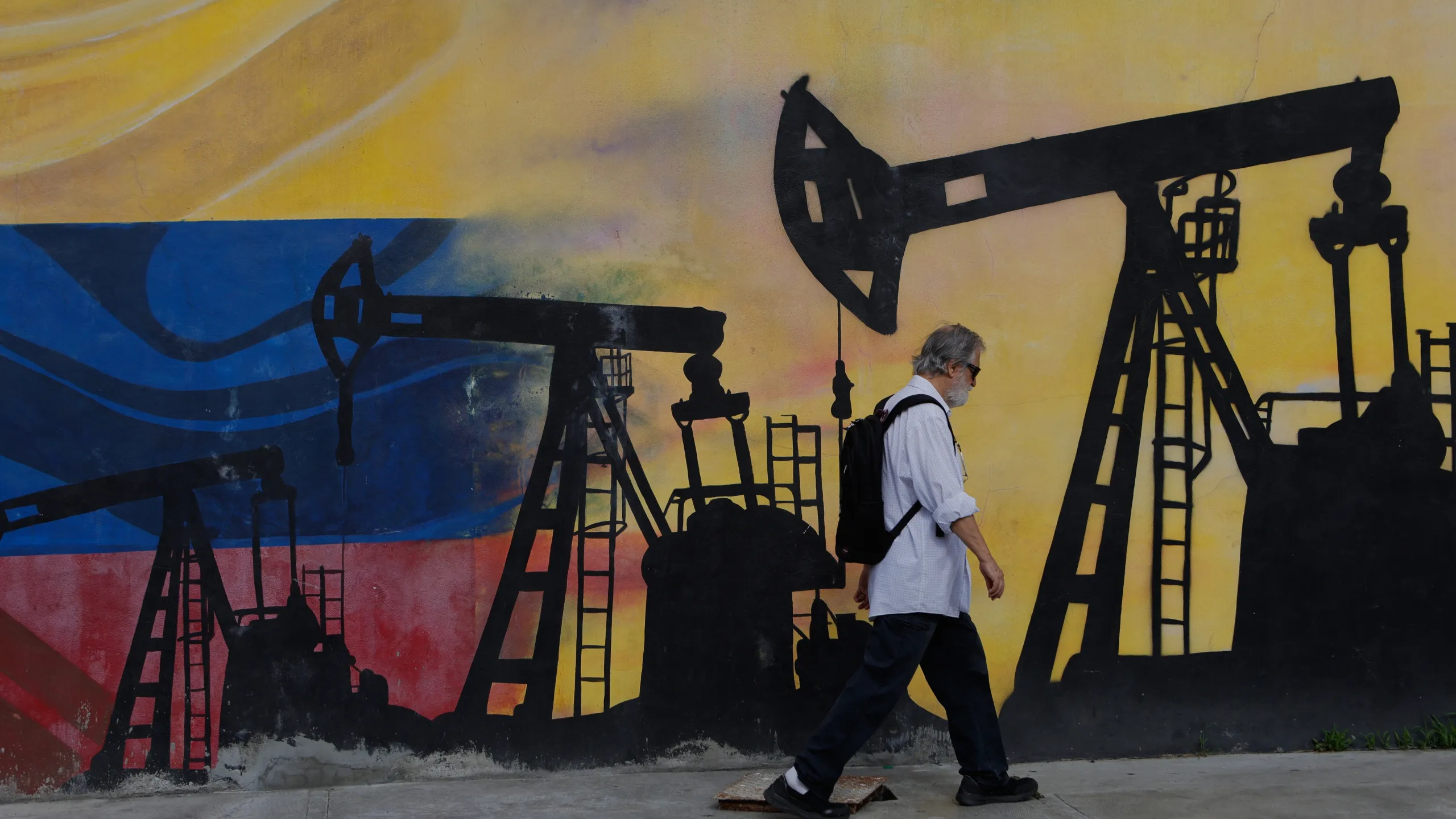
A pedestrian walks past a mural featuring oil wells in Caracas, Venezuela, Saturday, Aug 29, 2026, a day after President Donald Trump announced a deal giving the United States a stake in Venezuela's oil reserves. (AP Photo/Pedro Mattey)
The emotional message is included with the final book children receive through the literacy programme when they turn five, marking the end of their time in the programme as they prepare to begin school.
Parton died on August 25, 2026, leaving behind a legacy that extended far beyond her music career, including decades of work supporting children's literacy and education.
In the letter, Parton reflects on how quickly the children have grown since they first began receiving books as babies.
She encourages them not to stop reading after graduating from the programme and urges them to make use of their local public libraries.
'Every book is a treasure,' Parton wrote, encouraging the young readers to see books as opportunities to meet new friends and discover new places through their imagination.
She also offered advice to the children as they prepared to start school, reminding them that there is no limit to what they can achieve.
Parton encouraged the young graduates to dream big, continue learning and care for the people who care for them.
She concluded the letter with a message of affection, signing it, 'I Will Always Love You, Dolly.'
The letter was not written as a farewell following her death. Instead, it formed part of the regular graduation experience for children completing the Imagination Library programme.
Parton founded the Imagination Library in 1995 through the Dollywood Foundation. The programme was inspired in part by her father, Robert Lee Parton, who could not read or write.
The initiative provides free, age-appropriate books to children from birth until they turn five, regardless of their families' income. It has since expanded internationally and become one of the world's largest early childhood book-gifting programmes.
The programme has distributed more than 300 million books worldwide, reaching millions of children and helping promote early childhood literacy and a love of reading.
Parton frequently described the Imagination Library as one of the achievements of which she was most proud.
Her final message to the young readers now offers a lasting reflection of the values she hoped to pass on: a love of books, the courage to dream and the importance of caring for others.
Dolly Parton's final letter to Imagination Library graduates highlights her lasting commitment to children's literacy.
The Ethiopian government announced Monday that it has repatriated nearly 100,000 nationals facing dire conditions abroad over the past 12 months under an ongoing government-led initiative.
The Ministry of Women and Social Affairs said in a statement that more than 98,900 Ethiopians were safely returned home during the latest round of a coordinated repatriation initiative, which began on Sept. 15 last year.
As part of these efforts, some 2,463 undocumented citizens were repatriated last week alone from Saudi Arabia, where they were said to be 'stranded in difficult conditions,' according to the ministry.
The Ethiopian government and humanitarian partners are currently implementing coordinated initiatives to provide returning citizens with appropriate support and care at temporary facilities, as well as rehabilitate and reunite them with their families, it was noted.
Despite government-led public awareness campaigns regarding the dangers of human trafficking, estimates indicate that thousands of Ethiopians are trafficked annually to Saudi Arabia and other Gulf countries, where they work primarily in the informal economy.
In addition to the risk of imprisonment and other hardships, Ethiopian migrants often face life-threatening dangers as they attempt to navigate the perilous Red Sea route in hopes of reaching the Gulf countries through war-torn Yemen.
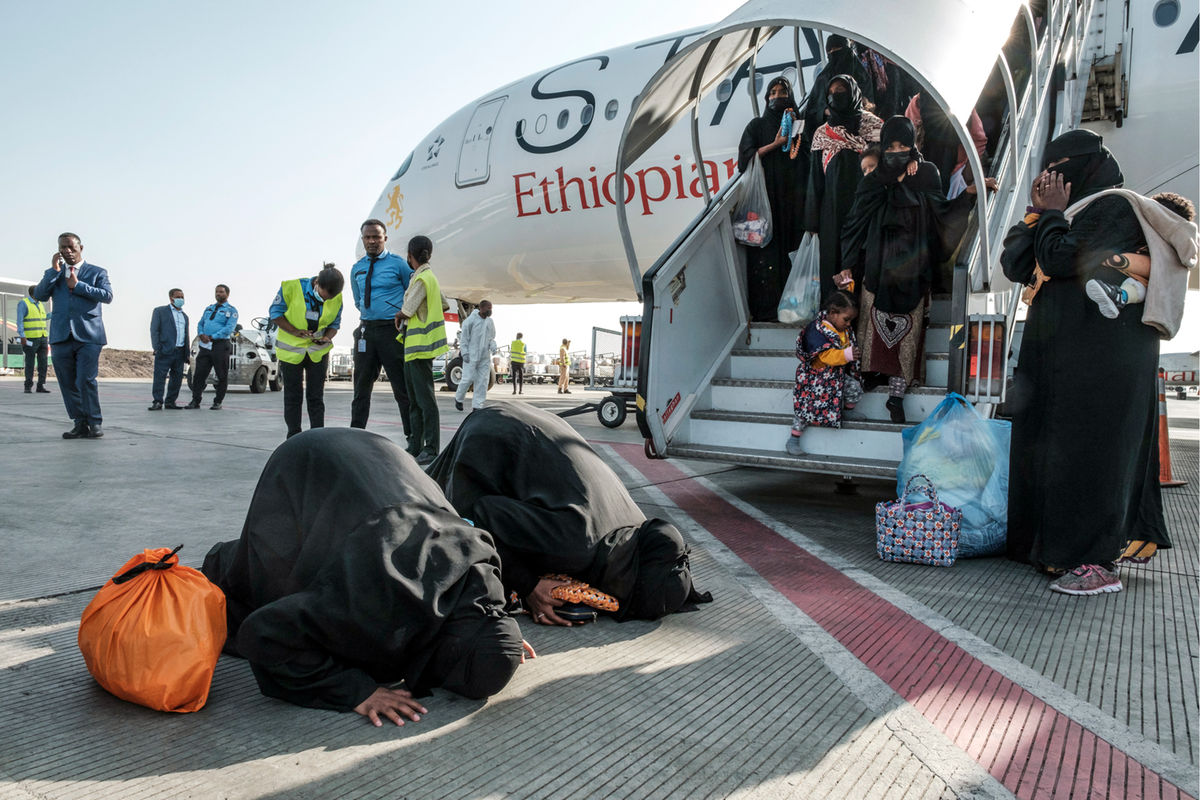
Ethiopian women repatriated from Saudi Arabia react as they disembark from the airplane at the Bole Airport, in Addis Ababa, on March 30, 2022. (Photo by EDUARDO SOTERAS / AFP)
Jean Claude Rubyogo, Director of PABRA and Global Bean Program Leader at the Alliance of Bioversity International and CIAT, told the gathering that around 150 million people in Africa consume beans regularly, and that PABRA's roots stretch back further than its formal 1996 founding, to three regional bean research networks that had already been operating for nearly a decade with support from the Swiss Agency for Development and Cooperation (SDC).
'Why don't we come together?' Rubyogo recalled asking at the time. 'Today we have a strong network of national programmes working as one regional system.'
He said PABRA has released 624 improved bean varieties over the past 30 years, now reaching more than 46 million farmers across the continent, 58 percent of them women.
Juan Lucas Restrepo, Director General of the Alliance of Bioversity International and CIAT, said the alliance's strength lies in bringing together public sector, private sector and farming communities around shared goals.
'It is not about beans per se,' he said. 'It is about the economic opportunities they create, allowing more women to participate in business, opening opportunities for youth, and connecting producers to expanded markets.'
Rwanda's own bean story
Florence Uwamahoro, Director General of the Rwanda Agriculture and Animal Resources Development Board (RAB), said Rwanda has both benefited from and contributed to the wider African bean sector. She cited varieties such as RWR 2245, RWR 3194, RWR 2154 and RWR 1129, bred in Rwanda and shared through PABRA's regional networks for adoption elsewhere. With bean consumption in Rwanda exceeding 100 grams per person per day, she said, 'investment in beans means investing in healthy populations, food security and economic well-being.'
Rubyogo pointed to the same shift from Rwanda's side of the story: climbing beans, which occupied only about 5 percent of Rwanda's bean-growing area in 1985, now account for around 45 percent. Six or seven varieties bred in Rwanda are now grown as far afield as Tanzania, Uganda, Cameroon and Burundi, he said, while a recent study found farmers who adopted the new varieties cut the number of days they went without beans in their meals by about 20 days a month.
Rwandan entrepreneurs described how that research reaches the field. Emma Uwera, founder of I&JJ Harvest Seed Company, said PABRA and RAB's Bean Programme shaped her career from her undergraduate studies onward and helped her grow from supplying seed in eastern Rwanda to marketing nationwide.
'Farmers believe what they see,' she said, describing demonstration plots where 100 to 200 farmers at a time watch new varieties grow from planting to maturity before deciding to buy the seed.
Rose Kabuye, a retired Rwandan lieutenant colonel, grain trader and off-taker who has worked in bean exports since 2020, said the market increasingly rewards varieties that cook quickly and generate higher returns for farmers and traders. She said poor-quality grain still undercuts the market, particularly in school feeding programmes, where nutrition is a key consideration, and called for continued investment in post-harvest handling.
School meals link farms to classrooms
A major theme of the day was the link between bean research and school nutrition. Jean Damascène Nsengiyumva, Director General of School Health and Wellness at Rwanda's Ministry of Education, said the Scale Sustainable School Feeding Innovation Project is being implemented in 509 schools across Karongi, Nyamasheke and Rusizi districts, with the ambition of reaching more than 445,000 schoolchildren, supported by the SDC and implemented by the Alliance of Bioversity International and CIAT with MINEDUC, MINAGRI, RAB and other partners.
'A nutritious school meal begins long before it reaches the plate,' Nsengiyumva said. 'It begins with the soil, the seed, the farmer, the school garden, the knowledge of the teachers and the communities.'
Today, more than 1,000 school staff and 1,000 teachers, including agronomists and community health workers, have been trained under the project in high-iron bean and vegetable production, nutrition, fertilizer application and post-harvest management.
Dr. Olivier Kamana, Permanent Secretary at the Ministry of Agriculture and Animal Resources, said the model aligns with Rwanda's Agricultural Transformation agenda and called for continued investment in biofortified crops, school garden programmes and climate-smart farming. Rubyogo added that governments in Rwanda, Kenya and Tanzania have all prioritised school feeding, with new varieties bred to cut cooking time by around 30 percent, easing pressure on firewood and the time women spend preparing meals.
Markets, jobs and research gains
Eliud Birachi, Project Leader for Markets and Business Development at the Alliance of Bioversity International and CIAT, said PABRA's commodity corridor approach now spans about ten corridors across Eastern, Southern, Central and West Africa, drawing in around 200 enterprises collaborating within the bean system.
Rubyogo added further detail on research outcomes: in Ethiopia, nationally developed varieties have almost tripled yields compared with older ones, while yellow bean varieties popular in East Africa have doubled yields in places. He said the time between a variety's release and its widespread use by farmers has fallen from 10-15 years in the network's early period to roughly three years today. Mobile threshers introduced through PABRA's partnerships with local artisans have reached 152,000 smallholders since 2018 and created close to 6,500 jobs, while bean exports from Ethiopia have grown from about $8 million to more than $100 million a year.
Looking ahead, Rubyogo said climate resilience will remain central to PABRA's work as rising temperatures and shifting rainfall patterns threaten production, and pointed to Africa's rapid urbanization, with cities such as Lagos and Kinshasa expected to reach tens of millions of residents by 2050, as a reason to keep developing affordable, nutritious bean varieties.
The event, themed 'PABRA beyond #30, and beyond Beans,' was organised by CGIAR through the Alliance of Bioversity International and CIAT on behalf of PABRA, a partnership of more than 934 partners across 31 countries. Discussions also touched on extending PABRA's demand-led, corridor-based model to other crops, including groundnuts and sorghum, and on the launch of PABRA's 10-year strategy for 2027-2037.
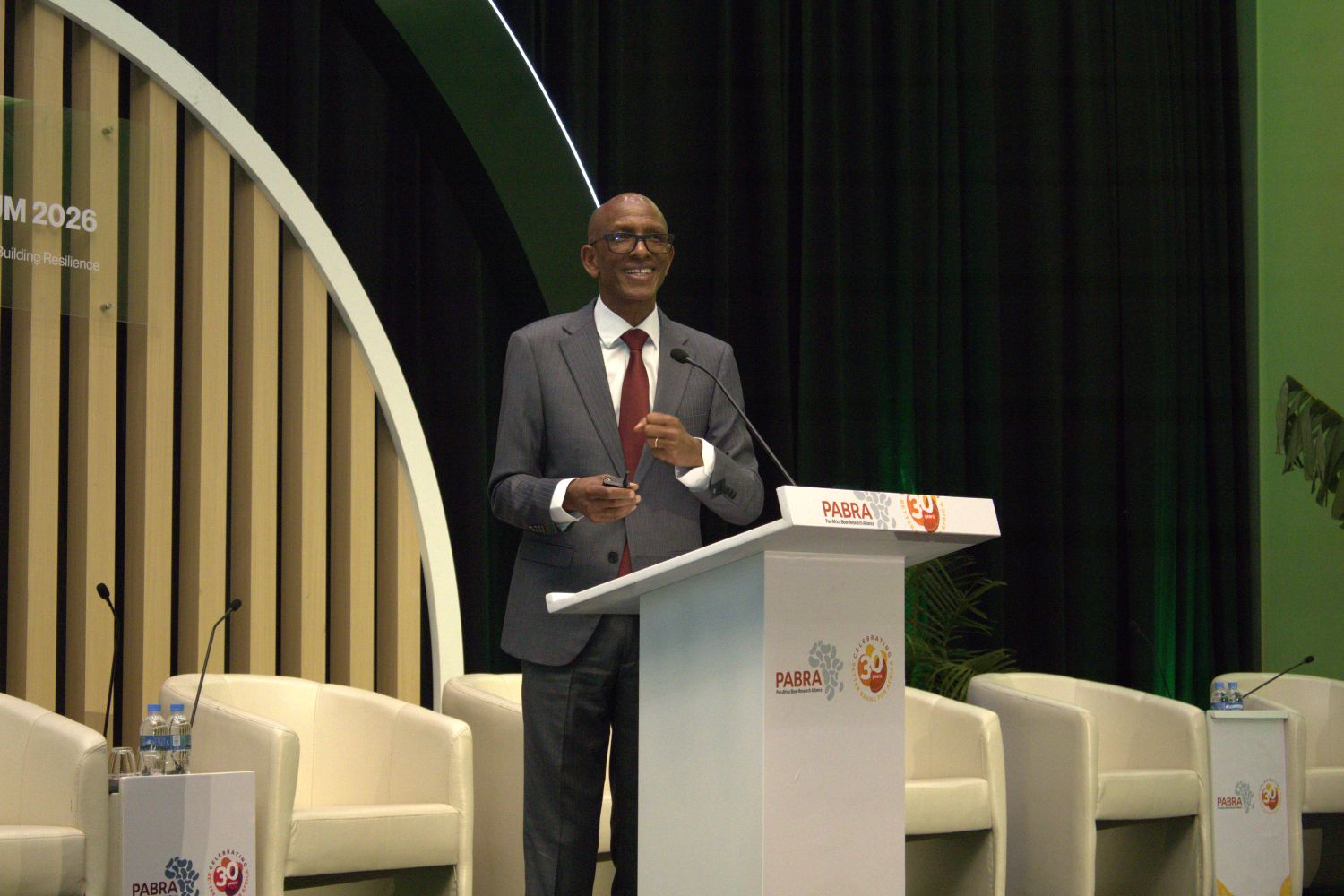
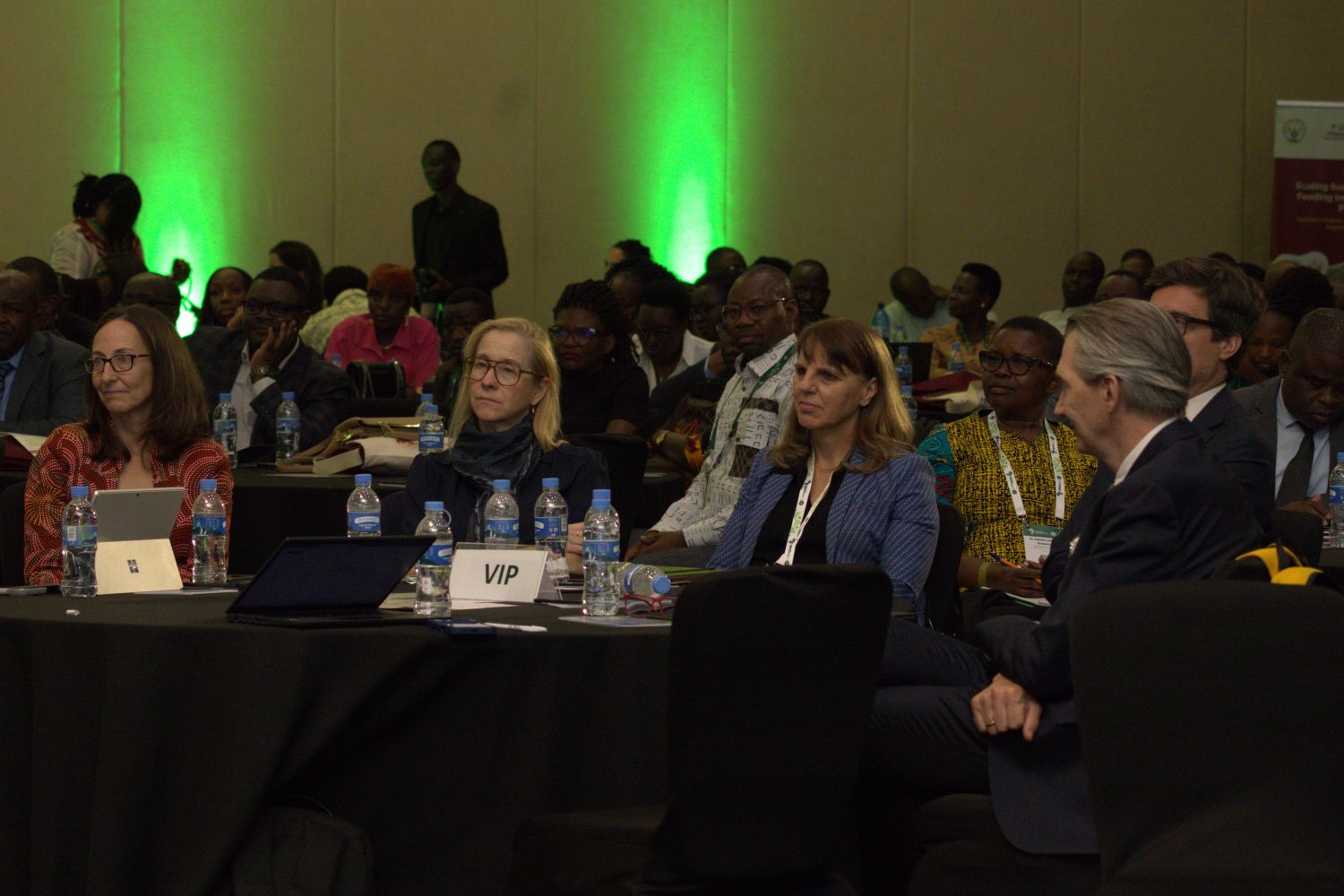
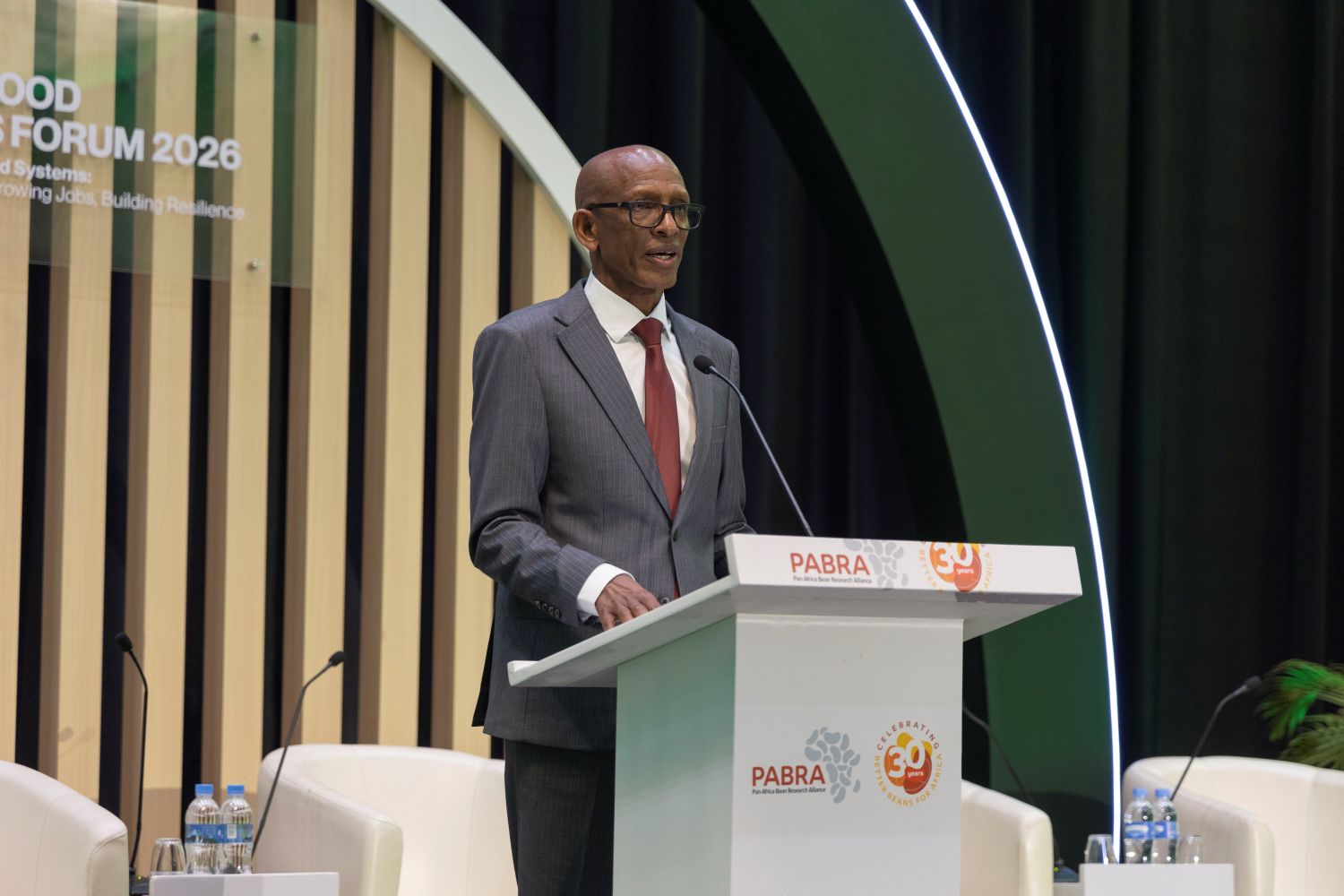
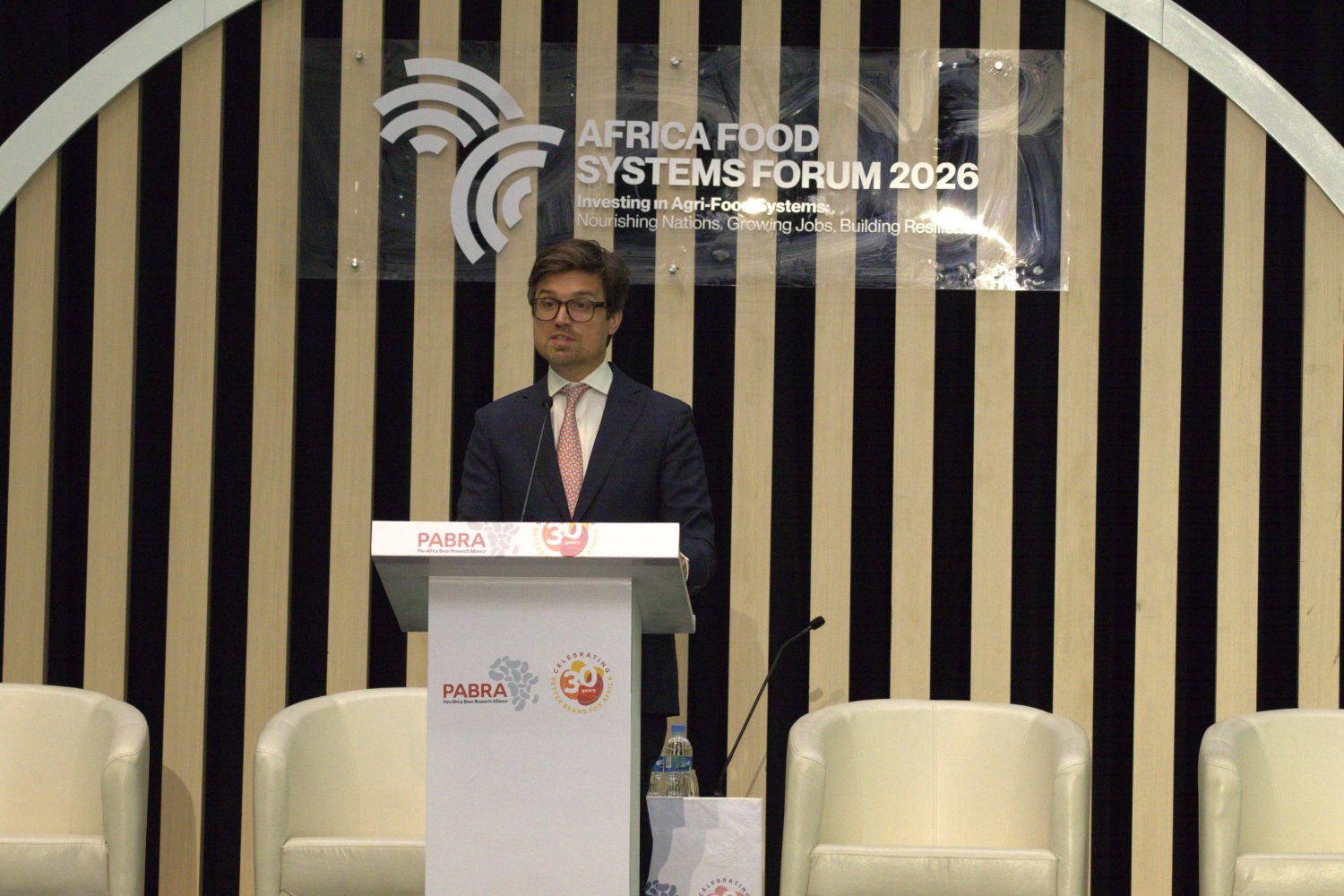
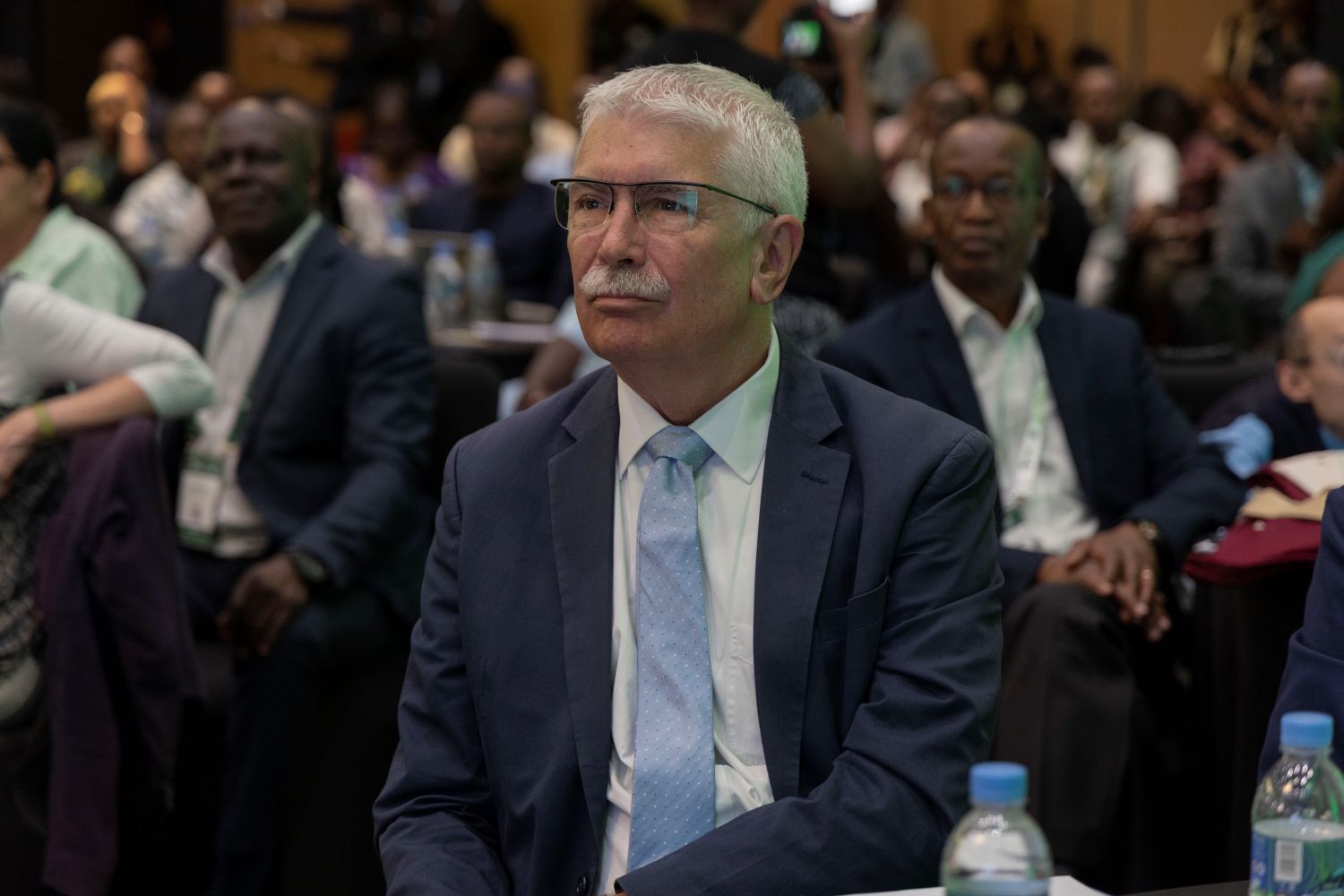
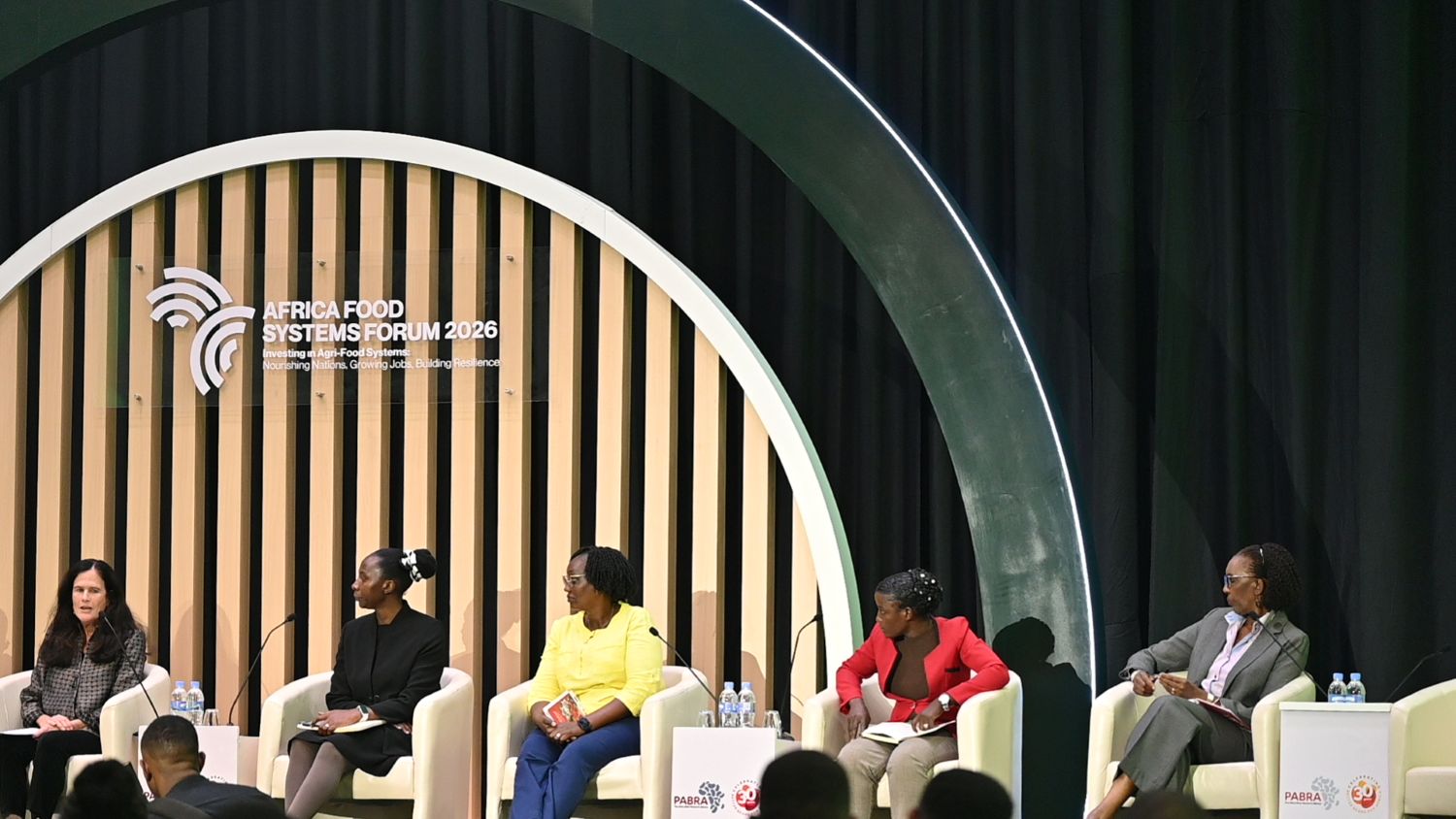
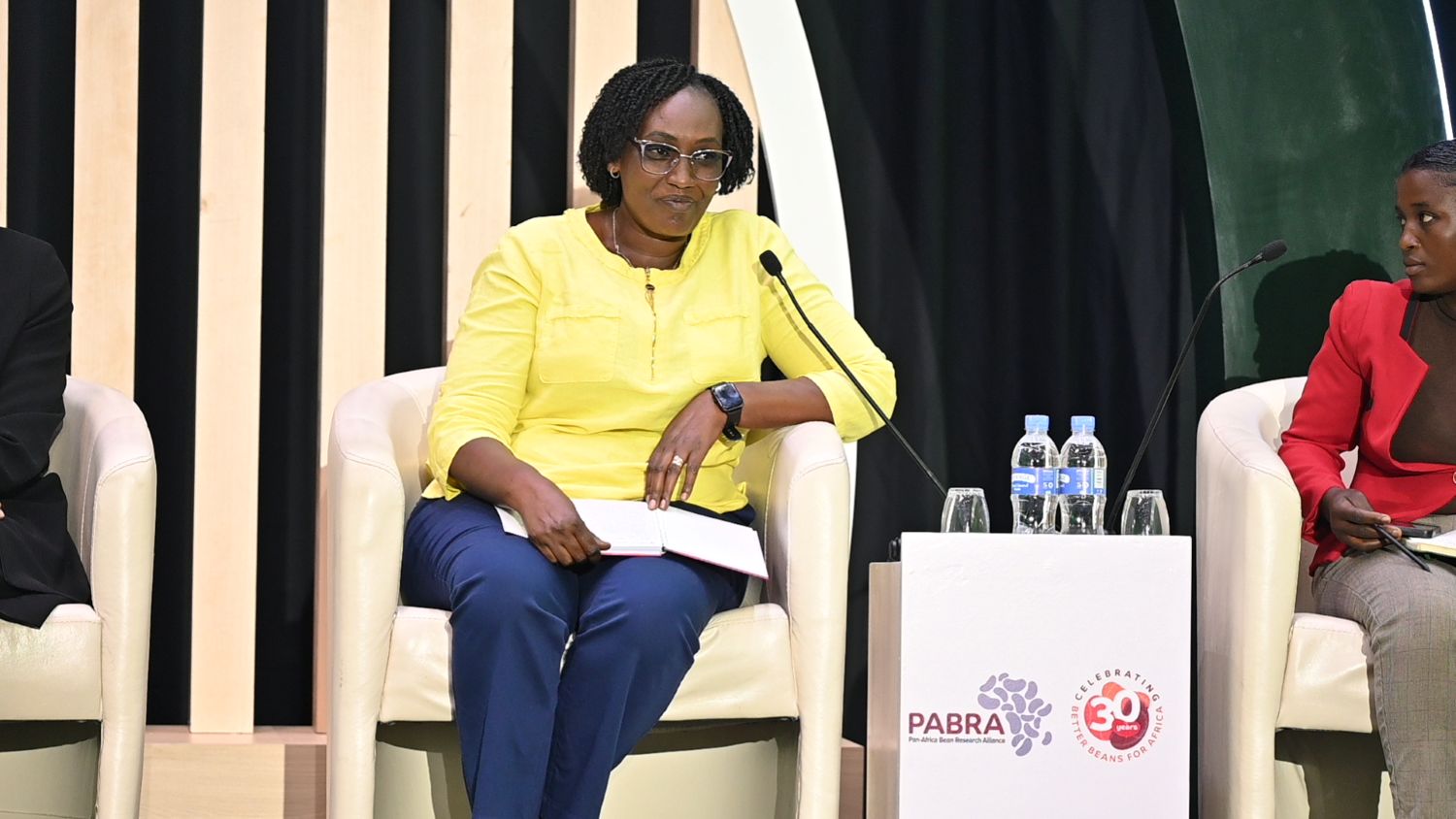
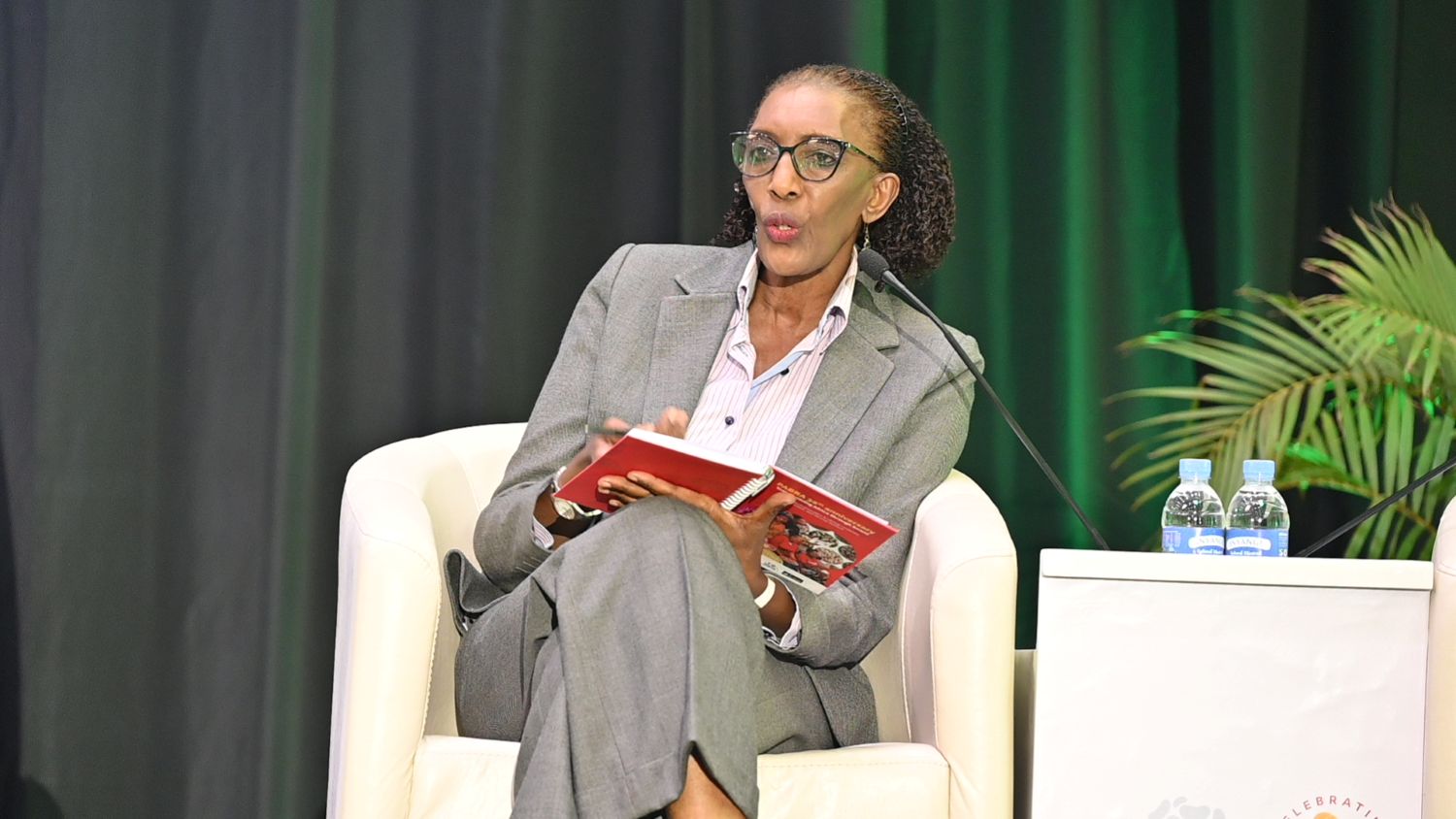
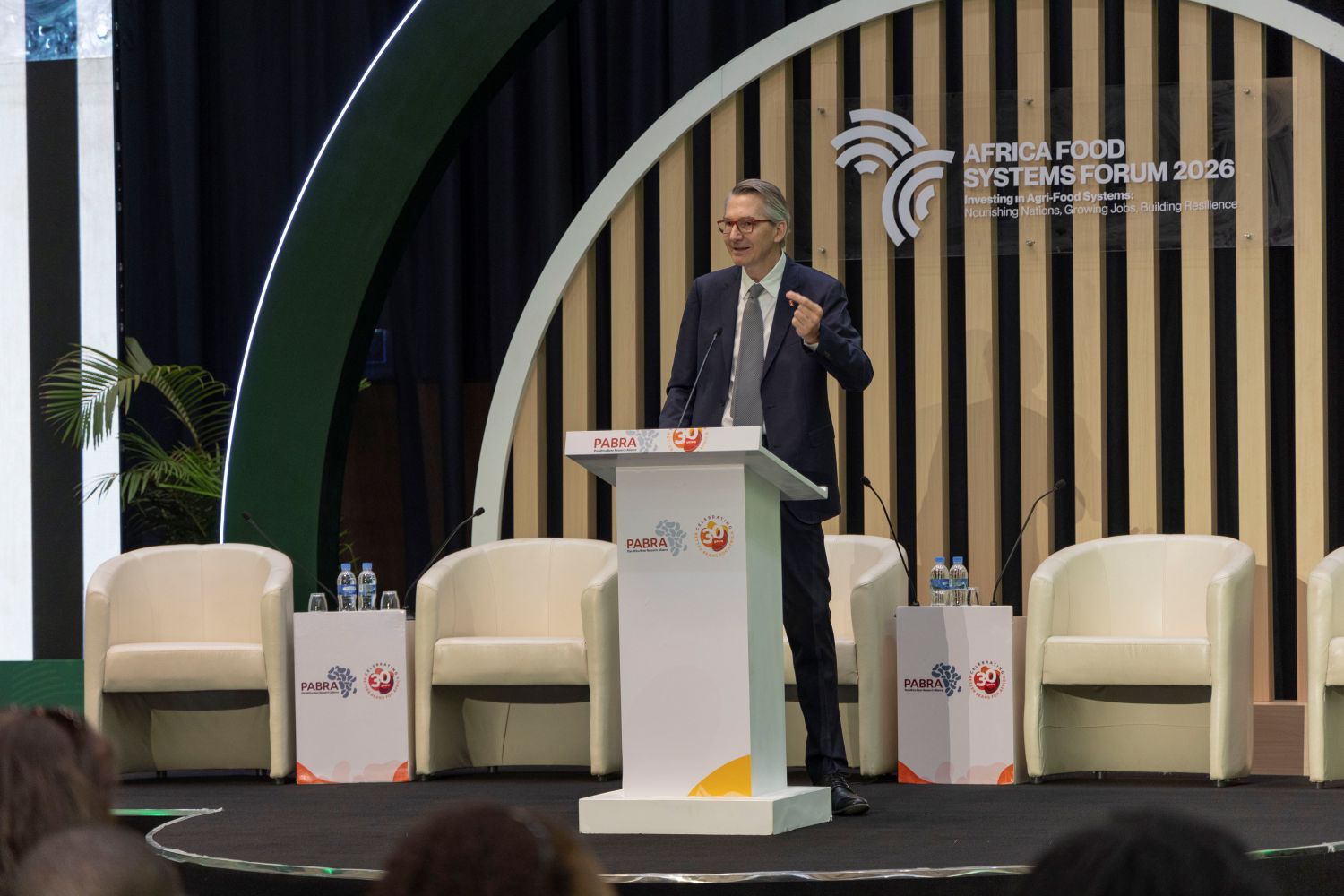
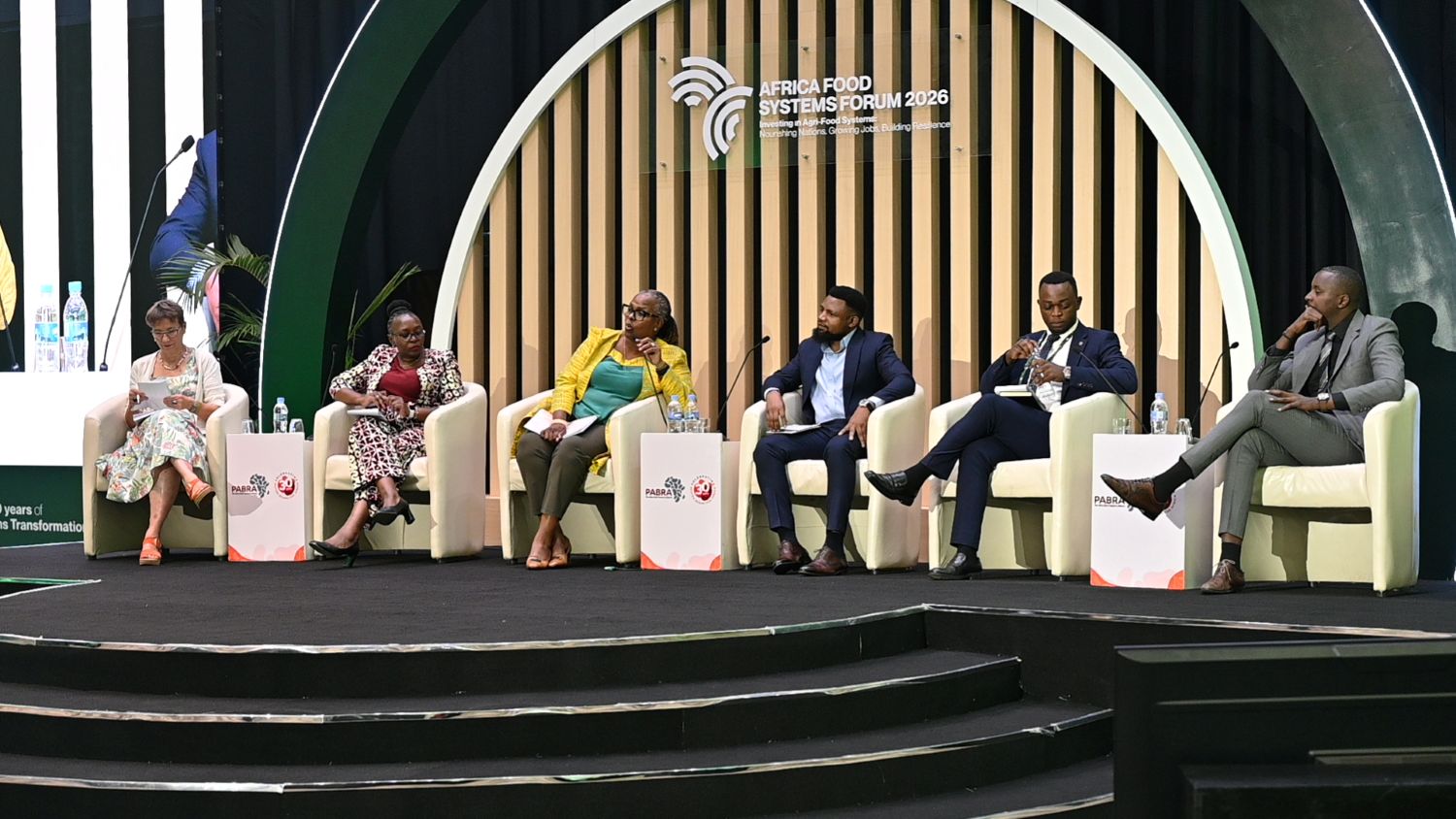
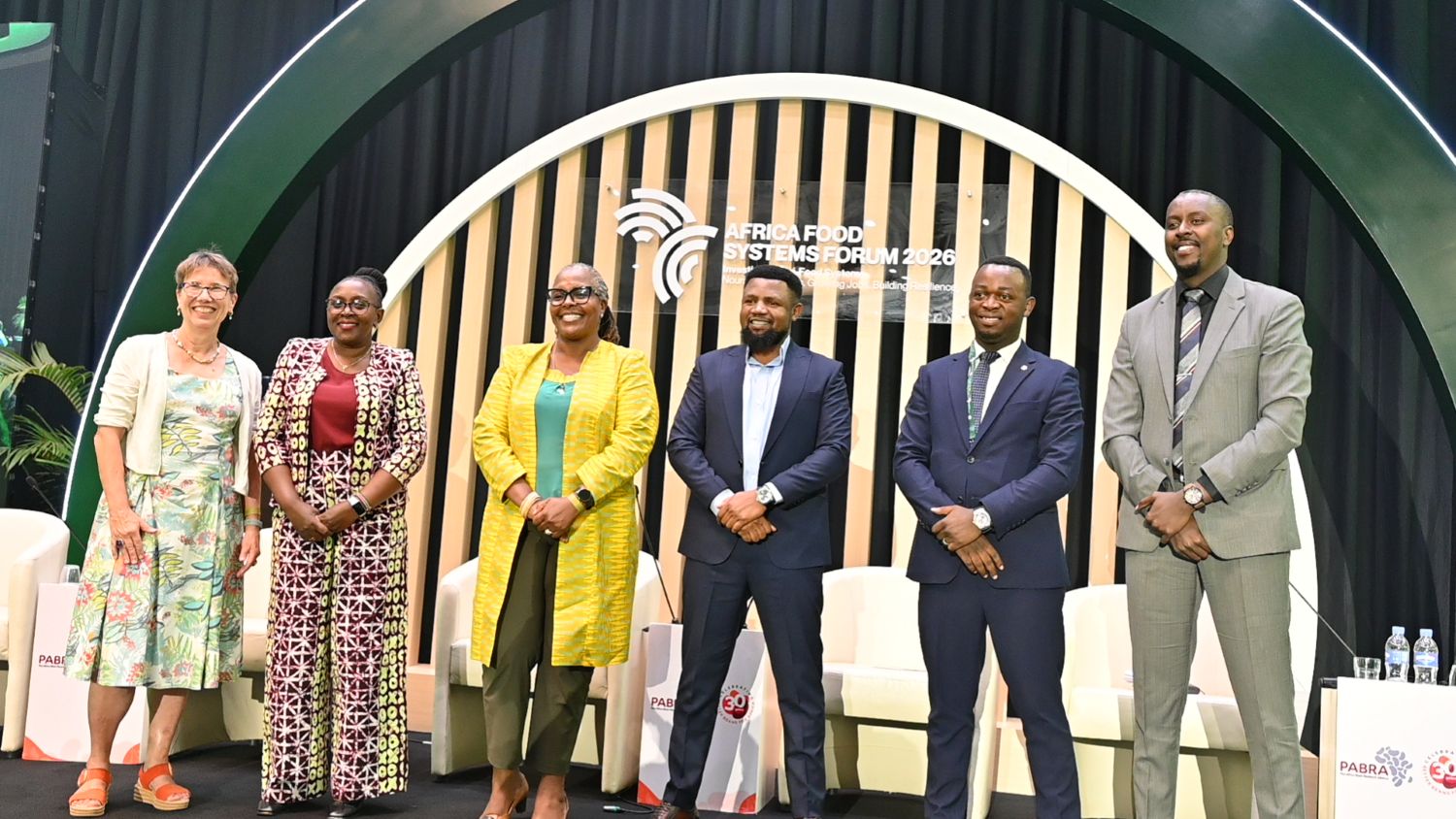
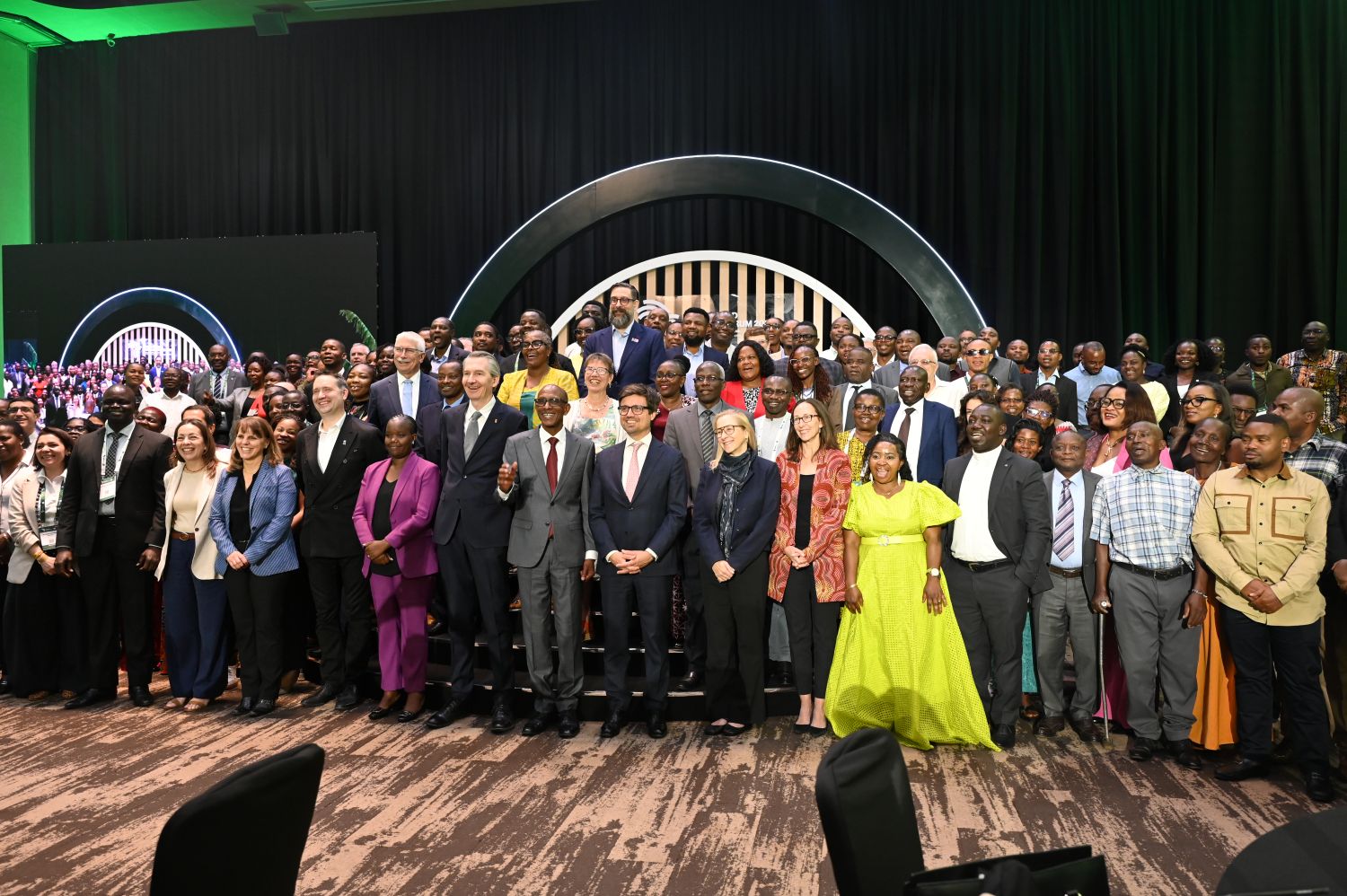
Jean Claude Rubyogo, Director of PABRA and Global Bean Program Leader at the Alliance of Bioversity International and CIAT, speaks during PABRA's 30th anniversary event in Kigali.The event brought together government officials, researchers, farmers, development partners and other stakeholders to mark PABRA's 30th anniversary in Kigali.Rubyogo pointed to the same shift from Rwanda's side of the story: climbing beans, which occupied only about 5 percent of Rwanda's bean-growing area in 1985, now account for around 45 percent.A major theme of the day was the link between bean research and school nutrition. The event featured rich panel discussions.Emma Uwera, founder of I&JJ Harvest Seed Company, said PABRA and RAB's Bean Programme shaped her career from her undergraduate studies onward and helped her grow from supplying seed in eastern Rwanda to marketing nationwide.Rose Kabuye, a retired Rwandan lieutenant colonel, grain trader and off-taker who has worked in bean exports since 2020, said the market increasingly rewards varieties that cook quickly and generate higher returns for farmers and traders.
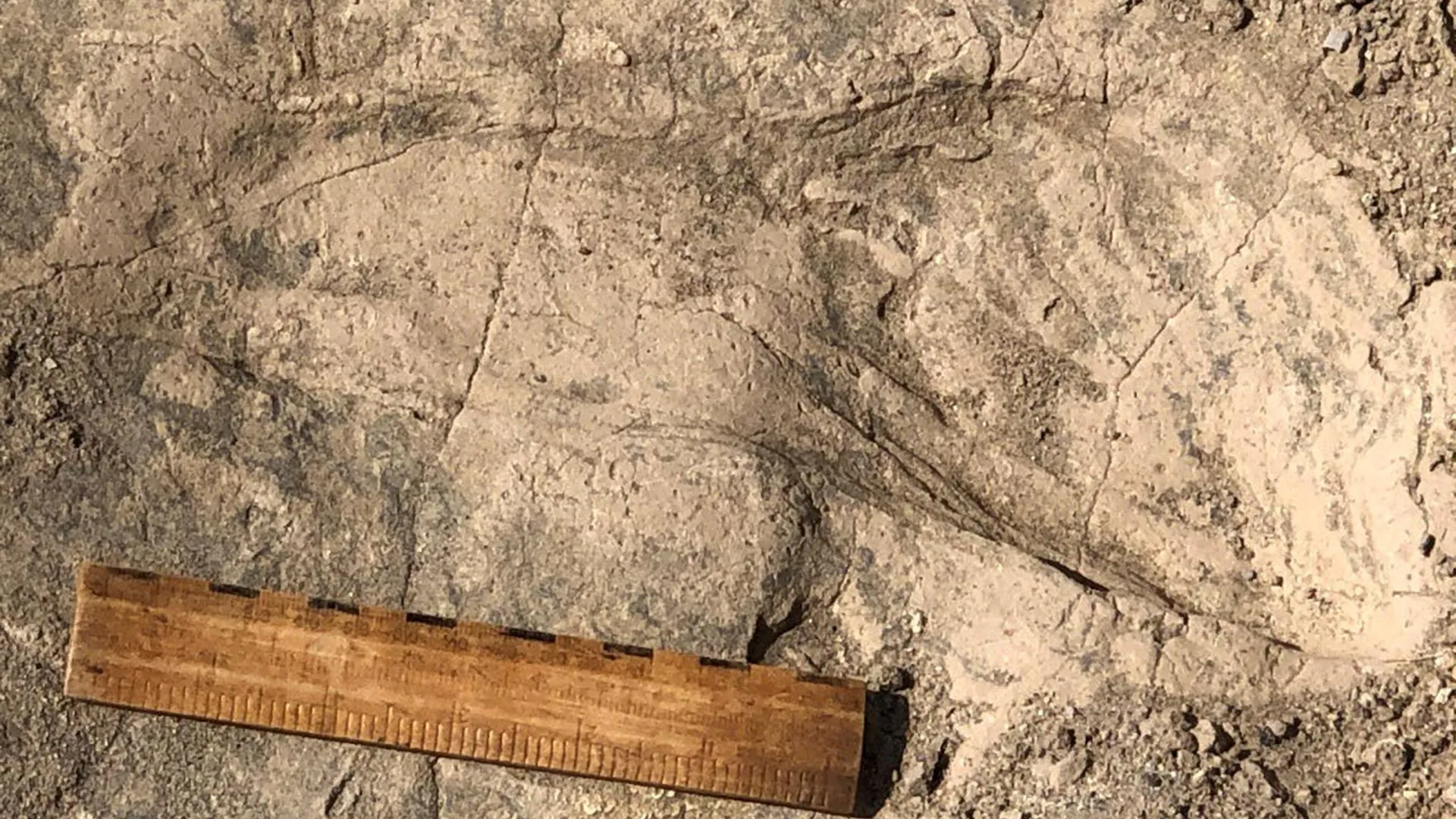
The footprints, preserved near an ancient lakeshore, appear to belong to eight individuals of Paranthropus boisei who may have been travelling together at roughly the same time.
Researchers from the United States and Kenya believe all eight individuals were adults. More importantly, the footprints suggest that some members of the species were much larger than previously estimated.
According to the researchers, the footprints indicate that some Paranthropus boisei individuals may have reached about 1.8 metres in height and weighed around 75 kilograms, giving them body sizes comparable to those of modern humans.
For decades, most fossils of Paranthropus boisei have consisted of skulls, including specimens with large jaws and teeth.
Because remains from other parts of the body are much rarer, scientists have had limited information about the species' overall body size.
The newly discovered footprints are therefore providing important evidence that challenges earlier estimates suggesting that Paranthropus boisei was considerably smaller than Homo erectus, another human relative that lived during the same period.
The footprints also offer clues about the social behaviour of the species. Researchers found that the eight individuals appeared to have travelled together, and most were likely adult males. There was no clear evidence of females or children among the group.
Scientists say this could indicate a more complex social structure than previously understood.
The individuals may have lived in larger groups in which males competed for mates but sometimes travelled together for protection in potentially dangerous environments.
The discovery is part of a larger collection of hominin footprints found around Lake Turkana.
Researchers have documented hundreds of footprints at more than six sites in the region, highlighting the importance of ancient lakeshores to early human relatives.
Scientists believe these environments provided important resources that repeatedly attracted hominins over long periods.
The research demonstrates that fossil footprints can reveal information that bones alone cannot, including body size, movement, group behaviour and the environments in which ancient human relatives lived.
Researchers plan to continue investigating the footprint sites in Kenya, hoping to uncover more evidence about human evolution during the Early Pleistocene.
Ancient 1.4-million-year-old footprints in Kenya are revealing new clues about the size and social behaviour of Paranthropus boisei.
Josey has been cast in the upcoming drama The Burning Valley, a film written and directed by Evan Coury. The movie recently began filming in Pennsylvania.
In the film, Josey will play a character credited as 'Boy,' while his father will play 'Father.' The project marks Josey's first on-screen film role and comes six years after the death of his mother.
The Burning Valley tells the story of a steelworker whose life changes after a local mill announces its closure.
The film explores the impact of industrial decline on a community and follows the character as he reflects on his life and the history of his Rust Belt town.
For Coury, the project also marks his feature-film directorial debut.
Although this will be Josey's first film appearance, it is not his first experience performing. He previously appeared in a 2024 production of Seussical Jr. in West Virginia, where he took part in a children's theatre production.
Josey has been raised by his father since Rivera died in July 2020 at the age of 33. Rivera drowned at California's Lake Piru after taking Josey, who was four years old at the time, on a boating trip. Josey was later found safely aboard the rented boat.
Rivera was best known for playing Santana Lopez on the hit television series Glee, a role she portrayed from 2009 to 2015. She also appeared in shows including The Royal Family, Devious Maids and Step Up: High Water.
Ryan Dorsey has continued to raise Josey while keeping his late former wife's memory alive. Dorsey has previously spoken about his son's creativity and interest in different activities, including music and performing.
Josey's first film role represents another step into the entertainment industry for a child whose parents both built careers as actors. His appearance alongside his father also makes The Burning Valley a notable father-son project.
The film is currently in production, with further details about its release yet to be announced.
Naya Rivera's son Josey Hollis Dorsey is set to make his film debut alongside his father, Ryan Dorsey, in The Burning Valley.
The experience topped the Wildlife Experience Index with a score of 90 out of 100, ahead of emperor penguin expeditions in Antarctica and saiga antelope expeditions in Kazakhstan.
The index ranked 30 of the world's most remarkable wildlife experiences, focusing on encounters where travellers can see animals in their natural habitats.
Wildlife encounters of this kind have become a major attraction for travellers, with safaris and other experiences involving wild animals featuring prominently on many travel bucket lists.
While Africa's Big Five; lions, elephants, leopards, rhinoceroses and buffaloes, often dominate wildlife tourism, the index highlights a much wider range of experiences, from tracking black rhinos in Namibia to searching for elusive snow leopards in the Himalayas.
Bailey Robinson evaluated each experience across six factors: rarity, remoteness, conservation importance, exclusivity, accessibility and encounter potential.
Rarity was assessed based on population numbers and how difficult it is to encounter a species in the wild. Remoteness considered how far an experience is from tourism infrastructure, while conservation importance was informed by the IUCN Red List of Threatened Species.
The index also assessed exclusivity based on access restrictions and visitor limitations, accessibility based on how easy it is to reach the destination, and encounter potential based on known opportunities to observe the animals.
Each factor was scored out of 10 before being combined to produce an overall score out of 100.
Why mountain gorilla trekking came first
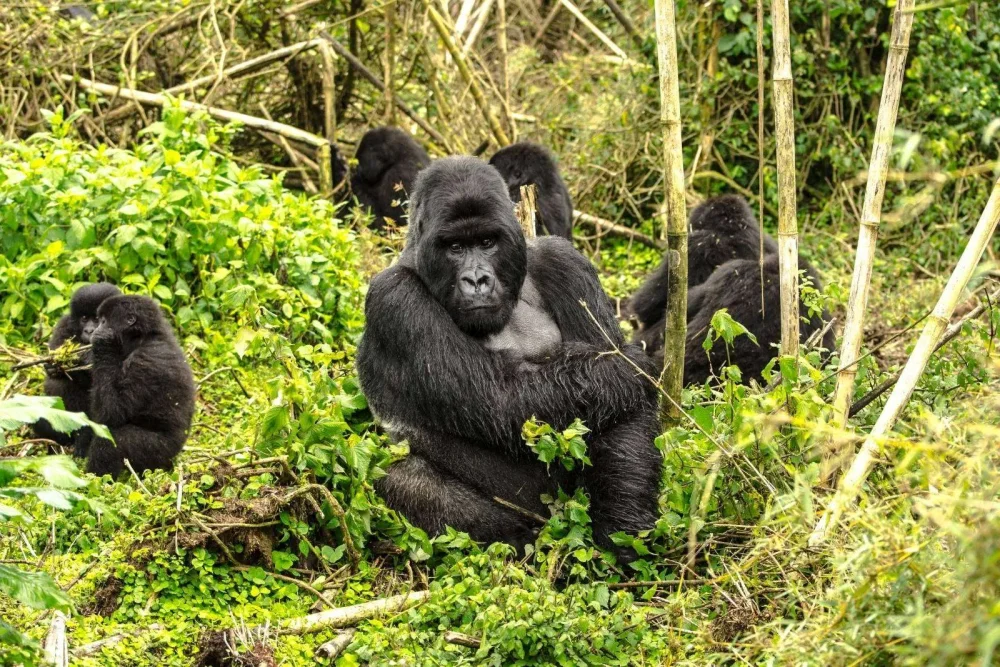
Mountain gorilla trekking in Rwanda or Uganda received the highest overall score, helped by a perfect 10 out of 10 for encounter potential.
According to Bailey Robinson, expert trackers play an important role in helping visitors find the gorillas they have travelled to see.
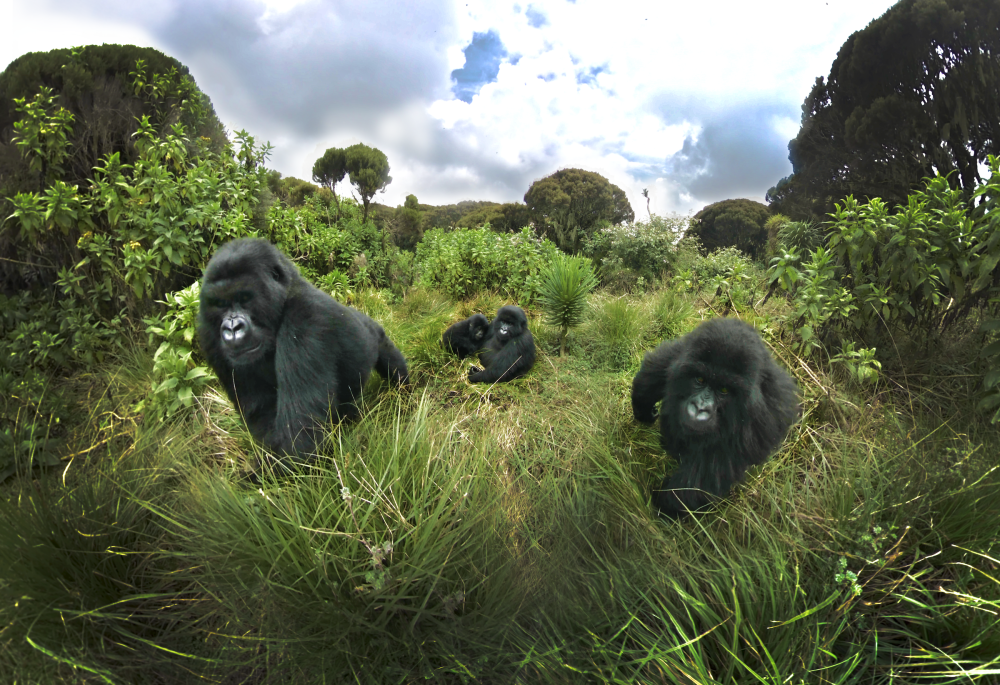
In Rwanda, gorilla trekking takes place in Volcanoes National Park, where visitors hike through the mountain forests in small groups to find habituated gorilla families.
Only 96 permits are issued each day in Rwanda, making the experience highly exclusive while also limiting the number of people who interact with the gorillas.
The visitor limits are intended to reduce disturbance to the gorillas while allowing people to experience them in their natural environment.
Gorilla tourism also contributes to conservation and supports communities living around the protected areas. Revenue generated through tourism helps support the protection of gorillas and their habitats, while surrounding communities benefit from tourism-related activities.
Other top wildlife experiences
Antarctica's emperor penguin expeditions ranked second with 88.5 points, receiving 10 out of 10 for both remoteness and exclusivity.
Kazakhstan's saiga antelope expeditions ranked third with 87 points, followed by snow leopard tracking in Ladakh or the Himalayas with 85.5 points.
Javan rhino tracking in Indonesia came fifth with 85 points, while black rhino tracking in Namibia or Kenya ranked sixth with 84.5 points.
Polar bear expeditions in Svalbard and Bornean orangutan encounters ranked seventh and eighth respectively, both scoring 84 points.
Eastern lowland gorilla expeditions in the Democratic Republic of the Congo ranked ninth with 81.5 points, while African wild dog safaris in Botswana or Tanzania completed the top 10 with 81 points.
Eight of the top 10 experiences involved threatened species, while Asia and Africa accounted for most of the destinations featured in the ranking.
Sarah Parker, sales director at Bailey Robinson, said the relationship between rarity and remoteness was one of the key findings from the analysis.
'What particularly stood out to us was the relationship between rarity and remoteness,' she said.
'The world's most extraordinary wildlife encounters tend to involve travelling further, going deeper into wilderness and experiencing something that very few travellers will ever have the opportunity to see.'
She added that responsible travel and support for conservation projects were central to the value of such experiences.
'For us, the real luxury is the opportunity to experience something rare and meaningful, while travelling responsibly and supporting the places and conservation projects that make these encounters possible.'
Rwanda's mountain gorillas continue to draw wildlife enthusiasts from around the world to Volcanoes National Park.Mountain gorillas in Rwanda offer visitors a rare chance to observe one of the world's most remarkable wildlife species in its natural habitat.
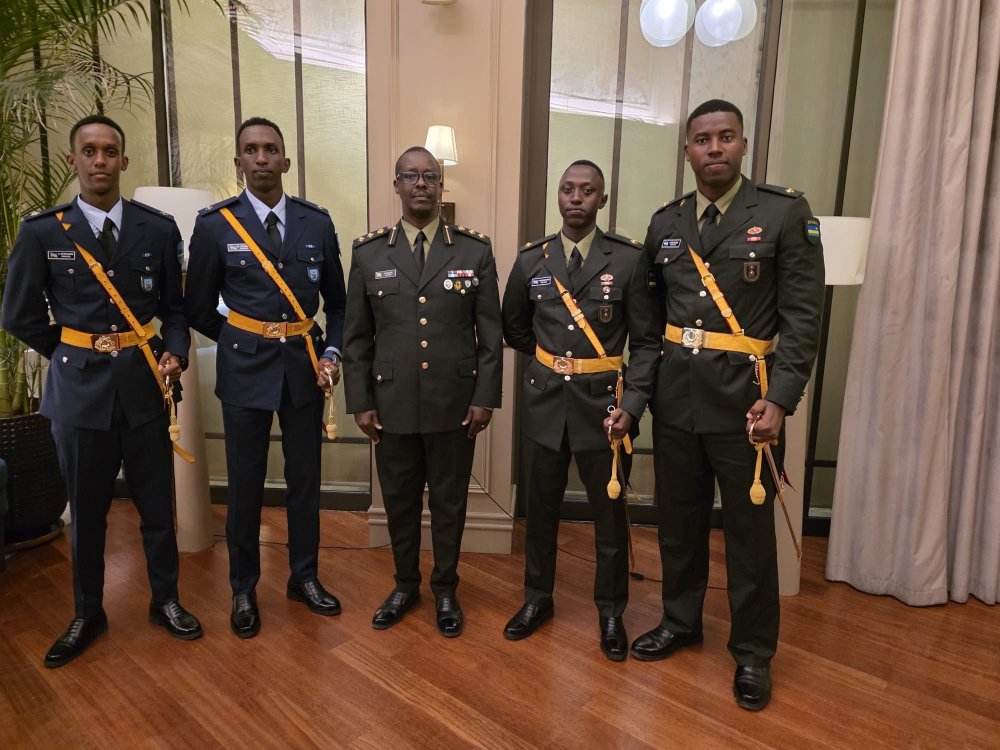
The graduation ceremony was held on August 30, 2026, in Ankara, bringing together graduates from the two military academies.
The four Rwandans are Byiringiro Arnauld, Cyizere Prince, Mbanzabugabo Daniel and Mugabe Robert.
Following the completion of their military training, they were commissioned with the rank of Second Lieutenant by the President of the Republic of Türkiye, Recep Tayyip Erdoğan.
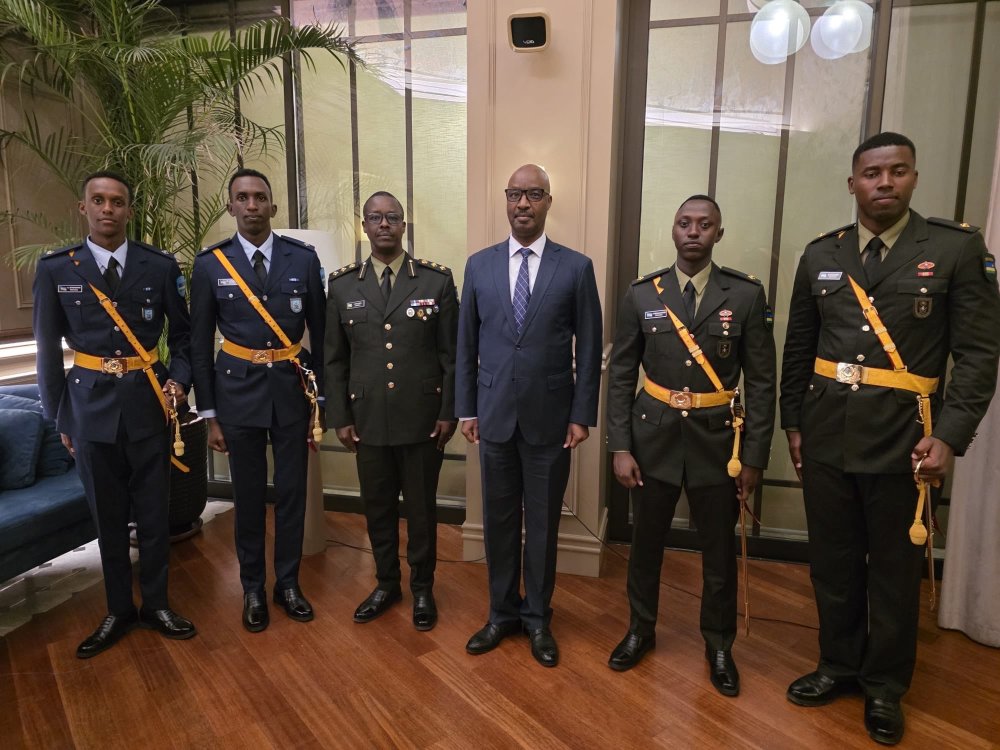
The graduation ceremony was attended by Rwanda's Ambassador to Türkiye, Lt Gen (Rtd) Charles Kayonga, and the Defence Attaché at the Rwandan Embassy, Colonel JP Rulisa.
The graduation is part of Rwanda's efforts to strengthen the skills and capabilities of its military personnel through professional military education and training programmes in different countries.
Türkiye's President Erdoğan has commissioned four Rwandans with the rank of Second Lieutenant The graduation ceremony was attended by Rwanda's Ambassador to Türkiye, Lt Gen (Rtd) Charles Kayonga, and the Defence Attaché at the Rwandan Embassy, Colonel JP Rulisa.
The Big Bang is the name scientists give to the rapid expansion from the Universe's extremely hot and dense early state, which began about 13.8 billion years ago. As the Universe expanded, it cooled and eventually formed stars, galaxies and planets.
The Universe is about 13.8 billion years old. Scientists have generally believed that rocky planets needed to form later, after early generations of stars had produced and distributed enough heavy elements into space.
The new study examined the first stars, known as Population III stars. These stars were extremely massive and ended their lives in powerful supernova explosions.
When they exploded, they released heavy elements such as carbon, oxygen and iron into surrounding clouds of gas. These elements are important building blocks for rocky planets.
Researchers focused on pair-instability supernovae, exceptionally powerful explosions that can release more than 100 times the mass of the Sun in heavy elements.
Their simulations suggest that material from these explosions could have enriched nearby gas clouds. As the clouds collapsed under gravity, they may have formed rotating disks around young stars, similar to the disk that eventually produced the planets in our Solar System.
In one simulation, scientists found a planet-forming disk around a young star with about 70 percent of the Sun's mass.
The disk contained enough solid material to potentially produce several Earth masses of planetary building blocks at a distance comparable to Earth's position around the Sun.
The simulations also indicated that water may have been present in these early disks. Although the amount was lower than in the material that formed our Solar System, it was still substantial.
The researchers stressed that the findings do not prove that habitable planets existed so early. Instead, they show that the conditions required for rocky planet formation may have appeared surprisingly soon after the Universe began.
The discovery could reshape scientists' understanding of how early planets formed and raises the possibility that potentially habitable worlds may have emerged much earlier in cosmic history.
Scientists say the ingredients needed to form rocky planets may have existed just 100 million years after the Big Bang.
The latest escalation began after US forces struck two Iranian rocket launchers on Larak Island, an Iranian island located near the Strait of Hormuz.
The United States said the operation was aimed at preventing an imminent threat to shipping in the strategic waterway.
Iran responded by launching ballistic missiles toward US military facilities in Jordan, according to Iranian officials and regional reports. Jordan said its forces intercepted the missiles.
The renewed confrontation marks the first known direct US military action against Iran since late July, when fighting had eased as Washington and Tehran pursued efforts to reach a longer-term agreement.
The situation escalated further after US President Donald Trump claimed that Iran's Kharg Island was being 'blown to smithereens.'
Kharg Island is a major centre of Iran's oil industry and serves as the country's main crude oil export terminal.
Any major attack on its energy infrastructure could have significant consequences for Iran's economy and global oil markets.
However, there was no independent evidence that Kharg Island had been attacked when Trump made the claim.
Reuters also reported that the video Trump shared alongside his statement was AI-generated. An Iranian official dismissed the claim as false and described it as 'laughable.'
The White House and the US Department of Defense did not immediately provide details confirming an attack on Kharg Island.
The renewed fighting has already affected global energy markets. Oil prices rose on Monday as traders reacted to the possibility that the conflict could further disrupt shipping through the Strait of Hormuz, one of the world's most important routes for oil and gas transportation.
The Strait has remained a major point of tension throughout the conflict. Iran has threatened to restrict shipping through the waterway, while the United States has sought to keep the route open for international commercial vessels.
The latest escalation comes as Washington also increases economic pressure on Tehran.
US Treasury Secretary Scott Bessent said the United States plans to introduce new secondary sanctions against Iranian financial networks on a weekly basis, beginning with banks.
The developments have raised fears that the renewed military confrontation could undermine diplomatic efforts and trigger a wider regional crisis.
For now, the Strait of Hormuz remains at the centre of the dispute, with any prolonged disruption threatening global energy supplies and potentially pushing oil prices higher.
US-Iran tensions have escalated as fighting resumes, raising concerns over regional stability and global energy supplies.