A statement issued by the Directorate General of Immigration and Emigration shows that among those granted Rwandan citizenship, 26 were born in Burundi, 20 in the DRC, nine in Uganda and eight in the United States.
The group also includes six people born in Belgium, five from Cameroon, four from Kenya and three born in Rwanda to parents of foreign origin.
Canada, the Netherlands, the Republic of Congo, Switzerland and Tanzania each had two nationals among those who acquired Rwandan citizenship.
About 60 percent of the newly naturalised citizens are aged between 30 and 49 years, a demographic group considered to have strong potential to contribute to the country's social and economic development.
They are followed by those aged between 50 and 64, people above 65 years, and young people below 30 years.
The youngest among the new citizens is five years old, while the oldest is 81.
The newly granted Rwandan citizenship became effective on July 24, 2026, according to a notice published in the Official Gazette of the Republic of Rwanda.
Rwanda has granted citizenship to 105 people from 27 countries.
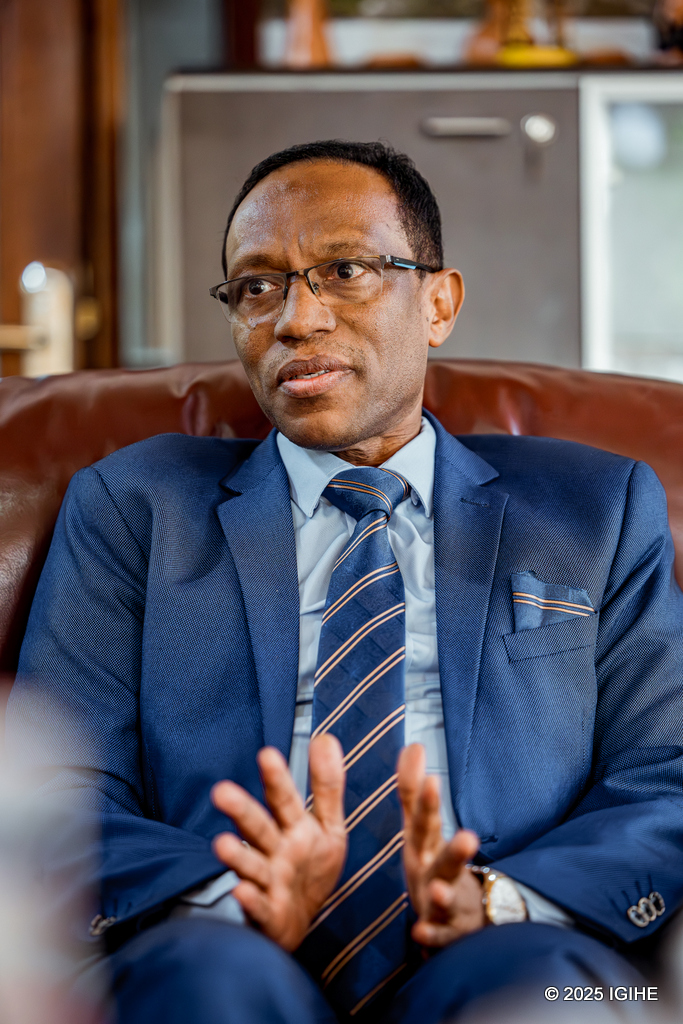
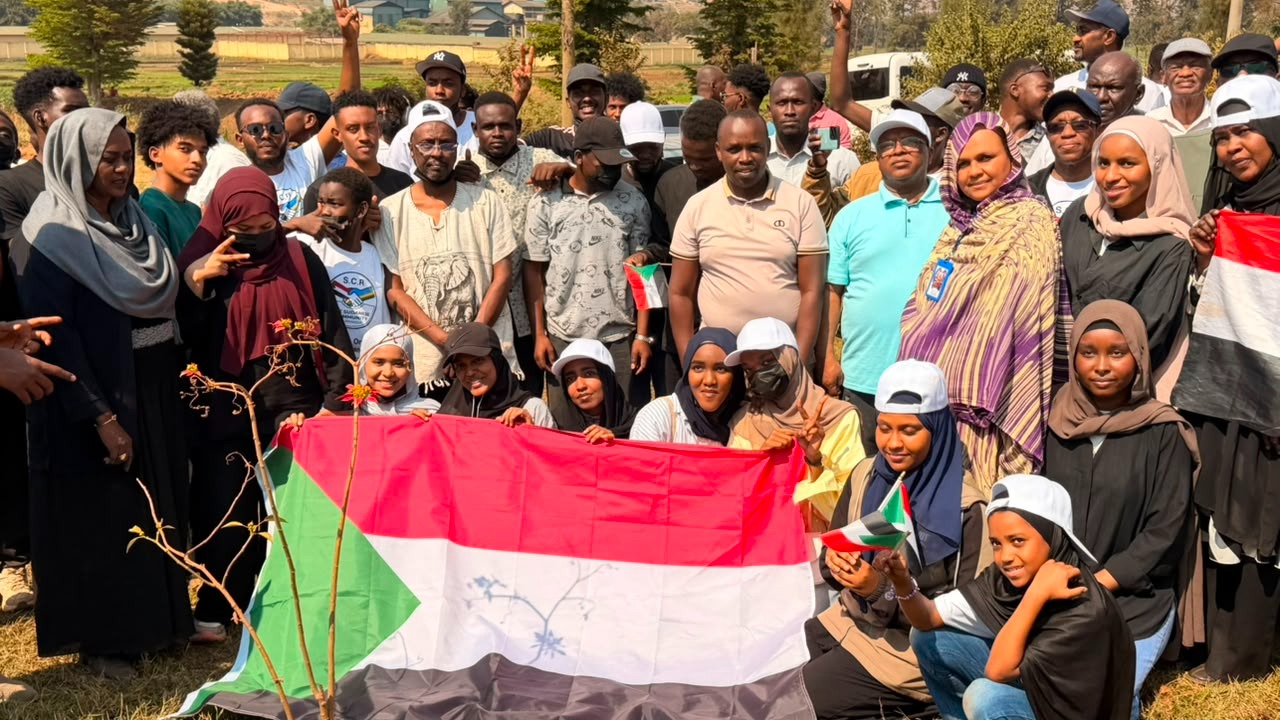
The ambassador disclosed the figures while speaking to IGIHE on the sidelines of Umuganda, Rwanda's monthly community service, held in Jabana Sector of Gasabo District last Saturday, where more than 150 Sudanese nationals joined local residents in community work.
Dafalla said the growing investment portfolio reflects the Sudanese community's confidence in Rwanda's business environment and its desire to contribute to the country's socio-economic development.
'Our total investment here is more than $25 million,' he said. 'Real estate is one of the biggest sectors. We have five companies developing apartments, villas and houses. It is a very promising sector.'
He added that Sudanese investors have also established a strong presence in education, including two schools and a medical university with more than 1,000 medical students, alongside investments in medical services.
Ambassador Dafalla said the growing investment portfolio reflects the Sudanese community's confidence in Rwanda's business environment.
Beyond education and real estate, Sudanese businesses are active in agriculture, poultry farming, oil and gas, and other commercial activities.
'We have Sudanese agriculturalists with different farms. There are three or four companies in poultry, and some companies are already exporting cash crops,' he said.
According to the ambassador, Sudanese entrepreneurs are increasingly looking at Rwanda's real estate market while also exploring opportunities in agriculture, particularly the export of coffee, tea and other cash crops.
'Rwanda is famous for its agribusiness, especially coffee and tea, which are among the best quality in the world,' he said, noting that Sudan is the sixth-largest importer of Rwandan coffee and tea and that both countries have room to expand agricultural trade.
Dafalla also revealed that Sudanese investments in Jabana alone are valued at about $4 million, mainly in the oil and gas sector.
The ambassador said the investments are being driven by a growing Sudanese community in Rwanda, which he estimated at around 5,000 people, including about 4,000 students enrolled in six universities. Others work in healthcare, business and other professional fields.
He noted that Sudanese doctors serve in hospitals and clinics across Rwanda, while business owners operate shops in Kigali and have also introduced Sudanese cuisine through about 15 restaurants.
'We are contributing to cultural diversity,' he said. 'We are part of this culture and are adding beauty to the cultural scene in Rwanda.'
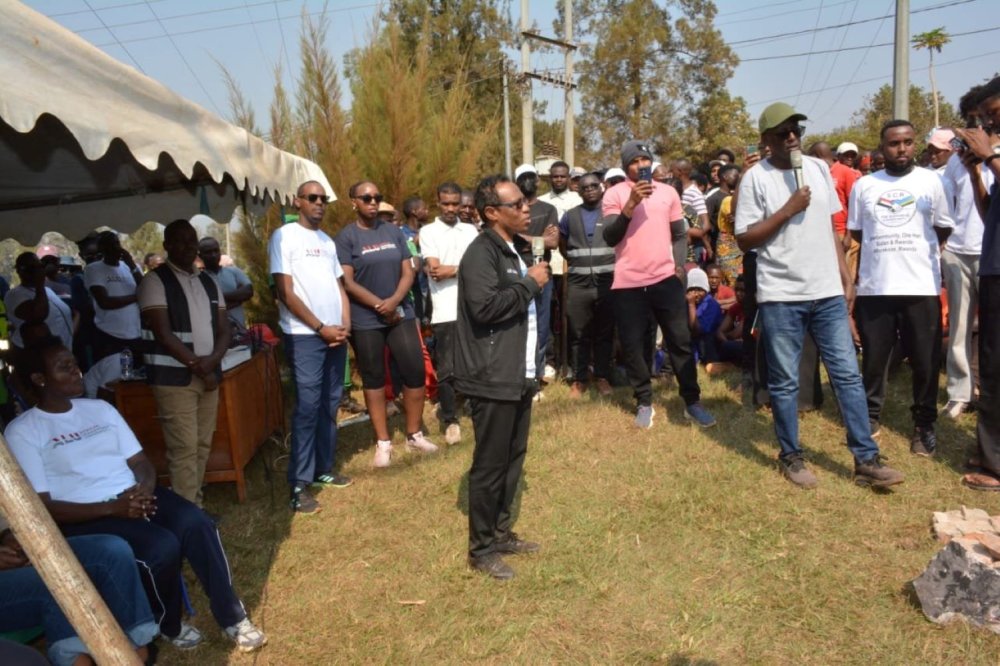
Members of the Sudanese community participated in Umuganda, Rwanda's monthly community service programme, held in Jabana Sector of Gasabo District last Saturday.
Umuganda offers lessons for Sudan
Dafalla said the Sudanese Embassy organised the participation of more than 150 Sudanese nationals in Umuganda to expose them to one of Rwanda's most celebrated homegrown initiatives.
He described Umuganda as an expression of African values centred on collective responsibility and community development, adding that the Sudanese community would take the lessons learned from the initiative back home and promote similar practices within their communities.
'We came to learn from Rwanda's good practices and deepen our understanding of Rwandan culture,' he said. 'Our youth especially want to learn from this so that when they finish their studies and return home, they can reflect these good practices in the Sudanese community.'
During the exercise, the embassy donated 100 construction and cleaning tools to support community activities in Jabana.
The ambassador emphasised that the Sudanese community considers itself an integral part of Rwandan society.
'We are not aliens; we are African brothers and sisters,' he said. 'We are here to participate, contribute positively and learn from Rwanda's good practices.'
The ambassador emphasised that the Sudanese community considers itself an integral part of Rwandan society.
Embassy addresses student misconduct
The ambassador also addressed recent reports involving misconduct by some Sudanese students, describing the incidents as isolated and unrepresentative of the wider community.
He said the embassy has intensified engagement with students through campus visits, meetings with university leaders and collaboration with student associations to encourage respect for Rwandan laws and peaceful coexistence.
'When you have 4,000 students and there are only a few reported cases, the proportion is not alarming, but it is still a concern for us,' he said. 'We are working hard to ensure it is not repeated.'
He urged Sudanese students to respect Rwanda's laws, cooperate with law enforcement authorities and act as ambassadors of goodwill between the two countries.
'My message is that we should pay back respectfully to the Rwandan community,' he said. 'Take the good practices from Rwanda back to Sudan. You are cultural bridges between our two African sister countries.'
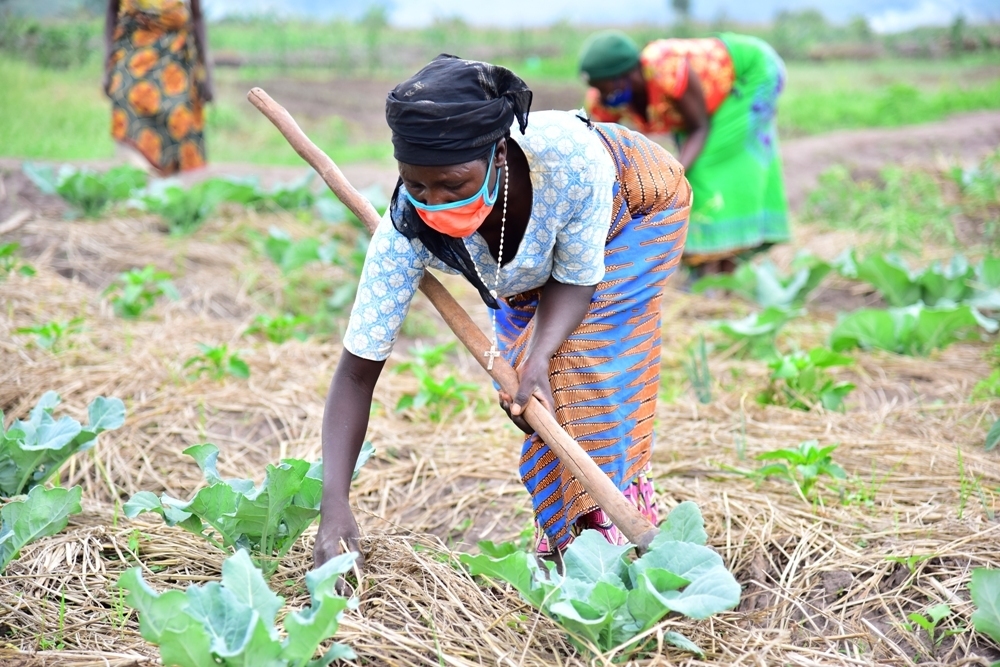
The initiative, led by the Ministry of Agriculture and Animal Resources (MINAGRI) in partnership with the Rwanda Institute for Conservation Agriculture (RICA), seeks to expand the adoption of conservation agriculture and integrate it into agricultural extension programmes.
The project began with training for different categories of agricultural officers working closely with farmers at the grassroots level. The trained personnel will later support farmers in adopting farming methods that preserve soil fertility and reduce land degradation.
The four-year programme will be implemented in all districts where land consolidation farming is practised. It will begin with 100,000 hectares during the next agricultural season before expanding to 150,000 hectares and eventually reaching 600,000 hectares by 2029.
So far, 168 people have been trained, including district agronomists and agricultural extension specialists from the Rwanda Agriculture and Animal Resources Development Board (RAB).
On July 22, 2026, RICA hosted a two-day training session for 52 agricultural interns from districts across the country in Bugesera. Overall, 889 people are expected to receive training before the start of the 2027A agricultural season.
Protecting soil while increasing productivity
Dr. Léonce Harerimana, Director of Extension and Irrigation, and Water Management Lecturer at RICA, said the project aims to ensure Rwanda adopts farming practices that protect soil while improving crop yields.
'We want conservation agriculture to ensure that cultivated land is not left bare and that rivers are not filled with soil washed away by erosion. Another objective is to increase productivity because the soil will have regained its quality,' he said.
Dr. Harelimana explained that some conventional farming practices contribute to soil degradation and reduced productivity.
These include excessive ploughing, which loosens soil and makes it more vulnerable to erosion, as well as removing crop residues from fields and applying chemical fertilisers without proper management.
He added that failure to use mulching also contributes to soil deterioration.
Under conservation agriculture, farmers are encouraged to keep soil covered, minimise soil disturbance through excessive tilling, and apply fertilisers in appropriate quantities and close to plants to ensure they are effectively absorbed.
Higher yields expected
According to RICA, improved soil management can significantly increase agricultural output.
For maize, farms that use quality seeds and apply soil conservation practices can produce up to seven tonnes per hectare, compared to less than two tonnes per hectare on degraded soils.
For beans, conserved land can produce between 1.6 tonnes and more per hectare, while poorly managed soils often produce less than 500 kilogrammes per hectare.
Dr. Christian Nkurunziza, the MINAGRI coordinator for the project, said the initiative seeks to address growing concerns over soil degradation and ensure land continues to provide meaningful yields.
'Today, the amount of land available for farming is not increasing, but we want the same land to produce more. Without protecting it, soil would lose its natural qualities. In the past, farmers could leave fields fallow, but that is no longer possible because land must be cultivated every season,' he said.
He noted that Rwanda has implemented various soil protection measures, including terracing, but additional approaches were needed to achieve stronger results. 'This is why we decided to introduce this project,' he added.
Eric Uwitoze, a trainee from Ruhango District, said the programme had helped him understand the importance of practices such as crop rotation in reducing crop diseases.
He added that conservation agriculture would also help reduce unnecessary costs associated with farming by improving soil quality and efficiency.
Rwanda is set to introduce conservation agriculture practices on 600,000 hectares of farmland across the country under a $5 million project.
The Chadian government said on Monday that it had notified the United Nations Secretary-General of its intention to withdraw from the Rome Statute, the treaty that established the ICC, following what it described as an in-depth review of the court's performance.
In a statement, the government argued that the ICC has concentrated its efforts on Africa, noting that nine of the court's 13 investigations have involved African states, while only four have focused on other regions.
It also pointed out that six of the seven people currently in ICC custody are being prosecuted in cases linked to Africa, saying the figures demonstrate an 'undeniable and egregious selectivity' in the court's work.
The government insisted that its decision should not be interpreted as abandoning justice for victims, but rather as a vote of confidence in national and African judicial institutions.
'This irrevocable decision by Chad in no way constitutes a renunciation of the moral imperative to provide justice to victims; rather, it reflects the conviction that national judicial systems and African judicial mechanisms are fully capable of carrying out this mission with dignity,' the statement said.
Foreign Minister Abdoulaye Sabre Fadoul also urged other African countries to reconsider their membership of the ICC.
'What is happening at the ICC should give pause for thought to all African countries that are still members,' he said in a video posted on Facebook. 'We must no longer accept being the willing victims of a two-tier system.'
Chad's move comes after the United States intensified its campaign against the ICC earlier this month, threatening additional sanctions and accusing the court of posing 'an intolerable threat to US sovereignty.'
Last week, Chad's Foreign Ministry said US Assistant Secretary of State for African Affairs Frank Garcia Jr. had encouraged the country to review its commitment to the Rome Statute during talks with Chadian officials. However, Fadoul later said the decision to seek withdrawal was not made at Washington's request.
If the withdrawal takes effect, Chad would join Venezuela and the military-led governments of Burkina Faso, Mali and Niger, which have also begun the process of leaving the Hague-based court. Burundi and the Philippines have already withdrawn from the ICC.
The ICC, which has 125 member states, was established to prosecute individuals accused of the world's gravest crimes, including genocide, war crimes and crimes against humanity, when national courts are unwilling or unable to do so. However, the court has long faced criticism over its limited enforcement powers and the fact that several major powers, including China, Israel, Russia and the United States, do not recognize its jurisdiction.
The U.S. Bureau of African Affairs welcomed Chad's announcement, describing the move as part of 'the growing number of nations reclaiming their sovereignty from this flawed institution.'
The bureau said the United States would continue its 'whole-of-government campaign' against what it called the ICC's 'illegitimate overreach,' reiterating Secretary of State Marco Rubio's position that the United States would never surrender its sovereignty to 'an unaccountable global tribunal.'
The statement also called on all remaining ICC member states to withdraw from the Rome Statute.
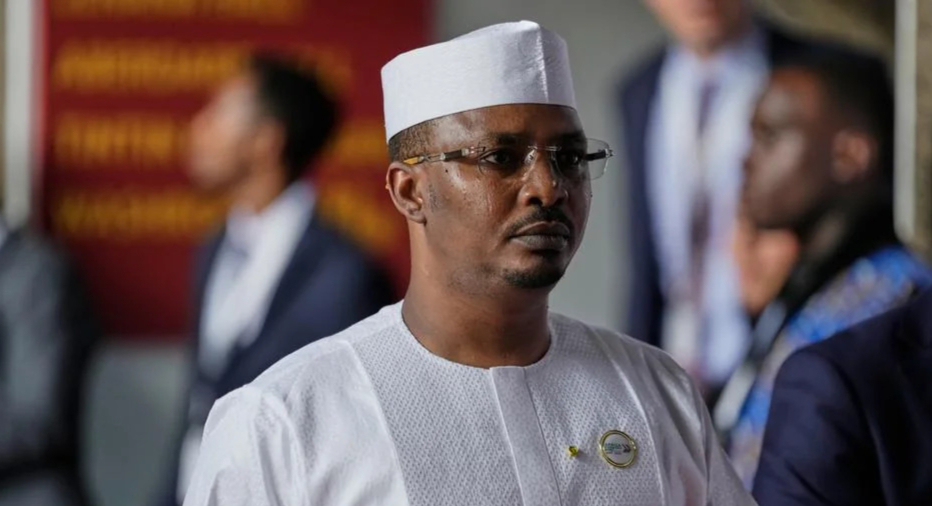
The Chadian government, led by Mahamat Idriss Déby Itno (pictured), said on Monday that it had notified the United Nations Secretary-General of its intention to withdraw from the Rome Statute, the treaty that established the ICC, following what it described as an in-depth review of the court's performance.
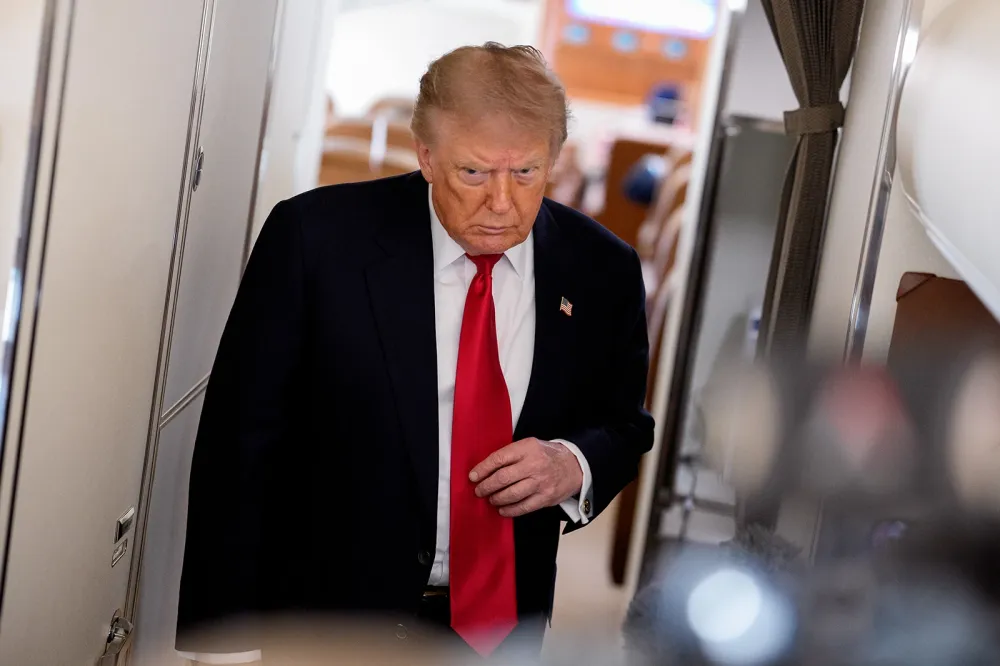
'We are in very deep talks with Iran. If they don't work out, we will go back to very strong military action,' Trump said in an interview with U.S. online news outlet Axios.
Asked how long he was willing to give diplomacy, he said, 'Not much time. Either it goes fast or not at all.'
Trump said he decided to pause strikes on Friday because the countries that are mediating as well as other countries in the region had asked him to give talks with Iran another chance.
Later, the president told reporters that Iran sought talks only after its military was battered by the U.S. military.
'I think there's a good chance that something could happen,' Trump said aboard Air Force One en route to an event in Michigan. 'And if it does, good, if it doesn't, we go back to doing what we were doing two days ago.'
Trump said that his administration and the Israeli government are 'pretty close' to being on the same page regarding Iran.
'We have a little difference, but pretty close,' he said of Israeli Prime Minister Benjamin Netanyahu, who is expected to visit the White House on Tuesday.
Trump also reiterated that Iranian assets controlled by the United States will be used to cover damage to ships attacked when transiting the Strait of Hormuz. 'We're going to use Iran's money to pay for the damage they did,' he said.
Negotiations between Oman and Iran have made progress, though no deal has been reached, according to reports citing regional sources.
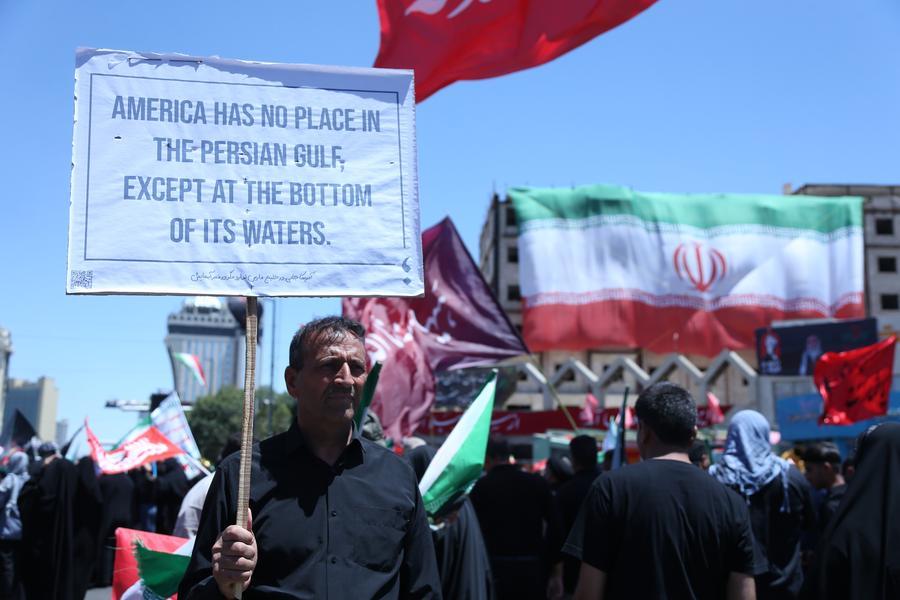
People attend the funeral procession of Iran's late Supreme Leader Ali Khamenei in Mashhad, Iran, July 9, 2026. (Xinhua/Shadati)
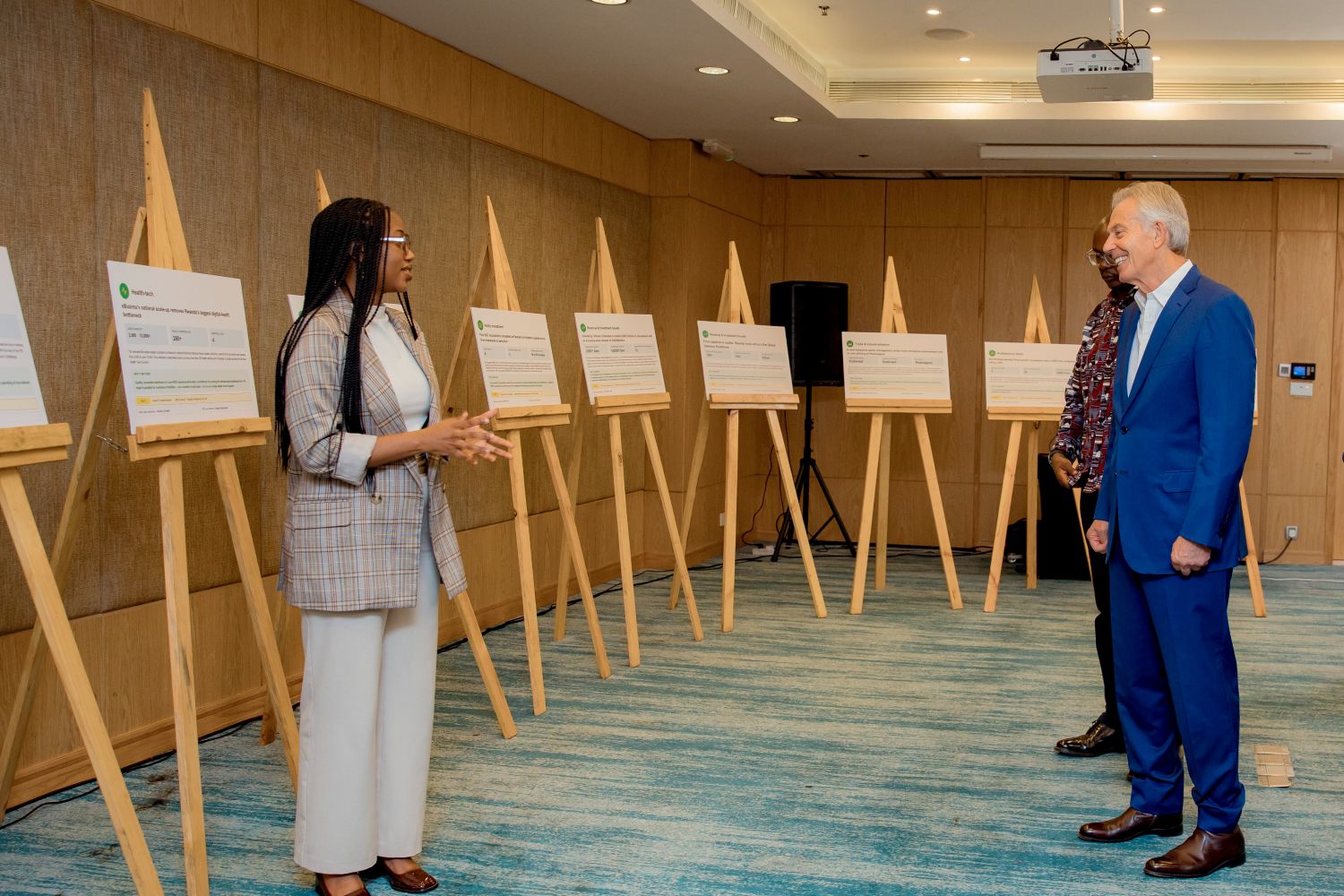
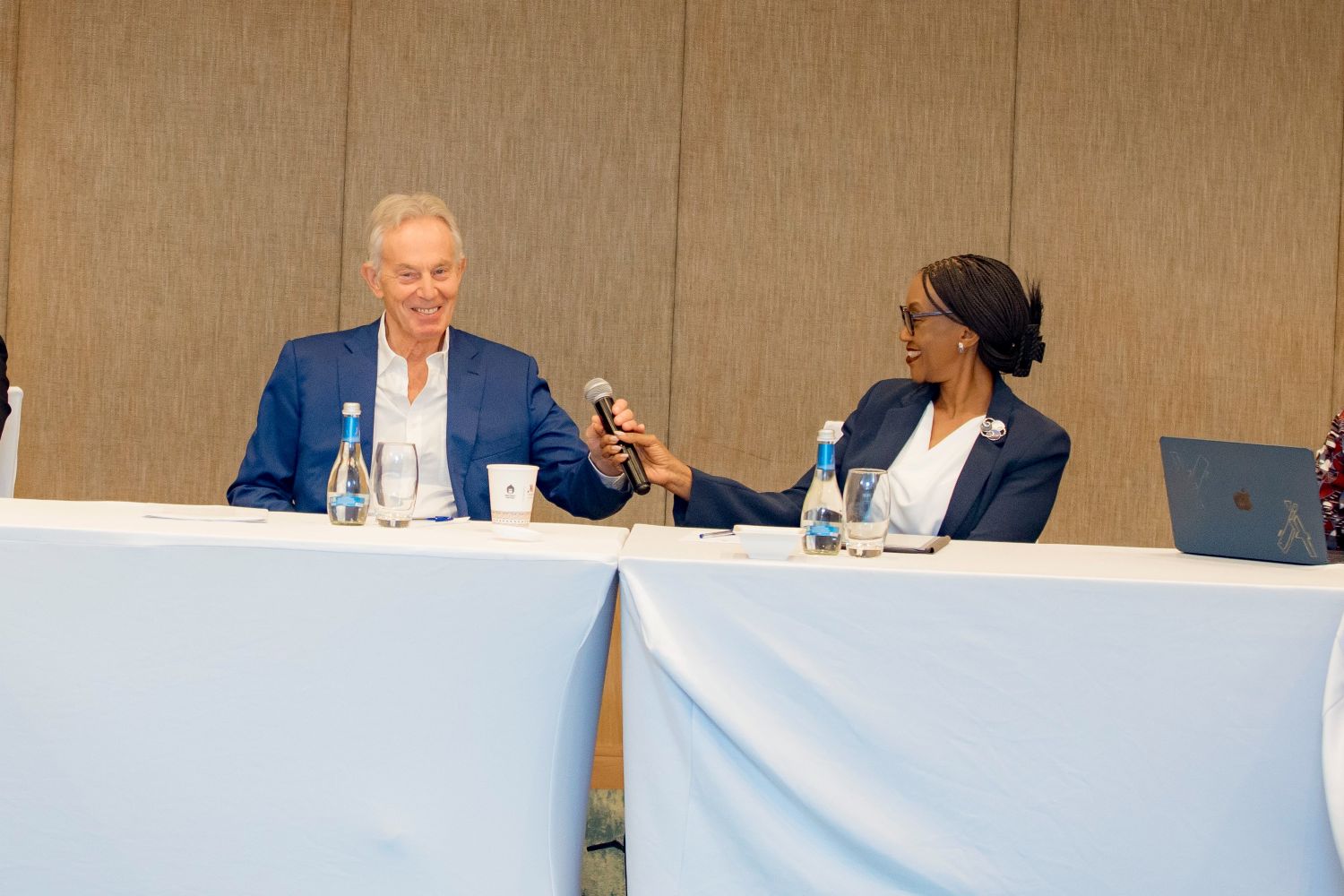
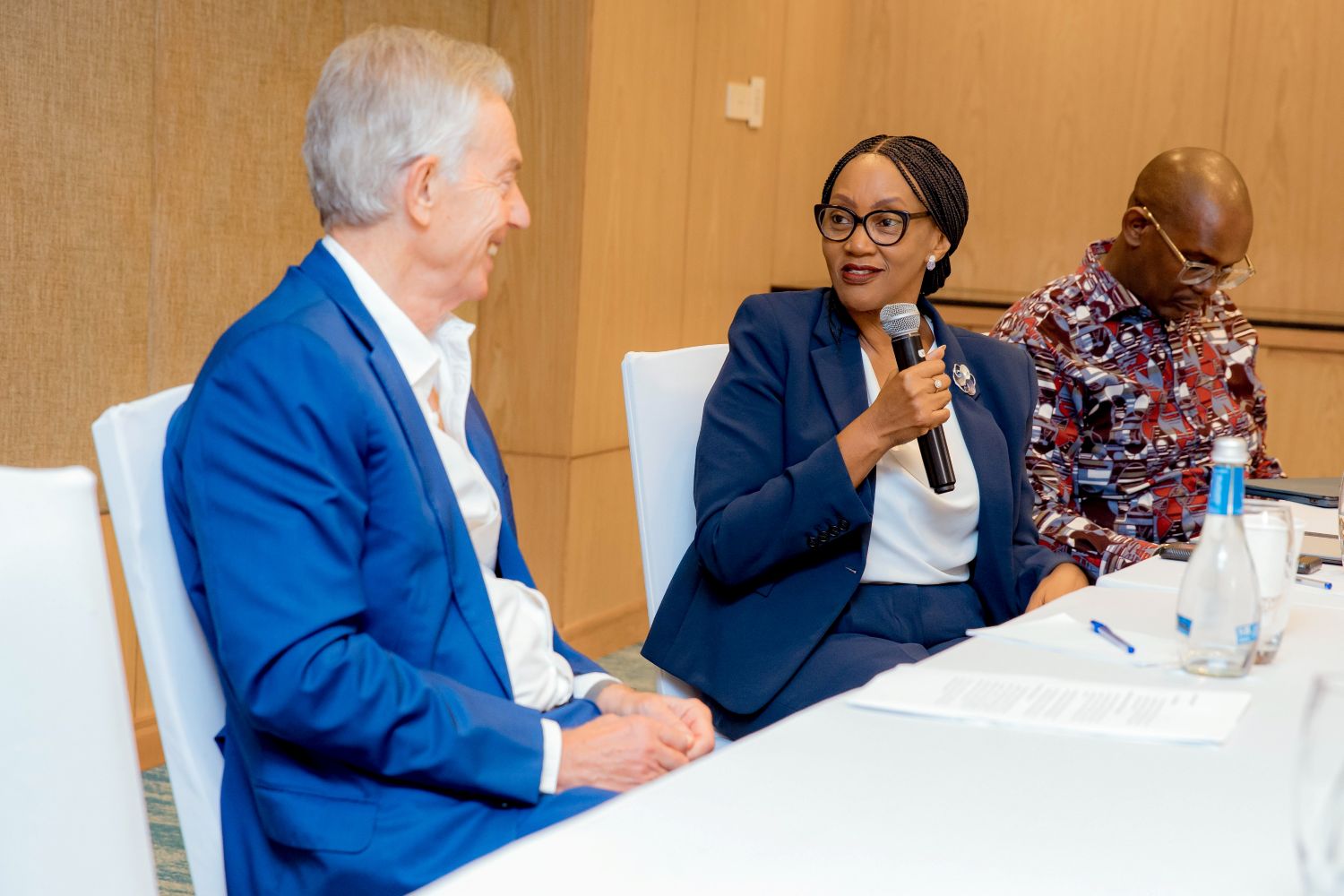
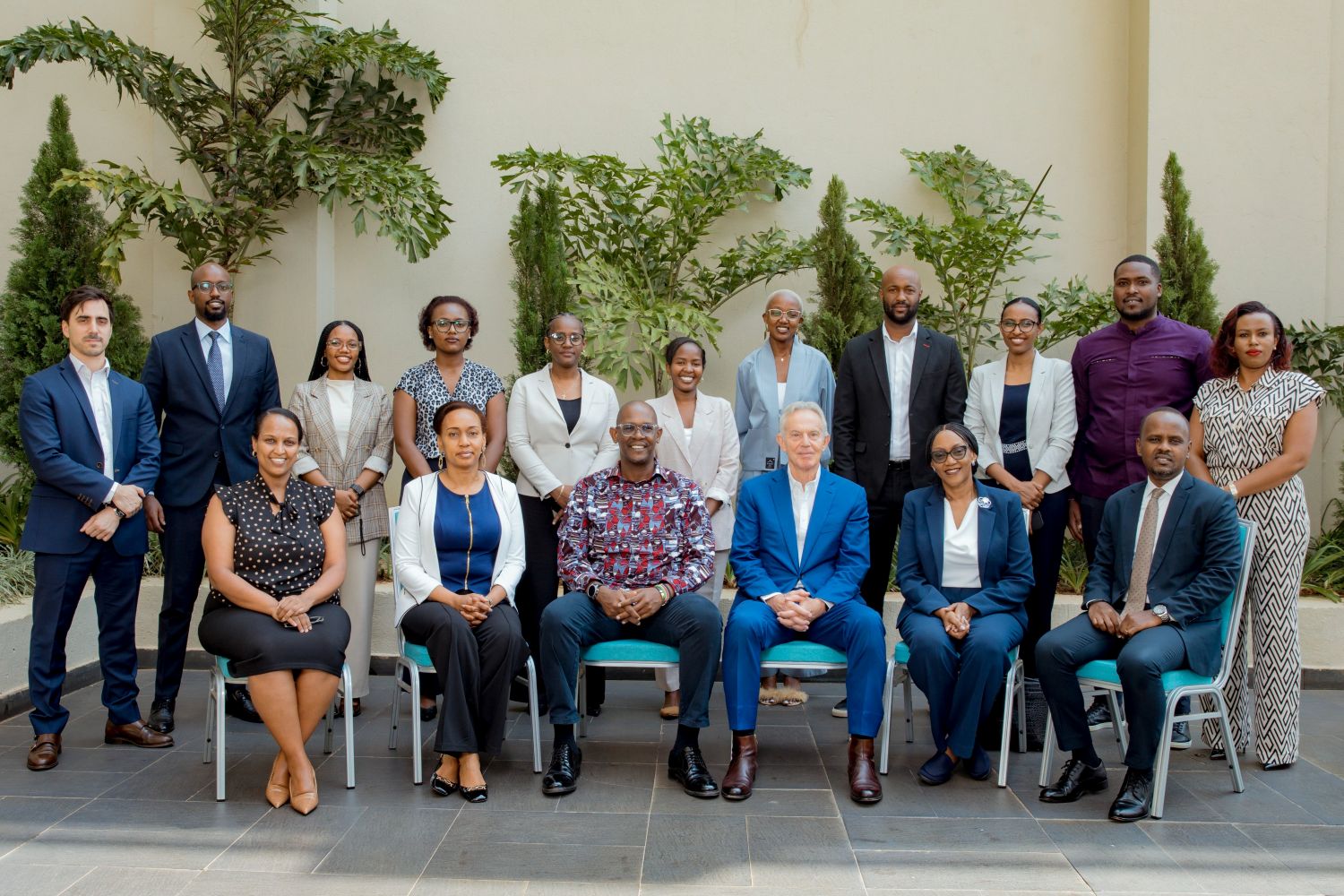
The Tony Blair Institute for Global Change (TBI) said the meeting reaffirmed its longstanding partnership with the Government of Rwanda and a shared commitment to accelerating priority reforms and supporting long-term, sustainable growth.
'Their discussions focused on the next phase of Rwanda's transformation agenda and how TBI can continue supporting government priorities across digital transformation, investment, industrialisation, agriculture, health, professional skills and public-sector delivery,' the institute said in a statement on Monday.
Blair has maintained a close relationship with Rwanda for nearly two decades, having worked with President Kagame's administration as an advisor and development partner.
Through TBI, Blair has supported Rwanda's efforts to attract investment, strengthen governance systems and advance innovation-driven development. The institute has been involved in areas including digital transformation, green energy, foundational learning and initiatives linked to high-value industries.
TBI has also supported Rwanda's efforts to build an ecosystem for advanced healthcare manufacturing, including work connected to the establishment of BioNTech's mRNA vaccine manufacturing facility in Kigali.
Over the years, Blair has frequently highlighted Rwanda's development progress since the 1994 Genocide against the Tutsi and has advocated for greater international investment and partnerships with the country.
The latest meeting comes as Rwanda continues implementing reforms focused on economic transformation, industrialisation, skills development, technology adoption and improving public service delivery.
The Tony Blair Institute for Global Change (TBI) said the meeting reaffirmed its longstanding partnership with the Government of Rwanda and a shared commitment to accelerating priority reforms and supporting long-term, sustainable growth.Blair has maintained a close relationship with Rwanda for nearly two decadesThrough TBI, Blair has supported Rwanda's efforts to attract investment, strengthen governance systems and advance innovation-driven development.
The development follows the establishment of a specialised college dedicated to veterinary medicine, which was separated from agricultural studies as part of reforms aimed at improving the university's efficiency and academic focus.
In June 2024, UR reorganised the former College of Agriculture, Animal Sciences and Veterinary Medicine (CAVM), splitting it into two independent colleges: the College of Agriculture, Forestry and Food Sciences (CAFF) and the College of Veterinary Medicine and Animal Sciences (CVAS).
The move increased the number of UR colleges from six to seven.
The Deputy Vice Chancellor for Strategic Planning and Administration at University of Rwanda , Dr. Raymond Ndikumana, said the restructuring was part of reforms implemented between 2022 and 2024 to improve the university's operations and ensure that each field receives specialised attention.
'Together with the Government of Rwanda, we realised that the former college, which combined agriculture and veterinary medicine, needed to be divided so that each area could operate independently,' he said.
CAFF is based at the UR Nyagatare campus, while CVAS operates from Musanze.
Dr. Ndikumana explained that separating the two colleges would allow each one to expand its programmes, improve access to specialised resources, and better align its activities with Rwanda's development goals.
'It becomes easier for students studying similar programmes to be grouped together and provided with the equipment they need. This is important for a university because it creates a clear structure where resources and support can be directed where they are most needed,' he said.
As part of this expansion, UR Nyagatare is constructing a veterinary hospital under CAFF that is expected to become one of the most advanced veterinary facilities in the Great Lakes region.
The hospital is being built in Nyagatare because the Eastern Province is one of Rwanda's major livestock farming areas. The facility will serve two key purposes: providing practical training for veterinary students and offering modern veterinary services to farmers.
Dr. Ndikumana said the hospital will play an important role in transforming veterinary healthcare in Rwanda.
'Today, we talk about advanced human healthcare, but in the coming years, Rwanda could also have advanced veterinary healthcare. We do not expect this hospital to be the only one. We expect it to be completed by the end of this year and begin operations next year,' he said.
The establishment of separate colleges has already contributed to growth in student enrolment. The number of students studying veterinary medicine has increased from fewer than 200 in the past to about 720 currently, and UR expects the figure to surpass 2,000 within the next four years.
The number of agriculture students has also increased, rising from about 3,600 to 4,150.
However, the increase in student numbers requires more qualified lecturers to ensure that the quality of education is maintained.
Dr. Ndikumana said UR is working to recruit more academic staff, including sending students abroad to specialise in veterinary medicine and return to teach at the university.
'Besides expanding infrastructure, we are making significant efforts to increase the number of lecturers. We are sending people abroad to study veterinary medicine so that they can return and teach. We have partnerships with universities in China, Japan, and the United States that will support this initiative,' he said.
The University of Rwanda was established in 2013 following the merger of the former National University of Rwanda and other public higher learning institutions.
The university currently has seven colleges operating across eight campuses, including three located in Kigali and five in different provinces across the country.
The University of Rwanda was established in 2013 following the merger of the former National University of Rwanda and other public higher learning institutions.
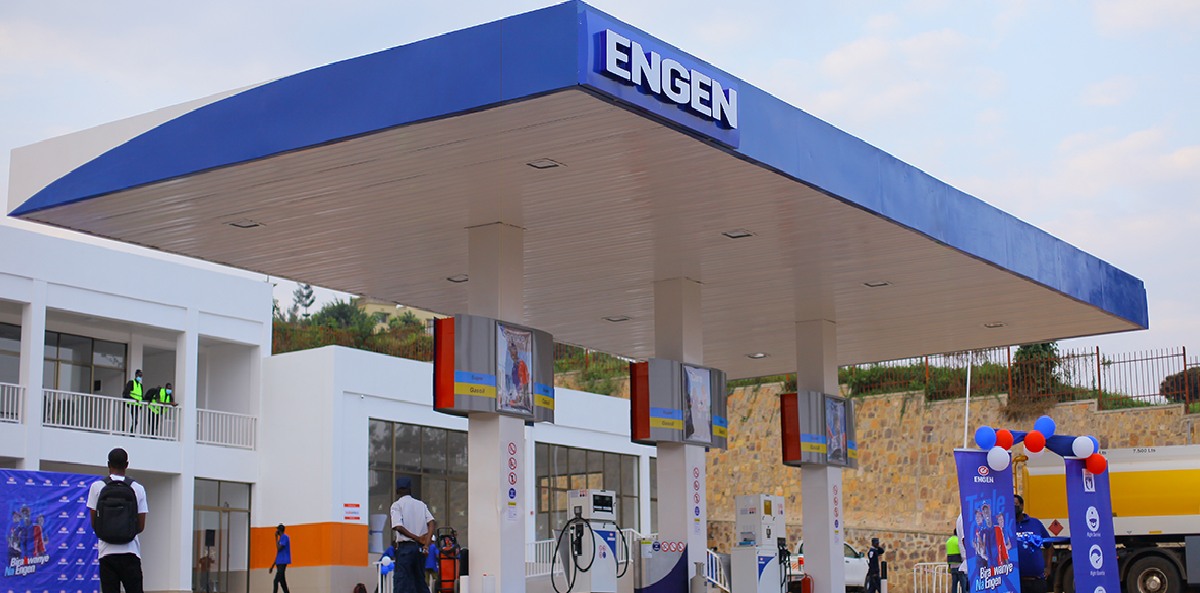
Vivo Energy and Mount Meru Group have signed a sale and purchase agreement for Mount Meru's acquisition of Vivo Energy's shareholding in Vivo Energy Rwanda and Vivo Energy Malawi, in a combined transaction.
The transaction includes the network of Vivo Energy's over 40 service stations in Rwanda and over 50 service stations in Malawi, together with the commercial fuel and lubricants operations.
Vivo Energy identified Mount Meru Group as a partner well placed to bring focused investment, local and regional expertise as well as long-term ambition to its businesses in Rwanda and Malawi.
Mount Meru Group, which first entered Rwanda in 2007 and Malawi in 2013, brings an established regional presence and a strong track record in downstream fuel distribution across Africa. The transaction will see the Group significantly deepen its footprint in both markets.
Commenting on the development; Atul Mittal, Director, Mount Meru Group, said: 'We are proud to be growing our existing, long-standing presence in Rwanda and Malawi.
'We are committed to investing and growing these businesses and on completion of the transaction look forward to strengthening relationships with channel partners, customers and employees while expanding our reliable service, customer satisfaction, and environmental responsibility to more consumers.'
Stan Mittelman, CEO, Vivo Energy, said the decision reflects ongoing commitment to ensuring every part of their portfolio has the ownership best placed to take it forward.
'Mount Meru brings deep local and regional expertise and a genuine ambition to invest in these markets, and we are confident this transaction provides a strong opportunity for our employees, dealers and customers in both countries. We have valued working closely with the Mount Meru team throughout this process and look forward to a smooth transition,' he noted.
The transaction is subject to approval from the relevant authorities and the fulfilment of other conditions precedent, and we expect this process to take some months before it completes.
Until completion, Vivo Energy Rwanda and Vivo Energy Malawi will continue to operate as normal, maintaining their focus on the safe, reliable and high-quality service they provide to customers.
Mount Meru Group is a diversified African conglomerate operating in more than 15 countries across energy, consumer products, and logistics.
It runs over 330 fuel stations, supported by strong storage and distribution networks, and offers a wide energy portfolio including LPG, lubricants, jet fuel, and heavy fuel oil. The Group also operates in agro-processing and edible oil refining, backed by an integrated logistics fleet of more than 1,000 trucks.
Meanwhile, Vivo Energy operates across Africa, the Indian Ocean Islands, and Jordan, managing more than 4,200 service stations in 29 markets under the Engen and Shell brands. The company supplies fuels, lubricants, LPG, and chemicals to retail and industrial customers, supported by over 6,000 employees and more than 2.1 billion litres of fuel storage capacity.
Vivo Energy Rwanda was established in 2019, providing Engen products and services as a licensee of the Engen brand.
The U.S. Justice Department filed an emergency application with the Supreme Court on Monday, asking it to suspend lower court rulings that blocked the order. The Trump administration said the request was needed to ensure that the new policies could be implemented before the midterm elections.
Signed by Trump in March, the order directs federal agencies to compile lists of eligible U.S. citizens, requires the U.S. Postal Service to send mail-voting documents only to registered voters, and calls for stricter voter registration requirements.
The order was challenged by mostly Democratic-led states and the District of Columbia, which argued that Trump had exceeded his authority. A federal court in the U.S. state of Massachusetts blocked the order, and the decision was later upheld by the 1st U.S. Circuit Court of Appeals.
Trump said the measures were intended to protect election integrity and prevent noncitizens from voting. He has for years questioned the integrity of the 2020 presidential election that he lost. Critics argue that improper voting by noncitizens is rare and that stricter requirements could make it harder for some eligible voters to cast ballots.
According to a research paper by the States United Democracy Center, a nonpartisan organization, nearly one in three Americans voted by mail in the 2024 general election, accounting for more than 48 million votes.
The paper also said that it was a voting option used by about one in four Democrats, one in five Republicans, and one in five voters registered with other parties or with no party.
The Trump administration said the request was needed to ensure that the new policies could be implemented before the midterm elections.
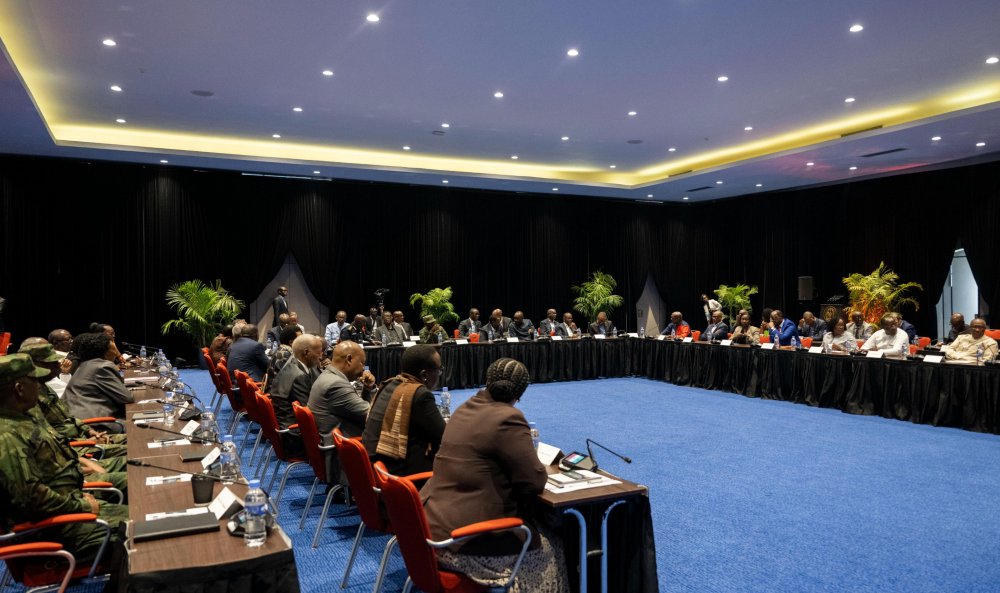
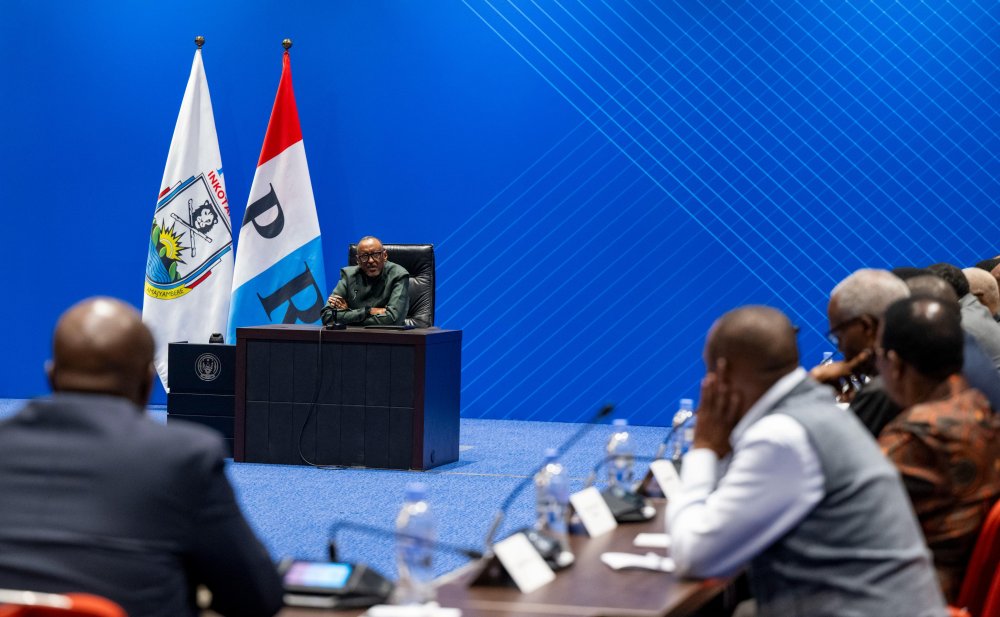
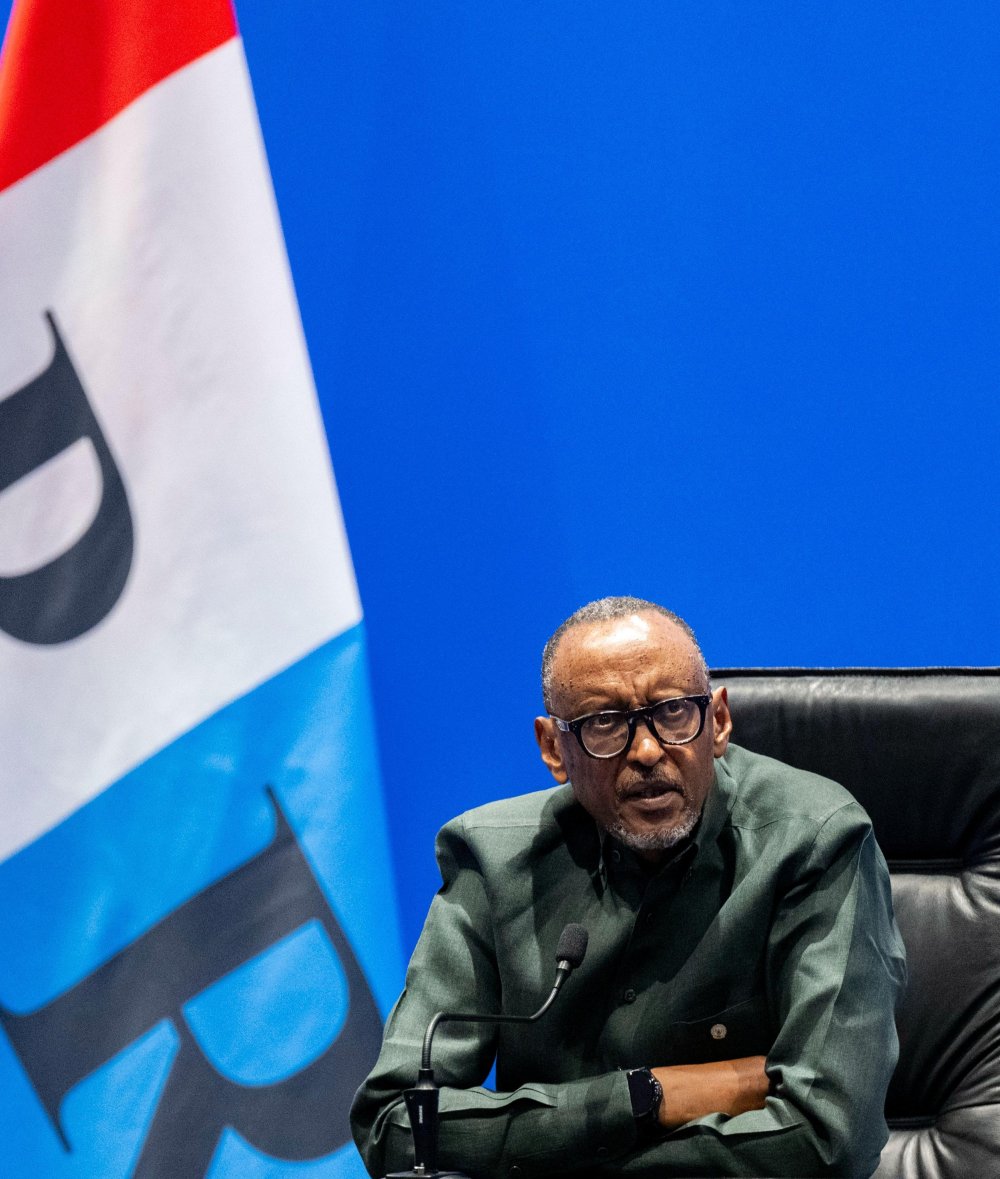
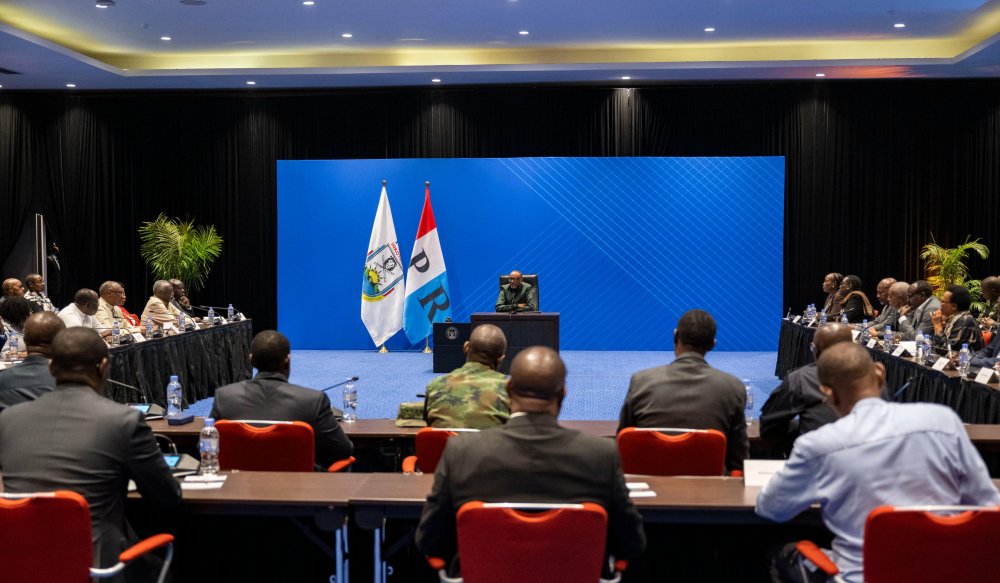
The meeting took place on July 27, 2026, at Intare Arena, according to Rwanda's Office of the President, Urugwiro Village.
'The meeting emphasized the importance of members upholding the Party's values, including people-centered governance and accountability, to advance the Party's mission of Rwanda's continued development,' reads a statement released by Urugwiro Village.
From refugee movement to political organisation
The FPR-Inkotanyi traces its roots to 1987, a pivotal year that marked a turning point for Rwandan refugees who had spent nearly three decades in exile.
The period followed remarks by then-President Juvénal Habyarimana, who, when asked about the return of Rwandan refugees, reportedly likened the country to 'a glass already full of water,' suggesting there was no room for their repatriation.
The statement reinforced the belief among many refugees that returning home through dialogue was unlikely.
At the same time, the Rwandan Alliance for National Unity (RANU), an organisation established in 1980 to advocate for the return of refugees, began restructuring to pursue its objectives more effectively.
By 1987, many Rwandan refugees, particularly those living in Uganda, were enjoying greater stability following the rise to power of President Yoweri Museveni, whose liberation struggle had included the participation of many Rwandans.
RANU subsequently embarked on organisational reforms, introducing new leadership structures and strategies to strengthen its campaign.
Among those tasked with advancing the movement was Tito Rutaremara, now Chairperson of Rwanda Elders' Advisory Forum. He helped establish a political training school in Uganda aimed at educating new members on the organisation's ideology and long-term objectives.
The RPF Cadre School opened in June 1987, preparing members to mobilise support and recruit followers who clearly understood the movement's mission.
University students were trained and encouraged to pass on the ideology to others, creating a network of mobilisation among Rwandan refugees across Uganda, Burundi, Tanzania, Kenya and what was then Zaire.
Birth of the RPF and armed struggle
Following the expansion of its support base, RANU convened a General Assembly in December 1987, bringing together members from across the diaspora.
One of the key resolutions adopted during the meeting was to rename the organisation the Front Patriotique Rwandais (RPF) Inkotanyi.
The following year, members met in Washington, D.C., where they reaffirmed their commitment to continue pursuing their objective of returning to their homeland.
As the movement evolved, its leaders concluded that achieving this goal would require an armed wing. They established the Rwanda Patriotic Army (RPA), which launched its first military offensive into Rwanda on October 1, 1990.
Many of the RPA's senior officers had previously served in Uganda's armed forces. Among them were Maj Gen Fred Gisa Rwigema, who led the campaign in its early stages, and Maj Gen Paul Kagame, who assumed command after Rwigema was killed shortly after the offensive began.
The RPA continued the liberation struggle, eventually ending the 1994 Genocide against the Tutsi and paving the way for national reconstruction under the leadership of the FPR-Inkotanyi.
Development gains since 1994
Following the Genocide against the Tutsi, Rwanda faced severe economic devastation. The country's economy, already among the smallest in the region before 1994, contracted by about 50 percent in its aftermath.
In 1995, Rwanda's national budget stood at just Rwf56 billion, with more than 90 percent financed through foreign aid. Per capita income was approximately $111.9, placing Rwanda among the world's poorest nations.
Over the following decades, the country pursued reconstruction and economic reforms centred on accountability, citizen-focused governance and institutional development.
According to official figures, Rwanda's Gross Domestic Product grew by 9.4 percent in 2025, increasing from Rwf19.918 trillion in 2024 to Rwf23.387 trillion.
The national budget for the 2026/27 fiscal year reached Rwf7.7963 trillion, representing a 12 percent increase from the revised Rwf6.9521 trillion budget for 2025/26. Foreign borrowing is projected at Rwf1.9741 trillion.
For many years after liberation, Rwanda sustained annual economic growth averaging between 7 and 8 percent. Life expectancy has also risen dramatically—from about 28 years immediately after the Genocide against the Tutsi to nearly 70 years today, reflecting improvements in healthcare, living standards and social protection.
President Kagame and senior RPF-Inkotanyi cadres convene at Intare Arena to discuss the party's values, history and contribution to Rwanda's transformation.President Paul Kagame addresses senior RPF-Inkotanyi cadres during a meeting on the party's history, values and role in Rwanda's transformation at Intare Arena.Senior RPF-Inkotanyi cadres listen as President Paul Kagame speaks during a meeting reflecting on the party's journey and Rwanda's transformation.