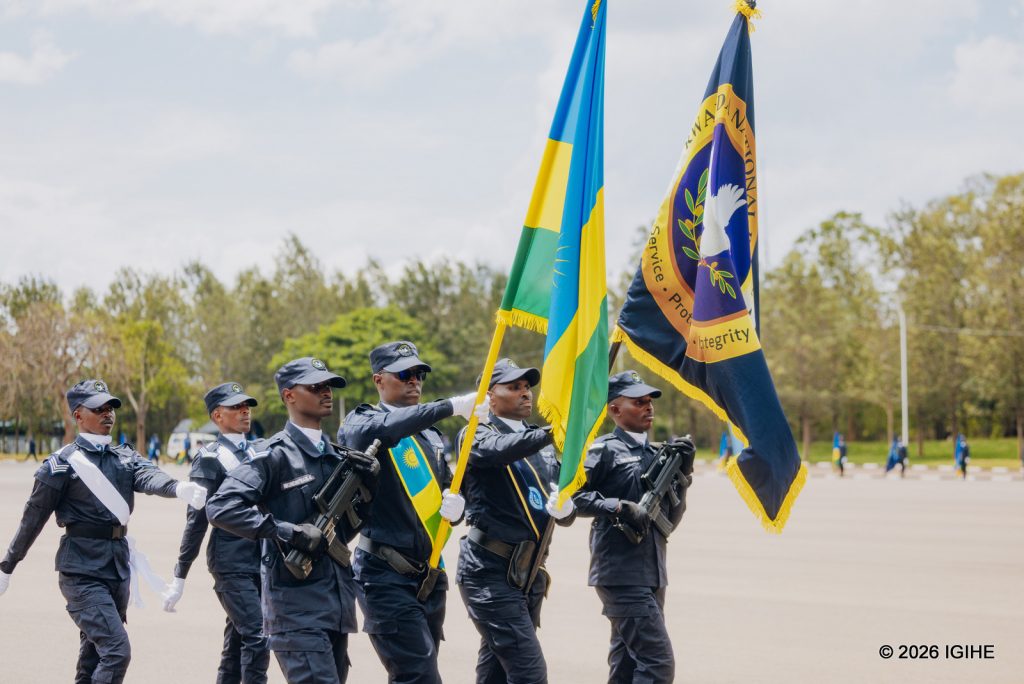
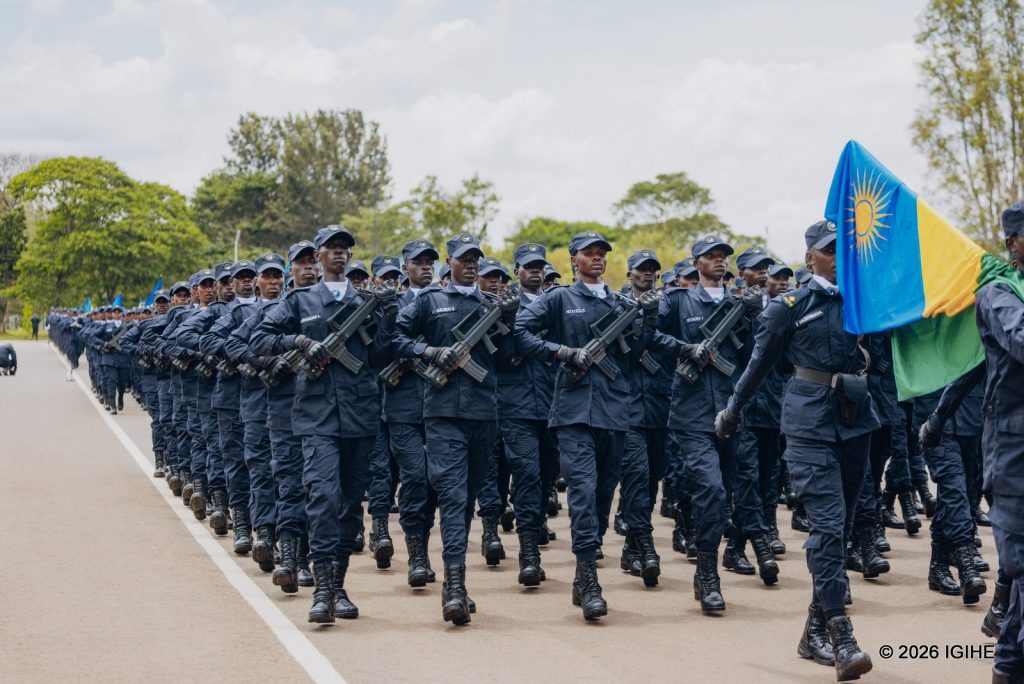
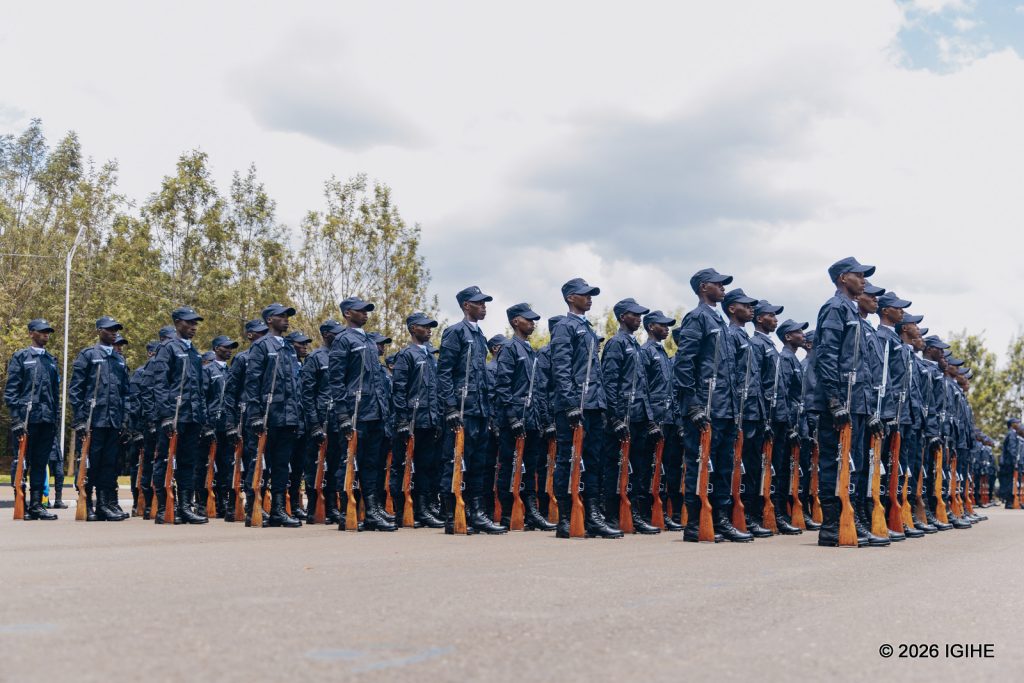
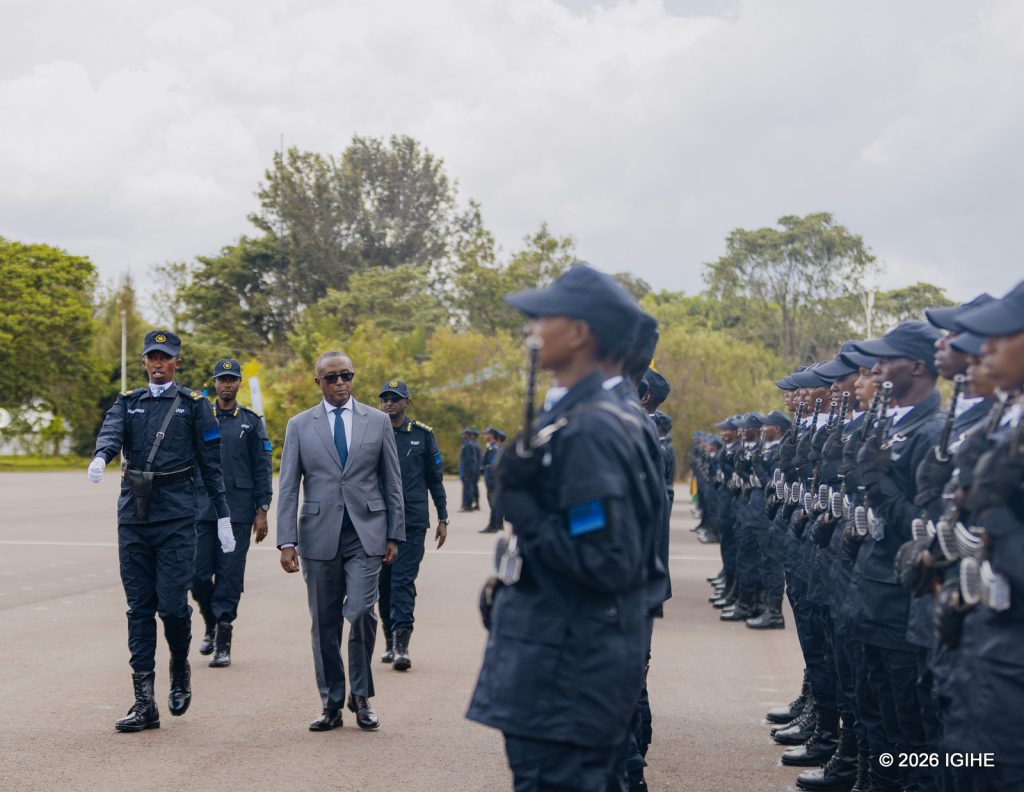
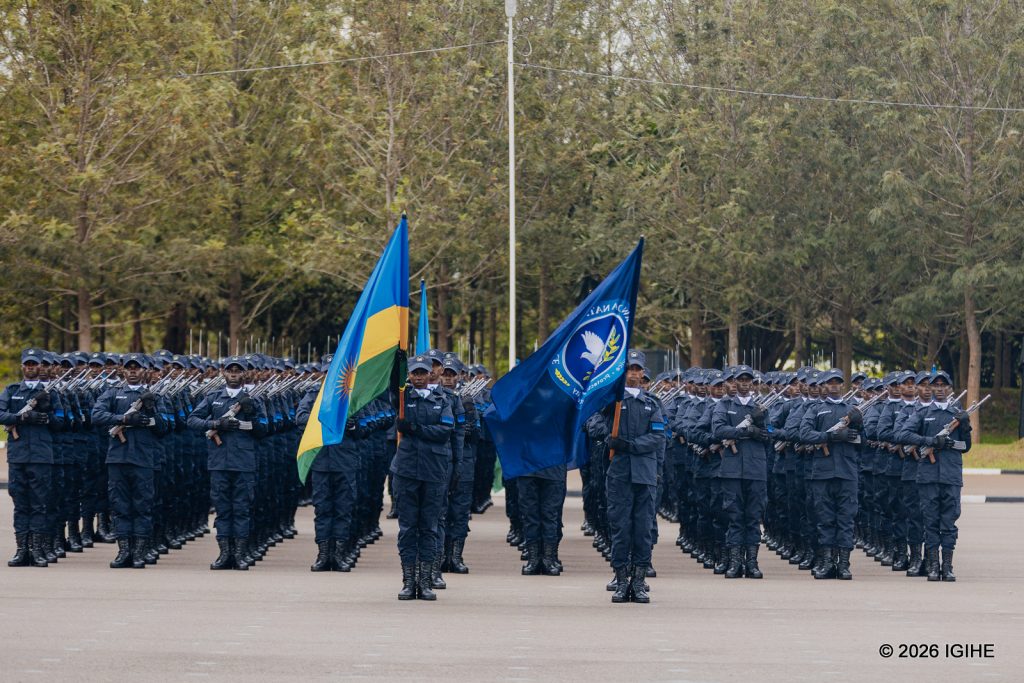
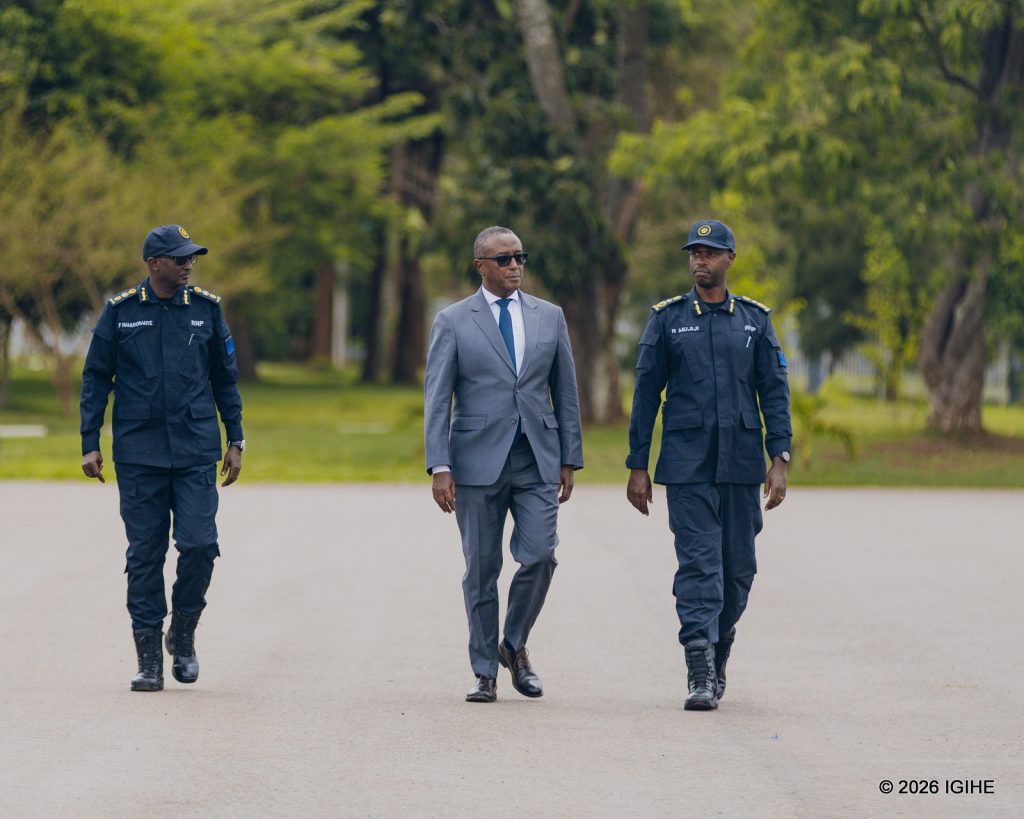
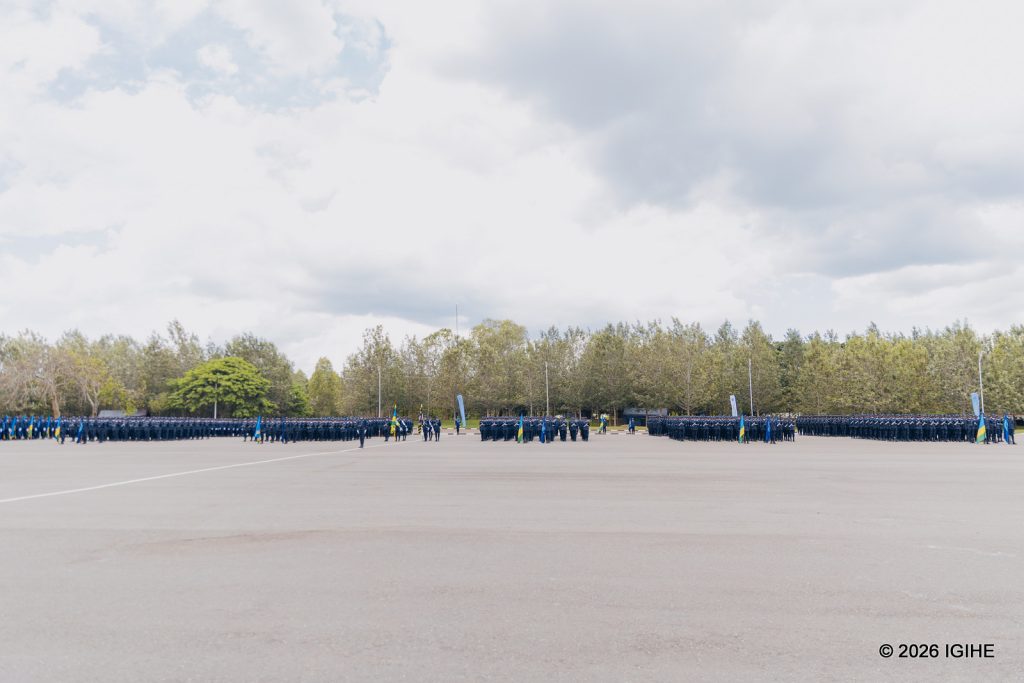
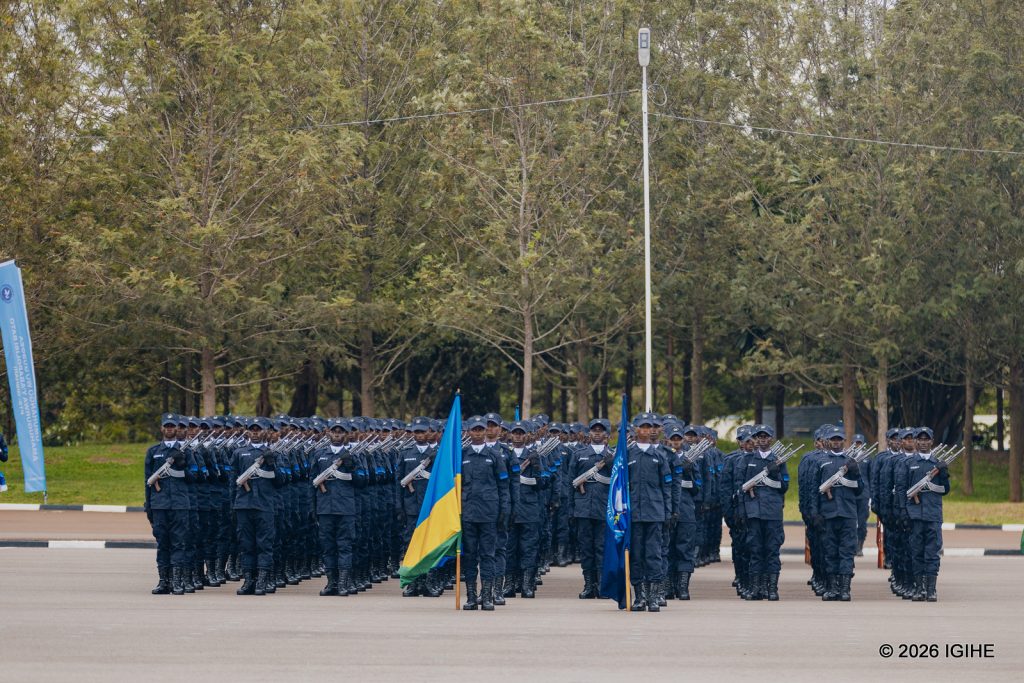
The call was made by the Minister of Interior Dr. Vincent Biruta on Wednesday, October 28, 2026, during the pass-out ceremony of the 22nd intake of police officers at the Police Training School (PTS) in Gishari, Rwamagana District.
The graduates, including 337 women, were awarded the rank of Police Constable. The group also included 60 trainees from the National Intelligence and Security Service (NISS) and 40 from the Rwanda Correctional Service (RCS).
Dr. Biruta said that although Rwanda enjoys a generally stable security situation, law enforcement agencies must adapt to changing threats to effectively combat crime.
He noted that, alongside conventional offences such as assault, theft and the use of illicit drugs and counterfeit alcoholic beverages, authorities must address increasingly sophisticated crimes that require specialised skills.
'Today, we are required to tackle crimes committed using technology, online fraud, the misuse of information and artificial intelligence, cross-border crimes, terrorism, human trafficking, corruption and other activities that could undermine public peace and the functioning of state institutions,' Dr. Biruta said.
He described social media as a powerful tool that can either build or undermine public trust and security.
While social media platforms can strengthen relations between citizens and the police by facilitating rapid information sharing, he warned that they can also be used to spread rumours that threaten security if not properly managed.
The minister urged the new officers to prioritise crime prevention rather than focusing solely on investigating offences after they have occurred.
'We want a police force that anticipates potential problems instead of waiting for them to happen. A police force that prevents crime rather than waiting to deal with it after it has been committed, and one that works with citizens to find lasting solutions rather than treating them merely as beneficiaries,' he said.
Dr. Biruta also stressed the importance of building public trust and exercising police powers in accordance with the law and respect for human rights.
'This does not mean that the police should not exercise the powers granted to them by law to prevent crime and take the necessary measures to maintain security. Rather, it requires those powers to be exercised appropriately and in a manner that respects human rights,' he said.
The officers underwent nearly 10 months of basic training, which began on January 30, 2026.
CP Rafiki Mujiji, Commander of the Police Training School in Gishari, said the programme covered firearms handling, discipline, physical fitness, security and public order, police operations, law and communication, among other subjects.
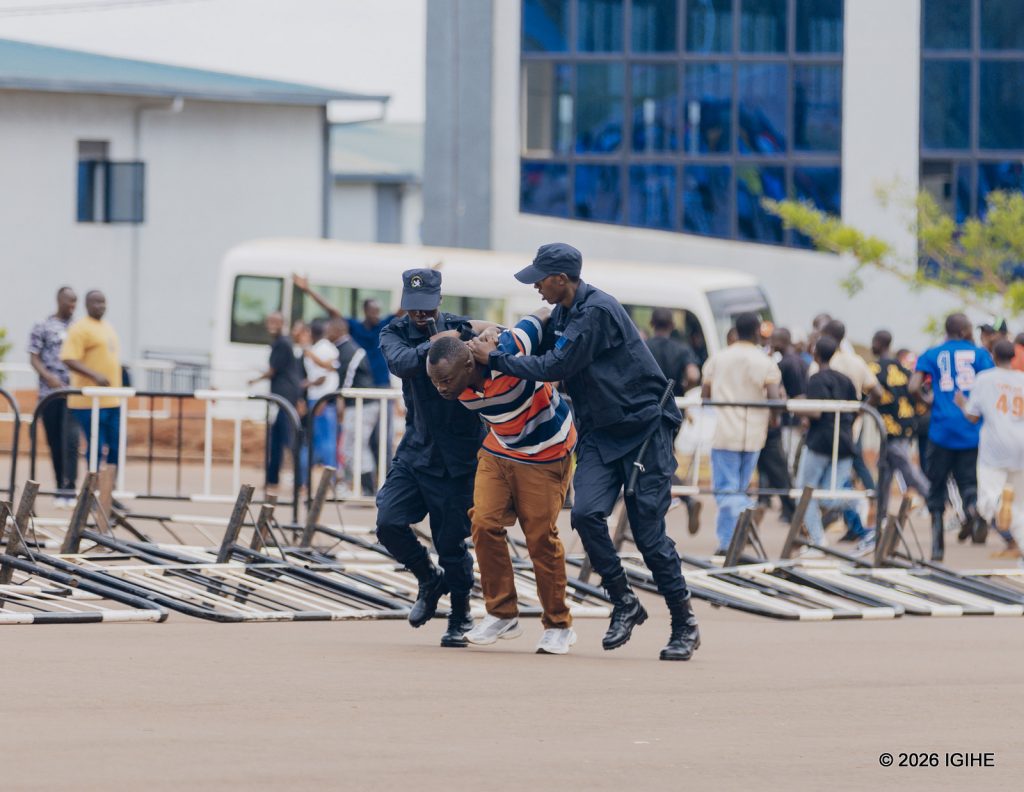
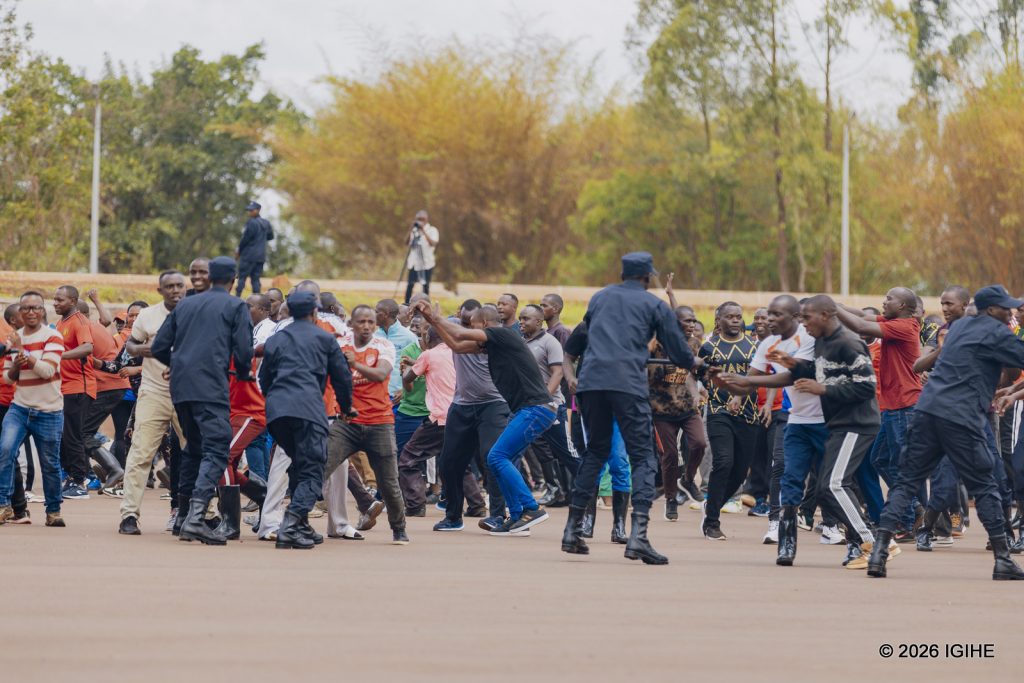
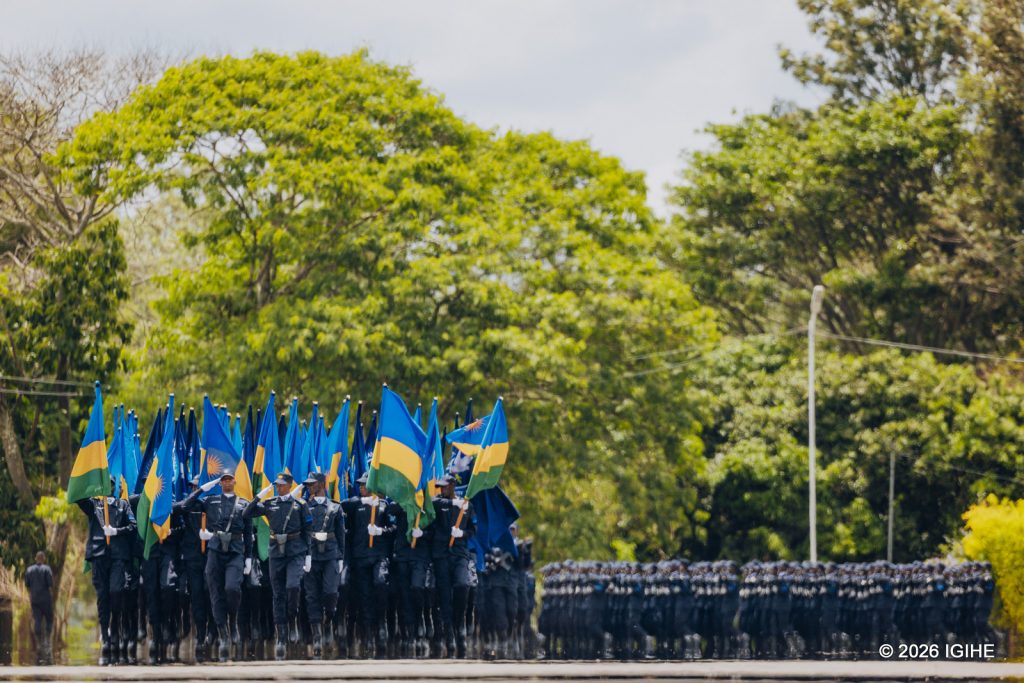
The graduates demonstrated some of the skills acquired during training through practical exercises, including crowd-control techniques, and a parade.
The ceremony also recognised the best-performing trainees. Shema Moses emerged as the overall best trainee, followed by Gatete Jimmy in second place and Musinga Abdallah in third.
Senior officials who attended the ceremony included Inspector General of Police (IGP) CG Felix Namuhoranye, Rwanda Defence Force Fifth Division Commander Major General Ruki Karusisi, Eastern Province Governor Pudence Rubingisa, representatives of NISS, the Rwanda Investigation Bureau (RIB) and RCS, as well as local government officials.
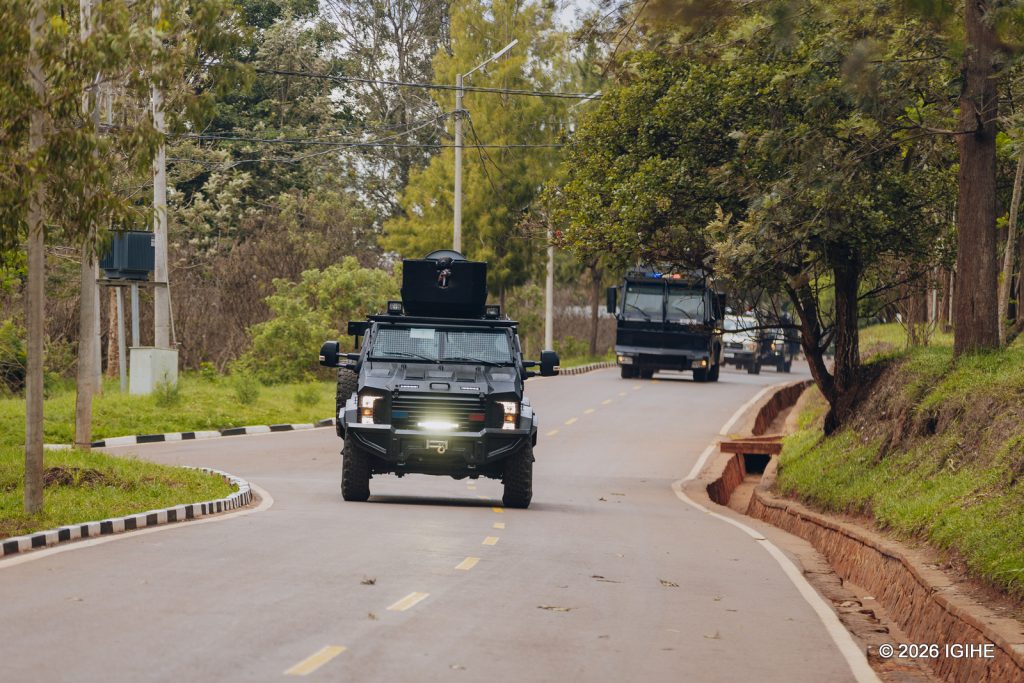
A total of 1,652 new police officers graduated from the Police Training School in Gishari, including 337 women.Minister of Internal Security Dr Vincent Biruta urges newly graduated police officers to prepare for emerging security threats, including technology-driven crimes.Senior government and security officials attend the ceremony at which 1,652 trainees completed basic police training at the Police Training School in Gishari, Rwamagana District.Police officers demonstrate skills acquired during nearly 10 months of basic training at the Police Training School in Gishari.Newly graduated police officers demonstrate crowd-control techniques during a practical exercise at the Police Training School in Gishari.New police officers take part in a parade during the pass-out ceremony of the 22nd intake at the Police Training School in Gishari.
Kabila made the remarks in an exclusive interview with Conspiracy Tracker Great Lakes (CTGL), conducted by researcher Dr. Bojana Coulibaly and journalist Teddy Mazina, following his appointment as leader of the FRN.
Kabila, who led the DRC from 2001 to 2019, argued that elections alone would not resolve the country's crisis without political openness, independent institutions and guarantees that citizens could campaign and vote without fear.
'Under the current conditions, I have serious doubts,' he said when asked whether credible elections were feasible by 2028.
'If those conditions are not created, elections risk becoming another source of conflict rather than a solution.'
Kabila also accused the administration in Kinshasa of rejecting dialogue in favour of a military solution to the ongoing conflict.
'When you close the political space and decide that the only solution according to Kinshasa is to fight to the last man, what other options do you leave the Congolese people? To sit down and accept to be slaves?' he asked.
The former president said he had previously advocated dialogue as a way out of the crisis but argued that the political environment had since deteriorated.
He maintained that the FRN was fighting for Congolese interests and rejected allegations that the coalition intended to divide the country or act on behalf of foreign powers.
'The FRN's position is clear: we are Congolese, we are fighting for the Congo, and we reject any form of balkanisation,' he said.
'National unity and the territorial integrity of the Democratic Republic of Congo are non-negotiable.'
Kabila further called for inclusive peace negotiations in Doha, Qatar, and criticised Kinshasa's proposed national dialogue, arguing that excluding significant political and social groups would undermine its effectiveness.
'A national dialogue that excludes significant political and social forces is not a national dialogue, it is a monologue,' he said.
He also expressed concern over the country's political and economic trajectory since he left office in 2019, saying the DRC had lost ground in governance and development.
'My biggest regret is also seeing the Congo become the playground of mercenaries, the playground of anybody who thinks they have money to throw around,' he said.
Kabila added that he regretted seeing ordinary Congolese people become poorer while members of the political elite accumulated wealth abroad.
'That is not the Congo we fought for. But that is the Congo we now have to fight for,' he said.
His remarks come amid continued insecurity in eastern DR Congo and uncertainty over efforts to reach a lasting political settlement.
His leadership of the FRN adds another dimension to the country's political crisis, raising questions about whether dialogue, elections or a more radical political transformation can offer a path towards stability.
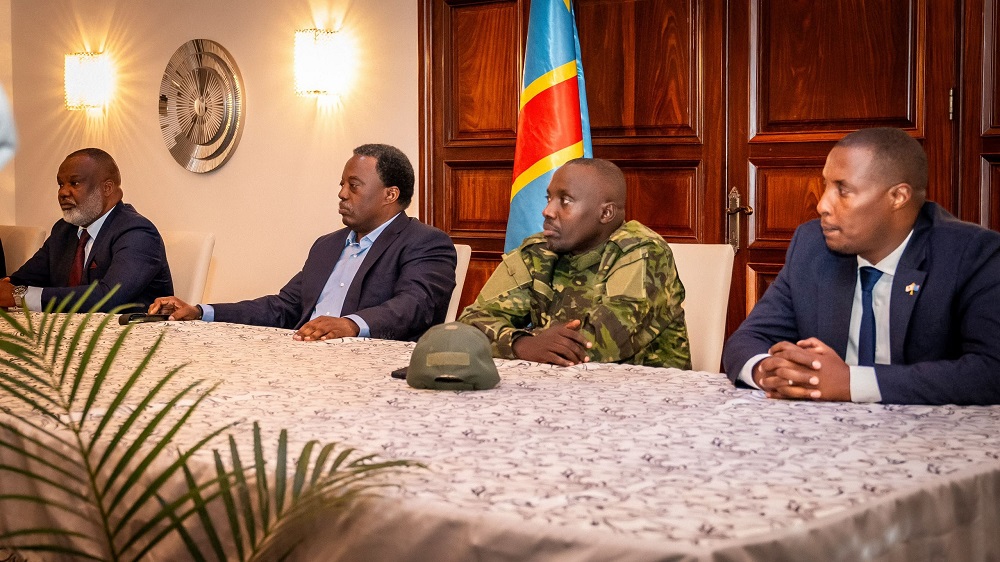
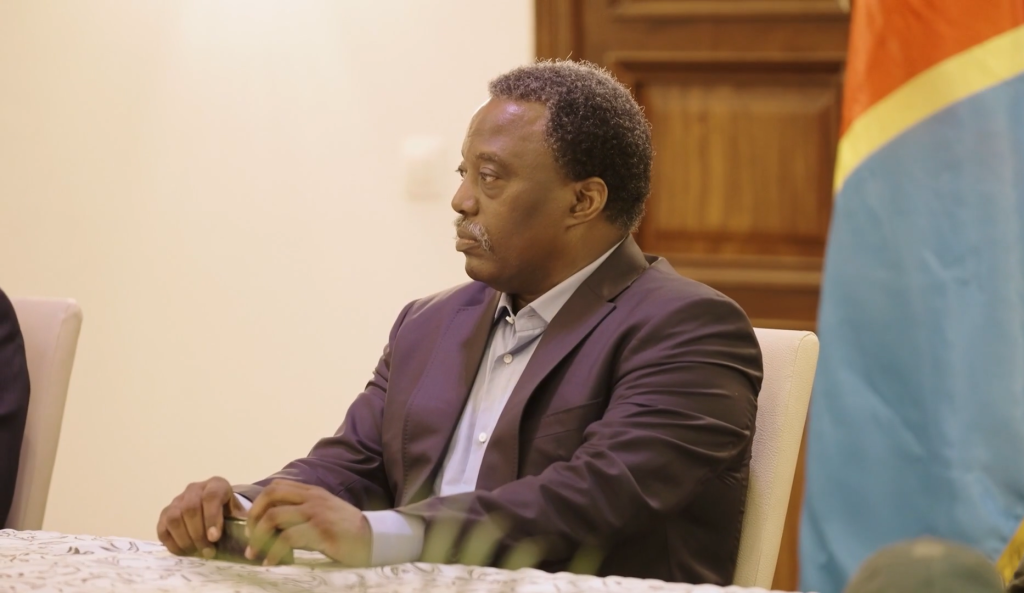
President Joseph Kabila (second left) is the president of a newly formed politico-military movement, the Front pour la refondation de la nation (FRN). Former DR Congo President Joseph Kabila has questioned the possibility of holding credible elections in 2028, citing shrinking political space and a lack of dialogue.
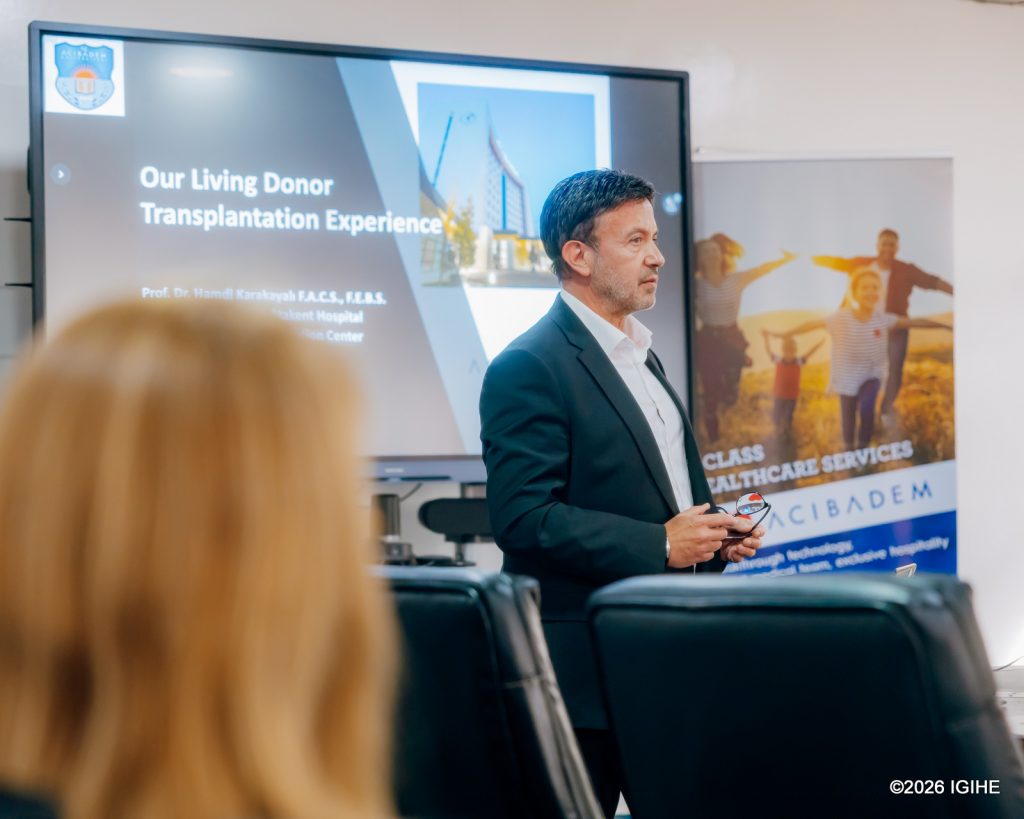
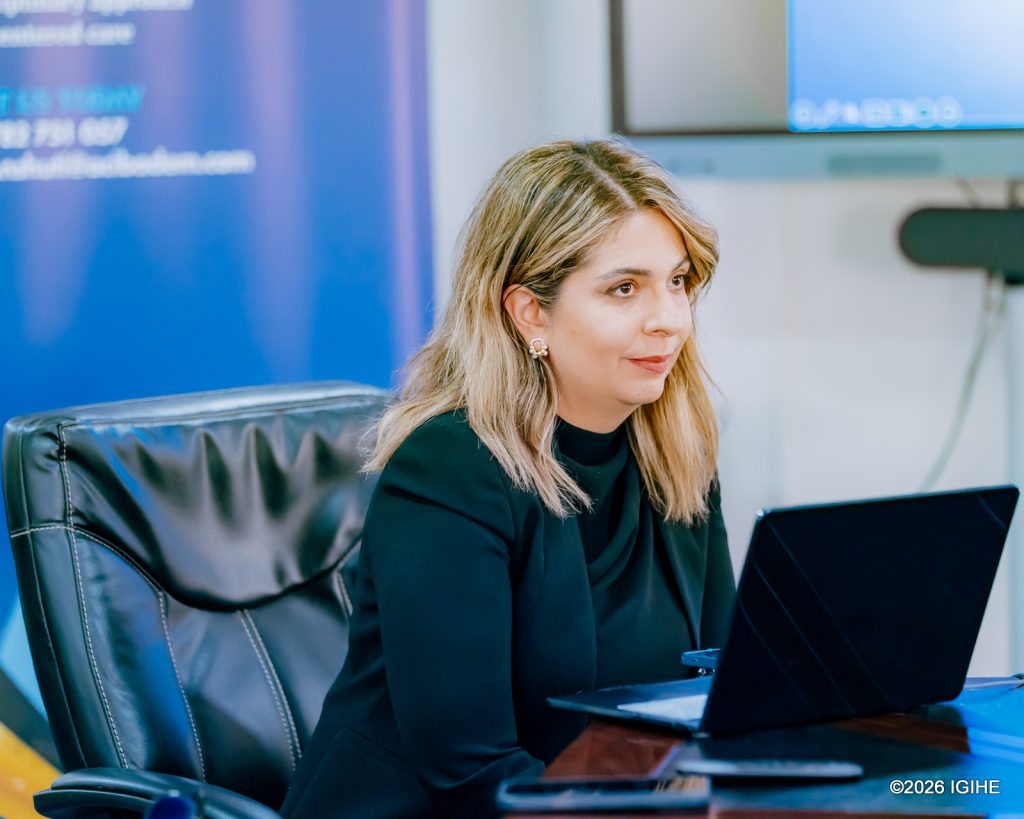
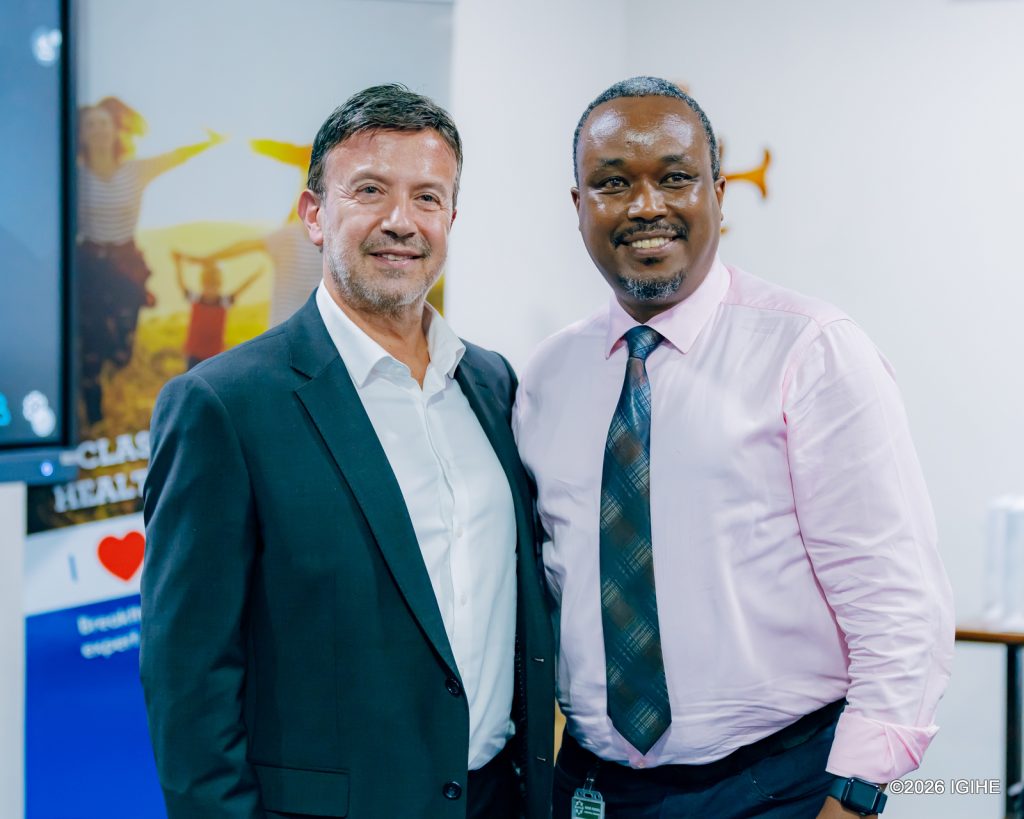
The announcement was made on October 27, 2026, when King Faisal Hospital hosted a team of transplant surgery specialists from Türkiye's Acıbadem Healthcare Group.
The visit aims to strengthen cooperation towards introducing liver transplantation in Rwanda, building on kidney transplant services launched at the hospital in May 2023.
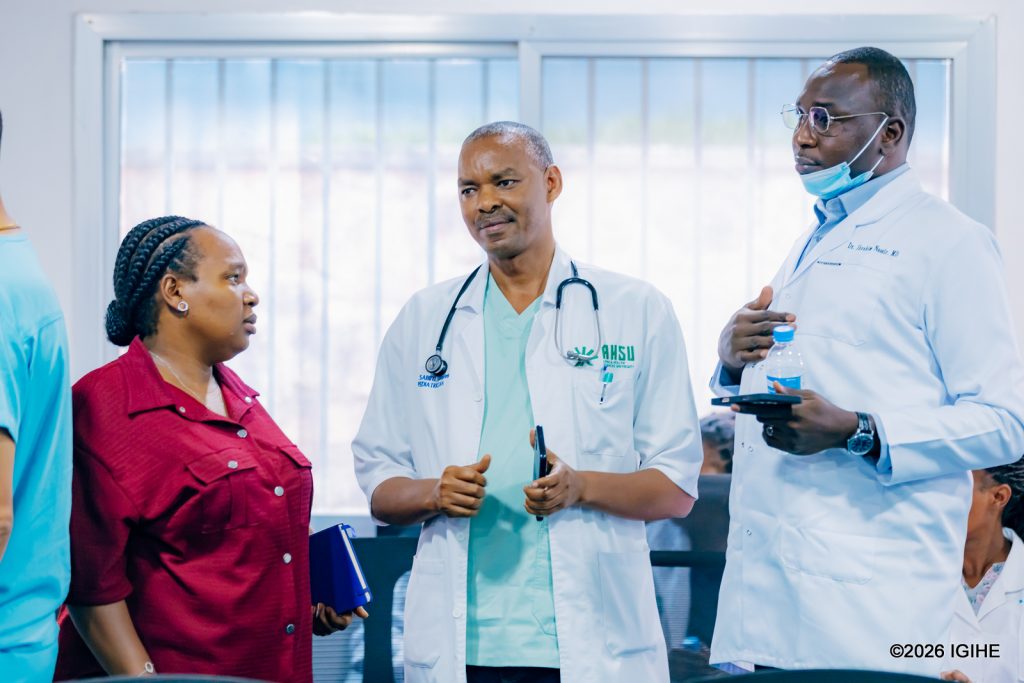
King Faisal Hospital's Chief Medical Officer, Dr. Augustin Sendegeya, said the number of patients requiring liver transplants in Rwanda is increasing, while delays in accessing the procedure can put their lives at risk.
He explained that transplantation may be the only life-saving option when the liver is severely damaged and can no longer perform its essential functions.
Dr. Sendegeya added that liver transplants are expensive abroad, making the introduction of the service in Rwanda an important step towards reducing the financial and logistical challenges faced by patients.
'We have welcomed specialists from Türkiye's Acıbadem Healthcare Group. We will discuss how to introduce new liver transplant services. We will also collaborate on research and train doctors in kidney and liver transplantation,' he said.
Dr. Sendegeya noted that Rwanda has already made progress in kidney transplantation, with about 115 patients having received the procedure at King Faisal Hospital.
Prof. Hamdi Karakayali, a transplant specialist at Acıbadem Healthcare Group, said diseases affecting the kidneys and liver are increasing worldwide, creating a need to expand treatment capacity.
He described kidney transplantation as a highly effective treatment, noting that success rates can reach 99% when procedures are performed by experienced specialists.
Patients with damaged kidneys can also undergo haemodialysis, a procedure that uses a machine to filter waste and excess fluid from the blood, performing some of the functions of the kidneys.
However, he said, liver failure presents a greater challenge because no machine can fully replace the liver's functions when the organ is severely damaged.
'Liver diseases are very serious and difficult to treat. When the liver is severely damaged, transplantation may be necessary. Liver transplants have a success rate of more than 90%,' Karakayali said.
He said that during his 33 years in transplant medicine, he had participated in kidney transplants for approximately 3,500 patients and liver transplants for another 2,500.
Karakayali said one of the most rewarding aspects of his work is seeing patients recover and resume their lives, particularly children.
'It makes me happy to see the people I have treated recover, especially children. It is rewarding to treat a child who survives, goes to school and later returns as an adult with a family of their own,' he said.
Organ donation remains a major challenge
Karakayali said the availability of people willing to donate organs remains one of the biggest challenges facing transplantation programmes worldwide.
He explained that organ donation requires more than medical expertise, stressing the importance of following applicable laws and regulations to protect the rights and safety of both donors and recipients.
Türkiye has made progress in living-donor liver transplantation, he said, with approximately 80% of the 1,400 liver transplants performed there involving organs donated by living people.
Living donors can donate part of their liver because the organ has the ability to regenerate.
Liver transplants can also use organs donated by deceased people, subject to the relevant legal and medical requirements.
Karakayali said that although both options are available, securing enough donor organs remains a major challenge.
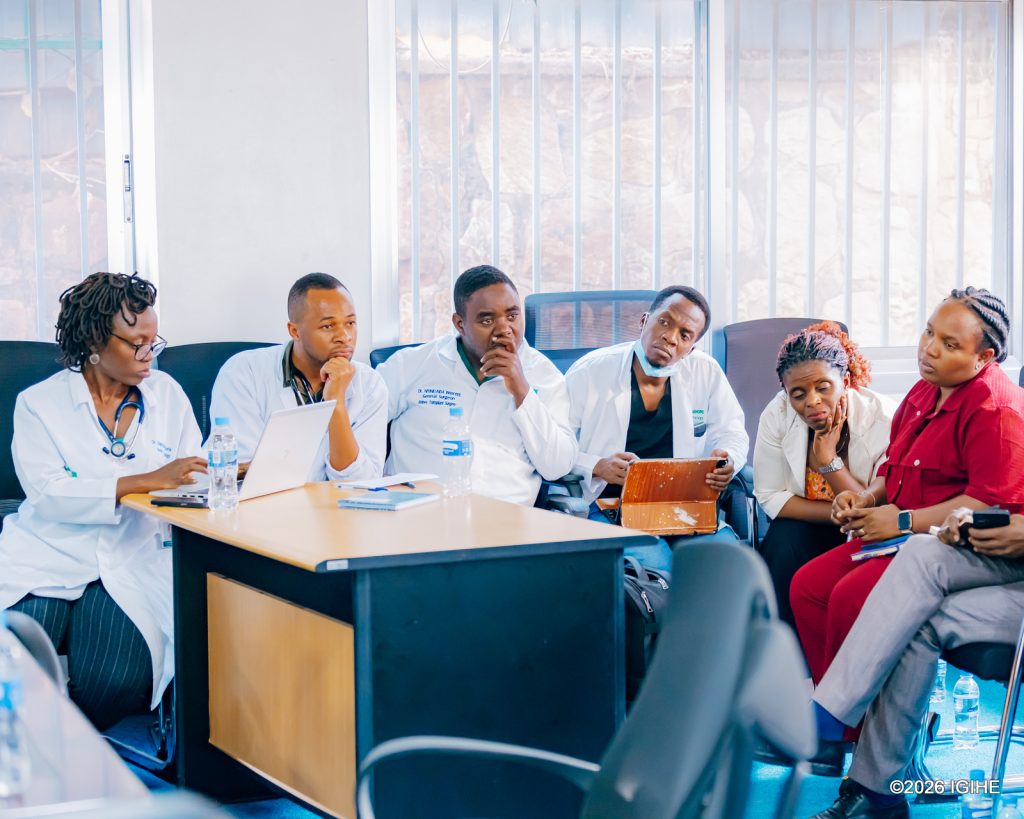
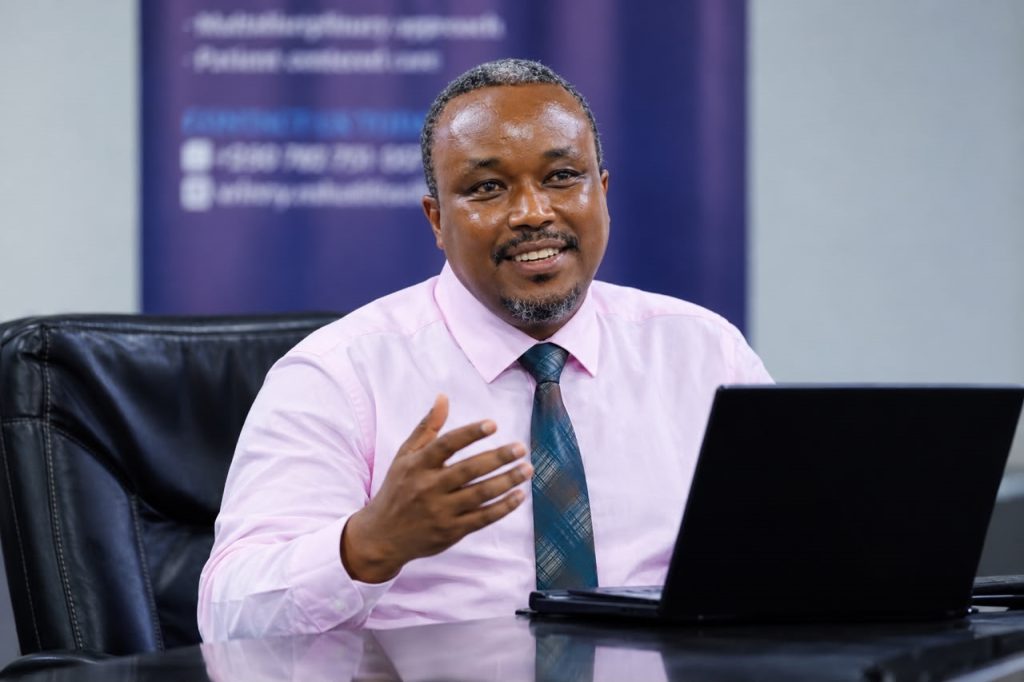
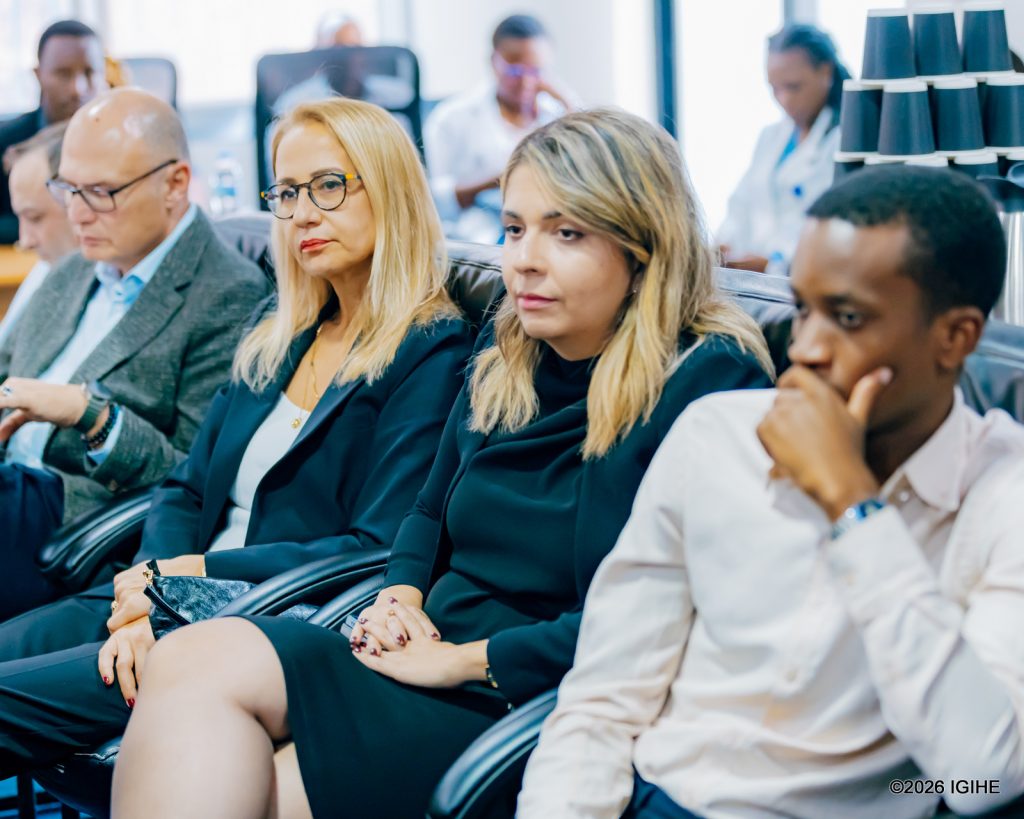
Doctors performing organ transplants are set to receive specialised training.King Faisal Hospital's Chief Medical Officer, Dr. Augustin Sendegeya, said the number of patients requiring liver transplants in Rwanda is increasing.Prof. Hamdi Karakayalı, MD is a kidney transplant center specialist at Acibadem Atakent Hospital in Istanbul.The representative of Acıbadem Healthcare Group in Rwanda and other African countries said patients seeking organ transplants in Türkiye receive assistance.Doctors said patients with liver and kidney diseases often require specialised treatment.Transplant specialists from Türkiye are working with Rwandan counterparts to introduce liver transplant services in the country.
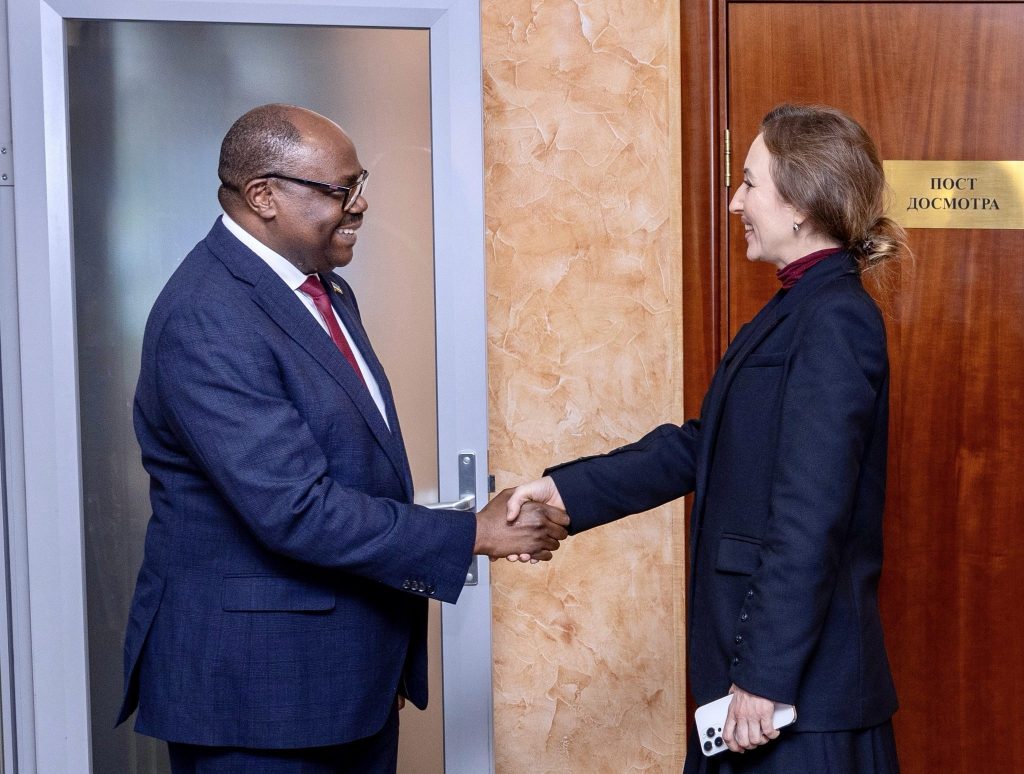
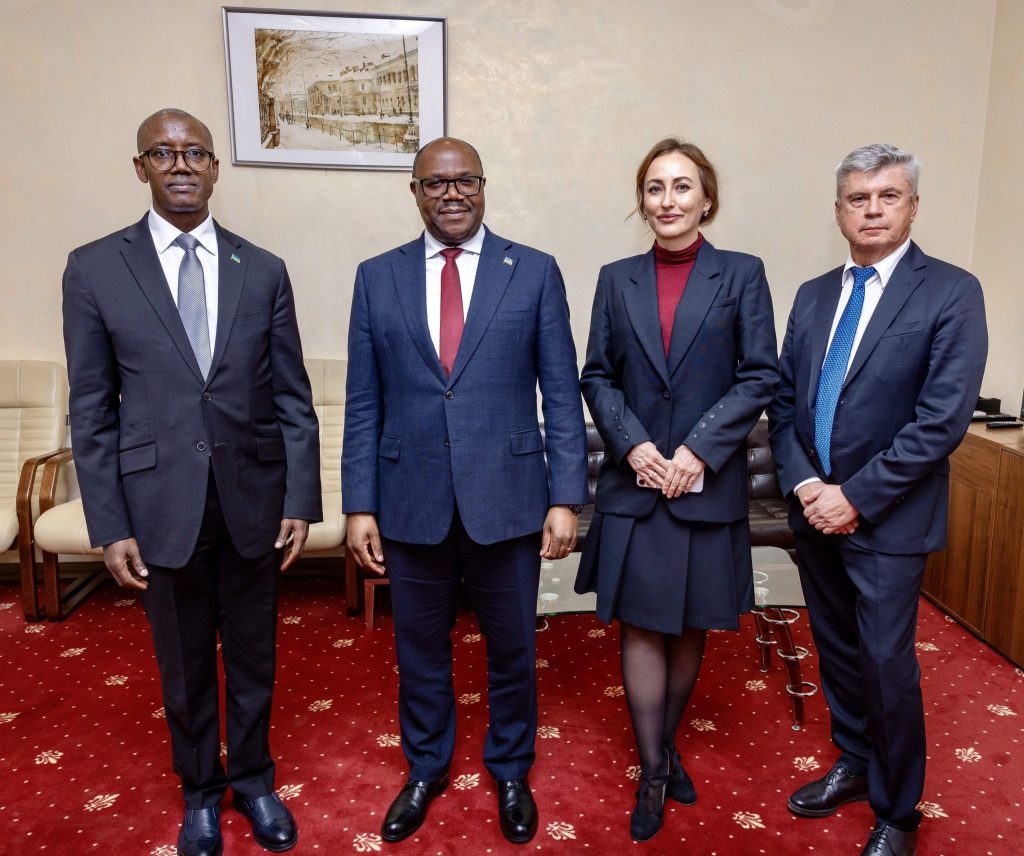
His arrival was confirmed by the Office of the Prime Minister in a post on X.
The summit is scheduled for October 28–29, 2026, in Moscow. It will coincide with the Russia-Africa Economic and Humanitarian Forum, which will focus on expanding cooperation between Russia and African countries.
According to the programme released by the organisers, discussions will cover trade, infrastructure, energy, agriculture, healthcare and technology. Artificial intelligence, nuclear technology, research cooperation and skills development are also expected to feature.
The Russia-Africa summits began in 2019, when the inaugural meeting was held in Sochi on October 23–24. It was co-chaired by Russian President Vladimir Putin and Egyptian President Abdel Fattah al-Sisi, who was then chairperson of the African Union.
The first summit sought to strengthen trade and economic cooperation while establishing a platform for discussions on shared interests. More than 3,000 delegates, including heads of state, ministers and private-sector representatives, attended the accompanying economic forum.
The second summit took place in Saint Petersburg on July 27–28, 2023. It resulted in several documents, including the 2023–2026 Russia-Africa Partnership Action Plan, as well as agreements and declarations addressing counterterrorism and international information security.
Rwanda and Russia established diplomatic relations on October 17, 1963, when Russia was part of the Soviet Union. Their cooperation spans political relations, military affairs, education, training and cultural exchange. Russia also offers scholarships to Rwandan students pursuing studies at its universities.
Relations between the two countries have included high-level engagements. Kagame and Putin met in Moscow in 2018 and held another meeting in 2019 during the first Russia-Africa Summit.
The two countries are also cooperating in peaceful use of nuclear energy, with Rosatom supporting Rwanda's efforts to develop a small modular nuclear reactor by early 2030s.
In a recent interview with TASS news agency, Ambassador of the Republic of Rwanda to the Russian Federation, Maj Gen Joseph Nzabamwita, said that Rwanda is seeking to expand its cooperation with the Russian Federation in defence and security, agriculture, trade, investment, healthcare, education, science and technology, sports and tourism.
Ambassador Nzabamwita also highlighted opportunities for Russian companies to invest in Rwanda, in the mining sector, fertiliser production, and sports facilities.
He also confirmed that the countries are preparing agreements on establishing the Joint-Commission on Social-Economic and Political Cooperation and other Memoranda of Understanding.
Premier Nsengiyumva has arrived in Moscow to represent President Kagame at Russia-Africa summit.
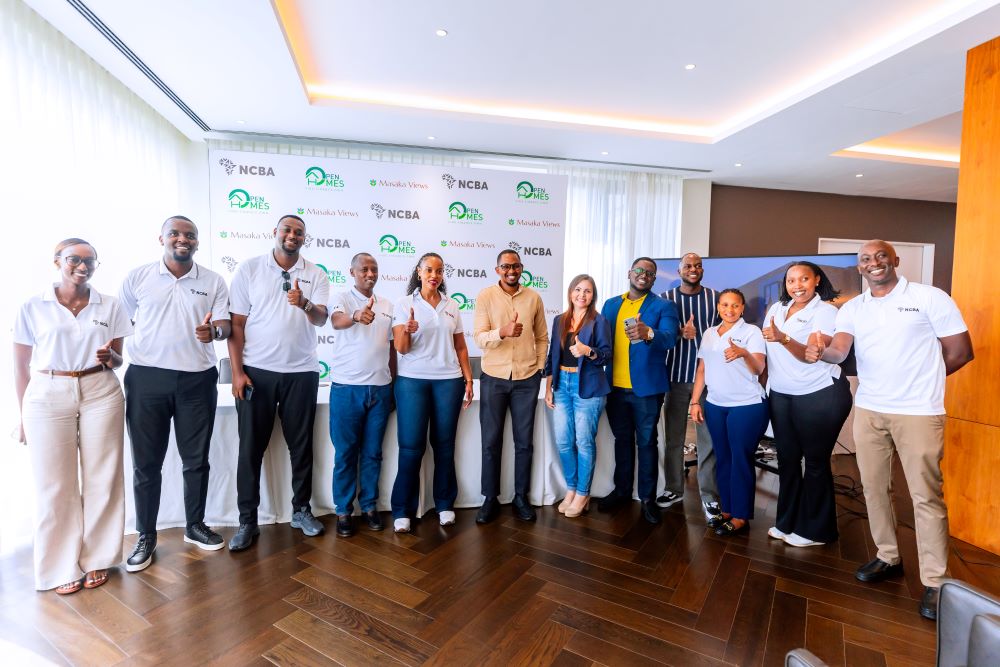
Tura Neza addresses one of the biggest barriers to home ownership: the substantial upfront financial commitment.
The solution is designed to finance up to 100% of the property's purchase price, with an additional 5% towards eligible acquisition costs, subject to credit approval and applicable lending conditions.
The launch also featured Open Homes, (www.open homes.rw) a digital property and home-financing platform connecting prospective homeowners with verified property opportunities, developers and mortgage-financing institutions. The platform enables customers to discover properties, assess their financial readiness, undertake mortgage prequalification and begin the financing process online.
Prospective homeowners, including Rwandans living abroad, can begin exploring properties and submitting their financing enquiries through Open Homes (www.openhomes.rw)
Bringing Rwanda's housing industry together
The launch convened banking executives, property developers and real estate professionals to examine practical solutions to Rwanda's housing challenges.
Moderated by Babu Emile, the panel featured Charles Haba, who discussed property-market dynamics and buyer affordability; Amos Furaha, who explored housing development, supply and construction costs; and Sam Gatari, NCBA's Head of Retail Banking, who addressed mortgage accessibility and responsible financing.
The discussion highlighted the importance of collaboration between developers, financial institutions and technology platforms in addressing Rwanda's housing needs.
National projections indicate Rwanda requires approximately 150,000 new dwellings annually, while the latest NISR household survey shows that 60.6% of Kigali households live in rented accommodation.
Strategic partnership with Masaka Views
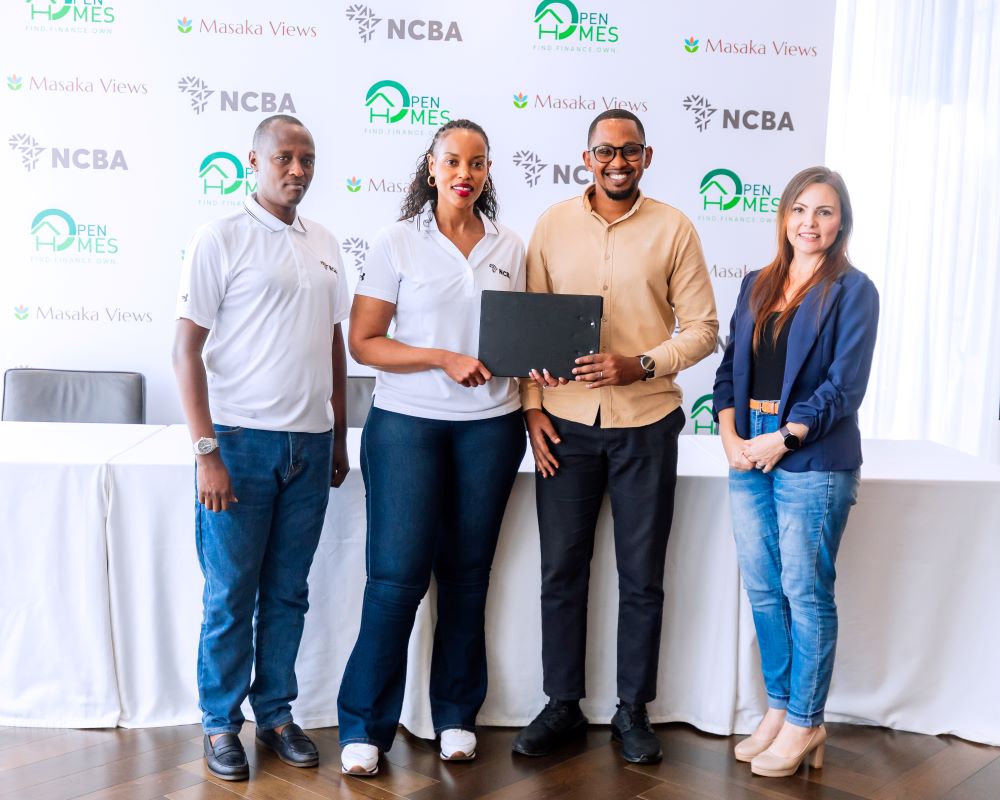
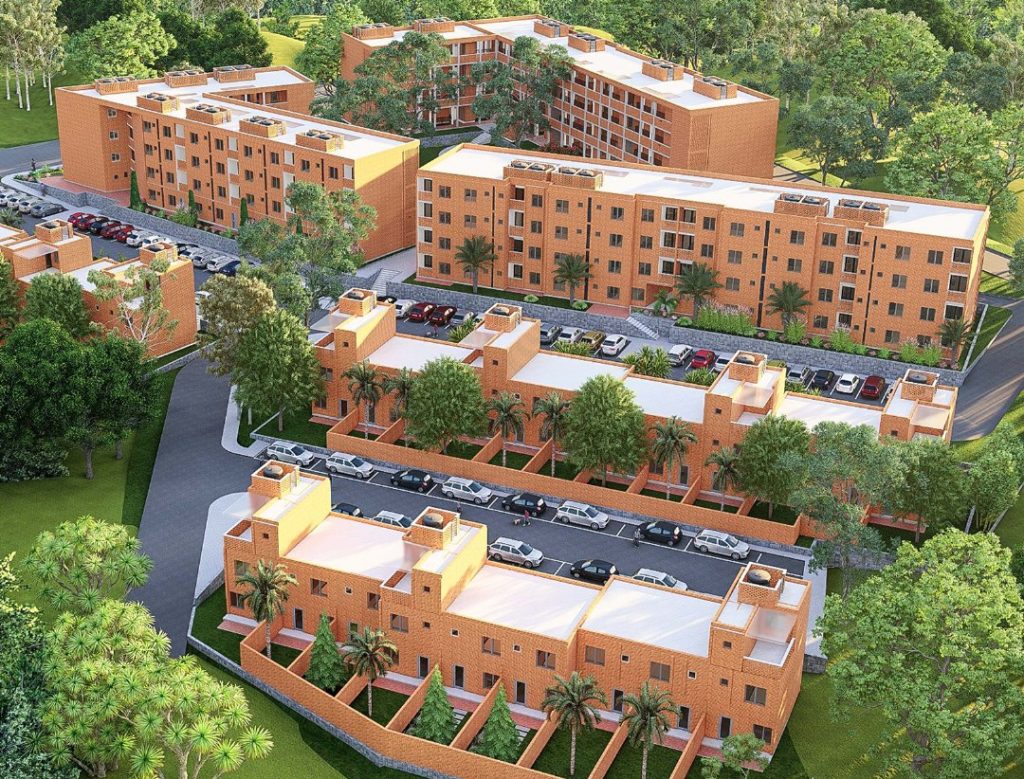
A highlight of the event was the signing of an MoU between NCBA and Masaka Views, a residential development in Kigali's Masaka area comprising a planned 382 housing units.
The partnership will connect prospective buyers with NCBA's home-financing solutions, demonstrating how collaboration between banks and developers can translate housing demand into ownership opportunities.
Liz Haylett of Masaka Views welcomed the partnership: 'Building quality homes is only part of the solution. Buyers also need access to financing that makes ownership achievable. Our partnership with NCBA brings these elements together and creates a more practical pathway for prospective homeowners.'
NCBA sets ambitious home ownership agenda
Speaking at the launch, Emmanuella Nzahabonimana, COO of NCBA Bank Rwanda, outlined the Bank's ambition to take a leading role in expanding home ownership over the next year.
'We intend to lead a deliberate drive to make home ownership more accessible to Rwandans. Tura Neza 105% is an important first step, but our ambition extends beyond a home loans product. We want to build an ecosystem that brings together developers, property opportunities, technology and financing, helping more Rwandans turn the ambition of owning a home into reality.'
Over the next year, NCBA plans to strengthen partnerships with property developers, expand awareness of mortgage-financing opportunities and leverage digital platforms such as Open Homes to reach prospective homeowners across Rwanda and internationally.
Diaspora banking will be a key priority, with the Bank seeking to make it easier for Rwandans living abroad to identify investment properties, explore financing options and begin their home-ownership journey remotely.
Through its retail, corporate and digital banking capabilities, NCBA aims to position home ownership as a major area of growth, combining innovative financing with greater access to property information and a simpler customer experience.
Rwandans interested in purchasing a home can begin their journey today through Open Homes, where they can explore property opportunities and initiate the home-financing prequalification process.
Masaka Views has partnered with NCBA Bank Rwanda to improve access to financing for prospective homebuyers interested in its residential development.The signed MoU will see NCBA Bank Rwanda and Masaka Views work together to make home ownership more accessible through tailored financing options for prospective buyers.NCBA Bank Rwanda and Masaka Views have signed a Memorandum of Understanding (MoU) to expand access to home financing for prospective homeowners.Masaka Views, a residential development in Kigali, plans to deliver 382 housing units under its development programme.
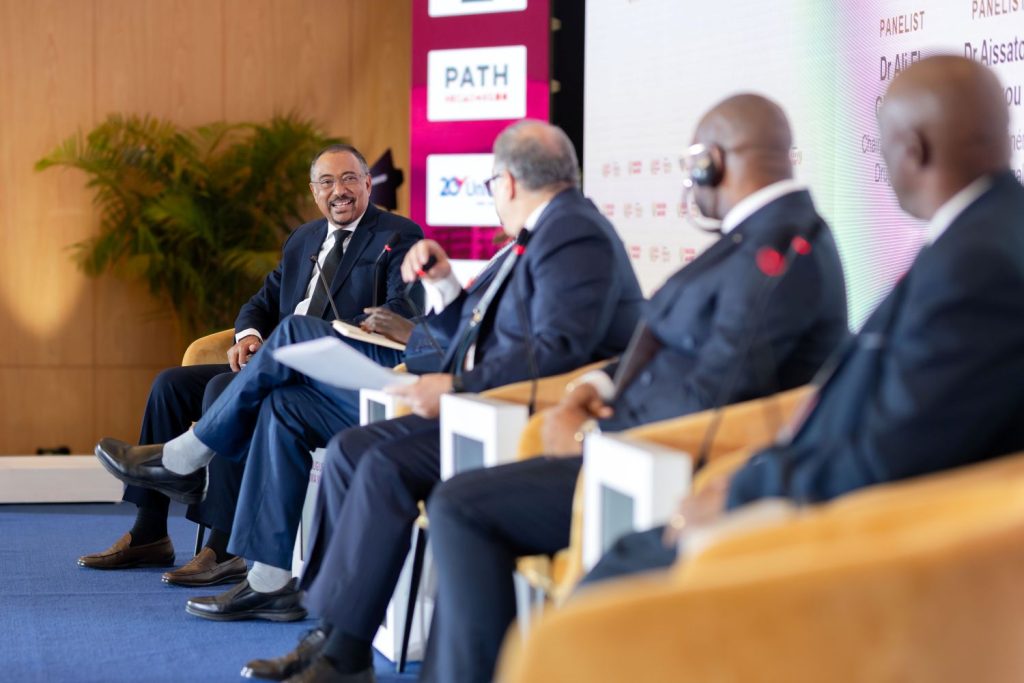
The committees will review scientific evidence relating to medical products and clinical trials, supporting AMA and national regulatory authorities in making informed decisions on product quality, safety and effectiveness.
Their work is expected to strengthen regulatory cooperation across African countries, helping improve access to quality-assured medical products while protecting patients from unsafe, ineffective, substandard and falsified products.
The committees cover seven areas: evaluation of medicines, vaccines and biologicals; clinical trials oversight and good clinical practice; market intelligence and control; quality control laboratories and laboratory networks; vigilance; regulatory inspections; and medical devices, diagnostics and emerging technologies.
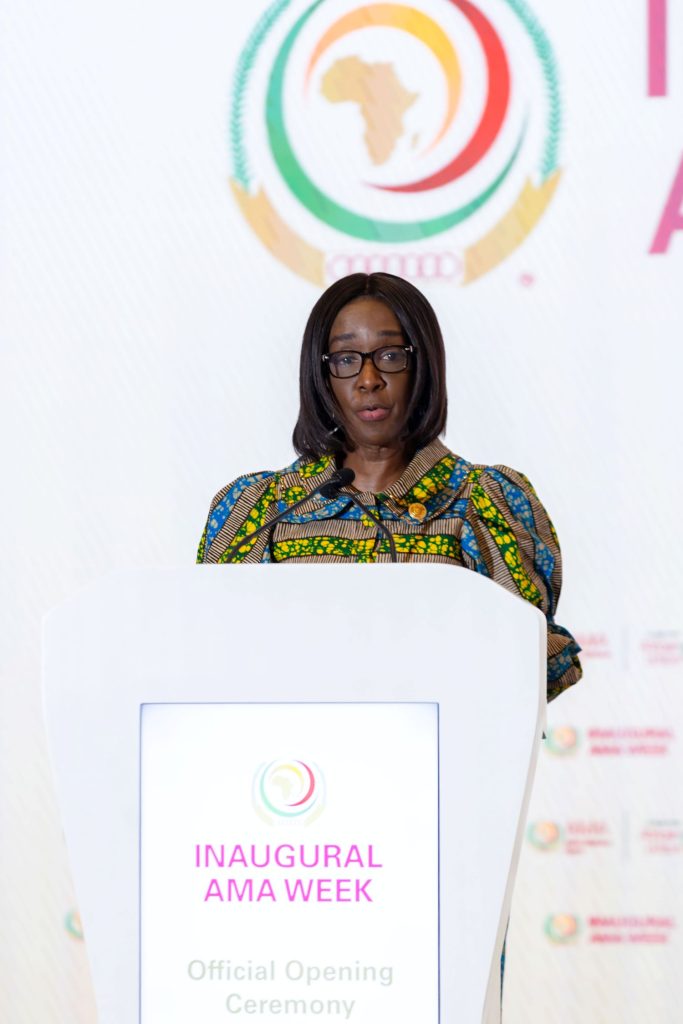
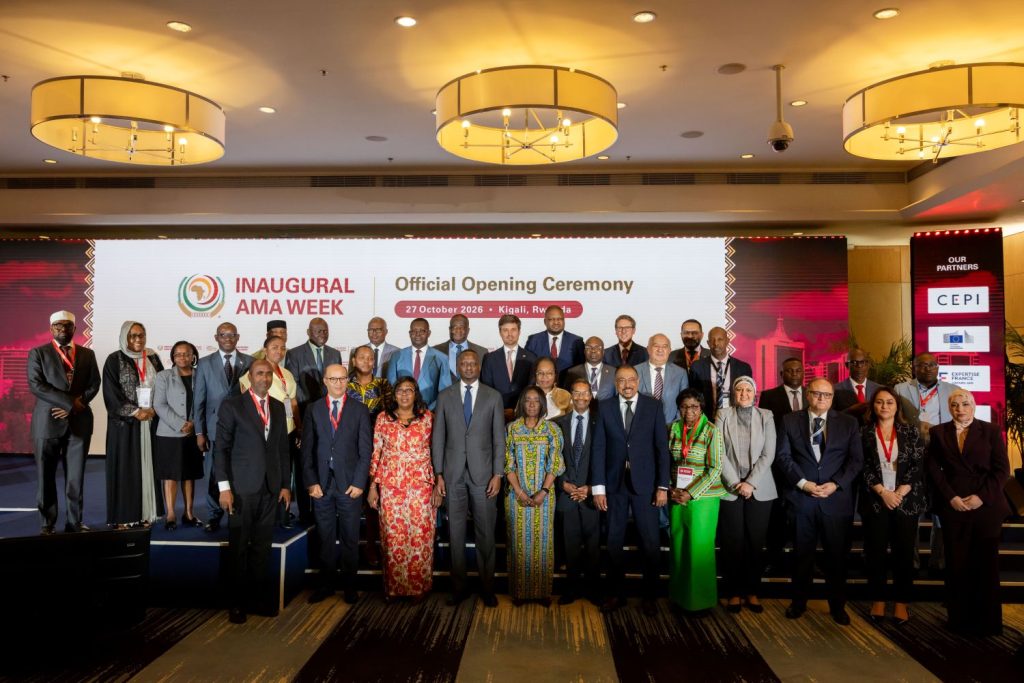
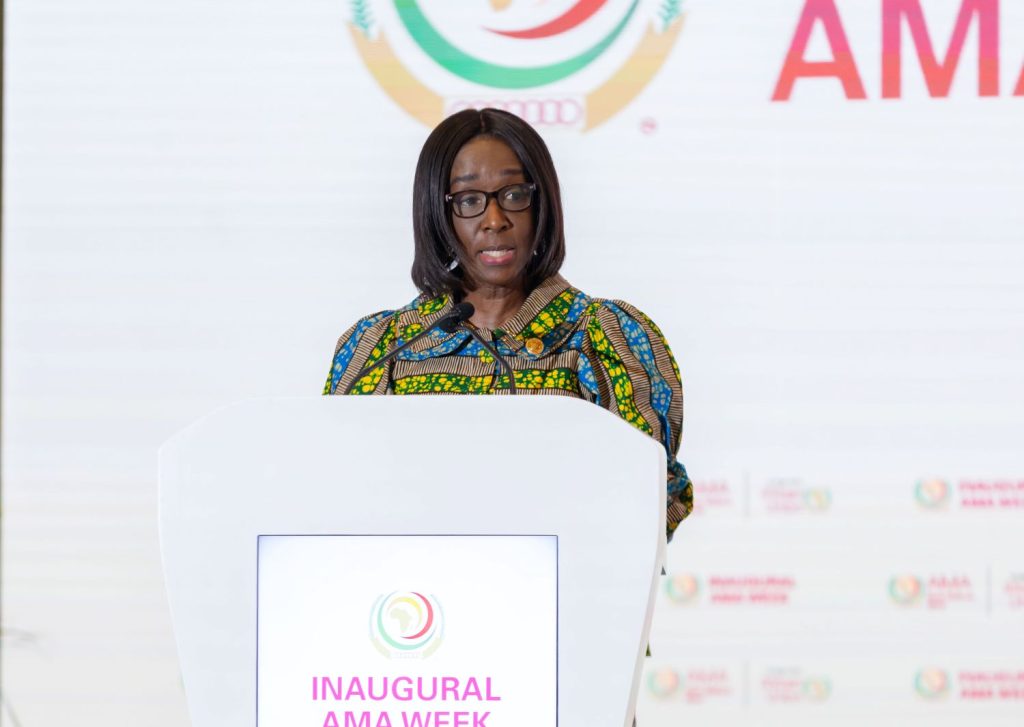
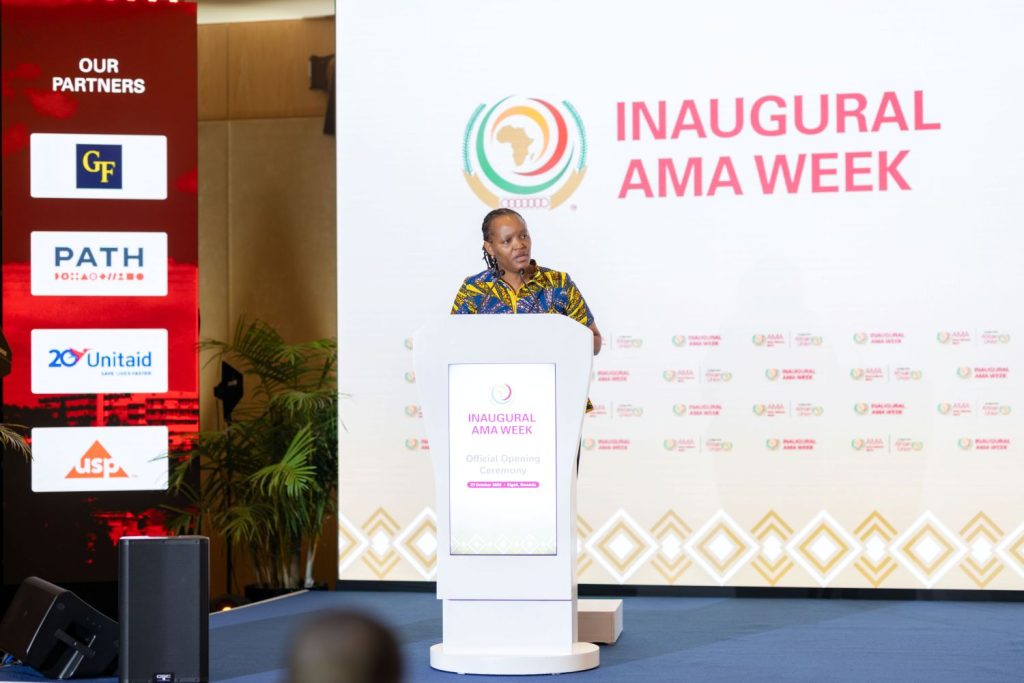
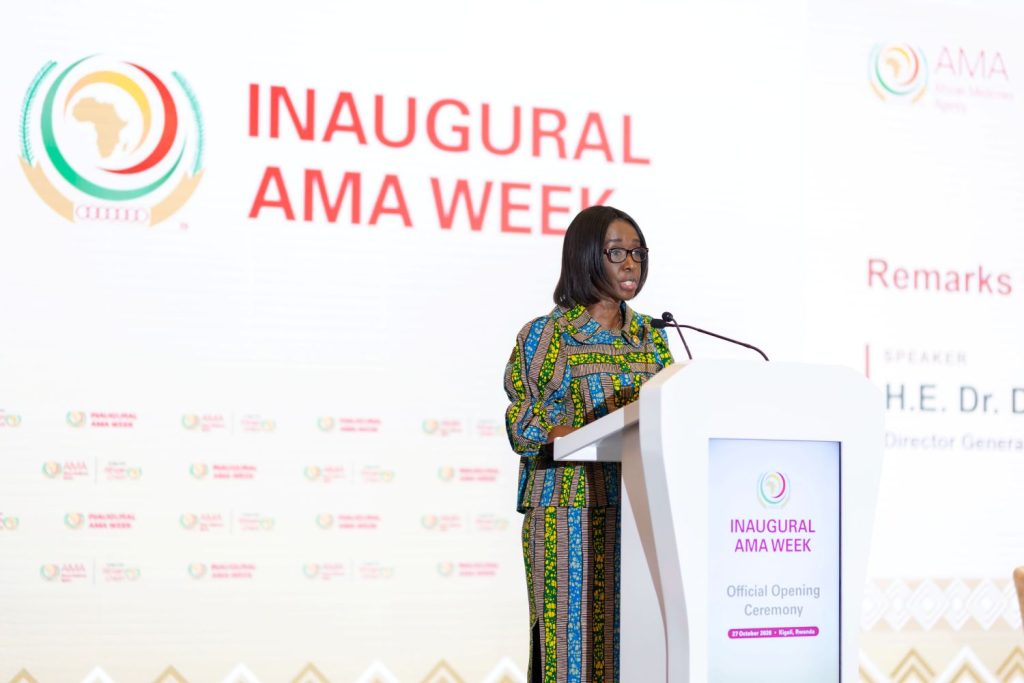
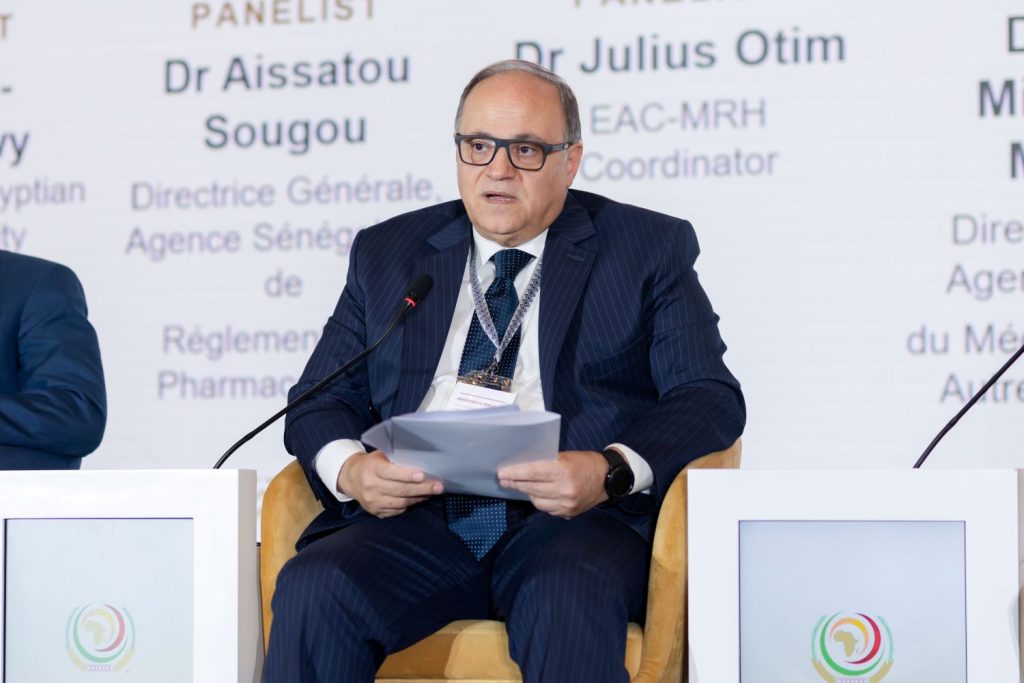
Speaking at the inauguration in Kigali on October 26, 2026, AMA Director-General Dr. Delese Mimi Darko described the committees as an important step in building the agency's scientific capacity.
'With the inauguration of our Technical Committees, we are building an African regulatory institution that belongs to Africa, serves Africa and contributes confidently to the world,' she said.
Darko added that the experts would provide the scientific rigour needed to support regulators across the continent and protect patients who depend on medical products.
Dr. Yossounon Chabi, chairperson of the AMA Governing Board, said the committees would contribute to building a regulatory system that is efficient, transparent and responsive to public health needs.
Their members were selected through an open, competitive and merit-based process following a continent-wide call for expressions of interest. They will serve as individual experts in an independent scientific capacity.
AMA, headquartered in Kigali, aims to strengthen cooperation among national regulatory authorities, allowing countries to share scientific assessments and make regulatory decisions more efficiently. Such cooperation is also expected to help manufacturers navigate regulatory requirements across multiple African markets.
For researchers developing medicines and vaccines, stronger regulatory cooperation could provide earlier scientific guidance, while manufacturers could benefit from clearer regulatory expectations and more predictable routes to market.
The committees form part of wider efforts to build a coordinated continental regulatory system while strengthening national regulatory authorities and regional cooperation.
Two hubs to support regulatory capacity and innovation
The inauguration took place during AMA Week, running from October 25 to 30 in Kigali, which also featured the launch of two hubs designed to strengthen regulatory capacity and support medical product development and manufacturing in Africa.
The Capacity Strengthening Hub will coordinate training, mentoring, peer learning and professional attachments to address gaps in regulatory expertise across the continent.
It will draw on existing African expertise, including national regulatory authorities that have achieved Level 3 maturity under the World Health Organization's regulatory benchmarking system, as well as Regional Centres of Regulatory Excellence and established regulatory networks.
The second initiative, the Regulatory Innovation and Manufacturing Readiness Hub, will engage innovators and manufacturers earlier in the product development process, helping them understand regulatory requirements and prepare to meet standards for quality, safety and effectiveness.
The hub is also intended to strengthen links between product development and regulatory readiness, supporting efforts to expand Africa's capacity to develop and manufacture medical products.
Darko said the agency wanted more research, including early-stage clinical trials, to take place in Africa and address the continent's health needs.
'Africa must also develop products that can serve Africa and compete confidently in the world,' she said.
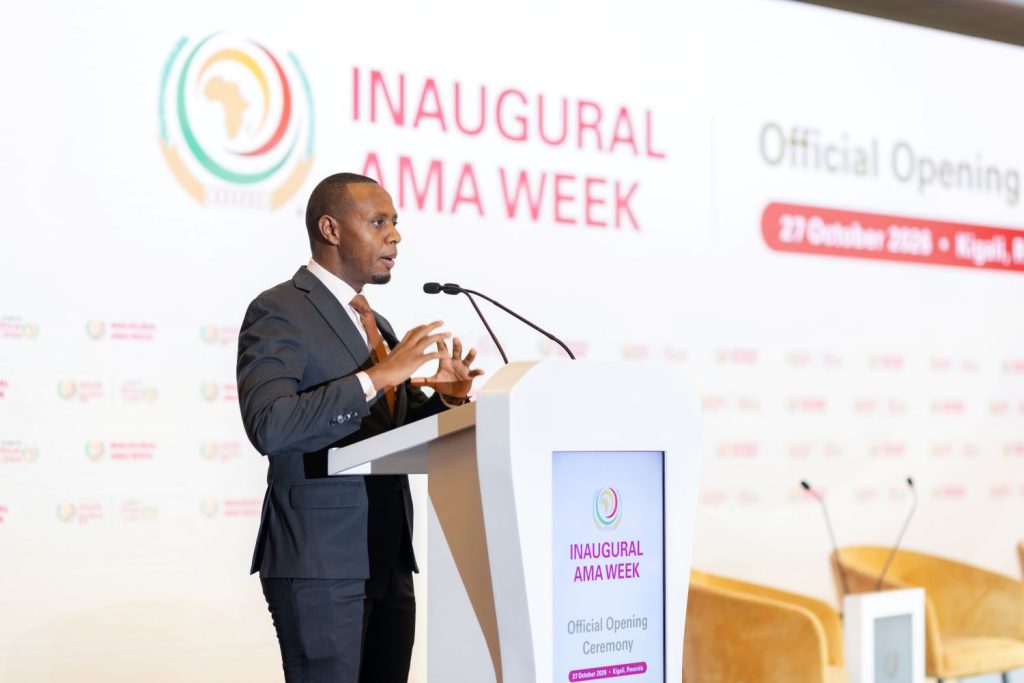
Rwanda's State Minister for Health, Dr. Yvan Butera, said the two hubs would help strengthen regulatory institutions and support African manufacturers in bringing quality medical products to market.
'At the heart of healthcare is the simple promise that treatment will help, and that the medicines people receive are safe and of good quality,' he said, adding that protecting public trust required countries to strengthen their regulatory systems and work together.
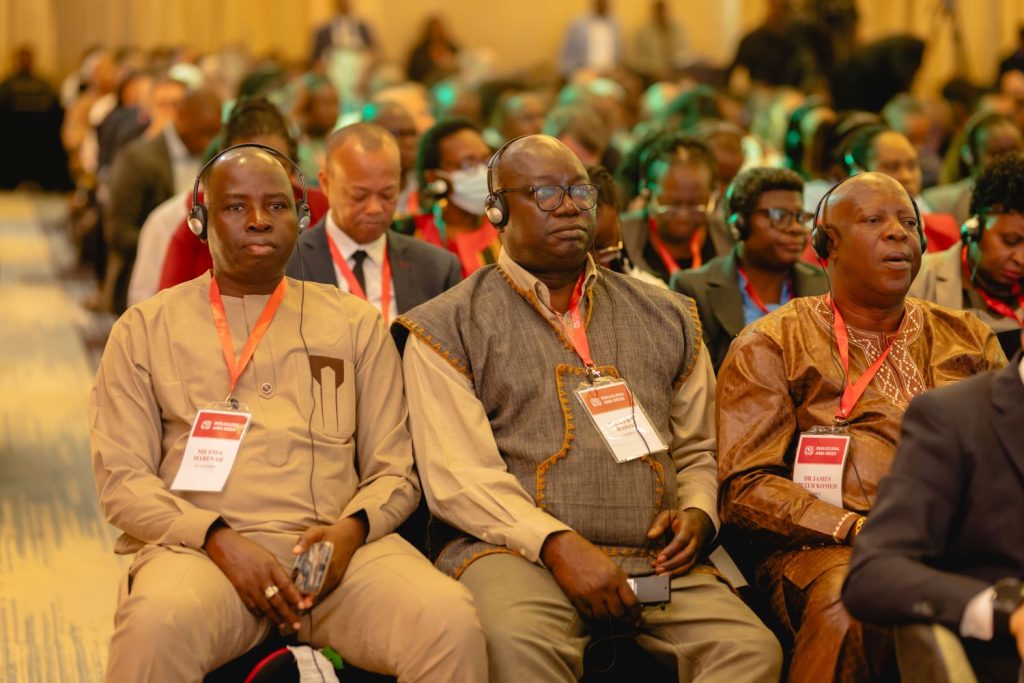
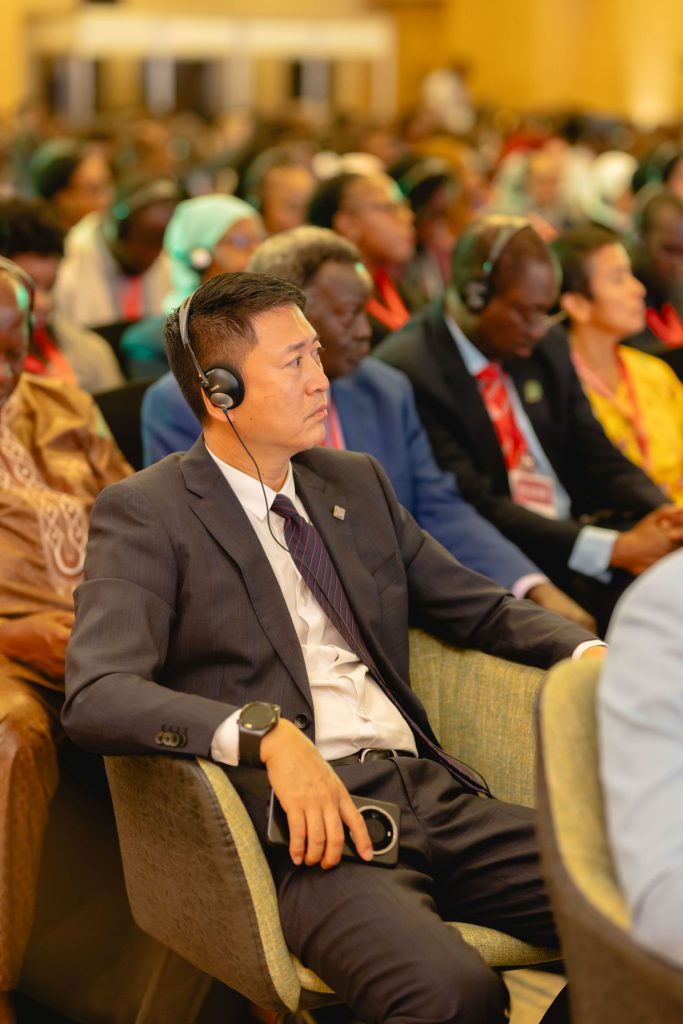
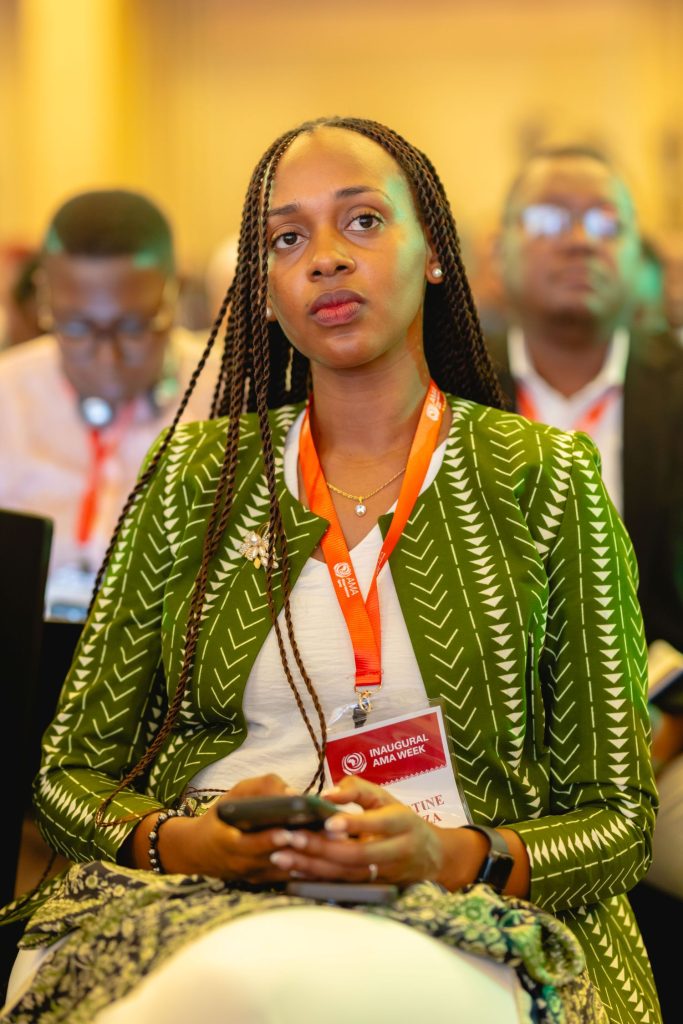
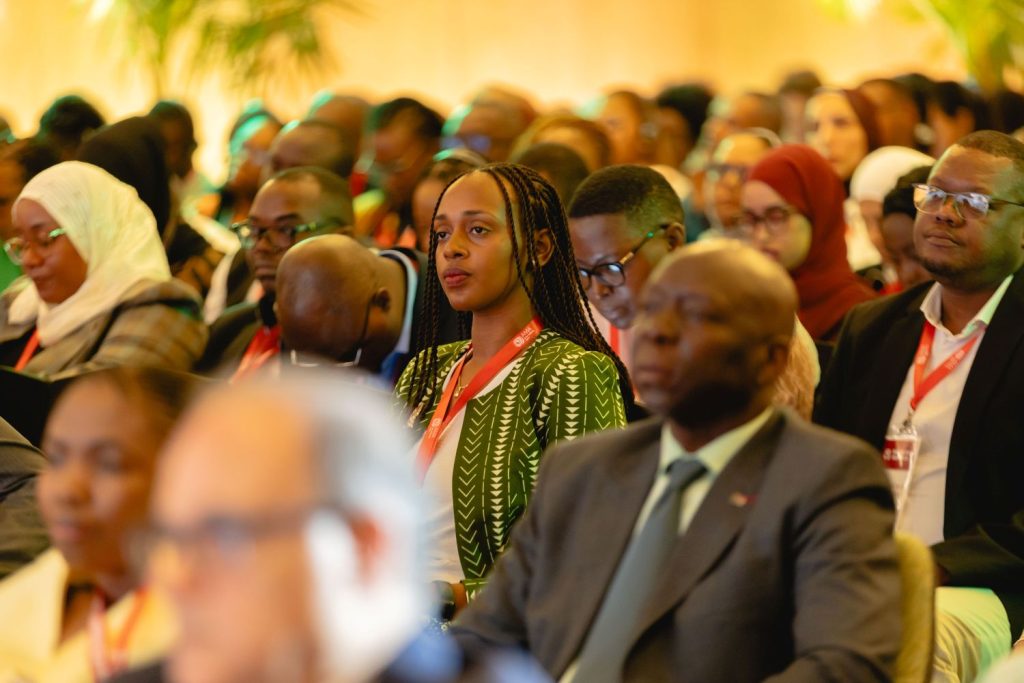
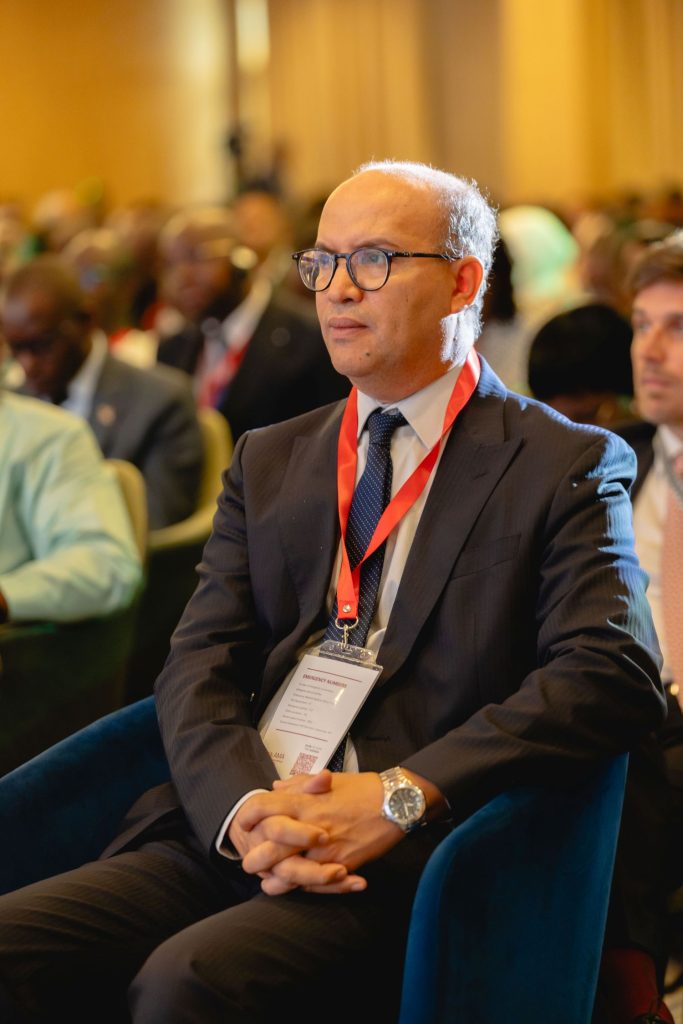
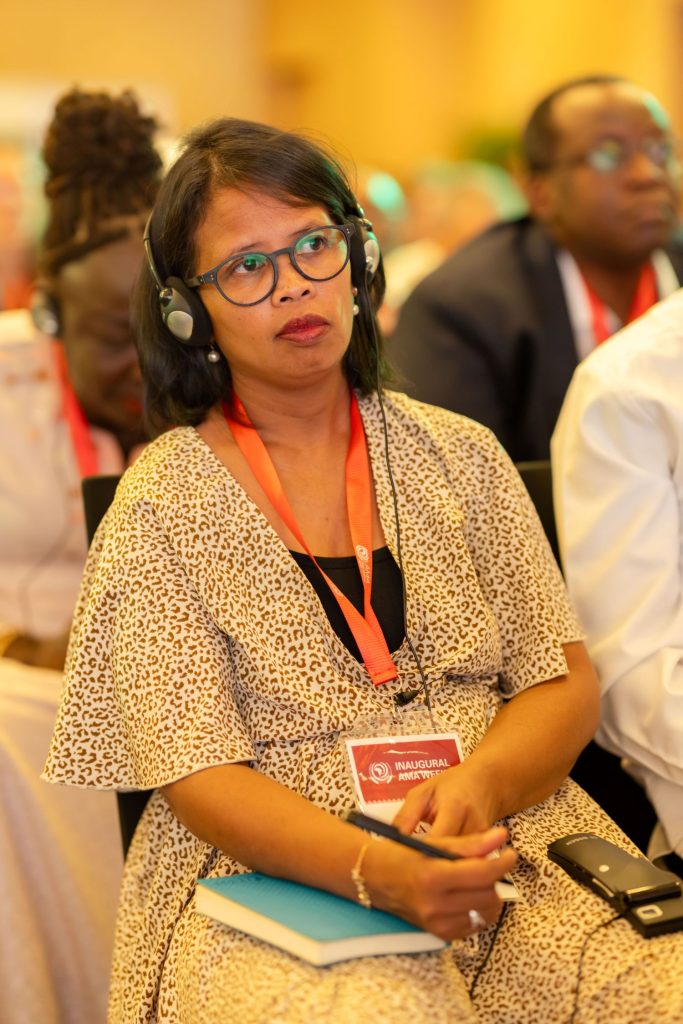
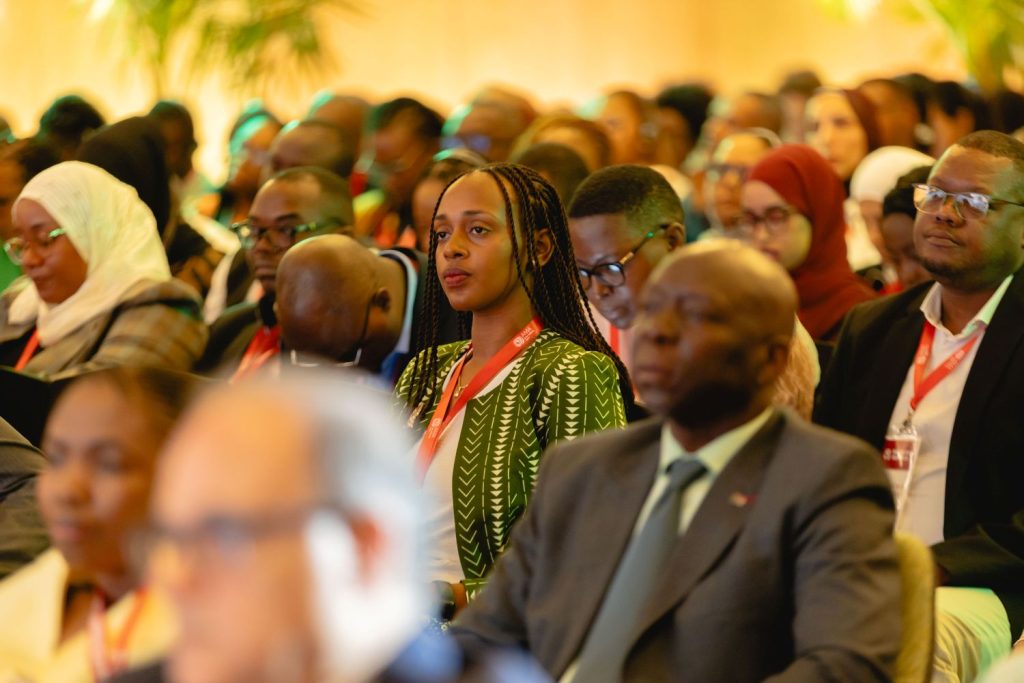
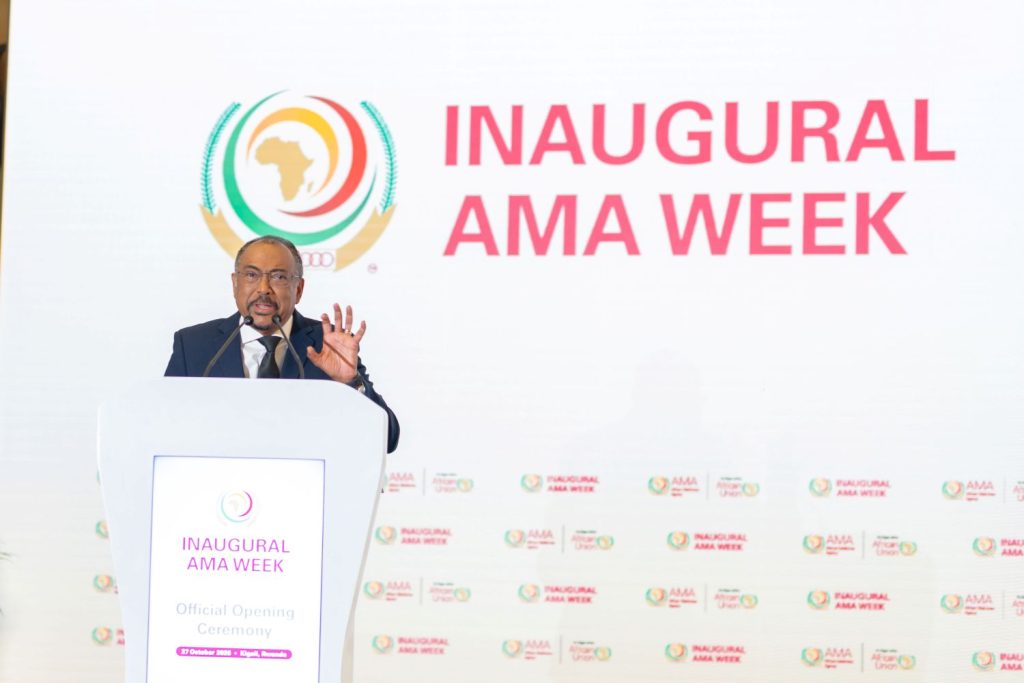
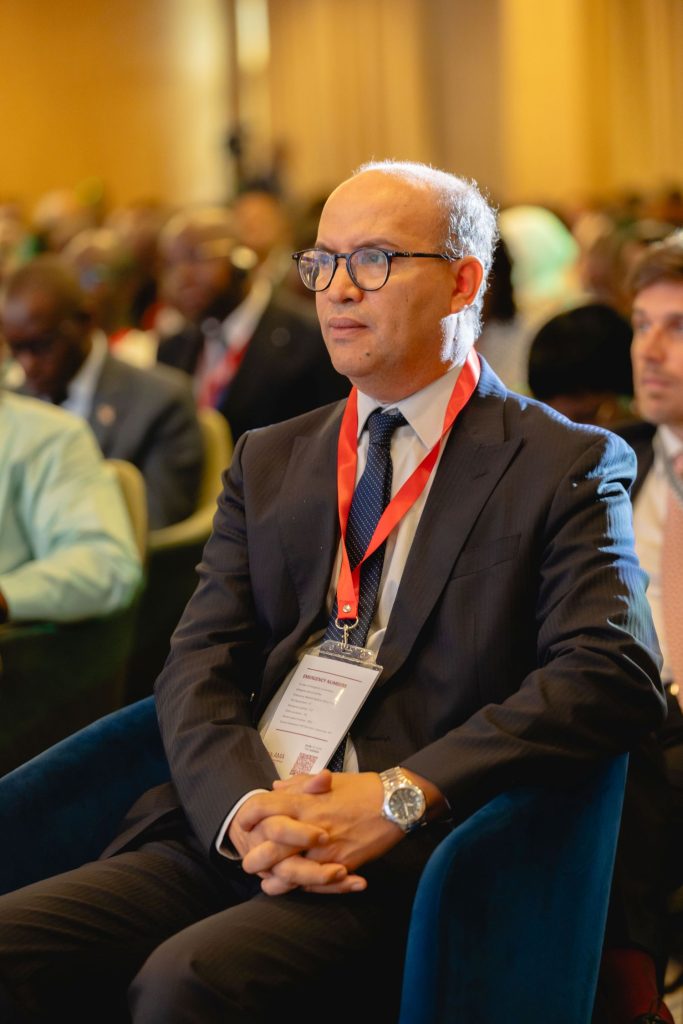
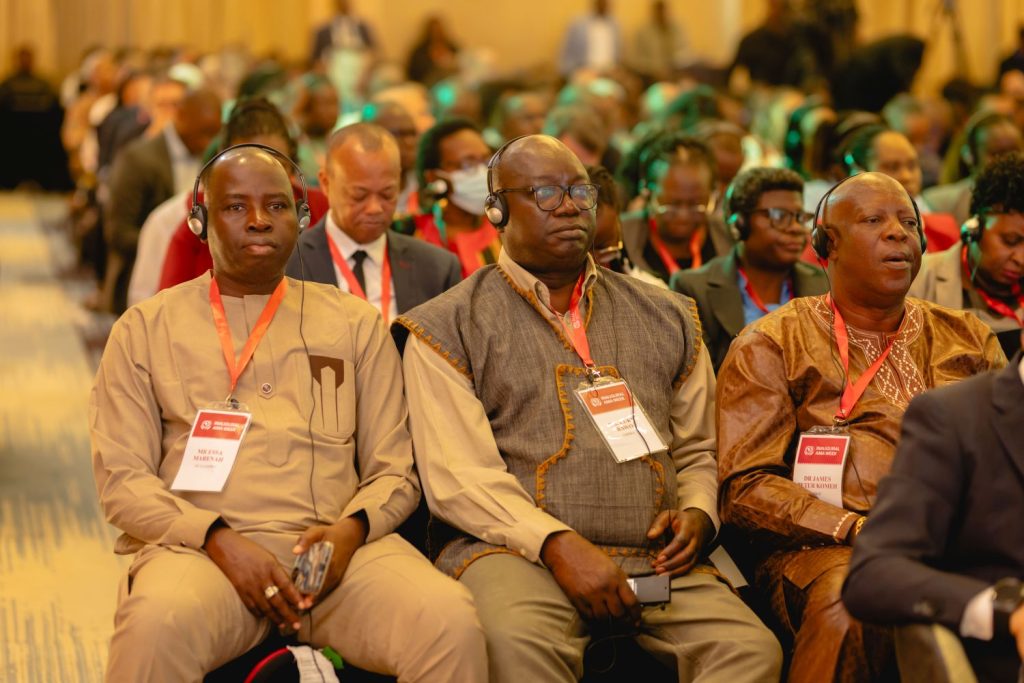
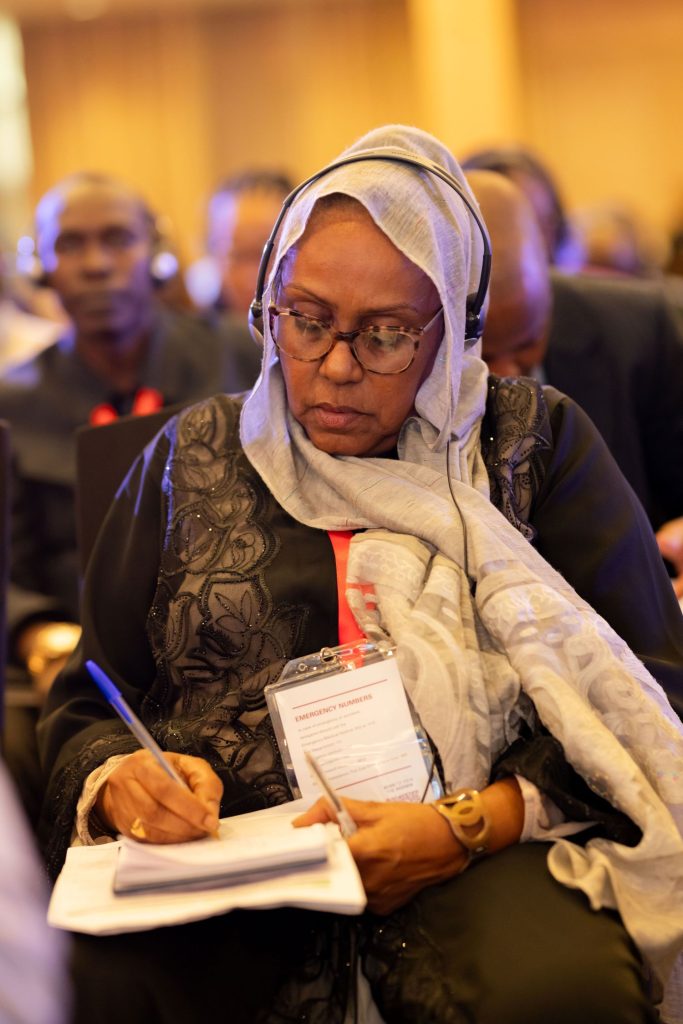
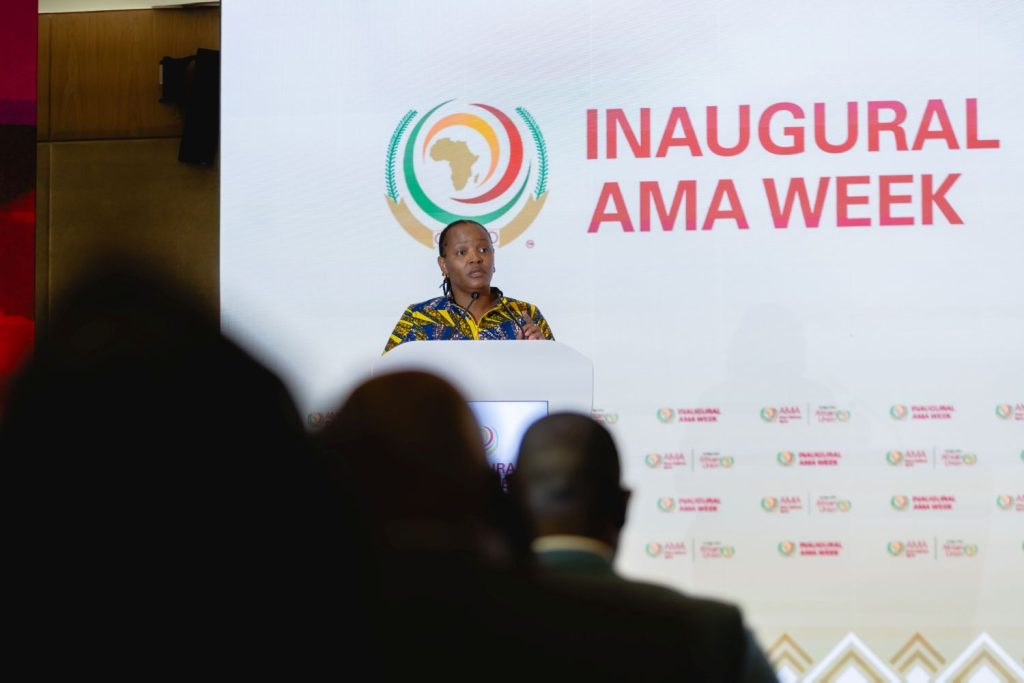
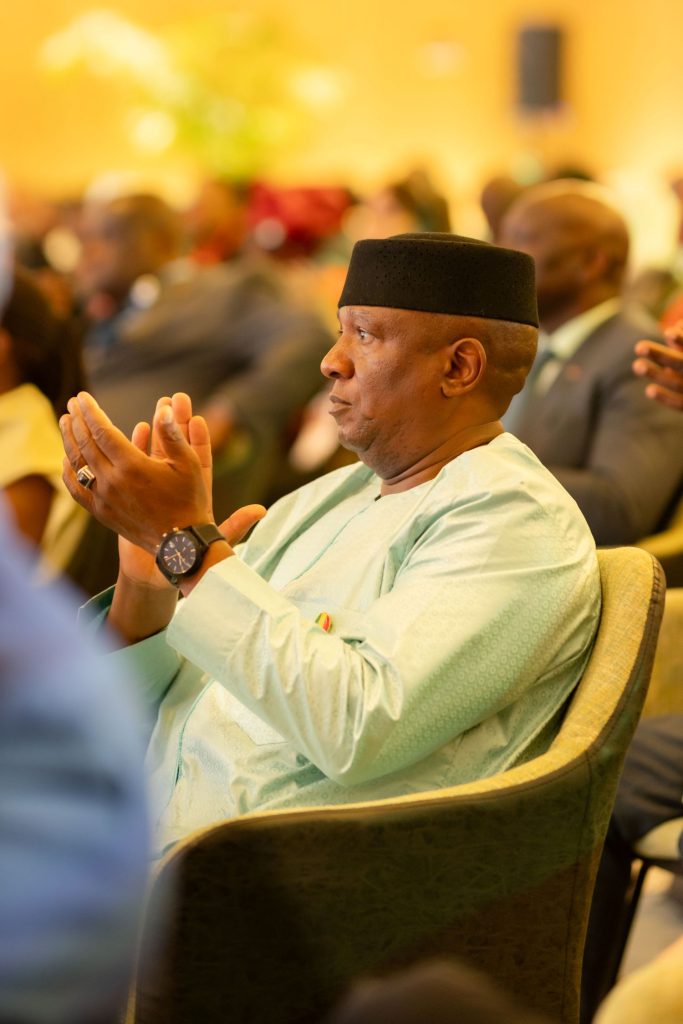
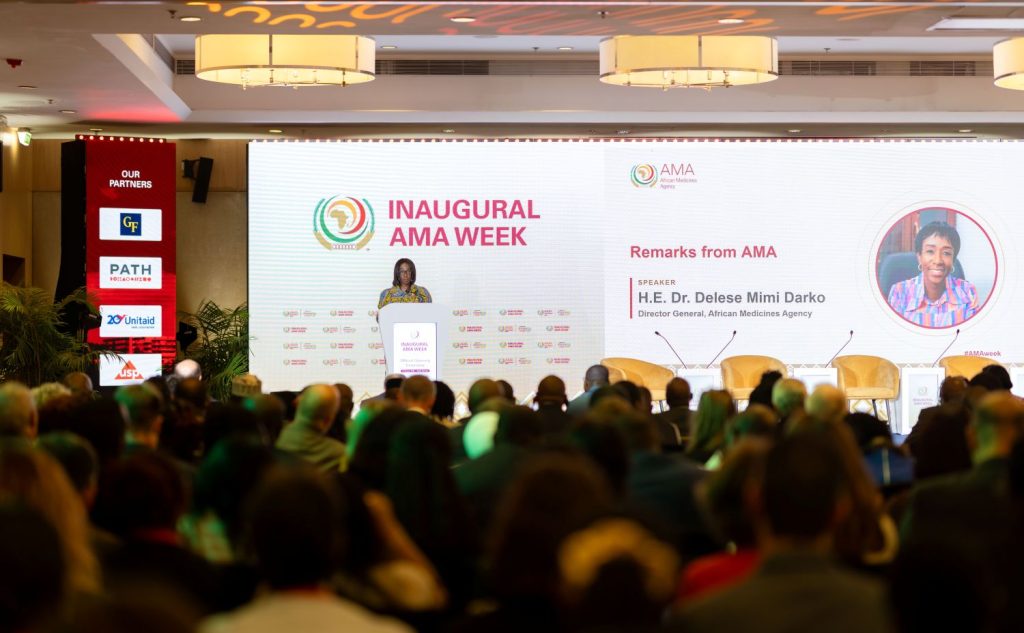
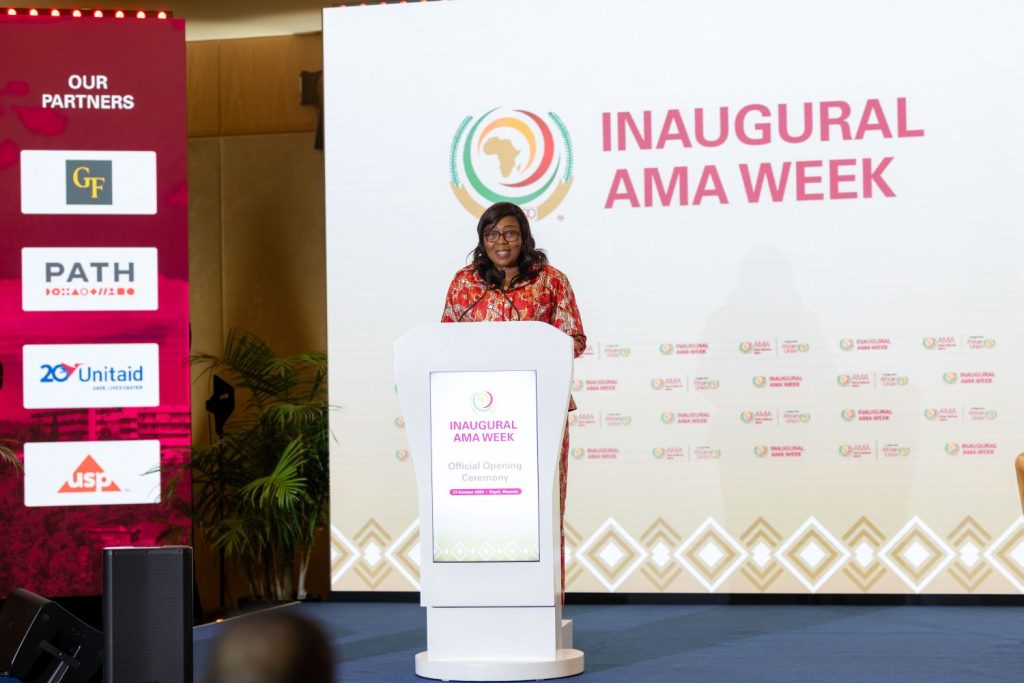
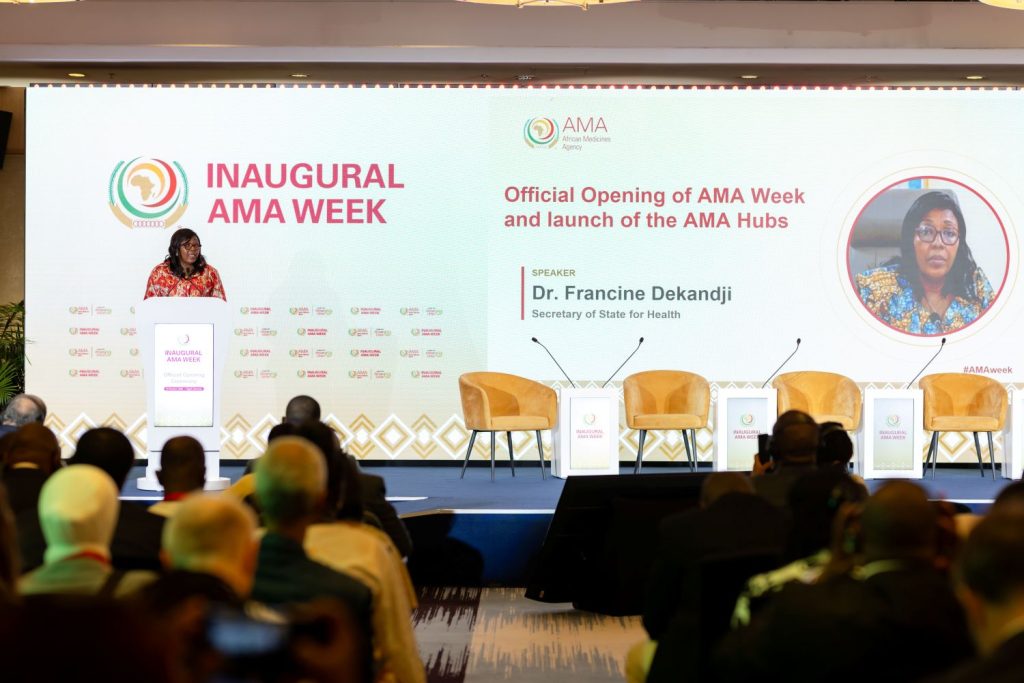
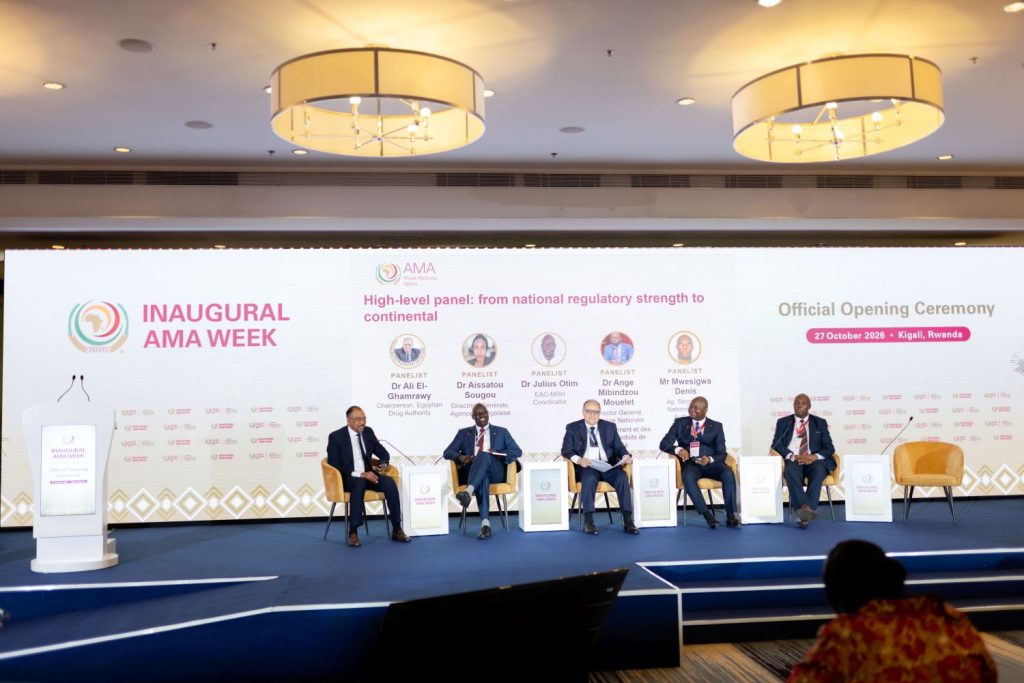
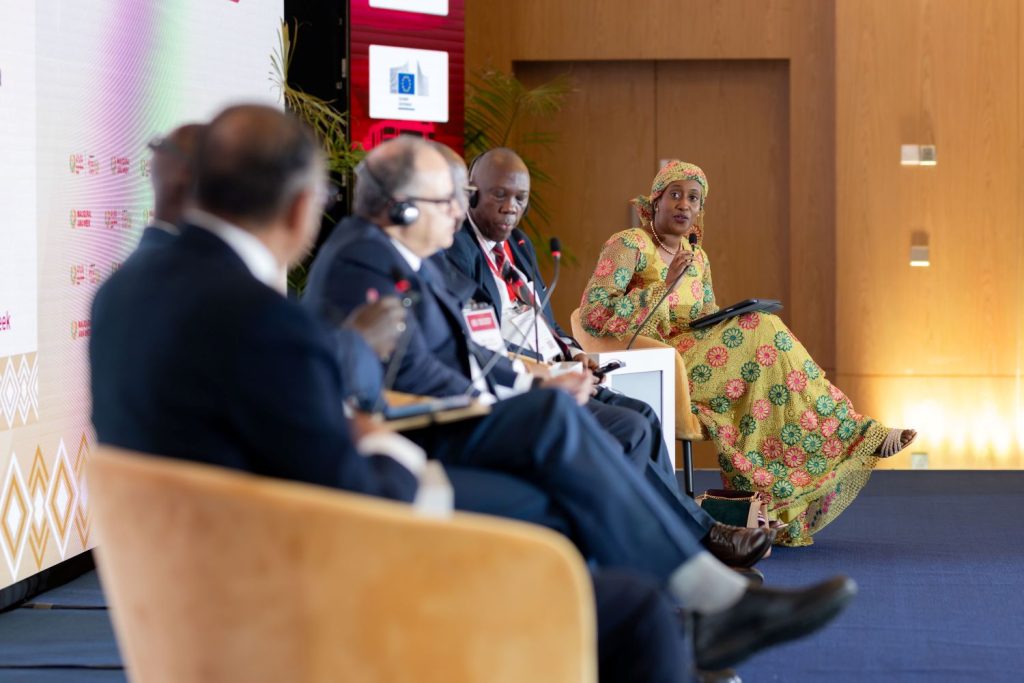
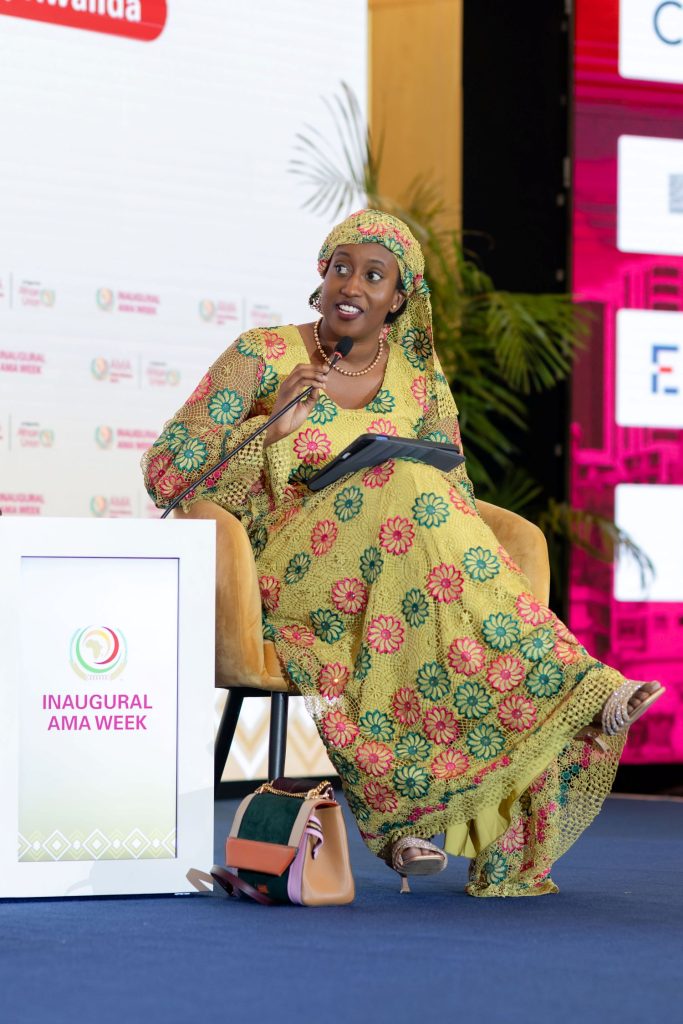
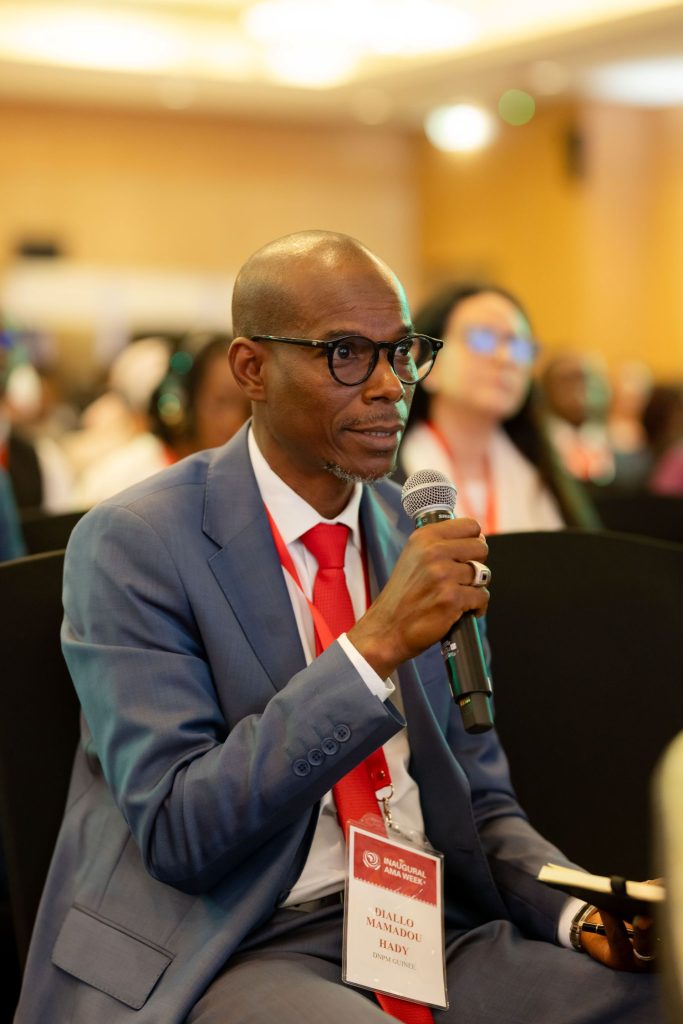
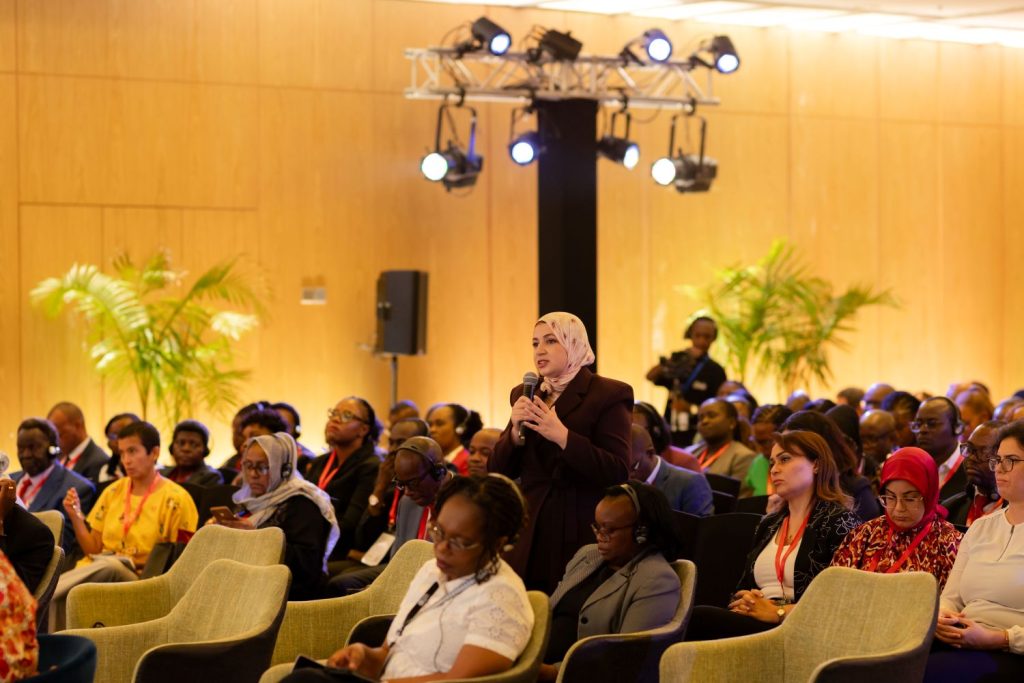
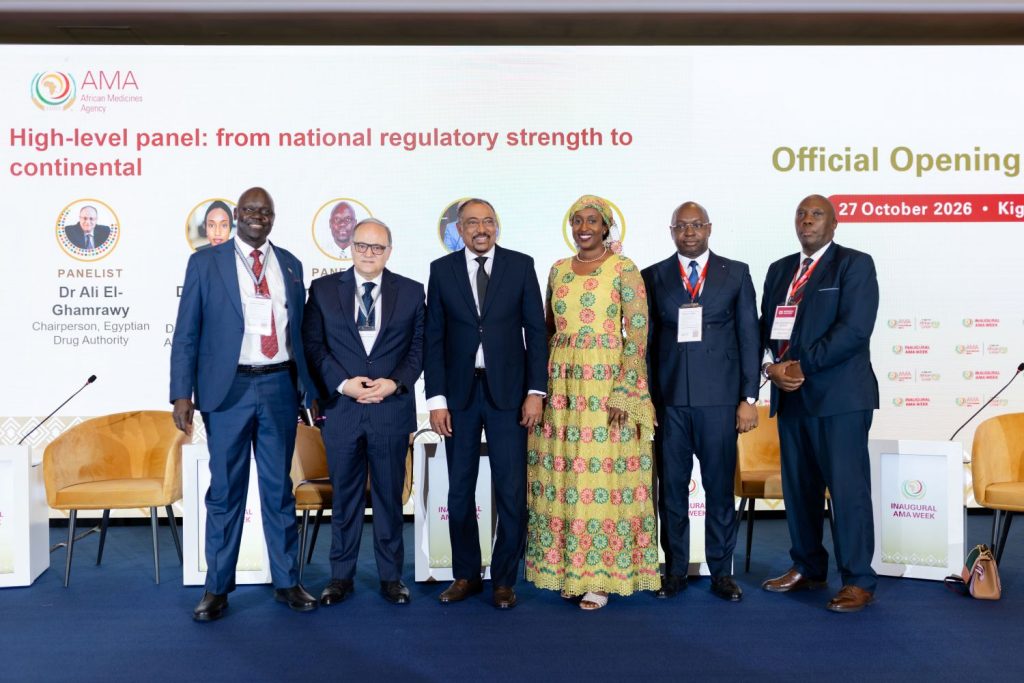
AMA Director-General Dr. Delese Mimi Darko described the committees as an important step in building the agency's scientific capacity.The inauguration took place during AMA Week, running from October 25 to 30 in Kigali.The event brought together health officials, medicines regulators, pharmaceutical industry representatives and development partners.
The outbreak has claimed 4,887 lives across eight provinces since it was declared in mid-May, making it the largest Ebola outbreak in the country's history and the second-largest recorded globally.
More than 2,700 children have been infected, according to Save the Children, highlighting the growing impact of the outbreak on vulnerable populations.
Greg Ramm, the organisation's director in the DRC, described the milestone as a 'stark reminder of the scale of this crisis'.
'Behind this milestone are thousands of families facing unimaginable fear and uncertainty, and children are bearing some of the heaviest consequences,' Ramm said.
He added that the outbreak was unfolding in communities already affected by conflict, displacement and food insecurity, making it increasingly difficult for families to access medical services.
'Families are struggling to access health care, health facilities are under immense pressure, and many communities lack the resources needed to prevent transmission and keep children safe,' he said.
The outbreak is caused by the Bundibugyo strain of Ebola, a relatively rare variant for which no approved vaccine is currently available, according to the report.
Difficulties in detecting the virus during the early stages of the outbreak have also complicated efforts to contain its spread.
Attacks on health workers hamper response
Efforts to control the outbreak have also been undermined by violence against health workers.
Last week, a nurse was killed and another health worker seriously injured while responding to an Ebola alert in Tshopo province in the Democratic Republic of Congo according to the World Health Organization (WHO).
WHO Director-General Tedros Adhanom Ghebreyesus condemned the attack, stressing that health workers must be able to carry out their duties safely.
'Everyone working to protect communities from this deadly disease must be able to work in dignity and safety,' he said in a post on X.
WHO Regional Director for Africa Mohamed Janabi also called for the protection of those responding to the outbreak, warning against the consequences of misinformation and fear.
'Those responding to the Ebola outbreak must be protected,' Janabi said.
The insecurity has added to the challenges facing response teams, particularly in areas where mistrust and misinformation discourage residents from reporting symptoms or seeking treatment.
The outbreak has also placed pressure on already strained healthcare facilities, while conflict and displacement have made it more difficult for response teams to reach affected communities.
Regional spread raises concern
The outbreak has extended beyond the DRC, with Kenya and Nigeria reporting cases linked to the ongoing crisis. Health authorities are intensifying surveillance and coordination as they seek to prevent further transmission.
Africa Centres for Disease Control and Prevention (Africa CDC) Director-General Jean Kaseya has called for a stronger and faster continental response.
'Ebola is crossing borders,' Kaseya said. 'We have the expertise and the capacity on this continent. We must mobilise them together to stop this outbreak and save lives.'
Kenya has reported deaths linked to the outbreak, while almost 100 close contacts of other cases remained in quarantine, according to ABC News.
Uganda, which shares a border with the DRC, has introduced restrictions on non-essential travel to and from the neighbouring country. Returning citizens are also expected to undergo a 21-day quarantine under the measures.
The developments have renewed concerns about cross-border transmission and the need for countries to strengthen screening, contact tracing and emergency preparedness.
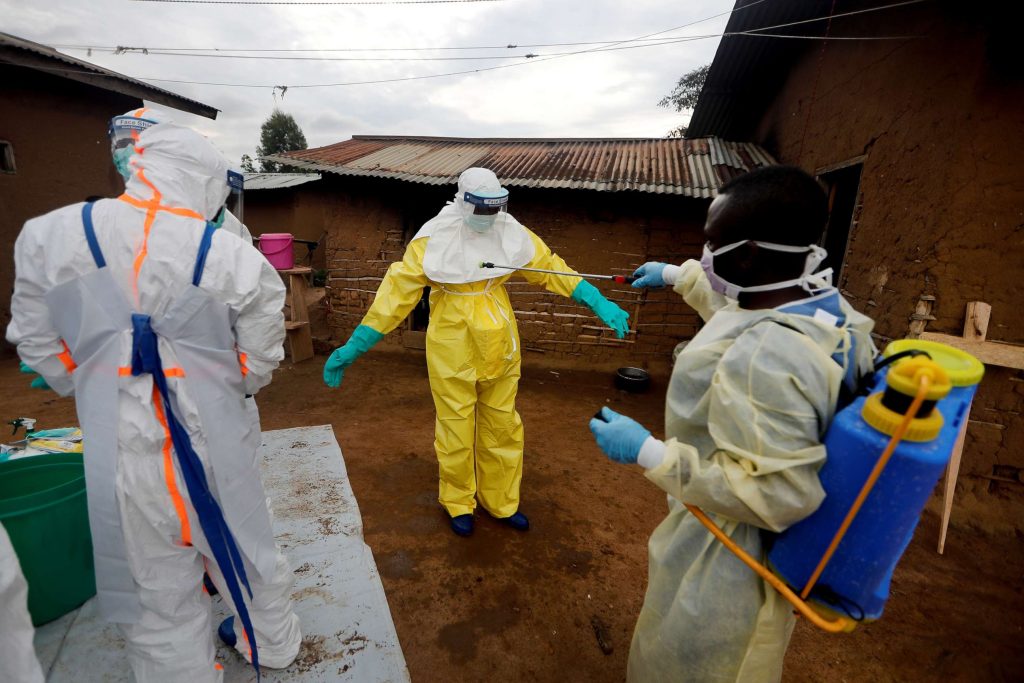
A healthcare worker decontaminates his colleague after he entered the house of an old woman, suspected of dying of Ebola, in the eastern Congolese town of Beni in the Democratic Republic of Congo, Oct. 8, 2019. Zohra Bensemra/Reuters
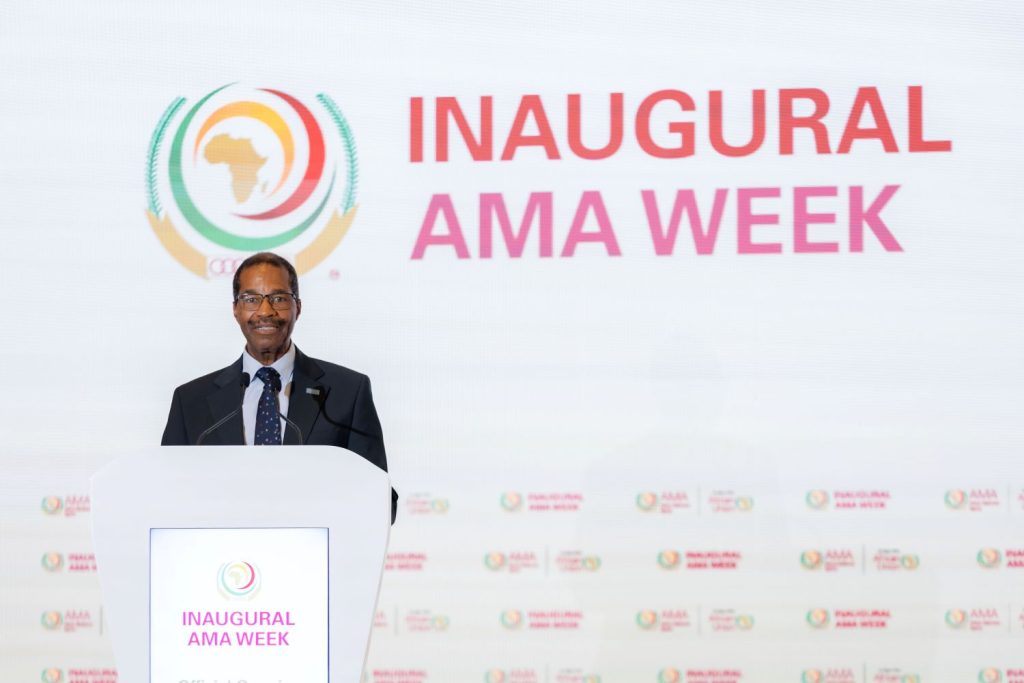
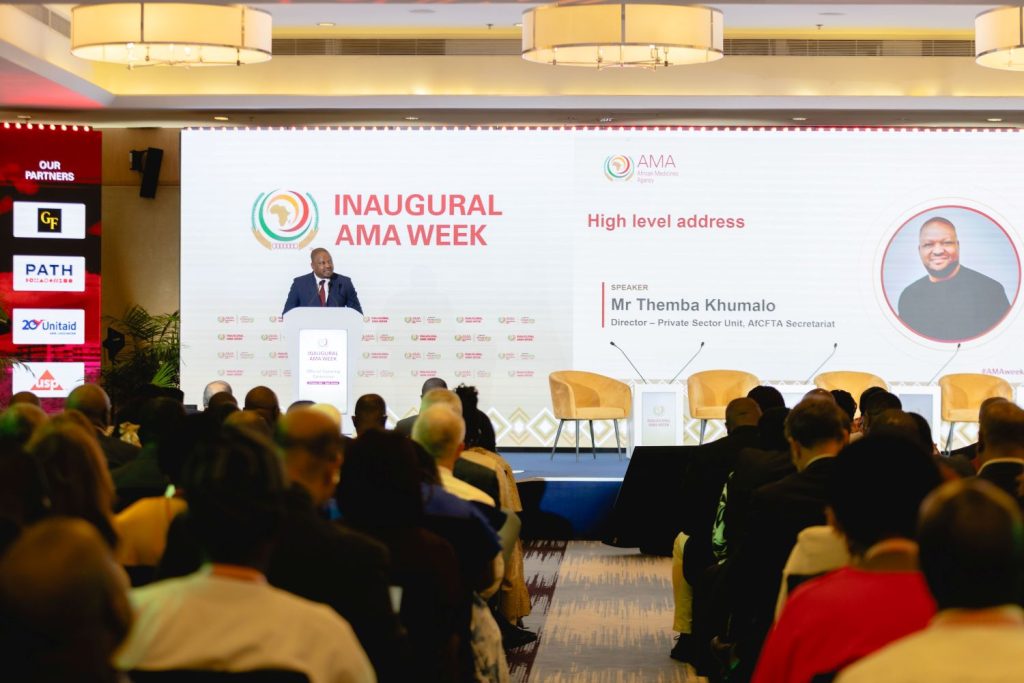
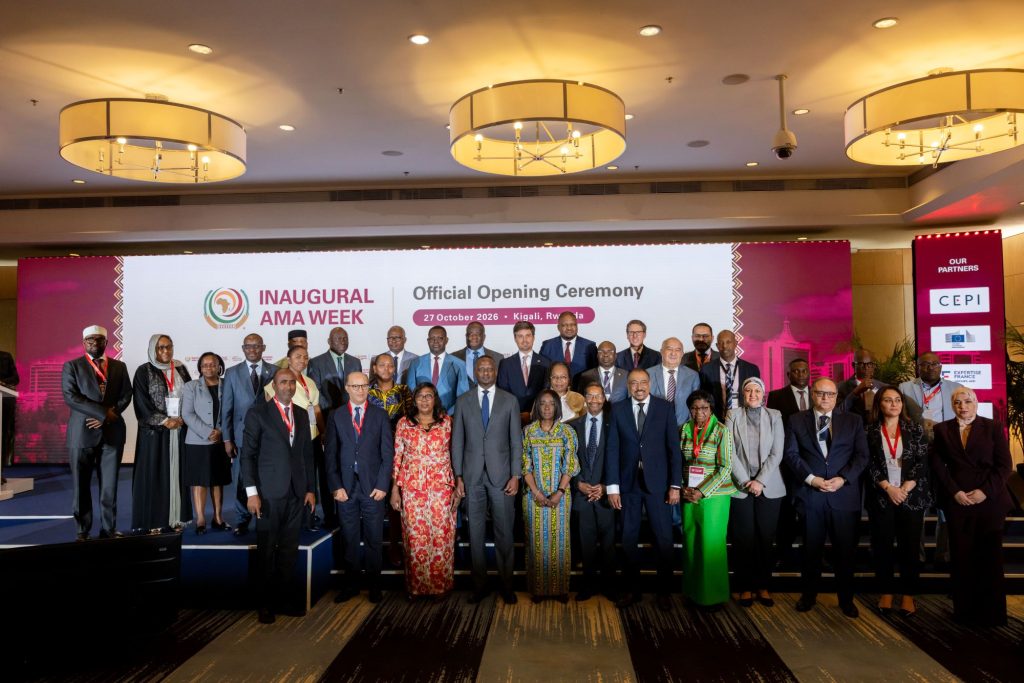
The hubs were launched in Kigali on Tuesday, October 27, during the inaugural AMA Week, held under the theme 'Building Africa's Regulatory Future Together.' The event brought together health officials, medicines regulators, pharmaceutical industry representatives and development partners.
The event brought together health officials, medicines regulators, pharmaceutical industry representatives and development partners.
Rwanda's Minister of State in the Ministry of Health, Yvan Butera, said the hubs represented progress towards stronger health systems and improved access to safe, quality medical products across Africa.
'At the heart of healthcare is the simple promise that treatment will help, and that the medicines people receive are safe and of good quality,' he said, adding that protecting public trust in medical products required countries to strengthen their regulatory systems and work together.
The first hub, the Capacity Strengthening Hub, will coordinate training, mentoring and professional exchanges to help countries build stronger medicines regulatory systems. It will draw on expertise from African regulatory authorities, universities and regional networks to address skills gaps and strengthen institutions.
The second, the Regulatory Innovation and Manufacturing Readiness Hub, will support pharmaceutical innovators and manufacturers by providing scientific guidance and helping them prepare products to meet regulatory requirements on safety, quality and efficacy.
AMA Director-General Dr Delese Mimi Darko said the hubs would help the agency turn its continental mandate into practical action by bringing together expertise and resources already available across Africa.
'Through this hub, the AMA will engage innovators and manufacturers at earlier stages, support regulatory readiness and help connect product development with the requirements for quality, safety and efficacy,' she said during the launch ceremony at Kigali Marriott Hotel.
AMA Director-General Dr Delese Mimi Darko said the hubs would help the agency turn its continental mandate into practical action.
Darko noted that Africa needed to move beyond being primarily a destination for medical products developed and manufactured elsewhere, arguing that stronger regulatory systems could help local manufacturers expand production and reach wider markets.
She said the agency would build on existing investments in regulatory capacity rather than duplicate work already undertaken by the World Health Organization (WHO), regional economic communities, national authorities and technical partners.
Reducing reliance on imports
The initiative comes as African countries seek to strengthen domestic pharmaceutical production and reduce dependence on imported medicines and vaccines.
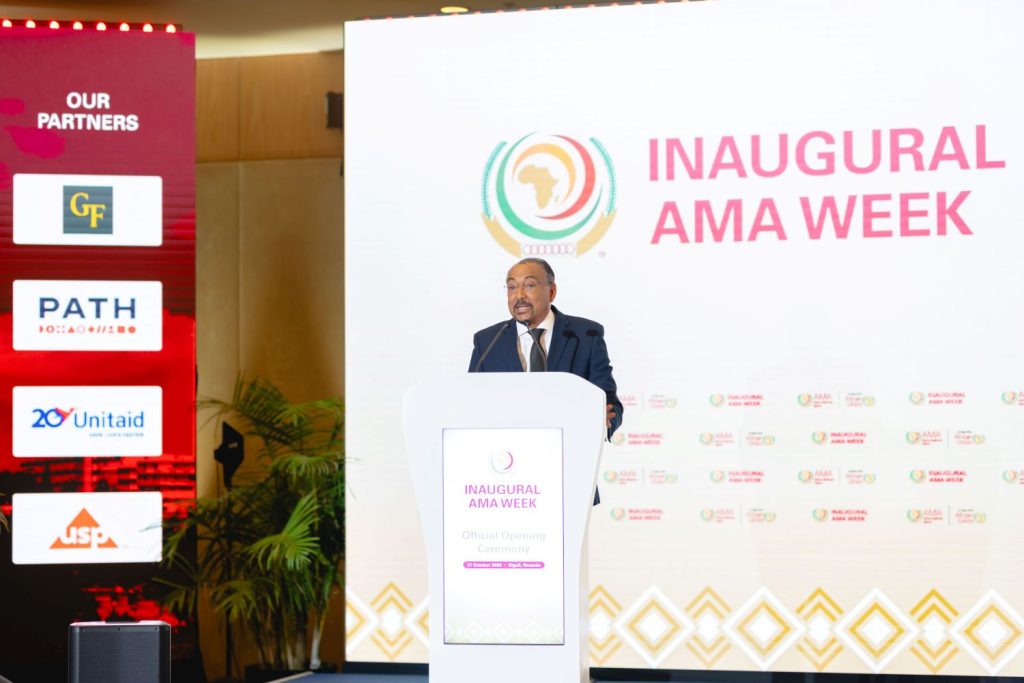
Dr Michel Sidibé, the African Union Special Envoy for the AMA, said Africa continued to rely heavily on imports, estimating that the continent imported more than 70% of its medicines and 99% of its vaccines.
He argued that fragmented regulatory systems remained an obstacle to pharmaceutical investment and the expansion of locally manufactured products across African markets.
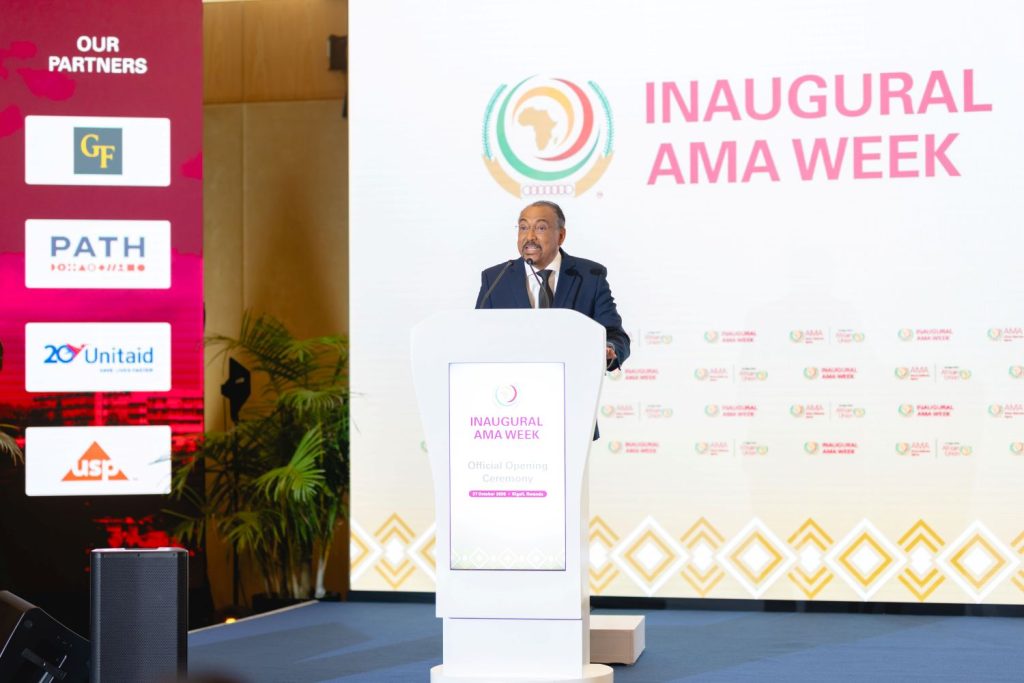
Dr Michel Sidibé, the African Union Special Envoy for the AMA, said Africa continued to rely heavily on imports.
Without stronger coordination, manufacturers face the challenge of navigating different national regulatory requirements before selling the same product in multiple countries.
Sidibé said the AMA could help address this challenge by enabling countries to share scientific assessments and reduce duplication in product evaluations.
He added that a medicine manufactured in Kigali should eventually be able to reach other African markets more quickly through stronger regulatory cooperation.
The agency's work is also expected to support the development of African pharmaceutical research, clinical trials and products addressing the continent's health needs.
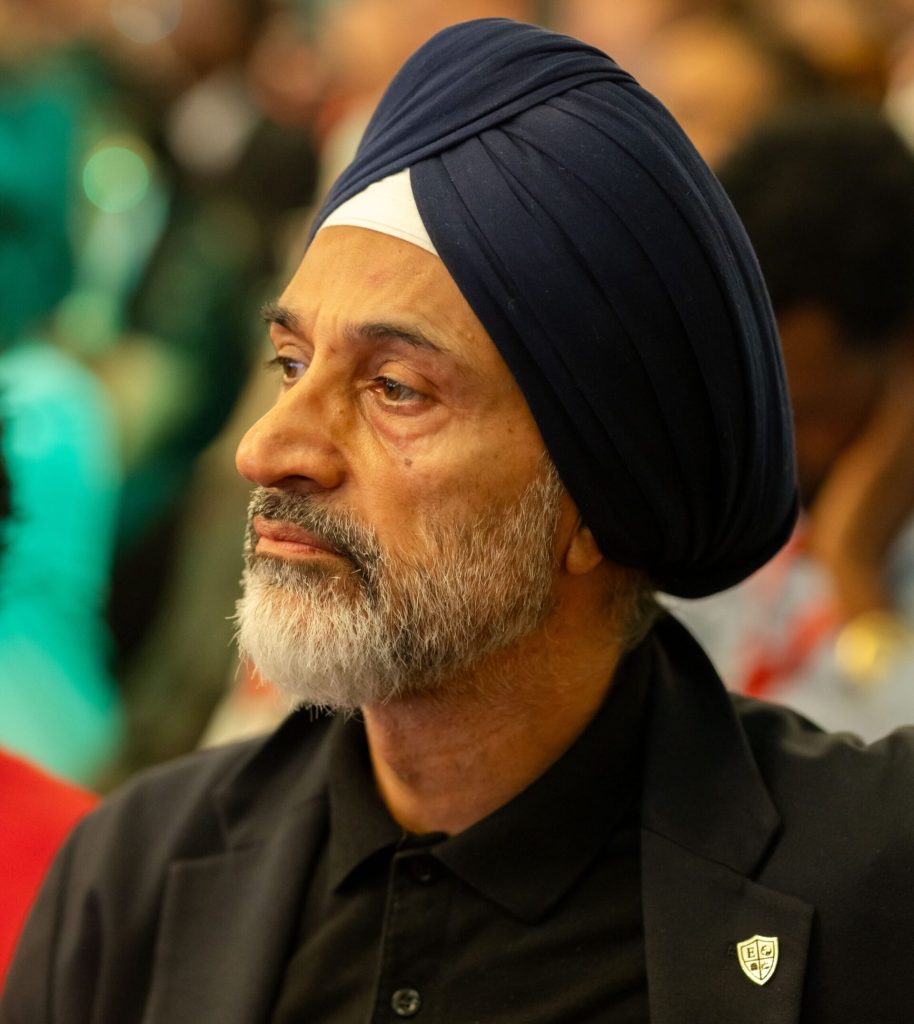
Professor Paul S. Lalvani, founder and executive director of Empower School of Health, said building local manufacturing capacity required investment not only in facilities but also in the skilled workforce and institutions needed to operate them.
He said the AMA's hubs could help countries share successful approaches to training and regulatory development, drawing on existing institutions and expertise.
Lalvani argued that Africa's progress in pharmaceutical manufacturing should be measured by its ability to produce more of the medicines, vaccines, medical devices and diagnostics its populations need.
Professor Paul S. Lalvani, founder and executive director of Empower School of Health, said Africa needs skilled workers and strong institutions alongside investment in pharmaceutical manufacturing.
Strengthening continental cooperation
The hubs form part of the AMA's broader effort to establish a more coordinated system for regulating medical products across Africa.
According to Darko, the agency is developing networks to improve cooperation among national regulatory authorities, quality-control laboratories and other institutions involved in assessing the safety and quality of medical products.
These include AfriVigilance and a planned Regulatory Rapid Alerts and Information Network, which are intended to strengthen the sharing of safety information and improve responses to substandard and falsified medicines.
The agency is also working with national regulators, regional economic communities, the WHO, the African Union Development Agency-NEPAD and the African Continental Free Trade Area Secretariat.
WHO Director-General Dr Tedros Adhanom Ghebreyesus said fragmented regulatory systems could delay access to medicines, increase costs and weaken health security.
Tedros reaffirmed the WHO's commitment to supporting the AMA and national regulatory authorities through technical and financial assistance.
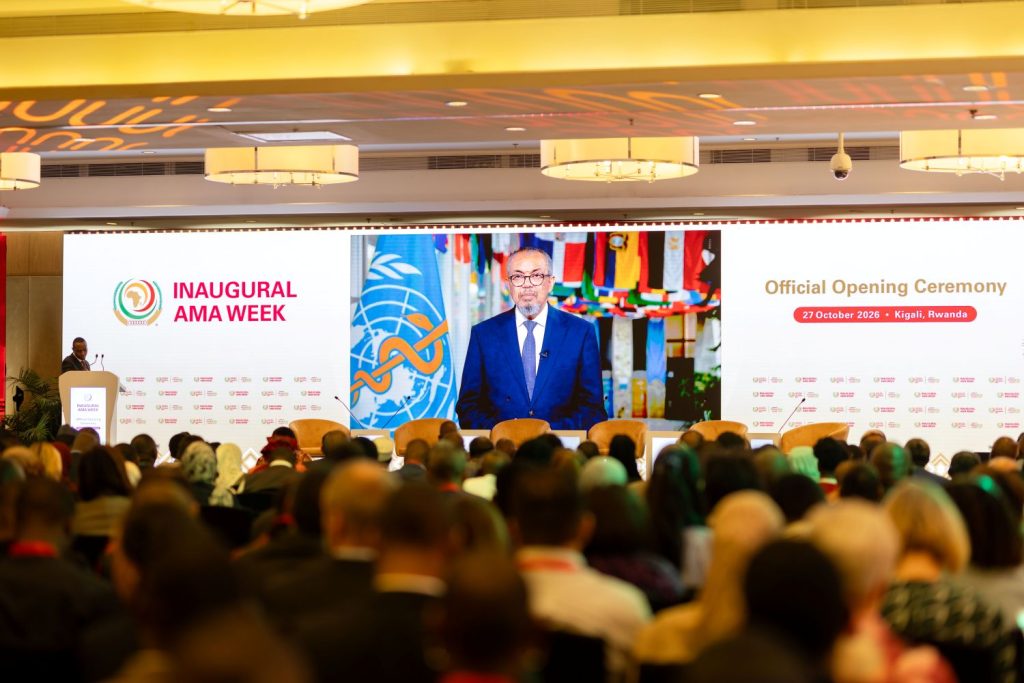
Dr. Tedros Adhanom Ghebreyesus, Director-General of the World Health Organization (WHO), delivered a recorded address to delegates at AMA Week.
He said 10 national regulatory authorities in Africa had reached Level 3 maturity under the WHO's Global Benchmarking Tool: Egypt, Ethiopia, Ghana, Mozambique, Nigeria, Rwanda, Senegal, South Africa, Tanzania and Zimbabwe. The achievement provides a foundation for greater regulatory cooperation across the continent.
Tedros also called on African Union member states that had not ratified the AMA Treaty to do so and urged governments and partners to provide sustained political and financial support to the agency.
The AMA is headquartered in Kigali, where Rwanda has supported its establishment and operations since 2023, when the government signed a host agreement with the African Union. The agency became operational in October 2025.
The agency's longer-term ambition is to help African countries strengthen national regulatory systems while enabling greater cooperation across borders, improving access to quality-assured medical products and supporting the growth of the continent's pharmaceutical industry.
The hubs were launched in Kigali on Tuesday, October 27, during the inaugural AMA Week, held under the theme 'Building Africa's Regulatory Future Together.' The event brought together health officials, medicines regulators, pharmaceutical industry representatives and development partners.
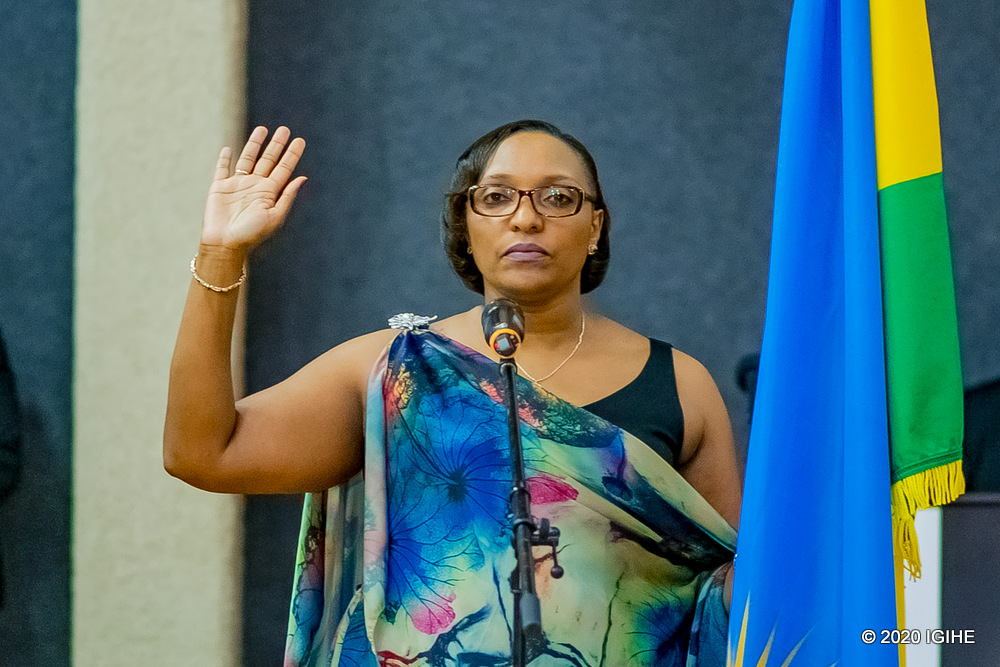
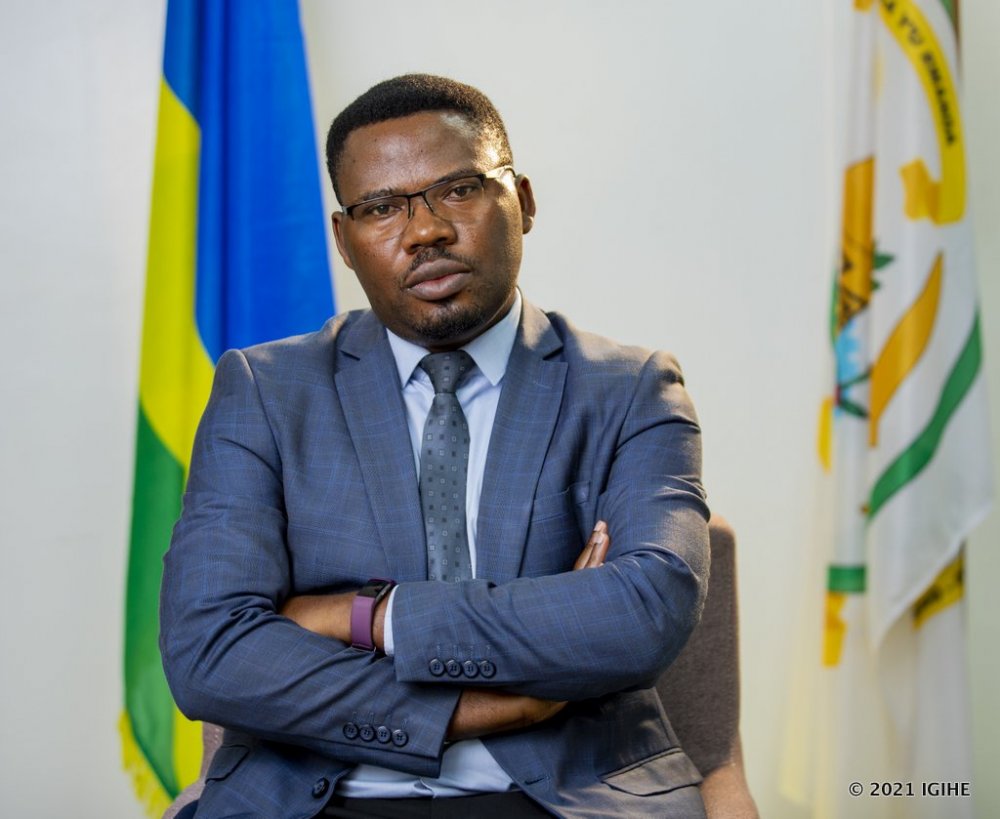
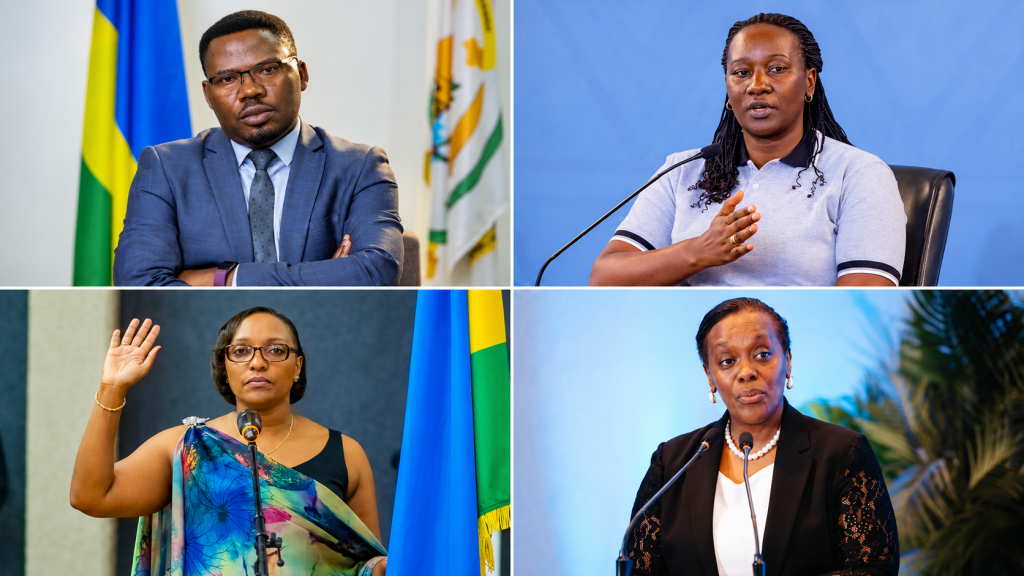
The changes were announced in a statement signed by Prime Minister Dr. Justin Nsengiyumva on October 27, 2026, on behalf of the President.
According to the statement, Bamporiki was appointed following consultations with Unity Club Intwararumuri.
In other appointments, Judith Uwizeye has been named Senator, while Dr. Diane Gashumba has been appointed Rwanda's Ambassador to Spain.
Juan Haguma has been appointed Permanent Secretary at the Ministry of Foreign Affairs and International Cooperation.
Noella Dushime has been appointed Chief Executive Officer of Irembo Ltd, while Rutagarama Ngabe has been named the company's Chief Technology Officer.
At the Rwanda Artificial Intelligence Agency, Olivier Twagirayezu has been appointed Chief Operations Officer, Jessica Ingabire Chief Delivery Officer , and Robert Kayinamura Chief Strategy and Partnerships.
Alphonse Zigira has been appointed Director General of the National Post Office, while Dr. Nelson Mbarushimana has been named Executive Coordinator of Itorero and Culture Promotion Academy.
Bamporiki, a former Minister of State in charge of Youth and Culture, takes up his new role after receiving a presidential pardon from Kagame in October 2024. He had been sentenced to five years in prison.
Uwacu, who previously served as Executive Secretary of Unity Club Intwararumuri, has been appointed Minister of Public Service and Labour.
Uwizeye, who has been appointed Senator, had been named Minister of Public Service and Labour in June 2026.
Uwamariya previously served as a senator and held ministerial positions in the education, gender and family promotion, and environment portfolios.
Gashumba's appointment as Rwanda's Ambassador to Spain follows her previous assignment as the country's ambassador to Sweden.
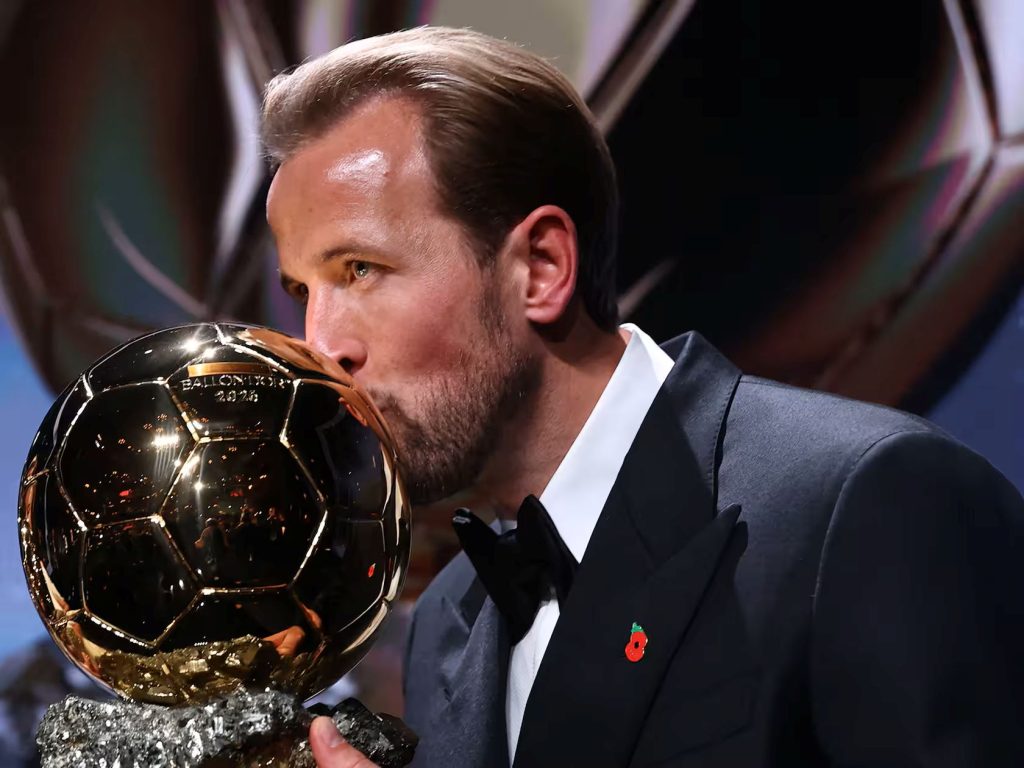
The England captain was named the world's best player at a ceremony in London on Monday, October 26, becoming the first Englishman to win the prestigious award in 25 years.
Kane, 33, earned the honour after scoring 73 goals for club and country during the 2025/26 season, helping Bayern retain their Bundesliga title as part of a domestic treble.
He finished ahead of Real Madrid forward Kylian Mbappé and Barcelona winger Lamine Yamal in the voting.
The victory places Kane alongside England greats Sir Stanley Matthews, Sir Bobby Charlton, Kevin Keegan and Michael Owen, who was the country's most recent winner in 2001.
For Kane, the award represents the culmination of a journey that took him from loan spells early in his career to becoming one of Europe's most prolific strikers.
Real Madrid's Kylian Mbappé and Barcelona's Lamine Yamal both achieved greatness last season, but it still wasn't enough for either of them to claim soccer's top individual prize.
A journey built on persistence
Kane did not rise straight to the top. Reflecting on his career during the ceremony, he spoke about the challenges he faced before establishing himself among the world's leading players.
'For any young boy or girl who wants to achieve their dream, anything is possible,' he said.
'My journey, it wasn't straightforward, I didn't go straight to the top, I had to experience a lot of loan moves and fight my way to get to where I am now.'
His breakthrough came at Tottenham Hotspur, where he developed into one of the Premier League's most reliable goal-scorers. He also became a key figure for England, captaining the national team through major international tournaments.
Despite his individual achievements, major team trophies remained elusive during his time at Tottenham. The club reached the Champions League final in 2019, while England reached the finals of the European Championship under Kane's captaincy.
His performances earned widespread recognition, but the absence of major silverware remained a defining feature of his career.
The England captain was named the world's best player at a ceremony in London on Monday, October 26, becoming the first Englishman to win the prestigious award in 25 years.
The move that changed everything
Kane left Tottenham for Bayern Munich in 2023, seeking a new challenge and the opportunity to compete regularly for major honours.
The move marked a turning point in his career. At Bayern, he continued his remarkable scoring record while helping the German club compete for domestic and European titles.
His first major team trophy came in the 2024/25 season, when Bayern reclaimed the Bundesliga title. He subsequently helped the club win the German Cup and German Super Cup in 2025/26.
Kane's performances also strengthened his standing among Europe's elite forwards. He scored 61 goals in 51 appearances for Bayern during the 2025/26 campaign, including 36 in the Bundesliga and 14 in the Champions League, where the club reached the semi-finals.
His six goals for England at the 2026 FIFA World Cup further boosted his season tally, taking his total to 73 goals across 65 appearances for club and country.
The figures helped distinguish him from a competitive field that included Mbappé and Yamal, who finished second and third respectively in the Ballon d'Or voting.
Recognition at last
Kane's triumph also ended a long wait for English football. Michael Owen was the last Englishman to win the men's Ballon d'Or, receiving the award in 2001 after an outstanding season with Liverpool.
Kane became the fifth Englishman to win the honour, following Sir Stanley Matthews, Sir Bobby Charlton, Kevin Keegan and Owen.
The award was particularly significant because Kane had never previously finished higher than 10th in the Ballon d'Or rankings.
Speaking after receiving the trophy, Kane acknowledged the role his teammates and coaches had played in his success, describing the award as an achievement that extended beyond individual performance.
He thanked his teammates at Bayern and the England national team, including those who created scoring opportunities and helped draw defenders away from him.
'As much as this is an individual award, I'll give thanks to them because it wouldn't be possible without any of them, and that's what makes a team,' he said.
Kane also expressed hope that his journey would inspire young players who aspire to reach the highest level of the game.
For Bayern, his victory adds another distinction to a successful period under head coach Vincent Kompany. For England, it restores the country to the top of an award that has eluded its players for a quarter of a century.
England and Bayern Munich forward Harry Kane reacts after receiving the Ballon d'Or award for the best male footballer.