Blog

  • Meet young Rwandan singers bridging cultures, winning millions of hearts with viral Chinese songs (Video) #rwanda #RwOT

    The response surprised them and what followed has turned their shared love of music into a journey connecting Rwanda and China, with more than 10 million followers now following their performances.

    Before coming together, however, each had followed a different path.

    Most had experience singing in church, while others were involved in different areas of music. Cyuzuzo Dany, for instance, worked as a taxi driver while also serving as a vocal coach, singing in church.

    For Tesi Deborah, music had been part of life from an early age. After studying at Nyundo School of Art and Music; she performed at hotels, restaurants and weddings.

    Despite their different backgrounds, music remained the common thread.

    'We loved to sing; it was our life,' Tesi said.

    Their interest in Chinese music grew from a desire to explore a different culture through song. Cyuzuzo first discovered Chinese music on YouTube and was surprised by the huge audiences some songs had attracted.

    'I was like, 'How?' Because I didn't even know that China had music like that,' he recalled.

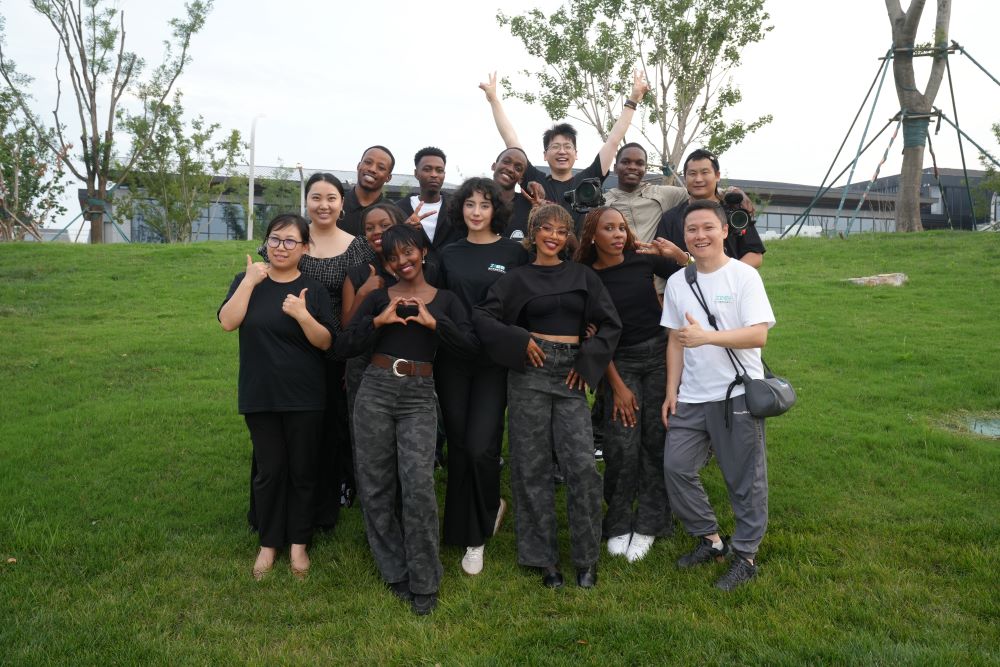
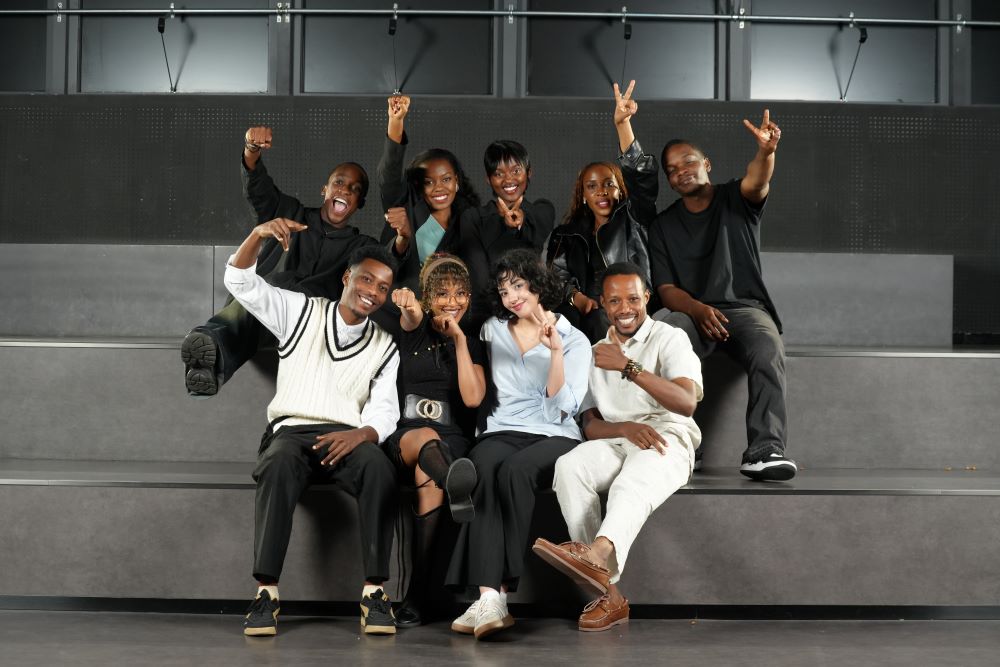
    Curiosity soon became fascination. The singers, known in China as the 'Rwanda Youth Group,' began listening to Chinese songs, learning them and posting short covers online.

    For Habari Bora, another Nyundo School of Art and Music graduate, the inspiration also came from watching people sing Chinese songs online.

    'I was very excited. I said, 'Why not? I can try as well?'' she said.

    The internet eventually brought the singers together. After Habari and another member posted their own videos, Cyuzuzo noticed their performances and contacted them, opening the door to collaboration and connections with Chinese audiences.

    Members of the Rwanda Youth Group have performed Chinese songs for diverse audiences in China and beyond.

    Learning Chinese through music

    Performing Chinese songs has required patience, particularly because singing a song is different from speaking its language.

    Their learning process begins with repeated listening. They first absorb the melody and emotion before studying the lyrics. They use pinyin (the official Latin alphabet system used to spell and pronounce Mandarin Chinese) rather than Chinese characters, often writing the lyrics down and repeatedly listening and singing along.

    Noella Mugisha said the process can be surprisingly quick when they concentrate.

    Yet the singers say they connected with Chinese music long before they could understand its words. As musicians, they respond first to melody, chords and vocal expression.

    'First of all, we listen to the melody,' Noel Nshunguyase explained. 'I cannot understand the language or know what they mean, but I can feel that the song is sad or happy because of the chords.'

    For Cyuzuzo, some Chinese songs evoke memories of childhood, love, heartbreak and loss. Habari also discovered similarities between some Chinese musical techniques and those used in Rwanda.

    'At first it started funny because of the language, but now I'm feeling the connection,' she said.

    That connection has also shaped how Rwandan audiences view their music. Friends and former classmates were initially surprised to see them singing in Chinese, but their positive reactions became a source of motivation.

    As their online following grew, so did opportunities and connections. For Tonia Niyongabo, music provides a powerful way for people from different cultures to understand one another.

    'Globally, all of us human beings are united through music. We are one through music,' she said.

    The emotional impact of their music has also reached individual fans. Cyuzuzo recalled one person who said their cover of a song reminded him of the loss of his mother and brought him to tears.

    'That was very touching,' he recalled.

    The singers say their music has also helped some Chinese people discover Rwanda. Cyuzuzo recalled meeting Chinese investors in Rwanda who said they knew about the country through their music and online presence.

    For the group, however, more than 10 million followers represent people rather than just a number.

    'It's all love,' Cyuzuzo said, thanking fans for their likes, shares, comments and continued support.

    The singers plan to keep learning Chinese songs, strengthening their connection with fans and using music to bring Rwandans and Chinese closer.

    'Singing Chinese songs as Rwandans is our way of talking to Chinese fans, and conveying our message that we love them, respect them and we want to be friends with them,' Cyuzuzo said.

    Zeng Guangyu, Director of the Confucius Institute at the University of Rwanda, described the Rwanda Youth Group as a striking example of cross-cultural communication, noting that their performances introduce Chinese audiences not only to Chinese music but also to Rwanda.

    The Confucius Institute promotes Chinese language and culture through education and cultural exchange.

    'I see the Rwanda Youth Group as a phenomenon of cross-cultural integration,' Zeng said. 'While sharing Chinese songs, they also introduce audiences to Rwanda.'

    He noted that by learning and performing Chinese songs, the singers have gained a deeper understanding of the emotions and stories conveyed through the music, while their short videos have allowed Chinese audiences thousands of kilometres away to discover more about Rwanda.

    Zeng also praised the singers' ambition and hard work, saying their journey demonstrates how young Rwandans can use creativity and music to build connections between cultures.
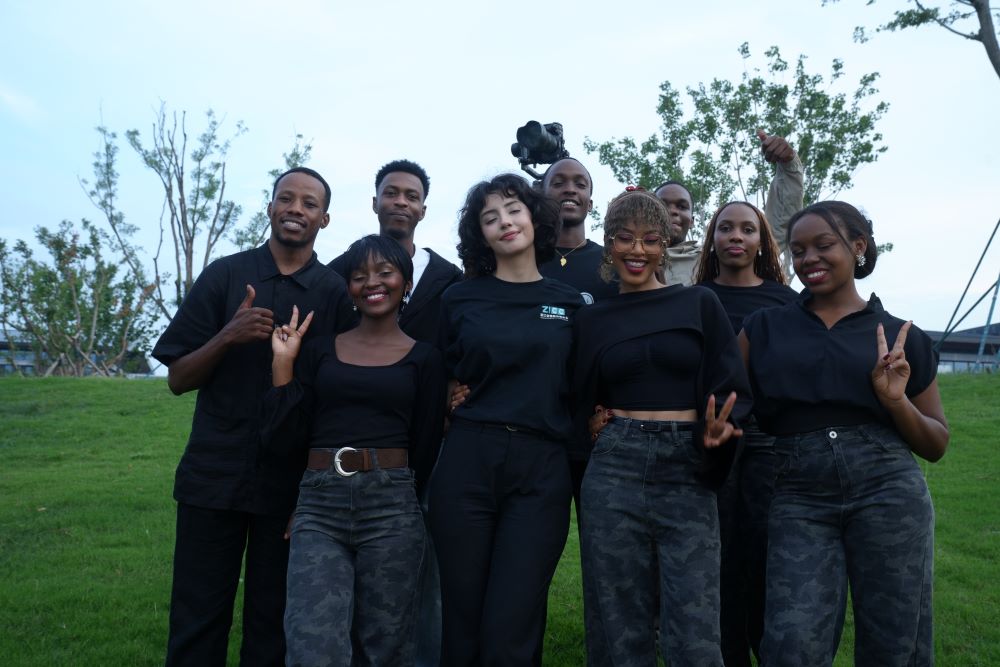

    Members of the Rwanda Youth Group have used music to build connections between Rwandan and Chinese audiences.
    The group's performances have attracted media attention in China, helping to strengthen interest in Rwanda and its culture.
    The Rwandan singers have attracted millions of followers through short videos of their Chinese song performances.
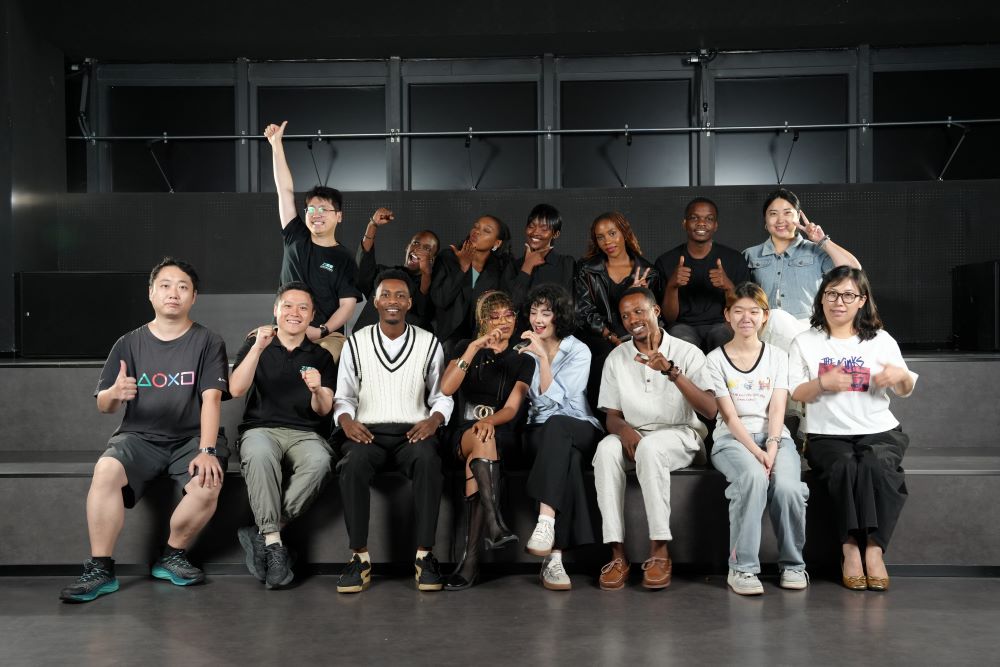
    The singers pose for a photo with journalists from the Zhejiang International Communication Center after sharing their experiences of learning Chinese songs
    Members of the Rwanda Youth Group with a team of journalists from the Zhejiang International Communication Center during an exchange focused on their musical journey.

    Source : https://new.igihe.com/english/meet-young-rwandan-singers-bridging-cultures-winning-millions-of-hearts-with-viral-chinese-songs-video/

  • Dafroza Gauthier, longtime advocate of justice for Genocide victims, dies #rwanda #RwOT

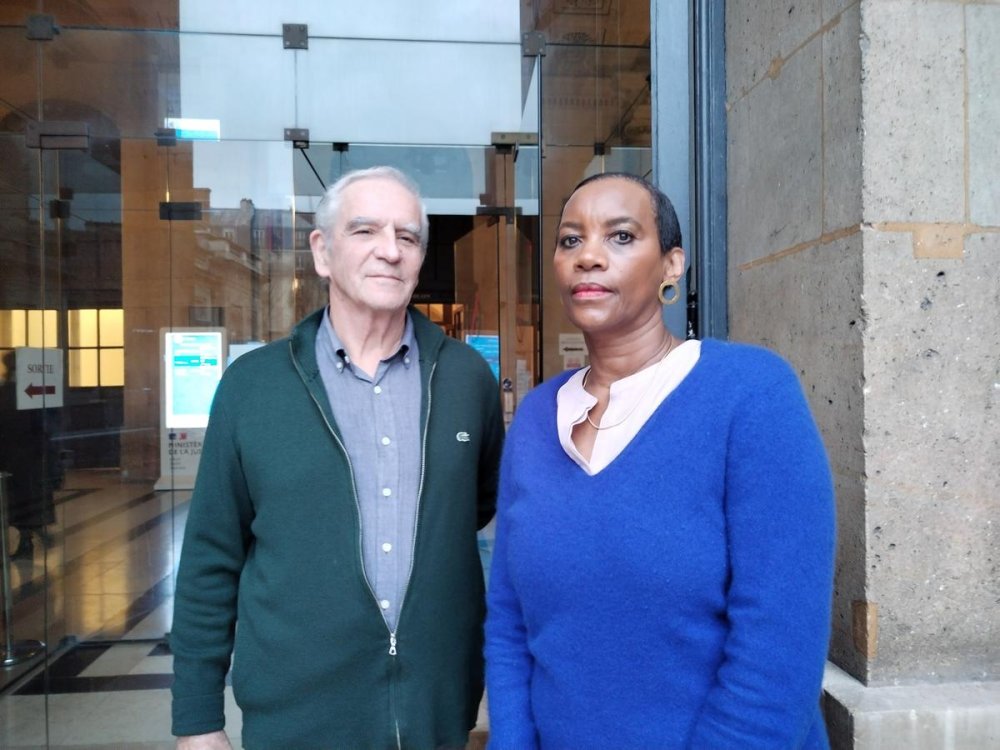
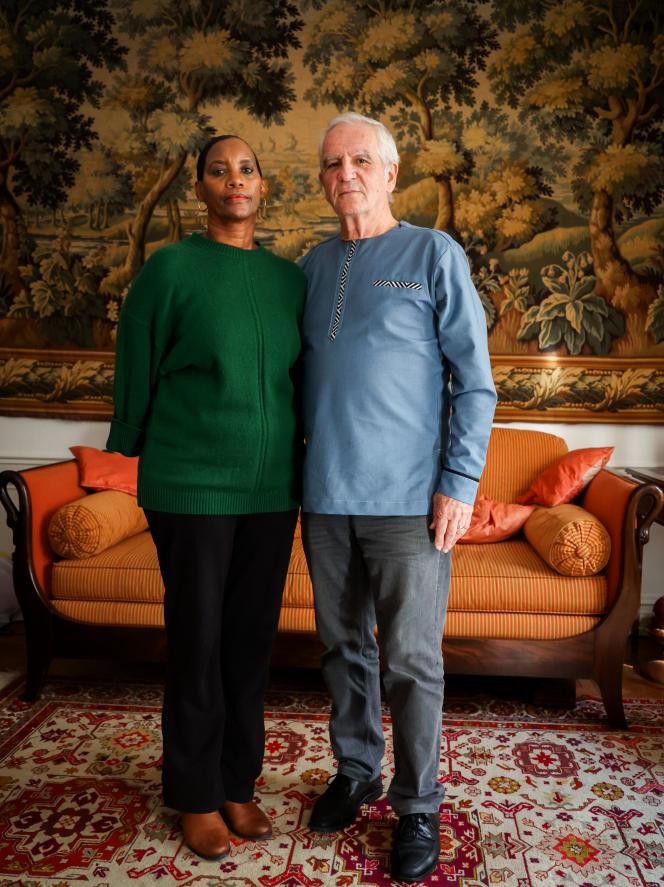
    Dafroza was widely known for her efforts to seek justice for victims of the Genocide alongside her husband, Alain Gauthier. Together, they founded the Collectif des parties civiles pour le Rwanda (CPCR), an organisation that gathered evidence and testimonies used in efforts to prosecute Genocide suspects living in France.

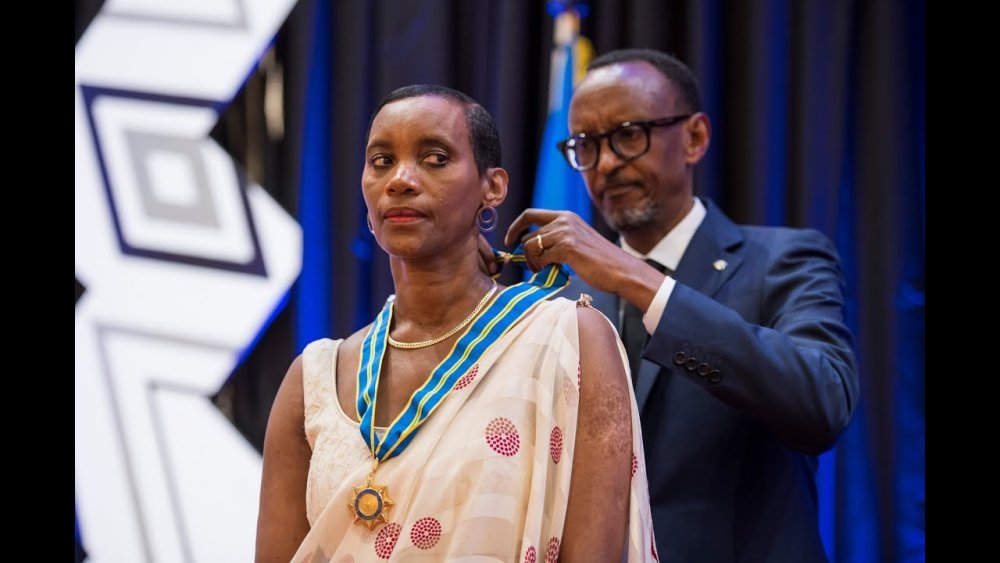
    In recognition of their work, President Paul Kagame awarded the couple the Impeta y'Igihango medal ((National Order of Outstanding Friendship) on November 18, 2017.

    The honour is given to individuals who have made outstanding contributions to strengthening friendship and cooperation between Rwanda and other countries, as well as promoting the dignity of Rwanda and Rwandans internationally.

    Dafroza was born in Butare in 1954. She studied chemistry at university in France, where she met Alain Gauthier, a Frenchman who was then working as a teacher in Rwanda.

    They later married and settled in France, where they were living when the Genocide against the Tutsi began. They had three children.

    The Genocide claimed the lives of about 80 members of her family, leaving her with a profound personal loss.

    In February 1994, Dafroza was in Kigali, but her mother urged her to return to France as the security situation continued to deteriorate. Dafroza tried to convince her relatives to leave Rwanda, but they were unable to do so. It was the last time she saw them.

    After the Genocide, Dafroza and her husband committed themselves to ensuring that those suspected of involvement would not remain at large. They began their efforts to seek justice for Genocide victims in 1996 and founded CPCR in 2001.

    Their work included tracing Genocide suspects living in France, travelling to Rwanda to gather evidence from places where crimes had been committed, speaking to survivors and detainees, and preparing case files for judicial authorities.

    Dafroza also played an important role in translating Kinyarwanda documents into French for use in court proceedings. Her knowledge of Rwanda, its language and its history helped her collect and interpret evidence.

    Their pursuit of justice came with significant personal sacrifices, including financial costs and time spent away from their children.

    Beyond efforts to bring Genocide suspects to justice, Dafroza and her husband visited schools and universities to educate young people about the Genocide. They also contributed to efforts to preserve its history and counter Genocide denial.

    Dafroza regarded justice as a way of restoring dignity to the victims of the Genocide. She argued that trials helped keep their names alive by showing who they were and what happened to them, rather than reducing them to statistics.

    Her journey with her husband was documented in the 2023 book Rwanda, à la poursuite des génocidaires. The book was written by journalist Thomas Zribi in collaboration with illustrator Damien Roudeau, with a foreword by artist and writer Gaël Faye.

    On November 18, 2017, President Paul Kagame awarded Dafroza for her contribution to bringing those responsible for the 1994 Genocide against the Tutsi to justice.
    Dafroza and Alain Gauthier have founded the Collectif des parties civiles pour le Rwanda (CPCR), which has helped gather evidence against Genocide suspects in France.
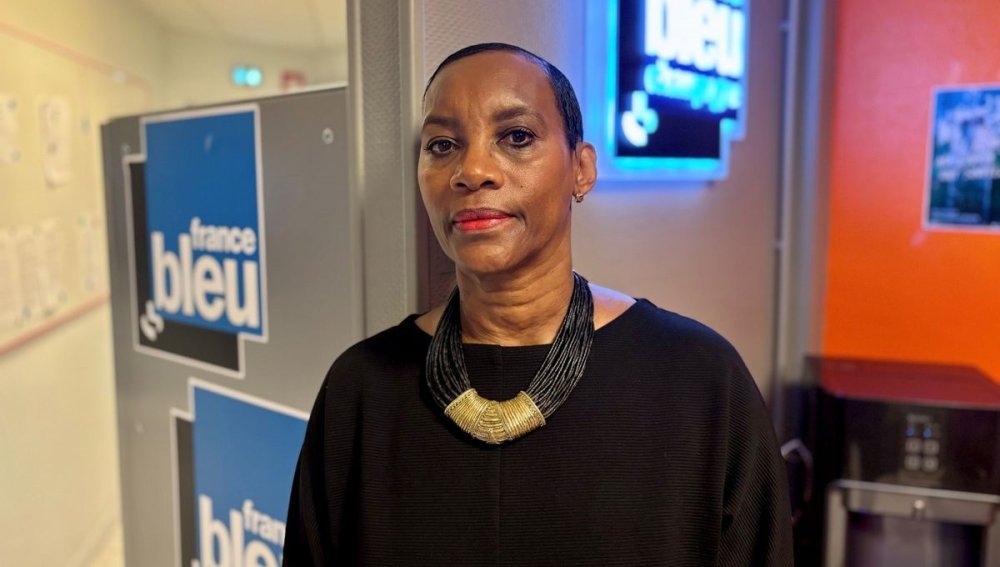
    Dafroza Gauthier has worked alongside her husband, Alain Gauthier, to pursue justice for Genocide victims in France.

    Source : https://new.igihe.com/english/dafroza-gauthier-longtime-advocate-of-justice-for-genocide-victims-dies/

  • Rwanda's nuclear push: Dr. Lassina Zerbo on small reactors, African talent and the energy challenge (Video) #rwanda #RwOT

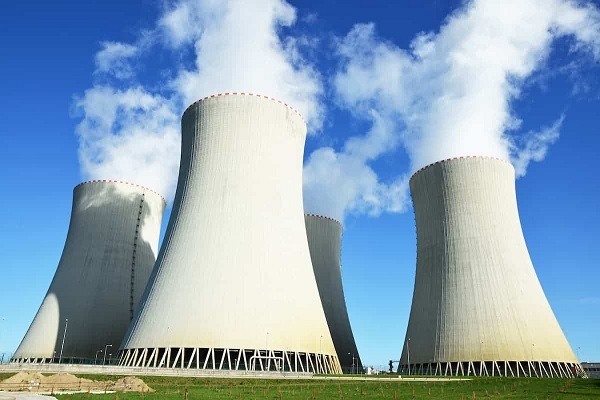
    Dr. Lassina Zerbo, Chairman of the Rwanda Atomic Energy Board (RAEB), said Rwanda's nuclear journey began about six or seven years ago with a decision to pursue small modular reactors (SMRs) while investing early in the human capacity needed to support the programme.

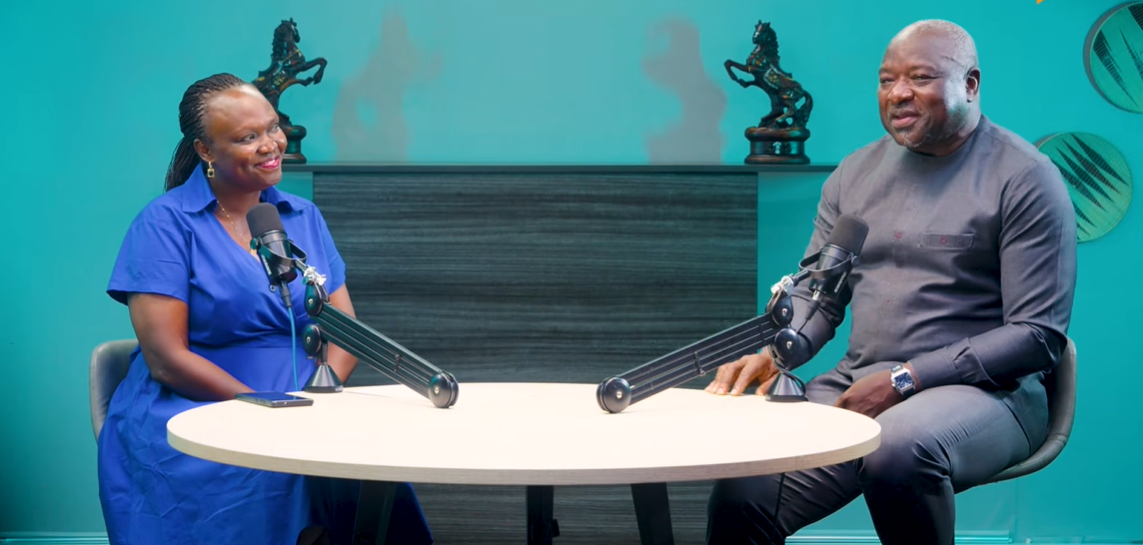
    Speaking on the Dossier podcast, hosted by celebrated journalist Jackie Lumbasi, the chairperson described the approach as a deliberate effort to prepare Rwanda's workforce before a nuclear power plant is built.

    President Paul Kagame has said Rwanda remains on track to have nuclear energy operational by the early 2030s. In May 2026, he said the country's completion of the International Atomic Energy Agency's Phase I Integrated Nuclear Infrastructure Review confirmed that it was on course. Rwanda is targeting up to 1.5 gigawatts of nuclear generation capacity by 2050.

    Rwanda is currently collaborating with the United States, Russia, and other private entities to develop small modular reactors and microreactors for its energy sector.

    For Dr. Zerbo, the foundation of the programme is not the reactor itself, but the people who will eventually operate and regulate it.

    'A month ago we had 26 Rwandan master's degree graduates in nuclear science and technology,' he said, referring to graduates specialising in areas including safety, security and electrical engineering.

    He said the graduates were expected to join RAEB, while Rwanda has also been sending students abroad to study nuclear science and technology.

    The strategy, he argued, ensures that Rwanda does not wait until construction begins to start developing the expertise needed to support the industry.

    'You don't bring thousands of experts from the international world and then say, 'Come to Rwanda, we want to build a plant,'' Dr. Zerbo said. 'Do you have a certified welder or do you have a certified medical doctor or whatever? And then you say, 'No, we don't have.''

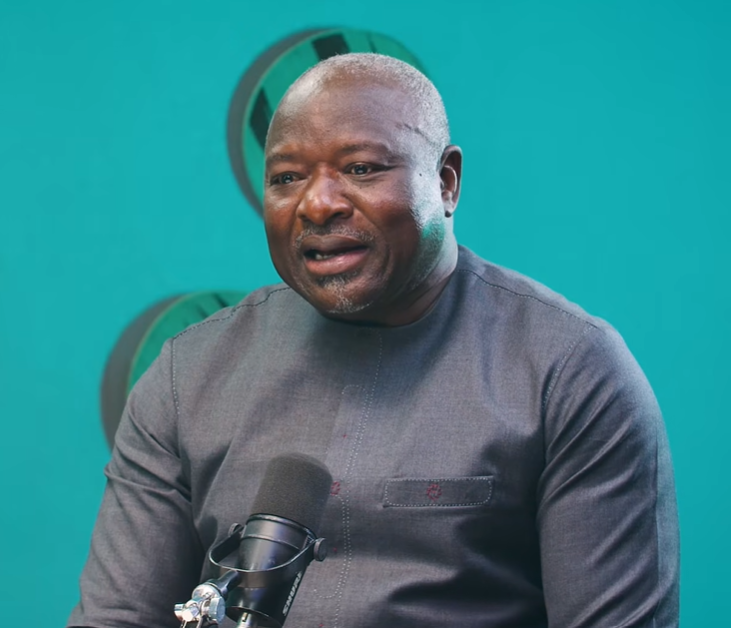
    Dr. Lassina Zerbo (right), Chairman of the Rwanda Atomic Energy Board, said Rwanda is pursuing small modular reactors while investing in nuclear expertise.

    Building an African nuclear platform

    Dr. Zerbo also sees Rwanda's nuclear programme as part of a wider effort to give African countries a stronger role in determining how nuclear technology can contribute to the continent's development.

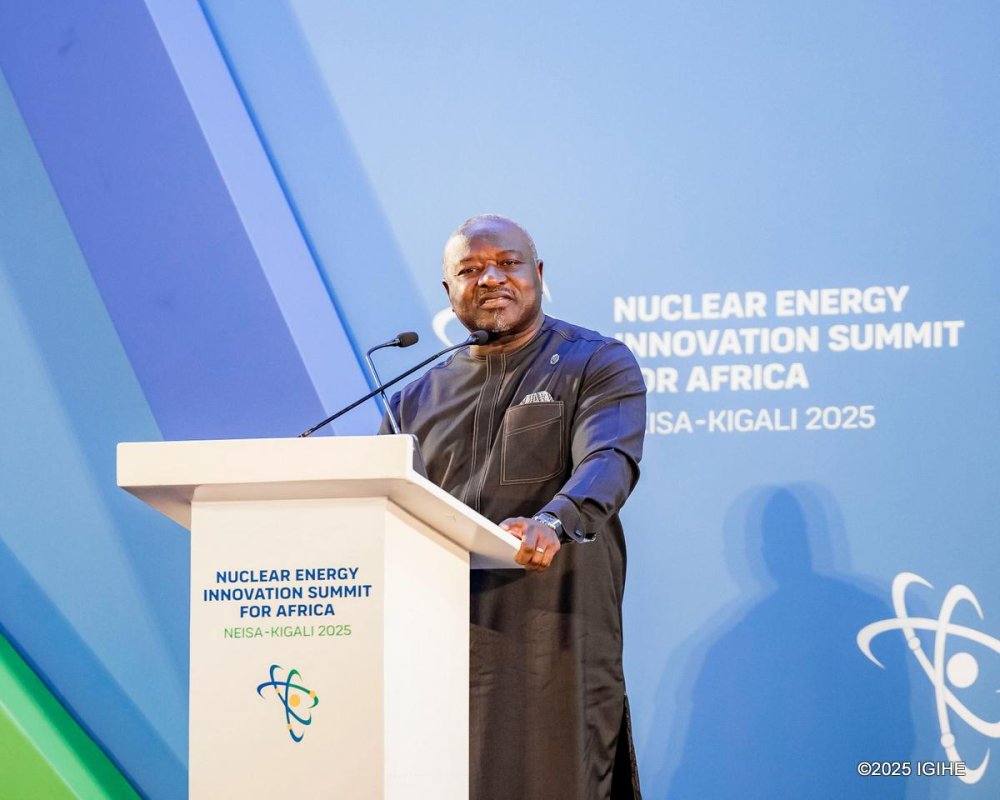
    That thinking led to the creation of the Nuclear Energy Innovation Summit for Africa, which has been hosted in Rwanda for its first two editions.

    The second edition attracted about 1,500 participants, according to Dr. Zerbo, bringing together African stakeholders, international institutions and companies from countries including France, Britain, Germany, Russia, China and the United States.

    He said the platform was designed to allow Africans to discuss nuclear development together while working with international partners.

    President Kagame has given the green light for the third edition to be held in Lomé, Togo, Dr. Zerbo said, in a move he said would make the initiative more inclusive across the continent.

    The International Atomic Energy Agency has also been involved in Rwanda's nuclear programme. Dr. Zerbo singled out IAEA Director General Rafael Mariano Grossi for supporting the summit and Rwanda's wider efforts.

    President Paul Kagame said in May that Rwanda remains on track to have nuclear energy operational by the early 2030s.

    Why nuclear matters beyond electricity

    The RAEB boss argues that the case for nuclear power in Africa goes beyond connecting households to electricity.

    He sees reliable electricity as a prerequisite for industrialisation, agriculture and economic competitiveness, particularly at a time when African businesses face high energy costs and unreliable supply.

    'If a farmer produces and processes, they need energy to process their products and keep them for longer so they can eventually export them,' he said.

    For industries such as cement or glass manufacturing, Dr. Zerbo argues that intermittent power can make production difficult. Nuclear, he said, could provide the steady baseload electricity required by such industries, alongside renewable sources.

    'Nuclear energy is not at the expense of, or in competition with, renewable energy,' he stressed. 'We want to have an energy mix that provides a baseload and helps avoid the load-shedding that we are facing in many African countries today.'

    He also pointed to nuclear technology's applications beyond electricity, including cancer treatment, agriculture and food preservation.

    The shift toward smaller reactors

    A central part of Rwanda's strategy is its interest in smaller nuclear technologies.

    Dr. Zerbo described microreactors as a further evolution from conventional nuclear plants and small modular reactors. He said some concepts are being developed around units that could fit within a 40-foot container.

    He gave the example of a one-megawatt microreactor potentially supplying about 3,000 families continuously for seven to 15 years without maintenance, while noting that the number of households served would vary depending on electricity consumption.

    Developers are also working on higher-capacity microreactors that could supply facilities such as data centres, whose electricity requirements are growing alongside artificial intelligence.

    For Rwanda, smaller reactors could potentially offer a more adaptable option for a country with a relatively small electricity system compared with the large grids of major industrial economies.

    The chairperson also pointed to evolving reactor technologies that could reduce water requirements and potentially allow nuclear systems to operate in locations where conventional reactors would face greater cooling constraints.

    Dr. Zerbo sees Rwanda's nuclear programme as part of efforts to give Africa a greater role in shaping nuclear technology for development.

    Safety, waste and public trust

    Nuclear safety remains one of the most important questions surrounding the technology.

    Dr. Zerbo acknowledged that nuclear energy carries risks but argued that technological development has changed the nature of those risks, particularly with newer reactor designs.

    He referenced the Fukushima disaster, noting that the Japanese nuclear accident followed a major tsunami, and argued that discussions about nuclear safety should consider the broader circumstances surrounding such events.
    His argument is not that nuclear technology is risk-free.

    'I'm not trying to say that there's no risk,' he remarked. 'But I believe that with the evolution of science, technology, and the innovation that we are noticing today, the risk with the small modular reactors and the micro reactors is less than the conventional ones we know of so far.'

    Waste management is another challenge. Dr. Zerbo said emerging technologies could eventually allow some nuclear waste to be reused as fuel in other reactor systems, potentially reducing the amount requiring long-term management.

    The financing challenge

    The cost of nuclear infrastructure remains a major hurdle for African countries.
    The RAEB chair said financing should be considered alongside the infrastructure that depends on reliable energy, rather than treating nuclear power as a standalone investment.

    He pointed to the World Bank's changing position on financing nuclear energy and said discussions were underway on how international financial institutions could support nuclear projects.

    He argued that African institutions, including the African Development Bank, should also consider how nuclear energy fits into the continent's infrastructure financing needs.

    For countries that cannot independently finance a large reactor, the chairperson proposed another possibility: regional energy hubs.

    Rather than every African country building its own large nuclear plant, countries could develop nuclear capacity that supplies neighbouring markets through existing regional electricity pools.

    Rwanda could potentially become an energy hub if it develops a nuclear power plant, while coastal countries such as Tanzania could explore floating nuclear units, he said.

    Dr. Lassina Zerbo, former Prime Minister of Burkina Faso, became Chairman of the Rwanda Atomic Energy Board on October 13, 2021, following his appointment by President Paul Kagame.

    A long-term commitment

    For the RAEB boss, nuclear development is ultimately a project that extends far beyond the political cycle.

    A nuclear programme can involve commitments lasting decades, meaning countries must carefully consider technology providers, financing arrangements, regulation, safety and long-term partnerships.

    'It's like getting married,' he said of selecting a nuclear partner. 'You don't wake up in the morning and then say this is my partner. You think about it: I'm engaging my country, my population for 50 to 60 years.'

    He believes Africa now has a growing pool of scientists and engineers capable of participating in that process.

    'Now it's different,' Dr. Zerbo said. 'We have thousands of experts in nuclear science and technology across Africa, and more are coming. They will help make a difference for the continent.'

    Watch the full conversation below as Dr. Lassina Zerbo delves into Rwanda's nuclear ambitions, the push for small modular reactors, Africa's growing nuclear expertise, energy security, financing, safety and what the future of nuclear power could mean for the continent.

    Source : https://new.igihe.com/english/rwandas-nuclear-push-dr-lassina-zerbo-on-small-reactors-african-talent-and-the-energy-challenge-video/

  • AI reshapes global business services as Rwanda builds Africa's next generation digital workforce #rwanda #RwOT

    According to the 2026 GBS.World Buy-Side Demand Survey, 80% of global businesses are piloting generative AI initiatives, 61% are testing autonomous AI workflows within back-office operations, and 63% now require formal AI governance frameworks. Hybrid human-AI workforces are rapidly becoming the operational standard across global business services (GBS).

    As enterprises accelerate their adoption of AI, cloud technologies and intelligent automation, the conversation is shifting beyond technology itself to focus on people.

    Increasingly, competitive advantage will depend on the ability to access workforces that are digitally skilled, adaptable and capable of working confidently with, and alongside, AI.

    Against this backdrop, Rwanda is implementing one of Africa's most coordinated long-term digital workforce strategies. Through sustained investment in education, digital infrastructure, AI, industry partnerships and workforce development, the country is building the capabilities required to compete in the next generation of knowledge-based global services.

    Over the past decade, Rwanda has embedded digital transformation at the centre of its national development agenda. National initiatives including the ICT Strategy, the National Artificial Intelligence Agency, National Artificial Intelligence Policy and the 1 Million Coders Programme are helping prepare a future-ready workforce, while broader ambitions to develop approximately 1.5 million digitally skilled citizens by 2029 demonstrate the country's long-term commitment to digital competitiveness.

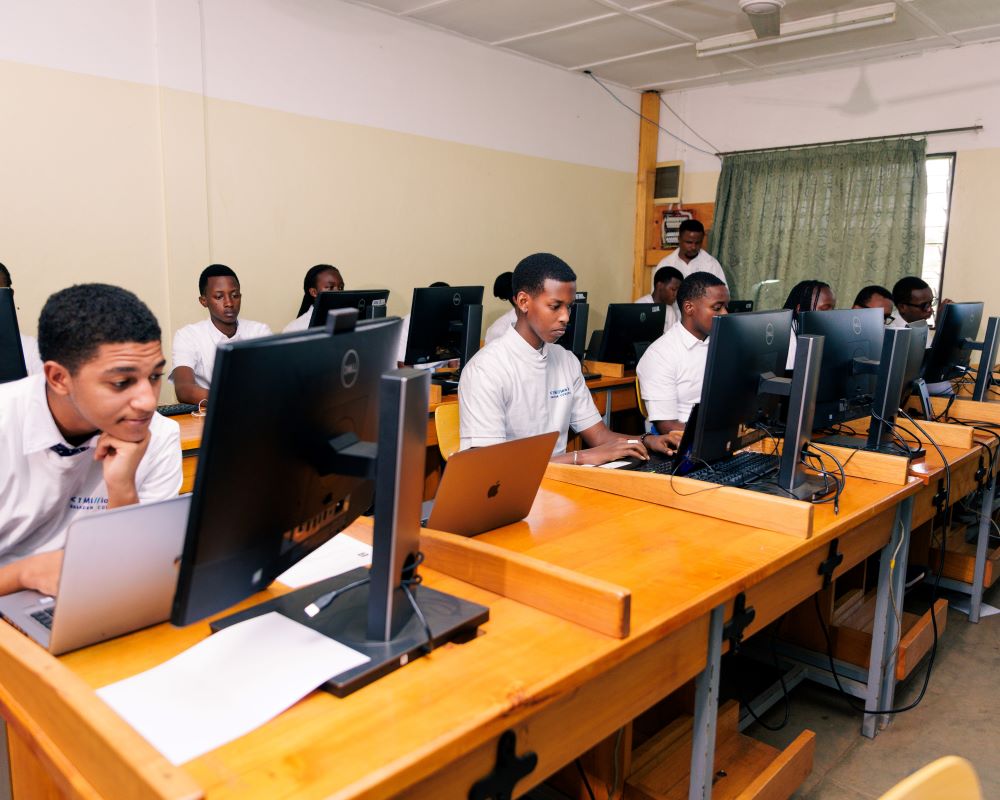
    Rwanda's digital talent strategy extends well beyond coding. Universities such as Carnegie Mellon University Africa, the University of Rwanda, the African Leadership University (ALU) and Kepler College, together with more than 110 Technical and Vocational Education and Training (TVET) institutions, coding academies and innovation hubs, are contributing to an expanding ecosystem that now supports approximately 345,000 ICT learners.

    This coordinated approach is strengthening the country's pipeline of AI-ready, cloud-enabled and digitally skilled professionals equipped for modern global service delivery.

    This investment is already translating into employment and delivery capability. Rwanda's GBS sector supported 4,705 jobs in Q2 2026, with 79.2% serving international markets. More than a quarter of the workforce (or 1,238 people) is employed in IT Outsourcing, including software development roles, alongside growing capabilities in data and analytics, testing and quality assurance, IT support, cybersecurity, cloud computing and AI engineering.

    'Artificial intelligence is changing far more than technology; it is changing the capabilities businesses expect from their people. Rwanda recognised this shift early and has invested deliberately in building a workforce that can thrive alongside AI, automation and digital technologies.

    'Our ambition is not simply to develop technical talent, but to create a globally competitive digital workforce that supports the future of global business services,' says Chantal Kayonga, Chief Executive Officer of the Rwanda GBS Growth Initiative.

    International operators are already seeing the benefits of this investment. Rwanda's growing technology and GBS ecosystem includes companies delivering software development, IT and technical support, data and analytics, cloud-enabled services, cybersecurity and other knowledge-intensive digital services to regional and global clients.

    As these capabilities deepen, Rwanda has an opportunity to expand beyond traditional business process services and strengthen its position as an emerging regional technology and innovation hub.

    'Our experience has shown that Rwanda's greatest strength is not simply the availability of talent, but the quality of its people and their willingness to learn, adapt and embrace new technologies.

    'As AI continues to reshape our industry, having access to a workforce that is developing alongside these technologies creates a significant competitive advantage,' says Aileen Allkins, CEO, TeKnowledge.

    A second industry perspective reinforces this trend.

    ' Rwanda has created an ecosystem where education, industry and government are working towards a common objective.

    'That collaborative approach has enabled us to build capability, scale operations and develop highly skilled digital professionals who are supporting clients across international markets,' Yannick Kabayiza, CEO, Awesomity Lab, noted.

    This connection between policy, skills development and employer demand is central to Rwanda's approach.

    National digital priorities, universities, TVETs and specialist training providers are increasingly being aligned with the changing skills requirements of technology employers, creating pathways from education into employment while supporting continuous reskilling as technologies evolve.

    According to the Rwanda GBS Growth Initiative, the country's long-term investment in digital skills, innovation and workforce development is increasingly aligning with the priorities of multinational businesses seeking resilient, future-ready global delivery locations.

    As AI continues to transform global business services, Rwanda is positioning itself as an emerging African destination for higher-value, technology-enabled delivery.

    By combining a young, bilingual workforce with strong digital infrastructure, progressive national policies and a demand-led skills ecosystem, the country is building capabilities across software development, cloud, cybersecurity, data, AI and other knowledge-intensive services that will increasingly shape the future of global delivery.

    The Rwanda GBS Growth Initiative (GBS GI) is the national industry body with a mandate to promote and grow Rwanda's Global Business Services sector.

    Working closely with the Rwanda Development Board, the Ministry of ICT and Innovation and industry stakeholders, the GBS GI supports investment promotion, talent development, ecosystem collaboration and market intelligence to position Rwanda as one of Africa's leading destinations for global business services.

    1 Million Coders Programme is helping prepare a future-ready workforce

    Source : https://new.igihe.com/english/ai-reshapes-global-business-services-as-rwanda-builds-africas-next-generation-digital-workforce/

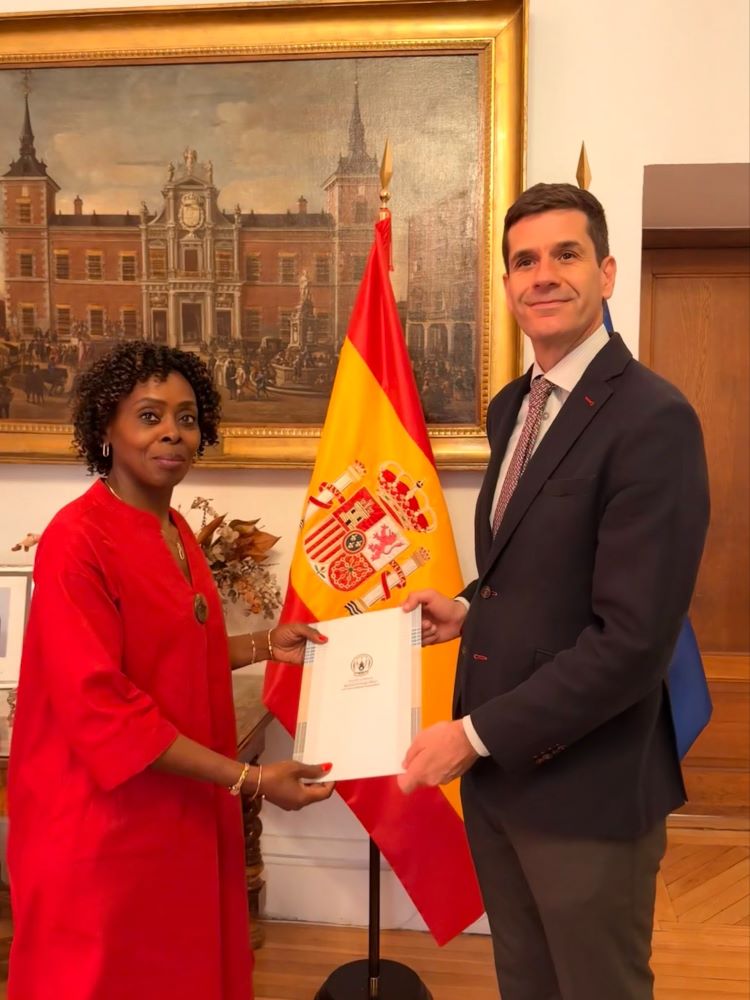
  • Nkulikiyinka presents copies of credentials as Rwanda opens first embassy in Spain #rwanda #RwOT

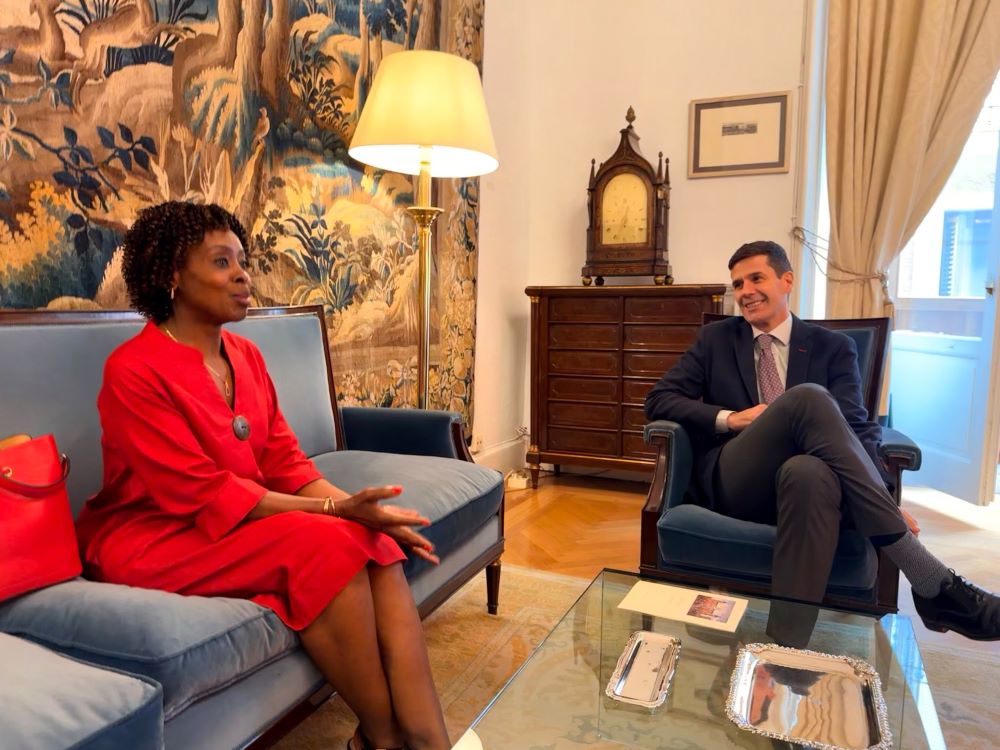
    She presented the copies to Adrián Martín Couce, Director-General for Protocol at Spain's Ministry of Foreign Affairs, European Union and Cooperation.

    The ceremony held on Friday, precedes the formal presentation of her Letters of Credence to King Felipe VI of Spain, which is expected to take place in the coming days.

    Ambassador Nkulikiyinka was appointed to the position on 10th June 2026.

    This marks the first time in Rwanda's history that the country has established an embassy in the Kingdom of Spain, further strengthening the strong bilateral relations between Rwanda and this European country.

    Ambassador Christine Nkulikiyinka has presented copies of her Letters of Credence to Adrián Martín Couce, Director-General for Protocol at Spain's Ministry of Foreign Affairs, European Union and Cooperation.

    [email protected]

    Source : https://new.igihe.com/english/nkulikiyinka-presents-copies-of-credentials-as-rwanda-opens-first-embassy-in-spain/

  • Dar es Salaam transit cargo rises 17% as corridor competition intensifies #rwanda #RwOT

    The increase comes as investment in port operations and Tanzania's wider road and rail network changes the options available to businesses moving goods between the Indian Ocean and inland markets.

    DRC-bound cargo increased 30 percent to 7.77 million tonnes, accounting for more than half of Dar es Salaam's transit traffic. Zambia remained one of the port's largest transit markets at 3.41 million tonnes, while cargo destined for Rwanda rose 24 percent to 2.18 million tonnes.

    The growth comes amid increasing competition between regional ports and transport corridors, with cargo owners weighing cost, reliability and transit times when choosing routes for goods destined for inland markets.

    Port activity accelerates

    The rise in transit cargo formed part of a broader increase in activity at Dar es Salaam.

    Total cargo handled at the port reached 33.71 million tonnes in 2025/26, up 21.5 percent from the previous financial year, according to official port data.

    Government figures also show a longer-term improvement in port performance. Cargo handled at Dar es Salaam increased from 16.27 million tonnes in 2020/21 to 27.76 million tonnes in 2024/25, while the average time container vessels spent at berth fell from about 10 days to three.

    Private investment has also contributed to changes in port operations.

    DP World, which operates Terminal 1 under a 30-year concession that began in April 2024, had invested $123 million by April 2026 in equipment, infrastructure, technology and operating systems.

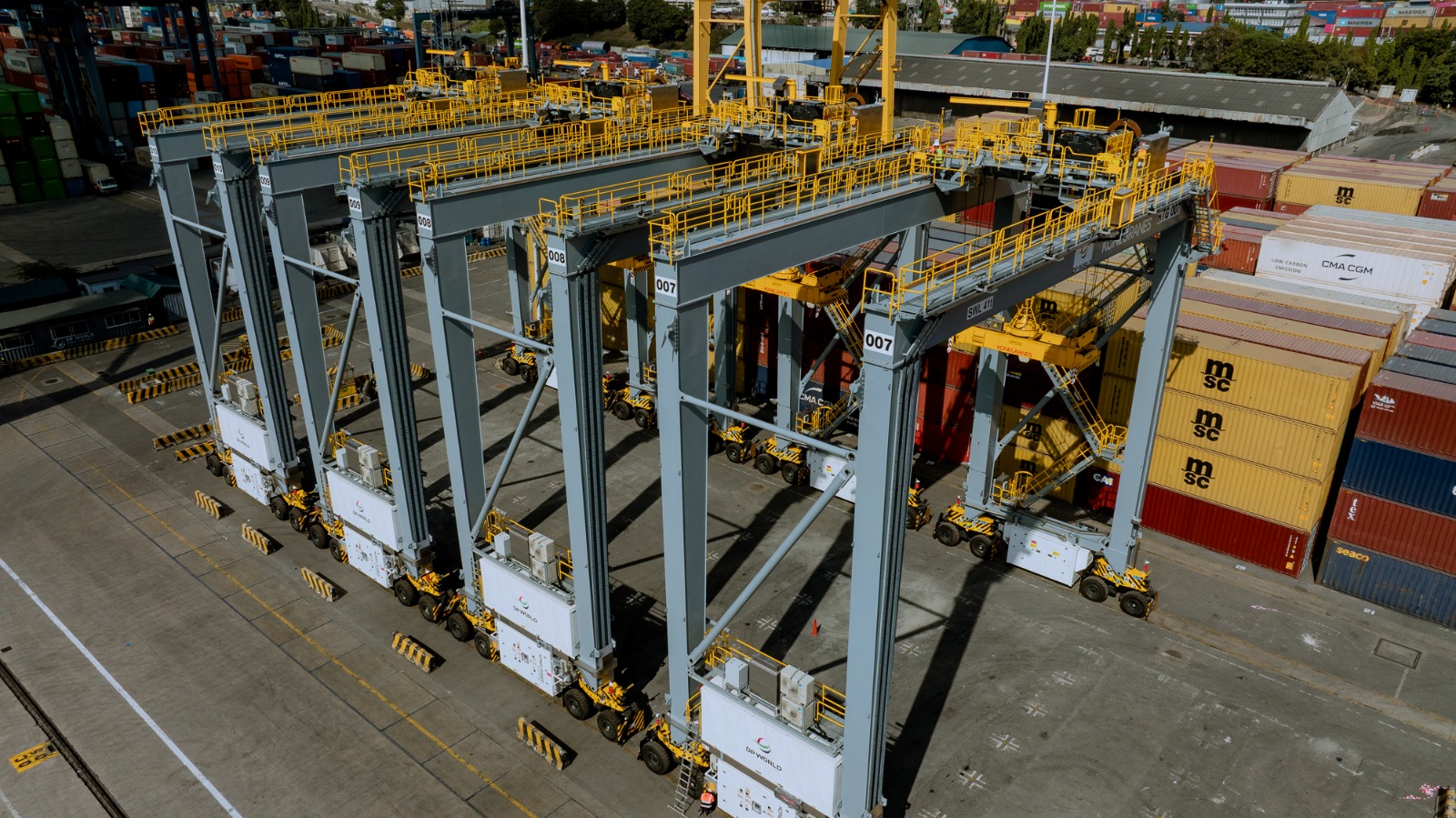
    The investment includes cranes, cargo-handling systems, yard infrastructure and two gates connecting the port with Nelson Mandela Road. Eight new diesel-electric rubber-tyred gantry cranes were commissioned in June.

    Cargo discharge times for comparable operations at the terminal have also fallen sharply, from more than 300 hours to under 28 hours, according to recent reports.

    Container throughput has recorded four consecutive monthly highs. The terminal handled 44,001 containers in May, 45,856 in June, 46,582 in July and 48,793 in August, compared with monthly volumes of between 8,000 and 13,000 before 2024.

    The port is also handling larger and more specialised vessels.

    Among recent calls was the 240-metre M/V RAMHAN, which DP World said discharged nearly 7,900 heavy-duty vehicles in just over 27 hours.

    Dar es Salaam is also expanding its capacity for dry bulk, general cargo and roll-on/roll-off traffic. Government plans include additional dry-bulk equipment expected to increase handling capacity by 65 percent for commodities such as wheat, sulphur and fertiliser.

    The port currently records average wheat discharge rates of more than 12,000 tonnes a day.

    Rubber-tyred gantry cranes line the container yard at DP World's terminal at the Port of Dar es Salaam, Tanzania. Transit cargo through the Port of Dar es Salaam rose 17 percent to 14.61 million tonnes in the 2025/26 financial year.

    Competition moves inland

    For cargo owners, however, port efficiency is only one part of the calculation.

    Once goods leave the port, customs procedures, rail availability, road conditions, storage capacity and border crossings can determine how quickly and cheaply cargo reaches its final destination.

    Tanzania began commercial freight operations on the Standard Gauge Railway between Dar es Salaam and Dodoma in July 2025, while construction continues on sections intended to extend the network westwards.

    A planned freight terminal at Morogoro is expected to link rail cargo with road transport serving domestic and neighbouring markets.

    The Kwala dry port is also part of Tanzania's strategy to strengthen inland connections. It is already receiving trains from Dar es Salaam and is designed to handle about 300,000 containers a year, with space allocated to neighbouring markets including the DRC, Zambia and Rwanda.

    For Zambia, attention is also focused on the rehabilitation of the Tanzania-Zambia Railway Authority (TAZARA).

    Work under the railway's revitalisation programme advanced in July with construction beginning on a new operations control centre and training centre in Dar es Salaam. The project is intended to restore the railway's role in connecting Tanzania's Indian Ocean coast with Zambia and wider Southern African markets.

    Road infrastructure is being upgraded at key border points as well.

    At Tunduma, the approach to the border with Zambia is being widened from one lane to four after congestion became a recurring constraint for trucks travelling between Tanzania, Zambia, the DRC and other Southern African markets.

    The government is also digitising maritime administration. The Tanzania Shipping Agencies Corporation is preparing to introduce a Maritime Transport e-Regulatory System, allowing maritime service providers to process licences, registrations and supporting documents online.

    Different markets, different outcomes

    The rise in DRC and Rwanda-bound cargo contrasts with the performance of Zambia, highlighting the different factors influencing the choice of regional corridors.

    While Dar es Salaam has attracted more cargo from some inland markets, Zambia's decline shows that improvements at the port do not automatically translate into higher volumes across every corridor.

    Factors affecting Zambia's route include the ownership structure of some mines and ongoing discussions over border fees and taxation with the Tanzanian government.

    The wider competition is therefore increasingly being determined beyond the port gates.

    For cargo owners, the relevant calculation includes vessel turnaround times, port clearance, access to rail and trucks, border efficiency and the predictability of delivery times.

    Dar es Salaam's recent cargo growth suggests that improvements at the port and along its inland connections are attracting more regional traffic. The next test will be whether those gains can be sustained across the full corridor as Tanzania competes with other routes for cargo destined for landlocked markets.

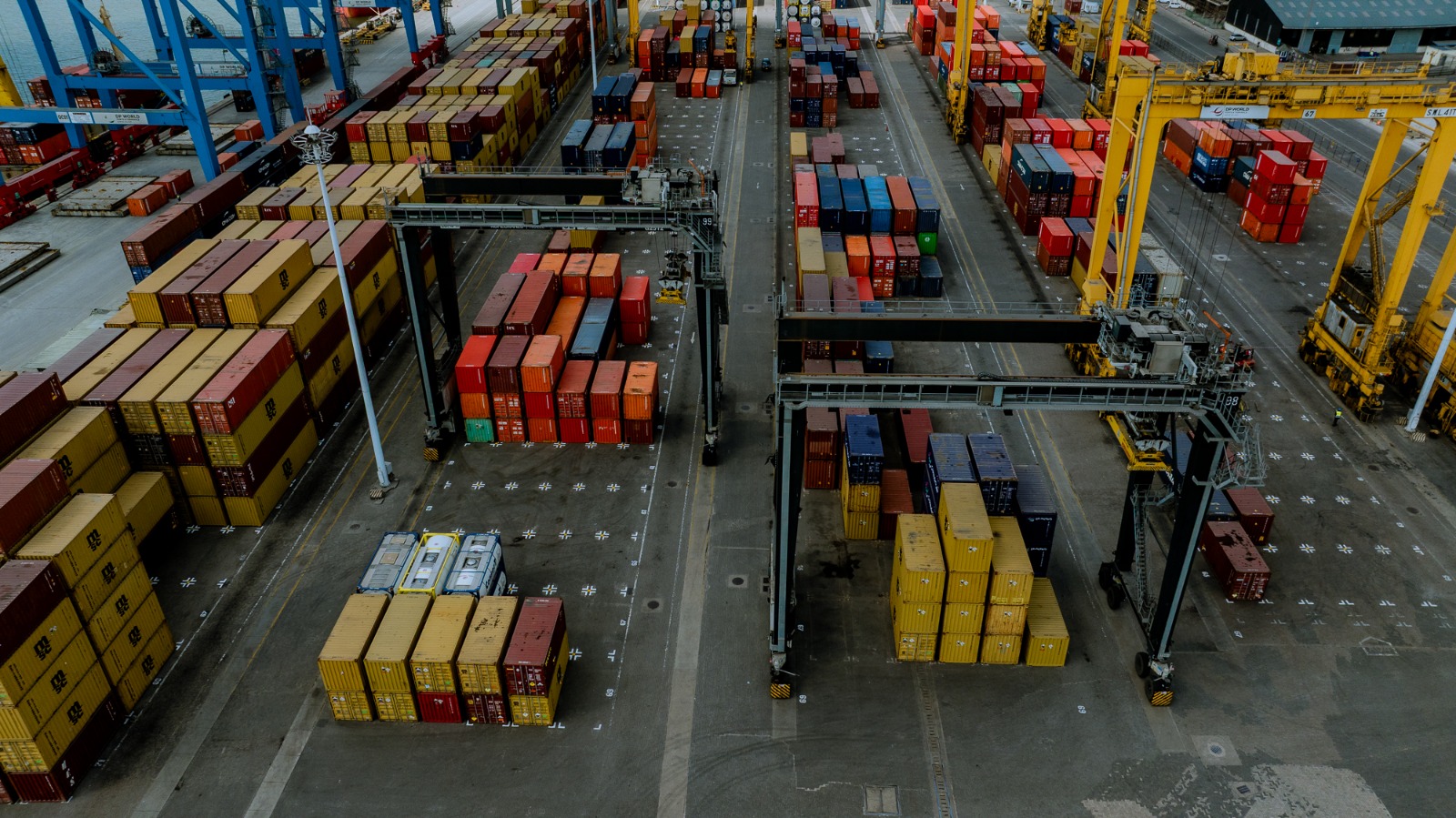
    Containers at DP World's Dar es Salaam terminal, where transit cargo rose 17 percent to 14.61 million tonnes in 2025/26.

    Source : https://new.igihe.com/english/dar-es-salaam-transit-cargo-rises-17-as-corridor-competition-intensifies/

  • Kylie Kelce apologizes to Kate Middleton after royal title mix-up #rwanda #RwOT

    Kelce, 34, addressed the issue during the October 1 episode of her Not Gonna Lie podcast, one week after inviting the royal to join her for a conversation about sports, motherhood and their shared interests.

    During the September 24 episode, Kelce referred to Catherine as 'Princess Kate, Duchess of Cambridge' while extending the invitation.

    'Princess Kate, Duchess of Cambridge, if you ever wanted to come on and chitchat about some field hockey and maybe kids. I don't know. We got a couple things in common,' she said.

    Kelce also mentioned that their husbands had already spoken with each other, referring to Prince William's appearance on Jason and Travis Kelce's New Heights podcast.

    A week later, Kelce returned to the subject after learning more about how Catherine is formally addressed.

    'I love learning, so I was unaware that calling Princess Catherine, Princess Kate was offensive,' Kelce said. 'I didn't know that. Now I know that. Now I will proceed accordingly.'

    She then apologized directly to the Princess of Wales and said she wanted to address people in the way they feel respected.

    'Princess Catherine or the Princess of Wales, I apologize,' Kelce said, adding that she would make the change immediately.

    Catherine's current formal title is the Princess of Wales. She previously held the title Duchess of Cambridge after marrying Prince William in 2011.

    Following Queen Elizabeth II's death in September 2022, King Charles III announced that William would become the Prince of Wales, with Catherine becoming the Princess of Wales.

    Although 'Kate Middleton' remains widely used by the public and media, particularly because it has been associated with Catherine for more than two decades, her current royal title is the Princess of Wales.

    Kelce said her interest in having Catherine on her podcast remains unchanged.

    She explained that she would like to speak with her about several subjects, including parenting, field hockey and her experience as a mother.

    However, Kelce acknowledged that she does not expect the royal to accept the invitation.

    'I don't think that anybody owes me anything,' she said, while explaining that she would nevertheless be delighted to speak with the Princess of Wales.

    Kelce also responded to a listener who suggested that she might need to reduce her use of swear words if Catherine ever appeared on the podcast.

    She agreed that she would adjust her language depending on the situation.

    The invitation came after Prince William appeared on New Heights, the podcast hosted by Jason and Travis Kelce, creating a connection between the two families.

    Kylie Kelce has apologized to Catherine, Princess of Wales, after using the wrong royal title while inviting her to appear on her Not Gonna Lie podcast.

    Source : https://new.igihe.com/english/kylie-kelce-apologizes-to-kate-middleton-after-royal-title-mix-up/

  • Govt reassures public over milk supply #rwanda #RwOT

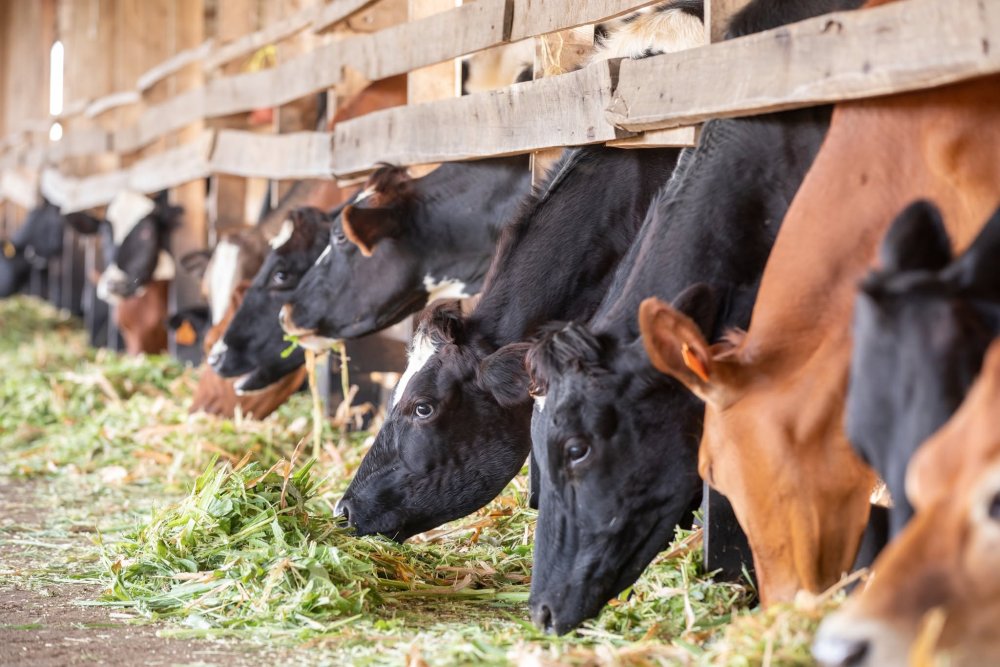
    Prime Minister Dr. Justin Nsengiyumva told Parliament on October 2, 2026 that changing weather conditions and a livestock disease outbreak had contributed to a decline in milk production, particularly over the past two months.

    He said the outbreak had been brought under control, allowing livestock markets to reopen, while prices of livestock products such as meat had started to decline.
    'We also expect milk to become available again because the rains have started,' Dr. Nsengiyumva said.

    Milk shortages have been reported on the market for some time. In early September, an inspection of nine shops in Gishushu, Nyarutarama and Gisimenti found that only one had milk in stock. Inyange Industries had also attributed the decline in milk supplies to a prolonged dry spell that significantly reduced milk production.

    Farmers in different parts of the country also reported that a lack of water and pasture had reduced milk production.

    A farmer in Nyagatare said the amount of milk he sold each day had fallen from nearly 100 litres to less than 20 litres. Another farmer in Gicumbi said a cow that previously produced 10 litres of milk was producing about two litres.

    Earlier last month, IGIHE visited Nyabugogo and found that the price of a carton of Inyange milk had reached Rwf19,000 in some places. Traders who were asked about the price said their purchase costs had increased.

    One trader, who requested anonymity, said they normally sold a carton to customers for Rwf8,500, but prices had changed because of higher prices charged by their suppliers.

    A survey of different markets in Kigali also found that Inyange milk was being sold at significantly higher prices in some ordinary shops, although it was still available at Rwf8,500 in some supermarkets.

    The government expects milk shortages that have affected the market in recent months to ease after an outbreak that had affected livestock was brought under control.

    Source : https://new.igihe.com/english/government-reassures-public-over-milk-supply/

  • Scientists find high pressure along areas at risk of earthquakes in California #rwanda #RwOT

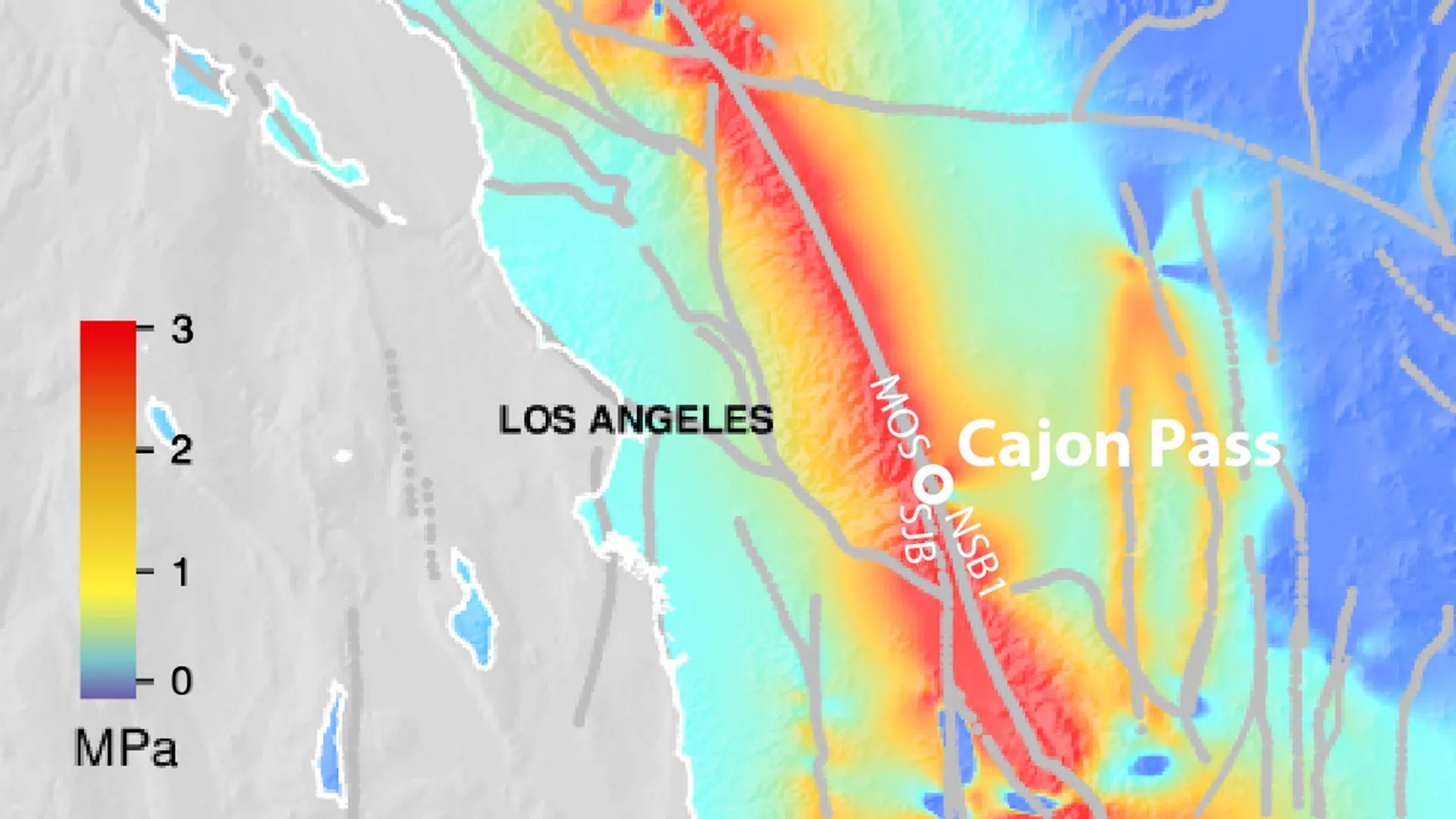
    The study, led by Dr Liliane Burkhard of the University of Bern in Switzerland, identifies Cajon Pass, a geological junction northeast of Los Angeles, as a key point that could determine whether an earthquake rupture stops at one fault or continues onto another.

    Published in the Journal of Geophysical Research: Solid Earth, the research does not predict when an earthquake will occur. Instead, it examines how accumulated geological stress could influence possible future earthquakes.

    The international research team included scientists from the University of Hawaiʻi at Mānoa, the United States Geological Survey's Earthquake Science Center and the Scripps Institution of Oceanography at the University of California, San Diego.

    To understand changes in stress over time, researchers developed a physics-based model simulating approximately 1,000 years of earthquake activity. They combined evidence from radiocarbon dating, tree-ring patterns and historical records of earthquakes that ruptured the ground surface.

    The model tracks how earthquakes transfer stress to neighbouring fault sections, how stress accumulates between earthquakes and how deeper layers of the Earth's crust gradually relax after major ruptures.

    The findings show that stress on the San Jacinto-Bernardino section has reached 3.6 megapascals, the highest value recorded anywhere in the simulation. Stress on the nearby Mojave South section of the San Andreas Fault reached 2.8 megapascals.

    Researchers say the simultaneous high stress on both sections could create conditions more favourable for an earthquake rupture to cross Cajon Pass and affect both fault systems.

    Historical earthquakes demonstrate that the junction can behave differently depending on geological conditions. During the magnitude 7.9 Fort Tejon earthquake in 1857, the rupture stopped at Cajon Pass.

    However, the 1812 Wrightwood earthquake crossed the junction and ruptured both systems.

    A rupture involving both faults could affect a wider area, including greater Los Angeles, San Bernardino, Riverside and the Coachella Valley.

    Cajon Pass also contains important highways, railway lines and energy infrastructure.

    Burkhard emphasised that high stress does not establish when an earthquake will happen.

    The research instead provides information that could support earthquake hazard assessments, infrastructure planning and emergency preparedness.

    The researchers say their modelling approach could also help scientists investigate complex fault junctions in other parts of the world.

    A section of the San Andreas Fault in California, where accumulated geological stress could influence the behaviour of future earthquakes.

    Source : https://new.igihe.com/english/scientists-find-high-pressure-along-areas-at-risk-of-earthquakes-in-california/

  • South Africa's IQ Digita brings AI-powered health screening to Rwanda #rwanda #RwOT

    The company has established a presence in Rwanda through a strategic partnership with healthcare specialist Dr. Claude Sekabaraga and is seeking to work with the government, private healthcare providers and non-governmental organisations to expand deployment.

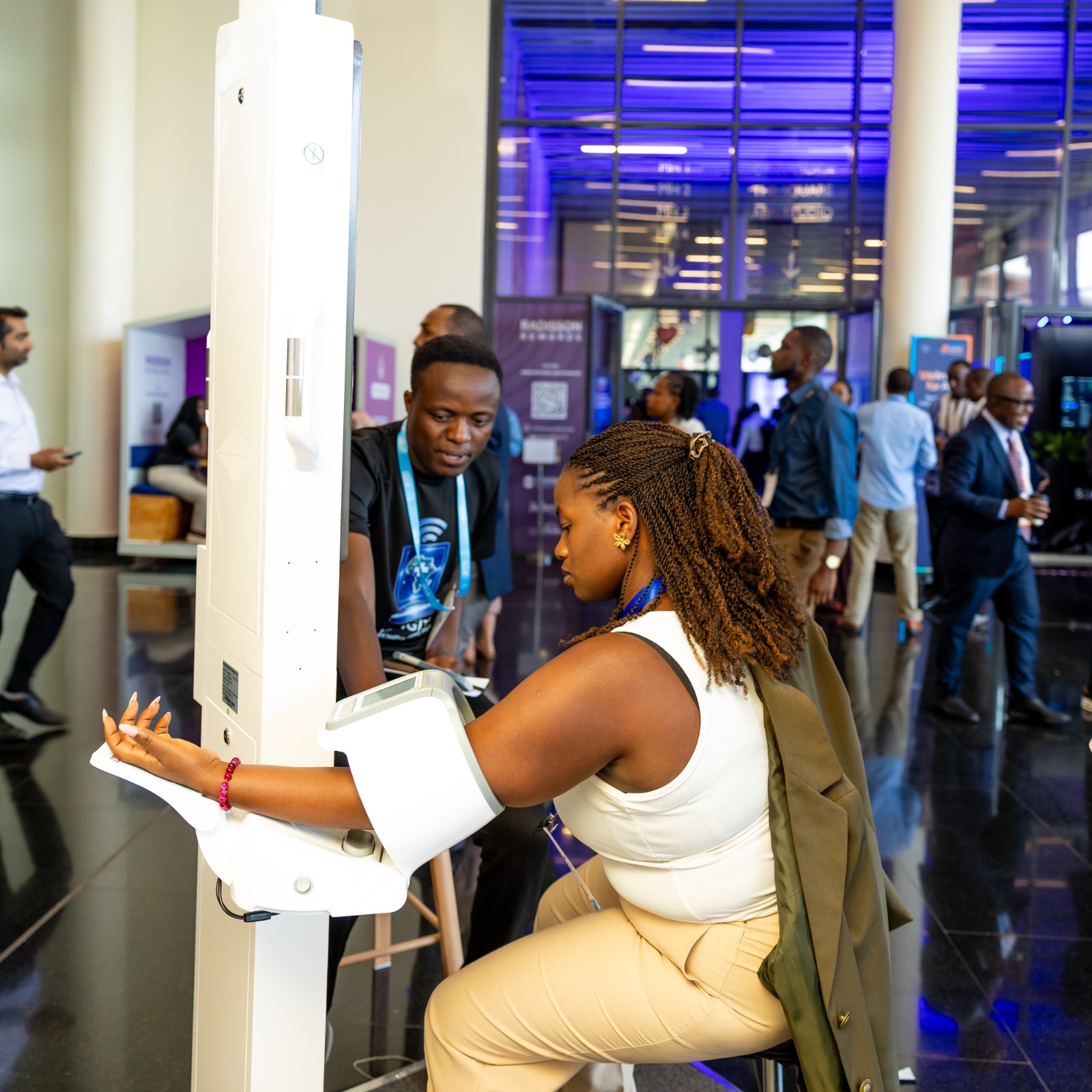
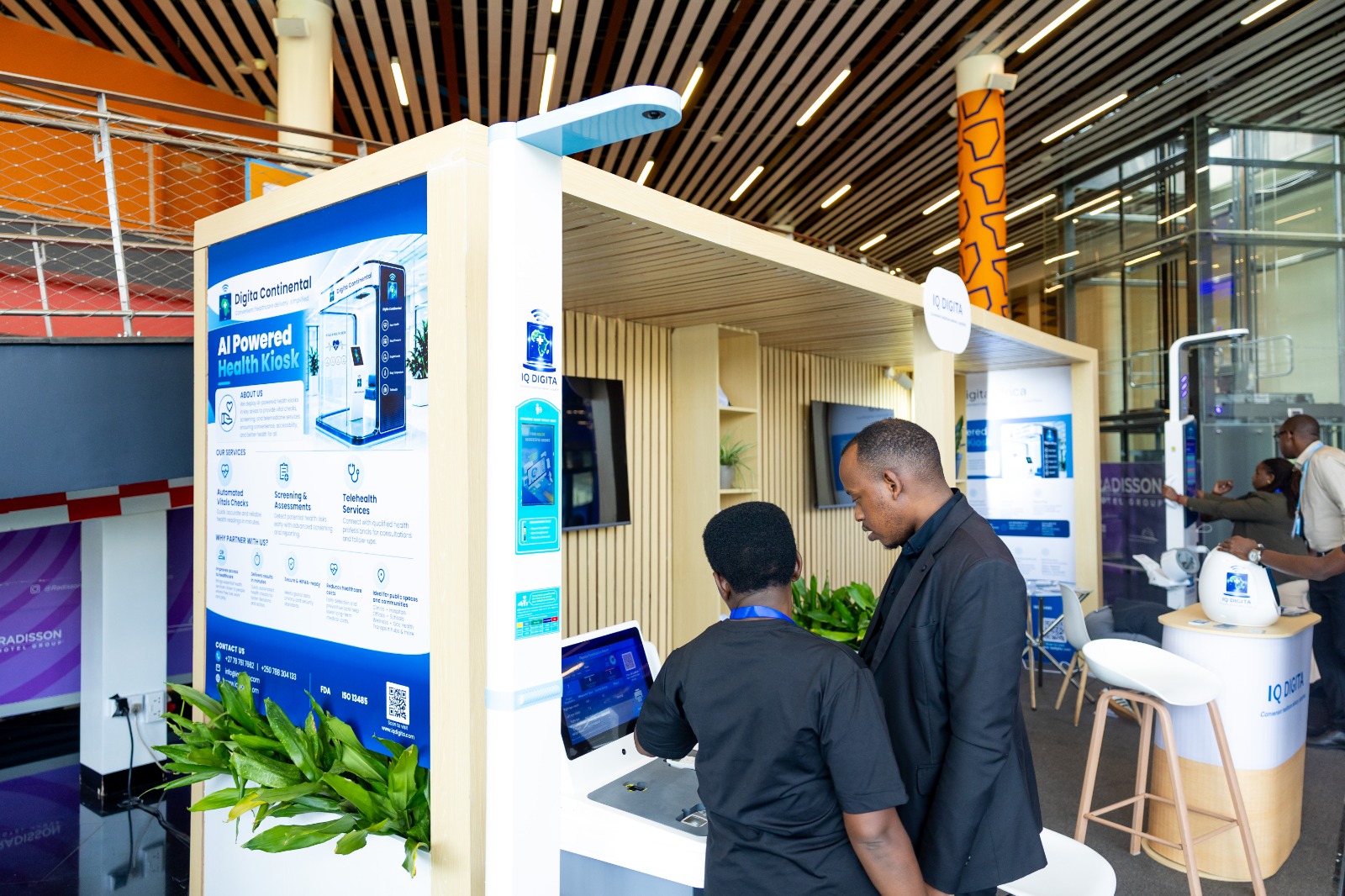
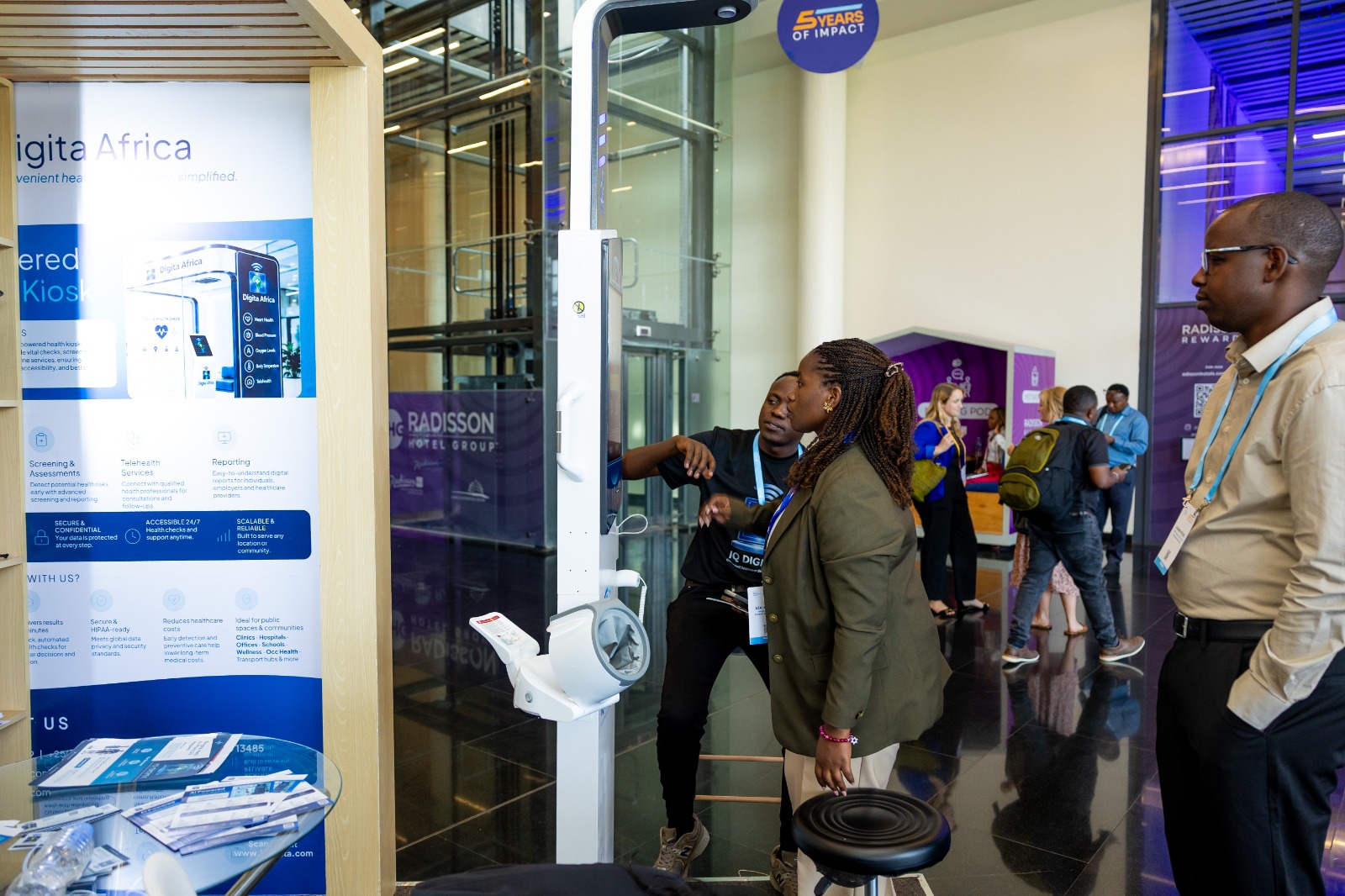
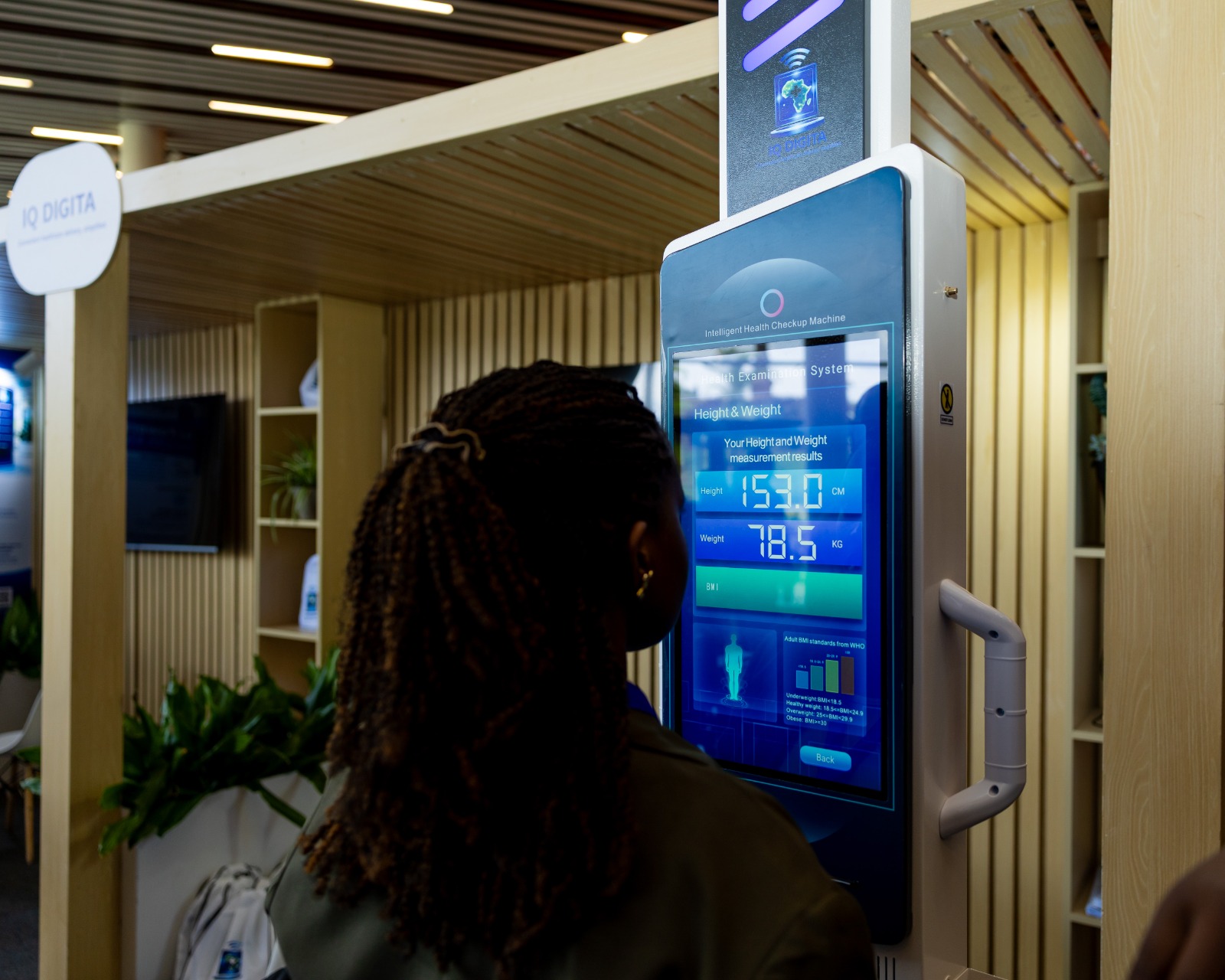
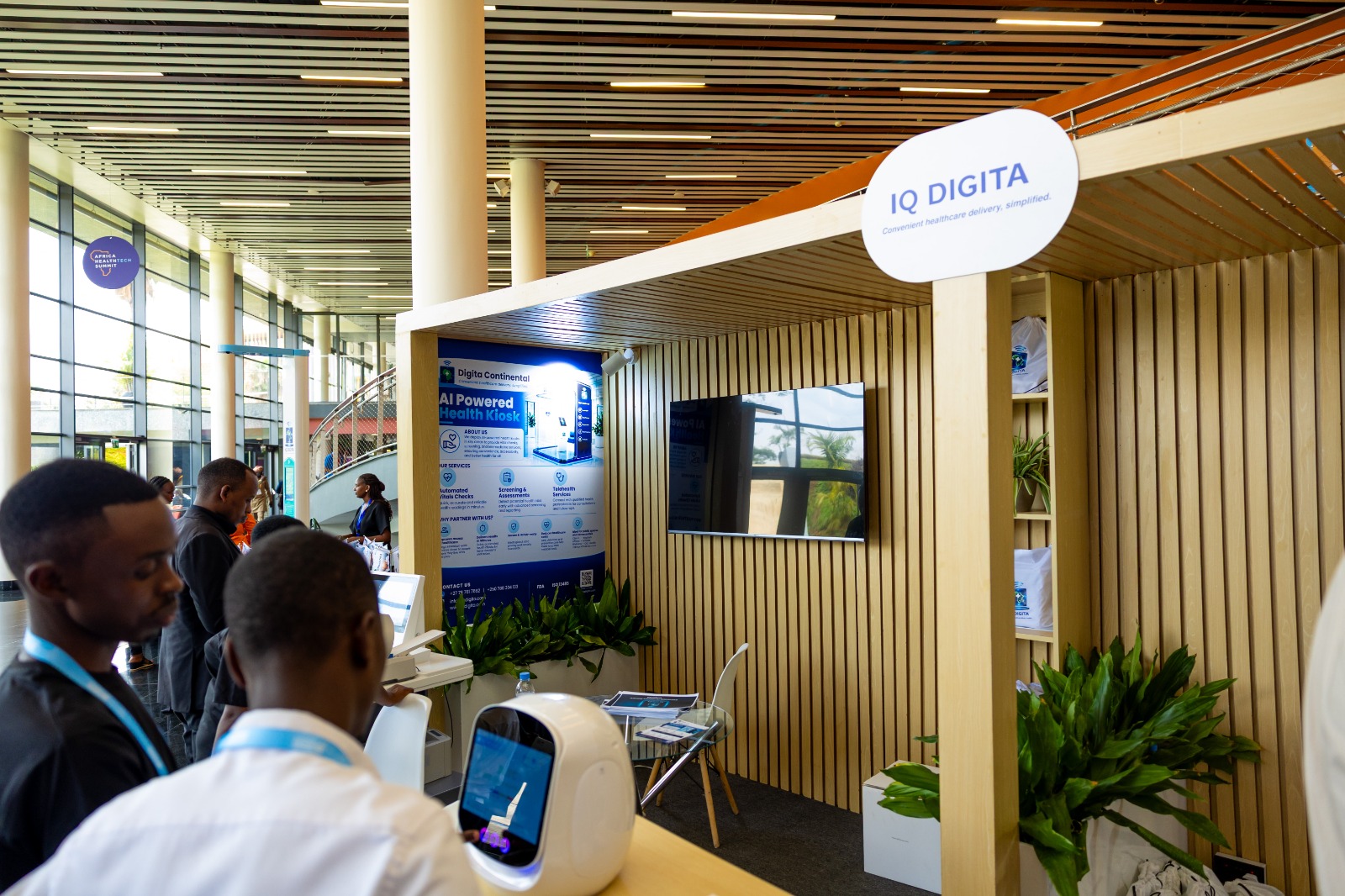
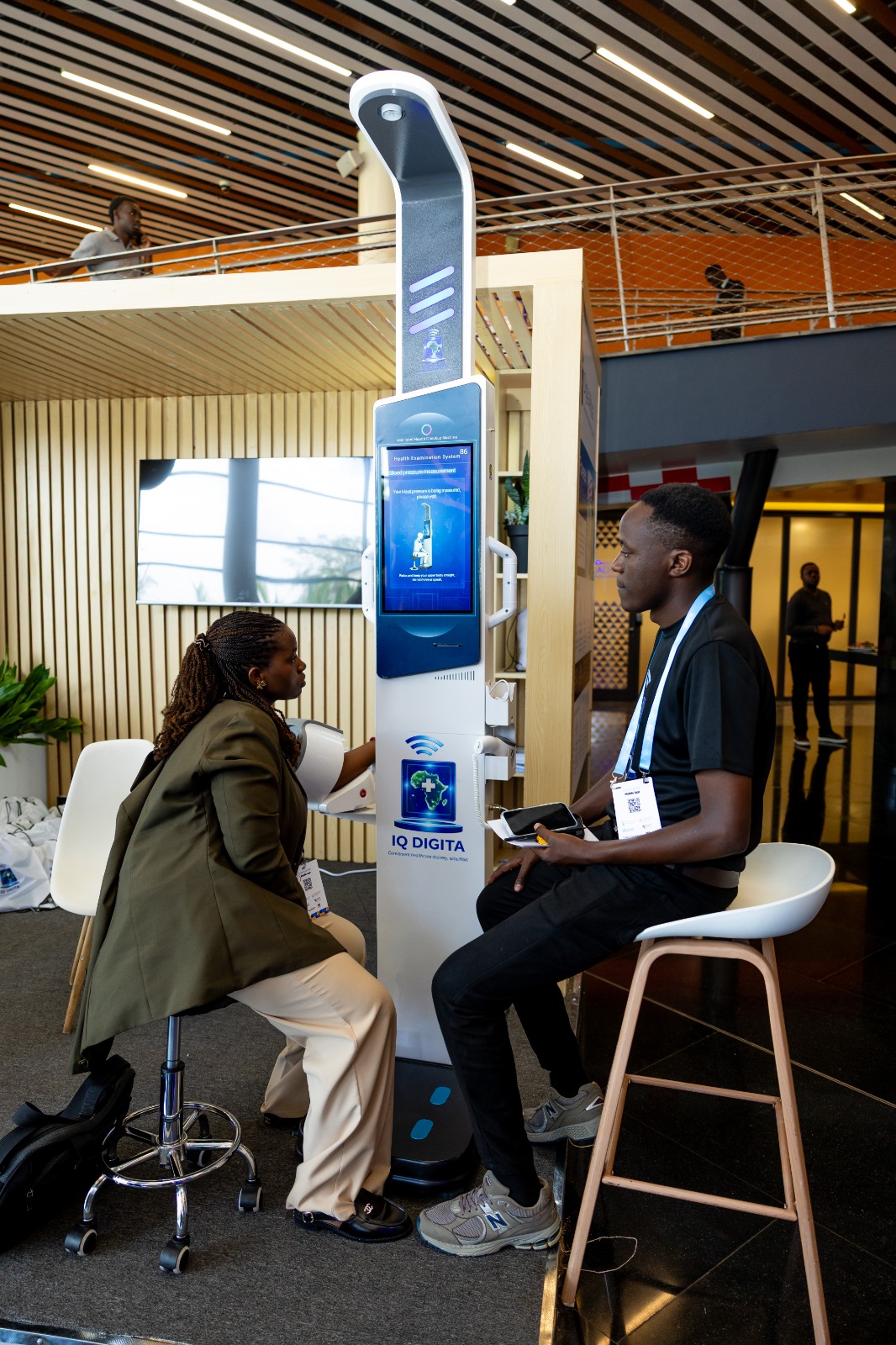
    Its technology was showcased at the fifth Africa HealthTech Summit in Kigali, where hundreds of people had the opportunity to explore the company's health kiosk during the three-day event.

    IQ Digita Managing Director Dr. Karabo Maleka explained that the company's technology is designed to make screening more accessible by placing health kiosks in locations where people already spend time, including hospitals, clinics, community centres and shopping malls.

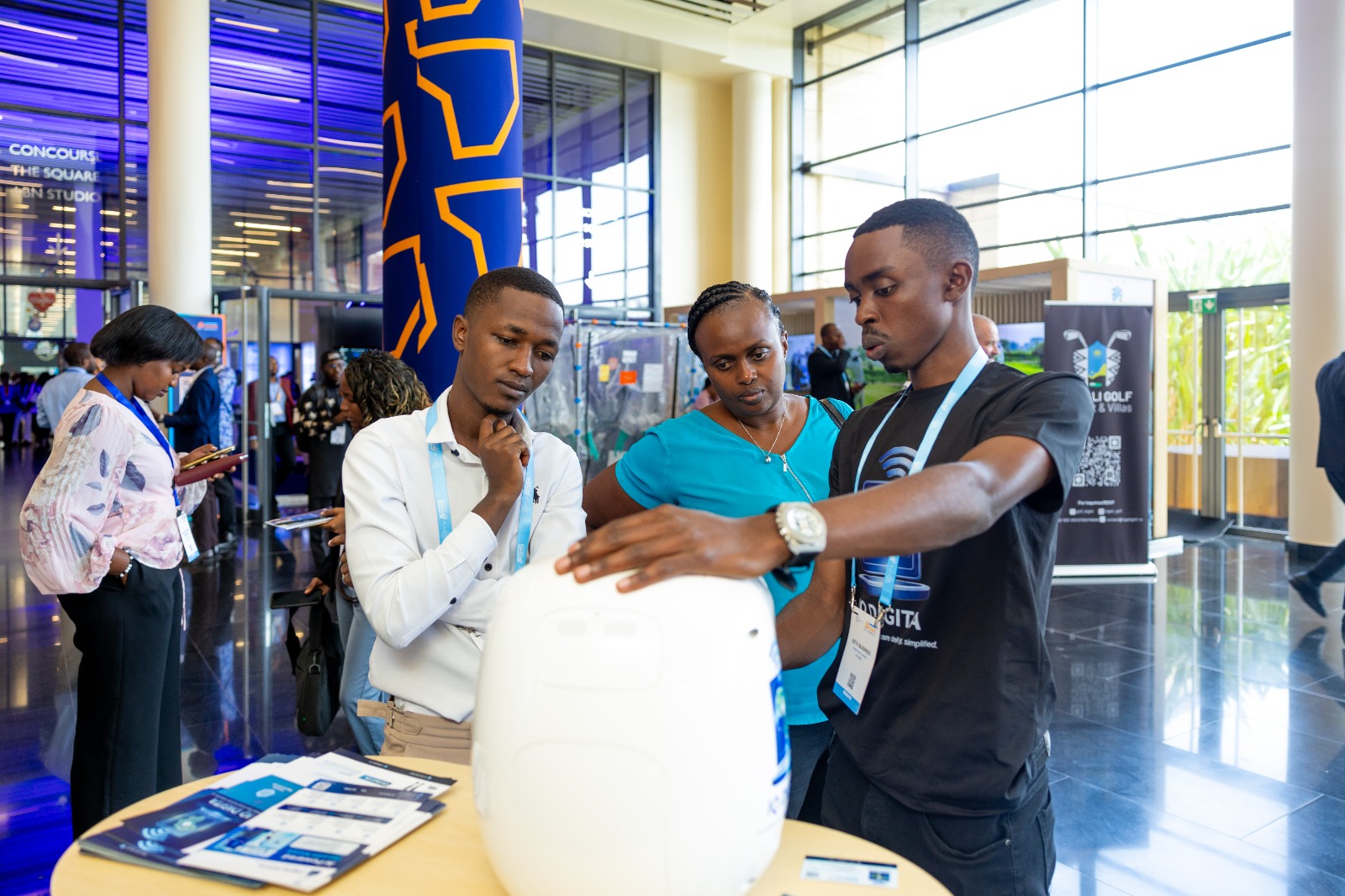
    IQ Digita showcased its technology at the fifth Africa HealthTech Summit in Kigali, where delegates had the opportunity to explore its various services.

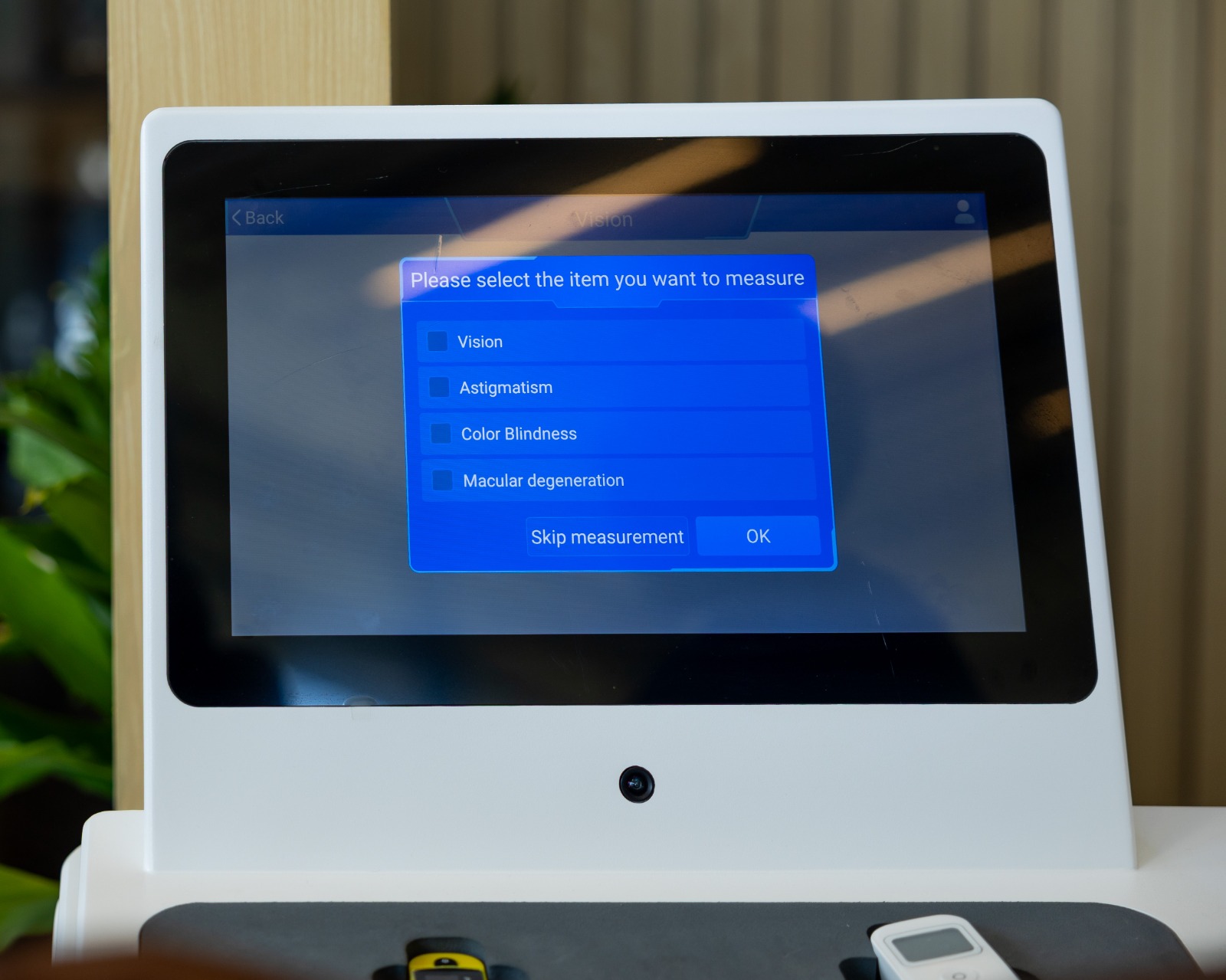
    The kiosks can screen for a range of health indicators, including blood pressure, diabetes, body mass index, breast cancer and prostate cancer, depending on the needs of the facility where they are deployed.

    The technology does not diagnose disease. Instead, it identifies people who may require further assessment by a qualified health professional.

    'Screening is not definitive; it just says you need further attention from a medical doctor,' Maleka noted.

    The company is also positioning the technology as a tool for improving how patients are prioritised in busy health facilities.

    Its AI system categorises patients according to their level of need, with green indicating routine follow-up, yellow requiring medical attention but not immediate intervention, and red indicating a critical case requiring urgent attention.

    For patients classified as red, the system can alert health facility staff and track how quickly they are attended to.

    The company's technology is designed to make screening more accessible by placing health kiosks in locations where people already spend time, including hospitals, clinics, community centres and shopping malls.

    IQ Digita's Clinical Head, Dr. James Mamobogo, described the approach as a shift from the conventional 'first come, first served' model towards prioritising patients according to clinical need.

    He gave the example of a patient arriving at a busy clinic with severely elevated blood pressure but remaining in the queue because their condition has not yet been identified.

    With screening at the point of entry, such a patient could be identified as requiring urgent care and directed to the emergency department before their condition deteriorates.

    Dr. Claude Sekabaraga, IQ Digita's strategic partner for quality and equity healthcare in Rwanda, sees the same approach being applied beyond hospitals.

    The technology can be deployed in community settings and connected to qualified health professionals through telemedicine, allowing people identified as higher-risk to receive further guidance or be referred for care.

    'If anyone is willing to implement, let's look at the long-term strategy whereby our people are not dying from non-communicable diseases,' Mamobogo added.

    The technology can be deployed in community settings and connected to qualified health professionals through telemedicine, allowing people identified as higher-risk to receive further guidance or be referred for care.

    From screening to follow-up

    According to the officials, IQ Digita's focus extends beyond identifying health risks.

    The company has a telemedicine capability that allows users to connect with medical professionals who can explain screening results and advise them on the next steps. Maleka stressed that the system is intended to support healthcare workers rather than replace them.

    The company has also developed safeguards around patient information. When its system is integrated with a health authority, data is transferred through encrypted connections, while patient information remains under the control of the relevant patient or health authority rather than IQ Digita.

    Maleka also noted that screening parameters can be adapted to different settings. A kiosk deployed in a gym, for example, would not necessarily carry the same functions as one used in a hospital.

    This flexibility is central to the company's approach to affordability and accessibility in African markets.

    An IQ Digital official takes delegates through the technology.

    Building a local presence

    IQ Digita has already begun building its local footprint.

    Maleka revealed that the company has an office in Rwanda through its strategic partnership and has trained Rwandan operators to support its activities. Some of the operators are nursing students and others are studying in health-related fields.

    'We didn't bring any operators from South Africa, because we are here to also provide empowerment in Rwanda,' she explained.

    IQ Digita is now looking to deepen its engagement with Rwanda's health sector.

    The company has invited the Ministry of Health to work with it on a model adapted to Rwanda's healthcare needs and regulatory framework. It also sees potential for its technology to support Rwanda's existing triage policy.

    'We would like to work with the Rwandan government. We would like to work with private facilities. We would like to work with NGOs as well,' Maleka outlined.

    According to the company, its devices have received approval from the US Food and Drug Administration, ISO certification and approval from South Africa's Health Products Regulatory Authority. Maleka also confirmed that IQ Digita had received approval from the Rwanda FDA for its devices to be used in the country.

    The company is also positioning the technology as a tool for improving how patients are prioritised in busy health facilities.

    Expanding across Africa

    IQ Digita began developing its technology about five years ago and started rolling it out in South Africa about a year ago. It has since expanded to Zimbabwe and Rwanda.

    The company estimates that it has deployed about 1,000 health kiosks so far, with plans to increase that footprint across Africa.

    For Rwanda, the immediate focus is on building partnerships and adapting the technology to local healthcare needs rather than simply importing a model developed elsewhere.

    'We don't want to come into a country thinking we know it all,' Maleka noted. 'People are different, cultures are different, needs are different.'

    The company says its long-term objective is to make screening more accessible while giving health facilities additional tools to identify patients who require urgent attention and connect them to appropriate care.

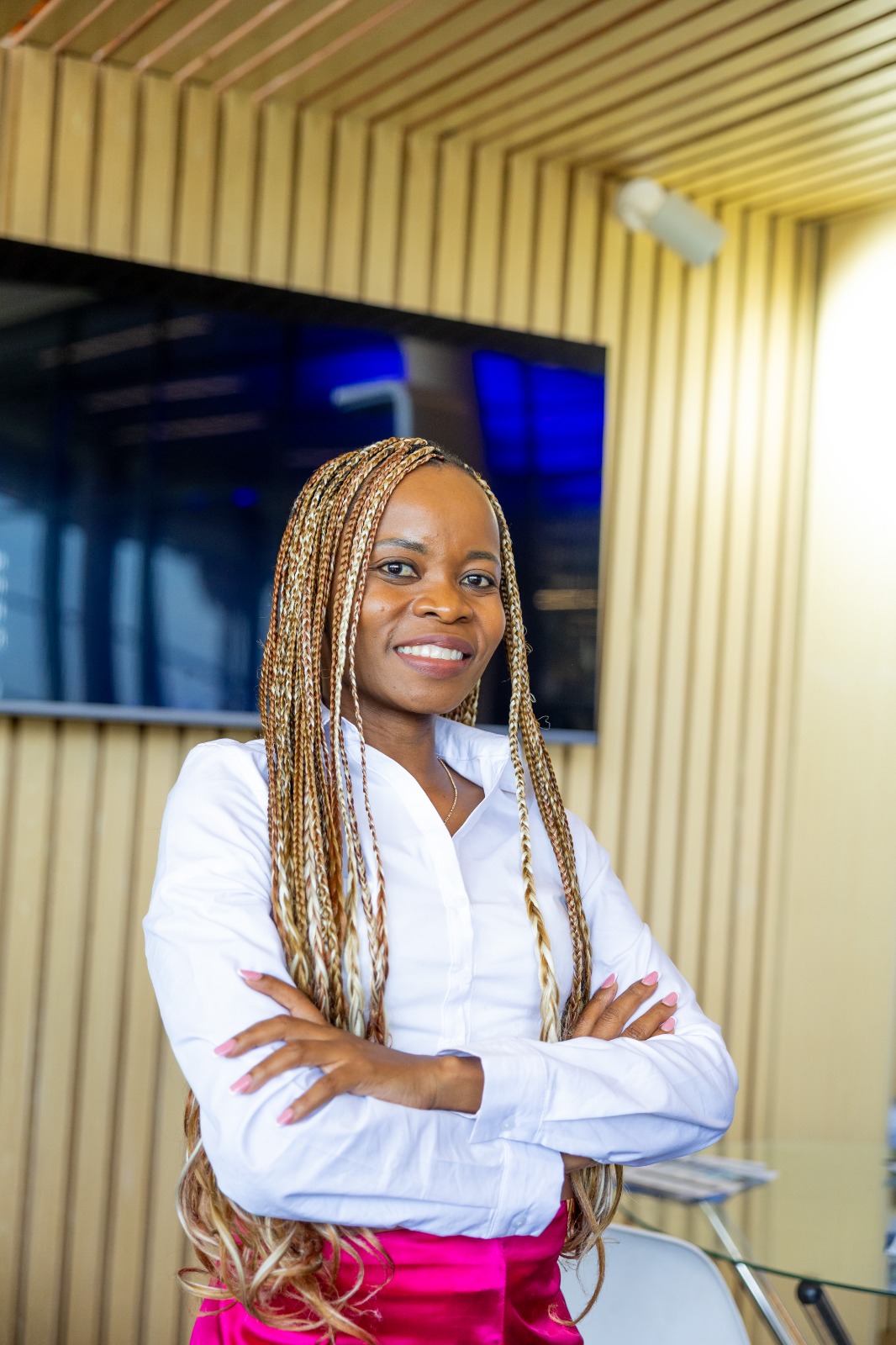
    IQ Digita Managing Director Dr. Karabo Maleka said the company's health kiosks are designed to make screening more accessible.
    The technology can be deployed in community settings and connected to qualified health professionals through telemedicine, allowing people identified as higher-risk to receive further guidance or be referred for care.

    Source : https://new.igihe.com/english/south-africas-iq-digita-brings-ai-powered-health-screening-to-rwanda/