Blog

  • Maranatha Teenager's Organization: How a childhood dream became a youth support initiative #rwanda #RwOT

    The story of Maranatha Teenager's Organization did not begin in January 2021. For its president, Kasine Marie Grace, the roots of the organization go much further back, to her childhood in Rwanda, her arrival in Belgium, her academic and professional journey, and the experiences that shaped her desire to help others.

    A dream born in childhood

    Since childhood, Kasine says she has been particularly sensitive to the suffering of others, especially children.

    She remembers witnessing, while growing up in Rwanda, the difficulties faced by some children living in blended families. Some situations of mistreatment deeply affected her.

    At the time, she had a simple dream: when she grew up, she would create an orphanage to welcome and protect children experiencing hardship.

    Over the years, that dream did not disappear. It simply took a different form.

    Today, rather than creating the orphanage she imagined as a child, Kasine has chosen to build a space for listening, guidance and support, primarily for young people and families settling in Belgium.

    From the migration experience to commitment

    Her own journey also played a decisive role in the creation of Maranatha.

    Kasine arrived in Belgium while she was in her fourth year of secondary school. She therefore experienced firsthand the challenges of settling in a new country: adapting to a different culture and language, a different school system, new social codes and relationships, and gradually finding her place.

    This experience helped her understand that adolescence is already an important period of transition, and that it can become even more challenging when combined with migration.

    'A young person arriving in a new country may have abilities, dreams and a genuine desire to succeed, while still needing someone to listen to them, guide them, encourage them and show them that moving forward is possible,' she explains.

    This experience is also reflected in the word 'Teenager's', which is directly connected to young people and this important stage of life.
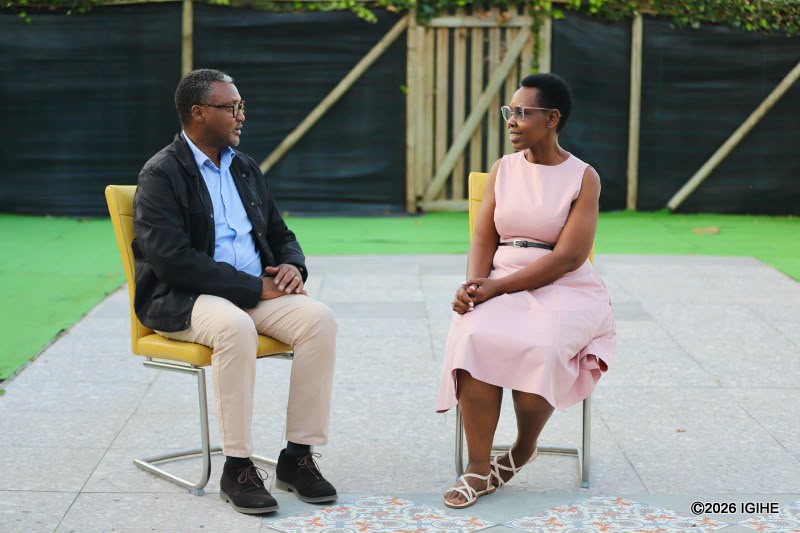
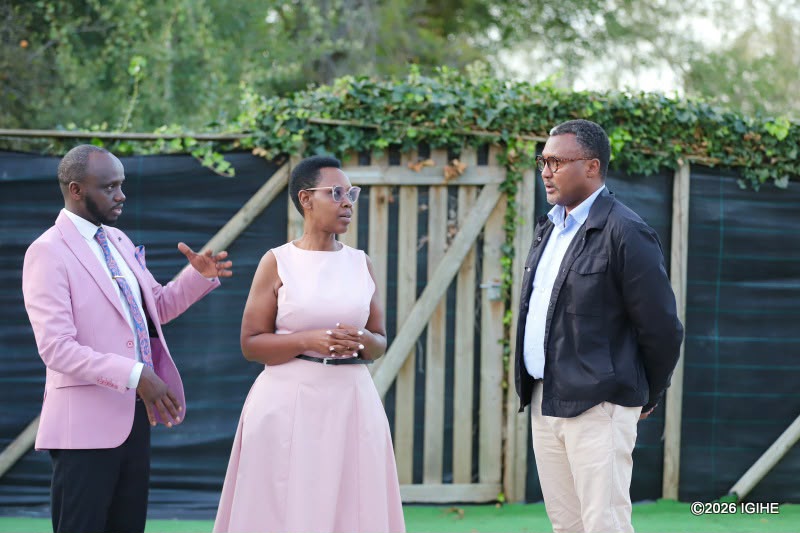
    Kasine Marie Grace during an interview with IGIHE

    Why 'Maranatha'?

    The name Maranatha also has its roots in an experience Kasine had during her youth in Rwanda.

    She remembers a choir of secondary-school students at Kabusunzu Secondary School in Kigali, known as the Maranatha Choir. Despite having limited resources and having to balance their studies with other daily responsibilities, the young people managed to produce a music video album.

    What particularly impressed her was not only the result they achieved, but their motivation, determination and ability to encourage one another to complete their project.

    The experience left her with an important conviction: young people are not simply individuals who need help. They are also capable of generating ideas and possess talents, energy and abilities that sometimes simply need to be encouraged and supported.

    For her, the name Maranatha therefore represents motivation, solidarity, mutual encouragement and the ability to turn an idea into a concrete project.

    Two areas of training supporting her vision

    Her academic background also helped shape her approach.

    After arriving in Belgium, Kasine continued her education and trained as a social worker before obtaining a master's degree in engineering and project management in December 2020.

    These two fields, she believes, complement each other.

    Her social work training taught her to consider a person as a whole: their difficulties, needs, resources, environment and the opportunities available to them.

    Project management, meanwhile, gave her the tools to turn an idea into action, set objectives, mobilize resources and develop concrete solutions.

    This combination has become one of the foundations of Maranatha's approach.
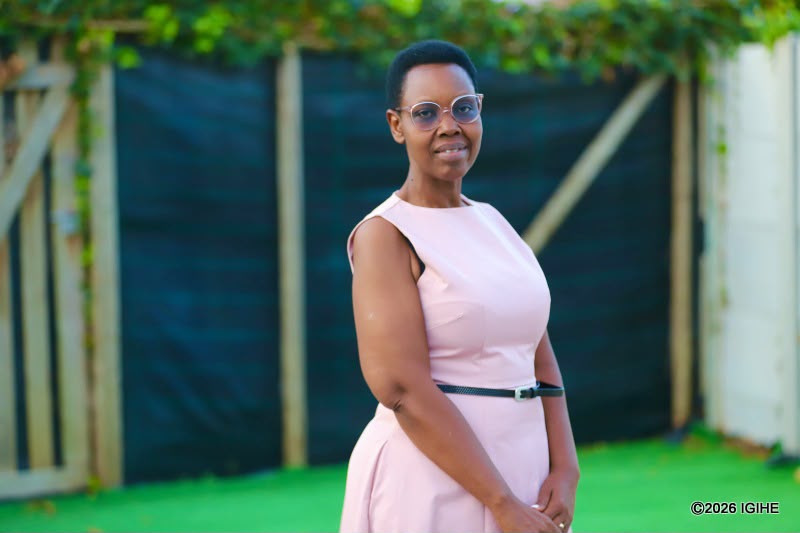
    Kasine Marie Grace has combined her training in social work and project management to shape the approach of Maranatha Teenager's Organization.

    Listening before looking for solutions

    For Kasine, supporting someone does not simply mean providing an immediate answer to their problem.

    She often uses the image of a 'problem tree': the visible problem is only what appears on the surface. Behind it may lie deeper causes.

    For example, a young person who cannot find employment may be facing a language barrier, a lack of training, limited professional networks, administrative difficulties, family challenges or financial problems.

    The organization therefore seeks to understand the person's situation as a whole.

    Its approach is based on several steps: listening, understanding, identifying the underlying causes, finding available resources, developing solutions together and supporting their implementation, with the ultimate goal of gradually promoting autonomy.

    For the president of Maranatha, helping does not mean doing things on someone's behalf. It means accompanying them until they are progressively able to move forward independently.

    From social support to autonomy

    The organization also seeks to go beyond immediate assistance.

    A person may need support to find a school, housing or employment, resolve an administrative issue or access certain services. Once a certain level of stability has been achieved, however, it becomes possible to think about their professional plans and long-term autonomy.

    Kasine also envisions developing collective projects or cooperatives in which several people can pool their skills, experience and resources.

    The goal is to gradually transform support into the ability to take action and build one's own future.

    An organization built with limited resources

    When Maranatha Teenager's Organization was officially established in January 2021, it did not have significant financial resources.

    The project began with limited means but strong determination.

    There were lessons to learn, solutions to find, people to convince, activities to organize and challenges to overcome, including moments of doubt.

    Five years after its creation, the organization continues its work.

    For Kasine, this continuity is itself an important achievement. In her view, it demonstrates that a project can start modestly and develop through perseverance, commitment and the support of others.

    The president also emphasizes the important role played by those around her.

    She particularly pays tribute to her elder sister, whom she describes as someone who supported her from childhood, as well as her husband, children, volunteers, friends and many others who have contributed to the organization's activities.

    Their support gradually transformed an individual initiative into a collective project.

    'What started as my personal project has become a collective story,' Kasine says.
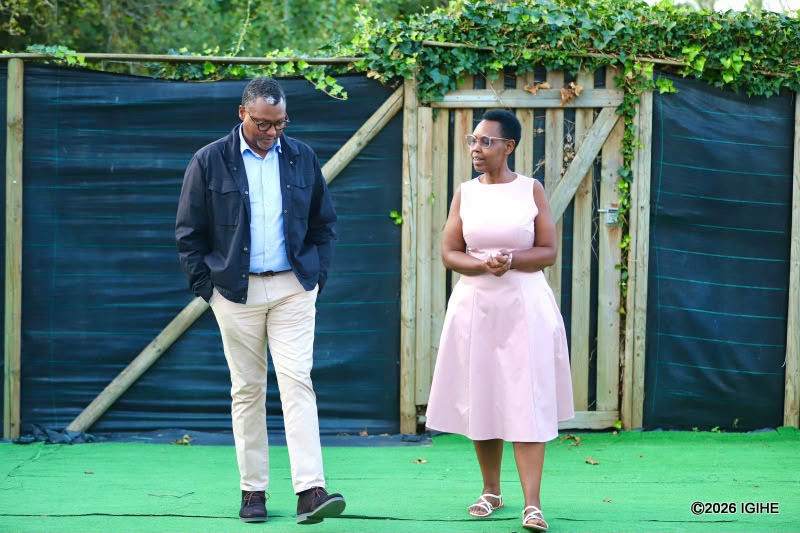
    Kasine Marie Grace has said the dream she had as a child has taken a different form through Maranatha Teenager's Organization.

    An inauguration designed by and for young people

    A new chapter is now being prepared: the official inauguration of Maranatha Teenager's Organization, scheduled for 2027.

    The event will have a particular feature: its activities will be led by young people from different nationalities.

    For Kasine, this choice directly reflects the philosophy of the organization.

    Young people should not be seen only as beneficiaries. They should also be active participants in the project, able to propose ideas, take on responsibilities, develop their talents and contribute to shaping their own future.

    Diversity will also be at the heart of the event. The organization hopes to bring together young people from different backgrounds so they can share their experiences, cultures, talents and aspirations.

    For its president, differences in origin should not prevent young people from building something together.

    A call for collective engagement

    As the inauguration approaches, Kasine Marie Grace is calling on the diaspora and everyone who wishes to contribute to the initiative.

    She is seeking their support, ideas, commitment and participation in order to properly prepare for the event.

    For her, supporting young people is a collective responsibility.

    Helping young people integrate, build their future and develop their abilities also contributes to the development of communities and helps maintain connections with countries of origin.

    The 2027 inauguration is therefore intended to be more than an official ceremony. It is expected to mark the transition from the organization's first years of development to a new phase in the growth of Maranatha.

    A dream that took a different form

    Looking back at her journey, Kasine believes that the dream she had as a child has never truly disappeared.

    She may not be building the orphanage she once imagined, but she has chosen, together with others, to create a space where young people can be heard, guided, supported and encouraged to build their own futures.

    Maranatha Teenager's Organization therefore carries a personal story that has become a collective one: a childhood dream shaped by a migration experience, strengthened through academic training and transformed into an initiative dedicated to young people.

    And for Kasine, the story of Maranatha is only just beginning.
    [email protected]

    Source : https://new.igihe.com/english/maranatha-teenagers-organization-how-a-childhood-dream-became-a-youth-support-initiative/

  • Africa's $1.9 trillion debt burden: Experts gather in Kigali to push for greater borrowing transparency #rwanda #RwOT

    To address these challenges, African debt-management experts, policymakers and development partners have gathered in Kigali for discussions on improving debt transparency, accountability and sustainable borrowing.

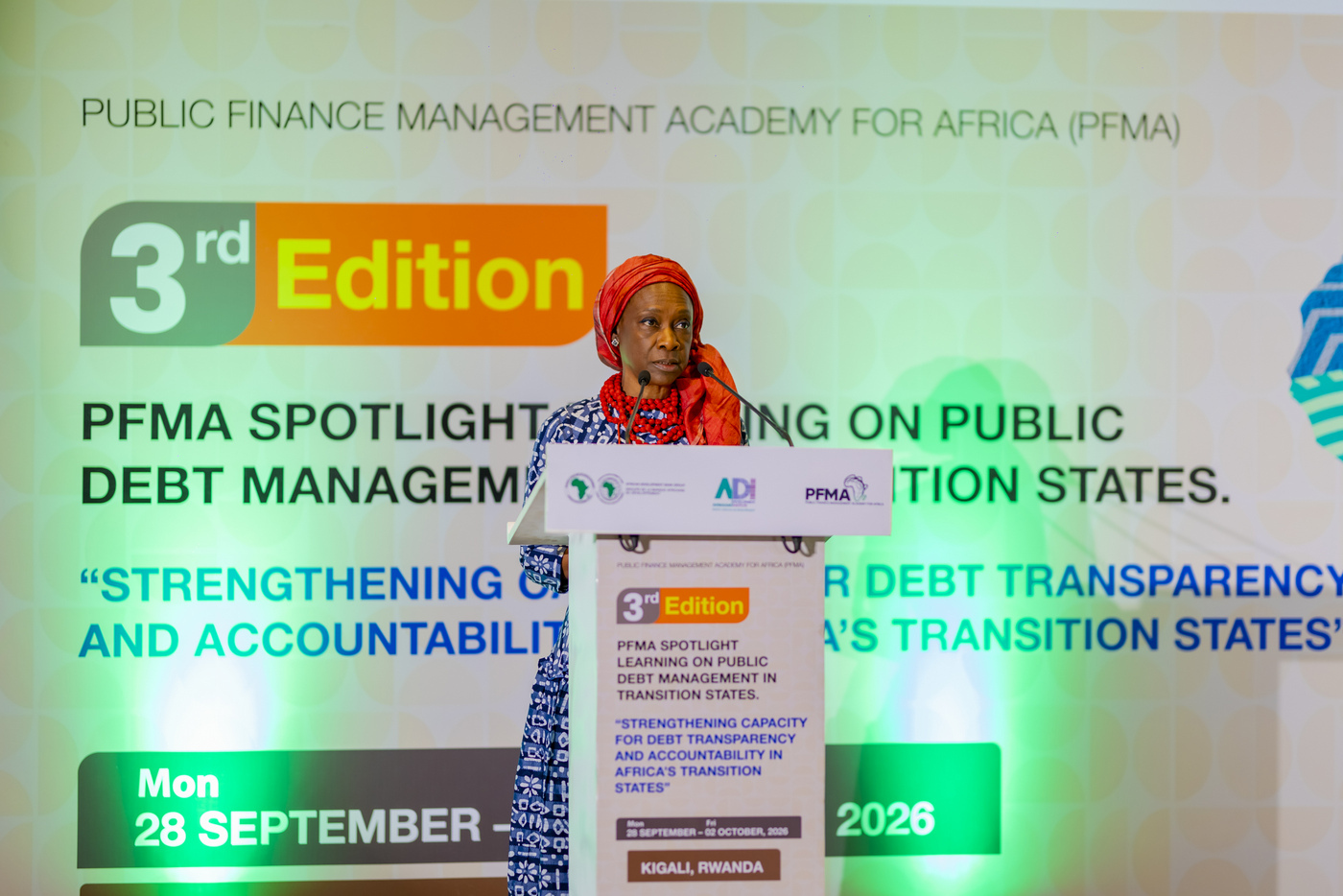
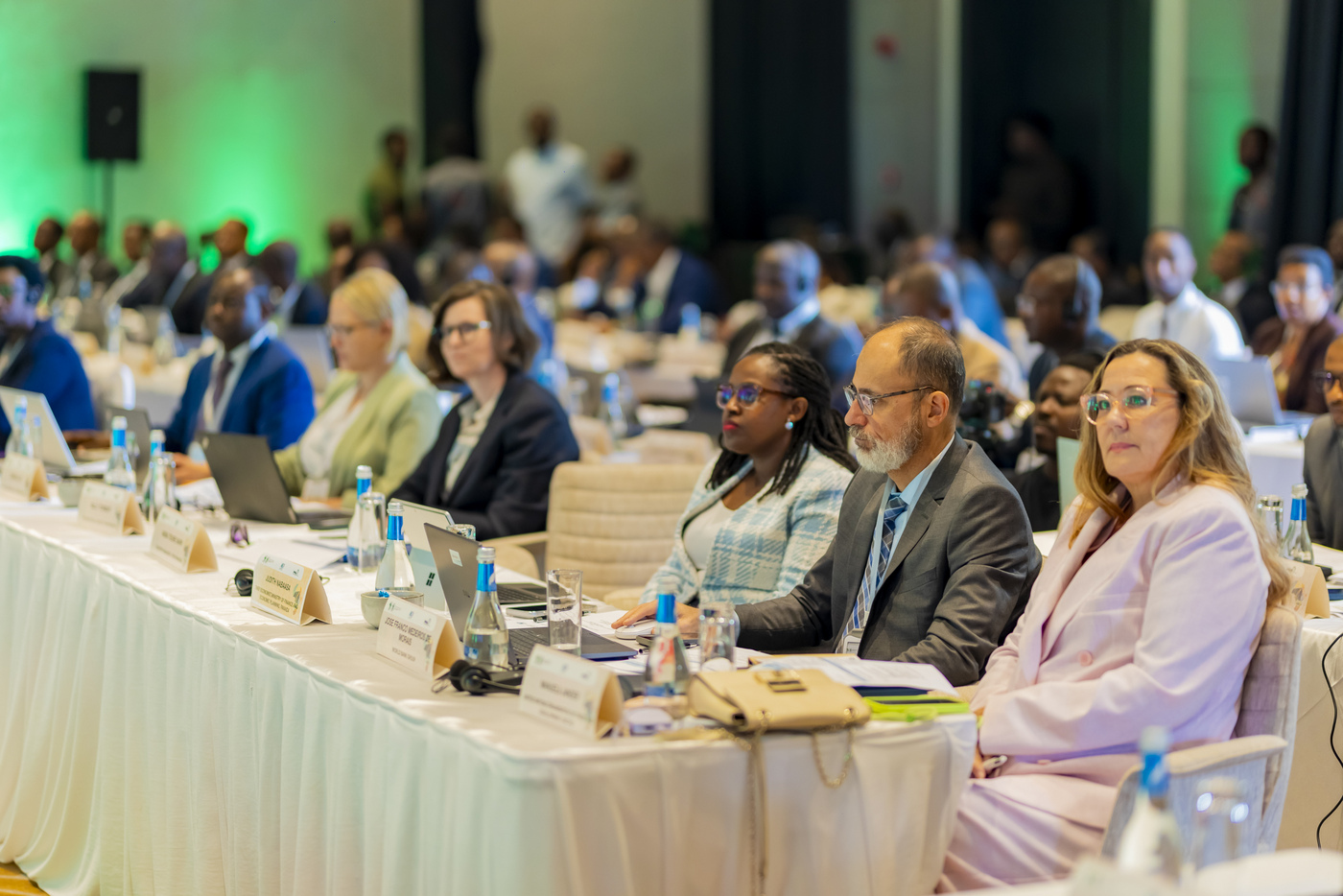
    The discussions are part of the third edition of the Public Finance Management Academy for Africa (PFMA) Spotlight Learning Series, organised by the African Development Bank (AfDB) under the theme 'Strengthening Capacity for Debt Transparency and Accountability in Africa's Transition States.' The event is taking place from September 28 to October 2, 2026.

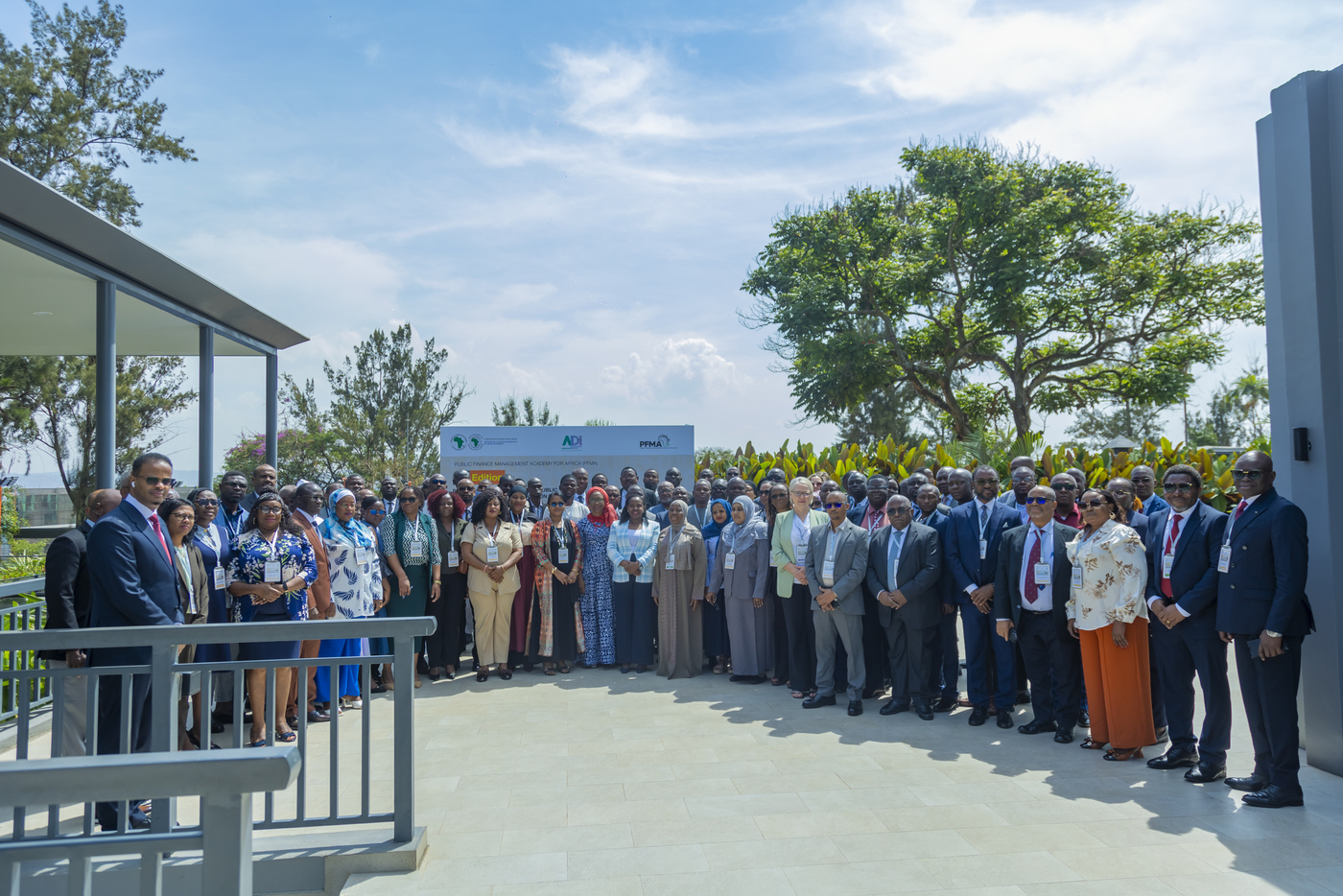
    The five-day programme has brought together about 150 participants from across Africa, including policymakers, debt-management practitioners and development partners, to discuss ways of improving debt reporting, oversight and risk management.

    According to the African Development Bank, Africa's public debt increased by about 10% annually between 2015 and 2020, reaching $1.6 trillion in 2020 during the COVID-19 pandemic.

    Although the pace slowed after the pandemic due to fiscal consolidation and debt restructuring efforts, public debt continued growing by around 4.4% annually between 2021 and 2024, reaching an estimated $1.9 trillion.

    The increase has been driven by declining access to cheaper financing, external economic shocks, infrastructure needs and growing social spending requirements.

    Debt distress remains a concern

    The AfDB notes that by March 2026, seven of the nine low-income countries globally classified as being in debt distress were African countries.

    Domestic borrowing has also increased, accounting for 38% of Africa's total debt in 2024, compared with 29% in 2010, reaching nearly $500 billion.

    Speaking during the Kigali meeting, Aissa Tourissa, Country Manager of the African Development Bank in Rwanda, said the continent's debt challenge should not only be measured by the amount borrowed but also by how effectively resources are used.

    'The debt is not the problem; it's what you use it for. You can have a very high debt ratio, but if it is well utilised for your infrastructure, for your youth, for education, there is no problem,' she said.

    According to Tourissa, debt management has become more difficult as countries borrow from multiple sources, including bilateral lenders, multilateral institutions, private investors and pension funds.

    She emphasized that countries need stronger systems to determine how much they borrow, why they borrow and the risks involved.

    Judith Nabaasa, Acting Chief Economist at Rwanda's Ministry of Finance and Economic Planning (MINECOFIN), said reliable debt information helps governments and stakeholders make better decisions.

    'Debt transparency is fundamental to sound fiscal management. It enables governments, oversight institutions, development partners and investors to make better-informed decisions, while strengthening public confidence in the management of public resources,' she said.

    She noted that Rwanda ranked among Africa's top performers in the 2026 Institute of International Finance Investor Relations and Debt Transparency Report, which she said helped the country secure loans at concessional rates.

    'Better transparency improves the cost of borrowing, but also enables better planning and better use of resources. For Rwanda, we have made some important steps. Recently, we were named the best country in Africa in debt management and transparency.'

    'And you have seen how we went on the market and borrowed at interest rates below commercial market terms. This is very important because of our debt management and transparency systems,' she added.

    The PFMA Spotlight Learning Series aims to strengthen African countries' ability to manage public debt more effectively, improve fiscal resilience and ensure borrowing contributes to sustainable development.

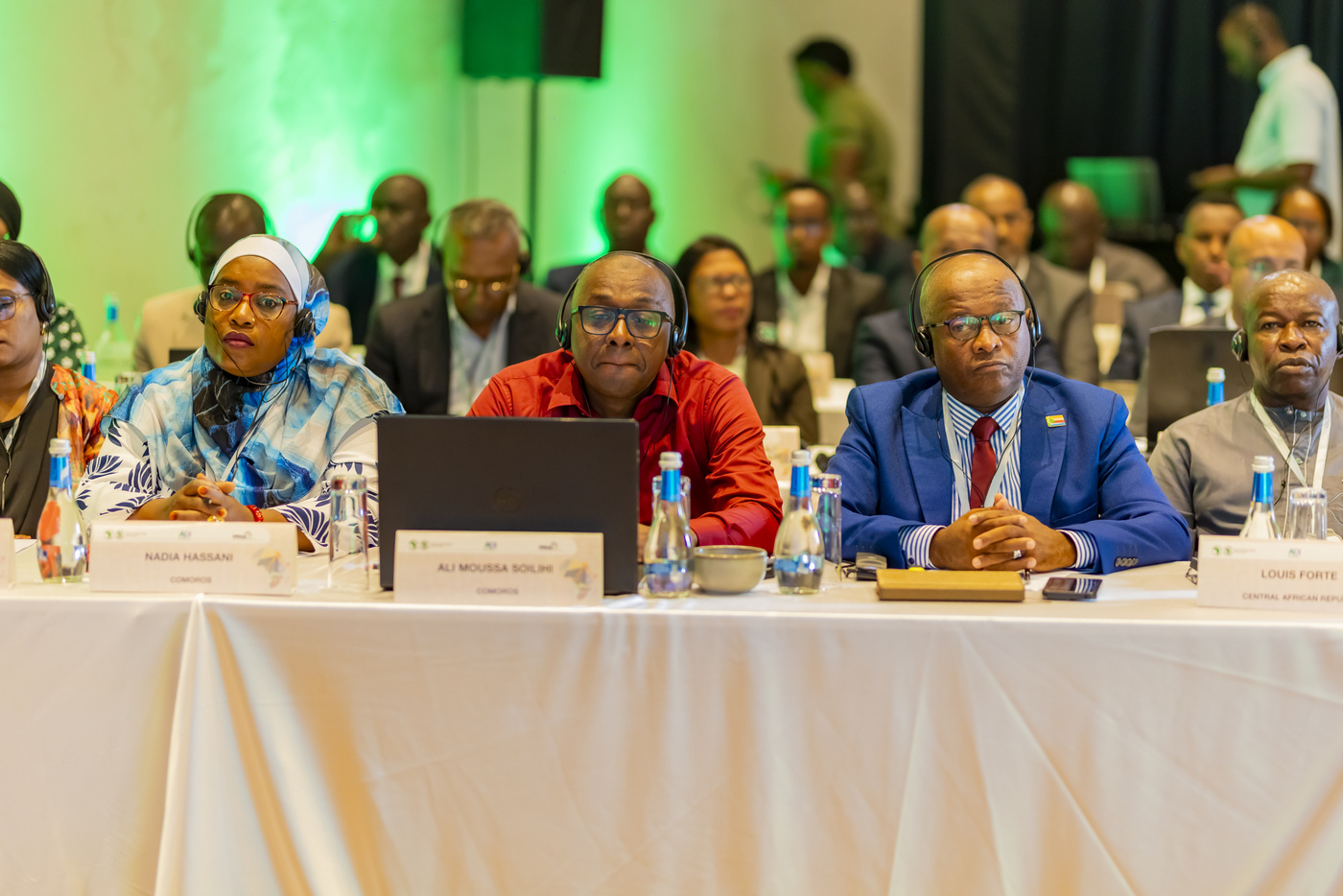
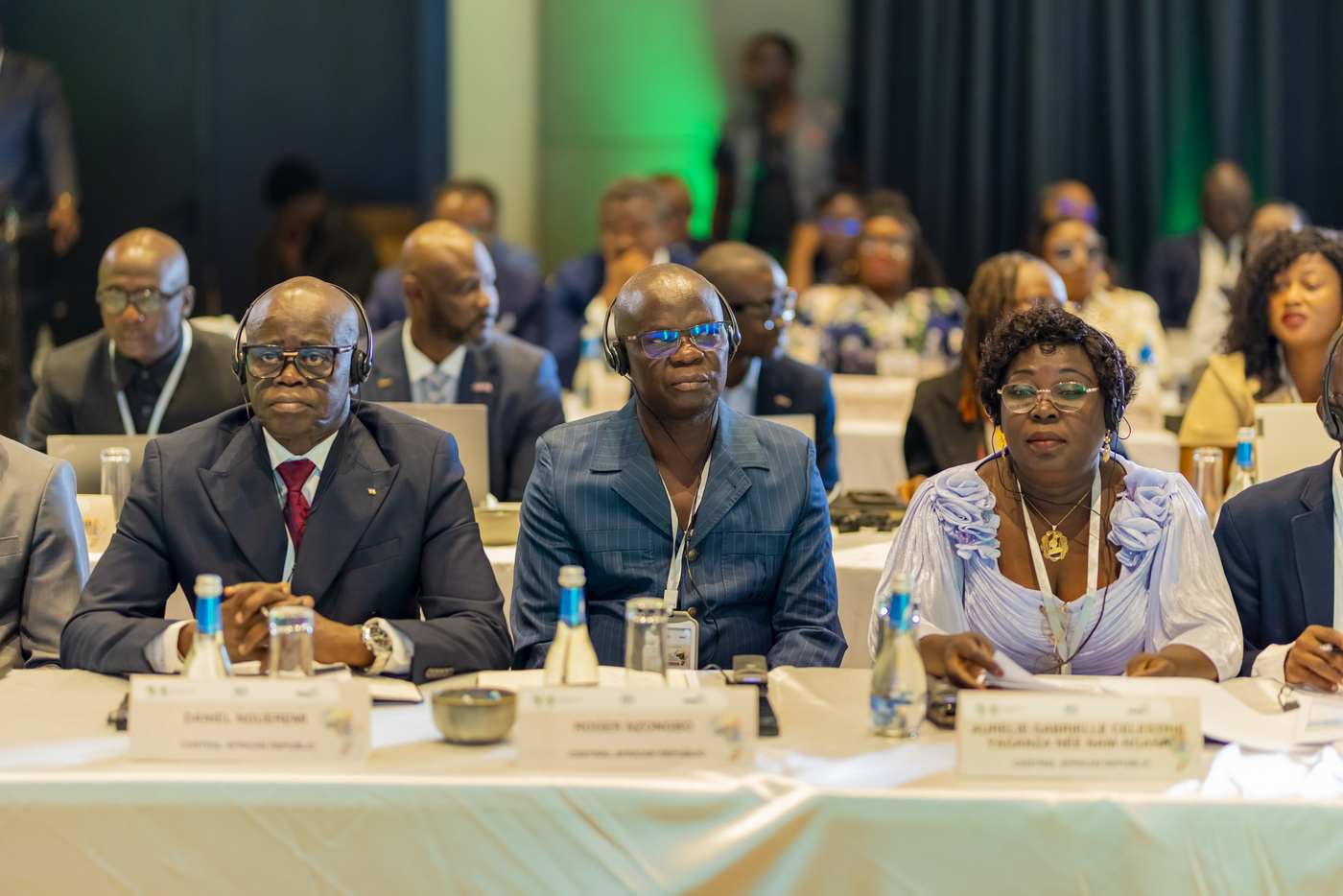
    The five-day programme has brought together about 150 participants from across Africa.
    Aissa Tourissa, Country Manager of the African Development Bank in Rwanda, said the continent's debt challenge should not be measured solely by the amount borrowed, but also by how effectively the resources are used.
    African debt-management experts, policymakers and development partners have gathered in Kigali for discussions on improving debt transparency, accountability and sustainable borrowing.
    Judith Nabaasa, Acting Chief Economist at Rwanda's Ministry of Finance and Economic Planning (MINECOFIN), said reliable debt information helps governments and stakeholders make better-informed decisions.

    Source : https://new.igihe.com/english/africas-1-9-trillion-debt-burden-experts-gather-in-kigali-to-push-for-greater-borrowing-transparency/

  • Ingabire denies links to Kayumba Nyamwasa-led P5 coalition #rwanda #RwOT

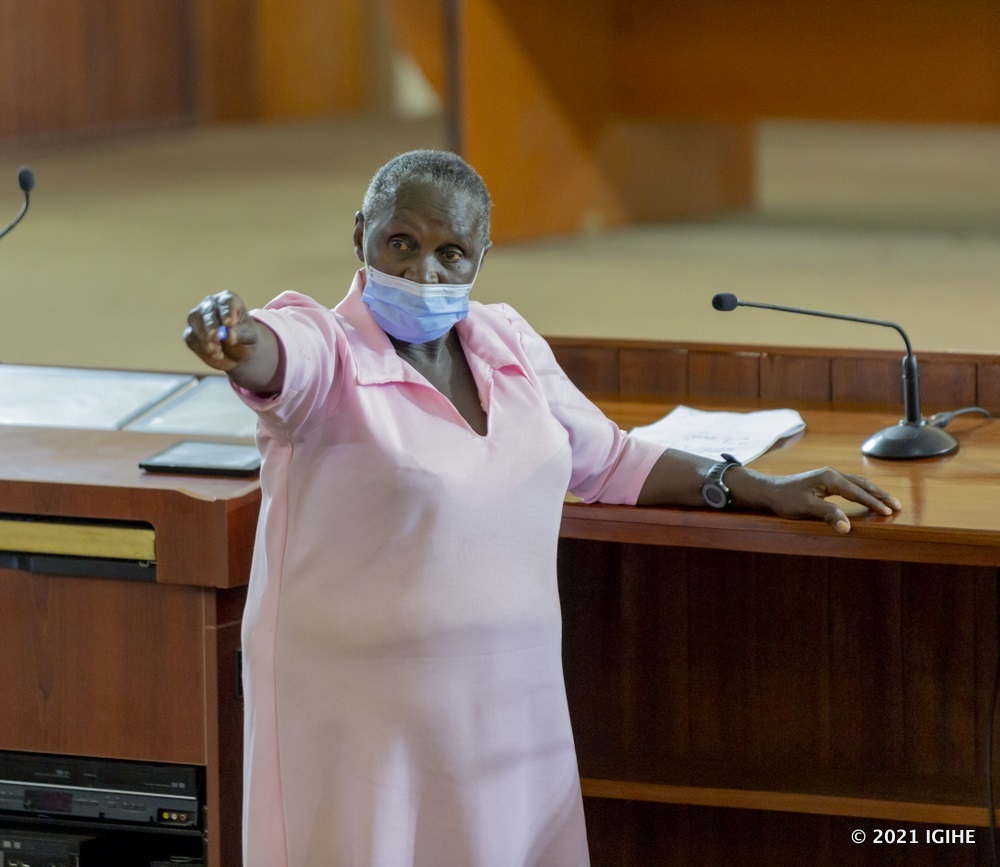
    Ingabire, the founder of the unregistered DALFA Umurinzi political party, made the remarks on September 28 as she began presenting her defence before the Kigali High Court.

    She is on trial alongside nine other defendants over charges related to an alleged plot to overthrow the government. The defendants began presenting their defence after the prosecution concluded four days of submissions.

    The prosecution has alleged that Ingabire founded and led FDU Inkingi, which later joined P5, a coalition of groups opposed to the Rwandan government. It has also linked the coalition to attacks carried out in Musanze District in October 2019.

    Ingabire rejected the allegations, saying she had no role in the formation of P5 because she was in prison at the time.

    She said P5 was established in June 2016, while she was serving a prison sentence, and that she only learned after her release in September 2018 that FDU Inkingi had changed its leadership structure.

    Ingabire said FDU Inkingi's rules did not allow it to join a coalition of armed groups such as P5, which the prosecution has described as having a military structure led by Kayumba Nyamwasa, a former Rwandan military officer.

    On the October 2019 attack in Musanze, Ingabire denied any involvement and said she was among those who condemned the incident publicly.

    She said she issued a statement condemning the attack at the time.

    The prosecution has also alleged that Ingabire was previously associated with RDR (Rassemblement Démocratique pour le Retour de Réfugiés), a group established in former Zaire that sought the return of Rwandan refugees and later became ALiR and FDLR.

    Ingabire disputed this, saying she had never belonged to that organisation. She said she was instead associated with a different group with a similar acronym, RDR (Rassemblement Républicain pour la Démocratie au Rwanda).

    She also denied prosecution claims concerning her political activities while she was in prison.

    Ingabire led FDU Inkingi until her arrest on October 14, 2010. She argued that she should not be held responsible for the party's activities during the period she was incarcerated.

    She was released in September 2018 after receiving a presidential pardon.

    Ingabire also asked the court not to treat her as a repeat offender, referring to her 2013 conviction, which she said she appealed before the African Court on Human and Peoples' Rights. She told the court that the case resulted in her acquittal and an order for compensation of more than Rwf60 million.

    'The prosecution also knows that a person who is in prison does not engage in politics,' she told the court.

    The prosecution has further alleged that Ingabire established DALFA Umurinzi in 2019 to distance herself from FDU Inkingi's alleged involvement in the Musanze attack, while maintaining similar political activities.

    It has also alleged that Ingabire initially sought to overthrow the government through armed means but later turned to non-violent methods after that approach failed, including efforts to create unrest among the population.

    Ingabire rejected that characterization, saying she believes political change should be achieved peacefully and through democratic principles.

    'As a politician, a mother and a Christian, I believe that the appropriate way to change a government is through means that do not involve bloodshed and that respect democratic principles,' she told the court.

    The prosecution has also raised allegations concerning training sessions attended mainly by people associated with DALFA Umurinzi. The sessions were presented as English-language training, but prosecutors allege they were intended to support a plan to overthrow the government.

    According to the prosecution, Nsabimana Sylvain led a group of participants in Rwanda, while a woman identified as Assumpta, who lives in Switzerland, led another group abroad. It alleged that Ingabire coordinated the two groups.

    Ingabire disputed the alleged links to DALFA Umurinzi, saying participants had told the court they attended the sessions in their individual capacities.

    She also referred to testimony by prosecution witness Boniface Nzabandora during an earlier hearing, which she said supported that account.

    Ingabire told the court there was no evidence linking the 26 participants to DALFA Umurinzi and no evidence that she attended or was involved in the training sessions.

    The court adjourned the case until October 1, when Ingabire is expected to continue presenting her defence.

    Ingabire, the founder of the unregistered DALFA Umurinzi political party, made the remarks on September 28 as she began presenting her defence before the Kigali High Court.

    Source : https://new.igihe.com/english/ingabire-denies-links-to-kayumba-nyamwasa-led-p5-coalition/

  • Ebola cases in DR Congo surpass 8,000 #rwanda #RwOT

    Figures contained in a report by the Ebola response team released on September 25 show that 56 new cases were recorded on September 24, down from 70 the previous day. This represents a 20% decline, although health authorities say challenges remain in containing the outbreak.

    The decline was most notable in North Kivu, where new cases fell from 31 to 17 in 24 hours. In Ituri, however, cases increased from 31 to 35. The province accounts for 76.4% of all recorded infections. Haut-Uélé recorded three new cases, while Bas-Uélé reported one.

    The report said 2,001 people have recovered, including 35 who were discharged on September 24, while 848 others remain in isolation. Of the 62 health zones that have recorded at least one case, 56 across six provinces still have active cases.

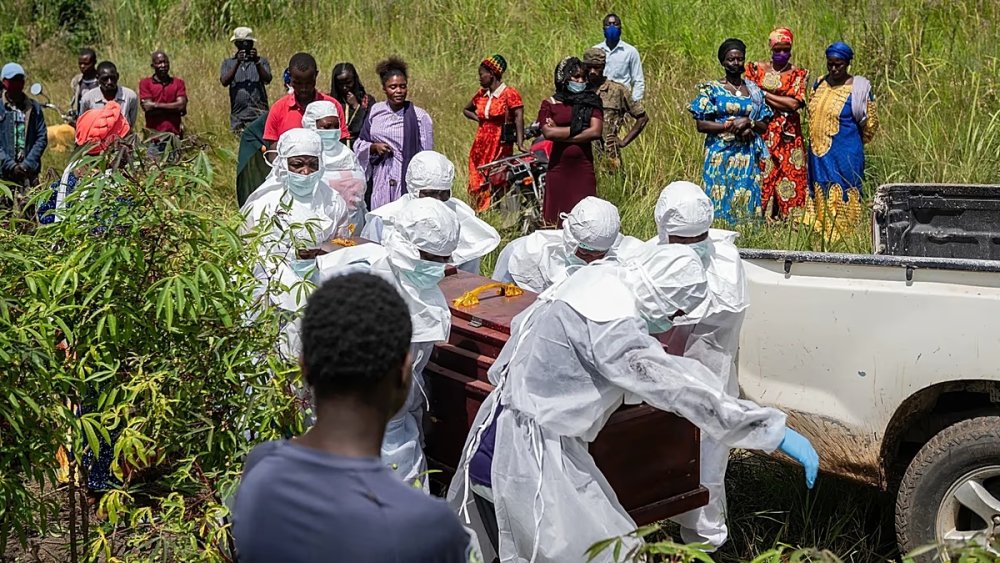
    Despite the decline in new infections, many people continue to die outside Ebola treatment facilities. Of the 34 deaths recorded in the 24-hour period, 23 occurred in communities, including nine in Mandima, Ituri, and seven in Beni, North Kivu. Beni also recorded 12 of the 17 new cases reported in North Kivu.

    Contact tracing has also declined, with coverage falling from 83.4% to 79.2% in one day. In Tshopo, the rate has dropped to 34.8%, raising concerns that some infections may not be detected early.

    The Ebola response is also facing shortages of supplies, delays in vaccination and inadequate treatment facilities. In North Kivu, 114 patients are still being treated in facilities that do not meet required standards. In Bunia, 135 people were vaccinated within 24 hours, against a daily target of 300.

    Health authorities have called for increased surveillance along the DRC-South Sudan border and greater preparedness in provinces along the Congo River to prevent further spread of the outbreak.

    Ebola cases in DR Congo have surpassed 8,000

    Source : https://new.igihe.com/english/ebola-cases-in-dr-congo-surpass-8000/

  • Former FDLR members recount forced abortions, abuses linked to Mukandutiye #rwanda #RwOT

    Among those they have identified as playing a role in enforcing these practices is Mukandutiye Angelina, a former senior FDLR figure who, according to their accounts, was responsible for monitoring the lives of women and girls within the group.

    The testimonies have come from Rwandan women who were abducted by the FDLR and taken to its bases in eastern Democratic Republic of Congo. Some later escaped or returned to Rwanda and underwent reintegration programmes at the Mutobo Demobilisation and Reintegration Centre in Musanze District.

    Retired Corporal Mujawayesu Laurence, who was abducted in 1997 at the age of 14, said women in the group were not expected to become pregnant.

    'When a girl became pregnant, she was either killed or forced to terminate the pregnancy,' she said. 'Many girls died because they refused to let men sexually assault them.'

    Mujawayesu, who escaped the FDLR in 2003, also alleged that women who resisted forced abortions were subjected to extreme violence.

    'There were those who died because they refused to have their pregnancies terminated. They were shot, while others were cut open with knives in front of others as a warning,' she said.

    Another former FDLR member, identified as Mutesi (not real name), said women who became pregnant were subjected to forced abortions.

    'They did not allow us to become pregnant. If you became pregnant, they would cut you open while you were still alive, remove the baby and kill it separately,' she said.

    Umwali (name changed), a 27-year-old Rwandan woman who was born in Walikale, said she herself became pregnant while under FDLR control. She said she was involved in intelligence activities and was therefore expected to remain available for missions.

    'Mukandutiye Angelina was the one who gave us the pills to terminate pregnancies because no soldier was supposed to work while pregnant or carrying a child,' Umwali said.

    She said the man who had impregnated her was subsequently killed.

    Umulisa, 36, another former FDLR member, said Mukandutiye was responsible for monitoring the welfare of women and girls, including their use of contraceptives.

    'She told us that we were not supposed to give birth in Congo because it was not allowed,' Umulisa said.

    Umulisa said Mukandutiye downplayed the sexual abuse by presenting it as a normal obligation that women and girls were expected to accept from men.

    'She did not call it sexual abuse. She said it was something a woman was expected to accept from men,' Umulisa said.

    Former members also accused Mukandutiye of selecting some girls and taking them to senior male members of the group, after which she would ensure they used contraceptives.

    Mukandutiye's involvement with armed groups in eastern Congo came after she fled Rwanda in 1994. Before that, she had worked as a teacher and served as an education inspector in Nyarugenge, Kigali, from 1986 to 1994.

    After joining the FDLR, she became one of its senior figures. Between 2016 and 2017, following a split within the group, she joined the CNRD-Ubwiyunge led by Wilson Irategeka, where she served as development commissioner.

    She and other members of the group were later captured in South Kivu and transferred to Rwanda in 2019.

    Mukandutiye had already been sentenced in absentia to life imprisonment by Gacaca courts in 2008 for her role in the 1994 Genocide against the Tutsi.

    Following her return to Rwanda, she was also prosecuted in a terrorism case involving 21 defendants, including Nsabimana Callixte, known as Sankara, and Paul Rusesabagina, over attacks attributed to the MRCD/FLN.

    In 2021, the Kigali High Court sentenced her to five years in prison in that case. The Court of Appeal increased the sentence to 20 years in April 2022.

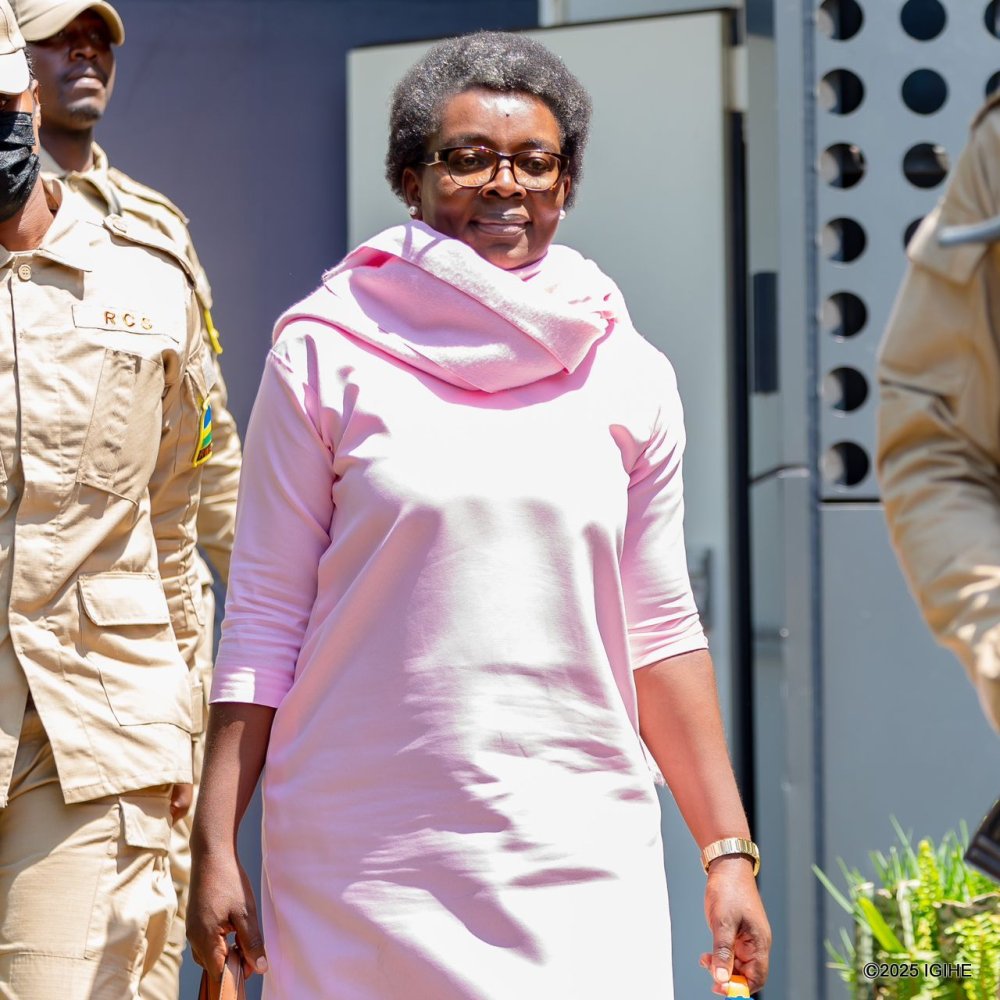
    Mukandutiye Angelina is serving prison sentence in Rwanda over role in Genocide against the Tutsi and FDLR attacks.

    Source : https://new.igihe.com/english/former-fdlr-members-recount-forced-abortions-abuses-linked-to-mukandutiye/

  • Apple ordered to pay $5.7bn in vibration technology patent dispute #rwanda #RwOT

    The verdict was delivered on September 25 at the US District Court for the Southern District of California, following a trial over Apple's use of vibration technology in its iPhones and Apple Watches. The jury awarded Taction $5.72 billion in damages.

    The dispute centres on Apple's Taptic Engine, a system that provides physical feedback when users interact with devices, including through taps and vibrations for notifications and other actions.

    Taction, a San Diego-based company that develops haptic technology for products including headphones and gaming headsets, sued Apple in 2021. It alleged that Apple's devices incorporated technology covered by two of its patents without a licence.

    The patents, issued in 2020, cover systems designed to generate vibrations that users can feel through touch. Taction argued that Apple's use of the technology in its devices amounted to infringement.

    Apple has rejected the allegations and maintained that its Taptic Engine is fundamentally different from Taction's technology. The company said it would appeal the verdict.

    The jury found that Apple had infringed the patents but did not determine that the infringement was wilful. That finding is significant because it means the damages cannot simply be increased on the basis of deliberate infringement.

    The case has gone through several stages before reaching the jury. A federal judge ruled in Apple's favour in 2023, effectively ending the case at that stage. Taction appealed, and the US Court of Appeals for the Federal Circuit later revived the dispute, allowing it to proceed to trial.

    The trial began in September, with jurors considering whether Apple's Taptic Engine infringed the two patents and, if so, the appropriate damages.

    Taction's lead counsel, Lance Yang, welcomed the verdict, saying the company had waited more than five years for the case to reach trial. Apple, however, disputed both the infringement finding and the amount awarded.

    The $5.7 billion award is subject to further legal challenges. Apple can seek post-trial relief and appeal the judgment through the federal court system.

    The case adds to a series of patent disputes involving Apple and other technology companies over features used in its devices.

    The dispute centres on Apple's Taptic Engine, a system that provides physical feedback when users interact with devices, including through taps and vibrations for notifications and other actions.

    Source : https://new.igihe.com/english/apple-ordered-to-pay-5-7bn-in-vibration-technology-patent-dispute/

  • Vucic resigns as president of Serbia #rwanda #RwOT

    'I am now signing the text that reads as follows: 'Pursuant to Article 116, paragraph 5 of the Constitution of the Republic of Serbia, I submit my resignation from the office of President of the Republic.'…Ana, this goes to the Parliament, and tomorrow you go to the handover,' said Vucic.

    Under Serbia's Constitution and Law on the president, the president's term ends when the written resignation is formally received by the National Assembly, without requiring approval. The Speaker of the National Assembly Ana Brnabic then assumes presidential duties for up to three months and must call a presidential election within that period.

    Vucic also said he would take part in the snap parliamentary elections scheduled on Oct. 25 as an ordinary citizen.

    The Serbian parliament was dissolved on Sept. 9. Under the Constitution, a dissolved parliament has limited powers, while the government continues to perform its duties until a new government is formed.

    On Sept. 5, the Serbian Progressive Party (SNS) nominated Vucic as head of its electoral list and its candidate for prime minister in the upcoming snap parliamentary elections.

    Following the Oct. 25 elections, the process of forming a new government will begin. The acting president, after consulting representatives of the elected electoral lists, proposes a prime minister candidate to the National Assembly. The candidate then presents the government's program and cabinet members, which must be approved by a majority of all lawmakers.

    Vucic, born in Belgrade in 1970, had served as defense minister, first deputy prime minister and prime minister. He was elected president in 2017 and re-elected in 2022. Under the Constitution, the presidential term is five years, with a maximum of two terms for any individual.

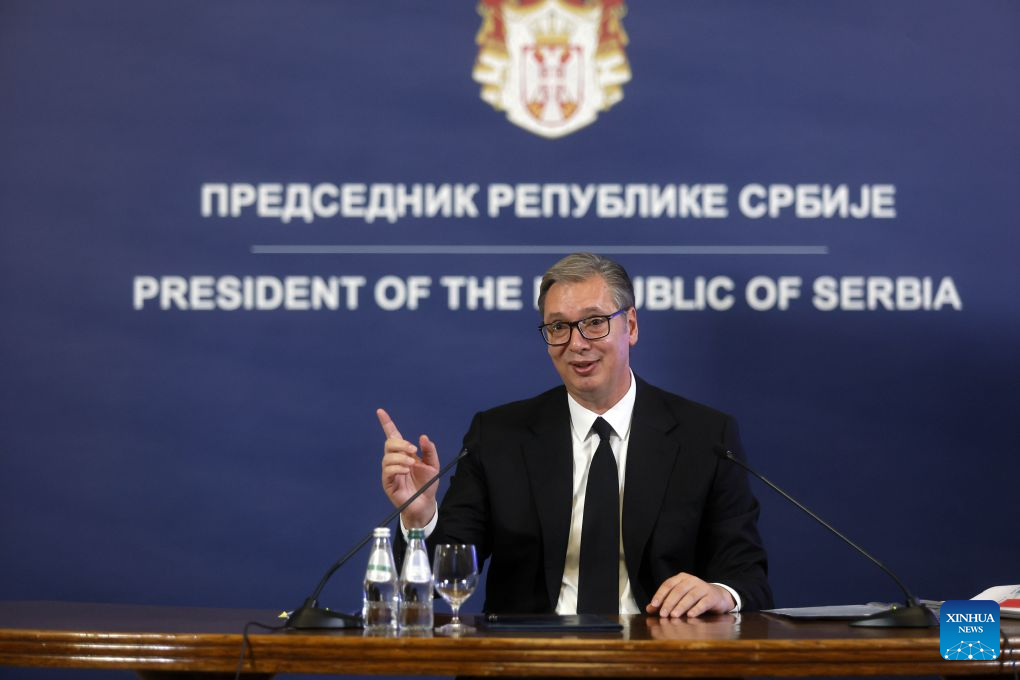
    Serbian president Aleksandar Vucic speaks during a press conference in Belgrade, Serbia, Sept. 27, 2026. Aleksandar Vucic signed and submitted his resignation on Sunday, stepping down as president. (Photo by Predrag Milosavljevic/Xinhua)

    Source : https://new.igihe.com/english/vucic-resigns-as-president-of-serbia/

  • China, U.S. agree on constructive strategic stability based on respect, fairness and reciprocity #rwanda #RwOT

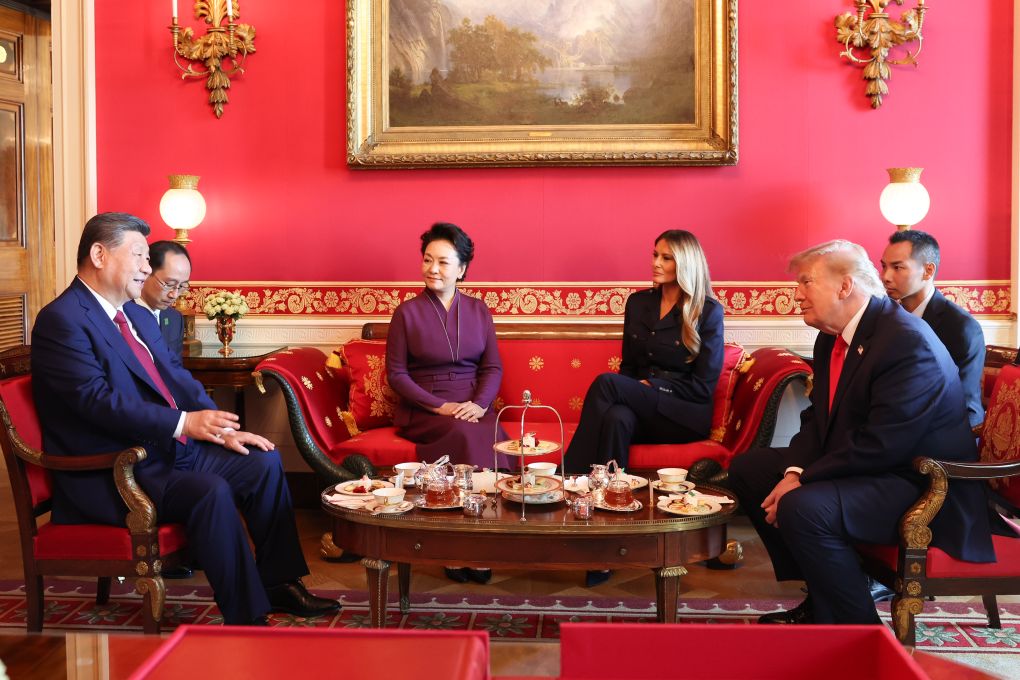
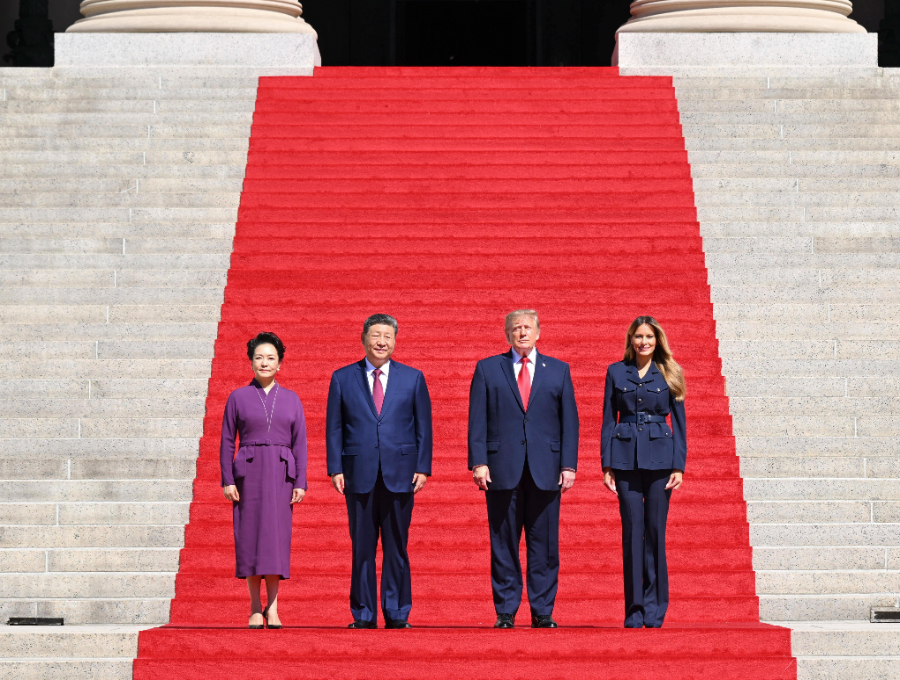
    The consensus was reached during a tea chat at the White House attended by Xi and his wife, Peng Liyuan, and Trump and his wife, Melania Trump.

    Xi said the trip to Washington was his first state visit to the United States in 11 years.

    During the visit, the two sides added new substance to the vision for the China-U.S. relationship, and agreed to jointly build a constructive relationship of strategic stability based on respect, fairness and reciprocity, Xi said.

    The two sides also achieved mutually beneficial outcomes in the economic and trade fields, which will be welcomed by the people of both countries and the international community, he added.

    Stressing that the future of China-U.S. relations is bright, Xi said that it reflects the trend of history.

    The road to a bright future is often winding, with difficulties and challenges bound to arise along the way, Xi said, adding that it is in line with the laws governing the development of things.

    Xi said he is willing to work with Trump to write a new chapter in the history of China-U.S. relations with the courage and a sense of responsibility to history.

    Calling Xi's state visit to the United States constructive and very successful, Trump said that the two sides held in-depth exchanges on U.S.-China relations and major international and regional issues, achieving positive outcomes that will benefit both countries.

    He said he looks forward to maintaining close contact with Xi and jointly guiding the development of U.S.-China relations.

    After the tea chat, Xi and Peng, accompanied by Trump and Melania, visited the U.S. National Archives. They walked together into the central hall, where they were briefed on the National Archives and its exhibits.

    The archives carry the wisdom of the forebears and offer insights for the future, Xi said, adding that over the past 250 years, the American people have pursued the American Dream and built a prosperous country and a beautiful home on the North American continent.

    The Chinese people, inheriting 5,000 years of Chinese civilization, have continued to make new achievements on the new journey toward realizing the Chinese Dream of the great rejuvenation of the Chinese nation, Xi said.

    As two distinctive countries, China and the United States have different histories and cultures, social systems and development paths, Xi said.

    However, the people of the two countries share the same aspiration for a better life despite the differences, he said.

    If the two countries recognize and respect their differences, deepen mutual understanding and learn from each other, seek the biggest common denominator, expand the list of areas for cooperation, and properly manage differences, China-U.S. relations will enjoy steady and sustained growth, Xi said.

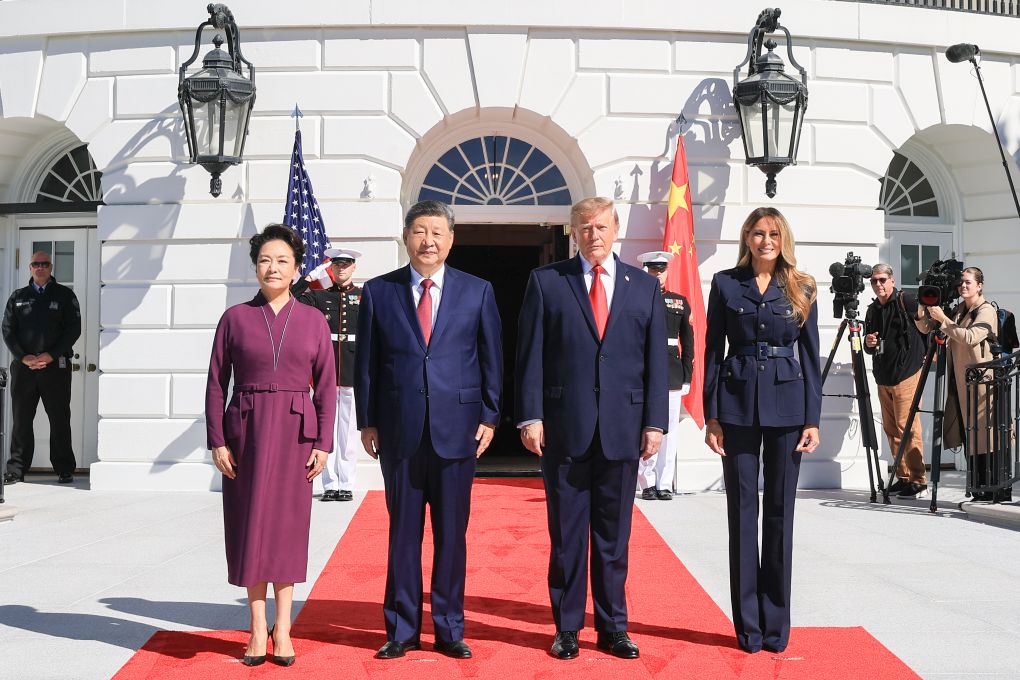
    Chinese President Xi Jinping and his wife Peng Liyuan, together with U.S. President Donald Trump and his wife Melania Trump, pose for a group photo at the White House in Washington, D.C., the United States, Sept. 25, 2026.
    Chinese President Xi Jinping and his wife Peng Liyuan have a chat over tea with U.S. President Donald Trump and his wife Melania Trump at the White House in Washington, D.C., the United States, Sept. 25, 2026. (Xinhua/Yao Dawei)

    Chinese President Xi Jinping and his wife Peng Liyuan visit the U.S. National Archives, accompanied by U.S. President Donald Trump and his wife Melania Trump, after their tea chat in Washington, D.C., the United States, Sept. 25, 2026.

    Source : https://new.igihe.com/english/china-u-s-agree-on-constructive-strategic-stability-based-on-respect-fairness-and-reciprocity/

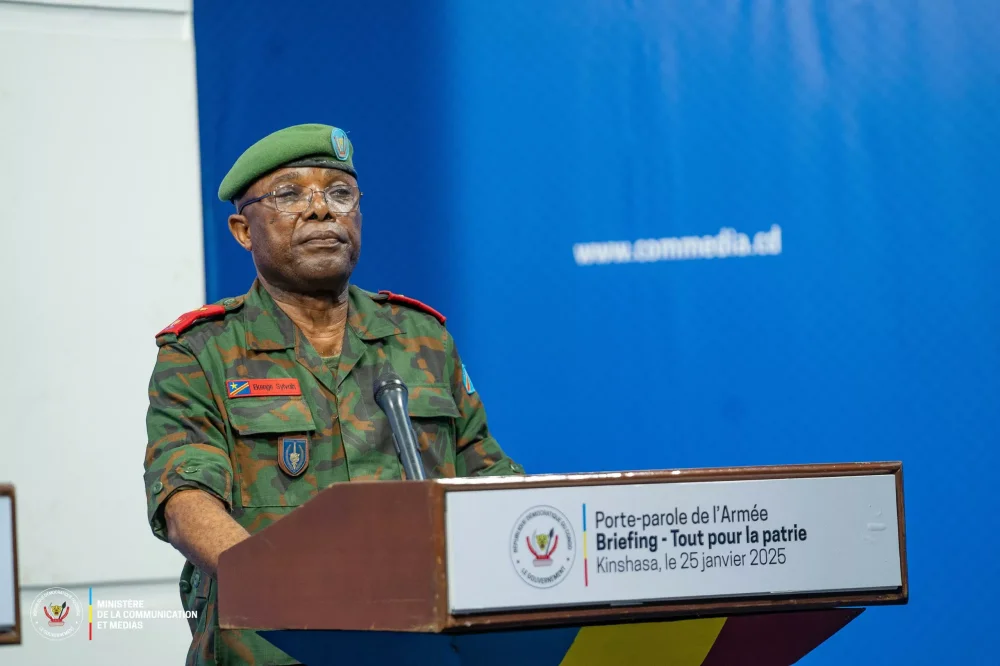
  • AFC/M23 condemns reinstatement of Gen Ekenge as FARDC spokesperson #rwanda #RwOT

    In a message posted on X on September 28, 2026, Bisimwa said the decision sends a worrying message about the conduct of authorities in Kinshasa.

    'The reinstatement of Gen Sylvain Ekenge as spokesperson for the armed forces of the Kinshasa government, after a long period of silence over discriminatory remarks targeting Tutsi women, is a worrying sign that the authorities are determined to continue along the same path,' Bisimwa said.

    He said no explanation had been provided on how the authorities addressed the remarks Ekenge made on state television or what measures had been taken to prevent similar statements from being repeated.

    'No explanation has been given to help understand how the authorities in Kinshasa addressed these remarks or what measures are in place to prevent their repetition. Instead, this decision shows that hate speech is being given space within state institutions,' he said.

    Bisimwa added that when a state representative targets citizens based on ethnicity, it undermines public trust in national institutions and affects relations between communities.

    'We condemn the reinstatement of this person who spreads hate, and we reiterate our opposition to the policy of persecuting and marginalising people based on ethnicity,' he said.

    Bisimwa said AFC/M23 supports peaceful relations among people of different ethnic backgrounds, with respect for the dignity of every individual.

    Gen Maj Ekenge was temporarily suspended in late 2025 after remarks he made on state broadcaster RTNC on December 27. At the time, he warned Congolese men against marrying Tutsi women and made remarks targeting them based on their ethnicity.

    FARDC distanced itself from the comments, saying they did not represent the position of the army or the government, although subsequent developments pointed to a different course.

    While Ekenge was suspended, FARDC spokesperson duties were temporarily assigned to its deputy spokesperson, Lt Col Mak Hazukay Mongba.

    Reports of Ekenge's return to the position emerged after he signed a FARDC statement concerning a plane crash in Kenge, Kwango Province, on September 25, 2026.

    FARDC has not yet explained the reasons for his reinstatement.

    AFC/M23 has condemned Gen Ekenge's reinstatement as FARDC spokesperson.

    Source : https://new.igihe.com/english/afc-m23-condemns-reinstatement-of-gen-ekenge-as-fardc-spokesperson/

  • Rwanda to host Africa Commerce Convergence Summit 2028 #rwanda #RwOT

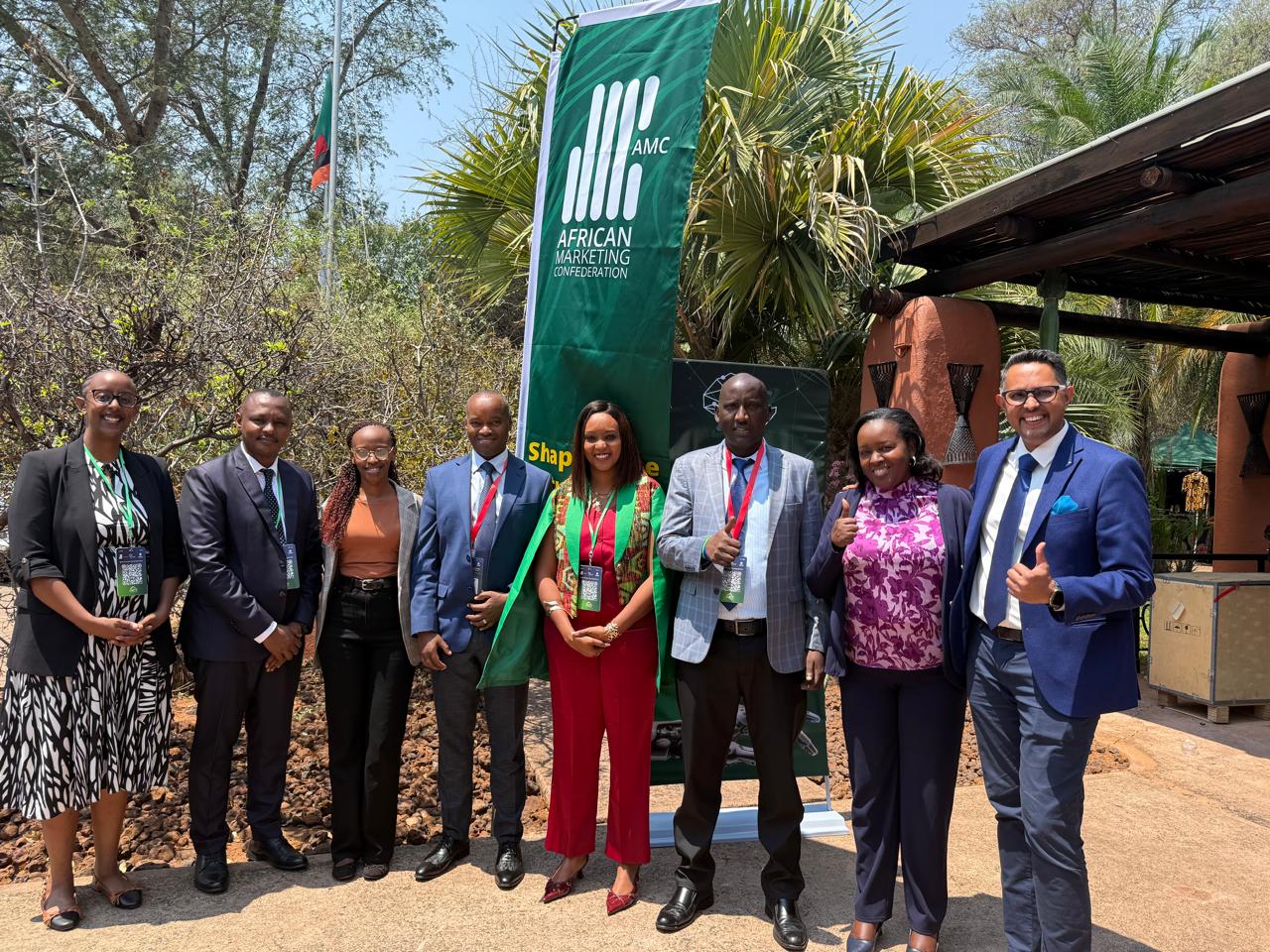
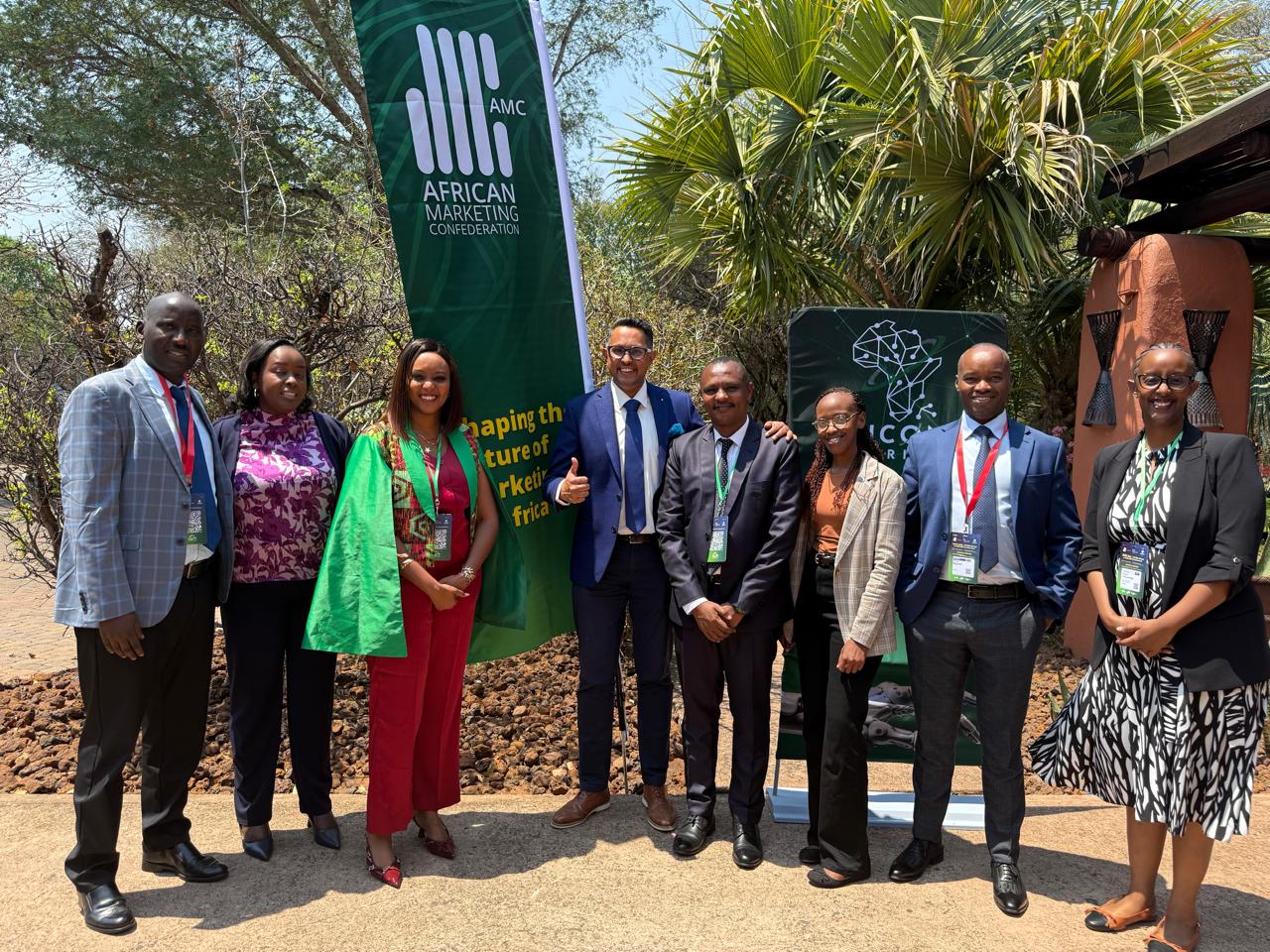
    The announcement follows the successful ACCS 2026 held in Livingstone, Zambia, from 23–25 September 2026. Ethiopia is scheduled to host the 2027 edition, ahead of Rwanda in 2028.

    Rwanda was well represented at ACCS 2026 by the Marketing Society of Rwanda (MSR), Rwanda Convention Bureau, ICT Chamber, and representatives of the supply chain and procurement profession.

    The delegation demonstrated Rwanda's commitment to strengthening collaboration across marketing, ICT, supply chain and procurement in support of Africa's commercial transformation.

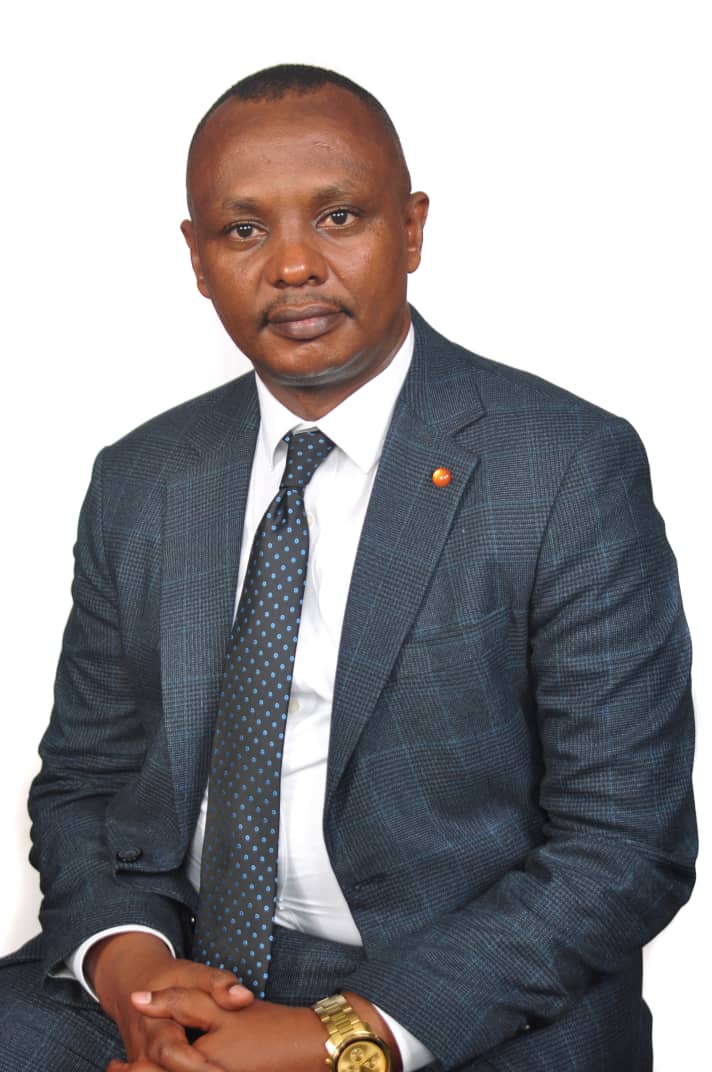
    Commenting on the achievement, Mr. Moses Kazoora, President of the Marketing Society of Rwanda, said: 'Securing the opportunity to host ACCS 2028 is a proud moment for Rwanda and its professional community. We commend the Government of Rwanda, through the Rwanda Convention Bureau, for leading this successful bid, and appreciate the collaboration of our partners across marketing, ICT, supply chain and procurement.

    'Hosting ACCS 2028 presents an important opportunity to showcase Rwanda's capabilities, strengthen professional networks, promote innovation and create meaningful partnerships across Africa.
    MSR looks forward to working with all stakeholders to deliver a successful summit that advances professional excellence and contributes to Rwanda's business and economic development.'

    ACCS 2028 is expected to bring together professionals and stakeholders from the marketing, communications, ICT, supply chain, creative industries and business sectors across Africa for knowledge exchange, networking, innovation and strategic partnerships.

    MSR calls upon industry stakeholders, professional associations, private-sector organizations, government, institutions and development partners to support the preparations and successful delivery of ACCS 2028, ensuring a meaningful and impactful summit for Rwanda and the continent.

    The Marketing Society of Rwanda is the national professional association dedicated to advancing marketing excellence, professional development, industry collaboration and the promotion of best practices in Rwanda's marketing profession.

    MSR works with government, private-sector institutions and regional and international partners to strengthen the marketing profession and contribute to Rwanda's business and economic development.

    Rwanda has been selected to host ACCS 2028 following a successful summit in Livingstone, Zambia.
    Moses Kazoora, President of the Marketing Society of Rwanda, has described the opportunity to host ACCS 2028 as a proud moment for Rwanda.
    The Rwanda delegation has brought together representatives from marketing, ICT, supply chain and procurement at ACCS 2026.

    Source : https://new.igihe.com/english/rwanda-to-host-africa-commerce-convergence-summit-2028/