Blog

  • Rwanda, China launch $47 million irrigation project to boost agricultural transformation #rwanda #RwOT

    The groundbreaking ceremony, held on Wednesday in Gisagara District in Rwanda's Southern Province, brought together government officials, the Chinese embassy, development partners, local authorities, farmers, contractors and other stakeholders.

    The project was financed by the Export-Import Bank of China and constructed by China Geo-Engineering Corporation. With an estimated investment of 47 million U.S. dollars, the project will develop a dam with a storage capacity of about 6.5 million cubic meters, a modern pressurized irrigation system covering more than 2,600 hectares of net irrigated land, and about 48.8 km of lined canals.

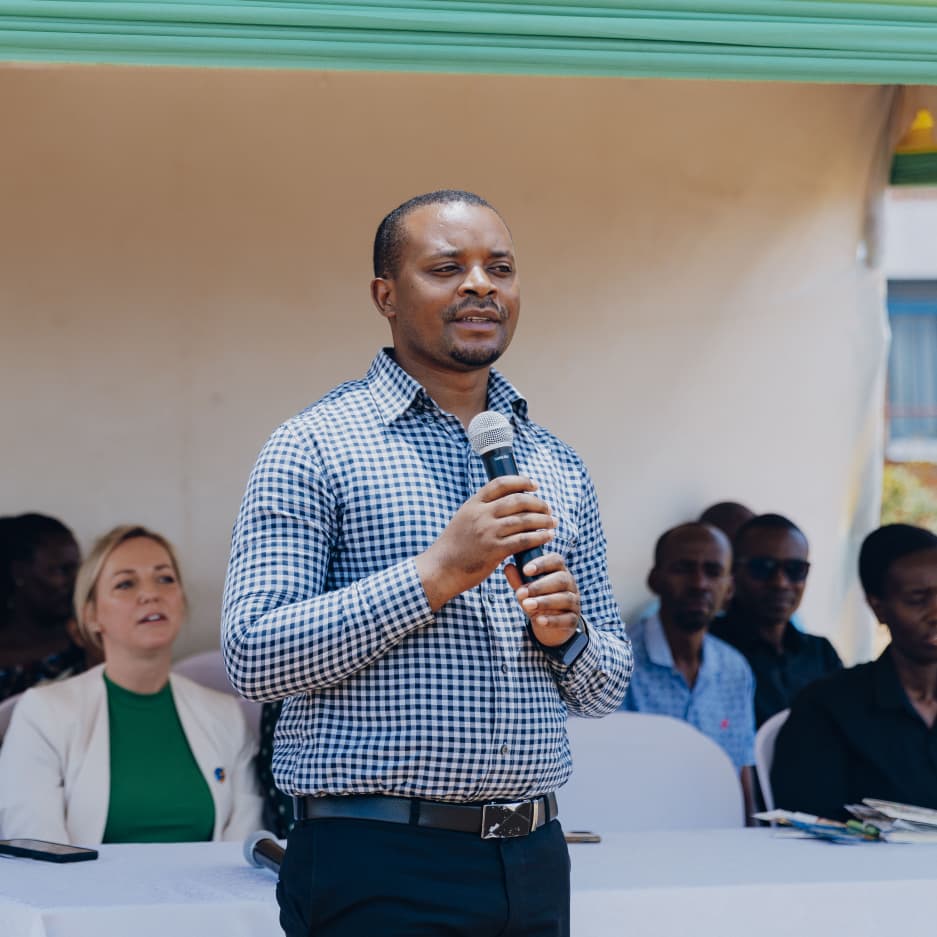
    Speaking at the ceremony, Rwandan Minister of Agriculture and Animal Resources Telesphore Ndabamenye said the project represents an important step in Rwanda's efforts to build a modern and climate-resilient agricultural sector.

    'Today is an important milestone in our continued efforts to transform Rwanda's agriculture into a modern, productive, resilient and commercially oriented sector,' Ndabamenye said.

    He noted that the irrigation infrastructure would reduce farmers' dependence on rainfall, which has increasingly become unreliable due to changing climatic conditions, while enabling farmers to better plan production and respond to market demand.

    'The availability of reliable irrigation water will create an enabling environment for more predictable and commercially oriented agricultural production,' the minister said, adding that the investment is expected to increase production, improve farmers' incomes, create jobs and strengthen agricultural value chains.

    Ndabamenye expressed appreciation to China and the Export-Import Bank of China for supporting the project, describing Giseke as a strong demonstration of the Rwanda-China partnership in agricultural transformation and infrastructure development.

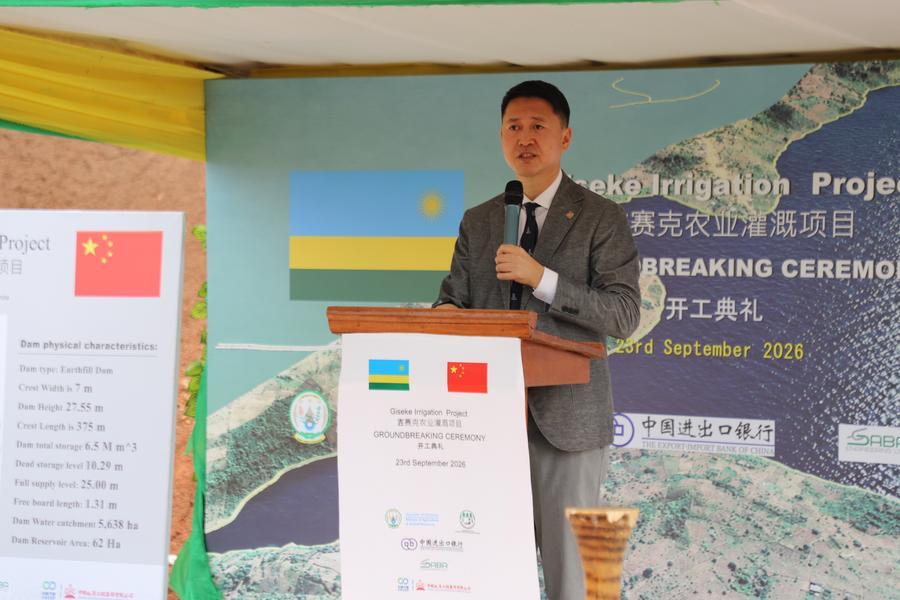
    Speaking at the event, Chinese Ambassador to Rwanda Gao Wenqi said the project comes at a time when developing countries are facing the combined challenges of climate change, erratic rainfall and food insecurity.

    'For developing nations, sound agricultural infrastructure constitutes a cornerstone for poverty reduction, food security and rural prosperity,' Gao said.

    He described the Giseke project as a tangible outcome of China-Rwanda practical cooperation and South-South cooperation, noting that it aligns with Rwanda's national agricultural modernization priorities.

    Gao said the project will integrate water storage, conveyance, on-farm irrigation and supporting infrastructure. Once operational, it is expected to provide reliable irrigation to thousands of hectares of farmland, helping smallholder farmers gradually shift from rain-fed farming to more stable and productive irrigated agriculture.

    Beyond irrigation infrastructure, the project will include rural access road improvements, technical training and knowledge-sharing, creating opportunities for employment and improving the movement of agricultural inputs and produce, Gao said.

    Gao called on Rwandan and Chinese partners to maintain close cooperation throughout implementation and ensure that the project becomes a high-quality demonstration of agricultural and water-resource cooperation.

    The Giseke Irrigation Project is expected to contribute to increased agricultural productivity and food security while creating opportunities for higher-value crop production, improved market access, and stronger agricultural value chains in Gisagara and surrounding areas, according to the Ministry of Agriculture and Animal Resources.
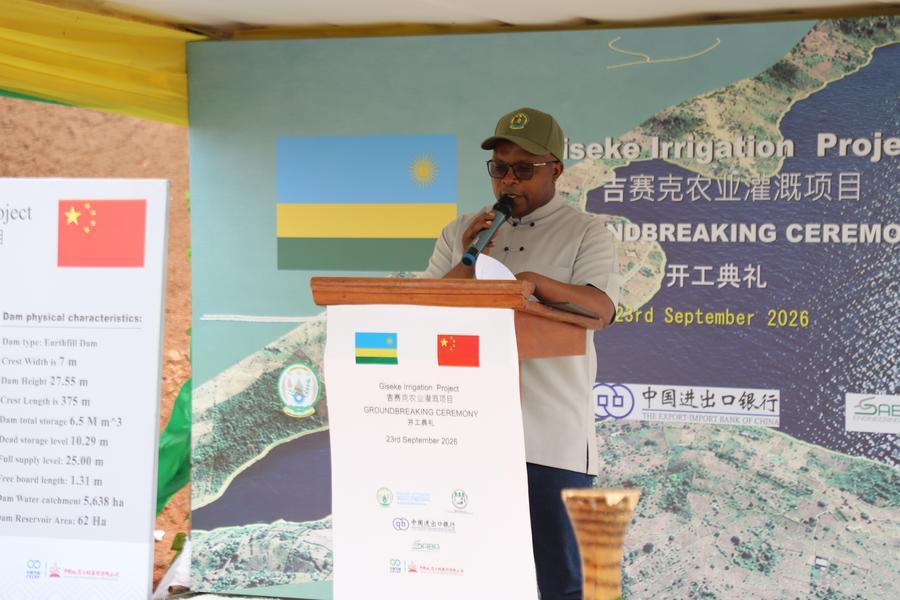
    Rwandan Minister of Agriculture and Animal Resources Telesphore Ndabamenye delivers a speech during the groundbreaking ceremony for the Giseke Irrigation Project in Gisagara District in Southern Province, Rwanda, on Sept. 23, 2026.
    Rwanda, China launch $47 million irrigation project to boost agricultural transformation
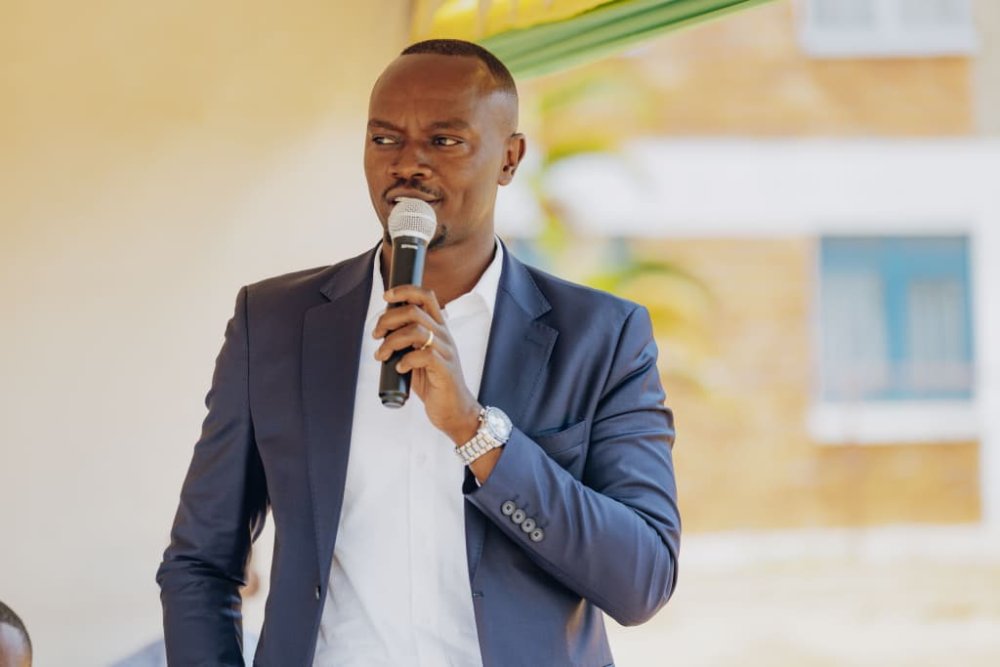
    Chinese Ambassador to Rwanda Gao Wenqi delivers a speech during the groundbreaking ceremony for the Giseke Irrigation Project in Gisagara District in Southern Province, Rwanda, on Sept. 23, 2026.

    Source : https://new.igihe.com/english/rwanda-china-launch-47-million-irrigation-project-to-boost-agricultural-transformation/

  • Eight writers selected for the final stage of Radiate Rwanda Awards #rwanda #RwOT

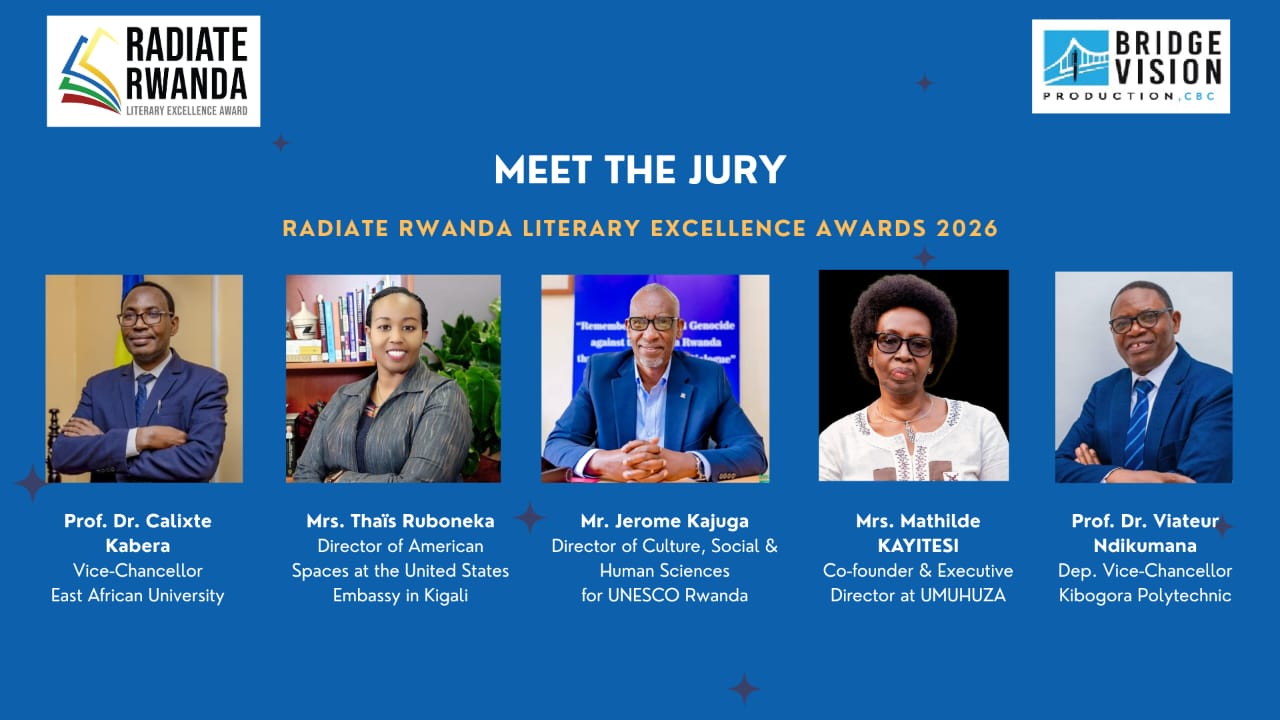
    The finalists were selected by a five-member judging panel with expertise in writing, education and other fields related to the promotion of literature.

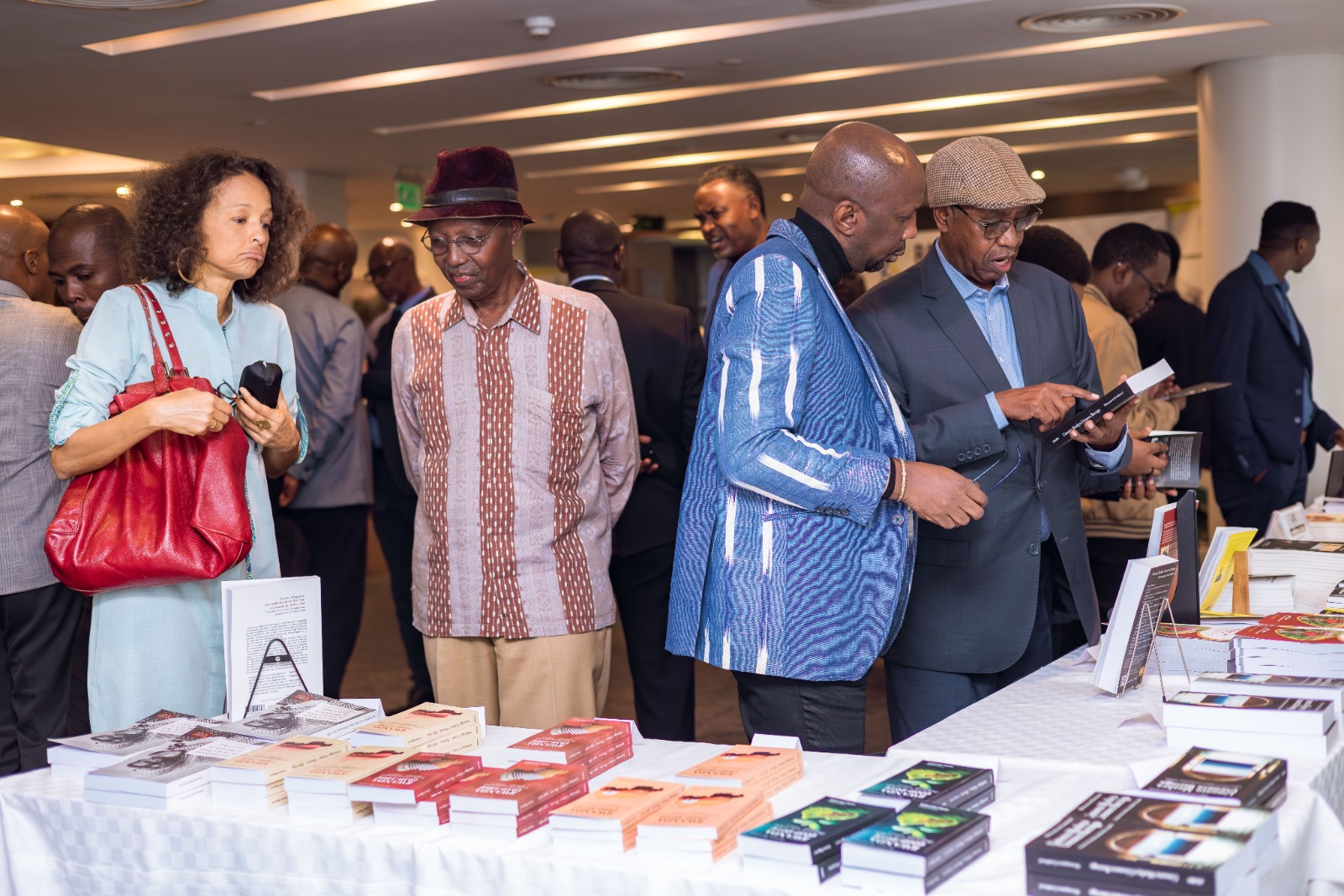
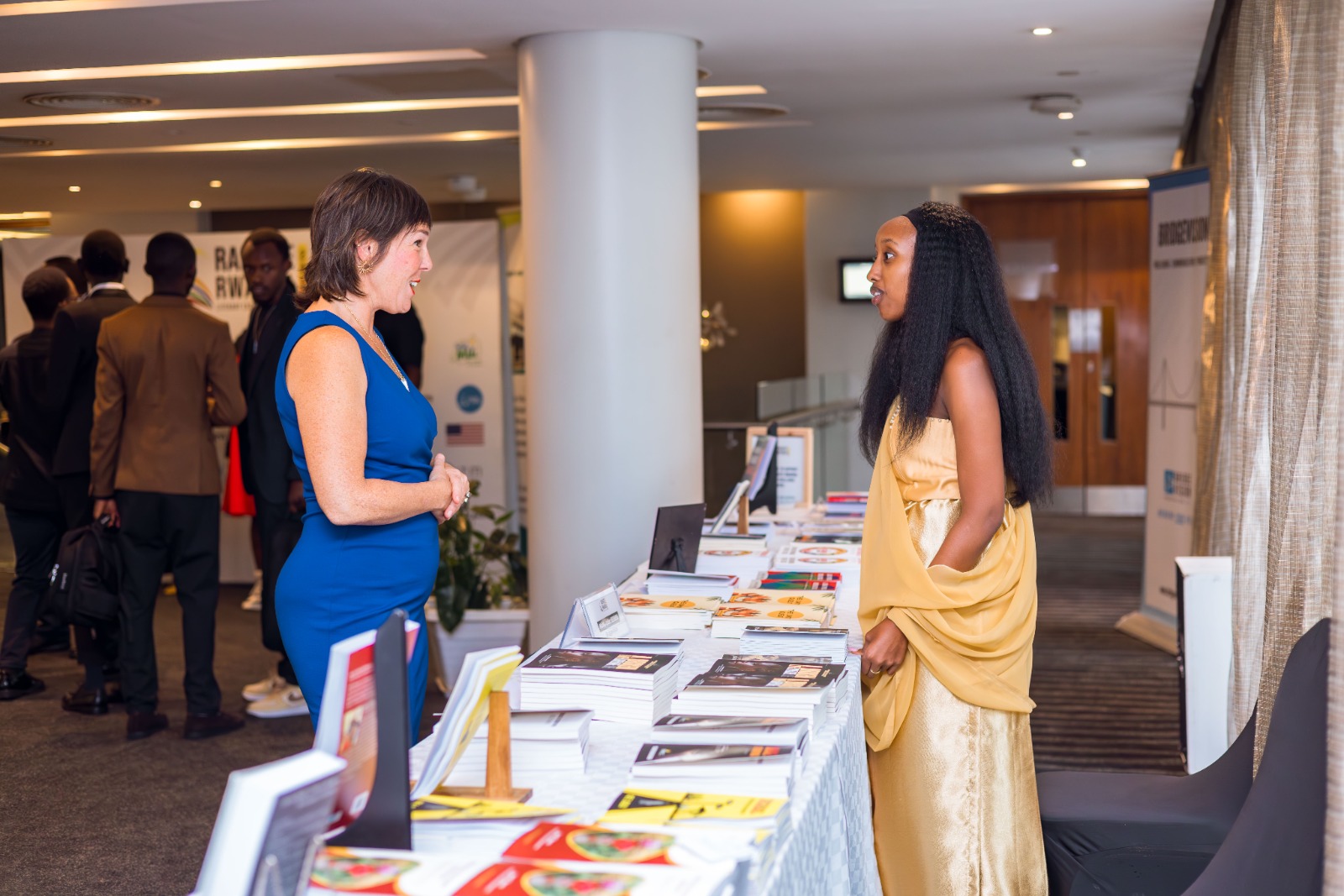
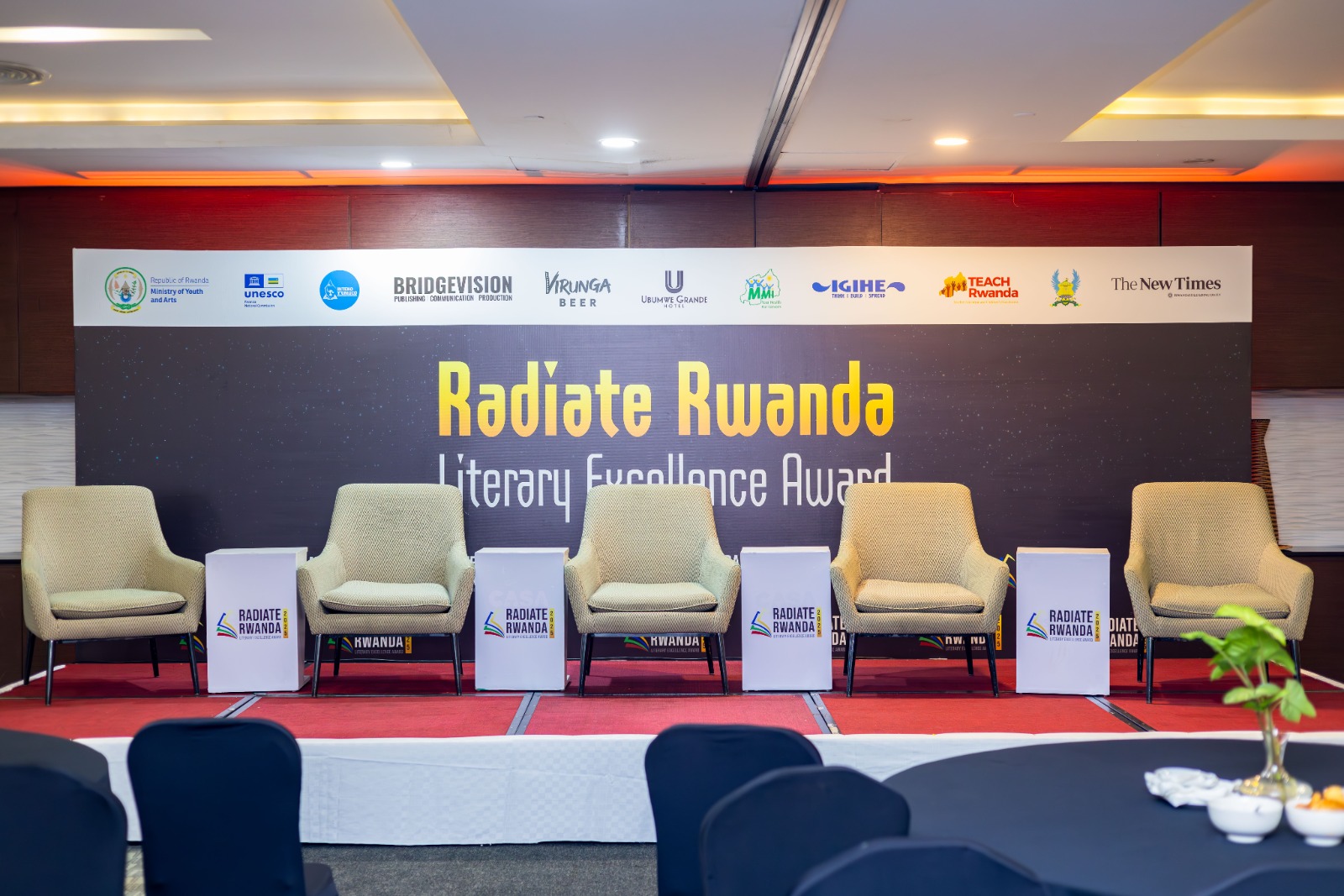
    Now in its third edition, the Radiate Rwanda Literary Excellence Awards are organised by Bridgevision in partnership with various institutions and organisations in Rwanda and internationally.

    The awards recognise the contribution of writers to promoting a reading culture and advancing literature.

    This year's edition is being held in partnership with the American Chamber of Commerce in Rwanda (AmCham Rwanda), with support from organisations and institutions including BK Foundation, IGIHE, MoYA, UNESCO Rwanda, the Rwanda Cultural Heritage Academy and East African University.

    The judging panel comprises five professionals with experience in writing, education and other areas related to the development of literature.

    It is chaired by Prof. Dr. Calixte Kabera, a writer and Vice Chancellor of East African University. Other members are Prof. Dr. Viateur Ndikumana, a writer and Deputy Vice Chancellor in charge of Academics and Research at Kibogora Polytechnic; Thais Ruboneka, Director of American Spaces at the US Embassy in Rwanda; Jerome Kajuga, Director of Culture, Social and Human Sciences at the Rwanda National Commission for UNESCO; and Mathilde Kayitesi, Executive Director of UMUHUZA, an organisation that promotes reading and writing in Rwanda.

    The awards feature several categories. The Lifetime Achievement Award has been given to Senegalese writer Boubacar Boris Diop, following a decision by Bridgevision in recognition of his outstanding contribution to literature, his immense body of work.

    In the Outstanding Young Rwandan Writer category, the finalists are Fred Mfuranzima, author of Ribrika: A Move Afrika Xperience, and Patrick Nzabonimpa, author of A Thread of Silent Echoes.

    The Outstanding Female Rwandan Writer category features Tete Loeper, author of Shut Up and Hide: Memoir of a Genocide Survivor, and Dimitri Sissi Mukanyirigira, author of Do Not Accept to Die.

    In the Outstanding Male Rwandan Writer category, the finalists are Jean de Dieu Nsanzabera, author of Umuco mu Buvanganzo, and Valens Kabarari, author of Les Muzungus ne craignent rien.

    The Outstanding African Writer category has Toni Kan, author of Riding the Storm, and Donica Merhazion, author of Born at the End of the World, as finalists.

    Bridgevision CEO Joe E. Sully said the judging panel brought together experts capable of carefully assessing the shortlisted books.

    'Our judging panel comprises experts representing five respected institutions in Rwanda and internationally, and we believe they have done a great job selecting books that contribute to educating, informing, teaching and comforting Rwandan and African readers across different parts of the continent,' he said.

    Sully said the involvement of the experts in assessing the shortlisted books was an important achievement for the awards.

    'We are fulfilling our goal of making Kigali a literary hub in Africa,' he said.

    Boubacar Boris Diop has already been confirmed for the Lifetime Achievement Award, while the winners in the other four categories will be announced during the Radiate Rwanda Awards ceremony on November 6, 2026, in Kigali.

    The five-member judging panel comprises professionals with experience in writing, education and the promotion of literature.
    The 2026 Radiate Rwanda Literary Excellence Awards have entered the final stage, with eight writers shortlisted across four categories.
    The winners in the four competitive categories will be announced at the Radiate Rwanda Awards ceremony on November 6, 2026, in Kigali.

    Source : https://new.igihe.com/english/eight-writers-selected-for-the-final-stage-of-radiate-rwanda-awards/

  • Stakeholders call for stronger cooperation to boost coffee value chain #rwanda #RwOT

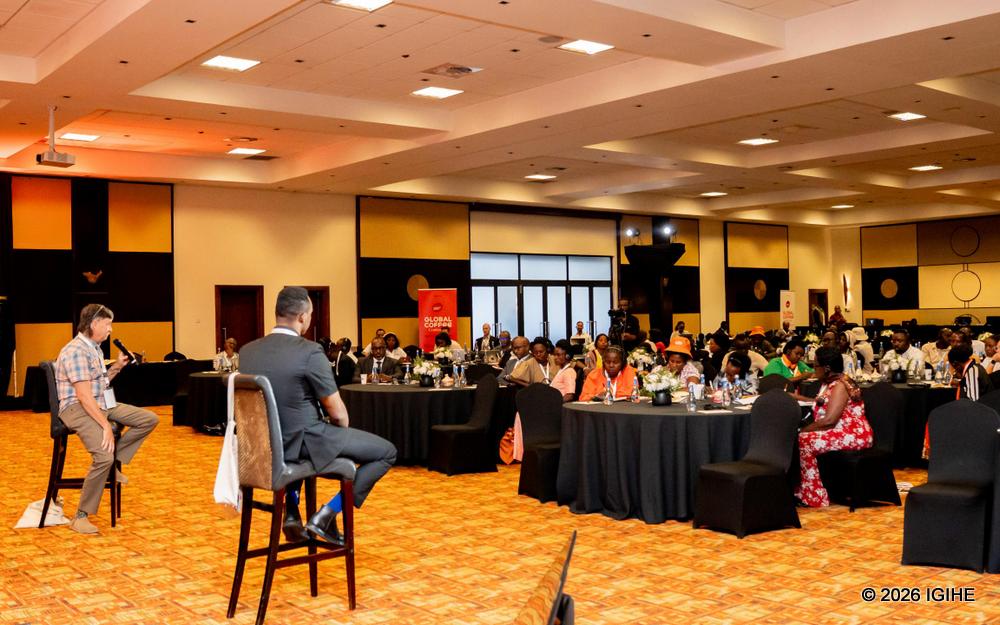
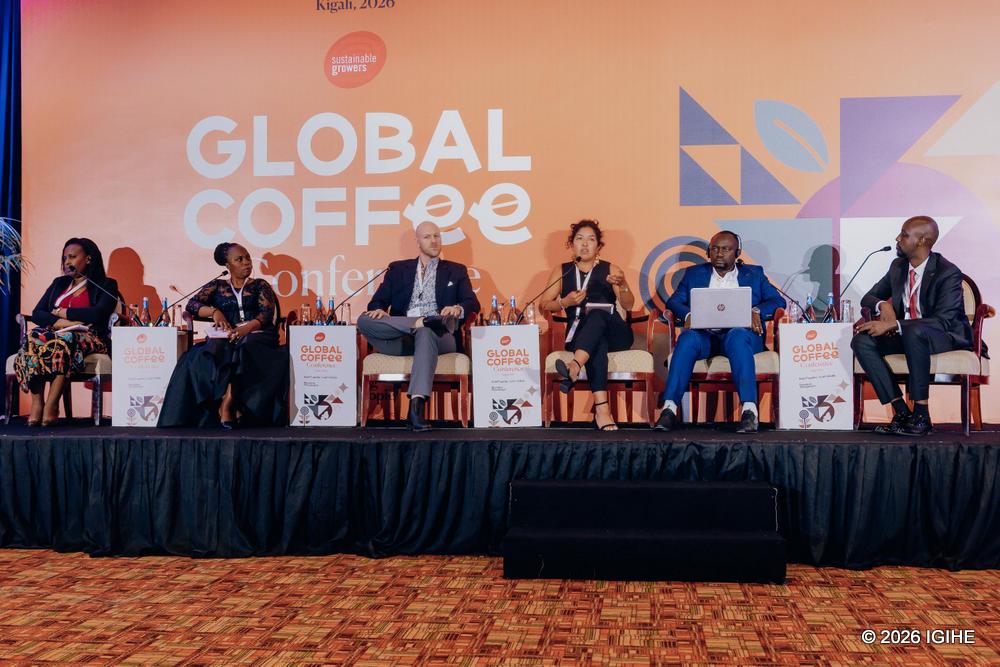
    The call was made during a two-day Global Coffee Conference held in Kigali from September 24, 2026.

    Organised by Sustainable Growers, the conference brings together farmers, buyers, coffee processors, private-sector players, investors and other stakeholders involved in the coffee value chain.

    It was preceded by visits to two coffee cooperatives involved in growing and processing coffee in Rwanda: Nyampinga Cooperative in Nyaruguru District and KOPAKAKI DUTEGURE in Karongi District.

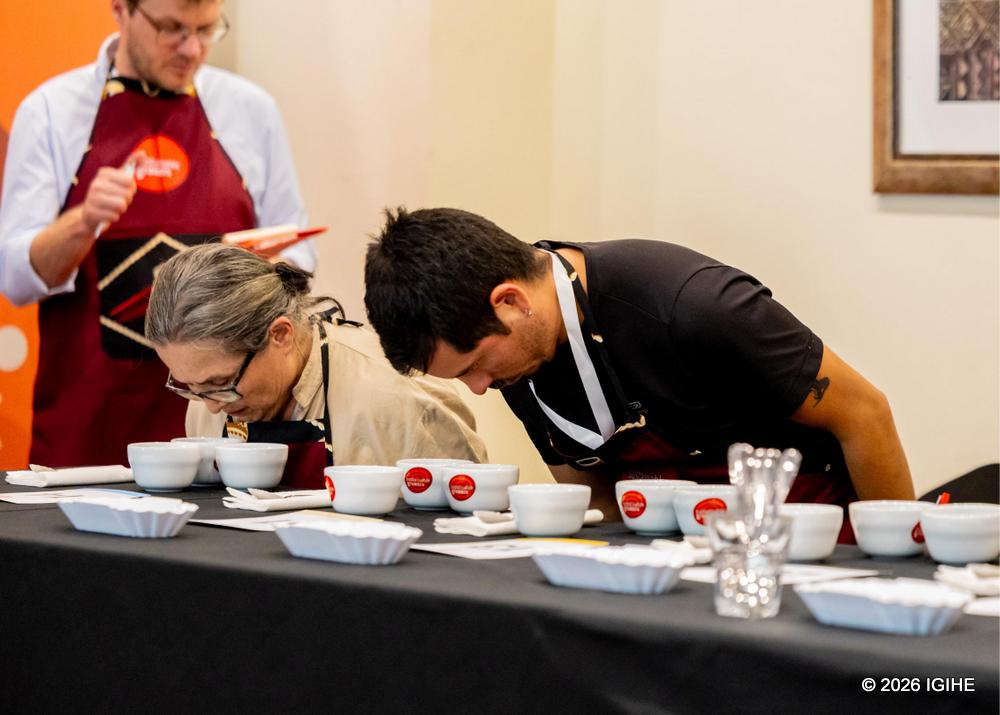
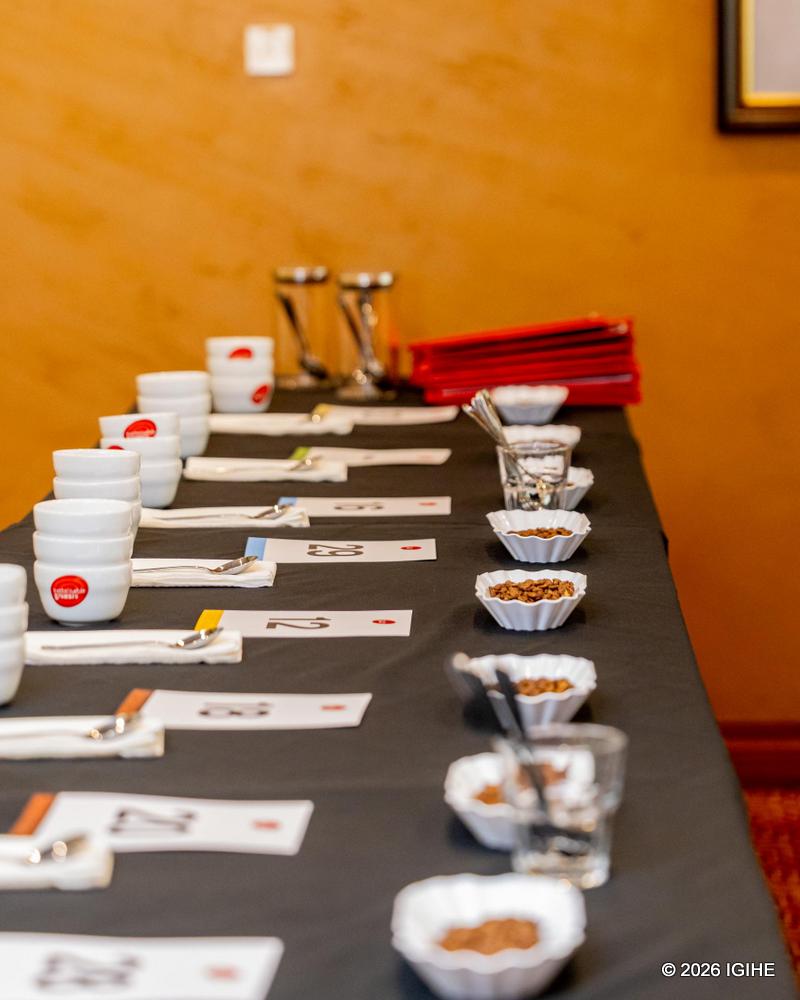
    The conference has attracted participants from more than 17 countries and also featured coffee tasting sessions showcasing specialty coffees from different countries.

    Minister of Gender and Family Promotion Uwimana Consolée, who officially opened the conference, said Rwanda's coffee sector has made significant progress and generated substantial export revenues, but women involved in the sector should also benefit more from its growth.

    'Rwanda's exports reached more than $1.1 billion in the 2025-2026 financial year, with coffee generating a record $148.6 million. These figures demonstrate the strength and potential of our coffee sector. But this growth must be reflected in the pockets of our women,' she said.

    'Women may produce coffee and create its value, yet remain excluded from the decisions, capital, and market that determine who benefits. Participation is not ownership, and producing value is not the same as having a stake in it. This is where our next phase of transformation must focus,' Uwimana added.

    She said women coffee farmers around the world continue to face challenges in accessing financial services, markets and decision-making opportunities, calling for stronger collaboration to address them.

    'It requires strong and coordinated partnership among governments, the private sector, financial institutions, producer organizations, and the global trade network,' she said.

    NAEB Chief Operations Officer Urujeni Sandrine said Rwanda's coffee value chain has made progress through partnerships supporting the sector, but more needs to be done to strengthen collaboration across the entire chain.

    'We grow coffee and there are partnerships in different projects related to the sector, but we need to go beyond that and establish collaboration across the coffee value chain,' she said.

    'As NAEB, we are there on the government side, development partners are there, and coffee processors and farmers are also there. What is missing is bringing everyone together and working with a business-oriented approach that can attract adequate and sustainable investment.'

    She said stronger collaboration would help coffee farmers improve production while ensuring that increased productivity translates into higher incomes.

    Brazilian Ambassador to Rwanda Irene Vida Gala also stressed the importance of cooperation between coffee-producing countries and international partners.

    Highlighting that coffee connects countries, communities and people by strengthening cooperation between coffee-producing countries and international partners, the envoy stressed the need to build a sustainable value chain that benefits farmers, fosters innovation and gives farmers a stronger role in shaping the future of the coffee sector.

    Dr. Innocent Ndikumana, Chairperson of the Board of Sustainable Growers, said the organisation has trained more than 77,000 women in Rwanda, Tanzania and the Democratic Republic of Congo on improved coffee farming and value addition.

    He said 97% of the women trained have applied the knowledge they acquired.

    According to Dr. Ndikumana, the programme has also contributed to improvements in access to financial services and health insurance, while some women have been able to acquire personal assets and contribute to the development of their households.

    Nyirandimubanzi Jacqueline, who heads Association Hingakawa, a women coffee growers' association in Gakenke District, said women coffee farmers in Rwanda have made progress compared with the past.

    'In the past, a woman in Rwanda would grow coffee and simply harvest it. Today, we know how to process our coffee and take it to the market, and we understand what it generates and how the income can be used in household planning,' she said.

    Participants at the conference are drawn from countries including Rwanda, Tanzania, Brazil, Nicaragua, Mexico, Costa Rica, Honduras, Peru, Puerto Rico, the United States, the United Arab Emirates, Japan, France, Switzerland, Finland and Italy.

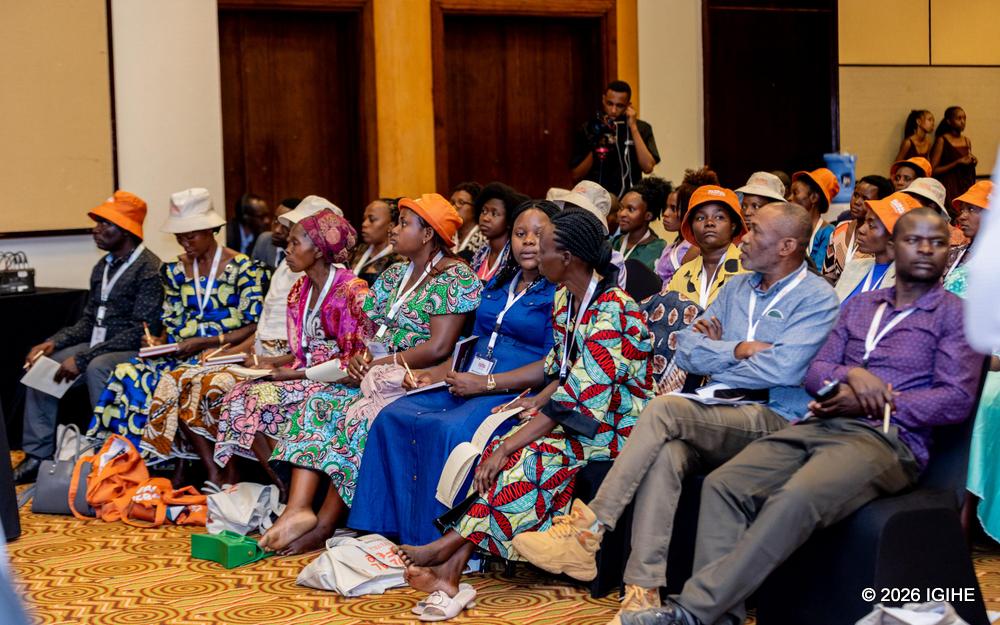
    The conference brought together participants from more than 17 countries.
    Experienced coffee growers shared their knowledge and expertise with fellow participants.
    Participants discussed ways to advance the coffee sector.
    Minister of Gender and Family Promotion Uwimana Consolée said Rwanda's coffee sector is making significant progress.
    Brazilian Ambassador to Rwanda Irene Vida Gala stressed the importance of cooperation between coffee-producing countries and international partners.
    Nyirandimubanzi Jacqueline, head of Association Hingakawa, said women coffee farmers in Rwanda have made significant progress compared with the past.
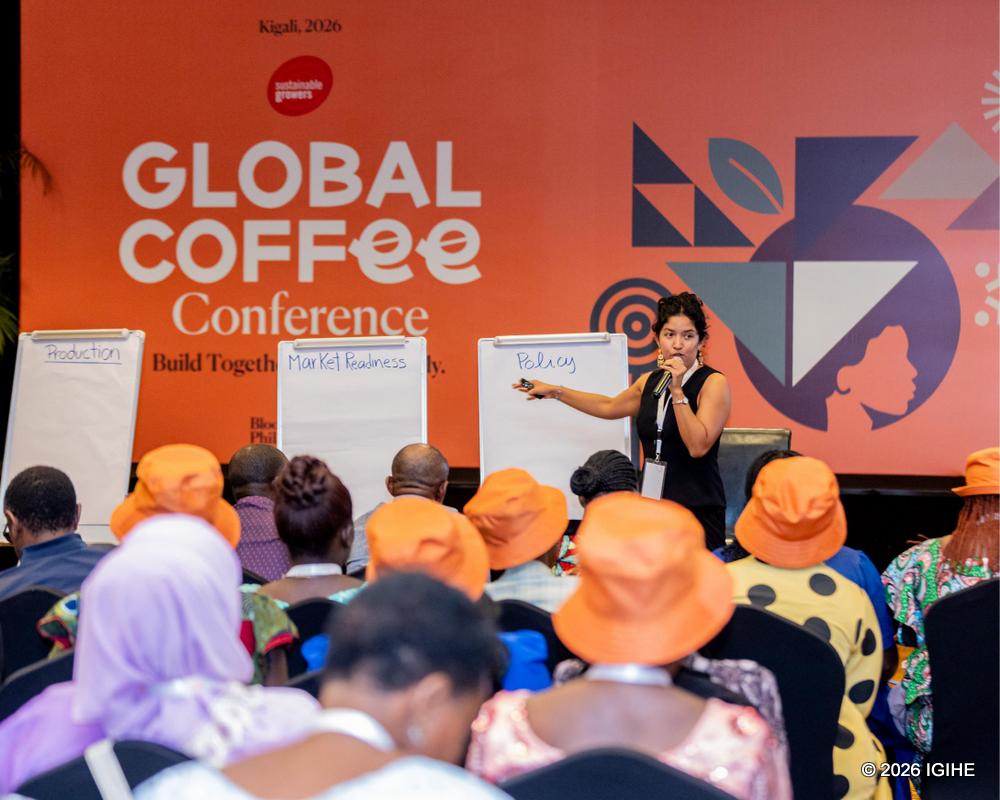
    Participants were trained on how to market coffee to generate greater returns.

    Source : https://new.igihe.com/english/stakeholders-call-for-stronger-cooperation-to-boost-coffee-value-chain/

  • Ottawa set to host Rwanda Convention Canada 2026 #rwanda #RwOT

    The announcement was made by Rwanda Community Abroad – Canada (RCA-Canada) in partnership with the High Commission of the Republic of Rwanda in Canada in a public notice dated September 23.

    The decision means that the programme previously envisaged for Calgary will not take place as originally planned. According to the organizers, the Calgary programme is expected to be held at a later date, with details to be communicated in the coming months.

    RCA-Canada said the change followed consultations among the organizing partners and expressed regret for any inconvenience it may cause members of the Rwandan community.

    The organization has invited members of the Rwandan community and friends of Rwanda from across Canada to attend the Ottawa convention.

    Further information on the programme, venue, registration and other practical arrangements will be released through RCA-Canada's official communication channels in due course.

    'RCA-Canada, in partnership with the High Commission of the Republic of Rwanda in Canada, is grateful for the continued engagement and cooperation of all those involved in the preparations, and looks forward to welcoming the Rwandan community and friends of Rwanda to Ottawa for this important gathering,' the organizers said.

    The convention is expected to bring together members of the Rwandan community and friends of Rwanda for a two-day gathering in Ottawa, featuring discussions involving the Rwandan diaspora, networking opportunities, cultural activities and conversations on how participants can contribute to Rwanda's development and strengthen ties between Rwanda and Canada.

    The Rwanda Convention Canada 2026 will be held in Ottawa on October 10–11, 2026.

    Source : https://new.igihe.com/english/ottawa-set-to-host-rwanda-convention-canada-2026/

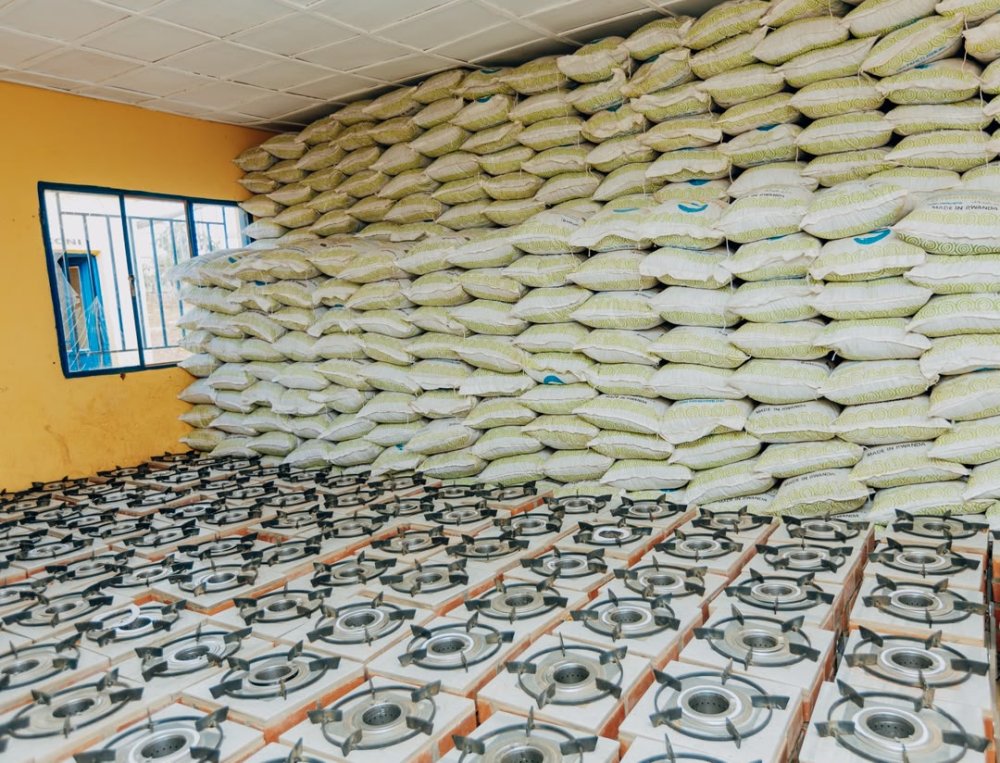
  • BioMassters to distribute 1,280 cookstoves and 25.6 tonnes of pellets worth over Rwf94 million #rwanda #RwOT

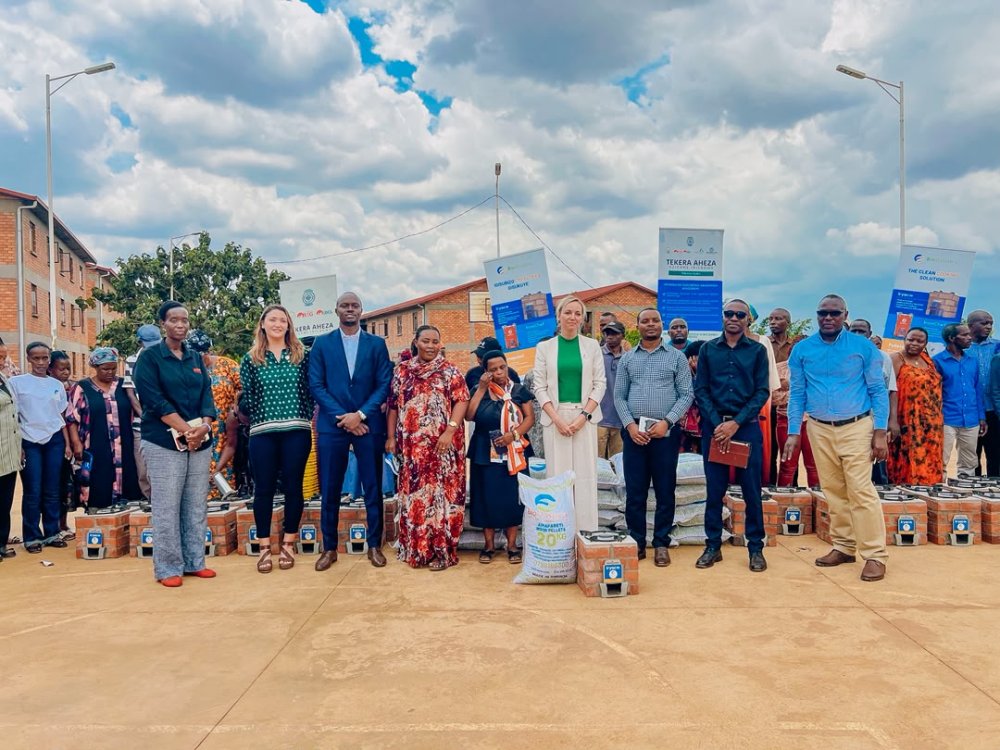
    The beneficiaries are residents of the model villages of Busanza, Mpazi, Karama, Ayabaraya and Rugendabari.

    The distribution programme began on September 23, 2026, in Busanza Model Village, where 450 households received modern cookstoves and 20 kilogrammes of pellets each.

    The initiative is being implemented in partnership with the Government of Rwanda, the Rwanda Housing Authority (RHA), the Energy Development Corporation Limited (EDCL), the City of Kigali and Innovate UK.

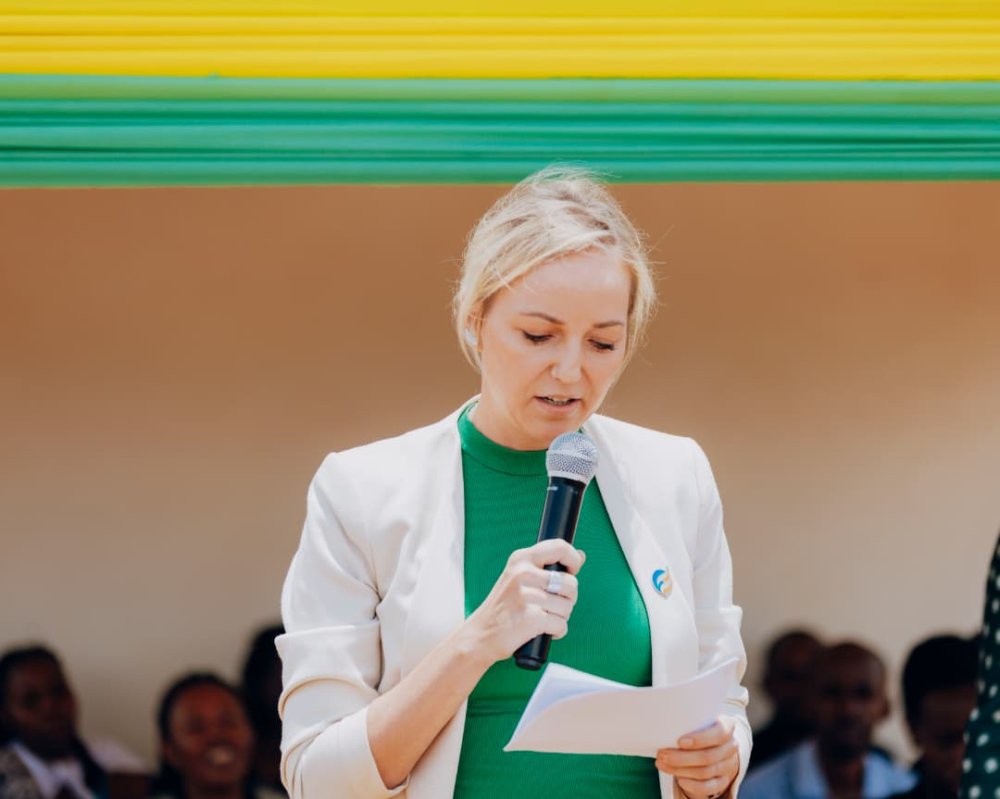
    BioMassters Chief Executive Officer Claudia Muench said the cookstoves are designed to last for years while helping households reduce their cooking expenses.

    'Our goal is to replace charcoal with a better and more affordable alternative. The pellets are made from sawdust and can reduce by nearly half the amount households normally spend on charcoal each month. When used in a BioMassters stove, they produce no smoke and also reduce cooking time,' she said.

    Muench added that the company provides repair services for its cookstoves and offers a three-year warranty for each unit.

    BioMassters currently has more than 40 outlets selling its pellets and is expanding its distribution network through company-owned shops and franchises in Kigali and other parts of the country. Each model village covered by the programme will also have a shop selling the fuel.

    Director of Business Development & Sales at BioMassters, Sylvain Rucyaha said the company is investing in expanding its network of outlets to make the fuel more accessible to customers.

    'We are not just selling cookstoves. We are building a system that ensures people can access the fuel they need,' he said.

    Hitimana Jean Pierre, an official from the Rwanda Housing Authority, said the cookstoves were being provided to residents of model villages to promote cooking solutions suited to their modern housing.

    'In these modern housing units, the kitchen is close to the living room. When a traditional charcoal stove is used in the kitchen, smoke can spread into the living room and settle on clothes and other household items, creating a problem. These cookstoves will address those challenges,' he said.

    Mukarutesi Beatha, one of the beneficiaries, said the new stove would help keep her home cleaner.

    'I had painted my kitchen and kept it in good condition, but it became dirty again because of the charcoal stove. Now I will have to repaint it. If I had this stove earlier, I could have used that money for other things,' she said.

    She said she previously spent about Rwf32,000 a month on charcoal, using two bags, but expects to spend about Rwf8,000 on one bag of pellets under the new system.

    Another beneficiary, Iyakaremye Jean Pierre, said charcoal was not suitable for their homes because it generated dirt and smoke, adding that the new cookstoves would help improve living conditions.

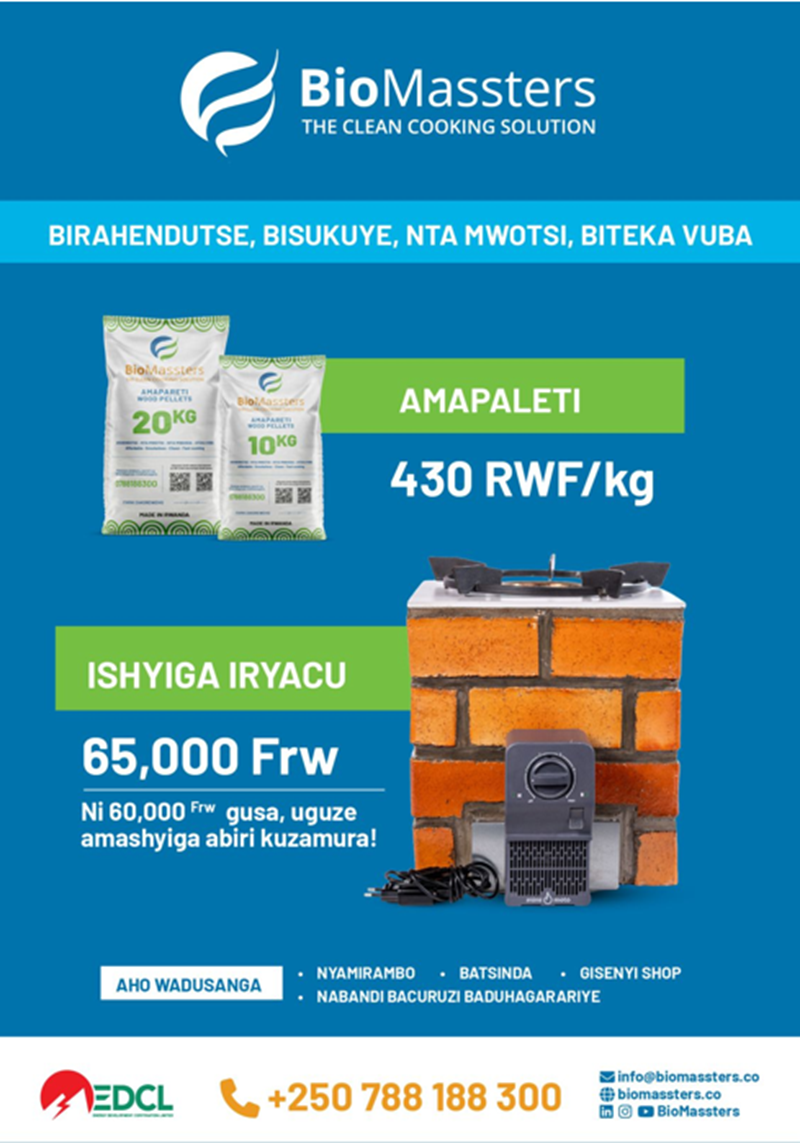
    A BioMassters cookstove normally costs Rwf65,000, while its pellets are sold at Rwf430 per kilogramme. The pellets are produced using technology designed to minimise smoke emissions when they are burned.

    BioMassters also provides repair and maintenance services for cookstoves that develop faults.

    The initiative is being implemented with support from the Government of Rwanda, through the Energy Development Corporation Limited (EDCL), under the Rwanda Energy Access and Quality Improvement Project (EAQIP), as well as support from the World Bank and Innovate UK.

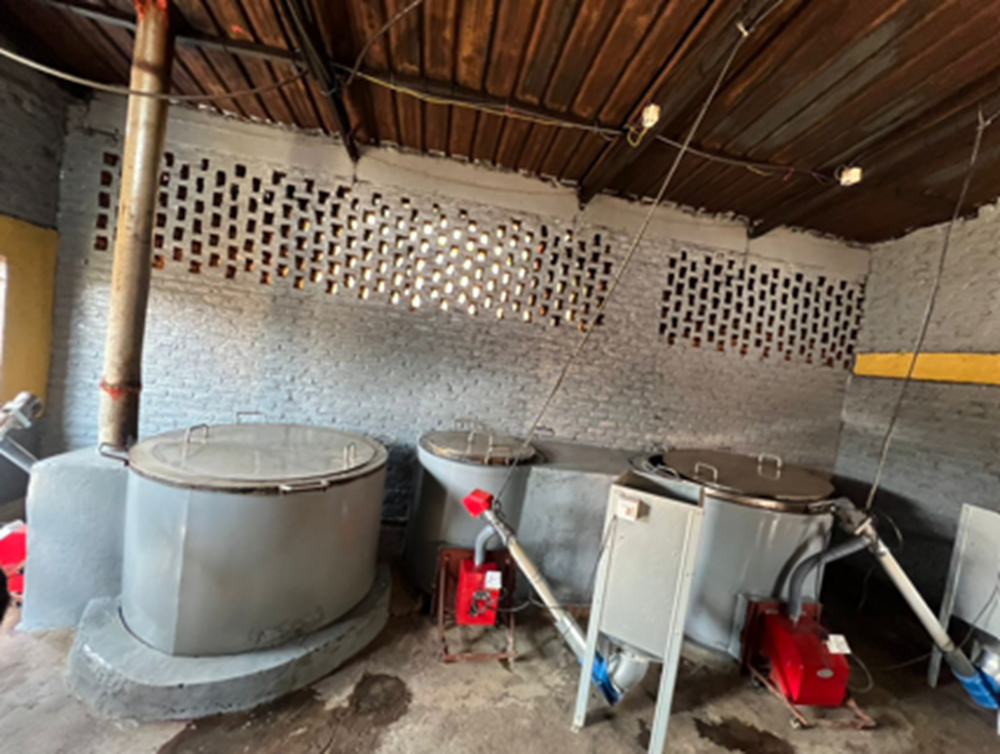
    Sylvain Rucyaha added that, in partnership with the Ministry of Education (MINEDUC), BioMassters has already converted the kitchens of 10 schools to use pellets and plans to extend the programme to 250 schools in the coming years.

    BioMassters is set to distribute more than 1,200 cookstoves and their pellets worth over Rwf94 million.
    BioMassters CEO Claudia Muench said the company aims to provide households with cooking stoves that are easy to use, affordable and environmentally friendly.
    BioMassters cookstoves are designed to minimise air pollution
    BioMassters has helped 10 schools adopt cleaner cooking solutions.

    Source : https://new.igihe.com/english/biomassters-to-distribute-1280-clean-cookstoves-worth-over-rwf94-million/

  • More time in dream sleep linked to lower risk of dozens of diseases #rwanda #RwOT

    The study, published in PLOS Medicine, examined real-world sleep patterns and their relationship with more than 1,000 health outcomes.

    Researchers analysed data from 95,559 UK Biobank participants who wore wrist accelerometers continuously for seven days and nights. Participants were then followed for a median of 8.9 years.

    Using a deep-learning algorithm, researchers estimated participants' REM, deep and light sleep, as well as total sleep duration, periods of wakefulness during the night and night-to-night sleep irregularity.

    The researchers found that greater amounts of REM sleep were associated with a lower risk of 83 diseases. These included heart failure, dementia and Parkinson's disease.

    An increase of about 47.6 minutes in REM sleep, representing the interquartile range used in the analysis, was associated with a 26% lower risk of heart failure, a 46% lower risk of dementia and an 80% lower risk of Parkinson's disease.

    The study also found that greater amounts of deep sleep were associated with a lower risk of seven conditions, including type 2 diabetes and major depressive disorder.

    Sleep consistency also appeared to matter. Greater night-to-night sleep irregularity and more time awake after initially falling asleep were associated with higher risks of several conditions, including anxiety and substance use disorders.

    The researchers also found a non-linear relationship between total sleep duration and disease risk.

    For many conditions, the lowest levels of risk were concentrated among people who slept between six and eight hours per night.

    By comparison, people who slept for less than five hours had an increased risk associated with 37 conditions.

    However, the researchers stressed that the findings show associations rather than proof of cause and effect.

    Because the study was observational, it cannot establish that getting more REM or deep sleep directly prevents disease.

    The study also relied on sleep measurements collected over seven days, meaning those measurements may not fully represent participants' long-term sleep patterns.

    The authors said the findings provide additional evidence that sleep duration and the distribution of different sleep stages may be important for health, particularly among middle-aged and older adults.

    They identified 156 significant associations between sleep patterns and diseases after statistical correction, highlighting the broad relationship observed between sleep characteristics and long-term health outcomes.

    More REM and deep sleep were associated with lower risks of several diseases in a study of more than 95,000 UK Biobank participants.

    Source : https://new.igihe.com/english/more-time-in-dream-sleep-linked-to-lower-risk-of-dozens-of-diseases/

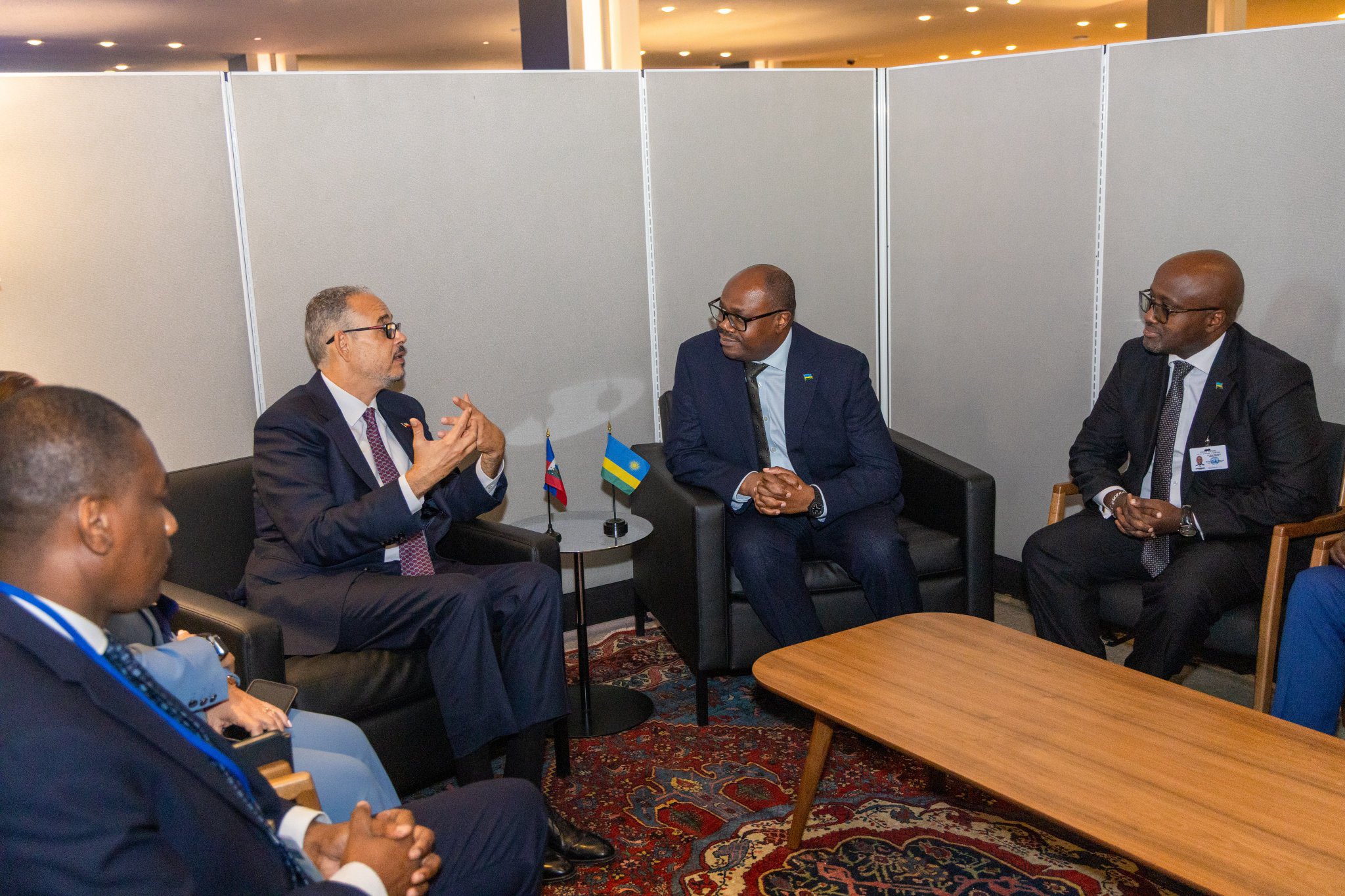
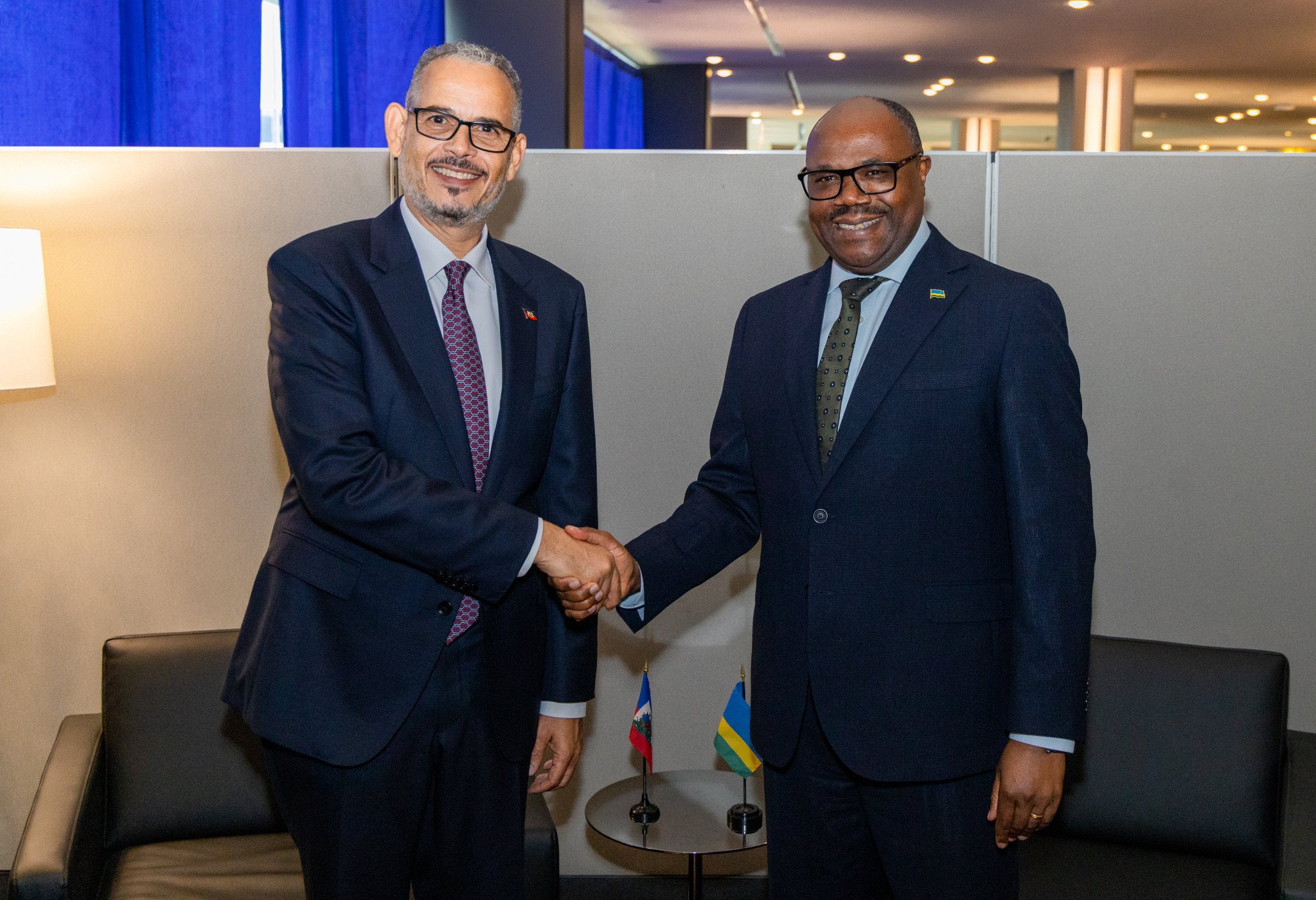
  • Haiti, Rwanda prime ministers discuss security cooperation in New York #rwanda #RwOT

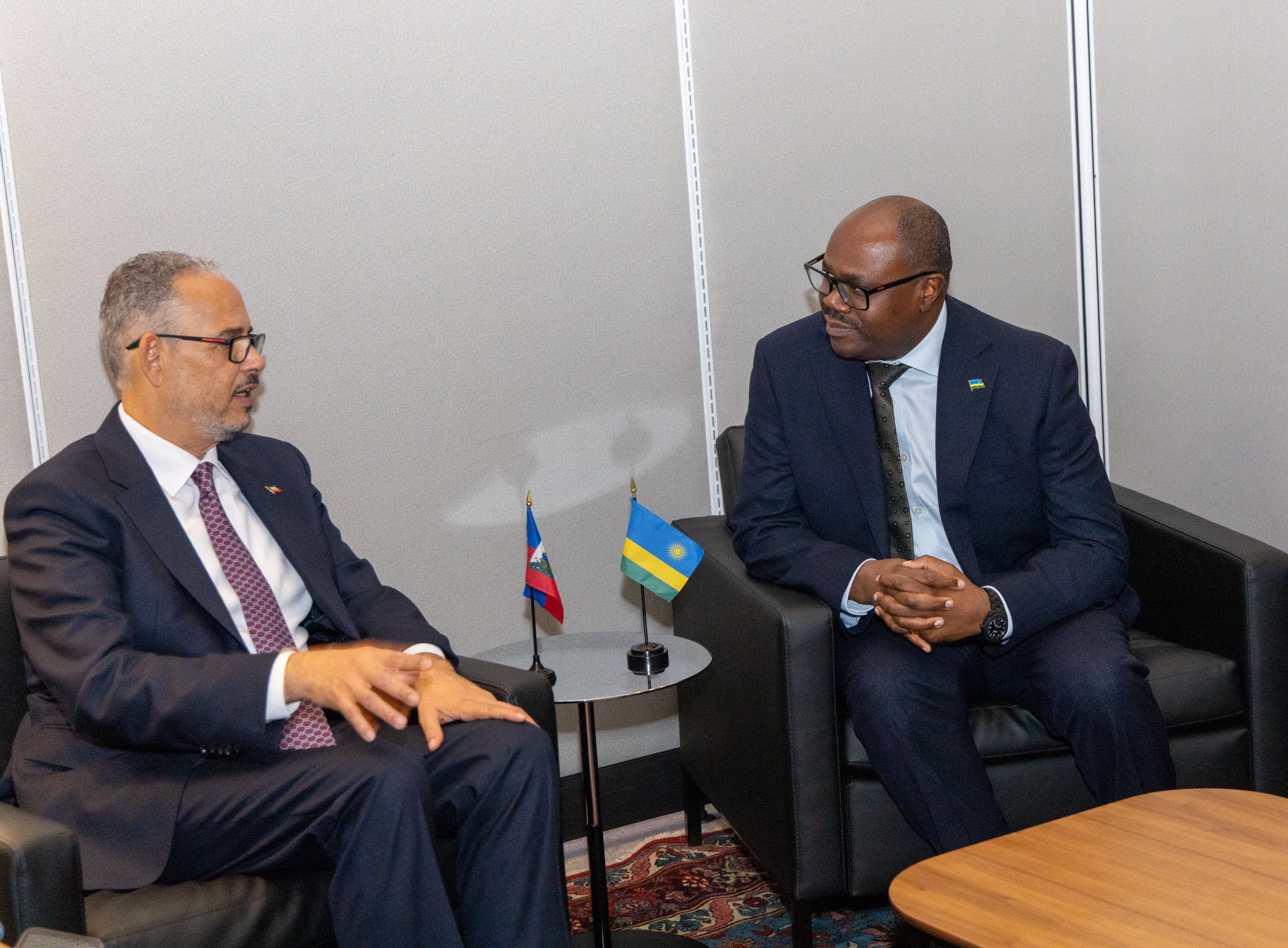
    According to Haitian media, the discussions focused on efforts to restore national security in Haiti, strengthen the country's security forces, consolidate state institutions and hold credible elections.

    The Haitian government said it wants to strengthen its partnership with Rwanda and, more broadly, with African countries in areas including security, training, governance and development.

    The meeting comes as Haiti continues to face a severe security crisis linked to armed groups, particularly in the capital, Port-au-Prince.

    Haitian authorities have been seeking support to build the capacity of the country's security forces and strengthen state institutions as they work to restore security and create conditions for credible elections.

    Rwanda has previous experience of security cooperation with Haiti through UN peacekeeping missions. The Rwanda National Police concluded its peace-support deployment in Haiti in 2019, after nine years of rotational deployments.

    Rwanda remains one of the largest contributors to UN peacekeeping operations and has deployed security personnel to missions in several countries.

    According to Haitian media, the discussions focused on efforts to restore national security in Haiti, strengthen the country's security forces, consolidate state institutions and hold credible elections.
    The Haitian government said it wants to strengthen its partnership with Rwanda and, more broadly, with African countries in areas including security, training, governance and development.
    The meeting comes as Haiti continues to face a severe security crisis linked to armed groups, particularly in the capital, Port-au-Prince.

    Source : https://new.igihe.com/english/haiti-rwanda-prime-ministers-discuss-security-cooperation-in-new-york/

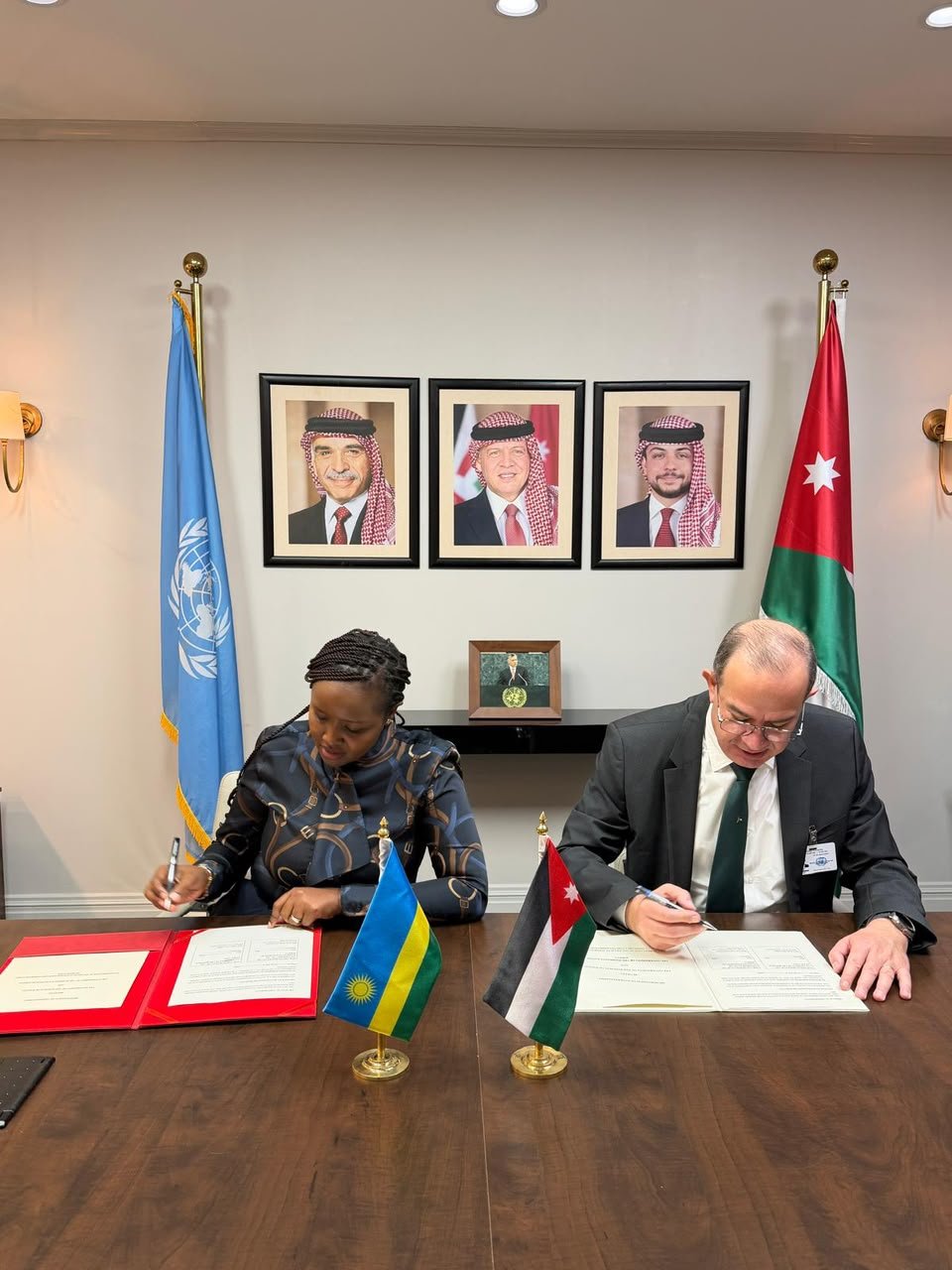
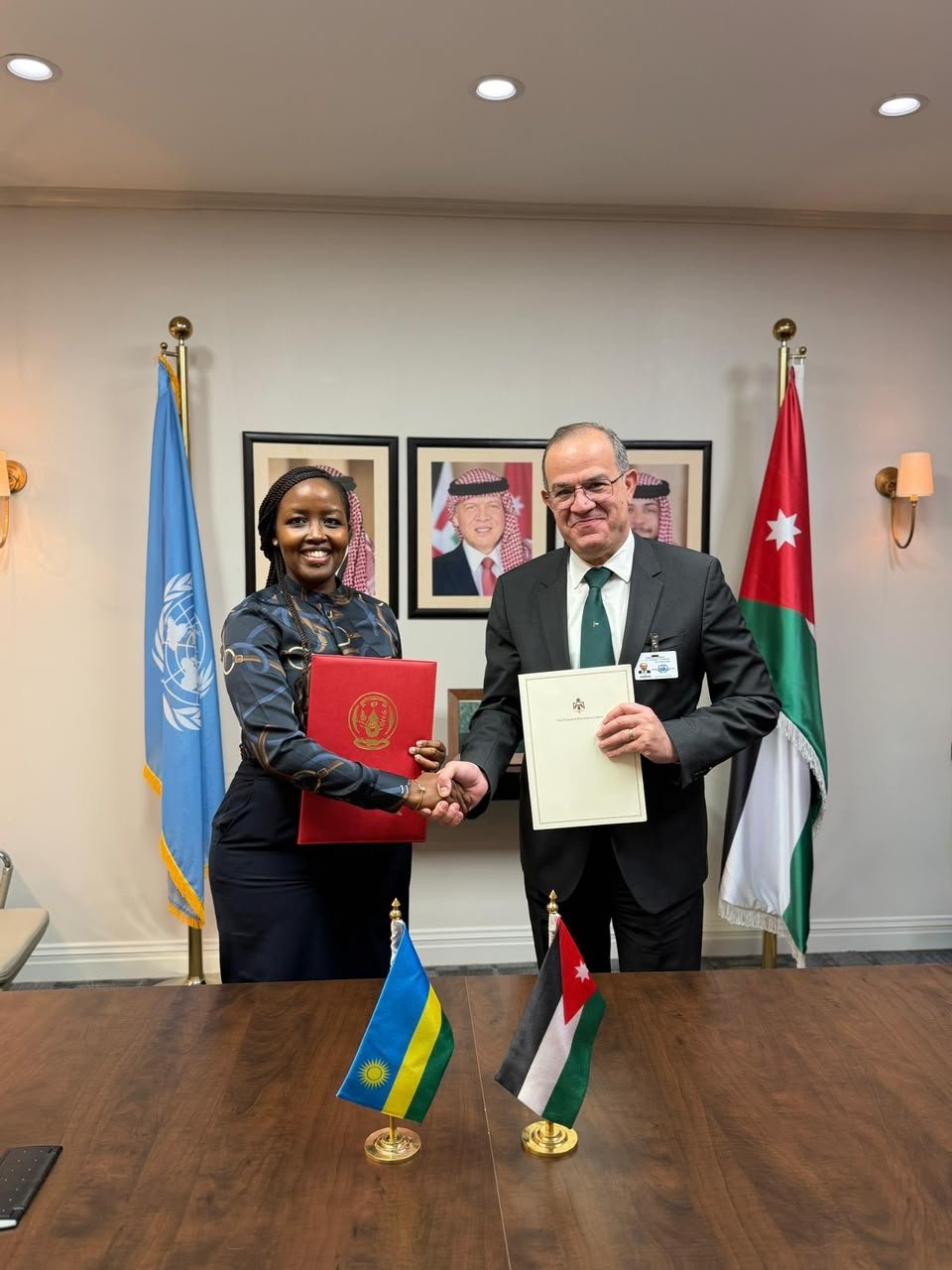
  • Rwanda, Jordan sign MoU to strengthen digital transformation cooperation #rwanda #RwOT

    The agreement was signed by ICT and Innovation Minister Paula Ingabire and her Jordanian counterpart Sami Smeirat on the margins of the 81st United Nations General Assembly (UNGA81) in New York, according to a statement issued by the ministry on Thursday, September 24.

    Discussions between the officials focused on opportunities for knowledge exchange, institutional collaboration and reciprocal visits as the two countries work to translate the agreement into concrete areas of cooperation.

    Jordan also highlighted its national digital platforms, including its Super App, as part of its experience in delivering digital public services. The app functions as a single gateway combining digital identity, government services, and everyday digital transactions into one platform.

    'Both sides discussed opportunities for knowledge exchange, institutional collaboration and reciprocal visits to translate the MoU into concrete areas of cooperation,' the ministry said.

    The agreement comes as Rwanda continues to expand the use of digital technologies in public service delivery and other areas of the economy.

    During UNGA81, Minister Ingabire also participated in Anthropic's Global Development Briefing, which brought together governments, development organisations, humanitarian actors and technology partners to discuss how artificial intelligence can support development.

    The discussions covered the use of AI in healthcare, education, science and humanitarian response, as well as access to technology, infrastructure, skills and responsible deployment.

    Ingabire highlighted Rwanda's focus on practical AI applications, noting that more than 30 AI use cases are currently underway. She also pointed to opportunities to develop solutions that can be scaled across Africa.

    The minister further participated in a session hosted by the UN Office for Digital and Emerging Technologies and the UN Development Programme on strengthening digital public infrastructure across borders.

    The session brought together experiences from Africa, Brazil and Latin America, with discussions focusing on digital identity, interoperable payments, federated data exchange, common application programming interfaces (APIs) and shared standards.

    The participants also discussed governance frameworks needed to sustain digital public infrastructure systems across borders.

    Rwanda shared its experience with digital identity and payment interoperability, with the discussions examining how national digital public infrastructure can support deeper regional integration and enable more seamless cross-border services.

    The agreement was signed by Minister of ICT and Innovation Paula Ingabire and Jordan's Digital Economy and Entrepreneurship Minister Sami Smeirat on the margins of the 81st United Nations General Assembly in New York.

    Source : https://new.igihe.com/english/rwanda-jordan-sign-mou-to-strengthen-digital-transformation-cooperation/

  • Study highlights need for nutritional monitoring among children using medications #rwanda #RwOT

    The research, published in the journal Childhood Obesity, examined the use of glucagon-like peptide-1 receptor agonists, commonly known as GLP-1 medications, among children aged 10 to 17.

    Researchers analysed health insurance claims data covering more than 100 million patients in the United States between 2017 and 2022. They identified 2,031 children who started GLP-1 treatment and had no previous diagnosis of a nutritional deficiency.

    Within one year of beginning treatment, 16.8% of the children were diagnosed with at least one nutritional deficiency or related complication.

    Vitamin D deficiency was the most commonly recorded condition, affecting 12.4% of the children. Nutritional anaemia was diagnosed in 1.55%, while iron-deficiency anaemia affected 1.44% of those included in the study.

    Researchers said adequate nutrition is particularly important during adolescence because the body requires essential nutrients to support bone development, muscle growth and puberty.

    GLP-1 medications can reduce appetite and food intake, which may make it more difficult for some young patients to consume enough nutrients.

    'Nutrients such as vitamin D, iron and calcium are of particular concern during adolescence,' said Justin Ryder, a senior author of the study and a researcher at Ann & Robert H. Lurie Children's Hospital of Chicago and Northwestern University Feinberg School of Medicine.

    The study also found that nutritional counselling was not commonly provided soon after children began GLP-1 treatment. Only 5.8% of patients had a nutrition therapy or counselling visit within 30 days of starting treatment, while 23.3% received such care within six months.

    The researchers said these findings highlight the importance of nutritional support and monitoring for children receiving GLP-1 medications.

    However, the study does not prove that GLP-1 drugs directly caused the nutritional deficiencies.

    The researchers relied on health insurance claims data, which provide information about diagnoses and medical services but do not contain detailed information about patients' diets or laboratory results.

    The data also ended in 2022, meaning treatment patterns may have changed as the use of GLP-1 medications expanded.

    The researchers concluded that nutritional screening, counselling and continued monitoring could be incorporated into pediatric GLP-1 treatment to help support healthy growth and development.

    GLP-1 medications are increasingly used to manage obesity and other metabolic conditions among children and adolescents.

    Source : https://new.igihe.com/english/study-highlights-need-for-nutritional-monitoring-among-children-using-medications/

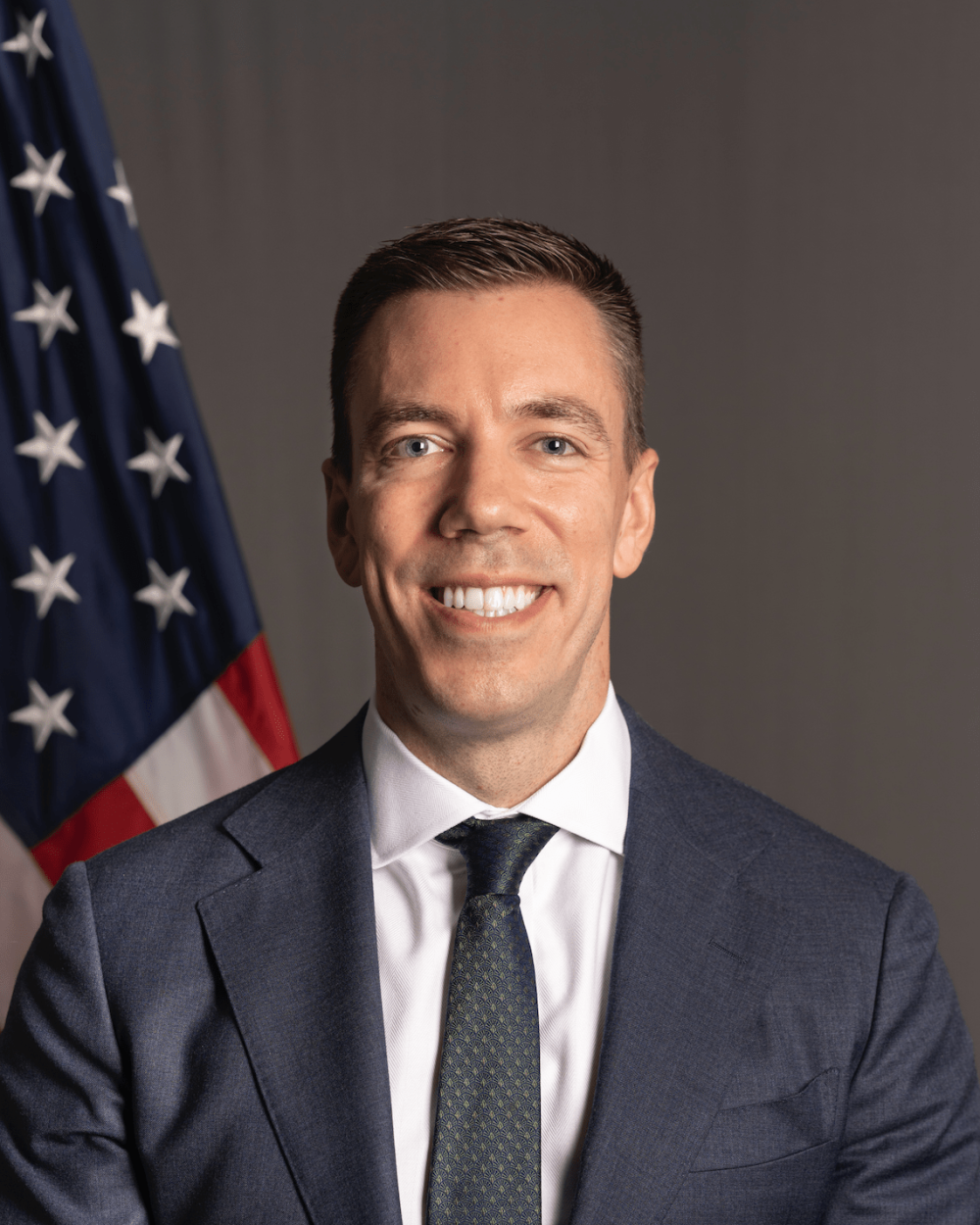
  • Trump's Rwanda envoy nominee Nicholas Checker outlines key priorities #rwanda #RwOT

    Checker made the remarks on Thursday, September 24, during his confirmation hearing before the US Senate Foreign Relations Committee.

    If confirmed, Checker said his approach would be guided by what he described as 'America First diplomacy', built around respect for sovereignty, pragmatic cooperation and the protection of US interests.

    'I would engage in an America First diplomacy grounded in strategic humility, respect for sovereignty, quiet leverage on values-based issues, and pragmatic collaboration on mutual interests,' he told senators.

    Checker said the safety of US citizens in Rwanda and US Embassy staff would be his highest priority, alongside efforts to expand trade and investment between the two countries.

    'I would also lead the team of outstanding diplomats there to expand our trade and investment relationship and advance regional stability in the Great Lakes,' he said.

    Washington Accords

    Much of Checker's testimony focused on the Washington Accords between Rwanda and the DRC, which he described as an important step towards lasting peace in the region.

    He told senators that the agreement's success would depend on 'full and verifiable compliance by all parties'.

    'The United States seeks a strong, positive relationship with Rwanda, but its government first must live up to its commitments to President Trump,' he said.

    Responding to a question from Foreign Relations Committee Chairman Bill Hagerty, Checker said the Washington Accords represented a significant opportunity to link peace efforts in eastern DRC with economic integration.

    He described the agreement as 'the most meaningful advance towards resolving this decades-long conflict in its history', crediting Trump, Secretary of State Marco Rubio and Senior Adviser Massad Boulos for their diplomatic efforts.

    Checker said the economic component of the agreement was aimed at transforming the region's mineral sector and creating opportunities for US companies.

    He pointed to the Regional Economic and Investment Framework, which he said contains commitments by Rwanda and the DRC on transparency and traceability of minerals including tin, tantalum and tungsten.

    Checker said the framework could help US companies secure supplies of minerals with applications in defence and consumer electronics while creating a more transparent investment environment in the region.

    'So this is really economic integration for peace,' he stressed.

    He nevertheless identified implementation as the main challenge facing the Washington Accords, saying both Rwanda and the DRC must respect each other's territorial integrity.

    Rwanda has repeatedly maintained that implementation of the Washington Accords must be assessed against the commitments made by both Kigali and Kinshasa.

    Rwanda maintains that it remains committed to the agreement but has argued that its obligations cannot be implemented selectively. Kigali points to the DRC's support for the FDLR militia group as a security issue that must be addressed through its complete neutralisation, as outlined in the accords signed last year.

    The Washington framework includes provisions addressing the neutralisation of the FDLR and the lifting of Rwanda's defensive measures, with implementation overseen through joint mechanisms.

    Wider US-Rwanda engagement

    Beyond the eastern DRC conflict, Checker said he would seek to expand political and economic engagement between Washington and Kigali, including creating new opportunities for US businesses.

    He also cited regional cooperation on broader challenges, including the current Ebola crisis.

    Checker also hailed Rwanda's resilience in rebuilding the country after the Genocide against the Tutsi, highlighting its efforts to restore security, rebuild institutions and foster a sense of national identity. He described the country's post-genocide recovery as extraordinary, saying Rwanda had developed an enduring sense of self-reliance in the years since the 1994 Genocide against the Tutsi.

    At the same time, he stressed that US foreign policy would ultimately be guided by American national interests.

    Checker was nominated by Trump in July. He previously served as Deputy Assistant Secretary for Southern Africa and Foreign Assistance at the US Department of State and as Senior Bureau Official leading the Bureau of African Affairs.

    He also served at the National Security Council and spent more than a decade at the CIA working on conflict and security issues.

    If confirmed by the US Senate, Checker will succeed Eric Kneedler, who concluded his tour of duty as US Ambassador to Rwanda early 2026.

    Nicholas Checker was nominated by Trump to serve as US ambassador to Rwanda in July. He previously served as Deputy Assistant Secretary for Southern Africa and Foreign Assistance at the US Department of State and as Senior Bureau Official leading the Bureau of African Affairs.

    Source : https://new.igihe.com/english/trumps-rwanda-envoy-nominee-nicholas-checker-outlines-key-priorities/