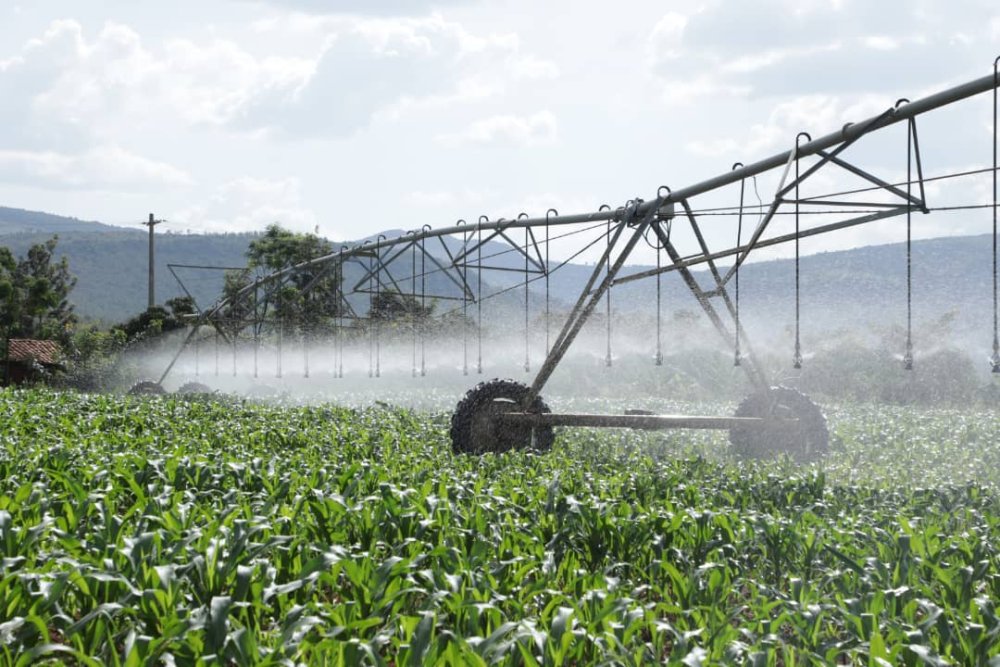
The commitment is contained in the AfDB Group's 2025 Country Portfolio Performance Review (CPPR) report for Rwanda, released on August 20, 2026, which assesses the performance of Bank-funded operations in the country as of November 2025.
According to the report, Rwanda's active AfDB portfolio is heavily concentrated in infrastructure, which accounts for 87% of total commitments. Water supply and sanitation alone represents 34% of the portfolio, followed by energy at 30%, multi-sector operations at 11%, finance at 10%, and transport at 9%. By contrast, agriculture, communications, social and urban development together make up just 6% of the portfolio's value.
The report describes this infrastructure dominance as reflecting the Bank's 'longstanding support to the government's foundational utility priorities,' but warns that such concentration 'poses a significant risk, potentially constraining the case for additional stand-alone infrastructure investments.'
In response, and in direct alignment with Rwanda's Second National Strategy for Transformation (NST2, 2024/25–2028/29), the Government of Rwanda has requested a strategic pivot toward agriculture. The reorientation is intended to rebalance the portfolio, mitigate concentration risk, and 'catalyse transformative growth in high-priority productive sectors,' the report states.
NST2 itself prioritises private sector-led growth, agricultural modernisation, and export-oriented manufacturing, alongside efforts to accelerate inclusive growth and create jobs for youth and women.
Existing agriculture pipeline
The planned $400 million push builds on a currently modest agriculture portfolio. As of January 2026, AfDB-financed agriculture operations in Rwanda stood at just UA 11.2 million (approximately $15.2 million), representing only 9.2% disbursement, and centred on the Development of Agroforestry and Sustainable Agriculture project.
A larger agriculture operation is already in the pipeline: the Climate Smart Agriculture Results-Based Financing (RBF) programme, valued at USD 348 million (UA 254 million), blending ADF and ADB loan financing, according to the report's annex on the Indicative Operations Programme.
Wider portfolio
The agriculture pivot comes against the backdrop of a rapidly growing but increasingly strained AfDB portfolio in Rwanda. As of 31 January 2026, the Bank's active portfolio comprised 29 operations, 27 public sector and 2 private sector, with total commitments $2.6 billion), a 71% increase from $1.49 billion) in November 2023.
However, the share of red-flagged projects facing performance challenges doubled from 13% in 2023 to 26% in 2025, driven largely by procurement delays and weaknesses in contract management. The cumulative disbursement rate across the portfolio currently stands at 36%.
The Bank and the Government of Rwanda, through the Ministry of Finance and Economic Planning (MINECOFIN), have endorsed a 2025 Country Portfolio Improvement Plan (CPIP) aimed at addressing these bottlenecks, including measures to fast-track project readiness, strengthen contract management, and streamline procurement processes.
The 2025 CPPR report has been submitted for information to the AfDB's Committee on Operations and Development Effectiveness (CODE).
The African Development Bank (AfDB) plans to invest over $400 million (approximately Rwf590 billion) in Rwanda's agriculture sector over the next three years, as part of efforts to rebalance a portfolio currently dominated by infrastructure, which accounts for 87% of total commitments.
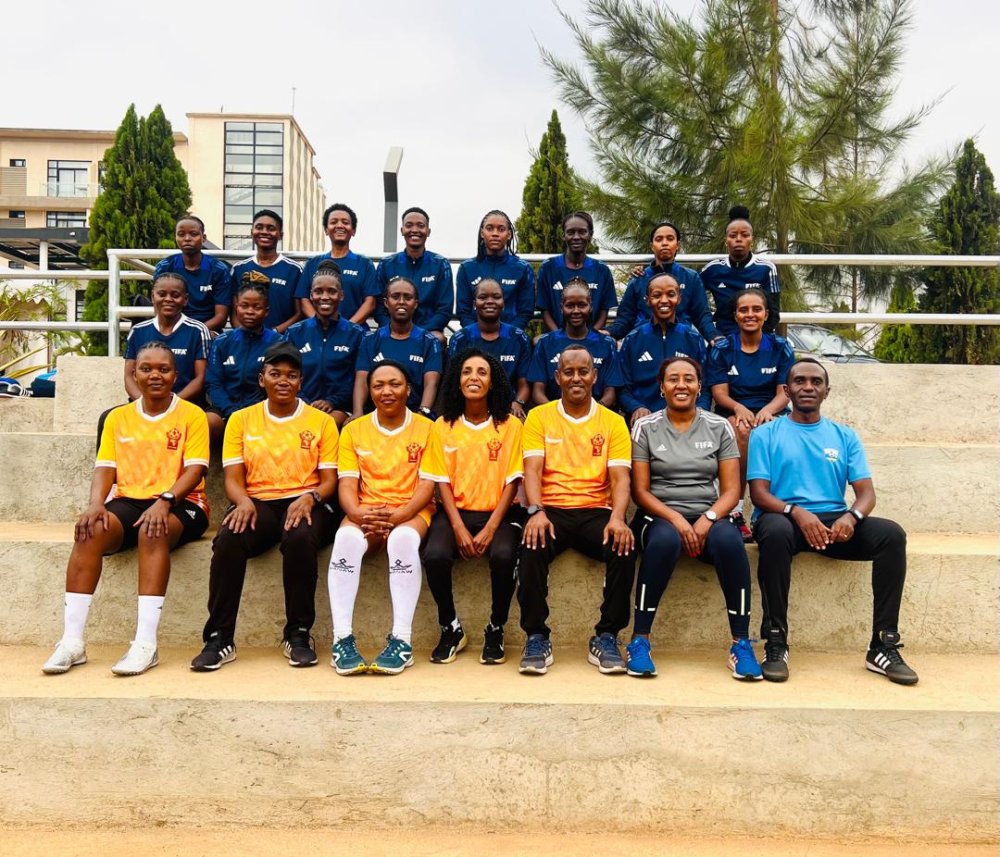
The three are Henriette Buyukenya, Aline Umutoni and Regine Mukayiranga.
The tournament kicks off on Friday, August 21, at Kigali Pele Stadium, with teams competing for a place in the group stage of the CAF Women's Champions League.
Ahead of the competition, the Council of East and Central African Football Associations (CECAFA) announced the officials who will oversee the matches.
Ali Ahmed, a member of the CECAFA Referees Committee, said the officials are in good condition and ready for the tournament.
'We are pleased with the level of the referees and their assistants who have been invited and are here today. We are confident that they will give their best to ensure that the matches run smoothly,' he said.
The tournament will run from August 21 to 31 in Kigali and will feature 10 teams. A total of eight referees and nine assistant referees have been appointed for the competition.
Umutoni is the only Rwandan referee on the list. She recently officiated at the Women's Africa Cup of Nations in Morocco and will be joined in Kigali by Kenya's Josephine Wanjiku, who also officiated at the continental tournament.
The other referees are Henriette Buyukenya and Regine Mukayiranga of Rwanda; Diana Murungi and Immaculate Ongiera of Uganda; and Joseyline Nsabimana and Anitha Niyokindi of Burundi.
The officiating team also includes Kenya's Josephine Wanjiku and Virginia Wangui, Deka Muse of Djibouti, Mary Sulaimani and Zawadi Yusuf of Tanzania, Yordanos Mulgeta and Woinshet Abera of Ethiopia, Arsema Haile of Eritrea, and Emmanuella Ako and Stella Sebit of South Sudan.
The 10 participating teams are Rayon Sports WFC, Yei Joint Star FC, Mafunzo SC, Denden FC, CBE FC, Kawempe Muslim Ladies, FC Ujeco, Simba Queens, Kenya Police Bullets FC and Top Girls Academy FC.
Three Rwandan referees have been selected to officiate the 2026 CAF Women's Champions League CECAFA qualifiers, which bring together top women's clubs from East and Central Africa.
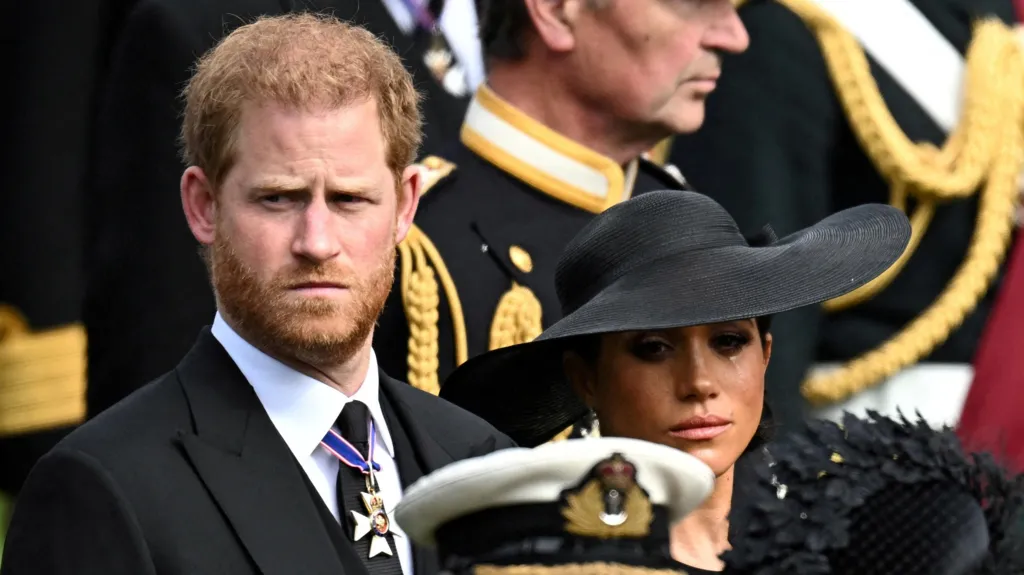
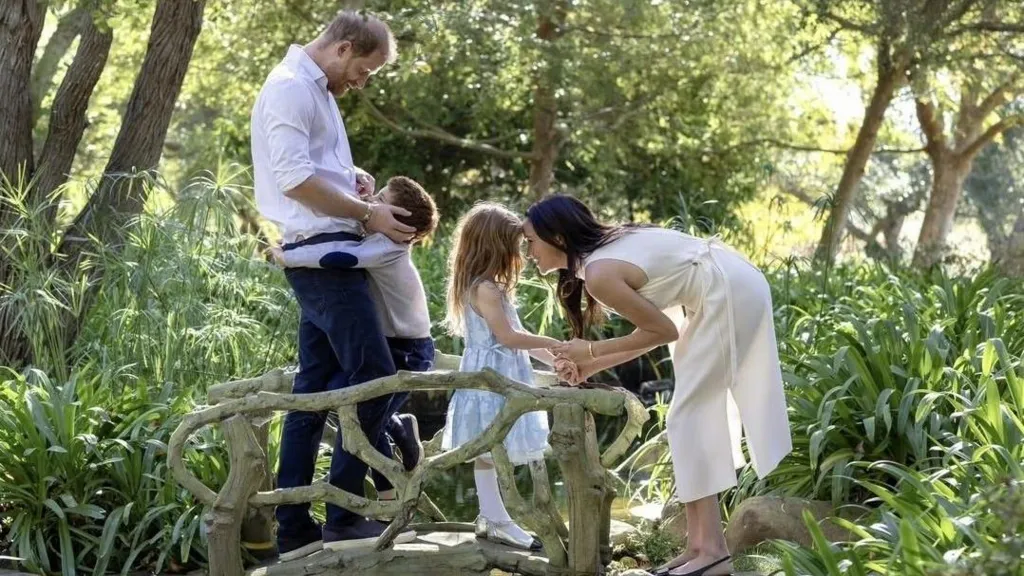
The couple, who have lived in California since 2020 after stepping back from their roles as senior working royals, are expected to settle in a private residence outside London. Their return could mark a significant new chapter for the family, particularly as their two children, Prince Archie and Princess Lilibet, are expected to begin at a British school in September.
Harry and Meghan stepped back from their royal duties in 2020, saying they wanted to become financially independent and spend more time away from the pressures of life as senior royals. Their decision came amid growing tensions over media coverage, privacy and their position within the Royal Family. They later settled in California, where they have lived for more than six years.
Prince Harry and Meghan had last been in the UK together at the late monarch's funeral.
The latest move has reportedly surprised members of the Royal Family. King Charles was informed about the plans last weekend and is said to welcome the opportunity to spend more private time with his son and grandchildren.
Royal commentator Robert Hardman summed up the surprise surrounding the news, telling BBC Radio 4's Today programme: 'Surprise is an understatement.' He added that the Sussexes 'have always been very good at delivering surprises'.
Hardman also highlighted the importance of Archie and Lilibet starting school in Britain, saying it suggested the children would be raised as 'British rather than American'.
There are no plans for Harry or Meghan to return as working royals. They will remain private individuals.
The news comes after Harry's visit to the UK in July, when he met his father at the King's Highgrove home in Gloucestershire. The meeting was described by the Palace as a private family occasion and was reportedly the first time the King had seen Archie and Lilibet in person for more than four years.
The Sussexes' children Archie and Lilibet are enrolled in a British school.
However, the return also raises questions about security. Harry has previously expressed concerns about bringing his wife and children to Britain and lost a legal challenge over the level of protection provided to him after he stepped down as a working royal.
It remains unclear what security arrangements will be in place when the family moves back. Hardman suggested some security issues may have been resolved, although details of the arrangements and who will pay for them remain unknown.
The Sussexes have not yet publicly commented on their plans.
Their return is likely to attract considerable interest in Britain and beyond, particularly because of the couple's complicated relationship with the Royal Family and the British press. For their young children, meanwhile, the move could mark the beginning of a new chapter as they experience life and education in the country where their father was born.
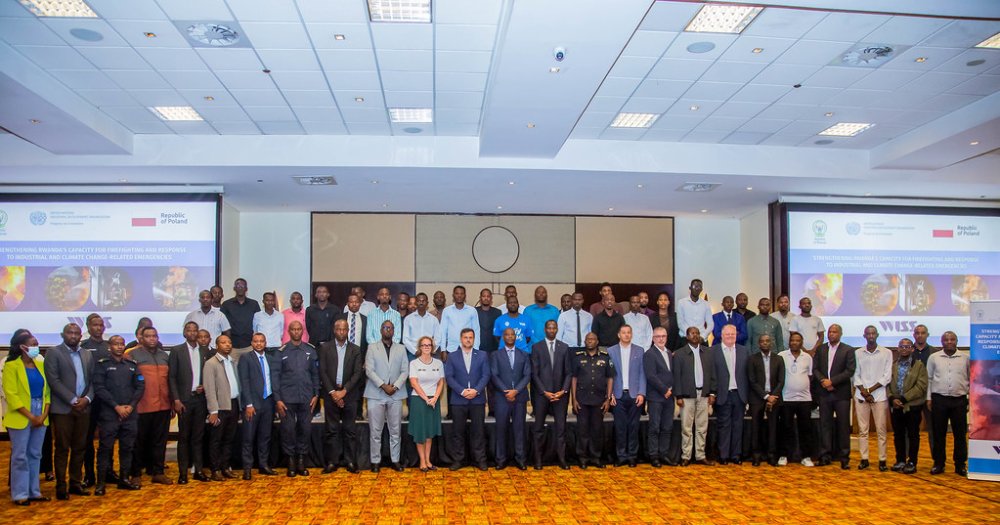
The figures were announced on August 20, 2026, during the official launch of a project aimed at strengthening Rwanda's capacity to respond to fires and other emergencies.
The project is funded by Poland through the United Nations Industrial Development Organization (UNIDO).
As part of the project, an assessment was conducted to better understand the causes of fires in Rwanda.
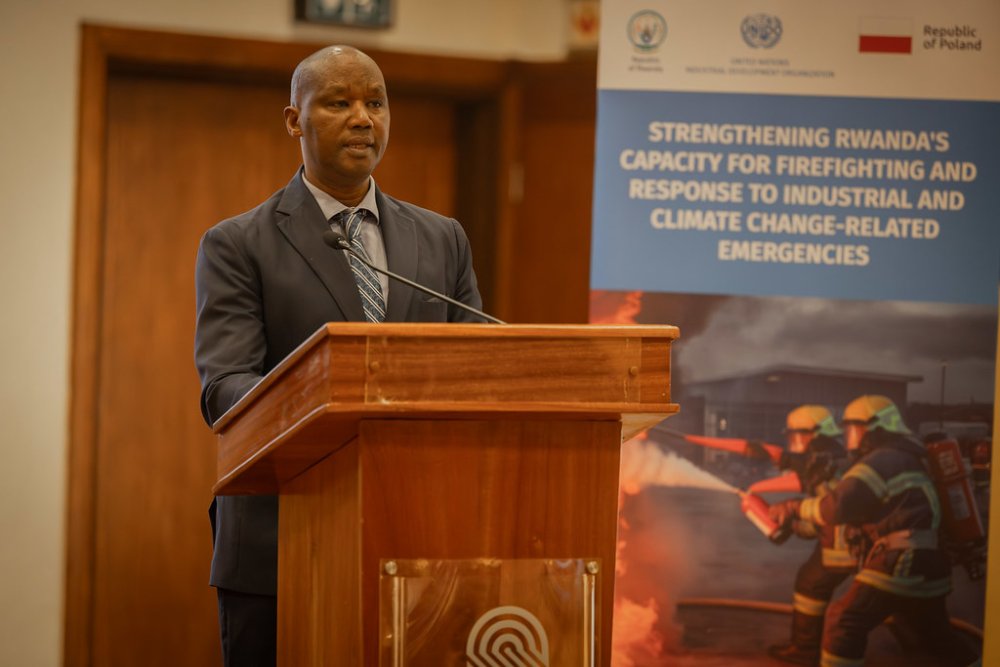
The Permanent Secretary in the Ministry of Internal Security, Benjamin Sesonga, said the Rwanda National Police plays an important role in fighting fires but cannot address the challenge alone.
He said cooperation with other institutions and young people is also needed to strengthen fire prevention and response.
'The Rwanda National Police has many responsibilities. We can also help by training young volunteers so that when we get equipment and broader training, we believe we will reach every citizen. When you do not work together with citizens, your activities do not reach everyone,' he said.
Sesonga said this was one of the reasons the project was launched, noting that Rwanda does not want people's property and economic activities to be destroyed by fires.
'We do not want the development we have achieved, the businesses of Rwandans, or someone who establishes a billion-franc factory today to be reduced to ashes the next day. We are using this opportunity so that every individual understands what we are saying and puts the required measures into practice to prevent fires across the country,' he said.
According to the figures presented, 71% of the fires recorded over the past five years were attributed to improper use of electricity, while 13% originated from cooking gas used in households.
Another 8% were linked to illegal activities, including hunting, while 5% were attributed to the improper mixing and storage of materials that can cause fires, including paint stored with gas or petroleum.
The remaining 3% were linked to strong winds and disasters, including landslides and floods, which disrupted electricity-generating infrastructure and resulted in fires.
The Rwanda National Police says more than 90,000 people have so far been trained in fire prevention and response across the country.
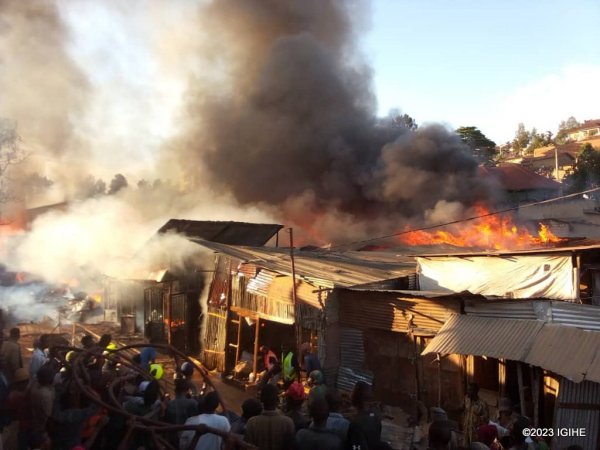
Ministry of Interior partners have backed project to strengthen Rwanda's fire responseThe Permanent Secretary in the Ministry of Internal Security, Benjamin Sesonga, said the Rwanda National Police plays an important role in fighting fires but cannot address the challenge alone.Rwanda recorded 1,380 fire incidents over the past five years, resulting in the deaths of 28 people and damaging commercial buildings, workshops, vehicles and other property.
While dismantling the FDLR may still appear a distant prospect, disarming the group is reportedly part of an agreement between the DRC government and the FDLR aimed at encouraging fighters to voluntarily lay down their weapons, place them in designated facilities and eventually reintegrate them into civilian life.
Rwanda has rejected the arrangement, saying it is not provided for under the Washington peace agreements.
Floribert Anzuluni, the DRC minister responsible for regional integration, confirmed the agreement in July 2026. He later said that an African country had agreed to receive FDLR fighters who refuse to return to Rwanda, adding that discussions were ongoing with other countries.
However, the history of the FDLR suggests that the problem may not end with the laying down of weapons. The group's networks, political structures and ideology could survive, as this is not the first attempt to dismantle the organisation while allowing elements associated with it to remain active.
This has prompted the International Contact Group for the Great Lakes (ICG), which works closely with the European Union, the United States, France and other partners monitoring developments in the region, to remind the DRC that it must dismantle the FDLR as required under the Washington peace agreement.
The ICG has also called on the DRC to establish a clear plan and timetable for dismantling the FDLR and to explain how the group's leaders or fighters suspected of serious crimes will be brought to justice.
The FDLR problem goes beyond weapons
Following the 1994 Genocide against the Tutsi in Rwanda, members of the defeated former Rwandan Armed Forces (Ex-FAR), Interahamwe militia members and others involved in the genocide fled to then-Zaire, which later became the DRC. The FDLR was established in 2000 by former members of these groups.
The US Treasury Department says the FDLR has committed ethnically motivated violence, killed civilians, abducted people and recruited children as soldiers. These activities have led to sanctions against the group's leaders.
Regional political analysts argue that any country considering receiving FDLR fighters must recognise that disarming them would not automatically eliminate the ideology they have embraced for decades or the support networks they have built.
UN experts' reports have indicated that the FDLR has continued to be led by Rwandans, while increasingly recruiting large numbers of Congolese fighters over the years.
The group has also maintained longstanding links with the DRC authorities. Within the Congolese army, there has reportedly been an officer responsible for coordinating with the FDLR, while FDLR fighters have at times been incorporated into government forces during periods of conflict.
These links demonstrate the resources and influence the group has accumulated during its decades in the DRC, as well as the extent to which it has become embedded in parts of Congolese society and armed networks.
Genocide ideology could move with them
One of the greatest risks for any country receiving FDLR fighters would be allowing the group's former structures and leadership to remain intact.
If leaders and fighters continue operating under what they describe as political objectives, they could potentially maintain activities aimed at destabilising Rwanda or spreading division.
They could do so through networks of supporters built over many years or through social media, allowing their ideology to gradually reach people in the host country and potentially even influence political structures, as has happened in parts of the DRC.
At that point, the issue would no longer simply concern 'former Rwandan fighters'. It could become a domestic security and social problem for the host country if the group's divisive ideology begins taking root there.
Accounts from former FDLR members have frequently referred to military training in Burundi. In recent years, some Burundian officials have also made statements appearing to defend the group or downplay the threat it poses.
Relocating FDLR fighters without dismantling their structures could therefore risk spreading the group's extremist ideology beyond the DRC.
The lesson from the DRC
UN expert reports have documented links between the FDLR and Congolese armed groups including APCLS and Nyatura. The FDLR has also frequently cooperated with the Congolese army and armed groups incorporated into the Wazalendo coalition.
The FDLR has been accused of playing a significant role in the formation and leadership of groups including Nyatura, APCLS and CMC. Its cooperation with such groups has been particularly important because they have provided protection and hiding places for FDLR fighters when attacks were expected.
Another concern is the group's ability to rebuild its resources through illicit economic activities. The United States says the FDLR has generated revenue through mining, kidnapping for ransom, looting and environmental destruction, including charcoal production.
If these sources of financing are not dismantled, the FDLR could potentially recreate them in another country where its fighters are relocated.
Beyond relocation
An African country that agrees to receive some FDLR fighters would need a programme that goes far beyond providing them with a place to live.
The FDLR would need to be disarmed and stripped of its financing networks, while those suspected of involvement in the genocide, crimes against humanity or other serious offences would need to face justice rather than disappear into a broader reintegration programme.
UN principles on disarmament, demobilisation and reintegration (DDR) stress that simply removing fighters from armed groups is not enough. They need support to rebuild civilian lives, while host communities must also be involved so that former fighters can become part of local economic and social activities.
An African country that receives FDLR fighters could therefore give them an opportunity to begin new lives. But if it accepts them as a group that retains its leadership, networks and ideology, it could expose itself to some of the same problems the FDLR has created in the DRC.
More than 12,000 former fighters who left the forests of the DRC and returned to Rwanda have gone through reintegration programmes run by Rwanda's Demobilisation and Reintegration Commission (RDRC).
They have received training and support to rebuild their lives and are now participating in civilian life and contributing to Rwanda's development.
The FDLR has a history of spreading genocide ideology and ethnic hatred while carrying out acts of violence.
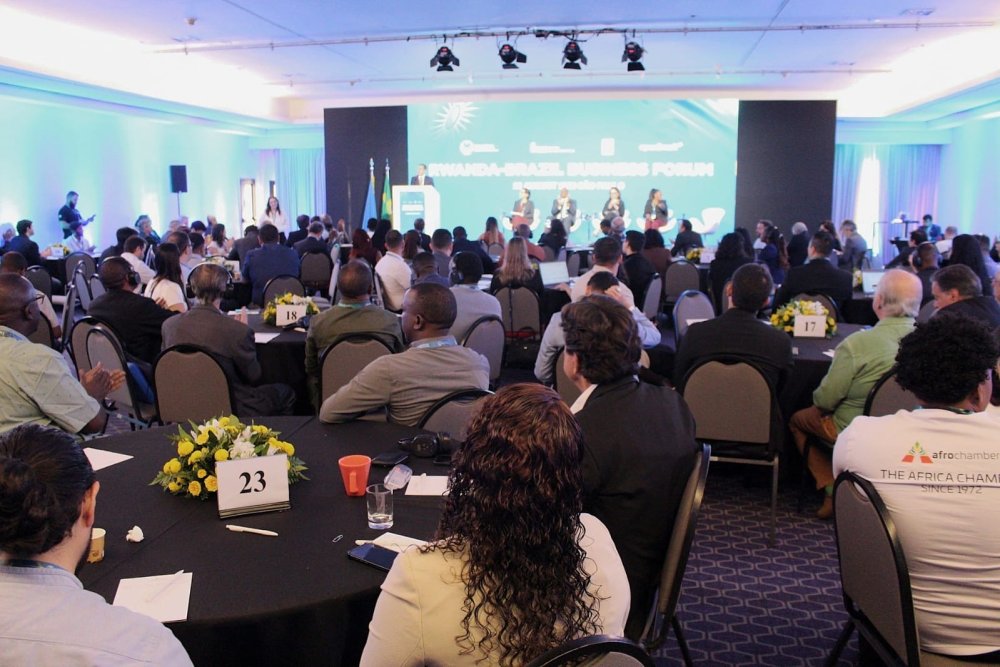
The forum took place on August 20, 2026, according to the Rwanda Development Board (RDB).
The event aimed to explore ways to further strengthen cooperation between Rwanda and Brazil while showcasing opportunities available in the African market.
Rwanda's Ambassador to Brazil, Lawrence Manzi, said Rwanda offers Brazilian businesses seeking a foothold in Africa a strategic gateway.
'For Brazilian businesses seeking a foothold in Africa, Rwanda is the gateway of choice. Our ease of doing business and strategic location make Rwanda the perfect bridge to the continent,' Manzi said.
Claver Tuyishimire, Permanent Secretary at the Ministry of Trade and Industry, said Rwanda's small size does not limit its investment opportunities.
'While Rwanda is small in size, it is vast in opportunity. Positioned at the heart of Africa and connected through the AfCFTA and regional markets, Rwanda provides a gateway to over 1.3 billion consumers across the continent,' Tuyishimire said.
The forum comes as Rwanda continues to encourage international investors to take advantage of opportunities in the country and its position as a bridge to different African markets.
In 2025, Rwanda registered investments worth $2.62 billion across 799 projects, up from 612 projects in 2024.
The newly registered investments were concentrated in sectors including real estate, manufacturing and mining.
Rwanda has set a target of doubling private investment to $4.6 billion by 2029.
Rwanda-Brazil ties
Rwanda and Brazil established diplomatic relations in 1981, and the two countries have since signed several agreements to strengthen bilateral cooperation.
In 2019, the two countries signed a Bilateral Air Services Agreement (BASA).
In 2011, Rwanda and Brazil also signed an agreement on cooperation aimed at strengthening food security.
Brazil is the world's leading producer of coffee, soybeans, sugarcane and oranges.
Since 2022, Rwanda has imported wheat from Brazil after imports from Ukraine declined. Rwanda also imports products including sugar from Brazil.
In February 2026, the governments of Rwanda and Brazil signed an agreement providing a framework for cooperation in promoting trade, facilitating investment and strengthening cooperation in various sectors.
More than 200 Brazilian investors have discussed how to tap into opportunities offered by Rwanda.
Montréal will host the 99th edition of the World Championships, following the 2025 edition held in Kigali, which was the first time the competition was staged on the African continent.
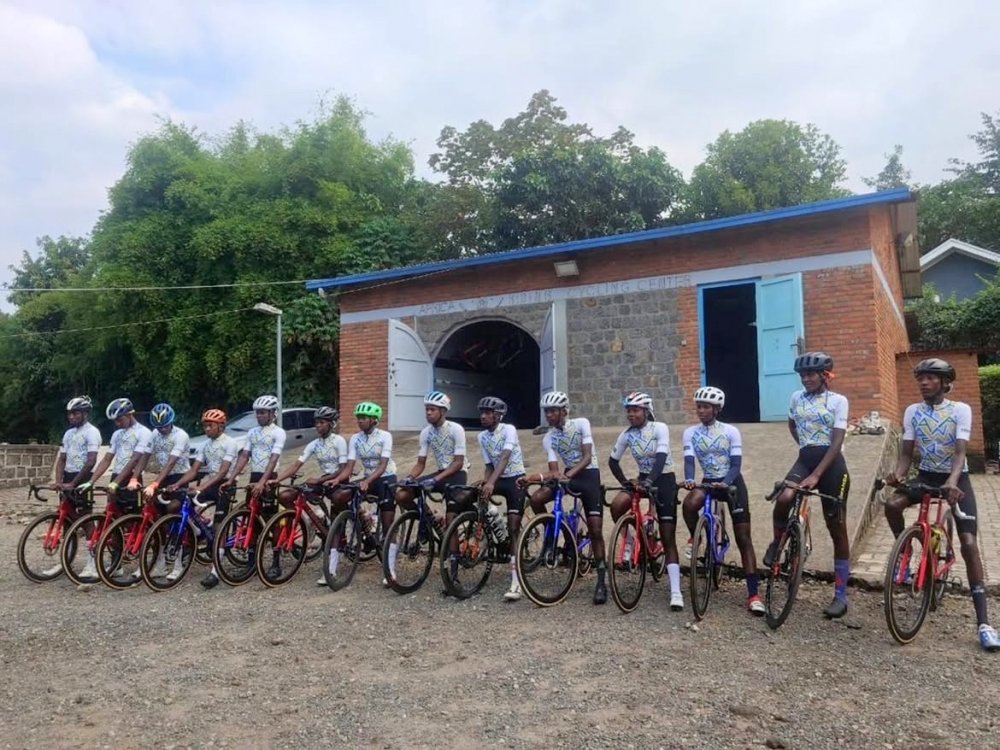
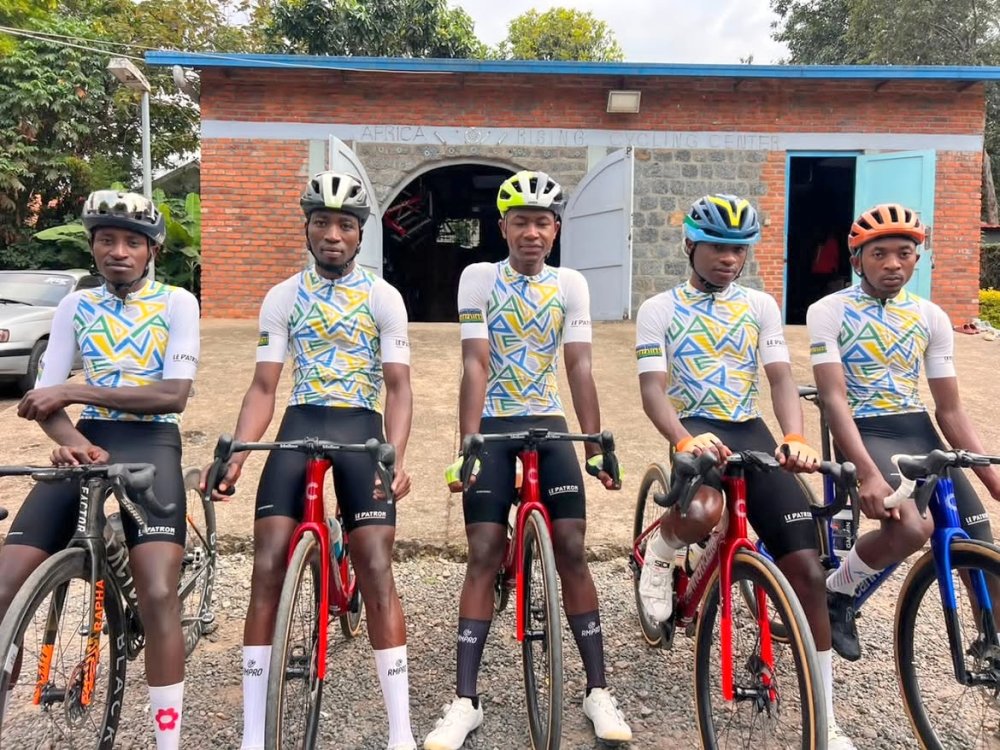
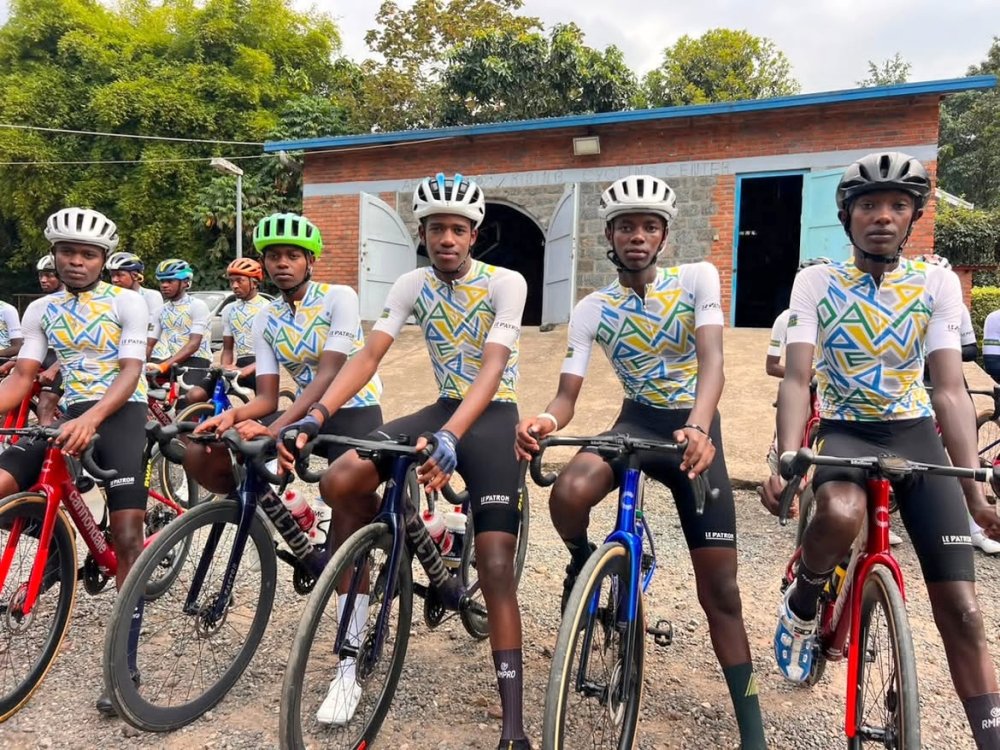
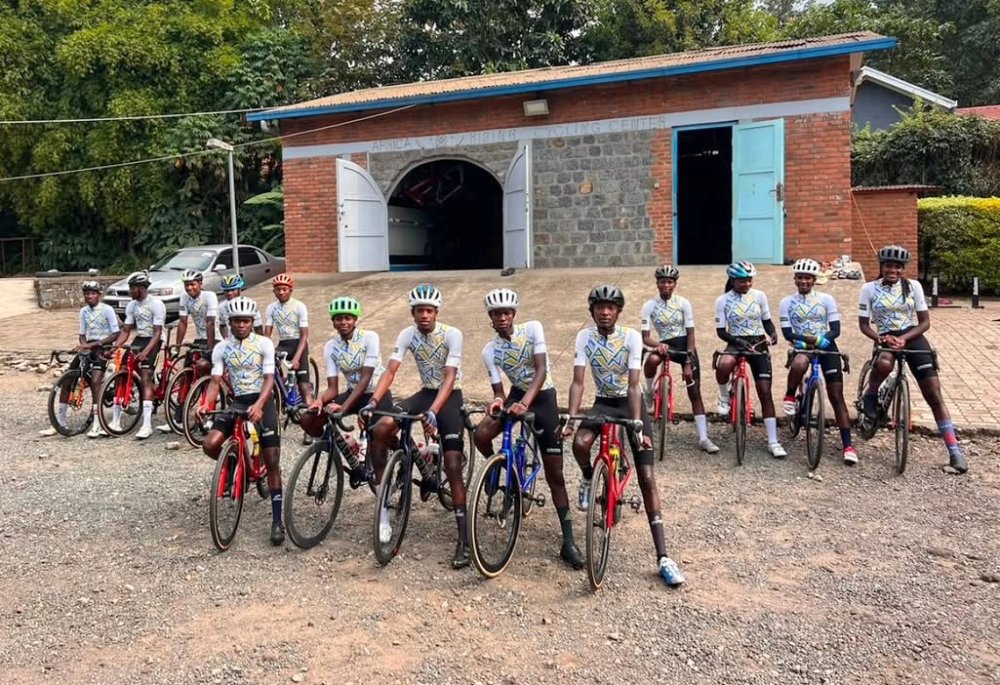
National team coach Félix Sempoma selected the 19 cyclists who began the training camp this week. Their preparations will run until September 16, 2026, before they travel to Canada for the World Championships scheduled for September 20-27.
The group includes cyclists competing in the elite men's and women's categories, Under-23 and junior categories for riders under the age of 19.
In the women's junior category, those attending the training camp are Yvonne Masengesho, Donatha Akimana and Zawadi Kanyange.
The elite and Under-23 women's group includes Xaveline Nirere, Claudette Nyirarukundo, Diane Ingabire, Liliane Uwiringiyimana (U23), Mariate Byukusenge (U23) and Jazilla Mwamikazi (U23), who is currently training in Europe.
In the men's elite category, Shemu Nsengiyumva is the only rider above the age of 23. The other riders are Shadrack Ufitimana, Aimé Ruhumuriza, Kevin Nshutiraguma and Samuel Niyonkuru.
The junior men's riders attending the training camp are Brian Ishimwe, Jackson Nkurikiyinka, Jonathan Rafiki Muhawenimana, Pacifique Byusa and Jules Mugabo.
In 2025, Rwanda was represented by 23 cyclists when the World Championships were held in Kigali.
Fourteen of those cyclists have been selected again for the 2026 preparations. They are Nsengiyumva Shemu, Niyonkuru Samuel, Ufitimana Shadrack, Ruhumuriza Aimé, Nshutiraguma Kevin, Ishimwe Brian, Byusa Pacifique, Nkurikiyinka Jackson, Ingabire Diane, Nyirarukundo Claudette, Uwiringiyimana Liliane, Mwamikazi Jazilla, Nirere Xaveline and Masengesho Yvonne.
The 19 cyclists selected for Rwanda's World Championships preparations are training in Musanze ahead of the competition scheduled for September in Montréal.Rwandan cyclists are stepping up preparations for the 2026 World Championships, with 19 riders currently training at the UCI Regional Satellite Centre in Musanze.Nineteen Rwandan cyclists have entered a training camp in Musanze as they prepare for the 2026 UCI Road World Championships in Montréal, Canada.
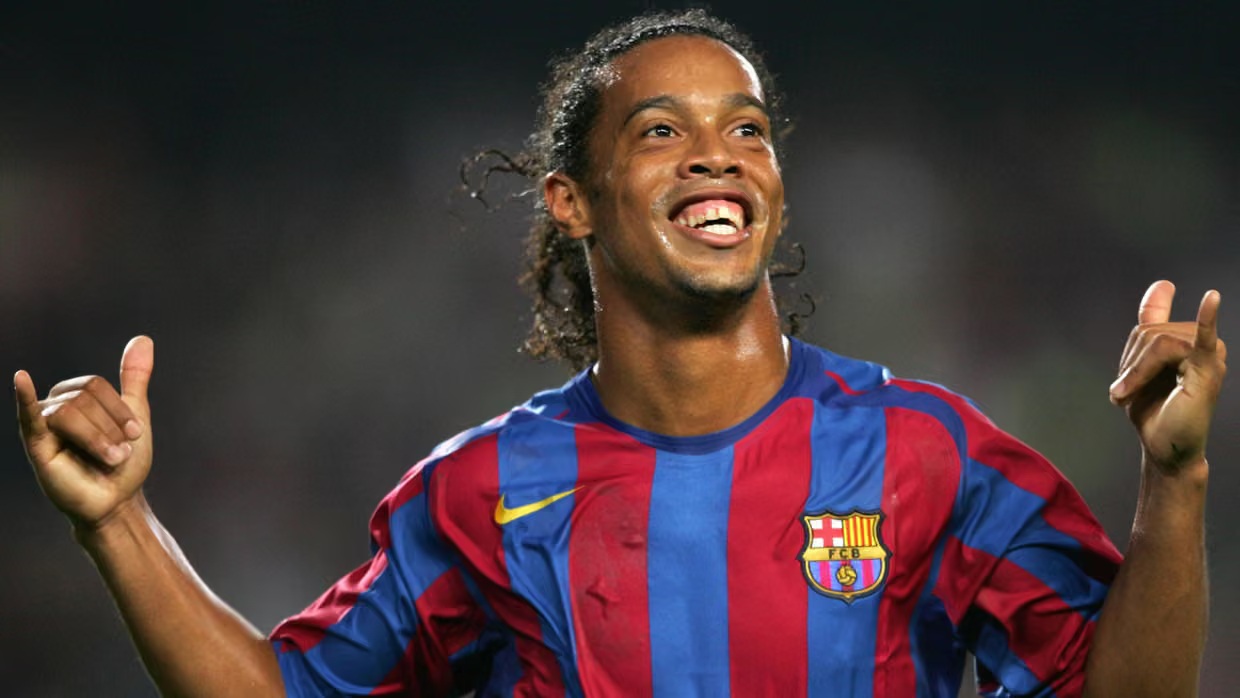
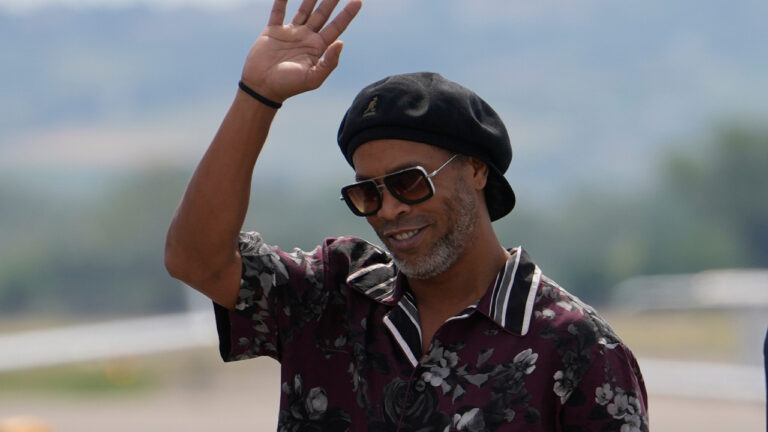
The former Ballon d'Or winner arrived in Italy on Thursday ahead of his official presentation, which is expected to be the centrepiece of a lavish 'Ronaldinho Day' celebration on the Adriatic coast.
Thousands of supporters are expected to attend the beach event, where Ravenna will unveil its squad ahead of the 2026-27 season.
Ronaldinho's return comes more than 11 years after his last competitive appearance for Fluminense in 2015. His decision to join Ravenna was announced in June as part of a wider agreement involving the club's ownership group.
Ravenna president Ignazio Cipriani, a member of the family behind the famous Cipriani restaurant and hospitality business, has stressed that Ronaldinho's involvement goes beyond publicity.
'This is not window dressing or a marketing stunt,' Cipriani said.
Ronaldinho has arrived in Italy ahead of signing for Ravenna!
The Brazilian legend will be officially unveiled tonight and has one final ambition in mind: to score the last professional goal of his career in a Ravenna shirt.
Ronaldinho is set to become a shareholder in the club and, remarkably, is also expected to take part in at least one official match during the season.
Cipriani has revealed the Brazilian has a particularly romantic ambition for his comeback: to score one final goal before bringing the curtain down on his playing career.
'His goal is to score his final goal in a Ravenna shirt,' Cipriani said.
It remains unclear exactly when Ronaldinho will take to the pitch. He has not been part of Ravenna coach Andrea Mandorlini's pre-season preparations, meaning he is unlikely to feature in the club's opening Serie C fixture against Reggiana.
Cipriani previously suggested Ronaldinho could play in a home league match, with his involvement dependent on his fitness and other circumstances.
The Brazilian enjoyed a glittering career that also included spells with Paris Saint-Germain, Barcelona, Atletico Mineiro and Mexican club Queretaro.
The comeback represents a remarkable second chapter in Italy for Ronaldinho, who spent two and a half seasons with AC Milan after joining the Rossoneri in 2008. He later moved to Flamengo in January 2011.
The Brazilian enjoyed a glittering career that also included spells with Paris Saint-Germain, Barcelona, Atletico Mineiro and Mexican club Queretaro.
At international level, Ronaldinho earned 97 caps for Brazil and was part of the team that won the 2002 World Cup. Three years later, he claimed the Ballon d'Or after a sensational spell at Barcelona.
Now, more than a decade after his final competitive appearance, one of football's most celebrated entertainers is preparing to lace up his boots again.
For Ravenna, the hope is that Ronaldinho can provide one last moment of magic, and perhaps score the final goal of a career that has already delivered countless unforgettable ones.
Former soccer star Ronaldinho acknowledges the media as he arrives at the airport ahead of the Ravenna Serie C 2026 soccer team presentation, joining the club as a technical coach and playing in one match in Ravenna, Italy.
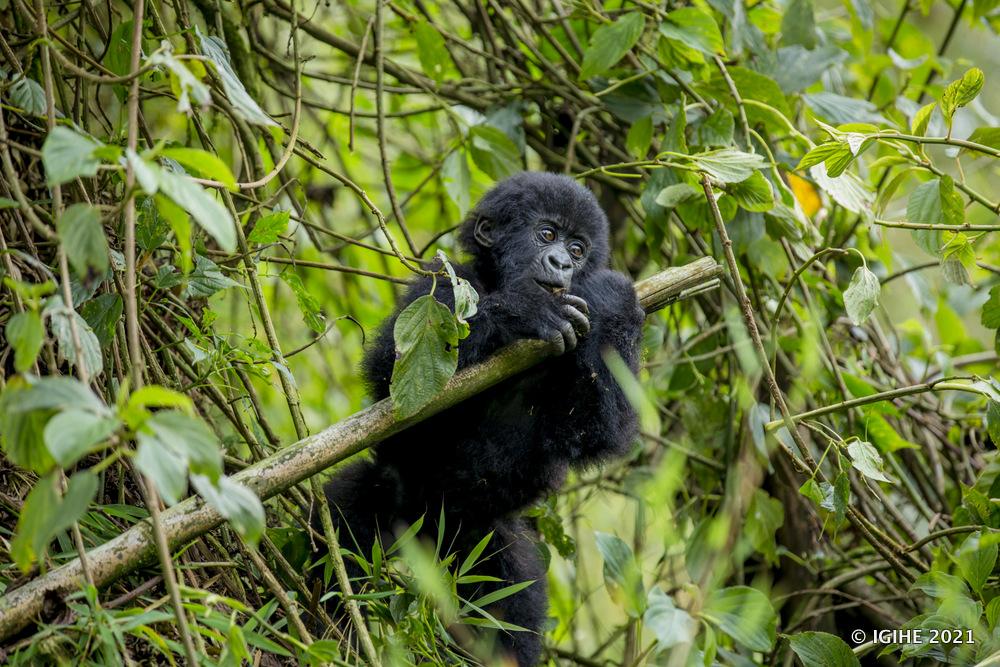
But there is much more to the experience than the famous one-hour encounter. Rwanda's mountain gorillas form part of the wider Virunga Massif, a transboundary ecosystem shared with different countries, meaning some of their characteristics and behaviours are shared across the population.
This article focuses on Rwanda's gorillas while celebrating the country's conservation success, brought to life each year through Kwita Izina, its annual gorilla naming ceremony that has attracted global figures and conservation champions since its launch in 2005.
Rwanda is preparing to name 22 baby mountain gorillas during the 21st Kwita Izina ceremony on September 4, 2026, in Kinigi, Musanze District, bringing the number of gorillas named through the annual ceremony to 460.
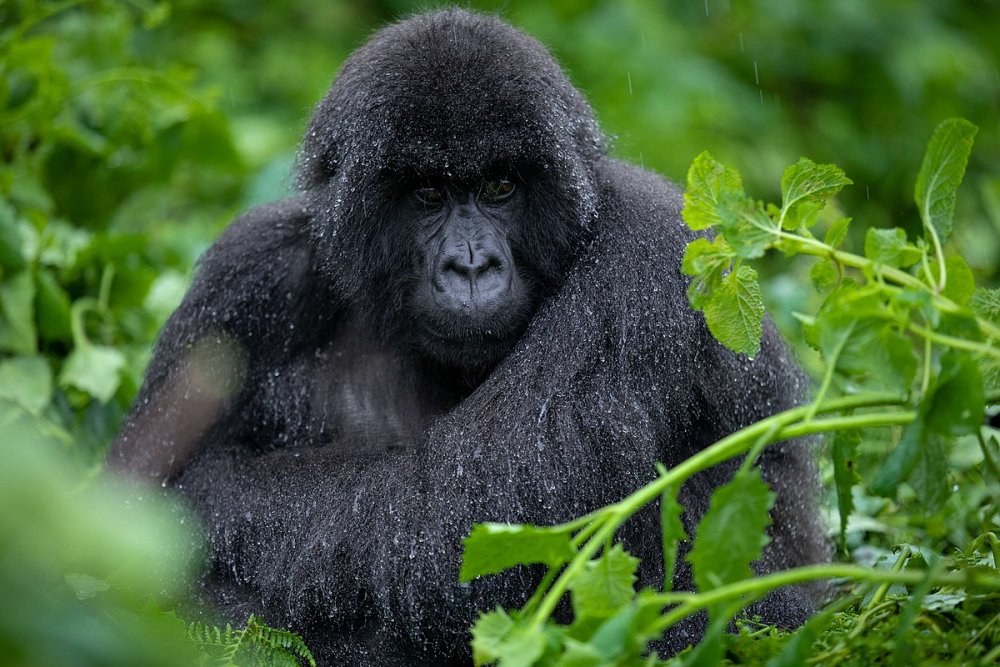
Drawing on decades of field research in Rwanda's Volcanoes National Park, including the long-running work of the Karisoke Research Center established by Dian Fossey, the Dian Fossey Gorilla Fund and other scientific studies, here are 10 fascinating things you may not know about Rwanda's mountain gorillas.
1. They rarely drink water
Mountain gorillas get much of the water they need from the plants they eat, meaning they rarely need to drink from streams, puddles or other free-standing water sources.
A study of mountain gorillas in Rwanda and Uganda found that the vegetation they consume typically contains 60% to 90% water. In Rwanda's Virunga population, researchers observed gorillas drinking water on just 0.6% of observation days.
Interestingly, the study also found that gorillas drink more frequently as temperatures rise, suggesting that hotter conditions could increase their reliance on free-standing water.
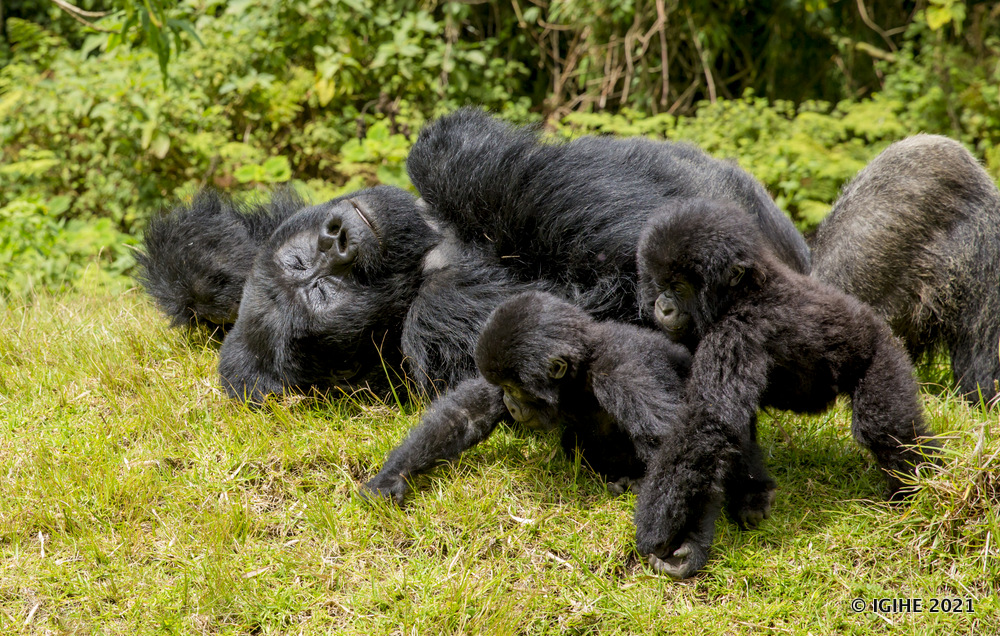
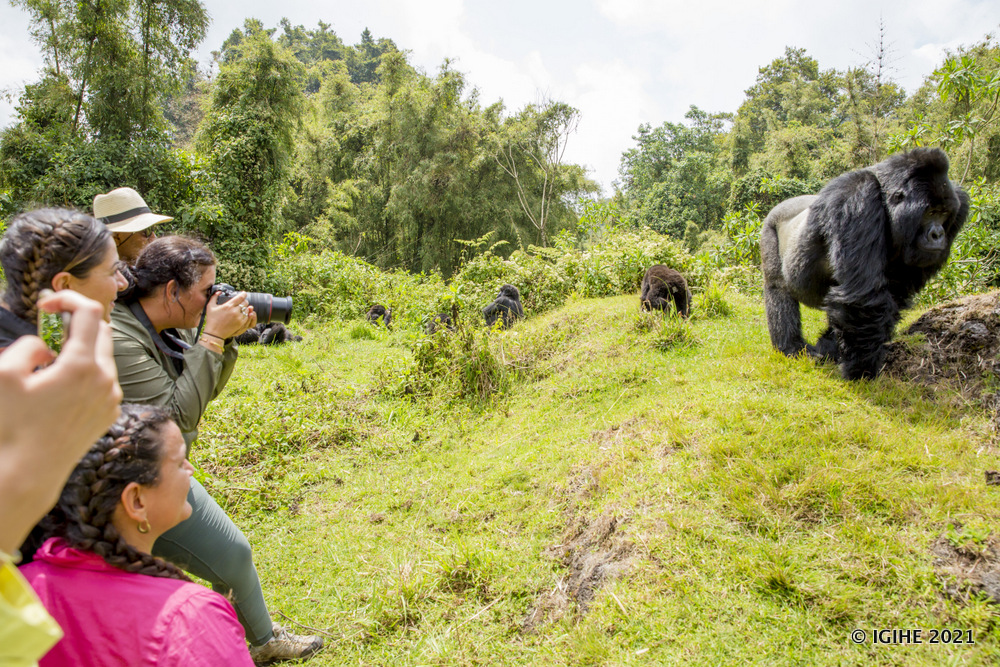
Mountain gorillas are among Rwanda's most remarkable wildlife treasures, offering visitors a rare glimpse into their complex social lives.
2. They can eat up to 30 kilograms of vegetation a day
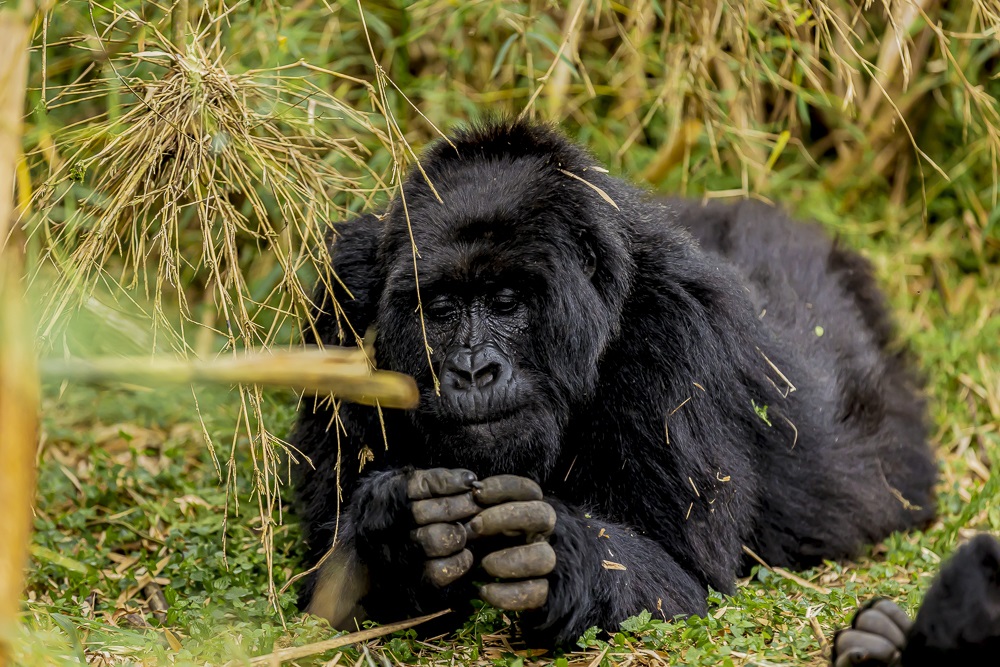
Mountain gorillas spend a large part of their day feeding.
Tourism information show, an adult gorilla can consume up to about 30 kilograms of vegetation daily, including bamboo, leaves, stems and other plants.
3. Silverbacks are the leaders of their groups
The distinctive silver hair across an adult male's back is where the term silverback comes from.
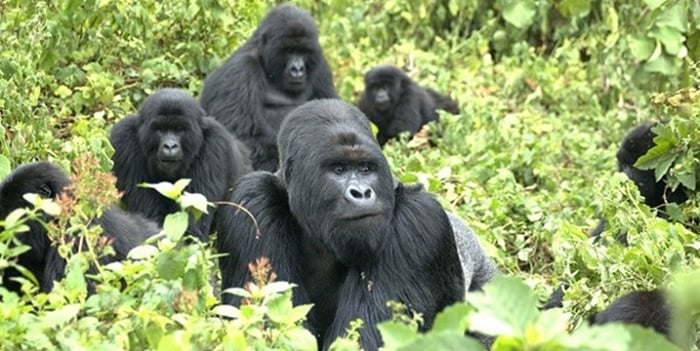
But a silverback is more than the most recognisable member of a gorilla family. Dominant silverbacks lead and protect their groups, while also playing an important role in maintaining social order.
Gorilla groups can also contain more than one adult male, making their social structures more complex than the typical image of a single male surrounded by females and young gorillas.
From their feeding habits to their family bonds, Rwanda's mountain gorillas have many fascinating traits that continue to captivate visitors and researchers.
4. They build a new bed almost every night
Mountain gorillas do not have permanent sleeping quarters.
Instead, they construct nests from vegetation where they settle for the night. The nests are generally rebuilt regularly, meaning a gorilla family's sleeping place can change from one night to the next.
For trackers, these traces can also provide clues when following a group through the forest.
5. Gorilla babies are tiny compared with adults
An adult male mountain gorilla can weigh well over 100 kilograms, yet newborns weigh only around 2 kilograms.
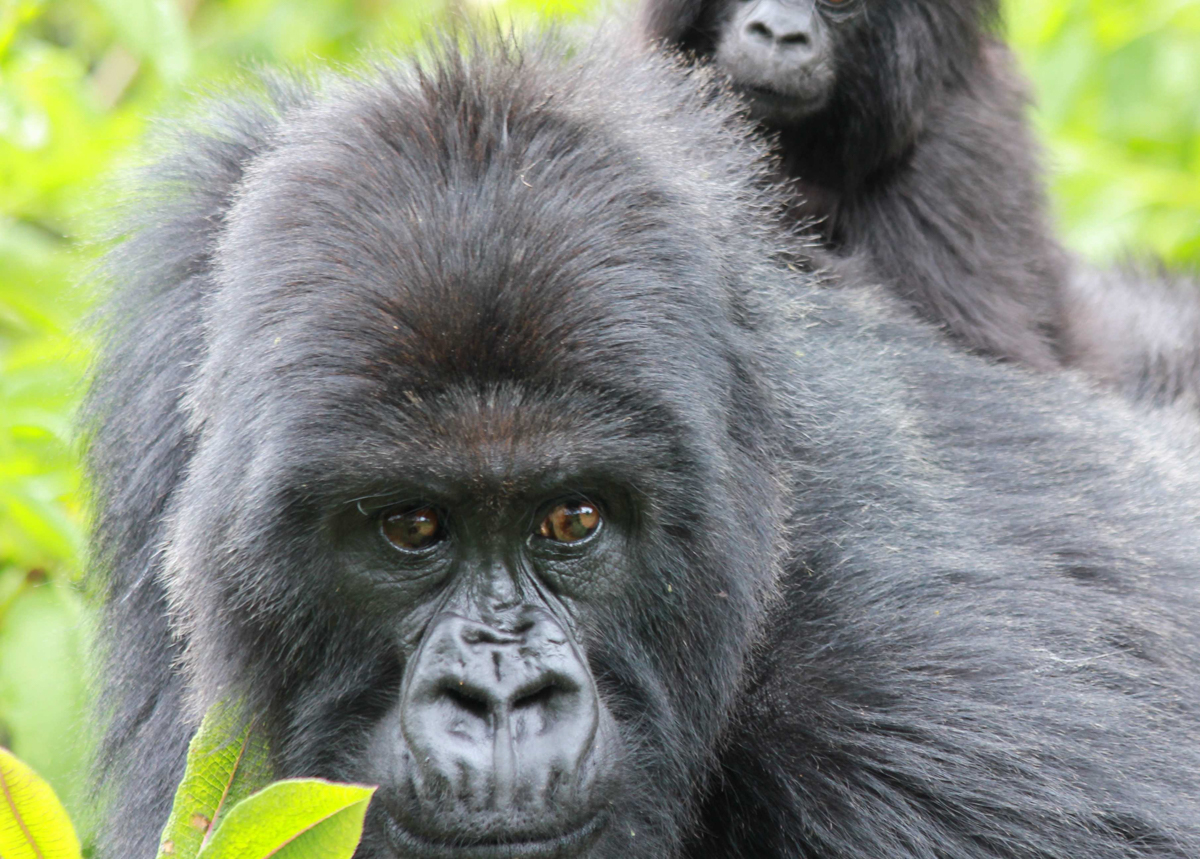
Young gorillas remain highly dependent on their mothers during their early years and gradually become more independent as they grow.
For visitors, seeing an infant clinging to its mother or playing around other youngsters can be one of the highlights of a trek.
6. They communicate in more ways than tourists might expect
Gorillas communicate through vocalisations, body movements and other behaviours.
Chest beating, for example, is one of the behaviours most associated with gorillas, but it does not always mean aggression. Depending on the situation, it can form part of social communication or display.
Experienced trackers become familiar with the different behaviours of individual animals and groups.
7. They are remarkably close to humans
Mountain gorillas share more than 98% of their DNA with humans, according to Rwanda's tourism information.
That biological connection is reflected in behaviours visitors can easily recognise; mothers caring for their young, juveniles playing and members of a group interacting with one another.
It is part of what makes watching them feel so strangely familiar.
Gorilla conservation has become an important part of Rwanda's tourism story, attracting visitors from around the world to Volcanoes National Park.
8. The gorillas tourists meet are still wild animals
The gorillas available for trekking have been habituated to the presence of humans, but they remain wild animals living in their natural habitat.
Rwanda therefore limits encounters to one hour, helping reduce prolonged human contact and disturbance.
Visitors are also required to follow strict rules during the encounter, making the experience as safe as possible for both people and gorillas.
9. Gorilla tourism has become a major part of Rwanda's tourism story
Gorillas are not only a wildlife attraction; they are central to Rwanda's tourism brand.
In 2025, Rwanda's tourism sector generated a record $685 million, up from $647 million in 2024, while receiving about 1.49 million visitors.
RDB says the growth was supported in part by gorilla trekking and experiences in the country's national parks.
The country is targeting $1.1 billion in annual tourism revenue by 2029, underlining the importance of high-value experiences such as gorilla trekking.
Mountain gorillas rarely drink water, yet they remain active in the dense forests of Rwanda's Volcanoes National Park.
10. Tourism money is also reaching communities around the gorillas
One of the less visible sides of gorilla tourism is what happens beyond the forest.
Rwanda's Tourism Revenue Sharing Programme allocates 10% of national park revenues to communities living around protected areas.
Since its creation in 2005, the programme has supported projects including schools, health facilities, water infrastructure and livelihood initiatives.
By 2025, RDB reported that more than Rwf 18 billion had been invested in more than 1,000 community projects through the programme.
This means that the value of a gorilla trek extends beyond the visitor and the animal. The tourism generated by the forest can also contribute to the communities living closest to it.
Beyond the gorillas, there is even more to discover. A trek in Volcanoes National Park can be the beginning of a longer Rwanda adventure, with visitors able to add Big Five safaris and boat trips in Akagera National Park, forest experiences in Nyungwe, or relaxing escapes around Lake Kivu.
With the help of local tour operators and guides, travellers can combine these experiences into a longer itinerary and discover why Rwanda offers much more than its famous mountain gorillas.
An adult mountain gorilla can consume up to about 30 kilograms of vegetation in a day, making feeding a major part of its daily routine.Chest beating may be the behaviour most people associate with gorillas, but their communication goes far beyond this famous display.A gorilla trek in Rwanda offers more than a close encounter with wildlife, revealing the behaviours and social bonds that make these animals so fascinating.
The figures were announced on Thursday by Dr. Bahati Bernard, Director General of the National Examination and School Inspection Authority (NESA).
A total of 276,579 students from 3,895 schools across the country sat for the primary school leaving examinations. Boys accounted for 44.35% of the candidates, while girls made up 55.65%.
According to NESA, 87.1% of girls who sat the examinations passed, compared with 89.59% of boys.
At the ordinary level of secondary education, 149,015 students sat for the national examinations, with 85.70% passing. This was a significant increase from the 64% pass rate recorded in 2024/25.
Among girls, the pass rate was 82.62%, while 89.8% of boys passed.
Placement of students
NESA said 17,412 students who qualified to progress to the next level were allocated places in boarding schools, while more than 226,546 will attend day schools.
Among students progressing to Senior Four in general education, 18,944 will study in boarding schools, while 57,276 will attend day schools.
In technical and vocational education and training (TVET), 26,098 students were allocated places in boarding institutions, while 17,000 will attend day programmes.
Meanwhile, 7,497 students will pursue professional education as boarding students, while 148 will attend day programmes.
Minister of State for Education Irere Claudette said students who sat the national examinations at both levels performed well overall, with the number of candidates increasing by more than 50,000 compared with the previous year.
'When the number of students increases, and their performance also improves, it is only natural that this affects the allocation of students to different schools,' she said.
However, Irere condemned cases of cheating and collusion among candidates, saying anyone found to have been involved would face disciplinary action in line with national examination regulations.
'Cases of cheating and students helping one another to cheat were reported. Anyone found to have been involved will be punished in accordance with the regulations governing national examinations. For students suspected of cheating, we do not release their results immediately. Instead, we first conduct a thorough investigation,' she noted.
NESA Director General Dr Bahati Bernard said students recorded stronger performance this academic year compared with the previous year.
In the primary school leaving examinations, for example, he said more than 10,000 students scored between 30% and 40% in 2024. This year, that number fell to about 4,000.
The number of students scoring between 40% and 50% also declined, from more than 41,000 last year to about 27,000 this year, Bahati said.
He attributed the overall improvement in results to a rise in the number of students achieving higher scores, particularly those scoring above 50%.
'This year, the number of students scoring between 50% and 60%, as well as those scoring up to 90%, increased. This means that some of the students who were previously scoring below 50% moved into the above-50% range,' he said.
 Ronaldinho has arrived in Italy ahead of signing for Ravenna!