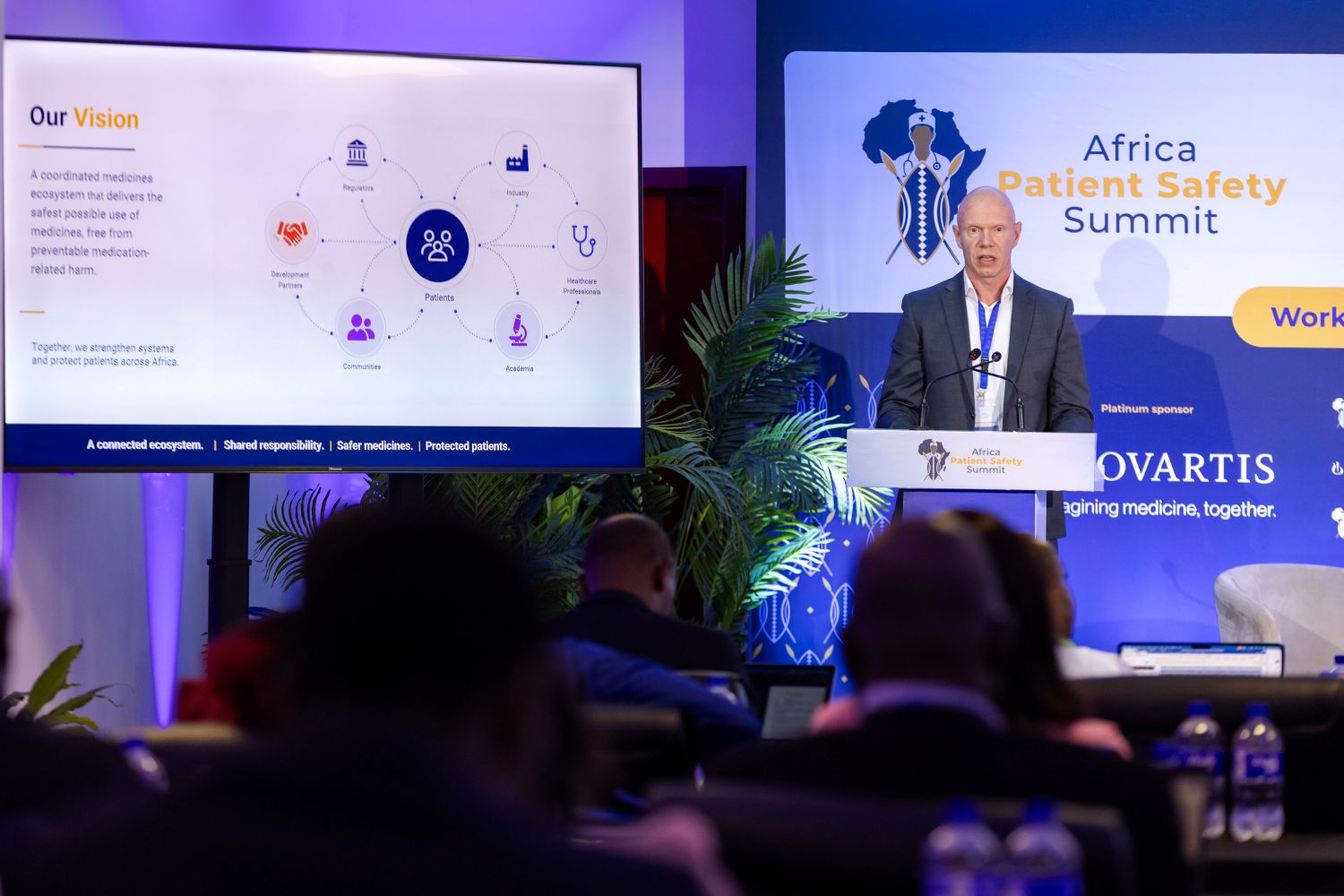
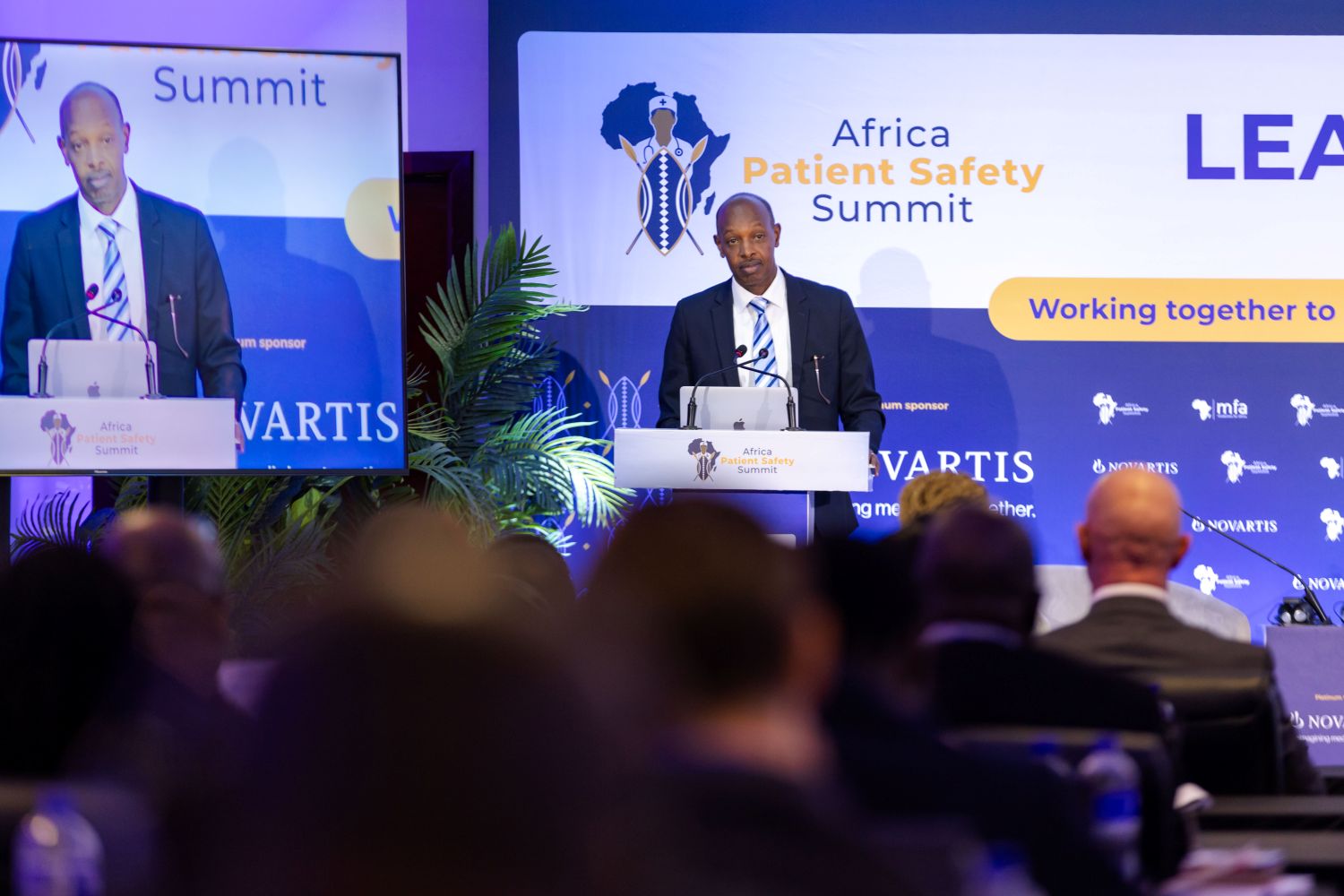
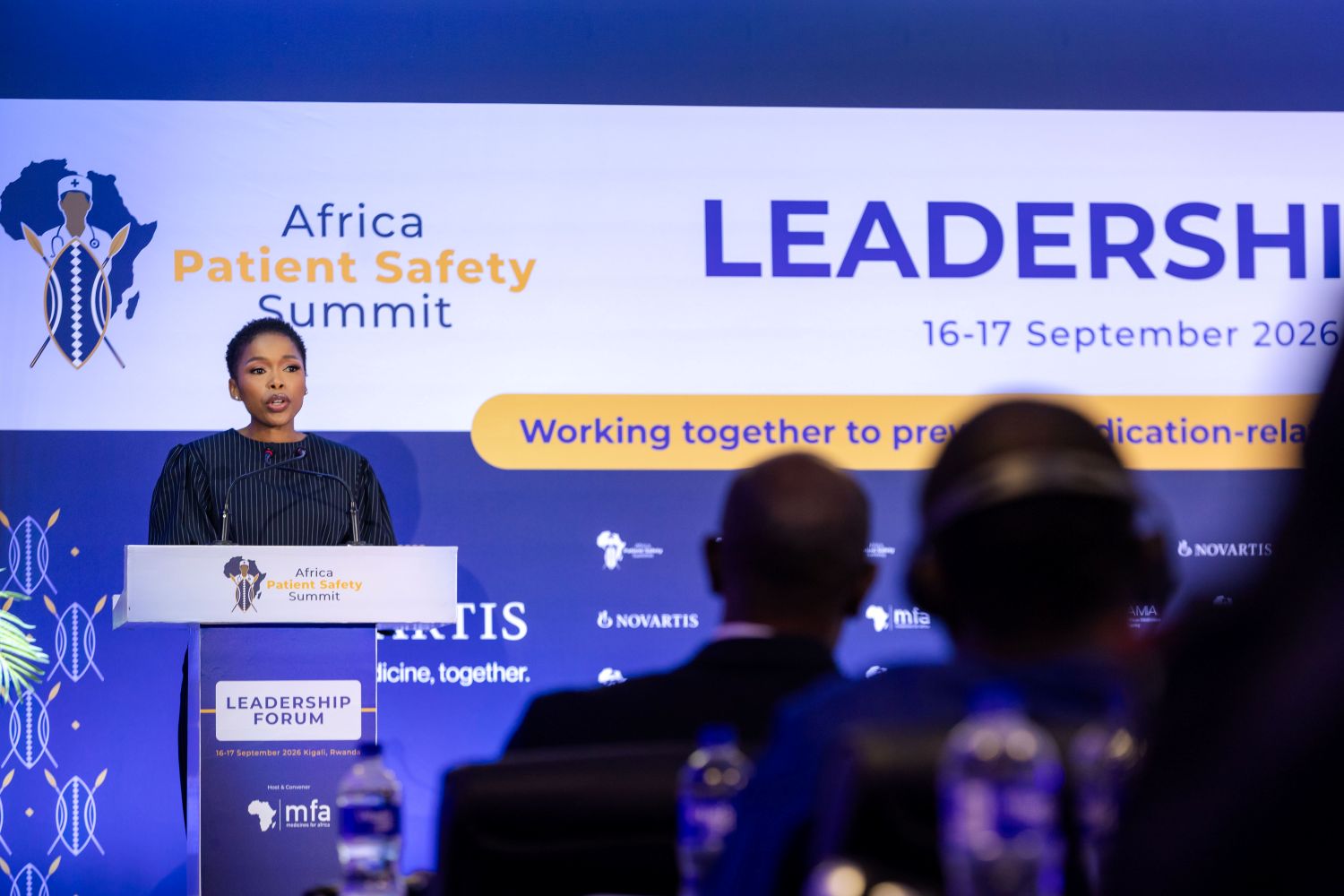
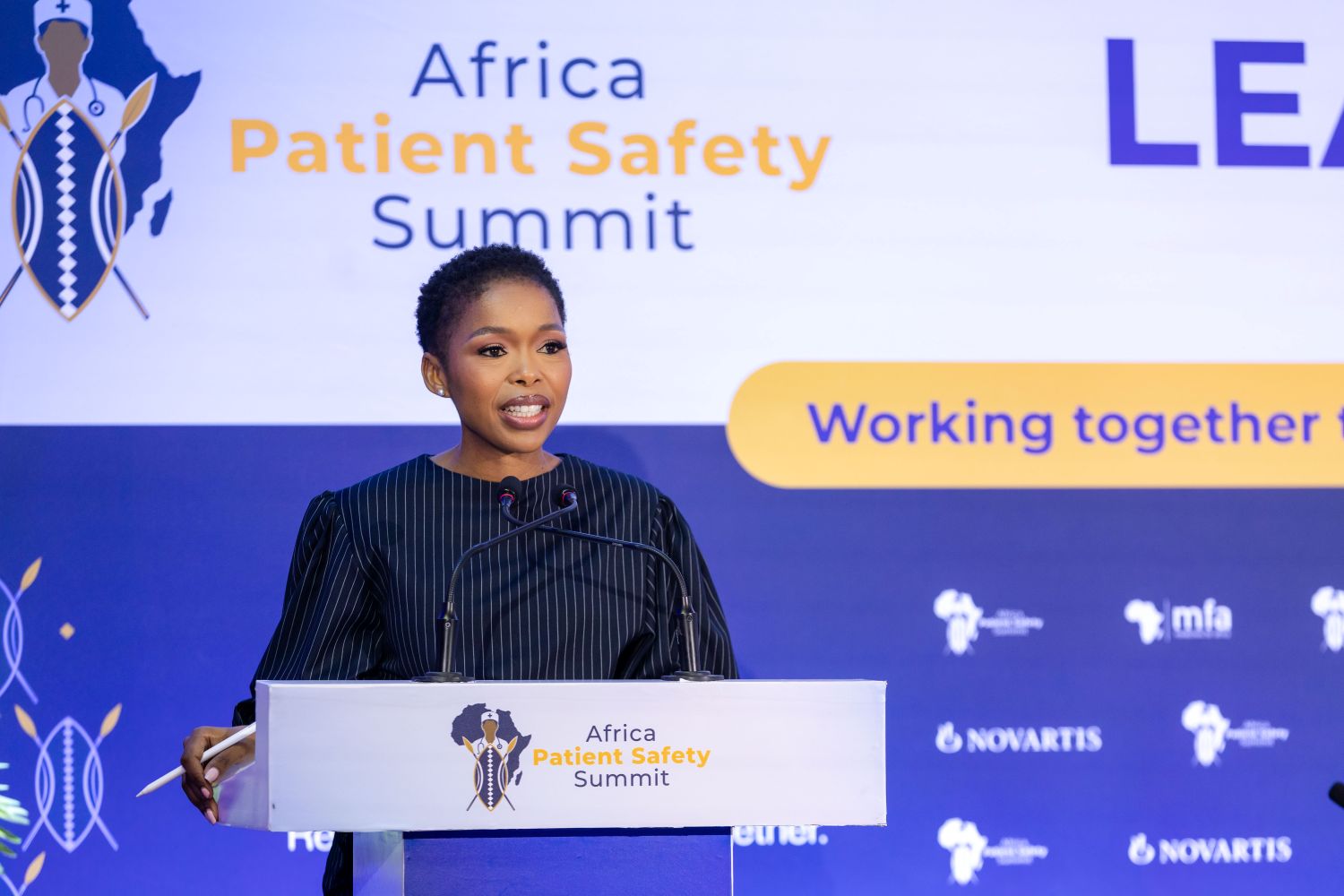
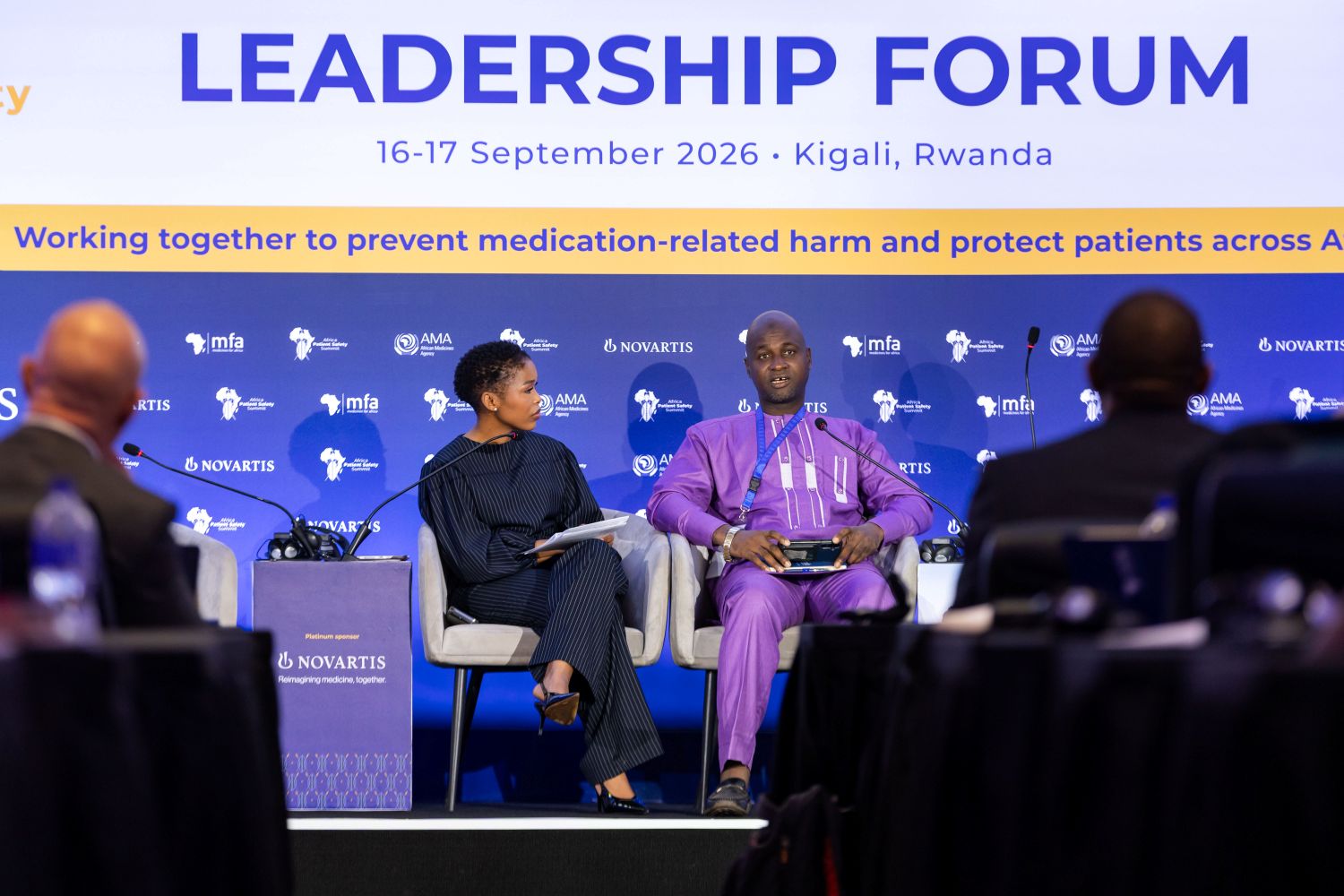
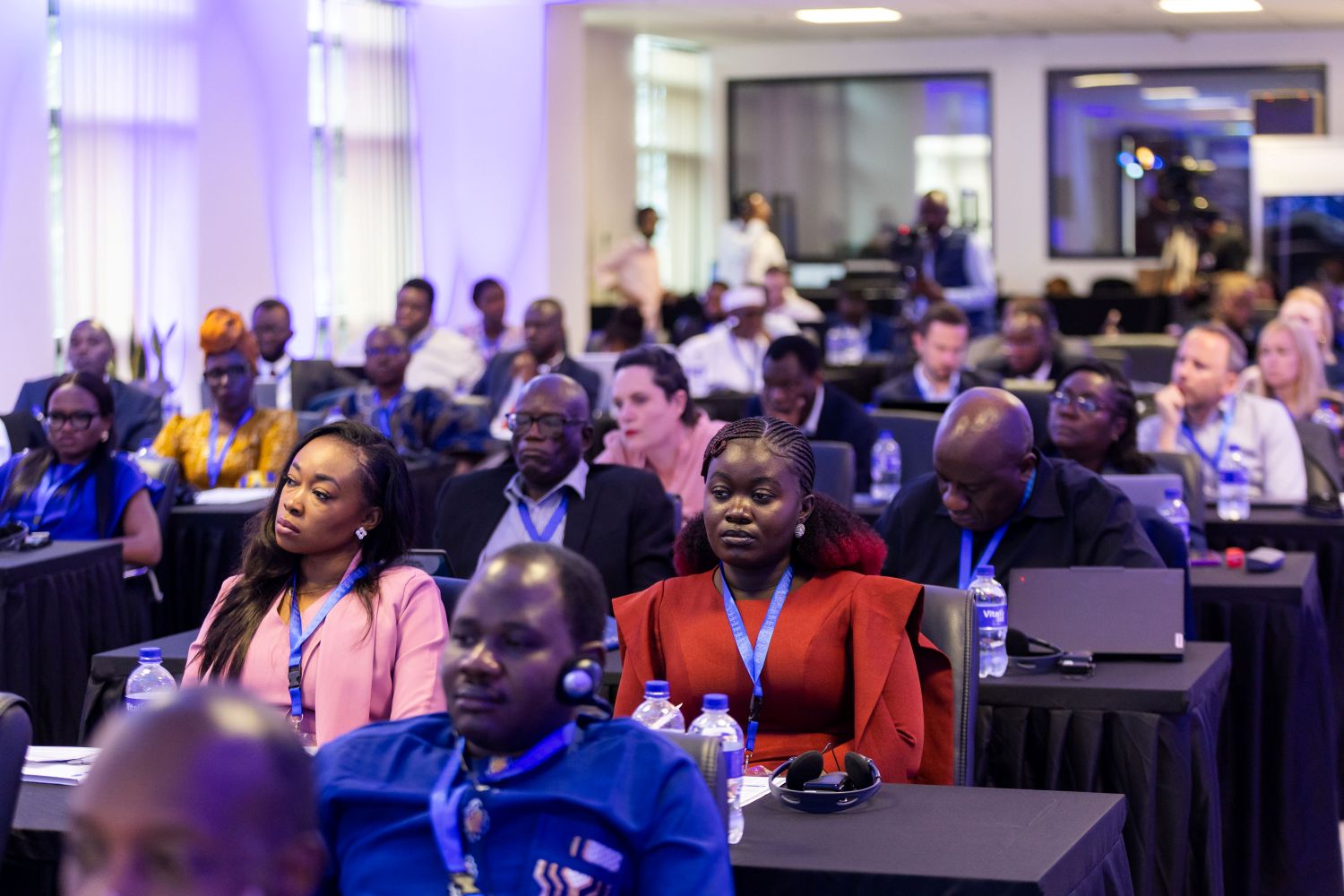
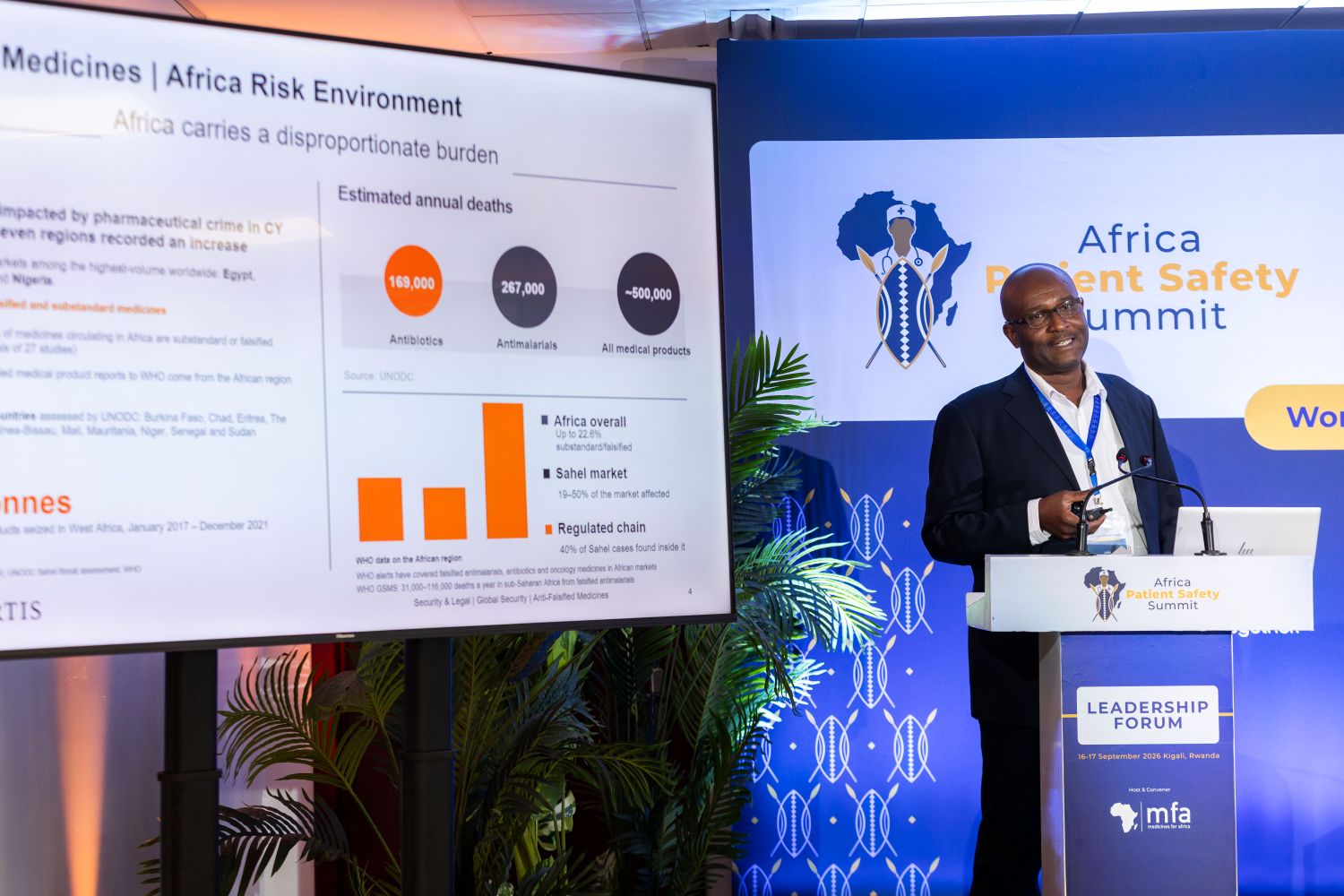
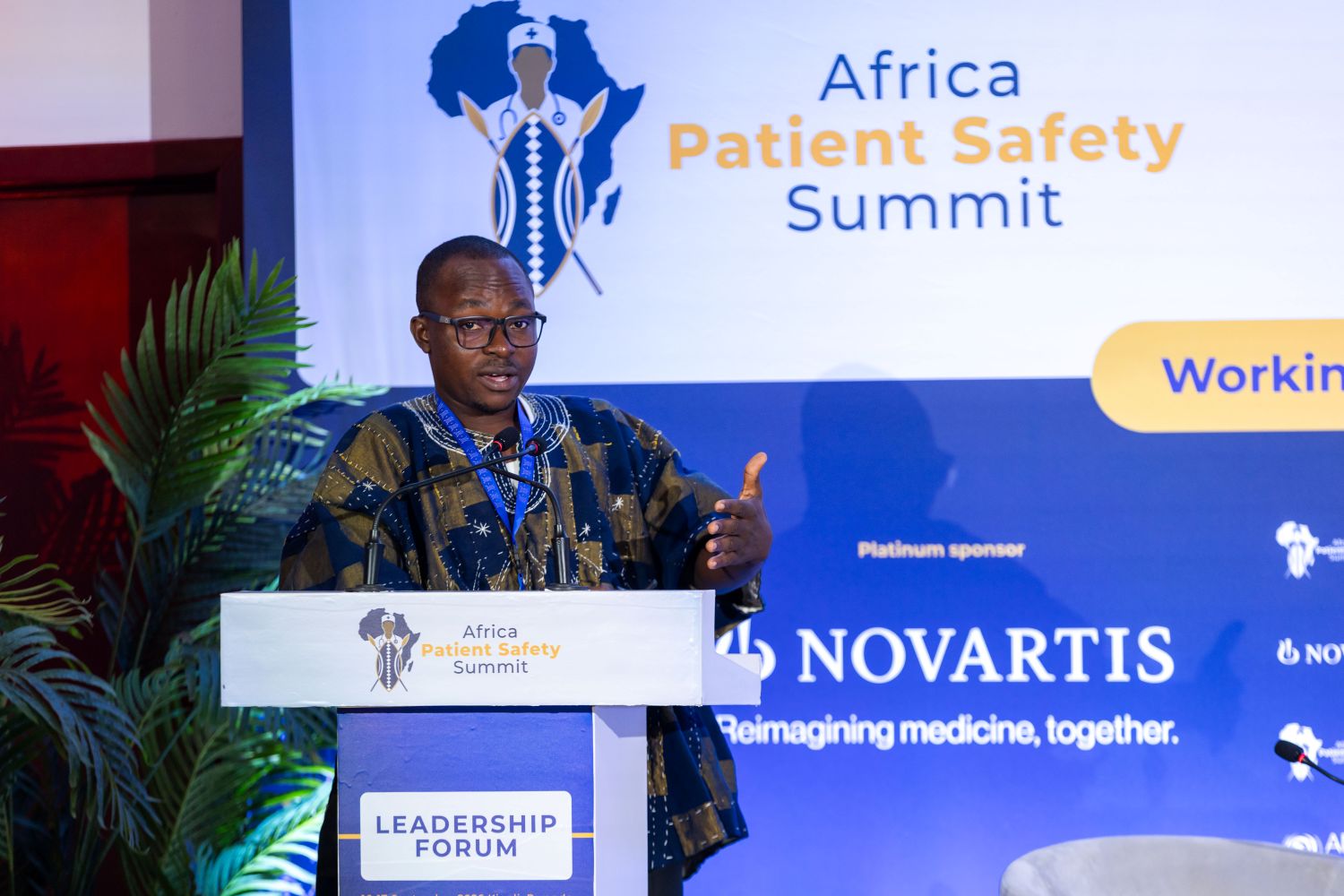
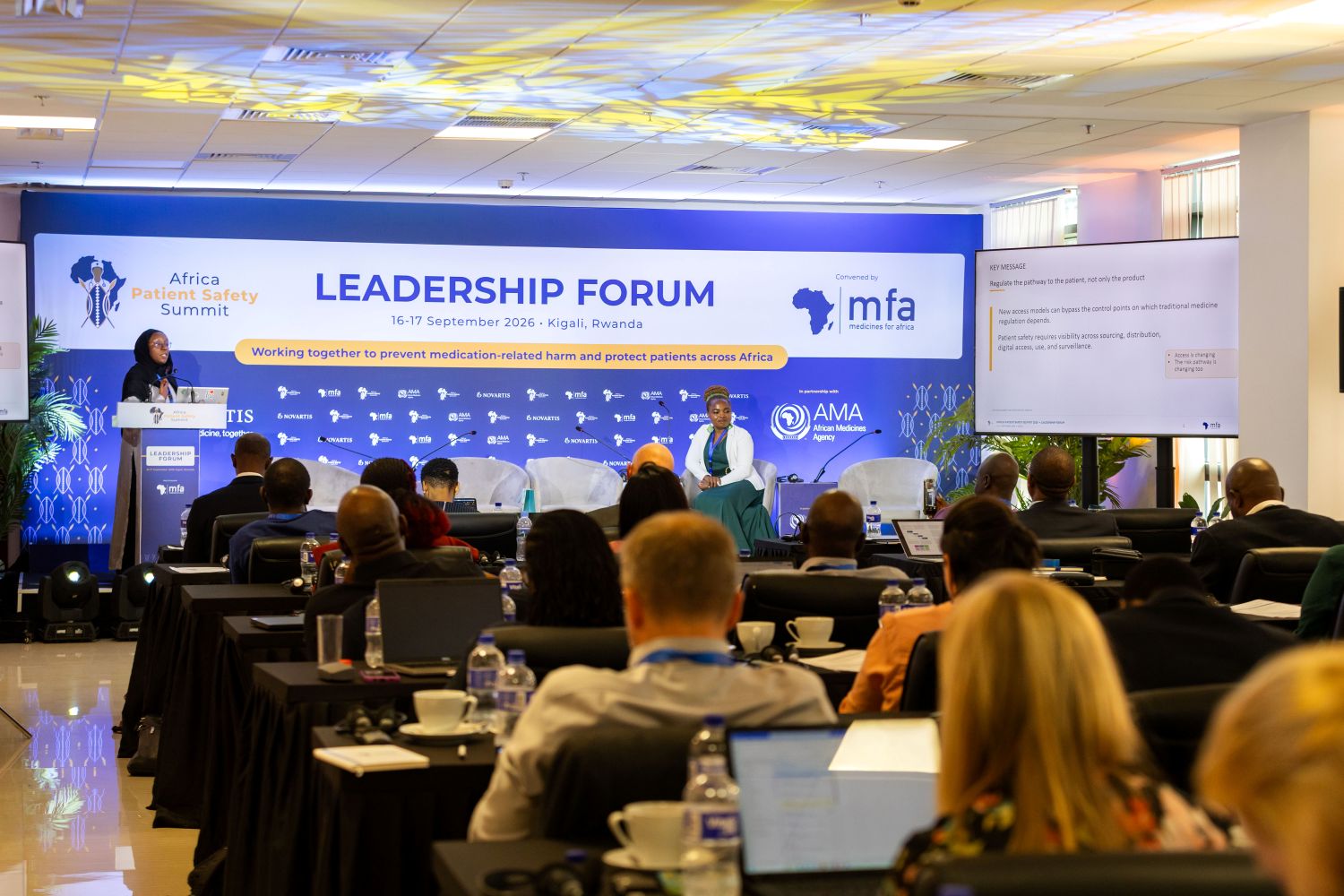
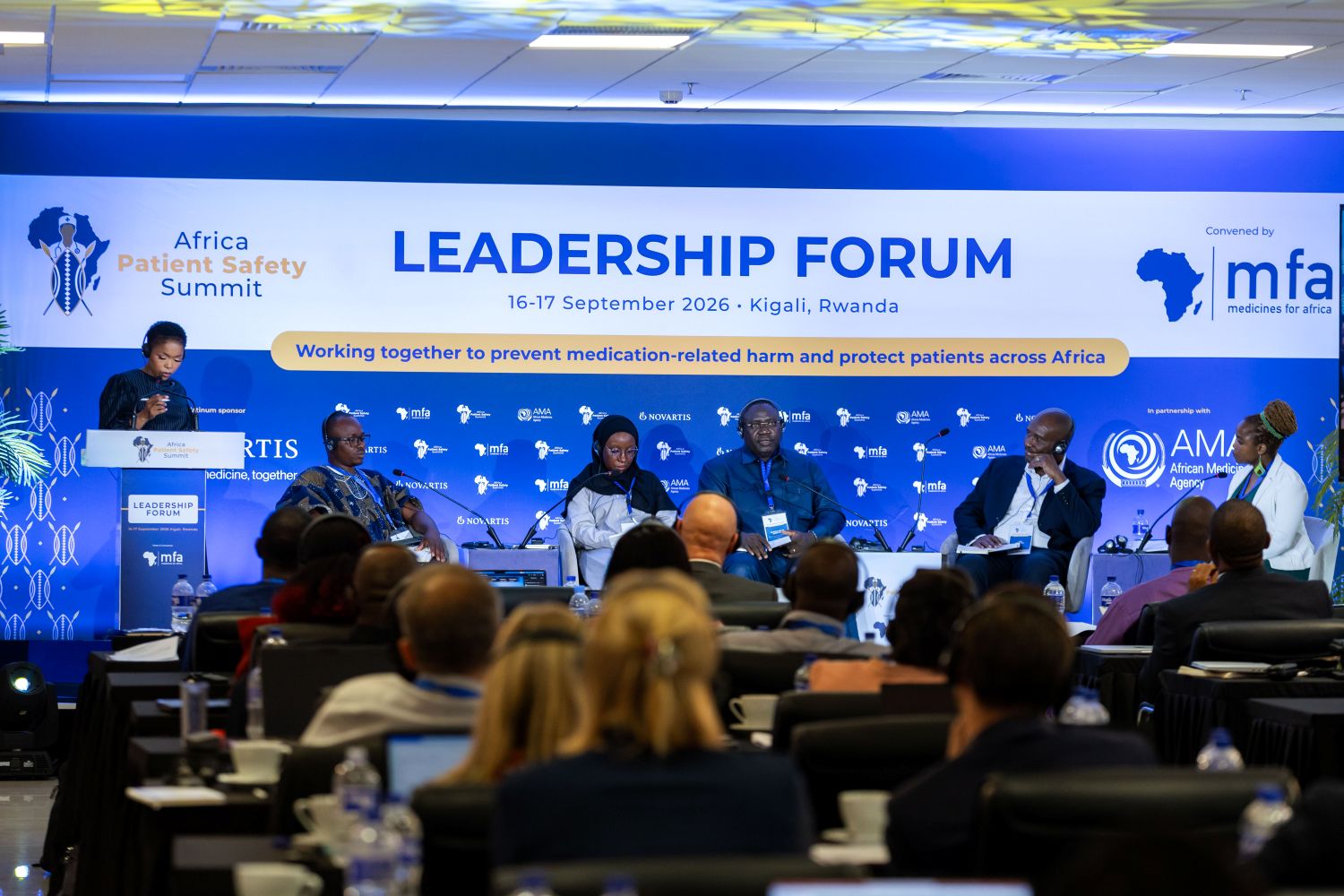
Makinen made the remarks on Wednesday, September 16, at the opening of the Africa Patient Safety Summit in Kigali, which brought together regulators, policymakers, healthcare professionals, researchers, patient organisations and pharmaceutical industry representatives to discuss ways of strengthening medicine safety across the continent.
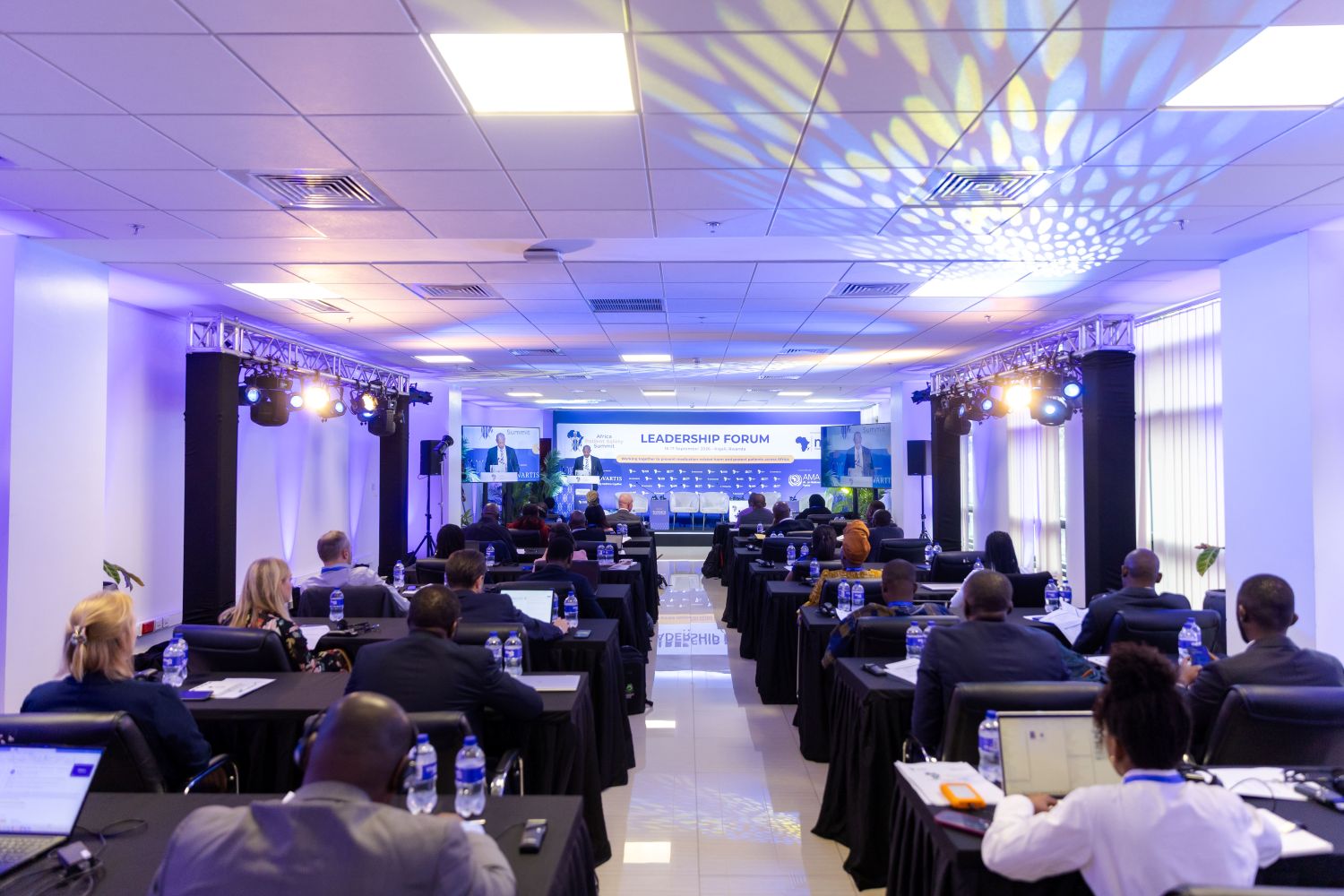
The two-day summit, running from September 16-17 at the African Medicines Agency headquarters and the Kigali Convention Centre, is organised by Medicines for Africa in partnership with the African Medicines Agency (AMA).
Makinen explained that the summit was created to address gaps in patient safety by bringing together stakeholders from across the medicines ecosystem instead of addressing issues such as pharmacovigilance, falsified medicines and regulatory oversight in isolation.
'Medication-related harm remains the biggest patient safety challenge on the African continent today,' he noted.
He added that the forum was intended to promote a more integrated approach to patient safety and put patients at the centre of discussions involving medicines regulation, manufacturing, supply chains and healthcare delivery.
Rwanda among countries strengthening regulation
Makinen highlighted progress in African medicines regulation, noting that the continent has gone from zero to 10 national regulatory authorities at Maturity Level 3 under the WHO's Global Benchmarking Tool in nine years.
The countries include Rwanda, Egypt, Ethiopia, Ghana, Mozambique, Nigeria, Senegal, South Africa, Tanzania and Zimbabwe.
WHO's Maturity Level 3 classification refers to a stable, well-functioning and integrated regulatory system. Rwanda achieved the designation in December 2024, when it became the eighth African country to reach the level.
Makinen observed that African regulatory capacity has continued to mature, with the number of WHO-recognised regulatory authorities reaching ML3 increasing substantially in recent years.
He stressed, however, that stronger regulatory systems need to be matched by greater cooperation and information sharing between countries.
'If something happens in one country, it will be then known by other countries straightaway, and they can take action,' he explained.
He also pointed to the need for regulators to look beyond individual areas such as pharmacovigilance or counterfeit medicines and consider patient safety across the entire medicines ecosystem.
AMA calls for faster safety information sharing
Opening the summit, African Medicines Agency Director General Dr Delese Mimi Darko underlined the importance of keeping patients at the centre of medicine regulation.
She explained that patient safety covers the entire journey of a medical product, from regulatory assessment and manufacturing to distribution, use and monitoring after it reaches the market.
Darko stressed that regulators must ensure that medicines, vaccines and medical devices available to patients meet required quality and safety standards, while also maintaining systems capable of detecting and responding to problems after products enter the market.
'Regulation is invisible until it fails,' she remarked, noting that patients rarely see the systems behind the products they use, including manufacturing oversight, quality surveillance, pharmacovigilance and laboratory testing.
She called for safety information to move across African borders as quickly as medicines and medical products themselves.
A safety concern identified in one country can affect patients elsewhere because medicines move rapidly across the continent, including through porous borders, Darko noted.
'Strong regulatory authorities are the foundation of medicine safety in Africa,' she emphasised, adding that AMA's role is not to replace national regulators but to connect and strengthen them.
Darko urged countries to establish systems through which a safety finding in one African country can quickly alert regulators and patients in others.
'A safety finding in one country should be able to be a warning for patients in several others,' she stated.
She called on the summit to produce a small number of concrete actions, with clear responsibilities and practical arrangements for communication and information sharing.
Darko also proposed a 90-day timeframe for reviewing progress on commitments made at the summit, rather than waiting until the next annual meeting.
Rwanda urges stakeholders to move from information to action
Dr Raymond Muganga, Acting Director General of the Rwanda Food and Drugs Authority (Rwanda FDA), who represented Minister of State for Health Dr Yvan Butera, called for greater involvement from every stakeholder in protecting patients.
Muganga stressed that patients themselves have a role to play by reporting suspected adverse reactions and other medicine-related problems.
'We are all patients,' he remarked. 'We are all concerned. It's all about our lives.'
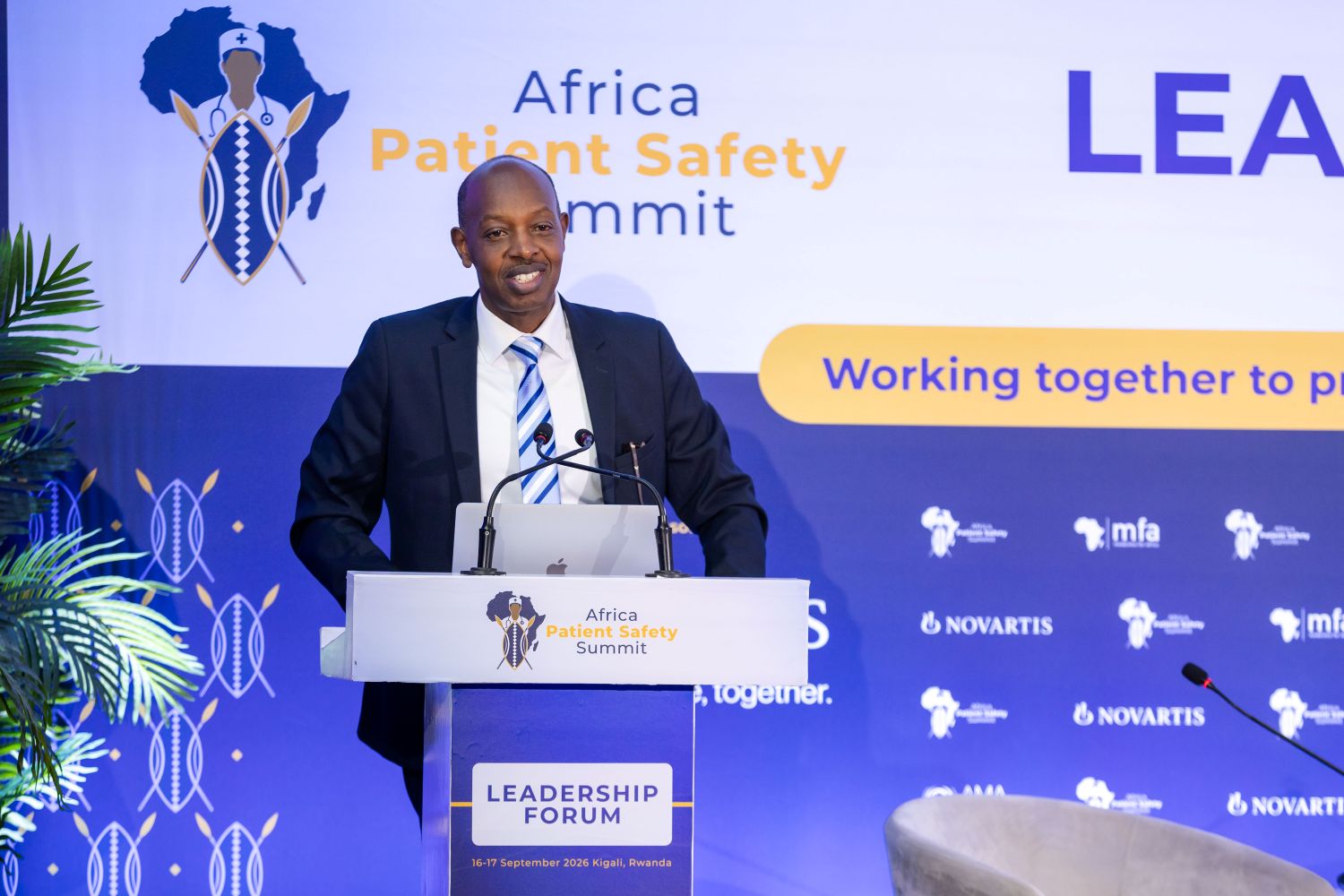
He urged participants to move beyond exchanging information and translate safety data into concrete action.
'It means that starting by just information but ending also by action,' Muganga told journalists.
He explained that regulators have responsibilities throughout a medicine's lifecycle, beginning with assessment of applications and laboratory testing before registration and continuing with inspections and monitoring once products enter the market.
The Rwanda FDA also relies on information from patients and other medicine users to identify potential safety concerns, he added.
'You cannot control every corner in the country. It's also important to get information and feedback from users and the people,' Muganga explained.
He also highlighted the role of the supply chain in medicine safety, noting that risks can arise from raw materials, manufacturing processes, storage conditions and other stages before a product reaches the patient.
Muganga referred to Rwanda's recent action against illicit alcoholic beverages as an example of the need to act when products pose risks to public health.
He noted that the issue extends beyond the finished product to the substances and materials used to produce it, as well as storage and handling conditions.
Muganga also backed greater cooperation between African regulators to make medicine registration and monitoring more efficient, while maintaining the due diligence needed to protect patients.
Regulators urged to put patients first
Prof Papa Madieye Gueye, chair of the Regulatory Council of Senegal's Pharmaceutical Regulatory Agency, described patient safety as an ethical and collective responsibility.
He stressed that every African patient has a right to safe, quality and effective healthcare and medicines.
Gueye observed that increased trade, new health technologies and continuing challenges involving falsified and substandard medicines have made cooperation between African countries increasingly important.
'No country can act alone,' he stated.
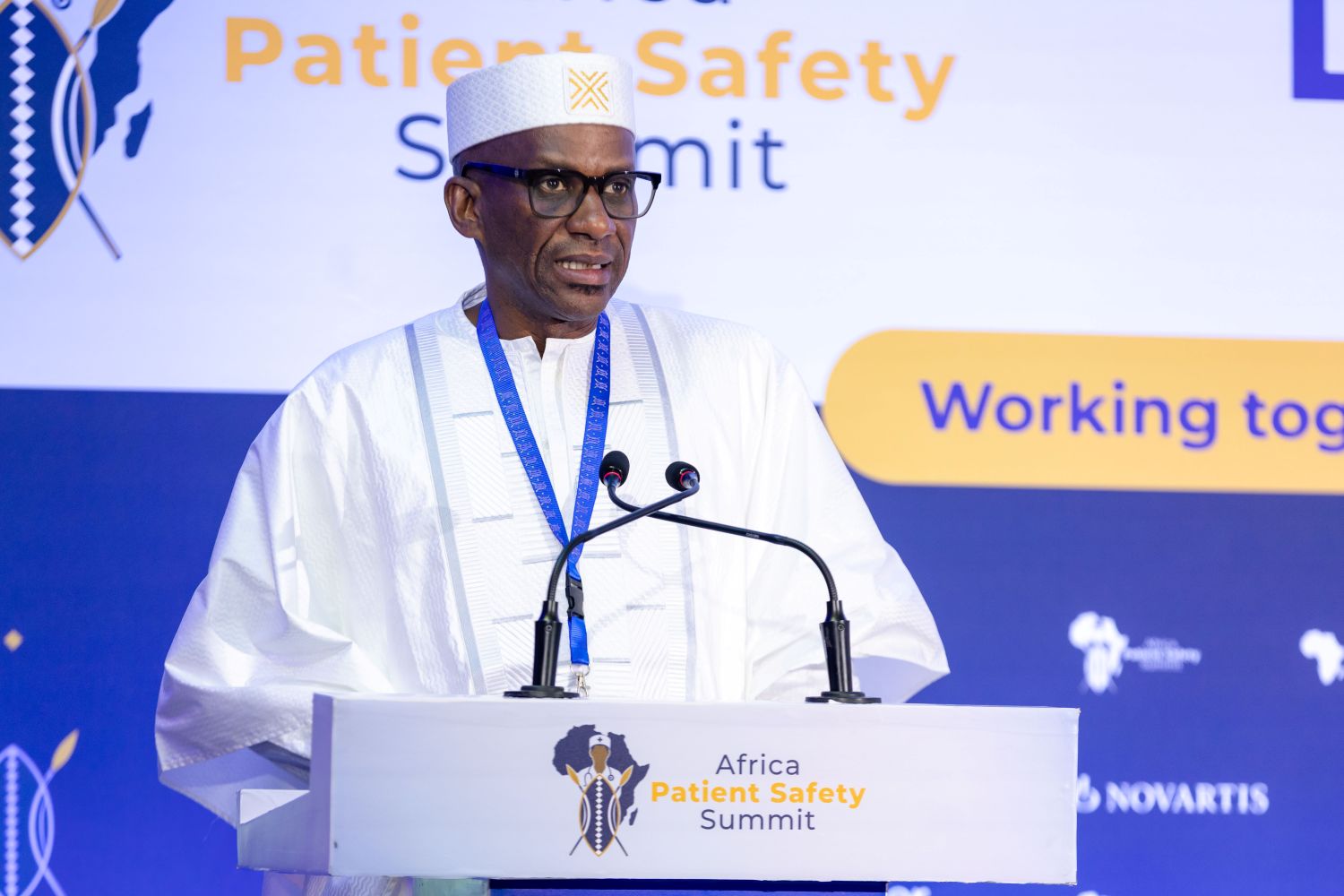
He called for stronger monitoring systems, effective governance, reliable safety information-sharing mechanisms and closer cooperation among African states.
Gueye noted that the establishment of AMA, strengthening of national regulatory authorities, continental pharmacovigilance initiatives and growing involvement of patient organisations have created opportunities to build a stronger patient safety system.
The challenge now, he added, is to turn that progress into measurable improvements for patients.
He called for a shift from systems that primarily react to adverse events towards approaches capable of anticipating risks, preventing harm and continuously learning from patients' experiences.
The summit is expected to focus on identifying vulnerabilities in medicine safety systems, sharing experiences and defining practical actions to strengthen coordination between national regulators, healthcare providers, manufacturers and patients across Africa.


Leave a Reply