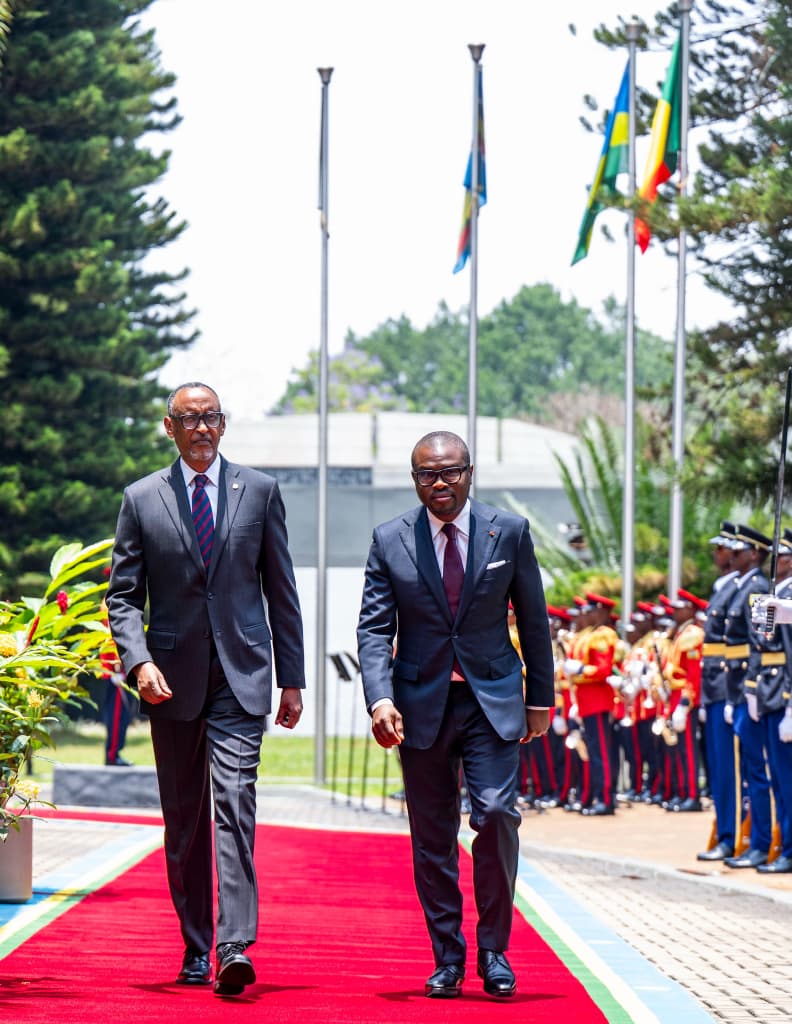
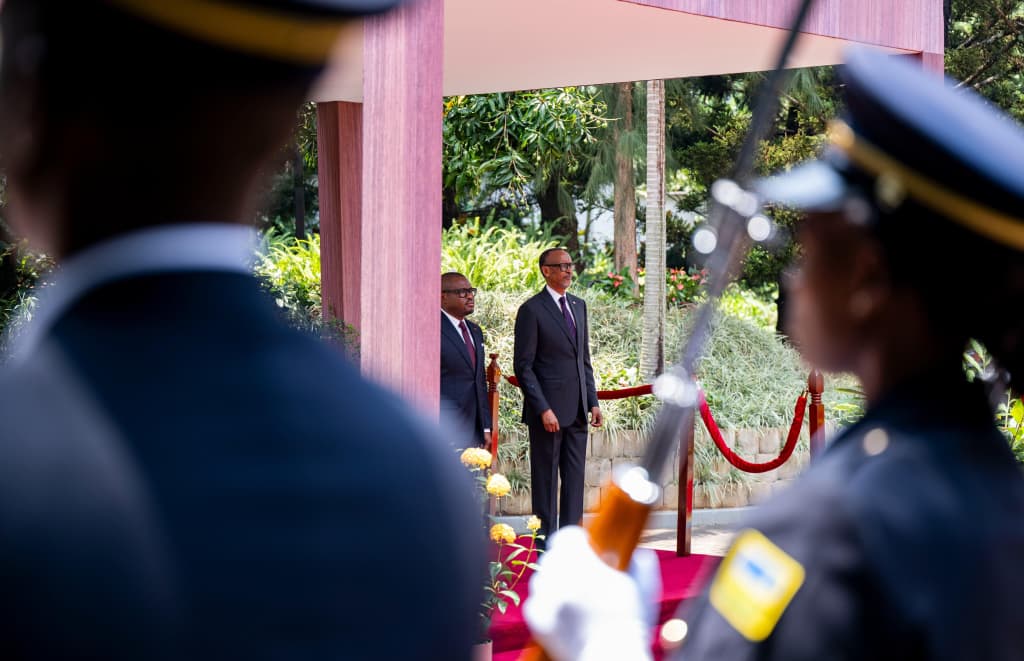
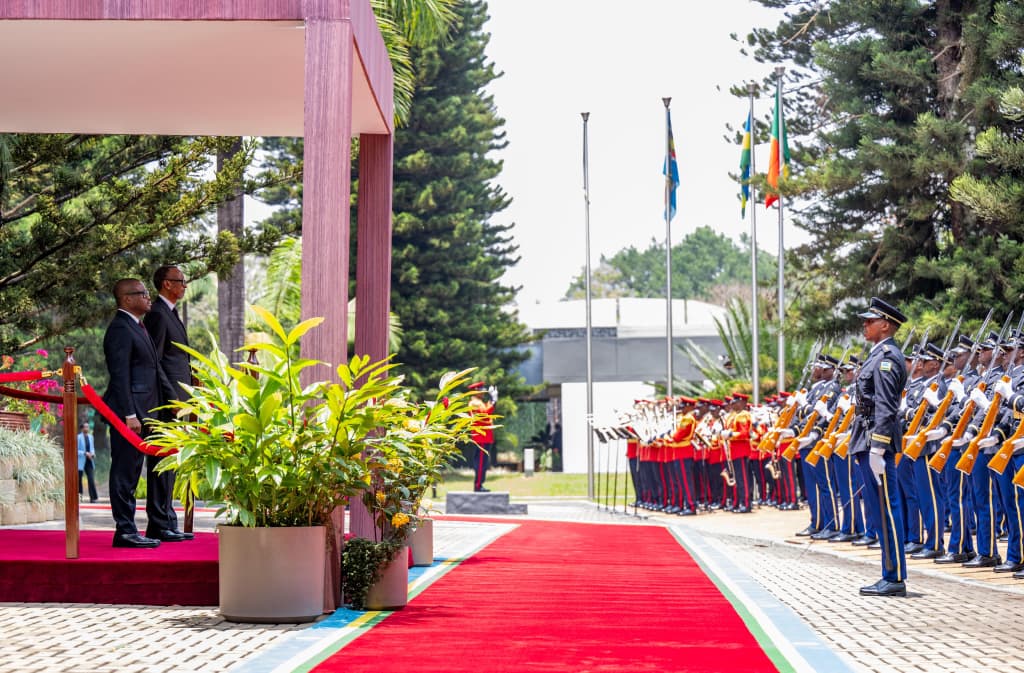
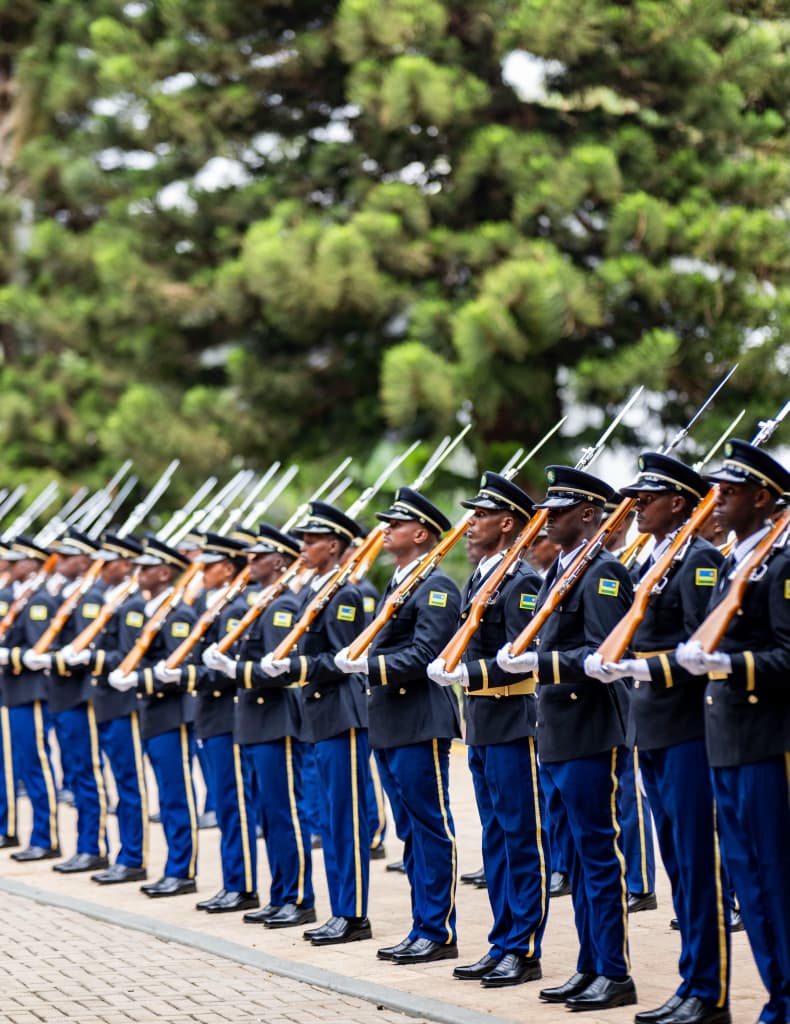
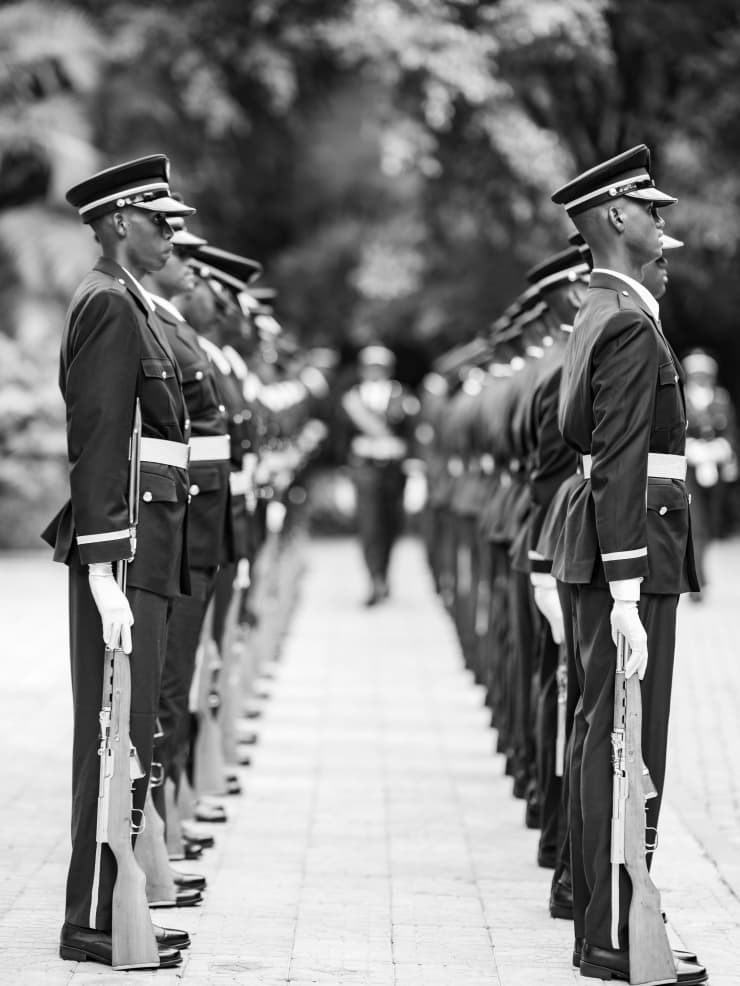
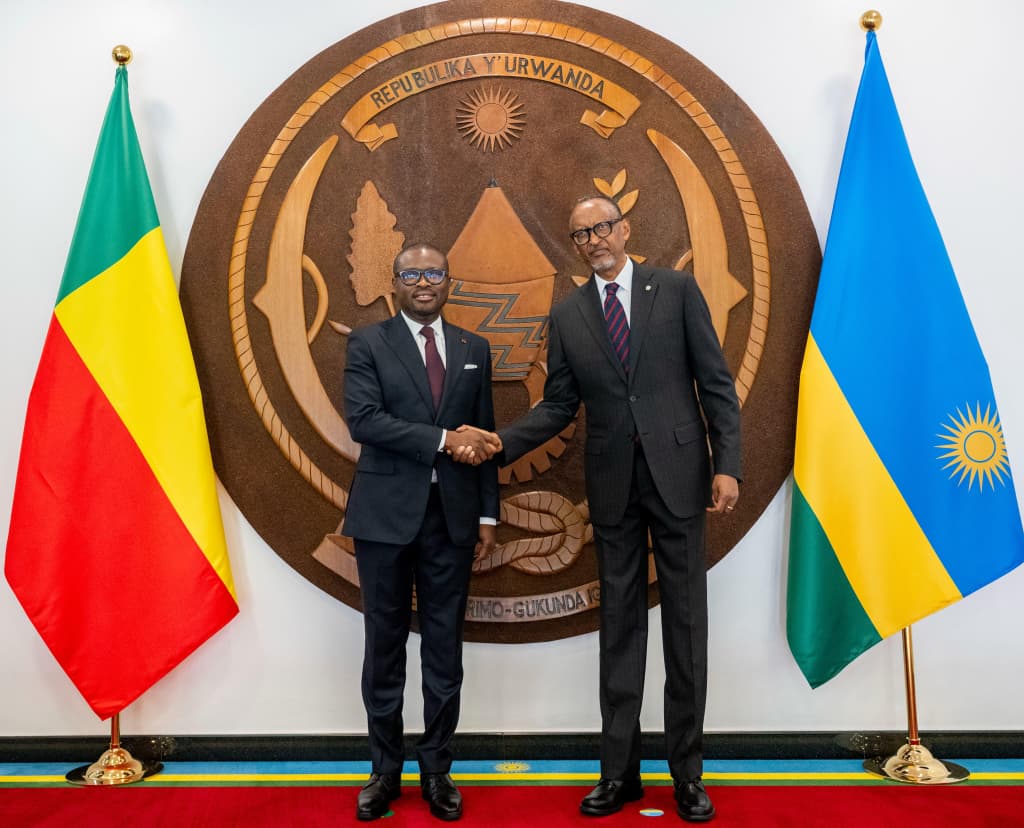
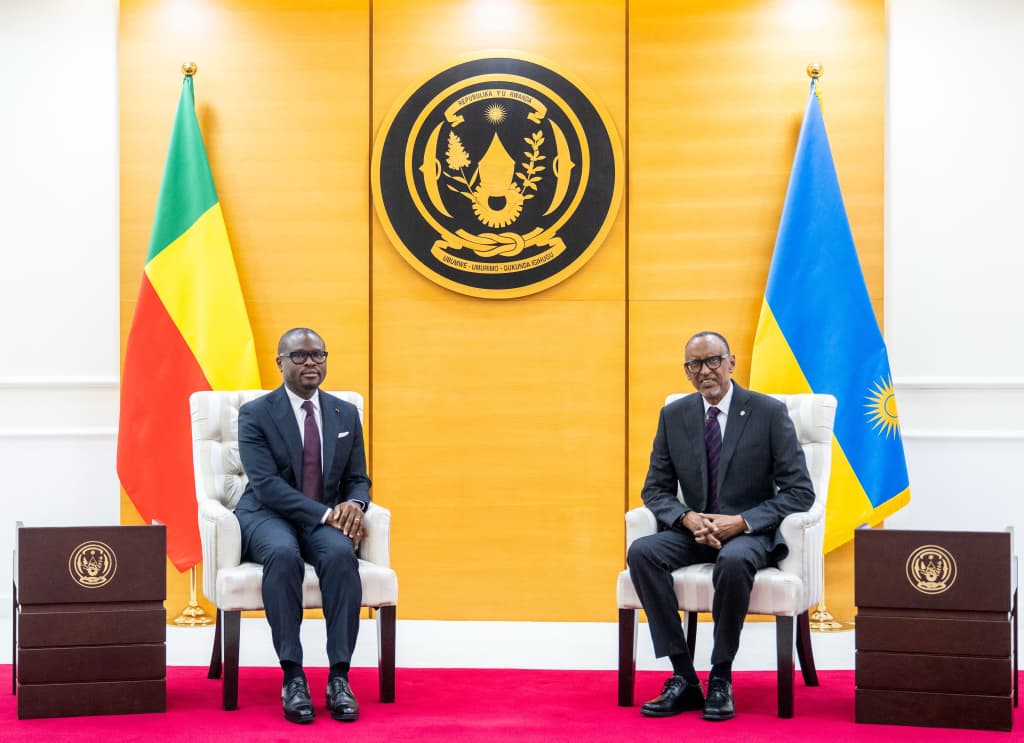
Wadagni was welcomed by President Paul Kagame at Urugwiro Village in Kigali on Wednesday, September 16, where he was received with an official welcome ceremony.
The visit comes as Rwanda and Benin continue to strengthen bilateral ties in areas including security, trade, investment, agriculture, technology and governance.
Wadagni, 49, was sworn in as Benin's president on May 24, succeeding Patrice Talon after winning the April 12 presidential election with 94.27% of the vote. His running mate, Mariam Chabi Talata, became vice president.
According to Benin's Constitutional Court, Wadagni received 4,575,449 votes, while his main challenger, Paul Hounkpè, received 278,297 votes. Voter turnout was 63.57%.
Before becoming president, Wadagni served as Benin's minister of economy and finance from 2016 and was later promoted to senior minister. He previously worked at Deloitte before joining government.
The visit provides an opportunity for the two countries to review and deepen their existing cooperation.
Rwanda and Benin have expanded their partnership in recent years, with cooperation covering security and defence, economic and commercial affairs, agriculture, digital transformation, tourism and institutional development.
During President Kagame's state visit to Benin in April 2023, the two countries signed agreements aimed at strengthening cooperation in several areas. The partnership included security and defence cooperation, with the two sides agreeing to work together to address security threats affecting Benin's northern borders.
The countries have also pursued cooperation in trade, investment promotion, taxation, information and communications technology and other areas. Rwanda and Benin have previously described their relationship as a strategic partnership and have sought to facilitate the movement of people and goods between the two countries.
Wadagni's visit comes less than four months after he assumed office and marks his first official trip to Rwanda as Benin's president.
The two-day programme is expected to include discussions between the two presidents and their delegations on bilateral and regional issues.
Wadagni was welcomed by President Paul Kagame at Urugwiro Village in Kigali on Wednesday, September 16, 2026.He was received with an official welcome ceremony.The visit provides an opportunity for the two countries to review and deepen their existing cooperation.
Amb. Nduhungirehe made the remarks in an interview with Mama Urwagasabo TV published on September 15, 2026, in which he discussed what he described as the DRC government's failure to implement the peace commitments agreed with Rwanda under the Washington Accords.
The Washington peace agreement, signed on June 27, 2025, and reaffirmed in the December 4, 2025 Washington Accords, includes commitments on the neutralisation of the FDLR and Rwanda's lifting of defensive measures.
The implementation process is being monitored through the Joint Security Coordination Mechanism (JSCM), involving Rwanda, the DRC and international partners.
Amb. Nduhungirehe said the DRC government lacked the political will to implement its commitments, but argued that Rwanda was also concerned about what he described as a lack of impartiality by the mediator.
'There is an issue we have with the Government of Congo. But there is also another issue we have with the political will of the mediator.
'It does not make sense that the Government of Congo does whatever it wants, continues to provide weapons to the FDLR, even goes as far as organising politicians intended to give the FDLR a political face, and continues firing shells and drones at civilians in Masisi, Minembwe, Mushaki and everywhere, while the mediator does nothing about it,' he said.
Amb. Nduhungirehe said Rwanda had repeatedly informed the mediator about what it considers violations of the Washington Accords by the DRC, including alleged attacks by Congolese forces on civilians, but that the concerns had not resulted in a change of course.
'What they tell us is that they are talking to Kinshasa, that they understand what we are saying and that they are sending messages to Kinshasa. If those messages exist, they are not producing results because the attacks continue. We have never seen the Government of Congo change its policy of continuing the war,' he said.
He also questioned what he described as the mediator's approach of communicating privately with the DRC about Rwanda's concerns while publicly addressing allegations against Rwanda.
Amb. Nduhungirehe said Rwanda had lifted some defensive measures under the Washington process, although the United States has said Rwanda's steps were insufficient.
'Rwanda is the country implementing what it committed to, while Congo has not started doing anything, and the mediator is watching. Congo must understand that a peace agreement is an agreement between two parties.
It has not started doing anything. On our side, there are defensive measures that we removed this year, and the Americans themselves have said so,' he said.
US Secretary of State Marco Rubio has said that although Rwanda had taken steps to lift some defensive measures, those steps were not sufficient.
Amb. Nduhungirehe argued that if Rwanda's measures were considered insufficient, the mediator should also assess the DRC's implementation of its own commitments.
The Washington peace agreement provides for implementation of the agreed security arrangements, including the neutralisation of the FDLR terrorist group and Rwanda's lifting of defensive measures.
Amb. Nduhungirehe said Rwanda would continue using defensive measures if the DRC failed to neutralise the FDLR and the mediator continued, in his view, to act without impartiality.
'What we do as Rwanda, as a country, is that we will continue to defend ourselves. That is something that cannot be reversed. The Genocide against the Tutsi that happened in this country in 1994 will never happen again. We will put in place defensive measures that enable us to protect ourselves and our security, while continuing to demonstrate our willingness to implement the Washington Accords,' he said.
The Washington peace process set out a framework for the neutralisation of the FDLR and Rwanda's lifting of defensive measures, with the parties working through the JSCM to coordinate implementation and monitoring.
At the sixth JSCM meeting in August, Rwanda and the DRC agreed to advance two initiatives aimed at strengthening monitoring and verification of implementation on the ground.
Rwanda and DRC officials are scheduled to meet in Geneva on September 16–17 for the seventh JSCM meeting to review progress in implementing the Washington Accords.
Foreign Affairs and International Cooperation Minister Olivier Nduhungirehe says Rwanda will continue taking defensive measures to protect its security amid concerns over the DRC's collaboration with the FDLR.
The Texas supreme court has blocked the execution of a man on death row in a late-night ruling on the day of the scheduled lethal injection.
Robert Roberson, 57, was convicted of killing his two-year-old daughter more than two decades ago, but his supporters across the US and the lead detective on the case have insisted he is innocent and that the case rested on junk science.
A committee of more than 80 Texas lawmakers, including at least 30 Republicans, had asked the parole board and governor to stop the execution and had subpoenaed Roberson to testify next week in a last-ditch effort. A judge in Travis county, Texas, blocked the execution late on Thursday afternoon, less than two hours before it was scheduled to take place at the Texas state penitentiary in Huntsville, so Roberson could testify.
The Texas court of criminal appeals overturned that ruling late on Thursday evening, but the lawmakers appealed, and the state supreme court sided with them, issuing an injunction at about 10pm.
Roberson spent hours in a cell by the prison's death chamber as during his case appeal and his execution seemed imminent.
'He was shocked, to say the least,' said the Texas department of criminal justice spokesperson Amanda Hernandez, who spoke with Roberson after the court stayed his execution. 'He praised God and he thanked his supporters. And that's pretty much what he had to say.'
She said Roberson would be returned to the Polunsky unit, about 45 miles (72km) to the east, where the state's male death row is located.
Gretchen Sween, Roberson's lawyer, said he was celebrating the fact that he 'lives to fight another day'.
'The vast team fighting for Robert Roberson – people all across Texas, the country, and the world – are elated tonight that a contingent of brave, bipartisan Texas lawmakers chose to dig deep into the facts of Robert's case that no court had yet considered and recognized that his life was worth fighting for,' Sween said in a statement.
The Texas representatives Joe Moody and Jeff Leach, who orchestrated Roberson's subpoena and have championed his cause, praised the court's decision in a written statement. 'We look forward to welcoming Robert to the Texas capitol, and along with 31 million Texans, finally giving him – and the truth – a chance to be heard,' they wrote.
The case has drawn national outrage as Roberson's lawyers have insisted that no crime occurred and that medical records show his daughter died of pneumonia that progressed to sepsis.
Roberson brought his daughter Nikki Curtis to hospital in Palestine, Texas, on 31 January 2002. He told doctors that she was ill with fever and had fallen from a bed.
Curtis was 'not breathing and had a blue color to her skin', court documents cited by Time said, and was rushed to another hospital in Dallas, Texas. She was pronounced dead and doctors suspected abuse, finding that her injuries were in keeping with symptoms of shaken baby syndrome.
The syndrome is a condition in which a baby or small child is shaken repeatedly, resulting in their brain hitting the inside of their skull. Medics noted that Roberson was unemotional, further stoking abuse suspicions, and on 1 February 2002, authorities charged Roberson with capital murder.
The American Association of Pediatrics said in 2020 that shaken baby syndrome had been 'misinterpreted' by legal and health authorities. A neurosurgeon who helped create the hypothesis has said his work was distorted and that cases have been misdiagnosed. US civilian and military courts have exonerated at least 30 people in shaken baby syndrome cases since 1992, CNN reported.
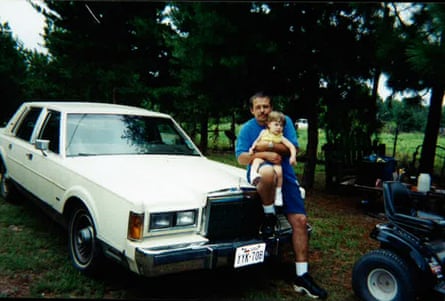
Robert Roberson with his daughter. Photograph: Courtesy of Gretchen Sween
Roberson's attorneys contend that his case is among the wrongful convictions. They cite medical experts who say Curtis's death stemmed from severe viral and bacterial pneumonia.
They say her dire medical condition worsened when she was given medication that is now considered improper for children. They contend that hospital staff's immediate shaken baby syndrome determination – which they based on brain swelling and bleeding as well as bruises – amounted to misdiagnosis.
Roberson's emotionless comportment was not a sign of culpability but rather due to his autism which was not diagnosed until 2018, his supporters also said. He insisted on his innocence in an interview with CNN.
'It wasn't a crime committed,' Roberson said. 'I was falsely, wrongly convicted of a crime – they said it was a crime, but it wasn't no crime and stuff because I had a sick little girl, you know?'
Roberson received custody of Curtis two months before her death. He did not know about the girl until she was born, CNN said.
Curtis's maternal grandparents had had custody, but they ultimately agreed that he should have custody. Roberson said that he picked up Curtis from her grandparents' house and brought her home.
Roberson said he turned on a movie and that they both fell asleep in the same bed. But Roberson said he woke after hearing Curtis's cries and saw her on the ground.
There was blood on the girl's lips and a bruise below her chin, which Roberson cleaned up. Roberson said that he stayed awake for several hours to make sure the toddler was all right and fell asleep again. In the morning, she was not responsive, CNN quoted him as explaining.
'I carried her to the hospital and stuff, you know,' Roberson told the network. 'I didn't have nothing to hide.'
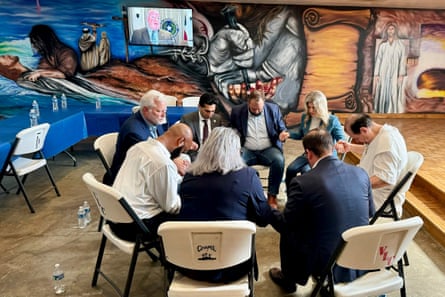
Texas lawmakers meet Robert Roberson at a prison in Livingston, Texas. Photograph: AP
Roberson's supporters include the Innocence Project, autism advocacy organizations andthecelebrated legal novelist John Grisham, CNN notes.
Brian Wharton, the lead detective who testified against Roberson, has said he now believes the prosecution had been based on a fallacy. Last year, he told the Guardian: 'There was no crime scene, no forensic evidence. It was just three words: shaken baby syndrome. Without them, he would be a free man today.'
Roberson's lawyers had petitioned for his sentence to be commuted to a lesser punishment or that he be given a postponement to allow more time for litigating appeals.
But the Texas pardons and parole board on Tuesday failed to recommend that the Republican governor, GregAbbott, grant clemency, Roberson's lawyers said in a statement. Abbott rarely grants clemency petitions. The US supreme court has rejected Roberson's appeals for a delay, though Justice Sonia Sotomayor has urged the governor to grant a 30-day delay.
In an interview last year, Roberson told the Guardian: 'I hope and pray that God gives them the knowledge for the people to make a righteous decision. I know I didn't do it. I'm not guilty. So I'm at peace with the Lord.'
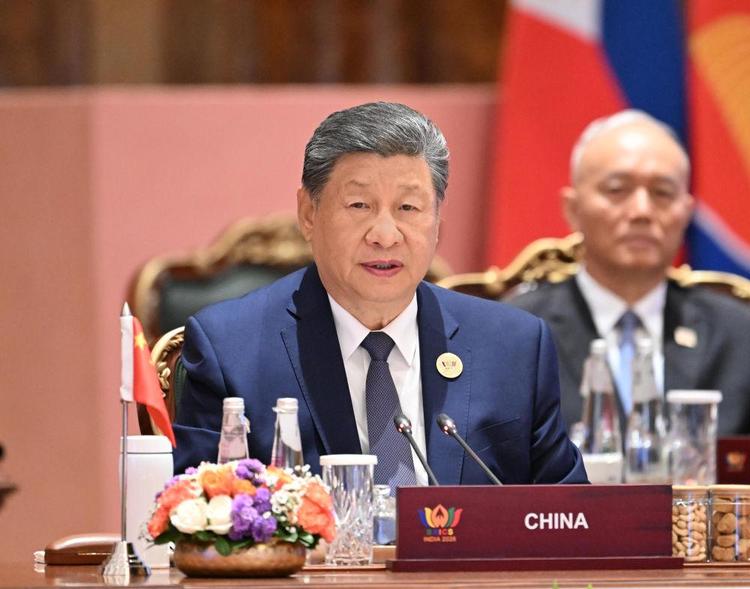
In a speech when attending the second day of BRICS summit in New Delhi, Xi also outlined concrete proposals to further strengthen greater BRICS cooperation, with a focus on emerging areas including artificial intelligence, trade, digital industries and manufacturing.
Key driver of multipolarity
Xi pointed out that when changes unseen in a century are accelerating across the world, the Global South, with its collective rise, has become a key driver of world multipolarity.
At the same time, the international landscape is volatile and fraught with risks and challenges, Xi said, adding that to bring stability to the world and make it a better place, BRICS countries must seize the historical initiative, rally the Global South, and advance the well-being of all humanity.
Global South countries should jointly defend the rule of law in international affairs, safeguard the basic norms of international relations including sovereign equality, noninterference in internal affairs, and the peaceful settlement of disputes, Xi said. It should be ensured that international law and international rules are applied to all, and free from double standards, he added.
Global South countries should hold high the banner of multilateralism, uphold the authority and role of the United Nations, and support multilateral institutions in advancing reform and increasing efficiency, Xi said.
He also called for promoting the reform of the World Trade Organization in the right direction, as well as reforming and improving the international financial architecture to increase the representation and voice of developing countries.
Global South countries should stay committed to a people-centered development philosophy and strive to deliver on the 2030 Agenda for Sustainable Development, Xi said.
Global South countries should also jointly advance security governance, tackle both traditional and nontraditional security threats, and improve global climate governance, Xi said, also calling for working faster to evolve a consensus-based global AI governance framework, so that new technologies can light the way toward shared prosperity.
'It is a solidarity that unlocks partnerships, unlocks democratization of the international system, unlocks an open international system, and unlocks an inclusive international system,' said Charles Onunaiju, director of the Center for China Studies in Nigeria.
Rakhim Oshakbayev, director of the TALAP Center for Applied Research in Kazakhstan and former Kazakh vice minister for investment and development, said BRICS cooperation should 'bring together developing countries' shared aspirations and promote coordination and cooperation.'
BRICS countries should continue seeking common interests, he said, noting that the grouping's expansion had placed greater demands on internal coordination.
Greater BRICS cooperation
During the speech, Xi proposed five initiatives on 'greater BRICS' cooperation in areas of AI, trade and investment facilitation, digital industry, intelligent manufacturing, and science and technology talent development.
To accomplish great things and achieve major progress, the foundation of greater BRICS cooperation must be cemented, Xi said, calling for leveraging BRICS' close ties with fellow emerging markets and Global South countries, upholding open cooperation for mutual benefit, safeguarding stable and smooth industrial and supply chains, and fostering a large integrated market.
'We should build incubators for innovation, upgrade traditional industries, develop emerging industries, and deploy future industries,' Xi said.
On the open source and inclusive AI initiative, Xi said that China will be a pioneer in establishing a BRICS AI open source community, support the cooperation in developing and applying large language models, hold specialized AI seminars and training courses, and build an open ecosystem for AI.
On the trade and investment facilitation initiative, China proposes to establish a BRICS special economic zone partnership, under which countries can set up an intelligent portal, coordinate policies, and build a new frontier for open development, Xi said, adding that in an effort to cultivate new drivers of economic and trade cooperation, China will hold the BRICS Forum on Trade in Services next year.
On the digital industry cooperation initiative, Xi said that China will push for establishing a BRICS digital ecosystem cloud platform, and conduct digital skills training, technological exchange and industrial alignment, so as to jointly enable the development of the digital economy.
On the intelligent manufacturing cooperation initiative, China stands ready to assist fellow BRICS countries in building smart factories and developing standards and norms, and jointly promote manufacturing transformation and upgrading, he said.
On the science and technology talent development initiative, China proposes to set up a BRICS engineer cultivation alliance for joint development of engineers and mutual recognition of competency standards, Xi said, adding that China will launch a BRICS youth exchange program for scientific and technological innovation, so as to cultivate more high-caliber talent.
The five initiatives proposed by Xi focus on key areas including technology, industry, trade and talent, providing concrete pathways to lay a solid foundation for practical cooperation among the broader BRICS community, said Serik Korzhumbayev, editor-in-chief of the Delovoy Kazakhstan newspaper.
It demonstrates China's firm resolve to share the opportunities of its modernization, a reflection of the spirit of openness, inclusiveness and mutual benefit that underpins BRICS cooperation, he said.
Xi has outlined concrete proposals to further strengthen greater BRICS cooperation
GDP at current market prices reached Rwf7.17 trillion in the quarter, up from Rwf5.8 trillion in the second quarter of 2025, NISR said in its latest GDP report released on September 15. Services accounted for 51% of GDP, followed by industry at 23% and agriculture at 21%, while indirect taxes contributed 5%.
Industry was the fastest-growing sector, expanding by 18% year-on-year. Construction activities grew by 24%, while mining and quarrying increased by 26% and manufacturing rose by 10%.
NISR attributed the strong industrial performance to increased construction activity, which boosted demand for locally manufactured construction materials.
Manufacturing growth was driven by a 51% increase in the production of metal products, machinery and equipment. Manufacturing of non-metallic mineral products grew by 22%, while textiles, clothing and leather products increased by 13%.
Services grew by 7% in the second quarter. Wholesale and retail trade increased by 18%, while transport services grew by 7%.
Information and communication services recorded particularly strong growth of 29%, while administration and support services and professional services each grew by 9%. Hotels and restaurants expanded by 5%, while financial services grew by 4%.
Agriculture grew by 4% in the quarter.
Food crop production increased by 5%, but export crop production fell by 20%, mainly due to a 33% decline in coffee production. The decline was partly offset by an 18% increase in tea production.
The latest GDP figures come as Rwanda's economy continues to face external pressures, with NISR noting that economic performance in the second quarter remained resilient despite spillovers from geopolitical tensions in the Middle East.
GDP at current market prices reached Rwf7.17 trillion in the quarter, up from Rwf5.8 trillion in the second quarter of 2025, NISR said in its latest GDP report released on September 15.
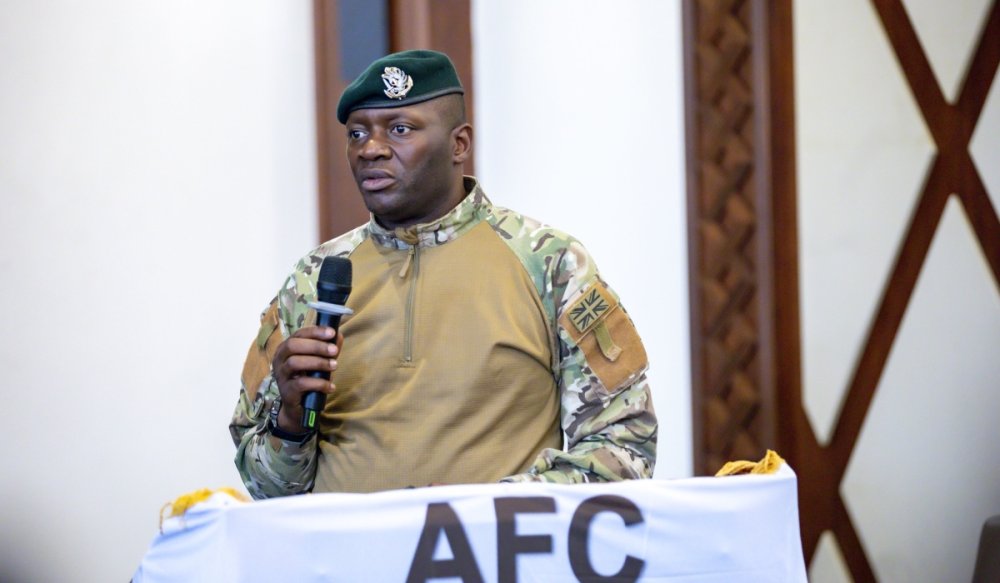
In a post on X on Tuesday, September 15, AFC/M23 spokesperson Lawrence Kanyuka said the attacks took place in the morning, resulting in deaths and forcing civilians to flee their homes in search of safety.
He said the first attack was launched at around 8:30 a.m., followed by another at 9:30 a.m. in the Ntekomiko and Kareta areas of Masisi.
Kanyuka added that at around 11:30 a.m., DRC government forces launched another attack in the Point-Zéro area using ground troops.
'Currently, AFC/M23 forces continue to protect and defend civilians,' he wrote.
The accusations come despite an agreement by the two sides to observe a ceasefire and establish a joint mechanism to monitor compliance with the truce.
AFC/M23 spokesperson Lawrence Kanyuka said the attacks took place in the morning, resulting in deaths and forcing civilians to flee their homes in search of safety.
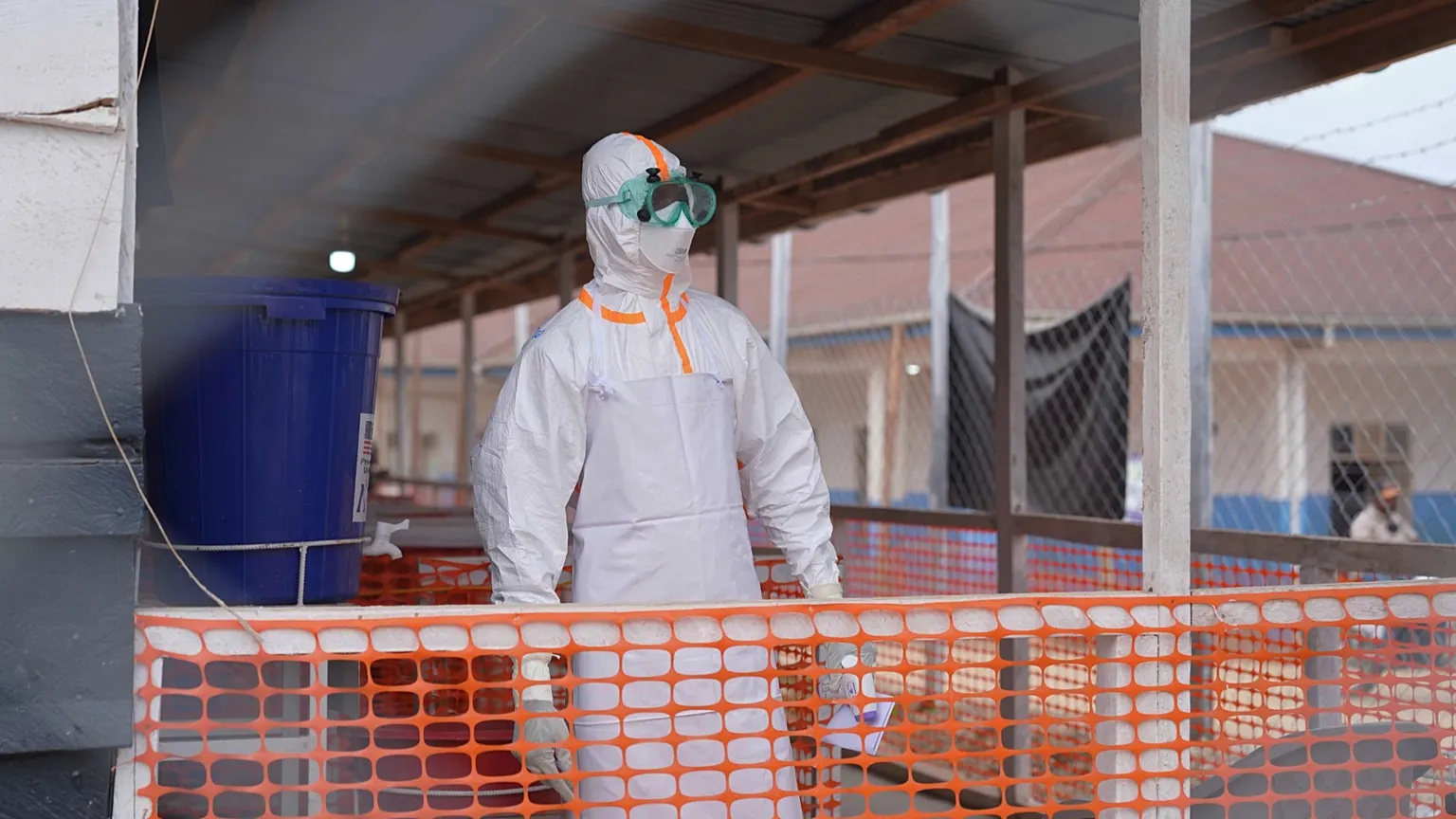
A government report covering the epidemiological situation as of Sunday said 7,258 confirmed cases had been recorded in seven provinces, including 3,510 deaths and 1,726 recoveries.
A total of 905 patients were in isolation or hospitalized, while the overall fatality rate stood at 48.4 percent.
The outbreak has affected 62 health zones across seven provinces — Ituri, North Kivu, South Kivu, Haut-Uele, Bas-Uele, Tshopo and Sud-Ubangi. Sustained transmission continued in Ituri, North Kivu and Haut-Uele, while sporadic cases were reported in Tshopo and Bas-Uele.
The overall epidemic curve was trending downward as the peak appeared to have been reached around mid-August, said Dieudonne Mwamba Kazadi, head of the National Institute of Public Health, after a strategic coordination meeting in Kinshasa on Monday.
However, he cautioned that the decline was uneven across the country, with some provinces, particularly North Kivu, still reporting increases in cases.
Declared in May, the current outbreak has become the largest and deadliest Ebola epidemic in the DRC's history and the second-largest globally, behind the 2014-2016 epidemic in West Africa.
The outbreak has affected 62 health zones across seven provinces in DRC.
The decision was made during the World Athletics Council meeting in Budapest on Monday and Tuesday, September 14-15, following a competitive bidding process that included Nairobi, Munich, London and Rome. Munich was selected to host the 2031 edition.
The 2029 championships will be held in Nairobi, with the 48,000-capacity Kasarani Stadium serving as the main venue. The event will mark the first time the senior World Athletics Championships have been held on African soil.
World Athletics President Sebastian Coe described Nairobi's bid as 'compelling and emotional', saying Kenya's deep connection with athletics made it an appropriate host for the historic edition.
'Kenya is one of the great athletics nations. The sport is woven into the fabric of the country,' Coe said.
'It was important that the World Championships should come to Africa when we had the right host, the right bid and the right circumstances. Nairobi has demonstrated emphatically that this is their moment.'
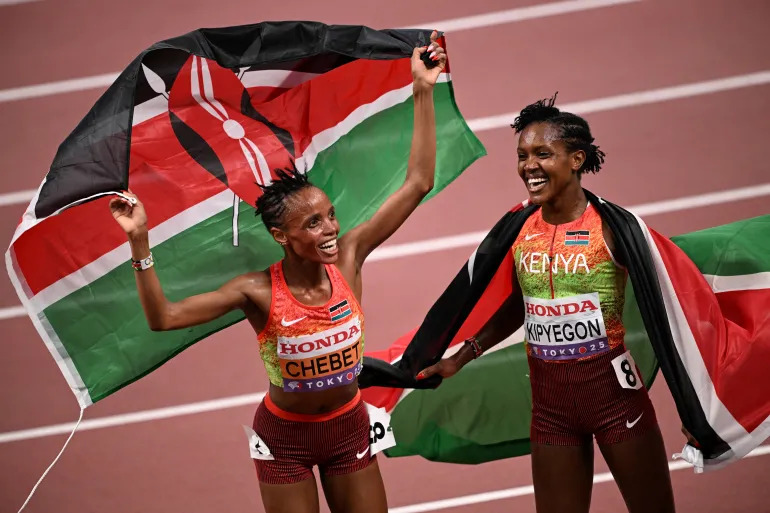
Kenya's athletics record was a central part of its successful bid. The country is the second-most successful nation in World Athletics Championships history and finished second on the medal table at the 2025 championships in Tokyo, winning seven gold medals and 11 medals overall.
Its athletes have also played a major role in shaping the history of the sport, including Olympic and world champions such as Faith Kipyegon, Eliud Kipchoge, Hellen Obiri, Vivian Cheruiyot and David Rudisha.
Kenya has also built experience hosting major international athletics events in Nairobi. The capital staged the World U18 Championships in 2017 and the World U20 Championships in 2021, while Kenya has hosted other major global athletics competitions.
Nairobi's bid also benefited from ongoing upgrades to Kasarani Stadium and other sports infrastructure ahead of the 2027 Africa Cup of Nations, which Kenya will co-host with Tanzania and Uganda.
The successful bid follows Kenya's unsuccessful attempt to host the 2025 World Athletics Championships. Tokyo was ultimately awarded that edition.
World Athletics said Kenya's strong public interest in athletics was another factor supporting Nairobi's bid. Research cited by the governing body found that 68% of Kenyans surveyed had a high level of interest in athletics, compared with a global average of 39%.
The 2029 championships will represent a major milestone for African athletics, bringing the sport's premier global competition to a continent that has produced some of its most successful athletes but has never previously hosted the senior World Championships.
The next World Athletics Championships will be held in Beijing from September 10-19, 2027, before the event moves to Nairobi in 2029.
Kenyan athletes have played a major role in shaping the history of the sport, including Olympic and world champions such as Faith Kipyegon, Eliud Kipchoge, Hellen Obiri, Vivian Cheruiyot and David Rudisha.
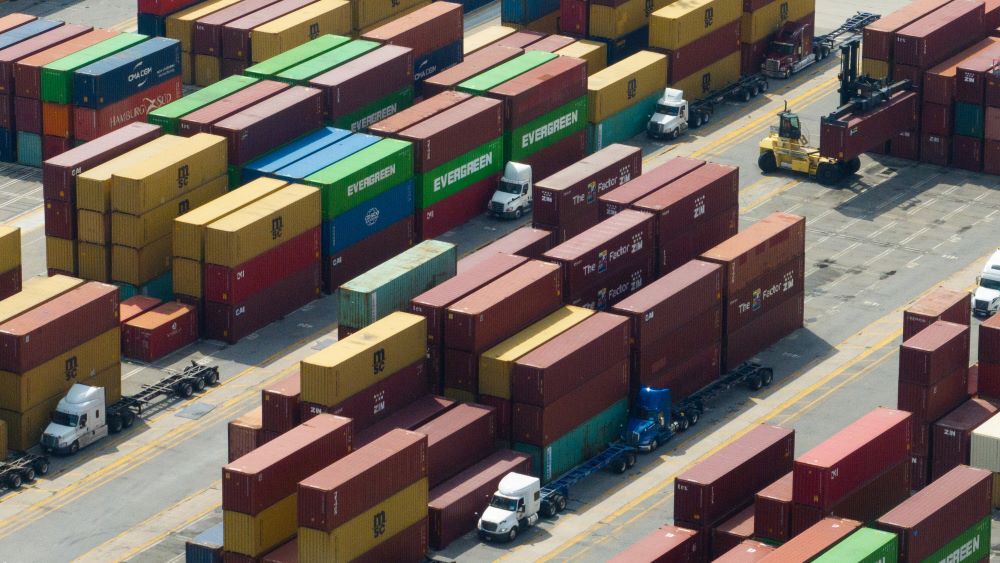
The warning came in the WTO's annual flagship publication, World Trade Report 2026: A Critical Juncture for the World Trading System, which examines the achievements of the multilateral trading system over the past 80 years and the challenges it now faces.
'The multilateral trading system has delivered enormous benefits over the past 80 years, helping to create a more integrated and resilient global economy,' WTO Director-General Ngozi Okonjo-Iweala said.
About 72 percent of global merchandise trade still takes place under the WTO's most-favored-nation terms, she said.
'The global trading landscape has changed significantly but the founding logic of the system, that all economies are better off cooperating rather than acting unilaterally, remains as relevant today as ever,' Okonjo-Iweala said.
She said WTO members are actively discussing reforms and recognize that 'the status quo is not an option.'
The report models three possible futures for the global trading system.
Under a strengthened multilateral framework, global GDP could rise 2.9 percent and exports 17.9 percent by 2050 compared with the baseline trajectory.
The other two scenarios envision an erosion of multilateral trade rules. In a 'geo-fragmented world,' where trade cooperation is organized around geopolitical blocs, global GDP could fall 5.1 percent and exports 18.6 percent, while in a world where multilateral cooperation is replaced by a network of free trade agreements, GDP could fall 6.9 percent and exports 26.9 percent.
The difference between strengthened multilateral cooperation and erosion of the system could amount to as much as 10 percent of baseline global real GDP, WTO Chief Economist Robert Staiger said.
'If the status quo is unsustainable, as many members believe, this illustrates the potential cost of inaction on reform,' he said.
The report noted that over eight decades, the system has helped lower trade barriers, expand global trade nearly 50-fold and create a more integrated, rules-based global economy.
The World Trade Organization has repeatedly expressed concern about the economic effects of President Trump's tariffs.
According to a European Commission document seen by Reuters, the proposal is part of a planned EU Kids Act that European Commission President Ursula von der Leyen and EU technology chief Henna Virkkunen are expected to present this week.
The proposal would introduce different levels of access based on age. Children aged 15 and above would be allowed to create their own accounts, while those aged 13 and 14 could access social media and video-sharing platforms through parental permission, with controls on contacts and screen time.
Children aged 3 to 12 would have access only to child-friendly services under parental control, while those under three would have no access.
The European Commission said the approach should allow children to benefit from digital services while protecting them from abuse and exploitation.
Under the proposal, technology companies would also be required to verify users' ages, limit addictive designs and harmful content feeds, and provide tools for reporting harmful material and parental controls.
Companies would also pay a supervisory fee to support regulatory enforcement.
Reuters reported that the proposal could still change before being formally presented and would require agreement with EU member states and the European Parliament before becoming law.
The European Union is set to propose restrictions preventing children under 15 from accessing social media.