The new genus, called Swiftiephylus, was announced in a study published on September 9 in the journal Insect Systematics and Evolution.
The study describes 12 newly identified species of Australian plant bugs, including four species whose scientific names pay tribute to Swift and her music.
The four species are Swiftiephylus taylorae, named after Taylor Swift, as well as Swiftiephylus amator, Swiftiephylus intrepidus and Swiftiephylus poetorum.
The latter three names are inspired by Swift's albums and music, referring to 'Lover,' 'Fearless' and 'The Tortured Poets Department,' respectively.
The insects belong to the Miridae family, the largest family of true bugs. The family contains about 11,000 described species worldwide and includes both plant-feeding and predatory insects.
Sarah Schroeder, a doctoral student in entomology at the University of California, Riverside and a co-author of the study, said she wanted to honor Swift while drawing attention to the large number of insect species that scientists have yet to discover.
Schroeder is a lifelong Swift fan and said the insects' appearance also helped inspire the tribute.
The insects are pale yellow with red markings and can camouflage themselves among Australian she-oaks.
Their coloration reminded Schroeder of Swift's recognizable blonde hair and red lipstick.
Beyond the connection to the singer, researchers said the naming highlights the importance of taxonomy, the scientific process of identifying and describing species.
Schroeder emphasized that documenting species is important for conservation because scientists cannot protect species they do not know exist.
The insects were collected in Australia between 1995 and 2004 by researchers from the American Museum of Natural History and Australian collaborators.
The collections produced more than 50,000 specimens, showing how much biological material can remain unidentified for years.
Scientists estimate that nearly 30 million insect species may still be undocumented, highlighting the enormous scale of insect diversity that remains to be studied.
The Swiftiephylus discovery is not the first time scientists have named a species after a celebrity.
In 2022, researchers at UC Riverside named a newly identified nematode species Tarantobelus jeffdanielsi after actor Jeff Daniels, whose character in the 1990 film Arachnophobia was associated with the tribute.
For Swift, the unusual honor adds her name to scientific records while also helping researchers draw public attention to insect diversity and the importance of conservation science.
Newly identified Australian plant bugs have been named after Taylor Swift and her albums.
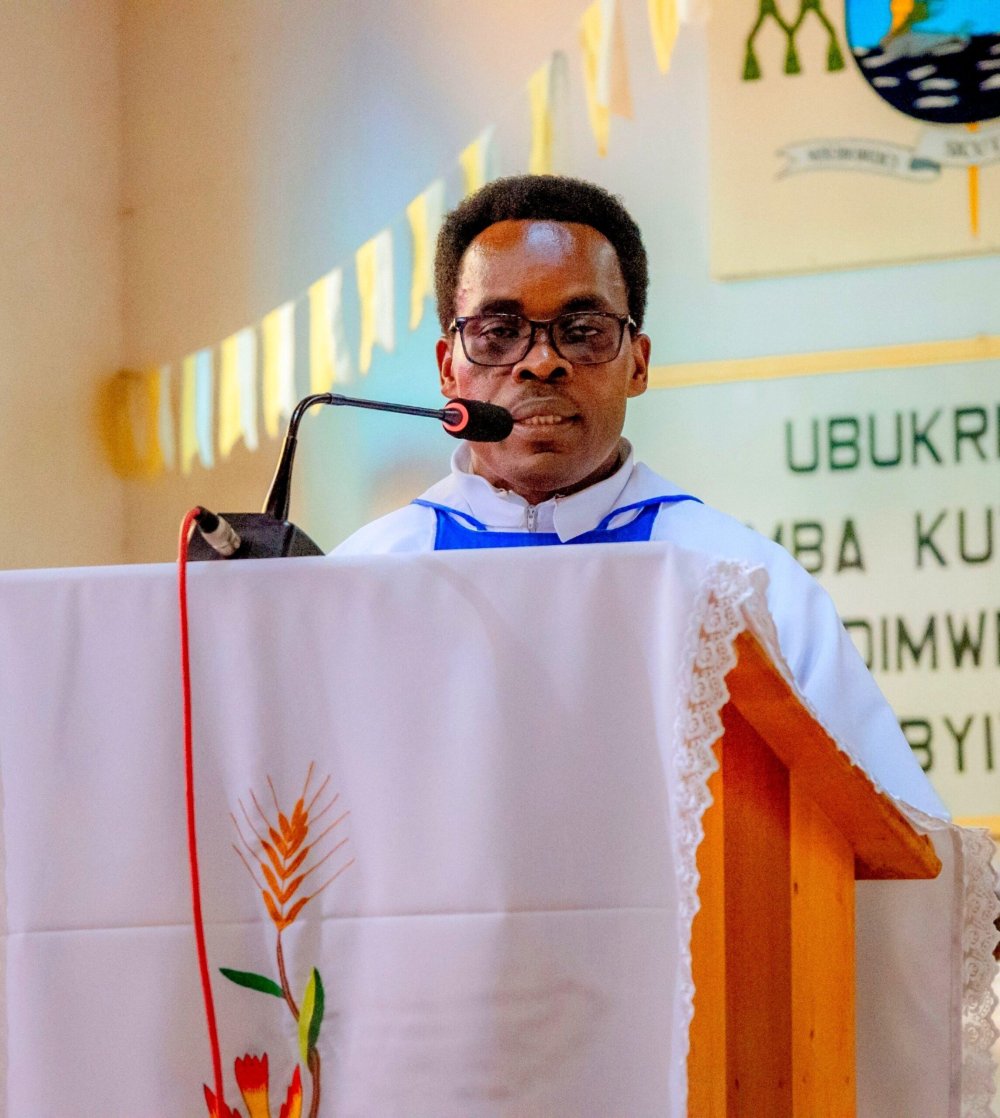
The appointment was announced in a statement signed by Bishop Mwumvaneza on September 8, 2026.
In the statement, Bishop Mwumvaneza said the appointment was made after considering the weight of the responsibilities involved in administering Nyundo Diocese and the abilities of the person selected to carry them out.
He cited Father Habarugira Karekezi's integrity, spiritual and intellectual abilities, theological knowledge and dedication to Church service.
'We appoint Father Léonidas Habarugira Karekezi as Vicar General of our Diocese of Nyundo,' Bishop Mwumvaneza said.
As Vicar General, Father Karekezi will oversee the ordinary administrative affairs of the diocese, except matters specifically reserved for the bishop or those requiring the bishop's prior authorization.
Bishop Mwumvaneza called on clerics and Catholics in Nyundo Diocese to welcome and support Monsignor Karekezi in his new responsibilities.
The appointment follows the death of Monsignor Nsengumuremyi, who had served as Vicar General of Nyundo Diocese since 2001. He continued serving in the position after Bishop Mwumvaneza became Bishop of Nyundo Diocese in 2016.
Monsignor Nsengumuremyi was ordained priest in 1977 and died on August 30, 2026, aged 76, succumbing to low blood pressure.
Father Léonidas Habarugira Karekezi has been appointed as the new Vicar General of Nyundo Diocese.
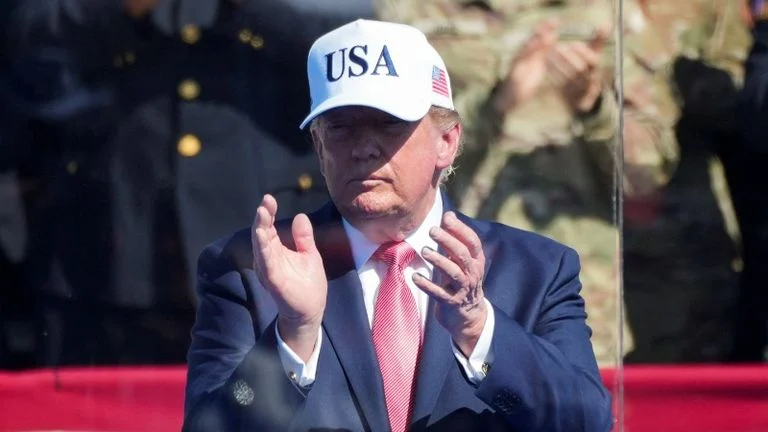
Trump campaigned for a second term as a president who would end foreign wars rather than start new ones.
However, his administration is now deeply involved in a conflict with Iran that analysts say risks becoming a new 'forever war.'
The US launched 'Operation Epic Fury' alongside Israel on February 28, targeting Iran's military and nuclear capabilities.
The campaign has relied heavily on US air and naval power rather than a large-scale deployment of American ground troops.
Despite inflicting significant economic and military damage on Iran, the campaign has not achieved all of the objectives critics say Trump set out to accomplish, including dismantling Iran's nuclear programme or triggering a change in the Iranian government.
The conflict has also created economic pressure beyond the battlefield. Iran's disruption of oil shipments through the Strait of Hormuz has contributed to higher US gasoline prices and pushed global oil prices higher.
The economic impact has added to political pressure on Trump and strained relations with some US allies.
Analysts say the conflict reflects some of the problems that complicated the wars in Afghanistan and Iraq, including difficulties in defeating an entrenched opponent and establishing a clear path to ending military operations.
Sina Toossi of the Center for International Policy said Trump had broken a post-Iraq and Afghanistan reluctance in Washington to launch another major, potentially open-ended war in the Middle East.
The comparison comes as the United States approaches the 25th anniversary of the September 11 attacks, which killed nearly 3,000 people and led to the US invasion of Afghanistan, followed by the 2003 invasion of Iraq.
The Iraq war was launched partly on intelligence that Iraq possessed weapons of mass destruction, but those weapons were never found.
The conflicts in Afghanistan and Iraq became lengthy and costly, while contributing to instability across the Middle East.
Trump's political rise was partly fueled by public frustration with the consequences of those wars.
During his 2024 campaign, he promised to avoid military adventurism and focus more heavily on Americans' economic concerns.
Critics now argue that his Iran strategy risks repeating some of the mistakes of the post-9/11 era, including underestimating an adversary's resilience and failing to establish a clear exit strategy.
The White House has defended the campaign. Spokeswoman Anna Kelly said Trump had the courage to confront Iran over its nuclear programme and argued that his administration had achieved its objectives, while sanctions and a US maritime blockade were putting further pressure on Iran's economy.
For now, however, the conflict remains unresolved. With rising energy costs, political pressure at home and concerns over its wider regional consequences, the war is increasingly becoming a test of whether Washington can avoid repeating the experience of the post-9/11 'forever wars.'
US President Donald Trump faces growing scrutiny over the ongoing conflict with Iran.
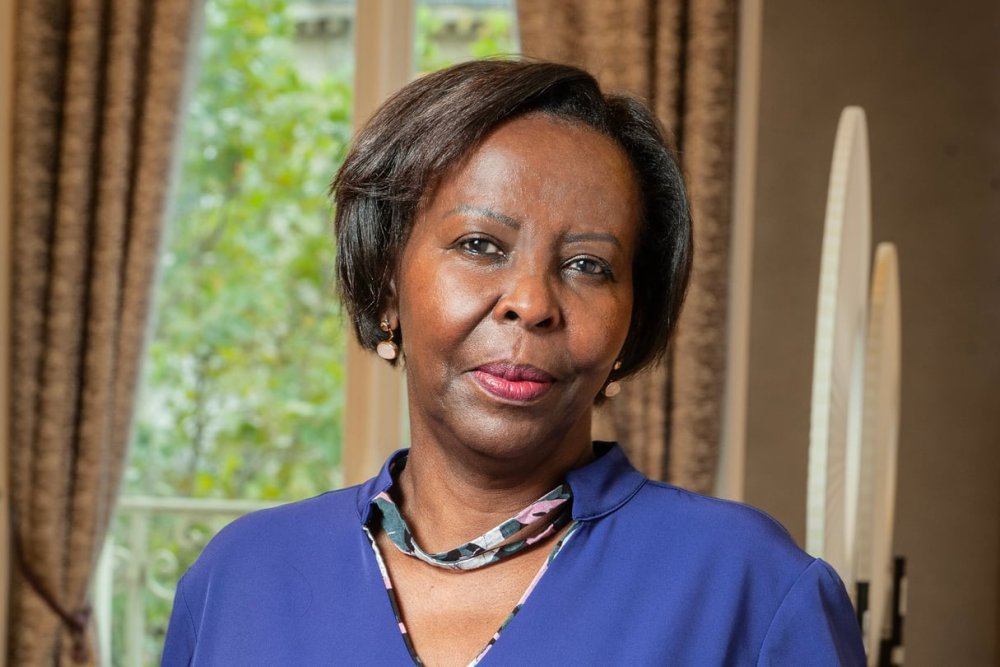
Mushikiwabo was elected Secretary General of the OIF in 2018 and took office in January 2019. She was re-elected for a second term in 2022 in Djerba, Tunisia, with the support of all member states, becoming the first African woman to lead the organisation.
The OIF currently brings together 90 states and governments representing more than 396 million French speakers worldwide.
As Mushikiwabo's second term approaches its end, she is seeking a third mandate in an election that also features candidates from the Democratic Republic of Congo, Mauritania and Romania.
It is also a moment to look at what her seven years at the helm have delivered, with the figures highlighting programmes and reforms that have strengthened the OIF's existing foundations and continue to shape its future priorities.
Since 2019, the OIF says it has mobilised €336 million, with 97% of its activities implemented.
During the same period, the organisation introduced annual financial audits conducted by an independent external body as part of efforts to strengthen transparency and accountability in its financial management.
Women's economic empowerment has been another major area of activity. In 2020, amid the Covid-19 pandemic, the OIF launched the 'La Francophonie avec Elles' fund to support women's economic independence.
The programme has since reached nearly 100,000 women through 354 projects implemented in 36 countries. According to the OIF, the average income of women benefiting from the initiatives has tripled.
The organisation has also increased its engagement with young people. Through 'La Francophonie de l'avenir', more than 10,000 young people in 134 countries were consulted on the priorities they want the OIF to address in the coming years.
The Covid-19 pandemic also prompted the organisation to create initiatives connecting young people and supporting technology-based responses to challenges created by the crisis. Within two weeks, about 60 youth-led projects were identified, including initiatives focused on transport, food delivery and access to medicines.
Digital skills have since become a central area of the OIF's work through the D-CLIC programme, which aims to increase the number of young people receiving technology-related training from 20,000 to 100,000.
The organisation has also launched CAP Innovation to support young entrepreneurs in Francophone countries as they develop innovation-based projects. Artificial intelligence has emerged as another area of focus as the OIF considers technologies likely to shape the future of French-speaking countries.
Education and language have also featured prominently in its programmes. Through ELAN, the OIF has reached 12 million students, using 46 African languages and working with about 230,000 teachers. The programme promotes early literacy and learning in children's mother tongues before they transition to French.
The focus on Africa is particularly significant for the OIF, with projections indicating that by 2050, the majority of French speakers worldwide will be on the continent.
Mushikiwabo's seven years at the OIF have also brought changes to the way its Secretary General is elected. The organisation previously relied heavily on consensus among member states, while the revised system gives each country one vote and allows candidates to compete more openly.
The new system will be applied in the 2026 election. On June 30, all four candidates appeared before foreign ministers of OIF member states to present their visions and answer questions, an exercise that had not previously taken place in the organisation's 56-year history.
Mushikiwabo is competing against Juliana Amato Lumumba of the Democratic Republic of Congo, Mauritanian candidate Coumba Ba and former Romanian Prime Minister Dacian Cioloș.
Her bid for a third term has attracted support from many countries. At the Francophonie Ministerial Conference held in Kigali in November 2025, the call for her to seek another mandate initially came from two countries before the number of countries expressing support rose to more than 15 by the end of the meeting.
Rwanda has also stepped up efforts to rally support for her candidacy, with senior officials travelling to Francophonie member states, carrying messages from President Paul Kagame to heads of state.
Louise Mushikiwabo was elected OIF Secretary General in 2018 and took office in January 2019, becoming the first African woman to lead the organisation.
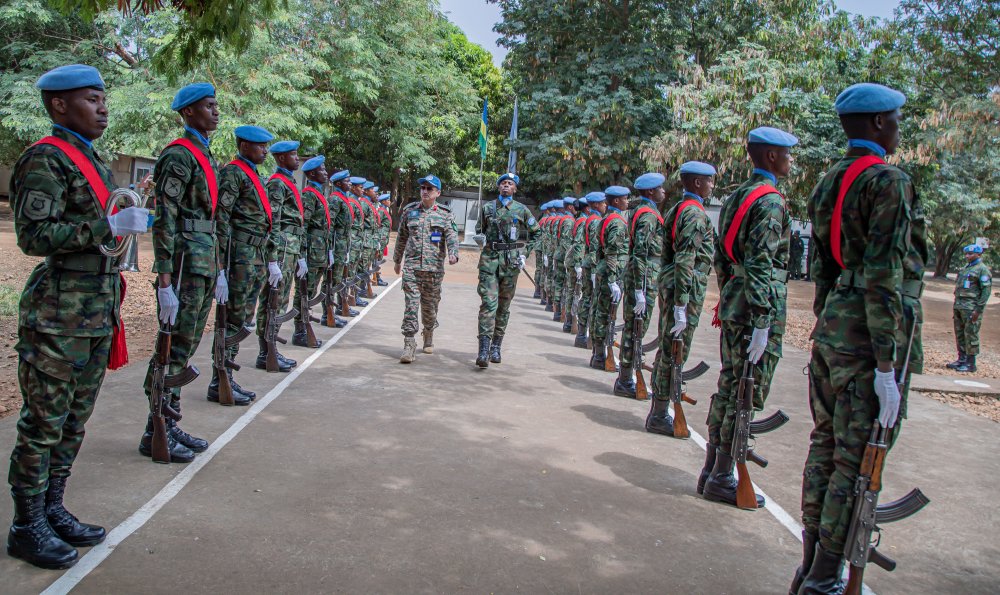
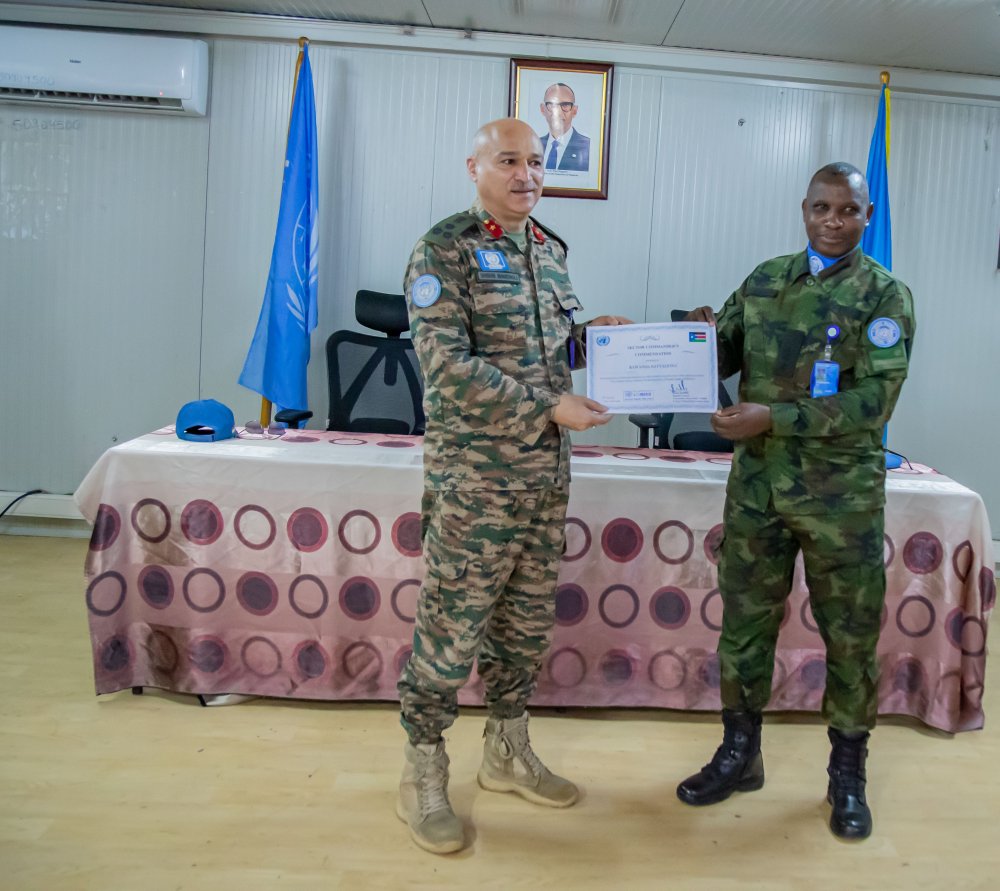
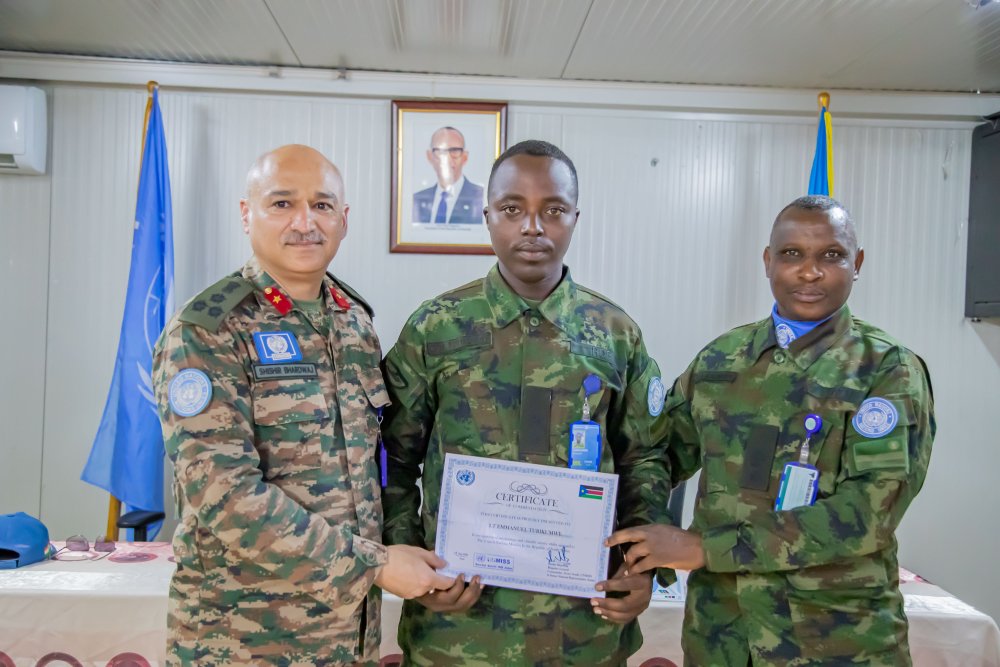
Brigadier General Bhardwag made the remarks during his visit on September 8, 2026, to RWANBATT-3 at the UNMISS Durupi Camp in Juba, where he was welcomed by the Contingent Commander, Colonel Innocent Rwaka Muhirwe.
The Sector South Commander described RWANBATT-3 as the exemplary contingent in Sector South, praising its resilience, teamwork, coordination, and commitment to duty.
'You have distinguished yourself as an exemplary contingent in Sector South. You are demonstrating resilience, professionalism, effective coordination, a strong spirit of teamwork, and dedication to implement the UNMISS mandate,' Brig Gen Bhardwag stated.
In recognition of their dedication and service, Brigadier General Bhardwag presented certificates of commendation to the Contingent Commander, selected officers, and other ranks.
He emphasized that the recipients represented the collective achievements of the entire contingent and its contribution to the success of the UNMISS mandate.
He also commended Colonel Muhirwe for his strong leadership and efforts to maintain discipline, cohesion, morale, and operational effectiveness within the contingent.
Colonel Muhirwe expressed appreciation for the continued support and guidance from the Sector South leadership, noting that it had contributed to RWANBATT-3's ability to carry out its responsibilities despite operational challenges.
Brig Gen Bhardwag honours RWANBATT-3 personnel for their dedication and professionalism.UNMISS Sector South Commander Brigadier General Shishir Bhardwag presents a certificate of commendation to a Rwandan peacekeeper serving with RWANBATT-3 during his visit to the contingent at UNMISS Durupi Camp in Juba on September 8, 2026.Rwandan peacekeepers receiveD recognition for their outstanding service with UNMISS.Brigadier General Bhardwag visited RWANBATT-3 on September 8, 2026.
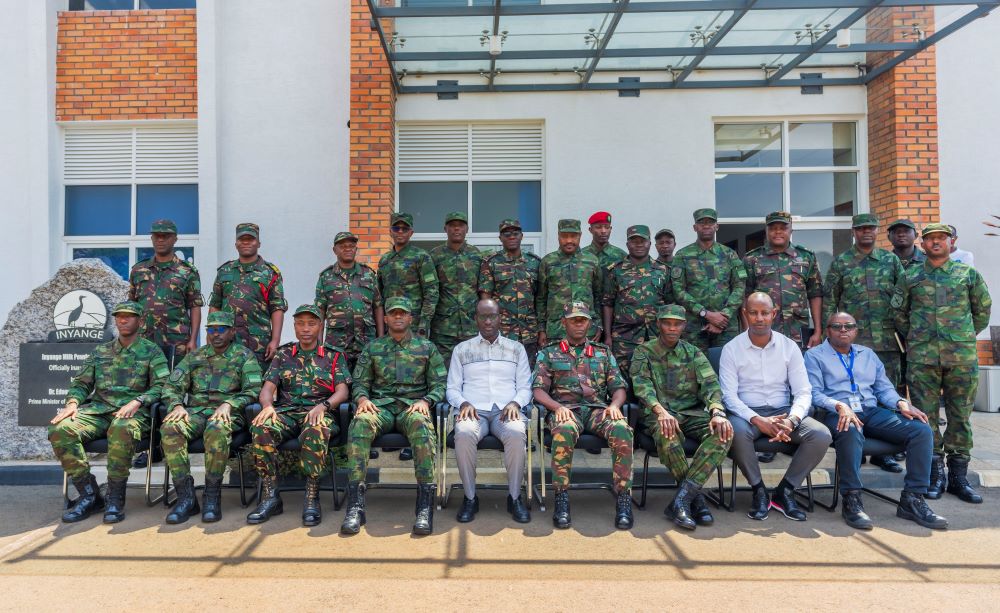
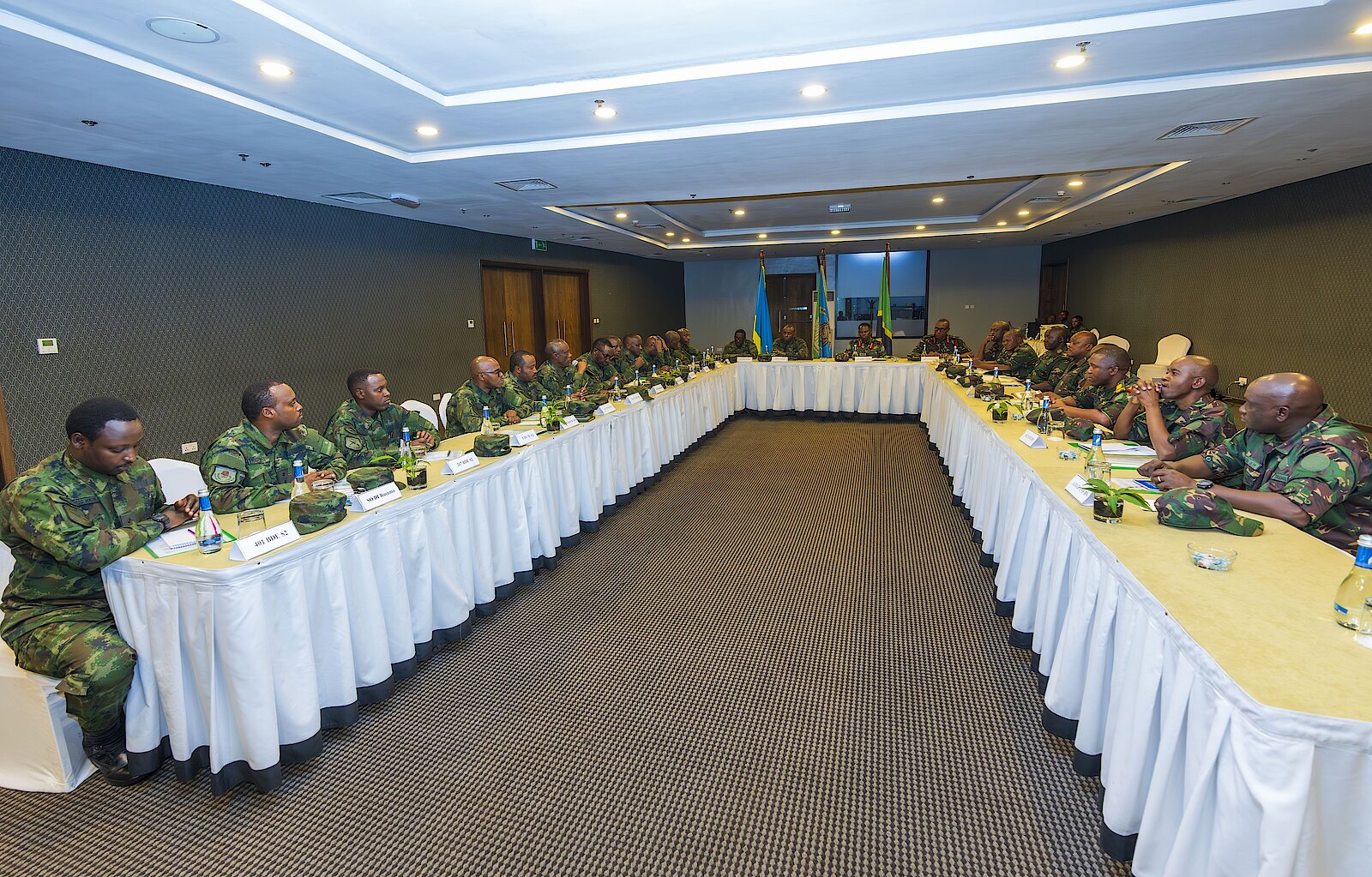
The meeting brings together military commanders from both countries who are deployed along the shared border to discuss security issues and strengthen cross-border cooperation.
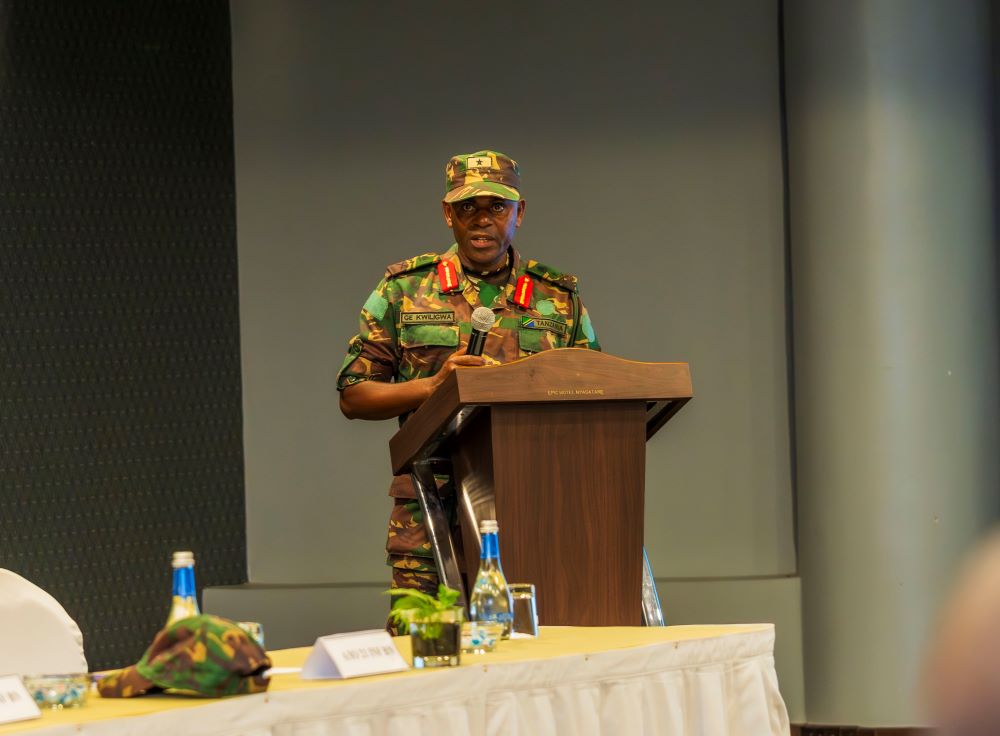
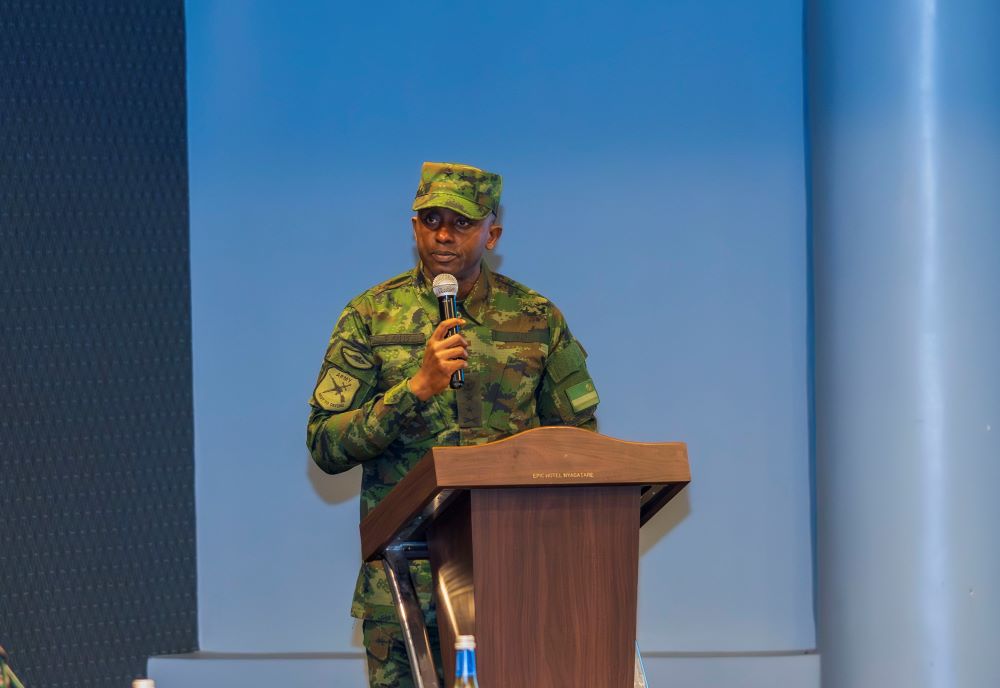
The TPDF delegation is led by Brigadier General Gabriel Elias Kwiligwa, Commander of the TPDF 202 Infantry Brigade, who was received by Major General Ruki Karusisi, Commander of the RDF 5 Infantry Division.
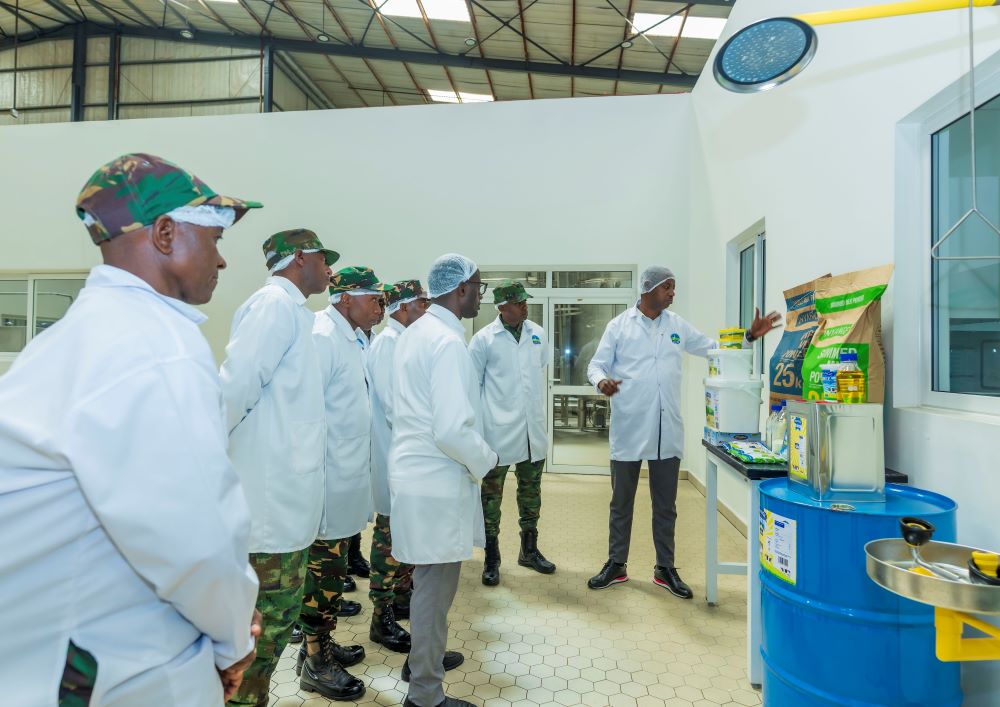
Upon arrival, the TPDF delegation visited the Inyange Milk Powder Plant in Nyagatare District. They were welcomed by the Mayor of Nyagatare District, Henry Kakooza, who briefed them on the plant's operations, market distribution, and its contribution to the local community and the country.
In his remarks, Major General Ruki Karusisi welcomed Brigadier General Kwiligwa and his delegation, noting that the meeting reflects the strong friendship, trust, and good relations between Rwanda and Tanzania.
He emphasized that geographical proximity provides an important opportunity to strengthen communication, regional peace, and border security.
He also called for stronger personal relationships, joint training, and direct communication among commanders to address emerging security challenges.
Brig Gen Gabriel Elias Kwiligwa thanked the hosts for the warm reception and hospitality extended to his delegation since their arrival in Rwanda.
He noted that the Proximity Commanders' Meeting demonstrates the strong military trust between the two countries and the progress made in implementing previous agreements on shared border security challenges.
Both sides expressed their commitment to strengthening border security, deepening defence cooperation, and protecting communities living along the shared border.
The discussions are expected to produce practical measures to address common security concerns and further strengthen the existing relations between the two nations.
RDF and TPDF delegations pose for a group photo during the 16th proximity commanders' security meeting in Nyagatare District.Brigadier General Gabriel Elias Kwiligwa led the TPDF delegation at the 16th proximity commanders' meeting in Nyagatare.Major General Ruki Karusisi welcomed Brigadier General Gabriel Elias Kwiligwa and his delegation during the 16th proximity commanders' meeting.TPDF delegation members tour the Inyange Milk Powder Plant in Nyagatare during their visit to Rwanda for the 16th proximity commanders' meeting.RDF and TPDF commanders meet in Nyagatare to discuss shared border security concerns.
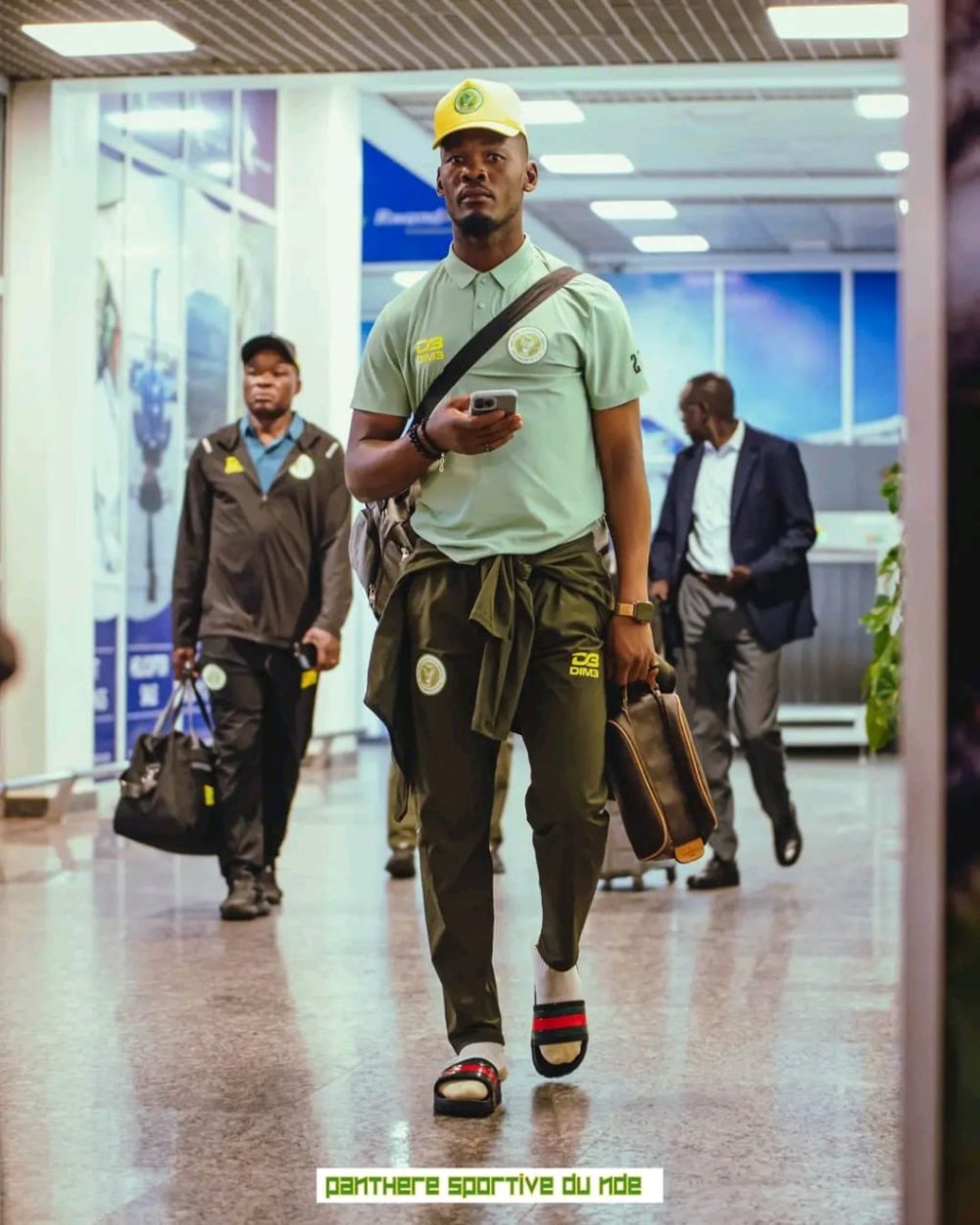
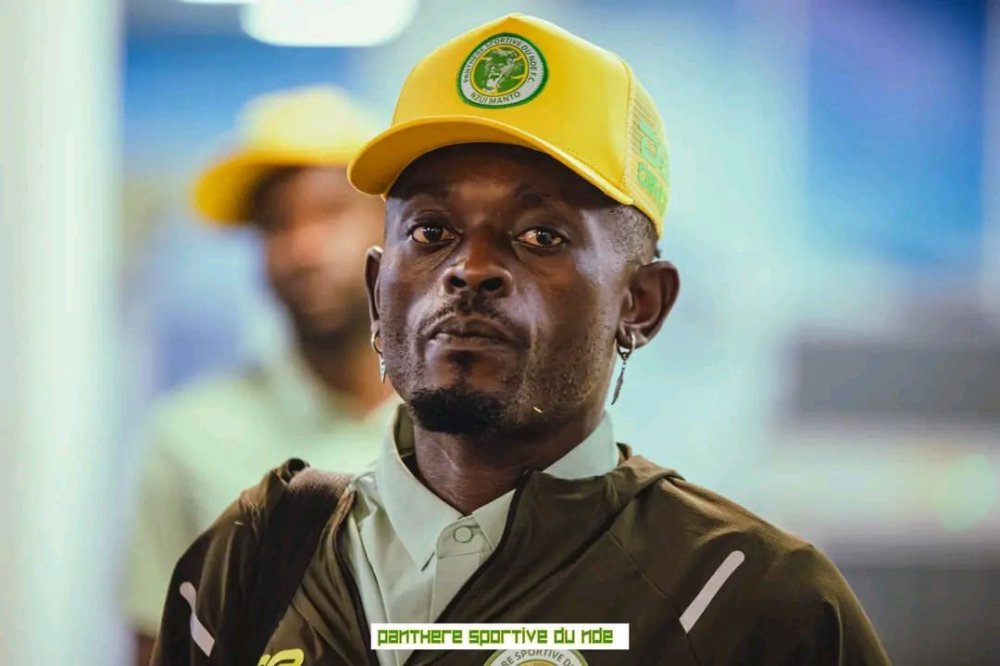
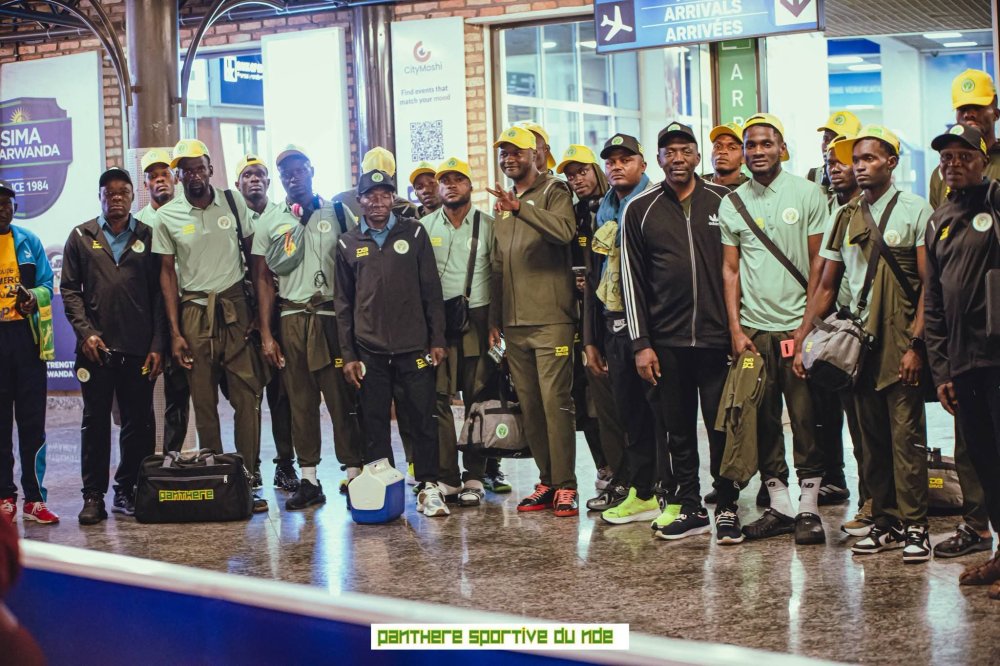
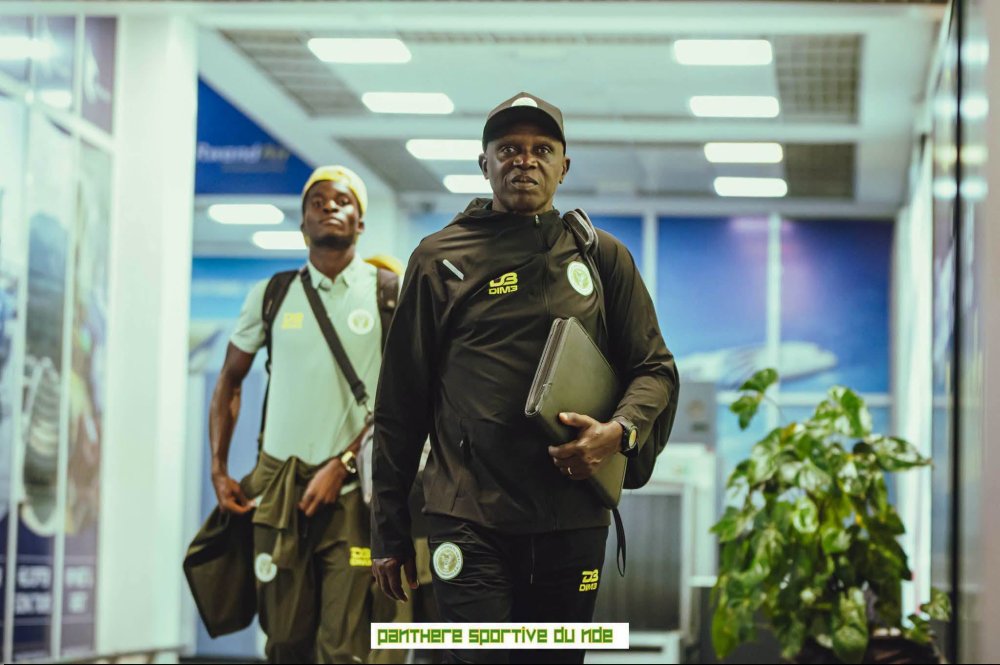
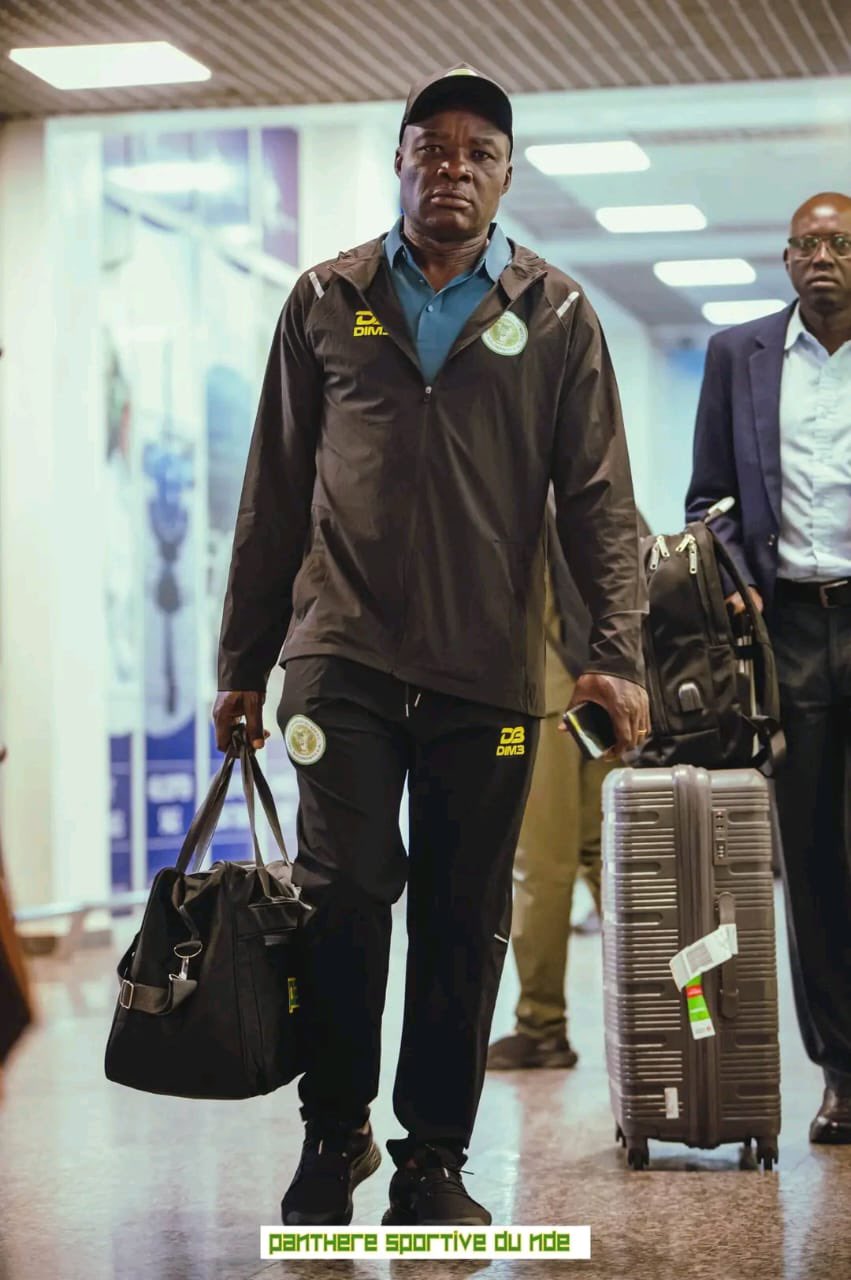
The players, coaches and accompanying officials arrived at Kigali International Airport in Kanombe in the early hours of Thursday, September 10, 2026.
The team arrived in Rwanda a day after another delegation representing the club had travelled to Kigali to prepare for its arrival.
The first leg, played in Cameroon, ended in a 1-1 draw. The return leg is scheduled for Saturday, September 12, at Amahoro Stadium.
The winner between Rayon Sports and Panthère Sportive du Ndé will face the winner of the second-round tie between Comoros' Atomic Ngomé and Mozambique's African Black Bulls in the second preliminary round, scheduled for October.
The Cameroonian side touched down in Kigali ahead of Saturday's decisive encounter at Amahoro Stadium.Panthère Sportive du Ndé players arrive at Kigali International Airport ahead of their CAF Confederation Cup return leg against Rayon Sports.Panthère Sportive du Ndé coaches arrive in Kigali with players.
The meeting took place ahead of the International Space Summit, which is being held in Paris on September 9-10.
According to a statement from the Office of the President, Kagame and El-Enany discussed Rwanda's cooperation with UNESCO in key areas including education, science and technology, cultural heritage and the preservation of memory.
Rwanda has two properties inscribed on the UNESCO World Heritage List, both added in September 2023 during the 45th session of the World Heritage Committee.
Nyungwe National Park was inscribed as a natural heritage site in recognition of its rainforest ecosystem, rich biodiversity and importance as a habitat for endangered species, including the eastern chimpanzee.
The second inscription, the Memorial Sites of the Genocide: Nyamata, Murambi, Gisozi and Bisesero, is a serial cultural heritage site comprising four memorial sites dedicated to preserving the memory of the 1994 Genocide against the Tutsi.
The inscription placed the sites on the global heritage list and recognised their importance in preserving memory and educating future generations about the genocide.
UNESCO, the United Nations Educational, Scientific and Cultural Organization, works through international cooperation in education, science, culture and information. Its mandate includes protecting cultural and natural heritage, supporting education systems, promoting scientific cooperation and safeguarding freedom of expression and access to information.
Kagame's meeting with El-Enany came a day after his visit to Oman, where Rwanda and Oman signed two agreements and six MoUs covering areas including trade, investment, agriculture and logistics. The two countries also agreed to open residential embassies in each other's capitals.
In Paris, Kagame is also attending the International Space Summit, co-organised by France and Germany and hosted by French President Emmanuel Macron.
The September 9-10 summit brings together nearly 120 foreign delegations, including political leaders, astronauts, scientists and representatives of the space industry.
The summit focuses on strategic autonomy, space capabilities, security, regulation and the sustainable use of outer space.
The meeting between President Kagame and UNESCO Director-General Khaled El-Enany took place ahead of the International Space Summit, which is being held in Paris on September 9-10.
These are among the findings in the 2025 Food Balance Sheet released by the National Institute of Statistics of Rwanda (NISR) in September 2026.
The report found that plant-based foods supplied 98.14 percent of dietary energy available in the country, while animal-source foods contributed just 44 kilocalories per person per day.
Starchy roots remained the largest component of the plant-based food supply.
According to the report, sweet potatoes, cassava and Irish potatoes contributed 256.5 kilograms per person per year, accounting for 43 percent of available plant-based foods. Fruits supplied 99.8 kilograms, while cereals contributed 90.4 kilograms per person per year.
The report also shows a strong concentration of dietary energy in carbohydrates. Carbohydrates supplied 1,838.6 kilocalories per person per day, representing 77.8 percent of total dietary energy.
This was above the 45–65 percent acceptable range cited in the report. Fat, by comparison, accounted for 12 percent of dietary energy, below the recommended 22.6–35.4 percent range.
Protein availability increased by 1.2 percent to 59.8 grams per person per day in 2025. However, the report found that about 94.2 percent of the protein supply came from plant-based foods.
Cereals provided 19.8 grams and pulses 17.8 grams per person per day, while meat contributed 1 gram, milk 1 gram and fish and seafood 1.5 grams.
The picture varied across vitamins and minerals. The report found that supplies of vitamin A, folate and vitamin C were above the average recommended levels used in its analysis.
However, several other nutrients remained below those levels. Vitamin B12 was available at 0.2 micrograms per person per day, compared with 2 micrograms recommended, while vitamin D stood at 0.7 micrograms against 5.7 micrograms.
Rwanda's food supply continued to draw on both domestic production and imports. The report put the country's Self-Sufficiency Ratio at 79.7 percent in 2025, up slightly from 79.4 percent in 2024. At the same time, the Import Dependency Ratio stood at 56.1 percent, compared with 56 percent the previous year.
Food losses also edged down. The Food Loss Index fell from 85.92 in 2024 to 85.89 in 2025, while the Food Loss Percentage was estimated at about 4.3 percent. The report notes that the index has declined from its 2017 baseline of 100.
On undernourishment, the report recorded a further decline. The prevalence fell from 31.3 percent in 2024 to 29.9 percent in 2025, with the estimated number of undernourished people dropping from 4.3 million to 4.1 million. The 2025 rate was also below the 40.2 percent recorded in 2019.
Plant-based foods continued to account for the vast majority of dietary energy available in Rwanda.
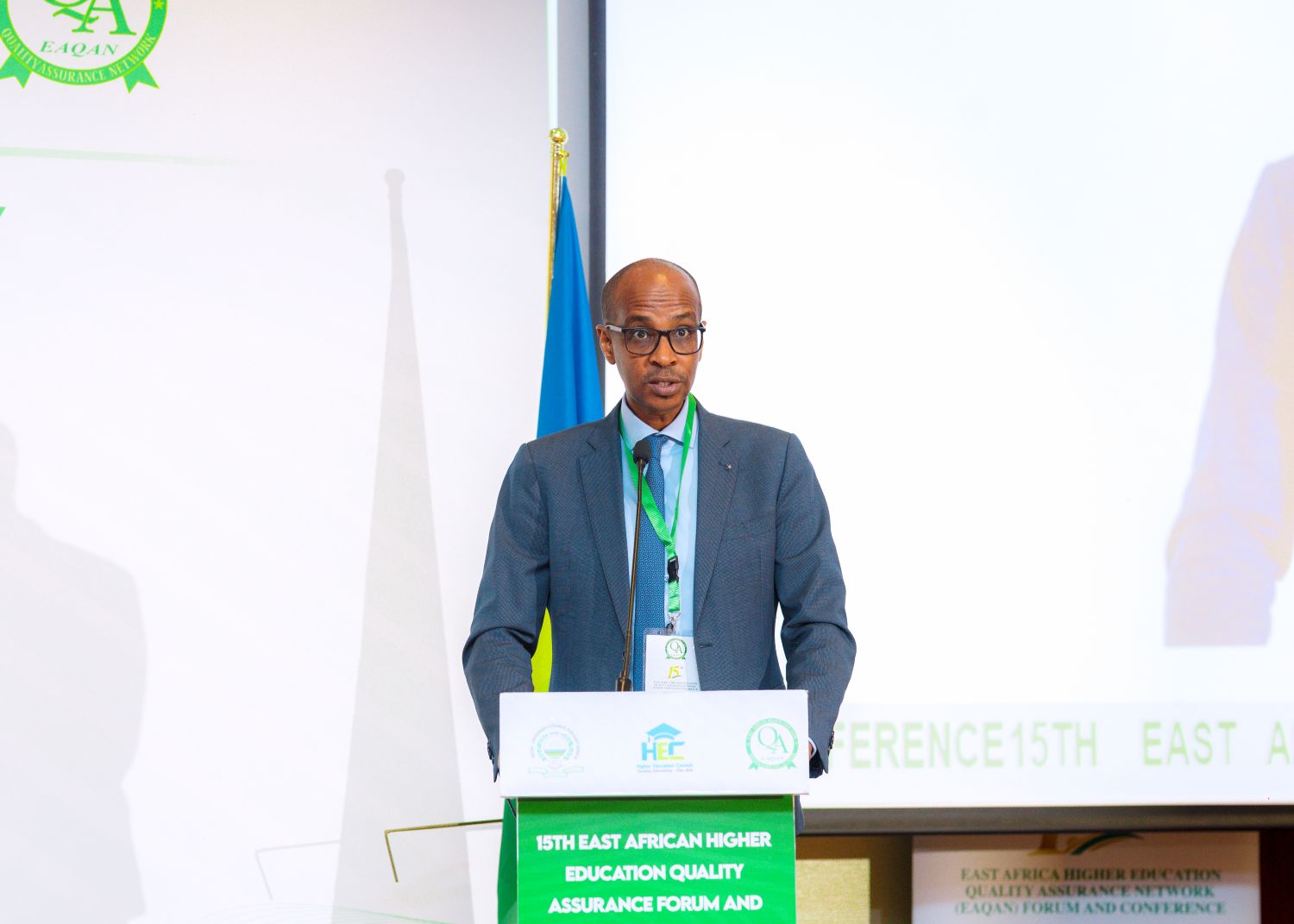
Minister of Education Joseph Nsengimana said the deadline is now less than four years away, requiring East African countries to move faster in addressing regulatory differences and other barriers that limit the movement of students, academics, professionals and qualifications across borders.
Nsengimana made the call on September 7 at the 15th East African Higher Education Quality Assurance Forum and Conference in Kigali, which brings together higher education stakeholders from across the region.
'Our heads of state and ministers responsible for education in the East African Community have set the ambitious goal of operationalising this Common Higher Education Area by 2030. The deadline is now fewer than four years away. This should not create anxiety, but it must create urgency,' he remarked.
'To achieve this, we must accelerate harmonisation, address gaps in international regulatory frameworks, and confront the resource and administrative constraints that continue to slow our progress.'
He said a common higher education area would enable qualifications earned in one East African country to be recognised more easily in another, while allowing students and professionals to move across borders with fewer administrative barriers.
The minister said quality assurance should serve as the foundation for building this trust, describing it as an 'invisible infrastructure of trust' that allows qualifications, knowledge, research and human capital to move across the region.
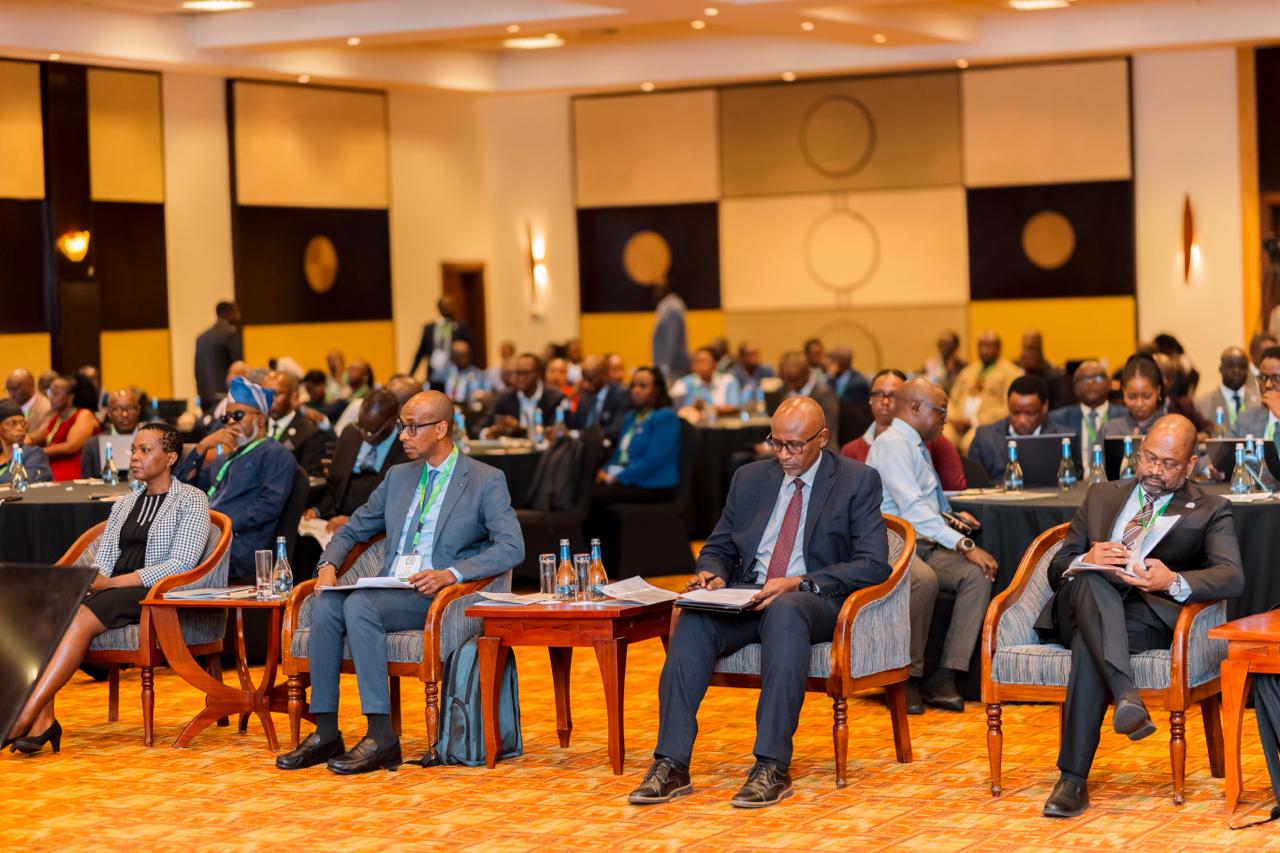
The forum brings together regional higher education stakeholders.
The push comes as the Inter-University Council for East Africa (IUCEA) shifts its focus from developing regional frameworks towards putting them into practice.
Prof. Idris Rai, Acting Executive Secretary of IUCEA, said the council's 2026–2031 strategic plan places the operationalisation of the Common Higher Education Area at the centre of its work.
The strategy includes strengthening regional programme accreditation, qualifications frameworks and recognition, credit accumulation and transfer, policy harmonisation and quality assurance systems.
Rai said East Africa also needs to update its quality assurance tools to reflect emerging forms of education, including artificial intelligence-supported learning, digital education and micro-credentials.
Removing barriers to mobility
Participants at the forum identified differences in qualification frameworks, credit systems and recognition of prior learning as some of the challenges that continue to complicate cross-border mobility.
Other barriers include differences in curricula and academic calendars, language, bureaucracy, financial constraints, limited access to internships and industry placements, and varying levels of quality assurance development across countries.
Prof. Mary Okwakol of Uganda's National Council for Higher Education said national qualification frameworks should align with the East African Qualifications Framework for Higher Education rather than operate in isolation.
She said the long-term objective should be automatic recognition of authentic formal qualifications across the region.
Dr. Edward Kadozi, Director General of Rwanda's Higher Education Council, argued that the main challenge is not necessarily determining whether qualifications are equivalent, but building trust in the quality of education behind them.
He said quality assurance should become a continuous part of university operations rather than an exercise carried out only during inspections or audits.
'Quality assurance should be the daily heartbeat of institutions,' Kadozi said, arguing that universities must focus on learning outcomes, practical skills, critical thinking and adaptability as technology and labour markets evolve.
Dr. Edward Kadozi, Director General of Rwanda's Higher Education Council, said building trust in the quality of education remains the key challenge.
The discussions also highlighted the role of student and staff mobility in strengthening regional integration.
Prof. Didas Kayihura of the University of Rwanda said cross-border mobility benefits both individuals and institutions, while international students can contribute to a richer learning environment.
However, he identified financing as one of the major constraints and called for stronger links between universities and the private sector to create more cross-border internships and align curricula with labour market needs.
Universities join regional AI network
The regional integration agenda is also extending to artificial intelligence, with six universities selected to anchor a new regional AI network aimed at strengthening education, research and innovation.
The University of Rwanda is among the institutions selected, alongside the University of Dodoma in Tanzania, Dedan Kimathi University in Kenya, SIMAD University in Somalia, the University of Burundi and Kabale University in Uganda.
Rai said the network forms part of IUCEA's wider plan to establish a federated regional Centre of Excellence in Artificial Intelligence, linking universities across the East African Community through specialised institutional nodes.
The initiative is expected to support collaboration in AI education, research and innovation, as the region seeks to prepare universities and graduates for increasingly technology-driven economies.
IUCEA is also considering an AI foundational module for university students across the region, alongside training for lecturers and a policy framework governing the use of AI in teaching, learning and research.
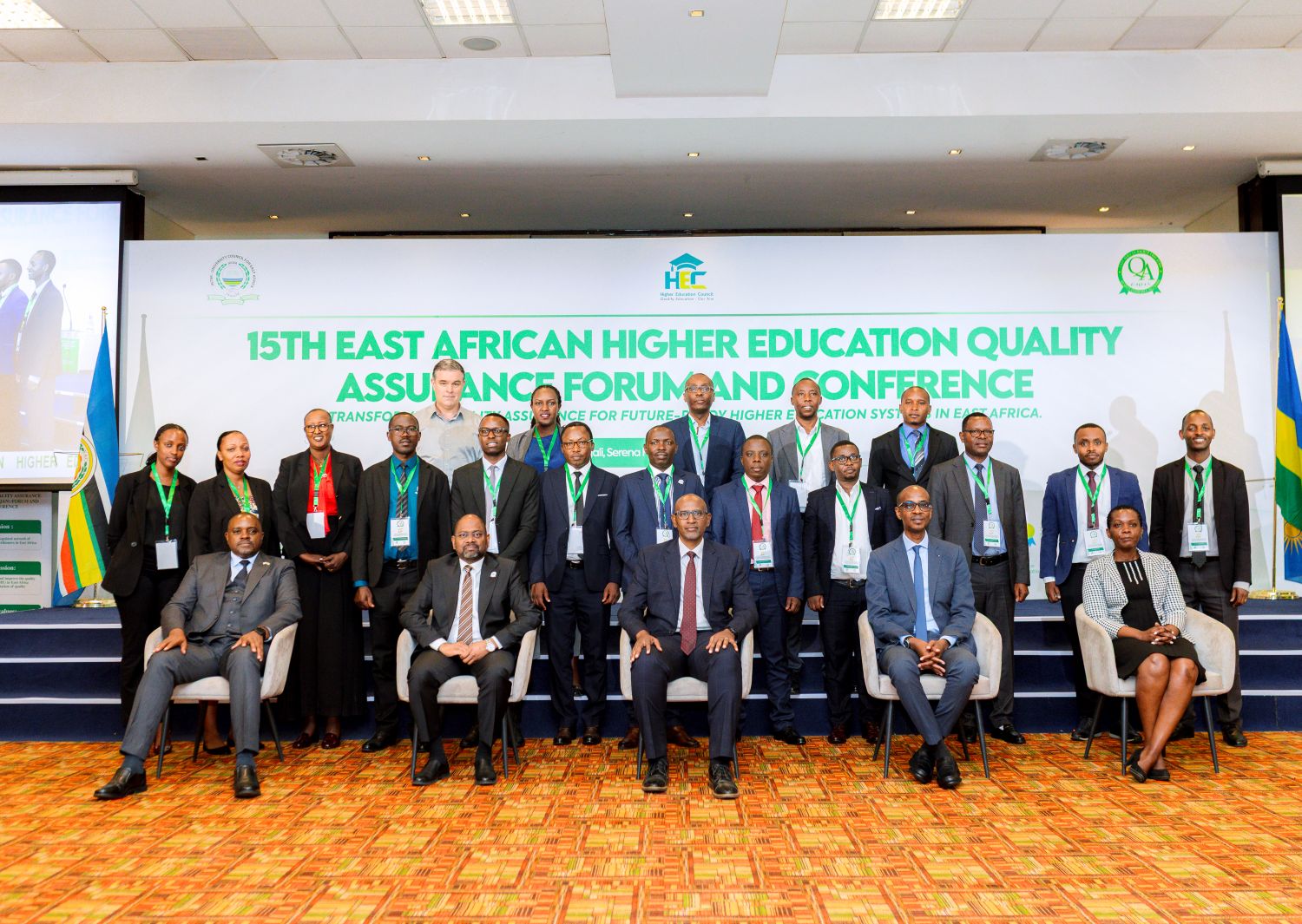
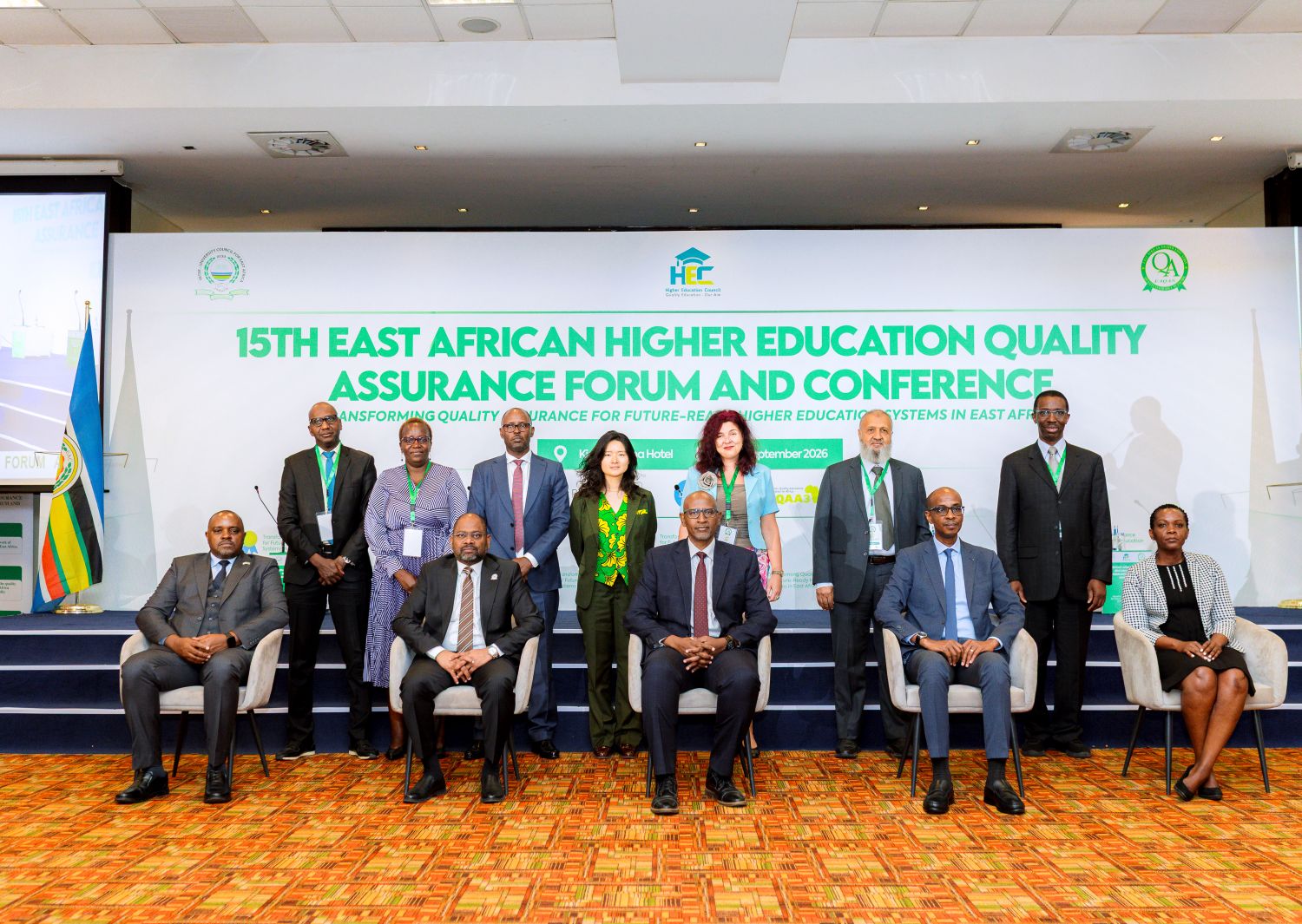
The 15th East African Higher Education Quality Assurance Forum and Conference is being held at Kigali Serena Hotel from September 7 to 10 under the theme, 'Transforming Quality Assurance for Future-Ready Higher Education Systems in East Africa.'
The meeting brings together regional higher education stakeholders as East Africa seeks to turn the goal of a Common Higher Education Area by 2030 from a policy ambition into an operational system.
The 15th East African Higher Education Quality Assurance Forum and Conference closes on September 10, 2026.The forum brings together regional higher education stakeholders.