The revenues were recorded between August 31 and September 4, 2026, during which Rwanda exported 9,145 tonnes of agricultural and livestock products to international markets.
Coffee was the country's top export earner during the week, generating $6.67 million from the export of 961 tonnes.
Tea ranked second, generating $1.28 million after Rwanda exported 419 tonnes.
Vegetable exports generated $991,055, with 270 tonnes shipped to international markets during the week.
Rwanda also exported 364 tonnes of fruits, earning $454,980. The fruits were mainly sold to markets in the United Arab Emirates, the Netherlands and other African countries.
Flower exports, meanwhile, generated $50,898 from 10 tonnes shipped to markets in the Netherlands and the United Kingdom.
Livestock products generated $425,294 after Rwanda exported 295 tonnes, with most of the products destined for African markets.
Rwanda's agricultural exports generated over Rwf22 billion in one week
Reports indicate that the fighting is concentrated southwest of Masisi town, particularly in Nyamaboko I groupement, where AFC/M23 fighters are mainly facing Wazalendo militias supporting FARDC.
The clashes intensified after AFC/M23 captured Ngululu and advanced towards Humura and Kazinga. The advance has brought fighting and pressure closer to Kyumba and Langira in Walikale Territory.
A separate front has emerged south of Masisi, in Ufamandu I groupement, where AFC/M23 controls the areas of Miko, Kaleta and Remeka.
Wazalendo fighters are attempting to retake some of these positions, which are about 15 kilometres from Biriko, one of the first towns reached on the route into Walikale.
Further north, FARDC and Wazalendo fighters are seeking to push AFC/M23 from Chad Hill, Kasumba and the village of Kazumba. Reports indicate that AFC/M23 has deployed additional fighters to reinforce its positions in Ihula.
East of Walikale town, AFC/M23 is also strengthening its positions in Kashebere and Kibati, where its fighters face government forces deployed along the Mungazi-Kibua line.
Fighting has also continued in the highlands of Fizi, Uvira and Mwenga territories in neighbouring South Kivu Province.
In those areas, FARDC and Wazalendo fighters are engaged in clashes with AFC/M23 and the Twirwaneho armed group, which is aligned with the coalition.
AFC/M23, which has cited the marginalisation of Kinyarwanda-speaking communities and poor governance as reasons for its armed struggle, says it is continuing to defend its positions, particularly around an area known as Point Zéro.
The clashes intensified after AFC/M23 captured Ngululu and advanced towards Humura and Kazinga. The advance has brought fighting and pressure closer to Kyumba and Langira in Walikale Territory.
The Minister of Education Joseph Nsengimana says that over the next five years, children completing Primary Three should be able to read and write proficiently in both Kinyarwanda and English, while also being able to communicate effectively in English.
Rwanda has introduced several reforms aimed at improving the quality of education, including changes taking effect in the 2026/27 academic year to raise the academic qualifications of primary school teachers, with teachers expected to attain university-level qualifications in the future.
The government is also placing greater emphasis on activities that complement the curriculum, recognising that when students are given opportunities to apply what they learn, they are better able to understand and use the knowledge in everyday life.
Speaking to IGIHE, Minister Nsengimana said the reforms being implemented are expected to deliver significant improvements over the next five years, particularly in foundational learning.
'Over the next five years, a child should complete Primary Three able to read, write, in Kinyarwanda and English, speak English well enough to have a conversation with someone and be understood, perform mathematics at the Primary Three level and understand science at that level,' he said.
The 2025 Learning Achievement in Rwandan Schools (LARS 2025) assessment found that 70.8% of Primary Three pupils reached the required level in reading a passage of connected words, with an average reading speed of 45 words per minute.
However, comprehension remains a major challenge. At national level, only 43.6% of Primary Three pupils were able to correctly answer at least six of the seven questions assessing their understanding of a passage they had read.
Nsengimana said improving reading, writing and comprehension in both English and Kinyarwanda would be a key measure of progress.
'More importantly, it is about reading and writing, and understanding what they have read in English and Kinyarwanda. If every child completing Primary Three reaches that level, then we will be in a good position,' he said.
He added that pupils completing primary school should have a strong foundation for secondary education, while those completing secondary school should be prepared to pursue higher education and eventually enter the workforce.
'The other thing is that a child completing primary school should have a solid foundation to enable them to pursue secondary education, and someone completing secondary school should be able to go to university, choose what they want to study, succeed in their studies, enter the workforce and perform well,' he said.
The minister said the same standards should apply to students who do not pursue university education but instead enter the workforce after completing Technical and Vocational Education and Training (TVET).
'Whether it is someone who studies TVET and goes directly into the workforce, they should graduate able to produce something of quality. The same applies to someone who studies general education and produces quality work, or someone who studies nursing or accounting and performs their duties with quality,' he said.
'For us to produce people with knowledge across all these areas, that is when we will say we have made progress in improving the quality of education. Within five years, I believe we should have achieved what we have discussed: the child completing Primary Three, the one completing primary school and moving to secondary school, and the one completing secondary school and moving to university.'
Primary teachers to receive higher qualifications
Among the reforms in the education sector is an increase in the duration of teacher-training programmes, with students in teacher education expected to study for five years and graduate with an Advanced Diploma (A1) qualification.
Nsengimana said the reform would gradually raise the quality of teaching as both newly trained teachers and those already in the profession attain higher qualifications.
'Although we will not have completed the process, teachers will start coming with A1 qualifications, while those already teaching will also have reached this level. The quality of education will therefore improve immediately,' he said.
He added that universities should also produce graduates with practical knowledge and skills that enable them to contribute meaningfully to the economy.
'Universities will produce people who are not the kind that people complain about, but people who come with demonstrable knowledge and are able to immediately start contributing to productivity.'
Universities to track graduates' employment
Nsengimana also said that from 2026, universities will be required to track their graduates and report on where they end up after completing their studies.
'Now all universities will conduct follow-up on the students they have trained to show, for example, after three, six or nine months, how many of those who graduated have found jobs and how many have created jobs for themselves,' he said.
The findings will then be submitted to the Higher Education Council (HEC) for publication, allowing parents, students and other stakeholders to compare how graduates from different universities are performing and the contribution they are making to national development.
The minister said the system would also encourage universities to work more closely with the private sector and ensure that the programmes they offer are aligned with the needs of the labour market.
More than 13,000 international students were studying at universities in Rwanda as of June 2026.
By the 2024/25 academic year, Rwanda had 39 higher learning institutions and universities, up from 37 the previous year.
Looking ahead to the next decade, the Ministry of Education expects university enrolment to increase, including a rise in the number of international students.
'There are now more than 13,000 foreign students studying in Rwanda's universities, but we want this number to increase so that Rwanda becomes a destination where people from everywhere want to come and study. That is at the university level, but the majority of students will still be Rwandans,' Nsengimana said.
Minister Nsengimana said that over the next five years, students should graduate with knowledge and skills appropriate to the level of education they have completed.
The Speaker of Gabon's Parliament, Michel Régis Onanga Ndiaye, said Yembi had been released by Rwandan judicial authorities and handed over to Gabon.
Yembi had been detained in Rwanda pending trial over allegations of assaulting a RwandAir employee at Kigali International Airport. Rwandan authorities allowed him to leave the country on September 6.
Gabon's Parliament said the development followed diplomatic efforts by both countries and reflected the relations between Gabonese President Brice Clotaire Oligui Nguema and Rwandan President Paul Kagame, according to media reports from Gabon.
How the incident unfolded
Videos circulated by Gabonese media appear to show the lawmaker slapping an airport employee. The circumstances that led to the confrontation had not initially been explained.
Yembi is reported to have arrived in Rwanda while in transit to another country. After landing at Kigali International Airport, he reportedly had several hours before his connecting flight and decided to leave the airport and stay at a hotel.
When the time for his flight approached, he returned to the airport like other passengers, went through the required checks and was issued a boarding pass.
Sources indicate that Yembi consumed alcoholic beverages while at the hotel and returned to the airport.
After receiving his boarding pass, he proceeded through the airport towards the final access point leading to the boarding area. At the last gate, he was asked to present his boarding pass and passport.
According to sources, Yembi refused to provide the documents and attempted to proceed without showing them. When airport staff insisted, he reportedly placed the documents on a desk and slapped an airport employee.
He was immediately arrested and detained. Rwandan authorities informed their Gabonese counterparts, after which diplomatic discussions began and eventually led to his release and return to Gabon.
Yembi's return to Gabon does not mean the matter has been concluded. He is expected to face proceedings in Gabon, who will review the circumstances surrounding the incident and determine what action should follow.
Gabon's Parliament said it was awaiting the official case file before deciding on any measures that could affect Yembi's position as a lawmaker, particularly matters related to the legal immunity enjoyed by members of Parliament.
Gabonese MP Augustin Lobelle Yembi reportedly assaulted a RwandAir employee who had asked him to present his passport and boarding pass.
The Organisation for Economic Co-operation and Development (OECD), which organises PISA, found that 22% of disadvantaged Rwandan students were among the top quarter of science performers in the country.
The OECD describes such students as academically resilient because they achieve relatively strong academic results despite coming from socio-economically disadvantaged backgrounds.
Rwanda's 22% is almost twice the OECD average of 11.9%, placing the country among only four participating education systems that recorded a proportion of at least 22%. The others were Cambodia, Kenya and Uzbekistan.
The finding from the 9th edition stands out in Rwanda's first participation in PISA, which assessed how 15-year-old students use their knowledge and skills to solve problems and respond to real-life situations.
It suggests that coming from a disadvantaged household does not necessarily prevent some Rwandan students from achieving strong results, even though the country's overall performance remained well below the OECD average.
The OECD also found a relatively small difference in science performance between Rwanda's most advantaged and disadvantaged students.
The gap was 30 points, compared with an OECD average of 85 points.
Socio-economic status accounted for only 3% of the variation in science performance among Rwandan students, compared with 12% across OECD countries.
The findings provide an indication that socio-economic background may have a weaker relationship with academic performance in Rwanda than it does in many other education systems.
However, the picture becomes more complicated when overall performance is considered.
Overall learning remains a challenge
Rwanda participated in PISA for the first time in 2025, with 6,622 students from 213 schools taking part, representing about 99,000 15-year-olds across the country.
Only 13% of Rwandan students reached at least Level 2 proficiency in science, compared with an OECD average of 74%.
In mathematics, 8% reached the minimum proficiency level, against 65% across OECD countries, while reading recorded the lowest result, with only 4% reaching Level 2 compared with 69% across OECD countries.
This means that while Rwanda has a notable group of academically resilient students, the broader education system still faces the challenge of raising basic proficiency across the student population.
PISA also revealed a gender gap in Rwanda, with boys outperforming girls in all three assessed areas.
In science, boys recorded an average score of 332 compared with 306 for girls. In mathematics, boys scored 325 against 302 for girls.
Reading showed a smaller difference, with boys scoring 304 compared with 298 for girls.
The reading result is notable because girls generally outperform boys in reading across OECD countries.
Technology use raises another question
The assessment also highlighted Rwanda's relatively extensive use of digital devices in schools.
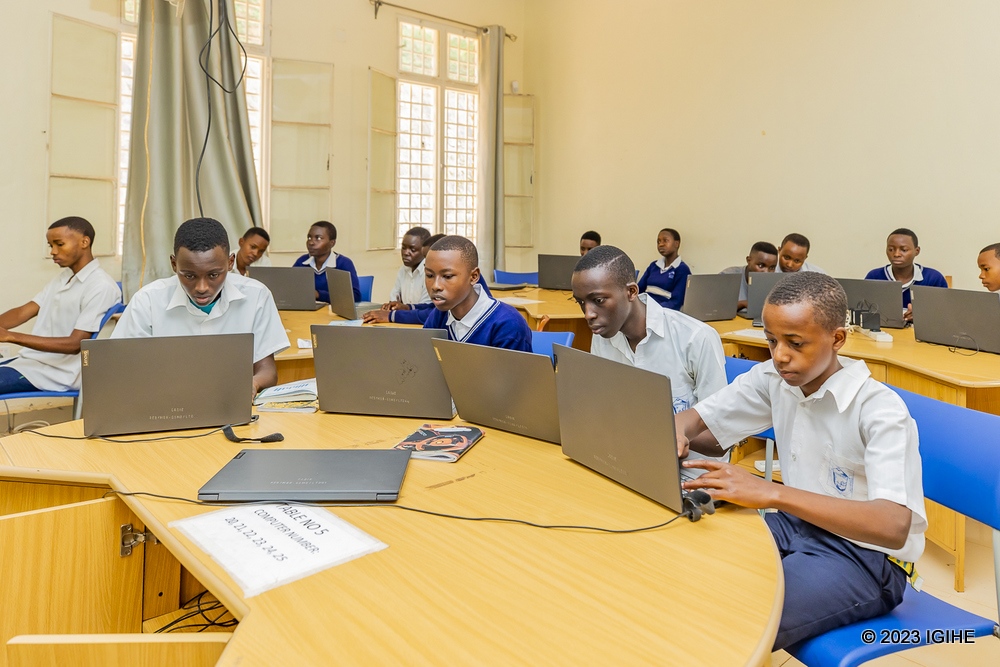
Students reported spending an average of 3.2 hours a day using digital devices at school for learning, compared with 1.7 hours across OECD countries.
They also reported spending 2.9 hours a day using digital devices for leisure at school, against an OECD average of 1.1 hours.
The figures do not establish that technology use caused or contributed to Rwanda's academic performance. They do, however, provide an important area for the education sector to examine as the country expands digital learning.
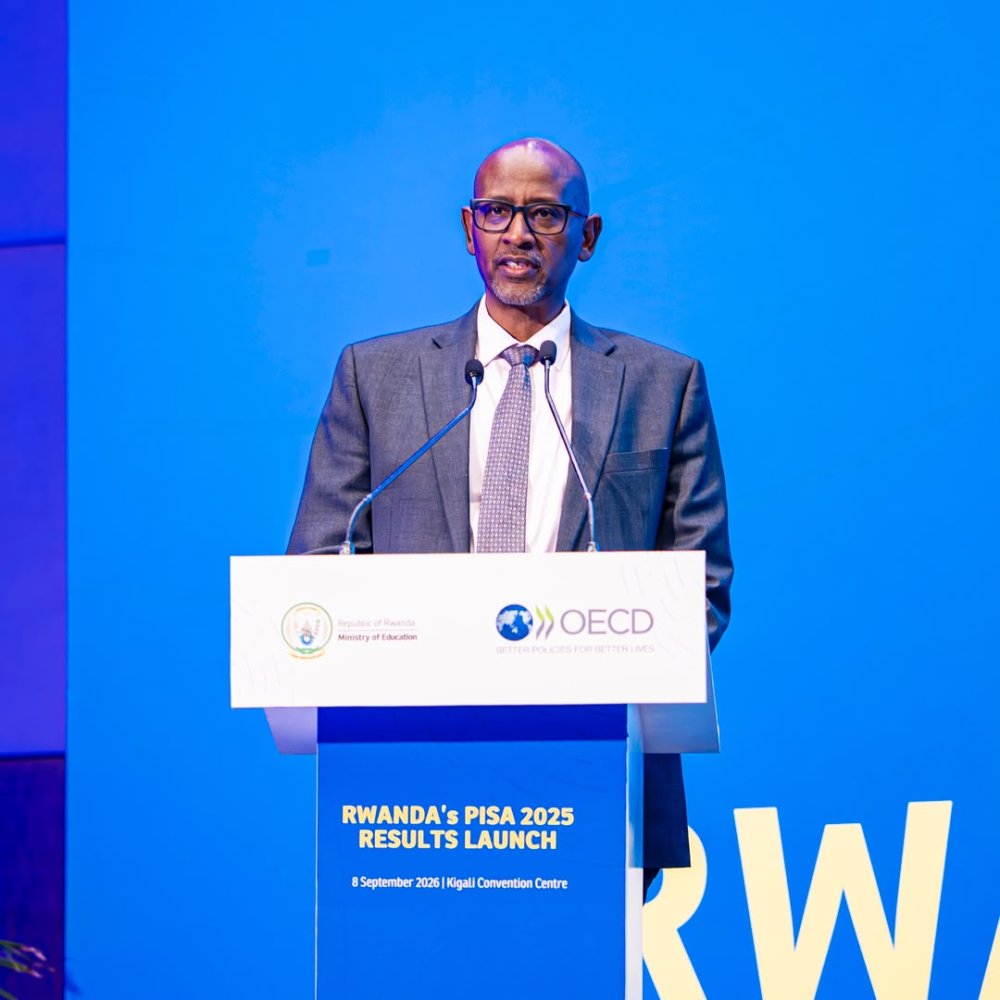
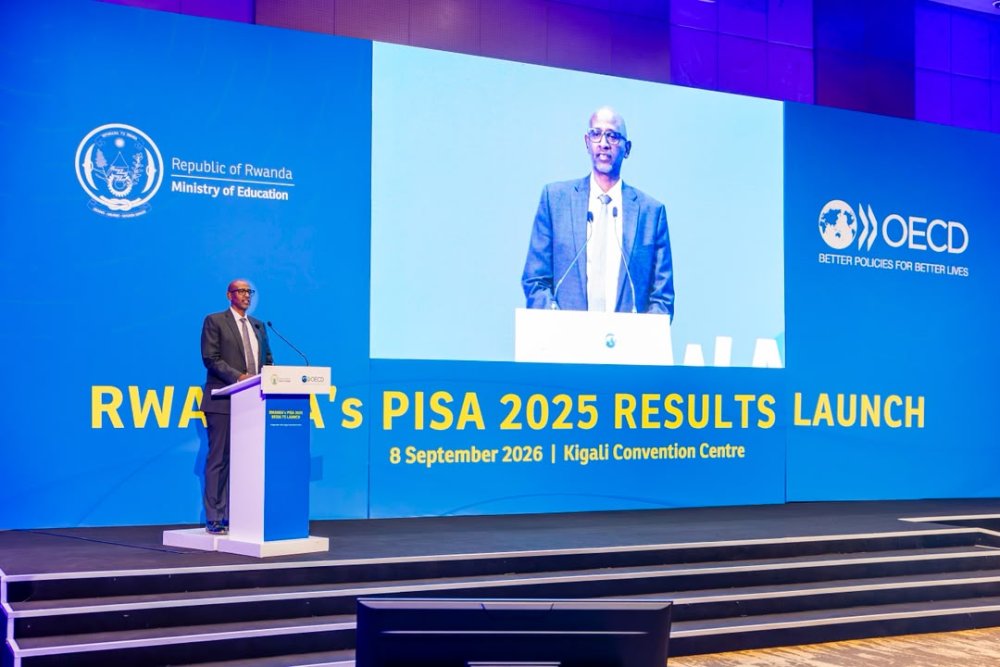
Speaking at a ceremony held in Kigali on September 8, 2026, to present the results of the assessment, Minister of Education Joseph Nsengimana said Rwanda had drawn important lessons from the exercise.
He said Rwanda's performance fell short of expectations, adding that the results would help identify gaps and guide improvements in education.
Minister Nsengimana further explained that Rwanda participated in the PISA 2025 assessment to strengthen its use of data and evidence in making decisions.
On September 17, Rwanda will host PISA Regional Dialogue, bringing together the five African countries that participated in PISA 2025 to jointly review the findings and identify areas that need improvement as well as lessons they can learn from one another.
The dialogue will also bring together countries from other continents that performed well and those that demonstrated reforms in PISA 2025, allowing African countries to learn from their experiences and gain insights into how they can strengthen their education systems.
Education Minister Joseph Nsengimana said Rwanda will use the PISA findings to identify gaps and guide improvements in the education sector.Rwandan students reported spending an average of 3.2 hours a day using digital devices for learning at school, compared with 1.7 hours across OECD countries.The findings of Rwanda's first participation in PISA 2025 were presented in Kigali on September 8, 2026.
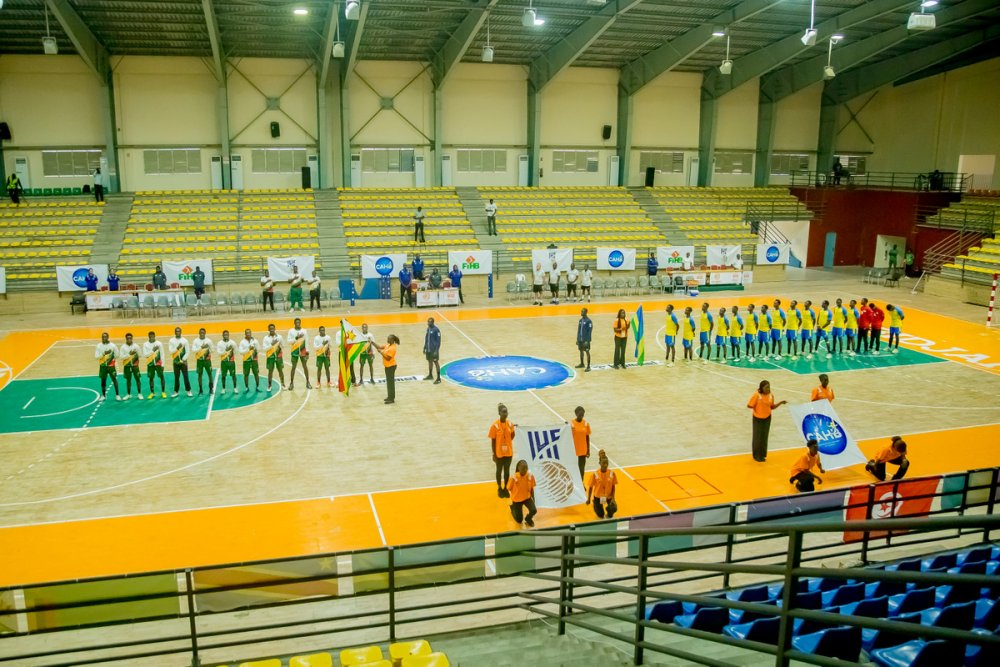
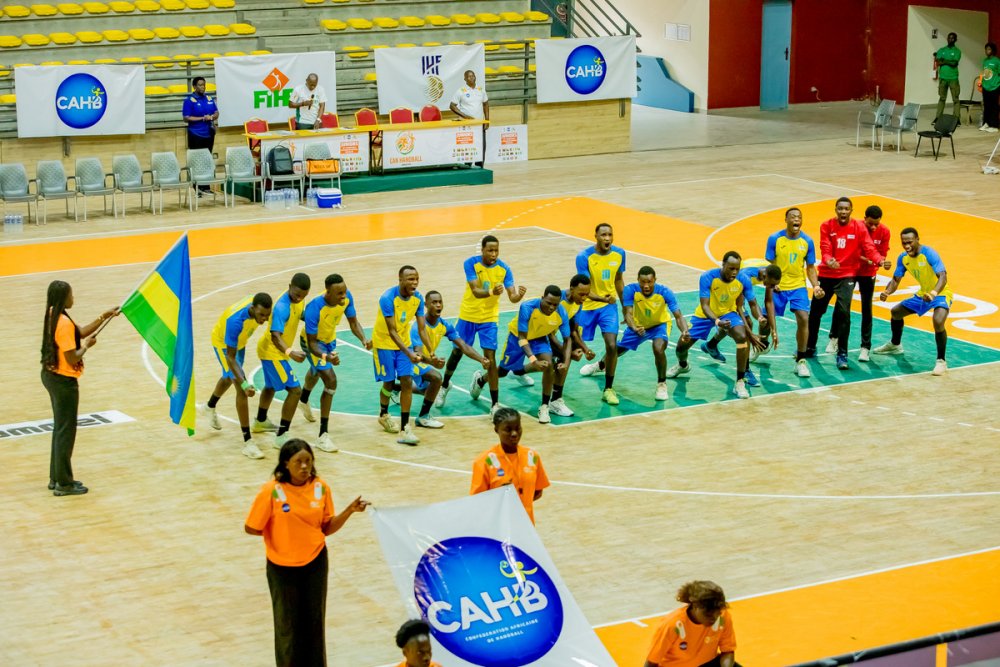
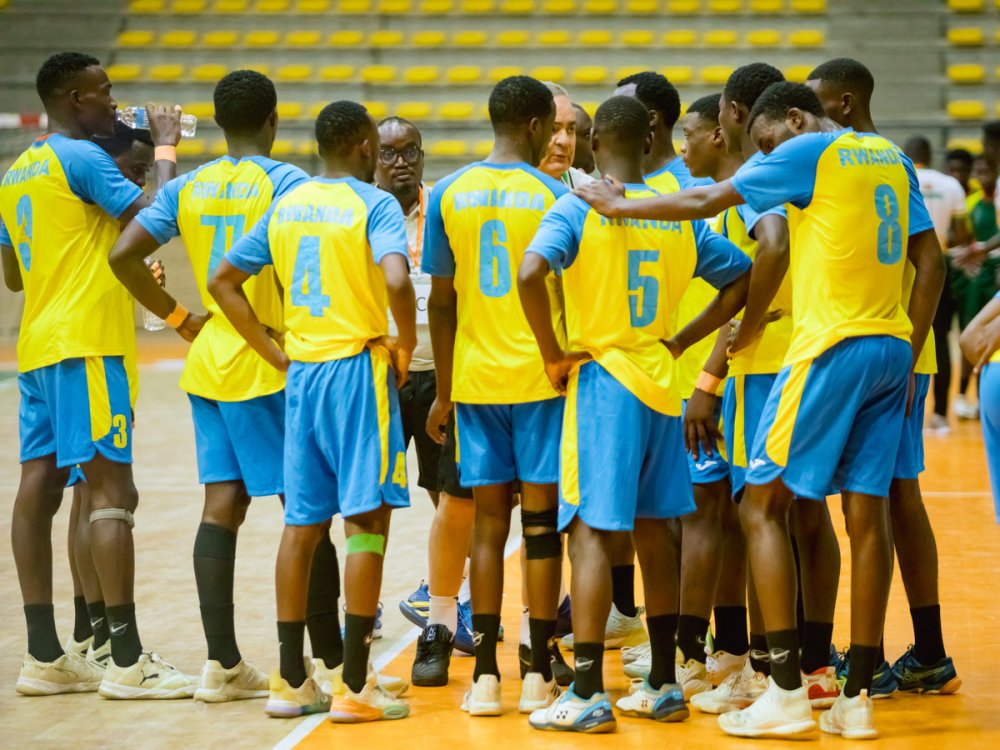
The victory at Salle Polyvalente in Abidjan secured Rwanda's place in the knockout stage after they finished second in Group A with four points.
Rwanda entered the match needing a win after losing 36-20 to Guinea in their opening game before bouncing back with a 30-25 victory over hosts Côte d'Ivoire.
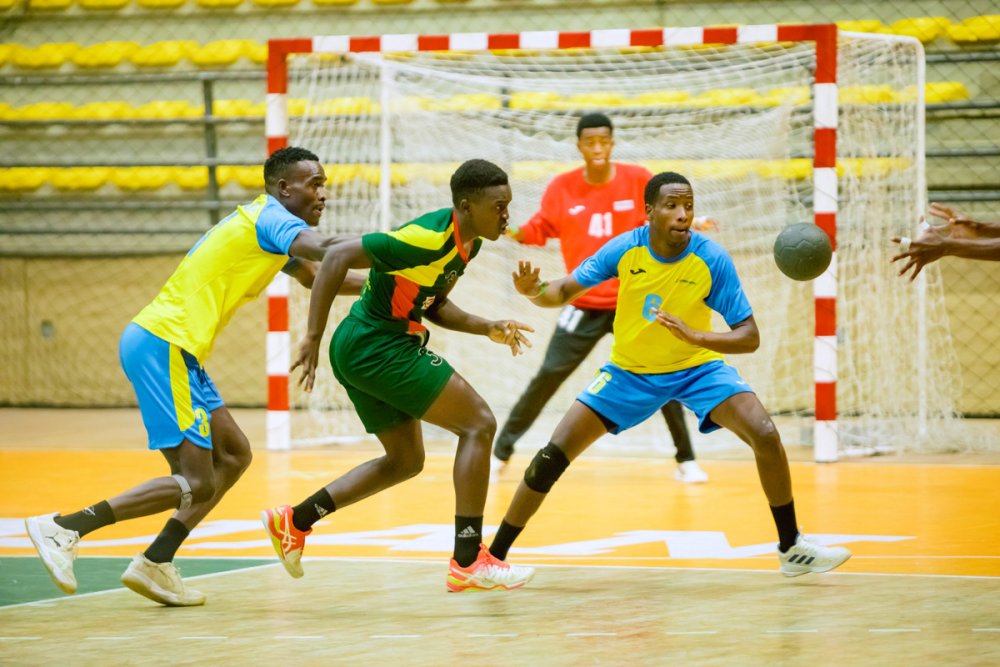
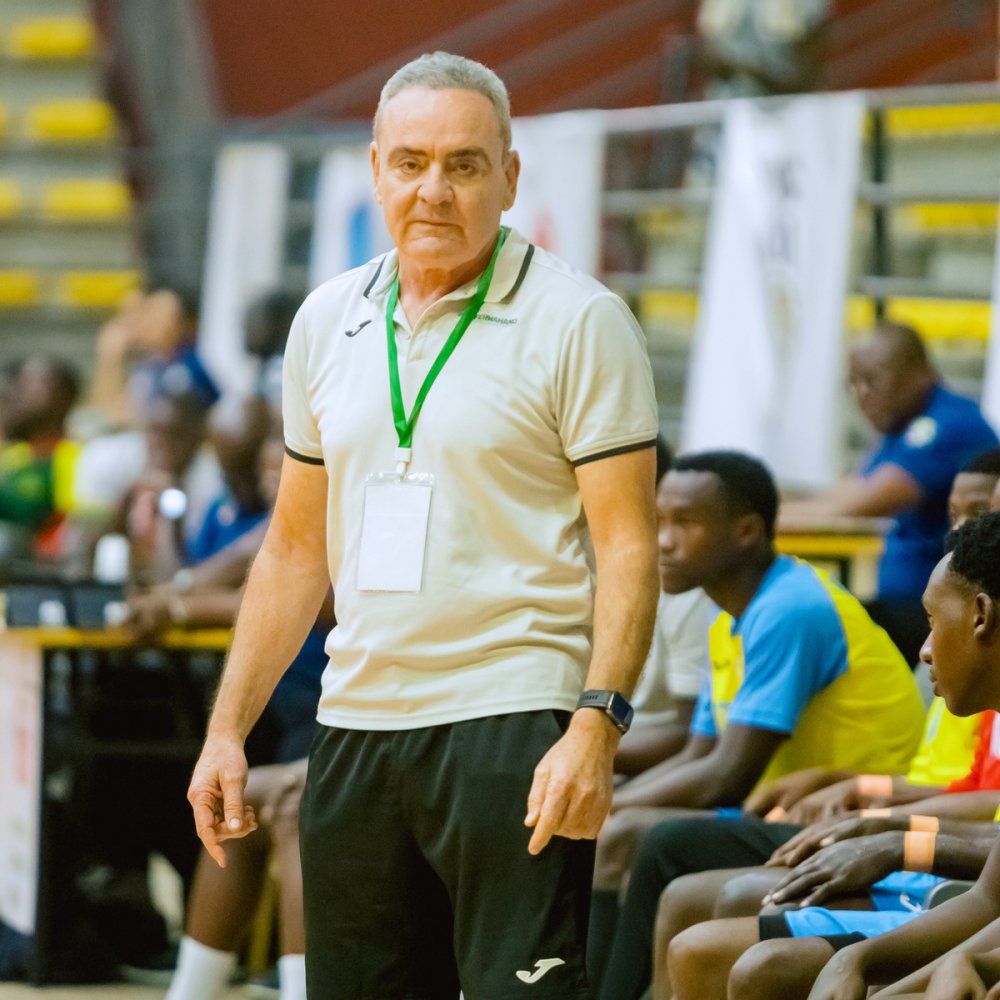
Coach Hafedh Zouabi's side dominated Zimbabwe from the outset, taking an 18-5 lead into half-time before completing a 32-16 victory.
Guinea topped Group A with six points after beating Côte d'Ivoire 32-14 in the other group match.
Rwanda will face Angola in the quarter-finals on Wednesday, September 9, with the match scheduled for 2 p.m. Kigali time.
It will be Rwanda's third appearance at the Africa U-20 Handball Championship.
Rwanda first competed in the tournament in 2022 when they hosted the championship in Kigali and finished eighth. They returned in 2024, finishing sixth in the edition held in Tunisia.
The victory at Salle Polyvalente in Abidjan secured Rwanda's place in the knockout stage after they finished second in Group A with four points.Rwanda entered the match needing a win after losing 36-20 to Guinea in their opening game before bouncing back with a 30-25 victory over hosts Côte d'Ivoire.Coach Hafedh Zouabi's side dominated Zimbabwe from the outset, taking an 18-5 lead into half-time before completing a 32-16 victory.
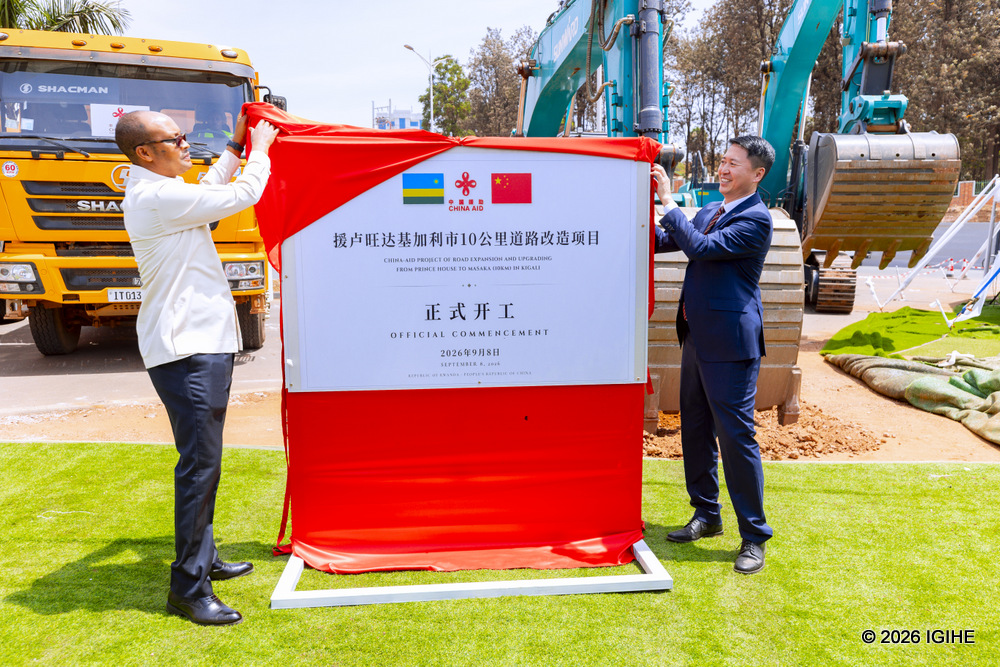
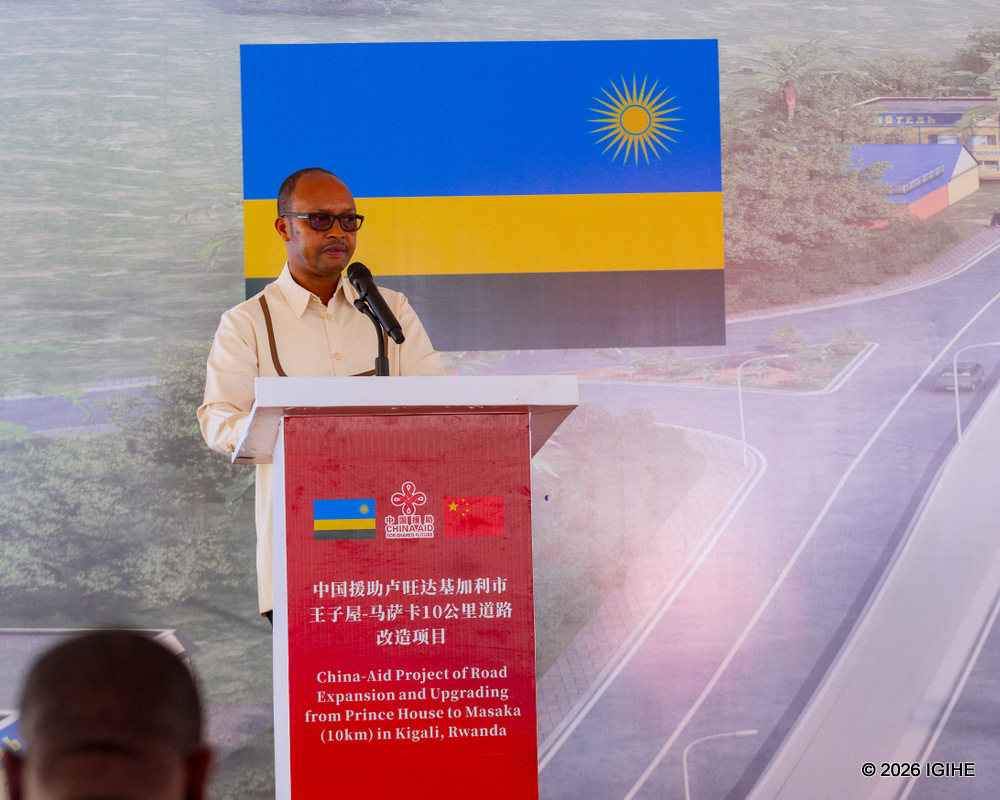
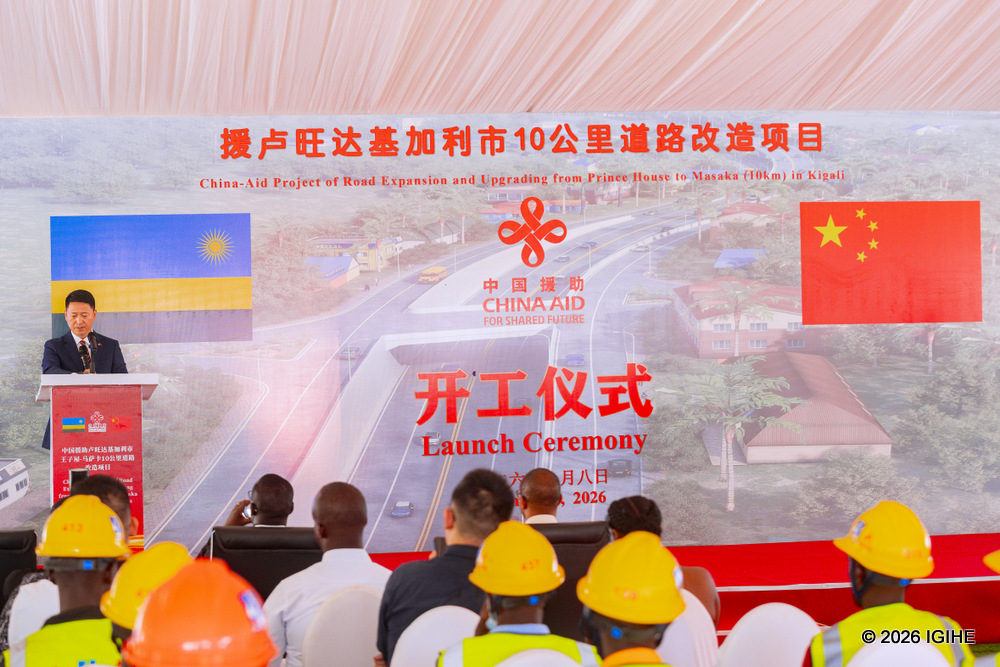
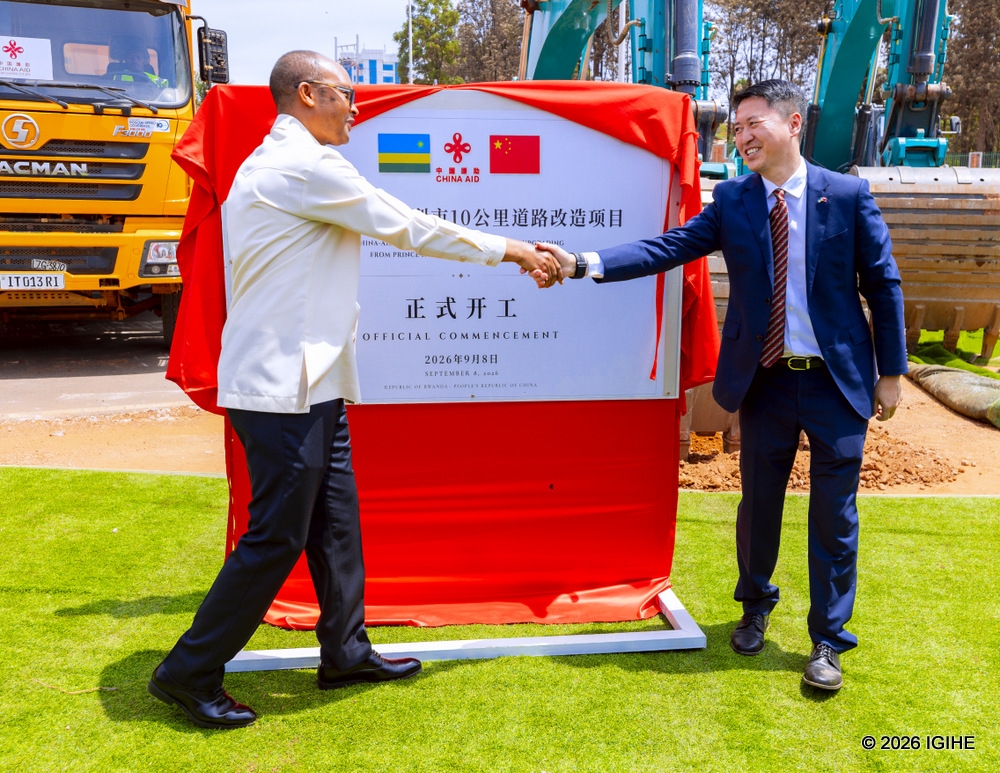
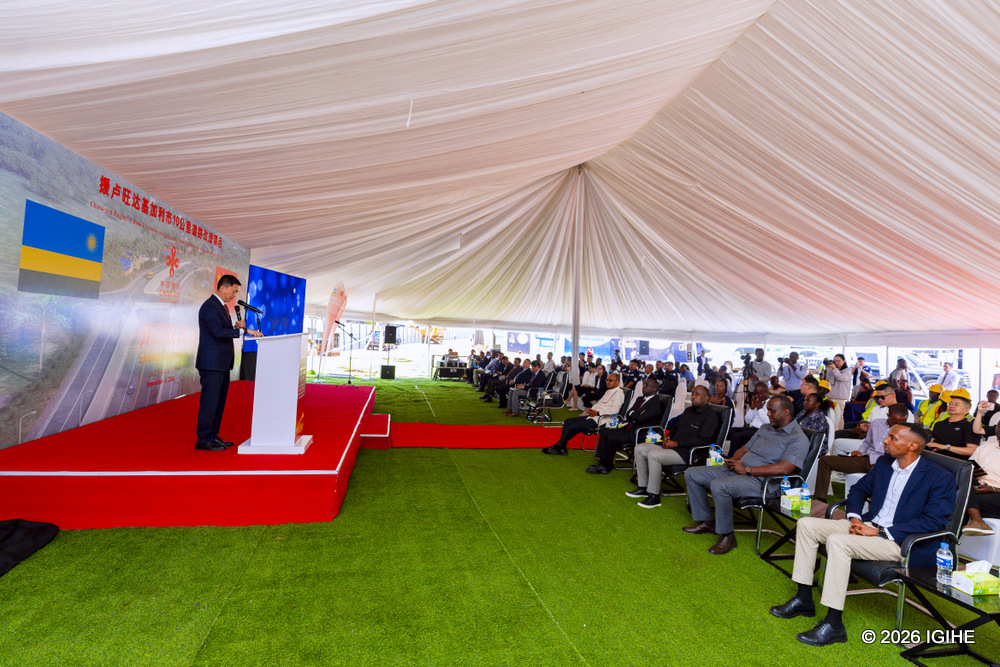
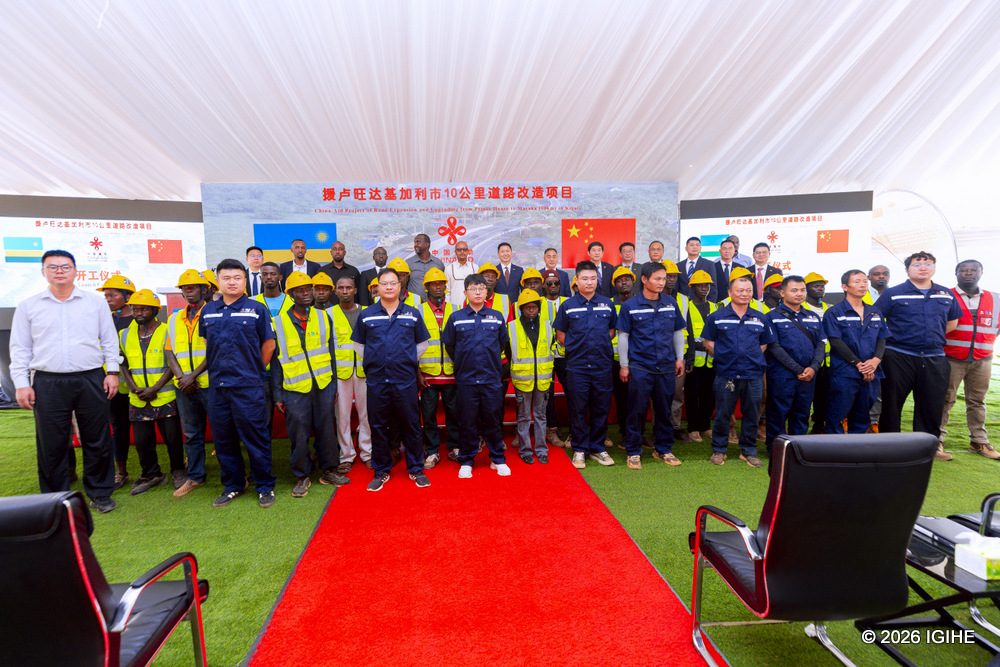
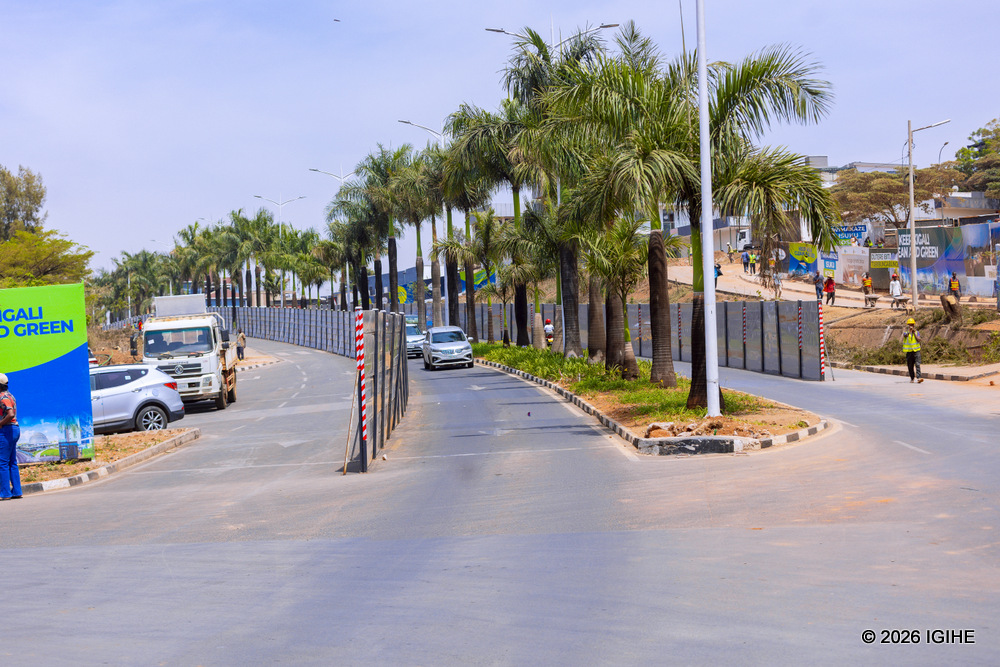
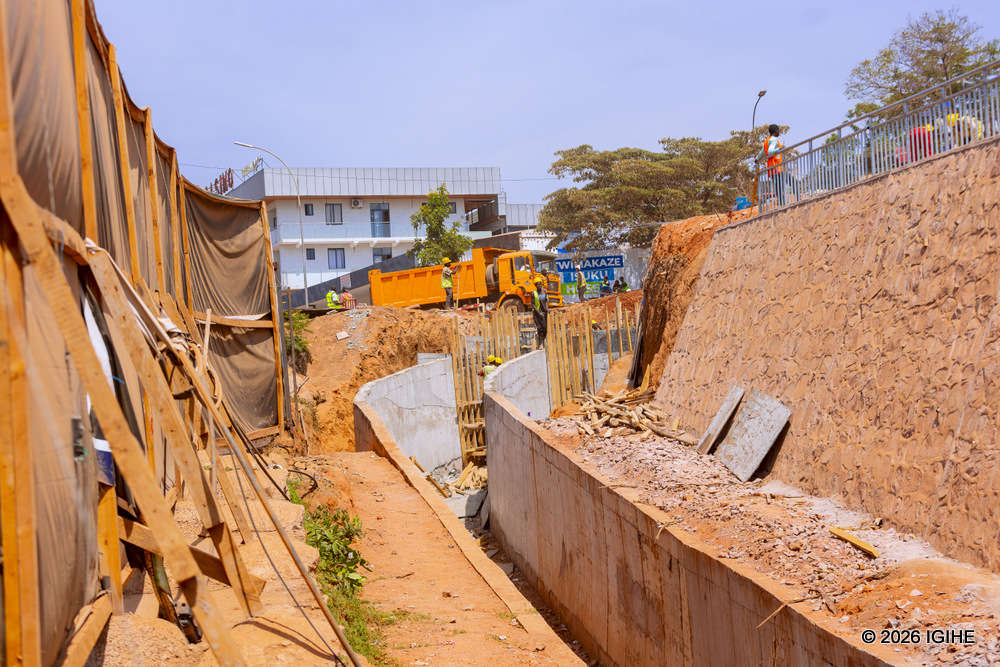
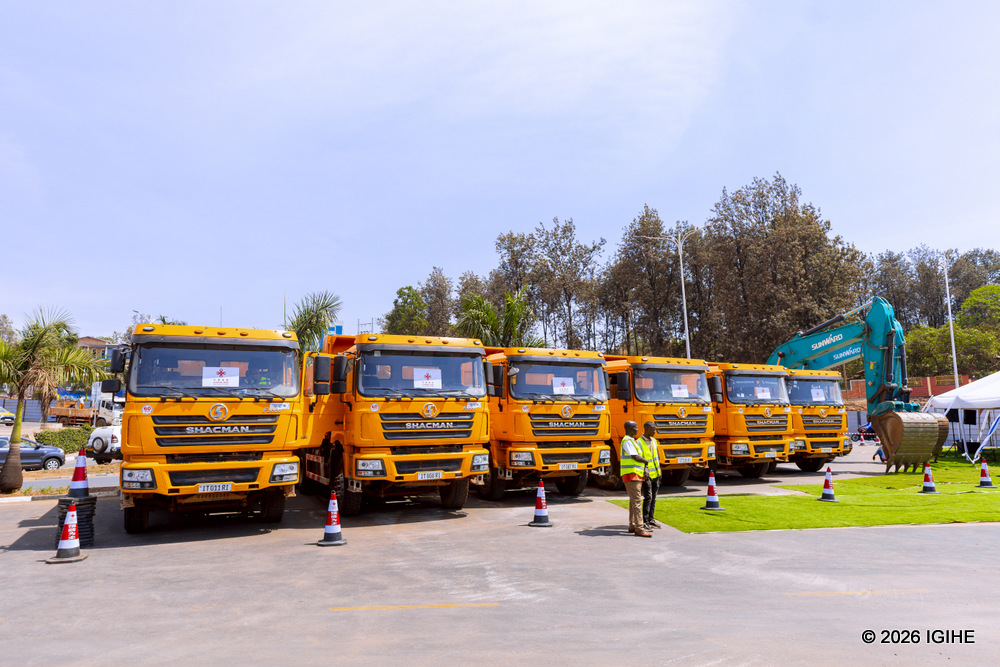
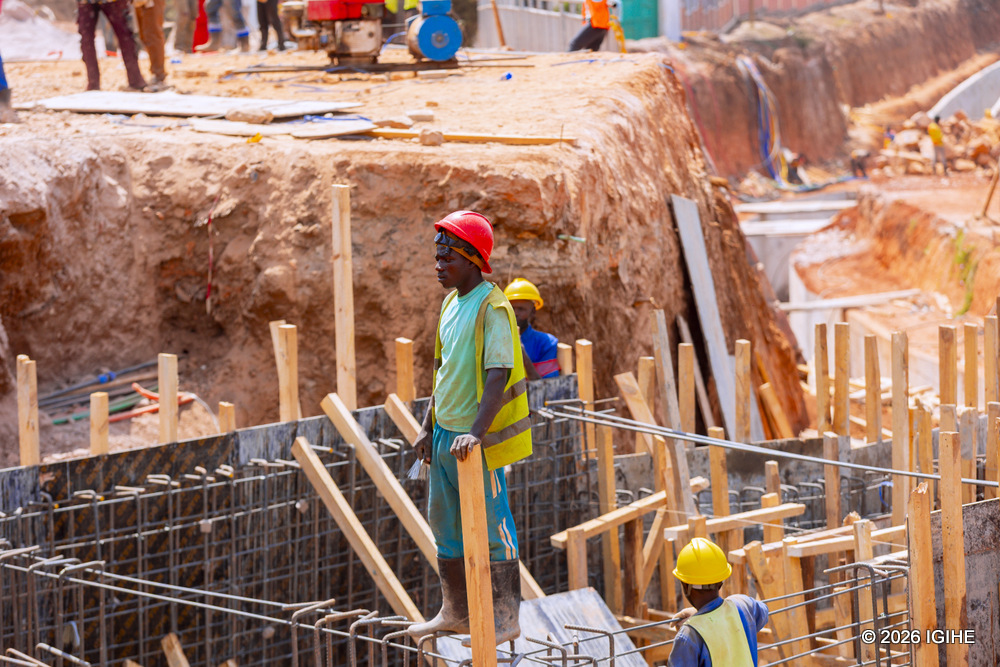
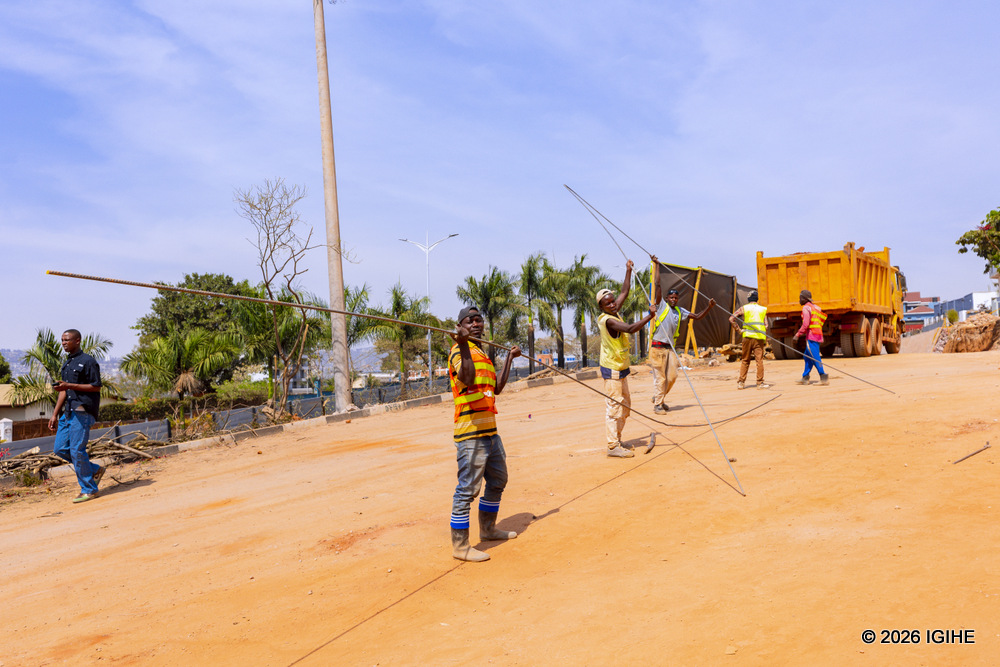
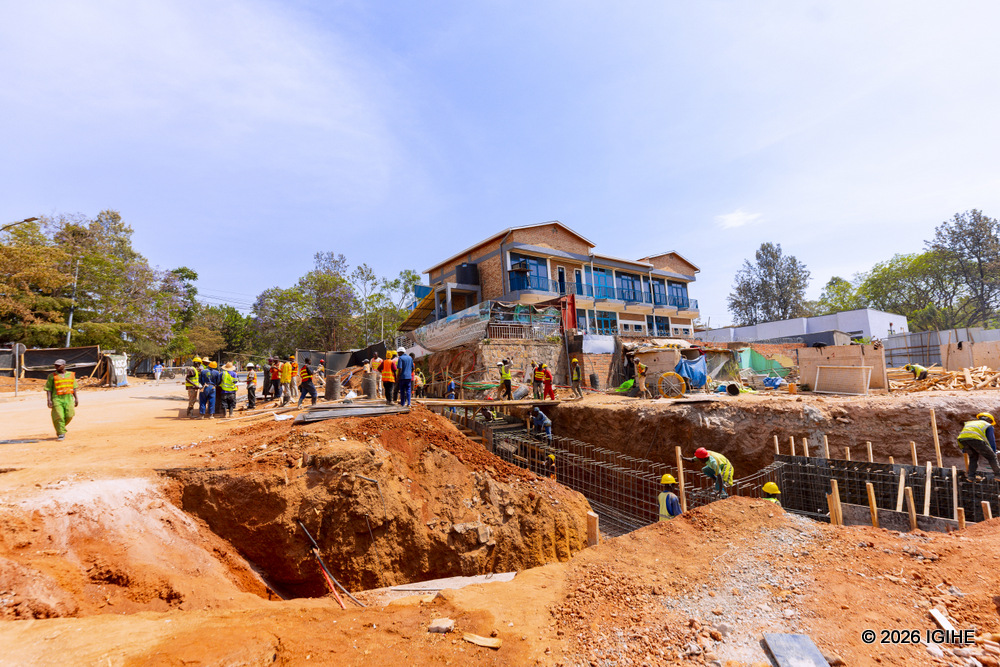
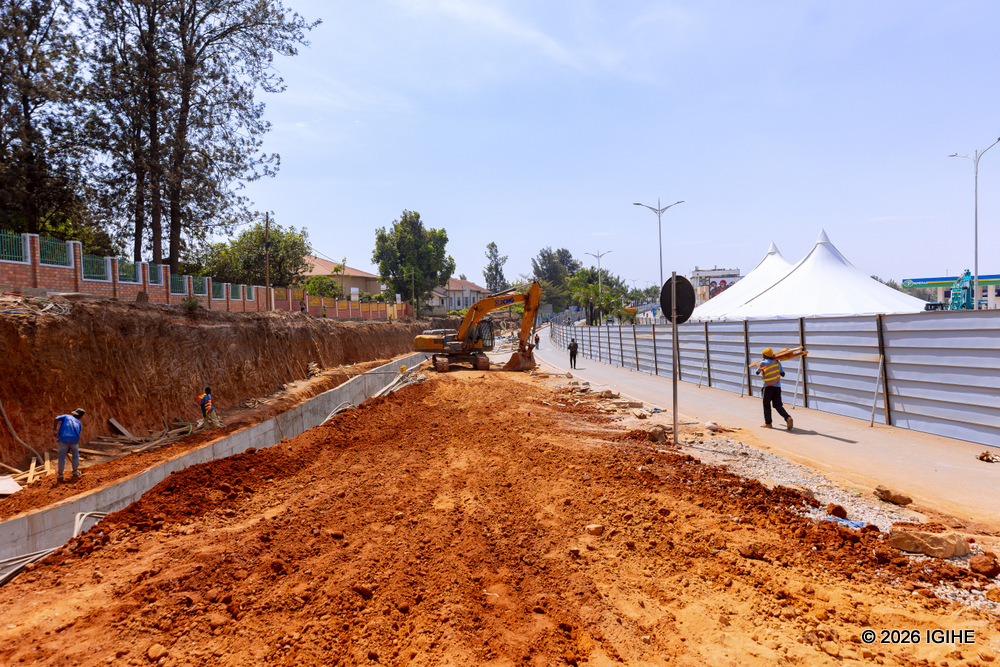
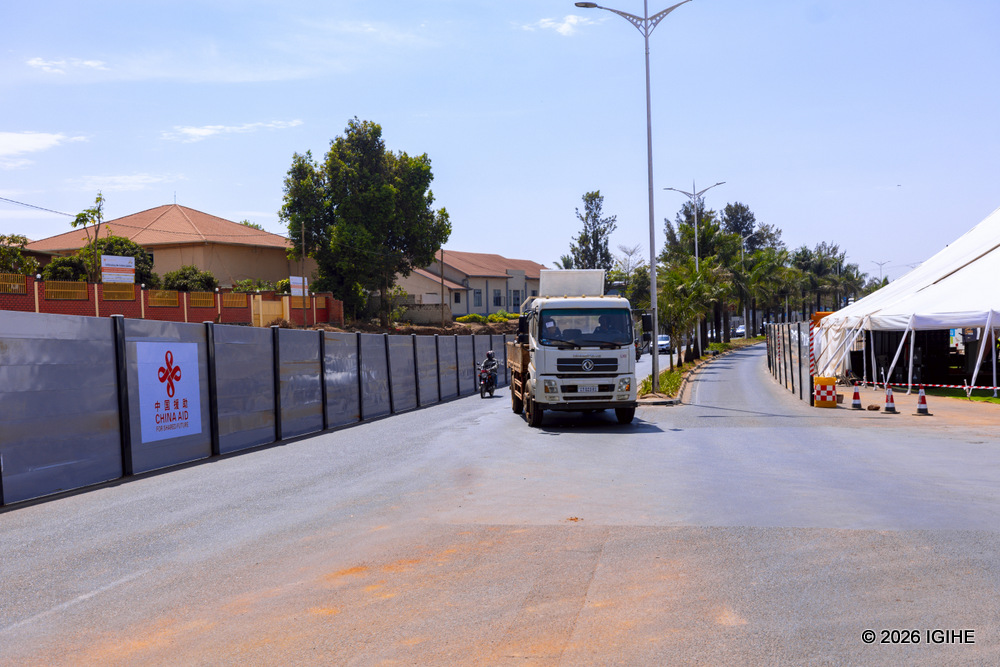
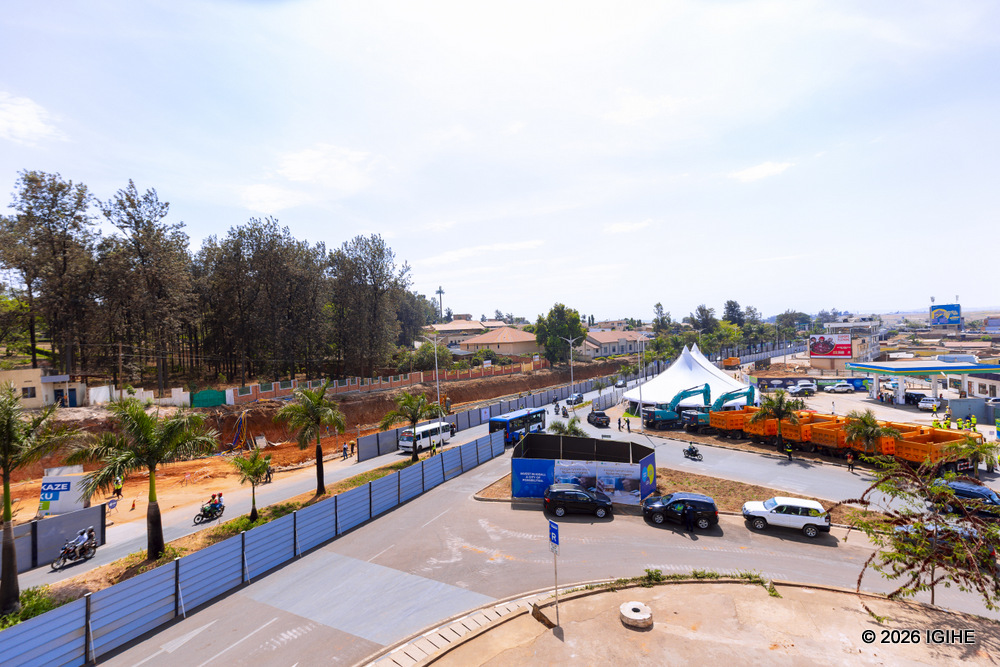
The groundbreaking ceremony was held on Tuesday, September 8, although physical construction activities had already started on August 30 as preparations for the project progressed.
The project is being implemented through a partnership between Rwanda and China, with China contributing about Rwf95 billion and Rwanda providing about Rwf35 billion towards the works.
It is expected to take about 30 months to complete and will transform the existing corridor into a modern multi-lane urban transport route.
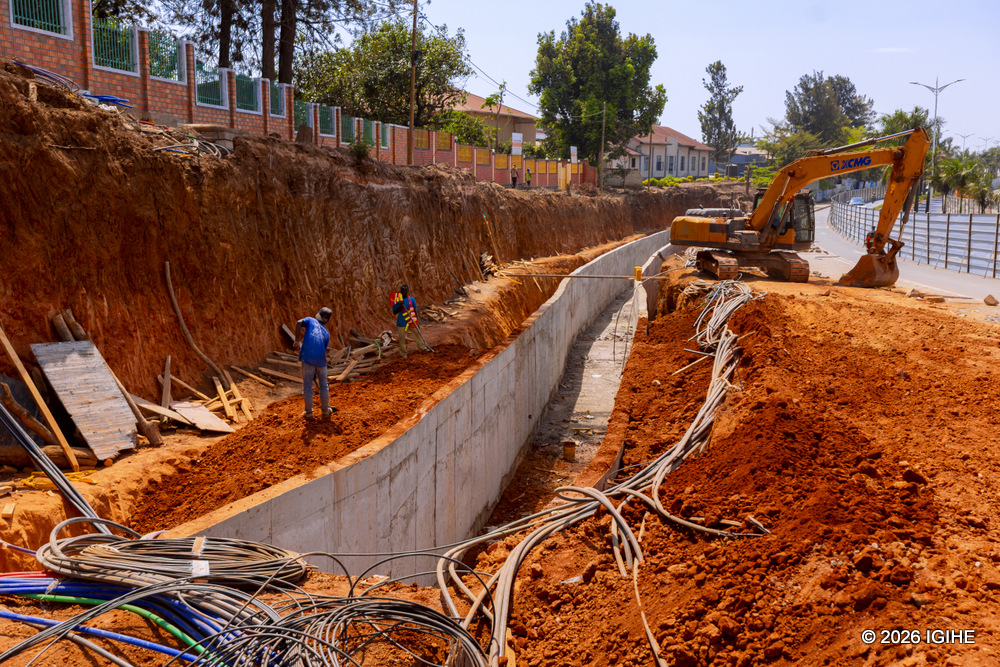
The works include a flyover, underpasses, interchanges, bridges, drainage systems and street lighting, alongside the expansion of the road into a fully upgraded dual four-lane carriageway, with some sections reaching up to eight lanes.
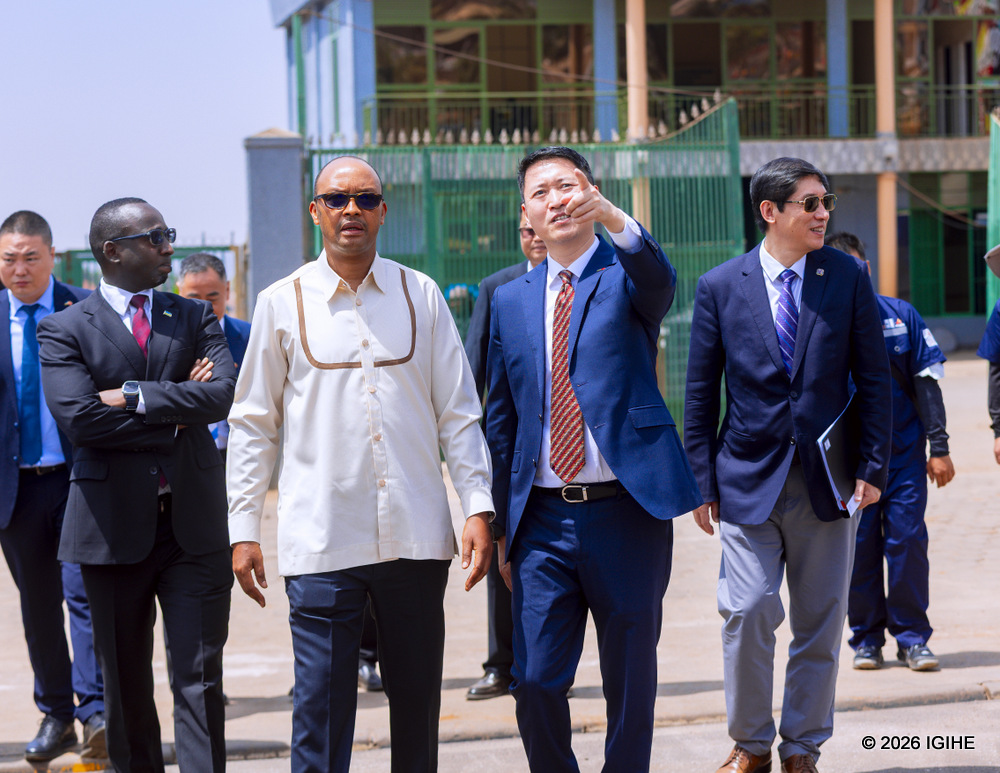
Speaking at the ceremony, Chinese Ambassador to Rwanda Gao Wenqi described the project as a major milestone in China-Rwanda cooperation, linking infrastructure development with economic growth and public welfare.
'The groundbreaking of this road carries great significance and far-reaching implications.It stands as a road of friendship embodying the shared aspiration of our two nations,' Amb. Gao said.
He noted that the project had been identified as a key bilateral initiative by Presidents Xi Jinping and Paul Kagame during Xi's 2018 state visit to Rwanda.
The road will connect central Kigali with the Kigali Special Economic Zone, the new Bugesera International Airport and the Eastern Industrial Zone, while linking to the wider eastward transport corridor towards regional seaports.
'Upon completion, the road will effectively cut logistics and transportation costs and continuously boost business prosperity along its route,' he said.
The ambassador also highlighted the road's expected role in improving access to the Masaka Medical Complex and surrounding communities, saying it would serve as an important link for medical services and urban mobility.
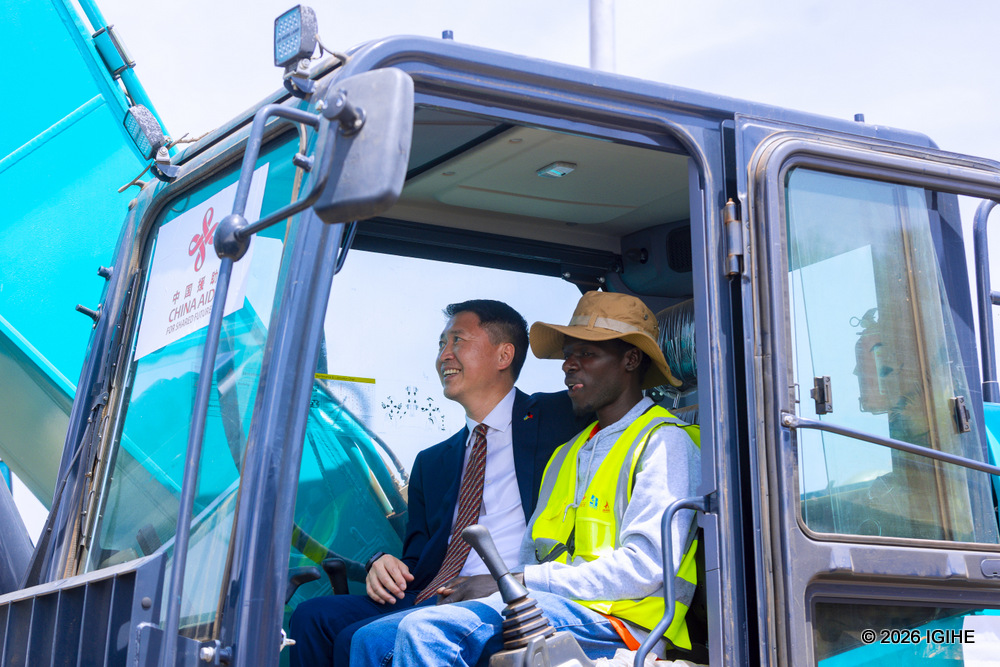
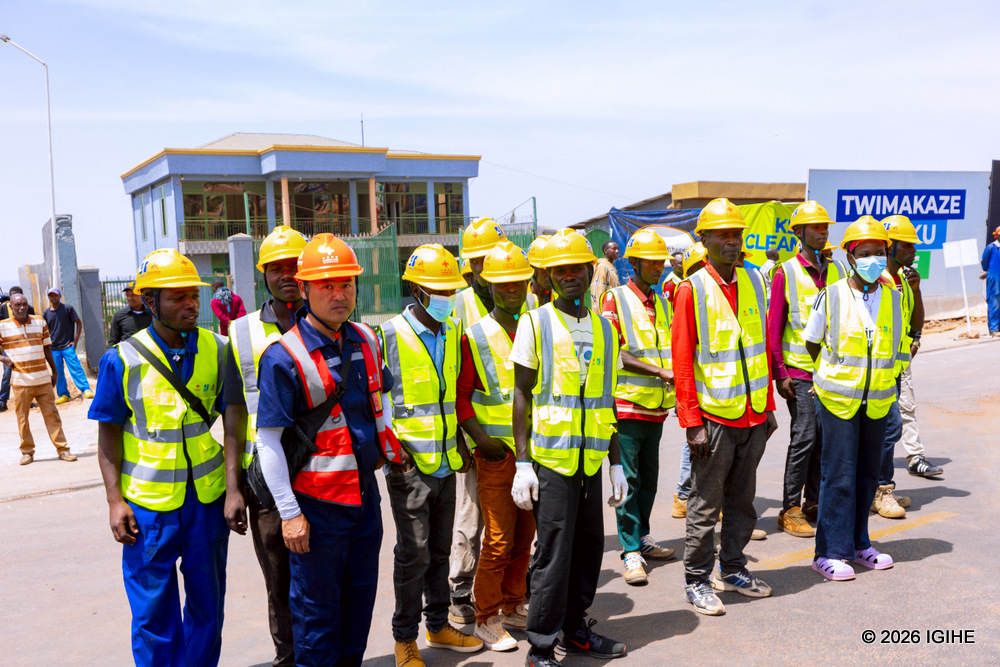
Amb. Gao also highlighted skills transfer through the 'Luban Classroom – Road and Bridge' programme, which is being conducted at the construction site to provide Rwandan engineers and young workers with practical training and technical knowledge.
Minister of State in the Ministry of Infrastructure, Col Claudien Bizimungu, said the project comes at a critical time as Kigali continues to expand and demand for efficient urban transport increases.
Col Bizimungu said the improvements are expected to reduce travel time, improve road safety and strengthen connectivity across the capital while providing better access to jobs, markets and essential services.
He acknowledged that construction would temporarily cause congestion and inconvenience to road users and urged the public to cooperate with traffic management measures and use designated alternative routes.
He also called on the contractor and relevant institutions to explore ways of completing the project before the scheduled 30-month contract period.
'The Government expects a high standard of quality, safety, accountability and value for money, while ensuring that the works are completed as quickly as possible,' Col Bizimungu said.
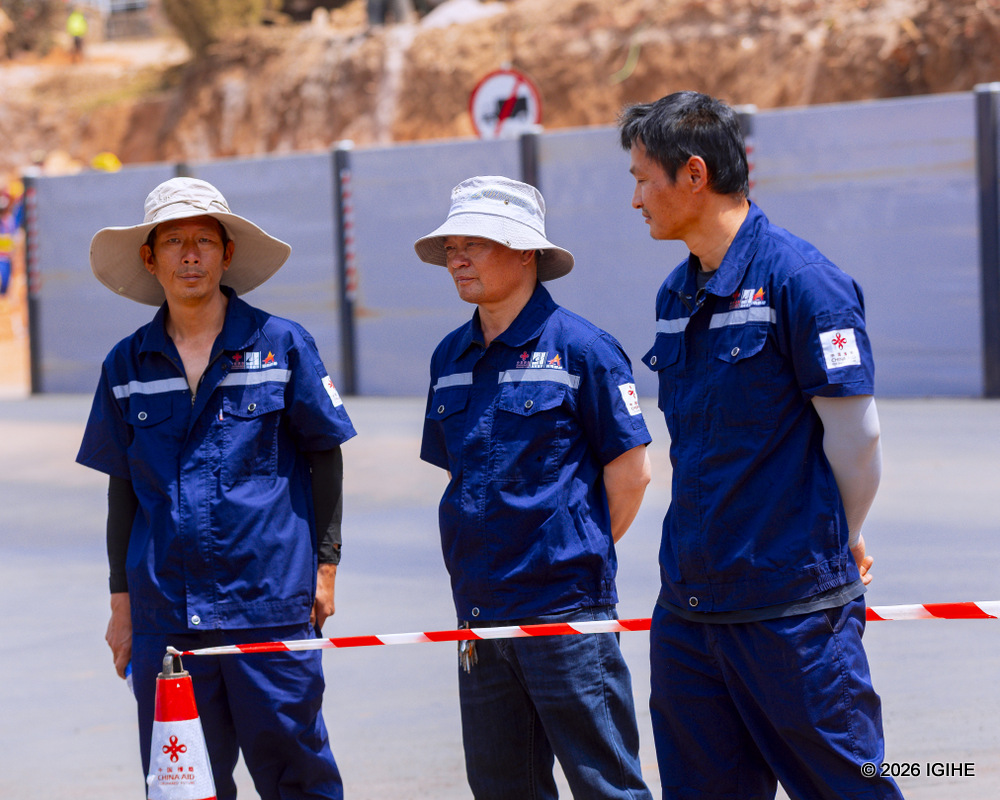
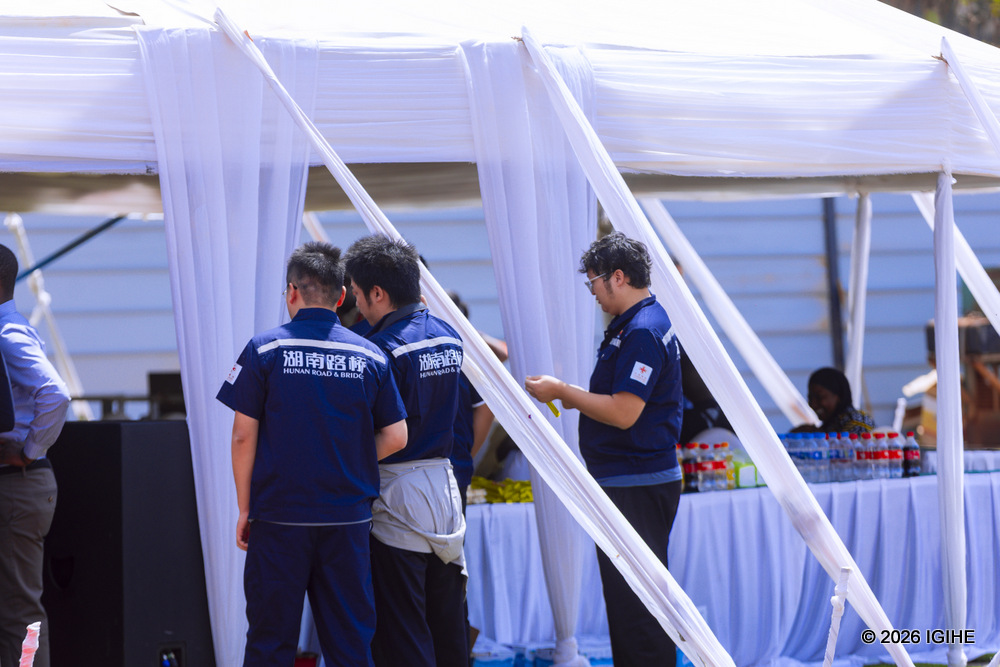
The project is being implemented in partnership with Hunan Road and Bridge Construction Group.
Authorities have identified alternative traffic routes around Giporoso, Sonatube, Kimironko, Zindiro, Ndera, Gasogi, Kabuga, Kicukiro and surrounding areas to help manage traffic during construction.
The facility, which cost 580 million Chinese yuan, equivalent to more than Rwf124 billion, will become the new home of the University Teaching Hospital of Kigali (CHUK), expected to relocate there by the end of 2026.
With 837 beds, 22 operating theatres and capacity for up to 2,000 outpatient visits a day, the hospital is the largest healthcare facility in Rwanda.
Both projects are part of the longstanding infrastructure and development cooperation between Rwanda and China.
Chinese Ambassador to Rwanda Gao Wenqi and Minister of State in the Ministry of Infrastructure Col Claudien Bizimungu unveil the plaque marking the official groundbreaking of the Prince House-Giporoso-Masaka road project.Minister of State in the Ministry of Infrastructure Col Claudien Bizimungu addresses guests during the groundbreaking ceremony in Kigali.Chinese Ambassador to Rwanda Gao Wenqi speaks during the official groundbreaking ceremony for the Prince House-Giporoso-Masaka road project on September 8, 2026.The groundbreaking marks another major infrastructure project under the longstanding cooperation between Rwanda and China.Officials from Rwanda and China attend the ceremony marking the official groundbreaking of the 10.3-kilometre Prince House-Masaka road project.Engineers from Hunan Road and Bridge Construction Group will work alongside their Rwandan counterparts to implement the project and share technical expertise.Chinese Ambassador Gao Wenqi and Minister of State Col Claudien Bizimungu joined other officials at the official groundbreaking ceremony of the road project.The Prince House-Giporoso-Masaka road project is set to introduce major upgrades to Kigali's transport infrastructure.The upgraded road will connect central Kigali with the Kigali Special Economic Zone and other major economic areas.The Prince House-Giporoso-Masaka corridor is being upgraded to strengthen the movement of people and goods in Kigali.The upgraded corridor is expected to improve access to jobs, markets and essential services for communities along the route.The project will add bridges, drainage systems and street lighting along the 10.3-kilometre corridor.The 10.3-kilometre corridor will be expanded into a modern multi-lane carriageway as part of the project.Rwandan engineers and young workers are expected to gain practical experience through skills-transfer programmes linked to the road project.
At 22, Bradford was already working on youth enterprise and social impact, but being named one of the Queen's Young Leaders in 2016 felt far removed from the life of an ordinary young person.
'I thought it was some kind of joke. I was like, 'No, this can't be for real,'' Bradford recalled in an exclusive interview with IGIHE.
It was real. And the experience would become one of the defining moments of his life.
Today, Bradford is the co-founder and CEO of Green Horizon Ventures, a Kigali-based social enterprise working across environmental protection, youth development and consultancy. His work includes supporting young creatives through schools and youth centres, working with farmers and foresters on environmental sustainability, and providing technical support to development programmes.
His path to Rwanda, however, is closely intertwined with the experience that began at Buckingham Palace a decade ago.
From disbelief to the Palace
The Queen's Young Leaders programme was established to recognise young people across the Commonwealth who were making a difference in their communities.
Bradford was among those selected in 2016, an honour he credits with opening his eyes to the scale of what young people were accomplishing around the world.
The programme brought together young leaders from across the Commonwealth, exposing Bradford to people who were tackling social problems with passion, ideas and, in many cases, very limited resources.
For him, that was as important as the award itself.
'I think we all talk about the word leadership and the word leaders all the time, but this was probably the first time really when I was 22 when I found out about the award that I actually noticed that there were so many young people who were using their passion, their ideas, their skills, some of them with very little resources to tackle issues and raise awareness and create change.'
The experience changed how he viewed leadership.
It showed him that leadership was not necessarily about age, position or resources. It could begin with an individual who simply decided to act.
In his early 20s, Bradford was recognised as one of the Queen's Young Leaders in 2016 for his work in youth enterprise and social impact.
Meeting a Queen who made people laugh
Meeting Queen Elizabeth came with all the expected royal protocol.
There were formalities, the appropriate greetings and the recognition of her status.
But Bradford's strongest memory was not the ceremony. It was the person behind it.
'She's incredibly friendly, very approachable and very chatty,' he remembers.
The Queen, he recalls, made an effort to speak to people and put them at ease.
One of the things that surprised him most was her sense of humour.
'She has such an amazing sense of humour. She's so funny, and she really tried to make everybody smile.'
For Bradford, that was more than a charming personal quality. It was a lesson in leadership.
He remembers leaving the encounter with the feeling that the young leaders had been taken seriously by someone who occupied one of the highest-profile positions in the world.
He also met Prince Harry during the occasion, describing him as equally 'cheeky and funny'.
But it was the Queen's message to the young leaders that remained with him.
She reminded them that the future would be shaped by their decisions and actions.
For Bradford, that was a powerful vote of confidence.
'It was an important message for someone in her position to say that she trusted us, from the highest level, to make the world a better place than it is today,' he says.
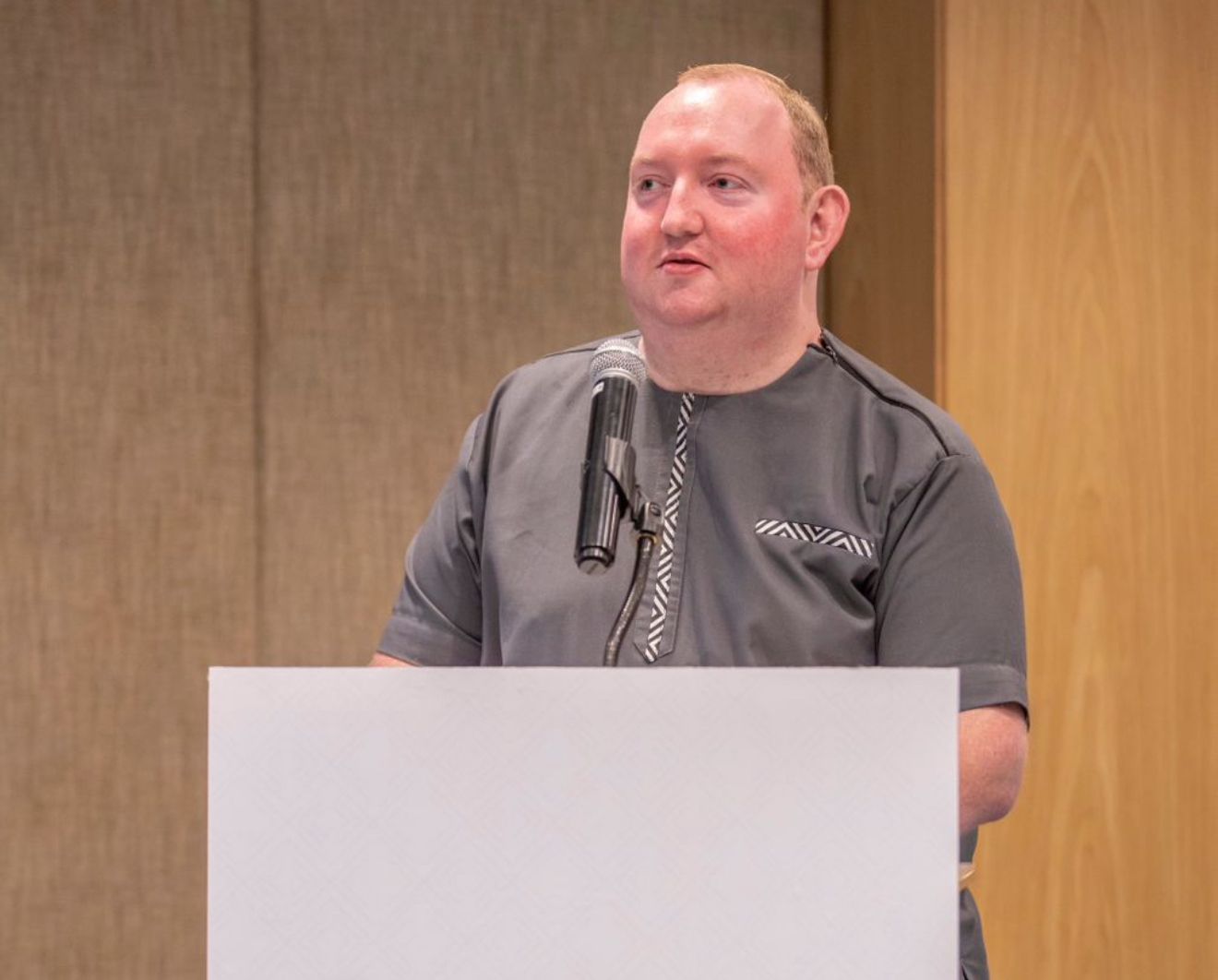
Bradford is the co-founder and CEO of Green Horizon Ventures, a Kigali-based social enterprise working across environmental protection, youth development and consultancy.
A responsibility, not just an award
The recognition did not simply give Bradford confidence. It gave him a sense of responsibility.
He came to see the award less as a personal achievement and more as an obligation to help other young people believe that they, too, could create change.
'For anybody who's had such an award from the Royal Family, you see it as a responsibility to raise the standards for the next generation of youth,' he adds.
That mindset became central to his subsequent work.
Rather than keeping the recognition as a personal milestone, Bradford sought to use the networks and lessons from the programme to support other young people.
He also became one of the founding advisers of the Queen's Commonwealth Trust, an initiative created to support young people leading projects across Commonwealth countries.
When he joined, the organisation was still an idea on paper.
His role involved helping shape how it could identify young people doing important work on the ground and understand what they actually needed to move their projects forward.
'It's easy, I think, to sit and make a decision from Buckingham Palace where you have that privilege,' he observes. 'But what's happening on the ground?'
The objective was to ensure that young people in Africa, Asia, the Caribbean and other parts of the Commonwealth were not simply being spoken about, but were being listened to.
Bradford takes particular pride in seeing the initiative grow from an idea into a programme that eventually supported hundreds and thousands of young people.
The Queen and the road to Africa
Bradford believes the experience at the Palace helped influence his decision to look more seriously towards Africa.
That eventually brought him to Rwanda.
His decision to remain in Rwanda after the Commonwealth Heads of Government Meeting (CHOGM) in 2022, he explains, was driven largely by what he saw in the country's leadership and development story.
'I think one of the most inspiring stories of development has come from Rwanda.'
For a social entrepreneur interested in environmental protection and youth development, he found a country where ambition and experimentation resonated with his own philosophy.
Bradford was particularly drawn to the idea of challenging assumptions about what is possible.
'A lot of it is what's possible when you say, let's break the rules as they used to be, let's dream beyond what others have said is possible and try and do something bigger and better.'
That philosophy, he believes, is visible across sectors in Rwanda, from infrastructure and governance to environmental initiatives.
His decision to stay, he adds, was not simply about a business opportunity, but about finding a place where he felt ideas could be turned into action.
Today, through Green Horizon Ventures, he works with young people and communities on environmental and youth-development initiatives, while also consulting on projects led by others working towards social impact.
His youth programmes have engaged and trained thousands of young people, while environmental projects are reaching hundreds of people and are still expanding.
Turning personal challenges into advocacy
Bradford's leadership journey has also been shaped by experiences far removed from royal ceremonies and international programmes.
As a teenager, he was diagnosed with autism, an experience that has influenced how he thinks about difference, leadership and inclusion.
He describes autism as something that can present challenges but also bring different ways of thinking.
For him, that different way of processing information has become useful in business, particularly when analysing problems and developing solutions.
But Bradford is equally interested in changing how society views neurodiversity.
He believes families and communities should recognise the abilities of people on the autism spectrum rather than defining them primarily through their challenges.
His own experience has made him more willing to speak publicly about autism, which he sees as a way of challenging stigma and encouraging greater understanding.
That same instinct to turn personal experience into public advocacy has appeared elsewhere in his life.
Bradford's work includes supporting young creatives through schools and youth centres, working with farmers and foresters on environmental sustainability, and providing technical support to development programmes.
From family crisis to gambling reform
Another defining chapter began with a deeply personal family crisis.
When Bradford was in his early 20s, his father was imprisoned after stealing money connected to a gambling addiction.
The family had not fully understood what was happening until the consequences became impossible to ignore.
As the eldest son, Bradford found himself having to help support his family, deal with the financial consequences and make sense of how an addiction could push someone into such a difficult situation.
The experience led him into advocacy around gambling regulation in the United Kingdom.
He began campaigning for stronger safeguards and greater support for people vulnerable to gambling addiction, particularly young people.
His efforts contributed to changes in policy and regulation, as well as greater attention to support for people experiencing gambling-related harm.
It is a chapter of his life that now intersects with his work in Africa.
Bradford has advised and engaged with gambling-related issues in several African countries, including Rwanda, Kenya, South Africa and Nigeria.
In Rwanda, he welcomes the development of a more structured regulatory environment and hopes the gambling industry will become more conscious of the potential risks to vulnerable people.
The leadership lesson that stayed with him
For Bradford, the lasting lesson from Queen Elizabeth was that leadership can begin at a young age. He continues to encourage young people to focus on practical solutions, build sustainable ventures and remain resilient through setbacks, rather than waiting for others to solve their problems.
'She was a beacon, like a role model for all of the millions of youth in the Commonwealth and the whole world, to say that you can be a leader from a very young age and it's a good thing to do.'
That philosophy also informs the legacy Bradford hopes to leave through his own work. He wants his projects and ideas to give people another way of thinking and show that challenges can be approached differently. For him, even influencing one person to see a new possibility and improve their life would be a meaningful contribution.
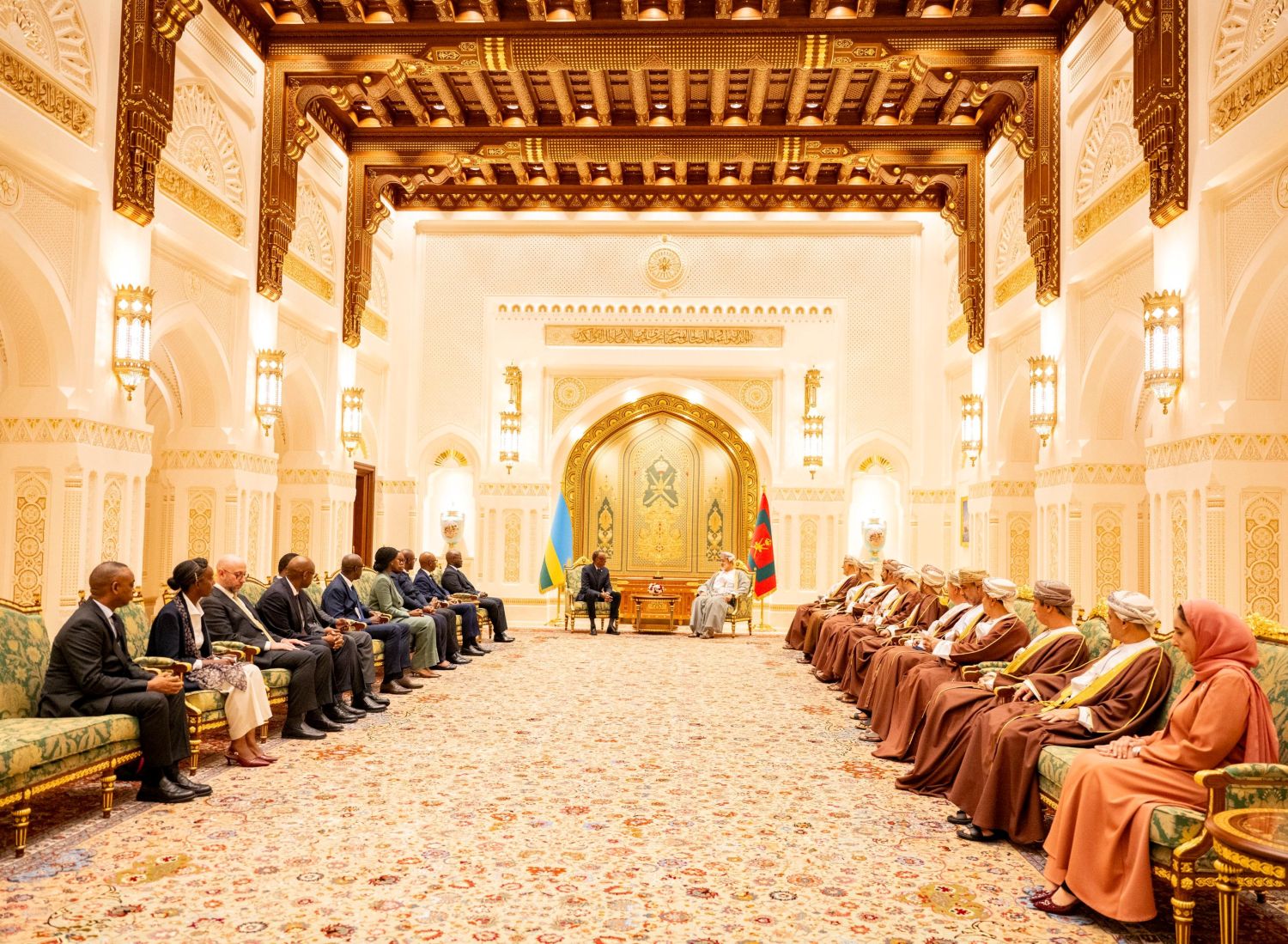
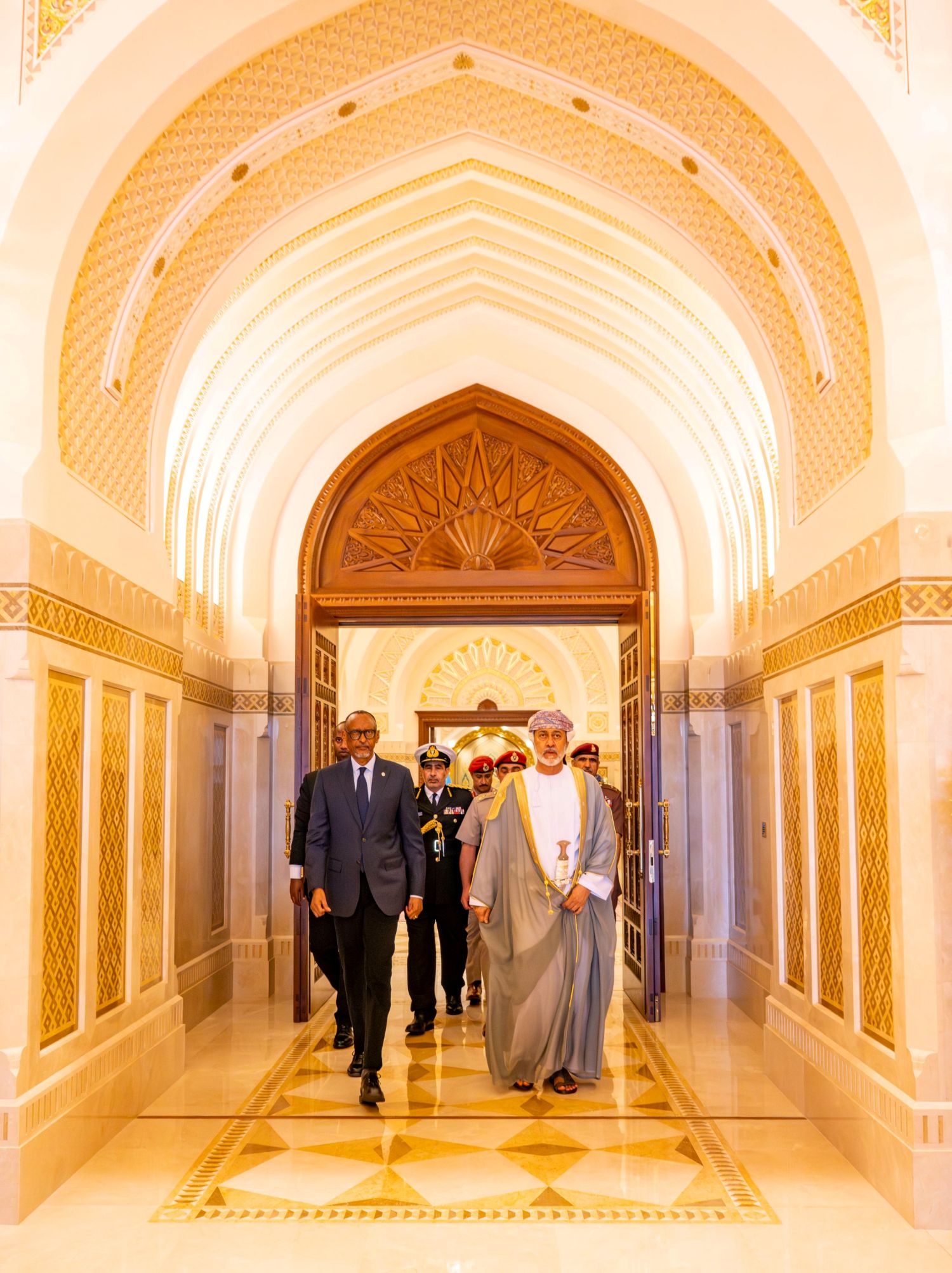
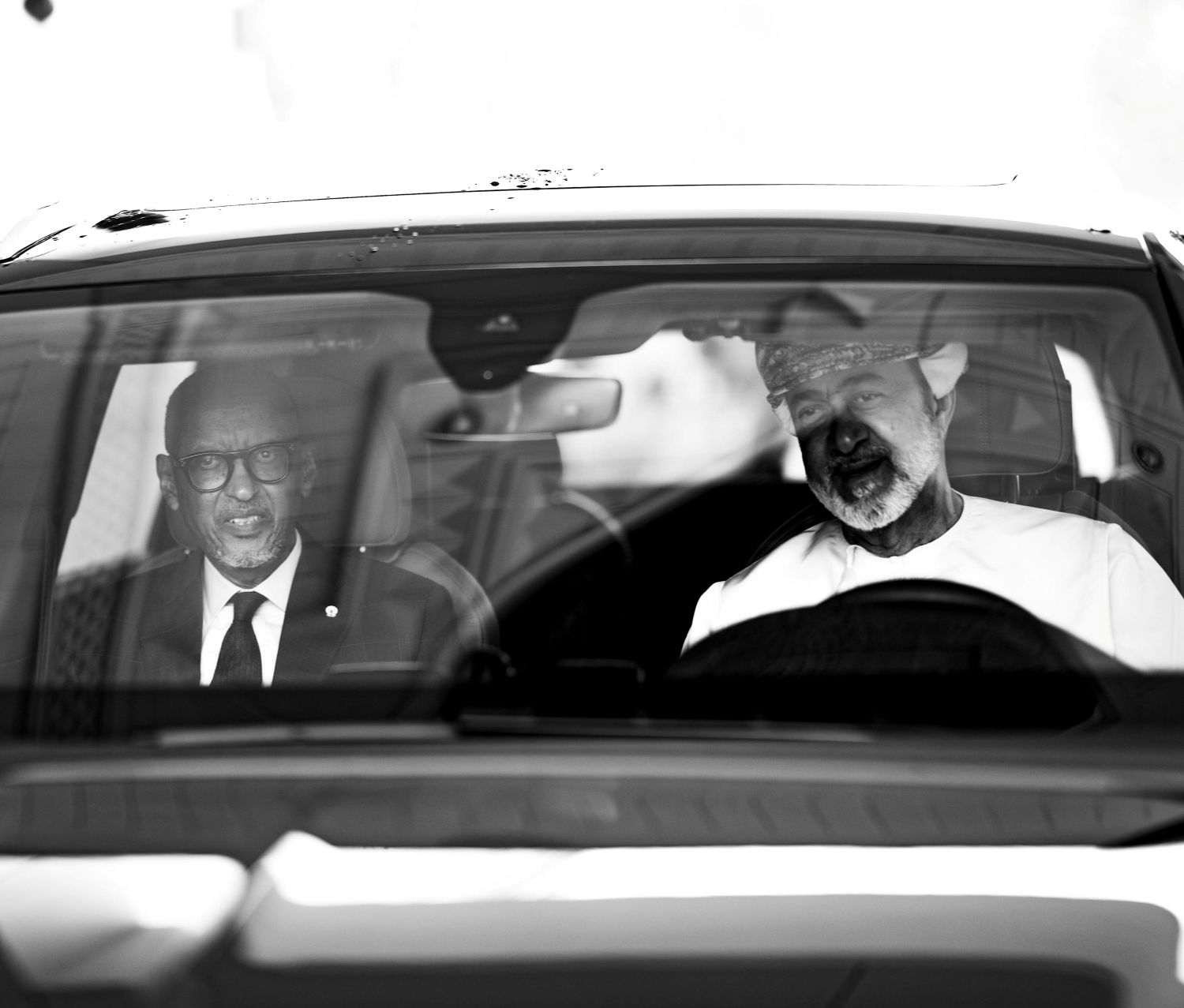
The decision was among the key outcomes of Kagame's two-day official visit to Oman, held from September 7 to 8, 2026, at the invitation of Sultan Haitham bin Tarik.
Currently, Oman's ambassador to Rwanda, Nasra bint Salim bin Mohammed Al Hashmi, is a non-resident ambassador based in Nairobi, Kenya, while Rwanda's ambassador to Oman, Dan Munyuza, is based in Cairo, Egypt.
Establishing resident embassies is expected to strengthen the diplomatic presence of both countries and provide a closer institutional framework for advancing growing cooperation.
Rwanda and Oman agreed to establish resident embassies during President Kagame's September 7–8 official visit to Oman.
In a joint statement issued at the conclusion of Kagame's visit, Rwanda and Oman said they had also agreed to establish a Joint Committee and a Joint Business Council, as well as implement a technical cooperation programme.
The new mechanisms are intended to support the implementation and follow-up of cooperation between the two countries as they seek to expand their partnership.
During talks between Kagame and Sultan Haitham, the two leaders reaffirmed their commitment to strengthening bilateral relations and identified investment, transport, energy, mining, tourism, logistics and communications among the sectors with potential for deeper cooperation.
The two countries also highlighted opportunities in banking and finance, while encouraging greater partnerships between public and private sector institutions and efforts to increase trade.
The visit further witnessed the signing of two agreements and six memoranda of understanding (MoUs) aimed at expanding bilateral cooperation across areas including trade, investment, agriculture, logistics and food security.
Among them was an agreement on mutual visa exemption for holders of diplomatic, special and service passports, as well as an agreement on the avoidance of double taxation.
The six memoranda of understanding provide a framework for cooperation in political consultations, labour, trade and investment, logistics and the development of inland and dry ports, agriculture, investment promotion, and strategic partnership and investment activation.
The two leaders also praised the growth of bilateral cooperation, particularly in transport, communications and information technology.
The two leaders reaffirmed their commitment to supporting efforts aimed at promoting security and stability and resolving disputes through peaceful means in accordance with international law.
Rwanda and Oman's economic relationship has gained momentum in recent years, with the two countries expanding cooperation in trade, energy, transport and investment.
A key development is an arrangement under which Rwanda will receive direct shipments of refined petroleum products from Oman through Tanzania's Port of Tanga.
Prime Minister Justin Nsengiyumva has said Rwanda expects to receive one shipment each month, with the imports aimed at strengthening fuel supply security and helping stabilise prices.
Air connectivity between the two countries has also improved following SalamAir's launch of direct flights between Muscat and Kigali on July 21, 2026.
The route is expected to support travel, trade, tourism and investment while giving passengers from Rwanda access to SalamAir's wider network across the Gulf, Asia and Europe.
During their discussions, Kagame and Sultan Haitham also exchanged views on regional and international issues of common interest.
The two leaders reaffirmed their commitment to supporting efforts aimed at promoting security and stability and resolving disputes through peaceful means in accordance with international law.
Kagame praised Oman's role in supporting regional dialogue and peace, while Sultan Haitham expressed appreciation for Rwanda's role in promoting stability, dialogue and peaceful solutions in its region.
During the visit, Kagame also toured the Museum of the Frankincense Land, located within the Al Baleed Archaeological Park, a UNESCO World Heritage Site, as well as the Kagame Razat Royal Farm in Dhofar Governorate.
At the conclusion of the visit, Kagame expressed appreciation for the hospitality extended to him and his delegation and invited Sultan Haitham to visit Rwanda.
President Kagame concluded his official visit to Oman on Tuesday.
In a statement issued on September 8, State House said the government would conduct an 'orderly regularisation exercise' over the next 90 days to allow affected foreign nationals to comply with the law.
The exercise will be coordinated by relevant government agencies in consultation with the embassies concerned.
'At the conclusion of the 90-day regularisation period, immigration, work-permit, registration and licensing requirements will be enforced firmly and strictly in accordance with the law and due process,' State House Spokesperson Hussein Mohamed said.
The announcement comes after days of uncertainty among foreign traders, particularly Burundians living in Kenya, following concerns that Ruto's directive targeting foreign participation in small-scale businesses could force them to shut down their operations or leave the country.
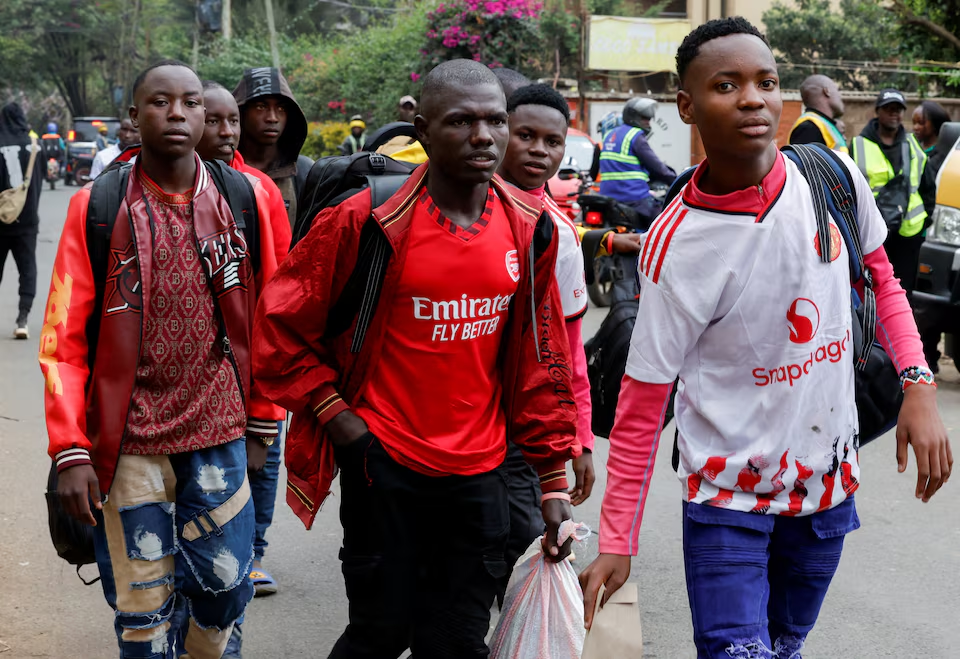
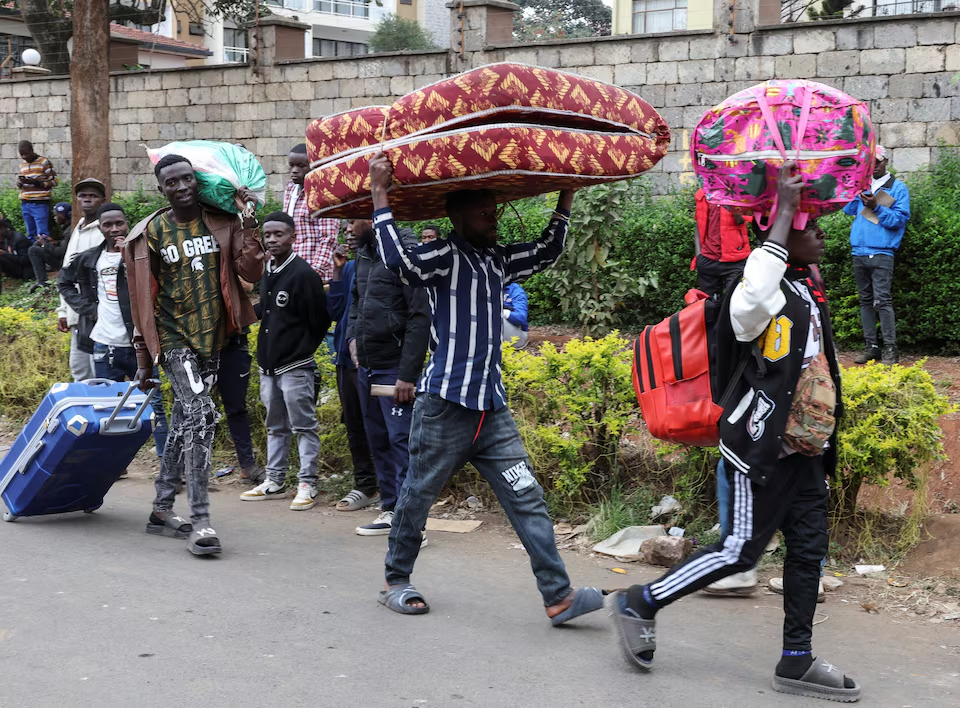
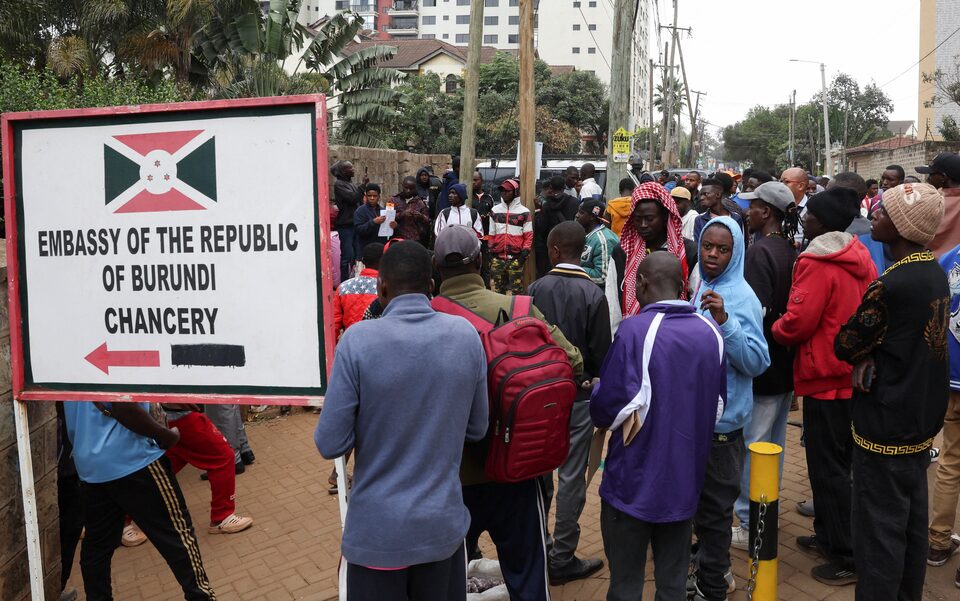
Long queues were reported outside Burundi's embassy in Nairobi on Monday as some Burundian nationals sought emergency travel documents amid uncertainty over their future in Kenya. Some were also seen trying to secure transport back home.
The Kenyan government has, however, sought to reassure foreign nationals that there is no blanket ban on foreign traders.
State House said Ruto had received representations from Kenyan traders over the growing participation of foreign nationals in small-scale businesses and informal trade, and the impact this was having on Kenyans who depend on such activities for their livelihoods.
The President subsequently directed that the Local Content Bill, 2025, currently before Parliament, be expanded to establish a clear framework governing participation in small-scale trade and enterprise.
Under the proposed framework, some categories of economic activity could be reserved for Kenyan citizens, while foreign nationals legally entitled to work, invest or conduct business in Kenya would continue to receive protection.
'Kenya will protect economic opportunities for its citizens, especially within the micro and small-enterprise sector, while remaining open to lawful foreign investment, enterprise and employment,' Mohamed said.
The government stressed the two objectives were complementary and would be pursued in line with Kenya's Constitution, laws and international obligations.
It also warned against harassment or attacks targeting foreign nationals and their businesses, saying the enforcement and interpretation of the law remained the responsibility of authorised State agencies.
'No individual or group has the authority to harass, intimidate, threaten or interfere with foreign nationals or their businesses,' the statement said, warning that those engaging in such conduct would face action under the law.
The clarification follows reports of growing anxiety among Burundians and other East African nationals living in Kenya, with concerns that hostility towards foreign traders could escalate into xenophobic attacks similar to those witnessed in South Africa.
Burundi's Foreign Affairs Minister Edouard Bizimana had raised concerns over reports of harassment and warned that continued hate speech against Burundians could have wider consequences.
A senior Kenyan foreign affairs official, Korir Sing'oei, also apologised to Burundian nationals who had faced harassment, saying the President's directive had been misunderstood.
The Kenyan government has now said the 90-day regularisation period will be administered fairly, consistently and without discrimination, while reaffirming the country's commitment to the East African Community, regional integration and the free movement of people, labour, services and capital within applicable legal frameworks.
The government is also expected to use the period to clarify which categories of small-scale businesses could eventually be reserved for Kenyan citizens under the proposed legislative framework.
Long queues were reported outside Burundi's embassy in Nairobi on Monday as some Burundian nationals sought emergency travel documents amid uncertainty over their future in Kenya.