Researchers studying a highly magnetic neutron star called a magnetar observed signs of a phenomenon known as vacuum birefringence.
This effect occurs when extremely strong magnetic fields change the way light travels through what appears to be empty space.
The idea was predicted in the 1930s through work associated with quantum electrodynamics.
According to the theory, a vacuum is not truly empty because quantum fluctuations can produce temporary changes involving virtual particles.
Under normal conditions, these effects are far too weak to detect. However, the enormous magnetic fields surrounding magnetars could make them visible.
The research team studied the magnetar 1E 1547.0-5408, using NASA's Imaging X-ray Polarimetry Explorer, or IXPE, together with the NICER X-ray telescope and Australia's Murriyang Parkes radio telescope.
The scientists examined X-rays and radio signals from the magnetar and found an unusual pattern in the polarization of the X-rays.
The polarization was closely connected to the star's magnetic field and matched observations of its radio emissions.
The researchers say the results provide compelling evidence for vacuum birefringence, although more observations are needed to completely confirm the explanation.
Magnetars are especially useful for this research because they possess some of the strongest magnetic fields known in the universe.
These fields are estimated to be more than 100 million times stronger than anything scientists can create on Earth.
If future observations confirm the discovery, it could provide an important test of quantum physics under extreme conditions and help scientists better understand how light, space and matter behave in the most powerful environments in the universe.
Magnetar's powerful magnetic field helps reveal a hidden quantum effect.
NIDA Director General Josephine Mukesha said the exercise is currently being completed in the Northern and Western provinces.
'We are finishing the exercise in the Northern and Western provinces. Our teams are in Gakenke, Karongi, Gicumbi and Rutsiro, and we will start in Rulindo on Tuesday,' Mukesha told The New Times.
'We have reached over eight million people who have been registered, and more than seven million have already been photographed,' she said.
The government aims to phase out the current national identity cards by June 2027, by which time more than 14 million citizens are expected to have been photographed.
Mukesha said incomplete or inaccurate personal information remains one of the challenges slowing participation in the exercise. This is particularly the case for children who have not been registered in civil-status records or whose details contain errors.
She urged parents who have not yet registered their children to do so at their local sector offices before the photographing exercise begins. Citizens can also use the Irembo platform to review and correct personal details, including dates of birth.
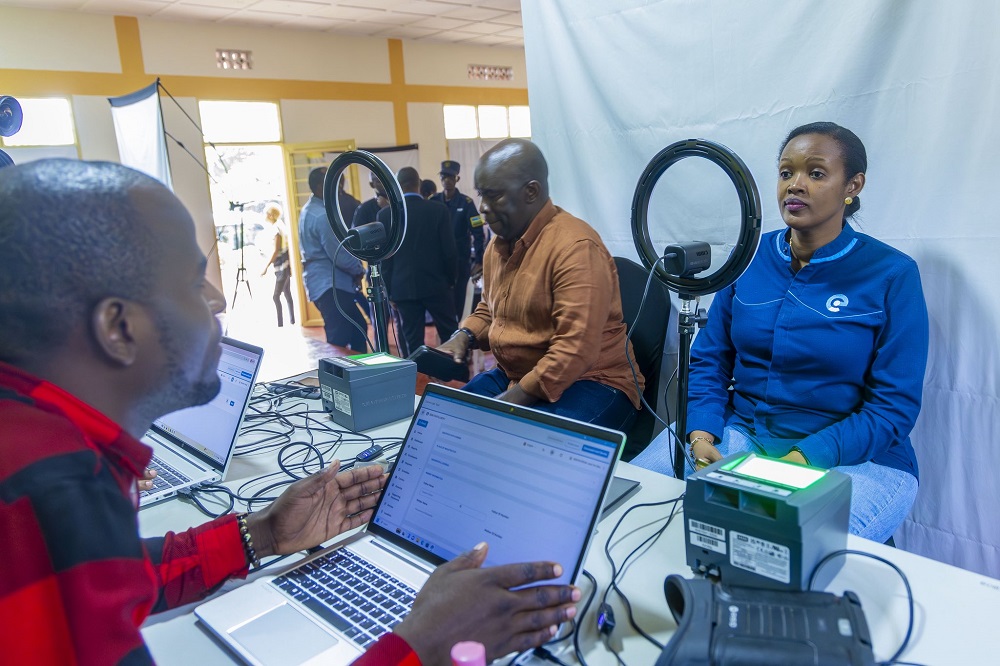
The digital ID exercise began in the Southern Province in October 2025 before expanding to other parts of the country.
In Kigali, the photographing exercise had already been completed, meaning residents who missed it would ordinarily have to travel to another province. However, NIDA opened a stand at the International Trade Fair in Gikondo to allow Kigali residents who missed the exercise to complete the process.
The government says the digital ID will make it easier for citizens to access public services while giving them greater control over their personal information. Unlike the current national ID, which contains multiple personal details, the digital system is expected to allow citizens to share only the information required for a particular service.
The government aims to phase out the current national identity cards by June 2027, by which time more than 14 million citizens are expected to have been photographed.
The Ben made the remarks in an interview with IGIHE after Inshallah broke the record for the fastest song by a Rwandan artist to surpass one million YouTube views.
'It induces pride to me and the people I work with. I don't think there is an artist who would not be happy to release a song and see people enjoying it,' The Ben said.
'On the other hand, it is a sign that Rwandans love the music produced by their artists. This gives us even more motivation to work harder. I consider this a debt, and I will repay it by giving people more great music.'
Inshallah was released on August 15, 2026, and quickly attracted attention from music fans. Within 48 hours, its music video had surpassed one million views on YouTube.
The achievement saw The Ben overtake a record previously held by fellow Rwandan singer Meddy, whose song My Vow had reached one million views within 48 hours.
The milestone comes as The Ben faces growing expectations from his fans, many of whom have previously criticised him for taking too long to release new music.
The singer, however, used the occasion to assure his fans that more projects are on the way, suggesting that they should expect a change in how frequently he releases music.
He said the response to Inshallah had further strengthened his determination to keep creating and give his audience more songs to enjoy.
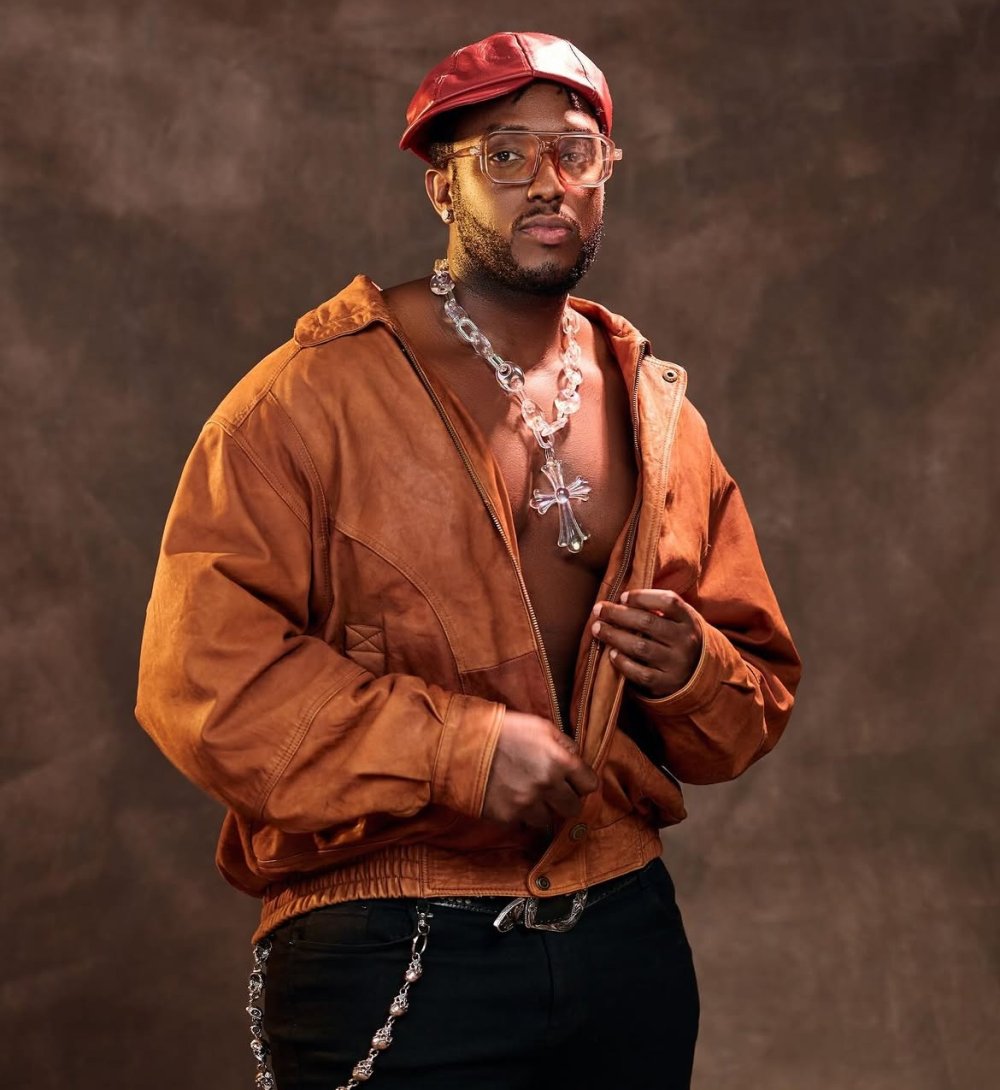
Rwandan singer The Ben has said the success of his latest song, Inshallah, is a sign of the strong support Rwandans have for local music
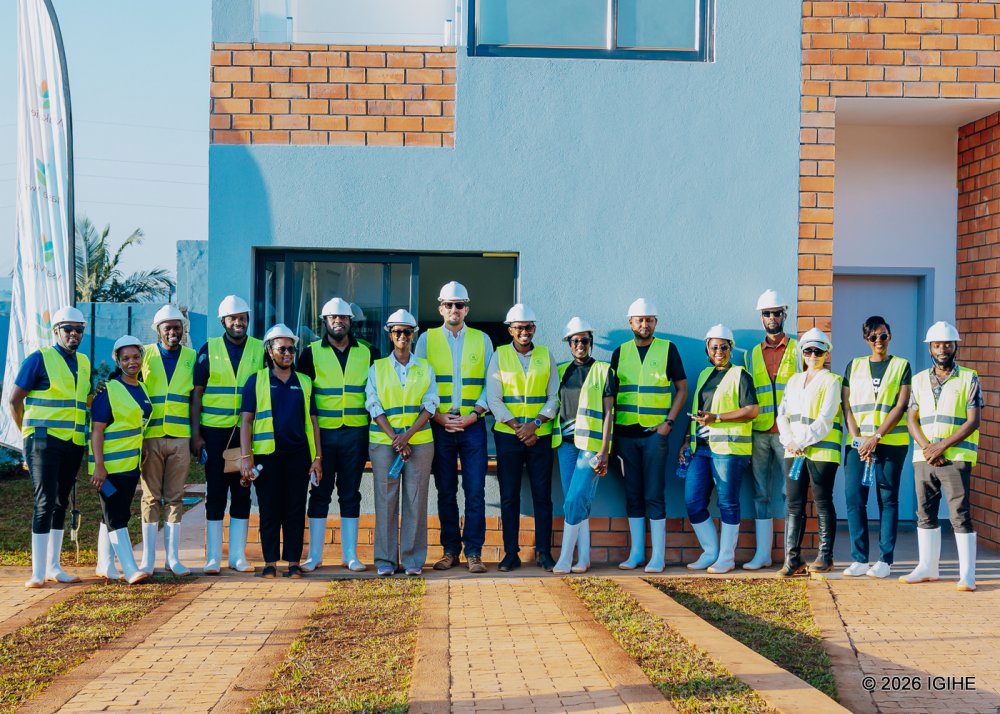
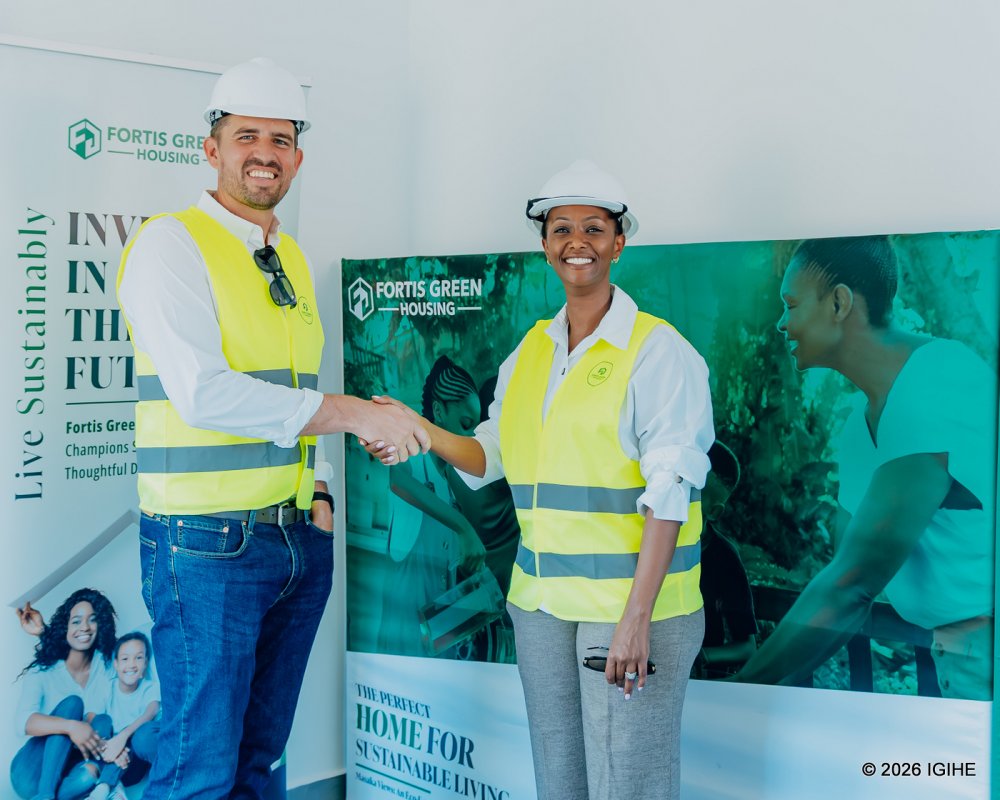
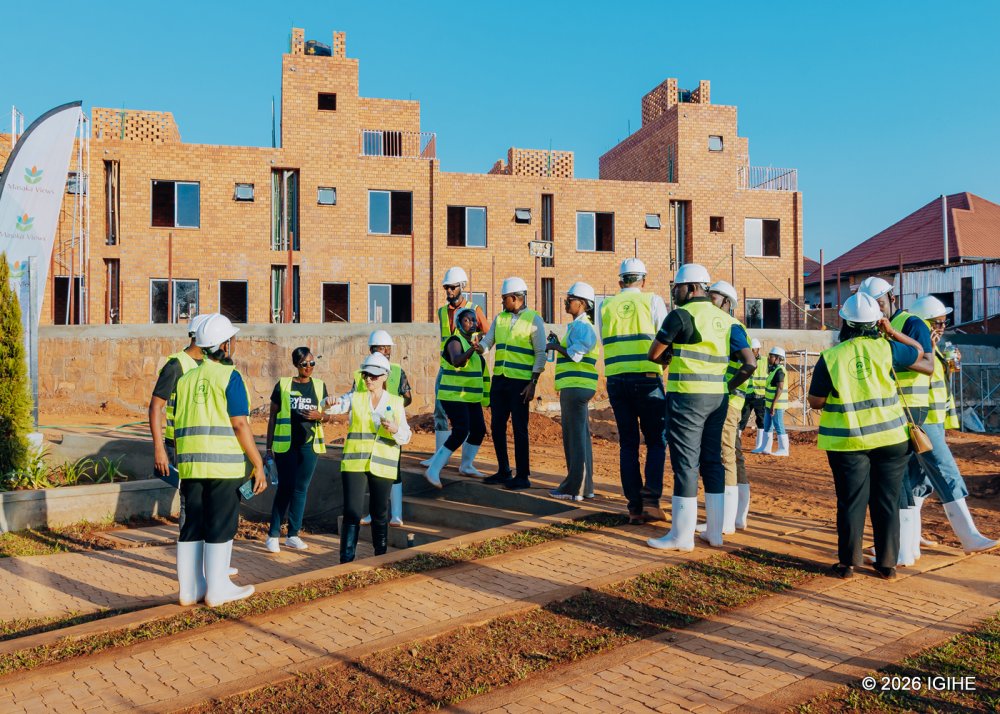
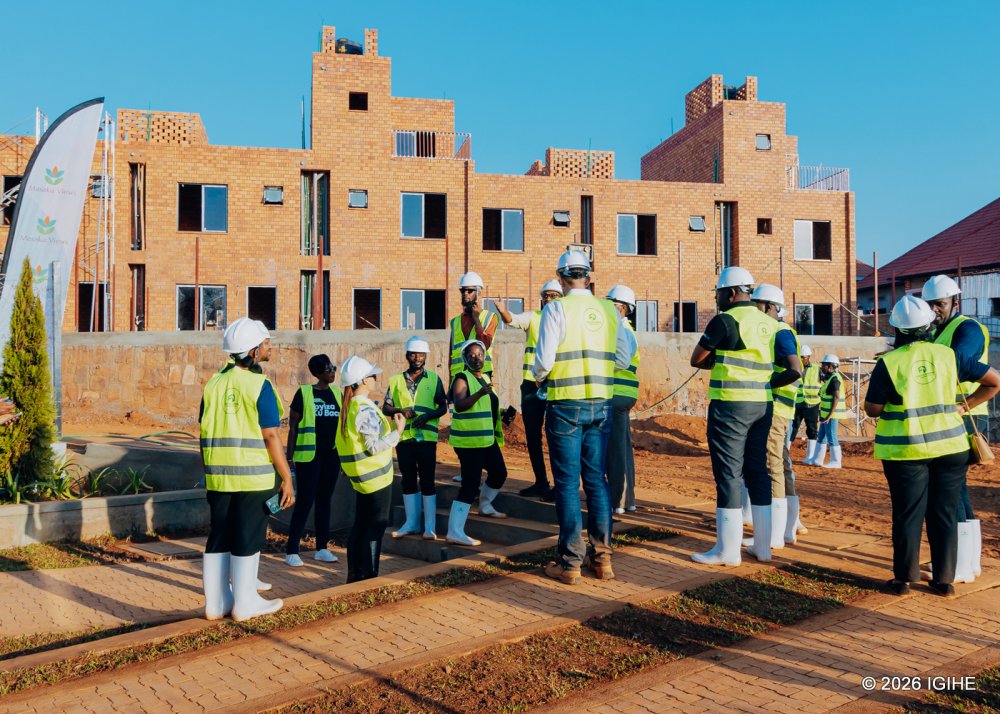
The partnership was launched on August 13, 2026, when BPR Bank Rwanda Plc management visited the site of the housing project in Masaka, Kicukiro District.
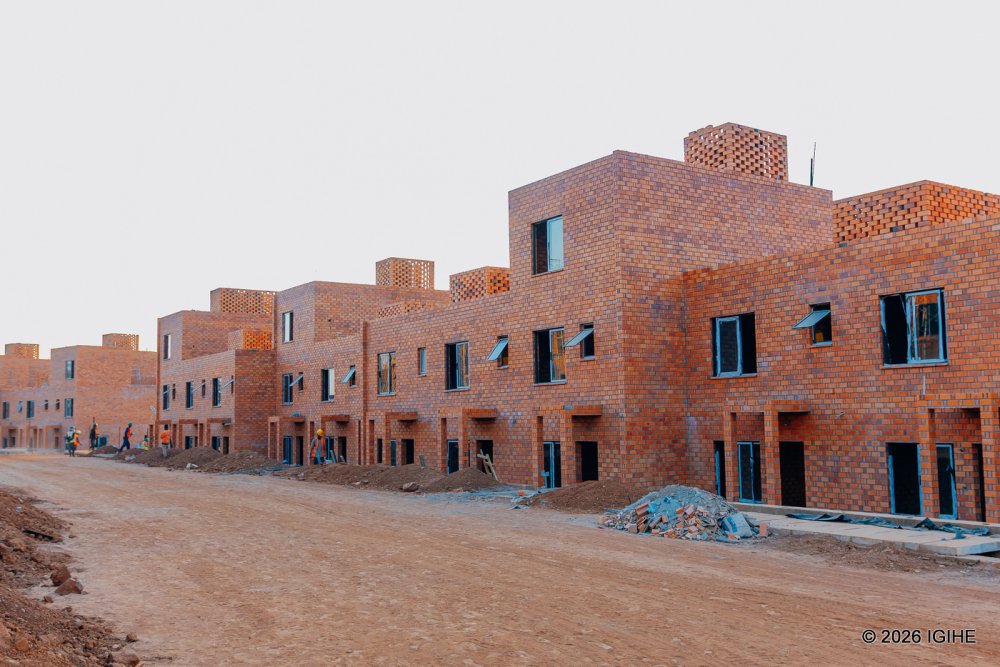
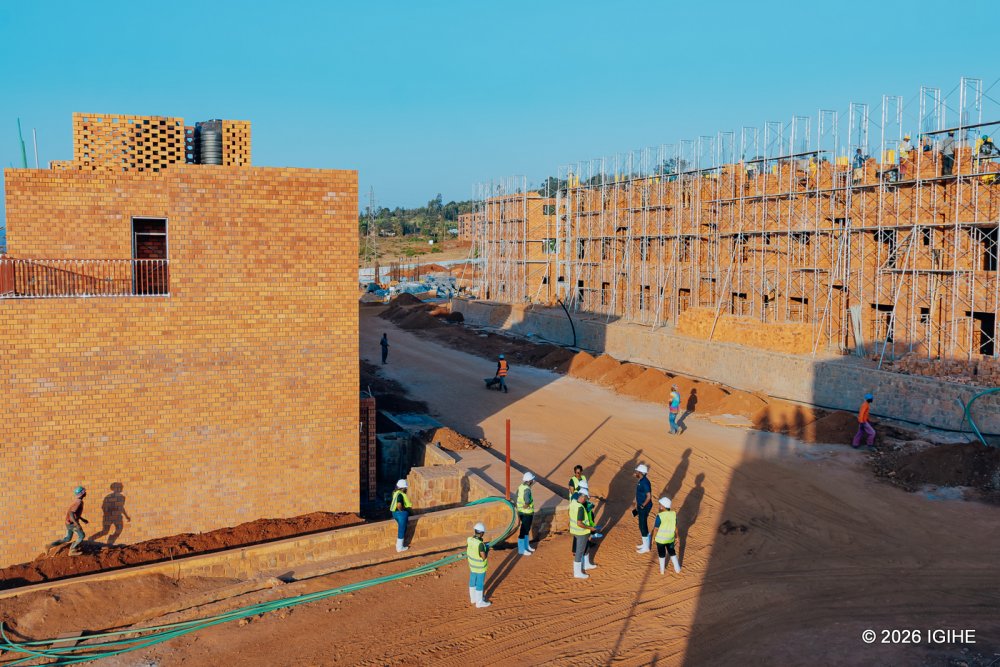
Masaka Views Eco Estate is a residential development comprising a 302-unit apartment block with one- to three-bedroom apartments, 51 standalone family houses and 33 townhouses.
Under the partnership, BPR Bank Rwanda will provide financing options to prospective homeowners through its existing housing loan products, including loans for construction and home purchases.
The arrangement is intended to help people who want to buy homes in the estate but may not have enough funds to make an upfront payment.
Eligible buyers can access financing and repay the loan over an agreed period. The bank said the partnership will also give prospective buyers an opportunity to secure homes early, given the limited number of units available in the development.
BPR Bank Rwanda said the partnership supports its efforts to help Rwandans achieve their homeownership goals while promoting access to modern, comfortable and environmentally sustainable housing.
Patience Mutesi, Managing Director of BPR Bank Rwanda Plc, said access to appropriate and affordable financing is an important factor in helping more Rwandans achieve their homeownership goals.
'Our partnership with Fortis Green Housing will enable us to provide financial solutions tailored to the needs of our customers across the different categories of this project. By combining accessible home financing options with quality and sustainable housing developments, we are creating more opportunities for people to invest in homes that meet their needs,' Mutesi said.
As part of the partnership, BPR Bank Rwanda will advise customers on the most suitable loan options based on the type of house they intend to purchase within the estate.
Customers who choose homes that are still under construction will also receive support to finance the purchase and follow the progress of construction until the property is completed and handed over.
Construction of Masaka Views Eco Estate began in 2025. The homes currently on sale are priced between Rwf 103 million and Rwf 235 million.
BPR Bank Rwanda Plc and Fortis Green Housing have partnered to help Rwandans access modern, quality homes.Masaka Views Eco Estate features townhouses with two or three bedrooms.BPR Bank Rwanda Plc and Fortis Green Housing have partnered to make homeownership more accessible to Rwandans.Masaka Views Eco Estate is a model residential development under construction in Masaka, Kicukiro.BPR Bank Rwanda Plc staff toured different sections of the housing development under construction in Masaka.
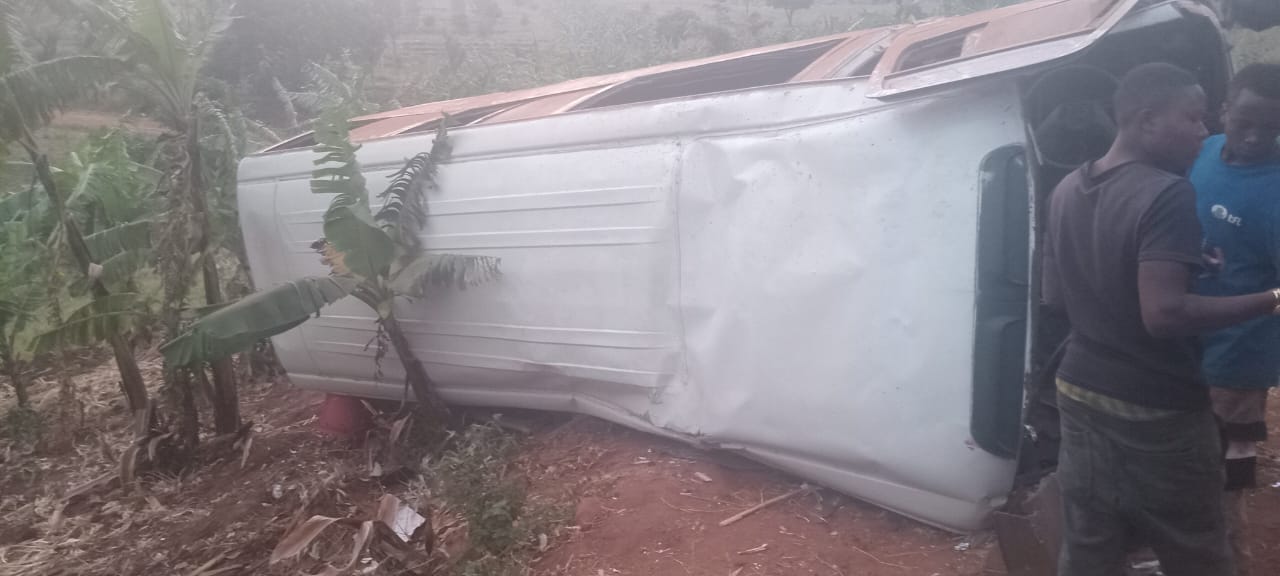
The accident occurred in the early hours of August 18, 2026, in Kagese Cell, Nasho Sector.
SSP Twizeyimana Hamdun, Rwanda National Police spokesperson in the Eastern Province, told IGIHE that the crash involved a Coaster passenger vehicle.
He said two people died at the scene, while two others died on the way to hospital.
'We have not yet established the cause of the accident, but the driver said the vehicle lost its brakes. The area has a steep descent, so speed could have contributed to the crash,' SSP Twizeyimana said.
He urged motorists to avoid speeding, refrain from driving under the influence of alcohol and regularly check the roadworthiness of their vehicles.
SSP Twizeyimana also warned against driving while fatigued, saying tiredness has contributed to road crashes in recent days.
He further urged passengers to report dangerous driving and speak up when drivers engage in risky behaviour.
'Passengers should not overlook mistakes made on the road. If a driver is making mistakes while driving, they should inform the Police early so that action can be taken.
'Passengers can also tell the driver when they notice dangerous driving. This helps everyone look out for one another,' he said.
The 16 people injured in the crash are currently receiving treatment at different hospitals.
SSP Twizeyimana also warned against driving while fatigued, saying tiredness has contributed to road crashes in recent days.
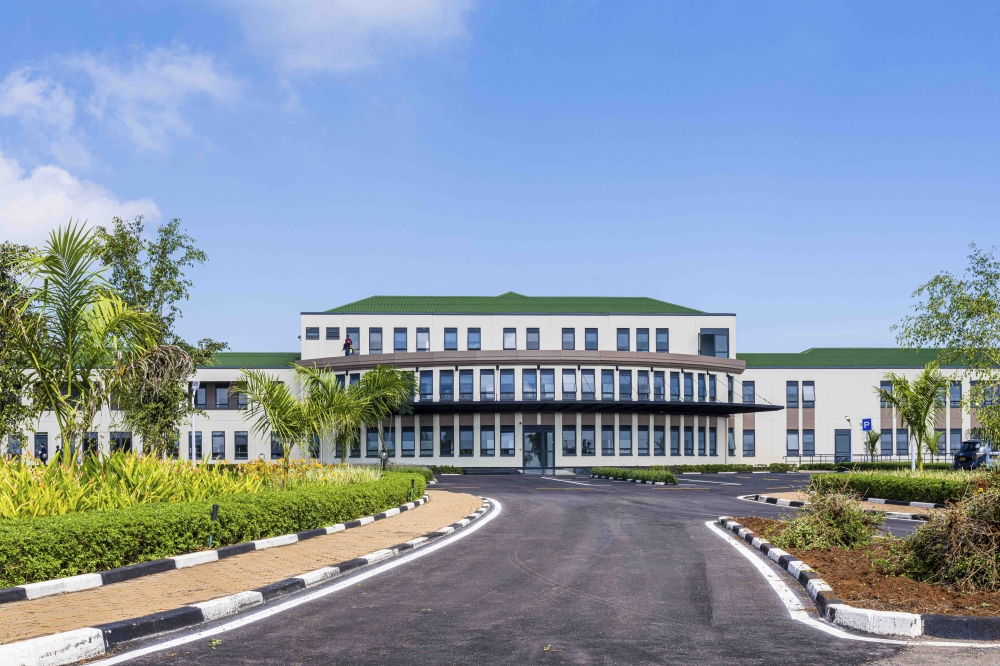
Located in Musagara Village, Kanazi Cell, Nyamata Sector in Bugesera District, about 45 minutes from Kigali, the school grew out of an idea championed by members of the Ntare School Old Boys Association (NSOBA), alumni of Ntare School in Uganda. Among those associated with the school's alumni community are Rwandan President Paul Kagame and Ugandan President Yoweri Kaguta Museveni.
Today, the school is seeking to build on that legacy with an education model that places students at the centre of the learning process.
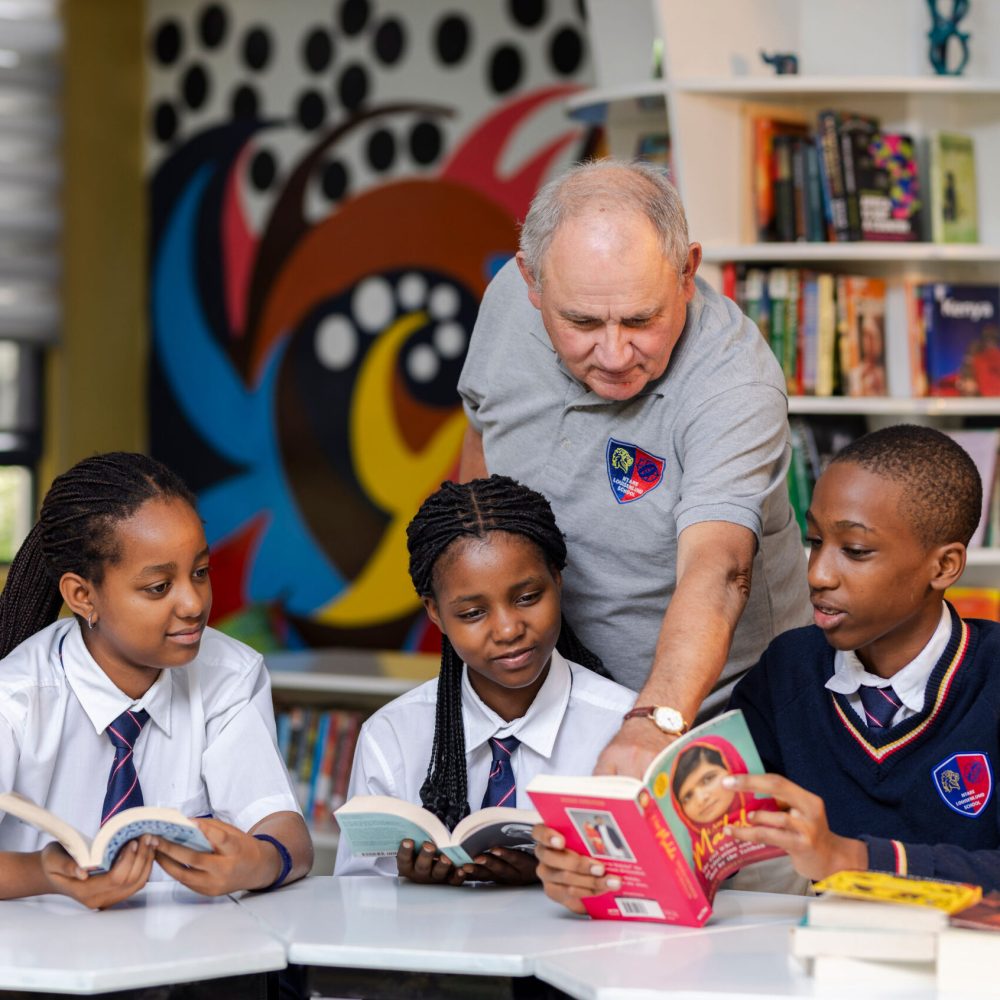
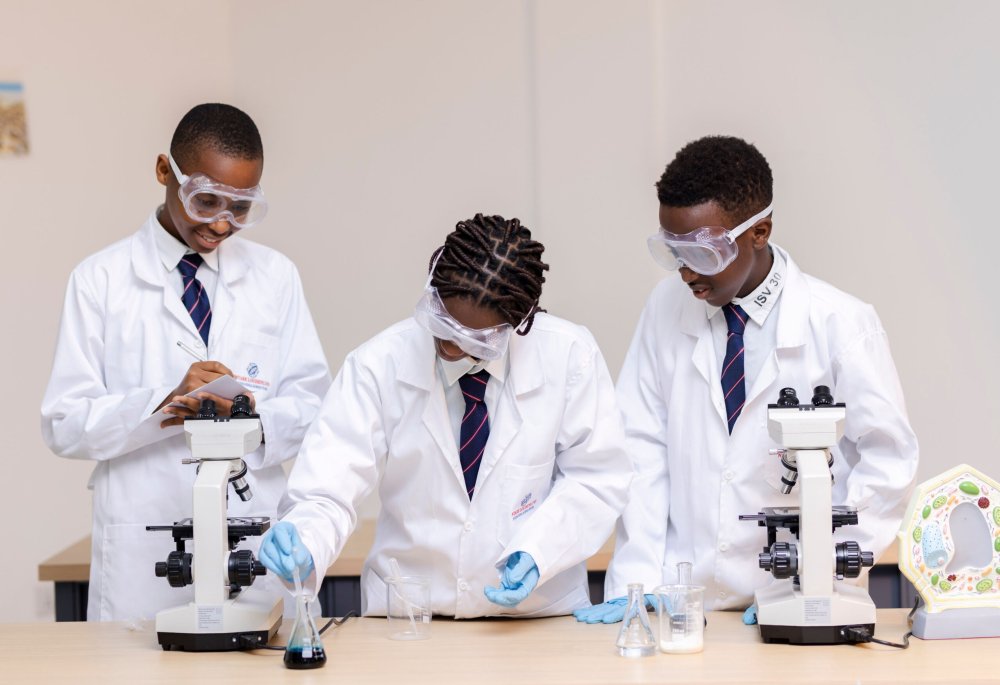
From its library and creative studios to its makerspace, STEM-focused learning and student-led initiatives, Ntare Louisenlund offers an environment where students are encouraged to participate in shaping both their education and their community.
A tour of the campus offers an early glimpse of that approach. The library, for example, was created with students in mind and features books covering subjects ranging from business and nature to religion, fiction and different cultures. Students are also involved in creating and decorating spaces around the school.
One student points out a feature she helped design, while an art exhibition nearby displays works made from recycled materials, including used cups, bottles, bottle tops and cheesecloth.
At the school, creativity is not treated as an activity separate from learning, but as part of it.
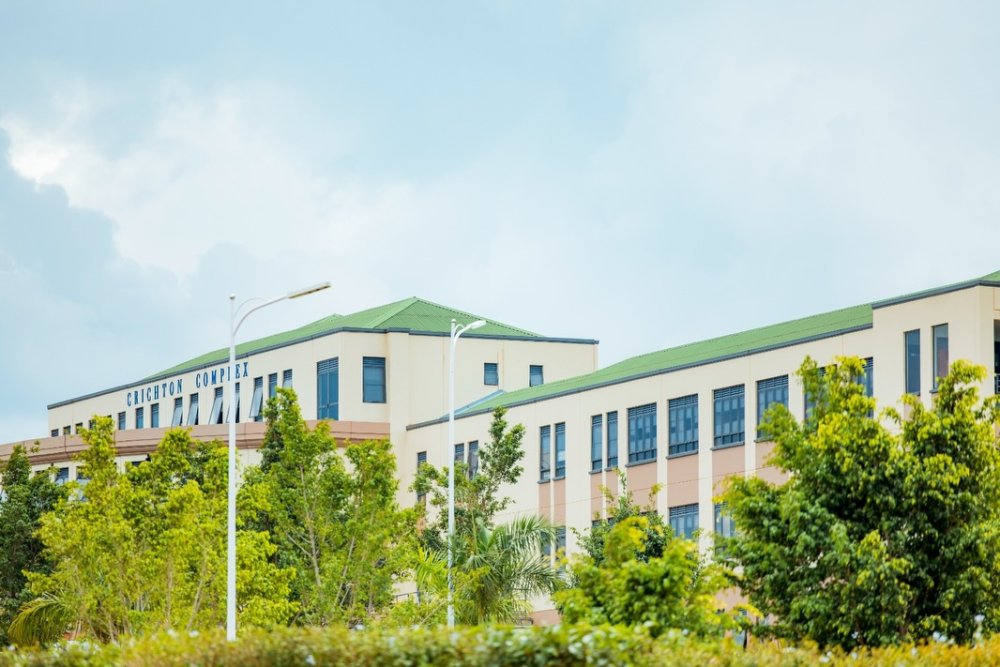
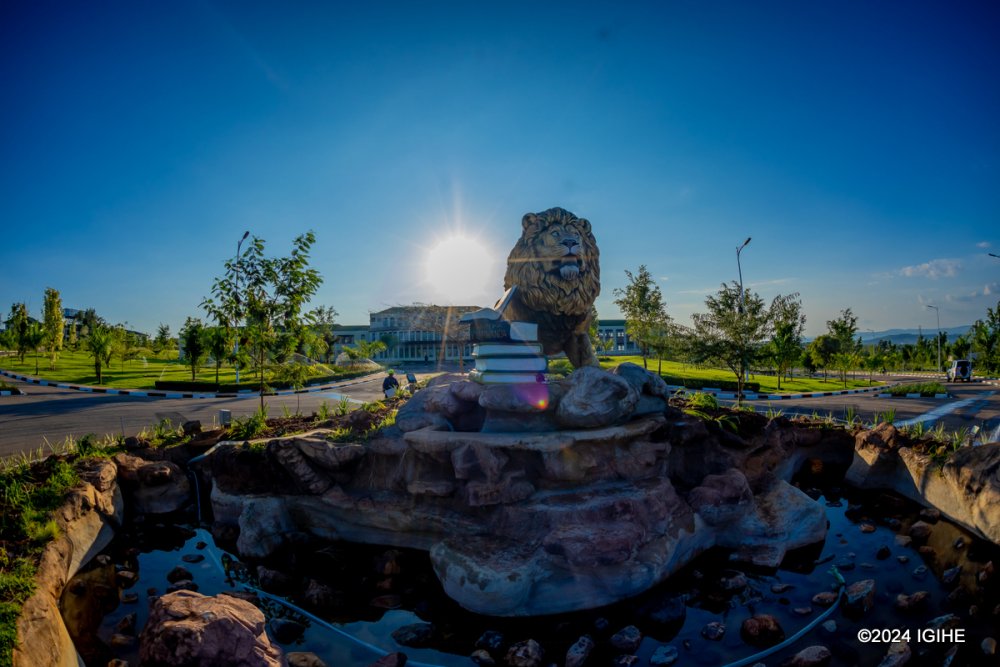
On its 60-hectare campus in Bugesera, Ntare Louisenlund is building an education model centred on students and their individual potential.
Learning beyond the classroom
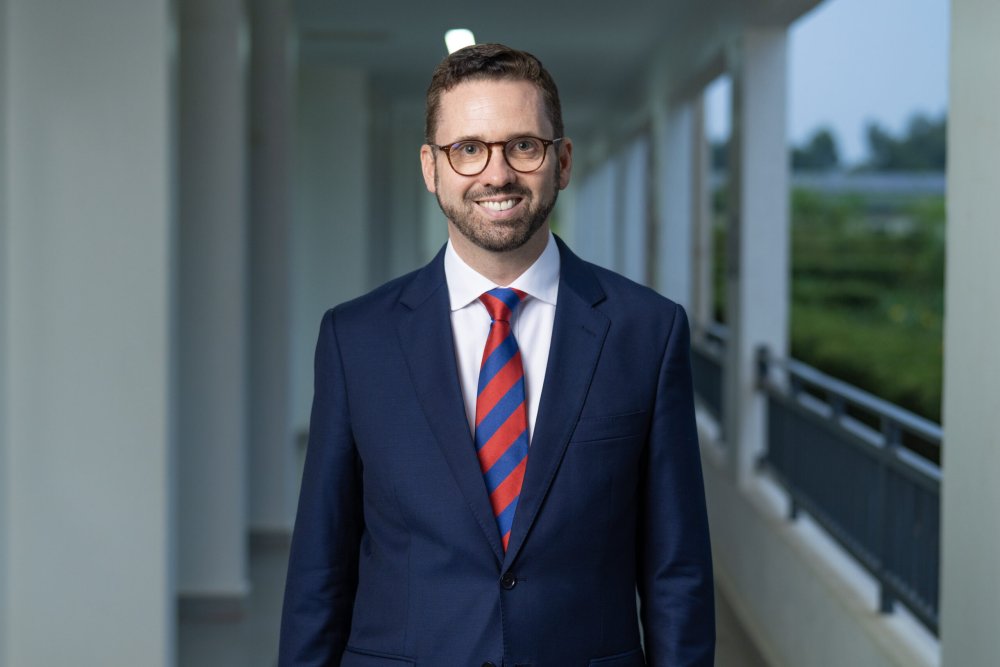
Damien Paul Vassallo, the Head of Ntare Louisenlund School, says the institution was established as an 'innovative school of the future' with a mission to develop a new generation of leaders, particularly in science, technology, engineering and mathematics.
'We do that through a very practical, hands-on approach by giving students learning experiences that are relevant to them, that pique their interest, that inspire their curiosity,' Vassallo says.
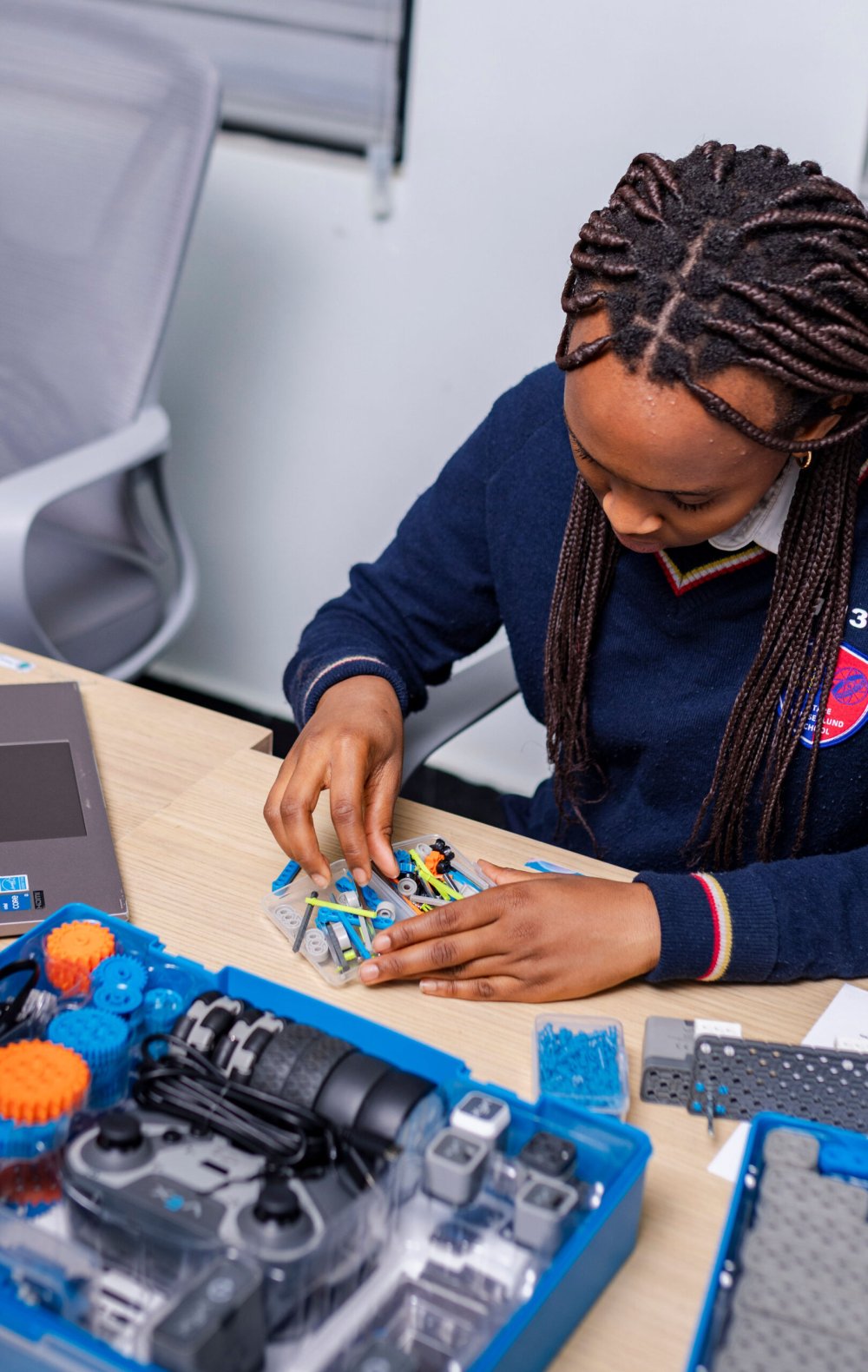
That philosophy is visible in the school's makerspace, where students work with wood and other materials to create practical products.
Design projects can involve building lamps, furniture, models and other objects, with students expected to present their finished work and be assessed on the final product. 'It's really about the fun and the making, and not just always learning through books and cramming stuff,' says Ariella Gatera Igihozo, a student at the school.
The school also puts considerable emphasis on giving students responsibility. It has eight houses, each with its own identity and values, including justice, unity, strength, innovation, creativity, generosity, kindness, warmth and courage.
The houses operate much like communities within the wider school, with students taking leadership positions and competing for points throughout the year. The top-performing house is recognised during an annual awards ceremony.
Student leadership extends beyond the house system. Students have been involved in creating some of the applications used by the school, including initiatives that make use of technology and artificial intelligence.
'It's always about students being in charge,' she says.
For Grade Seven student Kami Kazit, the approach has helped her develop beyond the classroom. A member of the Revere house and originally from Uganda, she says she particularly enjoys art because it has given her a new way to express herself.
'They taught me a way to express myself through my artwork,' she says, adding that the school has also helped her become more confident when presenting before an audience.
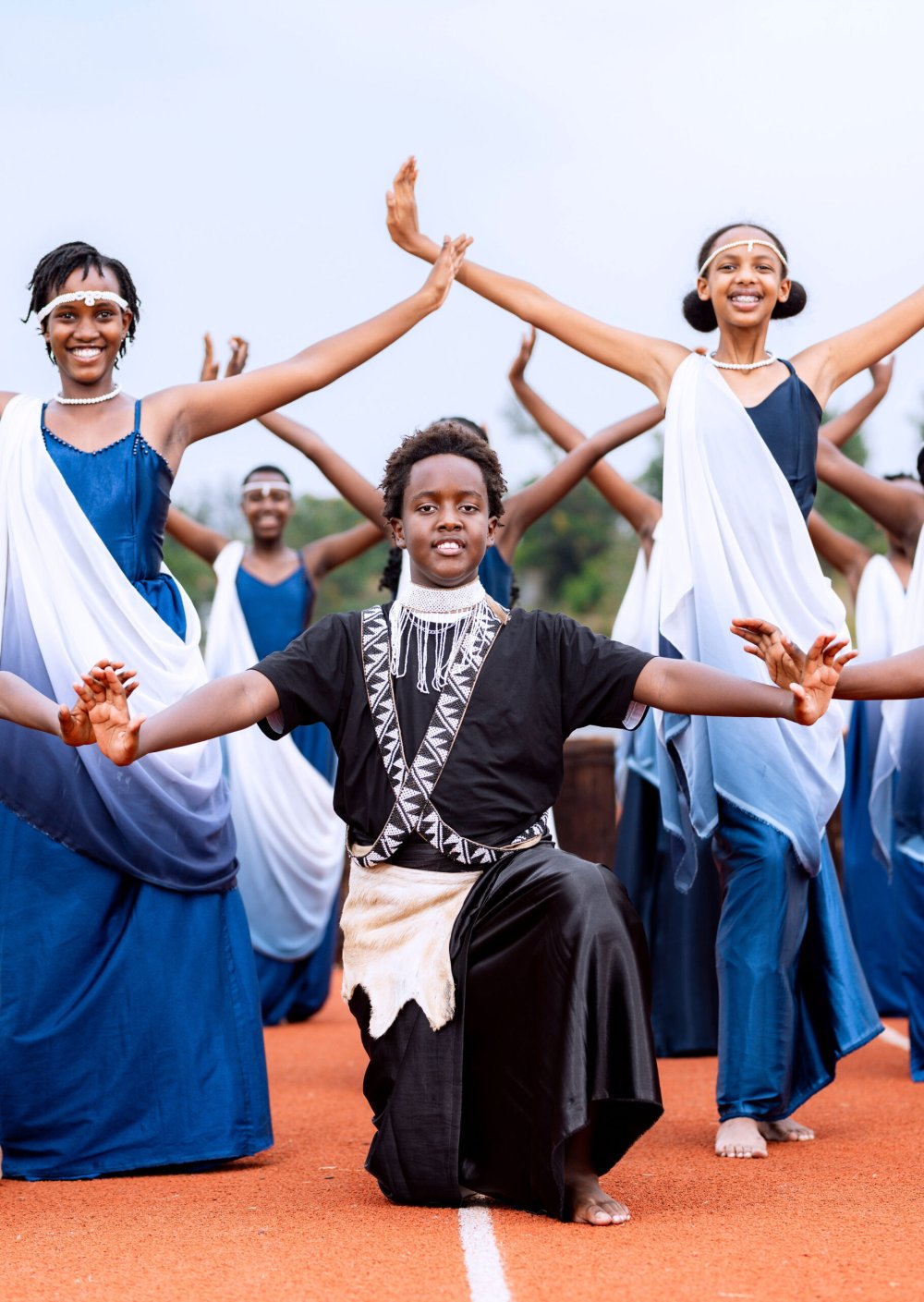
The international character of the school is another part of its identity. Students from Rwanda and other countries live and learn together, participating in academic, sporting, artistic and service activities.
Residential life is structured around alternating A and B weeks, with activities ranging from Saturday classes and student-organised events to movie nights, swimming, tennis and religious services. The programme is designed to make boarding life part of the broader educational experience rather than simply an extension of the classroom.
From the library to the makerspace, Ntare Louisenlund's campus is designed around student participation and creativity.
Personalised learning and mentorship at the core
At the centre of the school's model, however, is personalization.
Vassallo argues that students should not all receive exactly the same educational programme because they have different interests, abilities and aspirations.
'One of the things that a learner-centered approach to education really should hone in on is personalization of learning,' he says.
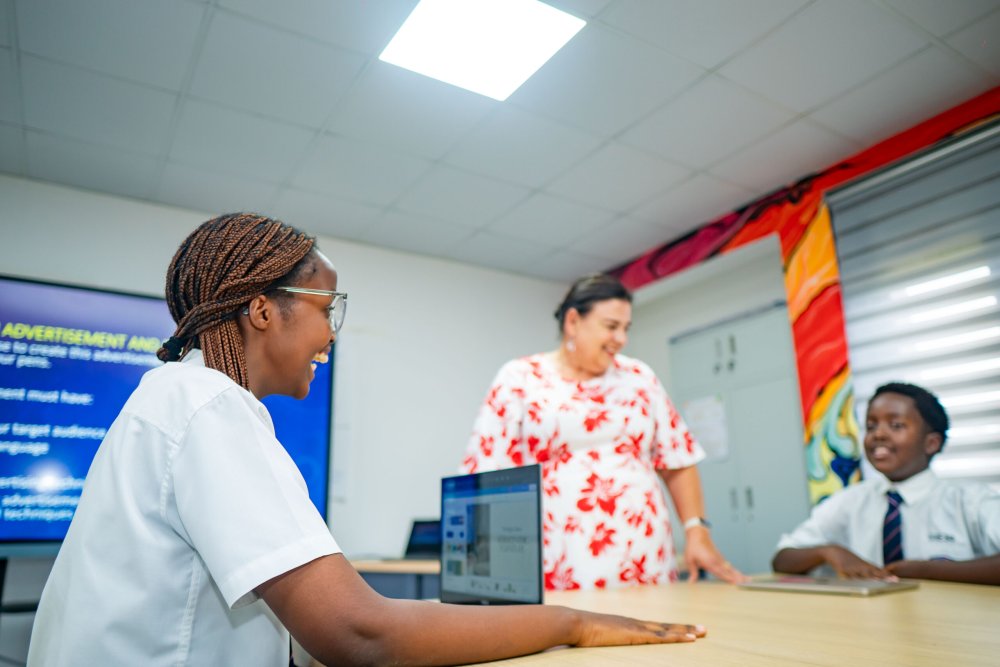
Ntare Louisenlund therefore uses blended learning, combining educational technology with individualized learning. Students also meet their mentors for one-on-one sessions, where they discuss their goals, progress and challenges.
The mentoring approach continues into residential life through residential life coaches, who support students' social and emotional development alongside their academic progress.
The school combines this model with what Vassallo calls an 'IB + STEM' programme, bringing together the International Baccalaureate approach to education and a particular emphasis on STEM excellence.
Its ambitions extend beyond the current student body. The school is looking to establish partnerships with universities, including institutions in Germany, to create further opportunities for students after graduation. Its first cohort is expected to graduate in 2030.
Vassallo also sees a wider role for the school in Rwanda's education sector. He wants Ntare Louisenlund to become a hub for educational innovation where teachers and other schools can exchange ideas, access professional development and learn from the school's approach.
'When we're at capacity, we will have nearly a thousand students at this school, but we'd like to have an impact on a million students or more,' he says.
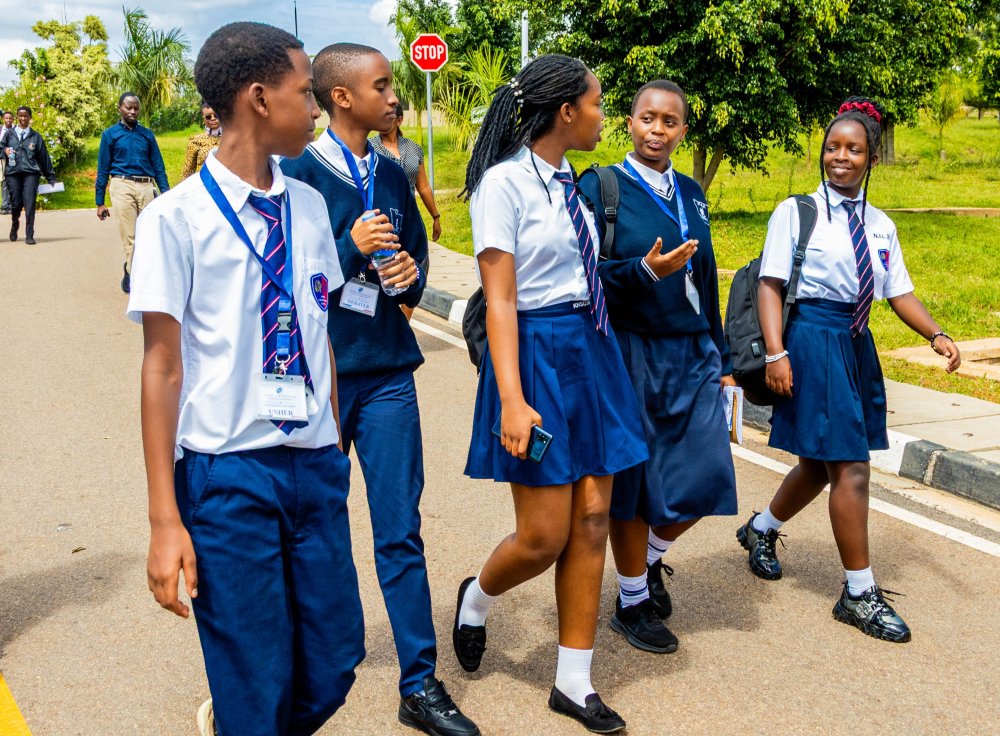
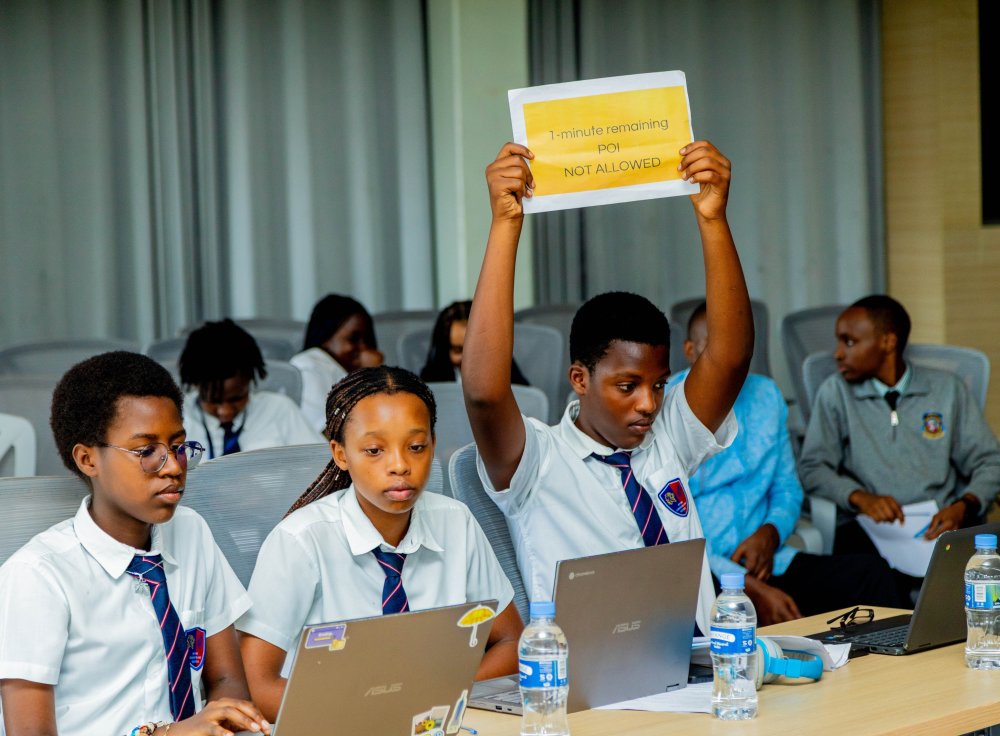
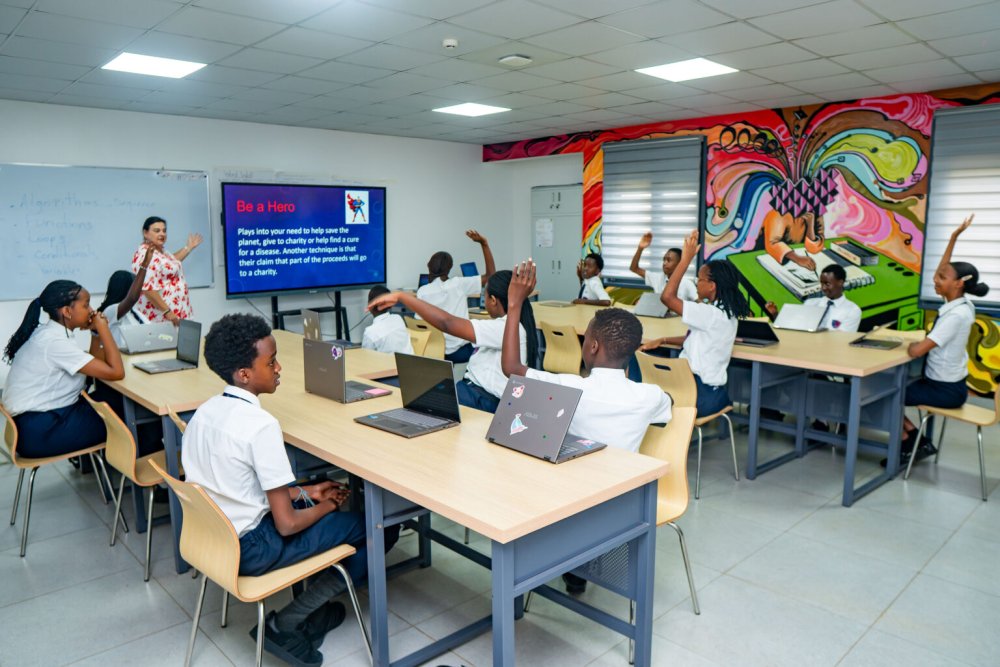
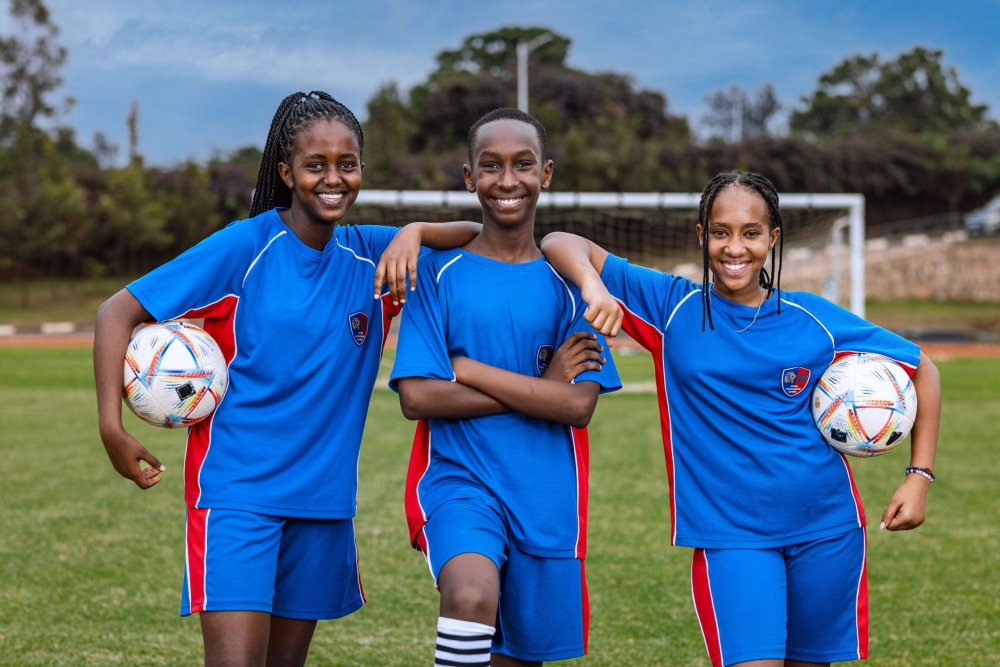
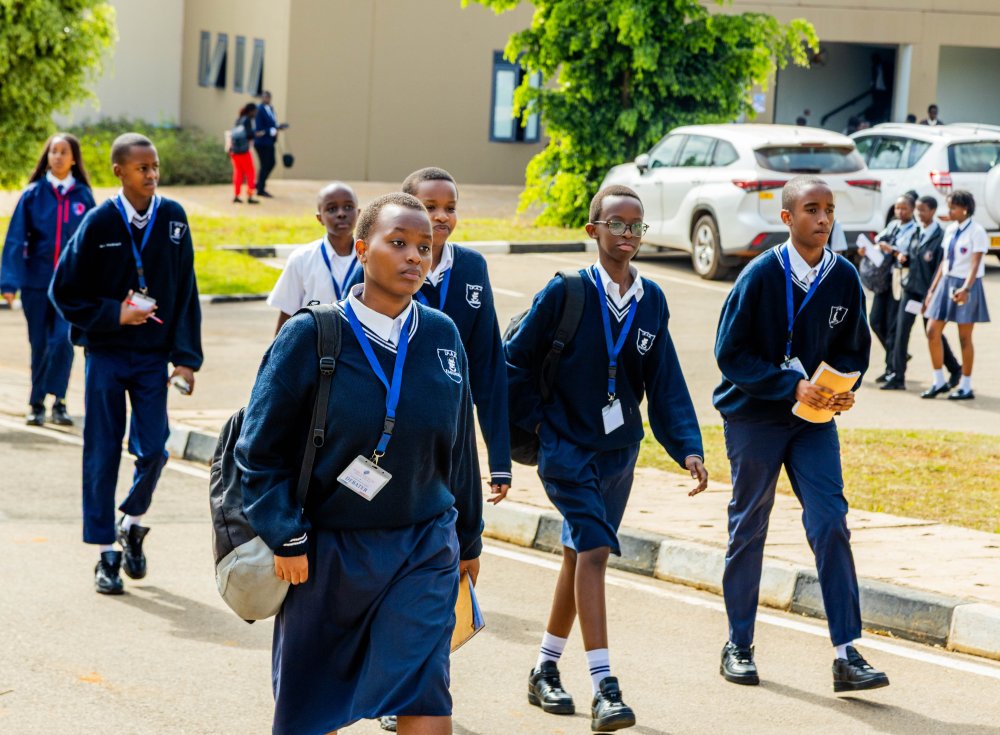
Students explore hands-on learning and creative projects at Ntare Louisenlund School in Bugesera.Through STEM-focused learning and practical projects, students at Ntare Louisenlund are encouraged to solve problems creatively.Damien Paul Vassallo, Head of Ntare Louisenlund School, oversees an education model built around practical learning, student leadership and innovation.From the library to the makerspace, Ntare Louisenlund's campus is designed around student participation and creativity.Students at Ntare Louisenlund balance classroom learning with other extracurricular activities.Personalised learning allows students at Ntare Louisenlund to pursue their interests, goals and individual strengths.Residential life at Ntare Louisenlund extends learning beyond the classroom through activities, mentorship and community life.Ntare Louisenlund's campus brings together classrooms, creative spaces, sports facilities and residential areas in one setting.On its 60-hectare campus in Bugesera, Ntare Louisenlund is building an education model centred on students and their individual potential.Students from Rwanda and beyond learn, live and grow together at Ntare Louisenlund School.Students take an active role in shaping their learning experience at Ntare Louisenlund School.Students develop confidence through opportunities to create, lead, present and collaborate at Ntare Louisenlund School.Sports and extracurricular activities form an important part of student life at Ntare Louisenlund School.Creativity and practical learning come together in the makerspace at Ntare Louisenlund School.From sports fields and creative spaces to learning facilities, Ntare Louisenlund's campus is designed to support life beyond the classroom.
The incident occurred near Nyacyonga, on the outskirts of Kigali. Images and video from the scene showed the bus engulfed in flames, with thick smoke rising above the road as bystanders watched from a distance.
Passengers were able to evacuate the vehicle, and there were no reported fatalities.
Eyewitnesses said the fire completely destroyed the bus and the luggage carried by passengers. The cause of the blaze was not immediately established.
The Trinity Express bus was travelling towards Kigali from Uganda when the incident occurred.
The bus company had not issued a statement regarding the incident as of publication time.
BREAKING: A Trinity bus travelling from Uganda caught fire near Nyacyonga as it was approaching Kigali on Monday evening.
No deaths have been reported, but the bus was completely burnt, along with passengers' luggage.
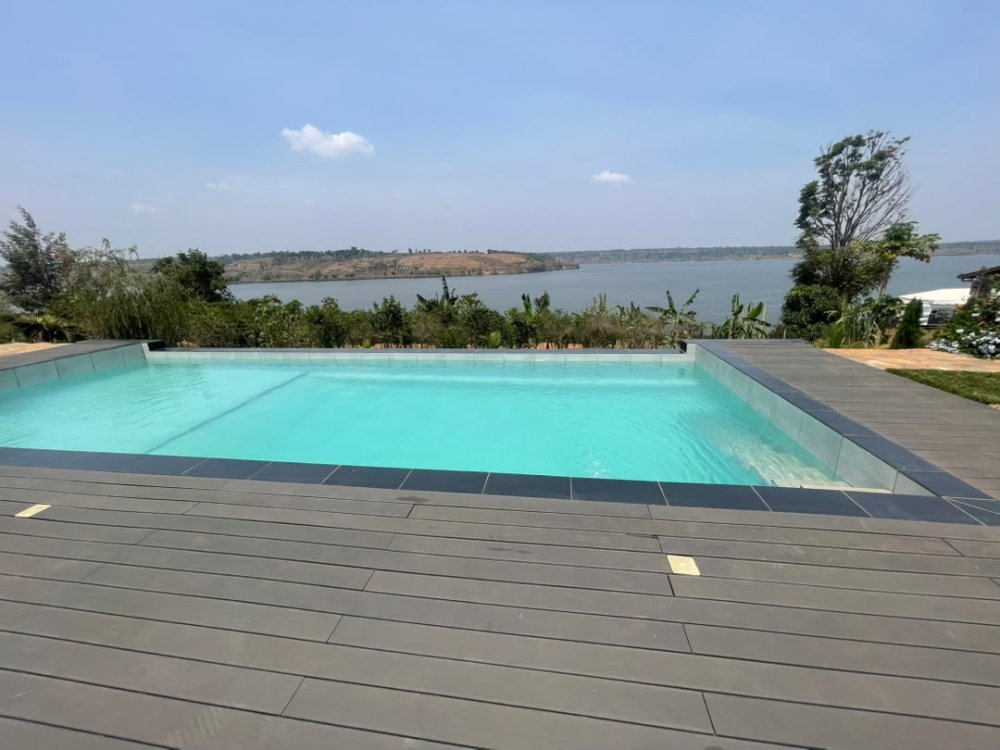
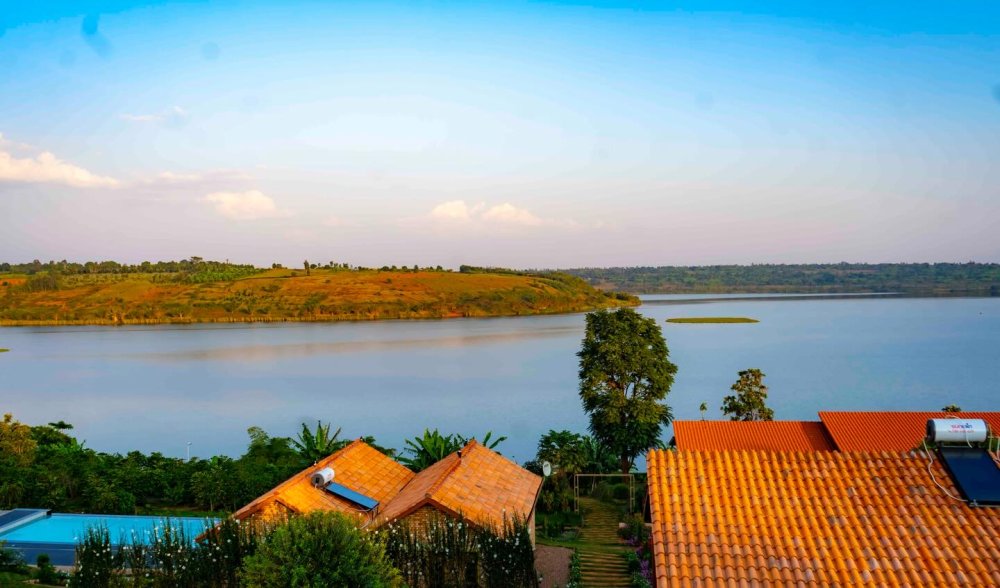
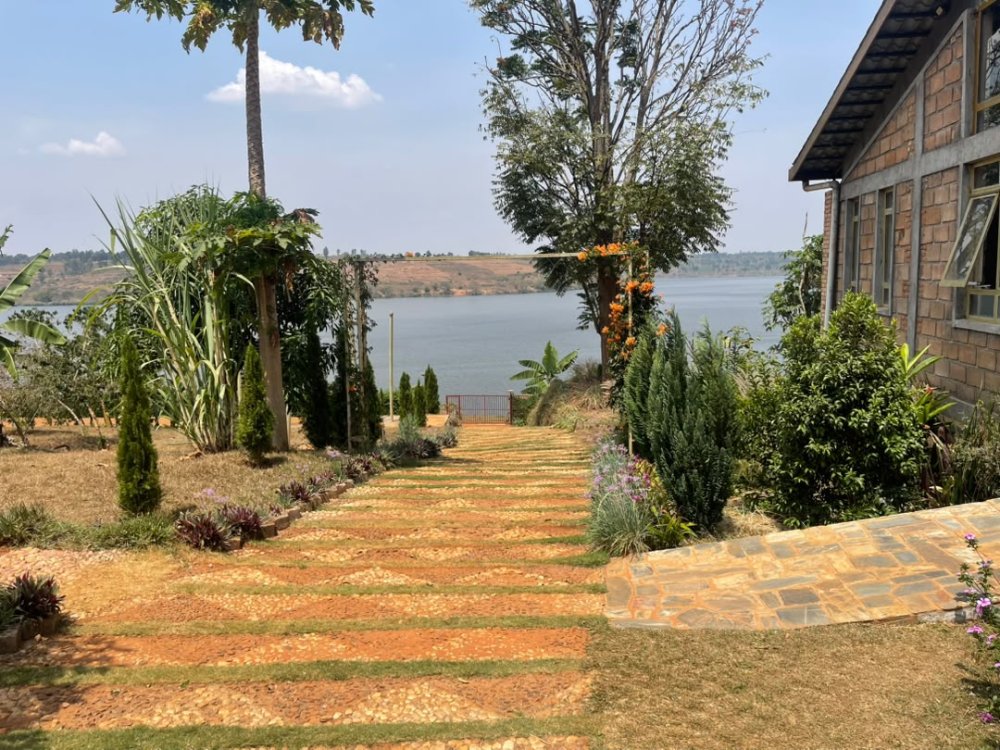
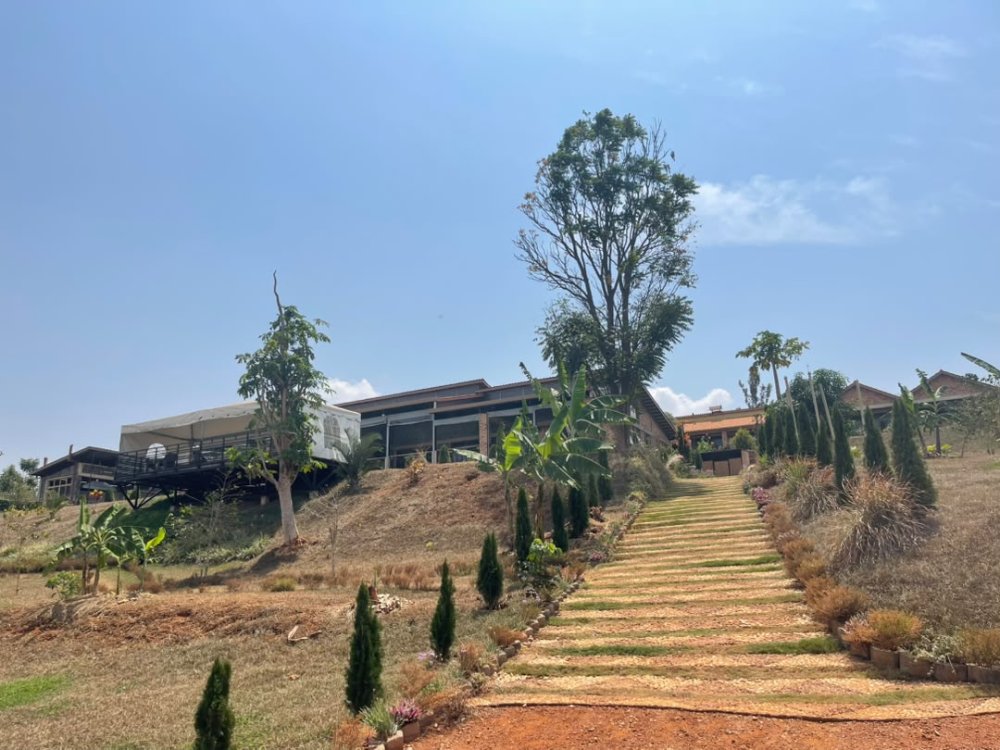
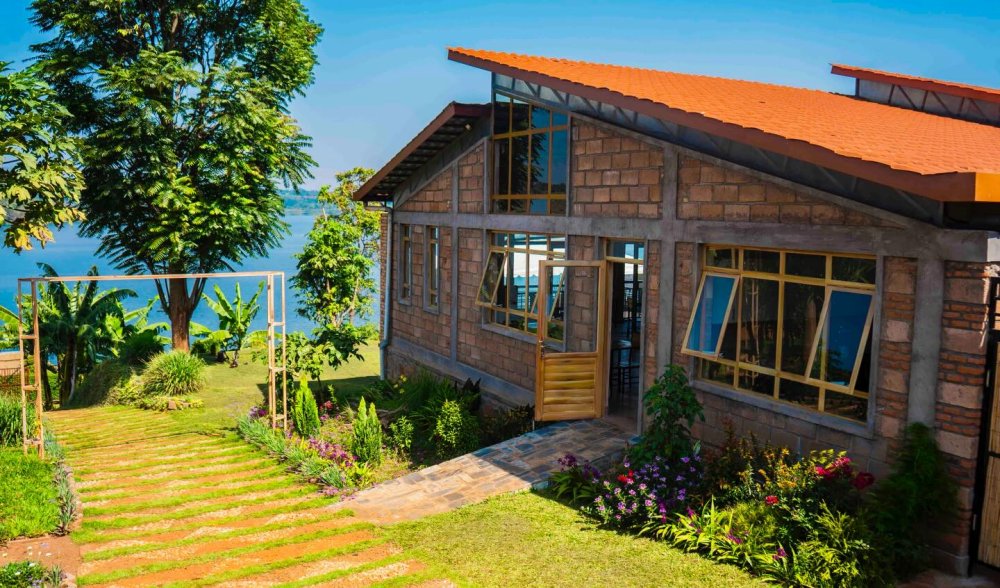
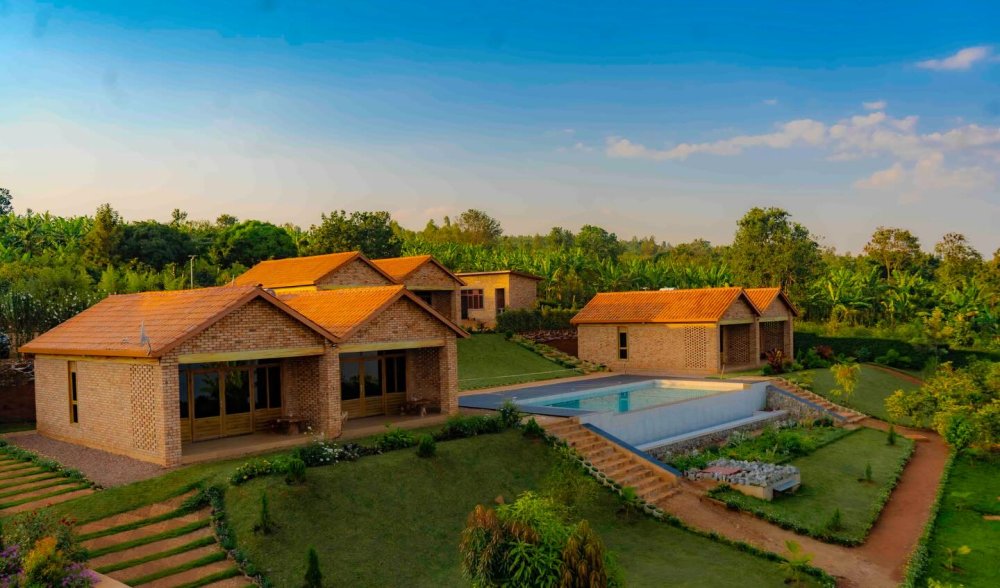
Bicaca Lakefront, a newly completed hotel in Bicaca Cell, Karenge Sector, provides visitors with accommodation, recreation and scenic views of the lake in a peaceful environment far from the noise of the city.
The hotel is located on the Rwamagana side of Lake Mugesera and is currently the only hotel in the area built directly along the lake.
Visitors travelling from Kigali pass through Rugende and take a 28-kilometre road towards Muyumbu and Nyakariro before reaching Karenge Sector. From there, road signs guide them to the lakefront facility.
A hotel built around nature
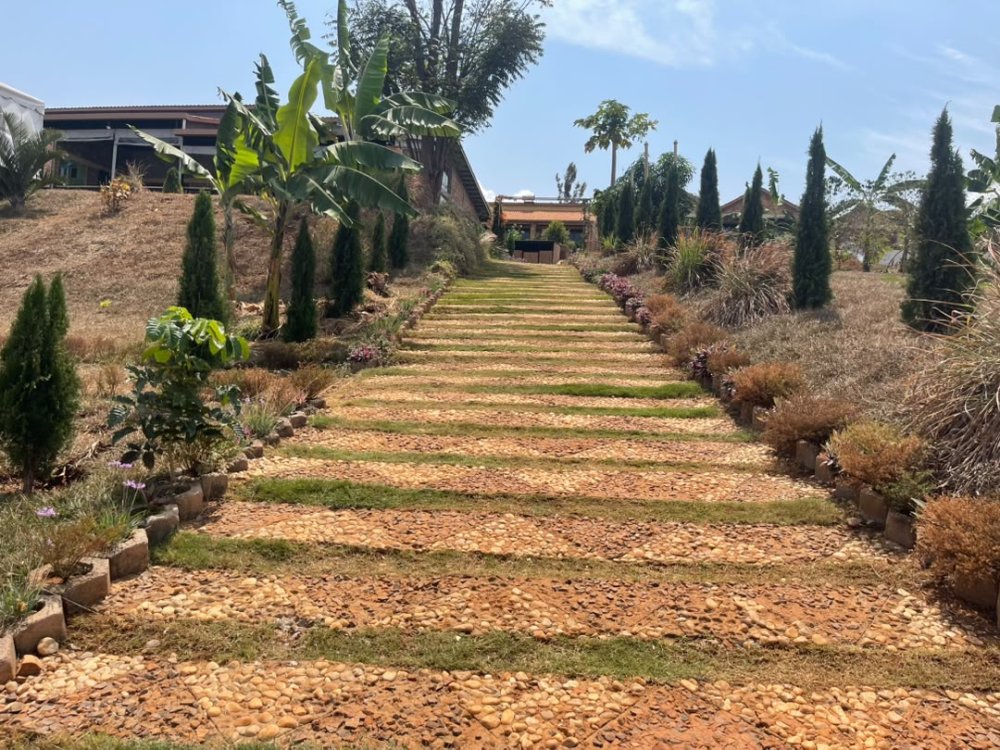
The first thing visitors notice when they arrive at Bicaca Lakefront is the natural environment surrounding the property.
Birds can be heard singing around the hotel, while trees, coffee plantations and greenery add to the beauty of the landscape.
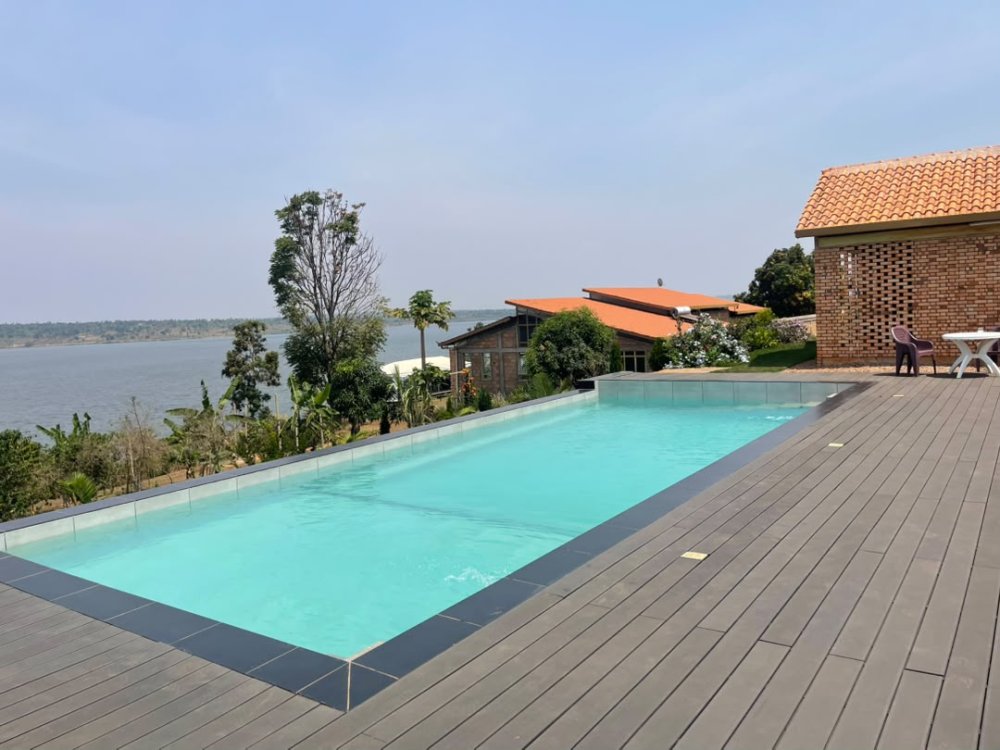
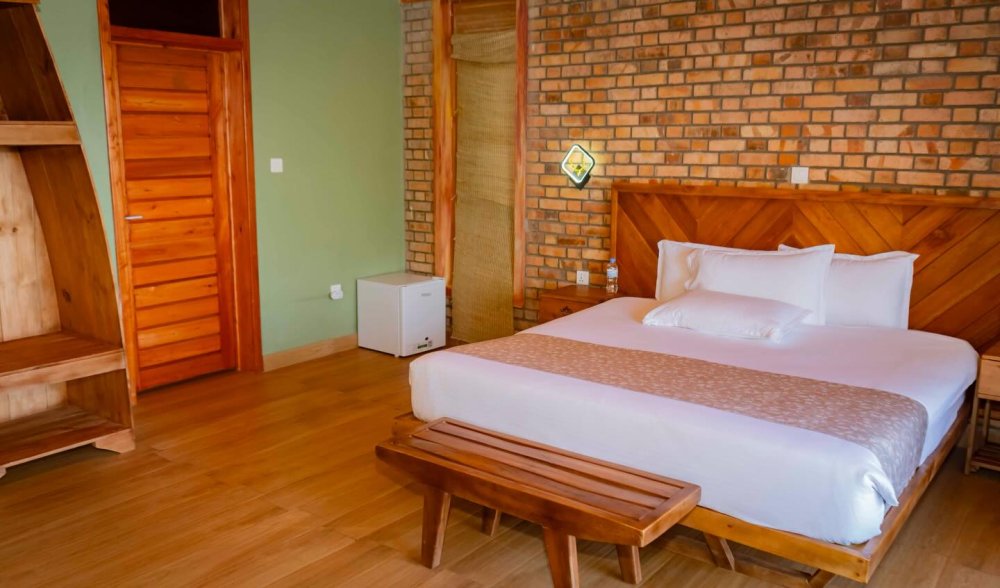
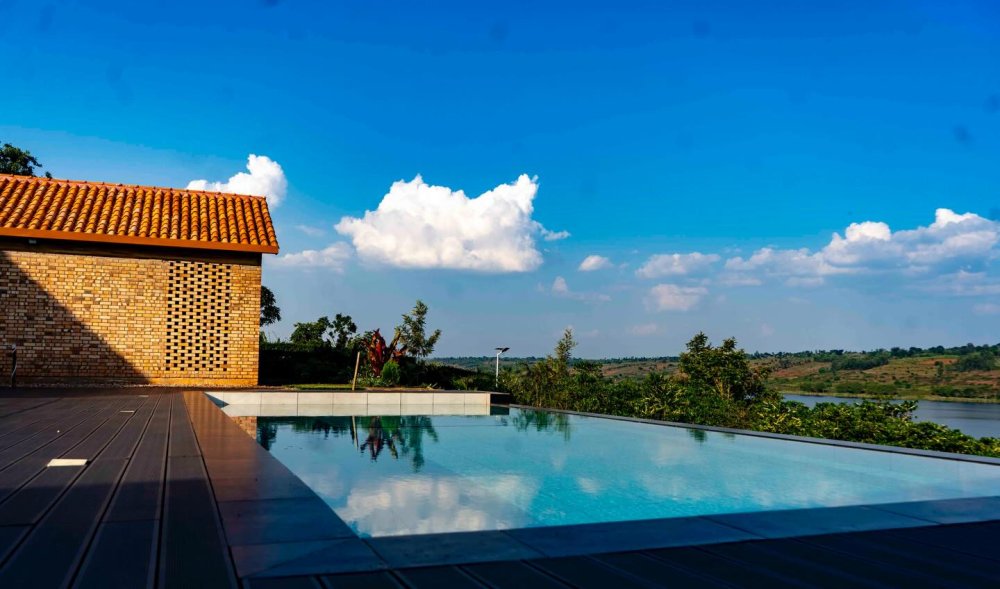
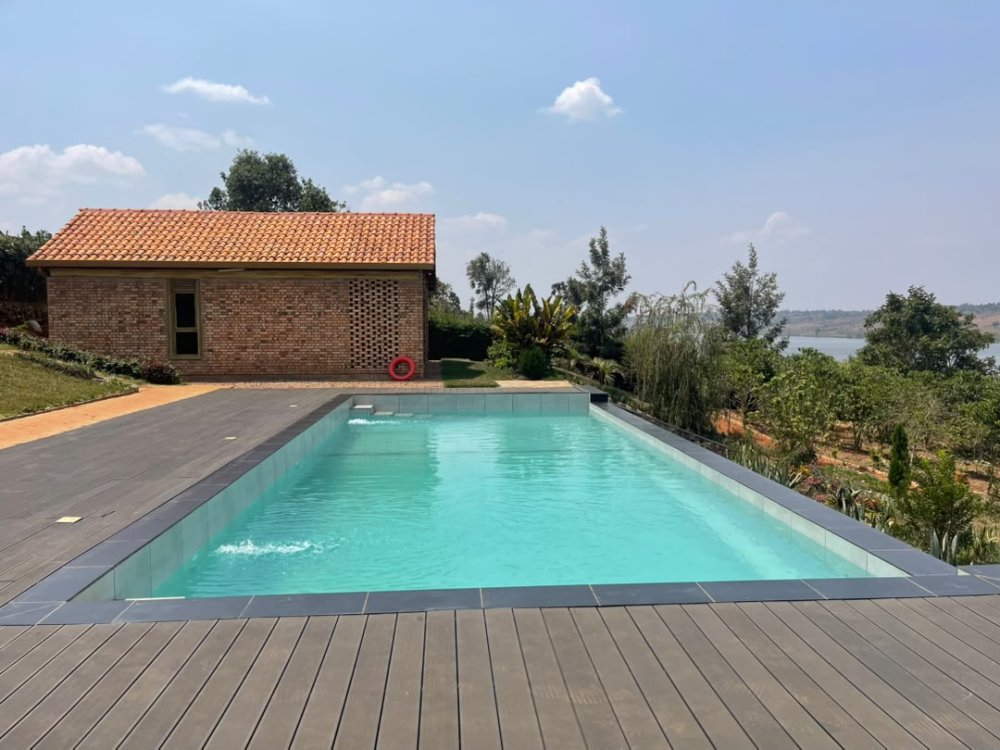
The hotel has eight rooms, including a family unit, as well as an outdoor swimming pool overlooking Lake Mugesera.
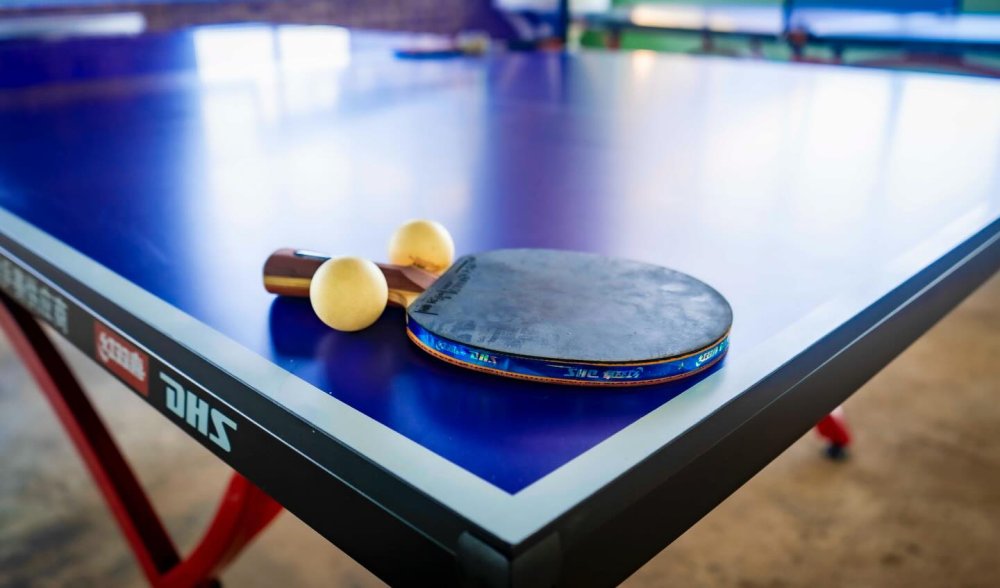
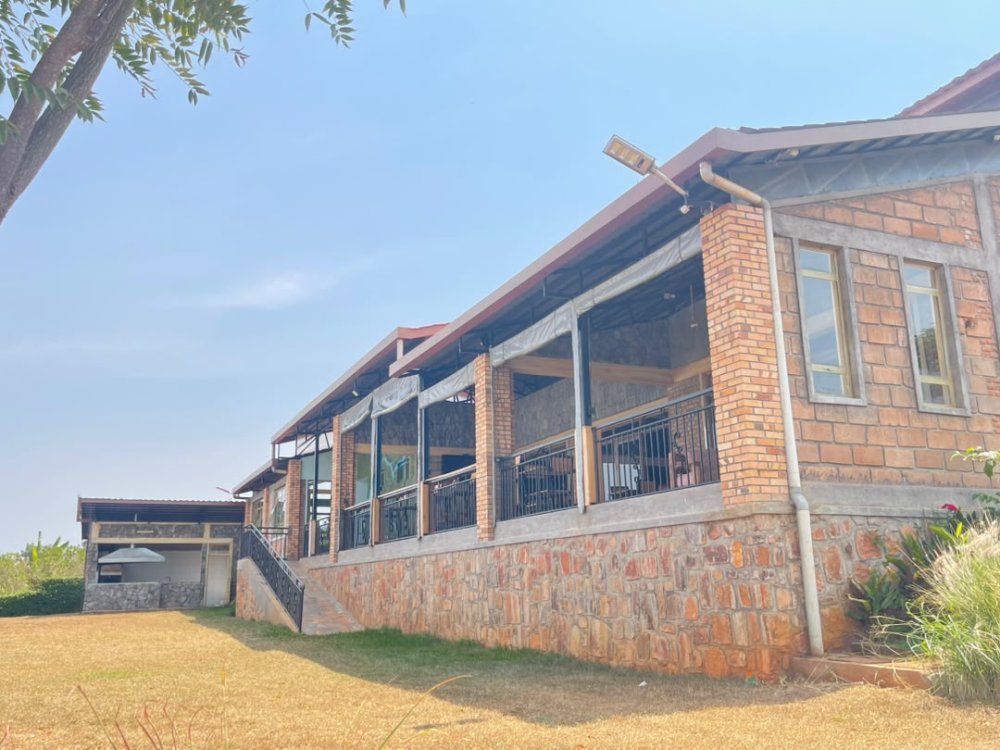
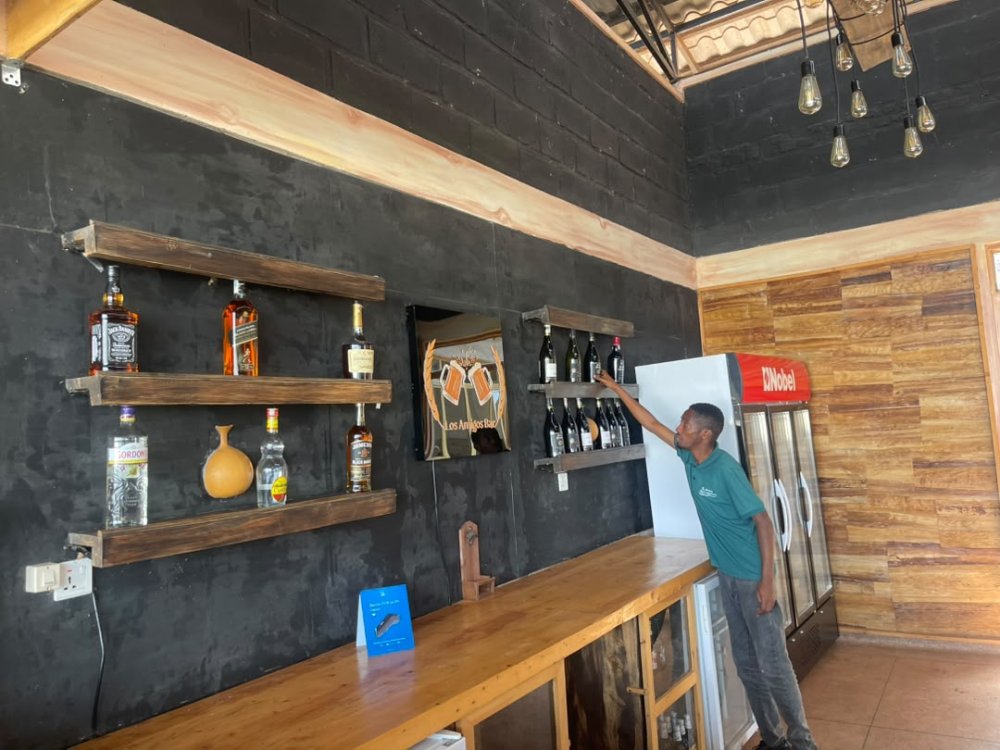
Guests can also enjoy recreational activities such as billiards and table tennis. A short distance below the main hotel is a tented area where visitors can sit and enjoy views of the lake.
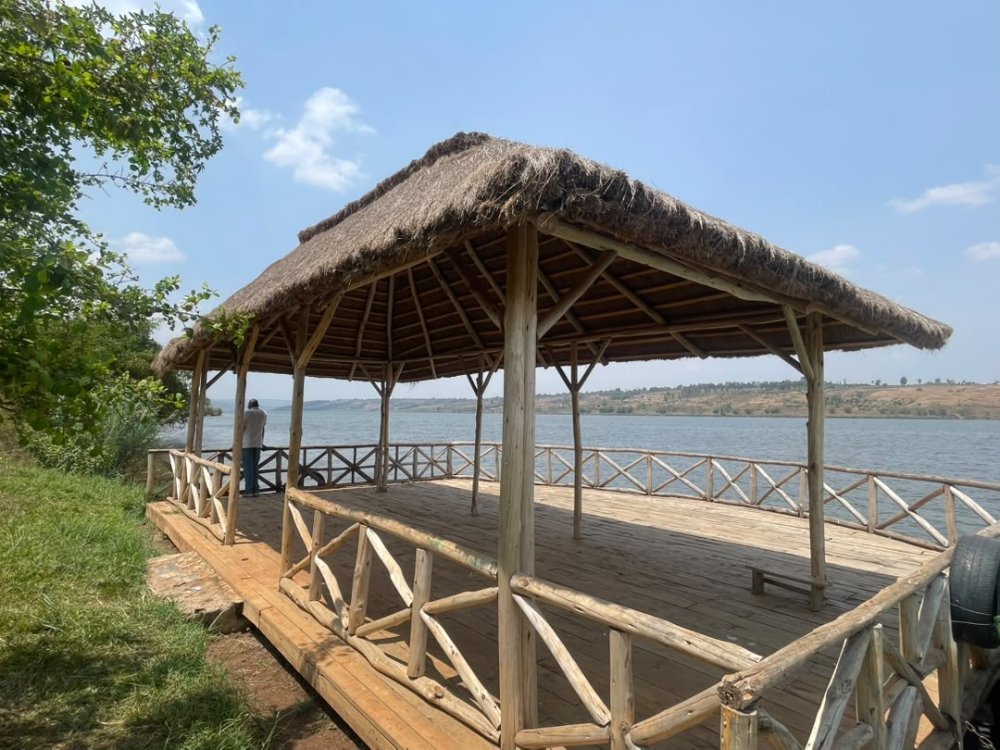
About 50 metres from the hotel, a green garden leads to another structure built over the water. The area provides an additional space for visitors to relax while watching the waters of Lake Mugesera.
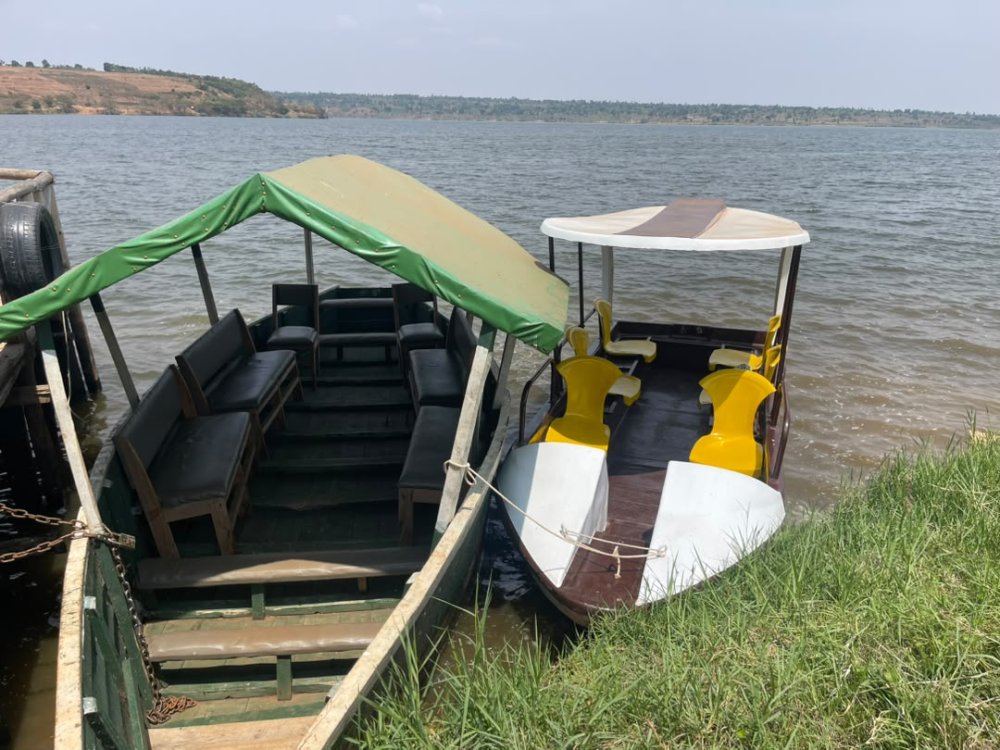
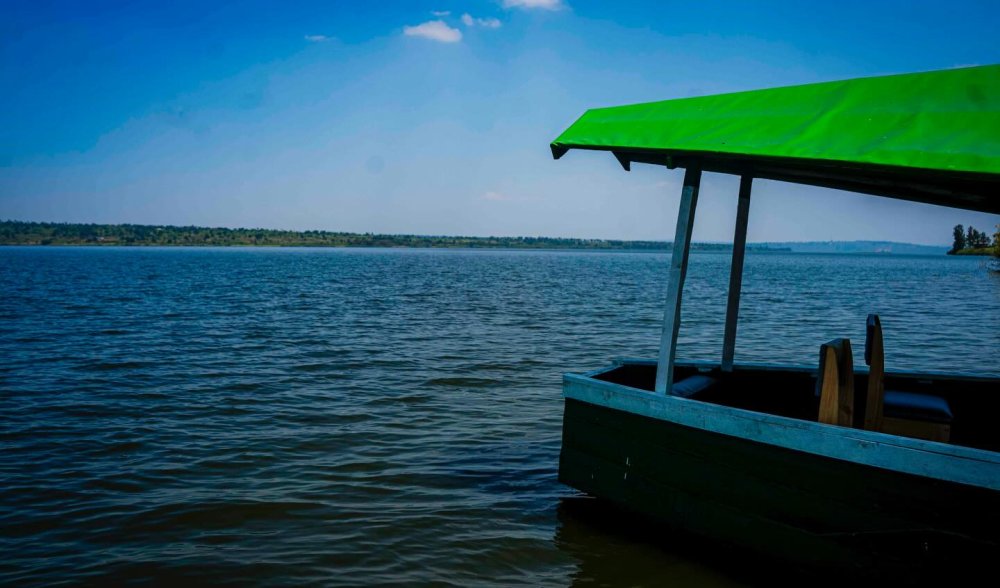
The hotel also has facilities for water activities, adding another option for guests who want to explore the lake.
How a retired doctor turned his love for Mugesera into a hotel
The project was developed by Dr. Etienne Karita, a retired medical doctor who decided to venture into hospitality after developing an interest in the area.
Karita told IGIHE that his journey began in late 2018 when he visited someone in Karenge. During the visit, he took time to explore Lake Mugesera and was impressed by its natural beauty.
The experience encouraged him to look for land in the area. He eventually acquired 2.2 hectares and began planning a project that would combine agriculture and tourism.
'We started construction in 2023 and completed the work in 2025. The hotel itself occupies more than one hectare and has a main building with a bar, restaurant and games area, including billiards and table tennis,' Karita said.
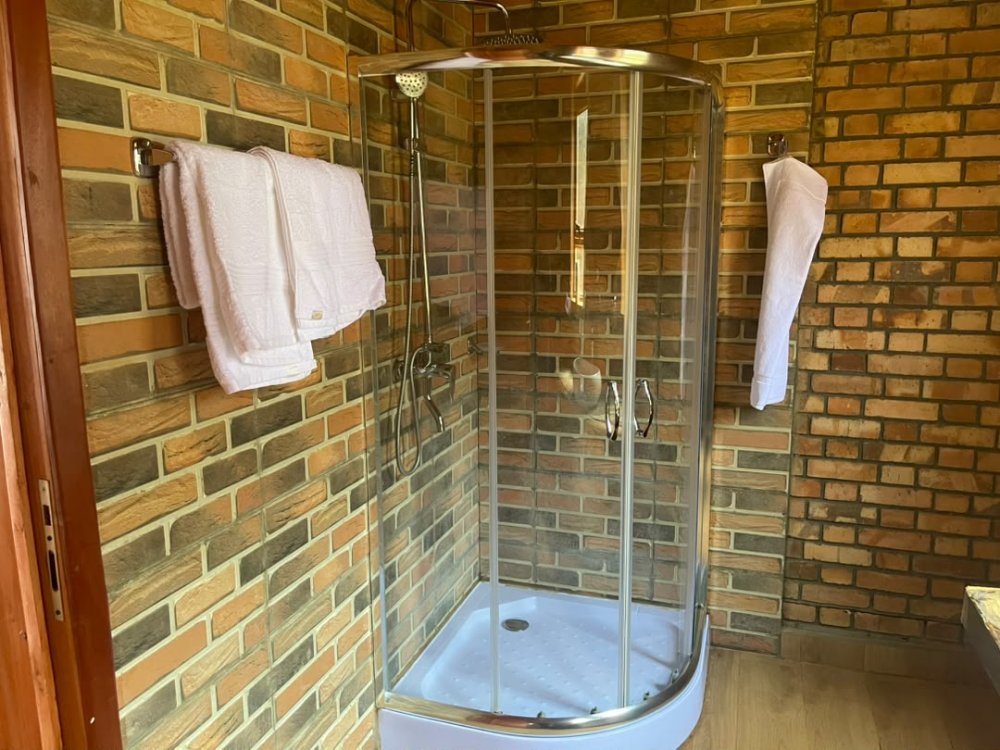
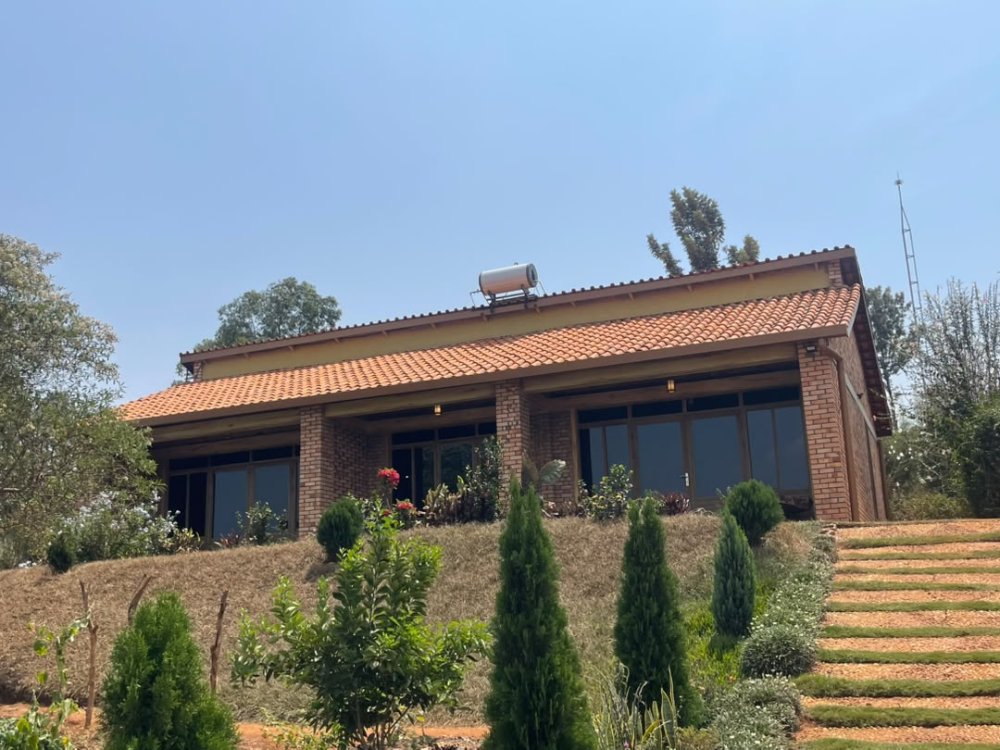
The accommodation facilities are divided into four sections, each containing two large rooms. One of the sections was designed specifically for families and includes two bedrooms, a kitchen and a living room.
Karita said the hotel's main advantage is the view.
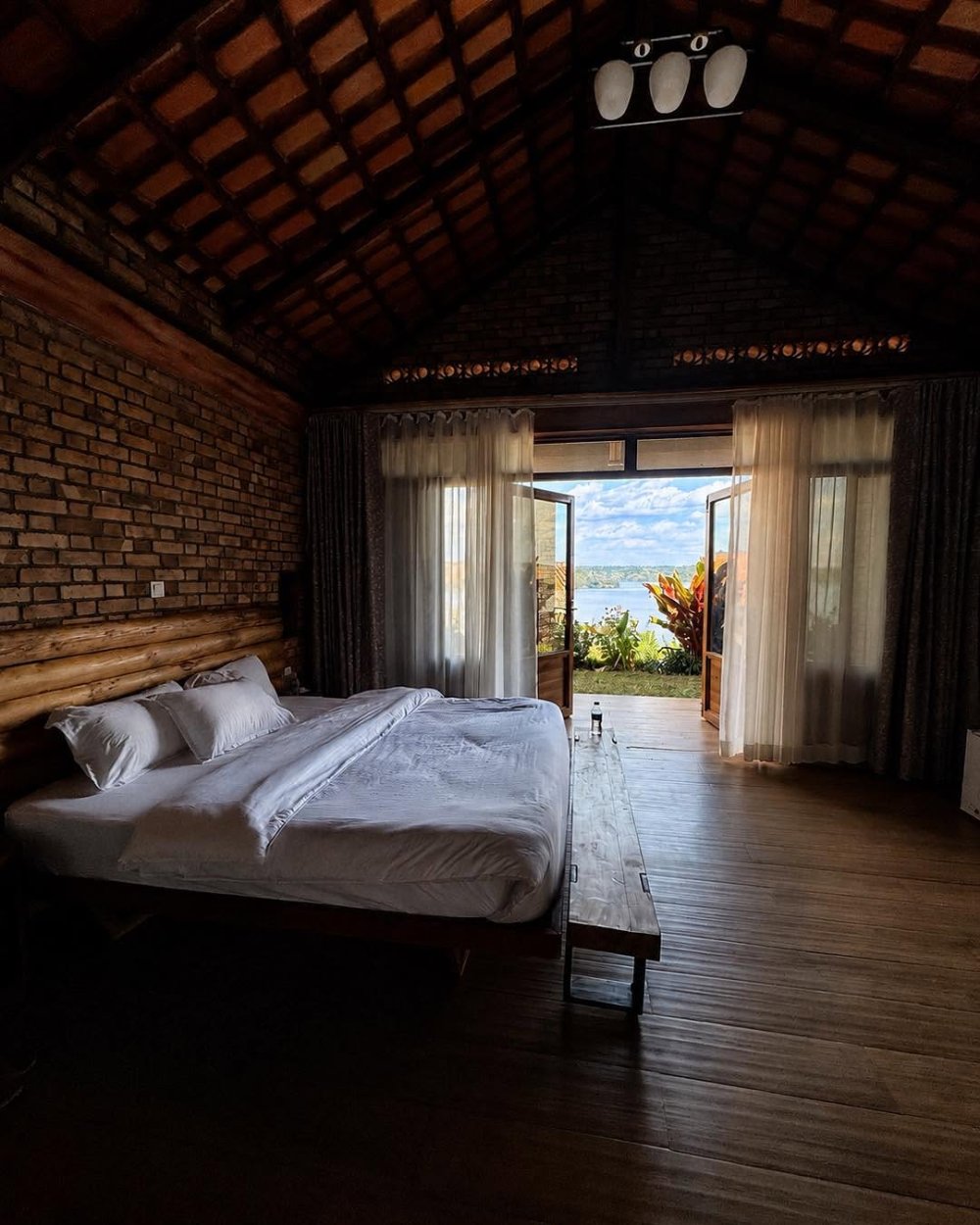
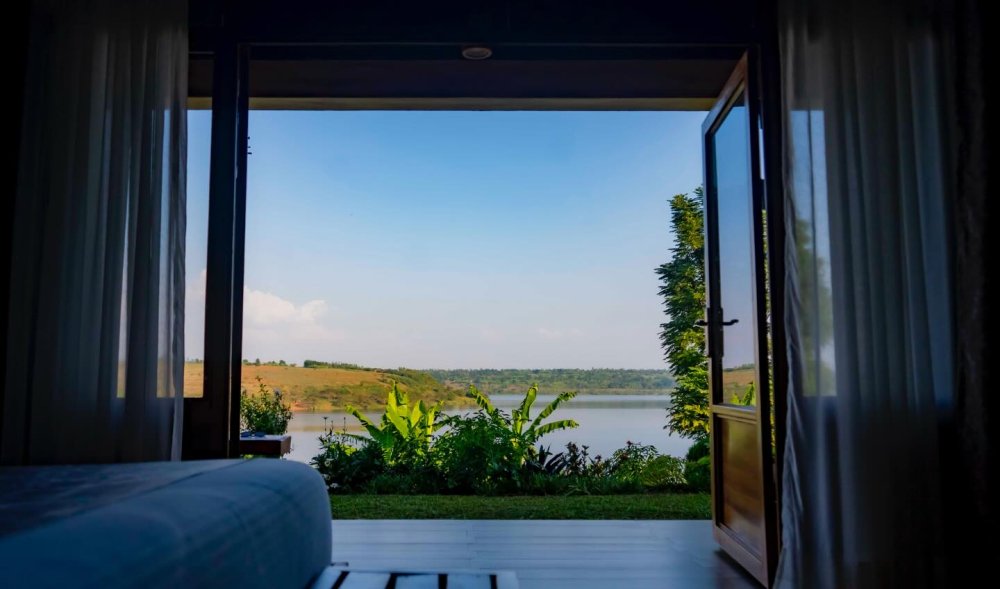
'All the rooms face Lake Mugesera, meaning guests can lie in bed and look directly at the lake,' he said.
He added that the natural breeze from the lake and the quiet surroundings make the hotel suitable for visitors seeking relaxation.
Powered by the sun and supplied by its own farm
Bicaca Lakefront has also incorporated environmentally friendly practices into its operations.
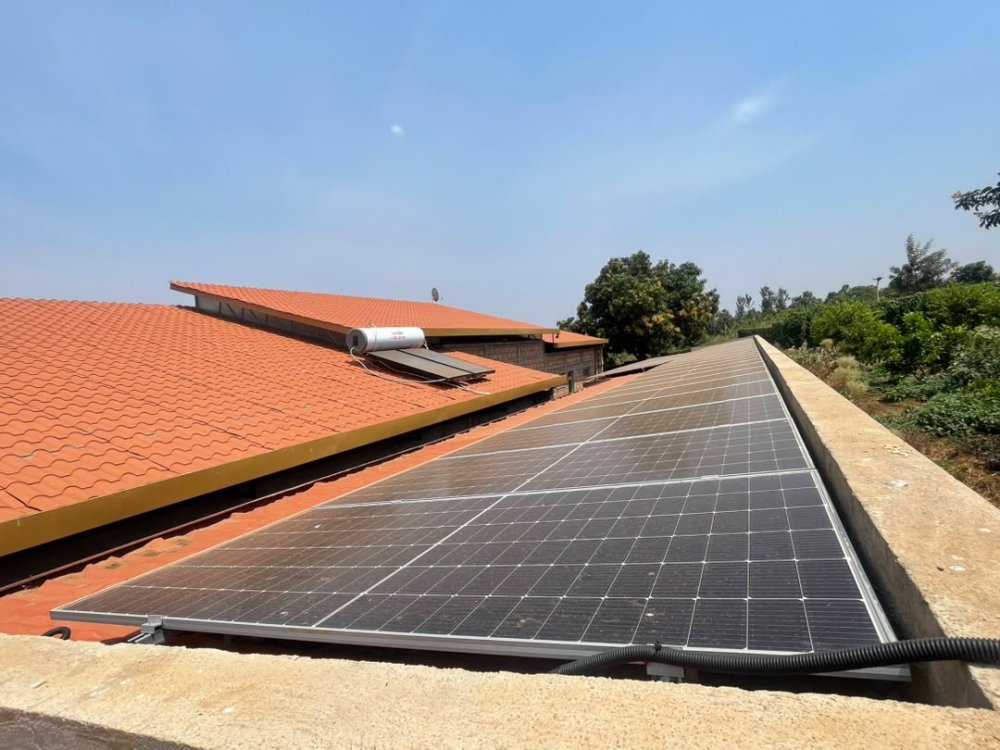
The hotel relies entirely on solar energy for electricity, including lighting and refrigeration.
Karita said the hotel is also working to produce much of the food served to its guests.
'We use solar energy for 100 percent of our electricity. Another thing that makes us different is that much of the food we serve comes from our own farm,' he said.
The property produces vegetables, bananas and avocados, among other agricultural products.
Karita said the hotel is still in its early stages and is gradually expanding its services while training employees and improving the experience offered to guests.
Despite being newly opened, the hotel has already attracted Rwandan and international visitors.
According to Karita, some guests have returned after their first visit because of the quiet environment.
However, the hotel still faces challenges, particularly the condition of the road leading to the property and unreliable access to water.
Karita said he was surprised that Lake Mugesera has not attracted more investment in hospitality, considering its natural beauty and relatively safe environment.
He hopes the development of Bicaca Lakefront will contribute to putting the area on the tourism map.
The hotel currently employs 10 permanent workers, while efforts are underway to obtain additional permits and expand its services.
Karita said his long-term goal is to establish a facility where every visitor leaves satisfied, relaxed and willing to return.
Rwanda's expanding hospitality industry
The development of Bicaca Lakefront comes at a time when Rwanda's tourism and hospitality sector continues to expand.
The country now has 27,938 hotel rooms, compared with 16,158 five years ago. The rooms are distributed across 1,667 hotels offering accommodation services in different parts of the country.
Rwanda has nine five-star hotels, 22 four-star hotels and 66 three-star hotels.
The growth of the hospitality sector has been supported by rising tourism activity and increasing investment in accommodation facilities.
In 2025, Rwanda generated $685 million in tourism revenue, up from $647 million in 2024, representing a 6 percent increase.
The country received 1.49 million visitors in 2025, an increase of 9 percent compared with the previous year. Volcanoes National Park, known for its mountain gorillas, remains among the country's major tourism attractions alongside other national parks.
Revenue from meetings, incentives, conferences and exhibitions also increased to $94.7 million in 2025 from $84.8 million in 2024, representing an 11 percent rise.
Rwanda hosted 165 regional, continental and international events during the year, bringing visitors who stayed in hotels across the country.
Under the second phase of the National Strategy for Transformation, Rwanda expects tourism revenues to reach $1.1 billion by 2029.
As the country works towards that target, new destinations such as Bicaca Lakefront are helping diversify Rwanda's hospitality offering by opening up lesser-known areas and bringing visitors closer to the country's natural landscapes.
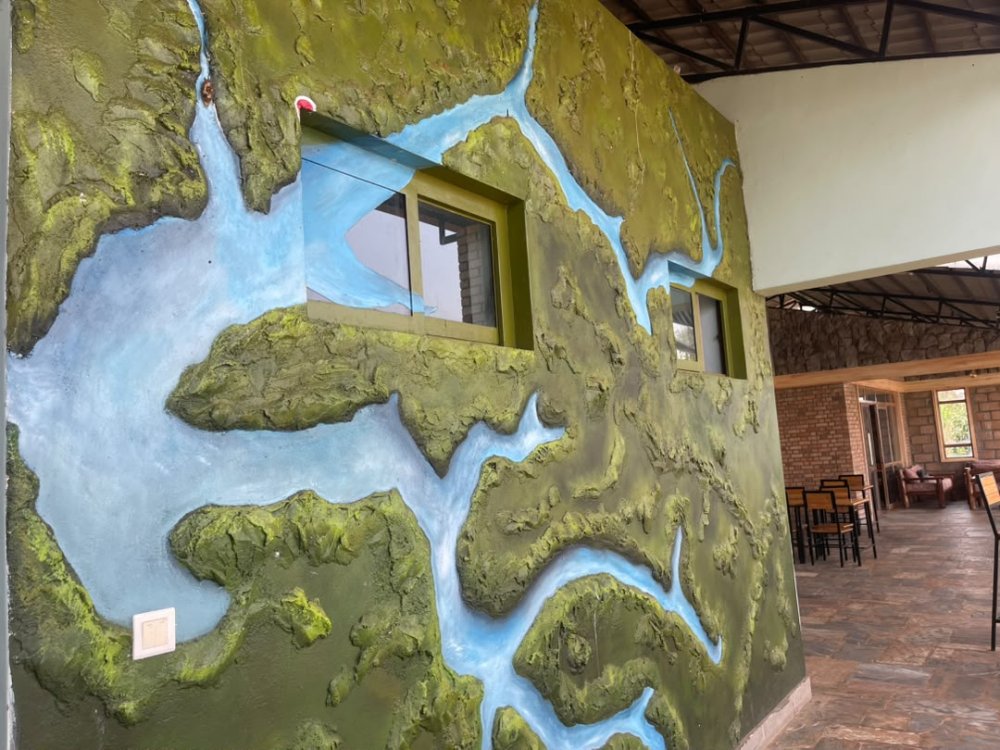
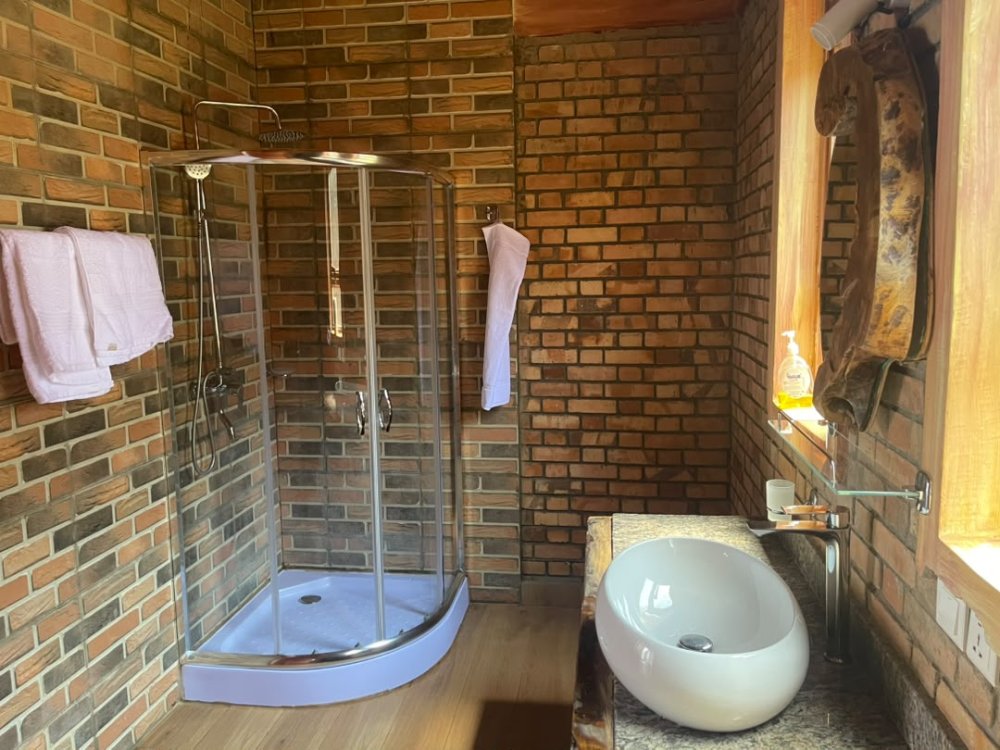
Ping Pong enthusiasts are not left out at Bicaca LakefrontBicaca Lakefront features an outdoor Swimming PoolBicaca Lakefront is a new hotel on the shores of Lake MugeseraBicaca Lakefront Runs on Solar EnergyA Look Inside Bicaca LakefrontOne of the boats used at Bicaca LakefrontA Map Showing the Scenic Beauty of Lake MugeseraThe paths around Bicaca Lakefront are lined with treesThe main guest reception building at Bicaca LakefrontBicaca Lakefront was built on a vast piece of landVisitors to Bicaca Lakefront can explore Lake Mugesera by boat.Guests staying at Bicaca Lakefront can enjoy a boat ride on Lake MugeseraGuests at Bicaca Lakefront enjoy stunning views of Lake Mugesera
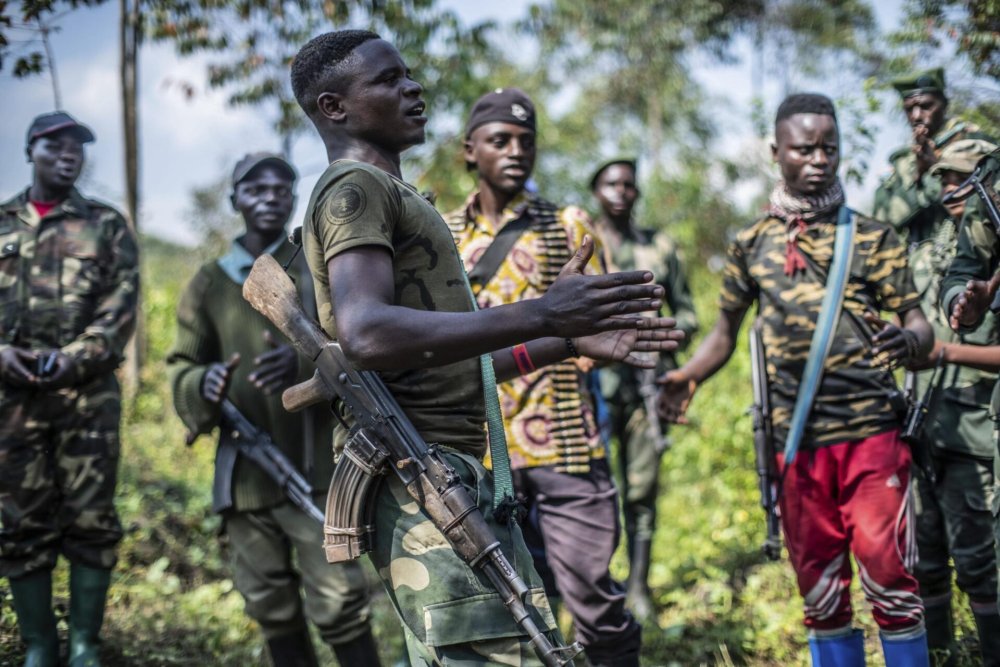
Kinshasa has said it has been holding talks with the FDLR to persuade the group to lay down its weapons. However, the group has reportedly rejected proposals that would see its members return to Rwanda. The DRC has yet to disclose the name of the country that has agreed to receive them.
The decision to keep the country's identity confidential has raised questions over which nation is prepared to accept members of a group that has been linked to a security crisis in the Great Lakes region for more than three decades.
The FDLR, which is deeply entrenched in eastern DRC, remains a major security concern for the Great Lakes region, including Rwanda. Its history is closely linked to the 1994 Genocide against the Tutsi, in which more than one million people were killed over 100 days.
The group was established by former members of the former Rwandan Armed Forces (ex-FAR) and the Interahamwe militia who were involved in the genocide. Over the years, the FDLR has maintained an armed presence in eastern DRC and has been accused of propagating an ideology of hatred and violence.
The Washington Accords, signed in December 2025, called for the accelerated dismantling of the FDLR. The FDLR subsequently put forward a proposal for voluntary disarmament and demobilisation, which the Congolese government took up in its engagements with regional and international partners. Rwanda rejected the proposal, arguing that it was inconsistent with the commitments made under the Washington agreements.
Floribert Anzuluni, Congo's minister responsible for regional cooperation, said talks with a country that could receive disarmed FDLR members had reached an advanced stage.
'One country has already given its consent,' Anzuluni told RFI, adding that Kinshasa would announce the country's identity publicly soon.
Under the DRC's proposal, FDLR members would first surrender their weapons. Those willing to return to Rwanda would be repatriated, while those unwilling or unable to return would be given the option of relocating to one or more other countries.
But any country considering accepting FDLR members would need to conduct thorough background checks and carefully assess the implications of their admission.
The FDLR is not simply a group of refugees seeking a place to settle. Its history is inseparable from the role played by some of its members in the 1994 Genocide against the Tutsi.
The group's activities have also had consequences beyond its strongholds in eastern DRC. The region has served as a base from which the FDLR has recruited fighters and conducted operations. The group has also been accused of involvement in the conflict between the Congolese army, FARDC, and the AFC/M23, as well as attacks affecting civilians.
A UN Security Council assessment has attributed serious violations of international law to the FDLR, including killings, injuries, sexual violence and forced displacement. Women and children have been among those affected.
Rwanda has consistently argued that an armed group associated with genocide ideology should not be treated as a legitimate political interlocutor or given a platform for negotiations.
For any country considering accepting FDLR members, the central question is whether relocation would contribute to dismantling the group's armed structures and ideology, or simply provide it with a new environment in which to operate.
If the receiving country is genuinely committed to supporting peace and stability, accepting disarmed FDLR members should not substitute for efforts to dismantle the group's military and organisational structures and address the ideology that has sustained it.
The relocation of FDLR members could either form part of a broader effort to resolve a security crisis that has persisted for more than 30 years, or simply change the location and nature of the problem. The country that ultimately accepts them will therefore face an important question: whether it is prepared to assume responsibility for the consequences.
How large is the FDLR?
A July 2026 report by UN experts presents conflicting estimates of the FDLR's strength.
The FDLR itself claims to have more than 10,000 fighters, nearly half of whom it says are engaged in regular military activities. The FDLR-CRAP faction has separately claimed to have more than 20,000 fighters.
The UN report, however, says those figures are not considered reliable. UN officials and intelligence agencies estimate that the FDLR has between 3,500 and 4,500 fighters.
The Washington Accords put the group's strength at between 3,000 and 3,500 fighters.
The disparity between the group's own claims and external estimates underscores the difficulty of establishing the FDLR's exact military strength, and the challenge facing any effort to disarm, dismantle and relocate its members.
The FDLR militia was established by members of the former Rwandan Armed Forces (ex-FAR)and the Interahamwe militia who were involved in the genocide.
The agreement will make matches from Rwanda's top division available on Hudl Wyscout, a platform used by scouts, coaches and football professionals for video analysis, player assessment and recruitment.
The partnership announced on Monday, August 17, gives Rwandan clubs and players another avenue for international exposure, while introducing video and performance-analysis tools for technical teams within the league.
'The platform will also provide our technical personnel with detailed video and performance data, helping coaches, analysts and sporting departments make more informed, evidence-based decisions,' said Jules Karangwa, CEO of the Rwanda Premier League.
Rwanda national team head coach Stephen Constantine welcomed the introduction of the platform, pointing to its potential to increase the visibility of local talent.
'Rwanda is rich with untapped talent, and these young athletes deserve to be seen. With this technology, their skills can reach a wider audience, opening doors to opportunities that were previously out of reach,' Constantine said.
Mateo Bourrut Lacouture, Strategic Partnership Manager at Hudl, said the multi-year agreement forms part of the Rwanda Premier League's wider efforts to use technology and data to improve clubs, support player development and raise the profile of Rwandan football internationally.
The partnership gives the BK Pro League a new connection to the international scouting market, potentially making Rwandan players and clubs more visible to football professionals beyond the country.
The partnership announced on Monday, August 17, gives Rwandan clubs and players another avenue for international exposure, while introducing video and performance-analysis tools for technical teams within the league.