Category: Uncategorized

  • Rwanda eyes WHO certification after meeting hepatitis elimination targets #rwanda #RwOT

    The landmark step follows years of mass screening, free treatment, and aggressive vaccination campaigns that have drastically reduced infections across the country.

    Data from RBC shows that nearly 11 million Rwandans have been screened for Hepatitis C over the past eight years, with roughly 63,000 infected individuals receiving curative treatment. Over the same period, 6.5 million people were tested for Hepatitis B, with over 5,000 diagnosed and placed on life-saving antiretroviral therapy.

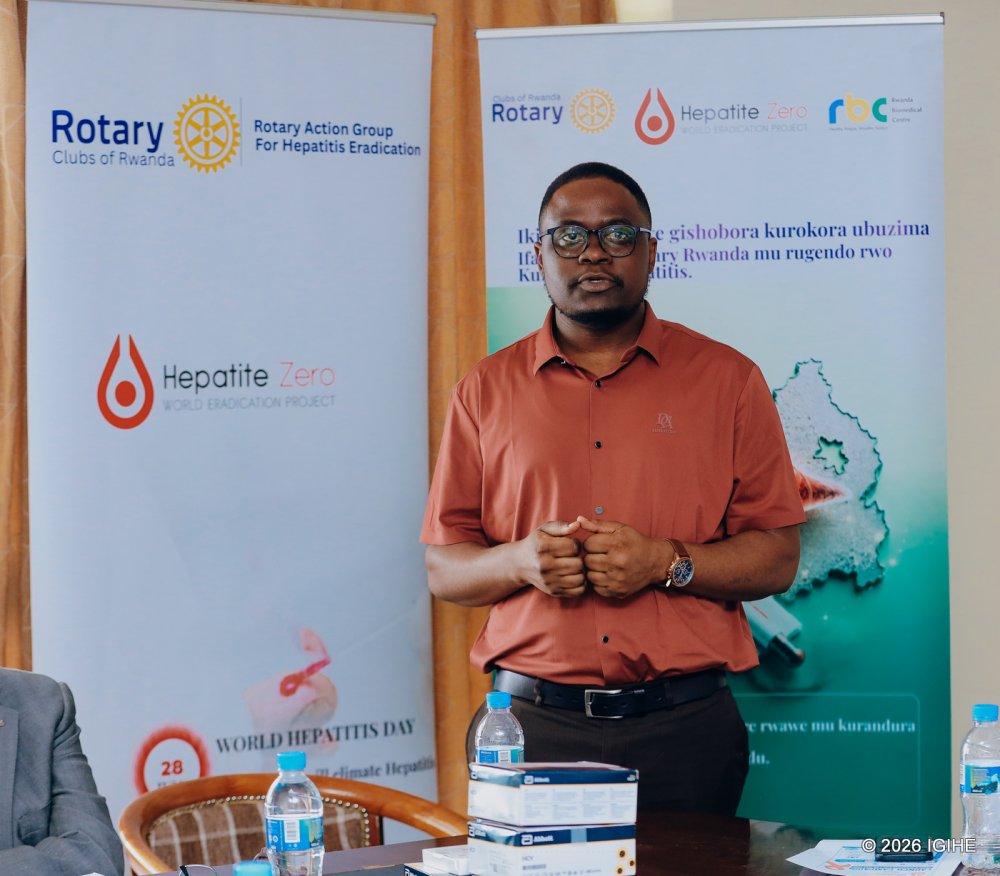
    The announcement was made on Tuesday, July 28, during World Hepatitis Day national commemorations held at Hôpital La Croix du Sud in Kigali.

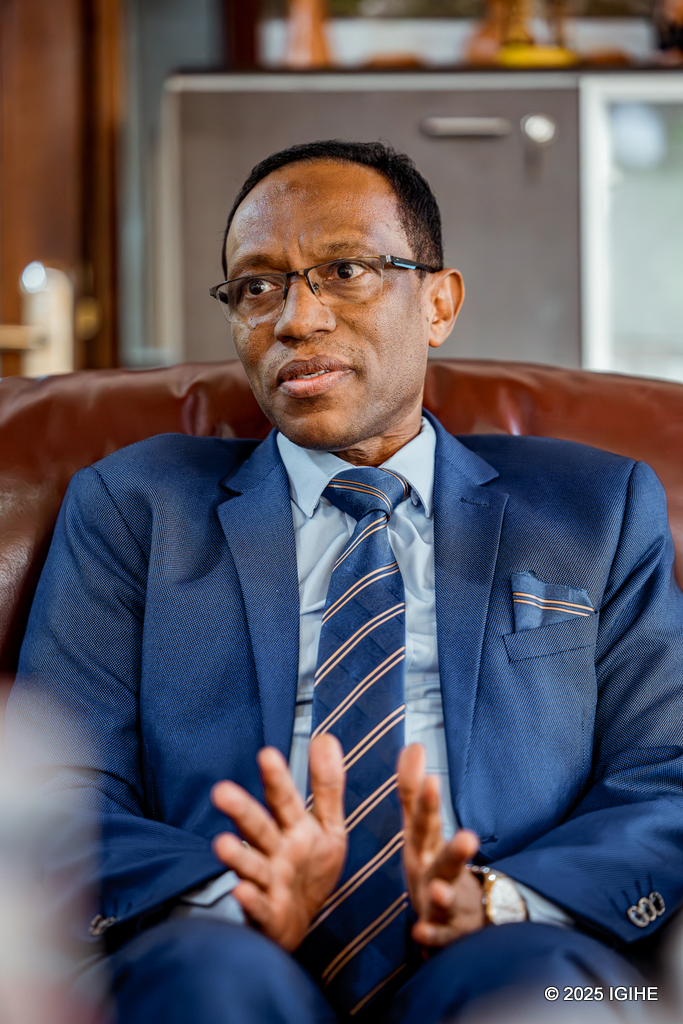
    Dr. Charles Berabose, Director of Sexually Transmitted Infections and Other Blood-Borne Infections at RBC, confirmed that Rwanda has fulfilled the requirements to submit its official validation dossier to the WHO.

    'To earn WHO validation, a country must screen at least 80 percent of its target population, treat over 70 percent of confirmed cases, guarantee 100 percent blood safety through mandatory donor screening, and equip health facilities nationwide with reliable testing tools. Rwanda has met all these standards,' Dr. Berabose said.

    Rwanda launched its National Hepatitis C Elimination Plan in December 2018, bringing diagnostic testing and direct-acting antiviral treatments down to local health centres nationwide.

    As a result, Hepatitis C prevalence in the general population dropped from 4 percent in 2017 to 0.17 percent in 2026. Over the same period, Hepatitis B prevalence declined from 3 percent to 0.26 percent.

    To stop mother-to-child transmission, Rwanda has also strengthened its routine childhood immunization drive. Building on earlier adult vaccination campaigns, the government introduced a universal birth-dose Hepatitis B vaccine in January 2026, ensuring newborns receive their first shot within 24 hours of birth.

    Rotary partnership

    As Rwanda shifts focus toward targeted screening for high-risk groups, civil society organizations are stepping in to support the final phase of the campaign.

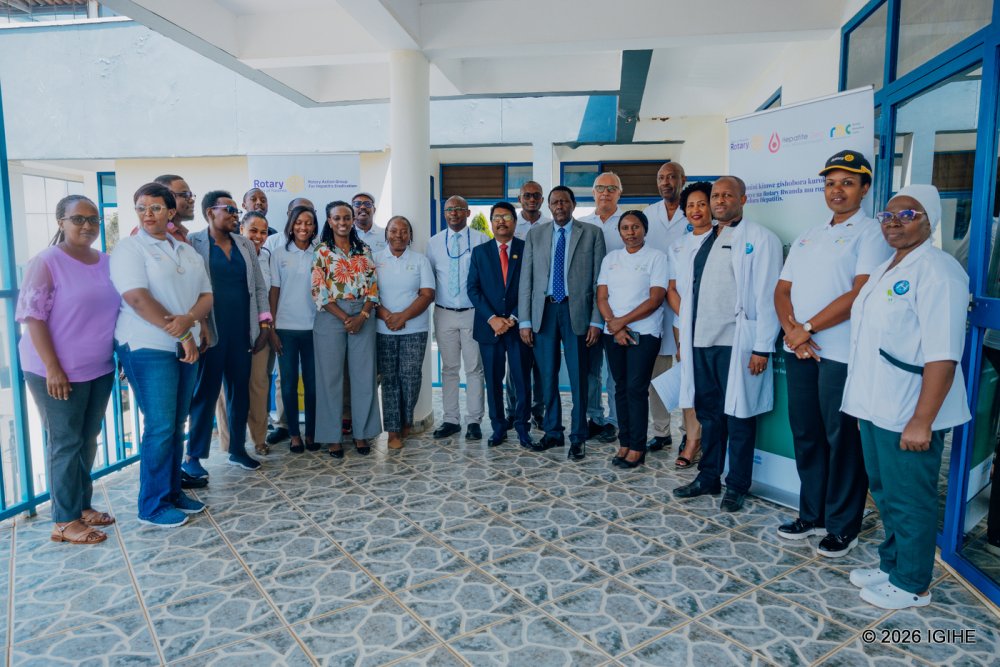
    Rotary Club Rwanda has partnered with RBC to back screening efforts among vulnerable cohorts, including healthcare workers, prison inmates, refugees, and people living with HIV. The organization will also donate testing kits and support public education campaigns.

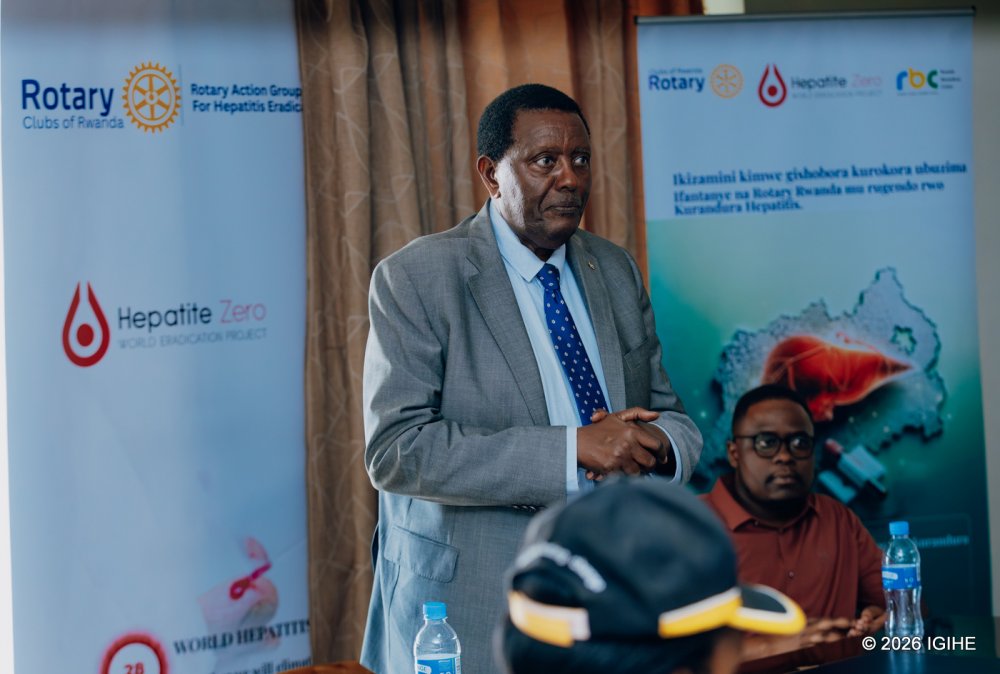
    Dr. Alexis Muderevu, Rotary Action Group National Commission Chair for Rwanda Hepatitis B and C Zero campaign, commended the country's progress, noting that Rwanda is well ahead of international benchmarks.

    'Rotary International is supporting African countries in the fight against viral hepatitis. Rwanda is already far ahead of many others because of its commitment. Rather than watching from the sidelines, we want to join Rwanda in this final stretch so that together we can eliminate hepatitis completely,' Dr. Muderevu said.

    The partnership kicked off with screening for medical personnel at Hôpital La Croix du Sud to ensure health workers know their status before leading community outreach programs.

    Marc Kwizera, a healthcare worker at the hospital, stressed the importance of medical staff setting an example.

    'It is crucial that health workers are screened first. Knowing our status gives us peace of mind and allows us to safely care for our patients while encouraging the public to get tested,' he said.

    Rwanda remains well on track to achieve the WHO target of eliminating viral hepatitis as a major public health threat ahead of the global 2030 deadline.
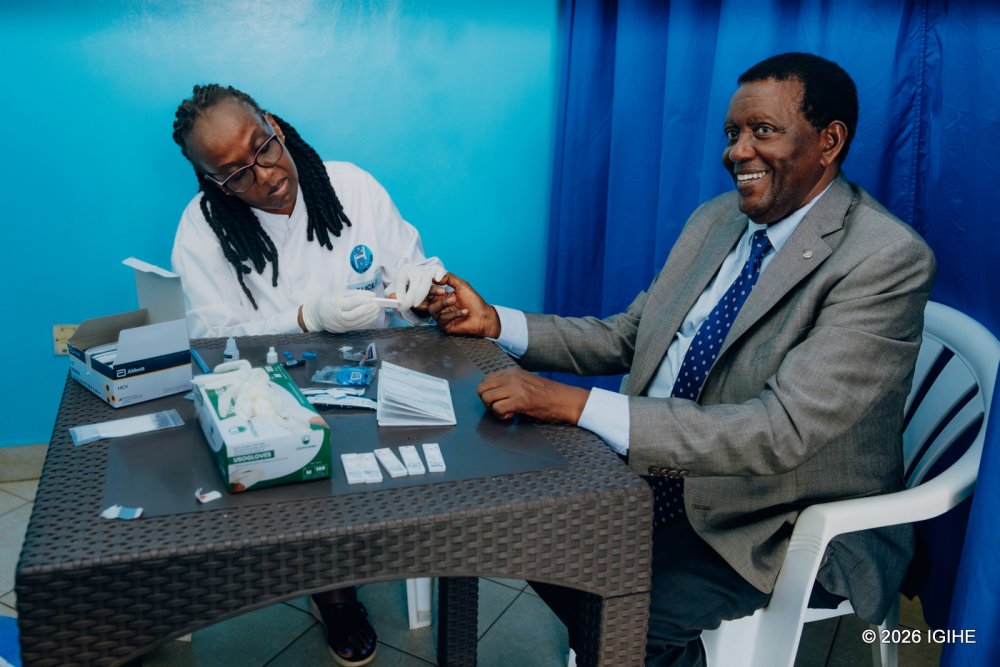
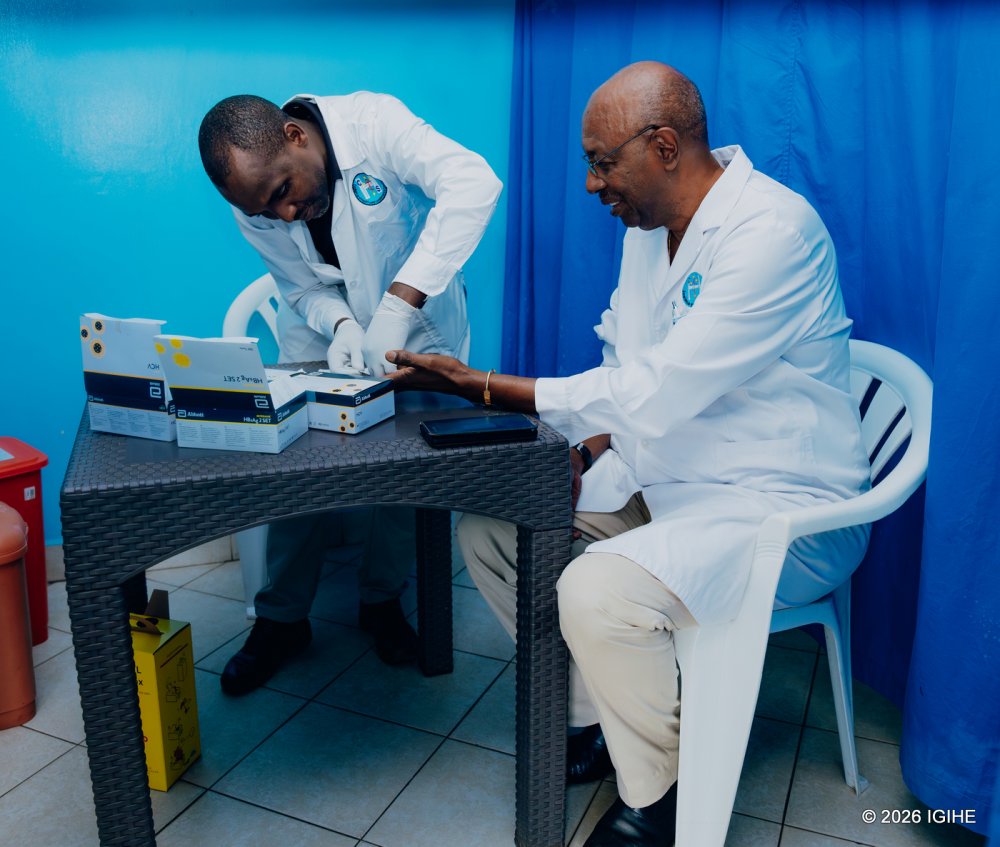
    Rotary Club Rwanda members were also screened.
    Rwanda eyes WHO certification after meeting hepatitis elimination targets
    Dr Jean-Chrysostome Nyirinkwaya, Director of La Croix du Sud Hospital in Remera, being tested.
    Dr. Charles Berabose, Director of Sexually Transmitted Infections and Other Blood-Borne Infections at RBC, confirmed that Rwanda has fulfilled the requirements to submit its official validation dossier to the WHO.
    Dr. Alexis Muderevu, Rotary Action Group National Commission Chair for Rwanda Hepatitis B and C Zero campaign, commended the country's progress, noting that Rwanda is well ahead of international benchmarks.
    Rotary Club Rwanda pledged support for Rwanda's hepatitis elimination campaign.

    Source : https://new.igihe.com/english/rwanda-eyes-who-certification-after-meeting-hepatitis-elimination-targets/

  • U.S., Saudi forces strike Iran-linked militants in Iraq #rwanda #RwOT

    'U.S. and Saudi fighter aircraft struck multiple terrorist logistics and weapons sites across eastern Iraq in a strong response to over 30 IRGC-directed aerial drone attacks in the last 72 hours,' the command said on X, referring to the Islamic Revolution Guard Corps (IRGC).

    'The unwarranted attacks against U.S. forces were not successful,' it said.

    Noting that Iran-aligned militias in Iraq had conducted more than 600 attempted attacks on U.S. citizens and facilities from February through April, the command warned that the IRGC and its 'proxies' must cease such attacks or face further U.S. military response.

    Shortly after the release of the statement, an explosion struck the headquarters of Iraq's paramilitary Popular Mobilization Forces, according to media reports.

    Tuesday's strikes came amid heightened tensions following months of U.S.-Iran hostilities, during which alleged Iraqi attacks on U.S. forces in the country and elsewhere in the region have been reported.

    US and Saudi warplanes carried out strikes on Tuesday against Iran-backed militants in Iraq who launched more than two dozen drone attacks in recent days, the US military said.

    Source : https://new.igihe.com/english/u-s-saudi-forces-strike-iran-linked-militants-in-iraq/

  • 25 new properties added to UNESCO World Heritage List #rwanda #RwOT

    According to UNESCO, the newly inscribed properties comprise 19 cultural sites, five natural sites and one mixed site, bringing the total number of World Heritage properties to 1,273.

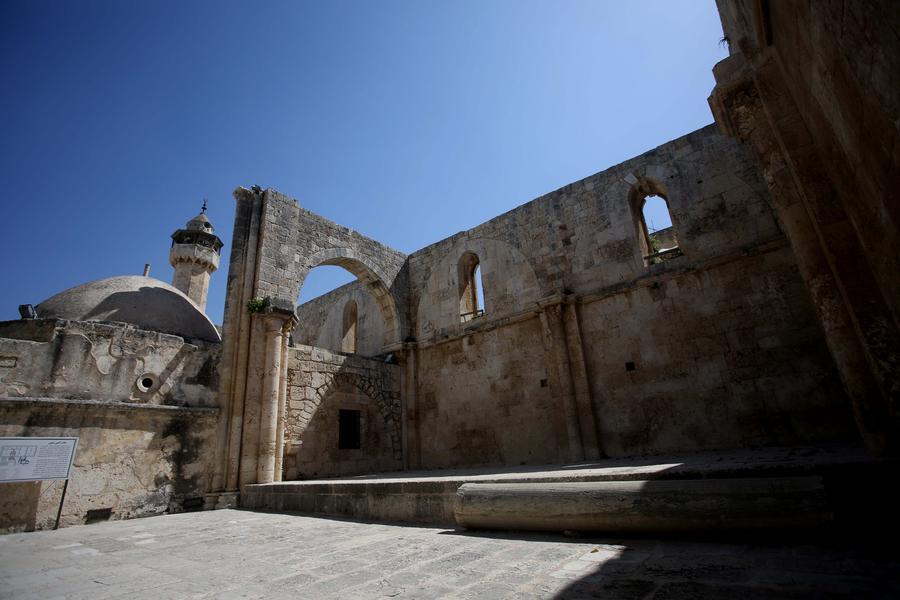
    Three properties were inscribed under an emergency procedure: the Boma-Badingilo Migratory Landscape in South Sudan, the Mount Amel Castles in Lebanon and Sebastia in Palestine. All three were also among the six sites added to the List of World Heritage in Danger this year.

    'The use of this mechanism for three sites in a single session underscores the growing number of heritage properties under threat in regions affected by conflict and instability, and reflects the Committee's determination to extend international protection and recognition before it is too late,' UNESCO said.

    The session also marked the first World Heritage inscriptions for Comoros, Sao Tome and Principe, and South Sudan. As a result, the number of States Parties to the World Heritage Convention without a World Heritage property has fallen to 23 out of the Convention's 196 States Parties.

    One of the highlights of the session was the inscription of the Beaches of the D-Day Landings, Normandy, 1944, in France as a site of memory. Since 2023, the World Heritage List has included this category to recognize places associated with events that countries and their communities wish to commemorate. The serial property, comprising six component parts stretching about 80 km along the Normandy coast, was inscribed in recognition of its association with the Allied landings on June 6, 1944 — the opening phase of Operation Overlord, which marked the beginning of the liberation of Western Europe from Nazi occupation during World War II.

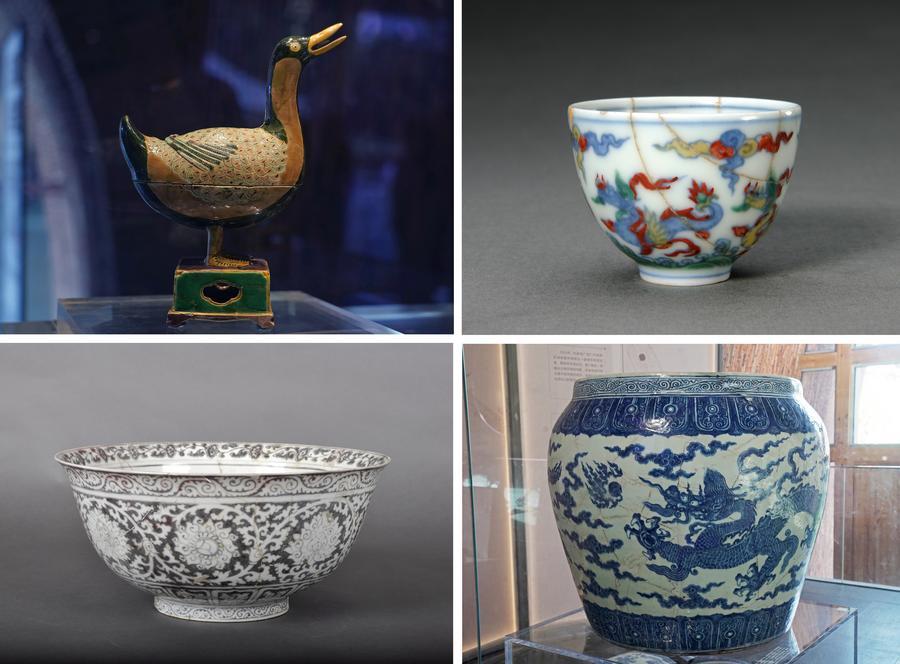
    The Committee also inscribed several notable cultural properties, including China's Jingdezhen Handicraft Porcelain Industry Sites. Located in east China's Jiangxi Province, the property comprises five component areas that together illustrate the development of Jingdezhen's handcrafted porcelain industry from the 10th to the 19th century. The inscription fills a long-standing gap on the World Heritage List for porcelain heritage and brings the total number of World Heritage properties in China to 61.

    The World Heritage Committee is one of the two governing bodies of the Convention Concerning the Protection of the World Cultural and Natural Heritage. It is responsible for implementing the Convention, examining nominations for inscription on the World Heritage List, and monitoring the conservation status of inscribed properties.

    Photo taken on March 22, 2017 shows a view of Nabi Yahyia mosque near the Roman historical site of Sebastia village, north of the West Bank city of Nablus. (Xinhua/Ayman Nobani)

    Source : https://new.igihe.com/english/25-new-properties-added-to-unesco-world-heritage-list/

  • Art exhibition dedicated to Rwanda to open in Germany #rwanda #RwOT

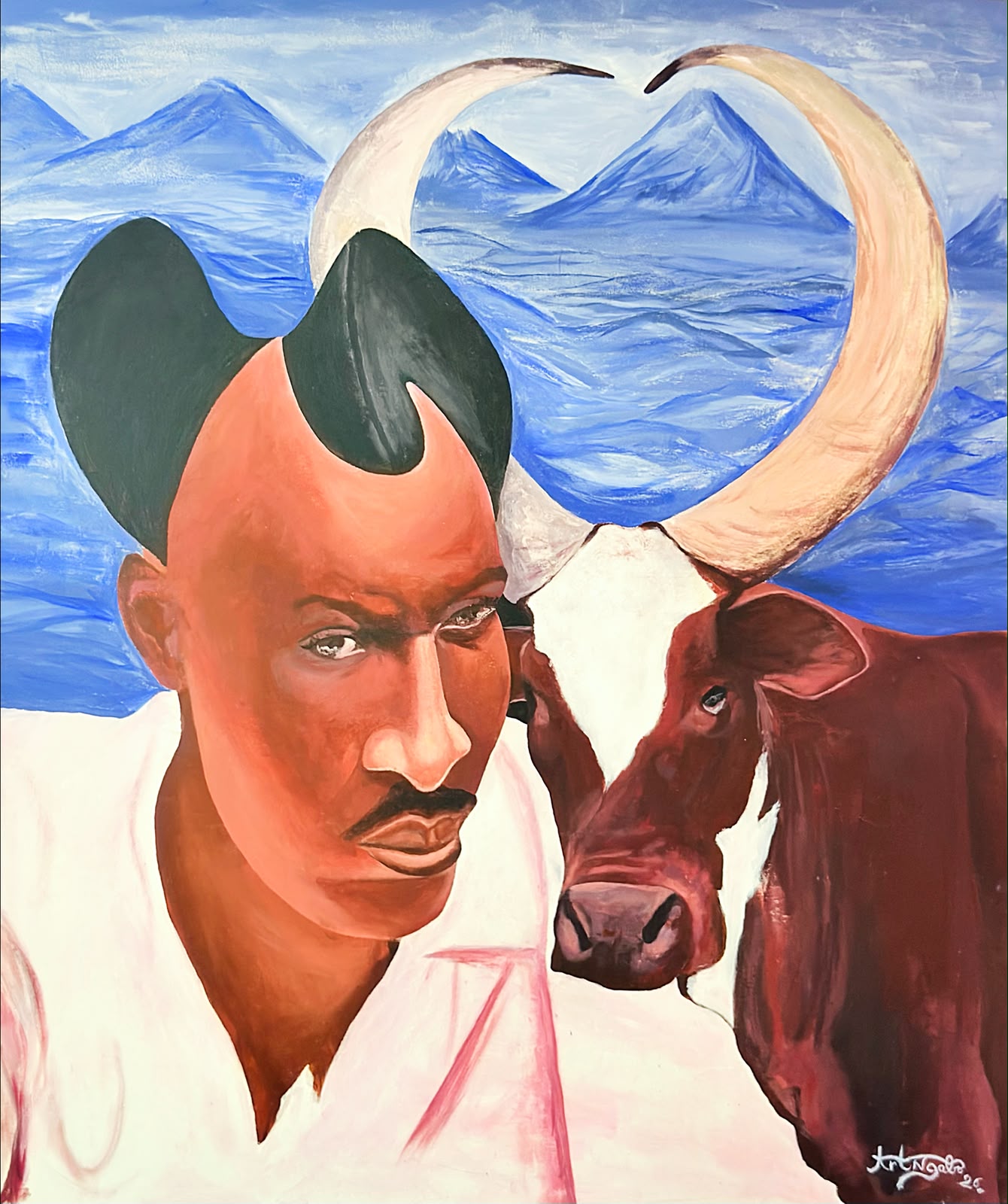
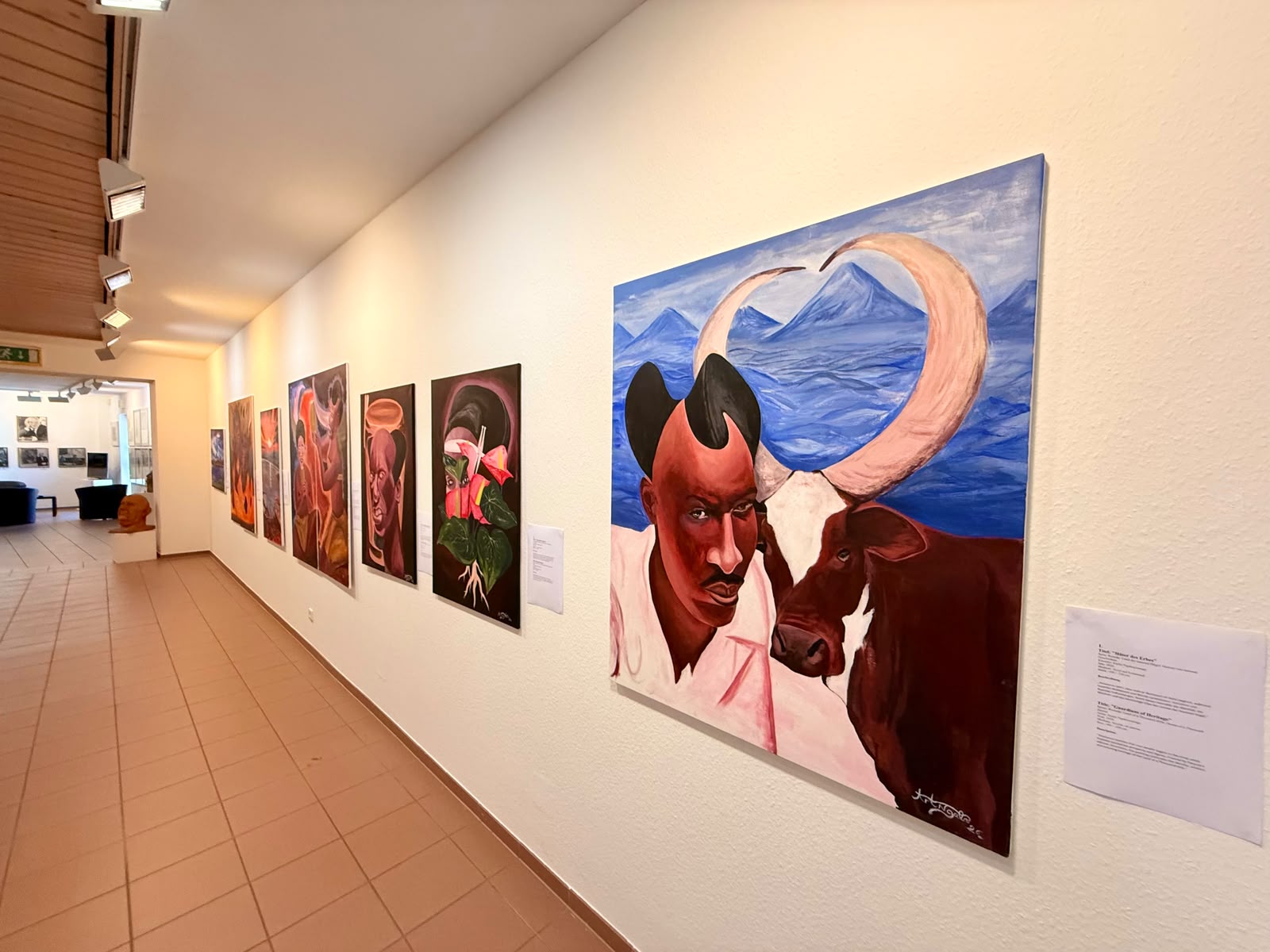
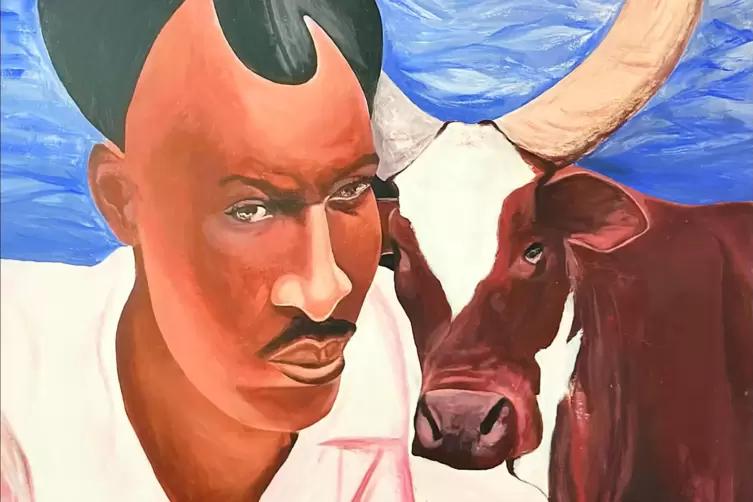
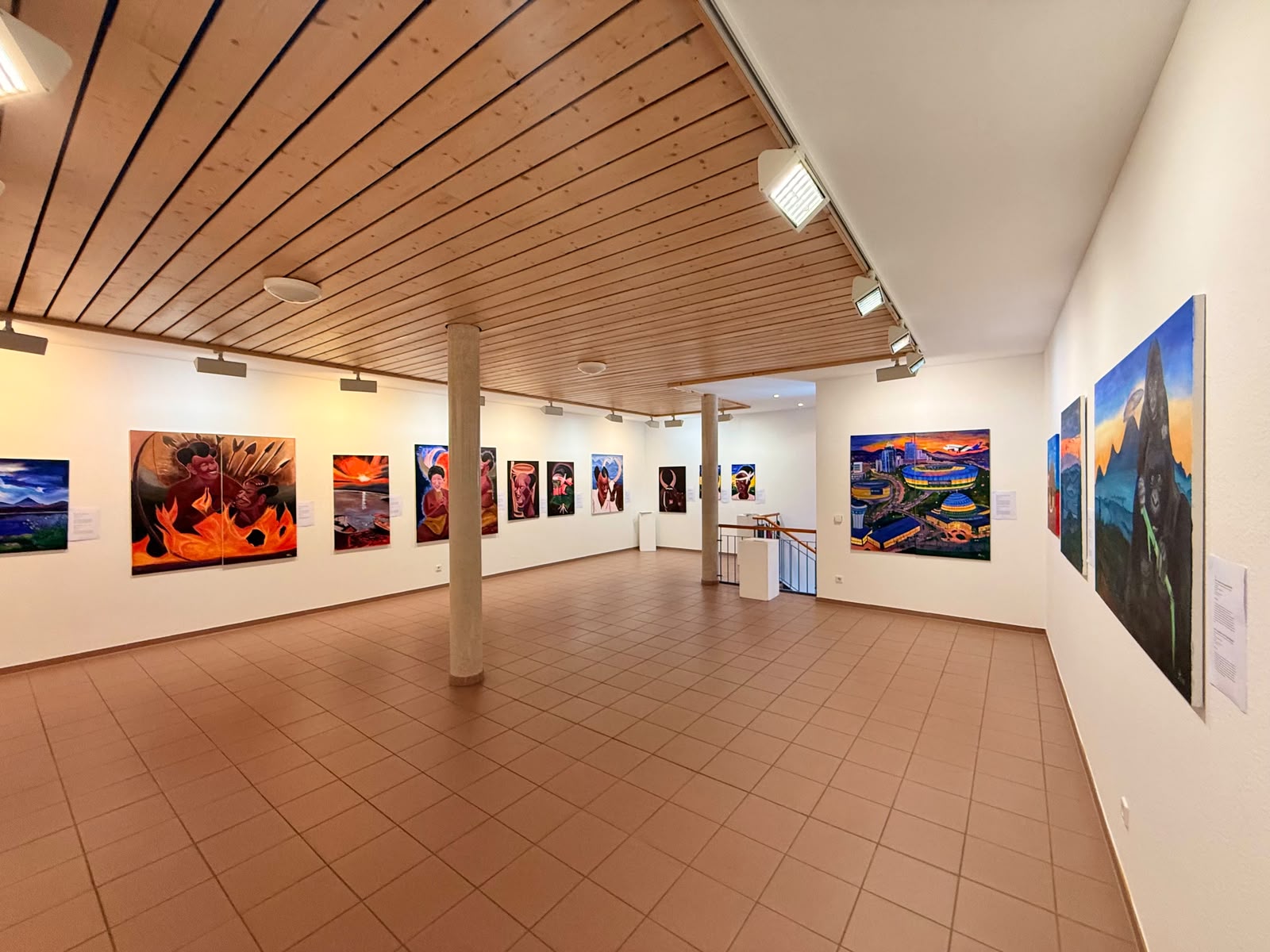
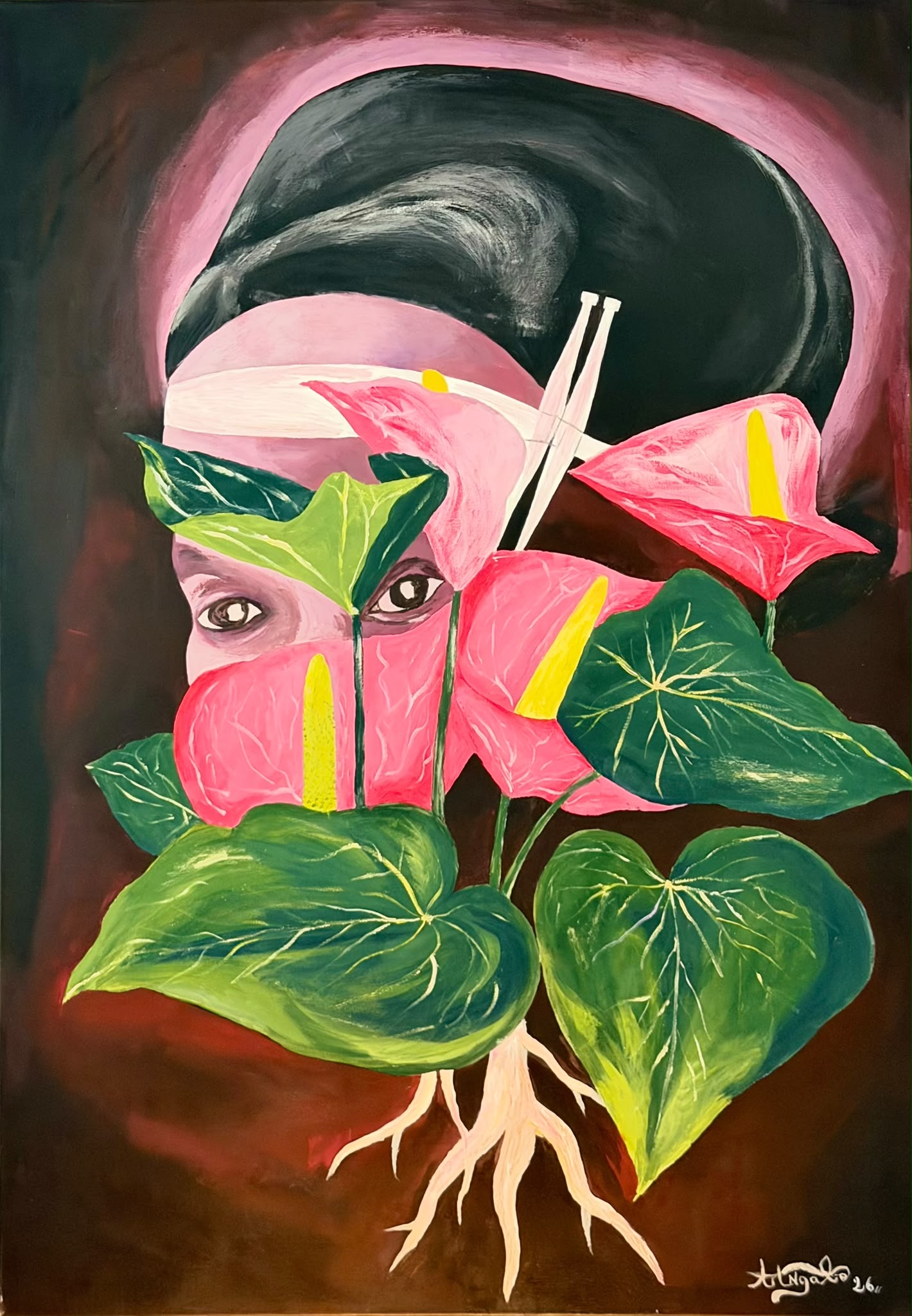
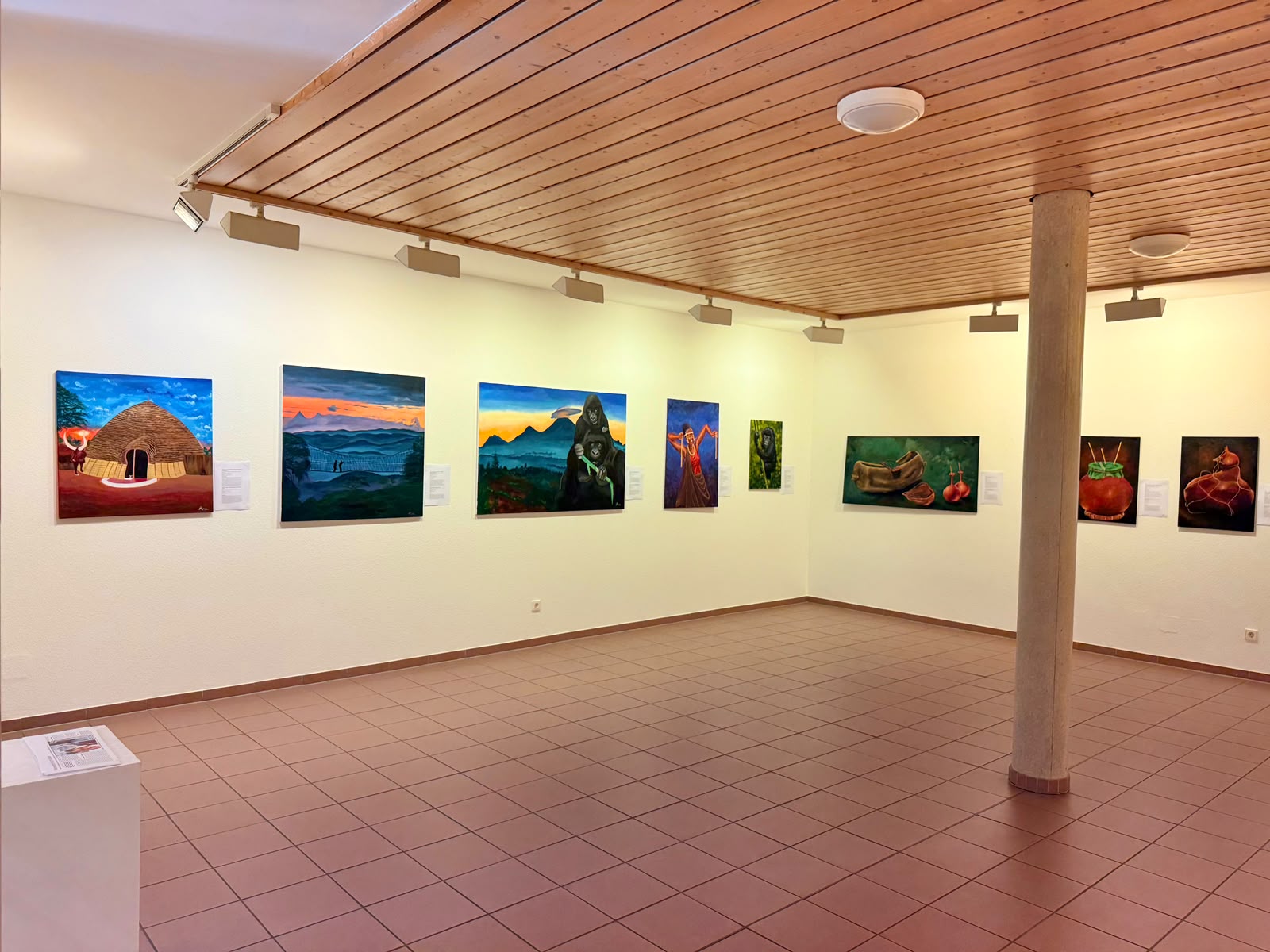
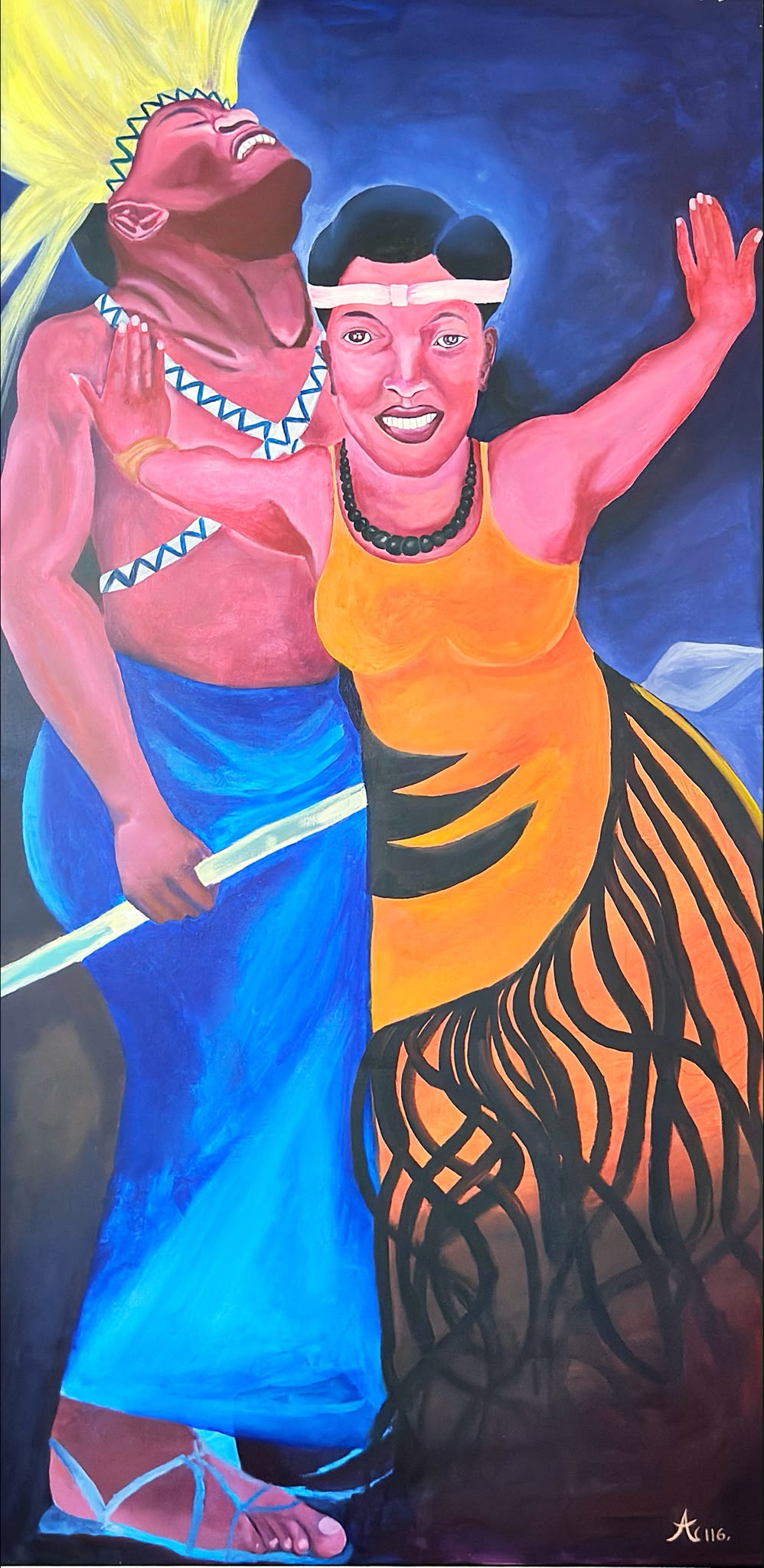
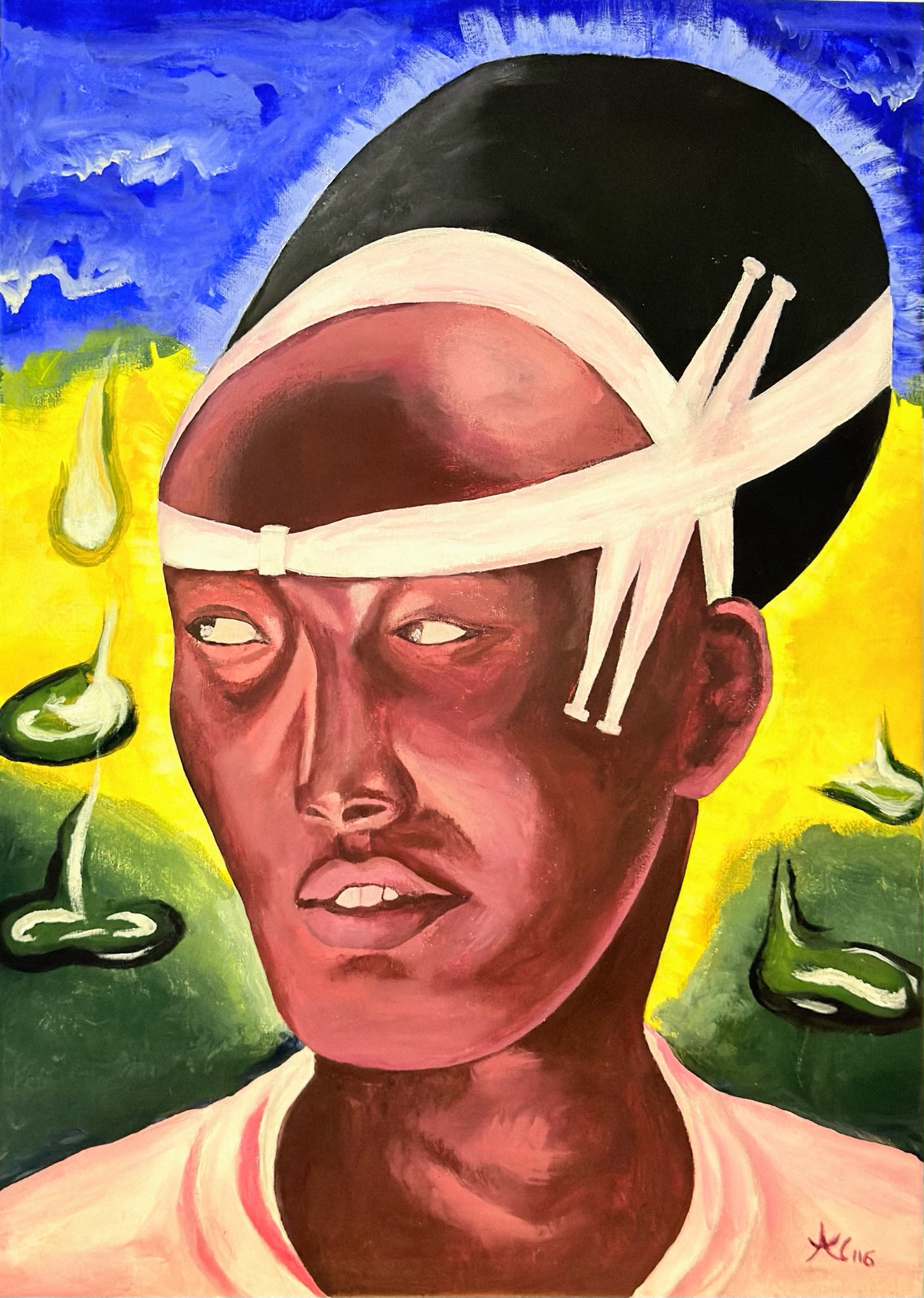
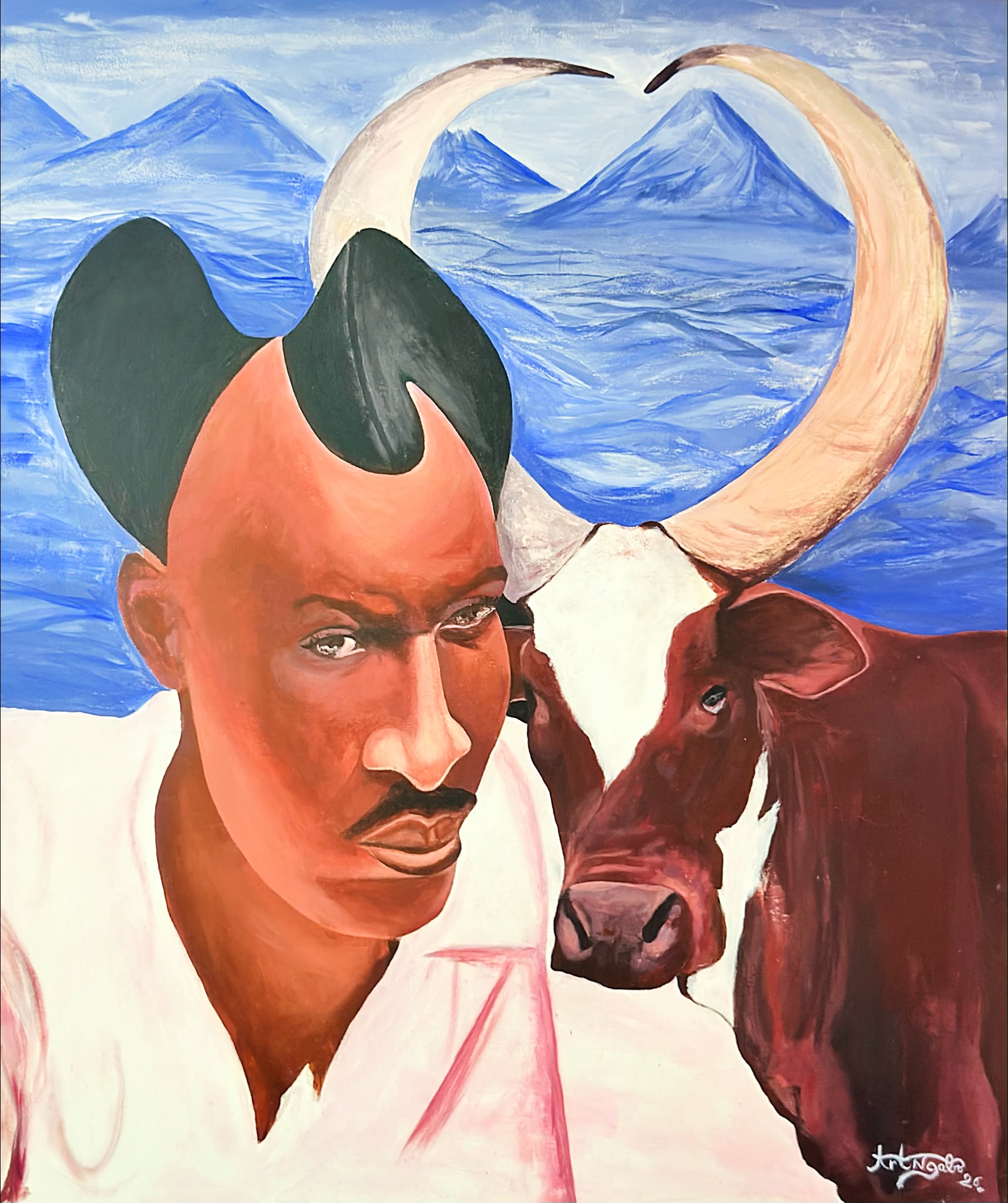
    The exhibition will immerse visitors in the world of Rwanda by highlighting its cultural heritage, traditions, breathtaking landscapes, and the many facets of its identity. Through his paintings, Ngaboyisonga offers an artistic perspective on the country's history and the values that have shaped generations of Rwandans.

    In an interview with IGIHE, the artist explained that this exhibition, his first solo exhibition, marks an important milestone in his artistic journey.

    'It is a great honor and a great joy for me to present this collection of paintings at the Museum für Kunst in Rockenhausen. Every artwork on display is inspired by the history, traditions, landscapes, and cultural heritage of Rwanda, the 'Land of a Thousand Hills,'' he said.

    According to the artist, the collection tells stories of identity, dignity, resilience, and community.

    'The symbols, colors, and cultural elements featured in my works reflect the deep respect I have for the values that have shaped generations of Rwandans and continue to inspire my artistic journey,' he added.

    Ngaboyisonga also expressed his hope that the exhibition will give visitors not only the opportunity to discover his artistic universe, but also to gain a deeper appreciation of Rwanda's rich cultural heritage and the universal values that bring people together.

    The artist further emphasized that art is a powerful means of preserving memory, transmitting history, sharing knowledge, and fostering dialogue among people from different cultural backgrounds.

    The official opening ceremony is scheduled for Sunday, August 2, 2026, from 11:00 a.m. to 1:00 p.m. at the Museum für Kunst. The event will feature traditional music and dance performances by Josée Uwamahirwe and Evelyne Uwase, accompanied by their group, offering visitors an immersive experience of Rwandan culture by combining visual arts with music.

    The exhibition will remain open to the public until August 30, 2026, daily from 2:30 p.m. to 5:30 p.m.

    The event is organized by Luise Busch in collaboration with Kahnweiler Arbeitskreis – Kultur Extra, with the support of the Mayor of Rockenhausen, Michael Vettermann.

    Ngaboyisonga and the organizers have warmly invited art enthusiasts, admirers of Rwandan culture, members of the Rwandan diaspora in Germany and across Europe, as well as the general public, to visit the exhibition.

    'Through this exhibition, I wish to introduce the true Rwanda to the German people, a country with a remarkable history, a rich culture, magnificent landscapes, and values that define us as Rwandans.

    'The exhibition is also intended to serve as a bridge between cultures, reminding us that art remains a universal language capable of bringing people together, fostering dialogue, and strengthening friendship between nations,' the artist concluded.

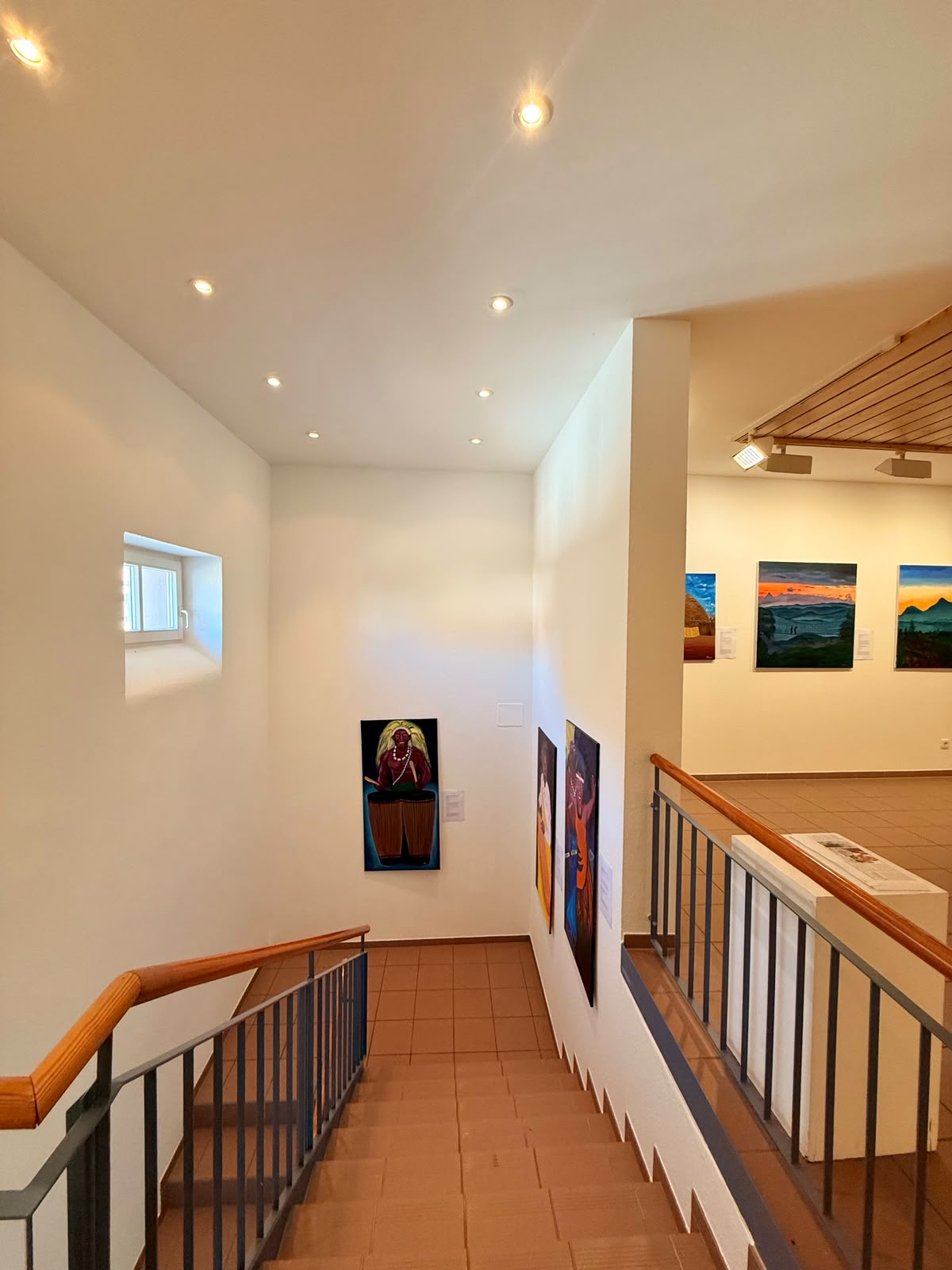
    Paintings inspired by Rwanda's history, traditions, landscapes, and cultural heritage will be displayed throughout the month-long exhibition in Germany.
    The exhibition 'Rwanda: The Land of a Thousand Hills, Home to a Thousand Stories' will present Rwanda's cultural heritage through the works of Émile Ngaboyisonga.
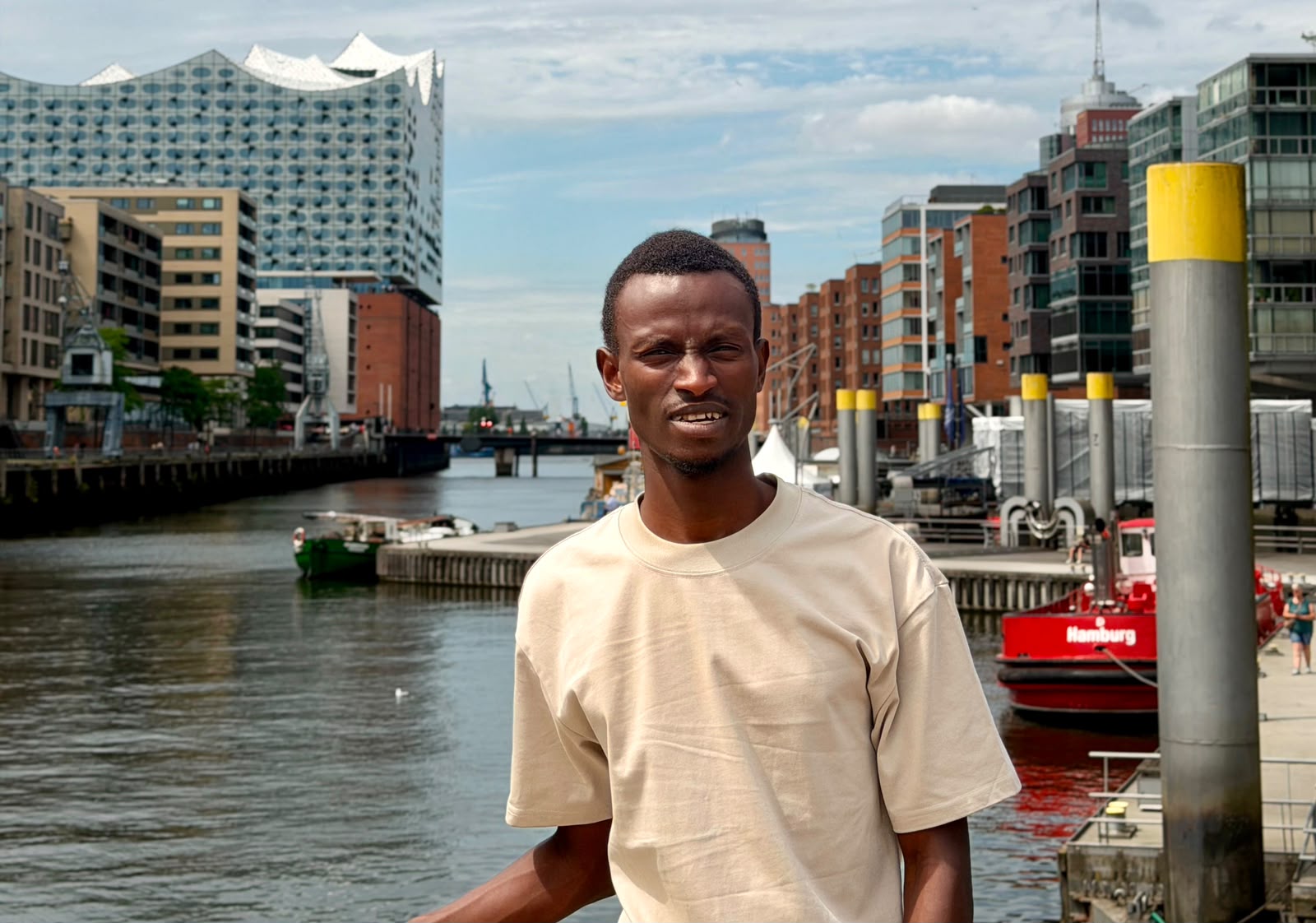
    Rwandan artist Émile Ngaboyisonga will showcase paintings inspired by Rwanda's history, culture, traditions, and landscapes during his solo exhibition in Germany.
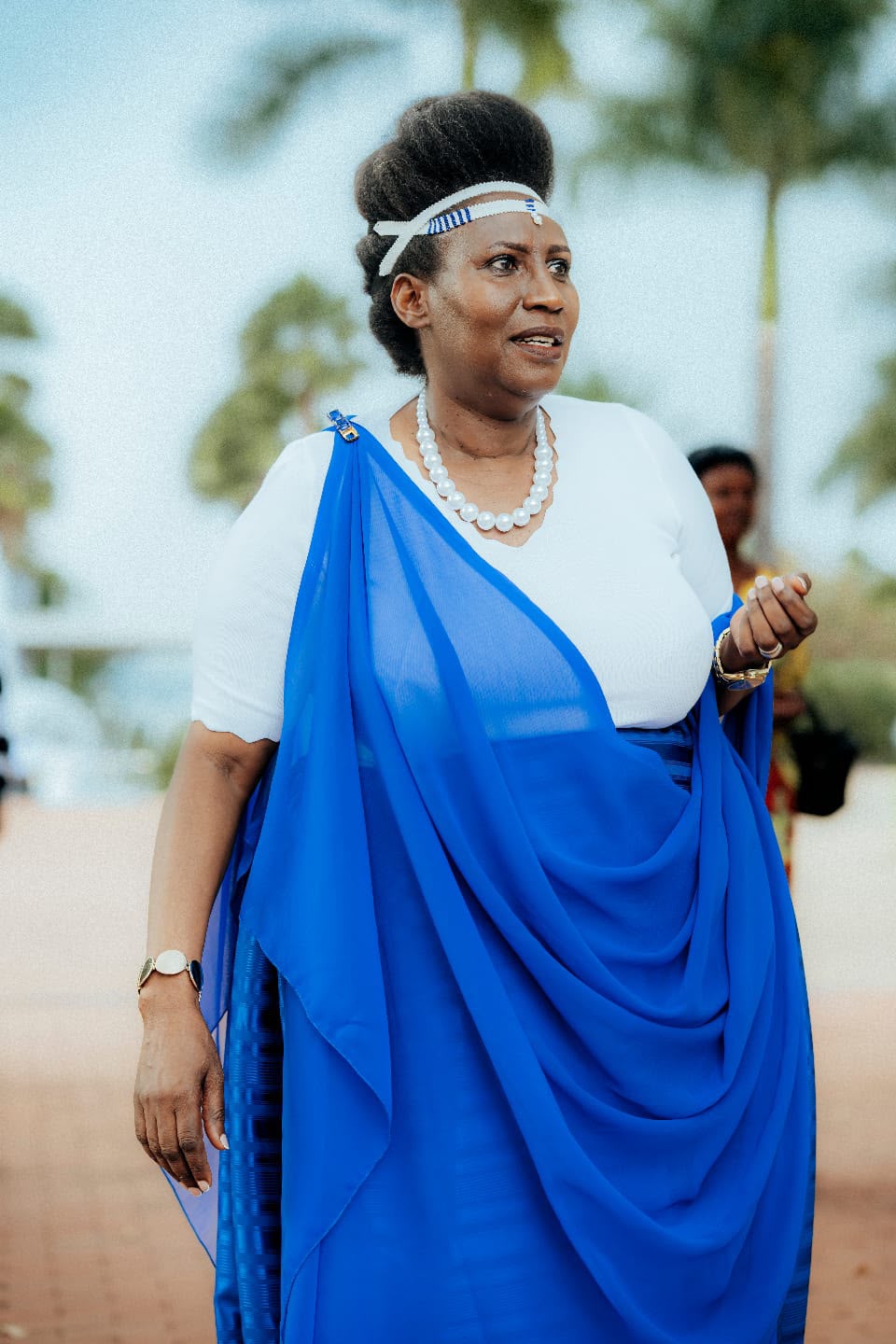
    Evelyne Uwase and her group will perform traditional Rwandan music and dance during the opening of the exhibition at the Museum für Kunst.
    Traditional music and dance performances by Josée Uwamahirwe will be part of the official opening ceremony of the Rwanda-themed exhibition in Germany.
    Émile Ngaboyisonga says his first solo exhibition is intended to introduce audiences to Rwanda's history, cultural heritage, and national values.
    The exhibition is intended to serve as a bridge between cultures, highlighting art as a universal language that brings people together and strengthens friendship between nations.
    The collection tells stories of identity, dignity, resilience, and community through art.
    The month-long exhibition will invite visitors to discover Rwanda's rich cultural, historical, and human heritage through the paintings of Émile Ngaboyisonga.

    [email protected]

    Source : https://new.igihe.com/english/art-exhibition-dedicated-to-rwanda-to-open-in-germany/

  • Thousands stage protests in Goma, Bukavu against Tshisekedi and sanctions on AFC/M23   #rwanda #RwOT

    The demonstrations were organized by civil society organizations operating in the two cities, which are under the control of AFC/M23. Organizers described the sanctions imposed by the UN Security Council on AFC/M23 Coordinator Corneille Nangaa, the coalition's intelligence chief, Col. Nzenze Imani, and MRDP Twirwaneho commander Brig. Gen. Charles Sematama as biased.

    The civil society groups also accused President Tshisekedi of seeking to remain in power beyond the constitutional two-term limit by changing the Constitution. They argued that his administration has failed to govern effectively and called for him to step down in favor of new leadership.

    Ahead of the demonstrations, on July 27, representatives of the civil society organizations formally notified the mayors of Goma and Bukavu, requesting authorization to hold the protests and ensure the safety of participants. Local authorities reportedly assured them that security would be provided.

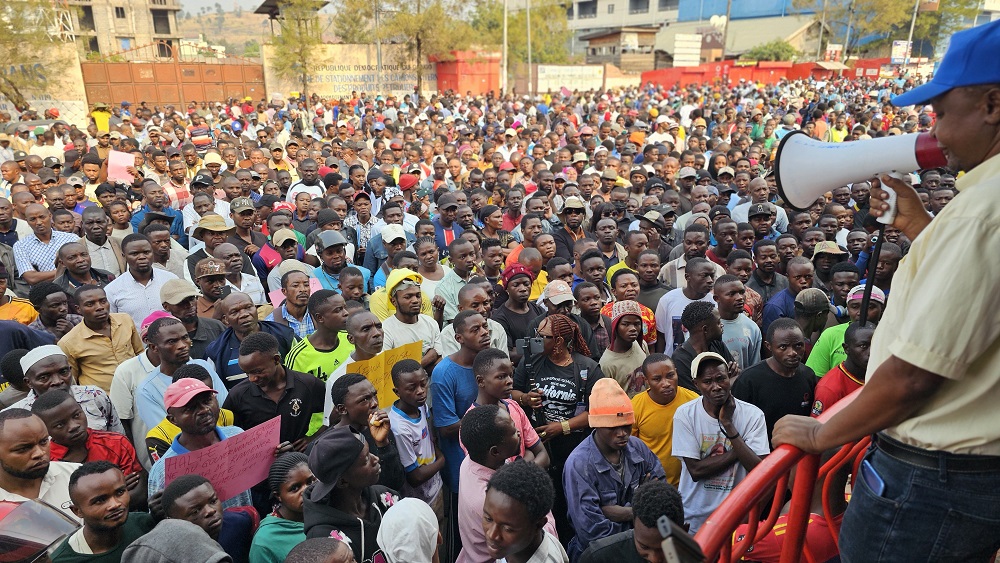
    Following days of mobilization, large crowds gathered in both cities, with demonstrators expressing support for AFC/M23 and seeking to show that areas under the coalition's control have remained peaceful since early last year. Protesters contrasted the security situation in those areas with territories controlled by the Kinshasa government.

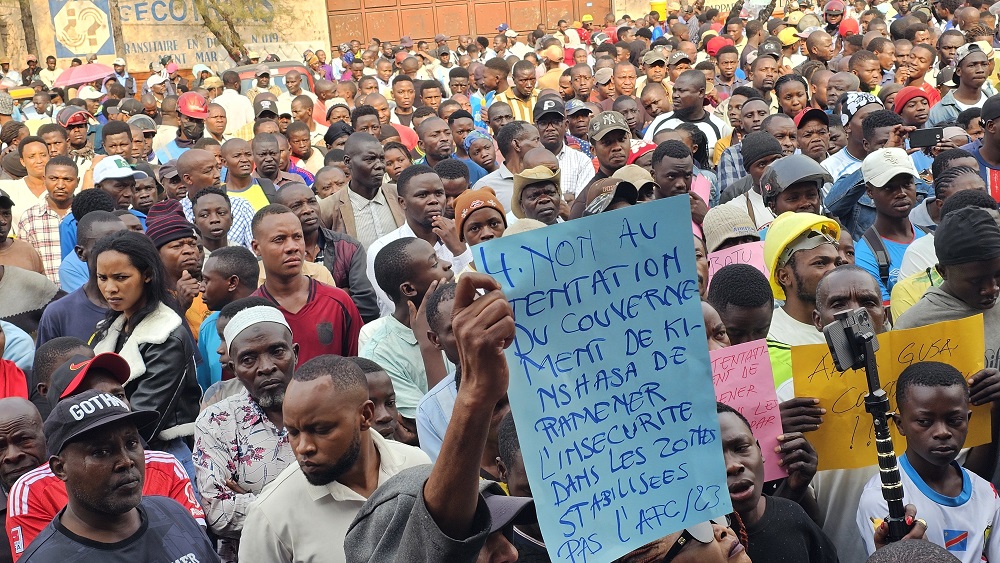
    Many demonstrators carried placards denouncing President Tshisekedi's administration, the long-running attacks by the Allied Democratic Forces (ADF) in Beni, North Kivu Province, and military operations by the Congolese government in Minembwe Commune in South Kivu Province.

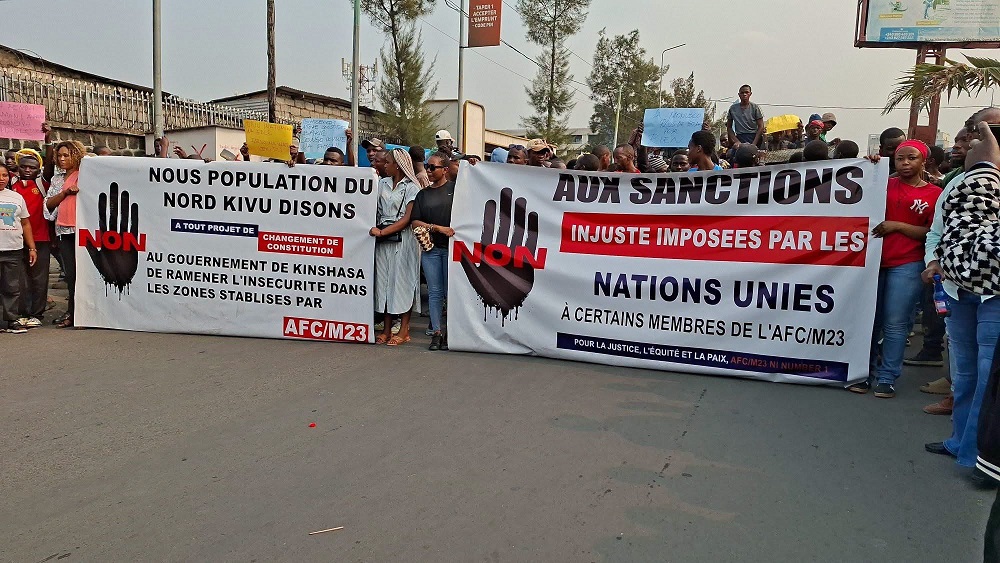
    Some banners read, 'We reject the UN sanctions imposed on AFC/M23 members without any valid justification.' Others claimed that since AFC/M23 took control of Goma and Bukavu, the cities have become more secure and united, with improved access to clean water, electricity and continued development.

    In Goma, protesters displayed banners stating: 'We, the people of North Kivu Province, reject the constitutional amendment project and the Kinshasa government's actions aimed at destabilizing areas where AFC/M23 has restored security.'

    Speaking during the protest in Bukavu, one civil society representative said the demonstrators opposed constitutional changes and wanted peace through dialogue.

    'We are demonstrating because we reject any amendment to the Constitution and we want peace. We want negotiations to begin as soon as possible so that lasting peace can be achieved,' she said.

    She also criticized the UN sanctions, saying: 'How can you sanction a citizen in a sovereign country? It is unacceptable for this to happen to a Congolese citizen who is fighting for his rights, seeking peace and advocating peaceful coexistence.'

    North Kivu Deputy Governor Manzi Willy expressed support for the demonstrations, arguing that what he described as one-sided sanctions would not contribute to peace in the DRC.

    'A conflict involves two parties, yet only one continues to face punitive measures while the other is spared comparable scrutiny,' Manzi said.

    'Such an approach is unlikely to advance peace; it risks deepening divisions and undermining confidence in the negotiation process.'        

    Demonstrators display banners during protests against Tshisekedi and sanctions targeting AFC/M23 leaders.
    Civil society-led protests in Goma and Bukavu draw thousands opposing Tshisekedi's policies and UN sanctions on AFC/M23.
    Demonstrators expressing support for AFC/M23 and seeking to show that areas under the coalition's control have remained peaceful since early last year.

    Source : https://new.igihe.com/english/thousands-stage-protests-in-goma-bukavu-against-tshisekedi-and-sanctions-on-afc-m23/

  • How Xi takes Chinese porcelain culture to the world #rwanda #RwOT

    On Saturday, the Jingdezhen Handicraft Porcelain Industry Sites were inscribed on the UNESCO World Heritage List, marking global recognition of a living tradition that remains a treasured gem of Chinese civilization.

    The inscription also reflects China's years of efforts to preserve and make alive this centuries-old craft — a cause that Chinese President Xi Jinping has consistently championed.

    Passing on

    Porcelain has been widely taken as one of the most representative symbol of Chinese civilization. For years, Xi has remained deeply committed to China's cultural heritage and emphasized its preservation as a way to promote the finest traditional Chinese culture.

    In October 2023, Xi visited Jingdezhen, globally renowned as the 'Porcelain Capital,' where the glow of kiln fires has illuminated 2,000 years of ceramic history. At the Taoyangli Historical and Cultural Block, he toured the Nanlu Ruins, the Ceramic Museum, and the Ming and Qing Dynasty (1368-1911) kiln complex, learning about the intricate processes and cultural legacy behind the city's celebrated porcelain craft.

    During the visit, Xi met Sun Lixin, a fourth-generation craftsman carrying forward his family's porcelain-making tradition. Admiring the craftsmanship, Xi asked, 'Do you paint according to a design, or do you rely on your sense of touch?'

    'It's all in my heart,' Sun replied.

    'Devoting one's entire life to a single craft, with generations of a family committed to the same pursuit, is no simple undertaking,' Xi said.

    'The fine traditional culture passed down by our ancestors is something we must continue to hold in our hands, adapt to the times, and carry forward,' he added.

    Xi's long-standing commitment to preserving Chinese porcelain culture can be traced back to his years working in east China's Zhejiang province in the early 2000s, when he placed great importance on protecting and promoting the country's rich ceramic heritage.

    Xi made several visits to Longquan, a city in southwestern Zhejiang known for its centuries-old celadon tradition. He emphasized that Longquan celadon was a Chinese cultural treasure and called for the establishment of a museum to preserve and showcase this valuable heritage.

    In 2009, the museum was officially opened. That same year, the traditional firing techniques of Longquan celadon were inscribed on UNESCO's Representative List of the Intangible Cultural Heritage of Humanity.

    Longquan would become one illustration of a much broader agenda. Over the years, Xi has made cultural heritage protection a recurring theme of his domestic inspections, visiting sites ranging from the Forbidden City and the Grand Canal to Jiayuguan Pass and the Yin Ruins. With his push, more Chinese cultural sites have been added to UNESCO's World Heritage List.

    'Protecting, preserving and making good use of these invaluable treasures is our shared responsibility,' Xi once said. 'It is also essential to ensuring the continuity of human civilization and advancing sustainable development around the world.'

    Traversing civilizations

    Beyond its artistic value, porcelain has long served as a bridge fostering mutual learning among civilizations. Through the ancient Silk Road, porcelain vases, jars and bowls adorned the royal courts of Europe, becoming collectors' highly coveted items.

    For Xi, porcelain is more than a craft; it is a cultural ambassador that carries China's artistic traditions and civilizational heritage to the world. From presenting porcelain as state gifts to foreign dignitaries to showcasing historic masterpieces at major international gatherings, Xi has used the timeless art form to tell the story of China's rich cultural legacy.

    In May 2019, Xi highlighted a rare Yuan Dynasty (1271-1368) blue-and-white porcelain vase to foreign leaders while touring a cultural exhibition ahead of the Conference on Dialogue of Asian Civilizations held in Beijing.

    He noted that very few blue-and-white porcelain vases from the Yuan Dynasty have survived, describing the precious artifact as 'the panda of ceramics.'

    Xi, on many occasions, has also used porcelain to illustrate the transformative power of exchanges between civilizations. In a signed article published ahead of his state visit to Portugal in 2018, Xi wrote, 'China's blue and white porcelain, which was first shipped to Portugal centuries ago, inspired a fusion of Chinese and local techniques, producing a unique form of art Azulejo.'

    Chinese ceramics have had a wide influence on art throughout the world and the artistic trends in the West, like Europe, and other places, said Jad Tabet, a Franco-Lebanese architect and former representative to the UNESCO World Heritage Committee.

    The enduring vitality of China's ceramic art and the global growth of the porcelain industry offer a vivid example of how civilizational exchange can promote common development and progress. As Xi once noted in a speech at UNESCO headquarters, civilizations have become richer and more colorful with exchanges and mutual learning.

    'Such exchanges and mutual learning form an important drive for human progress and global peace and development,' he said.

    This combo photo shows porcelain wares unearthed from the imperial kiln site in Jingdezhen, east China's Jiangxi Province. (Xinhua)
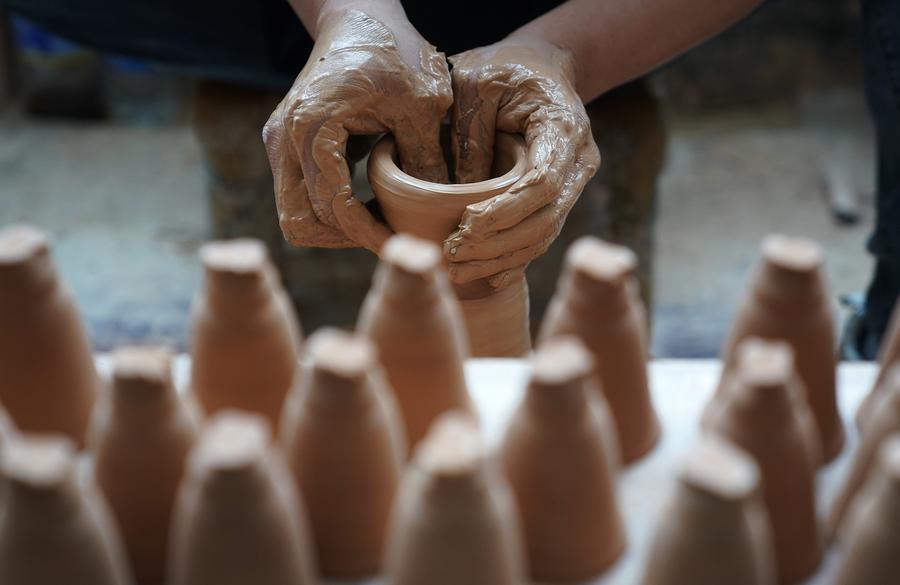
    This file photo taken on Aug. 28, 2024 shows a craftsman making the clay body on the wheel at a studio in Jingdezhen, east China's Jiangxi Province. (Xinhua/Wan Xiang)

    Source : https://new.igihe.com/english/how-xi-takes-chinese-porcelain-culture-to-the-world/

  • Rwanda to phase out 2G and 3G networks as it accelerates shift to faster connectivity #rwanda #RwOT

    According to a statement issued by the Ministry of ICT and Innovation on July 27, 2026, the nationwide switch-off of 3G services is scheduled for June 30, 2027, while the retirement of 2G services will follow after an assessment of network coverage, service continuity and the adoption of compatible devices.

    The transition is being coordinated by the Ministry of ICT and Innovation (MINICT) and the Rwanda Utilities Regulatory Authority (RURA) in collaboration with mobile network operators, government institutions, the private sector and the public.

    'This transition will free up network capacity currently used to run two generations of aging technology, allowing mobile operators to invest fully in expanding and strengthening 4G and, over time, 5G coverage across the country,' the statement reads.

    For consumers, the change is expected to translate into faster internet speeds, clearer voice calls, fewer dropped connections and improved access to services that increasingly rely on modern mobile networks, including mobile banking, government e-services, education and digital health platforms.

    The implementation will be guided by several readiness indicators before the shutdown is completed.

    These include ensuring reliable nationwide 4G coverage and quality of service, maintaining uninterrupted voice calls, text messaging, mobile money and emergency services, migrating services that still depend on USSD, 2G or 3G technologies, ensuring the availability of affordable compatible devices, and conducting extensive public awareness campaigns and customer support.

    As part of the transition, pilot shutdowns of older networks will be carried out during 2026 while authorities continue expanding 4G coverage and monitoring the country's readiness for the nationwide 3G switch-off.

    MINICT has urged mobile phone users to verify whether their devices and SIM cards support 4G technology. MTN Rwanda customers can check their SIM compatibility by dialing 4561#, while Airtel Rwanda customers can dial 2555*4#. Mobile operators will also notify customers who need to upgrade their devices or SIM cards.

    Businesses and public institutions operating equipment or services that still rely on 2G or 3G; including systems used for mobile money, payment platforms, utilities, transport, healthcare, public safety and government services, have also been advised to begin planning for upgrades or replacements.

    MINICT and RURA said additional guidance will be issued to service providers and the public as the migration progresses.

    The move comes just over a year after MTN Rwanda officially launched its 5G network in June 2025, describing the technology as a key driver of innovation and digital transformation.

    At the time, the operator said 5G would deliver significantly higher speeds, lower latency and greater network capacity, with initial deployment focusing on Kigali and selected high-demand locations before wider expansion.

    Rwanda is among Africa's leading countries for internet speed and also ranks among the world's top-performing nations for internet connectivity.

    The latest government roadmap is expected to further support the country's long-term transition toward advanced mobile connectivity.

    The nationwide switch-off of 3G services is scheduled for June 30, 2027, while the retirement of 2G services will follow after an assessment of network coverage.

    Source : https://new.igihe.com/english/rwanda-to-phase-out-2g-and-3g-networks-as-it-accelerates-shift-to-faster-connectivity/

  • Rwanda grants citizenship to 105 people, mostly Burundians and Congolese #rwanda #RwOT

    A statement issued by the Directorate General of Immigration and Emigration shows that among those granted Rwandan citizenship, 26 were born in Burundi, 20 in the DRC, nine in Uganda and eight in the United States.

    The group also includes six people born in Belgium, five from Cameroon, four from Kenya and three born in Rwanda to parents of foreign origin.

    Canada, the Netherlands, the Republic of Congo, Switzerland and Tanzania each had two nationals among those who acquired Rwandan citizenship.

    About 60 percent of the newly naturalised citizens are aged between 30 and 49 years, a demographic group considered to have strong potential to contribute to the country's social and economic development.

    They are followed by those aged between 50 and 64, people above 65 years, and young people below 30 years.

    The youngest among the new citizens is five years old, while the oldest is 81.

    The newly granted Rwandan citizenship became effective on July 24, 2026, according to a notice published in the Official Gazette of the Republic of Rwanda.

    Rwanda has granted citizenship to 105 people from 27 countries.

    Source : https://new.igihe.com/english/rwanda-grants-citizenship-to-105-people-mostly-burundians-and-congolese/

  • Sudanese investments in Rwanda surpass $25 million #rwanda #RwOT

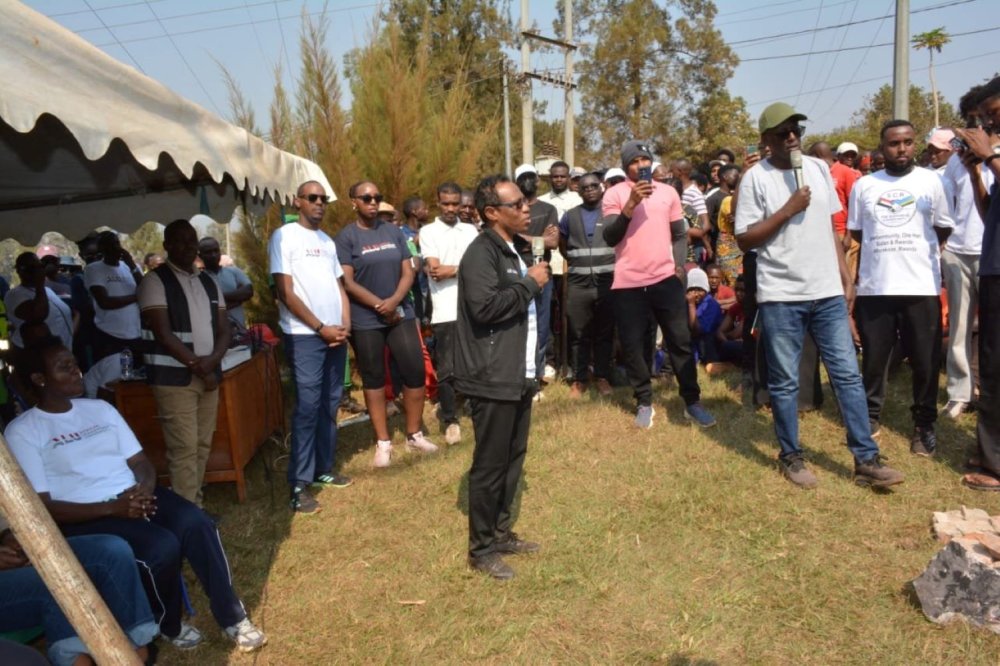
    The ambassador disclosed the figures while speaking to IGIHE on the sidelines of Umuganda, Rwanda's monthly community service, held in Jabana Sector of Gasabo District last Saturday, where more than 150 Sudanese nationals joined local residents in community work.

    Dafalla said the growing investment portfolio reflects the Sudanese community's confidence in Rwanda's business environment and its desire to contribute to the country's socio-economic development.

    'Our total investment here is more than $25 million,' he said. 'Real estate is one of the biggest sectors. We have five companies developing apartments, villas and houses. It is a very promising sector.'

    He added that Sudanese investors have also established a strong presence in education, including two schools and a medical university with more than 1,000 medical students, alongside investments in medical services.

    Ambassador Dafalla said the growing investment portfolio reflects the Sudanese community's confidence in Rwanda's business environment.

    Beyond education and real estate, Sudanese businesses are active in agriculture, poultry farming, oil and gas, and other commercial activities.

    'We have Sudanese agriculturalists with different farms. There are three or four companies in poultry, and some companies are already exporting cash crops,' he said.

    According to the ambassador, Sudanese entrepreneurs are increasingly looking at Rwanda's real estate market while also exploring opportunities in agriculture, particularly the export of coffee, tea and other cash crops.

    'Rwanda is famous for its agribusiness, especially coffee and tea, which are among the best quality in the world,' he said, noting that Sudan is the sixth-largest importer of Rwandan coffee and tea and that both countries have room to expand agricultural trade.

    Dafalla also revealed that Sudanese investments in Jabana alone are valued at about $4 million, mainly in the oil and gas sector.

    The ambassador said the investments are being driven by a growing Sudanese community in Rwanda, which he estimated at around 5,000 people, including about 4,000 students enrolled in six universities. Others work in healthcare, business and other professional fields.

    He noted that Sudanese doctors serve in hospitals and clinics across Rwanda, while business owners operate shops in Kigali and have also introduced Sudanese cuisine through about 15 restaurants.

    'We are contributing to cultural diversity,' he said. 'We are part of this culture and are adding beauty to the cultural scene in Rwanda.'

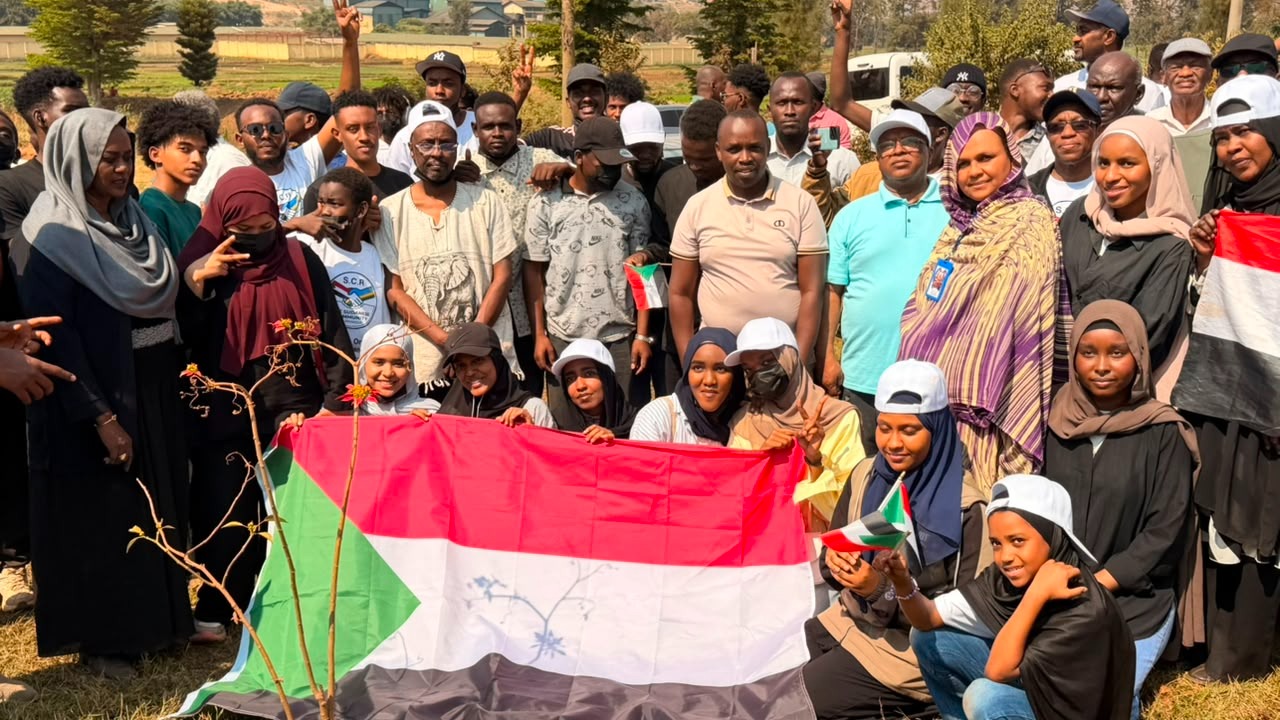
    Members of the Sudanese community participated in Umuganda, Rwanda's monthly community service programme, held in Jabana Sector of Gasabo District last Saturday.

    Umuganda offers lessons for Sudan

    Dafalla said the Sudanese Embassy organised the participation of more than 150 Sudanese nationals in Umuganda to expose them to one of Rwanda's most celebrated homegrown initiatives.

    He described Umuganda as an expression of African values centred on collective responsibility and community development, adding that the Sudanese community would take the lessons learned from the initiative back home and promote similar practices within their communities.

    'We came to learn from Rwanda's good practices and deepen our understanding of Rwandan culture,' he said. 'Our youth especially want to learn from this so that when they finish their studies and return home, they can reflect these good practices in the Sudanese community.'

    During the exercise, the embassy donated 100 construction and cleaning tools to support community activities in Jabana.

    The ambassador emphasised that the Sudanese community considers itself an integral part of Rwandan society.

    'We are not aliens; we are African brothers and sisters,' he said. 'We are here to participate, contribute positively and learn from Rwanda's good practices.'

    The ambassador emphasised that the Sudanese community considers itself an integral part of Rwandan society.

    Embassy addresses student misconduct

    The ambassador also addressed recent reports involving misconduct by some Sudanese students, describing the incidents as isolated and unrepresentative of the wider community.

    He said the embassy has intensified engagement with students through campus visits, meetings with university leaders and collaboration with student associations to encourage respect for Rwandan laws and peaceful coexistence.

    'When you have 4,000 students and there are only a few reported cases, the proportion is not alarming, but it is still a concern for us,' he said. 'We are working hard to ensure it is not repeated.'

    He urged Sudanese students to respect Rwanda's laws, cooperate with law enforcement authorities and act as ambassadors of goodwill between the two countries.

    'My message is that we should pay back respectfully to the Rwandan community,' he said. 'Take the good practices from Rwanda back to Sudan. You are cultural bridges between our two African sister countries.'

    Source : https://new.igihe.com/english/sudanese-investments-in-rwanda-surpass-25-million/

  • New $5 million project to take conservation agriculture to 600,000 hectares in Rwanda #rwanda #RwOT

    The initiative, led by the Ministry of Agriculture and Animal Resources (MINAGRI) in partnership with the Rwanda Institute for Conservation Agriculture (RICA), seeks to expand the adoption of conservation agriculture and integrate it into agricultural extension programmes.

    The project began with training for different categories of agricultural officers working closely with farmers at the grassroots level. The trained personnel will later support farmers in adopting farming methods that preserve soil fertility and reduce land degradation.

    The four-year programme will be implemented in all districts where land consolidation farming is practised. It will begin with 100,000 hectares during the next agricultural season before expanding to 150,000 hectares and eventually reaching 600,000 hectares by 2029.

    So far, 168 people have been trained, including district agronomists and agricultural extension specialists from the Rwanda Agriculture and Animal Resources Development Board (RAB).

    On July 22, 2026, RICA hosted a two-day training session for 52 agricultural interns from districts across the country in Bugesera. Overall, 889 people are expected to receive training before the start of the 2027A agricultural season.

    Protecting soil while increasing productivity

    Dr. Léonce Harerimana, Director of Extension and Irrigation, and Water Management Lecturer at RICA, said the project aims to ensure Rwanda adopts farming practices that protect soil while improving crop yields.

    'We want conservation agriculture to ensure that cultivated land is not left bare and that rivers are not filled with soil washed away by erosion. Another objective is to increase productivity because the soil will have regained its quality,' he said.

    Dr. Harelimana explained that some conventional farming practices contribute to soil degradation and reduced productivity.

    These include excessive ploughing, which loosens soil and makes it more vulnerable to erosion, as well as removing crop residues from fields and applying chemical fertilisers without proper management.

    He added that failure to use mulching also contributes to soil deterioration.

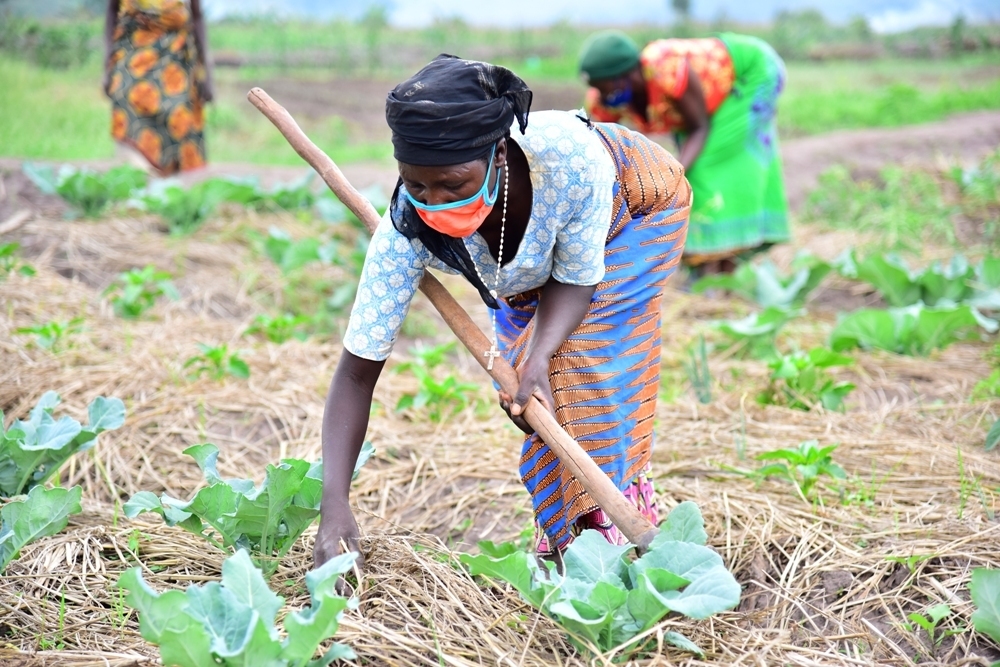
    Under conservation agriculture, farmers are encouraged to keep soil covered, minimise soil disturbance through excessive tilling, and apply fertilisers in appropriate quantities and close to plants to ensure they are effectively absorbed.

    Higher yields expected

    According to RICA, improved soil management can significantly increase agricultural output.

    For maize, farms that use quality seeds and apply soil conservation practices can produce up to seven tonnes per hectare, compared to less than two tonnes per hectare on degraded soils.

    For beans, conserved land can produce between 1.6 tonnes and more per hectare, while poorly managed soils often produce less than 500 kilogrammes per hectare.

    Dr. Christian Nkurunziza, the MINAGRI coordinator for the project, said the initiative seeks to address growing concerns over soil degradation and ensure land continues to provide meaningful yields.

    'Today, the amount of land available for farming is not increasing, but we want the same land to produce more. Without protecting it, soil would lose its natural qualities. In the past, farmers could leave fields fallow, but that is no longer possible because land must be cultivated every season,' he said.

    He noted that Rwanda has implemented various soil protection measures, including terracing, but additional approaches were needed to achieve stronger results.
    'This is why we decided to introduce this project,' he added.

    Eric Uwitoze, a trainee from Ruhango District, said the programme had helped him understand the importance of practices such as crop rotation in reducing crop diseases.

    He added that conservation agriculture would also help reduce unnecessary costs associated with farming by improving soil quality and efficiency.

    Rwanda is set to introduce conservation agriculture practices on 600,000 hectares of farmland across the country under a $5 million project.

    Source : https://new.igihe.com/english/new-5-million-project-to-take-conservation-agriculture-to-600000-hectares-in-rwanda/