New research suggests that a person's genetic makeup may help explain why low-carbohydrate diets affect cholesterol levels differently from one individual to another.
The findings indicate that people who are genetically predisposed to higher levels of low-density lipoprotein (LDL) cholesterol may be particularly sensitive to saturated fat while following a low-carb diet.
The study, presented at NUTRITION 2026 by researchers including Alexa Barad, a postdoctoral scholar at Stanford University School of Medicine, examined data from the DIETFITS trial.
The original study involved more than 600 adults who followed either a healthy low-carbohydrate or healthy low-fat diet for one year.
For the new analysis, researchers examined 431 participants who had available genetic information.
They looked at the relationship between participants' genetic characteristics, their consumption of saturated fat, the type of diet they followed and changes in their LDL cholesterol after six months.
The results showed a notable pattern. Among people following the low-carb diet, those with a greater genetic tendency toward high LDL cholesterol were more likely to experience an increase in the cholesterol level.
The increase was particularly pronounced among those who consumed more saturated fat.
Researchers believe this may help explain why two people can follow seemingly similar diets yet experience very different results.
While one person may see little change in cholesterol, another could experience a substantial increase.
The researchers used thousands of genetic variations to create what is known as a polygenic score, allowing them to estimate an individual's overall genetic tendency toward higher or lower LDL cholesterol.
In the future, such information could potentially help doctors identify people who may be more sensitive to certain dietary changes.
However, the researchers stressed that genetic testing is not necessary for people to take a practical lesson from the findings.
Instead, people should pay attention to how their bodies respond to dietary changes and monitor cholesterol levels when making significant changes to their diets.
For people following a low-carb diet, researchers suggest choosing healthier sources of fat, including nuts, seeds, olive oil and avocado, rather than relying heavily on butter, beef tallow, fatty cuts of meat and processed meats.
The researchers also cautioned that the findings are preliminary because they were presented as an abstract at NUTRITION 2026 and have not yet undergone the same peer-review process required for publication in a scientific journal.
Further studies will be needed to confirm the results and determine whether they apply to broader populations.
A new study suggests that a person's genes may influence how their cholesterol levels respond to a low-carbohydrate diet.
The appointment was confirmed during the 101st IAVM VenueConnect Annual Conference and Trade Show in Indianapolis, United States, bringing Rwanda's growing venue management industry into the spotlight on the global stage.
The IAVM represents venue professionals working across stadiums, arenas and convention centres worldwide, with more than 8,000 venue professionals represented through the association.
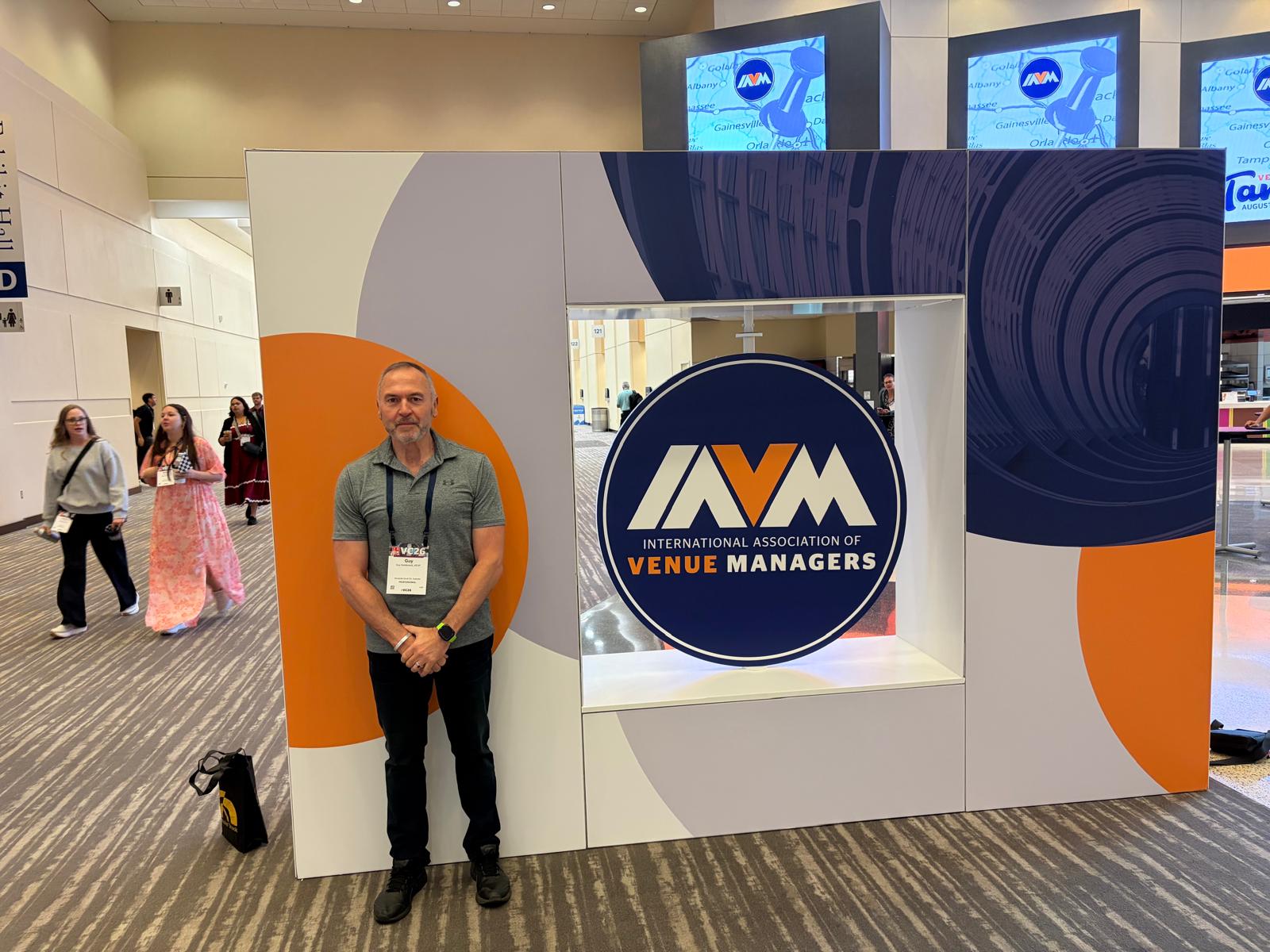
Hedderwick's election is being viewed as a significant milestone for Rwanda and Africa as the continent's sports and entertainment infrastructure continues to expand.
The new role will place the QAVS chief at the centre of global discussions on stadium management, innovation, professional development and industry standards.
'This is bigger than an individual appointment. It gives us an opportunity to connect Rwanda and Africa's growing venue industry with global expertise, certification and mentorship,' Hedderwick said.
'Our ambition is to develop world-class venues alongside world-class African professionals to manage them. Through our partnership with IAVM, we want to expand education, certification and mentorship programmes in Rwanda and across the region.'
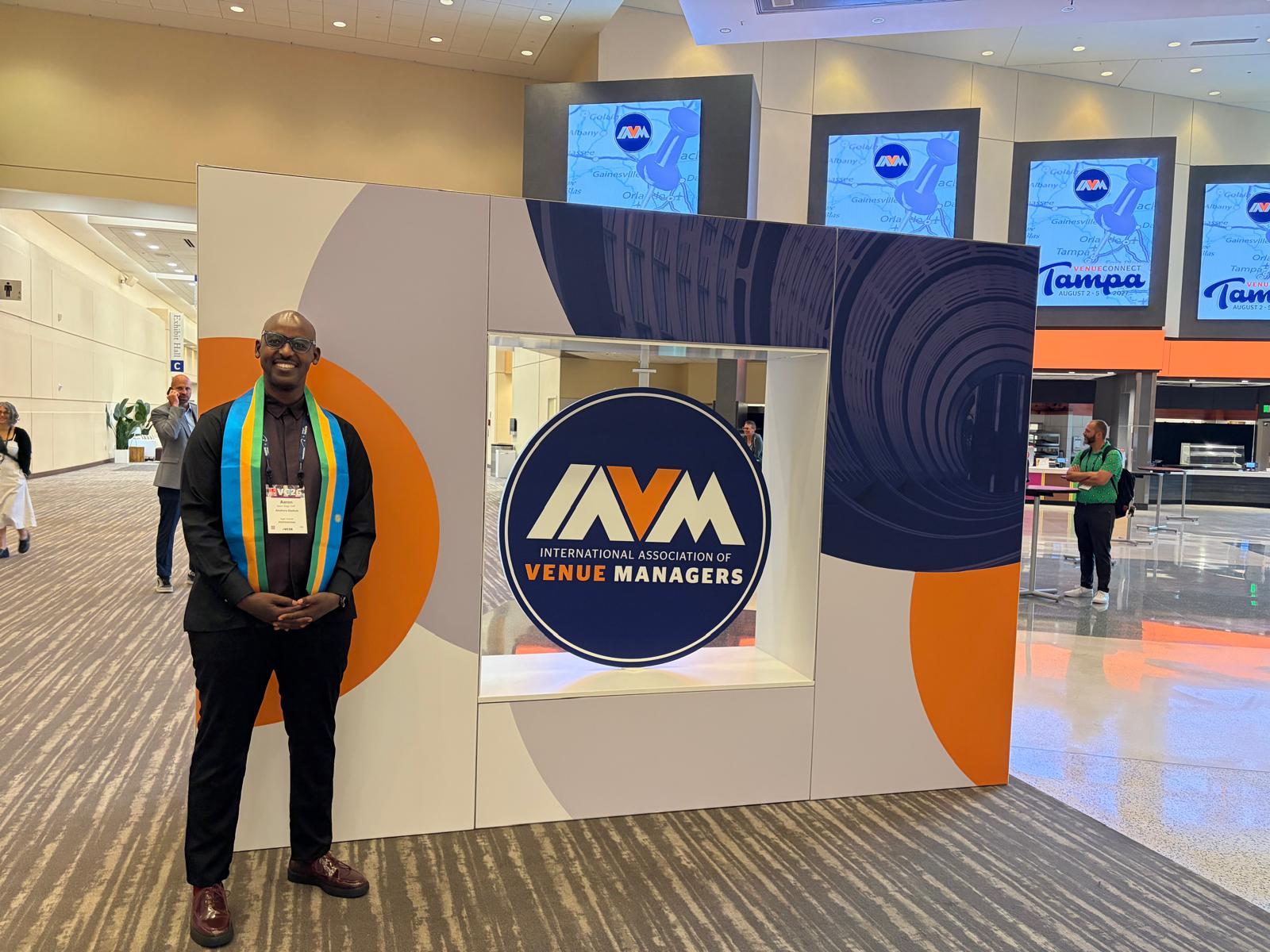
Hedderwick's appointment came alongside another milestone for Rwanda's venue management sector, with Amahoro Stadium Venue Manager Aaron Gaga earning the Certified Venue Professional (CVP) designation at the same conference.
Amahoro Stadium Venue Manager Aaron Gaga earned the Certified Venue Professional (CVP) designation at the same conference.
The CVP is a professional certification for venue management professionals and marks another step in the development of internationally recognised venue management expertise in Rwanda.
Gaga joined QAVS as a junior staff member and has progressed through the organisation to become Venue Manager at Amahoro Stadium.
'I joined QAVS as a junior staff member and have grown through the ranks. This certification is a testament to passion, dedication and a commitment to excellence,' Gaga said.
'More importantly, it reflects the journey we are on as a company and as a country—building world-class venue management expertise as Rwanda positions itself as a regional hub for sports and entertainment.'
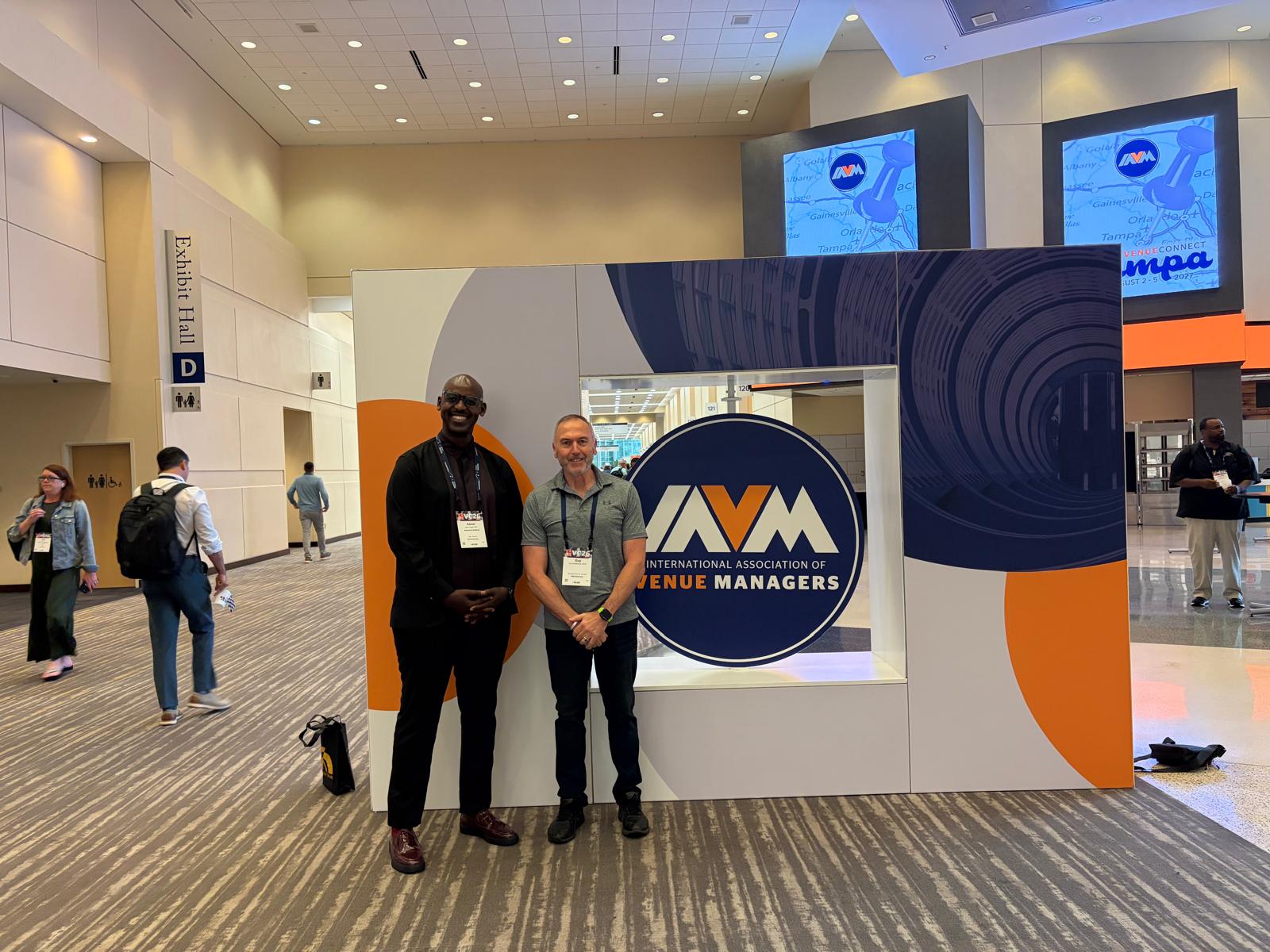
Gaga and Guy at the conference.
QAVS said the two achievements reinforce its focus on professional development and succession planning as Rwanda seeks to strengthen its position as a destination for major sports, entertainment and business events.
The company manages several of Rwanda's flagship sports and entertainment facilities within Kigali Sports City, including BK Arena, Amahoro Stadium and Zaria Court.
According to QAVS, the precinct represents more than $300 million in government investment and has attracted more than $30 million in private investment. The facilities have hosted more than 600 events over the past six years and generated more than $15 million in sponsorship value.
The company affirmed that its venue management work supports Rwanda's broader ambitions to grow the sports and tourism economy, create employment opportunities and strengthen local professional skills.
Building on the two achievements, QAVS and IAVM are expected to explore opportunities to strengthen mentorship, professional certification and capacity-building for venue managers in Rwanda.
The initiatives could eventually be extended across East Africa and other parts of the continent, as demand for skilled venue professionals grows alongside investment in sports and entertainment infrastructure.
Guy Hedderwick's election is being viewed as a significant milestone for Rwanda and Africa as the continent's sports and entertainment infrastructure continues to expand.
Parton died at the age of 80 on August 25, 2026, after a brief battle with cancer.
Her death was announced by her nephew Bryan Seaver, prompting an immediate outpouring of grief from artists who knew her personally and others who grew up inspired by her work.
Among the most touching tributes came from Taylor Swift, who described Parton as a rare combination of grace, strength and generosity.
Swift said Parton encouraged people to remain true to themselves while using her life to inspire others.
Swift also highlighted Parton's work beyond music, particularly her commitment to children's literacy through the Dolly Parton Imagination Library.
Swift and Travis Kelce recently donated $2 million to the programme, and Parton had publicly acknowledged the contribution.
Beyoncé, who brought Parton's music to a new generation through her cover of 'Jolene' on Cowboy Carter, also remembered the country legend.
She described Parton as a guiding figure whose talent, determination and individuality taught generations of artists how to be themselves. The two also collaborated on songs featured on Beyoncé's album.
For Miley Cyrus, the loss was deeply personal. Parton was her godmother and had been a close presence in her life for years. Cyrus described her as one of the purest souls and shared her heartbreak after the news of her death.
Country star Reba McEntire remembered Parton as a longtime friend, thanking her for the love and music she gave the world.
Kacey Musgraves also expressed her pain, while Maren Morris shared memories of performing with Parton.
Paul McCartney joined the tributes, recalling his first meeting with Parton in Nashville in the 1970s. He praised not only her musical ability but also her generosity and humanitarian work.
Hollywood figures also remembered her warmth. Jamie Lee Curtis thanked Parton for everything she gave the world, while her 9 to 5 co-star Lily Tomlin shared a photo of the two together with a simple expression of grief.
Octavia Spencer, Carol Burnett, Sally Field and Sarah Jessica Parker were among others who celebrated Parton's kindness and extraordinary legacy.
From country music to Hollywood and global pop culture, the tributes have revealed the remarkable breadth of Parton's influence.
Dolly Parton is a legendary country music icon whose remarkable career and generosity inspired generations of artists and fans around the world.
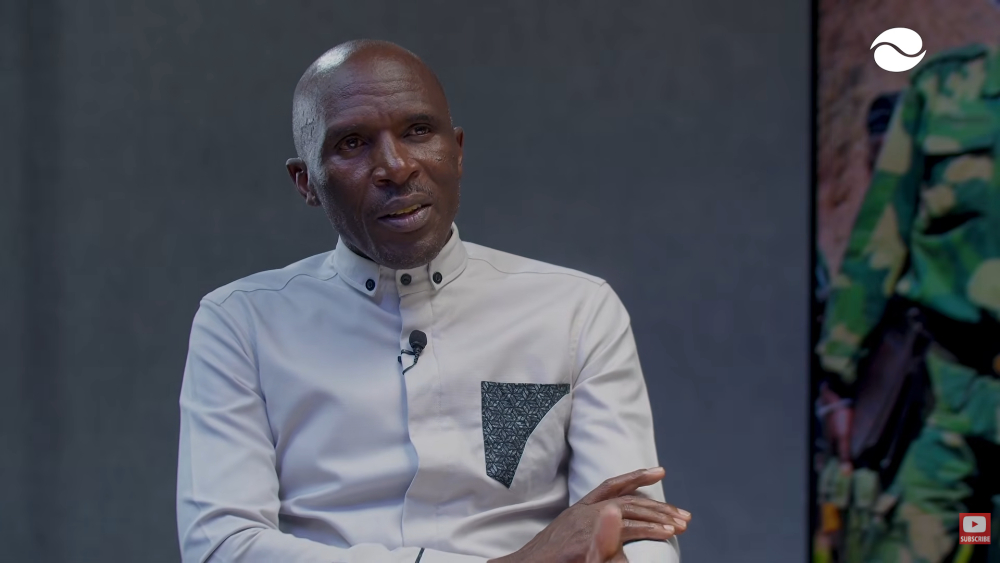
According to former FDLR member Augustin Nshimiyimana, known within the group as Colonel Bora Manassé, the movement's military ties with the Congolese armed forces go back decades.
Nshimiyimana said the group, initially known as ALiR, did not enter Zaire solely as a refugee population. Instead, its members maintained a military structure similar to that of the former Rwandan army and hoped to eventually return to Rwanda and regain political power.
Over the years, members of the group developed close relationships with successive Congolese governments and the country's armed forces. Some were eventually integrated into the Congolese military, particularly during the process of incorporating armed groups into the national army following the 2002 Sun City agreements.
Nshimiyimana told IGIHE that after the Rwanda Patriotic Army's victory in Rwanda, some Ex-FAR and Interahamwe members remained in eastern Zaire while others, including himself, crossed the Congo River and joined the Congolese armed forces, then known as the FAC.
'During those movements, many joined the FARDC. Many of them remain there today,' he said.
He identified several former ALiR members whom he said went on to occupy senior positions in the FARDC. Among them, he named Rucyahana Jean Baptiste, known as Colonel Jules Mulumba among the Wazalendo, and Annaclet Nsengiyumva, who rose to the rank of colonel and currently works in the DRC's military intelligence structure.
Nshimiyimana also cited Mbangu Mbangu, who he said had been a corporal in ALiR but later became a colonel in the FARDC and commanded a regiment in Ituri Province.
Another former ALiR fighter known as 'Karati,' he said, rose from the rank of corporal to lieutenant colonel in the Congolese army and commands a battalion in Misisi, Fizi Territory, in South Kivu Province.
He further revealed that other former members of the group occupy positions in different FARDC units.
'We know each other, we lived together, and there are many of them,' Nshimiyimana said.
From refugee camps to armed networks
Nshimiyimana also described how former Rwandan combatants became involved in conflicts involving armed communities in eastern Congo.
He said that when Ex-FAR and Interahamwe members arrived in eastern Zaire in 1994, they brought with them the ideology and military structures associated with the Rwandan conflict. According to him, they subsequently became involved in local conflicts and provided weapons and training to Congolese combatants.
'We gave them the guns we had brought with us,' he said.
Nshimiyimana named several Congolese military figures whom he claimed had received training or support from former Rwandan combatants, including Brigadier General Mugabo Hassan, Major General Mayanga and Brigadier General Davide.
Blurred lines between the FARDC and FDLR
Nshimiyimana argues that the presence of former FDLR and ALiR members within the Congolese military has created overlapping networks that make it difficult to distinguish between the FDLR and elements of the FARDC.
He described some former combatants now serving in the Congolese army as effectively acting as 'FDLR ambassadors.'
'So who is going to attack the FDLR? It is present within the FARDC, and it is present within the Wazalendo,' he said, arguing that the integration of former combatants has blurred the distinction between armed groups and state forces.
Commenting on the DRC's claim that the FDLR had agreed to voluntarily lay down its arms, he said the process could be complicated by the involvement of individuals and networks with past ties to the FDLR in operations against the group.
The former FDLR combatant suggested that stronger international pressure on Kinshasa could encourage the DRC government to more clearly separate its armed forces from the FDLR and take steps toward dismantling the group.
According to former FDLR member Augustin Nshimiyimana, known within the group as Colonel Bora Manassé, the movement's military ties with the Congolese armed forces go back decades.The FARDC and FDLR have been working together for many years and have become deeply intertwined.
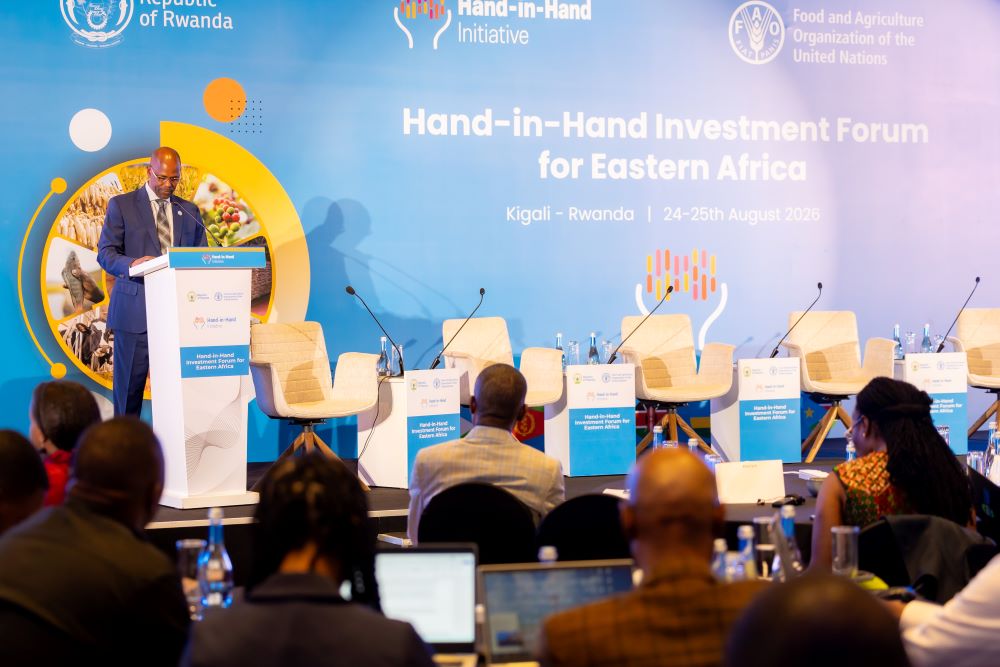
The Hand-in-Hand Investment Forum for Eastern Africa began on August 24, 2026, bringing together representatives from Djibouti, Eritrea, Ethiopia, Kenya, Rwanda, Somalia, South Sudan and Uganda.
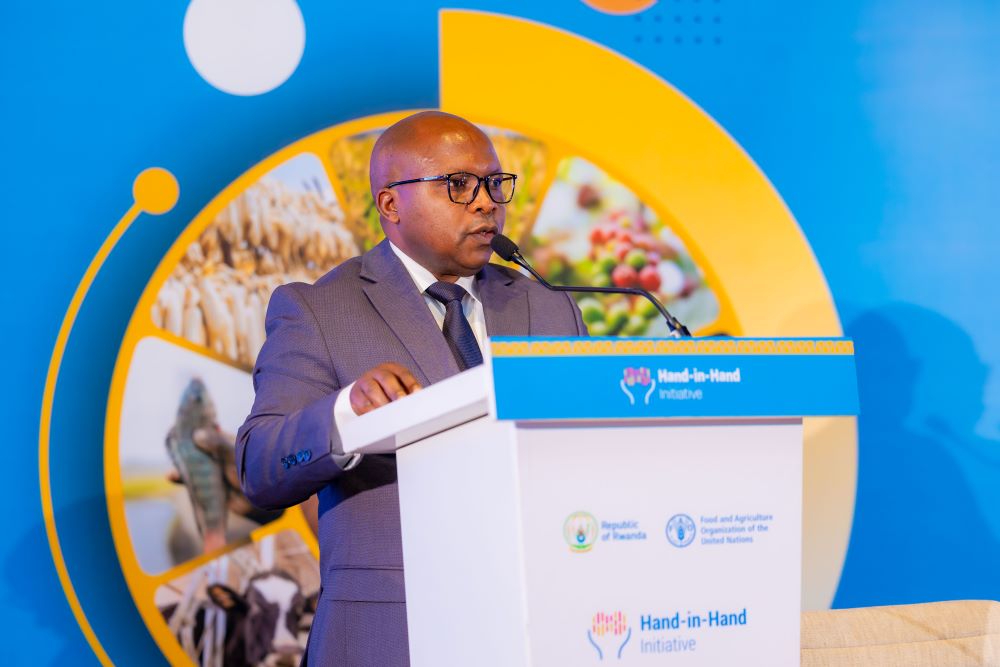
FAO Representative in Rwanda Mohamed Aw Dahir said the success of the forum would not be measured by discussions alone, but by its ability to turn ideas into concrete investments that benefit farmers, businesses and rural communities.
'We need to move from discussions to concrete action, and the success of this forum will not be measured only by the discussions, but by our ability to turn ideas into investments that deliver tangible benefits to farmers, the private sector and rural communities,' Dahir said.
He said the Hand-in-Hand initiative seeks to help countries move beyond projects that rely mainly on aid towards sustainable investments capable of transforming agriculture and food processing.
Rwanda's Minister of Agriculture and Animal Resources, Dr. Telesphore Ndabamenye, said the challenge was not a lack of projects, but ensuring that existing opportunities are converted into profitable investments.
'The opportunities are there. What remains is to turn them into investments that can generate returns, scale up and contribute to development,' he said.
Dr. Ndabamenye said Rwanda is working with FAO to identify investment opportunities across agricultural value chains and develop projects that can connect investors with the capital, technology and expertise they need.
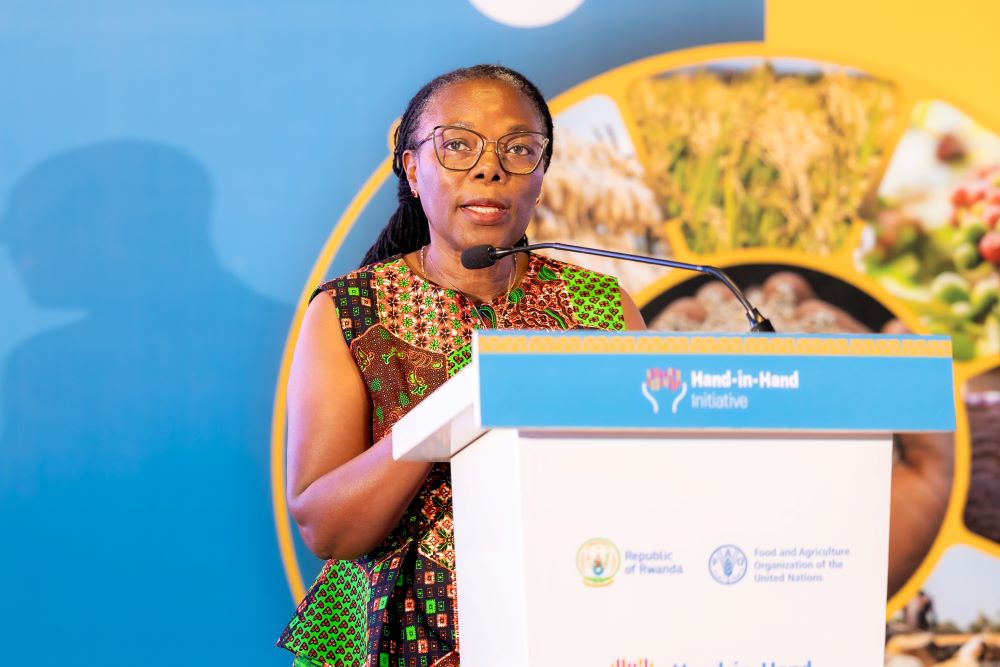
FAO Subregional Coordinator for Eastern Africa Farayi Zimudzi said opportunities exist in coffee, livestock and dairy, fisheries, horticulture, cereals and oil-producing crops.
However, she identified climate change, inadequate infrastructure, high transport costs and limited access to finance as some of the challenges constraining agricultural investment.
Zimudzi called for stronger cooperation among governments, the private sector, financial institutions, development partners and technology experts.
She said all eight participating countries are part of the Hand-in-Hand initiative, which seeks to attract investment that adds value to agricultural production, expand trade and strengthen regional cooperation.
The forum aims to showcase investment opportunities, connect investors with project developers and facilitate agreements that can accelerate transformation in East Africa's agriculture and livestock sectors.
The meeting comes ahead of the Africa Food Systems Summit scheduled to take place in Kigali in the first week of September 2026, as well as the global FAO Hand-in-Hand Investment Forum planned for Rome, Italy, in October 2026.
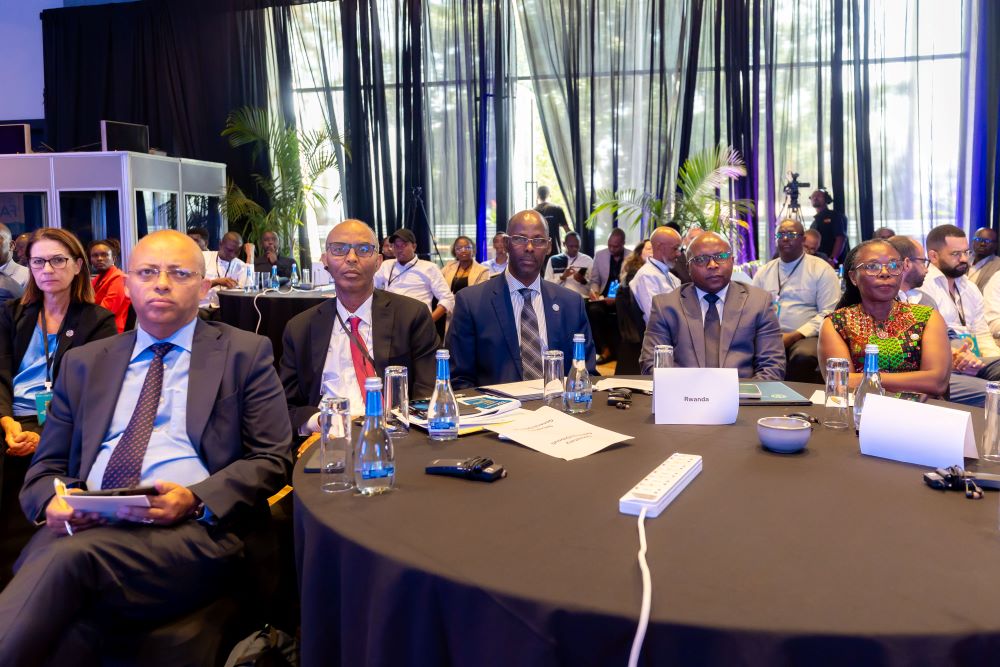
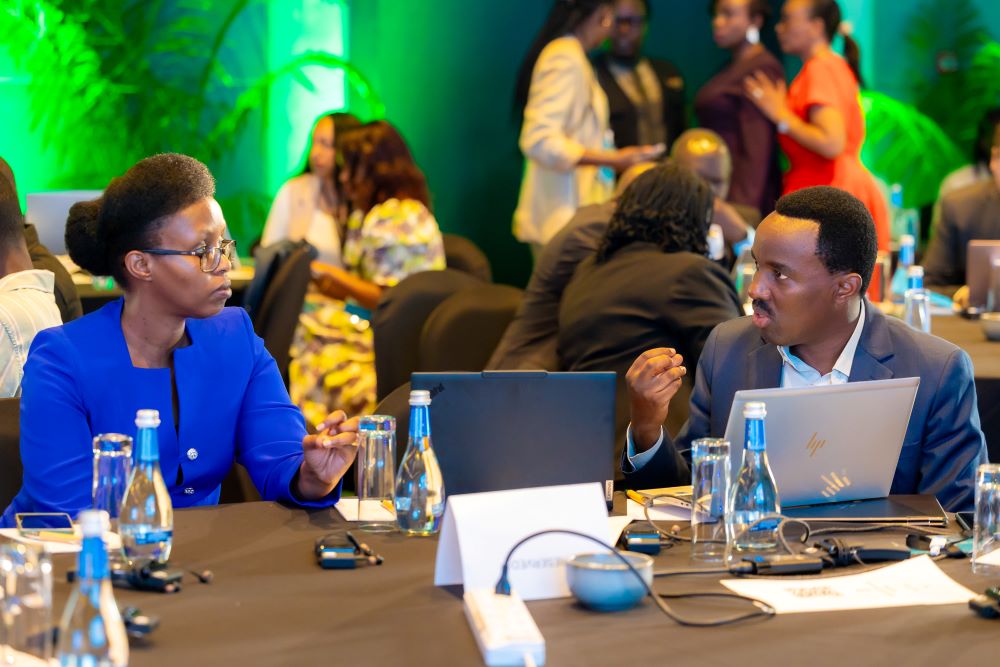
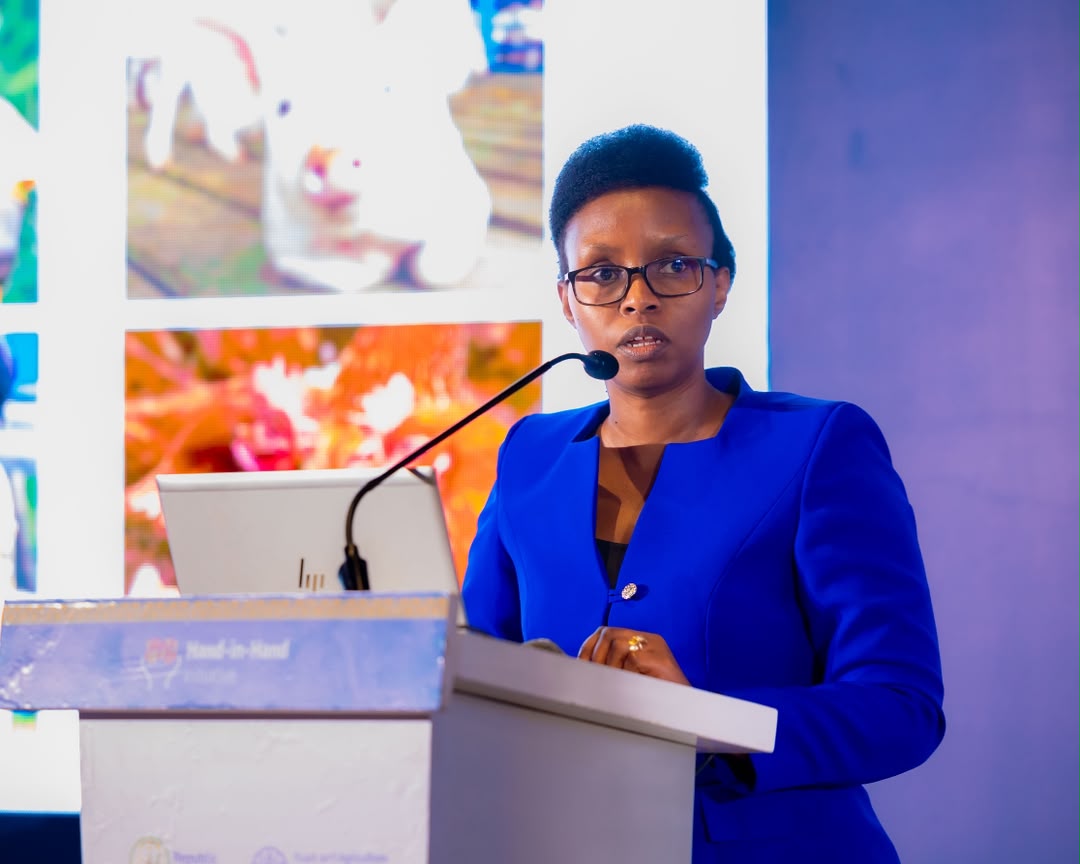
Eight East African countries have gathered in Kigali to explore investment opportunities in agriculture, livestock and agro-processing.FAO Representative in Rwanda Mohamed Aw Dahir has said rising food demand and the region's young population have created significant opportunities for agricultural investment.Agriculture Minister Dr. Telesphore Ndabamenye has called for greater investment to transform Eastern Africa's agrifood systems into engines of economic growth and job creation.FAO Subregional Coordinator for Eastern Africa Farayi Zimudzi has described the region as one of Africa's most promising frontiers for agrifood investment.Participants of the forum posing for a group photo The Kigali forum has brought together governments and partners seeking to turn agricultural opportunities into concrete investments.The Hand-in-Hand Investment Forum has created a platform for countries to showcase agricultural investment opportunities.Dr. Chantal Ingabire, Director General of Planning at the Ministry of Agriculture and Animal Resources, also participated in the Kigali forum as stakeholders sought to showcase investment opportunities across its agricultural sector.
For young entrepreneurs, women-led businesses and micro, small and medium enterprises, AfCFTA could open doors to markets far beyond their home countries. However, accessing those opportunities will require more than simply knowing that the agreement exists. Businesses will need quality products, market knowledge, innovation and an understanding of the rules governing cross-border trade.
In an exclusive interview with IGIHE, National AfCFTA Youth and Women Champion Amos Akandwanaho Seromba encouraged young Africans to think beyond their domestic markets and take advantage of the opportunities presented by continental trade.
Seromba described AfCFTA as an important framework for strengthening trade among African countries by reducing barriers and making it easier for businesses to access markets across the continent.
'Governments sign agreements; it is businesses that actually trade,' Seromba said, stressing that the success of AfCFTA will ultimately depend on how effectively businesses use the opportunities created by the agreement.
Trading under the AfCFTA framework began in 2021, marking an important step from negotiations towards practical implementation. The agreement seeks to progressively reduce tariffs, facilitate trade in goods and services and strengthen economic integration among African countries.
For entrepreneurs, the potential is significant. A business established in Rwanda can seek opportunities in other African markets, provided its products meet the relevant rules, standards and requirements in the countries where it intends to operate.
Rwanda has played a prominent role in the AfCFTA process. The agreement was signed in Kigali in 2018, placing the country at the centre of an initiative considered one of Africa's most important efforts towards economic integration.
The country has also worked to improve its business environment and facilitate the establishment and operation of businesses.
Seromba believes these efforts can provide a foundation for Rwandan entrepreneurs to expand beyond the domestic market.
He argues that businesses should not view Rwanda as the end of their commercial journey but as a starting point for reaching customers across Africa.
For young entrepreneurs, this requires a change in mindset. Rather than waiting for opportunities to come to them, they need to identify markets where their products or services can solve real problems.
AfCFTA is not only for governments and large companies
Seromba emphasised that AfCFTA is not an initiative meant exclusively for governments or large corporations.
Young people, women entrepreneurs, innovators and MSMEs have an important role to play in making the continental market a reality.
The agreement covers areas including trade in goods and services, intellectual property and digital trade, creating opportunities for businesses in a wide range of sectors.
Preferential tariff arrangements for qualifying products, improved customs procedures and efforts to address trade barriers could make it easier for businesses to reach customers in other African countries.
But access to a larger market does not automatically translate into success.
Entrepreneurs must first understand what consumers in their target markets need and whether their products can compete in terms of quality, price, packaging and reliability.
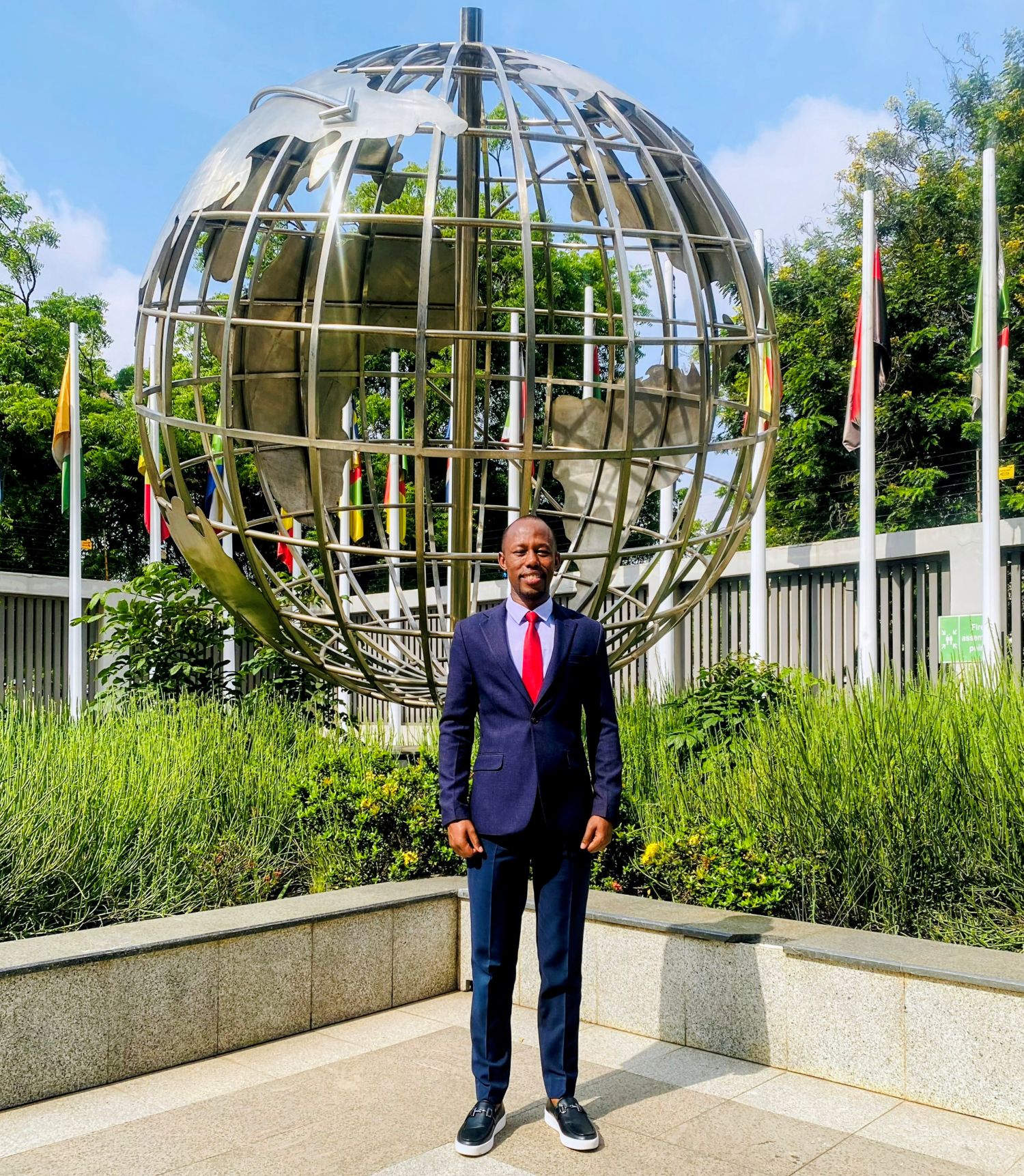
National AfCFTA Youth and Women Champion Amos Akandwanaho Seromba encouraged young Africans to think beyond their domestic markets and take advantage of the opportunities presented by continental trade.
Market research remains essential
Seromba urged African entrepreneurs to conduct proper market research before attempting to enter new markets.
A product that performs well in Rwanda, for instance, may not necessarily have the same demand in another African country.
Entrepreneurs therefore need to study consumer preferences, competitors, regulations, standards and purchasing power before investing in a new market.
Value addition is also critical.
Africa has significant natural resources, but much of the continent's economic potential remains tied to the export of raw materials. By processing and packaging products locally, entrepreneurs can create greater value and improve their competitiveness.
Seromba also sees technology as an important tool for young businesses.
Artificial intelligence and other digital technologies can help entrepreneurs research markets, improve productivity, develop products, reach customers and make better business decisions.
His message to young entrepreneurs is centred on preparation and competitiveness.
'Focus first on high-quality products and genuine value addition,' he said, urging businesses to ensure that what they offer can compete in an increasingly connected African market.
Businesses still face barriers
Despite the opportunities created by AfCFTA, businesses still face significant obstacles when trading across African borders.
Non-tariff barriers remain among the challenges affecting intra-African trade. Businesses may encounter different regulatory requirements, product standards, documentation procedures and customs processes from one country to another.
The movement of people also remains an important issue for entrepreneurs who need to travel to meet customers, establish partnerships and develop markets.
Insecurity in some parts of the continent can further discourage investment and make the transportation of goods more difficult.
Seromba also identified limited awareness as a major challenge.
While many young Africans have heard about AfCFTA, fewer may understand the practical steps required to benefit from it.
Knowing about the agreement is not enough. Entrepreneurs need to understand issues such as certificates of origin, product standards, market access requirements and procedures for addressing trade barriers.
Seromba urged African entrepreneurs to conduct proper market research before attempting to enter new markets.
Governments and businesses must act together
Seromba believes governments and businesses must work together to ensure that AfCFTA delivers tangible benefits.
Governments have a responsibility to create supportive policies, simplify trade procedures, improve infrastructure and address barriers that make cross-border commerce difficult.
The private sector, on the other hand, must develop competitive products, comply with standards and actively seek opportunities in other African markets.
Regular engagement between policymakers and businesses is particularly important for youth, women and MSMEs because their experiences can help identify barriers that may not always be visible at the policy level.
'The private sector, particularly MSMEs, must be at the forefront of this opportunity,' Seromba noted, highlighting the importance of ensuring that smaller businesses are not left behind as continental trade expands.
Kagame calls for action on AfCFTA
President Kagame recently also stressed that the success of AfCFTA will depend on how effectively it is implemented.
Speaking during a press conference at the Kigali Convention Centre on Monday, Kagame said the agreement was an important step towards boosting trade among African countries, while acknowledging concerns over the slow pace of progress and persistent non-tariff barriers.
He called on African countries to work together to address the remaining challenges and deliver on the agreement's ambitions.
'We can't just keep complaining. We have to find a way of getting together and doing what we have to do,' Kagame said.
Looking beyond national markets
Looking towards the next five to 10 years, Seromba hopes to see further progress towards the free movement of people, goods and services across Africa.
He believes that reducing remaining trade barriers, improving security, closing regulatory gaps and strengthening implementation will be essential if the continent is to realise the full potential of AfCFTA.
A more integrated market could allow African businesses to expand more easily, increase production, create jobs and contribute to economic growth.
For Rwanda, the opportunity is particularly relevant to young entrepreneurs and women-led businesses seeking to move beyond a relatively small domestic market.
For Seromba, the success of AfCFTA will depend on whether African businesses, particularly young people, women and MSMEs, can turn the opportunities created by the agreement into real trade, investment and jobs.
Researchers found that people who received at least one dose of the recombinant shingles vaccine had a 24% lower risk of dementia compared with those who were not vaccinated.
The study analysed health records and Medicare data from more than 500,000 adults aged 66 and older who had been admitted to skilled nursing facilities.
The research focused on 509,926 people admitted to more than 5,500 skilled nursing facilities across the United States between 2017 and 2022. Among them, 8,843 received the Shingrix vaccine.
After four years of follow-up, dementia was diagnosed in 18.8% of vaccinated participants, compared with 24.6% among those who remained unvaccinated.
Researchers estimated that the difference could translate to approximately one dementia case potentially prevented for every 17 people vaccinated.
The study was led by Kaley Hayes, an assistant professor at Brown University's School of Public Health, together with researchers from Brown University, the University of Delaware, the Providence Veterans Affairs Medical Center and other institutions.
The researchers used a method known as target trial emulation, which attempts to reproduce some of the conditions of a randomised clinical trial using existing health data. Participants were eligible for shingles vaccination and had no previous diagnosis of dementia.
The findings add to previous research that has also observed a relationship between shingles vaccination and a lower risk of dementia. Scientists say this has raised the possibility that vaccines designed to prevent infections could have additional effects on brain health.
However, researchers caution that the findings should not be interpreted as proof that the shingles vaccine prevents dementia.
Because the study was observational, it cannot establish a direct cause-and-effect relationship.
People who received the vaccine were generally slightly younger and healthier than those who did not, although researchers adjusted their analysis for these differences and found that they did not fully explain the association.
Further research, particularly clinical trials, will be needed to determine whether Shingrix itself directly reduces the risk of dementia.
The study was published in the Annals of Internal Medicine. The researchers also disclosed that the study received funding from GlaxoSmithKline, the manufacturer of Shingrix, although they reported that the company had no control over the study's design, analysis or publication decision.
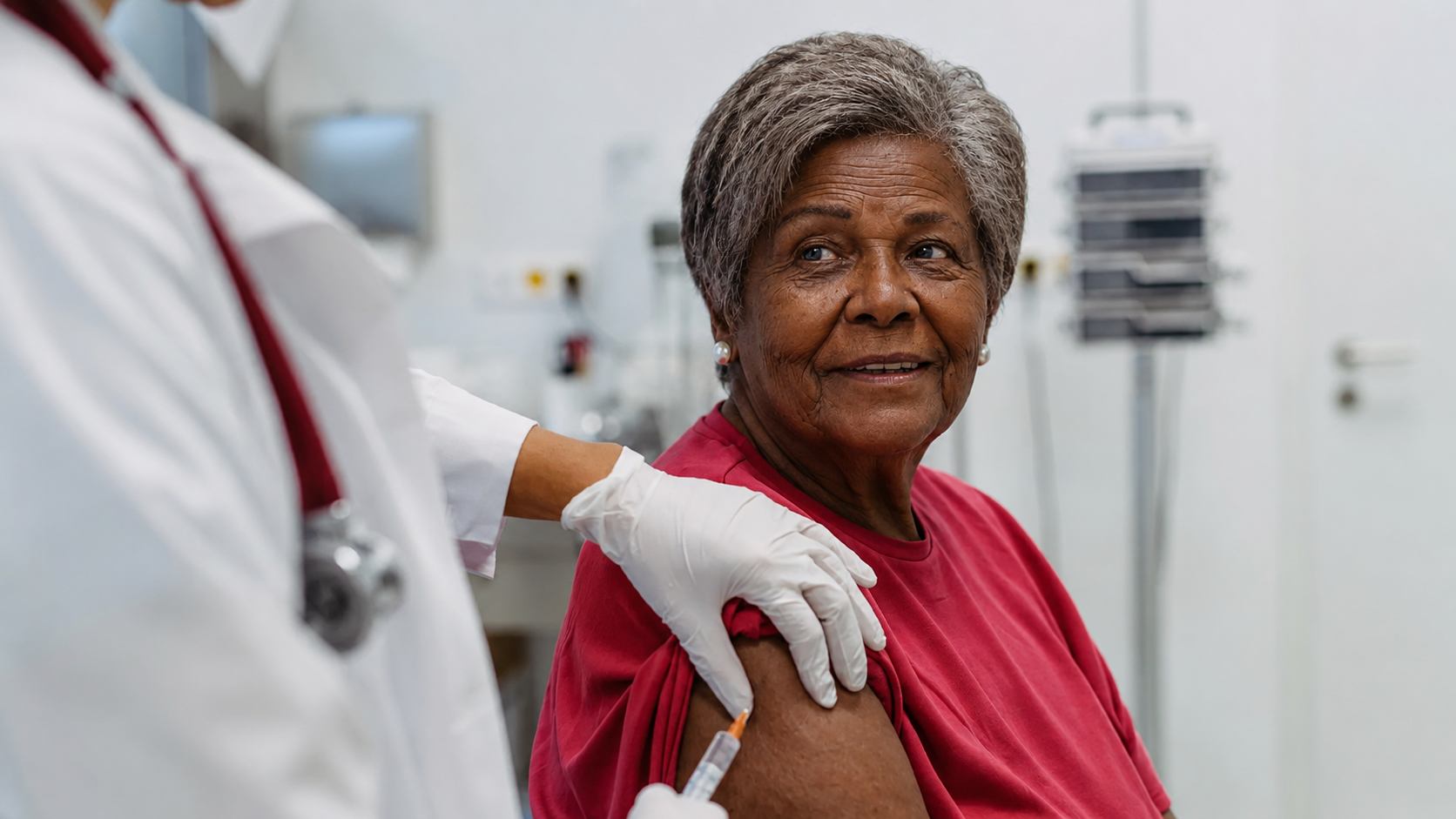
A new study suggests that the Shingrix shingles vaccine may be associated with a lower risk of dementia among older adults.
The other countries are Ghana, Guinea-Bissau and the Republic of Congo. The WHO Regional Office for Africa confirmed the closure of the outbreaks following independent technical assessments conducted between January and June 2026.
The assessments reviewed disease surveillance, laboratory and epidemiological data, vaccination coverage and the quality of outbreak response activities before determining that transmission had been interrupted in all five countries.
While confirming the closure of the outbreaks, WHO Regional Director for Africa Dr Mohamed Janabi cautioned against complacency, stressing that continued disease surveillance and high immunization coverage remain essential to prevent future outbreaks.
Uganda and Burundi make progress
In Uganda, health authorities intensified surveillance and outbreak response measures after poliovirus was detected in May 2024. The response involved coordination between national and subnational authorities, alongside efforts to strengthen the country's capacity to identify and contain further transmission.
Uganda also upgraded its laboratory capacity earlier this year, improving its ability to detect poliovirus and respond rapidly to vaccine-preventable diseases.
In Burundi, a circulating poliovirus type 2 outbreak was declared in March 2023. Authorities subsequently strengthened routine immunisation, epidemiological investigations and environmental surveillance, supported by the Global Polio Eradication Initiative (GPEI).
Targeted vaccination campaigns were also used to close immunity gaps and protect children in communities at risk.
The WHO said the experience of the five countries demonstrates the importance of rapid detection, strong government leadership, sustained surveillance, community engagement and high-quality vaccination campaigns in stopping poliovirus transmission.
WHO noted that outbreak closure is a country-specific technical determination based on evidence showing that transmission linked to a particular outbreak has been interrupted. It does not mean that countries are permanently protected from future detections or importations.
'Every outbreak closed means more children protected from a disease that can cause lifelong paralysis,' said Mike McGovern, Chair of the GPEI Polio Oversight Board and Rotary International's International PolioPlus Committee.
Polio is a highly infectious disease that can cause irreversible paralysis. There is no cure, but vaccination can prevent the disease.
Rwanda was declared polio-free in 2004 after reporting its last case of wild poliovirus in 1993.
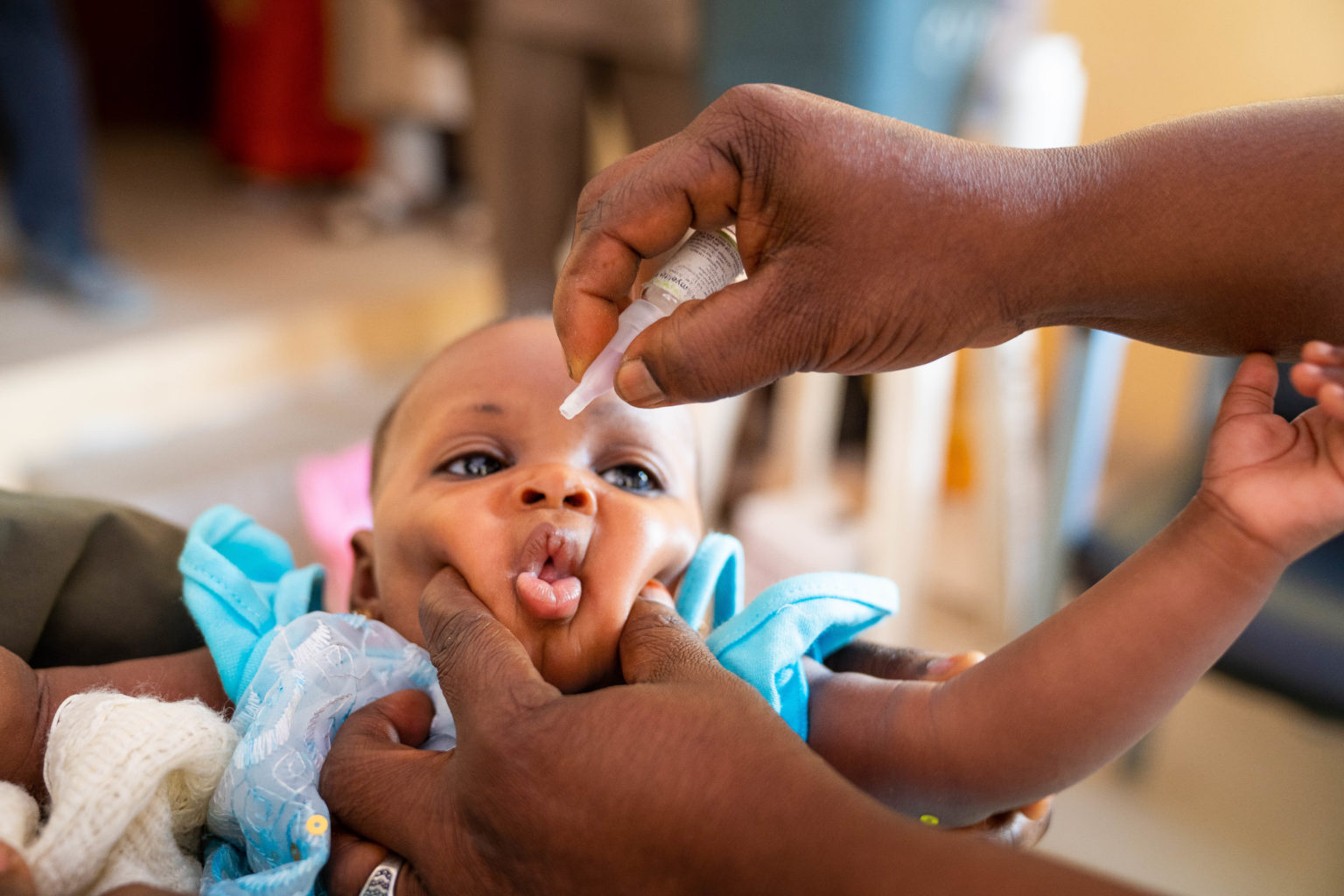
Uganda and Burundi are among five African countries that have successfully stopped the transmission of poliovirus type 2, according to the World Health Organisation (WHO), marking a significant milestone in efforts to protect children from paralysis caused by the disease.
Ntihanabayo appeared in court on Tuesday, August 25, 2026, alongside some of the other suspects in a case involving 80 people accused of offences related to the production, sale, distribution or importation of substandard alcoholic beverages commonly known as 'Ibyuma.'
Sixteen of the suspects appeared before the court to argue their cases on provisional detention.
At around 10 a.m., the judge announced the start of the proceedings and explained that the suspects would be heard in groups of three or four.
Ntihanabayo appeared alongside Twahirwa Fulgence, Ingufu Gin's quality control officer, and Katushabe Donias Donias, who is responsible for production at the company. They were among the first suspects to appear before the court.
Prosecution cites alleged quality and safety violations
Prosecutors told the court that investigations into the production of alcoholic beverages that have raised concerns among the public found that some manufacturers, including Ingufu Gin, had allegedly failed to comply with required quality and safety standards.
The prosecution said one of the grounds for seeking Ntihanabayo's pre-trial detention was his alleged failure to ensure compliance with quality standards, resulting in the production of beverages that did not meet the required standards.
Prosecutors said manufacturers are expected to conduct tests to determine whether substances contained in their products could pose health risks to consumers, but alleged that such testing was not carried out at Ingufu Gin.
'When such testing is not conducted, it can have adverse health effects on people who consume these beverages over a long period,' the prosecutor told the court.
The prosecution also alleged that Ingufu Gin did not have documentation showing that the tanks used to store beverages at the factory were properly cleaned and sanitised.
It further alleged that ethanol was not stored in accordance with safety requirements. Investigators reportedly found that the ethanol was kept in an area where temperature levels were not controlled and whose conditions did not comply with applicable standards.
According to prosecutors, these conditions could cause the concentration of ethanol to rise to as high as 94%, potentially affecting the quality of the products.
The prosecution said ethanol at such a concentration could pose a significant fire risk.
It argued that improper storage increased the risk of fire and could expose factory workers to health risks through inhalation.
Another ground cited by prosecutors concerned the alleged improper storage of flavouring substances used to give alcoholic beverages their taste, aroma and colour.
The prosecution told the court that the flavours used in Ingufu Gin's alcoholic beverages did not indicate their source or origin.
Investigators also allegedly found that some of the caps used to seal the beverages had exceeded their recommended period of use. Prosecutors said this could pose health risks to consumers.
Ntihanabayo denies personal responsibility
Ntihanabayo told the court that he is an investor whose role was to establish different departments within the company responsible for ensuring that operations were properly conducted and products met the required quality standards.
He argued that if violations had occurred, the employees responsible for the relevant areas should be held accountable because they had been given the authority to oversee them.
The judge questioned whether Ntihanabayo's position as an investor and the existence of employees responsible for quality control meant that the alleged violations did not concern him personally.
'Does that mean that your company is separate from you as an individual?' the judge asked.
The judge further told Ntihanabayo that the prosecution was alleging that he had personally played a role in the violations, despite his argument that specific employees had been assigned responsibility for quality control.
Ntihanabayo asked the court to allow him to remain free while investigations continue, saying he had no intention of interfering with or obstructing the investigation.
Ntihanabayo's lawyer challenged some of the grounds presented by the prosecution, including the allegation that the factory used expired caps to seal its alcoholic beverages.
The lawyer argued that liqueurs generally do not have an expiry period in the same way as some other products and questioned the prosecution's claim that the caps had exceeded their permitted period of use.
The lawyer also asked the court to allow Ntihanabayo to remain free while the case proceeds, arguing that his detention could affect several other investments he has made.
These include a school and a project to build a market in Biryogo, which the lawyer said could be delayed if Ntihanabayo is remanded.
The court will consider the arguments from both sides before ruling on the prosecution's request for 30 days of pre-trial detention.
Prosecution has sought 30-day remand for Ingufu Gin owner
According to PEOPLE, sources close to Harry say he 'never really stopped missing home,' despite establishing a new life with Meghan in California.
The couple are planning to establish a private home in the UK while maintaining their residence in Montecito, California.
Their children are expected to begin school in Britain in September, making the move an important step in reconnecting the family with Harry's home country.
The return also comes as Harry continues his involvement with charitable activities and prepares for the 2027 Invictus Games, which will be held in Birmingham.
The decision represents a change from Harry's previous position on bringing his family back to Britain.
In May 2025, he told the BBC that he could not imagine returning to the UK with Meghan and their children, citing concerns about security.
However, sources say circumstances have changed, and the idea of spending more time in Britain has been developing for about a year.
For Meghan, the move is also connected to new professional opportunities.
She is reportedly preparing to return to acting, nearly a decade after leaving the profession. Her work is said to be among the factors making the family's extended stay in the UK possible.
The move could also bring Harry closer to his father, King Charles III. Harry, Meghan and their children privately reunited with Charles in July, marking the first time the King had seen Archie and Lilibet in more than four years.
The meeting was viewed as a positive development in the relationship between father and son.
Harry's relationship with his brother, Prince William, remains more complicated.
The two brothers have been estranged for years, and there is no indication that the UK return will immediately resolve their differences.
However, being closer geographically could create opportunities for their relationship to improve over time.
The Sussexes are not returning as working royals. They will continue their lives as private individuals while maintaining their connections and activities in the United States.
Prince Harry and Meghan Markle are set for major UK return with their children.