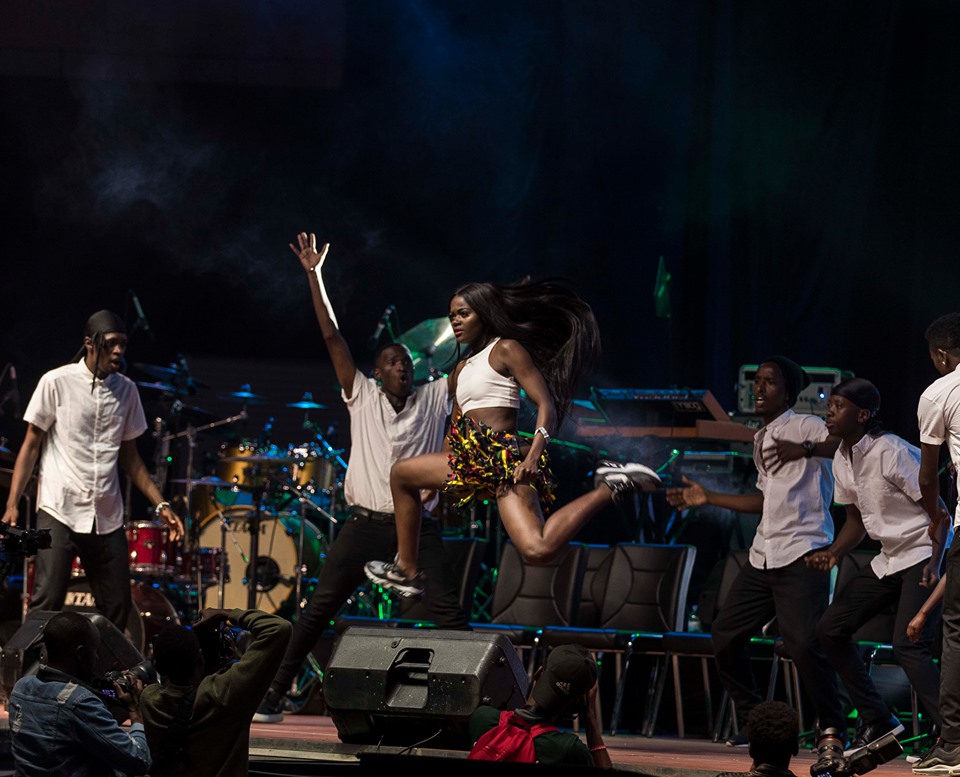
In a statement shared on social media on Monday evening, November 9, Silver questioned the commitment of organisations to corporate social responsibility, arguing that more needs to be done to support initiatives that use creative talent to improve young people's lives.
'Is CSR actually not a thing? Or is it only marketing that these organisations want?' she asked, calling on businesses and other stakeholders to work together to support the country's young people.
Silver, who runs the Sherrie Silver Foundation in Kigali, said she was particularly disappointed after learning that a potential donor who had sought to support the foundation through local contacts was instead advised to contribute to another organisation on the grounds that she was wealthy and did not need assistance.
'I was shocked to learn that someone wanted to donate to Sherrie Silver Foundation and tried to reach me through different local contacts, only to be recommended to donate to a similar group because 'Silver doesn't need help, she's rich',' she wrote.
She said the assumption that her international success meant her foundation had sufficient resources overlooked the scale of its work and the needs of the children it supports.
Silver explained that the foundation's activities extend beyond the public performances and dance programmes that audiences often see, including paying school fees, providing meals, offering free dance classes and supporting children who need healthcare.
She noted that financial constraints had affected the number of children whose school fees the foundation could cover this year, highlighting the challenges of sustaining such initiatives without consistent support.
'All you see is happy faces singing and dancing, 'cause we don't post children in hospitals, us paying school fees and kids dropping out of school 'cause I couldn't afford to pay for as many this year,' she wrote.
The choreographer said she had remained committed to creating opportunities for young people to use their talents to build better futures, but stressed that such efforts could not depend on one individual.
'I love my country and I am living proof of concept. But everyone has a limit,' she said.
She also urged people to support emerging initiatives rather than undermine those working to create opportunities for others, noting that not everyone would have the patience to continue despite criticism and limited backing.
Silver rose to international prominence after choreographing Childish Gambino's 2018 music video 'This Is America', which earned her an MTV Video Music Award for Best Choreography. She became the first African choreographer to win the award.
Through the Sherrie Silver Foundation, she works to support vulnerable children and young people through arts education, dance training, shelter, healthcare and access to opportunities in the creative industry.
Beyond her foundation's work, Silver has choreographed and directed performances for international artists including Burna Boy, Wizkid, Rihanna and Lady Gaga, as well as global brands such as Nike and Apple. She also serves as a United Nations Advocate for Rural Youth through the International Fund for Agricultural Development (IFAD) and has collaborated with the World Health Organization (WHO) on youth development and public health initiatives.
Award-winning choreographer and philanthropist Sherrie Silver has expressed frustration over what she described as inadequate support for her efforts to empower vulnerable children and nurture young talent in Rwanda, saying the lack of backing has left her emotionally exhausted.
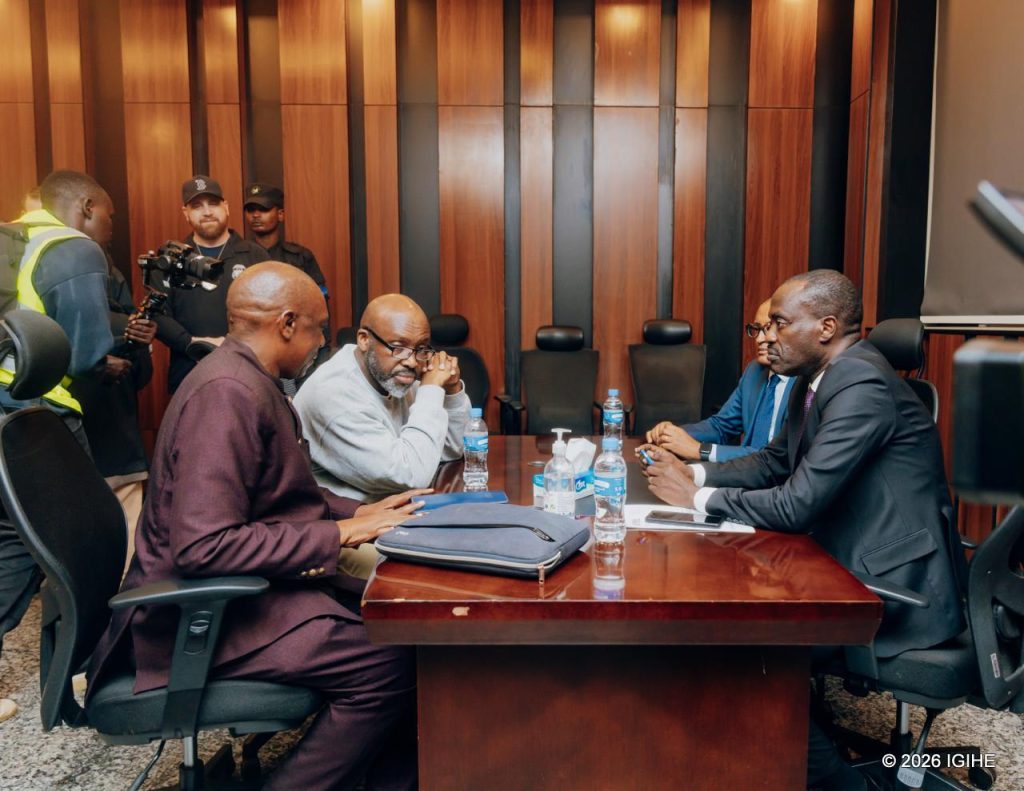
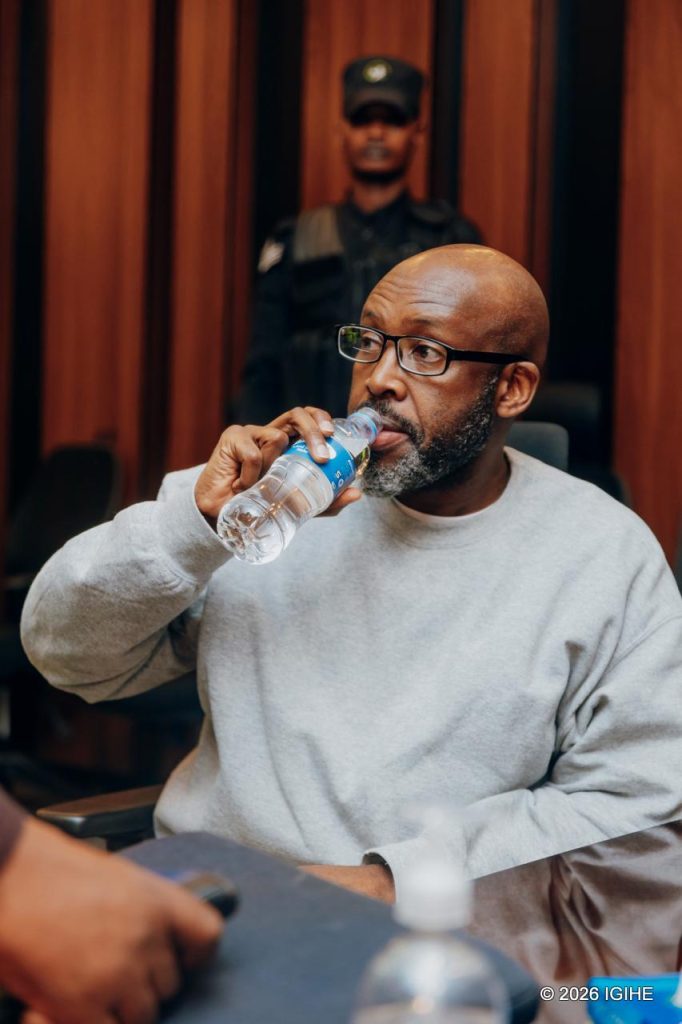
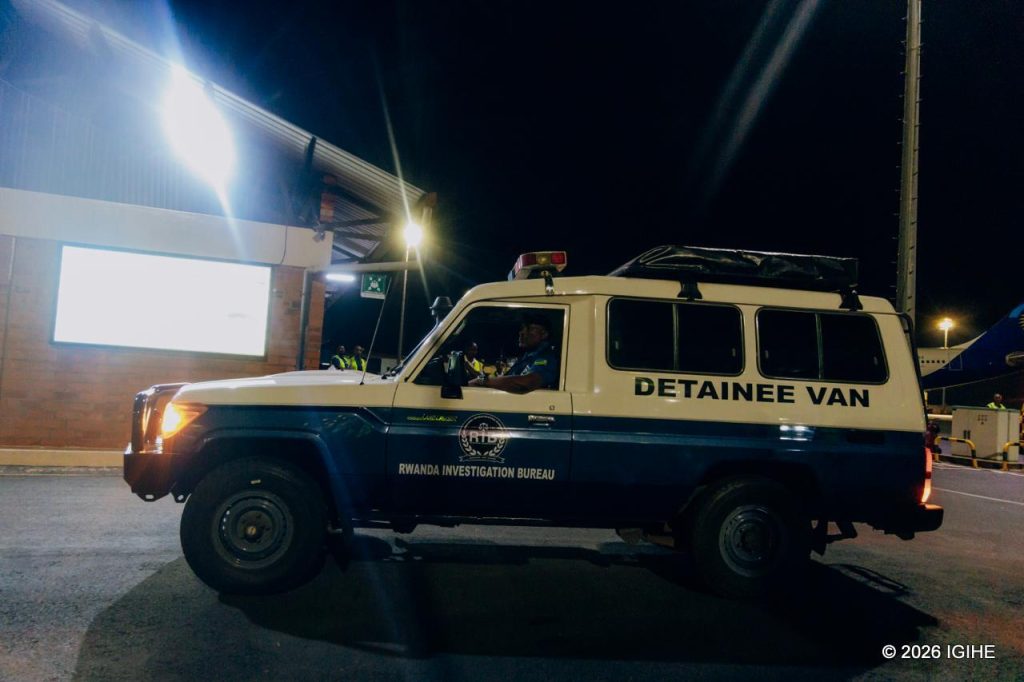
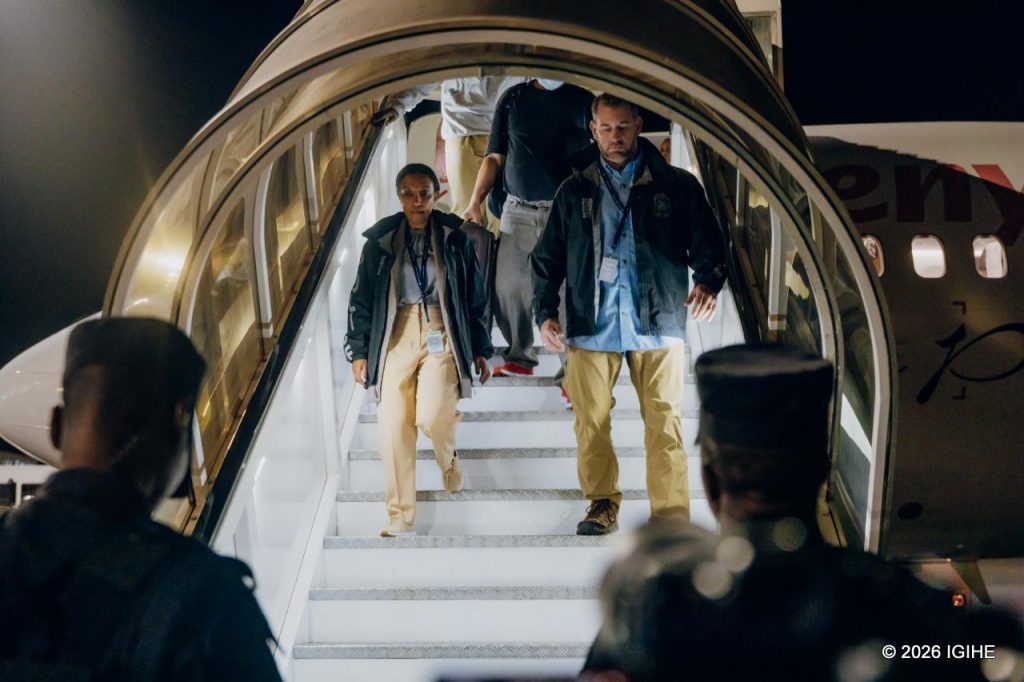
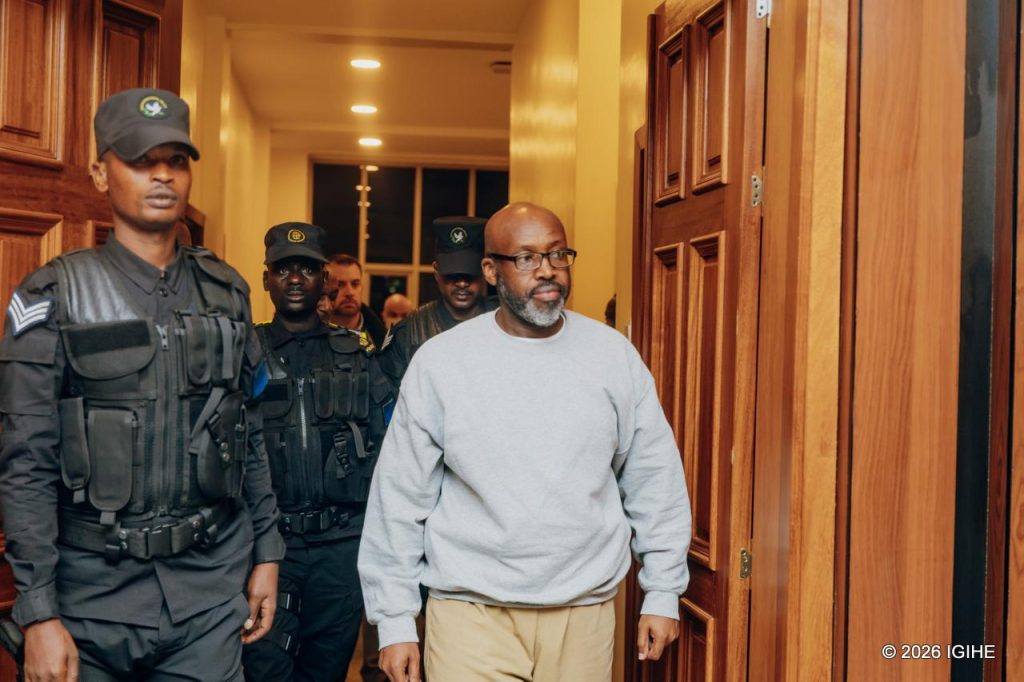
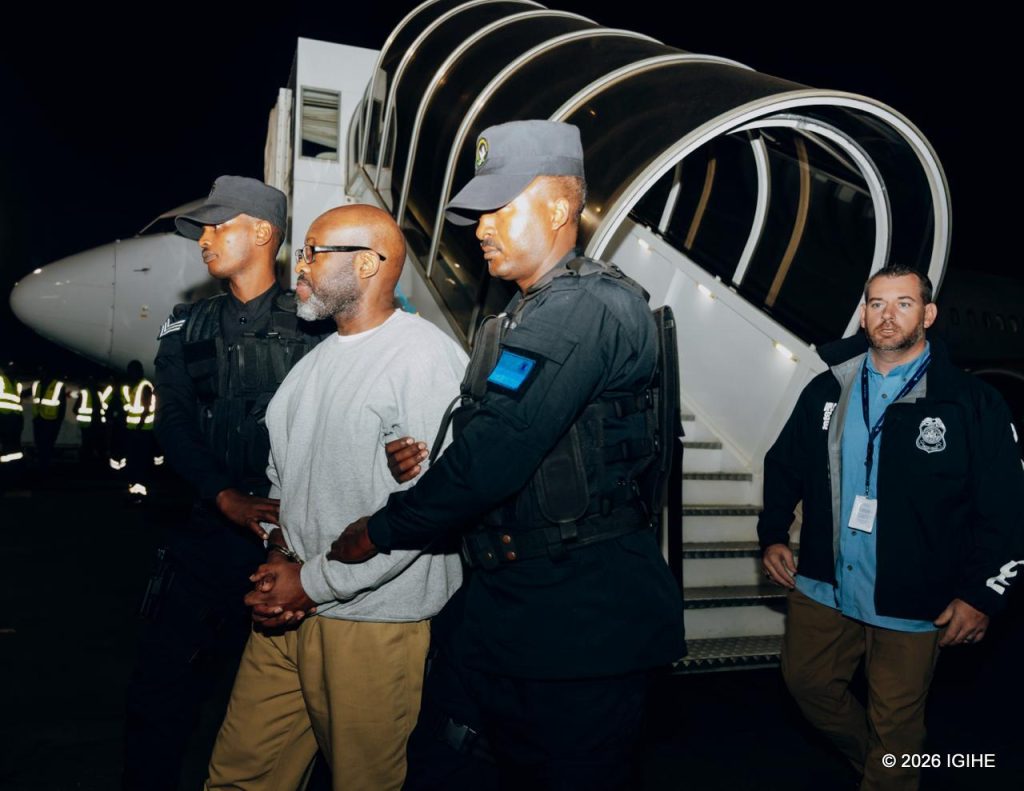
The National Public Prosecution Authority (NPPA) received Teganya on November 9, 2026, following his deportation from the United States.
According to the NPPA, Teganya was indicted in 2014 over his alleged involvement in genocide and crimes against humanity committed during the 1994 Genocide against the Tutsi.
The alleged crimes were committed in Butare town, in Huye District, Southern Province.
Teganya was born in 1971 in Gatumba Sector, Ngororero District, Western Province.
During the Genocide against the Tutsi in 1994, he was living in Huye District, where he was pursuing medical studies at the Faculty of Medicine of the National University of Rwanda.
He was also an intern at the University Hospital of Butare.
Rwanda's Prosecutor General spokesperson, Faustin Nkusi, said Teganya is the eighth person wanted in connection with the Genocide against the Tutsi to be sent back to Rwanda by the United States since 2007.
'Since 2007, this is the eighth person. You can see that this is encouraging, and we are still working together on other cases involving people who are being pursued and are in the United States,' Nkusi said.
He also warned those who participated in the Genocide against the Tutsi that they would eventually face justice, regardless of where they are hiding.
'These crimes do not expire. Everyone has their day. We have issued as many as 1,232 arrest warrants, and there will come a day when anyone who committed crimes during the Genocide against the Tutsi will be held accountable, wherever they may be hiding in the world,' he said.
In a statement dated November 9, 2026, the NPPA thanked US judicial authorities for their cooperation in efforts to combat impunity.
'The National Public Prosecution Authority [NPPA] expresses its appreciation to the judicial authorities of the United States of America for their cooperation in the deportation of genocide fugitives, their continued collaboration on mutual legal assistance, and their contribution to international efforts to combat impunity and ensure accountability for the crimes of genocide,' the statement reads.
Before Teganya, the most recent person sent from the United States to Rwanda over alleged involvement in the Genocide against the Tutsi was Ahmed Napoleon Mbonyunkiza, who was deported on March 4, 2025.
Others include Enos Kagaba, deported in 2005; Jean Marie Vianney Mudahinyuka, also known as Zuzu, and Marie-Claire Mukeshimana, deported in 2011; Léopold Munyakazi, deported in 2016; and Beatrice Munyenyezi and Oswald Rurangwa, also known as Oswald Rukemuye, who were deported in 2021.
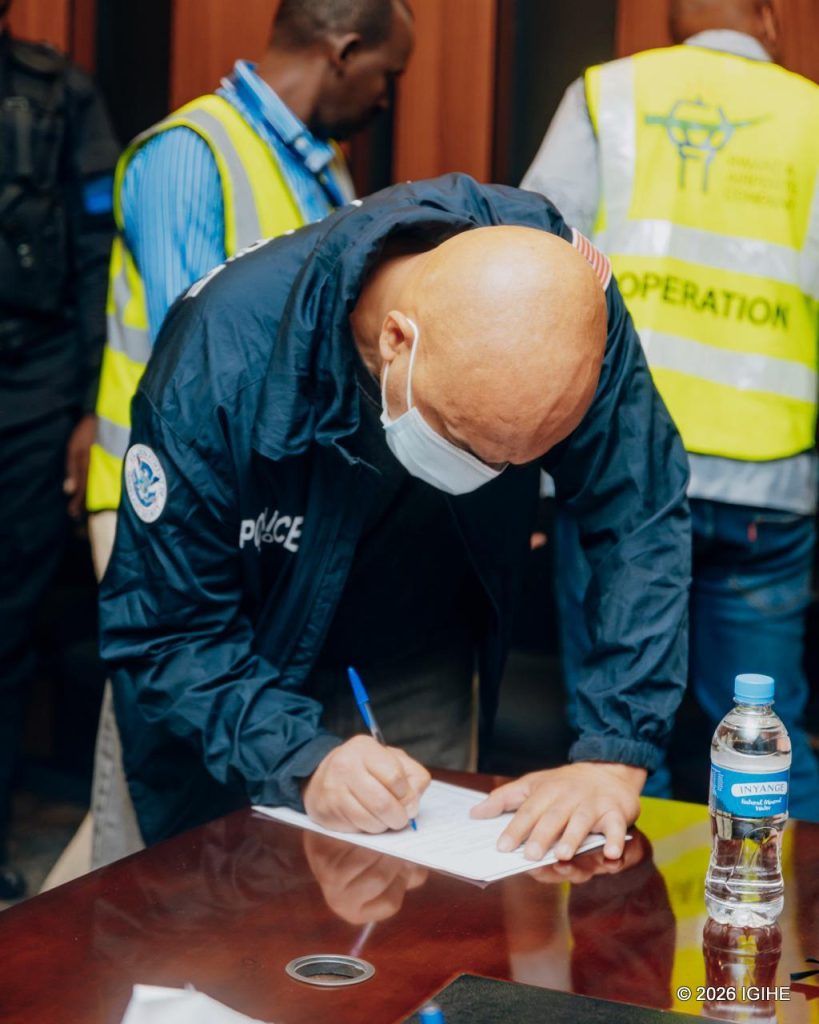
US and Rwandan law enforcement officers signed handover documents following Teganya Jean Léonard's deportation to Rwanda from the United States.Teganya Jean Léonard is suspected of involvement in the 1994 Genocide against the Tutsi and crimes against humanity allegedly committed in Butare, present-day Huye District, where he was a medical student and intern at the University Hospital of Butare.Teganya Jean Léonard will face trial before Rwandan courts over his alleged involvement in the 1994 Genocide against the Tutsi.US law enforcement officers handed over genocide suspect Teganya Jean Léonard to Rwandan law enforcement officers upon his arrival in Kigali on November 9, 2026
In a statement issued on Monday, November 9, FRN spokesperson Lawrence Kanyuka said the operations involved air and ground attacks that had caused civilian deaths and mass displacement.
In the Minembwe region, the group reported that bombardments began at around 6 a.m., targeting Point Zéro, Rugezi, Kimete, Nyarurango and Rugomero.
It said attacks were subsequently launched at around 7 a.m. in Kadasomwa, Kidoveri and Kalongi in Kalehe territory, before spreading to Kazinga and Mahanga in Masisi territory from around 7:30 a.m.
The latest developments come three days after Bertrand Bisimwa, FRN's vice-president, called for urgent humanitarian intervention in South Kivu, warning that prolonged restrictions on supplies had left communities facing severe shortages.
Speaking at a meeting with humanitarian organisations on Friday, November 6, Bisimwa said residents in the Fizi-Uvira-Mwenga highlands were struggling to access food, medicines and other basic necessities.
He accused government-aligned forces of destroying homes, food reserves, livestock and agricultural production, while restrictions on supply routes had cut off communities from markets.
Bisimwa said shortages had pushed prices of some essential commodities up by as much as 400%, while malnutrition and deaths from starvation had been reported.
He urged humanitarian organisations to organise emergency deliveries by road or air and called on authorities in Kinshasa to facilitate the movement of relief supplies.
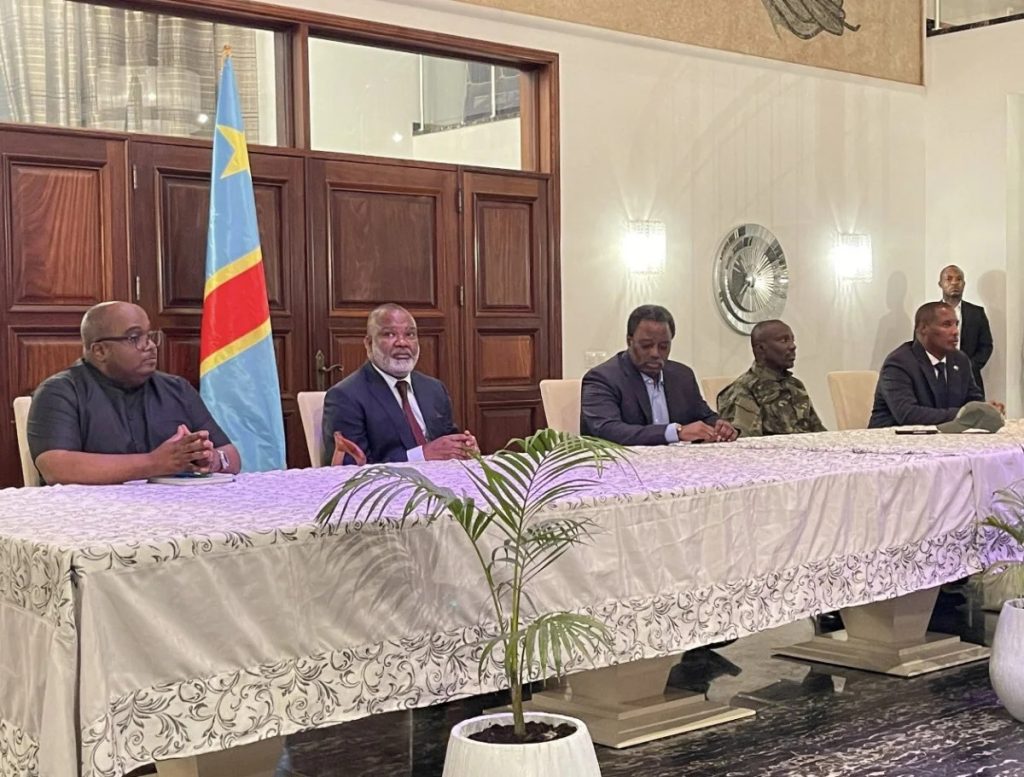
FRN was established on October 12, 2026, under former DR Congo President Joseph Kabila, replacing the Alliance Fleuve Congo (AFC), the political coalition that included M23. Former AFC leaders, including Corneille Nangaa and Bisimwa, assumed leadership positions in the new movement.
FRN said it remained determined to respond to 'massacres, suffering and forced displacement affecting civilians'.
The Front for the Refoundation of the Nation (FRN) has reported fresh military offensives in Minembwe, Kalehe and Masisi territories in eastern DR Congo, accusing forces allied to the government in Kinshasa of targeting populated areas with combat drones, fighter jets and heavy artillery.
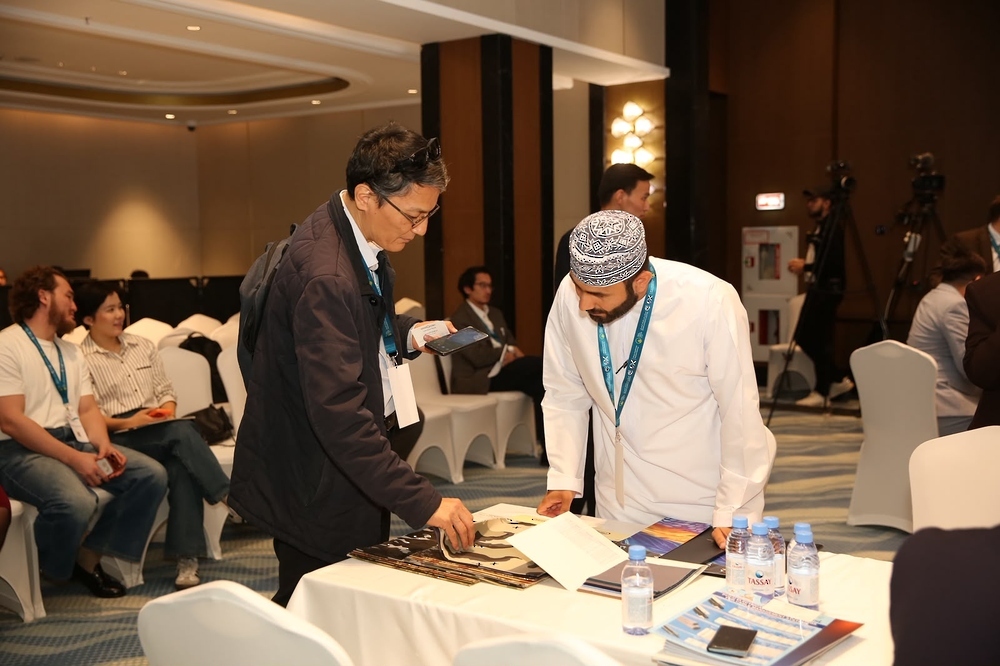
The companies will participate in the Oman-Rwanda Business Forum in Kigali on Tuesday, November 10, 2026, in a move aimed at opening new markets for Omani products and services while strengthening commercial ties between the two countries.
Organised by Oman's Ministry of Commerce, Industry and Investment Promotion, the forum will bring together businesses from sectors including food processing, agricultural products, manufacturing, plastics, energy, technology, technical services and electrical equipment.
The Omani delegation will be led by Ghalib Said Al Maamari, Undersecretary of the Ministry of Commerce, Industry and Investment Promotion for Commerce and Industry. Khamis Mohammed Al Shammakhi, Undersecretary of the Ministry of Transport, Communications and Information Technology for Transport, will also participate alongside government officials and business representatives.
A key focus of the forum will be bilateral business meetings, giving Omani companies an opportunity to engage with Rwandan counterparts on export arrangements, distribution networks and potential trade partnerships.
The discussions will also examine Rwanda's market requirements, including regulatory and logistical considerations, as well as its potential to serve as a gateway to wider East African markets such as Kenya and Tanzania.
Al Maamari said the initiative reflects Oman's efforts to strengthen economic relations with African countries, diversify its trading partners and expand markets for its exports.
He described Rwanda as a market offering opportunities across several productive and service sectors, adding that the ministry was working to help Omani businesses establish direct connections with potential partners and identify areas for sustainable trade and investment cooperation.
Muhanad Hamoud Al Riyamy, Senior Specialist in Foreign Trade Development at the ministry, noted that the forum was part of broader efforts to diversify destinations for Oman's non-oil exports and tap into opportunities in African markets.
He described Rwanda as a promising market for Omani companies seeking to expand their operations and reach new consumers.
Madayn Mubarak Al Balushi, Head of the Export Development Department at the ministry, said the country's export promotion initiative, Oman Exports, was supporting businesses through trade missions, bilateral meetings, international exhibitions and access to market information.
The Kigali forum is expected to help participating companies understand local demand, import requirements and distribution channels, allowing them to assess opportunities before committing to expansion.
Building on stronger bilateral ties
The business forum comes less than two months after Rwanda and Oman signed eight agreements and memoranda of understanding during President Paul Kagame's official visit to the Gulf country in September 2026.
The agreements included arrangements on double taxation avoidance and visa exemptions for holders of diplomatic, special and service passports, alongside six memoranda covering political consultations, labour, trade and investment, logistics, agriculture, and strategic partnership and investment activation.
The two countries have also moved to strengthen energy and transport links.
Rwanda is expected to receive monthly shipments of refined petroleum products from Oman through Tanzania's Port of Tanga, an arrangement officials are confident will help strengthen fuel supply security and stabilise prices.
Connectivity has also improved following the launch of direct flights between Muscat and Kigali by Oman's SalamAir on July 21, 2026.
The route provides a direct link for business travellers and tourists while connecting Rwanda to the airline's wider network across the Gulf, Asia and Europe.
With the latest business forum, both countries are seeking to translate growing diplomatic engagement and transport connectivity into stronger private-sector partnerships, trade and investment flows.
For Oman, the initiative offers an opportunity to expand the reach of its non-oil exports into East Africa, while Rwanda is positioning itself as an entry point for international businesses seeking access to the region's growing markets.
The companies will participate in the Oman-Rwanda Business Forum in Kigali on Tuesday, November 10, 2026, in a move aimed at opening new markets for Omani products and services while strengthening commercial ties between the two countries.
The figures were disclosed by Juliana Kangeli Muganza, Deputy Chief Executive Officer of the Rwanda Development Board (RDB), in an exclusive interview with CGTN's Zhang Meng on the sidelines of the 2026 China International Import Expo (CIIE), where she highlighted growing opportunities in tourism alongside expanding trade and investment ties.
'Over the last five years, we have seen Chinese tourism grow by four times, where we had about 3,000 tourists in 2021. And last year, we had about 14,000 tourists,' Muganza said.
The 9th China International Import Expo is taking place from November 5 to November 10, 2026.
Although the numbers remain modest, she said the upward trend was encouraging and expressed Rwanda's interest in welcoming more Chinese travellers.
Muganza highlighted the country's mountain gorillas in Volcanoes National Park as one of the attractions Chinese visitors should experience, describing it as a bucket-list destination.
'These are creatures that are endangered, and we've been doing a lot to conserve them. It's very promising to see the numbers grow. So, that is definitely something I would call a bucket list item, and we would encourage Chinese tourists to see it,' she said.
She also recommended Akagera National Park, home to the Big Five, which offers safari experiences, and Nyungwe National Park, known for its waterfalls, primates, birdwatching opportunities and canopy walk.
Kigali, she added, offers facilities for business events, culinary experiences and cultural activities, making it another attraction for international visitors.
Beyond tourism, Muganza said Rwanda's participation in the CIIE provides opportunities for local exporters to access the Chinese market.
She described China as a strong partner, noting that Rwanda exported goods worth approximately $160 million to China last year, an increase of 89% compared with the previous year. Bilateral trade between the two countries stands at about $1.4 billion.
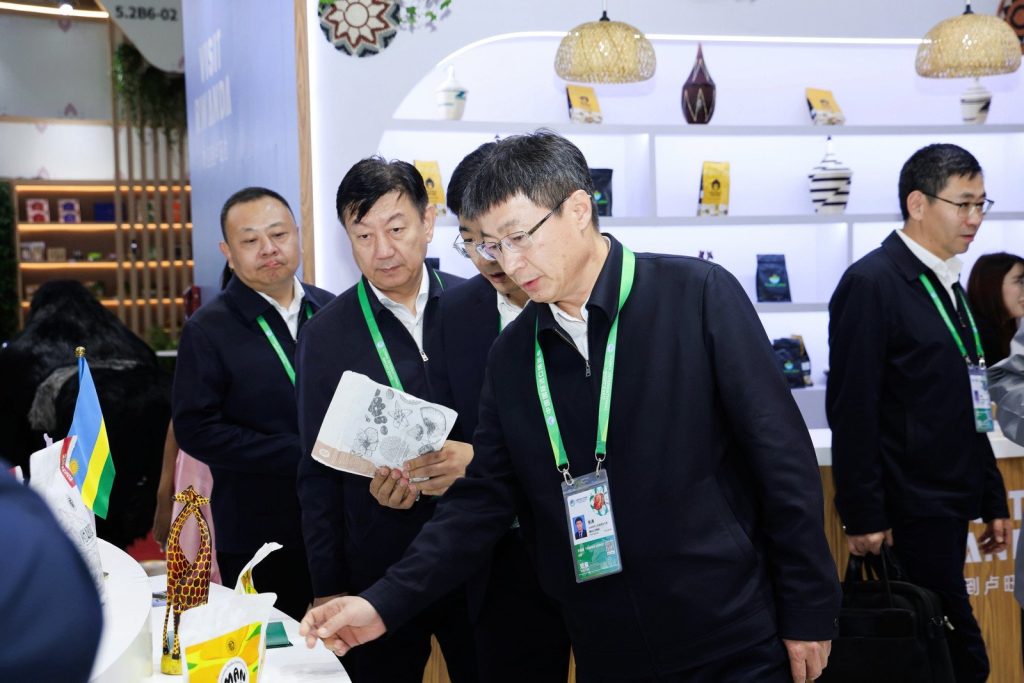
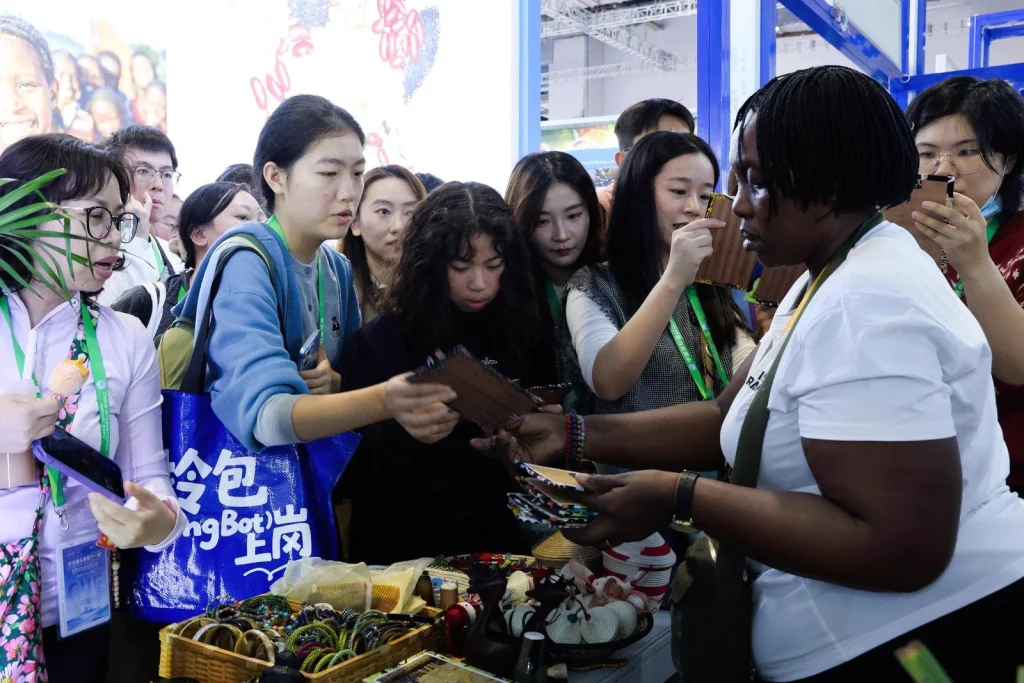
Rwandan exporters attending the expo are showcasing products including chili peppers, macadamia nuts, coffee and tea.
Cooperation also extends to investment, with Chinese businesses establishing operations in Rwanda in sectors including agro-processing, EV manufacturing, construction and construction materials.
'We have been receiving a lot of investors coming from China, also from platforms such as the CIIE,' Muganza said. 'And we have many that have already established in Rwanda.'
Rwanda and China established diplomatic relations in 1971.
People-to-people exchanges have also increased. In April 2016, China's Ambassador to Rwanda, Gao Wenqi, said that the number of Rwandans visiting China rose from more than 3,500 in 2023 to approximately 7,000 in 2025, attributing the growth partly to visa facilitation measures and expanding bilateral exchanges.
Rwanda is seeking to attract more Chinese visitors by promoting its wildlife, natural landscapes, cultural experiences and business tourism opportunities.Visitors sample Rwandan products at the Rwanda Pavilion as the country showcases its exports and investment opportunities at CIIE 2026.
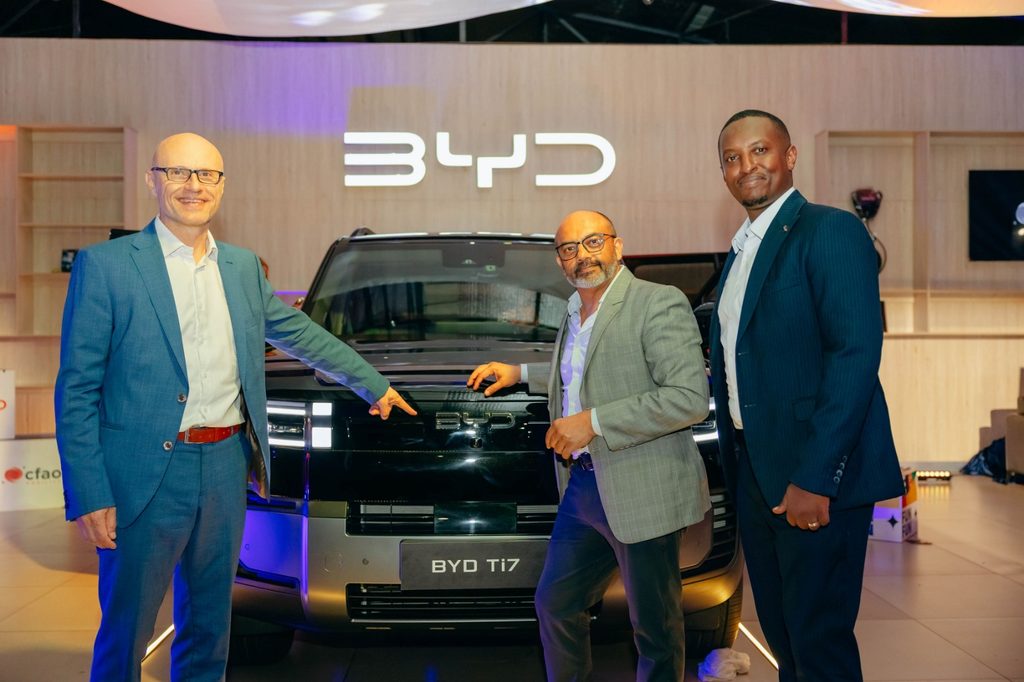
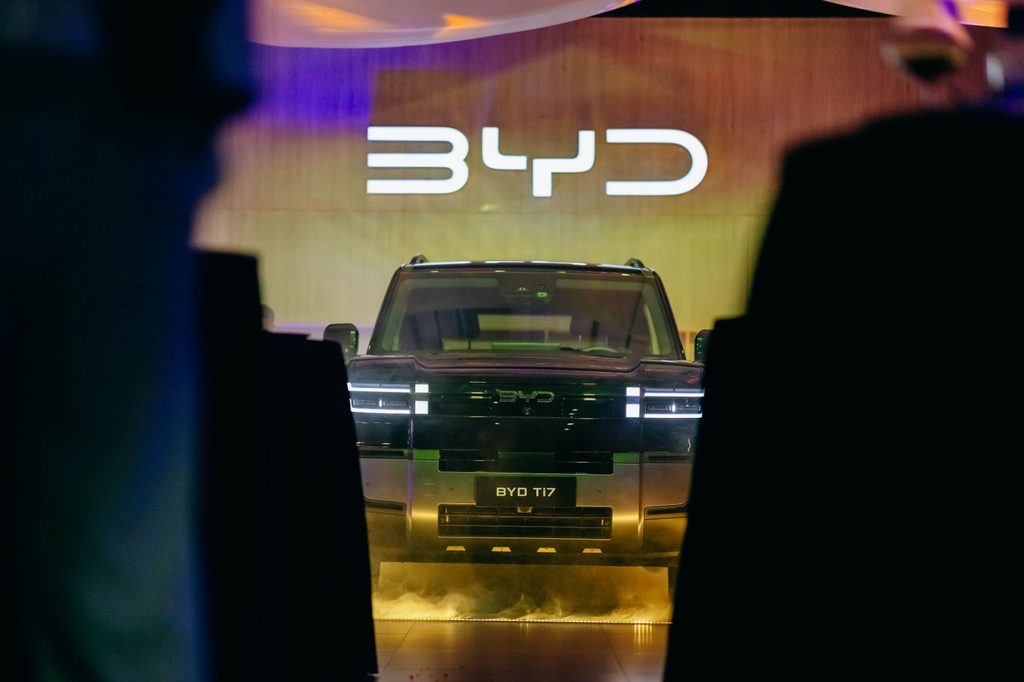
The vehicle was unveiled on November 5, 2026, bringing together advanced technology, off-road capabilities and a range of features designed to enhance comfort, safety and convenience for drivers and passengers.
Speaking at the launch, CFAO Mobility Rwanda Sales Officer Augustin Nkotanyi said the BYD Ti7 DM-P can cover up to 80 kilometres on electric power alone, while its combined electric and petrol systems give it a driving range of up to 710 kilometres.
He explained that the combination makes the vehicle suitable for both everyday journeys and longer trips, allowing drivers to choose between electric power and petrol depending on their needs.
Beyond its driving range, the BYD Ti7 DM-P is designed to handle a variety of road conditions, including dirt roads, steep slopes and uneven terrain. According to Nkotanyi, this capability is supported by a system that distributes power to all four wheels depending on the conditions.
'The vehicle features Intelligent Electric Four-Wheel Drive technology, which distributes power to all four wheels according to the terrain. This enables it to navigate dirt roads, steep slopes and other uneven surfaces,' he said.
The vehicle also offers flexible charging options, giving owners the convenience of charging it at home rather than relying entirely on public charging stations.
It comes with a 7 kW home charging unit, known as a Wall-box Charger, as well as a portable 3.3 kW Mobile Charger. These allow owners to charge the vehicle in different settings, depending on their location and access to electricity.
Nkotanyi said CFAO Mobility Rwanda has also put in place after-sales support services to ensure customers can access maintenance and repairs when needed.
'We have a garage, spare parts and technicians trained by the manufacturer, meaning that our team at CFAO Mobility Rwanda can address any problem that may arise with the vehicle,' he said.
Inside, the BYD Ti7 DM-P comes with a range of technology and comfort features designed to improve the experience for everyone on board.
These include a panoramic sunroof that allows natural light into the cabin, Four-Zone Intelligent Voice Control, and smartphone connectivity through Apple CarPlay and Android Auto.
The vehicle also features electrically adjustable front seats with massage functions, as well as a dedicated compartment that can cool or warm food and drinks.
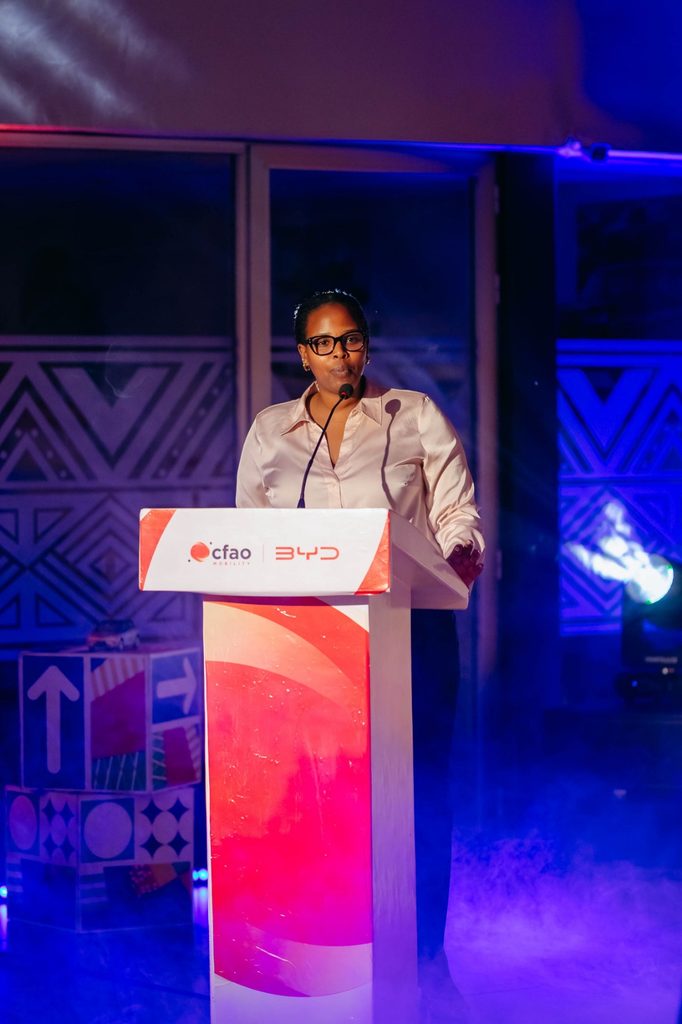
Speaking at the launch, Pauline Bakashaza, chief Financial Officer of CFAO Mobility Rwanda, said the company's partnership with BYD reflects a shared commitment to advancing modern technology and promoting sustainable development.
'We chose to partner with BYD because it is a leading company in new energy technologies, with significant investment in research and technological development, as well as a vision of building a more sustainable future,' she said.
Bakashaza added that the BYD Ti7 DM-P was developed with customers' needs in mind, bringing together comfort, modern technology and the ability to adapt to different road conditions.
'The vehicle combines contemporary design, advanced technology, spacious interiors that provide comfort, and the ability to adapt to different road conditions through plug-in hybrid technology, which combines electric power and petrol,' she said.
CFAO Mobility Rwanda said it is the only officially authorised distributor of BYD vehicles in Rwanda, with the authority to sell them and provide manufacturer-backed warranties.
Customers purchasing the BYD Ti7 DM-P are offered an eight-year battery warranty or coverage of up to 200,000 kilometres.
The vehicle itself comes with a six-year warranty or coverage of up to 150,000 kilometres.
Pauline Bakashaza, who represented CFAO Mobility Rwanda at the event, said the company's partnership with BYD is driven by a shared vision of advancing technology.
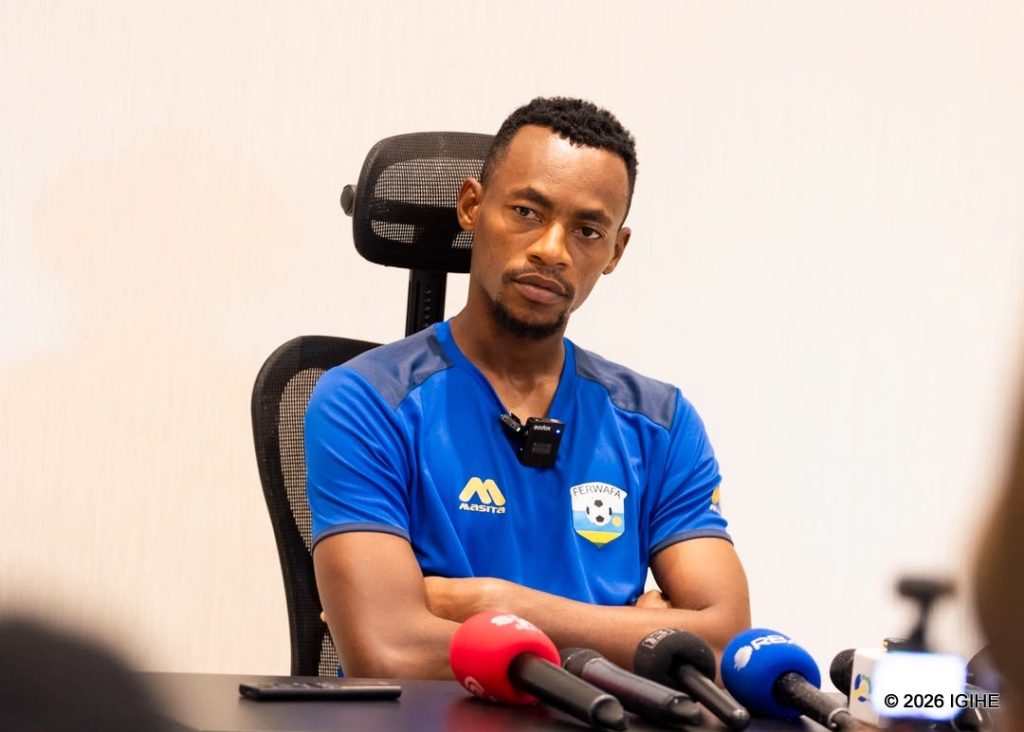
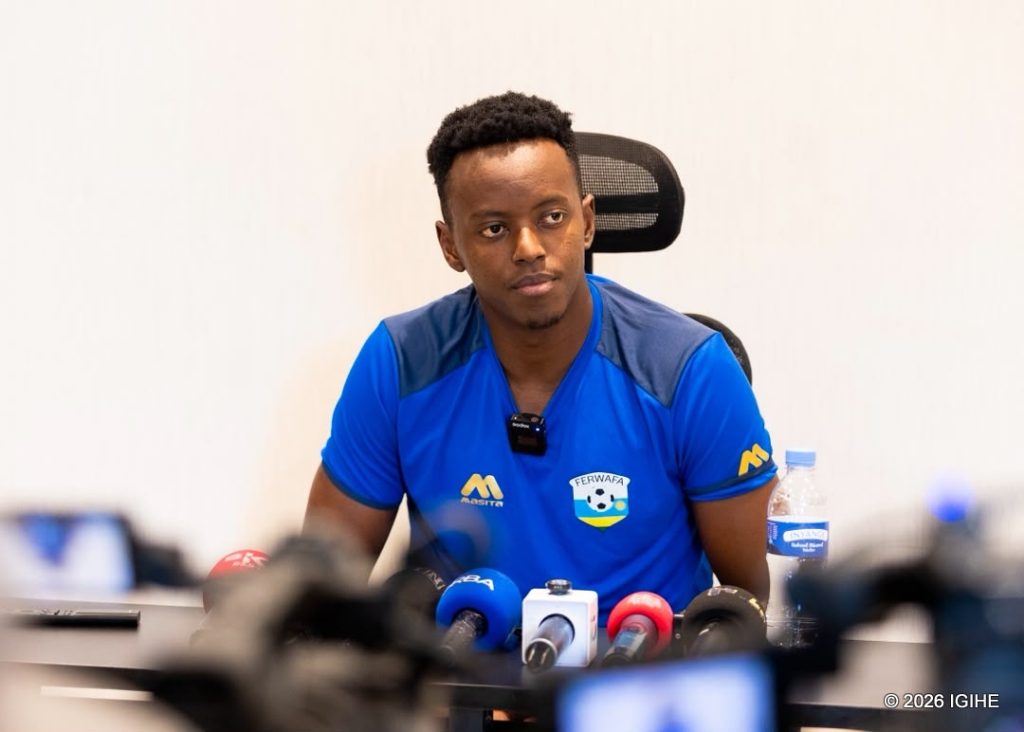
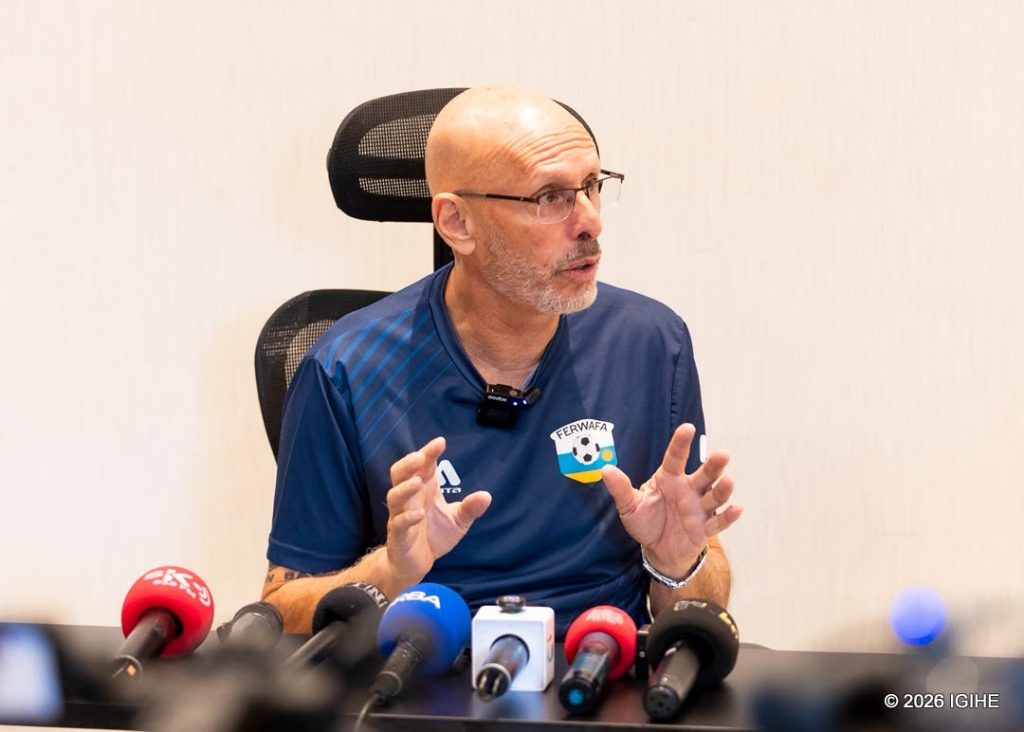
The trio spoke to the media on Monday, November 9, 2026, as the national team prepared to leave Kigali for Bamako ahead of their upcoming Africa Cup of Nations (AFCON) 2027 qualifiers.
Forward Nshuti Innocent said preparations were going well, adding that the players were determined to give their best to help Rwanda qualify for the continental tournament.
'Preparations are going well, and we have received updates that those who have not yet joined us are also doing well. Our objective is to qualify for the Africa Cup of Nations. We are going to Mali to win, although even a draw would keep us on course towards that goal,' he said.
He added that changes within the squad had brought a different dynamic, expressing confidence in the team's ability to deliver.
Niyomugabo Claude, who plays as a full-back but was called up without a club, said he had worked hard to meet the coach's expectations and was ready to contribute to the team's performance.
'The atmosphere is good, and no player has any problems. I do not sit back; I work on what the coaches ask me to do, which is why I am part of this team,' he said.
Niyomugabo said Rwanda would aim for a positive result away against Mali before targeting all three points in the return fixture at home.
'We are going to Mali to perform well away from home, but when we play at home, we must get all three points. Rwandans should have confidence in us. As players, we will work together and give them something to celebrate,' he added.
Head coach Stephen Constantine acknowledged that preparations had been challenging because of the limited time available to work with players, particularly those based abroad.
He explained that an agreement with the BK Pro League allows the technical team to work with locally based players three or four days before the international window opens. However, players competing abroad usually have only two or three days to join the squad before international matches.
'All you can do basically is work on the mindset, the mentality side of it, and explain the roles for each individual player in the position that he's going to play. It's difficult, but this is international football, so we don't get too much time,' he said.
Despite the challenge, Constantine said the team was in good form and had developed a positive atmosphere during the training camp.
He acknowledged Mali's strength, describing the team as one of Africa's stronger sides, but insisted that Rwanda would travel with the same determination they showed against Cape Verde.
'We don't enter any game and think that we're going to lose. I don't care who we're playing. We have a lot of respect for Cape Verde, for Liberia, for Mali. They are good, solid teams,' he said.
'Mali is one of the stronger teams in Africa, would be a big test for us. But we feel that we are in good form. The atmosphere in the camp is probably one of the best camps or atmospheres that we've had in all four camps.'
He said Rwanda would approach the away fixture looking to collect points, adding that even a draw would be a satisfactory result ahead of the return match.
'We will go to Mali the same way we went to Cape Verde, to take something. We come back with a point, we're happy. We come back with three points, we're qualified. And it won't be easy,' Constantine said.
He expects Mali to put Amavubi under pressure in the opening stages but said his players were prepared to fight throughout the match.
The coach also discussed his approach to squad selection, explaining that being called up does not guarantee a permanent place in the national team. He said Rwanda has promising players in the Under-17 and Under-23 teams who could compete for places in the senior squad.
Constantine stressed the importance of maintaining continuity across the national teams through a shared playing system and philosophy, while ensuring competition for places in every position.
Rwanda will face Mali on November 13, 2026, in their third Group K match of the qualifiers for the 2027 Africa Cup of Nations, which will be jointly hosted by Uganda, Tanzania and Kenya.
The two teams will meet again on November 17 at Amahoro Stadium in Kigali.
Niyomugabo Claude says hard work earned him an Amavubi call-upNshuti Innocent says Amavubi are confident of securing victory in MaliStephen Constantine vowed to do everything possible to beat Mali
Seventeen years later, Chinese has gained a stronger foothold in Rwanda. More than 5,000 people now study it through programmes linked to the institute every year, while nearly 30,000 Rwandans have received formal training since its establishment. In the first half of 2026 alone, more than 1,000 candidates sat official Chinese proficiency examinations.
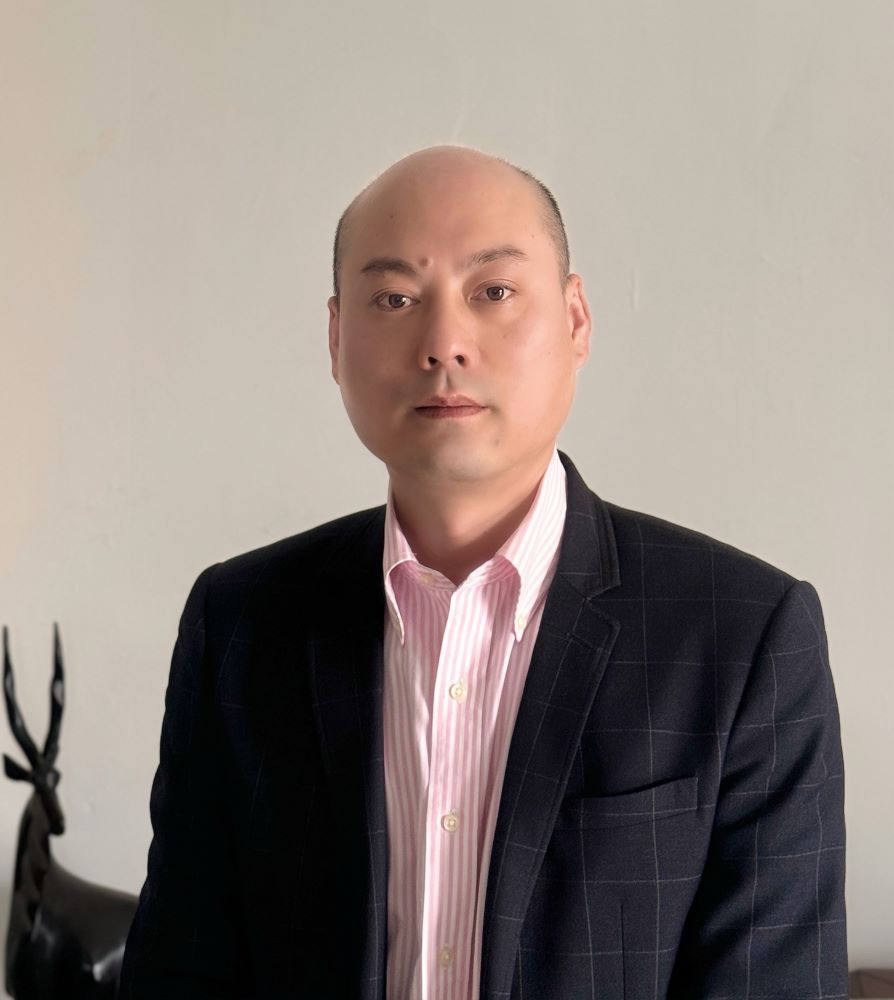
For Dr. Zeng Guangyu, Director of the Confucius Institute at the University of Rwanda (CIUR), the growth represents more than the expansion of a language programme.
In an interview with IGIHE, co-produced with the Zhejiang International Communication Center (ZICC), he described the institute as a bridge connecting people in Rwanda and China through language, education and cultural exchange.
'Our core founding vision back in 2009 was simple yet profound: to build a permanent people-to-people bridge between China and Rwanda via Chinese language education, break cultural barriers, and lay a grassroots foundation for long-term bilateral friendship and win-win cooperation,' Dr. Zeng said.
From 30 students to a nationwide network
Dr. Zeng divided the institute's development into three phases. The first, from its inauguration in June 2009 to 2014, focused on establishing teaching systems with Chinese partner universities and the University of Rwanda, despite limited facilities and learning materials.
A key milestone was the establishment of the first Confucius Classroom in a Rwandan secondary school, extending Chinese language education beyond university level.
The second phase, from 2015 to 2019, saw courses introduced in six faculties of the University of Rwanda and six secondary schools across the country. Since 2020, the focus has shifted to quality, sustainability and localisation.
Chinese courses are now offered in three primary schools, six secondary schools, two universities, two vocational schools and several social training institutions.
Training Rwandan teachers to take on core teaching responsibilities has reduced reliance on educators and volunteers from China.
'This means Chinese language education in Rwanda has gained self-sustaining capacity, which is far more valuable than merely opening more classrooms,' Dr. Zeng said.
Dr. Zeng Guangyu, Director of the Confucius Institute at the University of Rwanda, says Chinese language education has become an important bridge connecting Rwanda and China through education, cultural exchange and economic opportunities.
Demand grows as Chinese becomes a practical skill
Public attitudes have changed significantly since the institute struggled to recruit its first 30 students. It now has more than 5,000 active long-term learners annually, and nearly 30,000 Rwandans have received formal training since 2009.
Demand is so strong that schools and communities regularly approach the institute to request Chinese programmes, but a shortage of teachers limits its ability to respond.
'If more local educators join our teaching team, I firmly believe our annual learner count will easily exceed 10,000,' Dr. Zeng said.
He said employment and business prospects are major motivations for adults, while parents increasingly view Chinese as a useful skill for their children in a changing global economy.
Its programmes include HSK Level 1–6 evening classes, school courses and specialised Chinese for medical workers, airport personnel and tourism practitioners.
It also offers tailored training for government institutions and companies, as well as holiday camps and parent-child cultural workshops.
Scholarships, jobs and business opportunities
The institute supports cooperation between Rwandan and Chinese universities, including a long-term research partnership between Chongqing Normal University and the University of Rwanda.
It has helped nearly 300 Rwandan students secure Chinese government scholarships to study in China.
In the labour market, Zeng said the institute connects hundreds of Chinese-speaking graduates with opportunities each year, with around 300 positions annually linked to Chinese-funded enterprises, local import-export firms, tourism agencies and other sectors.
Some graduates coordinate between Chinese investors and Rwandan communities, while others have started businesses in trade, logistics, handicraft exports and tourism.
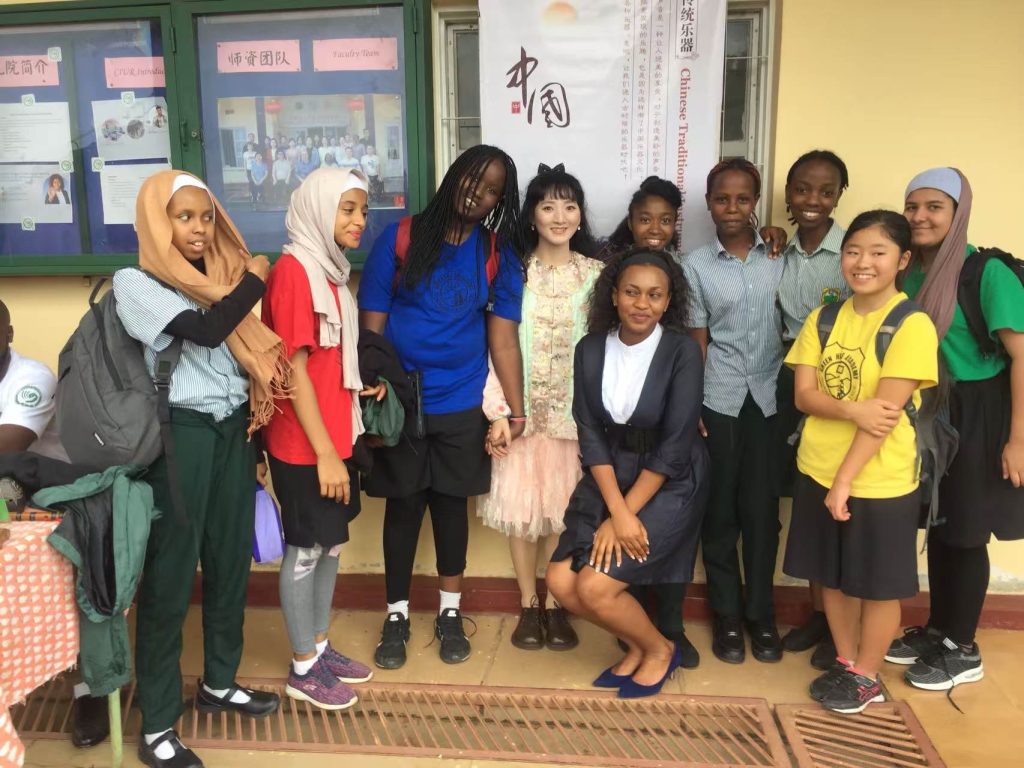
A Chinese language teacher with students at the Confucius Institute in Rwanda.
Language and cultural exchange
'Language is our foundation, but cultural exchange is the soul of our work,' Dr. Zeng said. Activities include celebrations of the Chinese Spring Festival and Mid-Autumn Festival, martial arts, paper-cutting, calligraphy and tea art.
China-Rwanda cultural festivals combine Rwandan dance, drumming and handicrafts with Chinese performances.
Dr. Zeng said the exchange is mutual, with Rwandan traditions introduced to Chinese teachers and visiting delegations. Youth singing competitions, camps and school exchanges also encourage direct cultural interaction.
It works with universities, government institutions, schools and private companies on curricula, research, academic exchanges, teacher training and industry-specific courses for trade, construction, healthcare and tourism.
Dr. Zeng described its wider contribution to Rwanda-China relations through three roles: 'a talent reservoir, a cultural communication hub and a grassroots liaison platform'.
It prepares bilingual Rwandans to support cooperation in trade, investment, technology, infrastructure and education, and connects institutions and communities.
Teacher shortage and plans for expansion
Despite the progress, the shortage of local Chinese teachers remains a major challenge. It is expanding teacher training, locally adapted curricula, evening classes, holiday programmes, online materials and short courses.
Looking ahead, it plans to establish more Confucius Classrooms, particularly in rural primary and secondary schools.
It also plans vocational Chinese programmes linked to Luban Workshop technical education, youth exchanges, joint cultural research and stronger university and business partnerships.
The challenge, he said, is matching growing demand with teaching capacity. He praised learners' perseverance despite the challenges of Chinese characters and tones, adding that some graduates go on to help newcomers and promote Chinese education in their communities.
'Learning Chinese is the skill of fishing'
For young Rwandans considering learning Chinese, Dr. Zeng said its value goes beyond speaking another language.
'I would like to share a timeless Chinese philosophy: 'Give a man a fish and you feed him for a day; teach a man to fish and you feed him for a lifetime.' For Rwandan youth, learning Chinese is exactly this 'skill of fishing',' he said.
He said Chinese can open opportunities in education, employment, entrepreneurship and China-Africa cooperation, while offering insight into Chinese culture and development.
'Our core mission as the Confucius Institute is far beyond language teaching alone: we strive to create equal platforms for cultural exchange and mutual learning between China and Rwanda,' Dr. Zeng said.
He encouraged young Rwandans to approach the language with an open mind and use it to connect with people, cultures and opportunities, describing them as 'the primary bridge-builders of tomorrow's bilateral friendship'.
Nearly 30,000 Rwandans have received formal Chinese language training since the Confucius Institute was established in 2009, marking significant growth from its first class of just 30 students.
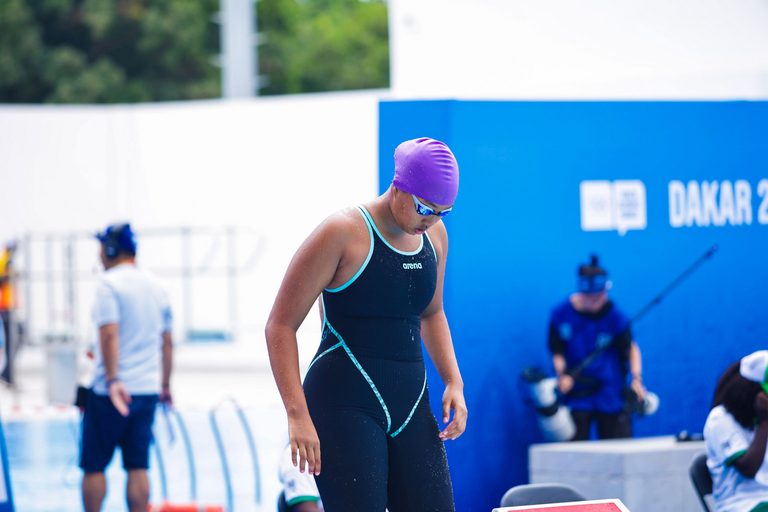
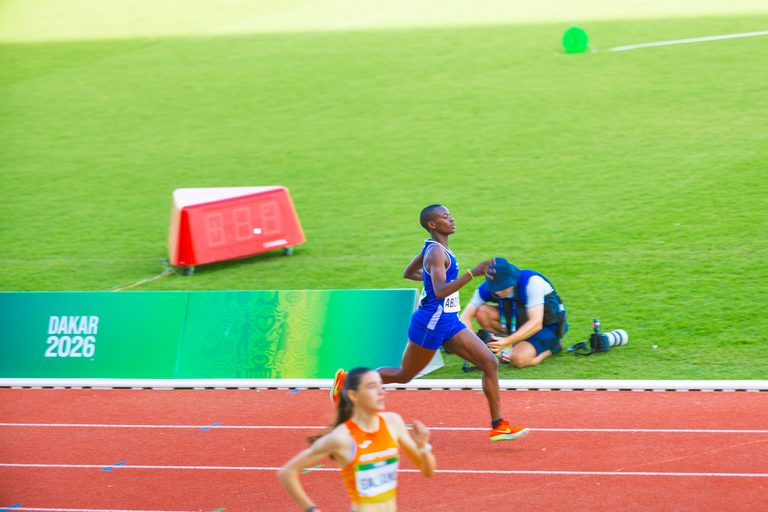
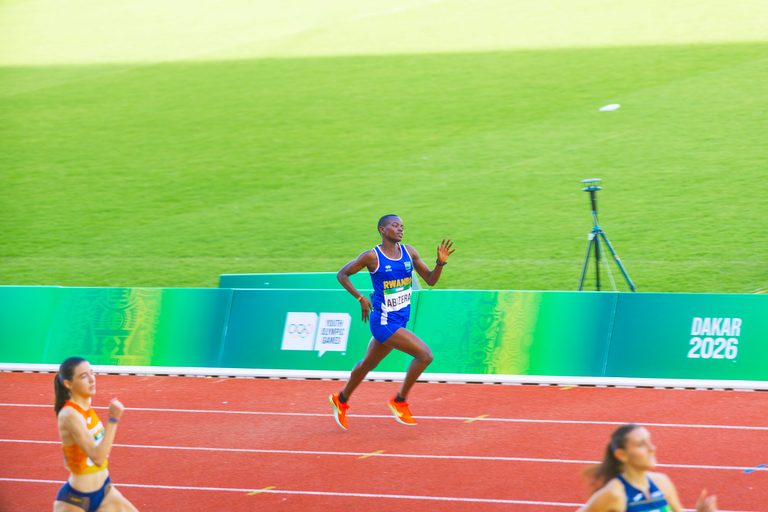
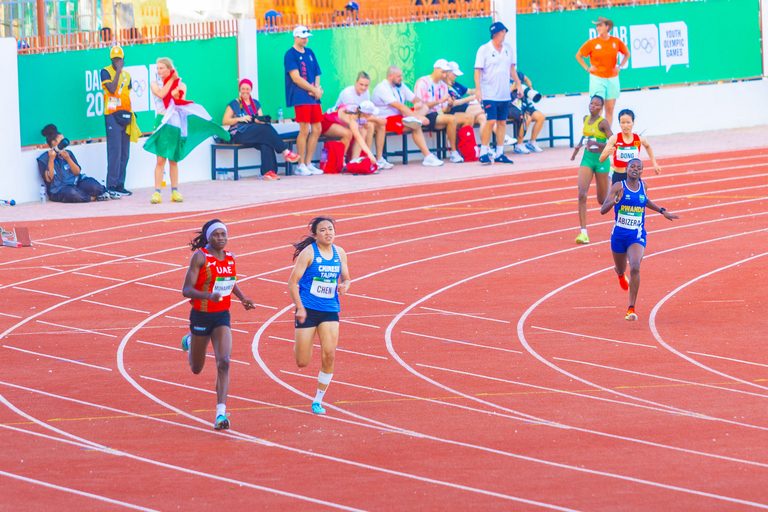
Abizera secured her place in the final after finishing fifth in Sunday's semi-final, clocking 57.29 seconds and improving her previous personal best of 58.33 seconds.
She is scheduled to compete in the final on Monday, November 9, 2026, starting at 6:50 p.m. Kigali time at Complexe Iba Mar Diop, where she will be vying for a medal.
Rwanda is represented at the Games in several disciplines, including athletics, swimming, Kung Fu Wushu, cycling and Taekwondo.
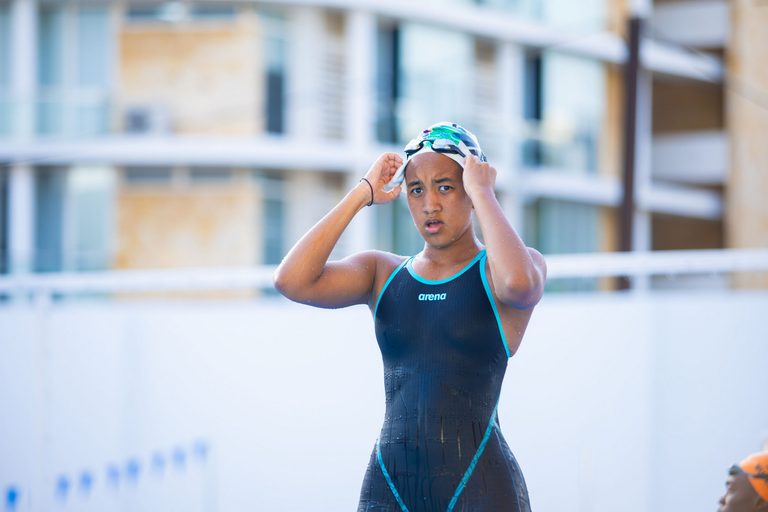
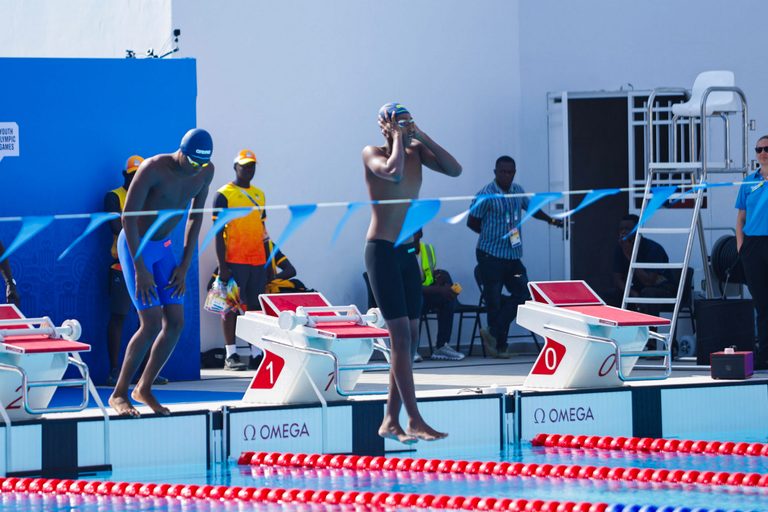
In swimming, Rwandan athletes have completed their competitions, with several recording personal bests, while one also established a new national record.
Mugabo Aragsan set a new Rwandan national record in the 50m freestyle, clocking 29.94 seconds.
He also improved his personal best in the 50m backstroke, finishing in 36.33 seconds.
Ntwali Jayden also delivered strong performances, clocking 27.15 seconds in the 50m freestyle and 28.66 seconds in the 50m butterfly, setting personal bests in both events.
Kalisa Keza improved her personal best in the 50m butterfly, recording 36.11 seconds. She also set a new personal best in the 200m backstroke, finishing in three minutes, six seconds and 58 milliseconds.
Murenzi Sheja Kean competed in the 100m freestyle, 100m butterfly and 200m freestyle events.
In the 100m butterfly, she improved her personal best by 4.75 seconds, clocking one minute, three seconds and 89 milliseconds.
One place separates Mugisha François from Wushu final
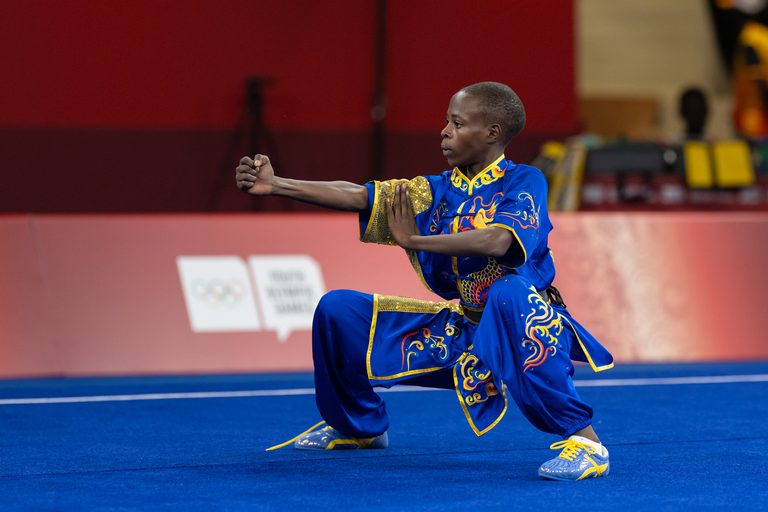
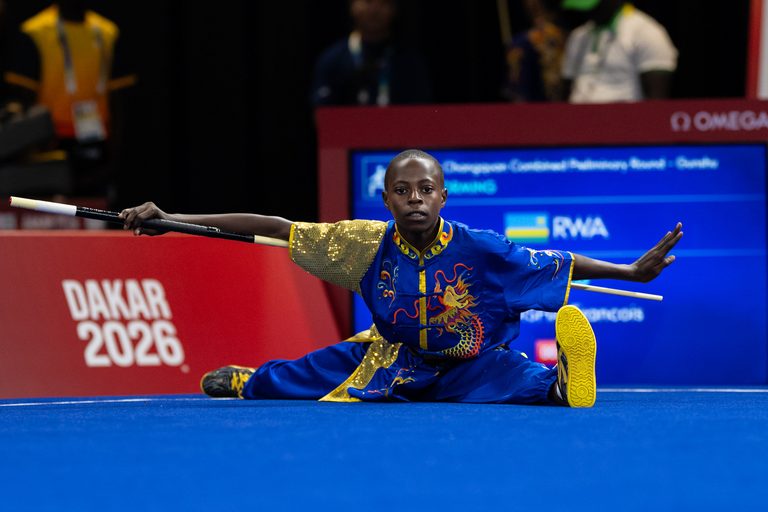
In Kung Fu Wushu, Mugisha François, who represented Rwanda in the Changquan and Gunshu events, finished ninth overall.
He scored 7.966 points in Changquan and 7.863 points in Gunshu, giving him a combined score of 15.829 points.
Only the top eight athletes qualified for the final, leaving Mugisha just one place short of advancing.
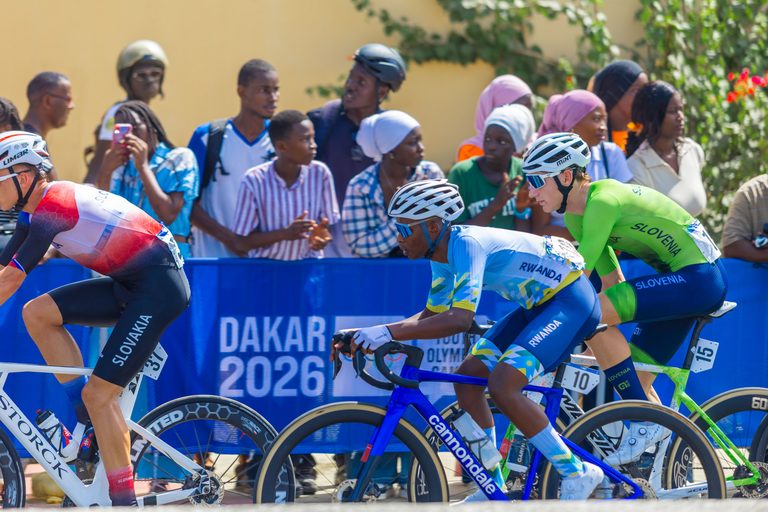
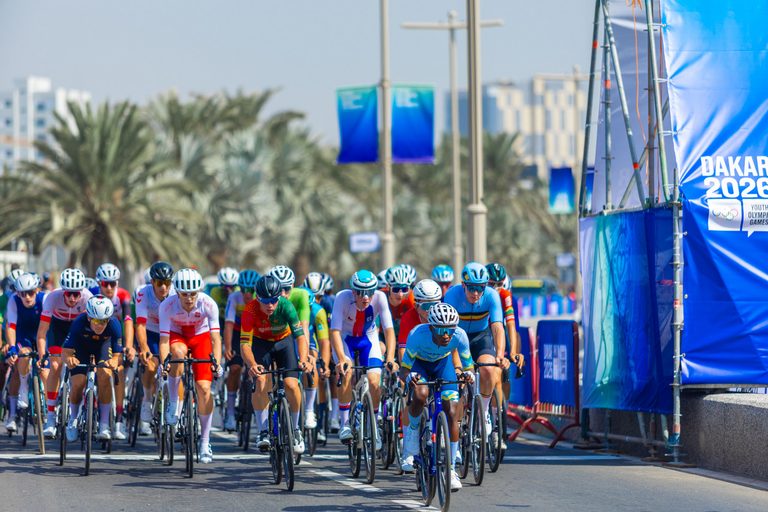
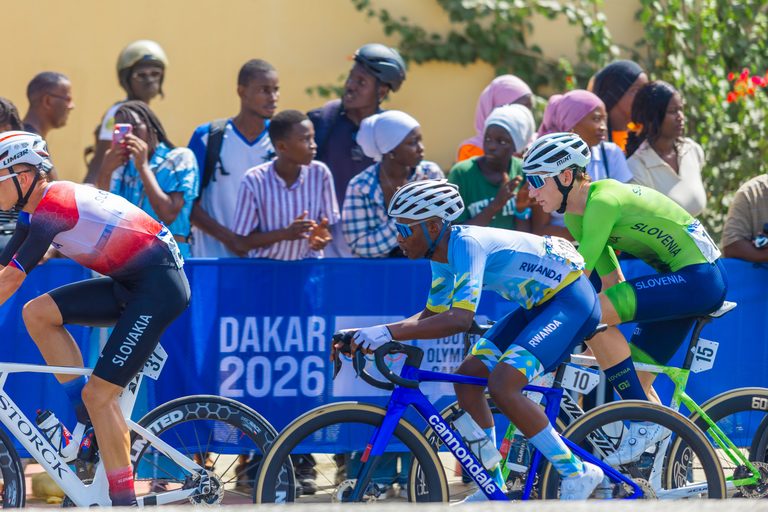
In road cycling, Akimana Donatha finished 22nd out of 41 participants in the women's 59.5-kilometre race.
She encountered a setback after falling while attempting to accelerate and catch up with the other competitors. However, she managed to finish the race, trailing the winner, Angelina Novolodskaya of Russia, by one minute and 47 seconds.
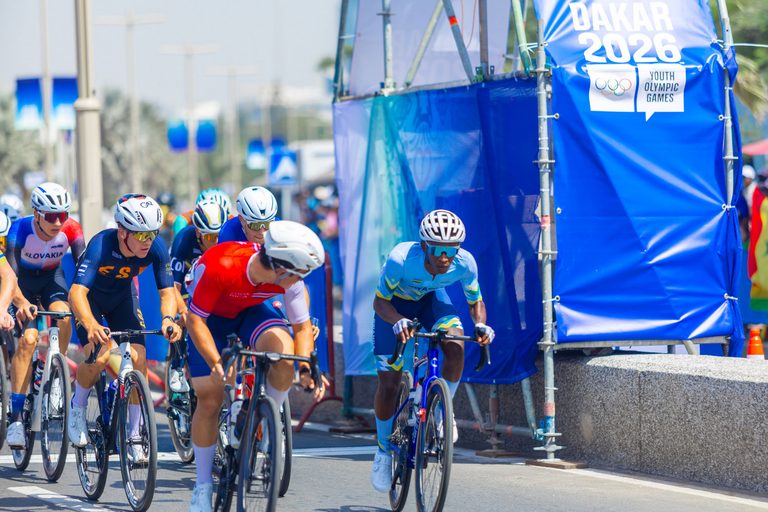
In the men's race, which covered 69.5 kilometres, Shema Emmanuel finished 29th among the 39 participants, although six riders did not complete the race.
Both cyclists will return to competition on Tuesday, November 10, 2026, for the Individual Time Trial (ITT).
They will each cover an 8.5-kilometre course along Corniche Ouest. These will be Rwanda's final cycling events at the Games.
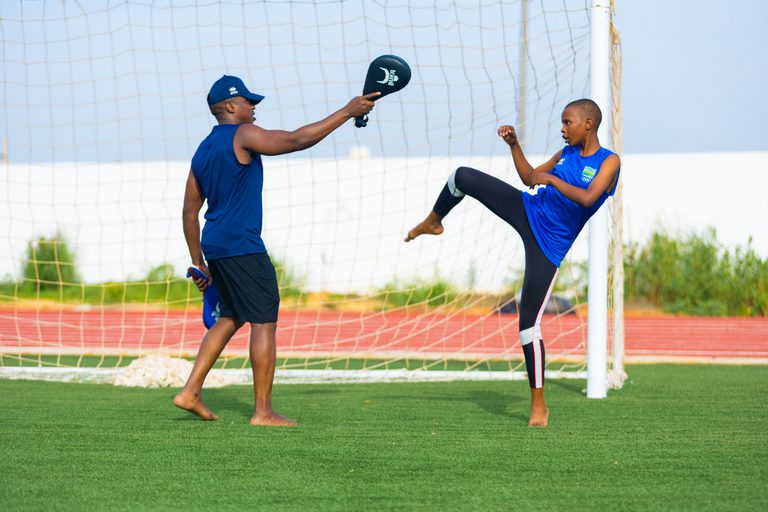
On Monday, November 9, Uwamahoro Françoise will also compete in Taekwondo in the women's under-49kg category.
She is scheduled to face Australia's MacDonald Mackenzie in a bout set for 1:20 p.m. Kigali time at Complexe Iba Mar Diop.
The Dakar 2026 Youth Olympic Games are being held in Senegal, bringing together athletes aged under 17 from different countries around the world.
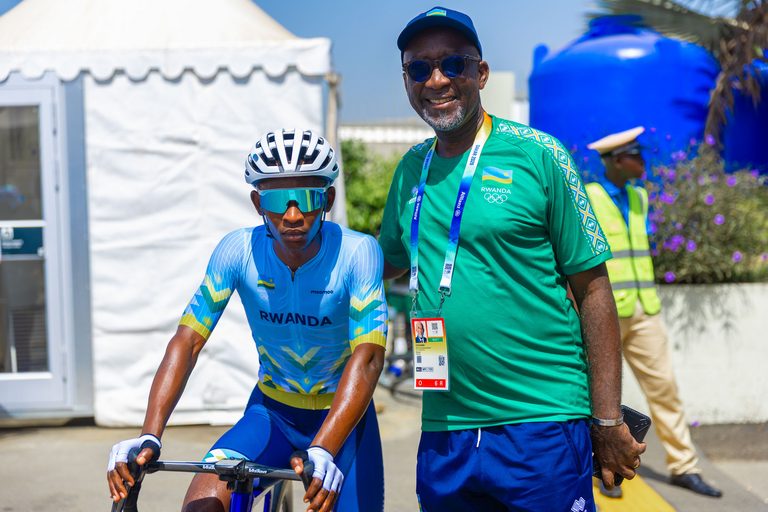
Mugisha François narrowly missed out on qualifying for the medal-deciding final in Kung Fu Wushu.Mugisha finished ninth, while only the top eight athletes advanced to the final.The Rwandan swimmers have completed their events, recording improved times compared to their previous personal bests.Uwamahoro Françoise is set to compete in Taekwondo on Monday.Abizera Sonia Eli-Elohe qualified for the 400m final, where medals will be decided.Abizera Sonia Eli-Elohe competed in the 400m semi-final.The men's and women's road cycling races were held on Sunday.Akimana Donatha competed in the women's race.Shema Emmanuel leads the race as the cyclists ride together in a peloton.Rwanda's Ambassador to Senegal, Festus Bizimana, poses for a photo with cyclist Shema Emmanuel.Rwandan team officials pose for a photo with cyclist Shema Emmanuel.
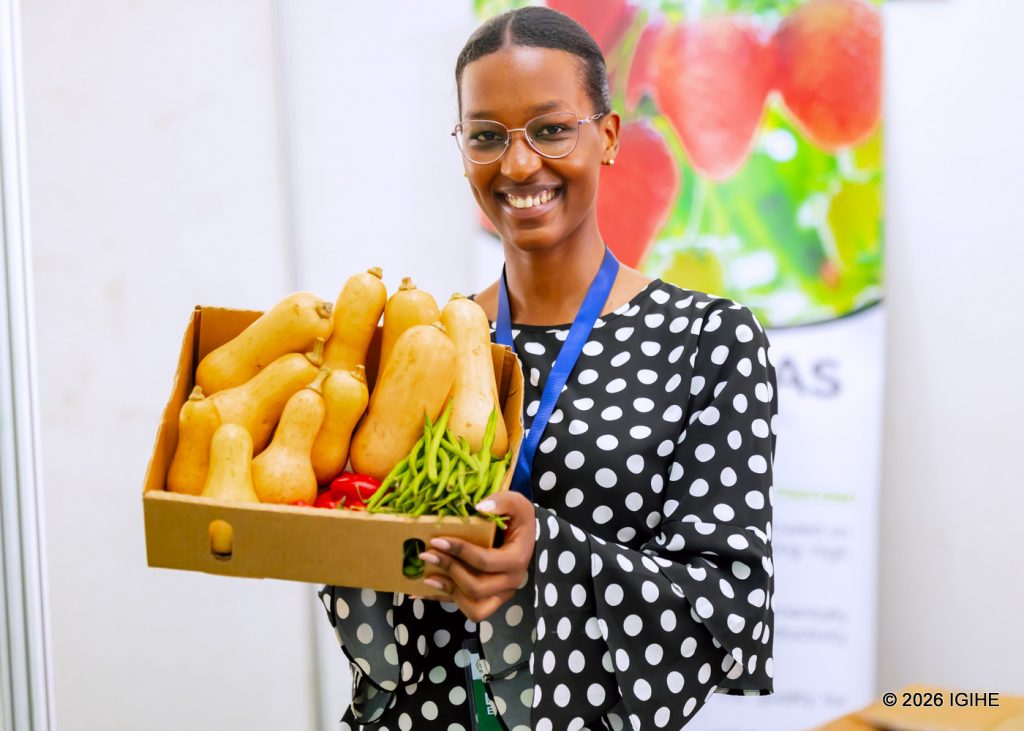
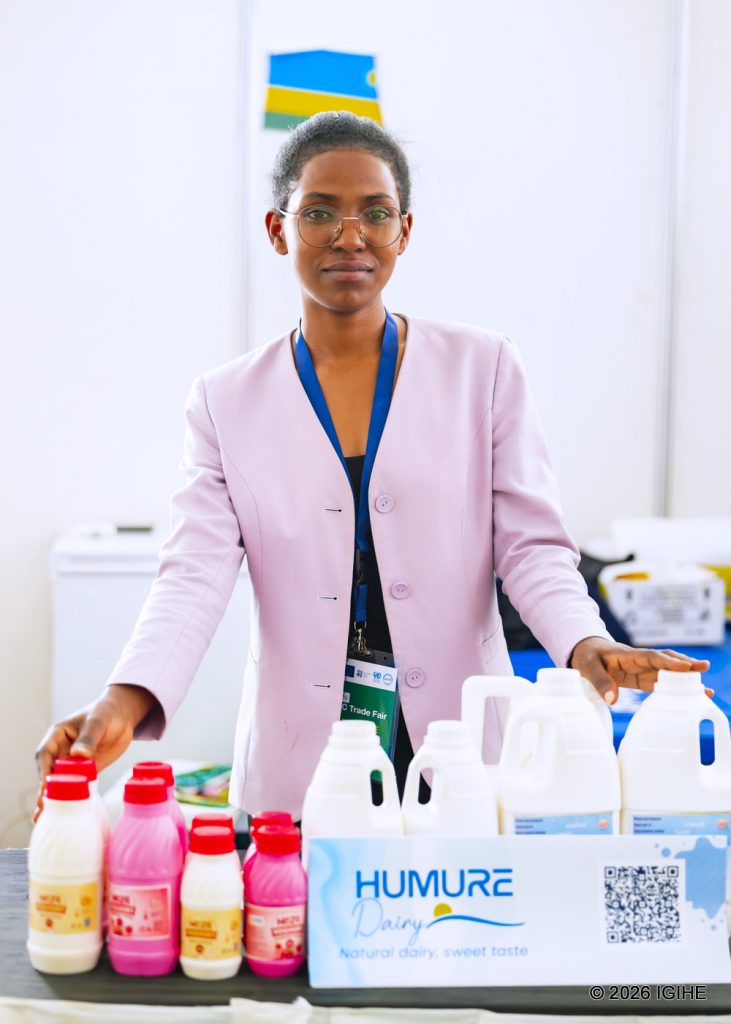
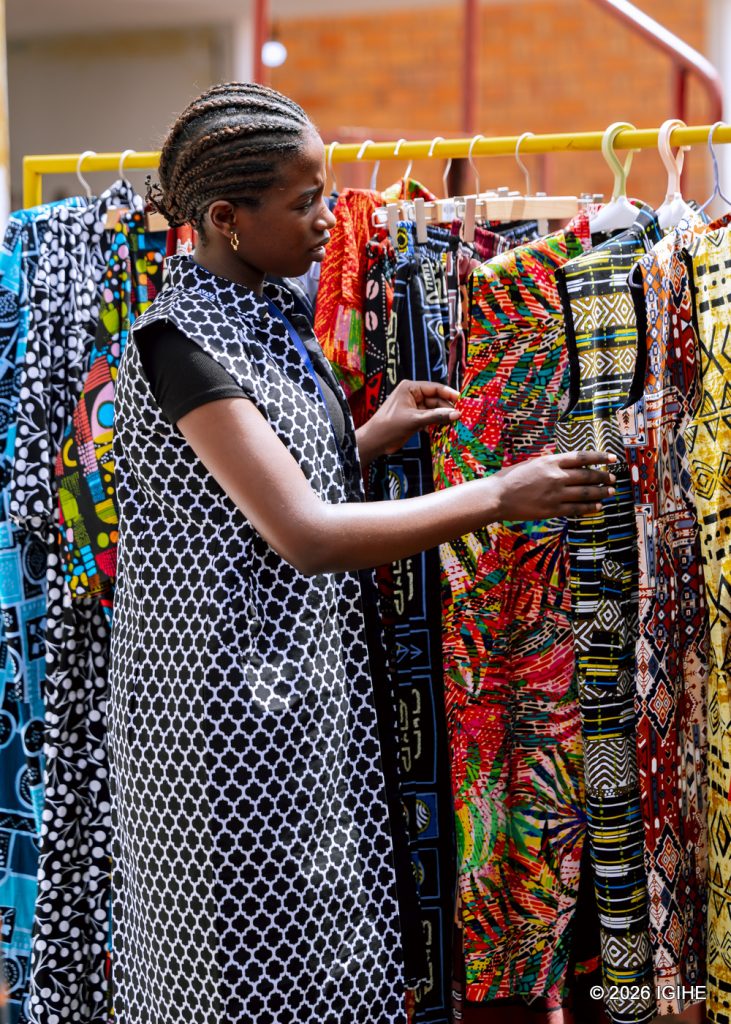
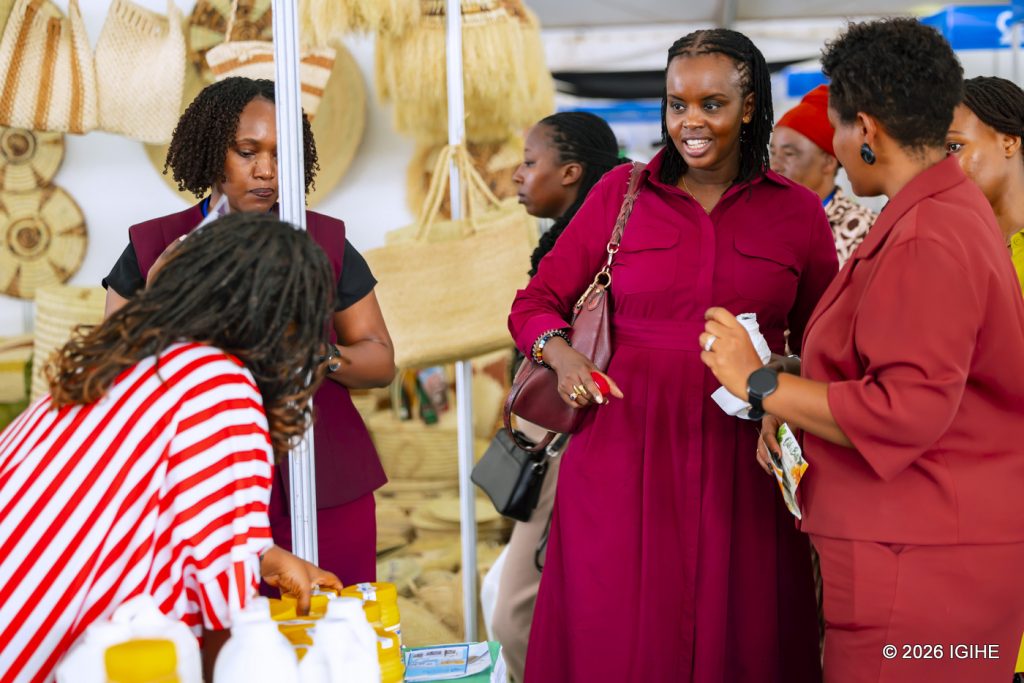
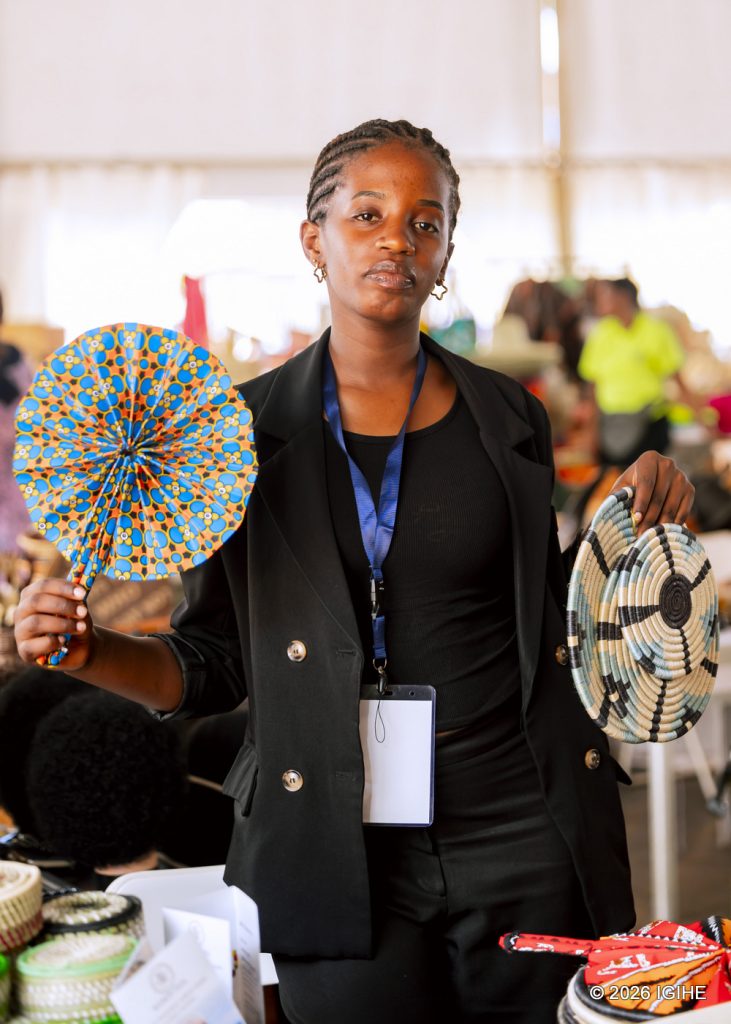
The opportunities include an order for 70 kilogrammes of honey from a Kenyan customer secured by one of the participants, highlighting the potential of regional trade fairs to connect small businesses with new markets.
The women took part in the exhibition through ITC's Amplifying Digital Opportunities for Cross-Border Trade (ADO-CBT) programme, which supports small businesses engaged in cross-border trade.
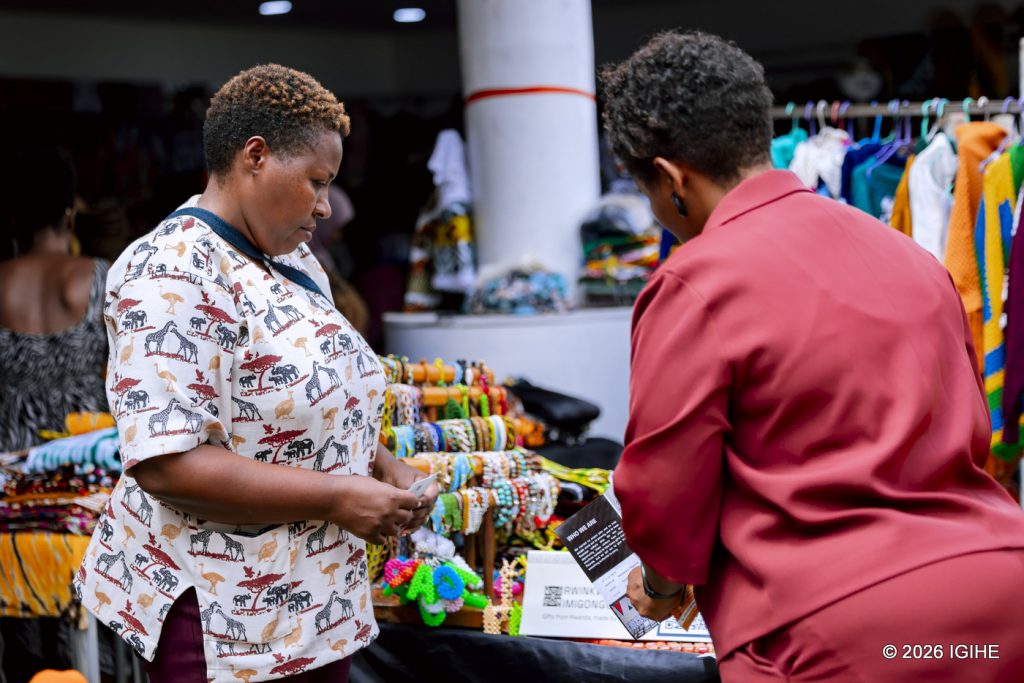
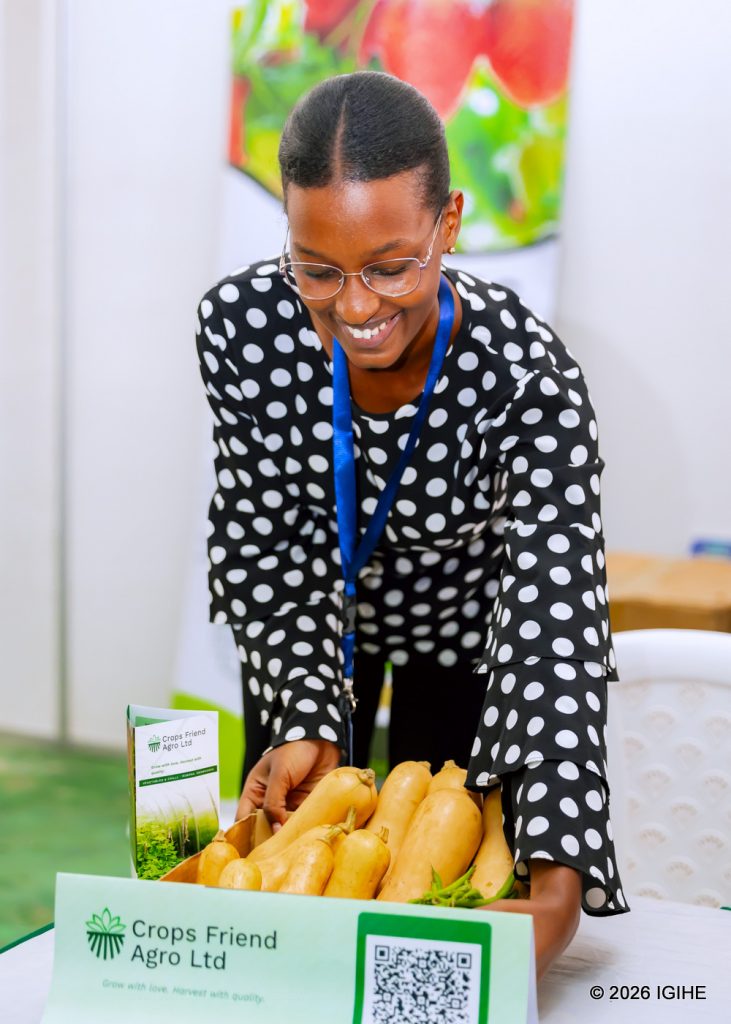
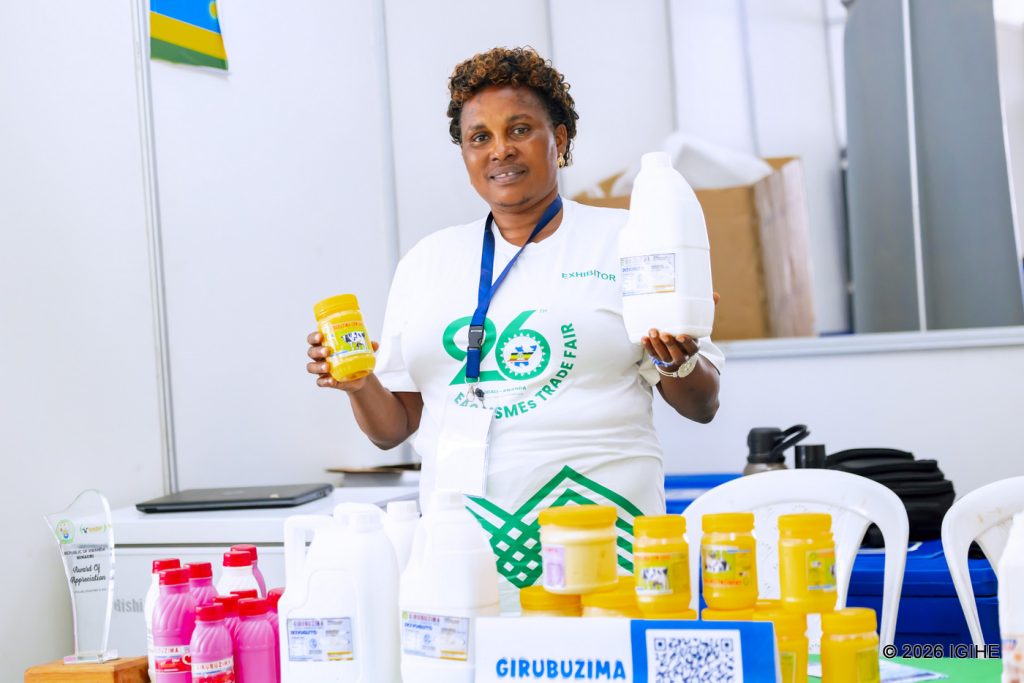
They showcased a range of products, including dairy products, vegetables, fruits, honey, clothing and coffee.
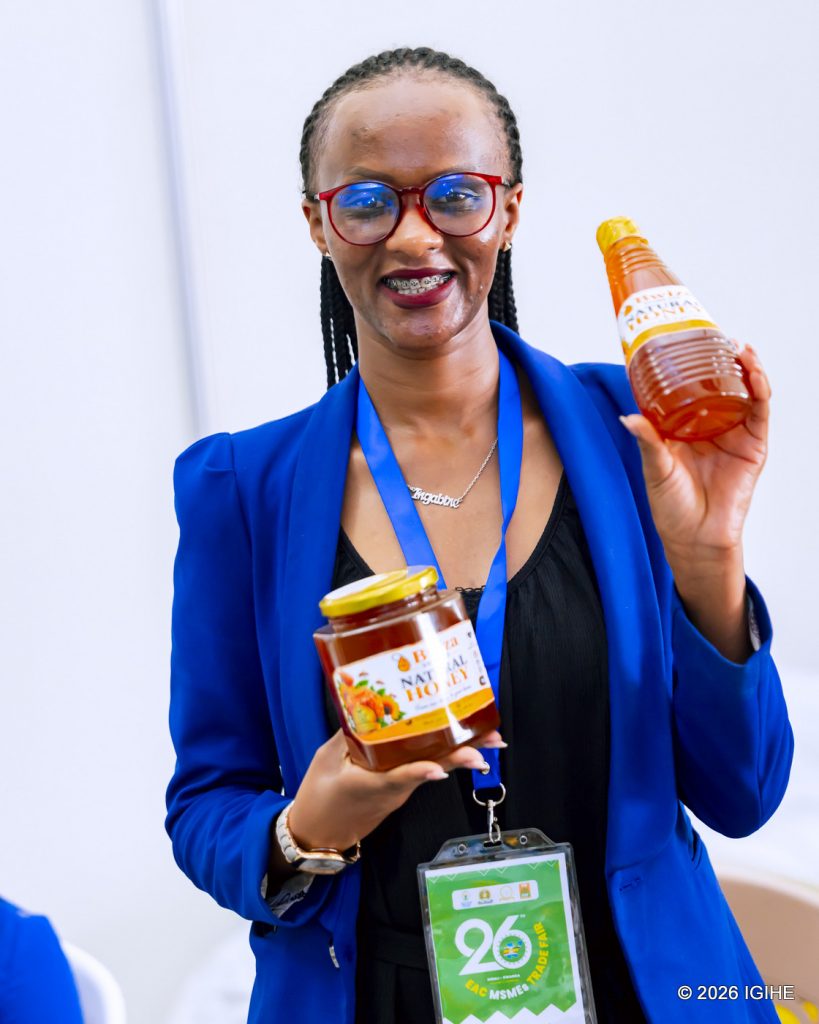
Grace Ingabire, a honey producer from Kayonza District, said she had initially hesitated to participate, believing the exhibition was mainly intended for large, established companies.
'At first, I was hesitant to participate. I almost decided not to come because I thought exhibitions like this were meant for large companies that had been in business for a long time,' she said.
'However, participating turned out to be one of the most beneficial experiences for my business. I secured a customer from Kenya who ordered 70 kilogrammes of honey, and I also gained new ideas on how to add value to my products.'
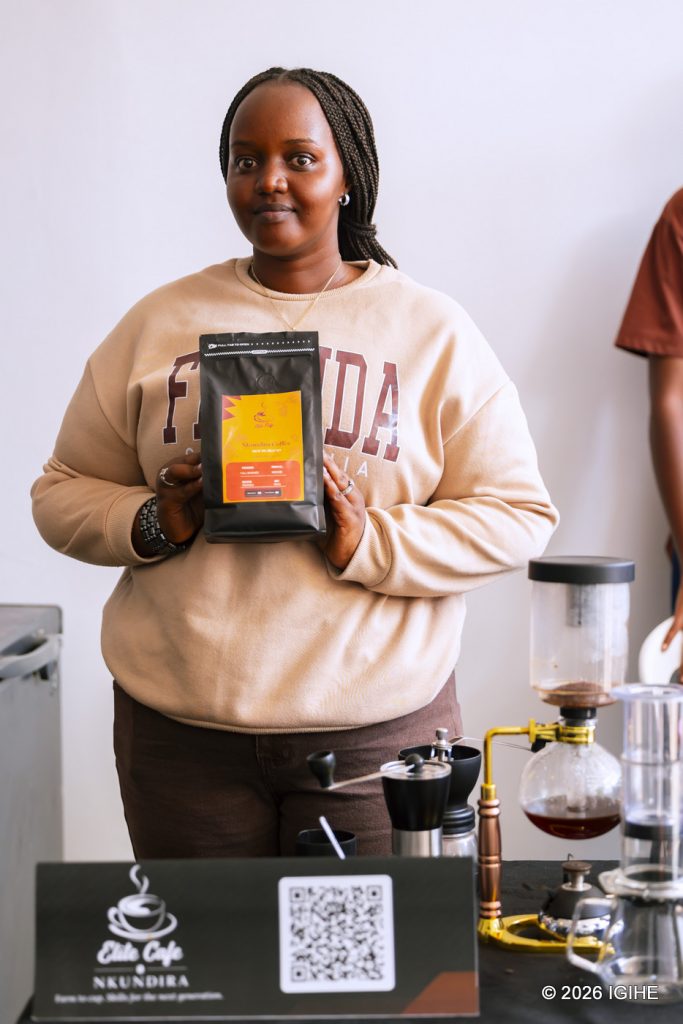
For Annet Muhorakeye, who sells coffee and provides coffee preparation training at Elite Cafe Training Centre, the trade fair offered an opportunity to attract customers while learning more about product certification requirements.
She said meeting an official from the Rwanda Standards Board (RSB) helped clarify the process of obtaining the institution's S-Mark certification, which she had previously considered difficult to secure.
'Before attending the trade fair, I thought obtaining the RSB S-Mark certification would be difficult because I conduct coffee preparation training and processing activities at the same location. However, I met an RSB official who explained the requirements to me, giving me the confidence to start the application process,' she remarked.
The exhibition also generated business for her training centre, with three people already paying for coffee preparation courses.
'Other women also expressed interest in bringing their relatives and friends for the training. This has opened up opportunities for me to expand my business through the networks I have established,' she added.
ITC targets online markets for women entrepreneurs
Beyond helping the women participate in physical trade fairs, ITC plans to support them in marketing their products online to reach customers beyond their existing markets.
Christine Nyairo, ITC's digital trade national coordinator, said connecting small businesses to markets requires more than providing them with opportunities to exhibit their products.
'It means creating pathways that connect them with customers, other businesses and partners, allowing them to build relationships and access markets they could not previously reach,' she said.
Nyairo said the trade fair had enabled the women to expand their business networks, showcase their products and explore opportunities in the wider East African market.
She added that ITC seeks to strengthen their capacity to grow their businesses, compete in regional markets and increase the benefits they derive from their commercial activities.
Launched in October 2024, the ADO-CBT project is funded by the European Union (EU) and implemented by ITC in partnership with the International Organization for Migration (IOM), the United Nations Capital Development Fund (UNCDF) and the United Nations Conference on Trade and Development (UNCTAD).
The project aims to equip 150,000 traders with digital skills, help 25,000 traders access financial services, train 100 people in digital technology and support 50 cooperatives in adopting digital solutions in their operations.
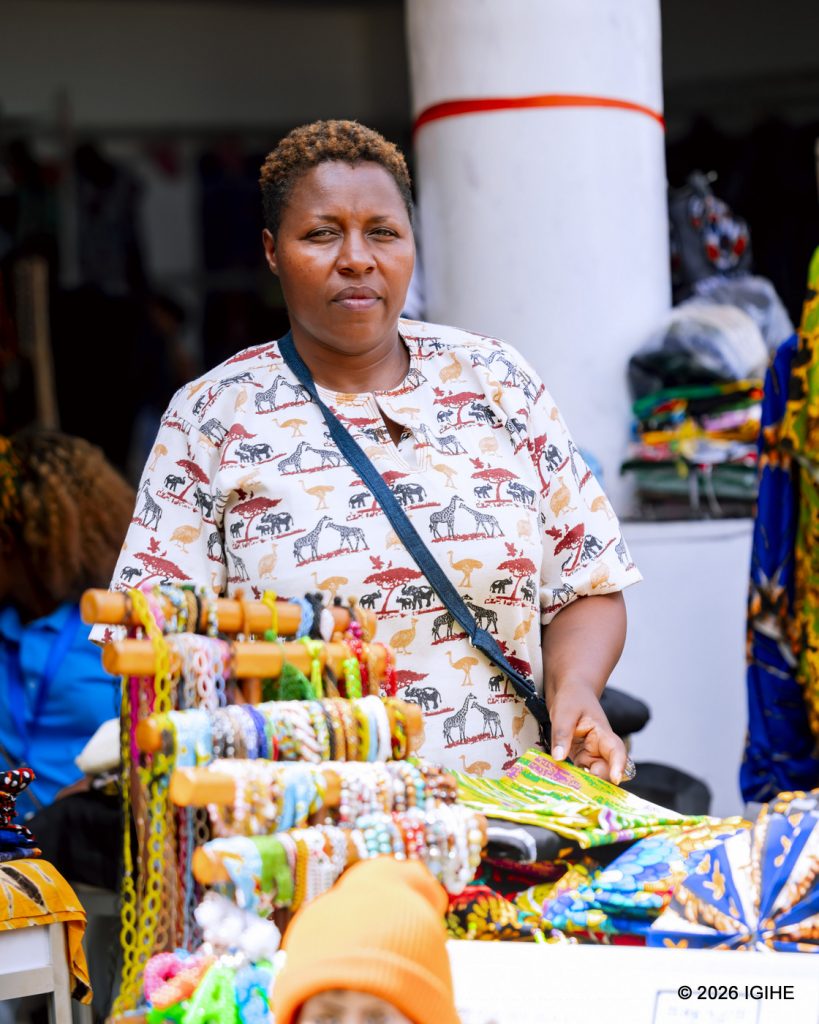
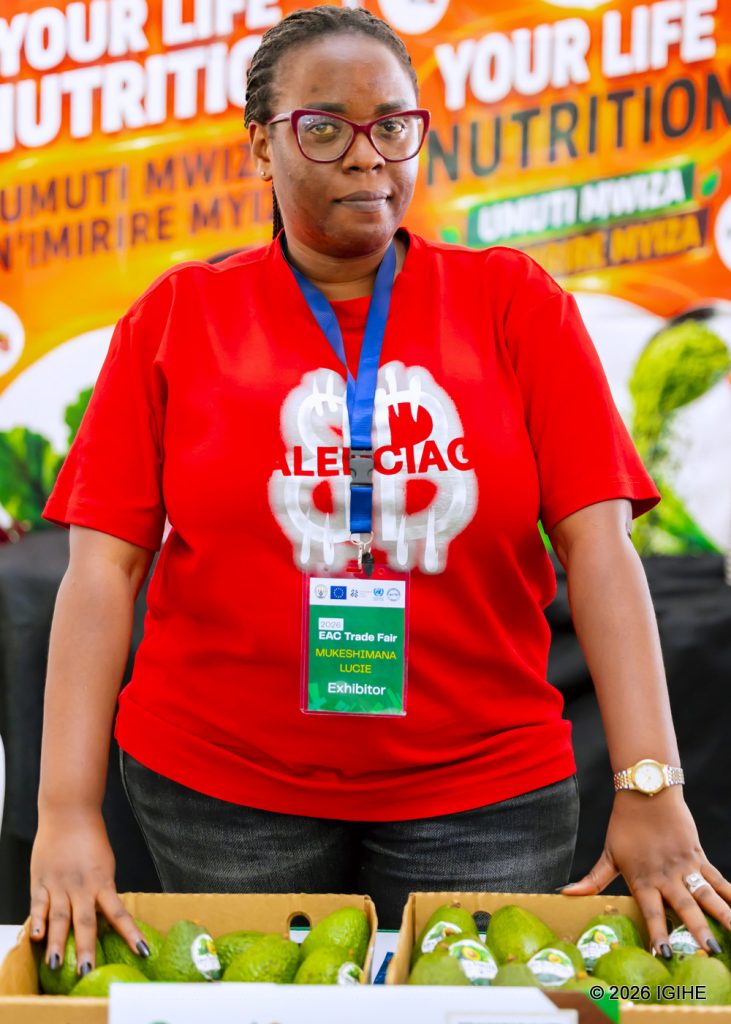
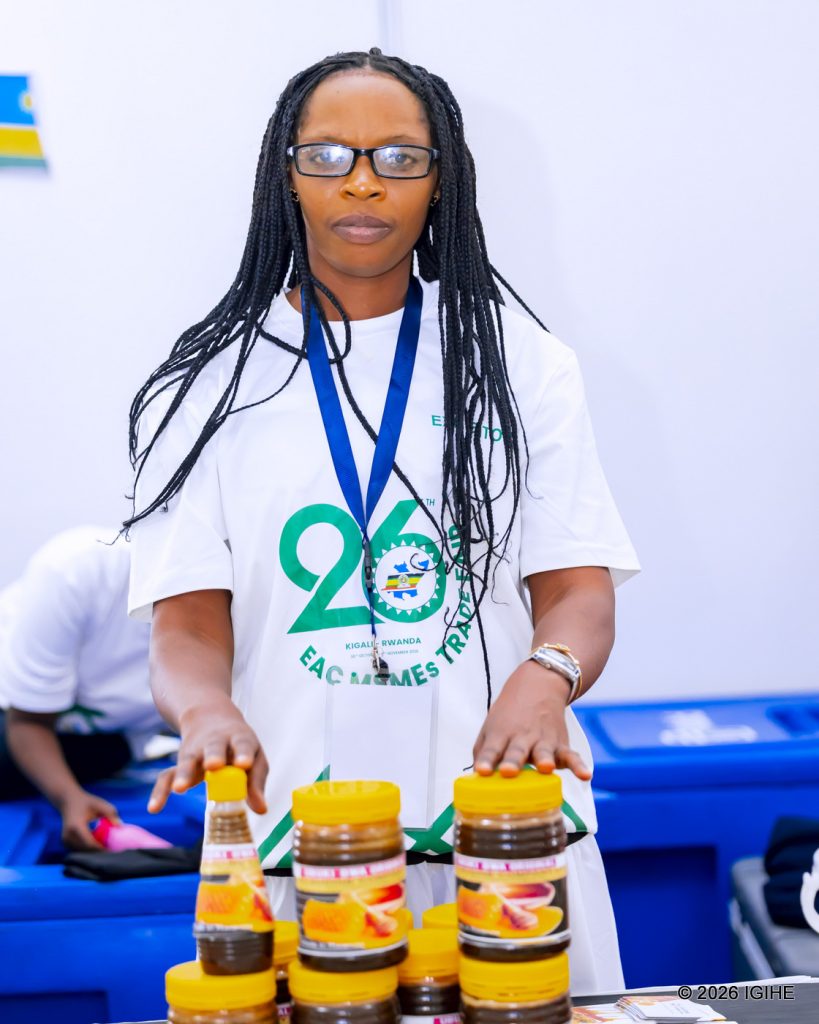
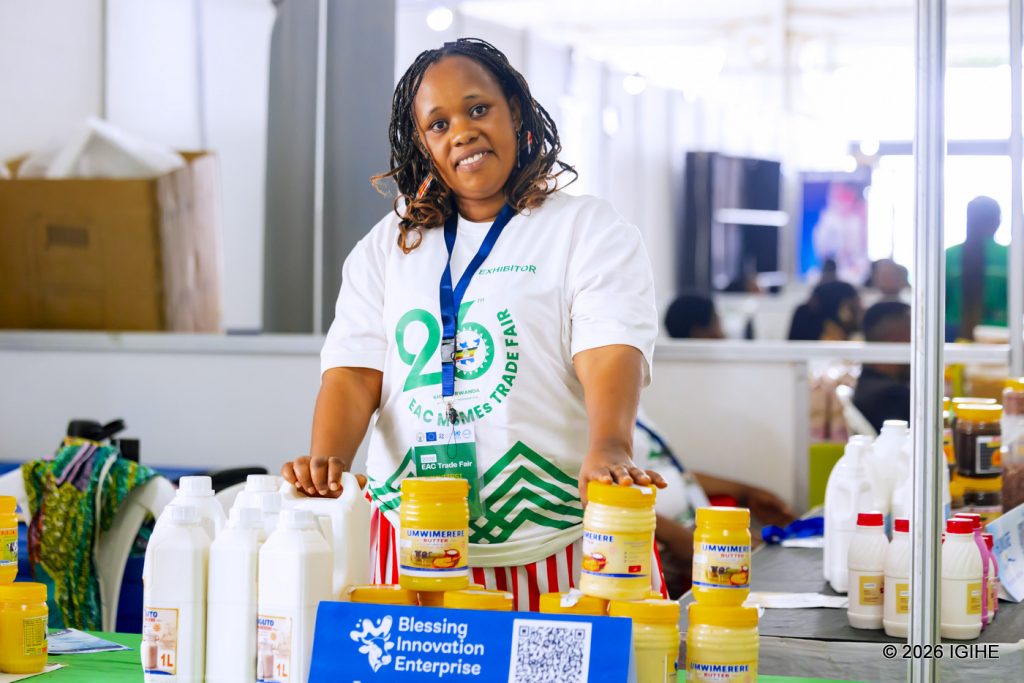
Vestine Umutoni runs a clothing and accessories business.Carine Umuganwa trades in vegetables and chillies.Joyce Tumukunde sells dairy products. Lucie Mukeshimana exports avocados. Claudine Mukanyandwi sells honey.
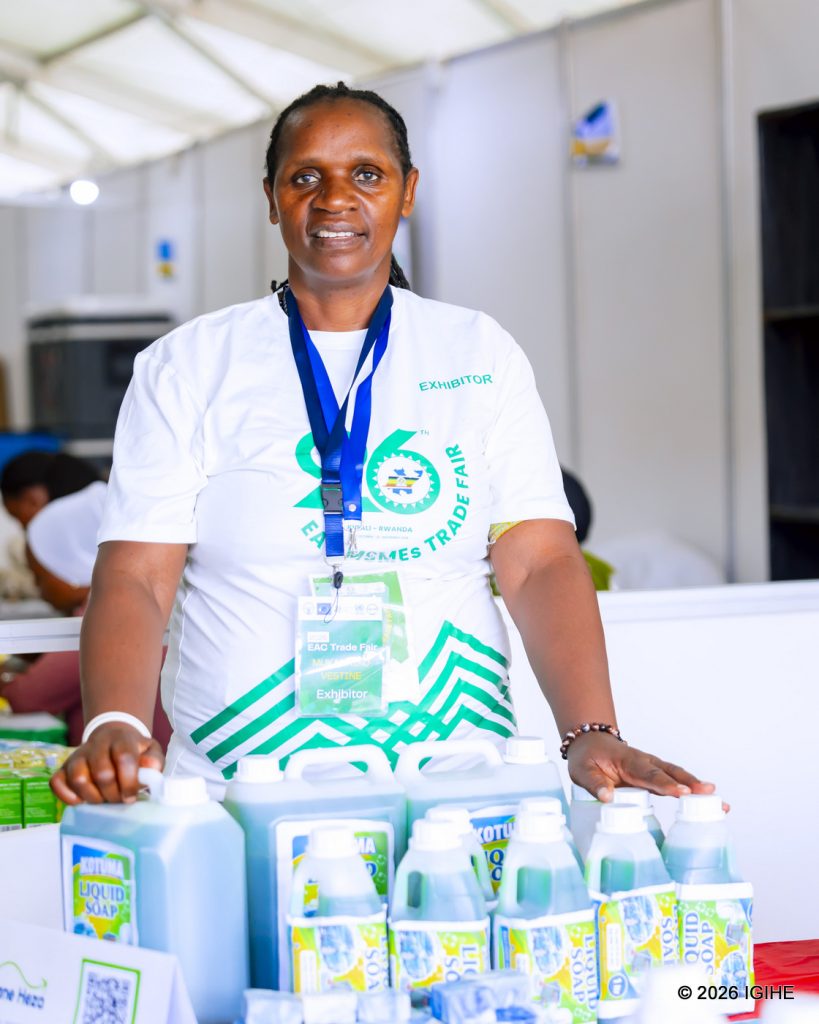
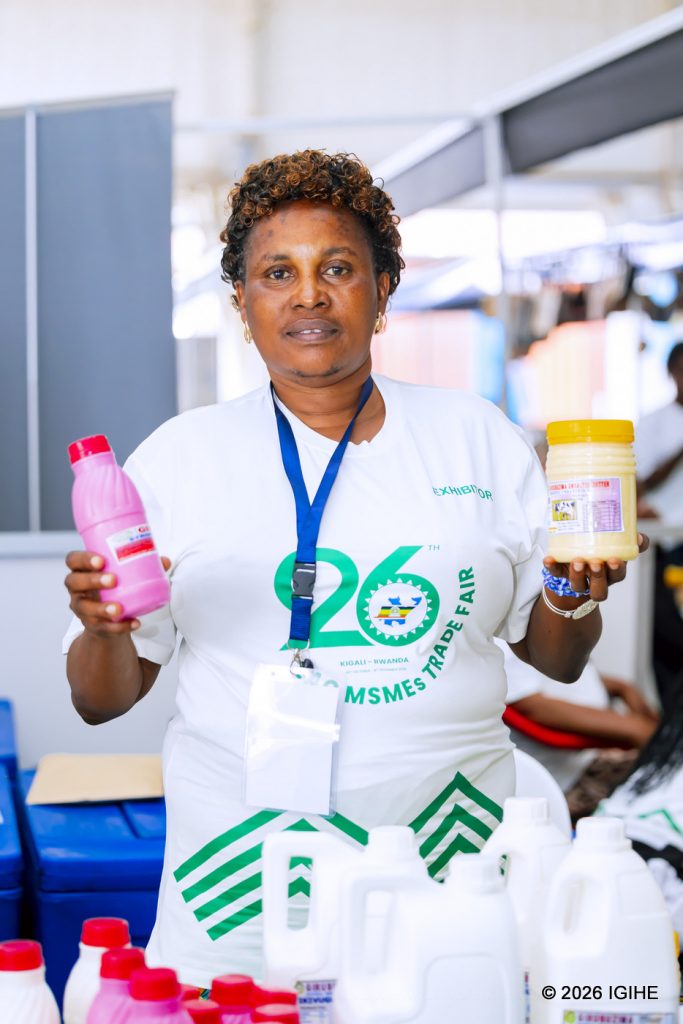
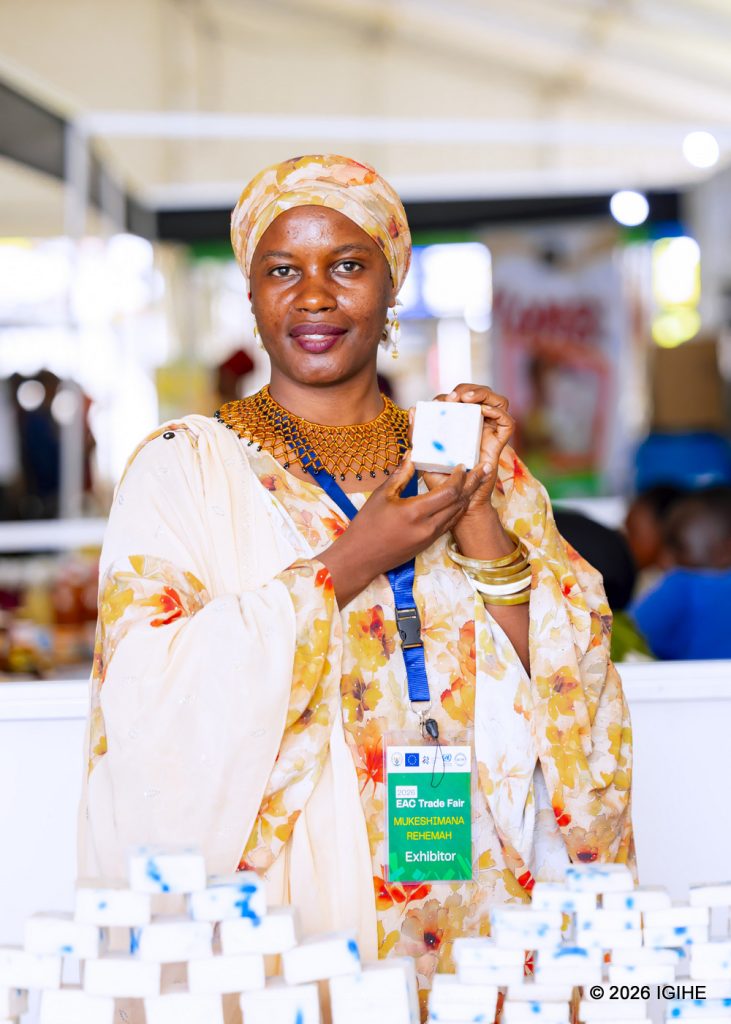
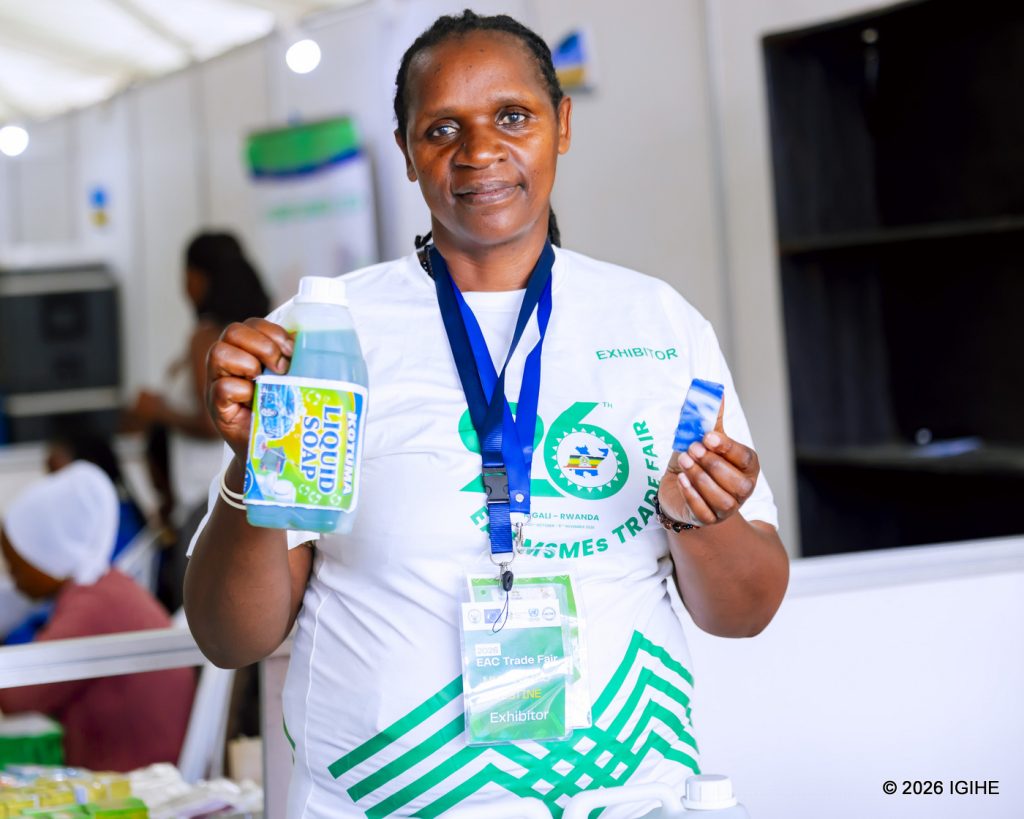
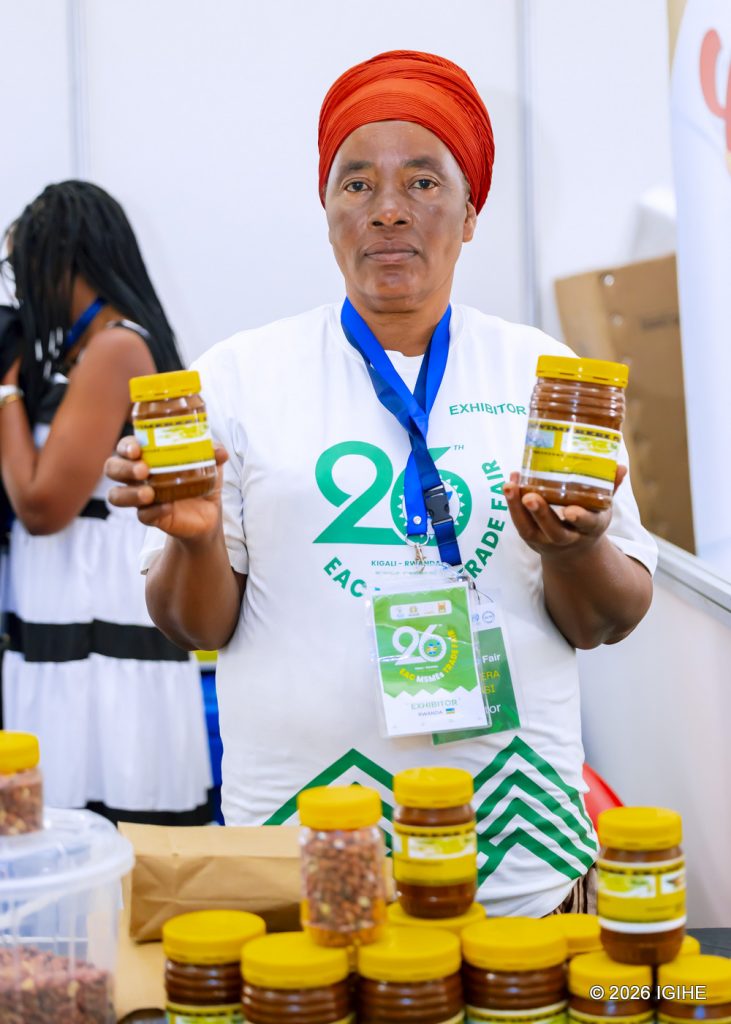
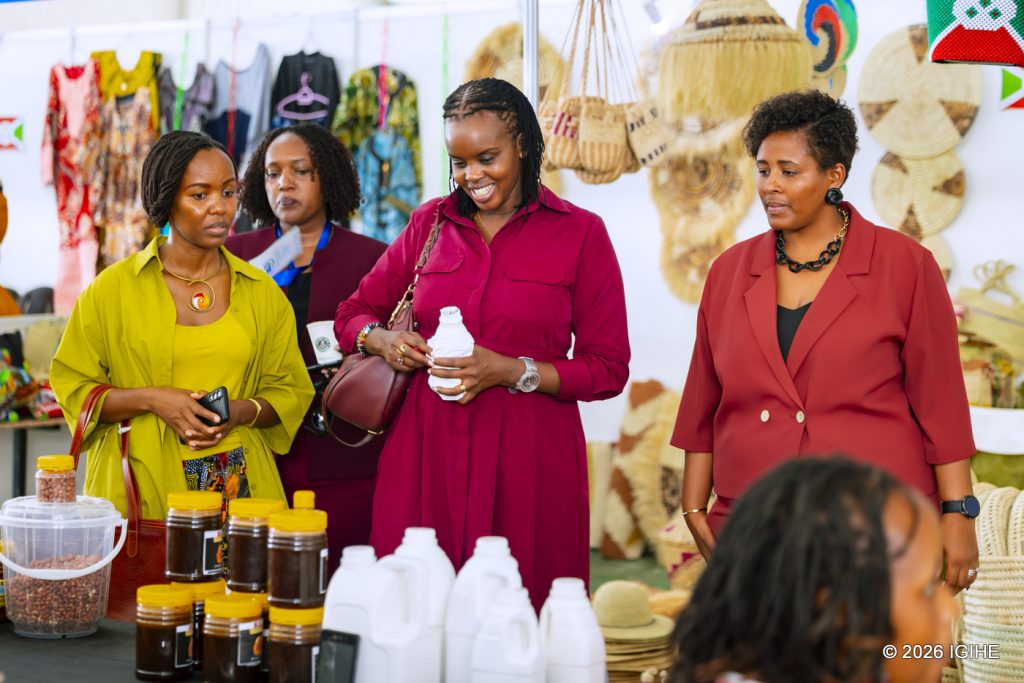
Vestine Mukankiko makes solid and liquid soaps. Dorcas Mukabutera makes peanut-based products, including peanut butter and ground peanuts. ITC officials tour the traders' exhibition stands at the trade fair.Annet Kayitesi sells dairy products.
Grace Ingabire is a beekeeper and honey producer. Annet Muhorakeye processes and sells coffee.
Rosette Cyarikora sells dairy products.