Representative Richard Neal, the Democrat expected to regain the chairmanship of the tax- and trade-focused House Ways and Means Committee, told a trade conference on Friday that he is committed to reversing the 'unjustified' tariffs imposed by Trump and his 'backroom deals' on trade.
'I'm committed to reversing Trump's unjustified tariffs and pursuing trade policy that is grounded in good governance and transparency,' Neal said in an address to the conference, hosted by Katherine Tai, former U.S. trade representative under the administration of former President Joe Biden.
Neal said Trump's deliberately chaotic trade policies had increased living costs and widened inequality between workers and the wealthiest Americans. He gave no specifics of his legislative agenda, but said his priority was to keep Mexico and Canada inside the U.S.-Mexico-Canada Agreement, whose six-year review he said leaves room for improvement.
In the U.S. Senate, Ron Wyden, who will chair the Finance Committee in January, said he would use the panel to reassert congressional authority over trade policy, bringing down costs and ending what he called 'disastrous and corrupt tariffs.'
'There is overwhelming support for repealing the tariffs on products from Canada,' Wyden said, adding that he was already talking with colleagues about legislation once the new Congress convenes.
House Democrats struck the same note earlier in the week. At a news conference led by Democratic leader Hakeem Jeffries, the party promised to pass a bill to stop the tariffs, while Representative Debbie Dingell of Michigan said she and Representative Gregory Meeks of New York have been working for months on legislation against the Canada tariffs.
U.S. Representative Jamie Raskin also said ending the tariffs on Canada was 'very much on our agenda,' arguing that the Constitution gives Congress, not the president, power over tariffs.
The push has drawn at least one sympathetic voice from the other side. Republican Senator Ted Cruz of Texas has lamented that 'tariffs have made everything too expensive.'
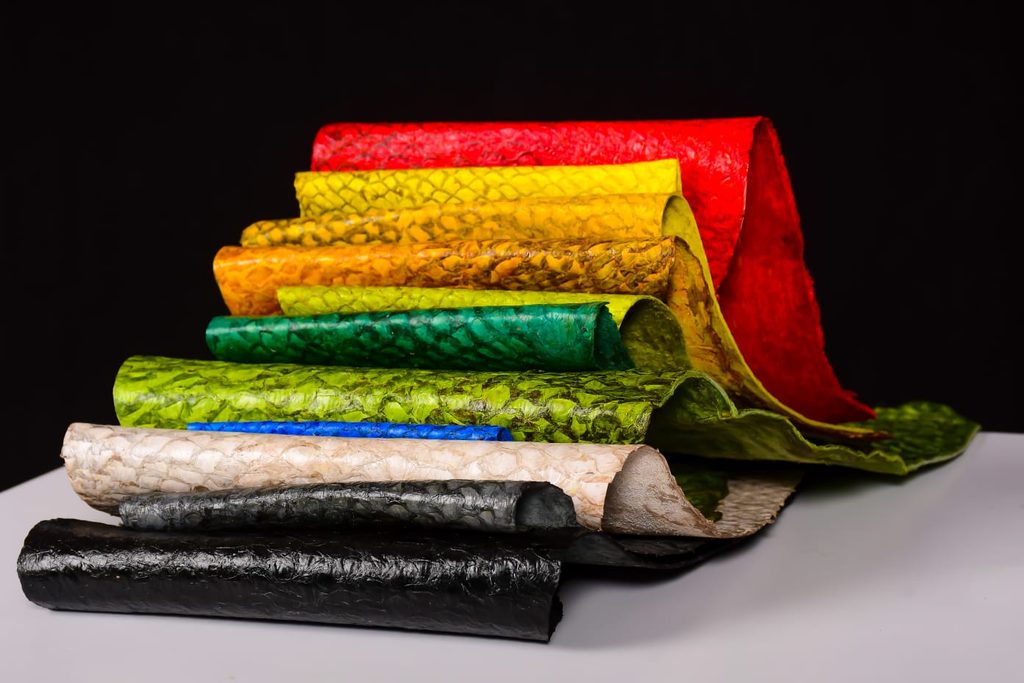
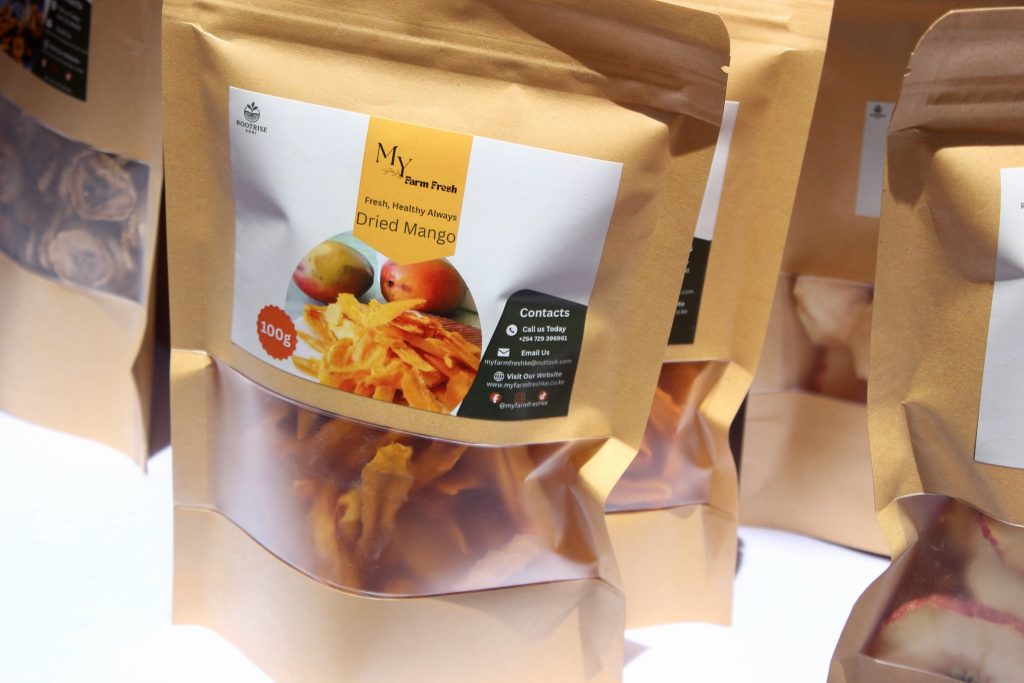
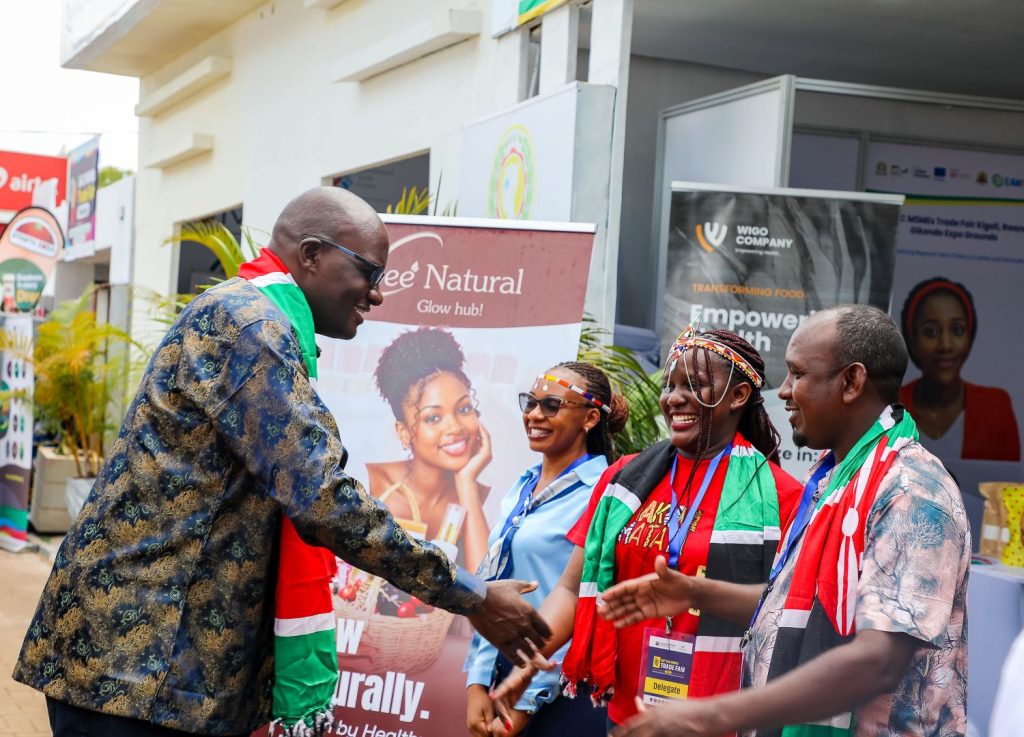
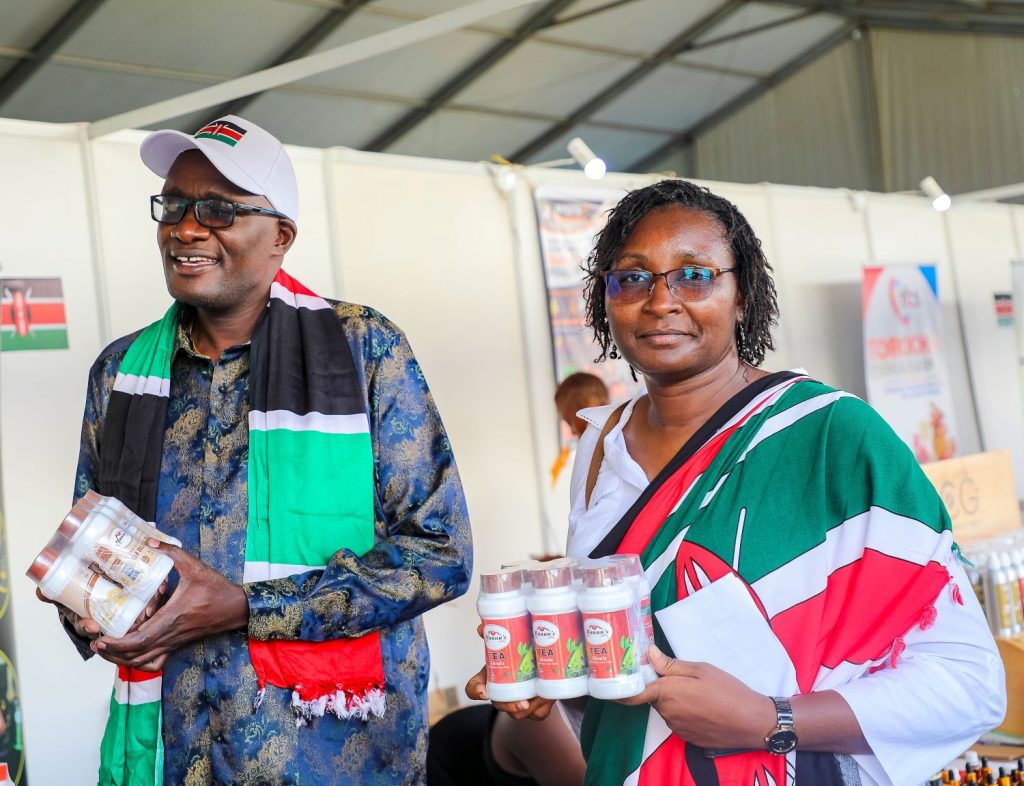
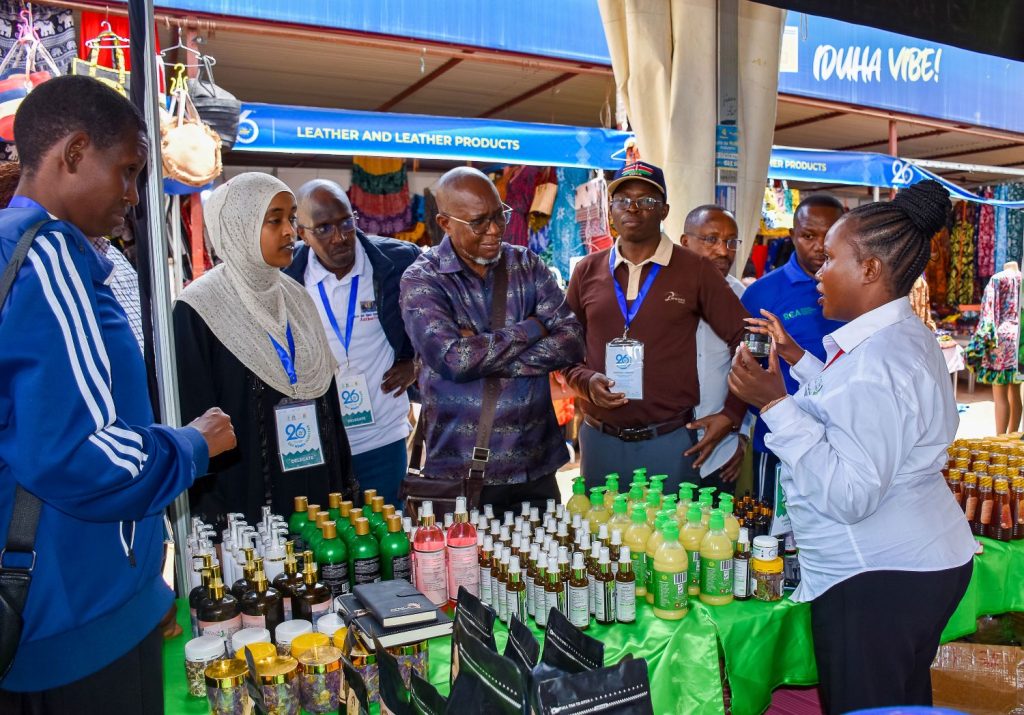
From natural peanut butter and cosmetic oils to fish leather products and dried fruits, exhibitors say the Rwandan market offers room for regional businesses to grow, particularly as consumers and manufacturers seek new suppliers.
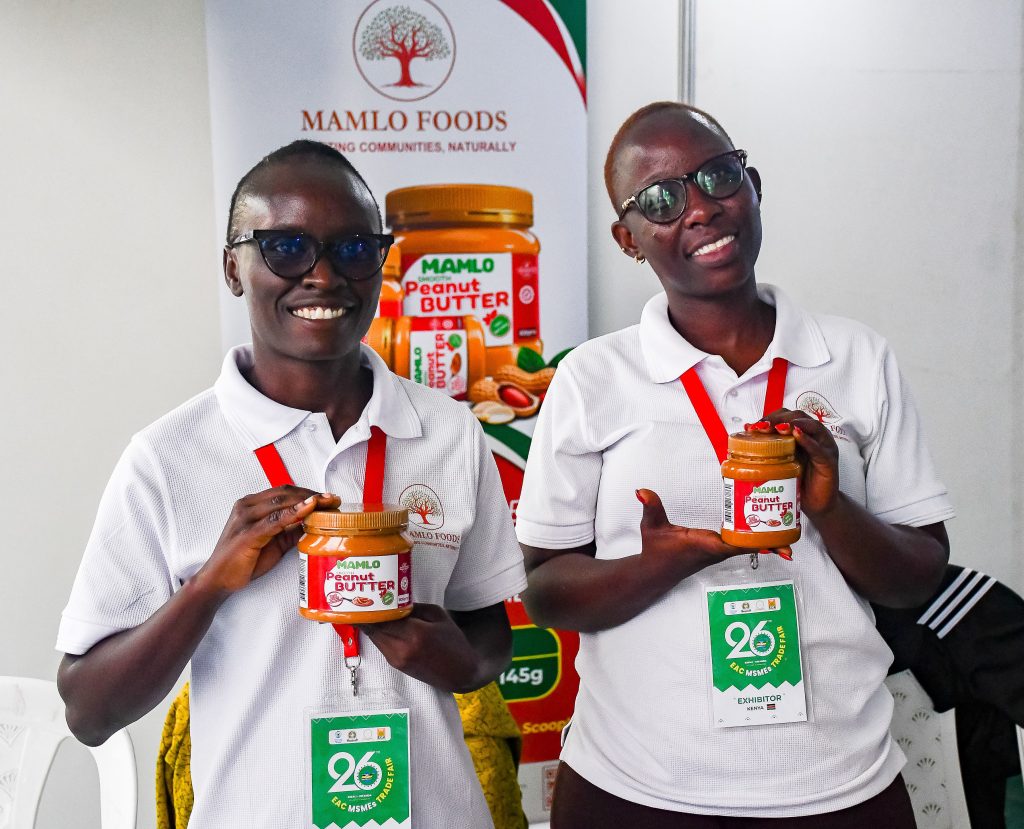
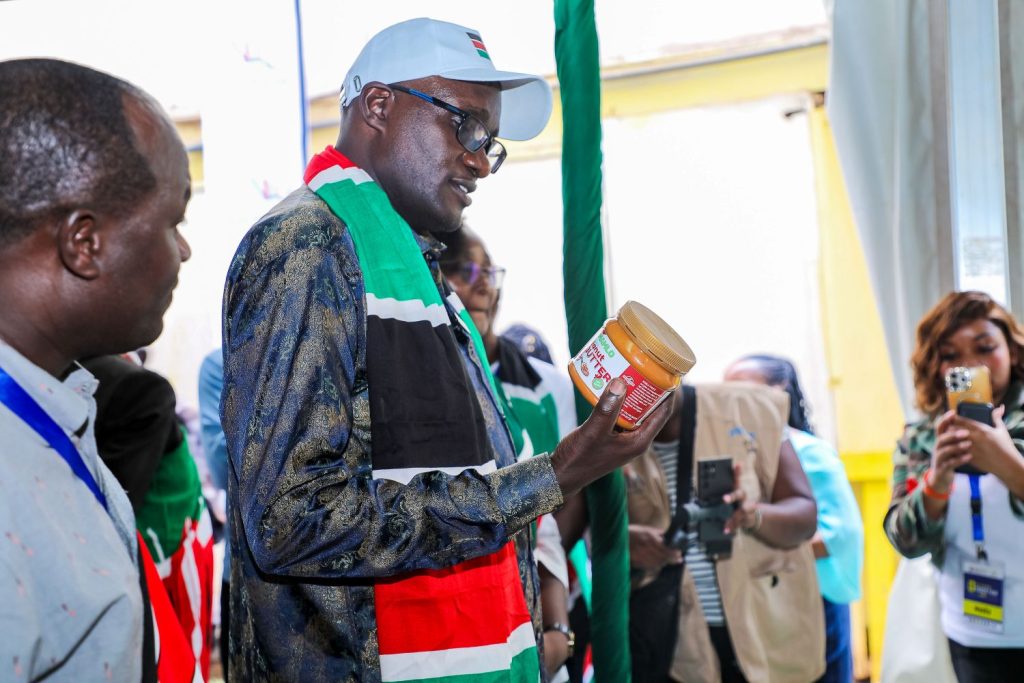
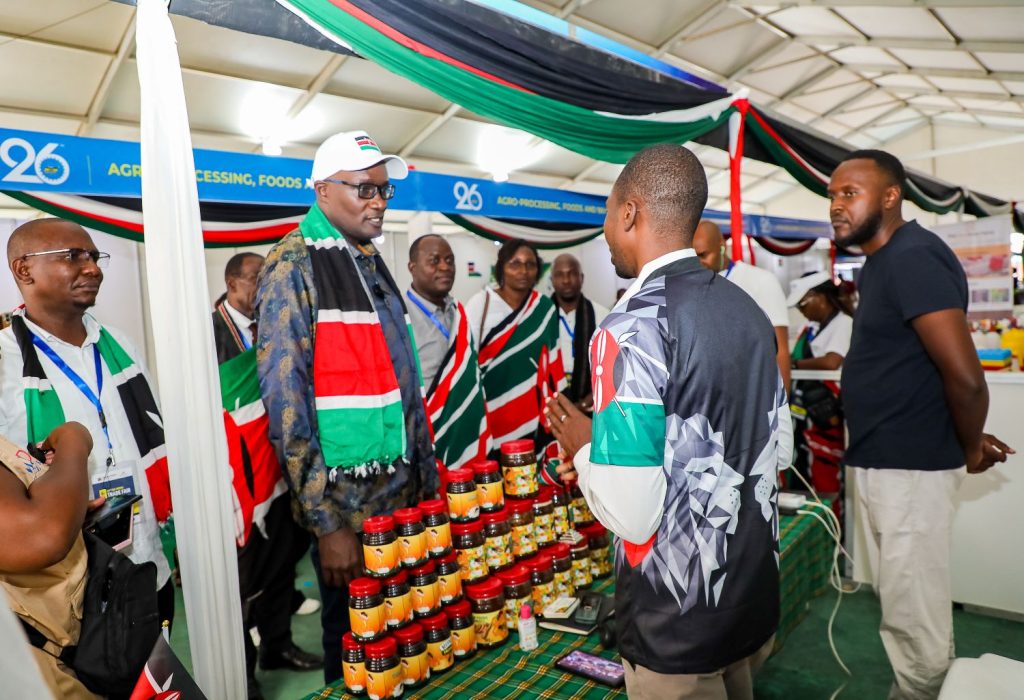
Grace Onyango, representing Kenyan social enterprise Mamlo Foods, described Rwanda as a promising market after the company attracted interest in its natural peanut butter.
'We've discovered a goldmine in Rwanda,' she told IGIHE on Thursday, November 5, 2026, during the special Kenya Day event, highlighting new cross-border trade and investment potential.
Grace Onyango (right) described Rwanda as a promising market after the company attracted interest in its natural peanut butter.
Based in Busia, western Kenya, Mamlo Foods works with women peanut farmers, buying their produce and processing it into natural peanut butter. The company, founded in 2024, can process up to 720 kilogrammes of peanuts daily.
It already has orders through a Rwandan partner, Rainbow Health Food, and is exploring ways to expand its presence, including sourcing peanuts from local farmers and potentially establishing a microfactory in Rwanda.
Onyango said the company was encouraged by the response to its products at the fair, noting that introducing consumers to natural peanut butter could help build demand in a market where the product is not yet widely familiar.
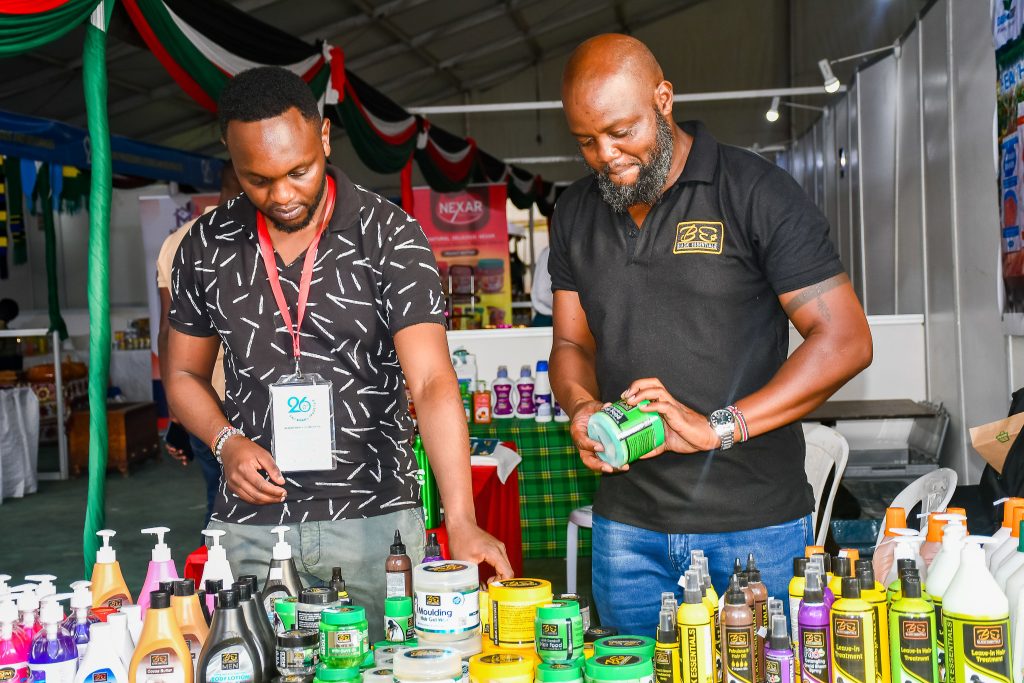
Patrick Mutahi, director of Mukurweini Oil Enterprises, is also looking to build on interest from Rwandan businesses.
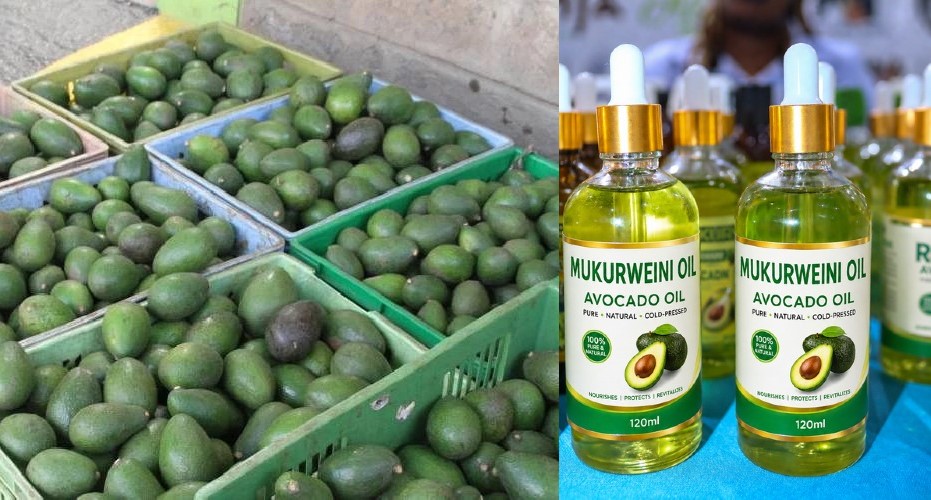
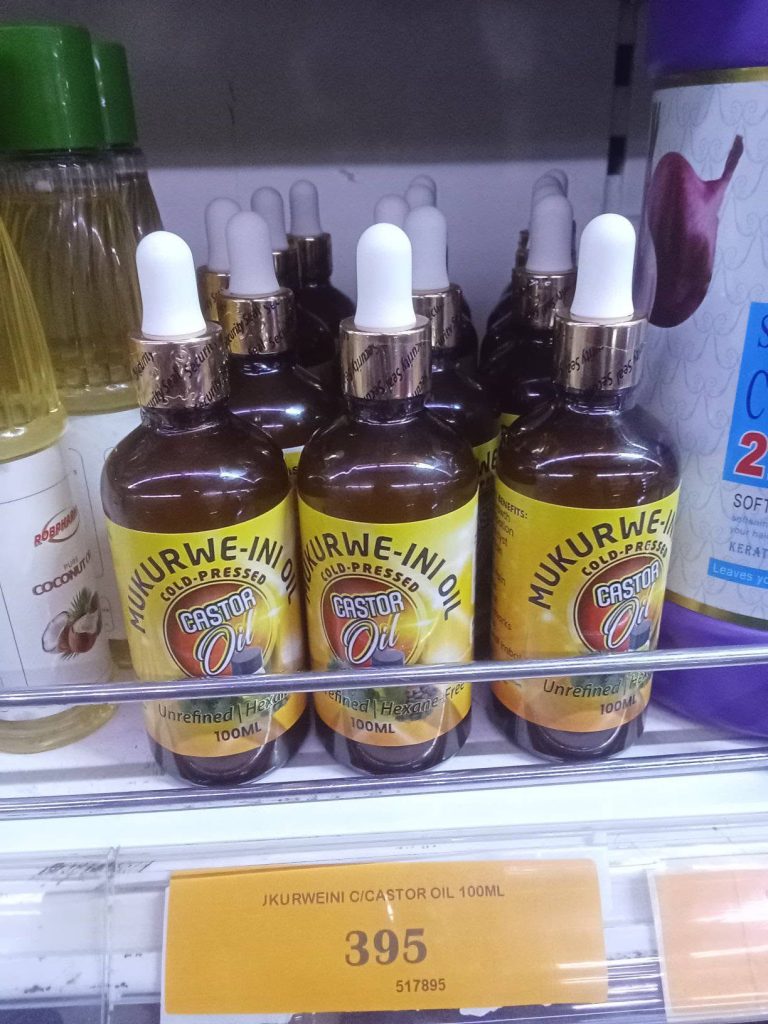
The Kenyan company produces cold-pressed castor and avocado oils, which are used by cosmetics manufacturers. Mutahi said he had identified five Rwandan cosmetics manufacturers interested in its products, with some having already made purchases and expressing plans for regular orders.
The Kenyan company produces cold-pressed castor and avocado oils, which are used by cosmetics manufacturers.
He sees an opportunity to supply local manufacturers that currently rely on imported oils, including products sourced from India.
Mutahi said the company is certified by the Kenya Bureau of Standards, a credential he believes gives prospective buyers confidence in the quality of its products and supports its efforts to expand into regional markets.
'When I am certified in Kenya, my product can be accepted in this market. So there is no barrier of certification. If products can work in Kenya, even here in Rwanda, they can be used,' he highlighted.
For Ira Ambani, founder of Ambani Fish Leather, the fair offered an opportunity to introduce a different use for fish waste while exploring new markets for the company's products.
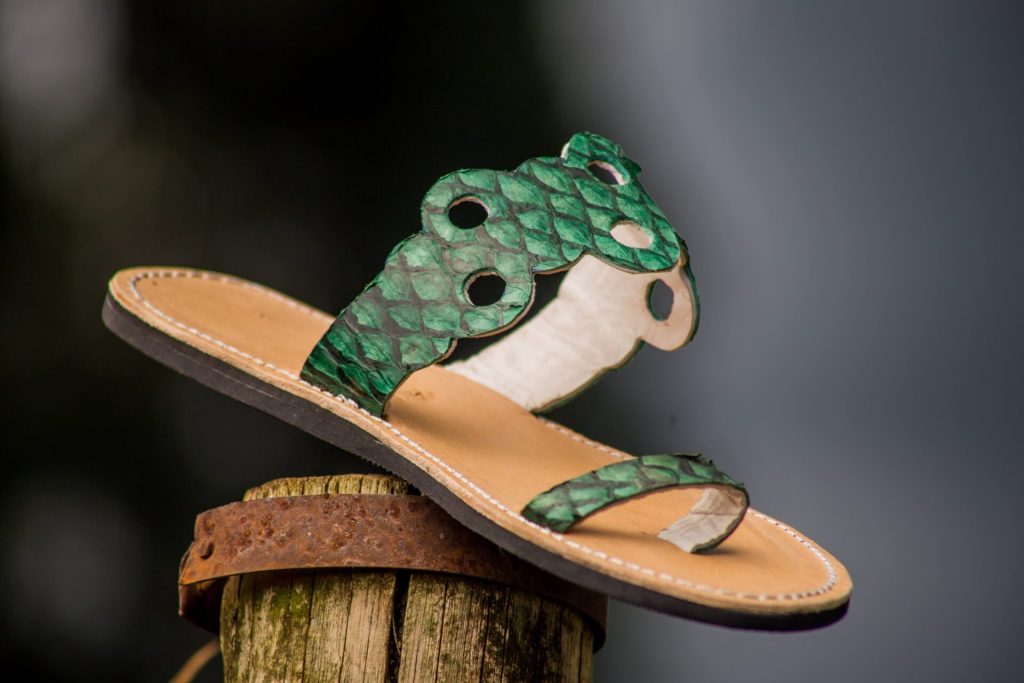
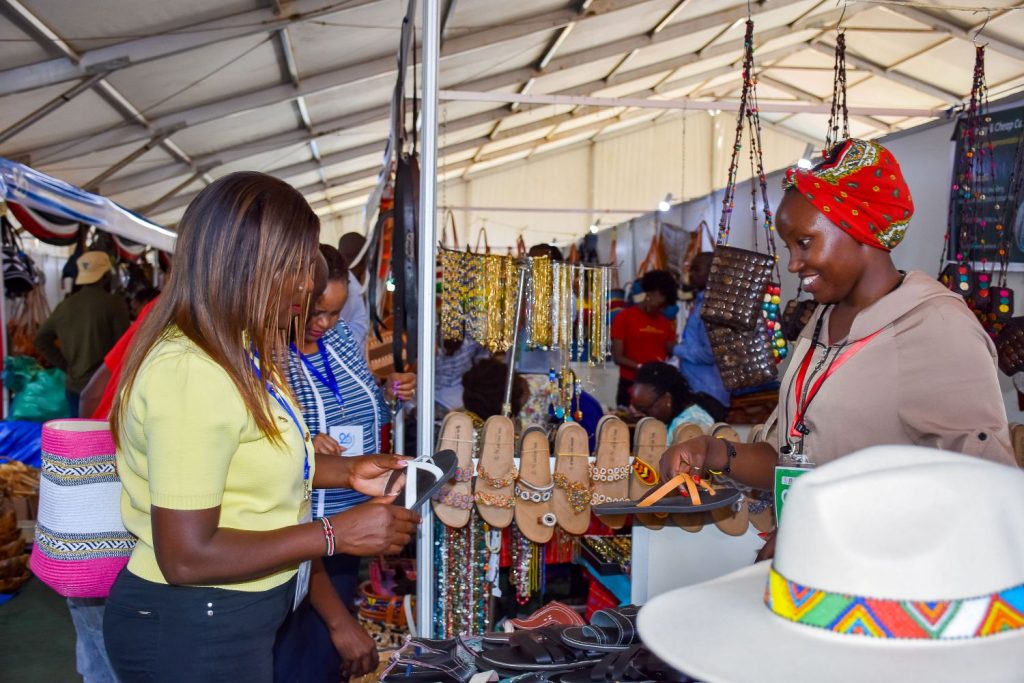
The business sources Nile perch from Lake Turkana in northern Kenya and processes the discarded fish skins into leather used to make items such as bags and shoes.
A pair of sandals made by Ambani Fish Leather.
Ambani said the company had already found buyers in markets including Australia and Iceland, and was using the Kigali fair to introduce its products to potential partners in Rwanda and beyond.
She said the company had sold almost all the shoes it brought to the exhibition and was in discussions with potential Rwandan business partners.
'Coming here gives us an opportunity to meet people and understand what the market needs,' she remarked.
Ambani, who has been developing fish leather products since 2023, said the material offers strong tensile strength compared with conventional cow leather, while creating value from a resource that would otherwise go to waste.
Ambani says fish leather has strong tensile strength compared with conventional cow leather,
Edna Mbithi, founder of Rootrise Agri, said the company had also received a positive response from buyers in Kigali.
Rootrise works with about 300 farmers to produce dried fruits and vegetables. Mbithi said the company had sold out its mangoes and small pineapples at the fair and was in discussions with supermarkets and hotels.
She said Rwanda's hospitality industry presented opportunities for suppliers of locally processed agricultural products, adding that the company was interested in building relationships that could support longer-term sales.
Turning regional trade into business opportunities
The experiences of the Kenyan exhibitors reflect the broader objective of the EAC MSMEs Trade Fair, which seeks to help small businesses access markets across the region and build commercial relationships beyond their home countries.
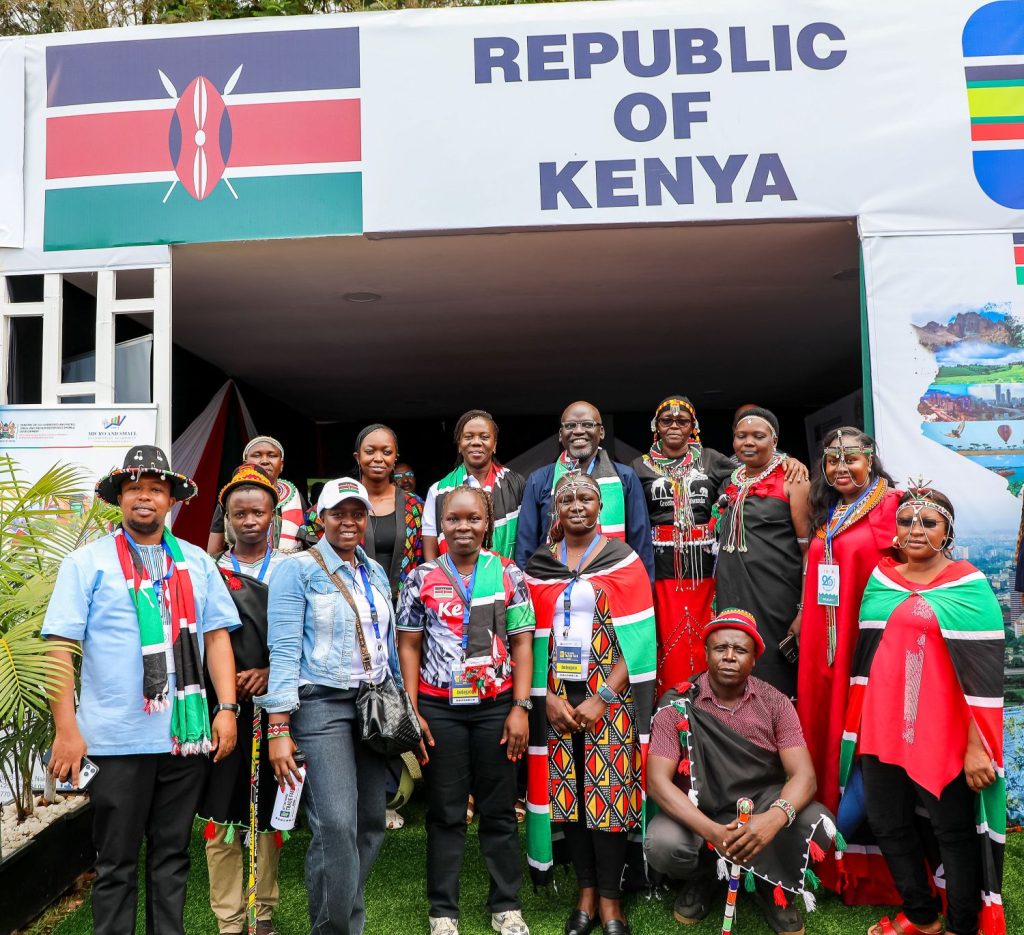
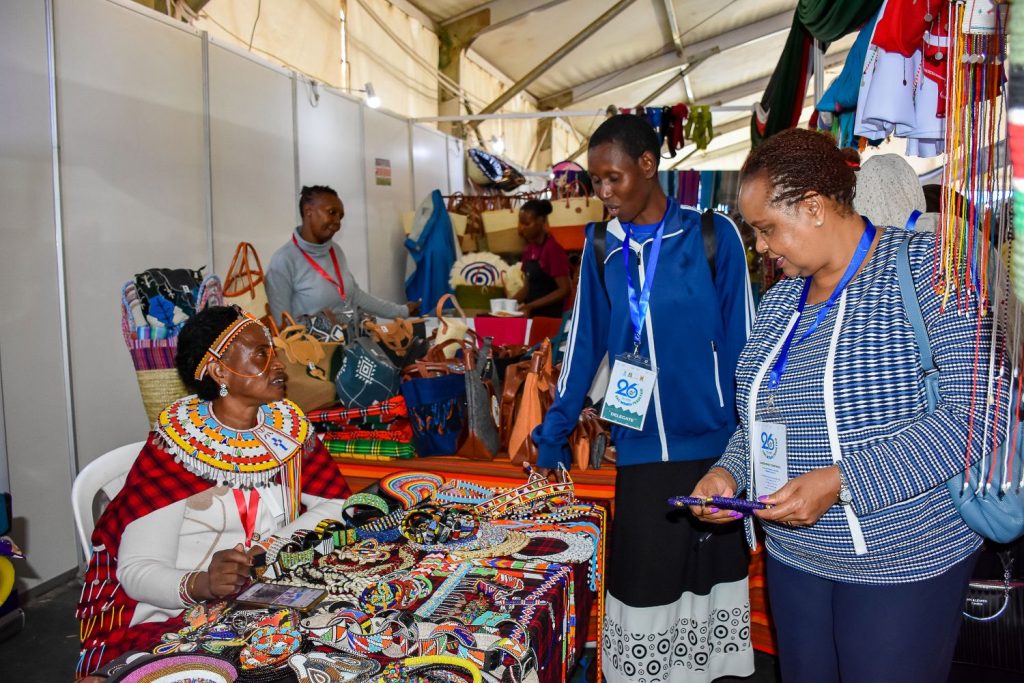
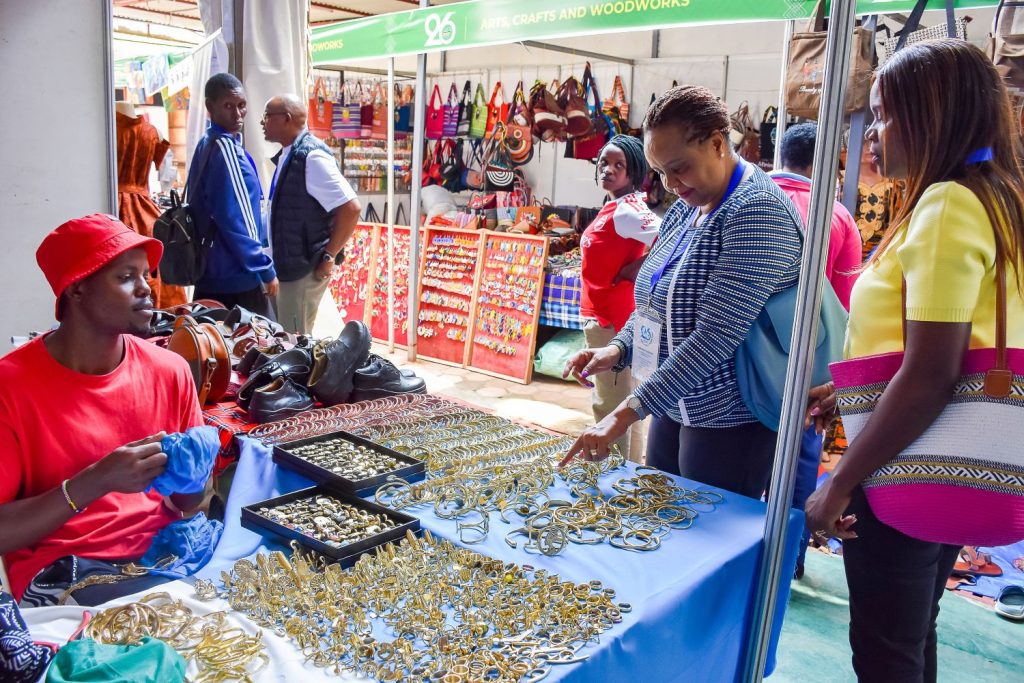
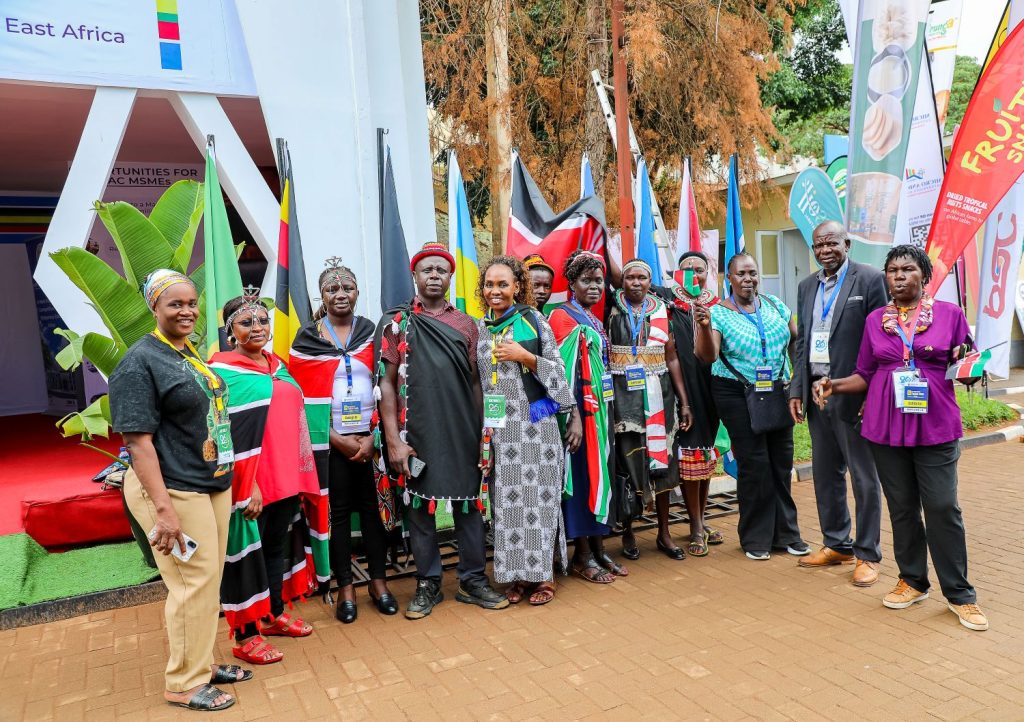
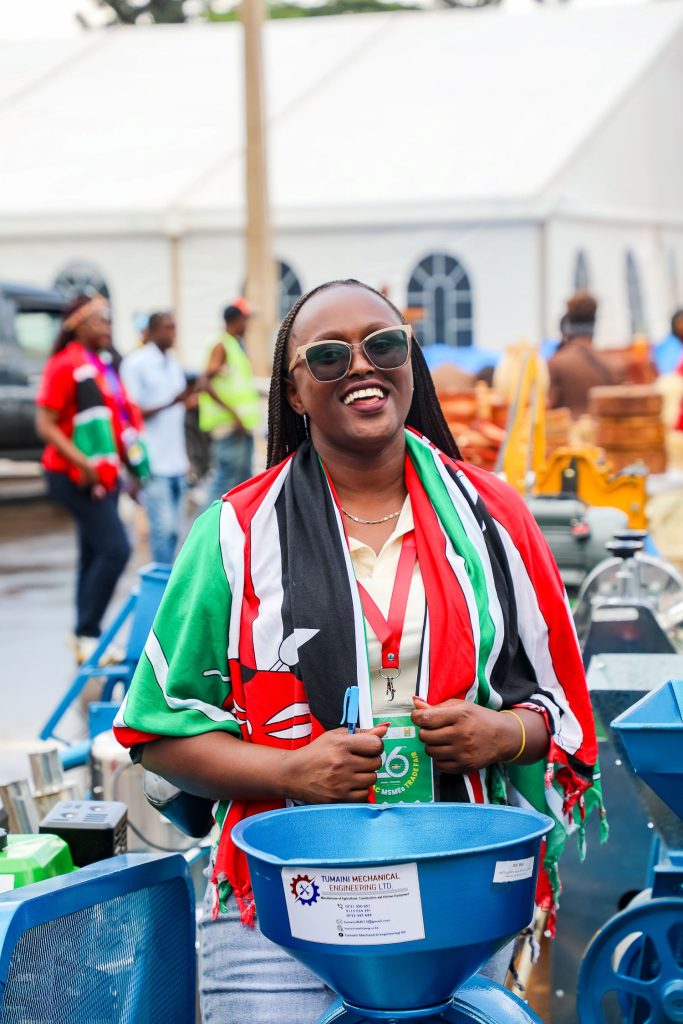
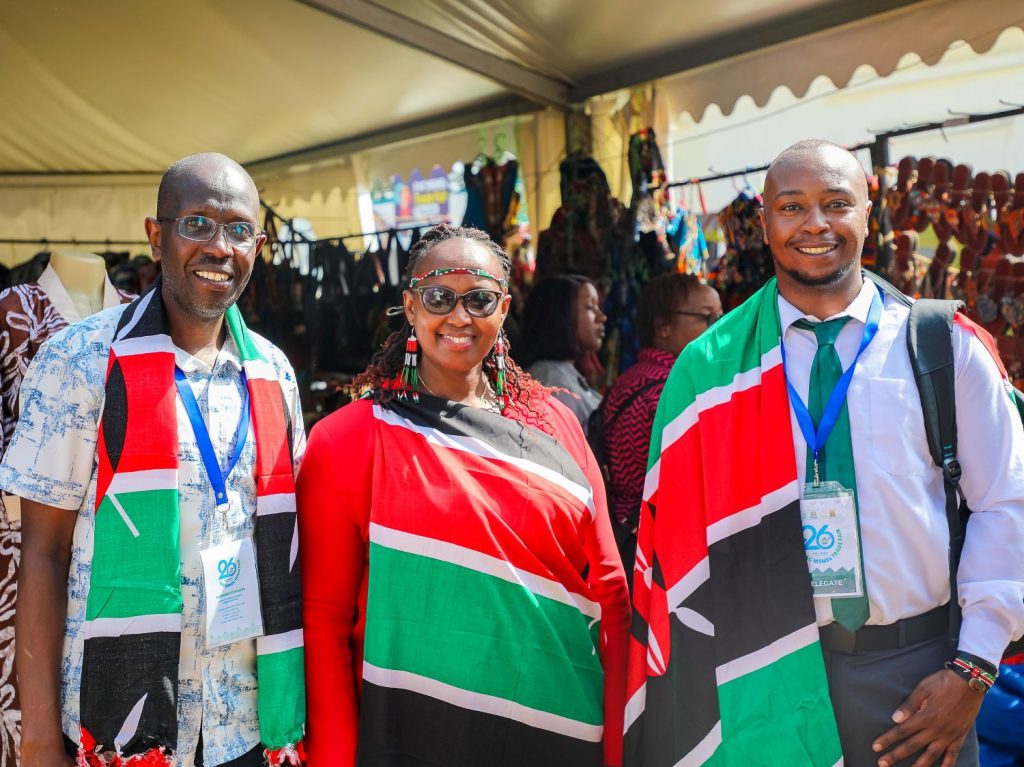
Kenya's delegation included more than 600 businesses representing different sectors and counties, with exhibitors showcasing products ranging from agricultural processing and food products to leather goods and cosmetics inputs.
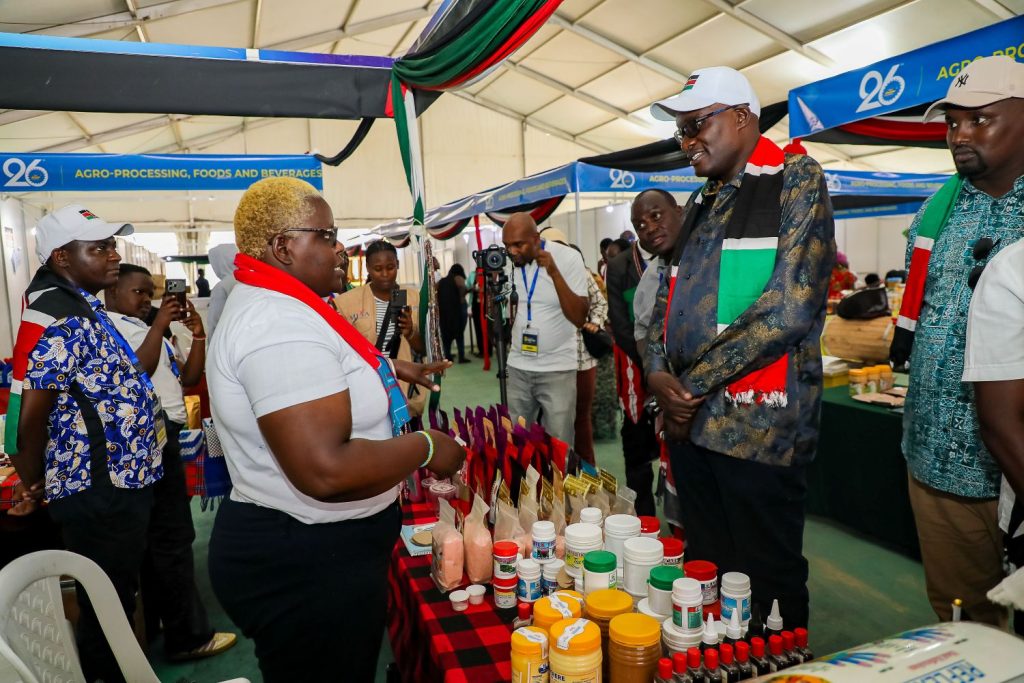
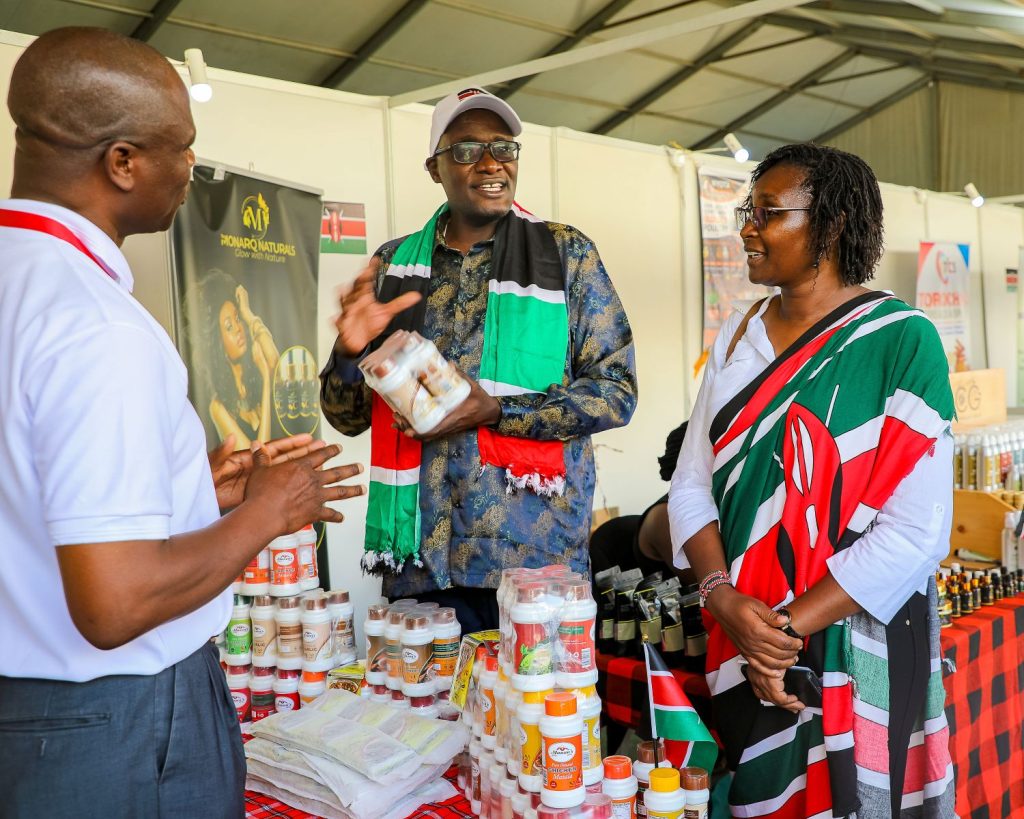
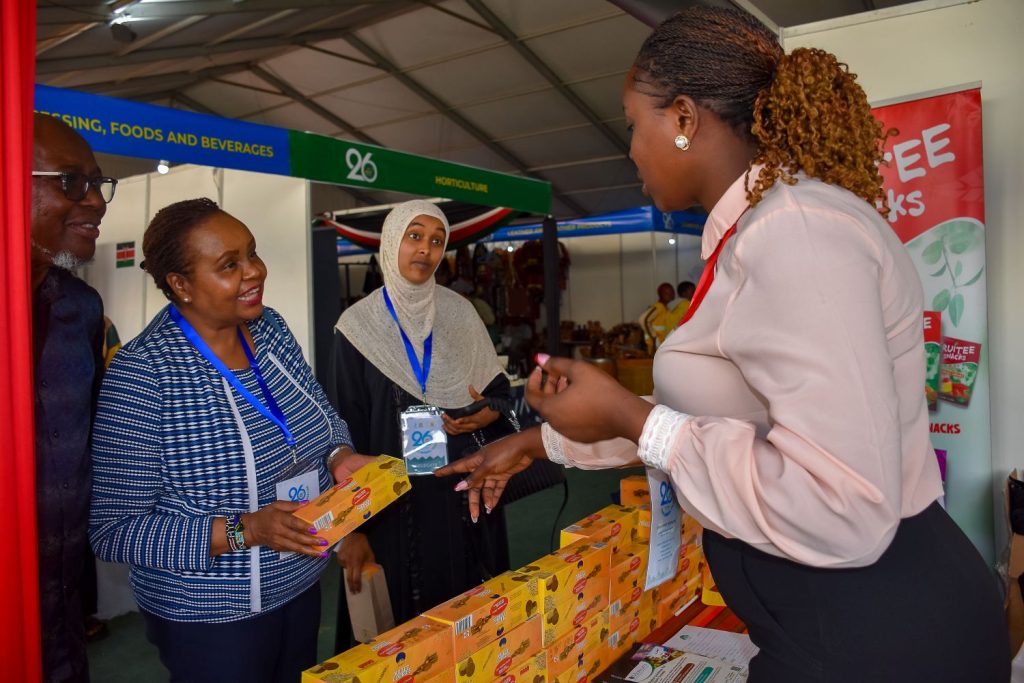
Henry Rithaa, Director General and CEO of the Kenya Micro and Small Enterprises Authority (MSEA), said the experiences of exhibitors showed how regional trade fairs could help small businesses move from displaying products to securing commercial relationships.
Henry Rithaa (right), Director General and CEO of the Kenya Micro and Small Enterprises Authority (MSEA), poses with a trader at the expo in Kigali.
He said Kenyan businesses had identified opportunities in sectors including beauty products, oils, leather, food processing and machinery, while some had already secured orders.
Rithaa also pointed to Rwanda's hospitality industry as an area where Kenyan businesses could expand.
'The second opportunity we have seen in Rwanda is in the hospitality industry. Kenyans have loved this sector, and we see an opportunity now to grow outside our country so that you can also taste Kenyan cuisine,' he stated.
He said businesses needed to understand what customers require, maintain quality and build the capacity to fulfil larger orders. Support for small enterprises should therefore go beyond helping them exhibit products to preparing them to compete in regional markets.
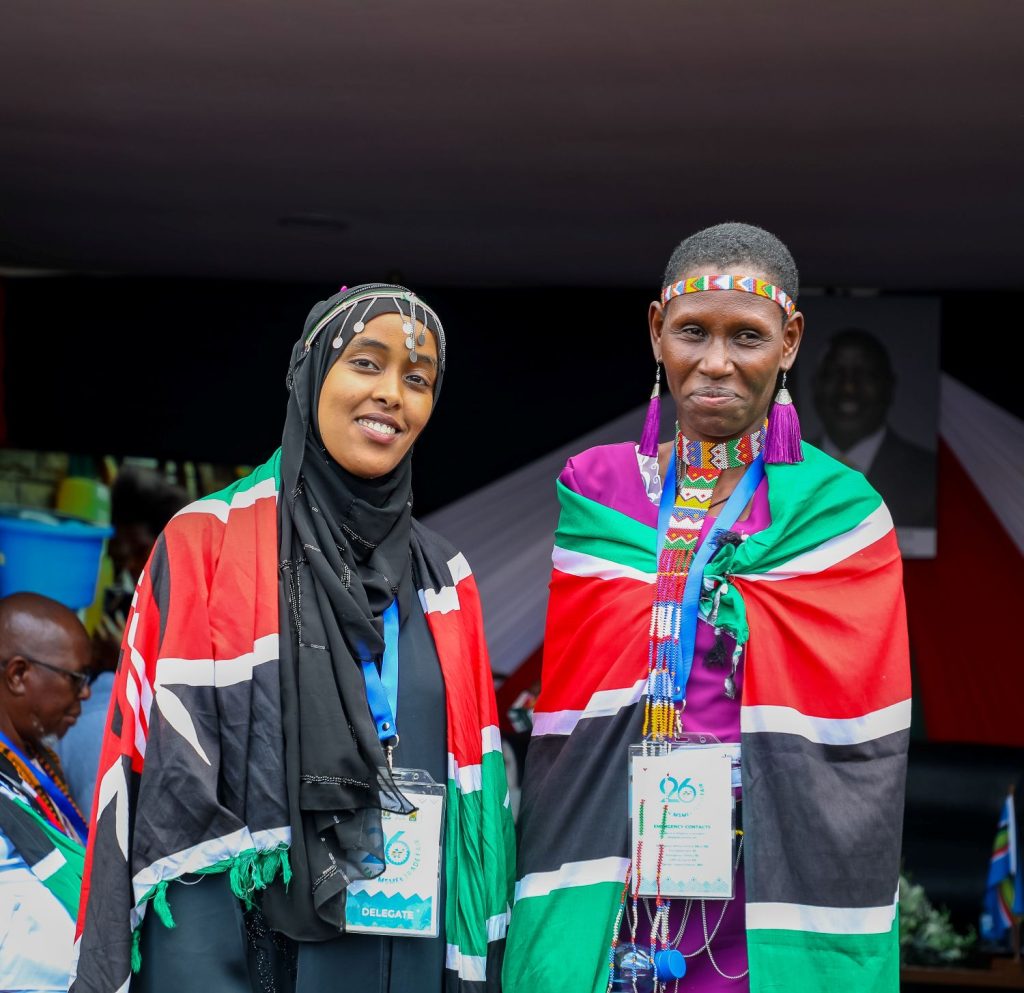
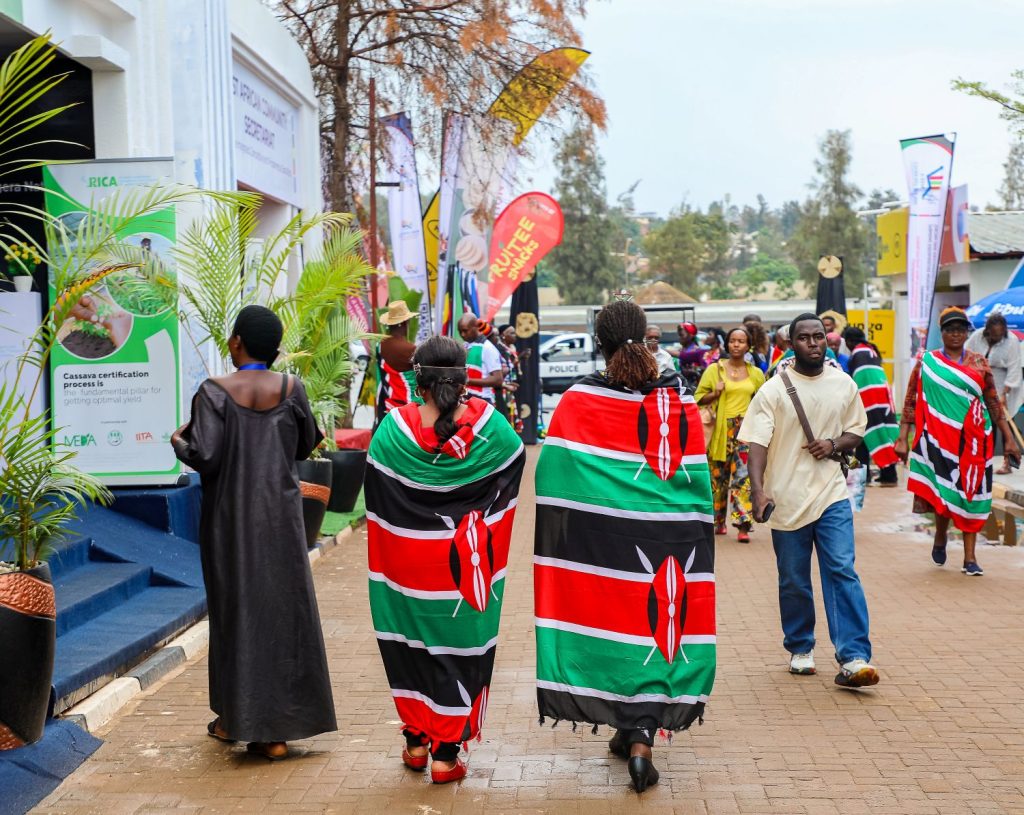
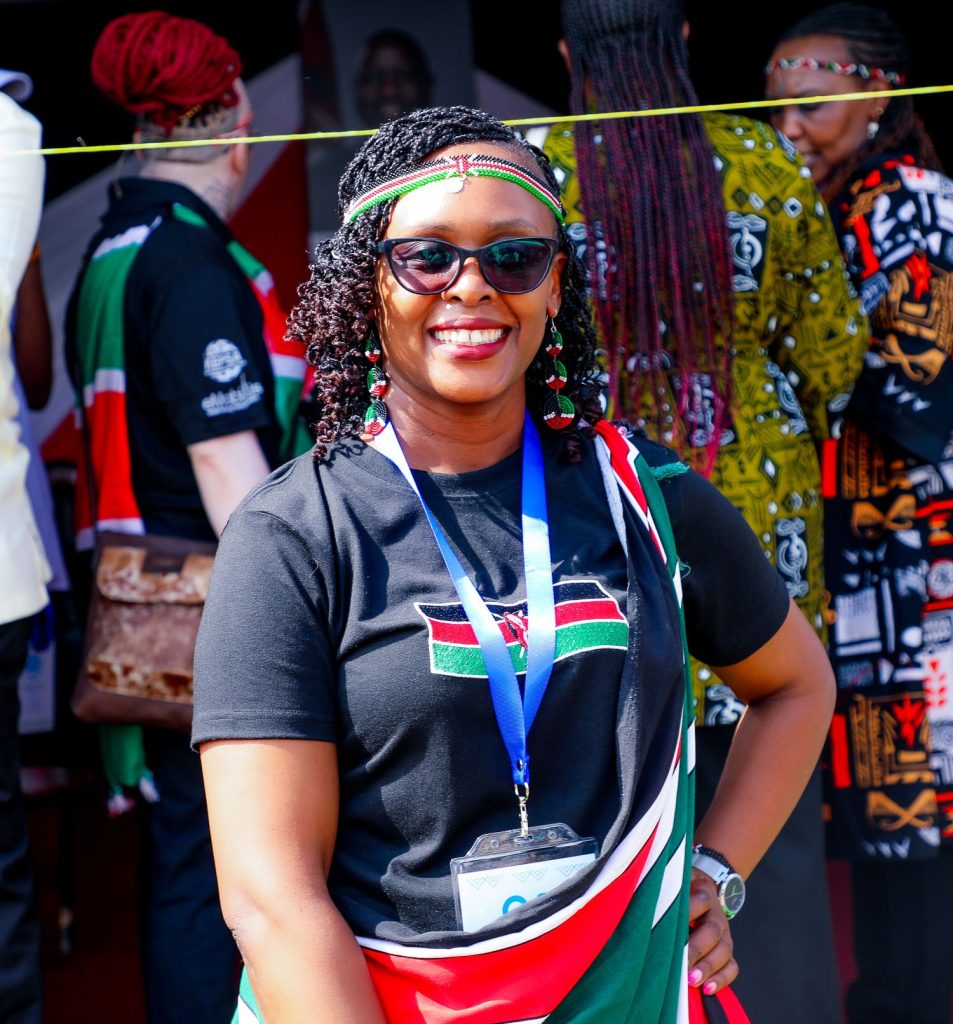
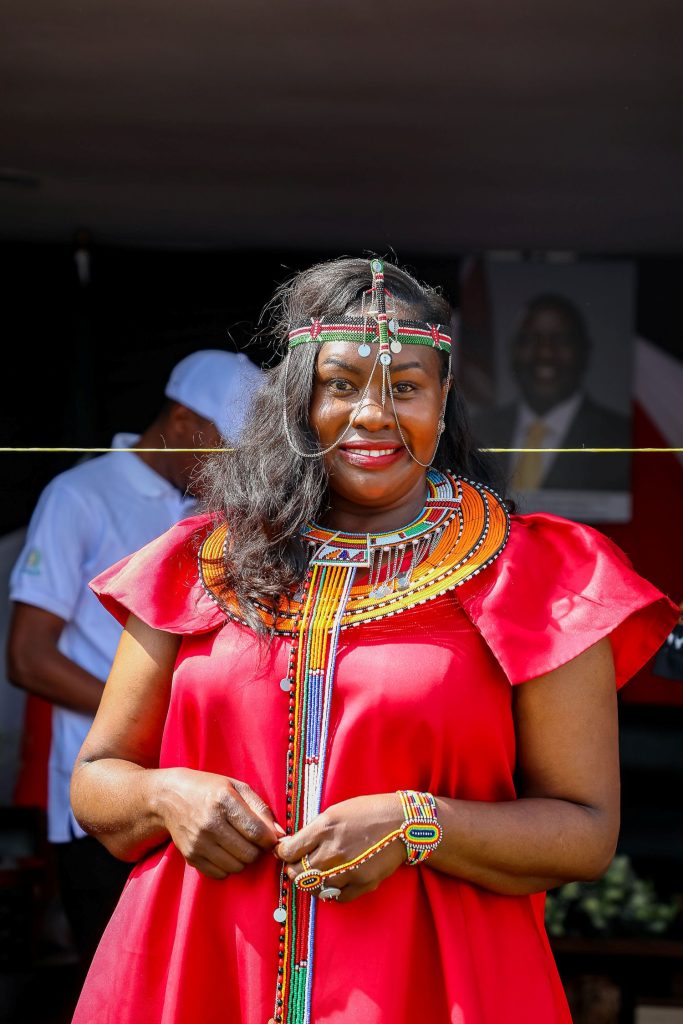
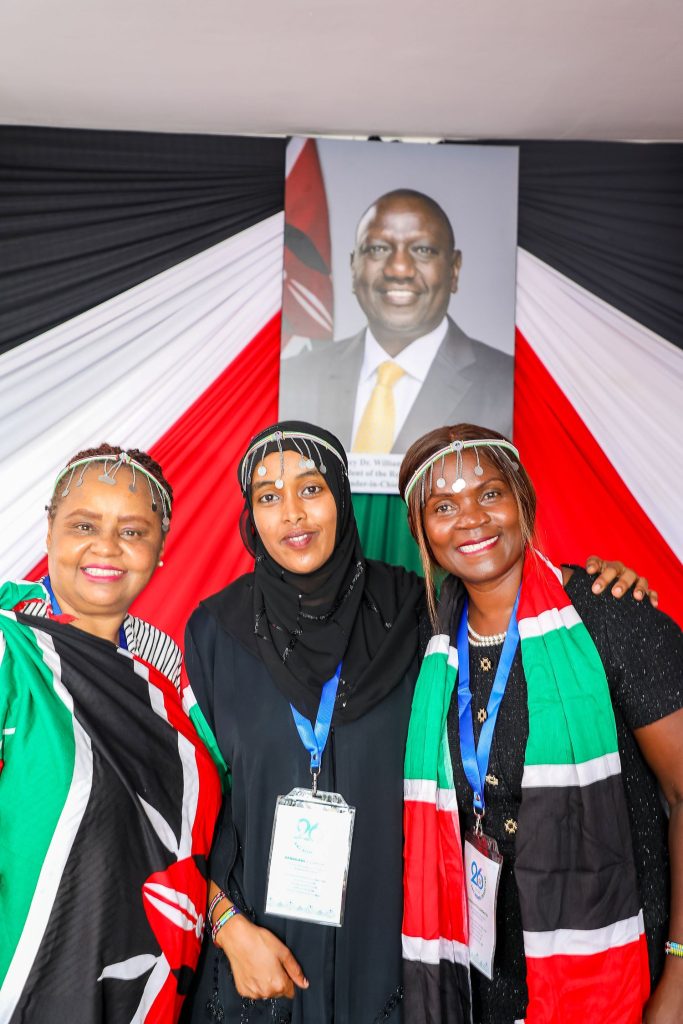
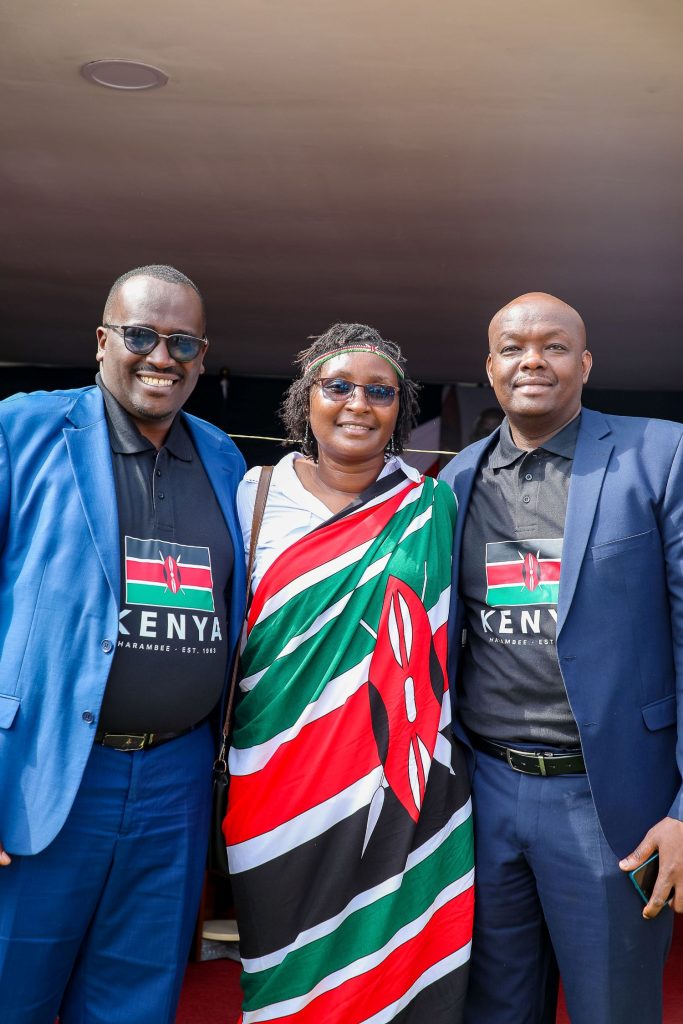
Kenya Day showcased Kenyan products alongside the country's diverse culture.
Susan Mang'eni, Kenya's Principal Secretary for MSME Development, confirmed the fair had helped some Kenyan exhibitors secure deals with retail chains in Kigali, while others had sold out their stocks.
She said the Kenyan government planned to bring together participating businesses and relevant agencies after the event to review the outcomes and help exhibitors follow up on contacts made during the exhibition.
'We want, when we go back to Kenya, we sit down, we share experience, and we come up with an action plan on what we need to do,' she said.
Regina Akoth Ombam, Kenya's Principal Secretary for Trade, said stronger trade among neighbouring countries was essential to expanding opportunities for businesses across the region.
'The best way and the only way you can grow in trade is when you first start trading with your neighbours,' she stressed.
She called for continued efforts to improve trade facilitation, logistics and market connectivity, while addressing barriers that make it difficult for goods and services to move across borders.
While opening the fair earlier this week, Prime Minister Justin Nsengiyumva highlighted the scale of the regional market, citing annual demand for about 290 million pairs of shoes in East Africa against local production of only 17 million pairs.
'We want these MSMEs to grow up. We want you to be billionaires, and we are here to help. Government institutions and financial partners are ready to help small enterprises expand their capacity and take advantage of the wider regional market,' he said.
The EAC Deputy Secretary General in charge of Customs, Trade and Monetary Affairs, Annette Ssemuwemba Mutaawe, urged exhibitors to turn the contacts made at the fair into lasting business relationships.
'We want to extend beyond the trade fair through partnerships that are long-lasting, that deliver trade benefits, create jobs and also contribute to the economic development of this region,' she said.
Held from October 30 to November 8, 2026, the 26th EAC MSMEs Trade Fair brings together about 1,500 exhibitors under the theme 'Advancing Regional Value Chains in Leather and Horticulture'. Seven member states are participating, including Rwanda, Kenya, Uganda, Tanzania, Burundi, South Sudan, and Somalia.
The event seeks to strengthen trade among EAC partner states by connecting businesses, expanding market access and supporting the development of regional value chains.
Henry Rithaa (right), Director General and CEO of the Kenya Micro and Small Enterprises Authority (MSEA), engages a trader at the expo in Kigali.Kenya Day showcased Kenyan products alongside the country's diverse culture.
Oumar, a businessman from Mali, has witnessed firsthand how China‑Africa trade evolves: from conventional hardware and small commodities to fast‑rising new energy vehicles. Having rooted himself in Yiwu for 16 years, he looks forward to broader, win‑win possibilities for China‑Africa cooperation.
Oumar comes from Mali. He came to Yiwu to pursue his studies in 2009. He spent two years learning Chinese, followed by three years studying International Economy and Trade, and graduated in 2015.
After graduation, he stayed in Yiwu and co-founded Yiwu AICE Trading Co., Ltd. with his elder brother. Their business focuses on exporting hardware and metal products.
Every year, more than 200 containers are shipped from Yiwu to various African countries. He is mainly in charge of finance, while also following up on orders and daily operations. He has built a solid reputation among suppliers thanks to his credibility and long-term partnerships.
In recent years, he has ventured into automobile sales, optimistic about the prospects of new energy vehicles in Africa.
Meanwhile, he hopes to bring African agricultural products to China. Having lived in Yiwu for 16 years, he and his family have settled down there. He says Yiwu has become his 'second home'.
Mackenzie, who led the Good News International Ministries, was convicted alongside 28 accomplices for directing followers to starve themselves and their children to death so they could meet Jesus.
Justice Diana Mochache said Mackenzie bore the primary responsibility for the killings, describing his actions as deliberate and calculated.
'The sentence is appropriate and just, to send an unmistakable message that such atrocities warrant the maximum penalties allowed by law,' she said.
The court imposed 100 years in prison for murder by starvation and another 100 years for offences related to direct homicide. The two sentences will run consecutively, bringing his total prison term to 200 years.
The sentences within each category will run concurrently.
Prosecutors had sought the death penalty, arguing that the scale and circumstances of the killings warranted the harshest possible punishment.
However, Justice Mochache declined to impose capital punishment, saying it would eliminate any possibility of rehabilitation. Kenya has not carried out an execution since 1987.
Mackenzie was arrested in 2023 following the discovery of hundreds of bodies in shallow graves in Shakahola Forest, near the coastal town of Malindi.
The investigation shocked Kenya and drew international attention, with more than 400 bodies eventually recovered from the forest. However, the trial and convictions covered 191 deaths.
Twenty-eight accomplices were also convicted for their roles in the killings and received prison sentences ranging up to 160 years.
They included guards who enforced Mackenzie's fasting orders and gravediggers who helped conceal victims' bodies in shallow graves.
The court heard that followers who resisted the instructions to fast were beaten, while children were subjected to prolonged hunger and denied food and water.
Justice Mochache described the killings as cold and calculated, noting that the perpetrators had shown no remorse.
Post-mortem examinations established starvation as the cause of death for most victims, while others died from suffocation, strangulation or head injuries.
Some bodies were too decomposed for the cause of death to be established, while other victims died shortly after being rescued because of severe malnutrition.
Mackenzie and his co-accused had denied the charges, insisting that nobody had been forced to die. His lawyer, Lawrence Obonyo, said the defence would appeal the ruling.
Questions over authorities' response
The Shakahola killings have raised questions about the oversight of religious organisations and the failure of authorities to act on warnings about the cult's activities.
Mackenzie had been on the radar of authorities since 2017, when police searched his premises. His church in Malindi was shut down in 2019, after which he moved to Shakahola Forest and encouraged followers to join him.
Investigations by the Kenya National Commission on Human Rights found that local administration and law enforcement officials had repeatedly ignored warning signs.
Francis Wanje, who lost eight relatives, including two grandchildren, in the tragedy, said he had reported the matter to police in March 2023 but expected authorities to intervene sooner.
He told the BBC that he had hoped Mackenzie would receive a sentence that matched the scale of his crimes.
The discoveries prompted President William Ruto to establish a commission of inquiry and later a task force to review the legal and regulatory framework governing religious organisations.
However, the commission was subsequently declared unconstitutional, while proposed reforms to strengthen oversight have yet to be enacted.
The Kenya Human Rights Commission described the convictions as an important step but called for broader accountability, arguing that local administrators, police, intelligence officers and religious leaders had failed to respond to repeated warning signs.
Mackenzie also faces separate manslaughter and terrorism charges, which he denies.
Although the 200-year sentence marks a major development in the Shakahola case, the fate of hundreds of other victims recovered from the forest remains part of the wider tragedy.
Paul Mackenzie, who led the Good News International Ministries, was convicted alongside 28 accomplices for directing followers to starve themselves and their children to death so they could meet Jesus.
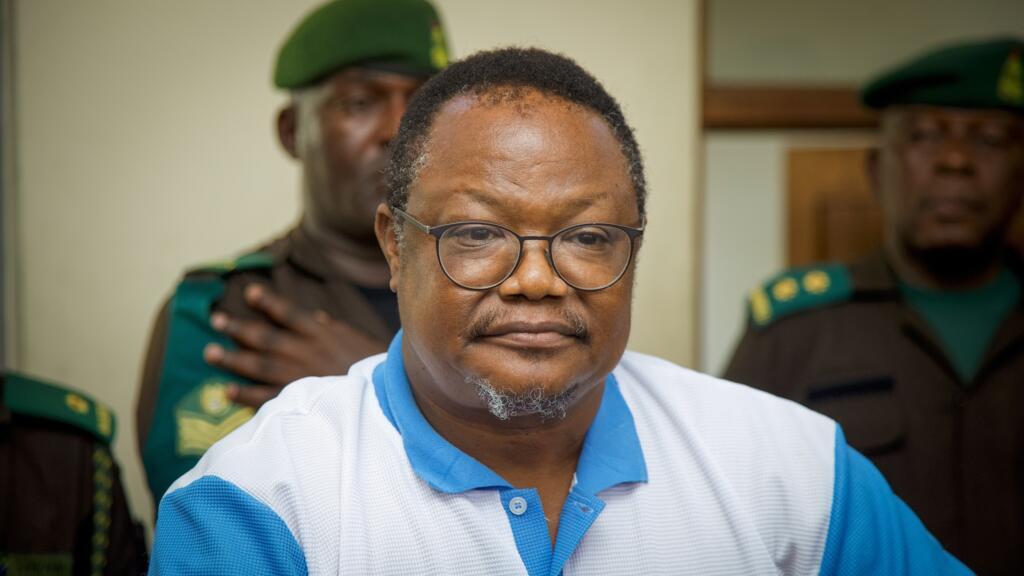
The decision was delivered on Friday, November 6, 2026, by a three-judge panel at the High Court's Dar es Salaam Sub-Registry, led by Justice Dunstan Ndunguru.
The court found that prosecutors had failed to establish an essential element of the treason charge, particularly the intention to threaten the government.
However, the judges found Lissu guilty of incitement after determining that his public statements were intended to mobilise citizens to unlawfully disrupt the electoral process.
During the proceedings, Justice Ndunguru explained that Lissu had made the remarks publicly in the presence of journalists, with the intention of reaching a wider audience.
The judge also referred to evidence from prosecution and defence witnesses who confirmed that the statements had been made.
The case arose from remarks Lissu made on April 3, 2025, at CHADEMA's headquarters in Dar es Salaam, where he addressed party members and journalists.
Prosecutors argued that he had encouraged citizens to prevent the October 2025 general election and mobilise rebellion.
Among the statements attributed to him were: 'We will block the election' and 'we will mobilise rebellion', which formed part of the prosecution's argument.
Lissu, who chairs Tanzania's main opposition party, Chama cha Demokrasia na Maendeleo (CHADEMA), denied the allegations and maintained that his statements were politically motivated rather than criminal.
During his final submissions to the court in September, he challenged the prosecution's interpretation of his remarks, arguing that the case was based on assumptions rather than sufficient evidence.
'I have been prosecuted because of speculation and the law does not permit speculative charges,' Lissu told the court.
The prosecution, however, maintained that the evidence presented during the trial established the allegations against him.
'We submit that the Republic has proved the charge beyond reasonable doubt and ask the court to find that the accused committed the offence', Senior State Attorney Nassoro Katuga told the court during the final submissions
Lissu was arrested in April 2025 and charged with treason, an offence that carries the death penalty under Tanzanian law.
His arrest became a major issue in Tanzania's political environment, particularly as tensions surrounding the 2025 elections intensified.
His arrest, the exclusion of CHADEMA from the election and allegations of abductions of government critics are said to have contributed to protests and widespread political unrest during the October 2025 polls.
Hundreds of people died during the violence. A commission appointed by President Samia Suluhu Hassan reported that at least 518 people were killed, while the government rejected allegations by human rights organisations that security forces used excessive force.
Tundu Lissu was arrested in April 2025 and charged with treason, an offence that carries the death penalty under Tanzanian law.
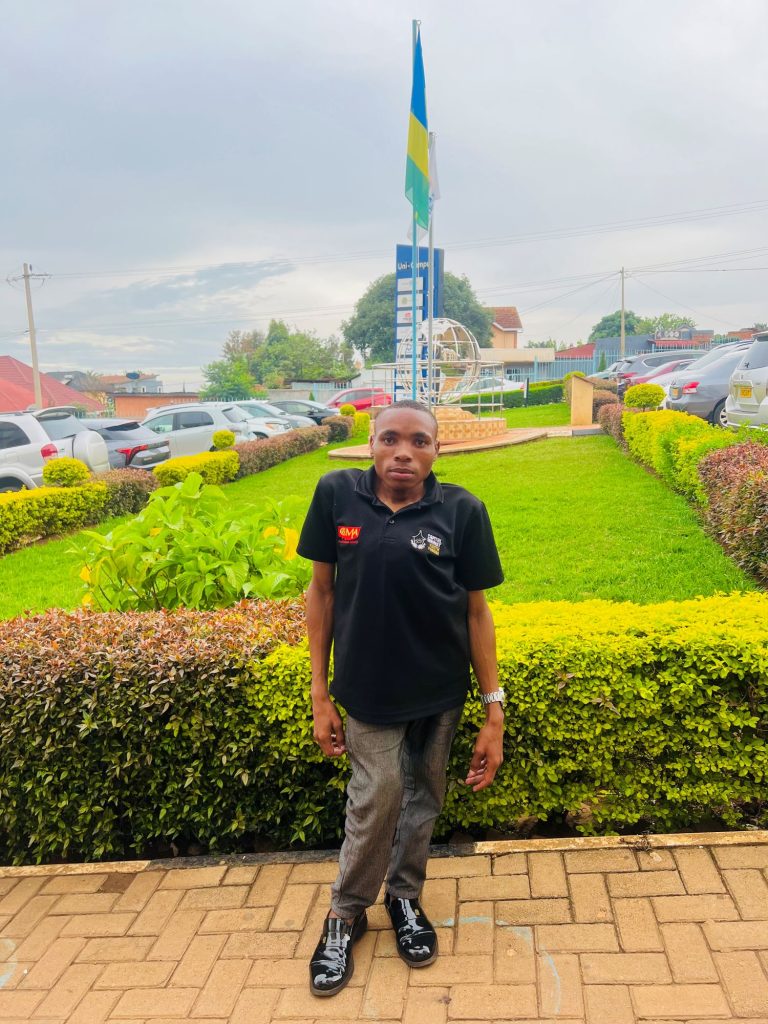
Born in 2000, Hategekimana says he was diagnosed with polio in 2001, despite having received a polio vaccine during infancy. The circumstances surrounding his infection are unclear.
The effects of his condition remain part of his daily life. He says walking long distances, particularly uphill, is difficult because he becomes tired quickly. His mobility is also limited by the cost of transport, sometimes restricting how far he can travel when he cannot afford a motorcycle taxi. He also experiences breathing difficulties and bone pain, challenges he has had to manage while pursuing his education.
Polio is a highly infectious disease caused by a virus that attacks the nervous system and can cause permanent paralysis. According to the World Health Organization (WHO), 'one in 200 infections leads to irreversible paralysis.' Among people who develop paralysis, 5–10% die when the muscles responsible for breathing become immobilised.
The disease mainly affects children under five, although unvaccinated people of any age can contract it. There is no cure for polio, but vaccination can prevent the disease.
Hategekimana's experience was not limited to physical difficulties. During primary school, he says he was bullied because of his disability, an experience that formed part of his childhood.
Despite these challenges, Hategekimana continued with his education. He is now in his fourth year at Mount Kigali University, pursuing a Bachelor of Arts in Mass Media and Communications, a programme that is bringing him closer to a career he has long admired.
Hategekimana says his interest in journalism developed from listening to journalists on the radio.
'I hope to become a journalist and a presenter so I can be the voice for people with disabilities,' he said.
He hopes to become a journalist and presenter, with a particular interest in telling stories that bring attention to the experiences of people with disabilities.
He has already begun putting that interest into practice through his YouTube channel, Twese Turashoboye TV. The channel features interviews in Kinyarwanda, giving him a platform to speak with people and share their different experiences.
His education has also received support from Rulindo District officials, which he says has helped him continue his studies by supporting his tuition costs.
Hategekimana says his experiences have strengthened his desire to speak for people whose stories are often overlooked. He believes people living with disabilities deserve understanding, support and opportunities to participate fully in society.
He urges parents to ensure their children receive all recommended doses of the polio vaccine, stressing the importance of vaccination in protecting children against the disease.
Born in 2000, Olivier Hategekimana says he was diagnosed with polio in 2001, despite having received a polio vaccine during infancy. The circumstances surrounding his infection are unclear.
Exports reached $142.38 million (about Rwf210.4 billion) in the second quarter, up 248.3% from $40.88 million (about Rwf60.4 billion) recorded during the same period in 2025. First-quarter exports stood at $94.61 million (about Rwf139.8 billion).
If the current pace continues, Rwanda could set a new annual export record in the Chinese market.
Trade between Rwanda and China has expanded significantly in recent years, creating opportunities for Rwandan exporters while strengthening China's position as a major supplier of goods to Rwanda.
Bilateral trade reached approximately $849 million in 2025, up from $300 million in 2019. Rwanda's exports to China increased from $35 million to $227 million over the same period, representing growth of approximately 549%.
Registered investment by Chinese companies in Rwanda also rose from $460 million in 2024 to $548.5 million in 2025, an increase of 19%. Chinese businesses operate in sectors including manufacturing, infrastructure, construction, energy and real estate.
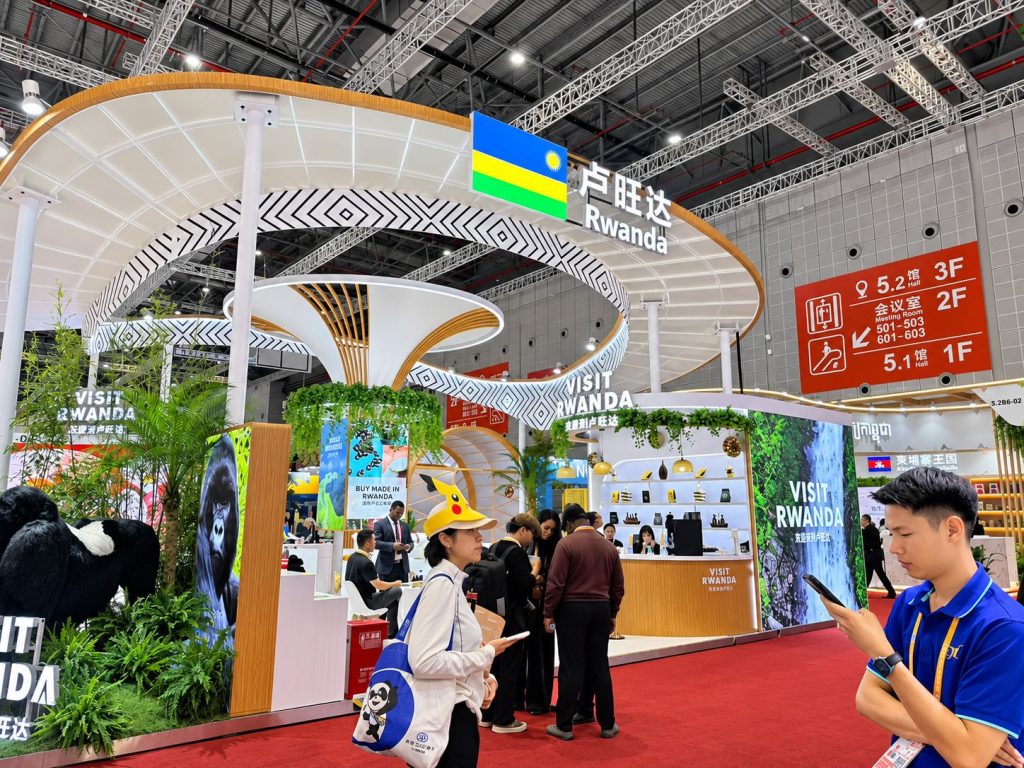
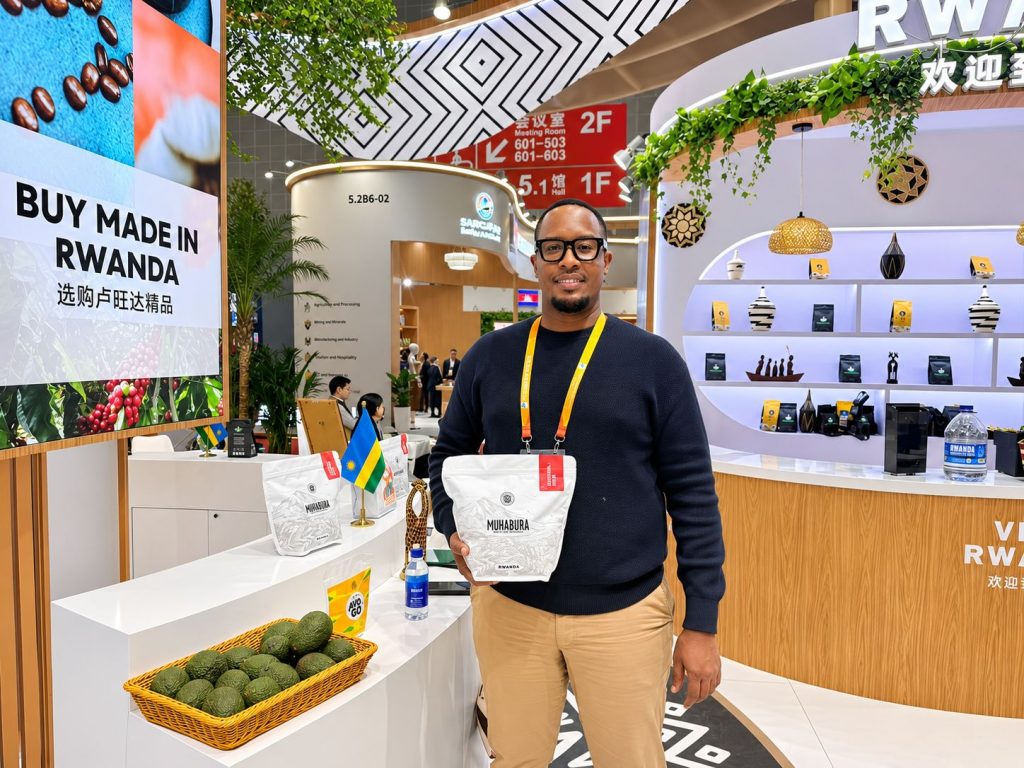
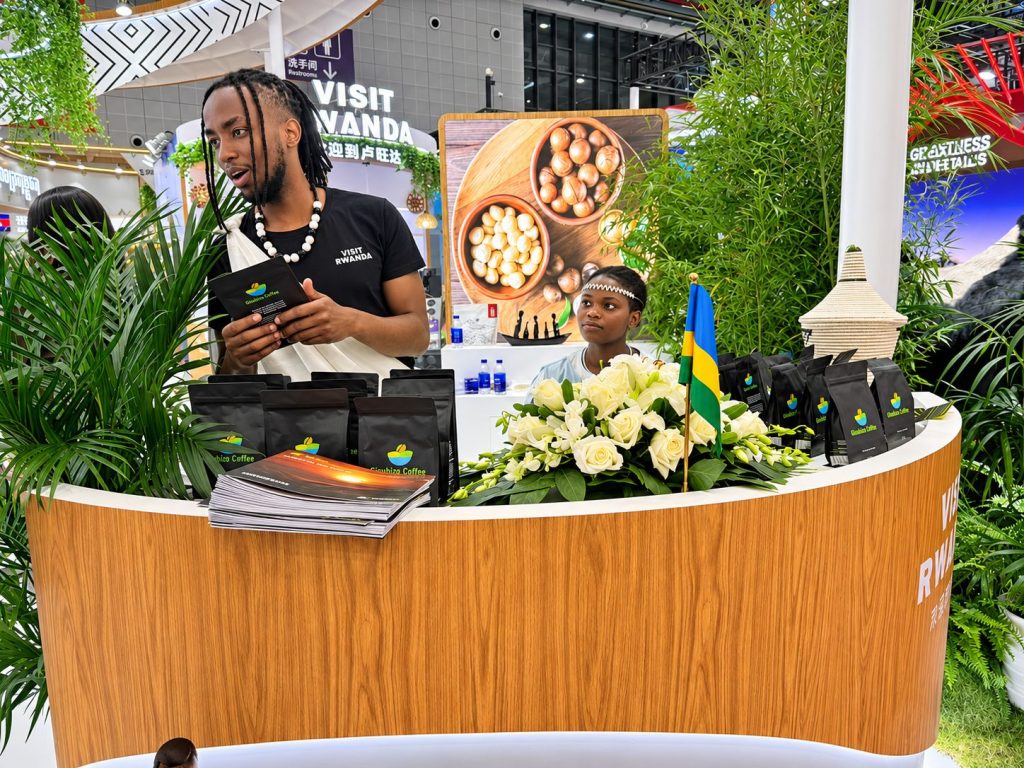
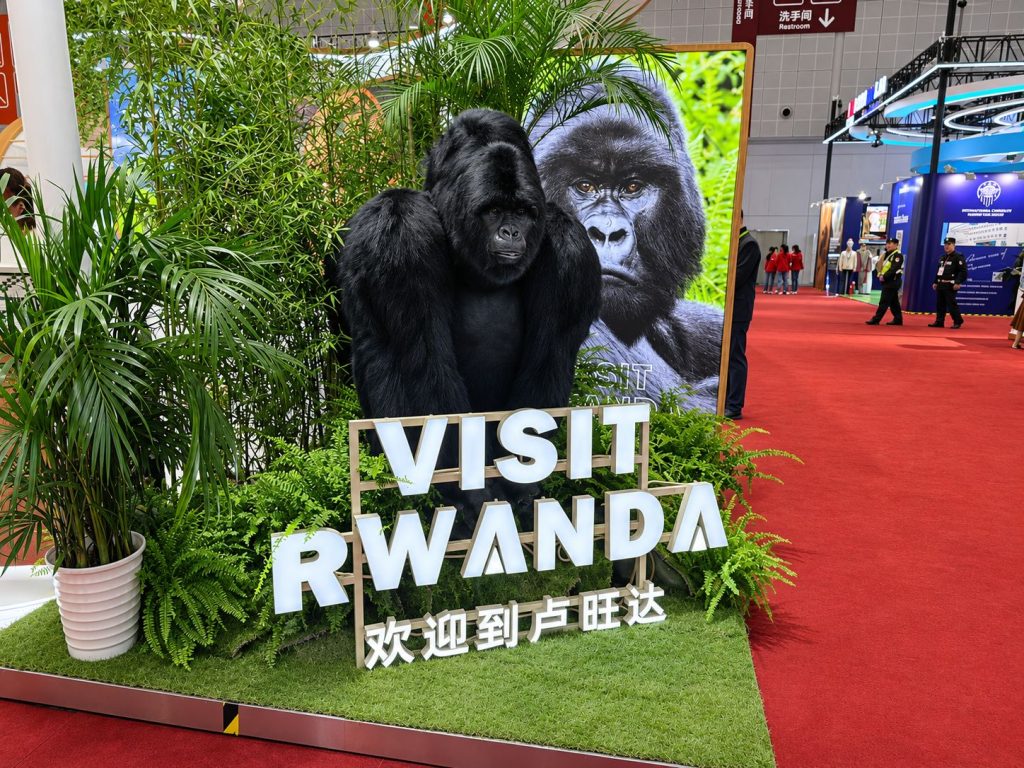
The growing commercial relationship is on display in Shanghai, where Rwanda is participating in the ninth China International Import Expo (CIIE), running from November 5 to 10 at the National Exhibition and Convention Center.
Rwanda has participated in the expo since its inaugural edition in 2018. This year's event has attracted 4,142 overseas exhibitors.
The exhibition spans more than 440,000 square metres, its largest area since the event began. More than 480 products and innovations are making their global, Asian or Chinese market debuts, offering exhibitors opportunities to reach new buyers.
The event brings together 162 countries, regions and international organisations. Its Country Exhibition features 65 countries and four international organisations, while the programme includes 23 themed forums, 80 supporting events and the inaugural Report on Capacity for Exporting to China.
Chinese Vice Premier Ding Xuexiang described the market the expo seeks to connect with, saying: 'Today China is both a world factory and a world market.'
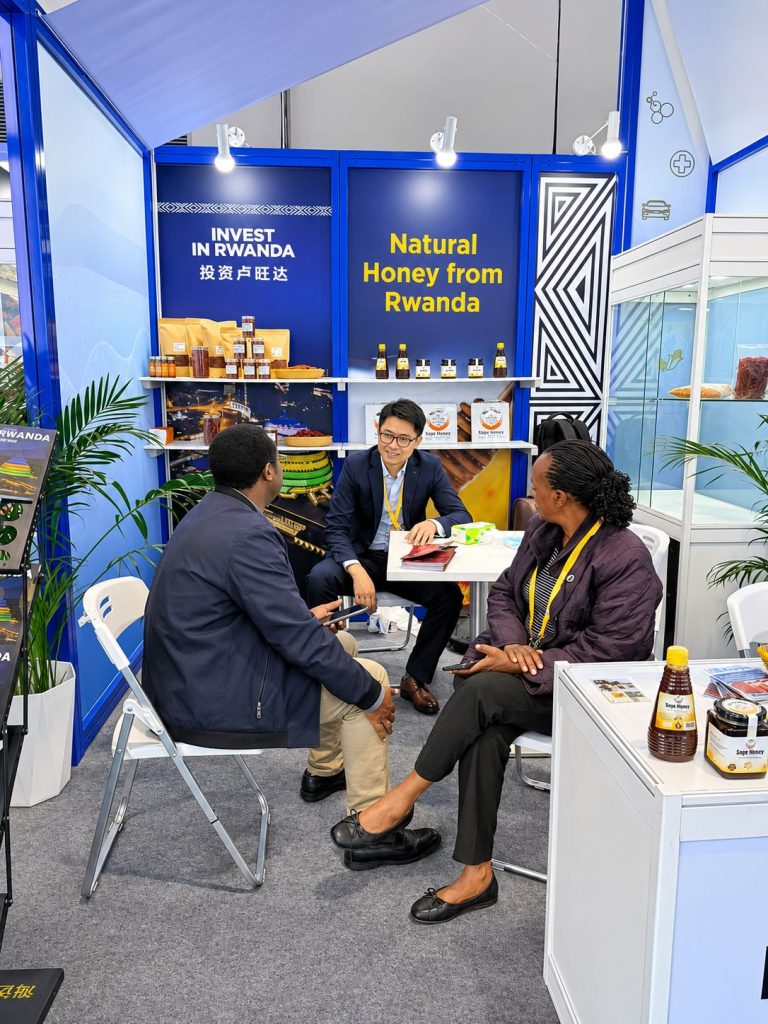
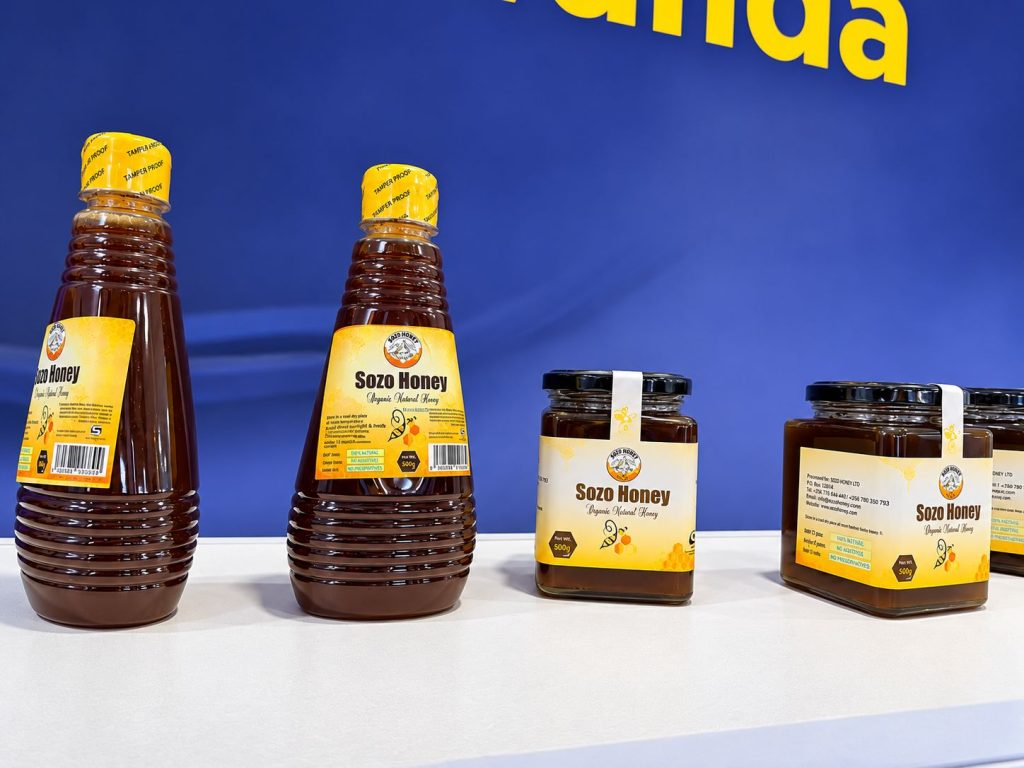
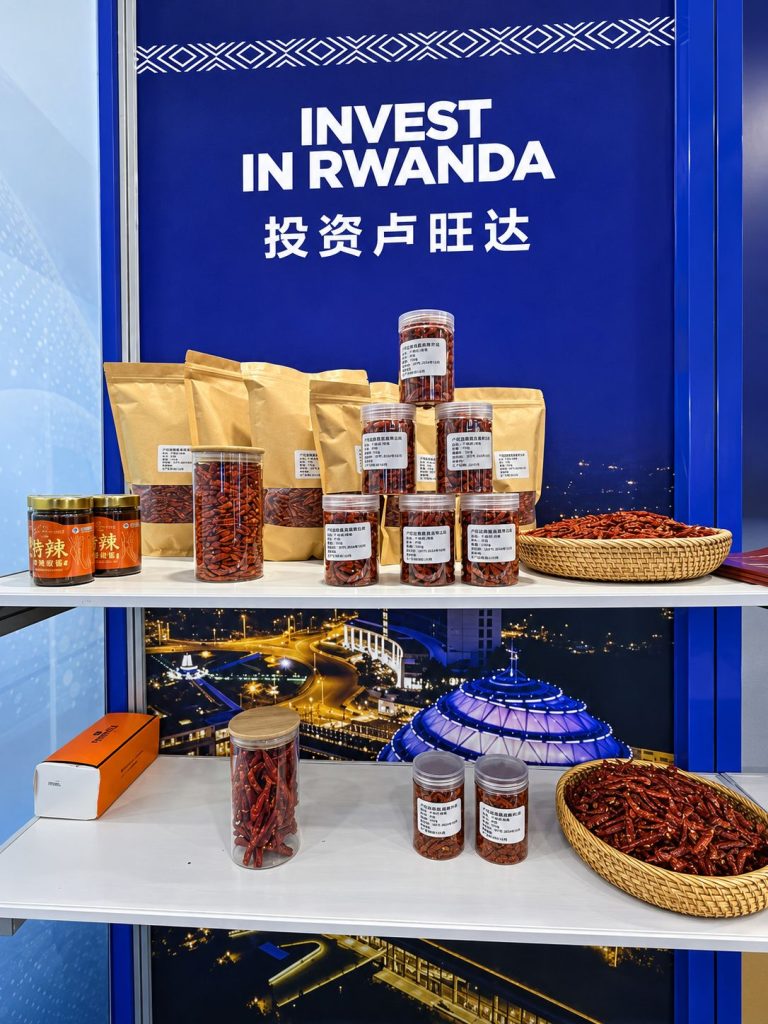
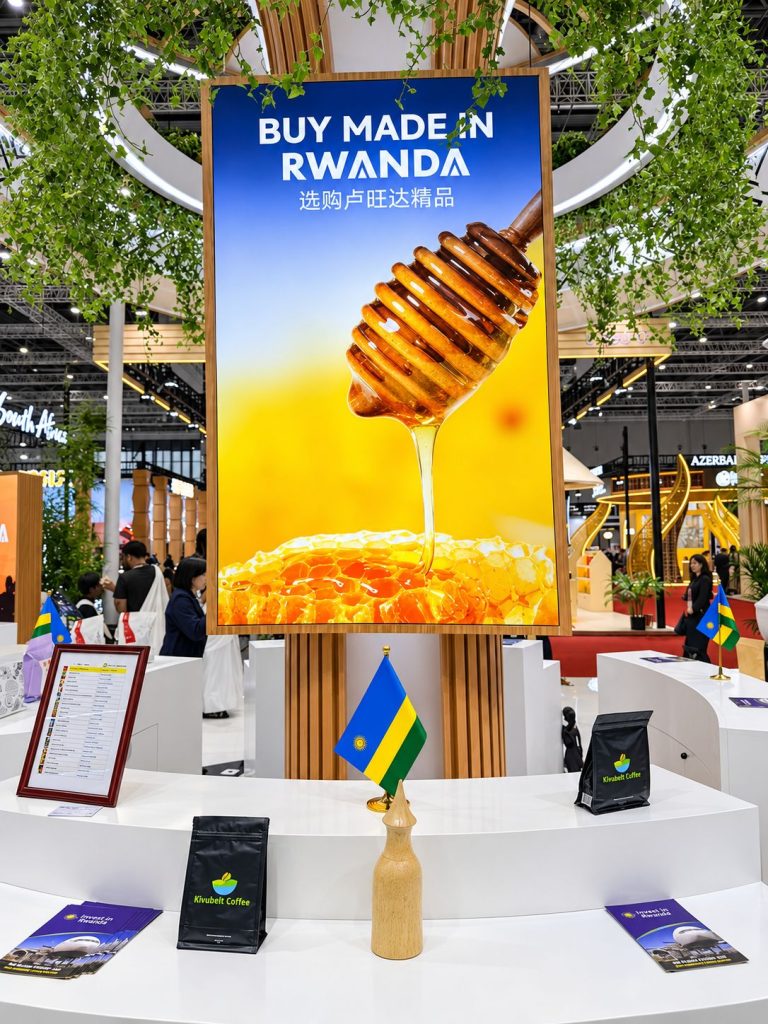
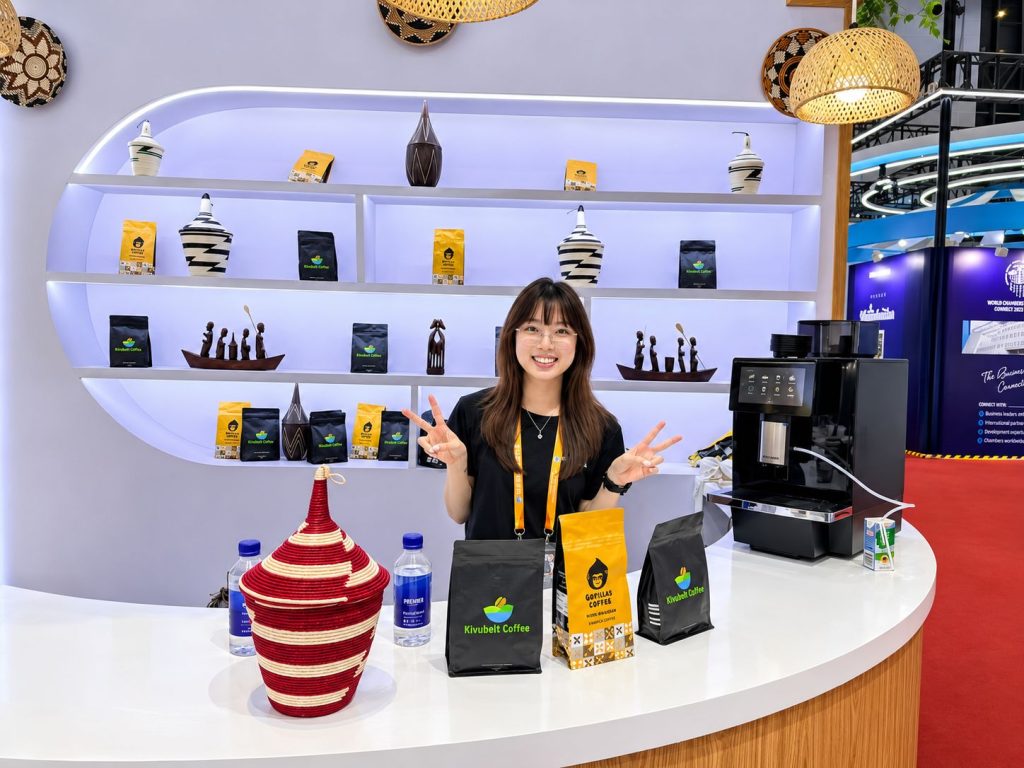
At the Rwandan pavilion, businesses are showcasing specialty coffee, tea, chili, dried fruits, natural honey, macadamia nuts and handicrafts.
For Ivan Shema, founder of 1000 Hills Products, the expo presents an opportunity to connect with buyers in Asia.
The company adds value to Rwandan coffee and fruit and has exported coffee to Poland since 2015, from where its products reach other European markets.
At this year's expo, it is presenting coffee, dried pineapple and mango, as well as fresh avocado.
'We are expecting that we can have a market in China,' Shema told IGIHE, adding that the company is ready to supply both roasted and green coffee.
Rwanda and China are also marking 55 years of diplomatic relations. Rwanda's participation in the expo builds on the Comprehensive Strategic Partnership announced in September 2024 and cooperation under the Belt and Road Initiative and the Forum on China-Africa Cooperation.
Rwanda's Ambassador to China, Amb. Lt Gen (Rtd) Emmanuel Karenzi Karake, said CIIE provides local businesses with an important platform to connect with Chinese buyers.
'CIIE has proven to be an invaluable platform for Rwandan enterprises, particularly smallholder farmers and women-led cooperatives, to access the Chinese market and build lasting business partnerships. … Every cup of Rwandan coffee or taste of our honey enjoyed by Chinese consumers represents an opportunity to support Rwandan farmers, families and entrepreneurs,' he said.
Zero tariffs could widen export opportunities
China-Africa trade reached a record $348.05 billion (about Rwf514.4 trillion) in 2025, up 17.7% from the previous year.
China imported $123.02 billion (about Rwf181.8 trillion) worth of African goods while exporting US$225.03 billion (about Rwf332.6 trillion) to the continent.
In Rwanda's second quarter of 2026, China was the country's largest source of imports, supplying goods worth $415.89 million (about Rwf614.7 billion).
The figures illustrate the two-way nature of the relationship, with Rwanda exporting agricultural and other products to China while importing a wide range of manufactured goods.
Chinese exports to Rwanda include vehicles, electrical equipment, machinery, construction materials and textiles. In 2025, vehicle exports were valued at approximately $130.45 million (about Rwf192.8 billion), electrical and electronic equipment at $114.65 million (about Rwf169.5 billion), and machinery at $46.62 million (about Rwf68.9 billion).
China imported merchandise worth approximately $2.59 trillion (about Rwf3,828 trillion) in 2025 and exported $3.77 trillion (about Rwf5,572 trillion).
It has remained the world's second-largest goods importer for 17 consecutive years and is a major export destination for nearly 80 countries.
Ding said China does not deliberately pursue trade surpluses, emphasising the importance of more balanced international trade.
'We pursue a positive, dynamic and upward-oriented trade balance, striving for more balanced, coordinated and inclusive global development,' he said.
An important development for African exporters is China's zero-tariff treatment for eligible goods.
The policy took effect for qualifying Rwandan products on December 1, 2024. On May 1, 2026, it was extended to all 53 African countries with which China maintains diplomatic relations, subject to applicable rules of origin and product requirements.
China's Ministry of Commerce said imports from Africa reached $28.61 billion (about Rwf42.3 trillion) in May and June, up 23.5% from the same period in 2025.
During the period, African avocado imports increased by 130%, apple imports by 89.6% and orange imports by 27.9%.
'We will continue hosting the 'Export-to-China' series events, import more high-quality goods and services,' Ding said.
China's expanding consumer market also presents opportunities for exporters. The country projects annual retail sales of consumer goods to reach approximately 60 trillion yuan (about Rwf13,235.7 trillion), while its services sector is expected to exceed 100 trillion yuan (about Rwf22,059.5 trillion) by the end of its 15th Five-Year Plan period.
Trade between Rwanda and China has expanded significantly in recent years, creating opportunities for Rwandan exporters while strengthening China's position as a major supplier of goods to Rwanda.Exports reached $142.38 million (about Rwf210.4 billion) in the second quarter, up 248.3% from $40.88 million (about Rwf60.4 billion) recorded during the same period in 2025.In Rwanda's second quarter of 2026, China was the country's largest source of imports, supplying goods worth $415.89 million (about Rwf614.7 billion).
Announcing the deal, APR FC highlighted the striker's contribution, revealing that he has scored 60 goals and provided seven assists since joining the club.
'The numbers speak. The commitment remains. The ambition continues!' the club announced.
In September 2026, Ouattara confirmed that he was in negotiations with APR FC over a possible extension, despite interest from several other clubs.
The striker has also earned several individual accolades during his time with the military side, including the Golden Boot at the 2026 CECAFA Kagame Cup and the top scorer award in the 2025/26 BK Pro League.
At team level, he has helped APR FC win back-to-back Rwanda Premier League titles in the 2024/25 and 2025/26 seasons, the 2025/26 Peace Cup and the 2025 FERWAFA Super Cup.
Ouattara also played a key role in APR FC's 2026/27 CAF Champions League campaign, scoring twice as the club defeated DR Congo's Les Aigles du Congo 3-1 on aggregate in the preliminary round.
However, APR FC's continental campaign ended in the second preliminary round after they were eliminated by Egyptian side Zamalek SC.
Announcing the deal, APR FC highlighted the striker's contribution, revealing that he has scored 60 goals and provided seven assists since joining the club.APR FC captain and striker Djibril Ouattara has signed a two-year contract extension, keeping him at the club until 2028.Djibril Ouattara has been a key striker for APR FC.Djibril Ouattara has helped APR FC win several trophies.
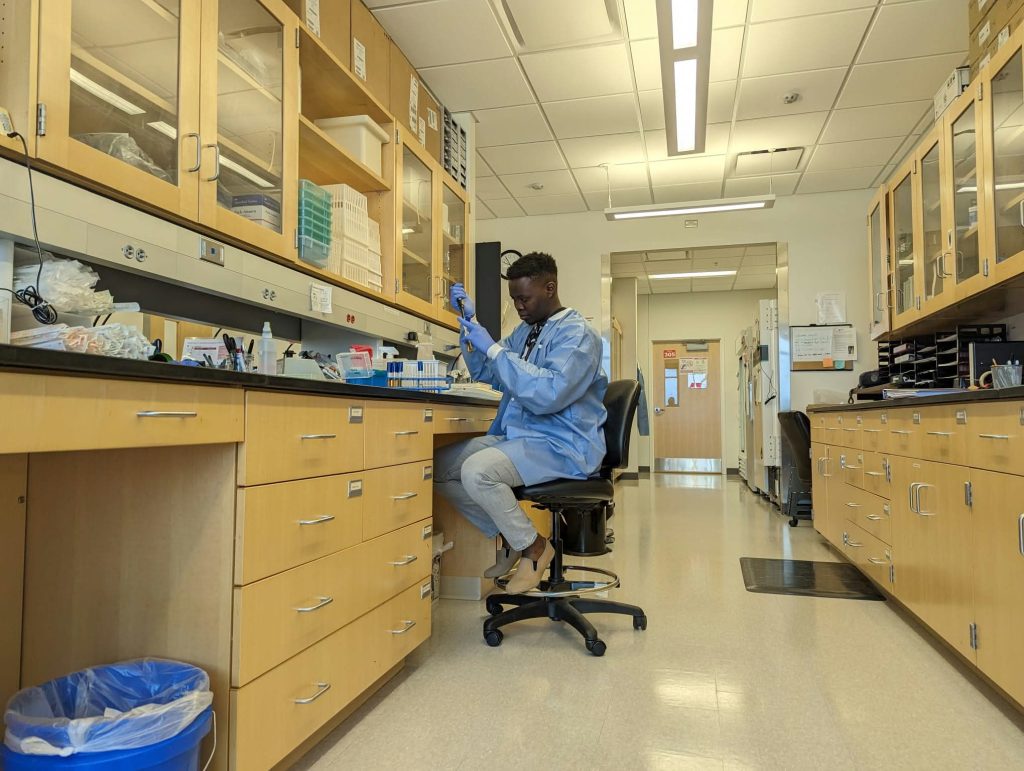
La Fontaine Bahatsi, a researcher in Food Science and Technology, made the observation based on a study of microorganisms affecting buckwheat, a crop used as a grain. He conducted the research while completing his postgraduate studies at the University of Nebraska–Lincoln in the United States. The study was published in September 2025.
The research examined microorganisms and aflatoxin B1 contamination in buckwheat flour and whole grains purchased from different online retailers in 2024 and 2025.
Of the 97 samples tested for aflatoxin B1, 54 were flour samples and 43 were whole-grain samples. In 2024, the toxin was detected in 17 of the 44 flour samples, representing 39%, while none of the 28 whole-grain samples tested positive.
In 2025, aflatoxin B1 was detected in seven of the 10 flour samples and 10 of the 15 whole-grain samples. These findings relate specifically to the samples examined in the study.
Microbiological testing also found higher levels of contamination in flour than in whole grains, pointing to the importance of maintaining hygiene during food processing.
Although Bahatsi's research focused on buckwheat, a crop that is not commonly grown in Rwanda, he told IGIHE that the quality-control methods used in the study could also be applied to grains cultivated in the country.
'What my research emphasises is that food safety should not be judged solely by appearance or whether food has visibly gone bad. There are contaminants and toxins that people cannot see or detect through ordinary means; laboratory testing is required,' he said.
What the findings mean for Rwanda's grain crops
Bahatsi explained that maize, sorghum, rice and wheat grown in Rwanda can also be affected by microorganisms, including those that produce toxins, particularly when crops are not harvested, dried or stored properly.
He noted that Rwanda already faces challenges in controlling aflatoxin contamination in maize.
For instance, research conducted in 900 farmers' storage facilities in the Southern Province found that grain storage practices play a significant role in determining the risk of contamination.
Meanwhile, a report by the Rwanda Agriculture and Animal Resources Development Board (RAB) found that 15% of 300 maize samples collected from 15 districts had aflatoxin levels exceeding the maximum limit applied in the report.
'Food safety does not simply mean having enough food. It also means having food of good quality that does not put the health of consumers at risk. This is the main objective of my research, which I wanted to share with Rwandans and connect to Rwanda's agricultural development and food safety priorities,' Bahatsi said.
He said food quality monitoring should continue throughout the supply chain, from the field to the final consumer.
Although the Government and its partners have introduced initiatives to improve crop drying and storage, he noted that gaps remain in knowledge, equipment and the consistent application of proper practices.
An assessment by MINIMEX, a maize-processing company, found that it rejected 50% of the maize delivered to it because of mould contamination.
Preventing contamination starts in the field
Among the measures Bahatsi recommends are using quality seeds, controlling pests and crop diseases, harvesting at the right time and avoiding mixing good-quality produce with damaged crops.
He also emphasised the importance of drying grains quickly and properly after harvesting, avoiding drying them directly on unprepared ground, and using moisture meters to establish whether they have reached the appropriate dryness level before storage.
During storage, he recommends keeping produce in clean, dry facilities and placing it on pallets to prevent contact with damp floors or walls. Farmers should also use appropriate storage bags and regularly check for pests or signs of contamination.
For grain processors, he stressed the need to clean milling equipment, observe hygiene standards and test produce rather than relying solely on conventional food preparation methods at household level.
'One important point I want to emphasise is that once aflatoxin has formed in grains, ordinary cooking, washing or heating cannot be relied upon as safe ways of removing it. That is why preventing contamination and testing produce are extremely important,' he said.
Bahatsi believes his research could contribute to improving food toxin testing methods and provide a basis for further studies into whether buckwheat could be cultivated in Rwanda as an additional crop alongside those already grown in the country.
La Fontaine Bahatsi said food safety should not be judged solely by the appearance of food, stressing the importance of laboratory testing to detect invisible contaminants.Research conducted by Rwandan researcher La Fontaine Bahatsi highlighted gaps in grain harvesting, processing and handling practices along the supply chain, from production to the final consumer.
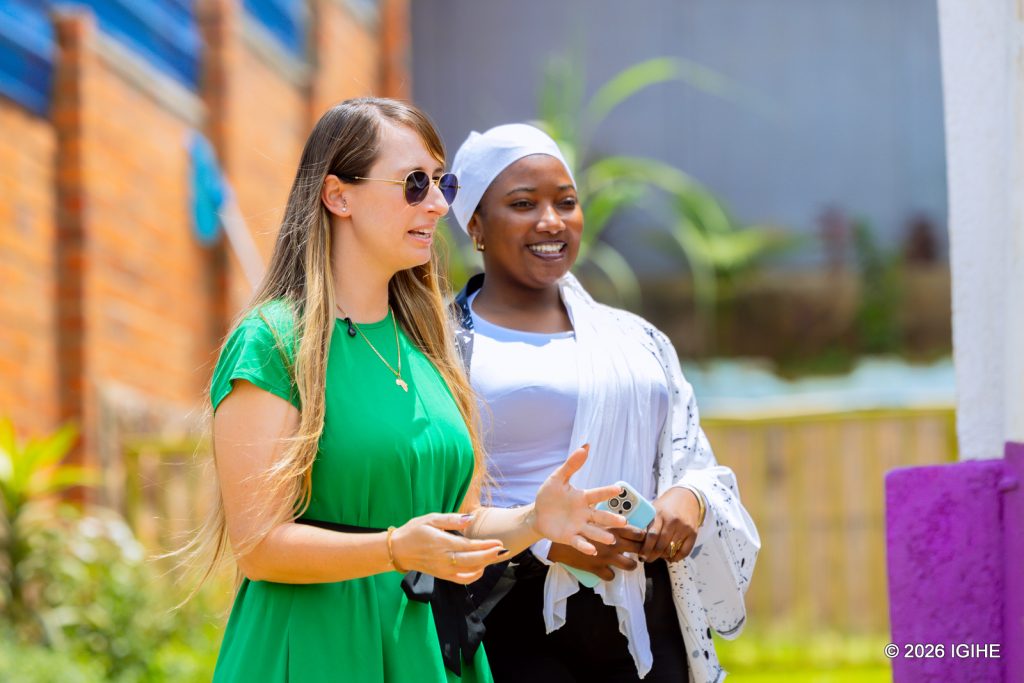
When Elina Mwanga first travelled to Africa at the age of 20, she intended to volunteer with children in Uganda for just one month. What began as a short humanitarian experience eventually became a 12-year commitment, shaping her professional journey and influencing the work she continues to pursue in Rwanda.
Originally from Israel, Mwanga has lived in East Africa since 2009. After spending more than a decade in Uganda, she relocated to Rwanda four years ago, where she has established two businesses focused on children's development: Tintin Children's Centre and Petits Artistes, an arts-based daycare and preschool in Kigali.
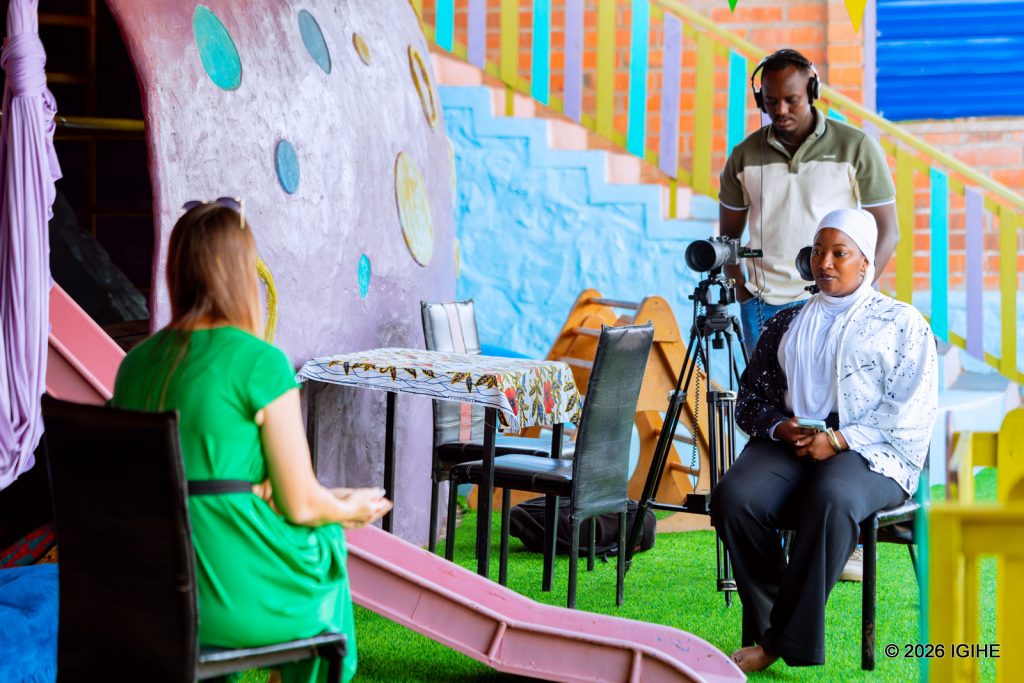
In an exclusive interview with IGIHE, Mwanga said her decision to settle in Rwanda was influenced by the country's safety, business environment and the opportunity to raise her children in a supportive community.
'I could live anywhere in the world. I chose Rwanda because it is safe, especially safe to raise kids,' she said.
She recalled being pleasantly surprised by the country's cleanliness, infrastructure and sense of security when she first arrived.
'I was expecting Africa, but I felt like I had arrived in Europe. Everything was so clean and safe, and you could move around freely with your phone,' she said.
Mwanga also praised Rwanda's business environment, saying that establishing a business had been easier than she initially expected.
'They don't make your life very difficult. On the contrary, they even support you. They support you to open a business, to invest in Rwanda, and I loved it so much,' she said.
Before relocating, Mwanga spent 12 years working with Little Light, a non-profit organisation in Uganda, where she served as a board member and manager.
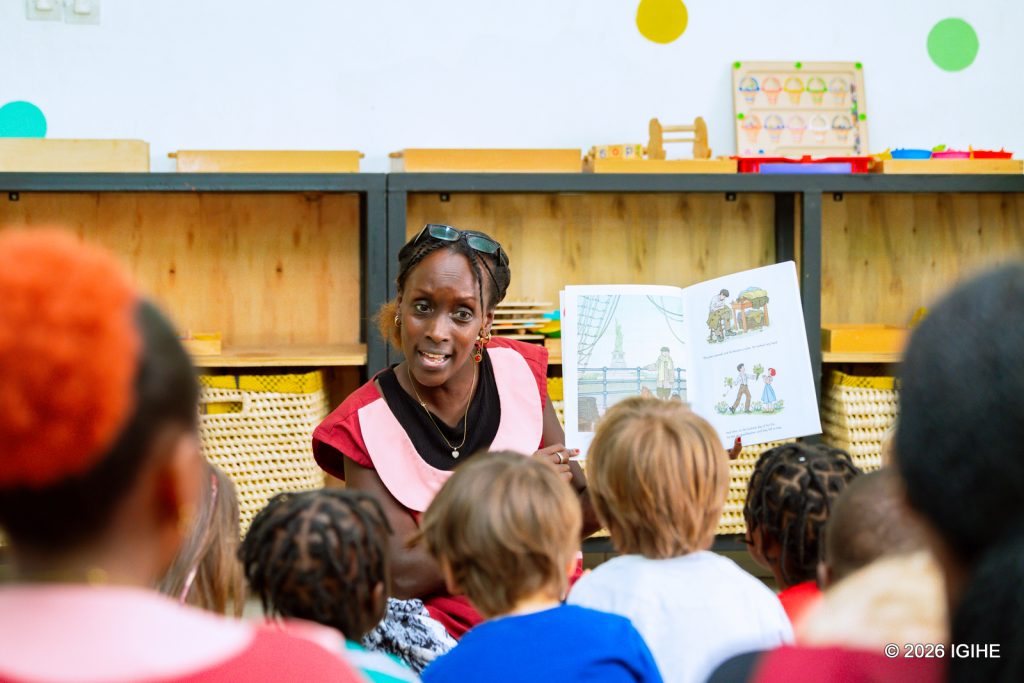
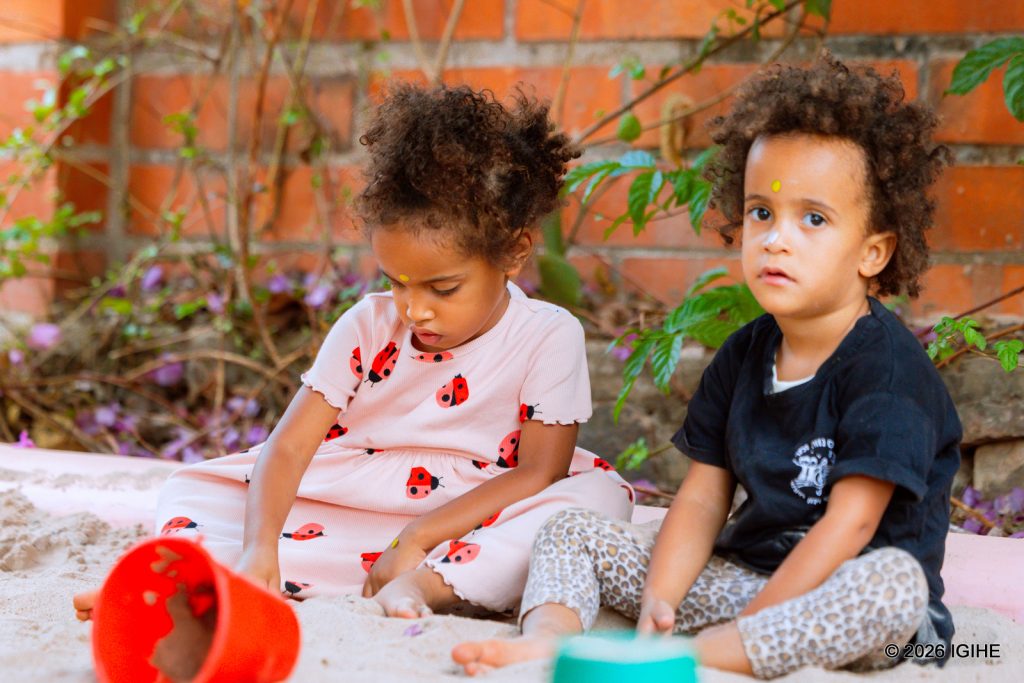
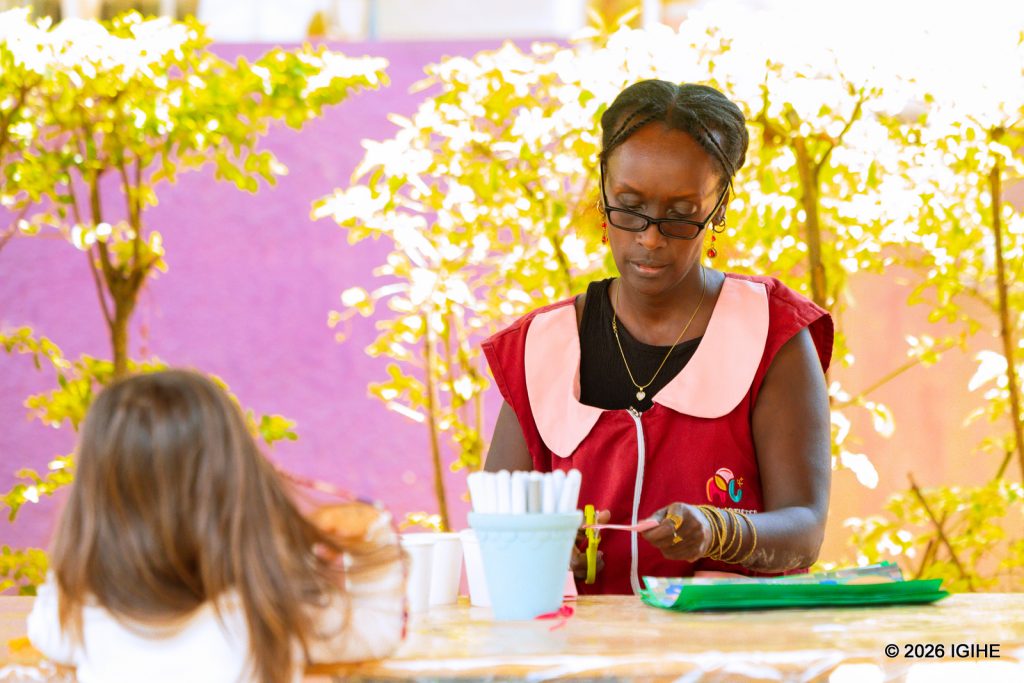
Children participate in creative learning activities at Petits Artistes, an arts-based daycare and preschool in Kigali.
The organisation operated a kindergarten, scholarship programme, clinic, women's empowerment group and youth initiatives. It provided education and daily meals to more than 320 children annually, alongside medical care and other forms of support to thousands of community members.
Her experience working with vulnerable children strengthened her belief that every child deserves love, care and opportunities to develop, regardless of their background.
'Ever since I can remember, I have loved working with children because I see them as pure human beings,' she said.
She added that children share similar needs and natural abilities regardless of where they grow up.
'They laugh the same. They want the same things. They have the same needs: the need for love and care, the passion to learn and the natural curiosity,' she said.
Creating spaces where children can thrive
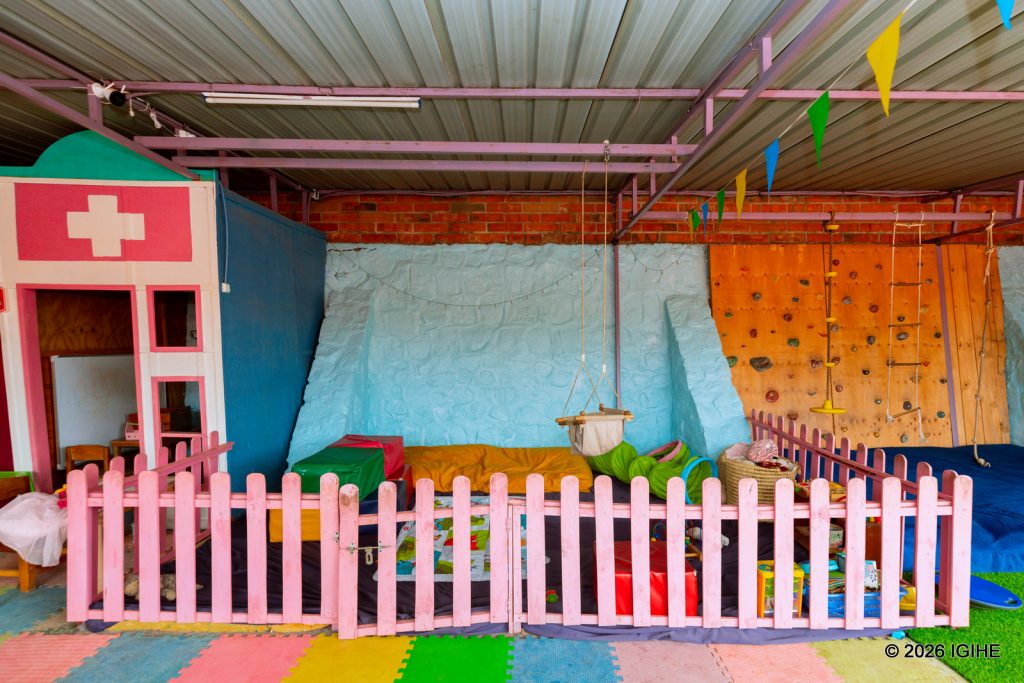
Mwanga established Tintin Children's Centre three months after moving to Rwanda. The idea emerged from her personal experience as a mother who struggled to find suitable places where her daughter could spend time outside school.
She wanted a space that offered more than conventional entertainment, particularly an environment where children could explore, create and participate in meaningful activities.
'I was looking for something quieter, that could give a child a home experience out of home, with more quality activities,' she explained.
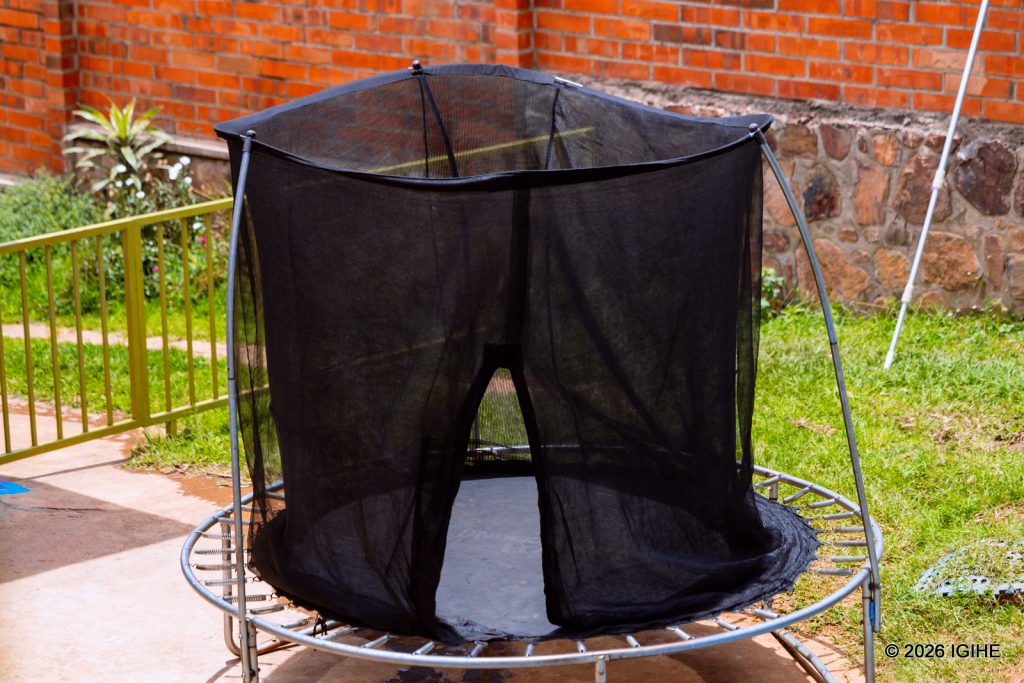
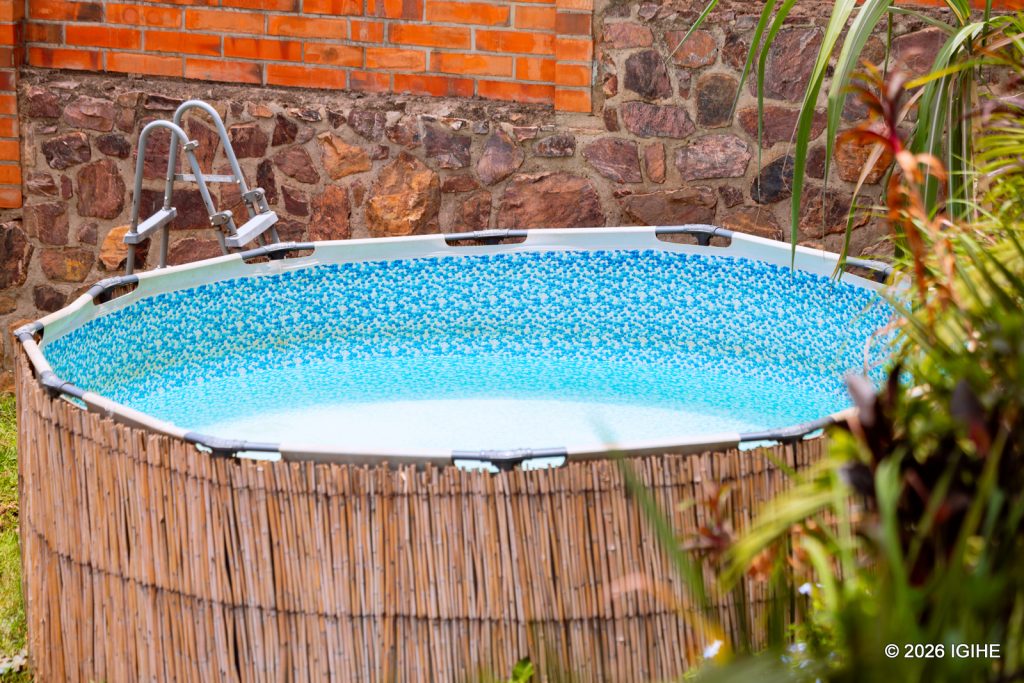
Tintin subsequently developed into a children's activity centre catering to children aged one to 10, offering activities including baking, swimming, arts, sports, competitions, holiday camps and birthday celebrations.
The centre has also organised large family events, including a festival that brought together thousands of children and featured entertainers and content creators.
Mwanga said her understanding of the Rwandan market evolved considerably after establishing the centre, as she realised that some services she initially considered necessary were not necessarily what local families needed.
Her experience also taught her the importance of understanding the community before introducing a business idea.
After operating Tintin for several years, parents began expressing interest in having a school that followed the same child-centred philosophy.
This eventually led to the establishment of Petits Artistes in 2025, a bilingual English-French daycare and preschool for children aged one to six.
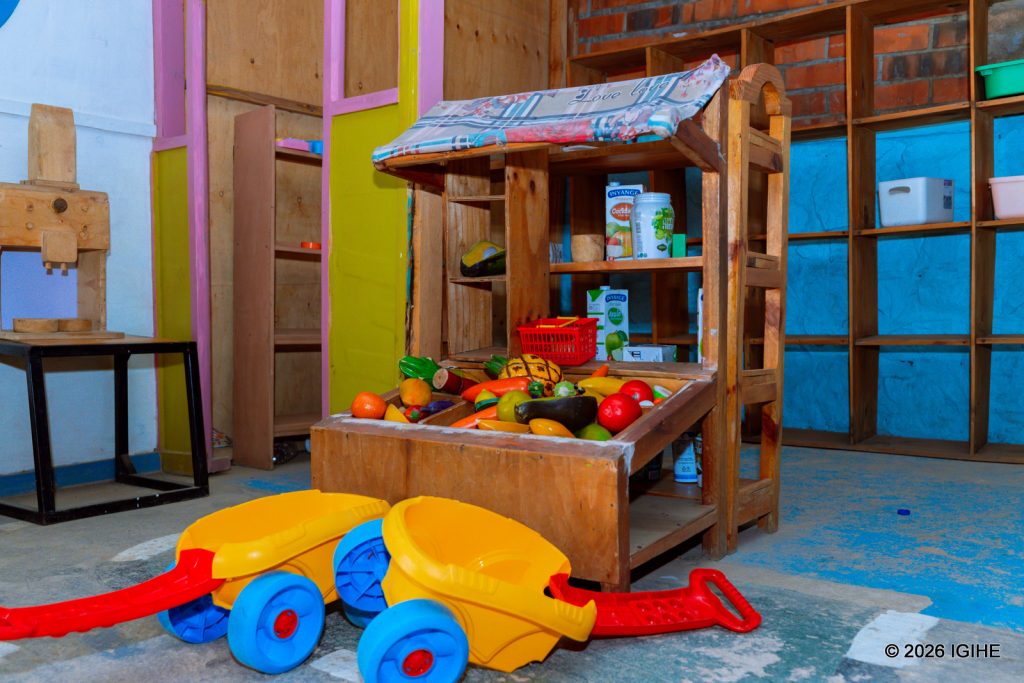
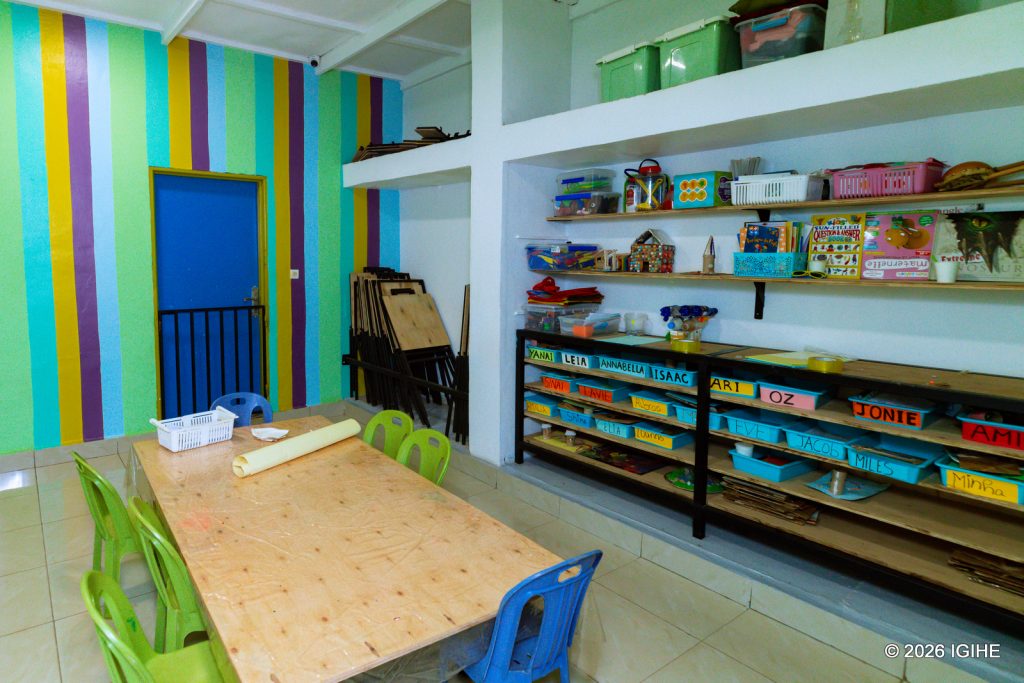
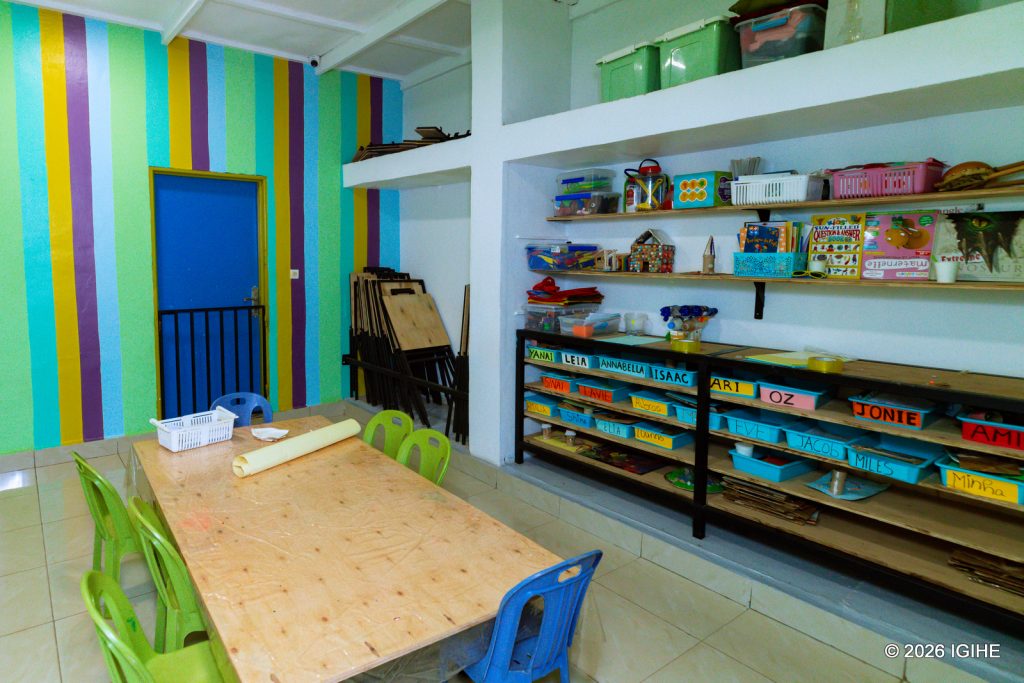
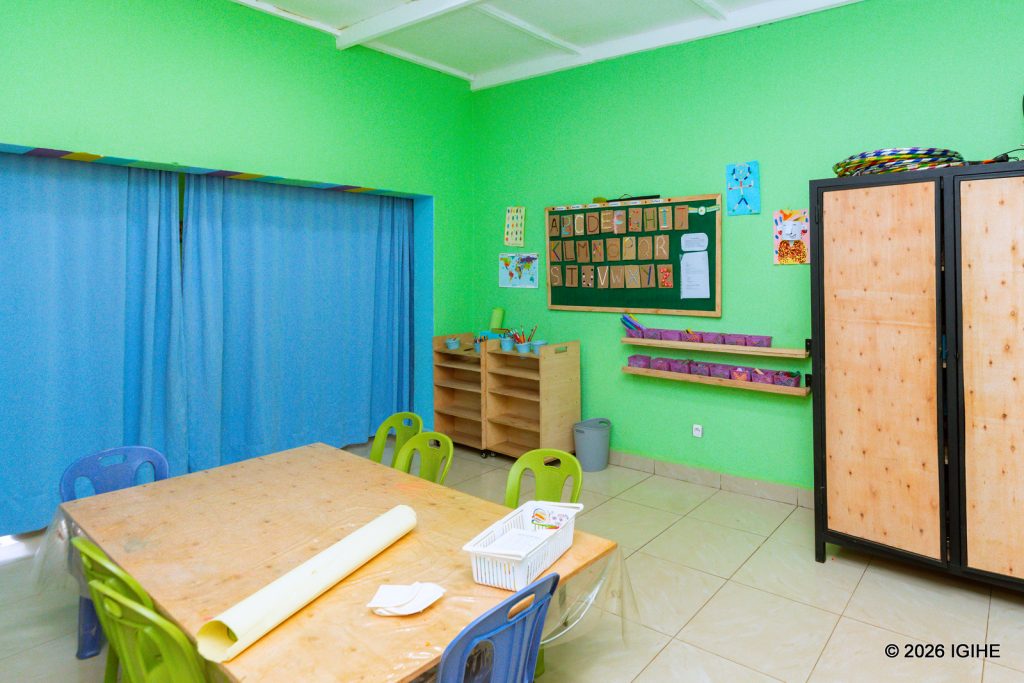
Art and play form an important part of the learning experience at Petits Artistes.
Using art to transform early childhood education
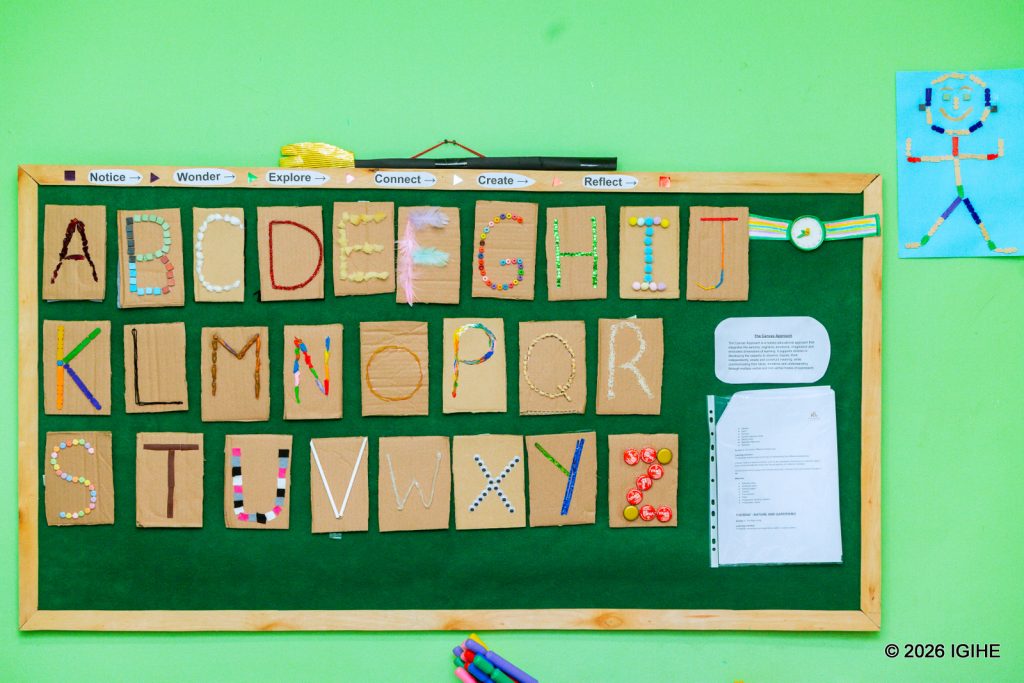
At Petits Artistes, Mwanga has introduced an educational philosophy she developed called the Canvas Approach.
The approach considers every child a masterpiece in progress, with educators responsible for providing the environment, materials, guidance and support children need to develop their individual abilities.
Under this model, art is not treated as an additional classroom activity but as a central tool for learning and self-expression.
Children explore different subjects through painting, sculpture, music, drama, movement, nature, gardening, construction and scientific experiments.
'Every child is a masterpiece in progress. We let them create their own canvas, paint their canvas, and the role of the adults is only to give them the tools, the safe environment, the love and the care, to guide them, but not to create it for them,' Mwanga said.
She believes children are naturally creative and that education systems should provide more opportunities for them to express their ideas rather than limit learning to memorisation and conventional teaching methods.
'I keep telling my teachers that they are more creative than you. So, when you want to explore something, you let them lead because they know better,' she said.
According to Mwanga, creativity should be an essential part of children's development because it equips them with the ability to think independently, approach challenges differently and find solutions.
She also believes the early years of childhood are particularly important in establishing the foundation for future learning and personal development.
'I really want to invest in it and give my best to the kids until they go to primary. I want to build the best foundation for them for the rest of their lives,' she said.
Her message to parents who may still be uncertain about the importance of creative education is that creativity extends beyond childhood activities and has lasting benefits in adulthood.
'Creativity is the key to success in life in everything as adults. Creative thinking is crucial in business, even in managing the family. Any challenge in life, if you have creative thinking, you can solve anything,' she said.
Beyond her educational initiatives, Mwanga is developing SATI, an integrated community development initiative in Rwanda that seeks to connect child nutrition, education, agriculture, energy and livelihood opportunities.
She hopes to develop the Canvas Approach into a professional educational model that can train educators and be introduced in additional schools in Rwanda, Uganda and eventually other countries.
For Mwanga, her journey has been about bringing together the experiences and knowledge she gained in Israel and Uganda with the family, businesses and community she has built in Rwanda.
Asked to describe Rwanda in three words, she chose 'peace, light, and friendship.'
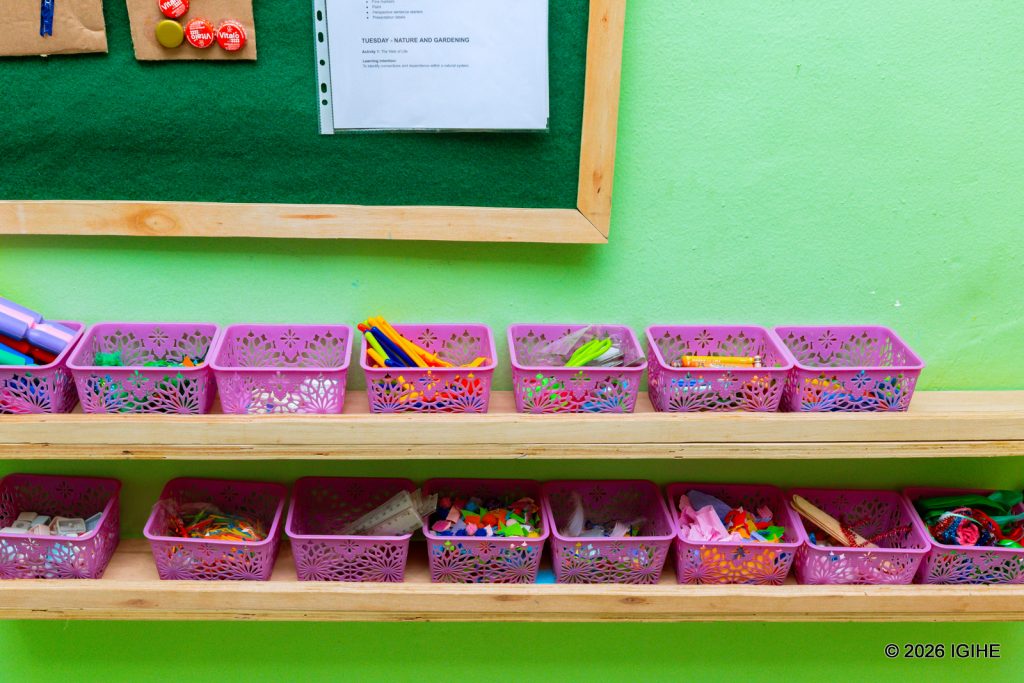
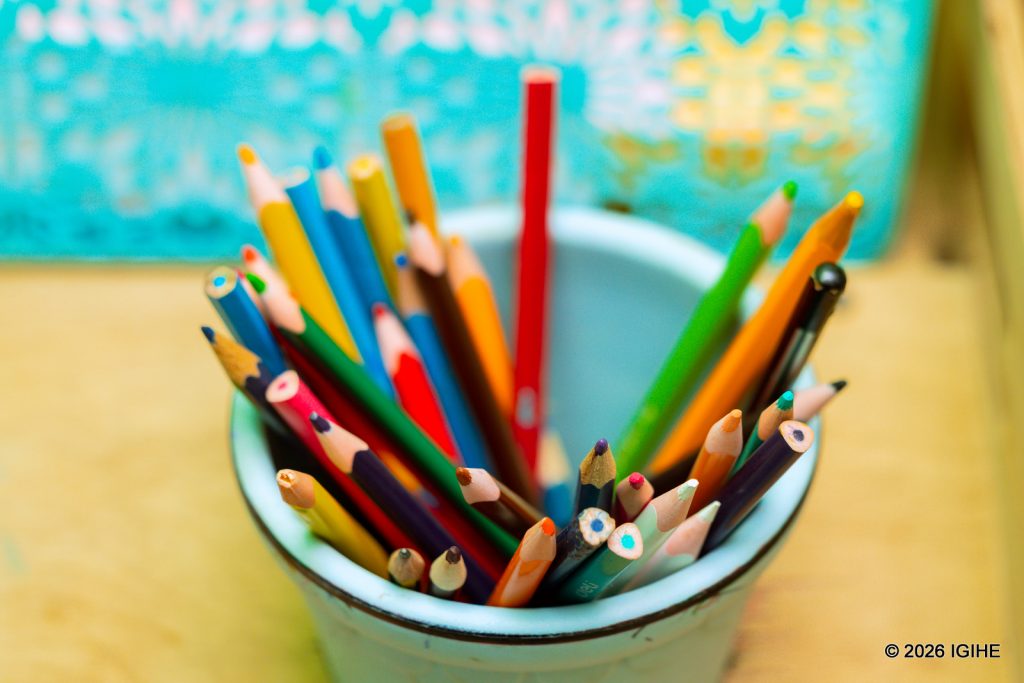
Elina Mwanga, an Israeli-born social entrepreneur and early childhood educator who has made Rwanda her home.Mwanga believes children should be given the freedom to explore, experiment and develop their own ideas.Through the Canvas Approach, Mwanga encourages children to explore their abilities and express themselves through different forms of art.Colourful pencils and art materials are used to encourage creativity, imagination and self-expression among children at Petits Artistes.Children enjoy swimming activities at Tintin Children's Centre, where play and physical development are part of the learning experience.