'Using the GBU-43/B Massive Ordnance Air Blast Bomb or MOAB, the largest non-nuclear bomb in the U.S. arsenal, for the first time in the conflict with Iran would mark a notable escalation, even though there are doubts over how effective it would be in accomplishing any of Trump's stated strategic objectives or tipping the balance of the war,' the report said, citing multiple sources familiar with internal military planning discussions about potentially deploying the weapon.
The development comes amid continued tensions between Washington and Tehran despite diplomatic efforts to end the conflict.
On October 8, Trump said that the United States would not launch new attacks on Iran before the November 3 midterm elections, citing ongoing discussions with Iranian officials, while leaving open the possibility of further military action afterward.
The current conflict has also raised concerns over regional security and global energy supplies, particularly around the Strait of Hormuz, a strategic waterway through which a substantial share of the world's oil shipments passed before the war.
The MOAB, weighing about 21,000 pounds (9,525 kg), is designed to destroy targets across a large area.
The US military is considering using the 'Mother of All Bombs' to target Iranian energy infrastructure and nuclear sites if President Donald Trump orders renewed strikes, CNN reports.
In a statement posted on social media platform X, Houthi military spokesperson Yahya Sarea said the group's forces targeted King Khalid International Airport in Riyadh with a ballistic missile, claiming it was a 'precise and direct' hit.
The announcement came hours after the Saudi-led coalition said it had intercepted and destroyed a ballistic missile launched by the Houthis toward Riyadh. Loud explosions were heard in the Saudi capital earlier in the day, while residents received aerial-threat alerts on mobile apps.
The Saudi Civil Defense said later in the day that one Arab resident was injured and a residential building and a vehicle sustained minor damage after debris from an intercepted ballistic missile launched by the Houthis fell in Riyadh.
Earlier in the day, Sarea claimed a large-scale missile and drone attack targeting Saudi energy giant Aramco in Dhahran in the Eastern Province, as well as King Khalid International Airport and an Aramco refinery in Riyadh. He said the operation was carried out in retaliation for Saudi strikes.
Sarea vowed that the group's attacks 'deep inside Saudi Arabia' would continue in the coming days, targeting airports and oil facilities. He also renewed a warning to international airlines, civilians and employees to stay away from airports and oil facilities in Saudi Arabia that the group had designated as targets.
Houthi-run al-Masirah TV reported Wednesday that an unnamed Houthi military source advised Aramco shareholders to 'dispose of their shares' to avoid potential losses in the coming days, without providing further details on the basis for the warning or whether it was linked to possible further Houthi attacks on Aramco.
Meanwhile, fighting and airstrikes continued across Yemen. Sarea said Wednesday evening on X that Saudi-led coalition forces had carried out 42 strikes using warplanes and missiles on what he described as civilian facilities in the capital Sanaa and the provinces of Taiz, Lahj, Marib and Amran, as well as Mayyun Island in the Bab al-Mandab Strait.
Majid Al-Nuzaili, spokesperson for Yemen's government forces, said in a statement that the forces had carried out 2,309 'precise and direct' attacks against Houthi positions using warplanes, drones, field artillery, rocket launchers and sniper units.
The spokesperson claimed the operations had neutralized about 1,250 Houthi fighters and destroyed or damaged more than 460 military vehicles and other equipment.
The Houthis, meanwhile, said they had fired three ballistic missiles at gatherings of government forces backed by the Saudi-led coalition in the Ras al-Arah and Al-Mudarabah areas of southern Lahj province, causing a large number of casualties and damage to several military vehicles.
The continued fighting drew fresh regional reactions. During a meeting with Saudi Crown Prince and Prime Minister Mohammed bin Salman bin Abdulaziz Al Saud in Riyadh on Wednesday, Iraqi Prime Minister Ali al-Zaidi condemned the attack targeting King Khalid International Airport and attacks on civilian and vital facilities in Saudi Arabia, describing them as a threat to regional security and stability.
Pakistani Prime Minister Shehbaz Sharif on Wednesday reaffirmed Pakistan's commitment to protecting Saudi Arabia's sovereignty, security and territorial integrity as well as its support for the kingdom's legitimate right to self-defense.
Yemen has been mired in conflict since late 2014, when the Houthis seized Sanaa and much of northern Yemen. A Saudi-led coalition intervened in 2015 in support of the internationally recognized Yemeni government.
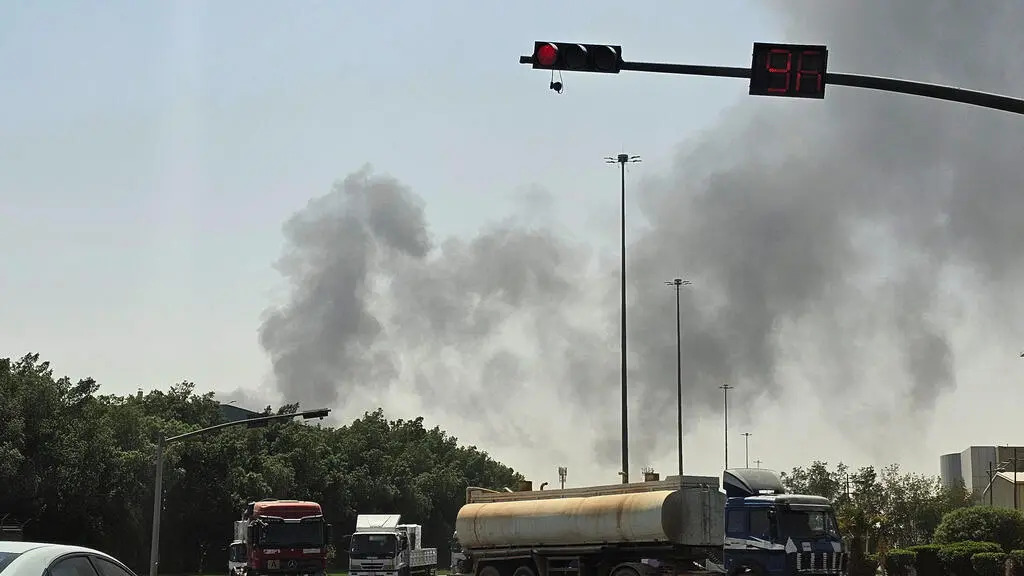
Vehicles travel along a road in Riyadh as black smoke billows from a fire at a nearby oil facility in this file photo from October 3, 2026.
The health ministry said on Wednesday that the second patient had already been in quarantine when he developed symptoms on Tuesday, including fever, fatigue and joint pains. He was immediately isolated after falling ill.
'Both cases are linked, and there is no evidence of spread in the wider community,' the ministry said, urging Kenyans to remain calm but vigilant.
The development comes as authorities continue tracing people who may have been exposed to the first patient, a Kenyan man who had been living in the Democratic Republic of Congo (DRC).
The man travelled by road through Uganda before flying to Nairobi on October 3. A relative picked him up from the airport and took him to hospital, where he was diagnosed with Ebola shortly after admission.
His illness raised concerns about gaps in regional screening systems, as he travelled across borders without being detected.
According to the health ministry, authorities have located 113 of the 128 people identified as contacts of the first patient. Of these, 108 are in quarantine in Kenya, while five are outside the country. Health authorities in the countries concerned have been notified, and efforts to locate the remaining 15 contacts are continuing.
Officials are also assessing people who may have come into contact with the second patient since he developed symptoms, including healthcare workers and staff at the quarantine facility.
'This is the response working as designed,' the ministry said, adding that it would share updates on the patient's progress.
Kenya has strengthened screening measures at Jomo Kenyatta International Airport in Nairobi, introducing a dedicated screening gate for passengers arriving from the DRC and other countries potentially linked to the outbreak.
The current outbreak in the DRC, declared in May, is caused by the Bundibugyo strain of Ebola. There are currently no approved vaccines or treatments for this strain, although trials are underway.
Ebola spreads through direct contact with the bodily fluids of infected people. Its incubation period ranges from two to 21 days, making contact tracing and early isolation critical to containing transmission.
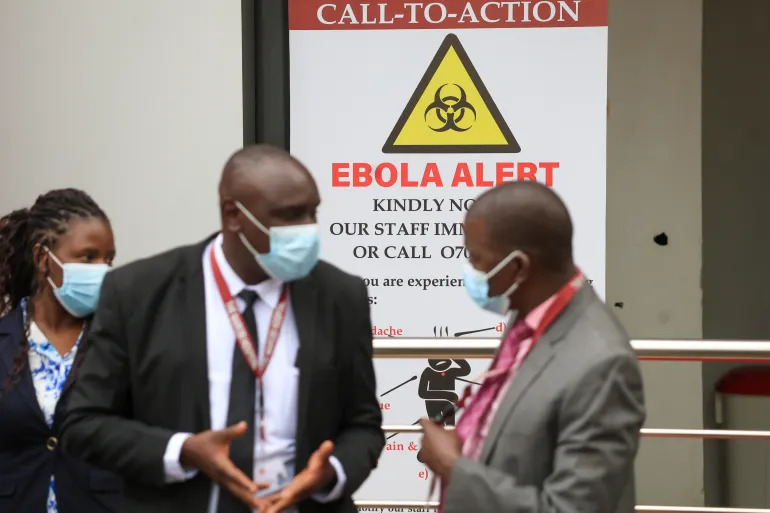
Health workers and officials stand outside an Ebola isolation facility at The Nairobi Hospital in Kenya on October 7, 2026,
Abdulrahman Alfozan, a Saudi national who joined OpenAI as an engineer in July 2025, is accused of using an electronic device to intercept oral communications, according to federal prosecutors.
FBI Director Kash Patel said the suspect allegedly concealed the device to obtain sensitive information from within the company.
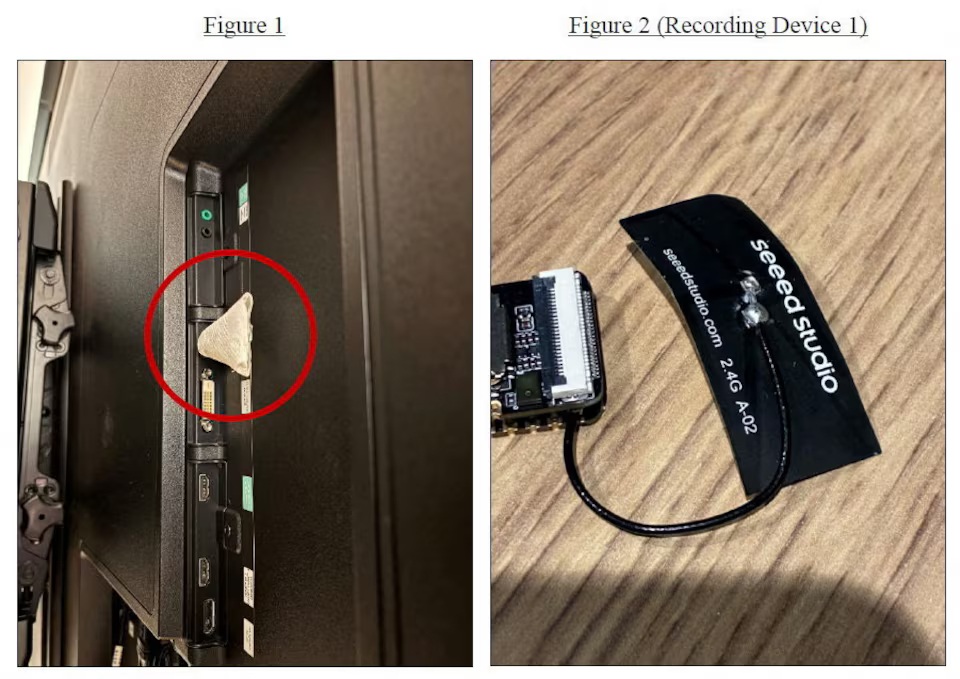
According to court documents, the device was wrapped in toilet paper and inserted into a USB port at the back of a television in the conference room. OpenAI employees discovered it on September 30, two days after it was allegedly installed.
Prosecutors allege that the suspect had researched the company's offices and sensitive locations before the device was planted. Investigators also cited chatbot prompts reportedly linked to an account associated with Alfozan's spouse, which concerned building an audio recorder, configuring Wi-Fi connectivity, improving remote listening and encrypting stored recordings.
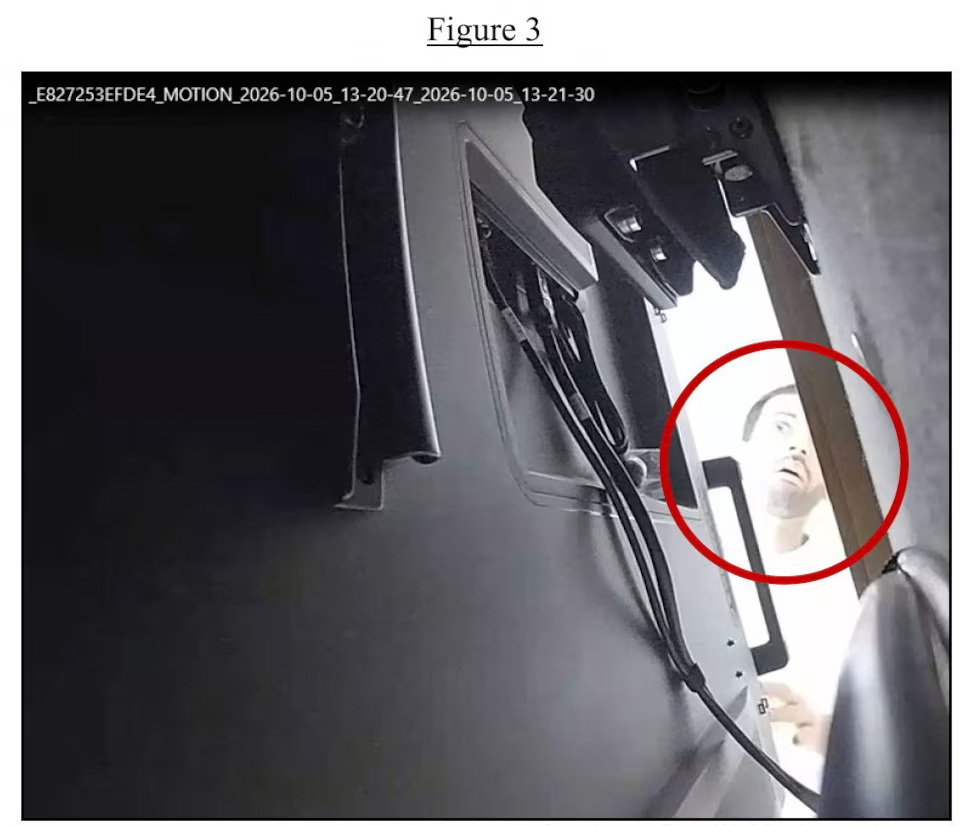
The FBI further alleges that Alfozan returned to the conference room on October 5 to inspect the device. CCTV footage was used to link him to the location, according to the complaint.
A second similar recording device was reportedly discovered in a bag left unattended in another room at the company's offices.
OpenAI said it used its artificial intelligence models to investigate the device and trace its origin, ultimately identifying the employee believed to have planted it.
The company said it used its models 'to understand the device and where it had come from, identifying that a specific employee had planted it a few days earlier'.
The employee was subsequently dismissed. OpenAI added that it had no indication that its source code, model weights or customer data had been improperly accessed or taken in connection with the incident.
Alfozan was arrested on October 9 and appeared in federal court on October 13, according to the US Department of Justice. He faces a charge related to the alleged interception of oral communications.
If convicted, he could face a maximum sentence of five years in prison and a fine of up to $250,000. The charge remains an allegation, and he is presumed innocent unless proven guilty in court.
A device, which the US Justice Department says is a hidden audio recording device installed in an OpenAI executive conference room by Abdulrahman Alfozan, a Saudi national employed as an engineer at the AI company, at a location given as San Francisco, California, US.A handout photo shows what the US Justice Department says is Abdulrahman Alfozan, a Saudi national employed as an OpenAI engineer, checking a hidden audio recording device in an executive conference room at the AI company, at a location given as San Francisco, California, US, October 5, 2026.
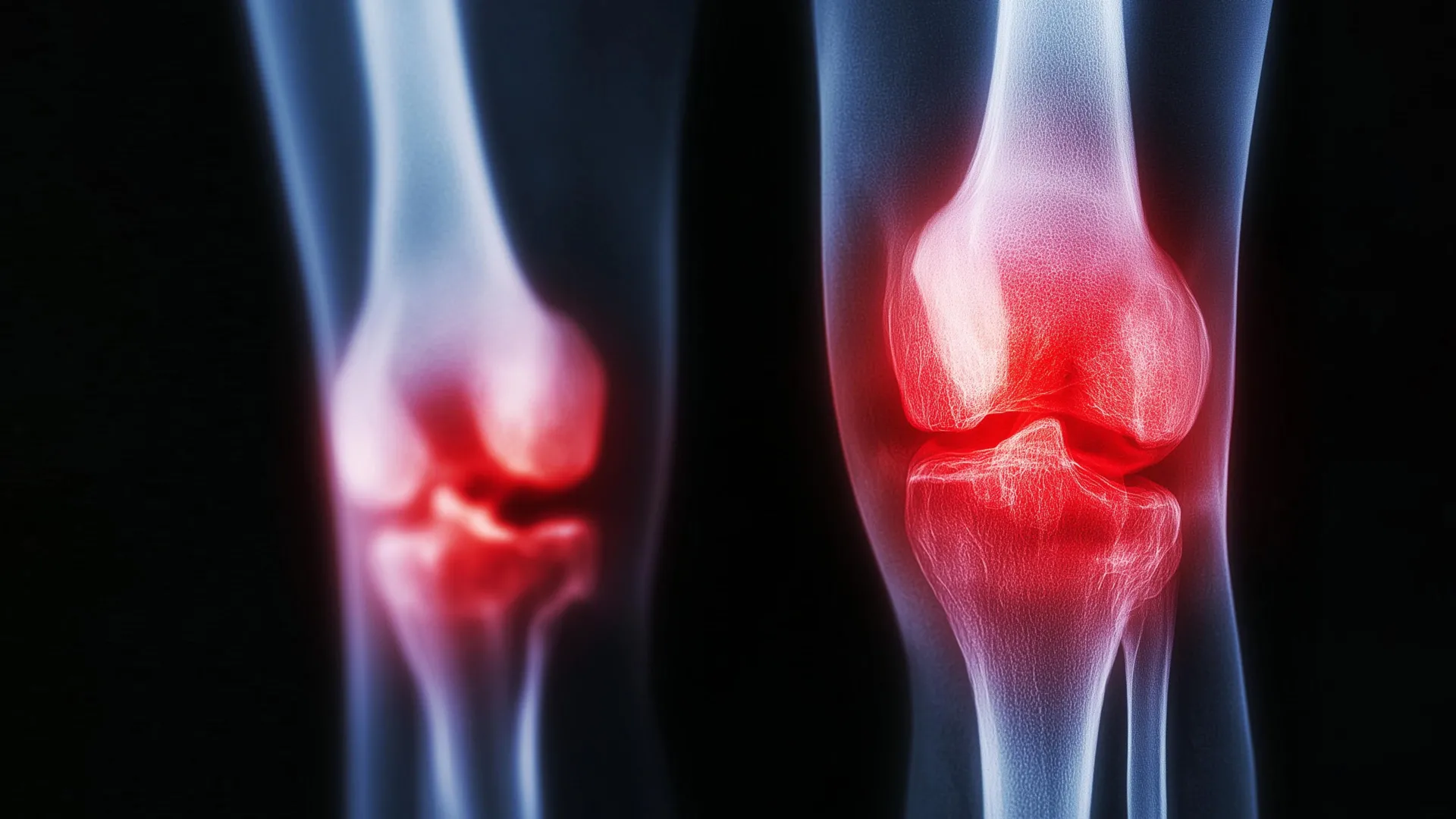
A new minimally invasive treatment for knee osteoarthritis has shown promising results, with 80 per cent of patients reporting meaningful pain relief lasting at least one year, according to a study published in the journal Radiology.
The treatment, known as genicular artery embolization (GAE), targets abnormal blood vessels around the knee joint that contribute to inflammation and chronic pain.
It could offer an alternative for patients who do not respond adequately to conventional treatments and cannot undergo, or wish to avoid, knee replacement surgery.
The study, conducted by researchers led by Florian Nima Fleckenstein of Charité – Universitätsmedizin Berlin, involved 194 patients whose knee pain persisted despite at least three months of conventional care, including physical therapy, anti-inflammatory medication and joint injections.
During the procedure, doctors use a thin catheter to deliver tiny, gelatin-based particles into selected blood vessels around the knee.
The particles block the targeted vessels temporarily and dissolve within hours, with the aim of reducing inflammation while preserving normal blood circulation.
According to the findings, patients experienced substantial improvements in pain, mobility and quality of life following treatment.
Median pain scores fell from seven out of 10 before the procedure to four after six weeks.
The score declined further to three at six months and remained at that level after 12 months.
At the one-year follow-up, 80 per cent of patients who completed the pain assessment reported improvements considered clinically meaningful.
'In our cohort, we saw a significant drop in pain and a significant increase in function, including sports and recreation and daily activity,' Fleckenstein said. 'Most importantly, their quality of life significantly increased.'
Researchers also reported improvements in everyday activities, including walking and climbing stairs, as well as participation in sports and recreation.
The safety findings were encouraging. All 239 procedures performed on the participants were technically successful. Mild, temporary complications occurred in 6.7 per cent of procedures, while no moderate or severe adverse events were recorded.
Osteoarthritis is a leading cause of disability worldwide. The World Health Organization estimates that knee osteoarthritis affects more than 365 million adults, making effective treatment options an important public health concern.
However, researchers cautioned that further studies are needed to establish how much of the improvement results directly from the procedure. The study did not include a control group, making it difficult to separate the treatment's effects from other factors.
The researchers also noted that the findings do not establish whether the procedure can prevent cartilage damage or slow disease progression.
Larger controlled trials and longer follow-up periods will be needed to determine its long-term effectiveness and identify the patients most likely to benefit.
A minimally invasive treatment offers lasting knee pain relief for 80% of patients with osteoarthritis, a study finds.
The organisers are yet to announce the full lineup of artists and DJs expected to perform at the event.
Improper Access debuted on August 30, 2024, at Kigali Universe, with a focus on showcasing female artists and DJs.
The inaugural edition featured Nigerian artist Dopecaesar, Ugandan singer Etania, and Rwandan DJs Brianne, Sonia and Alida, alongside Senshi.
The event returned for its second edition on June 28, 2025, at Zaria Court Kigali, with South African DJ Blue Aiva as the headline act.
Other performers included Rwandan DJs Niny and Higa, as well as artists Zuba, Muyango and Etania.
Knowless will take centre stage at the upcoming edition, bringing her experience in Rwanda's music industry and a catalogue of songs that have earned her a strong following.
She is among Rwanda's established musicians, having built a career spanning more than a decade. In 2015, she won the Primus Guma Guma Super Star competition, becoming the first woman to claim the title.
Butera Knowless to headline 'Improper Access' music eventButera Knowless is set to perform at 'Improper Access' for the first time.
Murokozi Paul and Baraka Emmanuel appeared before the court on October 13, 2026. They are being held at Nyanza Prison over alleged offences committed in Kayonza District in April 2025.
The hearing was conducted in Swahili, with an interpreter translating the proceedings into Kinyarwanda.
Prosecutors allege that the two men deceived the women, both from Kayonza District, with promises of employment before taking them to Tanzania, where they were subjected to sexual exploitation.
'They were sent there after being promised good jobs. However, upon arrival, they found that they were expected to work in a bar and were also sexually abused by the men who had taken them there. They were then sold to other men,' the prosecutor told the court.
The prosecution argued that the women were deceived for financial gain and taken to Tanzania without their parents' knowledge or the authorities being informed.
Prosecutors asked the court to convict each accused and sentence them to 25 years in prison and a fine of Rwf 20 million.
Defence denies trafficking allegations
In his defence, Murokozi said he had been working as a sailor at the Rwanda-Tanzania border alongside Baraka when he became acquainted with the two women.
He told the court that they became friendly and rented a room where they had sexual relations.
According to Murokozi, the women expressed an interest in travelling to Tanzania, prompting him to arrange transport and accompany them.
He said they stayed in Tanzania for four days before deciding to return to Rwanda, adding that he also arranged transport for their return.
Murokozi denied that the trip involved trafficking or sexual exploitation.
'They went to a bar to drink, not because we were trafficking them. They also shared drinks, and nobody sexually abused them,' he said.
He denied committing any crime and asked the court to acquit him.
His lawyer, Mpayimana Jean Paul, argued that the prosecution had not established that his client committed a criminal offence.
He said Murokozi had simply become acquainted with one of the women, who later asked him to take her to Tanzania.
'What crime was committed if a Rwandan went out with a Tanzanian and that is what happened?' the lawyer asked.
Mpayimana also challenged the allegation that his client had sold the women, arguing that the prosecution had not identified any buyer. He asked the court to acquit Murokozi.
Baraka, meanwhile, denied involvement in taking the women to Tanzania, telling the court that he had remained in Rwanda and knew nothing about what happened there.
'What I did was have sexual relations with her. As for taking her to Tanzania to be sold, I know nothing about that,' he said.
His lawyer, Adiel Mbanziriza, argued that Baraka had no intention of committing a crime.
'The prosecution says the women were taken there to be trafficked, yet one of the women herself stated that she had gone to see what Tanzania was like,' Mbanziriza told the court.
He also asked the court to acquit his client.
The three-judge panel is scheduled to deliver its verdict on November 12, 2026.
The prosecution asked the Nyanza Special Chamber to sentence the two men to 25 years in prison.
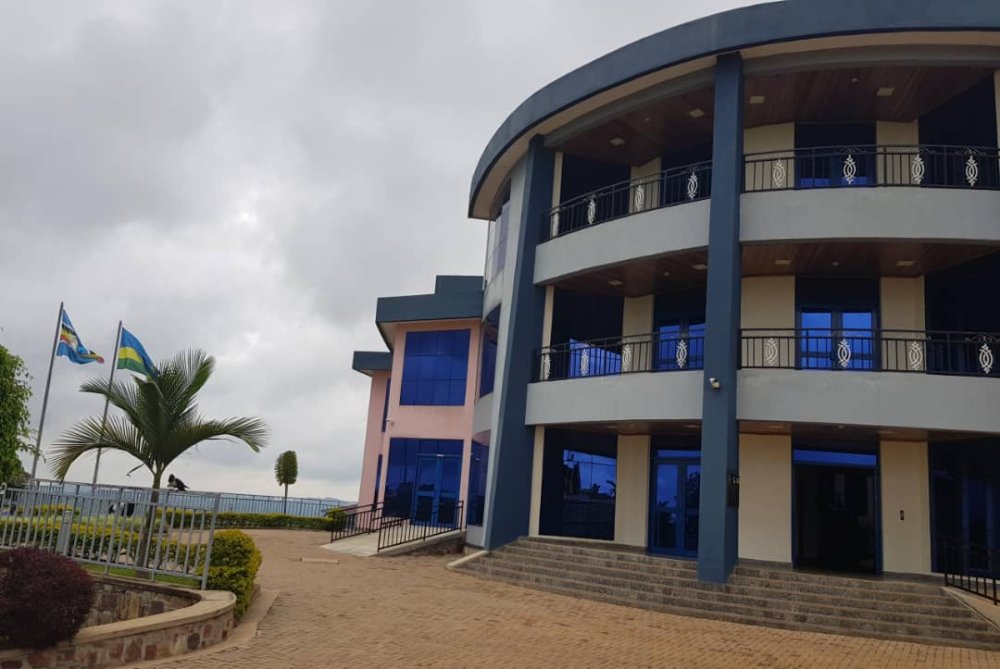
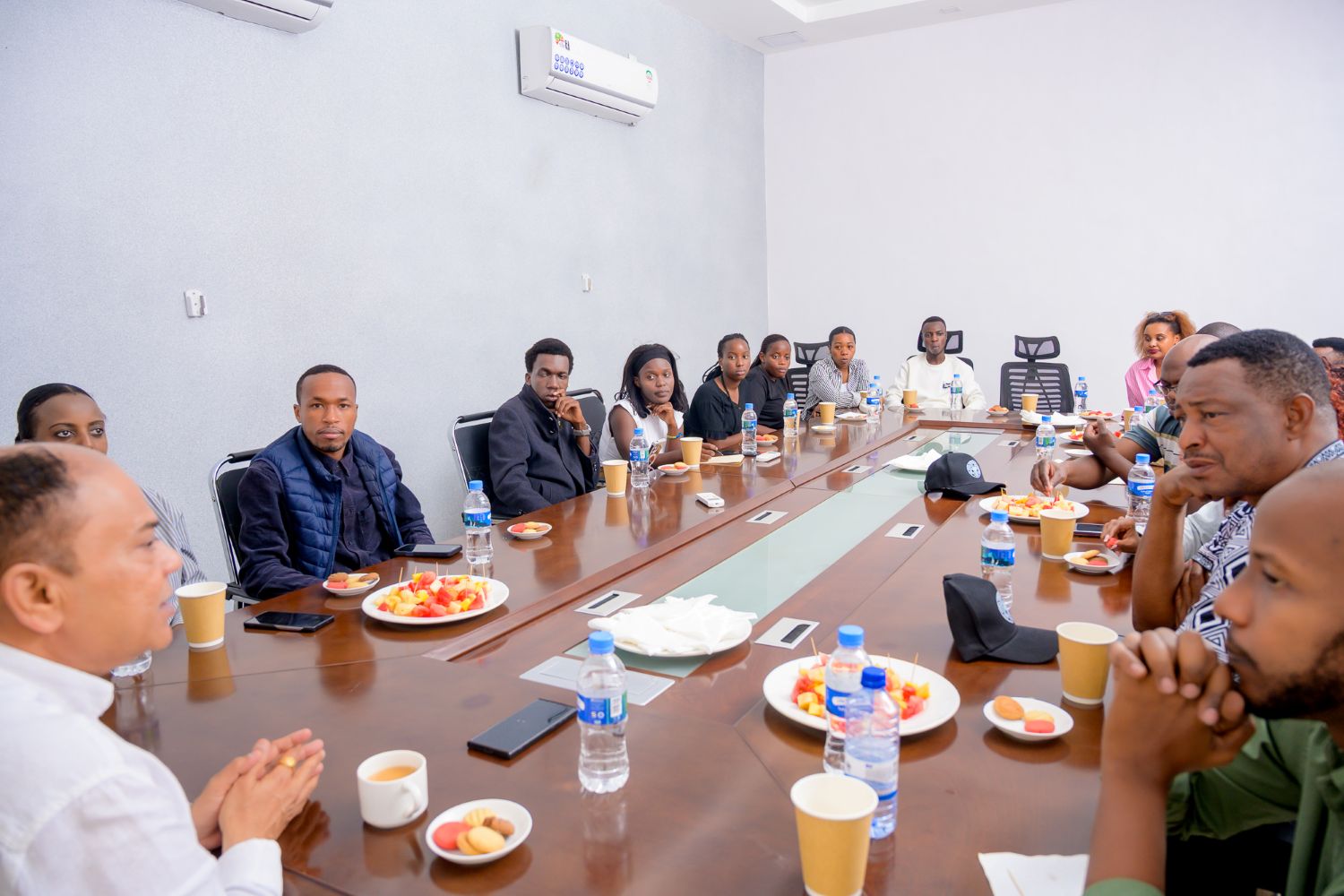
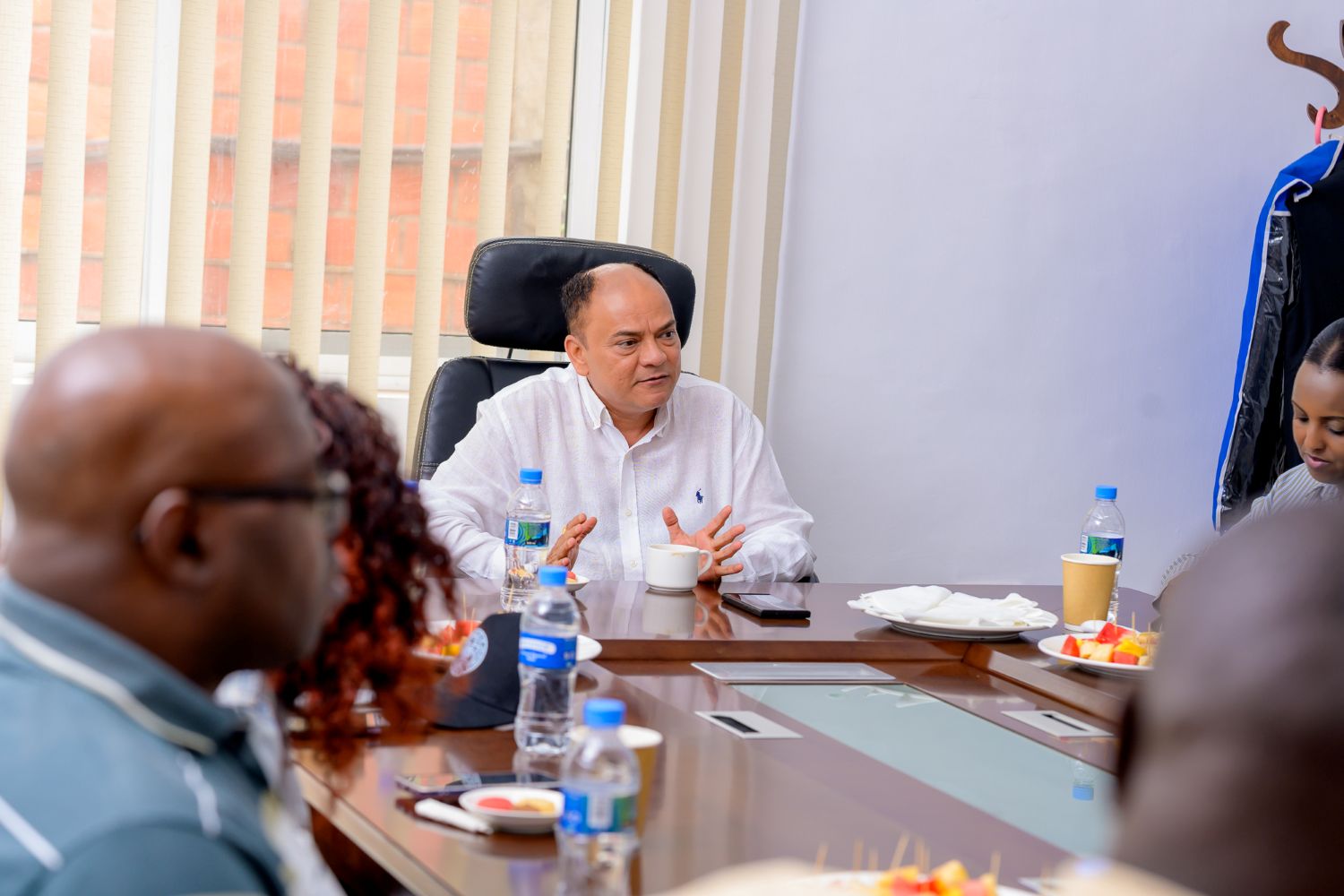
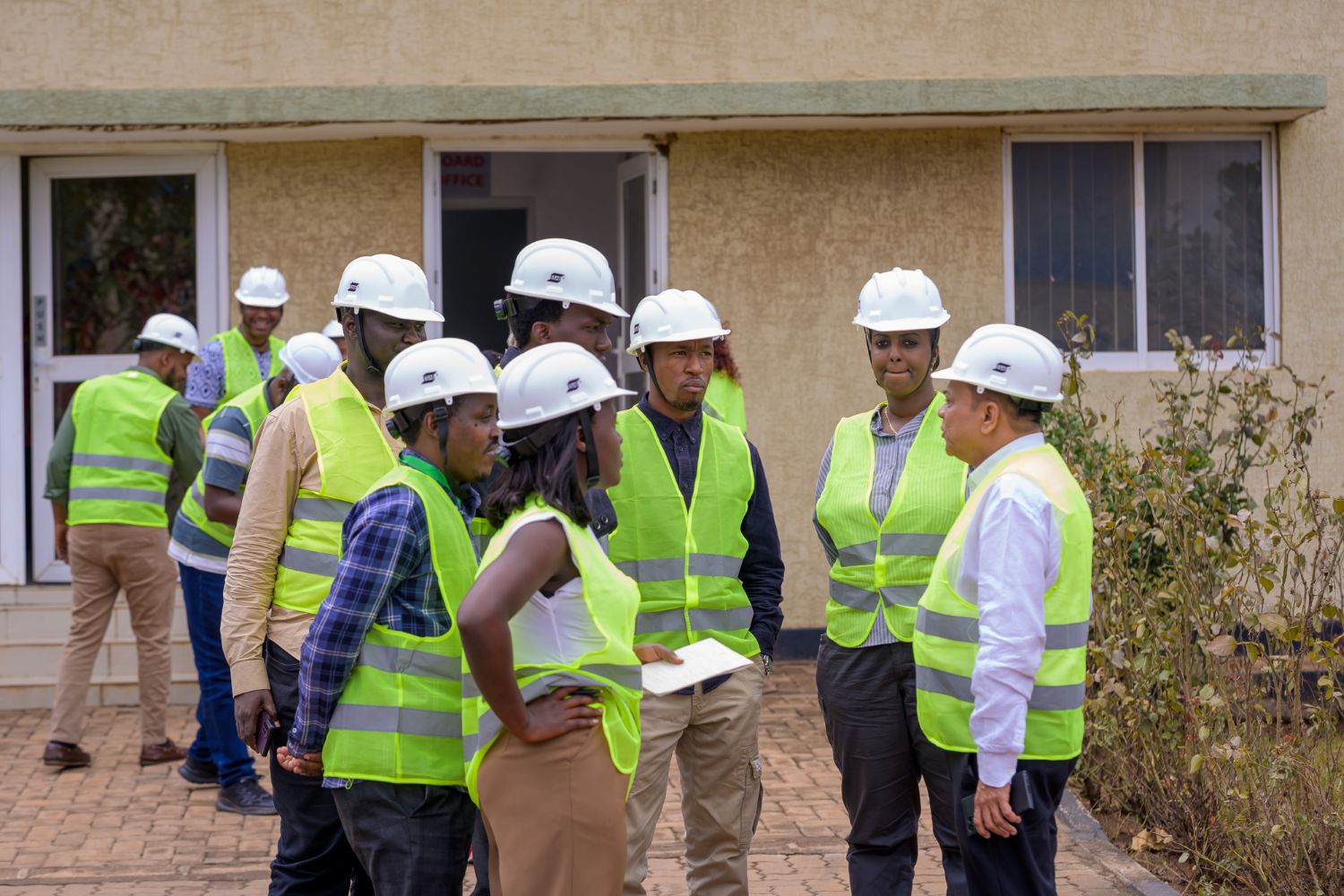
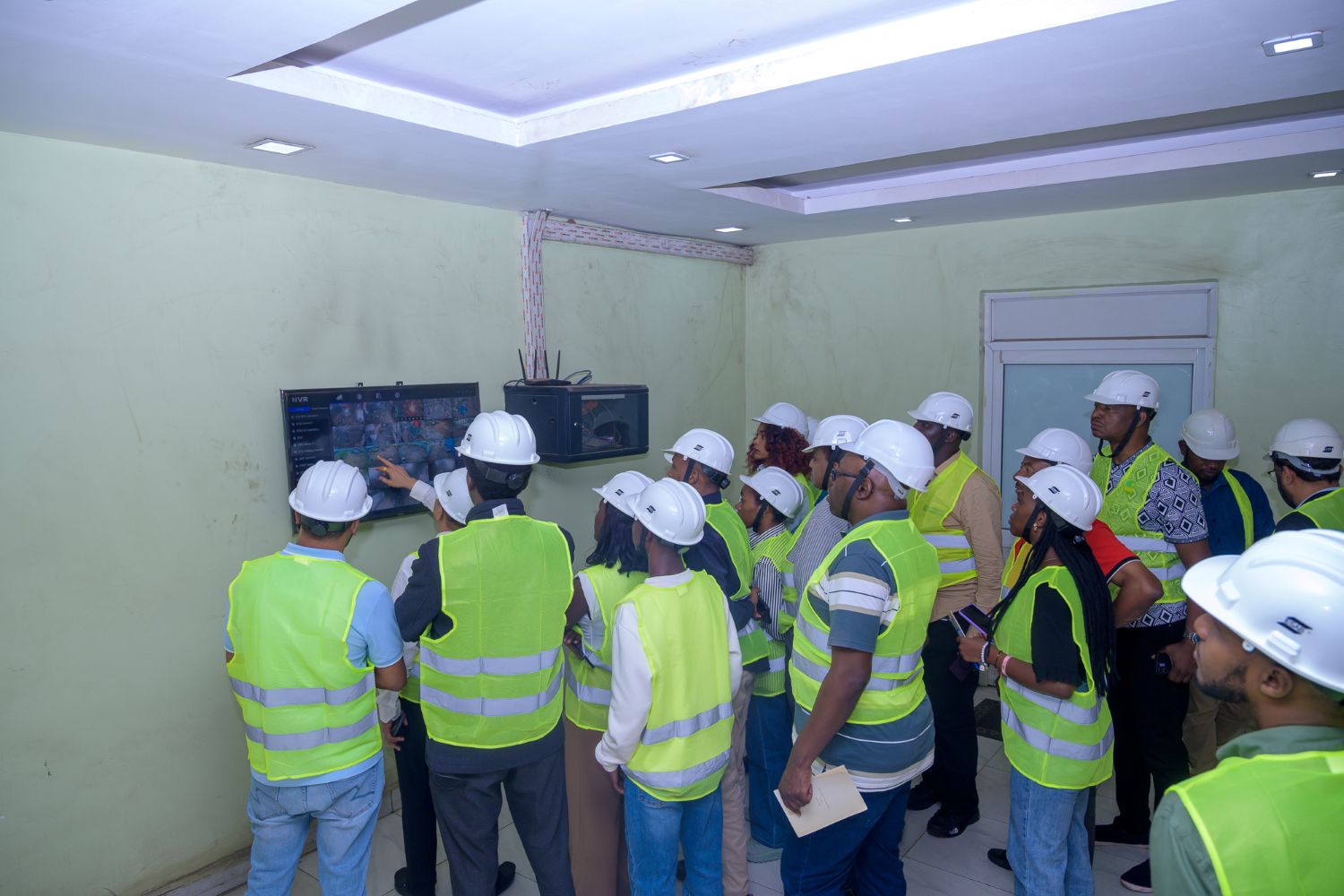
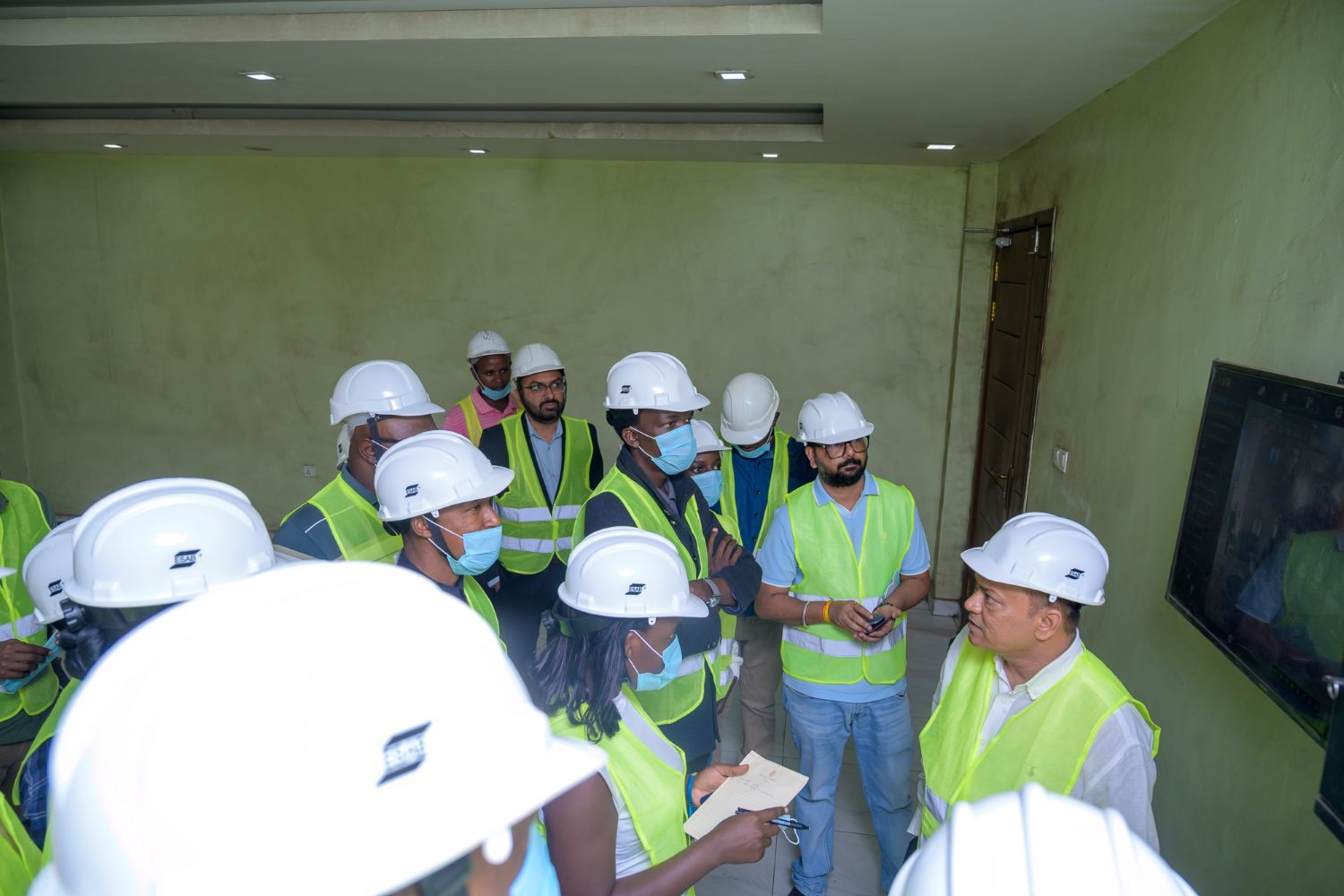
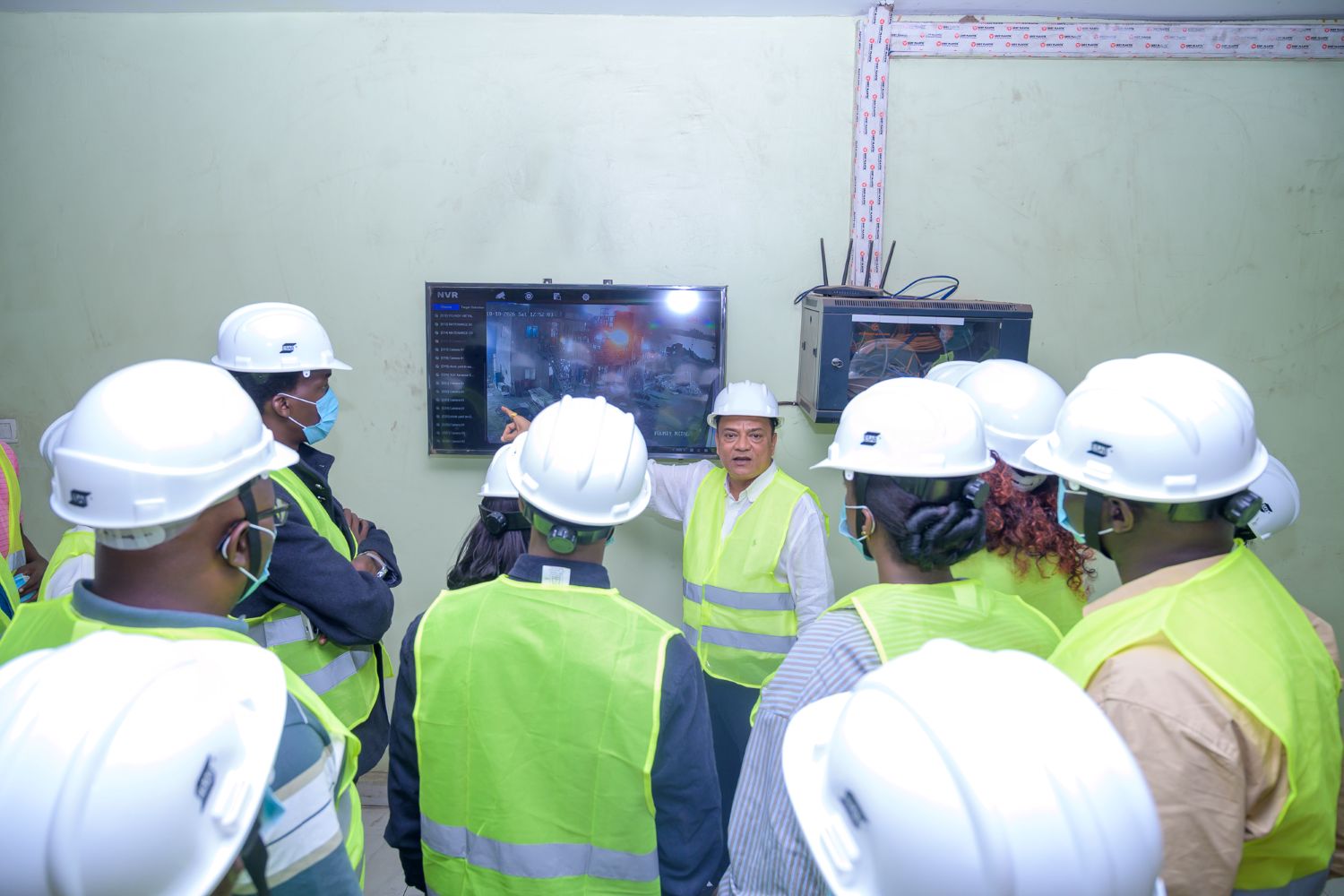
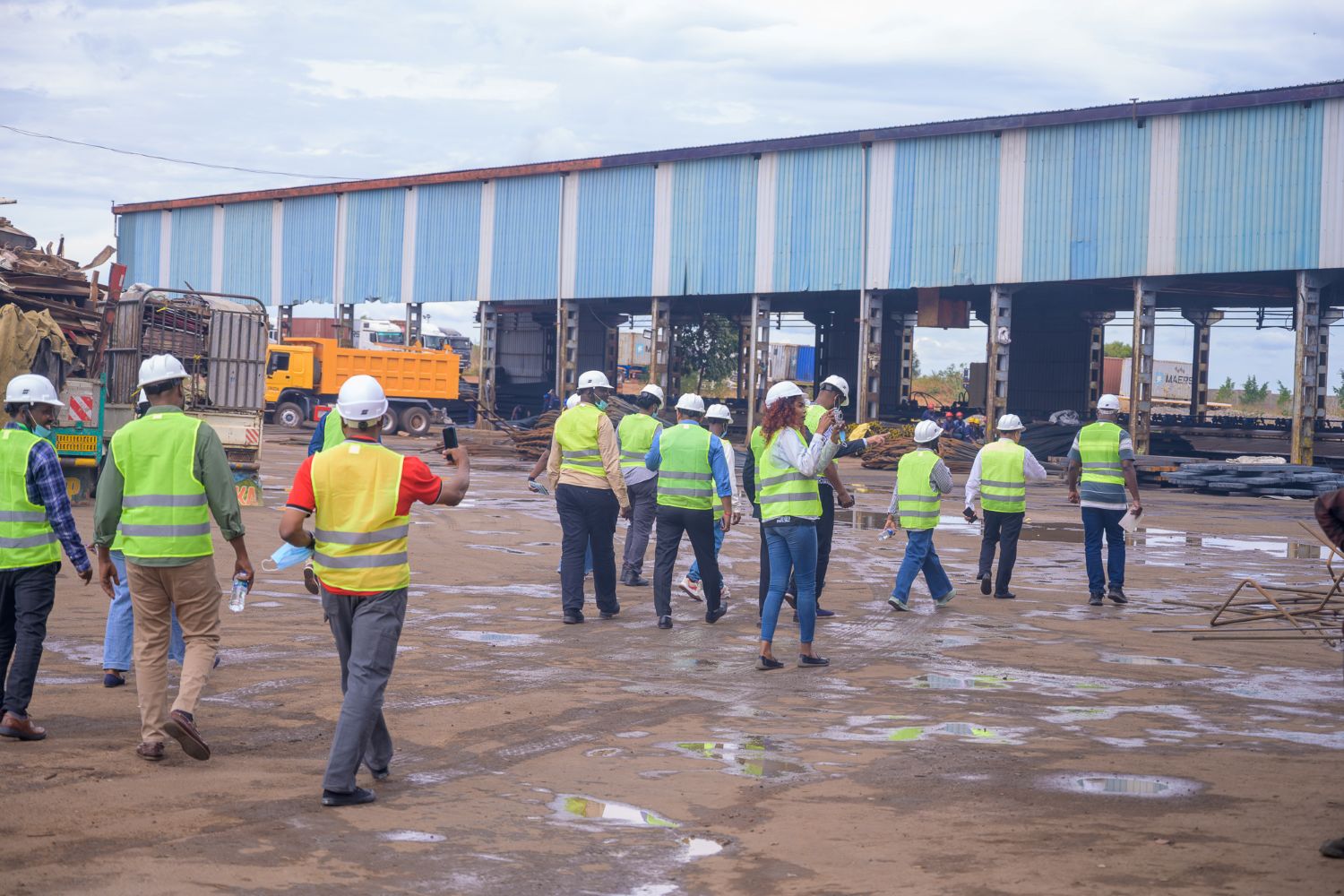
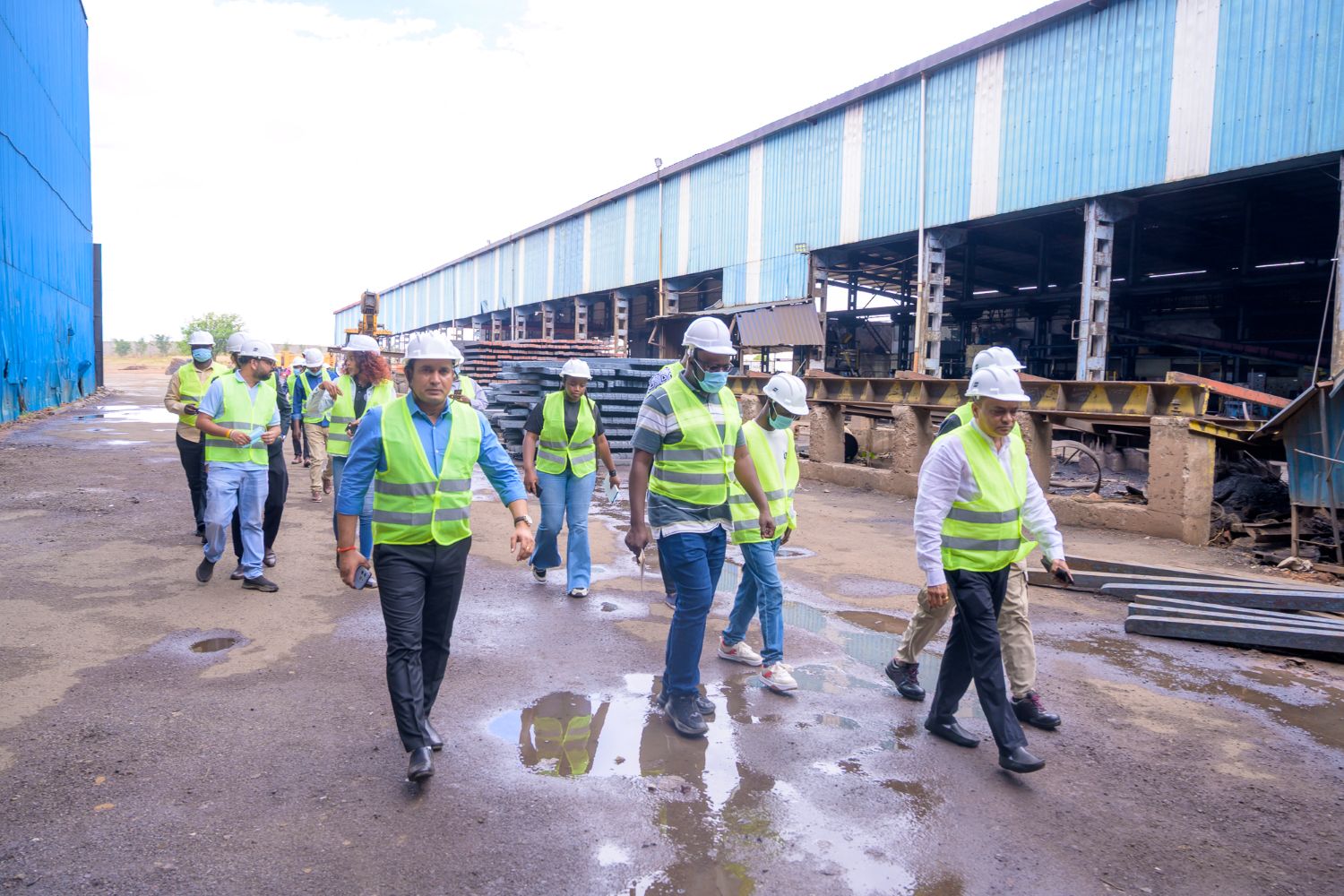
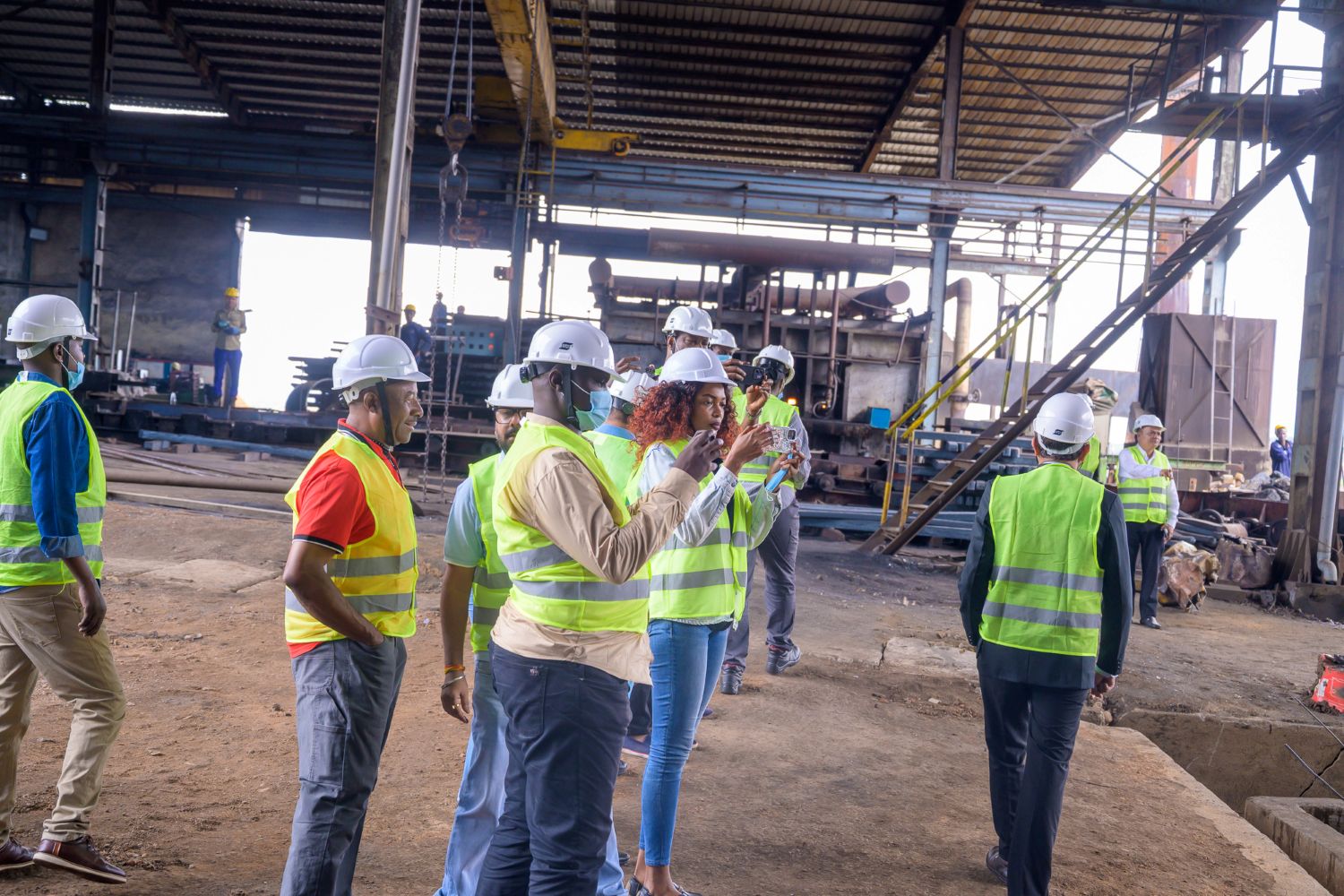
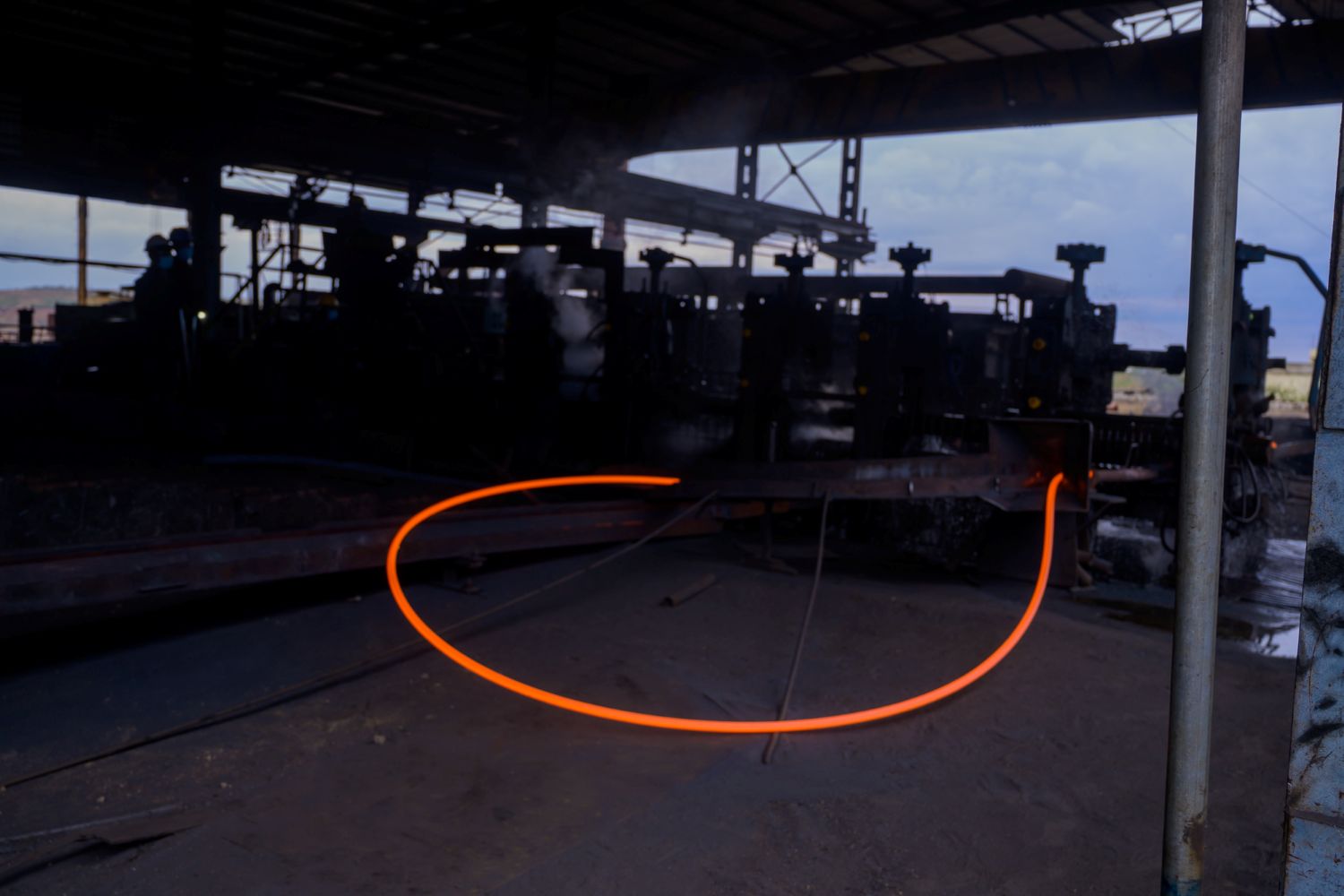
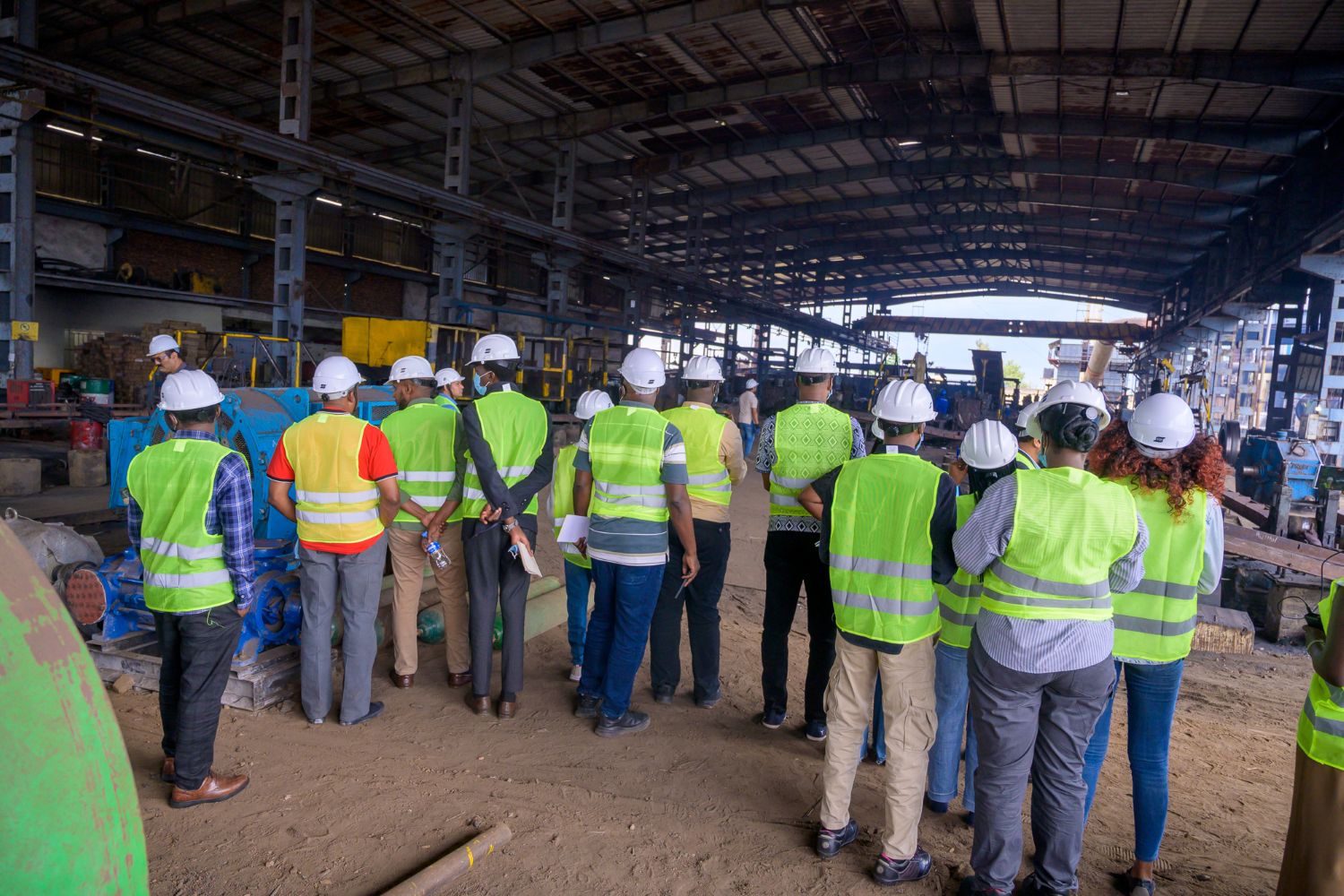
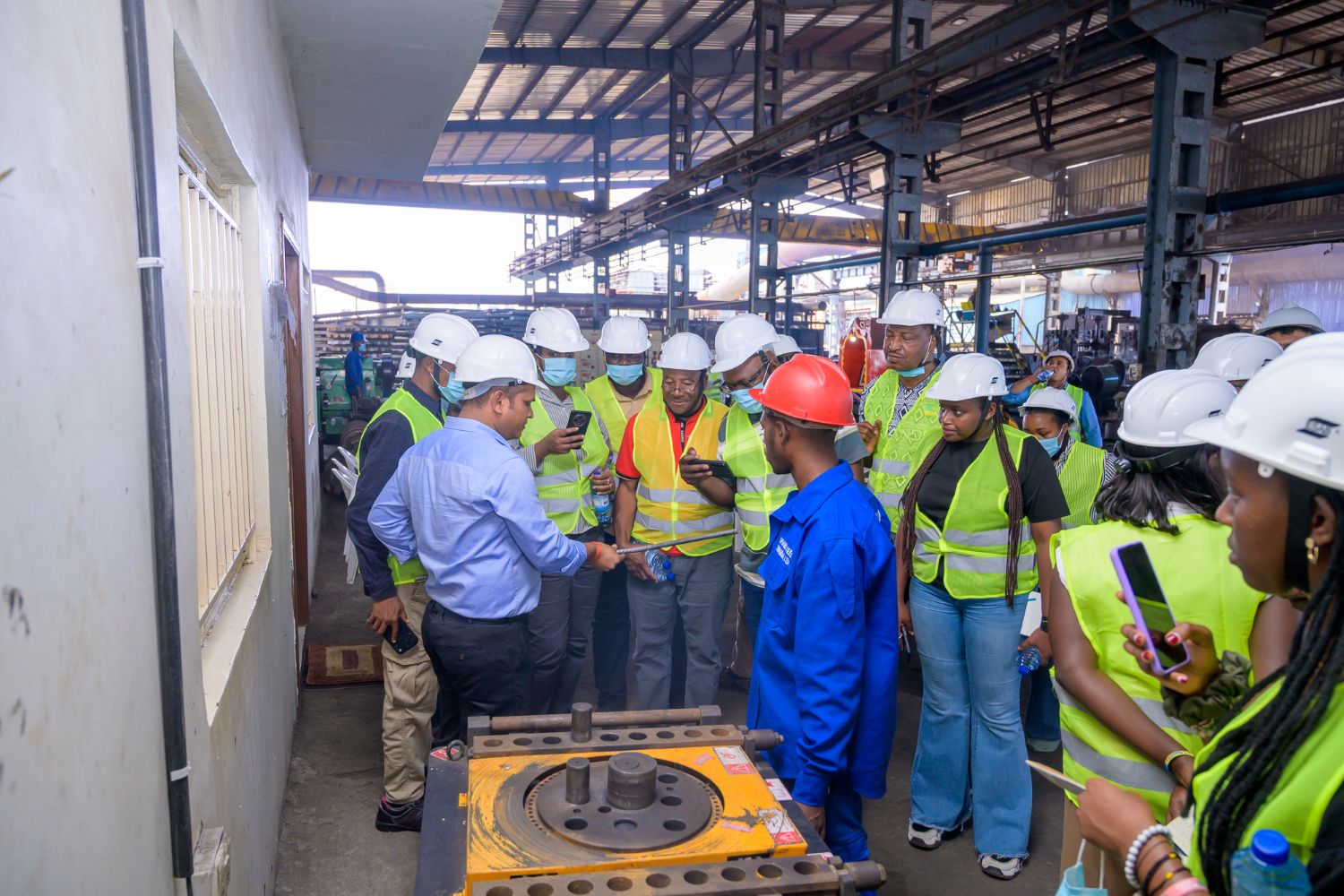
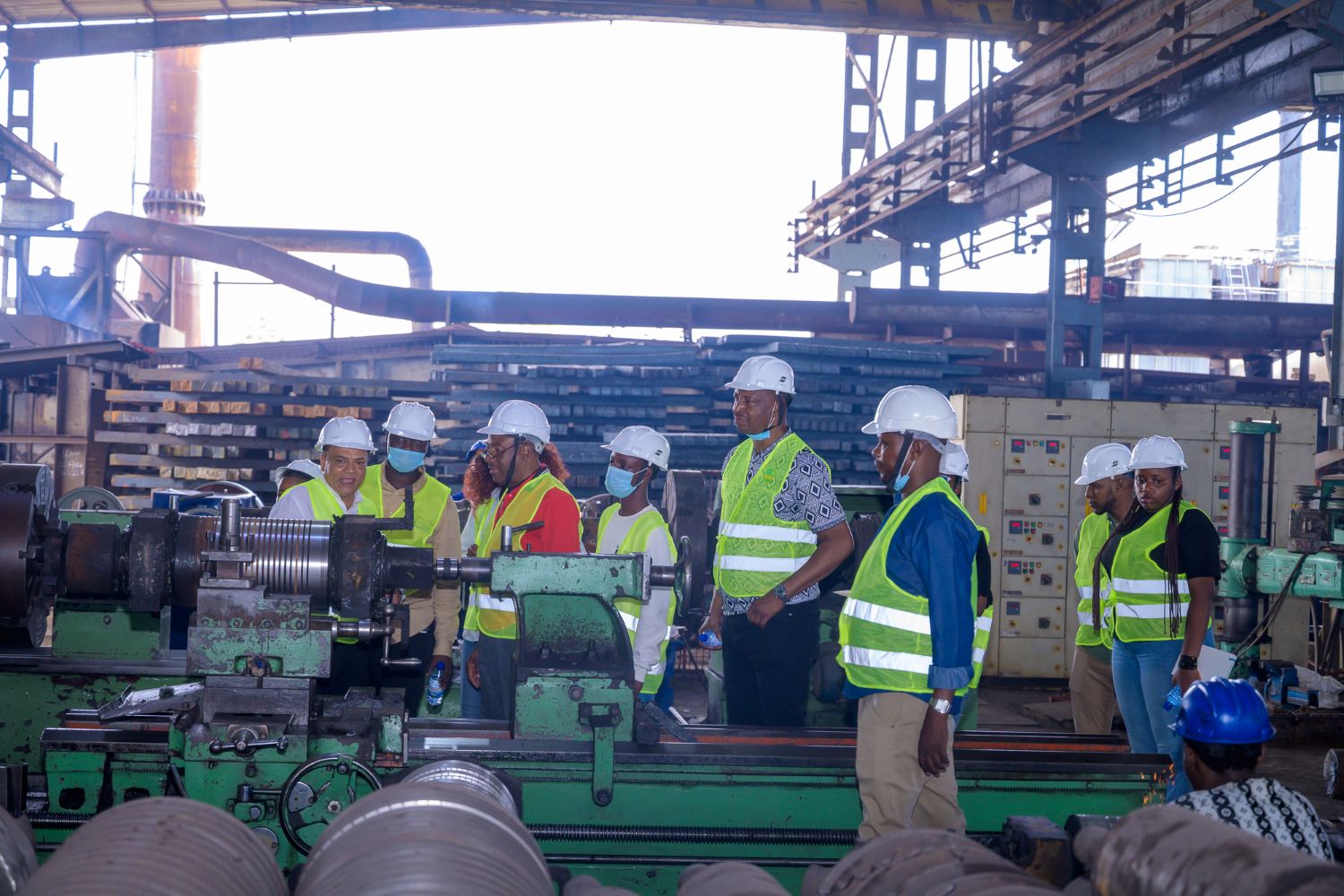
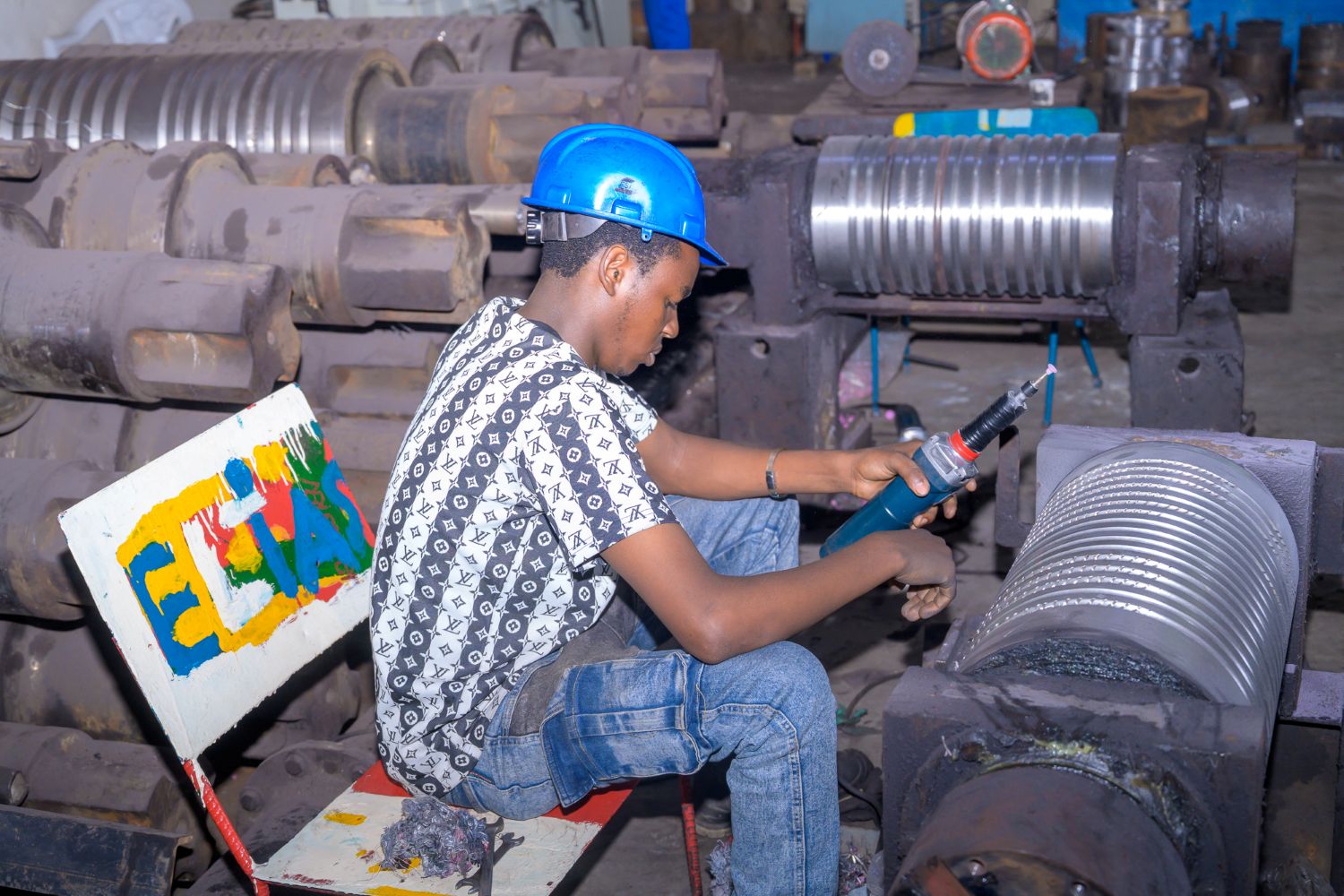
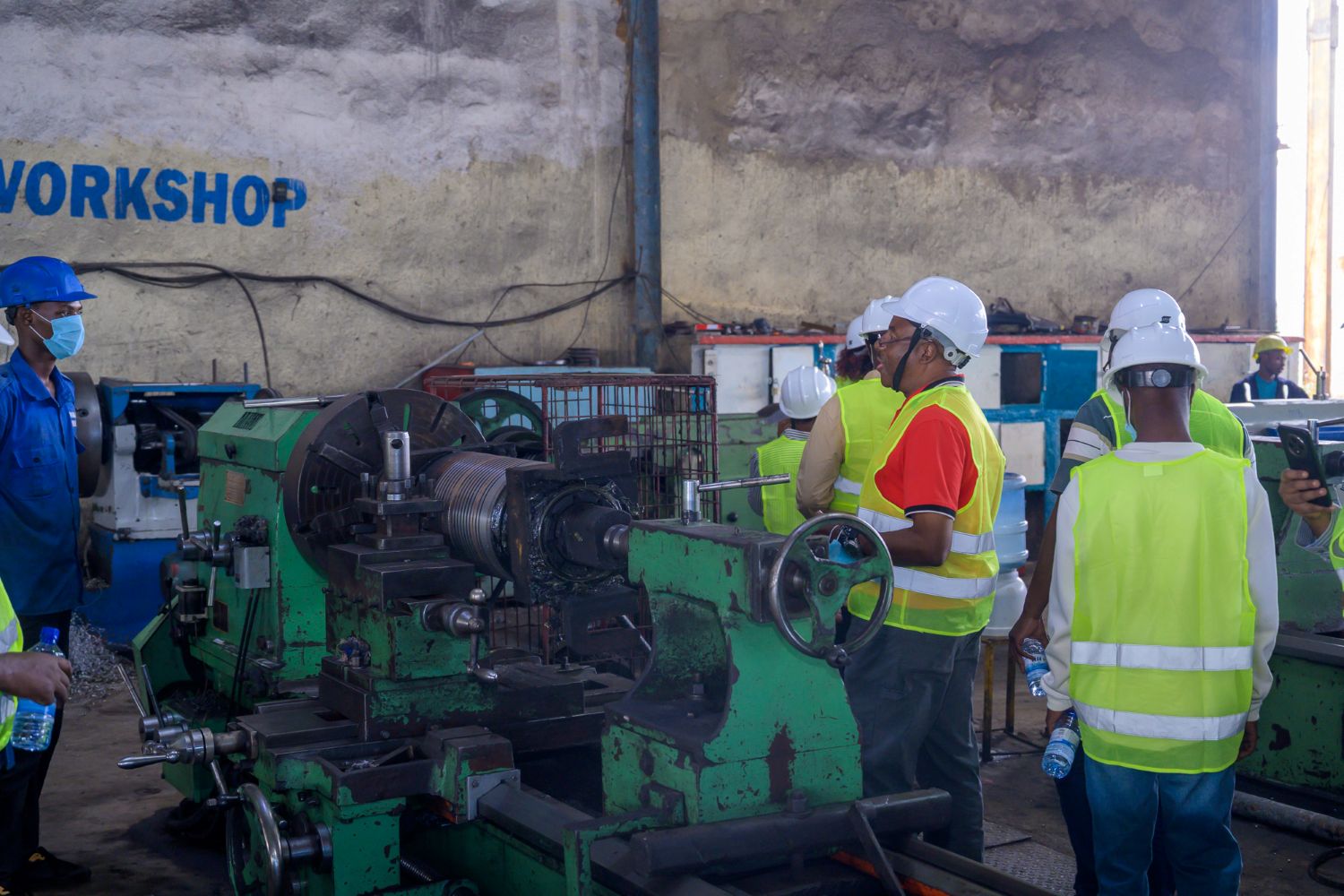
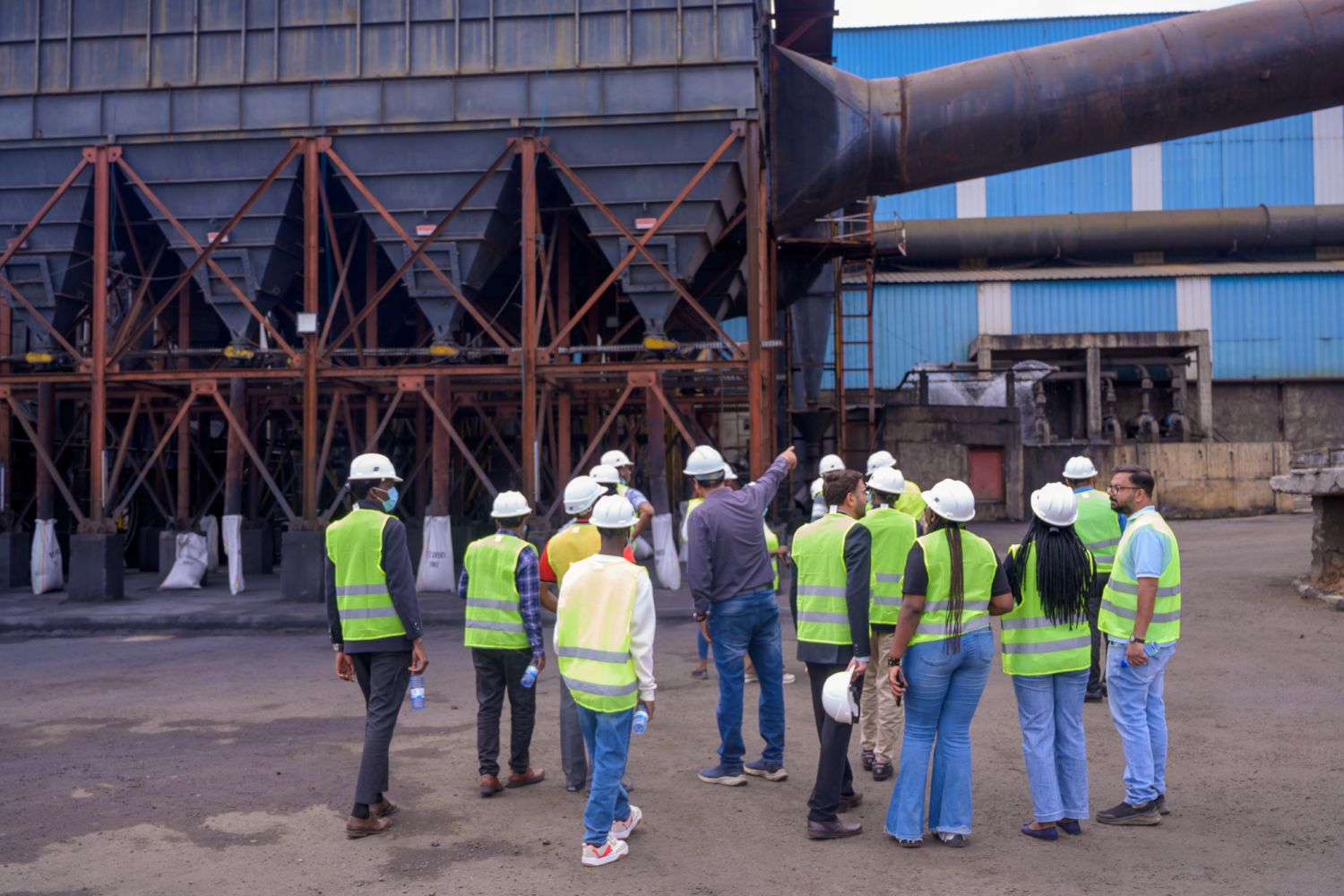
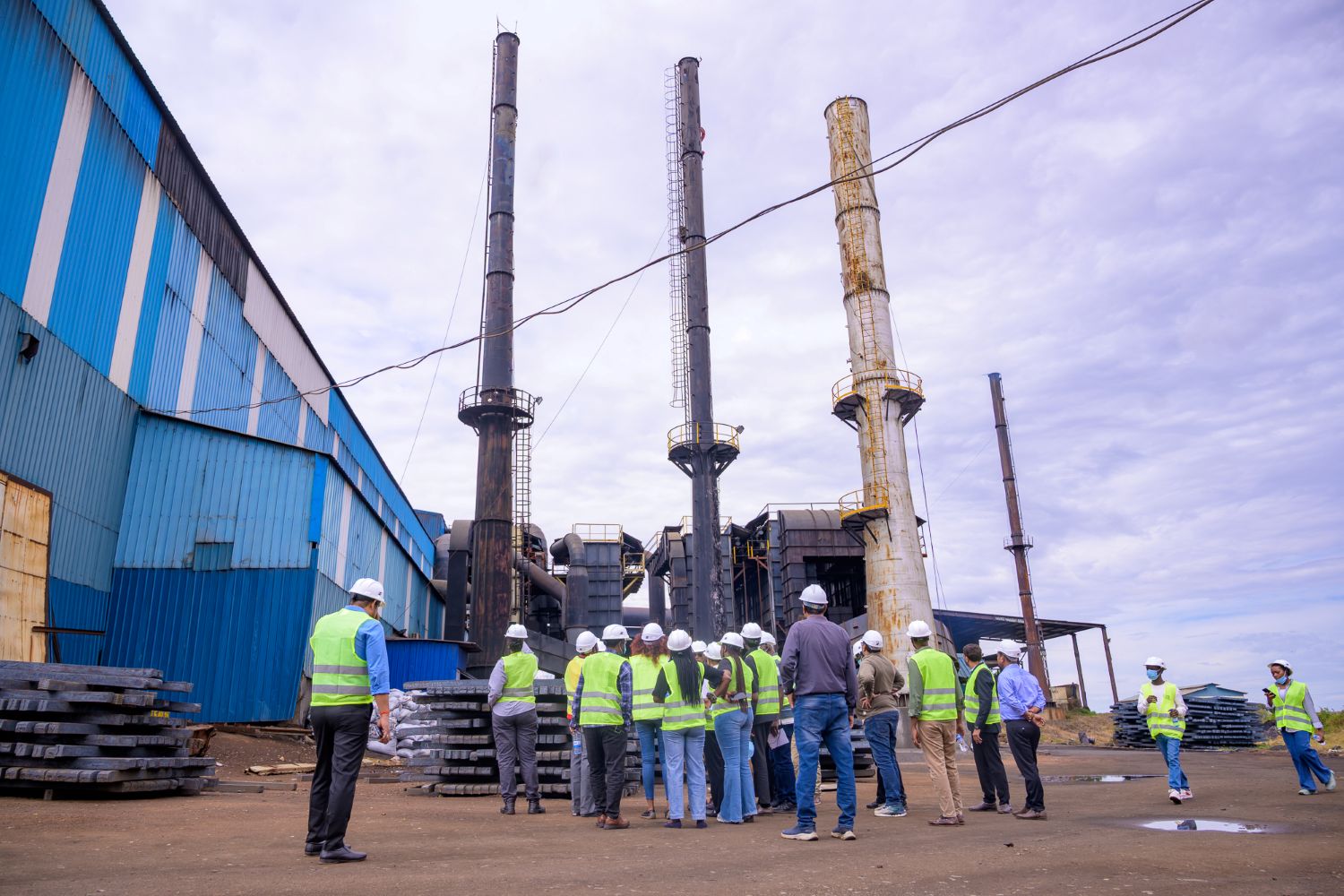
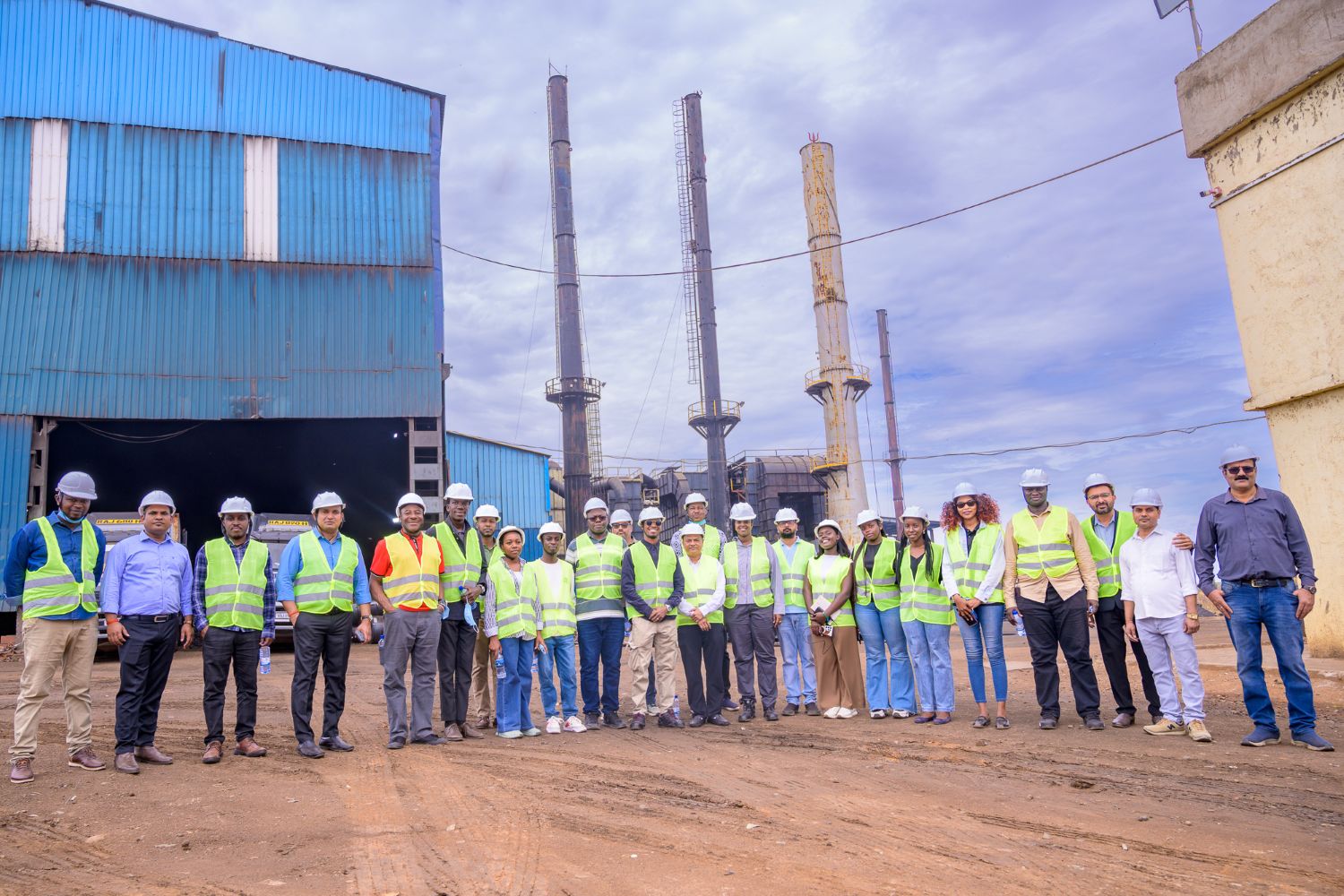
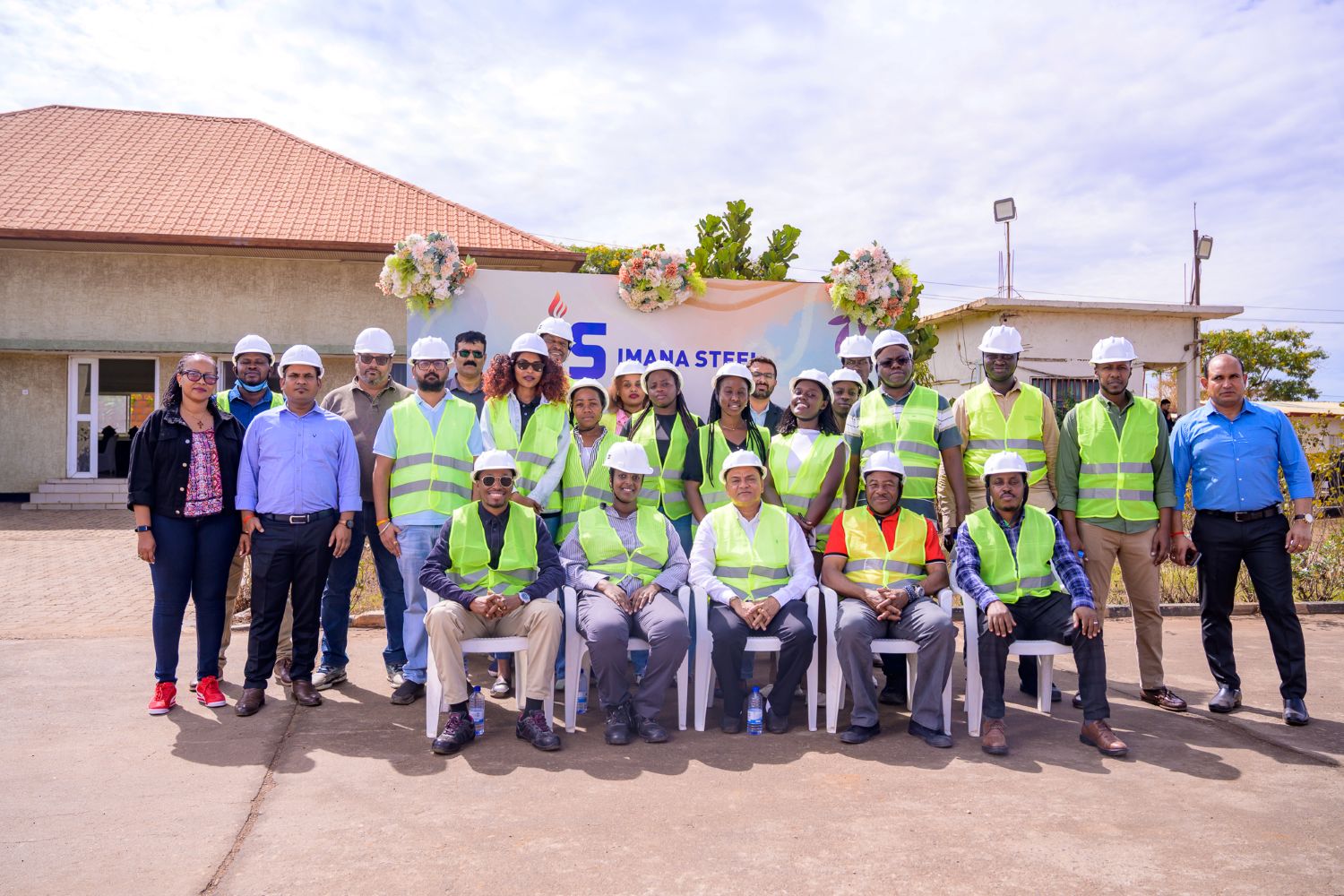
The visit, organised by the Rwanda Institute of Architects (RIA) in collaboration with delegates from the East Africa Institute of Architects (EAIA), took place on October 10, 2026, following the EAIA Congress 2026, which was held in Kigali on October 8–9, 2026.
It aimed to strengthen links between architectural practice and local manufacturing while giving participants practical insights into the production of construction materials.
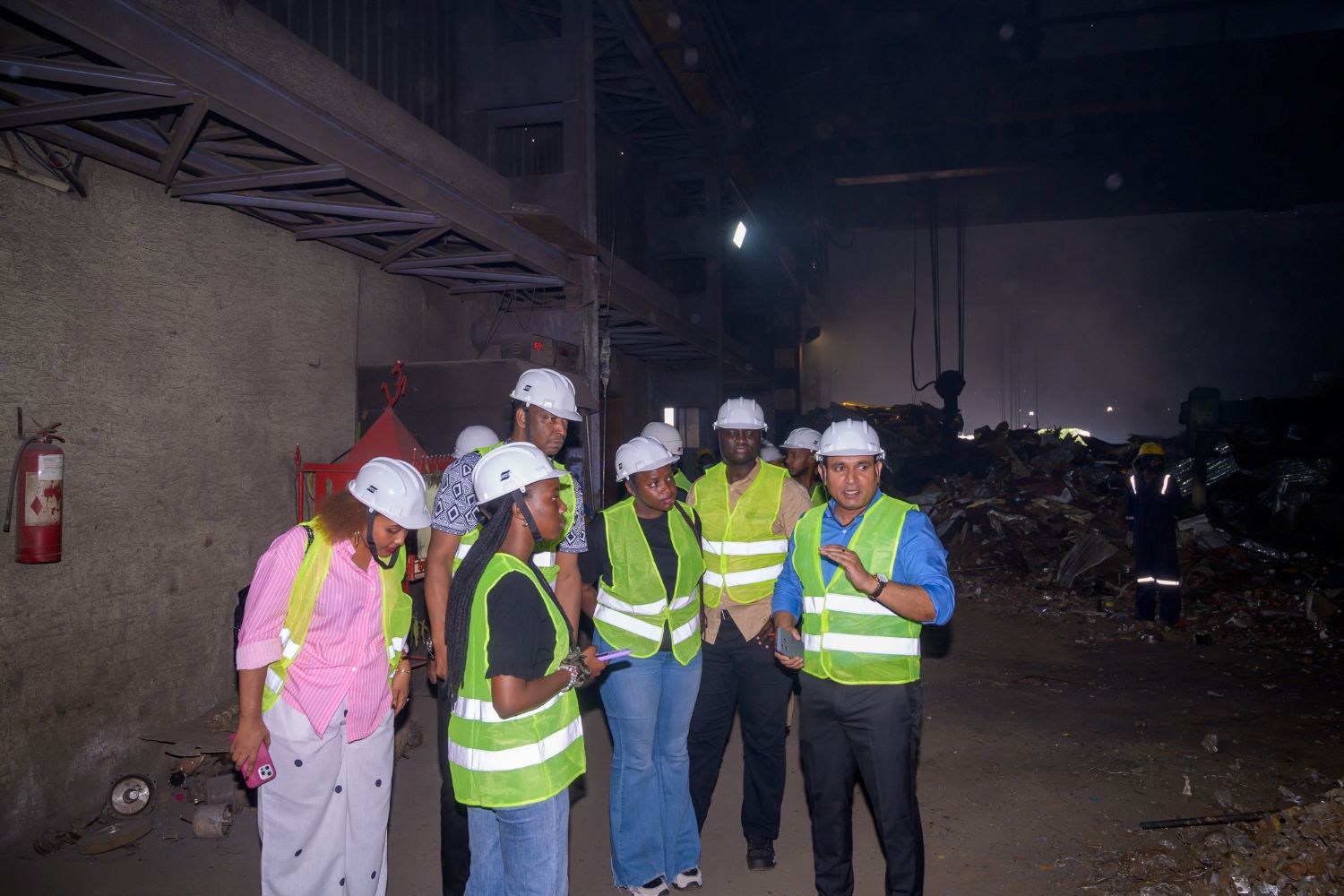
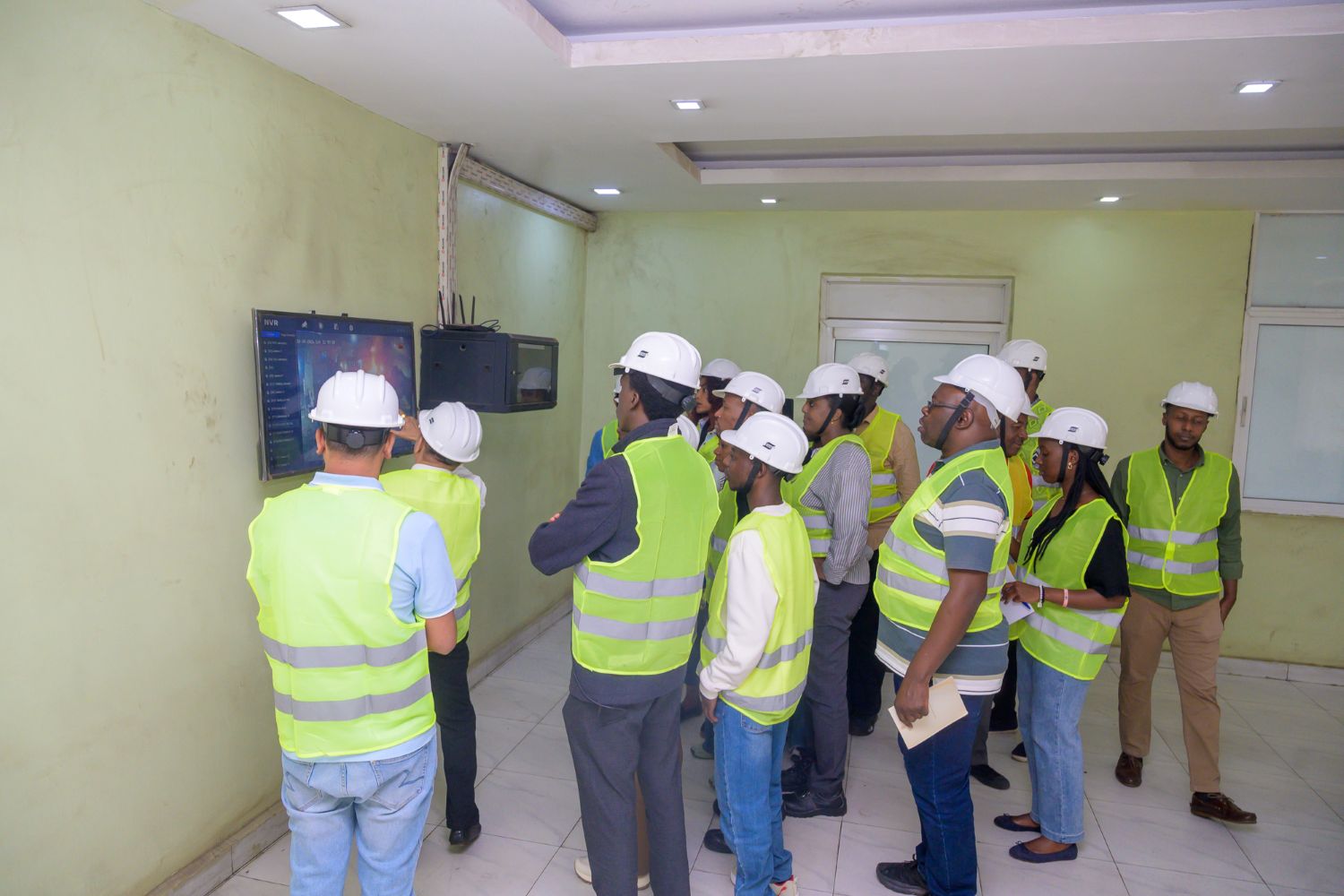
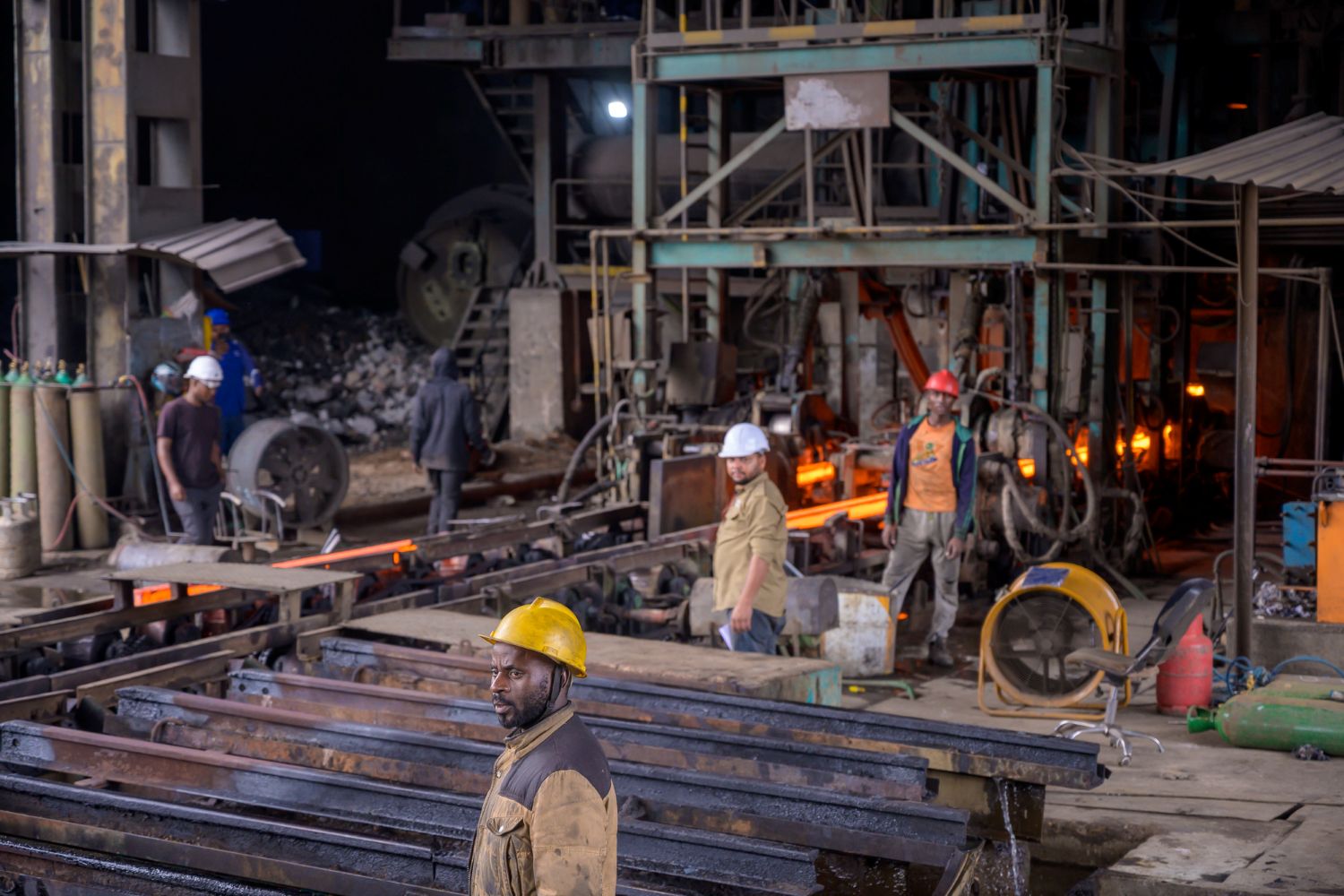
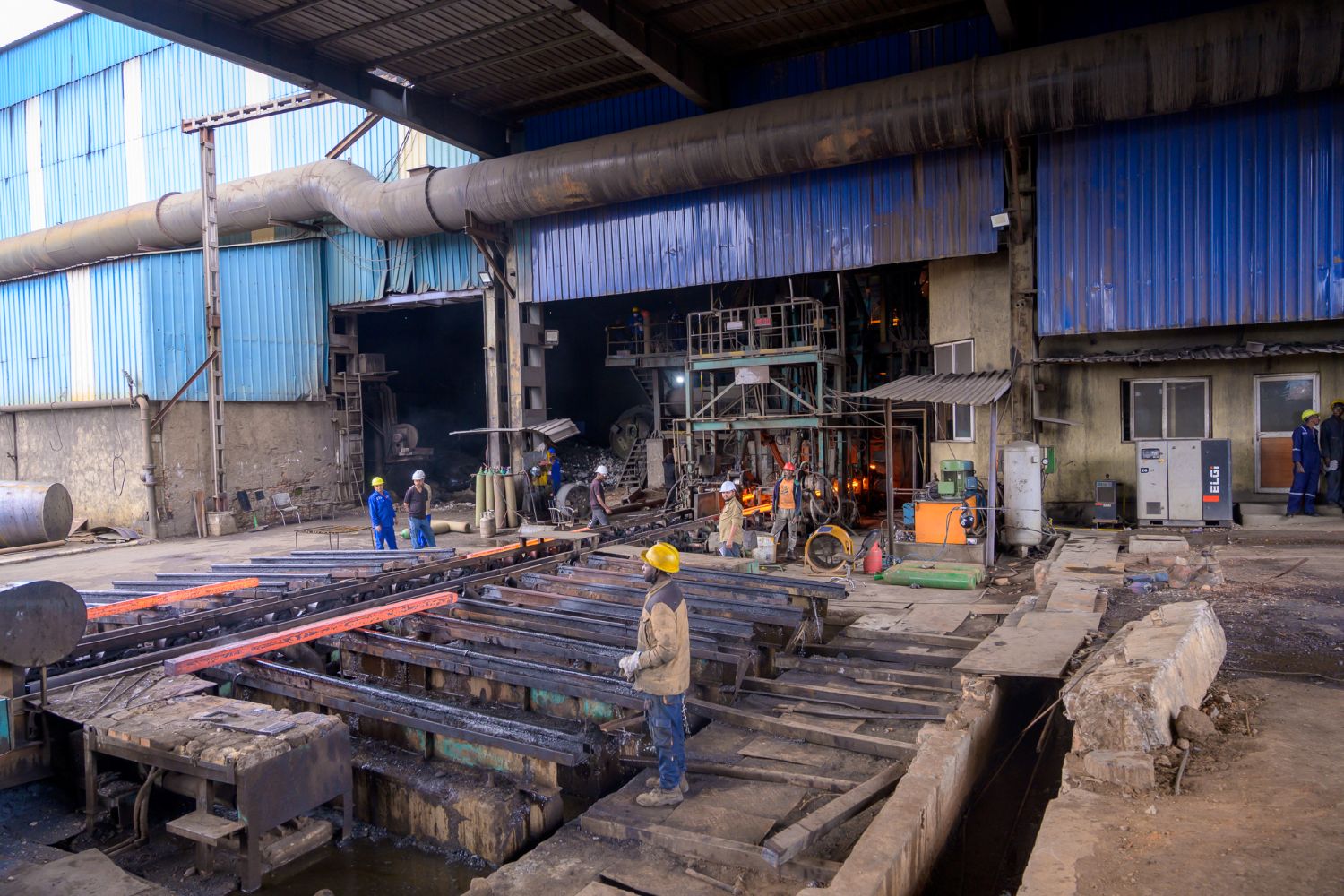
During the visit, participants explored how steel manufacturing contributes to the built environment, with discussions focusing on construction materials, their applications and the importance of quality in delivering safe, durable and sustainable buildings.
The engagement also provided an opportunity for architects from across the region to exchange knowledge and share experiences on improving professional practice and construction standards.
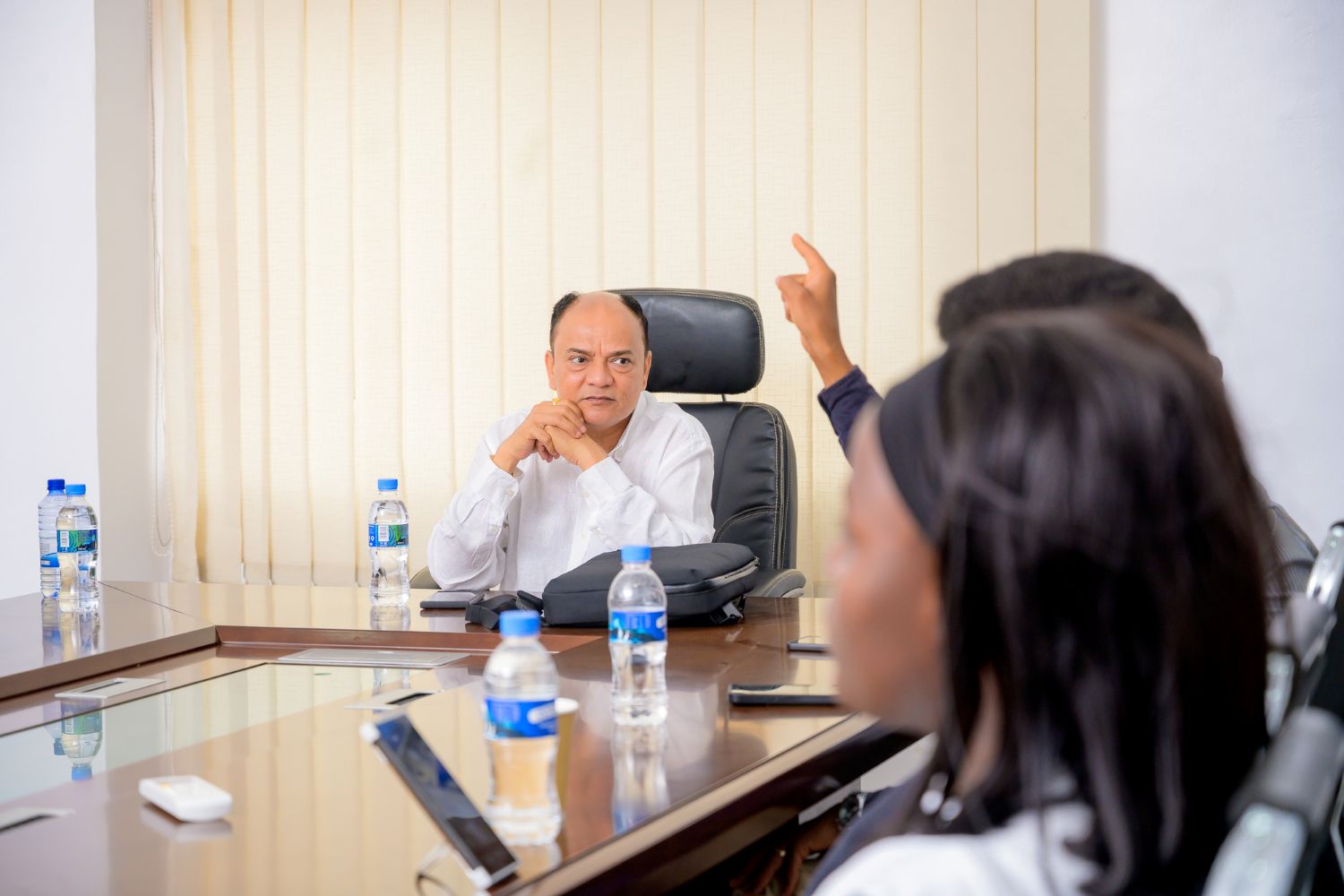
Speaking on behalf of RIA, the institute's chairperson Arch. Nishimwe Luce Gloria emphasised that architectural design must be supported by quality materials and close collaboration with manufacturers.
'Architecture does not end at the drawing board. The quality of our buildings depends not only on the quality of our designs, but also on the materials we specify, the standards we uphold, and the collaboration we build with industry partners,' the chairperson said.
Nishimwe, who assumed the role of chairperson of the regional architects' body during the recent congress, added that direct engagement with manufacturers helps architects strengthen their technical knowledge, make informed design decisions and contribute to a more resilient and sustainable construction sector.
The participation of delegates from Kenya, Uganda and Tanzania highlighted the importance of regional cooperation in advancing architecture across East Africa.
Architecture students also benefited from the visit, gaining an opportunity to connect classroom learning with industrial processes and better understand the responsibilities of future professionals.
RIA said continued collaboration among architects, manufacturers, engineers, contractors and educational institutions is important for promoting quality, innovation and responsible construction practices.
The institute also recognised the contribution of local manufacturers such as Imana Steel to Rwanda's construction sector, noting the importance of closer engagement between professionals involved in designing buildings and those supplying the materials used to construct them.
The visit reflects broader efforts to strengthen cooperation between the architectural profession and industry while encouraging knowledge sharing among professionals and students across East Africa.
The visit was organised by the Rwanda Institute of Architects (RIA) in collaboration with delegates from the East Africa Institute of Architects (EAIA). Participants explored how steel manufacturing contributes to the built environment, with discussions focusing on construction materials, their applications and the importance of quality in delivering safe, durable and sustainable buildings.The visit took place on October 10, 2026, following the EAIA Congress 2026, which was held in Kigali on October 8–9, 2026.Architecture students also benefited from the visit, gaining an opportunity to connect classroom learning with industrial processes and better understand the responsibilities of future professionals.
Named Vasuki indicus, the extinct reptile lived during the Middle Eocene, a period when parts of the world experienced warmer climates than today.
Its estimated length of between 10.9 and 15.2 metres would make it comparable to Titanoboa, a prehistoric snake believed to have reached approximately 13 metres.
The fossils were discovered at the Panandhro Lignite Mine in Kutch, Gujarat, western India.
Paleontologists Debajit Datta and Sunil Bajpai of the Indian Institute of Technology Roorkee identified the species after examining 27 fossilised vertebrae, the bones that form a snake's backbone.
Although researchers did not find a complete skeleton, the unusually broad vertebrae provided clues about the animal's size.
Estimates based on comparisons with modern snakes produced different results, leaving uncertainty about its exact length.
Scientists therefore cannot confirm whether Vasuki was larger than Titanoboa, which lived in what is now Colombia around 60 million years ago.
The researchers believe Vasuki was a thick-bodied animal that probably relied on ambush rather than speed to capture prey.
Its hunting strategy may have resembled that of modern anacondas and pythons, which use their muscular bodies to overpower animals.
However, its exact diet and hunting behaviour remain uncertain because the available fossils provide limited evidence about how it lived.
The ancient snake inhabited a region characterised by warm, tropical conditions, with average temperatures estimated at approximately 28 degrees Celsius.
Because snakes depend on external heat to regulate their body temperature, such conditions may have supported the growth of large reptiles.
Nevertheless, scientists say temperature alone cannot explain gigantism, as food availability, habitat and evolutionary history also influence animal size.
Vasuki indicus belonged to Madtsoiidae, an extinct family of snakes that existed for roughly 100 million years and whose members lived across several continents, including Africa, Asia, Europe and Australia.
The discovery provides further evidence of the diversity of prehistoric snakes and helps researchers understand how ancient reptiles evolved and spread across different regions.
The findings were published in Scientific Reports in 2024, with the fossils offering a rare glimpse into India's ancient ecosystems and the enormous predators that once inhabited them.
An artist's illustration of Vasuki indicus, an extinct snake that lived in India approximately 47 million years ago and may have reached up to 50 feet in length.
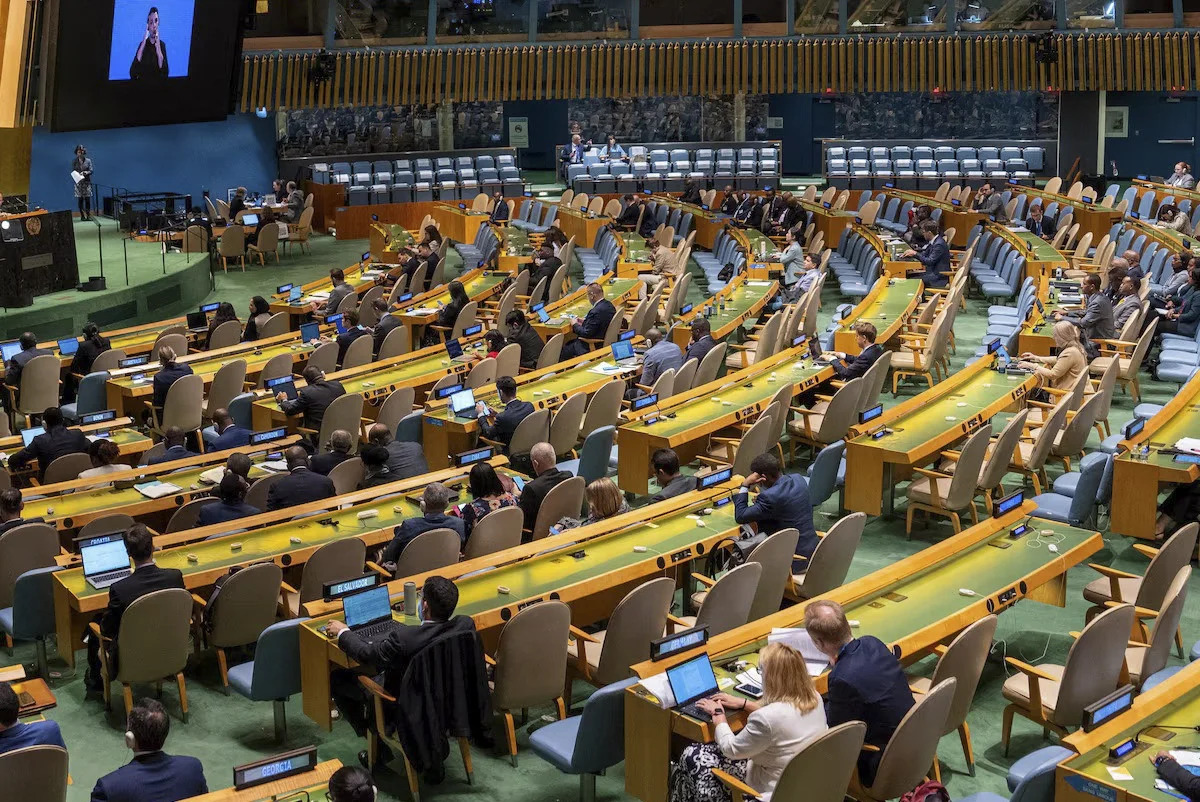
The declaration was adopted by the UN General Assembly on October 12, following negotiations co-facilitated by Rwanda's Permanent Representative to the United Nations, Ambassador Martin Ngoga, and his Armenian counterpart, Ambassador Paruyr Hovhannisyan.
The negotiations sought to build consensus among member states on measures to prevent future pandemics, strengthen health systems and improve international cooperation following the challenges exposed by COVID-19.
Rwanda's involvement reflects concerns President Paul Kagame has previously raised about the need to strengthen global preparedness and reduce inequalities in access to essential medical supplies.
Speaking at a roundtable on pandemic preparedness in May 2021, Kagame highlighted the importance of expanding vaccine production, particularly in Africa, where reliance on external suppliers can leave countries vulnerable during periods of global scarcity.
'So long as Africa remains dependent on other regions for vaccines, we will always be at the back of the queue whenever there is scarcity,' Kagame said.
He also called for stronger national health systems and greater attention to preventing diseases from spreading from animals to humans.
The president's remarks came as countries were assessing the impact of COVID-19 and considering reforms to make the international response to future outbreaks more effective.
The UN declaration addresses several of these concerns, calling for stronger disease surveillance, investment in health systems, equitable access to vaccines and medicines, and sustainable financing for pandemic preparedness.
The declaration was adopted with 153 countries voting in favour, three against and two abstaining, according to reports on the UN vote.
Beyond its public health provisions, the process placed Rwanda in a facilitating role in negotiations involving countries with different priorities and expectations.
The declaration also calls for stronger local and regional manufacturing capacity, an issue that remains particularly relevant to African countries seeking to reduce dependence on imported vaccines, diagnostics and treatments.
However, adoption of the declaration is only one step towards stronger pandemic preparedness. Its impact will depend on whether countries translate the commitments into sustained investment, stronger public health systems and improved access to medical products.
Rwanda's participation in the negotiations adds to its engagement in multilateral discussions on global health, while the implementation of the declaration will require continued cooperation among governments and international partners.
The declaration was adopted by the UN General Assembly on October 12, following negotiations co-facilitated by Rwanda's Permanent Representative to the United Nations, Ambassador Martin Ngoga, and his Armenian counterpart, Ambassador Paruyr Hovhannisyan.