The championships are scheduled to take place in Montréal from September 20 to 27, bringing together cyclists from around the world.
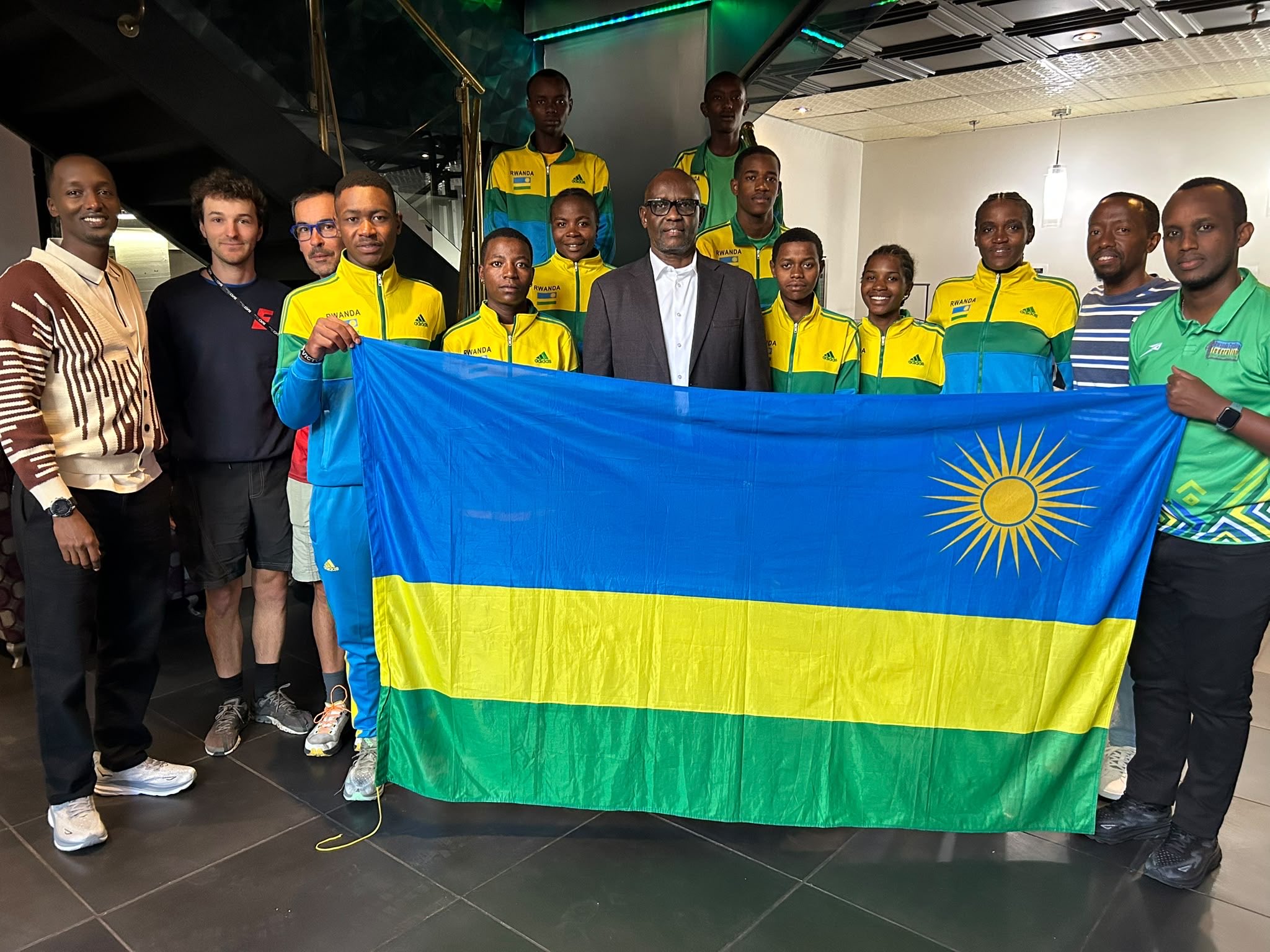
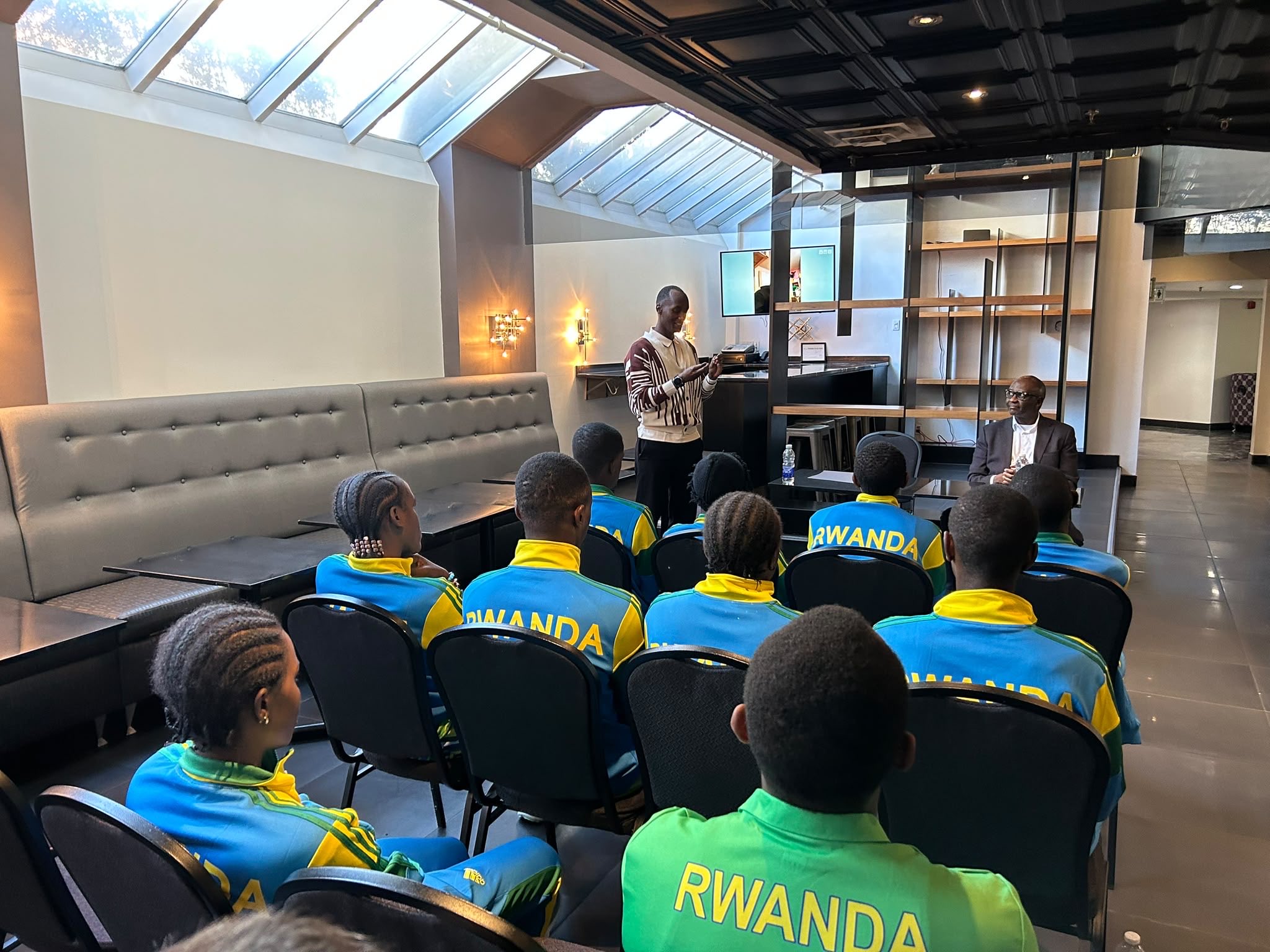
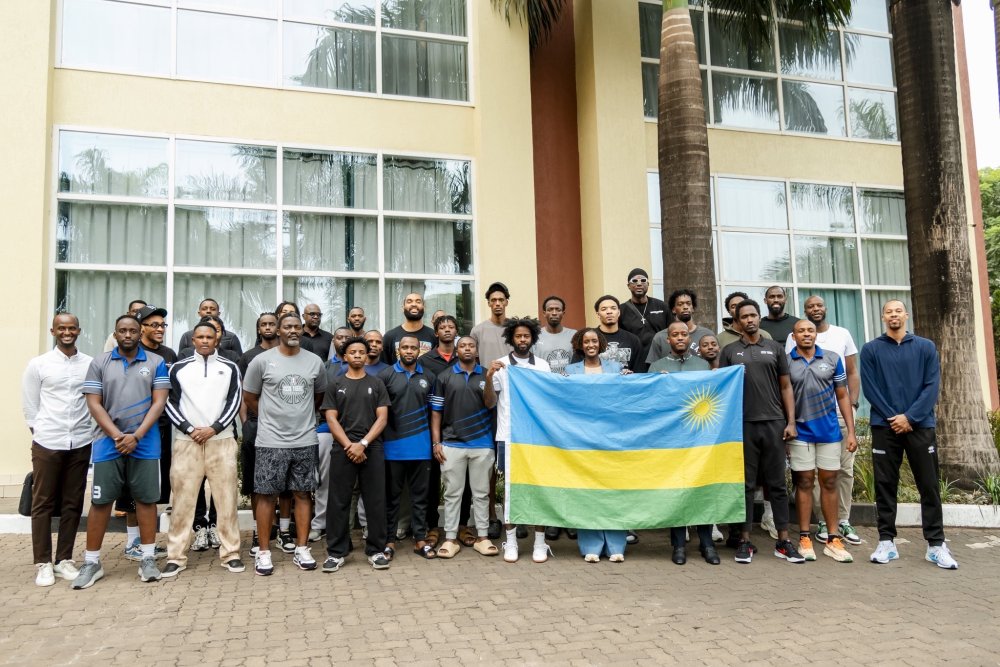
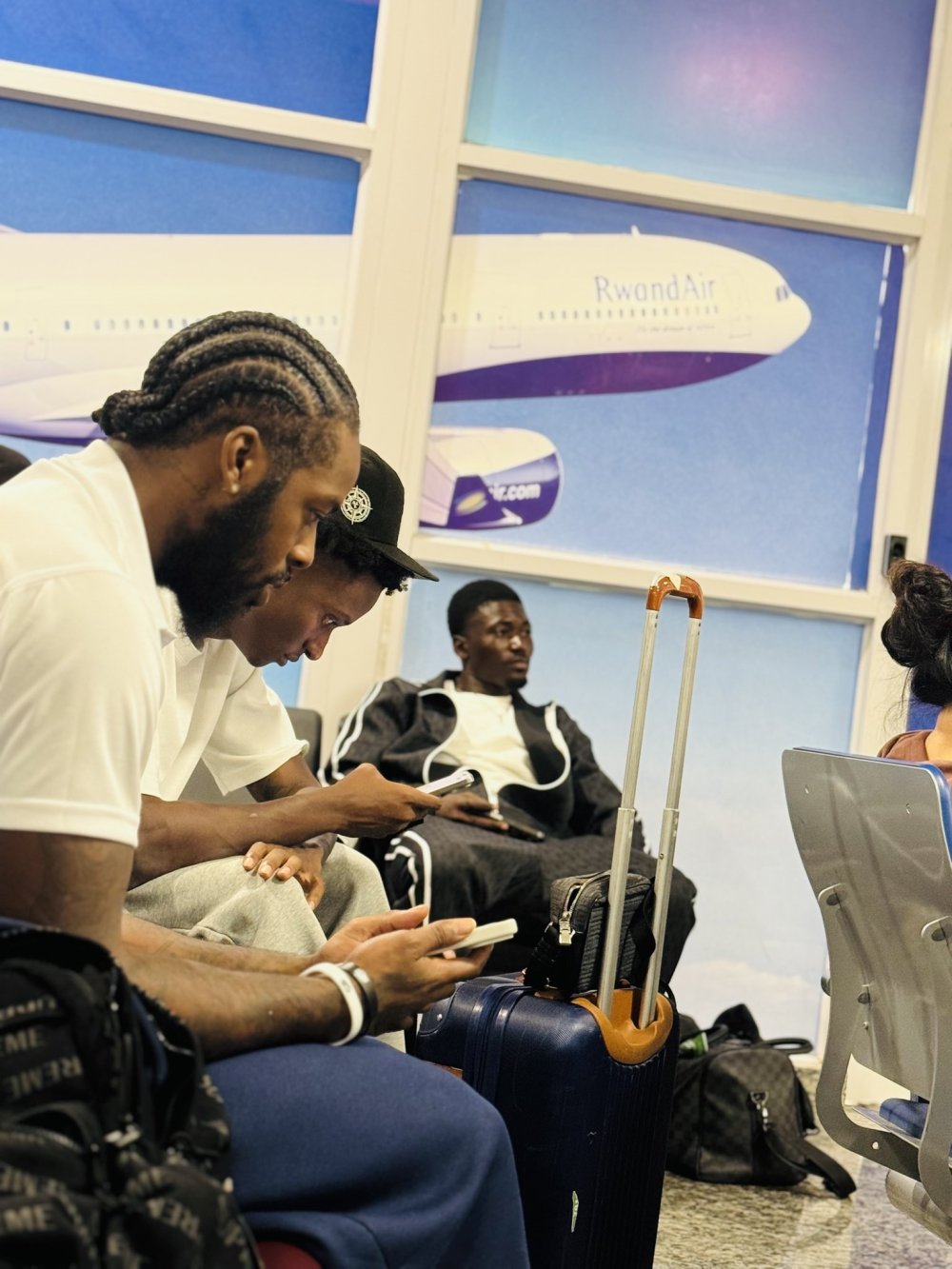
Higiro met the Rwandan delegation on Saturday ahead of the championships. The delegation included FERWACY President Nkurayija Ishimwe Jean Hubert, cyclists and other officials.
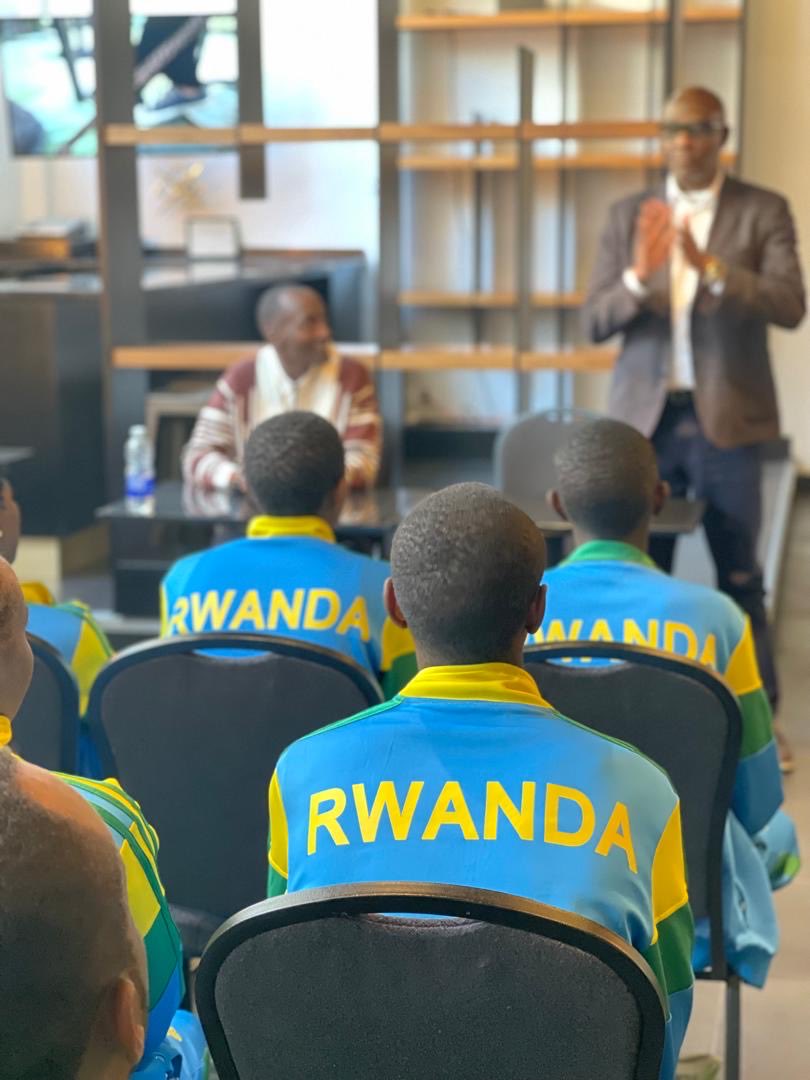
Higiro encouraged the riders to use the championships as an opportunity to showcase Rwanda on the international stage.
Rwanda is taking part in the competition following the 2025 edition held in Kigali, which made the country the first in Africa to host the UCI Road World Championships.
Rwanda's campaign begins on Sunday, with Nirere Xaverine and Ingabire Diane competing in the women's individual time trial (ITT).
Higiro met the Rwandan delegation on Saturday ahead of the championships. The delegation included FERWACY President Nkurayija Ishimwe Jean Hubert, cyclists and other officials.The championships are scheduled to take place in Montréal from September 20 to 27, bringing together cyclists from around the world.Higiro encouraged the riders to use the championships as an opportunity to showcase Rwanda on the international stage.
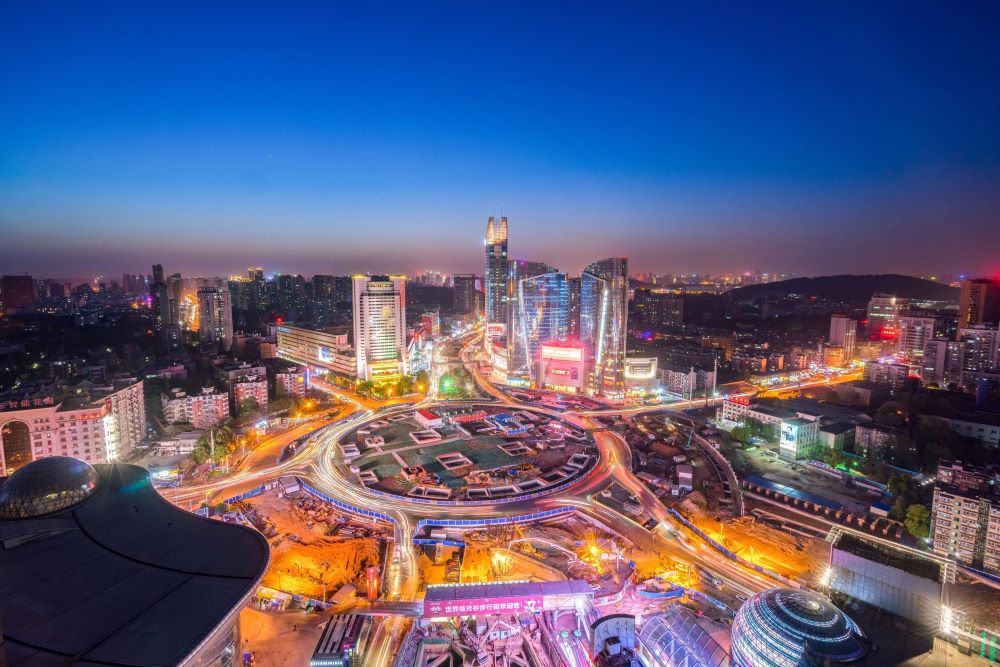
My journey into this dynamic urban tapestry began on a morning flight out of Beijing Capital International Airport. Two and a half hours later, I woke up to the flight attendant announcing our imminent landing at Wuhan Tianhe International Airport.
Stepping off the plane, the shift in weather was immediate. While Beijing had already settled into a cooler autumn breeze, Wuhan greeted me with a wave of heavy, lingering summer heat.
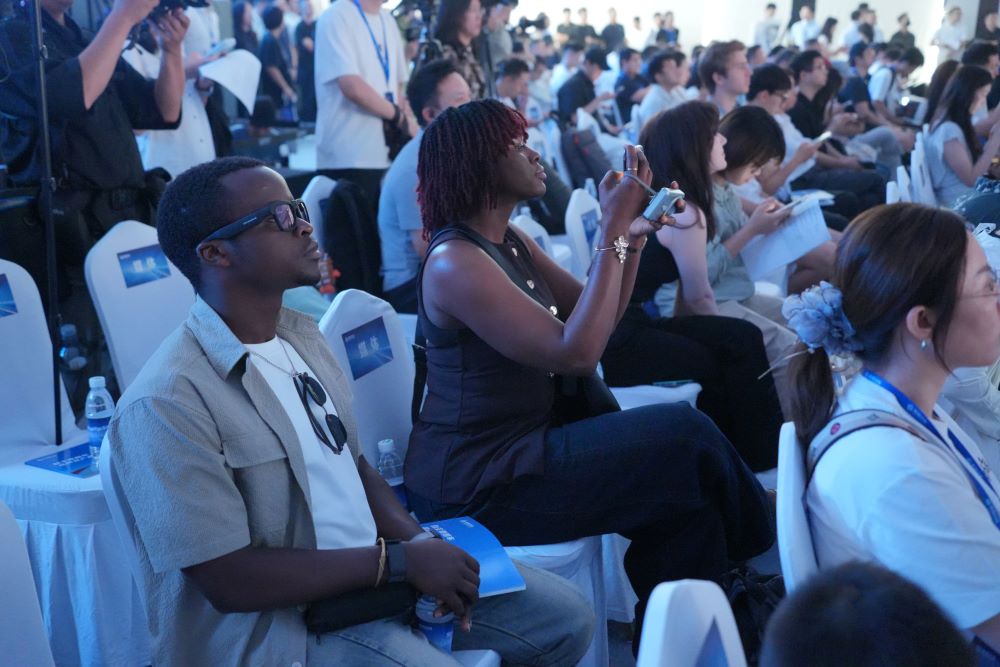
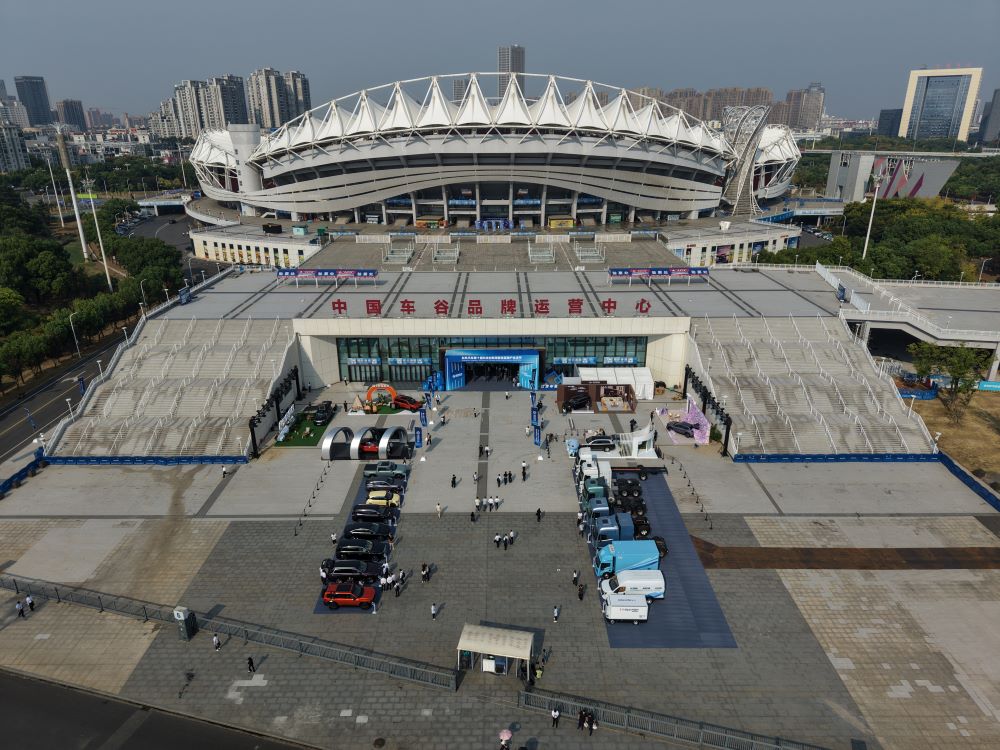
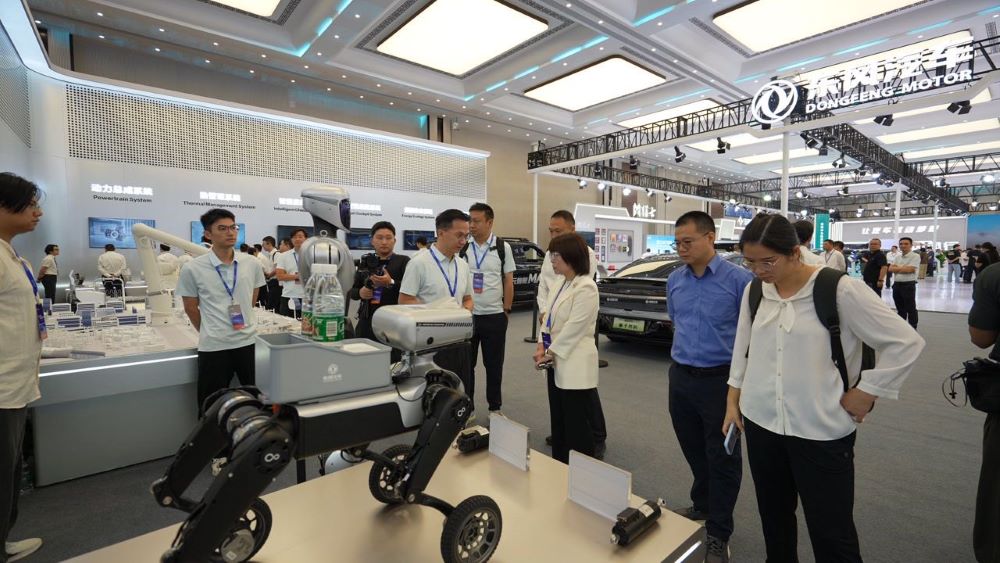
Immediately after dropping my bags at the hotel, I geared up for the primary reason I came to this city: attending Dongfeng Motor's 10th Science and Technology Innovation Week and 1st User Lifestyle Festival.
Kicked off on September 14 under the theme 'Wind from the East, Creating a Smart Life,' the event was a massive showcase of automotive evolution. Dongfeng officially unveiled three major global initiatives: the 'Sky-Clean Zero-Carbon' Plan, the Embodied Intelligent Vehicle All-Domain Protection Plan, and the 'Sky Horizon Voyage' Plan.
These blueprints are designed to highlight the company's cutting-edge leaps in new energy technologies, safety, and international expansion. To bridge the gap between engineering and everyday drivers, they also launched the 'Dongfeng Youxin' service brand, a platform meant to build direct, trust-based relationships with users and deliver reliable, full-lifecycle services.
During the opening ceremony, Dongfeng Motor Chairman Yang Qing made the company's ambitions clear. He emphasized that Dongfeng is prioritizing safe, intelligent, and green mobility to upgrade the experience for its over 64 million users.
Looking toward the future, Yang noted that the company will deeply embrace AI trends and a low-carbon industrial layout, turning technological strength into tangible user value and enhancing the global influence of Chinese auto brands as they march toward their 2030 goals.
But hearing about the technology is one thing; feeling it is another entirely.
My hands-on experience actually began a day prior to the official launch. A 30-minute drive brought me to the first testing ground, MHERO Technology Park.
Here, I strapped into the passenger seat of the mighty M-Hero 817 for a masterclass in extreme off-roading. The showcase kicked off with the vehicle's 'crab mode.'
It is incredibly surreal to feel a massive car moving diagonally sideways, effortlessly sliding out of tight spots. Then came the sheer power: the vehicle rocketed to 100 kilometers per hour in just a few seconds, followed by an instant brake system that brought the heavy beast to a stop in just a few meters.
Next, we tackled the obstacle course. We hit a 30-degree bumpy wall that angled the vehicle so sharply that the right side—where I was sitting—was suspended entirely in the air.
Despite hanging above the ground, I felt perfectly secure as the car crawled forward. From there, we hit a stretch of oblique, alternating bumps. The vehicle acted like a seesaw, balancing perfectly on two opposing wheels as the suspension absorbed the staggered drops.
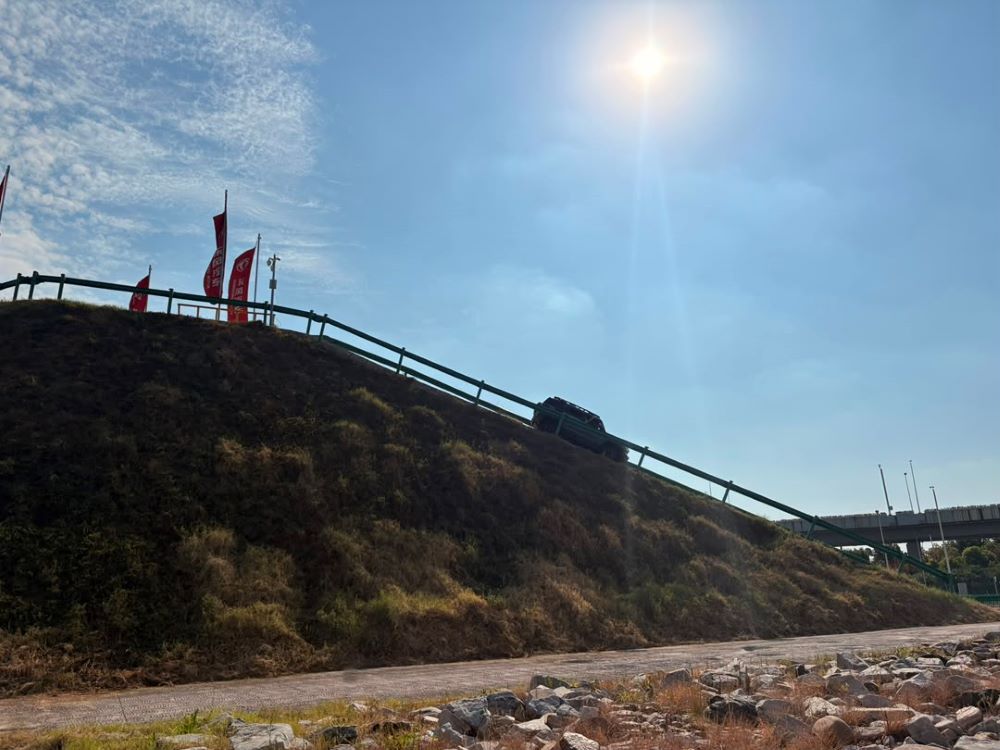
Then came the mountain. We started climbing a 35-degree incline that quickly and aggressively sharpened to 45 degrees. At that angle, the windshield offered nothing but a view of the open sky; navigating the terrain relied entirely on the cameras and screens inside the cabin.
Immediately after summiting, we tipped over the edge for a steep 30-to-40-degree descent, staring straight down into the dirt. To cap off the M-Hero experience, we plunged into a water basin a full meter deep. The water washed almost over the front hood, yet the vehicle pushed through the flooded trench without a single stutter. It was nothing short of phenomenal.
My adrenaline was already spiking, but a second 30-minute transfer brought me to another track, at the National Intelligent and Connected Vehicle Test and Demonstration Zone, Longlingshan Site.
Here I finally got to take the wheel myself. This was my very first time driving a car in China, and my ride was the sleek Dongfeng eπ007.
If the M-Hero is an off-road beast, the eπ007 is a pure sports machine. Putting my foot down, this car hit 100 km/h in an astonishing 3.9 seconds. During my 10-minute drive, I threw it through sharp turns, weaved tightly around cones, and blasted through tunnels. I drove it over dirt roads, sloped terrain, and through a simulated rain zone where the intelligent wipers automatically triggered the moment the water hit the glass. You could even pull off perfect 360-degree spins.
Walking away from the track, the message of Dongfeng's innovation week was no longer just a corporate speech—it was a physical reality. Experiencing cars that can crab-walk, scale sheer cliffs, wade through deep water, and hit 100 km/h in a few seconds proved that this city isn't just manufacturing vehicles; it is engineering the absolute future of driving.
Stepping into Wuhan's famous, lingering summer heat after arriving from BeijingStepping into Wuhan's famous, lingering summer heat after arriving from Beijing
In a post on his Truth Social account, Trump said he would not stand by and let the 'decimation or destruction' of AI happen.
'We will not in any way hinder or stifle the Growth of this incredible Industry. Rather, we will cherish it, help it, and watch over it, as it grows! However, we will also be looking for BAD, and we can do that, very easily, with our already existing Criminal and Civil Justice System,' Trump said.
Trump also described AI as the next Industrial Revolution or Internet, and said it could possibly account for as much as 25 percent of U.S. gross domestic product.
Trump did not provide details on the structure of the planned 'AI Force' or the role of the 'AI Czar.'
The announcement comes amid growing debate in the United States over the rapid development of AI and its potential risks.
U.S. President Donald Trump said he is forming an 'AI Force' and will announce an 'AI Czar' in the near future.
The scent immediately tells a story — this is not just a factory producing a kitchen ingredient; it is a place where more than 2,000 years of Chinese tradition continues to breathe through modern technology.
Located in Jiangsu Province, eastern China, Zhenjiang has earned the title 'Vinegar Capital of China' because of its unique relationship with one of the world's oldest fermented products.
Here, vinegar is more than a seasoning placed on a dining table. It represents history, culture, science and industrial transformation.
During our visit recently, we discovered how a simple-looking bottle carries centuries of knowledge, connecting ancient fermentation techniques with intelligent manufacturing systems capable of producing thousands of bottles every hour.
China's relationship with vinegar stretches back more than two millennia. Ancient communities discovered that grains such as rice, wheat and sorghum could be transformed through fermentation into a product with a distinctive taste, longer shelf life and important culinary value.
Over generations, Zhenjiang developed its own speciality, Zhenjiang aromatic vinegar, a black vinegar recognised for its deep colour, balanced sourness, mild sweetness and unique fragrance.
Unlike ordinary vinegar, whose main purpose is acidity, Zhenjiang vinegar is created through a complex fermentation process where time, microorganisms and craftsmanship determine the final flavour.
The process begins with carefully selected grains. Through alcoholic fermentation, natural sugars are converted into alcohol before acetic acid bacteria transform it into vinegar. But the secret is not only in science.
For generations, craftsmen have mastered the relationship between temperature, fermentation conditions and ageing techniques, creating a product where sourness, sweetness and aroma exist in perfect balance.
At the centre of this story is Jiangsu Hengshun Vinegar Industry, a company founded in 1840 during the Qing Dynasty.
What started as a traditional workshop has developed into one of China's most recognised vinegar brands, combining centuries-old brewing methods with biotechnology, quality control systems and intelligent production.
Traditional fermentation areas exist alongside modern laboratories, automated production lines and digital monitoring systems designed to improve efficiency while preserving the original character of the vinegar.
Today, Zhenjiang's vinegar industry has grown far beyond one company. The city has built a complete vinegar ecosystem involving more than 40 enterprises, producing over 300,000 tonnes annually and contributing a significant share of China's vinegar production.
Hengshun's transformation reflects this wider industrial growth. In 2017, the company invested 120 million yuan, equivalent to about 26 billion Rwandan francs, in advanced German automated filling technology.
The production line can process 24,000 bottles per hour while enabling real-time monitoring and complete product traceability. The company later introduced another intelligent filling line capable of handling 36,000 bottles per hour, further strengthening its manufacturing capacity.
The journey continues at the Zhenjiang Vinegar Culture Museum, where vinegar becomes a story of people, heritage and innovation.
Established to preserve the history of vinegar-making, the museum displays traditional brewing tools, historical documents, old production methods and materials showing how Hengshun developed from a small workshop into a modern industrial enterprise.
Recognised as a National Demonstration Base for Industrial Tourism in 2023, the museum has transformed vinegar into an educational and cultural experience. Visitors do not only learn how vinegar is produced; they discover why it remains an important part of Chinese identity.
Technology has also changed how this heritage is shared. Through virtual reality experiences, digital guides, online exhibitions and livestreaming, Zhenjiang's vinegar culture is reaching audiences beyond the city and beyond China.
In Chinese cuisine, Zhenjiang vinegar plays an important role. It is used in sauces, seafood dishes, soups and traditional recipes, adding depth and fragrance while maintaining the original taste of food.
However, modern consumer preferences are creating new opportunities. Younger generations are increasingly interested in natural ingredients, healthier products and new flavours.
Responding to these changes, Hengshun has expanded beyond traditional cooking vinegar by introducing products such as floral vinegar varieties featuring ingredients like rose, osmanthus and camellia.
At Hengshun Industrial Park, a new 33,000-square-metre intelligent production facility is being developed with automated feeding, fermentation management and modern processing systems. Once completed, it is expected to increase annual capacity by 56,000 tonnes of table vinegar and 20,000 tonnes of white vinegar.
A product that began as an ancient fermentation technique has become an industry connecting agriculture, tourism, food technology and modern manufacturing.
In China's Vinegar Capital, every drop tells a story, a story of tradition preserved, innovation embraced and a city that transformed a simple ingredient into a symbol of heritage.
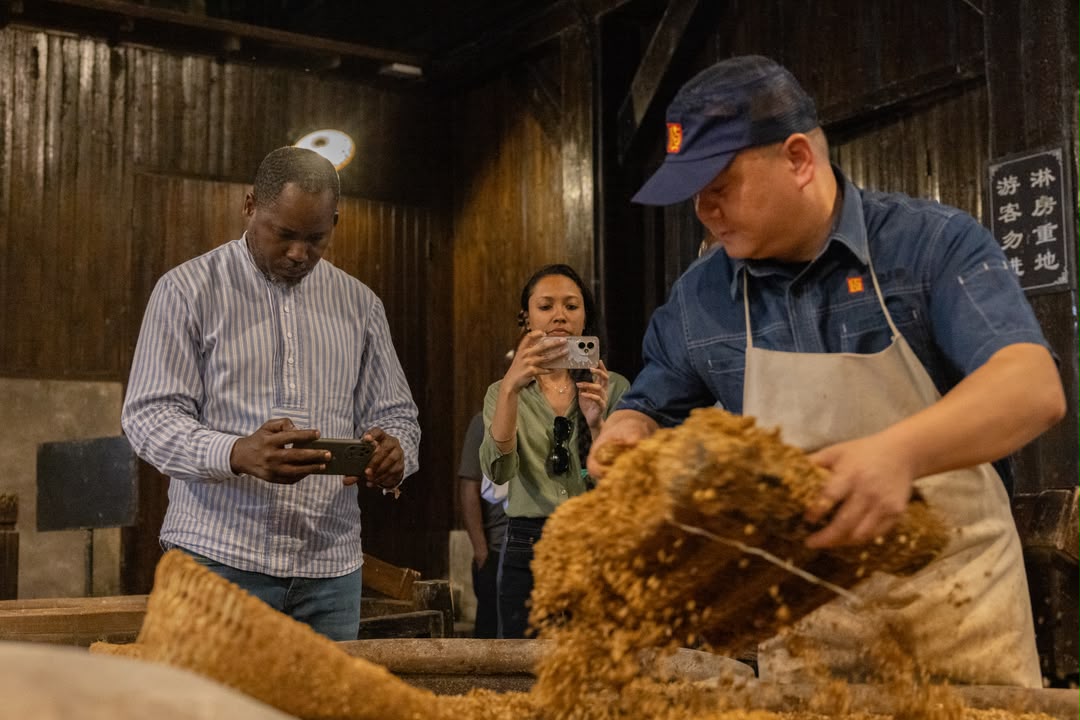
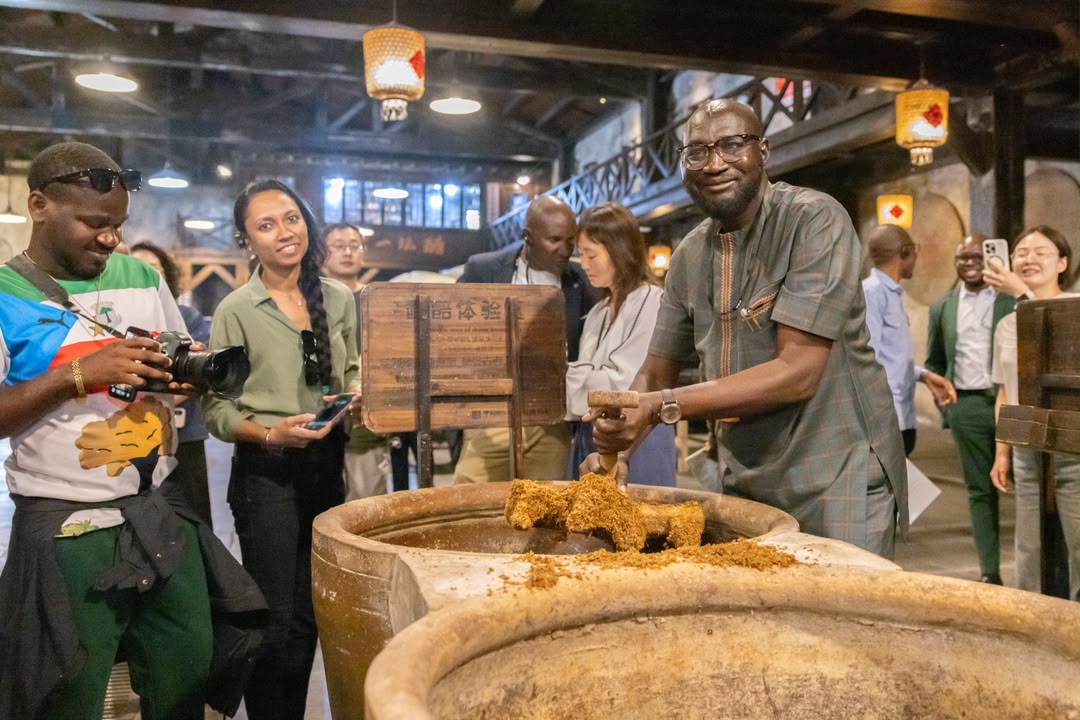
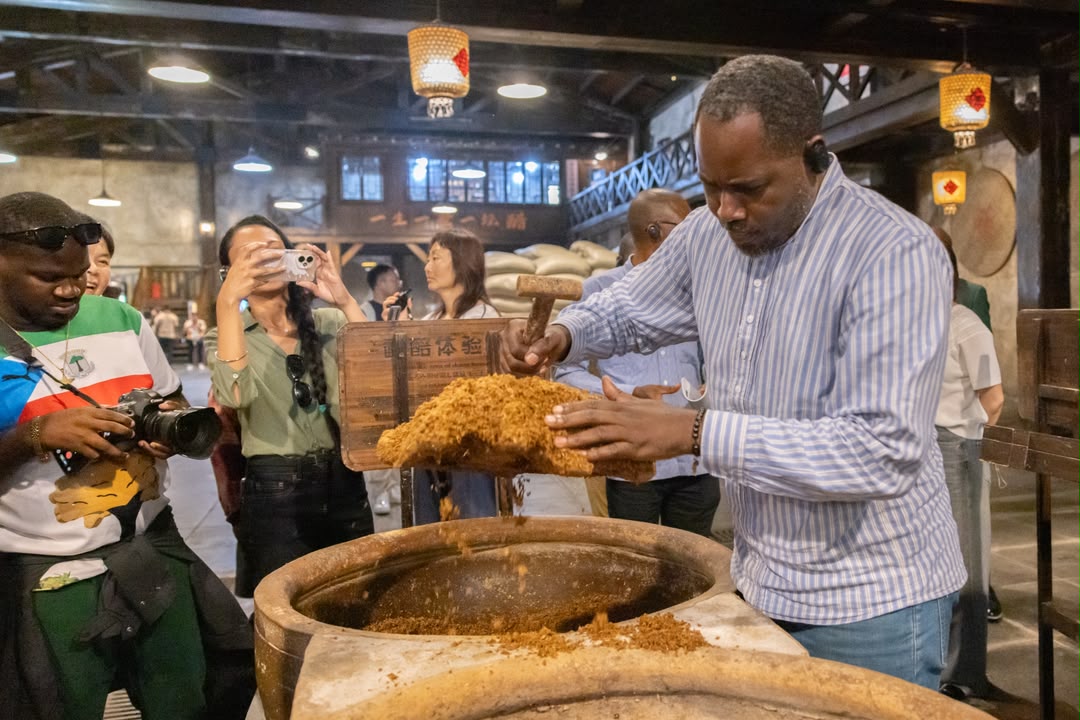
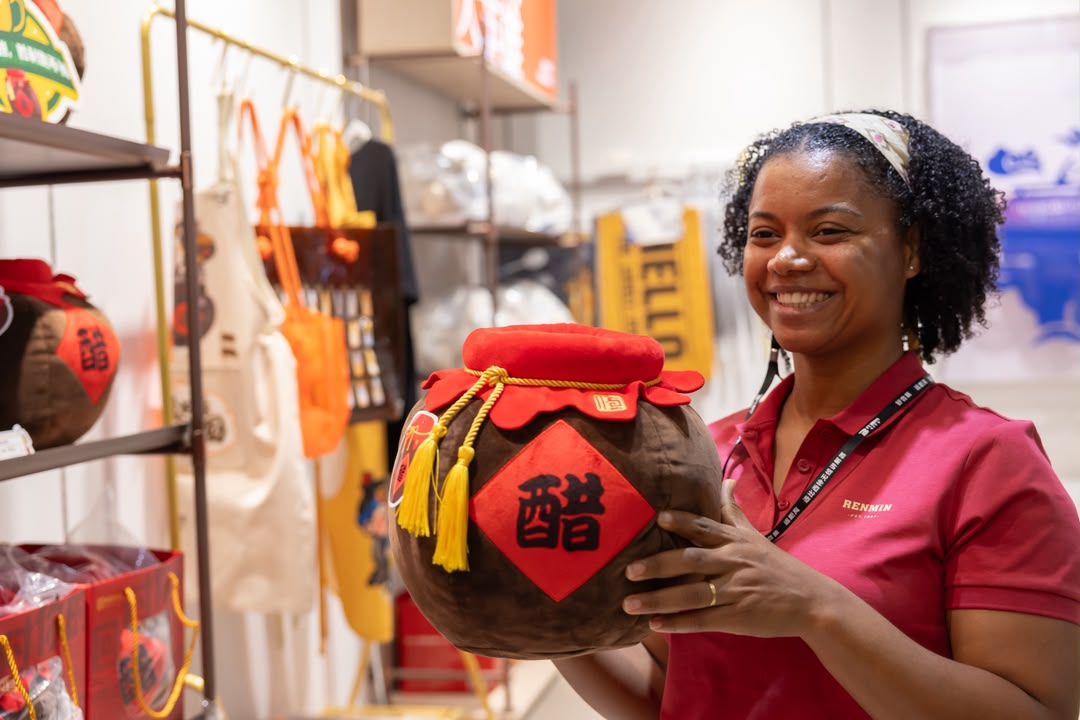
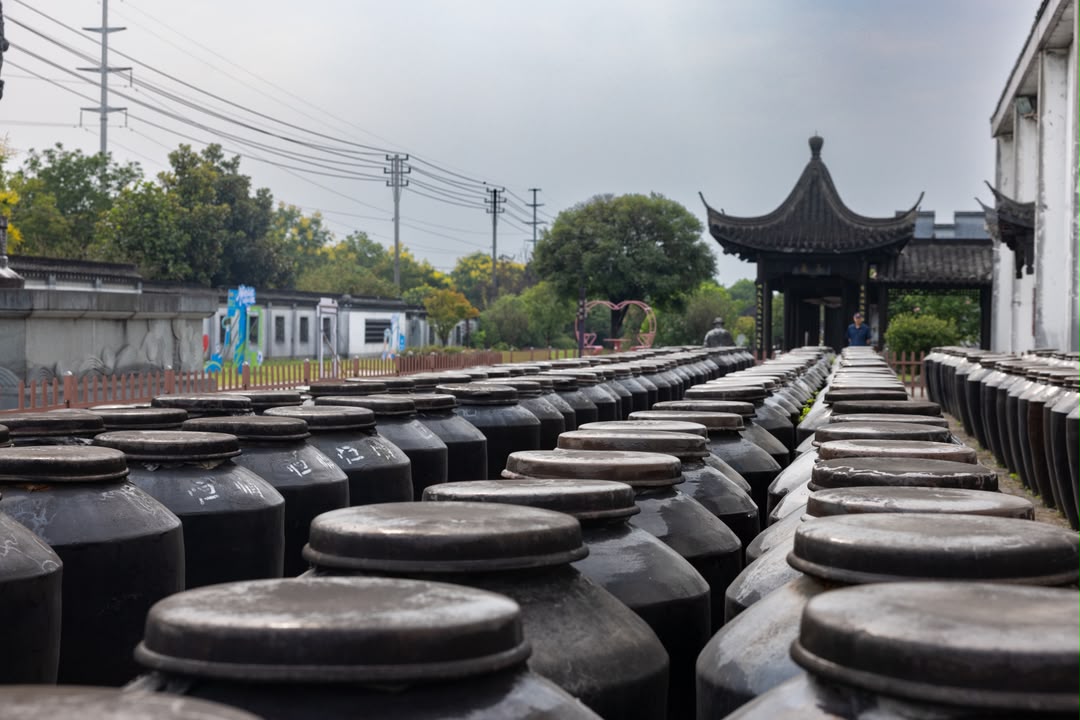
Visitors explore the centuries-old vinegar-making tradition in Jiangsu Province, known as China's 'Vinegar Capital.'Jiangsu Hengshun Vinegar Industry preserves traditional brewing methods while using automated production and digital monitoring systems.Zhenjiang's vinegar industry combines more than 2,000 years of fermentation tradition with modern technology and intelligent manufacturing.
The award, announced at a ceremony in London on September 18, recognises the combined performance of airline staff working in airport ground operations and onboard cabins, including efficiency, hospitality, boarding assistance and customer service.
RwandAir finished ahead of several major African carriers in the Best Airline Staff Service in Africa category, including EgyptAir, Ethiopian Airlines, Kenya Airways and South African Airways.
The recognition comes a year after RwandAir was named Best Regional Airline in Africa at the 2025 Skytrax World Airline Awards. In the 2026 results, the carrier placed second in the same regional category, ranking ninth globally.
RwandAir finished ahead of several major African carriers in the Best Airline Staff Service in Africa category.
RwandAir also ranked fifth in the overall Best Airline in Africa category.
Following the announcement, RwandAir thanked its passengers and staff for the recognition.
'We are honoured to be named the Best Airline Staff in Africa 2026 by Skytrax,' the airline said, thanking passengers for choosing to fly with it and its team for the 'warmth, professionalism, and dedication' they bring to flights, ground operations and passenger experiences.
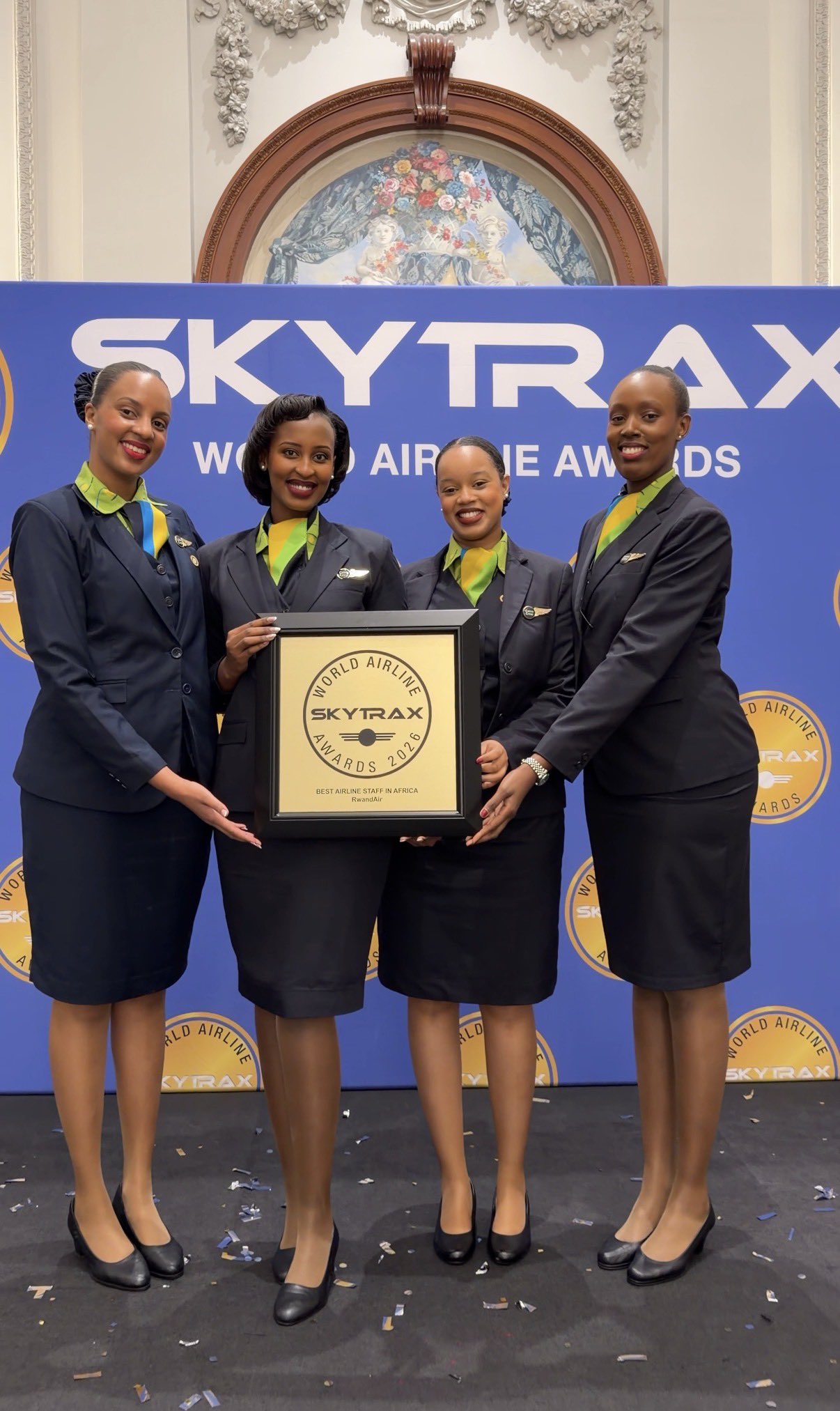
RwandAir was named Africa's Best Airline Staff Service at the 2026 Skytrax World Airline Awards.
Ethiopian Airlines retained the Best Airline in Africa title in 2026, while RwandAir's second-place finish in the regional category placed it behind the African regional winner.
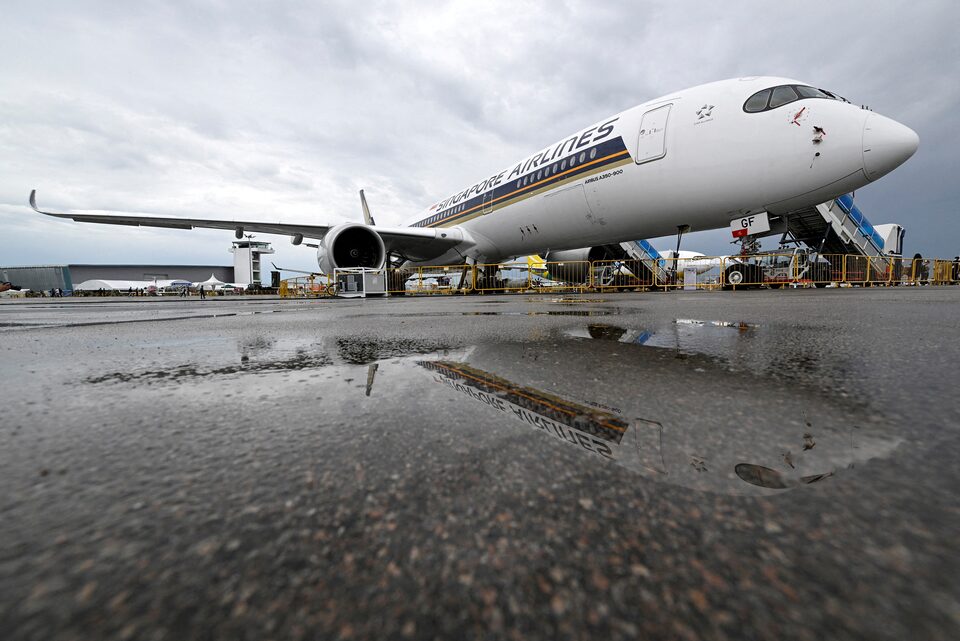
Singapore Airlines reclaims global crown
The awards, based on more than 24 million traveller survey responses worldwide, also saw Singapore Airlines reclaim the overall global title.
Singapore Airlines secured its sixth World's Best Airline award, moving back to first place after Qatar Airways, last year's winner, dropped to second.
Cathay Pacific Airways ranked third, followed by ANA (All Nippon Airways), Turkish Airlines, Emirates, Air France, Hainan Airlines, Japan Airlines and Korean Air.
Singapore Airlines secured its sixth World's Best Airline award
Key cabin and service winners
Qatar Airways retained major honours in premium travel, winning World's Best Business Class and Best Onboard Wi-Fi.
Air France took World's Best First Class, while EVA Air was named Best Premium Economy.
Singapore Airlines also won World's Best Economy Class and Best Economy Class Catering, adding to its overall award.
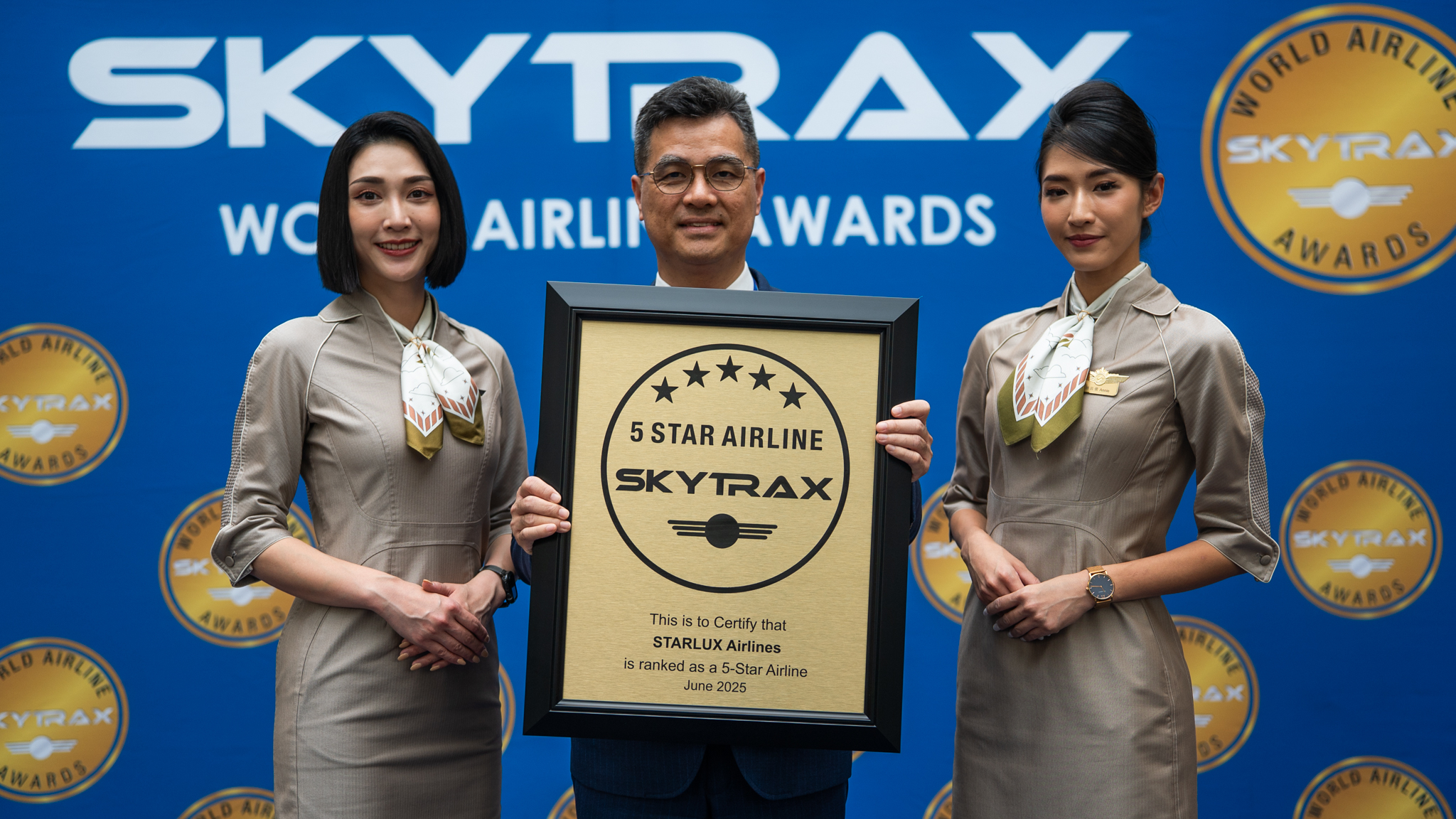
STARLUX Airlines was recognised for having the World's Cleanest Cabin and received a five-star Skytrax rating.
Among low-cost carriers, AirAsia retained the World's Best Low-Cost Airline title, while Scoot was named World's Best Long-Haul Low-Cost Airline.
STARLUX Airlines was recognised for having the World's Cleanest Cabin and received a five-star Skytrax rating.
Regional winners
Beyond Africa, Bangkok Airways was named Best Regional Airline in Asia, while Turkish Airlines led Europe, Air Canada topped North America and LATAM Airlines took the South American regional title.
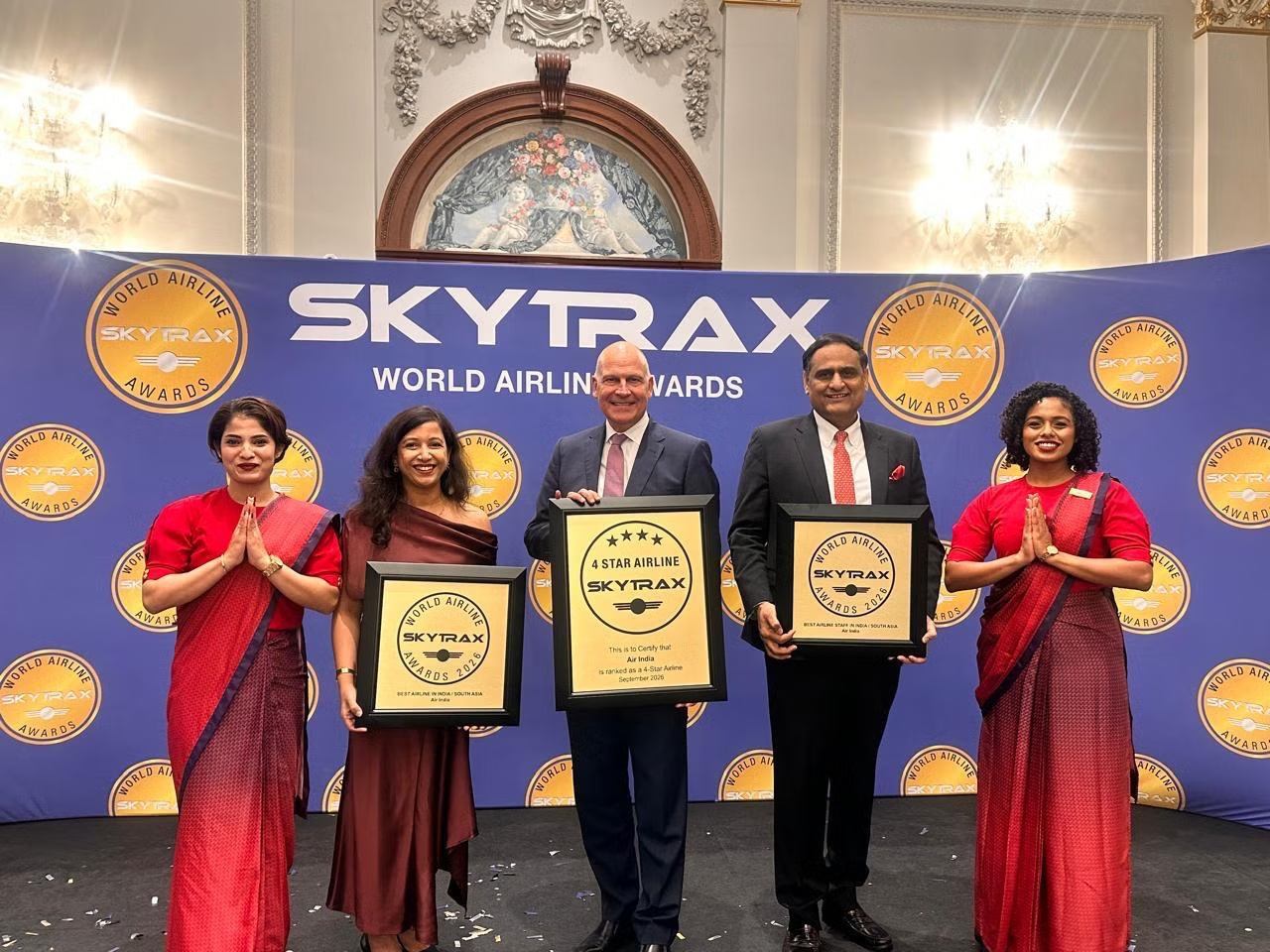
Air India also recorded several gains, winning Best Airline in India and Best Staff Service in South Asia, while receiving an upgrade to a Skytrax four-star rating.
Campbell Wilson, CEO & MD, Rajesh Dogra, Chief Customer Experience Officer, and Anjali Birla, Head of Customer Experience and Loyalty, alongside members of the Air India cabin crew, receive Air India's awards at the 2026 Skytrax World Airline Awards in London.
The 2026 Basketball Africa League (BAL) champions departed Kigali on September 18 for Beijing, China, where the prestigious basketball tournament will bring together six teams that have excelled in their respective continental competitions.
On September 17, Minister of Sports Nelly Mukazayire handed the team the national flag and urged the players to 'surprise the world' by putting in a strong performance at the intercontinental tournament.
RSSB Tigers will begin their FIBA Intercontinental Cup campaign against Rytas Vilnius of Lithuania, the European champions. The game is scheduled for September 22 at 9:30 a.m. Kigali time.
Twenty-four hours later, the Rwandan champions will return to action against Shanghai Sharks, winners of the Chinese Basketball Association (CBA) championship. The Chinese side is participating in the tournament as the representative of the host country.
Group B features Beijing Royal Fighters of China, Club Atlético Boca Juniors of Argentina and NBA G League United of the United States.
The top two teams from each group will advance to the semi-finals, while the teams finishing third in their respective groups will compete for fifth place.
Can RSSB Tigers make history?
African teams began competing in the FIBA Intercontinental Cup in 2022, following the launch of the Basketball Africa League (BAL) in 2021.
Egyptian side Zamalek, Tunisia's US Monastir and Egypt's Al Ahly all managed to finish among the top four teams before Al-Ahli SC of Libya made history in 2025 by finishing third, behind Spain's Unicaja and NBA G League United of the United States.
RSSB Tigers enter this year's competition with a strengthened squad, hoping to build on their impressive campaign in the 2026 BAL.
Coach Henry Mwinuka has several of Rwanda's top players at his disposal, including Ntore Habimana, who can operate in multiple positions on the court.
At the 2025 AfroBasket, Ntore demonstrated his quality by averaging 13.3 points, 6.0 assists and 5.3 rebounds per game.
Another key player is Alex Mpoyo, who impressed during the 2025 FIBA AfroBasket qualifiers, averaging 16.7 points and 5.7 rebounds per game.
The team also includes Dieudonné Ndizeye, who recently featured in the FIBA Basketball World Cup qualifiers, as well as Craig Randall II, who was named the 2026 BAL Most Valuable Player (MVP).
Randall averaged an impressive 36.1 points per game during the BAL campaign and recorded a remarkable 54-point performance in April.
Another player who played a crucial role in RSSB Tigers' BAL title-winning campaign is Teafale Lenard, who averaged 19.2 points, 5.0 rebounds and 2.8 assists per game.
The team has also added several new players, including Johnny Hamilton of Trinidad and Tobago, who stands at 2.13 metres tall; American Tyler Bey, who previously played for Ness Ziona and Hapoel Haifa in Israel; and Jonathan Galloway, who is 2.08 metres tall.
The new additions are expected to bring additional experience and strengthen RSSB Tigers' international competitiveness.
RSSB Tigers have named a 16-player squad for the tournament: Tyler Bey, Bizimana Paul, Jonathan Galloway, Ntore Habimana, Steven Hagumintwari, Johnny Hamilton, Lars Ishimwe, Antino Jackson Jr., Teafale Lenard Jr., Alex Mpoyo, Jean-Victor Mukama, David Mutabazi, Dieudonné Ndizeye, Craig Randall II, Osborn Shema and Nisre Zouzoua.
Coach Henry Mwinuka will be assisted by James Maye and Kenny Gasana.
RSSB Tigers are among the six teams set to compete in the FIBA Intercontinental Cup, which will take place from September 22 to 27, 2026. RSSB Tigers left Kigali on Friday as they embarked on their journey to Beijing, China, for the FIBA Intercontinental Cup.Henry Mwinuka, coach of RSSB Tigers, is assisted by James Maye.
The decision was made during a Cabinet meeting held at Village Urugwiro on September 18, 2026, chaired by President Paul Kagame.
Among the resolutions adopted was the approval of an investment agreement for the construction of a plant to assemble electric vehicles in Rwanda.
The approval marks a new milestone after months of discussions surrounding the project. In April 2026, President Kagame received Xu Hui, Vice President of Chery Holding Group and Chairman of Rich Resource International Investment, for discussions that focused on investment opportunities in Rwanda, including vehicle assembly.
Although the Cabinet has approved the investment agreement, details regarding the value of the investment, the location of the plant, its planned production capacity, the start date for construction and when the facility is expected to begin operations have not yet been disclosed.
Chery's global expansion
Chery was established in 1997 and is headquartered in Wuhu City, Anhui Province, China.
The company began manufacturing vehicles in 1999 and expanded its sales operations in 2003.
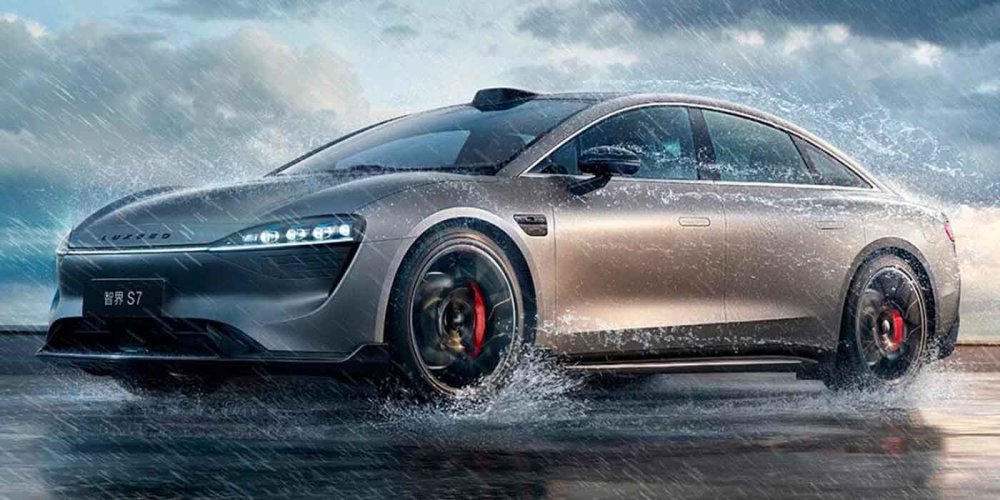
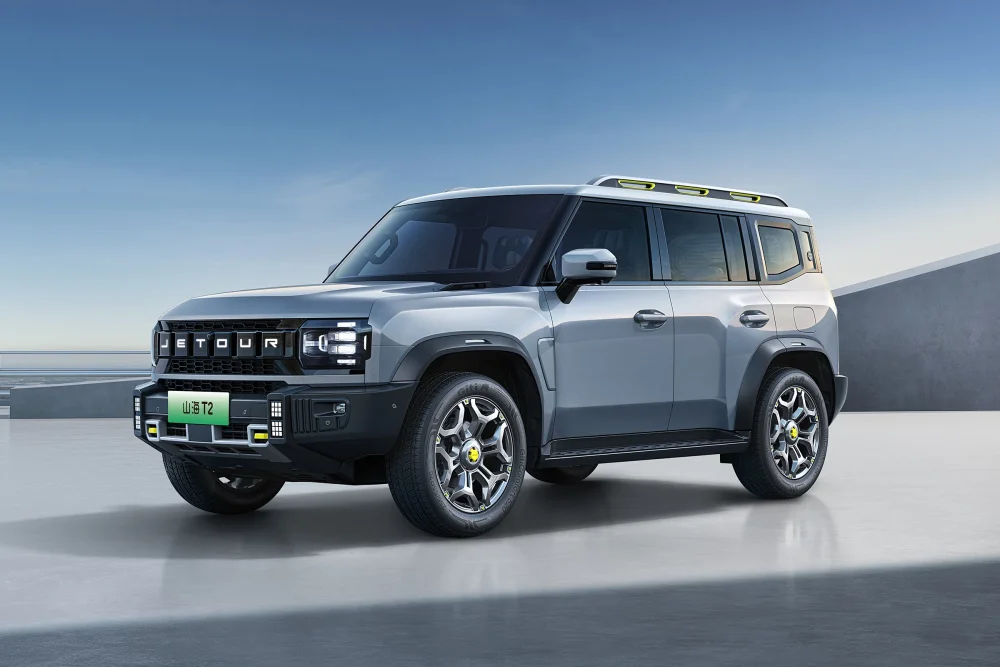
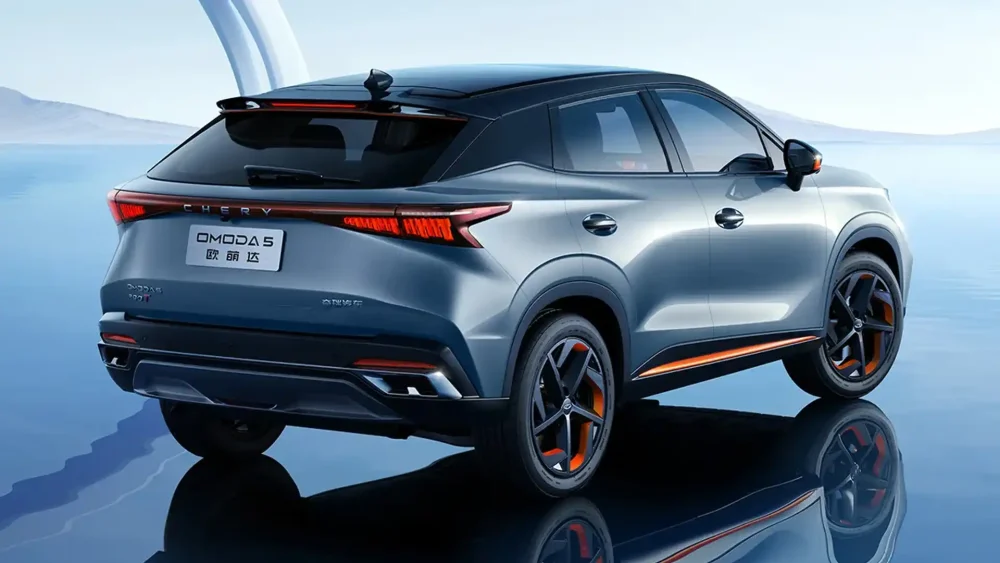
Chery has developed a broad global strategy aimed at transforming the automotive industry. As of 2024, the company had nine vehicle brands, including Fulwin, Exeed, Jetour, iCar/iCaur and Luxeed, which was developed in partnership with Chinese technology company Huawei.
Other brands associated with the group include Karry, Omoda, Jaecoo, Lepas, Exlantix and Aiqar.
These brands serve different markets, with some vehicles produced primarily for the Chinese domestic market while others are exported internationally.
Chery, Exeed and Jetour, for example, are sold both in China and in overseas markets.
Omoda, Lepas and Jaecoo are primarily focused on markets outside China, while iCar is sold in China and marketed as iCaur in international markets. Luxeed and Karry are focused exclusively on the Chinese domestic market.
Chery has also partnered with Jaguar Land Rover since 2012 to manufacture Jaguar and Land Rover vehicles in China.
In 2024, Chery expanded into Spain through an agreement with Ebro, one of Europe's established automotive manufacturers, under which vehicles began being produced and marketed under the Ebro brand.
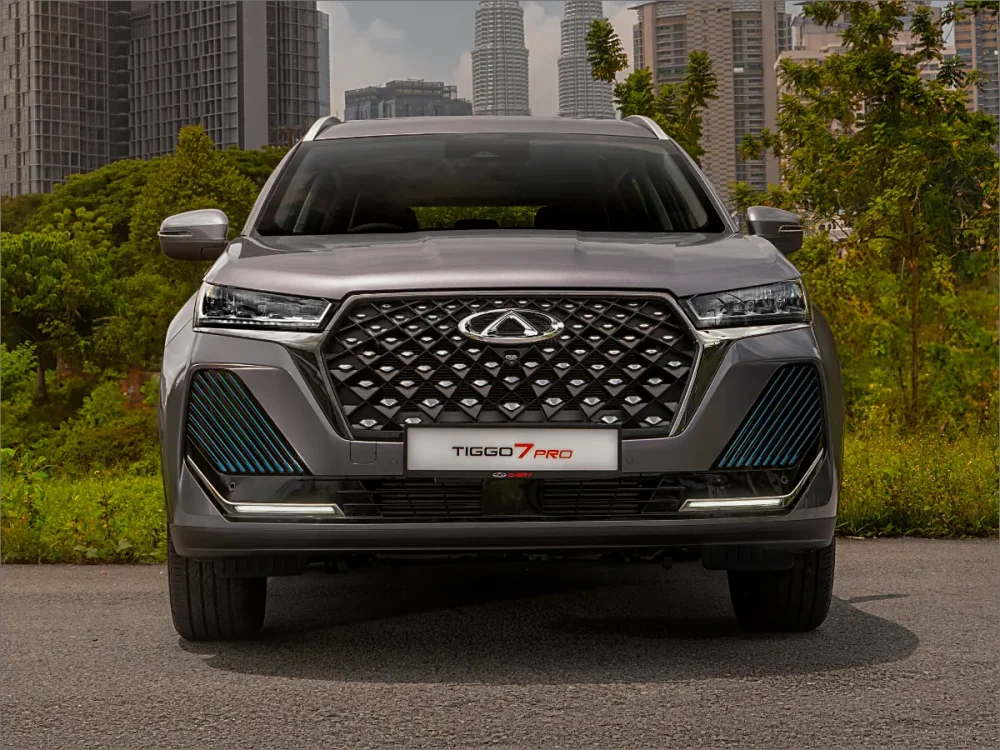
Chery took its Tiggo 7 and Tiggo 8 models, upgraded them and rebranded them as the Ebro S700 and Ebro S800, respectively.
The company aims to sell 50,000 vehicles of these models by 2027, with sales projected to reach 150,000 units by 2029.
In 2025, Omoda and Jaecoo were introduced as new brands under the company. Within 27 months of their launch, sales of the two brands had reportedly reached 600,000 vehicles. The two brands are expected to sell at least 1.4 million vehicles by 2030.
Chery's financial growth
Financial figures show that Chery generated approximately $12.8 billion in revenue in 2022, rising to $22.5 billion in 2023 and $37.2 billion in 2024. In the first quarter of 2025, the company recorded revenue of approximately $9.4 billion.
Over the same periods, the company's profits stood at approximately $702 million in 2022, $1.44 billion in 2023, $1.98 billion in 2024 and $455 million in the first quarter of 2025.
The approval of the investment agreement comes as Rwanda continues to promote the adoption of electric vehicles.
Fully electric vehicles, their batteries and charging equipment imported into Rwanda have been granted VAT exemptions as part of efforts to encourage the transition to electric mobility.
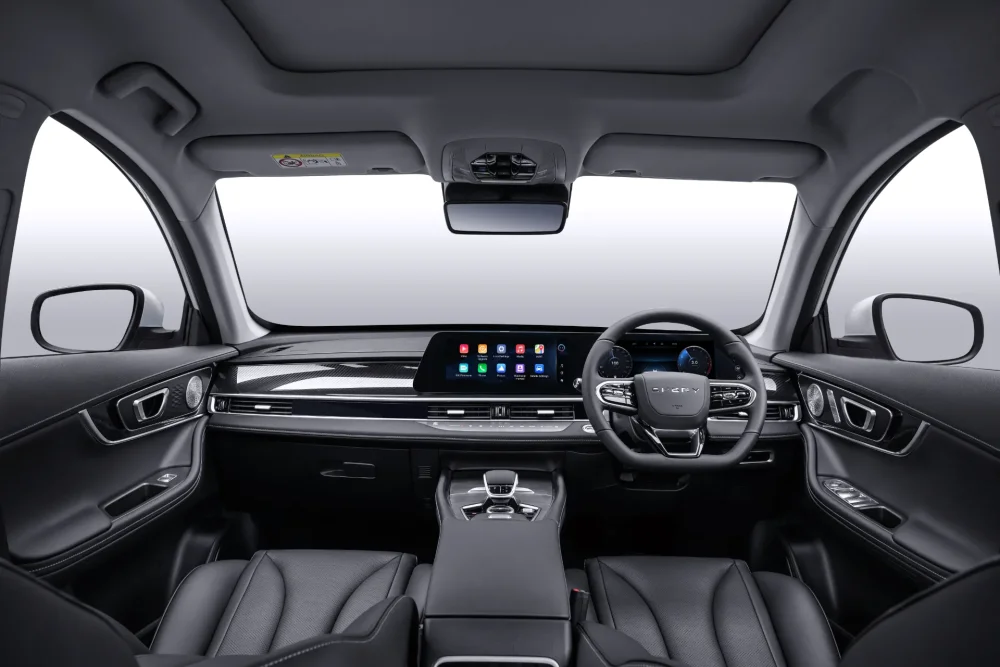
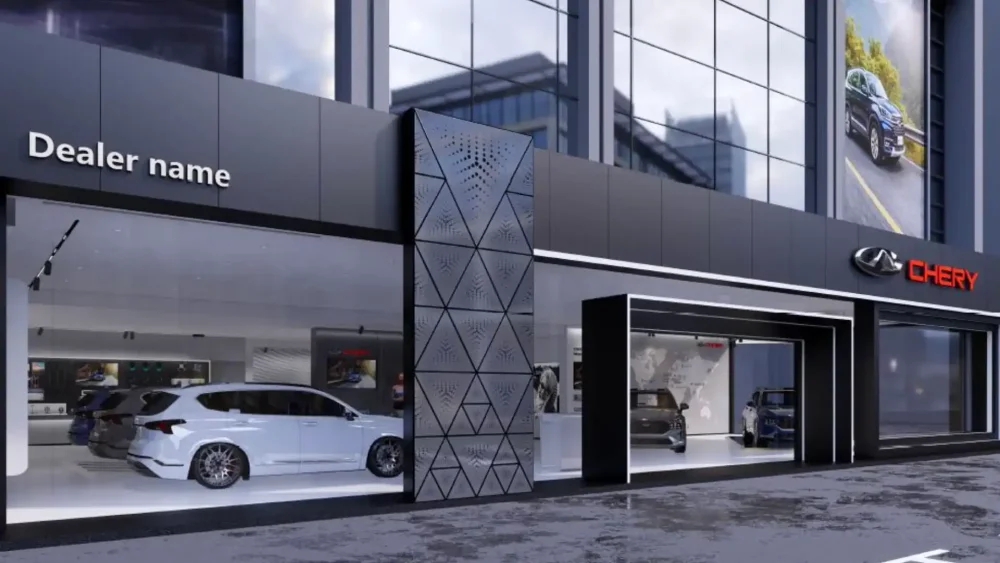
Luxeed is one of the leading electric vehicle brands produced by CheryJetour is one of Chery's modern SUV brands, and its vehicles are becoming increasingly popular in the Rwandan marketThis vehicle is sold as iCar in China, but is marketed as iCaur when it reaches Rwanda. It is a fully electric vehicleThis is what the interior of the Tiggo 7 Pro looks likeThe Tiggo 7 is one of the modern vehicles available in the European marketChery plans to establish an electric vehicle assembly plant in Rwanda
Overall, 1,823 people have recovered, while another 930 remain in isolation or are receiving treatment in hospitals, where they are being monitored by health authorities.
Response efforts are currently underway across seven provinces of the DRC, covering 62 health zones.
Health authorities are continuing to strengthen measures aimed at preventing the virus from spreading to other parts of the country.
In the 24 hours preceding the release of the figures, no new health zone had reported an Ebola outbreak, while 25 patients had recovered.
Although no new health zone was affected during that 24-hour period, the number of infections and deaths continues to highlight the severity of the outbreak and the challenges facing health authorities in containing the virus.
Among the measures being intensified is the expansion of Ebola vaccination campaigns, particularly in Tshopo and Bas-Uélé provinces, in an effort to reduce the risk of further transmission.
Health authorities are also continuing to monitor people who have been in contact with Ebola patients.
The latest figures show that the contact-tracing rate has surpassed 87 percent.
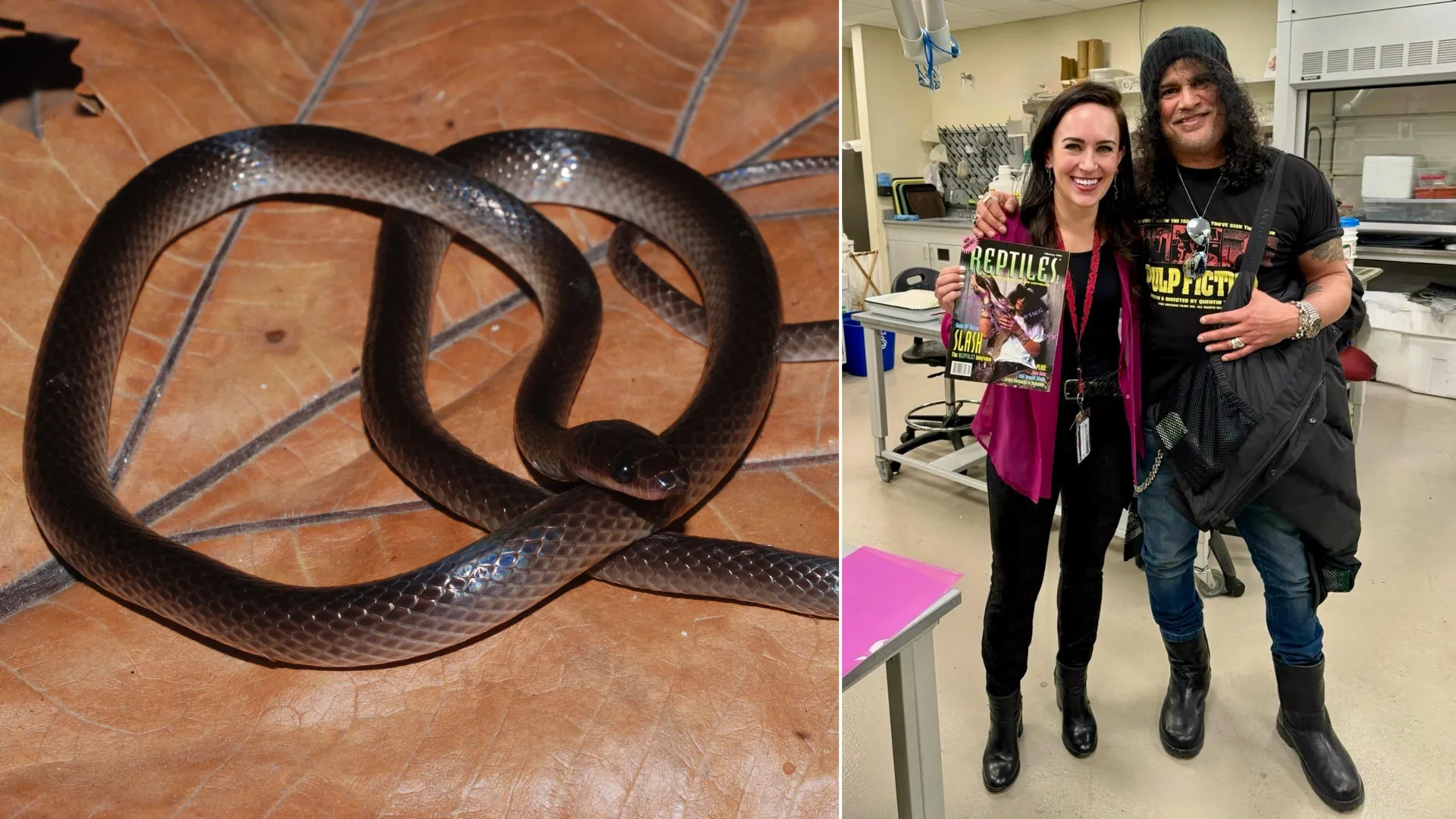
The snake has been given the scientific name Lielaphis slashi, or Slash's groundsnake.
Researchers identified it as a distinct species after combining genetic analysis, physical characteristics and information about its habitat.
The discovery was described in a study published in the scientific journal Zootaxa.
Researchers from the Field Museum and Louisiana State University were involved in the work.
Slash, whose real name is Saul Hudson, has been interested in reptiles since childhood.
He has also supported zoos, museums and natural history organisations, making him a fitting namesake for the newly recognised species.
The connection between Slash and the researchers goes back decades.
Sara Ruane, an associate curator of herpetology at the Field Museum and a senior author of the study, said she became interested in reptiles and Slash while growing up.
Ruane recalled seeing a photograph of Slash holding a pet reticulated python on the cover of Reptiles Magazine.
She later learned about his interest in snakes and natural history.
When researchers had the opportunity to name the previously unrecognized snake, Ruane proposed honoring the guitarist.
The snake was first encountered during fieldwork in New Guinea in 2006 by Chris Austin, a professor and curator of herpetology at Louisiana State University's Museum of Natural Science.
The reddish-brown snake grows to about 28 inches (71 centimetres) long. For years, scientists were uncertain whether it represented an already known species or one that had not yet been formally described.
Genetic testing eventually showed that the snake was distinct from related species.
Researchers also identified differences in its physical characteristics, including the number of scales on its body.
Ecological modelling further showed that it occupies a different habitat from closely related snakes.
Scientists know relatively little about the behaviour of Lielaphis slashi because the species is difficult to observe in the wild.
Like other New Guinea groundsnakes, it is primarily active at night and can be found around the bases of large trees.
Researchers believe its diet may include small lizards and reptile eggs. Its relatively large rear teeth may help it capture slippery prey.
The species is nonvenomous and not considered dangerous to humans.
Scientists say identifying and formally describing species is important for conservation, particularly in regions such as New Guinea, where forests face increasing pressure from activities including agriculture and mining.
The researchers hope that recognising Lielaphis slashi will contribute to greater knowledge of New Guinea's biodiversity and the need to protect its habitats.
Scientists have named a newly recognised nonvenomous snake from New Guinea Lielaphis slashi, after Guns N' Roses guitarist Slash, who has a long-standing interest in reptiles.
The plan forms part of RwandAir's broader strategy to expand long-haul operations, particularly to Europe and Asia, while strengthening Kigali's role as a hub connecting African cities with international markets.
RwandAir's Acting Chief Commercial Officer, Reuben Mbonye, told Aviation Week that Europe and East Asia are among the key regions the airline is considering for expansion, although it has not yet officially announced where the new services will begin.
As part of the plan, Frankfurt is being considered as a new destination in Germany, while Mumbai and Guangzhou are among cities where RwandAir could resume services that were previously suspended.
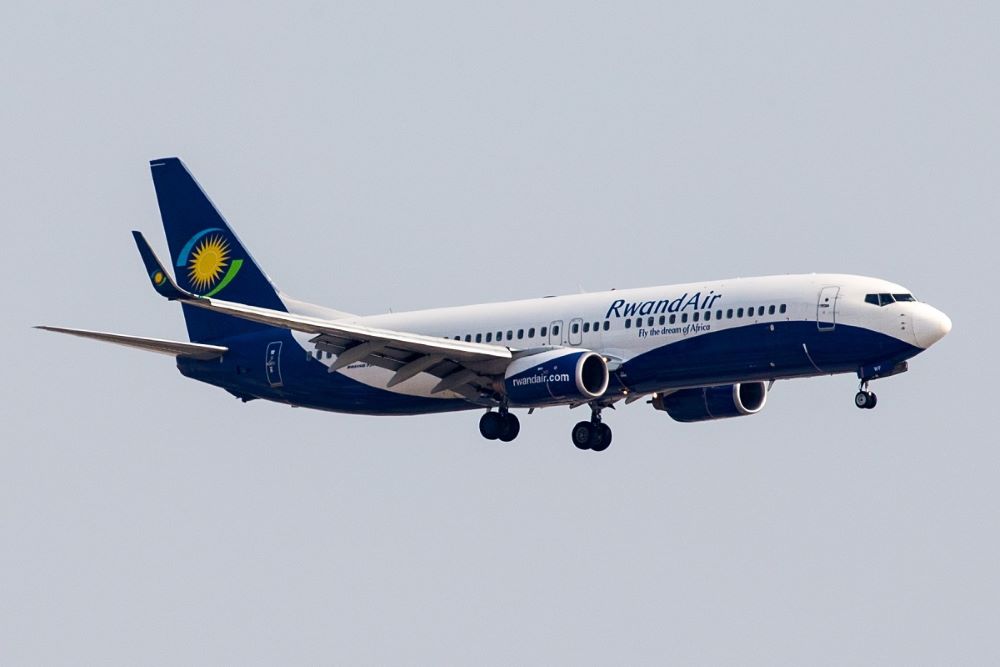
RwandAir currently operates long-haul services to destinations including London, Paris, Brussels, Dubai and Doha, alongside a network covering Eastern, Central, Western and Southern Africa.
Five Airbus A330s to support expansion
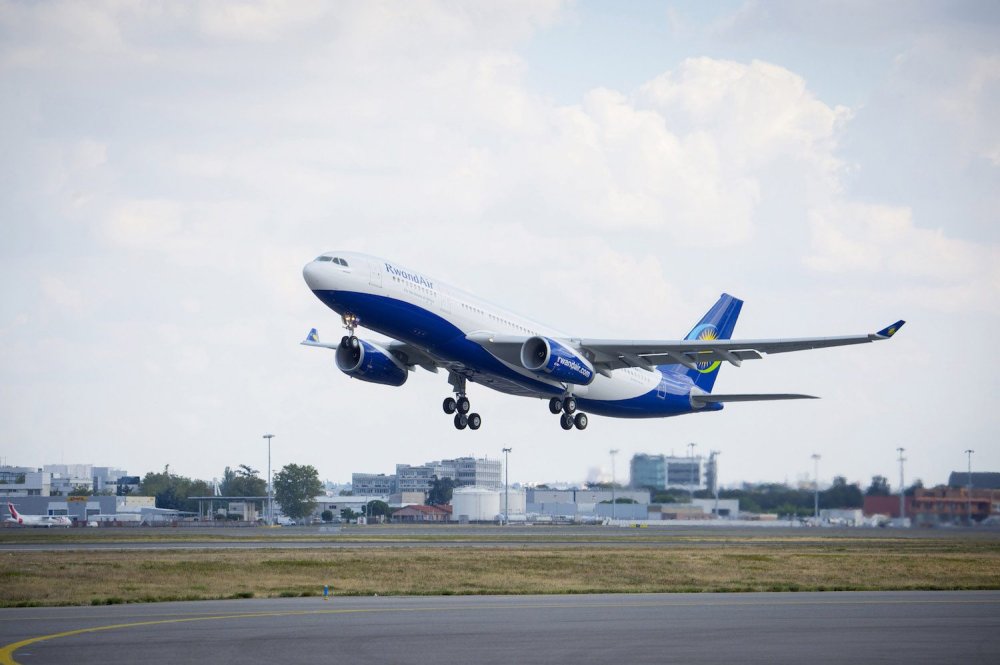
A key part of the expansion will be the addition of five Airbus A330-200 aircraft to RwandAir's fleet.
The first of the five aircraft was received in August 2026, with the remaining four expected to enter service gradually. All five aircraft will be operated under lease agreements.
Depending on their configuration, the aircraft can accommodate between 220 and 270 passengers.
The first aircraft has already entered commercial service with 226 seats and is being used to increase RwandAir's capacity on European routes, including additional frequencies to Paris and Brussels.
The addition of more A330s is significant because the aircraft are designed for long-haul operations and can carry relatively large numbers of passengers. This gives RwandAir room to increase frequencies on existing routes while also supporting the launch of new services.
A larger fleet could also give the airline greater flexibility in adjusting its network and strengthening connections through Kigali for passengers travelling from different African countries to Europe, Asia and other international destinations.
RwandAir's expansion plans extend beyond the five Airbus A330s. Mbonye said the airline aims to nearly double its fleet over the next five years.
The expansion is also expected to be accompanied by a significant increase in passenger numbers.
In the 2023/24 financial year, RwandAir carried slightly more than one million passengers. Its target is to carry more than 2.1 million passengers annually by 2028/29, more than doubling the number within a few years.
The figures indicate that RwandAir is seeking not only to expand its network but also to significantly increase its passenger capacity and strengthen its position in Africa's aviation market.
RwandAir aims to nearly double its fleet over the next five years as it targets more than 2.1 million passengers annually by 2028/29.
Expansion aligned with Bugesera airport
RwandAir's expansion comes alongside Rwanda's wider plans to develop the new Bugesera International Airport.
The airport, whose development is valued at about $2 billion, is being built in partnership with Qatar Airways, which holds a 60% stake.
The first phase is expected to be completed in 2028 and will have the capacity to handle seven million passengers annually.
A subsequent phase, expected around 2032, would double the airport's capacity to 14 million passengers a year.
The new airport is expected to provide Rwanda with significantly greater capacity to expand international air services compared with the existing Kigali International Airport.
However, RwandAir's expansion plans come at a time when African airlines are facing rising operating costs.
Mbonye said higher fuel prices have increased RwandAir's operating costs, prompting the airline to review its fares.
More broadly, airlines across Africa continue to face challenges including high fuel prices, taxes, airport charges and difficulties accessing some markets, all of which contribute to the relatively high cost of air travel on the continent.
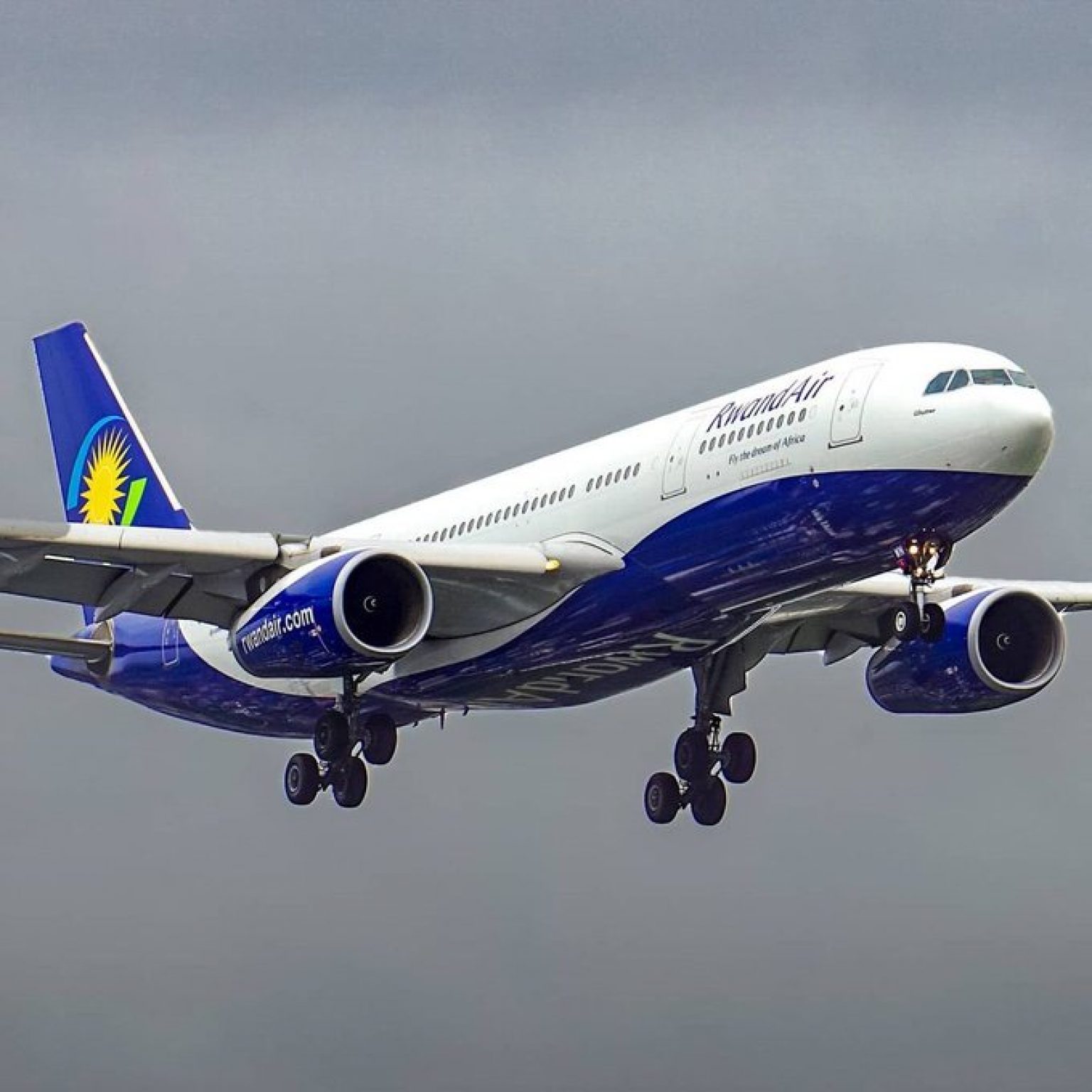
RwandAir is considering Frankfurt, Mumbai and Guangzhou as it plans to expand its international network and strengthen long-haul operations.