Blog

  • Stolen identities, fake students: Inside US fraud probe linked to Kenya #rwanda #RwOT

    Dubbed Operation Ghostbusters, the investigation has resulted in charges against five defendants and the seizure of more than $750,000 in cryptocurrency linked to the wider scheme, which US authorities say involves networks associated with Kenyan nationals.

    According to the US Department of Justice, perpetrators allegedly used stolen personal information belonging to American citizens to create fraudulent applications for federal student aid, enrol fictitious students in colleges and redirect the resulting payments to accounts controlled by people involved in the scheme.

    The alleged fraudsters also used artificial intelligence (AI) to make the fictitious students appear legitimate, including by completing coursework and creating the impression that they were attending classes.

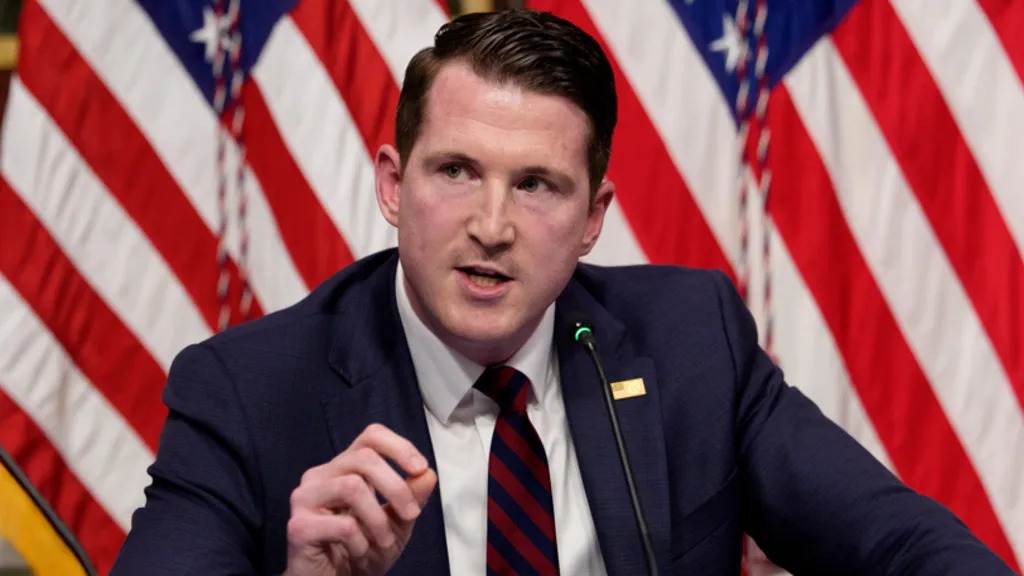
    'If you steal American identities, if you steal taxpayer dollars, if you exploit programs meant to help students build a future, we will find you,' Assistant Attorney General Colin M. McDonald said when announcing the first charges on October 29, 2026. 'Whether you are in Nebraska, New Jersey, Virginia, or Nairobi, we will pursue you.'

    How the 'ghost student' scheme worked

    The alleged scheme exploited the Free Application for Federal Student Aid (FAFSA), through which Americans apply for financial assistance to pursue higher education.

    Investigators say perpetrators used stolen identities to submit fraudulent applications and enrol fictitious students in colleges and universities. The purported students, known as 'ghost students', never attended the classes for which the financial aid was awarded.

    According to the Justice Department, the fraudsters used what it described as 'super intelligence' to complete coursework and maintain the appearance of genuine enrolment. The techniques allegedly included placing fake students in virtual classrooms to keep aid payments flowing.

    'The goal is to keep the ghost student in school as long as possible. Semester after semester after semester stealing money from the taxpayers,' McDonald said.

    Once the funds were disbursed, the money was allegedly diverted through bank accounts controlled by the perpetrators and their associates, with some proceeds transferred overseas, including to Kenya.

    The investigation dates back to at least 2021, when American colleges and universities began identifying fraudulent applications that resulted in student aid refunds being paid into accounts belonging to people other than the purported students.

    The alleged scheme also exposed innocent Americans to financial harm, including the risk of unexpected student loan obligations and damage to their credit records after their identities were used without their knowledge.

    Kenyan nationals among those charged

    The investigation has produced cases in three US federal districts involving Kenyan nationals and alleged links to associates in Kenya.

    In Nebraska, a federal grand jury indicted Francis Mogambi, a Kenyan citizen, on October 19, 2026, on five counts of theft of government money and five counts of aggravated identity theft.

    Prosecutors allege that between November 2025 and May 2026, Mogambi worked with associates in Kenya to steal American identities, fraudulently enrol fictitious students and redirect federal student aid payments. He allegedly kept 30% of the proceeds and sent the remainder to his co-conspirators.

    Court documents state that Mogambi received $2,000 a week and attempted to recruit another person into the scheme. The intended loss in his case was $20,000.

    Mogambi, who arrived in the United States in May 2024 after winning the Diversity Visa lottery, was arrested following the indictment and is being held in custody pending trial.

    In a separate Virginia case, prosecutors charged a Kenyan national with conspiracy to commit wire fraud and student aid fraud. The defendant allegedly received more than 700 fraudulent student aid refunds totalling approximately $1.44 million, then transferred at least $1.3 million through thousands of transactions to accounts in the United States and Kenya.

    In New Jersey, three defendants have been charged with allegedly acting as money mules in a scheme involving more than $1 million in federal student aid. Prosecutors say they received the funds through US bank accounts before transferring money, after taking their share, to alleged co-conspirators in Kenya associated with a purported safari company.

    The Justice Department said it would seek to charge two alleged co-conspirators based in Kenya as the New Jersey investigation continues.

    US seizes $750,000 in cryptocurrency

    The investigation has also prompted cooperation between American and Kenyan law enforcement agencies.

    In September 2026, US officials travelled to Kenya to discuss extradition, prosecution and the recovery of funds allegedly stolen from American taxpayers.

    With assistance from Kenyan law enforcement, investigators seized more than $750,000 from a cryptocurrency account belonging to a Kenyan national connected to the wider scheme. The Justice Department described it as the first international seizure of its kind in the history of its National Fraud Enforcement Division.

    The seizure was not connected to Mogambi's individual case.

    Investigators identified 830,840 potentially fraudulent Federal Student Aid identification numbers associated with nearly $130 million in September and October 2026, recommending that the Department of Education disable them. The figure represents aid associated with potentially fraudulent accounts, not confirmed losses.

    The FBI has separately identified more than $32 million in losses from similar ghost-student schemes, with additional losses suspected. The Justice Department estimates that the wider fraud could exceed $200 million.

    First Assistant US Attorney Theophani K. Stamos said investigators had uncovered hundreds of participants and referred cases to FBI field offices across the country.

    'Student aid belongs to real students, the data always leaves a trail, and we will follow it wherever it leads,' she said.

    The Justice Department reported more than 40 open investigations across 26 FBI field offices and over 20 US attorneys' offices. Authorities say they are continuing to work with Kenyan counterparts to trace funds, recover assets and pursue alleged accomplices.

    All charges remain allegations, and the defendants are presumed innocent until proven guilty in court.
    Stolen identities, fake students: Inside US fraud probe linked to Kenya
    US Assistant Attorney General Colin M. McDonald has vowed to pursue those involved in an alleged student aid fraud scheme linking the United States and Kenya, as investigations continue across multiple states and international borders.

    Source : https://new.igihe.com/english/stolen-identities-fake-students-inside-us-fraud-probe-linked-to-kenya/

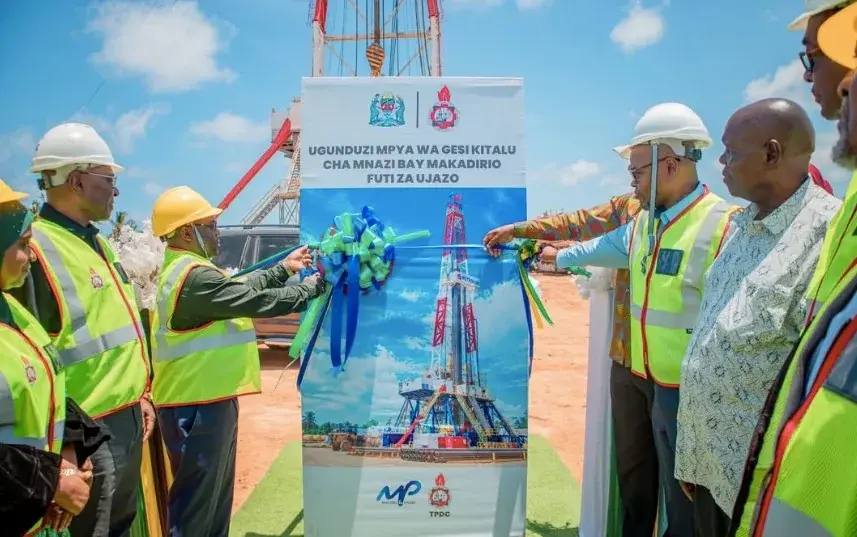
  • Tanzania expands gas exploration after major Mnazi Bay discovery #rwanda #RwOT

    The two developments mark an expansion of Tanzania's petroleum exploration programme as the government seeks to strengthen domestic energy security, increase natural gas production and create opportunities for investment, industrial development and employment.

    The licences cover Eyasi-Wembere, Lindi–Mtwara, West Songo Songo and Mnazi Bay North, giving TPDC a more direct role in petroleum exploration while supporting the development of local technical expertise and institutional capacity.

    Energy Minister Dr Juma Zuberi Homera said the allocation of the exploration areas reflected the government's commitment to strengthening national participation in the petroleum industry and ensuring that Tanzania derives greater economic benefits from its natural resources.

    Speaking at the signing ceremony on October 28, 2026, Dr Homera acknowledged President Samia Suluhu Hassan's support for investment in petroleum exploration and welcomed the Vice President's participation in the event, describing the licensing programme as an important step in the country's long-term energy development.

    The signing followed the October 27 announcement of a natural gas discovery at the Kasa-1X ST2 exploration well in Mnazi Bay, undertaken by TPDC in partnership with French energy company Maurel & Prom. The government estimated the discovery at 223 billion cubic feet, while the operator reported a preliminary estimate of approximately 200 billion cubic feet, subject to further technical evaluation.

    Dr Homera said the exploration well was expected to produce approximately 30 million cubic feet of natural gas per day for at least 10 years, depending on development and operational requirements. Two additional development wells, MB-5 and MS-2, were reported to have increased production by more than 65 million cubic feet daily.

    Maurel & Prom reported that production at Mnazi Bay had reached approximately 130 million cubic feet per day in October, strengthening gas supplies for electricity generation and other domestic consumers.

    Tanzania's discovered natural gas resources are estimated at approximately 57.54 trillion cubic feet, including 47.13 trillion cubic feet offshore and 10.41 trillion cubic feet onshore. The latest exploration activities are expected to improve geological knowledge and identify additional commercially viable resources.

    According to the Energy Minister, more than 80 percent of gas produced at Mnazi Bay is used for electricity generation through Tanzania Electric Supply Company facilities in Mtwara and Dar es Salaam, highlighting the field's importance to the national electricity supply.

    The government is also advancing the approximately 35-kilometre pipeline connecting the Ntorya gas field to the Madimba processing facility, with construction reported to have reached 74 percent completion. The project is expected to facilitate additional gas supplies for electricity generation, industries and other domestic users.

    Natural gas consumption is expanding beyond power generation, with government figures indicating that Tanzania had established 22 compressed natural gas filling stations and 20 vehicle conversion workshops by September 2026. Six industries, 21 institutions and approximately 5,000 households were also reported to have connections to natural gas distribution infrastructure.

    The government is seeking additional private investment in gas processing and distribution, including discussions between TPDC and four prospective investors interested in developing small-scale liquefied natural gas projects, three of which are proposed for Mtwara Region.

    The expansion of petroleum activities is also generating opportunities for Tanzanian businesses and workers. Dr Homera said approximately 200 Tanzanians had secured employment through companies involved in the Mnazi Bay drilling programme, while 35 contracts valued at more than TZS 20 billion had been awarded to locally owned businesses.

    TPDC increased its participating interest in the Mnazi Bay venture from 20 percent to 40 percent in 2024, with Maurel & Prom retaining 60 percent. The increased stake is expected to strengthen the government's participation in project decisions and potential earnings from gas production.

    The Petroleum Upstream Regulatory Authority welcomed the licensing programme and reaffirmed its commitment to overseeing exploration activities in accordance with petroleum legislation, environmental requirements and licence conditions, while encouraging greater participation by Tanzanian professionals and companies.

    The developments form part of Tanzania's broader efforts to expand energy infrastructure, strengthen domestic industrial capacity and develop petroleum resources in line with the country's Development Vision 2050. Future production and investment will depend on exploration results, commercial viability, financing and the availability of infrastructure to deliver gas to domestic and regional markets.

    Tanzania's Energy Minister, Dr Juma Zuberi Homera, said the new licences would strengthen local participation in petroleum exploration and boost economic benefits.

    Source : https://new.igihe.com/english/tanzania-expands-gas-exploration-after-major-mnazi-bay-discovery/

  • By the numbers: The scale of losses from Musanze market fire #rwanda #RwOT

    An assessment of the traders affected shows that 1,535 had no insurance, 605 had outstanding loans from financial institutions, while 1,576 relied entirely on their businesses for income.

    According to Northern Province Private Sector Federation (PSF) Chairperson Tugengwanayo Théonas, helping the traders recover will require more than finding alternative trading spaces. Many must also raise the capital needed to restart their businesses while meeting existing financial obligations and covering household expenses.

    Rwf24.8 billion in damage

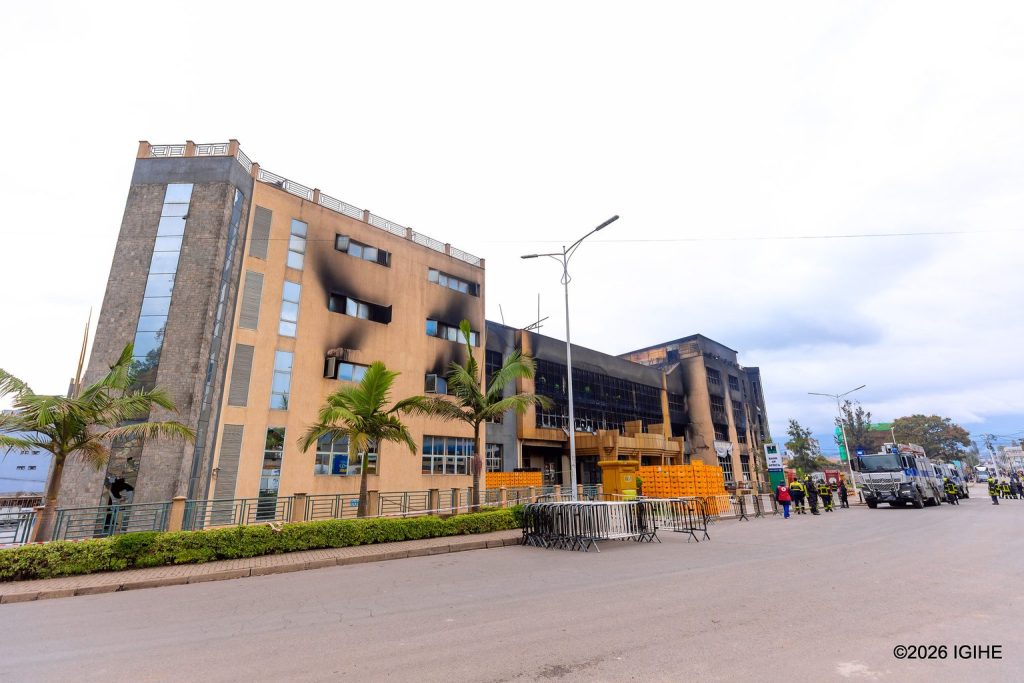
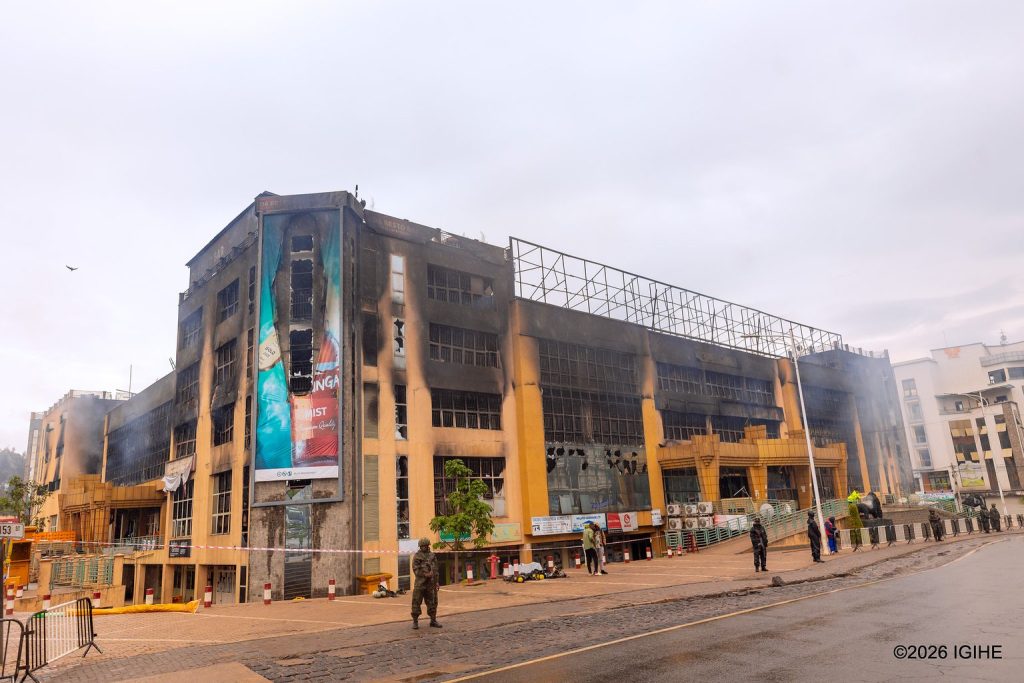
    The assessment put the value of the damage at Rwf24.8 billion, while the market building was valued at Rwf17 billion.

    The extent of the damage to the structure remains under assessment as authorities determine whether the building can be restored for commercial use.

    Alphonse Rukaburandekwe, Director General of the Rwanda Housing Authority (RHA), recently told IGIHE that inspections were underway to establish whether the building's structural components had been compromised.

    'We are conducting an inspection to determine whether the building can be used for business again. Tests are being carried out to establish whether the pillars, walls and other structural components have been damaged,' he said.

    He explained that the findings would be submitted to Musanze District authorities and the building's owners to inform a decision on the way forward.

    Nearly all traders depended on their businesses for income

    Of the 1,607 traders assessed, 1,576, or 98.1%, had no other source of income apart from their businesses.

    The loss of their trading premises and business assets has therefore disrupted the main source of livelihood for the overwhelming majority of those affected.

    Without a reliable income, traders may struggle to meet basic expenses, including food, rent and school fees. The disruption could also affect family members and employees who depended on the businesses.

    However, the assessment does not specify the number of dependants or employees supported by the affected traders, making it difficult to establish the full extent of the fire's impact on household incomes and employment.

    95.5% of traders had no insurance

    A total of 1,535 traders, representing 95.5% of those assessed, had no insurance cover.

    This leaves the vast majority without the option of claiming compensation under an insurance policy to help replace lost stock, equipment and other business assets.

    The absence of insurance could make recovery more difficult, particularly for traders who must find fresh capital to resume operations.

    The PSF chairperson said insurance companies were preparing to compensate traders who had coverage. The amounts payable will depend on the assets insured and the terms of individual policies.

    The assessment does not specify the value of insured assets or the total compensation expected to be paid.

    605 traders had outstanding loans

    The assessment found that 605 traders, equivalent to 37.6% of those affected, had outstanding loans with financial institutions.

    The fire has left these borrowers facing the prospect of repaying their debts while their businesses are disrupted and their ability to generate income remains uncertain.

    Some traders who spoke to IGIHE called on financial institutions to ease repayment conditions as they work to rebuild their businesses.

    The PSF chairperson said banks and the Rwanda Revenue Authority (RRA) were engaging with individual traders to assess their concerns and determine possible forms of assistance.

    The RRA has also deployed staff to receive complaints and concerns from traders on a daily basis.

    Women accounted for nearly 60% of affected traders

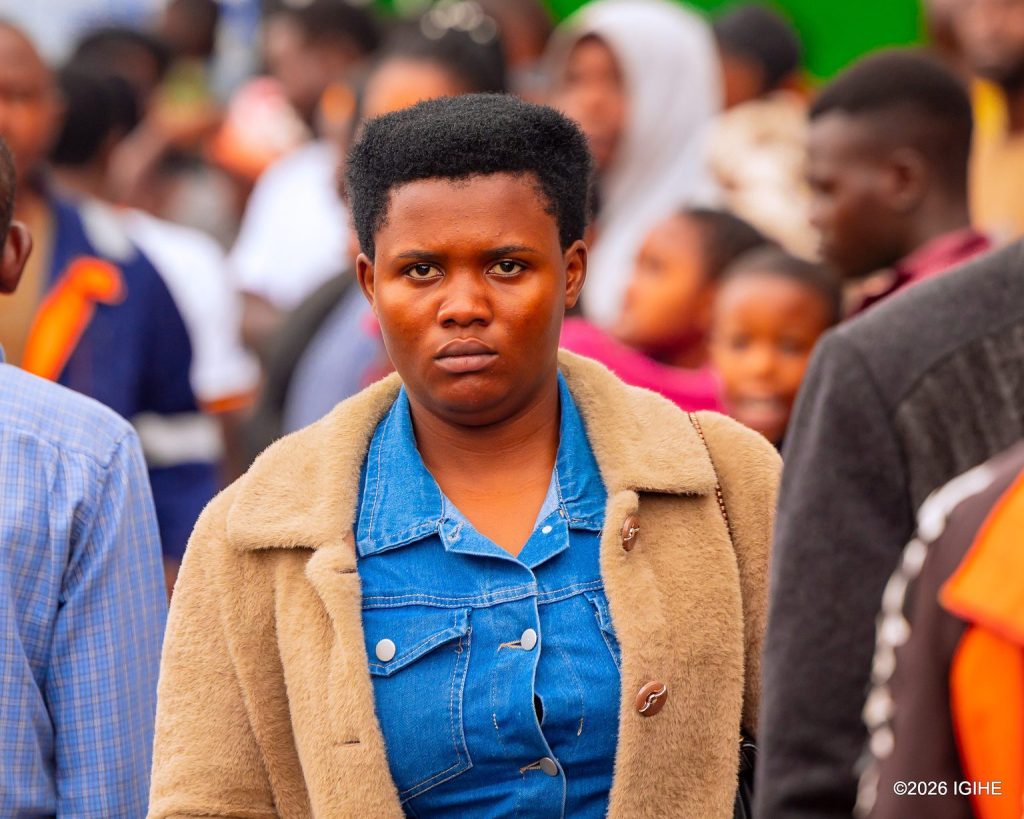
    Women accounted for 963 of the 1,607 traders assessed, representing 59.9% of the total. With nearly three in five affected traders being women, the disruption to businesses could also affect households that relied on their earnings.

    About 1,200 traders have found alternative premises

    Approximately 1,200 traders have secured alternative places to operate, equivalent to about 74.7% of those assessed.

    Based on the figures, roughly 400 traders are still without alternative trading space.

    For those who lost their stock and working capital, securing space is only part of the recovery process. They must also find the resources needed to restock and rebuild their businesses.

    A major commercial centre for Musanze

    GOICO Market was built in 2017 by Gorilla Investment Company (GOICO), a company bringing together 89 private investors from Musanze District. The project cost approximately Rwf7.5 billion.

    The multi-storey market housed businesses selling a range of goods, including clothing, electronic devices and other merchandise. It also accommodated banks and supermarkets.

    Before the fire, the market attracted approximately 12,000 people daily, making it an important commercial centre in Musanze.

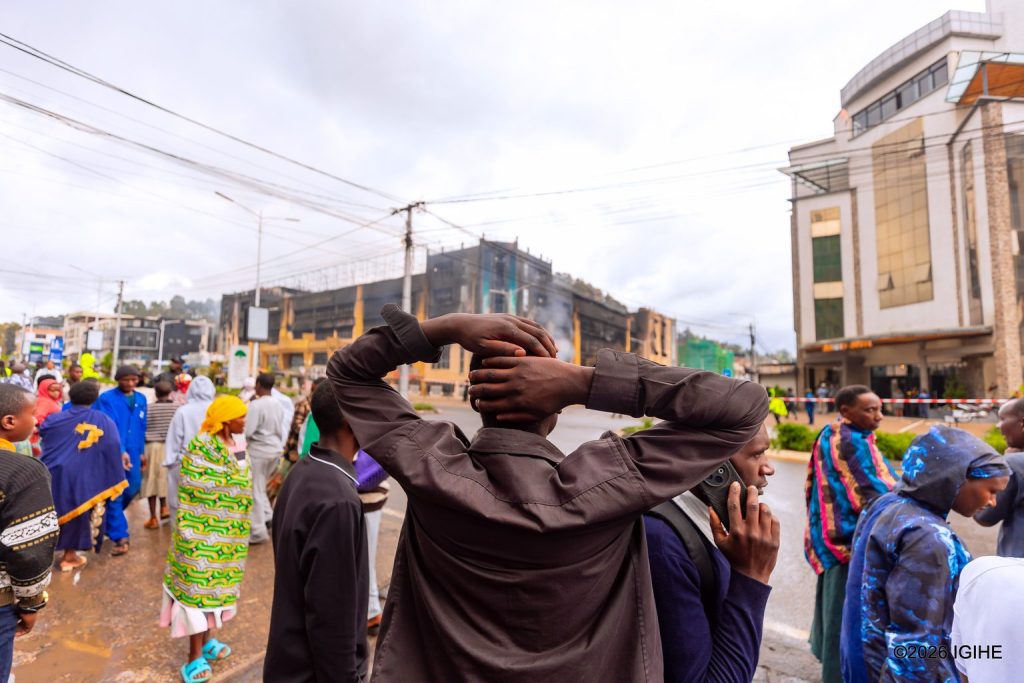
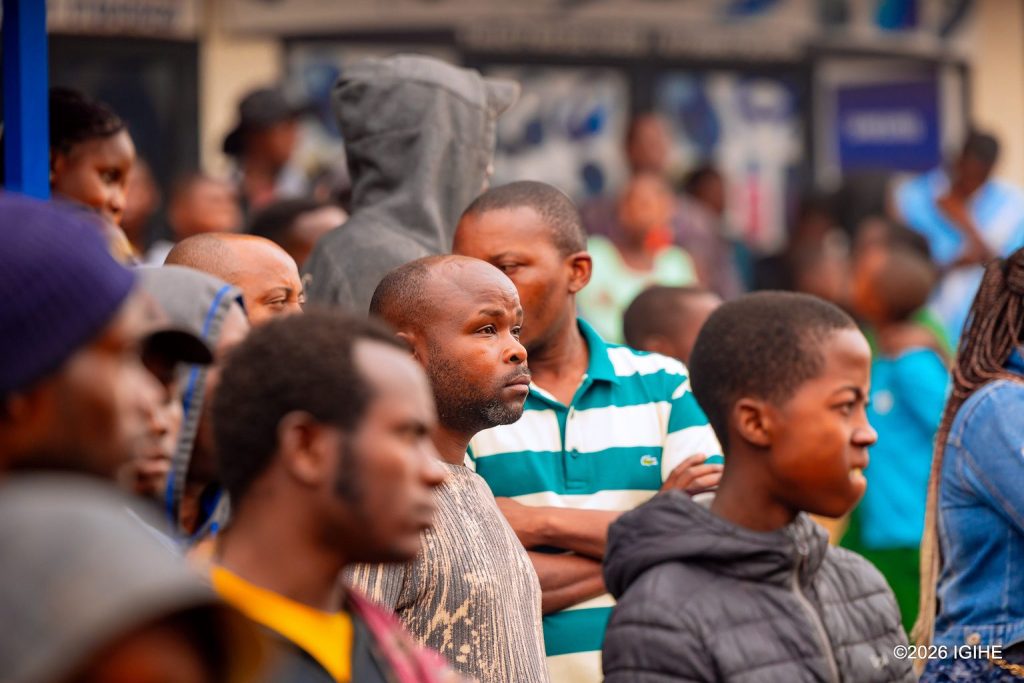
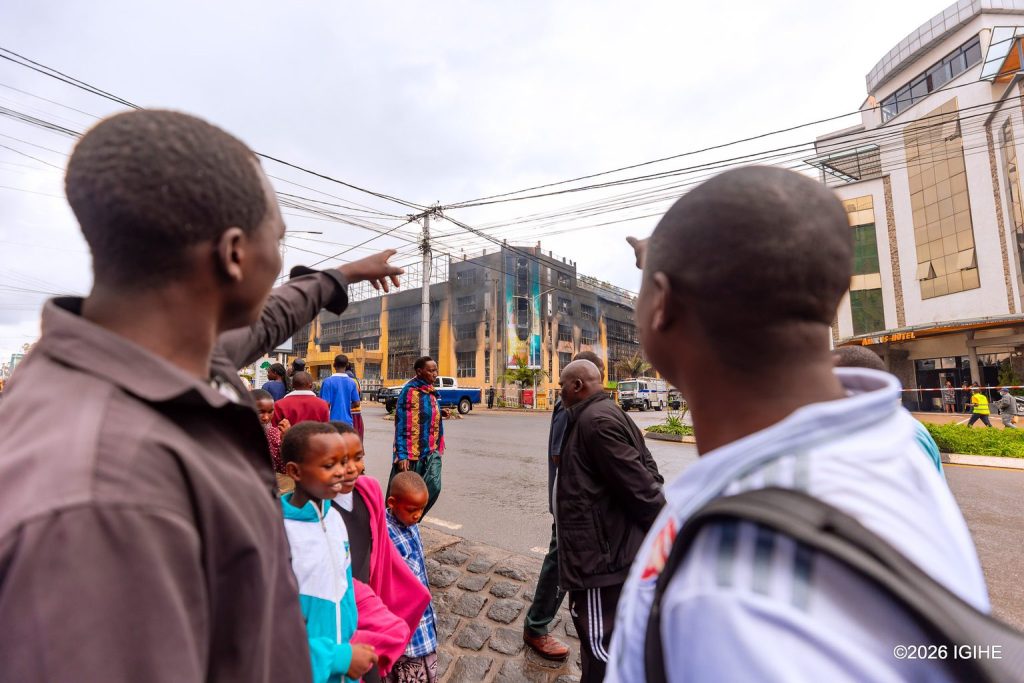
    The fire that gutted Musanze's GOICO Market on October 10, 2026, left 1,607 traders facing the challenge of rebuilding their businesses, with most lacking insurance cover and many struggling with outstanding loans.
    By the numbers: The scale of losses from Musanze market fire
    The absence of insurance could make recovery more difficult, particularly for traders who must find fresh capital to resume operations.
    Some traders who spoke to IGIHE called on financial institutions to ease repayment conditions as they work to rebuild their businesses.

    Source : https://new.igihe.com/english/by-the-numbers-the-scale-of-losses-from-musanze-market-fire/

  • Kagame joins Faye to open Dakar 2026 Youth Olympic Games #rwanda #RwOT

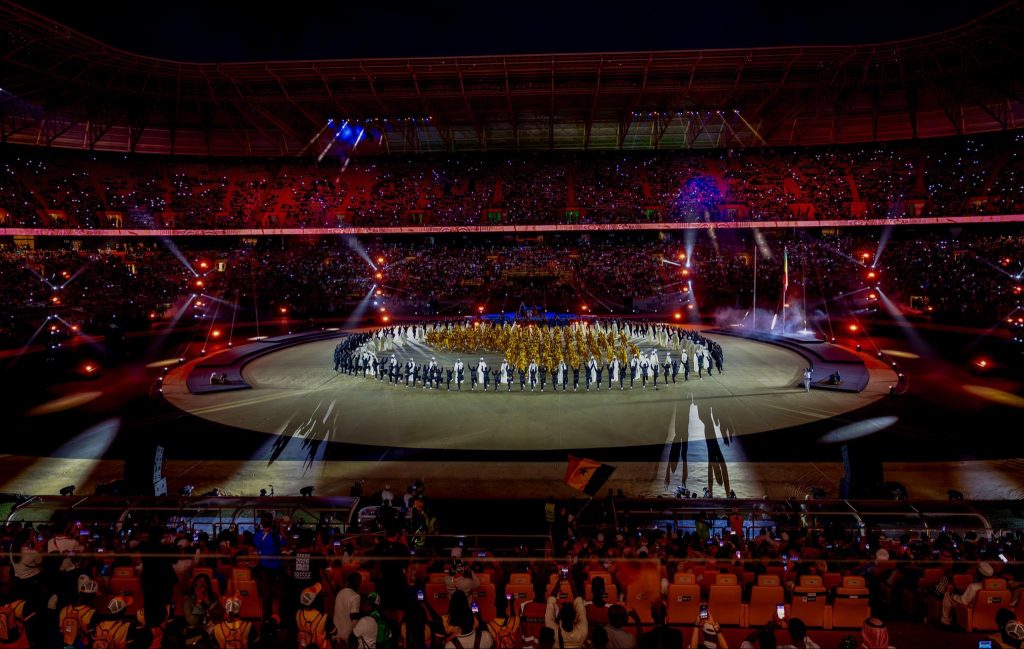
    The ceremony, held at Abdoulaye Wade Stadium, marked the start of the first International Olympic Committee (IOC)-organised event to be hosted on African soil, bringing together approximately 2,700 young athletes aged 15 to 17 from around the world.

    The athletes are competing across 25 sports, with 153 medal events scheduled during the Games, which run until November 13.

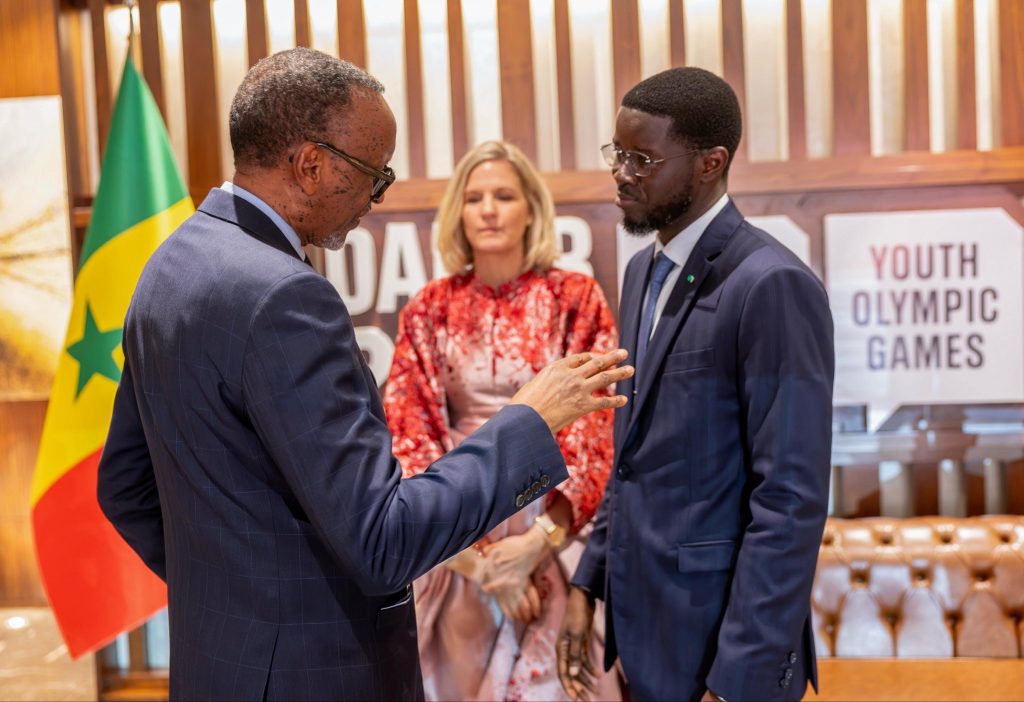
    The Office of the President confirmed Kagame's participation in a statement shared on social media, noting that the President attended the ceremony alongside his host and other Heads of State.

    The Youth Olympic Games bring together young athletes to compete while promoting the Olympic values of excellence, friendship, respect and solidarity.

    Rwanda is represented by nine athletes competing in five disciplines: athletics, swimming, cycling, taekwondo and kung fu wushu.

    The competitions are taking place across three locations in Senegal: Dakar, Diamniadio and Saly.

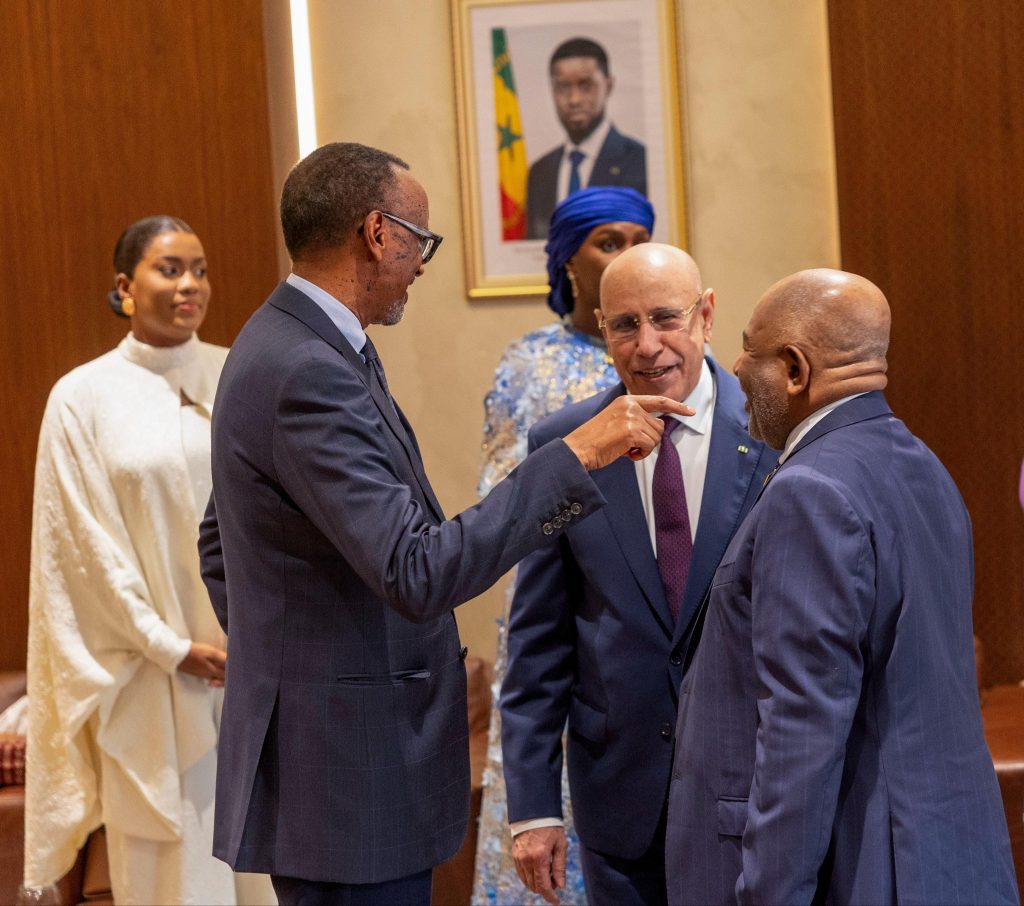
    President Paul Kagame joined his Senegalese counterpart, President Bassirou Diomaye Faye, and other African leaders at the opening ceremony of the 2026 Youth Olympic Games in Dakar on Saturday evening, October 31.
    The ceremony, held at Abdoulaye Wade Stadium, marked the start of the first Olympic event to be hosted on African soil, bringing together approximately 2,700 young athletes aged 15 to 17 from around the world.

    Source : https://new.igihe.com/english/kagame-joins-faye-to-open-dakar-2026-youth-olympic-games/

  • G20 FM meeting ends without joint communique amid deep divisions #rwanda #RwOT

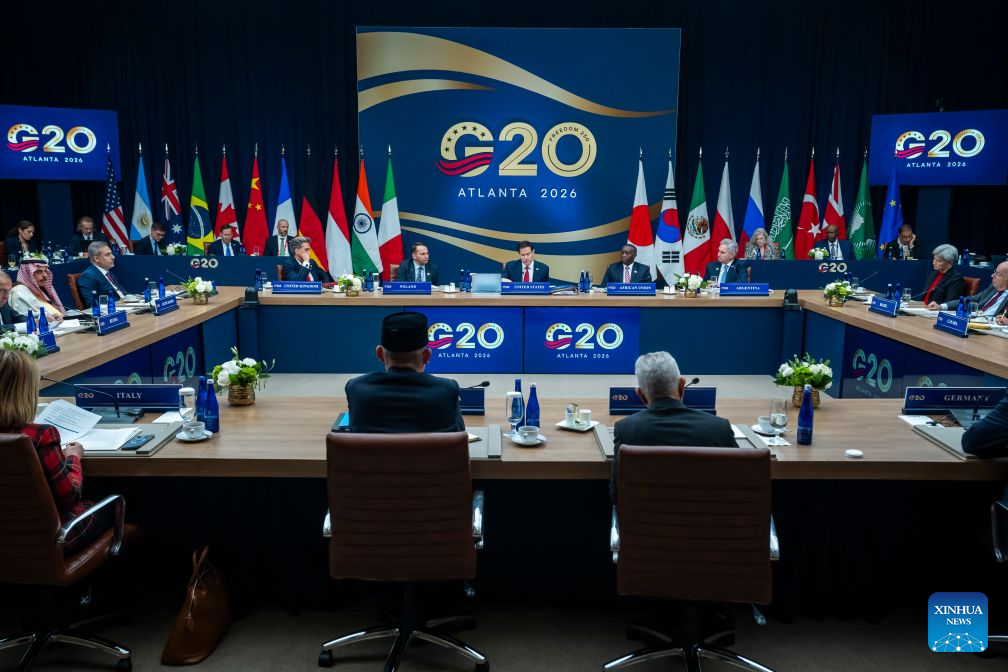
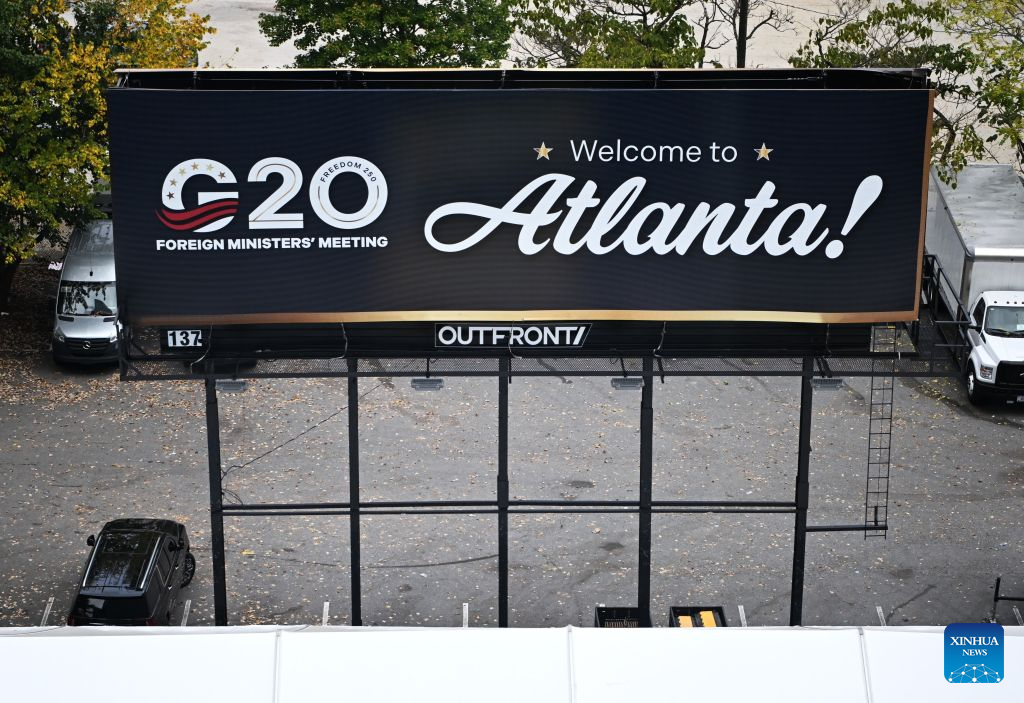
    Chaired by U.S. Secretary of State Marco Rubio, the meeting addressed geopolitical tensions, energy security and supply chains.

    At a closing news conference, Rubio highlighted freedom of navigation in key waterways, including the Strait of Hormuz and the Black Sea, along with critical mineral supply chains and food security. He said participants recognized the importance of these issues but remained divided over their solutions.

    'I wouldn't pretend to you today that we are close to finding universally accepted solutions to these problems,' he told reporters.

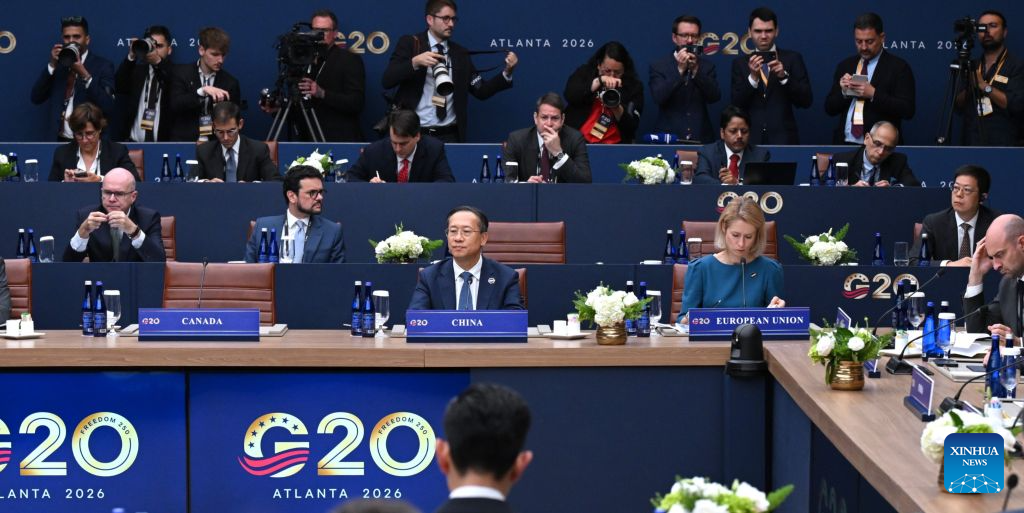
    Chinese Vice Foreign Minister Ma Zhaoxu told the meeting that the international situation is undergoing profound changes, geopolitical situations are tense, and the development agenda is seriously lagging behind.

    Ma said the Global Security Initiative proposed by China advocates a vision of common, comprehensive, cooperative and sustainable security, and has played an important role in helping resolve international and regional disputes.

    Ma urged the G20 to shoulder its due responsibilities and serve as a force for safeguarding world peace and stability, help ease tensions in regional hotspot issues, address the root causes of conflicts, and strengthen global security governance.

    He said China supports the G20 in deepening cooperation on ensuring energy security and achieving sustainable development, continuously improving energy affordability, promoting transformation of the energy structure, and improving global energy governance.

    He also called on G20 members to take concrete actions to maintain the stability and smooth operation of global industrial and supply chains.

    Participants remained deeply divided over issues including the Ukraine crisis, the U.S.-Iran conflict and U.S. tariff policies. Several representatives said these issues had driven global fuel costs sharply higher and heightened uncertainty in global trade. They also voiced concerns over the possibility of the United States launching another military strike against Iran after the Nov. 3 midterm elections, and the possibility of Iranian retaliation.

    On the opening day of the meeting, the United States abruptly canceled the traditional group photo of foreign ministers. Representatives from some European countries, Australia and Canada reportedly opposed posing alongside Russian Foreign Minister Sergei Lavrov.

    Washington's decision not to invite South Africa, a G20 member that held the group's rotating presidency last year, also sparked divisions.

    U.S. President Donald Trump will host the G20 Leaders' Summit in Miami, Florida in December and has invited Russian President Vladimir Putin. Rubio said Saturday that Russia has not yet confirmed whether Putin will attend the meeting.

    Chaired by U.S. Secretary of State Marco Rubio, the meeting addressed geopolitical tensions, energy security and supply chains.
    At a closing news conference, Rubio highlighted freedom of navigation in key waterways, including the Strait of Hormuz and the Black Sea, along with critical mineral supply chains and food security.

    Source : https://new.igihe.com/english/g20-fm-meeting-ends-without-joint-communique-amid-deep-divisions/

  • CAR deputy military chief hails Rwanda's recovery #rwanda #RwOT

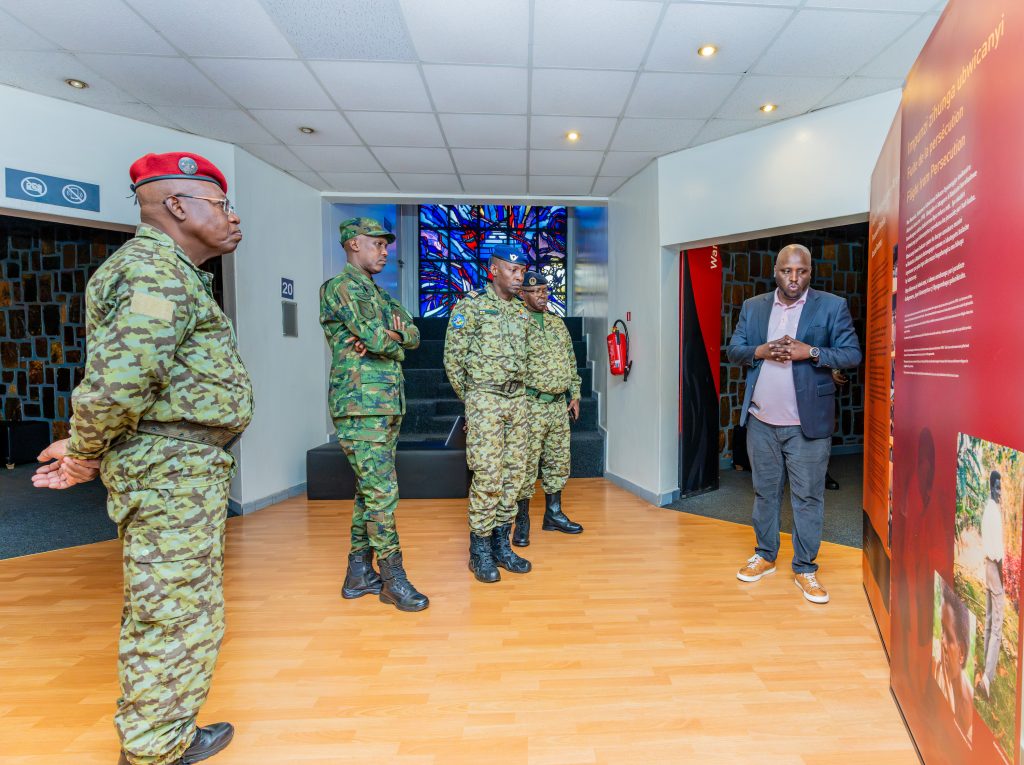
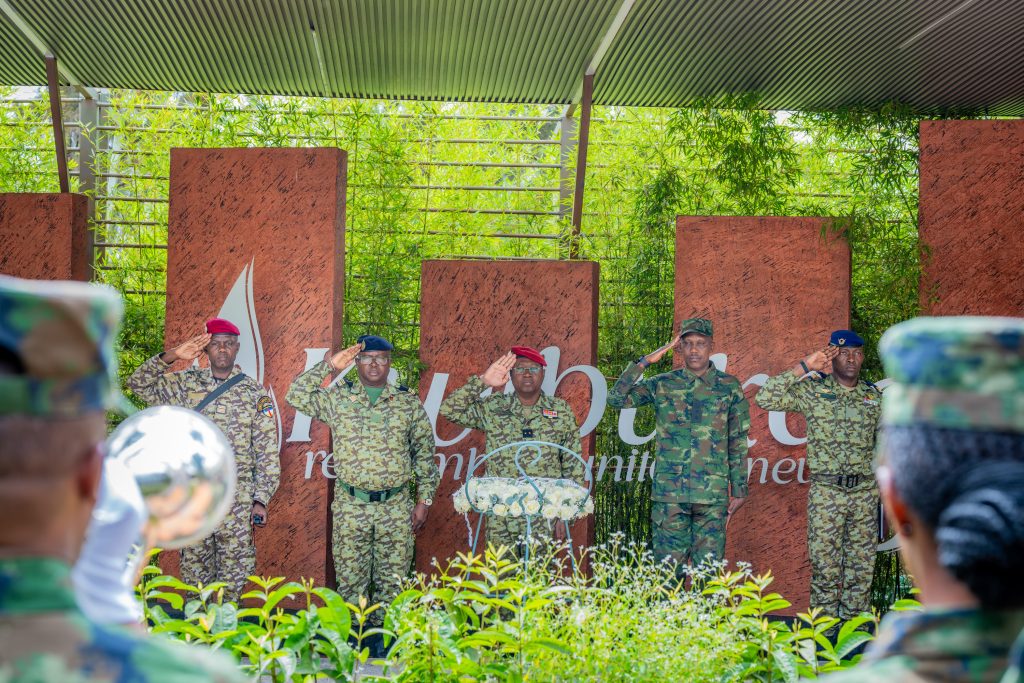
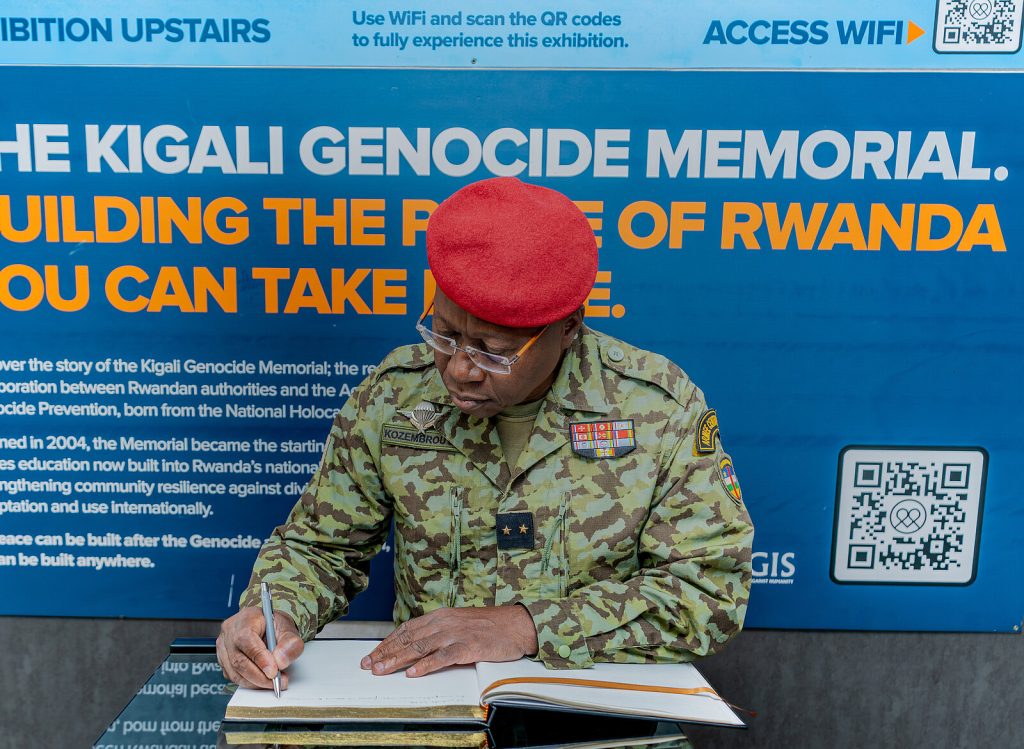
    Kozembrоu made the remarks on Saturday after leading a delegation of senior CAR military officers on a visit to the Kigali Genocide Memorial, where they paid tribute to the victims of the Genocide and learned about its historical background and execution, according to the Ministry of Defence.

    Speaking to the media after the visit, the general said he was deeply shocked by the atrocities committed during the Genocide against the Tutsi and expressed solidarity with the people of Rwanda.

    He said Rwanda's journey of recovery and reconstruction was what impressed him most, adding that the country's experience offered lessons for other African nations seeking to overcome the legacy of conflict and strengthen unity and national cohesion.

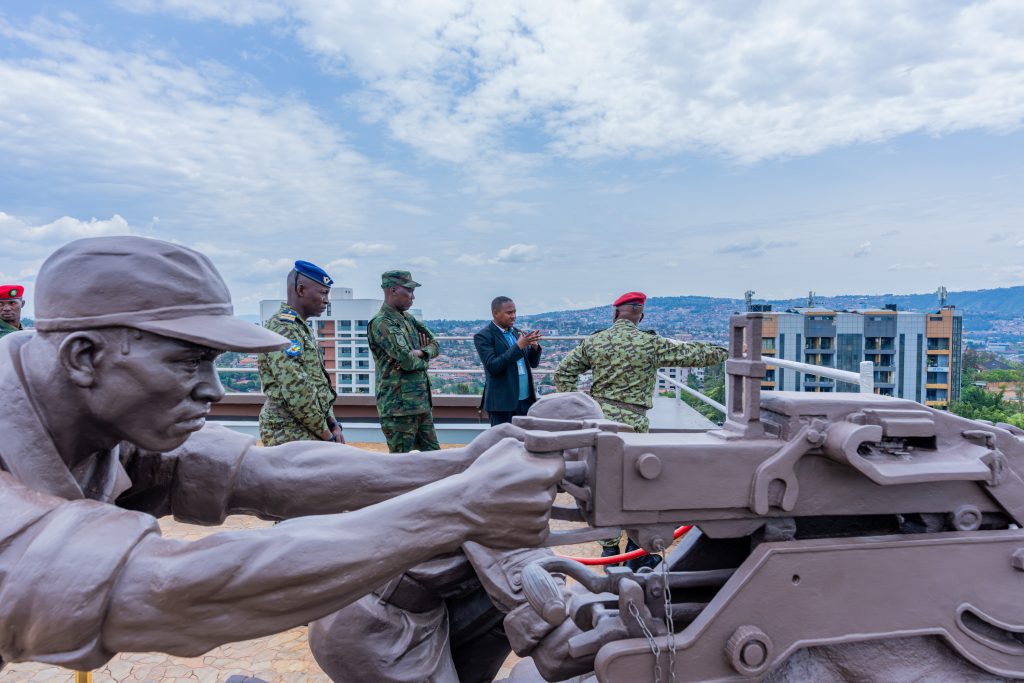
    The delegation also visited the Campaign against Genocide Museum, where its members were briefed on the role played by the Rwanda Patriotic Army (RPA) in stopping the Genocide against the Tutsi.

    Rwanda, CAR strengthen defence ties

    Kozembrоu also highlighted the longstanding relations between Rwanda and the Central African Republic, whose cooperation includes defence, security and military training.

    Rwanda has contributed troops to the United Nations Multidimensional Integrated Stabilization Mission in the Central African Republic (MINUSCA) since 2014. In 2020, Rwanda also deployed troops under a bilateral defence cooperation agreement with the CAR government, expanding its security engagement beyond the UN mission.

    Rwanda has continued to support the training of Central African Armed Forces personnel, with RDF instructors providing military training to CAR soldiers as part of efforts to strengthen the country's defence capabilities.

    Brig Gen Elie Kozembrоu, the Central African Republic's Deputy Chief of General Staff in charge of Logistics hailed Rwanda's recovery on Saturday after leading a delegation of senior CAR military officers on a visit to the Kigali Genocide Memorial
    CAR deputy military chief hails Rwanda's recovery
    Brig Gen Elie Kozembrоu said he was deeply shocked by the atrocities committed during the Genocide against the Tutsi and expressed his solidarity with the people of Rwanda.
    The delegation also visited the Campaign against Genocide Museum and was briefed on the role played by the Rwanda Patriotic Army ( RPA) in stopping the 1994 Genocide against the Tutsi.

    Source : https://new.igihe.com/english/car-deputy-military-chief-hails-rwandas-recovery/

  • One year of Mövenpick Kigali: Swiss hospitality, Rwandan warmth #rwanda #RwOT

    Mövenpick Kigali sits on the historic grounds of the former Umubano Hotel, one of Kigali's first international hotels, reimagined for a new era. Over the years, the site carried several brands, including Le Méridien, Novotel and Laico. Its return to life as a Mövenpick was announced in 2022, when Kasada acquired the hotel with plans to refurbish it fully and reopen it in 2025.

    The hotel opened its doors in late 2025. Today, as it celebrates its first anniversary, the figures speak for themselves, with more than 15,000 guests welcomed, over 400 events hosted, more than 30 partnerships established and over 200,000 meals served.

    A home for Kigali's events

    Kigali's conference and events scene is growing, and the hotel was built to be part of it. It offers flexible meeting rooms with panoramic views of Kigali, accommodating up to 17,000 guests, suited to meetings, events and co-working. Its location next to the Kigali Convention Centre, and minutes from the Kigali Golf Resort and BK Arena, puts guests close to the city's major venues.

    With more than 400 events hosted in twelve months, from corporate meetings to celebrations, the hotel has quickly become a go-to address. That matters at a national level too: Rwanda aims to grow MICE tourism revenue from $85 million in 2024 to $224 million by 2028.

    Partnerships that grew with Movenpick Kigali

    The hotel's first year was also about building relationships. Its first major corporate partnership was as co-sponsor and official host of the prize-giving ceremony of the NCBA Golf Series. Since then, more than 30 partnerships with businesses, organisations and community partners have followed.

    Tables, treats and traditions

    With over 200,000 meals served, food has been at the heart of the first year. Guests can enjoy the brand's Chocolate Hour, a daily celebration of Swiss indulgence in the hotel's lobby. The Elephant Bar serves a variety of drinks, and the pâtisserie continues the legacy of Hotel Umubano. Founded in Switzerland in 1948 as a restaurant concept, Mövenpick has grown into a globally recognised hotel brand, and food remains core to its identity.

    Rest, recharge, reconnect

    Beyond meetings and meals, guests have used the heated outdoor pool, fitness center and complimentary shuttle services across the hotel's 124 rooms and suites, many with panoramic views of the city's green skyline.

    The people behind the year

    At the opening, Mediatrice Umulisa, the Hotel General Manager, said: 'The hotel's goal is to create joyful moments of genuine reconnection, where every guest feels both inspired and at home'. The hotel launched with about 160 staff, half of them women.

    Here's to year one, and to many more moments in Kigali.

    The hotel opened its doors in late 2025. Today, as it celebrates its first anniversary, the figures speak for themselves, with more than 15,000 guests welcomed, over 400 events hosted, more than 30 partnerships established and over 200,000 meals served.

    Source : https://new.igihe.com/english/one-year-of-movenpick-kigali-swiss-hospitality-rwandan-warmth/

  • Scientists uncover surprising role of vitamin A in development of sharp human vision #rwanda #RwOT

    The discovery offers new insights into how human eyesight develops before birth and could eventually contribute to research into treatments for conditions that cause vision loss.

    The research, published in the Proceedings of the National Academy of Sciences (PNAS), examined the foveola, a small area located at the centre of the retina that enables people to see fine details, read and recognise faces.

    Led by Associate Professor Robert J. Johnston Jr., the researchers used laboratory-grown miniature human retinal tissues, called organoids, to study how cells in the eye develop over time.

    Their observations revealed that during early fetal development, some cells that initially detect blue light may change into cells responsible for detecting red and green light.

    The transformation is influenced by retinoic acid, a substance derived from vitamin A, and thyroid hormones, which play important roles in regulating growth and development.

    The researchers found that retinoic acid helps organise the developing retina by restricting the formation of blue-light-sensitive cells in its central region.

    Meanwhile, thyroid hormones appear to trigger some of the remaining blue-sensitive cells to develop into red- and green-sensitive cells.

    The discovery challenges a long-standing scientific explanation, which suggested that blue-sensitive cells simply moved away from the centre of the developing retina without changing their function.

    Instead, the new findings indicate that some of these cells may undergo a transformation, adopting different roles as the eye develops.

    'This is a key step toward understanding the inner workings of the center of the retina, a critical part of the eye and the first to fail in people with macular degeneration,' Johnston said.

    The findings could help advance future research into treatments for vision-threatening conditions, including macular degeneration and glaucoma.

    Scientists hope that further improvements in laboratory-grown retinal tissues could eventually make it possible to develop specialised light-sensitive cells capable of replacing those damaged by eye diseases.

    However, the technology is still at an experimental stage, and further studies will be necessary to determine whether it can safely and effectively restore vision in patients.

    The research provides new insight into the biological processes that enable the human eye to develop the ability to distinguish fine details.

    Researchers have discovered how vitamin A and thyroid hormones contribute to the development of sharp human vision.

    Source : https://new.igihe.com/english/scientists-uncover-surprising-role-of-vitamin-a-in-development-of-sharp-human-vision/

  • Genocide survivors forgive perpetrators as reconciliation efforts gain ground in Rulindo #rwanda #RwOT

    He is among the genocide perpetrators who received psychosocial support and lessons on unity and resilience, aimed at helping them reconcile with the people they wronged. The initiative was organised by the Pentecostal Church of Rwanda (ADEPR) in partnership with the Ministry of National Unity and Civic Engagement (MINUBUMWE).

    ADEPR said it launched the programme in 2021 to bring together genocide perpetrators and survivors through reconciliation activities.

    Since then, more than 6,000 people have participated in the programme. They have formed 36 self-help groups focused on income-generating activities, with combined savings exceeding Rwf 9 million.

    The groups engage in agriculture, livestock farming and vocational activities. Members also hold regular discussions aimed at strengthening relationships and promoting peaceful coexistence.

    One of the groups, based in Rulindo District, grows pineapples. On October 30, ADEPR donated five cows to its members to support their efforts to rebuild their lives.

    Nkuyubwatsi Jean Marie Vianney, who participated in the reconciliation programme, apologised to the family of the person he killed, saying that he had been burdened by guilt before finding relief after telling the truth.

    The Rulindo resident said he used to struggle with guilt even when sleeping.

    'I would lie down to sleep, but I could feel my heart pounding,' he said.

    Mulisa said that although he had been released after completing his sentence, he returned home overwhelmed by shame and fear because of his involvement in the Genocide against the Tutsi.

    'When I returned, I was filled with shame and fear. I remember being released at 5 p.m., but I only arrived home at 8 p.m., even though the vehicle had dropped me off in Shyorongi at 6 p.m.,' he said.

    He explained that after reaching Shyorongi busines centre, he got off and walked along the road leading to his home, afraid that residents might kill him because of the crimes he had committed. However, he was warmly received when he finally arrived.

    'I walked down through the bushes, afraid. I kept thinking, 'If I go down there, they will kill me anyway.' But when I arrived, people welcomed me warmly. They even started visiting me at home, and I also began visiting them. I came to feel that I had completed my sentence and had no other crimes to answer for,' he said.

    Mulisa said he later received lessons on how to reconcile with the people he had wronged. After completing the sessions, he felt compelled to ask for forgiveness.

    'I later met this group, which taught us. After completing the lessons, my heart told me, 'Go and ask those people for forgiveness,'' he said.

    Mulisa subsequently apologised to the family of Nsabimana. He explained that when he was 20 years old, he took part in an attack on their home, during which Nsabimana's younger sibling was taken away and killed.

    A survivor of the Genocide against the Tutsi said she had experienced severe trauma. Whenever she saw people convicted of genocide crimes being released from prison after serving their sentences, she would nearly collapse.

    'There was a time when I lived in constant fear. I was overwhelmed by grief because the 1994 Genocide against the Tutsi had left me with nothing. I lost all my siblings and my father, leaving me with only an elderly woman who was 85 years old,' she said.

    She added: 'It was a long journey. Whenever I saw people, I would nearly collapse, especially those released from prison after being convicted of genocide crimes.'

    However, she said she has since regained her strength.

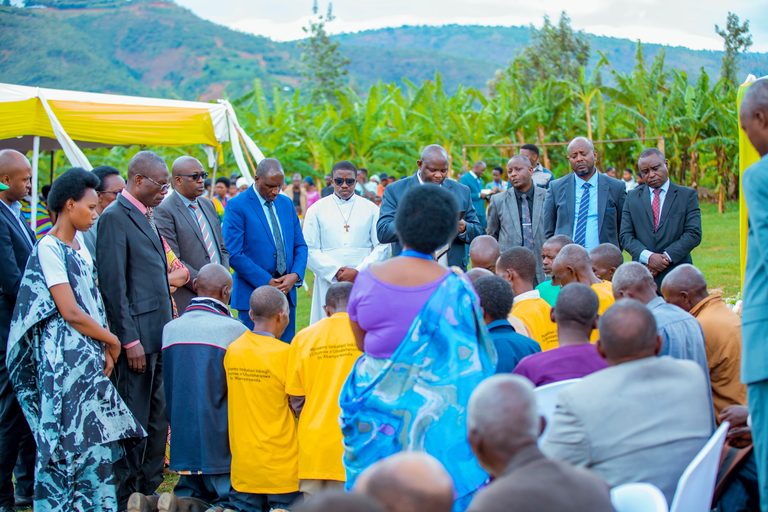
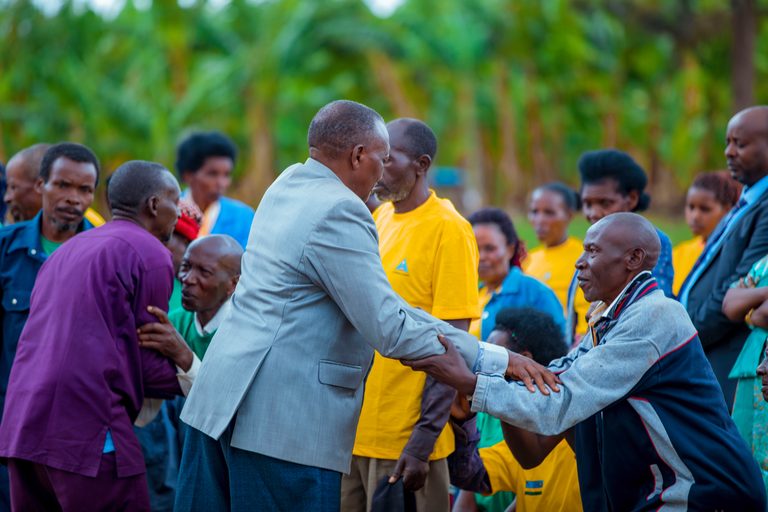
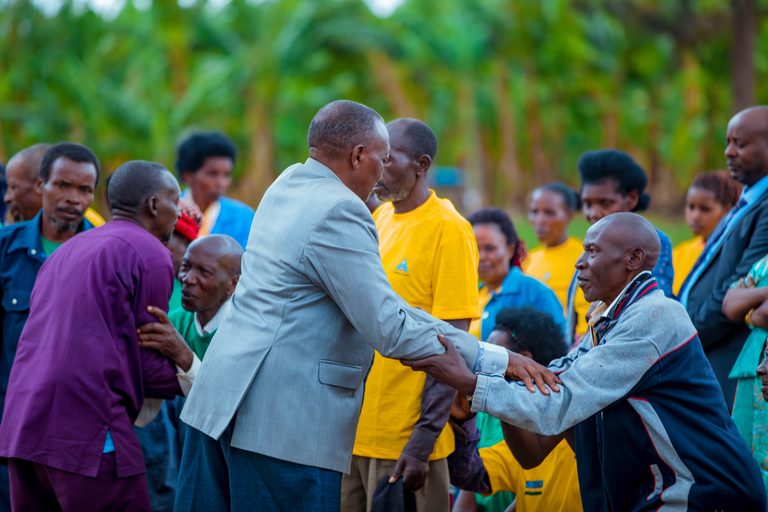
    During the reconciliation event, some genocide perpetrators knelt down as they asked survivors for forgiveness, saying they felt relieved and were committed to living peacefully with those they had wronged. The survivors accepted their apologies, and the two groups embraced.

    A woman from Rubona Cell, Shyorongi Sector, whose parent was killed during the Genocide, said she had been able to forgive the perpetrators because they had humbled themselves and sincerely asked for forgiveness.

    'You cannot kill my parents and expect me to forgive you. But because you have knelt down and asked for forgiveness, we have granted it,' she said.

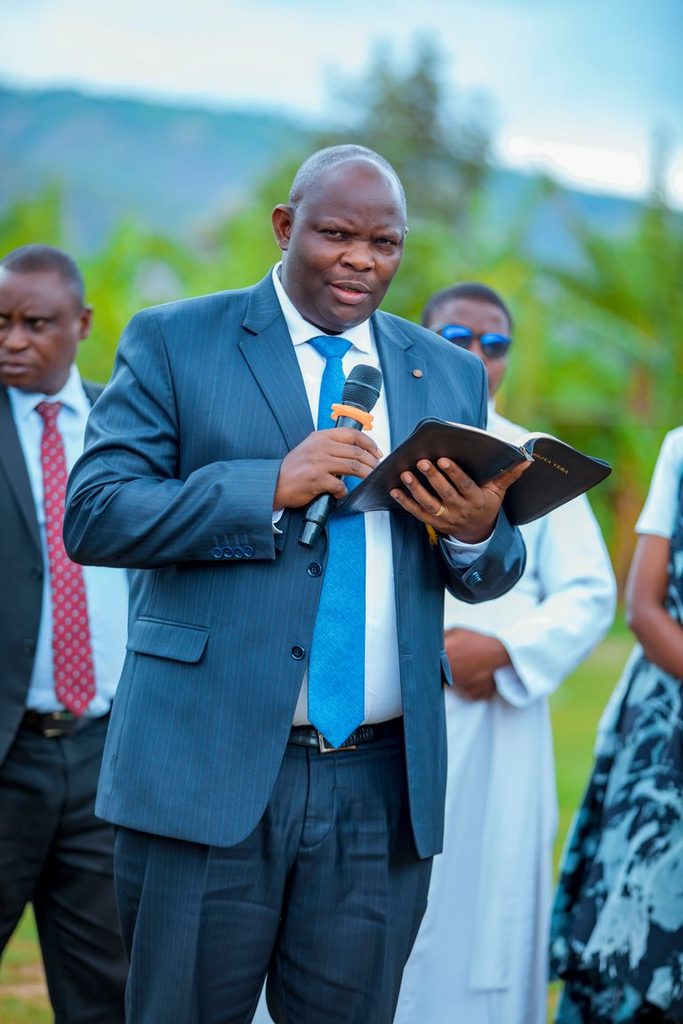
    Murebwayire Alphonsine, President of IBUKA in Rulindo District, commended those who had chosen reconciliation, saying Rwandans should work towards building a country free from hatred and genocide ideology.

    However, she warned that some parents continue to instil divisionism and genocide ideology in their children. She called for continued education to promote peaceful coexistence.

    'Even today, we still have irresponsible parents who continue to plant hatred in their children, including divisionism and genocide ideology. It is therefore our responsibility to continue teaching our children about love and peaceful coexistence. We must also explain the true history of the Genocide against the Tutsi, starting with what happened in our own communities,' she said.

    She stressed that children should be told the truth and properly educated so they can challenge those who attempt to distort the country's history, particularly the history of the 1994 Genocide against the Tutsi.

    Senior ADEPR Pastor Ndayizeye Isaie said that 632 people had reconciled through the programme nationwide in October alone, bringing the total number for the year to 982.

    'These are activities we started in 2021. Today, we are pleased with the results of the discussions we have conducted. More than 6,000 people have now gone through this process, and they are living peacefully, contributing to development and rebuilding their families,' he said.

    Pastor Ndayizeye said the number was still relatively low, calling on ADEPR pastors to work with local government authorities to continue educating genocide perpetrators who have been released from prison and survivors, with the aim of strengthening reconciliation and peaceful coexistence.

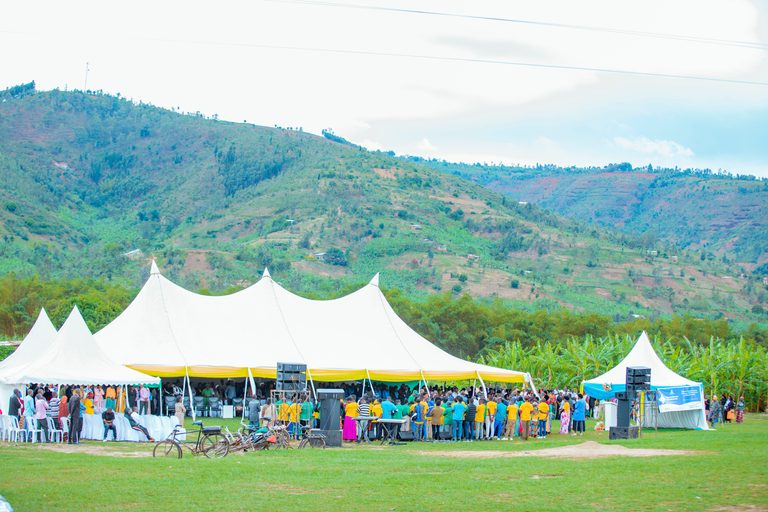
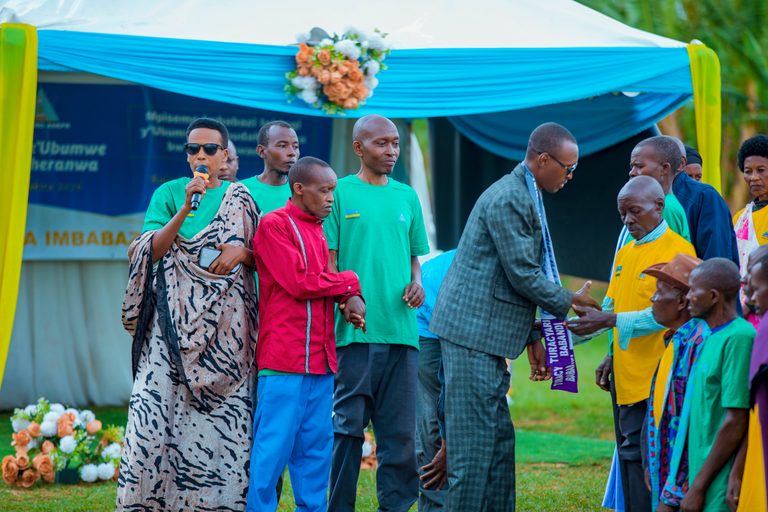
    An event marking the end of Unity and Resilience Month, organised by ADEPR to promote reconciliation between Genocide perpetrators and survivors, was held in Shyorongi Sector.
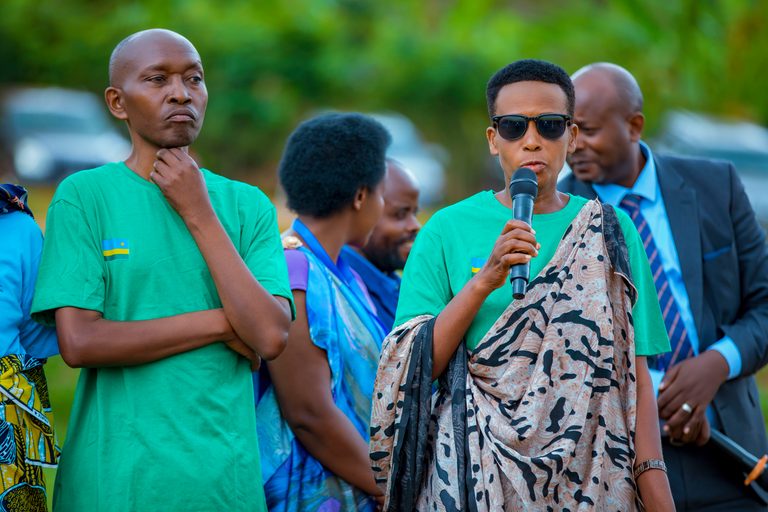
    A Genocide survivor recounts the severe trauma she experienced whenever she saw a released genocide perpetrator.
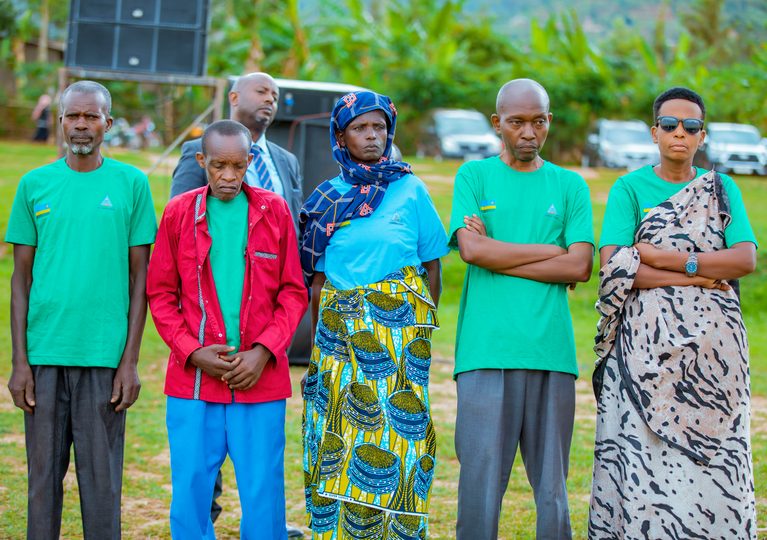
    Mulisa Sylvain (second from right) said he was afraid to return home during the day because of the fear and shame over the crimes he had committed.
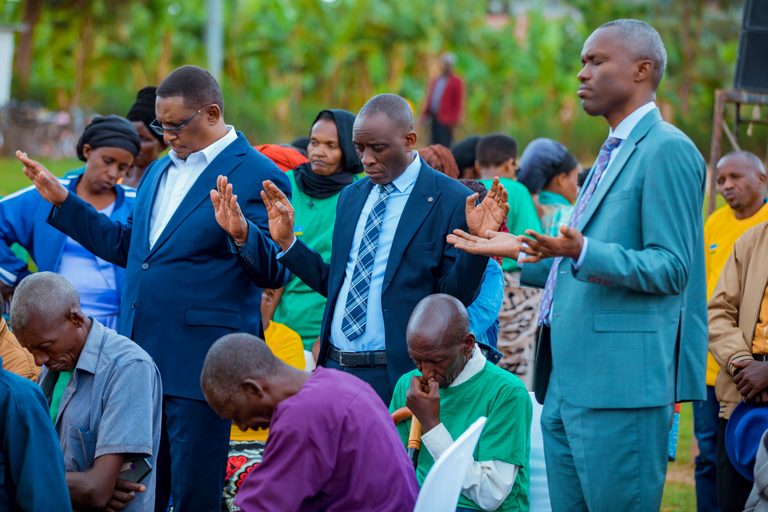
    They were then prayed for, asking God to strengthen them as they embark on a new journey.
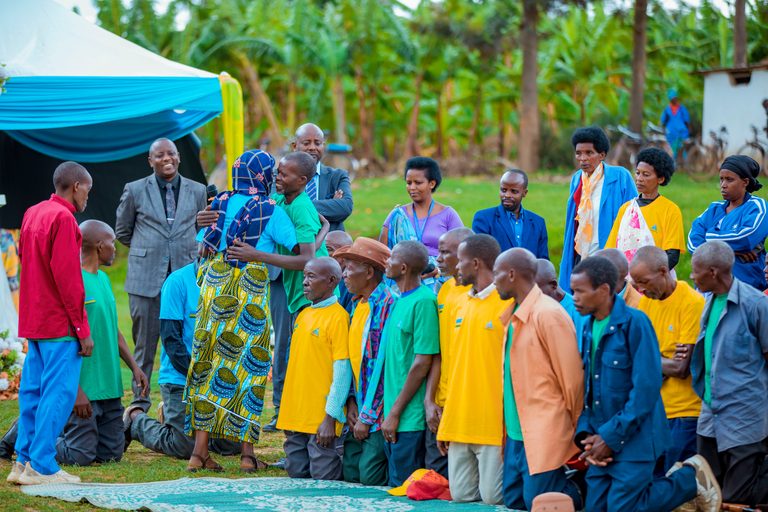
    Genocide survivors in Rulindo forgave those who wronged them, saying they were ready to live peacefully alongside them.
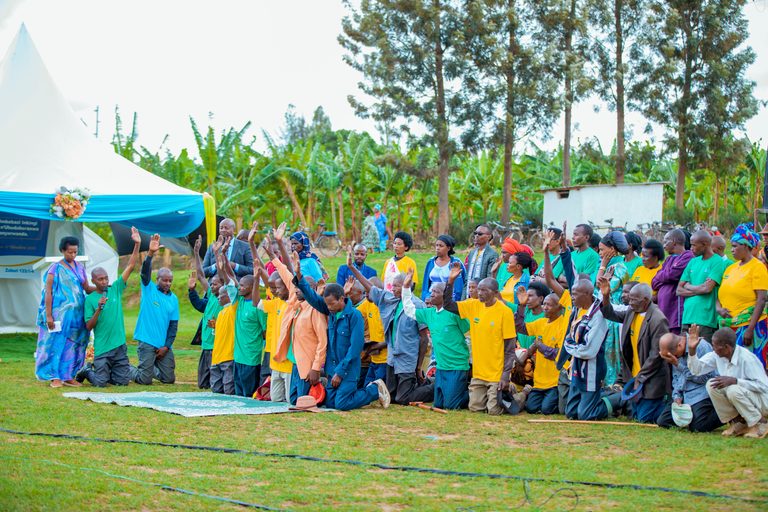
    Genocide perpetrators raised their hands to demonstrate their repentance before God and the public.

    After asking for and receiving forgiveness, they embraced as a sign of their commitment to unity.
    Pastor Ndayizeye Isaie said that since 2021, ADEPR has brought together more than 6,000 people through the programme.

    Source : https://new.igihe.com/english/genocide-survivors-forgive-perpetrators-as-reconciliation-efforts-gain-ground-in-rulindo/

  • President Kagame in Senegal for opening of 2026 Youth Olympic Games #rwanda #RwOT

    The ceremony will take place at the Abdoulaye Wade Stadium, marking the start of the first Olympic event to be hosted on African soil.

    Organised by the International Olympic Committee (IOC), the Youth Olympic Games bring together young athletes, predominantly aged 15 to 17, to compete in various sports while promoting Olympic values of excellence, friendship, respect and solidarity.

    Rwanda is represented by nine young athletes competing in five disciplines; athletics, swimming, cycling, taekwondo and kung fu wushu.

    The competitions will take place across Dakar, Diamniadio and Saly, running until November 13.

    Approximately 2,700 athletes are expected to compete in 25 sports, with 153 medal events scheduled.

    Senegal's hosting of the Games marks a milestone for African sport, giving the continent its first opportunity to stage an Olympic event.

    Preparations are in high gear for the opening ceremony of the 2026 Youth Olympic Games, scheduled for Saturday evening, October 31, at the Abdoulaye Wade Stadium in Dakar, Senegal.

    Source : https://new.igihe.com/english/president-kagame-in-senegal-for-opening-of-2026-youth-olympic-games/