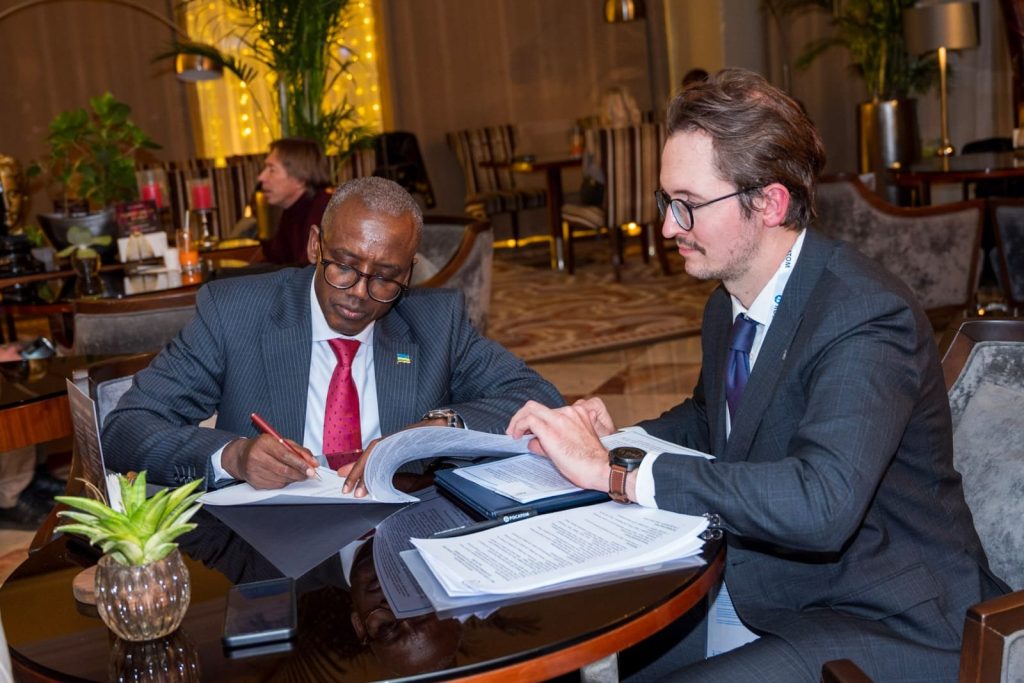
The agreement between the Rwanda Atomic Energy Board (RAEB) and Russia's state-owned nuclear corporation, Rosatom, was signed on October 28, 2026, on the sidelines of the third Russia-Africa Summit in Moscow.
Rwanda's Ambassador to Russia, Maj Gen Joseph Nzabamwita, announced the development in a post on X on October 31, saying construction works would soon begin in Rwanda.
'Construction works will now soon commence in Rwanda, which will also create jobs for our youths,' he wrote.
He said the partnership would also focus on training nuclear scientists and technical personnel, while promoting the use of nuclear technologies in healthcare, agriculture and mining.
According to Maj Gen Nzabamwita, the technologies could support cancer treatment, preservation of agricultural produce, geological surveys and mineral processing, while nuclear power could contribute to providing affordable electricity to households.
Rosatom said the agreement would support an assessment of Rwanda's nuclear infrastructure needs in line with recommendations from the International Atomic Energy Agency (IAEA).
'Our cooperation with Rwanda is comprehensive, we are working together on projects for a small nuclear power plant and a Centre for Nuclear Science and Technology, while also training the country's future nuclear professionals,' said Rosatom Director General Alexey Likhachev.
He added that 102 Rwandan students are currently studying at Russian universities through Rosatom programmes.
Rwanda's nuclear energy programme builds on cooperation with Russia that began in 2018, when the two countries signed an intergovernmental agreement on the peaceful use of nuclear energy.
The partnership is part of the country's broader plans to introduce nuclear power into its mix with Rwanda expecting to begin generating 110 megawatts of electricity from nuclear energy between 2030 and 2033, according to infrastructure Minister Damien Murwanashyaka who announced the target while appearing before senators in September 2026.
The planned projects form part of Rwanda's broader efforts to diversify its energy sources, strengthen scientific research and develop skilled professionals as the country works towards its vision 20250 development goals.
Rwanda's Ambassador to Russia, Maj Gen Joseph Nzabamwita, signed the memorandum of understanding with Russia's state-owned nuclear corporation, Rosatom in Moscow.
At Mount Kigali University (MKU), students from different countries are experiencing life in Rwanda while adapting to its culture, learning its languages and building connections with local communities.
For some, the decision to study in Rwanda was influenced by the quality of education and the opportunity to experience a different environment.
Bonifacia Pedro Lucas, an Angolan student at MKU, said access to quality education and exposure to different languages were among the reasons he chose Rwanda.
He described his experience at Mount Kigali University as positive, saying he believes the institution offers excellent education compared with what he experienced in Angola.
Beyond academics, Lucas said Rwanda's security and the hospitality of its people have made his stay enjoyable.
'Rwandan people are really good when dealing with foreigners,' he said.
Safety is also among the qualities that have impressed other international students. Omnia Philip, a Sudanese student, described Rwanda as a peaceful and clean country where people respect rules.
She said she was particularly impressed by the politeness of Rwandans and their willingness to communicate with foreigners, even when language differences make conversations difficult.
Despite not being fluent in Kinyarwanda, Omnia said she is gradually adapting and has started using local greetings such as 'Muraho neza' when interacting with people.
She also encouraged parents to consider sending their children to Rwanda for education, describing it as a safe destination with good educational opportunities and affordable living conditions.
The sense of security and affordability has similarly shaped the experience of Rayan Abubaker, another Sudanese student.
He said these factors influenced his decision to study in Rwanda, while the opportunity to interact with people from different cultural backgrounds has become one of the things he appreciates most about living in the country.
Although understanding the local language has been a challenge, Rayan said his overall experience has been positive.
'Rwanda will be your second home,' he said, encouraging other international students to consider the country.
However, life in Rwanda has offered the students more than academic opportunities and a peaceful environment. Experiencing a different culture has also become an important part of their stay.
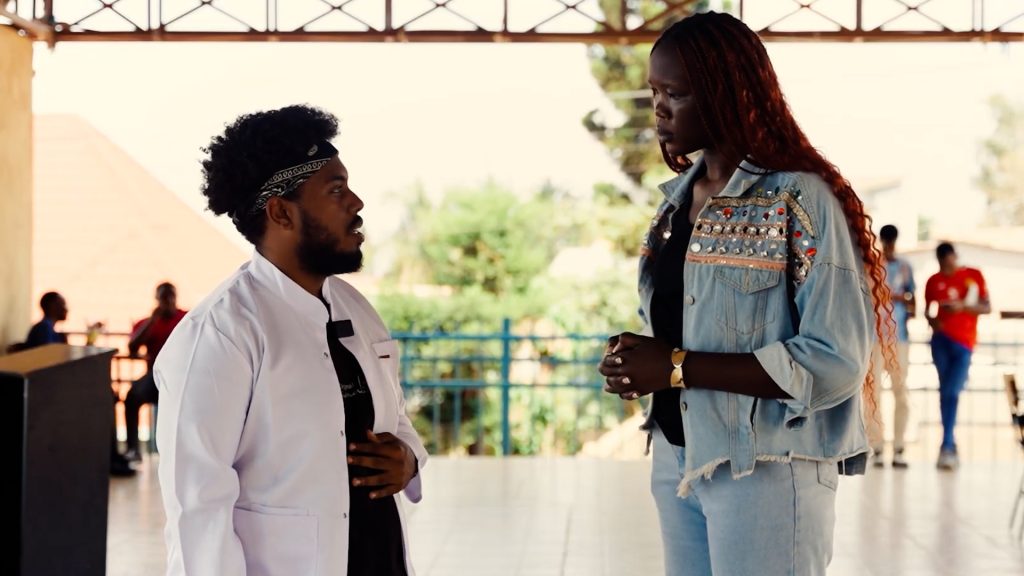
Nyamer Paul , a South Sudanese student, said she was particularly drawn to Rwanda's traditional dances and attire, describing the country's cultural richness as one of the things she admires most.
Nyamer said learning Kinyarwanda has been challenging but that she is making efforts to adapt and understand the country's culture better.
Cultural experiences have also extended beyond traditional performances to everyday community life.
The country's famous thousand hills and peaceful environment were among the attractions that caught the attention of Denish Ondieki, a Kenyan student.
He said he particularly appreciates Rwanda's cleanliness and the Umuganda community service initiative, which brings residents together to participate in activities aimed at improving their surroundings.
Despite his appreciation of the country, adapting to a new environment has not been without challenges.
Denish said language differences were among his biggest difficulties, although he has been pushing himself to learn Kinyarwanda and is gradually adapting.
Food has also been part of the adjustment, with Denish noting differences in preparation and the experience of street food.
Lucas similarly observed that although some foods are familiar to him from Angola, the preparation methods differ in Rwanda.
Nevertheless, the students said these differences have not overshadowed their experiences, with each describing the opportunity to live and study in Rwanda as worthwhile.
For Denish , the experience is something he believes others should not miss.
'Don't miss to come to Rwanda, because if you miss it, you are missing a very big thing in your life,' he said.
For these five students, studying in Rwanda has offered more than an opportunity to pursue academic qualifications.
It has also provided an experience of cultural exchange, adaptation and discovering a new sense of belonging away from home.
Rayan Abubaker, a Sudanese student at Mount Kigali University, describes Rwanda as a safe and affordable destination for international students.Bonifacia Pedro Lucas, an Angolan student at Mount Kigali University, speaks about his experience studying in Rwanda and adapting to the country's culture.Omnia Philip, a Sudanese also shared her experience as an international student in Rwanda.Denish Ondieki shares his experience of living and studying in Rwanda.Nyamer Paul , a South Sudanese student described Rwanda's cultural richness as one of the things she admires most.
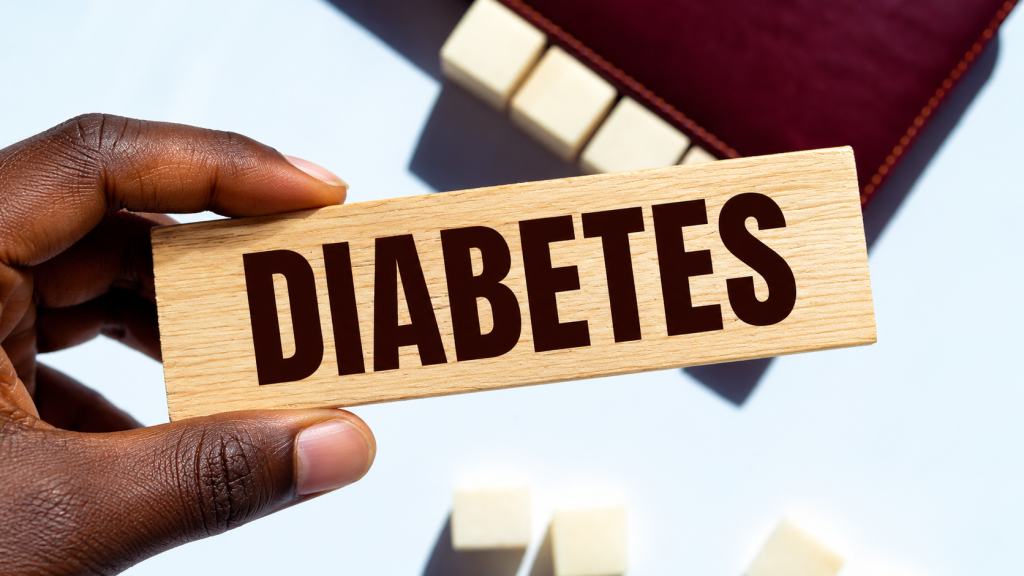
The findings, published in The Lancet Regional Health Americas and presented at the Annual Meeting of the European Association for the Study of Diabetes (EASD), suggest that lifestyle changes could offer an effective approach to managing early-onset Type 2 diabetes.
The research was conducted by scientists led by Professor Kaberi Dasgupta of McGill University in Canada and Professor Thomas Yates of the University of Leicester in the United Kingdom.
The clinical trial involved 96 adults aged between 18 and 45 who had Type 2 diabetes and obesity but were not using insulin.
Participants were recruited at research centres in the United Kingdom and Canada.
Of the 96 participants, 50 were assigned to an intensive lifestyle programme, while 46 continued receiving standard medical care.
Those in the lifestyle group followed a diet providing between 800 and 900 calories daily, alongside supervised aerobic and resistance exercises twice a week and an additional independent exercise session.
After 12 weeks, participants moved to a diet designed to maintain their weight loss while continuing physical activity.
After 24 weeks, 27 of the 50 participants in the intensive programme had achieved remission, representing 54%.
In comparison, only two of the 46 participants receiving standard care achieved remission, equivalent to approximately 4%.
Researchers also recorded greater weight loss among participants following the intensive programme.
Their average body weight decreased by 8.4 kilogrammes over six months, compared with 1.2 kilogrammes among those receiving standard care.
The programme also focused on preserving muscle mass through resistance training while reducing body fat.
However, the intensive approach was associated with more side effects.
Forty-three participants in the intervention group reported at least one adverse event, compared with six in the standard-care group. Common problems included constipation, headaches, dizziness and fatigue. No severe adverse events were reported.
Researchers emphasised that remission does not necessarily mean diabetes has been permanently cured.
It refers to blood sugar levels falling below the diagnostic threshold without glucose-lowering medication for a specified period.
They said longer-term studies are needed to establish whether participants can maintain remission and weight loss over time.
The findings could offer new insights into treating early-onset Type 2 diabetes, which is associated with a higher risk of developing complications earlier in life.
A new study has found that combining a low-calorie diet with regular exercise can help young adults with Type 2 diabetes achieve remission.
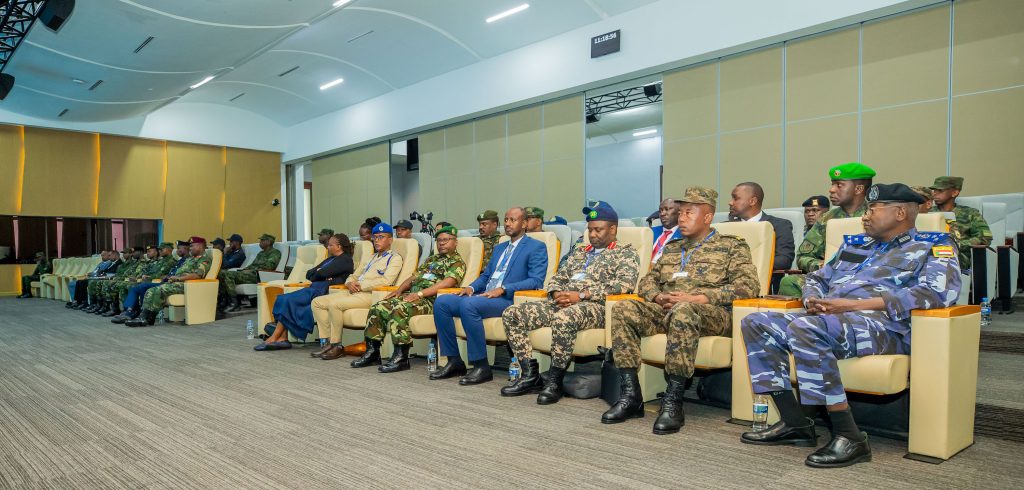
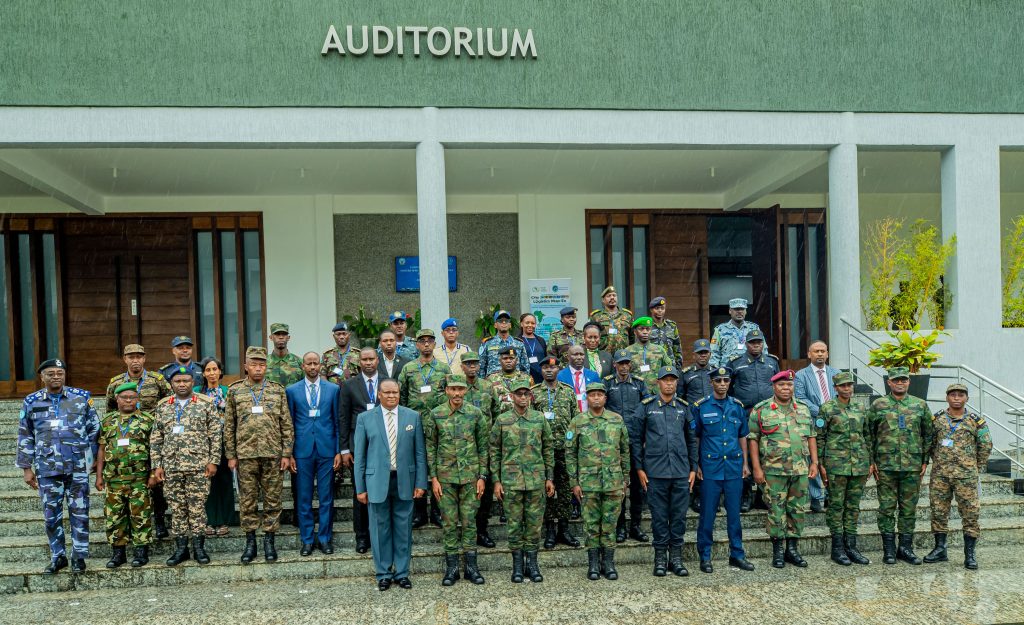
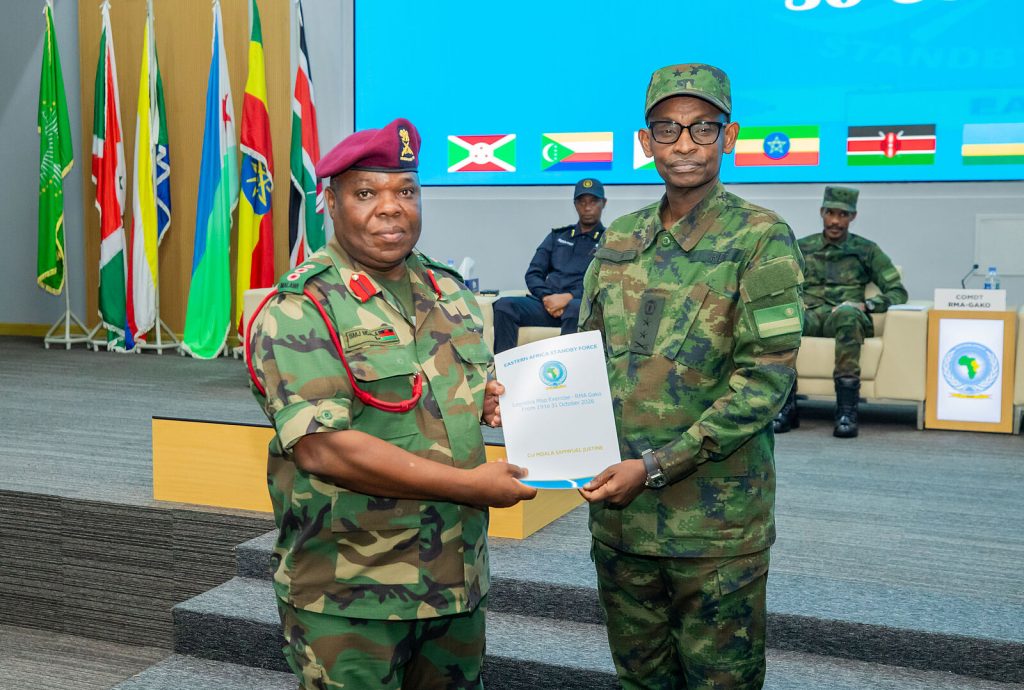
Held from 19 to 30 October 2026, the exercise brought together military, police and civilian personnel from EASF Member States, regional partners and participating institutions to enhance logistical planning, operational readiness and coordination for future missions across Eastern Africa.
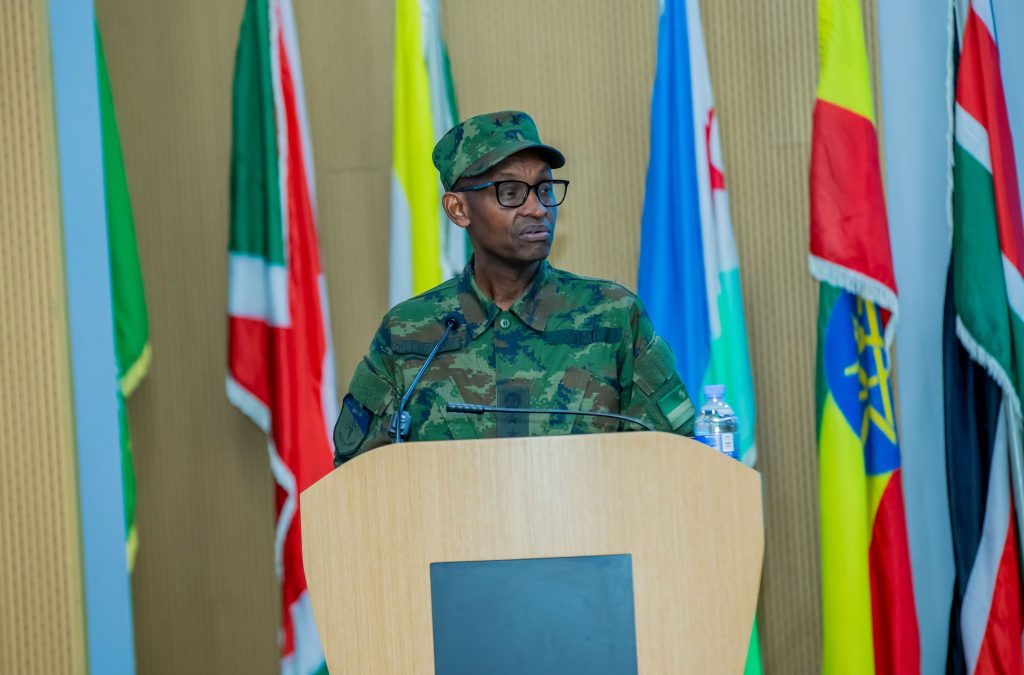
Speaking at the closing ceremony, Maj Gen Dr Ephrem Rurangwa, Military Health Service Chief of Staff, emphasised the importance of regional cooperation, interoperability and effective logistics systems.
He stressed that collective commitment and practical cooperation are essential for addressing regional security challenges and ensuring the EASF can deploy rapidly, operate effectively and sustain its forces.
He also urged participants to apply the knowledge and skills acquired in their respective institutions.
Representing the EASF Director General, Col Julien Rwangarambe, Chief of Staff at the EASF Logistics Base, highlighted the exercise's role in assessing planning processes, testing coordination arrangements, identifying areas for improvement and strengthening understanding of logistical requirements for strategic force projection.
Lt Col Clebert Munzege, a participant, added that the exercise enabled Member States and stakeholders to share experiences and improve logistical planning and force sustainment during peace support operations.
The successful conclusion of MAPEX reaffirmed EASF Member States' commitment to strengthening collective preparedness and enhancing their capacity to respond effectively to emerging security challenges and humanitarian emergencies across Eastern Africa.
Participants follow proceedings during the closing ceremony of the Eastern Africa Standby Force Logistics Map Exercise at the Rwanda Military Academy.Participants pose for a group photo at the Rwanda Military Academy in Gako following the conclusion of the Eastern Africa Standby Force Logistics Map Exercise on October 30, 2026.Maj Gen Dr Ephrem Rurangwa, Military Health Service Chief of Staff, addresses participants during the closing ceremony of the two-week EASF Logistics Map Exercise at the Rwanda Military Academy in Gako.
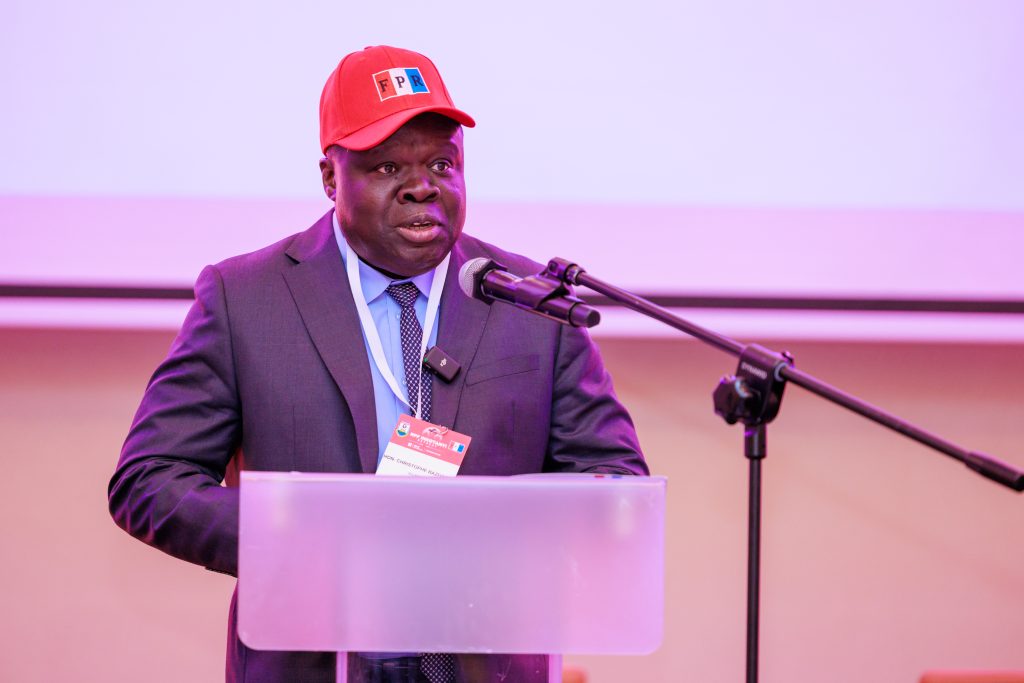
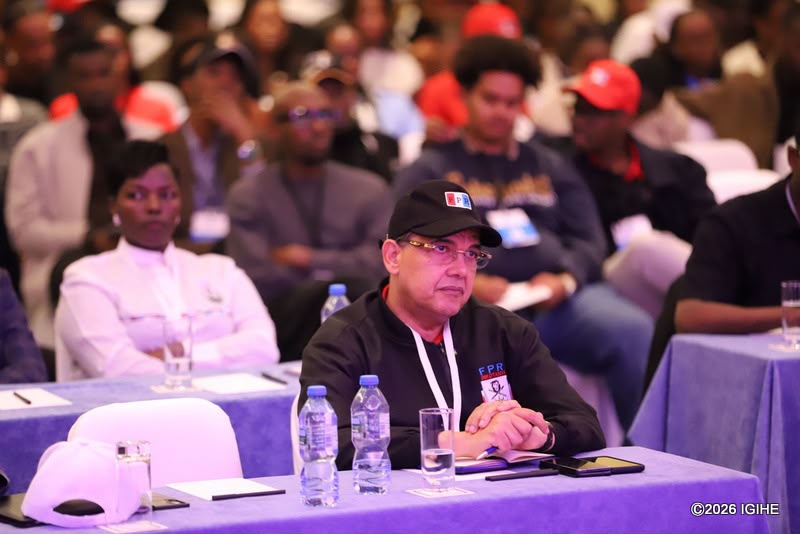
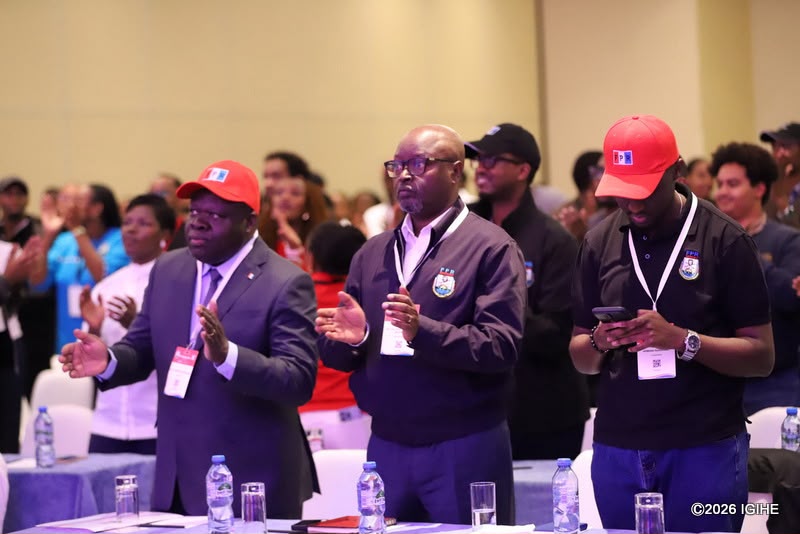
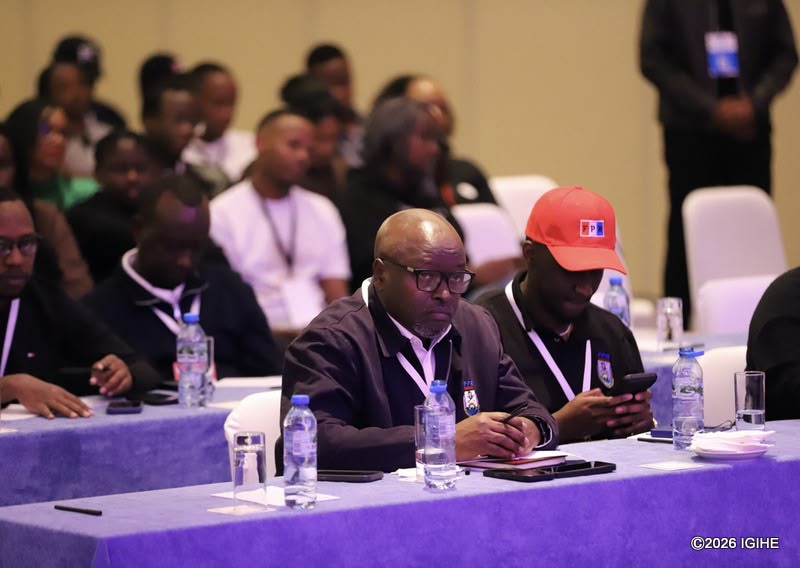
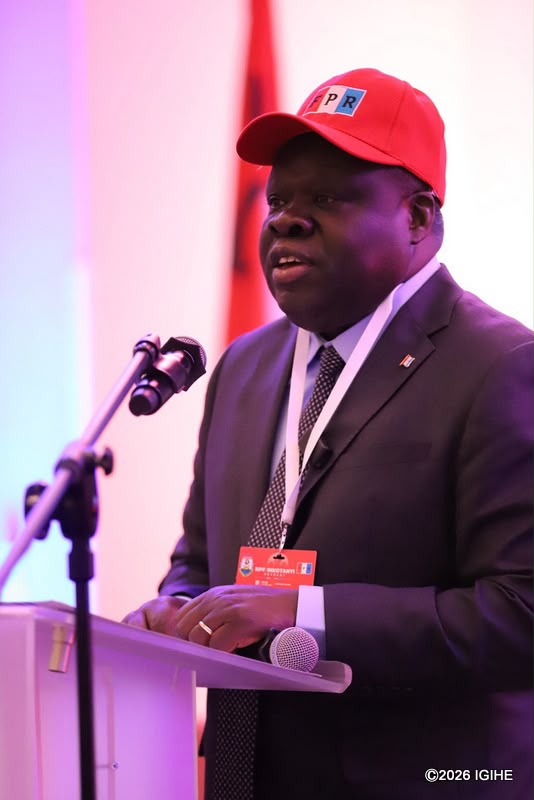
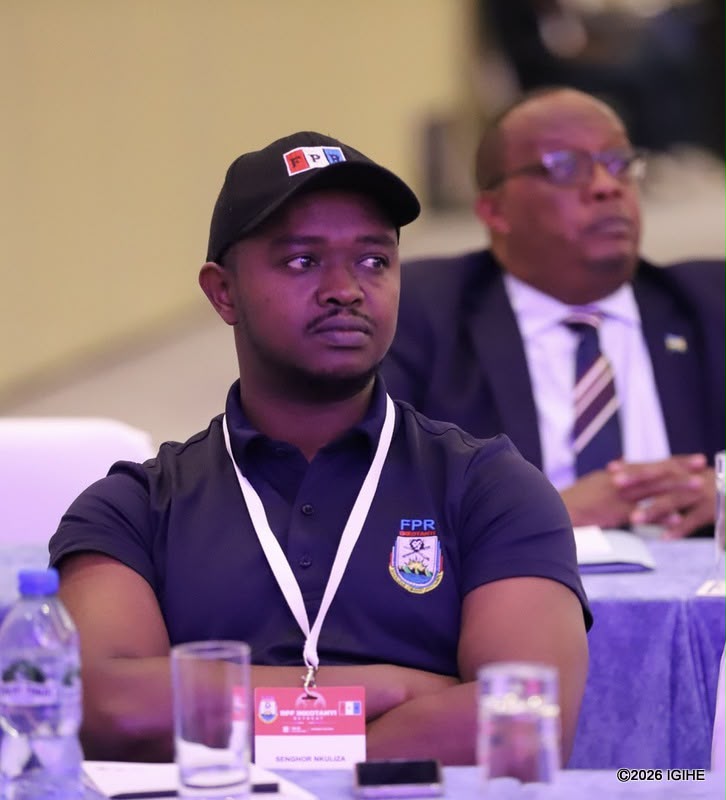
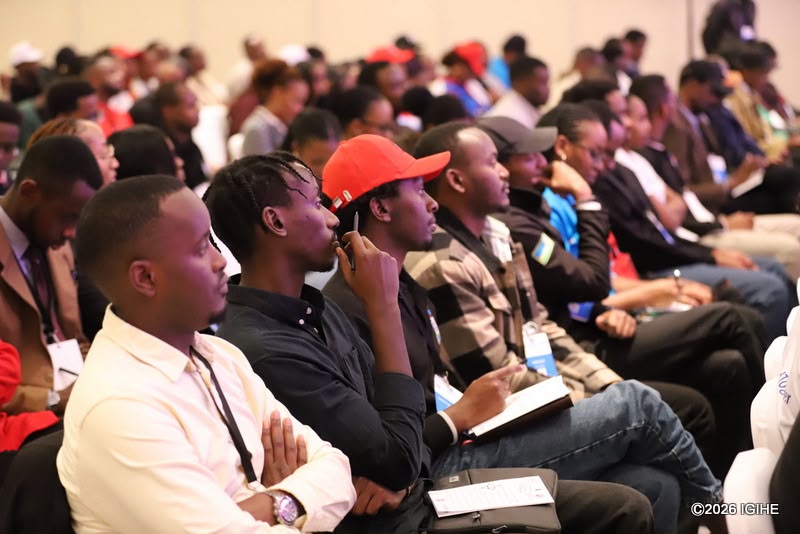
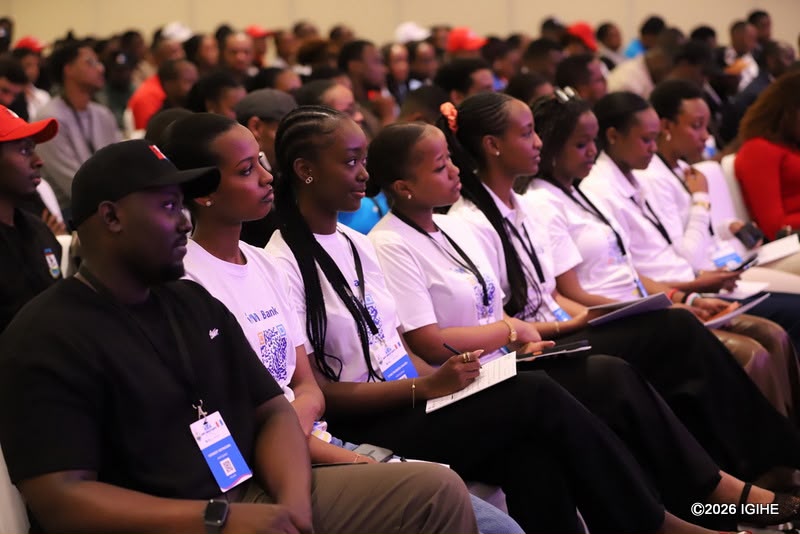
He made the call on October 30, 2026, during a retreat of RPF-Inkotanyi members, attended by young people, in Warsaw, Poland.
Bazivamo said achieving Vision 2050, which aims to make Rwanda a high-income country with no one living in poverty, requires greater commitment and participation from all Rwandans.
He noted that the proportion of people living below the poverty line had declined from 78% in 1994 to 27.8%, but said further efforts were needed to bring it down to zero by 2050.
'The vision is that by 2050, we will have no poor people. We have moved from 78% to 27%, and the target for 2050 is zero. We believe it is possible,' he said.
Bazivamo said Rwanda needed annual economic growth of more than 10% to achieve its 2050 ambitions, compared with the current pace of about 7%.
He warned that maintaining the current growth rate could delay the achievement of the country's targets until 2075, instead of 2050.
He urged young Rwandans to take responsibility now, noting that many of them would be in leadership positions by 2050 and would have to deal with the consequences of decisions made today.
'You want Rwandans to be wealthy by 2050. By then, you will also be in leadership positions. If you do not work to achieve that goal by then, you will face the challenges that remain. There is no reason to wait for problems when you can start addressing them today,' he said.
Diaspora skills and investment opportunities
Bazivamo identified education, healthcare, mineral processing and agricultural value addition as areas where Rwandans living abroad could contribute their expertise and investment.
He said Rwanda was developing into a destination for international students and people seeking medical services, although improvements were still needed to strengthen the sectors.
He called on Rwandans with relevant professional experience to help expand the quality of services and support the country's ambitions of becoming a regional hub for education and healthcare.
He also pointed to opportunities arising from the construction of the new international airport in Bugesera District, urging young people to consider the services and businesses that will be needed around the facility.
Bazivamo further cited mineral processing and agro-processing as areas with investment potential, noting that Rwanda wants to increase the value of its mineral and agricultural products before they reach international markets.
He said Rwandans abroad should remain informed about developments at home so they can explain the country's progress and opportunities to others.
'You should make an effort to understand what is happening in Rwanda in different areas, rather than relying on what others tell you or information from social media platforms seeking to distort the country's image,' he said.
Building on Rwanda's progress
Bazivamo highlighted progress in living standards, including the expansion of community-based health insurance, through which more than 80% of Rwandans access healthcare.
He said access to medical services helps people remain healthy and productive, contributing to the country's economic development.
He also urged young people to understand Rwanda's history, including the effects of colonial rule and the events that led to the 1994 Genocide against the Tutsi, saying knowledge of the country's past was important in shaping its future.
Bazivamo said the RPF-Inkotanyi's mission extends beyond its members to serving the interests of all Rwandans, calling for continued commitment to unity, national values and self-reliance.
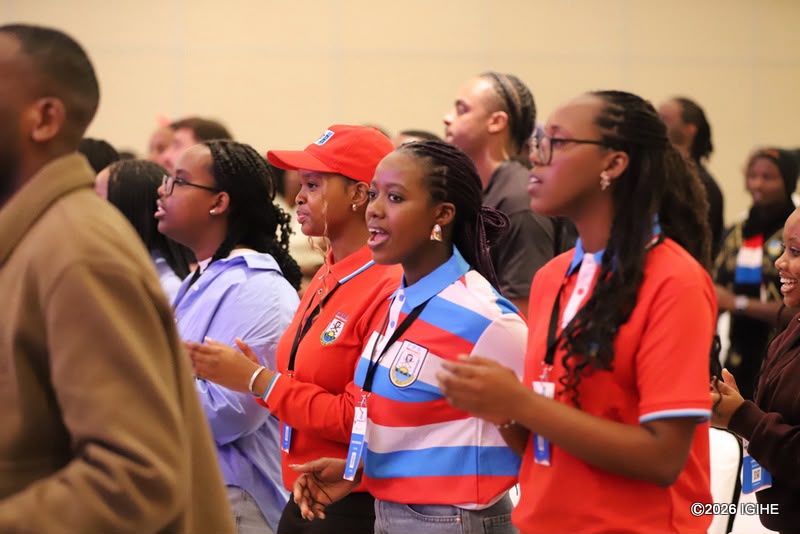
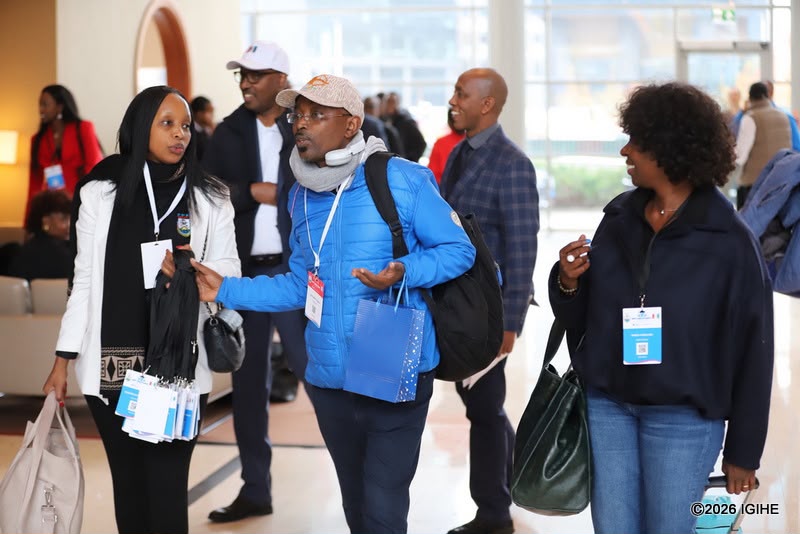
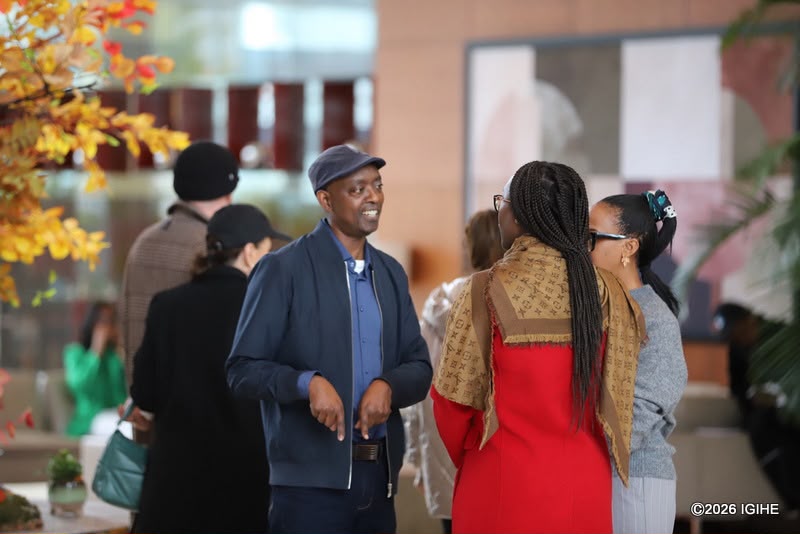
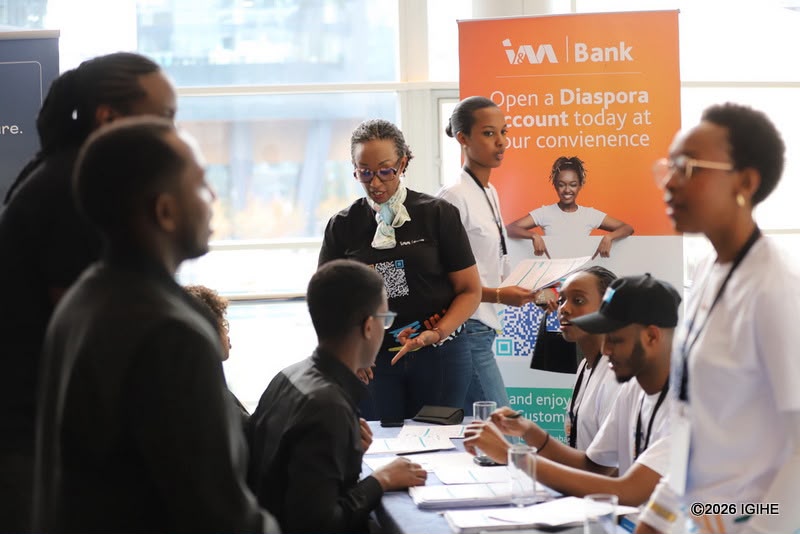
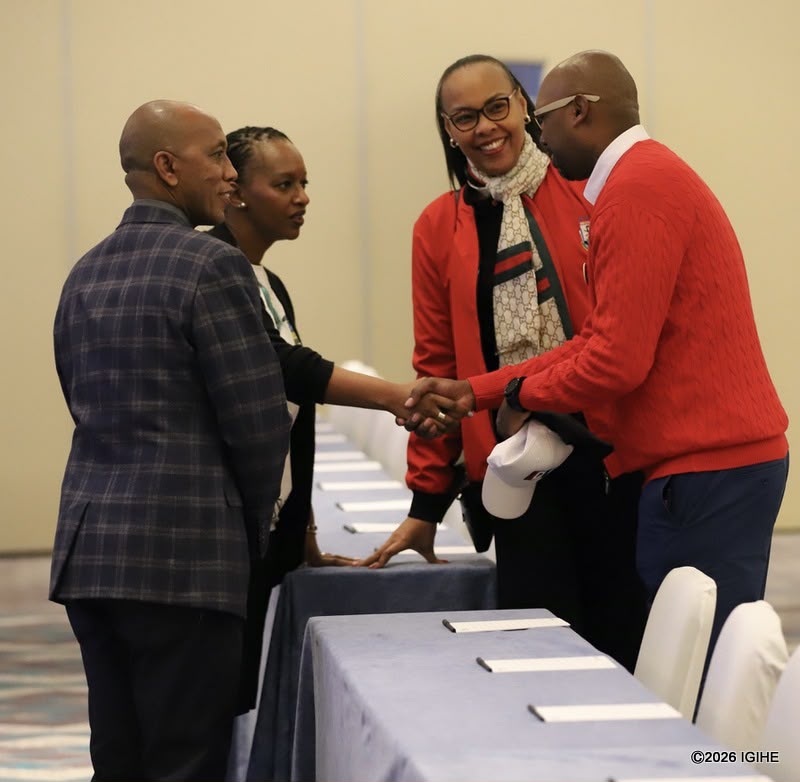
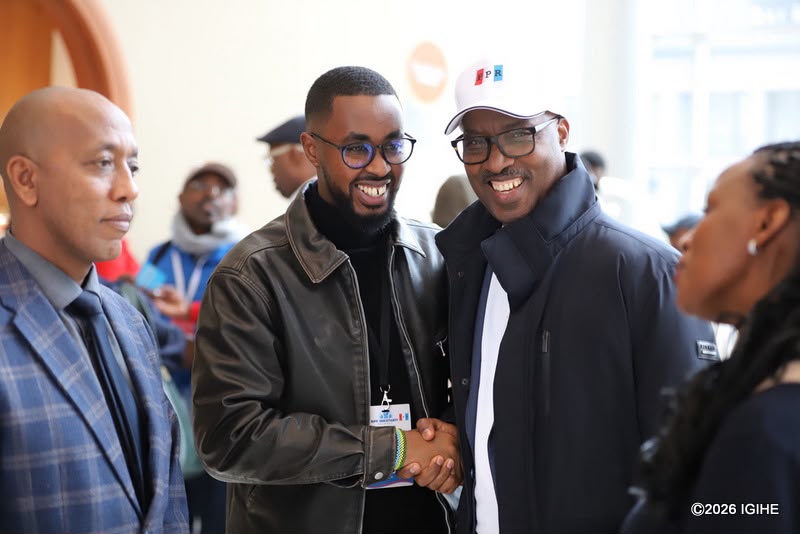
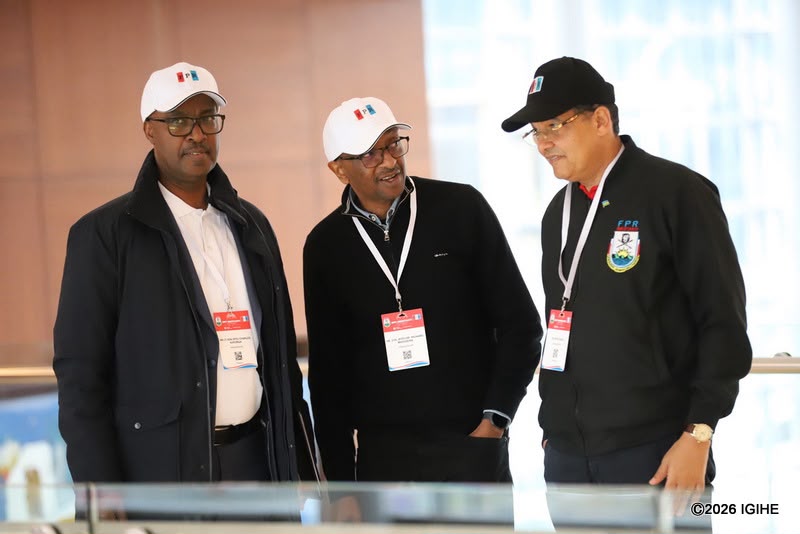
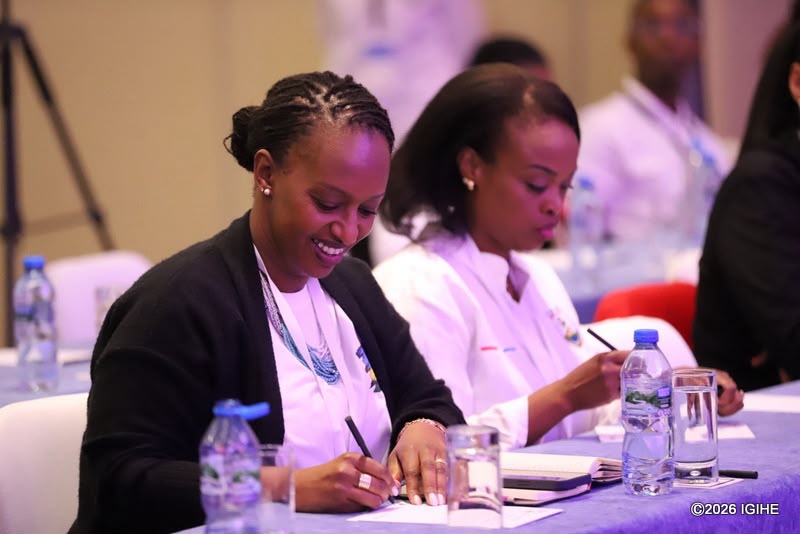
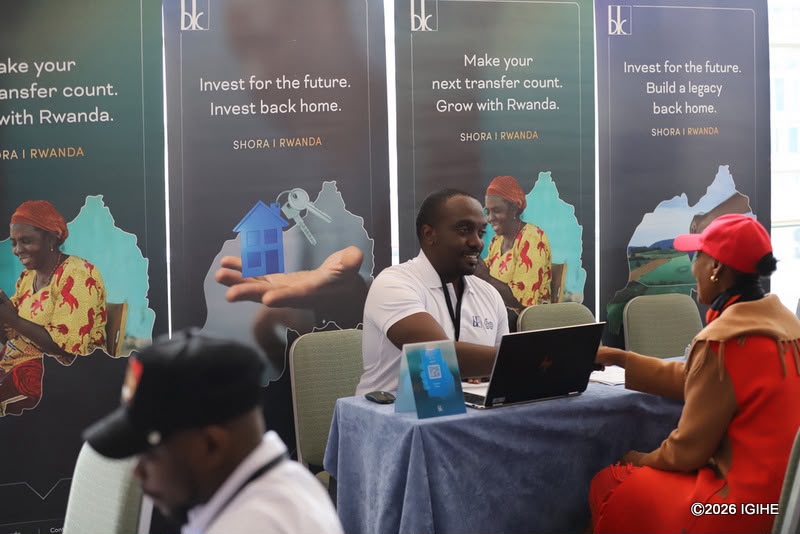
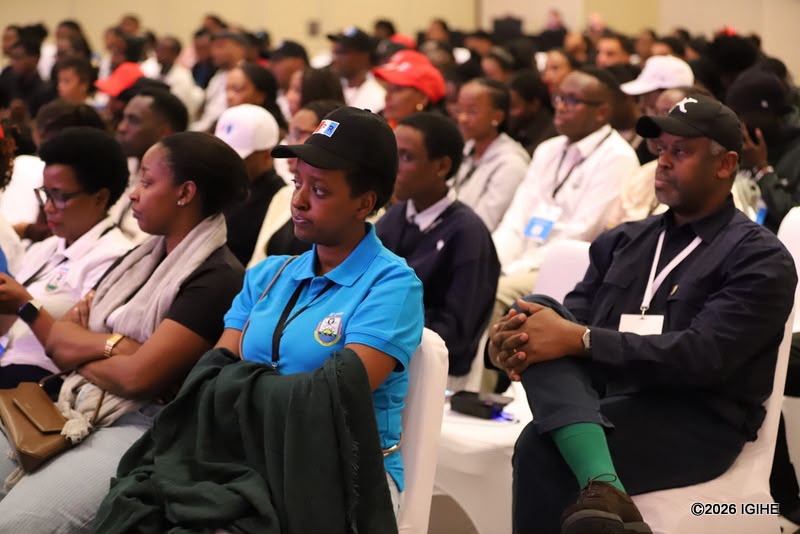
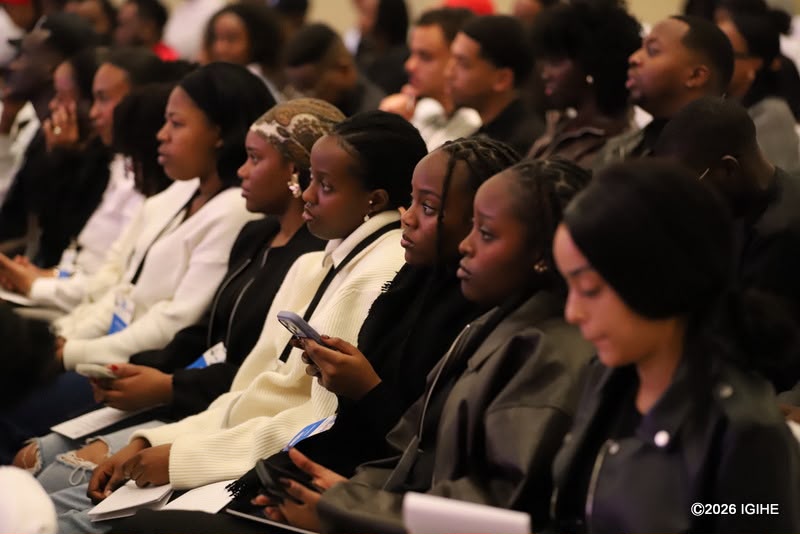
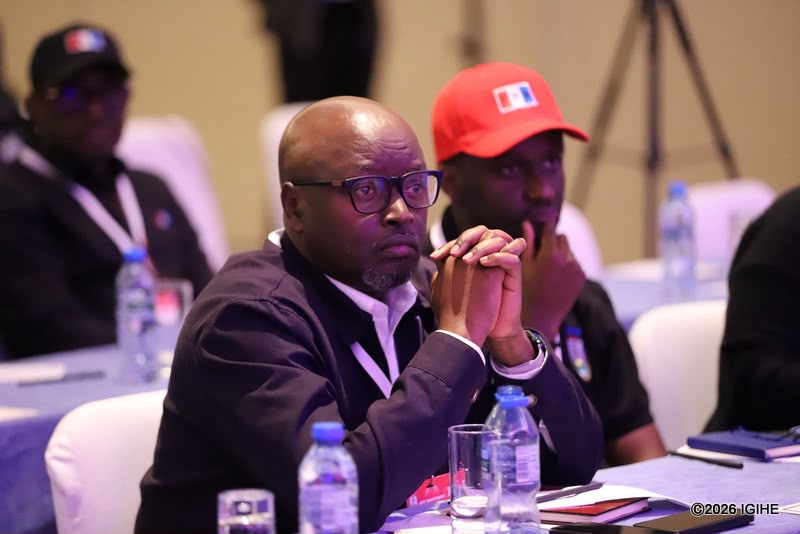
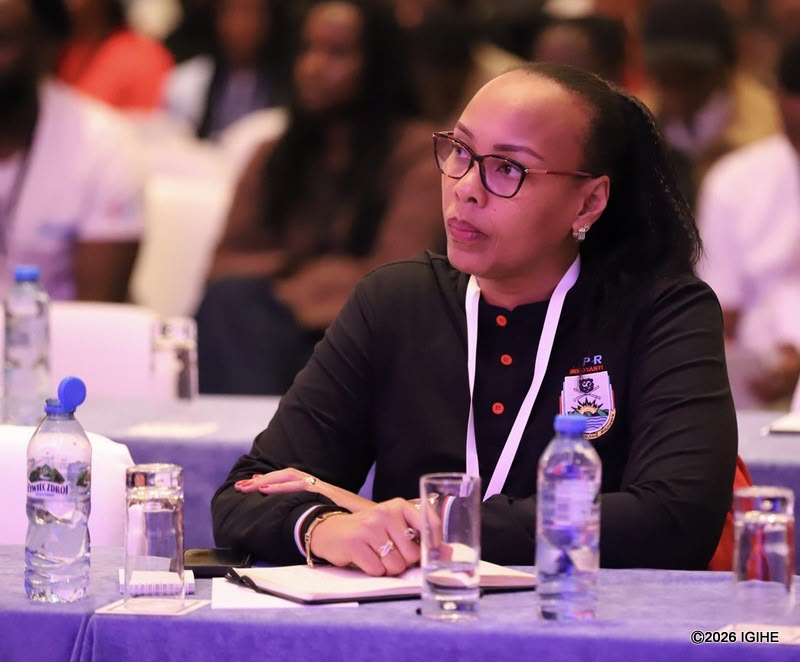
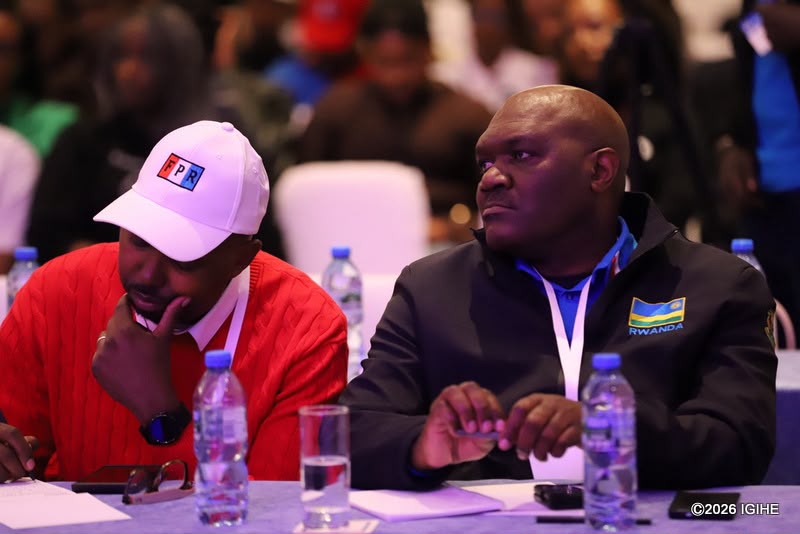
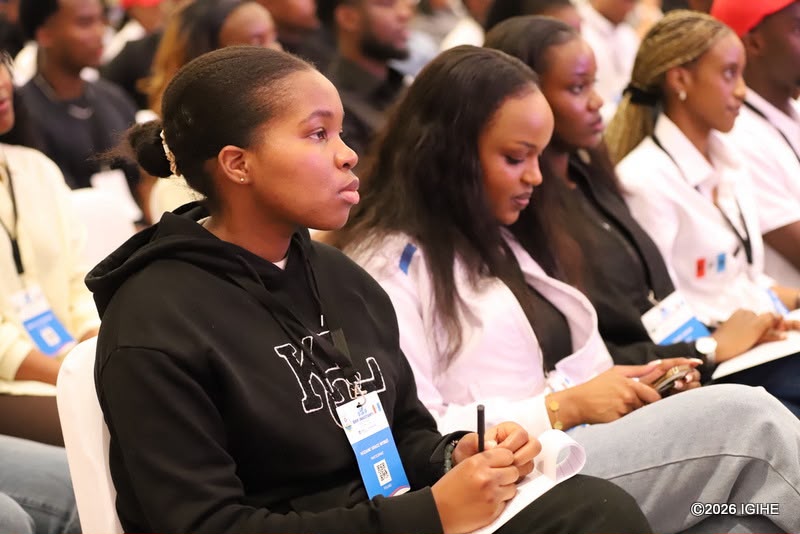
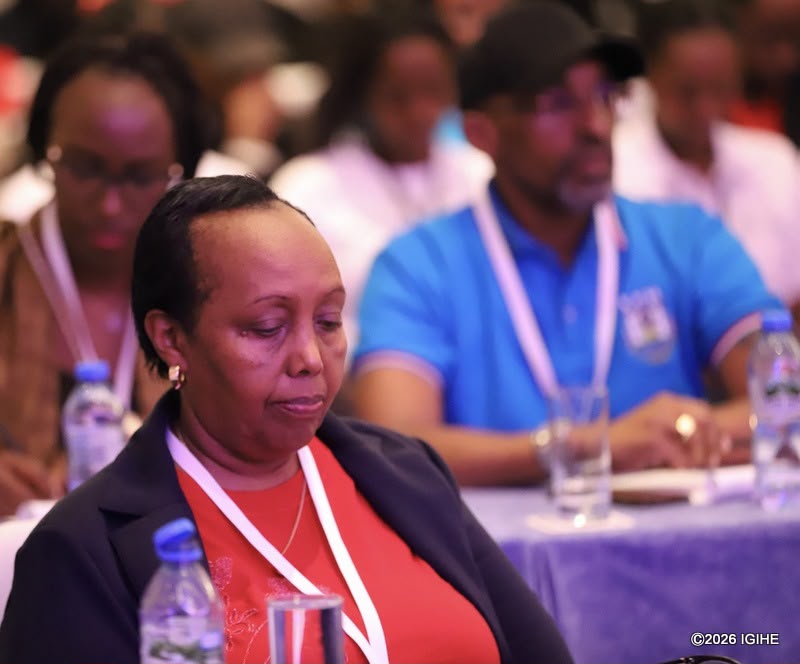
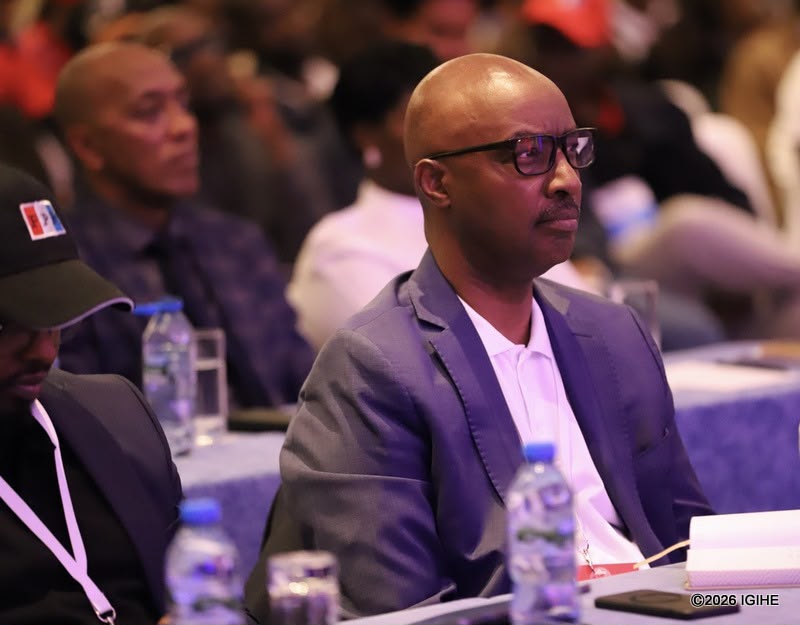
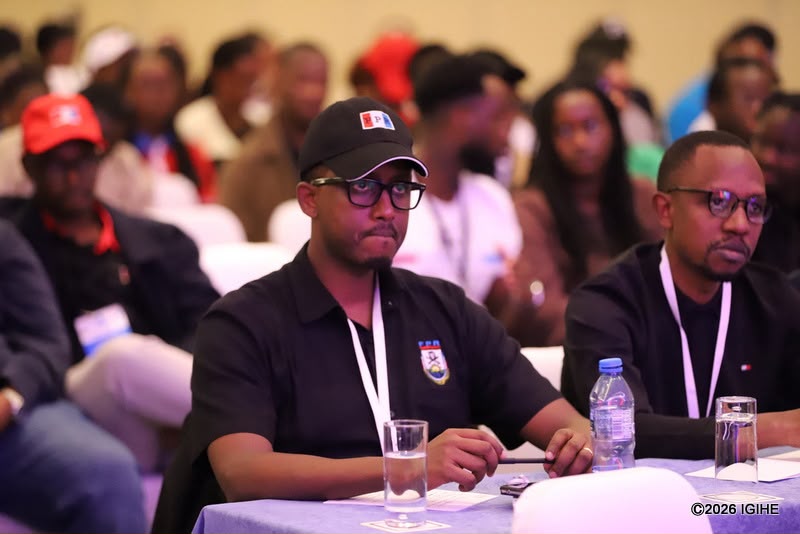
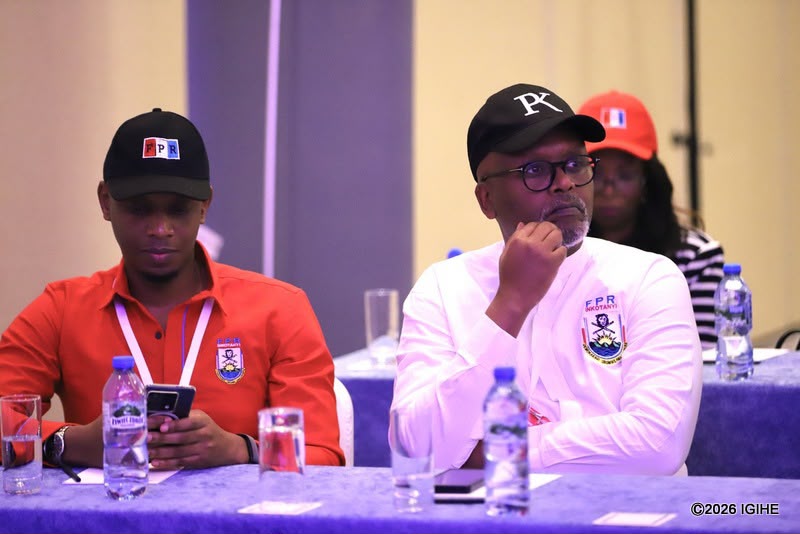
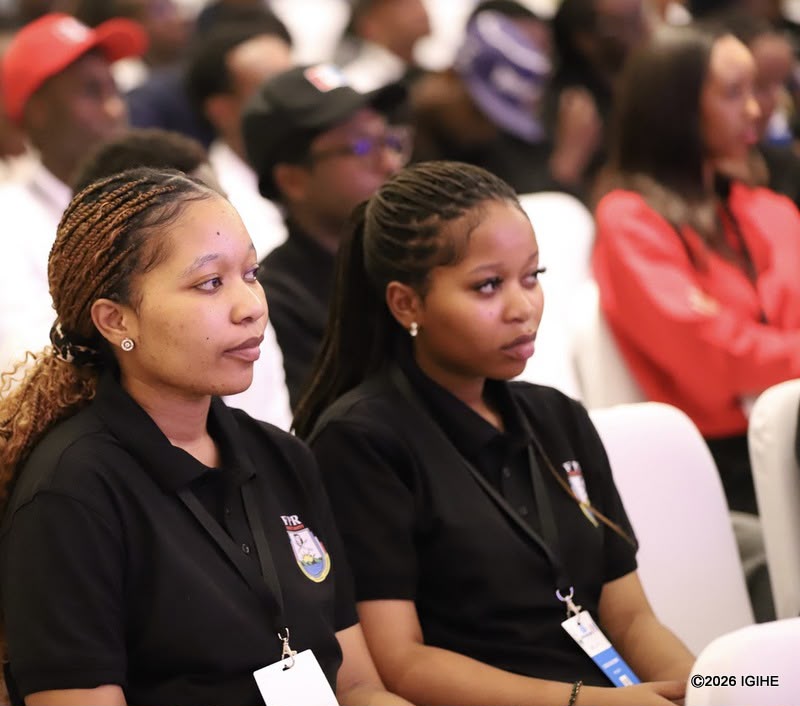
The Secretary General of the Rwandan Patriotic Front (RPF-Inkotanyi), Christophe Bazivamo, has called on Rwandans living in Europe to contribute to Vision 2050. Rwanda's Ambassador to Germany, Igor César, attended the retreat.Rwanda's Ambassador to Poland, Amb. Col (Rtd) Jeannot Ruhunga, thanked participants for attending the retreat.Rwanda's Ambassador to Luxembourg, Aurore Mimosa Munyangaju, was among the participants.RPF-Inkotanyi members from 19 European countries attended the retreat.The retreat attracted a large number of participants, most of them young people.
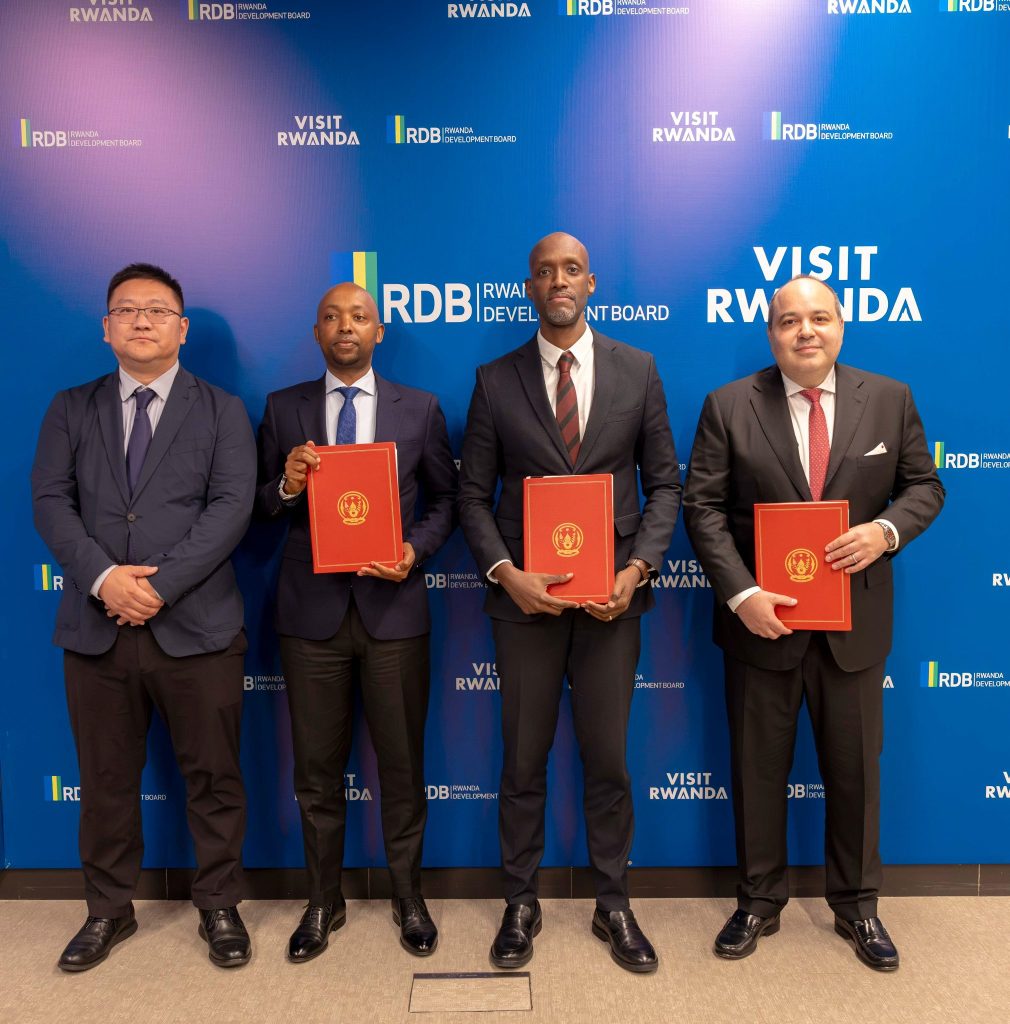
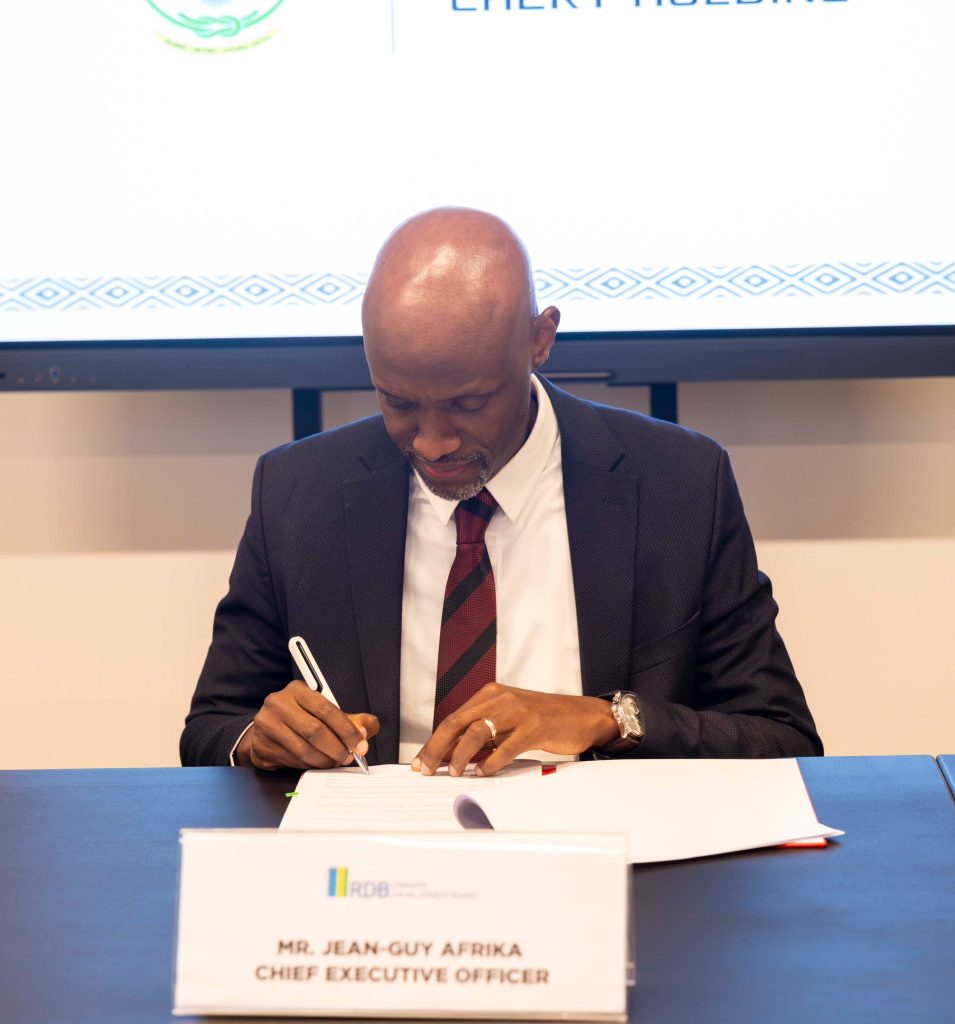
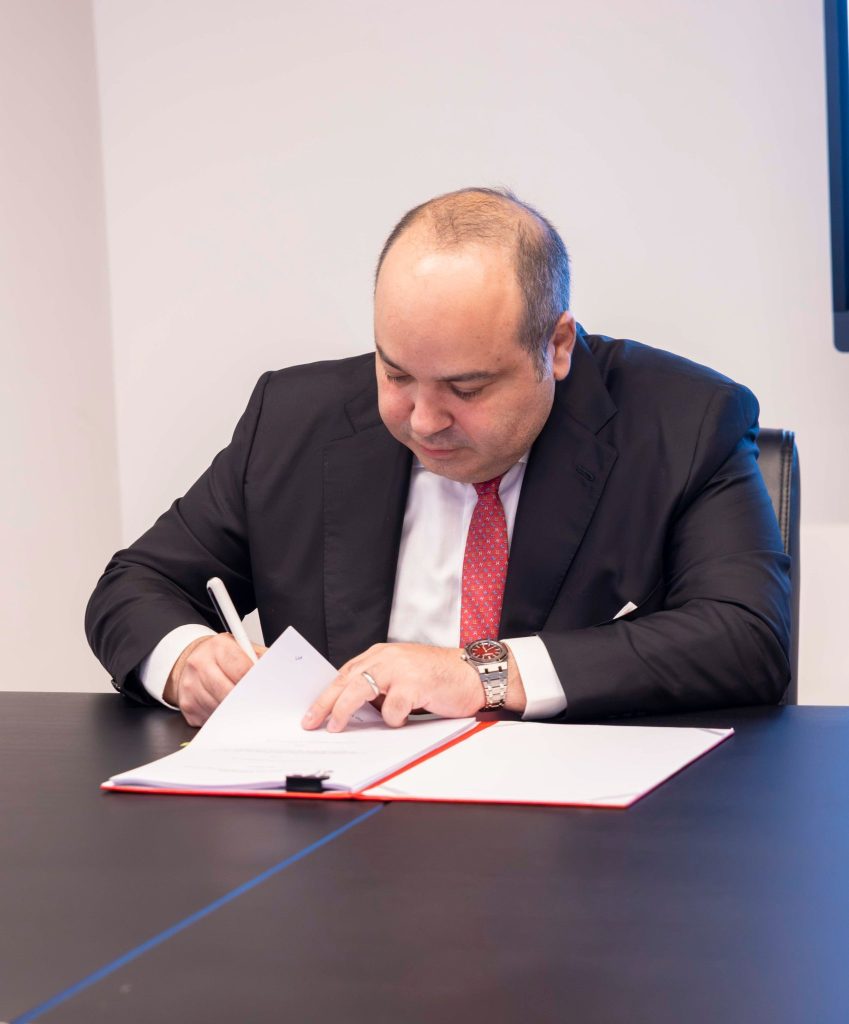
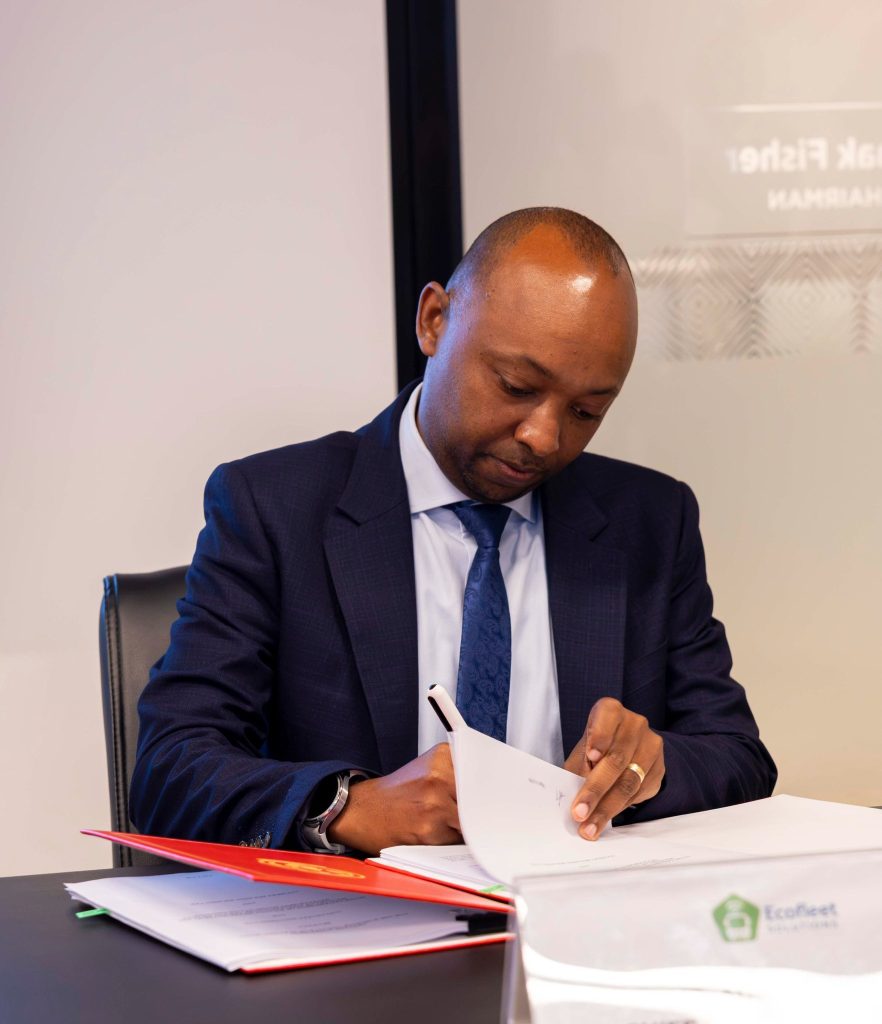
The agreement was signed by RDB Chief Executive Officer Jean-Guy K. Afrika, Ecofleet Solutions Ltd. CEO Aubin Rukera and Chery Holding Rwanda Ltd. CEO Mohammed Hady N. Tabriz on October 30.
According to RDB, the agreement marks a significant milestone in advancing Rwanda's green mobility agenda, supporting efforts to reduce carbon emissions and strengthening domestic manufacturing capabilities.
The signing follows a Cabinet meeting held on September 18, 2026, which approved a strategic investment agreement between the Government of Rwanda and Chery Holding Rwanda Ltd.
In April 2026, President Paul Kagame also met Xu Hui, Vice President of Chery Holding Group and Chief Executive Officer of Rich Resource International Investment. Their discussions focused on investment opportunities in Rwanda, including the proposed electric vehicle assembly plant.
The latest agreement brings Ecofleet Solutions Ltd. into the investment arrangement alongside Chery Holding Rwanda Ltd., although RDB's announcement did not specify the respective responsibilities of the two companies or their financial contributions to the project.
Founded in 1997, Chery is headquartered in Wuhu, Anhui Province, China. The company has expanded its vehicle manufacturing and export operations into international markets.
Its automotive brands include Chery, Jetour, Exeed and iCar, marketed as iCaur in some international markets.
Its vehicle range includes petrol-powered models, hybrids and fully electric vehicles.
Establishing an assembly plant in Rwanda would expand Chery's operations beyond vehicle sales to include local assembly, contributing to the country's ambitions to attract investment in manufacturing and electric mobility.
Details on the investment value, plant location, production capacity and construction timeline have not yet been disclosed.
The agreement was signed on October 30, 2026.The fully electric vehicle is marketed as iCar in China and iCaur in international markets.RDB Chief Executive Officer Jean-Guy Afrika signed the agreement on behalf of the institution.Chery Holding Rwanda Ltd. CEO Mohammed Hady N. Tabriz signs the agreement.Ecofleet Solutions Ltd. CEO Aubin Rukera also signing the agreement.
The death toll from Israeli airstrikes on a municipality building in the southern Lebanese city of Nabatieh has risen to six, with 43 injured, according to the Lebanese ministry of health.
Rescue workers continue to remove debris from the attack, the ministry said. The attack also killed the city's mayor.
Walid Al-Hashash, director of the operations unit of Lebanon's civil defense force, said a civil defense worker was among those killed in the strikes.
Alexy Nehma, director of emergency medical services at the Lebanese Red Cross, told CNN that responders struggled to reach people in need due to repeated strikes and had to withdraw their team from the area.
Ahmad Kahil, the mayor of Nabatieh, was killed in the strike, Lebanon's National News Agency (NNA) reported earlier.
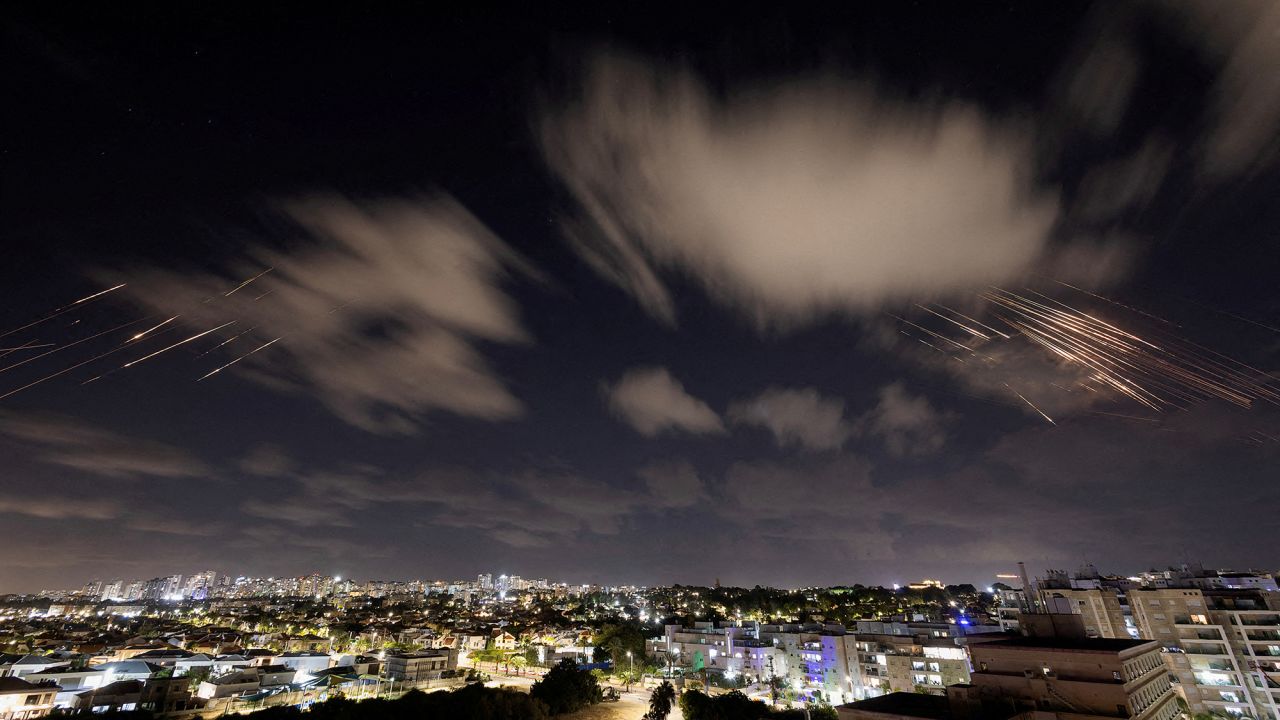
American officials expect Israel will retaliate against this month's Iranian attack before November 5, sources tell CNN — a timeline that would thrust the growing volatility in the Middle East squarely into public view within days of the US presidential election.
The timeline and parameters of Israel's retaliation against Iran have been subject to intense debate inside Israel's government and are not directly related to the timing of the US election, the sources said.
Still, Israeli Prime Minister Benjamin Netanyahu — described by senior US administration officials as deeply attuned to American politics — appears highly sensitive to any potential political ramifications of Israel's actions in the US, they said.
The growing conflict in the Middle East has emerged as persistent issue in the American election. President Joe Biden, and by extension Vice President Kamala Harris, have faced pressure from progressives for their handling of the situation. Meanwhile, Republicans — including former President Donald Trump — have accused the administration of bungling the crisis and sending the world into chaos.
As the election nears, the administration has begun applying new pressure on Israel to improve humanitarian conditions inside Gaza. In a stern letter revealed this week, Secretary of State Antony Blinken and Defense Secretary Lloyd Austin warned Israel a failure to deliver more aid to the enclave could trigger a cutoff of military assistance.
But in a sign of the fraught political dynamics, the letter was not signed from the president or the vice president, neither of whom has publicly threatened to cut off aid to Israel, despite pressure from the left. Its deadline for allowing more humanitarian aid into Gaza falls after the election. And the warning came the same week some military personnel and components of the advanced air defense system the US is providing to Israel arrived in the country.
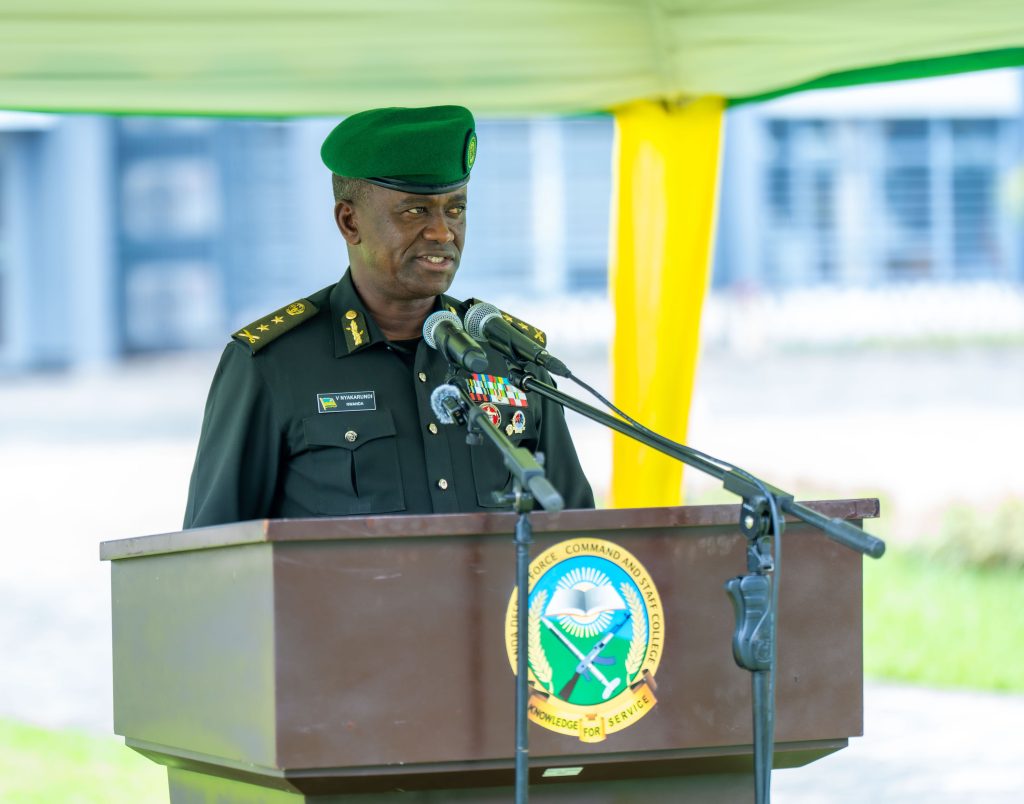
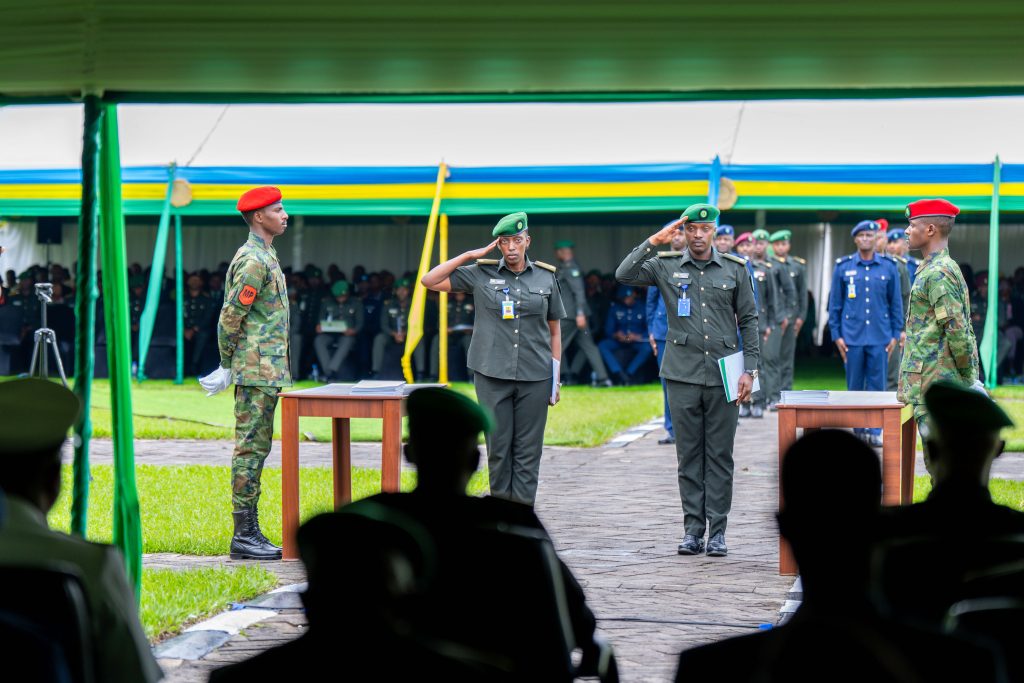
The graduation ceremony held at the RDF Command and Staff College in Musanze on Friday October 30, was presided over by the RDF Army Chief of Staff, Maj Gen Vincent Nyakarundi, who attended as the guest of honour.
The course brought together 71 RDF officers, two from the RNP and three from the RCS. The training focused on leadership, operational planning, decision-making and command and control at battalion and brigade levels.
Maj Gen Nyakarundi reminded graduates that the milestone marks the completion of one stage in their professional development and the beginning of another.
'The knowledge, skills and experience you have acquired during this course will serve as a strong foundation as you return to your respective stations and take on the responsibilities ahead.
'However, your success will ultimately be measured by how effectively you apply this knowledge, make sound decisions, uphold your mission and remain faithful to the values of the service,' said Maj Gen Nyakarundi.
He also encouraged the officers to remain resilient and adapt to technological advancements and evolving operational challenges.
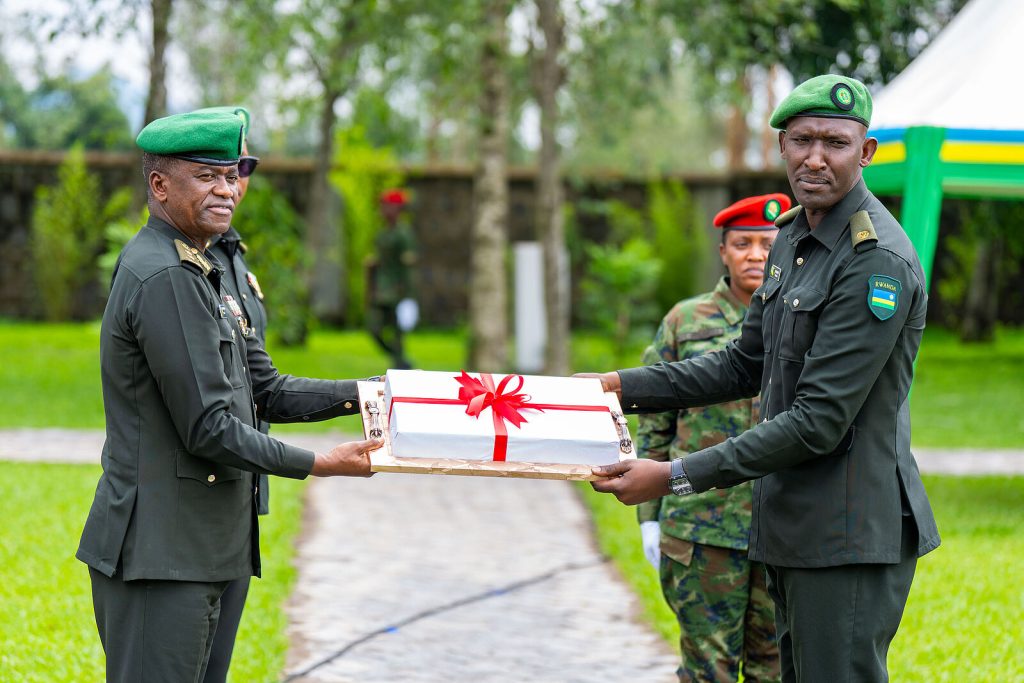
During the ceremony, Maj James Rwamuhizi was recognised as the overall best student for his outstanding performance.
The course was designed to prepare the graduating officers for the challenges of future command and staff appointments while providing a solid foundation for further professional military education.
It combined academic instruction, discussions and practical exercises to strengthen critical thinking, sound judgement and operational competence, preparing officers for future command and staff appointments.
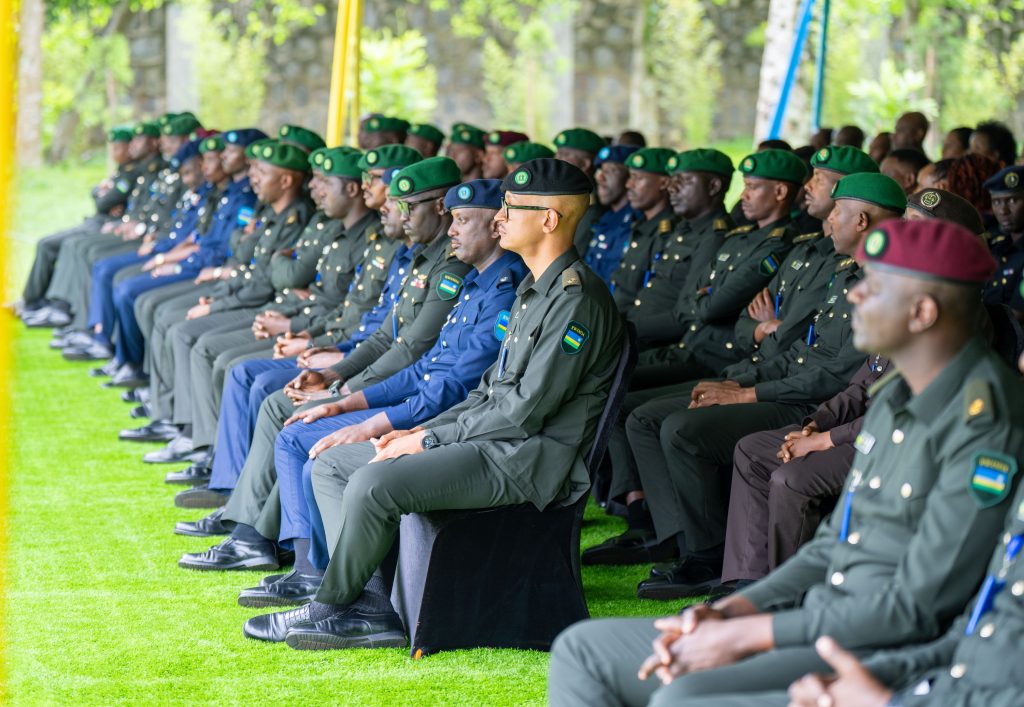
RDF Army Chief of Staff, Maj Gen Vincent Nyakarundi, presided over the graduation ceremony of 76 officers who completed the 22-week Junior Command and Staff Course at the RDF Command and Staff College in Musanze on October 30, 2026.The Junior Command and Staff Course brought together 71 RDF officers, two Rwanda National Police officers and three Rwanda Correctional Service officers, focusing on leadership, operational planning, decision-making and command and control.RDF officers follow proceedings during the graduation ceremony of the Junior Command and Staff Course at the RDF Command and Staff College in Musanze.
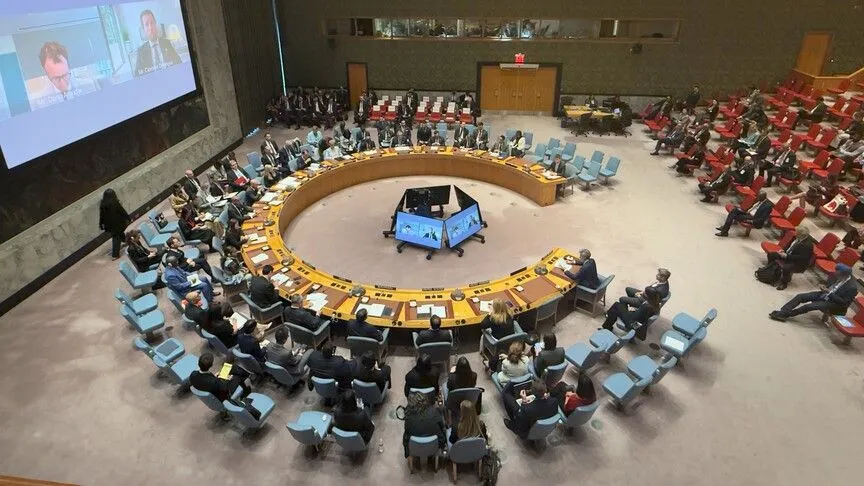
'The seventh round of straw polls has taken place,' said Aglaia Balta, Greece's permanent representative to the United Nations, whose country holds the rotating presidency of the Security Council for the month of October.
Each candidate will be informed of the results through the permanent representatives of nominating member states. The president of the UN General Assembly will also be informed that the poll has been conducted, Balta told reporters after the secret vote.
Security Council straw polls on secretary-general candidates are informal closed-door ballots used to determine the viability of the candidates. Their results are not officially released.
Through the polls, the Security Council selects a candidate to recommend to the General Assembly for appointment as the next UN secretary-general.
Council members are believed to receive one ballot for each candidate, containing the candidate's name followed by three options: 'encouraged,' 'discouraged' and 'no opinion expressed.'
To win the council's recommendation, a candidate needs at least nine 'encouraged' votes and no 'discouraged' votes from any of the five permanent members of the council.
In the sixth straw poll held on Oct. 16, ballots were color-coded to distinguish the votes of permanent and non-permanent members.
However, in the seventh straw poll, the council members switched back to undifferentiated ballots following the entry of a new candidate into the race.
Lana Nusseibeh, a diplomat from the United Arab Emirates and the country's former permanent representative to the United Nations, entered the race on Oct. 21. Macky Sall, a former president of Senegal, announced his withdrawal on Oct. 17.
In addition to Nusseibeh, six candidates participated in the seventh straw poll: Ivonne A-Baki, a former Ecuadoran minister and diplomat; Maria Fernanda Espinosa, a former president of the UN General Assembly and former foreign minister and defense minister of Ecuador; Rafael Grossi of Argentina, the current director general of the International Atomic Energy Agency; Rebeca Grynspan, a former vice president of Costa Rica and current secretary-general of the UN Conference on Trade and Development; Olara Otunnu of Uganda, a former UN under-secretary-general; and Carolyn Rodrigues Birkett, Guyana's permanent representative to the United Nations.
According to leaked results, Grynspan topped Friday's poll with 11 'encouraged' votes and four 'discouraged' votes. She was followed by Grossi, who received nine 'encouraged' votes, four 'discouraged' votes and two 'no opinion expressed' votes.
UN Secretary-General Antonio Guterres' term expires at the end of this year. His successor is scheduled to take office on Jan. 1, 2027.
UN Security Council held the 7th straw poll on secretary-general candidates on Friday.