Mpano made the appeal on Wednesday, November 11, 2026, during the substantive hearing of a case in which he is jointly charged with six others over drug-related offences.
He told the court that he admitted to using heroin, locally known as 'Mugo', during investigations and asked judges to consider that it was his first time facing such charges.
Mpano also expressed his desire to return to normal life, continue caring for the children under his responsibility and use his influence as a musician to discourage young people from drug use.
'I admitted to the offence during investigations and apologised. This is the first time I have faced such charges. I ask you to give me a suspended sentence so that I can continue taking care of the children I was raising and participate in campaigns encouraging young people to stay away from drugs,' he said.
His lawyer, Gatari Salim Steven, backed the appeal, citing his client's admission of guilt and cooperation during the proceedings as mitigating circumstances.
Prosecutors requested two-year prison sentences for Mpano and five co-accused, namely Kabayiza Eric, Murenzi Armand, Mugisha Eddy, Iradukunda Robert and Kanyabugande Nuru. Laboratory tests detected traces of the drug in several defendants, while some had previous convictions for drug use or other offences.
The seventh defendant, motorcycle taxi rider Niyodusenga Regis, faces a separate charge of drug trafficking and distribution.
Prosecutors alleged that he was arrested on August 19, 2026, with 12 packages of heroin intended for the other defendants. They requested a 20-year prison sentence and a fine of Rwf21 million.
Niyodusenga denied knowing that the items he was transporting were drugs and asked the court to reduce the proposed sentence.
The court is scheduled to deliver its judgment on November 27, 2026.
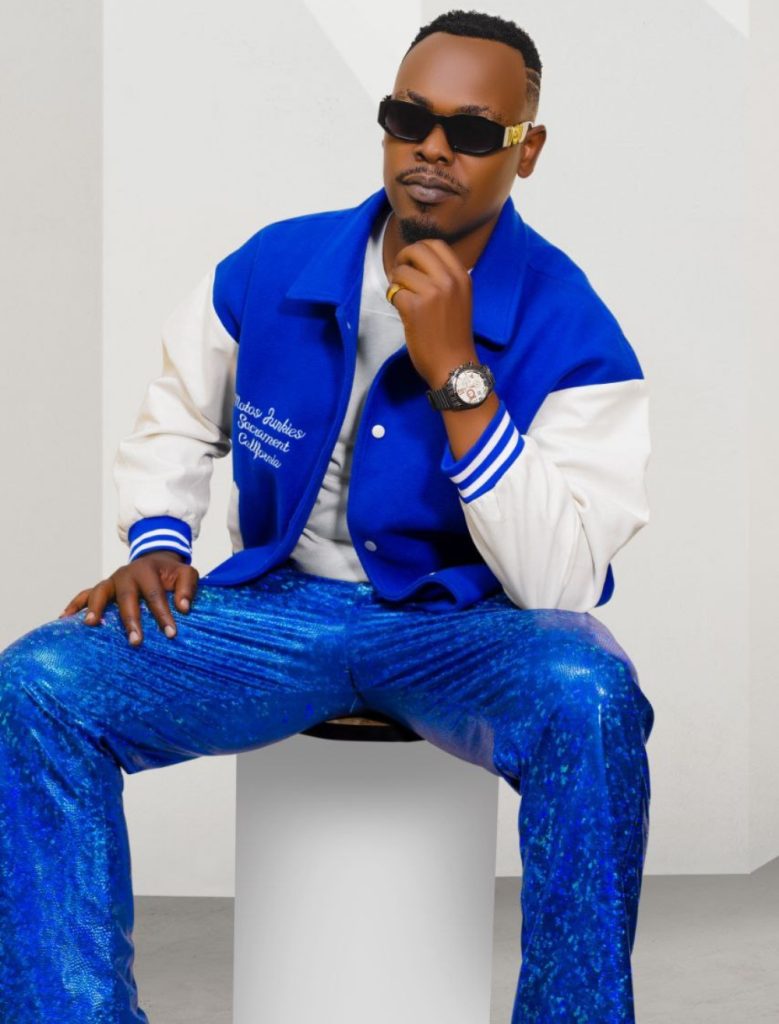
Rwandan musician Mutangana Yves, popularly known as Yvanny Mpano, has asked the Nyarugenge Intermediate Court to give him a suspended sentence after prosecutors requested two years in prison for drug use.
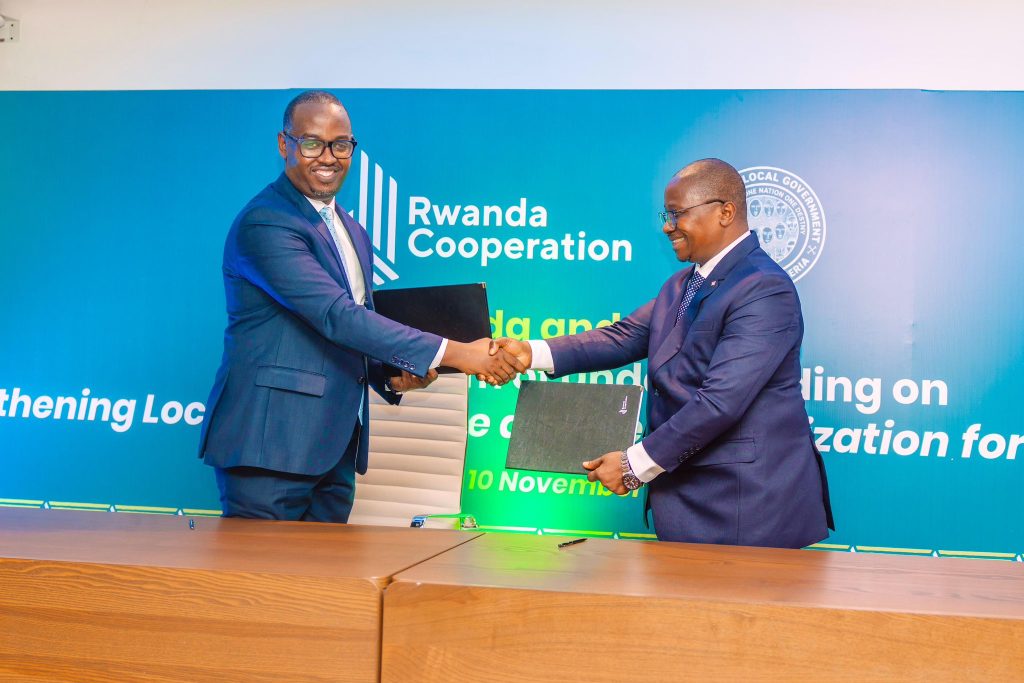
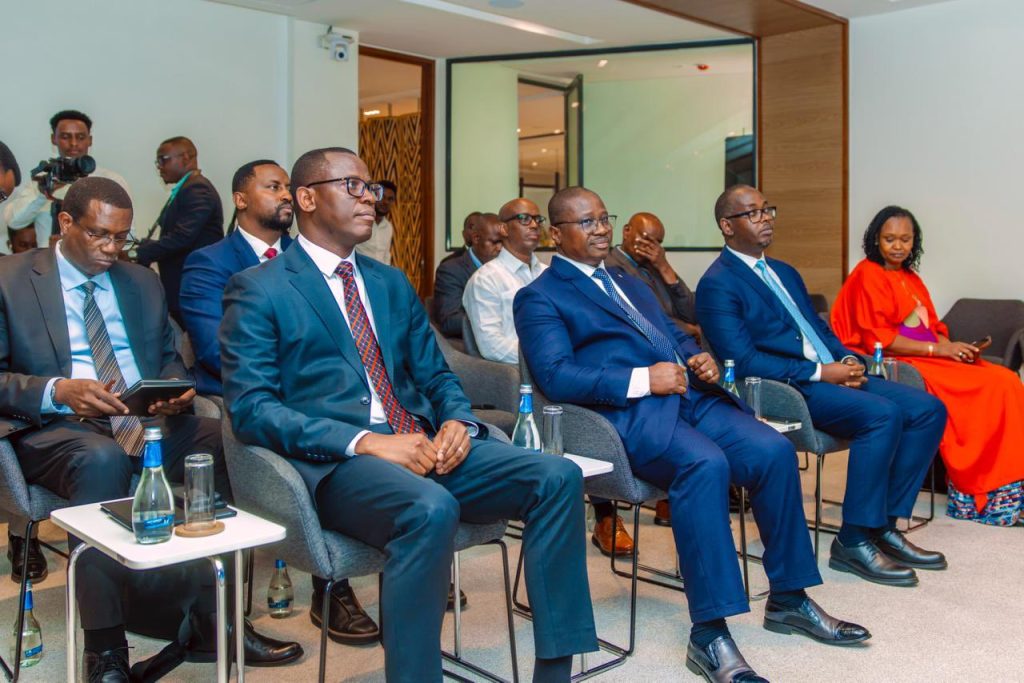
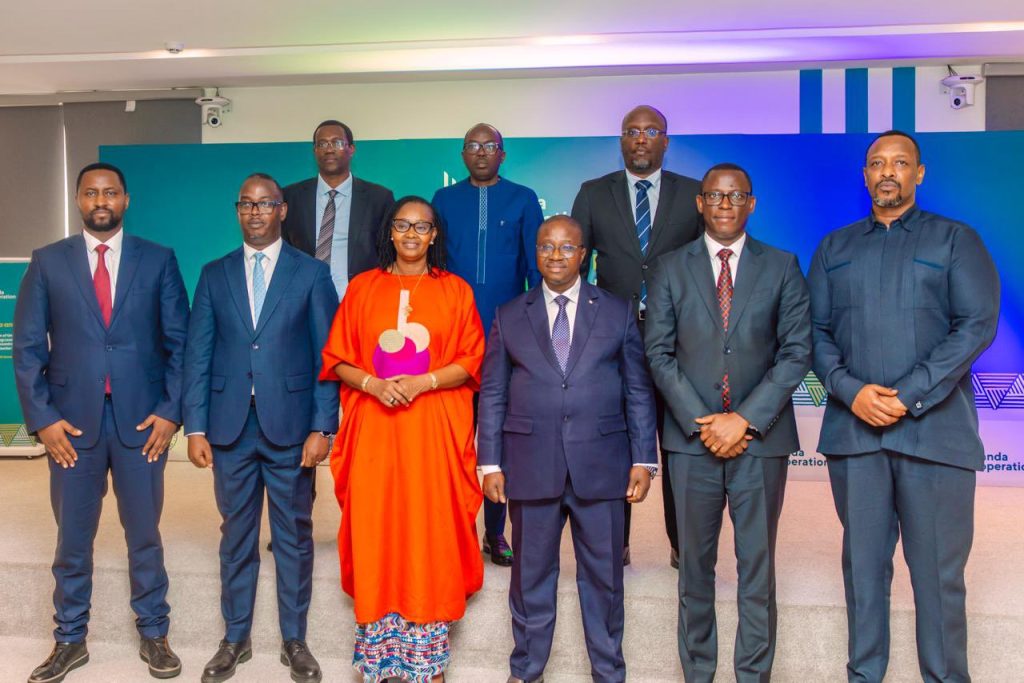
The Memorandum of Understanding (MoU) was signed on Tuesday, November 10, in Kigali between Rwanda Cooperation Initiative (RCI) and Liberia's Ministry of Local Government. It establishes a framework for technical cooperation, institutional capacity development and the exchange of expertise between the two countries.
Rwanda's Minister of Local Government, Dominique Habimana, witnessed the signing ceremony, describing the agreement as an important step towards strengthening an existing relationship rather than establishing an entirely new partnership.
Habimana said the agreement would create opportunities for both countries to learn from each other's approaches to governance, public service delivery and local economic development.
'Through this partnership, Rwanda and Liberia will have an opportunity to deepen institutional exchanges, share experiences and learn from each other's approaches to local governance, public service delivery, local economic development and institutional capacity development,' he said.
He added that the shared ambition was to build local governments that are capable, responsive and effective, bringing public services closer to citizens while supporting development within their communities.
The agreement will focus on five areas, including digital transformation, fiscal decentralisation and domestic resource mobilisation, natural resource value addition, local economic development, and institutional partnerships and capacity building for local governments.
A key component will involve exploring how Rwanda's experience with Irembo, its digital public service platform, can inform the modernisation of Liberia's County Service Centres.
The initiative is expected to include institutional assessments and pilot projects in selected counties to identify practical ways of improving access to government services and making public administration more efficient.
The two countries will also work towards strengthening local revenue administration, tax registries and collection systems to enable county authorities to mobilise domestic resources and finance their development priorities.
Institutional cooperation will involve exchanges between Rwanda Management Institute and Liberia's Local Government Training Institute, with plans for training, technical assistance and knowledge sharing.
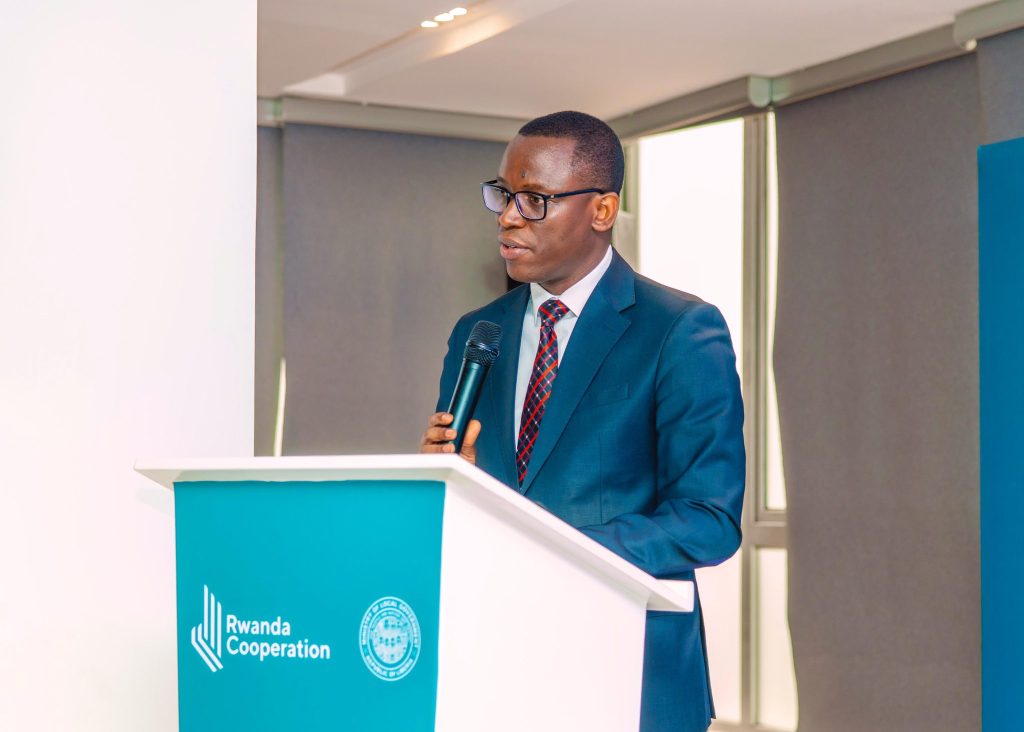
Liberia's Deputy Minister for Local Government and Decentralisation, Edward K. Mulbah, said the partnership would help his country move beyond policy commitments towards building the institutional systems required to deliver services at community level.
Referring to Liberia's Local Government Act of 2018, Mulbah emphasised that decentralisation involves more than transferring authority and resources to local administrations; it also requires the capacity and structures to make local governments effective.
He stressed that Liberia would draw lessons from Rwanda while ensuring that the approaches adopted reflect its own national circumstances.
'We will adapt, not photocopy, because Liberia is not Rwanda,' Mulbah said.
The agreement builds on years of cooperation between the two countries. Between November 2018 and June 2026, Rwanda Cooperation hosted 22 Liberian delegations, comprising 139 delegates, who visited Rwanda to learn about areas including land administration, taxation, public finance management, procurement, digital public services and institutional development.
The five-year agreement is expected to give these exchanges a more structured framework, with both countries required to appoint focal persons within 30 days of signing and develop a joint implementation plan within 90 days.
A Joint Coordination Committee will oversee the implementation process and meet at least twice a year to assess progress and guide cooperation.
The Memorandum of Understanding (MoU) was signed on Tuesday, November 10, in Kigali between Rwanda Cooperation Initiative (RCI) and Liberia's Ministry of Local Government. IRwanda's Minister of Local Government, Dominique Habimana, witnessed the signing ceremony, describing the agreement as an important step towards strengthening an existing relationship rather than establishing an entirely new partnership.
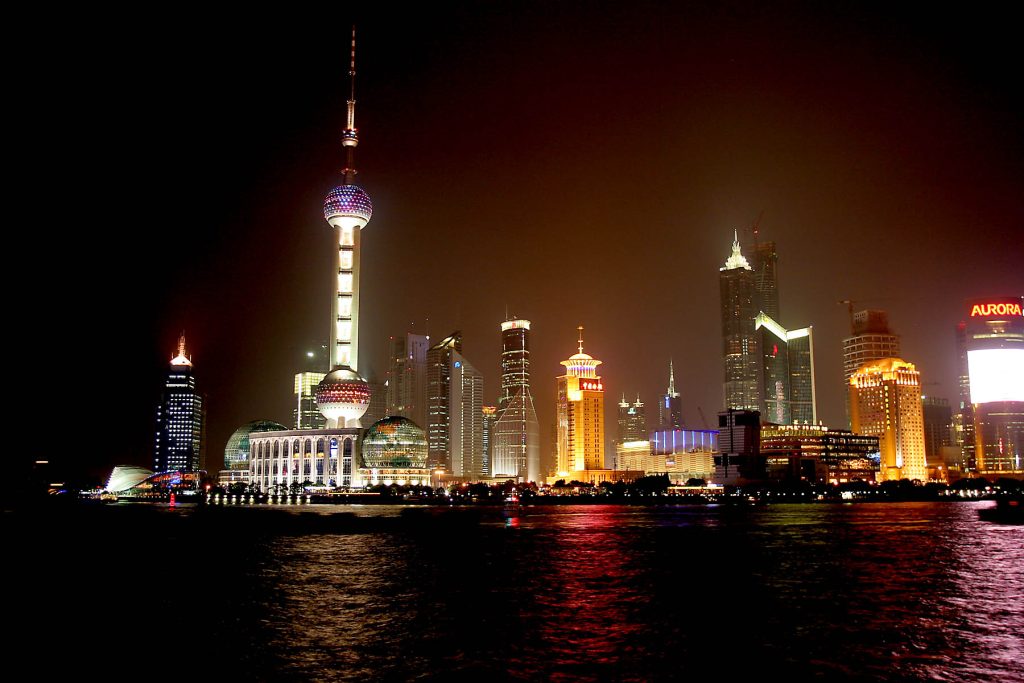
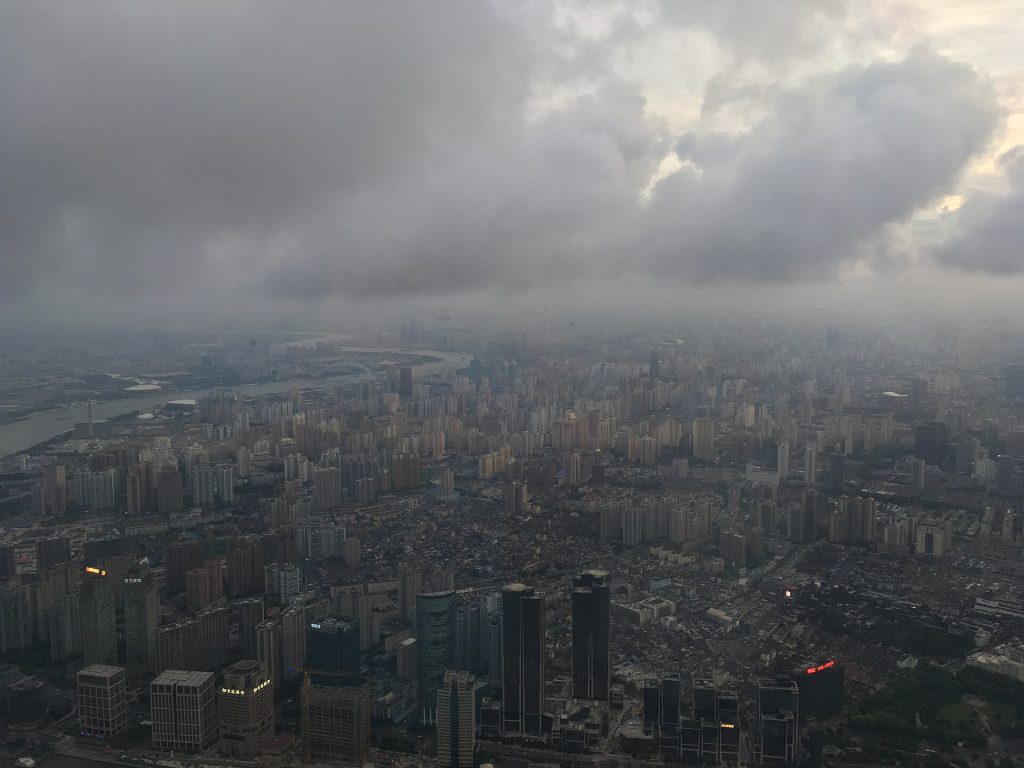
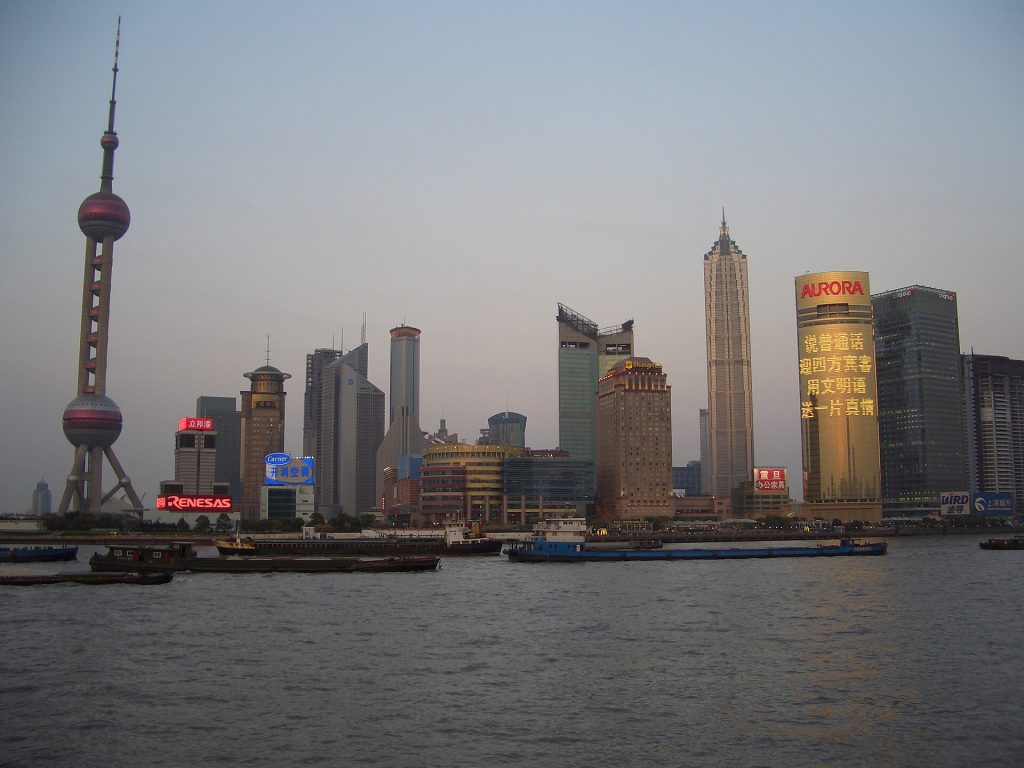
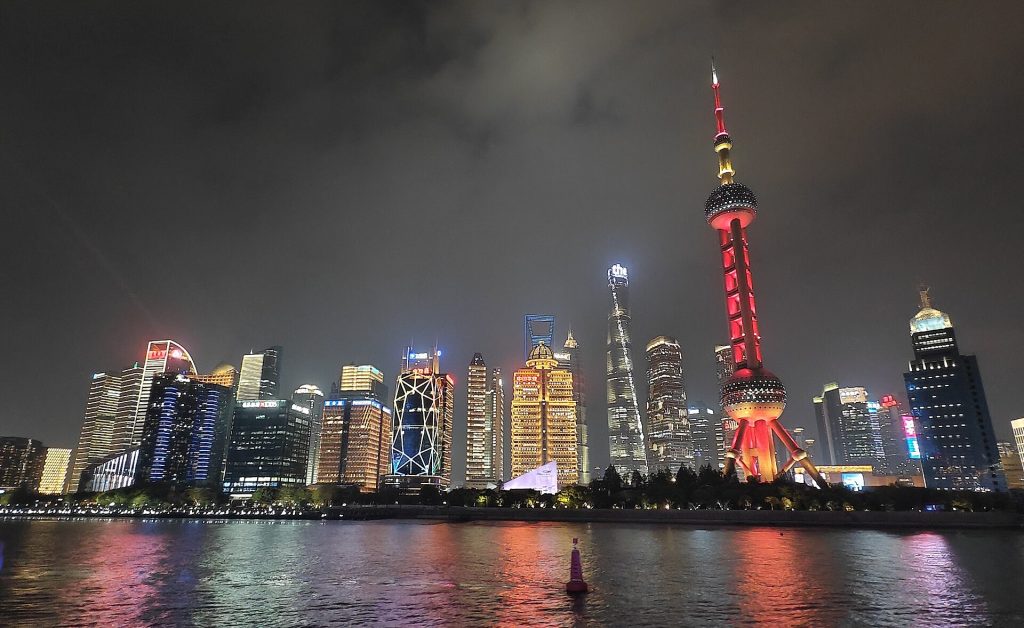
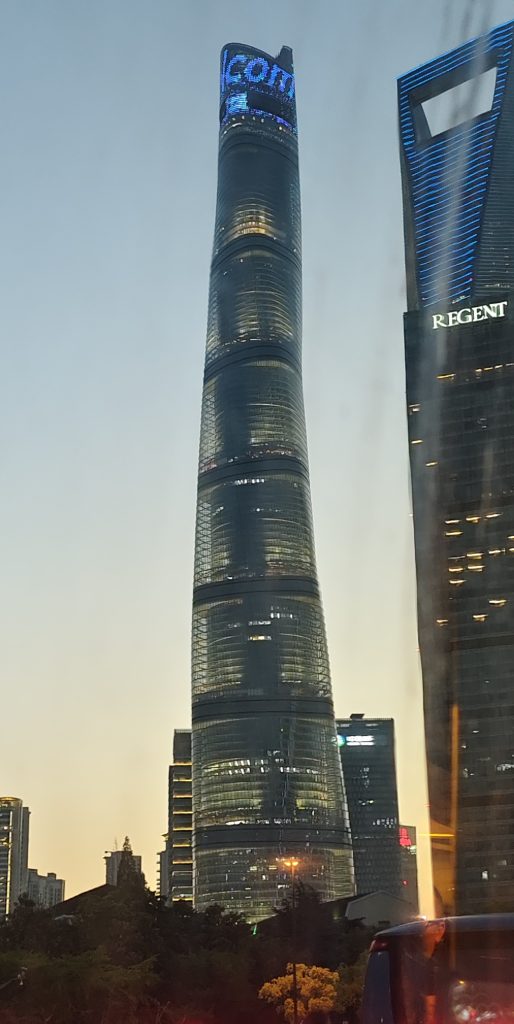
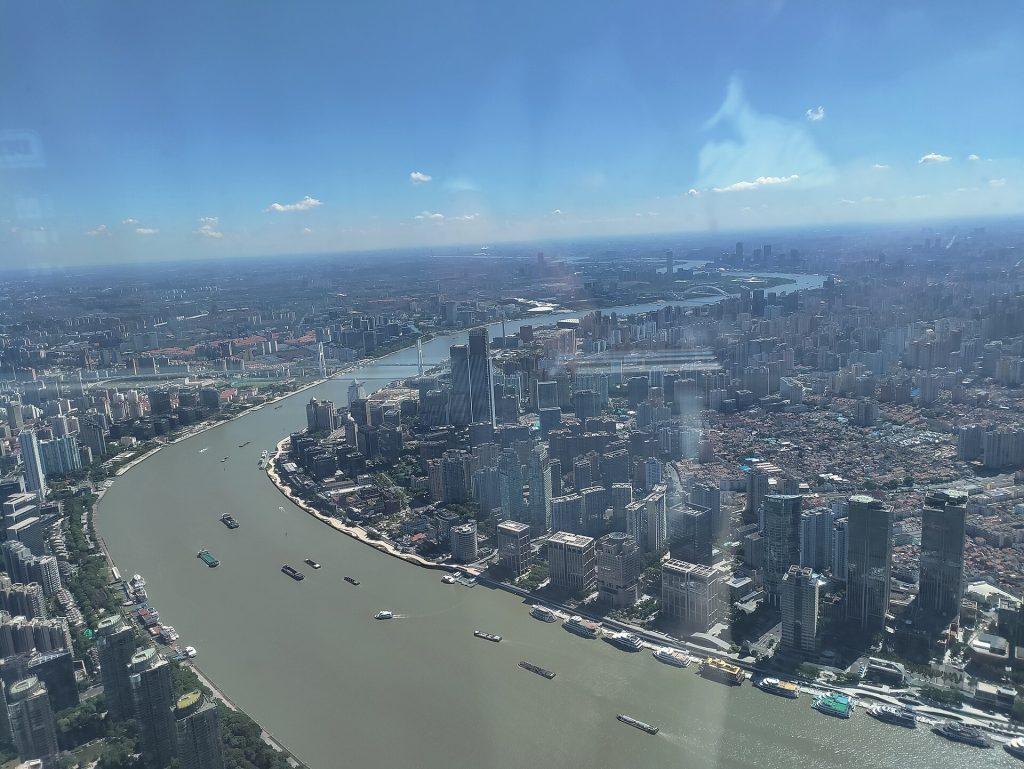
I thought of his words as our cruise moved along the Huangpu River. Across the water, Shanghai Tower rose above Pudong, where much of the land was once farmland. From its observation deck, the river, roads and towers spread out below us. The view makes Shanghai's growth feel almost unreal.
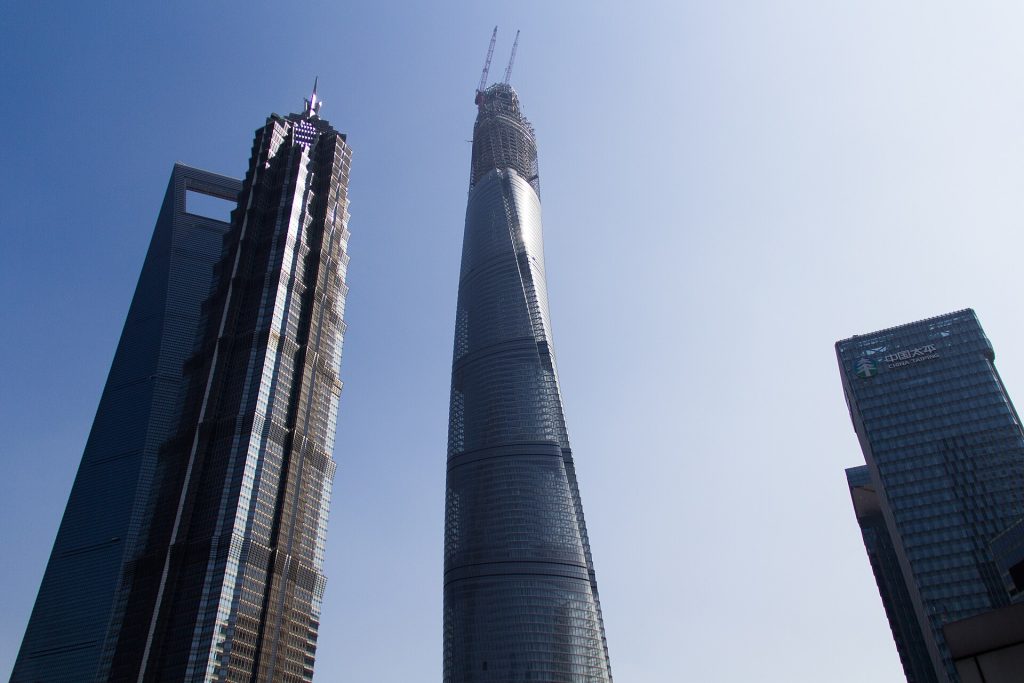
At 632 metres, Shanghai Tower is China's tallest building and the world's third tallest. When it opened, it was second only to Dubai's Burj Khalifa; Malaysia's Merdeka 118 has since taken second place. Shanghai Tower is also 238 metres taller than Cairo's Iconic Tower, Africa's tallest completed building.
A closer view reveals Shanghai Tower's twisting glass exterior.
If the tower were laid along a road, it would stretch for 632 metres, about six 100-metre football pitches placed end to end. It has 127 floors above ground, five below and 578,000 square metres of total construction space.
Construction began in 2008. Shanghai Chengtou, Shanghai Lujiazui Finance & Trade Zone Development and Shanghai Construction Group were among the developers, while Gensler led the design. The Institution of Civil Engineers estimates the project cost at US$2.4 billion (about Rwf3.54 trillion).
The public observation deck is on the 118th floor, 546 metres above ground. Visitors take an escalator to the basement lift area, then an express elevator that reaches the deck in about 55 seconds. The escalator does not go to the top; the elevator does the astonishing part.
Up there, the Huangpu River and the city seem to lie beneath your feet. One of the tower's lifts travels at 20.5 metres per second—about 73.8 kilometres per hour. It once held the title of the world's fastest lift, and it has a Guinness record for a 578.5-metre elevator run.
For anyone tempted to use the stairs, the tower's vertical-marathon route has 3,398 steps to the 119th floor. The 2024 men's winner climbed it in 18 minutes. At one step per second, the climb would take nearly 57 minutes without a break—so most visitors would need considerably longer.
The tower is not an apartment block. It combines offices, shops, public spaces and the 165-room J Hotel. During our visit, our briefing reported about 20,000 workers and 5,000 visitors passing through daily.
Architect Jun Xia described the idea as 'a vertical city with horizontal experiences.' Its twisting shape reduces wind loads, while double glass walls, sky gardens and wind turbines are among its environmental features.
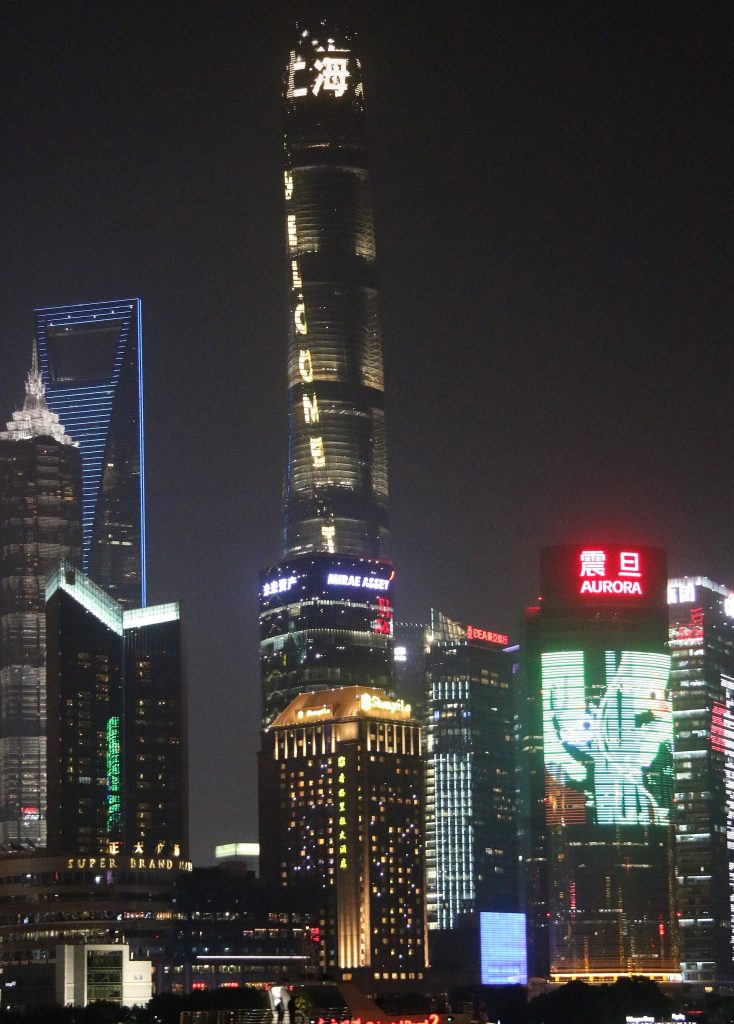
Shanghai Tower illuminated against the night sky.
Shanghai's housing miracle
The tower shows how Shanghai stacks activities on valuable city land. The housing story is more personal: how much space families have, what a home costs, and who can afford one.
In the early 1990s, Shanghai residents had an average of just 6.6 square metres of living space each. Older homes could be crowded and lacked modern facilities. In her book Shanghai Homes, Jie Li describes homes that were 'divided and subdivided, crowded and congested over the years.'
Investment has grown too. A historical series records residential investment of 4.294 billion yuan in 1990 (about Rwf947 billion at the current exchange rate).
In 2025, Shanghai recorded 363.406 billion yuan in residential investment (about Rwf80.1 trillion). The figures come from different statistical periods and may use different definitions, so they show the scale of investment in each year rather than a precise like-for-like increase.
The price of a home makes the change especially clear. One historical estimate put the average residential price at 322 yuan per square metre in 1990 (about Rwf71,000). In 2025, Shanghai's average price for newly built homes was 46,268 yuan per square metre (about Rwf10.2 million).
To picture what that means, a 60-square-metre apartment at the 2025 average price would cost about 2.78 million yuan (around Rwf612 million).
Using the average for market-priced new homes, the same-sized apartment would cost about 4.86 million yuan (around Rwf1.07 billion). These are estimates; the actual price depends on the home's location, age and type.
There is another important difference for anyone thinking about buying land. In China, urban land is state-owned.
People can own homes and obtain land-use rights, but they do not own the urban land itself as private freehold property.
Shanghai began paid transfers of land-use rights in the late 1980s, as housing moved away from the work-unit system, where employers allocated homes, towards a market in which families increasingly had to buy or rent.
Shanghai today is also home to people from across China and overseas, about 25 million people lived in the city at the end of 2025.
The latest detailed Shanghai statistics say 172,076 foreign residents in 2018. Japanese residents formed the largest listed foreign-nationality group, at 29,546.
Chinese President Xi Jinping has put the housing challenge in a brief phrase: 'Houses are for living in, not for speculation.' Shanghai has built far more residential space than it had 35 years ago, but the cost of buying a home has climbed steeply.
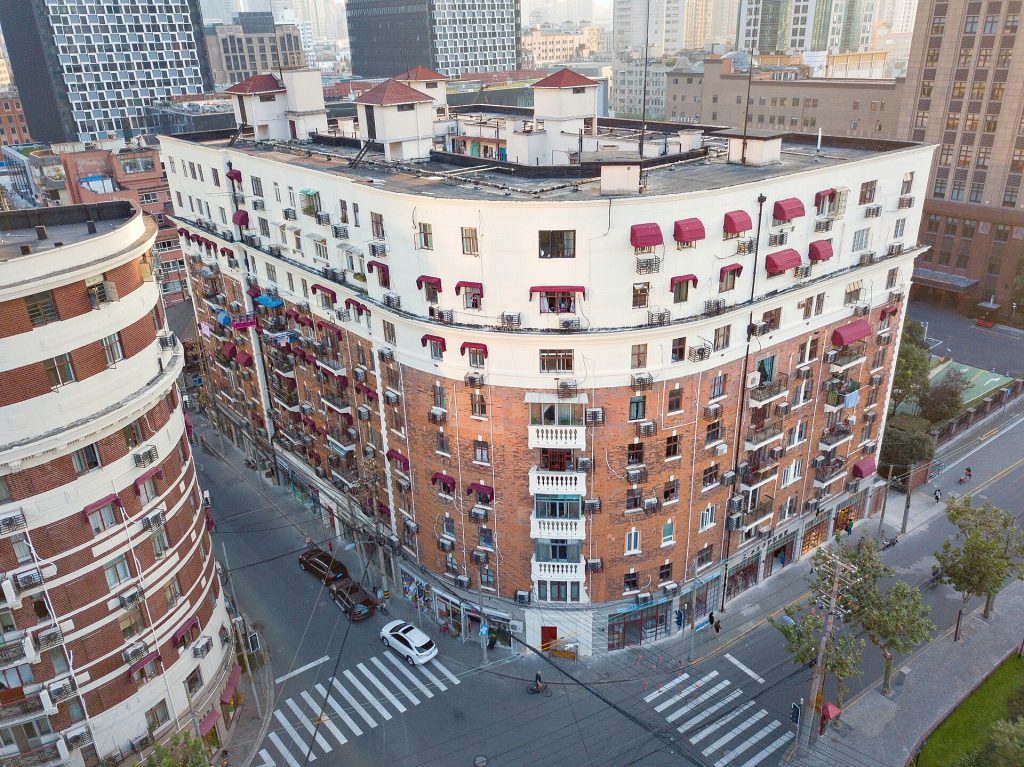
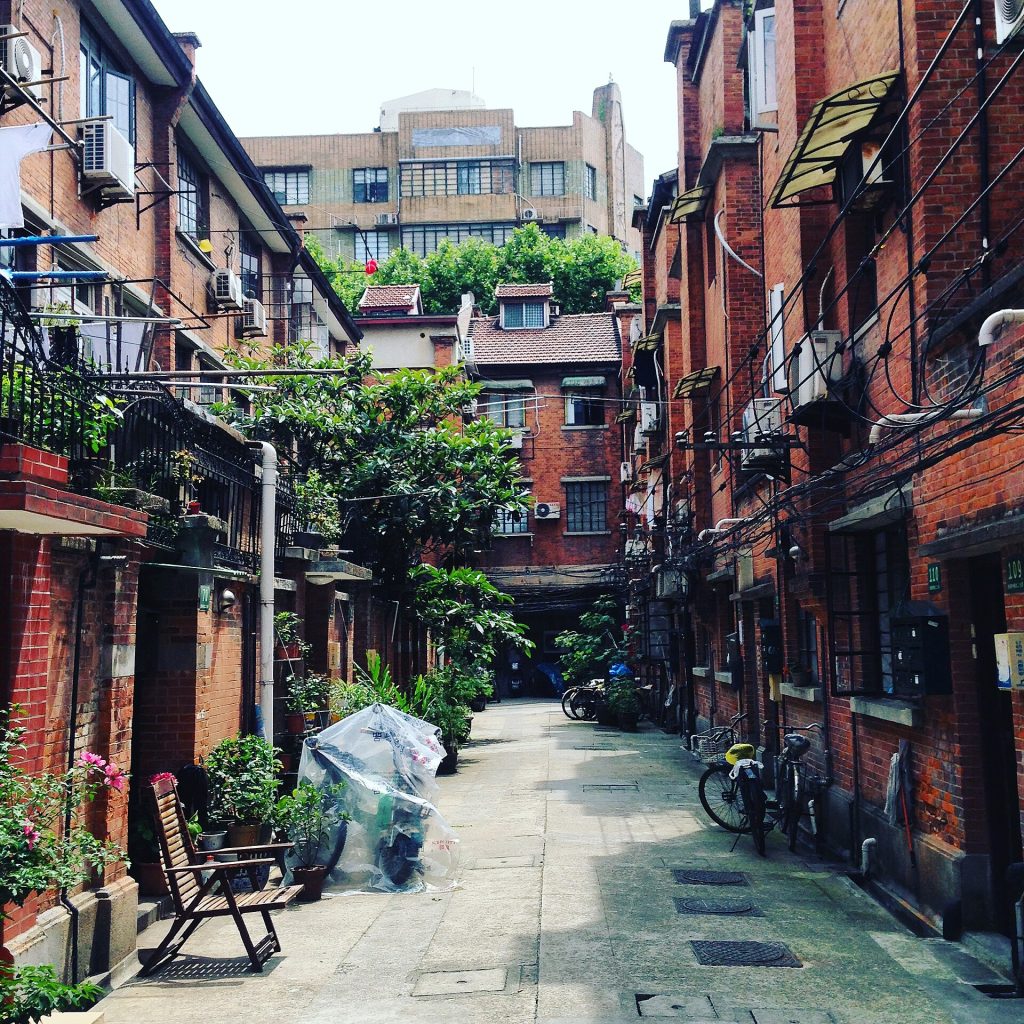
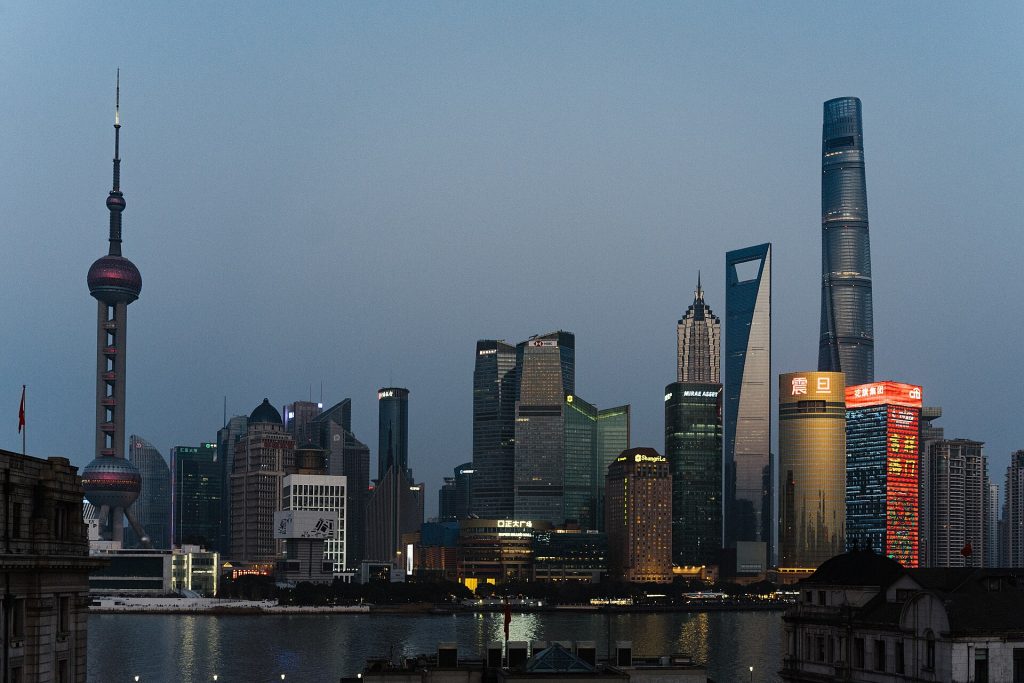
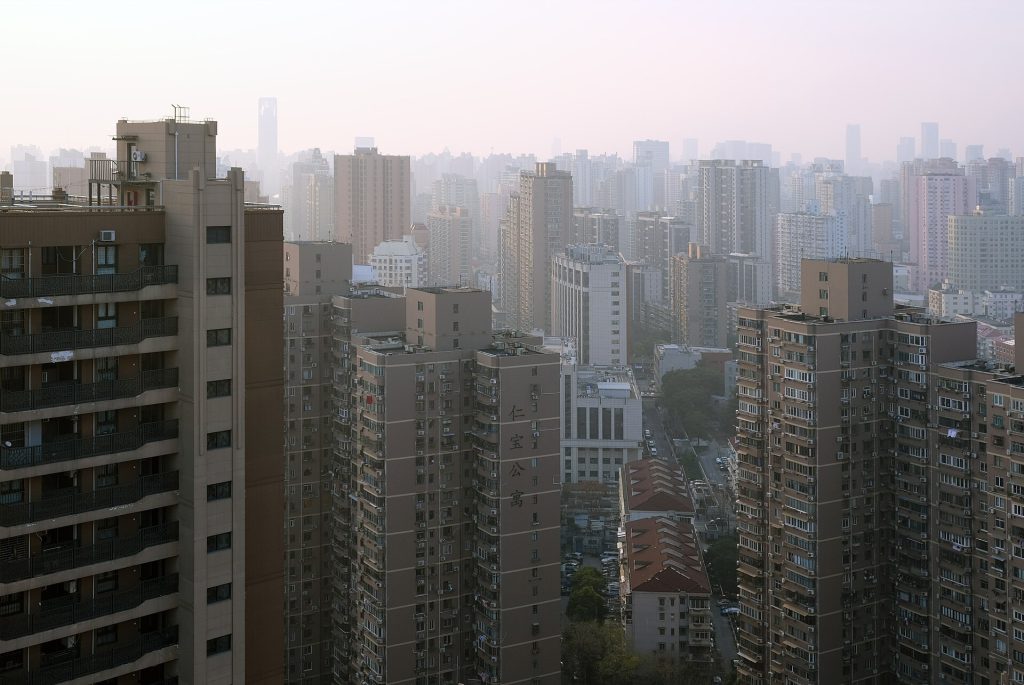
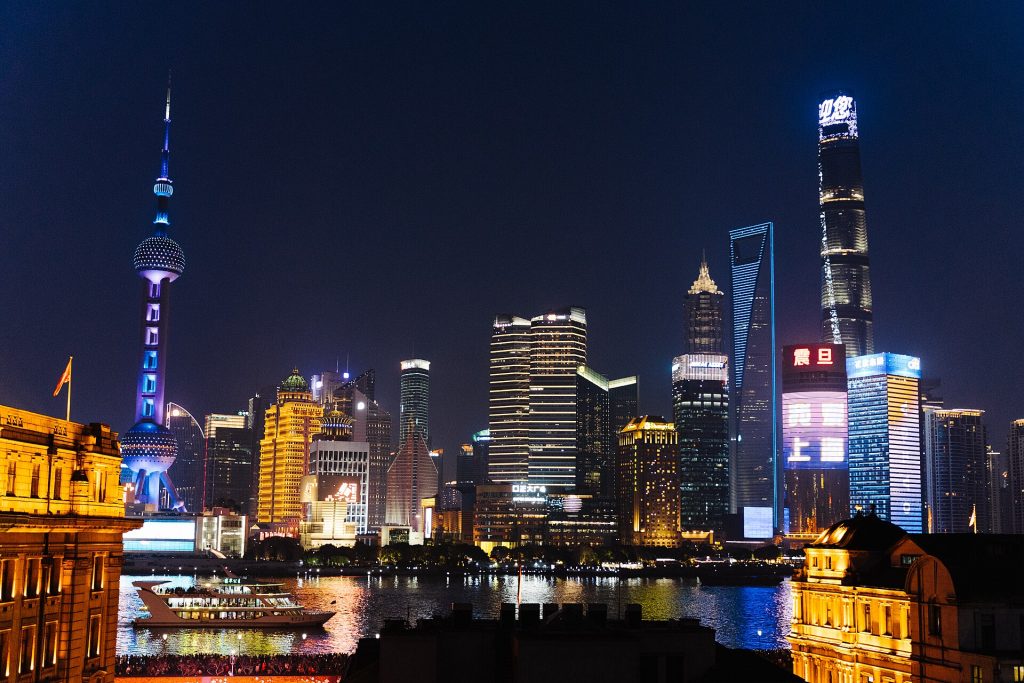
Shanghai Tower illuminated against the night sky.A view from Shanghai Tower reveals the city stretching into the distance.An aerial view of apartment buildings in Shanghai's Hongkou District.Boats navigate the Huangpu River beneath Pudong's skyline.Lights from Pudong's skyscrapers reflect on the Huangpu River at night.Pudong's high-rise buildings rise above the riverfront at dusk.Residential buildings near Nanpu Bridge show another side of Shanghai's urban landscape.Pudong's illuminated skyline lights up Shanghai after dark.Shanghai Tower rises above surrounding buildings as daylight fades.Shanghai Tower seen from among the surrounding city buildings.
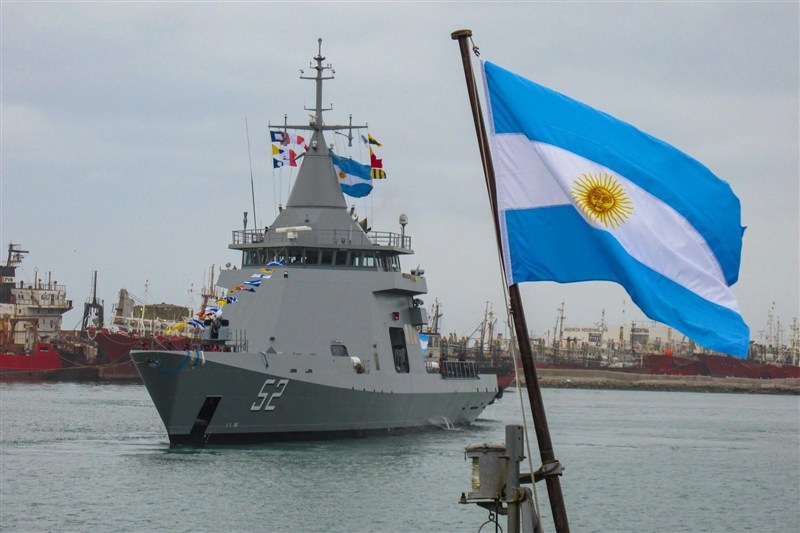
The move came in response to the Argentine government's decision in late March to designate Iran's Islamic Revolution Guard Corps (IRGC) as a terrorist entity, the ministry said in a statement.
The ministry described Argentina's decision as 'hostile and being in contradiction with the fundamental principles of international law,' saying Iran's move was based on the principle of reciprocity and a domestic law on reciprocal action against the U.S. designation of the IRGC as a terrorist organization.
The law calls for equivalent countermeasures against countries that comply with or support Washington's actions against Tehran, the statement said.
The ministry held the Argentine government responsible for all consequences arising from the decision, stressing that the IRGC is an integral part of Iran's armed forces.
The office of Argentine President Javier Milei announced on March 31 that Argentina had designated the IRGC as a terrorist organization.
The decision followed calls by U.S. President Donald Trump's administration for its allies to designate the IRGC and Hezbollah as terrorist organizations.
The Argentine government said the measure had been adopted in response to the IRGC's support for Hezbollah, a Lebanese armed group, which Buenos Aires blames for a deadly 1994 bombing attack on the AMIA Jewish community center in the capital city. The attack killed 85 people and injured over 300 others.
Earlier this month, the Iranian Foreign Ministry announced that Tehran had designated Britain's Royal Navy, Royal Air Force and Secret Intelligence Service as 'terrorist and hostile' entities over the British government's anti-Iran actions.
Iran's Foreign Ministry announced on Wednesday that the country has designated the Argentine Navy and Air Force as terrorist organizations.
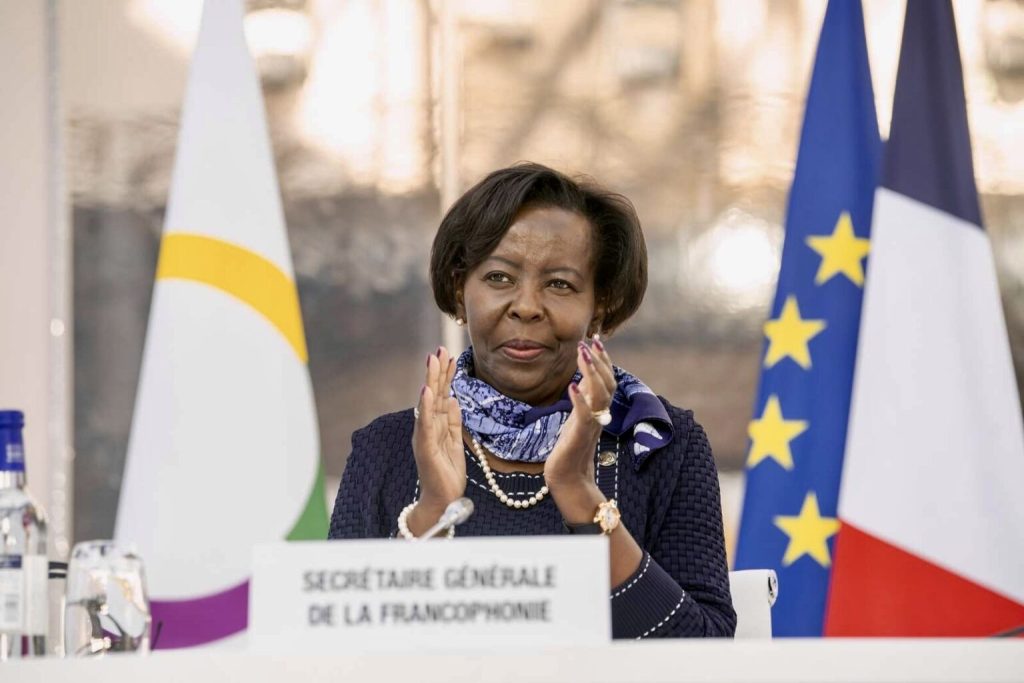
The organisation, which brings together 90 states and governments, operates programmes covering French-language promotion, education, cultural diversity, democracy, economic cooperation and sustainable development.
Its activities are financed through mandatory contributions from members, voluntary donations and other revenue, with some governments also providing funding for specific projects.
According to its revised 2026 budget, approved during the 46th session of the Conference of Francophonie Ministers in Kigali in November 2025, the organisation plans to spend 71.7 million euros (approximately Rwf122 billion), a relatively modest budget for an institution whose mandate spans 90 states and governments and covers French-language promotion, education, cultural diversity, peace, democracy, economic cooperation and sustainable development.
Of this amount, 46.6 million euros comes from statutory contributions, while voluntary contributions to its Unified Multilateral Fund (FMU), which finances cooperation programmes, are projected at 13.5 million euros.
The budget also includes 2.8 million euros in other revenue and an allocation of 8.8 million euros from the organisation's reserves.
Rwanda's Louise Mushikiwabo is seeking a third term at the helm of the organisation, which brings together 90 member states and governments.
France and Canada among biggest contributors
France and Canada are among the most significant financial backers of the wider Francophonie institutions.
Canada's government identifies it as the second-largest contributor after France, with financial support totalling nearly C$43 million in the 2025/2026 financial year.
The amount comprises approximately C$16.5 million in statutory contributions and C$25 million in voluntary contributions. It supports institutions across the Francophonie network, including the OIF, rather than the OIF alone.
Canada has openly acknowledged that its engagement goes beyond promoting the French language, describing the Francophonie as a 'privileged platform to promote our interests and to build and strengthen strategic partnerships, without the presence of major powers'.
The statement, contained in a Global Affairs Canada parliamentary briefing, offers an insight into how major contributors view the organisation as a vehicle for advancing their diplomatic interests.
Canada also wants the Francophonie to play a greater role in economic cooperation, particularly in trade and investment.
In the same briefing, the government said it would focus on ensuring that the organisation's institutions foster 'an environment conducive to entrepreneurship, trade, and investment within member countries'.
Its financial engagement also supports programmes relating to democracy, human rights, education, gender equality and cultural diversity in the digital space.
France, meanwhile, remains the largest financial contributor and has historically played a central role in the development of the Francophonie's institutions.
Its support extends to the organisation's general operations and programmes covering education, cultural production, digital transformation, climate resilience and democratic governance.
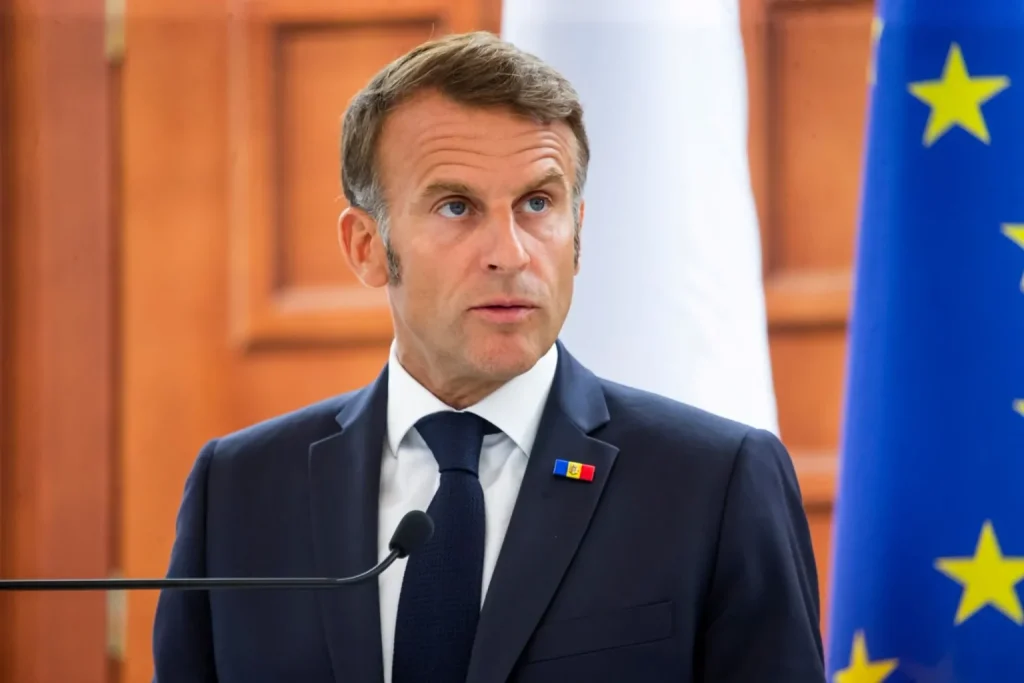
France, under President Emmanuel Macron, remains the largest financial contributor to the Francophonie.
Does financial contribution translate into influence?
The financial weight of major contributors raises questions about their influence over the organisation's priorities and direction.
Countries providing substantial resources can support specific programmes, contribute to institutional development and maintain a visible presence across the Francophonie's activities.
Canada's influence, for instance, is reinforced by the participation of Quebec and New Brunswick as full member governments, alongside Ontario and Nova Scotia, which hold observer status.
The Canadian government explicitly identifies this wider participation as a factor strengthening its influence within the organisation.
It also has a significant institutional presence, with several Francophonie bodies headquartered in Canada, including the University Agency of La Francophonie in Montreal and OIF offices in Quebec City.
The country has also held senior positions within the organisation's institutions and supports French-language broadcasting through its contributions to TV5MONDE.
Canada has further indicated that it expects the institutions to operate effectively and accountably.
'Through advocacy, diplomacy, and concrete action, we are continually working to improve the effectiveness and accountability of La Francophonie institutions,' the government said in a June 2026 parliamentary briefing.
Such expectations illustrate how financial support can be accompanied by demands for institutional performance and accountability.
However, financial contributions do not automatically translate into additional voting power in the election of the Secretary-General.
The OIF has 53 full members entitled to participate in the election, while five associate members and 32 observers do not have voting rights.
The Secretary-General is selected by heads of state and government representing the full members during the Francophonie Summit. They first seek to reach consensus, with a vote held if they fail to agree.
This means that countries contributing substantial financial resources still need political support from other eligible members to determine who leads the organisation.
What does the money finance?
The OIF's 2026 budget allocates the largest share of its expenditure to programmes and cooperation activities.
Of the 71.726 million euros budgeted, 48.916 million euros is earmarked for programming, covering strategic priorities and other activities, including education, economic cooperation, cultural diversity and governance.
Another 20.73 million euros is allocated to operational costs, including institutional personnel and administrative support.
The organisation has also allocated 1.05 million euros to institutional structures and 1.03 million euros to investments.
Beyond its main budget, voluntary contributions channelled through the Unified Multilateral Fund help finance specific cooperation initiatives.
Governments can also support projects through additional funding, allowing them to advance priorities that align with their development and foreign policy objectives.
In March 2026, for example, Canada committed C$20.8 million in long-term institutional support to the OIF over four years, covering the period from 2025/2026 to 2028/2029.
The funding supports programmes promoting French-language content, democratic governance, human rights, education, trade and economic resilience, particularly among young people and women.
A financial stake in the next four years
The funding structure will be an important consideration for whoever takes over the organisation for the 2027–2030 term.
The next Secretary-General will oversee an institution expected to balance its traditional mandate of promoting the French language with broader priorities, including economic cooperation, digital transformation, education and international diplomacy.
Maintaining the confidence of major financial contributors while ensuring that programmes respond to the needs of smaller and less economically powerful members will be part of that responsibility.
The November 16 election will pit incumbent Louise Mushikiwabo of Rwanda against Juliana Amato Lumumba of the Democratic Republic of Congo, Coumba Bâ of Mauritania and Dacian Cioloș of Romania.
Although major contributors do not receive additional votes because of the resources they provide, their financial commitments give them a significant stake in the organisation's priorities, effectiveness and future direction.
The challenge for the next Secretary-General will be to ensure that the Francophonie remains a platform for cooperation among its members, with its programmes reflecting the collective interests of the organisation rather than primarily the financial weight of a few governments.
The Organisation internationale de la Francophonie (OIF), which brings together 90 states and governments, operates programmes covering French-language promotion, education, cultural diversity, democracy, economic cooperation and sustainable development.
Traditionally known for agriculture, livestock farming and lakes, the district is positioning itself as a centre for international trade, transport, manufacturing, sports and tourism.
The ambitions are outlined in Bugesera District's 2024–2050 Land Use Master Plan, which sets out how the district's settlements, infrastructure and economic activities are expected to develop over the coming decades.
According to the 2022 Population and Housing Census, Bugesera had 551,103 residents. The master plan projects this figure will increase to 792,915 by 2035 and 1,206,500 by 2050.
Urbanisation is also expected to accelerate, with the proportion of residents living in urban areas projected to rise from 40.1% in 2022 to 85.1% by 2050, equivalent to approximately 1.03 million people.
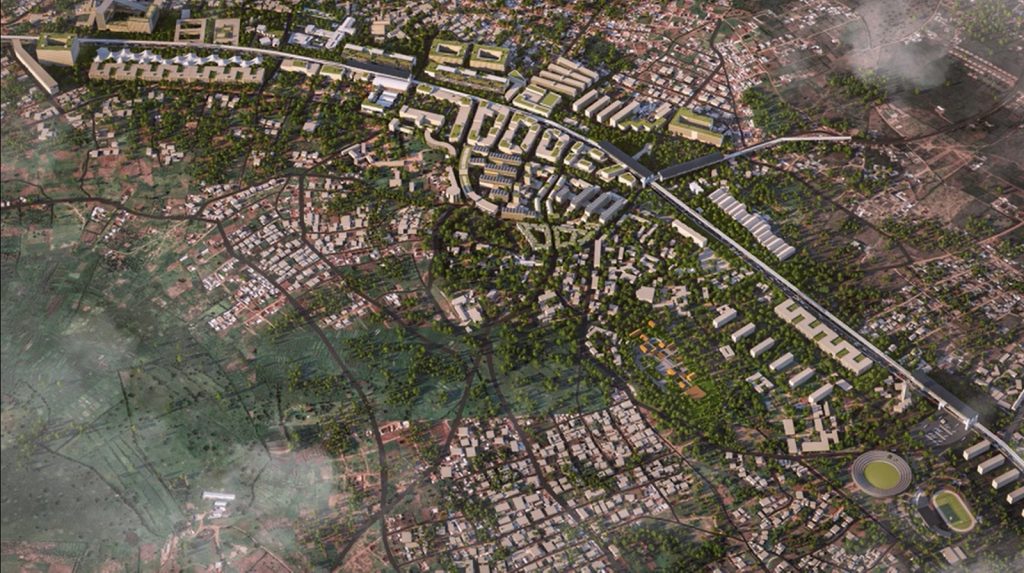
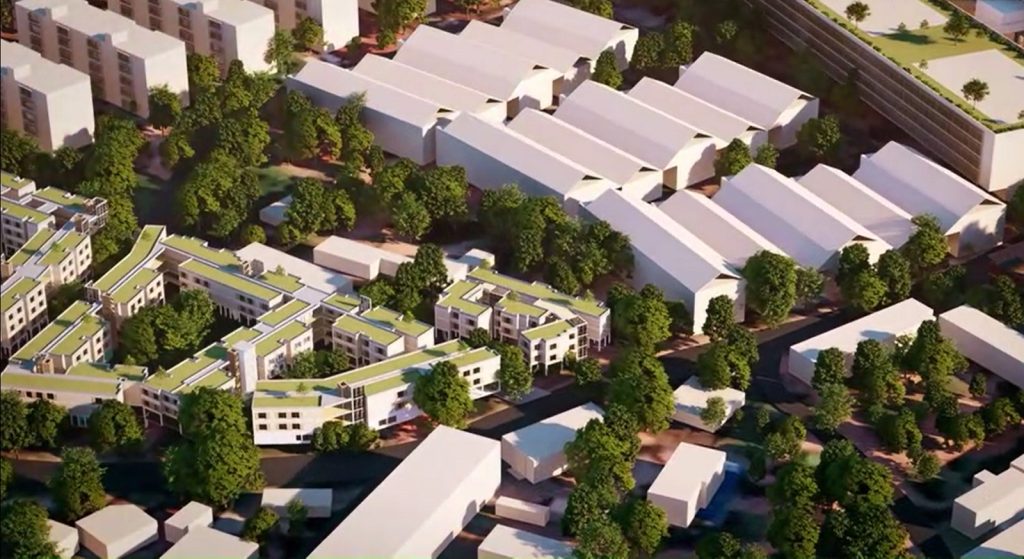
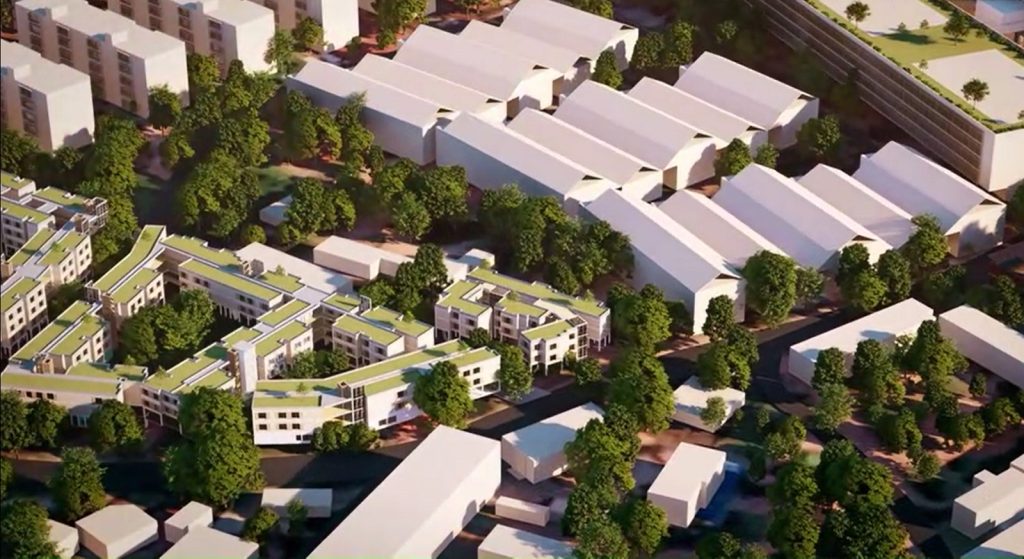
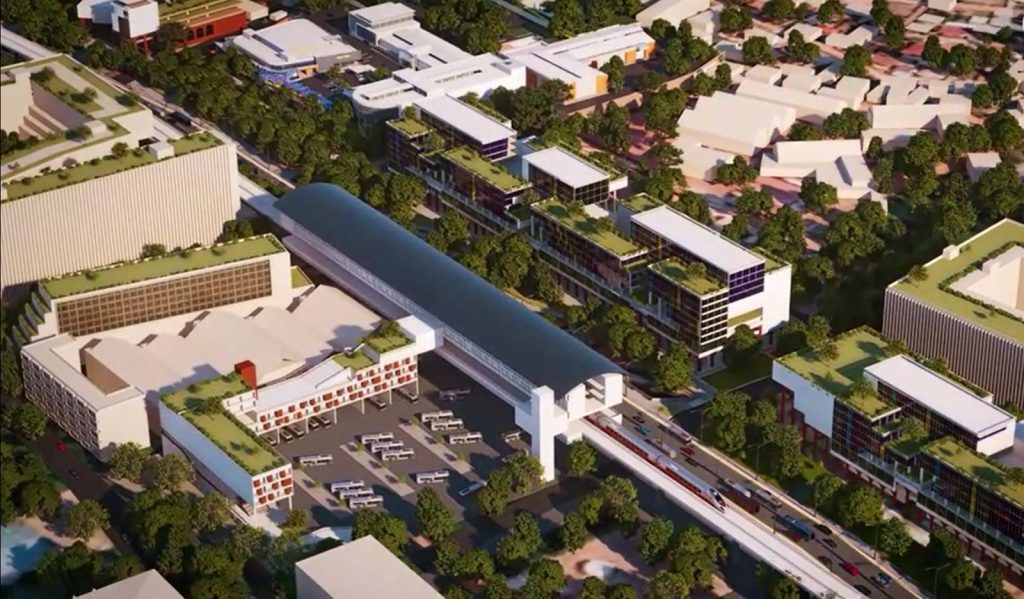
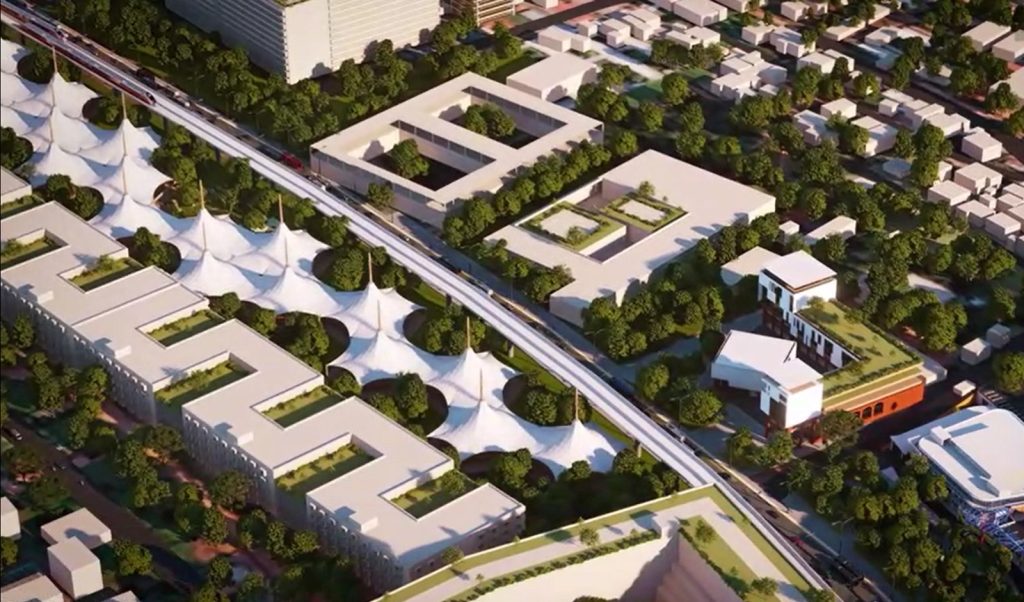
The main urban centre will comprise Nyamata and a new development surrounding the airport, covering approximately 305 square kilometres. Nyamata is expected to remain the district's administrative and commercial centre, while the airport area will accommodate hotels, offices, warehouses, industries and international services.
Smaller urban centres are also planned in Ruhuha and Rweru, alongside 77 designated rural settlement sites.
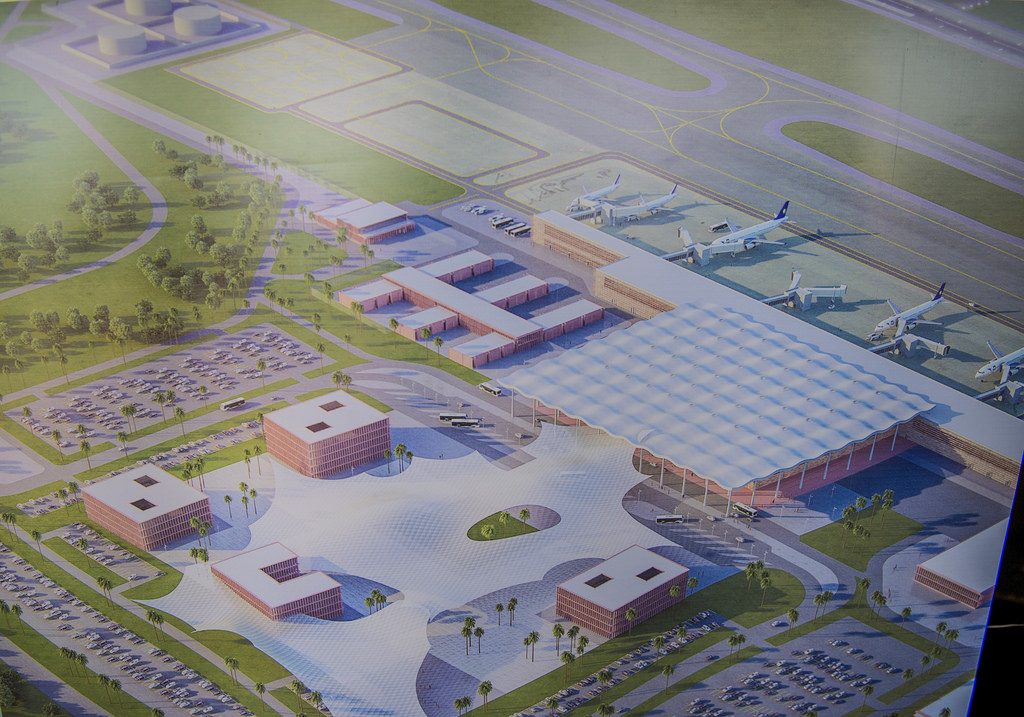
The new Kigali International Airport, expected to begin operations in 2028, is central to this transformation. Valued at approximately $2 billion, the project is being developed through a partnership involving the Rwandan Government and Qatar Investment Authority.
The airport is designed to handle seven million passengers annually in its initial phase, with capacity expected to increase to eight million before eventually reaching 14 million. It will also have the capacity to handle up to 150,000 tonnes of cargo annually.
A development known as Airport City is planned around the facility, covering more than 2,000 hectares. It will include residential buildings, hotels, commercial centres, healthcare facilities, offices, warehouses and industries, creating opportunities in cargo handling, aircraft maintenance, food processing and other aviation-related services.
Bugesera is also expected to benefit from a proposed railway connecting Rusumo, on the Tanzanian border, to Kigali, with branches linking the network to the airport and Kigali Logistics Platform. A railway station is planned near the airport to facilitate passenger and cargo transport.
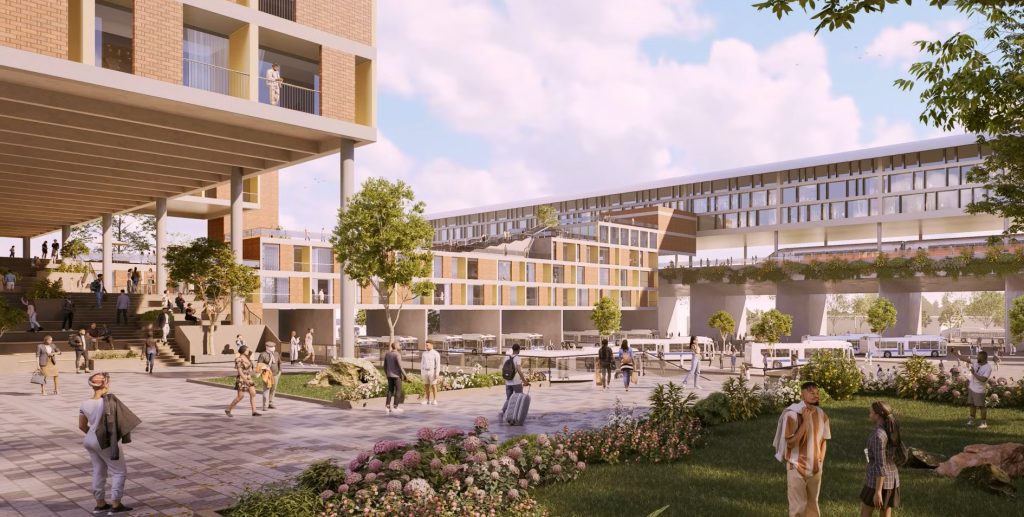
Road infrastructure is being developed alongside these plans. In October 2026, the Rwanda Transport Development Agency (RTDA) announced progress on an 11.6-kilometre road connecting the airport to the existing road network. The master plan also proposes a modern bus terminal in Nyamata estimated at Rwf4 billion, while Ruhuha and Rweru are each earmarked for terminals costing Rwf600 million.
Another major development is the proposed Formula 1 circuit. On October 13, 2026, Rwanda announced a 10-year agreement with Formula 1 organisers to host the African Grand Prix, marking the championship's anticipated return to Africa for the first time since 1993.
The circuit, planned near the airport, is expected to stretch approximately six kilometres and feature 17 corners. Preliminary designs show a track passing through an area with two hills and Lake Kidogo, with elevation changes of about 197 metres per lap.
Supporting facilities are expected to accommodate teams, spectators and visitors, while creating opportunities for hotels, restaurants, transport and entertainment businesses.
Industrial development is another pillar of the plan. Approximately 1,884 hectares are designated for industrial activities across Bugesera. The existing 100-hectare Bugesera Industrial Park is expected to expand by another 435 hectares, while Gashora is earmarked for a Special Economic Zone to attract manufacturing and trade investments.
Mwogo is planned to host a Logistics Park for storing, handling and distributing goods, potentially benefiting from a connection to the railway network.
These developments underpin projections that Bugesera could have 470,648 jobs by 2050. Trade and services, including hotels, offices, retail, transport and warehousing, are expected to account for 225,008 jobs, while other service-related activities could generate another 57,602.
An overall impression of how Nyamata town is expected to look by 2050 under Bugesera District's master plan.
Tourism will also draw on the district's nine lakes, with Ntarama, Gashora, Rweru and Cyohoha identified as priority investment areas. Proposed activities include boating, birdwatching, water recreation and hospitality developments.
Among the projects identified are a 35-kilometre road around Lakes Rumira and Mirayi, estimated at Rwf19.6 billion, a four-star hotel in Shami valued at an estimated $35 million and a Cyohoha Water Park in Kamabuye.
Ntarama is expected to develop as a tourism information centre, supporting visits to the Ntarama and Nyamata Genocide Memorials, birdwatching sites and cycling routes.
The expansion will require additional housing, schools, healthcare facilities and public services. The plan provides for different housing types, including apartments and affordable homes, alongside markets, schools, health facilities and recreational spaces.
Vocational training and research institutions are also expected to contribute to the district's development.
Despite the urban and industrial expansion, agriculture will remain important, with 51.9% of the district's land designated for agricultural use. Irrigation and technology-based farming are expected to be promoted in several sectors.
Water supply capacity is also targeted to increase to 109,500 cubic metres per day by 2050, supported by a proposed treatment plant in Mwogo–Juru and expansion of existing facilities.
The master plan also identifies the protection of lakes, wetlands, forests and other natural resources as necessary to balance economic development with environmental conservation.
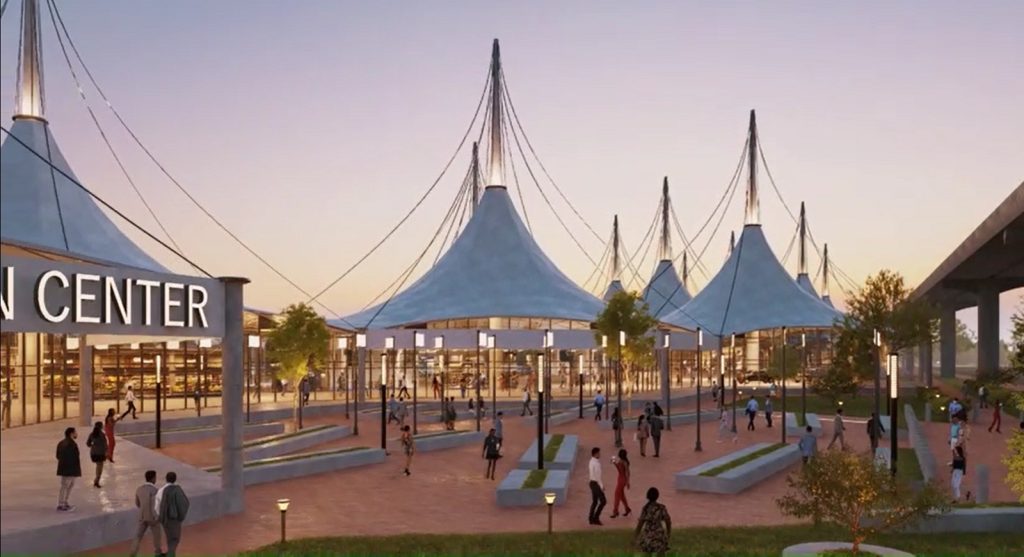
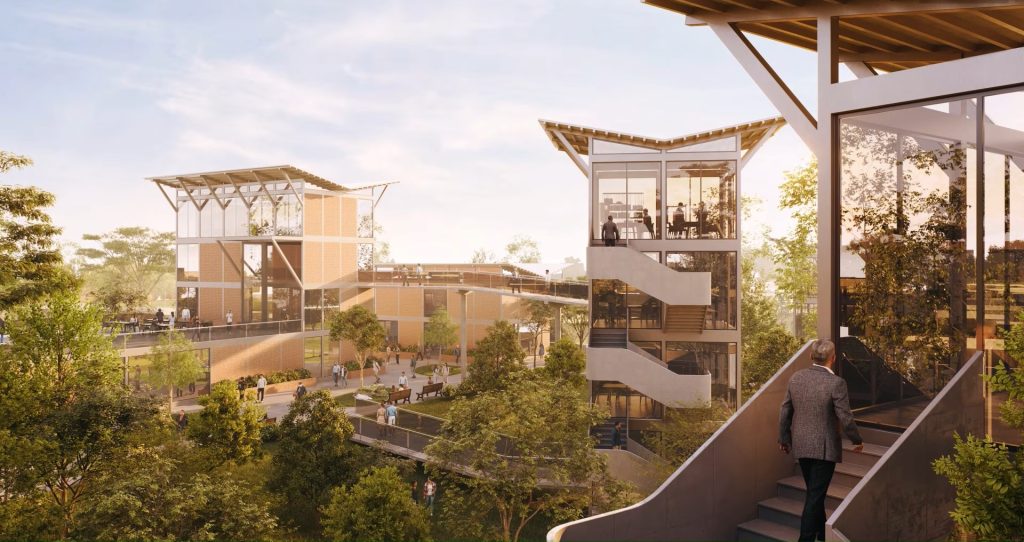
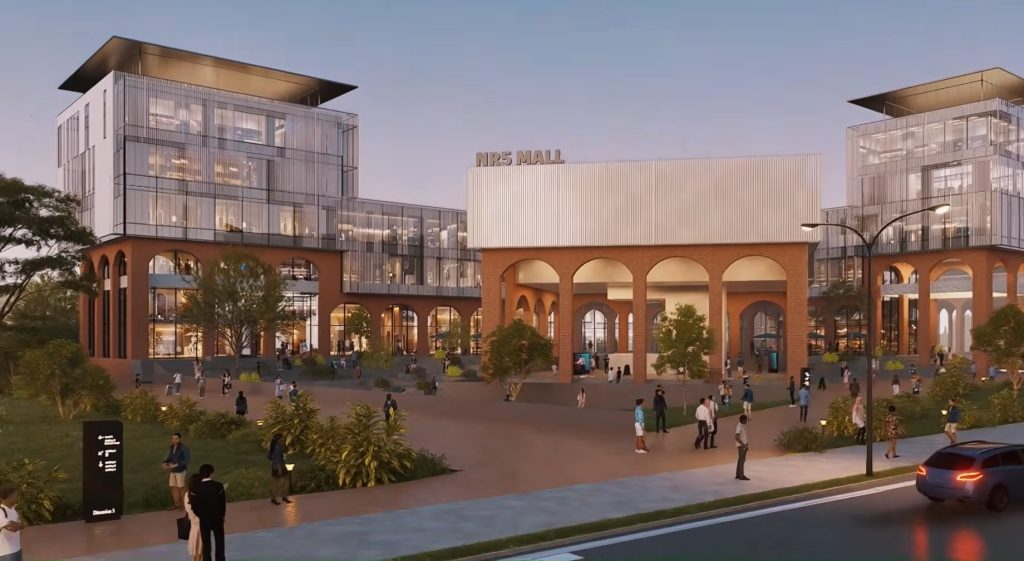
A convention centre is planned at the entrance to Nyamata to host national and international conferences and meetings.High-rise buildings are envisaged in Nyamata to make more efficient use of the available urban land.A proposed public library in Bugesera, designed to showcase local artistic talent while incorporating environmentally friendly architectural features.Bugesera is earmarked for an international-standard shopping mall as part of its long-term urban development plans.A proposed railway line is expected to facilitate travel to and from the new Kigali International Airport.Bugesera's future housing developments are expected to reflect Rwanda's changing needs, with different types of buildings planned to accommodate residents.Nyamata is expected to have a modern bus terminal aligned with Rwanda's national development vision.A new city is planned around the international airport, with facilities and services designed to meet the needs of passengers, businesses and other airport users.
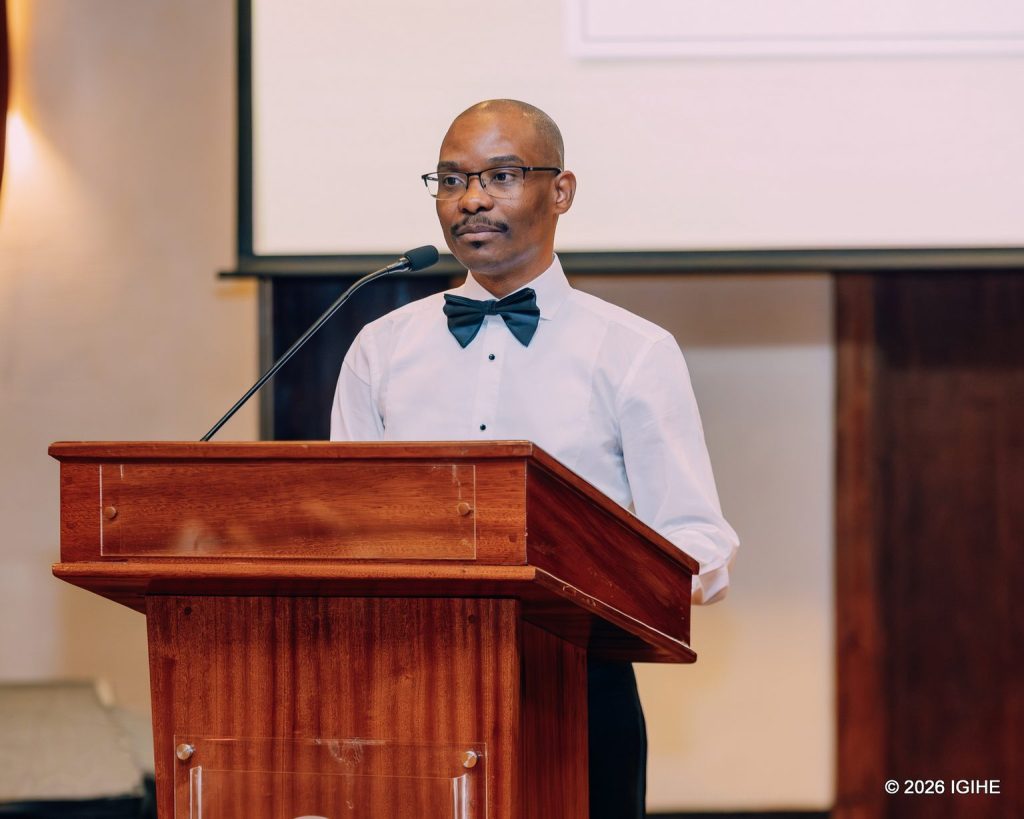
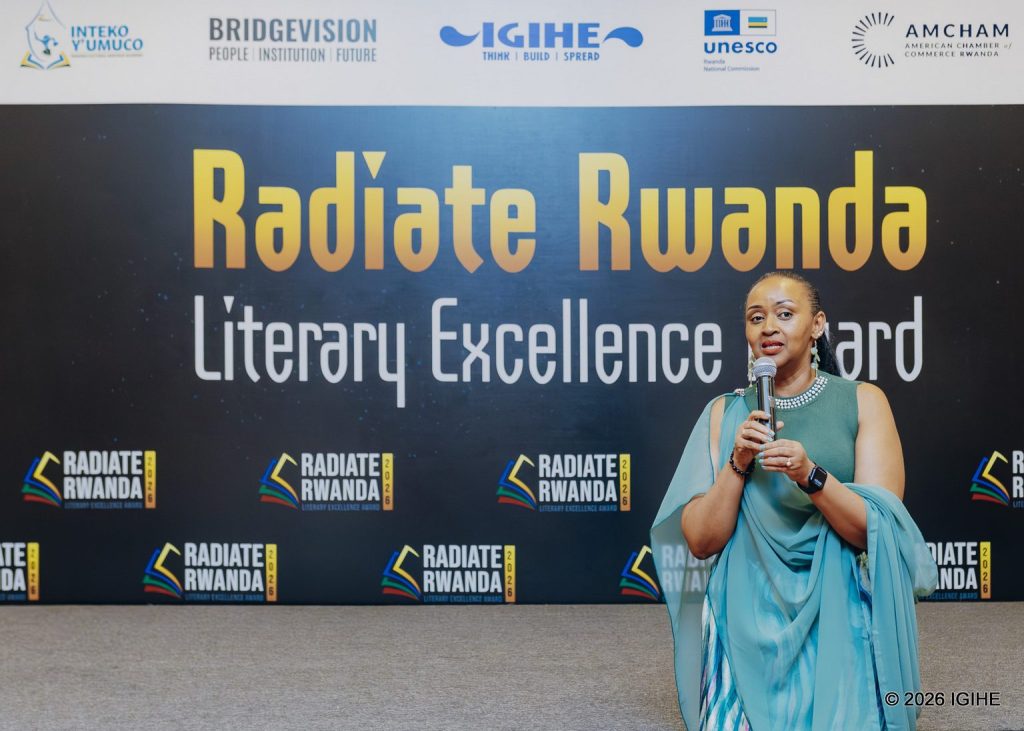
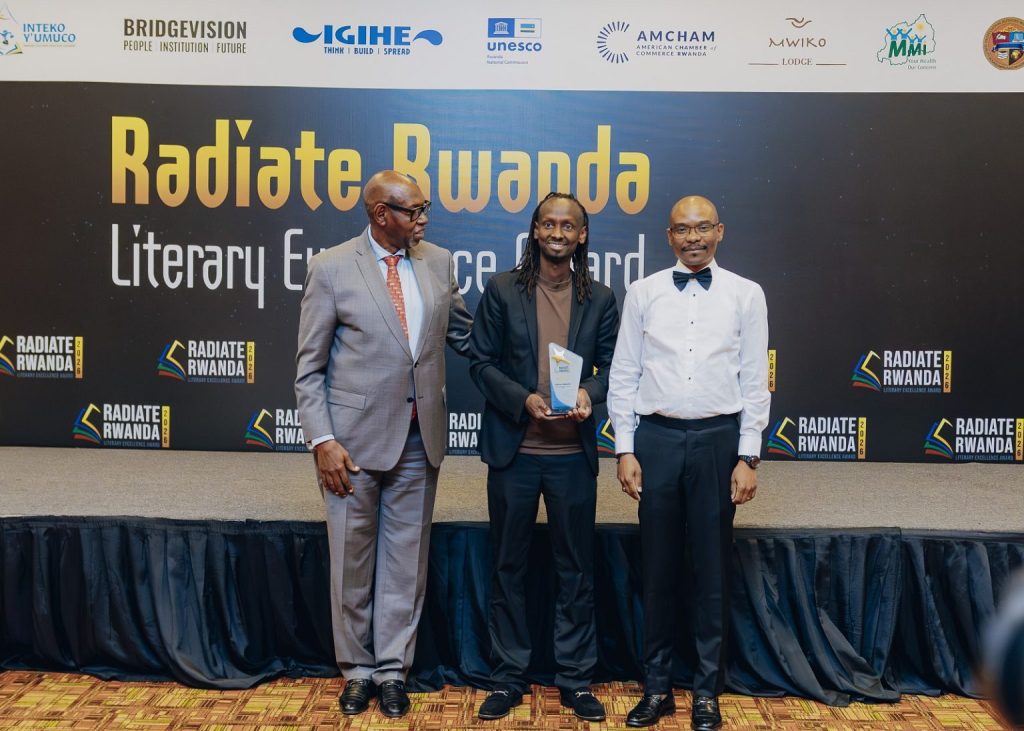
Bridgevision Chief Executive Officer Joe E. Sully said Africa has considerable literary talent but lacks sufficient investment in the systems needed to turn written works into commercially viable books, businesses and employment opportunities.
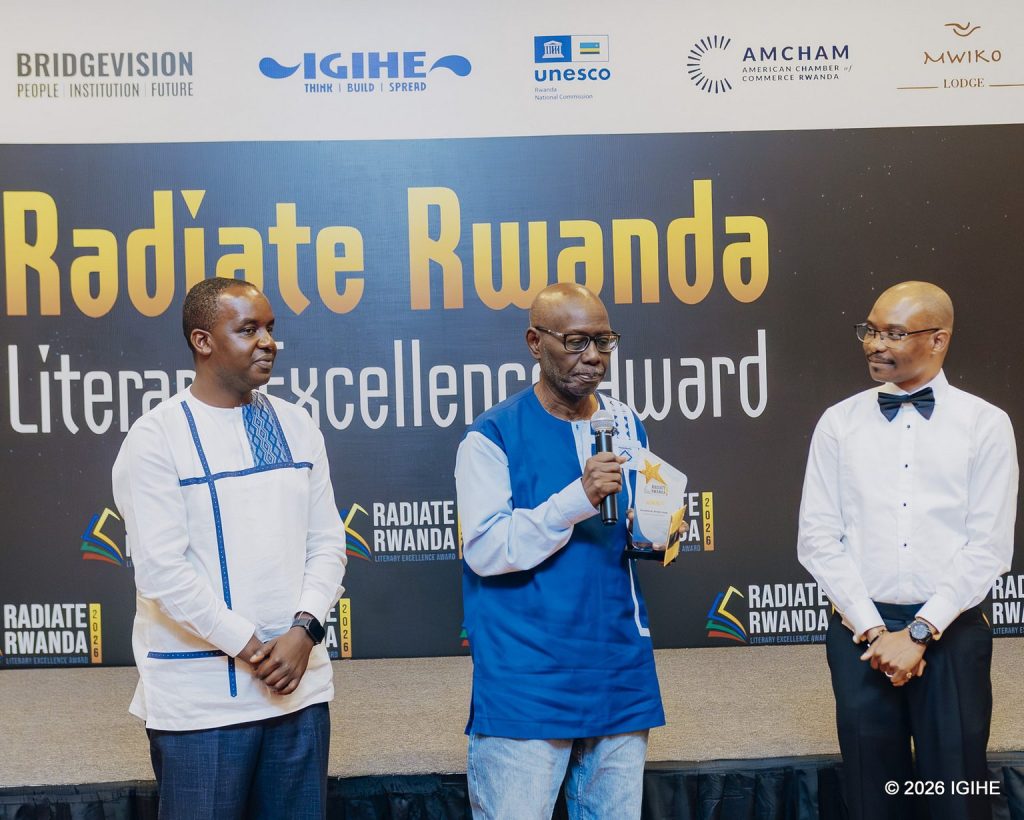
He was speaking on November 6, 2026, during the third edition of the Radiate Rwanda Literary Excellence Awards in Kigali.
Sully said Bridgevision intends to help mobilise funding, partners and investors to support the growth of the creative economy.
'We will do everything possible to play our part by seeking more partners, funding and investors to help build a thriving creative economy driven by talent and creativity,' he remarked.
He added that the organisation's ambition extends beyond recognising outstanding writers through awards to helping establish a publishing industry that can contribute to Rwanda's economy and that of the wider African continent.
Sully said positioning Kigali as a centre for publishing and books in Africa would require coordinated efforts involving parents, schools, the media, government institutions, financial institutions and other stakeholders.
Such partnerships, he argued, would also be essential to building a stronger reading and writing culture.
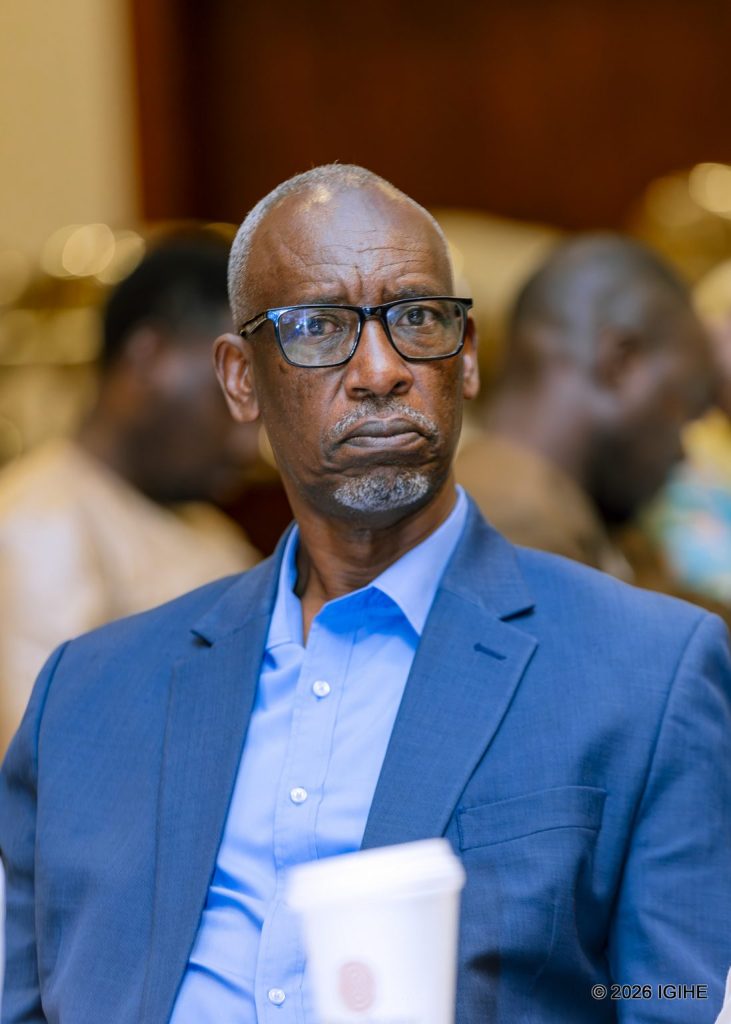
Dr. Callixte Kabera, Vice-Chancellor of East African University and chairperson of the awards' judging panel, said African writers should produce work that reflects their cultural identities while engaging with the challenges facing the continent.
He noted that successful writing requires research, extensive reading, knowledge and skill.
'An African writer should therefore have ideas that reflect their culture and address the challenges facing Africa,' he said.
Ishungure Parfait, Permanent Secretary at the Ministry of Youth and Arts, highlighted that the publishing industry has an important role in education, job creation, talent development and the expansion of the creative economy.
He called for stronger participation across the publishing value chain, including writers, publishers, booksellers and readers.
'We need strong writers, publishers, booksellers and readers to build a robust and vibrant literary industry in Rwanda,' he said.
A 2025 UNESCO report on Africa's book industry estimates that the sector generates nearly $7 billion annually across the continent, with the potential to reach $18.5 billion if supportive policies are introduced and sufficient investment secured.
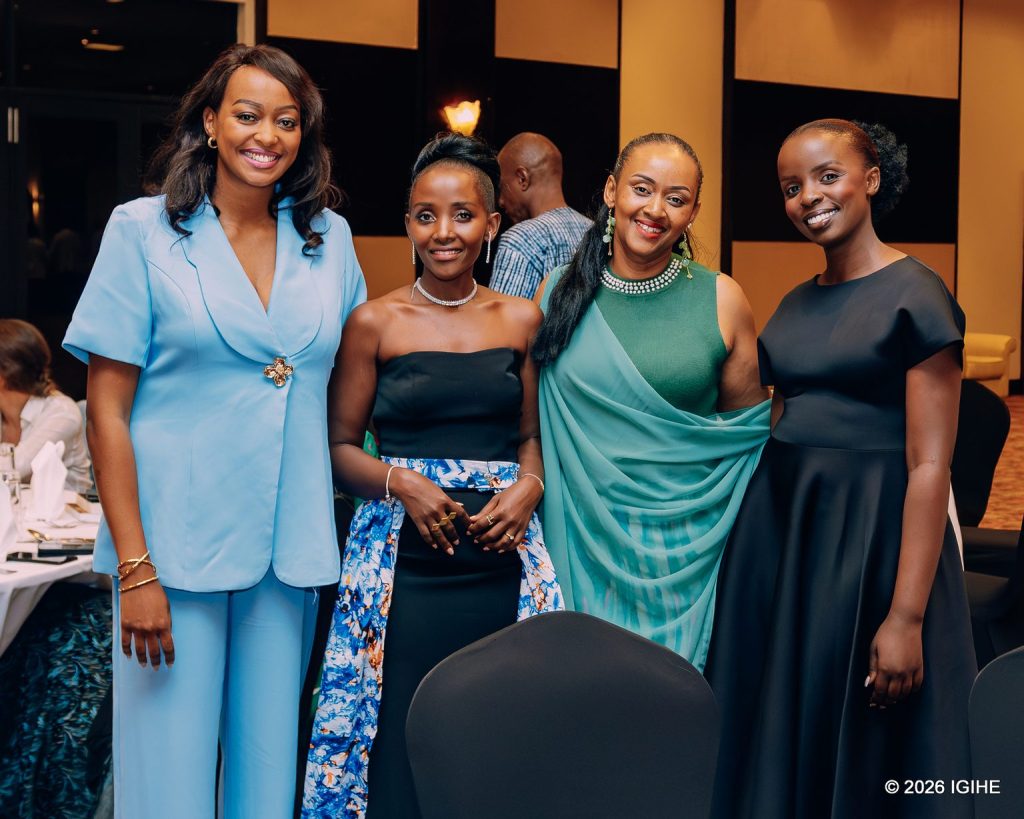
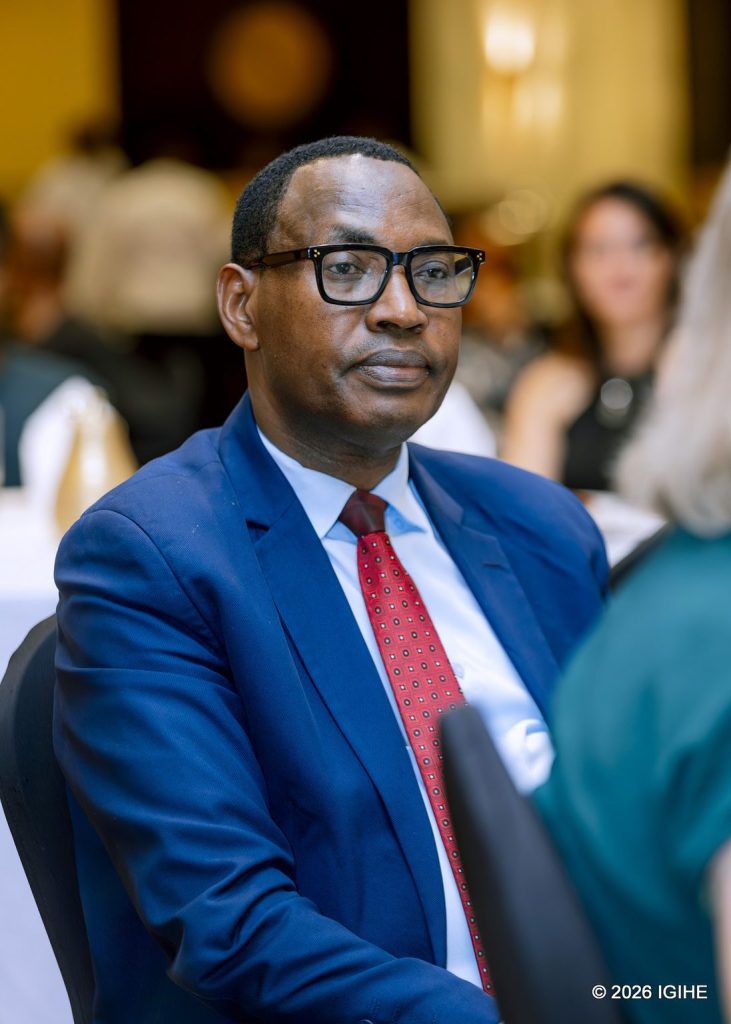
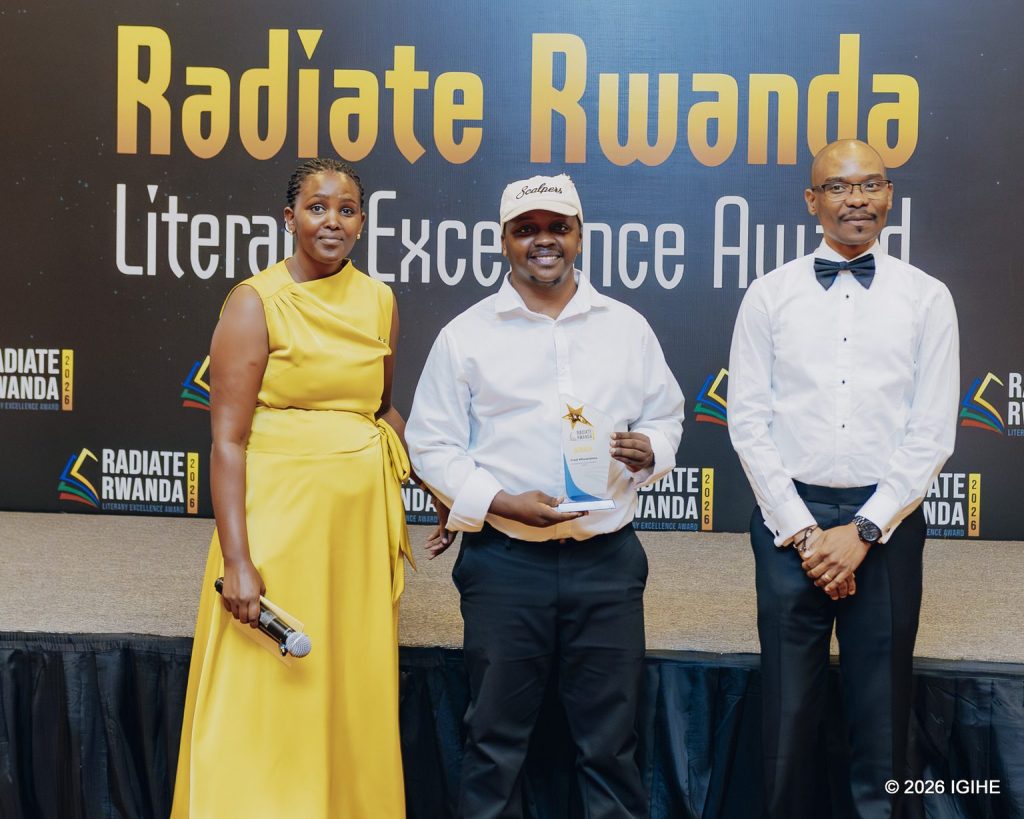
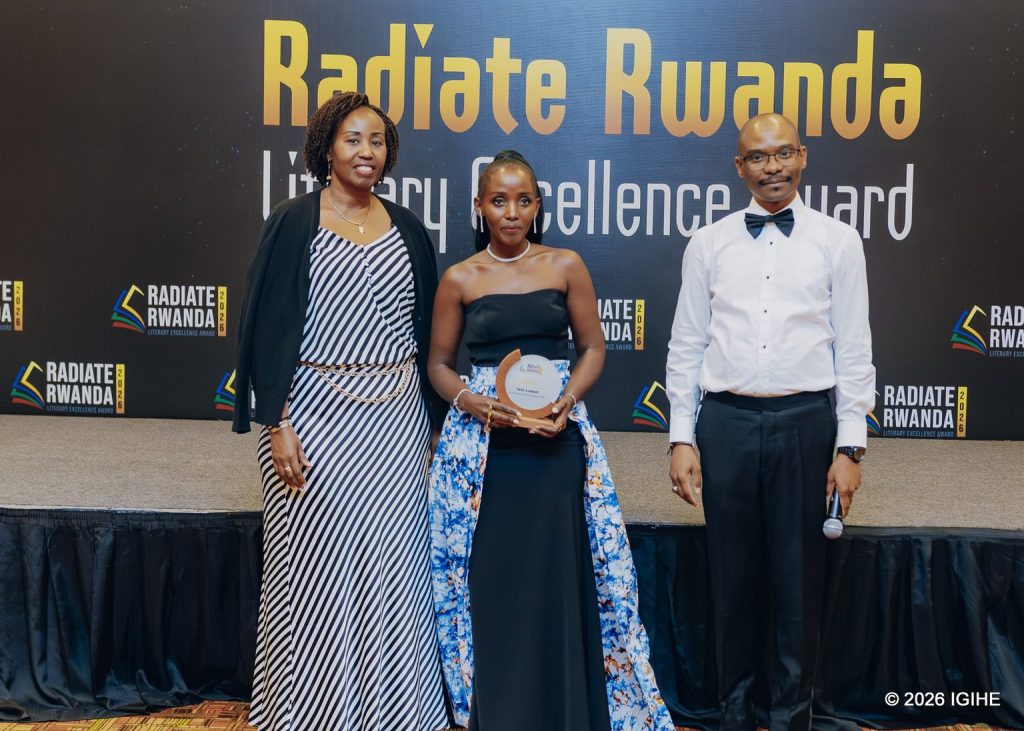
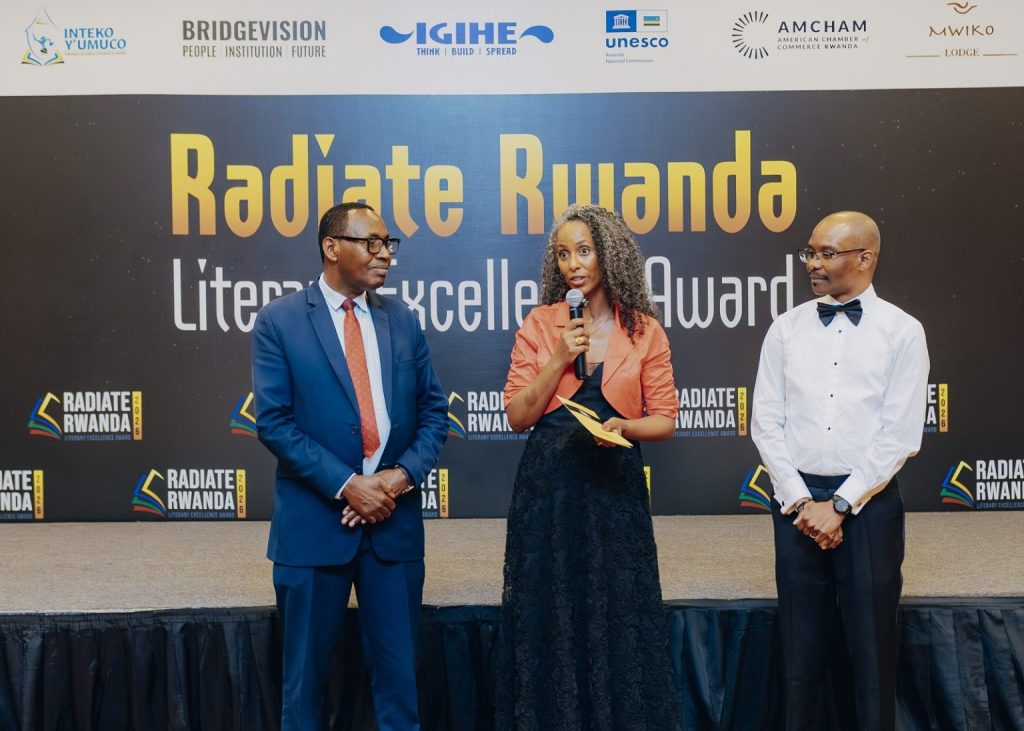
Michelle Iradukanda, Tete Loeper and Cyuzuzo were among those who attended the ceremony.Bridgevision Chief Executive Officer Joe E. Sully said Africa has considerable literary talent but lacks sufficient investment in the systems needed to turn written works into commercially viable books, businesses and employment opportunities.Dr. Callixte Kabera, Vice-Chancellor of East African University and chairperson of the awards' judging panel, said African writers should produce work that reflects their cultural identities while engaging with the challenges facing the continent.Author Boubacar Boris Diop was honoured with the Lifetime Achievement Award.Author Dmitrie Sisi Mukanyirigira won the Outstanding Woman Writer 2026 award.Fred Mfuranzima received the 2026 Young Outstanding Writer Award.Tete Loeper received the Outstanding Rwandan Female Writer Award.Donica Merhazion received the Outstanding African Writer Award.Valens Kabarari received the Outstanding Rwandan Male Writer Award.Jerome Kajuga, a member of the judging panel, attended the ceremony.
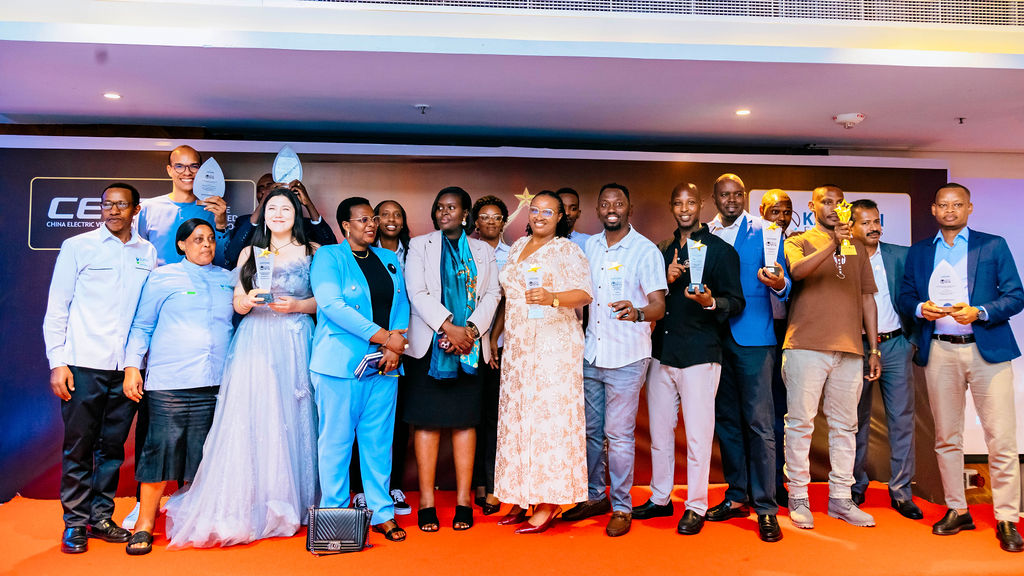
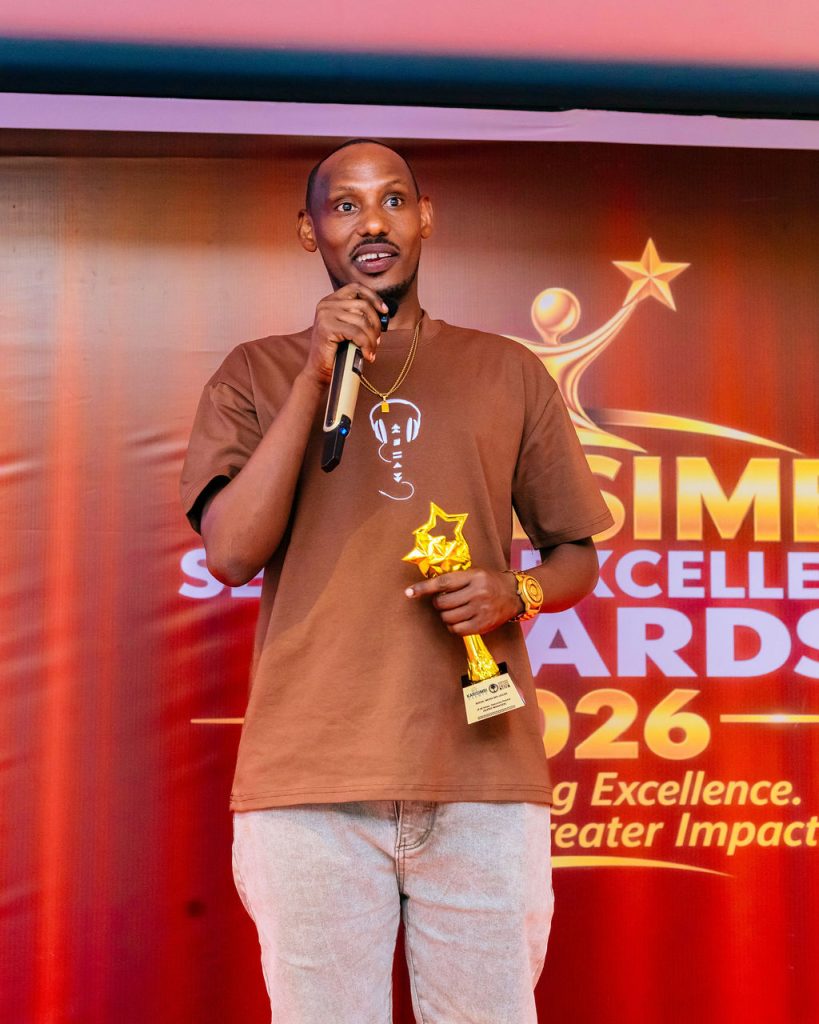
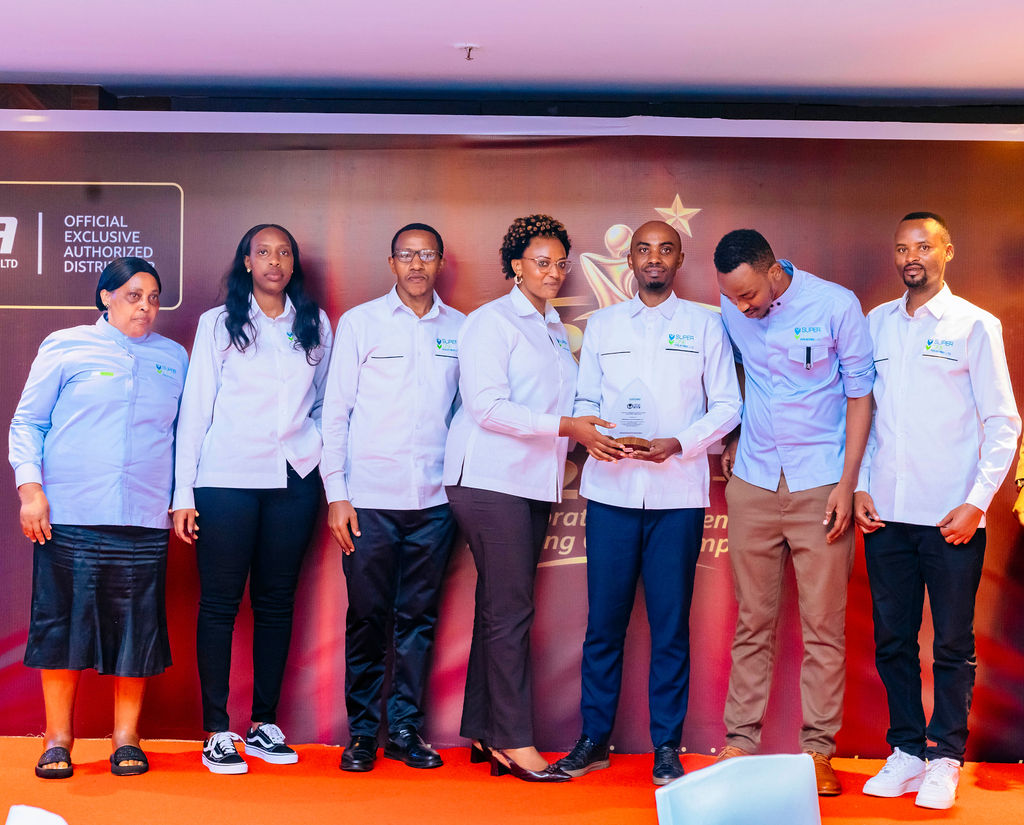
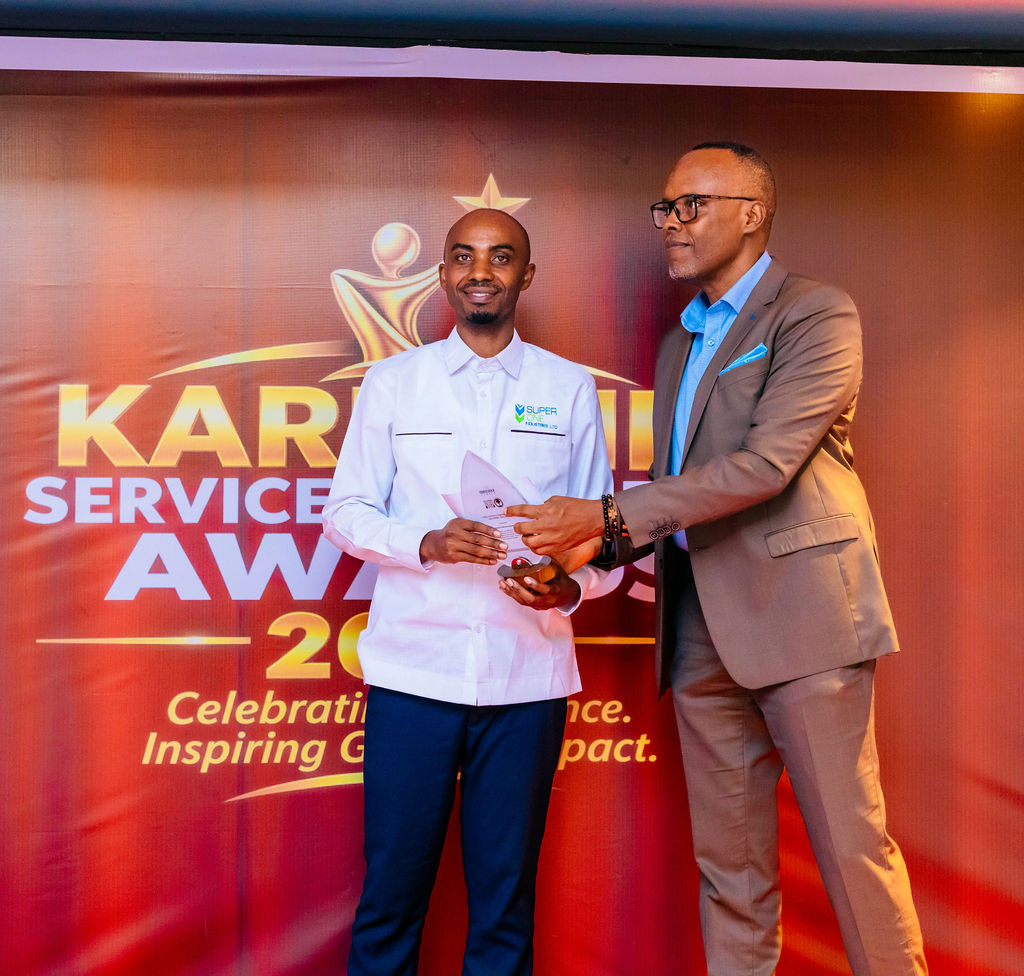
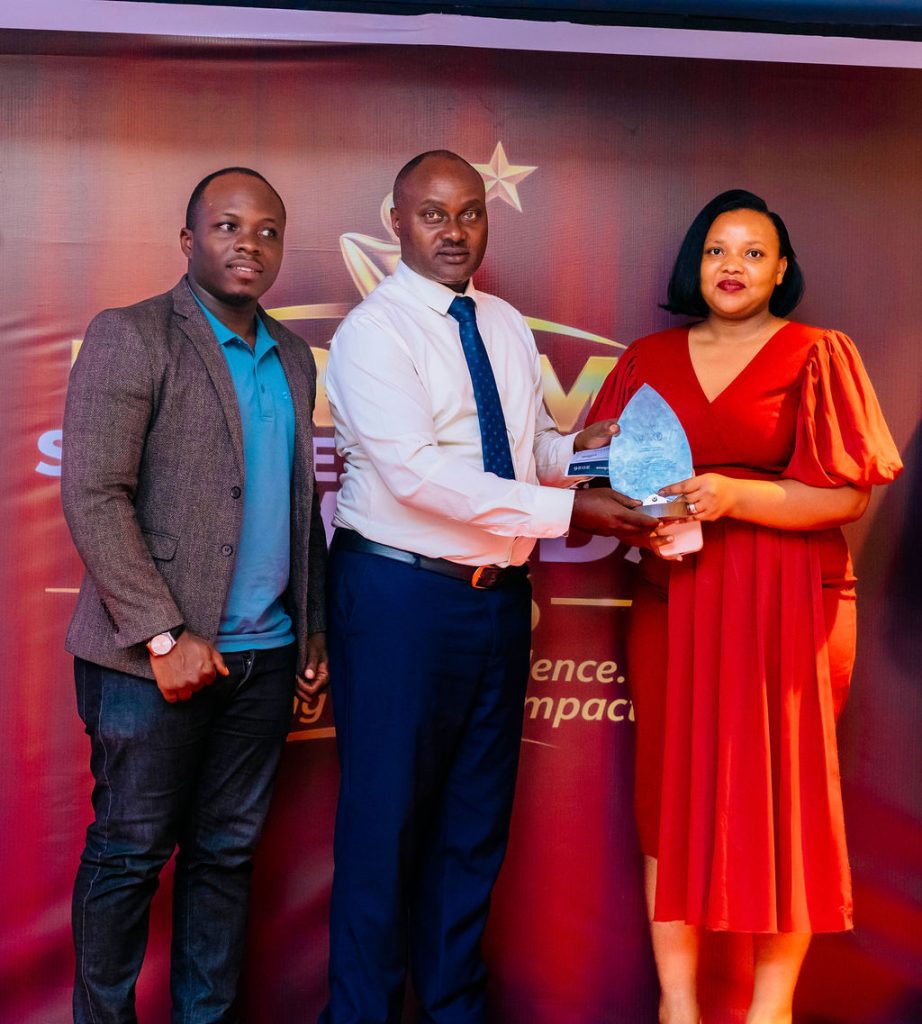
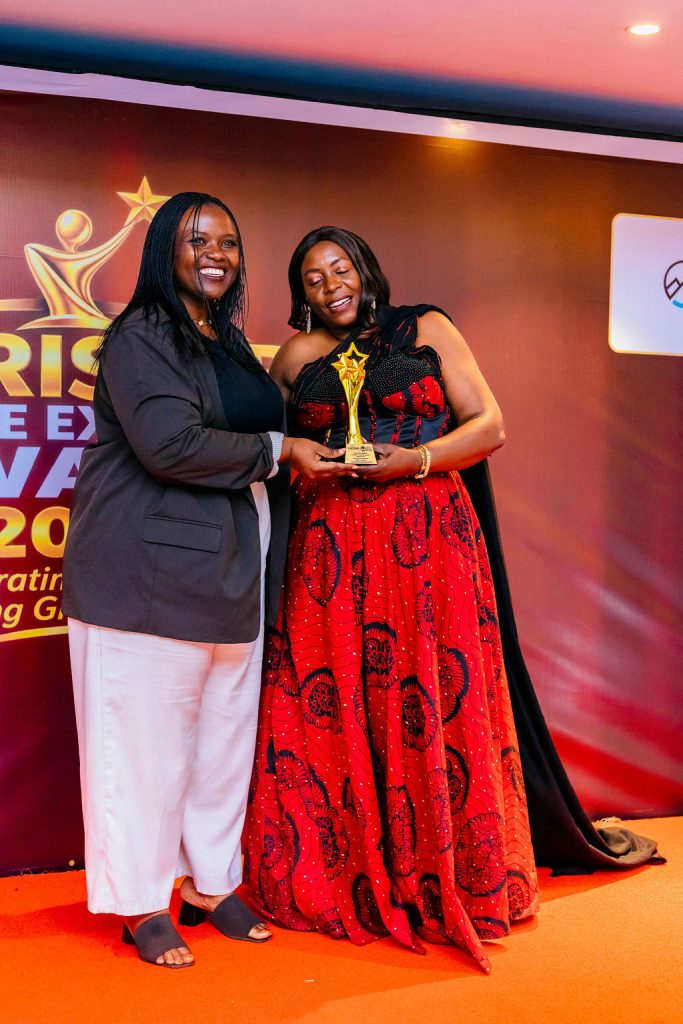
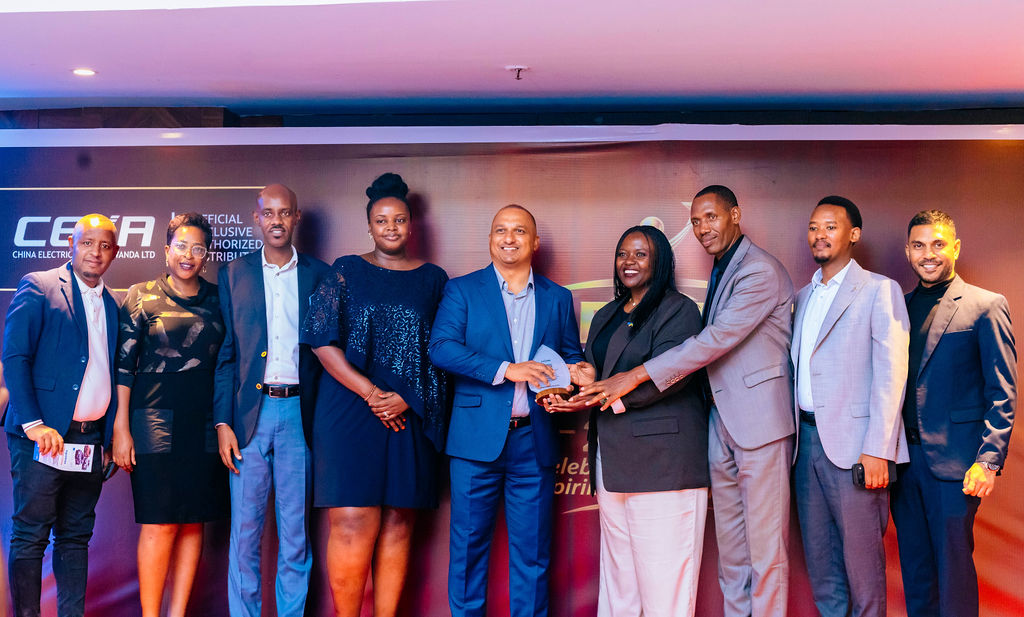
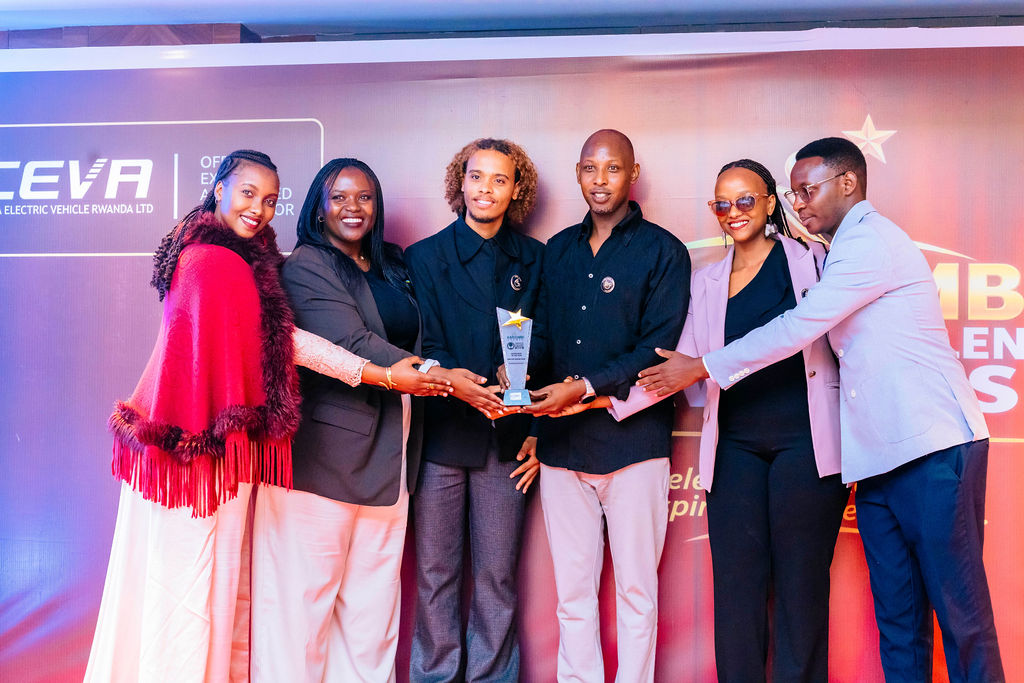
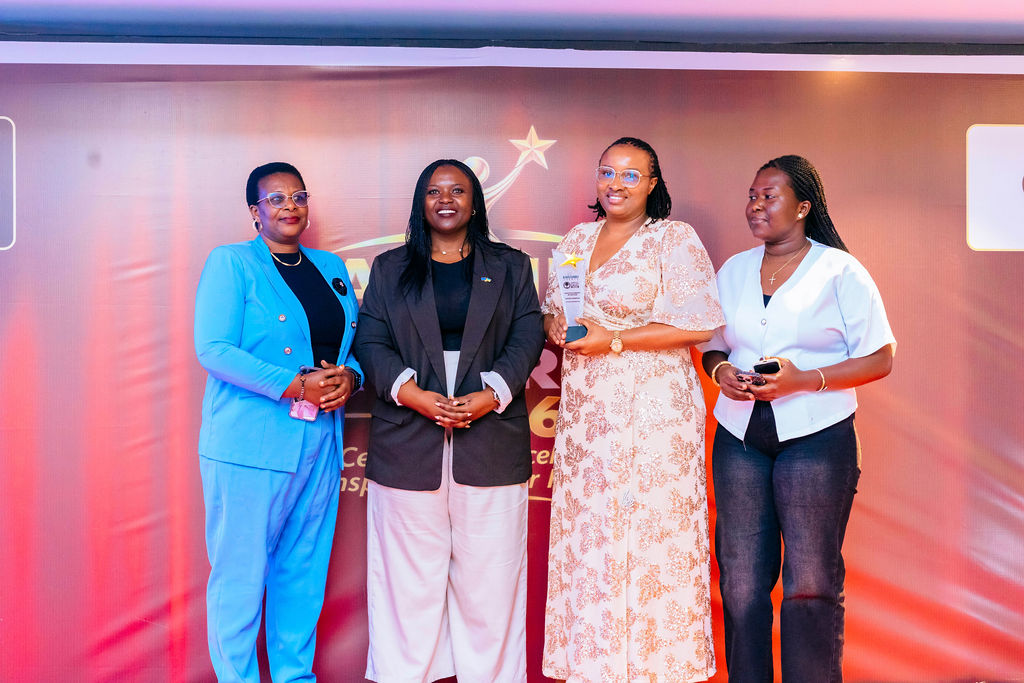
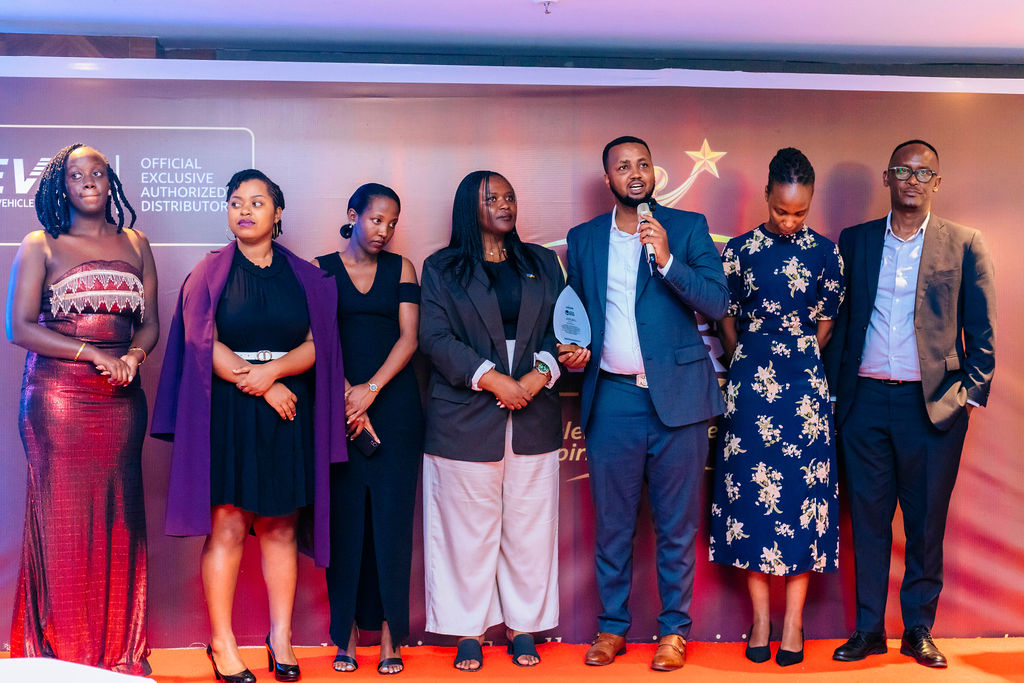
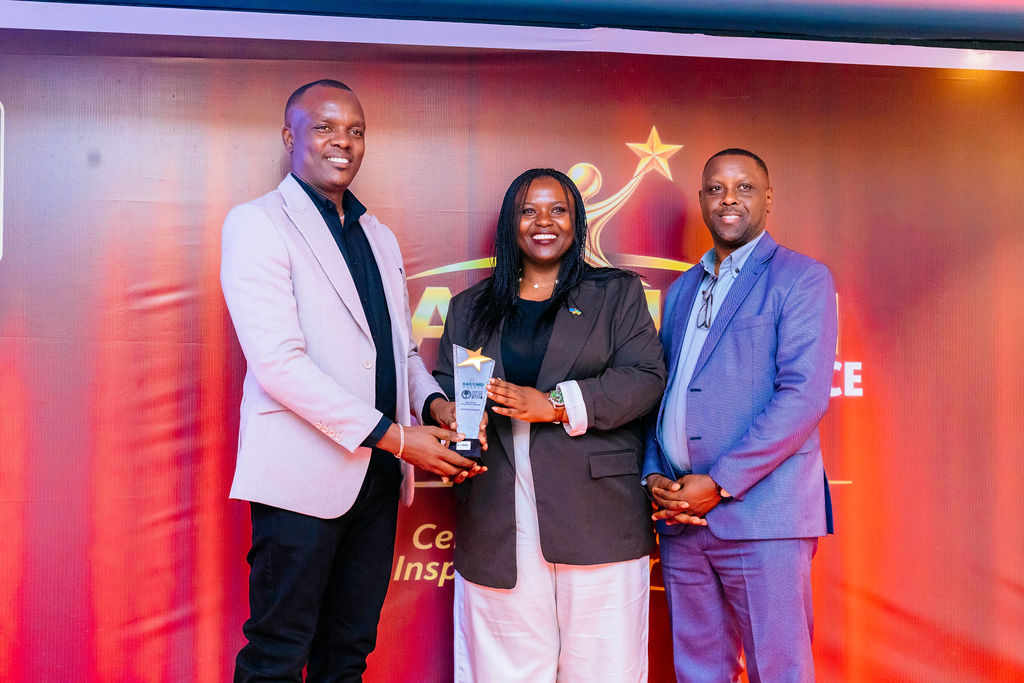
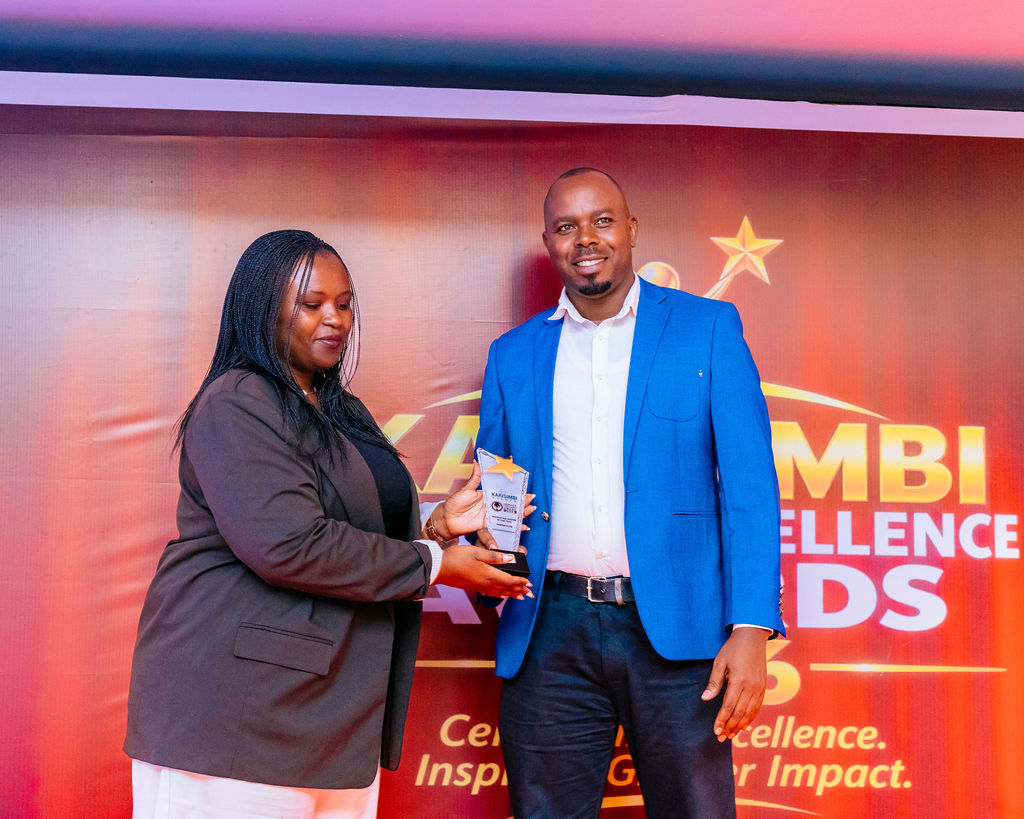
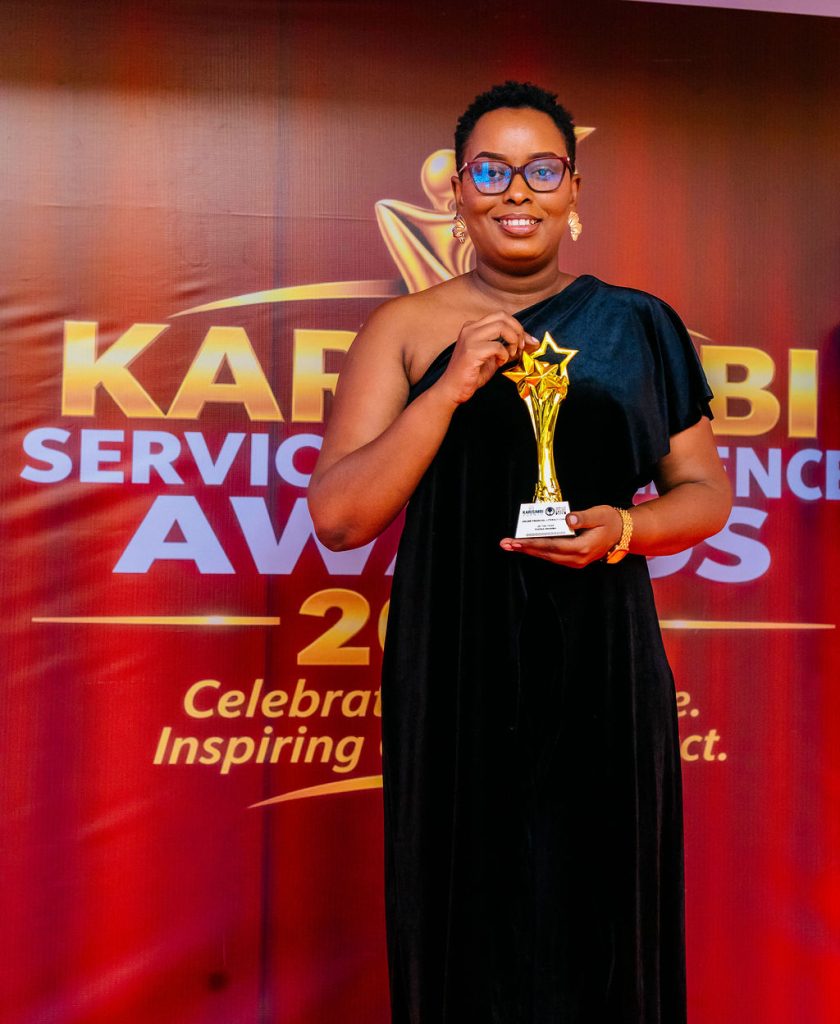
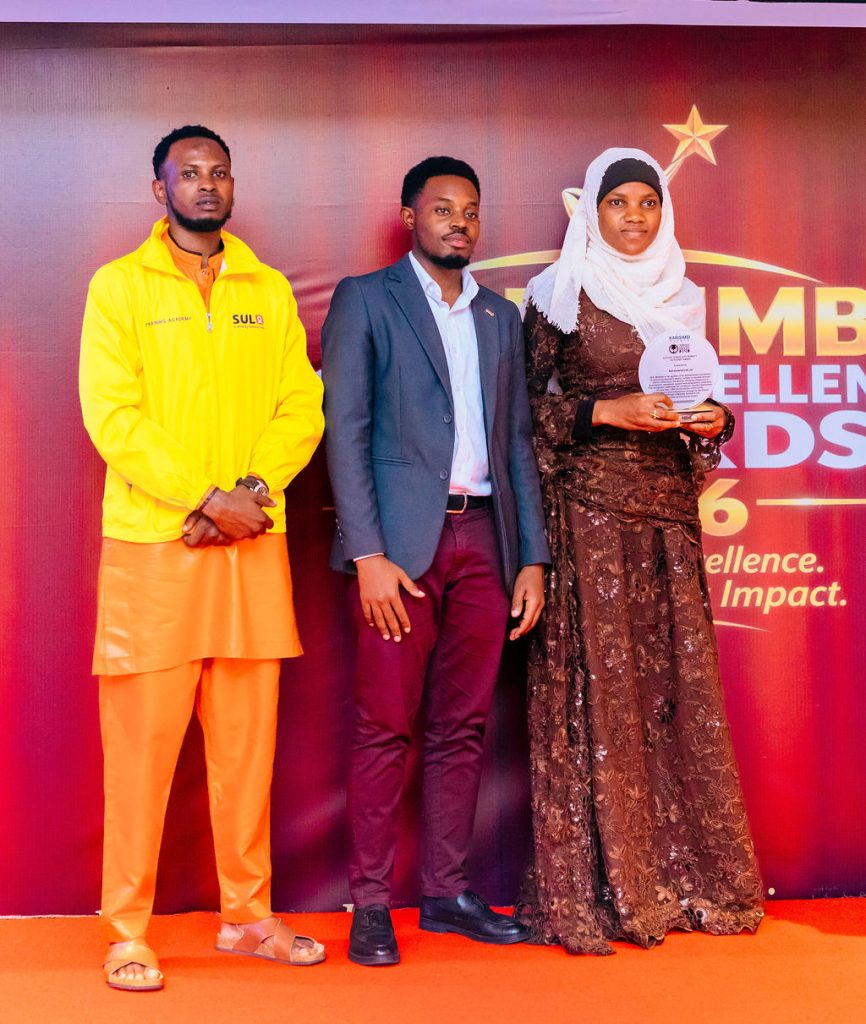
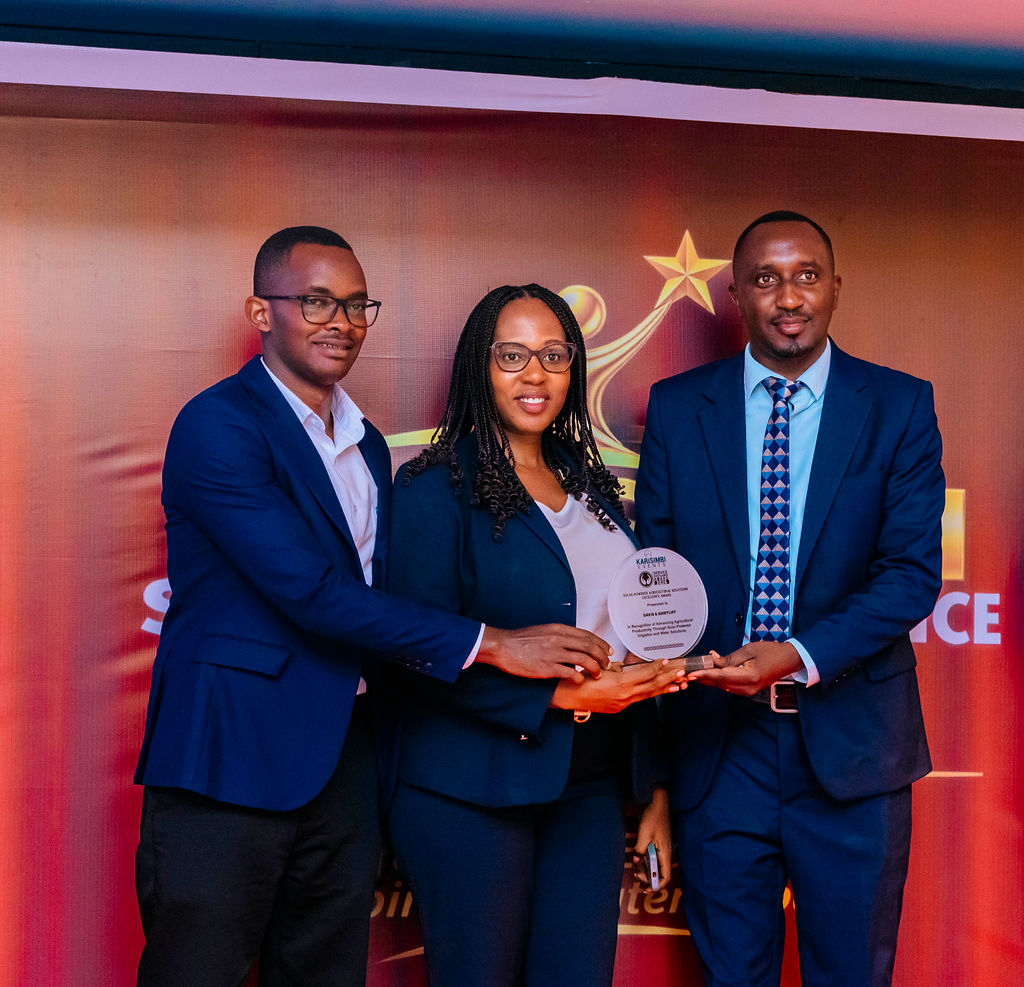
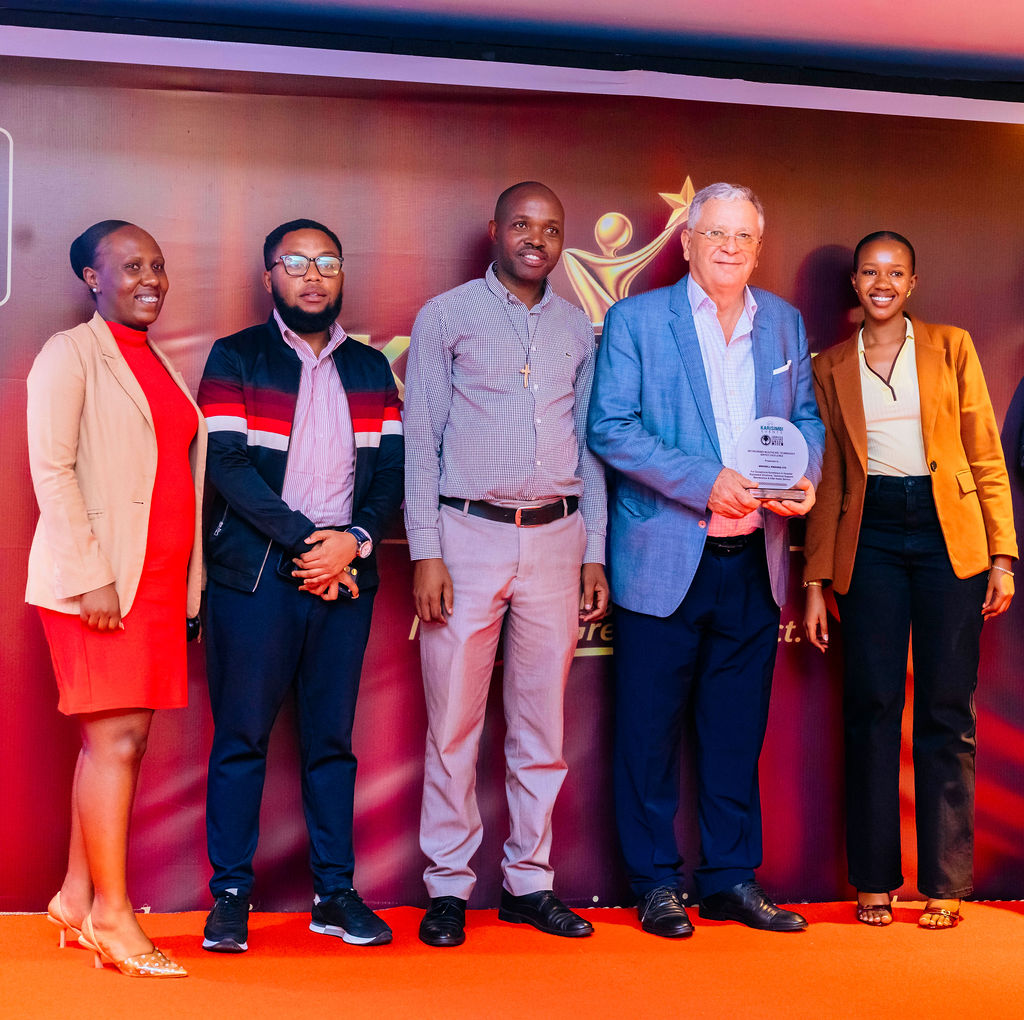
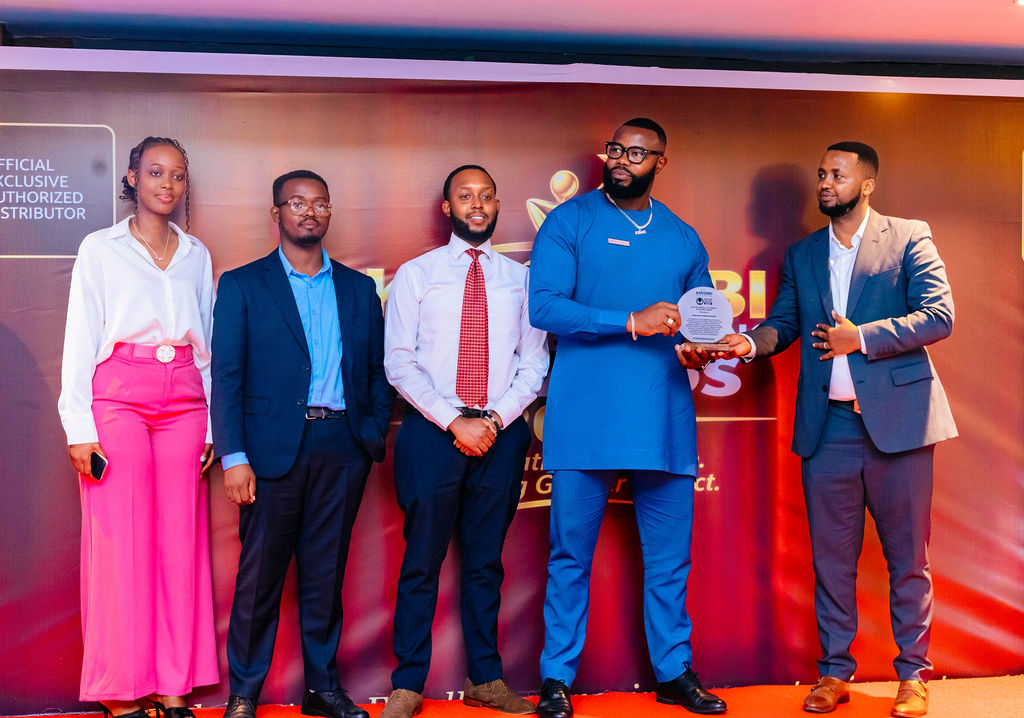
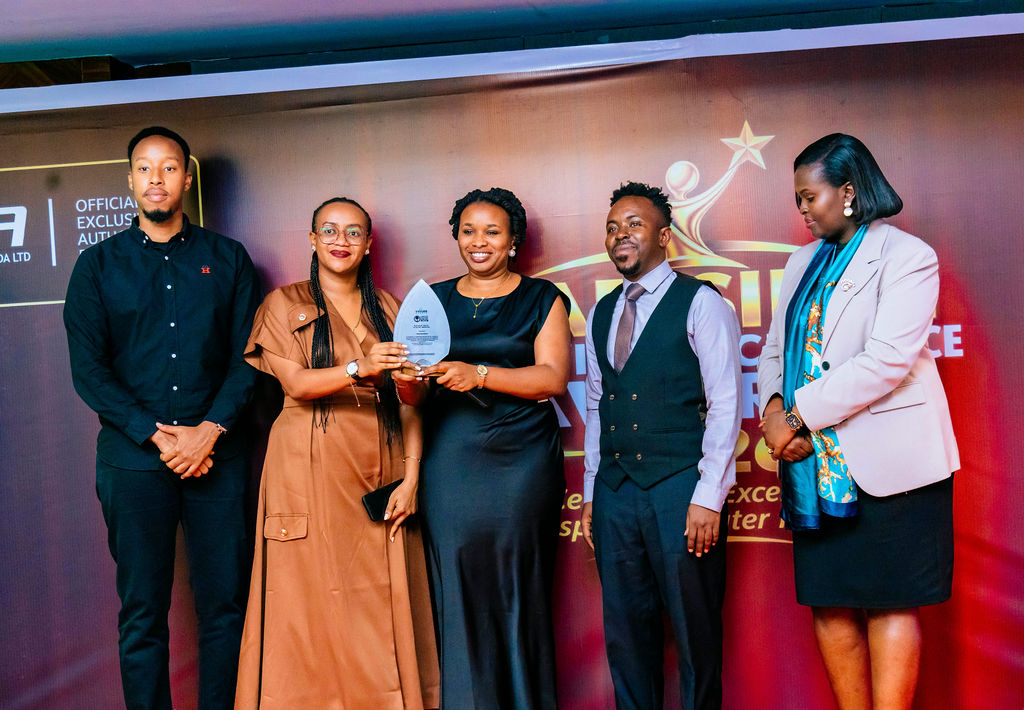
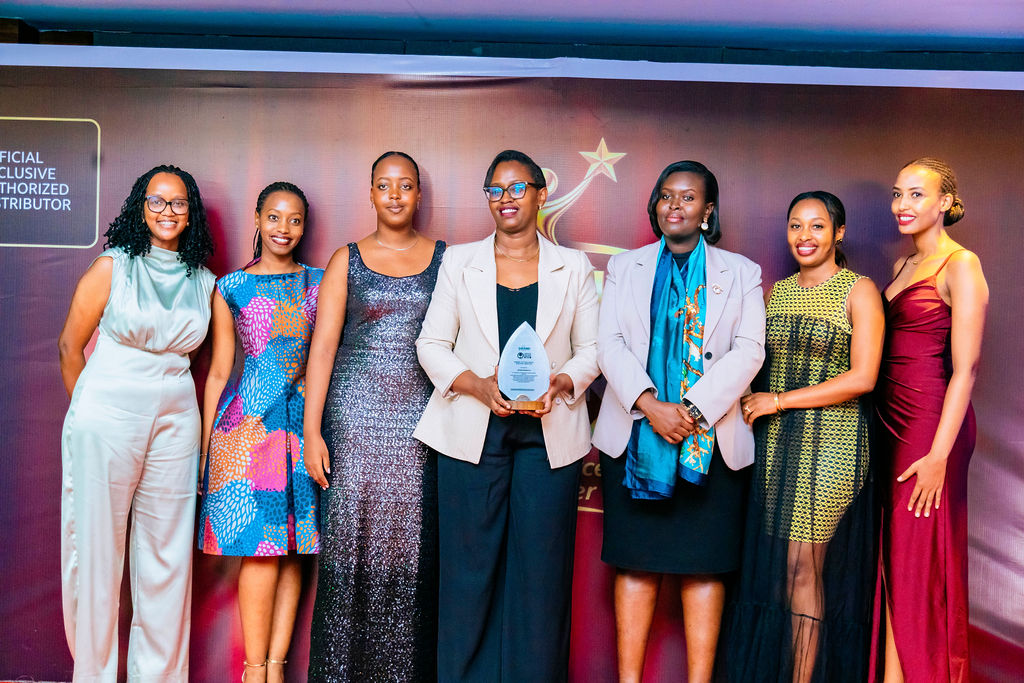
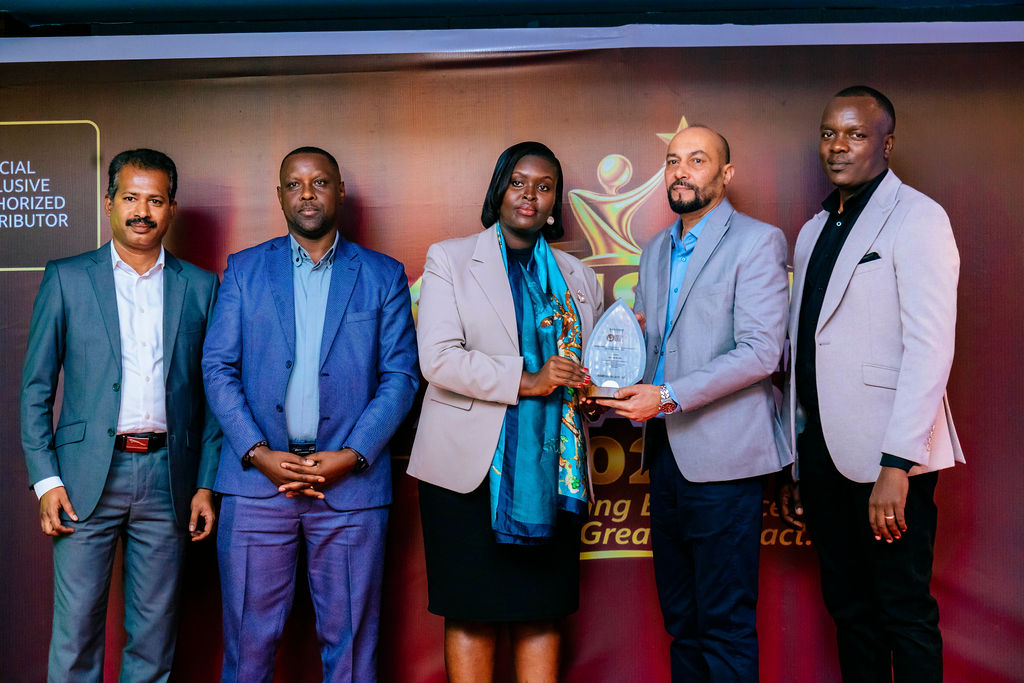
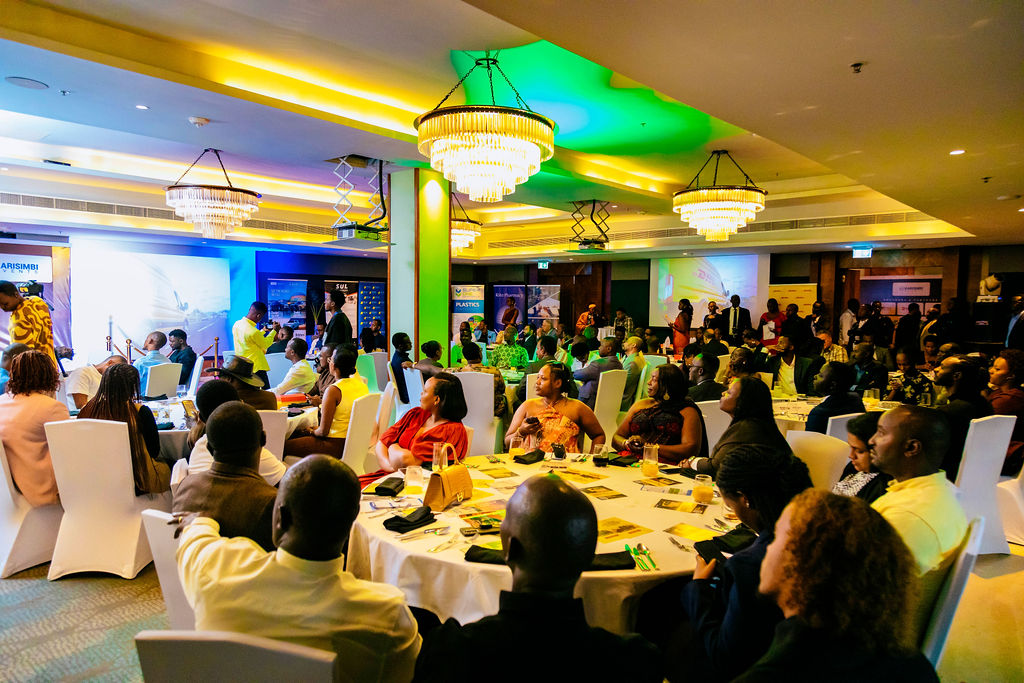
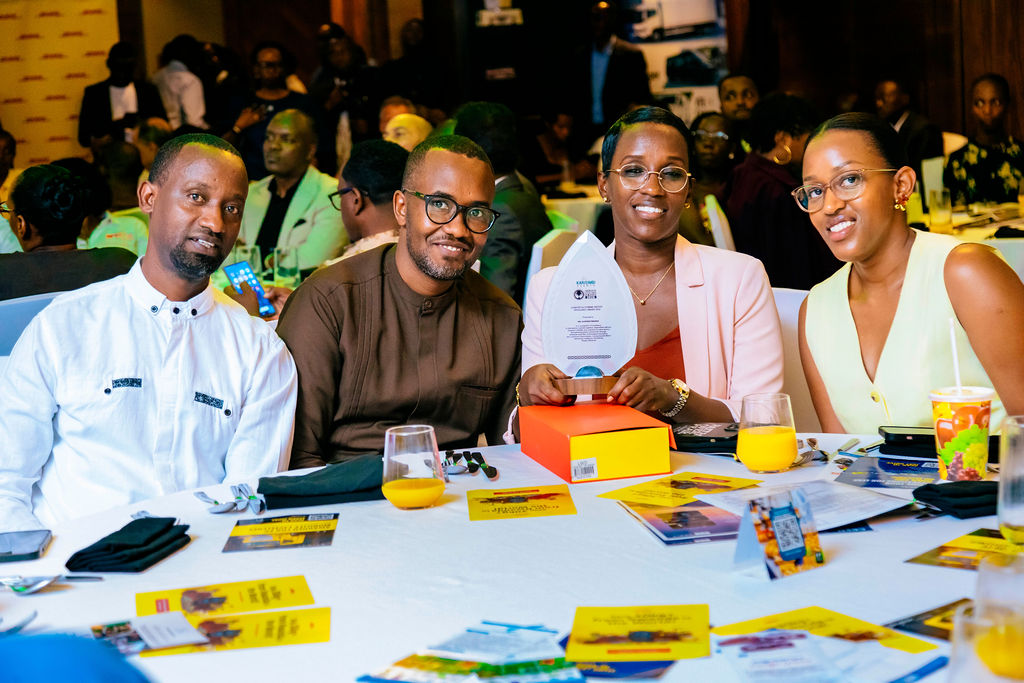
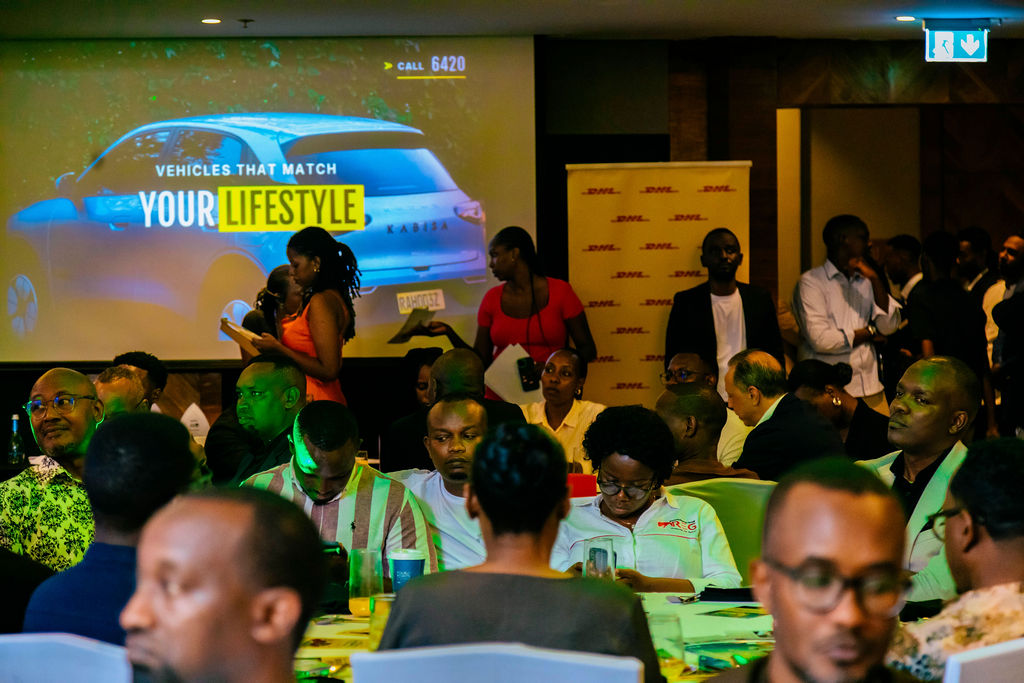
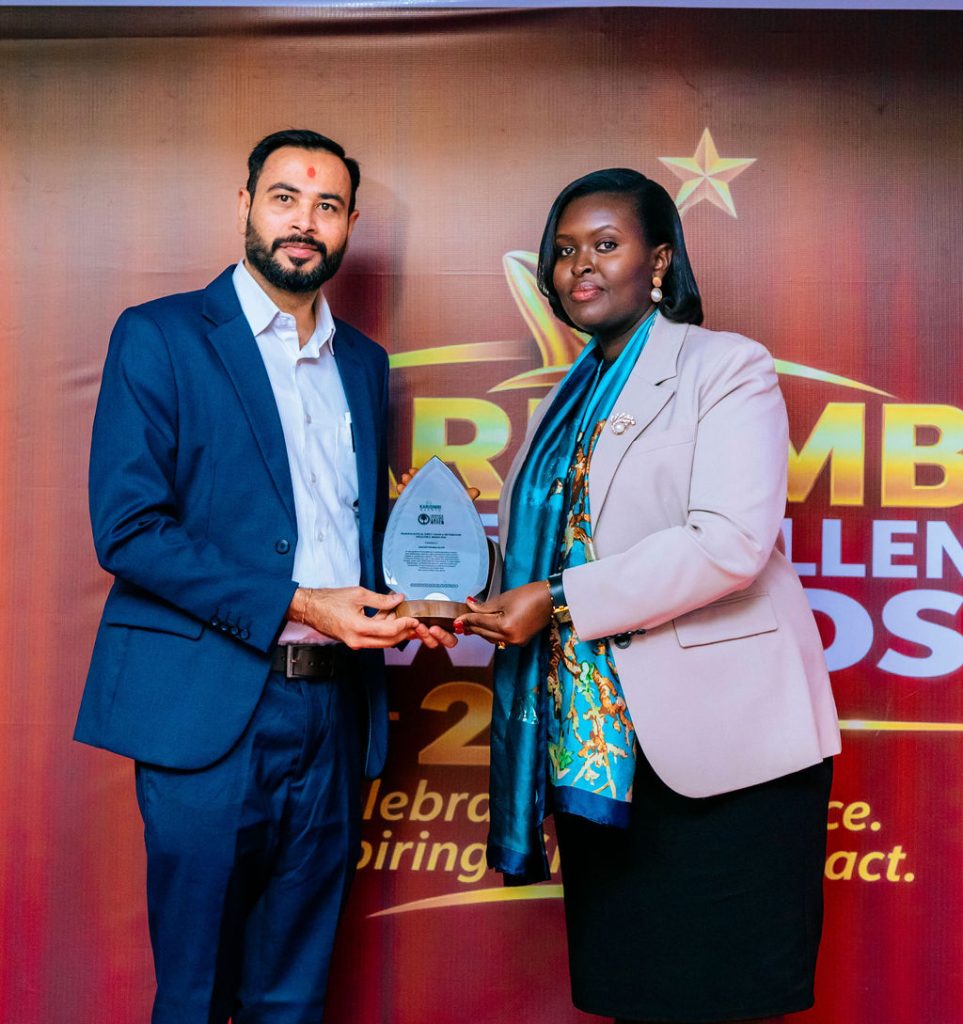
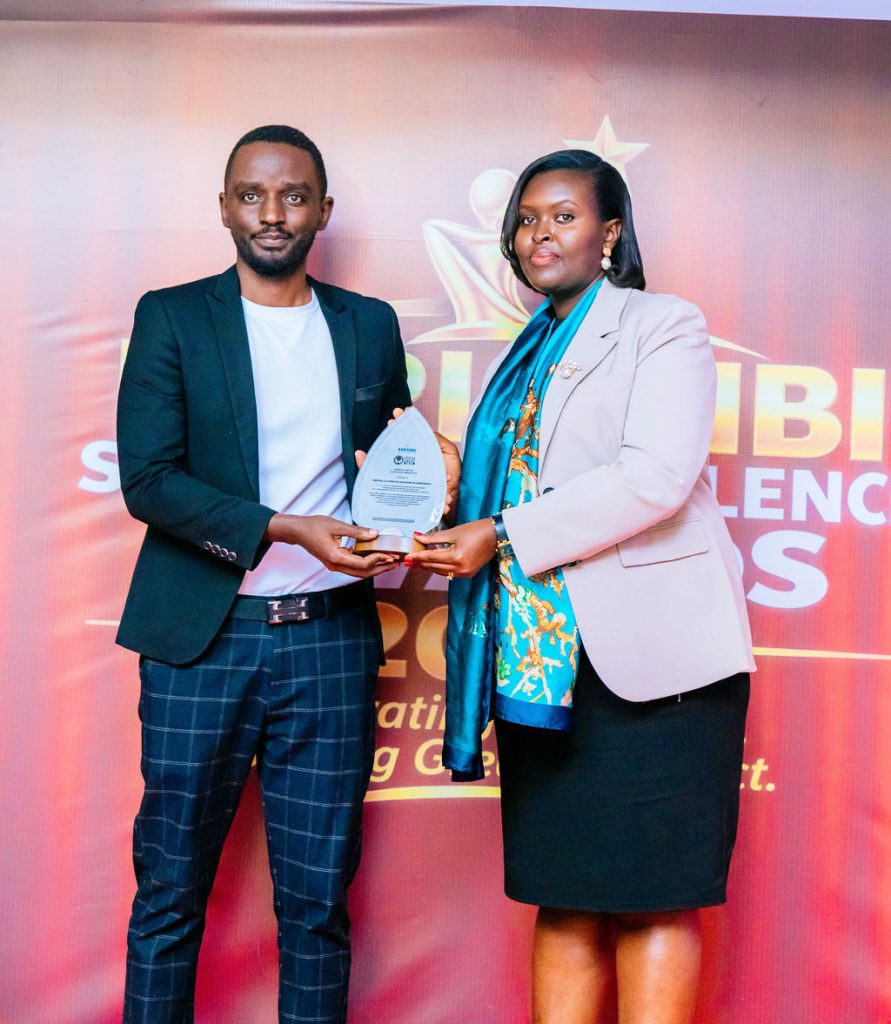
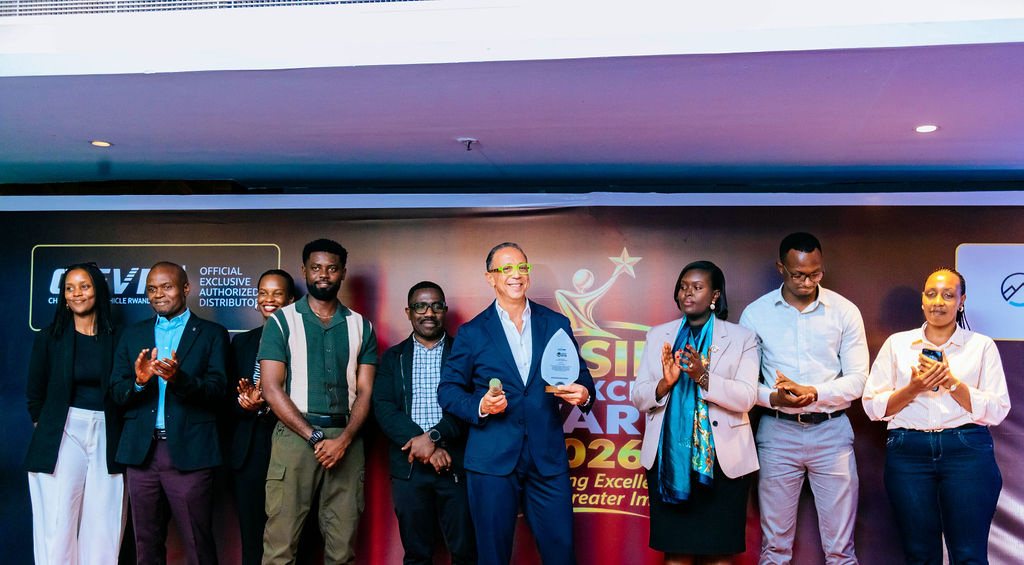
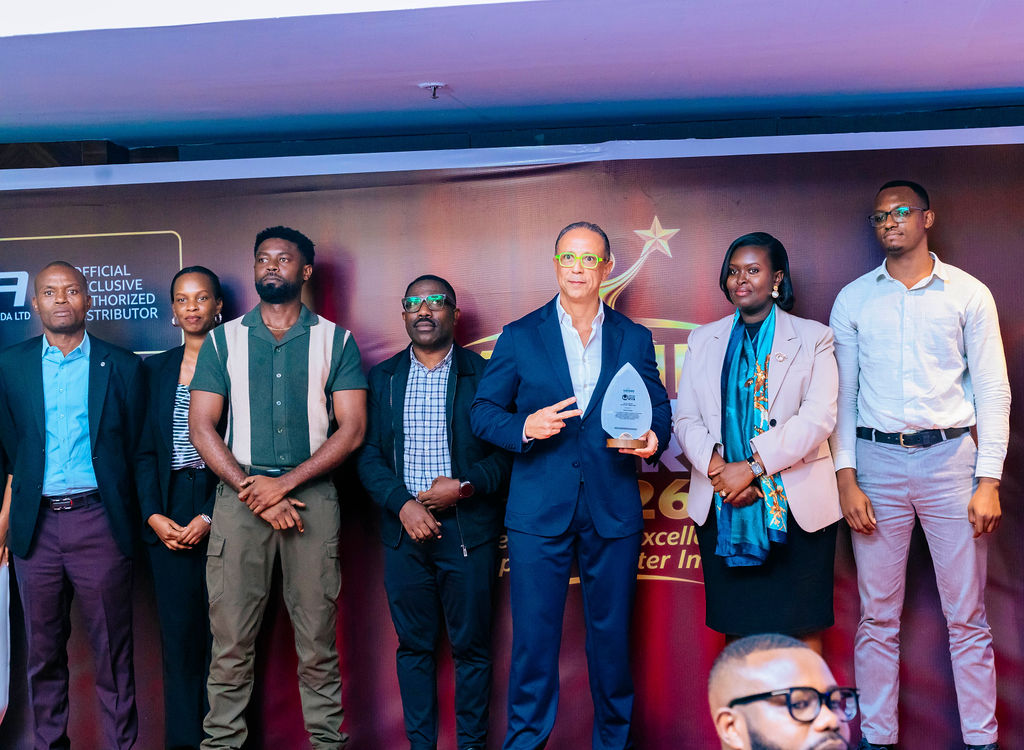
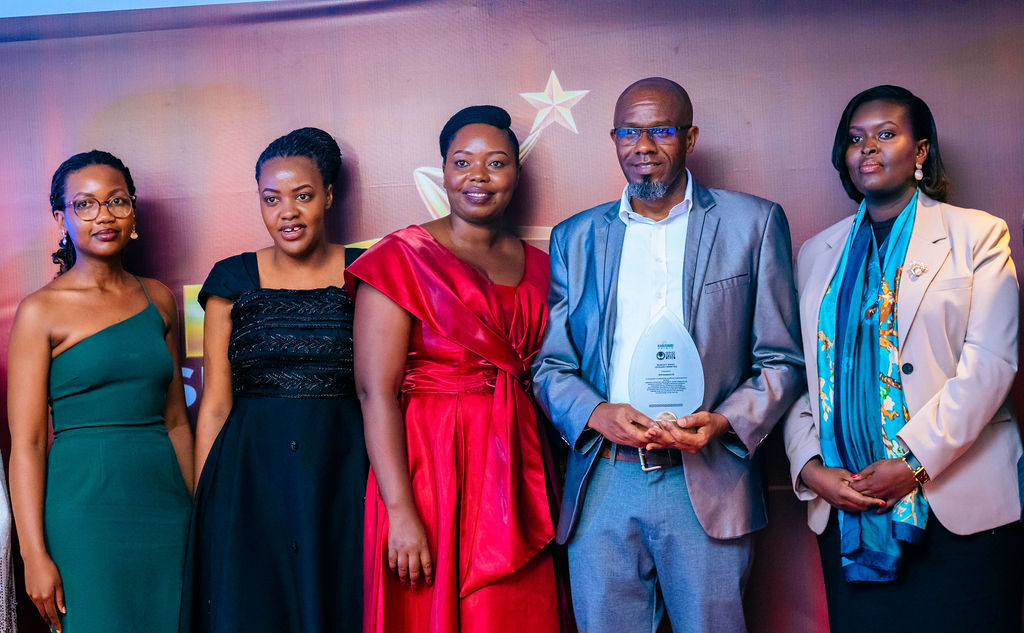
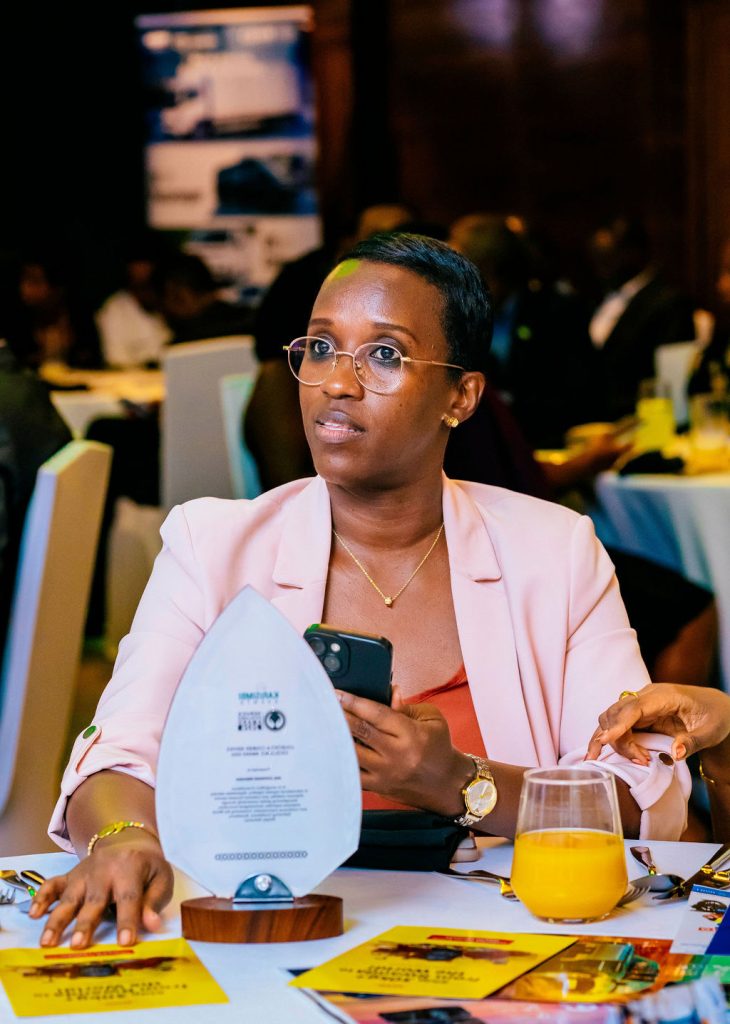
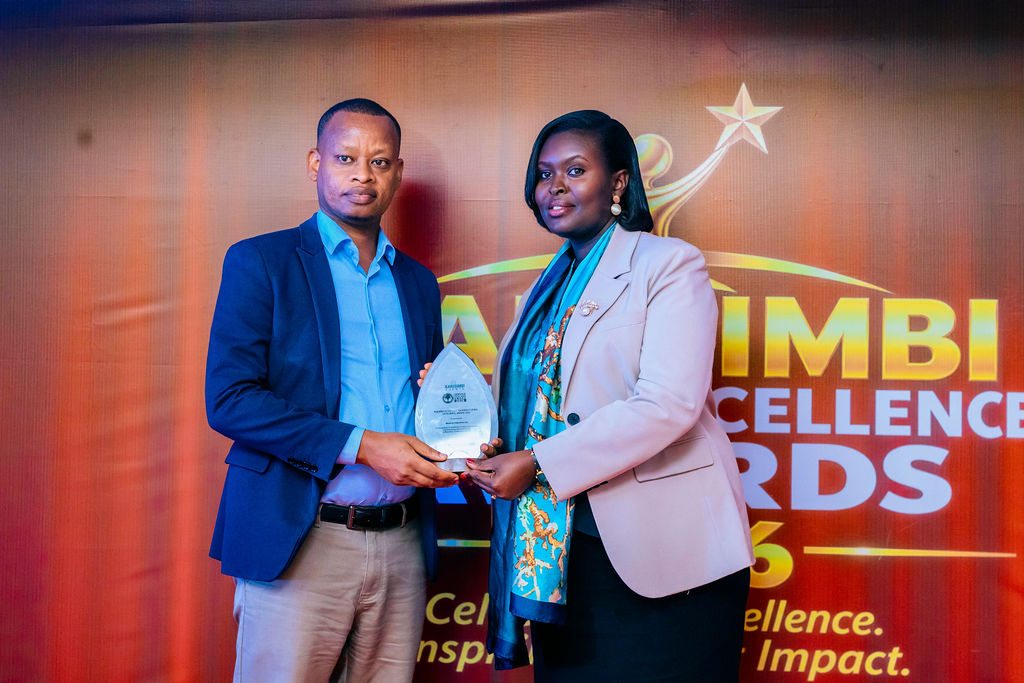
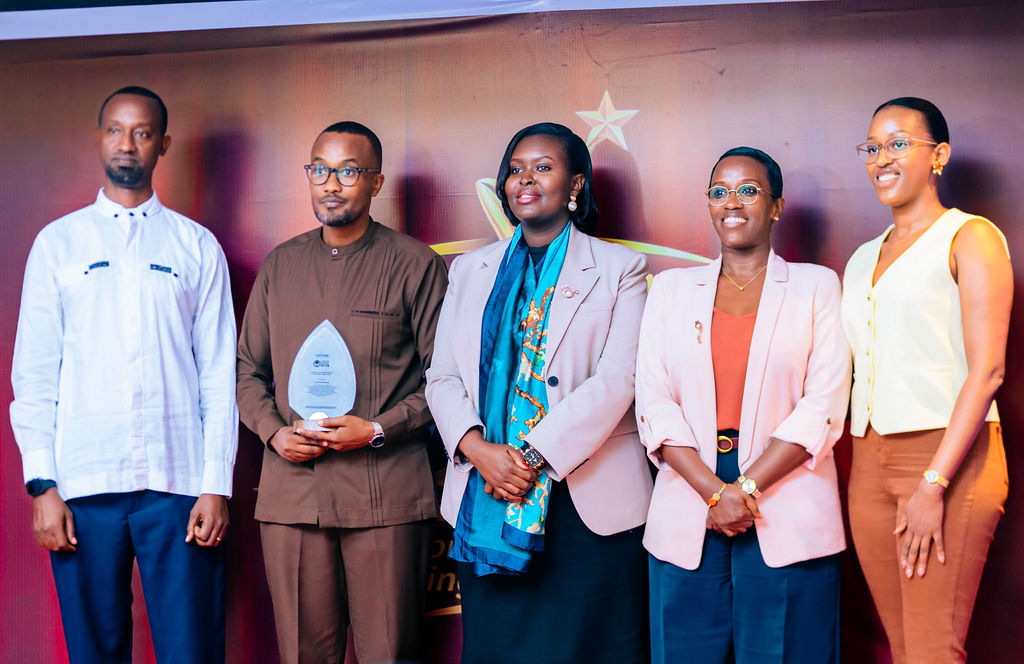
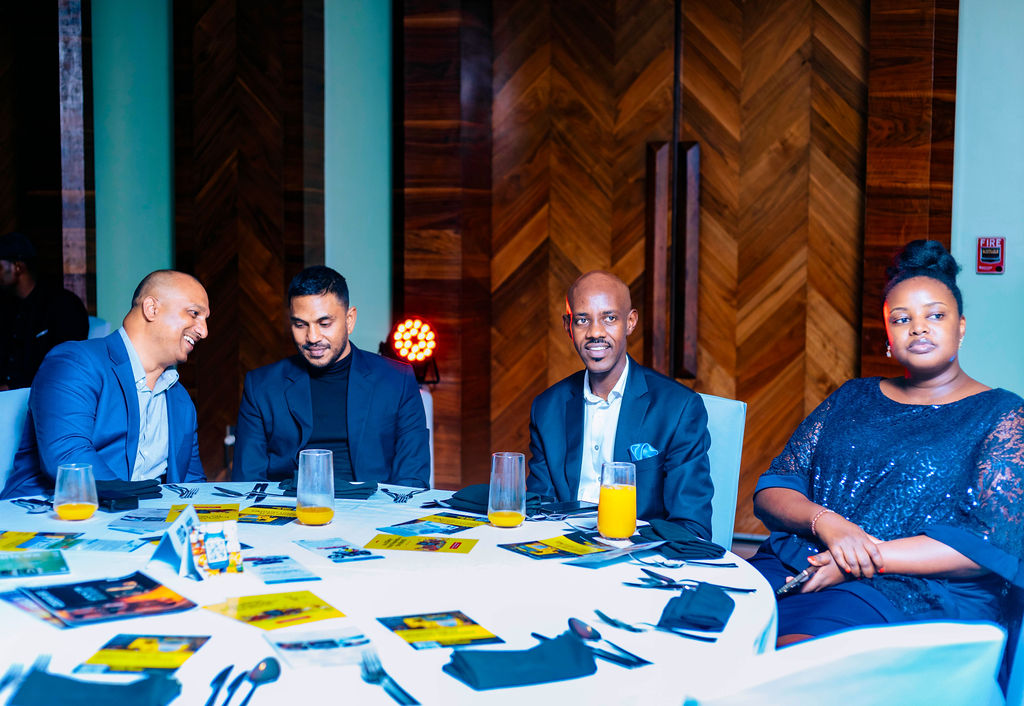
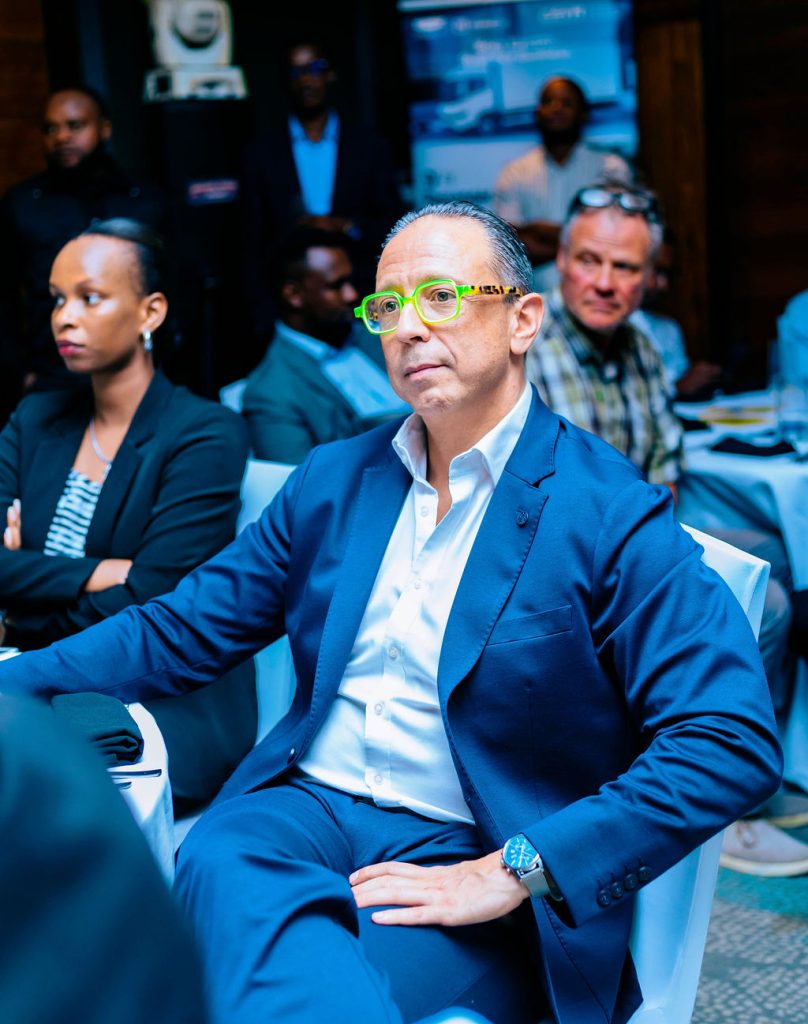
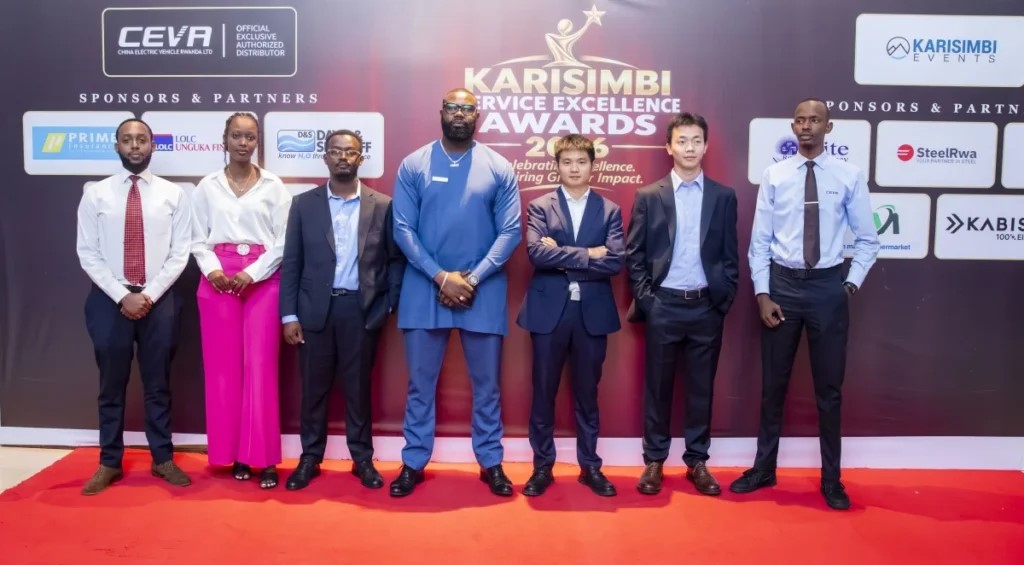
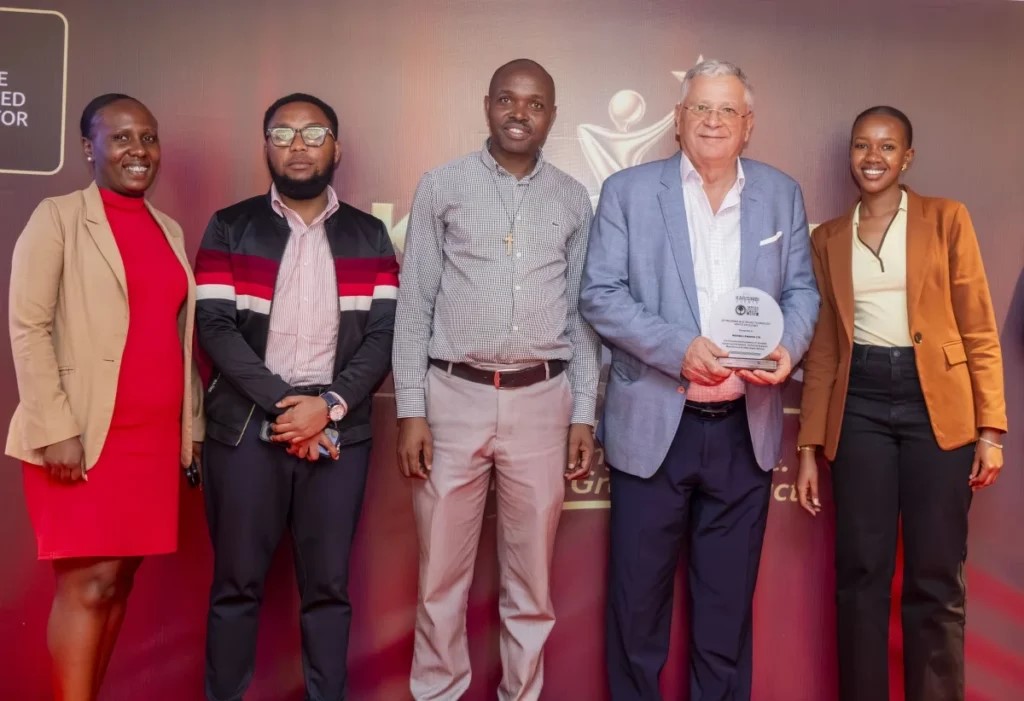
The call was made at the 2026 Karisimbi Service Excellence Awards held in Kigali on November 6, where 40 companies and individuals were recognised for their performance in service delivery, product quality and brand development across different sectors.
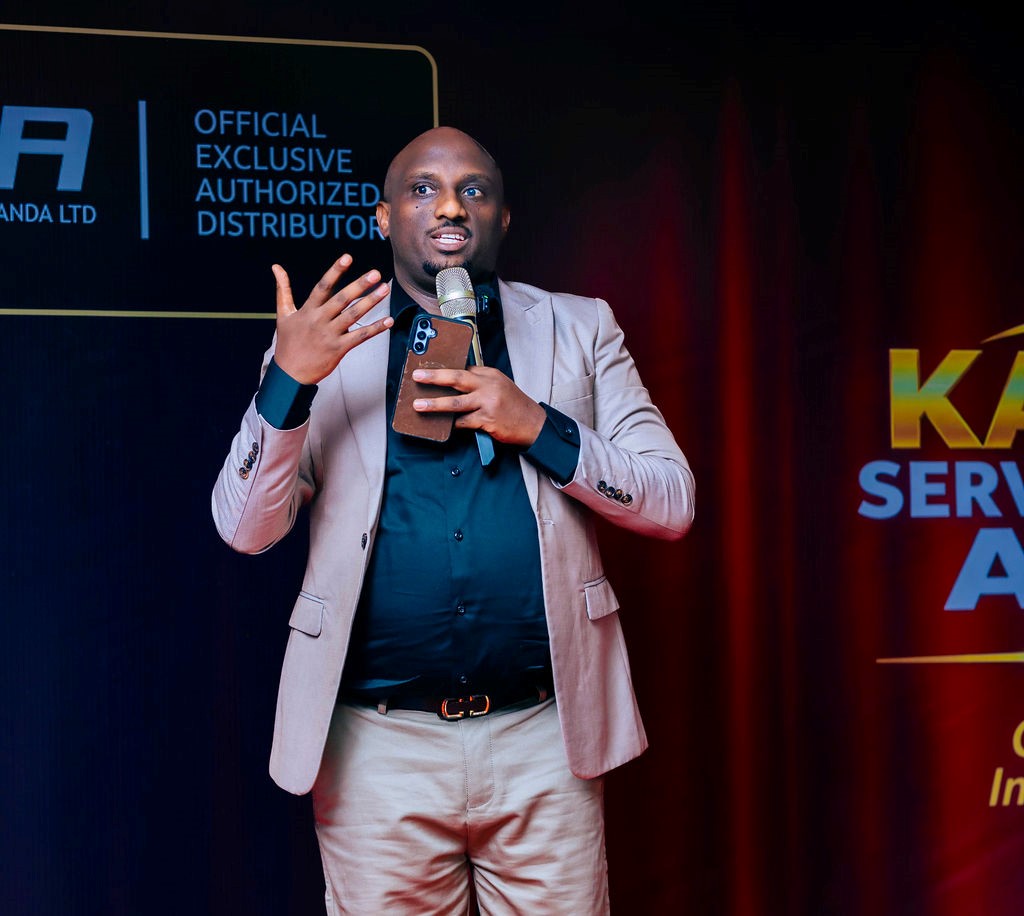
Karisimbi Events Chief Executive Officer Emmanuel Mugisha said maintaining high service standards was essential to Rwanda's ambitions of competing internationally as a destination for tourism and investment.
Now in its 10th year, the awards seek to encourage businesses and individuals to improve their services while recognising those who stand out in customer care.
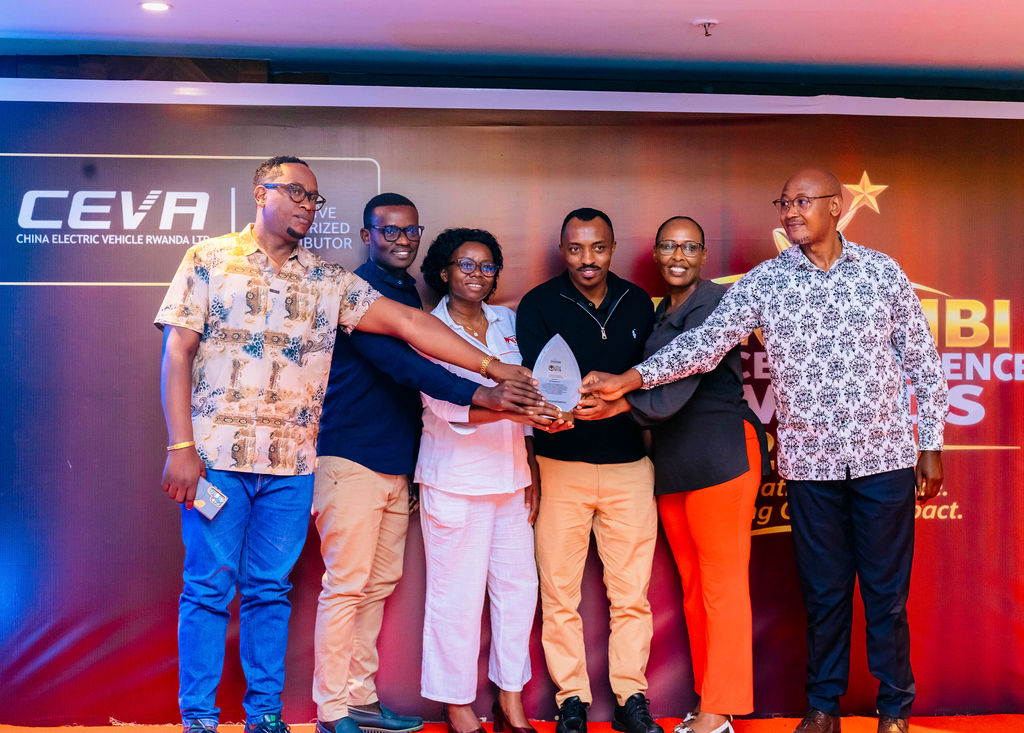
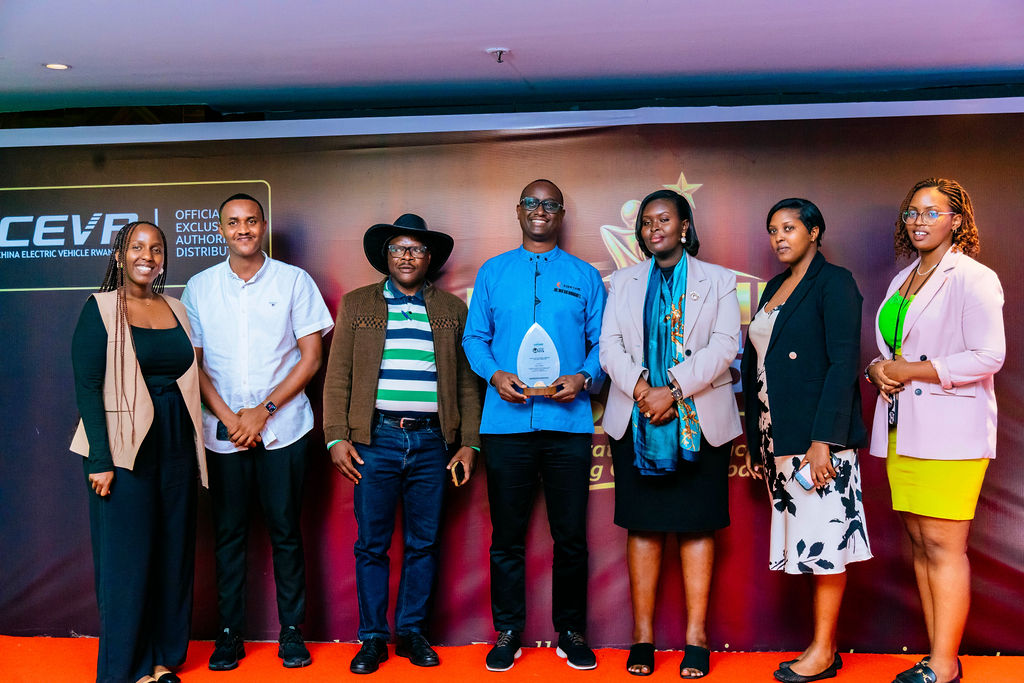
Among this year's winners was China Electric Vehicle Rwanda (CEVR), which received an award for excellence in electric vehicle services.
La Croix du Sud Hospital, commonly known as Kwa Nyirinkwaya, was recognised for excellence in healthcare, while SteelRwa Industries Ltd received an award for excellence in the manufacture of construction materials.
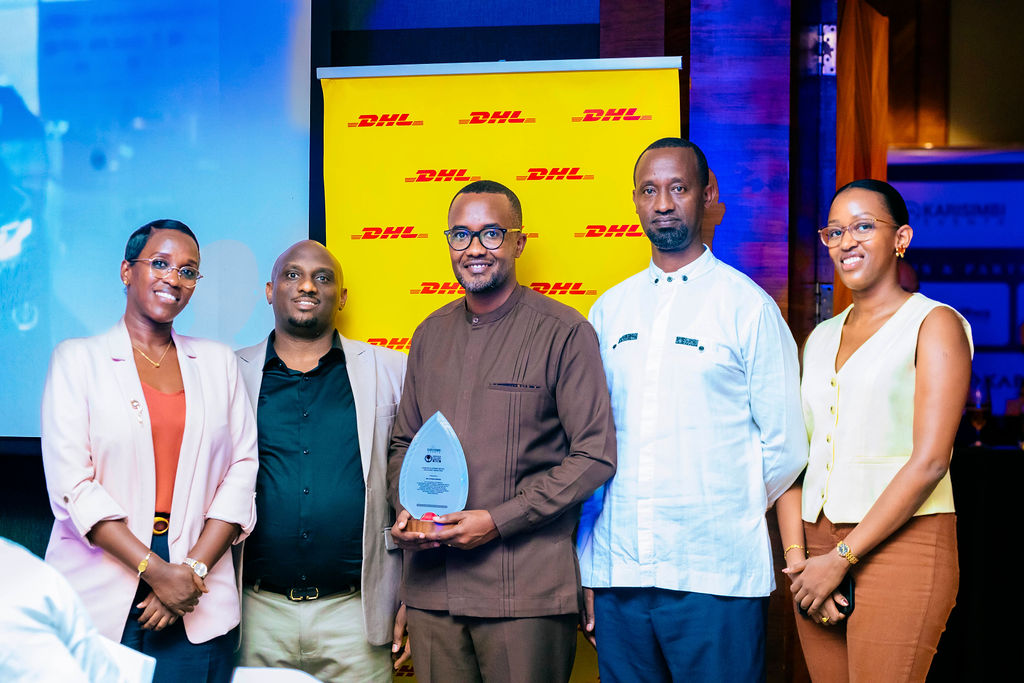
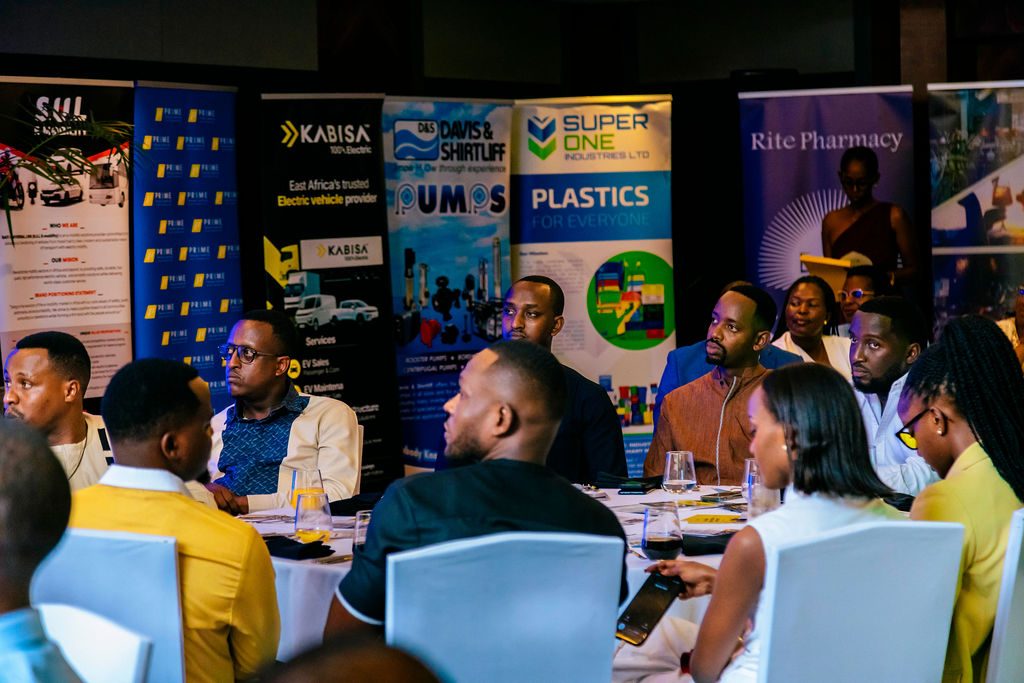
DHL Express Rwanda won in the logistics and delivery services category, while Prime Insurance was recognised for its health insurance services. Super One Industries Ltd was named outstanding plastic products manufacturer of the year.
Mugisha said the awards were established a decade ago with a small group of partners but a wider ambition to promote a culture of service excellence across different sectors.
He said the initiative also contributes to Rwanda's efforts to build a reputation for professionalism, quality and a welcoming business environment for investors and visitors.
He pointed to tourism and hospitality as sectors where service quality has a direct bearing on business performance, as visitors' experiences influence their decisions to return and recommend Rwanda to others.
'All these companies support Rwanda's vision and its economic development strategies. When they are recognised for the quality of services they provide, it also encourages others to follow their example,' he said.
He added that excellent service should be central to the operations of businesses in tourism and hospitality rather than an additional advantage.
'Positive experiences and favourable feedback from customers are essential for the continued growth of this sector, just as negative feedback can hold it back. Time is money, and even a slight delay in any activity can have significant consequences for the performance of our economy,' he said.
Mugisha also thanked China Electric Vehicle Rwanda (CEVR) for sponsoring this year's awards.
The recognition comes as Rwanda continues to push for improvements in service delivery across both public and private institutions.
The 13th Rwanda Governance Scorecard, released by the Rwanda Governance Board (RGB) in October 2026, gave service delivery quality a score of 68.48%, down from 71.73% in the previous edition.
The 2025 Citizen Report Card, meanwhile, found that 76.7% of citizens were satisfied with governance and public service delivery.
Security received the highest score at 92.1%, followed by infrastructure at 66.4%, while land, housing and environmental services scored 65.7%.
Although these assessments focus largely on public services, they point to the importance of maintaining quality standards across institutions.
In the private sector, awards such as the Karisimbi Service Excellence Awards provide an opportunity to recognise businesses that meet customer expectations and encourage others to improve their services, strengthening confidence in Rwanda as a place to visit, invest and do business.
Emmanuel Mugisha, CEO of Karisimbi Events, said the awards aim to promote a culture of quality service delivery across all sectors.
The company says it has already reached more than 10,000 farmers and aims to expand its services to five million across Africa.
Its platform offers digital agricultural advisory services, a digital agronomist, field mapping and digital farm profiles. These tools are designed to provide farmers with reliable information about their land and farming activities while giving financial institutions and insurers a clearer picture of the farmers they serve.
'Farmers feed our communities, yet many cannot easily show what they grow or how well they grow it, so financial institutions struggle to serve them,' said Victor Onyekachukwu, Co-Founder of Crop Cura.
'Rwanda's commitment to modernising agriculture and its digital ambition make it a natural next step. We want to build here, with Rwandan partners, and learn from the farmers we serve.'
Smallholder farmers play a central role in Rwanda's food system, but limited access to timely agricultural advice and formal records can constrain productivity and make it difficult to secure loans or insurance.
Through its platform, Crop Cura plans to create digital farm profiles and field maps, provide tailored advisory support and make verified farm information available to financial institutions and insurers to inform their lending and insurance decisions.
For farmers, the digital profiles are intended to provide advice suited to their land and a documented record of their farming activities when seeking credit or insurance. Financial institutions, cooperatives and insurers, meanwhile, can use the information, collected with farmers' consent, to inform their assessments.
'Good data protects farmers as much as it helps lenders,' Onyekachukwu added. 'We handle farmers' information with care, with their consent, and in line with the law.'
Crop Cura Rwanda Limited is registered with the Rwanda Development Board and is seeking partnerships with cooperatives, financial institutions, insurers, agribusinesses, universities and government agencies.
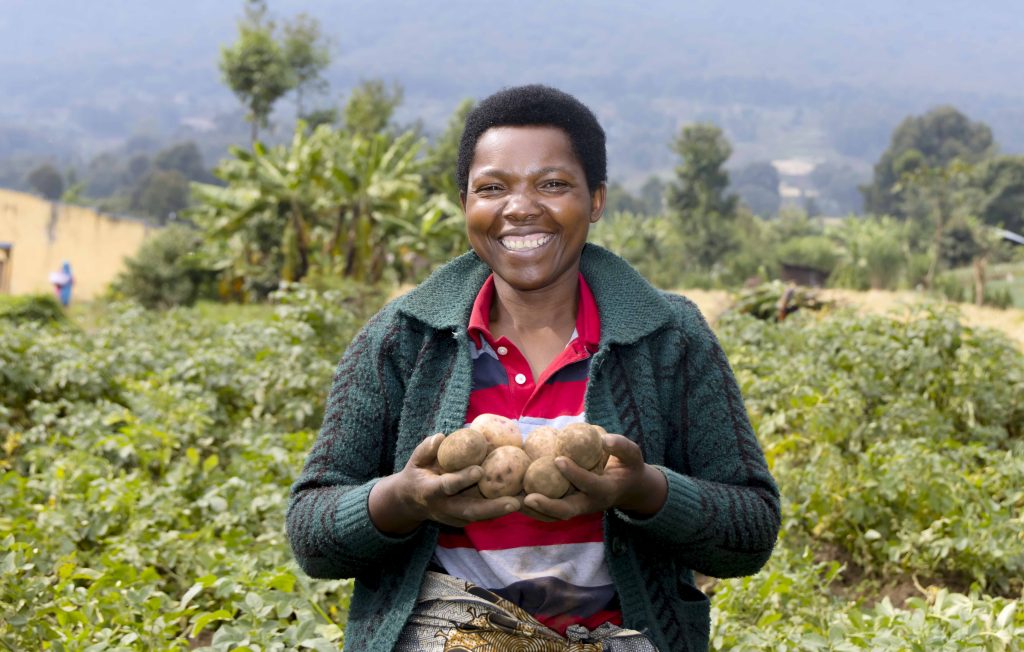
A happy woman farmer after harvesting potatoes in Burera District. Photo courtesy of FAO.
According to an announcement by the US Embassy in the Republic of the Congo, travellers, including American citizens, who have been in the DRC within 21 days before their scheduled departure to the United States will not be allowed to board flights bound for the country.
The restriction also applies to passengers whose aircraft stopped at an airport in the DRC, even if they did not leave the plane. Affected travellers must remain outside the United States for at least 21 days after leaving the DRC.
The US Centers for Disease Control and Prevention (CDC) said the measures are intended to reduce the risk of Ebola entering the country.
'The overall risk to the American public and travelers remains low,' the CDC said in its travel guidance.
The agency also requires passengers boarding international flights to the United States to declare that they have not been in the DRC during the previous 21 days.
According to the World Health Organization (WHO), the outbreak continues to spread across several parts of the DRC, with 10,879 confirmed cases and 5,302 deaths reported as of November 6, 2026.
In its November 6 update, WHO said, 'sustained, high-level transmission continues overall in the Democratic Republic of the Congo.'
The organisation further warned that the situation requires stronger regional preparedness, including 'cross-border surveillance, points of entry monitoring, timely case detection and coordinated preparedness and response measures.'
The outbreak has raised concerns about regional transmission because the DRC shares borders with several countries in the region.
However, WHO has advised against imposing general travel or trade restrictions on countries affected by the outbreak, emphasising the importance of coordinated public health measures.
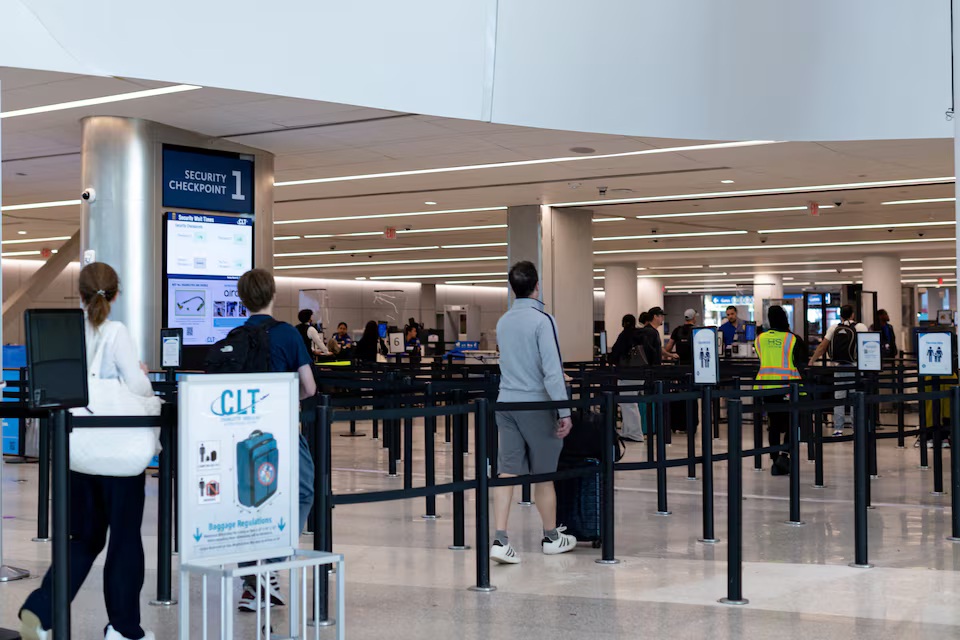
Travellers walk at the Charlotte Douglas International Airport in Charlotte, North Carolina, U.S., March 22, 2026. The United States has announced travel restrictions affecting passengers who have recently visited the Democratic Republic of Congo (DRC), citing concerns over the ongoing Ebola outbreak caused by the Bundibugyo virus.