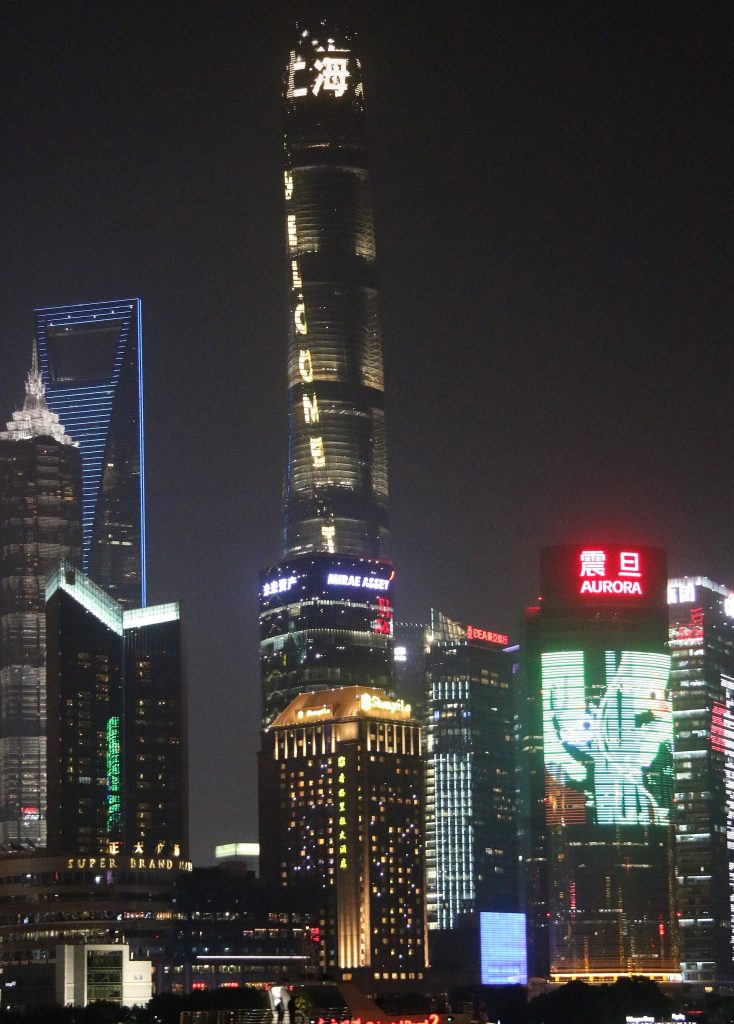
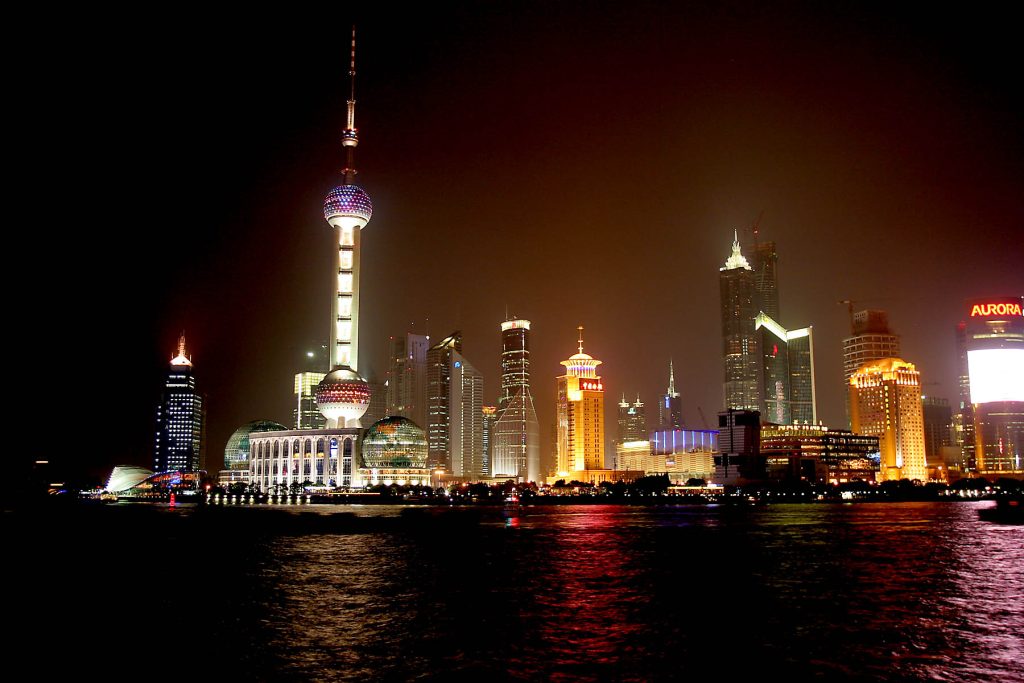
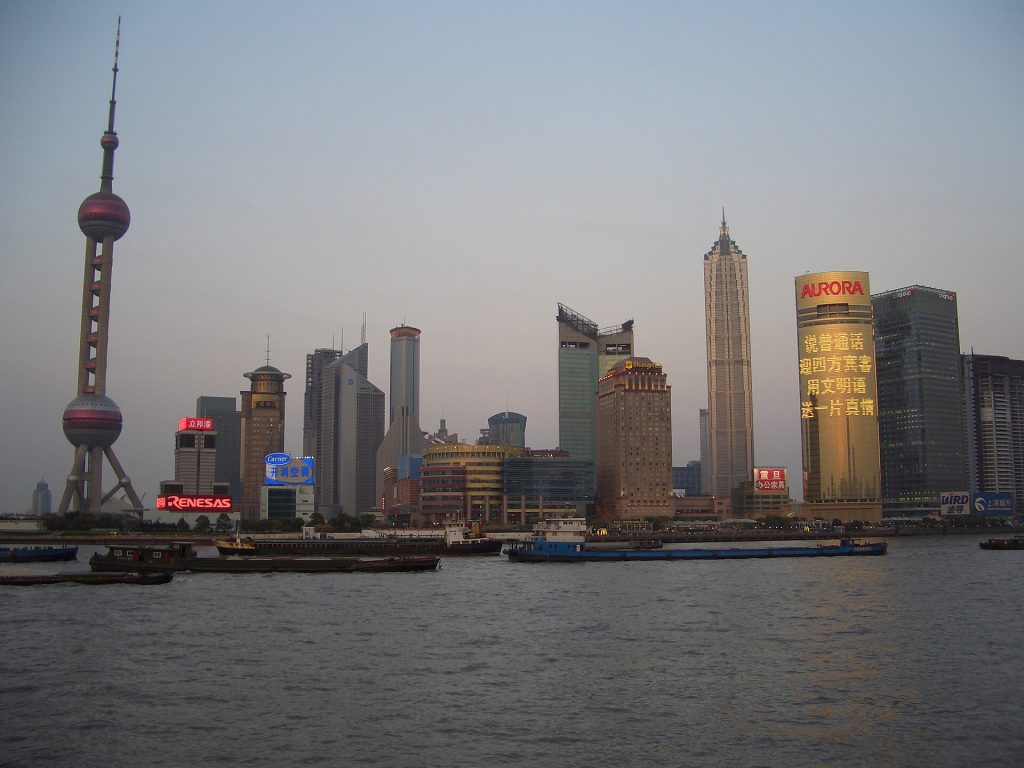
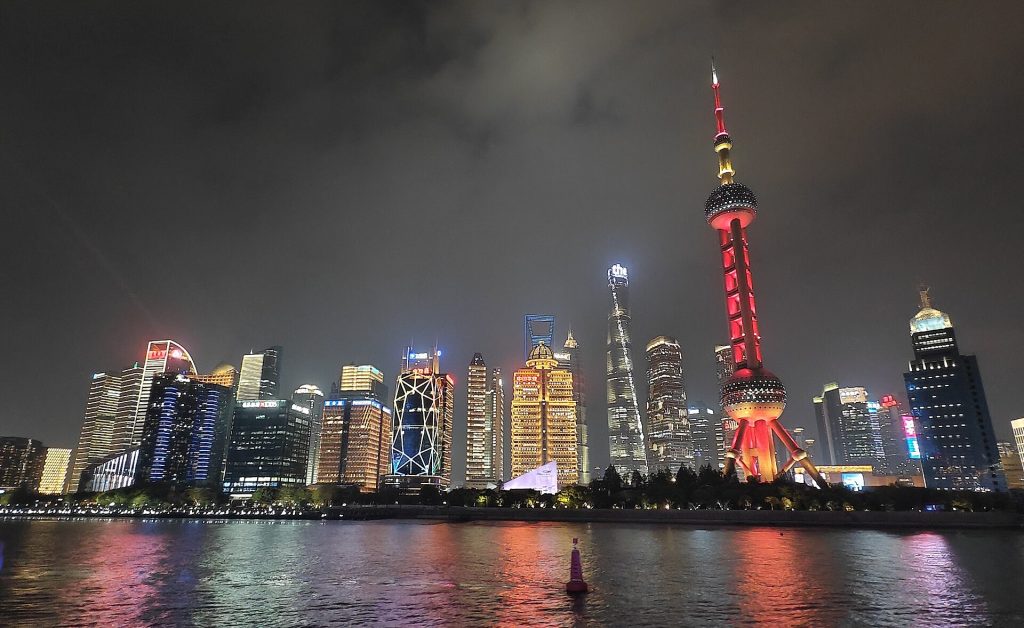
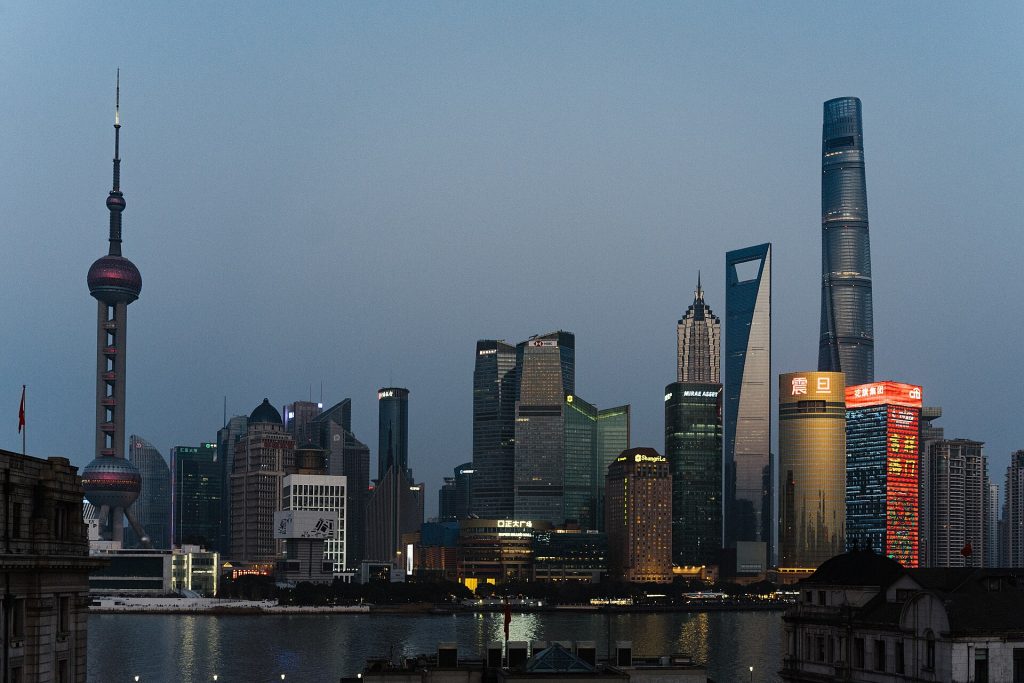
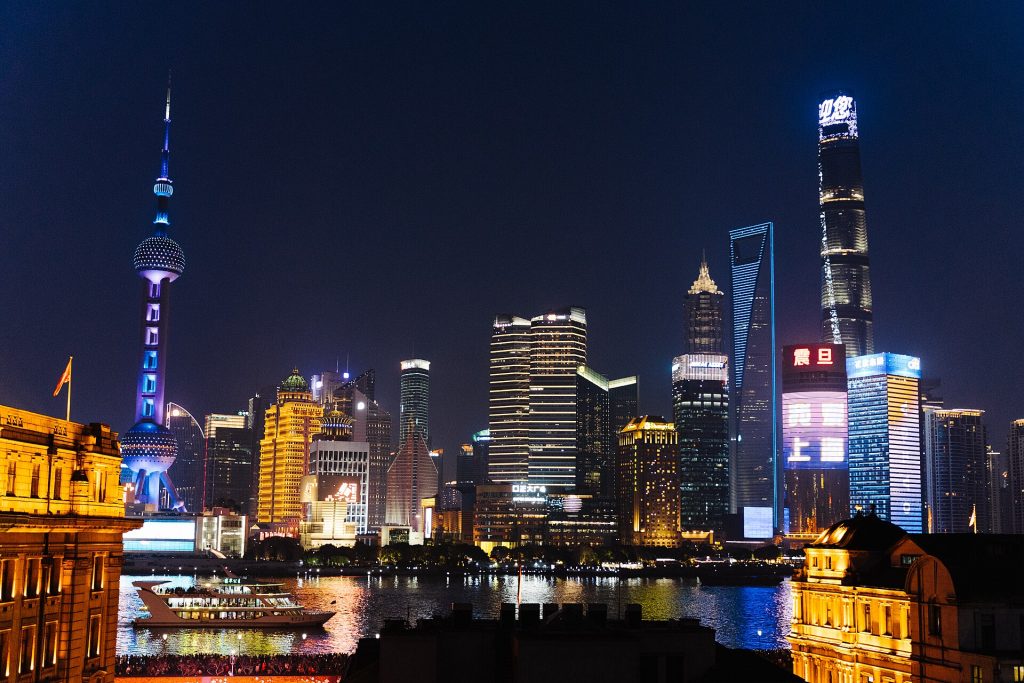
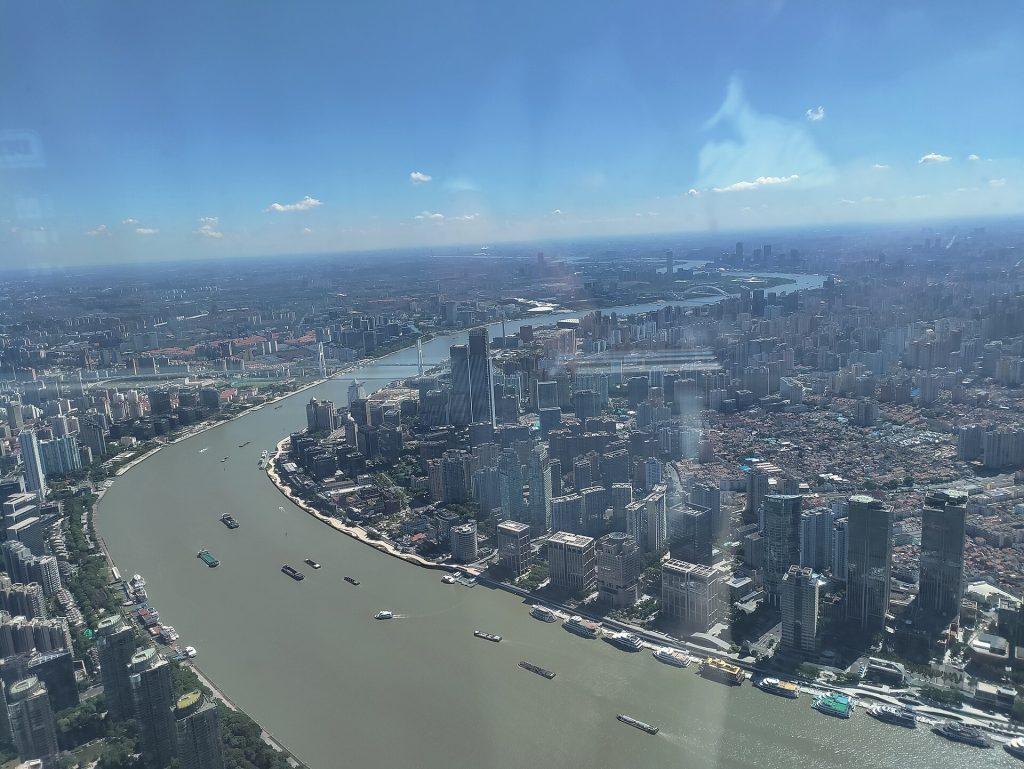
I thought of his words as our cruise moved along the Huangpu River. Across the water, Shanghai Tower rose above Pudong, where much of the land was once farmland. From its observation deck, the river, roads and towers spread out below us. The view makes Shanghai's growth feel almost unreal.
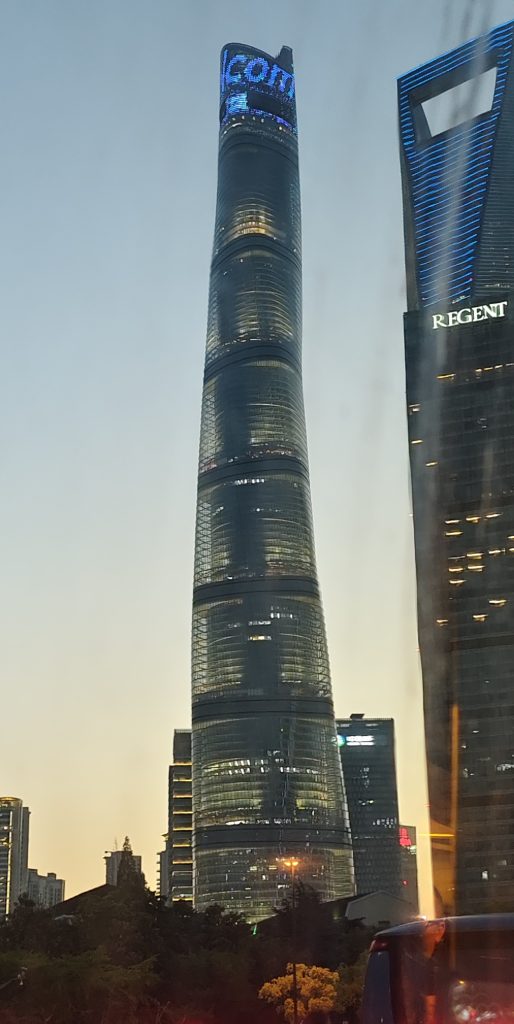
At 632 metres, Shanghai Tower is China's tallest building and the world's third tallest. When it opened, it was second only to Dubai's Burj Khalifa; Malaysia's Merdeka 118 has since taken second place. Shanghai Tower is also 238 metres taller than Cairo's Iconic Tower, Africa's tallest completed building.
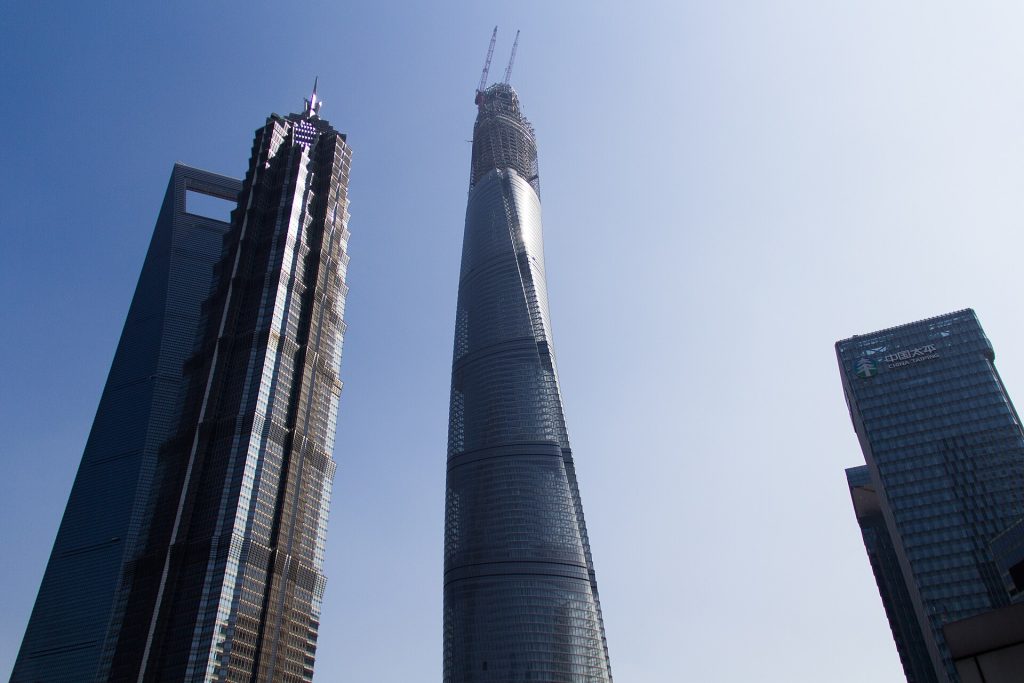
If the tower were laid along a road, it would stretch for 632 metres, about six 100-metre football pitches placed end to end. It has 127 floors above ground, five below and 578,000 square metres of total construction space.
Construction began in 2008. Shanghai Chengtou, Shanghai Lujiazui Finance & Trade Zone Development and Shanghai Construction Group were among the developers, while Gensler led the design. The Institution of Civil Engineers estimates the project cost at US$2.4 billion (about Rwf3.54 trillion).
The public observation deck is on the 118th floor, 546 metres above ground. Visitors take an escalator to the basement lift area, then an express elevator that reaches the deck in about 55 seconds. The escalator does not go to the top; the elevator does the astonishing part.
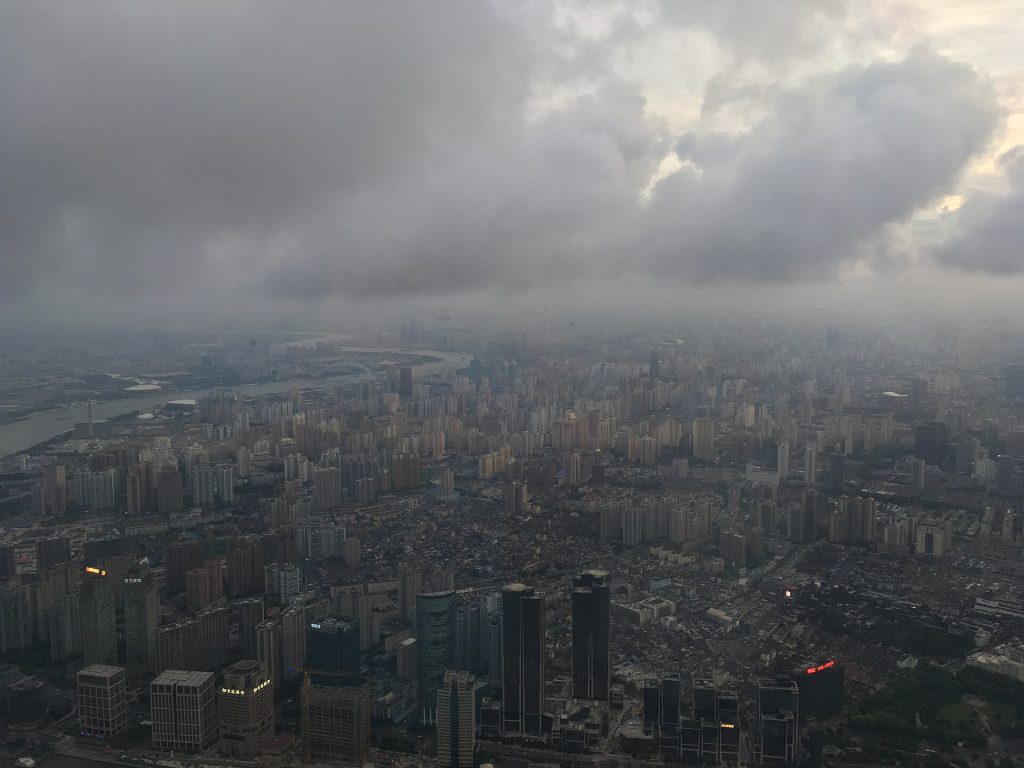
Up there, the Huangpu River and the city seem to lie beneath your feet. One of the tower's lifts travels at 20.5 metres per second—about 73.8 kilometres per hour. It once held the title of the world's fastest lift, and it has a Guinness record for a 578.5-metre elevator run.
For anyone tempted to use the stairs, the tower's vertical-marathon route has 3,398 steps to the 119th floor. The 2024 men's winner climbed it in 18 minutes. At one step per second, the climb would take nearly 57 minutes without a break—so most visitors would need considerably longer.
The tower is not an apartment block. It combines offices, shops, public spaces and the 165-room J Hotel. During our visit, our briefing reported about 20,000 workers and 5,000 visitors passing through daily.
Architect Jun Xia described the idea as 'a vertical city with horizontal experiences.' Its twisting shape reduces wind loads, while double glass walls, sky gardens and wind turbines are among its environmental features.
Shanghai's housing miracle
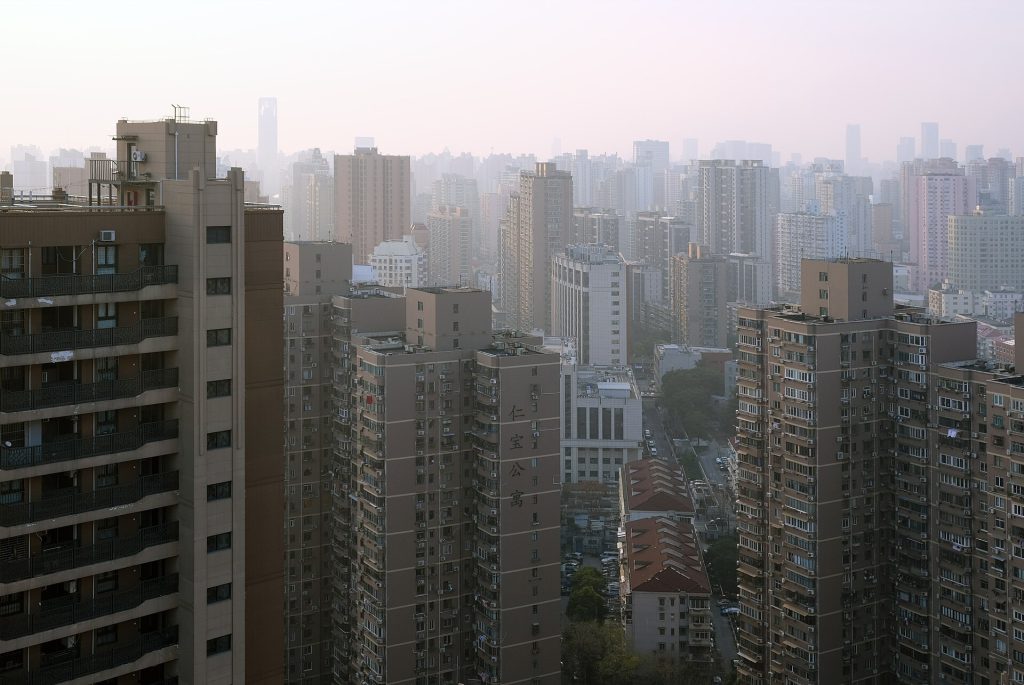
The tower shows how Shanghai stacks activities on valuable city land. The housing story is more personal: how much space families have, what a home costs, and who can afford one.
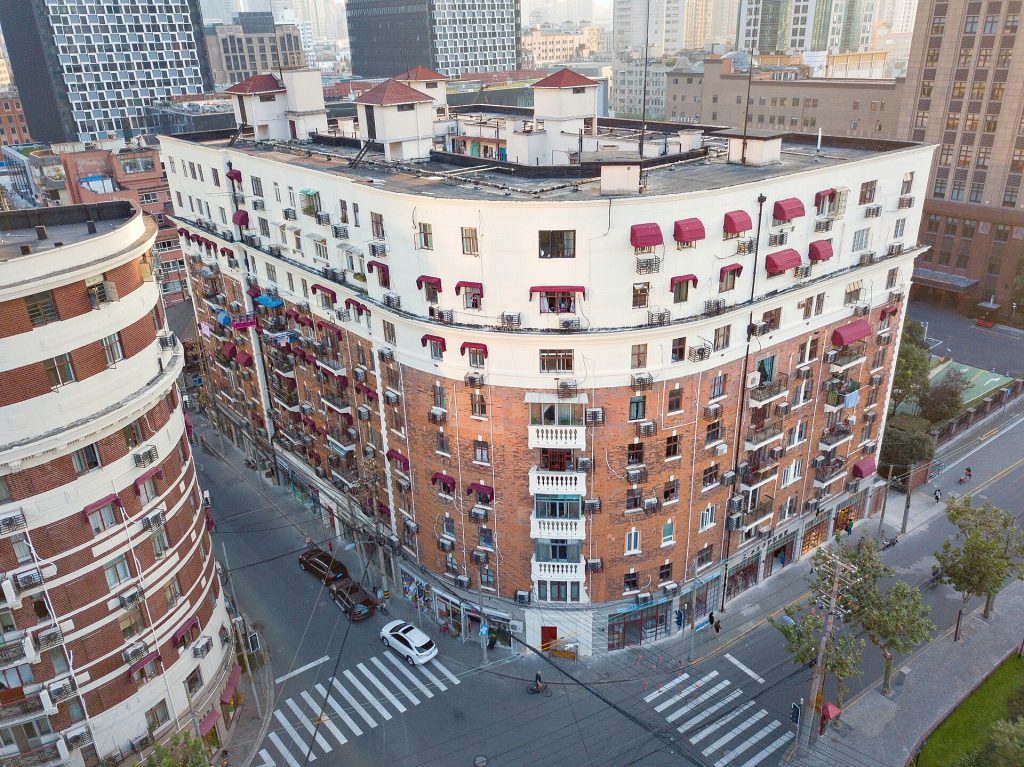
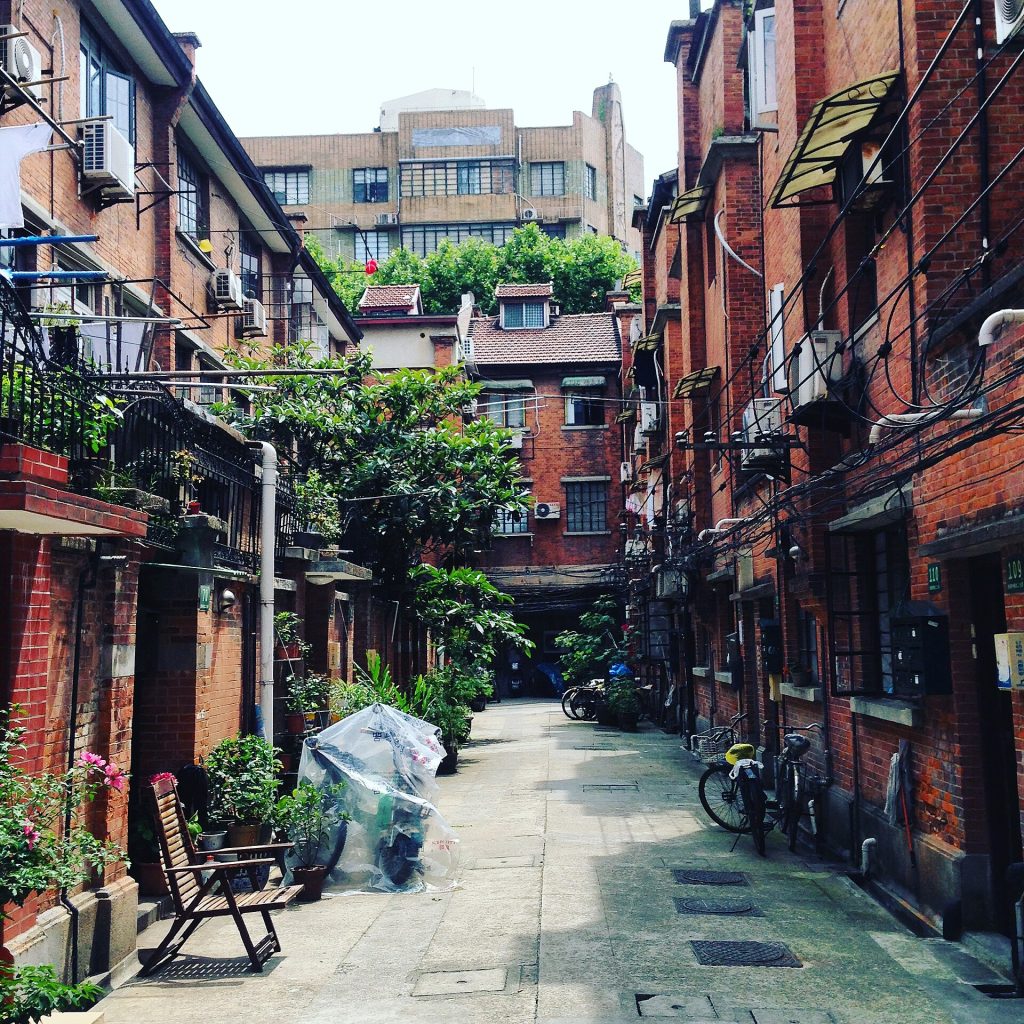
In the early 1990s, Shanghai residents had an average of just 6.6 square metres of living space each. Older homes could be crowded and lacked modern facilities. In her book Shanghai Homes, Jie Li describes homes that were 'divided and subdivided, crowded and congested over the years.'
Investment has grown too. A historical series records residential investment of 4.294 billion yuan in 1990 (about Rwf947 billion at the current exchange rate).
In 2025, Shanghai recorded 363.406 billion yuan in residential investment (about Rwf80.1 trillion). The figures come from different statistical periods and may use different definitions, so they show the scale of investment in each year rather than a precise like-for-like increase.
The price of a home makes the change especially clear. One historical estimate put the average residential price at 322 yuan per square metre in 1990 (about Rwf71,000). In 2025, Shanghai's average price for newly built homes was 46,268 yuan per square metre (about Rwf10.2 million).
To picture what that means, a 60-square-metre apartment at the 2025 average price would cost about 2.78 million yuan (around Rwf612 million).
Using the average for market-priced new homes, the same-sized apartment would cost about 4.86 million yuan (around Rwf1.07 billion). These are estimates; the actual price depends on the home's location, age and type.
There is another important difference for anyone thinking about buying land. In China, urban land is state-owned.
People can own homes and obtain land-use rights, but they do not own the urban land itself as private freehold property.
Shanghai began paid transfers of land-use rights in the late 1980s, as housing moved away from the work-unit system, where employers allocated homes, towards a market in which families increasingly had to buy or rent.
Shanghai today is also home to people from across China and overseas, about 25 million people lived in the city at the end of 2025.
The latest detailed Shanghai statistics say 172,076 foreign residents in 2018. Japanese residents formed the largest listed foreign-nationality group, at 29,546.
Chinese President Xi Jinping has put the housing challenge in a brief phrase: 'Houses are for living in, not for speculation.' Shanghai has built far more residential space than it had 35 years ago, but the cost of buying a home has climbed steeply.
Leave a Reply