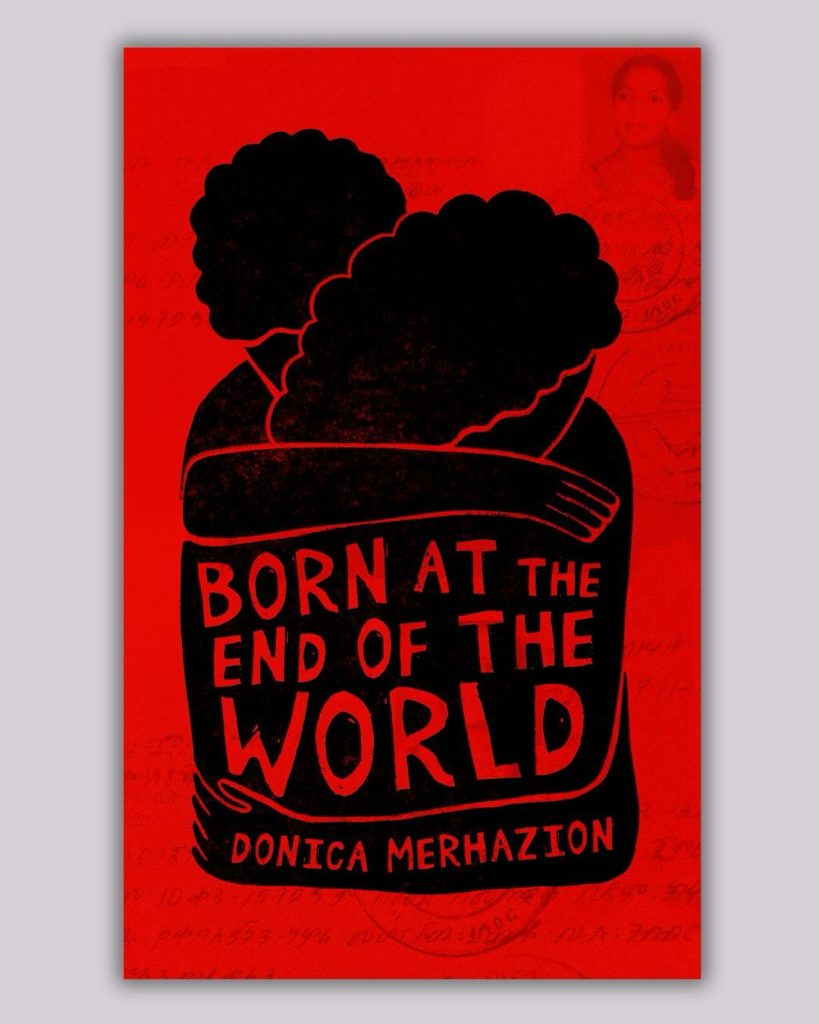
In 'Born at the End of the World', award-winning author Donica Merhazion explores this turbulent period through the lives of Elen and Girmai, two central characters whose personal struggles unfold against the backdrop of political upheaval in Ethiopia and Eritrea.
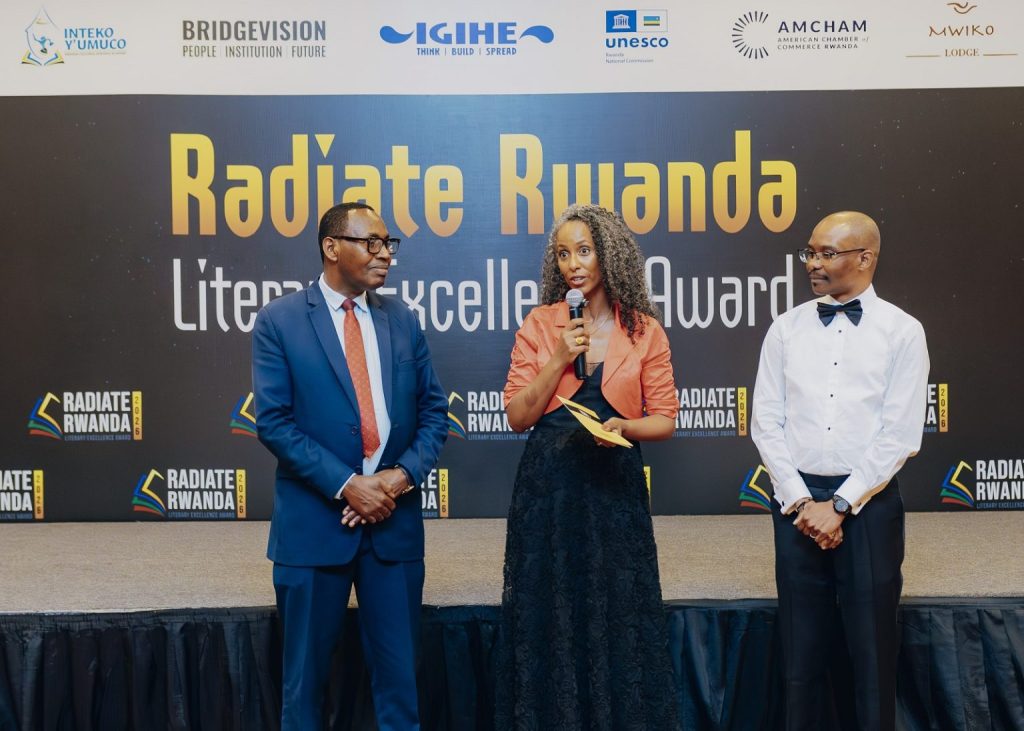
Published early in 2026 by Mvua Press, the historical fiction novel is part of East African publisher eKitabu's literary collection. Merhazion was last week named winner of the Outstanding African Writer Award at the 2026 Radiate Rwanda Literary Excellence Awards, adding to the recognition surrounding her debut novel.
Spanning 1962 to 1980, the story follows Elen and Girmai, whose lives converge in Asmara, Eritrea. Elen escapes an arranged marriage in her Ethiopian village at 13 and seeks refuge with her aunt, while Girmai flees an abusive stepmother following his father's death, eventually finding himself homeless on the streets of Asmara.
Both overcome difficult beginnings to establish successful businesses. However, following the overthrow of Emperor Haile Selassie by the Derg regime, their lives take a dramatic turn. As political repression intensifies, they join the underground activities of the Eritrean People's Liberation Front (EPLF), risking their lives in the struggle against Ethiopian rule.
What makes the novel particularly compelling is the personal history behind its fictional narrative. Elen and Girmai are based on Merhazion's parents, while the author herself was born in Alem Bekagn prison, where her mother was detained during the Red Terror. The prison's name translates to 'End of the World', giving the novel its title. The story is not merely a reconstruction of a painful historical period but also an intimate engagement with the experiences that shaped the author's family.
Merhazion's portrayal of political repression is among the book's most disturbing aspects. She takes readers into the depths of detention facilities where suspected sympathisers of the resistance are subjected to unspeakable cruelty. But the violence is not confined to prison walls. The streets are also marked by killings and bloodshed, as civilians lose their lives amid the crackdown. In one particularly harrowing episode, interrogators force a vomit-soaked rag into Girmai's mouth and push it towards his throat in an attempt to extract information about his alleged links to the EPLF.
The indignity of such treatment is difficult to overlook. Detainees are crammed into tiny, dingy cells, packed together like sacks, in conditions that strip them of basic human dignity. Elsewhere, Elen suffers brutal beatings despite being pregnant, while descriptions of broken ribs and relentless assaults expose the sheer savagery of the regime's methods. These are calculated acts of degradation designed to break the bodies and spirits of those deemed enemies of the state.
The displacement of women, children, and entire families is equally evident throughout the narrative. Elen, for instance, is forced to endure long, agonising journeys on foot with a toddler strapped to her back, seeking escape to safety in Kenya despite overwhelming danger, hunger, exhaustion, and sore legs.
Although rooted in Ethiopia and Eritrea's turbulent past, these experiences resonate beyond the period in which the novel is set. Across Africa, political repression, arbitrary detention, sexual assault and the brutal treatment of people suspected of sympathising with opposition movements remain painful features of different conflicts and struggles for power. The novel is a reminder that behind political confrontations are ordinary people whose lives, families and dignity are sacrificed in the pursuit of political control.
The human cost of resistance is further illustrated through Girmai's relationship with Daniel, one of his closest companions in the struggle. Their bond goes beyond political allegiance, with Daniel providing emotional support and brotherhood as they navigate surveillance and the dangers of operating underground. He is instrumental in securing Girmai's release after four months in detention and helps other comrades escape imprisonment. His eventual death is particularly devastating, confronting Girmai with the loss of someone who had stood beside him through some of the most dangerous moments of his life.
Daniel's fate captures a painful reality of liberation struggles: some give everything for a cause but never live to witness its success. The pursuit of freedom may inspire extraordinary courage, but it also leaves behind grief, broken families and lives cut short.
Beyond political resistance, the novel explores love and the complicated choices people make in its name. Elen and Girmai's relationship develops amid danger, imprisonment and uncertainty, presenting love as a source of strength in circumstances that threaten to destroy them. Yet it is not without moral complications. Girmai's decision to leave his wife to be with Elen introduces an uncomfortable contradiction in a story preoccupied with courage and selflessness. It illustrates how people can make extraordinary sacrifices for a greater cause while making deeply personal decisions that hurt those closest to them.
The story eventually brings the couple together in Nairobi, where Girmai has rebuilt his business life after fleeing Eritrea. Their reunion with Hiyab, the daughter Elen gave birth to while imprisoned, offers a poignant moment of restoration after years of separation, violence and loss. It is a reminder that even after profound suffering, people can find the strength to rebuild.
While the novel's personal journeys reach an emotional resolution, its treatment of the wider political struggle leaves readers wanting a fuller account of the resistance movement's eventual fate. Nevertheless, 'Born at the End of the World' is more than a story of espionage, romance and Eritrea's struggle for independence. It is a sobering account of the brutality of political repression, the sacrifices demanded by resistance and the enduring human desire for freedom, love and a life beyond violence.
Leave a Reply