Among them is Jiangsu, a province whose importance does not come only from its size, but from how complete its economic system has become.
With 85.18 million people, Jiangsu recorded a GDP of approximately 14.235 trillion yuan (approximately US$2.12 trillion) in 2025, growing by 5.3%, while its per-capita GDP reached about 167,040 yuan.
Although the province occupies only around 1% of China's land area, it contributes more than one-tenth of China's economic output.
Its economy reflects a balanced foundation, with agriculture contributing 3.8%, manufacturing 42.2%, and services 54%.
But behind these numbers is a broader story: a province where rural communities, industrial centres, universities, technology companies and cultural industries are connected into one ecosystem.
Jiangsu has a coastline stretching more than 1,000 kilometres, 168 higher-education institutions, approximately 2.5 million college students, and more than 51,000 high-tech enterprises.
It is a place where rice fields exist beside robotics, ancient canals coexist with artificial intelligence, traditional textile industries compete in global markets, and historic towns generate modern tourism revenue.
A journey through China's high-speed connection
The journey from Beijing to Jiangsu offered the first glimpse into the infrastructure supporting the province's development.
Covering approximately 1,210 kilometres, the trip took just over four hours by high-speed train.
While route estimates place the distance at about 1,226 kilometres, the road distance is approximately 1,094 kilometres, requiring at least 11 hours by car and between 12 and 15 hours by bus.
China's fastest high-speed trains can reach speeds of up to 350 kilometres per hour, covering approximately 1 kilometre every 10 seconds.
The journey was not simply about travelling from one place to another. It demonstrated how connectivity allows people, goods, technology and ideas to move rapidly across regions.
Wuxi: Where heritage meets high-tech growth
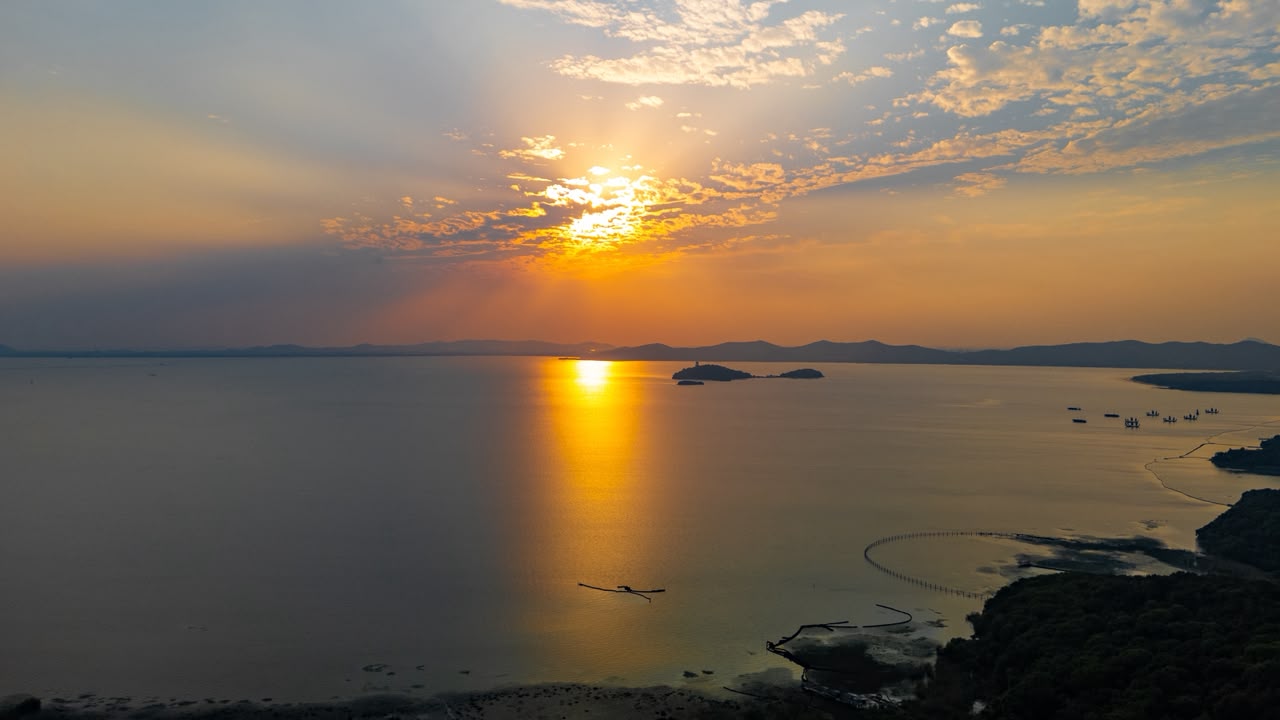
The first destination was Wuxi, a city where ancient culture and modern economic power exist side by side.
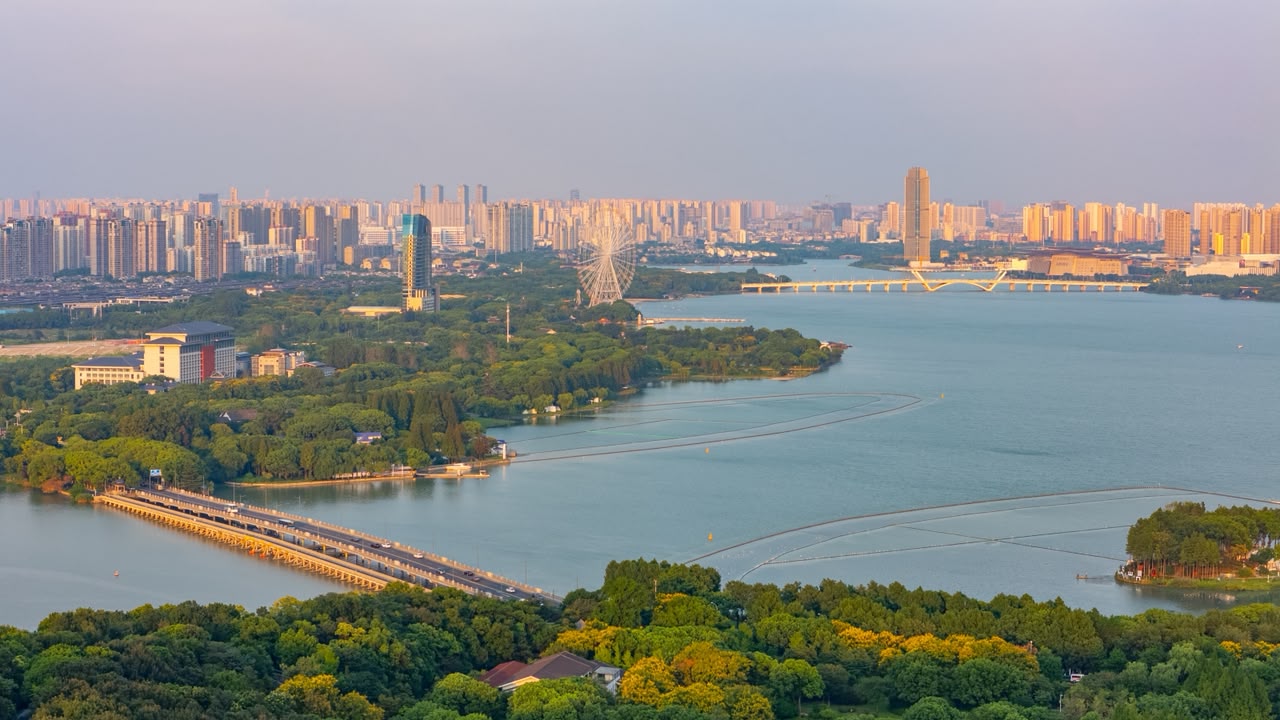
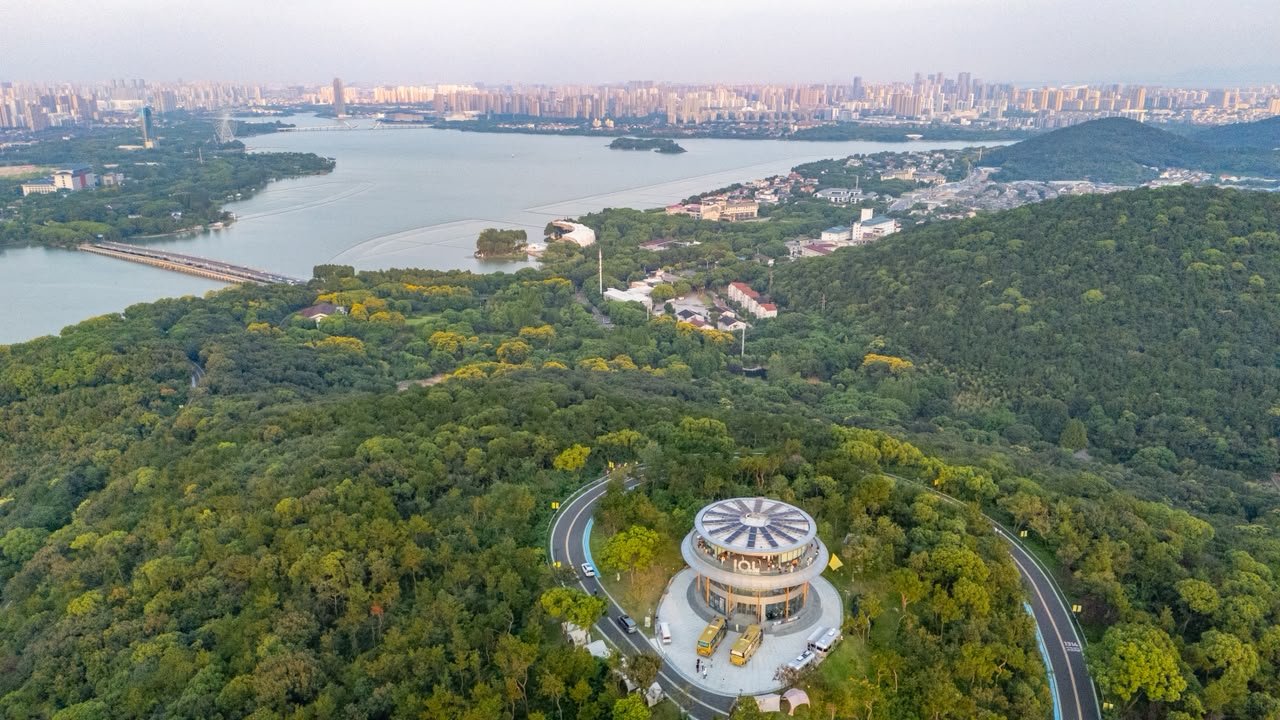
Located between the Yangtze River and Taihu Lake, Wuxi is one of the major economic centres of the Yangtze River Delta, with approximately 7.5 million residents.
The city recorded a 2025 GDP of about 1.68 trillion yuan, while high-tech industrial output reached approximately 1.463 trillion yuan, accounting for 53.97% of industrial output.
Today, Wuxi is driven by advanced manufacturing, integrated circuits, artificial intelligence, biomedicine, digital technology, new energy and international trade.
However, its identity is not defined only by innovation.
Wuxi has more than 3,100 years of recorded history and over 2,200 years since becoming a city. It remains an important centre of Wu culture, Jiangnan culture and Grand Canal culture.
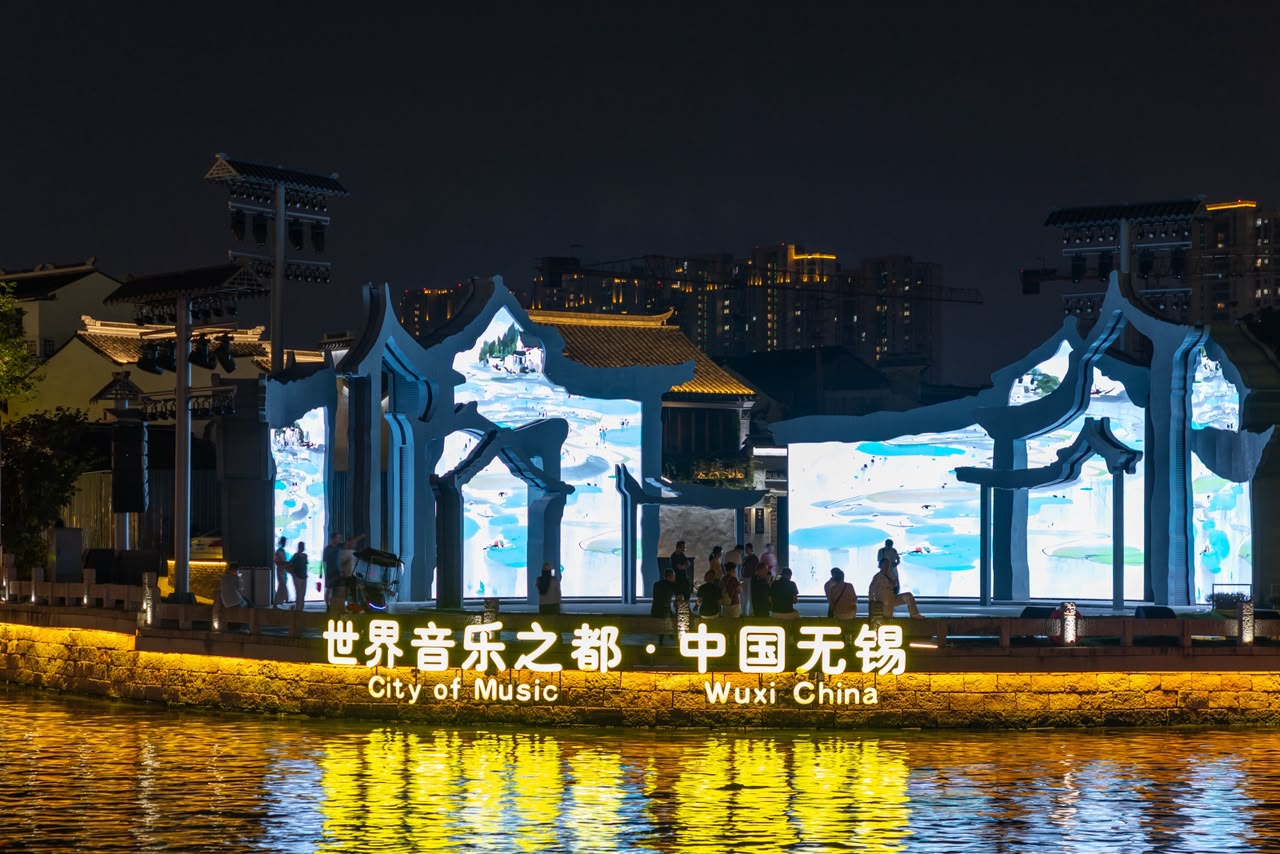
UNESCO recognised Wuxi as a Creative City of Music, and the city is known as the birthplace of the famous musician Abing's masterpiece The Moon Reflected in the Second Spring.
At night, Wuxi reveals another dimension of its development. Its historic canals become vibrant spaces where culture, tourism, restaurants and entertainment meet.
The Qingmingqiao Historical and Cultural Block has created the 'Tonight · Liangxiao' night-time brand, combining shopping, dining, sightseeing, performances and cultural experiences.
The wider Qingmingqiao Ancient Grand Canal scenic area receives nearly 30 million visitors annually, while during the 2025 Spring Festival holiday, the block welcomed approximately 2.2 million visitors.
Wuxi demonstrates that heritage does not have to remain in the past. It can become a living economic asset.
Daizhuang Village: Transforming agriculture through innovation
Jiangsu's development story is not only written in cities and factories. It is also visible in rural communities.
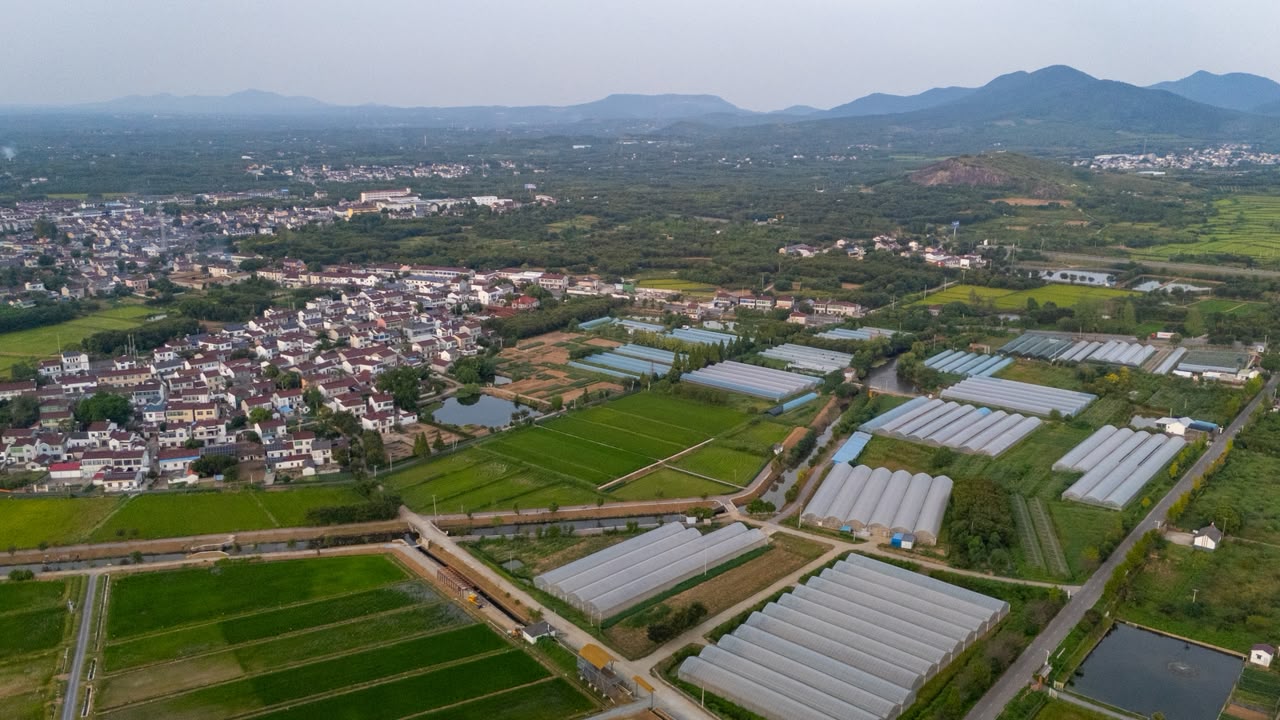
In Daizhuang Village, located in southern Jurong City, agriculture has been transformed into a model of ecological production and rural development.
The village covers 10.4 square kilometres, with 487 hectares of cultivated land and a population of 2,879, including 1,100 permanent residents.
Its Village Party Committee, established in 2011, manages 3 Party branches with 122 members.
Under the guidance of Zhao Yafu, a delegate to the 20th National Congress of the Communist Party of China and National Model for Poverty Alleviation, Daizhuang developed what is known as the 'Daizhuang Experience.'
The model is built around cooperation between farmers, cooperatives and village leadership.
The village has received recognition as a National Civilised Village, National-level Ecological Farm, China's Most Beautiful Leisure Village, National Model Village for One Village One Product and National Model Farmers' Professional Cooperative.
In 2024, Daizhuang's collective income reached 5.2 million RMB, while per-capita income reached 45,000 RMB.
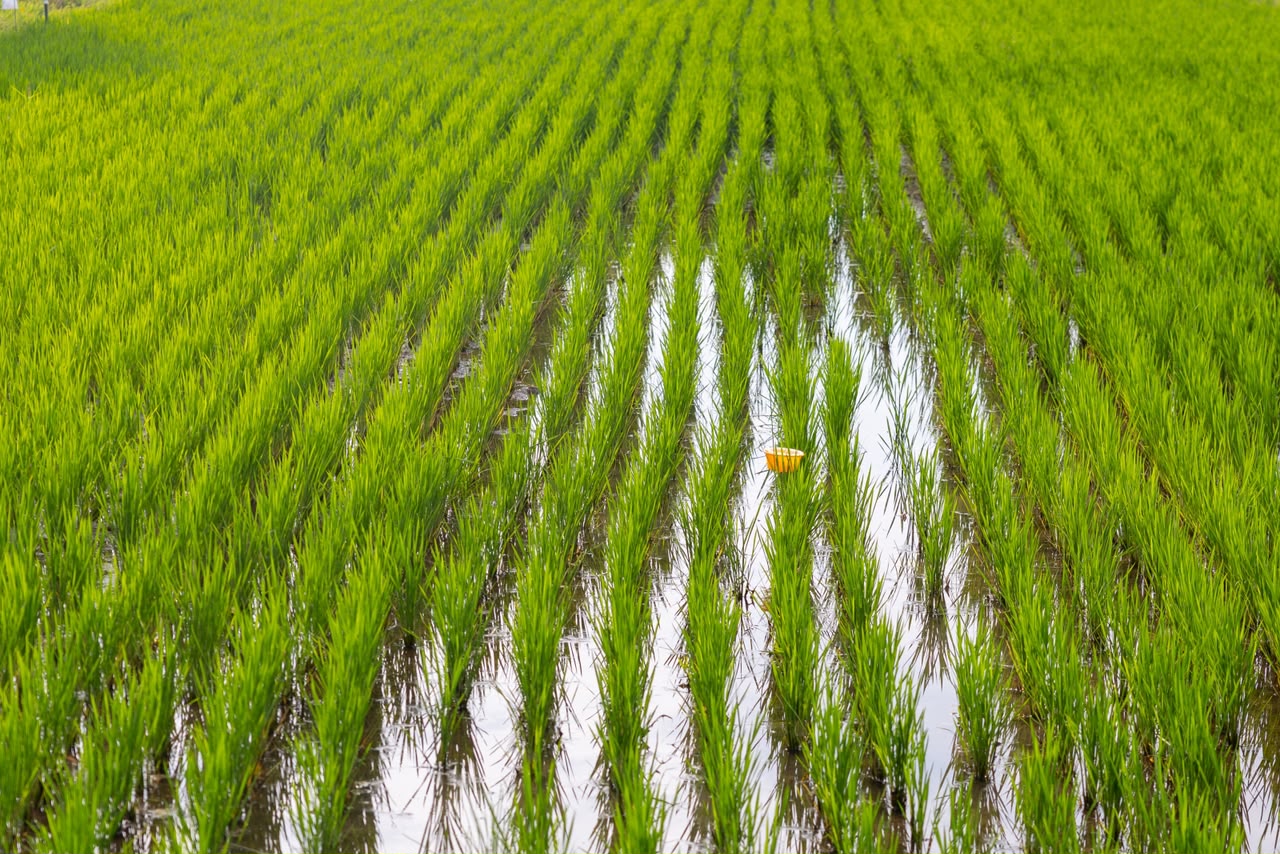
Since the Daizhuang Biodiversity Farmland Project began in 2001, the village has developed ecological agriculture through rice-duck farming, rice-fish symbiosis and sustainable cultivation.
More than 30 new species have been introduced, while monitoring has recorded nearly 150 small animal species and 98 bird species in the rice fields.
Organic rice yields increased from around 4.5 tonnes per hectare to more than 7.5 tonnes per hectare from 1,500 yuan to about 6,000 yuan.
Villagers' per-capita net income increased from 2,800 RMB in 2003 to 47,000 RMB in 2025.
Daizhuang shows how agriculture can move beyond traditional farming to become a driver of environmental protection, tourism, technology and income growth.
A manufacturing bridge between China and Africa
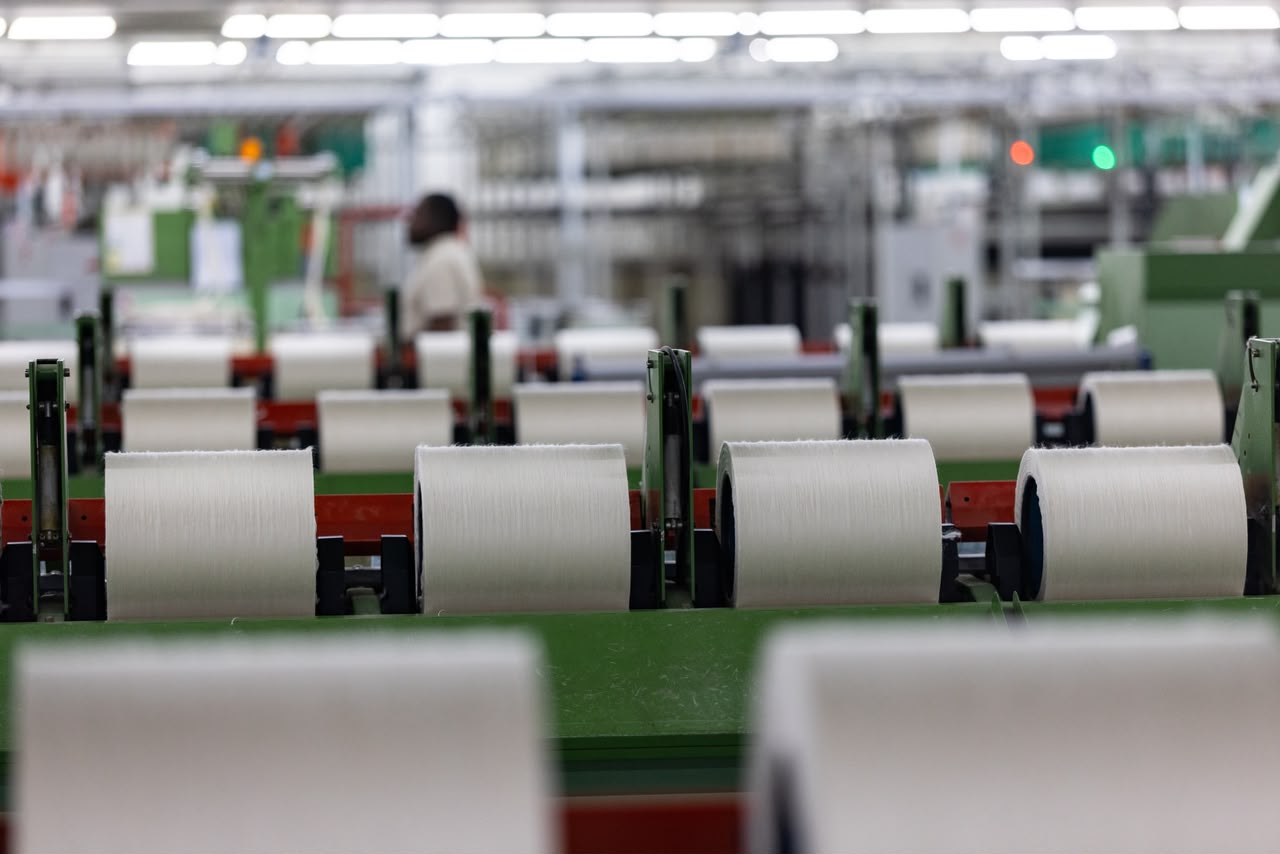
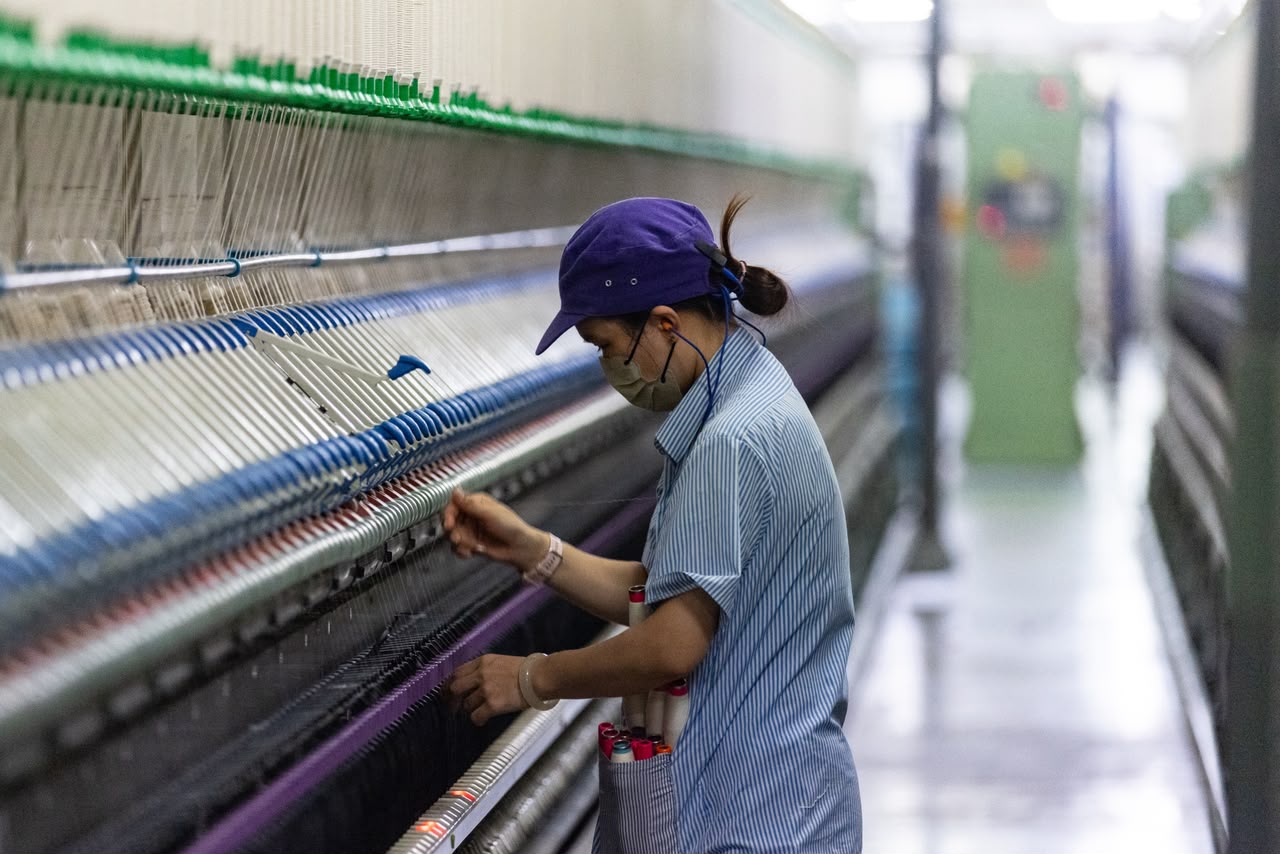
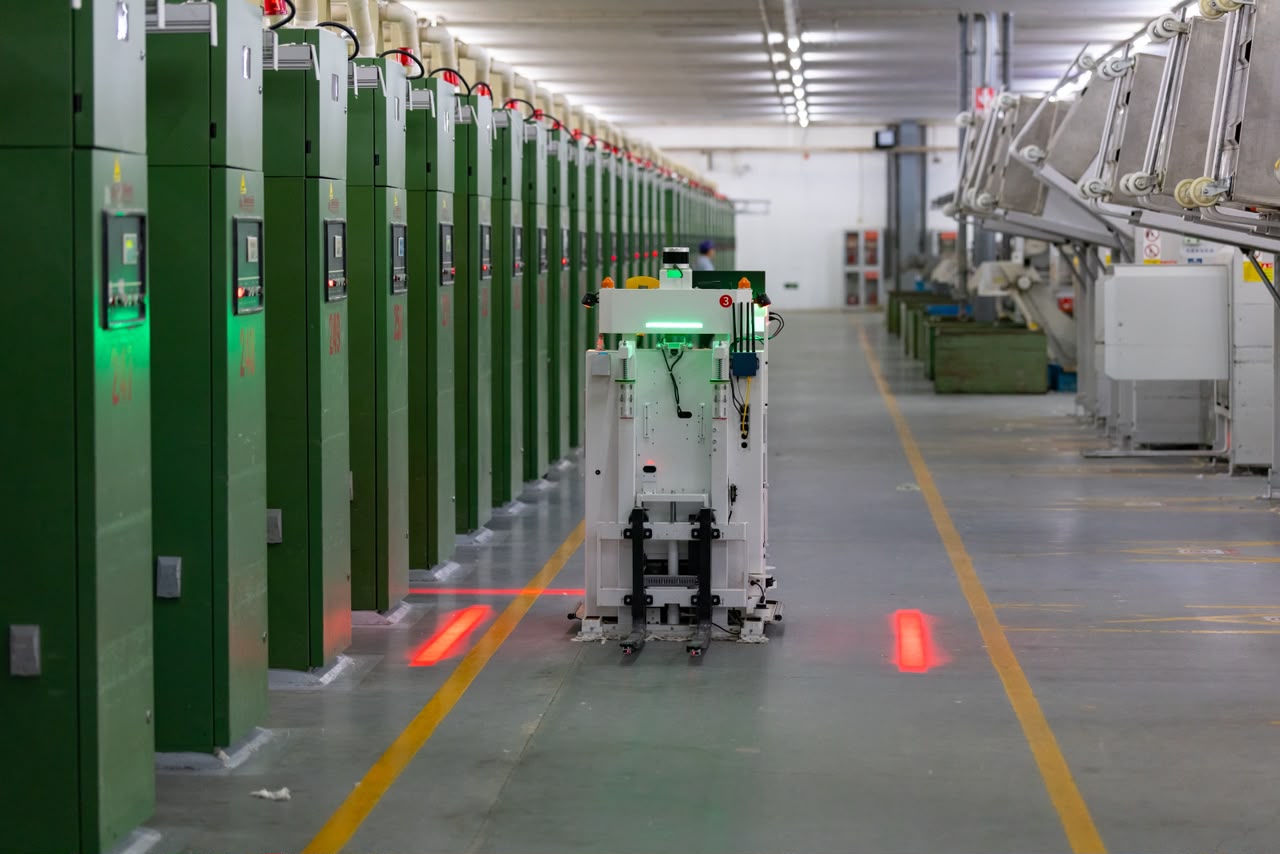
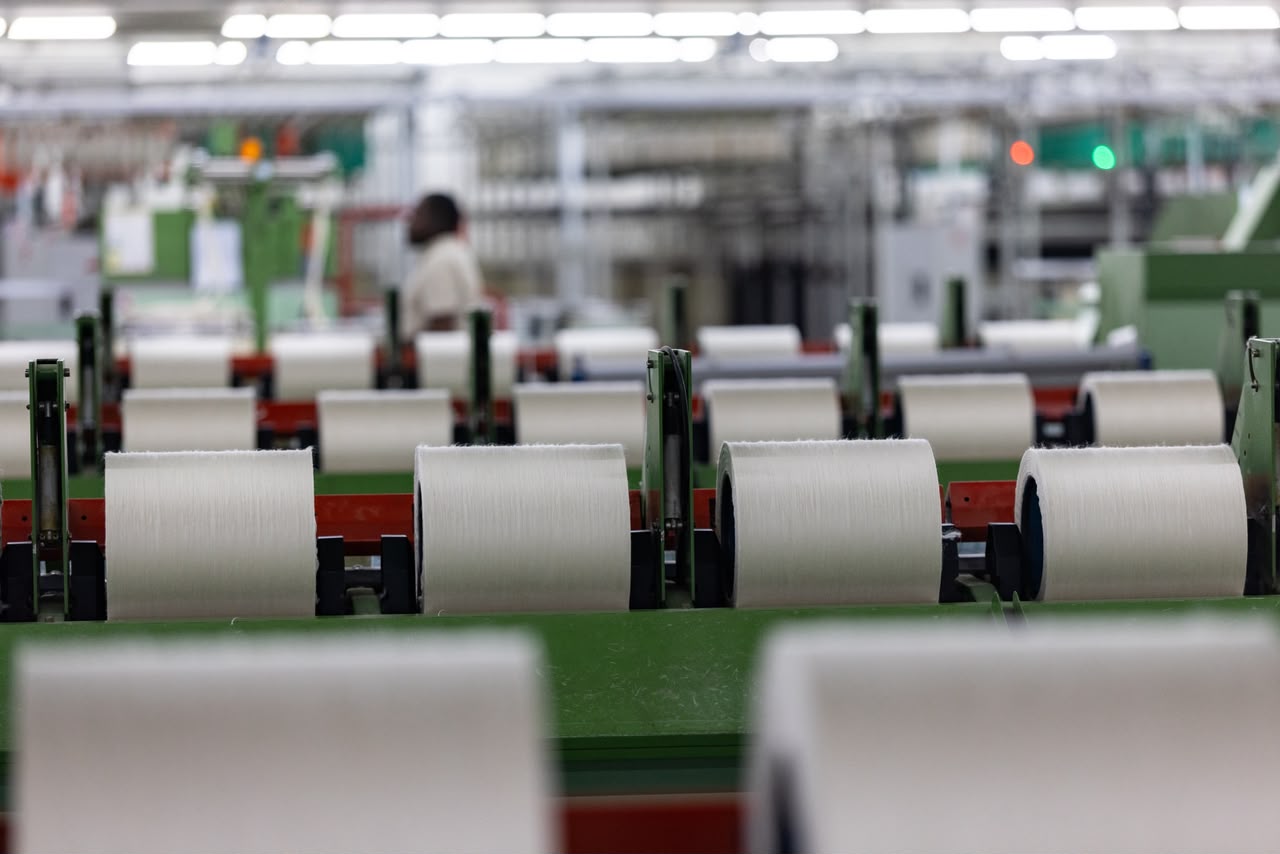
At Wuxi No.1 Cotton Textile Group Co., Ltd., founded in 1919, Jiangsu's industrial strength becomes clear.
The company operates 700,000 spindles and 500 looms, producing 40,000 tons of high-grade yarn and 50 million metres of premium fabrics annually.
Through the Belt and Road Initiative, the company expanded into Ethiopia, where its Phase I plant with 100,000 spindles began operation in 2019.
The wider Ethiopia project plans a capacity of 300,000 spindles and is expected to create nearly 3,000 jobs.
The company employs 1,100 workers in China and around 600 people in Ethiopia.
Its TALAK brand is registered in 55 countries and regions, serving high-end textile markets worldwide.
The company's success reflects Jiangsu's approach: combining traditional industries with technology, innovation and international partnerships.
Jiangsu's innovation journey extends beyond factories.
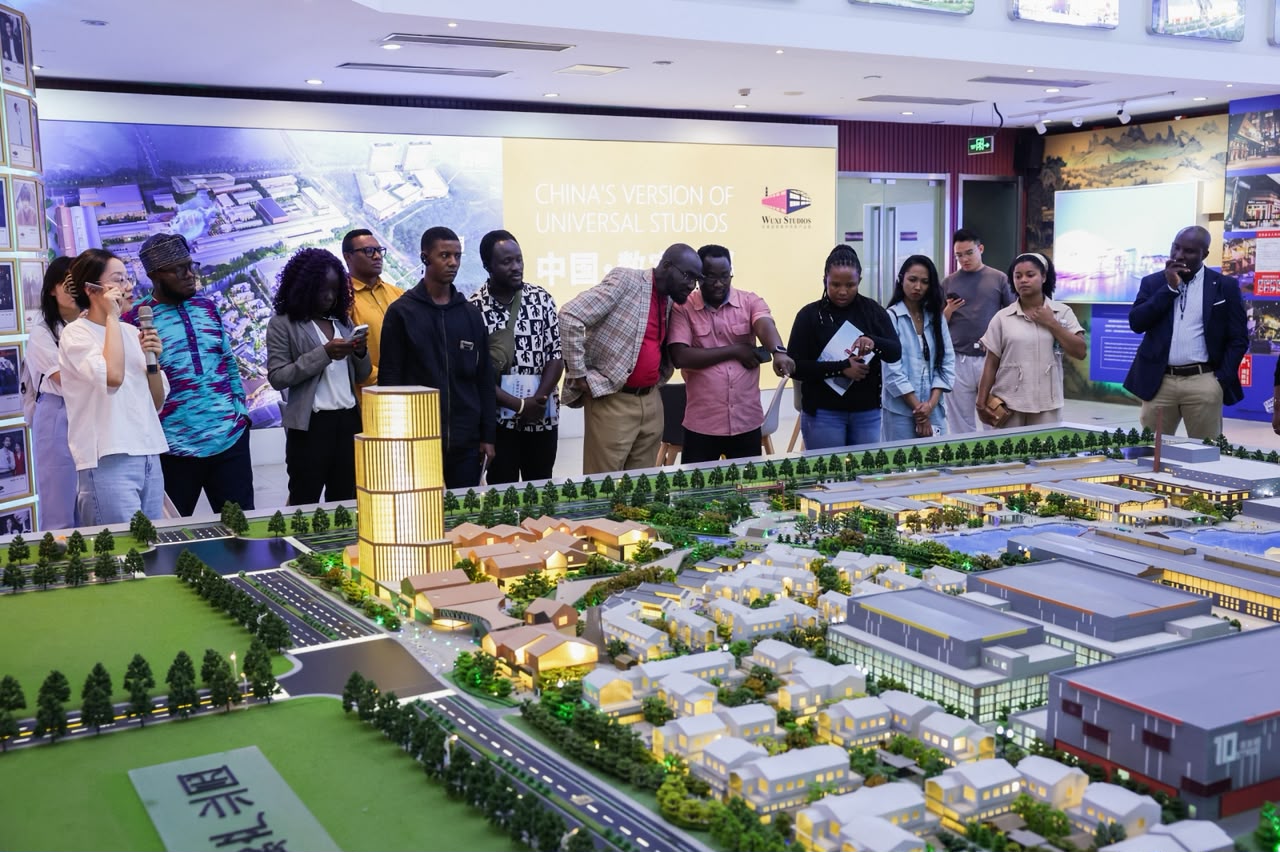
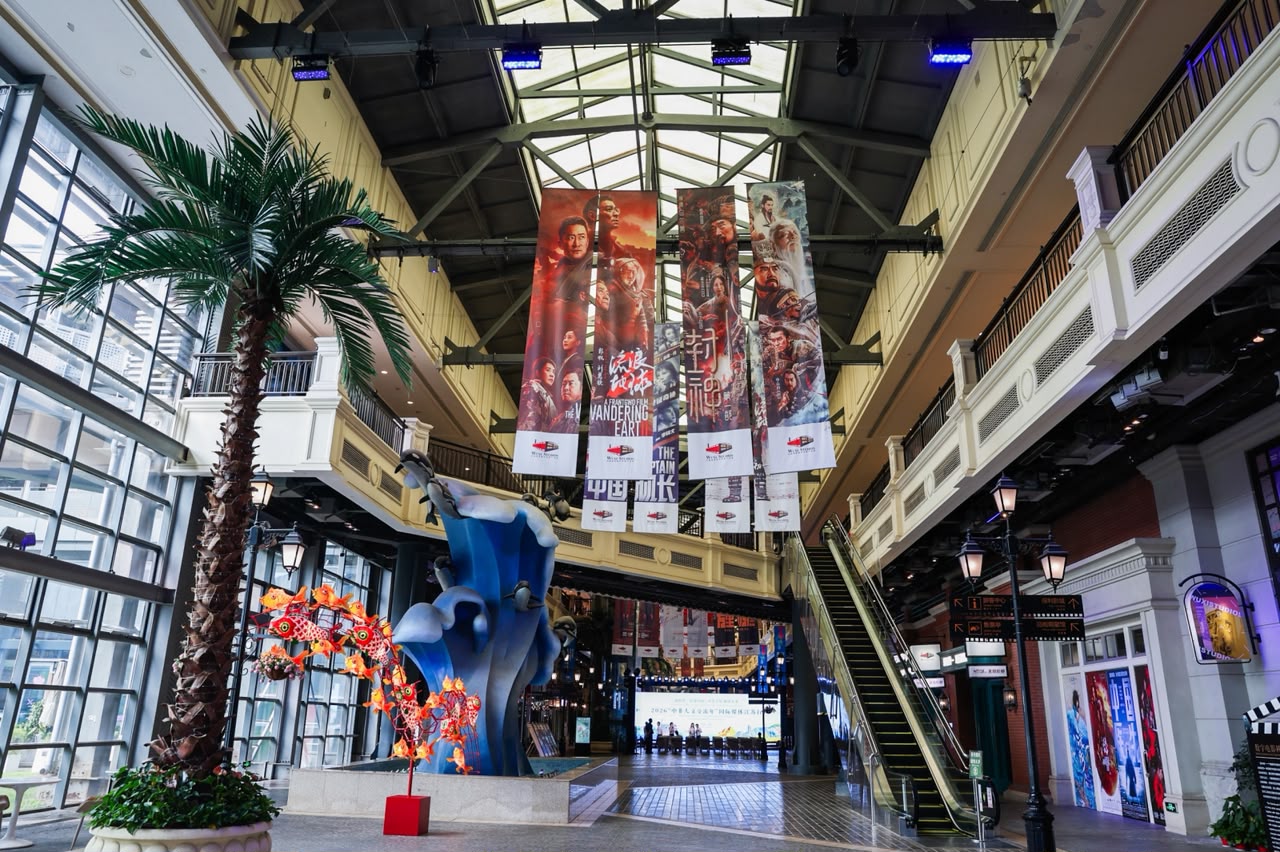
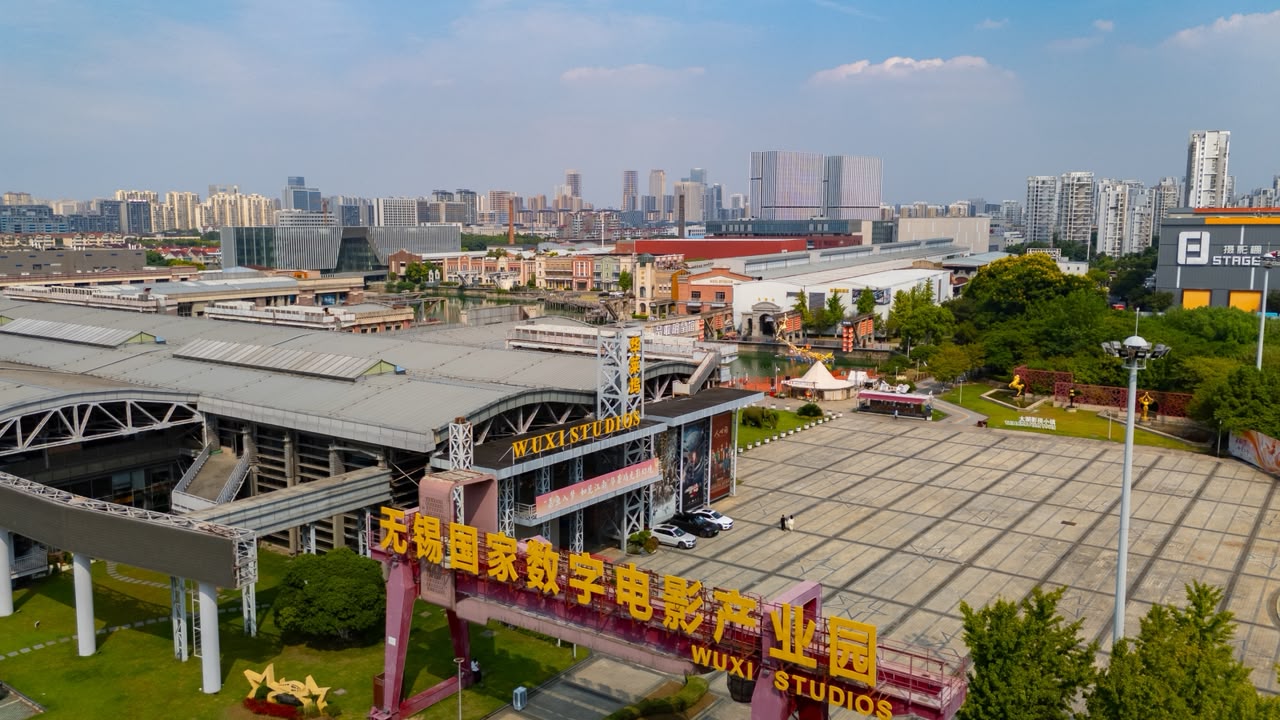
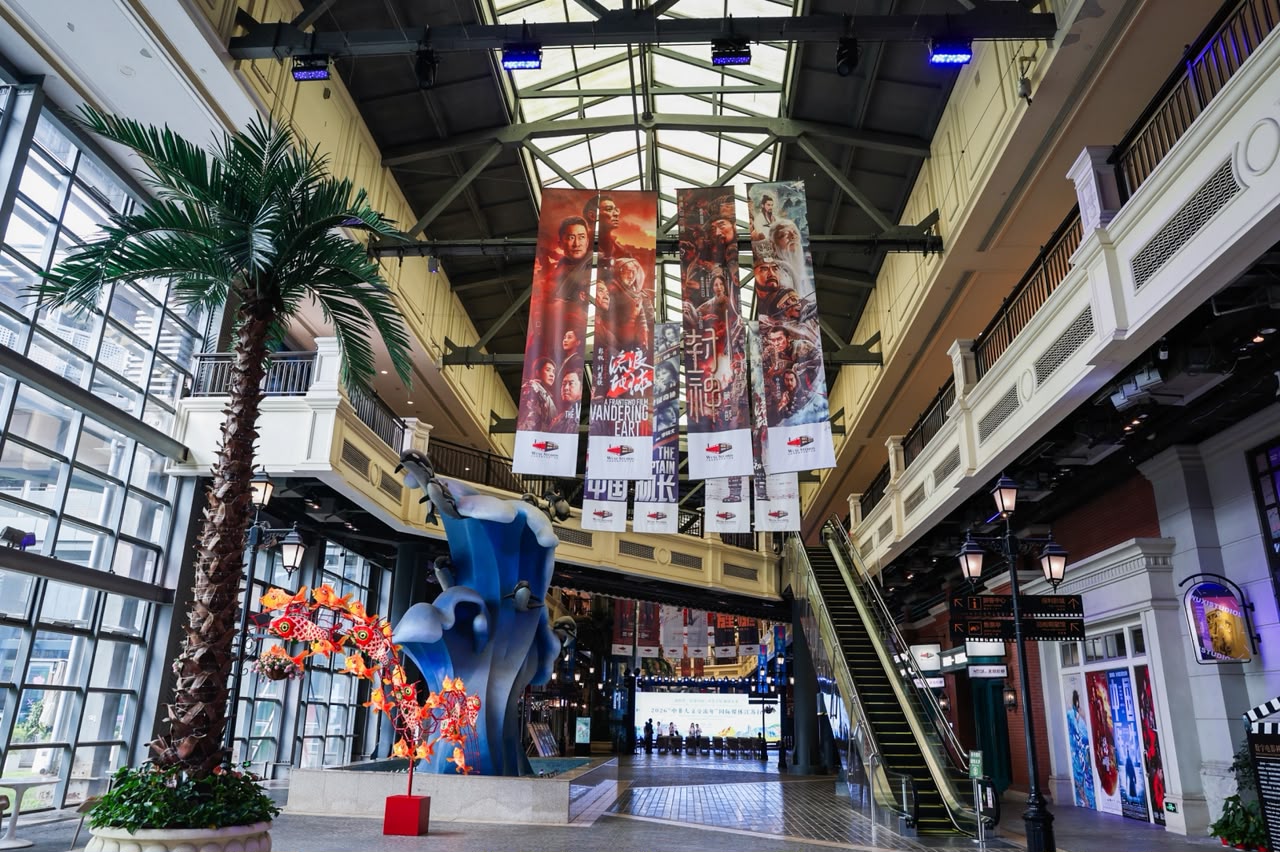
At the Wuxi National Digital Film Industrial Park, known as 'China's Hollywood,' creativity has become a major economic sector.
Opened in 2013, the park covers approximately 39 hectares.
It has supported more than 2,100 films and television programmes and attracted over 1,200 film and cultural enterprises.
Its annual output value is estimated between 6 billion and 8 billion yuan, supported by 15 high-tech studios, virtual production facilities, artificial intelligence applications and a 5G smart virtual cinematography laboratory.
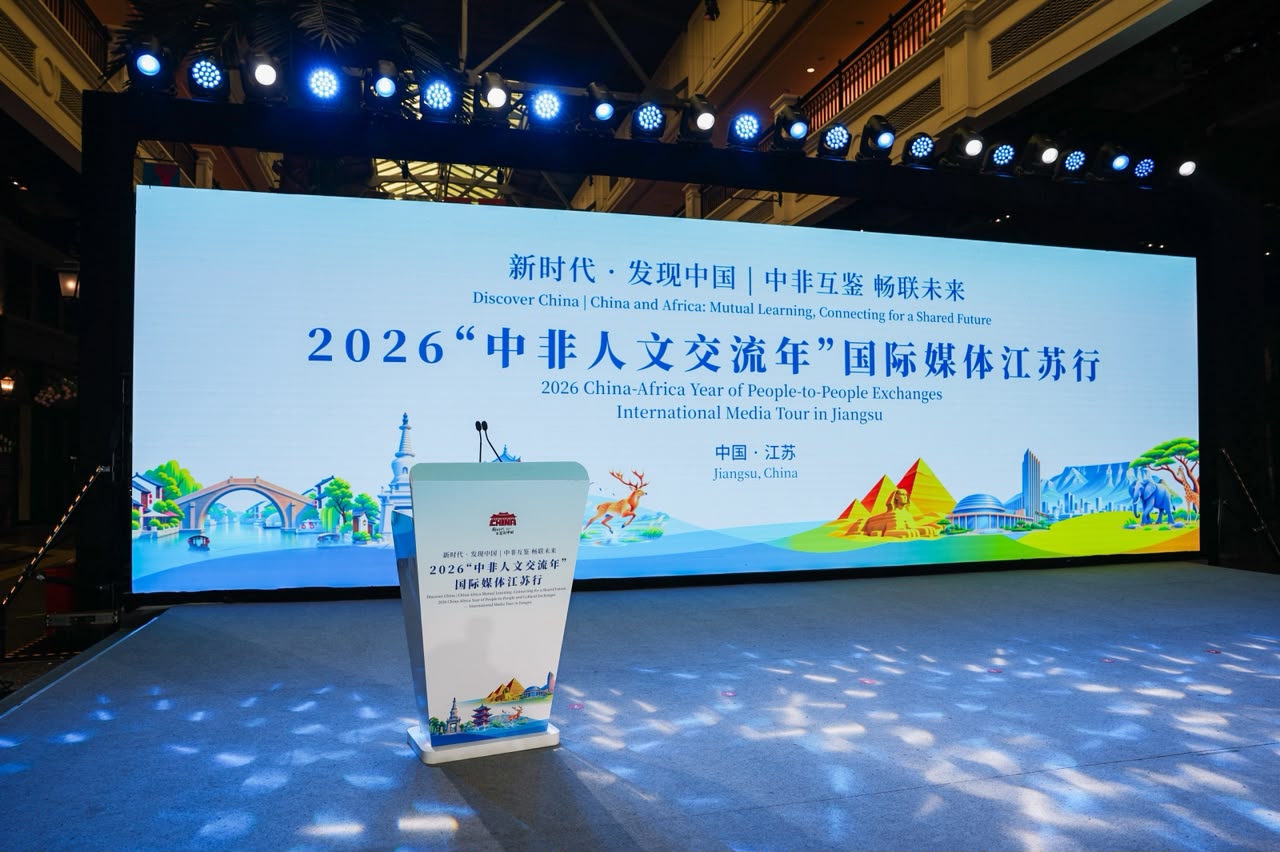
The visit coincided with the 2026 China–Africa Year of Cultural and People-to-People Exchanges, marking 70 years of China–Africa diplomatic relations.
In the first half of 2026, Wuxi's trade with Africa reached 18.6 billion yuan, increasing by 40.7% year on year.
More than 3,000 fisheries technicians and administrators from over 50 African countries have received training in Wuxi.


Source : https://new.igihe.com/english/jiangsu-how-1-of-chinas-land-became-a-global-economic-powerhouse/
Leave a Reply