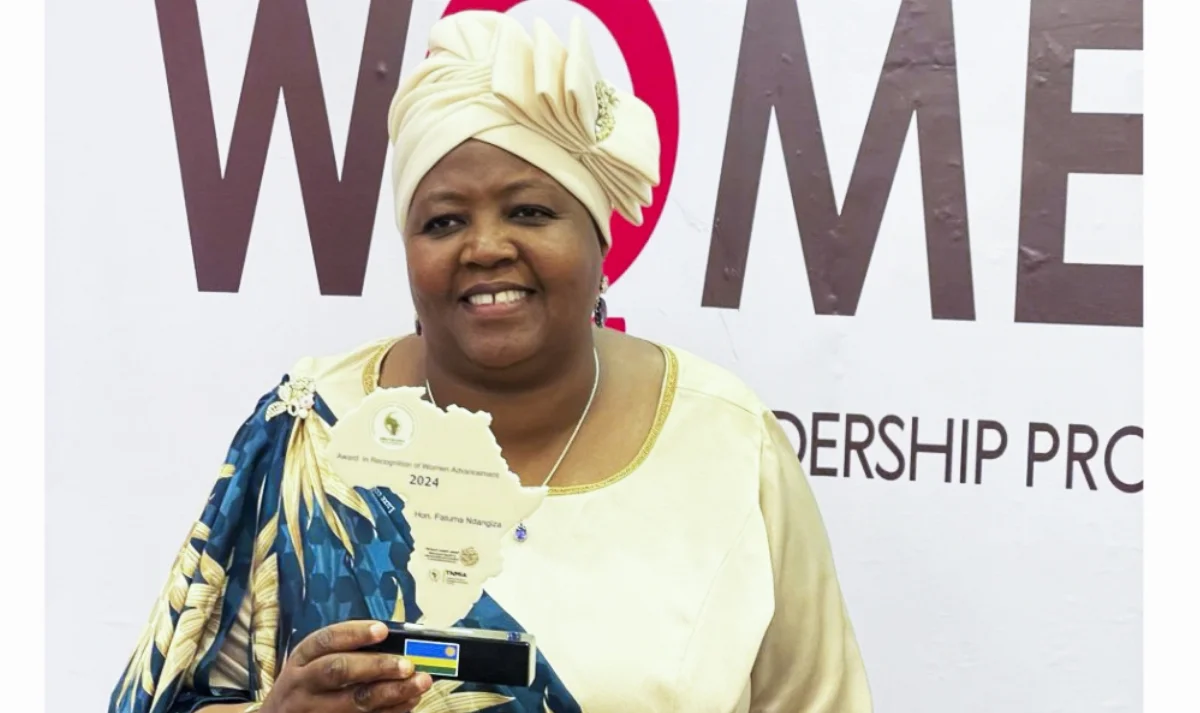
The Rwandan legislator at the East African Legislative Assembly (EALA) drew together arguments made by speakers on legislative independence, budget scrutiny, continental cooperation and the need to give women a stronger voice in political institutions. She warned against allowing the Forum's discussions to end without continued cooperation among those who had attended.
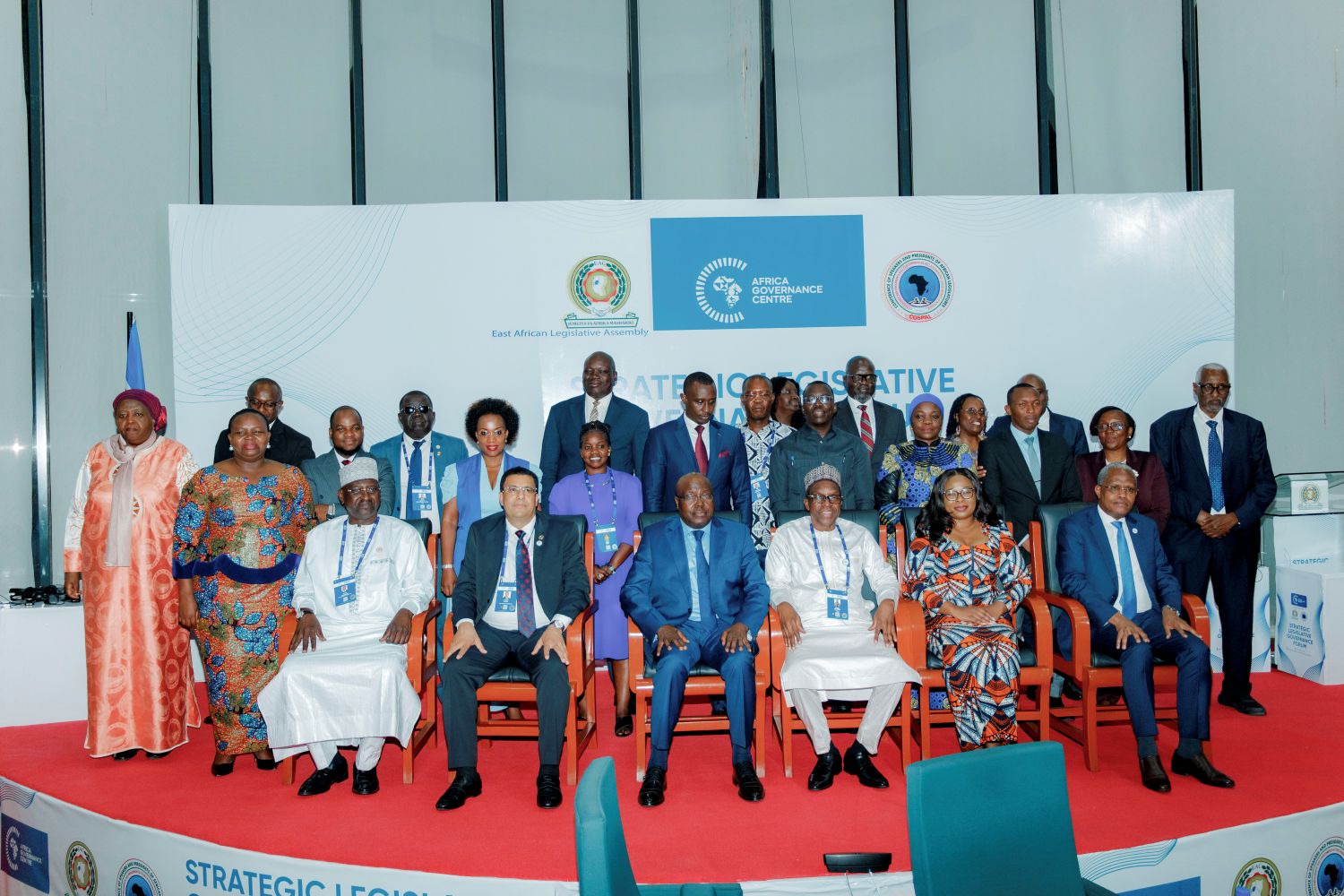
Amb. Ndangiza spoke at the Strategic Legislative Governance Forum, organised in Arusha by the Africa Governance Centre in partnership with EALA and Conference of Speakers and Presidents of African Legislatures (CoSPAL). The gathering considered how legislatures can translate national and continental ambitions into laws, budgets and accountable institutions. The Strategic Legislative Governance Platform launched at the event was conceived to extend that cooperation beyond a single meeting.
She also reflected on the divisions inherited from colonial rule, including language barriers that complicate exchanges between African institutions. The continent's long-standing ambition for unity, she suggested, required practical engagement across those divisions.
In a personal reflection on Rwanda's reconstruction after the 1994 Genocide against the Tutsi, she emphasised unity, ambitious thinking and accountability as principles relevant to the rebuilding of public institutions.
Amb. Ndangiza returned repeatedly to the question of what parliaments could achieve for citizens. Greater cooperation between national, regional and continental legislatures would matter only if it strengthened scrutiny, representation and development results.
Amb. Ndangiza's concluding remarks drew together contributions that had approached transformation from different directions. Some speakers emphasised continental unity, others the financing of public investment or the independence of parliamentary institutions. Her synthesis returned to a common question: how political leadership can turn ambitious commitments into improvements that citizens recognise.
Her reflections on Rwanda's reconstruction placed national unity within a history of profound institutional and social destruction. The experience was presented as an argument for sustained public purpose and accountability, not as a claim that countries can simply replicate one another's political systems. Different histories require different responses, even when the need for effective institutions is shared.
The linguistic divisions she identified also have practical implications. Parliamentary cooperation across Anglophone, Francophone and Lusophone systems involves different legal traditions, working languages and administrative practices. Overcoming those barriers requires investment in translation, institutional relationships and the capacity to work across established boundaries.
She returned repeatedly to the need for parliaments to possess adequate resources. Budget scrutiny, public consultation and evaluation of major projects cannot be undertaken effectively without specialist advice and reliable information. Institutional independence is weakened when legislature is formally responsible for oversight but lacks the means to carry it out.
Her emphasis on women and young people broadened the definition of representation. Decisions about technological change, employment and education will shape opportunities for a population whose experiences may differ markedly from those of current office-holders. Legislative institutions must create ways for those perspectives to influence the policies that govern their future.
Her concluding appeal was for the conversation begun in Arusha to continue through practical institutional work rather than remain a record of speeches.
Leave a Reply