Across the world's major auction houses, ancient artefacts have attracted extraordinary bids. From a tiny Mesopotamian sculpture to elaborate Chinese bronze vessels and monumental Roman and Assyrian works, these objects have changed hands for prices that reflect their rarity, craftsmanship and historical importance, but their value goes beyond the figures announced in auction rooms. Each carries a story about the people who created it, the societies they lived in and the beliefs and traditions that shaped their world.
Here are ten remarkable ancient artefacts that have commanded millions of dollars at public auction.
- The Guennol Lioness – $57.16 million
At just 8.3 centimetres tall, the Guennol Lioness demonstrates that an object's value is not necessarily determined by its size.
Carved from limestone around 3000–2800 BC in ancient Mesopotamia, the small sculpture depicts a powerful lioness-like figure with a muscular, almost human body. Its unusual form and refined details have made it one of the most celebrated surviving sculptures from the ancient world.
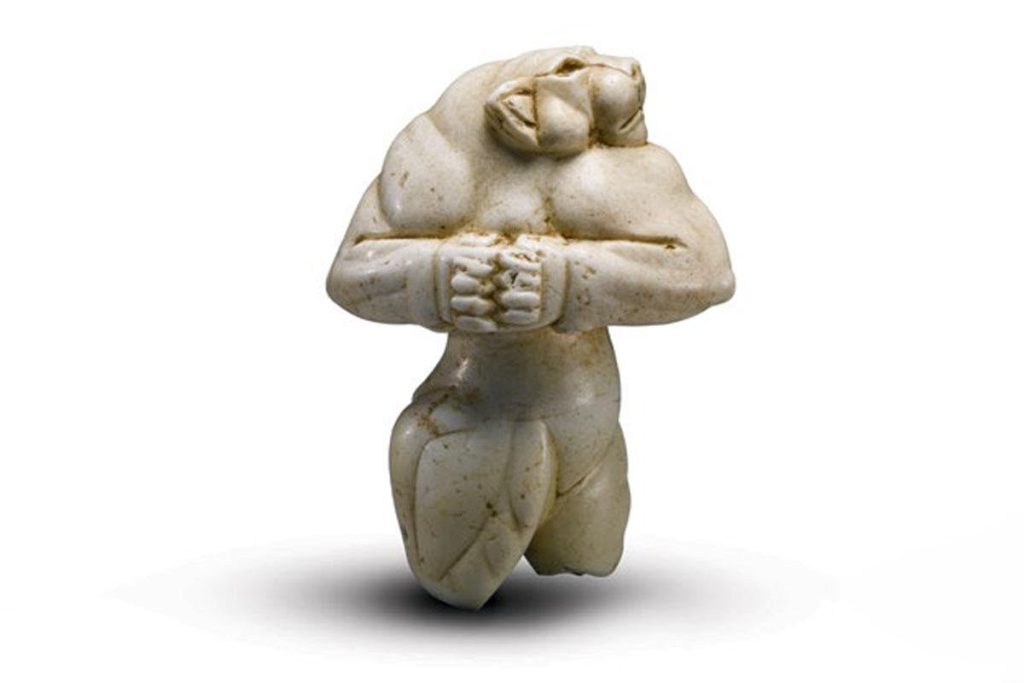
When it appeared at Sotheby's in New York on December 5, 2007, it sold for $57.16 million. The sale established an auction record for an antiquity, making the sculpture one of the most expensive ancient objects ever sold publicly.
- Shang Dynasty Bronze Fang zun – $37.21 million
Thousands of years ago, bronze vessels played an important role in the ceremonial and religious life of China's ruling elite. The Shang Dynasty Bronze Fangzun is a striking example of that tradition.
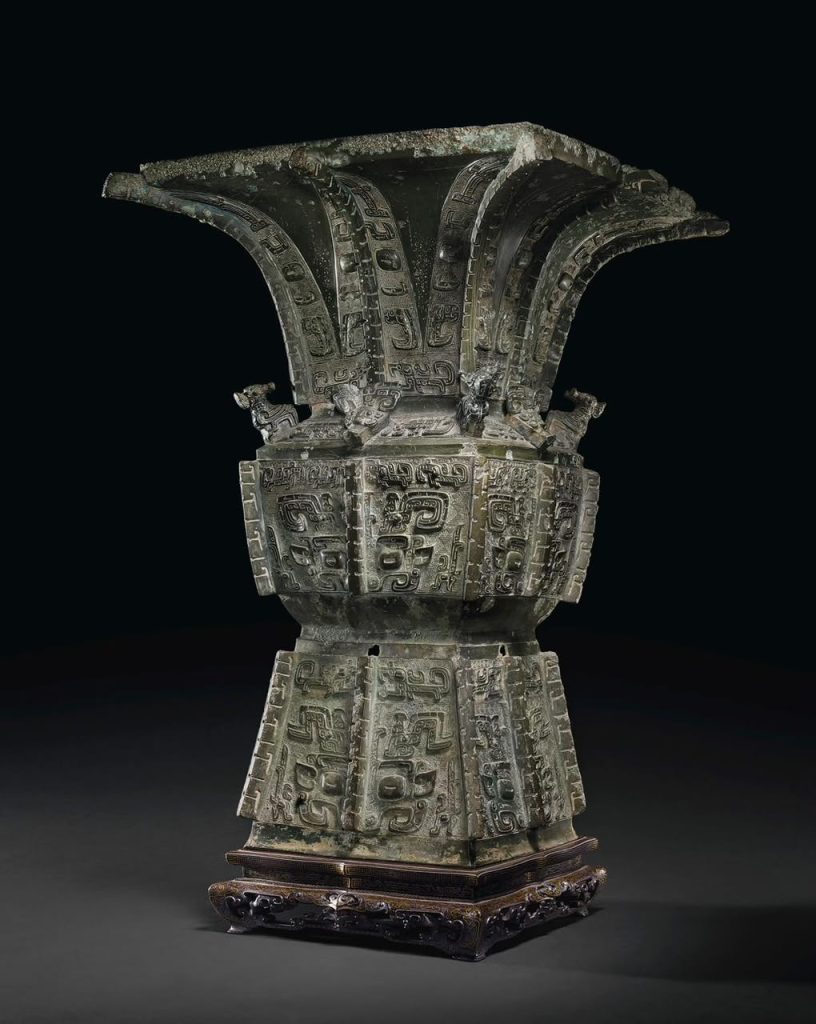
Created during the late Shang Dynasty, between the 13th and 10th centuries BC, the large square vessel was used for ritual wine. Its surface features intricate animal masks and geometric patterns, demonstrating the advanced metalworking skills of ancient Chinese craftsmen.
The vessel attracted international attention when it appeared at Christie's New York in March 2017 as part of the Fujita Museum collection. It sold for $37.21 million, setting a world auction record for an archaic Chinese bronze.
- Marble Torso of a Roman Emperor – $34.3 million
Even without a head or limbs, this Roman sculpture commanded an extraordinary price. The marble torso, believed to represent a Julio-Claudian emperor, dates to the first half of the first century AD. Its detailed military armour offers a glimpse into how Roman rulers used sculpture to communicate authority, strength and political power.
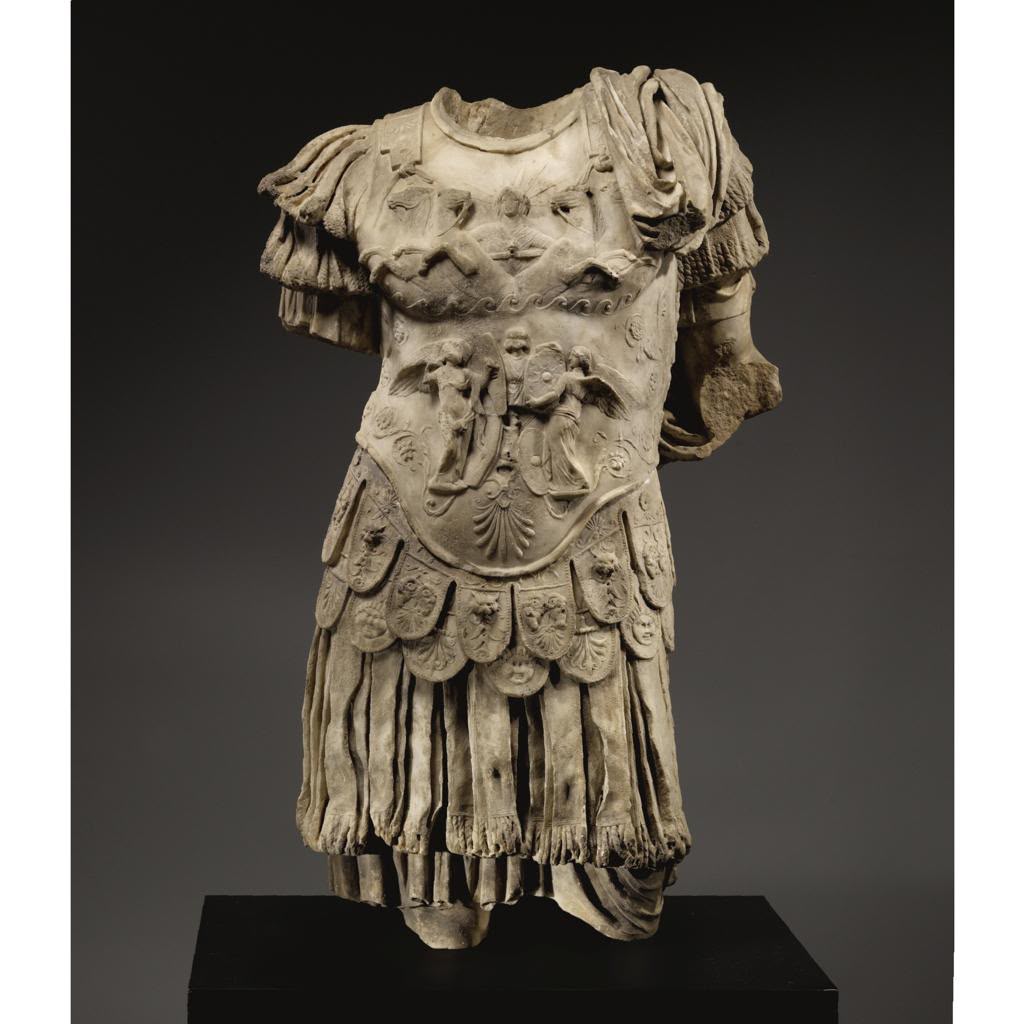
Believed to have originated in the ancient city of Salona, in present-day Croatia, the sculpture attracted intense interest when it went under the hammer at Sotheby's New York on October 21, 2026.
After a 14-minute bidding contest, it sold for $34.3 million, setting a new auction record for a Roman antiquity.
- Shang Dynasty Bronze Fanglei – $33.85 million
Another exceptional survivor from ancient China, the Shang Dynasty Bronze Fanglei demonstrates the technical mastery of bronze casting during the late Shang period. The large ritual wine vessel, which comes with a matching cover, features elaborate surface decorations and an impressive design. Its creation required considerable technical skill, reflecting the importance of bronze objects in the ceremonial life of ancient Chinese society.
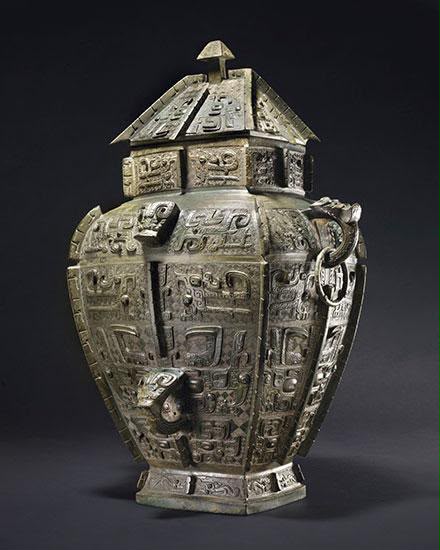
It was among the highlights of the Fujita Museum collection auction at Christie's New York in March 2017, where it sold for $33.85 million.
- Assyrian Winged Genius Relief – $30.97 million
Standing more than two metres tall, this ancient relief once formed part of the magnificent Northwest Palace of Assyrian King Ashurnasirpal II at Nimrud, in present-day Iraq.
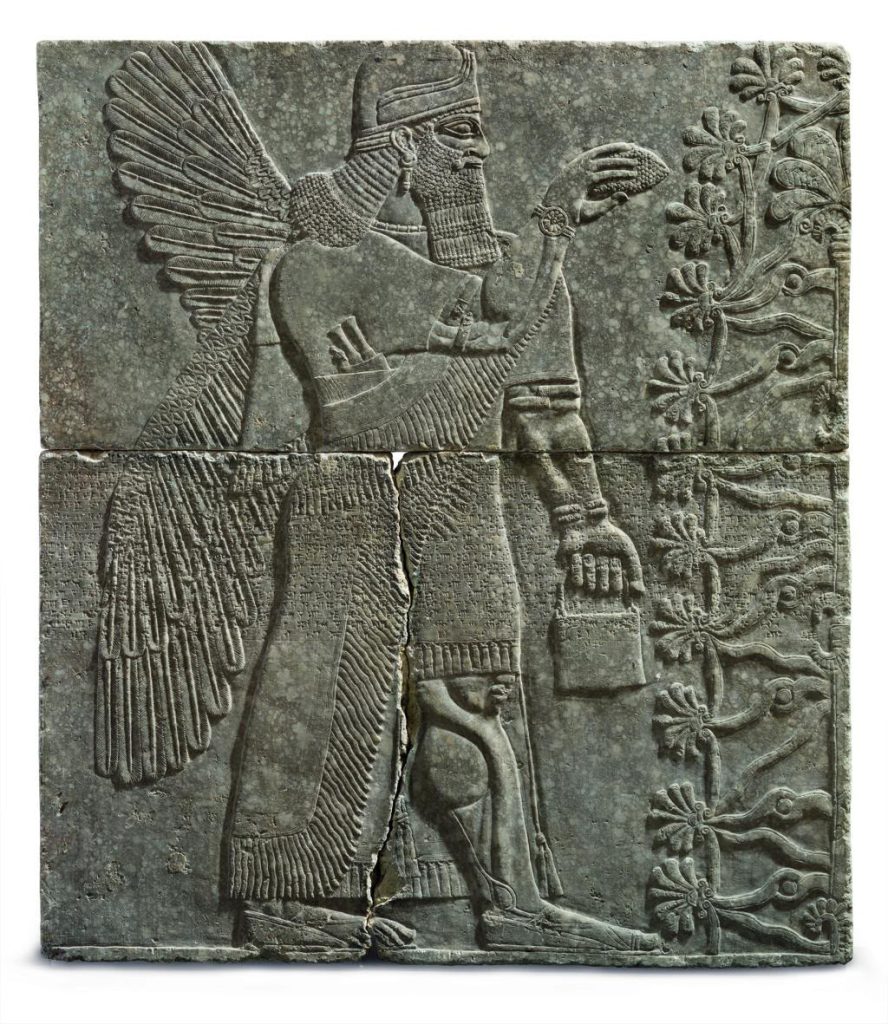
Created during the king's reign between 883 and 859 BC, the gypsum panel depicts an apkallu, a winged protective spirit associated with safeguarding the king and his palace. Its detailed carving reflects the religious beliefs and royal imagery of the Assyrian Empire.
After surviving for nearly three millennia, the relief appeared at Christie's New York on October 31, 2018, selling for $30.97 million.
The sale also drew attention to wider debates surrounding the ownership, movement and preservation of cultural heritage removed from archaeological sites.
- Artemis and the Stag – $28.6 million
A goddess, a stag and remarkable bronze craftsmanship come together in this sculpture of Artemis, the Greek goddess of hunting.
Dating to approximately the first century BC or first century AD, the work depicts Artemis alongside a stag. Its scale, intricate casting and classical subject make it an exceptional example of ancient bronze sculpture.
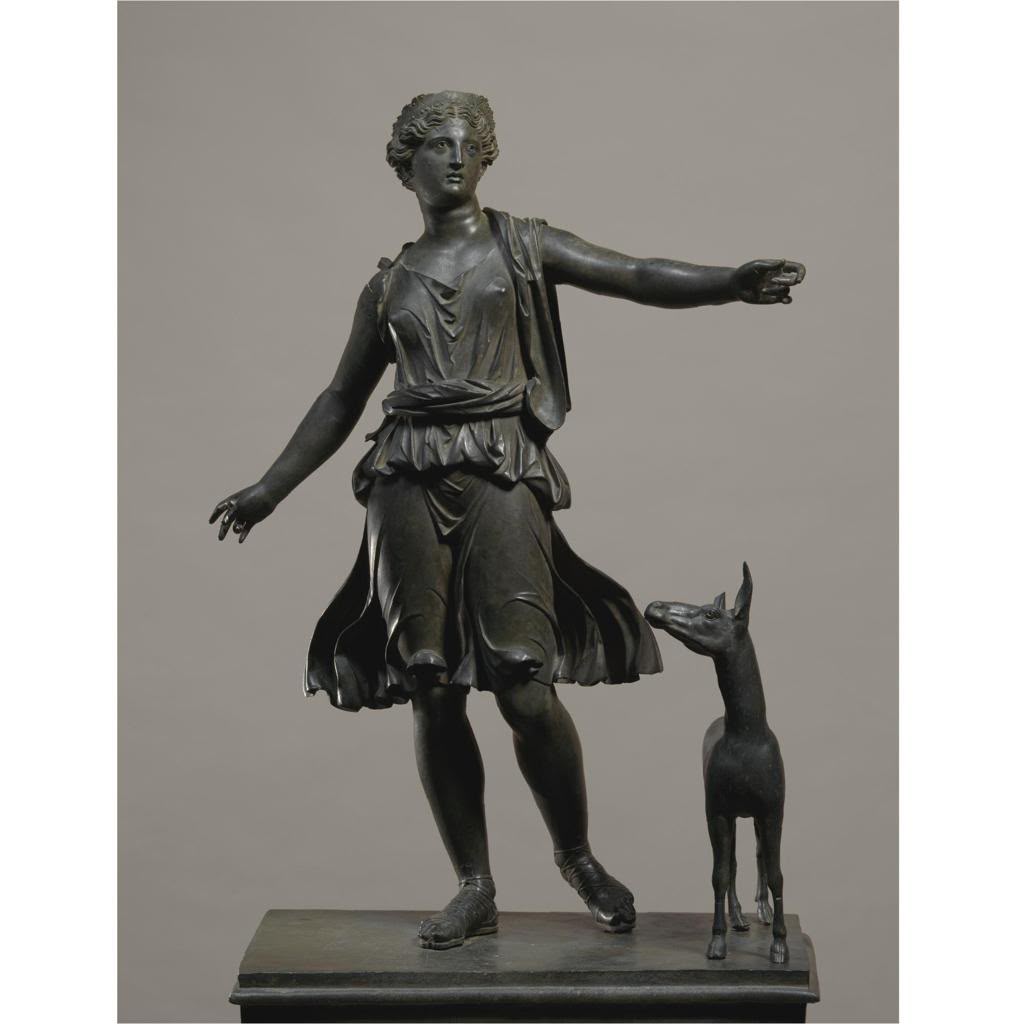
The piece was sold at Sotheby's New York in June 2007 for $28.6 million, attracting considerable attention from collectors interested in the surviving artistic achievements of the ancient world.
- The Xi Jia Pan Bronze Basin – Approximately $27.3 million
Unlike many ancient vessels valued mainly for their appearance, the Xi Jia Pan Bronze Basin carries something particularly important, a historical record.
Dating to China's Western Zhou Dynasty, which lasted from approximately 1046 to 771 BC, the basin features a lengthy inscription containing valuable information about the political and social life of the period.
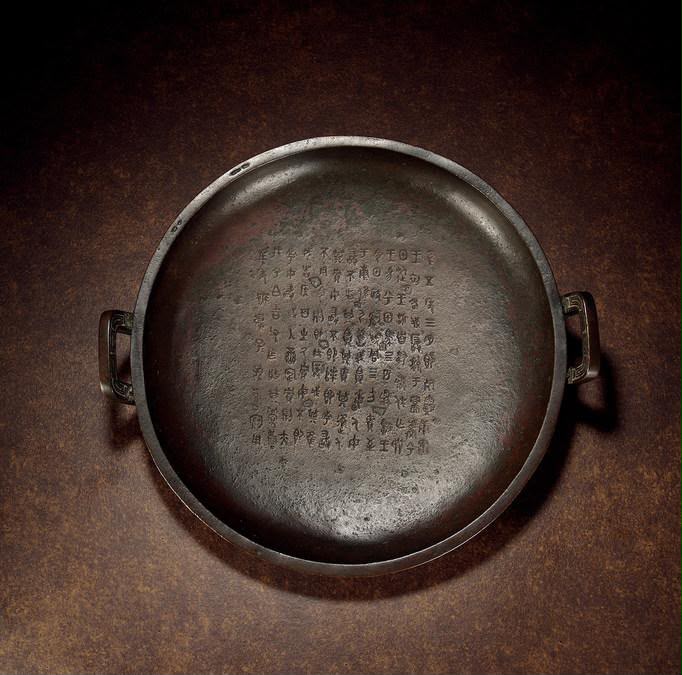
The inscription is especially significant to historians because it provides information that helps fill gaps in the historical record of the dynasty.
The basin was sold at a Xiling Yinshe auction in China's Zhejiang Province in July 2017 for 185 million yuan, equivalent to approximately $27.3 million at the time.
- Shang Dynasty Bronze Pou – $27.13 million
Another remarkable object from the late Shang Dynasty, the Bronze Pou was created as a ceremonial wine vessel.
Its elaborate decoration and rarity reflect the importance attached to bronze craftsmanship in ancient Chinese society, where vessels played a central role in rituals and elite ceremonies.
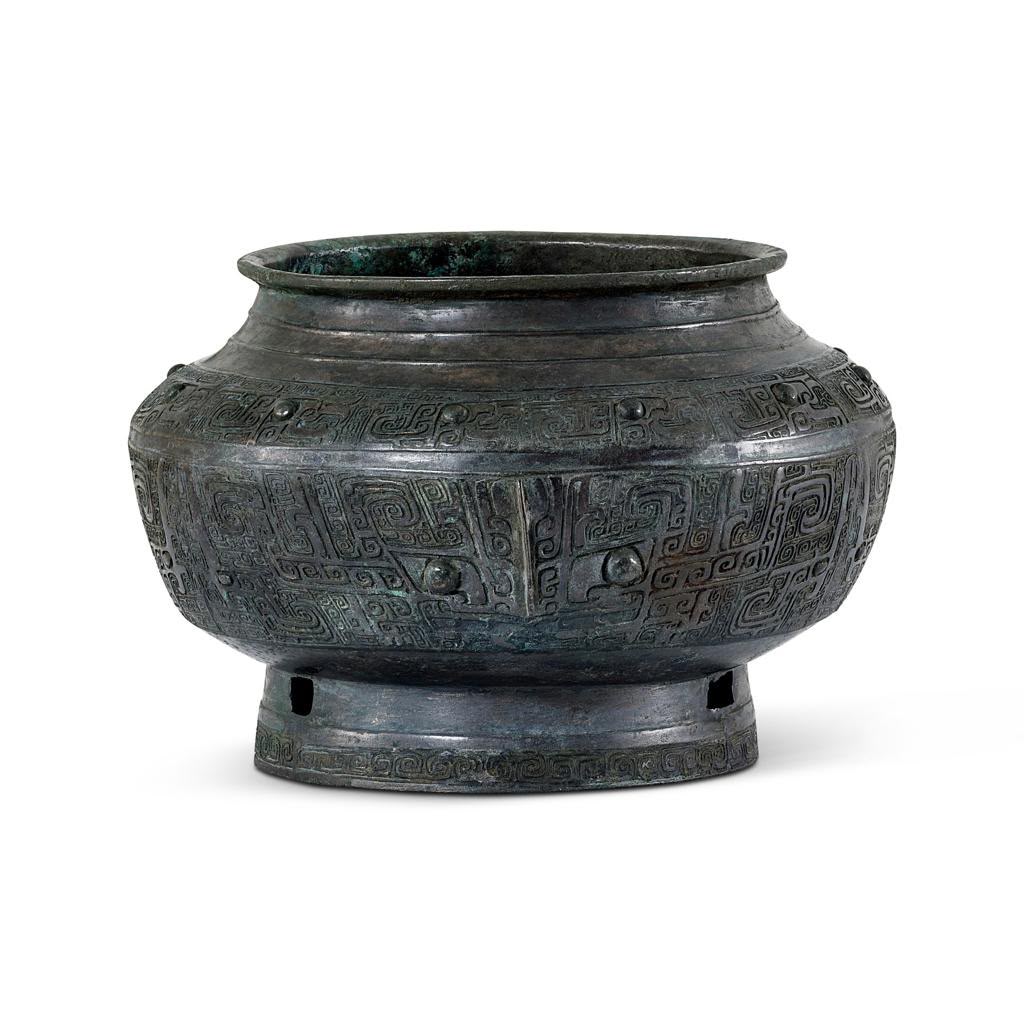
The object was among the valuable pieces offered from the Fujita Museum collection at Christie's New York in March 2017. It achieved $27.13 million, placing it among the most expensive ancient Chinese bronze vessels sold at auction.
- Shang Dynasty Ram-Form Bronze Gong – $27.13 million
Not all ancient ceremonial vessels followed conventional shapes. This bronze gong, designed in the form of a ram, demonstrates the creativity and technical ability of Shang Dynasty metalworkers.
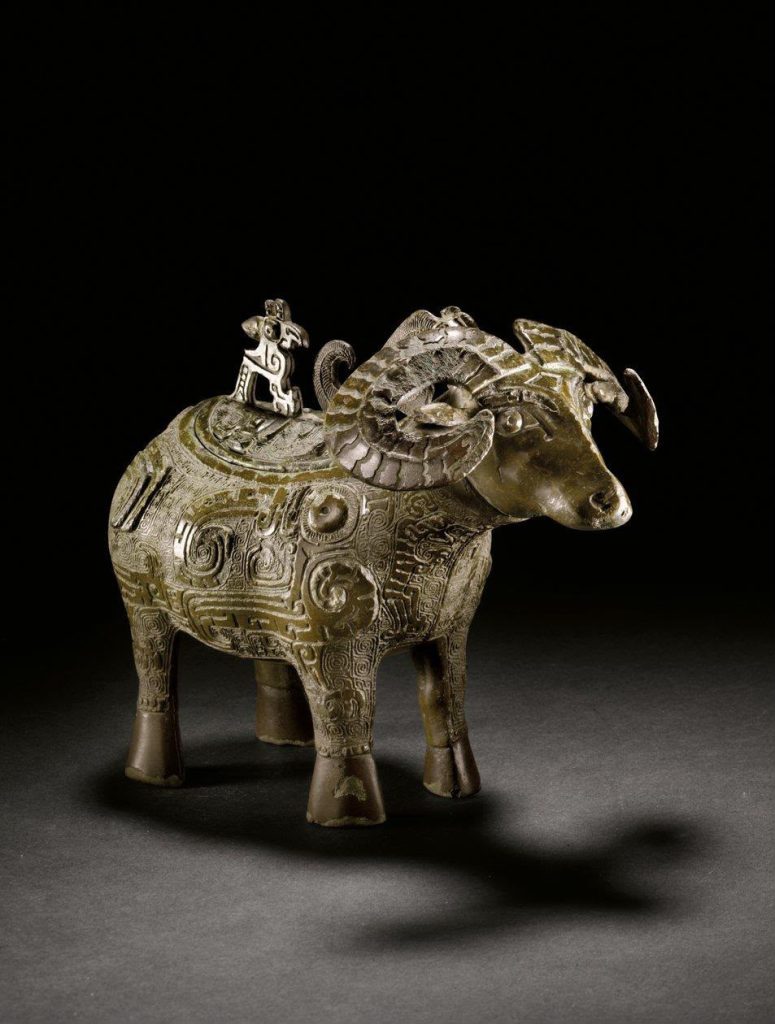
Dating to the late Shang period, the vessel combines an animal-inspired form with intricate bronze decoration. Its distinctive appearance makes it stand out among the ceremonial objects produced during the era.
It was also sold at Christie's New York in March 2017 as part of the Fujita Museum collection auction, achieving $27.13 million — the same price as the Bronze Pou.
- The Statue of Sekhemka – $27 million
More than 4,000 years after it was carved, this Egyptian statue became the centre of a major controversy when it was sold at auction.
Dating to approximately 2400–2300 BC, during Egypt's Old Kingdom, the limestone sculpture depicts Sekhemka, an official identified in the inscription on its base as an inspector of the scribes of the royal court. He is shown seated and holding a scroll, while detailed carvings around the statue provide insight into ancient Egyptian beliefs about status and the afterlife.
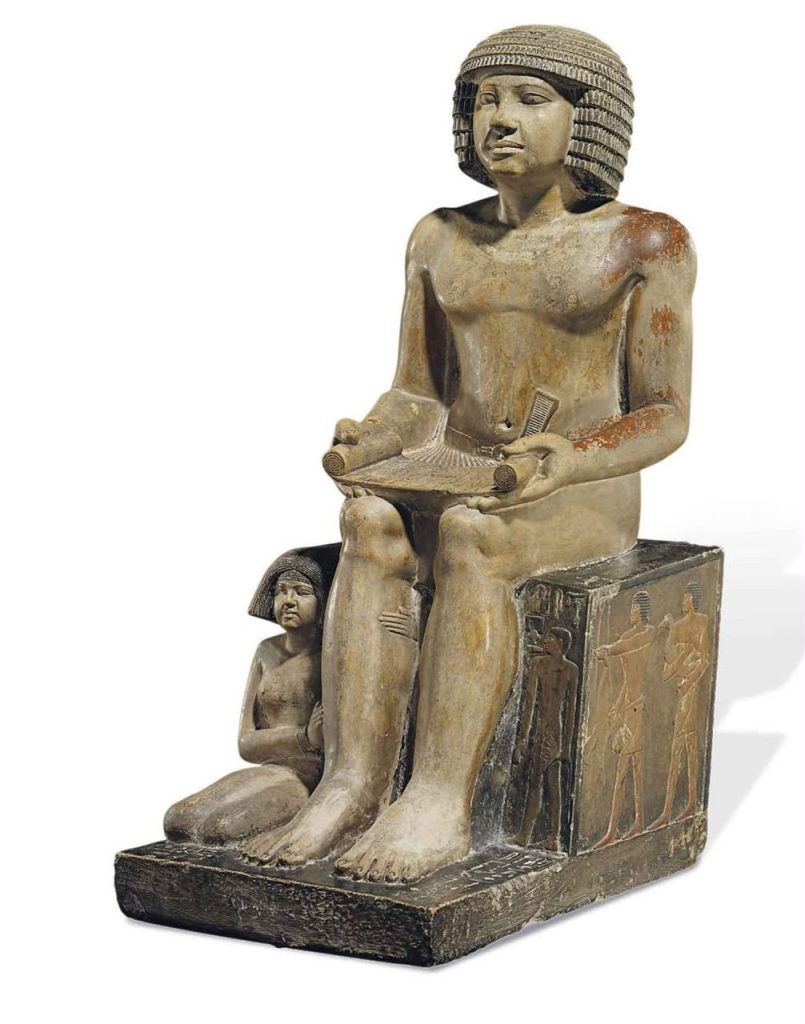
The statue was sold at Christie's London in July 2014 for £15.76 million, approximately $27 million at the time.
However, the sale attracted widespread criticism in the United Kingdom because the sculpture had belonged to the public collection of Northampton Museum. Its departure raised difficult questions about whether important cultural treasures should be sold into private ownership.
Source : https://new.igihe.com/english/10-ancient-artefacts-that-commanded-millions-of-dollars-at-auction/
Leave a Reply