NESA Director General Dr Bahati Bernard said the results are currently being processed and will be announced in the coming days.
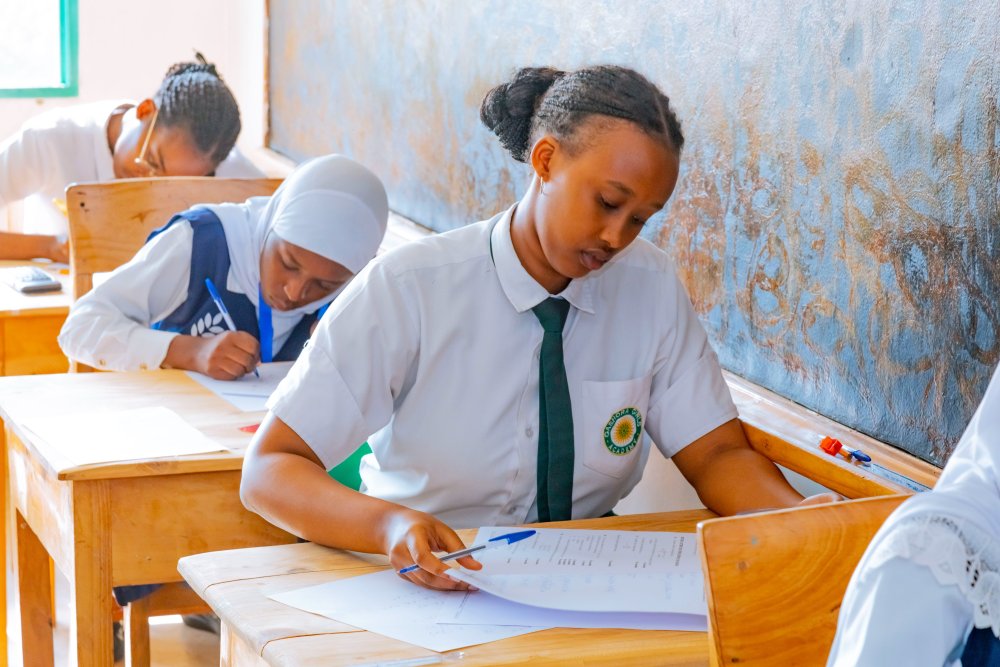
The national Senior Six examinations were held on July 15, 2026. Figures show that 108,722 candidates sat for the examinations at the upper secondary level.
Speaking during an interview with Rwanda Broadcasting Agency, RBA, on August 28, 2026, Dr Bahati said the results of students who completed Senior Six would be released soon.
'The processing of the results for students who completed secondary school is at an advanced stage, to the extent that we can say that within a few days, possibly within a week or a week and a half, we could have announced the results,' he said.
In Rwanda, once examination results are released, students who obtain grades that qualify them to pursue university studies can immediately proceed to university without having to wait for another year.
Last year, candidates who sat for the Senior Six national examinations recorded an overall pass rate of 89.1%. Boys recorded a pass rate of 93.5%, while girls recorded a pass rate of 85.5%.
Senior six examination results are expected to be released soon
The 41-year-old rapper was scheduled to perform at Golden 1 Center on Thursday, August 27, as part of his ongoing The Fall-Off World Tour.
However, the concert was canceled following the fatal accident involving a truck carrying equipment for the tour.
The crash occurred shortly after 6 a.m. on Interstate 5 in Yolo County, northwest of Woodland, California.
According to authorities, the big rig was traveling southbound when it moved onto the right shoulder and later overturned as the driver attempted to return to the roadway.
The driver, who was the only person inside the truck, died in the crash. The Yolo County Coroner's Office identified him as Jarlath Parkinson, 66, of Jackson, South Carolina.
The truck was transporting equipment used for J. Cole's tour. California Highway Patrol officials said the cause of the crash remains under investigation, with possible driver distraction or fatigue being considered.
Authorities said alcohol and drugs were not believed to have contributed to the crash.
Following the death, Golden 1 Center and Live Nation announced the cancellation of J. Cole's Sacramento performance.
'Our thoughts are with the crew member's family and loved ones during this incredibly difficult time,' the venue said in a statement.
Fans who purchased tickets through Ticketmaster are expected to receive automatic refunds, while those who bought tickets through other sellers have been advised to contact their original point of purchase.
The canceled performance was part of J. Cole's extensive The Fall-Off World Tour, which is scheduled to continue with shows in Oakland before moving to Southern California and other international destinations.
The tour is currently scheduled to conclude in Johannesburg, South Africa, in December.
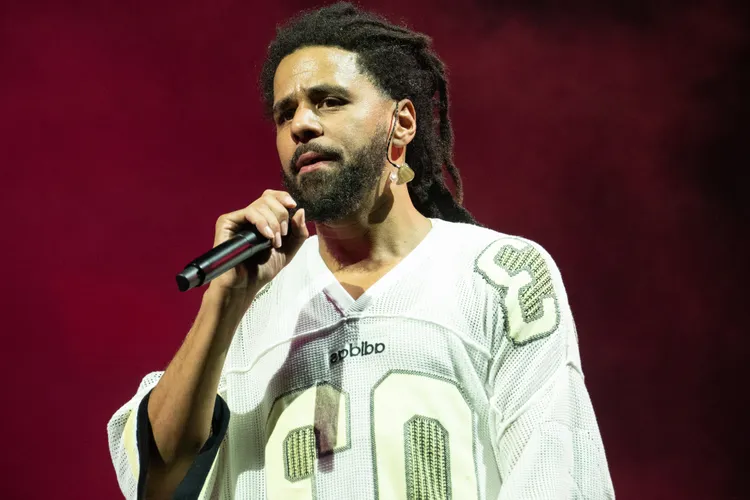
J. Cole canceled his Sacramento concert after a member of his touring crew died in a highway crash in California.
Researchers from the University of California, Santa Barbara, the Smithsonian's National Zoo and Conservation Biology Institute, and Yale University analysed GPS tracking data from 4,581 mammals and birds across the United States.
The study, published in the journal Science, combined animal tracking information with anonymised cellphone location data to examine how wildlife responds to people themselves, rather than only to the landscapes humans have changed.
Researchers compared animal movements during matching periods in 2019 and 2020, a period that provided a rare opportunity to study changes in human activity during COVID-19 lockdowns.
The analysis found that 57 percent of the species studied were affected by both human presence and changes to the landscape.
Human presence was linked to changes in the amount of territory animals used or the size of their environmental niche for 67 percent of mammal species and 68 percent of bird species.
The researchers also found that wildlife responses varied greatly between species.
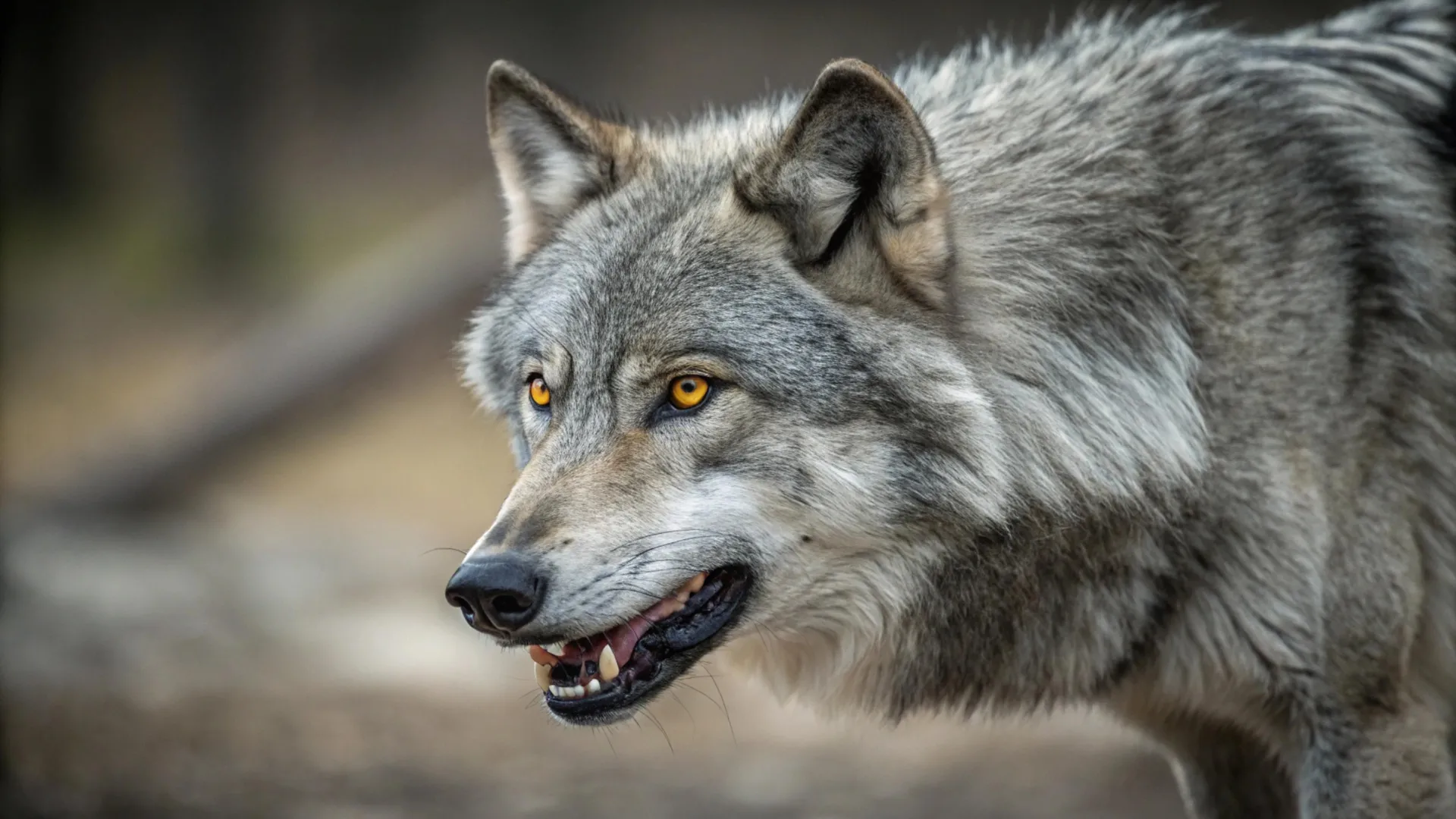
For example, wolves expanded their habitat use in response to human presence, while white-tailed deer reduced their environmental niches as human presence increased. Sandhill cranes showed an opposite pattern to deer.
The effects were particularly noticeable in areas with relatively little development, including national parks.
This suggests that even when landscapes remain largely natural, the presence of people can influence how animals use available habitats.
Researchers said the findings show that conservation efforts should not focus only on protecting natural landscapes from roads, cities and other forms of development.
Understanding where and when people are present could also be important for protecting wildlife.
Ruth Oliver, an assistant professor at UCSB's Bren School of Environmental Science and Management and co-lead author of the study, said the findings highlight the need for conservation strategies that take into account the specific needs and behaviours of individual species.
The research was part of the COVID-19 Bio-Logging Initiative, an international collaboration that used the unusual reduction and changes in human activity during the pandemic to study how wildlife responded.
The wider initiative brought together about 600 partners and collected one billion location records from roughly 13,000 animals.
Researchers are now investigating whether changes in animal behaviour caused by human activity and environmental changes help wildlife adapt or instead indicate increased stress and a greater risk of death.
The scientists say the findings could help conservationists develop more targeted policies that identify when and where wildlife needs greater protection from human activity.
Researchers have found that human presence can significantly change how wildlife uses habitats and moves through natural environments.
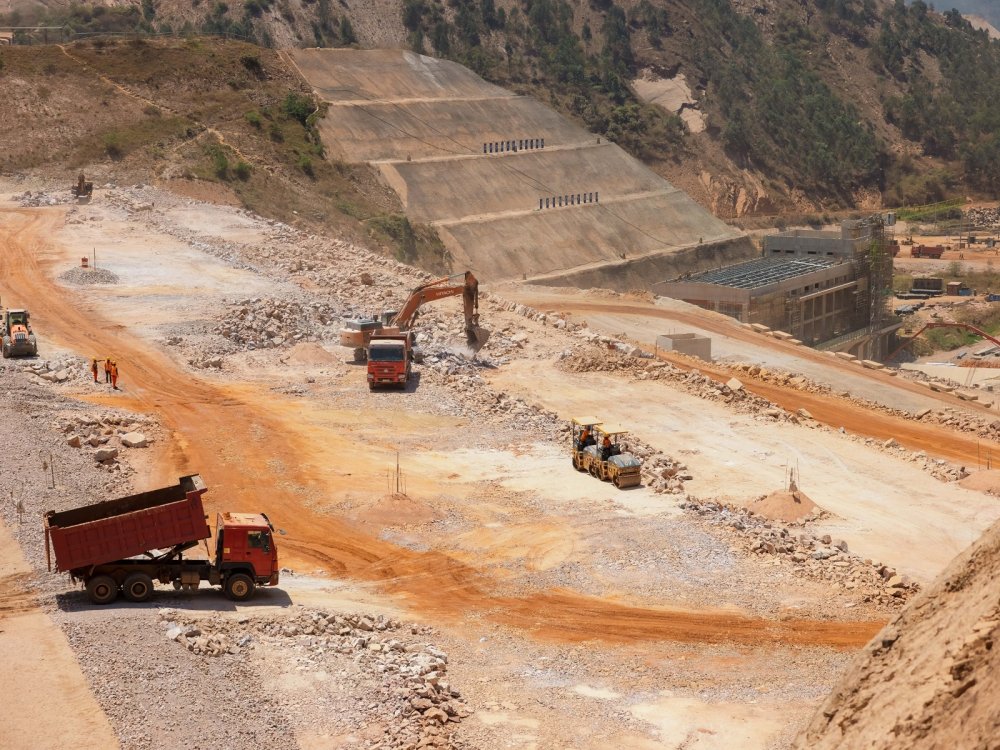
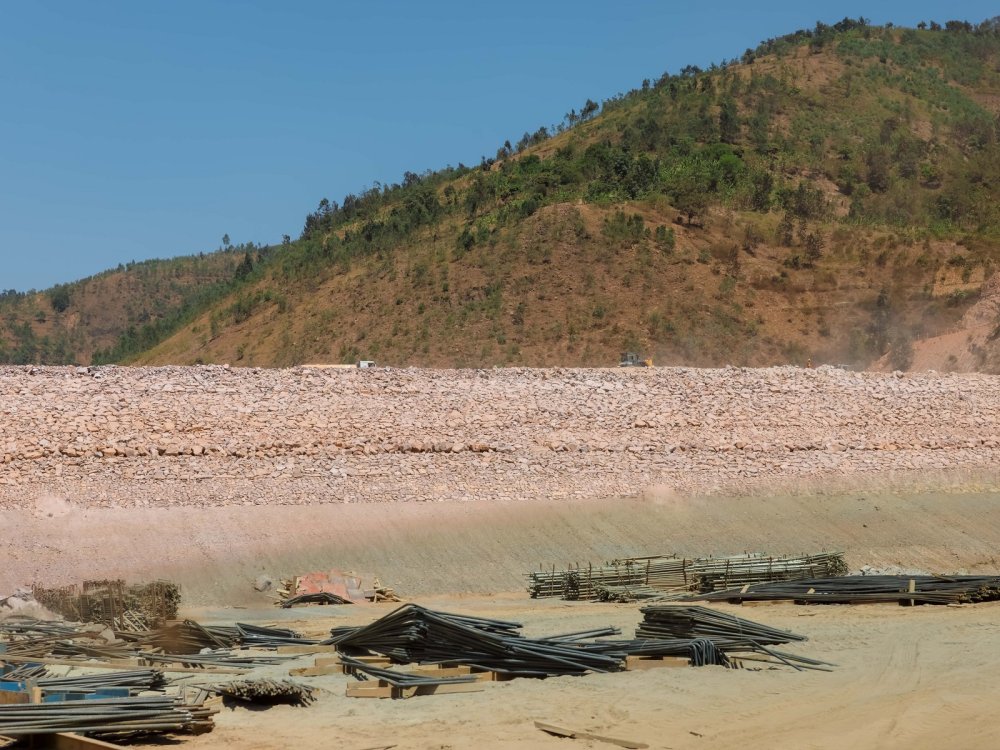
The Rwanda Energy Group (REG) said construction is progressing well, with work being accelerated to ensure the dam starts generating electricity as scheduled.
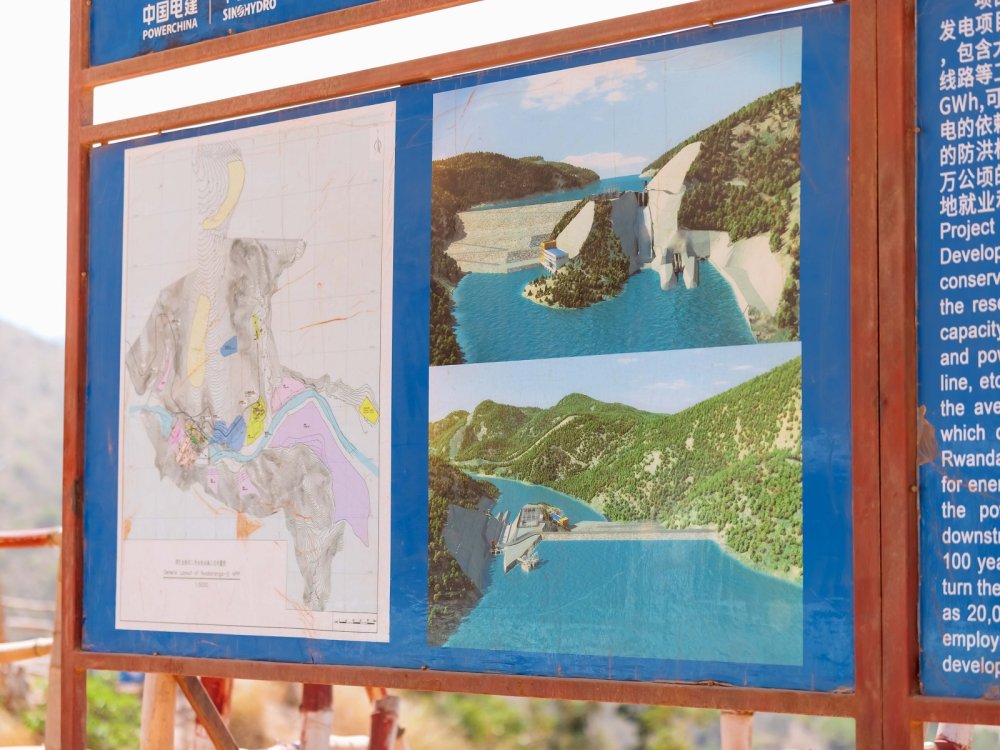
Once completed, Nyabarongo II will generate 43.5 megawatts (MW) of electricity, making it one of Rwanda's major energy infrastructure projects.
The project will also create a 68-kilometre-long artificial lake with a storage capacity of 800 million cubic metres of water.
Beyond power generation, the reservoir is expected to support irrigation, flood control, water supply and water transport linking Rwanda's Northern Province with Kigali.
Water from the project will benefit five districts: Kamonyi, Muhanga, Gakenke, Nyabihu and Ngororero, where it is expected to support various development activities.
REG said tourism and other economic activities are also planned around the lake, creating additional opportunities for communities living in the surrounding areas.
Nyabarongo II is expected to boost Rwanda's electricity generation capacity and support the country's efforts to expand access to reliable energy for economic development.
The project has been allocated Rwf149.81 billion.
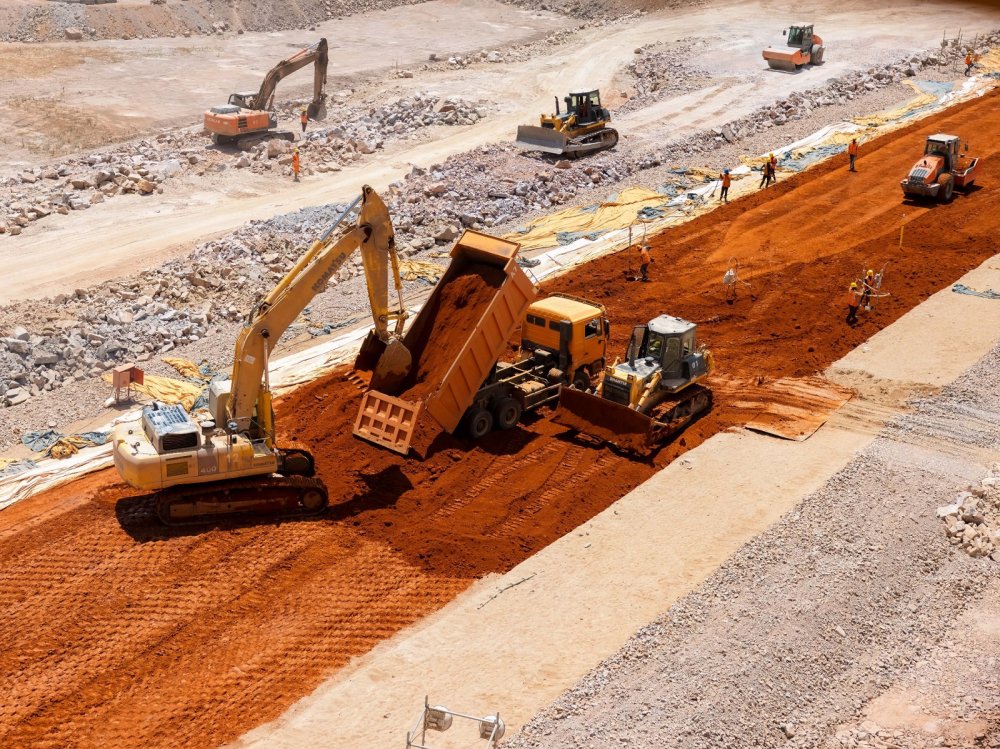
The Rwanda Energy Group (REG) said construction is progressing well, with work being accelerated to ensure the dam starts generating electricity as scheduled.The dam is expected to create a 68-square-kilometre artificial lake once it is fully filled.The project has a total budget of Rwf149.81 billion.
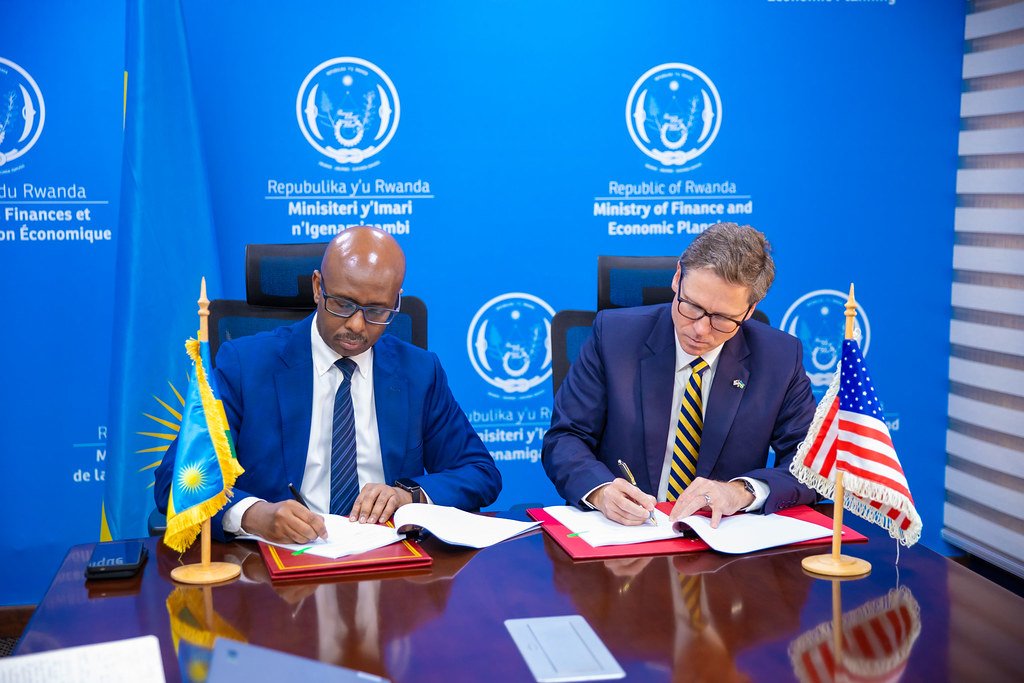
The Ministry of Finance and Economic Planning announced the development on Friday, saying the new agreement, signed by Yusuf Murangwa and U.S. representatives, provides a framework for advancing cooperation and supporting Rwanda's health sector priorities.
'Building on the five-year Health Cooperation MoU signed between Rwanda and the United States in December 2025, the two countries have signed a Strategic Objective Agreement (SOAG) to translate their shared commitments into action,' the ministry said in a post on X.
The SOAG builds on a $228 million bilateral health cooperation agreement under the US administration's America First Global Health Strategy. The partnership provides for up to $158 million in US support over five years, while Rwanda committed $70 million from its domestic health budget.
The broader agreement focuses on strengthening Rwanda's health system, combating HIV/AIDS, malaria and other infectious diseases, and improving disease surveillance and outbreak response.
It also places emphasis on greater national ownership of healthcare delivery and a gradual shift toward Rwanda assuming increased responsibility for financing and managing key health programmes.
Under the partnership, Rwanda is expected to take full control of its HIV/AIDS response by the fourth year, as US financial support declines.
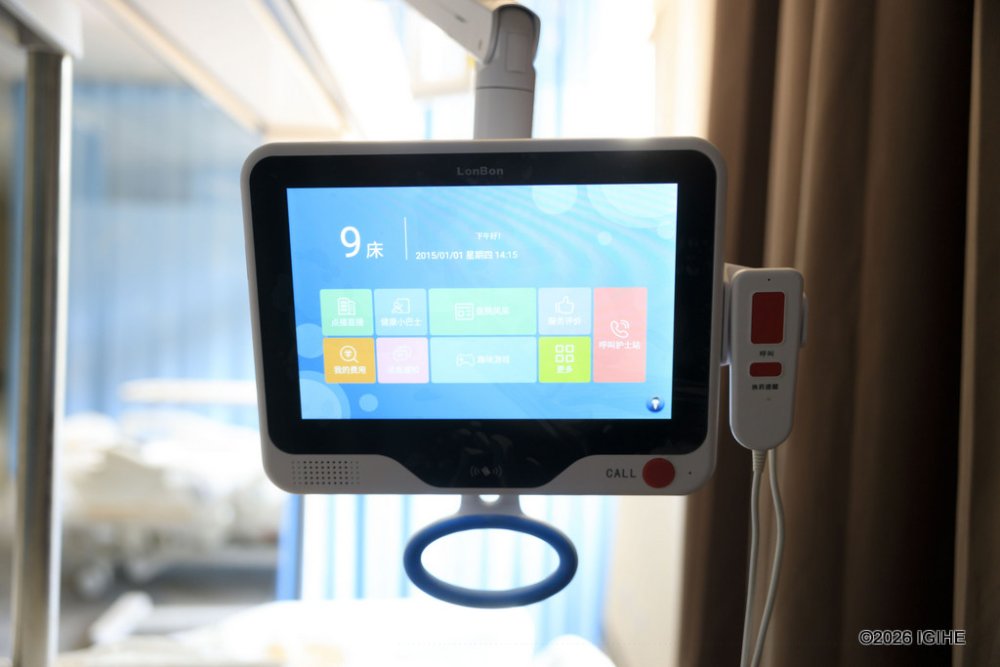
The cooperation also includes investments in health infrastructure, next-generation HIV treatments and the use of artificial intelligence in healthcare.
The December 2025 agreement further provided for initiatives involving US companies, including support for advanced medical delivery infrastructure through Zipline and disease outbreak surveillance through Ginkgo Bioworks.
The signing of the SOAG marks a further step in implementing the commitments made under the five-year partnership and provides an operational framework for advancing the two countries' health cooperation.
The new agreement, signed by Yusuf Murangwa and U.S. representatives, provides a framework for advancing cooperation and supporting Rwanda's health sector priorities.
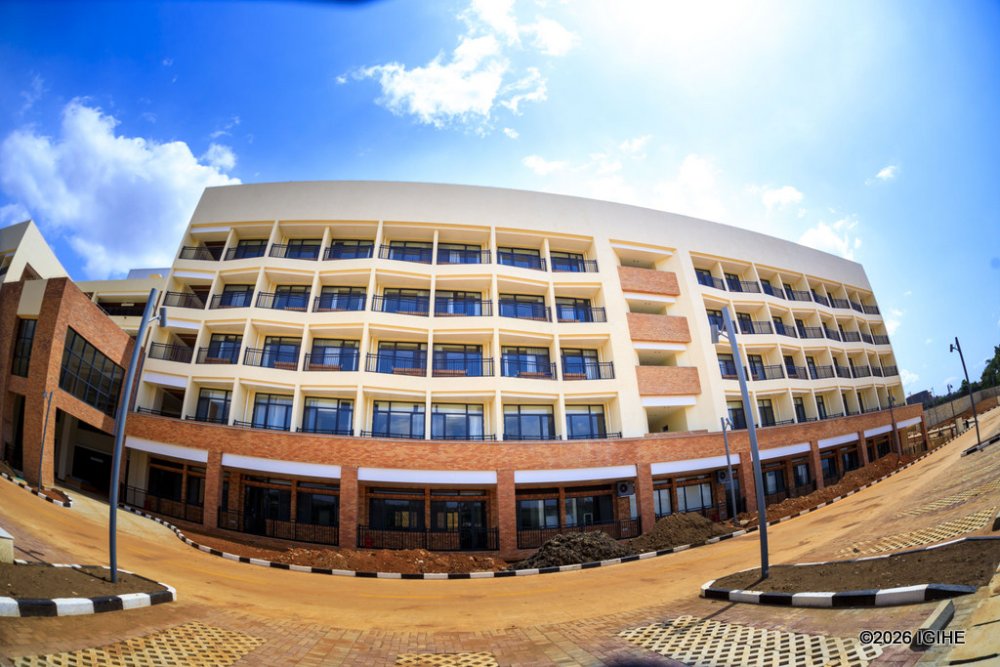
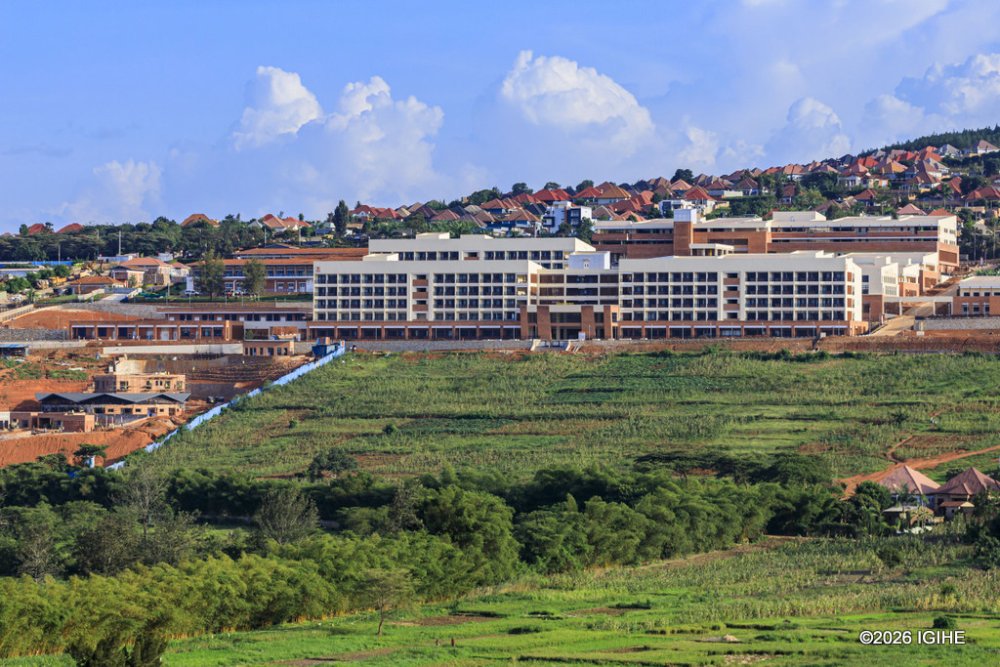
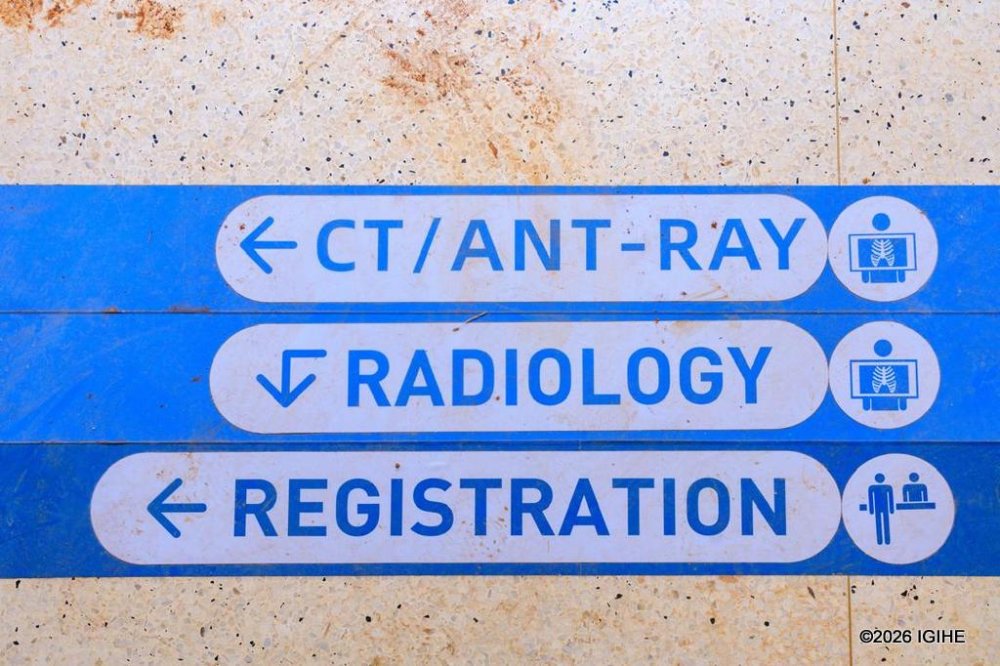
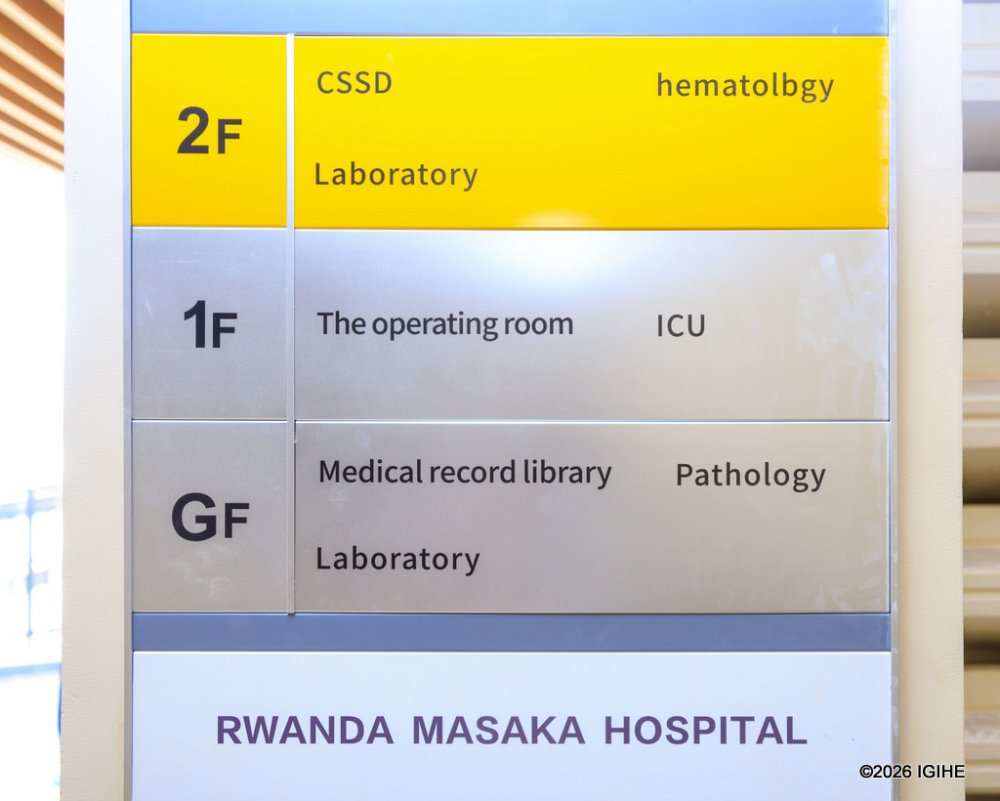
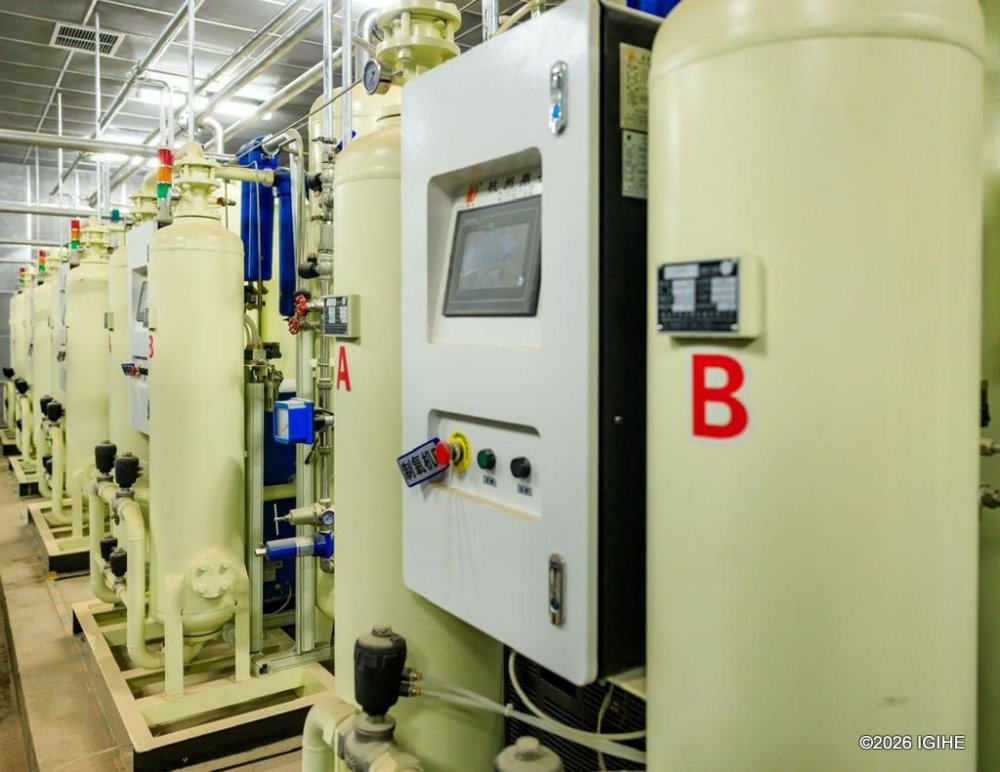
The handover ceremony held on August 28, 2026, followed the completion of the China-aided Masaka Hospital Renovation and Expansion Project, which has transformed the facility into one of the largest comprehensive teaching hospitals in Rwanda and the region.
The expanded hospital, located in Kicukiro District, will become the new home of the University Teaching Hospital of Kigali (CHUK), which is expected to relocate to Masaka by the end of 2026.
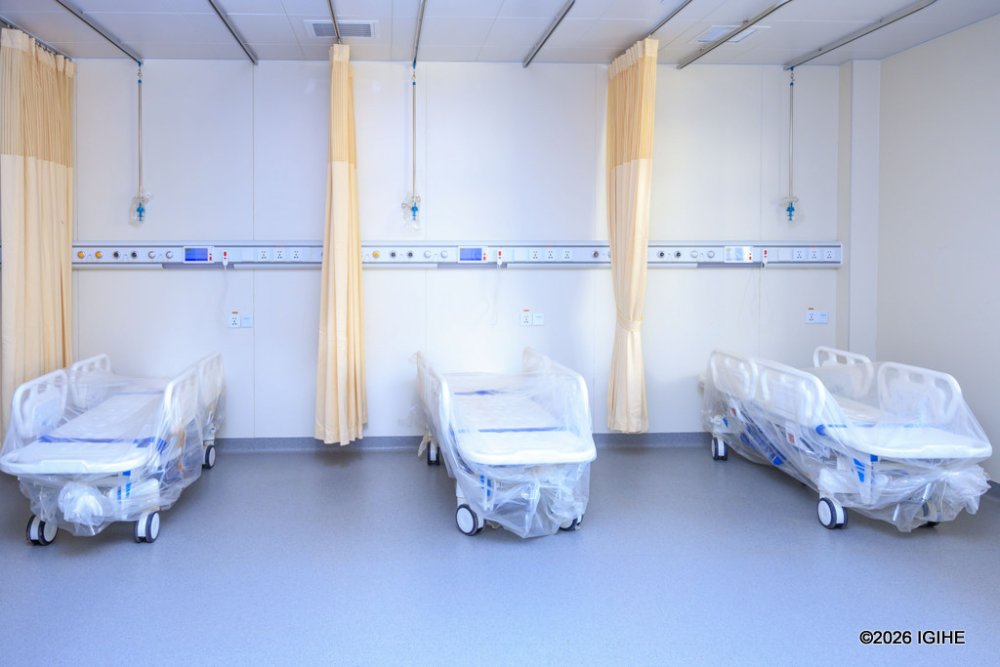
Rwanda's Minister of Health, Dr. Sabin Nsanzimana, described the facility as the largest hospital in Rwanda in terms of capacity, saying the new building has more than 700 beds and, together with the existing Masaka District Hospital next door, brings the total capacity to more than 800 beds.
'This hospital is the largest in Rwanda. It's the largest because the one we had in Rwanda with the highest number of bed capacity had 500,' Dr. Nsanzimana said during the handover ceremony.
He said the significance of the project goes beyond the size of the building, with the services planned for the facility expected to provide high-level medical care to patients from Rwanda and beyond.
'So if you look at the region, it's also among the largest hospitals. And not only the building, but also the services that will be provided in this hospital plan to be at the high level for national, but also for international medical care,' he said.
The minister said Rwanda expects the new facility to develop into a medical hub serving Africa and beyond, building on the longstanding partnership between Rwanda and China.
'We expect this to be a hub for medicine in Africa and beyond, through the friendship and partnership in Rwanda and China,' Dr. Nsanzimana said.
From 127 to 837 beds
The scale of the transformation is reflected in the expansion of the hospital's infrastructure. The hospital's floor area has increased from about 6,389 square metres to 56,957 square metres, while the number of beds has risen from 127 to 837.
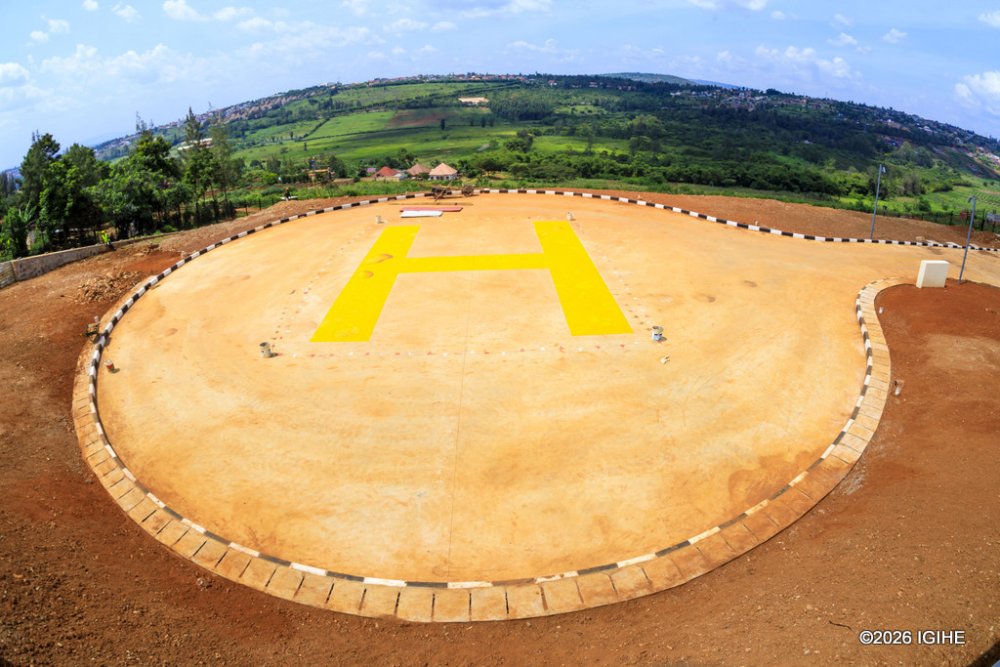
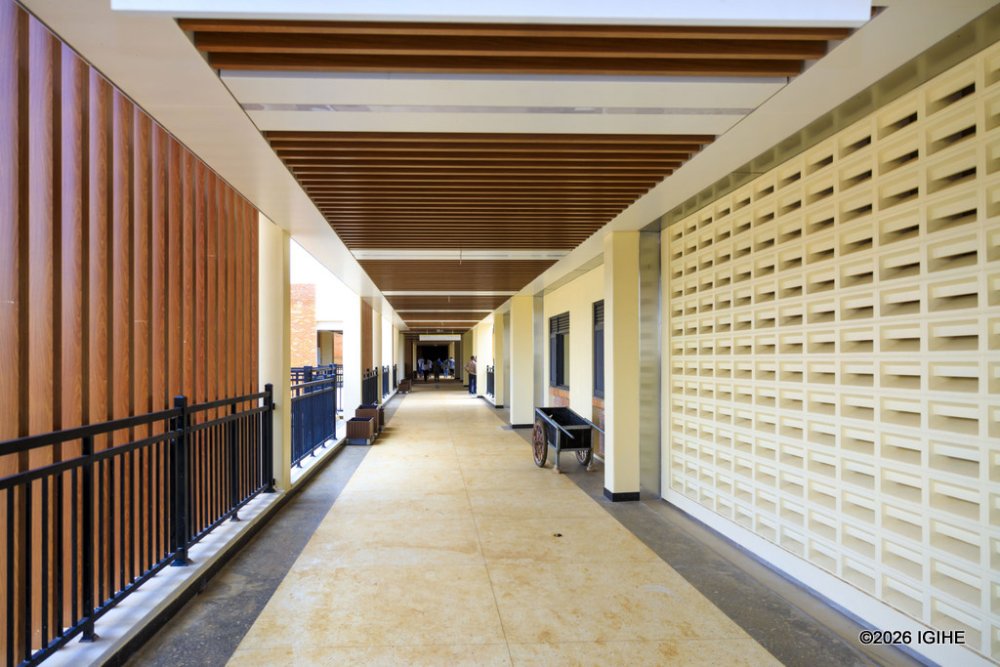
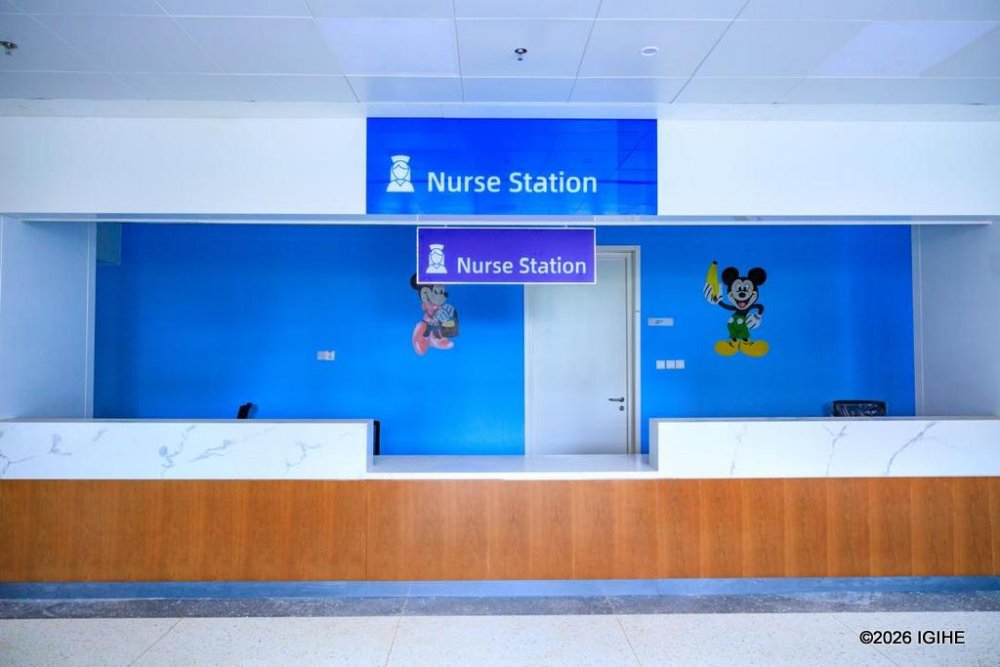
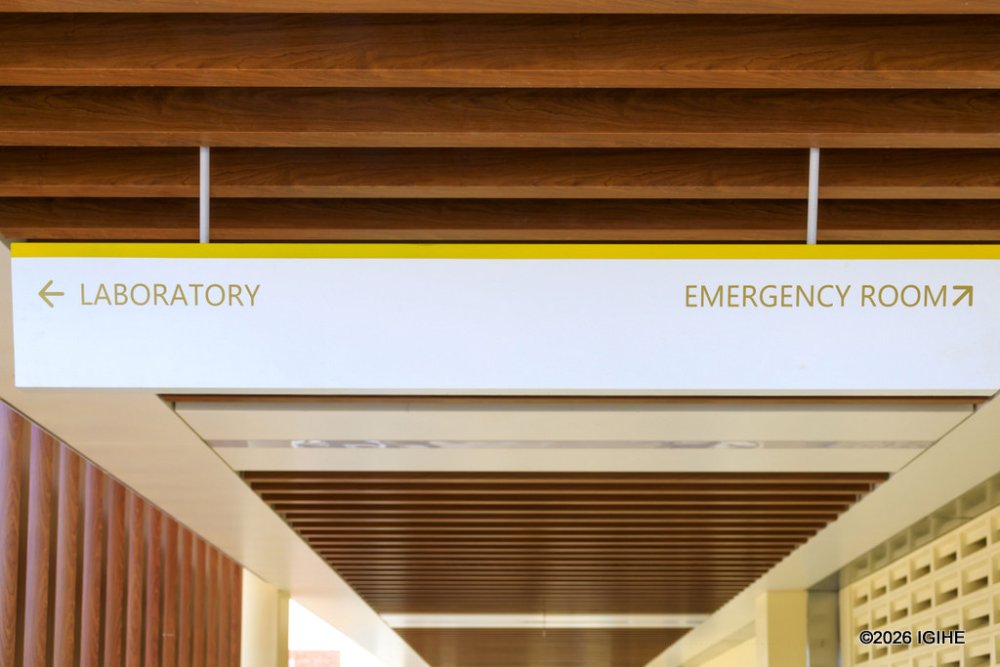
The facility has 22 operating theatres and a planned daily outpatient capacity of 2,000 visits. It comprises 13 buildings, including an outpatient and emergency building, a medical technology building, inpatient wards and an administrative building. The project also includes a helicopter pad.
A connecting corridor system was designed to respond to the complex terrain around the hospital, where the height difference reaches up to 32 metres, making movement between different sections of the facility easier for patients and medical personnel.
The project was designed by IPPR International Engineering and undertaken by Shanghai Construction Group Co. Ltd. Construction began in July 2022, with the project's groundbreaking ceremony held on March 30, 2023.
The project cost 580 million Chinese yuan, equivalent to more than Rwf124 billion, and is the largest grant aid project undertaken by the Chinese government in Rwanda so far.
Chinese Ambassador to Rwanda Gao Wenqi said the transformation represented a historic development for a hospital that has been closely associated with the two countries' relationship for more than a decade.
'Masaka Hospital stands as both a witness and participant to China-Rwanda friendship,' Amb. Gao said.
The original Masaka Hospital was built with support from the Chinese government and officially opened in 2011, with a floor area of 6,398 square metres and 127 beds, providing basic medical services to people in surrounding areas.
In 2018, during Chinese President Xi Jinping's state visit to Rwanda, Xi and President Paul Kagame witnessed the exchange of notes on the expansion and renovation project.
Amb. Gao said the project therefore reflected the continued attention given to the partnership by the leadership of both countries.
'The successful completion of this renovation and expansion project marks a comprehensive and historical transformation of the hospital, ushering in a new era of development in both its facilities and service capabilities,' he said.
New home for CHUK
The expanded Masaka facility is expected to play a central role in the reorganisation of tertiary healthcare services in Kigali.
The Ministry of Health recently announced that CHUK would move to the new facility by the end of 2026. Its current premises in central Kigali will, however, continue providing critical emergency services.
Speaking at the handover, Dr. Nsanzimana said preparations were already underway to ensure a smooth transition and allow services to begin at the new facility as soon as possible.
'After the building is officially received today, there's work being done to see the services starting as soon as possible with CHUK moving in here,' he said.
He said the government was working with CHUK leadership and other government teams to make the transition smooth.
'I can't wait to see patients coming in, in a few weeks,' Dr. Dr. Nsanzimana said, noting that steps were already being taken to prepare the facility for use.
The minister also highlighted the potential for the hospital to become a centre for medical research and technology.
He said discussions with Ambassador Gao had included the possibility of doctors in Rwanda working remotely with specialists in China, including through technology that could allow medical professionals in different countries to participate in procedures.
'That is how you can connect people even remotely with technology. That is what we are working on,' he said.
Building on decades of medical cooperation
The handover also builds on a longstanding China-Rwanda partnership in healthcare following the establishment of diplomatic relations between Rwanda and China dating back to 1971.
So far, China has dispatched 26 batches of medical teams, comprising 343 medical personnel, to Rwanda. The teams have provided medical services at Masaka Hospital and Kibungo Hospital, cumulatively treating more than 720,000 patients and performing more than 40,000 surgeries.
In September 2023, the Rwanda Traditional Chinese Medicine Acupuncture and Moxibustion Center was established at Masaka Hospital, while a Traditional Chinese Medicine consultation room was set up at Kibungo Hospital in 2026.
The 26th Chinese medical team is currently working at both facilities. Amb. Gao said China intends to build on this cooperation by using the new Masaka Hospital as a platform for deeper collaboration in healthcare.
He outlined three areas of future cooperation: establishing a collaborative medical centre, strengthening medical talent development and expanding technology-driven cooperation, adding that the two countries would work to develop the hospital into a regional centre of medical excellence.
Amb. Gao also pledged continued support for training Rwandan medical and public health professionals through long-term expert support, training programmes and clinical mentorship.
The expanded Masaka Hospital comprises 13 buildings, including outpatient and emergency facilities, inpatient wards and medical technology facilities.The expanded Masaka Hospital includes a helicopter pad as part of its upgraded facilities.The new Masaka Hospital is equipped with 22 operating theatres and has a planned daily outpatient capacity of 2,000 visits.The expanded Masaka Hospital has a total floor area of 56,957 square metres, up from 6,389 square metres.The expanded Masaka Hospital has increased its bed capacity from 127 to 837 following the renovation and expansion project.The expanded Masaka Hospital is expected to strengthen Rwanda's capacity to provide high-level medical care to patients from Rwanda and beyond.
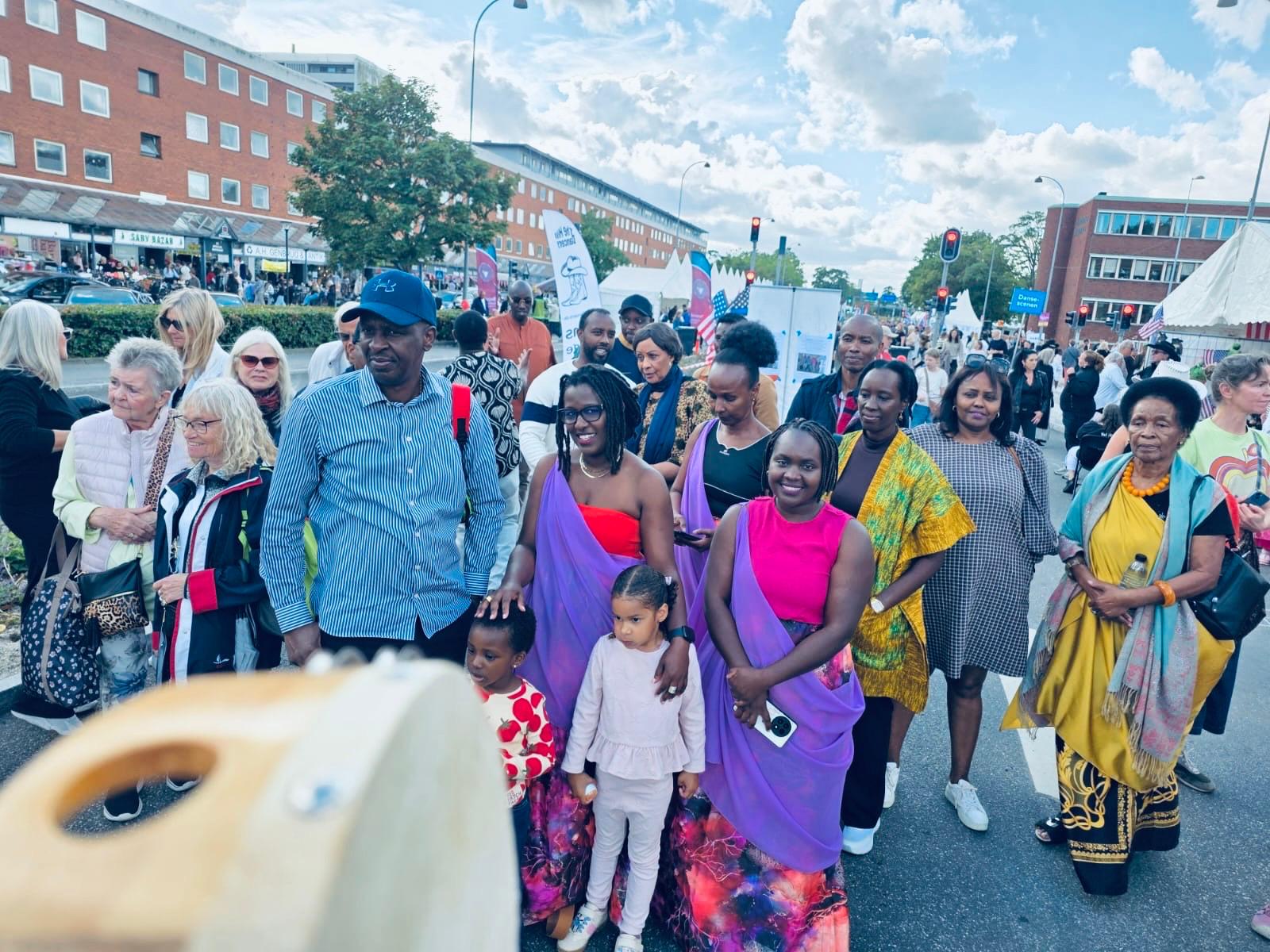
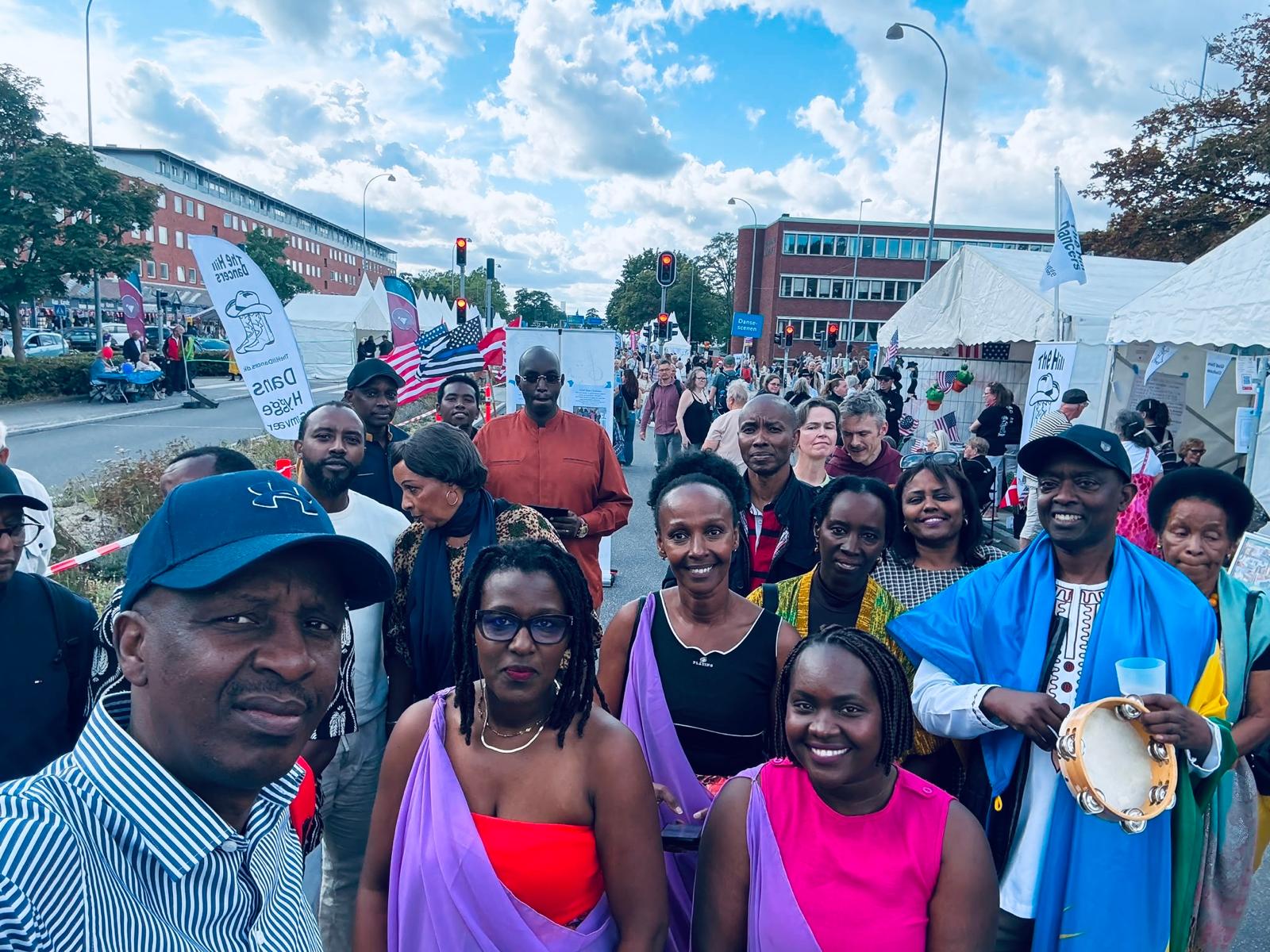
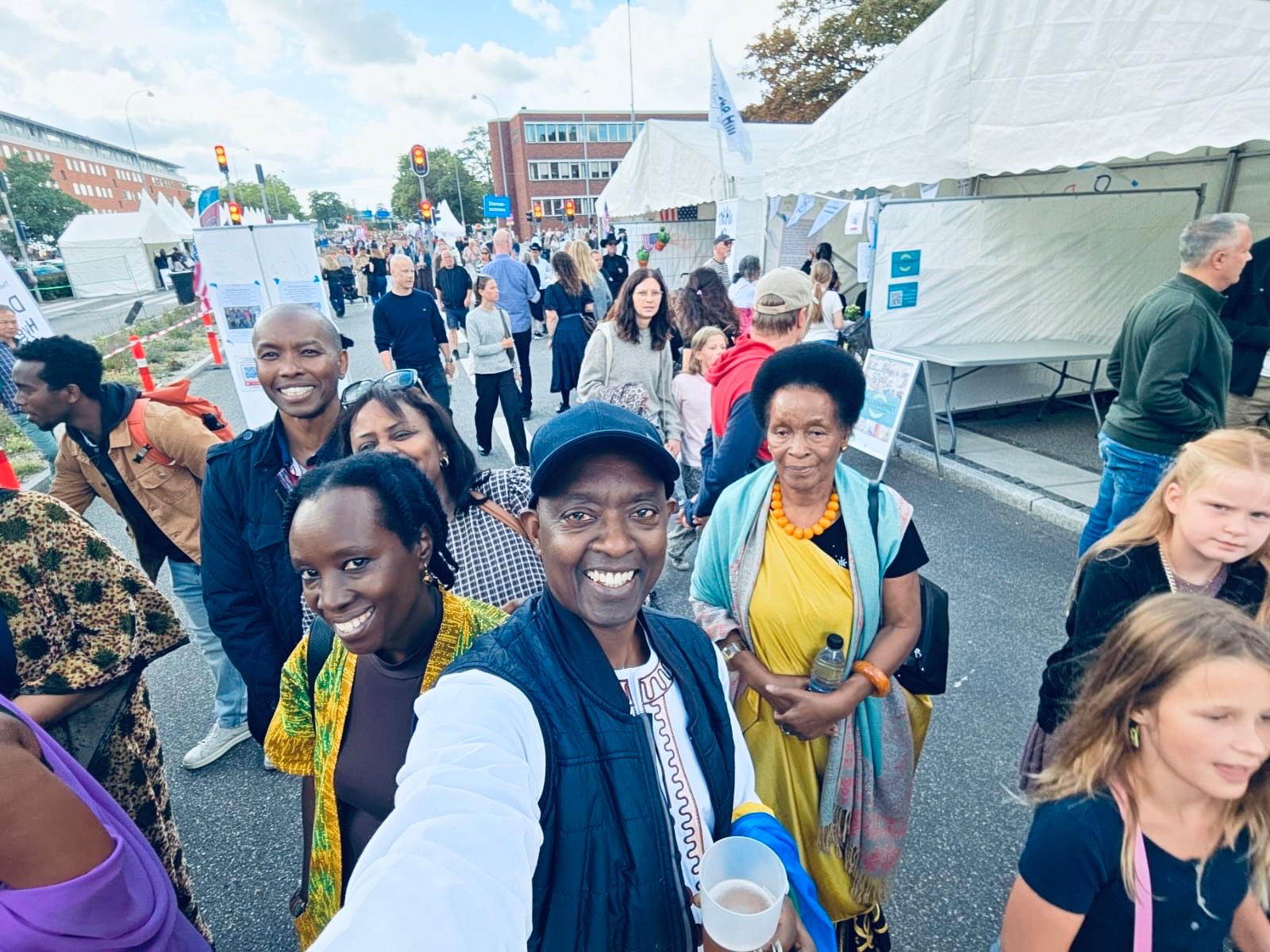
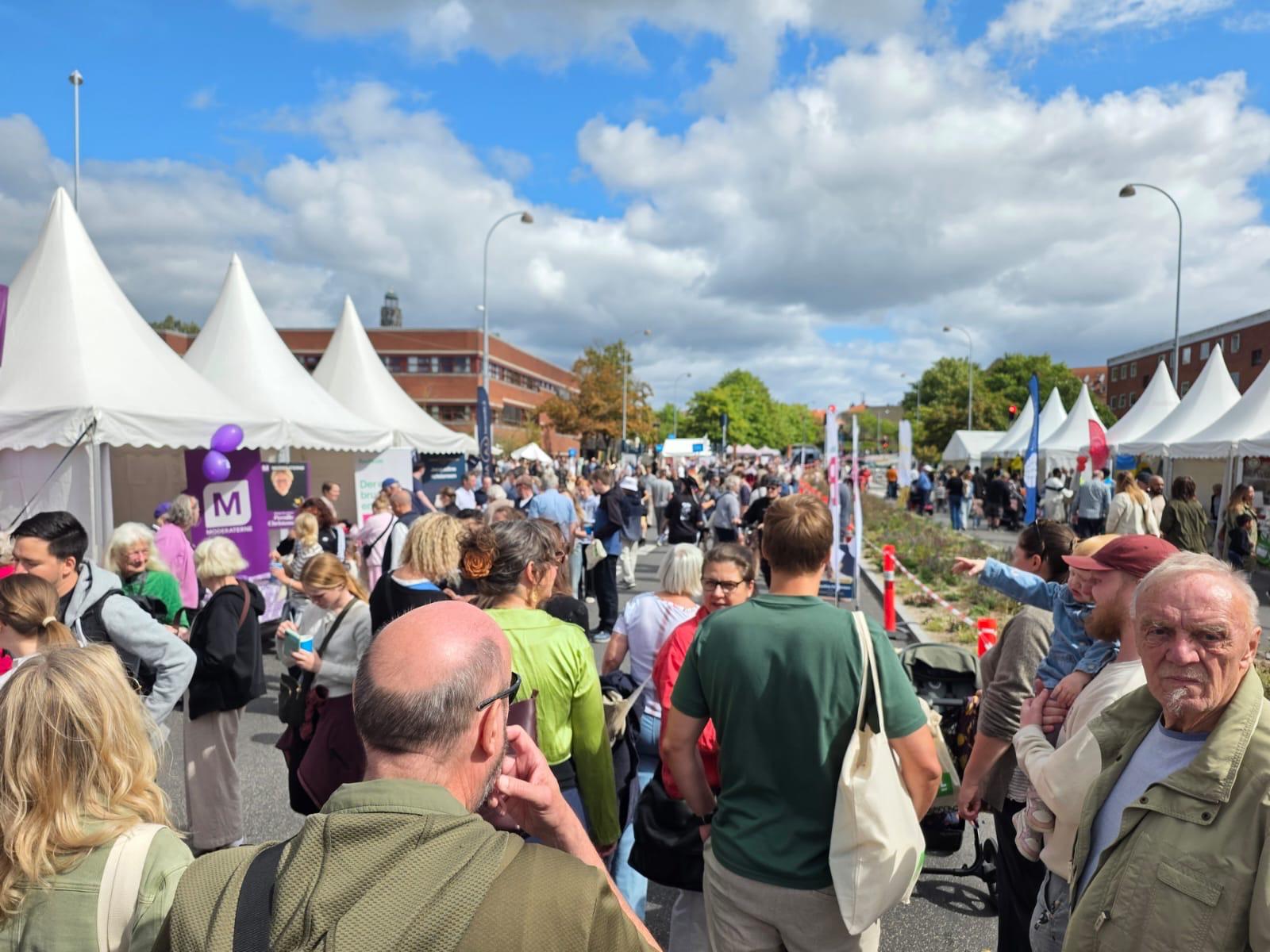
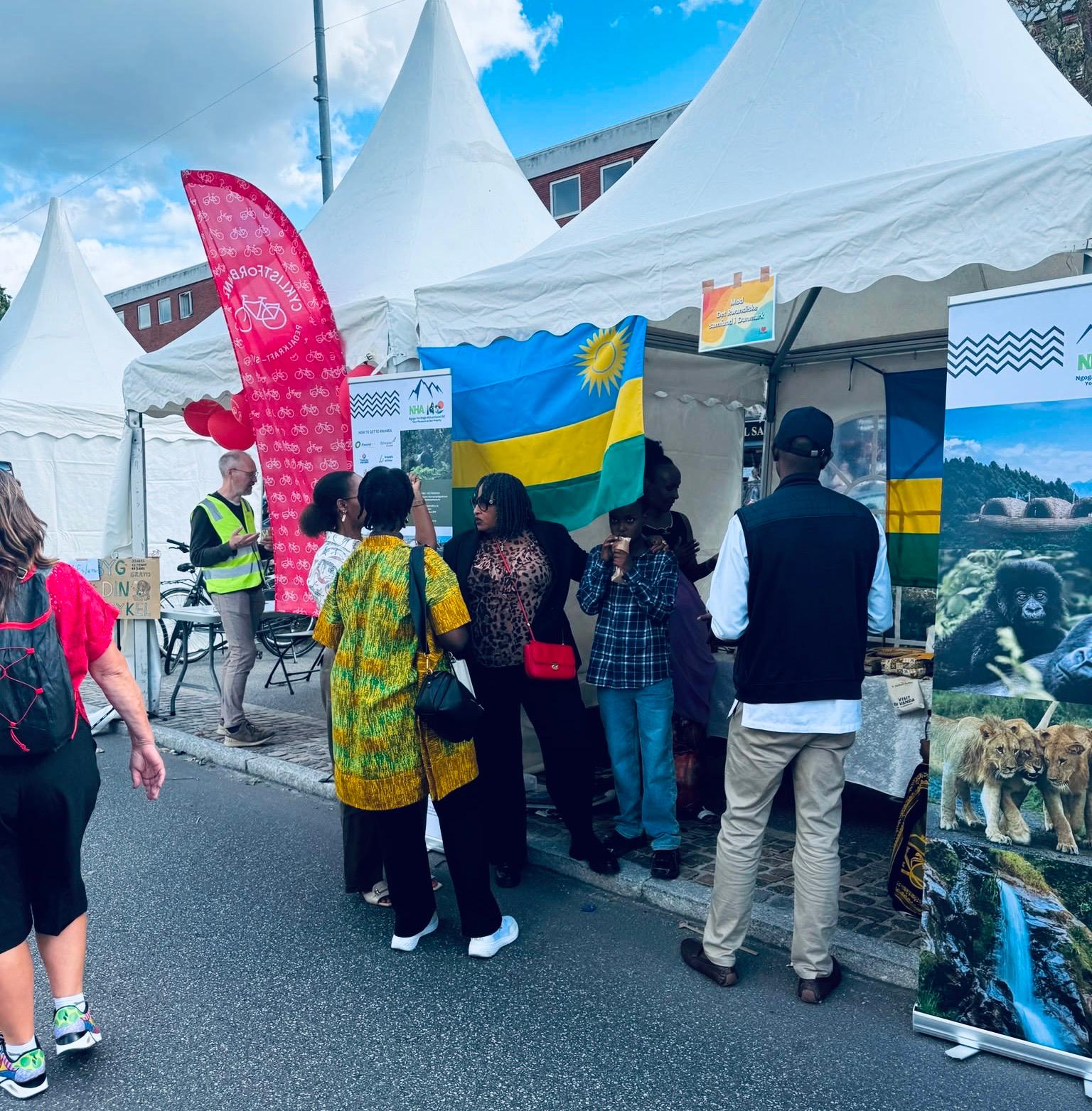
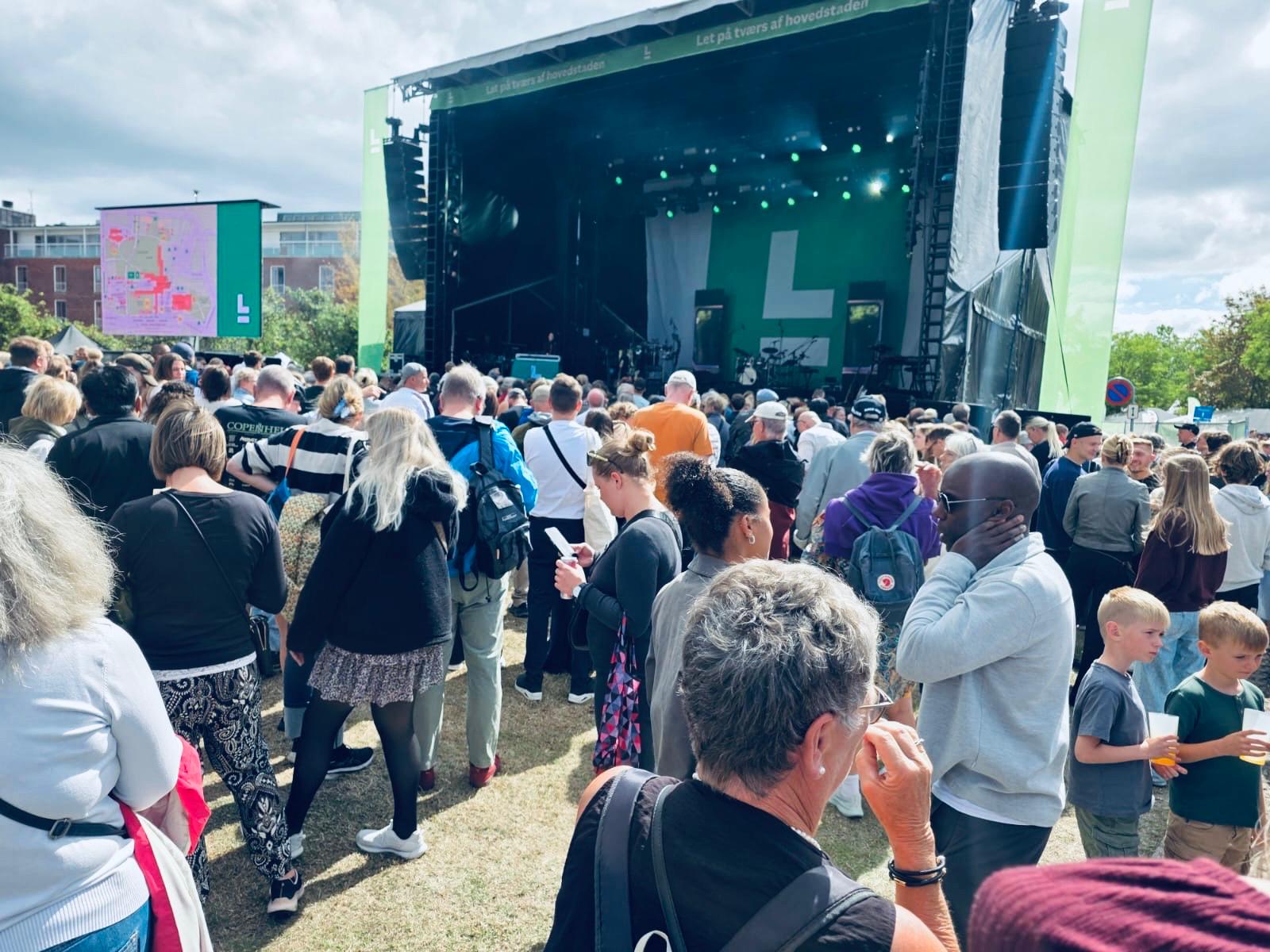
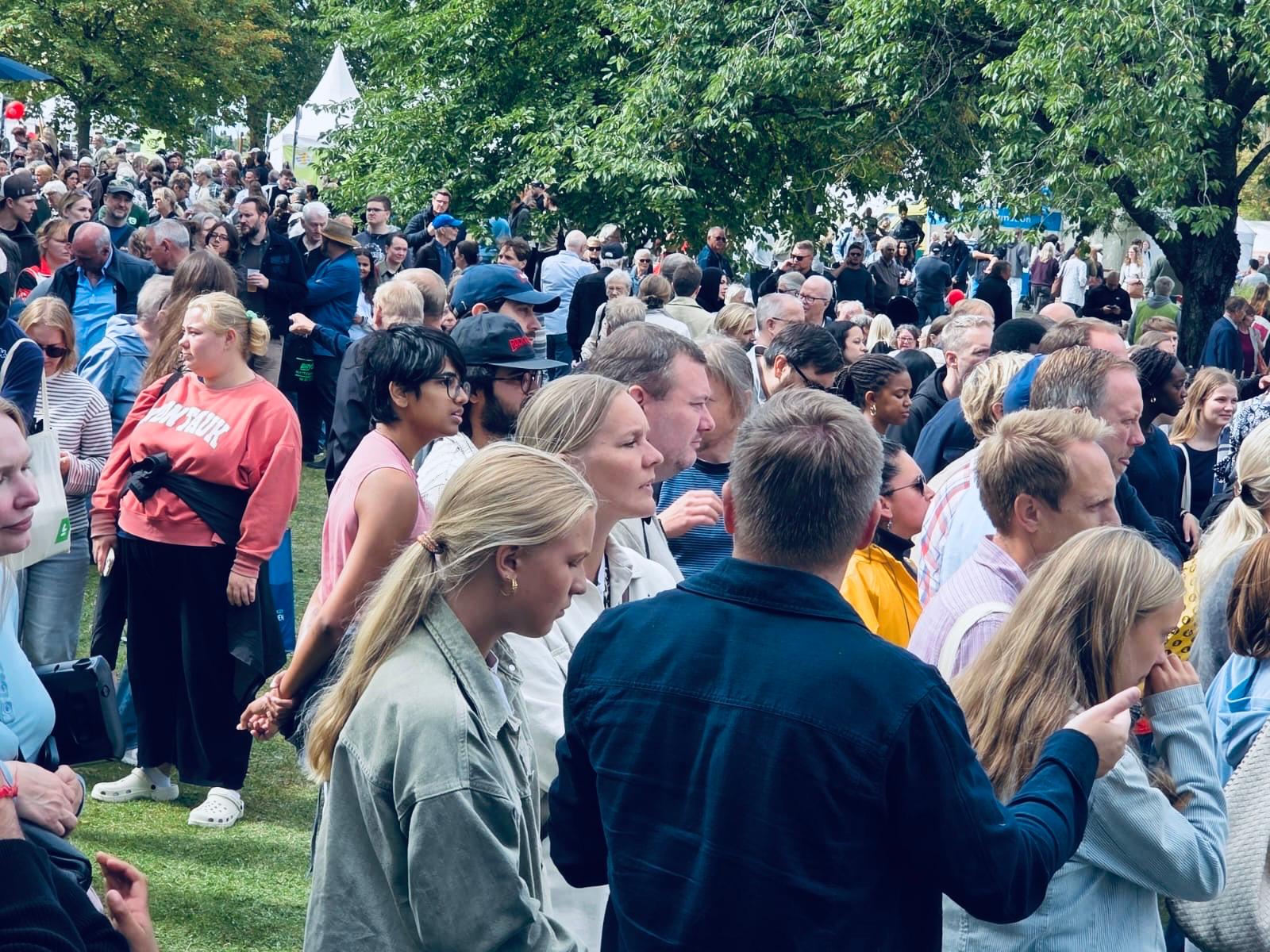
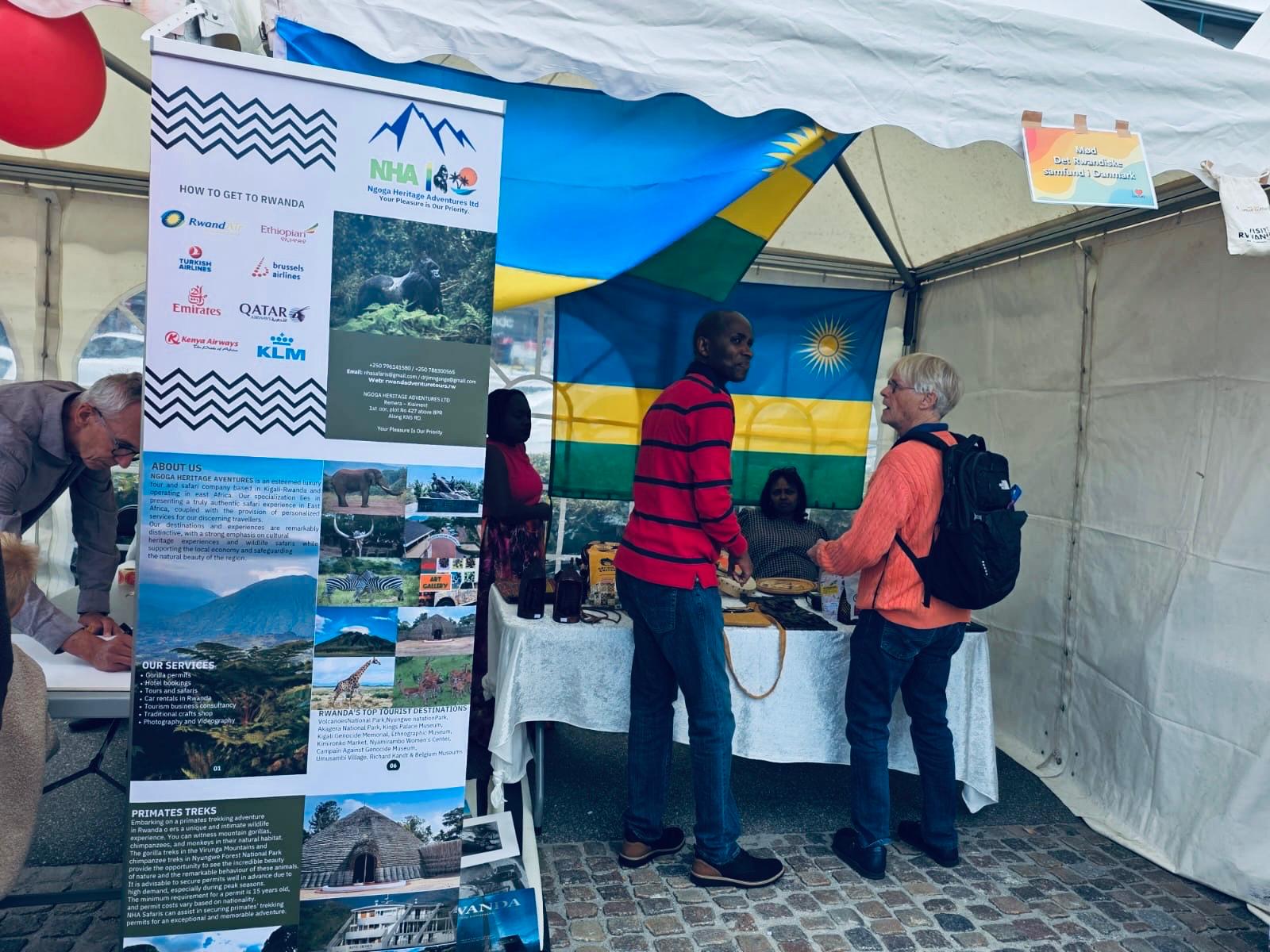
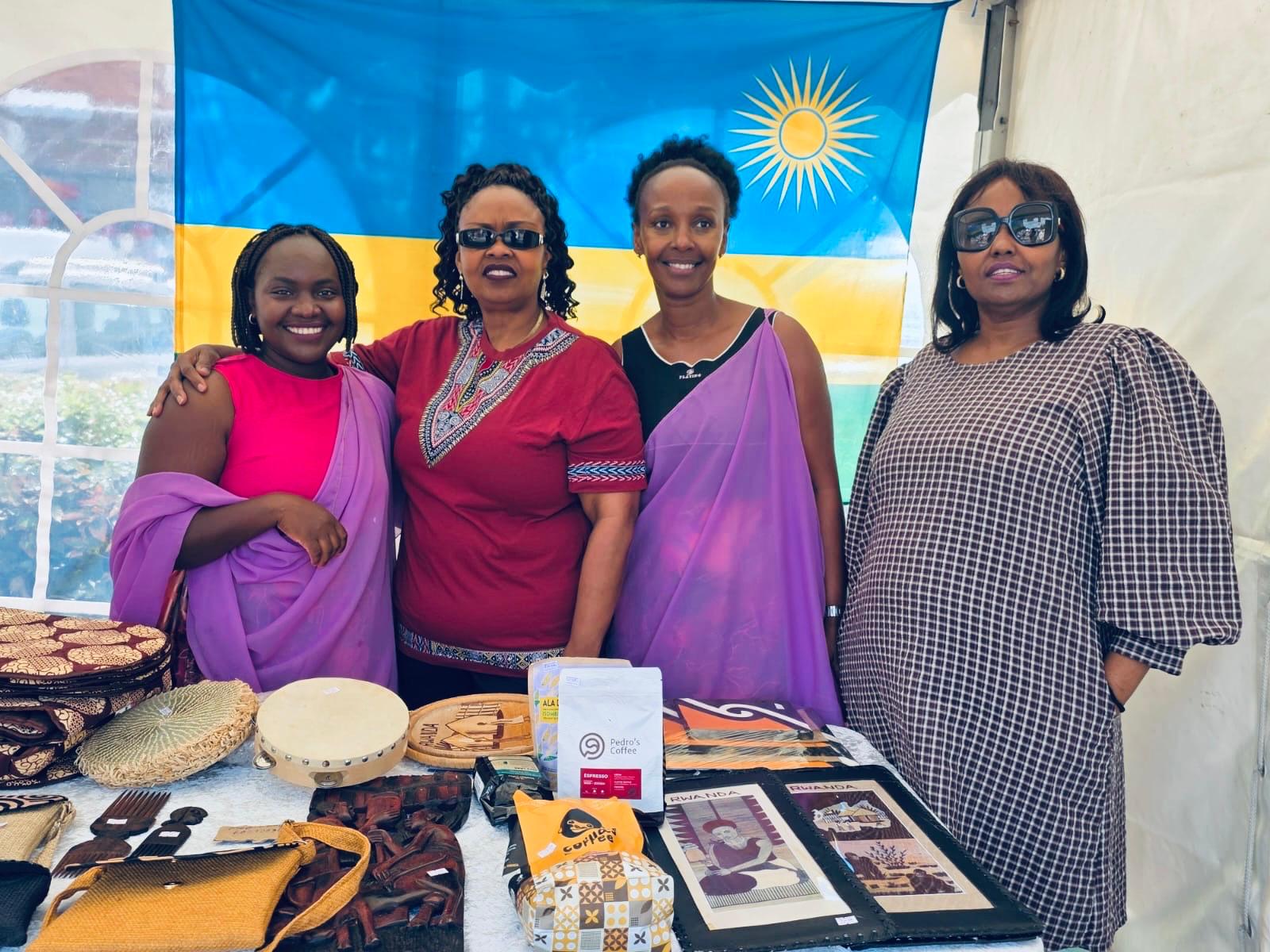
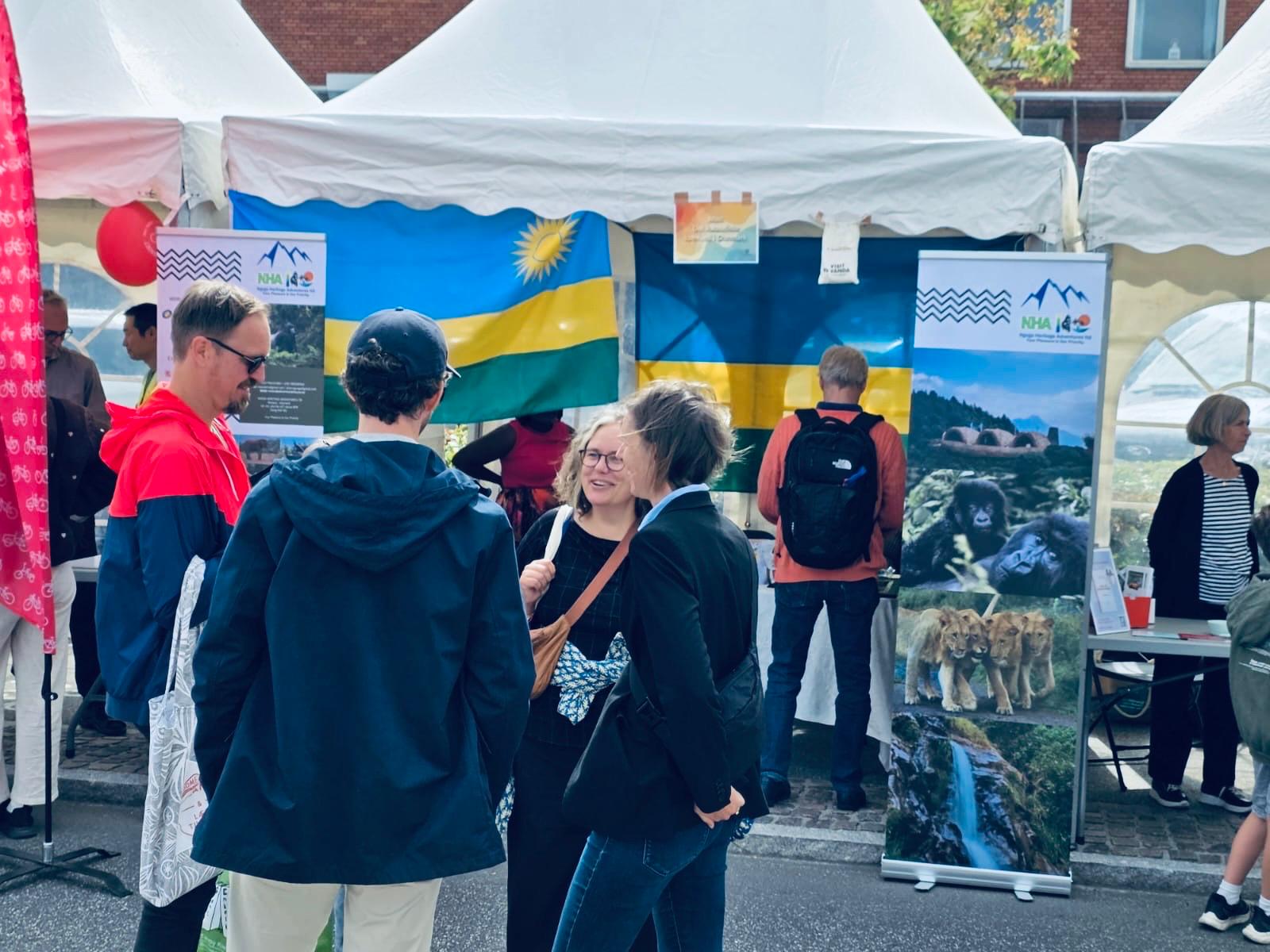
Held in the Greater Copenhagen area, the annual festival brought together residents, political representatives, associations, businesses and people from diverse cultural backgrounds, providing the Rwandan community with an opportunity to share the country's heritage and strengthen cultural ties with the local community.
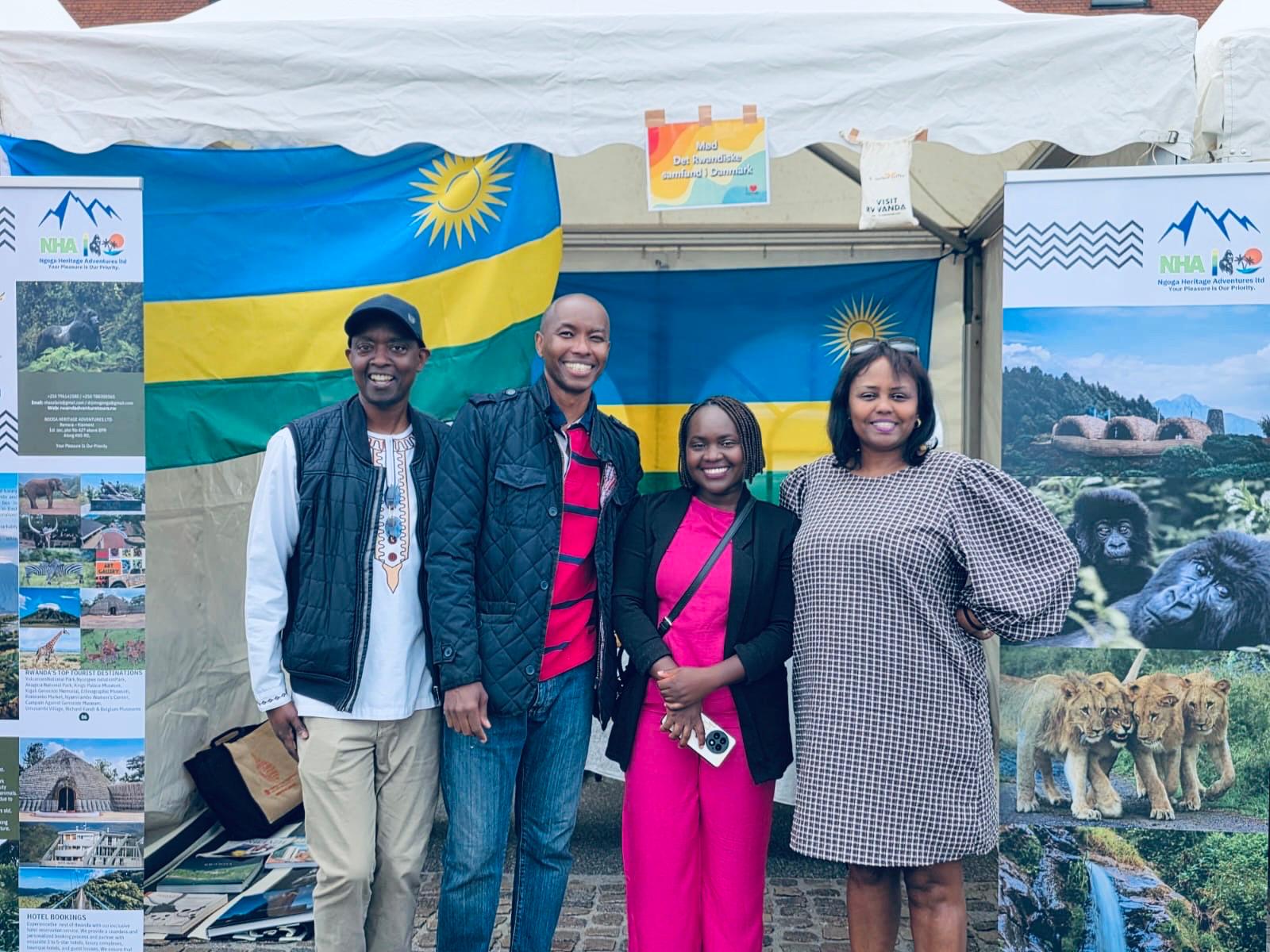
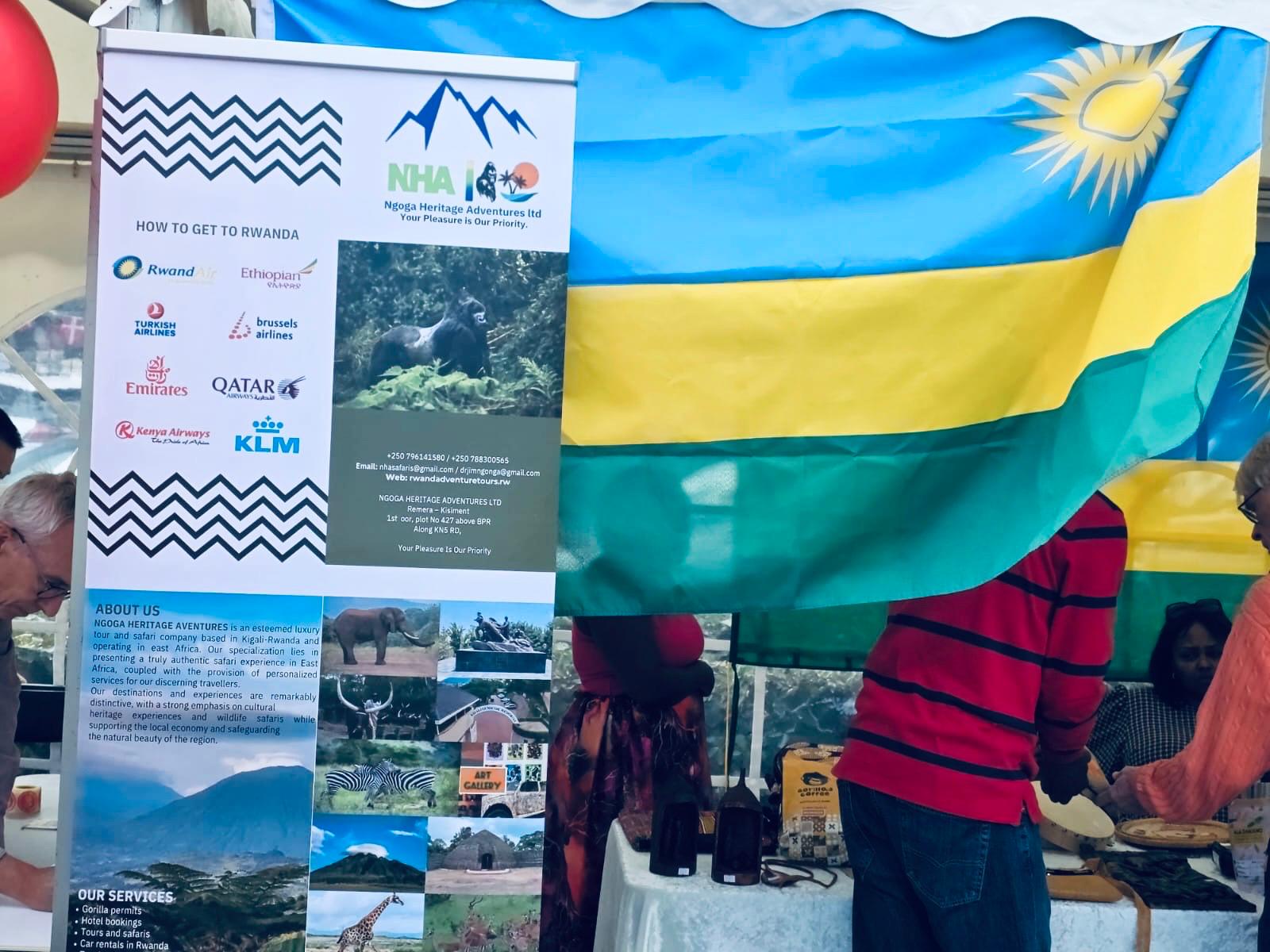
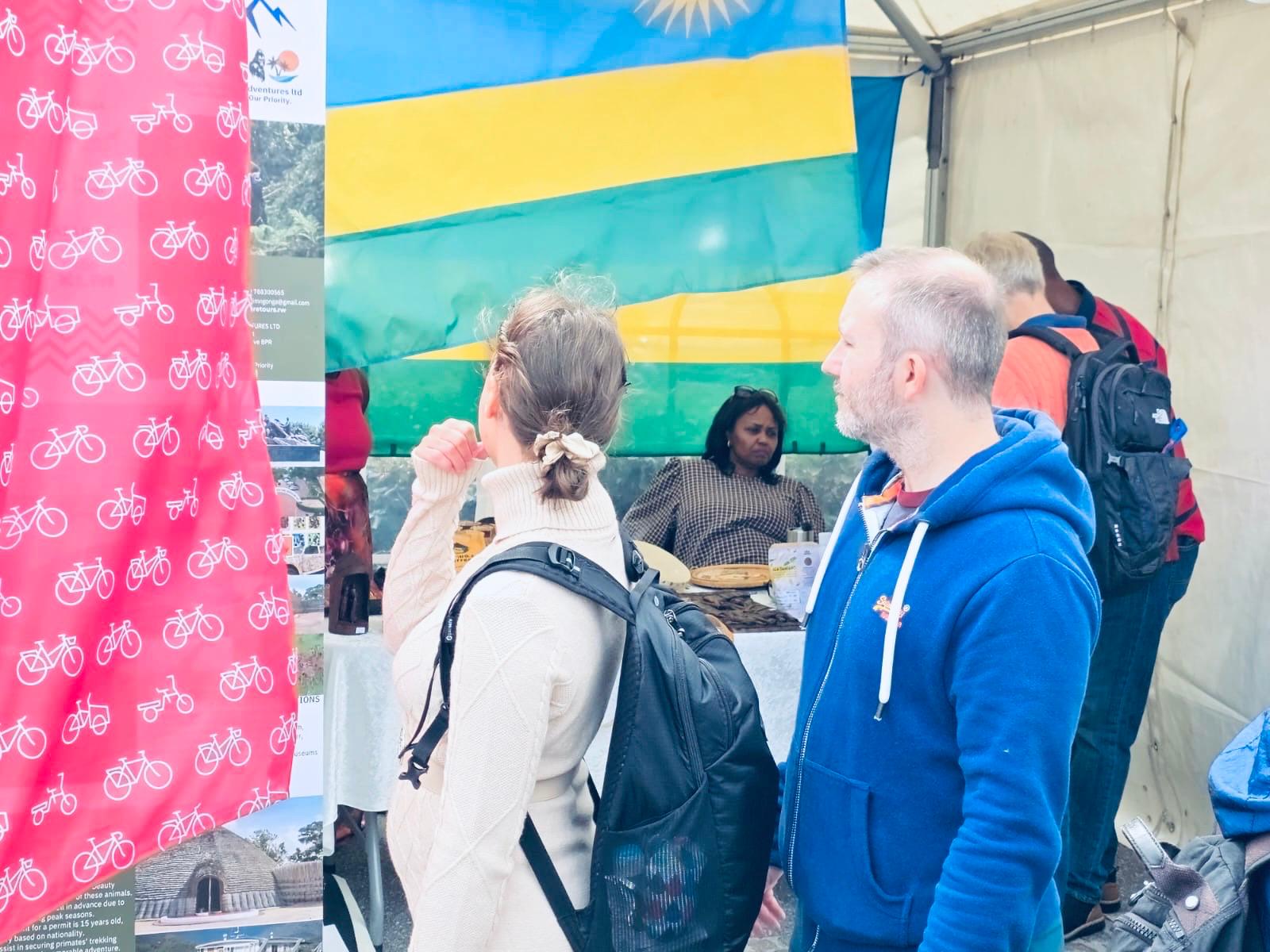
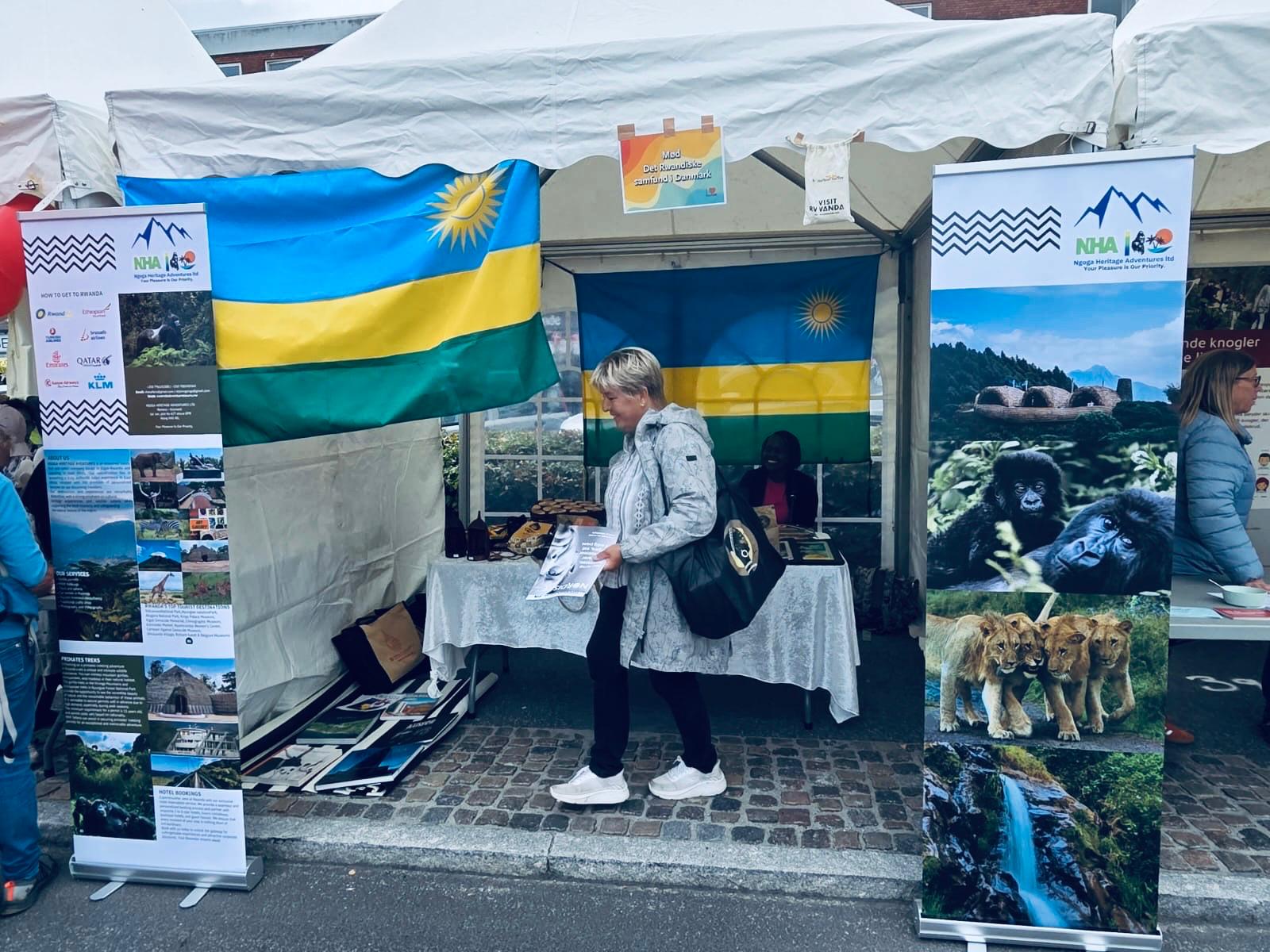
At the Rwandan stand, visitors learned about Rwanda's tourism attractions, including its wildlife and other travel experiences, while also receiving practical information for those interested in visiting the country.
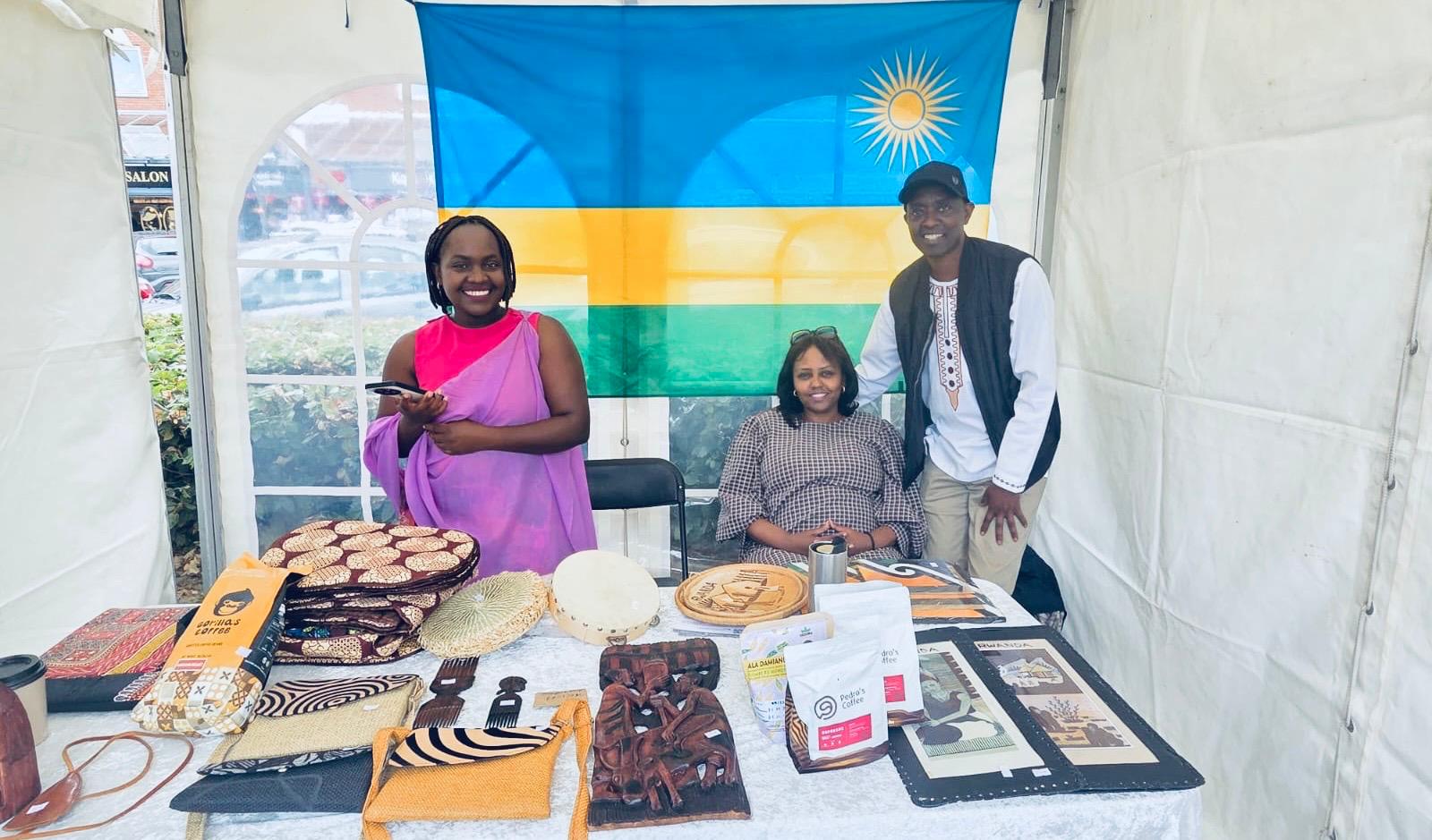
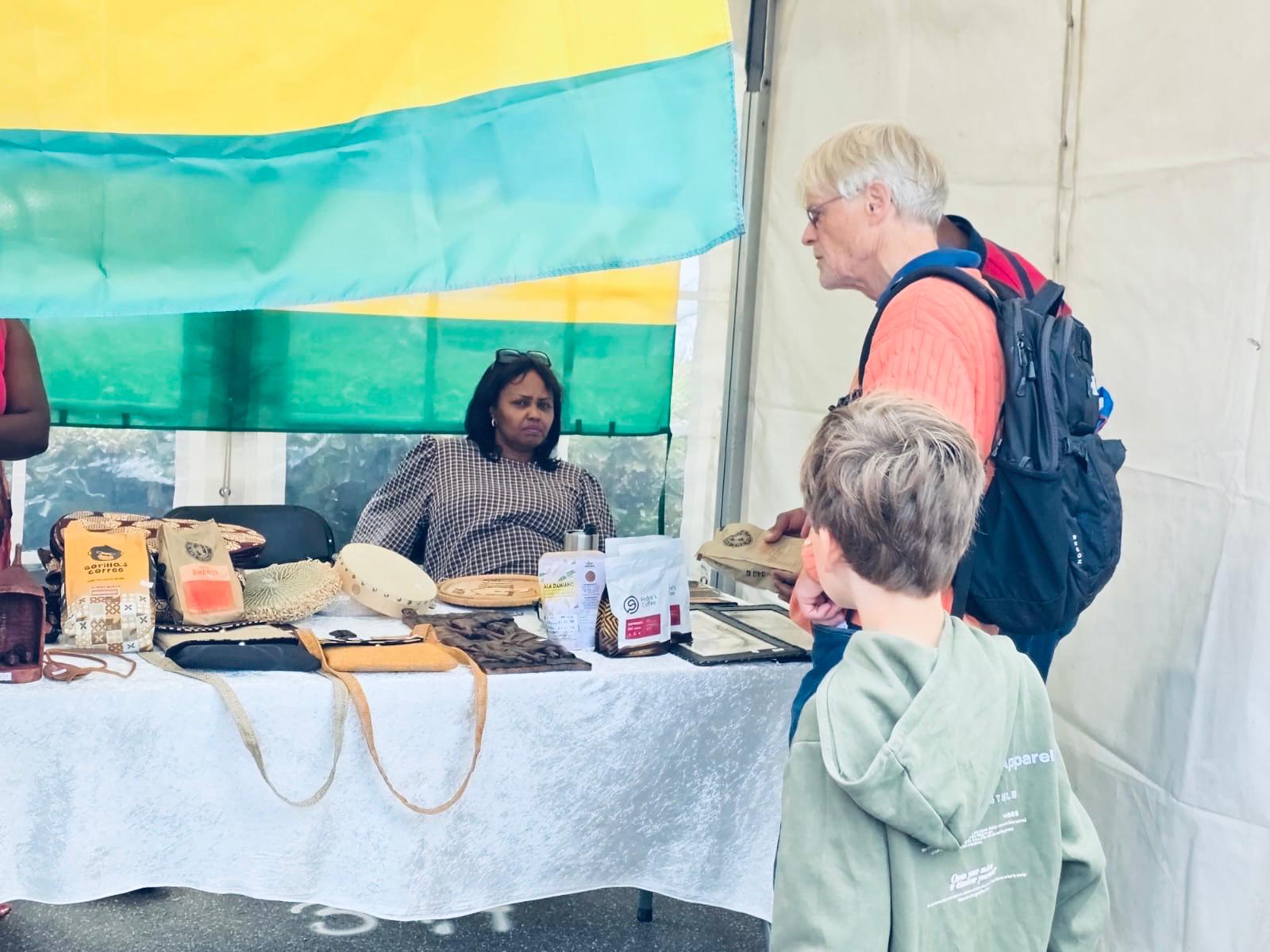
The community also presented a range of Rwandan products, including coffee, handwoven bags, artistic creations and other handcrafted items reflecting the creativity and craftsmanship of Rwandans. Rwandan coffee attracted particularly strong interest among festival participants.
Nelly Gatete, a representative of RCA Denmark, said children, young people and adults were all invited to participate in the activities.
'The goal of the Rwandan community is, above all, to help young people understand that they do not have to choose between being Rwandan and being Danish. They can have roots in both cultures, contribute to both societies, and use this unique position to serve as bridges between the two,' she said.
Gatete said the festival also demonstrated how diversity can become a strength when people have opportunities to meet, exchange and learn about one another.
Gladsaxe is home to people from different countries, cultures and backgrounds, she said, adding that such diversity becomes a source of strength when communities are given opportunities to interact.
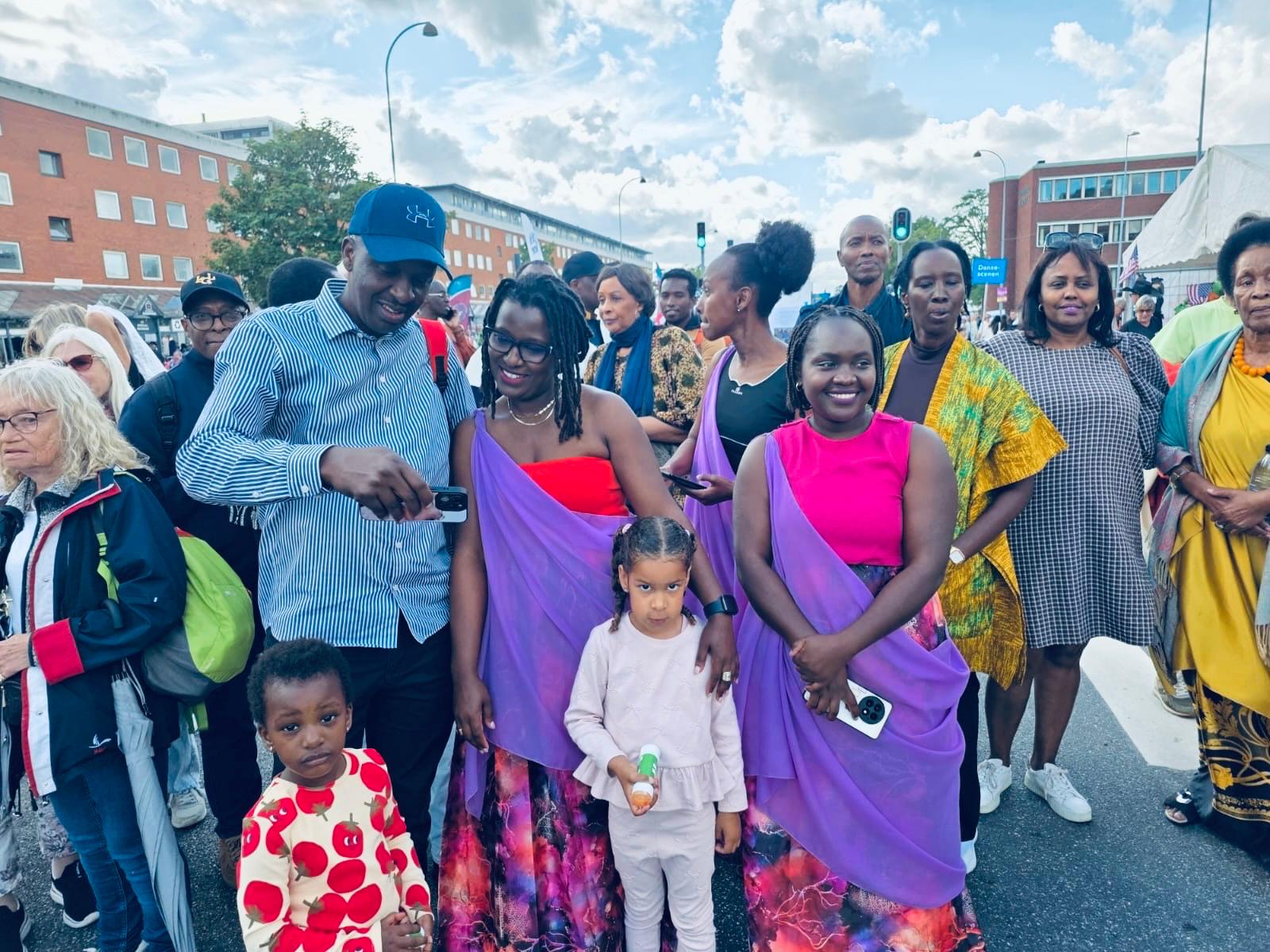
Traditional Rwandan songs and dances were also part of the programme, with Itorero Umurage entertaining festivalgoers through performances showcasing Rwandan traditions.
Rwandan artist Suzanne Nyiranyamibwa also contributed to the event, helping introduce the public to aspects of Rwanda's culture and history.
Gatete said the event demonstrated that people can maintain their cultural identity while building new connections in the communities where they live.
'Gladsaxedagen 2026 showed that people can preserve their roots while also putting down new roots in the communities where they live. Culture and belonging are not contradictory; they can go hand in hand, complement each other, and help build a stronger community in which everyone feels represented,' she said.
The event gave young Rwandans living abroad an opportunity to reconnect with and celebrate their heritage, while allowing Danish residents and people from other communities to discover and engage with Rwandan culture.
The participation further highlighted the role of Rwandans living abroad in strengthening links between Rwanda and Denmark through cultural exchange, tourism promotion and the showcasing of Rwandan products.
The Municipality of Gladsaxe has also regularly responded to invitations from the Embassy of Rwanda in the Nordic countries to participate in events including the commemoration of the Genocide against the Tutsi and International Women's Day.
Such engagements have contributed to relations between the municipality, its residents and the Rwandan community in Denmark.
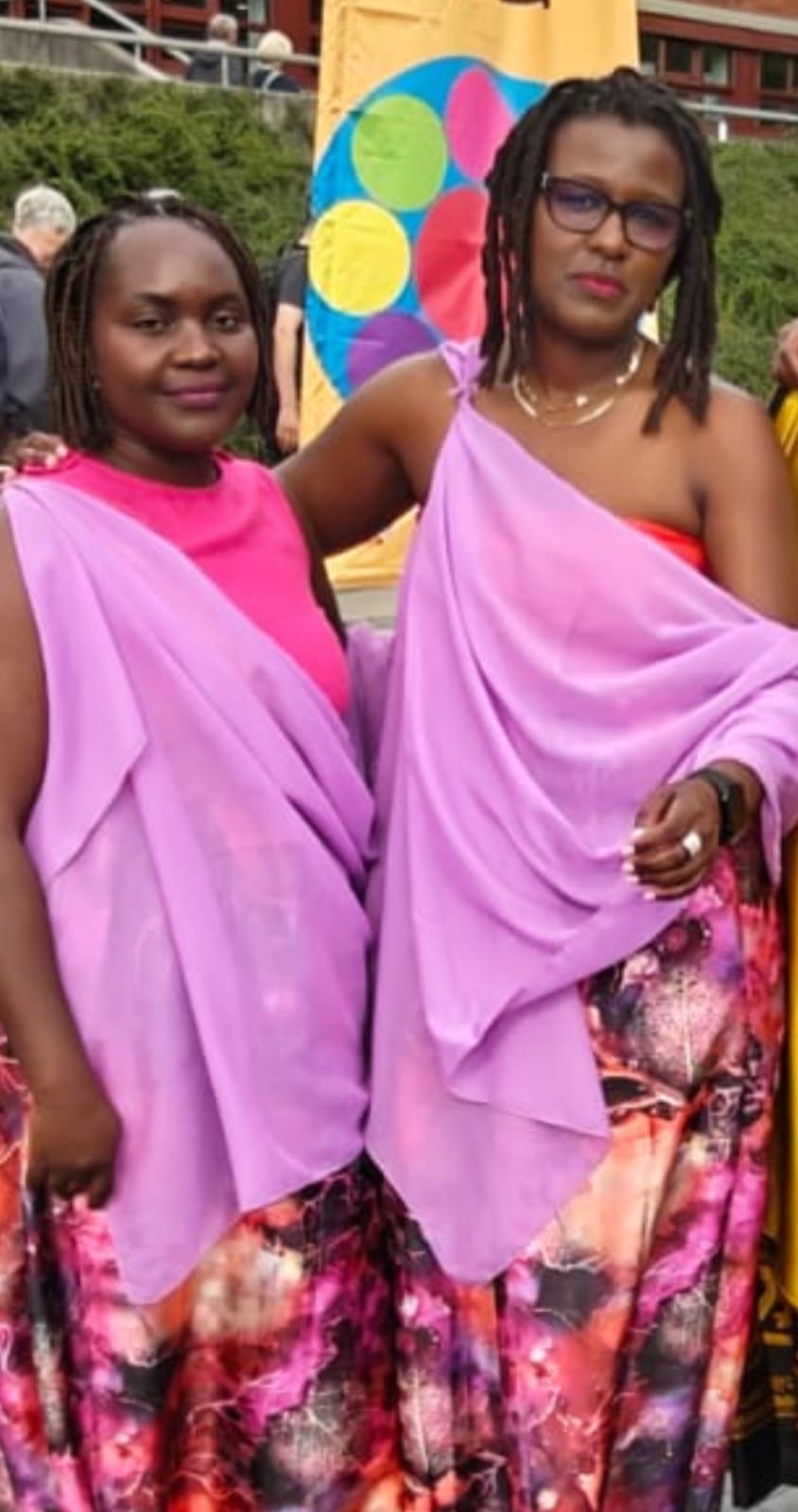
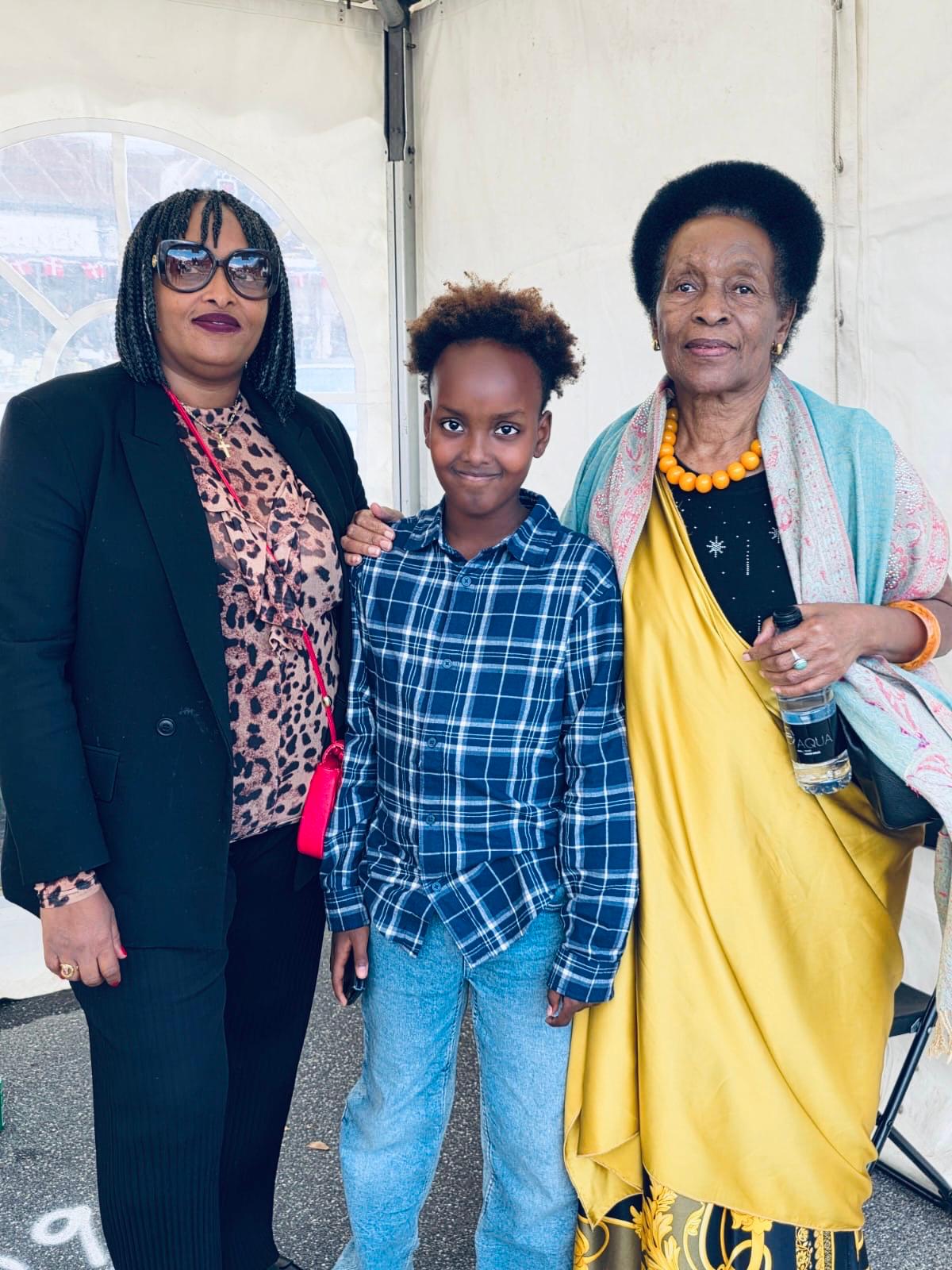
Nelly Gatete and Diane Ganza also attended the event.Rwandans living in Copenhagen use Gladsaxe Day 2026 to promote Rwanda as a tourism destination.Festival visitors learnt about Rwanda's wildlife and other tourism experiences at the Rwandan stand in Gladsaxe.The Rwandan community in Copenhagen brought aspects of Rwanda's culture and history to visitors at Gladsaxe Day 2026.Rwandan artist Suzanne Nyiranyamibwa contributed to the community's cultural showcase at Gladsaxe Day 2026.Rwandan products and handcrafted items were displayed at the community's stand during the annual Gladsaxe festival.Visitors explored Rwanda's tourism attractions at the Rwandan stand during Gladsaxe Day 2026 in Denmark.
Helberg made the remarks while responding to a post by Trinity Metals on X featuring an interview with its Chairman Shawn McCormick, who discussed the company's growing role in supplying tungsten to the United States and its allies.
'The U.S. Government is working with companies like Trinity Metals to help build supply chains free from non-market distortions,' Helberg wrote on August 26.
'Take tungsten. It powers the conductive films for modern semiconductors. Diversified, secure sourcing of inputs like this isn't optional — it's foundational to Pax Silica's objectives to build secure, resilient, and innovation-driven supply chains for AI infrastructure and advanced manufacturing.'
The remarks place Trinity Metals within the broader U.S. strategy to diversify sources of critical minerals as Washington seeks to reduce vulnerabilities associated with concentrated global supply chains.
Trinity Metals operates three mines in Rwanda, including the Nyakabingo tungsten mine, and has become an increasingly important supplier to the U.S. market.
In an interview with National Security News, McCormick said the company currently accounts for about 20% of tungsten concentrate consumed in the United States.
'We currently represent about 20 percent of all tungsten concentrate consumed in America,' he said, noting that the United States currently produces no tungsten.
Trinity Metals began shipping tungsten concentrate from Rwanda to the United States in 2025 under an agreement involving Global Tungsten & Powders (GTP) and commodities trader Traxys.
More than 320 tonnes of high-grade tungsten concentrate have since been shipped from Rwanda to GTP's processing facilities in Towanda, Pennsylvania, where the material is refined for use in industrial and defence applications.
McCormick said Trinity Metals deliberately sought to redirect some of its production toward the United States and its allies after examining where the company's minerals were being sold.
'I wanted to personally make sure that the flow of the product was going to the US and its allies,' he noted.
He said Trinity Metals is currently the only tungsten producer in Africa sending its product to the United States.
Tungsten is considered strategically important because of its use in manufacturing, aerospace, electronics and defence systems. McCormick cited applications ranging from industrial drilling equipment to missile systems and other military technologies.
He also pointed to the concentration of global tungsten production in countries including China, Russia and North Korea as a reason for developing alternative sources.
'Over 90% of the tungsten produced in the world today comes from three countries, China, Russia, and North Korea, not great friends of the US and the West,' McCormick said.
China alone accounts for more than 80% of global tungsten supply, according to Trinity Metals.
The company has sought to position Rwanda as an alternative source by emphasising traceability and standards across its operations.
McCormick said Trinity Metals does not purchase minerals from outside its mine gates and uses Better Mining for monitoring and verification. He said the system provides continuous oversight of the company's mining and processing activities.
'We are fully conflict-free and fully child labour free in our production,' he said.
Trinity Metals was formed in 2022 through the merger of Nyakabingo Tungsten Mine, Rutongo Tin Mine and Musha Tin and Tantalum Mine. The company employs more than 6,500 people, the overwhelming majority of them Rwandans.
The company has also received U.S. government support. In 2024, it secured $3.865 million in technical assistance funding from the U.S. International Development Finance Corporation (DFC), becoming the first operating mine in Africa to receive such funding.
McCormick said the DFC involvement helped signal that Trinity Metals operates according to international standards.
'What the DFC involvement gave us was the flag. You plant the flag on the company,' he said, referring to the U.S. government's involvement.
Beyond tungsten, Trinity Metals is seeking to expand its role in U.S.-aligned critical mineral supply chains.
The company has signed an agreement with U.S. tin manufacturer Nathan Trotter, which is developing a new tin processing facility with support from the U.S. Department of Defence.
McCormick revealed that Trinity Metals intends to supply the U.S. market once the facility becomes operational and commercial terms are agreed.
The company is also exploring lithium after identifying a high-grade spodumene deposit at its Musha concession in Rwanda.
For Washington, the growing relationship with Trinity Metals fits into the objectives of Pax Silica, a U.S.-led initiative focused on building secure and resilient supply chains for artificial intelligence infrastructure and advanced manufacturing.
Trinity Metals' Nyakabingo mine supplies up to 20% of monthly primary tungsten demand in the United States.
According to a statement released by the Office of the President of Türkiye, the two leaders highlighted the positive development in trade and investment relations between Türkiye and Rwanda.
Erdoğan said Türkiye would continue strengthening cooperation with Rwanda in several areas, particularly the defense industry.
The Turkish president also welcomed efforts aimed at de-escalating tensions between Rwanda and the Democratic Republic of the Congo (DRC) and expressed Türkiye's support for the ongoing process.
The conversation between President Kagame and Erdoğan comes at a time when Rwanda and Türkiye continue to strengthen relations across various areas, including trade, investment and security cooperation.
Rwanda-Türkiye relations cover areas such as trade, investment, education, culture, energy, research and security. The relationship gained further momentum after Rwanda opened its embassy in Ankara in 2013, followed by Türkiye opening its embassy in Kigali in 2014, helping to deepen cooperation between the two countries.
In the years that followed, cooperation between Rwanda and Türkiye expanded, particularly in trade and investment.
Trade between the two countries has grown from a value of about $1 million in the 2000s to nearly $500 million.
During President Kagame's working visit to Türkiye in January 2025, Rwanda and Türkiye signed four cooperation agreements that cover media and communications, civil aircraft accident and serious incident investigation, radio and television, and military electronics and C4I (Command, Control, Communications, Computers, and Intelligence) technologies.
President Kagame said the agreements demonstrated the two countries' commitment to continuing to explore opportunities for cooperation, while President Erdoğan described the visit as another new step towards strengthening relations between the two countries.
Turkish President Recep Tayyip Erdoğan and Rwandan President Paul Kagame have discussed bilateral relations and defence industry cooperation.
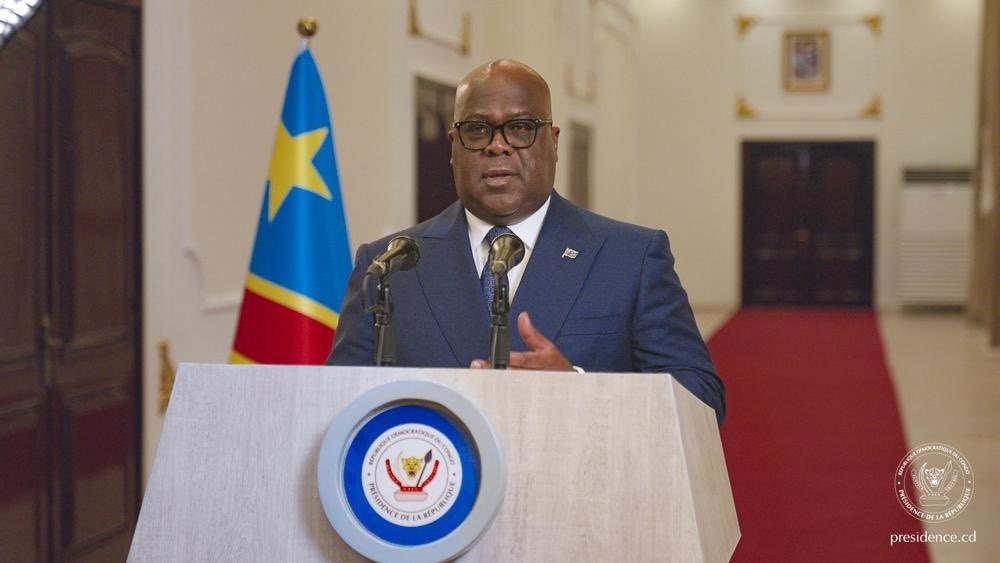
In an address to the nation on August 27, Tshisekedi announced the launch of what he described as an inter-Congolese dialogue aimed at addressing longstanding political challenges, insecurity and divisions, while laying the groundwork for governance reforms.
The process will begin with consultations in the DRC's 26 provinces before culminating in national-level talks in Kinshasa. Citizens, local authorities, political parties, civil society organisations, traditional and religious leaders and other stakeholders are expected to contribute.
Tshisekedi said the dialogue should produce a 'National Pact for Peace, Unity and State Reform', along with mechanisms to ensure that its resolutions are implemented, unlike previous initiatives that ended without meaningful follow-up.
AFC/M23 kept out
Despite presenting the initiative as a national process for addressing the country's challenges, Tshisekedi made clear that it would not include the AFC/M23 coalition or other actors he accused of challenging the state through armed action.
He insisted that the national dialogue would not replace the Doha talks, which are focused on resolving the conflict in eastern DRC, arguing that issues related to armed groups, including a ceasefire and disarmament, should be dealt with through that separate process.
'No one can take part in the national dialogue while carrying weapons against the country. No weapon can give its holder greater rights than those granted to a citizen through elections. No military victory can be converted into political legitimacy,' Tshisekedi said.
He said those who have taken control of national territory by force, established what he described as illegal administrations or acted in the interests of foreign powers would be excluded from the talks.
While Tshisekedi said those who renounce violence and respect the law could be allowed to rejoin the national community, he maintained that peace should not mean impunity for those responsible for serious crimes.
Critics question inclusivity
The president's approach has revived concerns among religious leaders, politicians and other observers who argue that a dialogue meant to address the country's political and security crisis cannot afford to leave out actors with a direct stake in it.
The Catholic Church and other religious leaders have repeatedly called for an inclusive dialogue bringing together the country's key political and armed actors, arguing that the DRC's history has shown the limits of peace processes that exclude major parties.
The National Episcopal Conference of Congo (CENCO) has been among those pushing for broader talks, including the participation of representatives of AFC/M23, Thomas Lubanga's CRP movement and former President Joseph Kabila.
The Kinshasa government has rejected those calls.
Critics argue that excluding such actors risks turning Tshisekedi's dialogue into a forum for those already aligned with the political order rather than a genuine attempt to confront the forces driving the country's crises.
They also warn that sidelining armed groups from one political process while fighting continues in the east may do little to address the realities on the ground, particularly as AFC/M23 controls significant parts of North and South Kivu.
Three months to find answers
The dialogue is expected to last no more than three months, starting with provincial consultations before moving to national-level discussions in Kinshasa.
Participants are expected to include representatives of young people, women, workers, farmers, researchers, the private sector and the Congolese diaspora. Tshisekedi has also called on religious leaders and churches to support the initiative.
But the process begins at a time when the country remains deeply divided, and the conflict in eastern DRC continues, raising questions about whether a dialogue that excludes some of the country's most consequential actors can produce the unity and lasting peace it promises.
Democratic Republic of Congo (DRC) President Félix Tshisekedi has launched a three-month national dialogue billed as a path towards peace and unity, but his decision to exclude armed groups and other influential political figures has already drawn criticism from those who question whether the process can deliver a lasting solution to the country's deep-rooted crisis.