Author: admin

  • Banyamulenge file complaint against Tshisekedi and Burundi officials at ICC #rwanda #RwOT

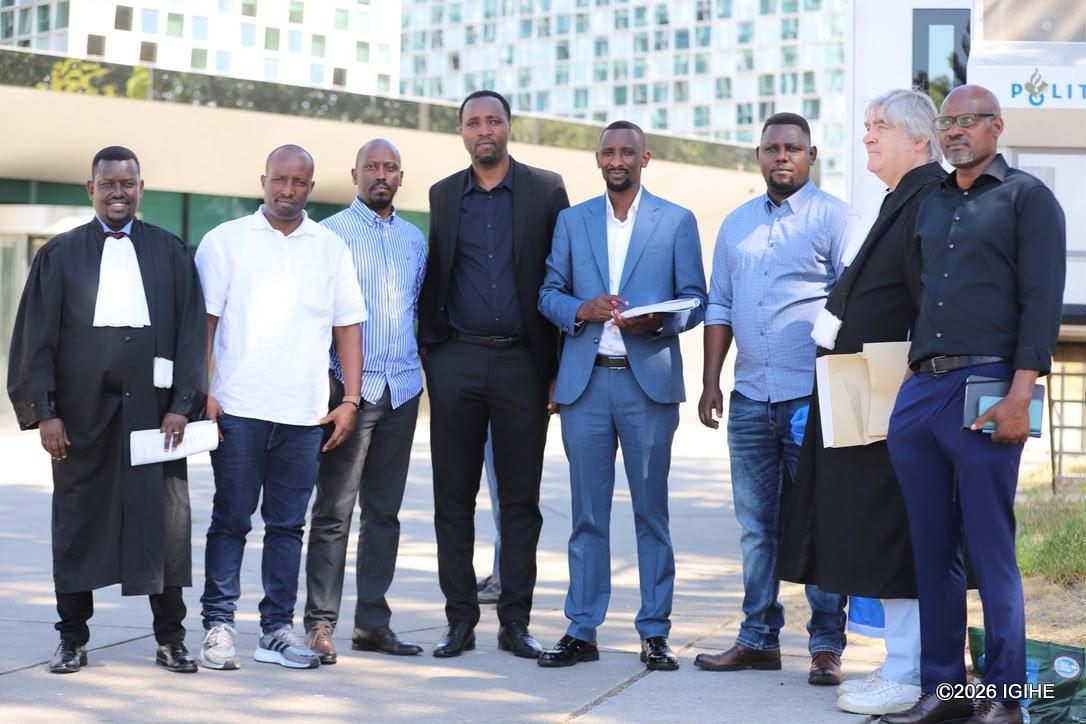
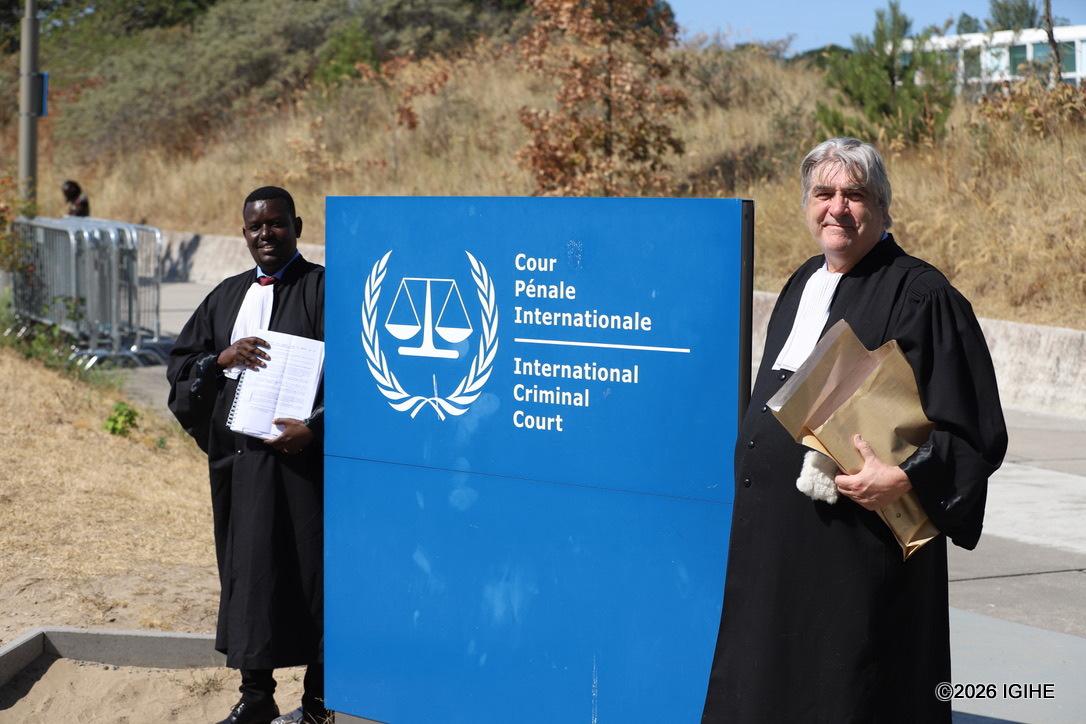
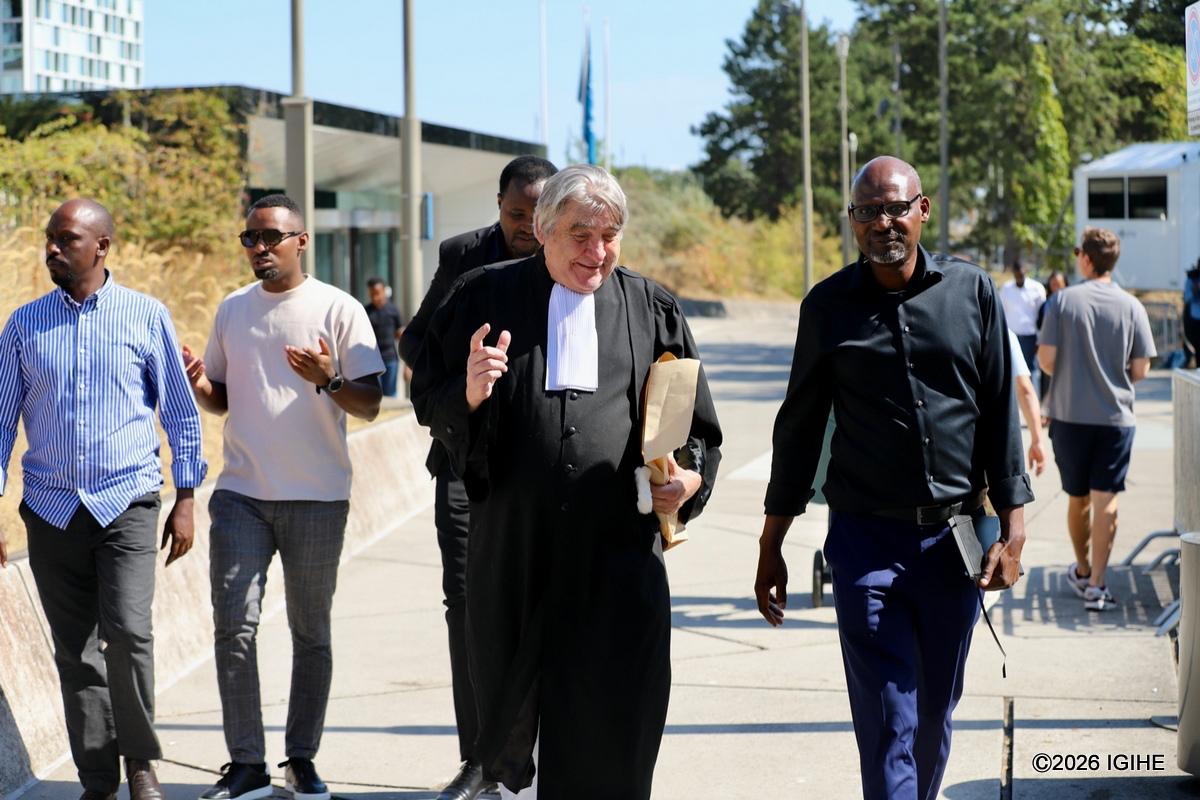
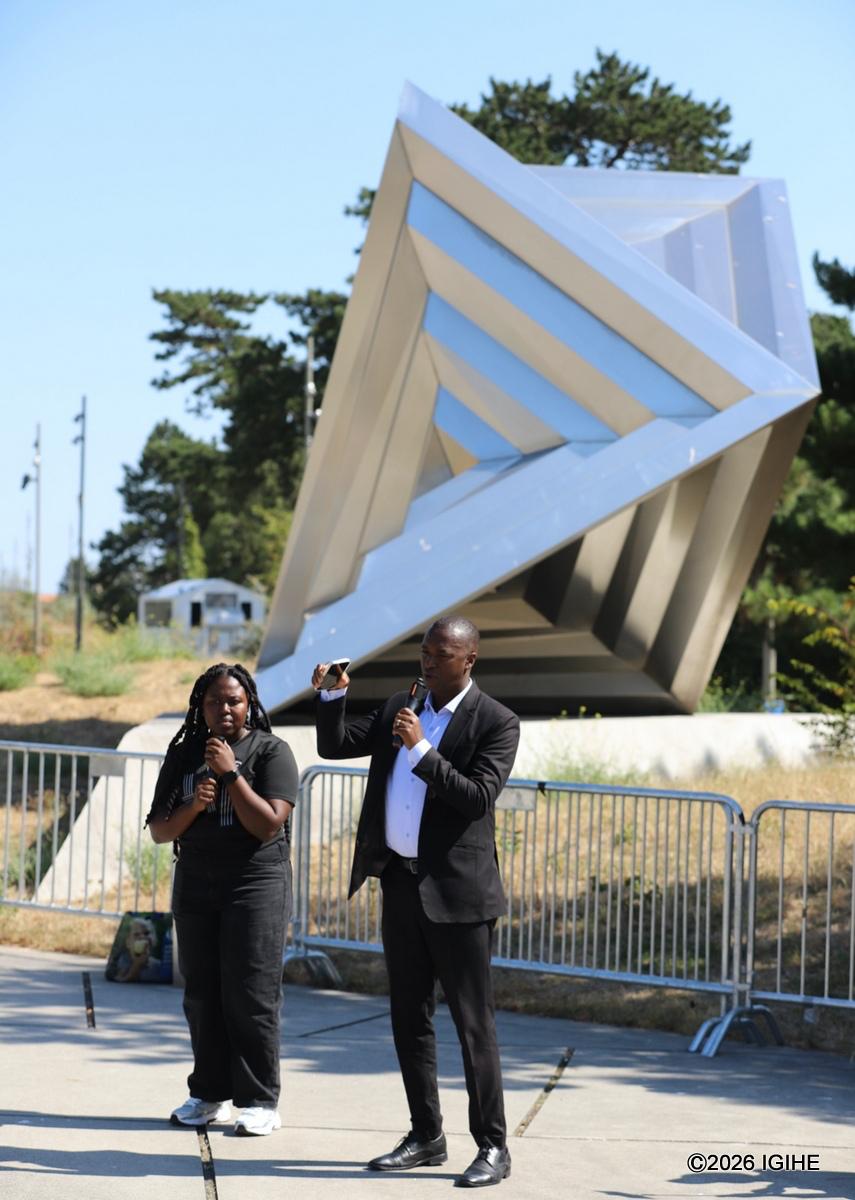
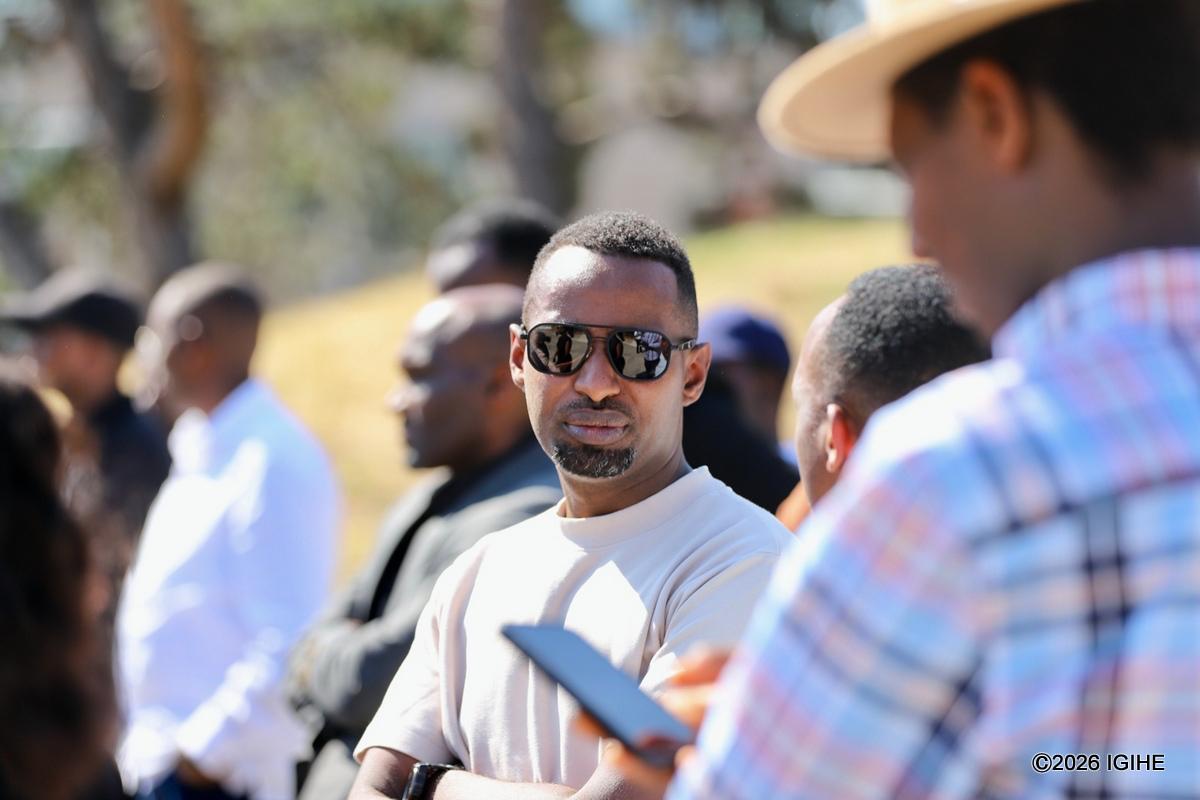
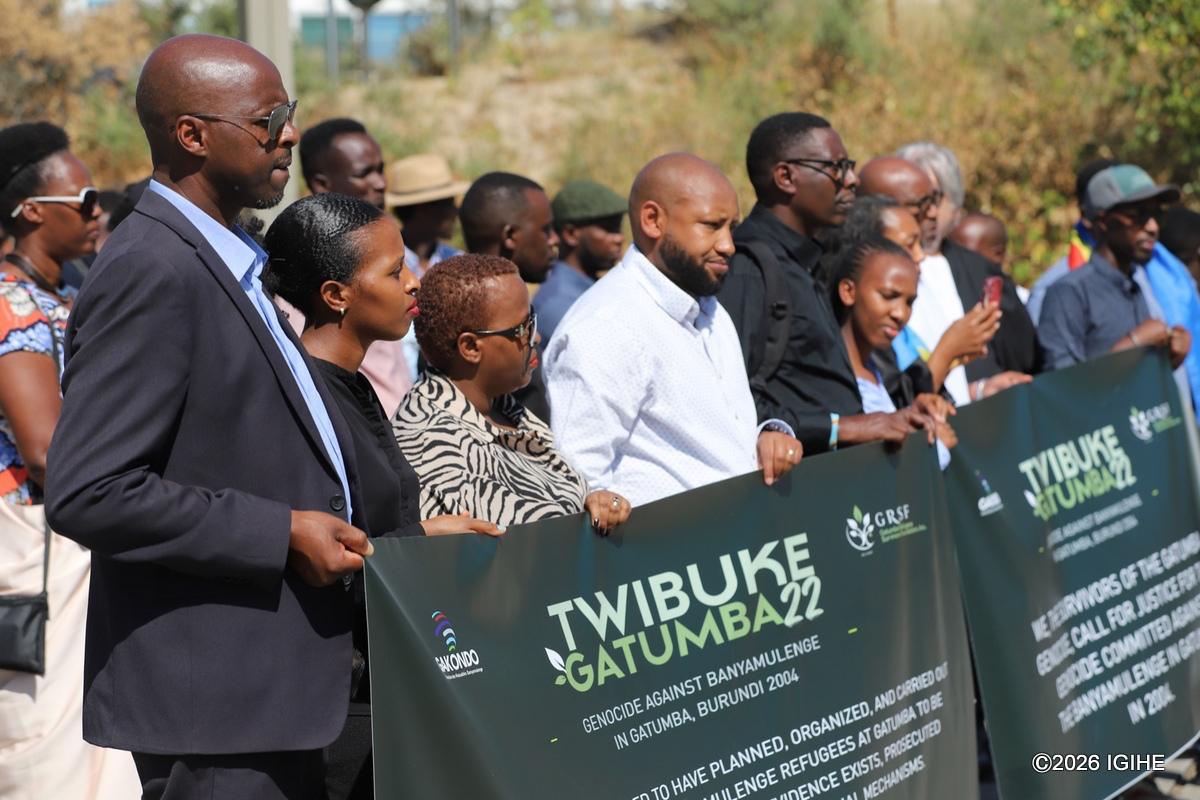
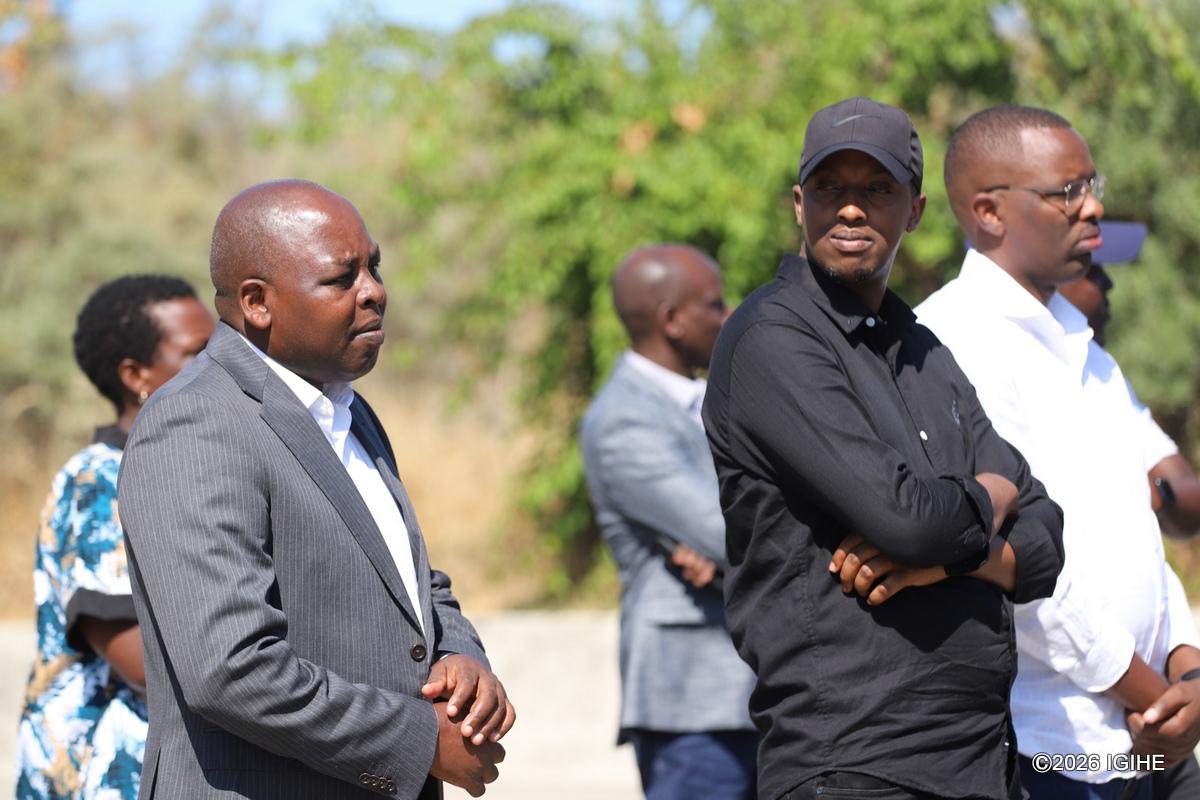
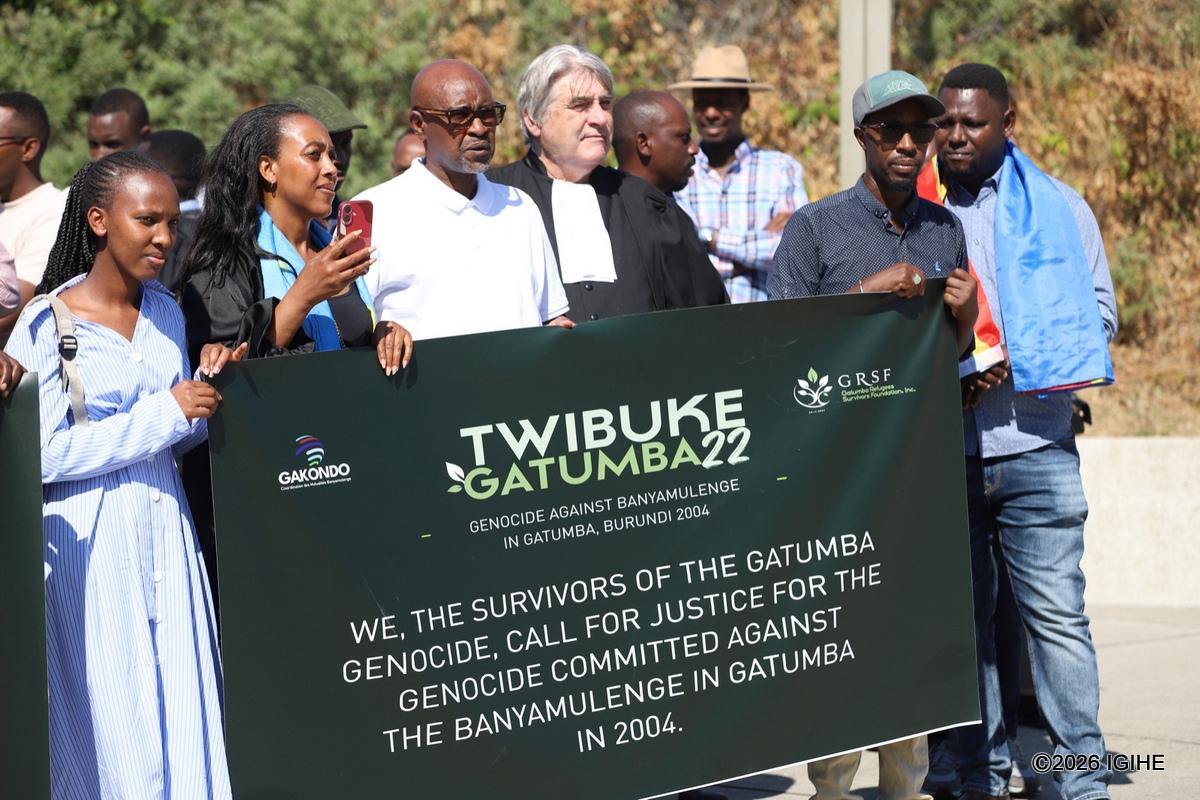
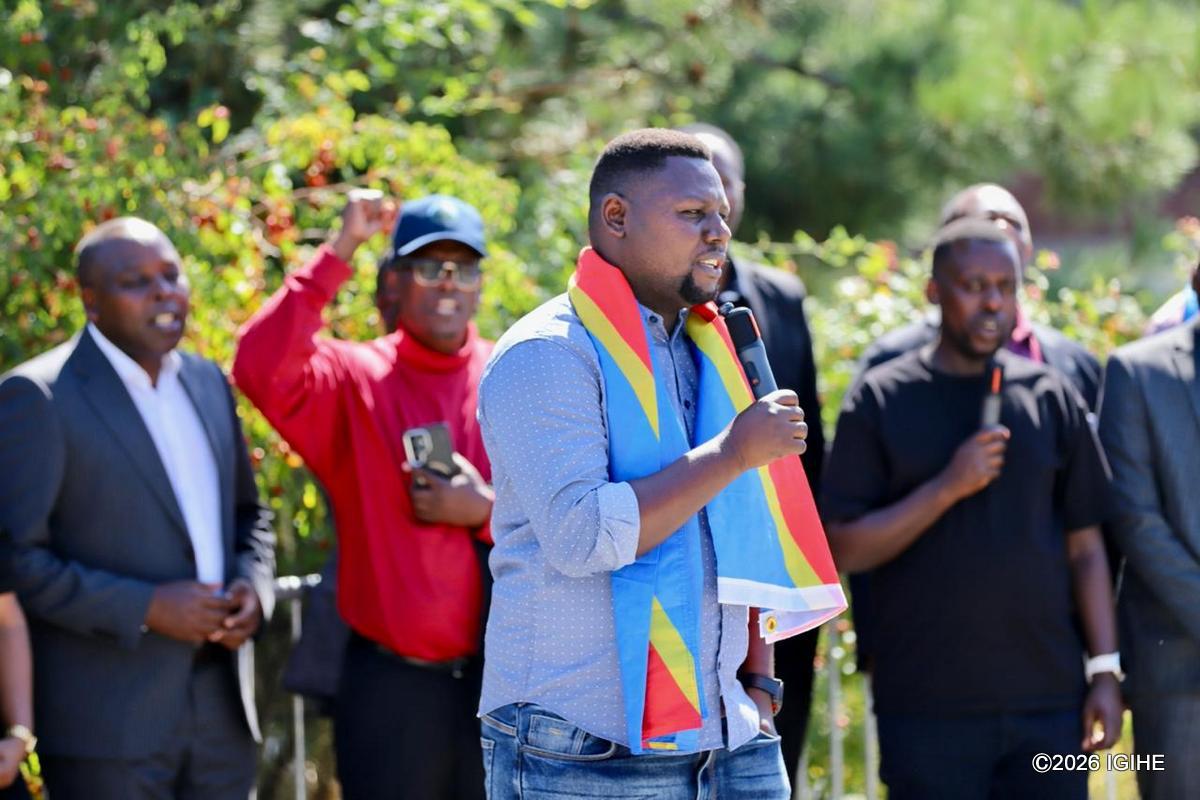
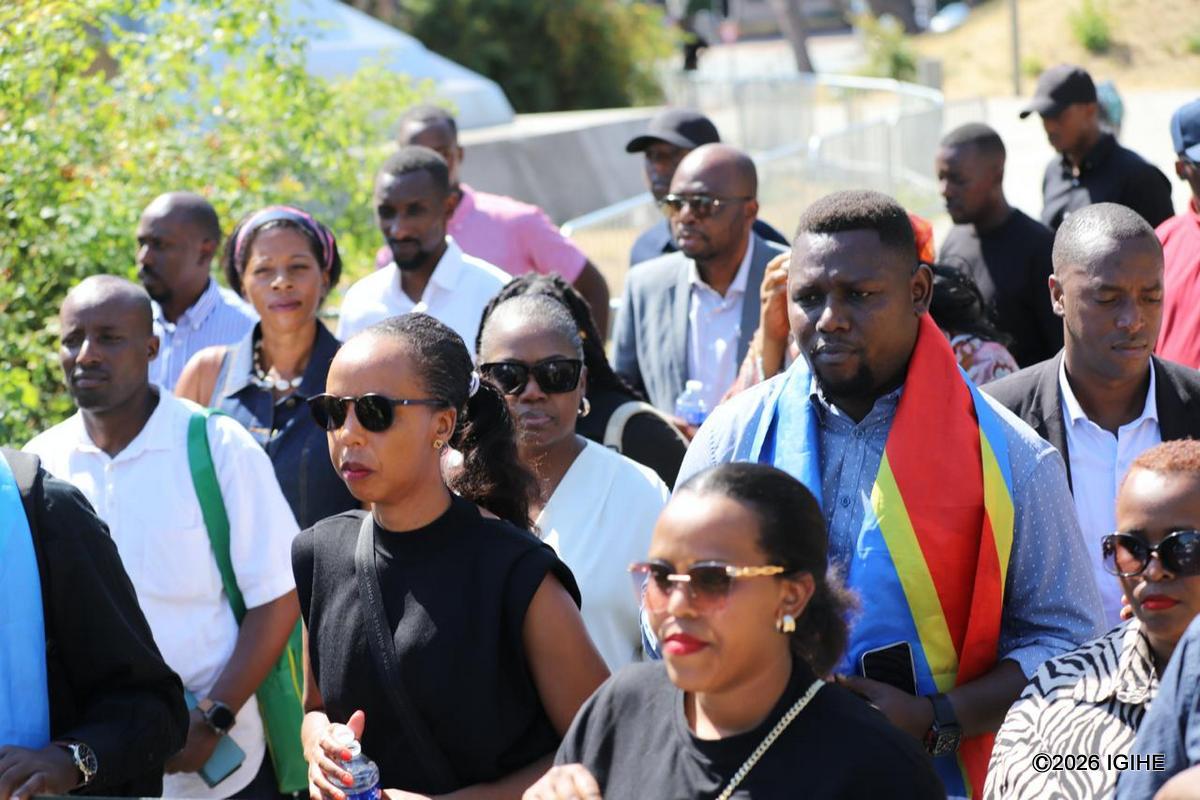
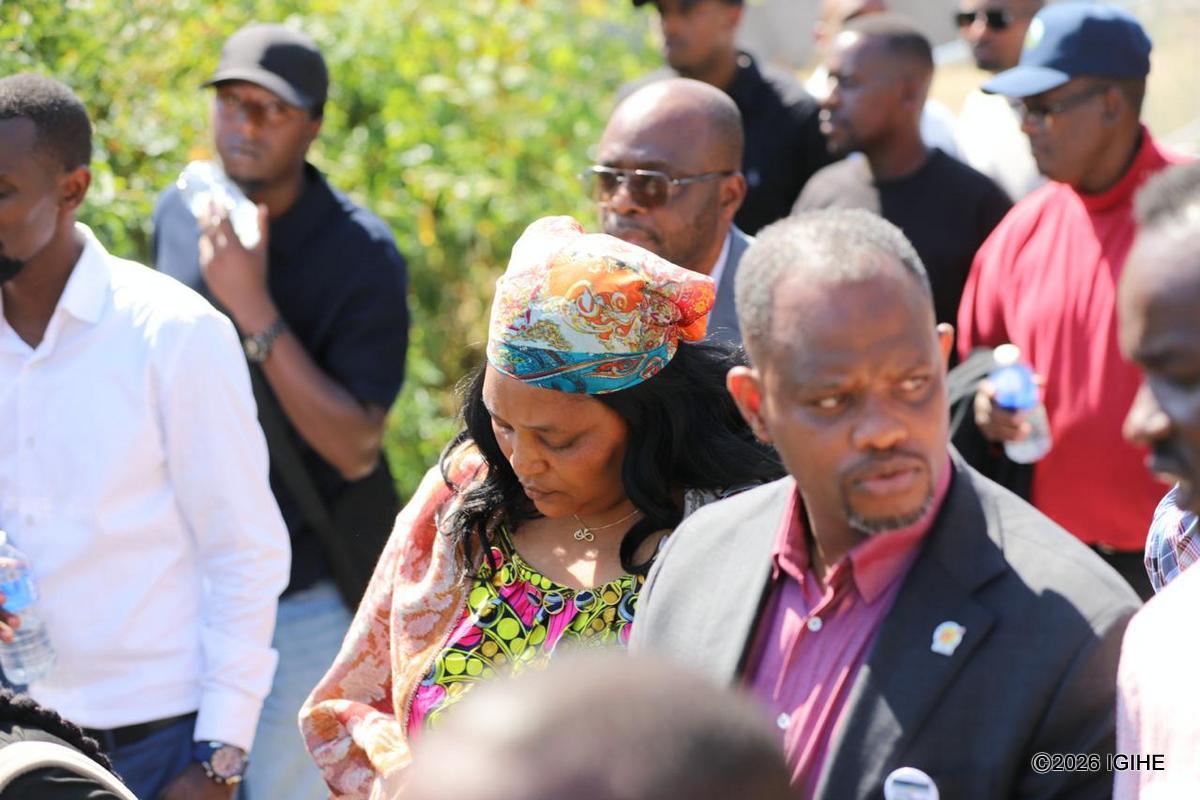
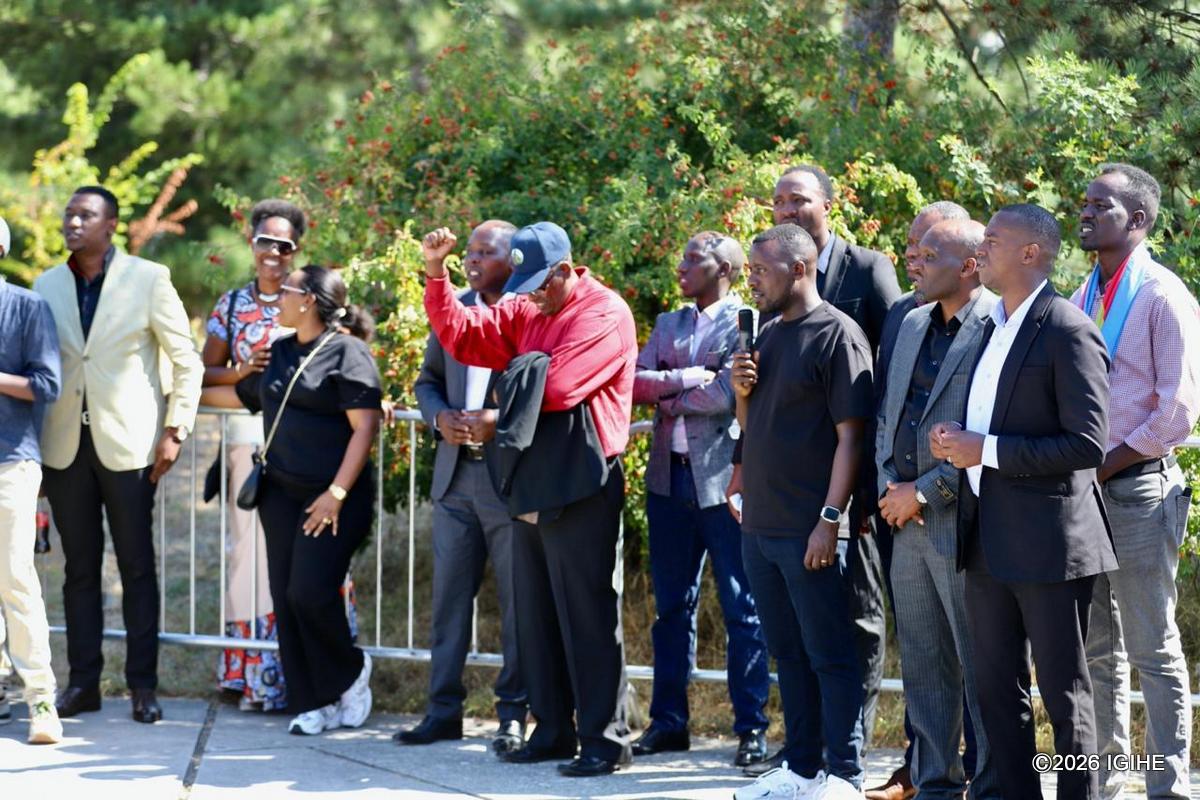
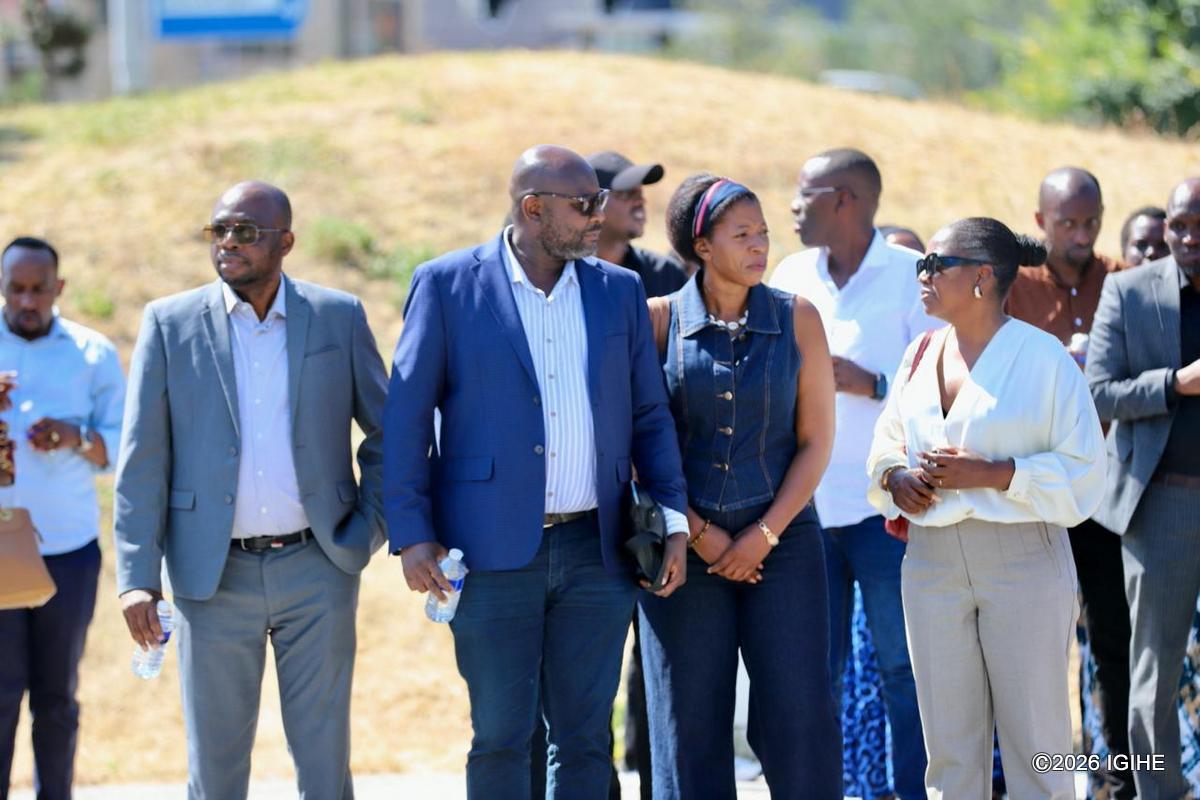
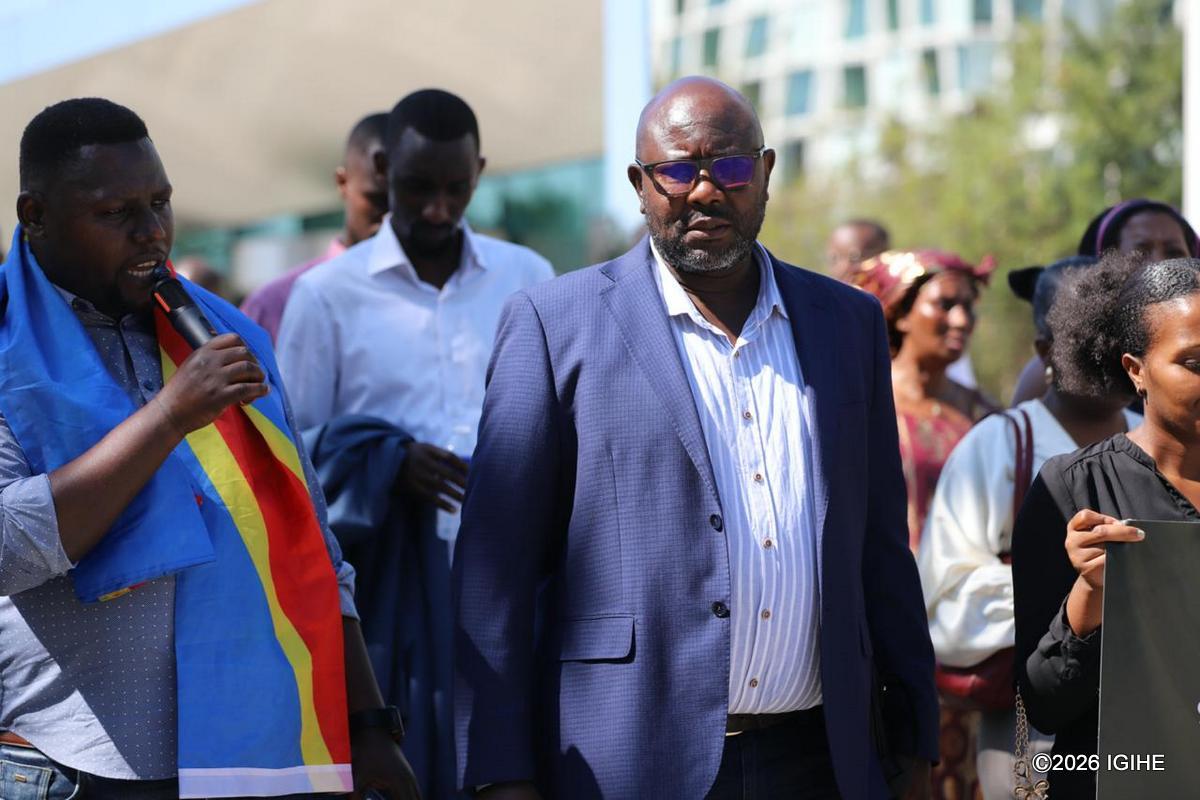
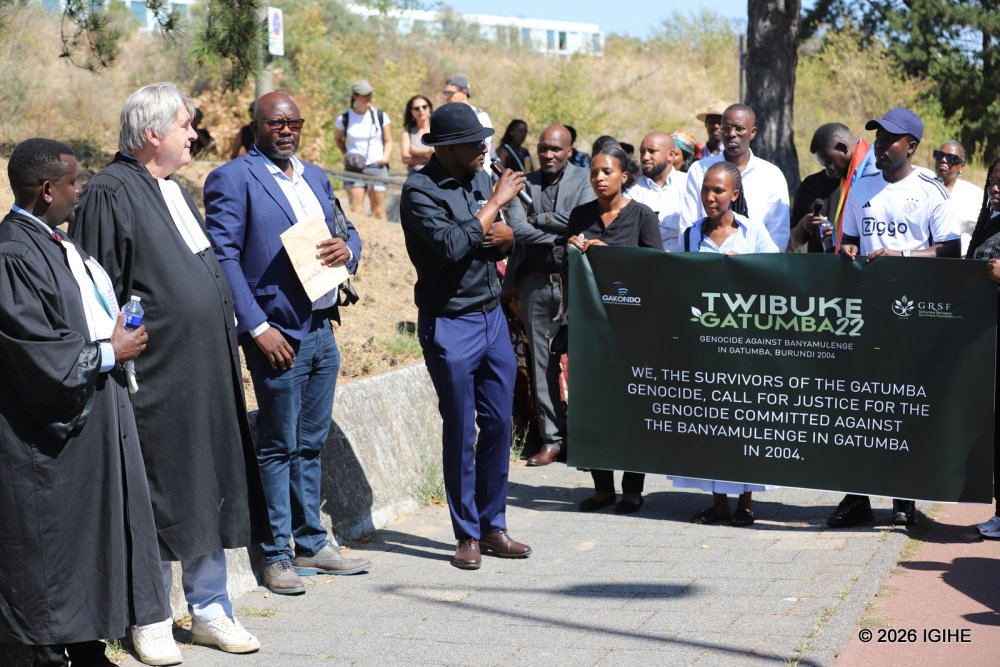
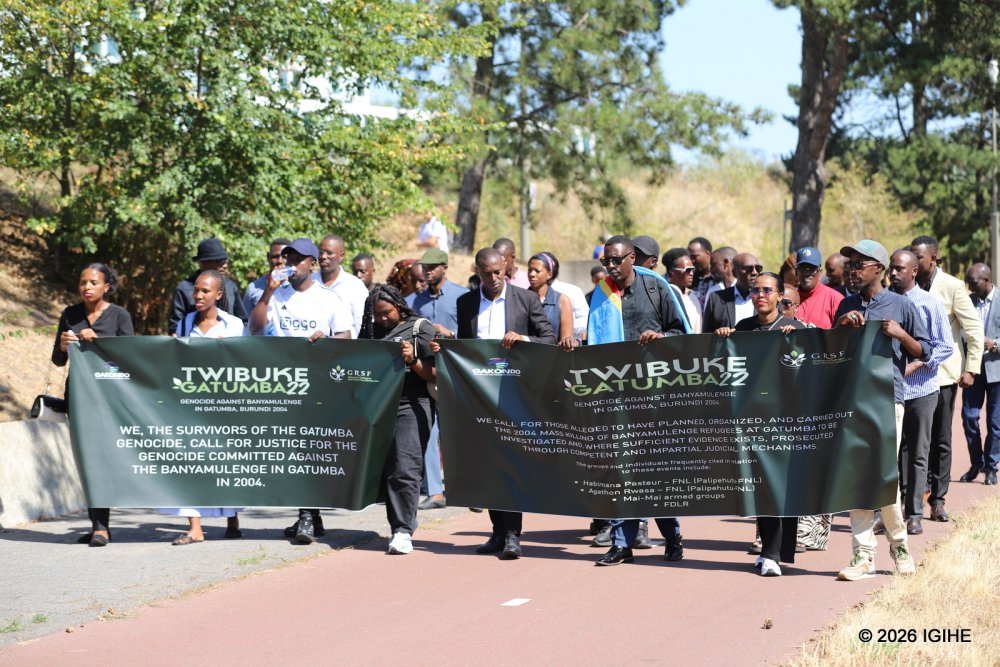
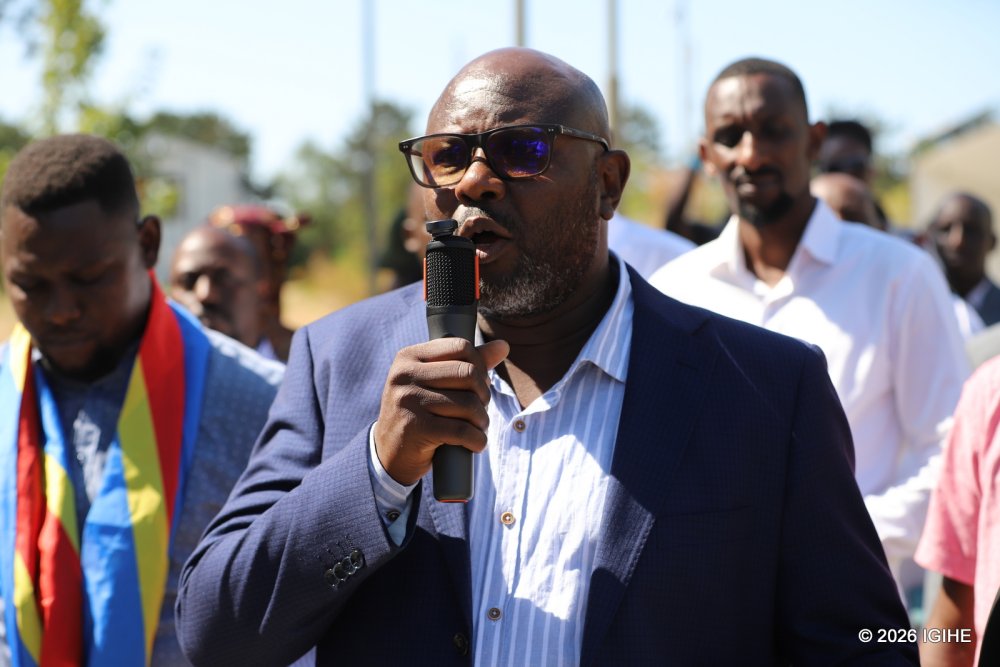
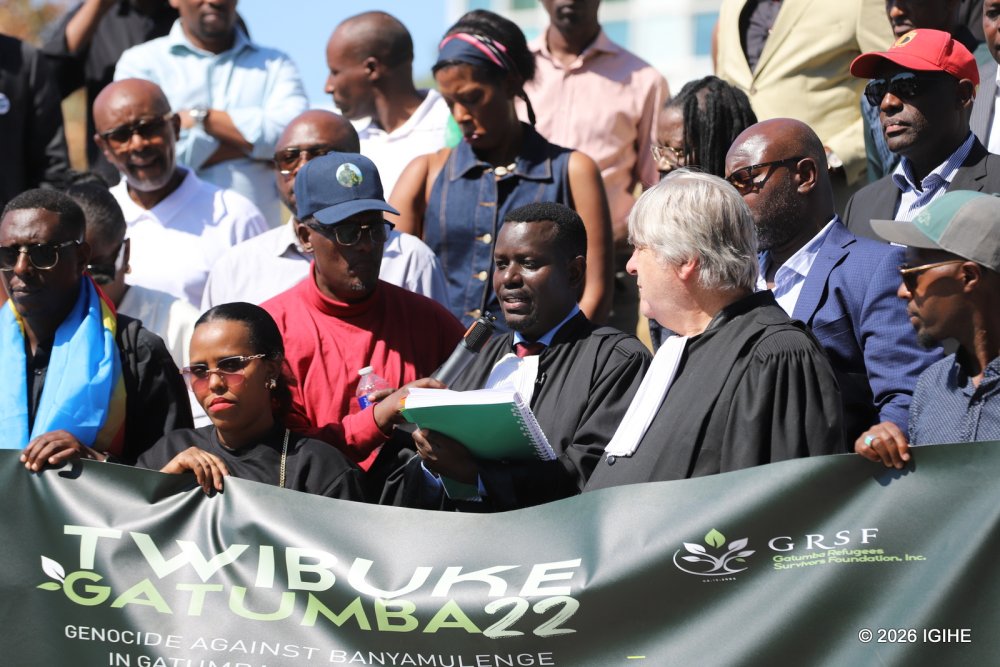
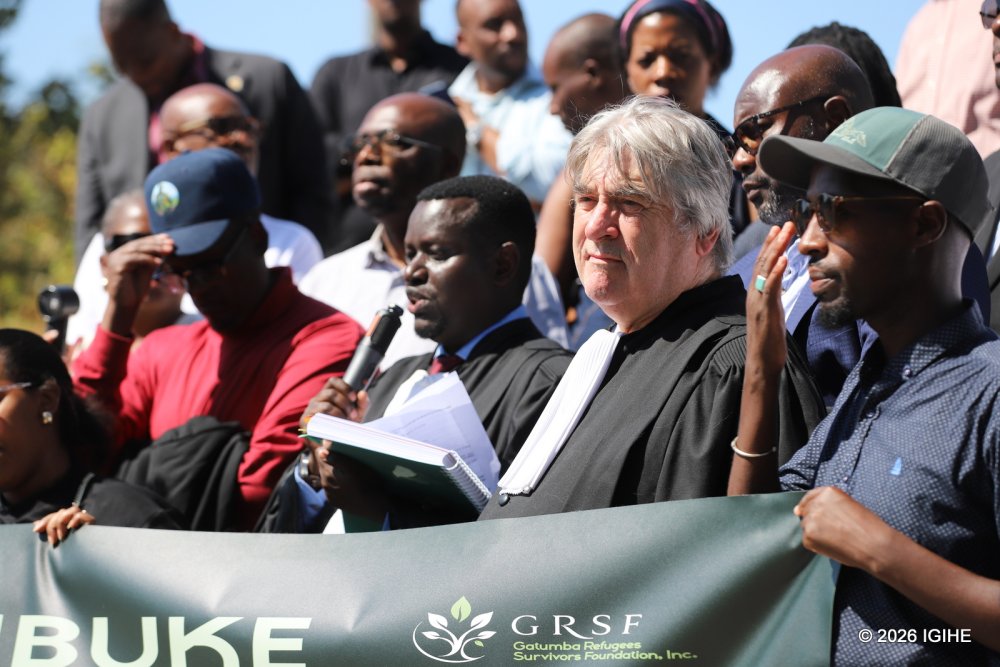
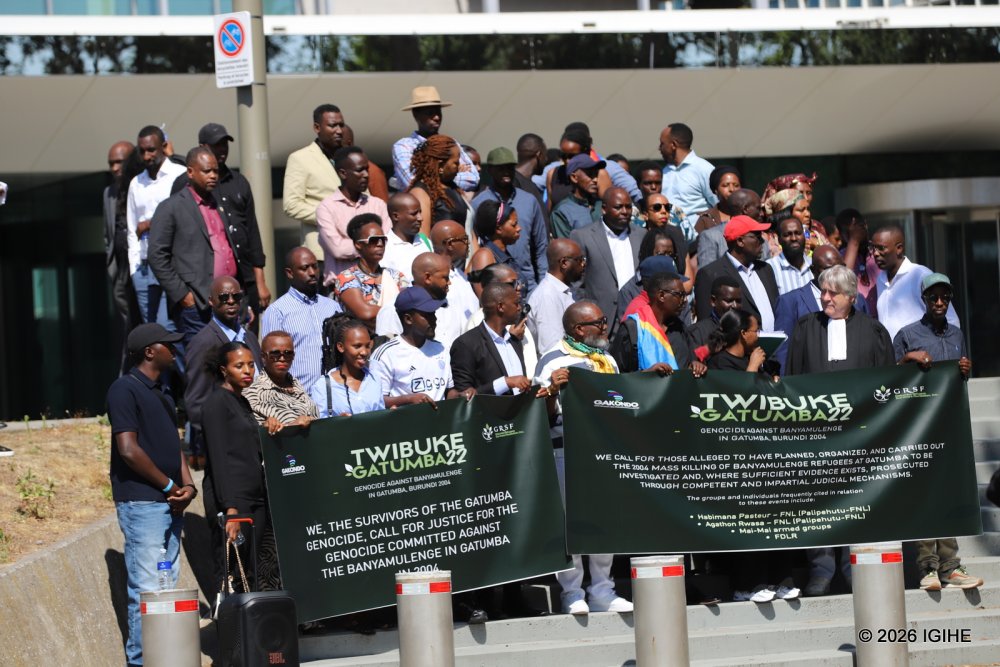
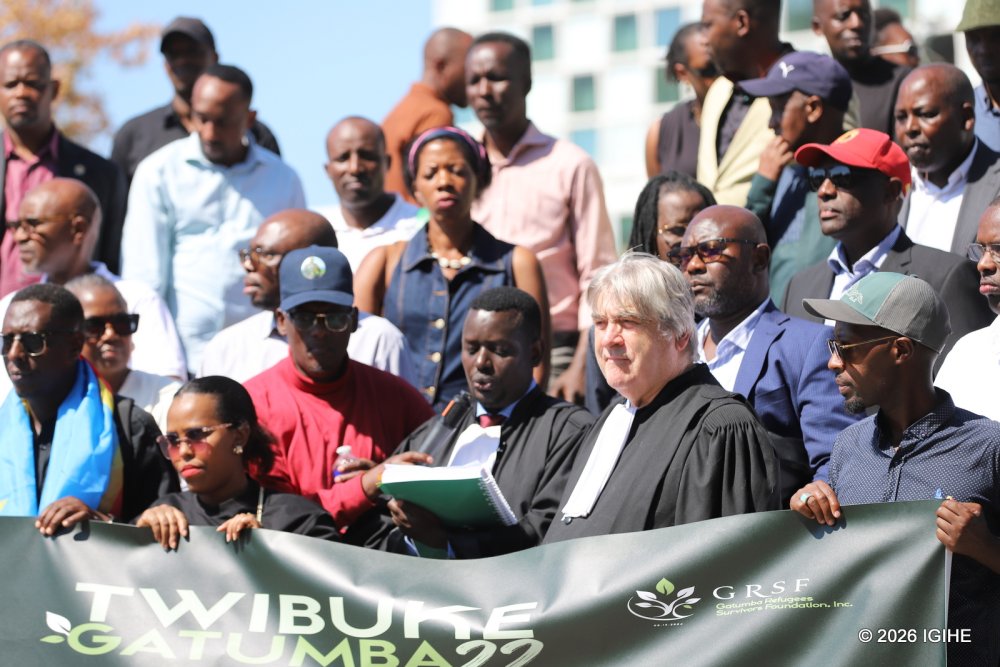
    The complaint was submitted on August 14, 2026, during a ceremony attended by Banyamulenge representatives from different parts of the world and lawyers representing the complainants.

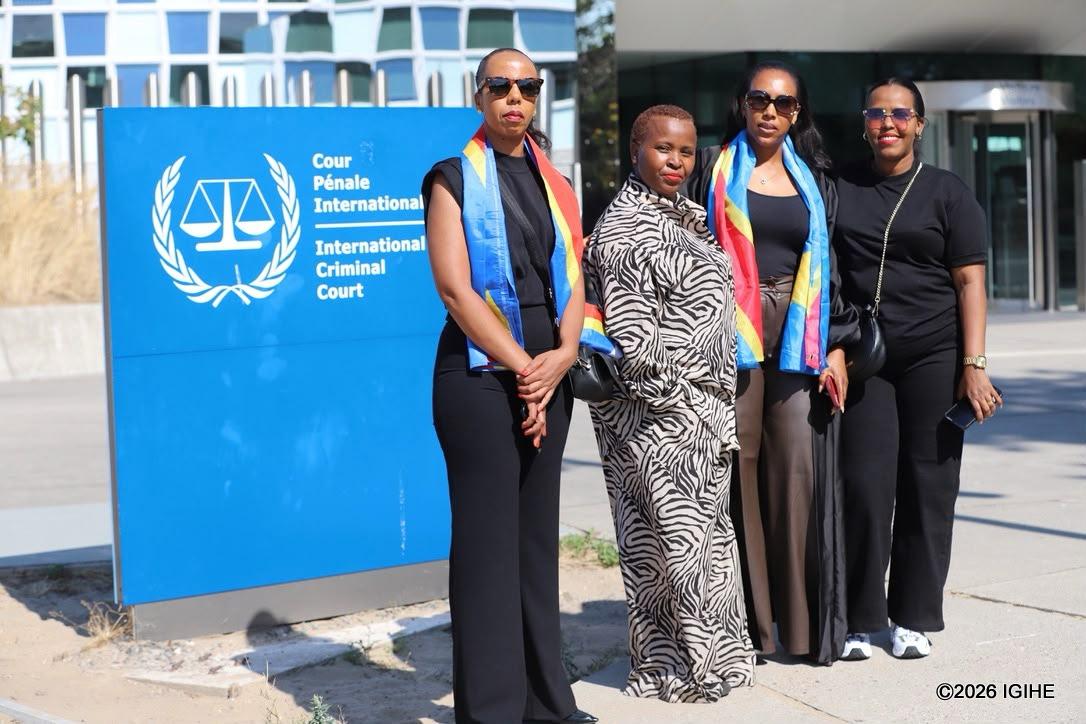
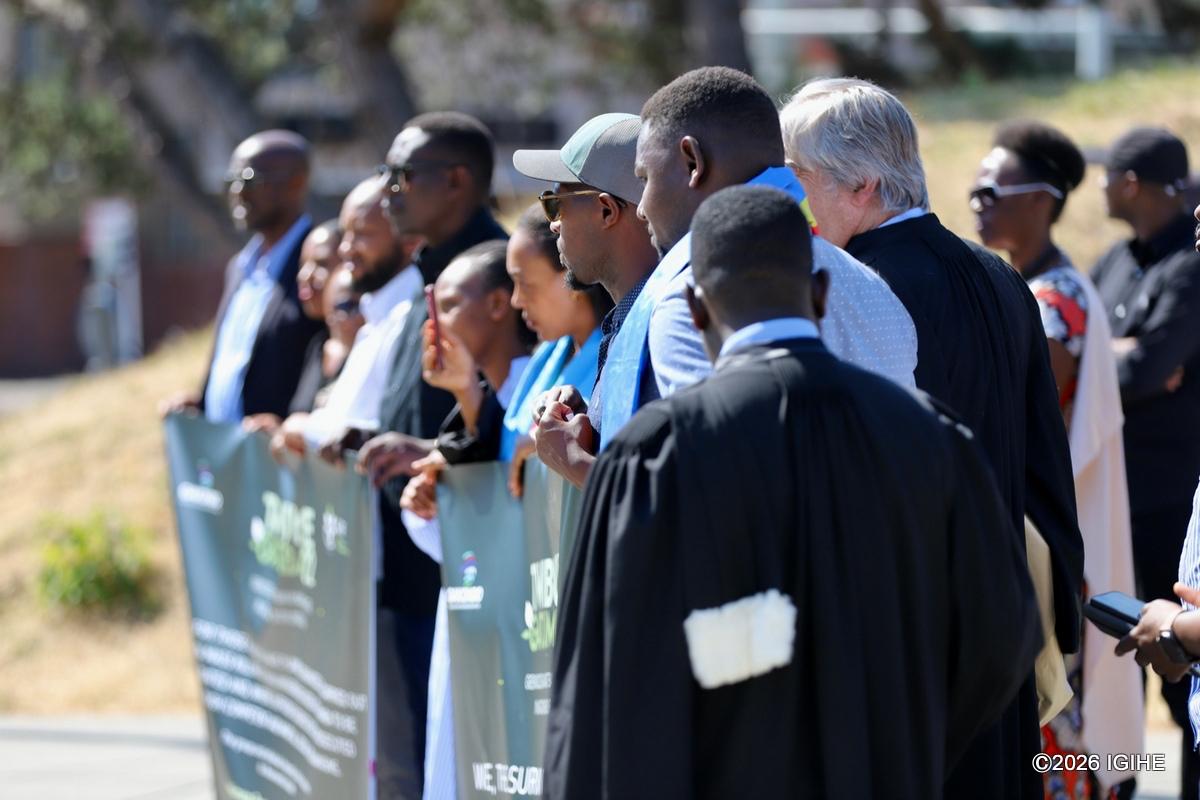
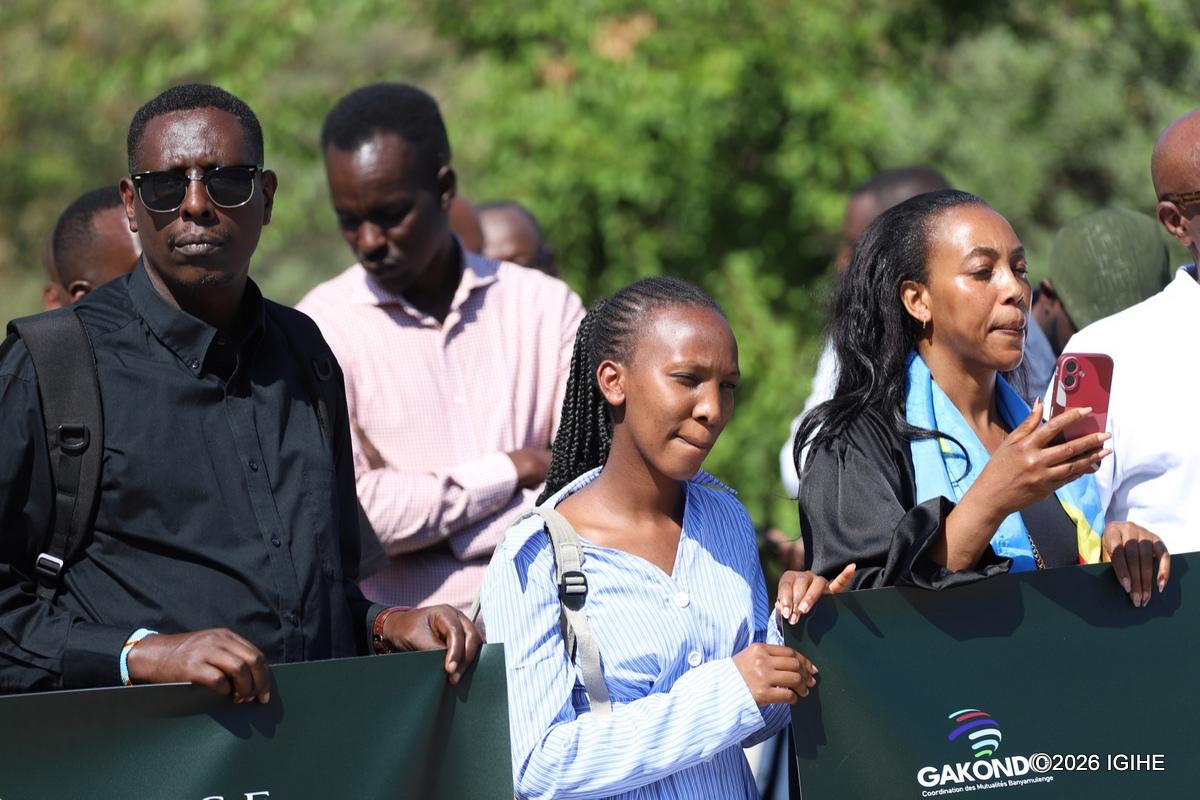
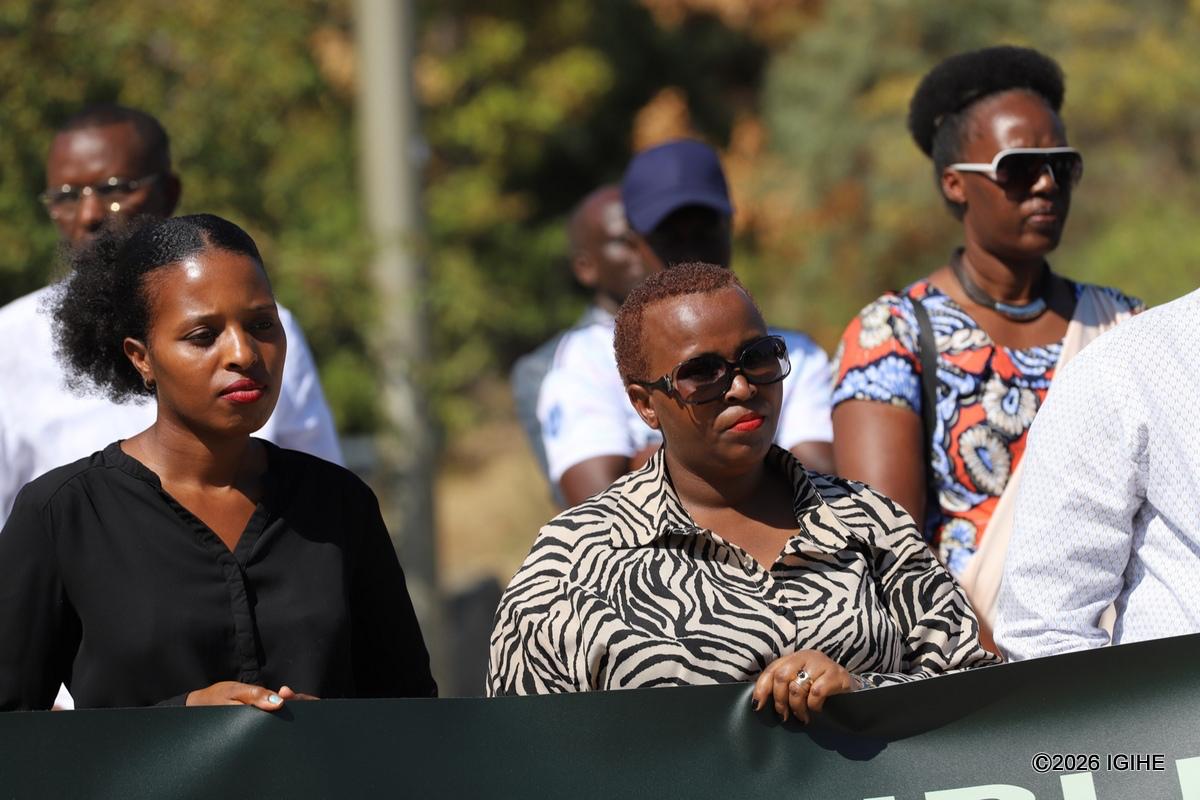
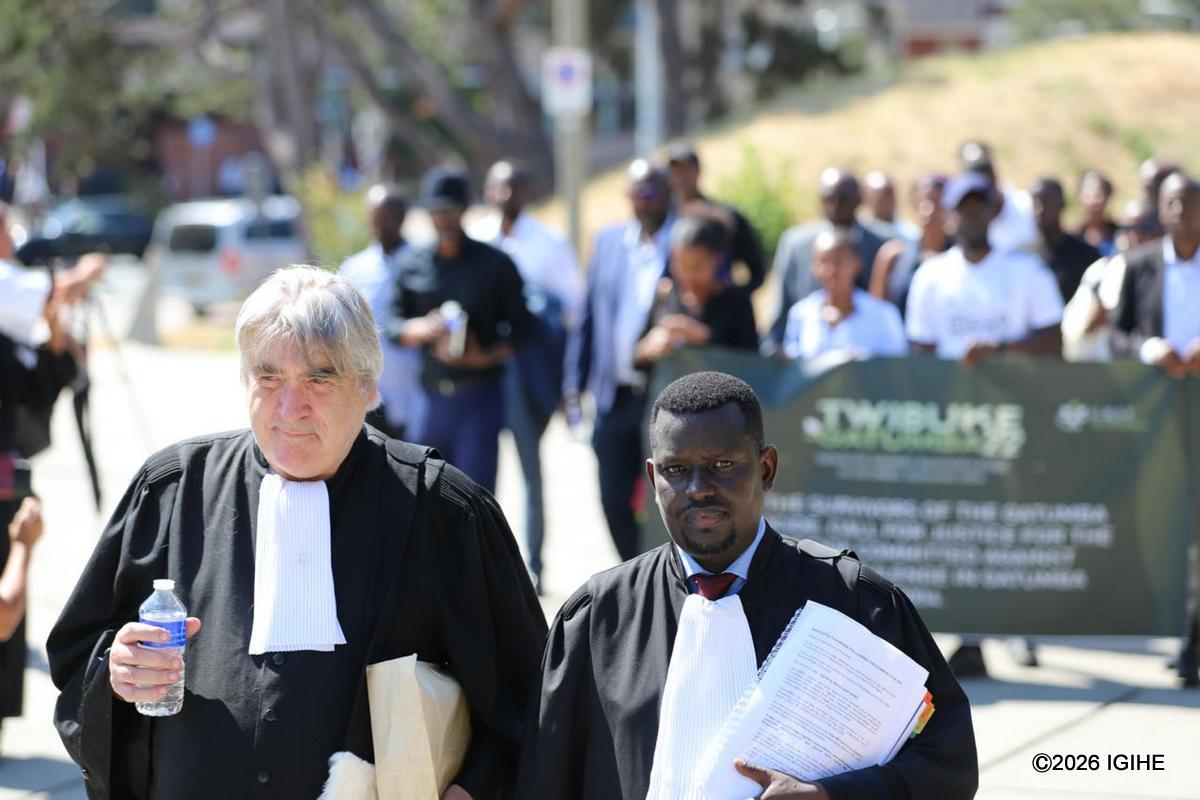
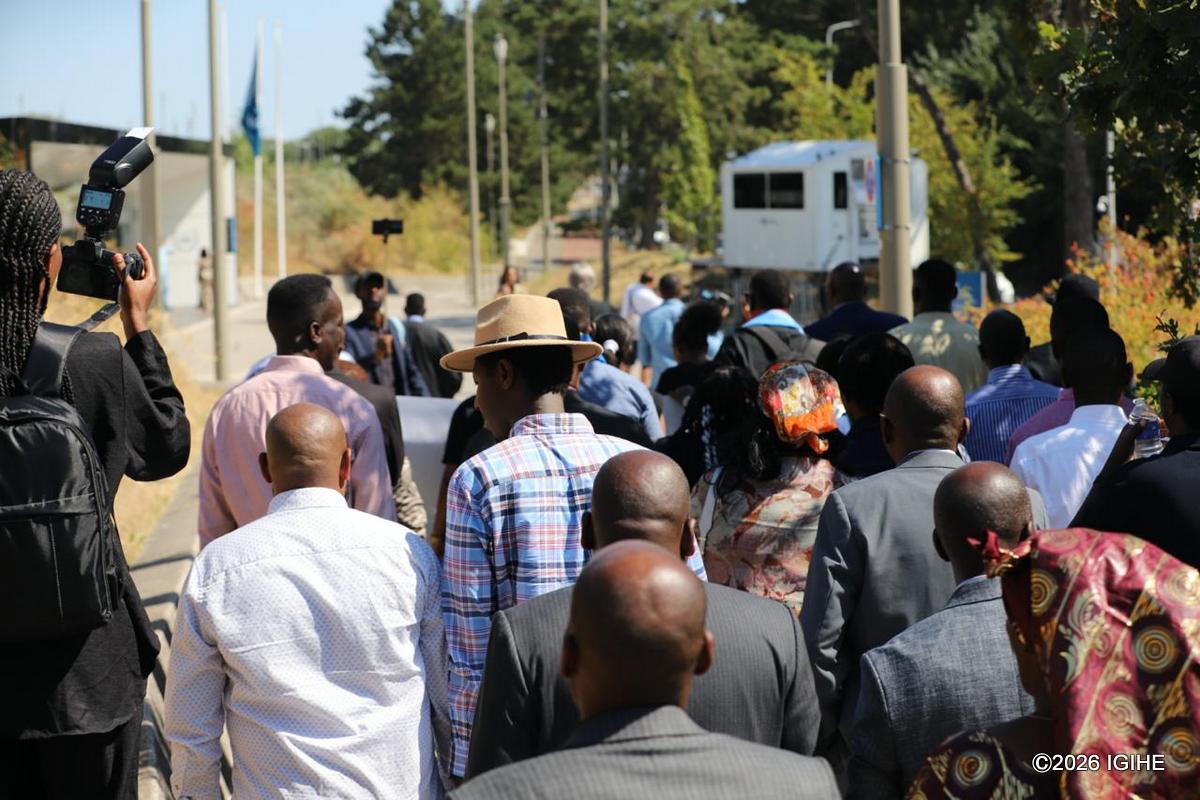
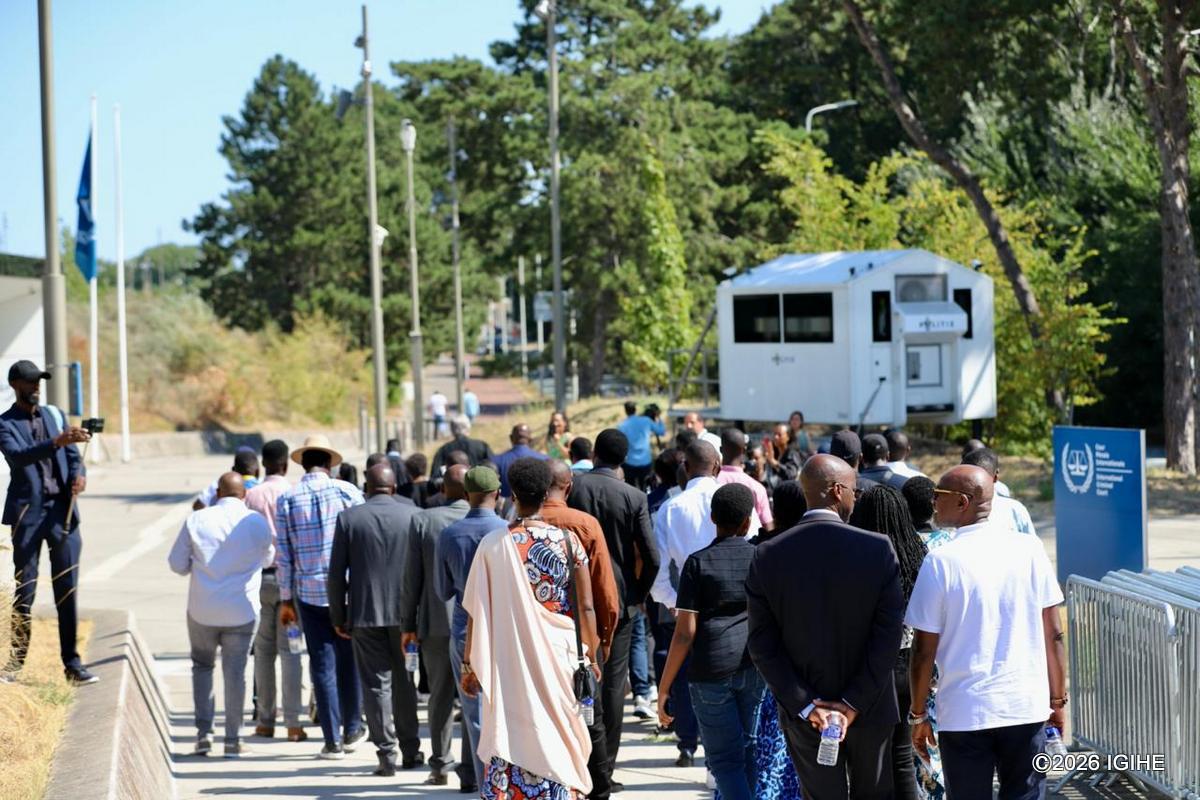
    Ahead of the submission, participants held a short march to the ICC headquarters to commemorate Banyamulenge refugees killed in Gatumba, Burundi, in 2004.

    The complaint focuses mainly on a series of attacks by forces aligned with the DRC government in Minembwe and surrounding areas, particularly since fighting resumed between government forces and the AFC/M23 rebels.

    Innocent Nteziryayo, one of the lawyers representing the complainants, told IGIHE that the complaint names President Félix Tshisekedi, members of his government and officials from Burundi.

    'We mainly focused on incidents that occurred in recent months, particularly the drone strikes that destroyed infrastructure in Minembwe and other areas,' he said.

    Nteziryayo said the complaint also refers to statements by senior officials that the Banyamulenge representatives consider to be incitement to hatred.

    'We also linked them to statements that have been made by senior officials, starting with the President, ministers and various journalists. We also filed a complaint against the Burundian army and its leaders because they allegedly played a role in operations targeting the Banyamulenge and destroying their infrastructure, and there is substantial evidence,' he said.

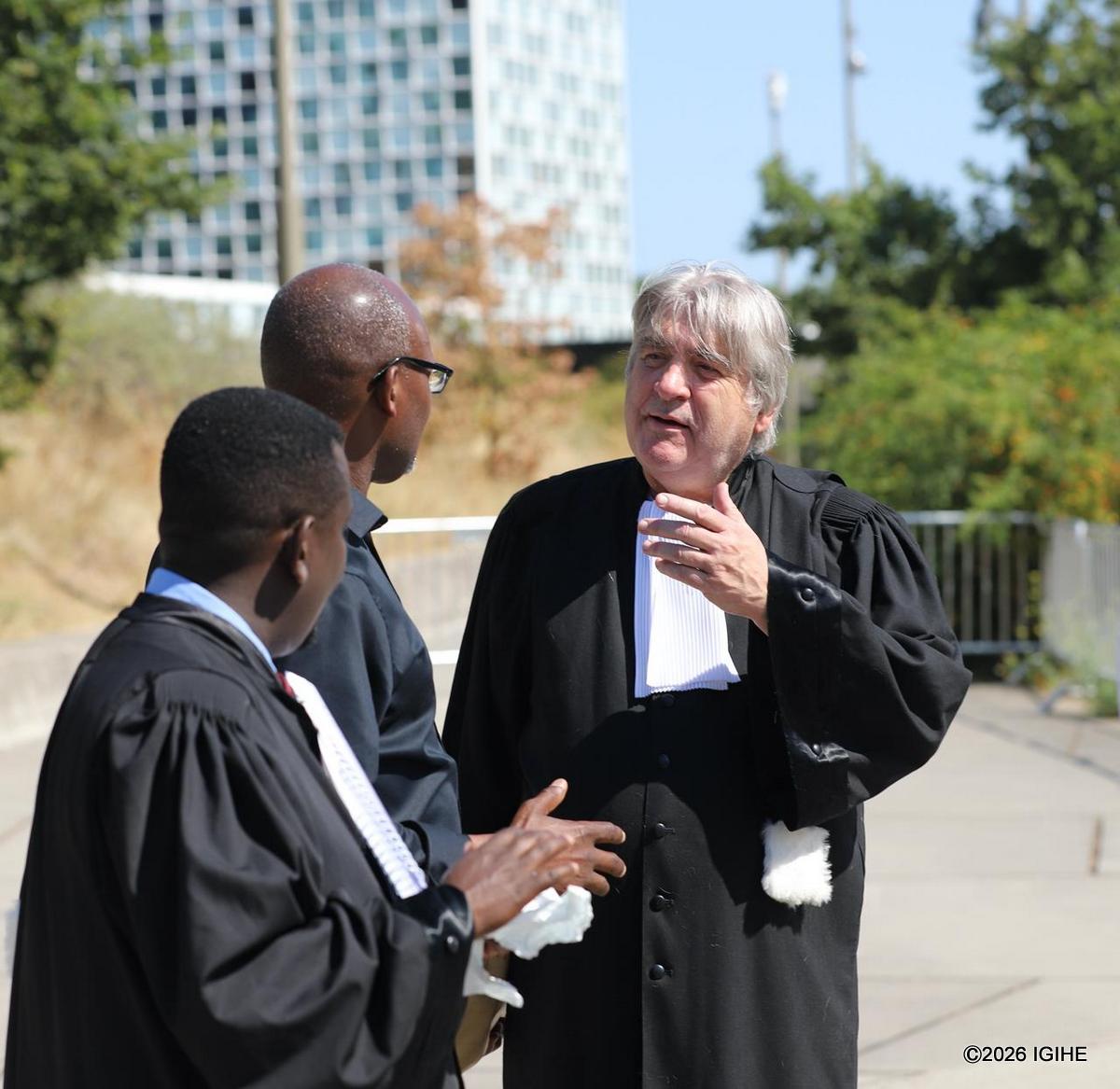
    Another lawyer representing the complainants, Bernard Maingain, said the delegation had come to The Hague to take what he described as a significant step by bringing the case before the ICC Prosecutor's Office under Article 15 of the Rome Statute.

    'We have come to The Hague to take a particularly significant step: to bring before the Office of the Prosecutor of the International Criminal Court, under Article 15 of the Rome Statute, a comprehensive dossier concerning crimes that we believe were committed against the Banyamulenge and fall within the jurisdiction of the ICC,' Me Maingain said.

    According to Me Maingain, the move comes after attempts to seek justice through the Congolese judicial system failed to produce results.

    He said that despite efforts made over several years, the authorities did not provide an effective response.

    'We had no other option but to come before the International Criminal Court,' he said, explaining that the dossier submitted to the Prosecutor includes testimonies, evidence, hate speech and historical analyses.

    The lawyer called on the Office of the Prosecutor to examine the material submitted and open investigations into the crimes.

    'We will never give up seeking justice for the Banyamulenge population,' Maingain said, stressing the importance of the recent events in Minembwe.

    In documents submitted to the ICC Prosecutor's Office, the complainants contend that residents of Minembwe have been subjected to acts that constitute crimes against humanity and war crimes. They also cite forced displacement on ethnic grounds and acts that they say may amount to genocide.

    The dossier includes testimonies from people affected by the bombardments in Minembwe, along with photographs, videos and other analyses intended to document the abuses.

    The complainants further testify that some residents were forcibly removed from their homes, while others were displaced, unlawfully detained, tortured or subjected to other forms of cruel or degrading treatment.

    The Banyamulenge have named several political, military and administrative officials in the DRC and called for an assessment of their role in the abuses documented in the complaint.

    The dossier also mentions armed groups including Wazalendo, Nyatura and the FDLR. The complainants are calling for investigations into the possible role of these groups in attacks against civilians in Minembwe.

    They have also asked the ICC Prosecutor's Office to examine the involvement of Burundian officials whom they accuse of cooperating with DRC authorities in operations carried out in Minembwe.

    To support the complaint, the Banyamulenge submitted documents signed by residents, associations and institutions in Minembwe authorising their representatives to act on their behalf in seeking justice.

    The institutions cited in the dossier include health centres in the Minembwe highlands, churches, Minembwe General Hospital, universities, primary and secondary schools, and Radio Tuungane de Minembwe.

    Their lawyers said they also submitted a list of people who were forcibly displaced, unlawfully detained, tortured or subjected to other forms of mistreatment or degrading treatment.

    The Banyamulenge say the 2004 Gatumba massacre, in which many Banyamulenge refugees from the DRC were killed, remains one of the most painful events in the community's recent history.

    Those gathered in The Hague said their decision to approach the ICC was intended to give a voice to people who have suffered abuses and to ensure that the violations in Minembwe receive international attention.

    They called on the ICC Prosecutor's Office to review the documents, testimonies and other evidence submitted and determine whether there are sufficient grounds to open an investigation into the crimes.

    The filing in The Hague marks another step by Banyamulenge representatives in what they describe as a broader effort to seek justice for people who have suffered abuses in Minembwe and other conflict-affected areas of eastern DRC.
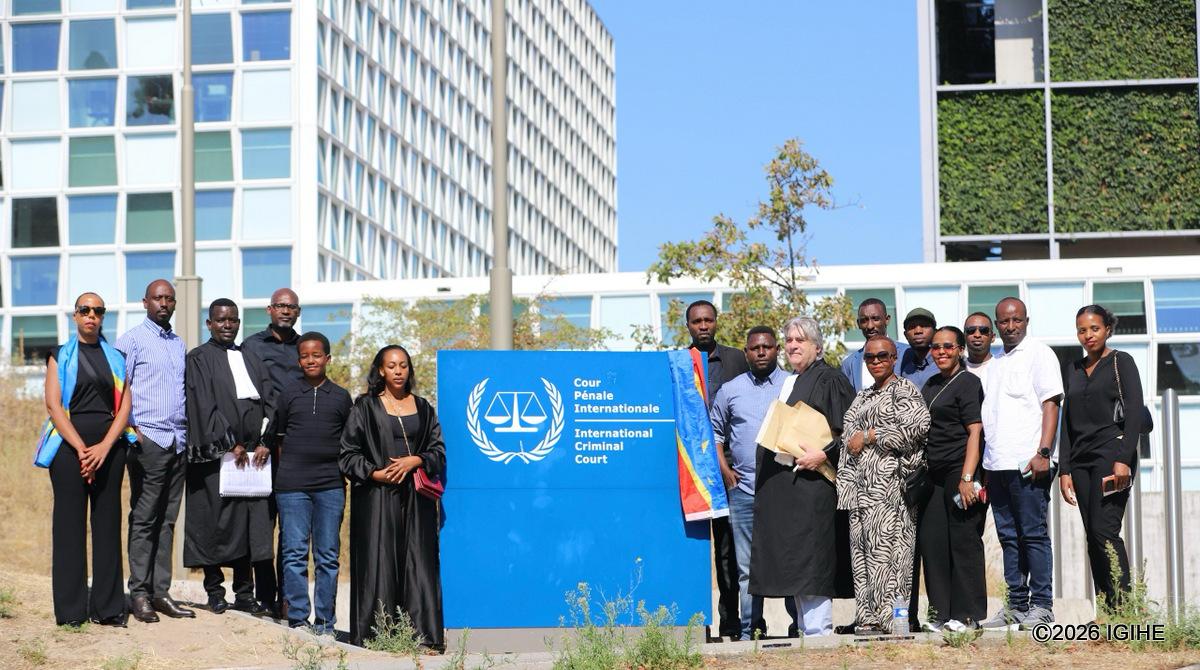
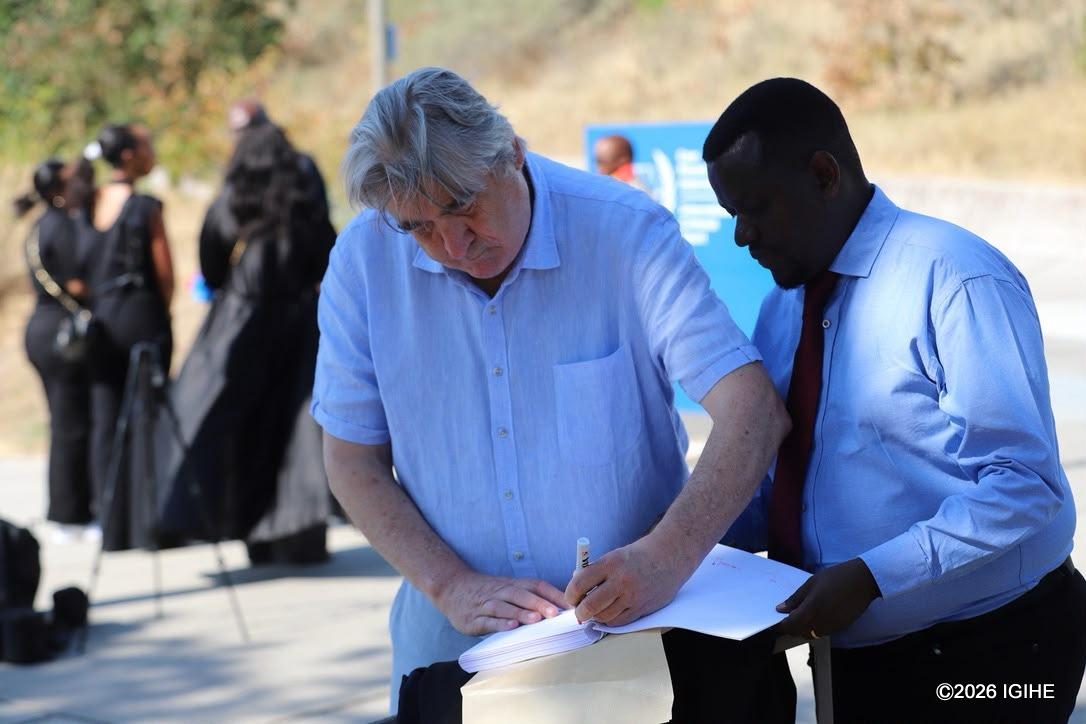
    The complaint was submitted on August 14, 2026, during a ceremony attended by Banyamulenge representatives from different parts of the world and lawyers representing the complainants.
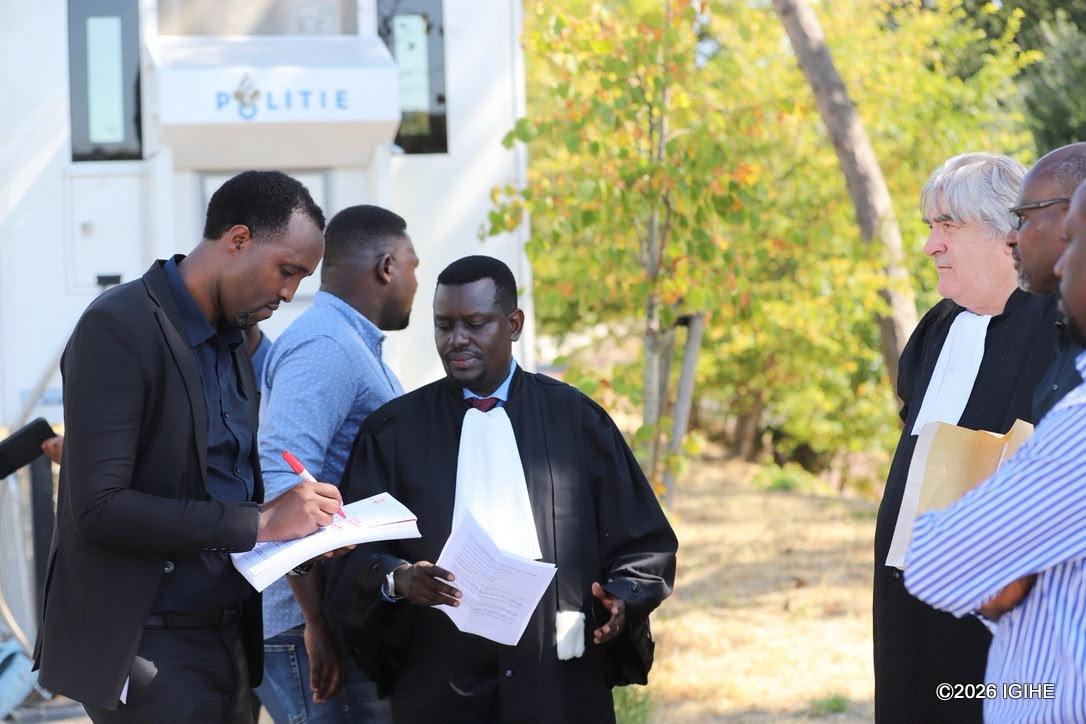
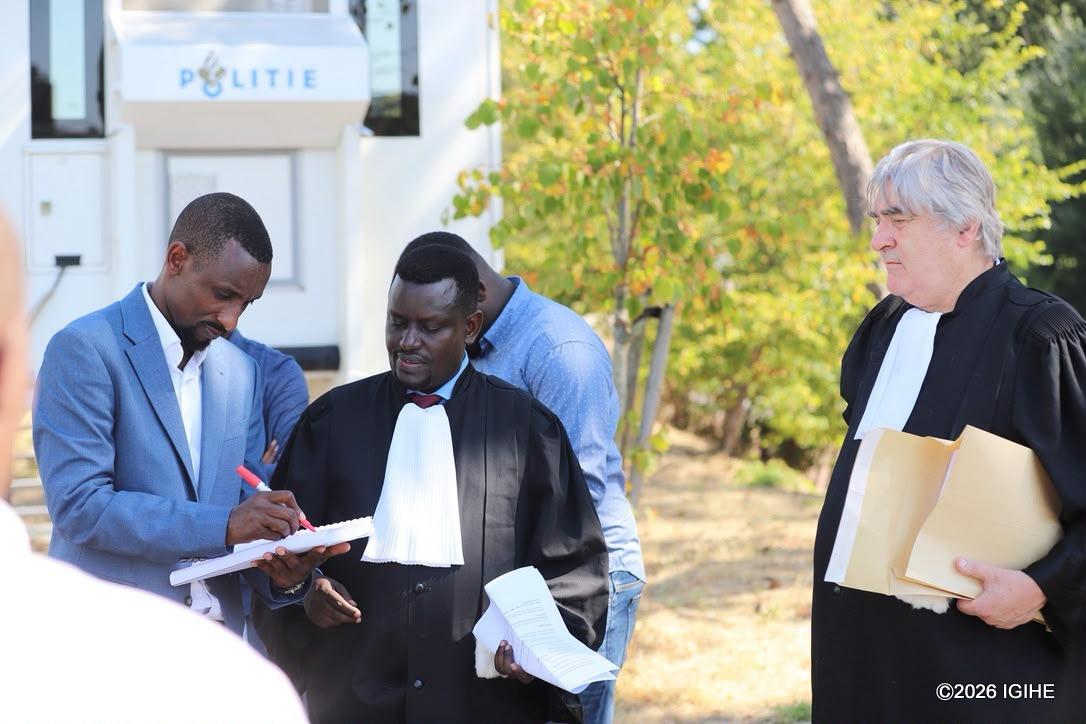
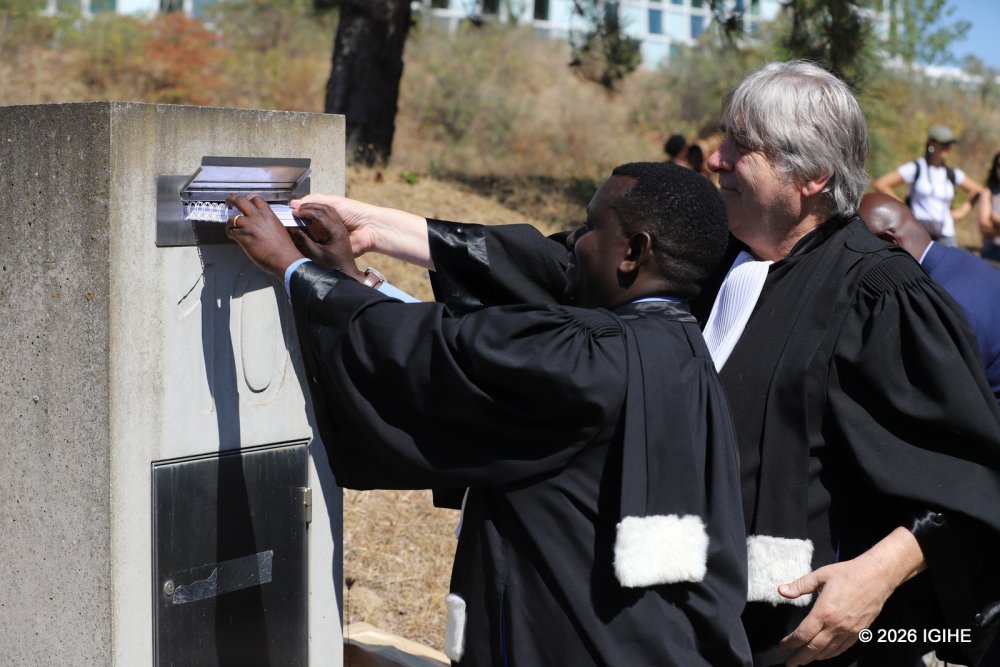
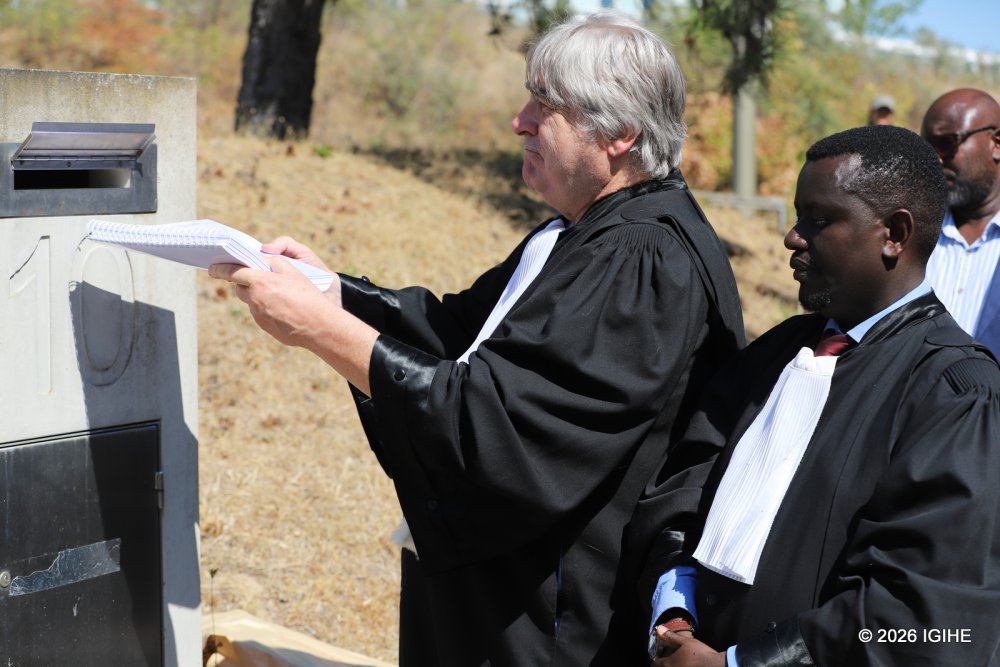
    Lawyers Innocent Nteziryayo and Bernard Maingain signing the complaint dossier.

    Representatives of various Banyamulenge associations also signed.

    Lawyers Bernard Maingain and Innocent Nteziryayo during the submission of the complaint to the ICC.
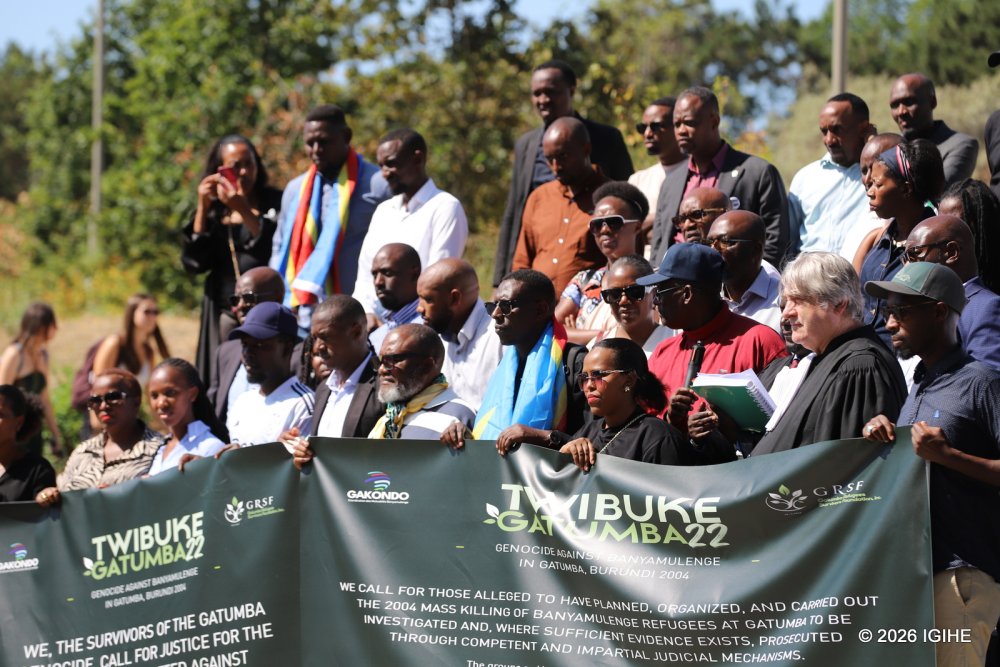
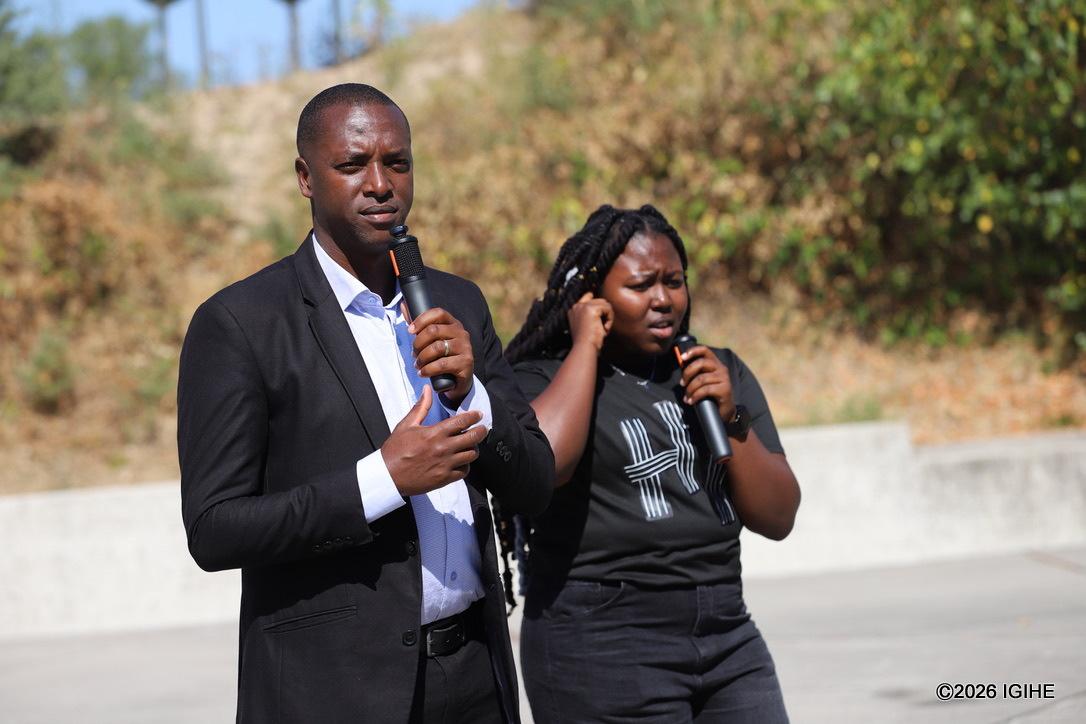
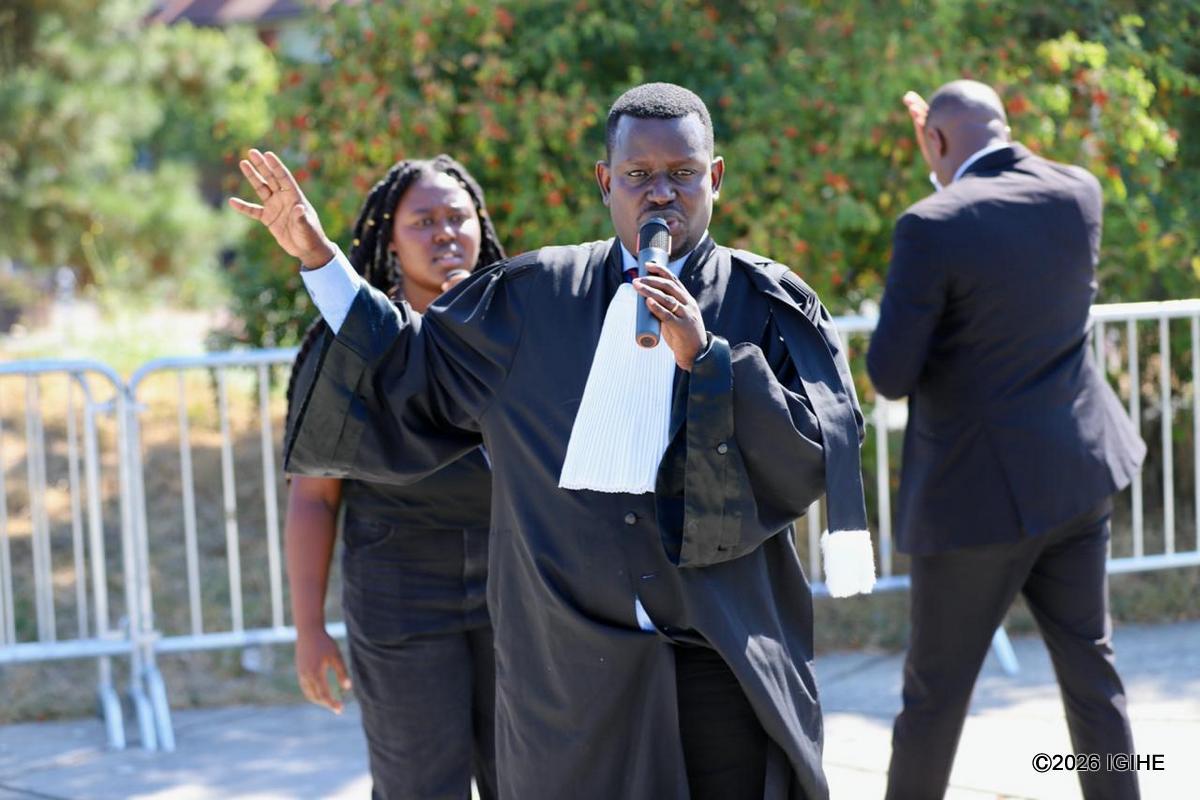
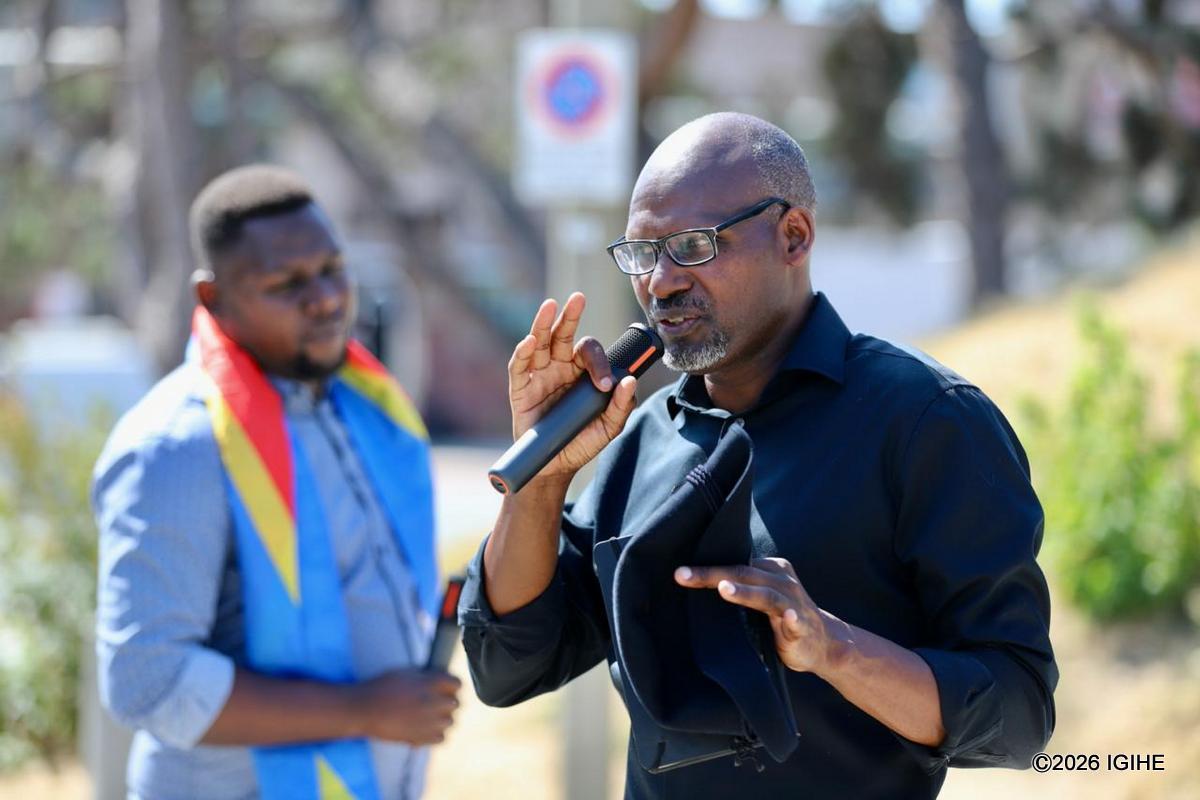
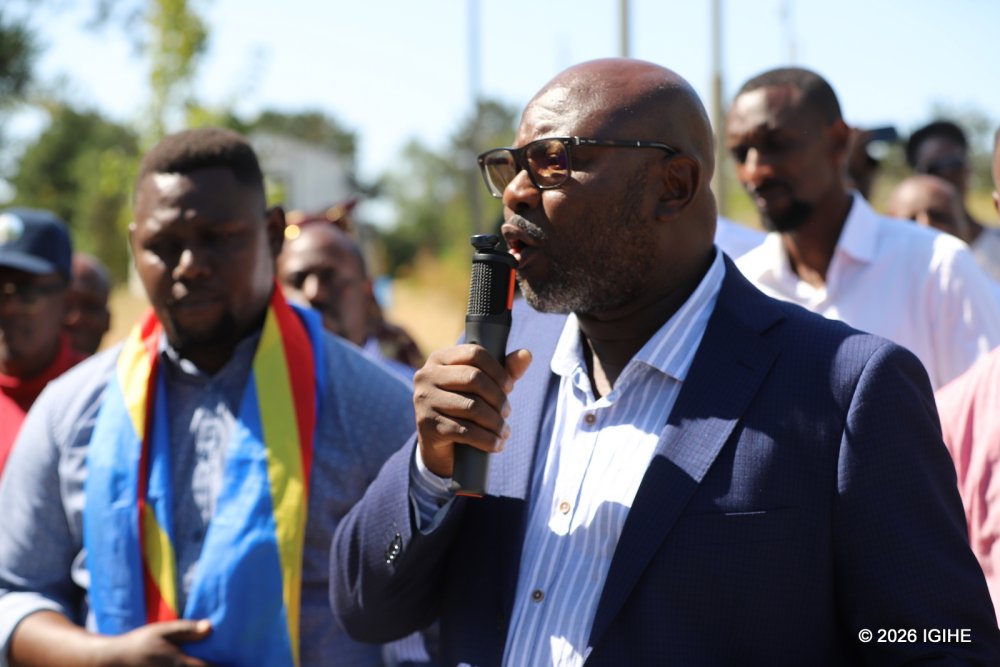
    Banyamulenge youth led the event on Friday.
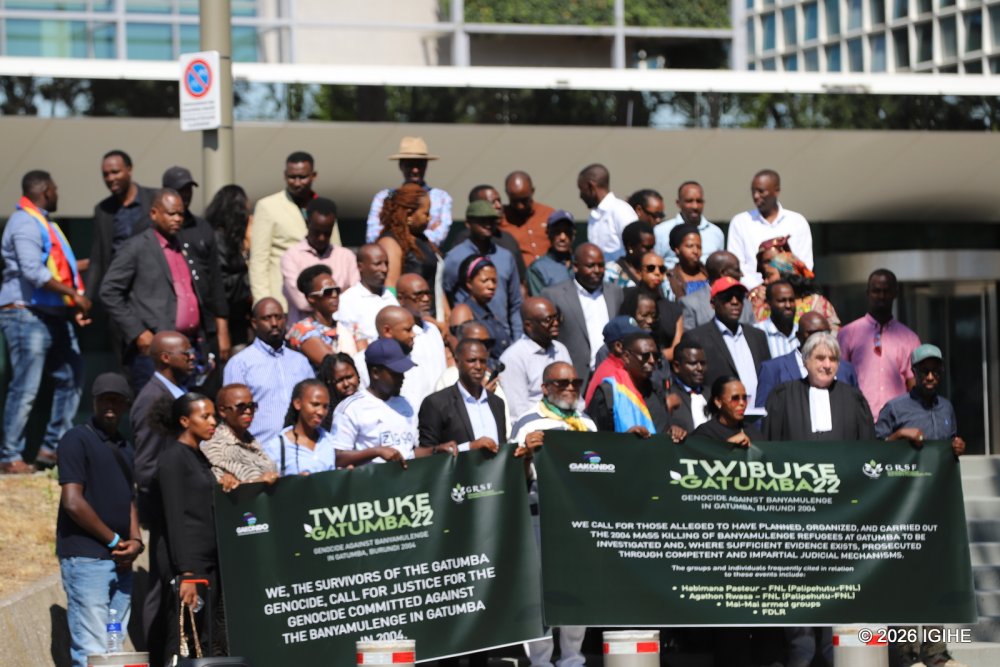
    Lawyer Ruhamira Jean Pierre explaining the sequence of events.

    Source : https://new.igihe.com/english/banyamulenge-file-complaint-against-tshisekedi-and-burundi-officials-at-icc/

  • Apple trains China-Specific AI model with Alibaba support #rwanda #RwOT

    Three people familiar with the matter told Reuters that the model was developed in partnership with Alibaba and trained with support from the Chinese technology company. They spoke anonymously because the information has not been made public.

    Apple had previously relied on models from Chinese technology companies to bring generative AI features to its devices in China.

    US-developed services such as OpenAI's ChatGPT and Anthropic's Claude are not available in the country.

    Apple Intelligence, the company's suite of AI tools, is expected to launch in China in the coming months after an iOS update.

    A China-specific model could give Apple greater control over the AI experience on devices sold in the country.

    It could also help the company meet China's regulatory requirements, which challenge foreign technology companies.

    The move comes as Apple faces strong competition from Chinese smartphone makers, including Huawei, that have moved quickly to introduce AI-powered features.

    The absence of Apple Intelligence from Chinese iPhones has been cited as one factor affecting the company's competitiveness as consumers increasingly choose domestic brands with built-in AI assistants.

    The development follows a lengthy regulatory process. Last month, China's Cyberspace Administration registered Apple's generative AI service, clearing the way for Apple Intelligence to reach Chinese iPhones.

    Under the existing arrangement, Alibaba's Qwen model is expected to be incorporated into the version of Apple Intelligence for compatible iPhone, iPad, Mac and Vision Pro devices sold in China. The service was also expected to include Baidu technology.

    Apple recently published a Chinese-language guide showing eligible Mac users in mainland China how to connect Qwen to Siri and Apple's Writing Tools. Apple later removed the guide without explanation.

    Apple's partnership with Alibaba was first confirmed in February 2025, when Alibaba Chairman Joe Tsai said Apple had selected Alibaba to provide AI technology for its phones in China.

    The rollout was later delayed as Apple worked to adapt its features to Chinese regulations.

    China remains an important market for Apple, accounting for a significant share of its revenue.

    The company's latest AI strategy could help it strengthen its position while navigating the country's regulatory environment.

    Apple's latest AI move comes as the company works to strengthen its position in China's competitive smartphone market.

    Source : https://new.igihe.com/english/apple-trains-china-specific-ai-model-with-alibaba-support/

  • Cold Solutions Rwanda opens fruit processing facility to support exports #rwanda #RwOT

    Cold Solutions Rwanda has opened a new fruit processing and cold storage facility aimed at improving the handling of fresh produce for export, strengthening Rwanda's agricultural value chain and supporting the country's growing horticulture sector.

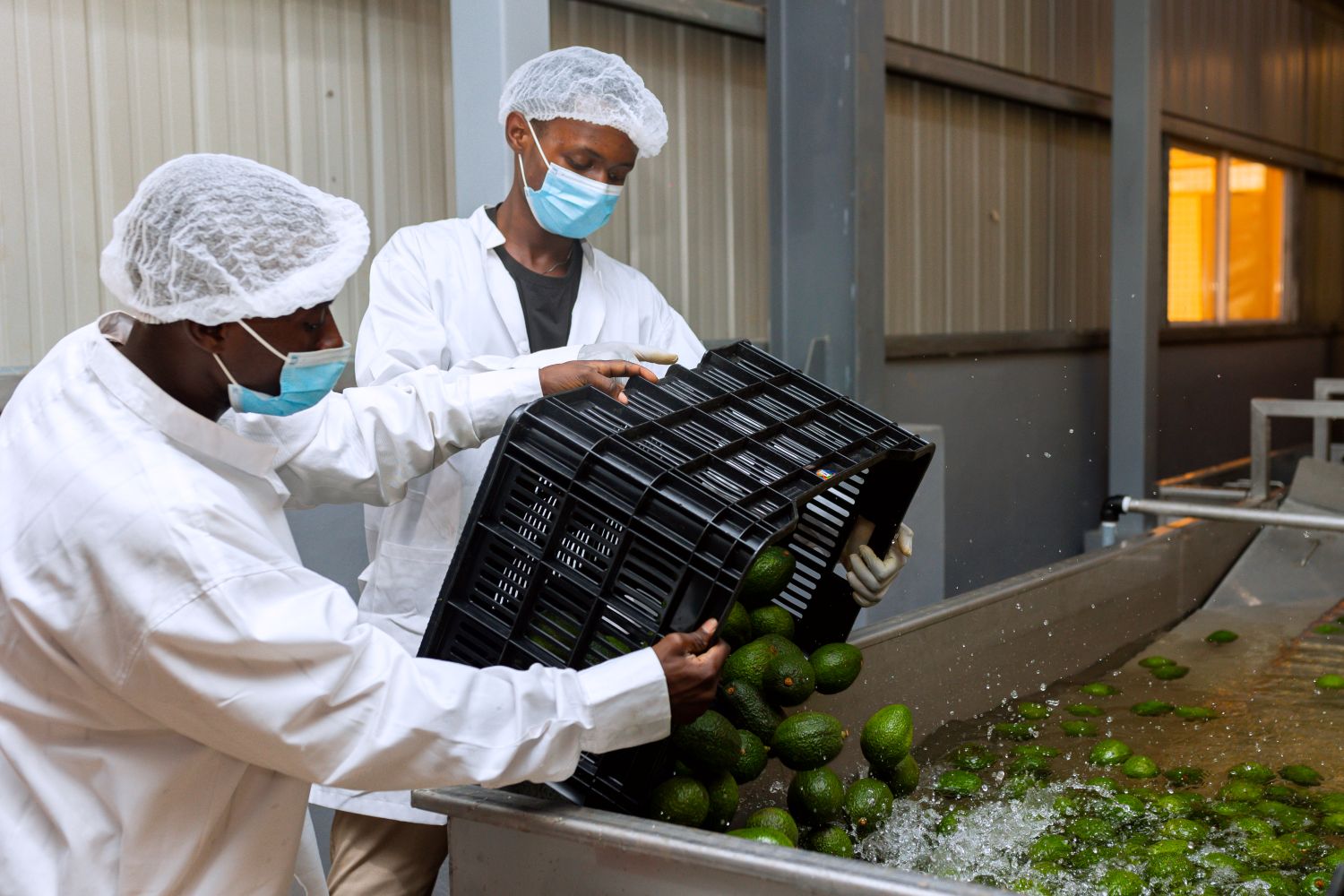
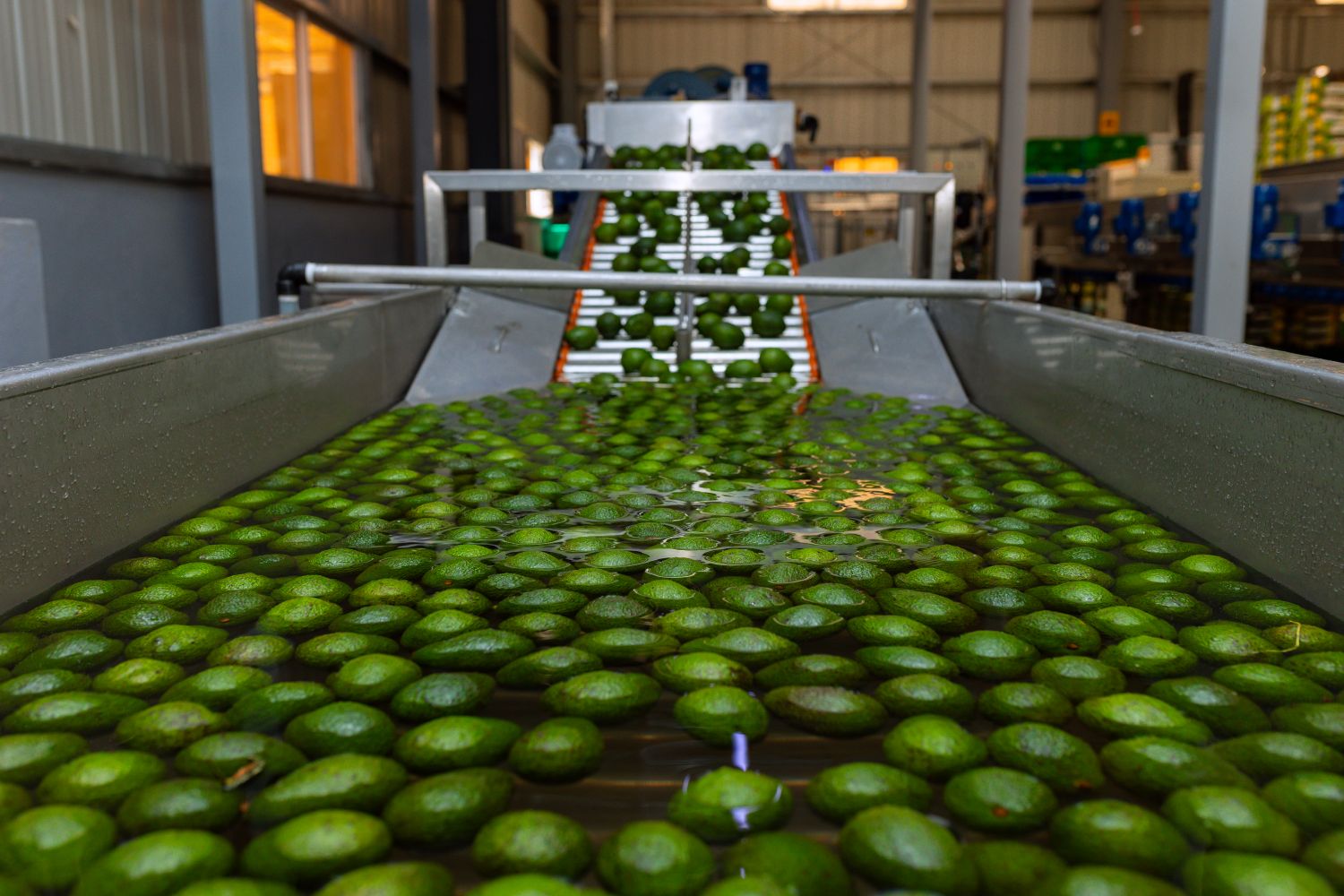
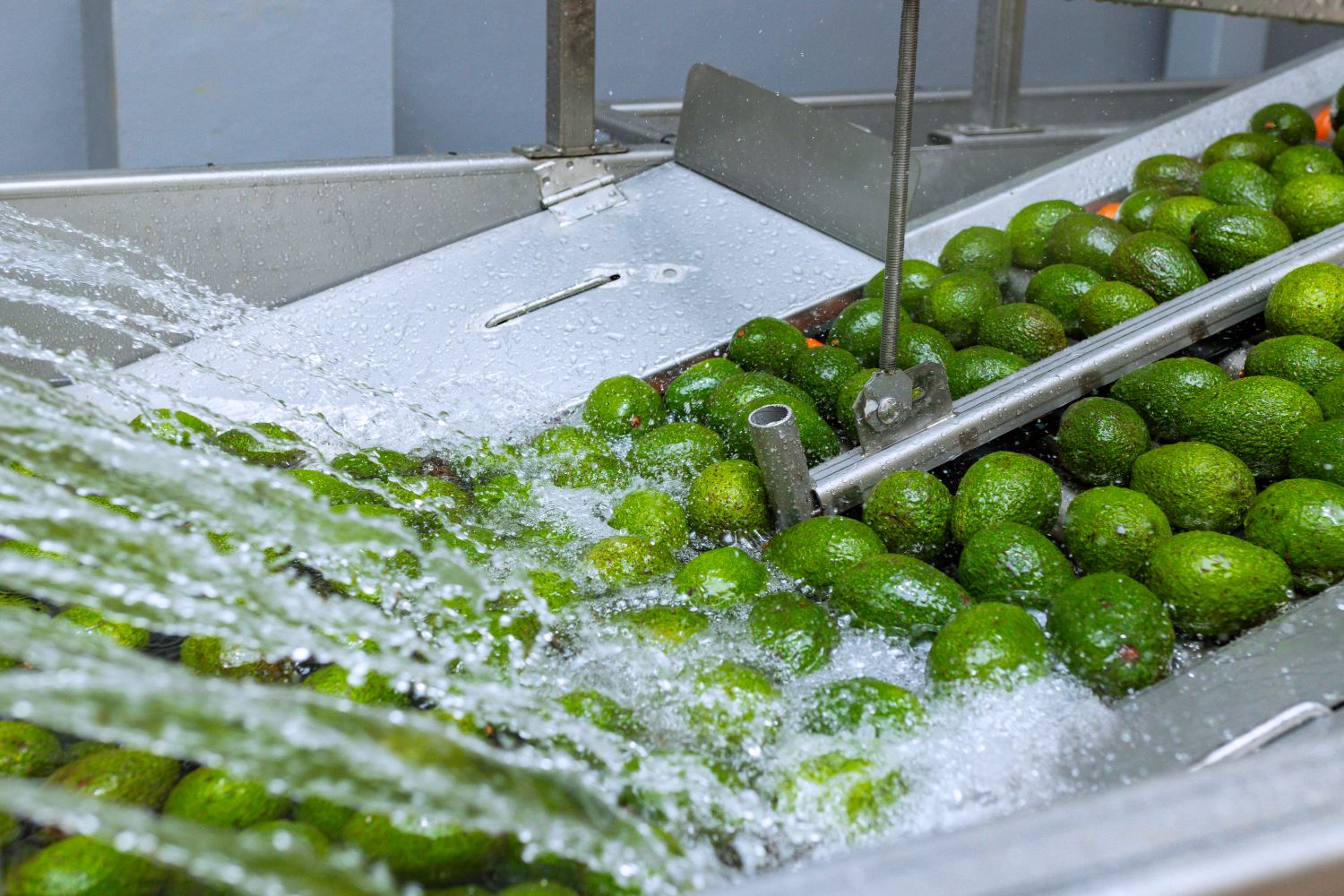
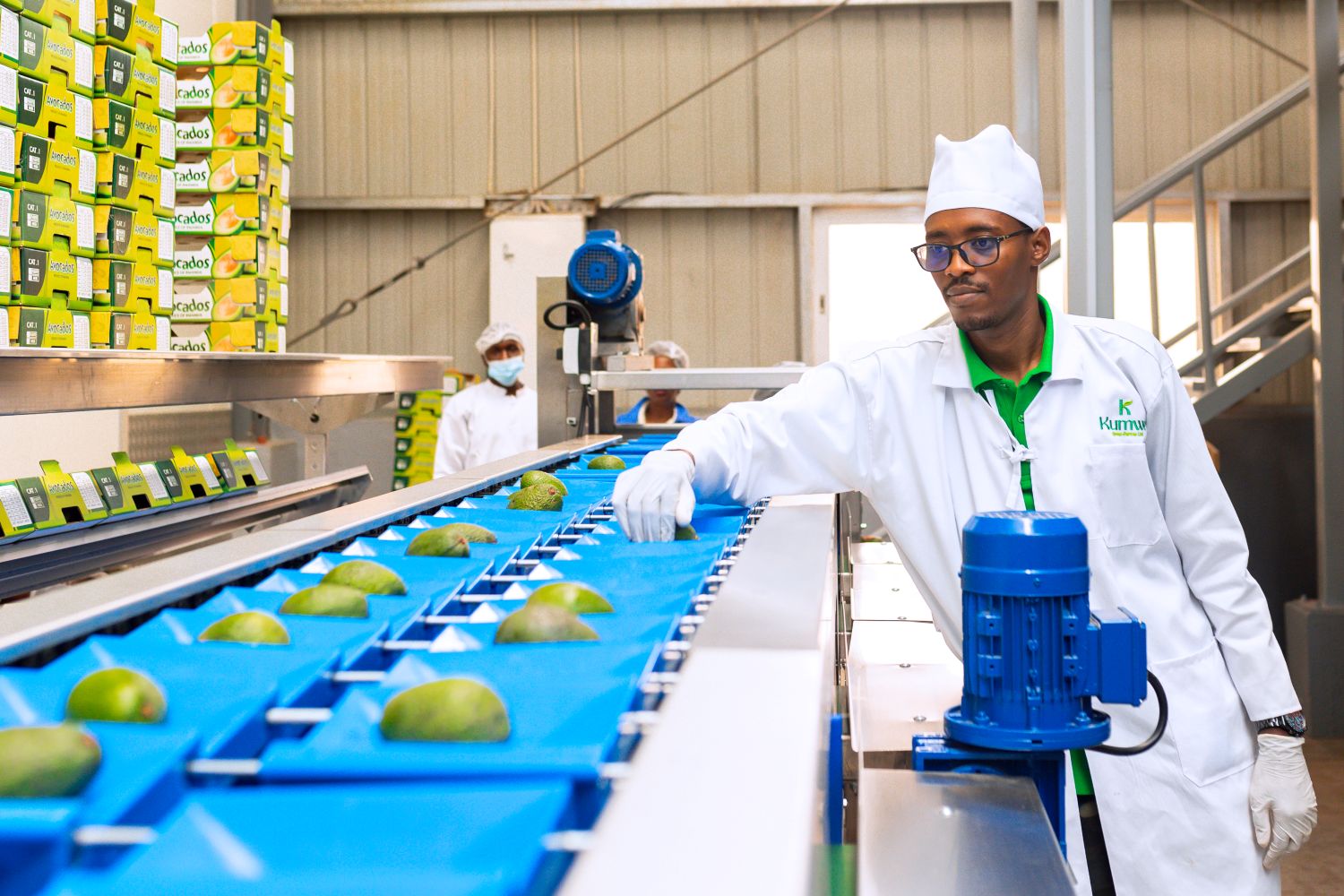
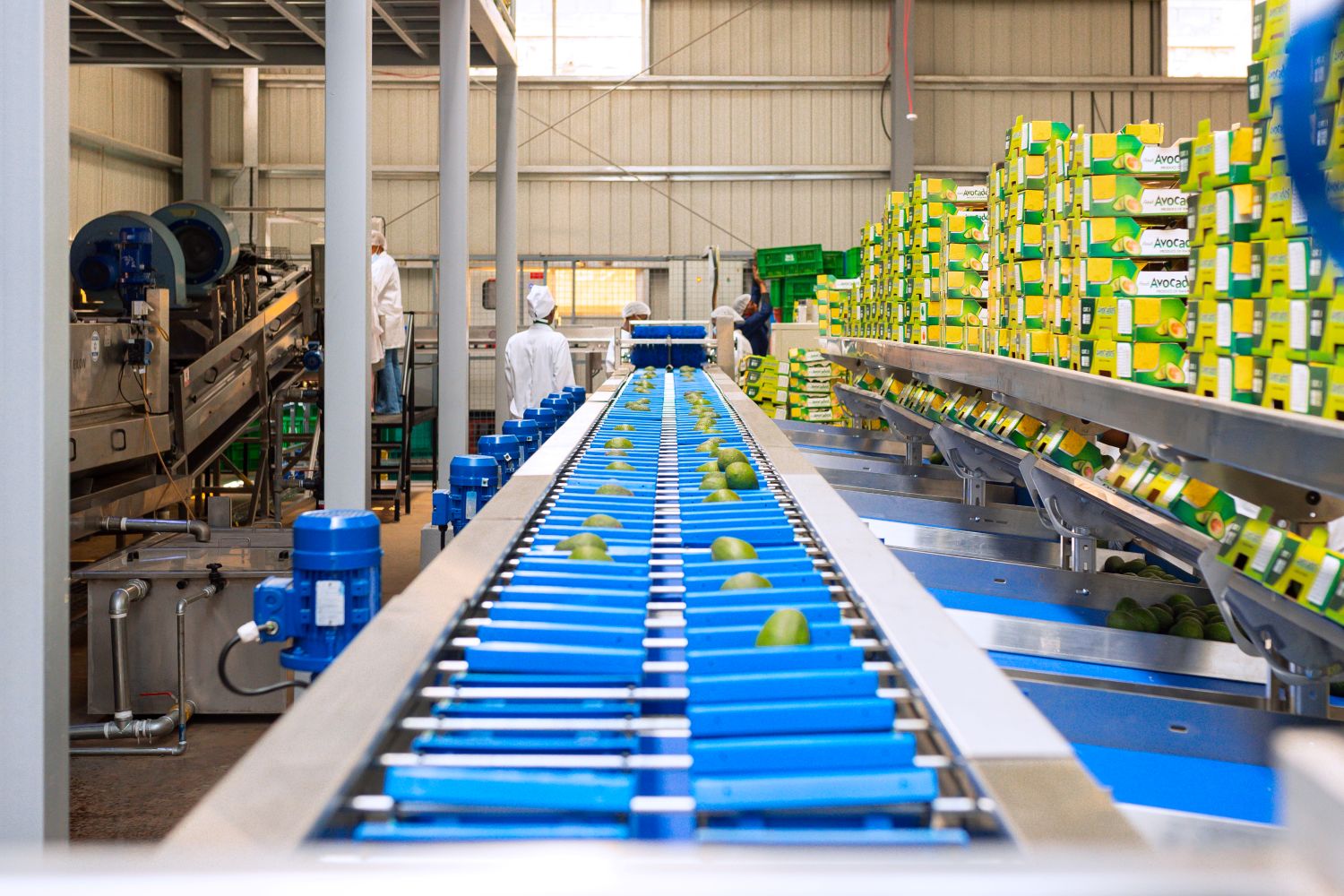
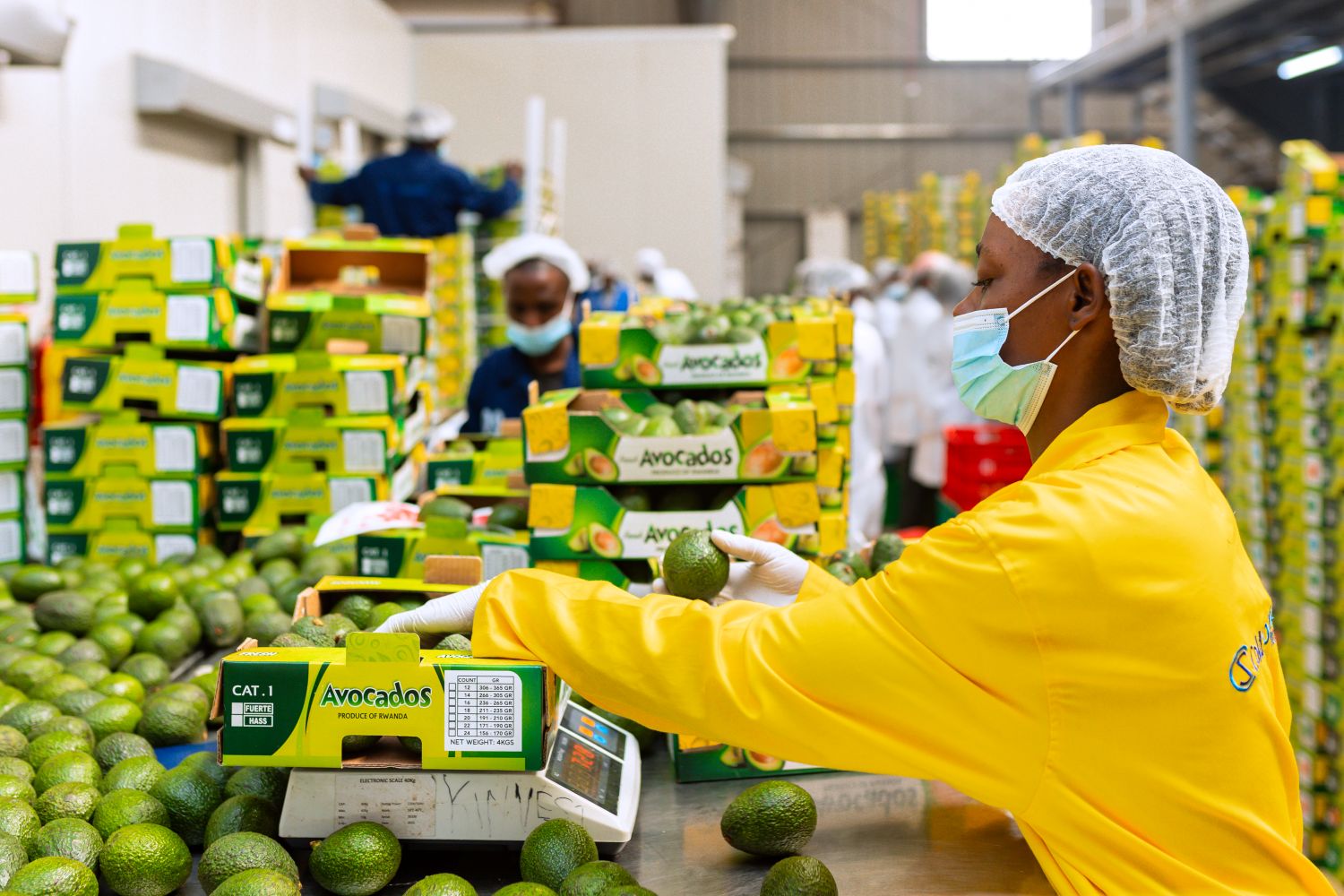
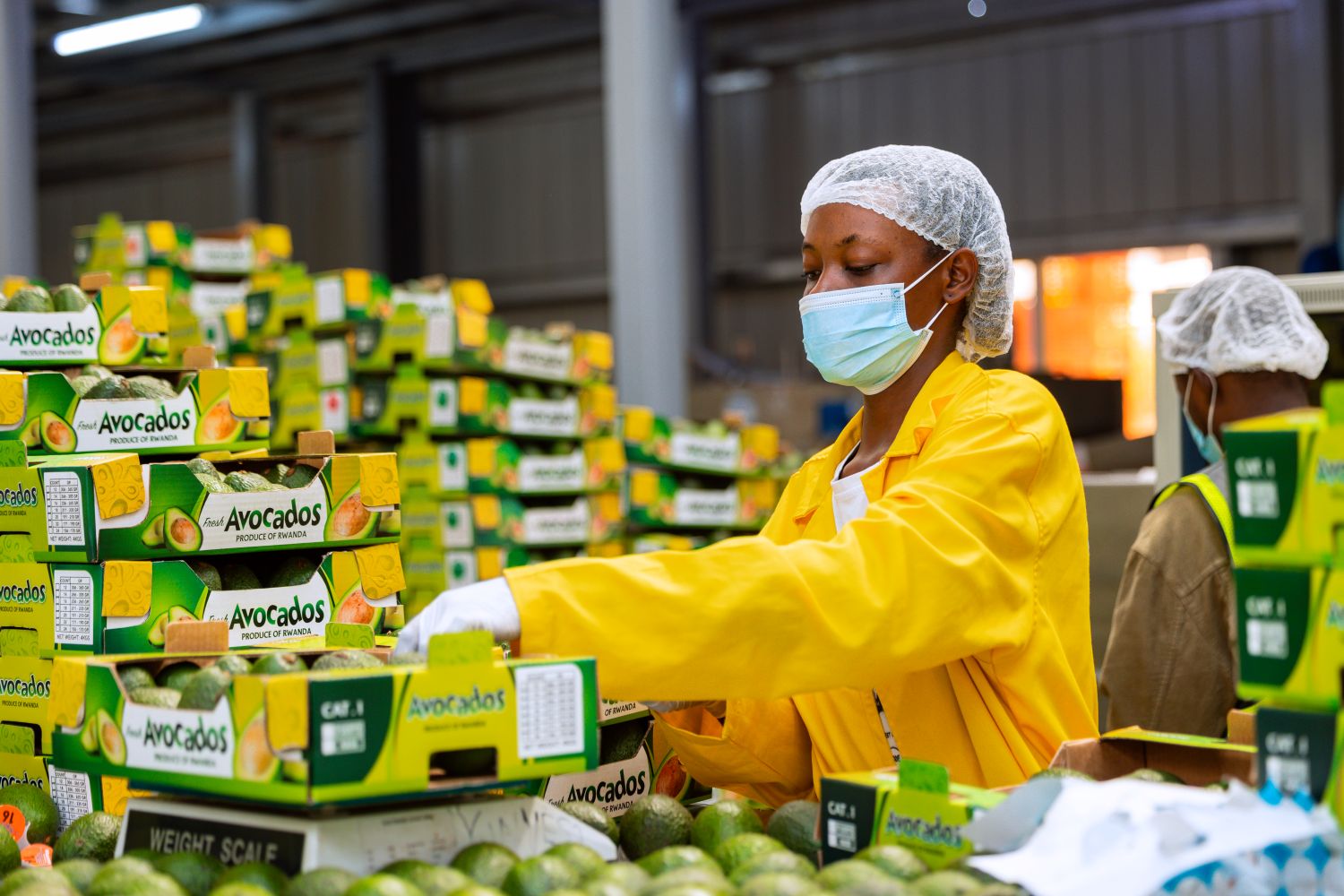
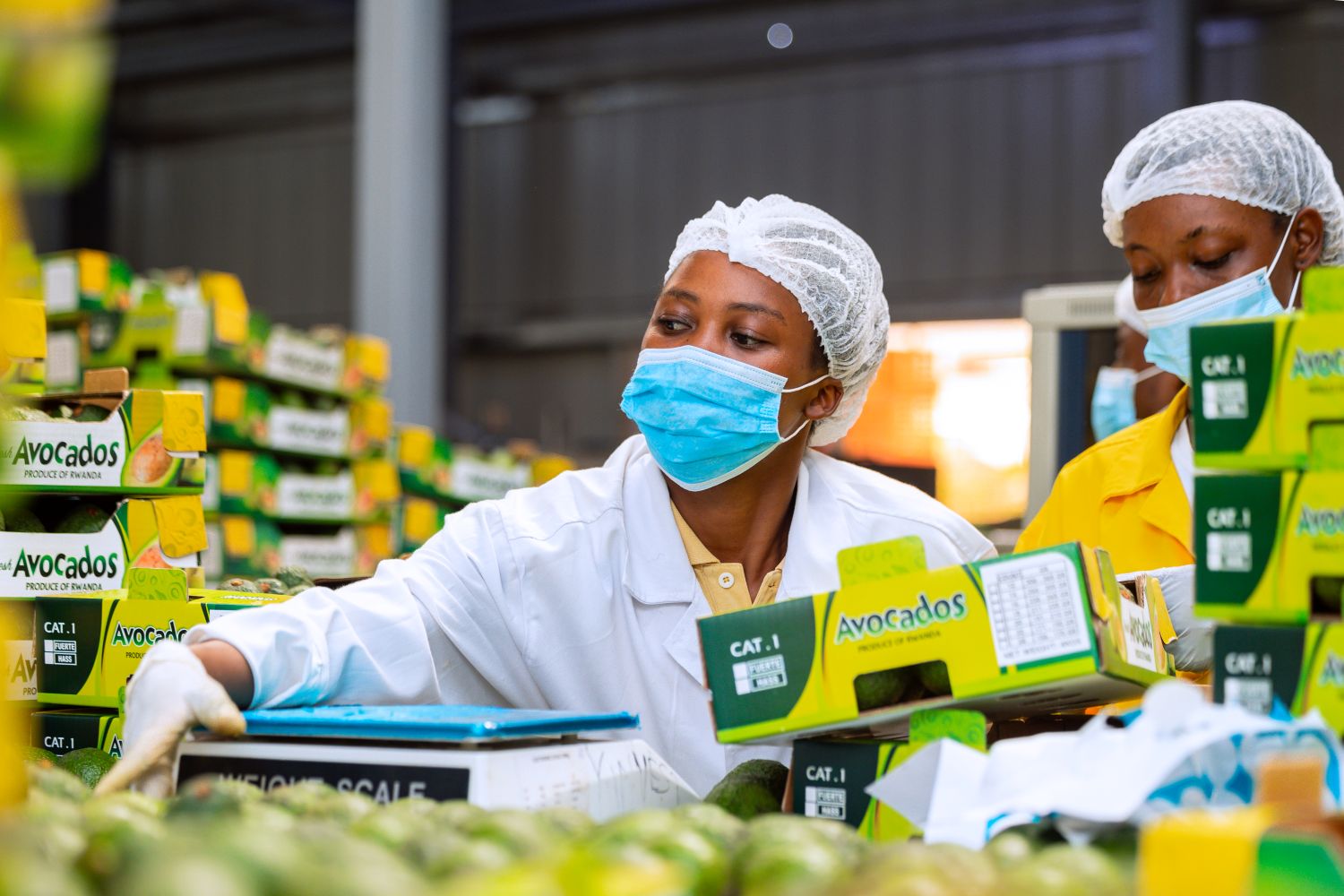
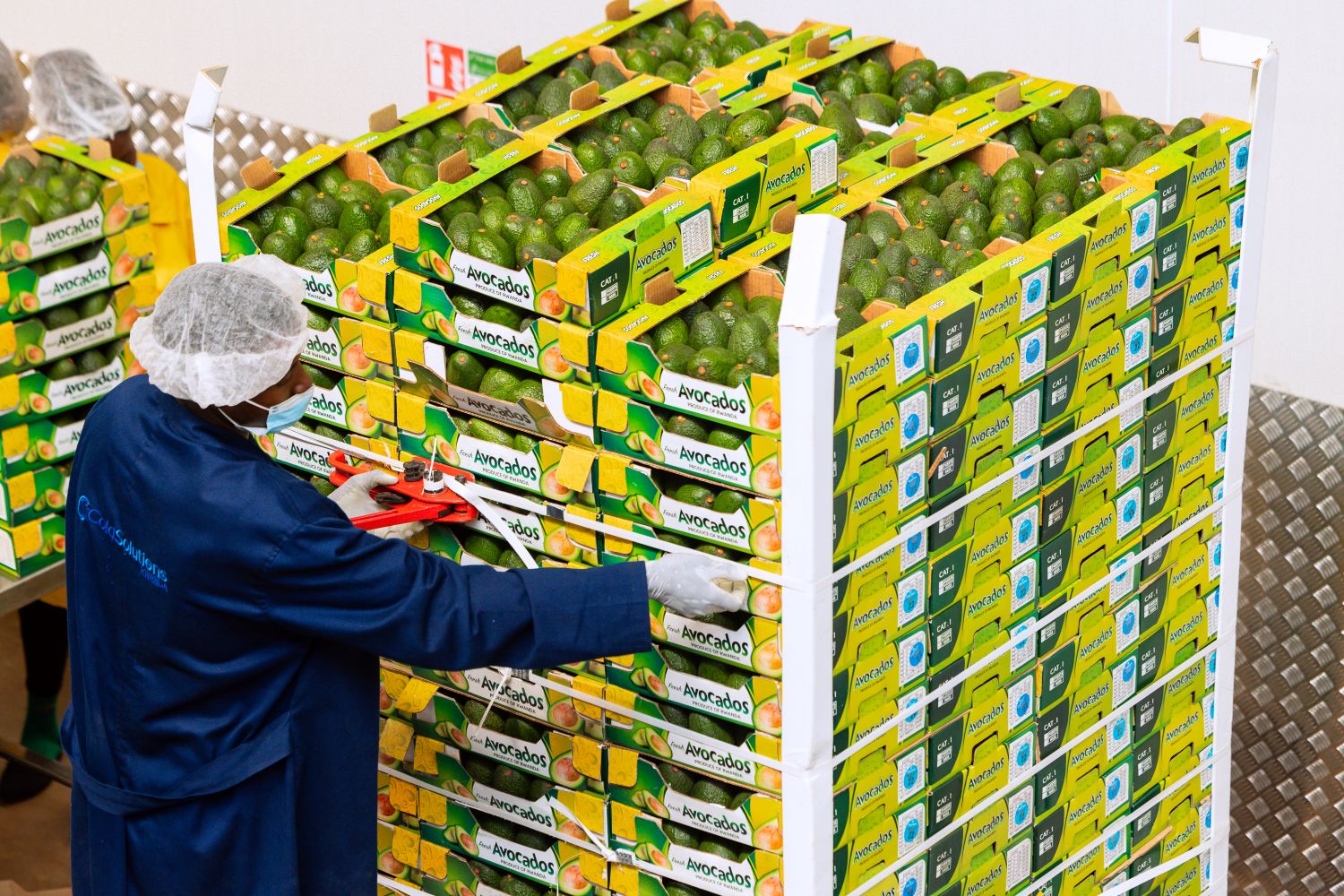
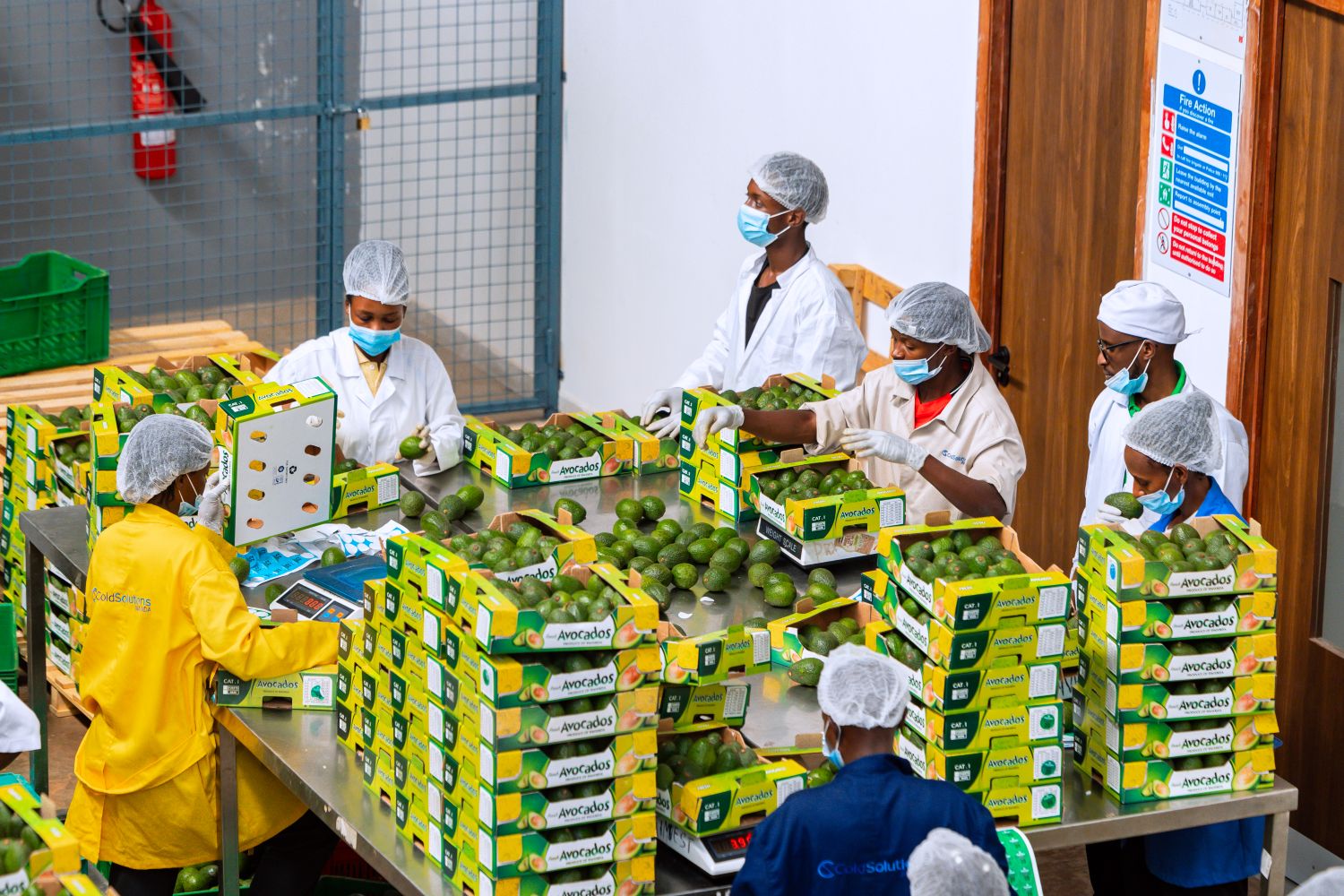
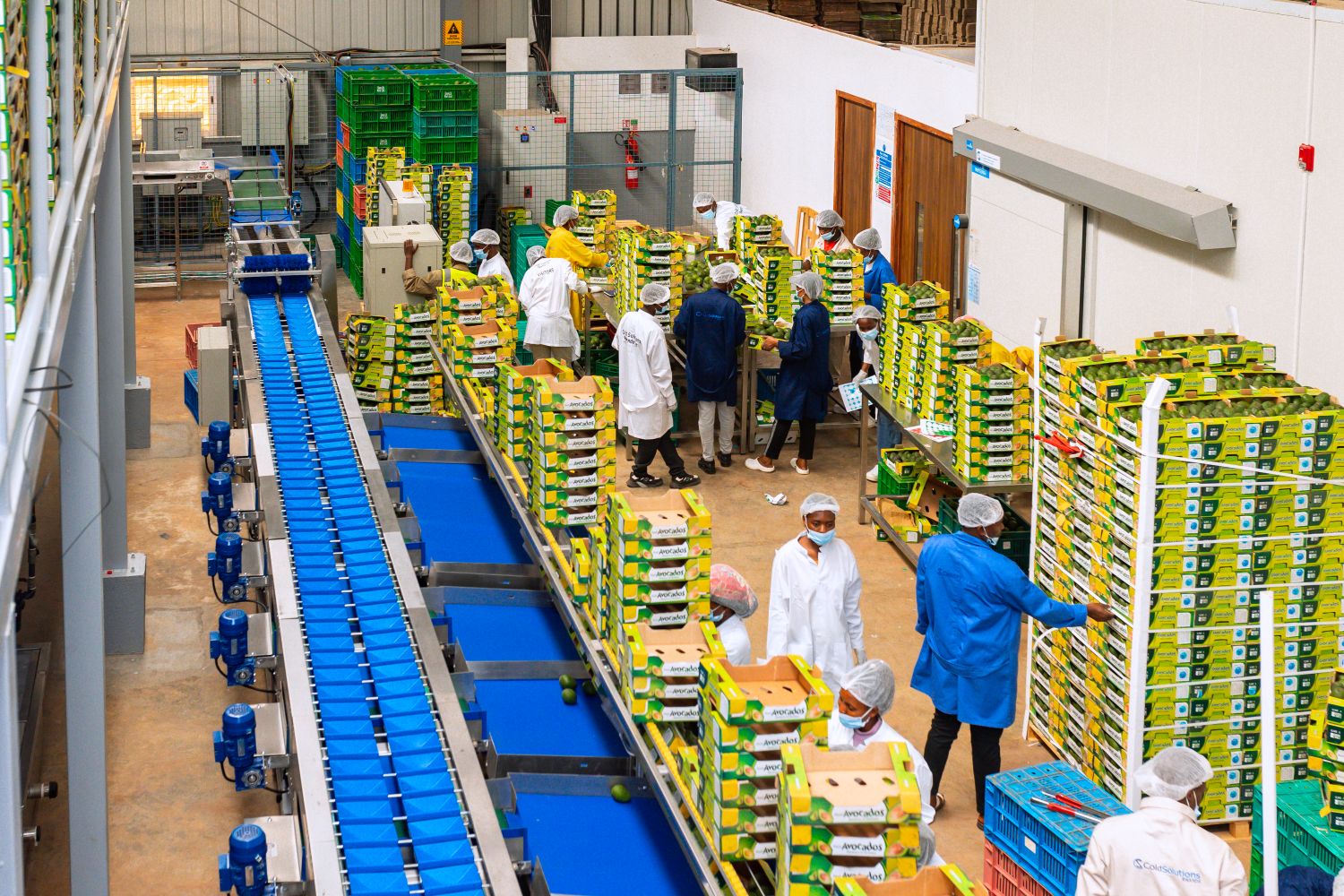
    The facility, which became operational in August 2026, is equipped with modern fruit processing, grading, packaging and cooling equipment designed to prepare avocados and other fruits for international markets.

    It is already serving several fruit export companies, including Kumwe Green Farms Ltd, Souk Farms, Kinvest, Proxifresh, Bahage Foods, Sunripe and Green Life.

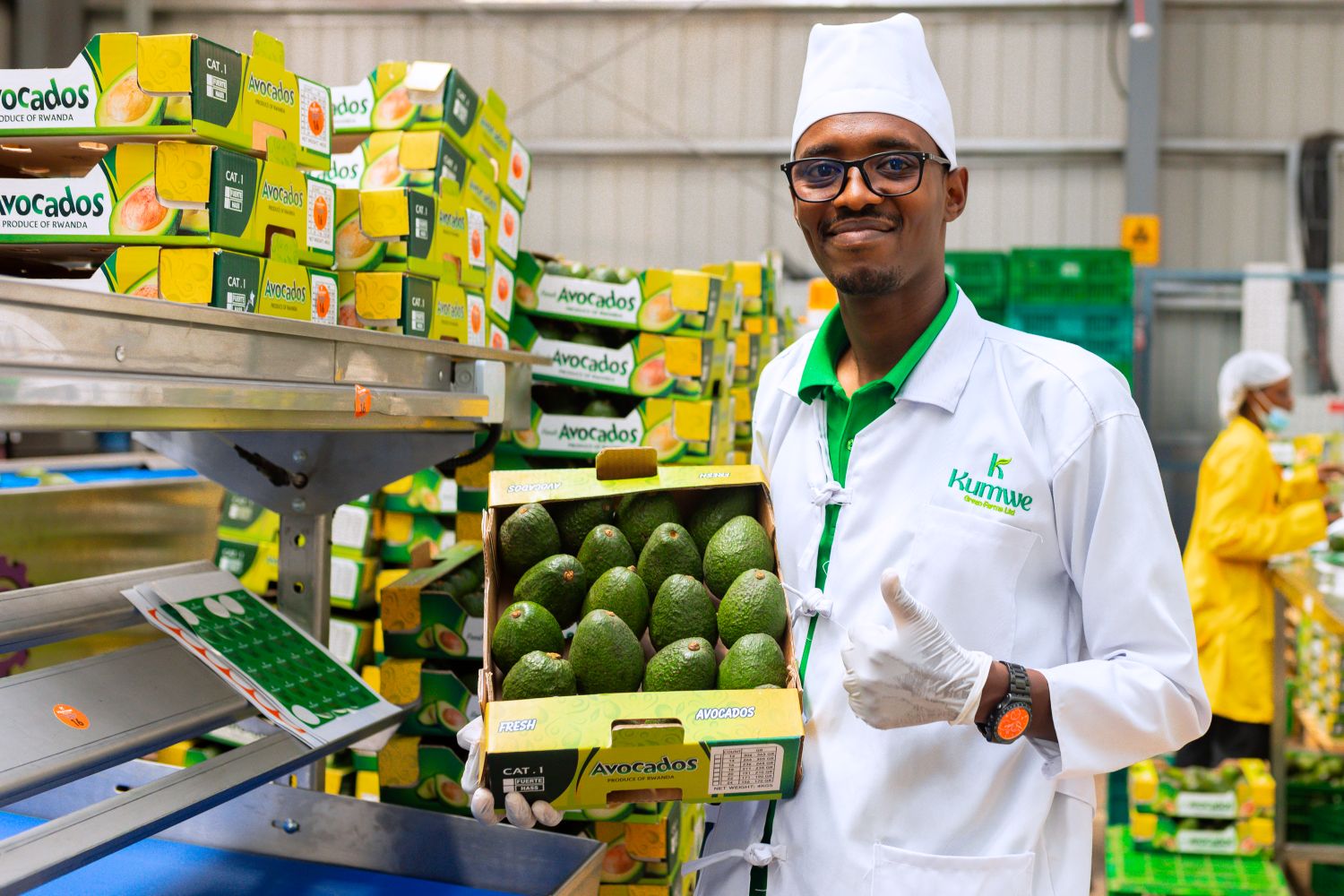
    Among its early clients is Kumwe Green Farms, an exporter of Hass and Fuerte avocados as well as other fresh produce, which now uses the facility to process its exports before shipment.

    Founder and CEO of Kumwe Green Farms Ltd, Fred Rwigamba, said the new facility has transformed the company's operations by replacing labour-intensive manual processes with mechanised systems.

    'Previously, we used a traditional method where we spread the avocados on tarpaulins and had people sit down and process them manually,' he said.

    'Now, we use these machines, which make the process much faster. It used to take us between five and six days to fill a container, but now it can be done in just one or two days.'

    Rwigamba said the equipment has also improved the accuracy of weighing and packaging produce.

    'Each carton transported by ship contains four kilograms. Previously, workers estimated the weight by looking at the avocados, and there was no guarantee the measurements were accurate. That was a challenge, but now the machines handle the process, giving us confidence that every carton meets the required standard,' he said.

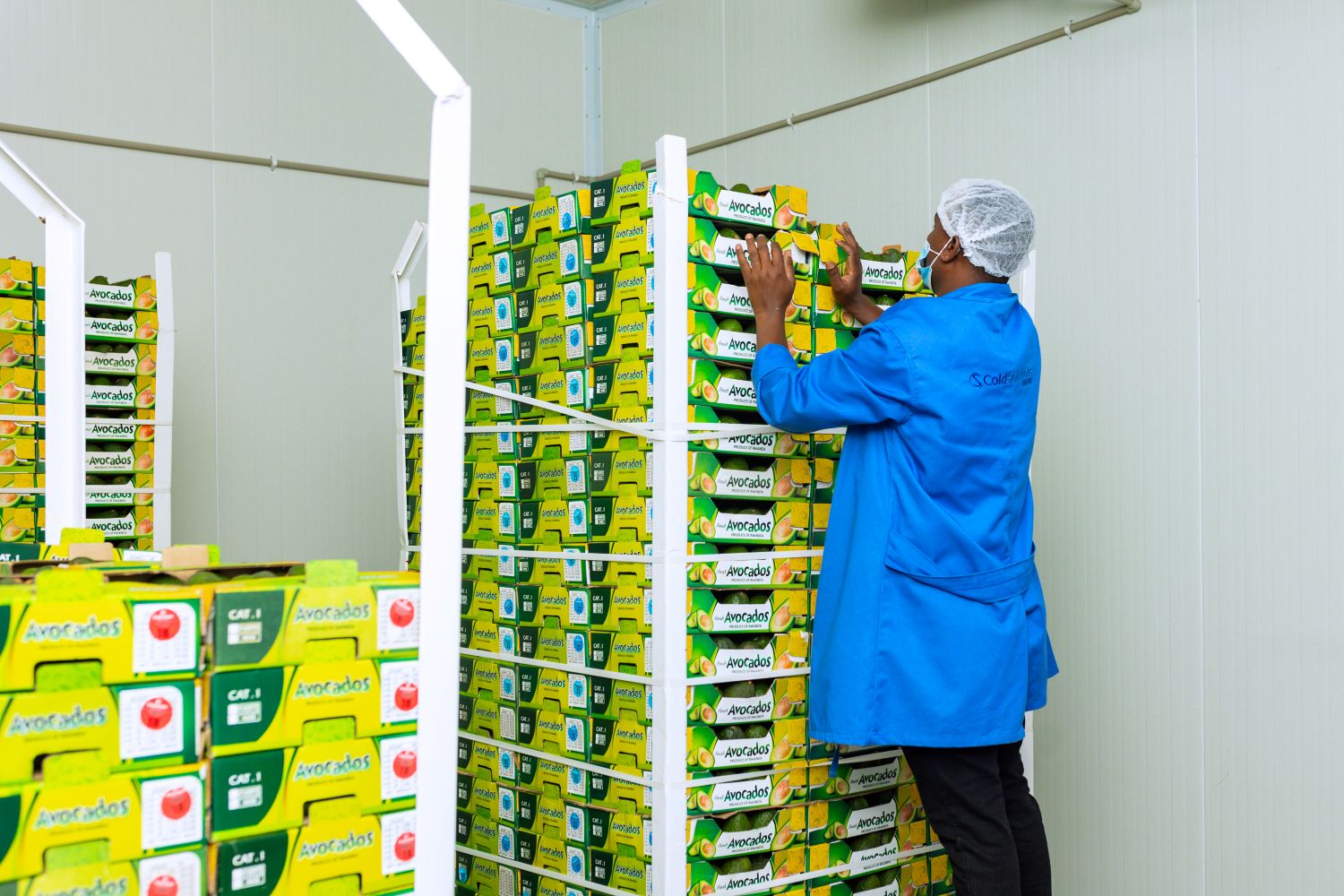
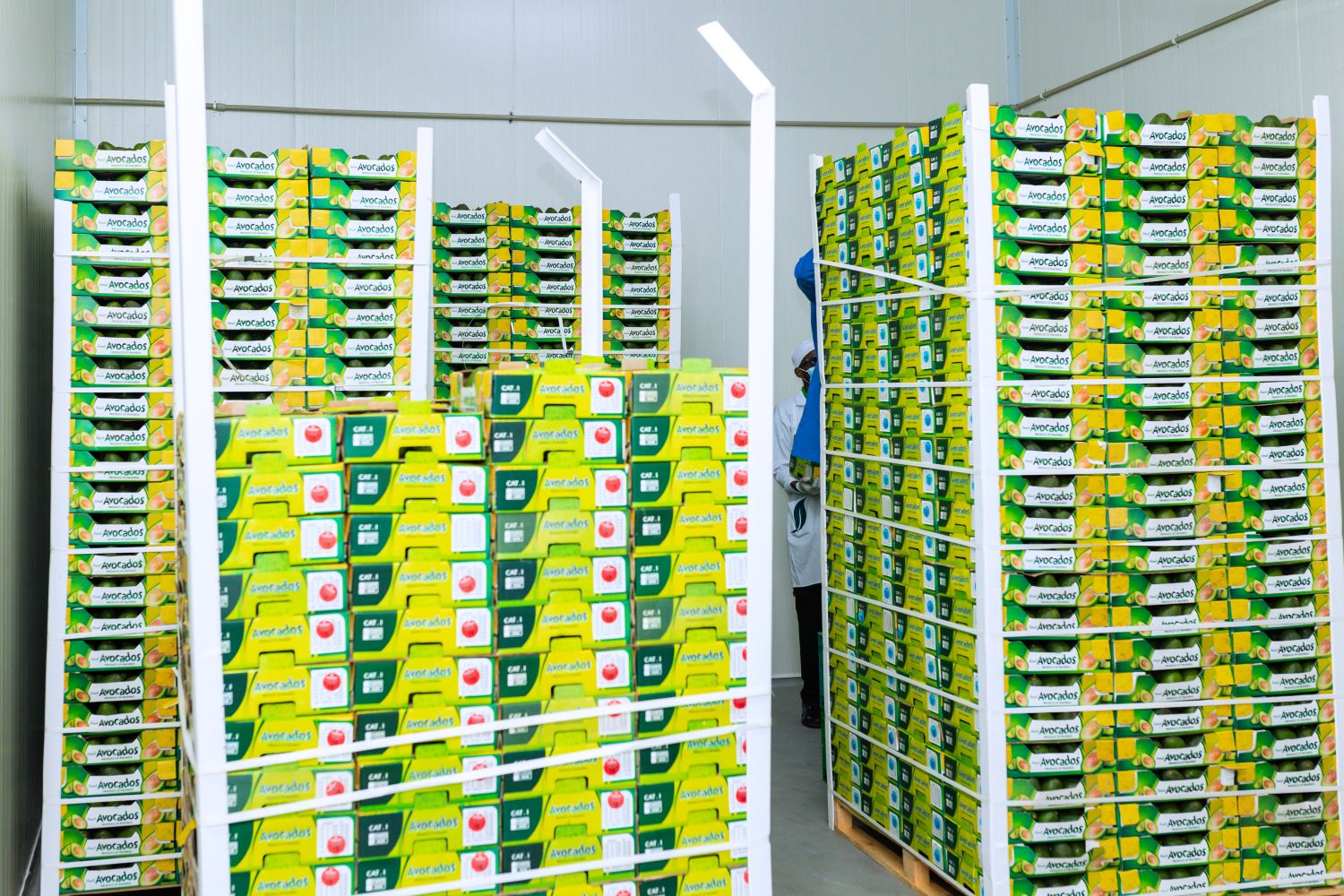
    Beyond processing, Rwigamba said the availability of cold storage is equally important for exporters handling highly perishable produce.

    'As you know, fruits are highly perishable agricultural products and need to be stored in a cool environment to prevent them from going bad,' he said.

    'We did not have such storage facilities before, and that was one of the reasons some exporters were reluctant to use sea freight. Although shipping by sea takes longer, it is much more affordable.'

    He explained that avocados are cooled immediately after processing to maintain their quality throughout the export journey.

    'After processing, the avocados are cooled to the required temperature because they spend about three days being transported by truck before reaching Mombasa. Maintaining that temperature is essential to prevent deterioration,' he said.

    Cold Solutions Rwanda is located in the Kigali Special Economic Zone in Masoro and forms part of the ARCH Cold Solutions East Africa Fund, managed by UK-based investment firm ARCH Emerging Markets Partners. The fund seeks to expand cold storage infrastructure across East Africa to reduce post-harvest losses and strengthen regional agricultural value chains.

    Cold Solutions Rwanda Country Director Julie Igiraneza said the company introduced the fruit processing facility after receiving strong demand from exporters seeking reliable processing and cold chain services.

    'We had many people asking us for this service. Some customers even approached us while the project was still under development and told us they wanted to be among the first to use the machines once they arrived. They included Souk Farms, Kumwe Farms and others,' she said.

    She said the company plans to expand the facility further by installing more advanced equipment to increase processing capacity.

    'We realised this is a very important service, so we are expanding our operations and planning to bring in more advanced equipment that can serve more people at the same time. This is a service that is highly needed in Rwanda and across East Africa,' she said.

    The facility is expected to enhance Rwanda's capacity to preserve fresh produce, reduce post-harvest losses caused by spoilage and improve the competitiveness of the country's fruit exports.

    Cold Solutions Rwanda's newly opened fruit processing facility in the Kigali Special Economic Zone.
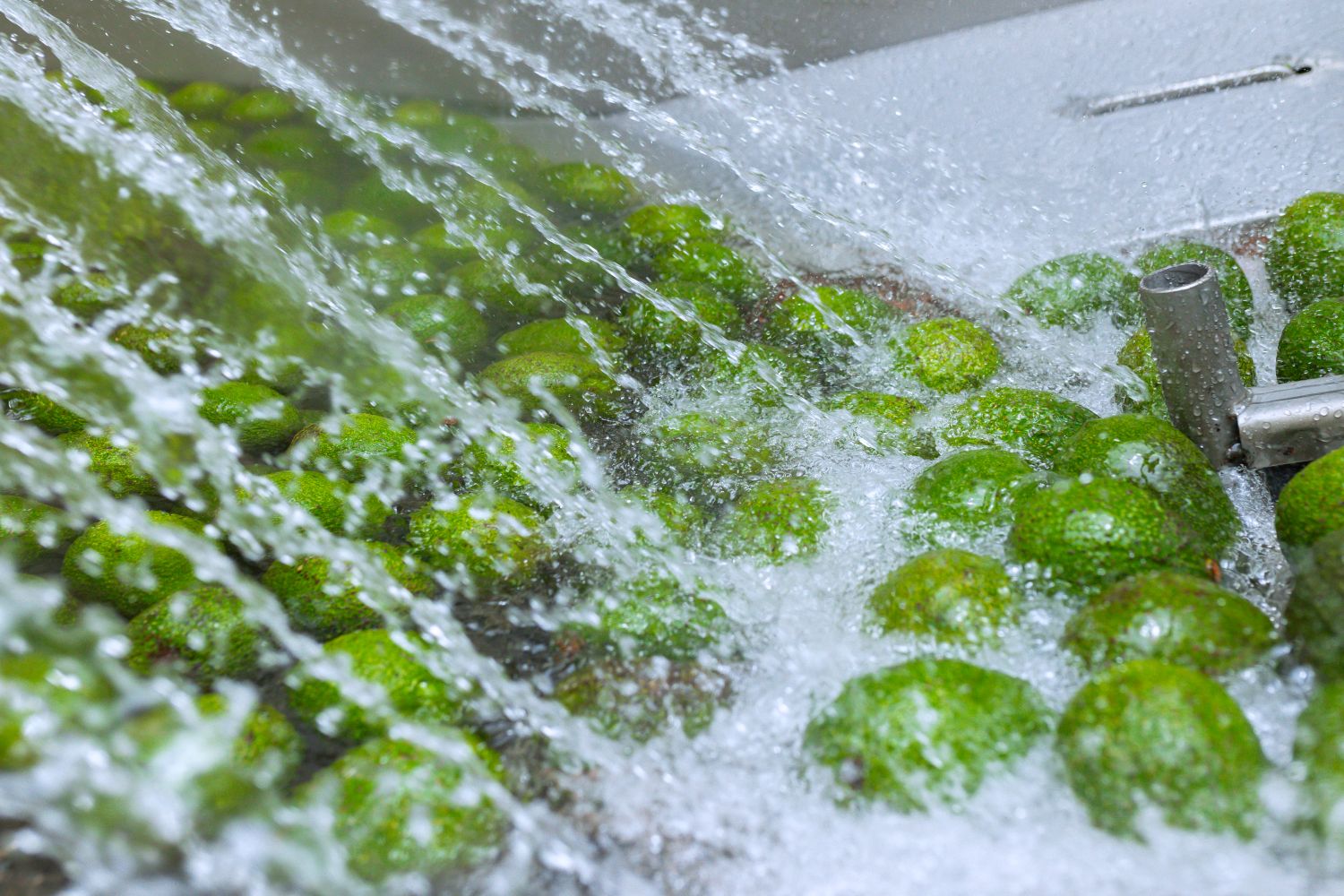
    Avocados washed and prepared for export at the Cold Solutions Rwanda facility.
    Workers process avocados using specialised machinery at Cold Solutions Rwanda.
    The facility strengthens Rwanda's agricultural value chain and supports the country's growing horticulture sector.
    Cold Solutions Rwanda Country Director Julie Igiraneza said the company introduced the fruit processing facility after receiving strong demand from exporters seeking reliable processing and cold chain services.

    Source : https://new.igihe.com/english/cold-solutions-rwanda-opens-fruit-processing-facility-to-support-exports/

  • From Malcolm X's wrongful conviction to a new life in Rwanda: Muhammad Aziz's story #rwanda #RwOT

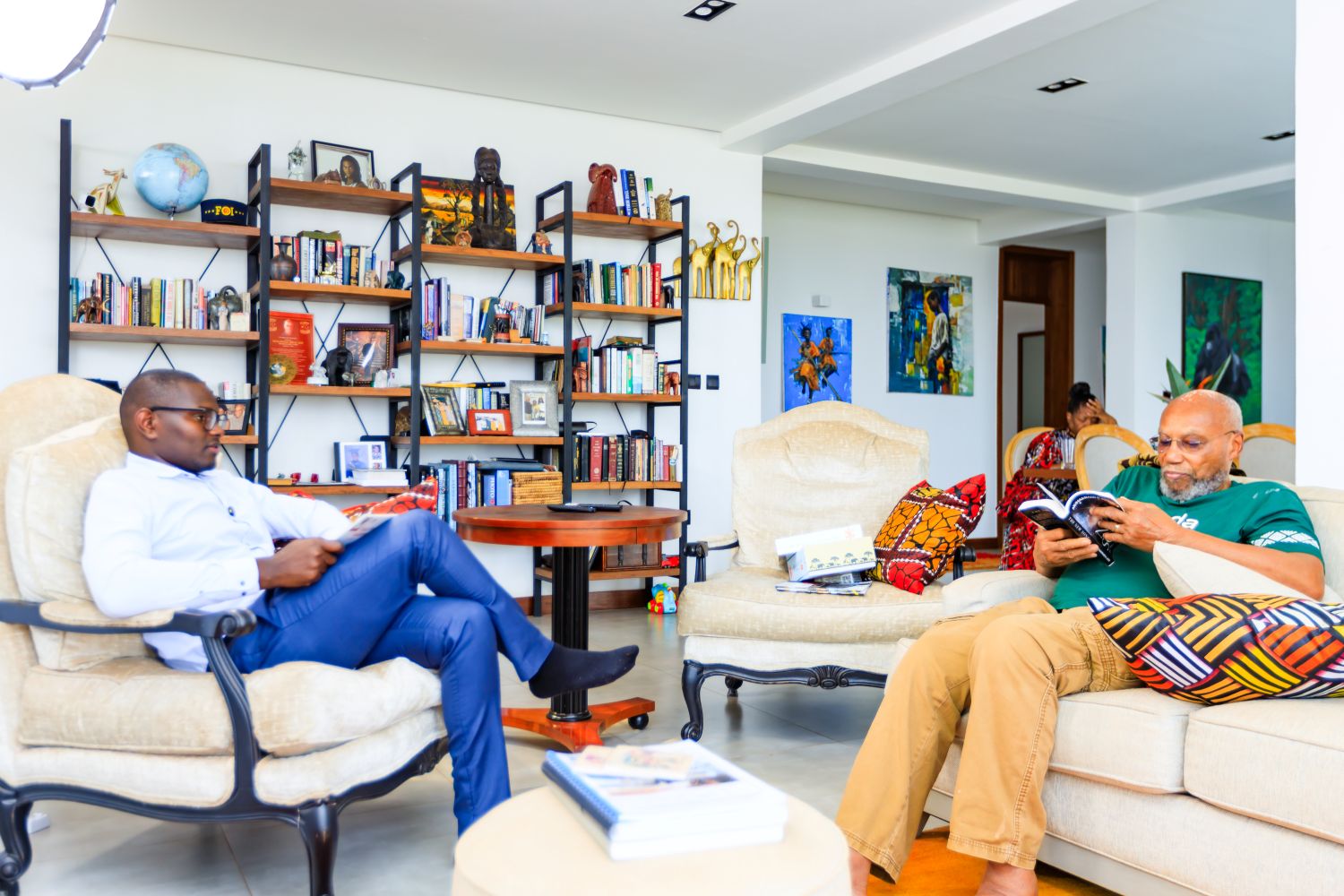
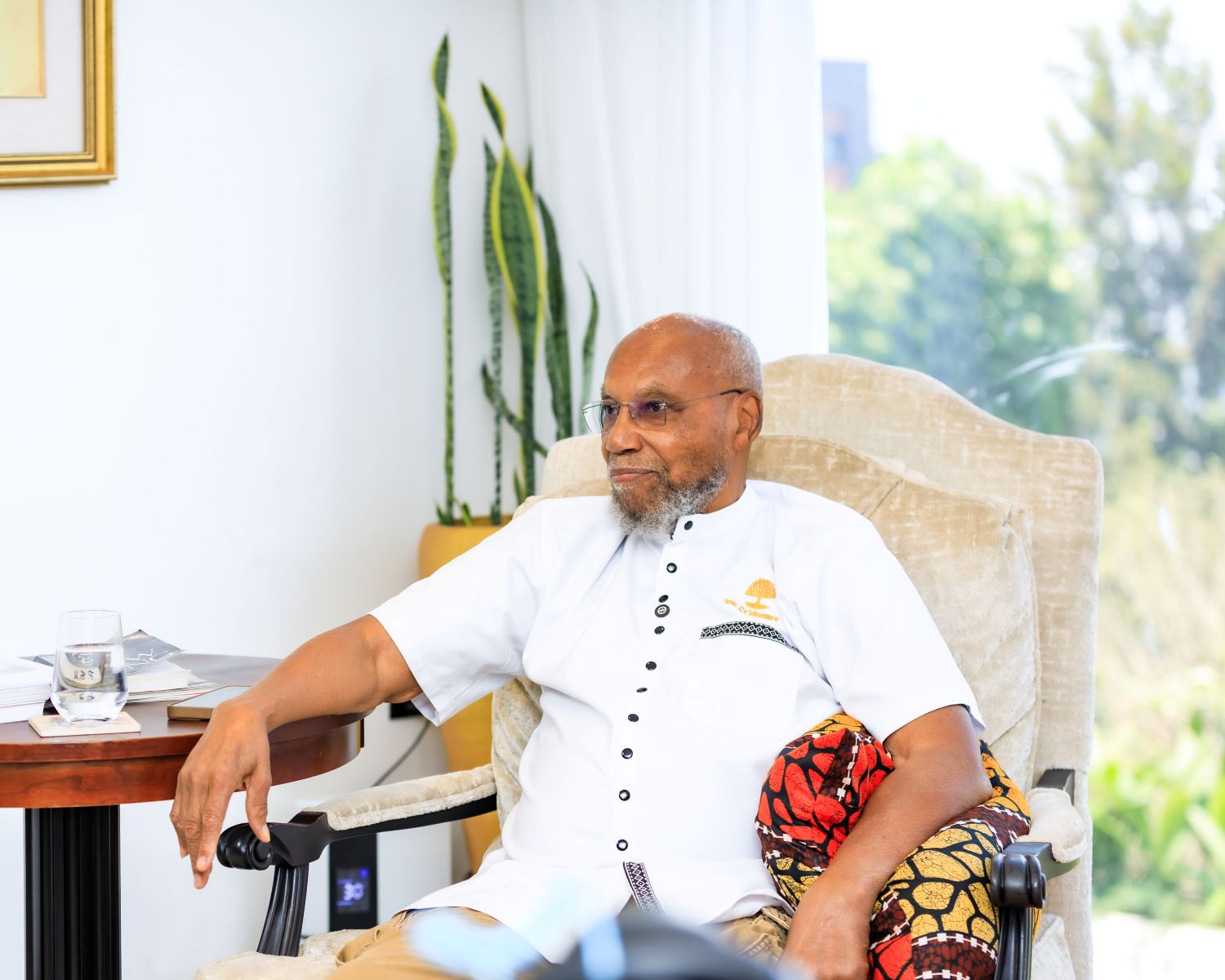
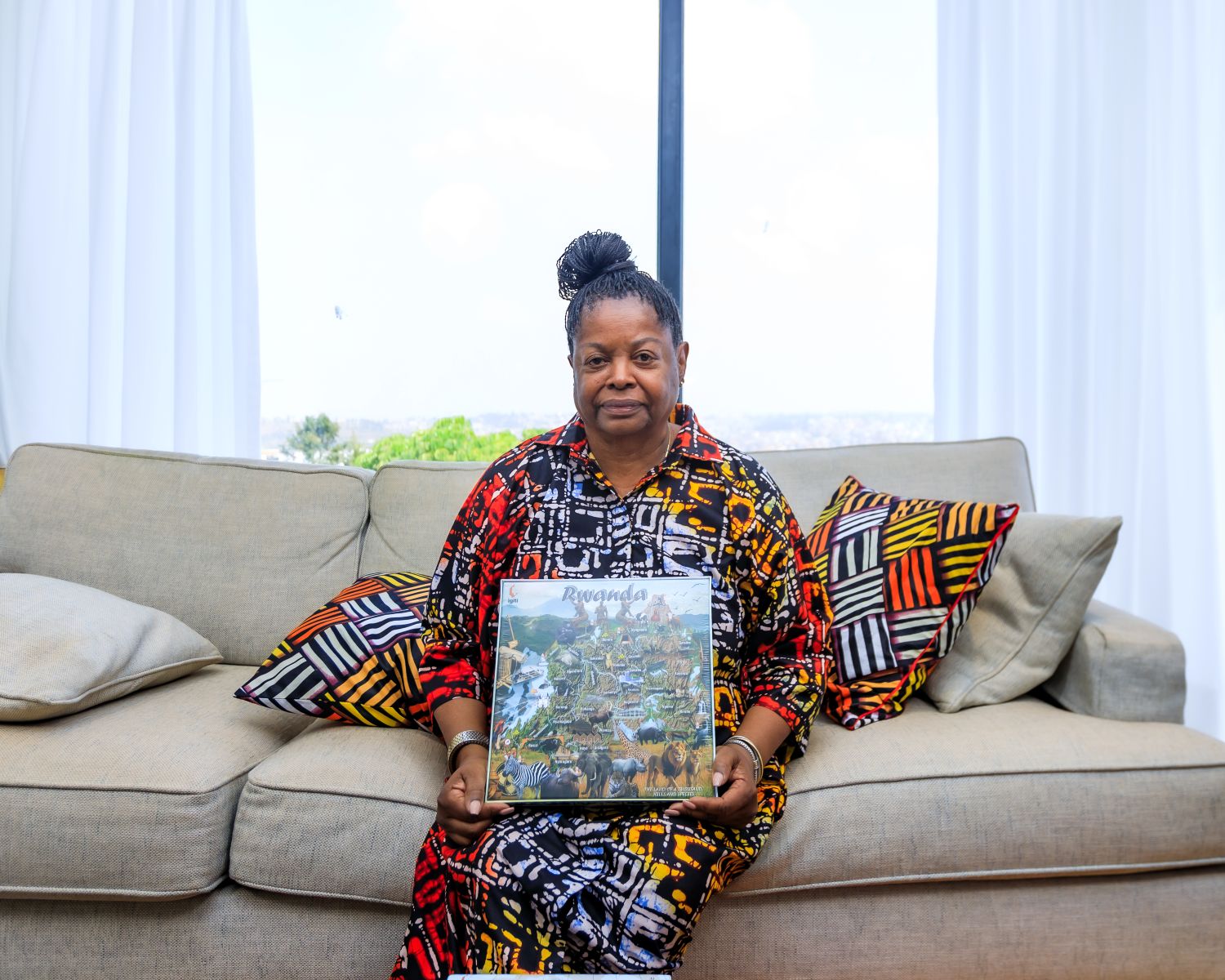
    A man sits alone with a book, seemingly unaware, or perhaps simply unbothered, that he is being watched. He does not look up right away. When he finally does, it is with the calm of someone who has spent a lifetime learning to sit still with his own thoughts.

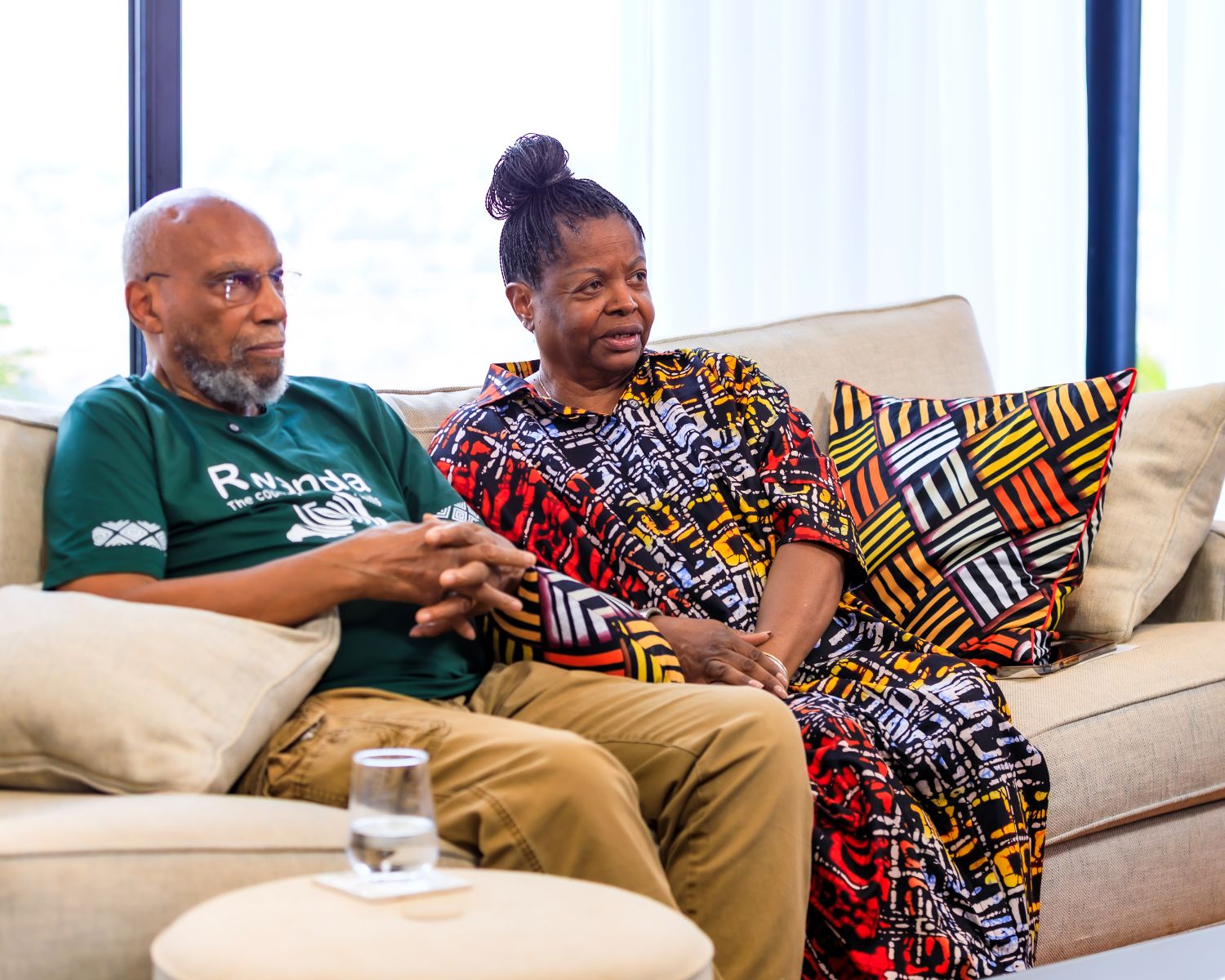
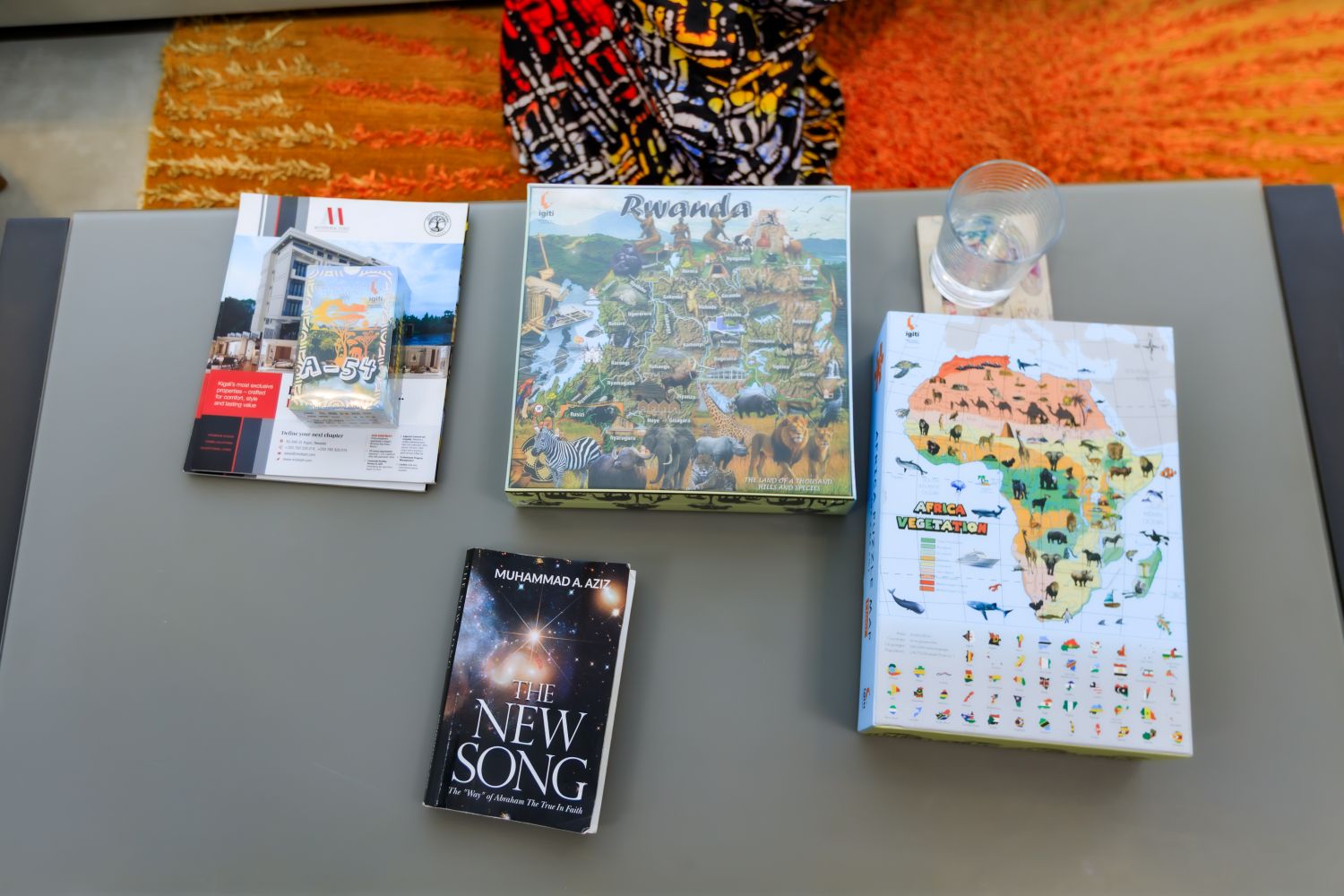
    The book in his hands is titled 'The New Song', a work I would later learn was his own. Inside the house, his wife moves quietly, chatting with the new family they have made here.

    This was my first encounter with Muhammad Aziz, before he agreed to sit down on camera and tell me about the life he has built in the Land of a Thousand Hills.

    At 88, Aziz lives thousands of miles from the Bronx, where he was born, and from the courtroom where his name was tied to one of the most notorious assassinations in American history. He spent 20 years in prison after being convicted in the killing of Malcolm X, a crime he has always maintained he did not commit. It would take more than five decades before his conviction was vacated.

    Today, he is learning Kinyarwanda, investing in property, supporting children's education and building a life in Rwanda with his wife.

    But sitting on the living room couch, book in hand, there is little that immediately reveals the weight of the life behind him.

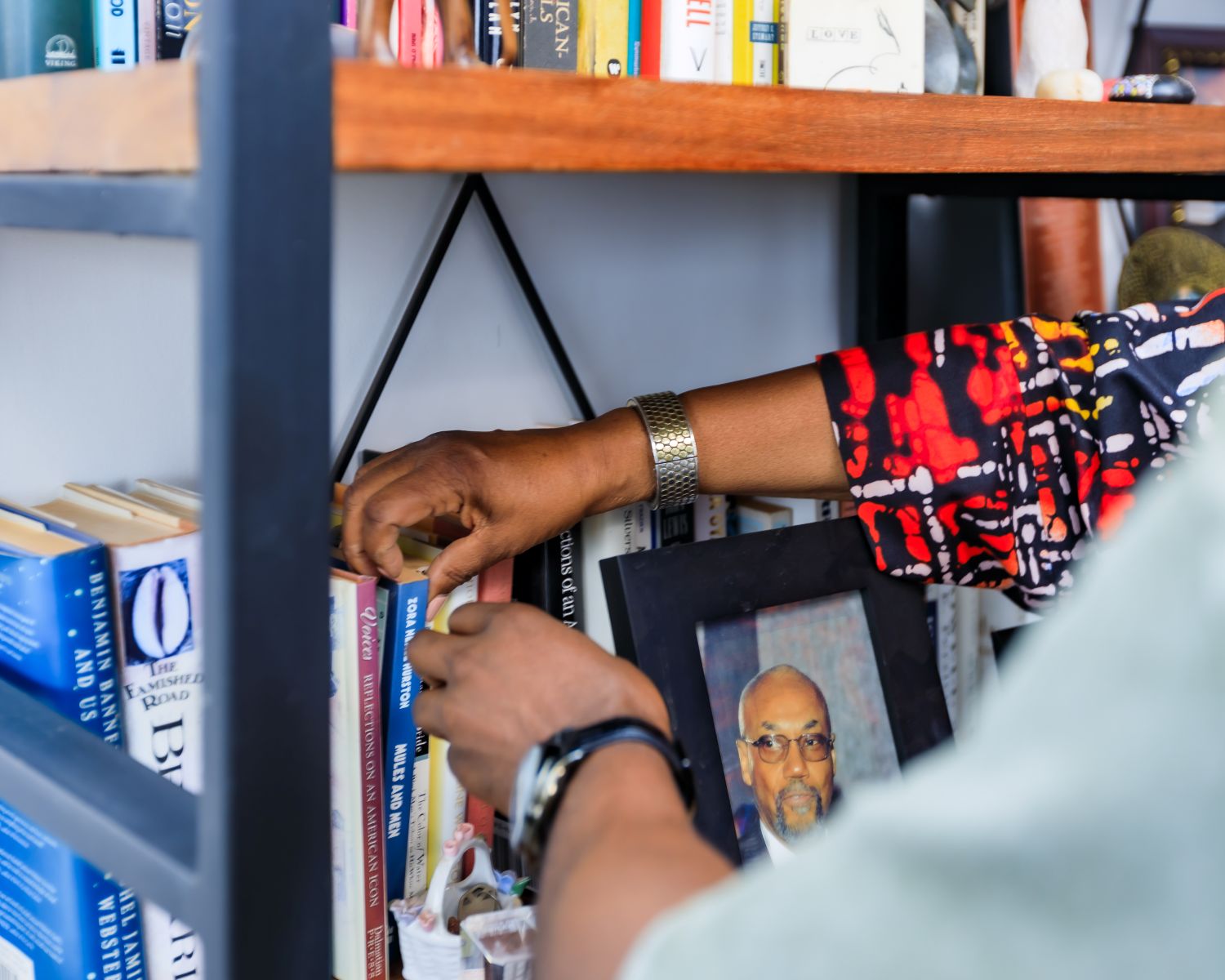
    Muhammad Aziz says he developed a love of reading from an early age.

    Twenty years taken away

    Aziz was born in the Bronx on June 27, 1938, and grew up in poverty. Books became an early refuge. His stepfather brought home encyclopedias, and by the age of eight or nine, Aziz had developed a habit of reading that would stay with him for the rest of his life.

    At 17, already a father, he joined the U.S. Navy. For a young Black man trying to change his circumstances, military service offered a route to money, education and a life beyond the neighbourhood he had grown up in.

    'Trying to get out of the ghetto,' he says. 'That was a way for most, back then.'

    By the early 1960s, Aziz had joined the Nation of Islam and was attending a mosque in New York where Malcolm X served as minister. His proximity to Malcolm X, he says, did not mean they were close.

    'I was around him, but I didn't know him,' he explains.

    That distinction would soon become almost irrelevant.

    On February 21, 1965, Malcolm X was assassinated at the Audubon Ballroom in Manhattan as he prepared to address an audience. He had broken publicly with the Nation of Islam the previous year, embarking on an increasingly independent political and religious path. His assassination triggered an investigation that quickly focused on members of the organisation he had left.

    Aziz was among three men arrested and charged.

    He says the police broke into his home during his arrest and beat him, leaving him unable to walk. He also maintained that he had an alibi and that evidence supporting it was disregarded.

    At trial, Talmadge Hayer, one of the three defendants, admitted participating in the assassination but testified that Aziz and the third defendant, Khalil Islam, had not been involved.

    The testimony did not prevent their convictions.

    In 1966, Aziz, then known as Norman 3X Butler, was convicted of first-degree murder and sentenced to life imprisonment. He was 27.

    Decades later, he still speaks about the verdict with the same bluntness with which he speaks about much of his life.

    'That's white America,' he reflects. 'Black people's word doesn't count. When did it count? Didn't count then. It doesn't count now.'

    He believes the FBI knew of his innocence from the beginning and withheld it. 'They had special agents in the crowd, in the audience,' he stresses. 'They knew who was there. They knew what happened.'

    Twenty years in prison followed, years he filled with reading, self-study, and eventually advocacy for other inmates, becoming the first chairman of a prison grievance committee.

    But the cost outside the prison walls was one he could never fully recover. His children grew up without him, and the years of separation left a lasting fracture in his family. His then-wife, with whom he had four sons, later died.

    'It destroyed my family,' he says. When he was paroled in 1985, his children were already grown, and the distance between them proved difficult to close. 'I was a stranger to them.'

    'The one thing that bothers me extremely in terms of the Nation of Islam is that they didn't take care of my family,' he adds.

    For decades after his release, Aziz continued to live under the shadow of the Malcolm X case.

    Then, in 2020, the Netflix documentary Who Killed Malcolm X? brought renewed attention to the assassination and to the convictions of Aziz and Islam.

    The Manhattan District Attorney's Office reopened the case and reviewed thousands of pages of records, including material from the FBI, NYPD and other agencies. The review identified evidence that had not been disclosed to the defence during the original proceedings.

    In November 2021, a judge vacated the convictions of Aziz and Islam. Islam had died in 2009. He never lived to see his name cleared.

    Aziz was later awarded compensation by New York State and New York City.

    Asked if the multi-million dollar settlement feels like justice, Aziz is unmoved.

    'I'm not thinking in terms of justice,' he says. 'I'm just thinking about the freedom to do what I want to do now.'

    Muhammad Aziz was exonerated in 2021, when his conviction in the Malcolm X assassination case was vacated.

    Choosing Rwanda

    For years, Aziz had wanted to leave the United States but lacked the means to do so. After his release in 1985, he had hoped to rebuild his family ties and find a way to earn a living.

    'I tried both,' he reflects. 'And I was essentially unsuccessful in both.'

    After his conviction was vacated and his financial circumstances changed, he began researching places where he might build a new life.

    He considered countries across South America, Central America, the Caribbean and Africa.

    Eventually, his attention settled on Rwanda.

    Aziz says he spent time studying Rwanda before making the move and was particularly drawn by the leadership of President Paul Kagame.

    His wife was initially less certain.

    'When Muhammad said, 'We're going to Rwanda,' I said, 'Okay.' But all I knew about Rwanda was the 1994 Genocide against the Tutsi,' she recalls.

    She began researching the country, as did her siblings. Their research focused on present-day Rwanda rather than the country remembered primarily through the events of 1994.

    The answer, she says, was reassuring.

    'They all got back to me and said it's a good place to go.'

    The couple arrived in Kigali in 2023. They did not come simply to retire. They came to build.

    The couple arrived in Kigali in 2023. They did not come simply to retire. They came to build.

    Building a new life in Kigali

    That new life has come with a new sense of purpose. The couple has invested an estimated $7.5 million in Rwandan real estate, including an apartment development, commercial buildings and lakefront property.

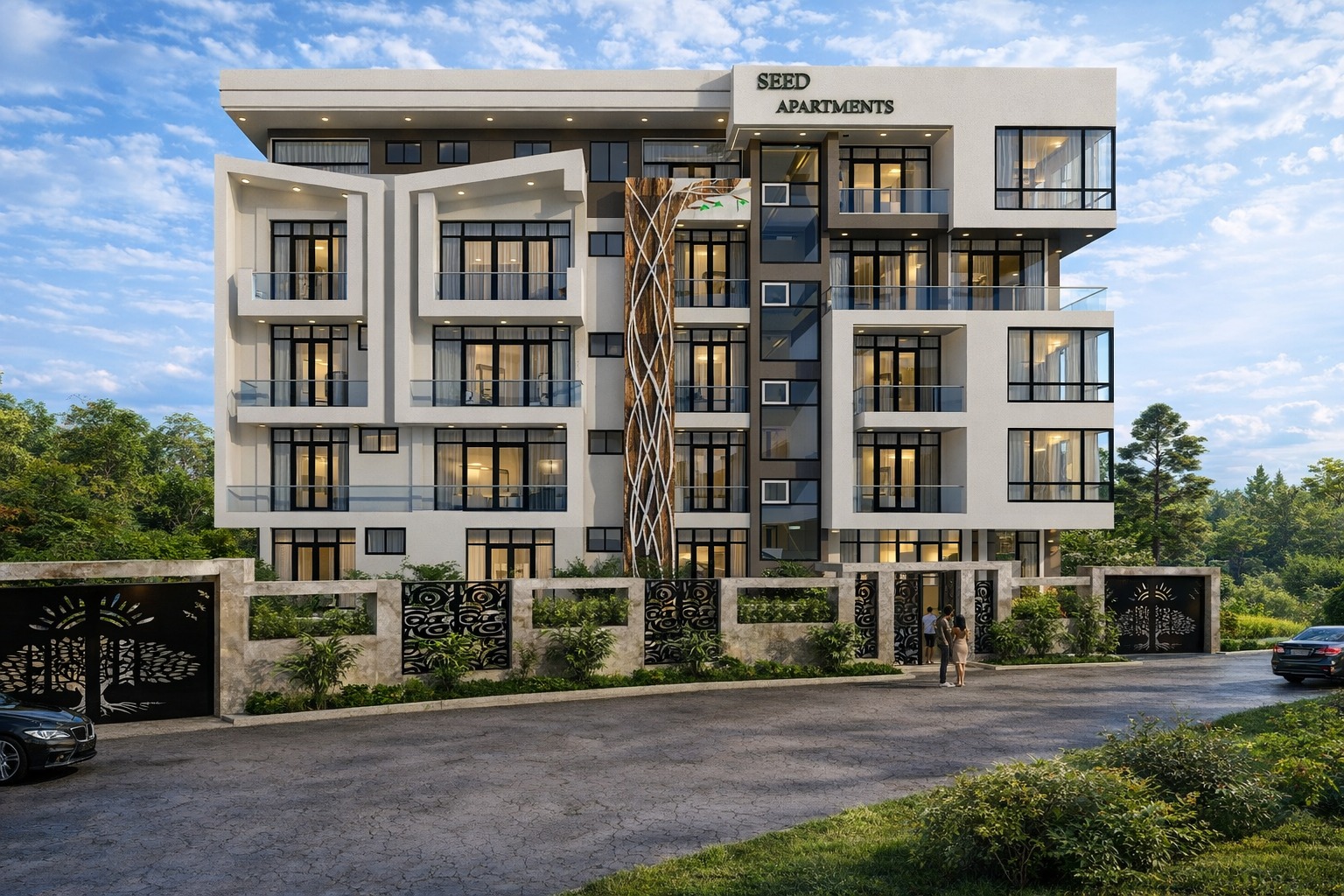
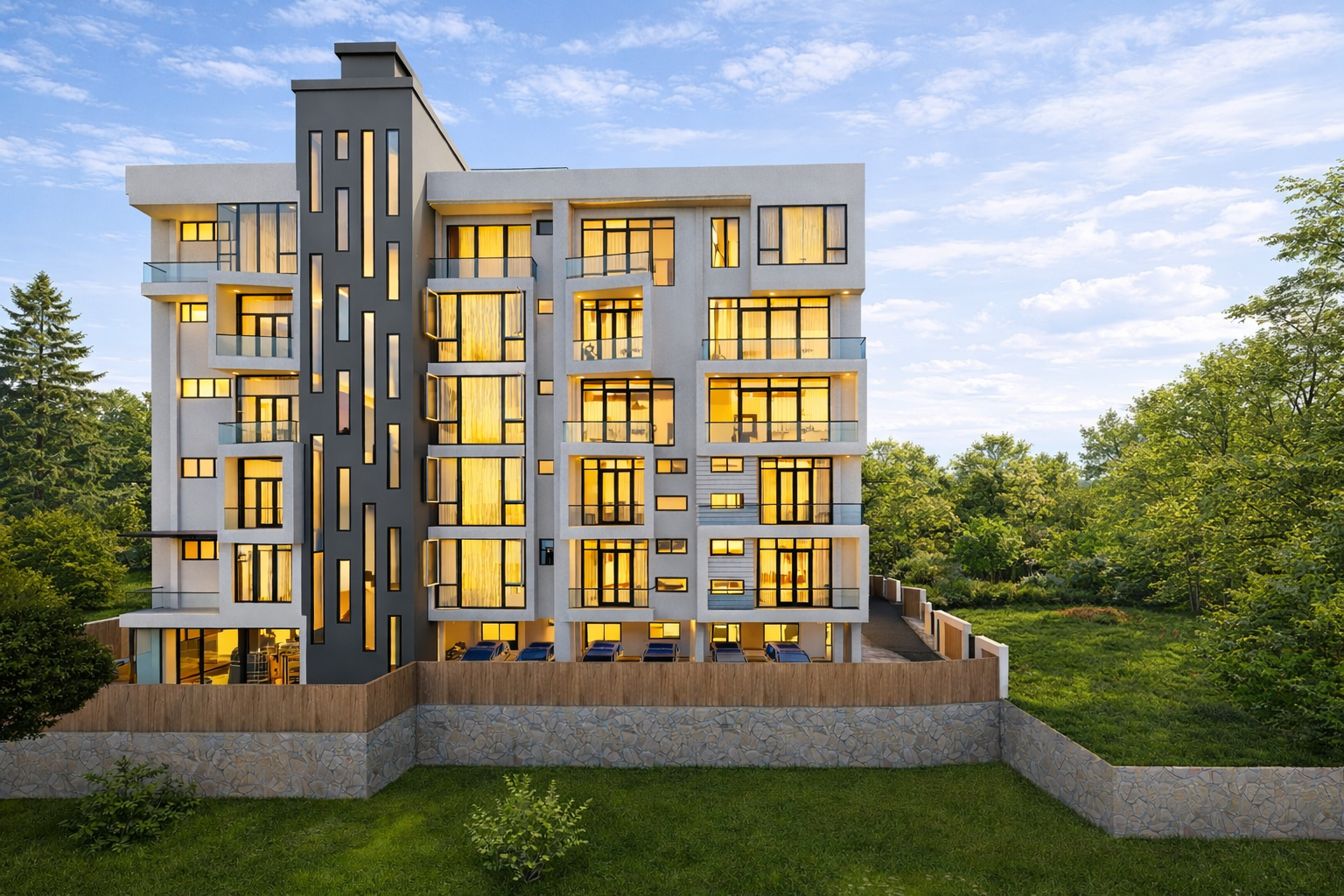
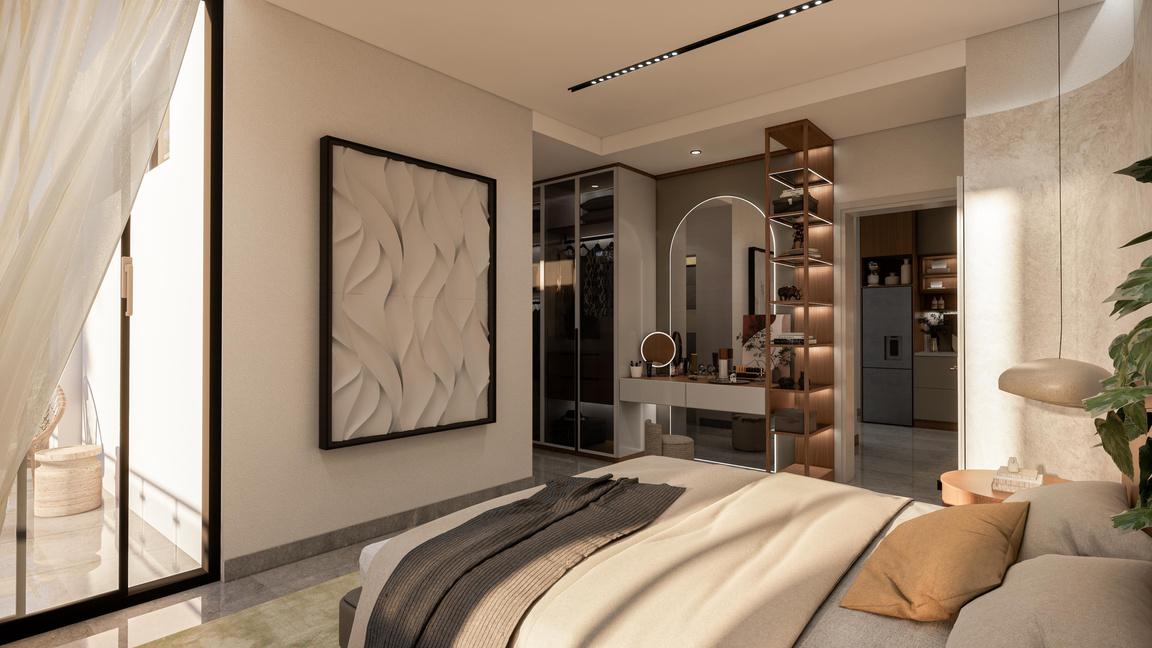
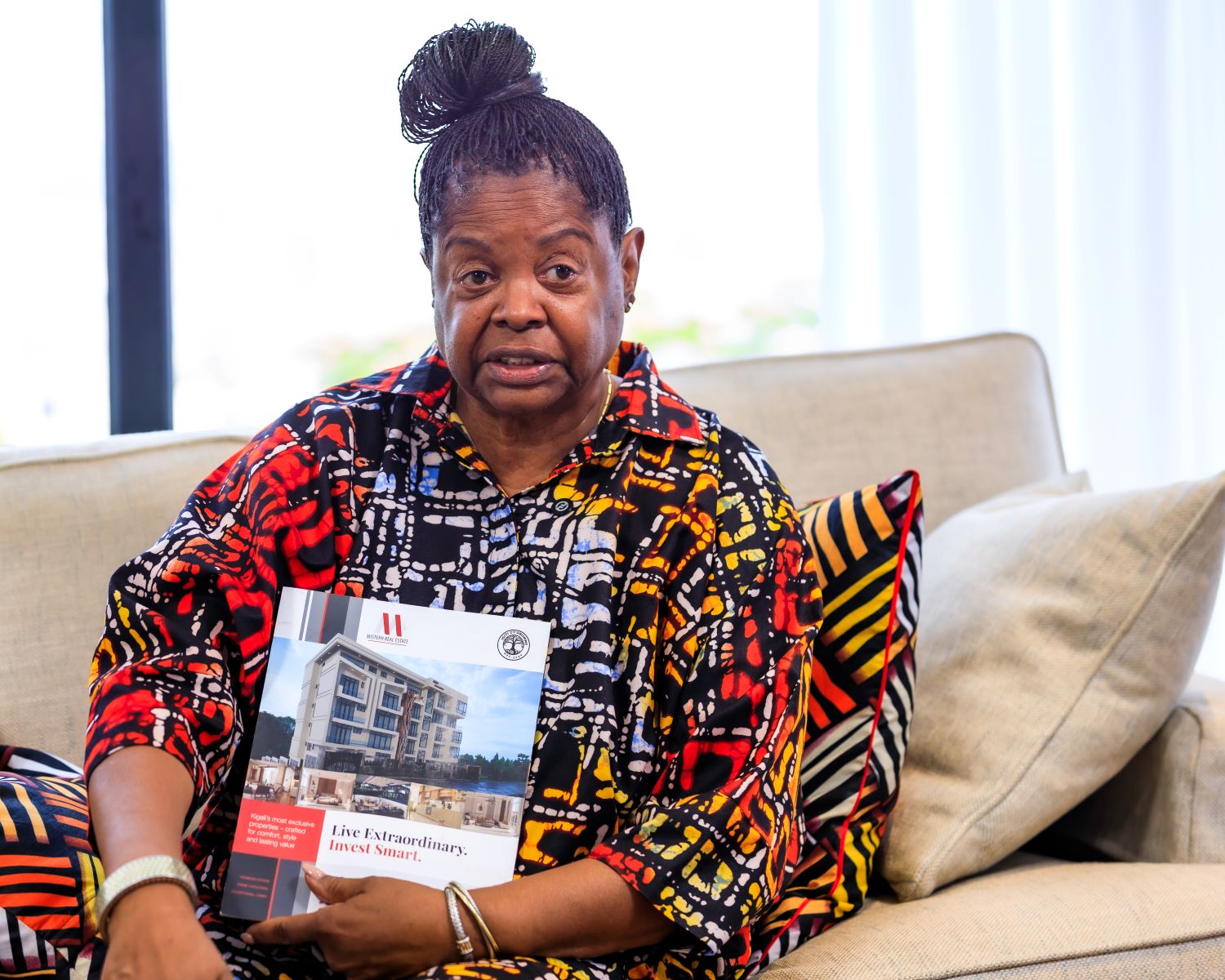
    Their major projects include Seed Apartments, an 18-unit residential and investment development managed by Misteph Real Estate in Kimihurura, as well as a prime property they call the White House, located adjacent to the Kigali Convention Centre.

    The Seed Apartments is an 18-unit residential and investment development project located in Kimihurura.

    Aziz says the investments have already benefited hundreds of people locally, a number he hopes will continue to grow.

    But the couple's ambitions in Rwanda extend beyond buildings.

    In addition to their investments, the couple has made education an important part of their commitment to Rwanda.

    Believing that 'education is a way out of poverty,' the couple began covering school fees for children in the village near their home, 30 students the first year, 100 the next and the numbers have kept growing since.

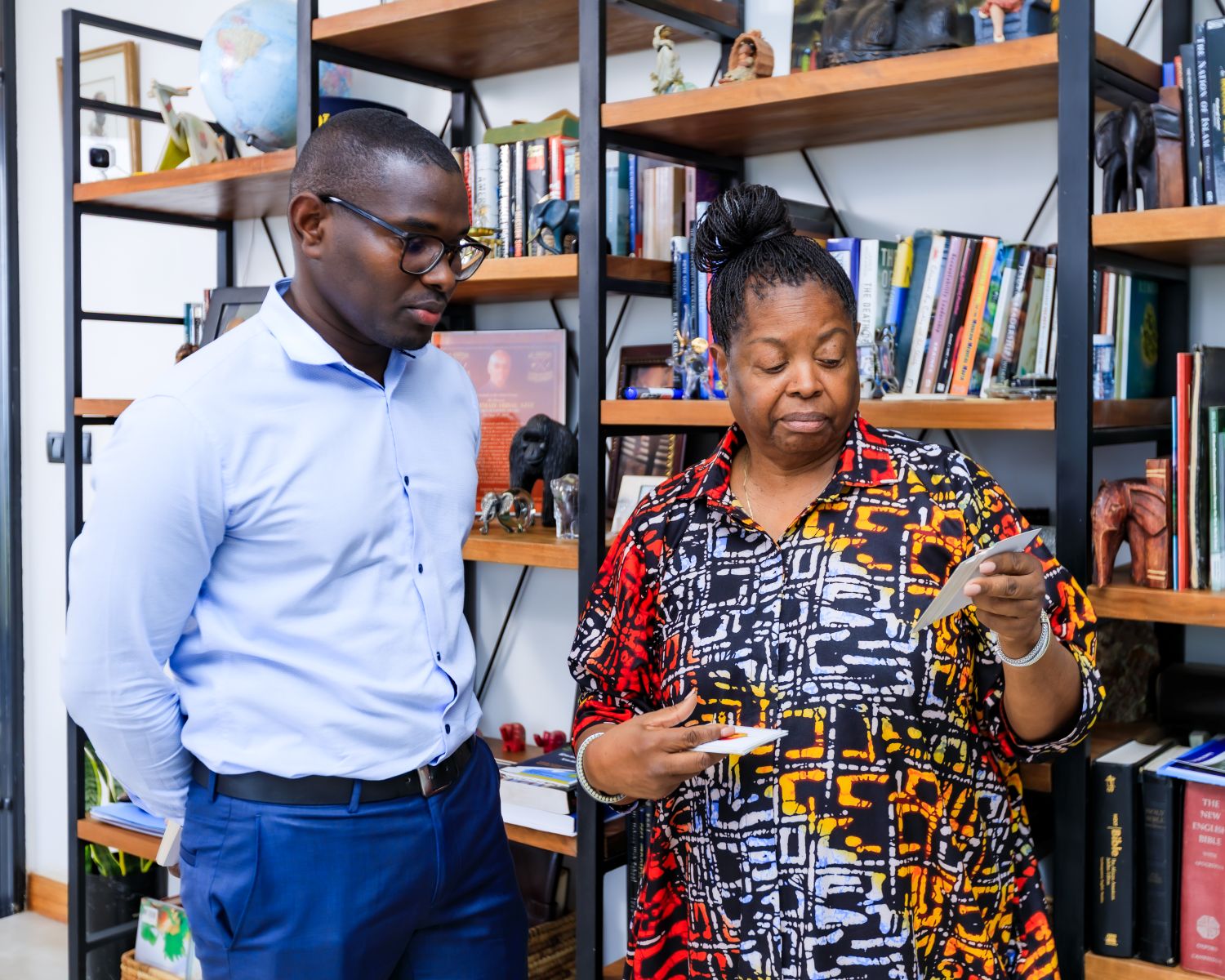
    They've since launched a business producing educational puzzles and card games that teach Rwandan children about the continent, built with three young Rwandan partners, with proceeds feeding back into the community.

    The couple has since partnered with local Rwandan entrepreneurs to launch a business producing educational puzzles and card games that teach children about the continent, while giving back proceeds to the community.

    For Aziz, it also reflects the philosophy that has followed him from the prison library to the Kigali hillside.

    'Children learn best when they're playing,' he says, a philosophy behind giving young people something that roots them in their own history and identity, rather than one borrowed from elsewhere.

    Their involvement in Rwanda has also taken them into different aspects of life in the country, including supporting initiatives such as Kwita Izina, Rwanda's annual gorilla naming ceremony.

    'There's so much energy put into environmental preservation here,' the wife notes.

    As they settle into their new home, the family is also learning Kinyarwanda, attending classes three times a week. Aziz admits he would like more immersion, acknowledging the language's 'massive' nuances.

    'I'm not going anywhere'

    His wife says it is the everyday experience of Rwanda that has made the country feel like home.

    She speaks about the calm she encounters in Kigali, the friendliness of people and the absence of the kind of tension she associated with life in the United States.

    'This is a peaceful place,' she says. 'Everybody gives each other a hug when they see each other.'

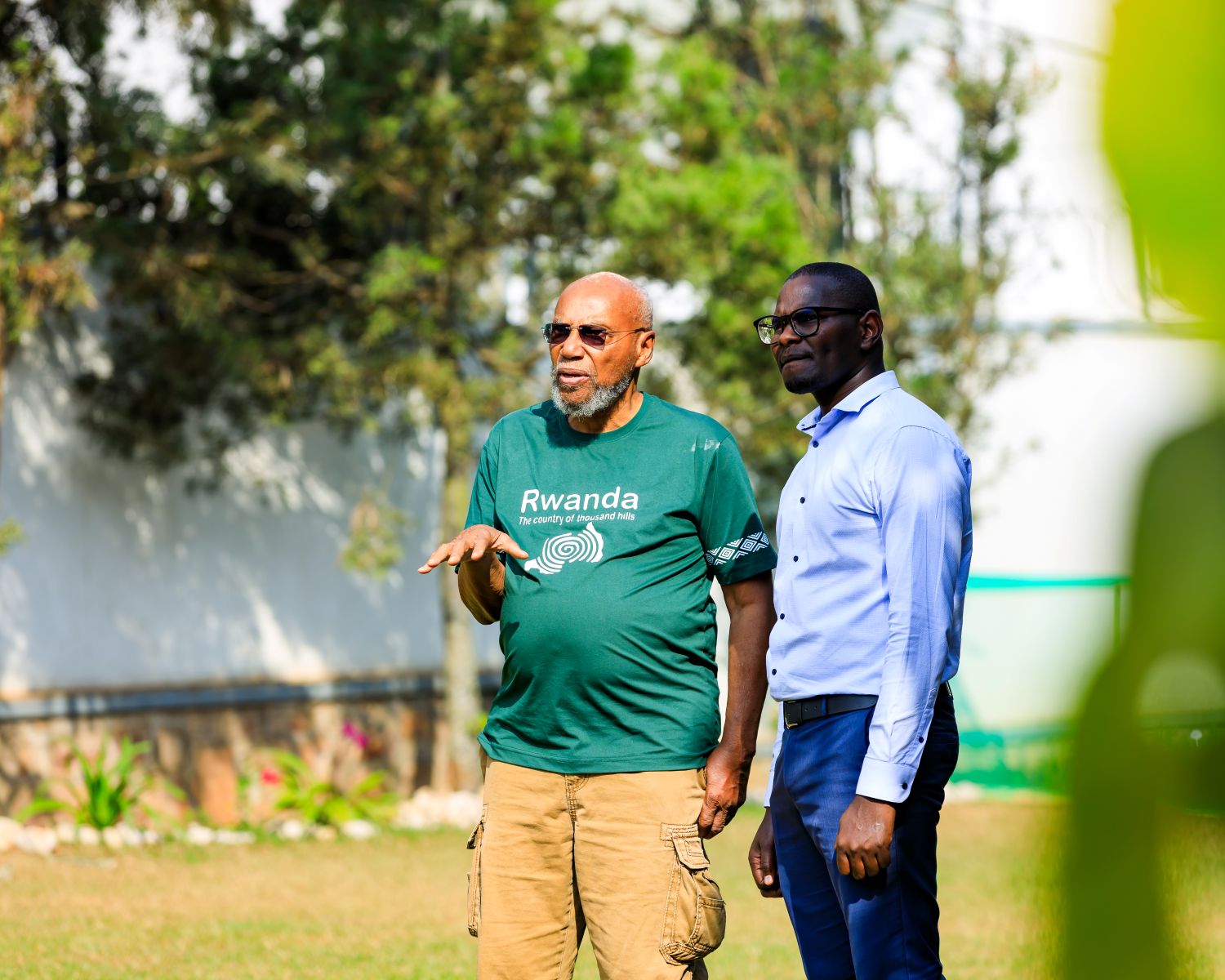
    The family speaks fondly of Rwandan real estate developer Stephen Milindi, who they say has helped them settle into their new life. They have also applied for Rwandan citizenship, hoping one day to become citizens of the country they now call home. For Aziz, there appears to be little uncertainty about where that home is.

    'I'm here,' he remarks. 'I'm not going anywhere.'

    Watch the full documentary on the Aziz family's new life in Rwanda below.

    Their major projects include Seed Apartments, an 18-unit residential and investment development managed by Misteph Real Estate in Kimihurura.
    Another prime property they call the White House is located adjacent to the Kigali Convention Centre.

    Source : https://new.igihe.com/english/from-malcolm-xs-wrongful-conviction-to-a-new-life-in-rwanda-muhammad-azizs-story/

  • Renovation works at Amahoro Stadium to cost Rwf 90.7 billion #rwanda #RwOT

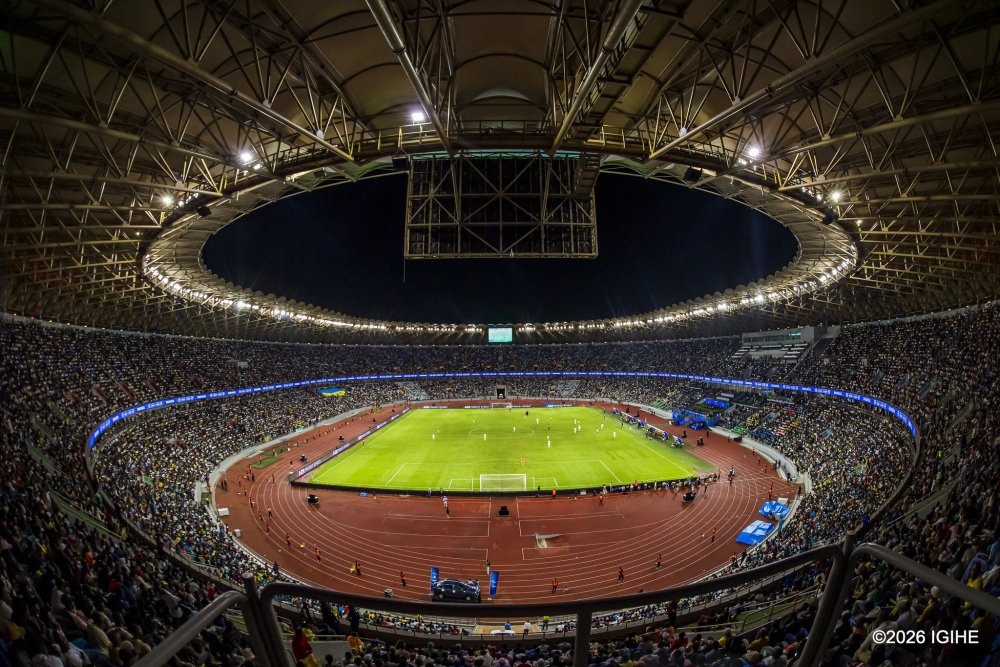
    The stadium meets the standards set by the Fédération Internationale de Football Association (FIFA) and is among the leading sports facilities in the country.

    The newly renovated Amahoro Stadium was officially inaugurated on July 1, 2024, in a ceremony attended by President Paul Kagame and CAF President Dr. Patrice Motsepe.

    The stadium has a seating capacity of 45,000 people and covers an area of approximately 75,000 square metres. The facility stands 40 metres above ground level.

    The renovation of Amahoro Stadium cost approximately $160 million. The project included the construction and installation of facilities required to meet international standards set by CAF and FIFA, making the stadium one of the most modern sports facilities in the region.

    However, following the completion and reopening of the stadium, some areas were identified as requiring additional improvements. The further renovation is intended to enhance the facility and ensure it can better serve the various activities and events hosted there.

    The additional renovation is part of the government's broader investment in sports infrastructure.

    Rwanda's 2026/2027 national budget, which took effect in July 2026, includes the renovation and improvement of sports infrastructure among its key priorities. The programme covers various stadiums both in Kigali and across the country.

    For the 2026/2027 financial year, Rwf 90.7 billion has been earmarked for further renovation works at Amahoro Stadium, underscoring the government's continued investment in upgrading the country's sports infrastructure.

    Speaking to IGIHE, a senior official from the Ministry of Sports said the stadium will undergo further improvements to make it more suitable for hosting a wider range of activities beyond sports.

    People who attend events at Amahoro Stadium have often raised concerns about the visibility of the content displayed on the stadium's two large screens. Some spectators say it can be difficult to clearly see the screens regardless of where they are seated.

    One of the improvements planned under the renovation will be the expansion of the stadium's screens. They will be made larger to ensure that spectators can clearly see the images and messages displayed on them from any seat in the stadium.

    Poor visibility has previously led to the installation of televisions in the VIP section so that guests could follow what was happening during events taking place at the stadium.

    Visitors to Amahoro Stadium have also raised concerns about the VIP seating area, noting that some seats could be exposed to rain when it falls. The VIP section will therefore be redesigned and improved to provide better protection and comfort for those seated there.

    So far, Amahoro Stadium has not hosted a major standalone entertainment event. Most events held at the facility have been combined with other activities, including sporting events.

    Part of the Rwf 90.7 billion allocated for the renovation will be used to improve the stadium so that it can host major concerts and other large entertainment events without damaging the playing field.

    The improvements will also address the stadium's sound system. Spectators have often complained that it is difficult to hear announcements and other audio clearly inside the stadium, resulting in the use of additional speakers alongside the existing sound system.

    The stadium also requires regular maintenance and other routine works to preserve the infrastructure. These include cleaning and various other maintenance activities carried out as part of the ongoing upkeep of the facility.

    Amahoro Stadium screens set to be enlarged and strategically repositioned.

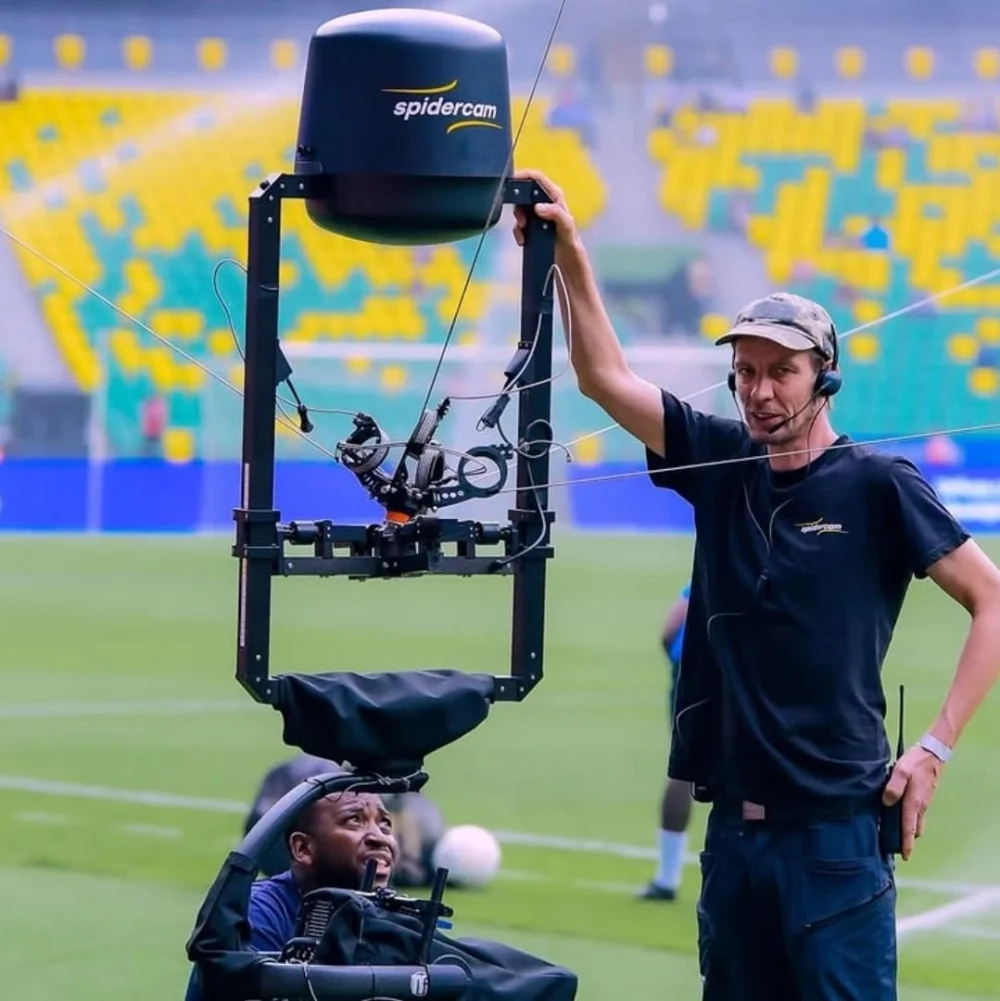
    Spider camera at Amahoro Stadium remains operational

    The Spider Camera installed at Amahoro Stadium has not been used regularly for some time. However, the Ministry of Sports, which oversees the stadium, says the camera has not developed any problems and is still used for major events.

    The Spider Camera is a cable-suspended camera system that moves through the air along cables. It was manufactured by Ross Video Ltd. and can travel at a speed of up to nine metres per second across an area measuring 250 by 250 metres.

    The camera weighs 340 kilogrammes. It measures 87 centimetres in length, 88 centimetres in width and 87 centimetres in height.

    It is designed to withstand dust and high temperatures, with an outer body made of aluminium. The system is designed to operate in temperatures ranging from -10 to 40 degrees Celsius.

    The spider camera is powered by rechargeable batteries that allow it to operate while moving through the air. Each battery can provide up to four hours of continuous operation.

    The system is compatible with several professional cameras that can be used to capture live footage during events and sporting competitions. These include Sony P1, P43 and P50 cameras, Grass Valley LDX 80 and LDX 86, Panasonic AK-UB300 and Hitachi DH-H200.

    For standard video production, the system can also accommodate cameras including the RED Epic series, namely Dragon, Helium and Monstro, as well as the ARRI Alexa Mini, Sony F55 and Venice, and Panasonic Varicam.

    The spider camera is therefore designed to provide high-quality aerial footage for major sporting, entertainment and other large-scale events held at Amahoro Stadium.

    Amahoro Stadium's spider camera remains operational.

    Sports facilities generate revenue for Rwanda

    Rwanda's 2026/2027 national budget includes more than Rwf 1.3 billion to settle outstanding costs related to the construction of Ngoma Stadium, another Rwf 1.3 billion for outstanding payments linked to the construction of Bugesera Stadium, and an additional Rwf 1.3 billion to clear outstanding costs for the construction of Nyagatare Stadium.

    The Ministry of Sports says that although sports infrastructure requires significant investment, the facilities are also expected to generate revenue and contribute to recovering part of the funds invested in their construction.

    During the 2025/2026 financial year, the Ministry of Sports set a target of generating at least Rwf 5 billion in revenue from sports facilities. By the end of the financial year, however, the ministry had generated Rwf 5.69 billion, exceeding its target.

    The revenue was generated from Huye Stadium, BK Arena, Kigali Pelé Stadium and Amahoro Stadium. In October 2025, Amahoro Stadium was placed under the management of QA Venue Solutions, a private company contracted to manage the facility.

    The Ministry of Sports is also continuing to seek private-sector partners to manage other sports facilities and ensure that they are used more effectively to generate revenue and maximise the value of the investments made in their construction.

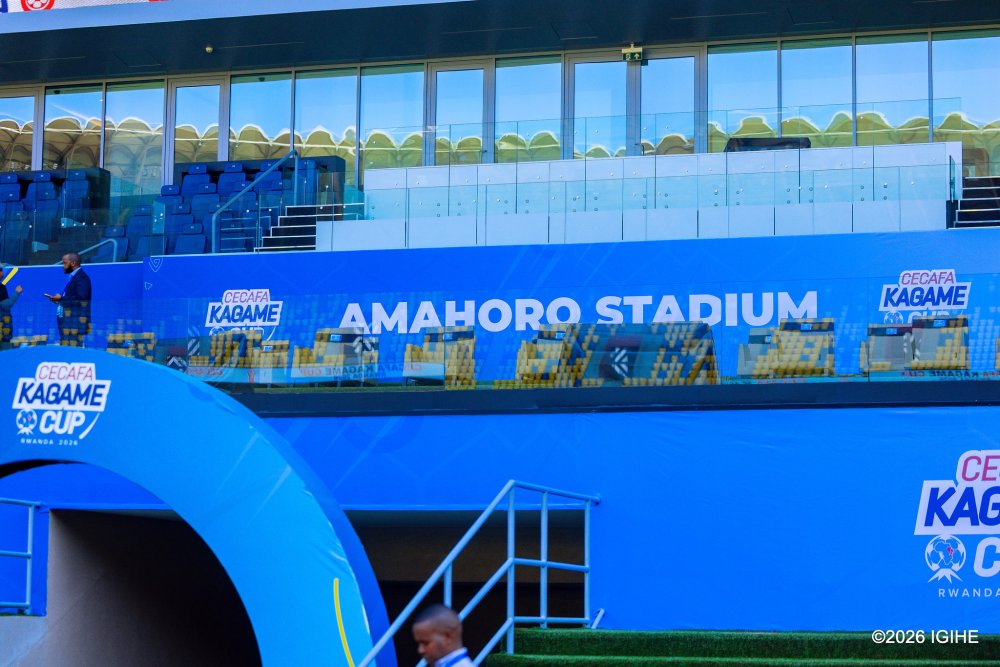
    Amahoro Stadium's VIP section will be renovated as part of the new renovation works.
    Rwf 90.7 billion has been earmarked for further renovation works at Amahoro Stadium

    Source : https://new.igihe.com/english/renovation-works-at-amahoro-stadium-to-cost-rwf-90-7-billion/

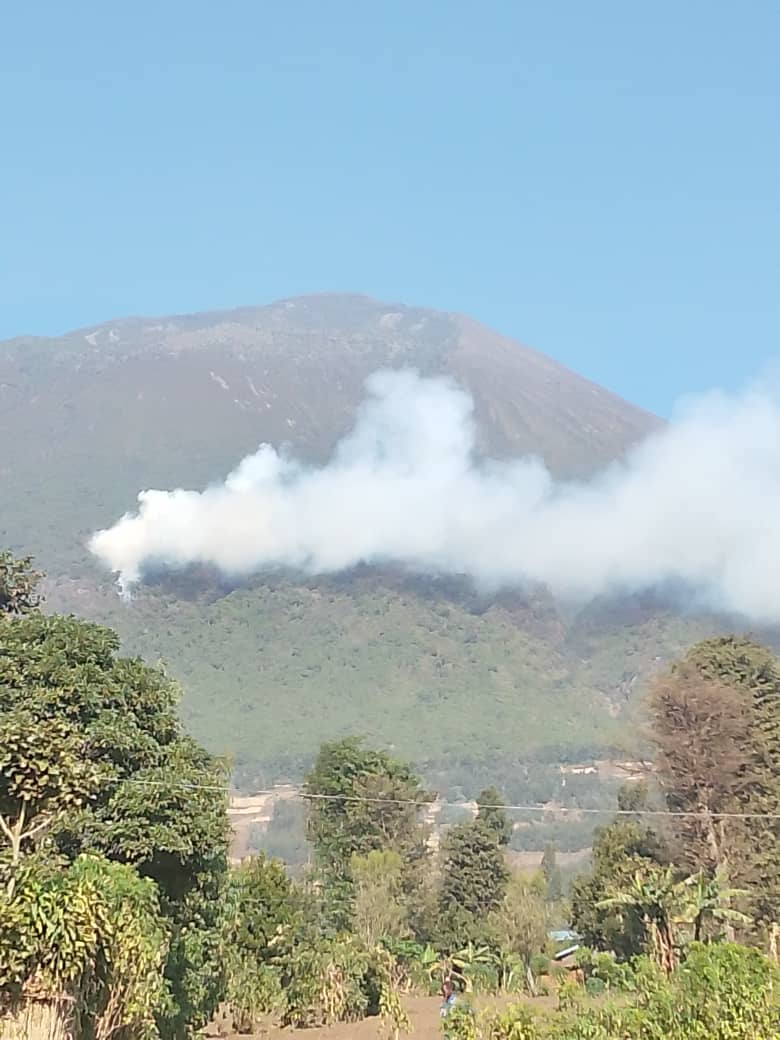
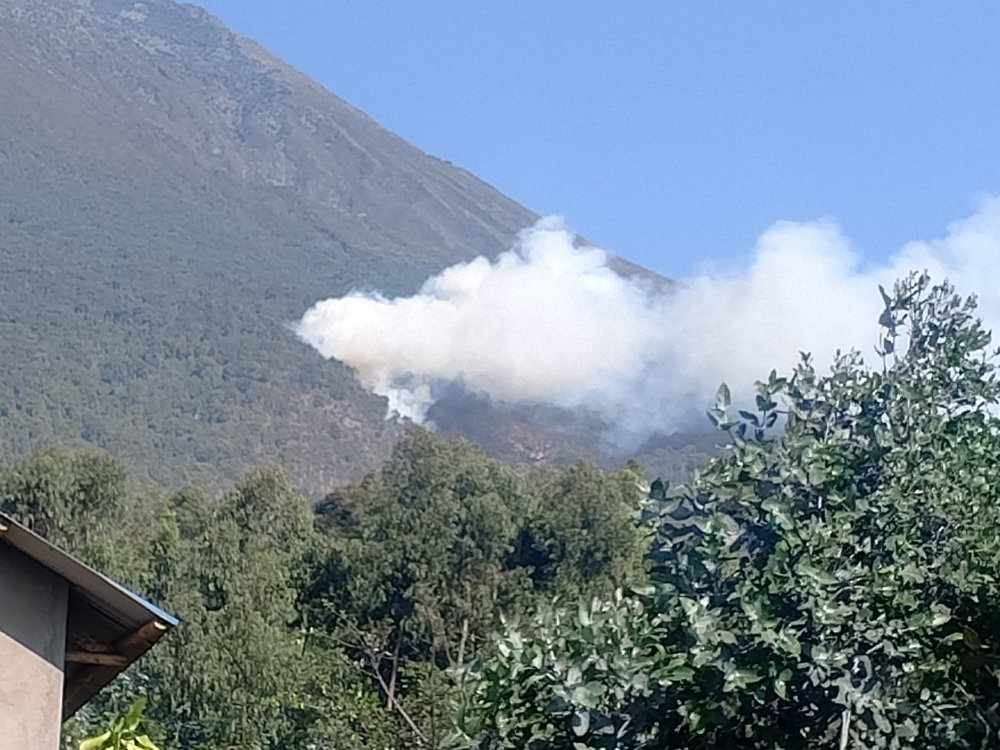
  • Wildfire breaks out on Mount Muhabura in northern Rwanda #rwanda #RwOT

    A resident of Nyagahinga Cell in Cyanika Sector told IGIHE that the fire started in the middle of the mountain at around 6 a.m. and spread uphill, making efforts to extinguish it difficult because of the long distance that responders have to cover on foot.

    'We saw the forest had caught fire at around 6 a.m. this morning. We tried to see whether there were people putting it out, but we did not see anyone. It continued burning. As we speak, we are on the mountain trying to put it out,' the resident said.

    Residents of Nyagahinga said they were not concerned that the fire would reach their homes or damage their property because the mountain is about two kilometres from the settlement.

    Northern Province Governor Maurice Mugabowagahunde told IGIHE that authorities from different levels had gone to the area to coordinate firefighting efforts, expressing confidence that the situation would be brought under control without significant damage.

    'Yes, it is true, and we are all there. We have gone to put it out. I believe it will be resolved without much damage,' he said.

    Residents said that by around 9 a.m., the fire had begun to weaken on Mount Muhabura, raising hopes that it could soon be extinguished.

    The full extent of the area affected was not immediately known as the fire was still burning when this story was published, while residents continued efforts to put it out.
    The cause of the fire had also not been established.

    Residents said some people enter Volcanoes National Park to collect honey, a practice that sometimes requires them to light smoke to drive bees away. They suspect that such activity could have caused the fire.

    Mount Muhabura was last affected by a major fire in 2009.

    The volcano stands at 4,127 metres above sea level, making it the second-highest of Rwanda's five volcanoes.

    During the dry season, vegetation in several national parks, including Volcanoes National Park, where Mount Muhabura is located, becomes dry and more vulnerable to fires. This increases the risk of wildfires if flames reach the vegetation.

    The fire broke out in the middle of Mount Muhabura early in the morning.
    The area affected by the fire is far from nearby residential areas.

    Source : https://new.igihe.com/english/wildfire-breaks-out-on-mount-muhabura-in-northern-rwanda/

  • U.S. deploying new aircraft carrier to Mideast amid Iran war strain #rwanda #RwOT

    The USS George Washington, the U.S. Navy's 'premier forward-deployed aircraft carrier' in the Pacific, was spotted Thursday transiting the Strait of Malacca, which links the Pacific and Indian oceans.

    A Navy official confirmed to USNI News, the U.S. Naval Institute's online news and analysis portal, that the aircraft carrier was moving westward after passing through the Singapore Strait.

    The deployment came amid growing concerns over conditions aboard the Lincoln, including reported shortages of basic supplies, water contamination, plumbing issues, deck safety concerns, mail disruptions, and deteriorating mental health among the crew onboard.

    Sen. Richard Blumenthal said the Lincoln hasn't made a port call in 200 days during its extended deployment in the Iran war, setting a record for consecutive days at sea.

    Amid the strain of the war, the U.S. military has lost about 25 percent of its MQ-9 Reaper drones, The Washington Post reported on Thursday, citing three U.S. officials.

    Each drone can cost between 30 million U.S. dollars and 50 million dollars depending on the type of sensors and weapons it carries, putting the total value of the losses at more than 1.3 billion dollars, it said.

    The US Navy has confirmed that the George Washington carrier group is moving through the Strait of Malacca toward the Indian Ocean and the Middle East.

    Source : https://new.igihe.com/english/u-s-deploying-new-aircraft-carrier-to-mideast-amid-iran-war-strain/

  • Rapper Tyga responds after Doja Cat criticizes his use of AI on new album #rwanda #RwOT

    Doja Cat made the comments during a social media livestream on August 12, when she offered an unsolicited reaction to Tyga's latest project.

    'Nobody asked me anything about Tyga, but I felt like saying this,' Doja said before calling Tyga a 'penis for making an AI album.'

    Tyga later addressed her comments during an appearance on TMZ Live, where he responded in a similarly playful manner.

    'Listen, I love Doja, but she made a demonic album,' Tyga said, referring to Doja Cat's recent work. He then added that he still loves her.

    The exchange follows Tyga's earlier explanation of how artificial intelligence was used in the production of $tarface.

    In an interview with VIBE, the rapper acknowledged using AI as a creative tool, particularly for sounds inspired by the 1980s. He explained that the technology helped with elements such as synthesizers and guitar sounds.

    Tyga has stressed that the use of AI did not mean that a machine created the entire album.

    During his TMZ Live appearance, he said he wrote the songs and performed the vocals himself, while AI was used in parts of the production.

    The rapper has defended the approach by comparing the current debate over AI with the criticism that surrounded Auto-Tune when it became widely used in music.

    According to Tyga, new technology can become another tool for artists when it is used creatively.

    $tarface also represents a major change in Tyga's musical direction. The project introduces $TARFACE as a separate artistic identity and moves away from the sound associated with much of his earlier career.

    Tyga previously told PEOPLE that after more than 15 years in the music industry, he wanted to experiment and avoid placing himself in a creative box.

    He described $TARFACE as a completely different artist and aesthetic from his previous work.

    The controversy has also brought renewed attention to the wider debate over artificial intelligence in music, as artists continue to disagree about how the technology should be used in the creative process.

    Doja Cat and Tyga are not strangers to collaboration. The pair previously worked together on the 2019 remix of Doja Cat's 'Juicy' and reunited for 'Freaky Deaky' in 2022.

    Despite their latest disagreement, Tyga's response suggested that he did not view Doja Cat's criticism as a serious personal conflict, maintaining that he still has affection for the fellow artist.

    PEOPLE reported that representatives for both artists had been contacted for comment.

    Tyga and Doja Cat offered differing views on AI in music

    Source : https://new.igihe.com/english/rapper-tyga-responds-after-doja-cat-criticizes-his-use-of-ai-on-new-album/

  • Rutaremara says Burundi shields genocide suspects as extradition could implicate its leaders #rwanda #RwOT

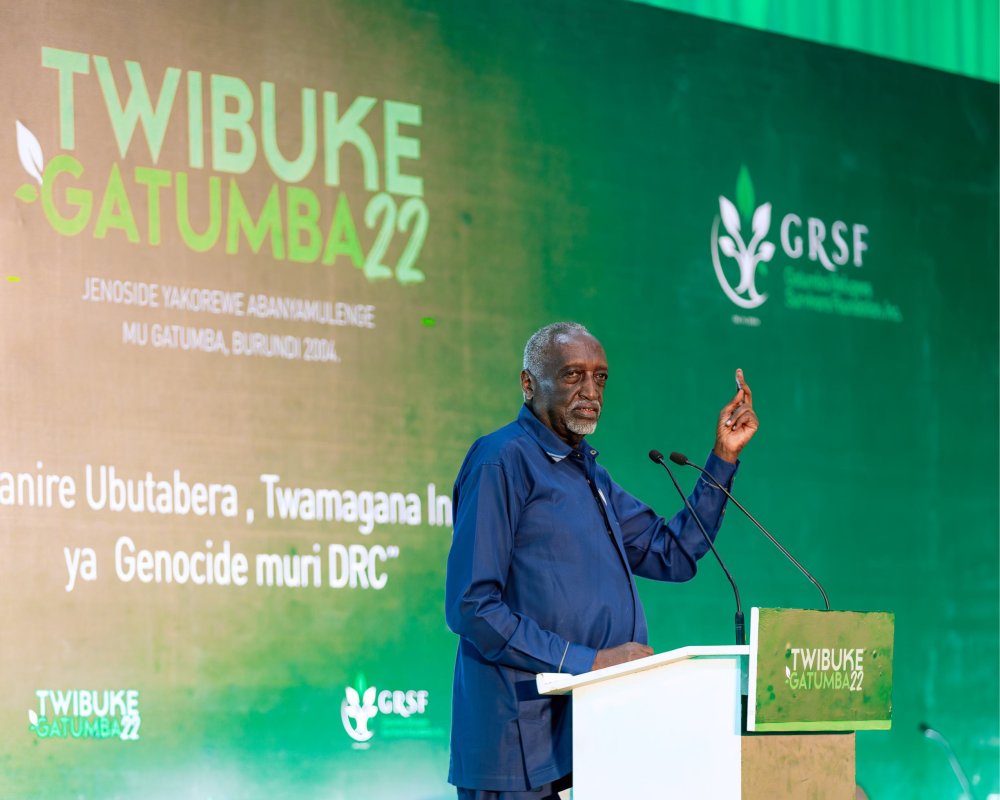
    Rutaremara made the remarks on the evening of August 13, 2026, during a commemoration event held by Banyamulenge living in Rwanda to mark the 22nd anniversary of the massacre of 166 Banyamulenge refugees at Gatumba camp in Burundi in 2004.

    The Banyamulenge refugees were attacked by armed groups, including FNL-PALIPEHUTU, on the night of August 13, 2004. Reports have also implicated other armed personnel, including elements from the Democratic Republic of Congo.

    The Banyamulenge have accused the governments of Burundi and the DRC of failing to ensure justice for the victims, saying the two countries have continued to delay accountability while hostility towards the Banyamulenge persists.

    Rutaremara expressed solidarity with the Banyamulenge, saying their frustration over the lack of justice is shared by Rwanda, which he said has also been waiting for Burundi to hand over genocide suspects for more than 30 years.

    'We are still waiting for justice. We have not brought a single Burundian [suspect] here,' he said.

    He said Burundi's reluctance to cooperate is largely linked to the fact that some Burundians who participated in the Genocide against the Tutsi later returned to Burundi and eventually rose to senior positions in government.

    Rutaremara specifically cited former Burundian Prime Minister General Alain-Guillaume Bunyoni, saying he had opposed cooperation that could have led to the extradition of suspects.

    'Gen Bunyoni was the one who refused. He said, 'If we allow Rwandans to come and ask for people, they will end up taking all of us who are in Burundi,'' Rutaremara said.

    He argued that once judicial cooperation began, Rwanda would have been able to request the extradition of suspects regardless of their positions in Burundi's leadership.

    'We would have started by asking for those at the top because many of them participated in the Genocide here in Rwanda,' he said.

    Rutaremara said the international recognition of the 1994 Genocide against the Tutsi and subsequent efforts to prosecute those responsible were made possible in part by the victory of the Rwandan Patriotic Front (RPF Inkotanyi), which ended the genocide and took control of the country.

    He said that before the RPF's victory, the mass killings of Tutsi had not been formally recognized internationally as genocide.

    Addressing the Banyamulenge, Rutaremara said governments play a decisive role in either delivering justice or preventing it.

    'You will not get justice from Burundi because we have also been waiting for it from before you. There are many people there who killed people here in Rwanda. Their names and lists are available,' he said.

    He cited the Mayaga region of southern Rwanda as one area where Burundian refugees allegedly participated in the genocide.

    According to Rutaremara, the genocide in Mayaga was carried out with extreme brutality, with local Interahamwe militia receiving support from Burundian Hutu refugees who had fled to Rwanda and settled in Ngoma, in Muyira Sector.

    He said the refugees had carried anger and resentment from Burundi following the assassination of President Melchior Ndadaye and later participated in attacks against Tutsi in Mayaga.

    Rutaremara also alleged that Burundian refugees in Ntongwe and Muganza communes, in the former Butare area, participated in the Genocide against the Tutsi, accusing some of those involved of committing acts of extreme brutality.

    He said it remains difficult to secure accountability because the international community appears unwilling to pursue the matter, while those responsible have also failed to acknowledge their actions.

    The comments came as Banyamulenge in Rwanda continued to demand accountability for the 166 refugees killed at Gatumba camp on August 13, 2004, an attack that remains a major source of grievance among the Banyamulenge community.

    Tito Rutaremara, Chairperson of the Rwanda Elders' Advisory Forum, said Rwanda has for decades asked Burundi to extradite its nationals who participated in the Genocide against the Tutsi, but Burundi has remained reluctant to do so because of its own leaders.

    Source : https://new.igihe.com/english/rutaremara-says-burundi-shields-genocide-suspects-as-extradition-could-implicate-its-leaders/

  • Astronomers release more than three million new space records #rwanda #RwOT

    The new information comes from the Sloan Digital Sky Survey V, known as SDSS-V. It is part of Data Release 20, or DR20, the latest major collection of information from the project.

    A spectrum is a way of studying light from an object in space. By breaking light into different parts, scientists can learn about an object's temperature, movement and chemical makeup.

    One of the biggest changes in the new release is that it includes optical observations from the Southern Hemisphere for the first time.

    These observations were made with a telescope at Las Campanas Observatory in Chile.

    They have been combined with observations from the Sloan Foundation Telescope at Apache Point Observatory in New Mexico.

    Together, the two locations allow scientists to study objects in the sky from both the northern and southern parts of Earth.

    The new data include information on about 1.5 million stars. They also contain about 1.1 million spectra from the Black Hole Mapper programme, covering around 500,000 different objects.

    Scientists hope the information will help them better understand supermassive black holes and how they change over time.

    Some of the objects have been observed more than once, allowing researchers to compare their changes.

    The release also combines optical observations with X-ray information from the eROSITA space telescope.

    This gives scientists information about hundreds of thousands of objects that produce X-rays, including active galaxies, galaxy clusters and active stars.

    Another important part of the release focuses on the Milky Way and nearby galaxies. Scientists have mapped areas containing glowing gas, young stars and planetary nebulae.

    The maps include well-known regions such as the Orion and Rosette nebulae.

    The new release also includes 18 scientific catalogues and online tools that make it easier to explore the huge amount of information.

    The data are publicly available, meaning scientists, students, teachers and astronomy enthusiasts around the world can use them.

    Researchers hope the information will lead to new discoveries about how stars and galaxies form and change.

    With DR20, SDSS-V is moving closer to creating a detailed map of the sky across both hemispheres.

    The project is giving scientists a powerful new way to study the Universe and understand its many mysteries.

    Astronomers have mapped more of the universe using millions of new observations.

    Source : https://new.igihe.com/english/astronomers-release-more-than-three-million-new-space-records/