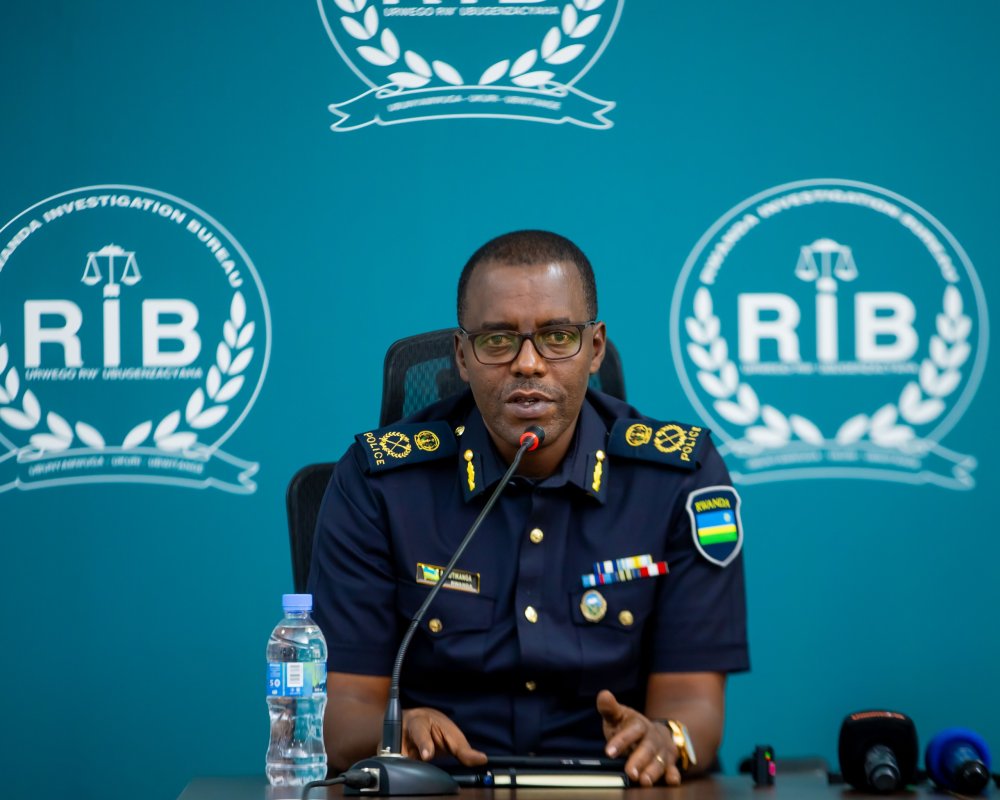
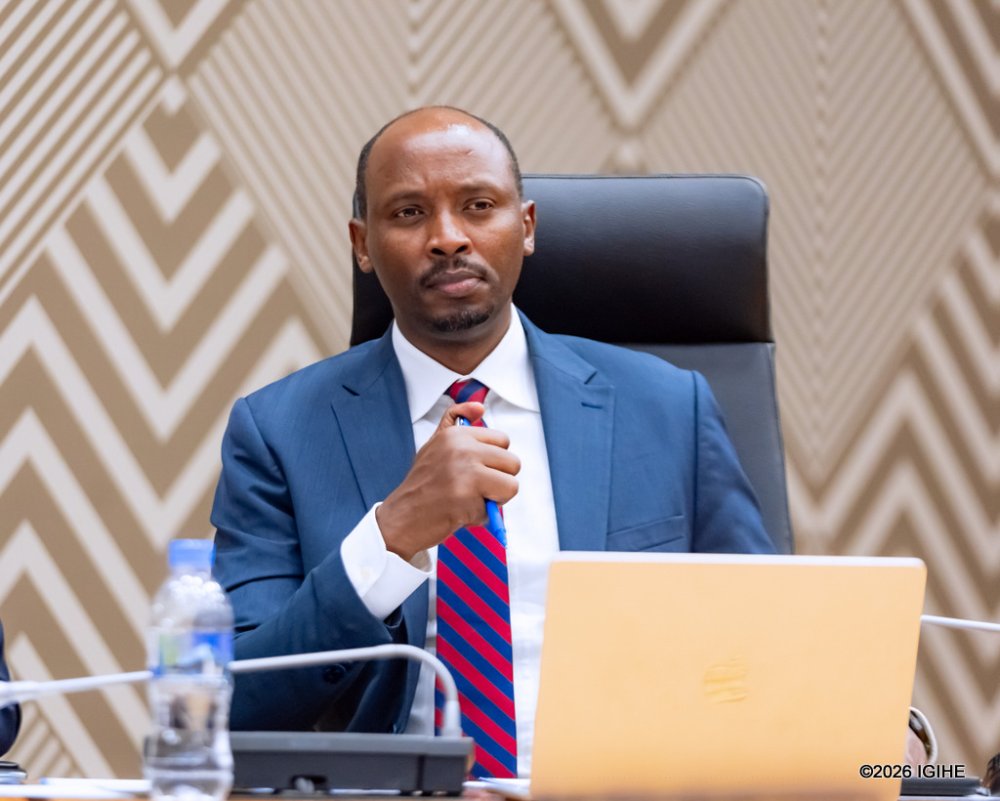
Police spokesperson ACP Boniface Rutikanga said the law classifies vaping products as drugs, meaning users cannot justify their use on the grounds that they produce little or no smoke or odor.
'I would like to urge those who use them to take this seriously and start thinking about putting them aside. They are not permitted; this is provided for by law,' Rutikanga said.
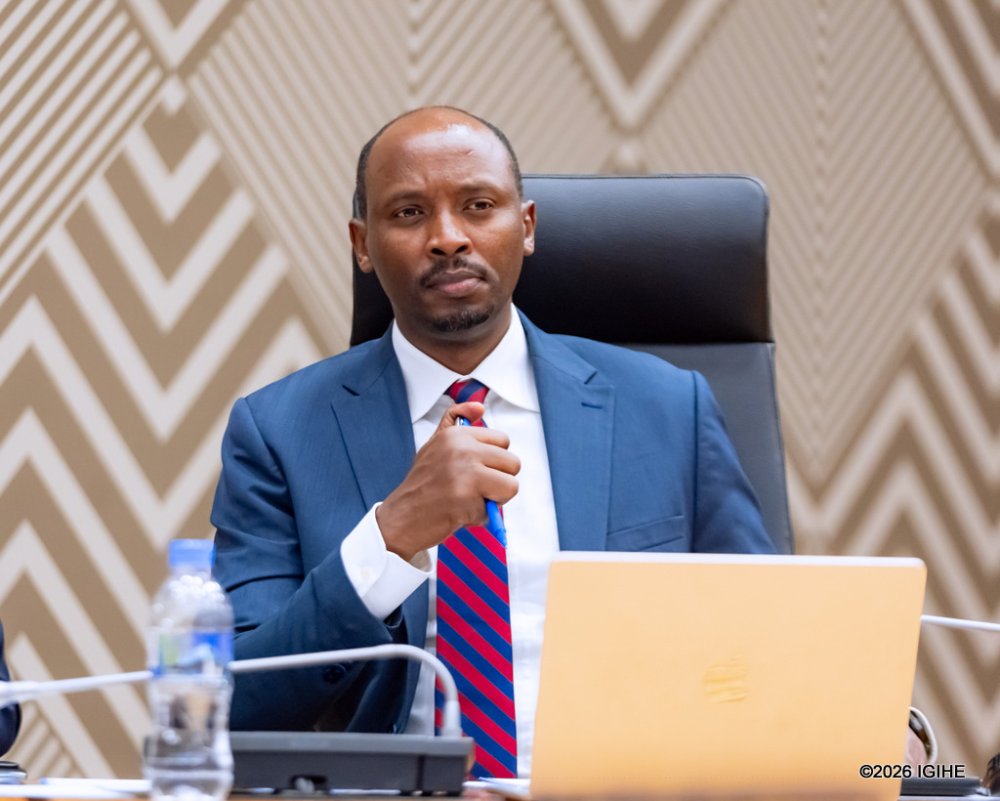
Health Minister Dr. Sabin Nsanzimana also warned about the health risks associated with vaping, describing it as among the substances of concern because of its potential harmful effects.
Nsanzimana made the remarks during a TikTok discussion with social media users focused on preventing the use of illicit or substandard alcoholic beverages and drugs.
Vapes, also known as e-cigarettes, are electronic devices that produce an aerosol for users to inhale. The aerosol can contain substances including nicotine, propylene glycol and glycerin.
Vaping devices come in various forms, including products designed to resemble pens and flash drives, which can make them difficult to identify without prior knowledge.
The availability of different flavors and scents, along with the design of the devices and their promotion or discussion on social media, has contributed to their growing popularity among young people.
While e-cigarettes are sometimes promoted as a way to help people who smoke conventional cigarettes quit, Nsanzimana said vaping can pose serious health risks.
'There are many drugs, including those used in vaping. To everyone listening to me, I say: stay away from vaping. It can kill you even more than ordinary cigarettes,' he said.
Nsanzimana said vaping has been associated with several health risks, including cancers affecting the lungs and digestive system. He added that research shows the nicotine contained in vaping products can lead to dependence.
He urged the public, particularly young people, to avoid vaping, warning that its perceived appeal and variety of flavors should not obscure the potential risks to users' health.
Police spokesperson ACP Boniface Rutikanga said the law classifies vaping products as drugs, meaning users cannot justify their use on the grounds that they produce little or no smoke or odor.
Dr. Nsanzimana made the remarks during a virtual discussion with TikTok users on efforts to prevent the consumption of substandard alcohol, particularly among young people.
He said alcohol consumption had reached a level that was affecting the wellbeing of the population and the country's development.
Dr. Nsanzimana said national institutions had been assessing issues that could hinder Rwanda's progress and found that alcohol had become a major concern.
'Alcohol came to the forefront among the things that threaten the security of our future. In terms of health, we were already in a difficult situation because alcohol is a slow killer; it kills gradually,' he said.
The minister was asked why Rwanda had focused on curbing substandard alcohol while tobacco is also known to have serious effects on health.
He said the decision was based on available figures showing that tobacco use had declined following measures introduced earlier.
'Figures show that Rwandans who smoke have declined from 13 percent to 7 percent because of measures that were introduced earlier,' he said.
Alcohol consumption, however, remains widespread, according to the minister.
'One in two men drinks alcohol, and one in five women drinks alcohol. It is increasing, and now there are alcoholic drinks with 40 percent alcohol and above,' he said.
Dr. Nsanzimana said the government therefore started with the issue that was currently causing greater harm, while tobacco remains on the agenda.
'Tobacco will also be addressed, and it will not take long. We started by addressing the major problem that is killing people, but tobacco is also on our agenda, even though its use has been declining significantly,' he said.
Health Minister Dr. Sabin Nsanzimana said Rwanda will soon turn its attention to tobacco after tackling substandard alcohol consumption.
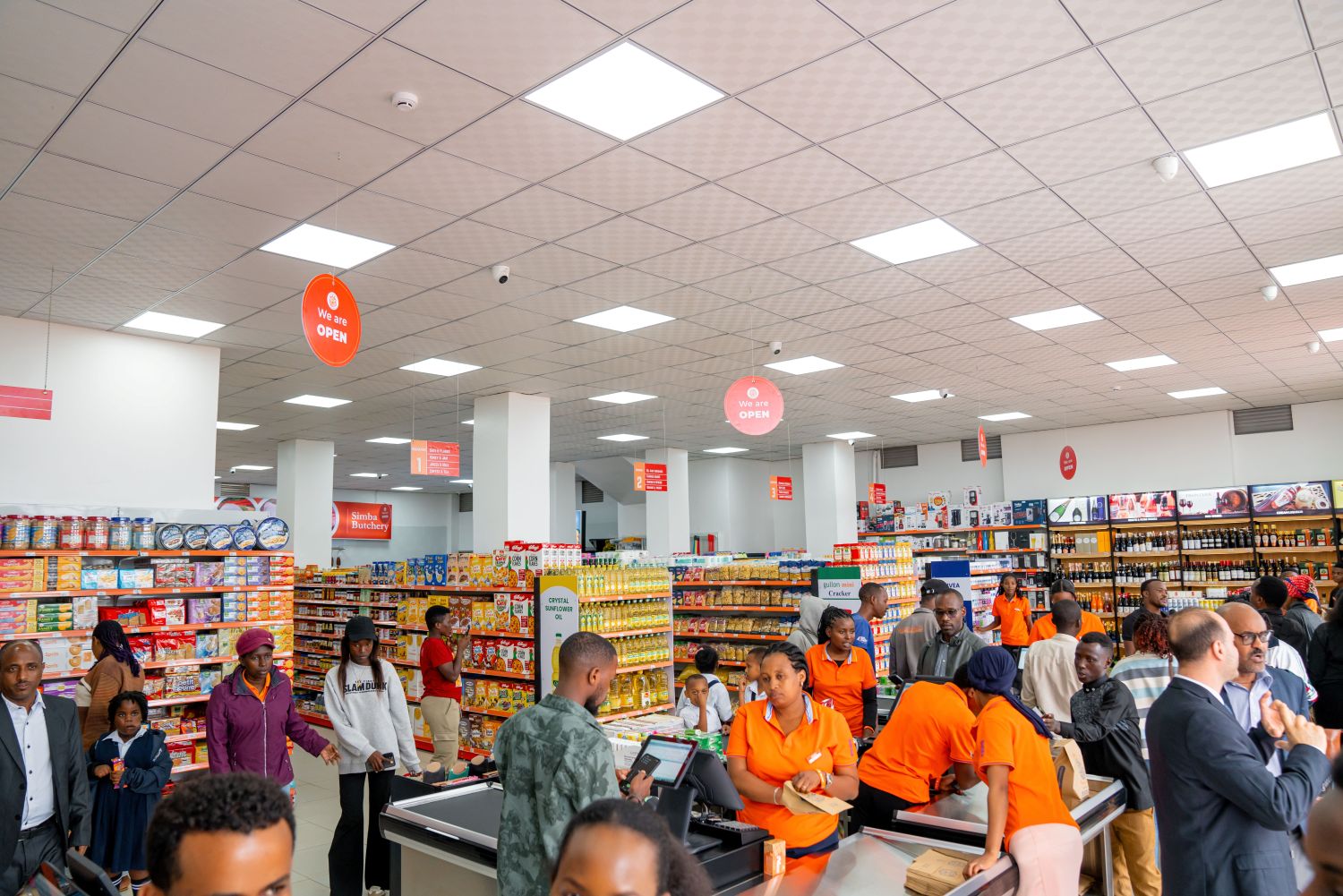
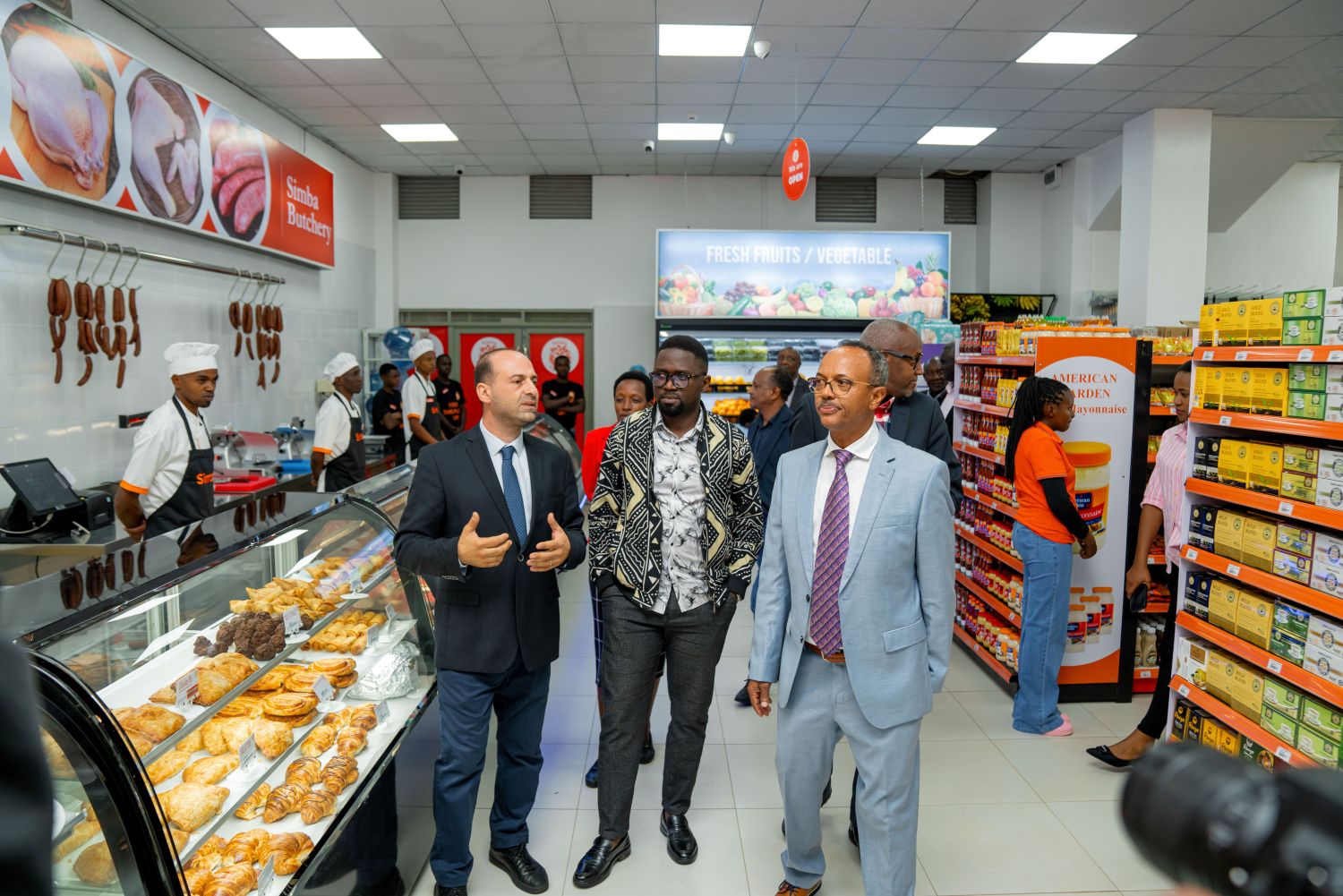
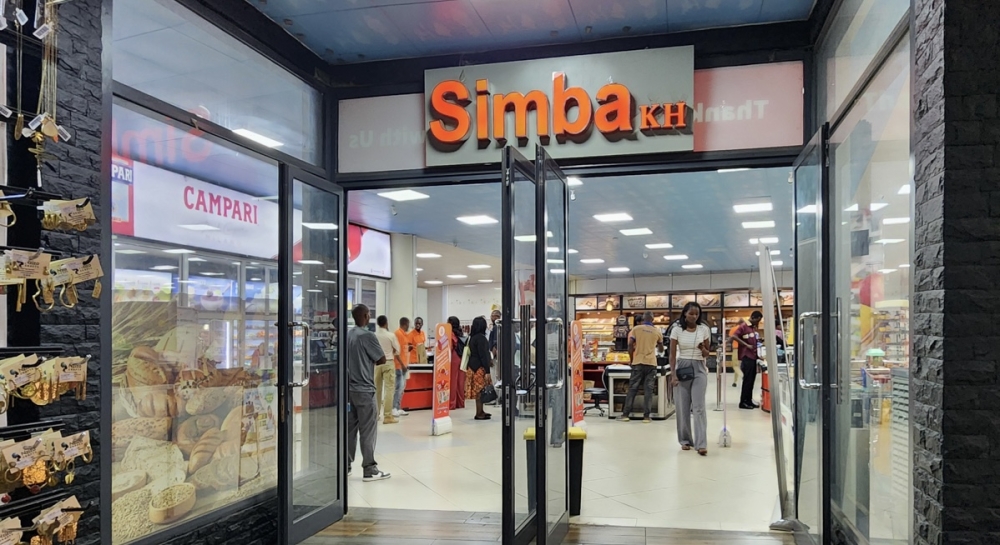
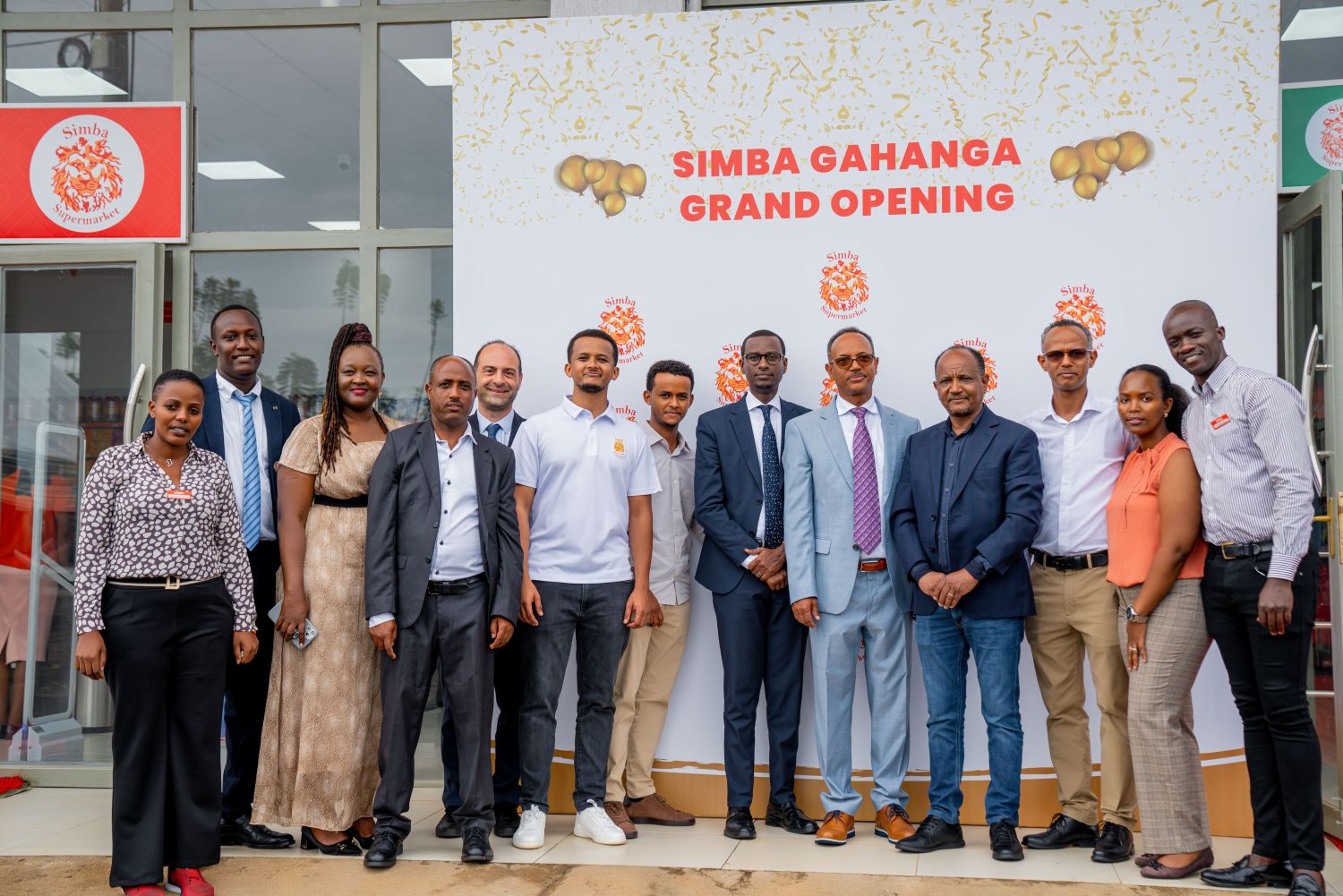
The milestone celebrates Simba's 18-year journey of growth, quality, affordability and convenience, with celebrations continuing throughout the week.
Over the years, Simba has expanded its presence and today operates 15 branches across the country, bringing its services closer to communities while responding to the changing needs of Rwandan consumers.
From everyday household essentials and fresh produce to premium local and international brands, Simba has built its offering around giving customers greater choice under one roof.
18 years of growing with customers
At the heart of Simba Supermarket's journey has been its relationship with customers.
As Simba celebrates 18 years, the anniversary is not only an opportunity to reflect on its growth, but also to recognise the customers, employees, suppliers and partners who have contributed to the journey.
Speaking about the milestone, Simba Supermarket Managing Director Joseph Mutabazi said reaching 18 years is an achievement the company shares with the people who have supported it throughout its journey.
'Eighteen years is more than a milestone for us. It represents 18 years of trust from our customers, commitment from our employees and strong relationships with our partners and suppliers. Simba would not be where it is today without the people who have chosen to grow with us,' Mutabazi said.
Simba has continued to position itself as a neighbourhood supermarket, strategically bringing its outlets closer to residential communities and making everyday shopping more convenient for families.
For Mutabazi, expansion is not simply about increasing the number of stores.
'Our growth has always been driven by one question: how can we serve our customers better? Opening closer to where people live means making shopping more convenient, saving families time and ensuring that quality products are within their reach,' he said.
Beyond traditional retail, it has increasingly developed its stores into spaces where customers can combine shopping with other experiences, including dining and family entertainment.
Quality, affordability and variety
Throughout its growth, Simba Supermarket has maintained a focus on balancing quality with affordability.
Its stores bring together locally sourced products and a diverse selection of international brands, allowing customers to access everyday essentials as well as premium products from different markets around the world.
Through direct sourcing, partnerships with suppliers and an efficient supply chain, it continues to work towards keeping quality products accessible to Rwandan households.
Simba has also continued to strengthen partnerships with local and international businesses as part of efforts to improve customer experience and provide greater value.
Celebrating the people behind the journey
As part of its 18th anniversary, Simba is putting customers and the people who have contributed to its journey at the centre of the celebration.
The milestone provides an opportunity to appreciate long-serving employees, loyal customers, suppliers and business partners who have played a role in the supermarket's growth over the years.
'This anniversary is an opportunity for us to recognise our employees who serve our customers every day, our suppliers and partners who have believed in our vision, and above all, our customers who continue to choose Simba,' Mutabazi noted.
Among the partners Simba recognises as part of this journey is I&M Bank Rwanda, for its continued partnership which has contributed to the supermarket's efforts to provide customers with greater convenience over the years.
The anniversary will also be reflected through customer-focused activities and special experiences aimed at thanking shoppers for their continued trust and loyalty.
Looking to the future
At 18, Simba Supermarket says the milestone is as much about the future as it is about celebrating the past.
As Rwanda's retail sector continues to evolve, changing lifestyles, digital payments and growing consumer expectations are reshaping the shopping experience.
Simba plans to continue responding to these changes by strengthening accessibility, expanding its product offering and improving the overall experience across its stores.
'We are proud of what the past 18 years represent, but we are even more excited about what comes next. Our ambition is to keep evolving with our customers, reach more communities and continue raising the standard of the shopping experience in Rwanda,' Mutabazi said.
After 18 years, Simba Supermarket enters its next chapter with a message of appreciation to the customers and communities that have been part of its journey.
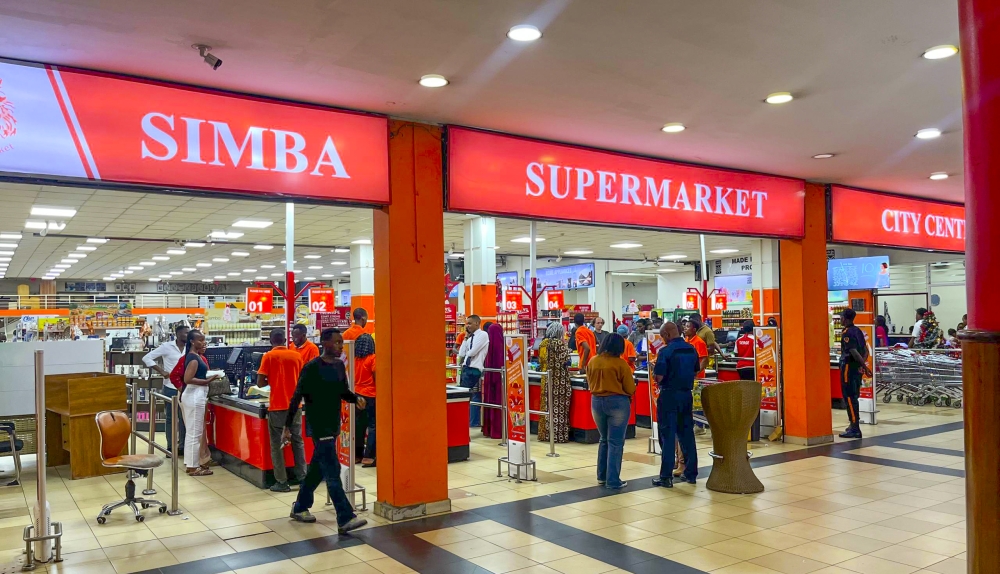
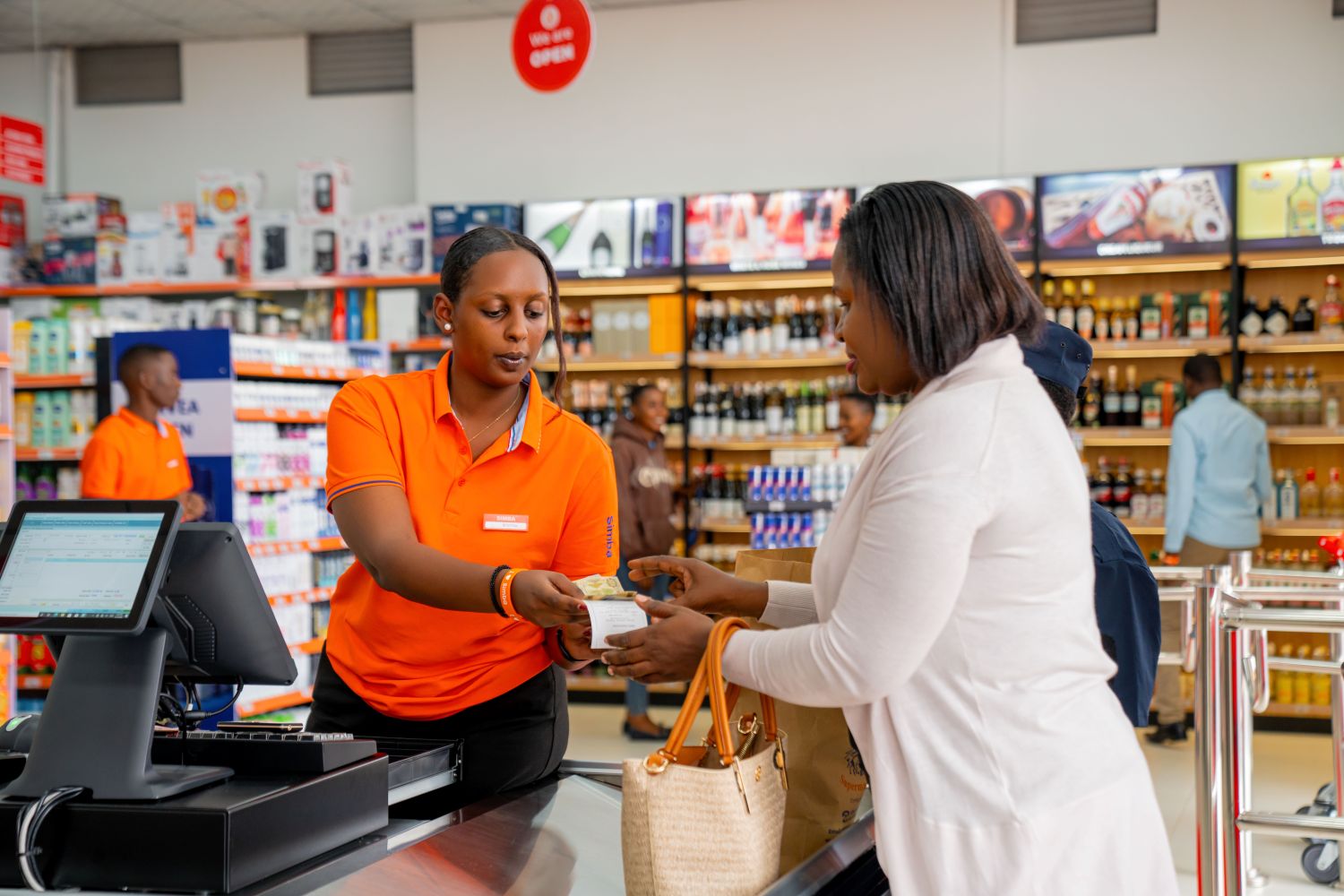
Simba Supermarket has marked its 18th anniversary, celebrating nearly two decades of serving Rwandan households while growing its footprint and strengthening its position as one of the country's leading retail brands.Simba has built its offering around giving customers greater choice under one roof.Throughout its growth, Simba Supermarket has maintained a focus on balancing quality with affordability.As part of its 18th anniversary, Simba is putting customers and the people who have contributed to its journey at the centre of the celebration. Simba operates 15 branches across the country.
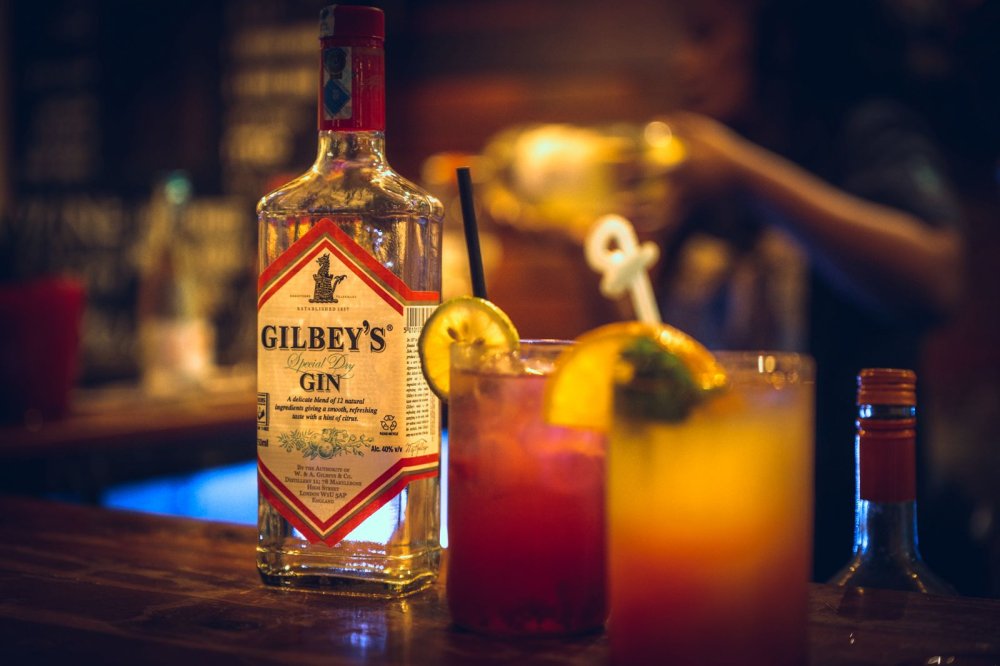
On August 5, 2026, the Rwanda Food and Drugs Authority (Rwanda FDA) temporarily suspended 52 imported alcoholic beverages that it said did not meet required quality standards. The products included Kenya King, Gilbey's Gin, Avalon Premium Vodka, Safari Gin and Sweet Berry Vodka, which are manufactured in Kenya.
Following the suspension, KEBS said it had conducted inspections and laboratory tests on the five Kenyan alcoholic beverages and found that they complied with applicable Kenyan and EAC quality standards.
KEBS also said it was engaging Rwanda FDA and other regulatory authorities in the region to establish the basis for the suspension and find a resolution through mechanisms provided under the EAC framework.
Speaking during a social media engagement hosted on TikTok on August 12, Dr. Nsanzimana responded to the position taken by KEBS.
He said the fact that some of the beverages were reportedly marked for markets outside Kenya raised questions.
'We have seen what our neighbours said, but no one speaks ill of them,' Dr. Nsanzimana said.
'If some of those products were tested and there are labels showing that they are not allowed in their own country but are instead meant for other countries, that is an indication that they may also be seeking profits elsewhere and protecting themselves,' he said.
Dr. Nsanzimana said consumers also have a responsibility to understand the products they use and protect their families.
'Everyone should know what they are doing and how they protect their families,' he said.
The Minister said he did not expect the suspension of the alcoholic beverages to damage Rwanda's relations with Kenya.
He said the relevant authorities, including those responsible for foreign relations, would work together to address the matter.
The development comes amid a broader crackdown by Rwanda on alcoholic beverages considered to pose quality or safety concerns.
Following the Rwanda FDA's action against substandard locally produced alcoholic beverages, including the closure of 148 factories, the crackdown also extended to imported alcoholic beverages.
Minister Nsanzimana has defended Rwanda FDA's decision to suspend the five Kenyan alcoholic beverage brands over quality concerns.Gilbey's Gin is among the five Kenyan alcoholic beverage brands temporarily suspended from the Rwandan market.
Guterres is closely following the developments related to the conflict in the Middle East, including the situation in and around the Strait of Hormuz and in the Red Sea, said Farhan Haq, his deputy spokesman.
'The secretary-general remains convinced that a comprehensive and durable settlement can only be reached through dialogue and negotiations,' said Haq. 'Such a settlement would help restore stability and confidence across the region, while also safeguarding the navigational rights and freedoms in and around the Strait of Hormuz and in the Red Sea.'
UN Special Envoy for Yemen Hans Grundberg is also continuing his efforts to de-escalate the situation in Yemen, said Haq.
Any activity that disrupts shipping around the coast of Yemen will also hinder UN efforts to bring supplies into the war-torn country, which is one of the reasons why all such obstructions in the Red Sea and around Bab al-Mandab need to stop, said the spokesman.
This handout photo provided by Houthi Media Center shows the launch of a drone allegedly toward Mocha in Yemen, on Aug. 9, 2026. (Houthi Media Center/Handout via Xinhua)
The four-day forum in Kigali will examine the challenges and opportunities facing Africa's Internet ecosystem, particularly inland markets that lack direct access to submarine cable landing stations, while exploring ways to build a more resilient, affordable and locally connected Internet across the continent.
By fostering a more connected and resilient Internet, these efforts can lower the cost of delivering digital services, improve online performance, and strengthen Africa's ability to shape and sustain its own digital future.
Organised by the African IXP Association (Af-IX) and supported by the Rwanda Internet Community and Technology Alliance (RICTA), AfPIF is a leading forum for Africa's Internet stakeholders to exchange ideas, build partnerships, and advance practical solutions to strengthen the continent's digital infrastructure and Internet ecosystem.
Af-IX is a regional association dedicated to advancing the proliferation of Internet Exchange Points (IXPs) across the African continent.
Meanwhile, the Rwanda Internet Community and Technology Alliance (RICTA) is a not-for-profit organization representing the Rwanda Internet community. It was formed in 2005 with the objective of managing the .RW country code top level domain and the Rwanda internet exchange point.
'Hosting this year's AfPIF in Rwanda gives us an important opportunity to put the spotlight on the realities of building and strengthening Internet infrastructure in inland East and Central Africa. We're looking closely at both the challenges and opportunities facing inland markets that don't have direct access to submarine cable landing stations, while exploring how stronger interconnection, carrier-neutral data centres, and local content delivery can help build a more resilient and affordable Internet across Africa.
'We're looking forward to bringing our community together to share experience, identify solutions, and build the partnerships needed to turn these opportunities into lasting progress,' said Kyle Spencer, Executive Director of the African IXP Association.
As the local host of AfPIF 2026, RICTA is delighted to welcome delegates from across Africa and around the world to Rwanda, as the event returns to the country for the second time following the successful 2022 edition.
This year's forum brings together a diverse community of stakeholders from across the Internet ecosystem, including Internet Exchange Points (IXPs), data centres, cloud and content delivery providers, Internet service providers, submarine cable operators, technology companies, governments, academia, research institutions, development partners, community networks, and the media.
'This rich diversity of expertise and perspectives is essential to fostering collaboration, strengthening Africa's digital infrastructure, and accelerating the continent's digital transformation,' said Grace Ingabire, CEO of RICTA.
'We warmly invite delegates to make the most of their time in Rwanda by experiencing the country's vibrant digital and business landscape, discovering new opportunities for investment and innovation, and building partnerships that can contribute to the growth of Africa's digital economy,' added Ingabire.
Hosted at the Kigali Marriott Hotel, AfPIF 2026 will explore the opportunities and challenges shaping East Africa's digital future, with a focus on Internet policy, carrier-neutral data centres, and content delivery infrastructure.
The programme features workshops, keynote addresses, panel discussions, bilateral meetings, lightning talks, and networking events designed to share practical insights, encourage collaboration, and support new partnerships and investment across Africa's Internet ecosystem.
Internet connectivity is increasingly becoming essential to communication, business and access to digital services.
The event was the first total solar eclipse visible in Western Europe since 1999, attracting large crowds of residents, tourists and astronomy enthusiasts who travelled to locations along the path of totality.
In Spain, the eclipse crossed the northern part of the country before reaching the Balearic Islands.
Up to six million visitors were expected to gather at viewing locations, with authorities preparing extensive security and safety measures for the large crowds.
In Buitrago de Lozoya, north of Madrid, spectators watched as the sky darkened during the evening.
The eclipse reached the area at around 8:30 p.m., with totality lasting for nearly a minute. As the Moon completely covered the Sun, spectators applauded and reacted with excitement to the sudden darkness.
The event also attracted well-known figures, including Queen guitarist Brian May, who travelled to Spain to experience the eclipse.
Authorities had prepared for the large influx of visitors, particularly because the eclipse coincided with Spain's peak wildfire season.
Thousands of police officers and other emergency personnel were deployed to help manage crowds and traffic and respond to potential emergencies.
The eclipse provided an important boost for tourism, with visitors travelling to rural areas and lesser-known destinations to find a good view of the phenomenon.
Several locations had prepared special observation sites and activities for tourists and local residents.
Iceland was another major destination for eclipse watchers. Up to 80,000 visitors travelled to the country, particularly its western regions, where totality was visible.
However, cloud cover and rainy weather affected visibility in some areas.
Despite the challenges, crowds gathered in Reykjavik and other locations, with many people equipped with protective glasses and other eclipse-viewing equipment.
The eclipse was also visible as a partial solar eclipse across other parts of Europe, including the United Kingdom, France and Germany, allowing millions more people to observe the Moon covering part of the Sun.
A total solar eclipse occurs when the Moon completely blocks the Sun's visible disk. During totality, the sky becomes dark and the Sun's outer atmosphere, known as the corona, becomes visible.
For Spain, the 2026 eclipse is part of a rare sequence of major solar events.
The country is expected to experience another total solar eclipse in 2027, followed by an annular eclipse in 2028, forming what has been described as the 'Iberian Eclipse Trio.'
Rare total solar eclipse drew millions to Spain and Iceland
A study led by researchers from the Hebrew University of Jerusalem found that neurons in the human cortex can process information in remarkably sophisticated ways.
The findings suggest that individual brain cells function more like tiny biological computers than simple on and off switches.
For decades, scientists have focused largely on the number of neurons in the human brain and the vast networks connecting them when trying to understand human intelligence.
The new research suggests that the complexity of individual neurons may also play an important role in explaining abilities such as language, imagination, mathematics and invention.
The research was led by Professors Idan Segev and Mickey London, together with PhD students Ido Aizenbud and Daniela Yoeli at the Edmond and Lily Safra Center for Brain Sciences.
The team also collaborated with Professor Chris de Kock of the Free University in Amsterdam.
To measure the computing power of individual neurons, researchers developed a new approach combining computer modelling and artificial intelligence.
They examined how difficult it would be for an artificial neural network to reproduce the relationship between information entering a biological neuron and the response it produces.
The researchers found that human cortical neurons have highly complex branching structures known as dendritic trees, along with distinctive electrical properties that allow them to perform sophisticated computations.
These abilities enable individual neurons to process complex information, including visual signals.
The findings challenge the traditional view of neurons as relatively simple components whose main role is to transmit signals through the brain.
Instead, the researchers suggest that a single human cortical neuron can operate as a powerful computing unit, with capabilities comparable to those of a deep neural network.
Professor Segev said the findings show that a single human neuron is an 'extraordinarily sophisticated computing device,' highlighting how much processing power may exist within individual brain cells.
The discovery could also influence the development of artificial intelligence. Modern AI systems generally rely on simplified artificial units inspired by neurons.
The researchers suggest that future brain-inspired AI could instead use artificial units designed to reproduce some of the deeper computational abilities found in biological neurons.
The study, published in the Proceedings of the National Academy of Sciences, provides a new perspective on the biological foundations of human intelligence.
It also gives scientists a framework for studying how the physical structure of individual brain cells is connected to their ability to process information.
The researchers believe this approach could contribute to a better understanding of how the human brain produces thought, learning and other complex cognitive abilities.
Scientists have uncovered extraordinary computing power in individual human brain cells
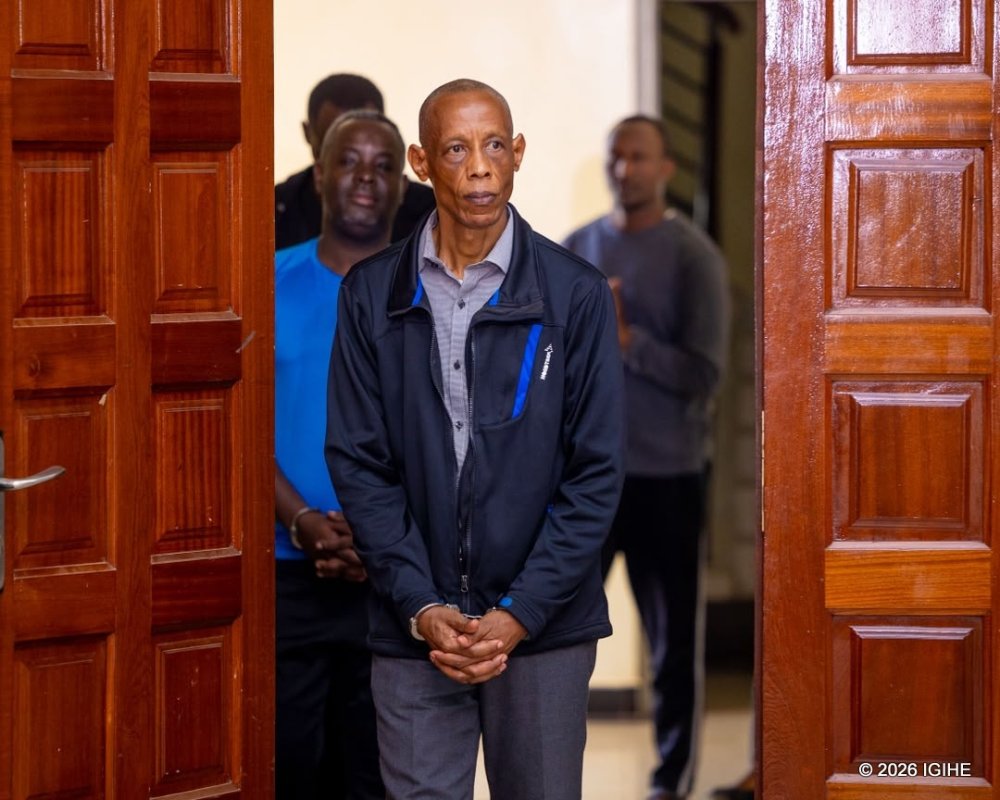
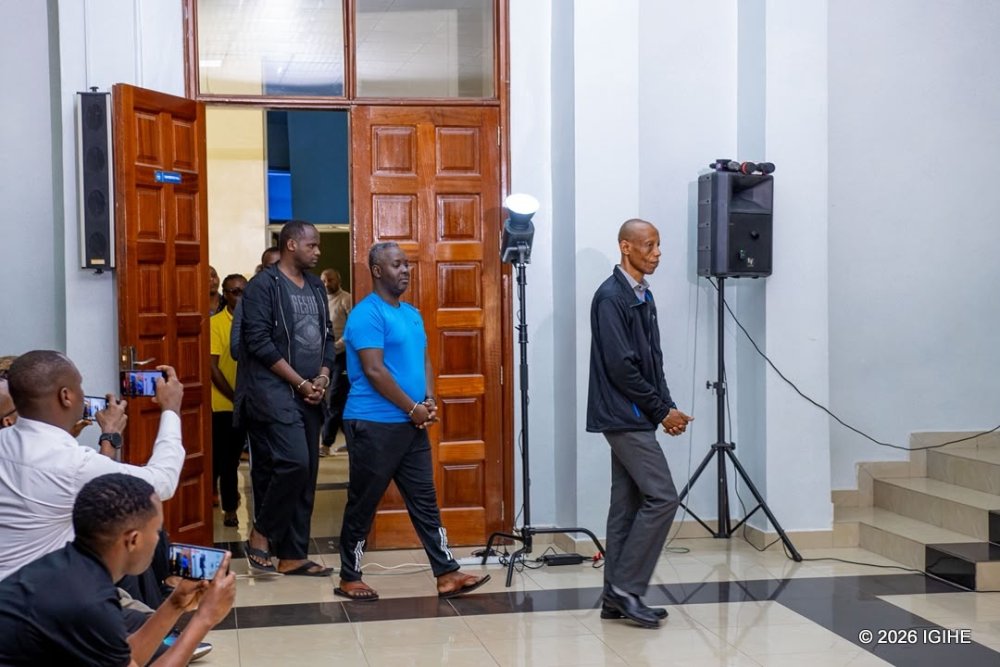
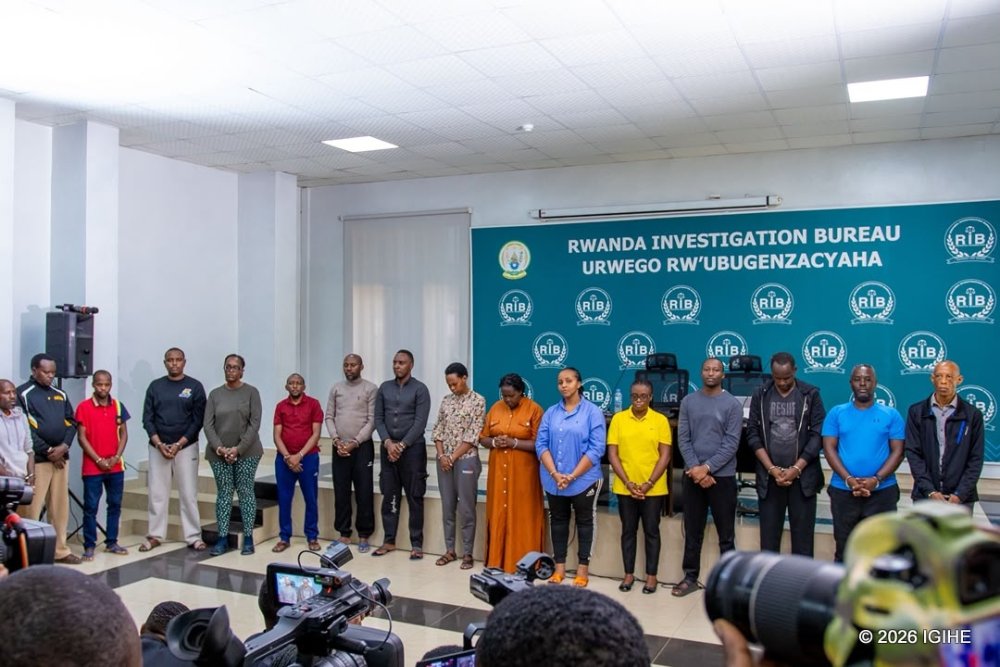
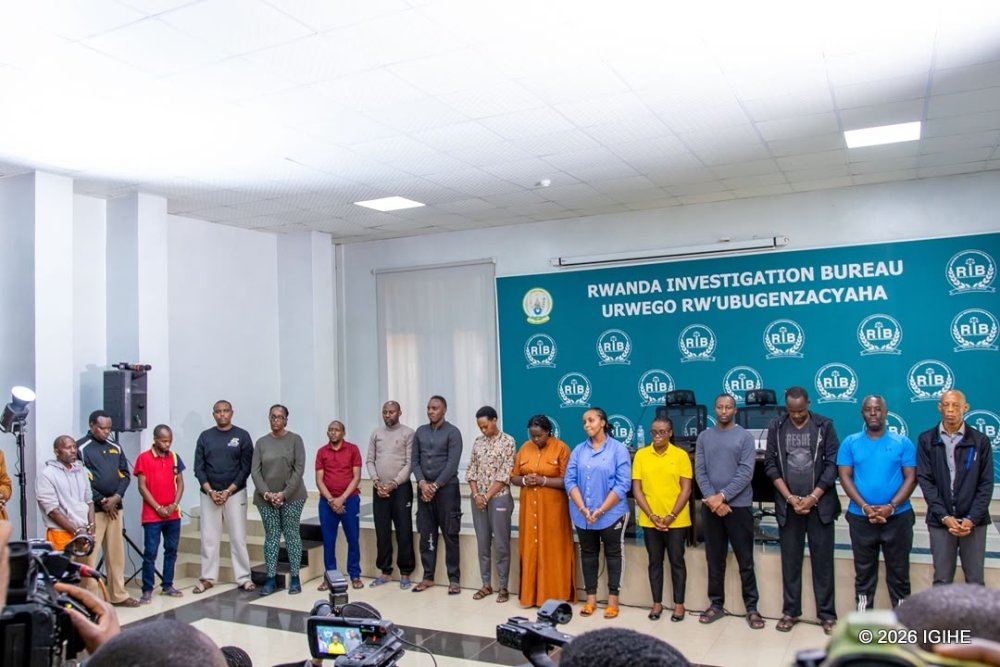
Prof. Emile Bienvenu was among those presented by RIB on August 13, 2026. All 18 are public servants, including 10 employees of Rwanda FDA.
Others include employees of the Rwanda Standards Board (RSB), as well as executive secretaries of cells and sectors.
RIB spokesperson Dr. Murangira B. Thierry said that since July 20, 2026, a total of 104 people have been arrested in connection with offences related to the production of substandard alcoholic beverages.
Of those arrested, 97 have had case files prepared and submitted to the prosecution.
Dr. Murangira said preliminary investigations had found that some documents had been issued without being based on the decisions of the Internal Technical Licensing Committee.
'The preliminary investigation established that he had issued some documents without relying on the decisions of the Internal Technical Licensing Committee. We clearly established that the committee's decision is what he was supposed to rely on,' he said.
The arrests come after more than 150 factories producing substandard alcoholic beverages were shut down across Rwanda.
More details to follow…
Prof. Emile Bienvenu the Director General of Rwanda FDA has been arrested.Prof. Emile Bienvenu (front) was paraded on August 1, 2026.18 individuals, including the Director General of Rwanda FDA (front right) have been paraded.
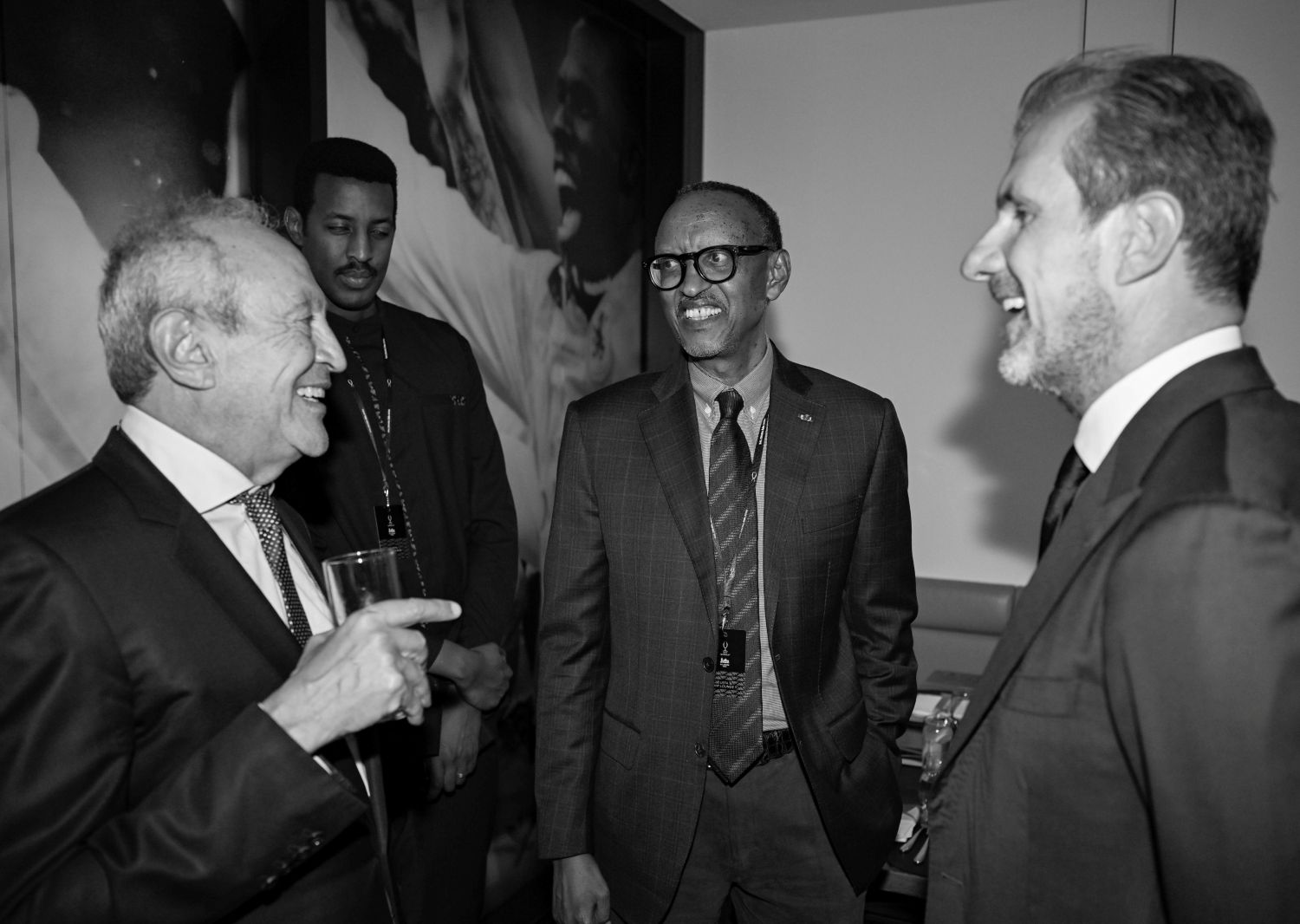
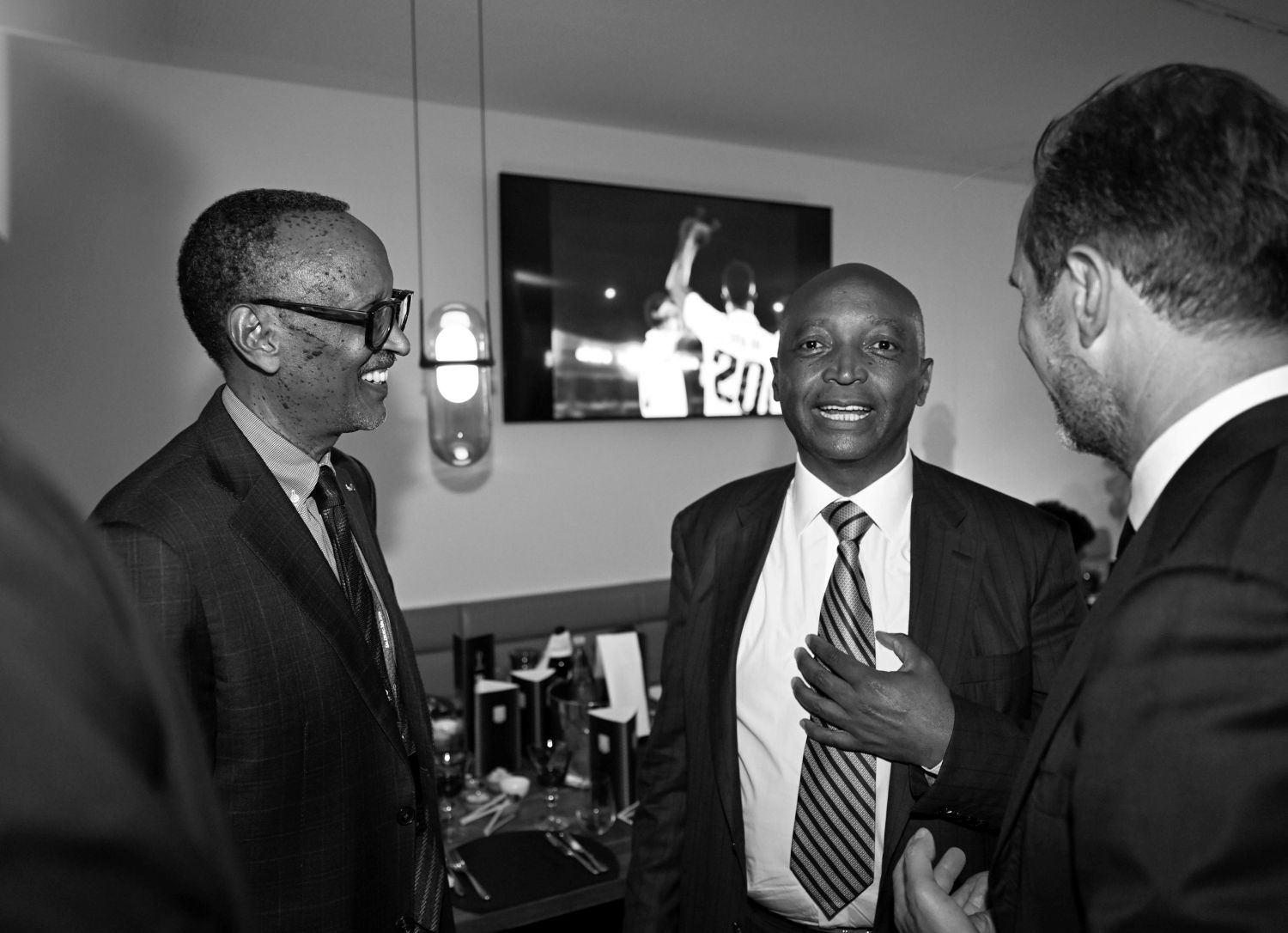
According to a post by the Office of the President on X, President Kagame attended the annual European season curtain-raiser, featuring PSG, the reigning UEFA Champions League winners, and Aston Villa, the UEFA Europa League winners and Visit Rwanda's newest football partner.
PSG emerged victorious, defeating Aston Villa 2-1 to retain the UEFA Super Cup for a second consecutive year.
Khvicha Kvaratskhelia opened the scoring for PSG in the 20th minute before Aston Villa equalised through 17-year-old Brian Madjo. Madjo, making his competitive debut for the English club, became the youngest player to start and score in a UEFA Super Cup final.
PSG restored their advantage in the 61st minute when Désiré Doué converted a pass from Ousmane Dembélé. The goal was initially ruled out for offside but was awarded following a video review after Aston Villa defender Matty Cash was judged to have marginally played Doué onside.
The victory gave PSG their second successive UEFA Super Cup title and marked the beginning of a season in which the French side could compete for as many as six trophies.
The match also highlighted the growing visibility of Visit Rwanda's partnerships with major international football clubs.
Rwanda announced its partnership with Aston Villa in July, naming Visit Rwanda the English club's Official Front-of-Shirt Partner, Official Tourism Partner and Official Coffee Provider. The agreement covers Aston Villa's men's, women's and youth teams, with the Visit Rwanda brand appearing on their shirts across domestic and European competitions.
The partnership is designed to promote Rwanda as a tourism, investment and business destination while using Aston Villa's international reach to expand the country's visibility in key global markets.
The agreement also includes international marketing campaigns, digital content, fan engagement initiatives and branding at Villa Park. Beyond commercial activities, the partnership provides for football development programmes, coach education, academy exchanges, charitable initiatives and leadership programmes in Rwanda.
The Aston Villa deal adds to Visit Rwanda's established sports partnerships, including its collaboration with PSG, as well as partnerships involving Atlético de Madrid, the Basketball Africa League, the Los Angeles Clippers and the Los Angeles Rams.
Rwanda has increasingly used international sport as a platform for tourism promotion and economic development. The country recorded 9.4 percent economic growth in 2025, while tourism and conference activities generated a record $685 million in revenues, according to figures from the Rwanda Development Board.
Rwanda is targeting $1.1 billion in annual tourism revenues and $4.6 billion in private investment by 2029, with officials positioning international sports partnerships as part of efforts to attract visitors, investors and business opportunities.
President Paul Kagame follows the 2026 UEFA Super Cup clash between PSG and Aston Villa in Salzburg.President Kagame with Patrice Motsepe, President of the Confederation of African Football (CAF).Aston Villa President of Business Operations Francesco Calvo with President Kagame.
Somali referee Omar Artan (center), who was denied entry to the United States and consequently missed the 2026 FIFA World Cup, officiated the match.PSG's Desire Doue scored the second goal against Aston Villa.PSG emerged victorious, defeating Aston Villa 2-1 to retain the UEFA Super Cup for a second consecutive year.