The experimental gum was created by scientists at the University of Pennsylvania School of Dental Medicine and was designed to target three microbes linked to the development and progression of head and neck squamous cell carcinoma, one of the most common forms of head and neck cancer.
In laboratory tests using saliva and oral rinse samples from patients, the researchers found that the gum reduced levels of human papillomavirus (HPV) by up to 93% in saliva and by about 80% in oral rinse samples.
Persistent infection with certain high-risk types of HPV has been linked to several cancers, including cancers of the throat and mouth.
The scientists also enhanced the chewing gum with an antimicrobial peptide known as protegrin-1.
This addition nearly eliminated two harmful bacteria Porphyromonas gingivalis and Fusobacterium nucleatum which have been associated with poorer outcomes in patients with head and neck cancer.
One of the study's notable findings was that the gum had little effect on beneficial bacteria that naturally live in the mouth.
This is significant because some cancer treatments, such as radiation therapy, can disrupt the normal oral microbiome, increasing the risk of other infections.
According to the researchers, the bioengineered gum is made from lablab beans, which contain a naturally occurring antiviral protein called FRIL.
The team believes combining this protein with protegrin-1 creates a locally delivered therapy capable of targeting both viruses and harmful bacteria in the mouth.
Despite the encouraging findings, the researchers stressed that the gum is still in the early stages of development.
The results were obtained from laboratory analyses of patient samples rather than human clinical trials, meaning the product is not yet approved as a treatment or preventive measure for cancer.
The team hopes future clinical trials will determine whether the chewing gum can safely be used alongside existing therapies or as a preventive approach to reduce the spread of cancer-associated microbes.
If successful, the innovation could provide an affordable and non-invasive way to support oral health and potentially lower the risk of head and neck cancers.
Researchers have created chewing gum that targets HPV and bacteria linked to head and neck cancer.
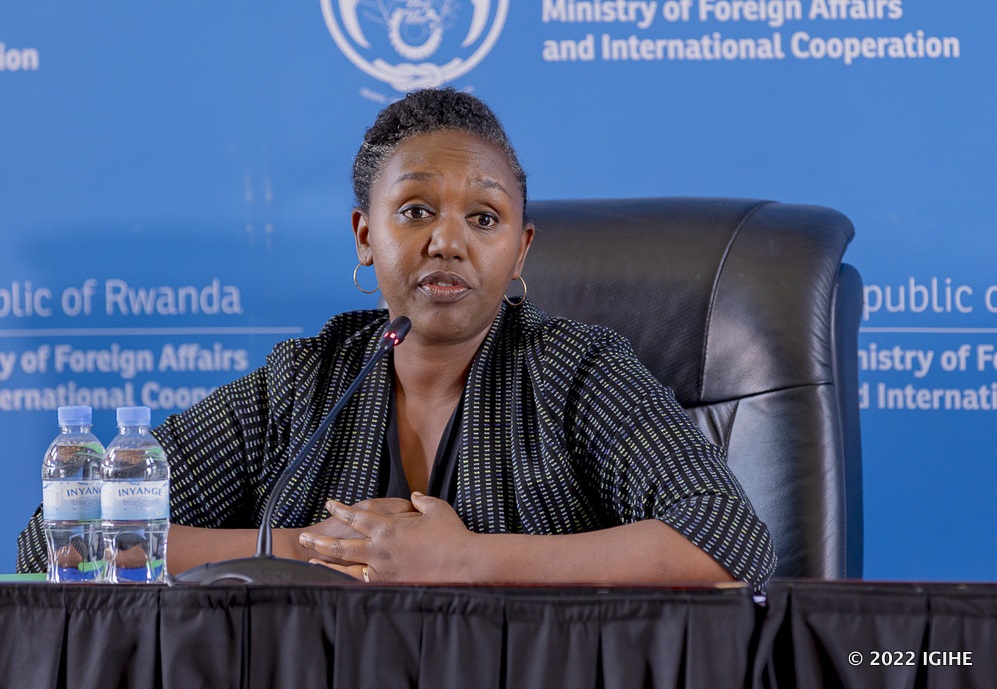
Makolo made the remarks during an interview with Royal FM on Thursday, following reports that Italy is exploring partnerships with several African countries as part of a broader European strategy to manage irregular migration.
'There is no agreement yet. We're still in discussion,' Makolo said, adding that one of the key ideas under consideration is building on Rwanda's existing Emergency Transit Mechanism (ETM) in Gashora.
The ETM, established in 2019 in partnership with the UN Refugee Agency (UNHCR), temporarily hosts vulnerable asylum seekers and refugees evacuated from Libya while their cases are processed for voluntary return to their home countries or resettlement elsewhere.
Makolo explained that the discussions focus on providing a safe place for people fleeing conflict or persecution.
'One of the ideas that we're discussing is around the Emergency Transit Mechanism that we have in Gashora, a safe place for families who are stranded, who have nowhere else to go, who are in danger for various reasons,' she revealed.
Asylum seekers hosted under the arrangement receive medical care, psychosocial support and skills training while awaiting decisions on their future.
According to Makolo, Rwanda's willingness to engage in migration partnerships is rooted in its own history of displacement and refugee return.
'Rwanda has always been involved in migration in many ways,' she said, pointing to the country's own history of displacement and return following the 1994 Genocide against the Tutsi. 'Because of that experience, we're also a welcoming country. We understand people who have had to run away with nothing and then come back and rebuild their lives.'
She pointed to Rwanda's longstanding refugee policy, noting that the country currently hosts more than 100,000 refugees, mainly from the Democratic Republic of Congo and Burundi, who are allowed to work, access healthcare and integrate into communities while under protection.
Makolo said Rwanda has worked with international organisations for decades to provide protection to people forced to flee their homes, and sees migration cooperation as part of its contribution to addressing a global challenge.
'Irregular migration is a global problem, and Rwanda has always done our part as a member of the international community,' she noted.
She added that the Gashora programme has already demonstrated its effectiveness.
'We've had thousands of those come in, and a lot of them have left, have been resettled to third countries, and that has worked really well. It has saved a lot of lives, a lot of families, and we can do more of this.'
While acknowledging that migration partnerships often attract criticism, Makolo defended Rwanda's continued engagement on the issue.
'There will always be criticism,' she said. 'But we know that we're doing this for the right reasons. We want to be part of the global solution to a big problem.'
She argued that Rwanda's previous migration partnership with the United Kingdom, which was cancelled after the new British government scrapped the policy, was fundamentally about providing protection and opportunities for people in need.
'There's nothing wrong with giving people a home and ensuring that there are resources provided so people can rebuild their lives,' Makolo reiterated.
Makolo also stressed that Rwanda wants to help reduce the dangers faced by African migrants undertaking perilous journeys through the Sahara Desert and across the Mediterranean Sea.
'We don't want Africans making dangerous journeys across the desert and dying in the Mediterranean,' she remarked. 'We want young Africans to be happy to live in their continent, and to contribute to building this continent together.'
According to Italian reports published on August 4, Prime Minister Giorgia Meloni's government is seeking to establish pilot migrant return hubs in third countries as part of a wider European strategy to improve the management of irregular migration.
Italy has indicated that Rwanda is among three African countries, alongside Uganda and Ghana, under consideration for pilot return centres that would be jointly managed by European countries and funded by the European Union.
The governments of Rwanda and Italy are in talks on a potential migration partnership, Government Spokesperson Yolande Makolo has confirmed, saying discussions are ongoing and no agreement has yet been reached.
The platform, RydeXpress, allows individuals with vehicles to list them online by providing details such as rental prices and other basic information, while customers can search for available cars and choose those that suit their needs.
The service is free for vehicle owners and users, and can be accessed by people within Rwanda as well as those abroad looking for rental options before travelling to the country.
The launch comes as the number of passenger vehicles in Rwanda continues to increase.
According to data from the National Institute of Statistics of Rwanda (NISR), the number of ordinary passenger vehicles rose from 43,182 in 2021 to 47,098 in 2022, before reaching 51,262 in 2023.
While many of these vehicles are used for personal transportation, some owners have turned to car rentals as a way of generating income. However, finding customers has remained a challenge for some owners, while renters often struggle to identify reliable vehicles and trusted rental services.
RydeXpress Chief Operations Officer, Ephron Nshimyumuremyi, said the company introduced the platform after identifying a gap in Rwanda's car rental market.
He said the challenge was particularly common among members of the Rwandan diaspora, tourists and other visitors who often faced difficulties finding convenient and reliable vehicles to rent while in the country.
'The management of RydeXpress saw the need for a platform that connects vehicle owners with people who need cars, using technology that makes the process easier, faster and more reliable,' Nshimyumuremyi said.
He added that the platform is also expected to contribute to the growth of tourism by making transportation options more accessible, especially as Rwanda continues to host international conferences and attract visitors.
Nshimyumuremyi explained that registering vehicles on the platform does not require payment, while owners remain in control of their vehicles.
'The vehicle owner keeps the freedom to manage their asset, while RydeXpress helps them reach more customers,' he said.
The company plans to expand the platform by introducing truck rental services to support individuals and businesses that need vehicles for transporting goods and cargo.
It also intends to introduce a vehicle marketplace where people can buy and sell cars, allowing sellers to advertise their vehicles and buyers to access more options.
Nshimyumuremyi said the company's long-term vision is to develop RydeXpress into a leading technology platform for transport and vehicle-related services in Rwanda and eventually across Africa.
'We want to start in Rwanda and later expand to other African countries, using technology to support the transport sector and create new opportunities for vehicle owners, businesses and customers,' he said.
RydeXpress offers a convenient way for interested people to rent vehicles
This edition's theme, Cinema, celebrates iconic characters from the 70s, 80s, 90s and early 2000s, with guests encouraged to dress as their favourite movie or TV character. The best-dressed attendee will walk away with a special prize.
In partnership with Jameson Black Barrel and Capital FM 103.5, the event will once again bring together some of the region's top DJs to deliver an eclectic mix of music, taking attendees on a journey through hip-hop, R&B, reggae, dancehall and the African classics that defined generations.
This edition's lineup features Kigali's own DJ RY and DJ Julzz, alongside special guests Sal Deejay and DJ Cisse from Uganda, promising an unforgettable soundtrack from start to finish.
Launched in 2021, The Reminisce has grown into an international experience spanning eight cities across seven countries in Africa, Europe and the United States.
Organisers describe it as more than an event, saying it is a shared cultural celebration that brings people together through music, nostalgia and meaningful social connection.
Dubbed 'The Grownfolks' Playground,' The Reminisce has established itself as one of the most sought-after events on Kigali's social calendar.
Tickets are now available via Sinc at reminisce.sinc.events.
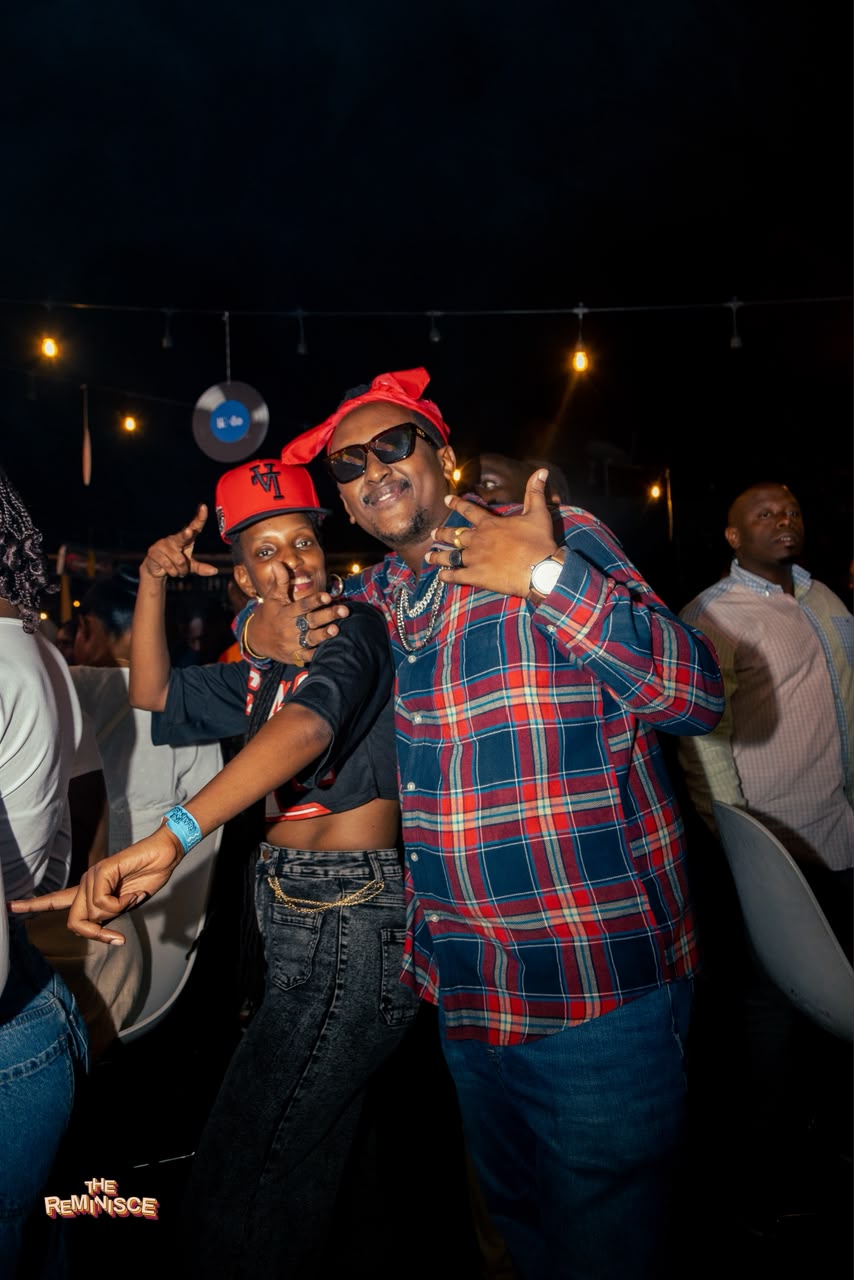
The Reminisce organisers announce the return of the sixth edition, set to bring a Cinema-themed experience to Kigali on August 15, 2026.The Reminisce prepares for its sixth edition at Atelier du Vin, featuring a celebration of iconic movie and TV characters.The Reminisce sixth edition will combine music, nostalgia and cinema-inspired fashion as Kigali's Grownfolks Playground returns.
According to performance targets set by the Ministry of Infrastructure (MININFRA), the phase had reached 14.48% completion at the beginning of the financial year. Progress is expected to rise to 34.14% in the first quarter, 45.39% in the second quarter, and 67.36% in the third quarter, before reaching the 75.4% target by June 2027.
To meet the target, Bugesera Airport Company plans to increase the pace of construction by introducing two daily shifts and extending works into the night.
The company will also undertake preparations for the airport's eventual operations, including building the capacity of personnel who will work at the facility and coordinating different institutions involved in its operations.
MININFRA's performance targets did not disclose the budget allocated for this phase of the airport project.
Airport access road expected to reach 50%
Alongside airport construction, the access road connecting to Bugesera International Airport is expected to reach 50% completion during the 2026/27 financial year.
The road project has been allocated more than Rwf3.26 billion for the year, which will support activities including compensation payments, commencement of construction works, and completion of studies for a proposed toll collection system.
The plans indicate that authorities are considering introducing toll fees for road users, although details on the proposed charges and payment mechanism have not yet been disclosed.
Power projects to support airport operations
Two electricity infrastructure projects linked to the airport development are also included in the government's 2026/27 targets.
The Bugesera Industrial Park substation, with a capacity of 3x30MVA and 110/30kV, is expected to progress from 61.23% completion to full completion during the financial year. The project has been allocated more than Rwf3.55 billion.
Meanwhile, the 110kV transmission line connecting Bugesera Industrial Park to the airport is expected to move from 53.42% completion to 100%, with Rwf4.55 billion allocated to the project.
Combined, the access road, electricity substation and transmission line supporting the airport have been allocated at least Rwf 11.37 billion during the financial year.
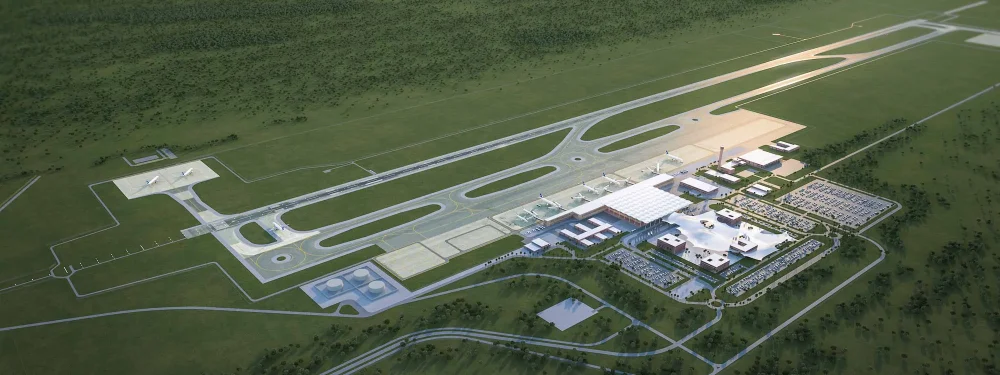
Bugesera International Airport is designed with a 4,200-metre runway. In its first phase, the facility is expected to handle up to seven million passengers annually and 150,000 tonnes of cargo. A second phase, planned for completion in 2032, is expected to expand capacity to 14 million passengers per year.
The minister made the remarks as Rwanda prepares to celebrate Umuganura, the annual harvest festival observed on the first Friday of August, saying the occasion should not only be a time to celebrate achievements but also reflect on measures needed to prevent society from regressing.
In a message shared on his X account, Dr. Bizimana said Rwandans should appreciate the progress they have made while also looking at challenges that could threaten future development.
'Celebrating our achievements requires us to also consider what can prevent us from moving backwards, because those who contribute to development are healthy and strong,' he said.
He warned that Rwanda is increasingly affected by the consumption of harmful alcoholic beverages, especially among young people, as well as other behaviours he described as damaging to individuals and society.
'Today, we are facing an epidemic of people producing and consuming harmful alcoholic drinks that damage the health of Rwandans. We are facing alcoholism among the youth, drug abuse, prostitution, immorality and other behaviours that devalue people, while there is a lack of guidance from elders who should tell them: 'Stop, abandon these harmful practices,'' Dr. Bizimana said.
He called on Rwandans to use Umuganura as an opportunity to collectively fight against practices that threaten people's wellbeing.
'Let Umuganura become a moment when we rise together and reject these harmful practices. Bad behaviours are destroying lives in the Rwanda of Kanyarwanda. Together, through our shared commitment, let us say: 'Enough is enough; we reject them,'' he said.
The minister urged young people to prioritise healthy lifestyles, saying a healthy population is the foundation for personal and national development.
'Through one united voice, young men and women should say: 'We are committed to living healthy lives because that is the source of our prosperity and development, as well as that of Rwanda. We will avoid the dangers of alcohol, drunkenness, drug abuse, immoral behaviour, self-destruction and anything that diminishes our dignity,'' he said.
The warning comes after the Ministry of Health revealed that during the first six months of 2026, about 500 people sought medical treatment in different health facilities after consuming substandard alcoholic drinks.
Among them, 100 suffered permanent blindness, more than 50 died, while over 11,000 people were reported to have developed addiction linked to the consumption of such drinks.
Rwanda has since taken measures to address the issue, including closing several factories producing substandard alcoholic beverages that posed health risks.
More than 50 types of imported alcoholic drinks were also removed from the Rwandan market over quality concerns.
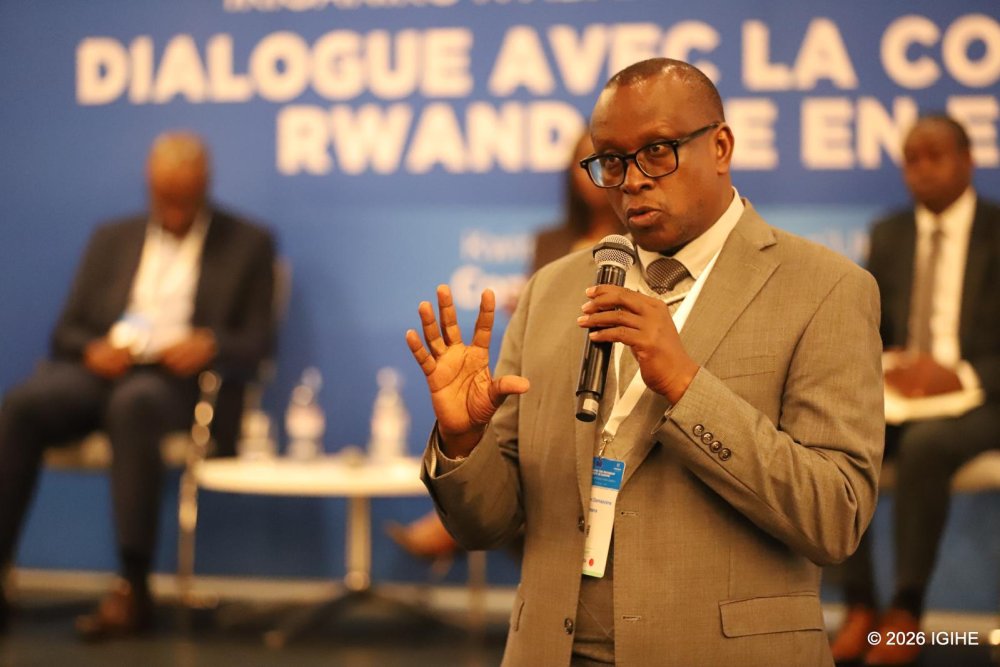
Minister Dr. Jean Damascène Bizimana has reminded Rwandans that celebrating Umuganura should go hand in hand with promoting positive values and responsible choices.
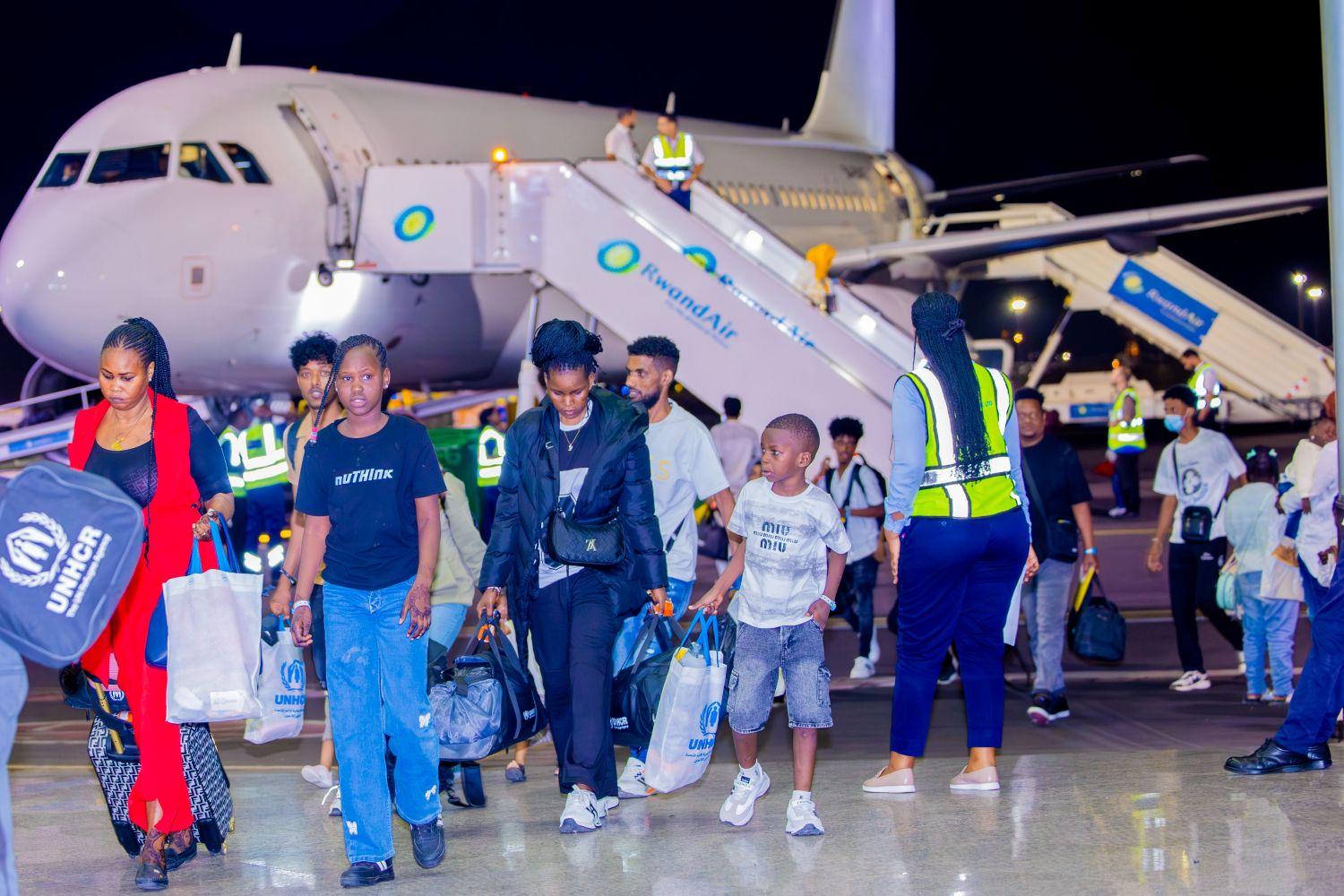
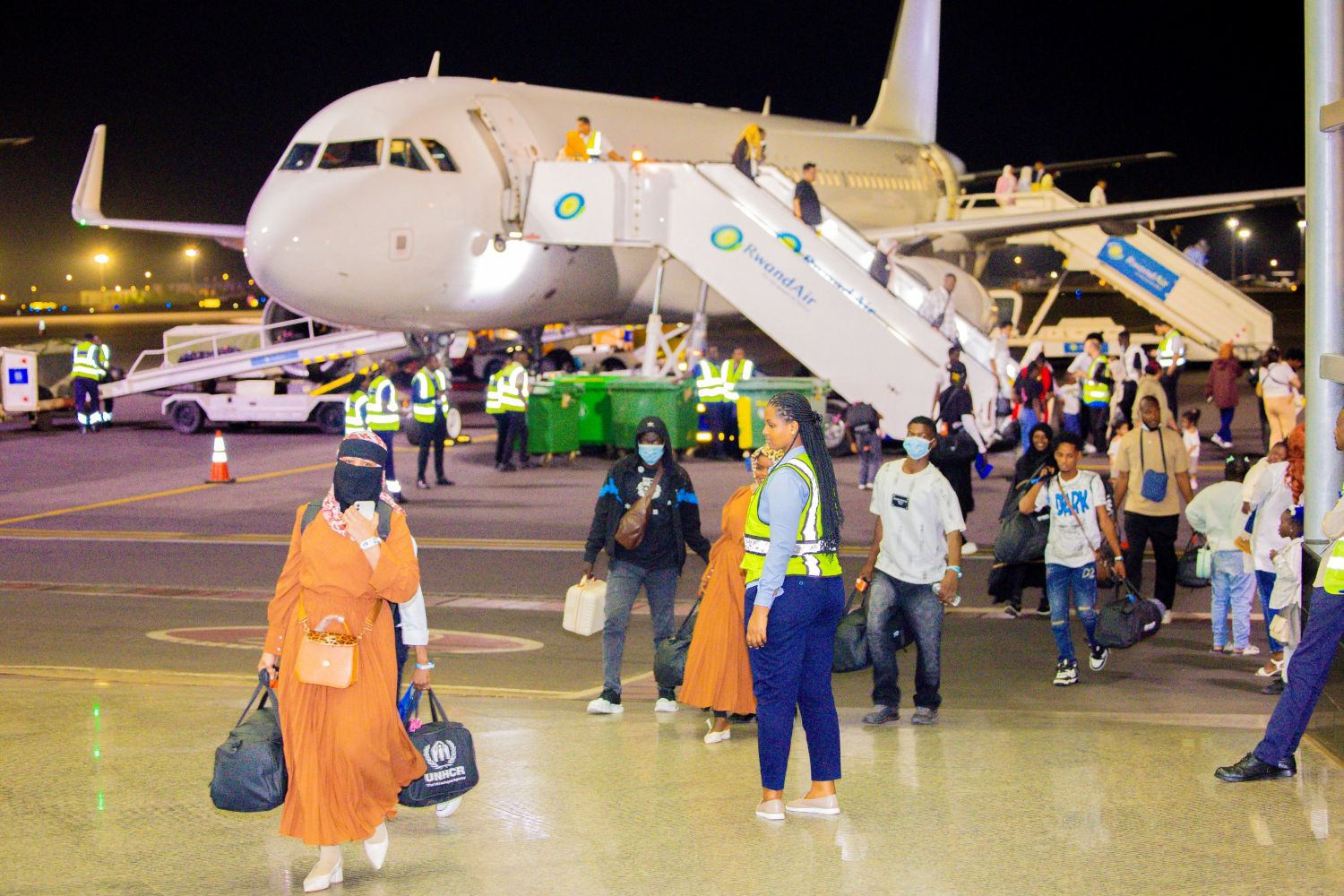
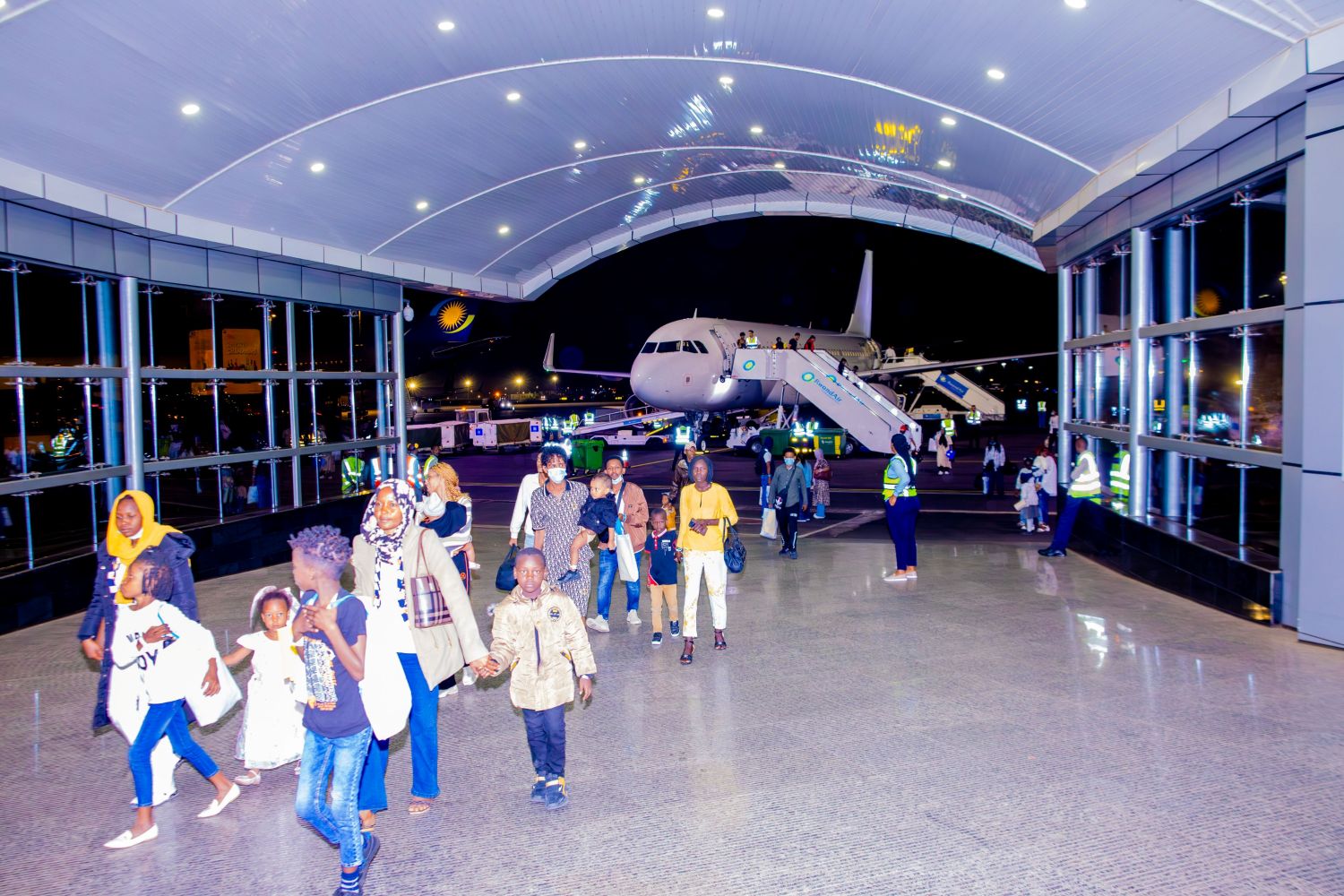
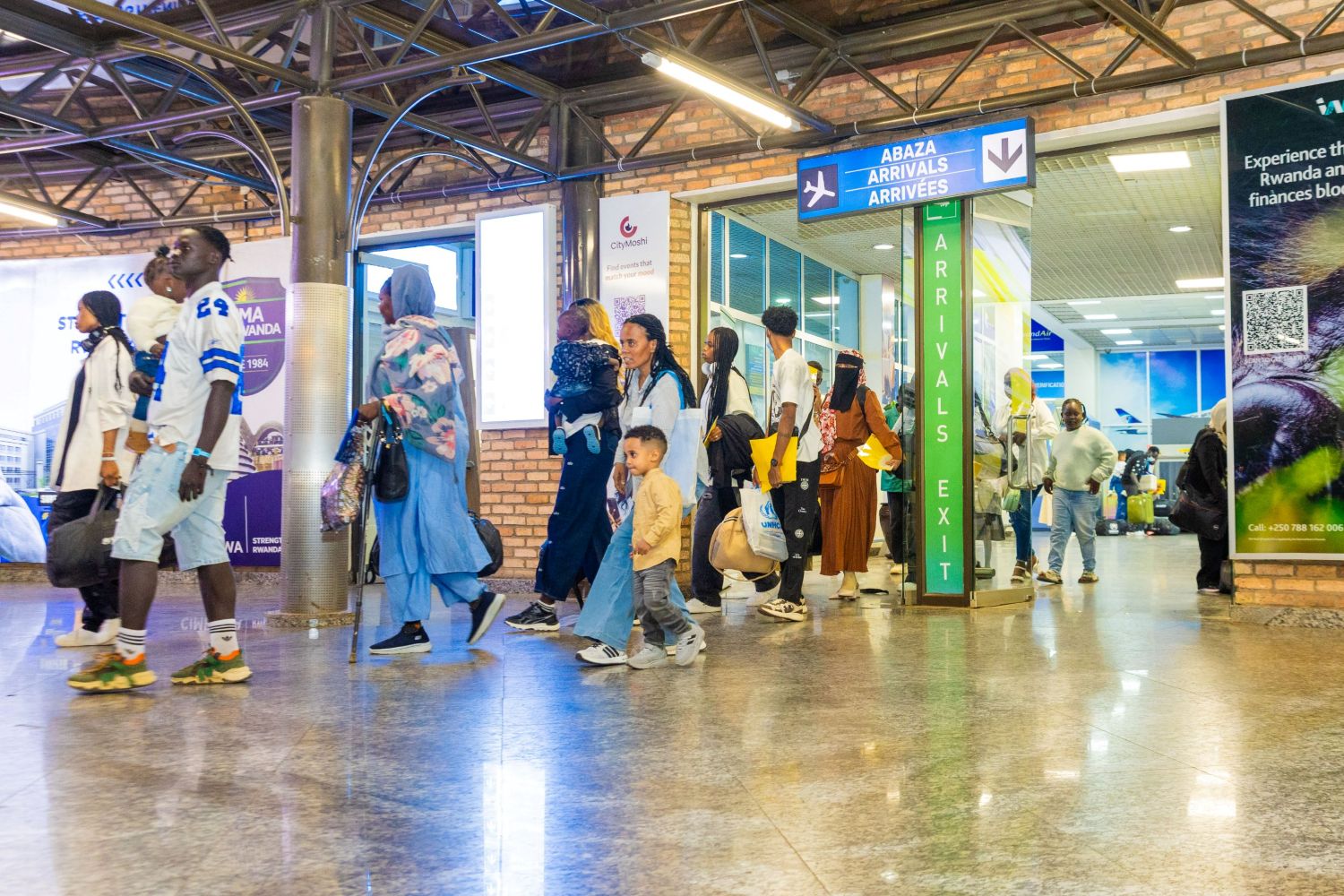
In a statement issued on Wednesday evening, the Ministry in charge of Emergency Management (MINEMA) said the latest group, the 24th to arrive under the programme, was received in partnership with the United Nations High Commissioner for Refugees (UNHCR).
The group comprises 68 Sudanese, 66 Eritreans, 26 South Sudanese, 15 Ethiopians and two Somalis.
According to the ministry, the asylum seekers will be accommodated at the Gashora Transit Centre in Bugesera District, which hosts other evacuees who previously arrived in Rwanda under the humanitarian initiative.
The Emergency Transit Mechanism was established in September 2019 through a partnership between the Government of Rwanda, UNHCR and the African Union to provide temporary protection to vulnerable refugees and asylum seekers evacuated from Libya while durable solutions, including resettlement, are pursued.
MINEMA said that since the programme began, Rwanda has received more than 3,000 refugees and asylum seekers from Libya.
Of these, 2,681 have been successfully resettled in third countries, including Canada (927), France (332), the United States (325), Sweden (297), Finland (271), Norway (229), Germany (132), the Netherlands (94) and Belgium (72).
The ministry reaffirmed Rwanda's commitment to providing protection to people fleeing conflict and persecution, saying the country remains committed to offering refuge to people in need.
The group comprises 68 Sudanese, 66 Eritreans, 26 South Sudanese, 15 Ethiopians and two Somalis.The asylum seekers will be accommodated at the Gashora Transit Centre in Bugesera District, which hosts other evacuees who previously arrived in Rwanda under the humanitarian initiative.
Implemented by the Rwanda Agriculture and Animal Resources Development Board (RAB), SAIP II aims to promote sustainable agriculture and strengthen food security from October 2024 to October 2026.
The project focuses on several areas of agricultural development, including irrigation, where more than Rwf5 billion has already been invested, while an additional Rwf6 billion is planned for use by December 2026.
SAIP II supports small-scale irrigation schemes covering areas of up to 10 hectares, particularly benefiting farmers growing crops such as vegetables, tomatoes, chilli peppers, avocados and maize seeds.
Through the project, farmers receive irrigation equipment, training on its use and support to access markets for quality produce.
Jean Paul Buregeya, a tomato and maize farmer in Mimuri Sector, Nyagatare District, said irrigation support transformed his farming activities. He previously relied on manual watering using watering cans, which limited production.
After receiving irrigation support through SAIP II, Buregeya said his tomato harvest value increased from about Rwf1.5 million to Rwf3.5 million.
The improved income has enabled him to invest in assets, including buying a cow worth Rwf1 million and a house valued at Rwf3.5 million within one and a half years.
In Murundi Sector, Kayonza District, farmers in the Buhabwa agricultural zone also say irrigation has helped them overcome challenges caused by drought.
Mbaraga Potiane, who leads farmers in the area, said SAIP II provided more than Rwf70 million to establish an irrigation system covering five hectares.
'On one hectare, watermelon production generates about Rwf7 million. Previously, crops would dry up during periods of intense sunshine. We now have reliable markets, and we have earned up to Rwf15 million from three hectares of chilli peppers, which we export,' he said.
Meanwhile, Faustin Ugirumurera, head of Ubuzima Bwiza Kayonza, a water users' association, said SAIP II support helped improve irrigation systems in the Kayonza Kane agricultural zone in Kabare Sector, which covers 365 hectares.
The zone, where 416 farmers grow fruits and vegetables, had previously faced water shortages that affected crop production during dry periods.
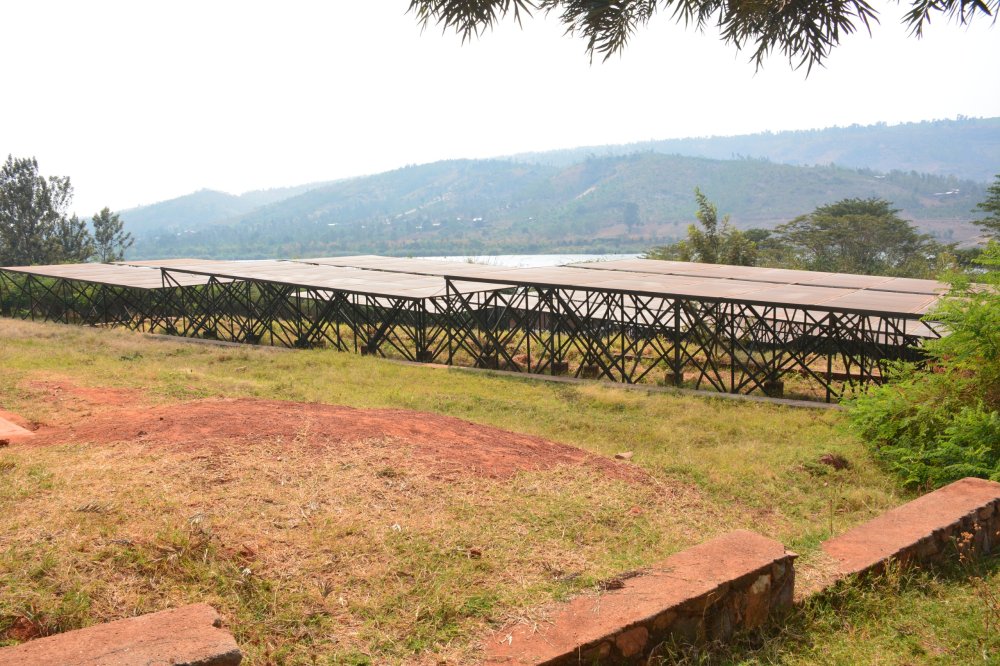
Through SAIP II, farmers received more than Rwf800 million to purchase irrigation equipment, including 540 solar-powered systems and water pumping machines to supply water across the farming area.
The investment has significantly increased productivity. Farmers now harvest more than four tonnes of chilli peppers per hectare, compared with less than 500 kilograms previously. Tomato production has also increased to about five tonnes per hectare, up from less than 400 kilograms.
Kayonza District Acting Vice Mayor Jules Higiro said the project has expanded irrigated farmland in the district, adding more than 170 hectares to the area under irrigation, with further expansion ongoing.
The initiative has increased the number of agricultural zones equipped with irrigation systems in Kayonza to 11, with local authorities urging farmers to maintain the infrastructure so they can continue benefiting after donor-supported projects come to an end.
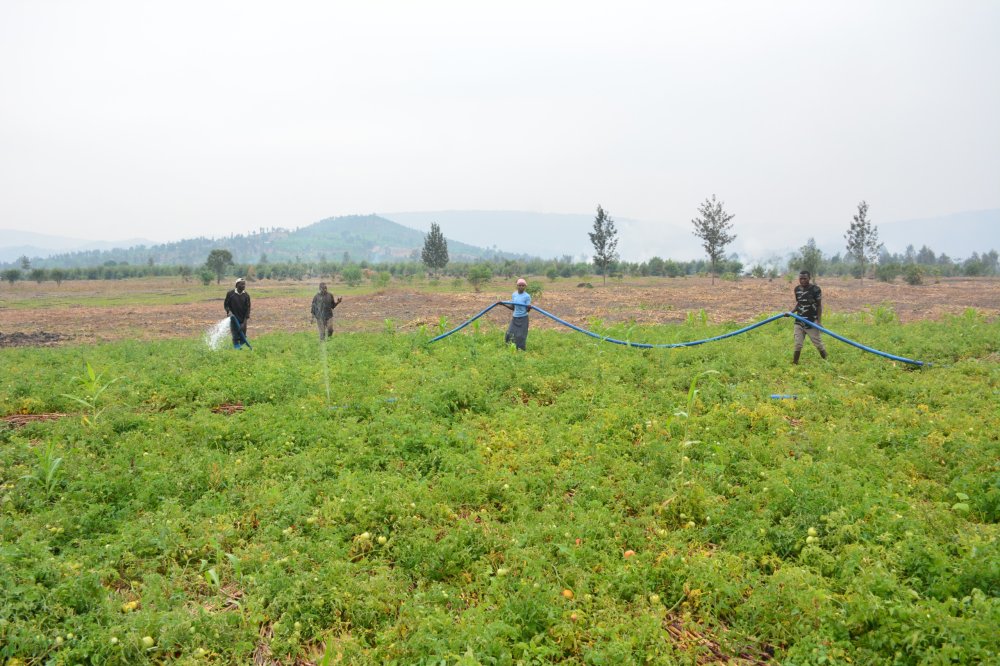
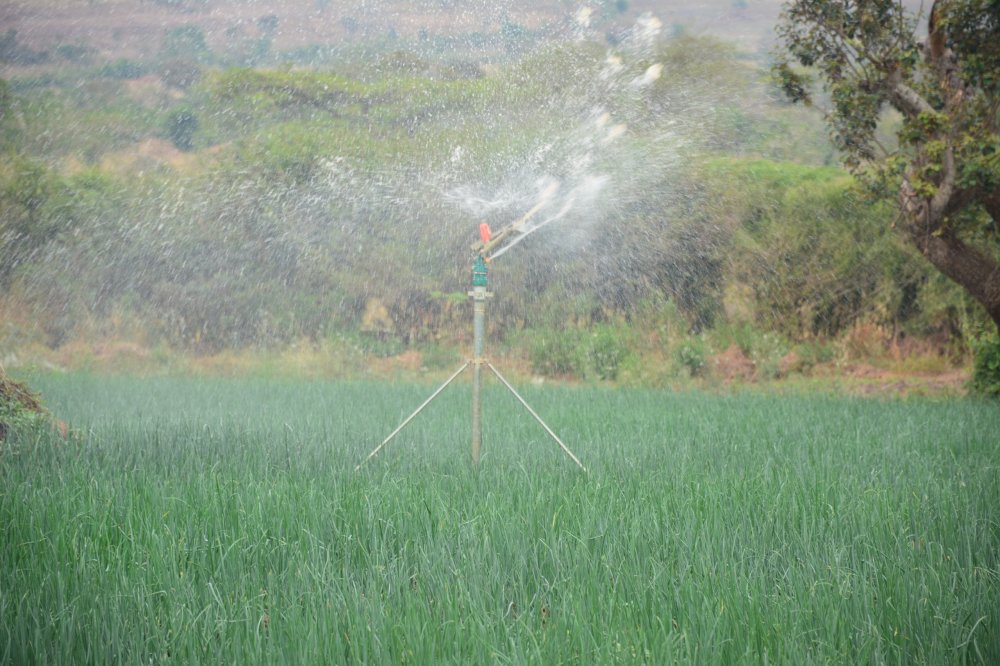
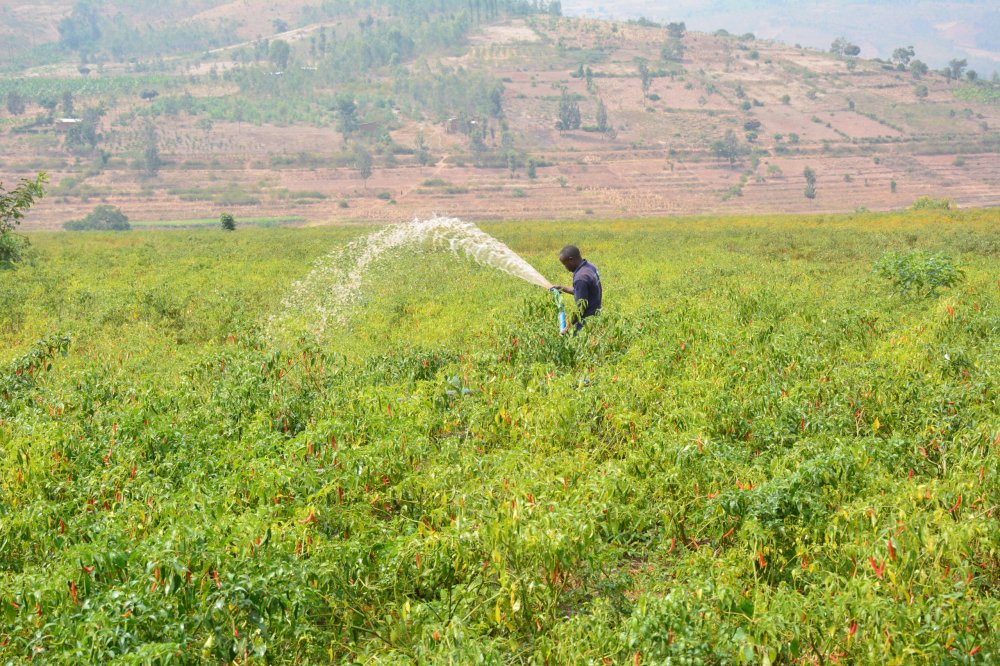
Farmers in Kayonza use irrigation equipment provided through SAIP II to grow crops during the dry season and increase productivity.Onions are now being grown during the dry season in Kayonza.A farmer in Eastern Rwanda irrigates crops using equipment supported by the SAIP II project to overcome dry-season farming challenges.These water-pumping motors were provided through the SAIP II project to farmers cultivating plots of up to five hectares.Kayonza District Acting Vice Mayor Jules Higiro said SAIP II had expanded irrigated farmland and improved farmers' ability to produce throughout the year.Faustin Ugirumurera, head of Ubuzima Bwiza Kayonza water users' association, explained how SAIP II improved irrigation systems in the Kayonza Kane agricultural zone.
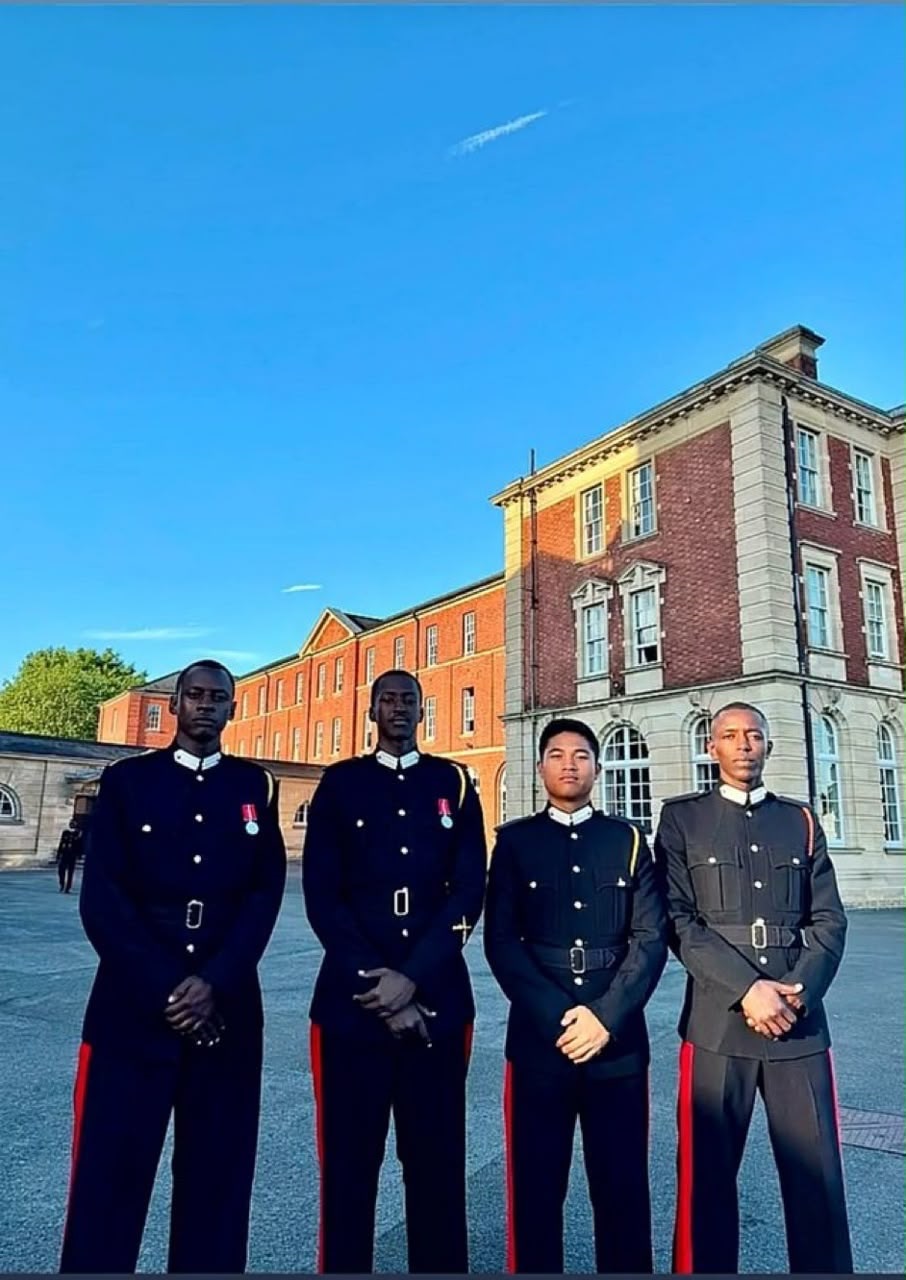
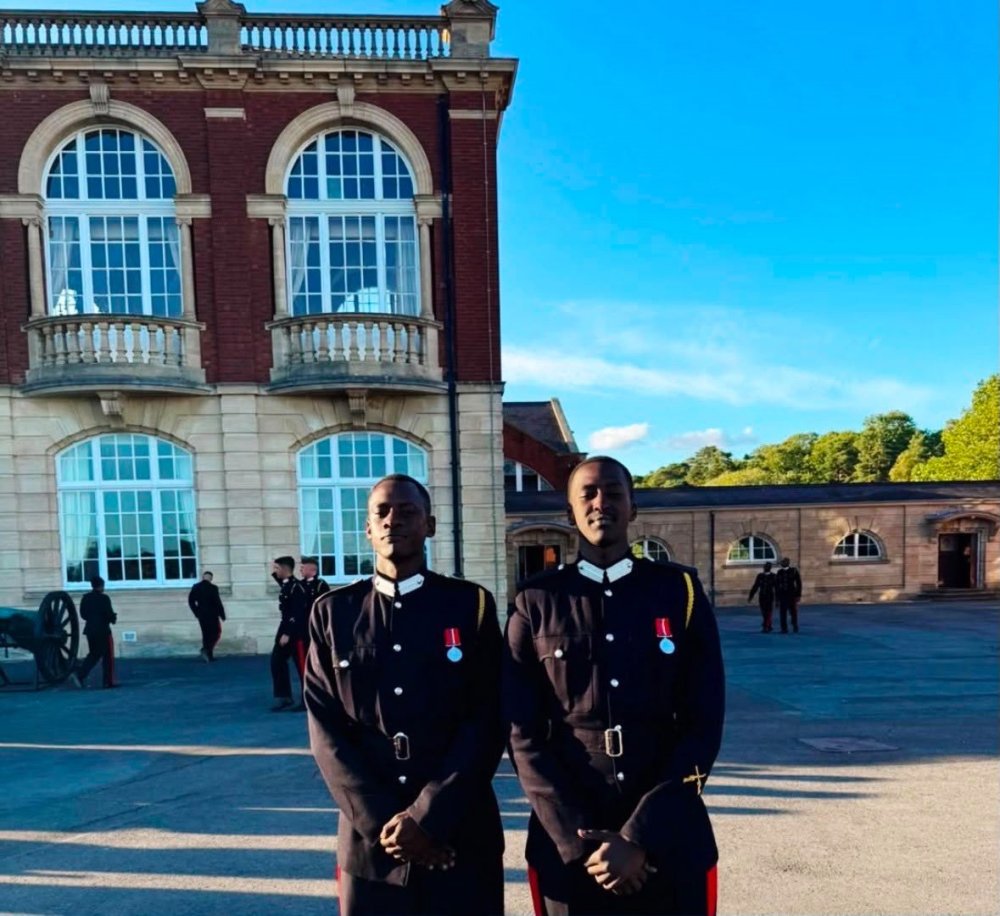
Ruhamya graduated alongside fellow Ugandan cadet Bakira Ruyondo, joining a group of officers who completed the academy's rigorous military training programme on Wednesday, August 5, 2026.
The training equips cadets with skills in military leadership, command, and operational planning as they prepare for roles as officers in their respective armed forces.
Gen Muhoozi recently shared images of his son during his time at Sandhurst, including a comparison between Ruhamya's training experience and his own time at the academy 27 years ago.
The UPDF chief, who is President Yoweri Museveni's son, also graduated from Sandhurst in 2000 after joining Uganda's military in 1999. He was commissioned as a Second Lieutenant following his training.
Ruhamya joins a growing number of UPDF officers trained at Sandhurst, one of the world's leading military academies, which has produced officers for the British Army and armed forces of several countries, including Jordan, Oman, Bahrain, Botswana, and Nigeria.
The academy is also known for training members of royal families and future military leaders from across the world.
Ruhamya (second from left) joins a growing number of UPDF officers trained at Sandhurst,The training equips cadets with skills in military leadership, command, and operational planning as they prepare for roles as officers in their respective armed forces.
The designation followed the recommendation of the Joint Committee for the World Capital of Architecture.
Established jointly by UNESCO and UIA, the World Capital of Architecture program highlights the transformative role of architecture, urban planning, culture and heritage in advancing sustainable urban development. Every three years, UNESCO designates the host city of the UIA World Congress as the UNESCO-UIA World Capital of Architecture.
According to UNESCO, Beijing was selected for its 'exceptional ability to bring together one of the world's richest architectural heritages with a forward-looking vision of sustainable urban development.'
'Its historic urban fabric, successful regeneration projects and vibrant architectural culture demonstrate how heritage, innovation and community life can reinforce one another in shaping resilient and livable cities,' UNESCO said in a press release.
Looking ahead to Beijing 2029, UNESCO Director-General Khaled El-Enany expressed confidence in the press release that the city's extraordinary architectural heritage, dynamic urban transformation and forward-looking vision would inspire new international dialogue on the power of architecture.
Rio de Janeiro, Brazil, became the first city to be designated the UNESCO-UIA World Capital of Architecture in 2020, followed by Copenhagen and Barcelona.
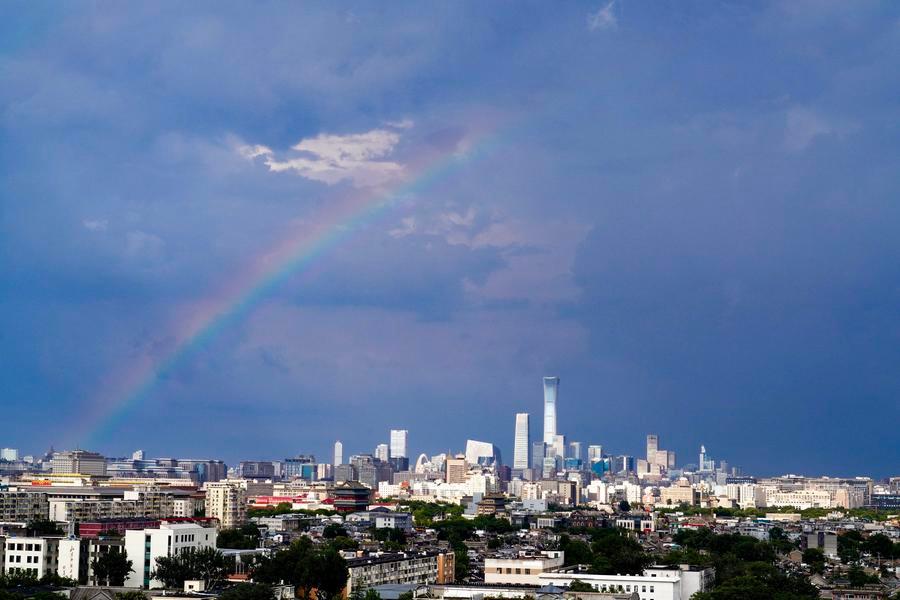
A rainbow appears in the sky after rain in Beijing, capital of China, Aug. 3, 2026. (Xinhua/Du Juanjuan)