Author: admin

  • NCBA Group Plc  profit after tax rises to over $95 million in H1 2026 results  #rwanda #RwOT

    Commenting on the results, NCBA Group Managing Director John Gachora said: 'The first half of 2026 was marked by a dynamic operating environment with pressure on inflation and a cautious policy approach by the regional Central Banks. Our focused execution of the UBUNTU strategy has ensured that we delivered a resilient total income growth of 15.1 per cent reflecting healthy business volumes, improved margins and continued customer activity.'

    'Our balance sheet momentum remained strong, anchored on disciplined growth in quality lending demonstrated by well-managed non-performing loans of 10.5 per cent compared to the market`s 15.3 per cent (Kenya) and stable funding provided by customer deposit growth. We have increased provisions to KES 5.2 billion  reflecting the realities of the current operating environment which positions us well to absorb potential risks.'

    'We are also encouraged by the strength of our return on average equity at 19.0 per cent while maintaining a strong capital adequacy position of 21.7 per cent providing a solid foundation to support future growth and strategic investment opportunities.'

    Subsidiary performance

    The Kenya Bank subsidiary continued to be the Group's key profit driver powered by disciplined cost of funds management and grew profitability by 24.3 per cent year-on-year to reach KES 13.7 billion. The regional subsidiaries (Uganda, Tanzania, Rwanda) delivered a combined KES 1.6 billion in profitability on the back of strong lending growth + 25 per cent year-on-year, income momentum +11 per cent and recovery opportunities.

    The Non-banking subsidiaries (NCBA Investment Bank, Leasing, Bancassurance and NCBA Insurance) continued their strong performance momentum delivering profitability of KES 1.1 billion collectively, a growth of 40 per cent year- on- year reinforcing the value of NCBA's diversified business model.

    Strategic Priorities Highlights

    The Group invested KES 2.4 billion in technology infrastructure to accelerate AI adoption, strengthen cyber resilience and fortify its core operations. This resulted in strengthened service resilience, delivering 99.68 per cent system uptime and higher customer advocacy with Digital Net Promoter Score rising to 69 per cent. NCBA ConnectPlus, the recently launched best in class business banking platform was scaled across the region to create a seamless and standardized offering.

    The Group scaled high-growth segments by expanding its wealth Assets Under Management to KES 101 billion and surpassing 60,000 active wealth clients. Simplified automated customer journeys accelerated digital adoption with mobile banking accounting for 94 per cent of transaction volumes.

    Embedding insurance in every relationship contributed to the growth of NCBA Insurance and Bancassurance Gross Written Premiums to KES 2.1 billion and KES 2.3 billion respectively. The priority on deepening focus in supporting small scale businesses contributed to a 12 per cent year-on-year growth in the Group`s SME loan book to KES 44.7 billion up from KES 39.9 billion.

    NCBA unlocked new growth through strategic partnerships in Asset Finance to accelerate electric vehicle adoption and solar leasing uptake resulting to 30 per cent Asset Finance market leadership in Kenya. The digital marketplace CarDuka sold vehicles worth KES 1.94 billion while the KOMIUT digital transport platform processed over KES 117 million in collections.

    In Retail Banking, the 123 branches across the region, digital onboarding and campaigns including BOOSTA for SMEs, EasyBuild for property finance, diaspora banking and segmented engagements helped acquire +10,000 new core bank customers per month and expand the retail loan book by 54 per cent.

    The proposed Nedbank transaction is progressing as planned with the tender offer successfully closing on 10 July 2026, attracting strong shareholder support of a 121 per cent oversubscription. Completion of the transaction remains subject to the fulfilment of remaining conditions and regulatory approvals.

    On building a Future-Ready organization, NCBA improved its operating efficiency reflected in a 130-bps cost-to-income ratio growth year-on-year. The Group scaled its Change The Story sustainability agenda through green financing  including the oversubscribed KES 3 billion KMRC bond and regional electric vehicle financing. 

    Over 340,000 trees were nurtured and planted and more than 400,000 livelihoods impacted through community engagements including sports activations in golf and cycling. The momentum to build an iconic regional brand resulted to brand health growing to 7.1 per cent demand power and 49 per cent consideration in Kenya. As a certified Top Employer of the Year, NCBA invested +100,000 learning hours for its +4,000 employees and achieved a 91 per cent retention rate.

    Looking forward

    Looking ahead, Mr. Gachora said: 'While the global macroeconomic environment signals uncertainty leading to a softer growth projection of 3.1 per cent for 2026, the investor landscape remains vibrant with major regional expansion transaction deals expected to close in the second half of the year.'

    'We remain confident in the strength of our UBUNTU strategy enabled by a projected optimistic business outlook (Kenya private sector credit growth at 9.3 per cent) and our ability to unlock new growth opportunities which will generate enduring value for customers, shareholders, and the communities we serve.'

    About NCBA Group PLC

    NCBA is a full-service banking group providing a broad range of financial products and services to Corporate, Institutional, SME and Consumer banking customers. 

    NCBA operates a network of more than 100 branches across five countries, including Kenya, Uganda, Tanzania, Rwanda, and the Ivory Coast. Serving over 60 million customers, NCBA is the largest banking group in Africa by customer numbers. 

    NCBA Bank Kenya is among the leading banks by assets. The Group continues to play a key role in empowering Africa's economic ambitions. NCBA is a Market Leader in corporate banking, asset finance, and Digital Banking.

    NCBA Group CEO John Gachora attributed the strong H1 2026 performance to the execution of the bank's UBUNTU strategy, which supported business growth, improved margins and customer activity.

    Source : https://new.igihe.com/english/ncba-group-plc-profit-after-tax-rises-to-over-95-million-in-h1-2026-results/

  • Rwanda central bank reports strong eKash uptake as transactions hit Rwf 960bn in three weeks #rwanda #RwOT

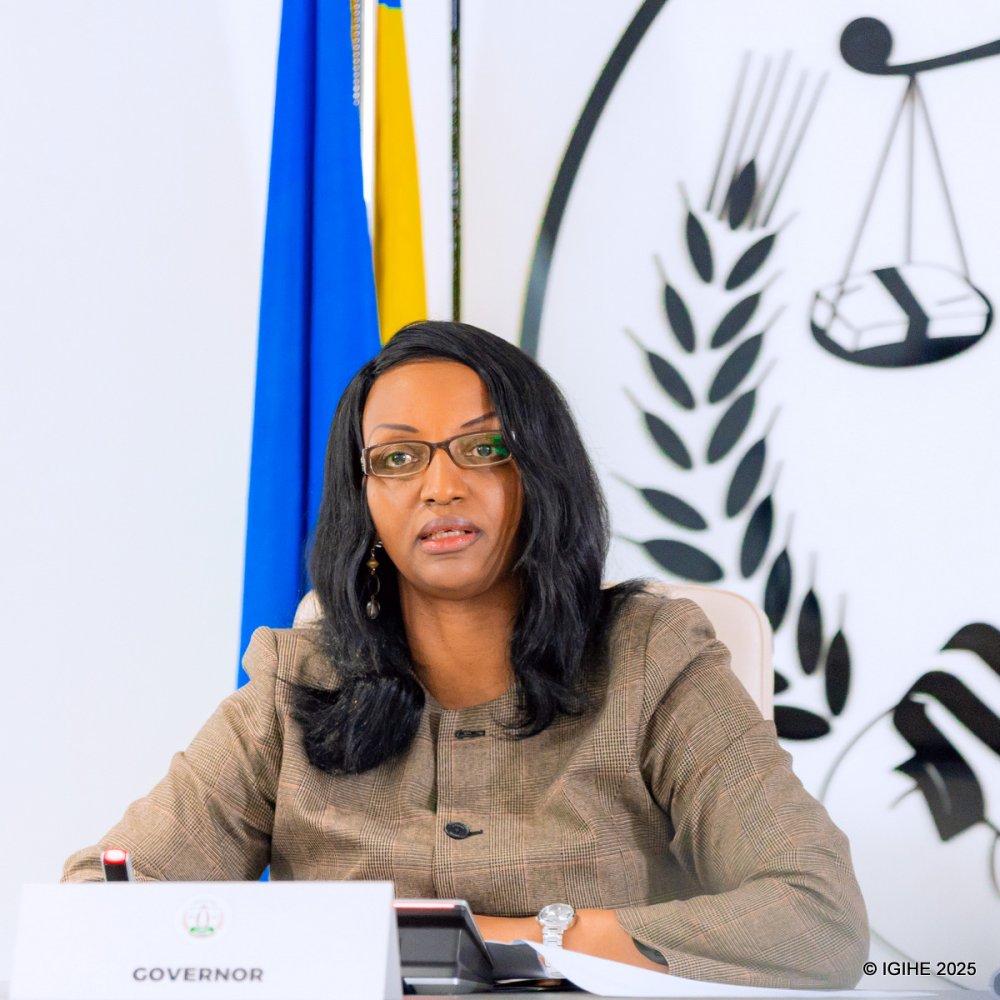
    In a performance update issued on August 5, BNR Governor Soraya Hakuziyaremye said eKash has maintained an average transaction success rate of 98.6%, highlighting the growing use of interoperable digital payments across Rwanda's banking and mobile money ecosystem.

    The central bank boss also revealed that the number of active users of interoperable digital payment services increased by 166% within weeks of the launch, rising from 740,787 users during the corresponding period in June to 1,971,522 by the end of July.

    The central bank attributed the strong uptake to public confidence in the new payment system and thanked customers for their trust and constructive feedback, noting that user input has helped identify areas requiring further refinement.

    While the majority of transactions have been completed successfully, NBR acknowledged that some customers experienced delays and failed transactions during the initial rollout.

    The regulator said participating financial institutions and the system operator are working under its oversight to resolve the issues, with ongoing measures aimed at strengthening system performance and improving customer service.

    'NBR acknowledges the positive response to eKash and thanks the public for their continued trust and constructive feedback, which has contributed to the ongoing improvement of the service,' the governor said in a statement.

    She added that a nationwide public awareness campaign is underway to help the public better understand the interoperable instant payment system and the changes it introduces.

    Customers who experience challenges while using eKash have been encouraged to first contact their bank or mobile money provider for assistance.

    'If the issue is not resolved, they may submit a complaint to the National Bank of Rwanda through the Intumwa chatbot, available via SMS (6005), WhatsApp (+250791700721), and NBR website and official social media platforms,' the governor added.

    Launched nationwide on July 14, the unified national digital payment system enables instant person-to-person transfers between bank accounts and mobile wallets across licensed financial institutions, regardless of the service provider.

    The interoperable platform allows customers to transfer money from a bank account to a mobile wallet, from a mobile wallet to a bank account, or between accounts and wallets held with different financial institutions without opening new accounts or downloading additional applications.

    NBR has capped the maximum transfer amount at Rwf 10 million per transaction, while the highest fee that financial institutions can charge customers is Rwf 20 per transfer, although providers are free to charge less or waive the fee altogether.

    The central bank expects eKash to strengthen Rwanda's payment ecosystem by making digital transactions faster, more accessible and affordable, while advancing financial inclusion across the country.

    Governor Hakuziyaremye affirmed that the regulator will continue working with banks, electronic money issuers and other stakeholders to ensure eKash delivers a secure, reliable and seamless payment experience for all users.

    In a performance update issued on August 5, BNR Governor Soraya Hakuziyaremye said eKash has maintained an average transaction success rate of 98.6%, highlighting the growing use of interoperable digital payments across Rwanda's banking and mobile money ecosystem.

    Source : https://new.igihe.com/english/rwanda-central-bank-reports-strong-ekash-uptake-as-transactions-hit-rwf-960bn-in-three-weeks/

  • Trump defends U.S. weapons stockpile after report of shortages #rwanda #RwOT

    Trump's comments came one day after a CNN report on U.S. weapons shortages following intensive military campaign against Iran.

    In a post on Truth Social, Trump said that 'large amounts are being manufactured and shipped to the U.S. as needed. Defense companies are building the largest number of plants and factories in our country's history.'

    On Tuesday, CNN, citing two sources familiar with the latest inventory report, disclosed that the U.S. military has burned through nearly four-fifths of its THAAD missile inventory compared to pre-war numbers and roughly half of its Patriot interceptors since the start of the Iran war.

    The inventory report also noted that the stockpile issue was raised again prior to Trump's decision last weekend to cancel new strikes on Iran, said CNN.

    The U.S. Army has also used 'virtually all' of its highly accurate long-range, surface-to-air weapons during the conflict, the news report said.

    According to a report by the Washington Post on Wednesday, Trump at the presidential retreat Camp David last week vented anger at U.S. Secretary of Defense Pete Hegseth that he thought the munitions issue 'had been fixed.'

    Trump demanded answers from Hegseth on why he had apparently been misled on extreme munitions shortages that threaten to limit military options with Iran, the newspaper said.

    'The 'leakers' of these treasonous statements are being hunted down. Long term jail sentences will be sought,' Trump warned in his Thursday Truth Social post.

    U.S. President Donald Trump said on Thursday that the United States has 'massive' amounts of munitions, especially of certain types.

    Source : https://new.igihe.com/english/trump-defends-u-s-weapons-stockpile-after-report-of-shortages/

  • Rwanda suspends importation of Gilbeys Gin, Konyagi and 50 other alcohol brands #rwanda #RwOT

    In a public announcement issued on Wednesday, August 5, Rwanda FDA said the suspension takes immediate effect in the interest of protecting public health.

    The regulator directed importers to immediately recall all affected products and instruct distributors to withdraw them from retailers and consumers. Importers must submit recall reports within three working days.

    Distributors and retailers have been ordered to immediately stop selling the listed products and return all remaining stock to importers, while consumers have been advised to stop consuming the affected alcoholic beverages.

    Rwanda FDA also ordered the immediate removal of all advertisements and promotional materials for the listed products.

    The suspended products originate from Burundi, India, Kenya, Poland, Tanzania and Uganda.

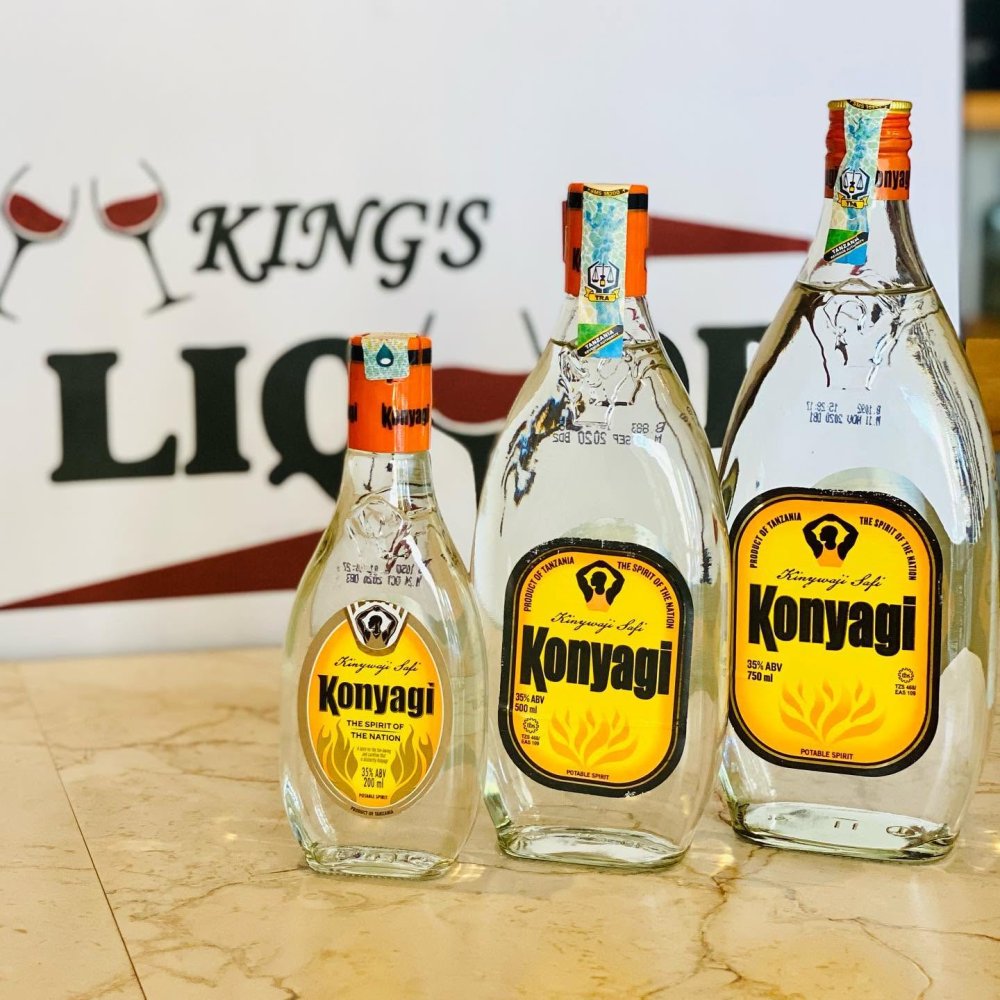
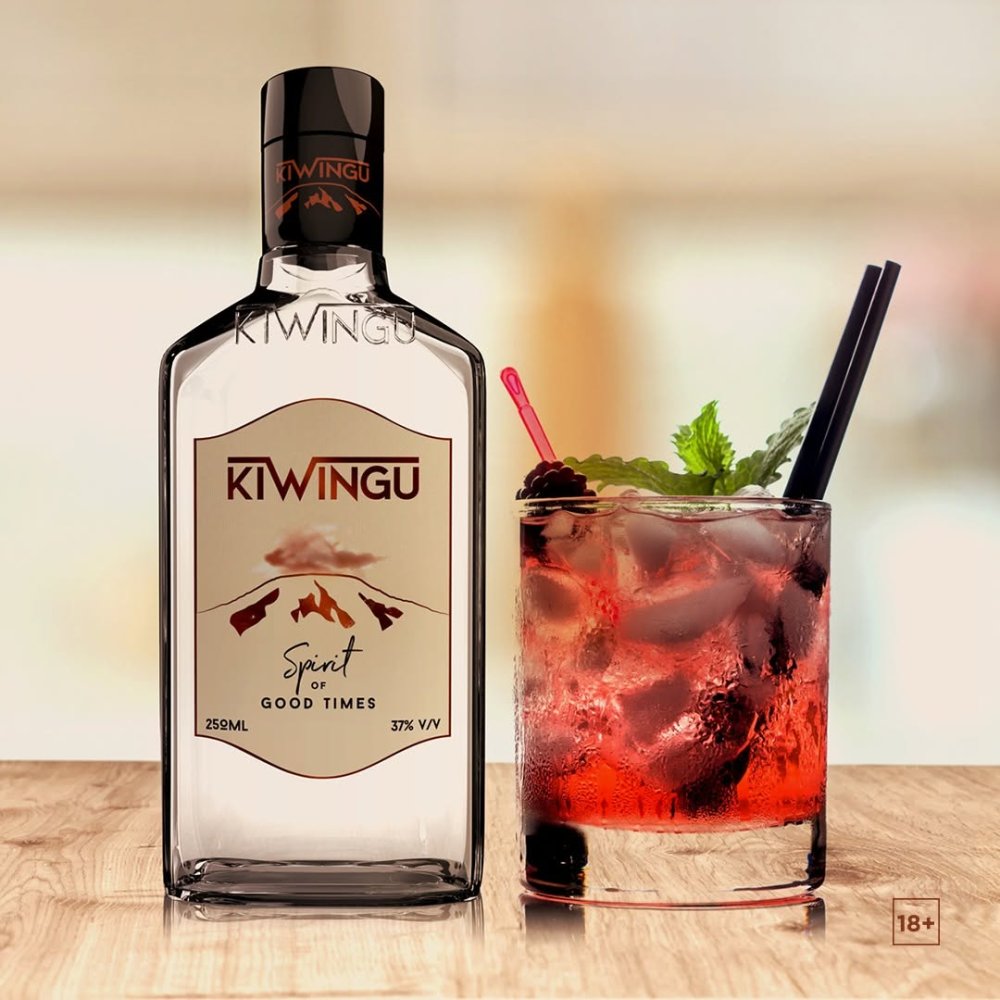
    Among the most recognisable brands affected are Gilbeys Gin, imported from Kenya and Uganda, as well as Tanzania's Konyagi and Kiwingu Spirit. The suspension also covers Safari Gin, Kenya King, Bond 7 Whisky, Magic Moments Chocolate Vodka, Club 5 Gin, Tembo Liqueur, Campfire Gin, X5 Gin and several other spirits, whiskies, vodkas and liqueurs.

    Among the most recognisable brands affected are Gilbeys Gin, imported from Kenya and Uganda.

    The latest move comes a day after Rwanda FDA shut down 27 additional alcoholic beverage manufacturers, bringing the total number of manufacturers closed in the past three days to 136. The regulator has also ordered the recall of all products manufactured by the affected companies as part of an intensified enforcement campaign.

    'Non-compliance with all the above will result in measures under applicable regulatory provisions,' the regulator warned.

    The crackdown follows growing concerns over toxic alcoholic beverages, locally known as ibyuma, which authorities say have claimed more than 50 lives this year.

    Konyagi from Tanzania has also been blacklisted.

    Speaking to IGIHE earlier this week, Minister of Health Dr. Sabin Nsanzimana said investigations found links between unsafe alcoholic drinks and more than 50 deaths recorded between January and July. He added that more than 500 people sought medical treatment after consuming the drinks, over 100 people lost their eyesight, and a nationwide assessment identified nearly 11,000 people struggling with alcohol addiction.

    Rwanda FDA said additional products could also face regulatory action as enforcement continues.

    Kiwingu from Tanzania is also on the list.

    Source : https://new.igihe.com/english/rwanda-suspends-importation-of-gilbeys-gin-konyagi-and-50-other-alcohol-brands/

  • Rwanda secures €65m EIB financing for Volcanoes Community Resilience Project #rwanda #RwOT

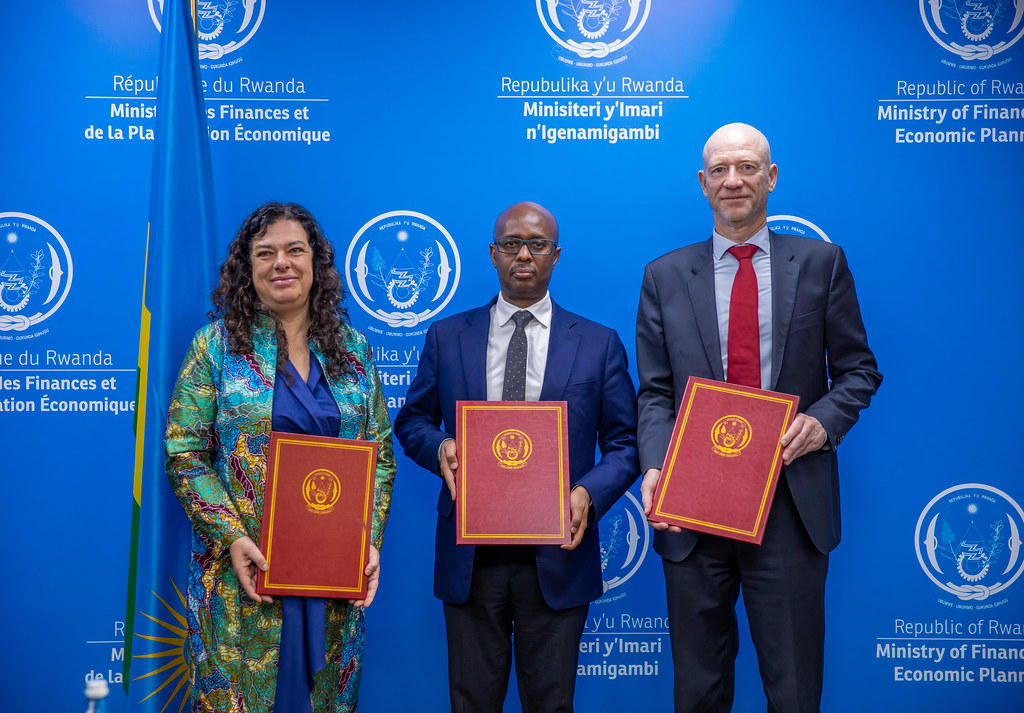
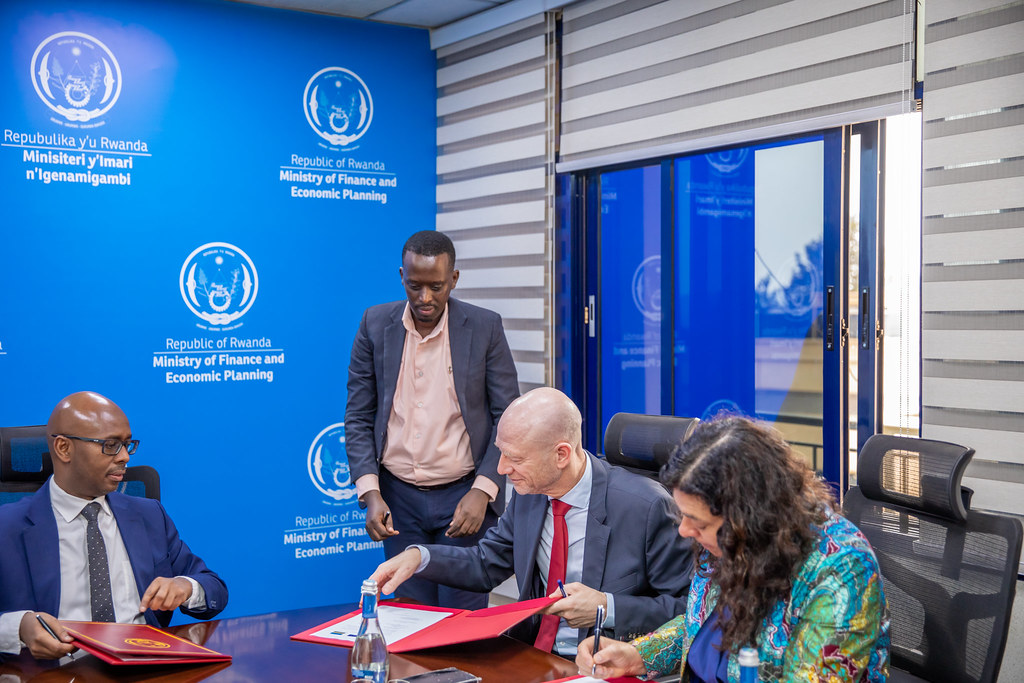
    The agreement was signed through the Ministry of Finance and Economic Planning (MINECOFIN) and will support interventions in Gakenke, Burera, Musanze, Nyabihu, Rubavu, Rutsiro, Ngororero and Muhanga districts, benefiting more than 2.3 million people living in areas exposed to climate-related risks, including floods, landslides and soil erosion.

    The project will finance activities such as flood risk reduction infrastructure, watershed restoration, landscape rehabilitation, biodiversity conservation and sustainable livelihood programmes for communities in the region.

    The VCRP is coordinated by the Ministry of Environment and implemented in partnership with the Rwanda Water Resources Board, Rwanda Meteorology Agency, Rwanda Environment Management Authority (REMA) and the Rwanda Development Board (RDB).

    Communities living around Volcanoes National Park and surrounding areas have for years faced challenges linked to floods, landslides and land degradation, which have affected livelihoods, agricultural production and infrastructure.

    The €65 million financing adds to broader efforts under the Volcanoes Community Resilience Project, which was launched in 2023 with support from development partners, including the World Bank.

    The wider initiative, valued at more than $300 million, aims to reduce climate-related risks, restore degraded landscapes, improve disaster preparedness and strengthen livelihoods in communities surrounding Volcanoes National Park.

    The project includes efforts to improve watershed management, restore degraded landscapes and strengthen communities' ability to cope with climate impacts.

    Among the planned interventions are forest restoration, tree planting, sustainable agriculture support and measures to reduce risks from flooding and soil erosion.

    The project also supports the conservation of the Volcanoes ecosystem, including efforts linked to the protection and sustainable management of the national park and surrounding landscapes.

    The agreement was signed through the Ministry of Finance and Economic Planning (MINECOFIN).
    Rwanda and EIB have signed a €65 million financing agreement to strengthen climate resilience, biodiversity conservation and livelihoods under the Volcanoes Community Resilience Project.

    Source : https://new.igihe.com/english/rwanda-secures-e65m-eib-financing-for-volcanoes-community-resilience/

  • Rwanda's industrial output up 6.2% in June as manufacturing drives growth #rwanda #RwOT

    The report released on Tuesday, August 4, shows that manufacturing drove the expansion, growing 21.5% year-on-year and contributing 1.9 percentage points to the overall index. The sub-sector carried a weight of 68.1% within the general index, making it by far the largest component of industrial activity.

    Electricity output rose 16.5%, contributing 3.3 percentage points to the annual change despite holding a smaller 12.8% weight in the index, the single largest contribution of any activity tracked. Water and waste management increased 11.3%, while mining and quarrying grew 6.9%.

    Within manufacturing, chemicals, rubber and plastic products rose 6.3%, non-metallic mineral products increased 6.1%, food processing grew 2.2%, wood, paper and printing rose 2.5%, and metal products, machinery and equipment increased 2.3%. Furniture and other manufacturing was the only sub-sector to contract, falling 5.3% and shaving 0.2 percentage points off the annual change.

    On a month-on-month basis, the general index fell 1.9% against May 2026, with manufacturing down 2.7% and electricity down 2.0%. Mining and quarrying rose 37.4% on the month.

    The Index of Industrial Production is one of the earliest indicators of economic activity, providing insights into the performance of Rwanda's industrial sector before broader economic growth data is released. It is closely watched by businesses, investors and policymakers to assess production trends and guide investment and policy decisions.

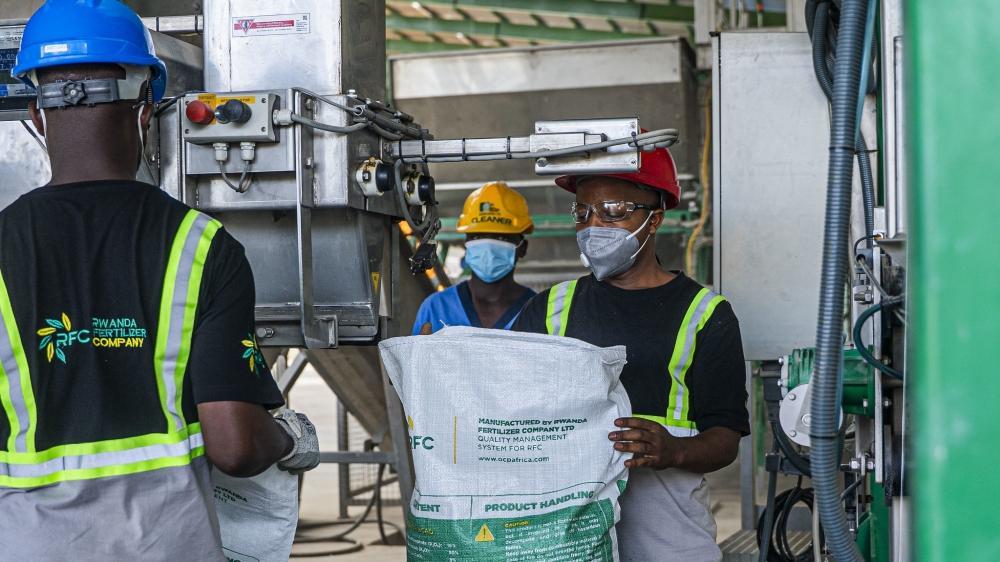
    Workers package fertilizer at the Rwanda Fertilizer Company (RFC) in the Bugesera Special Economic Zone.

    Source : https://new.igihe.com/english/rwandas-industrial-output-rises-6-2-in-june/

  • Mobile Money Rwanda launches MoMoBae campaign with cash, smartphones and Mitsubishi truck prizes #rwanda #RwOT

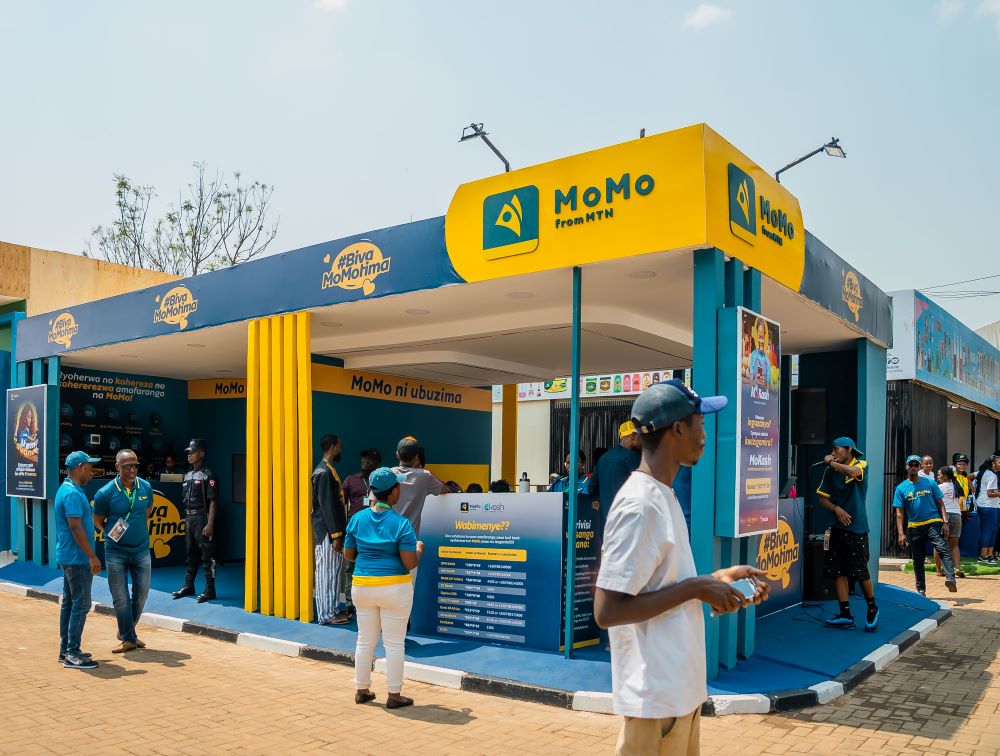
    The campaign was unveiled at Expo 2026, currently underway at Gikondo, where MoMo Rwanda is showcasing its full range of services and providing customer support to thousands of visitors over the three – week exhibition.

    MoMo Rwanda's presence at Expo 2026 gives customers and merchants a firsthand look at the products behind the campaign. At its dedicated booth, running for the full three weeks of the expo, the company is providing visitors with access to the complete suite of MoMo services, including account registration, MoMoPay merchant onboarding, and hands – on support for digital payments, making the exhibition an extension of the MoMoBae launch itself.

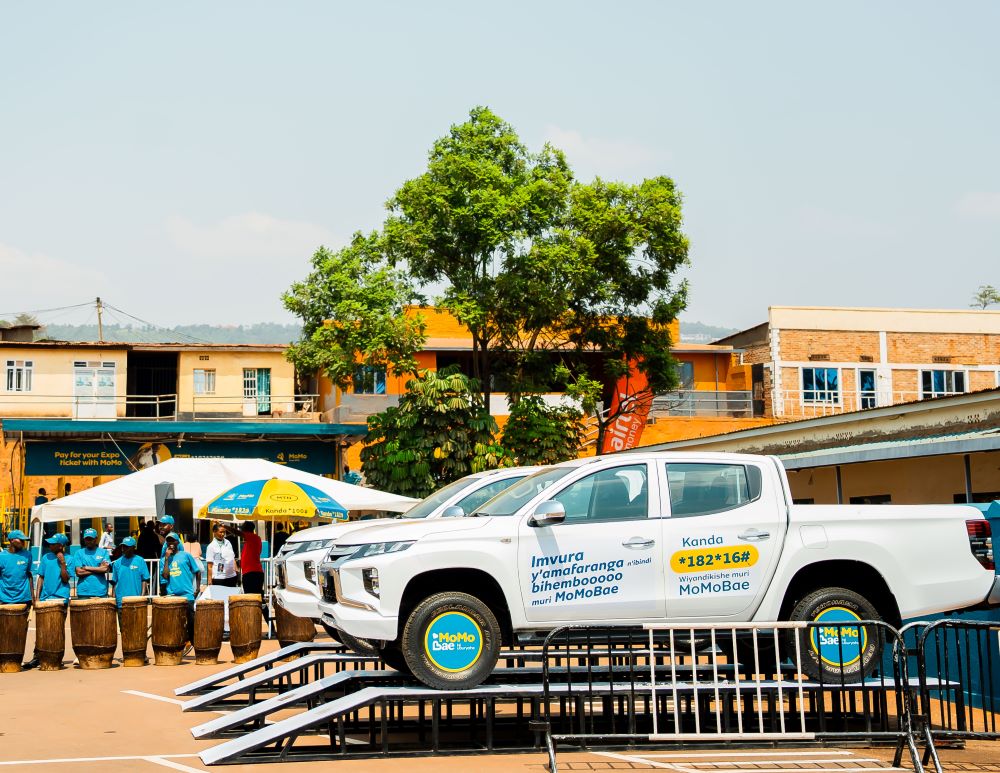
    Running for a period of two months, the campaign will reward participants with weekly cash prizes ranging from Rwf 100,000 to Rwf 2 million, a brand – new iPhone 17, a brand – new Samsung A57, and the ultimate grand prizes: two brand – new Mitsubishi trucks, with one awarded to the best – performing merchant and the other to the best – performing customer. MoMoBae is open to both MoMo customers and MoMoPay merchants across Rwanda.

    To participate, customers are encouraged to opt in by dialling 18216# then use their MoMo wallets to pay as many merchants as possible, while merchants are encouraged to receive as many MoMo customer payments as possible through their MoMoPay merchant codes.

    With the introduction of eKash interoperability for merchant payments, merchants can now receive payments from customers across different mobile money networks, making digital payments more accessible, seamless, and convenient than ever before.

    Speaking at the launch, Chantal U. Kagame, Chief Executive Officer of Mobile Money Rwanda Ltd, highlighted the significance of the campaign in driving digital financial inclusion and accelerating the country's transition to a cashless economy.

    'MoMoBae is more than just a rewards campaign; it is a celebration of the evolution of digital payments in Rwanda. The introduction of eKash interoperability on merchant payments marks a significant milestone, allowing customers to pay and merchants to receive payments regardless of their mobile money service provider or network operator.

    'This is a game changer for businesses and consumers alike, removing barriers to digital transactions and bringing us one step closer to a truly inclusive cashless economy. Through MoMoBae, we are rewarding the customers and merchants who are embracing this transformation and making digital payments part of their everyday lives.'

    The campaign is expected to drive increased adoption of digital payments among both consumers and businesses while encouraging merchants to leverage interoperable payment solutions to grow their businesses. By rewarding transaction activity rather than chance alone, MoMoBae reinforces the value of using secure, convenient, and interoperable digital payment solutions in everyday commerce.

    Customers and merchants can transact using participating MoMoPay merchant codes throughout the campaign period to increase their chances of winning. Winners will be selected in accordance with the campaign mechanics and announced throughout the campaign.

    MoMo Rwanda has reaffirmed commitment to providing innovative financial solutions that simplify everyday transactions, promote financial inclusion, and support Rwanda's digital transformation agenda.

    Mobile Money Rwanda Ltd is MTN Rwanda's FinTech subsidiary, established on 27th April 2021 to provide and manage Mobile Money services in Rwanda. The company has about 6.4 million subscribers, over 65,000 Mobile Money agents, and over 60 0,000 MoMoPay merchants across the country.

    With continuous innovations in services such as MoMoPay, MoKash Loans & Savings, Tap&Go bus payments, Bill Payments, International & Regional Remittances, and more, Mobile Money Rwanda seeks to position itself at the forefront of driving financial inclusion and supporting the digital economy in Rwanda.

    Source : https://new.igihe.com/english/mobile-money-rwanda-launches-momobae-campaign-with-cash-smartphones-and-mitsubishi-truck-prizes/

  • Inside Rwanda's push to turn carbon credits into climate finance #rwanda #RwOT

    The country is building a carbon market system that allows verified climate projects to generate carbon credits, which can then be sold to organisations seeking to reduce their greenhouse gas emissions.

    Each carbon credit represents one tonne of carbon dioxide equivalent that has been reduced, avoided or removed from the atmosphere through an approved activity.

    For Rwanda, carbon markets are part of a broader strategy to support its ambition of becoming a climate-resilient and carbon-neutral economy by 2050.

    The country is exploring these markets as a way to attract climate finance, support green growth and fund projects in areas such as clean energy, forestry, sustainable agriculture, waste management and clean cooking technologies.

    Although Rwanda contributes a relatively small share of global greenhouse gas emissions, it faces significant climate-related challenges, including risks linked to floods, droughts, land degradation and changing weather patterns.

    The government considers climate finance an important requirement for implementing mitigation and adaptation measures under its climate commitments.

    Carbon markets operate through different mechanisms. They include the Clean Development Mechanism (CDM) established under the Kyoto Protocol, voluntary carbon markets and mechanisms created under Article 6 of the Paris Agreement.

    Article 6 allows countries to cooperate in achieving climate targets through approaches that include transferring emission reductions between countries. However, such transactions require strong systems to verify reductions and prevent the same emission reduction from being counted more than once.

    Carbon markets allow high-emitting companies and countries to offset part of their emissions by buying verified carbon credits from projects that reduce or remove greenhouse gases.

    Carbon market framework and international partnerships

    Rwanda established a major foundation for its carbon market ambitions in December 2023 when it launched its National Carbon Market Framework on the sidelines of the United Nations Climate Change Conference (COP28) in Dubai.

    Developed through the Rwanda Environment Management Authority (REMA), the framework establishes rules for generating, approving, monitoring and trading carbon credits. It aims to enhance transparency, safeguard environmental integrity and strengthen Rwanda's participation in global carbon markets.

    The framework also lays the foundation for Rwanda's engagement in Article 6 mechanisms under the Paris Agreement by setting procedures for project authorisation, emission reduction verification and carbon accounting.

    At its launch, Rwanda said the initiative would support the transition to a low-carbon economy by attracting investment in clean technologies and sustainable solutions while ensuring locally generated carbon credits meet international standards.

    However, establishing the framework was only the first step. Rwanda has since focused on strengthening the systems, skills and project pipeline needed to make the carbon market operational.

    On March 27, 2025, the Global Green Growth Institute (GGGI) and the Government of Rwanda, through REMA, launched a project aimed at improving Rwanda's readiness to participate meaningfully and equitably in international carbon markets under Article 6 of the Paris Agreement.

    The two-year project, supported through GGGI's Carbon Transaction Facility with a budget of $854,859, focuses on operationalising Rwanda's National Carbon Market Framework.

    The initiative addresses challenges including limited awareness among public and private sector actors about Article 6 opportunities, capacity gaps among stakeholders and the need to develop a stronger pipeline of high-quality mitigation projects.

    Under the project, GGGI and REMA are supporting capacity building, strengthening governance systems, developing guidelines and supporting the identification of carbon projects in key sectors, including agriculture, forestry, energy, transport and waste management.

    The initiative is also intended to improve engagement between project developers, government institutions and potential international buyers.

    Rwanda has also entered into several international partnerships to support its carbon market participation.

    In December 2023, Rwanda signed cooperation agreements with Singapore and Kuwait to advance collaboration under Article 6 of the Paris Agreement.

    In September 2024, the Rwanda Green Fund (FONERWA), REMA, Gold Standard and Singapore-based investment company GenZero signed an agreement to develop a pipeline of Article 6-compliant carbon credit projects.

    The partnership focuses on identifying projects capable of generating high-integrity carbon credits while providing additional benefits such as biodiversity protection, improved livelihoods and job creation.

    In January 2026, Rwanda and Singapore launched a call for proposals for high-quality carbon credit projects under their bilateral implementation agreement, inviting developers to submit both technology-based and nature-based initiatives.

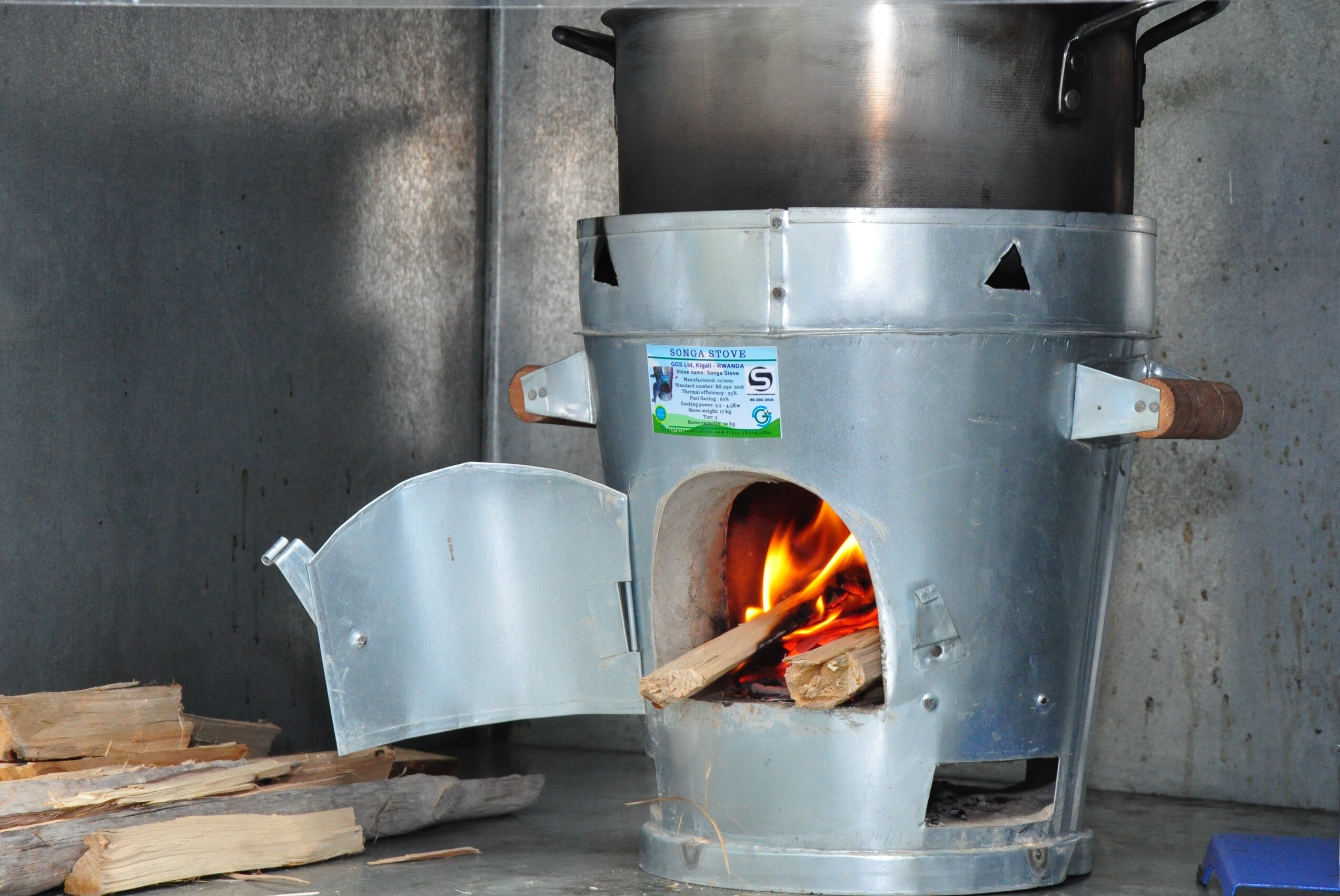
    Improved cookstove projects are at the centre of Rwanda's carbon market journey, helping households reduce reliance on firewood, cut emissions and improve indoor air quality while generating carbon credits for climate finance.

    Projects, communities and the future of Rwanda's carbon market

    Rwanda's carbon market activities have so far been largely driven by improved cookstove projects, which remain among the most developed climate initiatives in the country.
    These projects help households transition from traditional cooking methods that rely heavily on firewood to more efficient technologies.

    Besides reducing greenhouse gas emissions, they contribute to lower indoor air pollution and reduced pressure on forests.

    Improved cookstove projects accounted for about 87 percent of Certified Emission Reductions issued from Rwanda's carbon market activities, according to national climate data. Lighting and solar projects accounted for much of the remaining share.

    By December 2020, Rwanda had received more than 2.25 million carbon credits through Clean Development Mechanism and Voluntary Carbon Market activities.

    The country is now expanding beyond clean cooking into other areas, including forestry restoration, agroforestry, renewable energy, sustainable agriculture and water purification.

    In June 2025, REMA announced that 19 projects were ready to participate in international carbon markets. The projects included 12 energy-efficient cookstove initiatives, three agroforestry and reforestation projects and four water purification projects.

    Rwanda is also putting emphasis on ensuring that carbon finance benefits communities involved in climate projects.

    New regulations require that at least 30 percent of revenues generated from land-based carbon projects directly benefit communities, landowners, farmers and other stakeholders whose land contributes to the projects.

    The government expects carbon markets to become an additional source of climate finance. Rwanda estimates that selling 7.5 million tonnes of carbon dioxide equivalent in carbon credits could generate about $337 million, depending on market prices.

    To support investors, GGGI and REMA have also developed practical guidance explaining carbon market opportunities, project requirements and approval processes.

    Potential areas for investment include forestry projects, renewable energy installations, methane capture, energy efficiency initiatives, clean cooking solutions and sustainable agricultural practices.

    Rwanda's efforts come as African countries seek to increase their participation in global carbon markets. Kigali is scheduled to host the Carbon Markets Africa Summit in October 2026, bringing together governments, investors, project developers and climate finance institutions to discuss opportunities for scaling credible carbon markets on the continent.

    As international buyers increasingly seek high-integrity credits, Rwanda is moving from establishing regulatory frameworks to developing projects that can attract investment and deliver tangible climate outcomes.

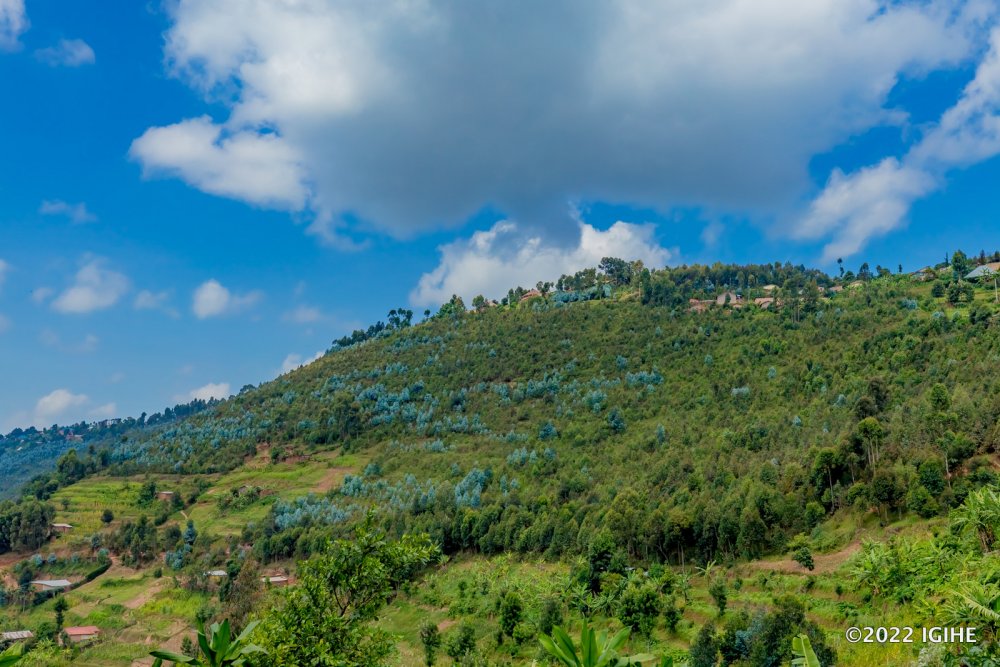
    Through initiatives such as Green Gicumbi, Rwanda is restoring degraded forests and helping ecosystems recover their natural state. These reforestation efforts contribute to carbon removal, biodiversity conservation and sustainable livelihoods while creating opportunities within the country's emerging carbon market.

    Source : https://new.igihe.com/english/inside-rwandas-push-to-turn-carbon-credits-into-climate-finance/

  • Rwanda, European Union sign EUR 40 million agreement to support climate-smart agriculture transformation #rwanda #RwOT

    The Agreement, titled 'HANGARIBIHE: Transformational Climate-Smart and Inclusive Agriculture in Rwanda,' is a five-year programme that will provide EUR 36 million in budget support to strengthen national agriculture and environment sector priorities, alongside EUR 4 million in complementary support for technical assistance, capacity building, and studies.

    The programme is part of the Team Europe Initiative on 'Investing in Sustainable and Inclusive Agricultural Transformation,' bringing together the European Union and partners.

    The support will contribute to the implementation of Rwanda's National Strategy for Transformation (NST-2), the Fifth Strategic Plan for Agriculture Transformation (PSTA-5), and environment sector priorities.

    It will focus on increasing investment in agriculture, expanding irrigation and sustainable land management practices, strengthening climate resilience, restoring degraded ecosystems, and improving climate information systems to support evidence-based decision-making.

    Speaking at the signing ceremony, Minister Yusuf Murangwa, Minister of Finance and Economic Planning, welcomed the financing agreement as a strategic partnership for Rwanda's agricultural transformation.

    'It will build a modern, productive, and climate-resilient sector by driving inclusive productivity gains for smallholders, cooperatives, women, youth, and SMEs, while mandating climate-smart and sustainable production practices,' he noted.

    Belén Calvo Uyarra, the EU Ambassador to Rwanda highlighted that the programme marks another important milestone in the long-standing partnership between the European Union and Rwanda.

    'By building on our previous cooperation, it will help turn Rwanda's climate-smart agriculture ambitions into tangible results for farmers, rural communities and future generations,' she stated.

    Minister of Agriculture and Animal Resources, Dr. Telesphore Ndabamenye, said the funding will complement the country's existing programmes, including irrigation, increasing production in food basket sites, and soil conservation agrculture.

    Minister Yusuf Murangwa and EU Ambassador Belén Calvo Uyarra exchange signed documents after formalising a €40 million financing agreement to strengthen climate-smart agriculture in Rwanda.
    Minister of Finance and Economic Planning Yusuf Murangwa and EU Ambassador to Rwanda Belén Calvo Uyarra sign the €40 million financing agreement supporting Rwanda's climate-smart agriculture transformation.
    Minister of Agriculture and Animal Resources, Dr. Telesphore Ndabamenye, said the funding will complement Rwanda's ongoing programmes in irrigation, food basket sites and soil conservation agriculture.
    Minister of Finance and Economic Planning, Yusuf Murangwa, said the €40 million financing agreement will support Rwanda's efforts to build a modern, productive and climate-resilient agriculture sector.
    EU Ambassador to Rwanda, Belén Calvo Uyarra, said the new programme builds on the European Union's long-standing partnership with Rwanda to advance climate-smart agriculture and support rural communities

    Source : https://new.igihe.com/english/rwanda-european-union-sign-eur-40-million-agreement-to-support-climate-smart-agriculture-transformation/

  • Apple seeks emergency court order against OpenAI in trade secrets dispute #rwanda #RwOT

    The request was filed on Monday in the U.S. District Court for the Northern District of California.

    Apple is seeking an order preventing OpenAI, former Apple engineer Chang Liu, and former Apple executive Tang Tan from accessing, using, acquiring, or disclosing what it says is proprietary company information during the litigation.

    The technology giant is also asking the court to allow expedited discovery, including the production of documents and sworn testimony, to determine whether its confidential information has been misused.

    Apple filed the lawsuit last month, accusing Liu and Tan of taking confidential company information before joining OpenAI.

    The company alleges that the information relates to its hardware technologies and could be used to accelerate the development of competing artificial intelligence devices.

    According to the court filing, Apple believes that without immediate intervention, it faces the risk of irreparable harm because the alleged trade secrets could be used to strengthen a competitor in the fast-growing AI hardware market.

    OpenAI has denied Apple's allegations, saying it neither possesses nor has any interest in Apple's confidential information.

    In a statement released on Tuesday, the company described Apple's request for a preliminary injunction as unnecessary and said the lawsuit is based on incorrect claims.

    OpenAI added that it has strict internal policies prohibiting employees from bringing or using confidential information belonging to former employers.

    The company also published emails and text messages that it says support its position and demonstrate that it has acted appropriately throughout the hiring process.

    The legal dispute comes as major technology companies race to develop AI-powered consumer devices, a market expected to become increasingly competitive in the coming years.

    Apple argues that safeguarding its trade secrets is essential to protecting its innovation and maintaining a competitive advantage, while OpenAI maintains that it has not used or obtained any confidential Apple information.

    The court has not yet ruled on Apple's request for a preliminary injunction, and the broader trade secrets lawsuit remains pending.

    Apple has sought preliminary injunction against OpenAI in trade secrets lawsuit

    Source : https://new.igihe.com/english/apple-seeks-emergency-court-order-against-openai-in-trade-secrets-dispute/