Author: admin

  • Explainer: Why Ceuta is at the heart of Europe's latest migrant crisis #rwanda #RwOT

    The influx prompted Madrid to deploy military support, tighten border controls and enhance coordination with Rabat, while reigniting debate within the EU over how to manage migration at its external borders.

    What's special about Ceuta?

    Ceuta is one of Spain's two exclaves on the North African coast, alongside Melilla. Although geographically located in Africa, it forms part of the EU's external border.

    Its location has long made it one of Europe's most sensitive migration gateways. For years, undocumented migrants have attempted to reach the enclave by climbing border fences or swimming around coastal barriers before trying to continue to mainland Spain and other parts of Europe.

    Spain and Morocco have expanded cooperation in recent years on border control, migrant returns and efforts to combat human trafficking and smuggling networks.
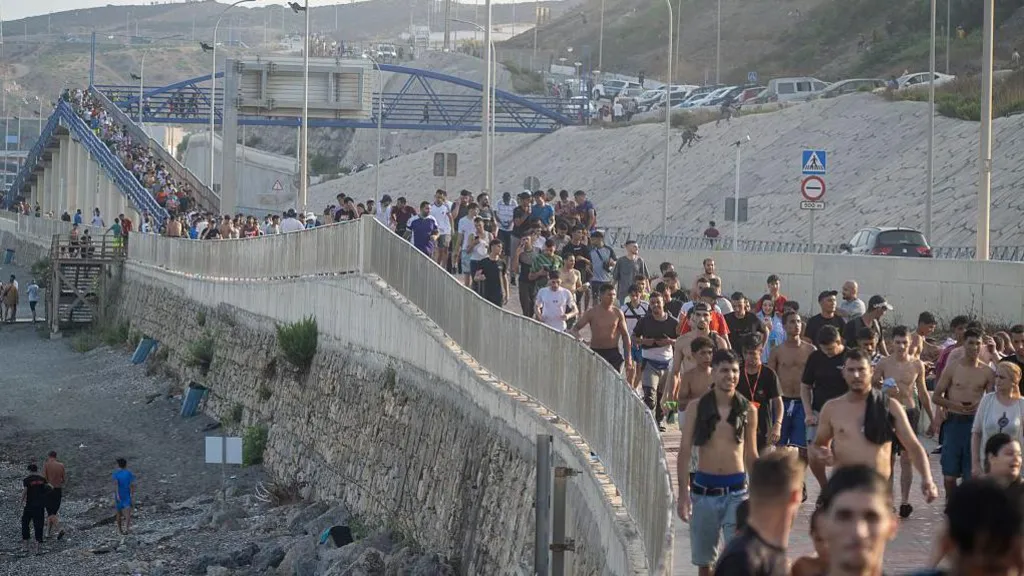
    As thousands gathered near the border, Moroccan security forces used batons and tear gas to push back crowds.

    What triggered the surge?

    In late June and early July, Spain's Supreme Court ruled that migrants intercepted at sea near Ceuta and Melilla could not be summarily returned under the special 'pushback' regime applied at land borders. Instead, they must go through standard legal procedures that provide access to legal assistance and the opportunity to apply for international protection.

    The ruling was quickly distorted online into claims that anyone who reached Ceuta by sea would automatically be allowed to stay in Spain and eventually obtain legal residency. The narrative spread rapidly across various social media platforms, leading many to believe the route was effectively open.

    Abdellah, a Moroccan who attempted to reach Ceuta but was later turned back by police, said videos circulating online had convinced him to make the journey.

    Mohammed Zakaria Aboudahab, a professor of public law and political science at Mohammed V University in Morocco, said migrant-smuggling networks had deliberately amplified false information on social media, creating the impression that reaching Ceuta guaranteed legal status.
    Spain and Morocco's response

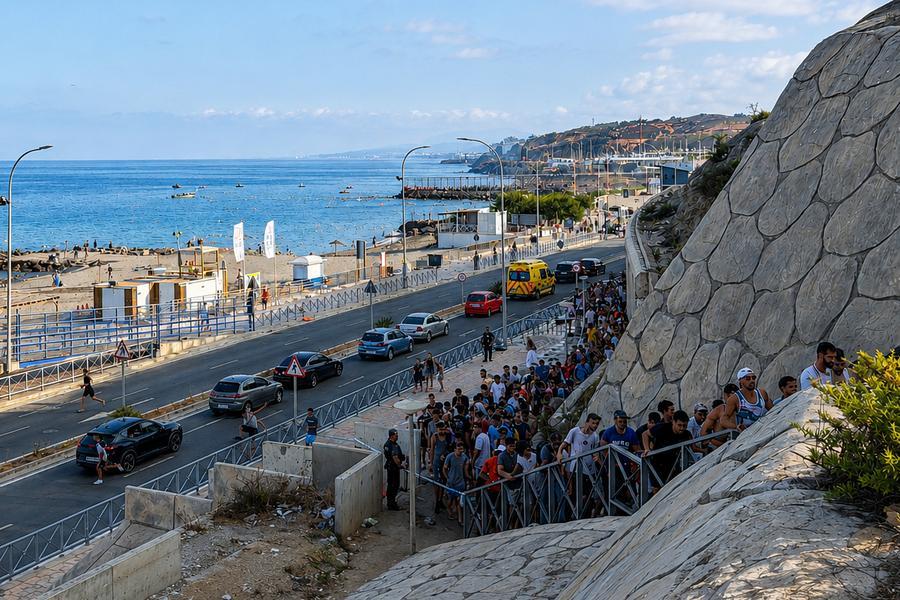
    The latest influx saw more than 50,000 undocumented migrants enter Ceuta, many by swimming around the Tarajal border crossing or using makeshift flotation devices. At least 67 people died during the crossings, with the death toll expected to rise as search and recovery operations continue.

    By August 1, more than 48,000 migrants had returned to Morocco. None were allowed to travel onward to mainland Spain under Ceuta's special Schengen arrangements, and authorities said the immediate pressure at the border had largely eased.

    Spain has since reinforced security by installing a new floating maritime barrier along Ceuta's breakwater. The 500-meter inflatable barrier is designed to prevent migrants from bypassing land border controls by sea.

    At the same time, Madrid and Rabat have intensified cooperation on returns and law enforcement while stepping up efforts against migrant-smuggling networks.

    Moroccan authorities said they had arrested 70 people suspected of organizing or participating in violence linked to the mass crossing. Xinhua reporters in Rabat and Casablanca also observed tighter security at railway stations and bus terminals, where police were screening and, when necessary, turning back groups of young people heading toward northern Morocco.
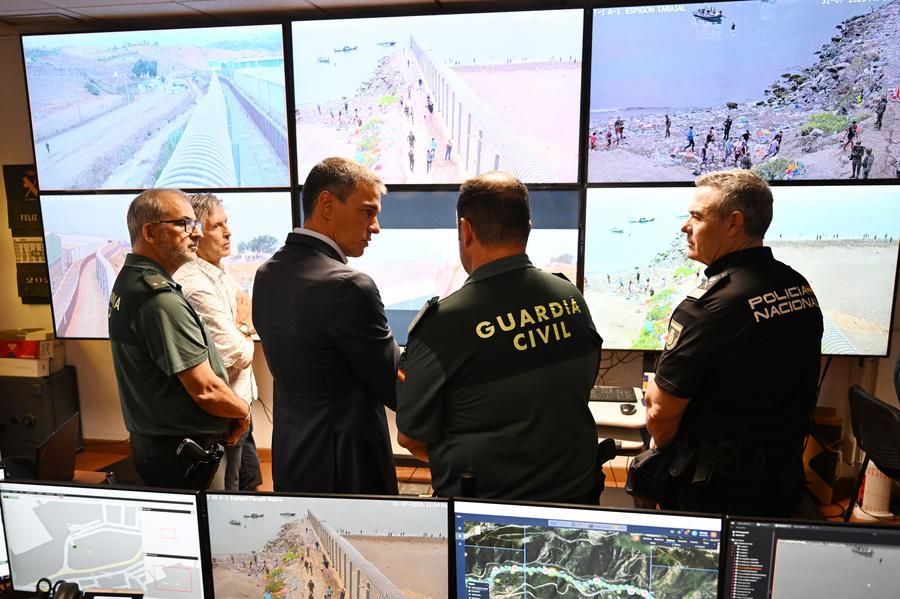
    Spanish Prime Minister Pedro Sanchez (C) observes the work of the Civil Guard in Spain's North African enclave of Ceuta, on July 31, 2026.

    EU and regional reactions

    The crisis has once again exposed divisions within Europe over migration policy.

    The European Commission reaffirmed that Ceuta forms part of the EU's external border and said the bloc stands ready to support Spain through Frontex and other mechanisms while strengthening cooperation with Morocco.

    Italy was among the first countries to criticize Spain's migration policy. It later joined Denmark in leading a letter signed by 22 EU member states calling for an emergency ministerial meeting to discuss the crisis and the bloc's external border management.

    Spanish Prime Minister Pedro Sanchez responded by writing to European Commission President Ursula von der Leyen, expressing 'serious concern' over what he described as 'selfish,' politically motivated reactions from some governments that he said violated EU law, including proposals to suspend Schengen cooperation with Spain. He also called for an EU-wide ministerial meeting.

    Ireland, which currently holds the rotating presidency of the Council of the EU, subsequently announced that EU interior ministers would hold a videoconference on Tuesday to discuss the Ceuta crisis.

    Source : https://new.igihe.com/english/explainer-why-ceuta-is-at-the-heart-of-europes-latest-migrant-crisis/
  • A look at Rwanda's August weather forecast as temperatures set to hit 32°C #rwanda #RwOT

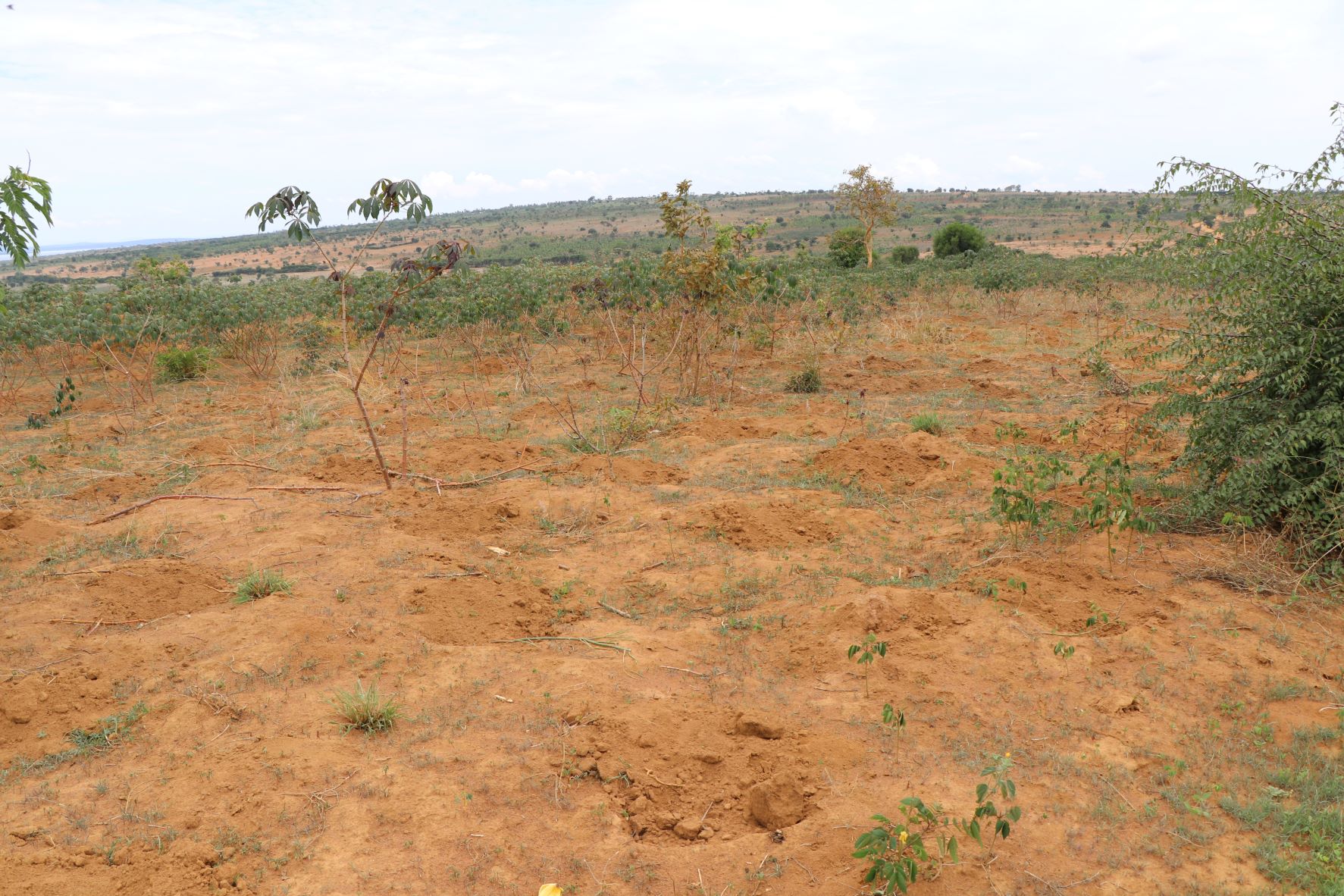
    The Rwanda Meteorology Agency forecast indicates that maximum temperatures will range between 21°C and 32°C, while minimum temperatures are expected to remain between 10°C and 18°C. The expected maximum temperatures are slightly above the normal August range, which usually falls between 20°C and 31°C.

    The highest temperatures, ranging from 31°C to 32°C, are expected in parts of southern Kigali City, eastern Bugesera, Kayonza, Kirehe and Gisagara districts, western parts of Ngoma District, as well as the Bugarama plain.

    Meanwhile, cooler conditions are expected in parts of Nyabihu District, western and northern areas of Ngororero and Musanze districts, and eastern parts of Rubavu and Rutsiro districts, where maximum temperatures are forecast to range between 21°C and 23°C.

    Minimum temperatures will remain within the normal August range, with the coldest areas expected to record between 10°C and 12°C. These include parts of Nyabihu, Nyamagabe and Nyaruguru districts, northern and western parts of Musanze and Ngororero, northern Gakenke and Rulindo, southern Burera, western Gicumbi, and parts of Rusizi, Nyamasheke, Rutsiro and Rubavu.

    The warmest nights and early mornings are expected in central and western Kigali City, Nyagatare, Gatsibo, Kayonza and Kirehe districts, as well as the Bugarama plain, where minimum temperatures could range between 16°C and 18°C.

    Rainfall expected below average

    The country is expected to receive between 5 and 100 millimetres of rainfall during August, below the long-term average range of 20 to 126 millimetres for the month.

    The highest rainfall amounts, ranging between 80 and 100 millimetres, are forecast in western parts of Musanze District and northern areas of Nyabihu and Rubavu districts.

    Rainfall between 60 and 80 millimetres is expected in parts of Musanze, Nyabihu, Rubavu, Burera, Gakenke, Nyamagabe, Ngororero, Karongi and Nyamasheke districts.

    Several other parts of the country are expected to receive between 20 and 60 millimetres, while some areas are forecast to receive as little as 5 to 20 millimetres.

    Strong winds expected in some areas

    Moderate to strong winds are expected across the country, with speeds ranging between 4 and 12 metres per second.

    Strong winds of between 8 and 12 metres per second are forecast in parts of Rusizi, Nyamasheke, Karongi, Rutsiro, Rubavu, Burera and Kirehe districts, as well as parts of Nyamagabe, Ngororero, Nyabihu, Gicumbi, Gatsibo, Ngoma, Nyagatare and Kayonza.

    Moderate winds of between 4 and 6 metres per second are expected in parts of Kigali City, Musanze, Rulindo, Nyanza, Gakenke, Nyabihu and Gisagara districts, while other parts of the country are expected to experience winds ranging between 6 and 8 metres per second.

    The expected maximum temperatures are slightly above the normal August range, which usually falls between 20°C and 31°C.

    Source : https://new.igihe.com/english/a-look-at-rwandas-august-weather-forecast-as-temperatures-set-to-hit-32c/

  • CECAFA Kagame Cup enters final stretch as four teams chase regional glory #rwanda #RwOT

    Rwanda's Rayon Sports, Sudanese giants Al Hilal, Kenya's Gor Mahia and South Sudan's Jamus SC have secured places in the semifinals, setting up two exciting clashes as teams battle for a place in the final.

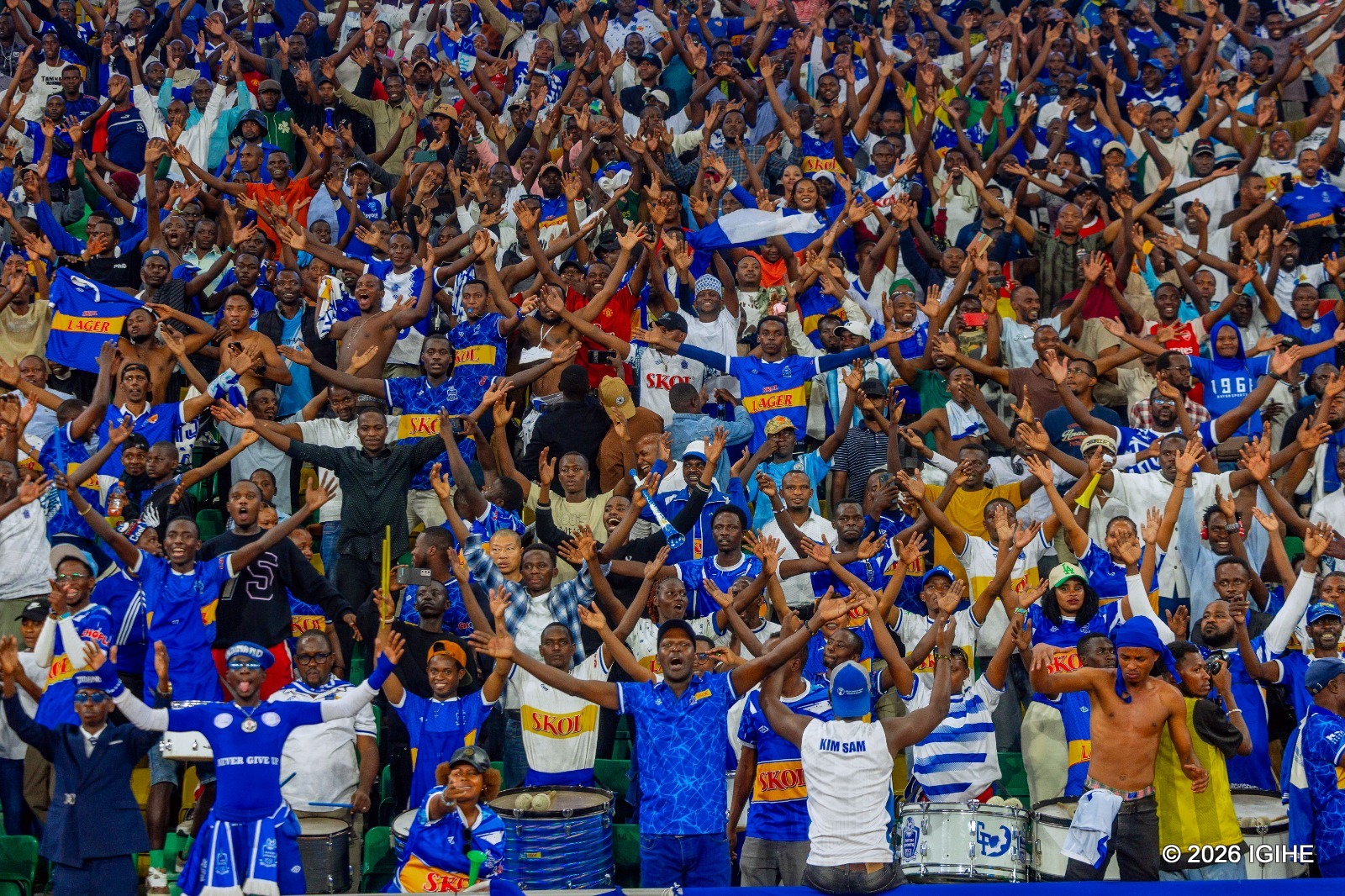
    Rayon Sports booked their semifinal spot in style, finishing the group stage with a perfect record after winning all three matches.

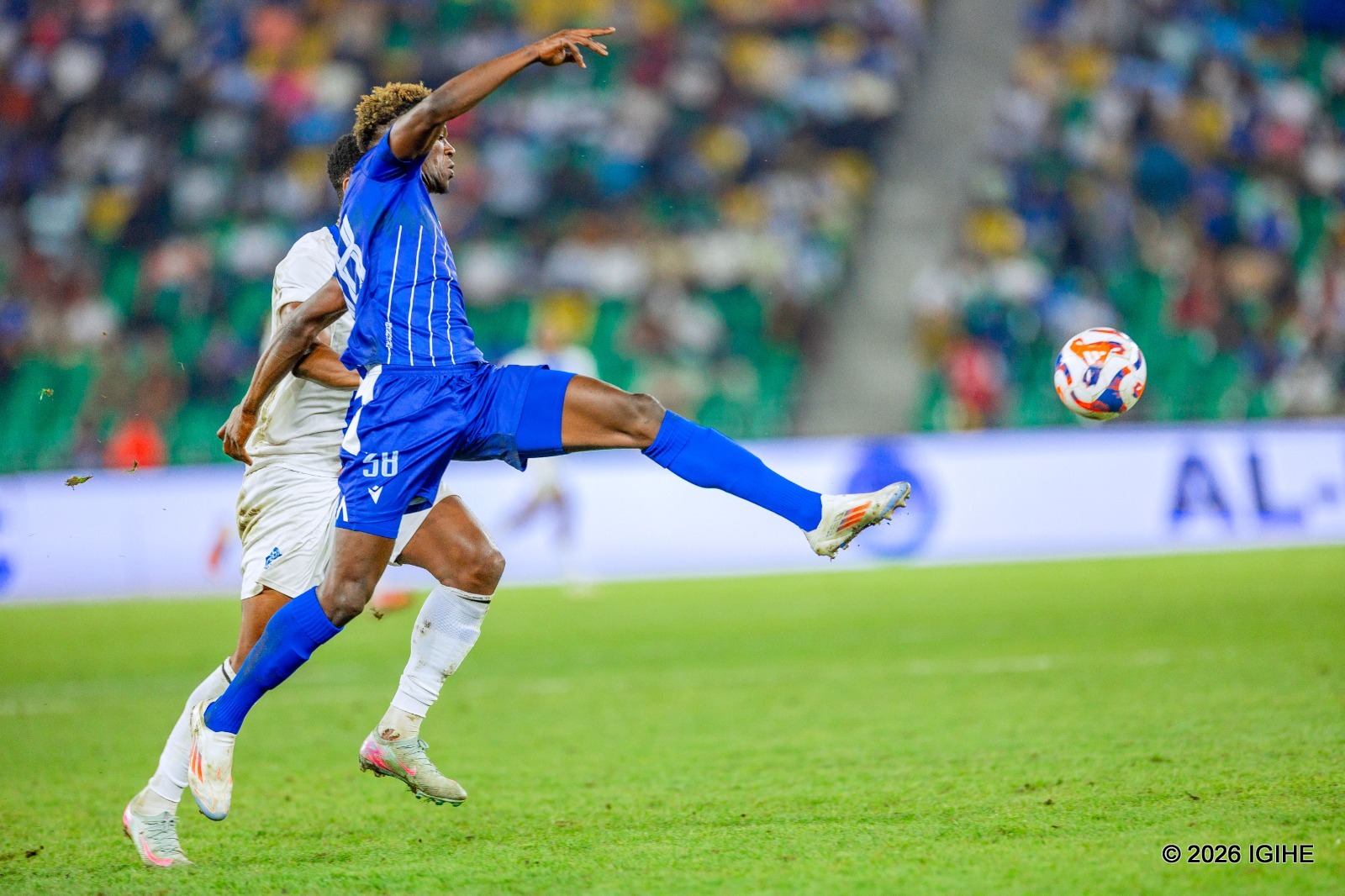
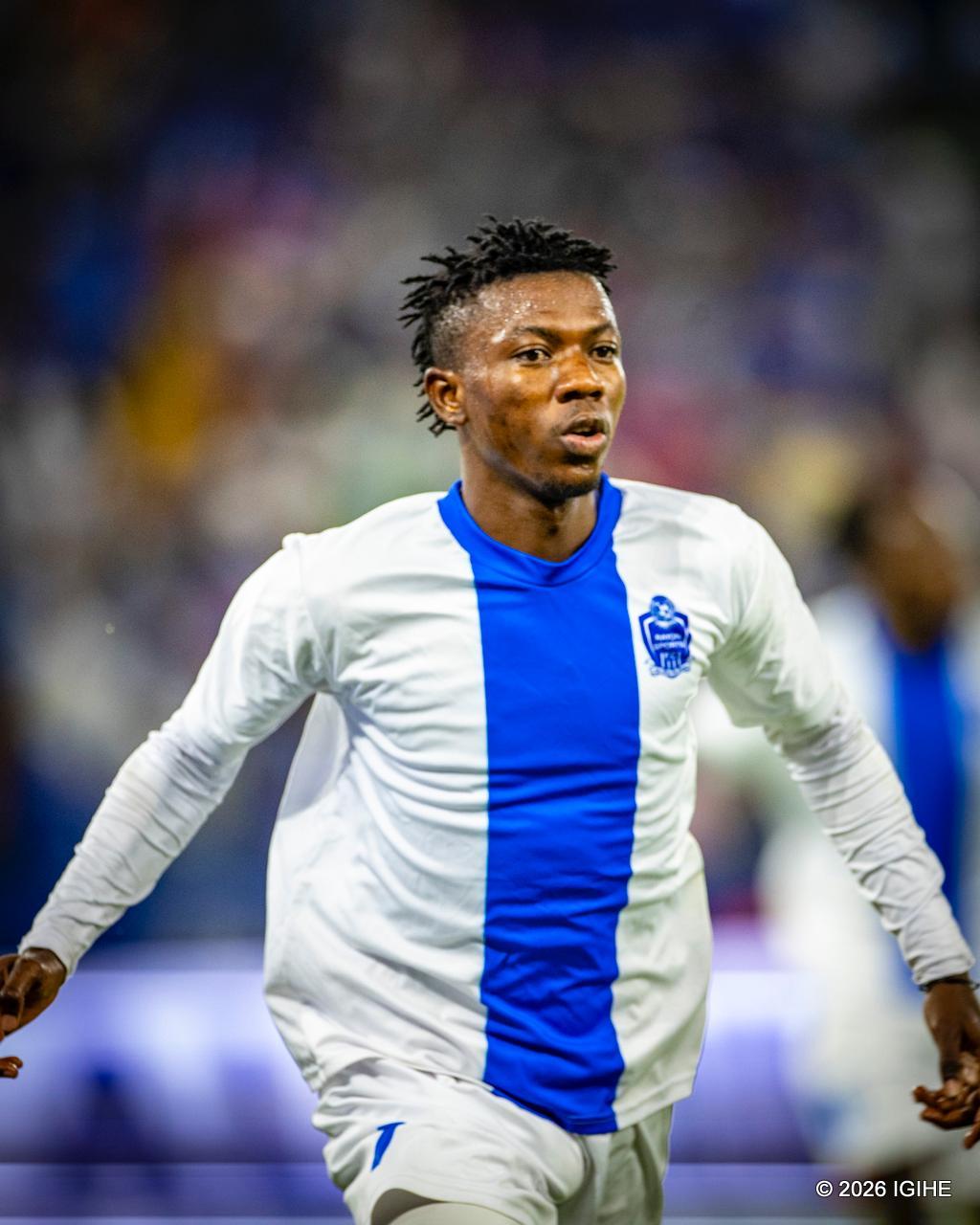
    The Rwandan side defeated Al Hilal 1-0 on Saturday at Amahoro Stadium, with Antonio Atisso Kodjo scoring the decisive goal in the 16th minute. The victory saw Rayon finish top of their group with nine points, having shown both attacking quality and defensive resilience throughout the opening stage.

    Rayon Sport defeated Al Hilal 1-0 on Saturday at Amahoro Stadium, with Antonio Atisso Kodjo scoring the decisive goal in the 16th minute.

    The Blues will now face Jamus SC, one of the tournament's surprise performers, in the second semifinal.

    Jamus SC, representing South Sudan, reached the knockout stage after impressive displays against more established regional sides, earning recognition as one of the emerging teams in this year's competition.

    Rayon Sports head coach Christian Haringingo said reaching the semifinals was an important step for his team as they continue preparations for the new season.

    'This is part of pre-season and we are now ready to face any team in the semifinal stage,' Haringingo said.

    In the other semifinal, Al Hilal will take on Kenya's Gor Mahia in a clash expected to attract attention across the region.

    Despite losing to Rayon Sports, Al Hilal advanced as the best second-placed team after collecting six points from the group stage. The Sudanese side showed attacking threat throughout the tournament and will look to bounce back when they face Gor Mahia.

    Al Hilal advanced as the best second-placed team after collecting six points from the group stage.

    Gor Mahia, one of East Africa's most decorated clubs, secured their place in the last four after a strong group-stage campaign and will be aiming to add another regional title to their historic record.

    Meanwhile, Tusker FC and Zanzibar's KVZ SC were eliminated after finishing third and fourth respectively in their group.

    Tusker ended their campaign with a 2-0 victory over KVZ SC, with Ian Simiyu and Victor Mbaoma scoring the goals, but the result was not enough to keep the Kenyan side in contention.

    The semifinals will be played on August 4 at Kigali Pele Stadium, with the remaining teams now focused on taking the final steps toward lifting the CECAFA Kagame Cup trophy.

    Rwanda's Rayon Sports, Sudanese giants Al Hilal, Kenya's Gor Mahia and South Sudan's Jamus SC have secured places in the semifinals, setting up two exciting clashes as teams battle for a place in the final.

    Source : https://new.igihe.com/english/cecafa-kagame-cup-enters-final-stretch-as-four-teams-chase-regional-glory/

  • Diamond and Zuchu celebrate birth of their daughter #rwanda #RwOT

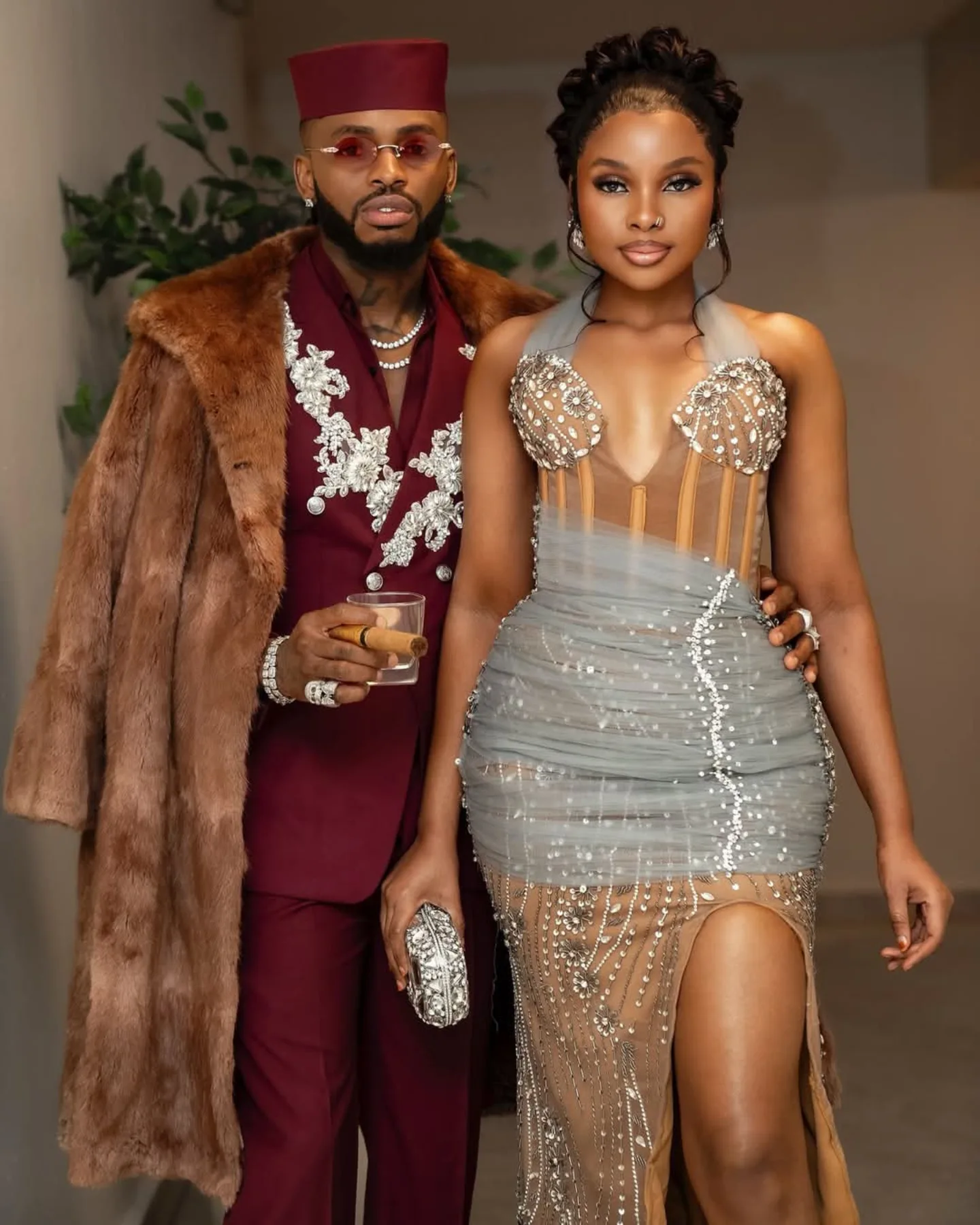
    Diamond shared the news on Sunday, August 2, through a post on Instagram featuring a photo from the hospital, where Zuchu was seen resting on a bed while cradling their newborn. The baby's face was covered with an emoji as the couple appeared to protect her privacy.

    'Welcome to the world, our precious little angel. You are already loved more than words can ever say,' Diamond wrote in the caption.

    Zuchu, whose real name is Zuhura Othman Soud, responded to Diamond's post with a heartfelt comment: 'My whole world.'

    The birth of their daughter comes after a period of ups and downs in the couple's relationship. Earlier in June, Zuchu publicly announced that she and Diamond had separated, saying she had endured years of disrespect and was choosing her peace.

    Shortly after the announcement, Zuchu revealed her pregnancy through a series of maternity photos, showing her baby bump and ultrasound images. Diamond later confirmed that he was the father, sharing his excitement over the new addition to their family.

    The couple later appeared to reconcile, hosting a lavish baby shower and gender reveal celebration at Mbezi Beach in Dar es Salaam. During the event, Diamond publicly apologised to Zuchu and gifted her TSh78 million (about Rwf43 million), a gesture many fans viewed as a sign of commitment as they prepared to welcome their child.

    The arrival of the baby girl has sparked celebrations among fans across East Africa, with many congratulating the couple on the new family milestone.

    Diamond Platnumz, whose real name is Naseeb Abdul Juma, is one of the biggest names in Bongo Flava music and is the founder of WCB Wasafi. Zuchu rose to fame after joining the label in 2020 and has since become one of Tanzania's leading female artists.

    The pair have also collaborated on several hit songs, including Cheche, Litawachoma, Wana, Mtasubiri, Nani and Inama, earning millions of views across digital platforms.

    The birth of their daughter marks a new chapter for the two artists, both personally and professionally.

    After years of an on-and-off romance, the couple married in a private Islamic ceremony last year.

    Source : https://new.igihe.com/english/diamond-and-zuchu-celebrate-birth-of-their-daughter/

  • How Rwanda inspired NBA legend Harold Keeling beyond the basketball court (Video) #rwanda #RwOT

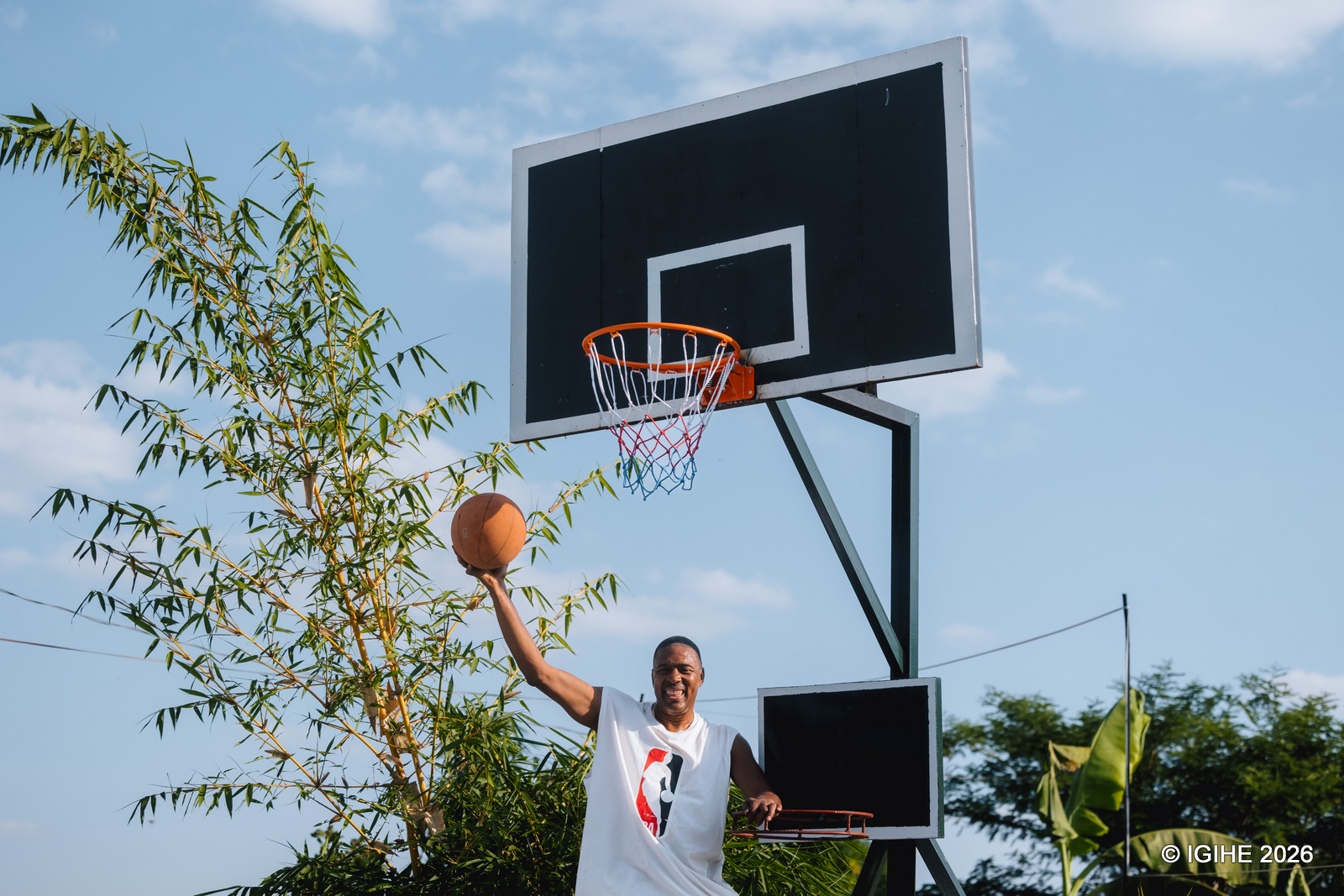
    The American-Venezuelan former professional basketball player is now using the platform he built during his career to support children, mentor young athletes and contribute to communities in Rwanda.

    Keeling, who was selected by the Dallas Mavericks in the 1985 NBA Draft, spent a short period in the NBA before building an impressive 18-year international career. He played in France, Israel, Venezuela, the Philippines and Colombia, with 12 years of his career spent in Venezuela, where he became a respected figure in the basketball community.

    Today, his focus has shifted from competing on the court to changing lives beyond it.

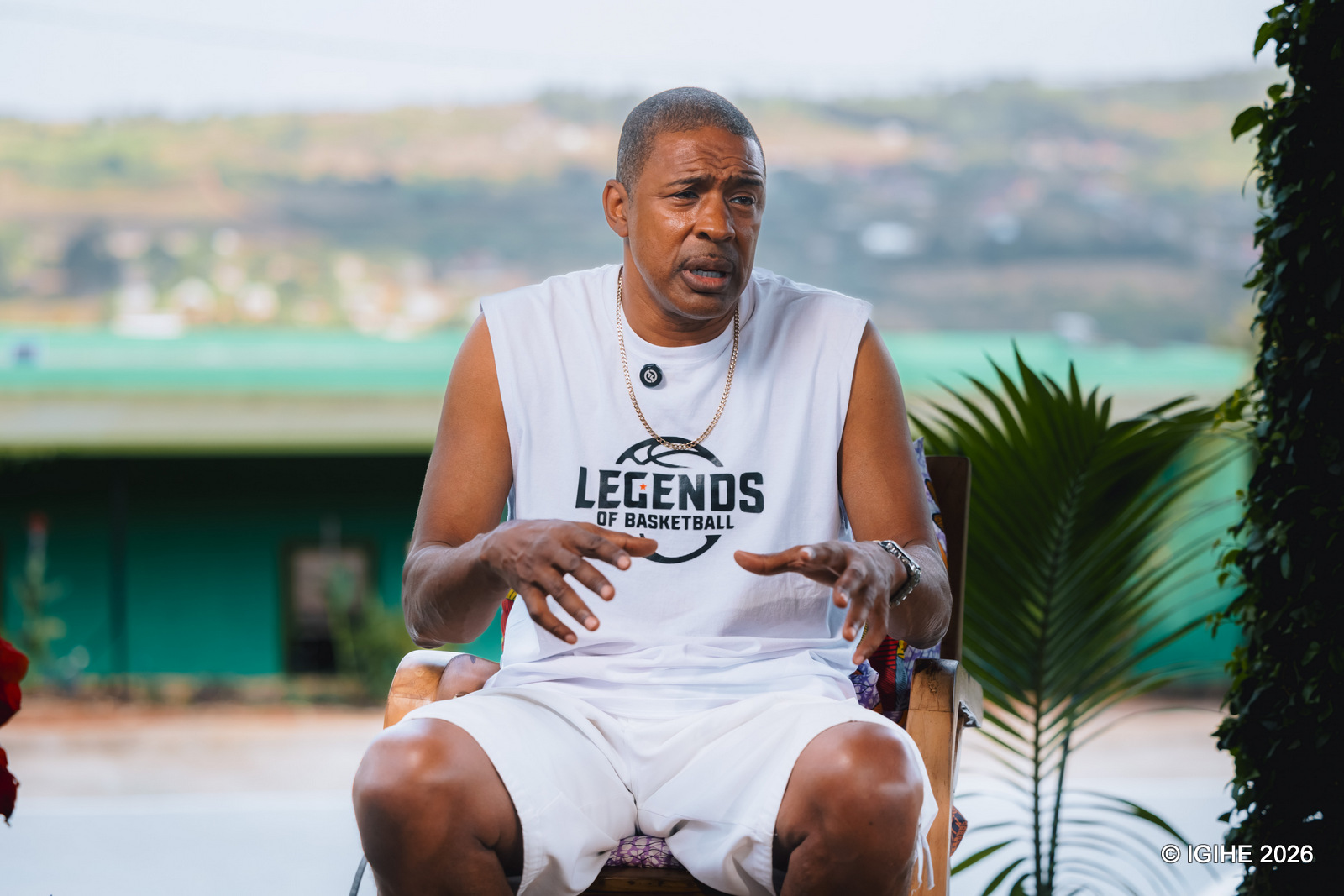
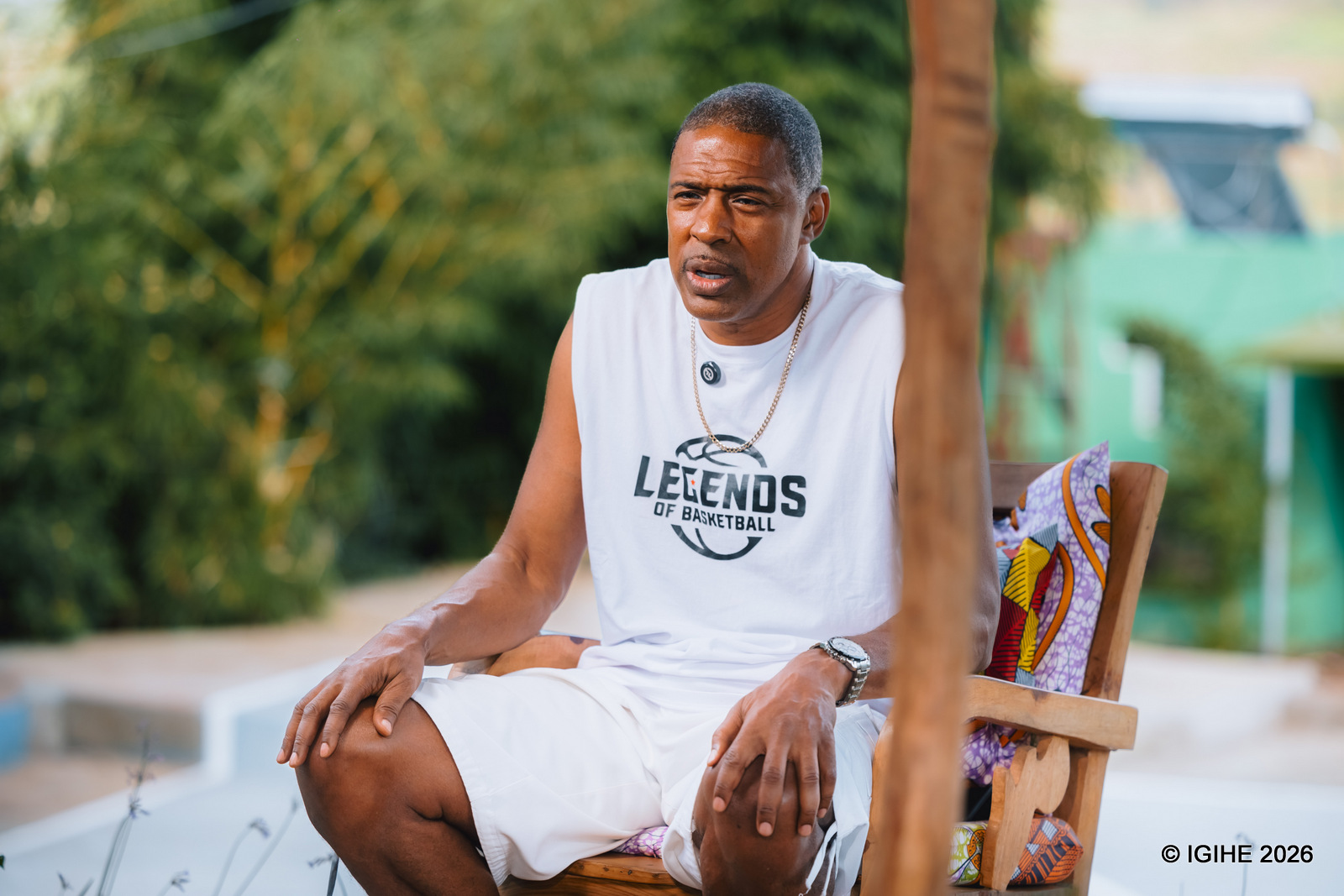
    Harold Keeling speaks during an interview about his basketball journey, humanitarian work and why Rwanda has become a place close to his heart.

    A basketball court built to create opportunities

    During his visits to Rwanda in February 2025, Keeling has worked closely with the Clark family at The Promised Land in Bugesera District, where he has supported children through different community initiatives.

    Through his efforts, hundreds of children have received shoes and shirts, while some have also benefited from healthcare support through insurance coverage designed to help them access medical services when needed.

    But for Keeling, giving back was not only about providing basic needs. He wanted to create a place where children could discover their talents and experience the same joy that shaped his own childhood.

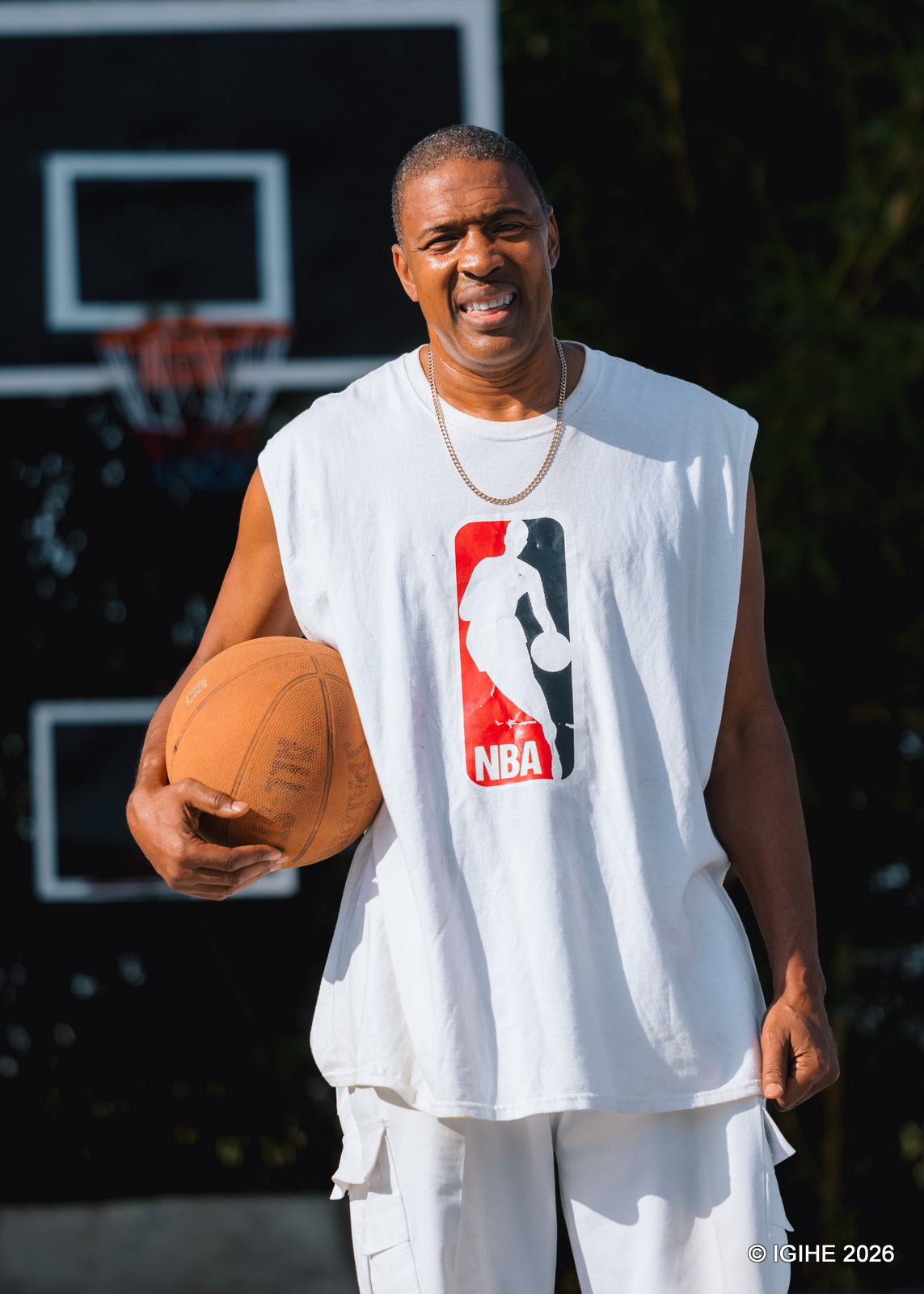
    With support from David Clark, he helped build a basketball court at The Promised Land, giving young people a safe space to play and develop their skills.

    'When I was young, I played basketball every day. My mother always had a house or apartment that was right outside of a basketball court. I could look out my window and go out there and play every day,' Keeling said.

    He believes access to sports played a major role in his own success.

    Growing up, basketball was his main activity after school. His mother encouraged him to first complete his homework, clean his room and finish his responsibilities before going outside to play until the street lights came on.

    'That's how I got good. That's part of why I made it to the NBA,' he recalled.

    Harold Keeling helped establish a basketball court at The Promised Land, creating a space where children can develop their skills and enjoy the game.

    A journey that brought him to Rwanda

    Keeling's connection to Rwanda began through basketball.

    He first visited the country after reconnecting with his friend James, head coach of APR Basketball Club. Keeling praised May's achievements, including leading APR to major success in African basketball competitions.

    After discussing the possibility of visiting Rwanda with May and their friend Keevy Dixon, Keeling eventually travelled to the country, where he connected with David Clark and the Clark family, who welcomed him to stay at The Promised Land.

    During his time in Rwanda, he attended basketball games in Kigali and later began visiting nearby communities. It was through those visits that he discovered opportunities to support children who needed assistance.

    'When I saw that they needed some things, it was an opportunity for me to be able to help them. It really touched my heart,' he said.

    Keeling explained that this was his fourth time returning to Rwanda because of the relationships he has built with the children and communities.

    'They like me. I like them. I like being with them. We're happy when we're together,' he said.

    The former professional basketball player has helped organize youth basketball camps in Rwanda, using sport to teach discipline, teamwork and leadership.

    Using basketball as a tool for change

    For Keeling, basketball has always been more than a sport. He sees it as a tool for discipline, confidence and personal development.

    Since arriving in Rwanda, he has organized basketball camps for young players and shared lessons from his own experience as a professional athlete.

    He has worked with children at different schools and communities, teaching them basketball skills while encouraging them to believe in themselves.

    'I feel blessed that I was put in this position to bless others and that God led me here,' he said.

    His humanitarian work has also extended beyond sports.

    Through Project Max and Save a Child's Heart, Keeling became involved in an initiative that brought medical professionals, administrators and technicians to Rwanda to support children requiring medical procedures.

    The project was initially planned for Ethiopia, but after discussions with partners, the team eventually came to Rwanda, where they worked with local medical institutions.

    Keeling said he was grateful that the opportunity brought him back to a country where he had already developed strong connections.

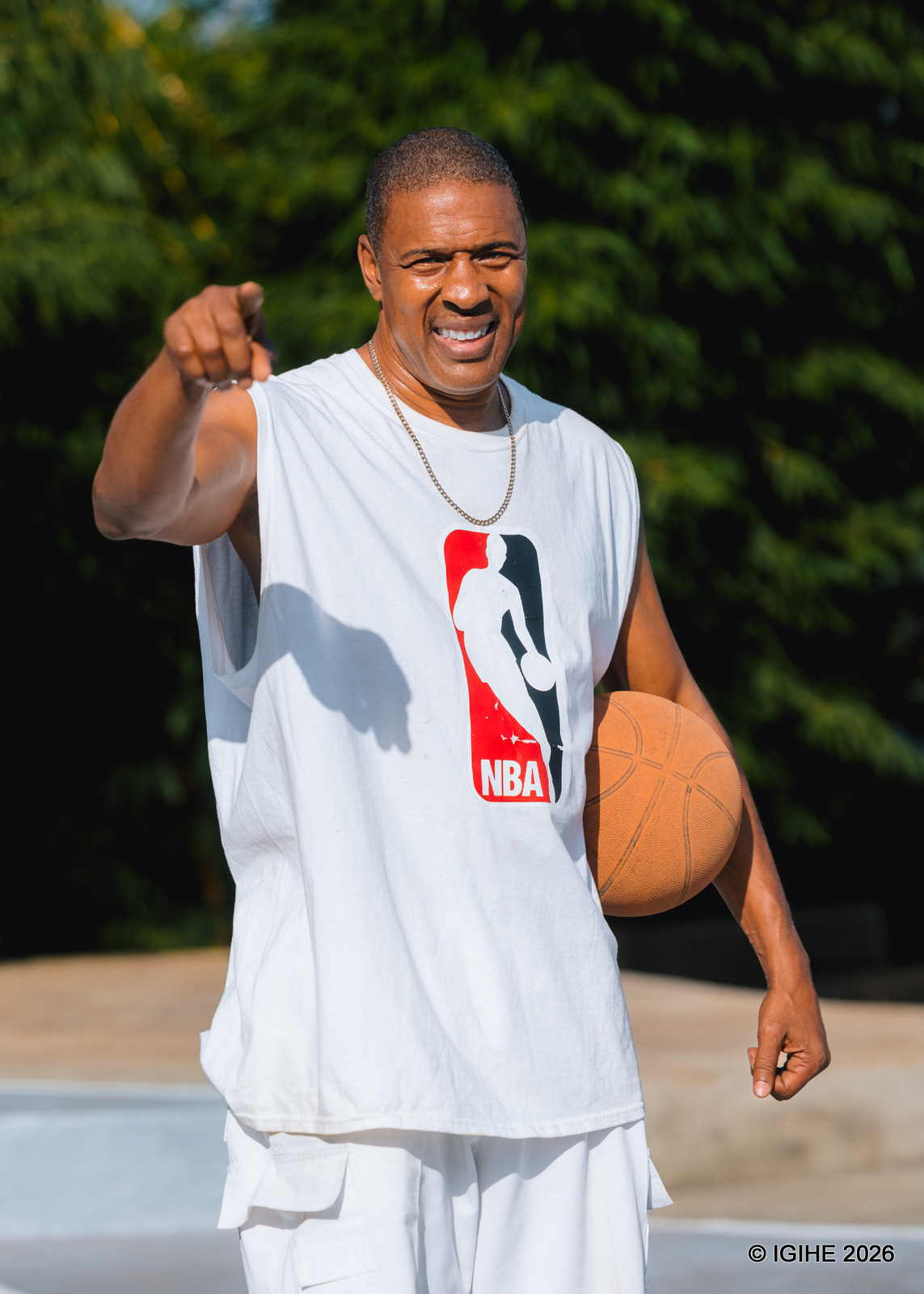
    Keeling says Rwanda's safety, cleanliness and welcoming people are among the reasons he continues to return and invest his time in local communities.

    Why Rwanda feels special to him

    Beyond his work with children, Keeling said Rwanda's safety, cleanliness and people are among the things that have impressed him the most.

    He said he feels comfortable moving around the country, including at night, because of the sense of security he experiences.

    'The first thing I would name is it's very safe here. There's hardly any crime. We walk at nighttime. We don't worry about anybody stealing us or robbing us,' he said.

    Keeling also praised Rwanda's cleanliness, saying he admires how people protect public spaces and avoid littering.

    Another quality he highlighted was the friendliness and unity among Rwandans.

    'They're very nice. They're very friendly. They work together. I think that's a wonderful thing,' he said.

    The former basketball player also praised Rwanda's development and said he believes the country continues to create opportunities for people from different backgrounds.

    Harold Keeling praised Rwanda's development, saying the country's progress has left a lasting impression on him.
    Harold Keeling describes Rwanda as safer than the United States, citing its low crime rate and peaceful environment.

    Source : https://new.igihe.com/english/how-rwanda-inspired-former-nba-player-harold-keeling-beyond-the-basketball-court/

  • 'You cannot ask me how they are deployed': Ndayishimiye on allegations linking Burundi troops to FDLR in DRC #rwanda #RwOT

    Burundi officially deployed troops to the DRC in 2022 under a bilateral security agreement. The forces initially operated in South Kivu Province, where they were reportedly deployed to fight Burundian armed groups, including Red Tabara, FOREBU, and FNL-Nzabampema.

    In 2023, the agreement between Burundi and the DRC was renewed, leading to the deployment of Burundian troops to North Kivu Province to support the Congolese army in its fight against the AFC/M23 coalition, which had expanded its control over several areas.

    However, since their deployment to Masisi Territory, Burundian forces have faced allegations of working with the FDLR, a terrorist group opposed to the Rwandan government, and supporting its activities alongside Wazalendo fighters in attacks that have affected civilians.

    Survivors of an October 2023 attack carried out by FDLR and Wazalendo fighters in Nturo village, Masisi Territory, alleged that Burundian troops had a military position nearby but failed to intervene as their homes were set on fire and they were left without protection.

    The FDLR has continued to be linked to attacks in areas controlled by AFC/M23 and the MRDP-Twirwaneho armed group in South Kivu Province, including Minembwe, where several civilians have reportedly been killed.

    Speaking during an interview with BBC Gahuzamiryango published on July 31, 2026, President Ndayishimiye said Burundian troops were deployed to support the Congolese government and operate under the command of authorities in Kinshasa, which determines where they are deployed.

    He said: 'The FDLR is on Congolese government side. Our Burundian army went there to support the Congolese government. It is not Burundi that is fighting in Congo. We send troops who are under the command of the Congolese government. You cannot ask me, 'How are they deployed?'' Ndayishimiye said.

    The Burundian president argued that troops deployed to another country should be considered as part of the mission they are assigned to, similar to peacekeeping operations, where responsibility for their actions lies with the mission's command structure.

    'I send troops to Somalia, and once they arrive, they become African Union troops. In the Central African Republic, they arrive and wear the United Nations uniform. They are no longer called Burundian troops; they are UN troops that came from Burundi,' he said.

    Ndayishimiye added that countries sending troops abroad to support another government should not be viewed as participating in a conflict but rather as assisting the host country.

    'This is why people need to understand the difference. When a country sends troops to another country to provide support, it is not going there to attack; it is going there to help. The actions are carried out by the country receiving that assistance,' he said.

    Meanwhile, reports have continued to allege that FDLR leaders have held meetings with senior Burundian military officers in border areas, including Cibitoke, where they allegedly discussed military operations and agreed to maintain cooperation.

    In early December 2025, after AFC/M23 captured several areas in Uvira Territory near the Ruzizi Plain, reports indicated that Burundi had received fighters fleeing the fighting, including members of FDLR and Wazalendo, who were reportedly accommodated at the Mwaro military camp.

    Following intense clashes in Minembwe and surrounding areas in early July 2026, reports further indicated that Burundi received wounded fighters, including members of FDLR and Wazalendo, who were taken to medical facilities, including Tanganyika Care Polyclinic.

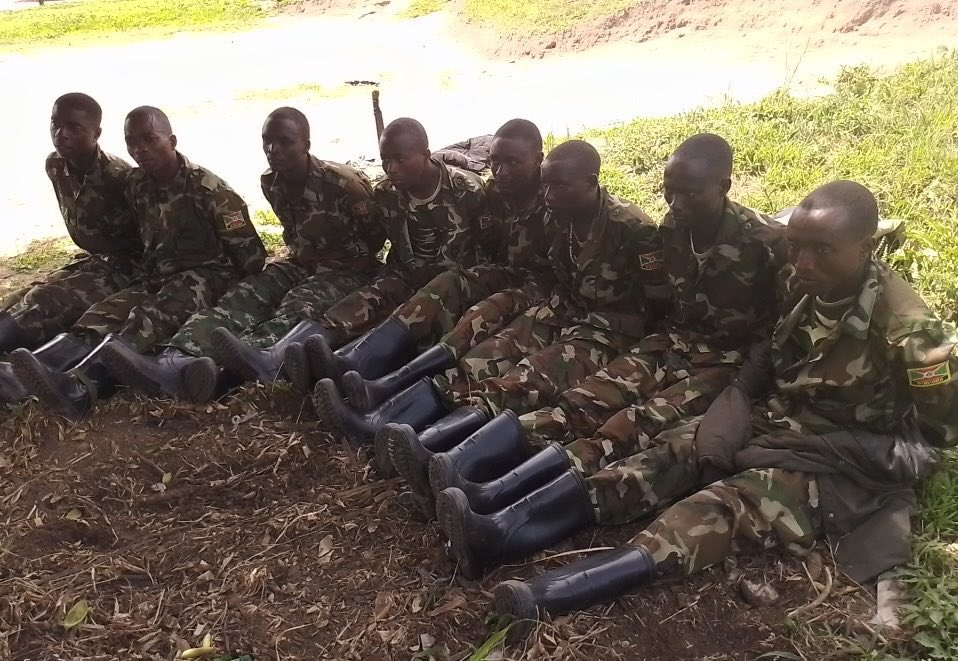
    Burundi troops are about to mark three years fighting against AFC/M23 rebels.
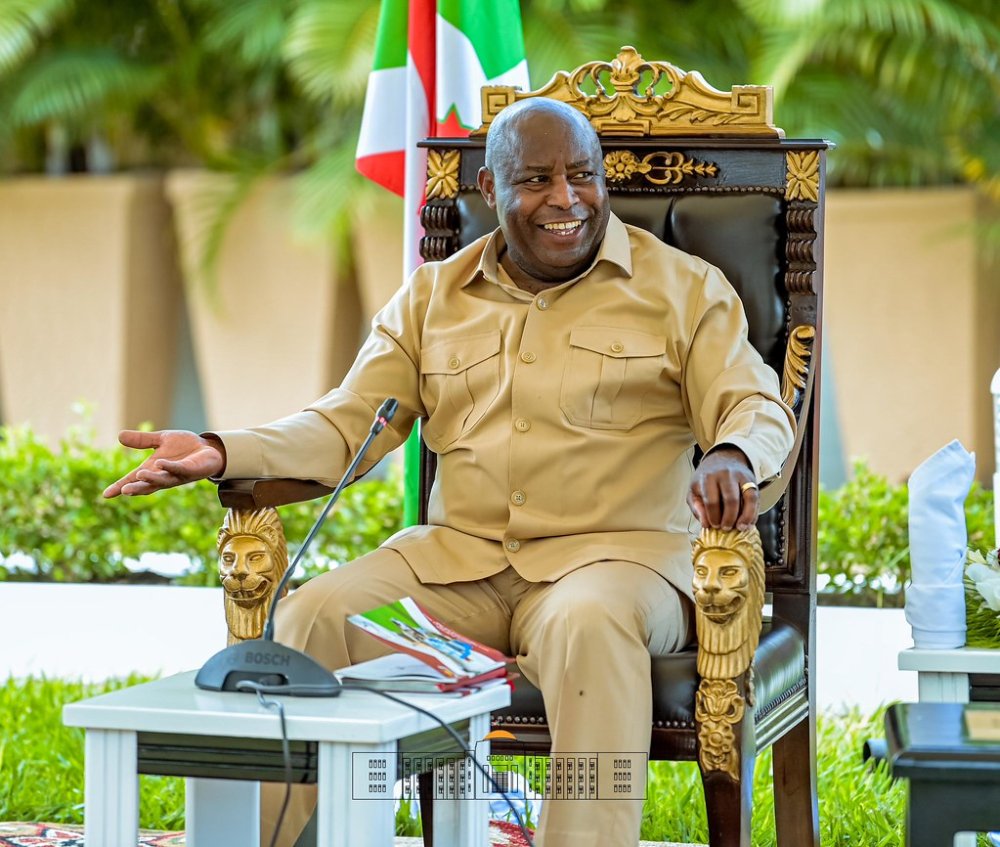
    President Evariste Ndayishimiye said Burundian troops deployed in DR Congo should be considered as forces serving under an international peacekeeping mission.

    Source : https://new.igihe.com/english/you-cannot-ask-me-how-they-are-deployed-ndayishimiye-on-allegations-linking-burundi-troops-to-fdlr-in-drc/

  • Minister Nduhungirehe questions MONUSCO over civilians repatriated as FDLR ex-combatants #rwanda #RwOT

    The minister made the comments via X account on August 1, 2026, in response to a MONUSCO statement issued on July 29 after Rwanda returned 39 Congolese nationals to the DRC.

    The individuals had been repatriated to Rwanda as former FDLR combatants, but subsequent verification established that they were Congolese civilians with no ties to the armed group.

    In its statement, MONUSCO rejected suggestions that it had been negligent, stressing that every repatriation is preceded by a comprehensive verification process to confirm that those concerned qualify for return to Rwanda.

    However, Amb. Nduhungirehe said the UN mission cannot deny the outcome of the verification carried out after the repatriations.

    'What MONUSCO cannot distance itself from, however, is the fact that since October last year, 81 people repatriated by MONUSCO as former FDLR combatants were later found to be Congolese civilians, born to Congolese parents, with no Rwandan origin and no history of involvement in armed groups.'

    The minister further explained that the Expanded Joint Verification Mechanism (EJVM), a regional mechanism responsible for verifying security-related matters in the Great Lakes region, was invited to independently examine the issue.

    According to Amb. Nduhungirehe, interviews conducted during the verification process showed that many of those repatriated had falsely claimed to be former FDLR members in order to benefit from Rwanda's demobilization and reintegration programme.

    'The Expanded Joint Verification Mechanism (EJVM) was even invited to verify this information. During interviews, 69 of these individuals admitted regretting having agreed to falsely present themselves as former FDLR combatants after being promised the benefits offered by the Mutobo Demobilization Centre to repatriated ex-combatants.'

    Amb. Nduhungirehe also called on MONUSCO to uphold the highest standards in implementing its disarmament, demobilization and reintegration (DDR) programme.

    'In conclusion, I would like to stress that throughout this process of disarming and demobilizing former combatants, professionalism, diligence, and integrity on the part of MONUSCO's DDR personnel must remain fundamental guiding principles.'

    Foreign Minister Olivier Nduhungirehe said that since October 2025, MONUSCO has repatriated 81 Congolese civilians to Rwanda, identified as former FDLR combatants.
    MONUSCO repatriates former armed group members to Rwanda through its Disarmament, Demobilisation, Repatriation, Reintegration and Resettlement (DDRRR) programme.

    Source : https://new.igihe.com/english/minister-nduhungirehe-questions-monusco-over-civilians-repatriated-as-fdlr-ex-combatants/

  • MTN Rwanda plans to expand 5G internet services to secondary cities #rwanda #RwOT

    The announcement was made on July 30, 2026, during the launch of the company's new Voice over LTE (VoLTE) technology, which will enable customers to make voice calls using the 4G internet network.

    The new technology is expected to improve voice communication services by providing clearer high-definition (HD) voice quality, faster call connections, and allowing users to continue accessing reliable 4G internet services while making calls.

    MTN Rwanda introduced VoLTE after becoming the first telecom company to launch 5G internet services in Rwanda in May 2025.

    Elijah Iragaba, MTN Rwanda's Chief Technology Officer, said that one year after introducing 5G services in Rwanda, the technology has expanded to various parts of Kigali and Musanze District in the Northern Province.

    'When we launched 5G internet, we initially focused on Kigali. Today, I can say that the service is available in many parts of the city. We have also expanded it to Musanze District as part of efforts to support tourism development and provide residents with faster and more reliable internet connectivity,' Iragaba said.

    He added that the telecom is preparing to extend 5G coverage to more areas across the country, including secondary cities outside Kigali.

    'Although 5G internet is currently concentrated in Kigali and Musanze, we have plans to expand it to secondary cities such as Rubavu, Rusizi, Nyagatare, and Rwamagana,' he said.

    Currently, Rwanda ranks third in Africa in terms of internet speed and is among the top 16 countries globally, according to available internet speed rankings.

    Data analysis also shows that the number of people using smartphones capable of supporting 5G technology continues to increase annually, growing by between 10% and 15%.

    MTN Rwanda Chief Technology Officer Elijah Iragaba says the company plans to expand 5G internet services to secondary cities around Kigali.

    Source : https://new.igihe.com/english/mtn-rwanda-plans-to-expand-5g-internet-services-to-secondary-cities/

  • Africa CDC flags constraints on DR Congo's Ebola response as Uganda shows progress #rwanda #RwOT

    During an online press briefing on Thursday evening, Africa CDC Director-General Jean Kaseya stressed that the continued outbreak 'is the fastest-growing Ebola outbreak ever recorded' and is now the second-largest by total confirmed cases.

    'It is a very serious outbreak. We are now fighting because we don't want this outbreak to become the (largest ever) Ebola outbreak,' he said.

    According to Kaseya, he will join World Health Organization (WHO) Director-General Tedros Adhanom Ghebreyesus to visit Bunia, the capital of the eastern DRC's Ituri Province and the epicenter of the outbreak, on Aug. 2. They are scheduled to meet with national authorities, frontline health workers, affected communities, and response partners.

    'We really need to strengthen our capacity to stop the spread of this outbreak to other new zones. We need to continue to strengthen the capacity to detect early, and to respond appropriately,' he said.

    According to the latest data from the Africa CDC and the DRC health authorities, since the DRC declared its 17th Ebola outbreak on May 15, the country has recorded a total of 3,442 confirmed cases and 1,521 deaths, representing a case fatality rate of more than 44 percent. A total of 48 health zones are now affected by the outbreak across five provinces in the country.

    Kaseya expressed concern over critical constraints hindering the response efforts in the DRC, citing limited contact tracing capabilities, climbing community cases and deaths, a rising case fatality rate, and inadequate bed capacity. He also noted persistent funding shortages, insecurity, unsafe burial practices, and infections and deaths among healthcare workers as major obstacles to containing the outbreak.

    Despite challenges, the Africa CDC highlighted progress in several areas of the response, including improvements in laboratory testing capacity. Currently, 19 laboratories are actively engaged in testing, marking a notable boost from only two active laboratories at the onset, while daily testing capacity has now surpassed 3,000 samples.

    The recent launch of clinical trials of therapeutics targeting the Bundibugyo strain is also considered a breakthrough, given the lack of licensed vaccines or targeted medical countermeasures for this particular Ebola variant.

    Despite the worsening situation in the DRC, Kaseya recognized Uganda's decisive national leadership and response in effectively containing the outbreak's transmission after the country officially declared the outbreak over on Tuesday.

    Uganda's Ministry of Health officially said that advances in epidemiological investigations and the fully characterized nature of the outbreak provided sufficient scientific evidence that transmission had been interrupted.

    'Uganda's success sends a clear message: when political leadership, communities, and public health move together, outbreaks can be stopped,' said Kaseya, adding that the country's achievement reflects the commitment and dedication of health workers, communities, national authorities, and partners who worked tirelessly to detect, contain, and overcome this outbreak.

    Meanwhile, Kaseya urged the United States to lift its Ebola-related entry restrictions on Uganda as he underscored the country's successful outbreak containment efforts.

    The Africa CDC also called on Uganda's health authorities to remain fully engaged with continued vigilance and infection prevention measures, alongside enhanced risk communication and community surveillance efforts as the outbreak evolves in parts of the DRC, which borders Uganda.

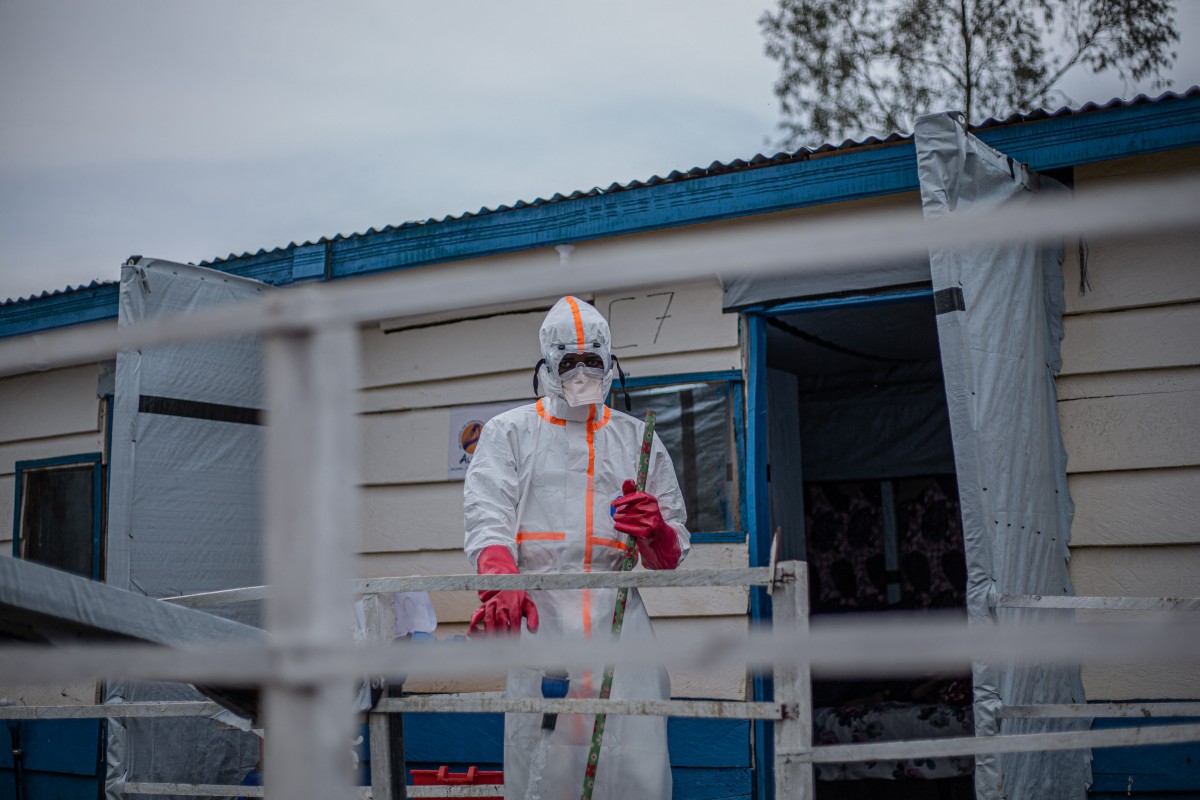
    A hygienist wearing personal protective equipment (PPE) begins cleaning and disinfection operations at the Rwampara Ebola Treatment Centre (ETC) in Bunia, Ituri, in the east of the Democratic Republic of Congo on July 13, 2026.

    Source : https://new.igihe.com/english/africa-cdc-flags-constraints-on-dr-congos-ebola-response-as-uganda-shows-progress/

  • Imigongo: Rwanda's unique art tradition blending culture and creativity #rwanda #RwOT

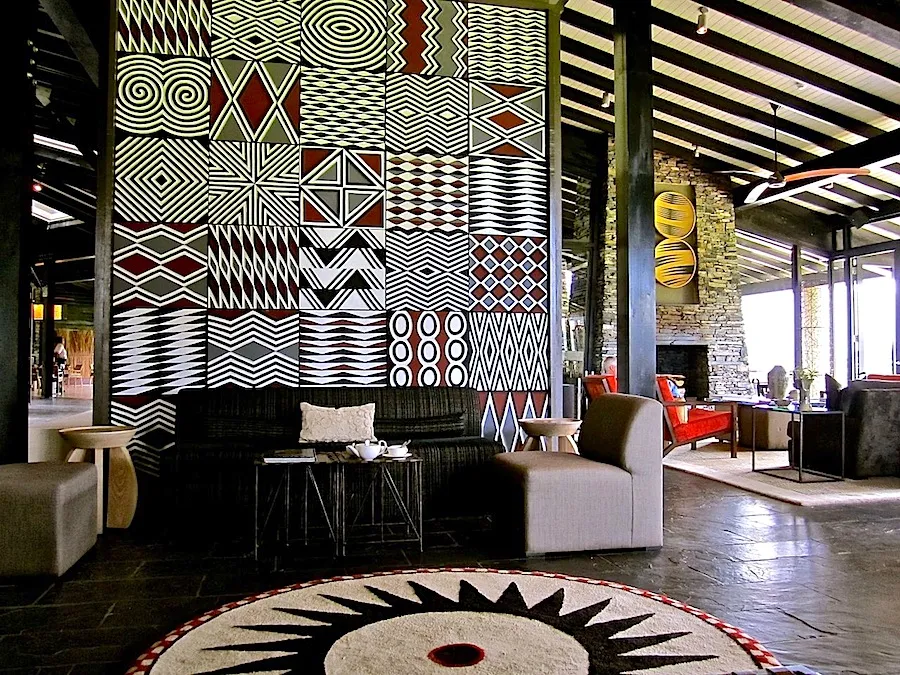
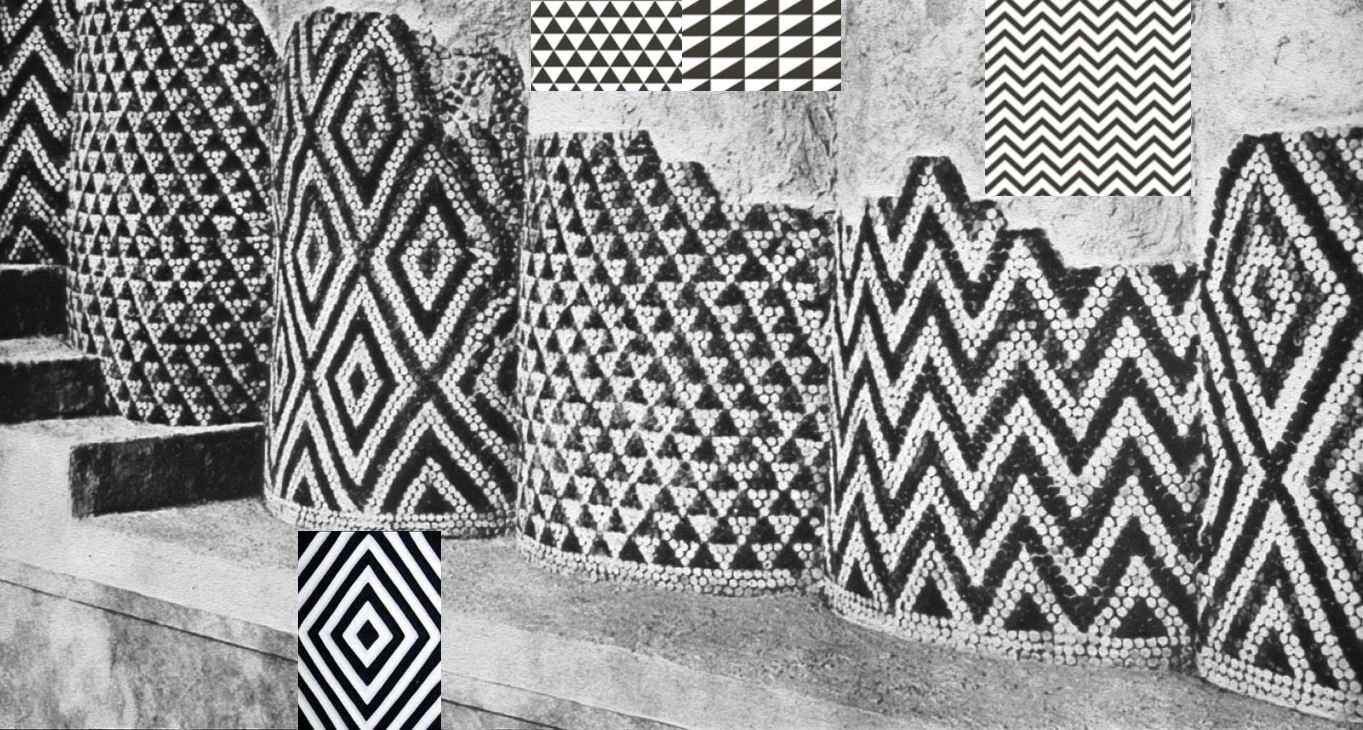
    Known for its distinctive geometric patterns and natural colours, Imigongo has been passed down through generations, preserving stories of Rwanda's history while creating opportunities for local artists.

    The tradition is believed to have started in the 18th century in the former Gisaka Kingdom, located in what is now Ngoma District in Rwanda's Eastern Province.

    According to Rwandan tradition, Imigongo was introduced by Prince Kakira, the son of King Kimenyi of Gisaka. It is said that he used cow dung mixed with natural materials to decorate the interior walls of his home, creating beautiful patterns that later inspired a wider artistic practice.

    Although cow dung may appear unusual as an artistic material, it held great cultural value in traditional Rwandan society. Cattle were considered a symbol of wealth, dignity, and social importance, and products from cattle were commonly used in daily life. '

    Turning cow dung into decorative art reflected the creativity of Rwandans and their ability to make meaningful things from available resources.

    The process of creating Imigongo requires patience and skill. Artists traditionally mix cow dung with materials such as ash and soil before applying the mixture onto wooden boards or walls to form raised patterns.

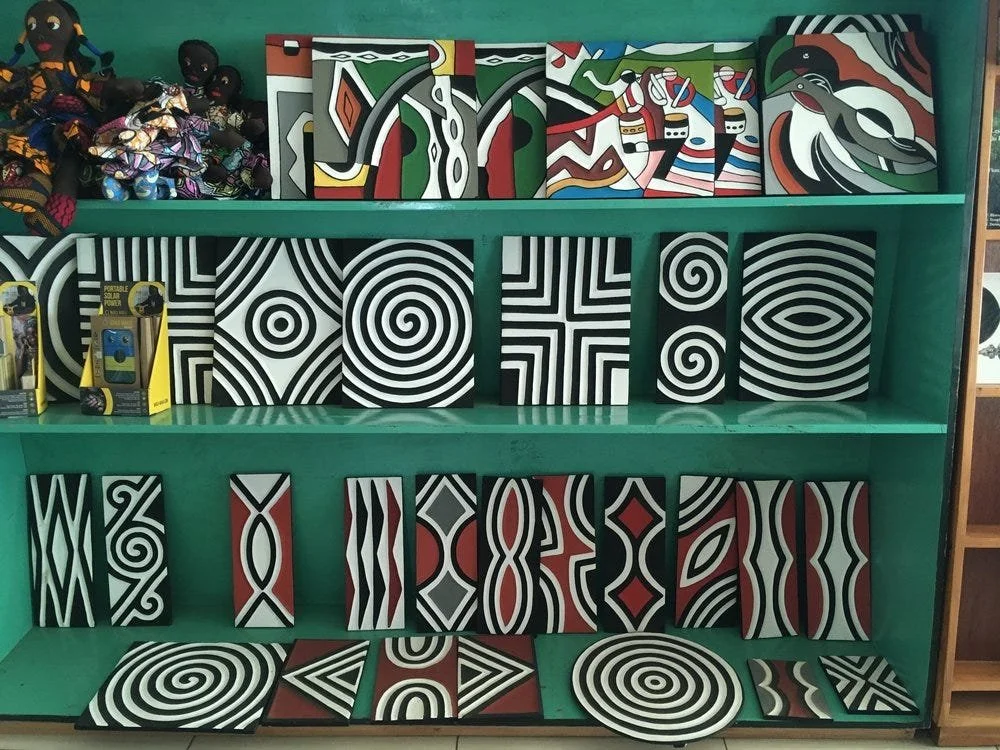
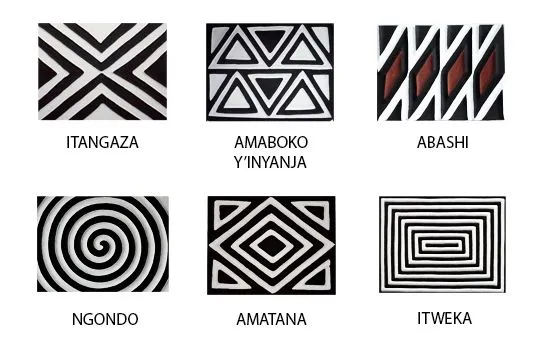
    Once the designs dry, they are painted using natural colours that were traditionally made from locally available materials. The colours and shapes often carry cultural meanings, with many artworks featuring carefully arranged lines, spirals, and diamond-like patterns.

    For many years, Imigongo has been closely associated with Rwandan women, who have played a major role in keeping the tradition alive.

    Mothers passed the skills to younger generations, ensuring that the craft remained part of Rwanda's cultural identity. Over time, women's cooperatives were established, allowing artists to preserve the tradition while also earning income to support their families.

    Rwandan artists carefully create Imigongo, a traditional art form that has been passed down through generations as a symbol of culture and creativity.

    Imigongo became an important source of empowerment for many women who were rebuilding their lives.

    Through cooperatives, artists found opportunities to work together, develop their skills, and contribute to Rwanda's economic recovery while protecting a valuable part of the country's heritage.

    Today, Imigongo has moved beyond traditional homes and has become recognised as one of Rwanda's important cultural products.

    The artwork can be seen in hotels, offices, galleries, and homes, while many visitors purchase Imigongo pieces as souvenirs that represent Rwanda's creativity and traditions.

    Modern artists have also introduced new techniques and colours, allowing Imigongo to adapt to changing tastes while maintaining its traditional roots. Despite these changes, the heart of Imigongo remains the same: telling Rwanda's story through art.

    More than just a decoration, Imigongo represents the creativity, strength, and cultural pride of the Rwandan people.

    It is a reminder that even ordinary materials can be transformed into something beautiful and meaningful when combined with imagination and tradition. Through the dedication of artists who continue to practice and promote it, Imigongo remains a living heritage connecting Rwanda's past, present, and future.

    The unique geometric patterns and natural colours of Imigongo showcase Rwanda's rich cultural heritage and artistic identity.
    From traditional homes to modern galleries, Imigongo continues to tell Rwanda's story through creativity, resilience, and craftsmanship.

    Source : https://new.igihe.com/english/imigongo-rwandas-unique-art-tradition-blending-culture-and-creativity/