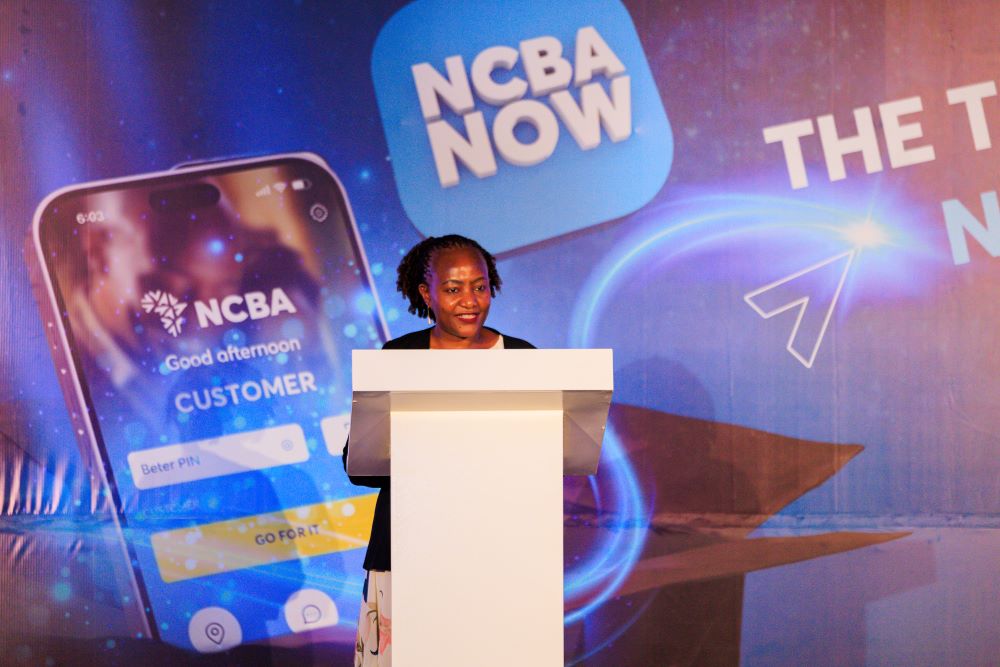
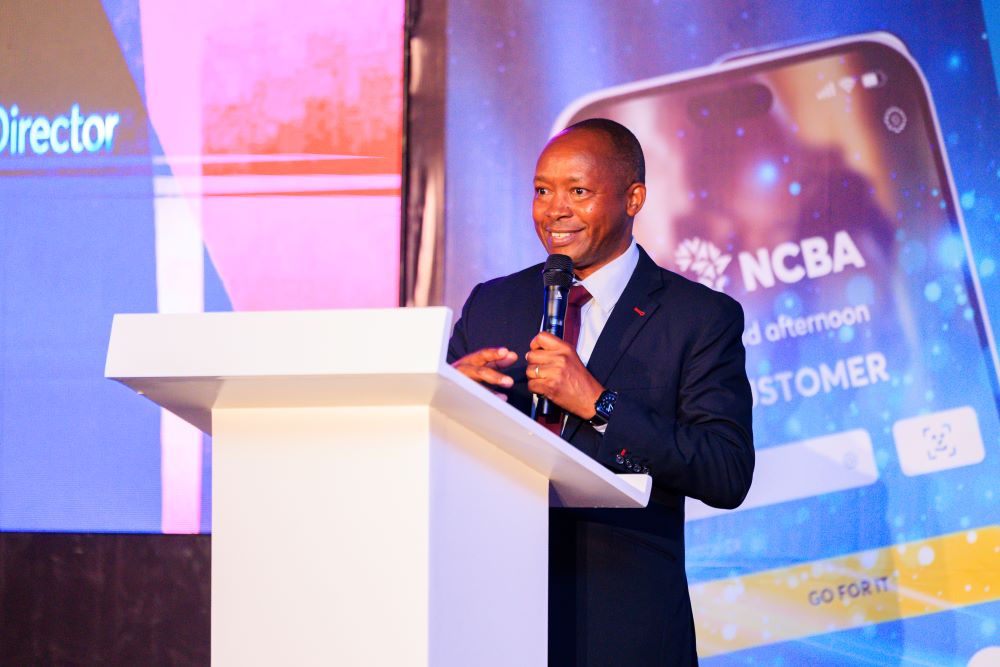
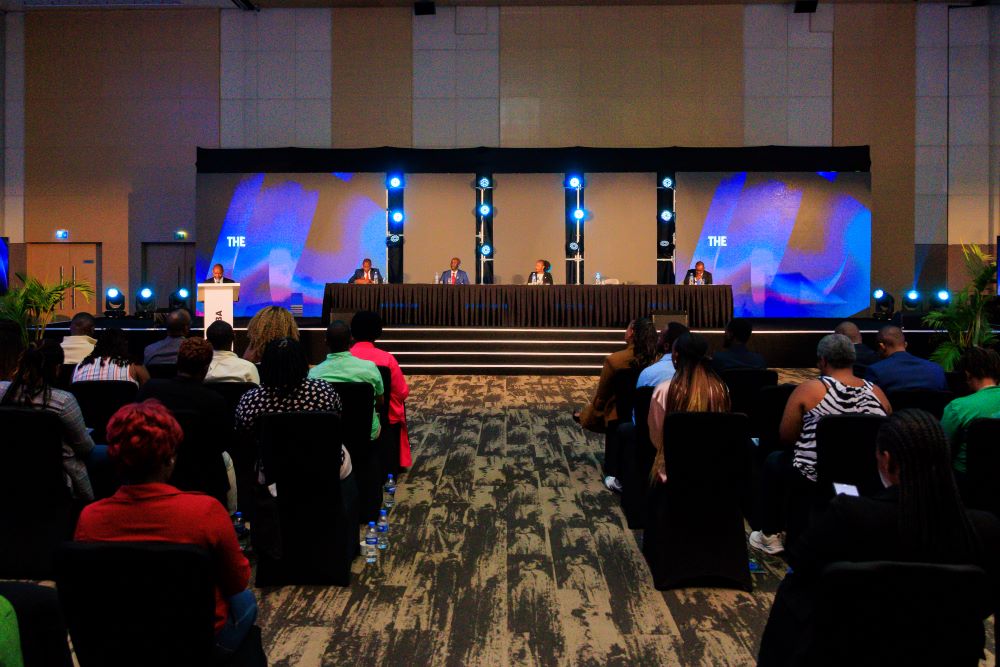
The platform was officially unveiled on July 23, 2026, during an event that brought together NCBA Bank Rwanda officials, partners, customers and social media influencers.
ConnectPlus is designed to support businesses, particularly large enterprises, by providing them with a convenient digital solution to manage their banking needs without having to visit physical bank branches.
Through the platform, businesses will be able to process payments, manage employee salaries, monitor accounts and conduct various financial transactions in a faster, safer and more efficient way.
Speaking during the launch, NCBA Bank Rwanda Managing Director and CEO Maurice Toroitich said the introduction of ConnectPlus reflects the bank's commitment to using technology to improve customer experience and make financial services more accessible.
He explained that the bank is focused on developing digital solutions that allow customers to access services wherever they are while saving time and improving convenience.
'Technology is one of our key priorities at NCBA Bank. We want our customers to access our services without necessarily visiting our branches, but instead use digital solutions that allow them to manage their financial needs easily using their phones,' Toroitich said.
Catherine Ngali, Senior Manager of Channels and Product Development at NCBA Bank Rwanda, said the launch of NCBA NOW and NCBA ConnectPlus marks an important step in the transformation of banking services.
She noted that the platforms are designed to make financial services more convenient for both individual customers and businesses by providing simple, secure and efficient ways to access and manage their accounts.
Samuel Gatari the Head of Retail Banking and Branch Network at NCBA Bank Rwanda revealed that the bank's mobile financial service, MoKash, has already attracted more than five million customers, with young people accounting for about 60 percent of its users.
He said the growing number of digital banking users demonstrates the increasing demand for technology-driven financial solutions that make banking services more accessible.
NCBA Bank Rwanda is a subsidiary of NCBA Group, a financial institution operating in five African countries: Kenya, Uganda, Tanzania, Rwanda and Côte d'Ivoire.
The bank began operations in Rwanda in 2016 and currently operates branches in Kigali, as well as Musanze, Nyagatare, Rubavu, Kayonza and Rusizi districts.
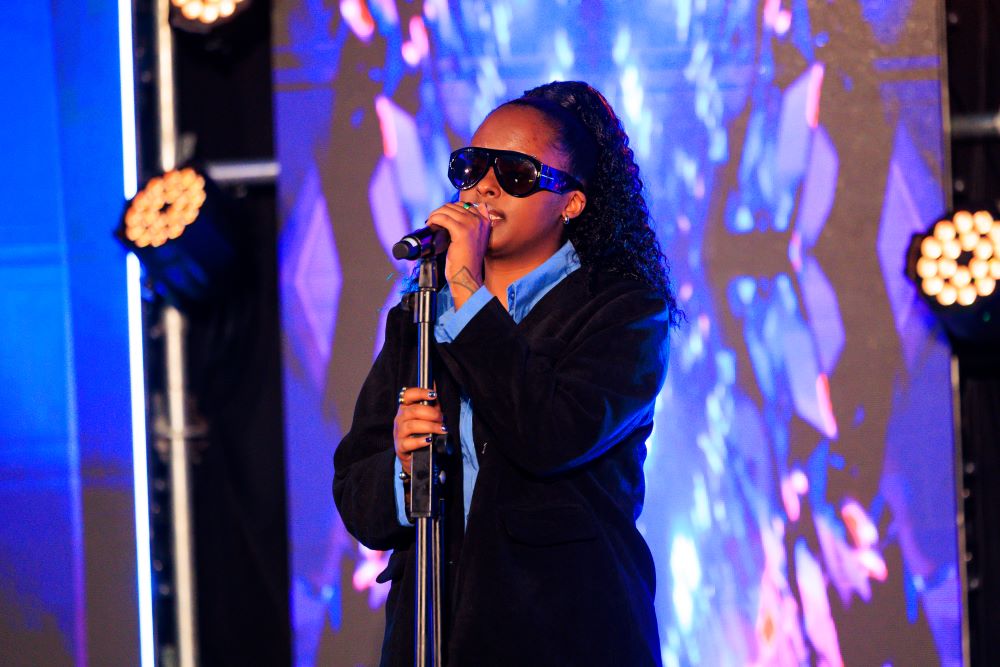
Catherine Ngali, the Senior Manager of Channels and Product Development at NCBA Group, stated that NCBA NOW and NCBA ConnectPlus represent a new milestone in the transformation of digital banking services.NCBA Bank Rwanda Managing Director and CEO Maurice Toroitich said that the platforms were introduced to enable customers to access and use the bank's services without having to visit its physical branches.The event was attended by NCBA Bank Rwanda officials, partners and customers.Rwandan artist Ariel Wayz entertained attendees during the event.NCBA Bank Rwanda has launched a digital platform to help customers access its services through technology.
The 'Argentina Out' campaign gained massive traction following a series of controversial matches during the tournament, which culminated in Spain defeating Argentina 1–0 in extra time in the World Cup final.
Throughout the competition, supporters of the petition accused FIFA and match officials of systematically favoring Argentina and captain Lionel Messi.
Before closing, the appeal collected 23,316,108 signatures from fans across roughly 170 countries. It fell just short of the Guinness World Record of 24,319,181 signatures, set in 1997 by the Jubilee 2000 movement, which advocated for the cancellation of debts owed by developing nations.
Accusations of bias and viral backlash
Organizers launched the 'Argentina Out' campaign following heated knockout fixtures, including a contentious round-of-16 clash against Egypt, arguing that the tournament's integrity had been compromised.
'Why should the rest of the world compete when the winner has already been decided? Exclude Argentina from the World Cup and give everyone else a fair chance,' the petition's central statement read.
Allegations of official leniency toward Argentina spread rapidly online, driving viral discussions, fan protests, and AI-generated media across social platforms.
Heated final and disciplinary probe
The controversy reached a boiling point after the final whistle of the championship match in East Rutherford, New Jersey. Tensions erupted into post-match altercations involving several Argentine players and staff:
Nahuel Molina was involved in a confrontation with Spanish players on the pitch.
Leandro Paredes clashed directly with Spain defender Eric García.
Assistant coach Roberto Ayala and other team members were implicated in additional arguments during the post-game chaos.
In response to the scenes, FIFA's Disciplinary Committee appointed an ethics prosecutor to review whether the actions breached regulations on sporting conduct or brought the governing body into disrepute.
Campaign closure and final outcome
Despite the scale of the 'Argentina Out' drive, FIFA did not act on the petition's demands, as fan-driven petitions carry no formal regulatory authority over tournament operations.
Following Spain's extra-time victory sealed by Ferran Torres, the petition's organizers officially closed the drive, signing off with a message celebrating the final result:
'FIFA ignored us, but Spain delivered. Thank you Spain.'
Argentina's Nicolas Otamendi and Nahuel Molina fight with Spain's Rodri after the World Cup final.
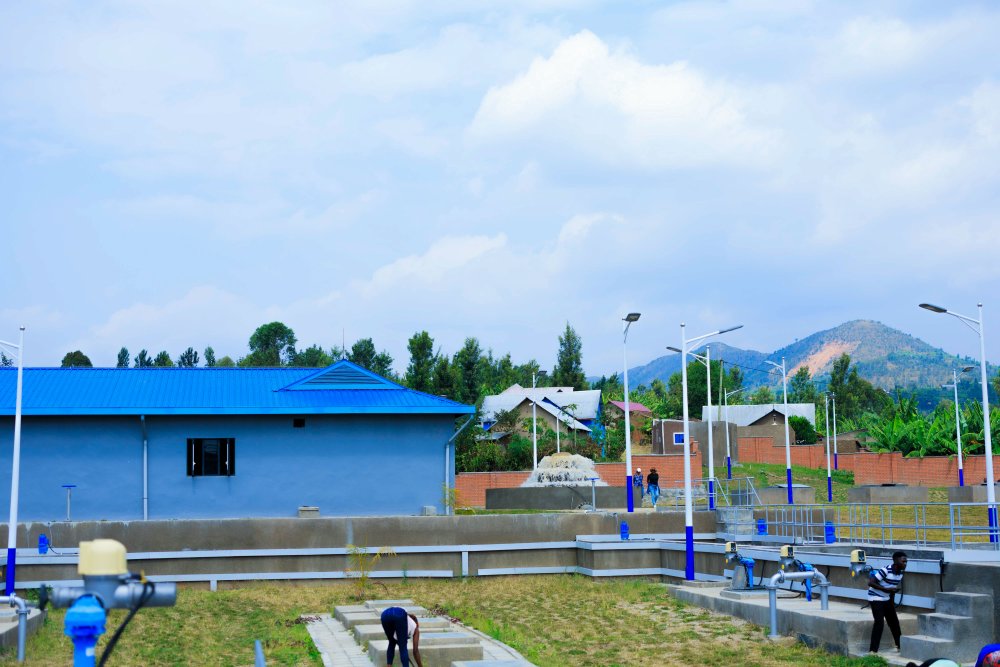
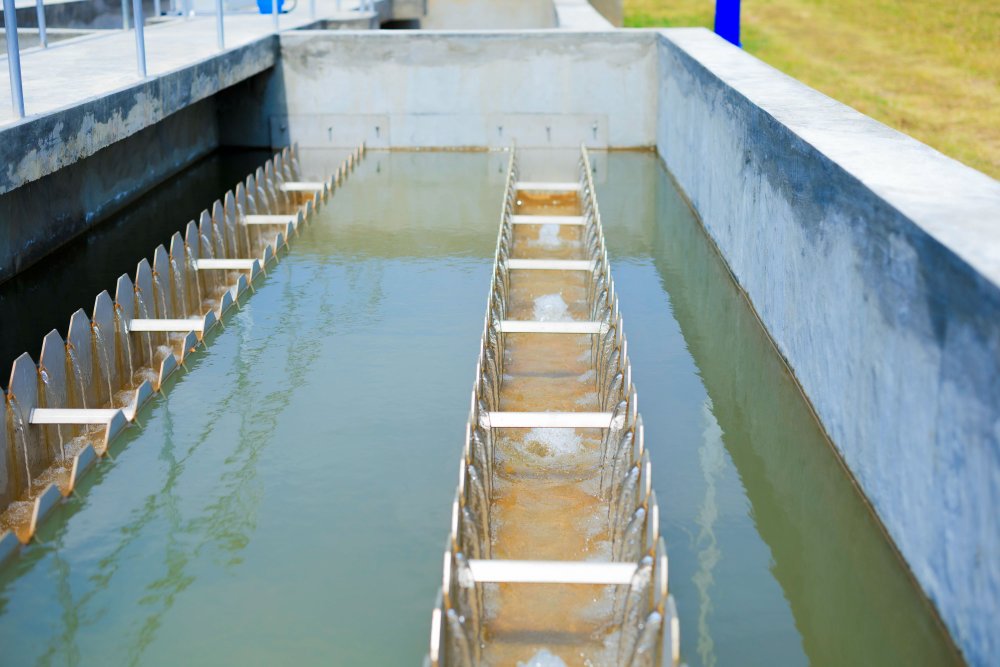
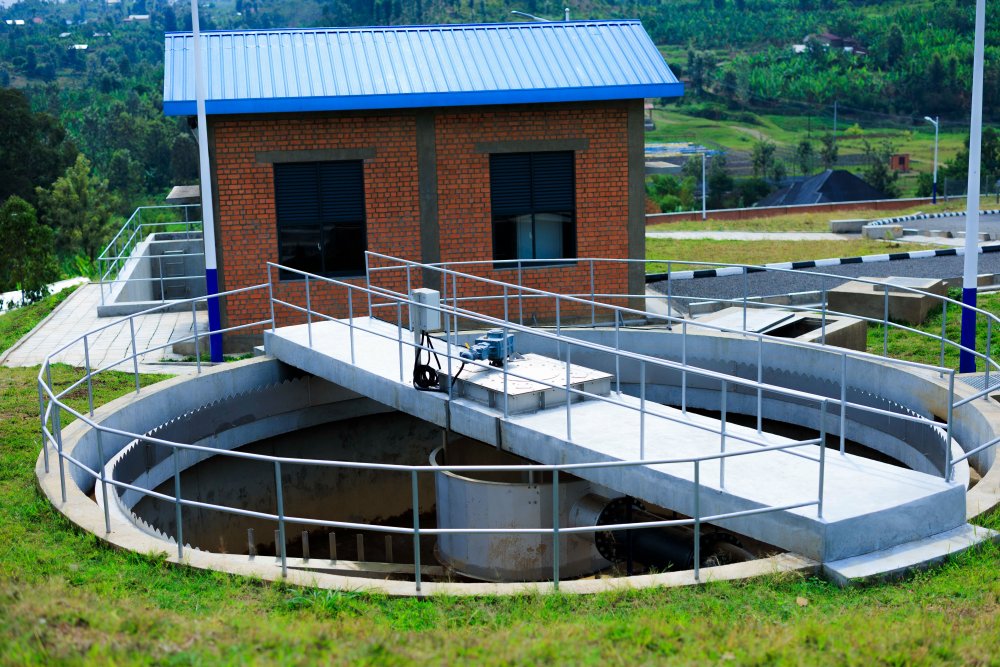
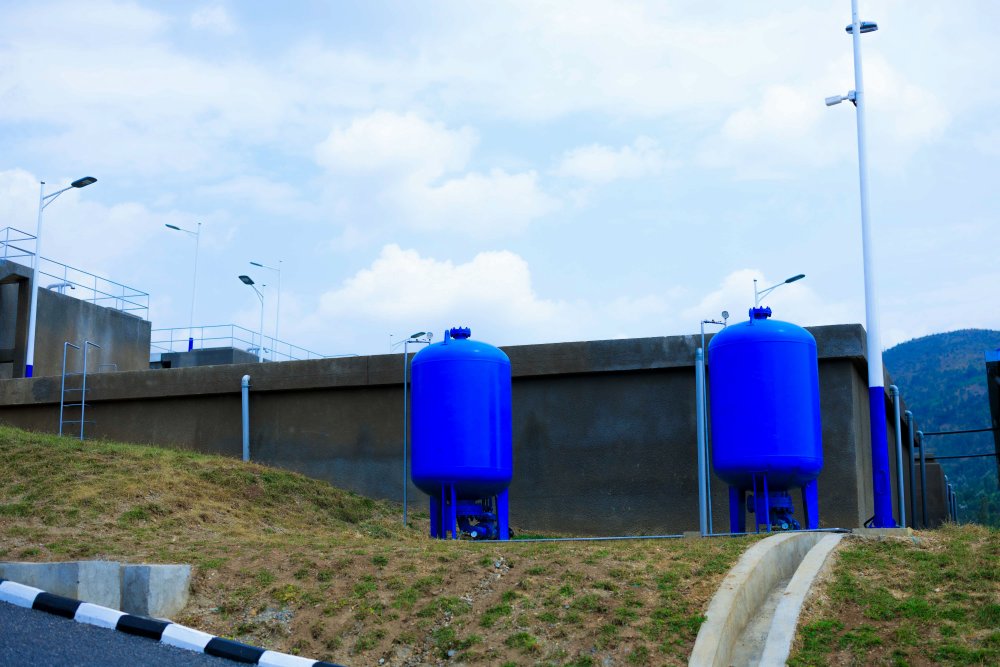
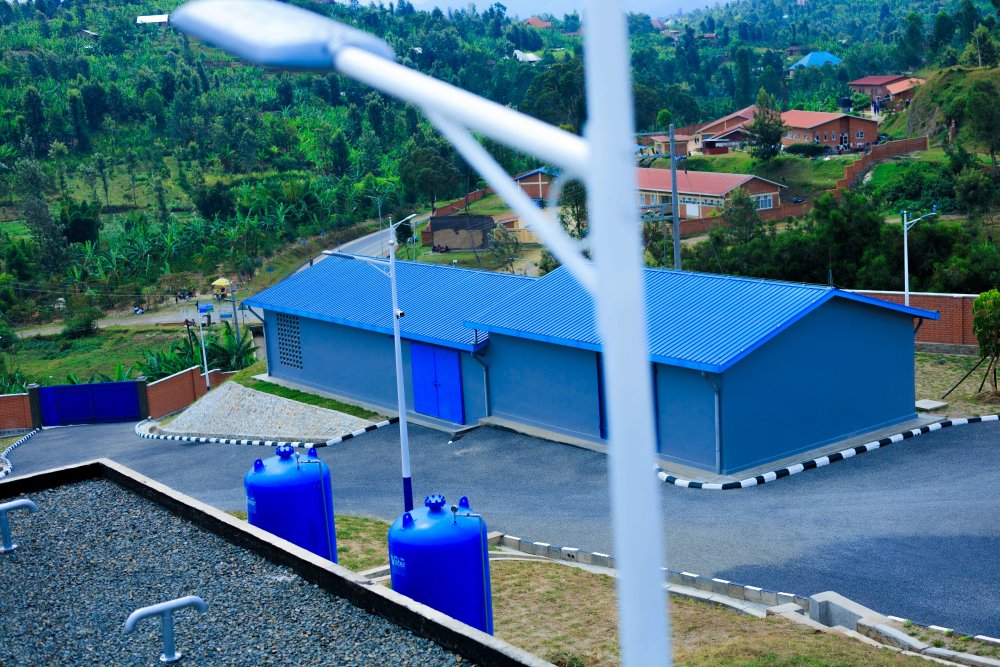
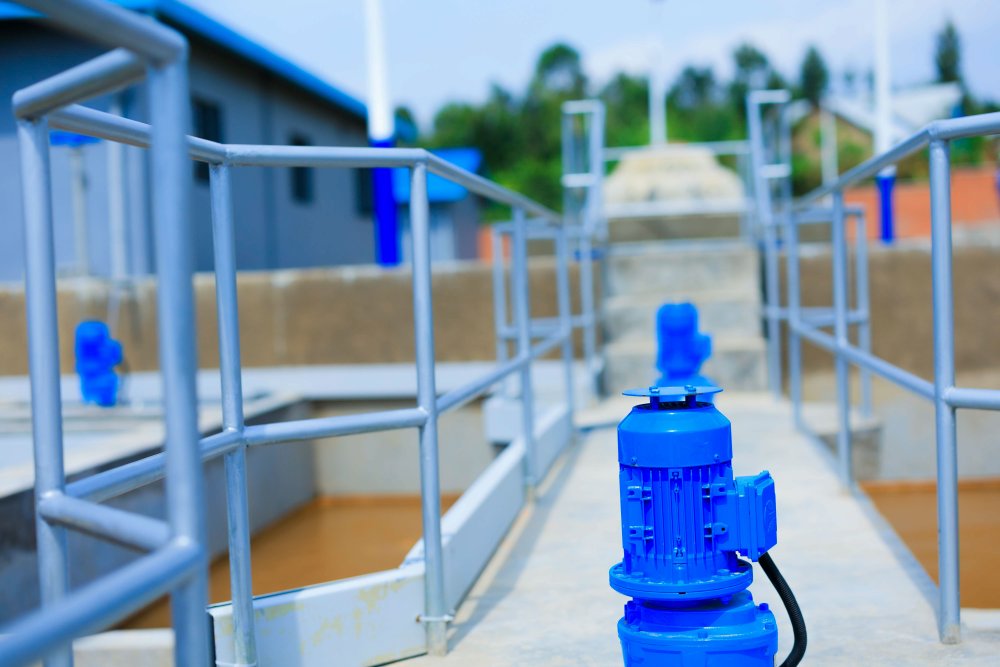
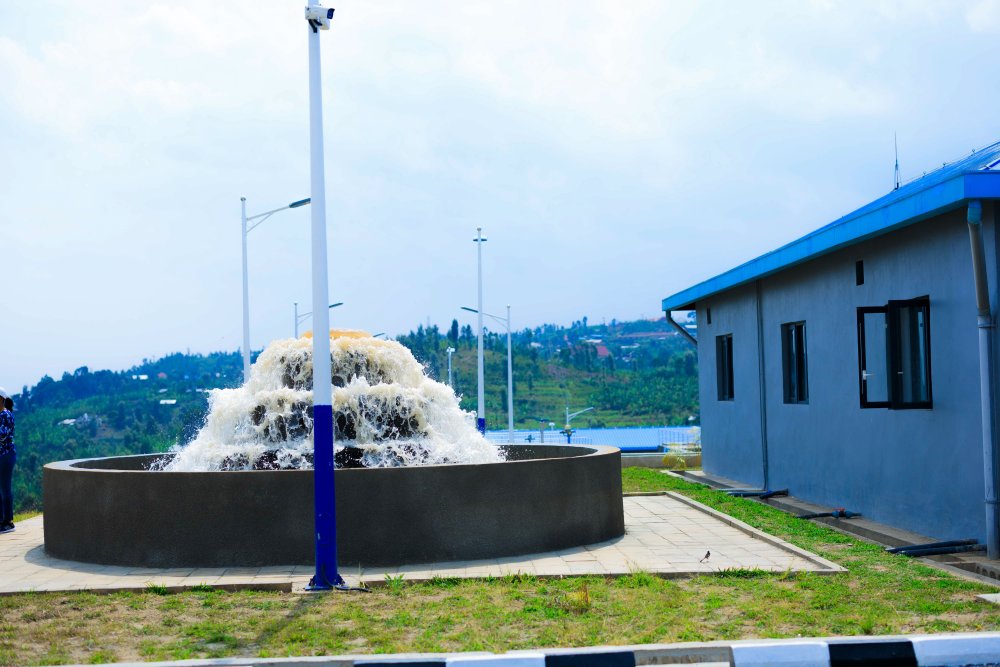
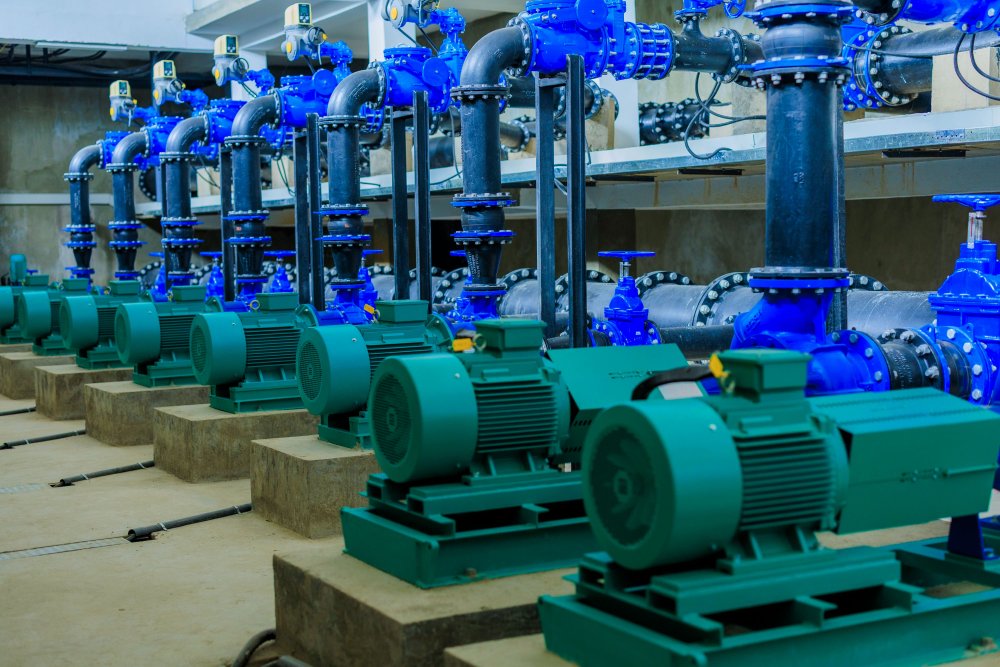
The ministry said the completion of the plant marks a significant step in expanding access to safe and reliable water supply in different parts of Rwanda.
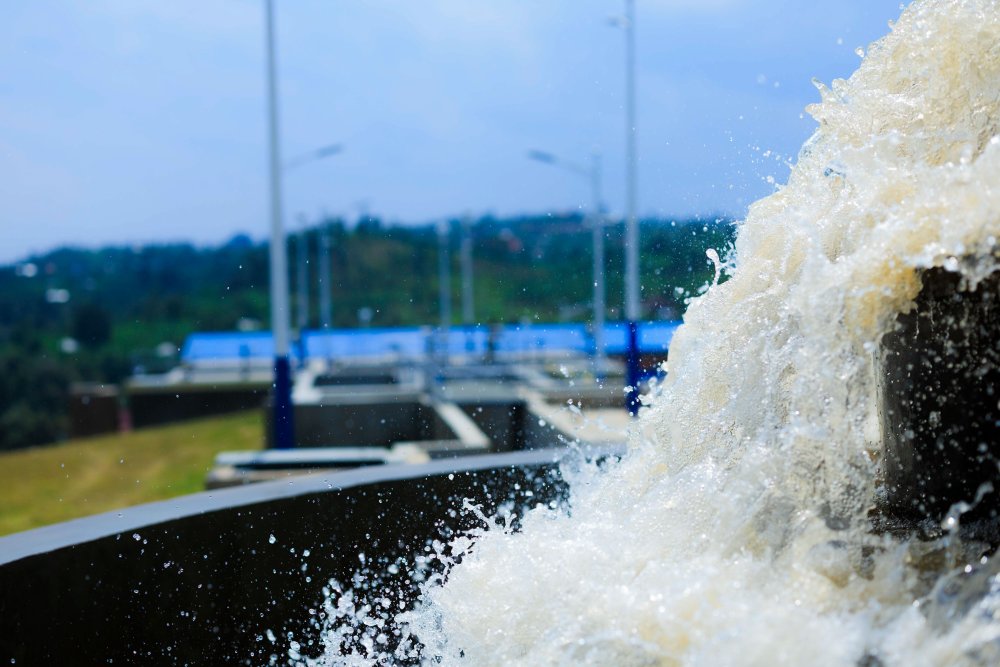
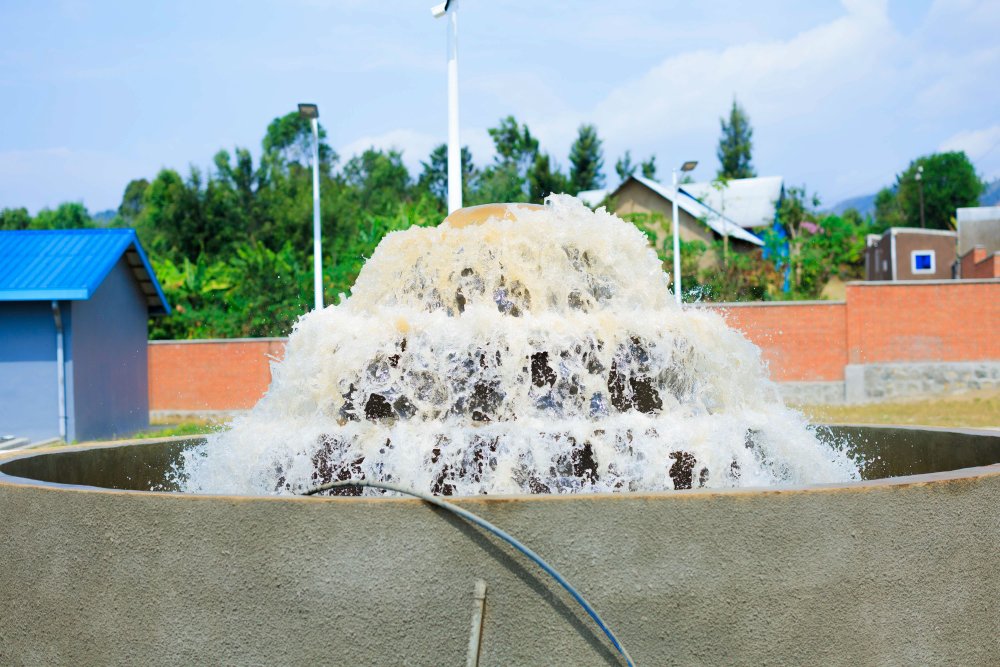
The facility has the capacity to treat 13,000 cubic metres of water, increasing the availability of clean water for communities and supporting efforts to improve public health and sanitation.
The completed works represent the first phase of the Kivu Belt Water Supply System project, which is expected to provide clean water to more than 130,000 people once fully implemented.
'Beyond improving household access to clean water, the project will also strengthen service delivery for health facilities, schools, hotels, businesses, and other public institutions, supporting improved public health and socio-economic development,' the ministry said.
The Rwandan government has continued to invest in expanding access to clean water and improving sanitation services, with the goal of ensuring that all citizens have sustainable access to safe water.
As part of efforts to address water supply challenges, the government has announced plans to increase clean water production capacity to 688,000 cubic metres per day by 2029.
WASAC, Rwanda's water and sanitation utility, indicates that approximately 1,234 cubic metres of water that could be treated daily by existing facilities is currently unavailable due to ageing infrastructure.
To address these challenges, authorities are implementing measures including the expansion and rehabilitation of water treatment facilities and distribution networks. These efforts aim to reduce water losses before reaching consumers from the current 35 percent to 25 percent by 2029.
Kivu Belt Water Plant to supply 13,000 cubic metres of water dailyWater from Kivu Belt Plant to improve healthcare servicesFirst phase of Kivu Belt Water Project completed, begins supplying residents in Rubengera and BwishyuraRwanda intensifies efforts to expand access to clean water
The ceremony was held on July 20, 2026, at the university's headquarters in Gicumbi District, where graduates were celebrated for successfully completing their academic journeys and preparing to join the labour market.
UTAB Vice Chancellor, Dr. Munana Gilbert, congratulated the graduates on their achievement and encouraged them to continue developing their skills and knowledge to create opportunities for themselves and contribute to society.
'Today marks the beginning of another journey. The degrees you are receiving are not the end of education, but rather a foundation that will enable you to continue learning, improving your skills, and serving Rwandan society and the world at large,' he said.
He explained that quality education goes beyond helping learners remember what they have been taught, but instead prepares them to think critically, ask important questions, and develop innovative solutions to existing challenges.
'True education does not create people who only repeat what they have learned. It creates individuals who think deeply, ask meaningful questions, and come up with new solutions,' he added.
Dr. Munana urged the graduates to uphold values of integrity, commitment, patriotism, and hard work, which he described as important qualities promoted among students at UTAB.
The university's legal representative, Bishop Papias Musengamana, said the 15th graduation ceremony reflects UTAB's continued growth and its contribution to strengthening Rwanda's education sector.
He noted that graduates leaving the university represent an important contribution to the country's development because the knowledge and skills they have gained will enable them to participate in solving challenges facing Rwanda and the world.
'This demonstrates UTAB's position as a trusted partner in preparing competent and responsible professionals who are capable of addressing challenges affecting our country and the world at large,' Bishop Musengamana said.
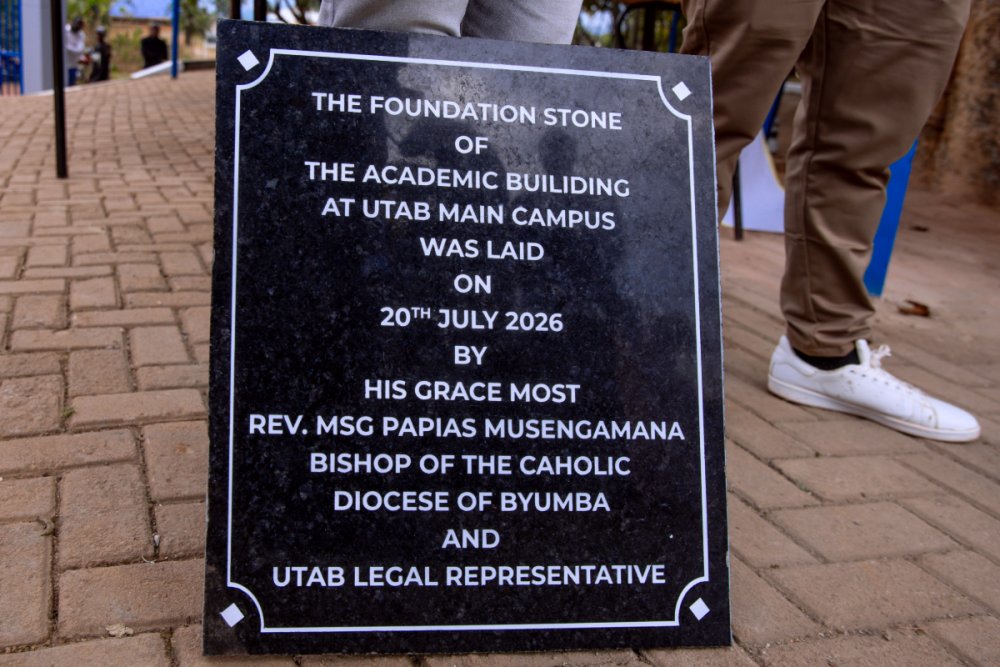
During the ceremony, UTAB also laid the foundation stone for the construction of a new university building that will support the improvement of education quality and research activities at the institution.
Bishop Musengamana said the five-storey building is expected to be completed within one year, adding that the university will work hard to ensure the project is delivered on time.
'We will do everything possible to ensure that this building is completed within the planned period and contributes to improving education as well as the development of Gicumbi City,' he said.
Among the graduates was Rogin Ifitebyose, who completed a Bachelor's degree in English and Kinyarwanda. He thanked UTAB for equipping students with knowledge and values that will continue guiding them throughout their professional lives.
'During our time at UTAB, we had the opportunity to study programmes that respond to today's needs, improve our language skills, gain knowledge in technology, participate in practical learning, conduct research, and acquire other skills that will help us compete at the labour market,' he said.
Meanwhile, Dr. Ndikubwimana Théoneste, Head of the General Higher Education Quality Standards Department at the Higher Education Council (HEC), called on UTAB and other higher learning institutions across Rwanda to strengthen the use of technology in teaching and learning.
He particularly encouraged universities to embrace emerging technologies, including artificial intelligence, to ensure students acquire skills relevant to the changing global environment.
'We encourage the leadership of this university and other institutions to increase the use of technology in teaching and learning. Artificial intelligence is developing rapidly, and students should not be left behind. Universities must invest more in these technologies,' he said.
The graduation ceremony highlighted UTAB's continued commitment to producing skilled graduates equipped with knowledge, values, and practical skills needed to contribute to Rwanda's transformation and global development.
UTAB holds 15th graduation ceremony, awards degrees to 1,474 graduatesUTAB Vice Chancellor, Dr. Munana Gilbert, commended the graduates for their dedication and encouraged them to continue acquiring knowledge and skills that will help them advance their personal development.Gicumbi District Mayor, Nzabonimpa Emmanuel, attended the event.UTAB graduates pledge to use the knowledge and skills they acquired to drive development.Dr. Joseph Nkurunziza, Principal of the College of Business and Economics at the University of Rwanda, was among those who attended the ceremony to award degrees to UTAB graduates.
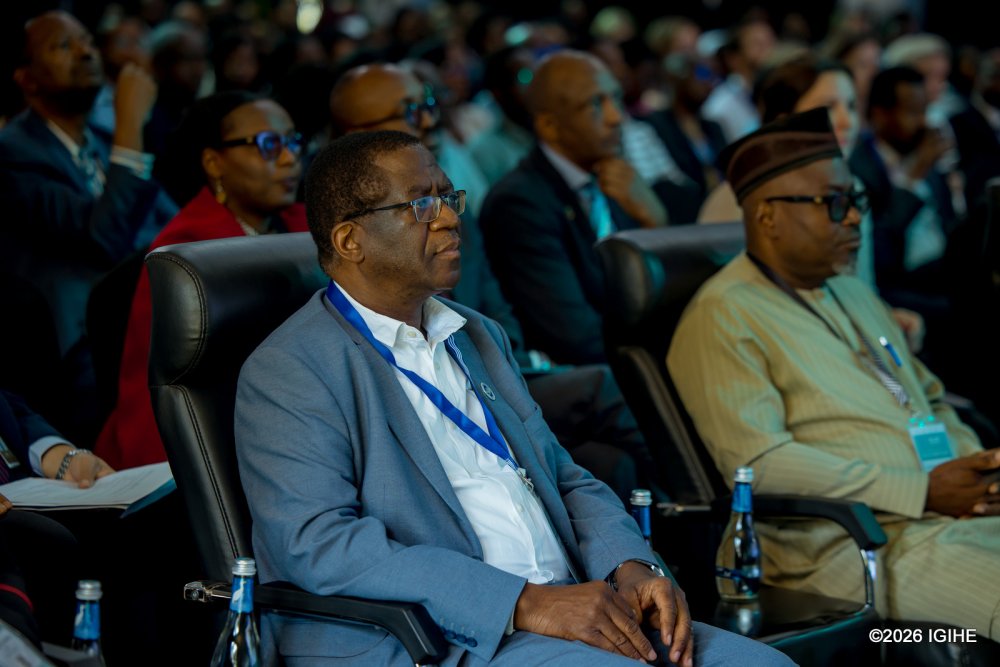
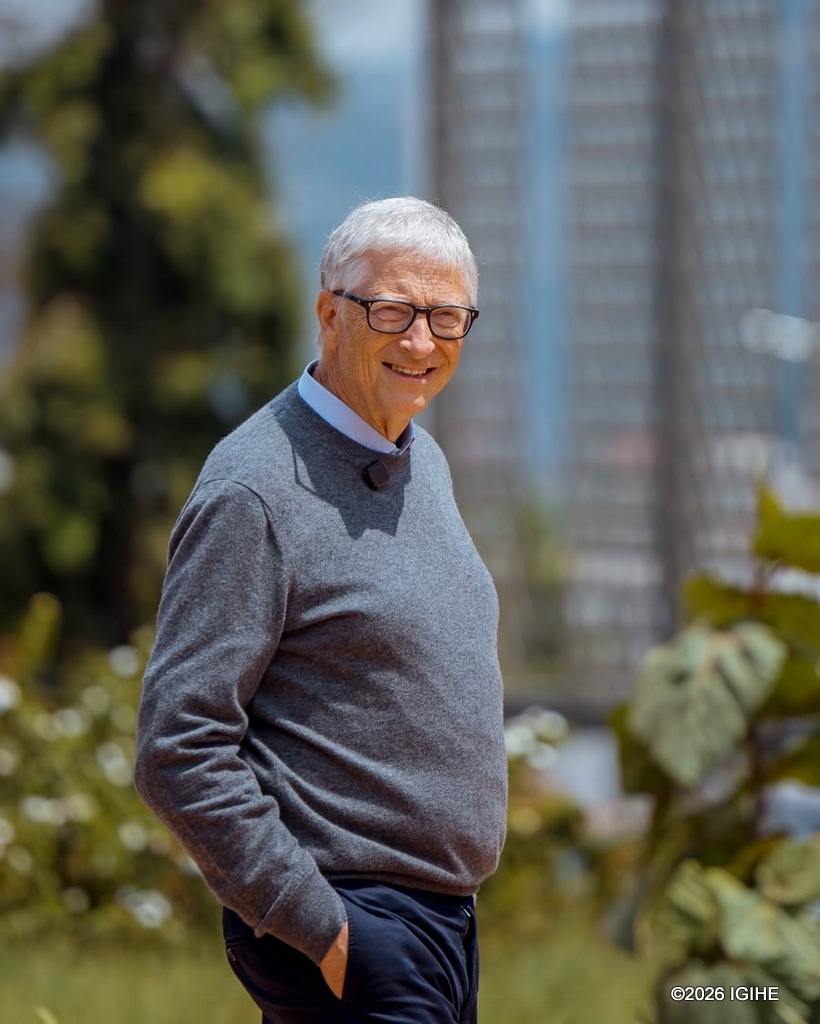
Microsoft co-founder and philanthropist Bill Gates has praised Rwanda's progress in improving healthcare outcomes, while warning that artificial intelligence (AI) must be made accessible to African health systems rather than becoming a tool that benefits only wealthy countries.
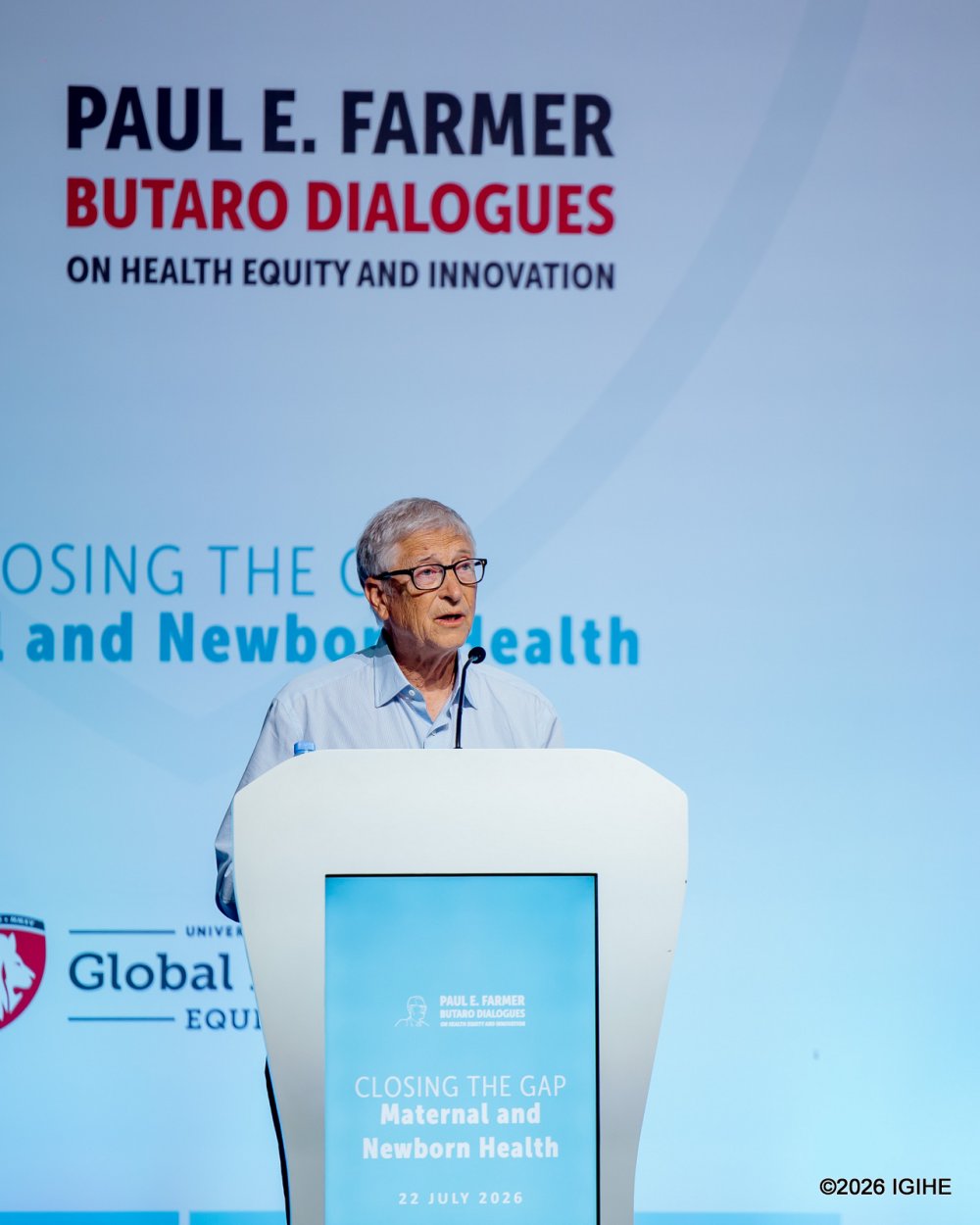
Gates made the remarks on Wednesday while delivering the inaugural lecture at the Paul E. Farmer Butaro Dialogues on Health Equity and Innovation, hosted by the University of Global Health Equity (UGHE) in Butaro, Northern Province.
The dialogue, named after the late physician and global health pioneer Paul Farmer, brought together global health leaders to discuss how medical innovations can reach communities that need them most.
Gates highlighted Rwanda's progress in building a strong healthcare system, using technology and community-based approaches to improve health outcomes, particularly in reducing child and maternal deaths.
'Rwanda as a whole has set a very good example. Its public health system, there's a lot that others could learn from,' he said.
'Since the turn of the century, child deaths have fallen by 80%. Maternal deaths are down over 80%, and those are really incredible numbers.'
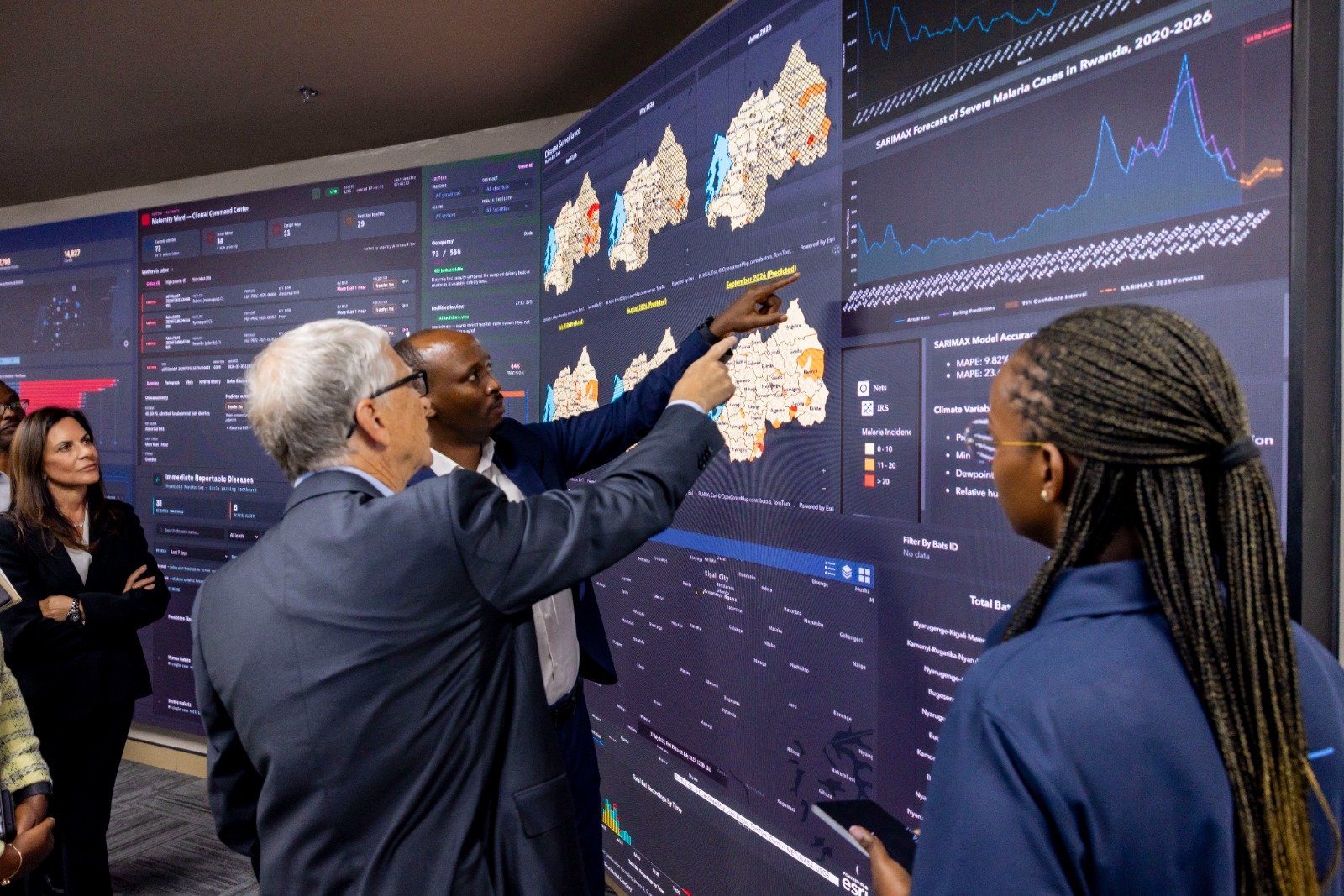
He also praised Rwanda's use of digital technology in healthcare, citing his visit to the National Health Intelligence Center (NHIC), where he observed how digital systems are being used to monitor and improve health services.
'Those digital systems will be the foundation for the next generation, which will be powered by artificial intelligence,' Gates noted, adding that Rwanda is 'at the forefront' of exploring how AI can benefit the health system.
However, Gates warned that global health progress is facing growing pressure, partly due to declining financial support from donor countries.
'Today we face greater challenges than ever. Progress in Africa as a whole is definitely in jeopardy. It's a tough time for global health,' he cautioned.
He pointed out that donor countries are reducing their aid budgets, leaving African leaders under pressure to achieve more with fewer resources.
'Around the world, donor countries are shrinking their aid budgets, and so the leaders here are being forced to do more with less,' Gates explained.
He noted that the consequences of those decisions were already becoming visible, highlighting that last year marked the first time since the turn of the century that global childhood deaths increased.
'Not here in Rwanda, but a lot of those additional deaths were in Africa,' he added.
Gates argued that the situation makes it even more important to ensure new technologies, particularly AI, are used to strengthen healthcare delivery in countries with limited resources.
He warned that AI could deepen existing inequalities if it follows the same path as many previous technologies, where benefits are concentrated in wealthier nations.
'If we let things take their normal course, AI, like all advanced tools, will be in the rich countries,' he stated.
'The profit motive, the amount customers can pay, the data centres, it will benefit a narrow part of the world. That would be a great injustice.'
He stressed that Africa should be among the first places to benefit from AI, given the continent's overstretched healthcare workforce.
'Right at the beginning, if anything, we should bring AI to those in need because the most overloaded healthcare workforce in the world, of course, is here in Africa,' Gates emphasized.
He explained that AI tools could help healthcare workers make better decisions, streamline services and identify where additional support is needed.
'The things that help them make decisions and streamline things and show them where we should do more, those will save many, many lives,' he added.
Gates noted that institutions such as UGHE would play an important role in ensuring AI solutions are adapted to local realities, including language needs and health challenges specific to African communities.
The remarks echoed the message of the dialogue, which UGHE Deputy Vice Chancellor Prof. Abebe Bekele described as an effort to bridge the gap between medical innovation and implementation.
Prof. Bekele observed that advances in artificial intelligence, digital health, genomics, diagnostics and clinical care were expanding the boundaries of medicine, but millions of people were still unable to benefit from these breakthroughs.
'The challenge before us is not one of discovery alone. It's one of translation,' he noted.
He stressed that innovations only save lives when they are successfully implemented through policies, education, research and healthcare systems that ensure they reach every woman and child regardless of where they live.
Prof. Bekele explained that the Butaro Dialogues, organised by UGHE and the Consortium of Medical Schools in Africa (COMSA), aim to identify critical maternal and neonatal health innovations and support their adoption across African health systems.
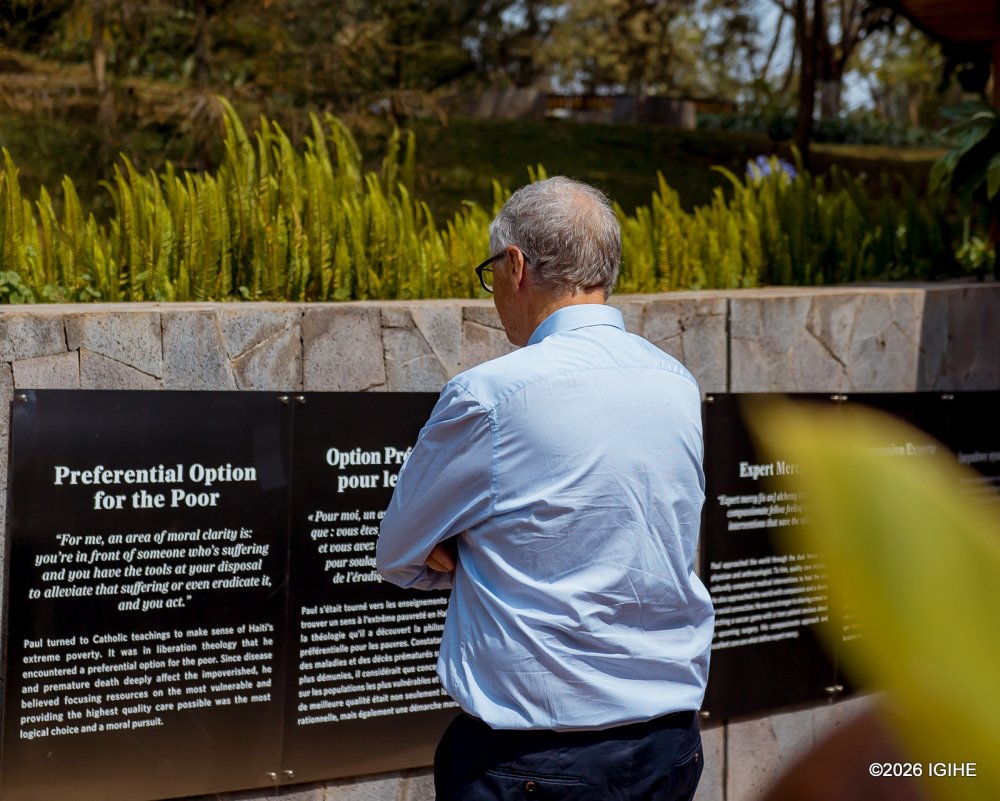
Gates also reflected on the legacy of Paul Farmer, who helped establish UGHE and dedicated his career to expanding access to quality healthcare for underserved communities.
He described Farmer's greatest lesson as the belief that medical breakthroughs only matter when they reach the people who need them most.
'For him, he saw everyone as worthy of having great health,' Gates said. 'What mattered to him were the lives he saved.'
The inaugural Paul E. Farmer Butaro Dialogues brought together government officials, health experts, academics and students to explore how innovation, technology and stronger health systems can advance health equity across Africa.
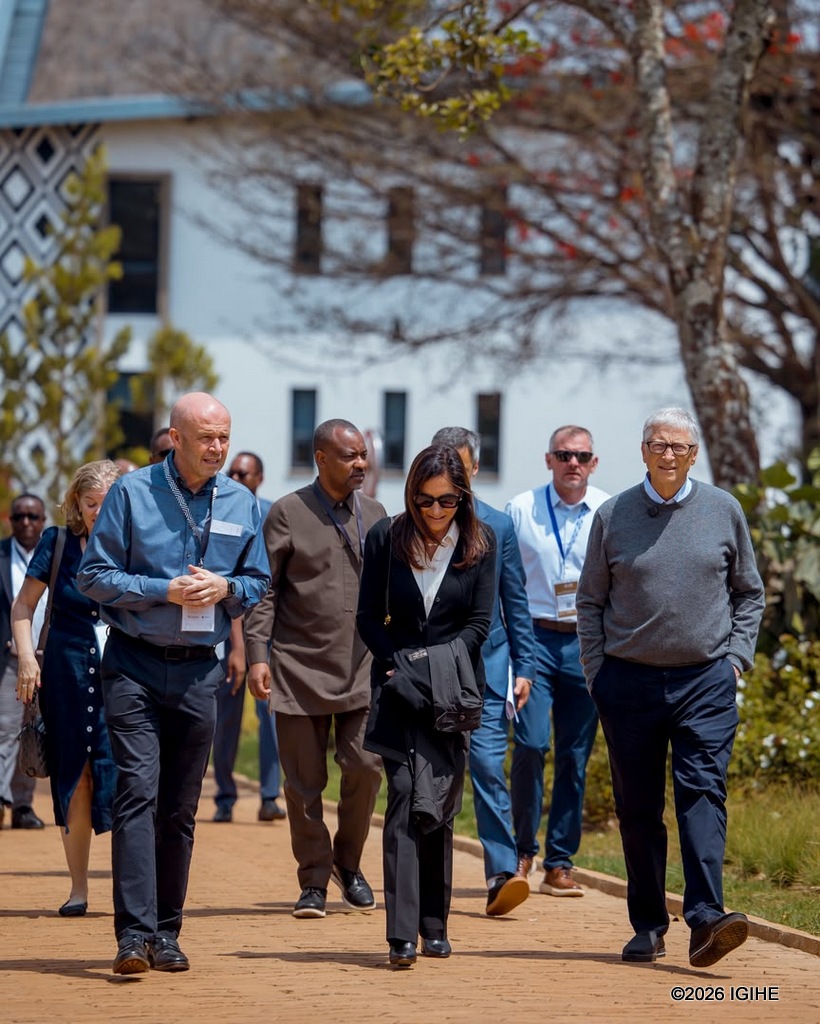
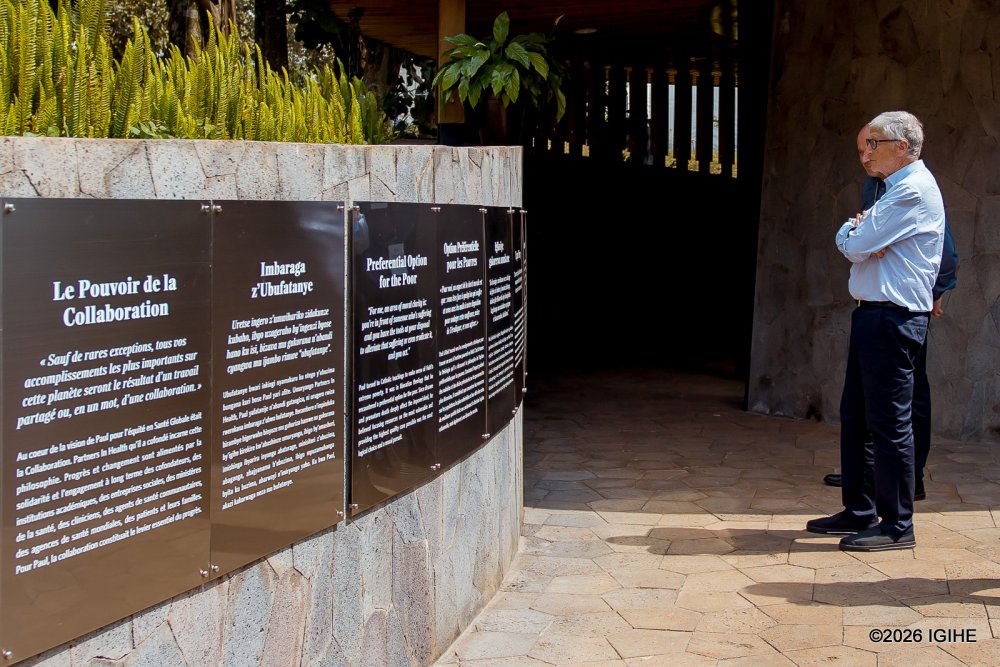
Gates started his engagements in Rwanda on Monday, July 20, as part of a visit focused on learning more about the country's progress in health, agriculture, and digital public infrastructure.
Since arriving in Rwanda, Gates has toured the TKMD syringe manufacturing plant in Rwamagana District, visited Mwulire Health Centre, and met community health workers to gain deeper insight into Rwanda's primary healthcare system.
The Gates Foundation has worked with Rwanda for more than two decades, supporting programmes in healthcare, agriculture, nutrition, and innovation. Earlier this year, Rwanda became the first beneficiary of the Horizon1000 initiative, a $50 million artificial intelligence programme launched by the Gates Foundation in partnership with OpenAI to help African countries use AI to strengthen healthcare delivery.
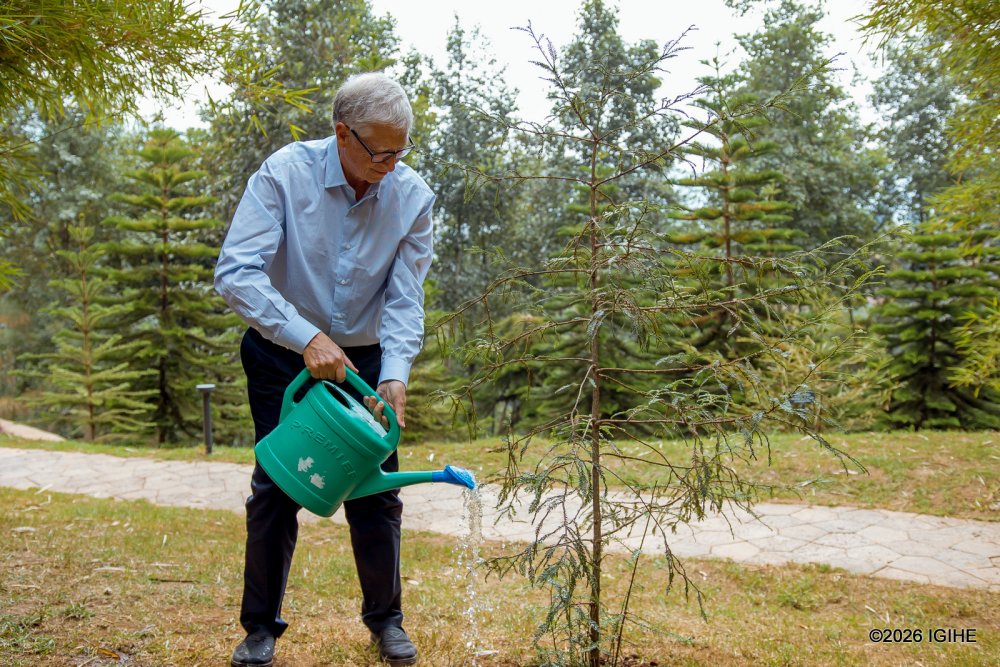
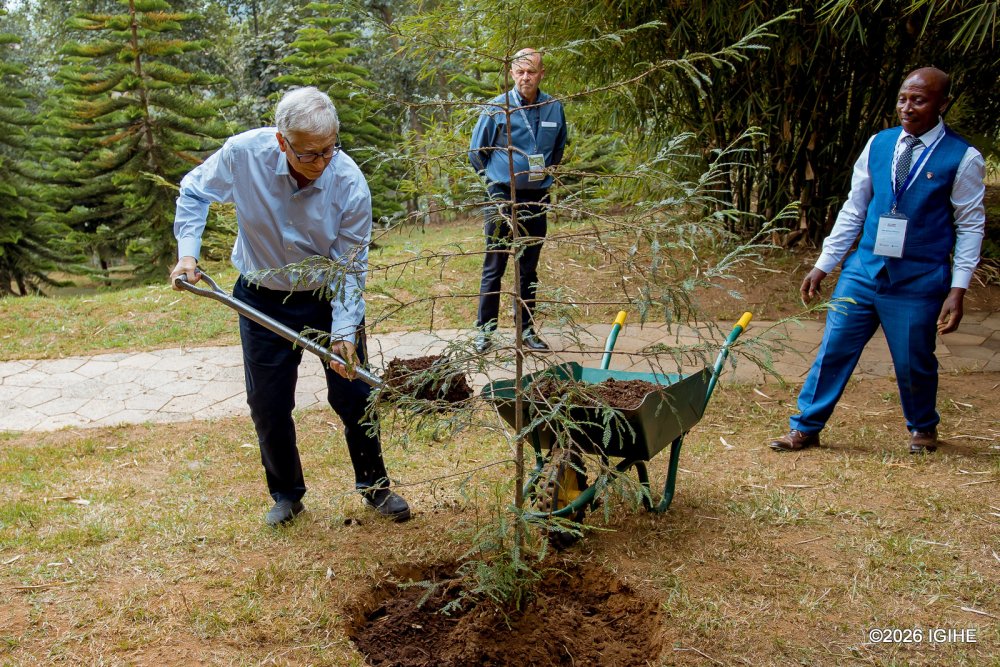
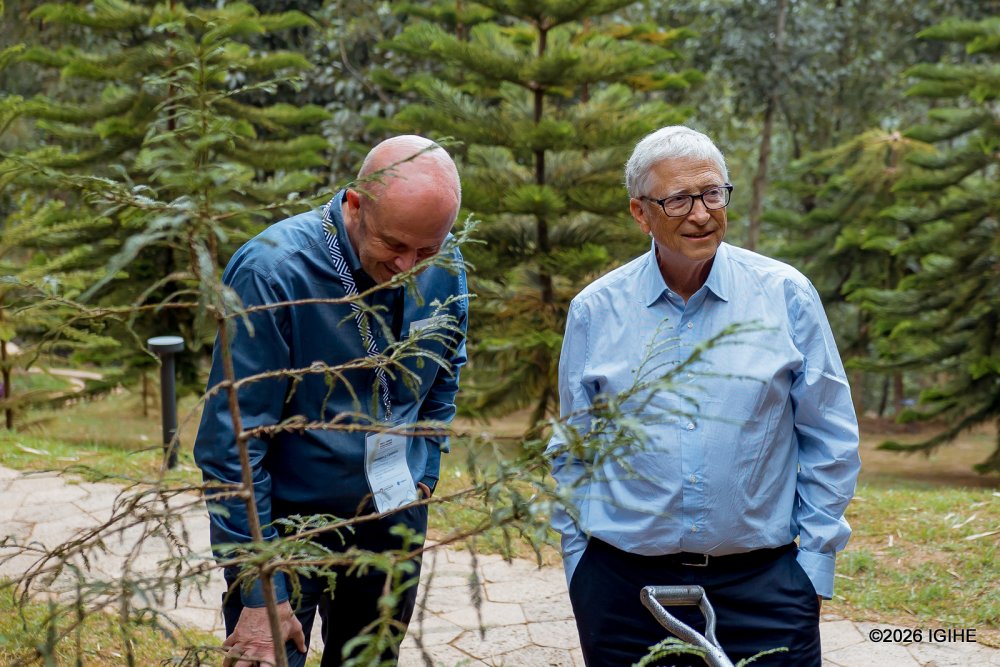
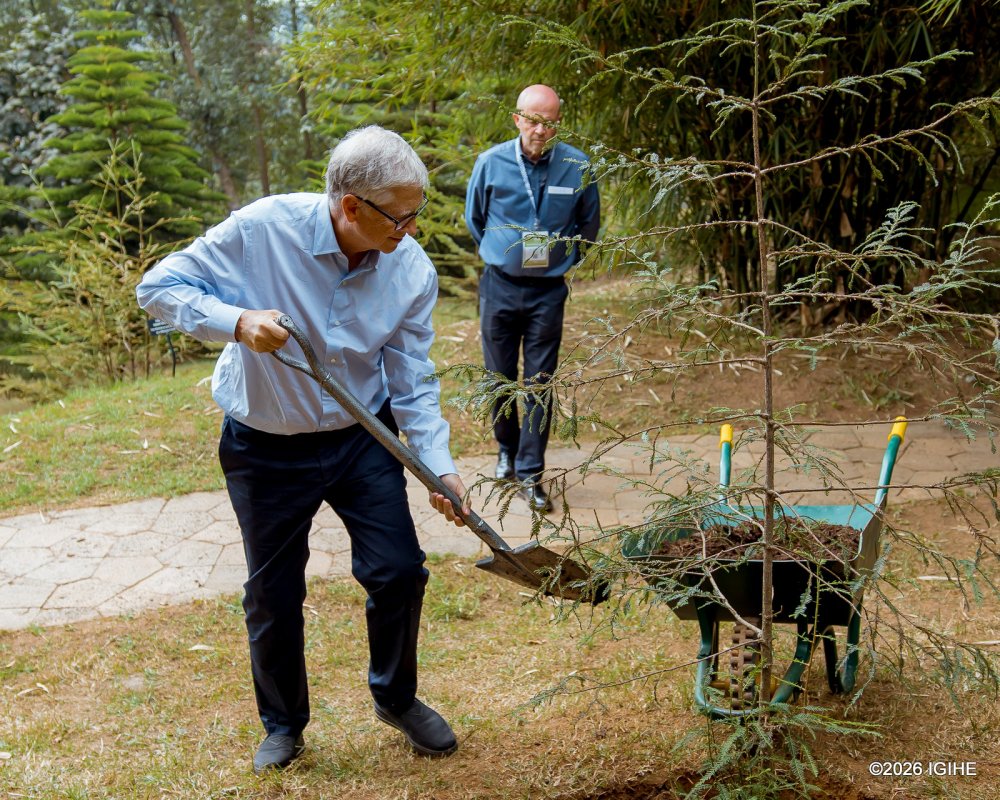
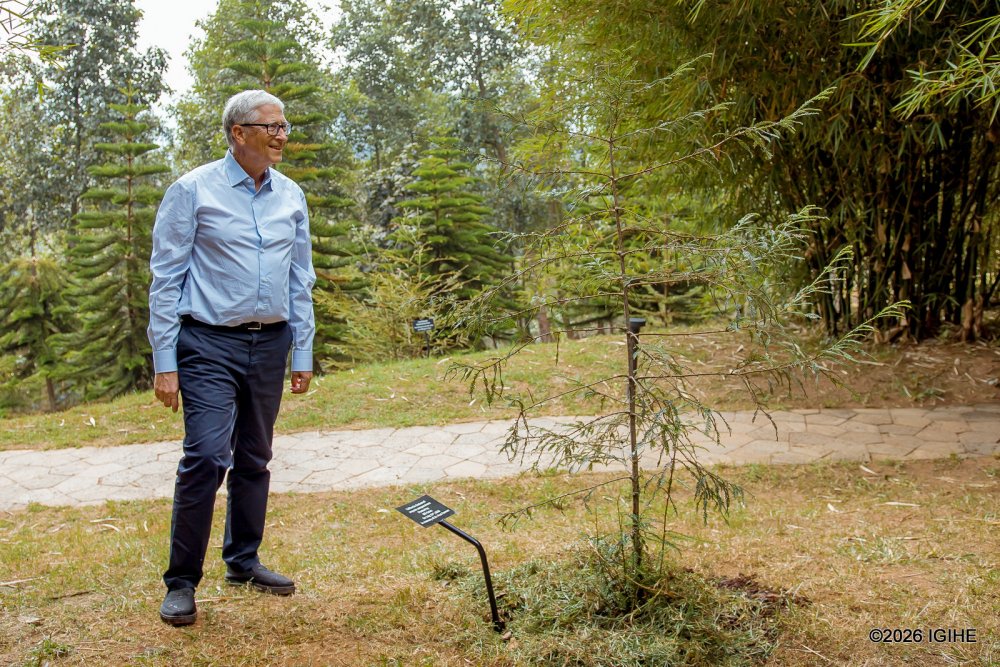
Bill Gates made the remarks on Wednesday while delivering the inaugural lecture at the Paul E. Farmer Butaro Dialogues on Health Equity and Innovation, hosted by the University of Global Health Equity (UGHE) in Butaro, Northern Province.The inaugural Paul E. Farmer Butaro Dialogues brought together government officials, health experts, academics and students to explore how innovation, technology and stronger health systems can advance health equity across Africa.Bill Gates pays tribute to Paul Farmer, who died in 2022 Bill Gates waters tree he planted during previous visit.
The Egmont Group is a global network of Financial Intelligence Units (FIUs) dedicated to strengthening international cooperation in combating money laundering, terrorist financing and other financial crimes. Through secure communication channels and trusted frameworks for FIU-to-FIU collaboration, the Group enables the timely exchange of actionable financial intelligence across jurisdictions.
Rwanda's admission marks the culmination of more than three years of rigorous assessment, institutional reforms and sustained national commitment to strengthening its Anti-Money Laundering, Countering the Financing of Terrorism and Countering Proliferation Financing (AML/CFT/CPF) regime.
More than a national achievement, Egmont membership signifies Rwanda's commitment to collective international action against increasingly complex and transnational financial crimes. It reinforces the country's growing reputation as a credible and trusted partner in promoting financial integrity, transparency and global security.
Why Egmont membership matters
Membership positions FIC-Rwanda within a global network of FIUs, enabling secure, real-time exchange of financial intelligence and strengthening international cooperation in investigating and disrupting money laundering, terrorist financing, tax crimes, drug trafficking, human trafficking, illegal mining and other illicit financial activities.
The membership also provides access to specialised training, technical assistance, peer learning and international best practices, further enhancing institutional capacity to detect, investigate and respond to financial crimes.
Beyond the Financial Intelligence Centre, Egmont membership strengthens Rwanda's international standing by reinforcing confidence among investors, development partners and the global financial community, while supporting the country's efforts to maintain a resilient, transparent and secure financial system.
A stronger Rwanda, a stronger global financial system
As financial crime becomes increasingly sophisticated and borderless, Rwanda's admission into the Egmont Group demonstrates the country's readiness to work alongside the international community in safeguarding the integrity of the global financial system. Through enhanced cooperation, intelligence sharing and adherence to international standards, Rwanda is well positioned to contribute meaningfully to the global fight against illicit financial flows while advancing sustainable economic development and financial security.
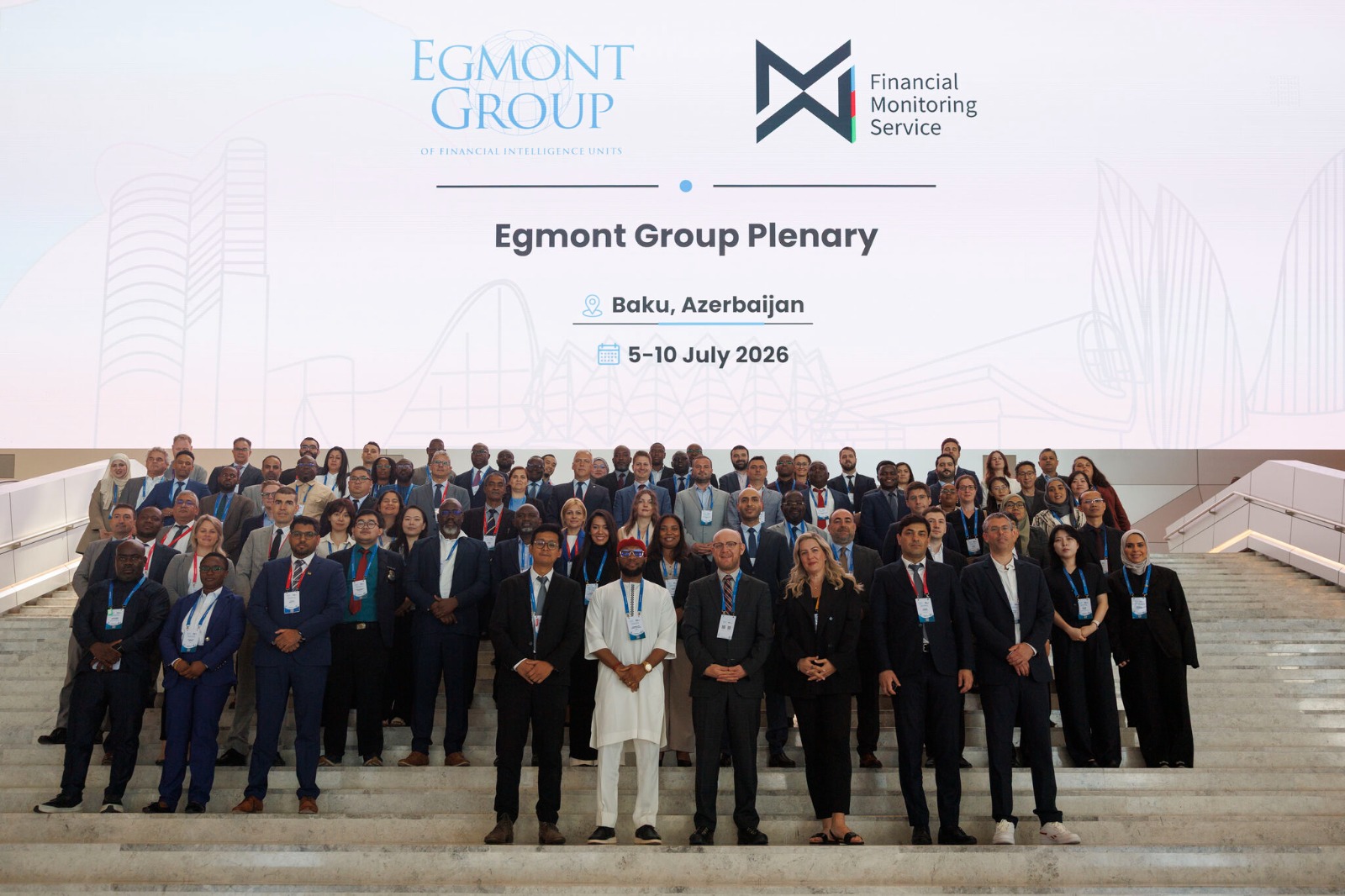
FIC was admitted to the global network on July 8, 2026, during the 32nd Egmont Group Plenary held in Baku, Azerbaijan, from July 5 to 10, marking a major milestone in Rwanda's efforts to strengthen the integrity of its financial system.
The study, led by researchers from City St George's, University of London, suggests that doctors may improve treatment outcomes by switching between different therapies while tumors are still responding, rather than waiting until the disease returns.
The findings, published in the journal Genetics, are based on mathematical models that examine how cancer cells evolve during treatment. Researchers say cancer behaves similarly to other evolving systems, where cells that develop survival advantages can eventually dominate when exposed to pressure from medicines.
Dr. Robert Noble, a researcher from the Department of Mathematics at City St George's, explained that cancer often returns because some cells survive the first round of treatment and develop resistance.
'Although tumors may at first shrink under therapy, in many cases they eventually regrow. These relapses stem from a small number of cancer cells that have gained mutations making the cells resistant to the treatment,' he said.
The researchers compared the current approach, where doctors usually continue treatment until the cancer stops responding, with a new strategy that involves switching treatments while the tumor is weakened.
They described the approach as 'kicking it while it's down,' meaning doctors could attack cancer at a stage when it is already vulnerable before resistant cells become strong enough to cause another relapse.
Using computer simulations, the team found that planned changes between different treatments could be more effective than waiting for resistance to appear. The models showed that a combination of three or more therapies used in a carefully timed sequence could have greater potential, especially when treating larger tumors.
'Our models predict that this new approach will generally outperform the standard of care. A sequence of two treatments, even if optimally timed, is likely to succeed only in relatively small tumors. But we have reason to hope that switching between three or more treatments, following the same principle, could eliminate larger tumors,' Dr. Noble said.
The researchers explained that the strategy is based on evolutionary principles, which have already been used in other areas such as managing antibiotic resistance and improving predictions of seasonal influenza strains.
However, scientists cautioned that the findings are still at an early stage. The study was based on mathematical modelling and computer simulations, meaning the approach must undergo further laboratory studies and clinical trials before it can become part of routine cancer treatment.
Several early-stage clinical trials are already investigating similar ideas in cancers including soft tissue cancer, prostate cancer, and breast cancer. Researchers hope that continued studies could lead to treatments that stay ahead of cancer's ability to evolve.
If successful, the approach could help doctors extend the effectiveness of existing cancer medicines, delay disease relapse, and improve outcomes for patients without relying only on the development of new drugs.
Scientists propose new strategy to prevent cancer from becoming drug-resistant
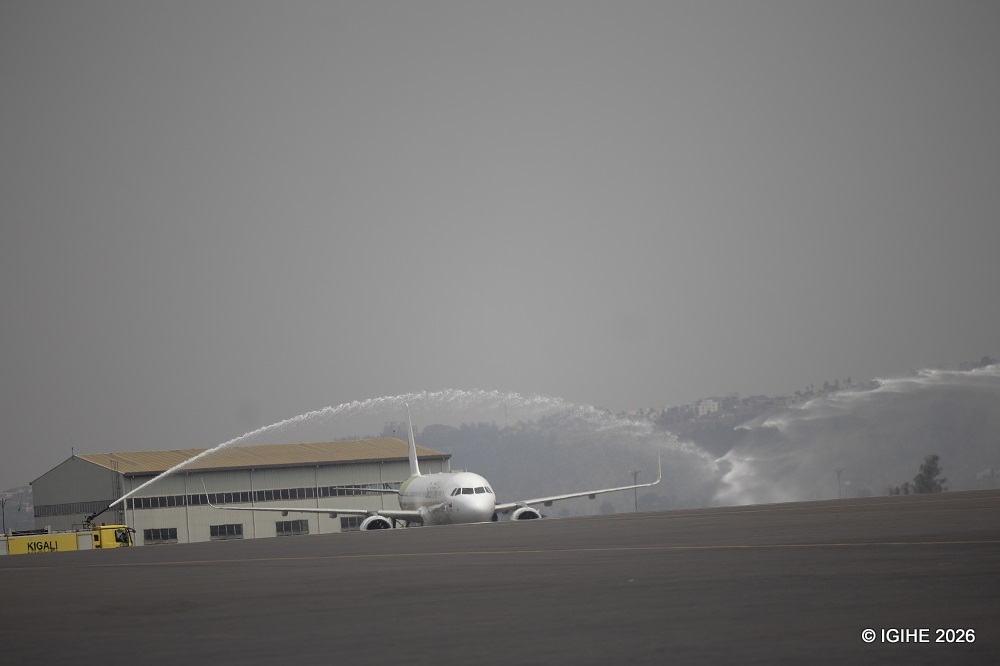
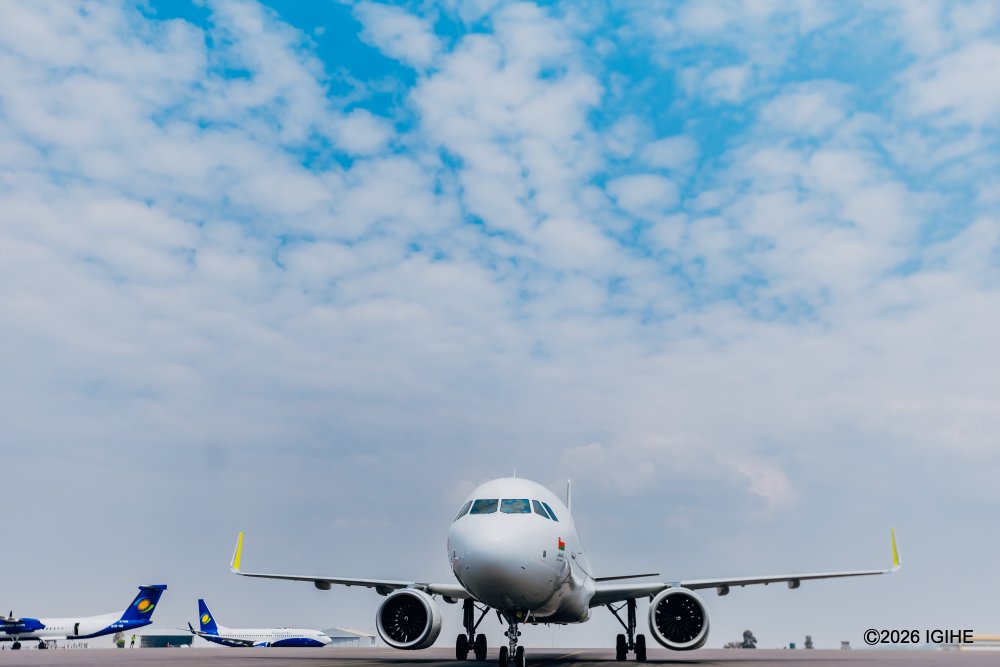
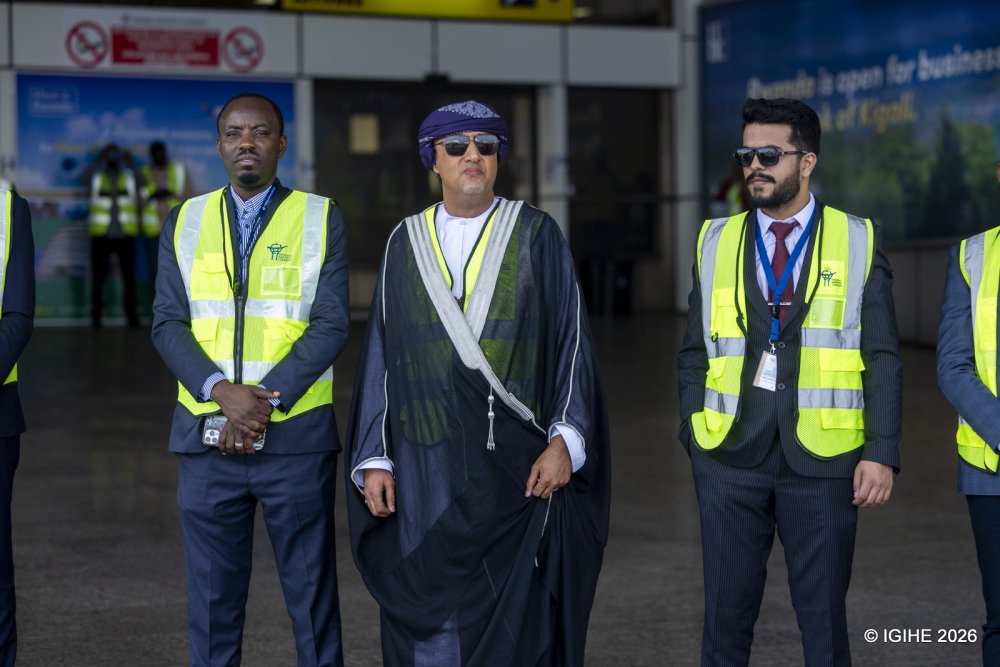
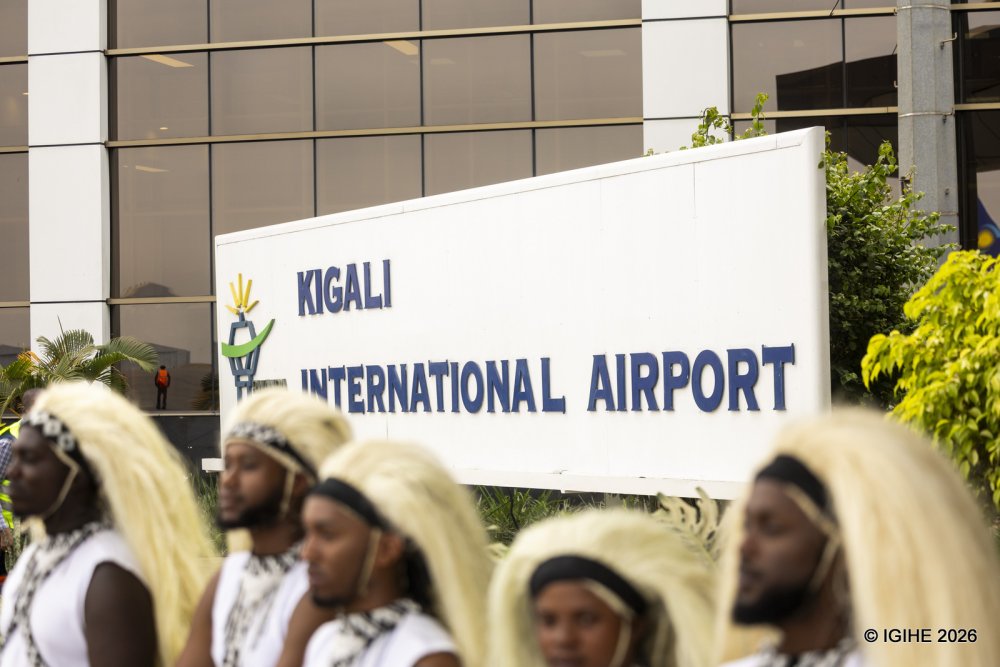
The airline's inaugural flight landed at Kigali International Airport on Tuesday, July 21, following a launch ceremony at Muscat International Airport attended by senior officials from SalamAir, Oman Airports, the Civil Aviation Authority of Oman, the Embassy of Rwanda in Oman, and aviation and tourism stakeholders.
SalamAir will operate two weekly flights between Muscat and Kigali, every Monday and Thursday, offering passengers an affordable direct connection and onward access to destinations across the Middle East, Asia, Africa and Europe.
In a statement, the airline described Kigali as one of East Africa's fastest-growing destinations, noting its thriving tourism industry, expanding business environment and strategic location as a regional gateway.
'The new direct service strengthens connectivity between Oman and Rwanda while creating new opportunities for tourism, trade, investment, and cultural exchange,' SalamAir said.
Rwanda's Ambassador to Oman, CG Dan Munyuza, said the new route marks an important milestone in strengthening relations between the two countries.
'This new route will support the growing movement of travellers, businesses, and goods between our two countries, while creating further opportunities for tourism, trade, and investment,' he said.
Munyuza also noted that should RwandAir decide to launch flights to Oman in the future, it would receive the necessary support to begin operations.
SalamAir Chief Executive Officer Adrian Hamilton-Manns said the Kigali route forms part of the airline's strategy to expand into high-potential markets.
'Rwanda is a dynamic destination with significant opportunities, and we are proud to establish this direct link, which will further strengthen the relationship between our two countries while supporting Oman's tourism ambitions and the objectives of Oman Vision 2040,' he said.
Rwanda's Minister of State for Infrastructure, Col. Claudien Bizimungu, said the new service is expected to increase visitor arrivals from the Middle East, facilitate business travel and reduce travel costs for Rwandans, particularly traders and other travellers who previously relied on multiple connecting flights.
The Muscat-Kigali route is expected to further strengthen the growing partnership between Rwanda and Oman while expanding Rwanda's international air connectivity.
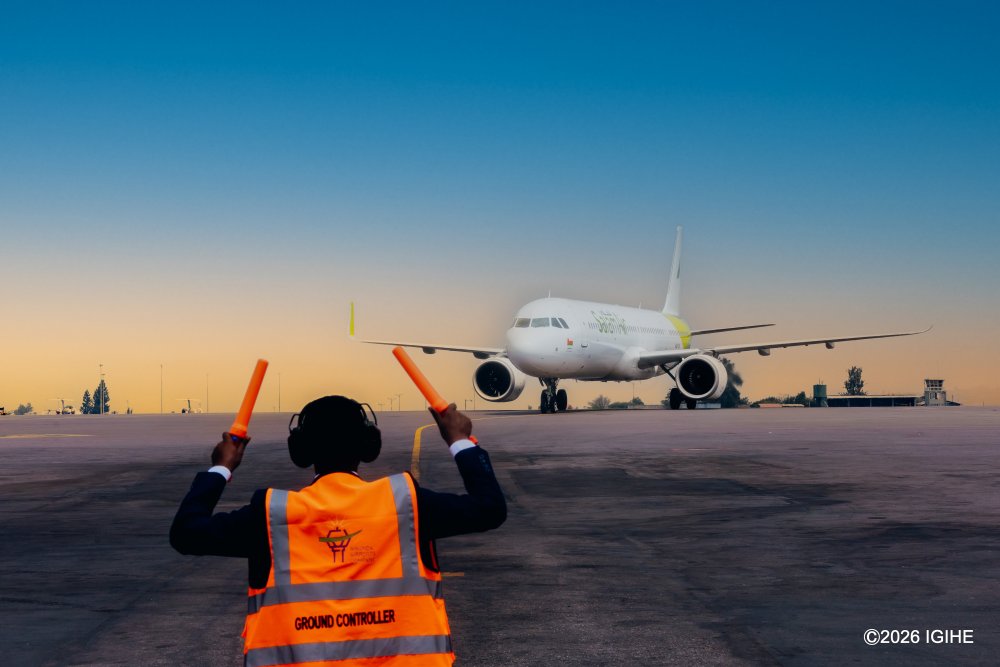
The airline's inaugural flight landed at Kigali International Airport on Tuesday, July 21.The flight received a symbolic water salute.SalamAir will operate two weekly flights between Muscat and Kigali, every Monday and Thursday.
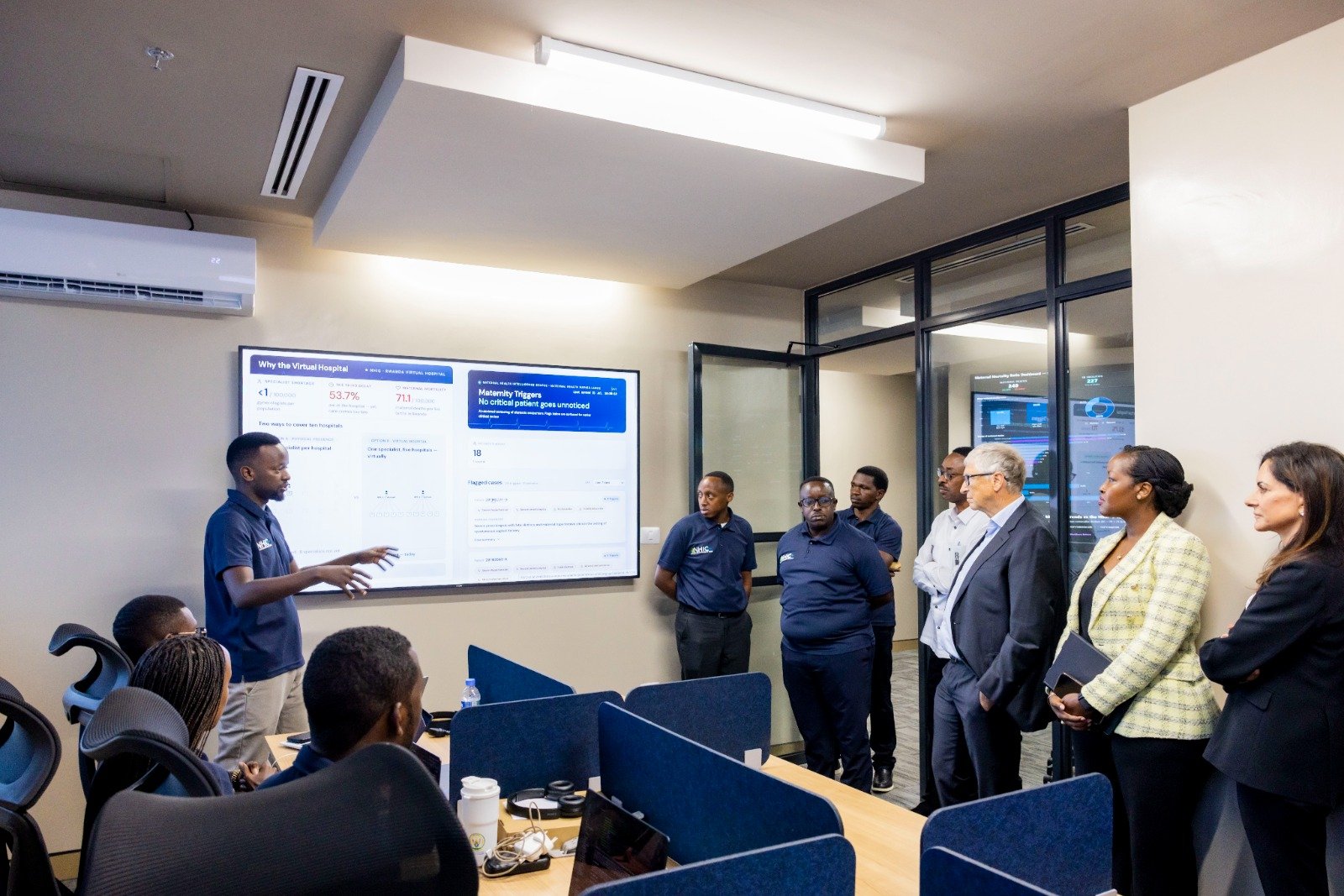
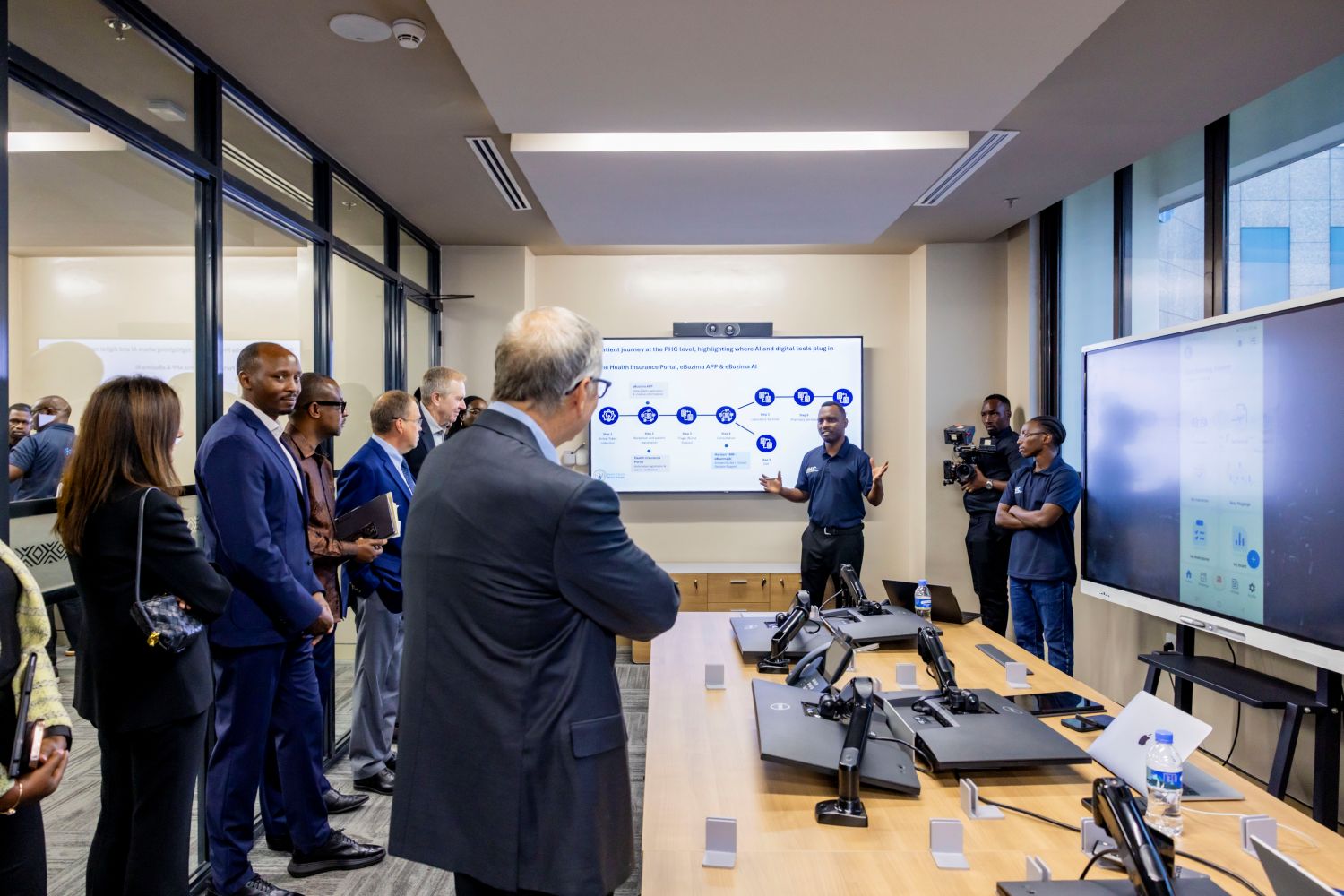
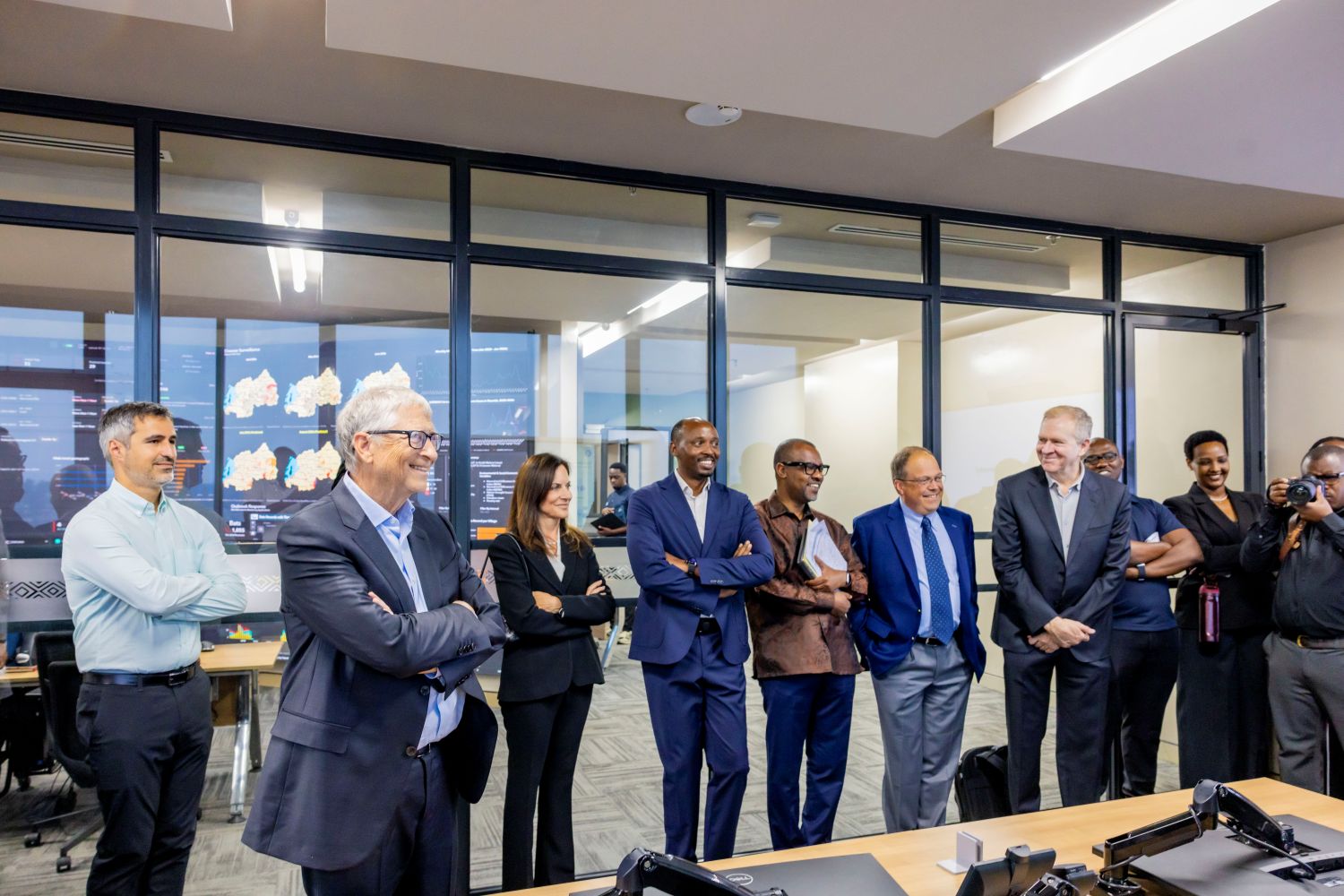
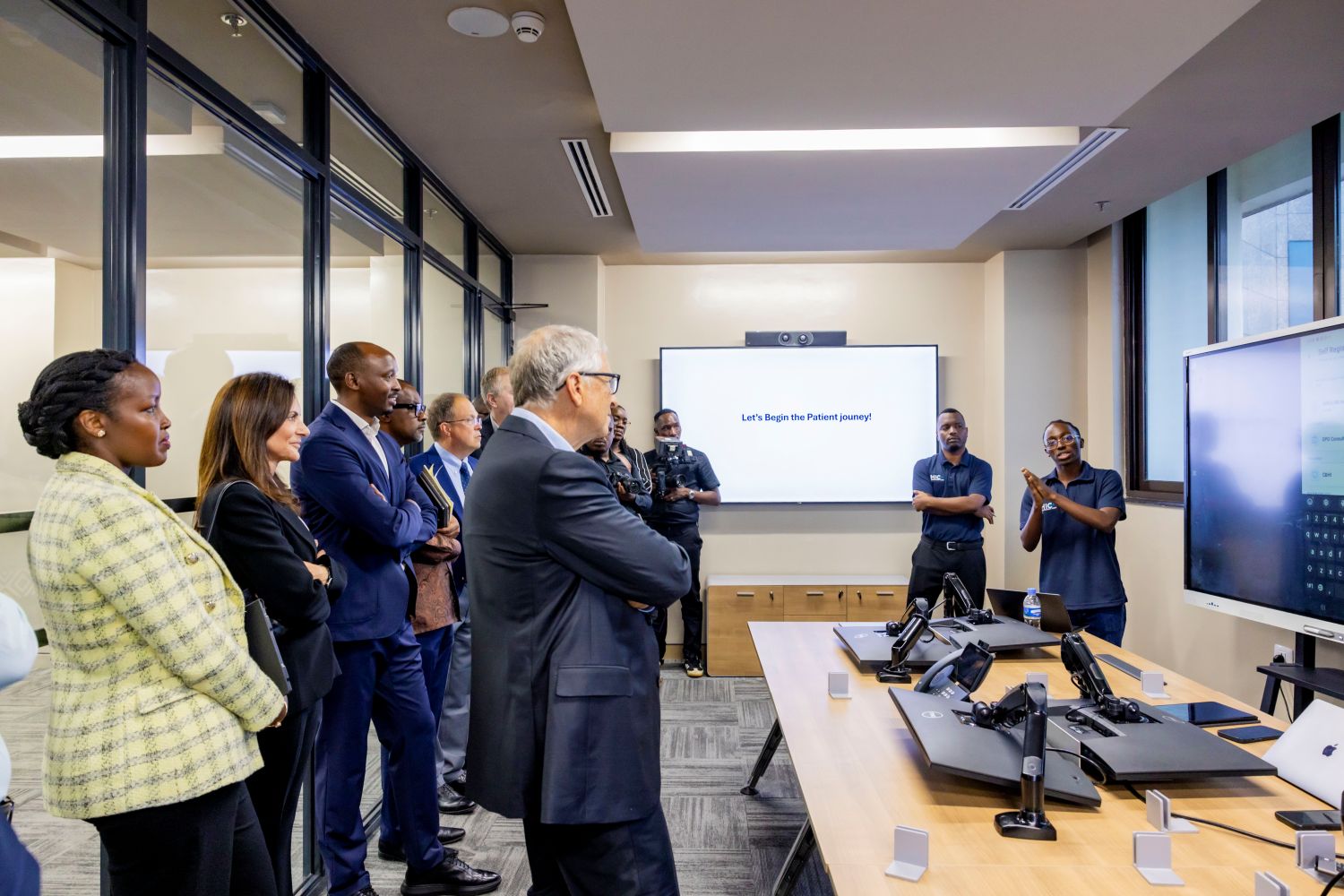
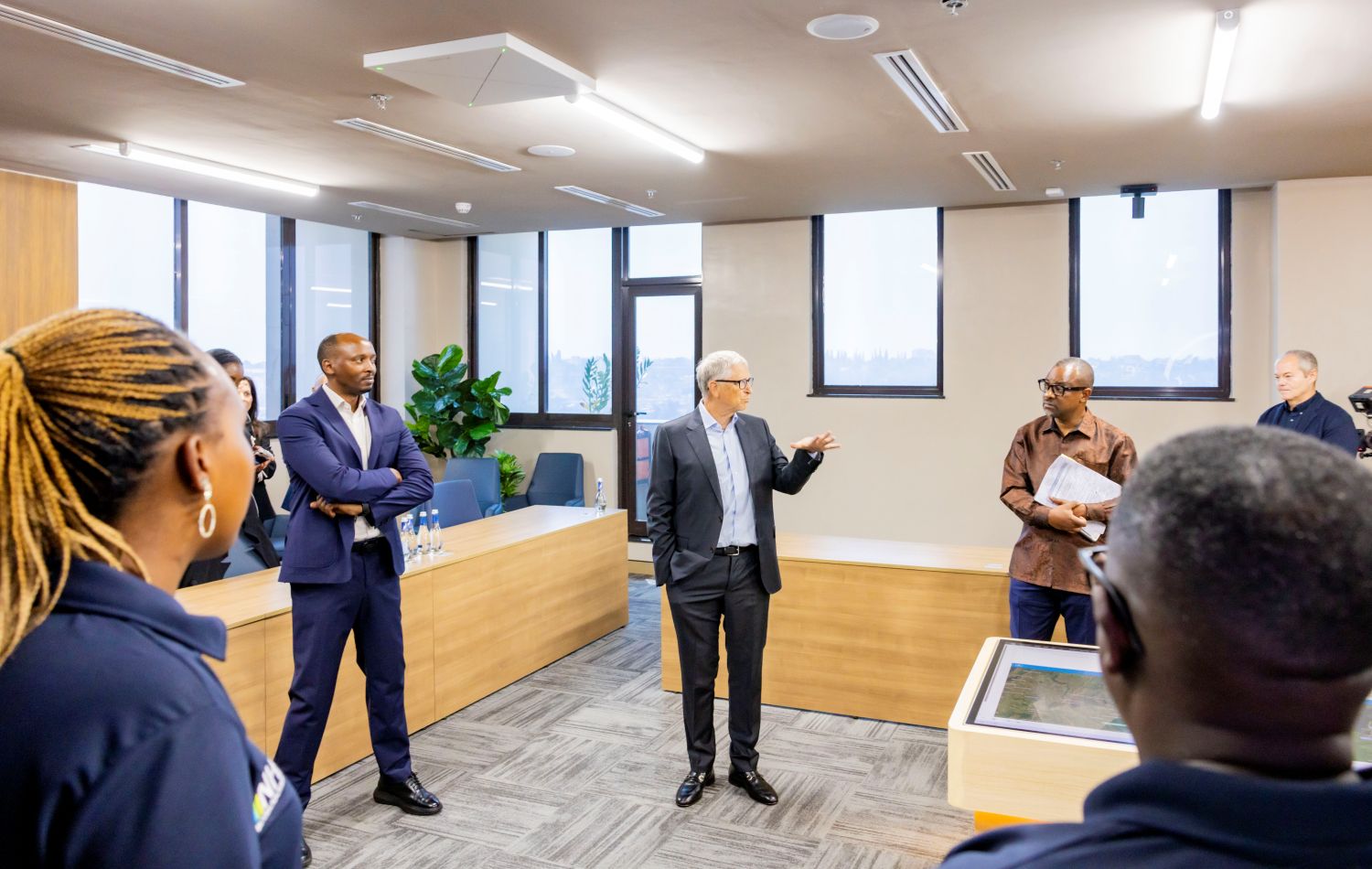
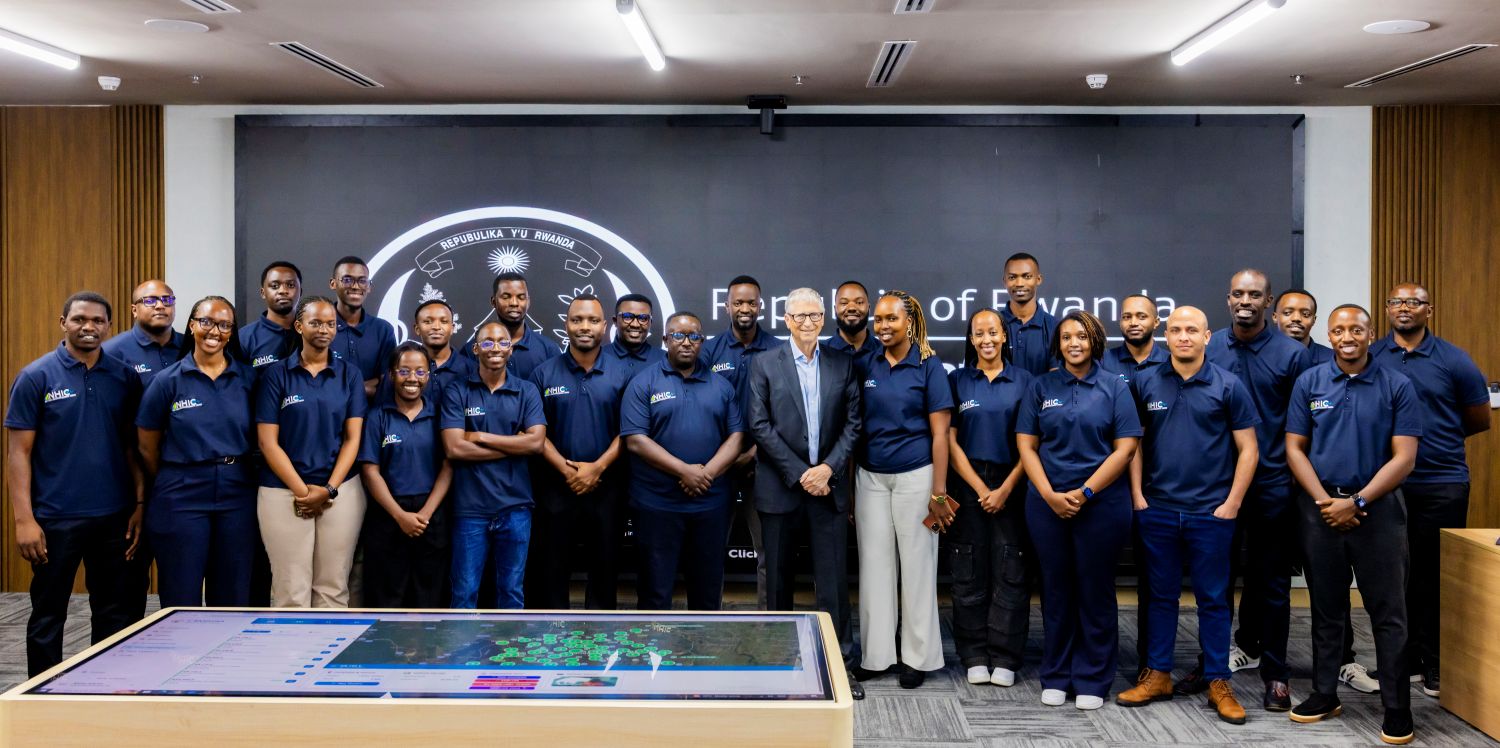
Gates was received at the facility by the Minister of Health, Dr. Sabin Nsanzimana, and the Minister of ICT and Innovation, Paula Ingabire, alongside other senior government officials.
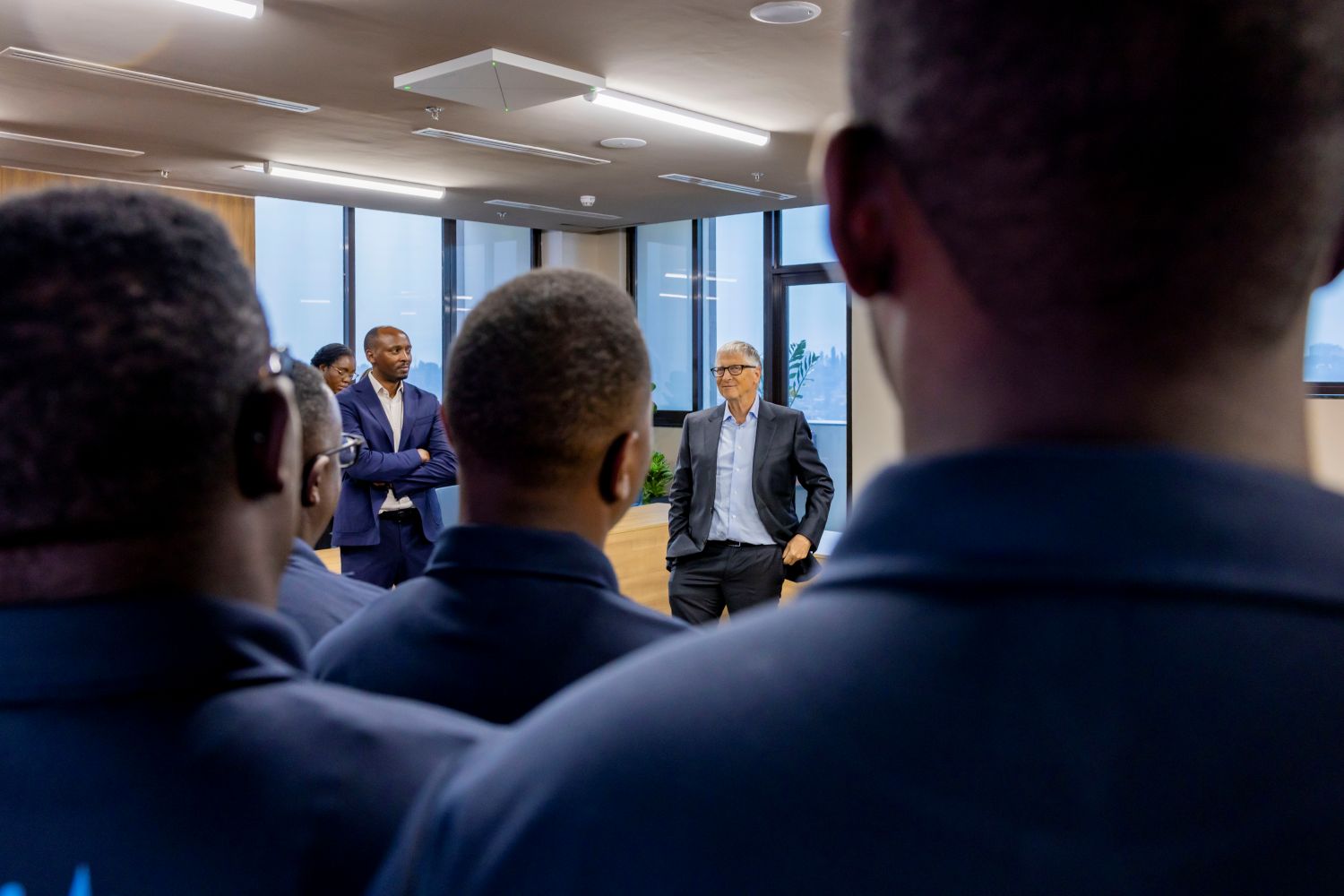
The visit formed part of Gates' trip to Rwanda, during which he has been engaging with government leaders, health workers, innovators, and researchers to better understand the country's development model and explore how technology can further improve people's lives.
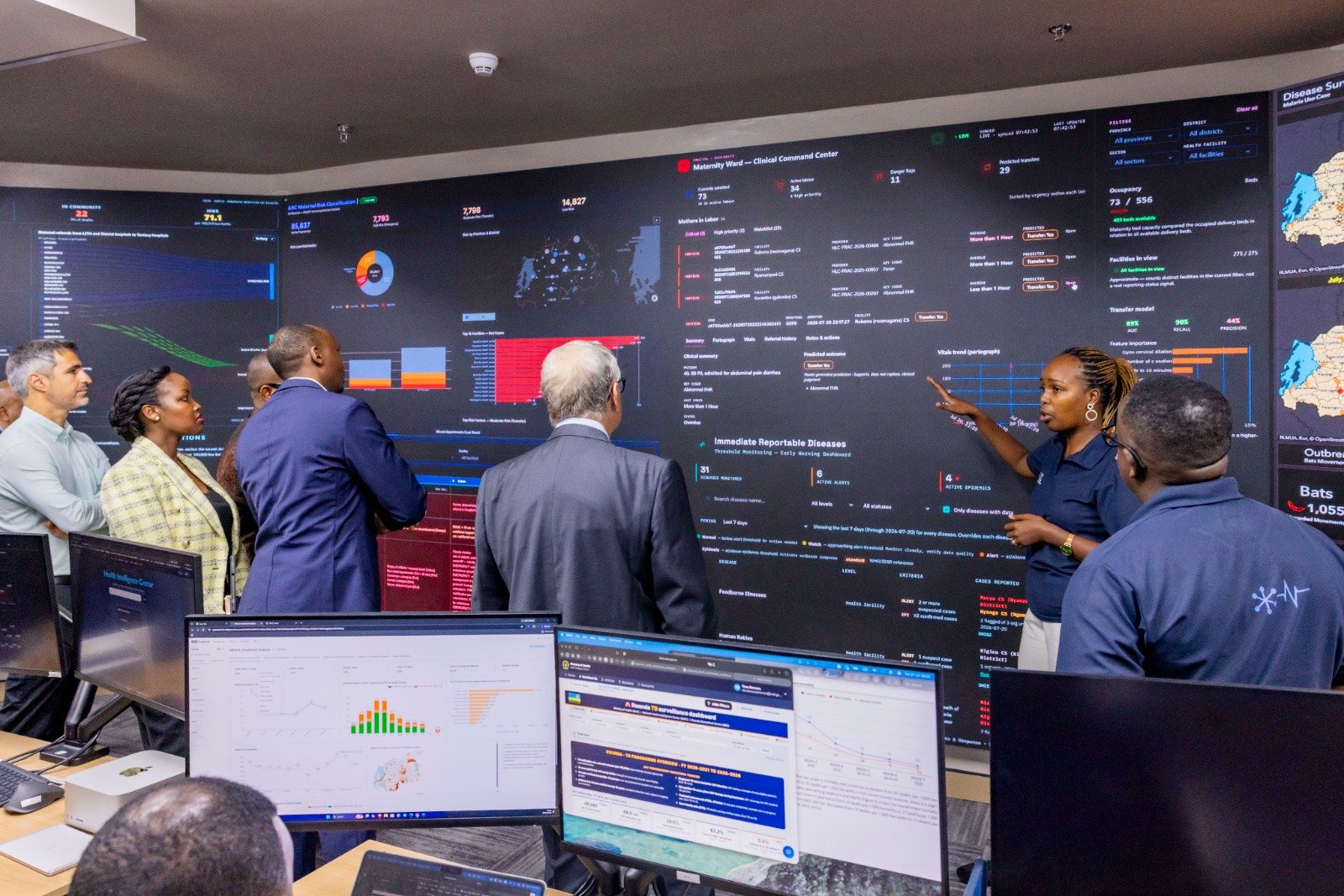
During the visit, officials showcased the NHIC as the nerve centre of Rwanda's healthcare system, where health data from across the country is centralized, processed, and analyzed in real time to provide a comprehensive picture of the nation's health.
According to officials, the center has already delivered tangible improvements within its first year of operation by enabling health authorities to 'shift from reactive to proactive decision-making'.
The Ministry of Health said insights generated by the platform have helped reduce patient waiting times across health facilities, improve emergency dispatch and ambulance response, strengthen disease surveillance and containment, and support more targeted allocation of healthcare resources.
Looking ahead, Rwanda plans to expand the center's capabilities toward predictive health intelligence with support from partners, including the Gates Foundation. The next phase will focus on anticipating disease outbreaks, issuing intelligent early-warning alerts, and preventing health threats before they escalate.
By consolidating health data from across the country and applying advanced technologies, the ministry said the NHIC is strengthening Rwanda's ability to provide high-quality, efficient, and responsive healthcare.
The National Health Intelligence Center was officially launched on April 3, 2025, on the sidelines of the Global AI Summit on Africa by Health Minister Dr. Sabin Nsanzimana and Minister of State Dr. Yvan Butera, together with fellow African health ministers and development partners.
Located at the Rwanda Utilities Regulatory Authority (RURA) headquarters in Kiyovu, the facility brings together medical doctors, data scientists, software developers, and programmers to analyze information collected from communities and health facilities nationwide.
Gates' visit to the NHIC came a day after he met President Paul Kagame to discuss strengthening the Gates Foundation's long-standing partnership with Rwanda. According to the Office of the President, their discussions focused on strengthening collaboration in health, agricultural transformation, artificial intelligence, and digital public infrastructure in line with Rwanda's national development priorities.
Since arriving in Rwanda, Gates has also toured the TKMD syringe manufacturing plant in Rwamagana District, visited Mwulire Health Centre, and met community health workers to gain deeper insight into Rwanda's primary healthcare system.
The Gates Foundation has worked with Rwanda for more than two decades, supporting programmes in healthcare, agriculture, nutrition, and innovation. Earlier this year, Rwanda became the first beneficiary of the Horizon1000 initiative, a $50 million artificial intelligence programme launched by the Gates Foundation in partnership with OpenAI to help African countries use AI to strengthen healthcare delivery.
During the visit, officials showcased the NHIC as the nerve centre of Rwanda's healthcare system, where health data from across the country is centralized, processed, and analyzed in real time to provide a comprehensive picture of the nation's health.The Ministry of Health said insights generated by the platform have helped reduce patient waiting times across health facilities, improve emergency dispatch and ambulance response, strengthen disease surveillance and containment, and support more targeted allocation of healthcare resources.The visit formed part of Gates' trip to Rwanda, during which he has been engaging with government leaders, health workers, innovators, and researchers to better understand the country's development model and explore how technology can further improve people's lives.
In a statement, Carney said that the United States has been 'transforming all of its trade relationships, including those covered under CUSMA, over the past 18 months,' and Canada has made a series of detailed and comprehensive proposals to resolve the dispute and modernize the CUSMA.
'We stand ready to intensify those discussions in the coming weeks,' said Carney.
The prime minister said that Canada believes in the benefits of free and fair trade and that the trade dispute has raised costs for families, particularly in the United States.
He voiced Canada's readiness to engage intensively to address 'outstanding issues with the United States to the mutual benefit of our citizens.'
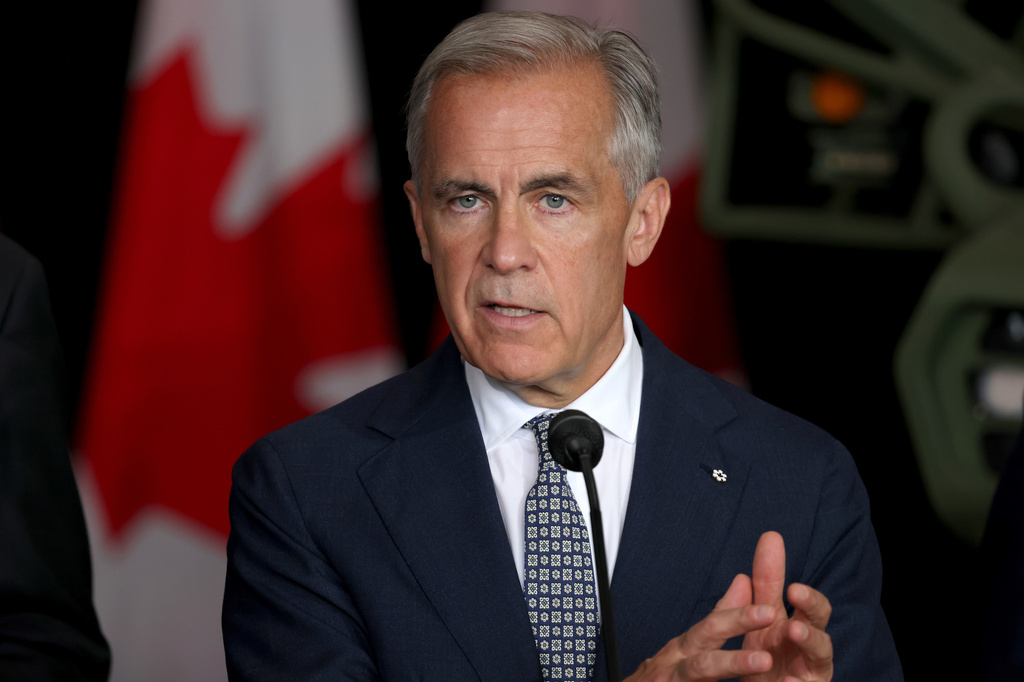
Canadian Prime Minister Mark Carney said on Monday that the U.S. administration's announced intention to impose a new 50 percent tariff on a broad range of Canadian goods is 'the latest in a series of unilateral U.S. trade actions in direct violation of the Canada-United States-Mexico Agreement (CUSMA).'