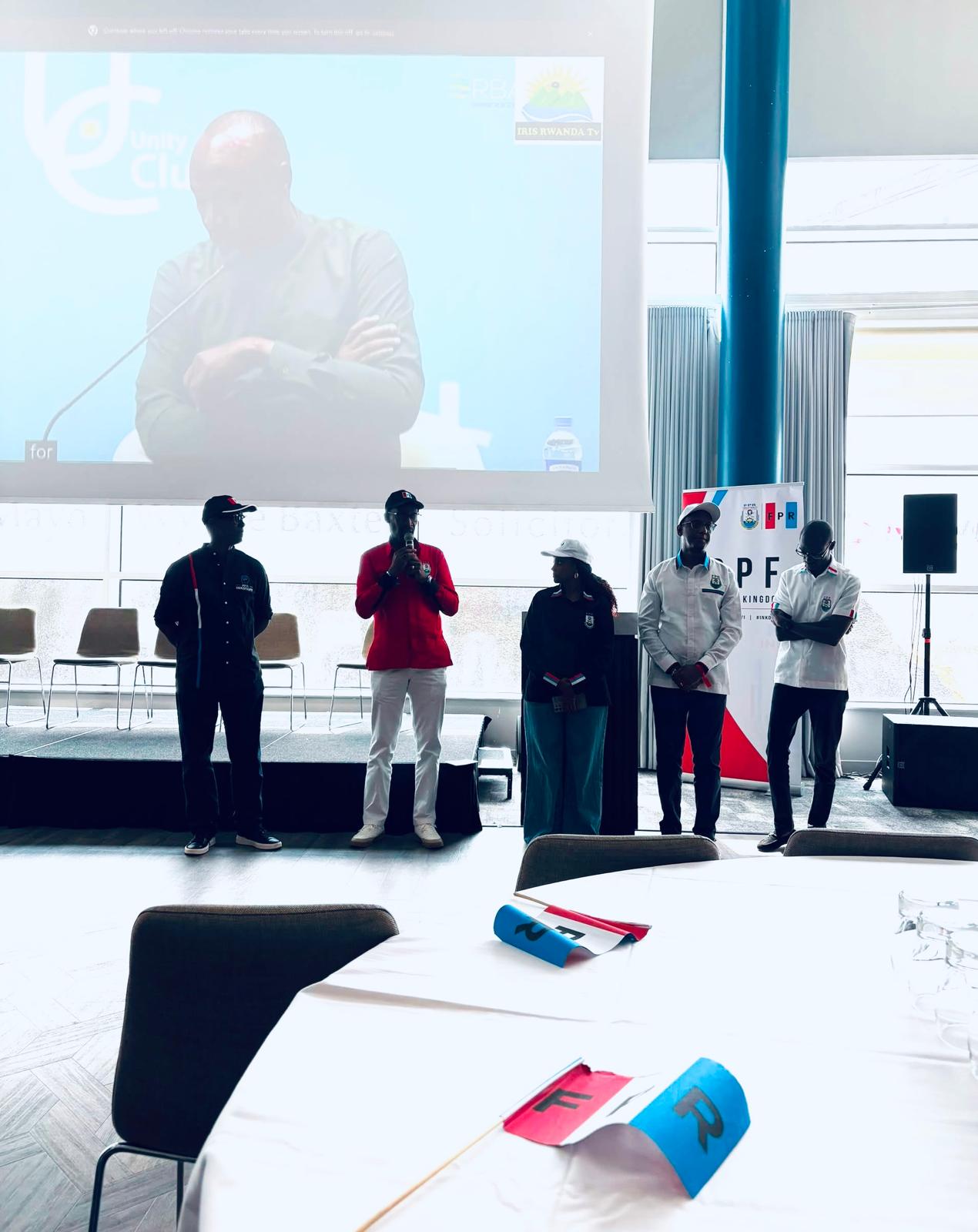
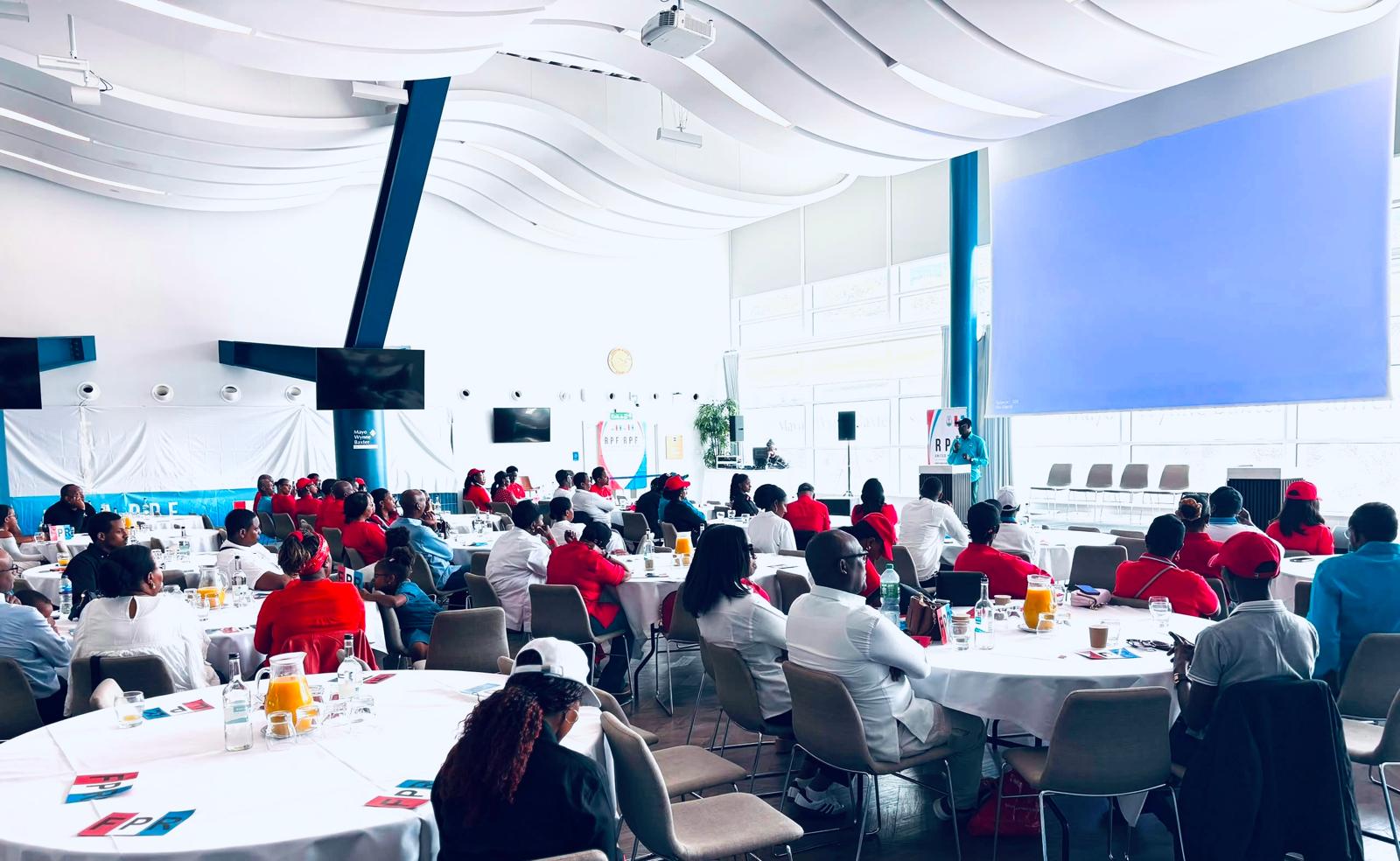
The gathering brought together RPF-Inkotanyi members from all walks of life within the Rwandan community in the UK, including professionals, entrepreneurs, students and some of the pioneers who helped establish the RPF structure in the United Kingdom. It also attracted many young Rwandans who were either born in Rwanda or in the UK and raised in Britain.
Several young participants shared their experiences of growing up in the United Kingdom while maintaining a strong connection with Rwanda. They spoke proudly about their Rwandan identity, cultural heritage and their determination to contribute to the country's future.
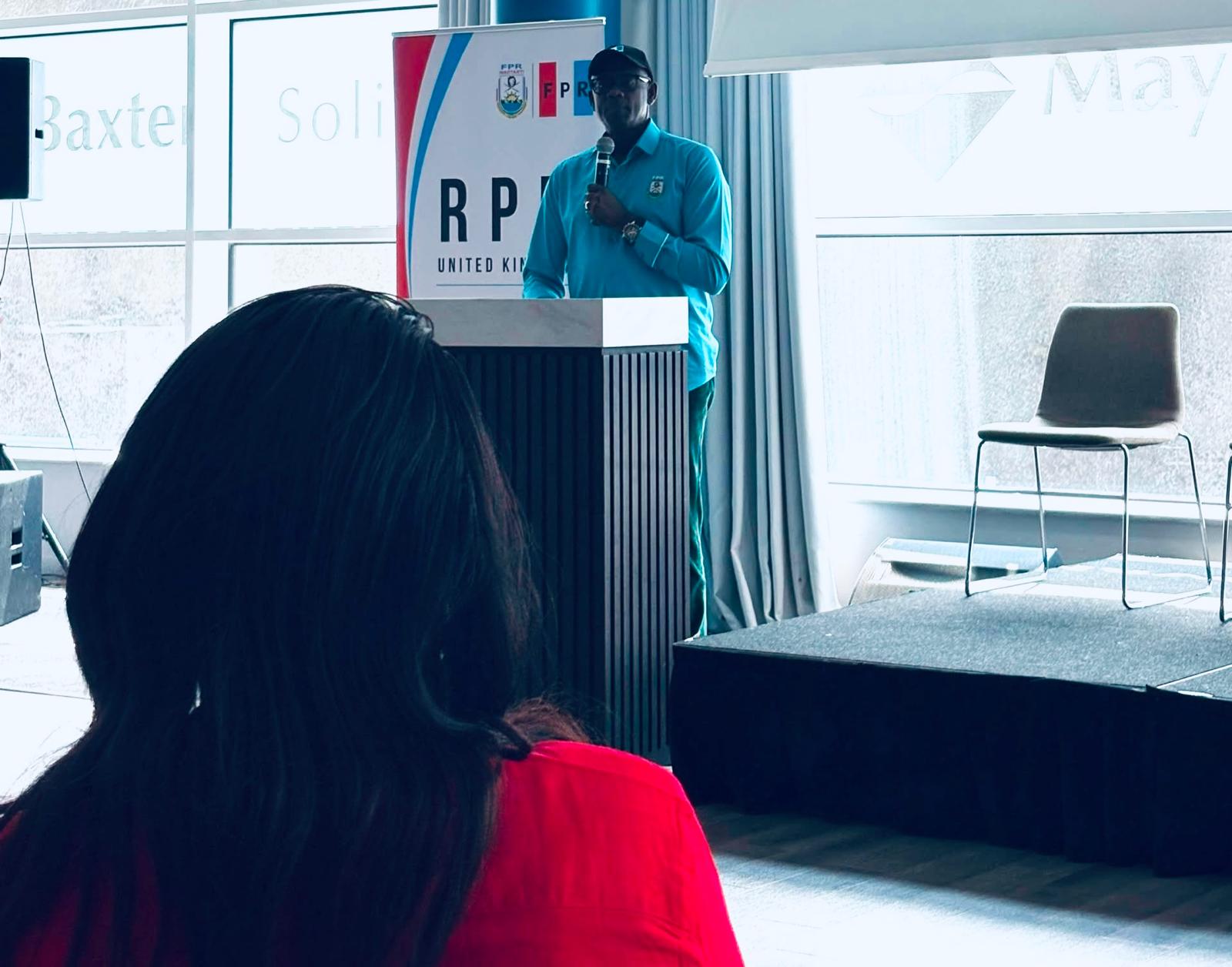
RPF UK Chairperson Egide Ruhashya praised the strong turnout and the spirit that characterized the gathering.
'This gathering demonstrated the strength, unity and commitment of Rwandans across the United Kingdom. It was particularly encouraging to see different generations coming together to reflect on our history, celebrate Rwanda's progress and discuss how each of us can contribute to the country's continued development. Our young people have an important responsibility as the leaders of tomorrow,' he said.
Rwanda's High Commissioner to the United Kingdom, Johnston Busingye, who also attended the event, said Rwanda's transformation has been built on the values of unity, accountability, equal opportunity and a shared commitment to national development.
'Rwanda's transformation has been built on unity, accountability, equal opportunity and a shared commitment to national development. Rwandans living abroad remain an important part of this journey. By preserving our values, investing in the next generation and contributing their knowledge and experience, the Rwandan community in the United Kingdom can continue to play a meaningful role in building the Rwanda we want,' he said.
The programme also featured an expert presentation examining Rwanda's current opportunities and challenges. Speakers emphasized the important role of the Rwandan diaspora in supporting nation-building, promoting investment and contributing to the country's continued development.
Participants also discussed Rwanda's culture and values, stressing the importance of preserving them and passing them on to younger and future generations.
The gathering provided an opportunity to reflect on the history of the RPF-Inkotanyi and Rwanda's liberation struggle, paying tribute to the men and women whose sacrifices laid the foundation for unity, peace and national renewal.
Participants also reviewed Rwanda's achievements under the leadership of the RPF-Inkotanyi over the past 32 years, highlighting progress in governance, socio-economic development, national unity and institution building.
Key priorities discussed during the event included strengthening the unity of all Rwandans, promoting equal opportunities, ensuring accountability across institutions, advancing self-reliance and maintaining an ambitious vision for Rwanda's future.
Special attention was given to the role of young people as the country's future leaders. Speakers encouraged young Rwandans in the diaspora to embrace leadership, remain closely connected to their heritage and use their knowledge, skills and experience to contribute to Rwanda's continued development.
The gathering concluded in an atmosphere of enthusiasm, pride and strong unity, with participants proudly wearing RPF-Inkotanyi colours and insignia while reaffirming their commitment to contributing to Rwanda's development from wherever they live, work or study in the United Kingdom.
The gathering brought together RPF-Inkotanyi members from all walks of life within the Rwandan community in the UK.Rwanda's High Commissioner to the United Kingdom, Johnston Busingye, said Rwanda's transformation has been built on the values of unity, accountability, equal opportunity and a shared commitment to national development.The gathering provided an opportunity to reflect on the history of the RPF-Inkotanyi and Rwanda's liberation struggle, paying tribute to the men and women whose sacrifices laid the foundation for unity, peace and national renewal.Participants also discussed Rwanda's culture and values, stressing the importance of preserving them and passing them on to younger and future generations.
He succeeded Keir Starmer, who earlier tendered his resignation to the king.
Burnham later delivered his first speech as prime minister outside 10 Downing Street. Noting that he was the seventh British prime minister since 2016, he acknowledged that politicians had 'not been good enough' and pledged to do better, while promising 'a new political model and a new economic model.'
'We will take power out of here and carry it into every postcode in the land,' he said, pledging to reindustrialize Britain and bring essential services under stronger public control.
Burnham previously served as culture secretary, health secretary and mayor of Greater Manchester. After unsuccessful bids for the Labour leadership in 2010 and 2015, he returned to the House of Commons by winning the Macclesfield by-election on June 19 and was elected Labour leader on July 17.
Labour suffered heavy losses in local elections in May, prompting growing calls within the party for Starmer to step down. On June 22, Starmer announced that he would resign as Labour leader and step down as prime minister once a successor had been chosen.
British media said Burnham faces major challenges, including weak economic growth, strained public services, a high cost of living and an increasingly fragmented political landscape.
King Charles welcomes Andy Burnham, left, during an audience at Buckingham Palace in London on Monday, where he invited the leader of the Labour Party to become prime minister and form a new government.
Torres, who came off the bench, produced the decisive moment in the 106th minute, pouncing on a loose ball inside the penalty area before firing a left-footed shot beneath the crossbar to hand Spain their second World Cup crown, 16 years after their maiden triumph in South Africa in 2010.
The victory crowned a dominant campaign for Luis de la Fuente's side, which conceded just one goal in eight matches, setting a World Cup record for the fewest goals allowed by a champion. Spain also became the first nation to simultaneously hold both the men's and women's FIFA World Cup titles following the women's triumph in 2023.
Despite the narrow scoreline, Spain controlled the final from start to finish.
The European champions monopolised possession, registered the game's opening 20 shots and forced Argentina goalkeeper Emiliano Martínez into a series of outstanding saves to keep his side in the contest. Argentina failed to register a shot until the second half of extra time as Lionel Scaloni's men struggled to threaten Spain's organised defence.
Martínez's heroics repeatedly frustrated Spain, but there was little he could do when Torres reacted quickest to a bouncing ball inside the area to finally break the deadlock.
'It was a goal scored by 47 million people,' Torres said after the match, referring to Spain's population.
For Messi, the defeat marked a painful conclusion to what could be his World Cup career.
The 39-year-old, who guided Argentina to the 2022 title, was left in tears after receiving his runners-up medal.
Argentina's hopes were further dented in stoppage time of the second half when midfielder Enzo Fernández received a second yellow card for a reckless challenge, forcing the defending champions to play the remainder of the contest with 10 men.
Spain's victory also saw head coach Luis de la Fuente, aged 65, become the oldest coach to win the FIFA World Cup.
'We are world champions,' de la Fuente said. 'It was together we reached this stage.'
The final concluded the first-ever 48-team FIFA World Cup, hosted across the United States, Canada and Mexico. The expanded tournament produced more than 300 goals, although Spain's disciplined defensive displays ensured they conceded just once on their way to lifting football's biggest prize.
Individual honours also reflected Spain's impressive tournament. Midfielder Rodri won the Golden Ball as the competition's best player, while goalkeeper Unai Simón claimed the Golden Glove. France's Kylian Mbappé finished as the Golden Boot winner with 10 goals, and Spain defender Pau Cubarsí received the Best Young Player award.
Ferran Torres, on as a substitute, scored the winner for Spain.Ferran Torres celebrates after scoring the winner for Spain.The victory crowned a dominant campaign for Luis de la Fuente's side, which conceded just one goal in eight matches.Spain denied Lionel Messi a second consecutive title in what is widely expected to be his final appearance at the tournament.Lamine Yamal consoles Leo Messi after Spain beat Argentina in the World Cup final.
Africa, with its abundant natural resources, demographic potential and development advantages, will play an increasingly important role in global economic governance, Urama told Xinhua in an interview.
The 2026 African Economic Conference was held from July 10 to 12 in Abidjan under the theme 'Strengthening Africa's Geopolitical Agency and Trade Resilience in a Multipolar World.' Researchers, government officials and representatives of regional and international institutions gathered to discuss how Africa can strengthen its strategic autonomy, enhance trade resilience and better participate in global economic governance.
Urama observed that multipolarity provides more countries with opportunities to participate in global governance. 'More countries are at the table, and we are going to have more inclusive and greater options for countries to decide on partnerships, on trade relations, and on other things.'
Speaking about Africa's role in this process, Urama said the rise of emerging economies is contributing to the multipolarization of the global economic order.
According to Urama, at this conference, the AfDB, the United Nations Development Programme (UNDP), the UNDP's Regional Bureau for Africa, and the Organization for Economic Co-operation and Development called on economists and global policy actors to discuss how Africa should engage to strengthen its own geopolitical agency within this changing global economic order.
He said Africa's abundant land resources give the continent an important voice in shaping the future global economy. With 60 to 65 percent of the world's remaining arable land, Africa will have a significant influence on global food security and sustainability.
He added that Africa's rich natural resources, including about 30 percent of global mineral reserves and vast global renewable energy potential, give the continent strategic importance in the transformation of global industries.
'So this continent has a great voice, a great opportunity to help shape the global economic order,' he said.
Urama also highlighted Africa's demographic advantage as an important driver of future development.
'And then if you think about people, we as human beings, one of four human beings in the world by 2050 will be African,' he said.
He said Africa's large and youthful population will be a key driver of the continent's future development, with its population expected to reach 2.5 billion by 2050 and more than 60 percent of people being young.
'We have a young, growing population in Africa. So whether you are talking about human capital, or you are talking about natural capital … Africa has a great role to play in this new global economic order,' he said.
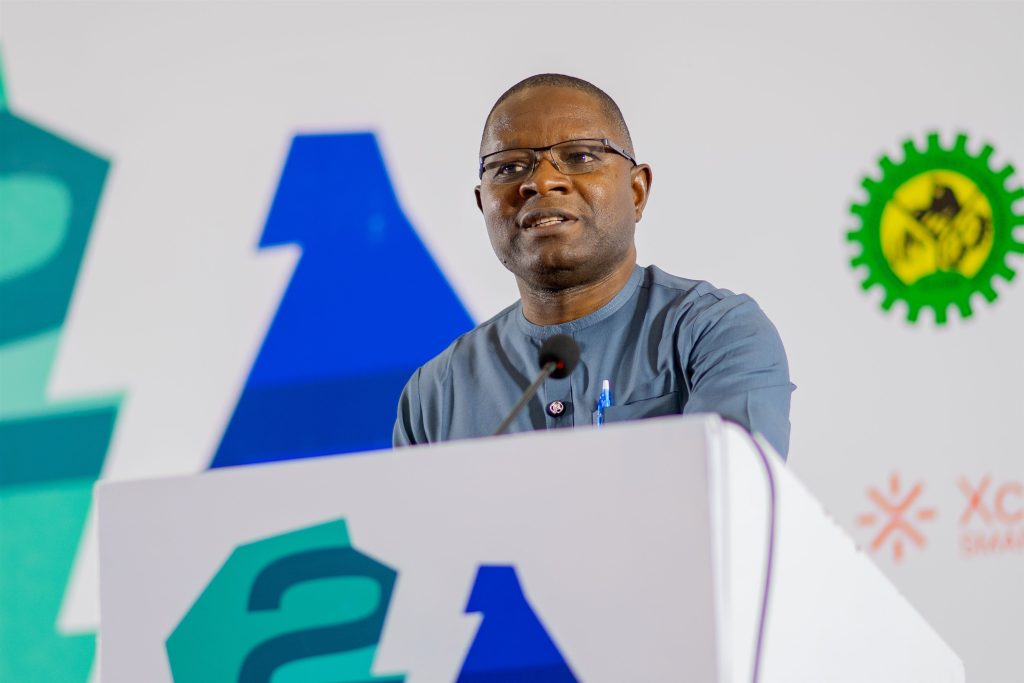
Kevin Chika Urama, chief economist and vice president of the African Development Bank Group (AfDB), observed that multipolarity provides more countries with opportunities to participate in global governance.
The appeal judgment, delivered shortly after midnight on July 18, 2026, leaves unchanged the verdict handed down on October 30, 2024, when the court found the former Rwandan doctor guilty on both counts and sentenced him to 27 years in prison.
After losing his initial trial, Dr. Rwamucyo replaced the two lawyers who represented him in 2024, Françoise Marthe and Philippe Meilhac. For the appeal, he assembled a seven-member legal team comprising Daniel Fellous, Raphaël Constant, Salome Cohen, Michèle Siari, Jean-Baptiste Harelimana and Alexandre Sztulman.
Dr. Rwamucyo, a former head of the Centre for University Public Health (CUSP) at the former National University of Rwanda, was prosecuted over his role during the 1994 Genocide against the Tutsi.
Among the evidence examined by the court was his participation in a meeting held at the university on May 14, 1994, chaired by the then Prime Minister, Jean Kambanda.
Prosecutors argued that the gathering encouraged intellectuals to participate in the genocide and alleged that Dr. Rwamucyo addressed the meeting in support of the killings.
The prosecution also accused him of coordinating the burial of victims in various parts of Butare Prefecture using heavy machinery, including a bulldozer, in what it said was an effort to conceal evidence of the genocide.
According to the prosecution, he played a role in the burial of more than 214,000 victims in Butare with the intention of destroying evidence.
Throughout the proceedings, Dr. Rwamucyo denied the allegations. He told the court that he had never sought to conceal the bodies of genocide victims, arguing that it would have been impossible to hide atrocities that had unfolded over several weeks in full public view.
Following the ruling, lawyers representing the civil parties welcomed the appellate court's decision.
'It is very good news for the civil parties from Rwanda, who have waited 32 years for this decision. They can now begin a new chapter on the path toward reconciliation,' said lawyer Alice Zarka.
Dr. Rwamucyo's daughter expressed disappointment with the outcome, saying she had not expected the appeal to fail and was deeply saddened by the judgment.
During the appeal, the prosecution had sought a 30-year prison sentence, while the defence requested a full acquittal and Dr. Rwamucyo's immediate release.
The Paris Court of Assizes in France has upheld the conviction of Dr. Eugène Rwamucyo for genocide and crimes against humanity
U.S. Centers for Disease Control and Prevention (CDC) and the Department of Homeland Security (DHS) are currently working together on a DO NOT BOARD (DNB) process with regard to the DRC, DHS said in a post on X.
'American citizens who are departing from the DRC may be subject to a DO NOT BOARD (DNB) order. Americans are able to return to the United States 21 days after leaving the DRC,' it added.
The latest announcement came one day after the CDC announced temporarily restricting U.S. entry for all travelers who were recently in DRC and certain travelers who were recently in Uganda or South Sudan.
'Air passengers who have been in Uganda and South Sudan in the past 21 days and are allowed to enter the United States will have their travel rerouted to a designated airport for public health entry screening,' the CDC said in the update Tuesday.
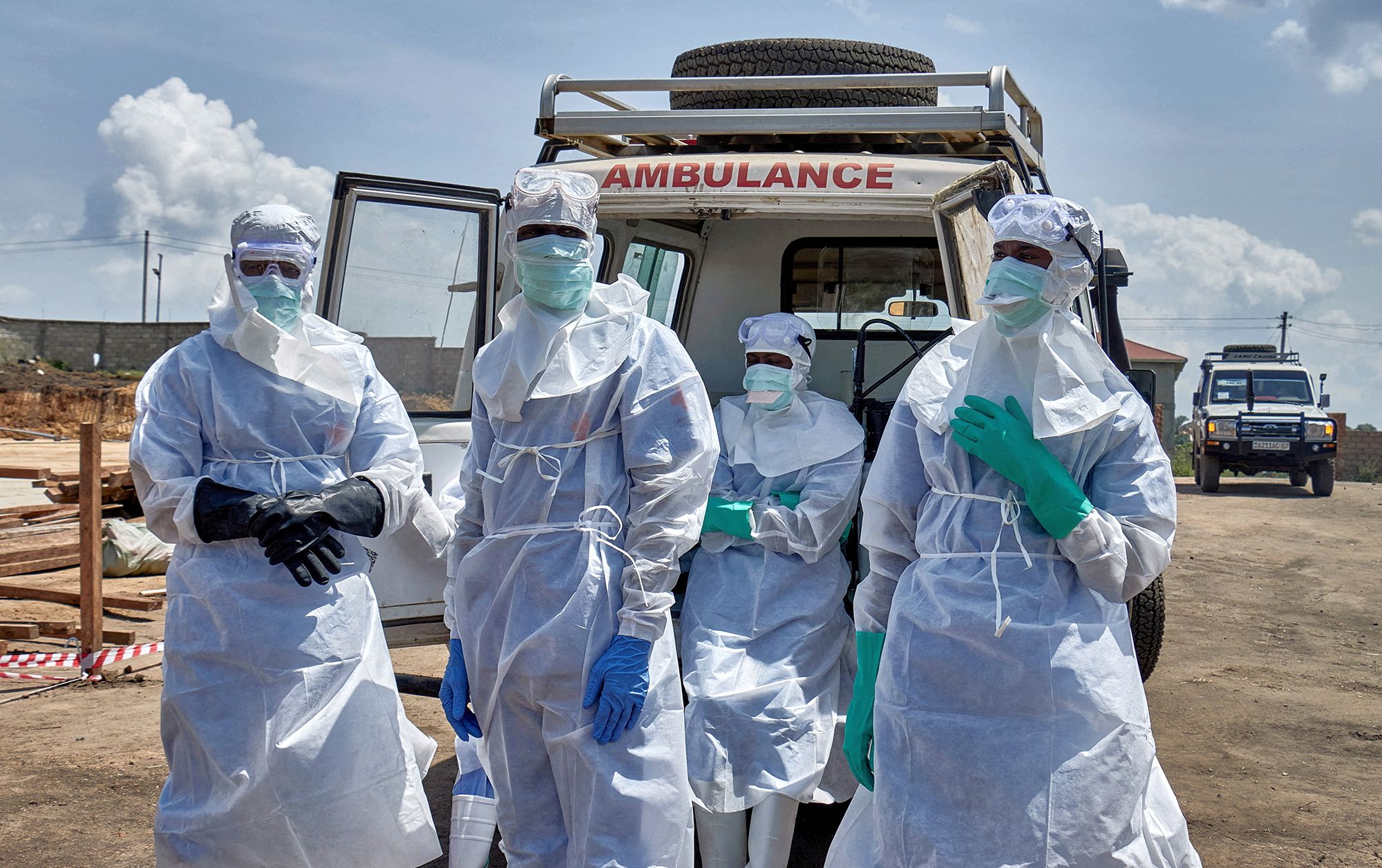
Since May, the DRC has been fighting an outbreak caused by the Bundibugyo Ebola virus, for which there is no approved vaccine or specific treatment. As of Tuesday, the number of confirmed Ebola cases in the DRC has reached 2,011, including 754 deaths.
Since May, the DRC has been fighting an outbreak caused by the Bundibugyo Ebola virus, for which there is no approved vaccine.
Known for its commitment to quality, affordability and convenience, Simba Supermarket has established itself as one of Rwanda's leading retail brands.
With 15 branches across the country, the retailer continues to provide customers with a wide selection of local and international products while expanding the way families experience its stores.
This holiday season, Simba is placing family experiences at the heart of its offering by bringing together shopping, dining and entertainment under one roof.
Complementing this experience, I&M Bank enables customers to pay quickly, securely and conveniently using a range of digital payment solutions. Whether shopping for groceries, enjoying a meal or paying for entertainment, customers can complete their transactions seamlessly, making every visit even more convenient.
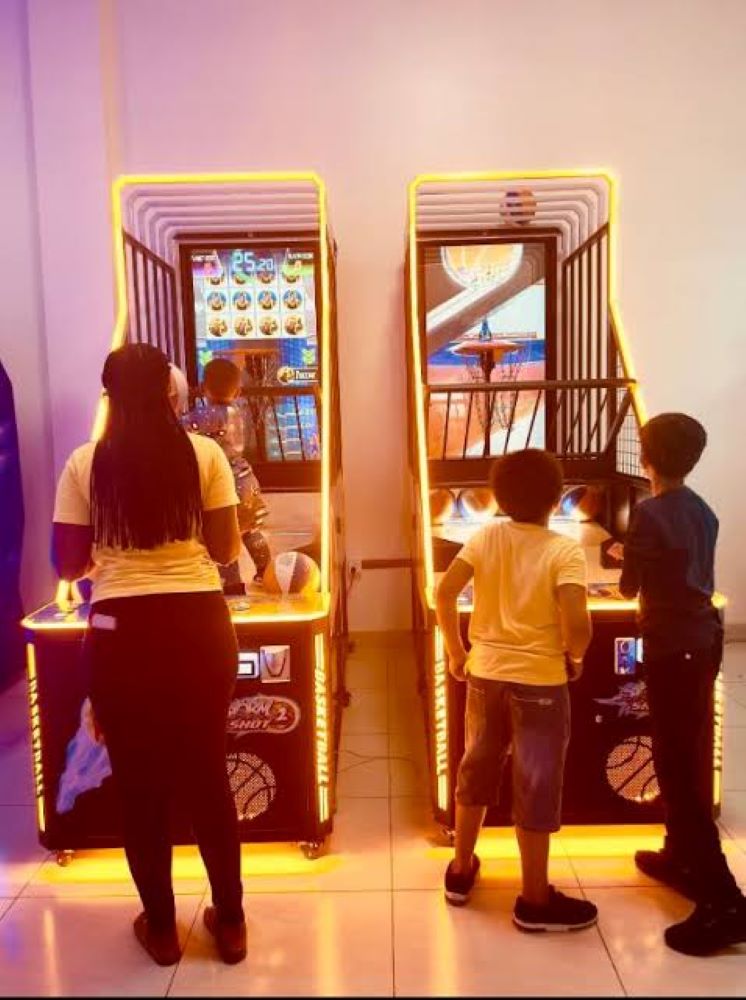
Beyond its retail shelves, visitors can enjoy an indoor entertainment centre at Simba Gacuriro featuring an arcade with a variety of games for children and adults, alongside immersive 3D and 5D cinema experiences. Designed to cater to different age groups, the facilities offer families an opportunity to spend quality time together in a safe and engaging environment.
Speaking about this year's holiday experience, Simba Supermarket Managing Director Joseph Mutabazi said that this reflects the company's commitment to continuously enhancing the customer experience.
'At Simba Supermarket, we believe every visit should be more than just a shopping trip. This holiday season, we are delighted to offer families an experience that brings together quality shopping, delicious dining and exciting entertainment for all ages.'
The experience extends to Simba's in-store coffee shops, where families can enjoy freshly prepared meals, snacks and a selection of hot and cold beverages.
Whether taking a break after shopping or simply spending an afternoon together, the café complements Simba's vision of creating a welcoming destination for every member of the family.
Through its partnership with Simba Supermarket, I&M Bank continues to support innovative payment solutions while empowering customers to enjoy fast, easy and convenient digital payments.
The collaboration reflects both organisations' shared commitment to delivering seamless customer experiences that combine convenience, innovation and everyday value.
With many parents seeking meaningful activities during the school holidays, Simba Supermarket is positioning itself as a place where everyday errands can become memorable family outings.
By combining retail, dining and entertainment in a single location, supported by seamless digital payment solutions from I&M Bank, the supermarket offers visitors the convenience of accomplishing more in one trip while creating moments that children and parents can enjoy together.
As families look for places that offer both convenience and recreation during the holiday season, Simba Supermarket continues to strengthen its position as more than a retail destination.
Together with I&M Bank, it is delivering an experience that brings together quality shopping, hospitality, family entertainment and effortless payments—reflecting the evolving needs of today's consumers, one visit at a time.
From classic favorites to interactive attractions, the arcade provides fun-filled experiences for adults and children of all ages this holiday seasonA family enjoys a friendly basketball challenge at Simba Supermarket's family arcade, where every game adds to the holiday excitement.A selection of arcade games offers endless entertainment, making Simba Supermarket a go-to holiday destination for families.
For women of childbearing age, the challenges multiply: fears of birth defects from medications, risks of seizures harming mother or child, and questions about inheritance and breastfeeding have long cast a shadow over dreams of motherhood.
For Chinese neurologist Dr. Chen Lei, chief physician and professor in the Department of Neurology at West China Hospital of Sichuan University based in Chengdu City, these questions became more than medical concerns. They became a lifelong mission.
With more than 20 years of experience in clinical and basic research on epilepsy, Dr. Chen has dedicated much of her career to helping women living with epilepsy safely become mothers while advancing new approaches for patients whose seizures remain difficult to control.
Her journey began in 2010, when she was expecting her first child.
During a routine prenatal visit, Dr. Chen encountered three pregnant women with epilepsy who were searching for answers.
They asked whether their children would inherit epilepsy, whether anti-epileptic drugs could cause birth defects, and whether they would still be able to breastfeed.
'As a mother myself, I understood their fears,' Dr. Chen recalls during an interview with IGIHE. 'But as a neurologist, I realised I could not answer their questions. I could not find the answers in textbooks or specialised epilepsy books.'
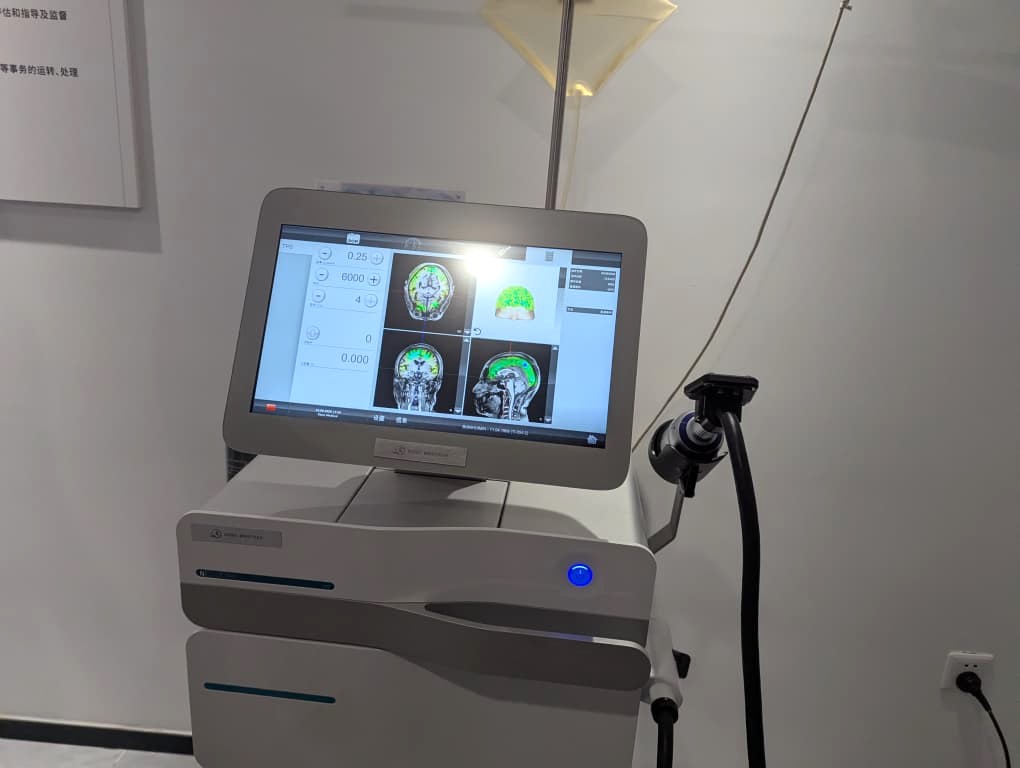
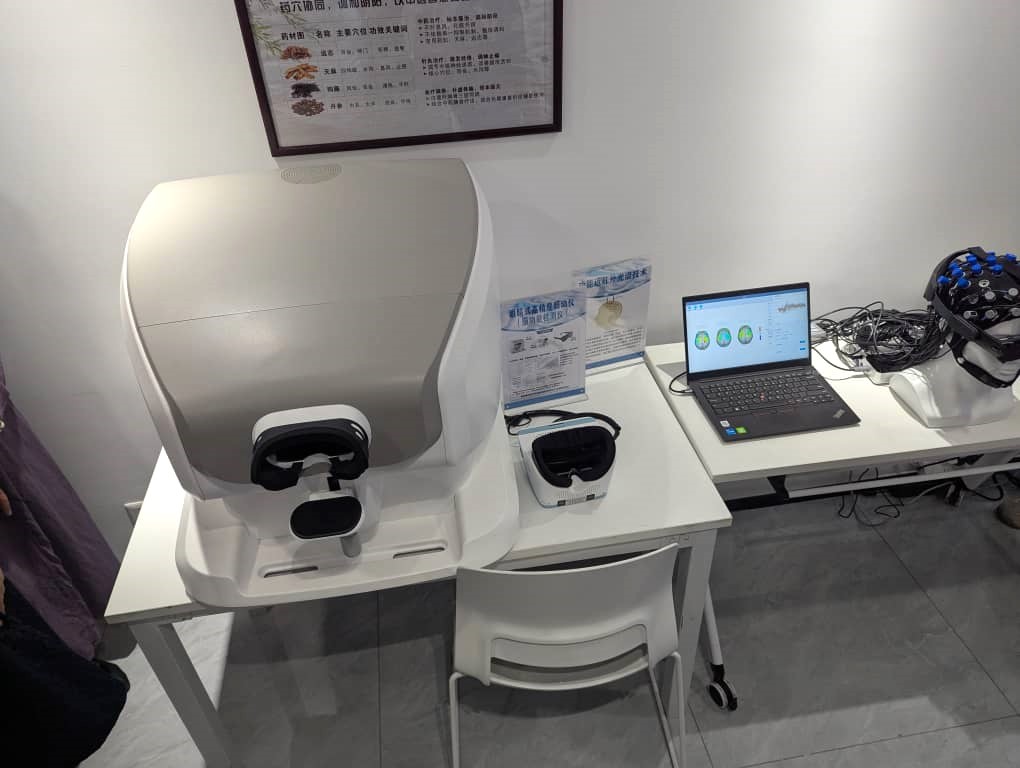
The epilepsy research team works with digital tools and medical technology to explore new methods of predicting seizures before they occur.
From a mother's question to a lifelong research mission
That moment changed the direction of her career.
At the time, research on epilepsy among women of reproductive age was limited. Dr. Chen began reviewing available international studies, translating scientific knowledge into Chinese and searching for evidence that could guide both doctors and patients.
After reviewing the available literature, which at the time included only around 200 research papers published annually on the topic, Dr. Chen compiled the evidence and combined it with her own clinical insights.
One year later, in 2011, she published China's first clinical reference book dedicated to women with epilepsy, providing doctors with practical guidance on pregnancy, treatment and reproductive health management.
However, Dr. Chen soon realised that medical literature alone could not answer every question faced by patients.
After the book was published, many women and their families came to seek her advice.
'They asked, 'How can my daughter who has epilepsy have a healthy baby?'' Dr. Chen says. 'But I could not give them a confident answer because I only had knowledge from books and literature, without enough practical experience.'
To address this gap, Dr. Chen began building a patient cohort, registering women with epilepsy between the ages of 18 and 45 who wanted to have children.
This work later developed into Asia's first registry and long-term follow-up database for women with epilepsy, creating a foundation for years of research into pregnancy outcomes, medication safety and the health of children born to mothers with epilepsy.
Through the research, Dr. Chen and her team identified challenges that extended beyond medical complications. Many women had lived for years with fear and uncertainty, while some families struggled emotionally because they believed epilepsy would prevent them from having children.
'Some patients had been trying for five or ten years without success,' Chen says. 'Some cried in the clinic with their families, and sometimes husbands cried too, even talking about divorce because they could not have children.'
Driven by the belief that women with epilepsy deserved the opportunity to experience motherhood safely, Dr. Chen expanded research into treatment approaches, including how anti-epileptic drugs should be used during pregnancy and how medication dosages could be adjusted to protect both mothers and babies.
Her team's findings have since contributed to epilepsy management guidelines in China and internationally through collaboration with the International League Against Epilepsy.
In recognition of her scientific contribution and commitment to public service, Chen was named in May 2026 among China's 'Most Beautiful Sci-Tech Workers,' an honour recognising researchers who combine innovation with social impact.
Today, the work she started has grown into a wider medical network. More than 300 hospitals across China follow treatment standards developed through her research, while doctors and students continue to receive training in managing epilepsy among women of reproductive age.
'Women with epilepsy can now safely carry a pregnancy to term,' Dr. Chen says. 'During pregnancy, they have fewer seizures, their children are born healthier, and rates of disability and mortality have also declined.'
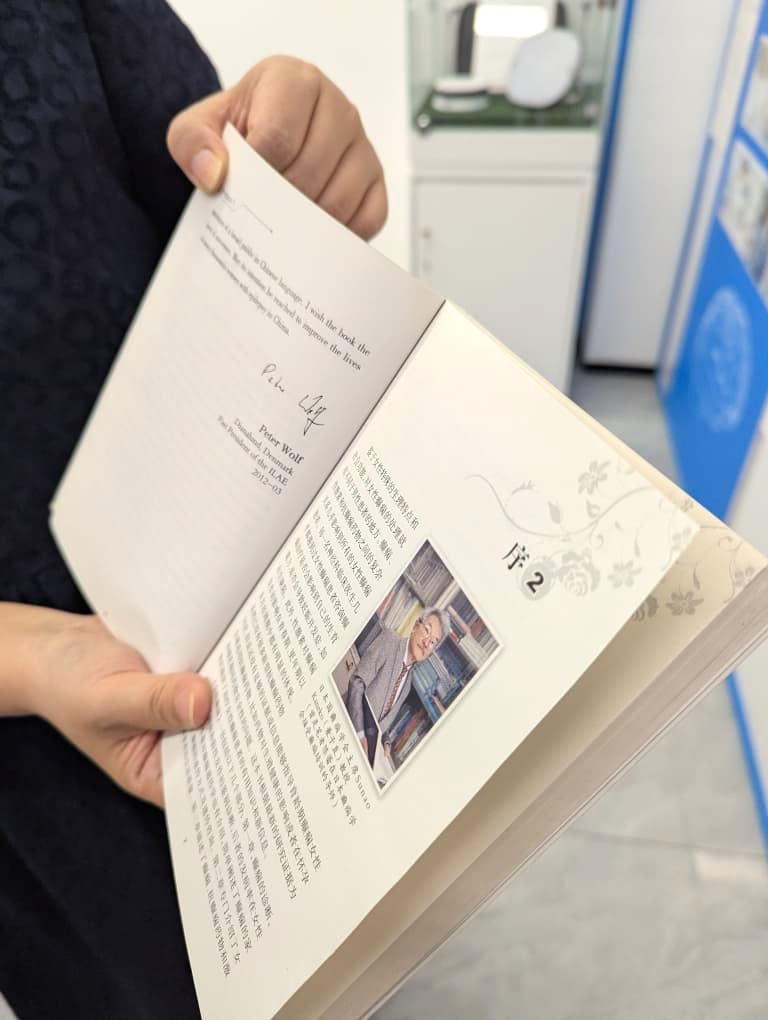
Dr. Chen Lei displays her book on women's epilepsy, the first scientific reference book of its kind in China dedicated to female epilepsy care and reproductive health.
Expanding epilepsy research beyond pregnancy
Beyond women's epilepsy, Chen has expanded her research to patients whose seizures cannot be controlled through medication, known as drug-resistant epilepsy.
Her team has explored new treatment approaches, including minimally invasive procedures and the use of advanced technologies combining brain imaging, Electroencephalogram (EEG) data, movement information and blood biomarkers to better understand and predict seizures.
One area of research she highlights is the discovery of protein biomarkers that may predict seizures a day before they occur, potentially allowing patients to monitor their condition outside hospitals.
'EEG monitoring can only be used in hospitals, but these biomarkers can be used at home,' Chen explains. 'Every community could use this to help patients.'
She is also involved in research on brain-computer interfaces (BCI), a rapidly developing field that uses brain signals to create communication between the brain and external devices.
For Dr. Chen, the goal is not only to control seizures but to improve quality of life throughout a patient's lifetime.
'Even if seizures are controlled now, they may return later,' she says. 'We need more and more new methods to help them live a high-quality life for their whole lifetime. That is their dream, and it is also my dream.'
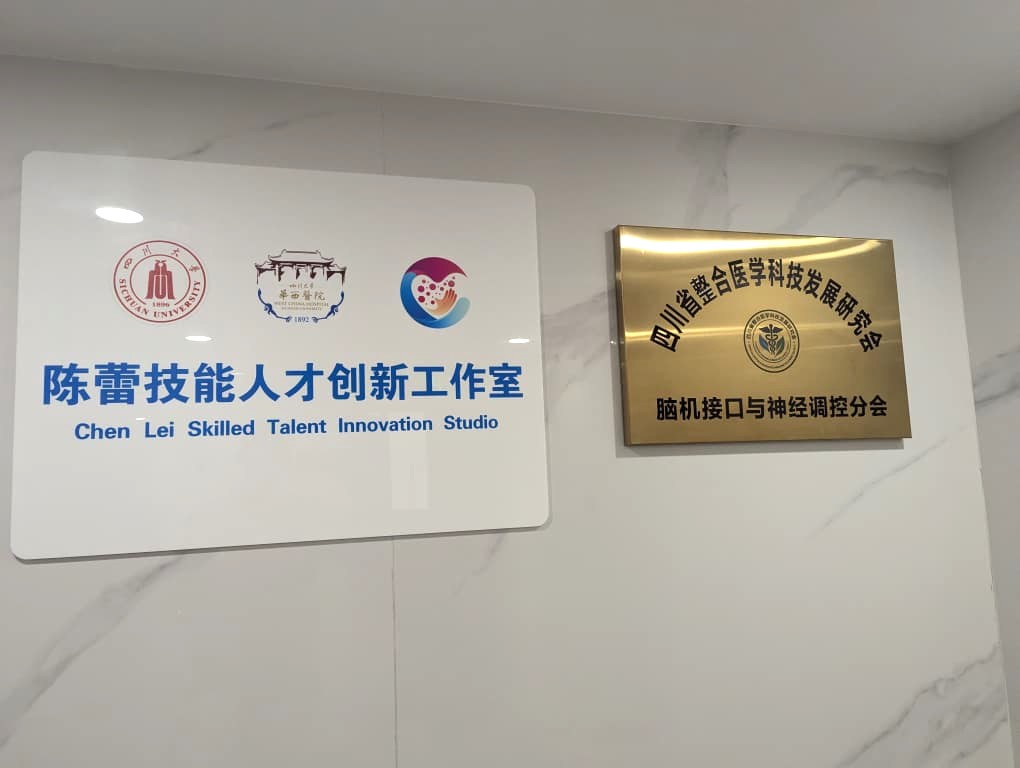
Young doctors and medical researchers work at the innovation studio, exploring new technologies aimed at improving diagnosis and treatment of neurological disorders.
Taking epilepsy knowledge beyond borders
Dr. Chen's research has also been shaped by international cooperation. The first preface of her book on women's epilepsy was written by Peter Wolf, former president of the International League Against Epilepsy, while other mentors from Japan and Harvard University have also influenced her scientific journey.
Looking ahead, Dr. Chen believes knowledge-sharing can help address epilepsy challenges beyond China's borders, including in Africa.
As 2026 marks the China-Africa Year of People-to-People Exchanges, she sees healthcare as an important area for collaboration.
'As a Chinese doctor, I want to contribute my knowledge to this collaboration,' she says. 'In the future, we can establish summer schools or educational programmes to welcome doctors and students from Africa to China. We can also go to African countries to help patients and doctors.'
For Dr. Chen, medicine is ultimately about connection, between doctors and patients, between countries and between generations of researchers working toward the same goal.
'I think communication is very important,' she says. 'If we work together, it will be very good.'
Through years of research, mentorship and patient care, Dr. Chen Lei has helped transform epilepsy from a condition surrounded by fear into one where women can look forward to motherhood with greater confidence and hope.
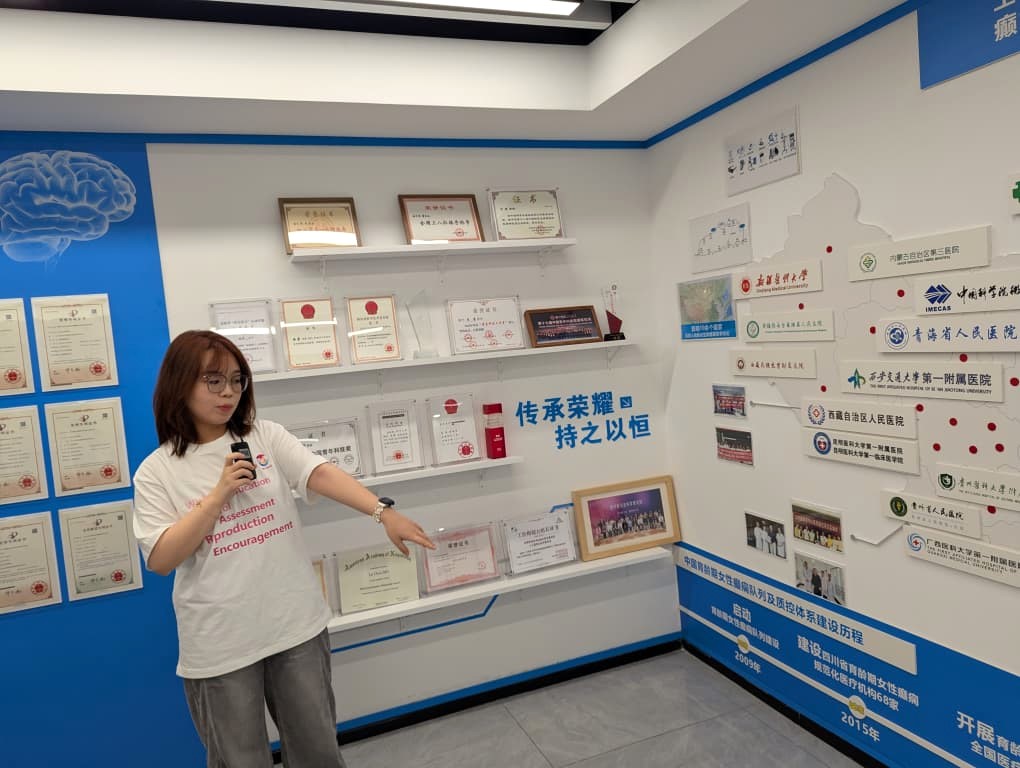
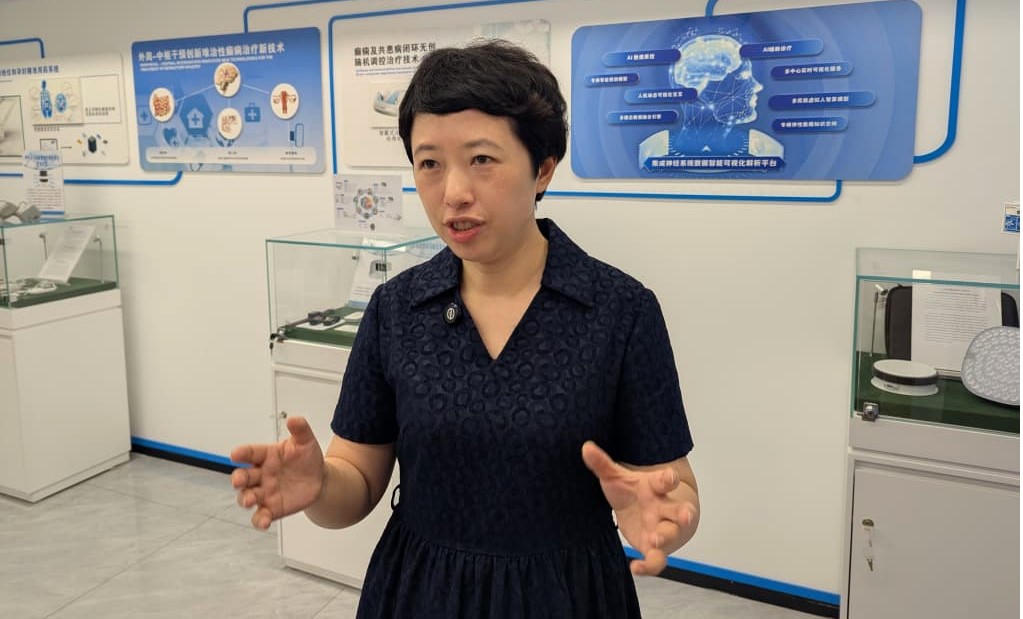
Dr. Chen Lei, chief physician and professor at West China Hospital of Sichuan University, has dedicated more than two decades to improving care for people living with epilepsy, especially women hoping to become mothers.Advanced epilepsy research equipment at the innovation studio in Sichuan supports the study of brain activity, seizure patterns and new treatment approaches.Dr. Chen Lei (third from left) introduces her epilepsy research work to a delegation of African senior journalists during their recent visit to Chengdu, the capital of Sichuan Province.
Both sides now accuse the other of violating the agreement first. While neither has formally declared the MoU void, the latest escalation has cast doubt over whether diplomacy can survive another round of fighting.
Has the MoU collapsed?
The clearest signal yet came from U.S. President Donald Trump, who formally notified Congress in a letter dated Friday that military operations against Iran had resumed under his direction.
In a letter to lawmakers, Trump described the strikes on Iran that began on July 7 as 'military action consistent with my responsibility to protect Americans and United States' interests both at home and abroad.' This notification starts a new 60-day period during which the Trump administration can conduct military operations in the region without congressional approval.
On Monday, Trump said on Truth Social that the United States was 'reinstating the Iranian blockade, so named because it is only stopping Iran's ships or customers from entering or leaving,' and proposed charging a 20 percent fee on cargo transiting the Strait of Hormuz.
However, Tehran insists it is not the side that abandoned the agreement.
Iranian Foreign Ministry spokesman Esmaeil Baghaei said on Monday that the MoU had entered a 'crisis phase' because Washington had continuously violated its obligations. He said Iran would follow a principle of 'commitment for commitment' and warned that if the United States continues breaching the deal, Iran would no longer see any reason to fulfill its own obligations.
Can diplomacy revive?
Before the latest escalation, the two sides had been using regional mediators to preserve the fragile agreement.
According to Axios, Washington demanded that Iran publicly reaffirm that the Strait of Hormuz remained open and 'stop firing on commercial ships,' arguing that Tehran had violated the MoU.
Trump also said last week that the United States had agreed to continue talks with Iran, although he simultaneously declared that the ceasefire was 'over.'
Iran denied requesting new negotiations but indicated it remained willing to engage through regional intermediaries, including Qatar, according to Qatar's Al Jazeera television.
The fighting has nevertheless intensified. The U.S. Central Command (CENTCOM) said its latest wave of strikes against Iran concluded late Monday after strikes on military targets across Iran, including Bushehr, Chah Bahar, Jask, Konarak, Abu Musa, and Bandar Abbas, to 'further degrade Iran's ability to attack commercial shipping.'
Iran has continued missile and drone attacks on U.S. positions and regional targets, including Oman, Bahrain, Jordan and Kuwait.
The Islamic Revolution Guard Corps (IRGC) said Tuesday that it has launched missile and drone attacks on the U.S. Fifth Fleet based in Bahrain. 'The retaliatory operation continues,' the statement said.
Who controls Hormuz?
The Strait of Hormuz has once again become the main flashpoint.
Early Sunday, Iran's IRGC announced that the Strait of Hormuz would remain closed 'until further notice' and until 'the end of U.S. interference in this region.'
The U.S.-led Joint Maritime Information Center and the U.S. Naval Forces Central Command said Sunday that the southern route remains operational despite Iranian claims, adding that 'U.S. forces are prepared to maintain freedom of navigation and safeguard lawful commerce.'
On Monday, CENTCOM announced that it would resume blockading maritime traffic entering and leaving Iranian ports beginning at 4 p.m. ET (2000 GMT) Tuesday.
Baghaei said Sunday that arrangements for the future administration of maritime traffic in the Strait of Hormuz must be made through consultations with Oman.
Those competing visions directly contradict one of the MoU's central provisions, which envisioned the lifting of the U.S. naval blockade while Iran ensured safe passage for international shipping.
For now, the memorandum has not been formally abandoned. But with military operations expanding, the agreement appears to be surviving more on paper than in practice.
Fresh U.S. airstrikes and Iranian retaliation have plunged Washington and Tehran back into open conflict less than a month after they signed a 14-point memorandum of understanding (MoU) aimed at ending the war and paving the way for broader negotiations.
OPEC made the forecast in its latest monthly oil market report. Of the total 800,000 bpd demand growth, the oil demand in the non-OECD (Organization for Economic Cooperation and Development) countries is expected to take up the biggest share and grow by about 740,000 bpd year-on-year in 2026.
In its June report, OPEC had forecast global oil demand growth of 1 million bpd year-on-year for 2026.
In 2027, global oil demand is estimated to rise by about 1.9 million bpd year-on-year, representing an upward revision of about 200,000 bpd from OPEC's June forecast.
On the supply side, the report said that in June, crude oil production by OPEC+ countries increased by about 3 million bpd month-on-month to average at 36.28 million bpd. However, major producer Saudi Arabia reported lower oil production in June compared with a month ago.
In 2027, global oil demand is estimated to rise by about 1.9 million bpd year-on-year