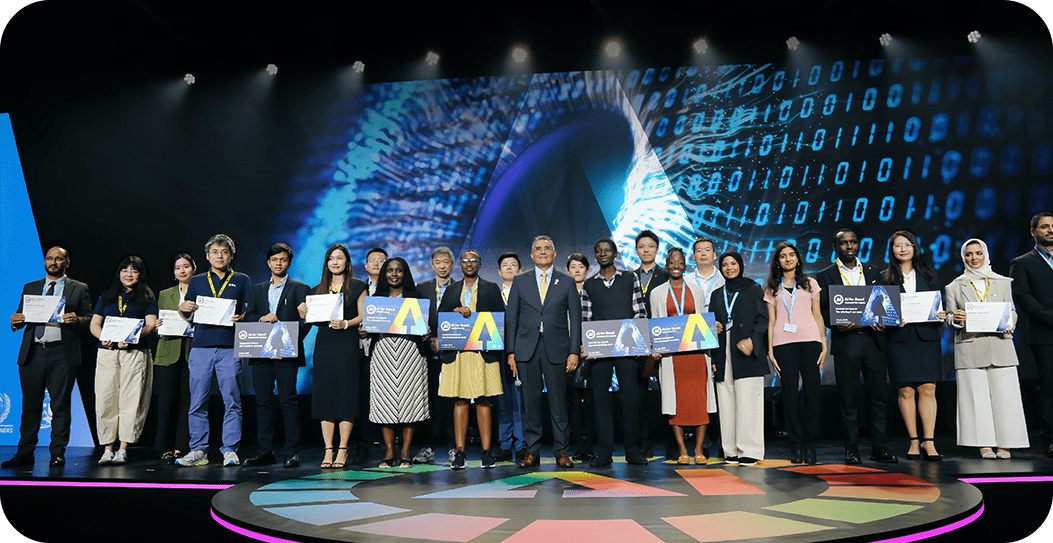
The National Institute of Statistics of Rwanda (NISR) received the Innovative Project for Impact Award for its AI-Assisted Coding of Multilingual Job Descriptions for Faster Employment Statistics project, which uses artificial intelligence to classify job and economic activity descriptions in Kinyarwanda, English and French.
The AI-powered tool is designed to accelerate the processing of Labour Force Survey data by automating the coding of job descriptions, a critical step in producing employment statistics. The innovation is expected to improve efficiency, reduce processing time and strengthen the production of timely official statistics for policy and planning.
The award was announced during Innovate for Impact 2026, a programme under the AI for Good platform by the International Telecommunication Union (ITU) that identifies and supports AI solutions developed to address real-world challenges. The 2026 edition recognised 59 projects selected from nearly 400 global submissions.
The AI for Good Summit highlighted projects demonstrating how artificial intelligence can be applied to practical challenges, particularly in areas where scalable and resource-efficient solutions can deliver meaningful impact.
NISR's project was among innovations recognised for its ability to address local needs while offering a model that can be adapted to other contexts. The use of multilingual AI is particularly significant in environments where language diversity can create challenges for data processing and digital services.
The project was developed under the first cohort of the Data Science Capacity Building Initiative (DSCBI) through collaboration with the Ministry of ICT and Innovation, the Rwanda Information Society Authority (RISA), the African Institute for Mathematical Sciences – Rwanda (AIMS Rwanda), Mastercard, and Cenfri. The initiative aimed to strengthen data science capacity and support the adoption of advanced technologies in addressing development challenges.
NISR said the recognition reflects the Government of Rwanda's visionary leadership and commitment to leveraging artificial intelligence to strengthen the production of official statistics.
The award comes as Rwanda continues to expand its focus on responsible AI development and adoption. President Paul Kagame attended the AI for Good Global Summit 2026 in Geneva, Switzerland, in his capacity as Co-Chair of the newly launched AI for Good Global Commission.
Addressing heads of state, technology leaders, investors and development partners, President Kagame called for greater investment in infrastructure, skills development and accountable governance to ensure AI benefits communities worldwide.
'We must be intentional about designing, funding, and governing AI so that it can reach its full potential,' Kagame said last Wednesday.
He identified access to computing infrastructure, connectivity and reliable energy as key priorities, alongside the development of skills needed for an AI-driven economy and governance frameworks that promote trust and transparency.
President Kagame also highlighted Rwanda's practical applications of AI, including the Health Intelligence Center, which uses real-time health data and artificial intelligence to support disease prediction and policy decisions.
In June 2026, Rwanda's Cabinet approved the establishment of the National Artificial Intelligence Agency, which will coordinate AI development, innovation, investment, adoption and governance as part of the country's digital transformation agenda.
The AI for Good Global Summit, organised by the International Telecommunication Union (ITU), continues to serve as a platform for showcasing AI solutions that advance inclusive development. Rwanda's recognition at the summit demonstrates how locally developed technologies can contribute to global efforts to use artificial intelligence for social and economic progress.
The National Institute of Statistics of Rwanda (NISR) received the Innovative Project for Impact Award for its AI-Assisted Coding of Multilingual Job Descriptions for Faster Employment Statistics project.The award was announced during Innovate for Impact 2026, a programme under the AI for Good platform by the International Telecommunication Union (ITU) that identifies and supports AI solutions developed to address real-world challenges. The 2026 edition recognised 59 projects selected from nearly 400 global submissions.
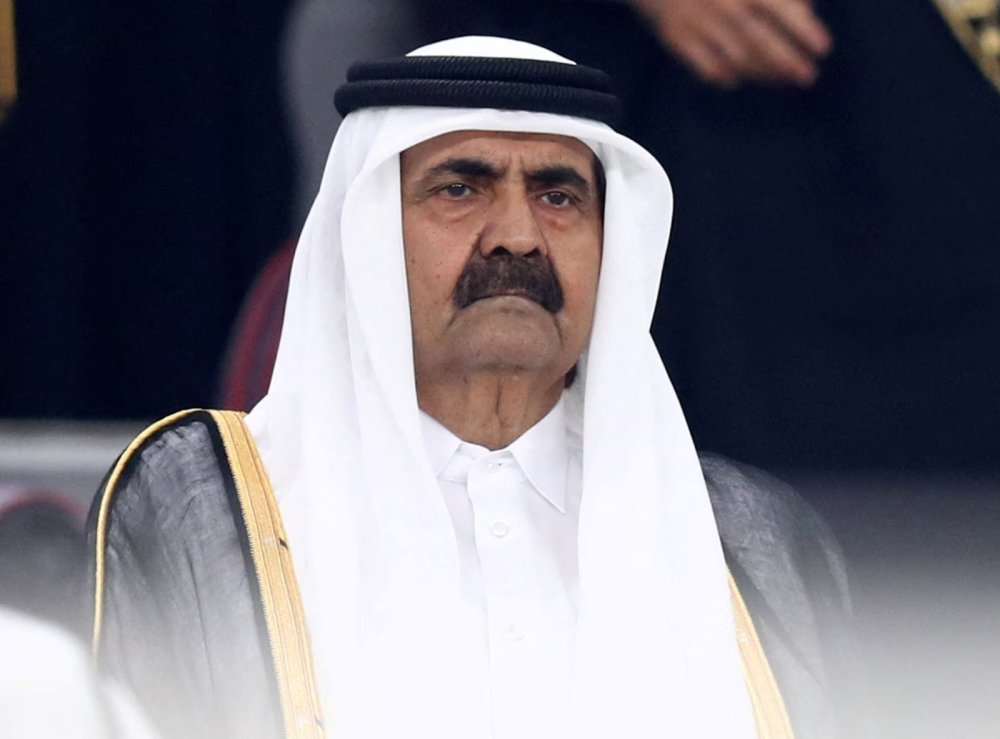
Sheikh Hamad bin Khalifa Al Thani, who ruled Qatar from 1995 to 2013 before handing over power to his son, died at the age of 74. His death was announced in an official statement released on Sunday.
In its message of condolence, AFC/M23 conveyed sympathy to Sheikh Tamim bin Hamad Al Thani, the Qatari royal family, the government, and the people of Qatar following the passing of the former Emir.
'His Highness Sheikh Hamad bin Khalifa Al Thani will be remembered as an exceptional statesman and visionary who, through his leadership, transformed Qatar into a respected global actor committed to peace, dialogue, development, and international cooperation,' the statement read.
AFC/M23 said the legacy of Sheikh Hamad bin Khalifa Al Thani would continue to inspire future generations in Qatar and far beyond
The movement added that, as one of the parties involved in the mediation talks facilitated by Qatar between AFC/M23 and the Government of the Democratic Republic of Congo (DRC), it had witnessed Qatar's commitment to encouraging dialogue, peaceful conflict resolution, and efforts aimed at achieving lasting peace and stability.
'These efforts reflect the values and vision that His Highness the Father Amir helped to establish and promote,' AFC/M23 added.
As Qatar continues to mourn the former Emir, AFC/M23 said it stands in solidarity with Sheikh Tamim bin Hamad Al Thani, the royal family, the government, and citizens of Qatar during this period of loss.
Since early 2025, Qatar has been leading mediation efforts aimed at facilitating dialogue between the Democratic Republic of Congo and AFC/M23 in an effort to find a peaceful solution to the conflict in eastern DRC.
AFC/M23 has accused the Congolese government of repeatedly failing to respect commitments made during the negotiations, while alleging that violence and human rights abuses have continued, particularly affecting communities of Congolese Tutsi origin.
Former Qatar leader Sheikh Hamad bin Khalifa Al Thani died at the age of 74.AFC/M23 conveyed sympathy to Sheikh Tamim bin Hamad Al Thani, the Qatari royal family, the government, and the people of Qatar following the passing of the former Emir.
The Africa CDC said in a press statement issued Saturday that health workers, humanitarian personnel, volunteers and operational staff are 'sustaining the response under intense pressure,' identifying cases, caring for patients and protecting affected communities in order to contain transmission.
It said relevant authorities and the response team have launched an epidemiological investigation, contact tracing and exposure risk assessments concerning the U.S. humanitarian worker, while highlighting that the exact circumstances of the exposure remain under investigation. The confirmed case has been supporting the outbreak response in Bunia, the capital of eastern DRC's Ituri Province and the epicenter of the outbreak.
At least 112 healthcare workers have been infected with the Bundibugyo Ebola virus, while some 35 have lost their lives in the DRC, according to the latest data from the African Union's specialized public health agency.
'Reliable protective equipment, strong infection prevention systems, continuous training, psychosocial support and safe working conditions are essential for every person delivering this response,' the statement quoted Africa CDC Director-General Jean Kaseya as saying.
The agency urged all organizations operating in affected areas to strengthen occupational safety measures, report suspected exposures and symptoms promptly, and provide continuous support to their personnel.
Last month, France reported an imported Bundibugyo Ebola case involving a health worker who had supported the response in the DRC.
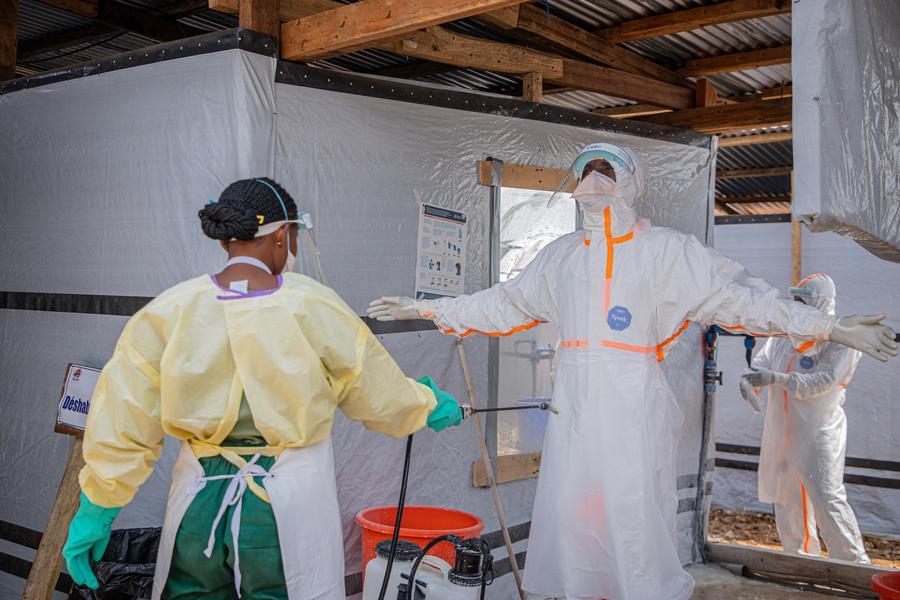
Medical workers carry out disinfection work at an Ebola treatment center in Bunia, the capital of Ituri Province in the Democratic Republic of the Congo, July 6, 2026.
The exchange comes as Russia and Ukraine continue a war that has raged since early 2022, with diplomatic tensions increasingly spilling into Africa, where both countries have sought to strengthen political partnerships.
Lavrov made the remarks on Friday, July 10, 2026, during a working visit to Burundi, where he held talks with Burundian Foreign Affairs Minister Edouard Bizimana before meeting Burundian President Évariste Ndayishimiye, who currently serves as Chairperson of the African Union.
During his visit, Lavrov accused Ukraine of supporting armed groups opposed to governments friendly to Moscow, including the M23 movement in eastern DRC.
'We are seeing instances of gross external interference in African affairs, including in the situation where the legitimate Government of the Democratic Republic of the Congo, with the support of Burundi, is overcoming an aggression carried out against it by the M23 movement supported by foreign representatives, including Ukrainians. We know it, and so do our friends.'
He further alleged: 'Basically, Ukrainians are trying to side with forces, which oppose legitimate governments in too many conflicts on the African continent, just to establish themselves as a 'political factor' in the region. And the main thing for them is to create trouble for countries, which are friendly to Russia.'
Lavrov departed Burundi later Friday after concluding his visit.
Ukraine rejects allegations
Responding to the remarks, Ukraine's Ministry of Foreign Affairs categorically denied the accusations.
Foreign Ministry spokesperson Heorhii Tykhyi said: 'Lavrov's claims that Ukraine backs M23 in eastern DR Congo are Kremlin disinformation, unsupported by evidence. We officially refute and reject such accusations.'
He added: 'Ukraine doesn't meddle in African conflicts. Russia does – arming groups in breach of sanctions, fueling instability, and recruiting nationals of African states to fight in its war against Ukraine.'
The spokesperson continued: 'Moscow accusing others of what it does itself, nothing new.'
According to Tykhyi, Russia's accusations are intended to shift attention away from its own actions.
'Russia's objective is clear: to undermine US mediation efforts in the Great Lakes region and to distract from Russia's own destructive actions that obstruct the peace process.'
Wider regional context
The exchange comes against the backdrop of the long-running conflict in eastern DRC, where M23 says it is fighting to protect the rights and security of Congolese Tutsi communities, arguing that successive Congolese governments failed to implement previous peace agreements that guaranteed their protection and political inclusion as Congolese citizens.
The DRC government, however, has relied on a coalition of forces to fight the M23 rebel group. Besides the Congolese army (FARDC), the coalition has included Burundian troops deployed under bilateral security arrangements between Kinshasa and Gitega (the capital of Burundi), local militia groups known as Wazalendo, and the Democratic Forces for the Liberation of Rwanda (FDLR).
The FDLR was founded by individuals linked to the perpetrators of the 1994 Genocide against the Tutsi in Rwanda.
Rwanda has repeatedly accused the group of continuing to threaten its security, while Congolese Tutsi communities have also accused the FDLR of carrying out attacks against them in eastern DRC.
The conflict has also drawn in private military contractors. Following M23's capture of Goma in early 2025, more than 200 foreign mercenaries, most of them Romanian nationals fighting alongside Congolese government forces, were captured by M23.
They were later transferred through Rwanda and repatriated to their home countries under arrangements involving regional and international actors.
In his message, Xi said that in 1961, the older generations of leaders of China and the DPRK signed the China-DPRK Treaty of Friendship, Cooperation and Mutual Assistance, laying an important political and legal foundation for consolidating the friendship forged in blood between the two peoples.
The treaty has played an important role in carrying forward China-DPRK friendship and safeguarding peace and stability in the region and beyond, he said.
Over the past 65 years, the two sides have upheld the spirit of the treaty, supported each other, stood united, cooperated closely and worked together, vividly demonstrating the defining features of China-DPRK relations — friendship passed down from generation to generation, a shared future and mutual support, he said.
Xi pointed to a successful state visit to the DPRK in June, when he reached important consensus with Kim on consolidating and carrying forward the traditional friendship between China and the DPRK and enriching it with new dimensions, providing strategic guidance and a new blueprint for the development of China-DPRK relations in the new era.
Facing a rapidly evolving world undergoing profound changes unseen in a century, Xi voiced willingness to work with Kim to further strengthen strategic communication, keep China-DPRK relations on the right track and guide bilateral friendly cooperation to deliver greater benefits to the two peoples, so as to make positive contributions to promoting regional peace and development.
No matter how the international landscape evolves, the firm position of China's Party and government to attach great importance to the traditional friendship between China and the DPRK will remain unchanged; the firm support for Kim in leading the DPRK's socialist cause will remain unchanged; and the determination to safeguard the common interests of both sides and maintain a favorable strategic environment will remain unchanged, he said.
Xi expressed confidence that, under the leadership of the WPK headed by Kim, the DPRK people will fully implement the decisions and arrangements of the Ninth Congress of the WPK and continue to achieve new and greater successes in their socialist cause.
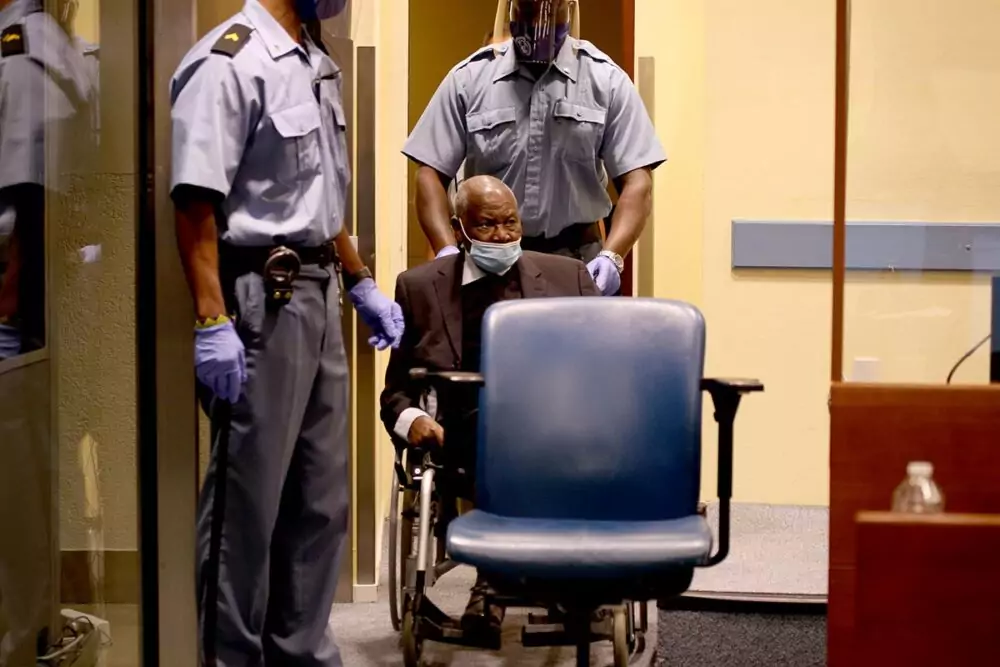
The United Nations International Residual Mechanism for Criminal Tribunals (IRMCT) announced Kabuga's death on the evening of May 16, at around 6:00 p.m.
Kabuga died nearly three years after the IRMCT suspended his trial, ruling that he was no longer mentally fit to stand trial due to age-related health conditions, including memory loss.
Following his death, the IRMCT permanently closed his case and appointed Judge Alphons Orie to investigate the circumstances surrounding his death.
On July 6, Orie submitted a 16-page report to IRMCT President Graciela Gatti Santana detailing the events before, during, and after Kabuga's death.
The report was based on interviews with staff members and officials at the UN detention facility, as well as other available information, and aimed to determine whether there were any suspicious circumstances surrounding his death.
According to the report, on the morning of May 16, 2026, at around 8:30 a.m. Dutch time, staff members from Haaglanden Prison Hospital visited Kabuga's room as part of their routine duties to assist him with personal care and provide him with breakfast.
At 11:13 a.m., Kabuga, with assistance from a UN prison staff member, made a phone call to one of his daughters. The conversation lasted about seven minutes.
At around noon, a staff member entered Kabuga's room and served him lunch, which included rice, carrots, meat, tea, and yoghurt. The staff member then left the room and locked the door.
About 50 minutes later, at 12:50 p.m., another staff member looked through the observation window on Kabuga's door and saw him sitting in his wheelchair with his head tilted. The staff member believed he was asleep.
A short time later, the door was opened and a cleaner was allowed to enter the room. Inside, the cleaner noticed that Kabuga had not finished his meal or the dessert that came with it.
When they checked on him more closely, they discovered that he was no longer breathing and immediately alerted their supervisors.
Because there were no cameras inside Kabuga's room, investigators reviewed surveillance footage from outside the room. The footage showed that no one had entered the room after Kabuga was served lunch.
At 12:51 p.m., a nurse informed the doctor on duty about Kabuga's condition. The doctor went to the room, checked him, and confirmed within about one minute that he had died.
Following confirmation of Kabuga's death, prison officials began coordinating their response. At 12:59 p.m., the prison director ordered that Kabuga's room be secured and that anyone entering or passing near the area be recorded.
Later that evening, at 10:20 p.m., the room was reopened for further examination. A forensic doctor entered the room accompanied by another medical professional, two nurses, and two prison officers.
The forensic doctor examined the room and found no signs of violence, struggle, or any object that could suggest Kabuga had been harmed.
Kabuga was found still sitting in his wheelchair, with part of his meal unfinished.
The medical team moved his body onto a bed and carried out an external examination, checking his head, eyes, mouth, neck, torso, and other parts of his body.
No injuries or signs of mistreatment were found, leading the doctor to conclude that Kabuga most likely died from natural causes.
At 10:37 p.m., the forensic doctor completed the examination and left the room.
Shortly after midnight, at 12:22 a.m., the prison director authorised the transfer of Kabuga's body to a nearby mortuary after determining that no criminal investigation was necessary.
At 2:17 a.m., his body was removed from the detention facility and transferred to a mortuary in The Hague.
Investigators concluded that an internal autopsy, including tests to determine whether he had been poisoned, was unnecessary.
On May 20, 2026, a forensic specialist from Haaglanden issued another report confirming that Kabuga died from heart disease and that further examination was not required.
Orie said authorities in The Hague later issued an official death certificate, allowing Kabuga's body to be released from the Netherlands.
On May 28, Kabuga's family collected his body. Although Orie did not disclose where it was taken, reports later indicated that he was buried secretly in Waterloo, Belgium.
In his final assessment, Judge Orie informed the IRMCT president that Kabuga died of natural causes linked to several existing health conditions, including heart problems, and concluded that no further investigation into his death was necessary.
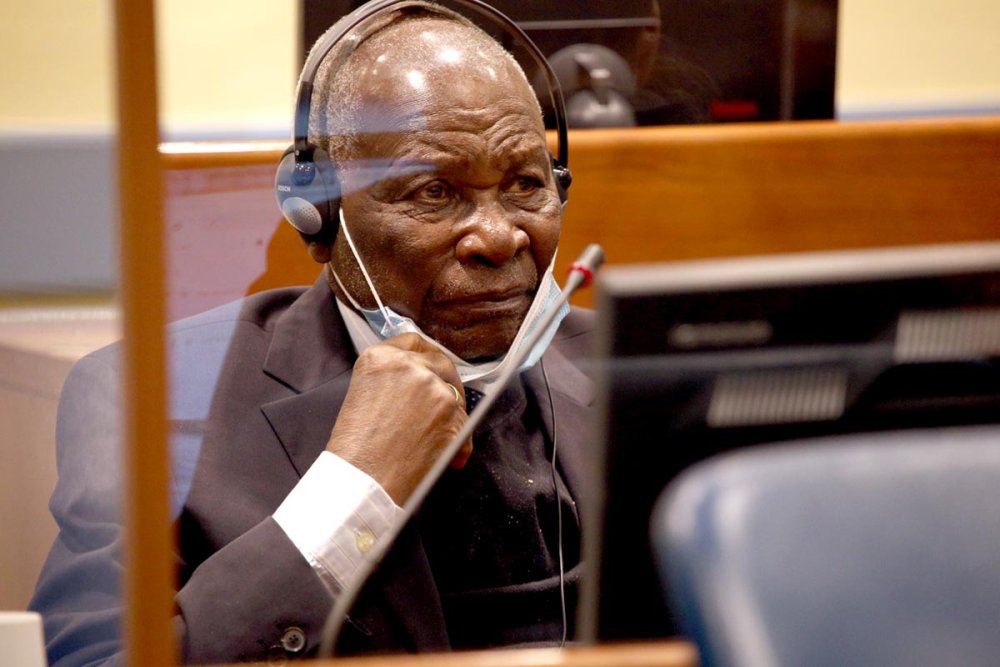
Report has confirmed that Kabuga is died while sitting in a wheelchair.The examination concluded that Kabuga died from natural causes, mainly associated with age-related health conditions.
Xi said China and Namibia enjoy profound traditional friendship and share common aspirations for development, adding that since the establishment of diplomatic ties, the two countries have always treated each other as equals and supported each other.
Noting that bilateral friendly cooperation has continued to deepen, delivering tangible benefits to the two peoples, Xi said China stands ready to work with Namibia to enhance exchanges of development philosophies and synergize development strategies, and partner with each other on their paths to modernization.
Xi put forward three proposals for building a China-Namibia community with a shared future for the new era.
China and Namibia should maintain close high-level exchanges, deepen experience sharing on governance, stay in regular communication on issues of overall and strategic importance in bilateral relations, and continue to support each other on issues concerning their respective core interests and major concerns, Xi said.
Xi also urged the two sides to tap the potential of cooperation and take it to higher levels, encouraging Namibia to make full use of the zero-tariff access, the upgraded fast track for Namibian exports to reach China, and other favorable policies.
China is ready to deepen cooperation with Namibia in such areas as infrastructure, energy, mining, agriculture, education, youth, science and technology, he noted.
Xi added that the two countries should uphold solidarity and coordination to safeguard multilateralism. China is willing to work with African countries, including Namibia, to enhance the strength and voice of the Global South, and make new contributions to building a community with a shared future for humanity, Xi said.
Noting that helping Africa develop its abundant mineral resources and effectively translate its resource advantage into development momentum is an important way to accelerate Africa's modernization, Xi said China stands ready to continue strengthening mining cooperation with African countries, including Namibia, based on three principles.
The first is pursuing mutual benefit and win-win cooperation, Xi said, adding that the two sides should fully leverage their complementary strengths and deepen the convergence of interests.
Xi said the second is conducting friendly consultation, calling for proceeding from the big picture of China-Africa friendship, and properly resolving issues in cooperation through communication and consultation.
He noted the third is breaking new ground, adding that China stands ready to work with Africa to explore new approaches to cooperation in accordance with market-oriented and commercial principles, with a view to upgrading the quality of China-Africa cooperation in the mining sector.
For her part, Nandi-Ndaitwah extended warm congratulations on the 105th anniversary of the founding of the Communist Party of China. Namibia attaches great importance to its relations with China and firmly adheres to the one-China principle, she added.
Namibia welcomes more Chinese enterprises to invest and operate in the country, and hopes to strengthen cooperation in areas such as industry, mining, infrastructure, aviation and space, science and technology, agriculture and water resources, said Nandi-Ndaitwah.
China has long provided selfless support and assistance to African countries, including Namibia, and has always upheld a just position in international and regional affairs, said the president. She added that Namibia will enhance communication and coordination with China to safeguard the common interests of developing countries and jointly build a community with a shared future for humanity.
Following the talks, the two presidents witnessed the signing of multiple cooperation documents in areas such as economy and trade, healthcare, education and human resources.
The two sides also issued a joint statement on building a China-Namibia community with a shared future for the new era.
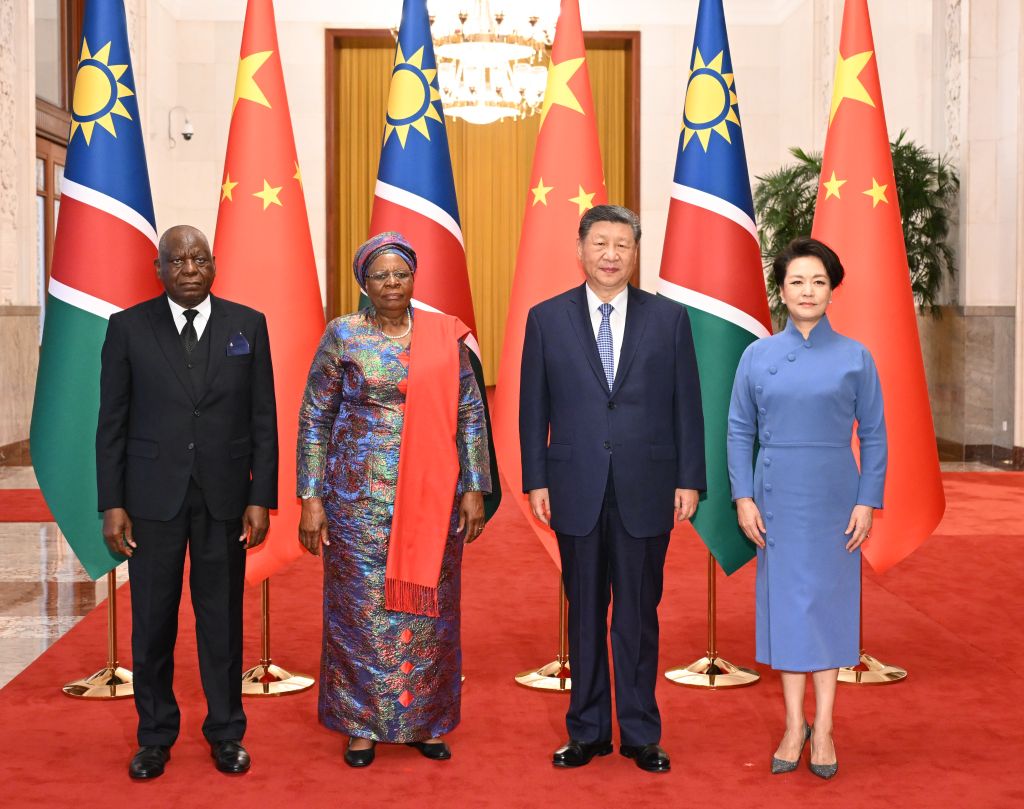
Prior to the talks, Xi and his wife Peng Liyuan held a welcome ceremony for Nandi-Ndaitwah and her spouse Epaphras Denga Ndaitwah. Xi and Peng also held a welcome banquet for them in the evening.
Chinese President Xi Jinping and his wife Peng Liyuan pose for a group photo with Namibian President Netumbo Nandi-Ndaitwah and her spouse Epaphras Denga Ndaitwah prior to the talks between Xi and Netumbo Nandi-Ndaitwah in Beijing, capital of China, July 10, 2026. Xi held talks with Netumbo Nandi-Ndaitwah, who is on a state visit to China, at the Great Hall of the People in Beijing on Friday. (Xinhua/Li Xiang)
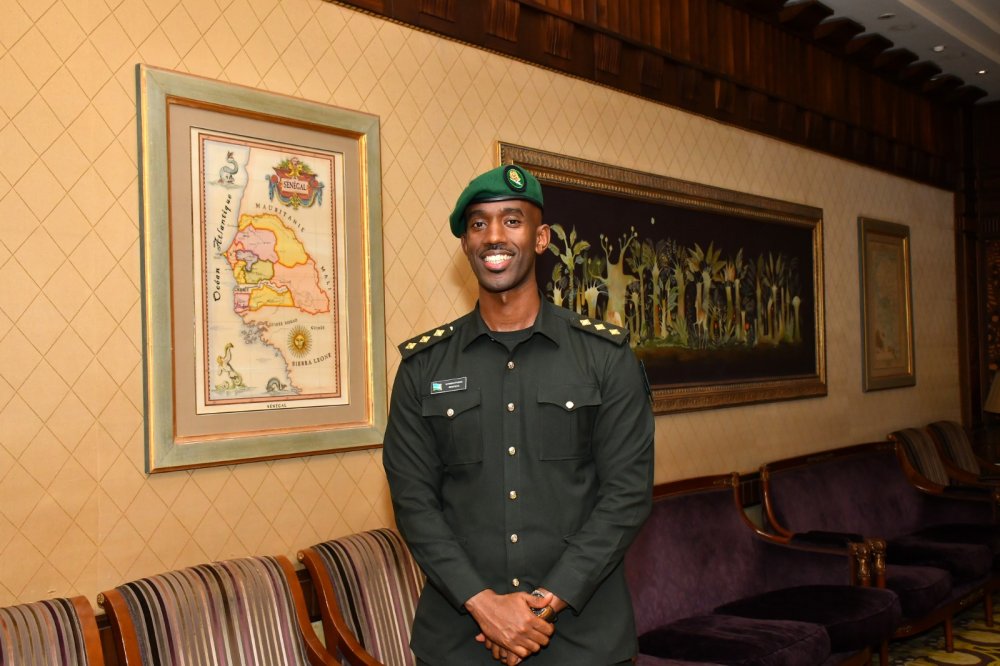
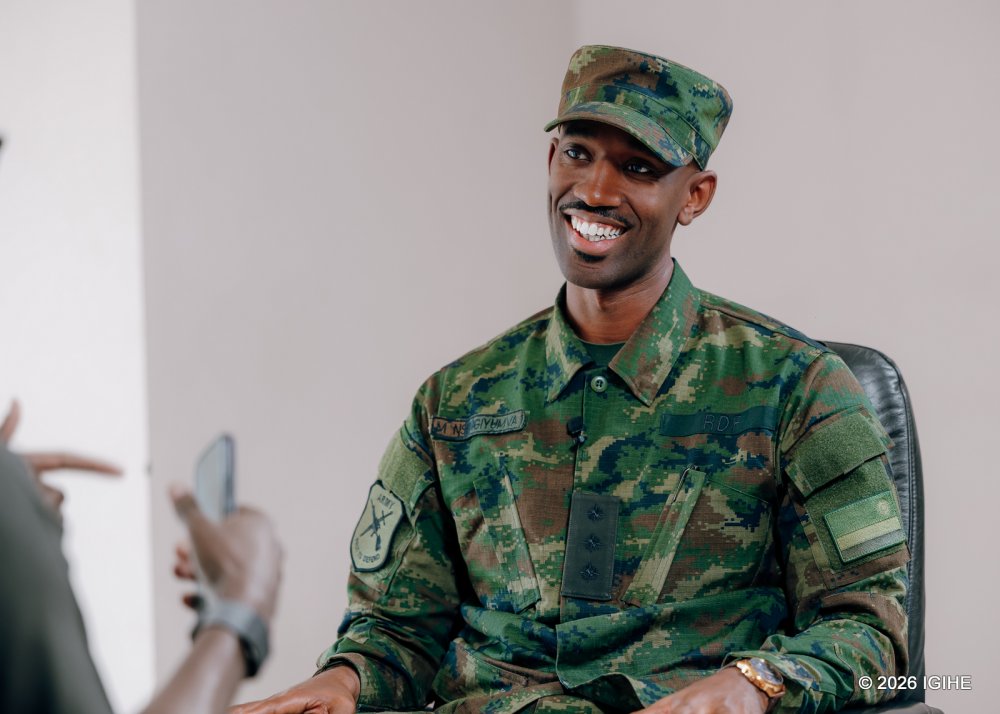
After graduating from university in 2016, Capt. Nsengiyumva, like many young graduates, began searching for employment. His efforts paid off when he successfully secured a position at the Rwanda Stock Exchange, where he worked in a field he had always been passionate about.
Although he enjoyed his job, his life took a different direction one morning when he came across a recruitment announcement inviting qualified candidates to join the Rwanda Defence Force.
The notice rekindled childhood memories of watching RDF soldiers march in formation as he walked to school, inspiring him to pursue a career in the military.
Without hesitation, he applied for the recruitment exercise, successfully passed the selection process, and began military training in 2017. After completing a year of rigorous training, he officially joined the Rwanda Defence Force, turning his childhood dream into reality.
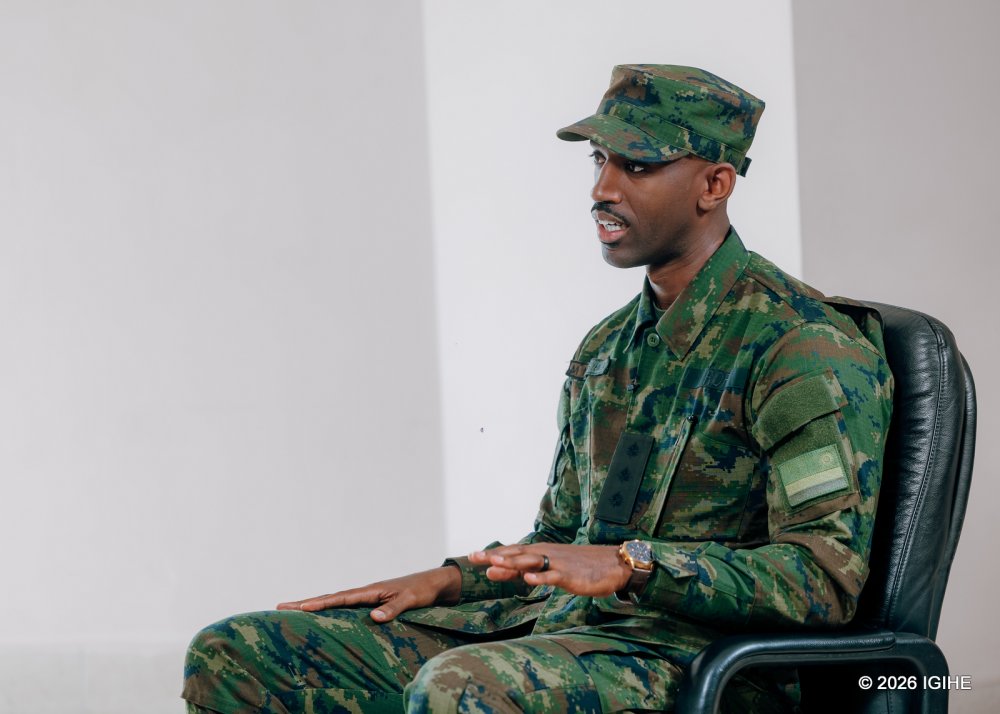
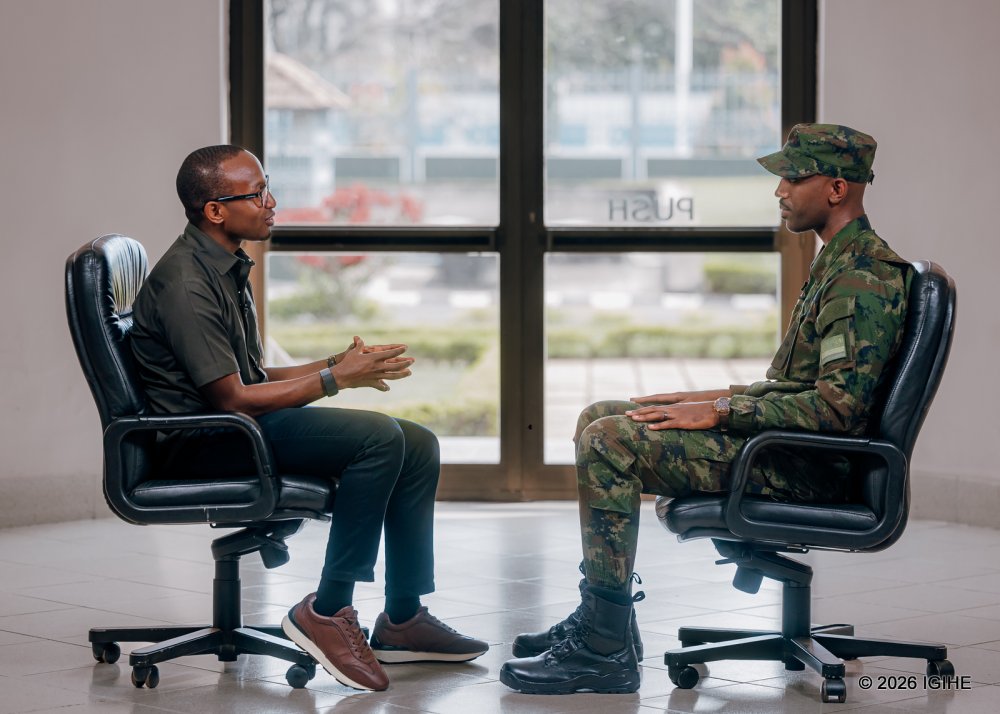
In an exclusive interview with IGIHE's Ingingo Nkuru program, Capt. Nsengiyumva opens up about his journey from the financial sector to military service. He reflects on what motivated him to join the RDF, discusses his daily responsibilities as an officer, and shares insights into the experiences that have shaped his career over the past eight years.
Capt. Michael Nsengiyumva has served in the Rwanda Defence Force for eight years
IGIHE:What does the daily life of a Rwanda Defence Force soldier look like?
Capt. Michael Nsengiyumva: The life of a soldier is not very different from ordinary life. At the end of the day, we are human beings like everyone else. However, because of the training we receive and the commitment we make to put our country first, we are prepared to make sacrifices, including giving our lives if necessary. That is the main difference.
As a soldier, you also make discipline the foundation of everything you do, both in your professional duties and in the way you relate with other people. Military service also teaches you resilience, perseverance, and the importance of having clear goals.
IGIHE: You have now spent eight years in the military. Did you grow up dreaming of becoming a soldier? How did that dream develop?
Capt. Michael Nsengiyumva: I would not say it was a single thing that led me here. Looking back, I realize that there were signs from my childhood that this could become my path.
When I was young, the school I attended was not far from where we lived, so we used to walk there every day. During those journeys, we would often meet long lines of soldiers marching. Watching them was always inspiring. They looked disciplined, confident, and proud, and I saw something admirable in the way they carried themselves.
Gradually, I began to dream of becoming one of those people I saw every morning.
As I grew older, especially when I reached secondary school, I started to understand more about who those soldiers were, what they did, and what military service truly meant.
I learned about the important role the Rwanda Defence Force played in liberating the country, and I began to see joining the military as one of the things I could do in life. Among the many dreams and ambitions I had, serving in the national army became one of the paths I wanted to pursue.
However, after completing university, that childhood dream developed into something deeper. At the time, I was still a civilian, but I followed the work of the Rwanda Defence Force closely, not only within Rwanda but also through its international peacekeeping missions in countries such as the Central African Republic and South Sudan.
Seeing the professionalism, discipline, and positive reputation of Rwanda's soldiers motivated me even more. I realized that I also wanted to contribute to building my country, and I could not think of a better way to do that than by becoming part of the Rwanda Defence Force.
His childhood admiration for soldiers inspired him to leave his job at the Rwanda Stock Exchange and join the military
IGIHE: What happened after you graduated from university in 2016?
Capt. Michael Nsengiyumva: After graduating from university, I remember completing my studies in April. Around that time, the Rwanda Stock Exchange was recruiting new employees, so I applied. Of course, it was not the only institution I applied to. Like many graduates, I was searching for opportunities in different places, but fortunately, I was among those who were selected that year.
I started working there, mainly in investment advisory services. My responsibility was to advise individuals and investors based on their financial goals, the projects they wanted to undertake, and the best ways to invest their resources.
I continued working in that field until 2017. It was a career I genuinely enjoyed, and I would not say I left because I was unhappy or because I was looking for an alternative. I was doing something I loved and could have continued doing for many years.
IGIHE: How did you eventually decide to join the military?
Capt. Michael Nsengiyumva: Around February 2017, I came across an announcement inviting people interested in joining the Rwanda Defence Force to apply. Such announcements were not new, but when I saw that particular one, I felt a strong connection to it, as if it was an opportunity meant for me.
I looked at the age requirements and realized that I qualified. I checked the education requirements and found that I met them as well. I was a Rwandan citizen, which was also a requirement. At that moment, I felt that ignoring the opportunity would mean turning down a chance to serve my country.
IGIHE: Some people describe Cadet training as extremely demanding. What was your experience?
Capt. Michael Nsengiyumva: If you were used to waking up at 8:00 a.m., having lunch at noon, and going to sleep early in the evening, military training completely changes that routine. You learn to look beyond your personal comfort and preferences. Instead, you learn to follow instructions, meet expectations, and work together with others.
I remember seeing soldiers and being told that the soldiers we saw beginning their day in the morning would continue working throughout the day and sometimes into the night. At the time, it seemed almost impossible to me.
I would ask myself, 'How can someone continue moving and working for so many hours?' But once you go through military training, you gradually develop that ability. You find yourself doing things you once thought were impossible, and with time, they become part of your daily life.
IGIHE: What qualities should young people between the ages of 18 and 23 who wish to join the military develop?
Capt. Michael Nsengiyumva: Beyond those who aspire to join the military, every young person should strive to have good values and positive character. It is important to be someone with a clear vision, someone who understands that they have goals to achieve and a contribution to make to themselves, their families, and their country.
You should also be someone who believes that possibilities go beyond what you have already experienced. Do not limit yourself to what you can see or what you have achieved today. Believe that through learning, training, and accepting challenges that may seem beyond your current abilities, you can still accomplish great things.
IGIHE: Is there a special feeling that comes with receiving your first military rank?
Capt. Michael Nsengiyumva: It is one of the most memorable and important moments in a soldier's life. Receiving your first rank is a great honour and a moment you always remember.
IGIHE: Rwanda has enjoyed more than 30 years of peace, and many people often associate soldiers with war and combat. During such a period of peace, what does life look like for you as soldiers?
Capt. Michael Nsengiyumva: Protecting the country's sovereignty does not necessarily mean fighting a war. There is a principle that we all learn and uphold: putting the citizen first.
Everything we do within the Rwanda Defence Force, whether it is in healthcare, technical services, administration, or any other area, is focused on ensuring that citizens are safe and able to carry out their daily activities without fear or disruption.
A farmer should be able to work on their land peacefully. A businessperson should be able to conduct their activities in a secure environment. Our responsibility is to create conditions where every citizen feels protected and confident.
Therefore, military service is not only about being on the battlefield. It is also about carrying out your daily duties with the understanding that your work is meant to serve and protect the people.
When citizens see you, they should feel reassured that they are safe and that their well-being is being protected.
IGIHE: What responsibilities do you personally handle in your daily work?
Capt. Michael Nsengiyumva: As a soldier, you must always be prepared to take on any responsibility assigned to you by your commanders. However, in my current role, I work in administration at the Rwanda Defence Force headquarters.
IGIHE: As Rwanda marks the 32nd anniversary of Liberation, what stories from the liberation struggle have inspired you the most?
Capt. Michael Nsengiyumva: The history of Rwanda's liberation is broad, and every part of it gives me inspiration.
However, one thing that continues to stand out for me is the journey of President Paul Kagame, who is also the Commander-in-Chief of the Rwanda Defence Force. He left the life he had established in the United States and returned to join a difficult struggle at a time when Rwanda was facing a serious crisis.
The way he transformed the struggle and led it until Rwanda was liberated is something I reflect on often. It motivates me and pushes me to constantly evaluate myself and learn from that history.
IGIHE: What do you believe young people should do to preserve the achievements and legacy built over the years?
Capt. Michael Nsengiyumva: We grew up hearing about Vision 2020, and today the country is working towards Vision 2050. These visions demonstrate the direction and ambitions that Rwanda has set for itself.
In the same way, every young person should have a personal vision. You should be able to say, 'This is where I am today, but this is where I want to be tomorrow.'
The Rwanda we found when we were born should not remain the same when we grow older. Each of us has a responsibility to contribute something meaningful to the country's development and leave behind a positive impact.
Young people must also avoid behaviours that can harm themselves and society, such as alcohol abuse and drug use. These challenges do not only affect individuals; they also affect the country because they take away valuable human resources, talents, and people who could have contributed to national development.
Beyond education and professional skills, young people must also be ready to adapt to a changing world. Technology continues to evolve every day, and we must develop the ability to learn, adapt, and continue improving ourselves so that we remain relevant in the future.
IGIHE: We often see reports of individuals or groups outside the country attempting to undermine Rwanda's security. As those who liberated the country gradually pass on responsibility to your generation, how prepared are you to ensure that no one can threaten the country's security?
Capt. Michael Nsengiyumva: The answer is evident in itself. Today, we have people who were born during the liberation struggle, as well as others who were born after that period, and many of us are now serving in the Rwanda Defence Force.
This demonstrates that there is a continuation of the values that have guided the country, including patriotism, love for Rwanda, and the commitment to make sacrifices whenever the country requires it.
With such values being passed from one generation to another, there is no reason for anyone to worry about the future of Rwanda's security.
More importantly, we understand the history of where our country came from. No one would ever wish to see Rwanda return to the difficult and painful period from which it emerged.
A widely used pesticide designed to protect crops from harmful insects may also be affecting the reproductive health of bumblebees, raising concerns about the long-term survival of one of the world's most important pollinators.
Researchers from the Georgia Institute of Technology found that low levels of exposure to sulfoxaflor, a modern pesticide used against crop pests such as aphids, can alter gene activity in bumblebees, especially in tissues linked to reproduction.
Bumblebees play a crucial role in global agriculture by helping pollinate many crops.
Scientists estimate that pollinators contribute to about one third of the world's food production, making their protection essential for food security.
Although sulfoxaflor was developed to target harmful insects and improve crop production, researchers say its effects on beneficial insects such as bees need greater attention.
The chemical is already known to be toxic to bees, but the new study reveals how even small amounts may affect their biology at the molecular level.
The research team exposed worker bumblebees to low doses of the pesticide and later examined changes in their gene expression.
The greatest changes were found in ovarian tissues, suggesting that the chemical may interfere with reproductive processes and reduce the number of offspring produced by bee colonies.
To understand the impact, scientists analyzed bee tissues and studied RNA activity, which helps reveal how genes respond to environmental stress.
They also used computer models to identify the biological systems most affected by pesticide exposure.
Researchers say the findings provide an important connection between molecular changes inside bees and possible consequences for entire colonies.
Reduced reproduction among bumblebees could eventually contribute to population declines and threaten pollination systems that agriculture depends on.
The study highlights a major challenge facing modern farming: finding ways to control crop-damaging pests while protecting beneficial insects.
Scientists say better pest management strategies are needed to maintain healthy bee populations while ensuring reliable food production.
Beyond pesticides, bumblebees are also facing other environmental pressures, including rising temperatures and more frequent heatwaves, which add further stress to already vulnerable populations.
Researchers hope that a better understanding of how chemicals affect pollinators will help farmers and policymakers develop safer agricultural practices that protect both crops and the insects that support ecosystems worldwide.
Scientists discover how a popular pesticide harms bumblebee reproduction
The Rwanda Smart Emergency Response Pilot aims to reduce delays in emergency interventions, strengthen community resilience and bring emergency support closer to people, particularly those living in remote and hard-to-reach areas.
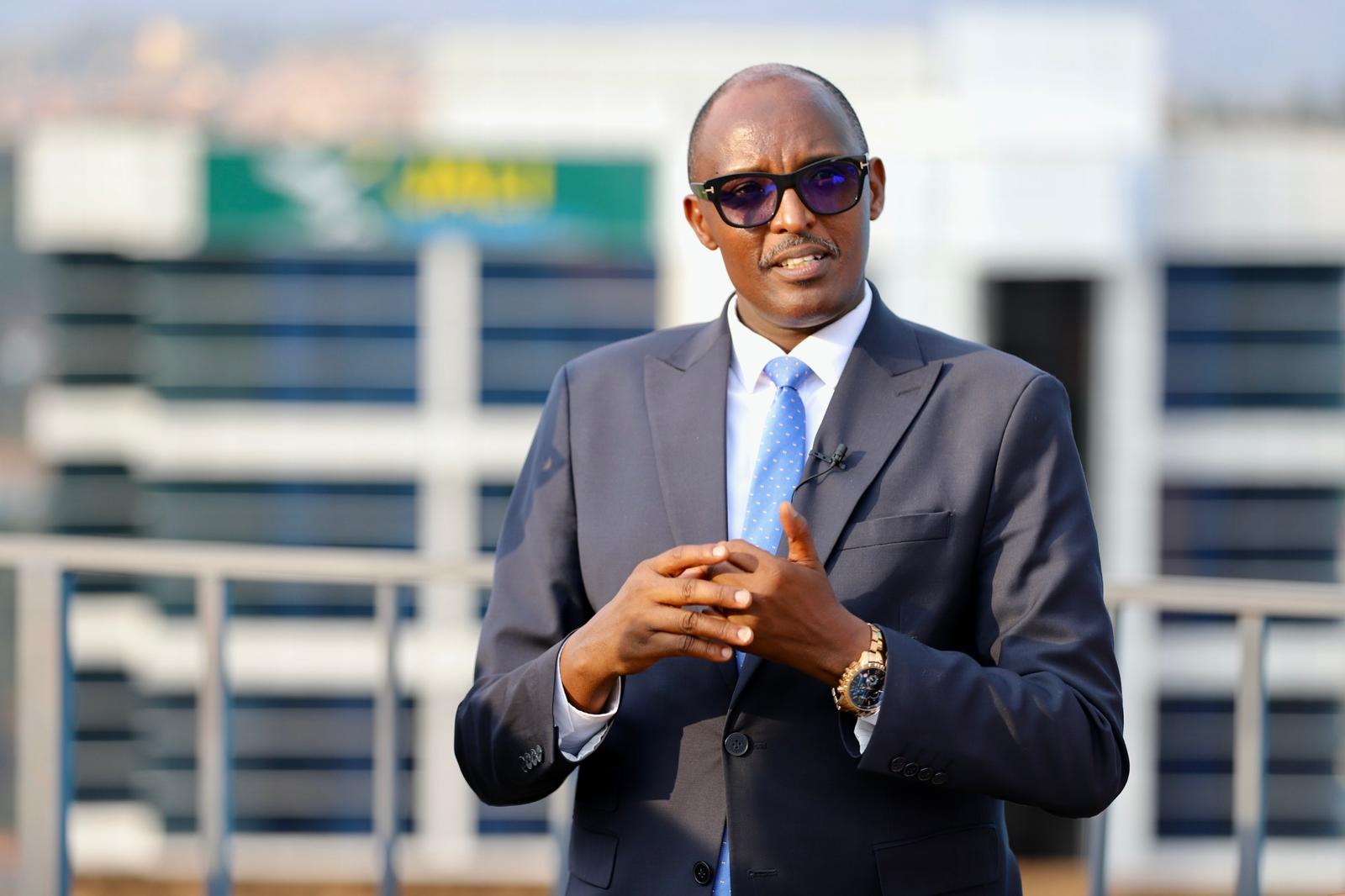
In an interview, Safari Rutagengwa, CEO of SASA Group, said the initiative builds on Rwanda's progress in emergency response, including the establishment of the national 112 Emergency Call Center, the expansion of pre-hospital emergency medical services and continued investments in public safety and protection.
He explained that the project is designed to complement existing emergency response structures by introducing a new generation of smart technologies, including advanced ambulances, firefighting vehicles, digital coordination systems and real-time data analytics tools.
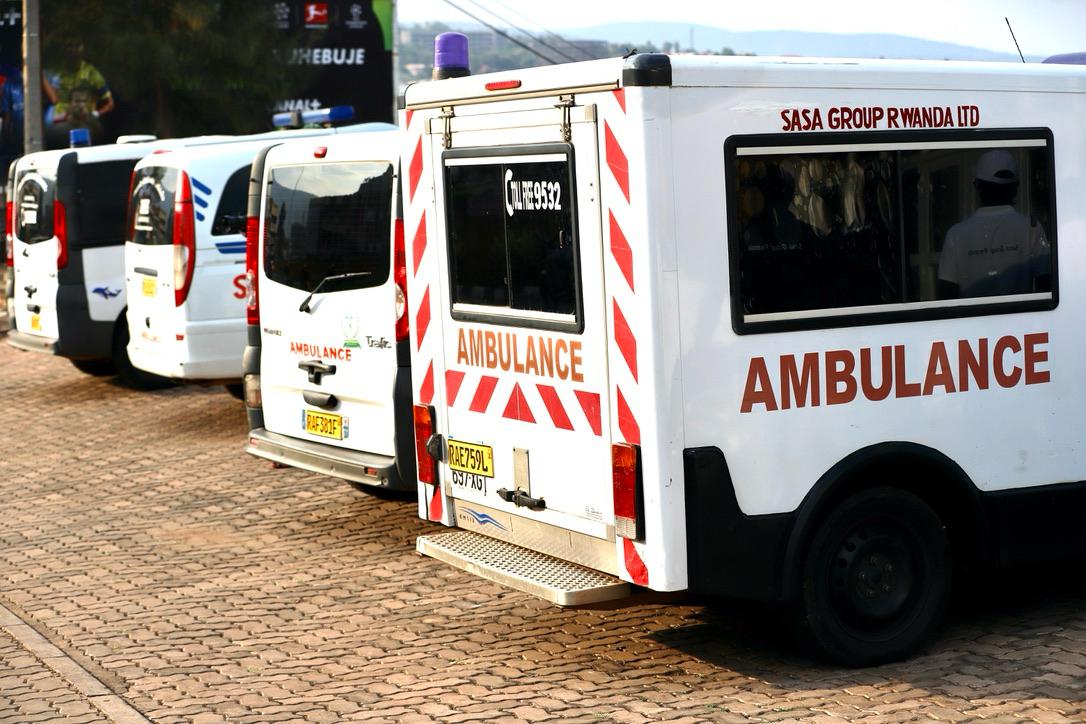
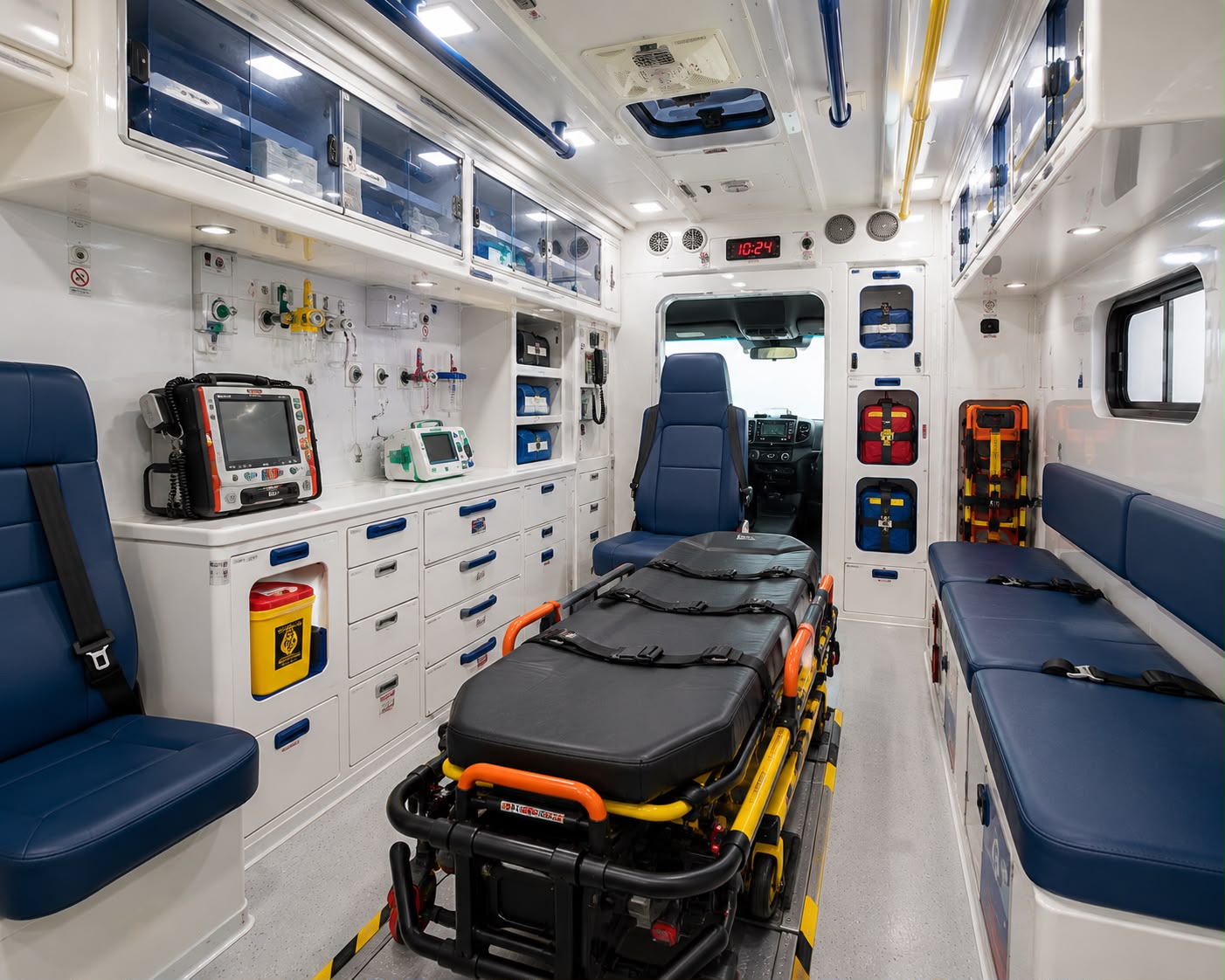
One of the proposed solutions is the iSA-400 Smart Ambulance, a compact emergency vehicle designed to operate on narrow roads, hilly terrain and remote locations where conventional ambulances may face challenges. Equipped with essential medical equipment for pre-hospital emergency care, the ambulance is intended to improve access to lifesaving services.
According to the project presentation, several iSA-400 Smart Ambulances can be deployed at a cost comparable to a single conventional ambulance, potentially allowing wider coverage and faster access to emergency medical assistance.
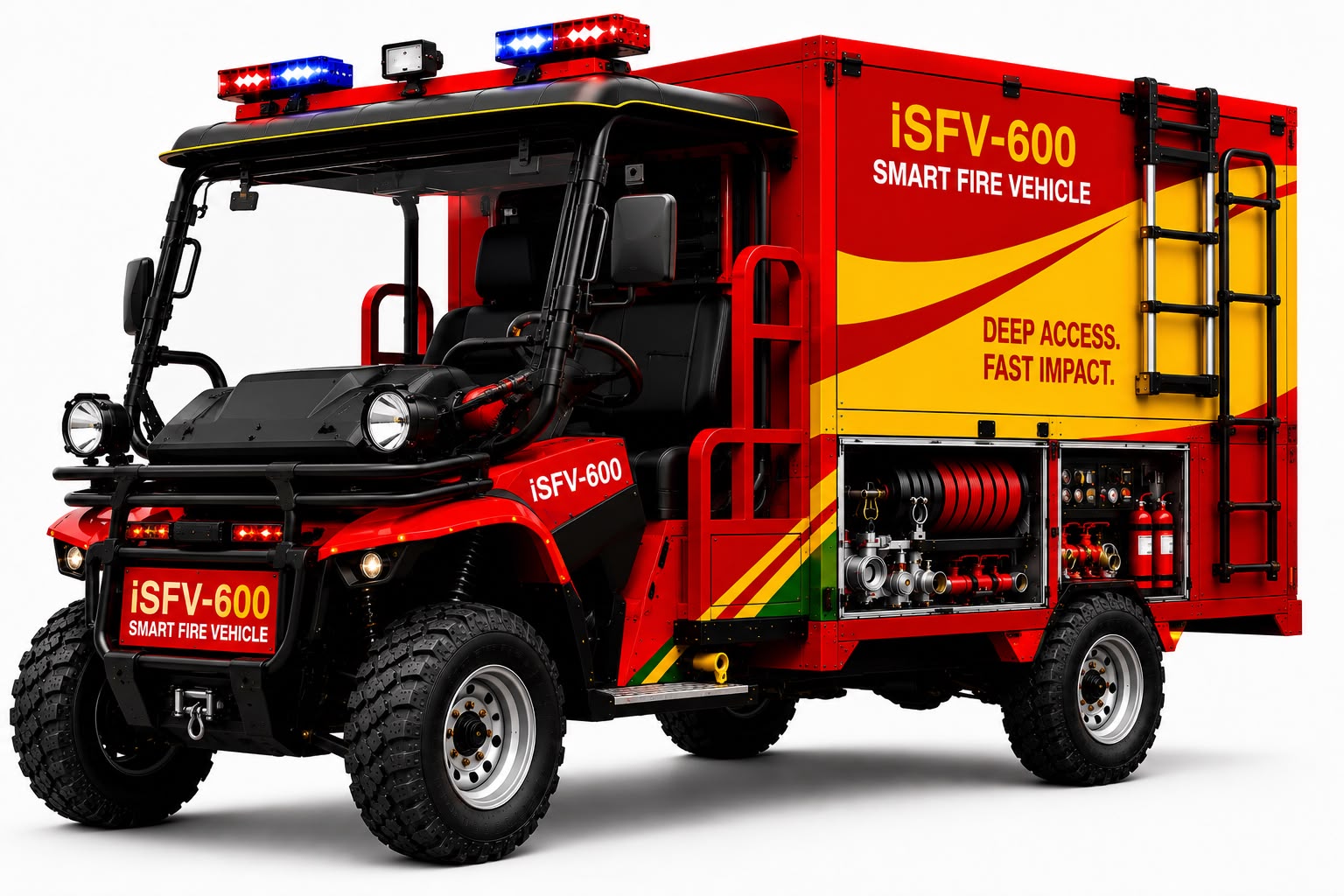
The initiative also proposes the iSFV-600 Smart Fire Vehicle, a rapid-response firefighting vehicle designed for urban areas, industrial zones, forests and road traffic accidents. Equipped with a high-pressure firefighting system and technology tailored for quick intervention, the vehicle is expected to strengthen firefighting capabilities and reduce losses caused by fires.
As part of its sustainability focus, the project includes the ESA-260 Electric Smart Ambulance, a fully electric emergency vehicle designed to reduce operating costs, lower carbon emissions and minimize the environmental impact of emergency services while maintaining the performance required for emergency operations.
Beyond vehicles and equipment, the project includes plans for a smart emergency response ecosystem built around an integrated command center, advanced communication systems, real-time monitoring platforms, data analysis tools and coordination mechanisms linking emergency teams, response centers and relevant institutions.
The system is intended to improve decision-making and operational efficiency by ensuring that responders have access to timely information and can coordinate more effectively during emergencies.
The pilot phase is expected to be launched in Kigali, featuring five strategically located response stations, ten smart ambulances and five smart firefighting vehicles supported by an integrated coordination and performance-monitoring system. The pilot is expected to run for approximately 12 months, covering preparation, deployment, testing and evaluation.
Its effectiveness will be assessed using key performance indicators, including emergency response times, geographic coverage, the number of interventions conducted, people assisted, equipment availability and community satisfaction. Data collected during the pilot phase will help evaluate its impact and guide decisions regarding possible expansion.
Rutagengwa said the pilot is intended to demonstrate the effectiveness of the model before it is gradually expanded to other districts across Rwanda.
The initiative will also focus on strengthening local capacity through training, knowledge transfer, institutional cooperation and continuous improvement of emergency services. It is envisioned as a model that can support broader efforts in innovation, community safety and sustainable development.
Rutagengwa emphasized that the project is not intended to replace existing emergency response systems but rather to reinforce and enhance them.
'We are not seeking to replace what is already working well. Our goal is to strengthen existing capacities so that we can reach more communities, respond to emergencies more quickly, and build an even safer and more resilient Rwanda.'
He said the initiative is guided by the objective of ensuring that emergency assistance reaches people when every second matters.
'Our work is driven by one fundamental objective: to make every minute count in saving the life of someone in danger,' he concluded.
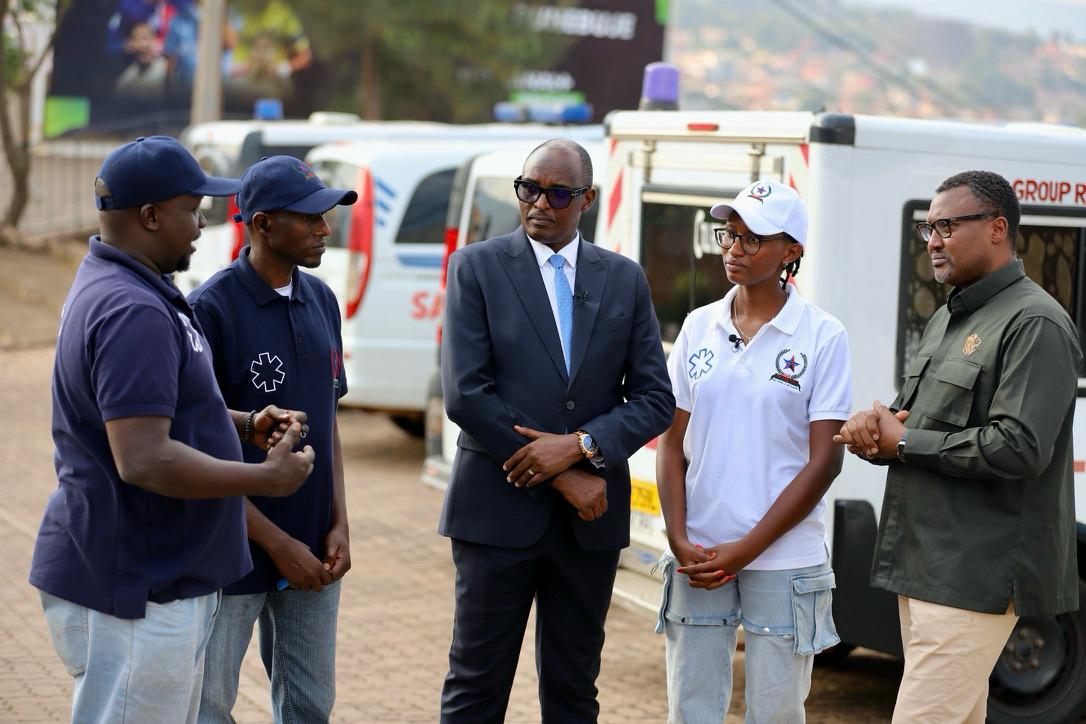
Some of the ambulances operated by SASA Group.Safari Rutagengwa and his team taking IGIHE kournalist through activities and operations of SASA Group.Safari Rutagengwa, CEO of SASA Group, which has partnered with InterSafe International LLC from the United Arab Emirates.