Author: admin

  • Rwanda seeks $1 billion private investment to boost electricity generation #rwanda #RwOT

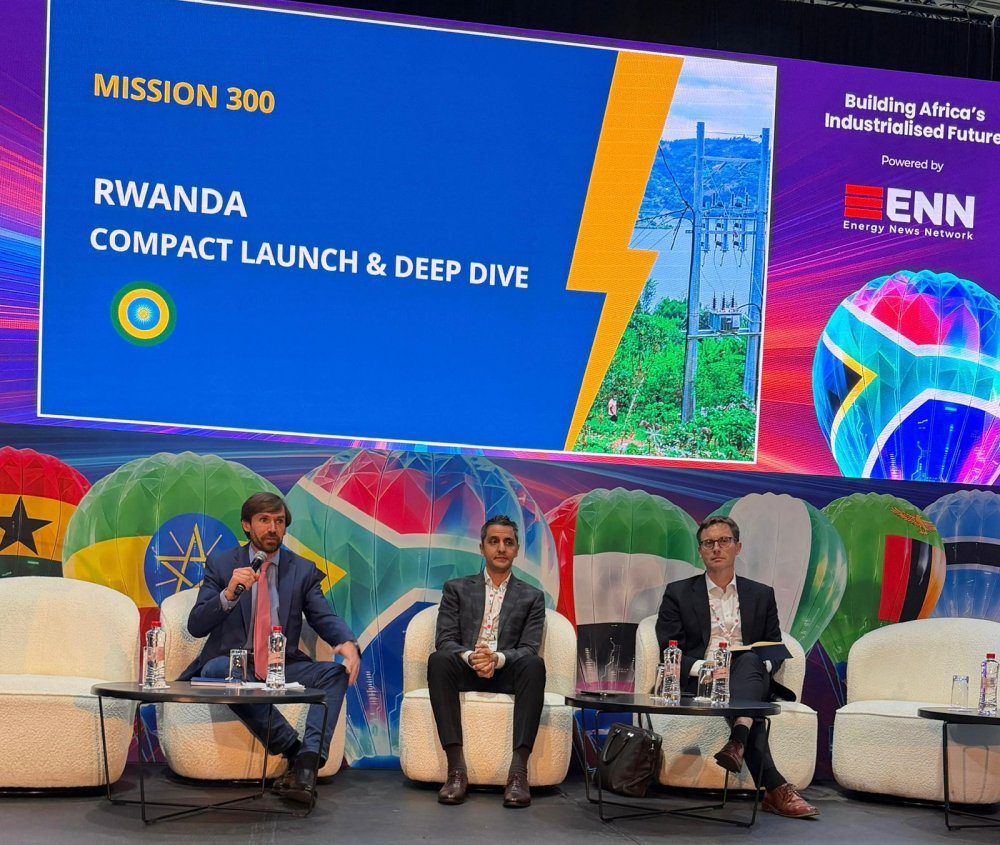
    The appeal was made by the Minister of Foreign Affairs and International Cooperation, Olivier Nduhungirehe, at the Africa Energy Forum (AEF) 2026 in Cape Town, South Africa. During the forum, Rwanda officially launched the Rwanda Energy Compact, a targeted initiative designed to channel foreign and domestic private capital into the country’s fast-growing energy sector.

    Nduhungirehe stressed that deeper private sector participation is vital to bridging the funding gap for the country’s utility ambitions.

    ‘To achieve this, we need greater involvement from the private sector. Private-sector investment remains relatively low, and we need to increase it to about $1 billion to ensure that every Rwandan has access to electricity,’ Nduhungirehe said.

    The Minister emphasized that expanding the power grid is foundational to Rwanda’s broader macroeconomic goals, particularly localized industrialization.

    ‘We understand that energy is not an end in itself; it is a tool for development. Rwanda is a developing country at the heart of Africa, and we need to industrialize. We must build a vibrant economy with strong industries that can produce locally made goods, helping to reduce our trade deficit,’ he noted.

    The Rwanda Energy Compact also serves as a framework to promote regional grid integration across East Africa. Nduhungirehe called for cohesive public-private frameworks that look beyond domestic borders.

    ‘Ultimately, our goal is to ensure that Africa produces enough energy to sustain its industries and enable the continent to become the global economic powerhouse it has the potential to be,’ he added.

    A 30-year energy transformation

    Rwanda’s energy landscape has undergone a dramatic shift over the past three decades, with domestic electricity access soaring from just 1% in 1994 to 86% today.

    Under the Rwanda Energy Group’s (REG) 10-year strategic framework, the government aims to expand total installed capacity to 1,066 megawatts (MW). A robust pipeline of diverse energy projects is already underway to meet this target:

    Key domestic projects include the 43.5 MW Nyabarongo II Hydropower Plant, the 9.7 MW Rukarara VI project (currently 26% complete), and the 0.91 MW Nyirahundwe plant (71% complete). Regionally, Rwanda is partnering with Burundi and the Democratic Republic of Congo on the 206 MW Rusizi III project, alongside ongoing feasibility studies for the expansion of the operational Ntaruka Hydropower Plant.

    Unique extraction projects at Lake Kivu continue to anchor baseline power. The KivuWatt and Shema Power Lake Kivu facilities currently supply 82 MW, accounting for roughly 21% of national generation. The government plans to scale methane-based capacity to 100 MW.

    Solar energy is poised to take a larger share of the national energy mix through upcoming projects, including the 30 MW Mpanga Solar PV plant in Kirehe District, a massive 200 MW Nyabarongo II Solar PV project, and the 4.13 MW Izuba CB Energy plant.

    Overall, Rwanda estimates that a total of $3.2 billion will be required to fully implement its 10-year national energy strategy. The government plans to secure the remaining balance through a mix of concessional loans, green bonds, carbon credits, and climate-finance instruments.
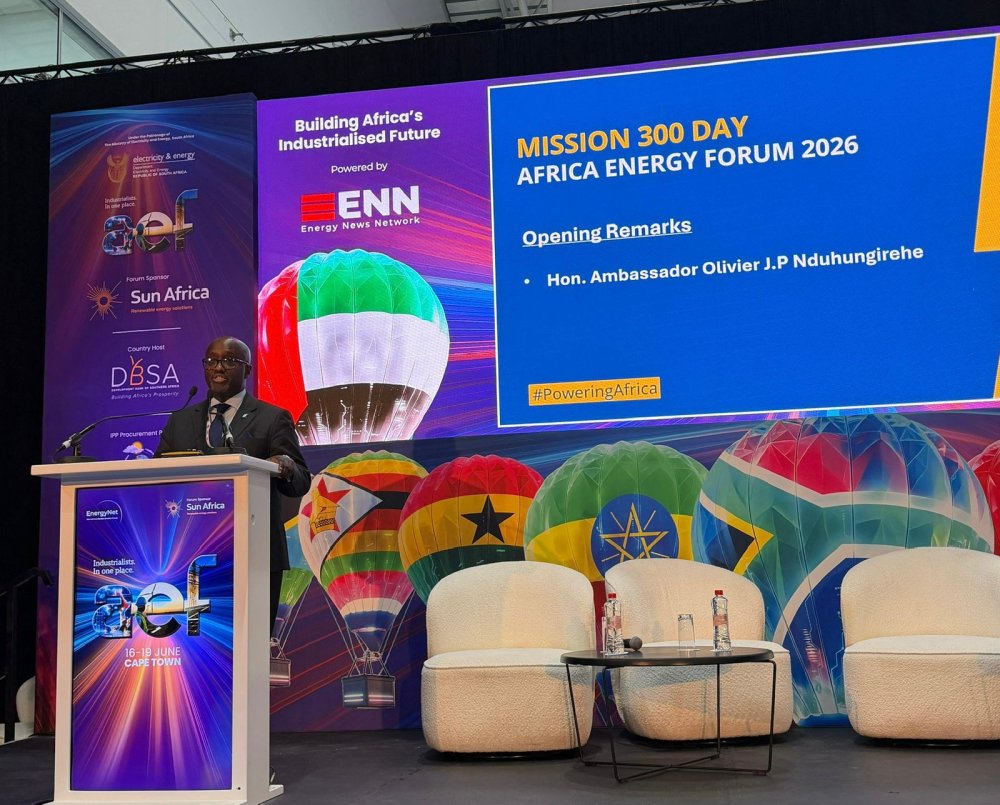
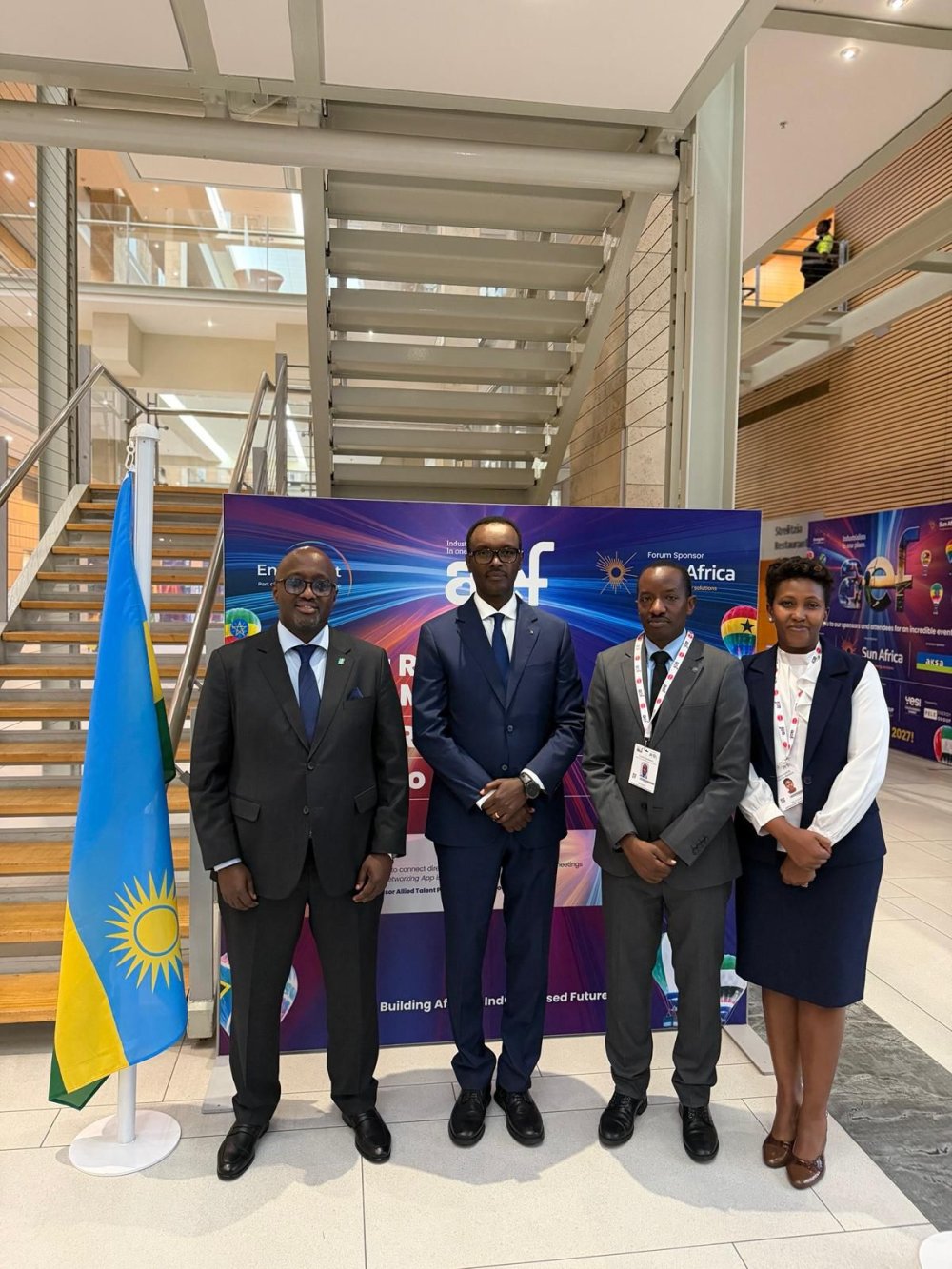
    Minister of Foreign Affairs and International Cooperation, Olivier Nduhungirehe, highlighted Rwanda’s energy ambitions at the Africa Energy Forum (AEF) 2026 in Cape Town, South Africa.


    Source : https://new.igihe.com/english/rwanda-seeks-1-billion-private-investment-to-boost-electricity-generation/

  • The Mama Guide launched to strengthen health literacy and empower families in Rwanda #rwanda #RwOT

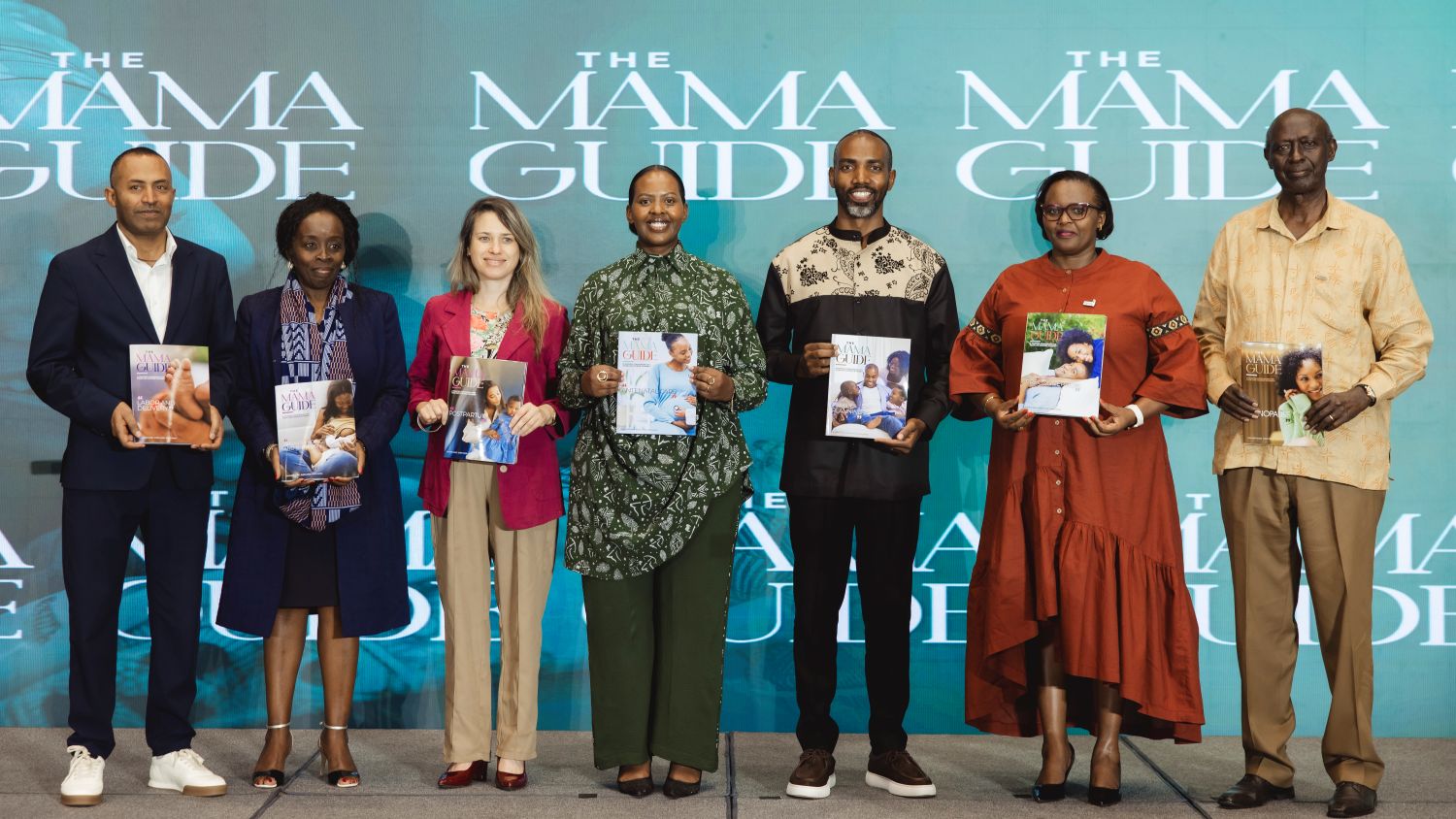
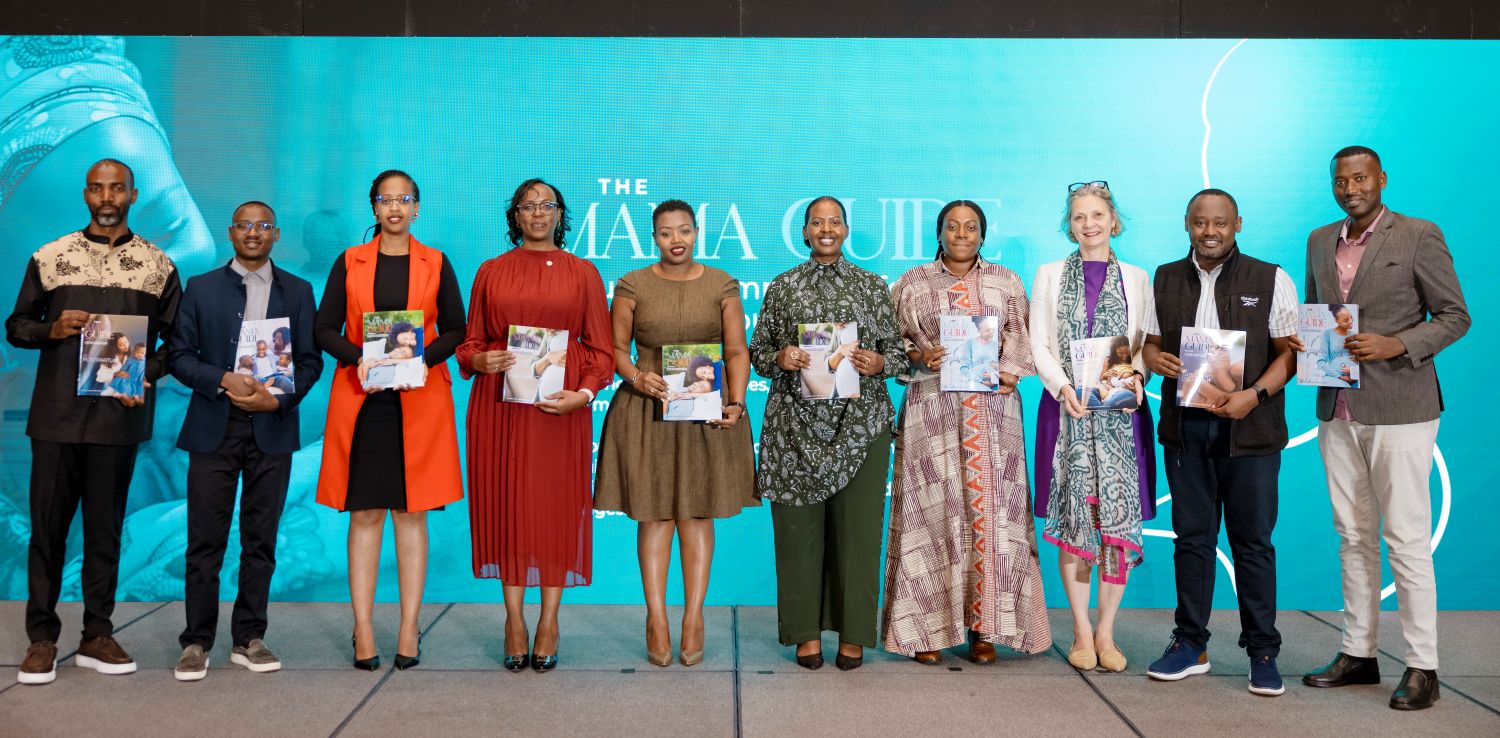
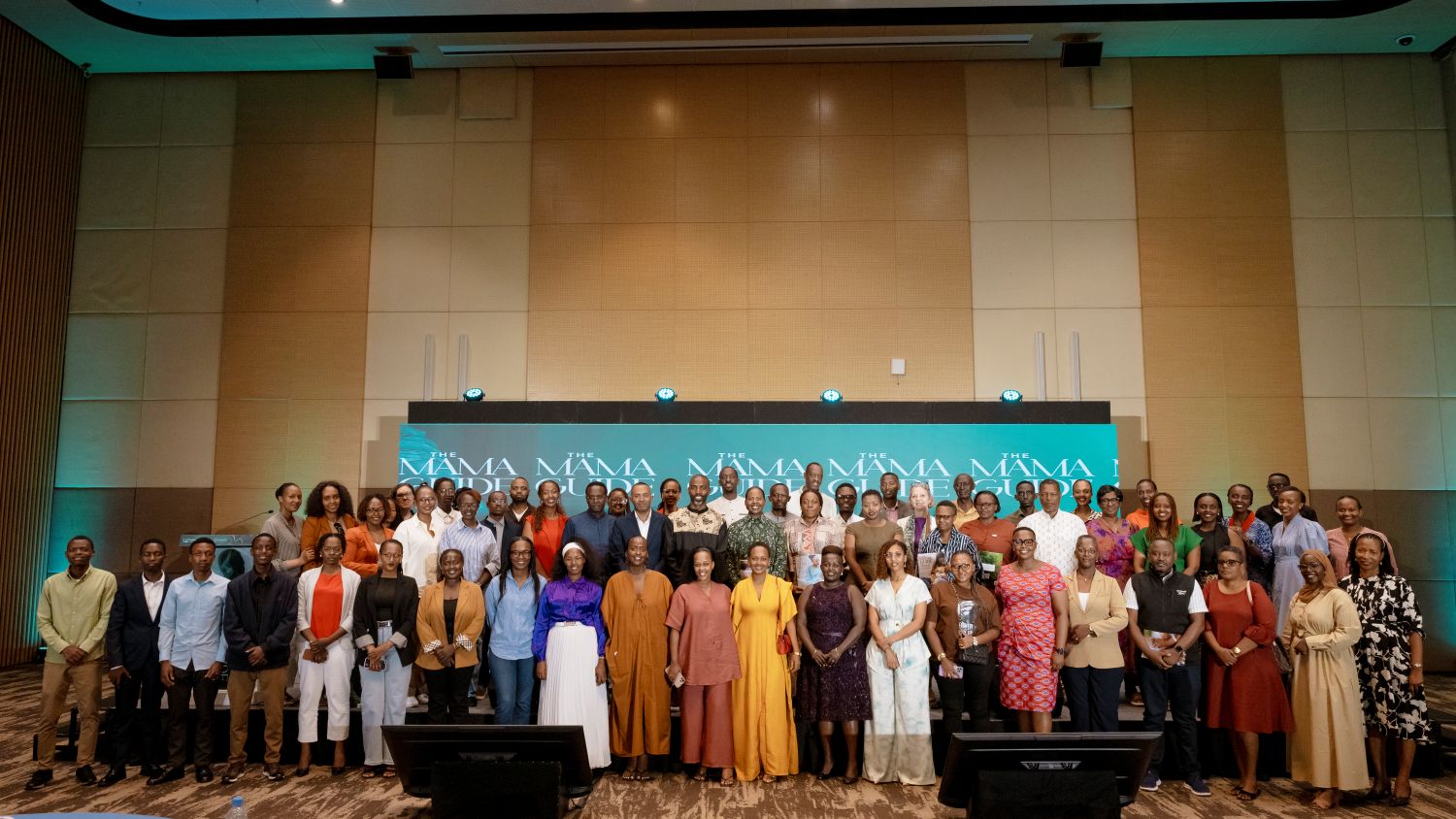
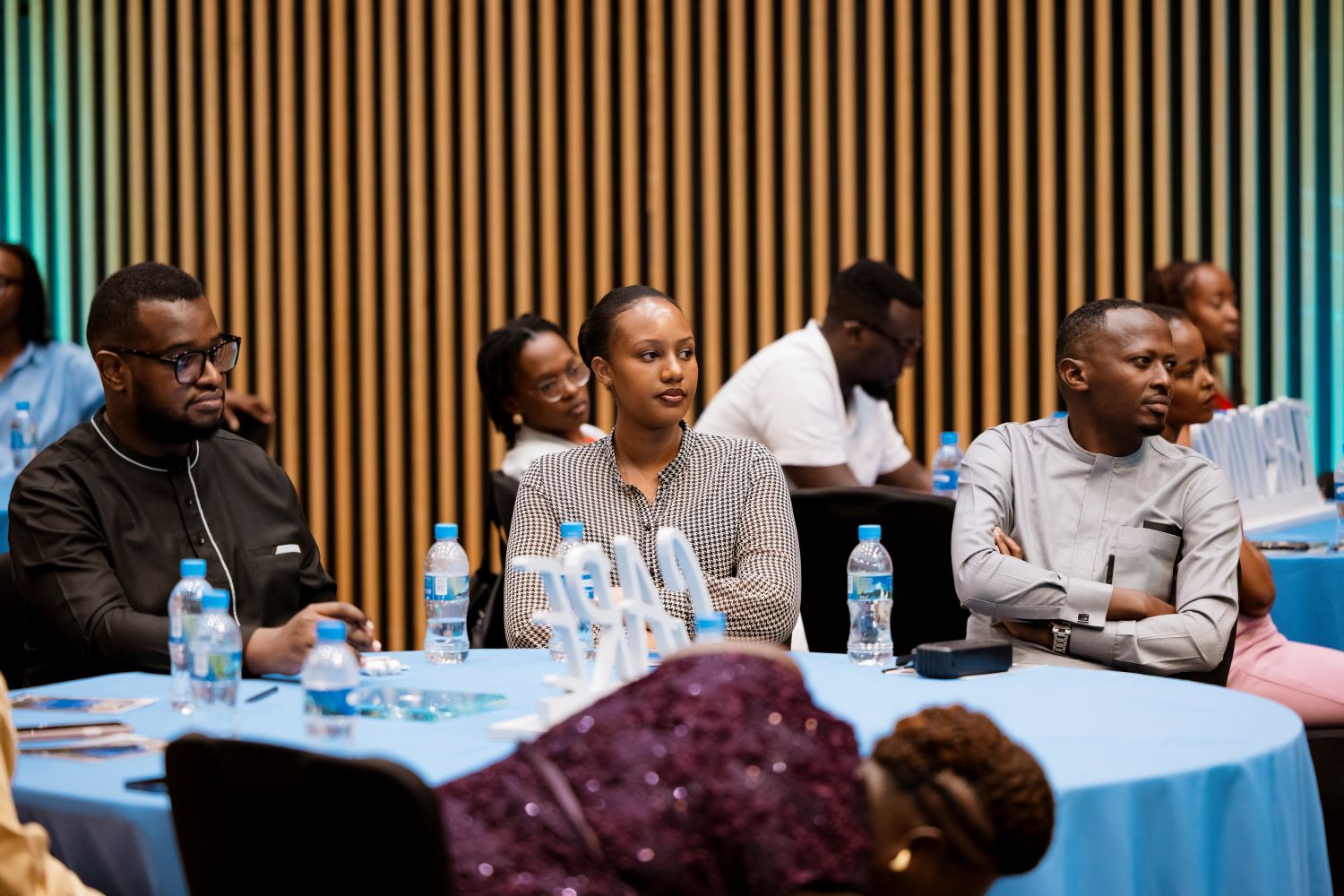
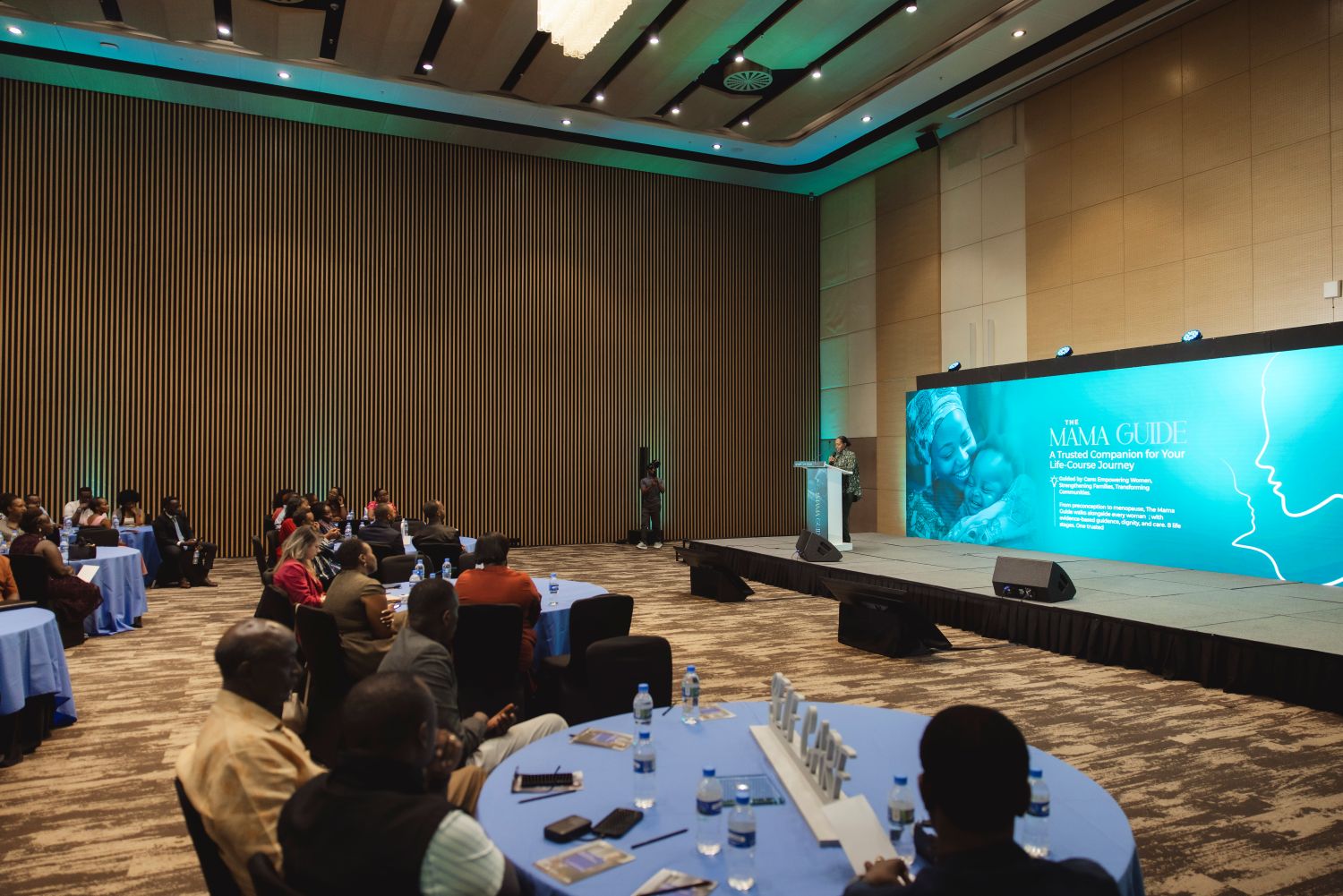
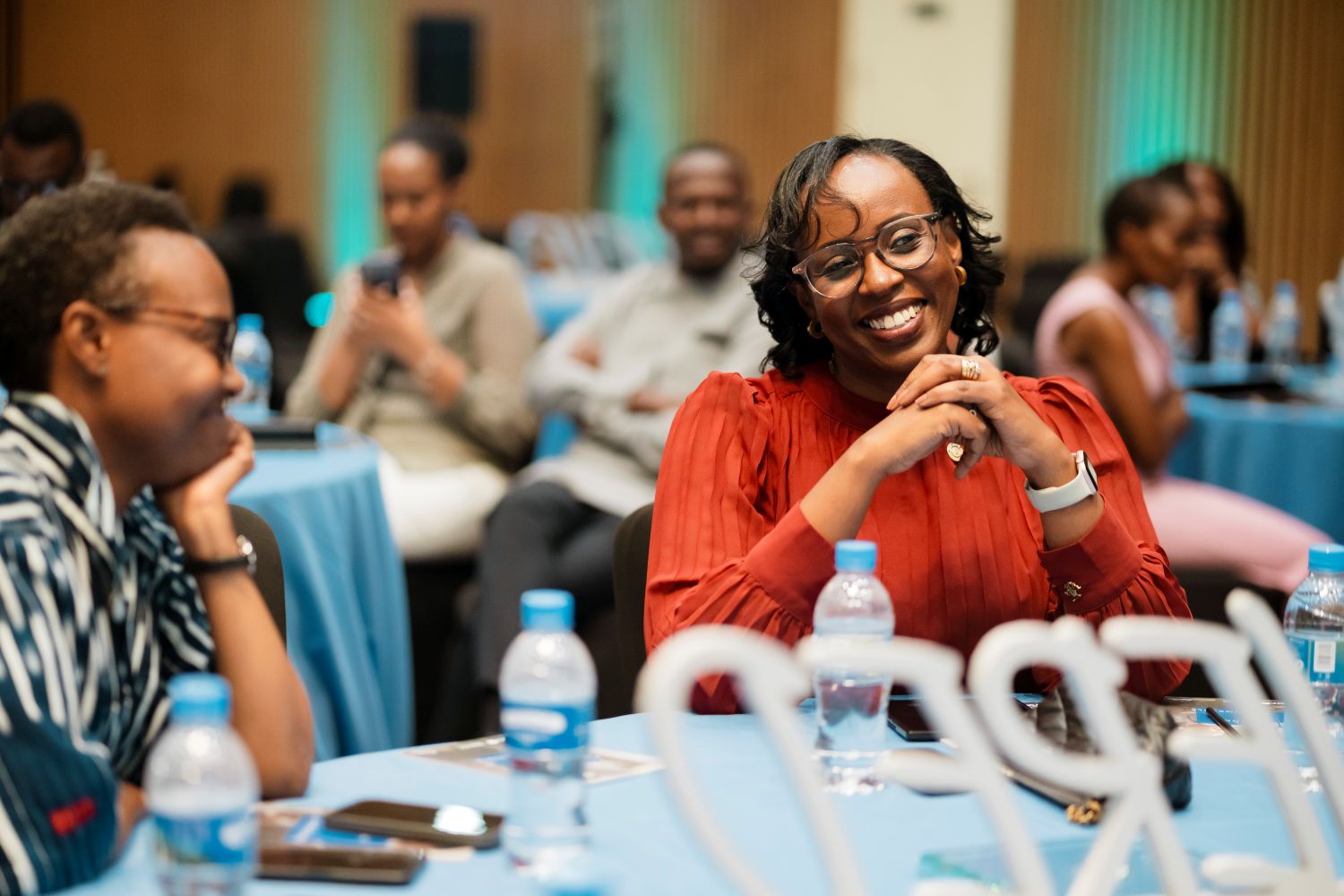
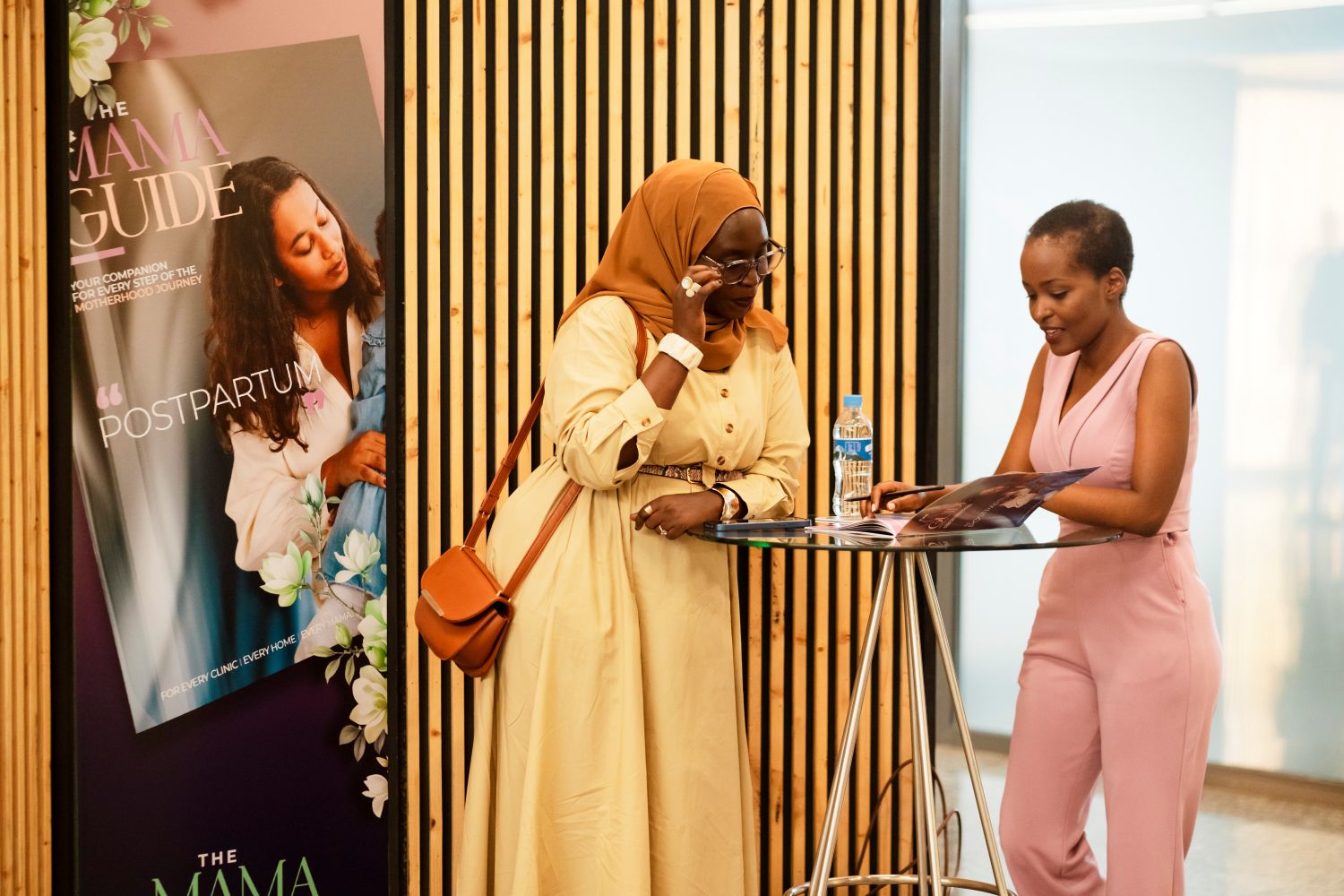
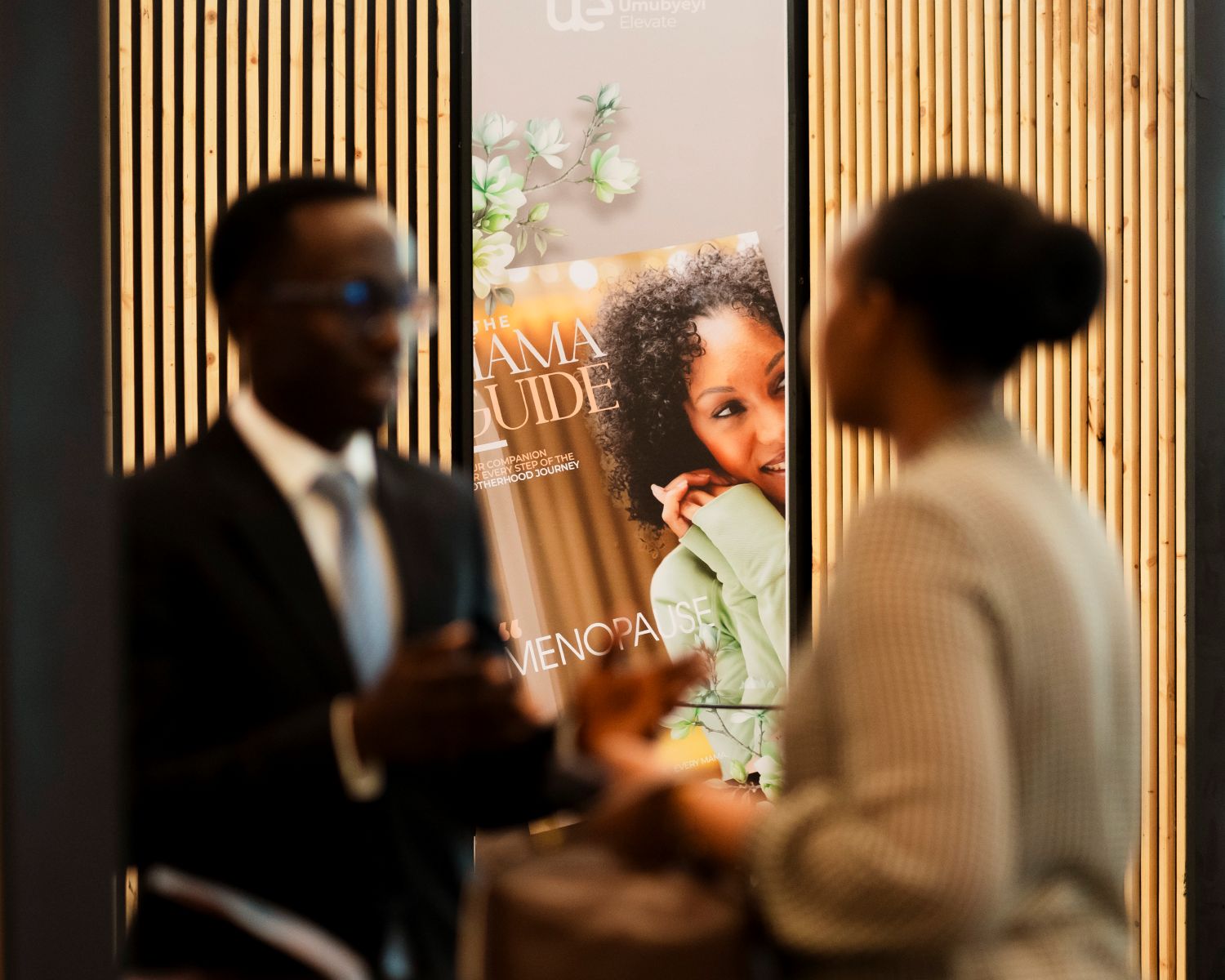
    The launch brought together government representatives, healthcare professionals, development partners, academics, civil society actors, and private sector stakeholders, all underscoring the growing importance of accessible and reliable health information in improving public health outcomes.

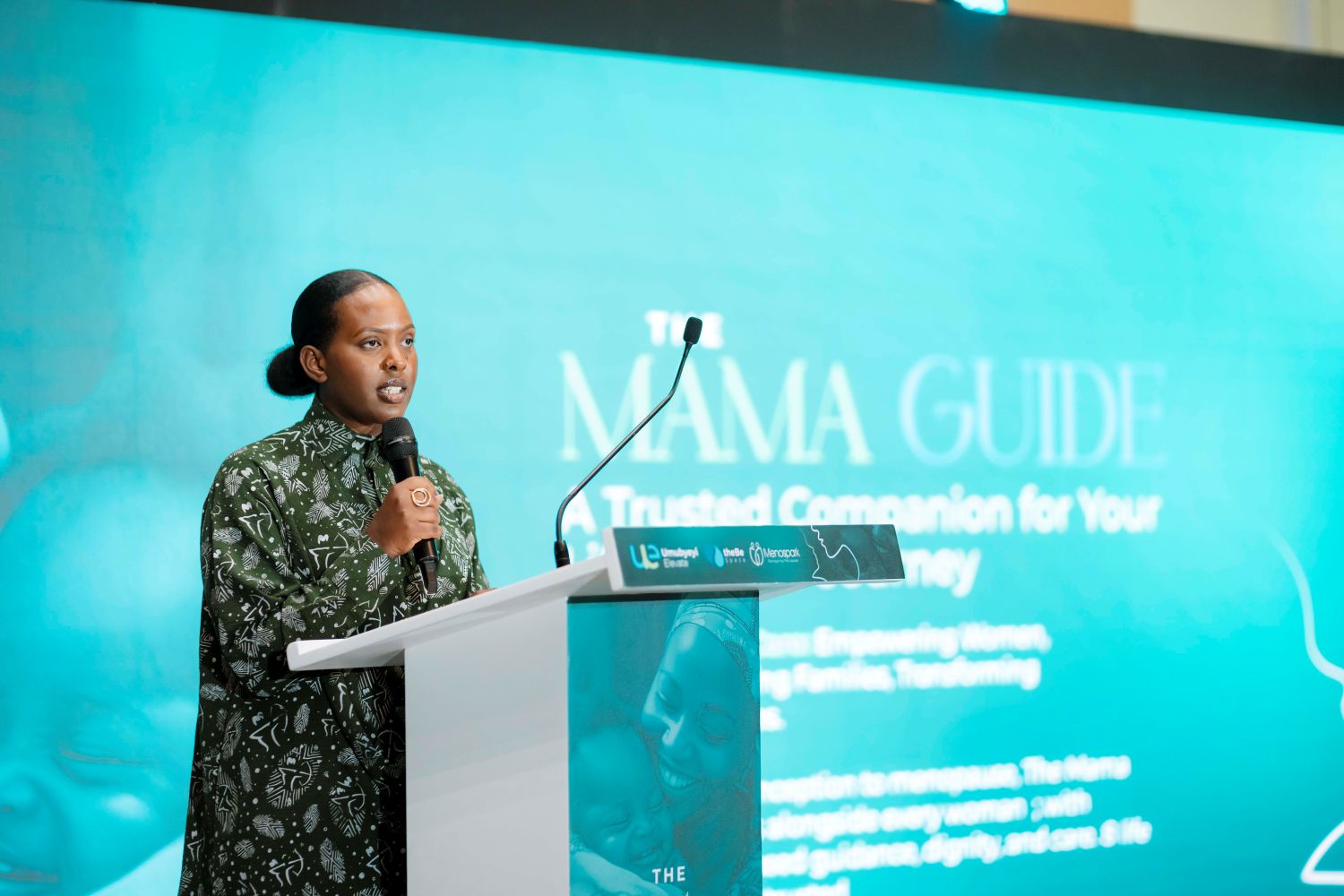
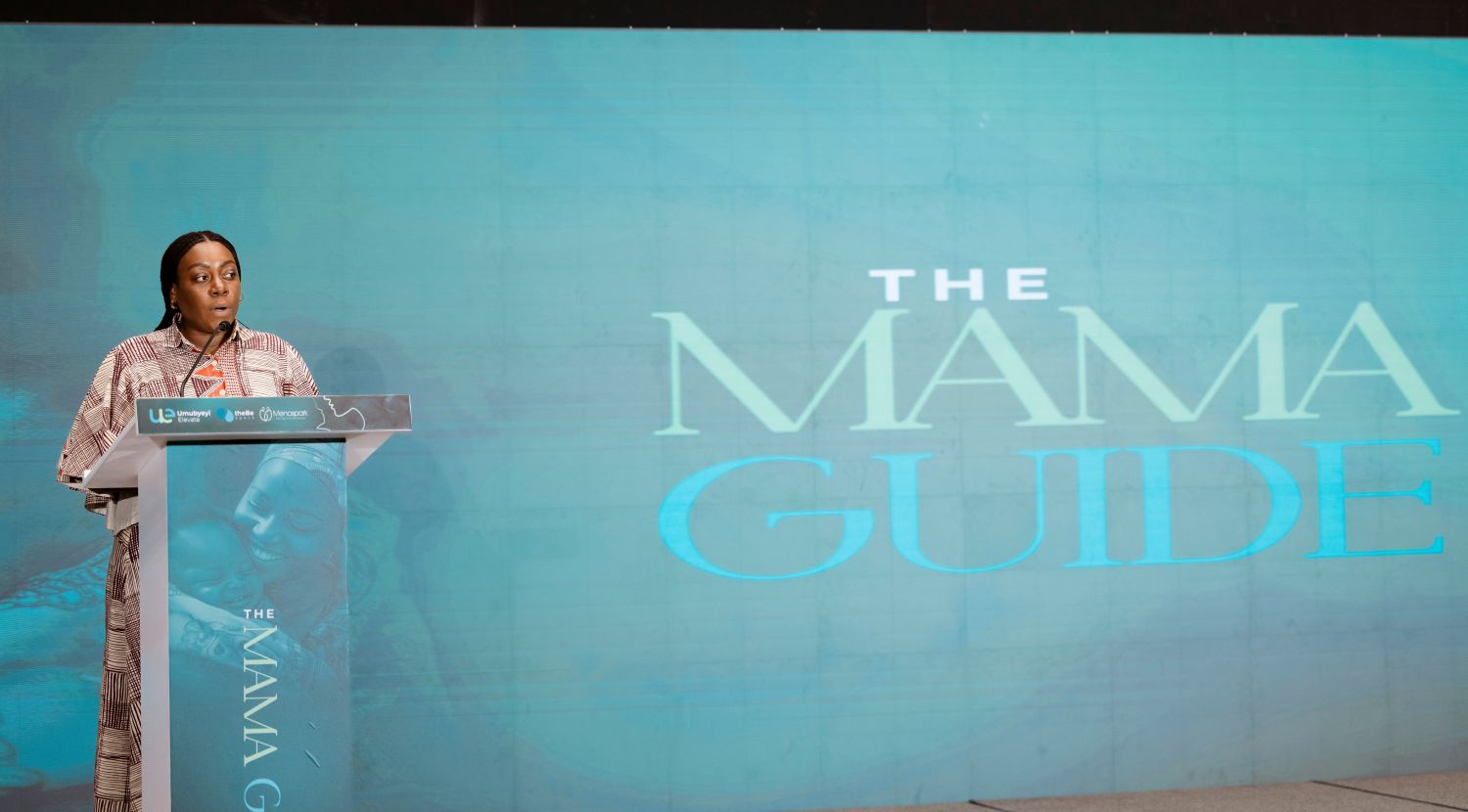
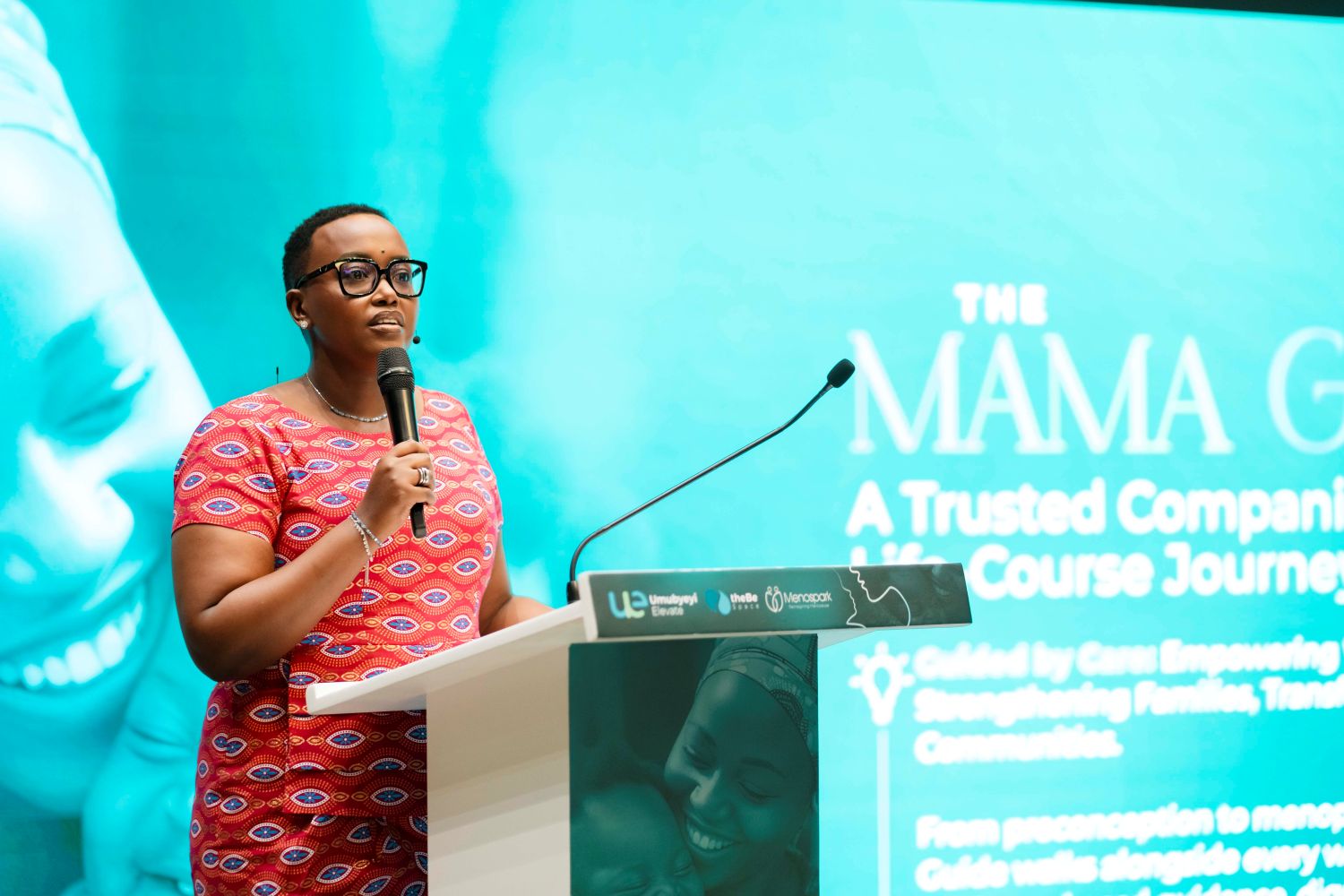
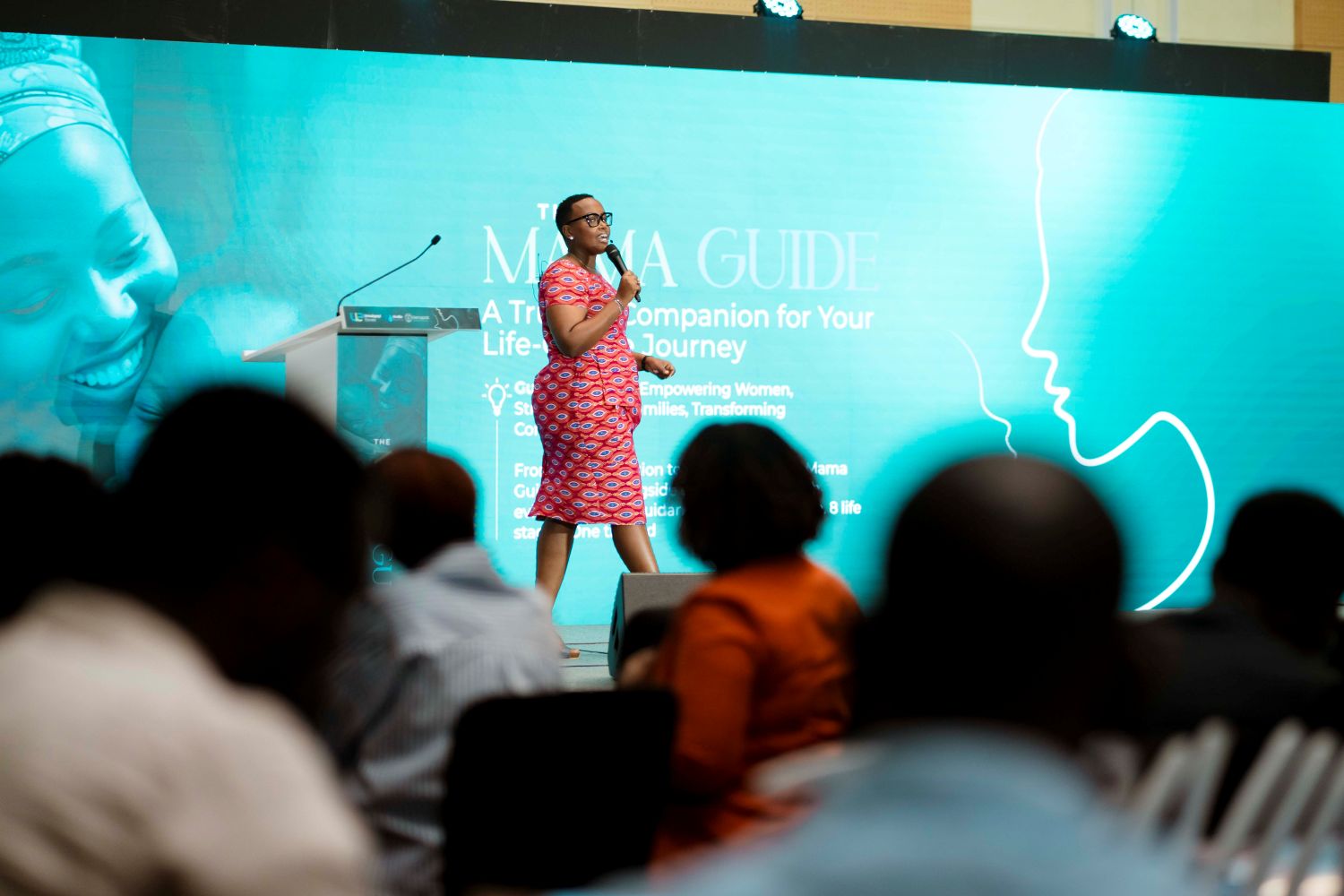
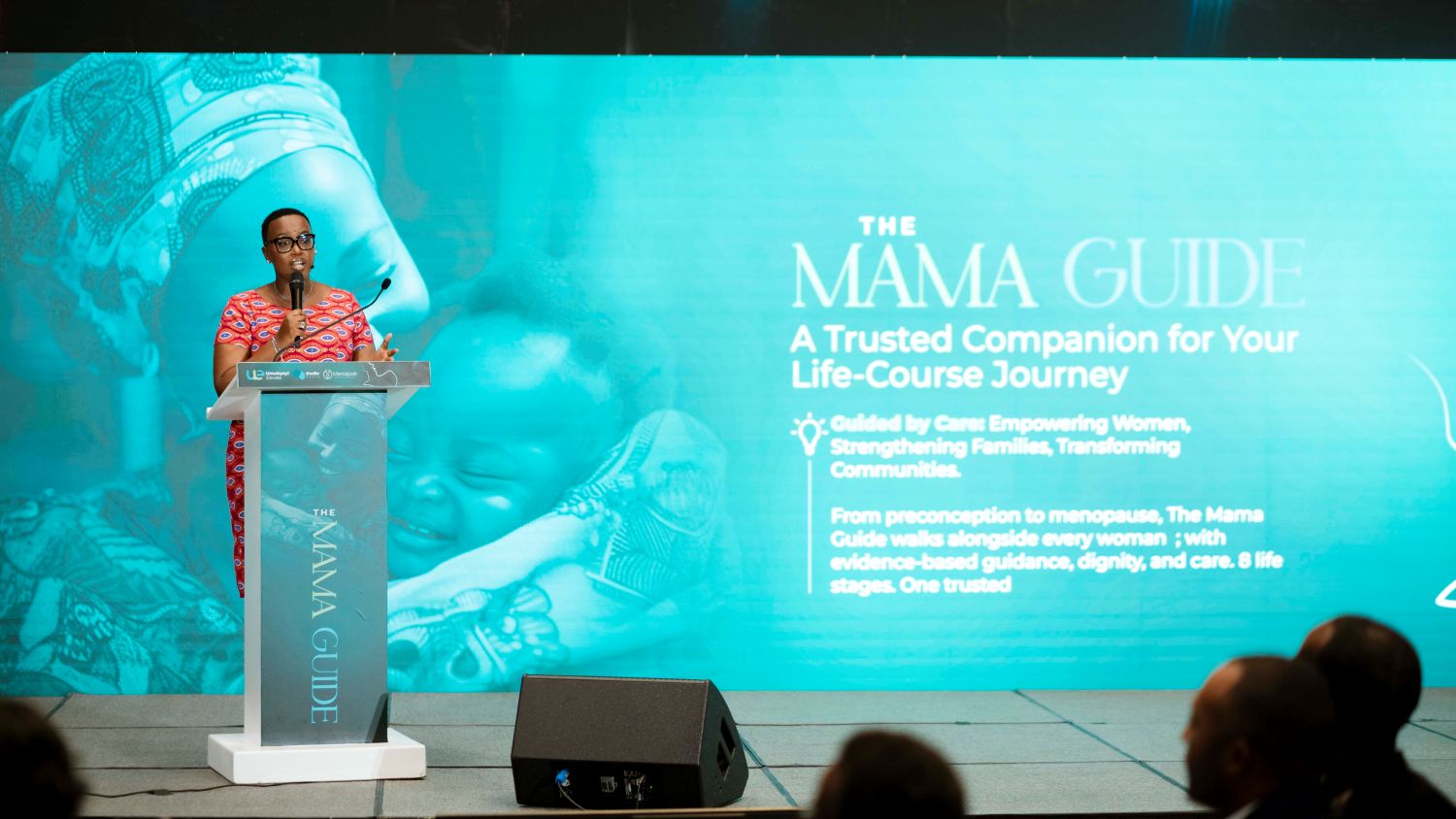
    Speaking at the launch, Dr. Marie Chantal Umunyana, Founder and CEO of Umubyeyi Elevate, said the initiative was driven by the urgent need to close persistent gaps in access to trusted health information.

    ‘Today is a significant day not just for Umubyeyi Elevate, but for every family in Rwanda that has ever faced a health decision without guidance, without answers, and without someone to say: you deserve to know,’ she said.

    Dr. Umunyana emphasized that despite advances in healthcare systems, preventable maternal deaths remain a global concern, often linked not only to medical challenges but also to delayed access to information and care.

    ‘A woman dies every two minutes from preventable causes related to pregnancy and childbirth,’ she said. ‘Many of these deaths happen not because we lack healthcare professionals or medical knowledge, but because information arrives too late, warning signs are not recognized, and care is sought too late.’

    She further highlighted findings from Umubyeyi Elevate research, which revealed significant gaps in health literacy. More than 40 percent of respondents reported difficulties accessing timely health information, over 60 percent demonstrated gaps in reproductive and maternal health knowledge, and more than 90 percent relied on online sources for health information without certainty about its accuracy.

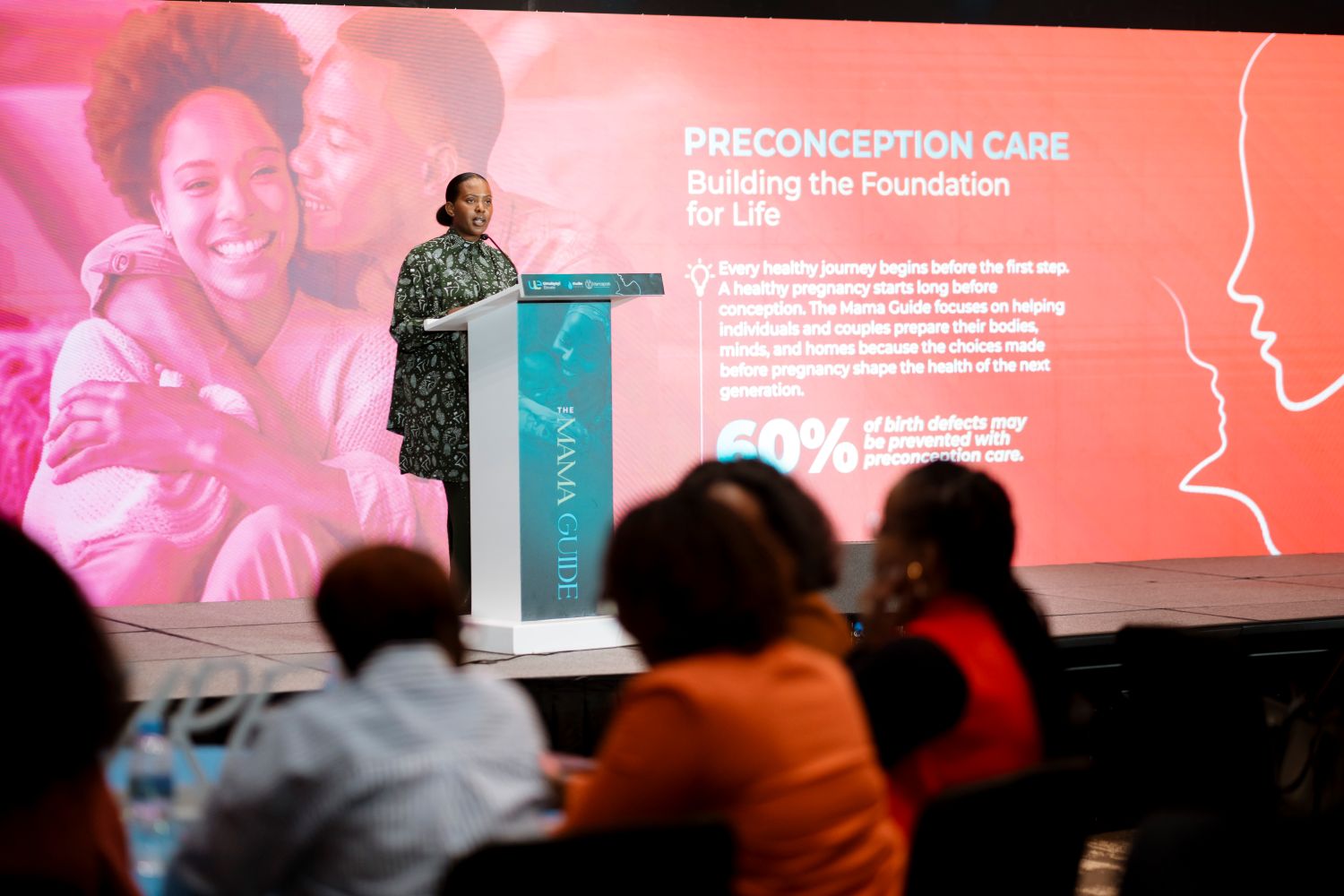
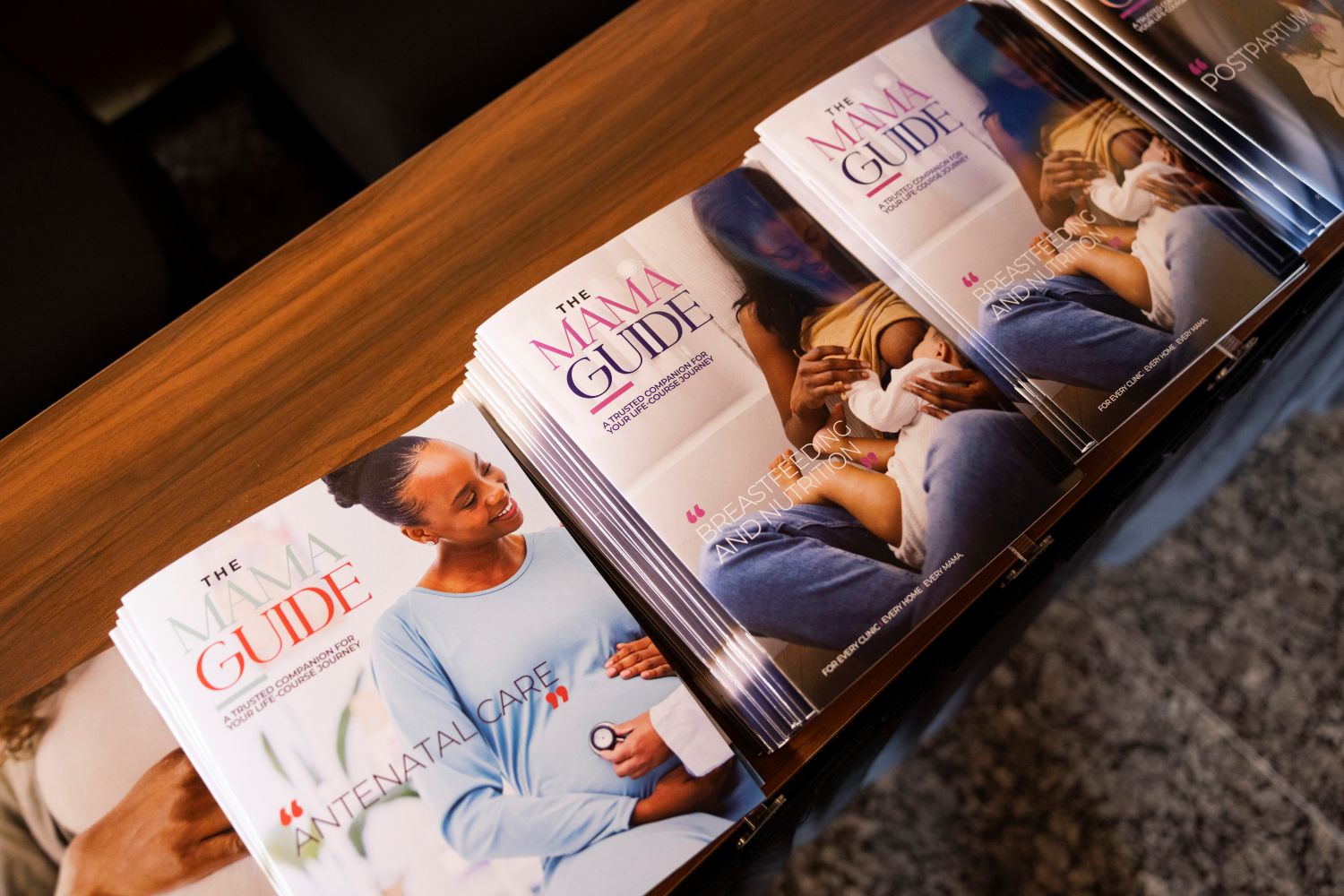
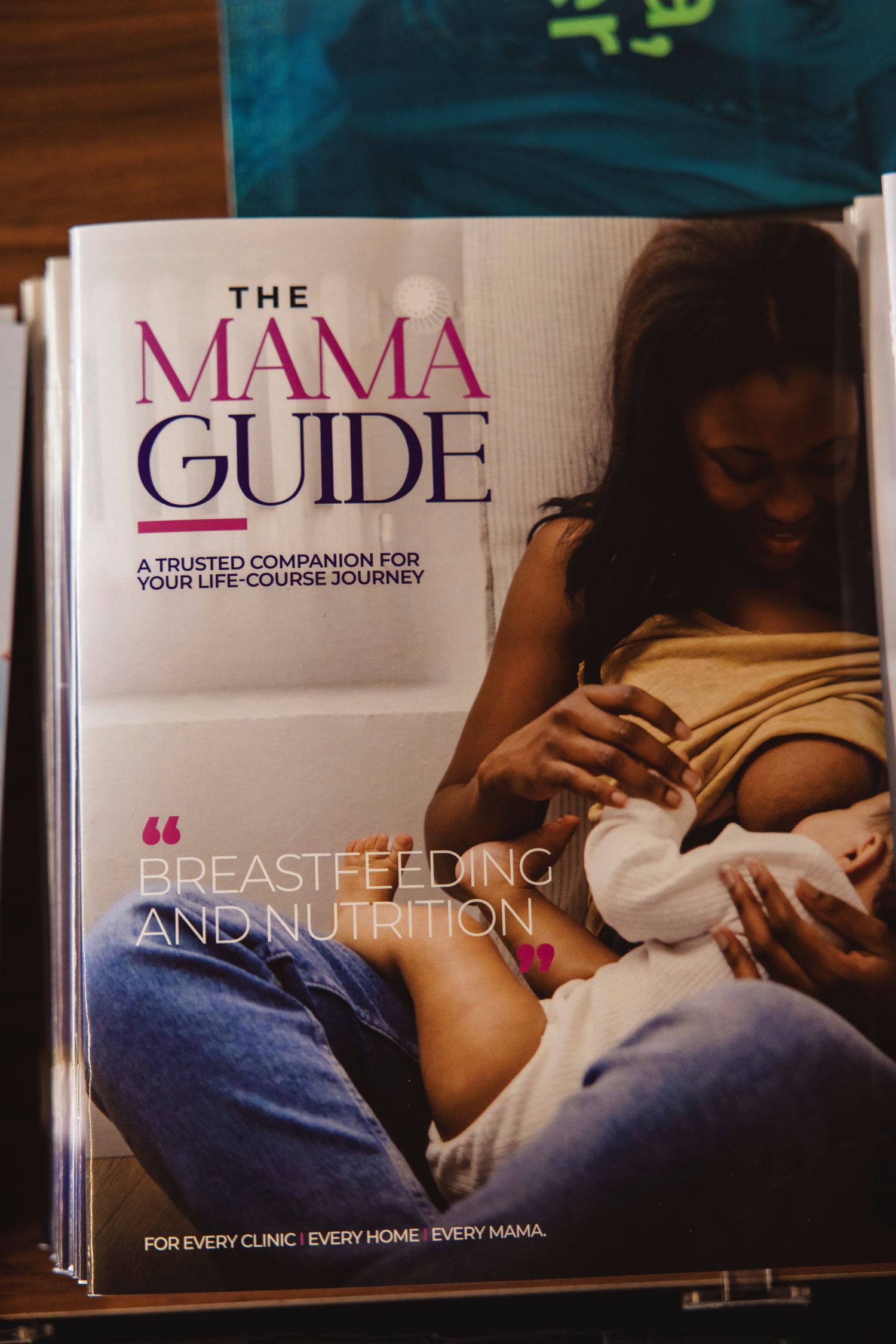
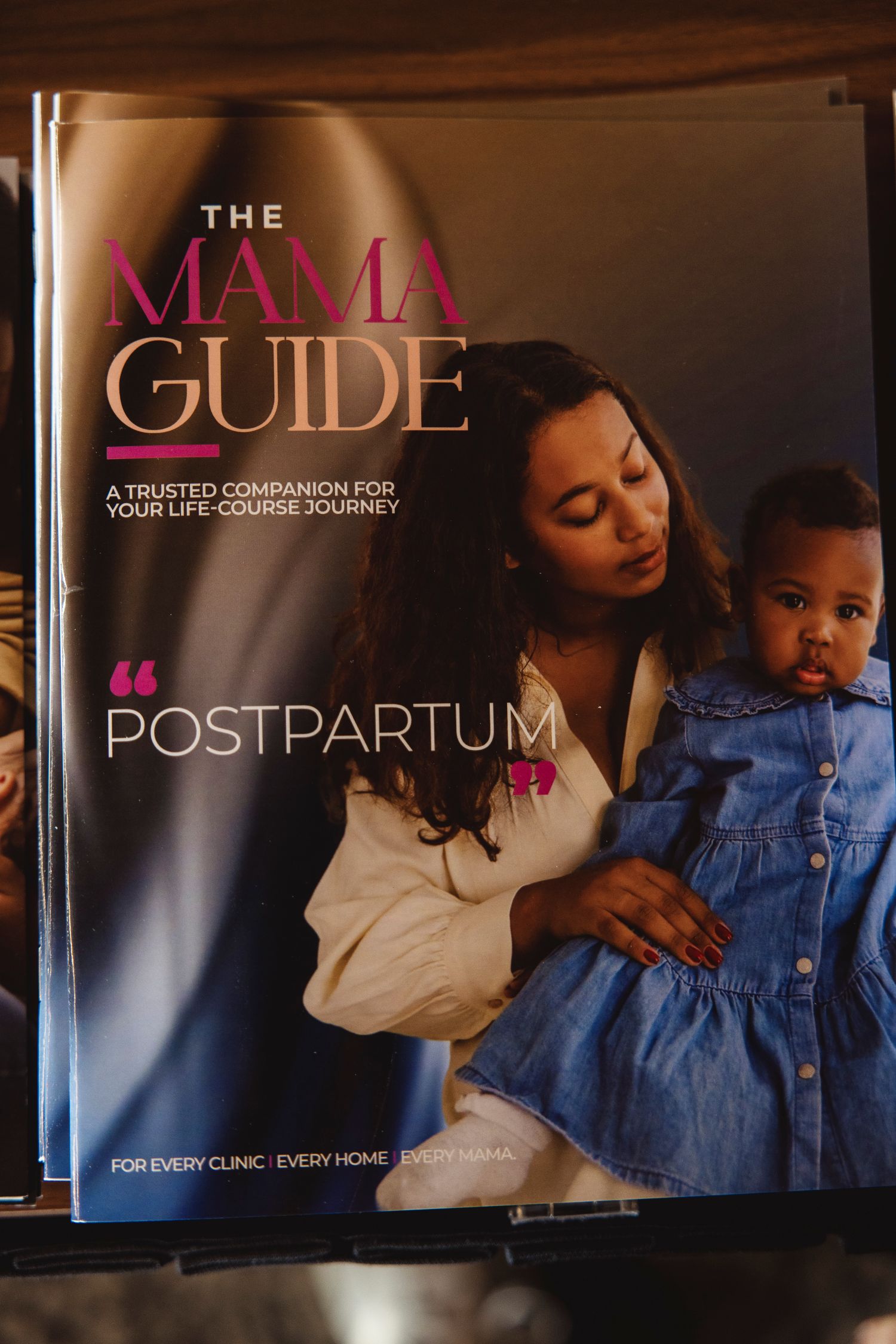
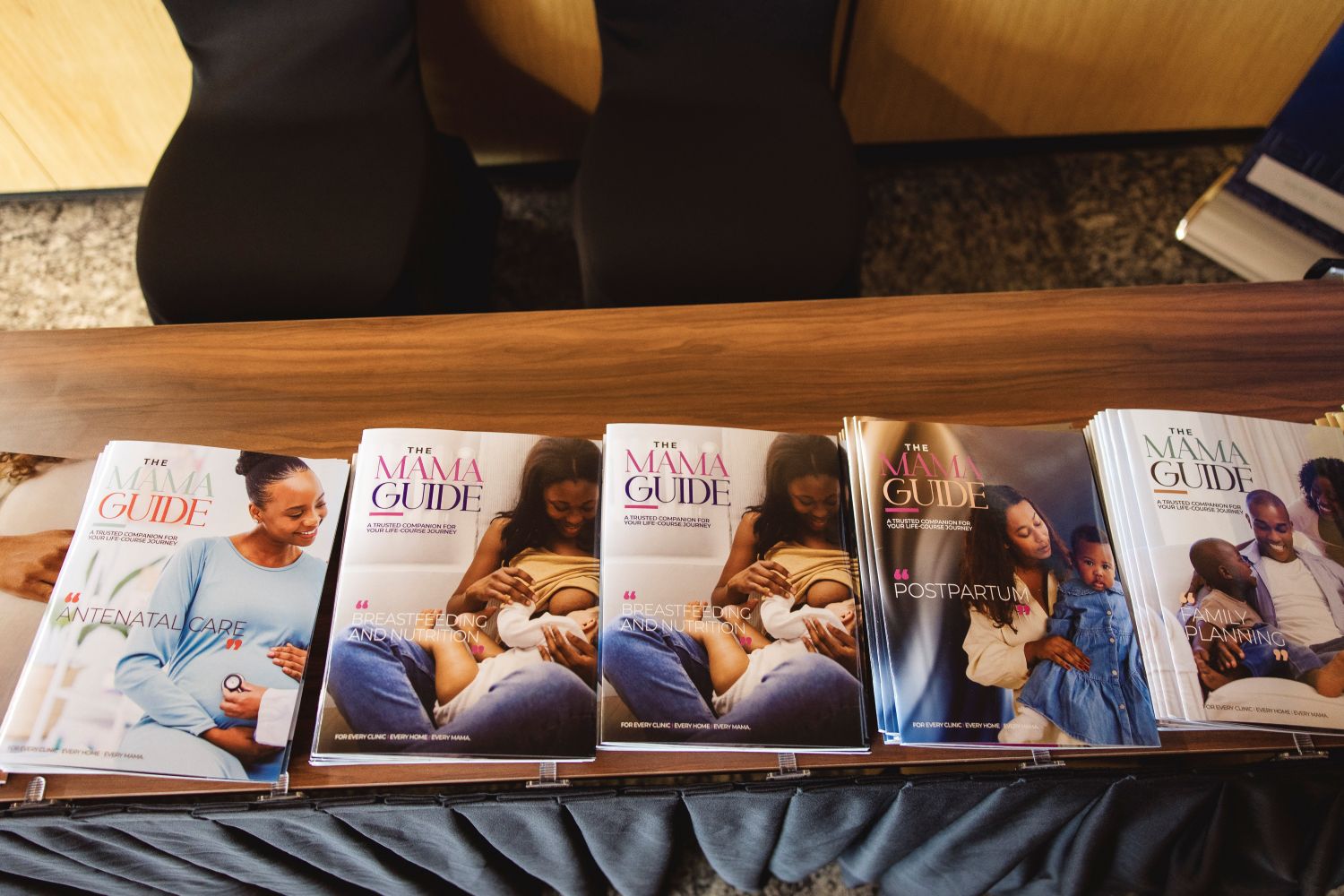
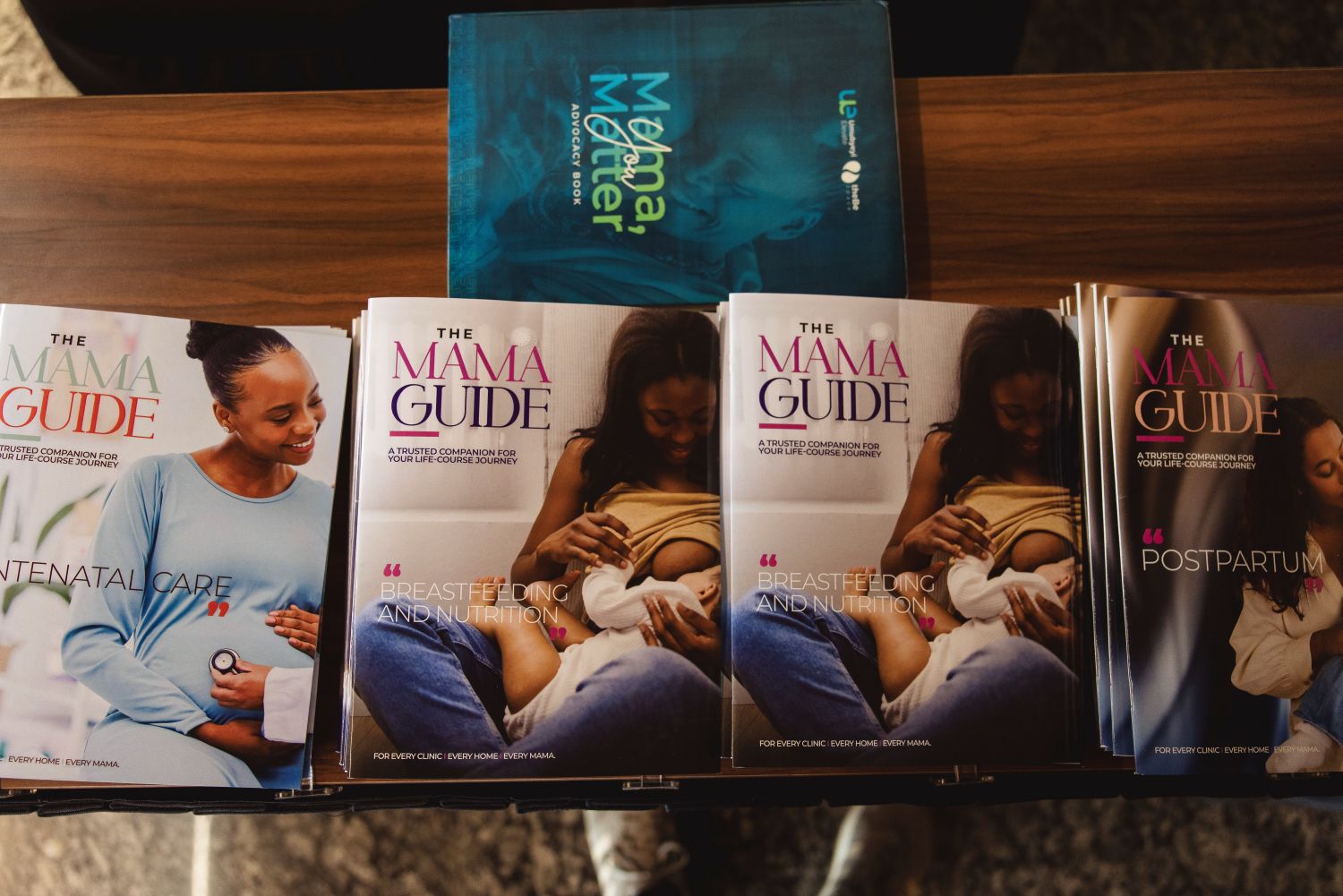
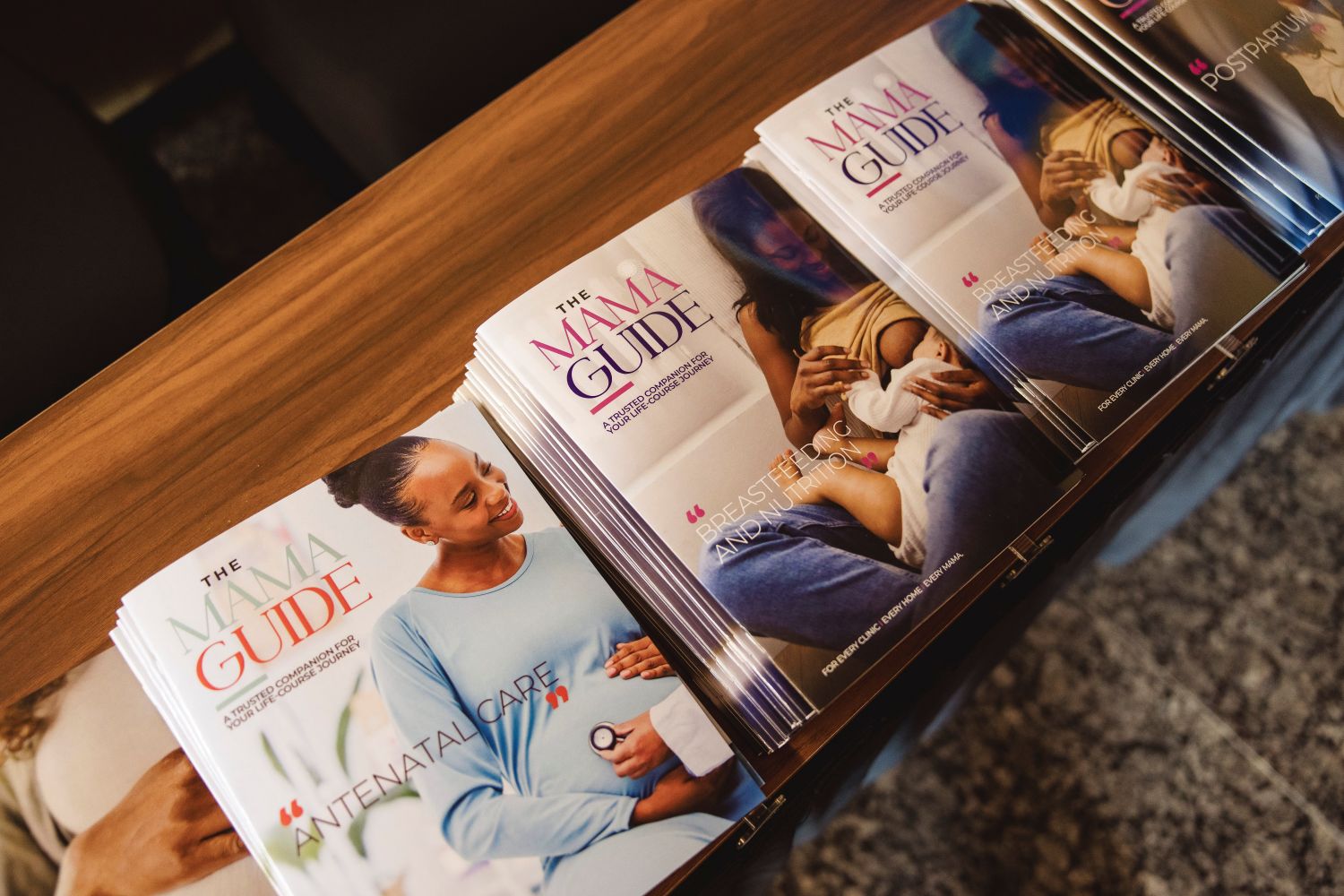
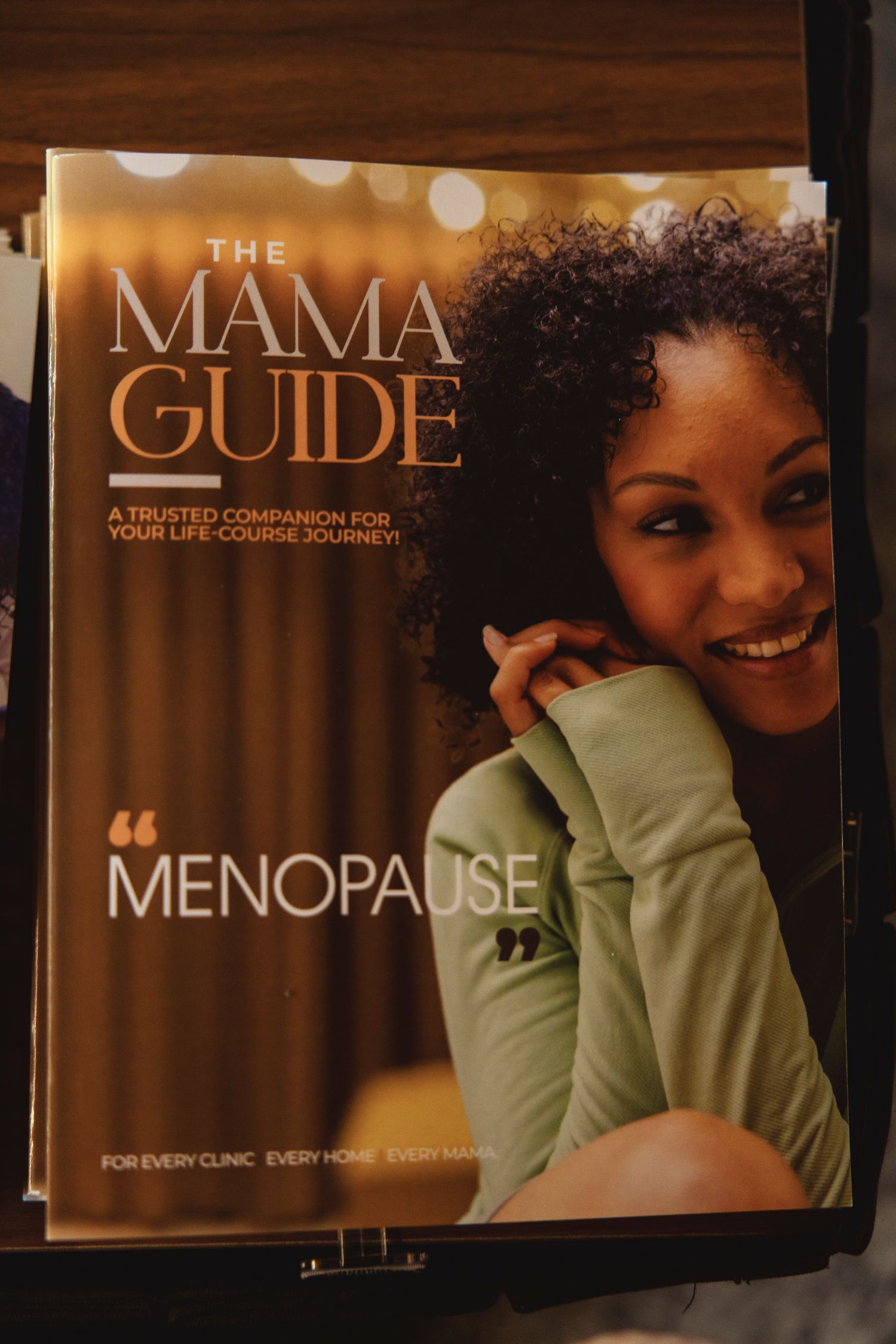
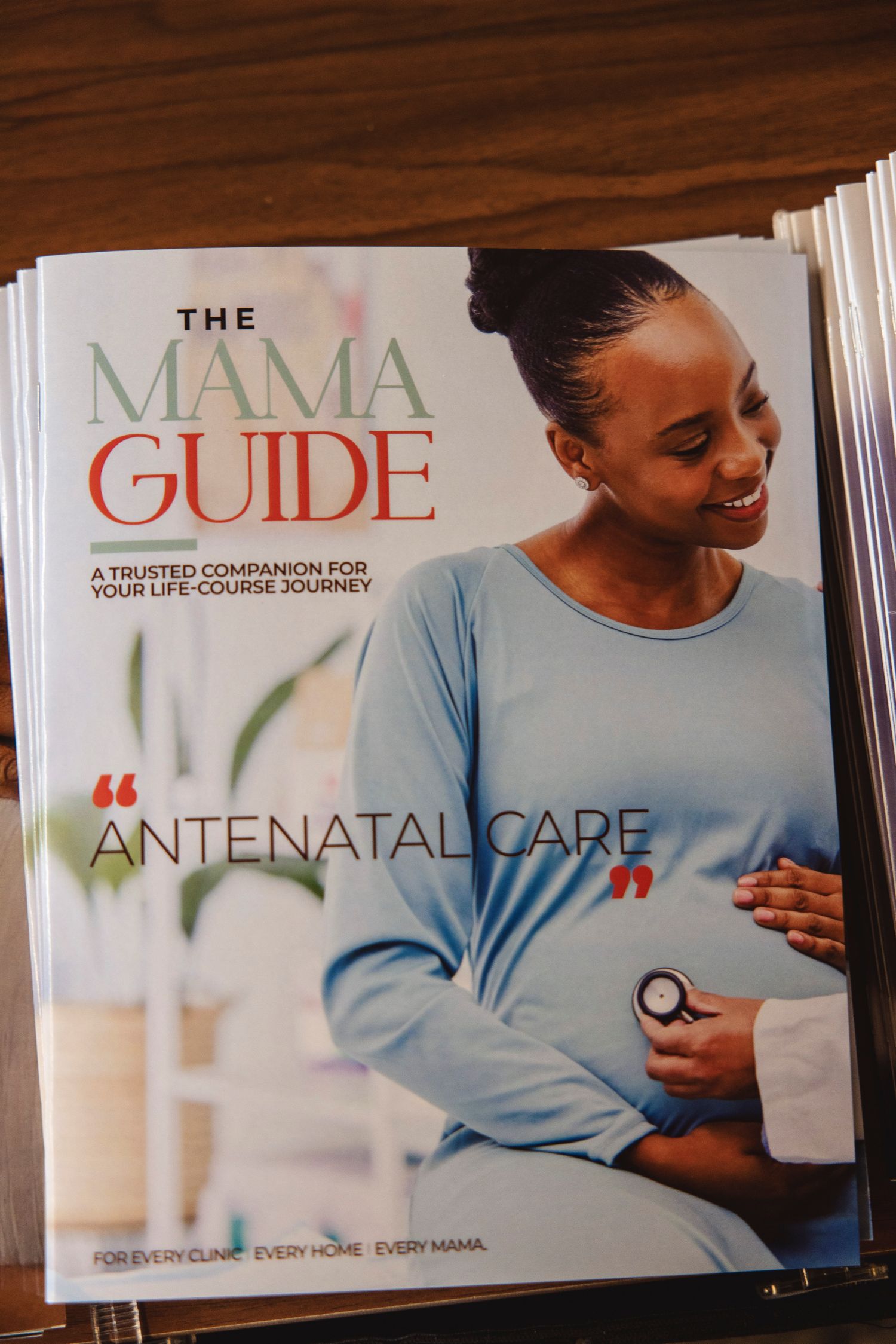
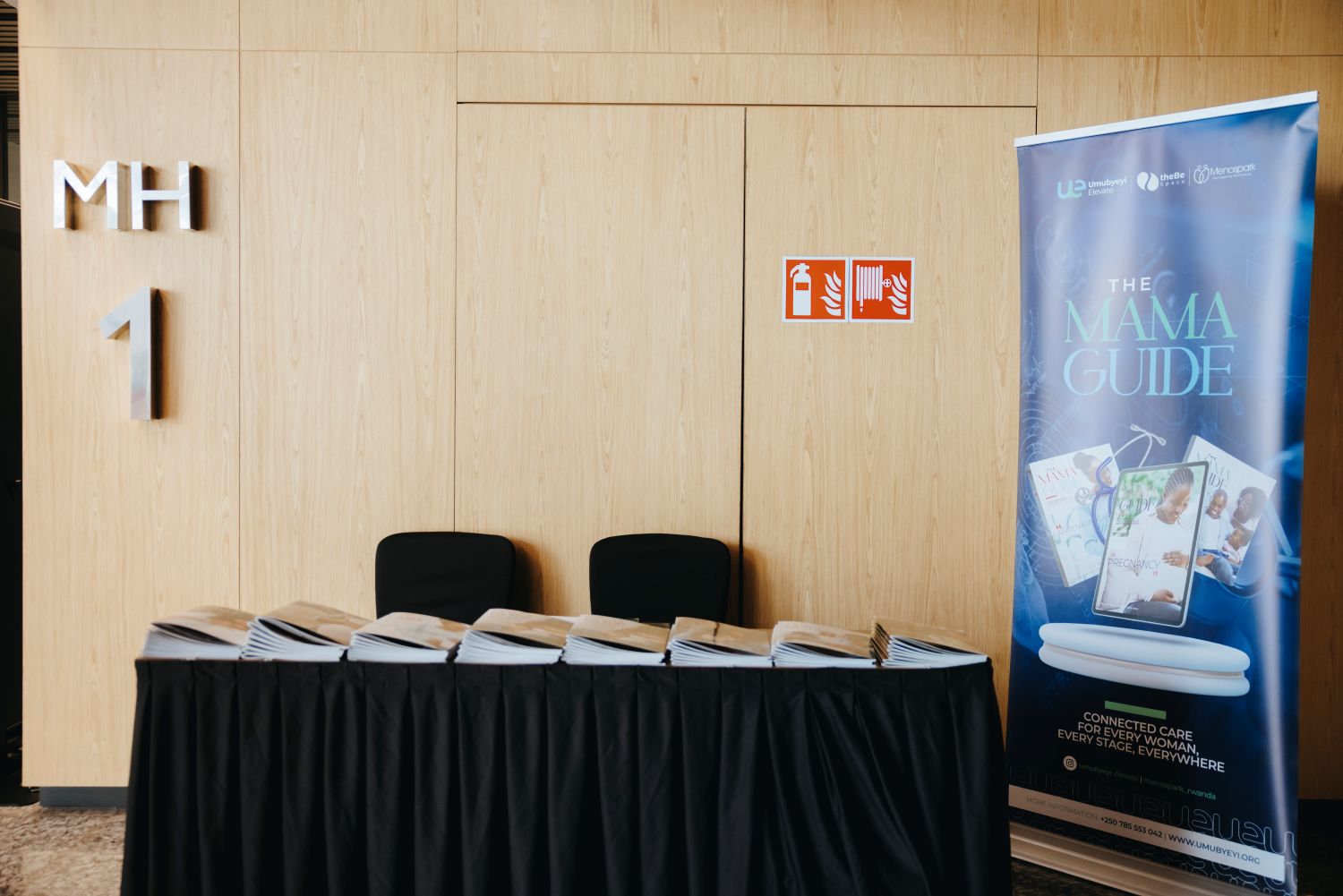
    To address these challenges, Umubyeyi Elevate developed The Mama Guide as a structured set of eight guides covering preconception care, antenatal care, pregnancy, labor and delivery, postpartum care, breastfeeding and infant care, family planning, and menopause.

    Dr. Umunyana explained that the publication was the result of years of consultation, clinical review, community engagement, and collaboration with healthcare professionals, researchers, and institutional partners.

    ‘We believe that informed families make healthier decisions, healthier decisions strengthen households, and stronger households build resilient communities,’ she said. ‘Health literacy is not a luxury, it is a right.’

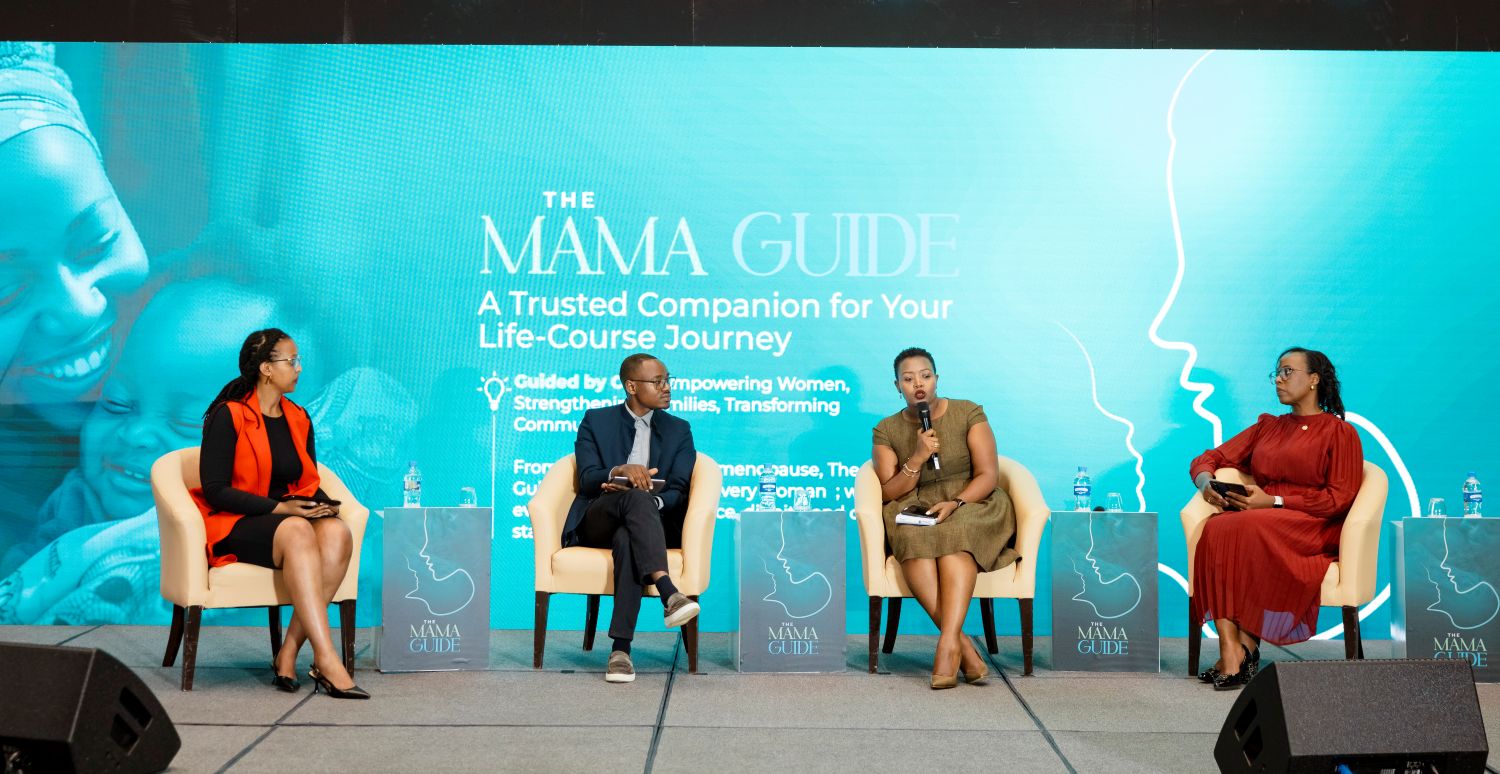
    The event also featured a panel discussion focusing on health literacy, maternal wellbeing, self-care, innovation, and partnerships in strengthening public health systems. Participants emphasized that improving health outcomes requires not only healthcare services but also empowered communities equipped with accurate knowledge.

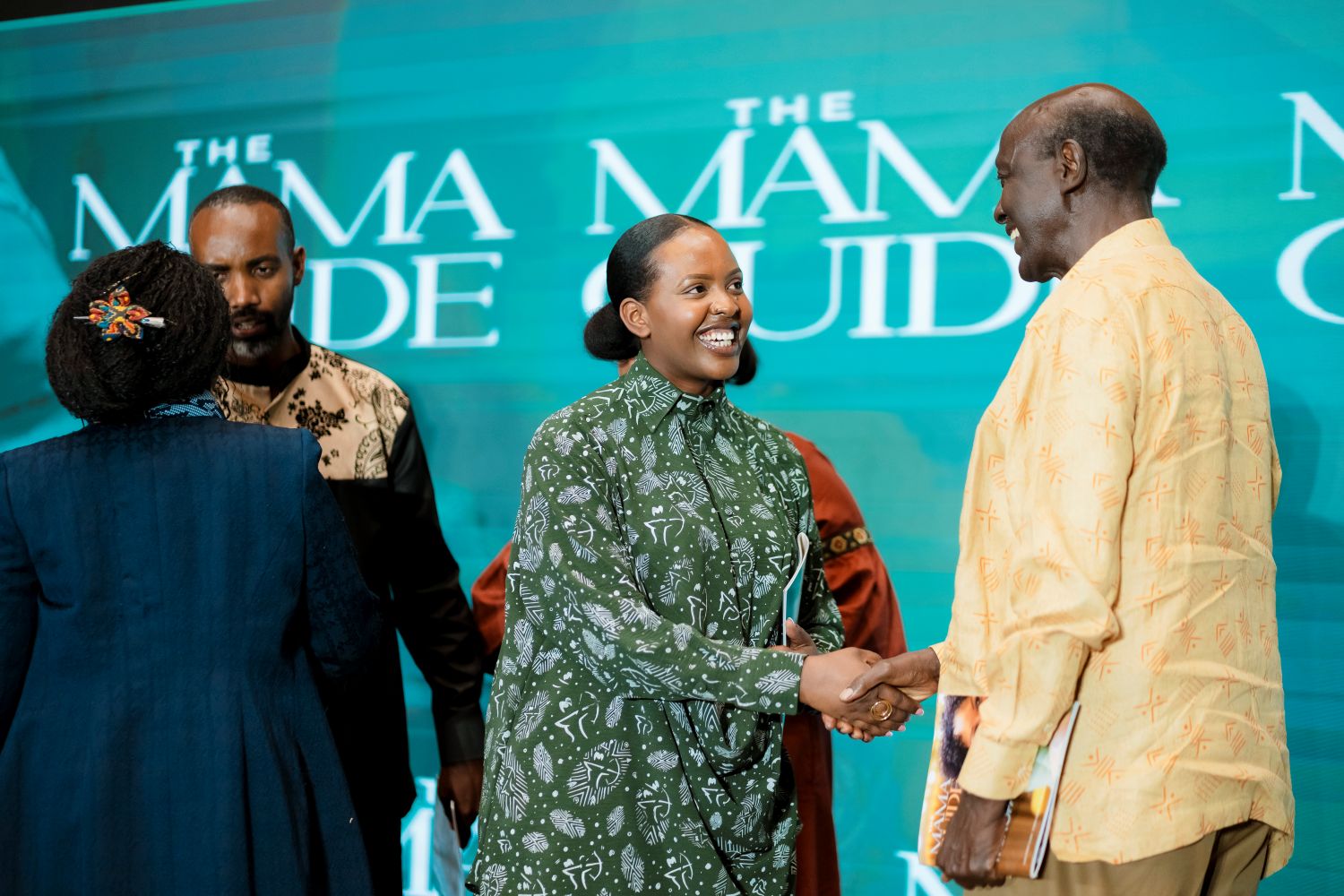
    The guest of honor was Ms Jeanne Umuhire, Deputy Director General of the Rwanda Biomedical Centre (RBC), who underscored the central role of health information in improving wellbeing and shaping healthier societies.

    ‘We often say that health begins at home, but for health to truly begin at home, girls and women must have access not only to healthcare services, but also to information they can trust, understand, and act upon,’ she said.

    Ms Umuhire noted that knowledge plays a decisive role in shaping health behaviours, including when families seek care, how they prevent illness, and how they respond to health challenges.

    ‘Knowledge shapes decisions. It influences when mothers seek care, how families prevent illness, how communities respond to challenges, and ultimately, how nations improve health outcomes,’ she said.

    She further highlighted Rwanda’s continued investment in strengthening its healthcare system through workforce development, infrastructure expansion, and universal health coverage, while stressing that collaboration across sectors remains essential.

    ‘No single sector or institution, no matter how capable, can address every health challenge alone,’ she noted. ‘When mothers are empowered, families are strengthened. And when families are strengthened, communities and nations thrive.’

    Ms Umuhire also commended initiatives such as The Mama Guide, noting that they complement national efforts in preventive healthcare, maternal and child health, and community empowerment by improving access to reliable information.

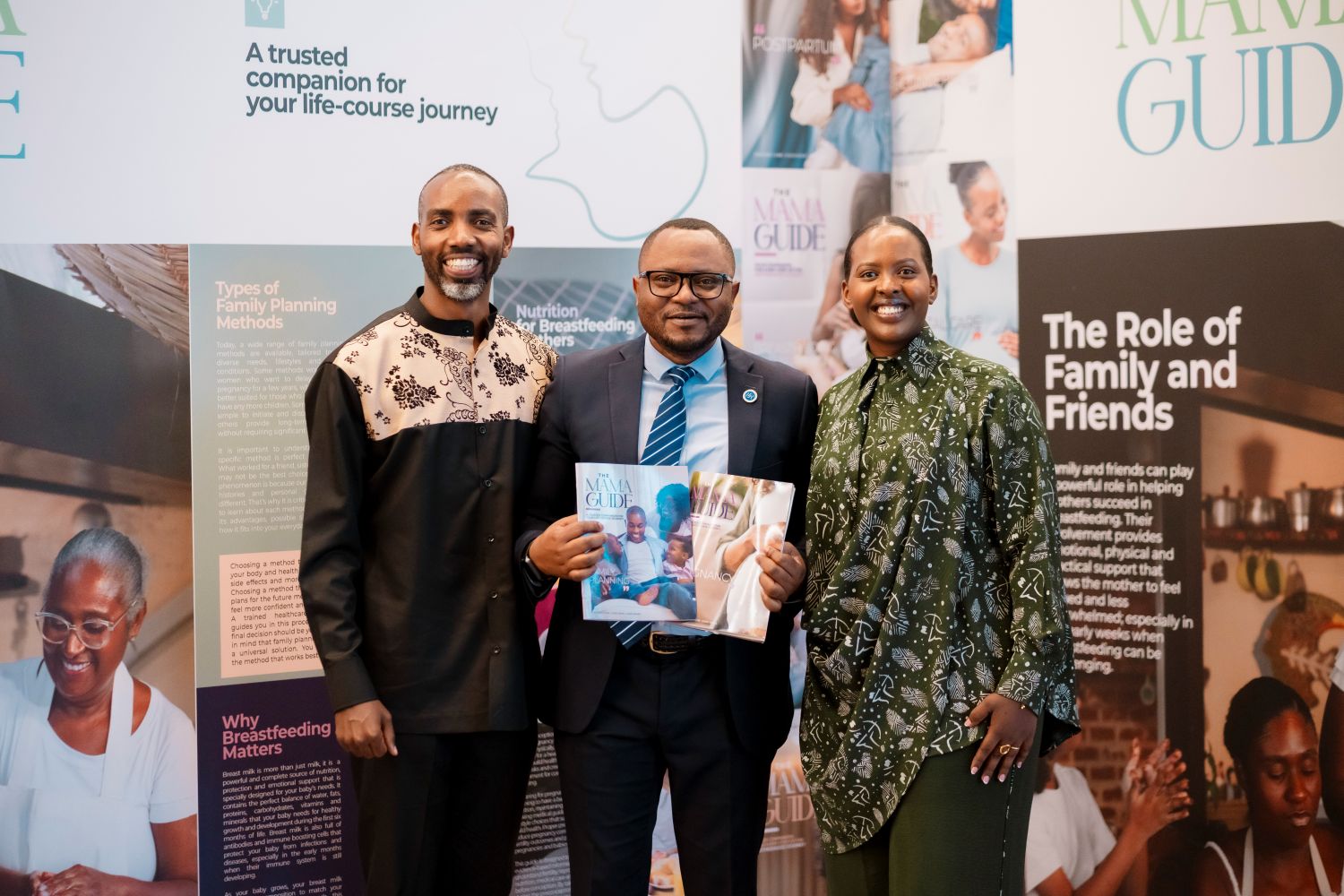
    As The Mama Guide begins its rollout across homes, schools, universities, workplaces, and health facilities, stakeholders expressed optimism that it will serve as a trusted companion for families and contribute meaningfully to improved health literacy and better health outcomes across Rwanda.

    You can access your copy today at https://umubyeyi.org/

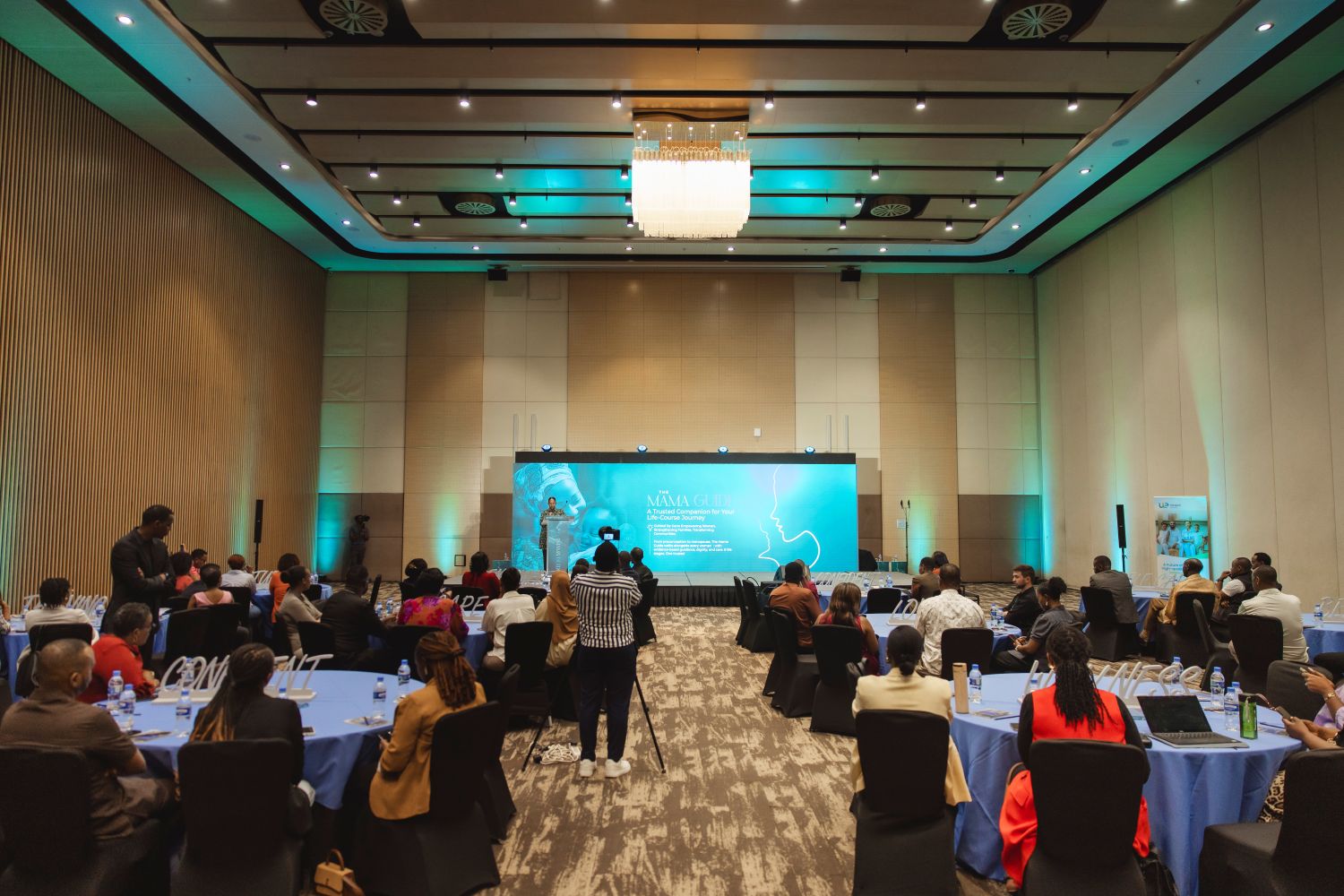
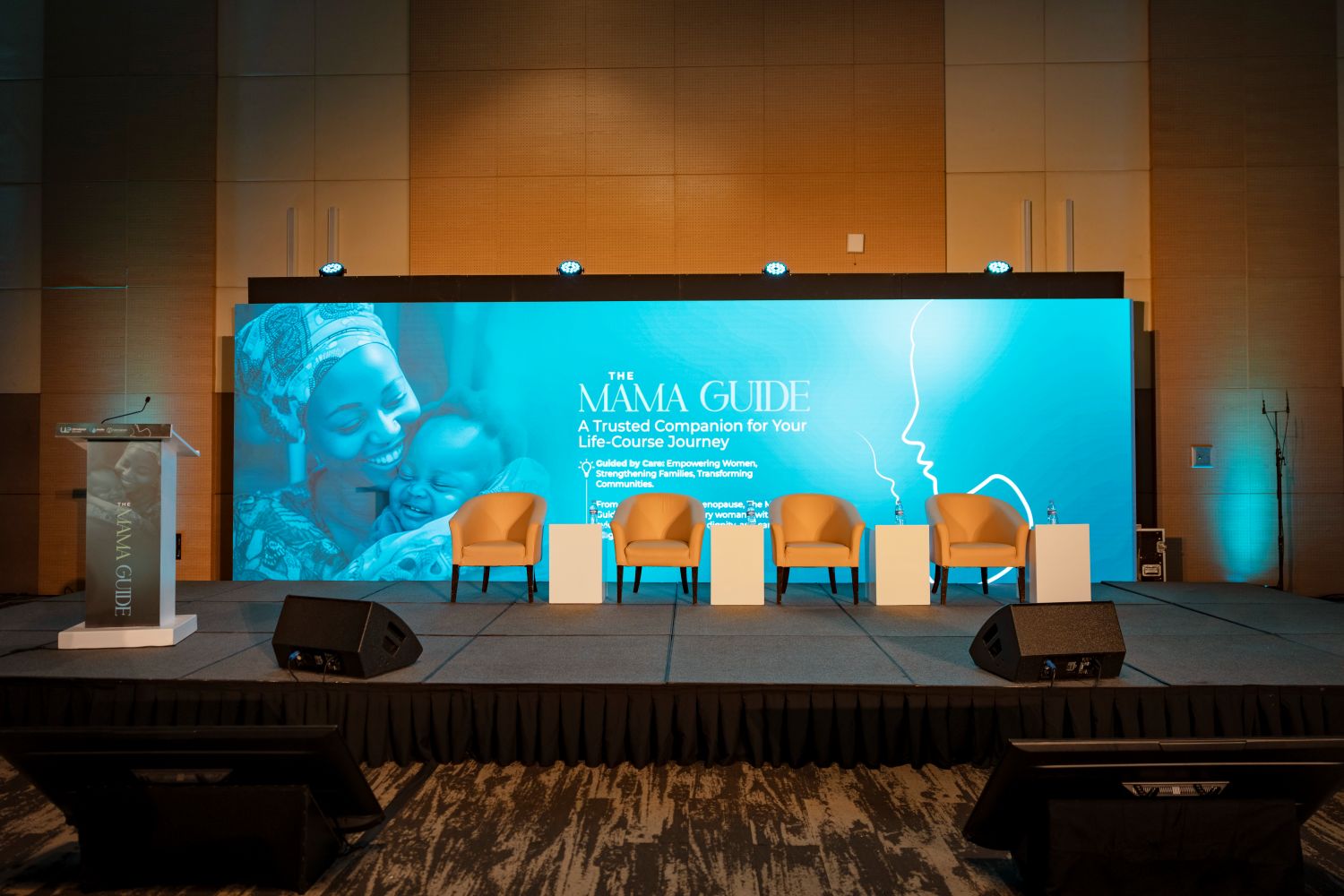
    Umubyeyi Elevate officially launched The Mama Guide on June 19, 2026, at the Kigali Convention Centre (KCC).
    The guide unveils a comprehensive health education resource designed to strengthen health literacy and support families in making informed decisions on maternal, reproductive, and family health.
    The launch brought together government representatives, healthcare professionals, development partners, academics, civil society actors, and private sector stakeholders

    Dr. Marie Chantal Umunyana, Founder and CEO of Umubyeyi Elevate, said the initiative was driven by the urgent need to close persistent gaps in access to trusted health information.

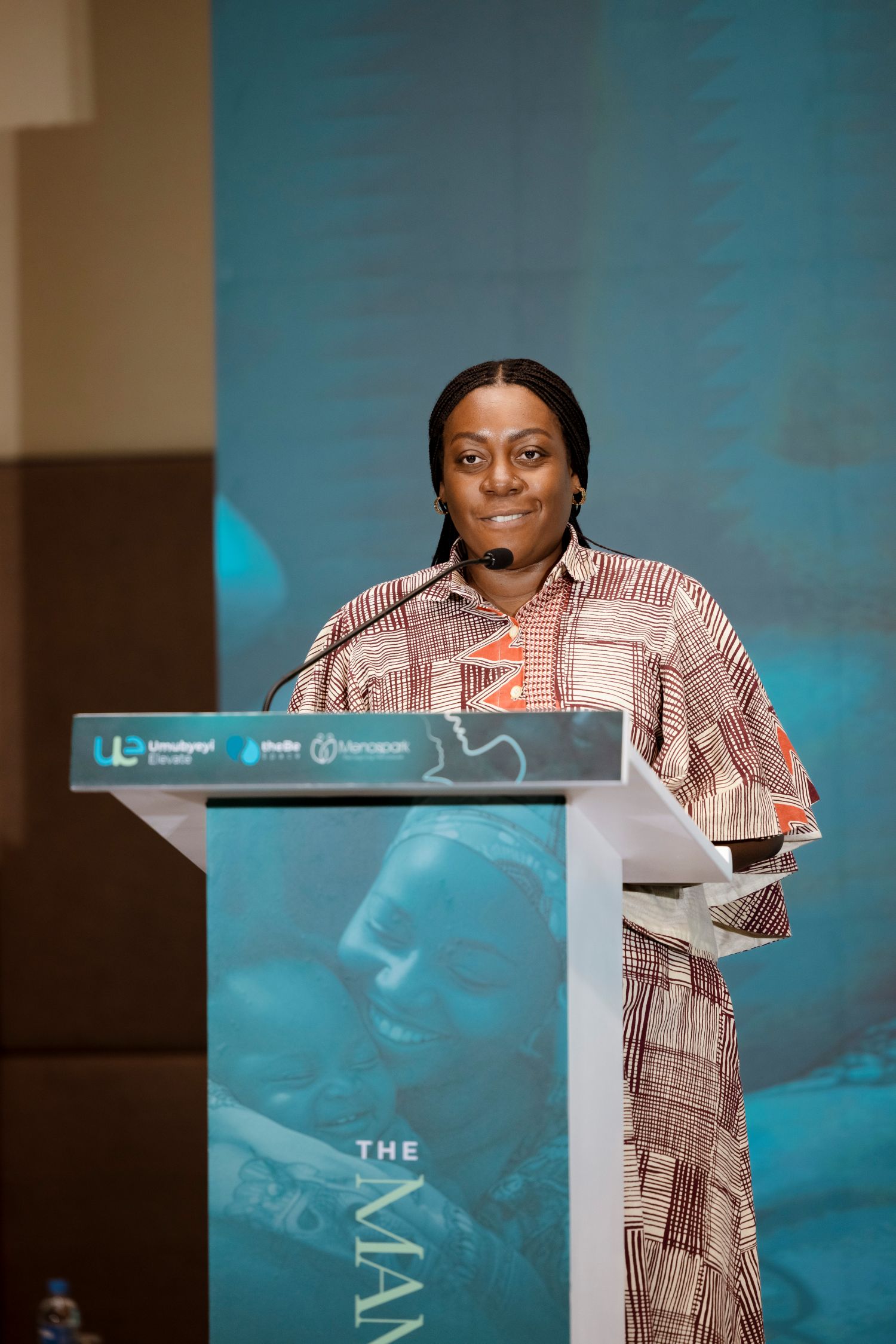
    The guest of honor was Ms Jeanne Umuhire, Deputy Director General of the Rwanda Biomedical Centre (RBC).
    Ms Umuhire underscored the central role of health information in improving wellbeing and shaping healthier societies.


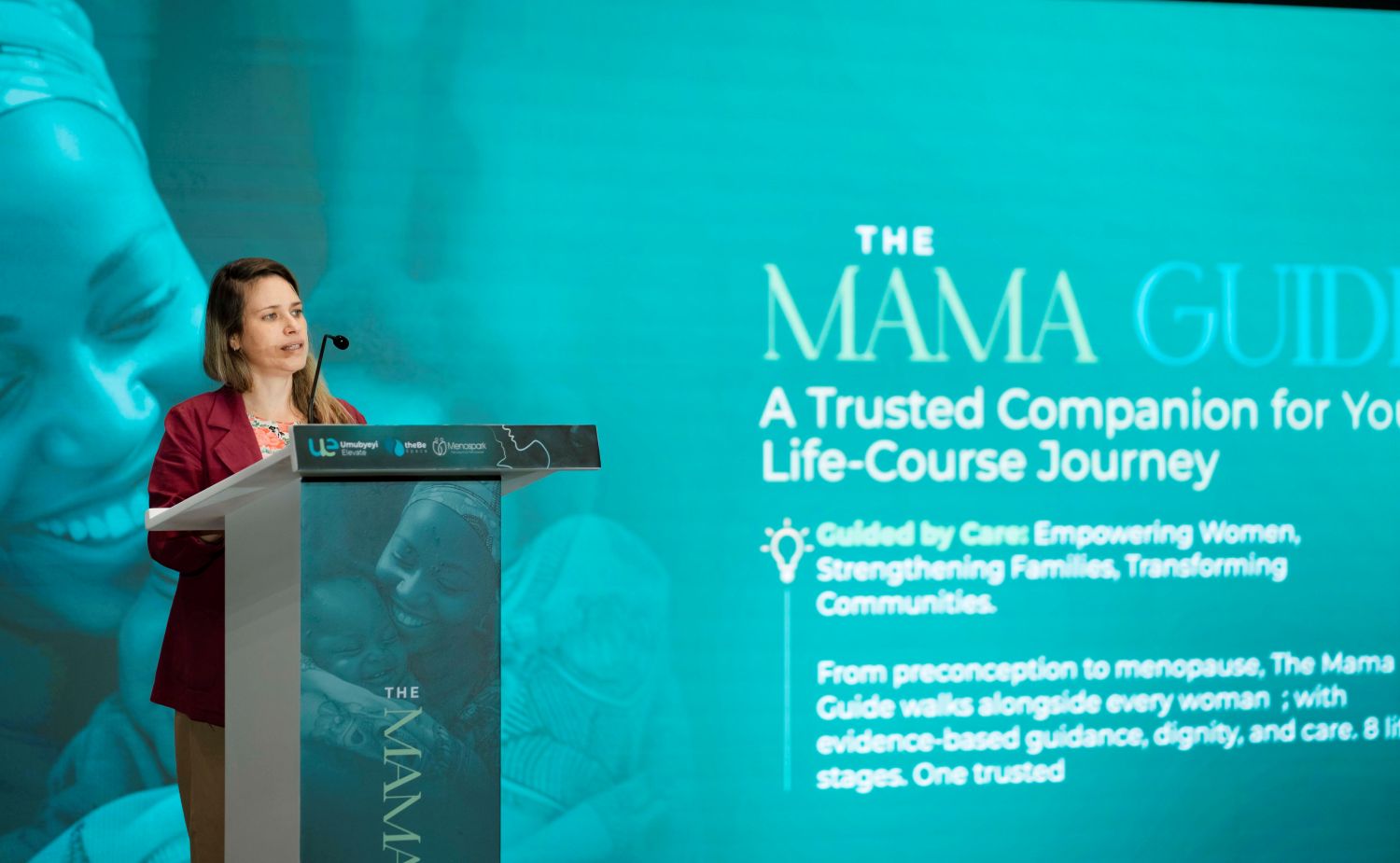
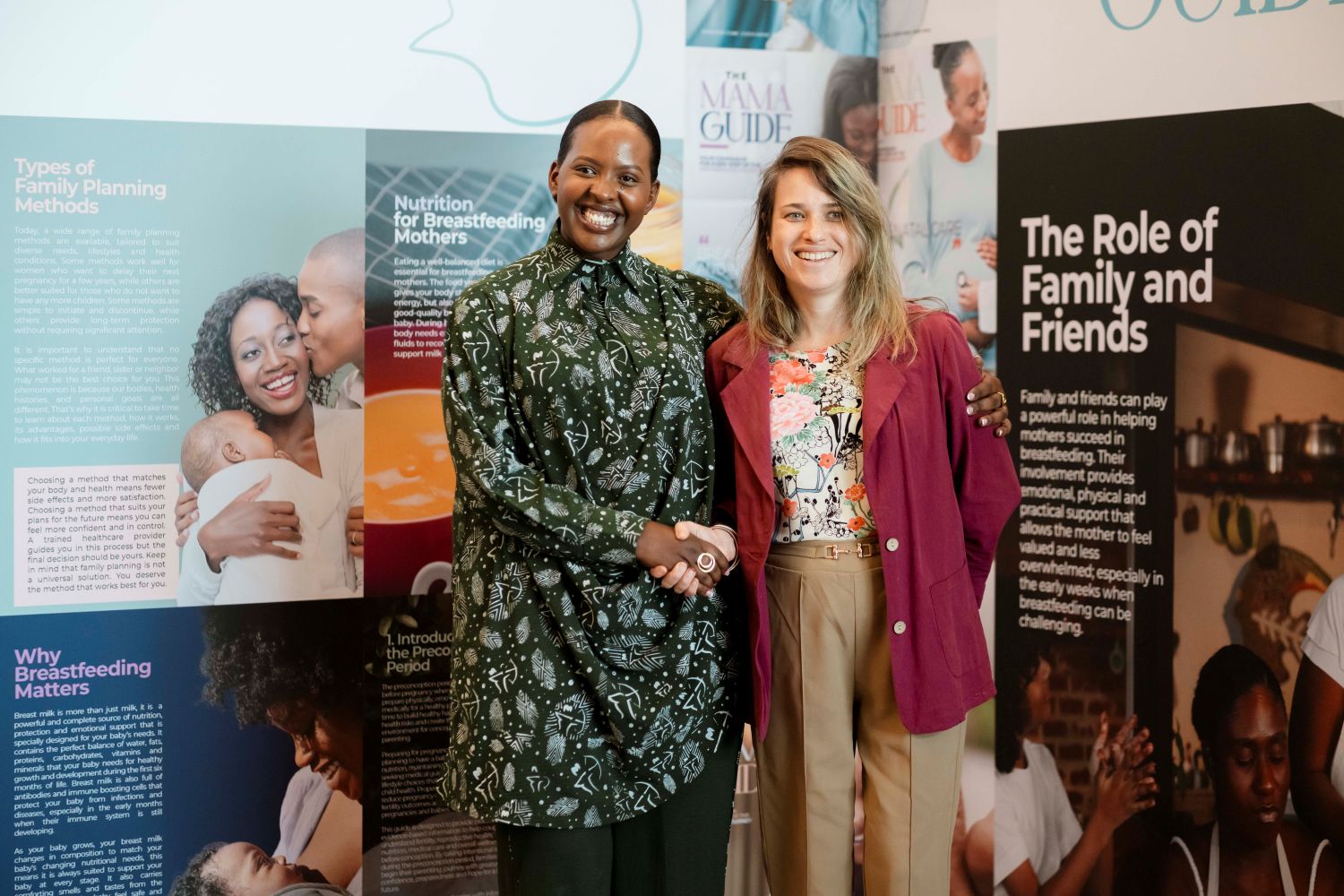
    Einat Weiss, Israel’s Ambassador to Rwanda, was among the high-profile guests at the event.


    Source : https://new.igihe.com/english/the-mama-guide-launched-to-strengthen-health-literacy-and-empower-families-in-rwanda/

  • AU executive council session concludes, calling for enhanced unity to address pressing challenges #rwanda #RwOT

    The two-day meeting, attended by foreign ministers from AU members under the framework of the 39th AU Summit, among others elected 10 members of the Peace and Security Council of the AU. Accordingly, Somalia, Democratic Republic of the Congo, Gabon, Uganda, Morocco, Lesotho, South Africa, Benin, Cote d’Ivoire and Sierra Leone are elected to serve the council for a two-year term.

    The foreign ministers’ session also discussed discussed the AU’s strategic engagement with the G20, building on the momentum of the summit held in South Africa, and underscored the need for strengthening its cooperation with member states of the group to tap into possible sources of funding and finance the continent’s development programs.

    In a concluding remark, Tete Antonio, Angolan Minister of External Relations and outgoing chair of the executive council, underscored the AU’s continued commitment to strengthening continental governance, advancing peace and security, and accelerating the implementation of Africa’s shared development agenda.

    The session appreciated the tangible progress on the African Continental Free Trade Area Agreement and specialized agencies, stressing the need for applying innovative financing and inclusion of the private sector, civil society, and philanthropic foundations to accelerate the continent’s development.

    The session also underscored the critical importance of AU’s 2026 theme on water and sanitation, framing water as a vital collective resource that must be preserved amid climate change, and as a tool for peace and cooperation.

    “The session highlighted the huge gap between required and available investment in water and sanitation in Africa,” Antonio said, noting that 400 million people in the African continent still lack water for their daily livelihood, and over 800 million African people lack basic hygiene services.

    The two-day meeting, attended by foreign ministers from AU members under the framework of the 39th AU Summit, among others elected 10 members of the Peace and Security Council of the AU.

    Xinhua

    Source : https://en.igihe.com/news/article/au-executive-council-session-concludes-calling-for-enhanced-unity-to-address

  • Rwanda moves to amend law governing the central bank #rwanda #RwOT

    On Thursday, February 12, 2026, the Minister of Finance and Economic Planning, Yusuf Murangwa, told lawmakers that the current law was enacted in 2017 and revised in 2021.

    However, he said, recent assessments, including a 2024 safeguards review by the International Monetary Fund (IMF), found legal gaps in the law governing BNR and recommended reforms to address them.

    He emphasized that the revision aims to establish a stronger operational framework aligned with the central bank’s mandate, enhance its autonomy in staff management, governance and financial management, strengthen transparency in cooperation, and reinforce accountability.

    While some provisions will remain unchanged, others will be revised and new ones added so that BNR’s legal and regulatory framework aligns with governance practices used by central banks worldwide and with international standards.

    One major change concerns capital increases from the government. The current law does not clearly provide for recapitalizing BNR when its capital declines. Article 67 of the draft law establishes a clear procedure requiring the government to cover any capital shortfall within six months after receiving BNR’s request.

    Murangwa noted that such recapitalization would be rare and used only when it is the sole way for BNR to maintain the financial independence necessary for sustainable operations.

    The draft law also protects BNR leaders, staff, agents and decision-making bodies from external interference when exercising their authority or performing their duties. The existing law does not fully guarantee institutional autonomy in implementing BNR’s powers or achieving its objectives. The revised Article 4 strengthens independence for staff, representatives and decision-makers, shielding them from outside influence.

    Another proposed change limits the powers that the Board of Directors can delegate to the Governor of the central bank. Supervisory and oversight responsibilities would no longer be transferable to the Governor.

    The bill also gives BNR authority to impose administrative sanctions on individuals or legal entities that fail to comply with its regulations, regardless of criminal proceedings, while remaining consistent with other applicable laws.

    Regarding governance, the number of Board members would increase to at least 11, selected based on expertise in accounting, risk management, law, technology or other fields relevant to BNR’s work. To strengthen independence, no more than 30% of Board members would be public officials, excluding the Governor, Deputy Governor and one member drawn from academia or research.

    The proposal also allows the appointment of non-BNR members to the Monetary Policy Committee and the Financial Stability Committee to reinforce their independence.

    The draft law reaffirms that BNR manages Rwanda’s currency, while the authority to change the currency remains with the President of the Republic as provided by the Constitution. BNR would retain an advisory role on currency changes.

    Another expected reform expands BNR’s powers in foreign exchange management and protection of other financial assets.

    The current law provides limited authority in this area. Given rapid financial sector growth and the increasing range of financial instruments, permitted operations would expand to include currency and other eligible assets such as support for cross-border trade, collateral instruments and a wider range of approved investments.
    Murangwa added that, to strengthen financial stability and sound monetary management, the law will also establish a clear timeframe for repayment of loans BNR grants to the government.

    Finally, the bill formally establishes an internal audit function within BNR (as provided in Article 63 of the draft law) to enhance oversight, risk management and operational effectiveness.

    The Minister of Finance and Economic Planning, Yusuf Murangwa, told lawmakers that recent assessments, including a 2024 safeguards review by the International Monetary Fund (IMF), found legal gaps in the law governing BNR and recommended reforms to address them.

    Rwanda’s Chamber of Deputies has approved the relevance of a new draft law on the National Bank of Rwanda (NBR), outlining mechanisms for the government to bolster the central bank’s capital and ensure it maintains robust financial resilience for long-term operations.

    IGIHE

    Source : https://en.igihe.com/news/article/rwanda-moves-to-amend-law-governing-the-central-bank

  • Why Rwanda lowered financing costs for Bugesera airport #rwanda #RwOT

    The Minister of Finance and Economic Planning, Yusuf Murangwa, told Parliament on February 12, 2026, that the overall cost of financing the new airport has decreased after the government shifted from more expensive commercial borrowing options to concessional funding arrangements.
    He made the remarks while presenting a draft amendment to Law No. 018/2025 of June 30, 2025, which sets out the national budget for the 2025/2026 fiscal year.

    Bugesera International Airport is one of Rwanda’s flagship infrastructure projects and is expected to play a central role in boosting economic growth and positioning the country as a regional and continental aviation hub.

    According to Minister Murangwa, initial financing plans included borrowing nearly $400 million, primarily through commercial financial institutions, which typically charge higher interest rates. However, continued engagement with development partners, particularly the World Bank, resulted in a 95% guarantee on funds allocated for the airport’s construction.

    The guarantee has enabled Rwanda to secure significantly lower interest rates and more flexible borrowing terms.

    'This arrangement allows us to draw funds when needed,' Murangwa said. 'Construction activities are ongoing and will not be interrupted. The key difference is that financing will now be cheaper, and we will access funds based on actual requirements.'

    He added that while financing costs for the airport have declined, allocations for other government projects have increased by nearly Rwf 250 billion.

    Construction progress

    In May 2025, Jules Ndenga, Chief Executive of Rwanda’s aviation company, told IGIHE that major works, including the runway, drainage systems, and other critical infrastructure, were completed at the end of 2024. Construction has since continued on terminal buildings and related facilities.

    The airport is being built by a consortium comprising Mota-Engil of Portugal, which initiated the project, UCC Holding of Qatar, and Consolidated Contractors Company of Greece. The three firms formed a joint venture known as UMC, which holds the construction contract with the government.

    The first phase of the project has created approximately 2,000 jobs, with total employment expected to reach 6,000 once the airport is fully completed.

    Beyond direct employment, the project has stimulated local economic activity in Bugesera District. New businesses, including restaurants in areas such as Nyabagendwa and Nyamata that cater to construction workers, have emerged, creating additional jobs and income opportunities for residents.

    The airport is scheduled for completion in 2027. Upon conclusion of the first phase, it will have the capacity to handle seven million passengers annually. A second phase, planned for completion in 2032, is expected to expand capacity to 14 million passengers per year.

    Middle Eastern carrier Qatar Airways holds a 60% stake in the airport project, which is estimated to cost around $2 billion.

    The Government of Rwanda has announced a reduction in the projected financing costs for the construction of Bugesera International Airport, following the securing of more favourable loan terms from development partners.

    The airport is scheduled for completion in 2027.

    IGIHE

    Source : https://en.igihe.com/news/article/why-rwanda-lowered-financing-costs-for-bugesera-airport

  • CHUK set to relocate to Masaka starting March 2026 #rwanda #RwOT

    The disclosure was made by the Finance and Economic Planning Minister Yusuf Murangwa during his presentation of the revised national budget for the 2025/26 fiscal year to Parliament on Thursday, February 12, 2026.

    Minister Murangwa stated that the construction of the Masaka hospital, where CHUK will move, is now 98% complete.

    He confirmed that the relocation of the hospital will begin in March 2026, with the move being carried out in phases, and the entire process is expected to be completed by September this year.

    Murangwa explained that the remaining tasks to ensure CHUK’s relocation include finishing the construction work, installing equipment, and preparing the staff, as the new hospital will have double the capacity of the existing one.

    'The new hospital is significantly larger than the current CHUK; the current facility has 400 beds, but the new one will have over 800 beds. This requires more modern equipment and staff, which will exceed what we currently have at CHUK. However, as advised, the relocation cannot happen all at once; some services will move first, while others will continue to operate at CHUK to ensure that services remain uninterrupted during the transition,' he said.

    'This is a well-thought-out plan, and we expect to begin the phased relocation starting in March, with full completion by September. Some services, such as emergency care, will remain at CHUK for a longer period, but eventually, all services will move. We aim for CHUK to be fully relocated by the end of this year,' Murangwa added.

    Major construction work has now been completed, and the remaining tasks include final touch-ups, cleaning, and preparing the landscaping around the hospital.

    The hospital is being built by the Chinese company, Shanghai Construction Group Co. Ltd, at a cost of 85 billion Rwandan Francs, (approximately 580 million Chinese Yuan).
    The new hospital will have 18 operating rooms, excluding those for maternity cases.

    The hospital will also be equipped with advanced medical technology, including four X-ray machines, two anti-rays, MRI machines, radiology services, and other essential equipment.

    Rwanda’s goal is to build a healthcare system that serves as a leading medical hub in Africa and promotes medical tourism.

    This move will help reduce the number of Rwandans seeking medical treatment abroad, as many of these services will now be available within the country.

    The Kigali University Teaching Hospital (CHUK) is set to relocate to its newly expanded facility in Masaka, Kicukiro District, starting March 2026, following the near-completion of major construction works.

    IGIHE

    Source : https://en.igihe.com/news/article/chuk-set-to-relocate-to-masaka-starting-march-2026

  • Kenya to reopen border with Somalia after 15 years of closure #rwanda #RwOT

    President William Ruto made the announcement during a visit to the northeastern town of Mandera, saying the decision follows years of security assessments and preparations aimed at ensuring the safety of citizens.

    The border was closed after a wave of deadly cross-border attacks carried out by al-Shabaab, which said it was retaliating against Kenya’s military presence in Somalia as part of international peacekeeping efforts.
    Among the most devastating incidents was the 2013 assault on the Westgate shopping mall in Nairobi, where 67 people were killed. Two years later, gunmen attacked Garissa University College, leaving at least 148 people dead.

    Other major attacks included the killing of 28 bus passengers in Mandera County in 2014 and a 2019 hotel siege in Nairobi that left at least 21 people dead.

    Kenya subsequently closed the 680-kilometre border with Somalia as a precautionary measure amid threats of further violence. In 2015, the government began constructing a perimeter security barrier along the frontier. However, the project stalled after nearly three years, with only about 10 kilometres of fencing completed at a cost of $35 million.

    A previous attempt to reopen the border in 2023 was shelved following renewed militant activity. President Ruto said the renewed plan will see two crossing points reopened under heavy security deployment to prevent infiltration and curb the smuggling of illicit goods, including weapons.
    'It is unacceptable that fellow Kenyans in Mandera remain cut off from their kin and neighbours in Somalia due to the prolonged closure of the Mandera Border Post,' Ruto said in a post on X.

    He expressed optimism that reopening the crossings would stimulate formal cross-border trade and unlock economic opportunities for communities on both sides of the frontier.

    Mandera, which has a predominantly ethnic Somali population, has been one of the areas most affected by insecurity linked to al-Shabaab. Addressing residents, Ruto urged them to support government efforts to combat extremism.

    'These al-Shabaab are useless. I want to assure that Kenya will work together with you, just help us combat these criminals and terrorists,' he said.

    The reopening marks a significant policy shift and signals Nairobi’s confidence in strengthened security measures along the frontier, even as authorities remain cautious about the persistent threat posed by militant networks operating in the region.

    The border was closed after a wave of deadly cross-border attacks carried out by al-Shabaab, which said it was retaliating against Kenya’s military presence in Somalia as part of international peacekeeping efforts.

    Wycliffe Nyamasege

    Source : https://en.igihe.com/news/article/kenya-to-reopen-border-with-somalia-after-15-years-of-closure

  • Venezuela’s interim president asserts her authority, affirms Maduro’s legitimacy #rwanda #RwOT

    Asked who is running Venezuela in a Thursday interview with U.S. broadcaster NBC News, Rodríguez said, 'I can tell you I am in charge of the presidency of Venezuela, as it’s stated clearly in the constitution of Venezuela.'

    She added that her daily workload reflects the seriousness of her role: 'From the amount of work that I have… it’s very, very hard work and we’re doing it completely day by day.'

    The comment comes more than a month after U.S. forces captured Maduro in Caracas and transferred him to federal custody in New York on narcoterrorism, drug trafficking and corruption charges, where he has pleaded not guilty.

    Despite his detention, Rodríguez made a clear legal and political defense of her predecessor, saying: 'I can tell you President Nicolás Maduro is the legitimate president… Both President Maduro and Cilia Flores, the first lady, are both innocent.'

    Rodríguez, who once sharply criticised the U.S. military operation, has signalled a shift toward cooperation with Washington.

    She confirmed receiving an invitation to visit the United States, saying, 'We’re contemplating coming there once we establish this cooperation and we can move forward with everything.'

    The interview also took place amid an ongoing visit by U.S. Energy Secretary Chris Wright, focused on discussions over Venezuela’s crippled oil industry and potential economic and diplomatic engagement with the interim government.

    Venezuela’s interim president Delcy Rodríguez has reiterated that she is the acting head of state and insisted that Nicolás Maduro remains the country’s legitimate leader, even as he is detained in the United States.

    U.S. forces captured Maduro in Caracas and transferred him to federal custody in New York on narcoterrorism, drug trafficking and corruption charges, where he has pleaded not guilty.

    IGIHE

    Source : https://en.igihe.com/news/article/venezuela-s-interim-president-asserts-her-authority-affirms-maduro-s-legitimacy

  • RNP team wins bronze at UAE SWAT Challenge obstacle course #rwanda #RwOT

    The international competition, which concluded on Wednesday, February 11, 2026, drew 109 teams from 48 countries. It tested elite police and military units in realistic counter-terrorism and tactical scenarios across five challenging categories.

    The culminating obstacle course, a grueling test of physical endurance, teamwork, wall scaling, and navigation through tough terrain, required five-member teams to tackle 19 complex stations as quickly as possible.

    RNP SWAT Team I, Rwanda’s top-performing squad, completed the demanding course in 3 minutes, 40 seconds, and 90 milliseconds. This placed them third in the event, securing the bronze medal behind Kazakhstan’s dominant teams and ahead of strong showings from China and others.

    In the overall standings, which combined results from all stages, RNP SWAT Team I finished an impressive sixth with 484 points, marking the team’s best-ever result in the competition. RNP SWAT Team II placed 29th with 386 points, while the Rwanda Defence Force Special Operations Forces (RDF SOF) Team came in 37th with 361 points.

    Kazakhstan led the field decisively: their Team C claimed gold with 536 points, Team A took silver with 515 points, and China Police Team C rounded out the podium bronze overall with 493 points.

    The Rwanda National Police (RNP) won a bronze medal at the UAE SWAT Challenge 2026, with its SWAT Team I finishing third in the final obstacle course event in Dubai, United Arab Emirates.

    IGIHE

    Source : https://en.igihe.com/news/article/rnp-team-wins-bronze-at-uae-swat-challenge-obstacle-course

  • Minister Nduhungirehe casts doubt on DRC’s adherence to Angola-proposed ceasefire #rwanda #RwOT

    The proposal was put forward by Angola’s President, João Lourenço, in his role as Chairperson of the African Union, who indicated that the ceasefire should take effect on February 18, 2026, ahead of peace talks involving Congolese stakeholders.

    On February 12, Amb. Nduhungirehe recalled that in 2024, ceasefires were announced twice, and in 2025, six peace or ceasefire agreements were signed yet the DRC government failed to implement any of them.

    “We can stack peace agreements or ceasefire declarations endlessly, but as long as Kinshasa shows no political will to stop its air and artillery attacks, as long as President Tshisekedi remains fixated on impossible military solution, and as long as the international community continues to turn a blind eye to Kinshasa’s actions, which violate all these agreements, it will be in vain.” he shared on X.

    Angola’s call for a ceasefire followed a visit by DRC President Félix Tshisekedi on February 9, 2026, during which he met with AU mediator Faure Essozimna Gnassingbé and Olusegun Obasanjo, a mediator appointed by both the East African Community (EAC) and the Southern African Development Community (SADC).

    The mediators emphasized the need to focus on African Union-led talks that include Congolese parties, stating that such dialogue is the only way to address the root causes of the DRC’s ongoing crisis.

    Rwanda’s Minister of Foreign Affairs and Cooperation, Ambassador Olivier Nduhungirehe, has expressed skepticism about the Democratic Republic of Congo’s (DRC) willingness to honor a new ceasefire proposed by Angola, noting that Kinshasa has so far shown no political will.

    IGIHE

    Source : https://en.igihe.com/news/article/minister-nduhungirehe-casts-doubt-on-drc-s-adherence-to-angola-proposed