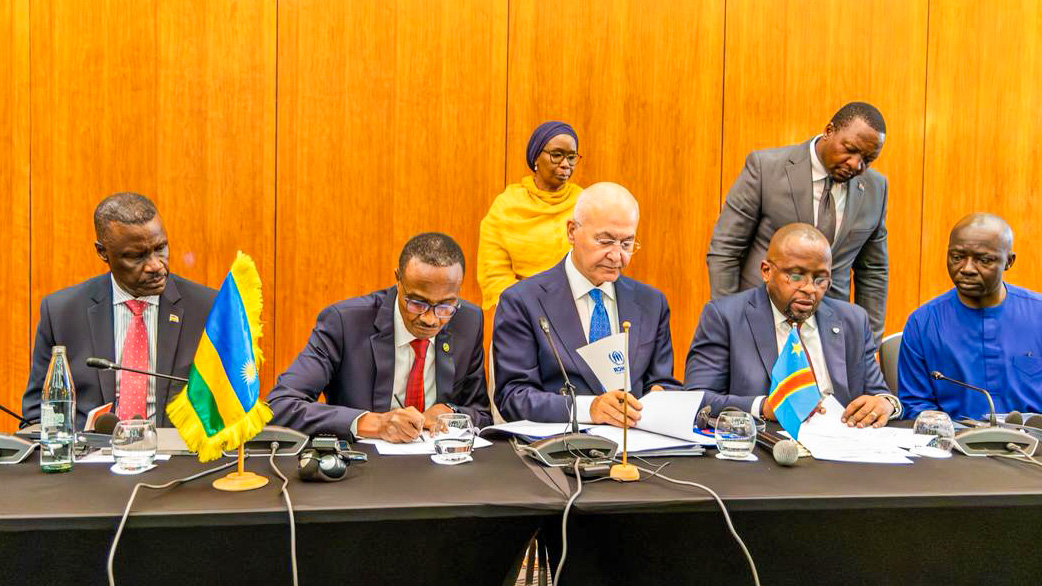
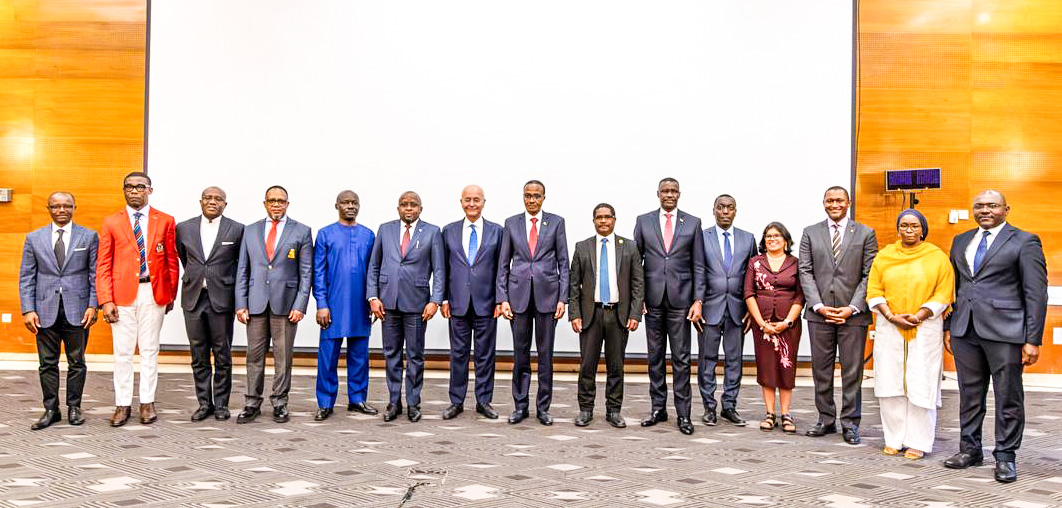
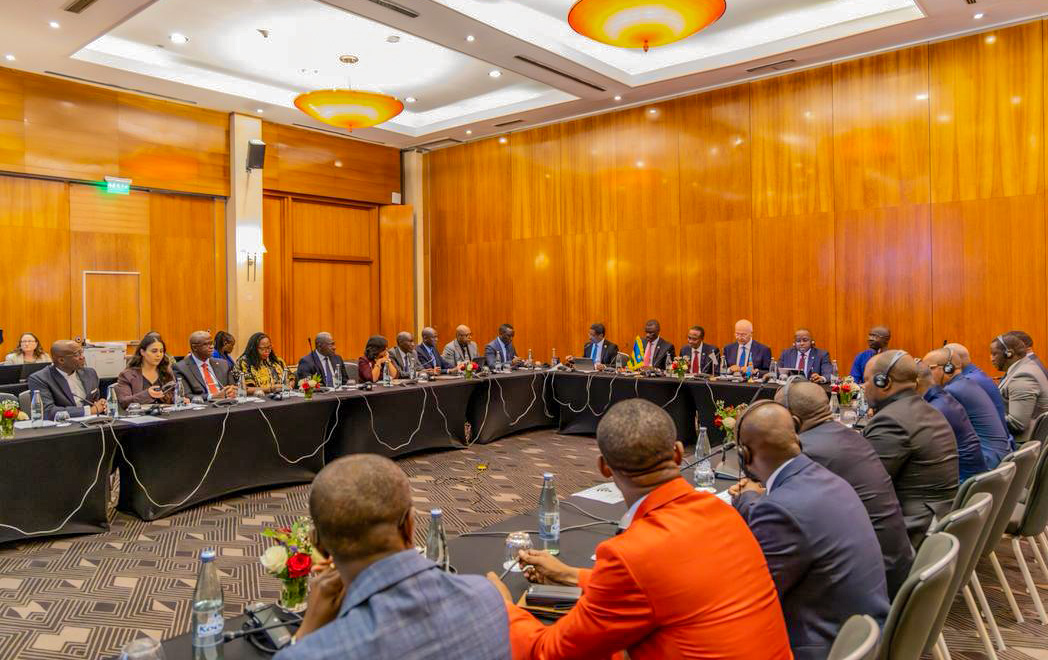
The commitment was announced following a Tripartite High-Level Ministerial Meeting held in Addis Ababa on Monday, June 22. There, the three parties reviewed progress under existing repatriation frameworks and adopted the 2026â2027 Tripartite Technical Working Group Road Map on Voluntary Repatriation and Reintegration.
The meeting was convened under the framework of the Tripartite Agreements signed in 2010 and comes amid efforts to improve relations between Kigali and Kinshasa following the signing of the Accords for Peace and Prosperity in Washington in December 2025.
In a joint communiqué issued after the meeting, the parties reaffirmed their commitment to durable displacement solutions, stating that the ‘voluntary, safe, dignified, and informed return’ remains ‘a cornerstone of durable solutions and a contribution to peacebuilding and regional stability.’
According to UN data presented during the meeting, the DRC database holds records for 196,289 Rwandan nationals and asylum seekers, including 75,421 who have been biometrically registered, while Rwanda hosts 84,456 Congolese refugees and asylum seekers.
The parties noted steady progress in facilitating the return of Rwandan returnees from eastern DRC. Since January 2025, a total of 8,394 Rwandans have voluntarily returned home, including 2,347 repatriated during the first half of 2026. Encouraged by this momentum, the parties endorsed an operational planning target of 10,000 voluntary repatriations for 2026 and agreed on measures aimed at accelerating implementation.
Among the decisions taken was the organization of formal quarterly cross-border meetings to strengthen coordination among the governments and UNHCR, with the first meeting scheduled for September 2026.
The parties also agreed to utilize the Kamanyola border crossing in South Kivu and the Bugarama border post in Rwanda to facilitate the return of more than 3,600 Rwandan citizens currently dispersed across the southern part of South Kivu Province who have expressed a willingness to return home. To support the process, the DRC committed to establishing a viable transit route to the border crossing point for candidates located in outlying areas of southern South Kivu.
The communiqué further noted the situation of more than 400 Rwandan nationals who have been waiting for over a month in transit centres in North and South Kivu pending repatriation. Rwanda pledged to continue receiving these returnees while strictly observing the prevailing regional health situation and public health guidelines related to Ebola virus disease management.
The meeting also addressed the future return of Congolese refugees living in Rwanda. While no voluntary repatriation of Congolese refugees has yet taken place, the parties agreed that beginning in October 2026, the DRC will identify priority areas of return based on refugee intention surveys and location data provided by the Rwandan authorities.
The ministers welcomed recent political and technical developments between the two countries and acknowledged the support of the African Union, the United Nations, and the Office of the Special Envoy of the UN Secretary-General for the Great Lakes Region in advancing peace, security, and durable solutions for displaced populations.
The next Tripartite High-Level Ministerial Meeting is scheduled for June 2027, with the date and venue to be communicated through diplomatic channels.
The commitment to continue repatriation processes was announced following a Tripartite High-Level Ministerial Meeting held in Addis Ababa on Monday, June 22.
The meeting was convened under the framework of the Tripartite Agreements signed in 2010 and comes amid efforts to improve relations between Kigali and Kinshasa following the signing of the Accords for Peace and Prosperity in Washington in December 2025.
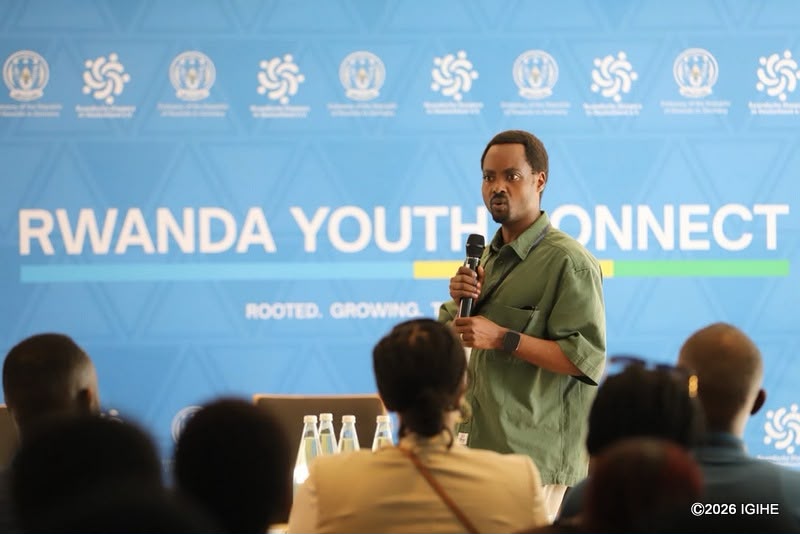
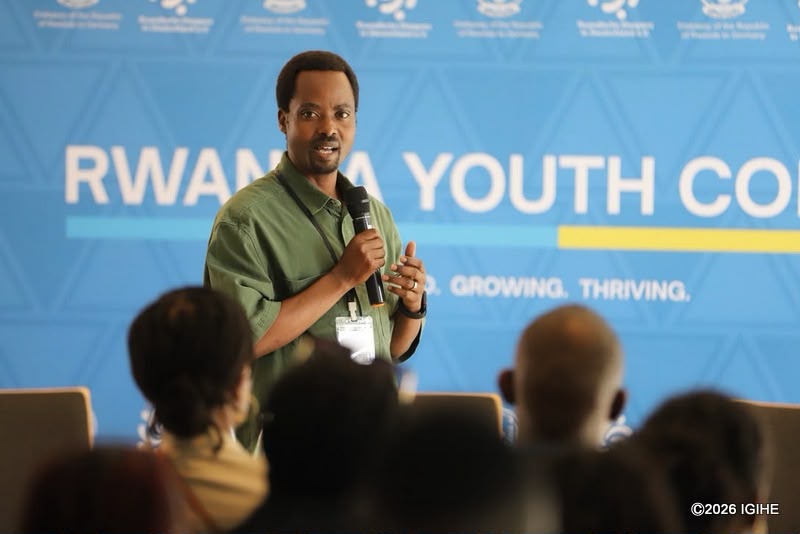
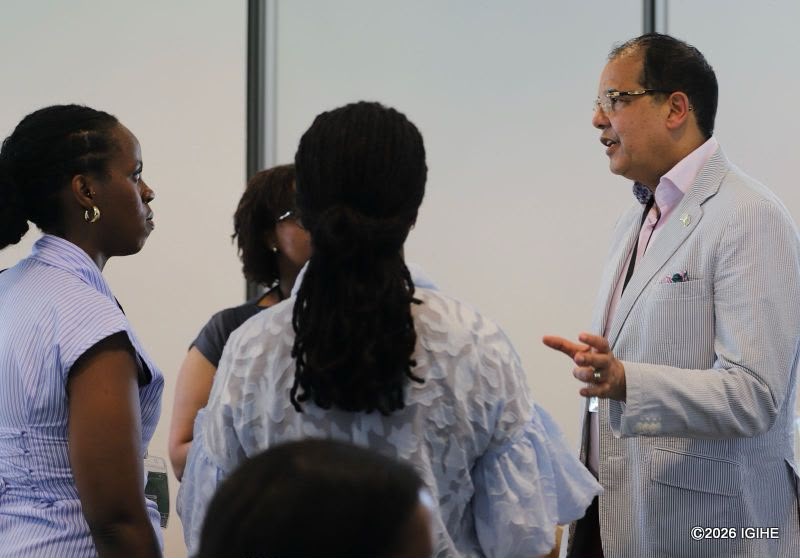
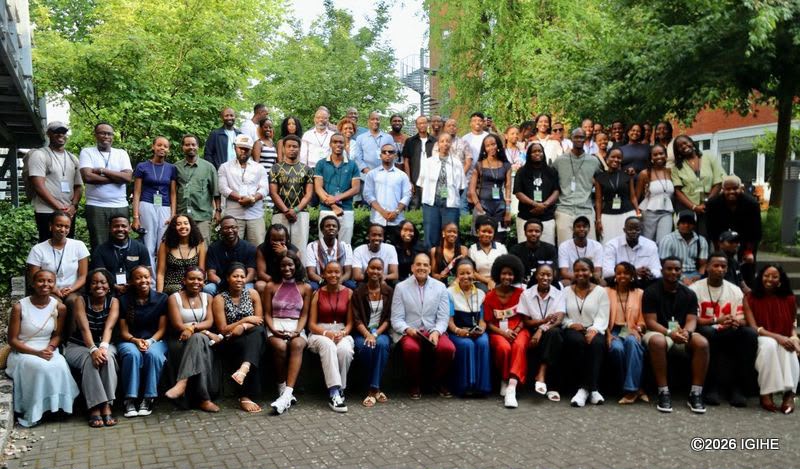
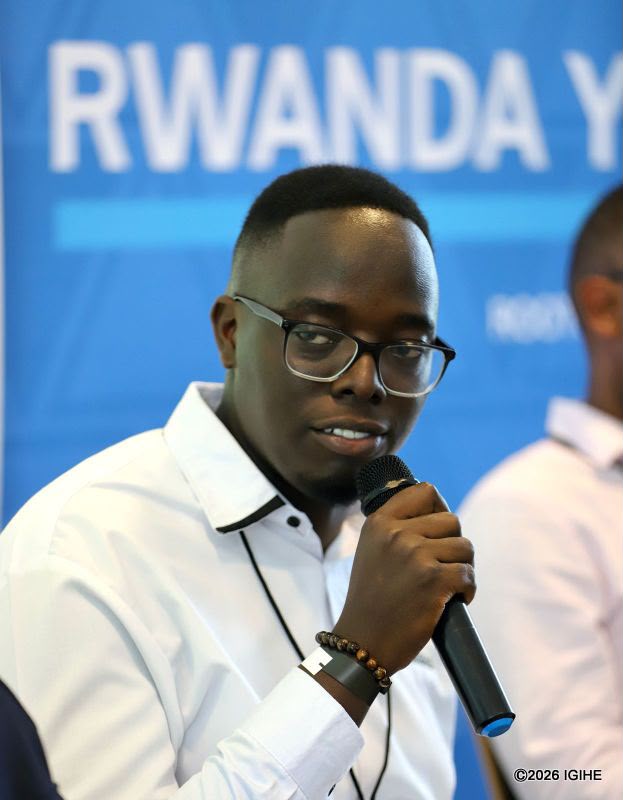
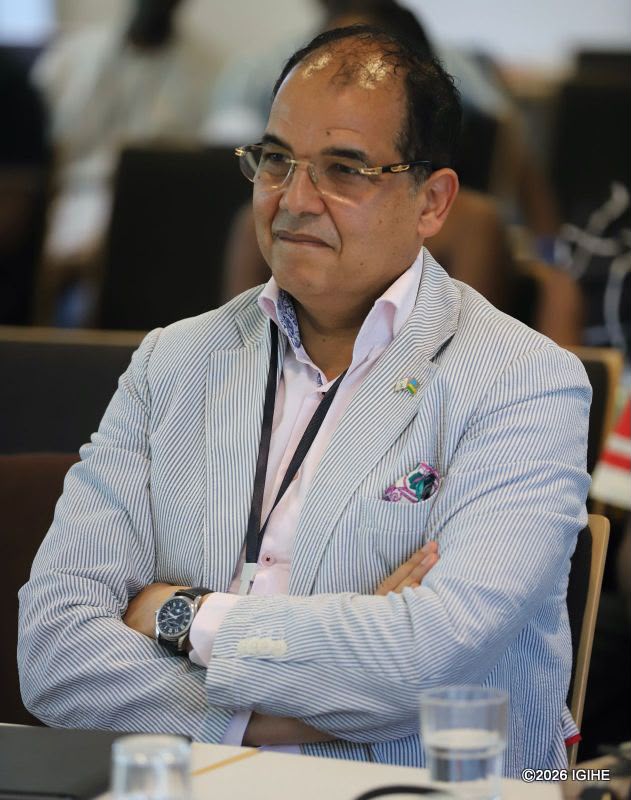
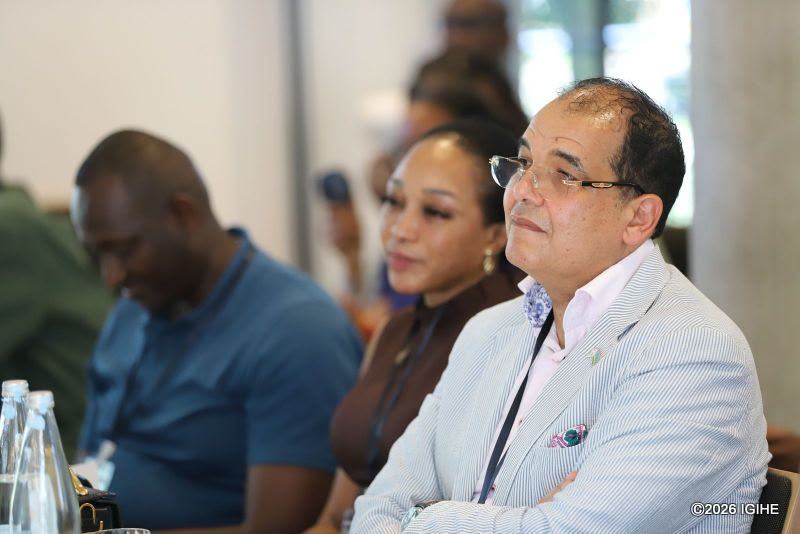
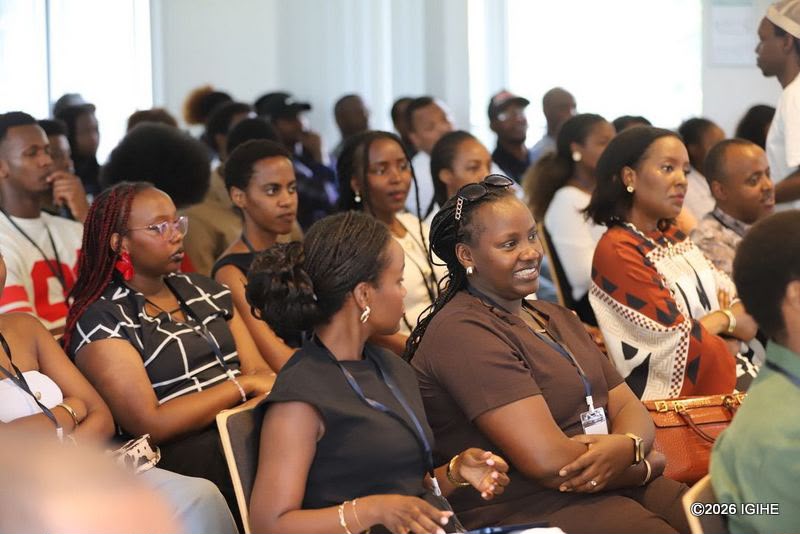
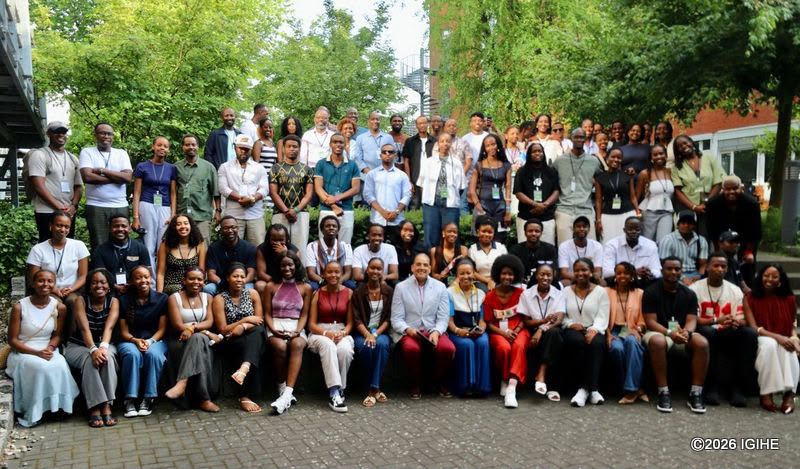
Leading the local organization, Noel Musoni, President of the Rwandan diaspora in the Hamburg region, expressed great satisfaction with the success of the event, which brought together young people from across the country, some of whom travelled more than six hours to reach northern Germany.
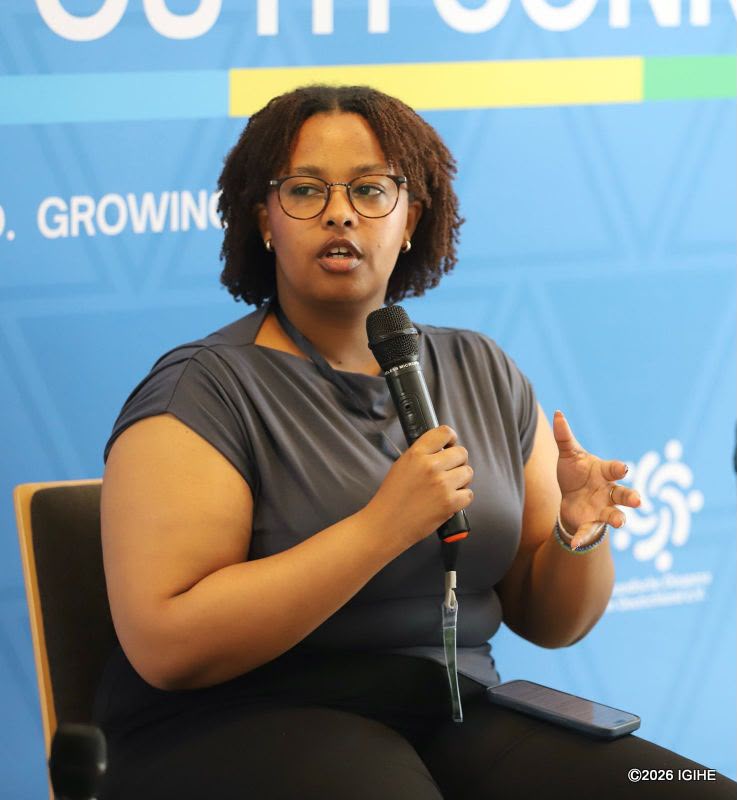
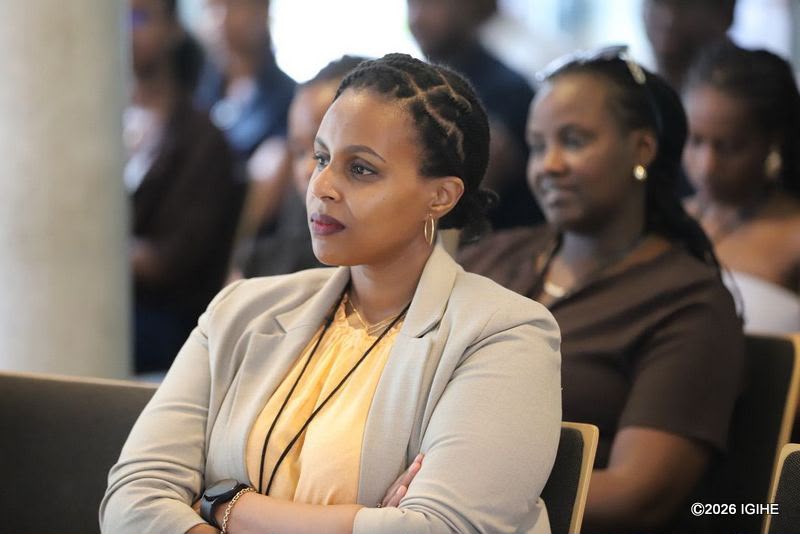
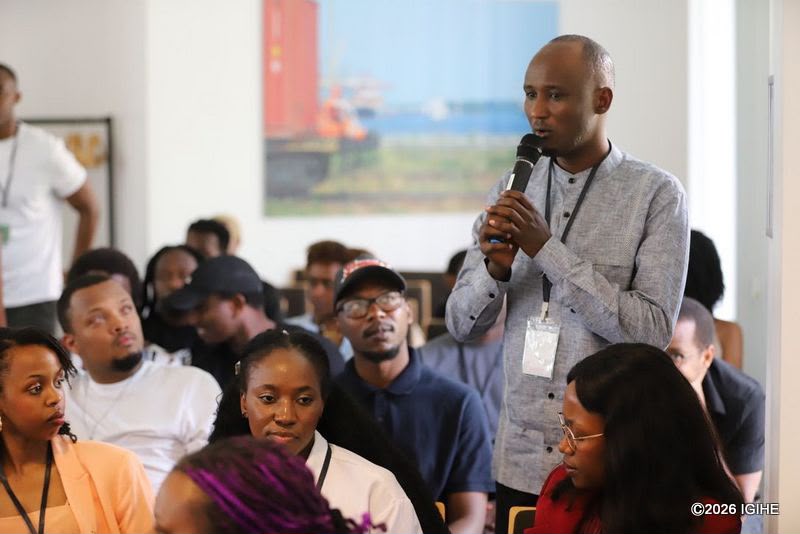
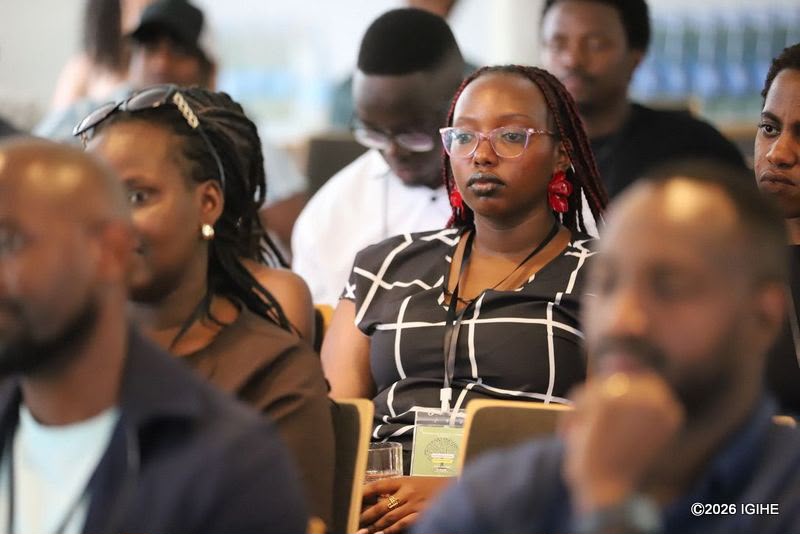
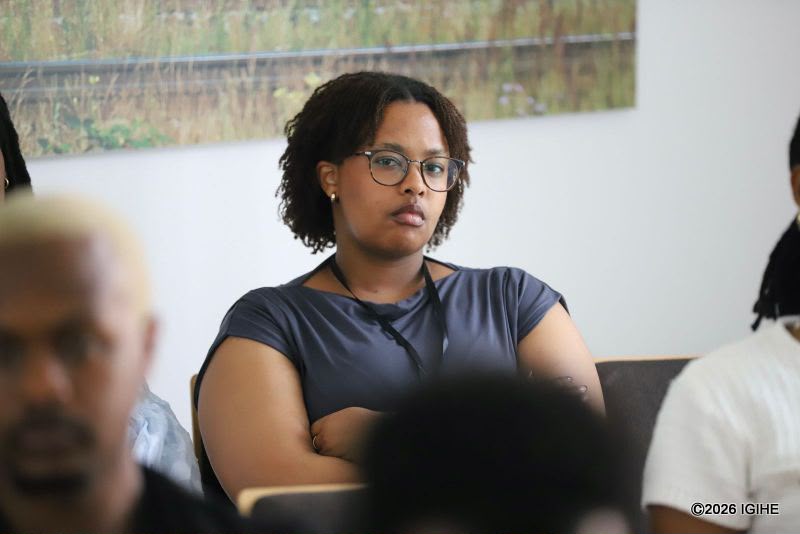
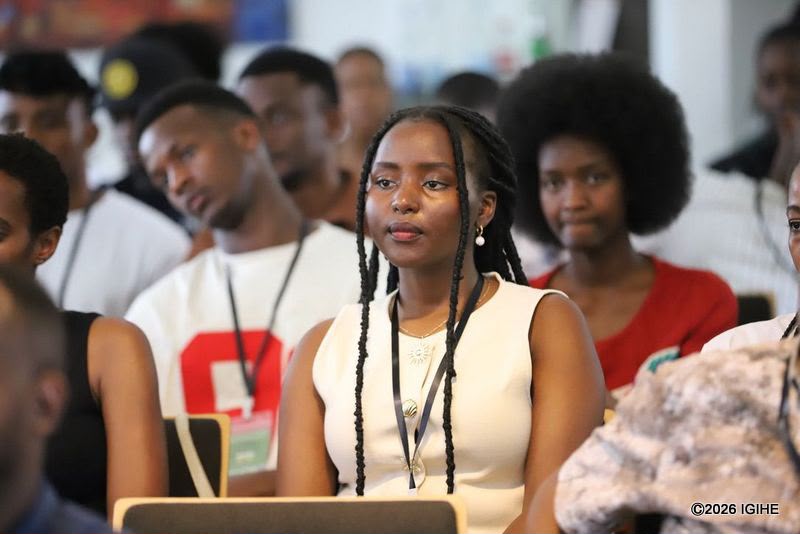
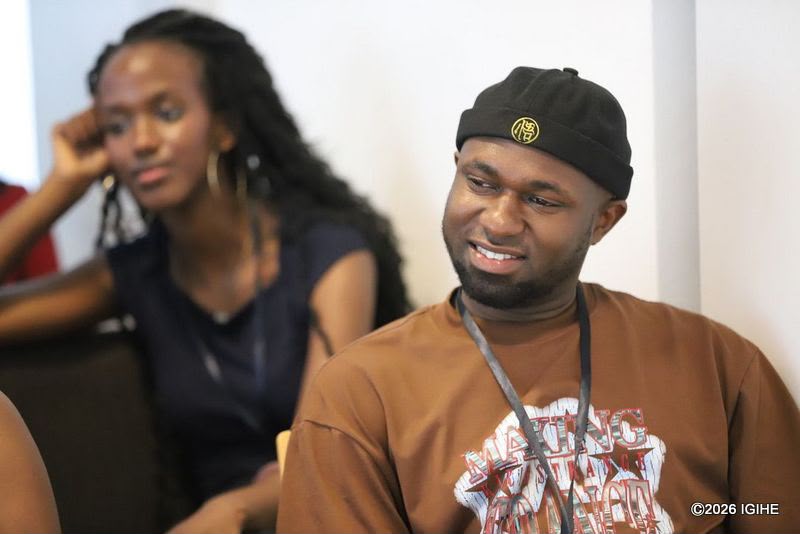
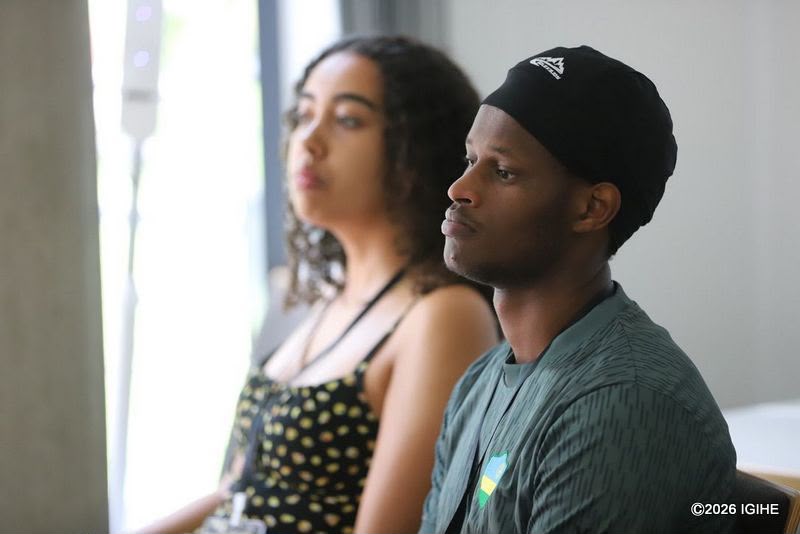
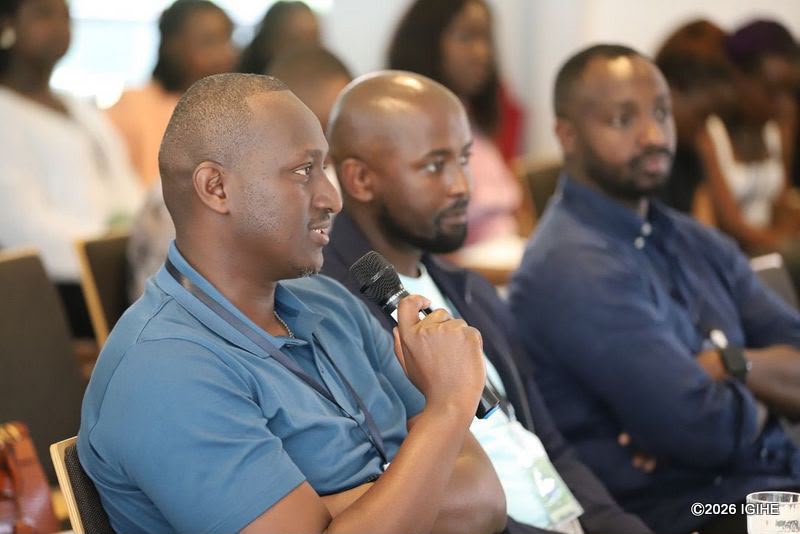
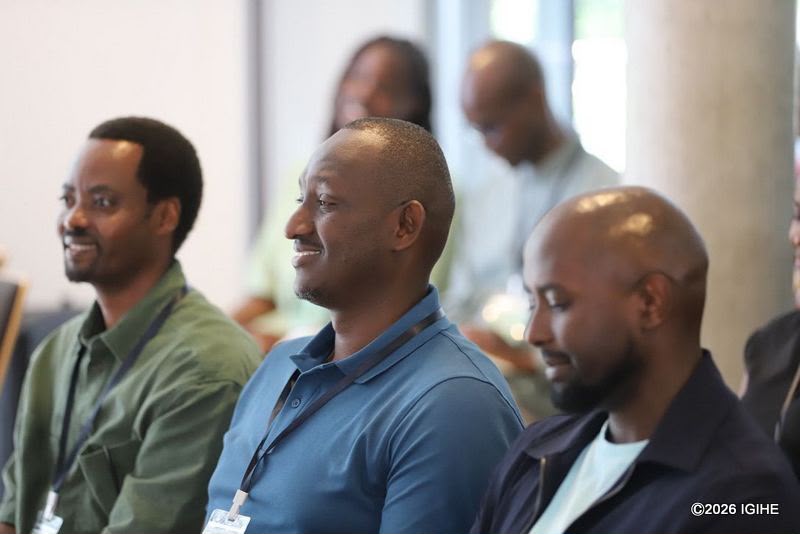
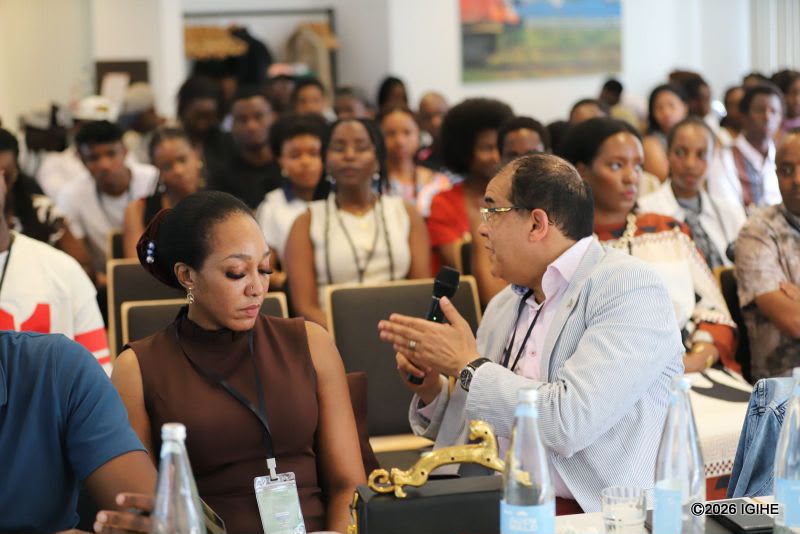
Over the course of the two-day event, participants had the opportunity to get to know one another, exchange ideas about their backgrounds, projects and experiences, and reconnect with the values that define Rwandans, while learning how to balance their identity with the multicultural realities they encounter in their daily lives abroad.
This edition was also marked by the introduction of newly elected presidents who will represent the different Rwandan diaspora communities across Germany.
These include Sadi Isingizwe, President of the Hamburg and Lower Saxony regions; Delice Ikirezi and Gatete Deogratias, Co-Presidents of the NRW + RP region; Mugwaneza Francine, President of the Rhein-Main-Neckar region; Gabiro Vainqueur, President of the Berlin region; and Mafurebo Andy Kanobayita, President of the Bavaria region.
In an interview with IGIHE, Noel Musoni highlighted the importance of this initiative for the future of Rwandan youth in Germany.
‘This year, we had the honour of hosting Rwanda Youth Connect in the city of Hamburg. We are pleased to see that all regions where the Rwandan diaspora is organized now have youth representatives. This will further strengthen connections among young people, who are an important and dynamic part of our community in Germany.’
He also welcomed the achievement of this year’s objectives, particularly bringing young people closer together, fostering collaboration among them and encouraging their active involvement in Rwanda’s development.
Noel Musoni, President of the Rwandan diaspora in the Hamburg region, expressed great satisfaction with the success of the event, which brought together young people from across the country, some of whom travelled more than six hours to reach northern Germany.
The initiative is aimed at strengthening ties among Rwandan youth living in the diaspora.
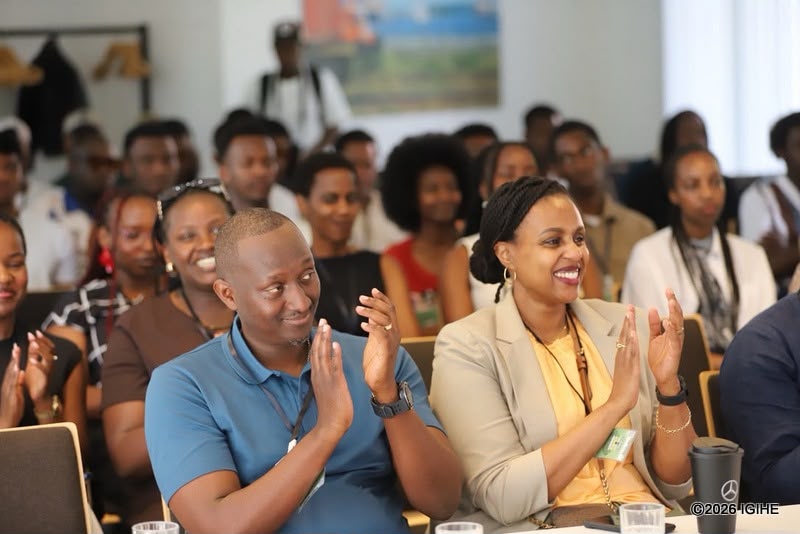
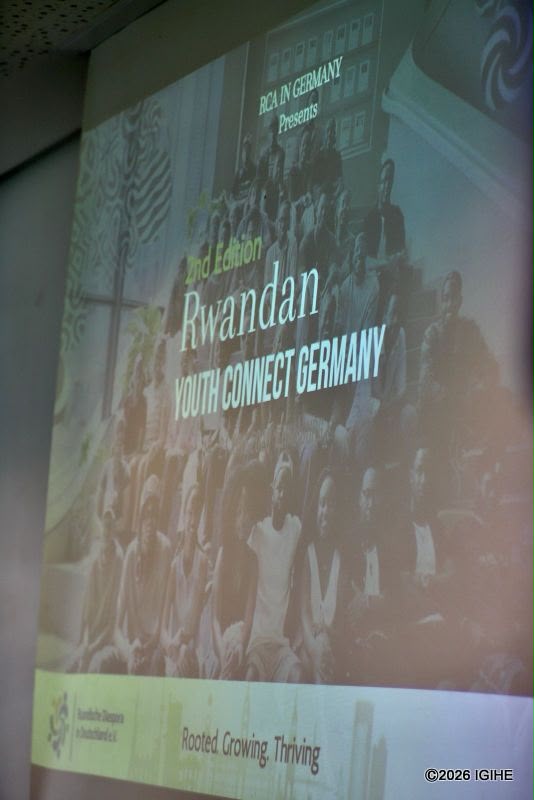
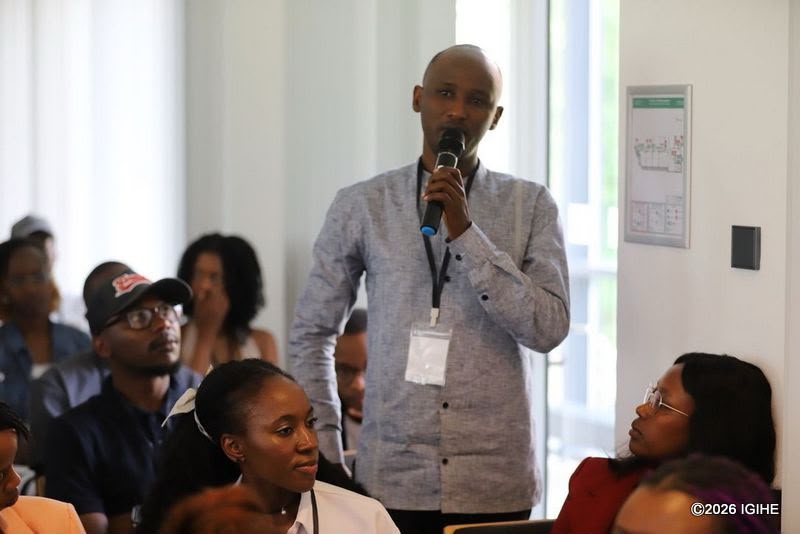
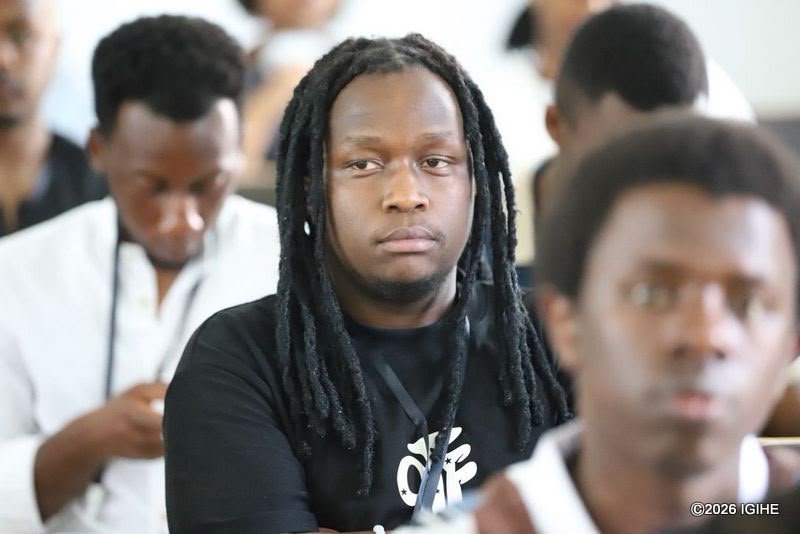
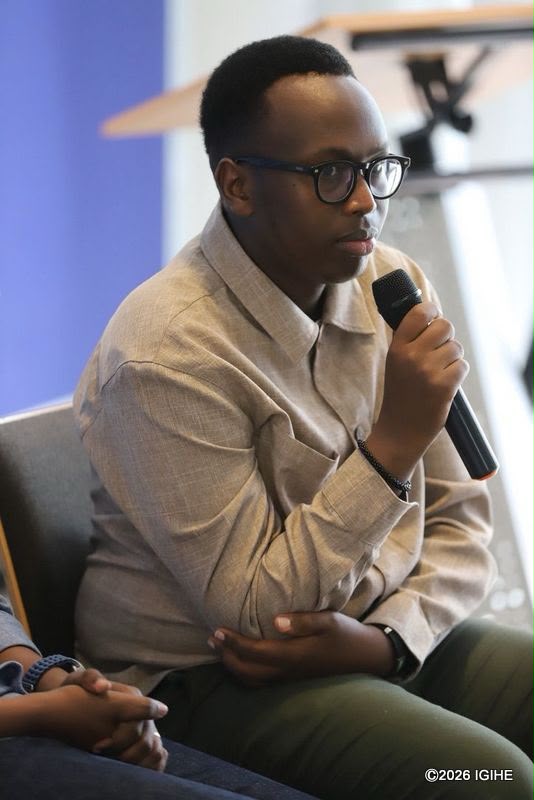
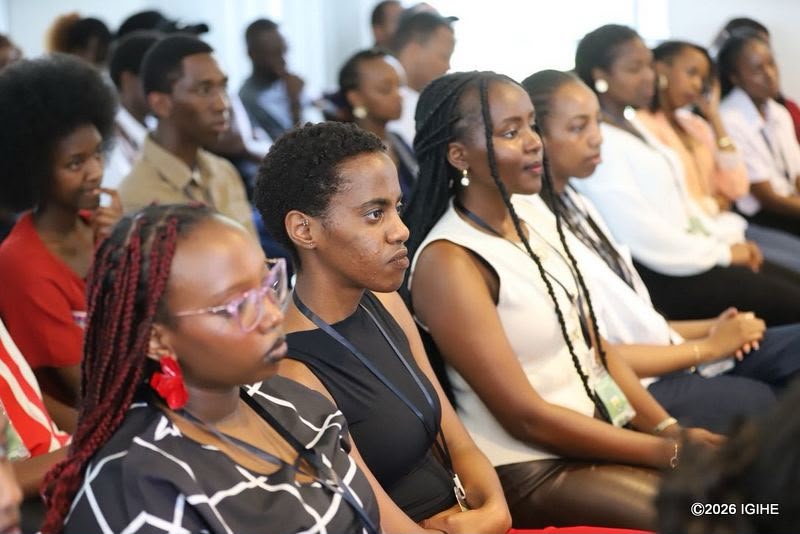
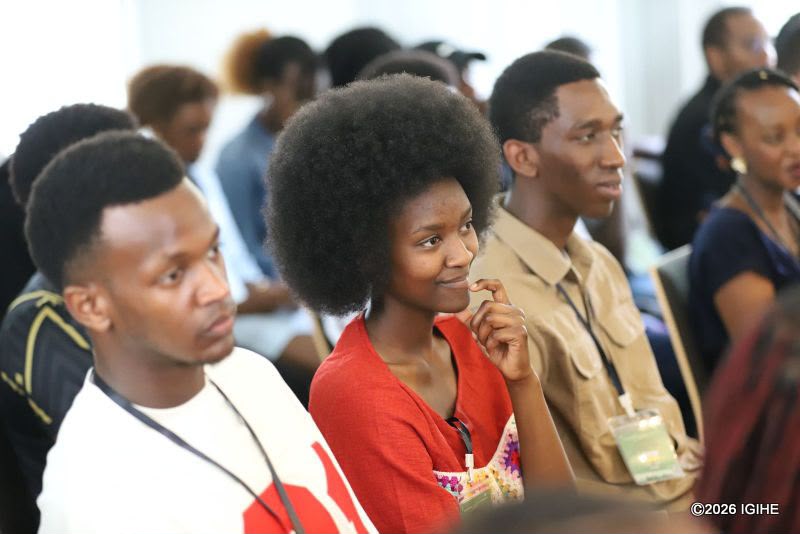
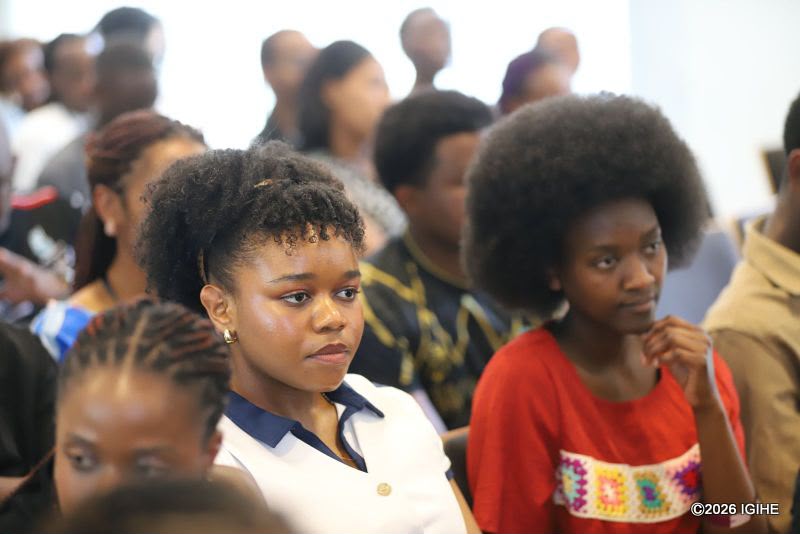
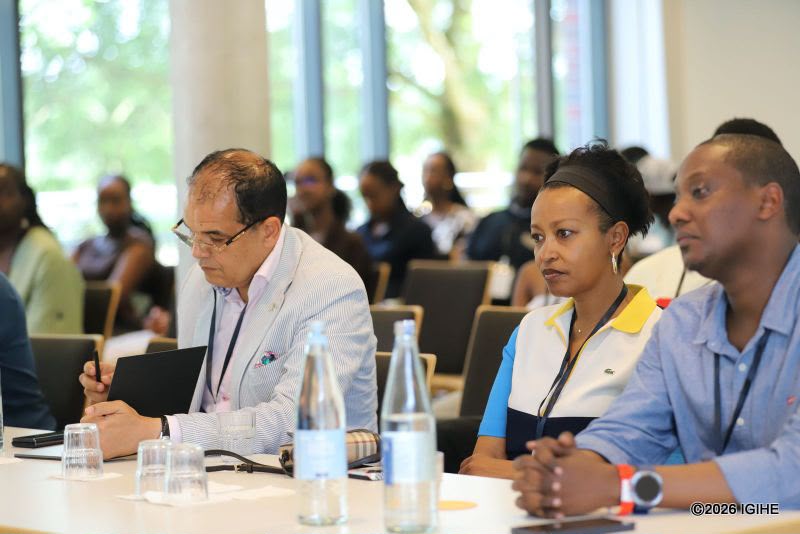
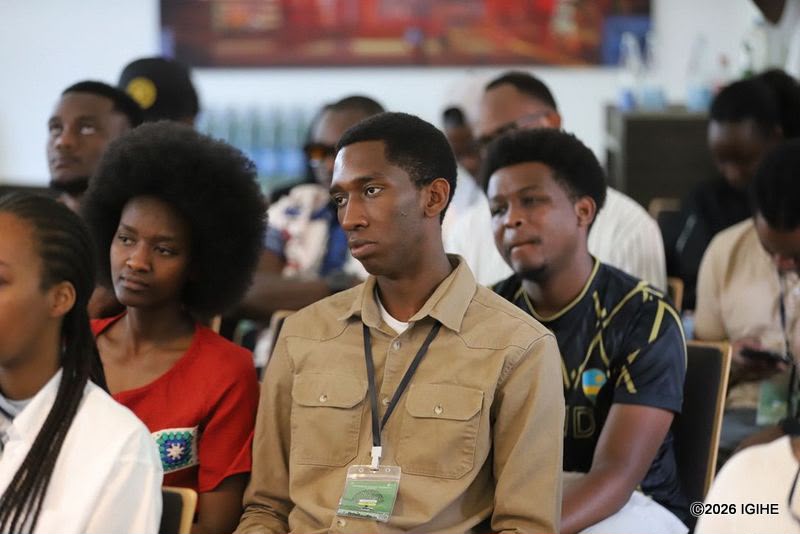
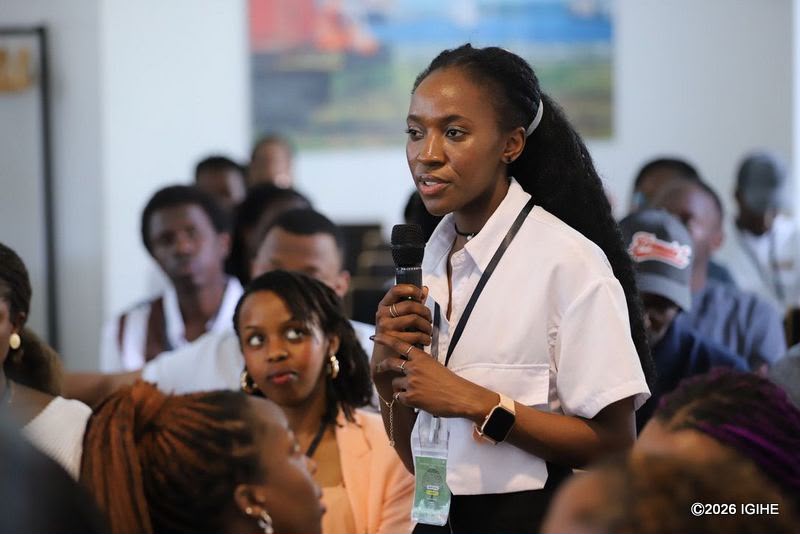
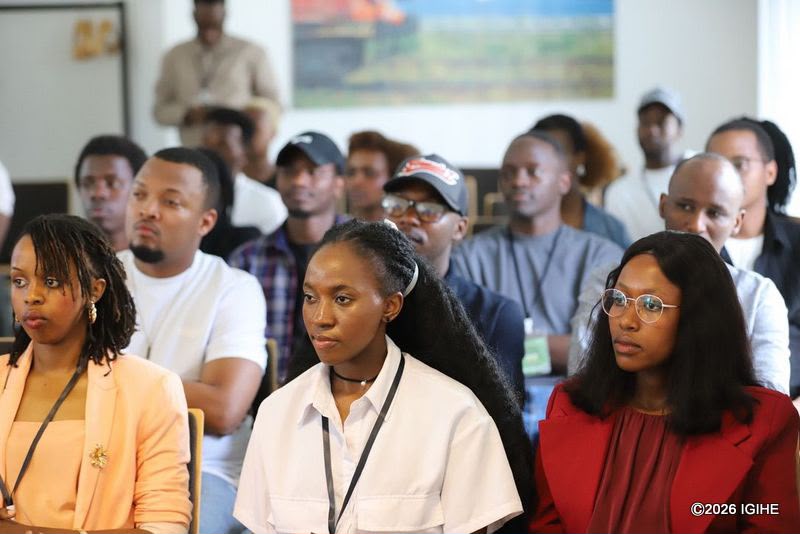
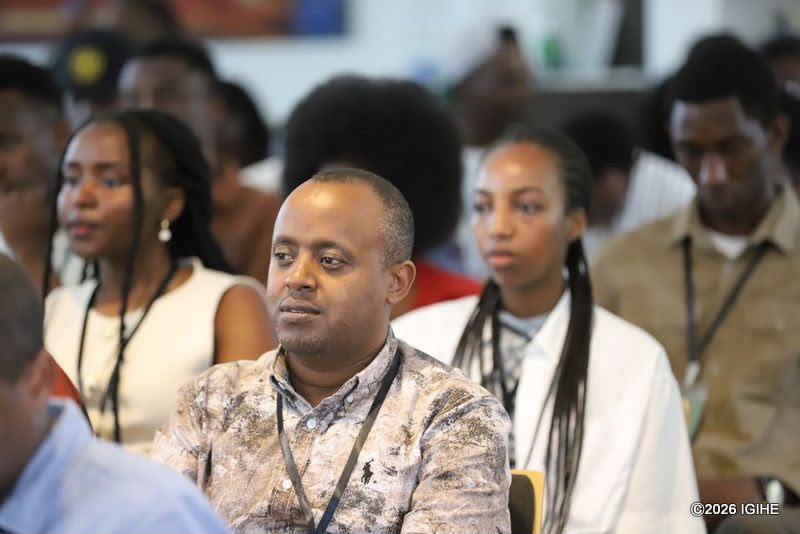
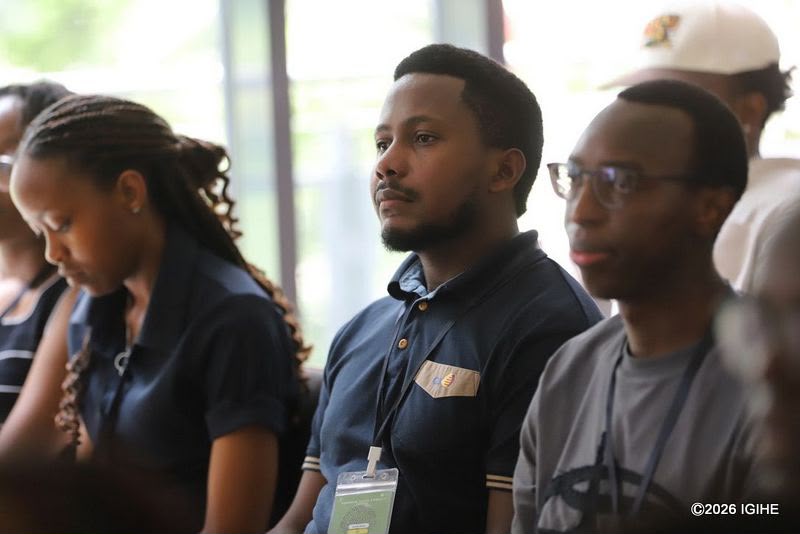
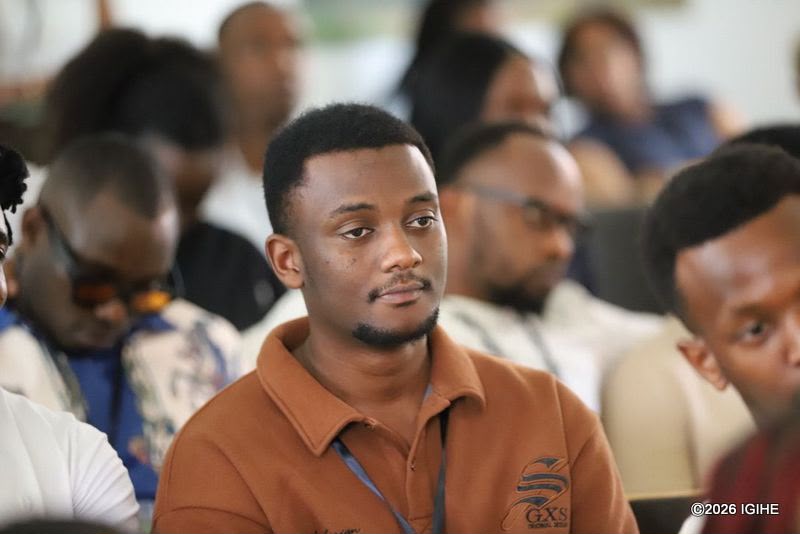
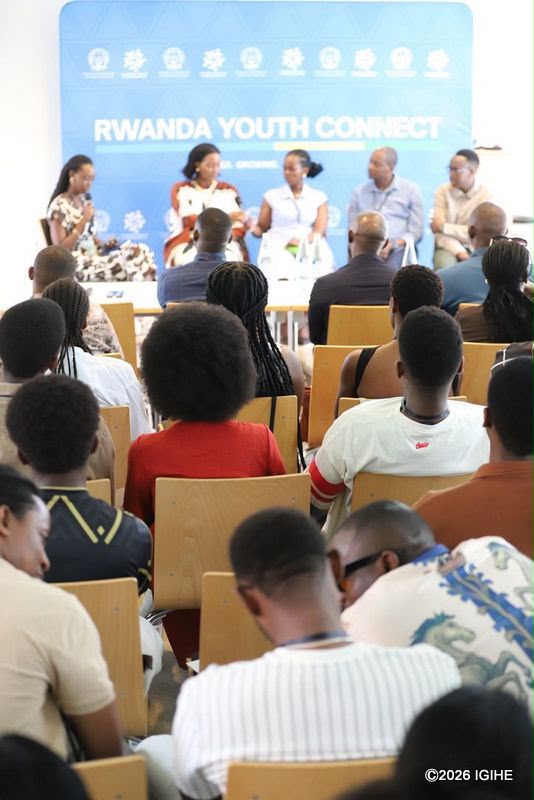
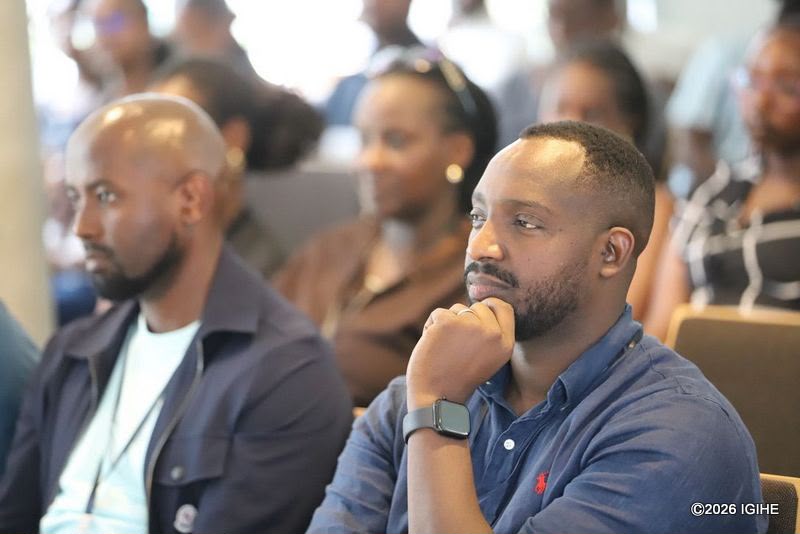
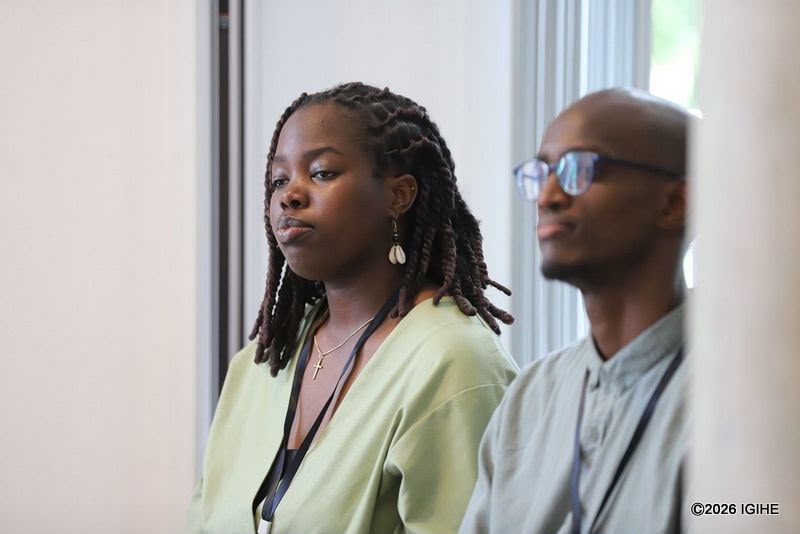
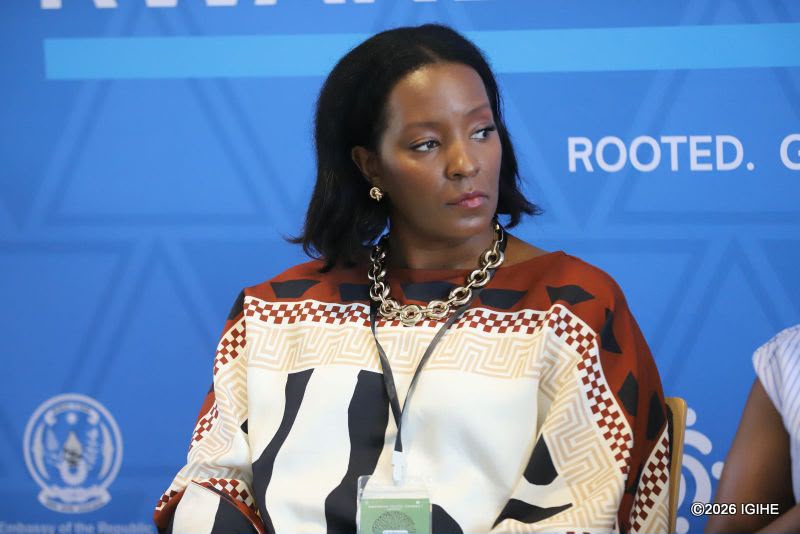
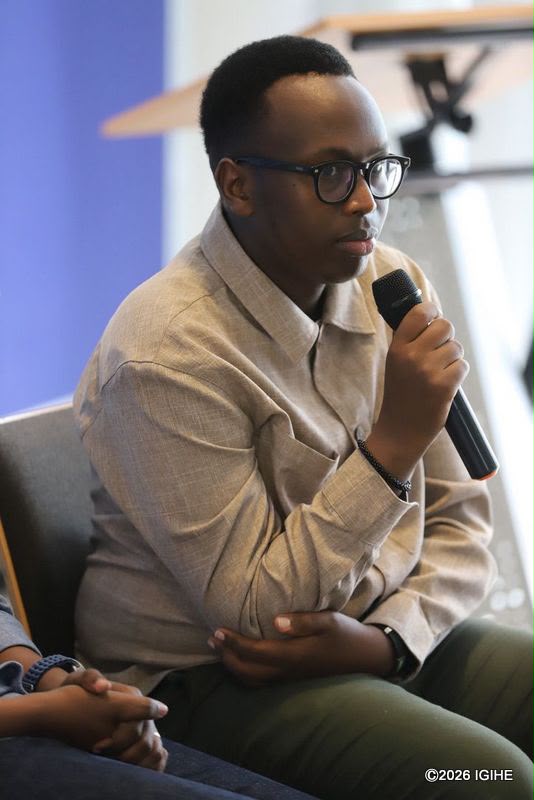
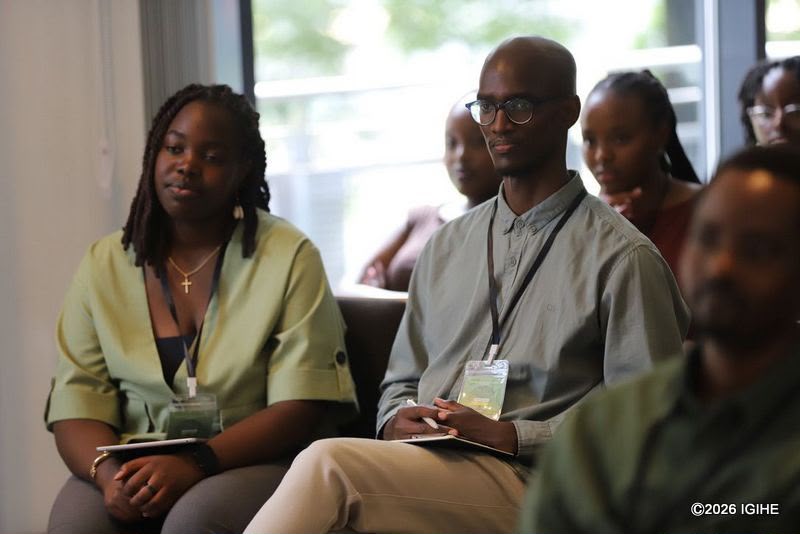
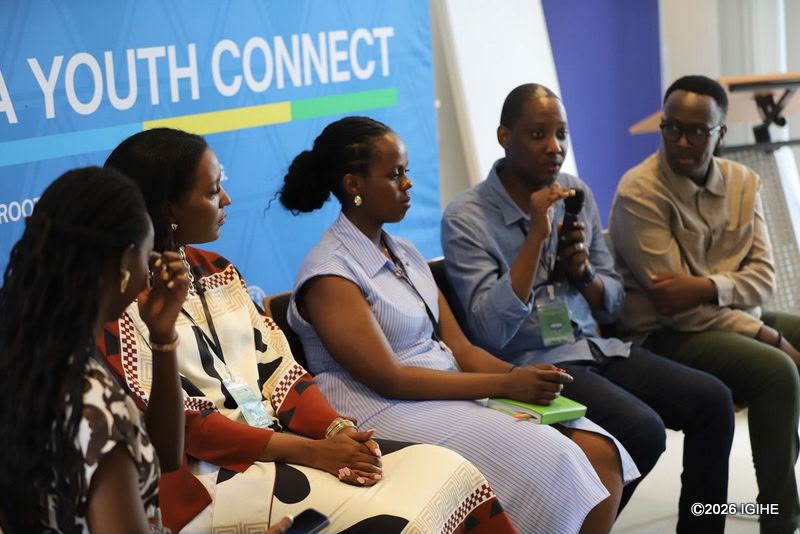
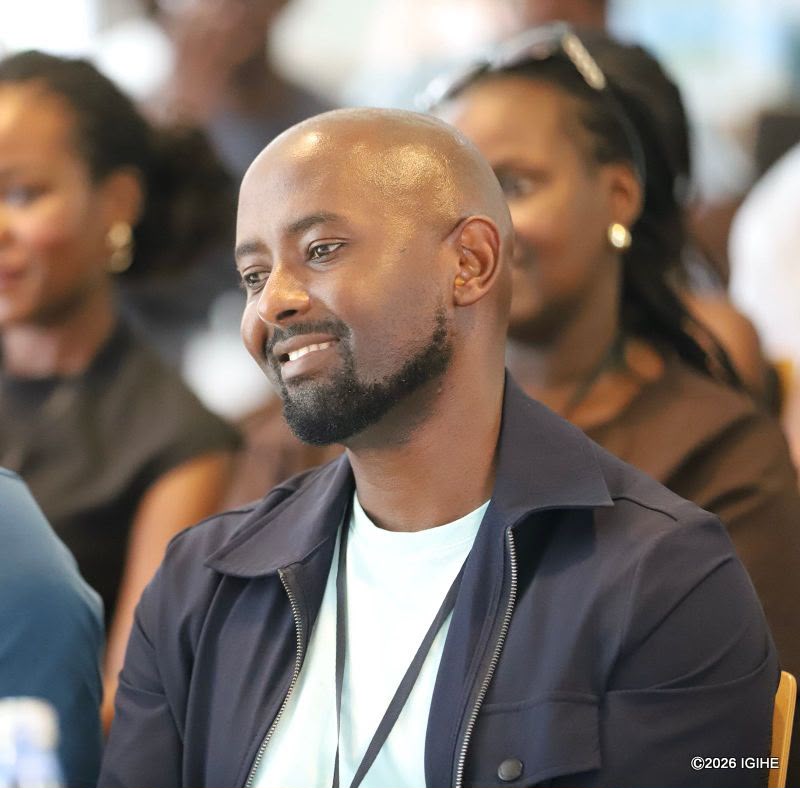
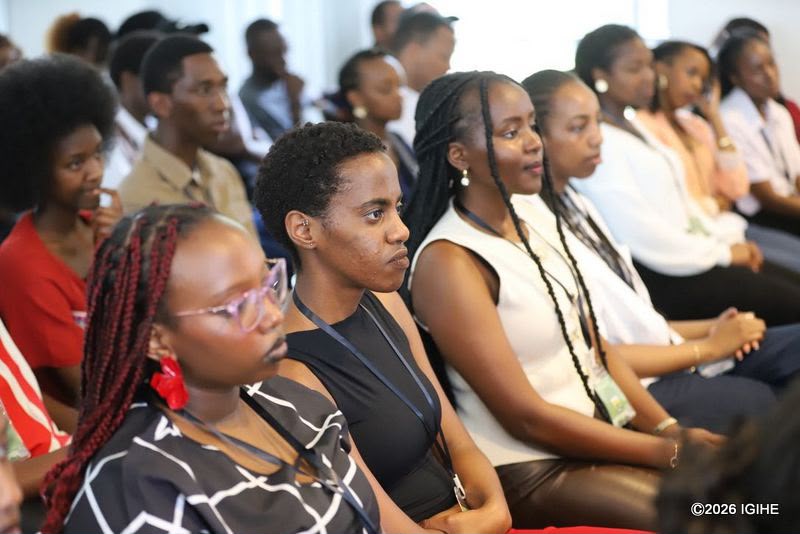
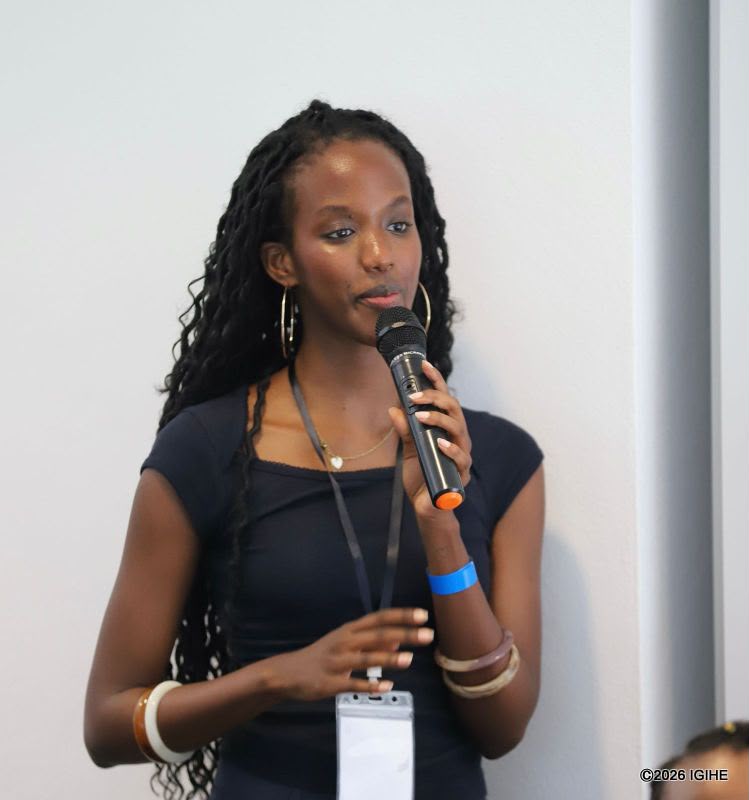
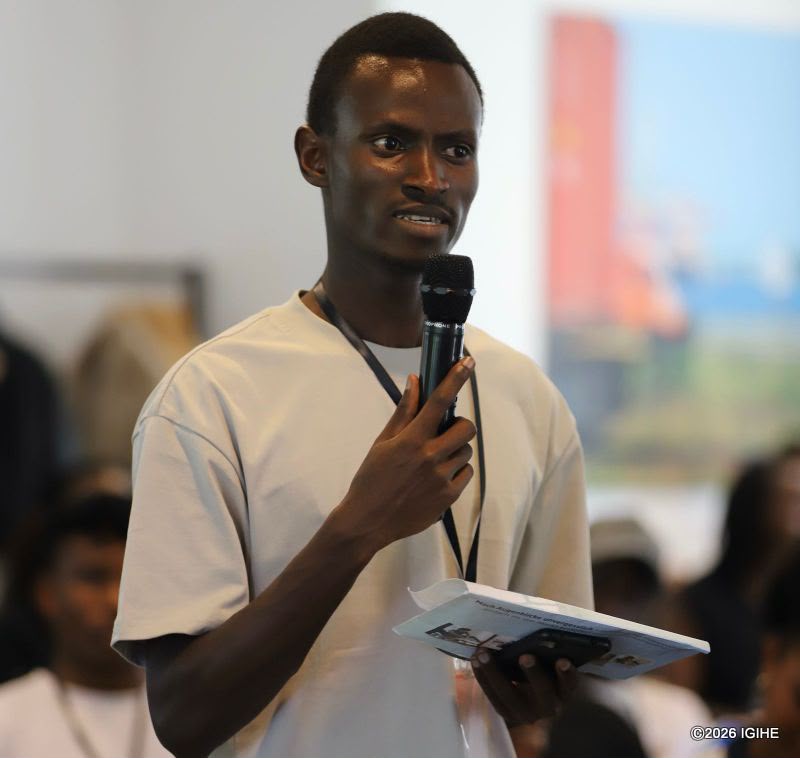
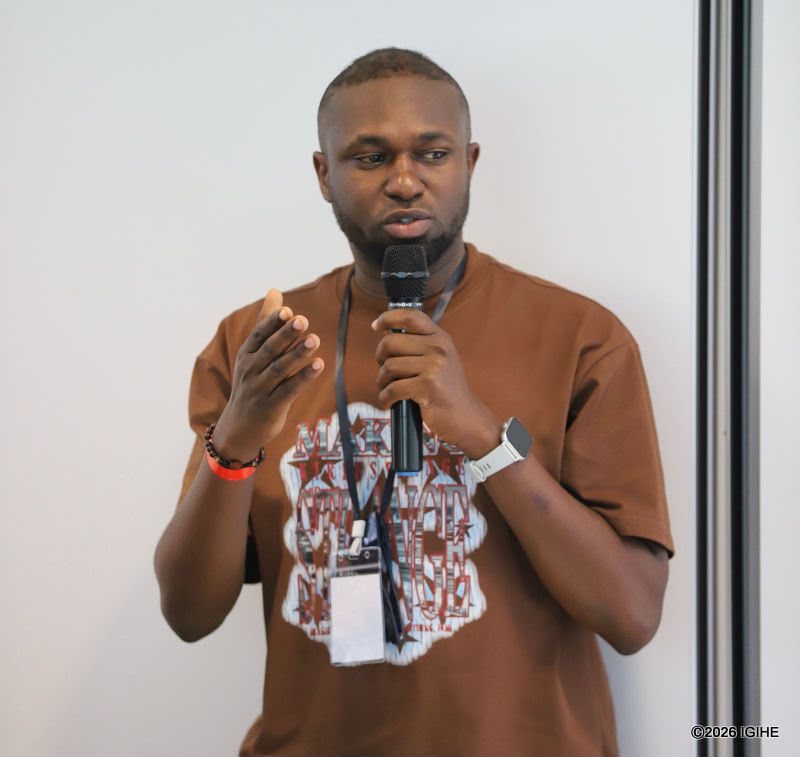
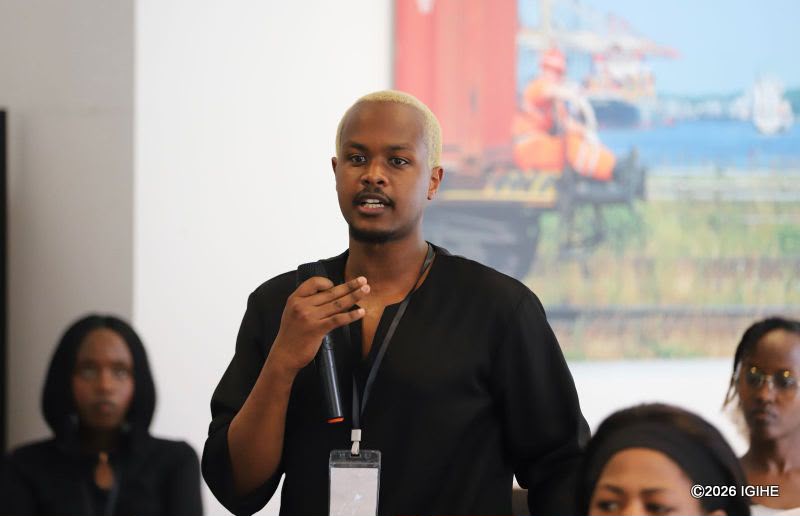
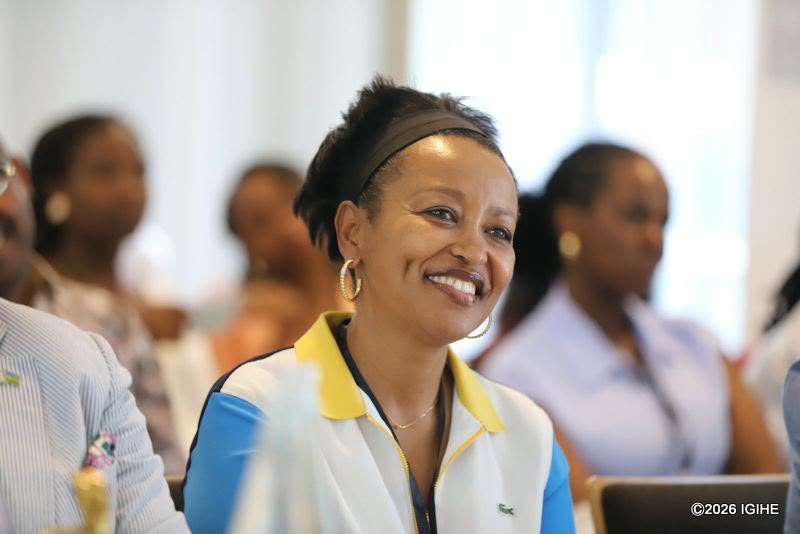
Young Rwandans from different regions across Germany gathered in Hamburg for Rwanda Youth Connect Germany.
Over the course of the two-day event, participants had the opportunity to get to know one another, exchange ideas about their backgrounds, projects and experiences, and reconnect with the values that define Rwandans.
Rwanda’s Ambassador to Germany, Igor Cesar, reminded participants that they are not mere observers of Rwanda’s development but active contributors to its future.
Rwanda Youth Connect Germany 2026 demonstrated that, beyond geographical distances, a united, organized youth deeply connected to its roots can become a true force for development.
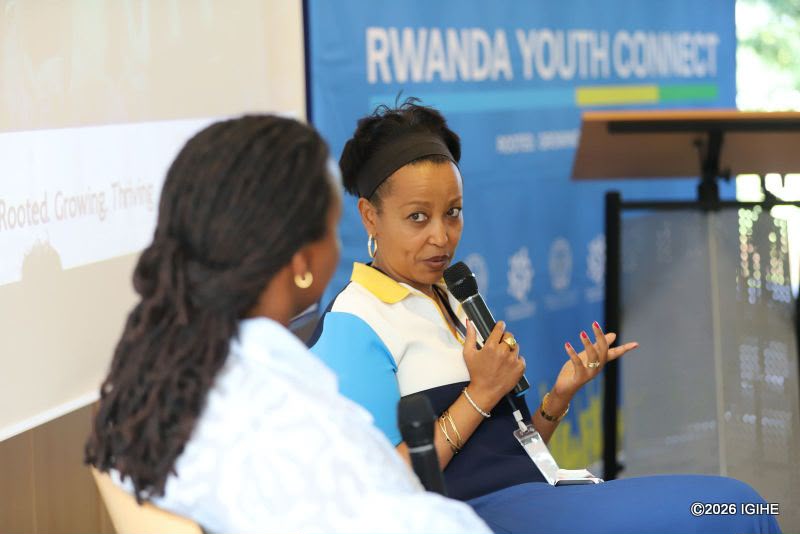
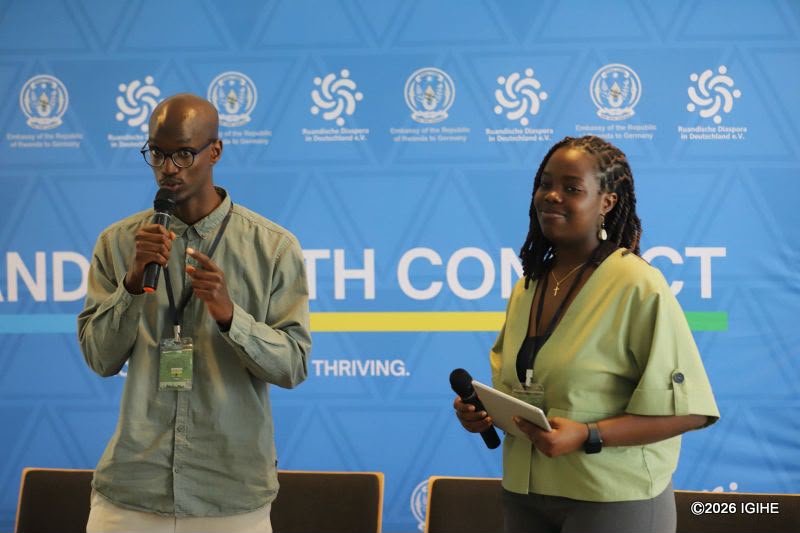
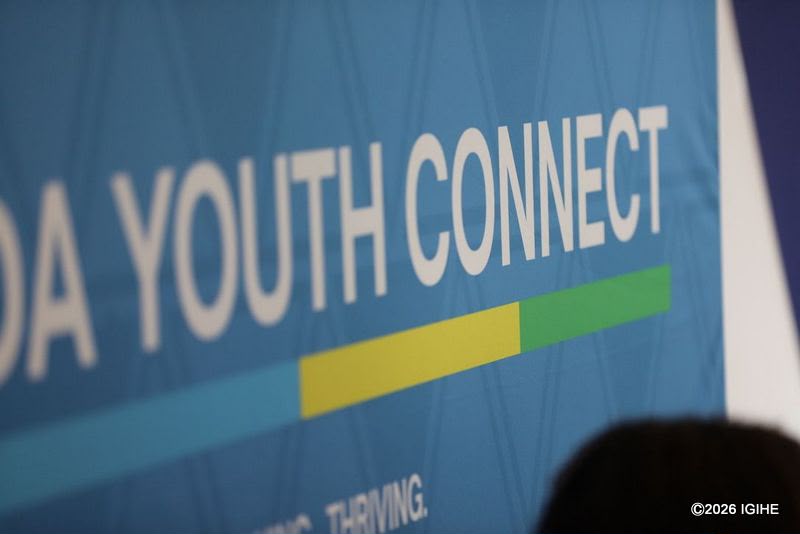
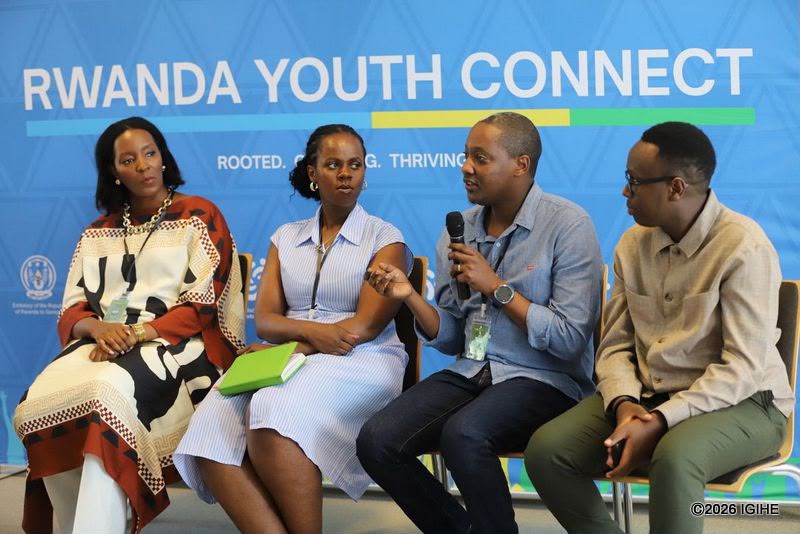
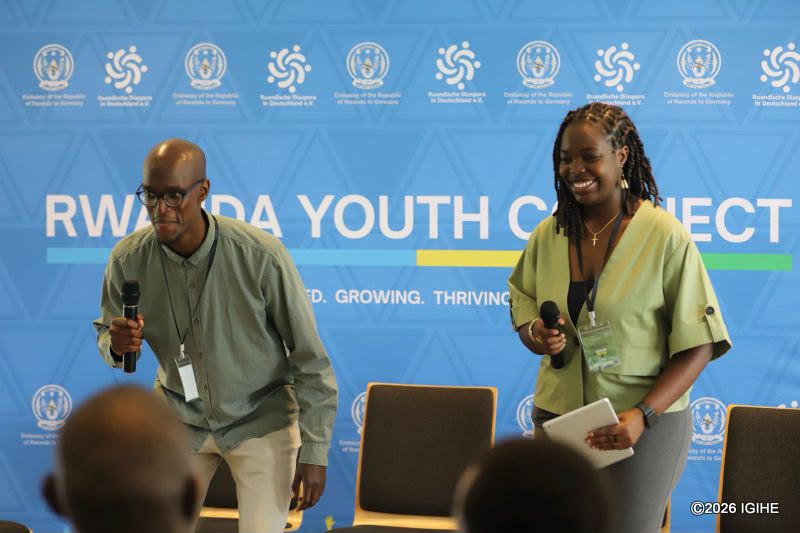
Held under the theme ‘Rooted. Growing. Thriving.’, this year’s edition highlighted a committed generation determined to build bridges between their host country and their country of origin.
One of the event’s distinctive features was that it was entirely coordinated by young people themselves, demonstrating their sense of responsibility and their ability to mobilize and unite their peers around shared goals.
To attend the gathering, some participants travelled hundreds of kilometres, with several spending more than six hours on the road to reach Hamburg and reconnect with fellow Rwandans living across Germany. Beyond the conference itself, the event represented a rare opportunity to meet, expand professional and social networks, and strengthen ties within a community spread across a vast country.
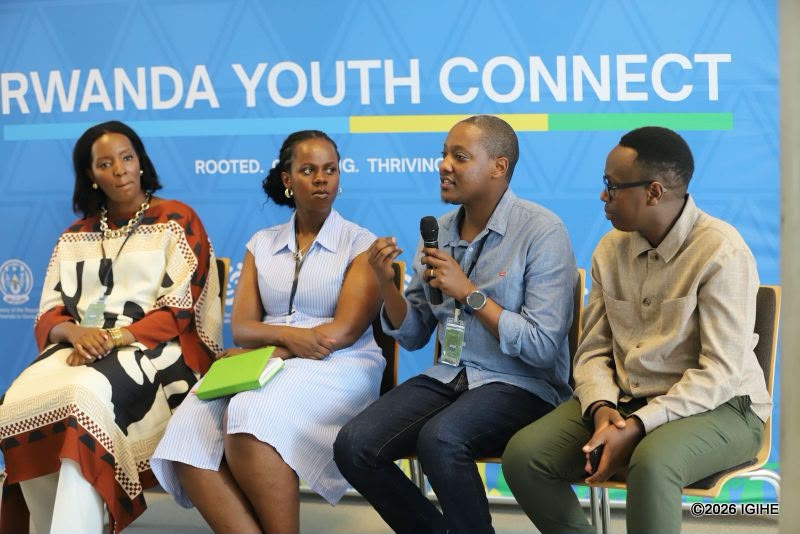
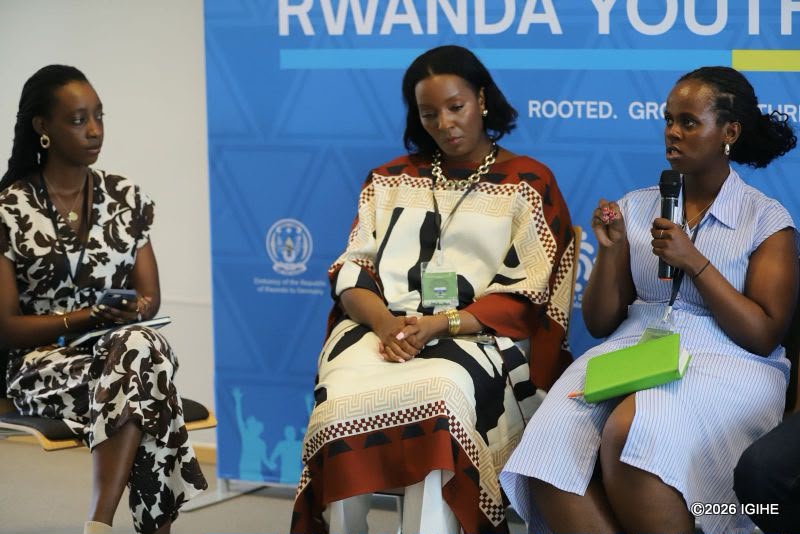
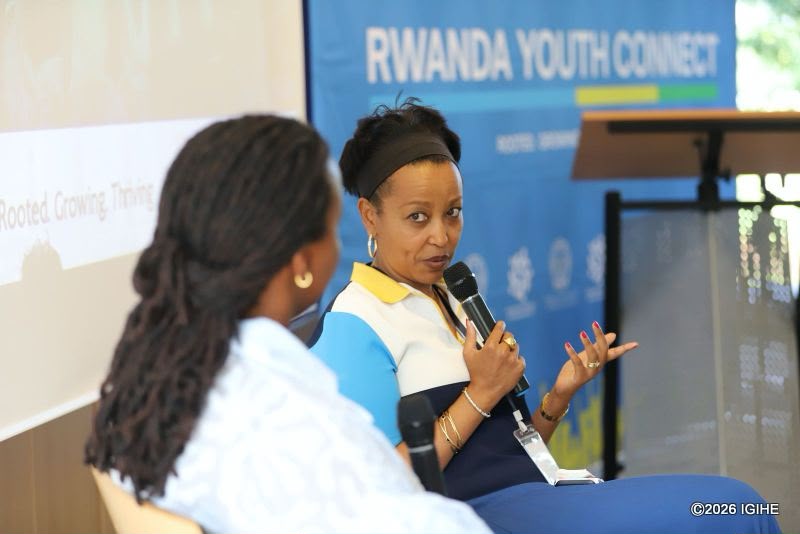
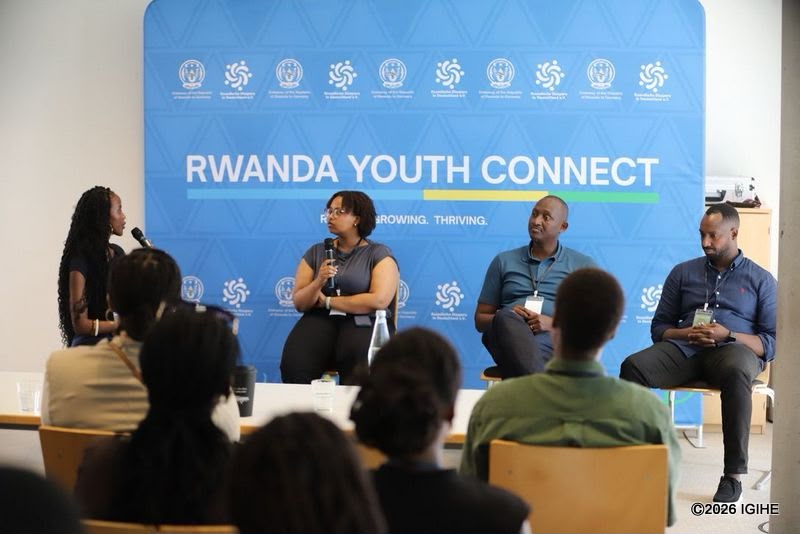
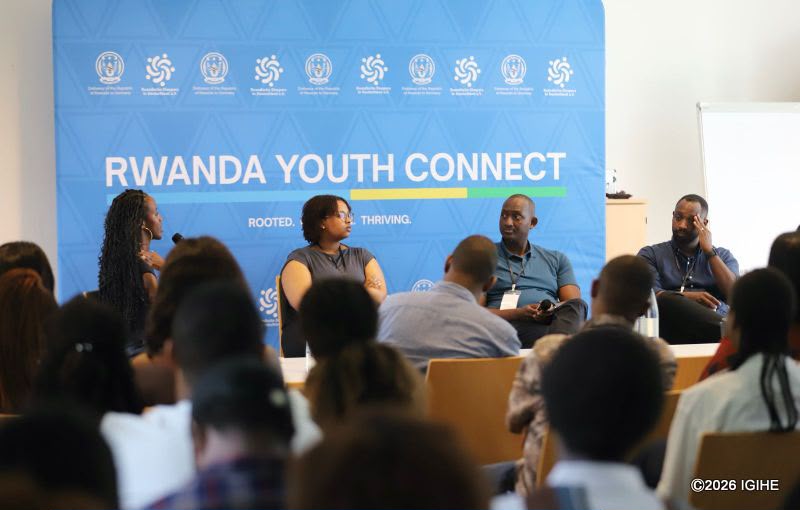
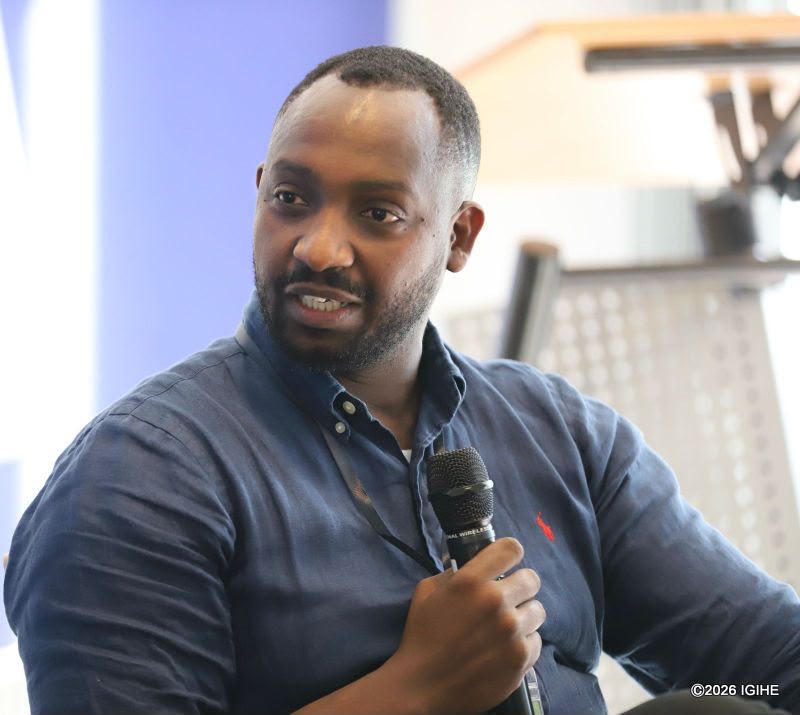
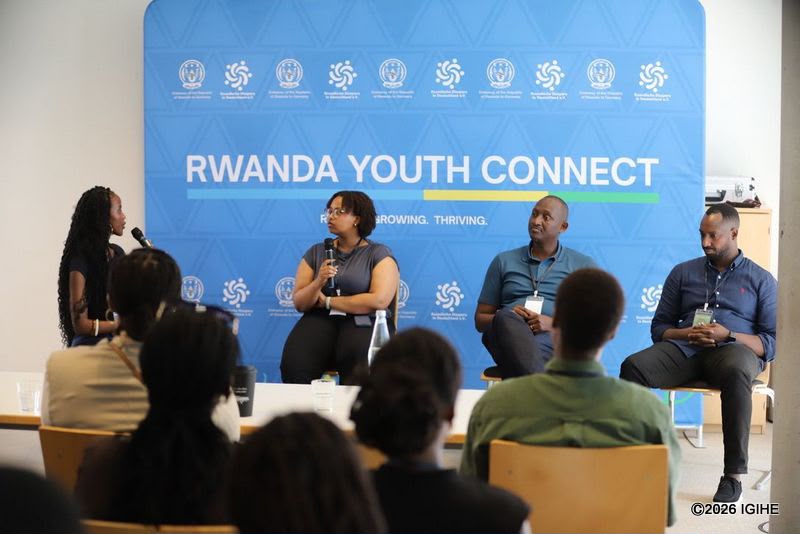
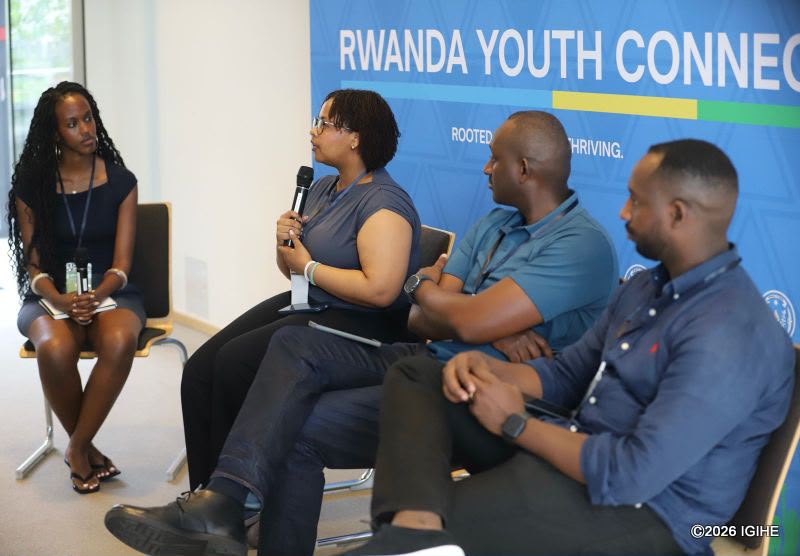
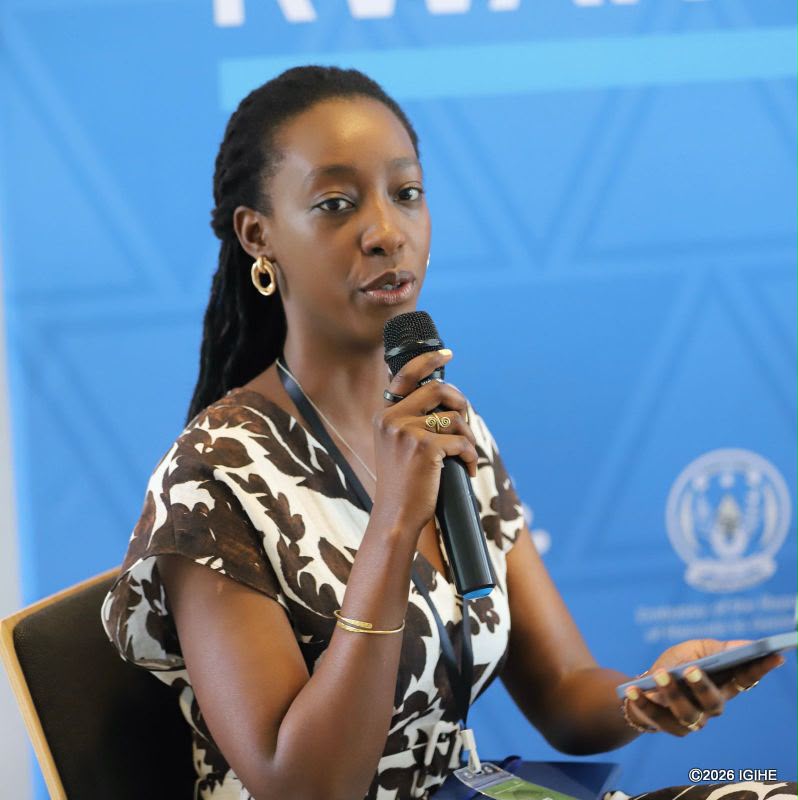
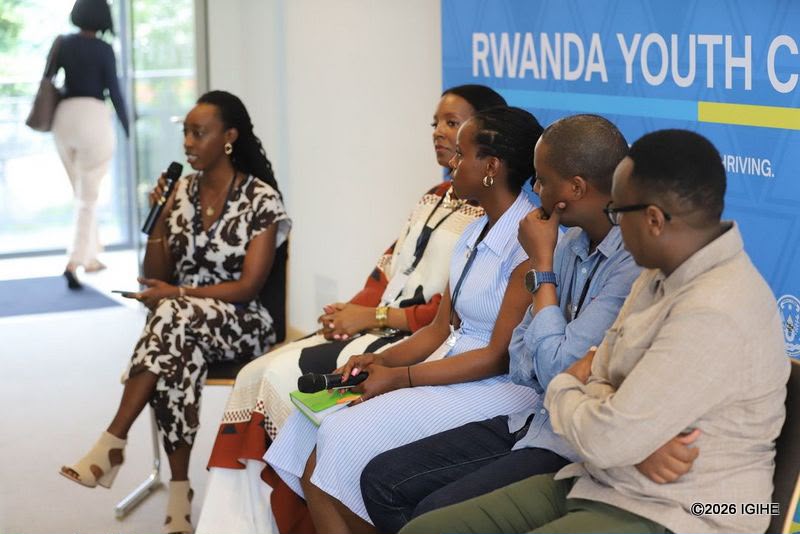
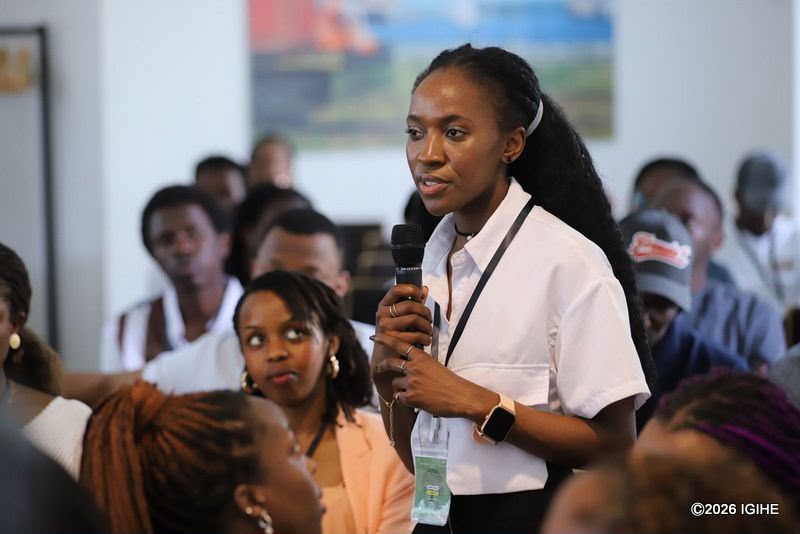
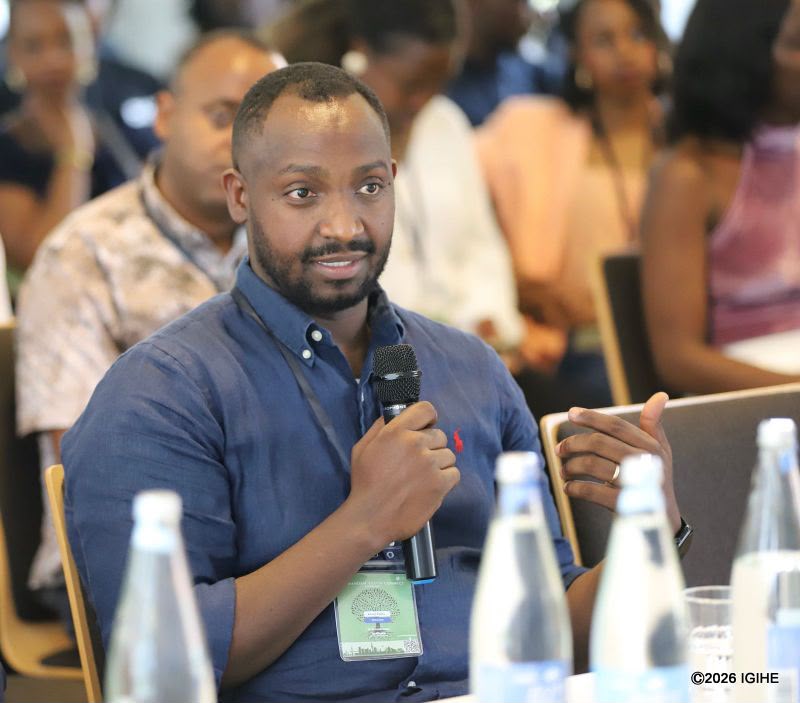
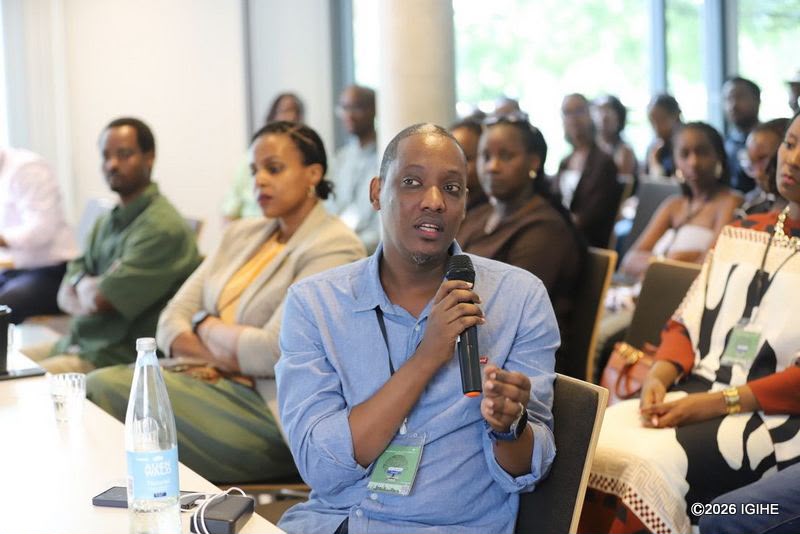
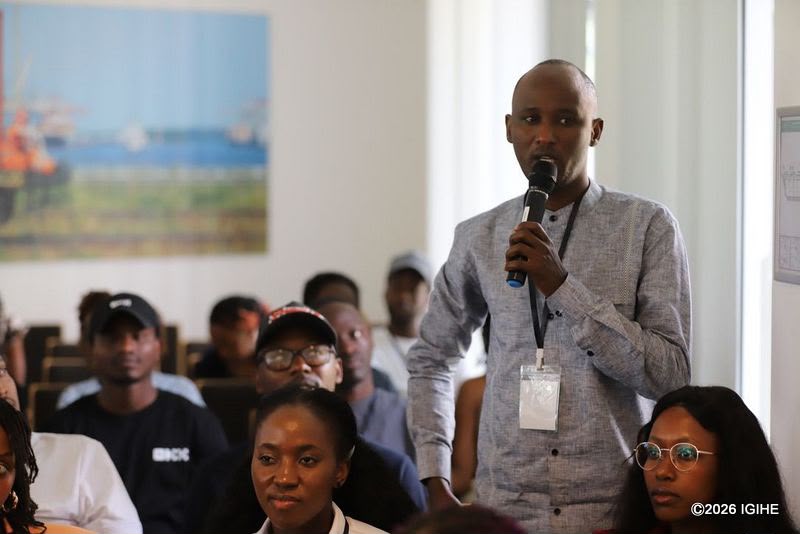
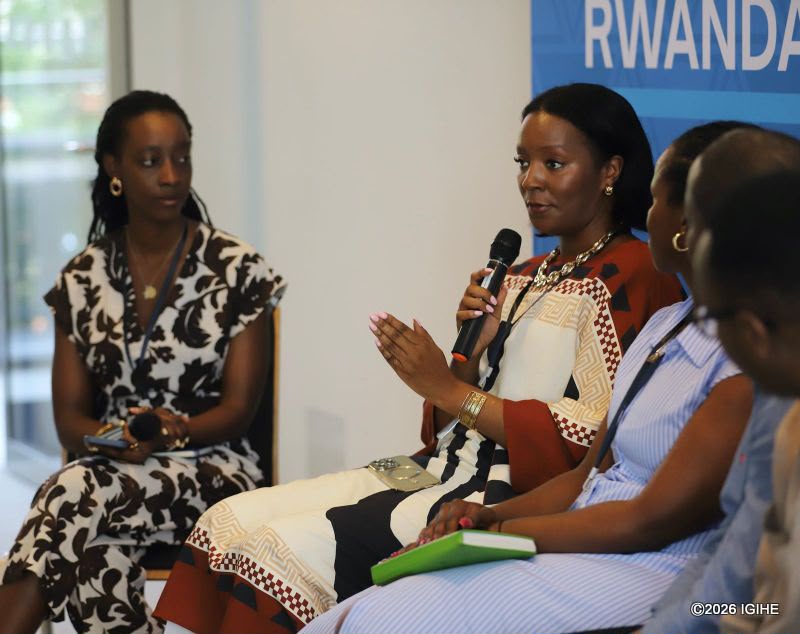
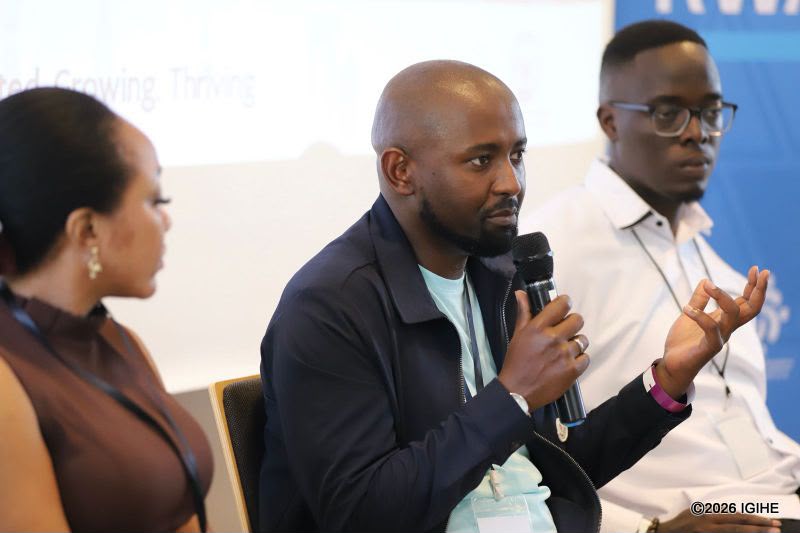
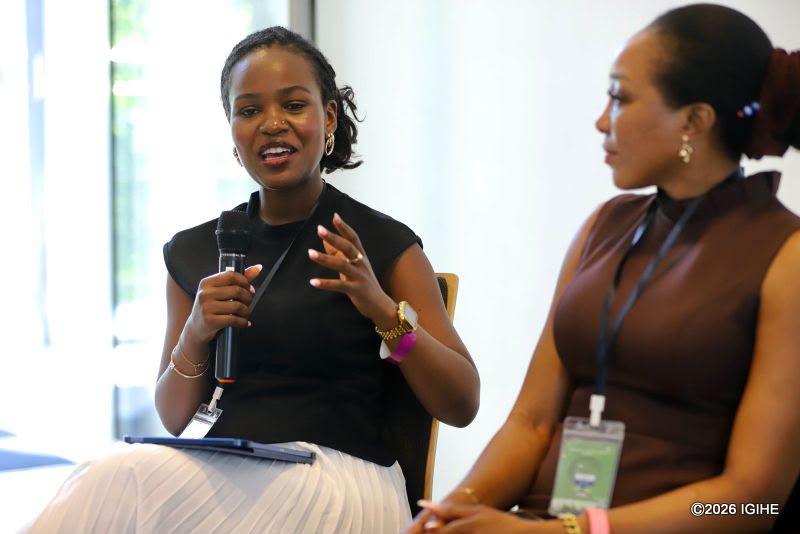
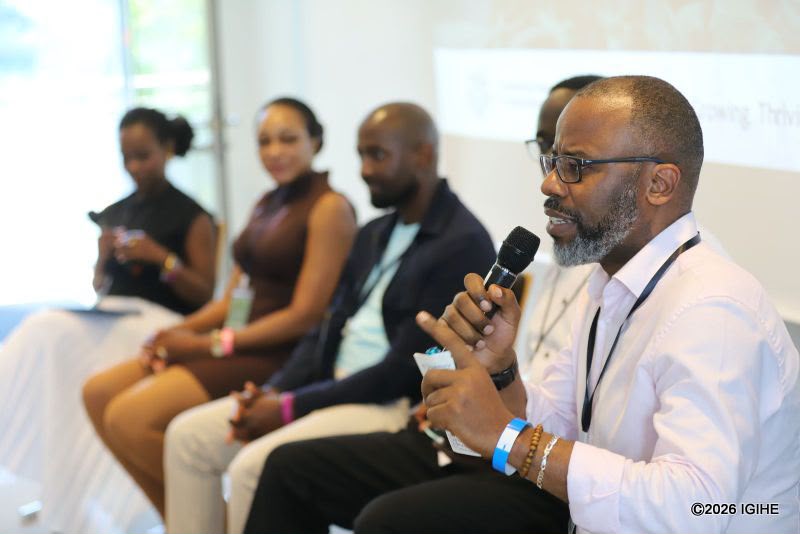
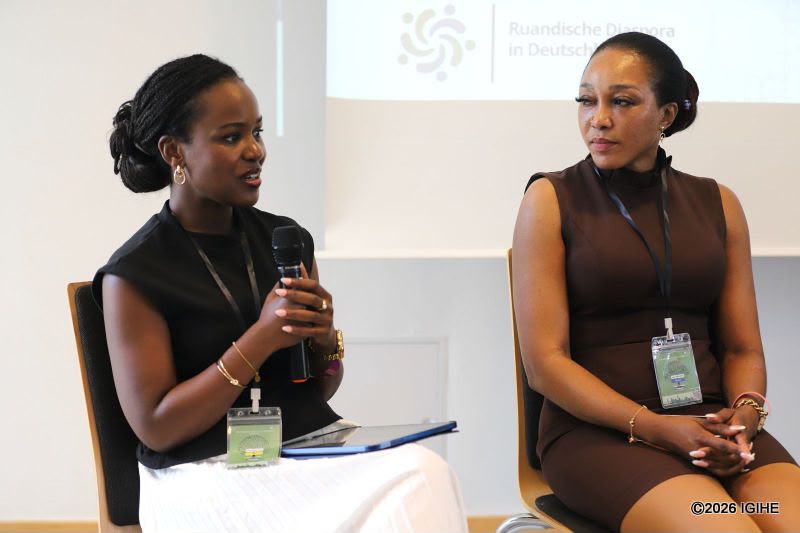
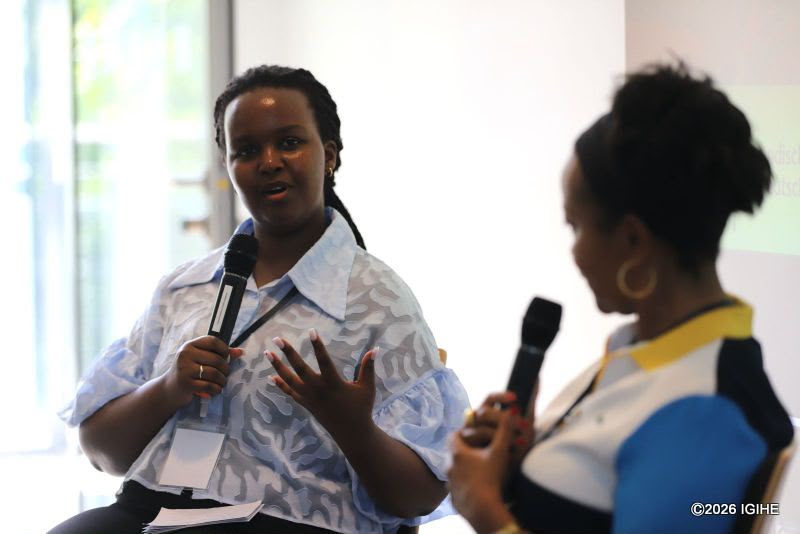
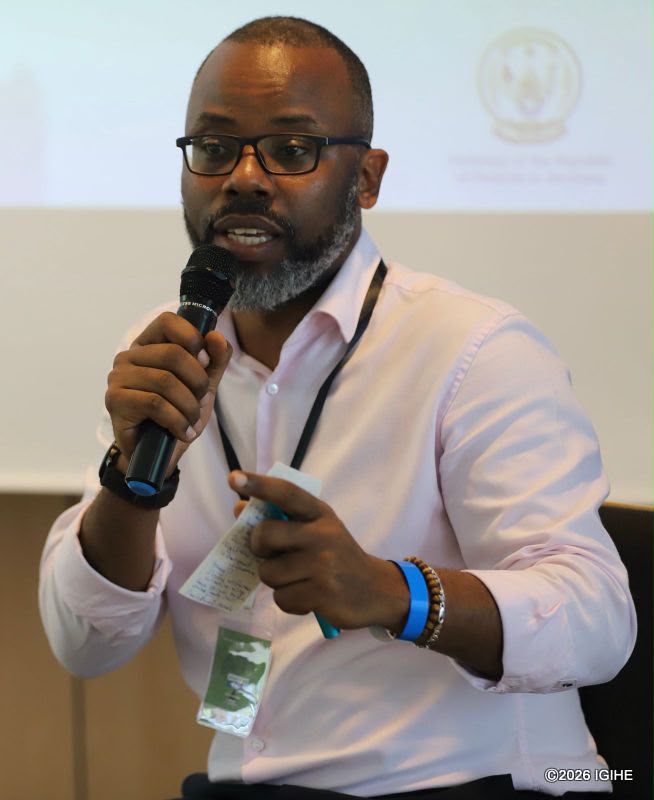
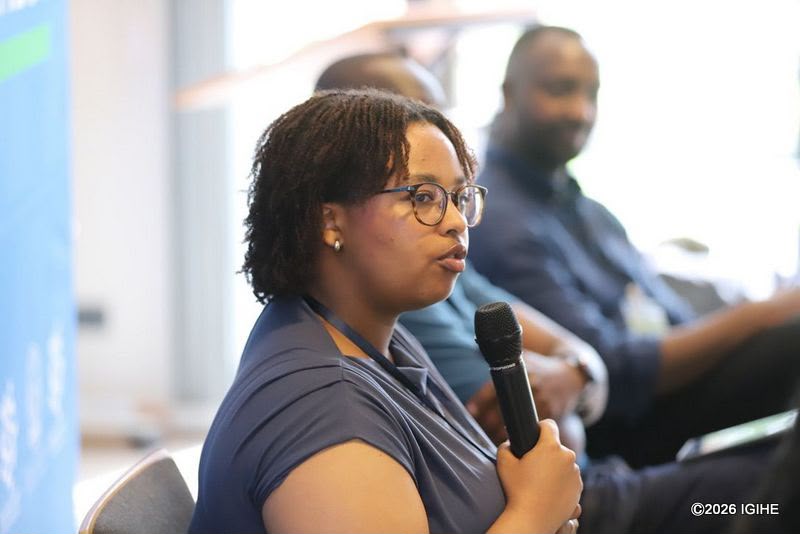
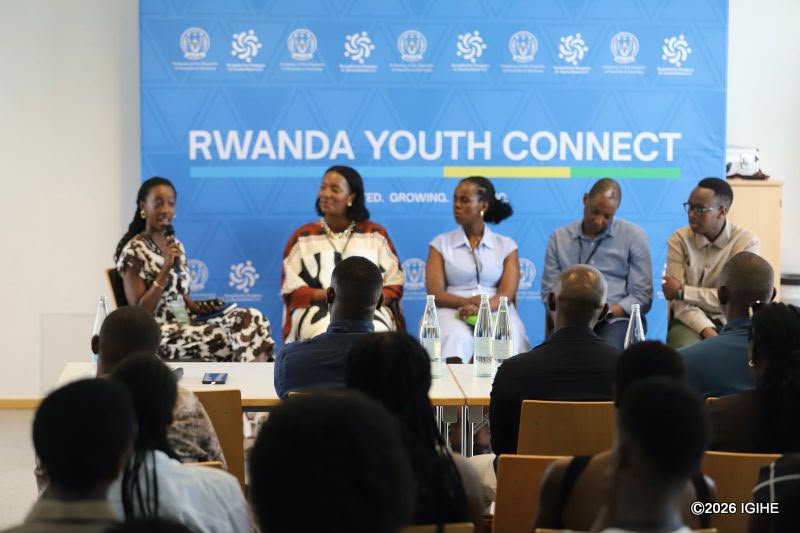
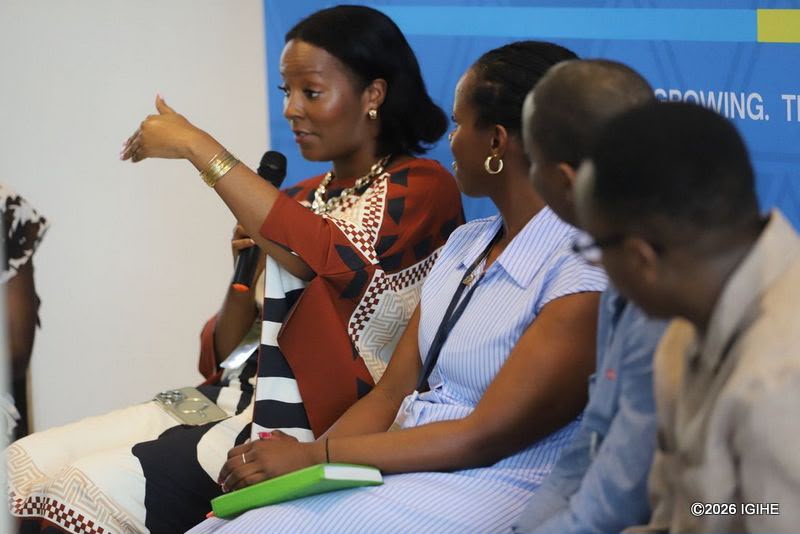
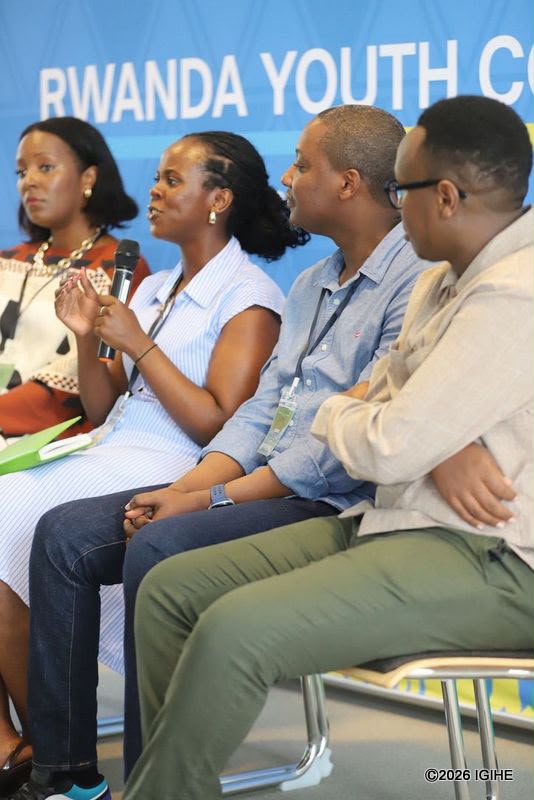
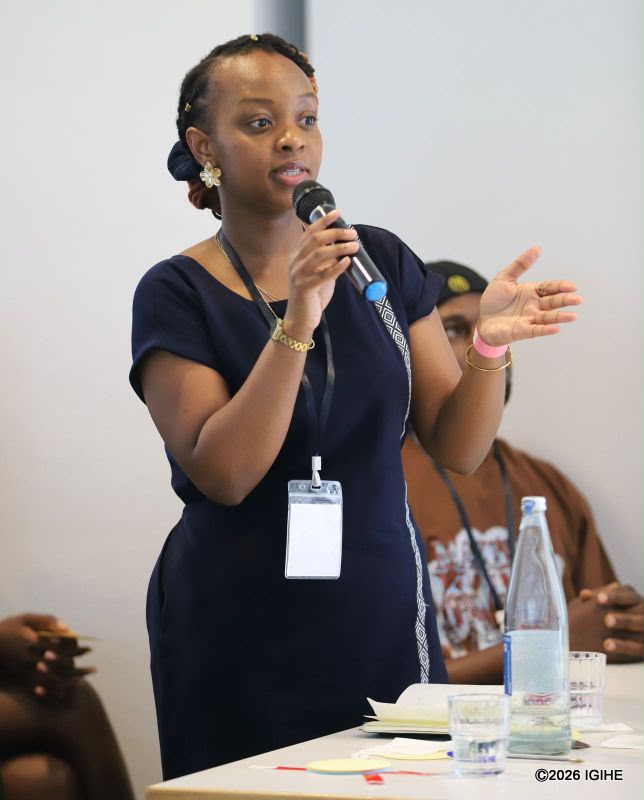
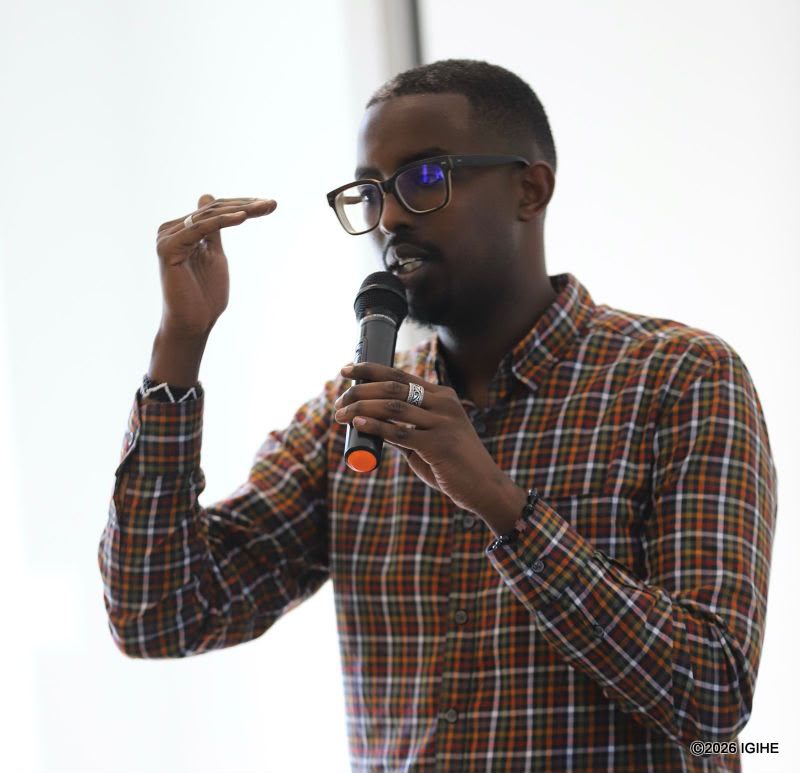
The main activities on June 20 focused on discussions and thematic panels addressing issues that matter to young people in the diaspora.
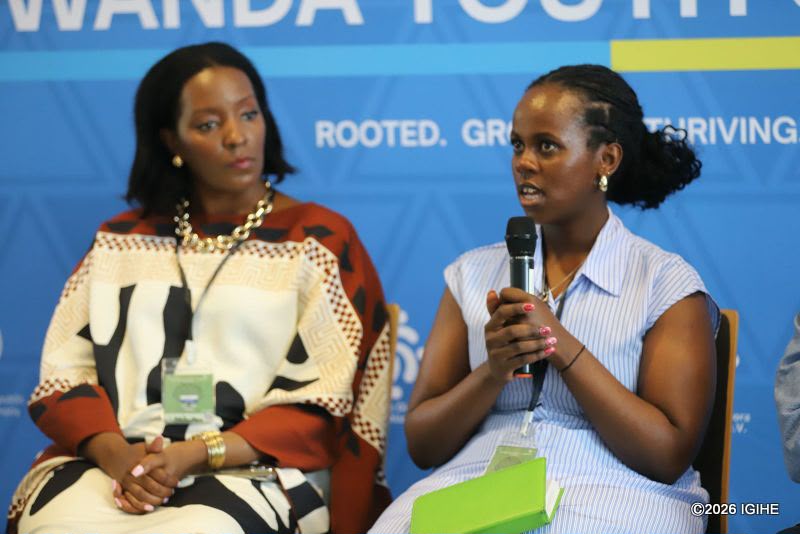
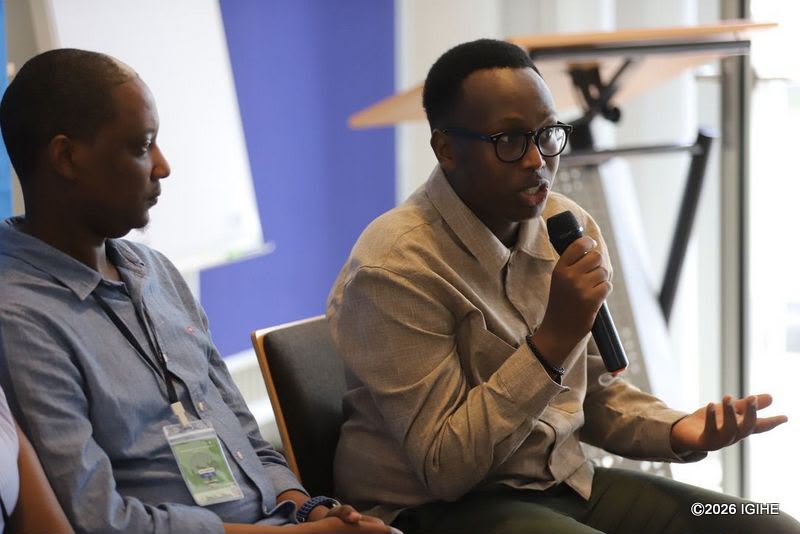
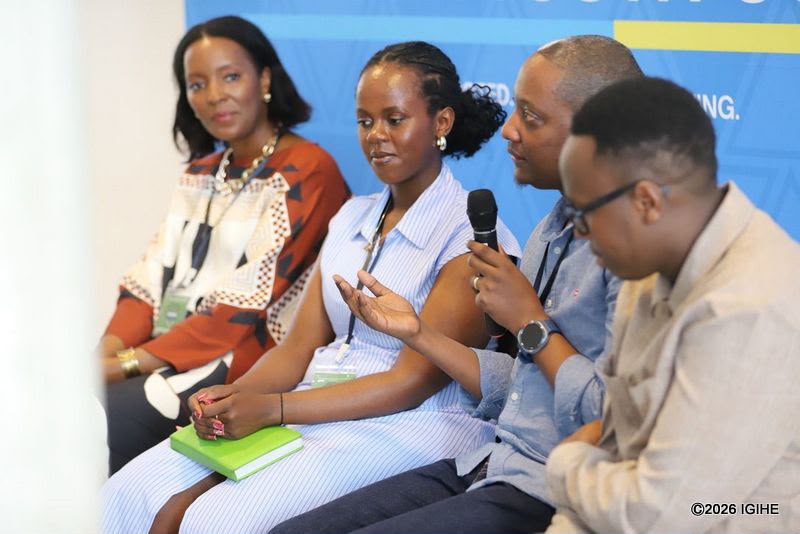
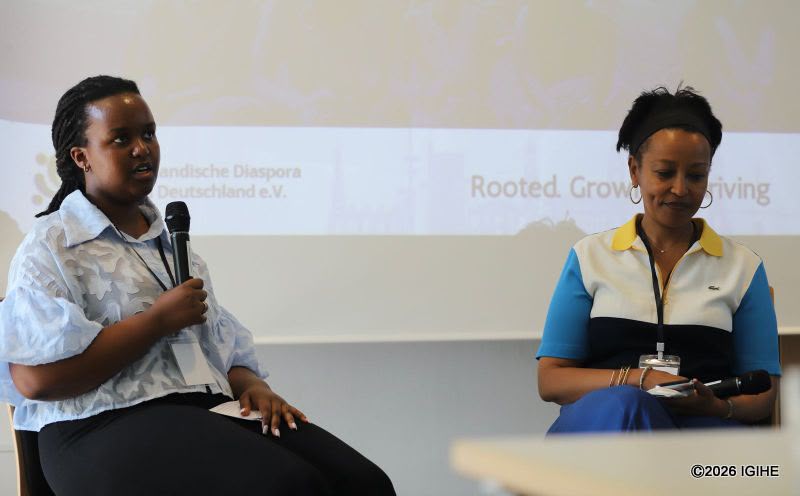
The first panel, ‘Rooted in Values, Connected by Purpose: Rwandan Youth in the Digital Era,’ moderated by Daisy Igihozo and featuring Gildas Mukunde, First Counsellor at the Embassy of Rwanda in Germany, alongside Anaïs Usanase and Amani Shema, emphasized the importance of preserving Rwandan values in an increasingly digital world and using digital tools to strengthen community engagement.
The second panel, ‘Success Beyond Career: Empowering Rwandan Youth with Skills, Resilience, and Responsibility,’ moderated by Samantha Kayitete Murera, brought together Dr Kaneza Elisabeth, Moise Mwiseneza and Leilla Umutoni to discuss resilience, leadership, responsibility and skills development.
The third panel, ‘Insights on Financial Literacy, Legal Awareness, and Pathways to Entrepreneurship,’ moderated by Delice Perle Ikirezi and featuring Ange Bella Kabano, Musafiri Sebiziga, Protogene Hahirwabayo and Guillaume Habarurema, focused on financial literacy, entrepreneurship and the importance of collective investment.
A conversation titled ‘Rooted Identity Beyond Borders: Belonging and the Global Rwandan Experience,’ led by Nadège Akamanzi with Madame Jeanne Adili Ndatirwa, further explored questions of identity, belonging and the role of Rwandans living abroad in shaping the country’s future.
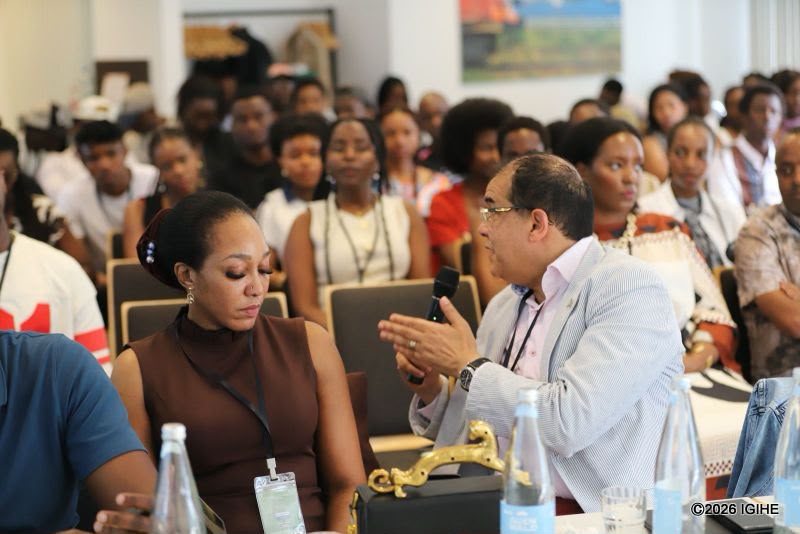
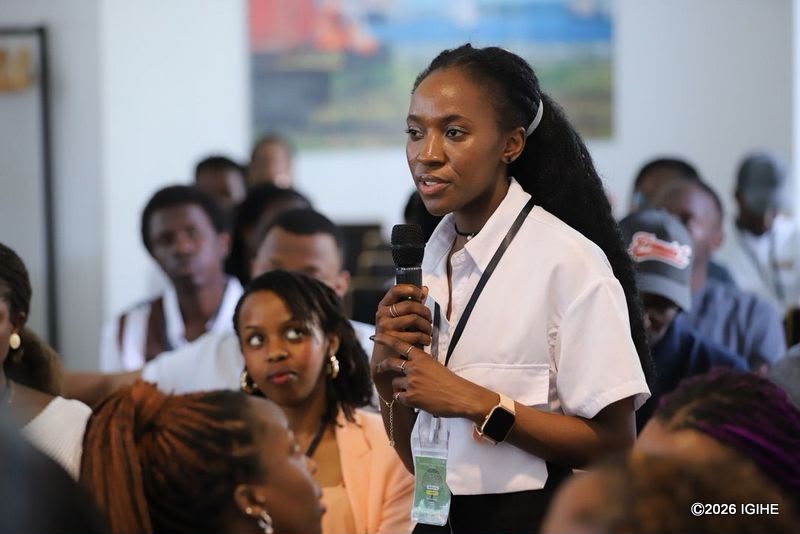
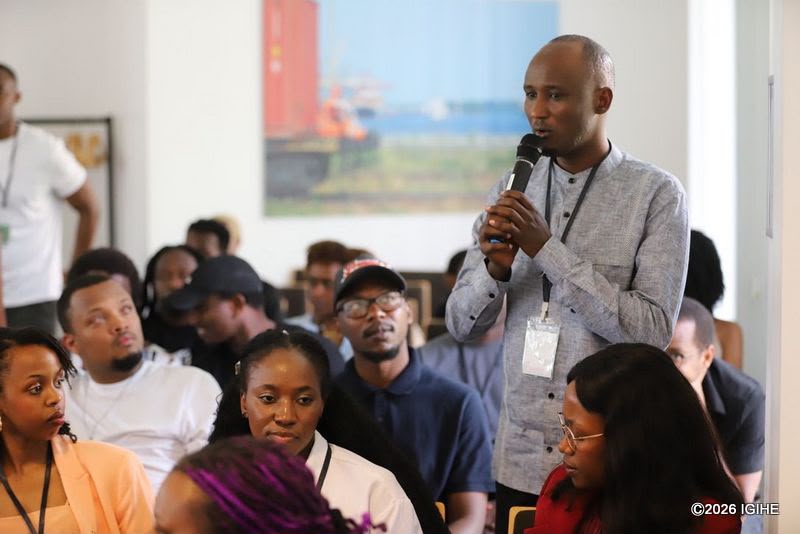
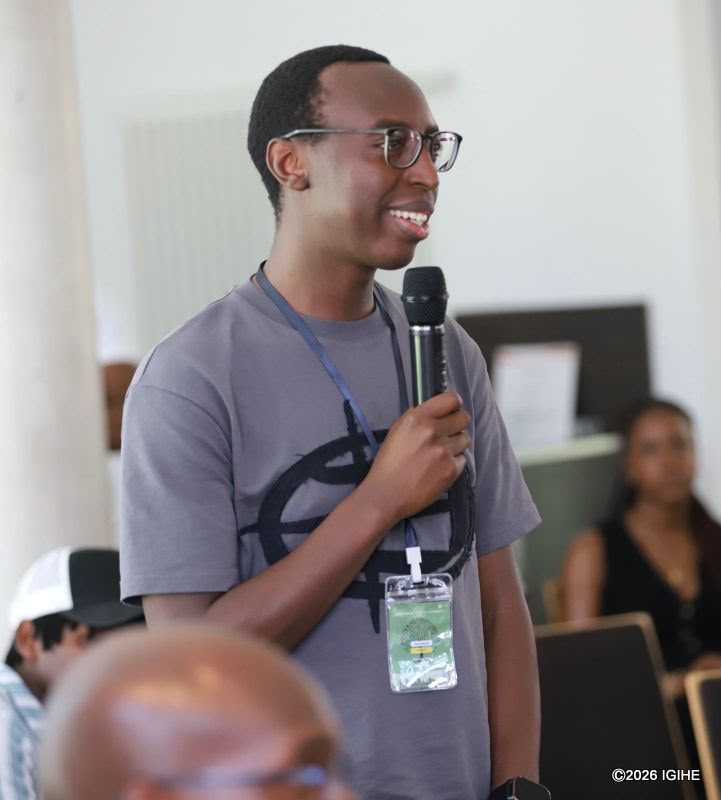
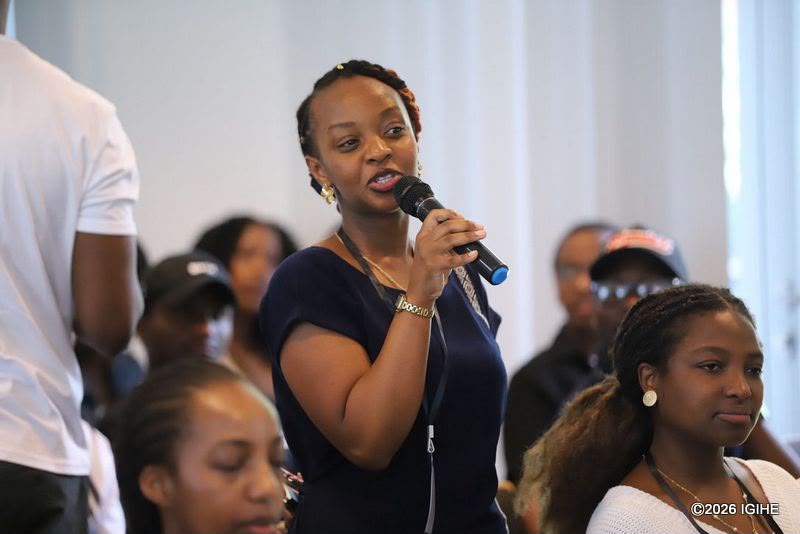
Beyond the panel discussions, participants also took part in open exchanges that allowed them to share personal experiences, daily challenges and powerful testimonies about navigating life between Rwanda and Germany. These discussions revealed a common reality: despite the distance, their attachment to Rwanda remains deeply rooted.
The event also featured a session on youth engagement in Germany, facilitated by Naomi Ikamba and Moise Mwiseneza, highlighting the importance of further structuring youth-led initiatives across the country.
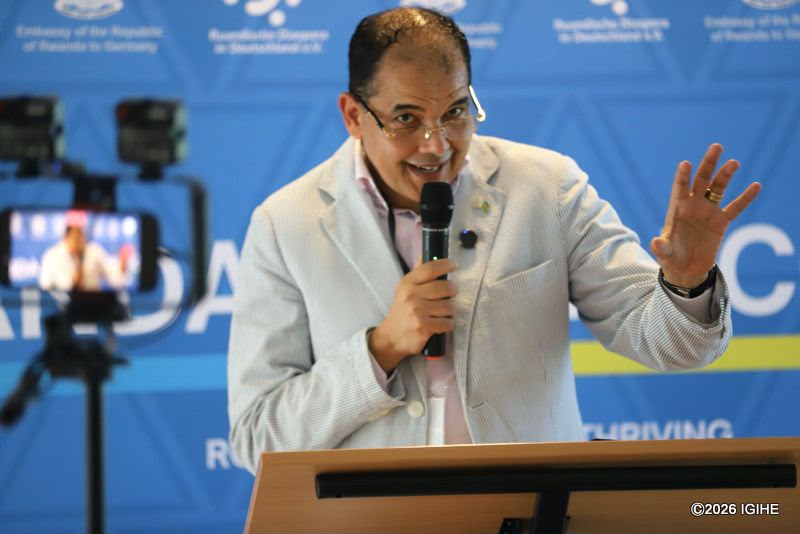
The highlight of the gathering was the closing address delivered by Rwanda’s Ambassador to Germany, Igor Cesar, who reminded participants that they are not mere observers of Rwanda’s development but active contributors to its future.
Addressing the young audience gathered from different German cities, he stressed that the diaspora is considered Rwanda’s ‘sixth province’ and encouraged them to remain organized, united and ambitious.
Drawing on the example of the Rwandan community in Kaiserslautern, he demonstrated how a simple collective initiative can generate meaningful impact, citing a solidarity mechanism that helped finance health insurance for vulnerable people in Rwanda.
He also encouraged young people not to separate their lives in Germany from their Rwandan identity, but rather to transform the skills and experiences acquired abroad into opportunities for Rwanda, including through collaborative entrepreneurial projects.
After the official discussions and speeches, participants gathered for an evening of cultural performances, music and moments of fellowship.
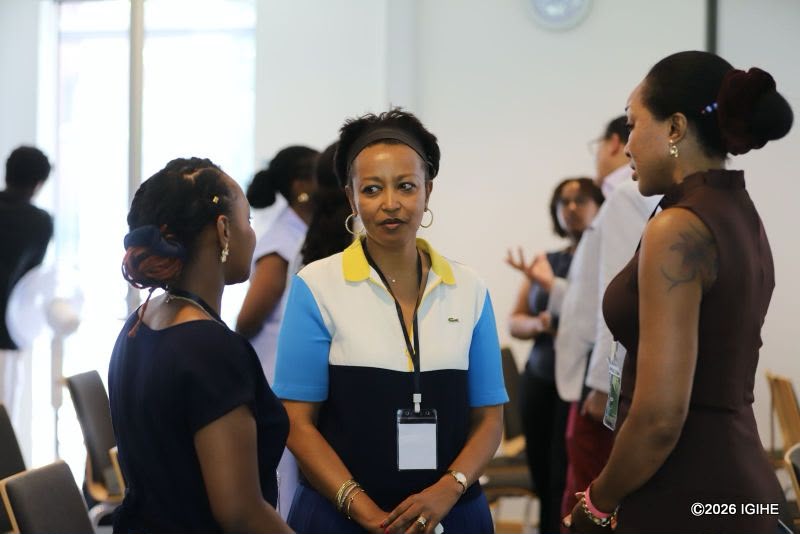
More than a celebration, the evening became a space for meaningful connections among young Rwandans from different parts of Germany. Participants strengthened friendships, built new relationships and expanded a network that now extends beyond regional boundaries.
These moments perfectly embodied the spirit of Rwanda Youth Connect Germany: bringing together young members of the diaspora to share experiences, support one another and jointly contribute to Rwanda’s future.
Rwanda Youth Connect Germany 2026 demonstrated that beyond geographical distances, a united, organized and deeply rooted generation can become a powerful force for national development.
The message that resonated throughout the event was clear: the Rwandan youth in the diaspora are not simply preparing Rwanda’s future; they are already helping to build it.
In 2025, the Rwandan diaspora injected US$639.84 million into Rwanda’s economy, reaffirming its essential role in the country’s development.
Held under the theme ‘Rooted. Growing. Thriving.’, this year’s edition highlighted a committed generation determined to build bridges between their host country and their country of origin.
The first panel, ‘Rooted in Values, Connected by Purpose: Rwandan Youth in the Digital Era,’ was moderated by Daisy Igihozo.
The second panel, ‘Success Beyond Career: Empowering Rwandan Youth with Skills, Resilience, and Responsibility,’ was moderated by Samantha Kayitete Murera.
The third panel, ‘Insights on Financial Literacy, Legal Awareness, and Pathways to Entrepreneurship,’ was moderated by Delice Perle Ikirezi.
A conversation entitled ‘Rooted Identity Beyond Borders: Belonging and the Global Rwandan Experience,’ led by Nadège Akamanzi.
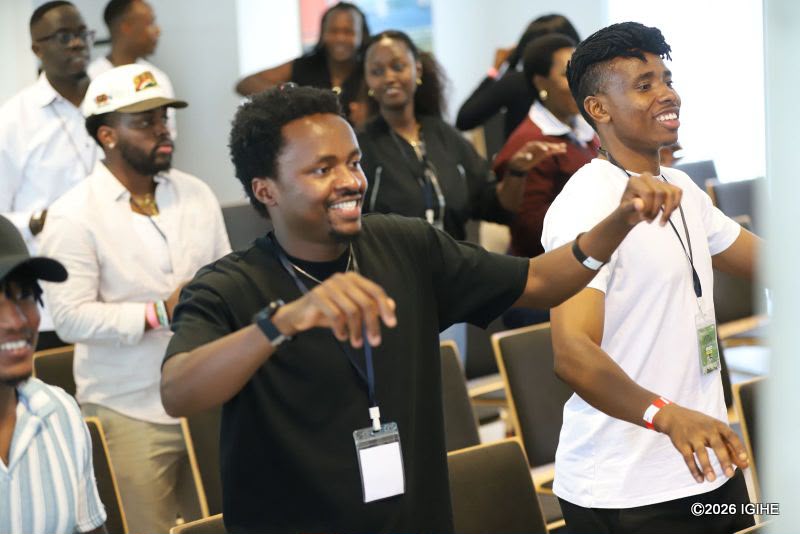
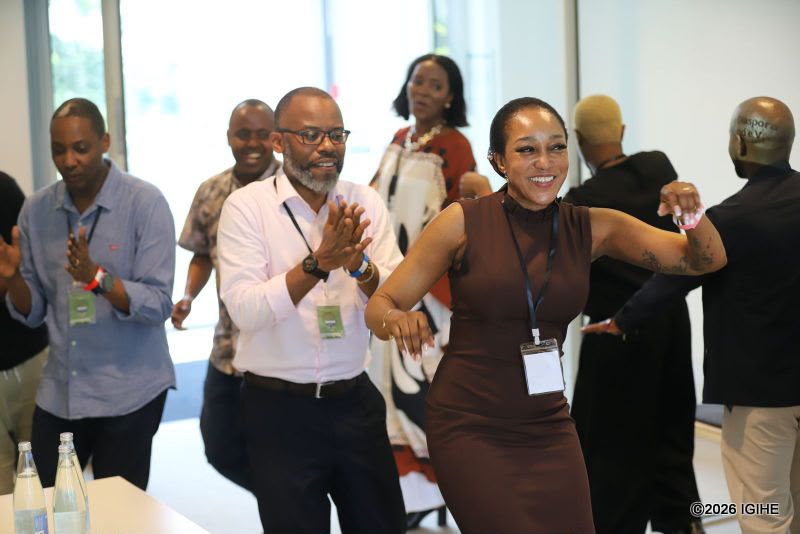
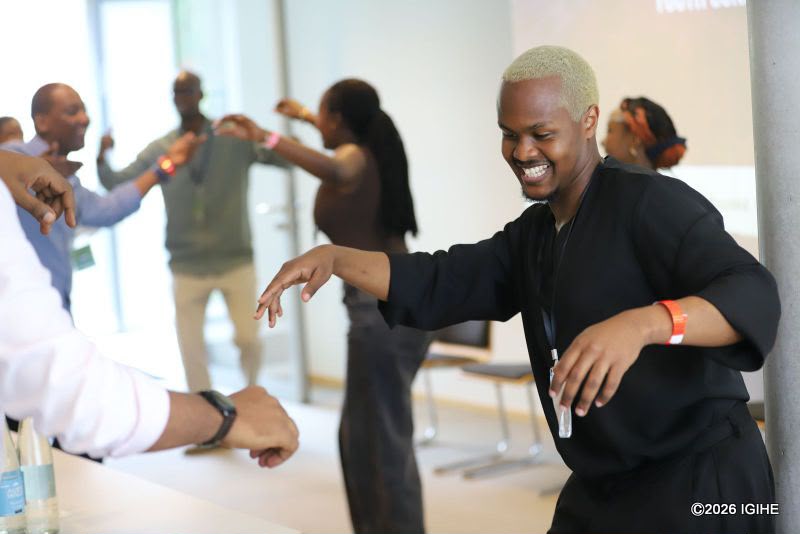
Mrs. Jeanne Adili Ndatirwa, wife of Rwanda’s Ambassador to Germany, Igor Cesar, also contributed to a deeper reflection on issues of identity and the sense of belonging among Rwandans living abroad. Attendees performed and enjoyed traditional Rwandan dances.
The highlight of the gathering was the closing address delivered by Rwanda’s Ambassador to Germany, Igor Cesar, who reminded participants that they are not mere observers of Rwanda’s development but active contributors to its future.
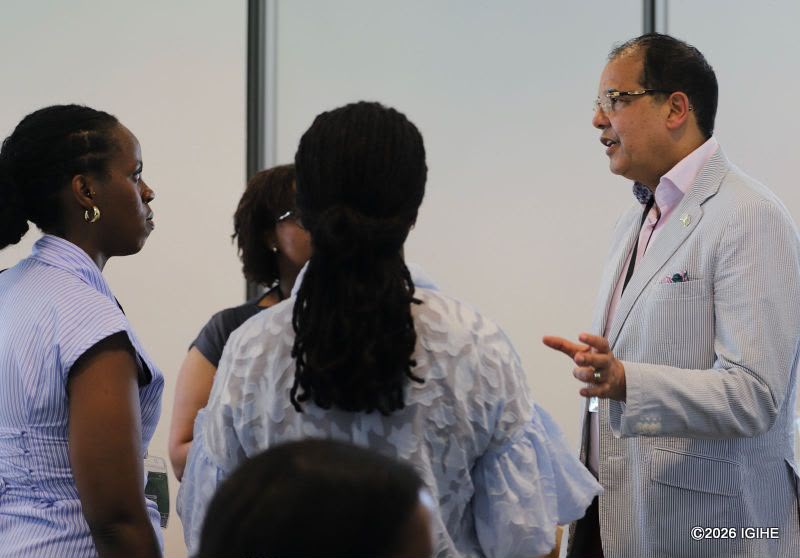
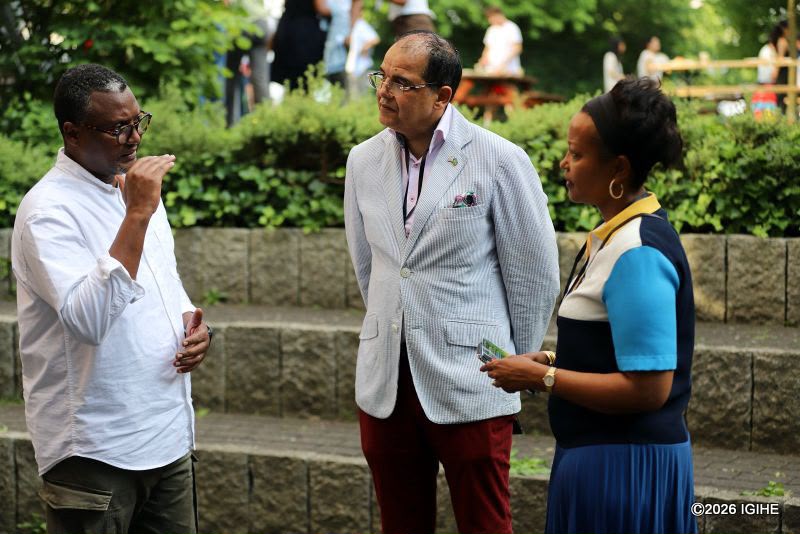
IGIHE spoke with Ambassador Igor César and his wife, Jeanne Ndatirwa.
Rwanda Youth Connect Germany 2026 thus demonstrated that, beyond geographical distances, a united, organized youth deeply connected to its roots can become a true force for development.
The trend gained massive popularity through social media platforms and celebrity influence, especially after being showcased by artists like Dua Lipa, who helped propel the design into mainstream beauty culture.
Unlike traditional nail styles that rely on solid colors or simple patterns, halo nails focus on light, contrast, and depth. The design typically utilizes a contrasting base color, which is then framed at the top and bottom borders with a lighter, metallic, or shimmering tone.
This effectively creates a ‘halo’ ring around the nail’s center, which often features a soft, diffused aura effect. Nail artists frequently use chrome finishes, iridescent powders, or magnetic cat-eye polishes to achieve this reflective look, making each manicure appear slightly different depending on the lighting and angle.
One reason halo nails are so popular is their versatility. They can be subtle and elegant for everyday wear or bold and dramatic for special occasions.
Some designs use soft pinks and nude tones for a natural glow, while others experiment with vibrant colors like sunset orange, navy, or neon shades for a more striking effect. This flexibility allows people to personalize the trend according to their personal style.
Another appeal of halo nails is their low-maintenance nature; because the color concentrates on the outer framing and the cuticle cuff, natural nail growth is far less noticeable over time. While achieving the perfect symmetrical arcs requires a steady hand or precision nail tape, beauty enthusiasts enjoy replicating the look both at home and in professional salons.
Overall, halo nails represent a modern shift in nail fashion toward creativity, individuality, and expressive minimalism. They combine structural simplicity with artistic detail, proving that even subtle designs can make a powerful style statement. As nail art continues to evolve, halo nails remain a standout trend that blends elegance with innovation in a beautifully framed way.
Glossy pink nails are highly flattering, featuring a soft hot pink gradient with an aura effect and  a shiny, polished finish.
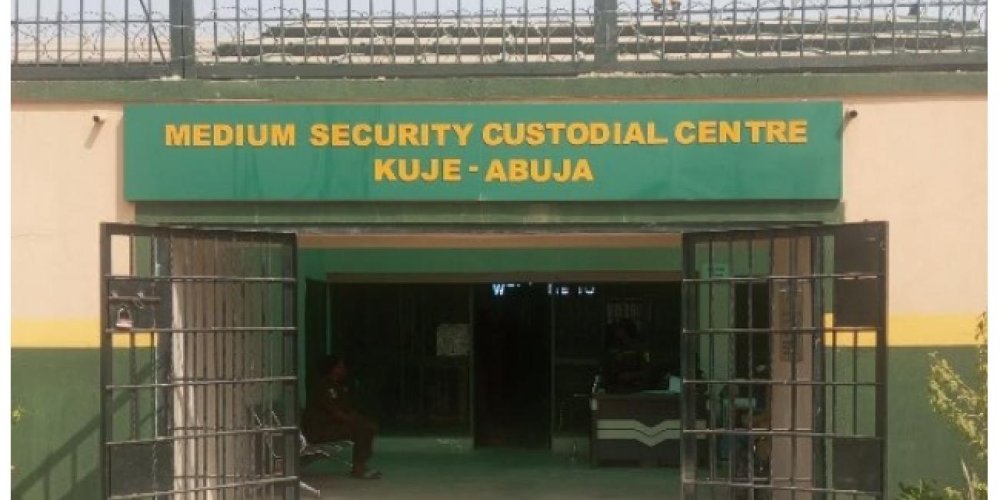
Relasss died on the morning of Tuesday, June 16, while awaiting trial at the High Court in Abuja in connection with a financial-related case.
He had been held in pre-trial detention since 2023 after a court denied him bail, citing concerns that, as a foreign national without Nigerian citizenship, he could abscond if released.
According to local media reports, correctional authorities convened an emergency management meeting following his death to establish the circumstances surrounding the incident. The meeting reportedly also reviewed the state of healthcare services available to other ill inmates.
Sources cited by Sahara TV alleged that inmates are required to pay for basic sanitary supplies for sick prisoners instead of having such essentials provided by the correctional service. The reports claim that inmates are asked to contribute 15,000 Nigerian naira (about $11) for hygiene materials.
The same sources further alleged that prisoners must also cover the cost of being transferred to hospitals outside the correctional facility for specialized treatment, a practice they claim contributed to Relasss’ death after he was unable to access medical care in time.
The allegations have not been independently verified.
The Nigerian Correctional Service has not publicly commented on the claims or the circumstances surrounding Relasss’ death. Sahara TV reported that the agency’s spokesperson, CSC Jane Osuji, did not respond to requests for comment.
The investigation is expected to determine the circumstances of the Rwandan national’s death and examine broader concerns over access to healthcare for inmates within Nigeria’s correctional facilities.
Nigeria’s National Correctional Service (NCS) has launched an investigation into the death of a Rwandan national, Benjamin Relasss, who died while in custody at Kuje Correctional Centre, amid allegations that he was denied timely medical care.
The Rwanda Formed Police Unit three (RWAFPU3-7) rotation seven commanded by Senior Superintendent of Police (SSP) Devotha Nyinawumuntu, was operating serving in the capital, Juba.
They were replaced by RWAFPU3-8 under the command of SSP Dative Iribagiza, which was deployed earlier in the day.
The officer’s mandate in South Sudan focuses on restoring peace and stability, protecting civilians, safeguarding UN personnel and facilities, and promoting community well-being.
At Kigali International Airport, the contingent was received by Assistant Commissioner of Police (ACP) Yahaya Kamunuga, on behalf of the Rwanda National Police (RNP) leadership.
ACP Kamunuga commended them for their dedication and professionalism throughout the mission.
'You return to Rwanda to continue serving your country. You may find certain changes. However, your discipline and commitment should remain constant,' ACP Kamunuga said.
Speaking on behalf of the returning contingent, Superintendent of Police (SP) Vincent Mwine Rubimbura, the Deputy Contingent Commander, outlined the key responsibilities undertaken during their deployment.
In addition to the protection of civilians, UN personnel, and facilities, the contingent implemented community-oriented initiatives aimed at strengthening relations with the local population.
These included community work activities, rehabilitation of schools, distribution of mosquito nets, provision of scholastic materials to vulnerable students, and support to disadvantaged families through medical assistance and access to clean water.
SP Rubimbura noted that such initiatives enhanced trust and cooperation between peacekeepers and the communities they served.
At Kigali International Airport, the contingent was received by Assistant Commissioner of Police (ACP) Yahaya Kamunuga who commended them for their dedication and professionalism throughout the mission.
The deployed contingent was replaced by RWAFPU3-8 under the command of SSP Dative Iribagiza, which was deployed earlier in the day.
The Rwanda Formed Police Unit three (RWAFPU3-7) rotation seven commanded by Senior Superintendent of Police (SSP) Devotha Nyinawumuntu, was operating serving in the capital, Juba.
If no deal is reached within 60 days beginning Thursday, ‘we will do things that won’t make them happy,’ Trump said at Joint Base Andrews in Maryland. ‘But I don’t think it’s going to get to that.’
The text of the MoU states that the two sides commit to negotiating and achieving the final deal within a maximum of 60 days, extendable with mutual consent.
U.S.-Iran talks scheduled in Switzerland on Friday have been postponed, with neither side offering an official explanation. Multiple media reports said that Iran withdrew from the talks in response to the latest Israeli strikes in Lebanon.
Earlier on Friday, Trump told NBC News that he had spoken with Israeli leaders and urged them to agree to a ceasefire with Hezbollah.
‘It’s a positive,’ Trump said in the phone interview. ‘It’s a little icing on the cake.’
Meanwhile, the U.S. State Department said that a new round of talks between Israel and Lebanon will be held in Washington, D.C. next week.
U.S. President Donald Trump said Friday, June 19, 2026, that he expects Iran to agree to a final deal within 60 days of the signing of the memorandum of understanding (MoU).
According to the DRC government, the term refers to the millions of Congolese who were killed during the plundering of the country’s natural resources, particularly strategic minerals needed for modern technology such as coltan, tantalum, tungsten, and others. The DRC argues that these tragedies should be recognized as genocide and acknowledged as such by the international community.
Although the issue concerns the Congo, its implications extend to neighboring countries, including Rwanda. Rwanda sees it differently. It argues that ‘Genocost’ is a political tool intended to distract attention from the DRC’s internal problems, overlook the role of the Kinshasa government in conflicts that have persisted for decades, and attempt to rewrite the history of the 1994 Genocide against the Tutsi in Rwanda.
The controversy has gained greater significance as relations between Rwanda and the DRC continue to deteriorate, particularly over the presence of the FDLR armed group in eastern DRC and the conflict involving FARDC and AFC/M23.
A controversial term
Although ‘Genocost’ is now used by senior DRC officials, it is not a long-established concept in the country’s political history. The term was introduced in 2013 in London by activists from the Congolese Action Youth Platform (CAYP) as a combination of the words ‘genocide’ and ‘cost,’ intended to describe what they considered a genocide driven by economic interests.
They designated August 2 as a day of remembrance for crimes committed in the DRC since the 1990s. The date was chosen because it coincides with the launch of the Rassemblement Congolais pour la Démocratie (RCD), a movement that fought against the government of Laurent-Désiré Kabila in 1998 during the Second Congo War.
However, even within the DRC there is no consensus about the date from which ‘Genocost’ should begin. Some associate it with 1998, others with 1996, when Laurent-Désiré Kabila’s AFDL was launched. Meanwhile, Fonarevâthe DRC government fund responsible for compensating victims of war-related violence and serious crimesâargues that the history should begin in 1993, before the Genocide against the Tutsi in Rwanda.
This lack of agreement itself highlights a major issue with the term: there is no consensus regarding the period it covers, the crimes it encompasses, the perpetrators involved, or the specific group that was allegedly targeted in a systematic manner, as required under international legal definitions of genocide.
Although ‘Genocost’ is now used by senior DRC officials, it is not a long-established concept in the country’s political history.
The DRC says it is about justice and dignity
From Kinshasa’s perspective, ‘Genocost’ represents an effort to give a name to the suffering of Congolese people who, for years, have been killed, raped, displaced from their homes, or turned into internally displaced persons within their own country.
Supporters of the term argue that conflicts in the DRC cannot be explained solely as ethnic wars or internal political disputes. Instead, they contend that foreign interests and the trade in mineral resources are fundamental drivers of the violence.
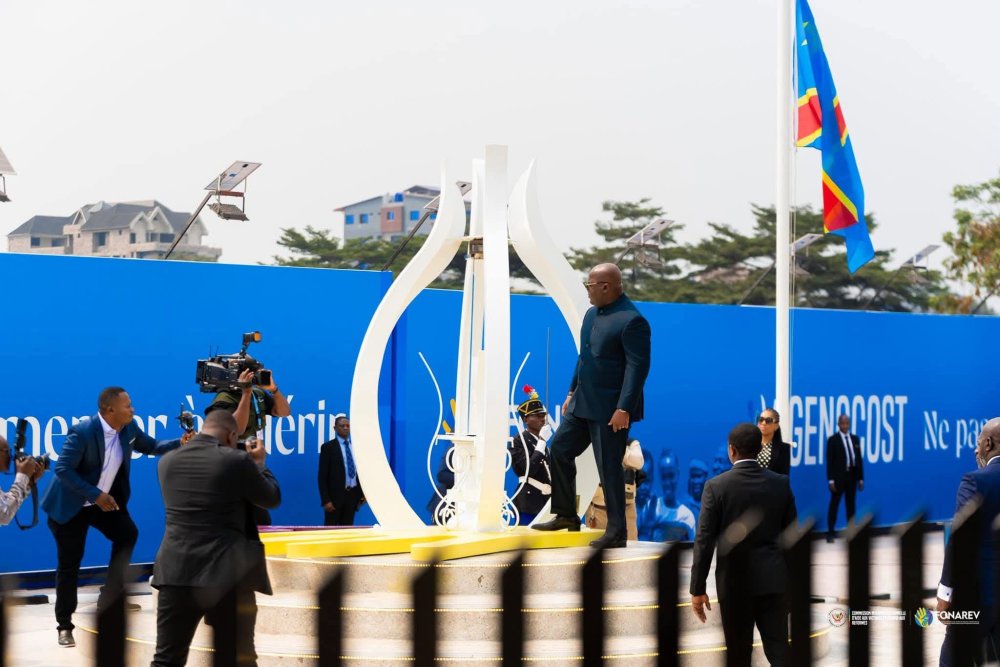
In 2023, after ‘Genocost’ was incorporated into DRC law through legislation adopted on December 26, 2022, which also established Fonarev, President Félix Tshisekedi presided over the first official state commemoration. In 2025, the DRC inaugurated a ‘Genocost’ memorial and announced plans to build six additional memorials across the country.
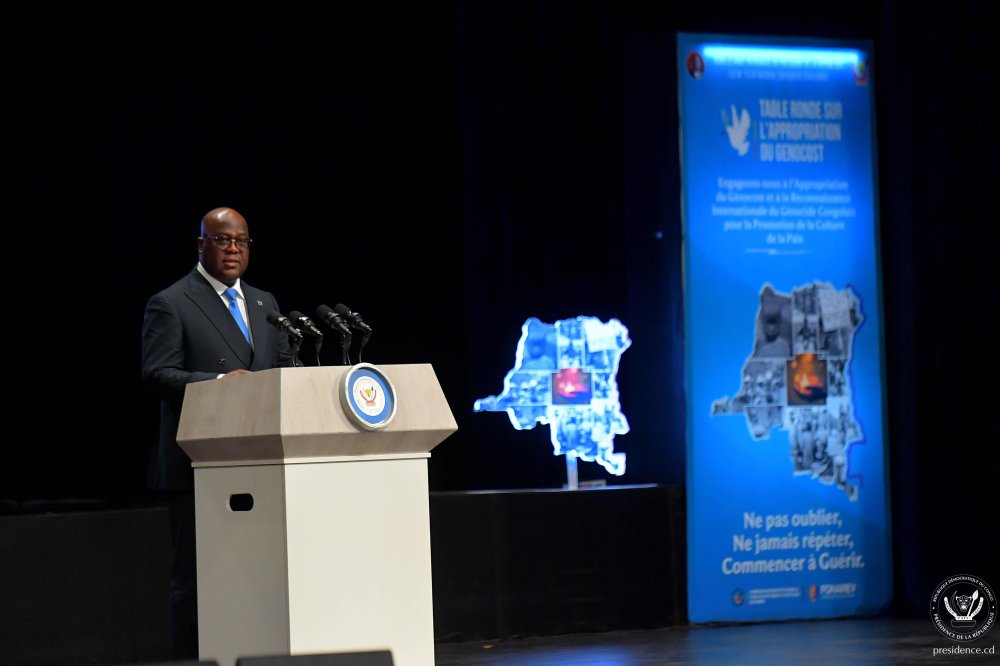
Tshisekedi has also raised the issue at the United Nations, arguing that the international community has both political and humanitarian obligations to recognize what happened in the DRC as genocide.
Why Rwanda views ‘Genocost’ as a political campaign
Rwanda says the issue is not about denying that Congolese people have died or suffered abuse. It acknowledges that the DRC has experienced severe tragedies involving war, killings, violence, and decades of poor governance.
What Rwanda opposes, however, is the attempt to label those crimes as ‘genocide’ in a manner it argues is inconsistent with international law and is being used politically to accuse Rwanda and diminish the significance of the Genocide against the Tutsi.
Rwanda’s Minister of Foreign Affairs, Olivier Nduhungirehe, has stated that genocide is not a term that can be used arbitrarily. He argued that genocide is defined under international law, while crimes driven by economic exploitation or resource looting already have established legal classifications, including corruption, poor governance, embezzlement of public funds, war crimes, or crimes against humanity, depending on the circumstances.
This forms the basis of Rwanda’s argument that the extraordinary suffering experienced by the DRC does not automatically mean every mass killing constitutes genocide.
Under international law, genocide requires proof of an intent to destroy a protected group defined by ethnicity, nationality, race, or religion.
Without evidence of such intent, crimes may qualify as war crimes or crimes against humanity, but not necessarily genocide.
‘Genocost,’ a term that targets an ethnic group
According to the article, the version of ‘Genocost’ promoted by Fonarev includes language that assigns collective blame to an ethnic group.
Fonarev defines ‘Genocost’ as killings of ‘Congolese people’ allegedly planned by what it describes as ‘Tutsi from Rwanda, Uganda, and Burundi.’ Rwanda has frequently argued that such language is dangerous because it risks turning public suffering into a tool for promoting ethnic hatred.
This rhetoric comes at a time when eastern DRC has witnessed statements and actions targeting Kinyarwanda-speaking Congolese, particularly Congolese Tutsi. On various occasions, videos have circulated showing Tutsi individuals being killed, burned, or subjected to violence because of their appearance or perceived identity.
For this reason, Rwanda argues that the DRC government should not present itself as a champion against genocide while anti-Tutsi rhetoric and actions continue within the country.
Stephanie Nyombayire, spokesperson for Rwanda’s Office of the President, has stated that the Kinshasa government is ‘inventing a genocide’ to conceal its own shortcomings. She argued that many Congolese who died in the past and those who continue to die today are victims of poor governance, as the state has failed to protect its citizens while leaders prioritize their own interests over public security.
‘Genocost’ has become a propaganda tool
The DRC’s international campaign to promote recognition of ‘Genocost’ has coincided with renewed fighting in eastern DRC, where Kinshasa accuses Rwanda of supporting AFC/M23.
Researcher Pierre Boisselet of the Ebuteli Institute has suggested that the way Kinshasa uses the term may be intended to portray Congolese suffering as equal to, or greater than, the suffering of Rwandans during the Genocide against the Tutsi. According to him, this could undermine what he described as Rwanda’s ‘unique moral standing’ derived from the events of 1994.
Experts in international law have also pointed out that promoting a term that has not been recognized in legal frameworks may be difficult because states cannot be compelled to accept a concept that has never been internationally agreed upon.
Rwanda therefore argues that if crimes have been committed in the DRC, they should be thoroughly investigated and those responsible brought to justice, but not through the creation of a new term used to wage a political battle.
President Tshisekedi has prominently used the term ‘Genocost’ in political discourse.
Some Congolese disagree with the government
The activists who originally launched the ‘Genocost’ campaign have themselves begun expressing concerns about how the DRC government is using it.
CAYP, the organization that introduced the term, has criticized Kinshasa’s approach, arguing that it has become overly focused on conferences, discussions, and symbolic public events rather than implementing concrete measures to protect civilians and assist victims.
Some critics also question how the government can claim to pursue justice for war crimes while including officials who have been associated with past conflicts. One example frequently cited is Jean-Pierre Bemba, who serves within Tshisekedi’s administration but is also linked to the history of the Second Congo War.
Others argue that the pursuit of justice should not involve distorting history, assigning blame to an entire ethnic group, or attempting to compete with the history of the Genocide against the Tutsi.
The Genocide against the Tutsi has a documented history, identified perpetrators, a clear extermination plan, organized hate propaganda, state institutions that implemented it, and rulings from international courts confirming its occurrence. Comparing it to a newly coined term that lacks recognition under international law may therefore be viewed as a form of genocide minimization.
The UN Office for the Coordination of Humanitarian Affairs (OCHA) said that more than 270,000 people, mostly women and children, are sheltering in over 60 sites across the province of Ituri, many of which lack adequate access to water, sanitation and health services.
The office said the United Nations has received reports from local partners that, between Wednesday and Thursday, at least 13 people died in two camps in Bunia, the capital of Ituri. Response teams are urgently investigating whether these deaths are linked to Ebola. Since April, at least 62 deaths have been reported in camps around the city.
‘These deaths are occurring amid a broader Ebola flare-up in Bunia, where mistrust of health facilities, congestion, gaps in prevention measures and unsafe handling of bodies are driving transmission risks among people in displacement camps,’ OCHA said. ‘This is particularly concerning as Ituri province remains the epicentre of the outbreak, accounting for more than 90 percent of confirmed cases.’
The office said that as of Wednesday, local authorities had reported 896 confirmed Ebola cases across Ituri, North Kivu and South Kivu.
OCHA said it is working with its partners and local authorities to strengthen community engagement and scale up health and sanitation efforts in the camps. The current measures are insufficient, given the scale of the needs.
‘The Ebola epidemic is unfolding against the backdrop of a broader humanitarian crisis,’ the office said, adding that the 2026 humanitarian response plan, which calls for 1.4 billion U.S. dollars, seeks to respond to the full spectrum of humanitarian needs, including food security, protection, water and sanitation, health care and education, for 7.3 million of the DRC’s most vulnerable people.
Yet the appeal is only just over half funded, OCHA noted.
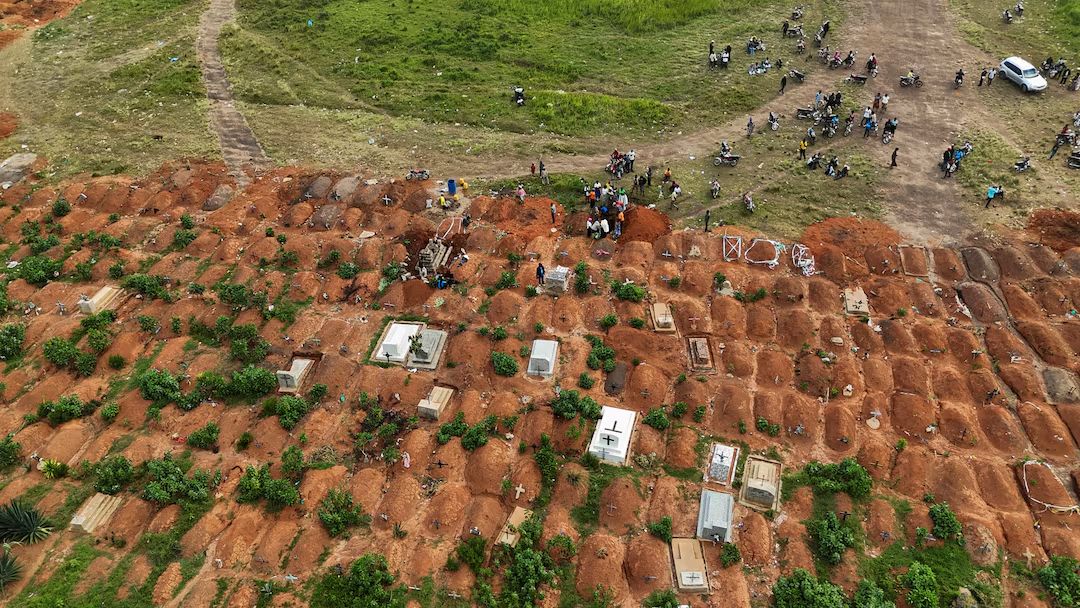
A drone view of displaced people from the Kigonze camp attending the burial of Ebola victims at Nyamurongo Cemetery, one month after an outbreak was declared, in Bunia, eastern Democratic Republic of Congo, June 18, 2026.
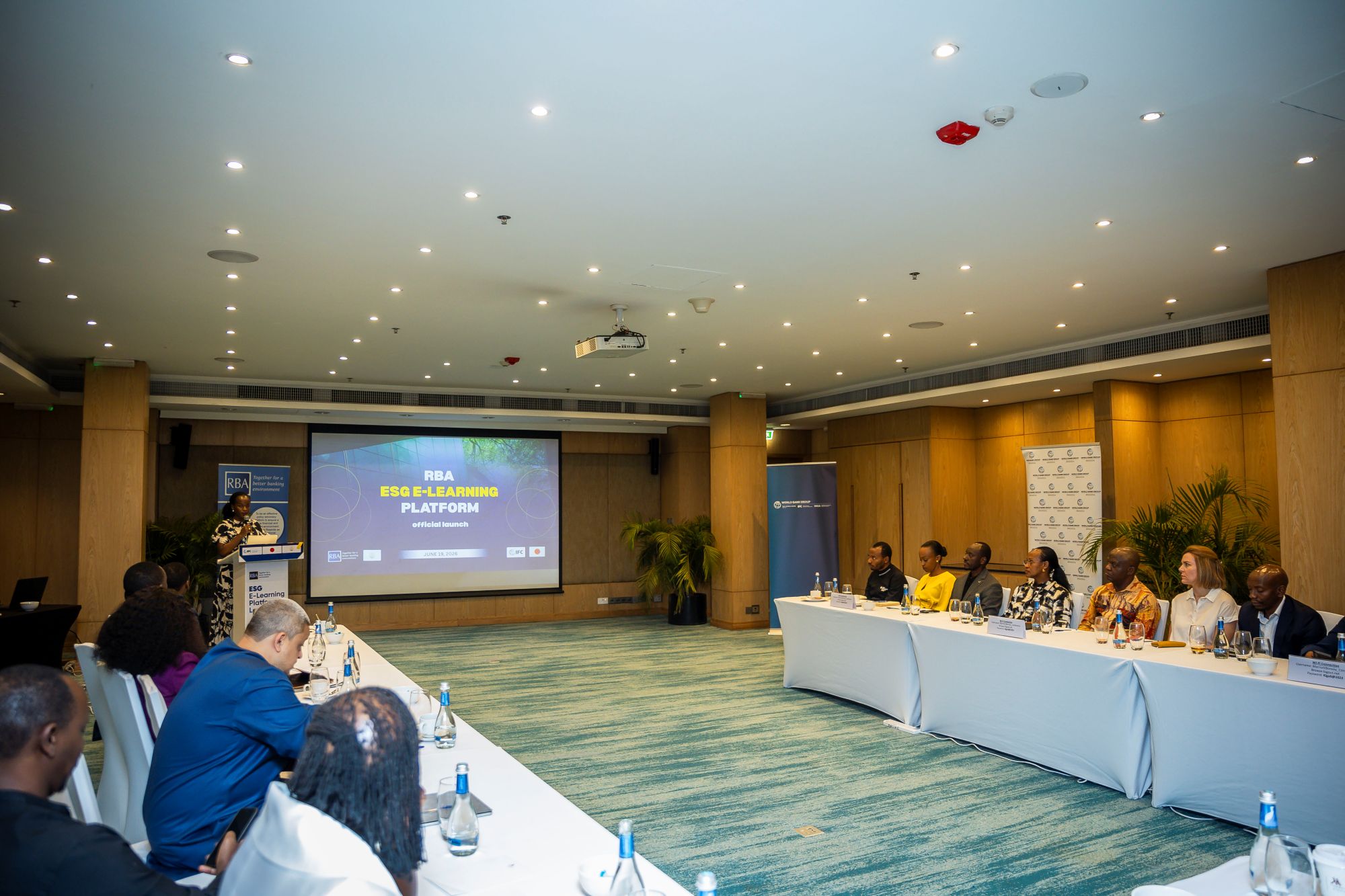
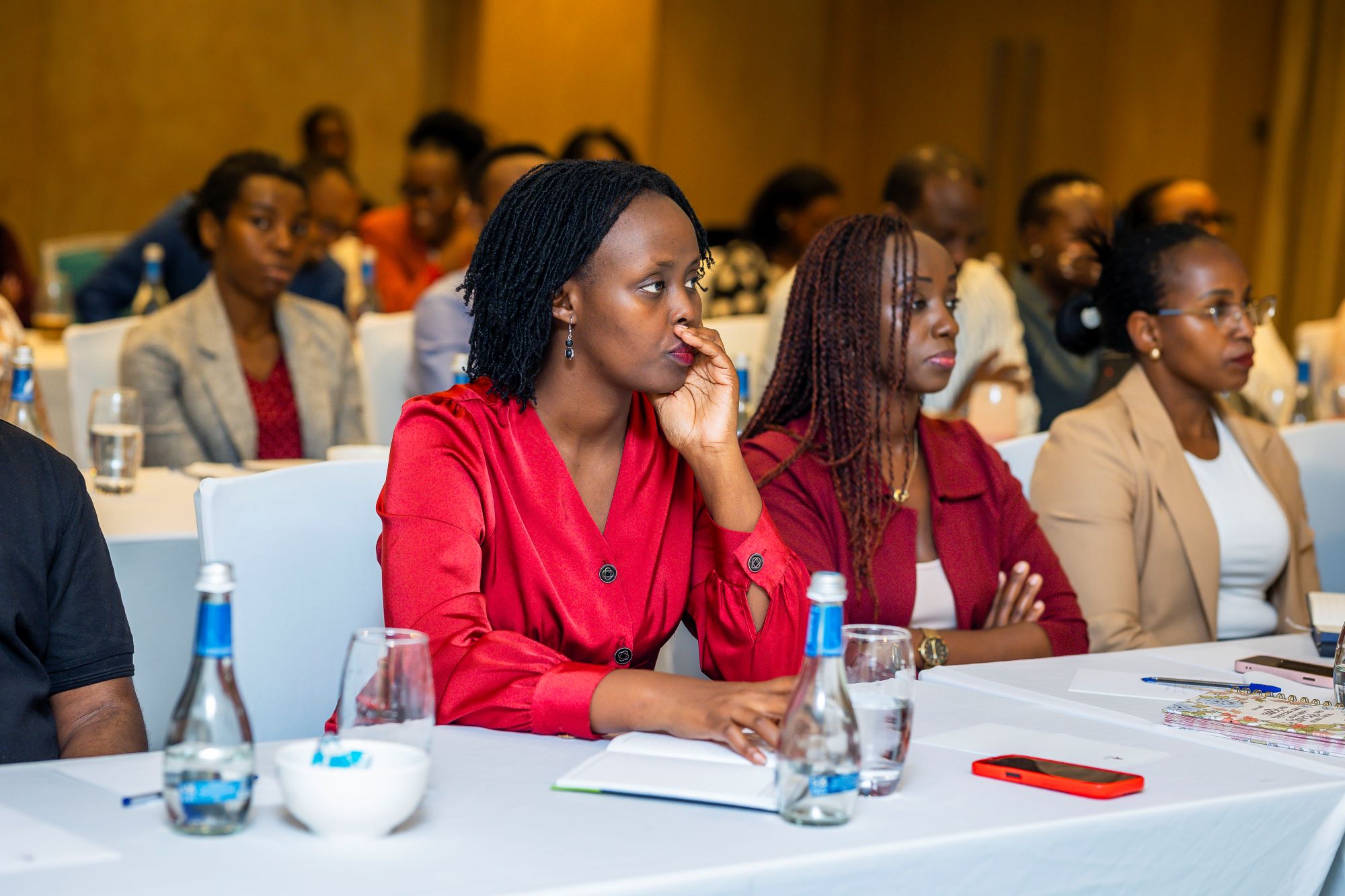
The digital learning platform is expected to equip banking professionals with the skills needed to integrate ESG principles into their operations as the sector responds to growing sustainability, regulatory and market expectations.
The platform provides continuous, accessible and locally relevant training through structured modules covering ESG fundamentals, climate risk management, sustainable finance, governance, ESG disclosure, financial inclusion, nature finance, and environmental and social risk management.
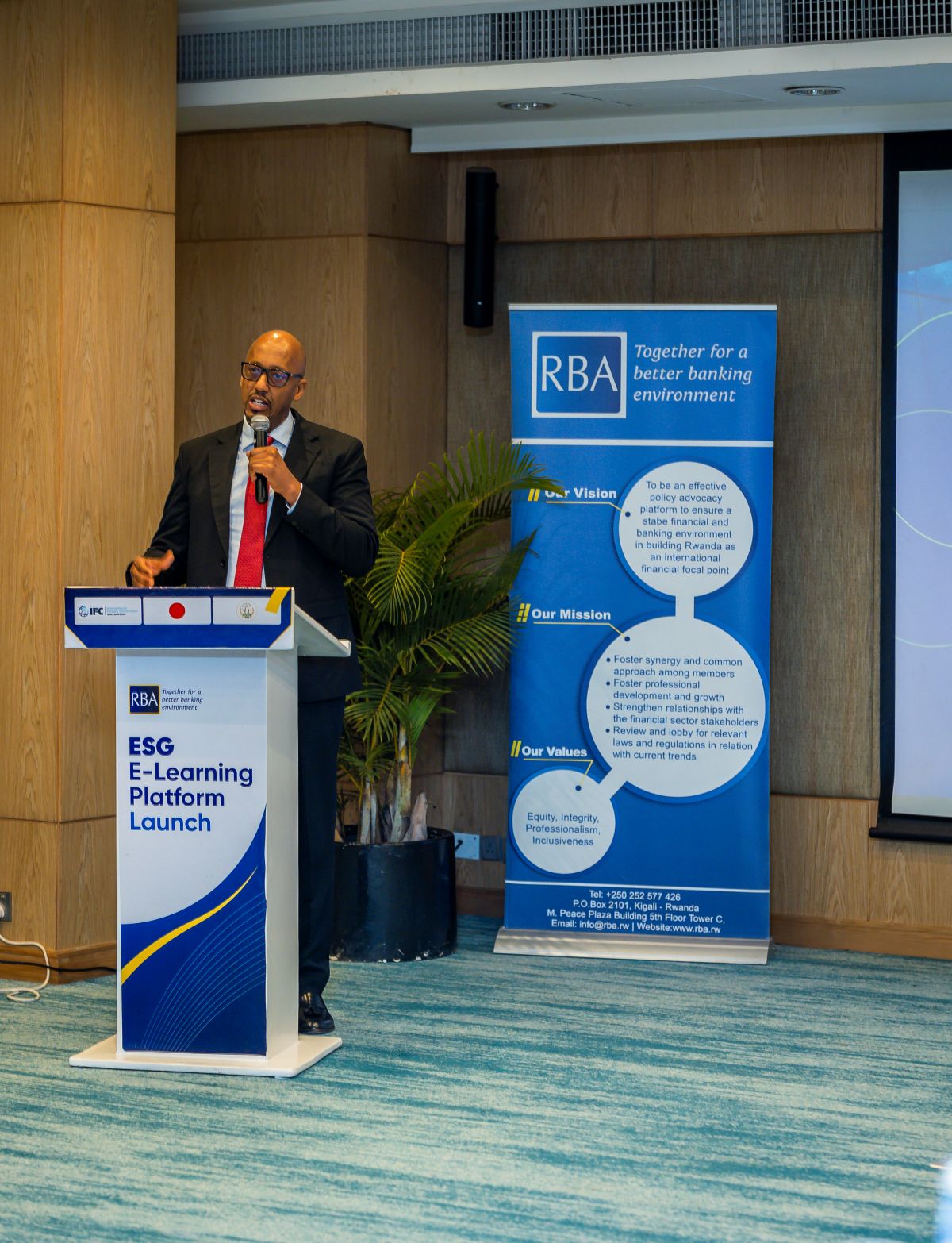
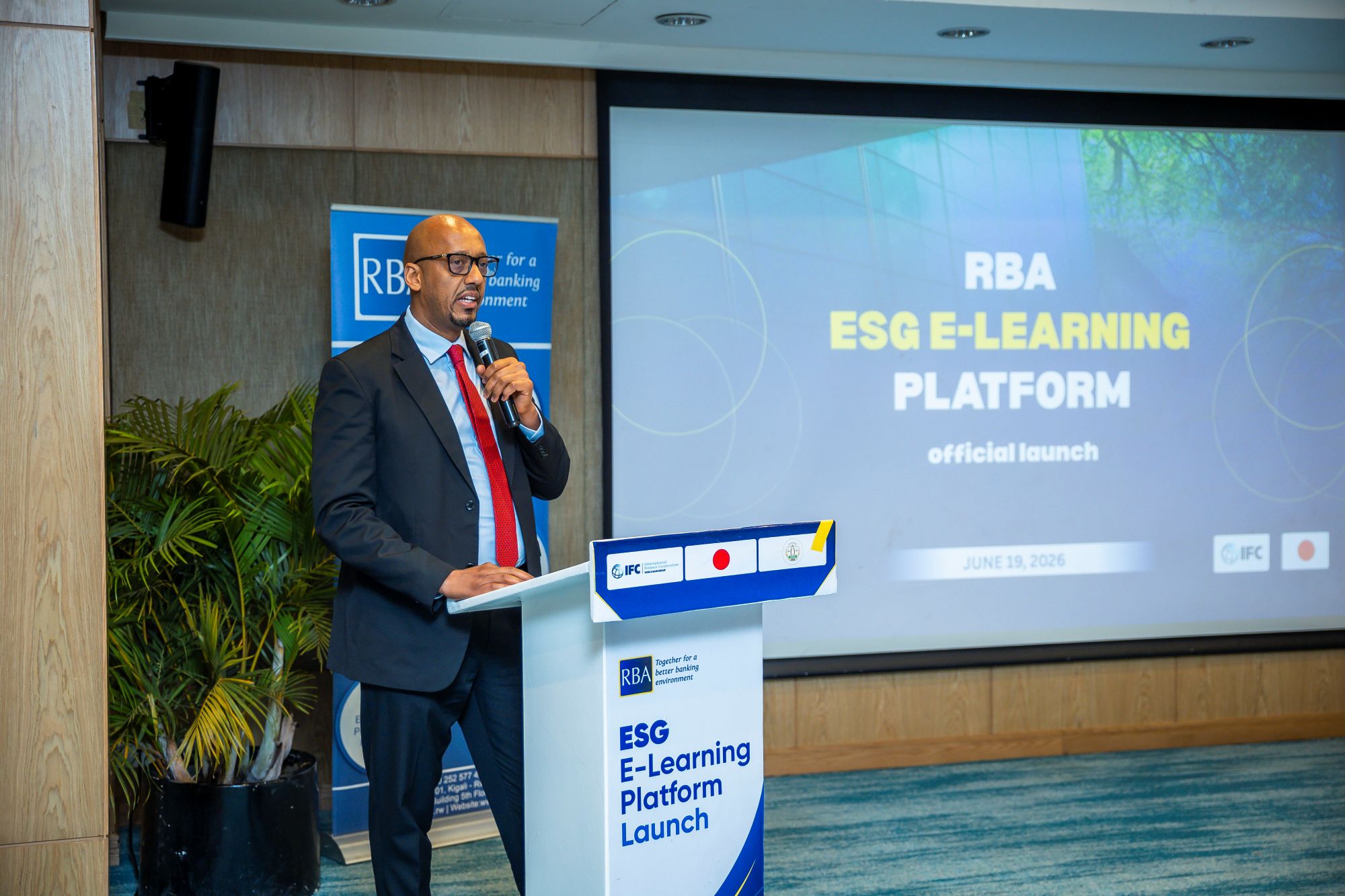
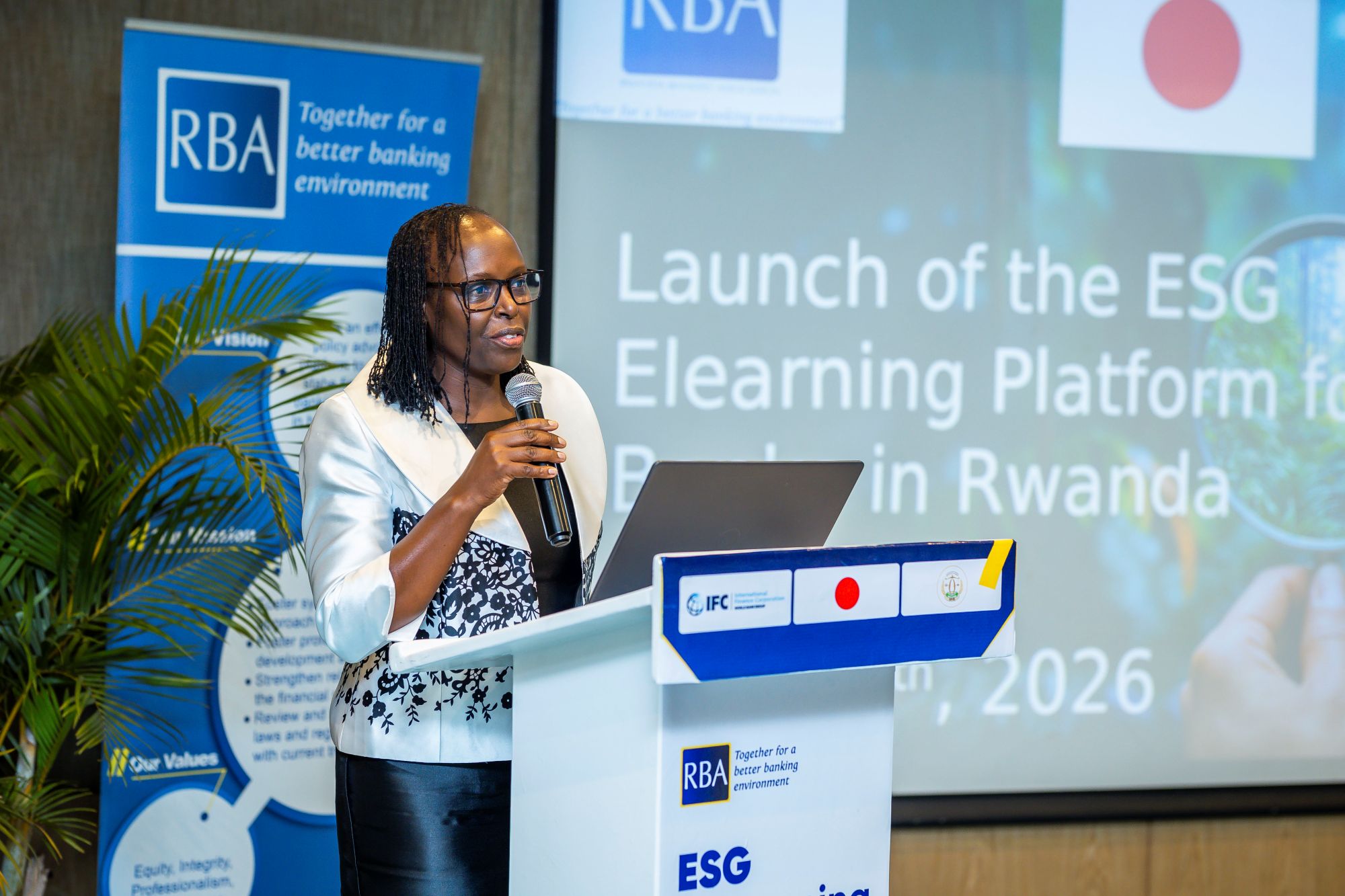
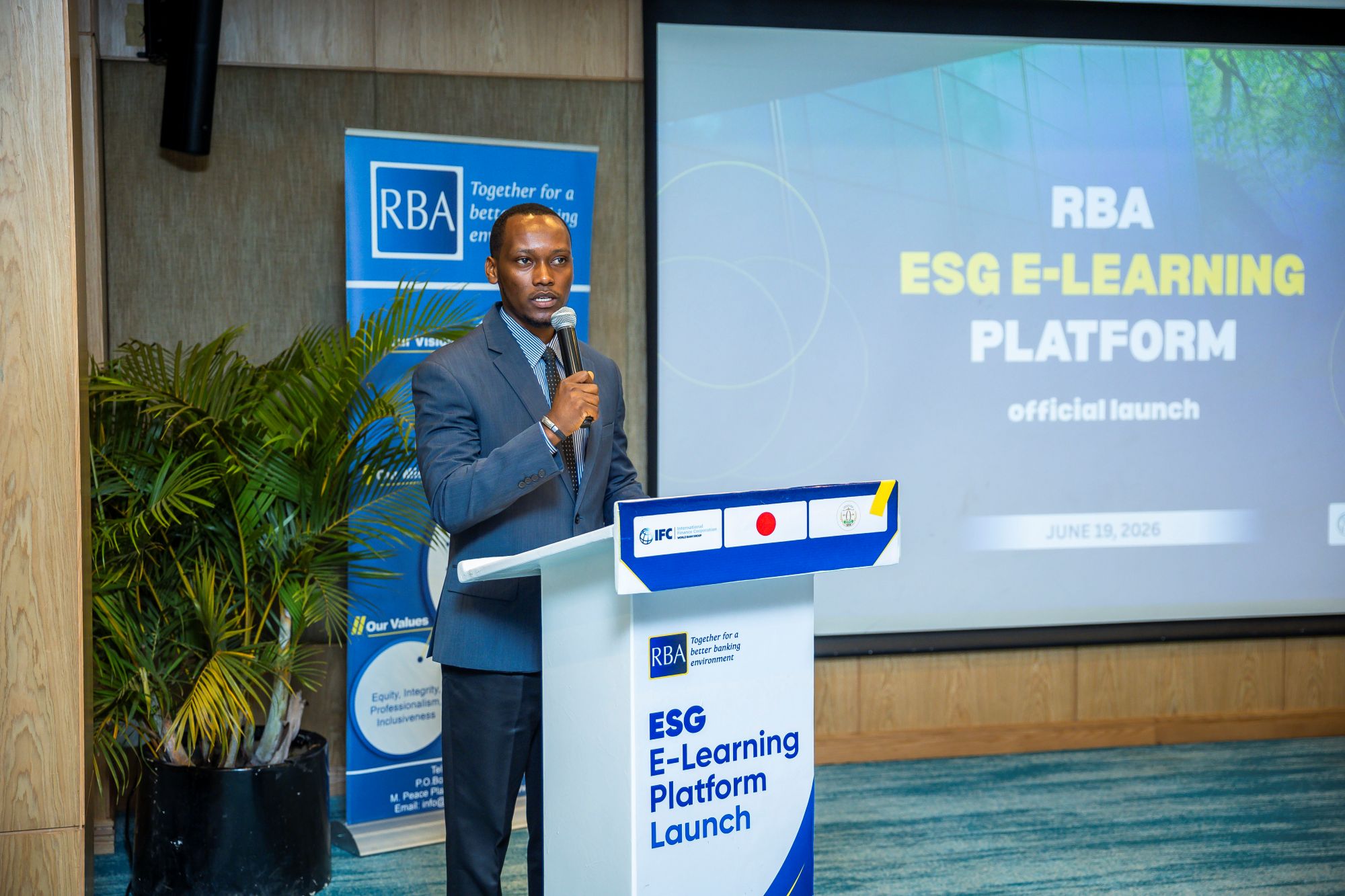
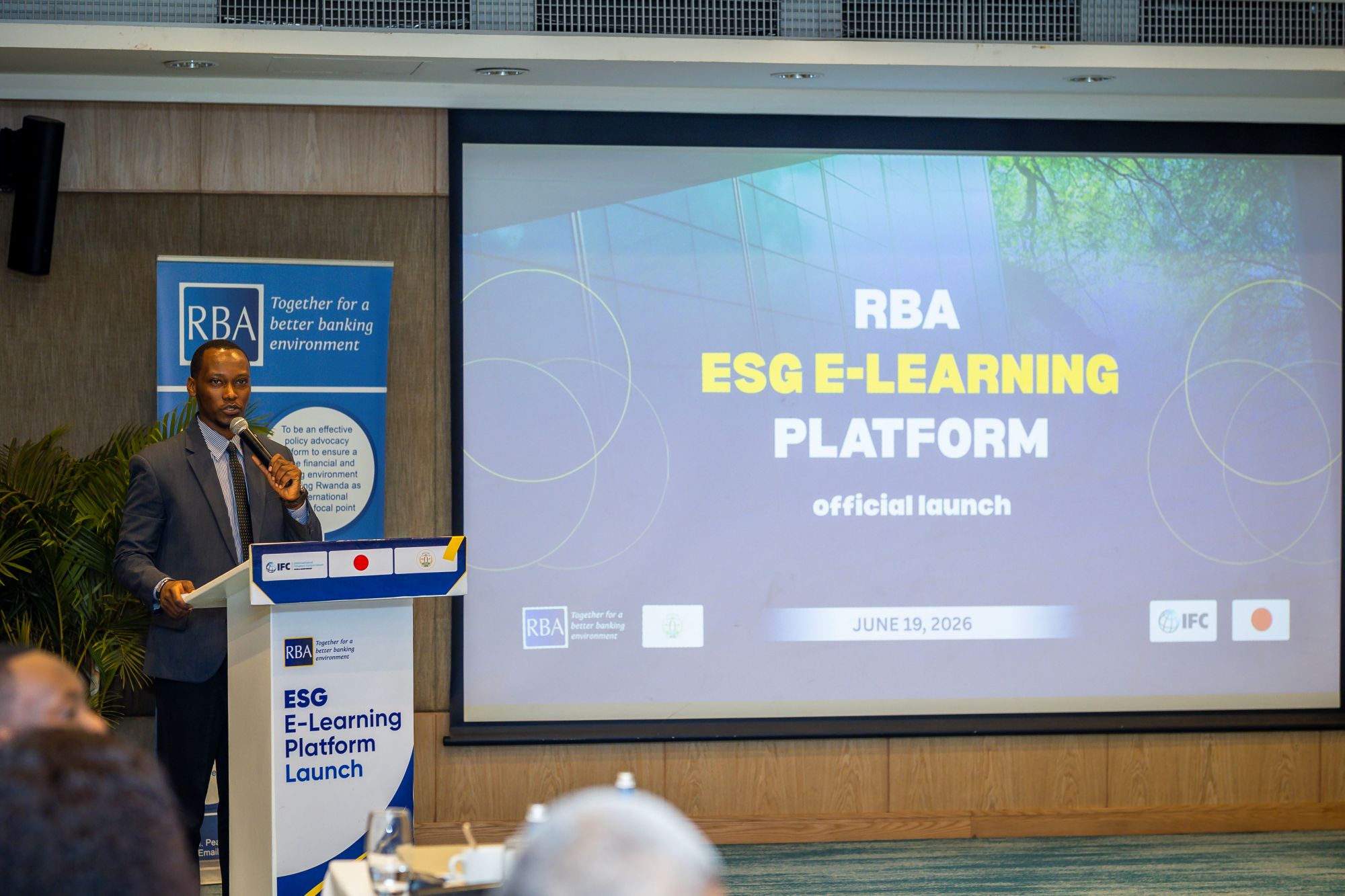
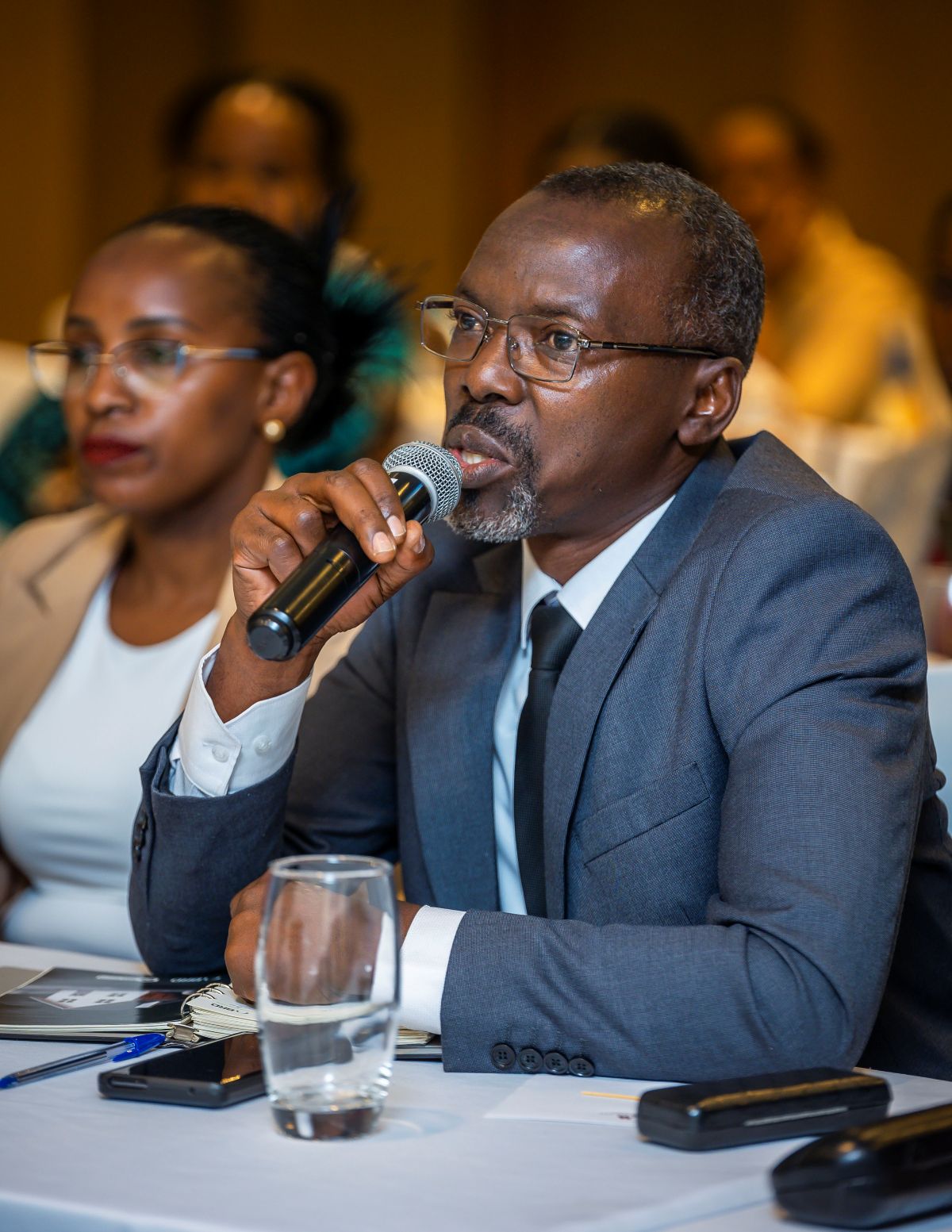
Speaking during the launch on Friday, Rwanda Bankers’ Association Chief Executive Officer, Tony Francis Ntore, said sustainability has become a core element of modern banking and financial risk management as climate change, social inequality and governance challenges continue to reshape the global financial landscape.
He noted that Rwanda has already laid a strong foundation through initiatives such as the Green Growth and Climate Resilience Strategy, Nationally Determined Contributions and the Green Taxonomy, prompting the banking sector to strengthen its own sustainability efforts.
Ntore revealed that the association’s journey began with the ESG Awareness Guidelines for Banks before evolving into an ESG Community of Practice that brings together banks, regulators and development partners to exchange knowledge and best practices.
‘The platform’s value goes beyond training,’ he stated. ‘It strengthens risk management, supports stronger Environmental and Social Management Systems, improves readiness for new regulations, and helps finance Rwanda’s sustainable development goals more effectively.’
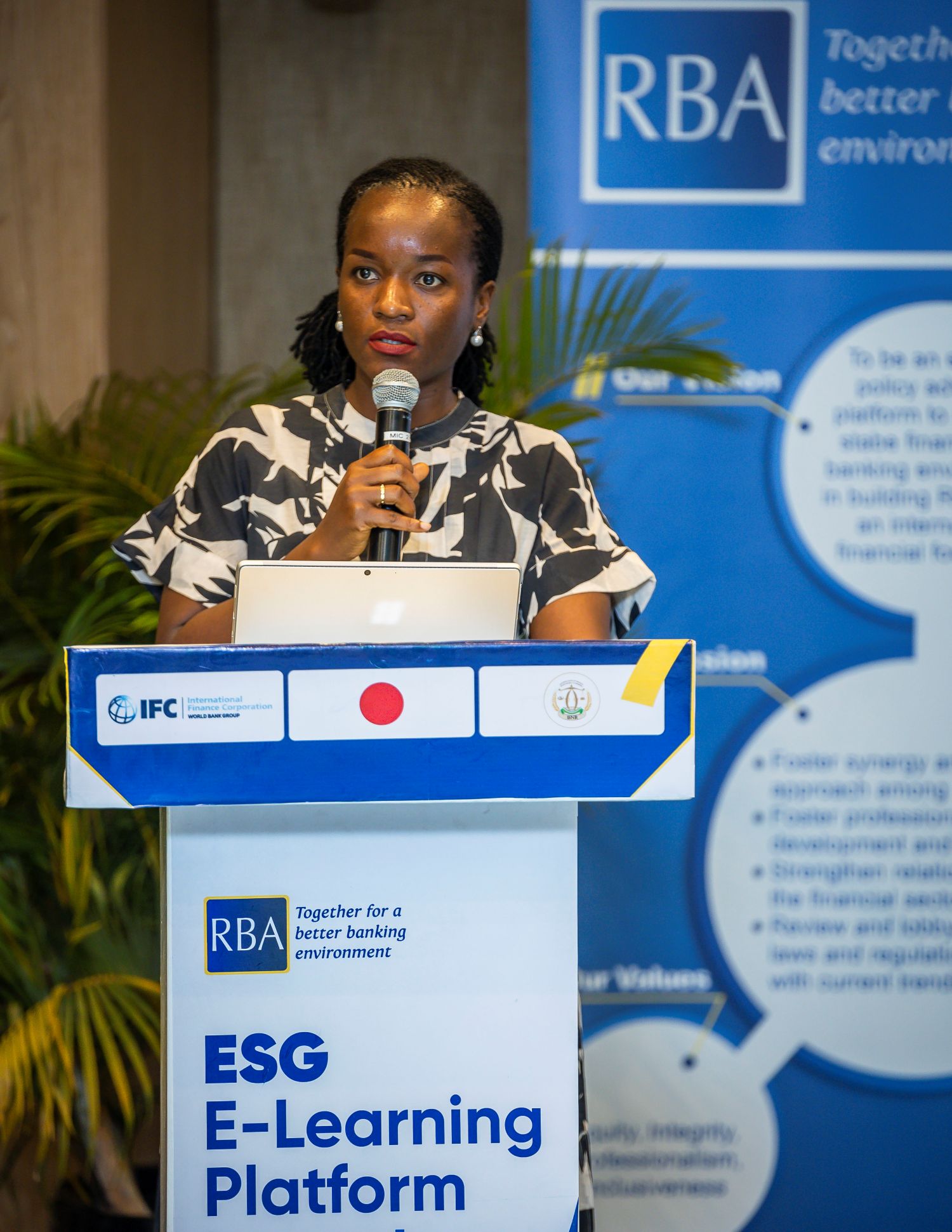
The launch was officiated by the Minister of Environment, Dr. Bernadette Arakwiye, who underscored the critical role financial institutions play in financing Rwanda’s transition to a climate-resilient and low-carbon economy.
‘Every day, banks make decisions that shape the future of our economy,’ she remarked. ‘The projects you finance, the risks you assess and the clients you support can accelerate our transition to a greener and more competitive economy, or expose businesses and financial institutions to growing environmental and climate-related risks.’
She added that economic prosperity and environmental protection are mutually reinforcing, arguing that countries and businesses investing in sustainability and resilience are becoming more competitive, more attractive to investors and better prepared for future shocks.
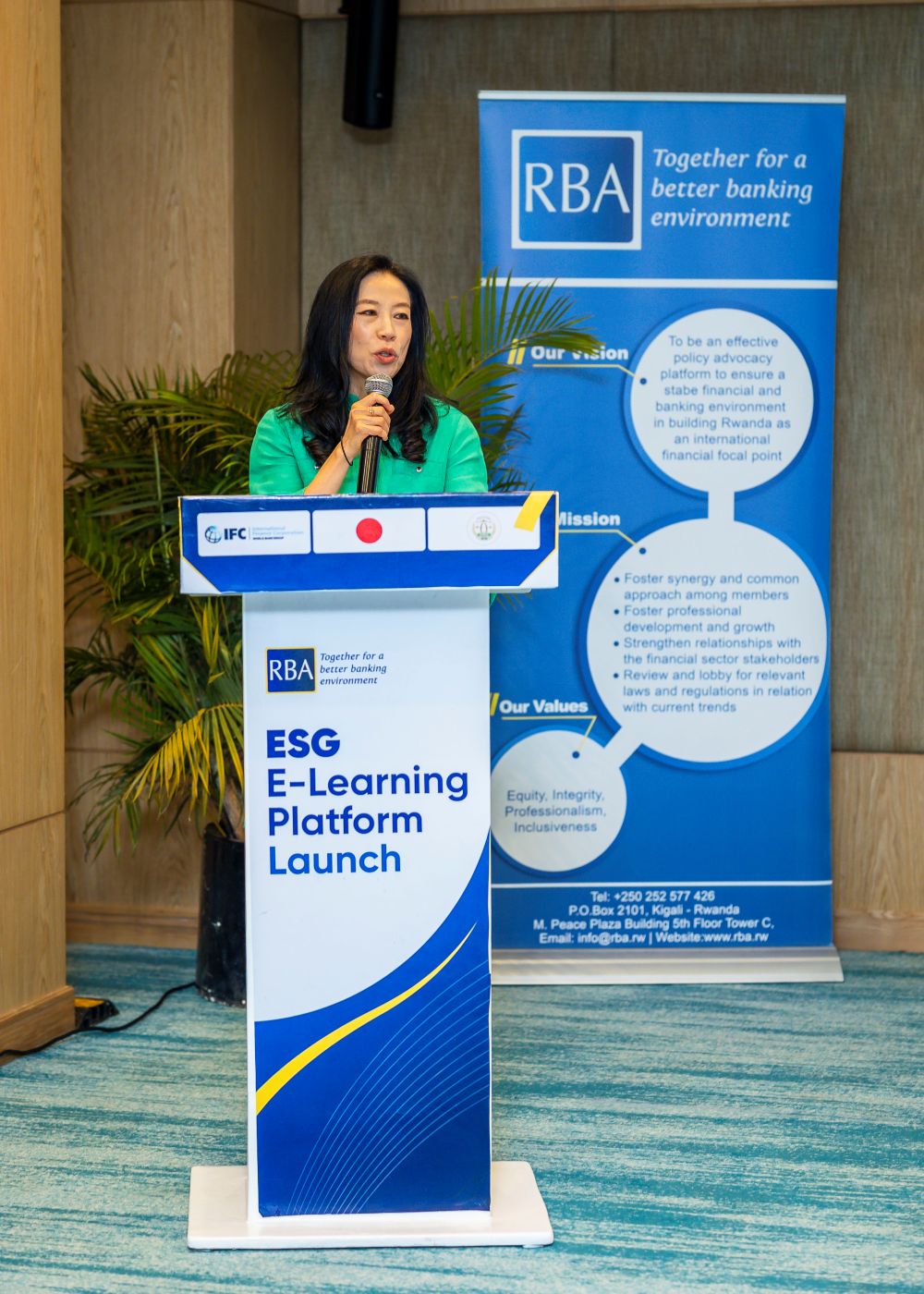
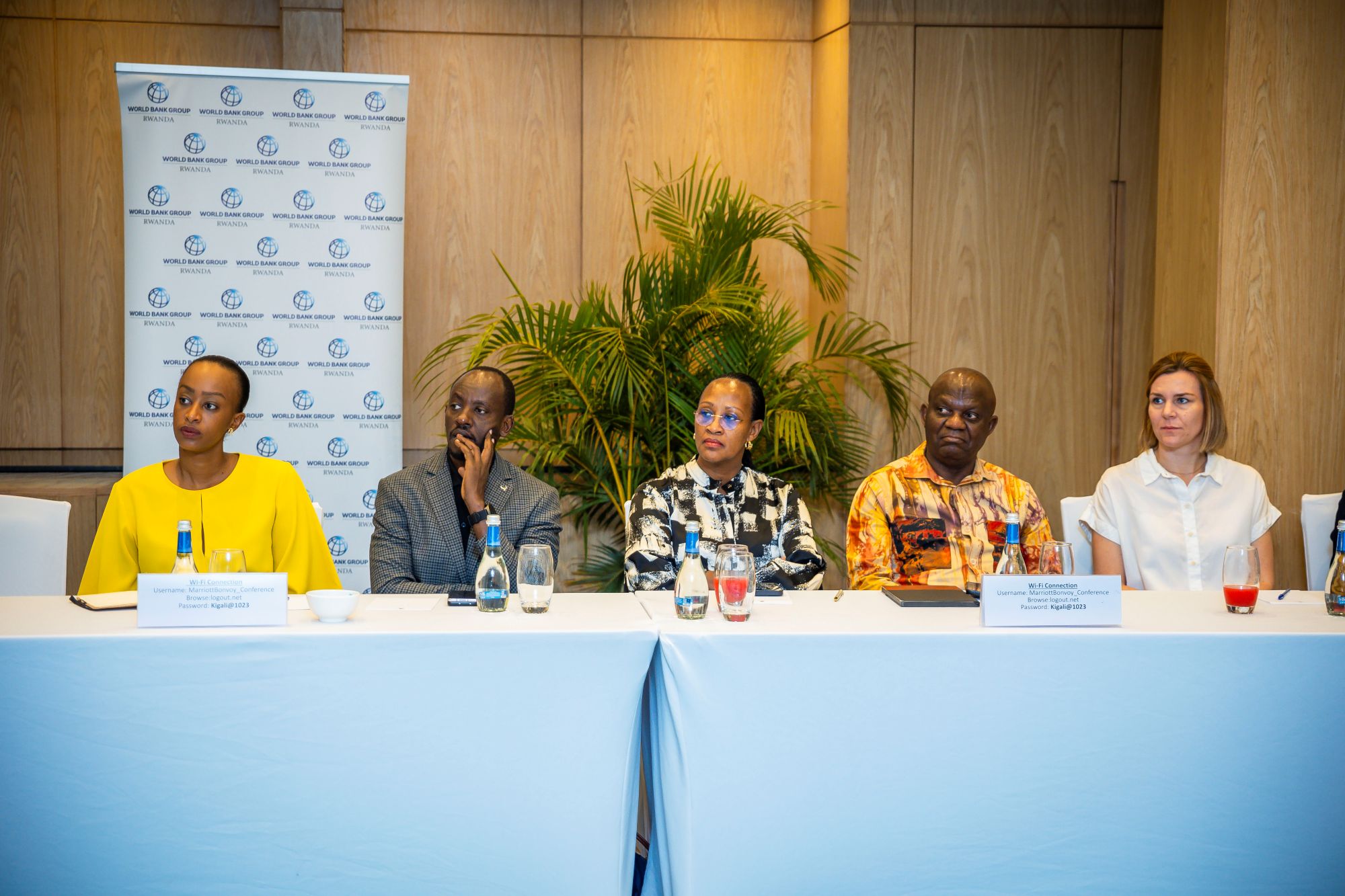
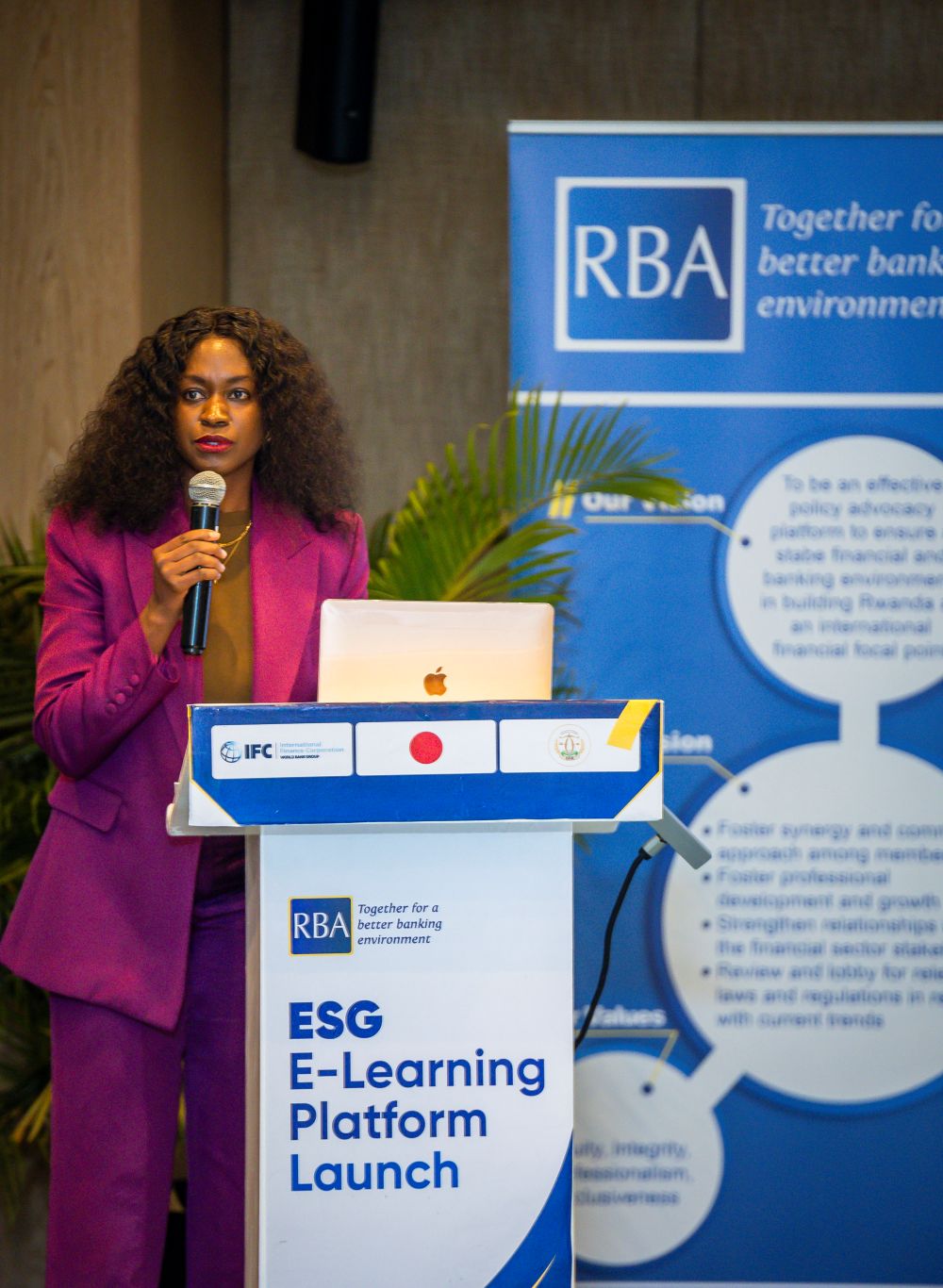
Also speaking at the launch, IFC Resident Representative to Rwanda and Uganda, Jiyeon Janice Ryu, highlighted the importance of strengthening the banking sector’s capacity to identify, assess, and finance sustainable investments.
She said that as Rwanda advances its climate, development and economic transformation agenda, financial institutions will play an increasingly important role in directing capital towards projects that generate both financial returns and sustainability outcomes.
Ryu added that continued collaboration among banks, regulators, policymakers, development partners and the private sector will be essential to building a more resilient and sustainable economy.
The launch of the ESG e-learning platform marks another milestone in Rwanda’s sustainable finance journey, with the initiative expected to serve as a key resource for building the expertise needed to translate the country’s sustainability ambitions into practical action across the financial sector.
The Rwanda Bankers Association is the umbrella body for licensed banks operating in Rwanda and works to promote collaboration within the banking industry while advancing initiatives that support a stable, innovative and inclusive financial sector.
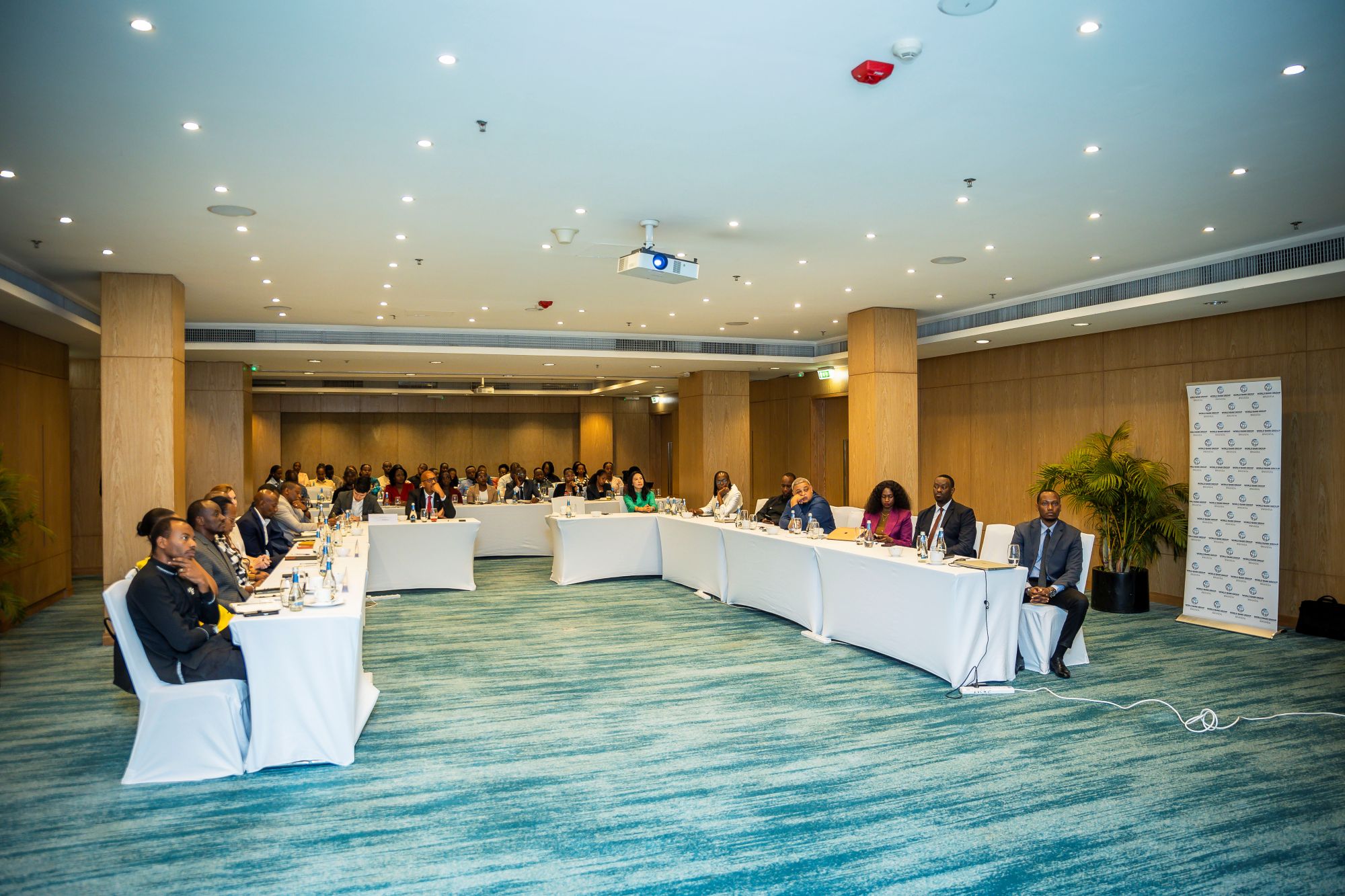
The Rwanda Bankers’ Association (RBA), in partnership with the International Finance Corporation (IFC), has launched a new ESG e-learning platform aimed at strengthening environmental, social and governance (ESG) knowledge and advancing sustainable banking practices across Rwanda’s financial sector.
Tony Francis Ntore, said sustainability has become a core element of modern banking and financial risk management as climate change, social inequality and governance challenges continue to reshape the global financial landscape.
The launch was officiated by the Minister of Environment, Dr. Bernadette Arakwiye.
IFC Resident Representative to Rwanda and Uganda, Jiyeon Janice Ryu, highlighted the importance of strengthening the banking sector’s capacity to identify, assess, and finance sustainable investments.
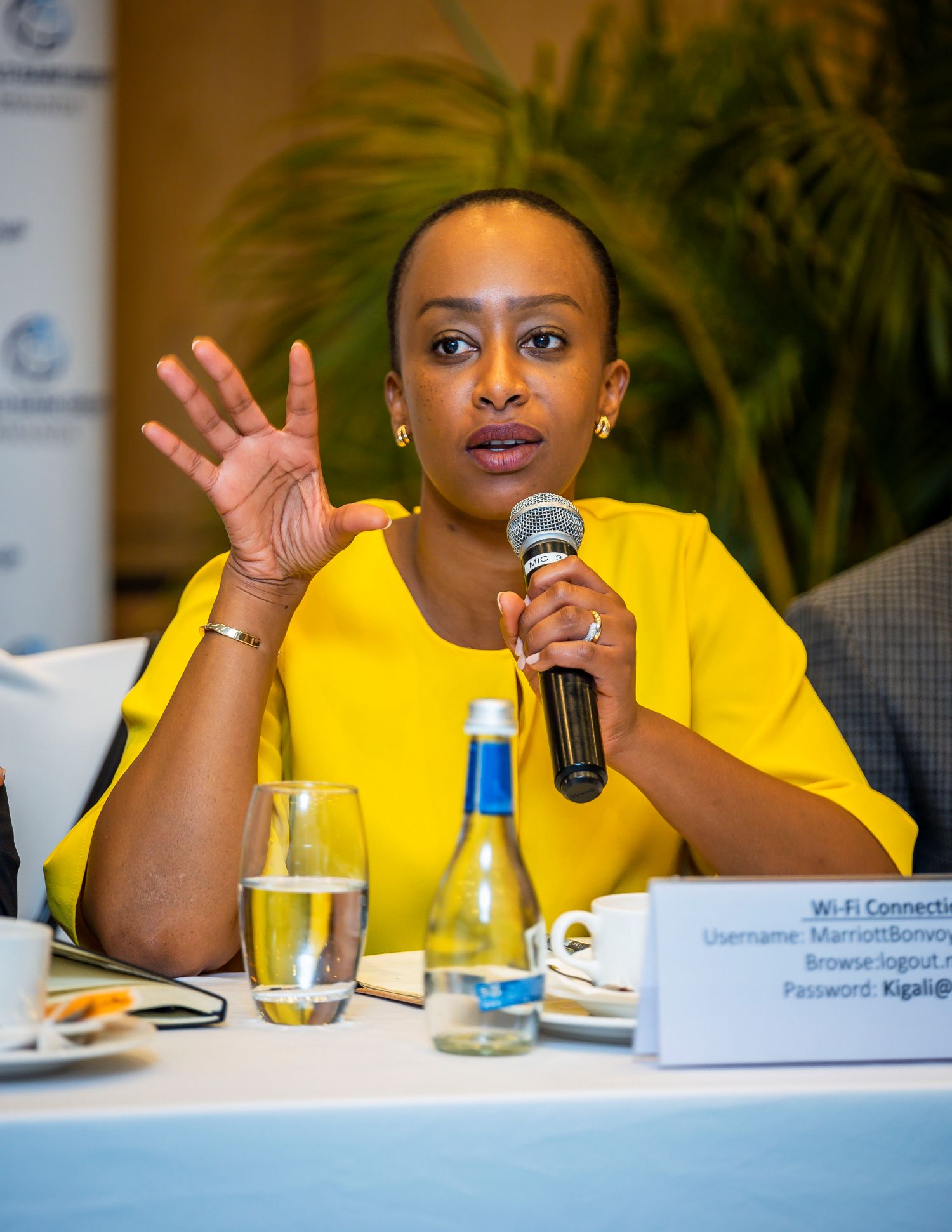
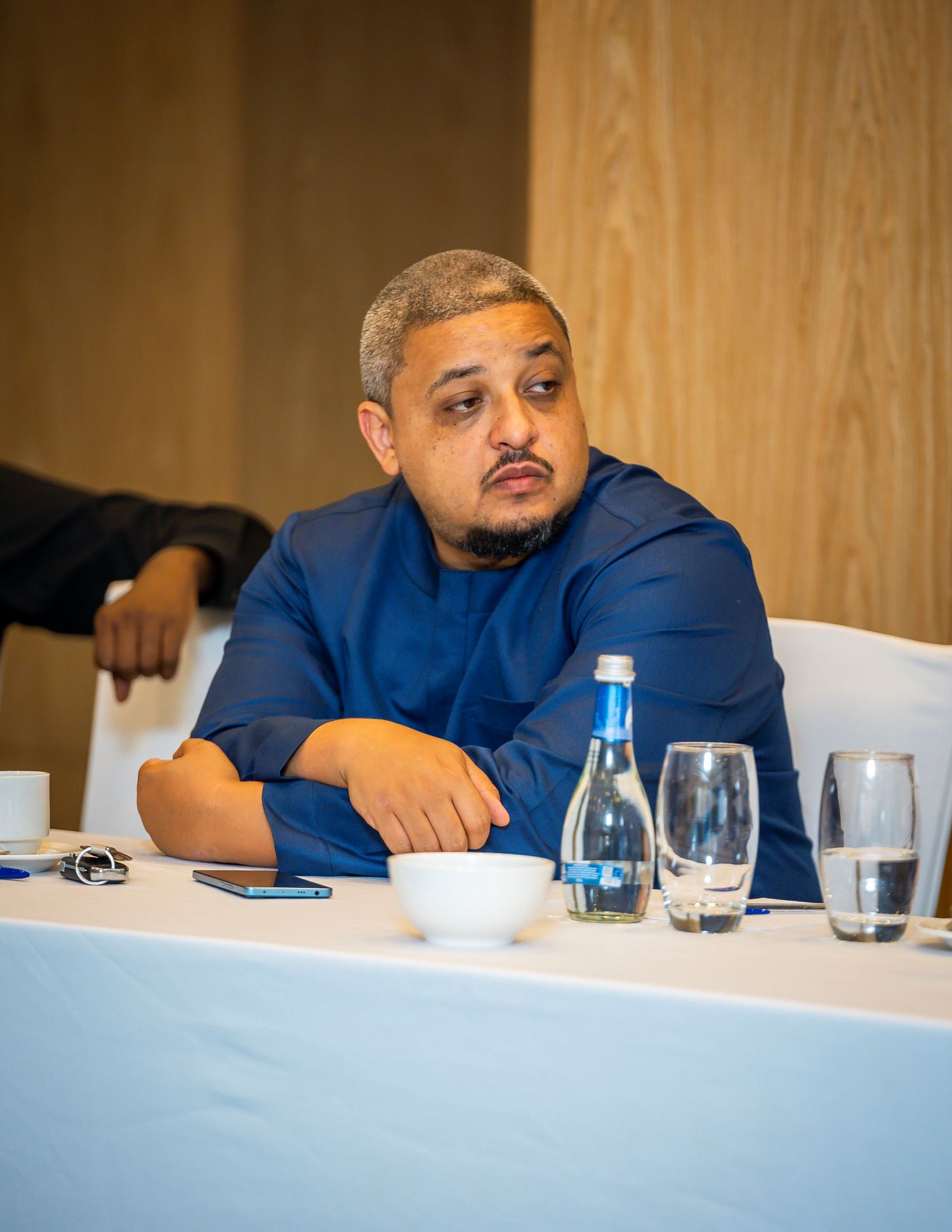
Teddy Mugabo, CEO Rwanda Green Fund, attended the launch.
The digital learning platform is expected to equip banking professionals with the skills needed to integrate ESG principles into their operations as the sector responds to growing sustainability, regulatory and market expectations.
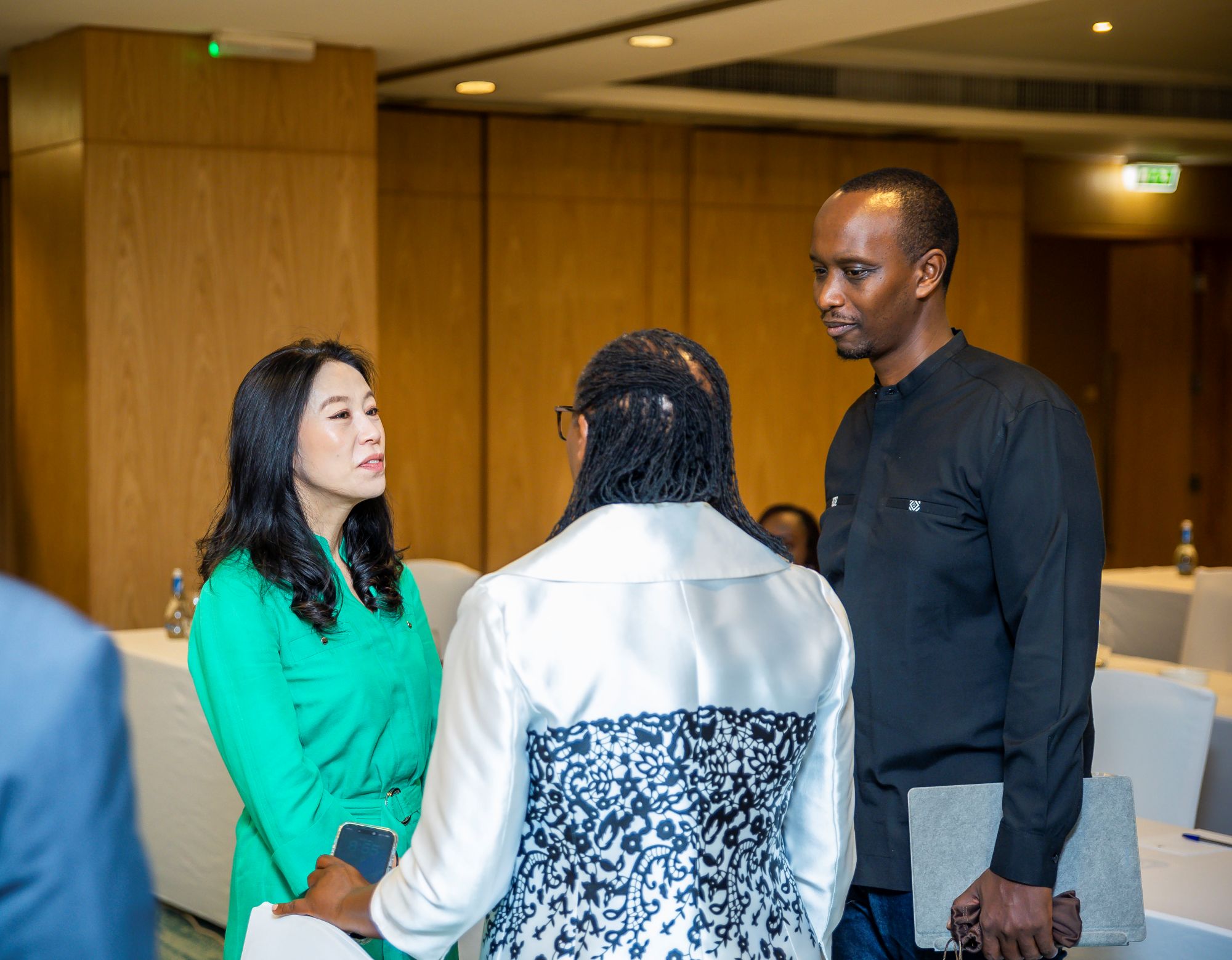
Capital Markets Authority (CMA) Rwanda Chief Executive Officer Romeo Ngarambe (right) chats with IFC Resident Representative for Rwanda and Uganda, Jiyeon Janice Ryu (left), during the launch event.
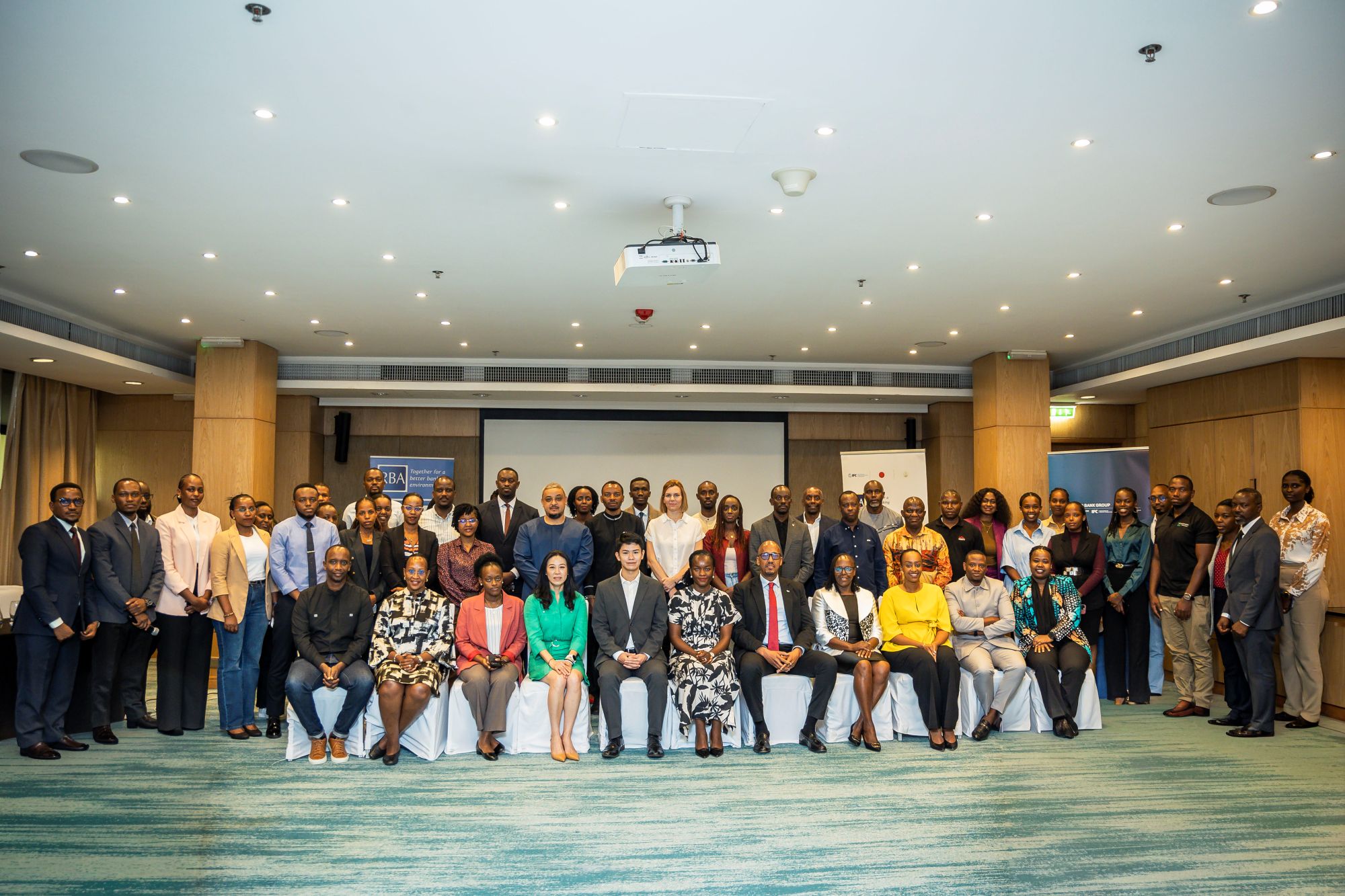
The launch was officiated by the Minister of Environment, Dr. Bernadette Arakwiye (fourth from left), seen here in a group photo with IFC Resident Representative for Rwanda and Uganda, Jiyeon Janice Ryu (immediately to her left), and Rwanda Bankers’ Association Chief Executive Officer Tony Francis Ntore (immediately to her right).