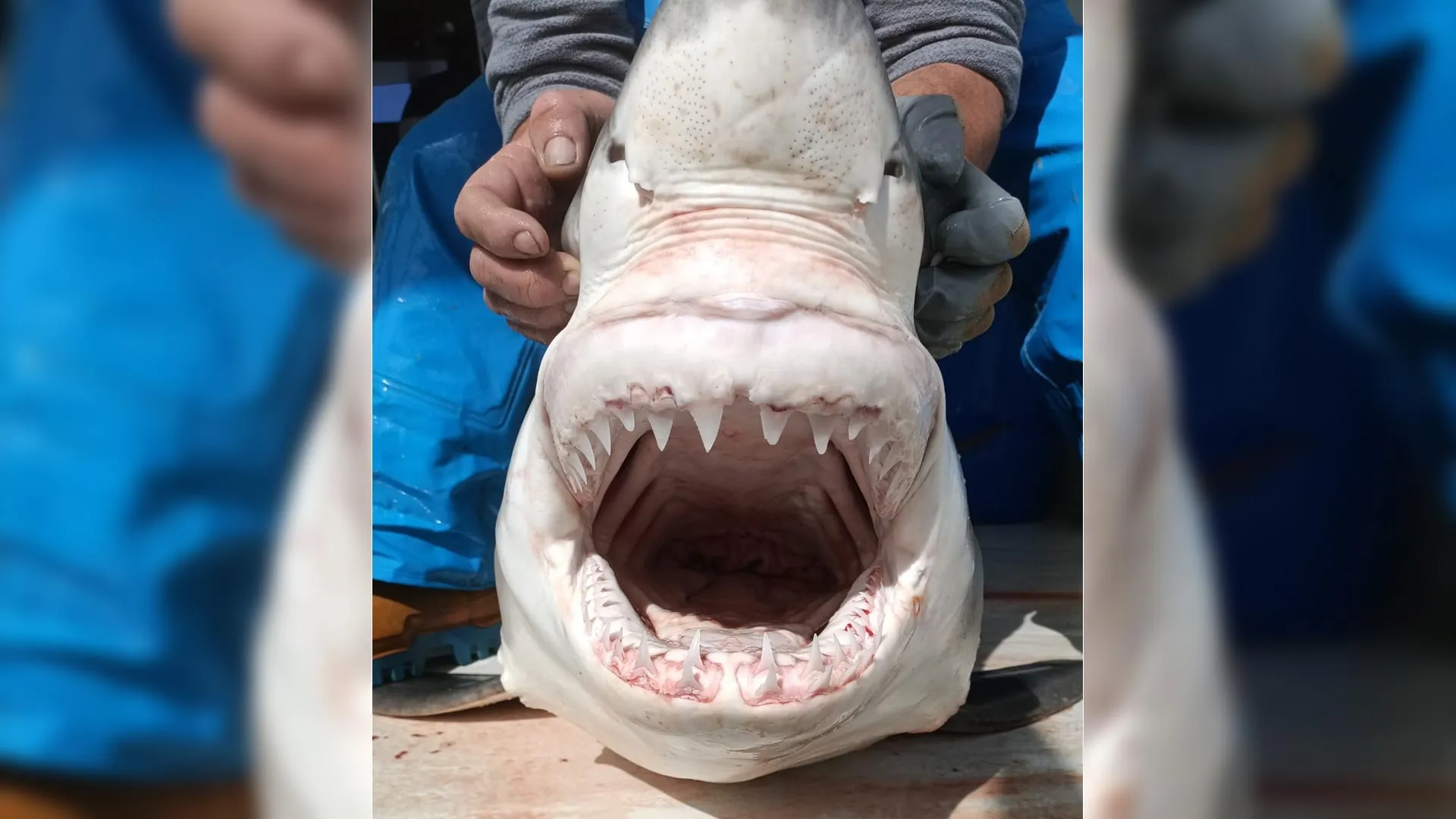
A rare encounter with a juvenile great white shark has renewed scientific interest in one of the Mediterranean Sea’s most elusive marine predators, raising fresh questions about whether a hidden population may still persist in the region.
The incident, reported by Pensoft Publishers, took place on April 20, 2023, when local fishermen accidentally caught a young shark off the eastern coast of Spain. The juvenile measured approximately 210 centimeters in length and weighed between 80 and 90 kilograms.
While the physical encounter occurred in 2023, the full scope of the discovery was only revealed on January 27, 2026, when the formal peer-reviewed study was officially published in the scientific journal Acta Ichthyologica et Piscatoria. Following its academic release, global science media broke the story to the public in June 2026, shedding light on the extensive analysis that followed the initial catch.
Although great whites are among the most well-known marine predators worldwide, confirmed sightings in the Mediterranean remain extremely uncommon.
For decades, scientists have debated whether these occasional records represent a small surviving local population or simply individual sharks moving in from the Atlantic Ocean.
What makes this discovery particularly significant is the age of the animal. As a juvenile, it raises the possibility that great white sharks may not only be passing through Mediterranean waters but could also be reproducing in the region, challenging long-standing assumptions about their presence there.
Following the capture, researchers spent nearly three years reviewing more than 160 years of historical records, including sightings, captures, and stranding reports dating back to 1862. Their analysis suggests that while these apex predators remain rare in the basin, their occurrence may be more consistent than previously assumed.
However, scientists emphasize that the evidence is still limited. A single juvenile sighting is not sufficient to confirm a stable breeding population. They also note that factors such as fishing pressure, habitat changes, and broader ecosystem shifts over time may have influenced shark distribution patterns.
Despite the uncertainty, the discovery has renewed scientific attention on the species and highlights the need for further research, including genetic studies and long-term tracking. For now, the ‘ghost’ great white shark remains an enduring mystery, an example of how much the ocean still holds yet to be fully understood.
Rare juvenile great white shark revives 160-year mediterranean mystery.
The groundbreaking discovery, announced on June 24, 2026, was made by an international research team led by the University of Oxford in collaboration with the University of Birmingham and the Observatoire de la Côte d’Azur. The team’s formal findings were published in the journal Monthly Notices of the Royal Astronomical Society.
The two planets, known as TOI-791 b and TOI-791 c, orbit a distant F7-type dwarf star located around 1,110 light-years from Earth in the southern constellation Volans.
While an F7-type dwarf star is slightly hotter and more massive than the Sun, scientists believe these planets actually retain a cold, pristine structure. They likely formed far out in the chilly outer fringes of their protoplanetary disc, allowing them to rapidly accumulate massive gaseous envelopes without being scorched or stripped away early on.
Although both planets are similar in size to Jupiter, their masses are incredibly small. TOI-791 b contains just 3% of Jupiter’s mass, while TOI-791 c holds only 5.9%. This results in atmospheres that are incredibly expanded and diffuse, giving them an almost ‘fluffy’ structure comparable to fresh shaving foam.
Their calculated densities, 0.038 and 0.047 grams per cubic centimeter, respectively, are so low that they are less dense than actual cotton candy, which sits at roughly 0.05 grams per cubic centimeter. Jupiter, by comparison, is up to 35 times denser.
The story of their discovery spans nearly a decade and highlights a massive win for citizen science. Everyday volunteers participating in the Planet Hunters TESS project first flagged TOI-791 b as a candidate in 2019 and TOI-791 c in 2023 by meticulously combing through raw data from NASA’s Transiting Exoplanet Survey Satellite.
To confirm the existence of these featherweight worlds, astronomers had to pull off a historic feat of observational endurance. Because the planets take an exceptionally long time to orbit their star, the team utilized the specialized ASTEP telescope located at Concordia Station in Antarctica.
Taking advantage of the unbroken, freezing months of total Antarctic winter darkness, researchers were able to capture continuous 11-hour planetary transits, the longest ever recorded from the ground.
What makes this discovery uniquely significant is the rare architecture of the planetary pair. Out of nearly 6,300 exoplanets discovered by humanity, fewer than 40 are categorized as super-puffs, and finding two in the same solar system is a true ‘one-in-a-million’ occurrence.
The siblings are also locked in a rare orbital dance known as a 5:3 mean-motion resonance, meaning the inner planet completes exactly five orbits for every three completed by the outer planet.
This synchronous movement causes the planets to gravitationally tug on each other over time. By measuring the subtle variations in their transit timings caused by this tug-of-war, the Oxford-led team was finally able to calculate their precise masses.
As research continues, scientists are already planning to use the James Webb Space Telescope to peer directly into these cotton candy-like atmospheres, unlocking brand new insights into the sheer diversity of worlds that exist across the galaxy.
Researchers find two unusually light jupiter-sized planets in distant star system
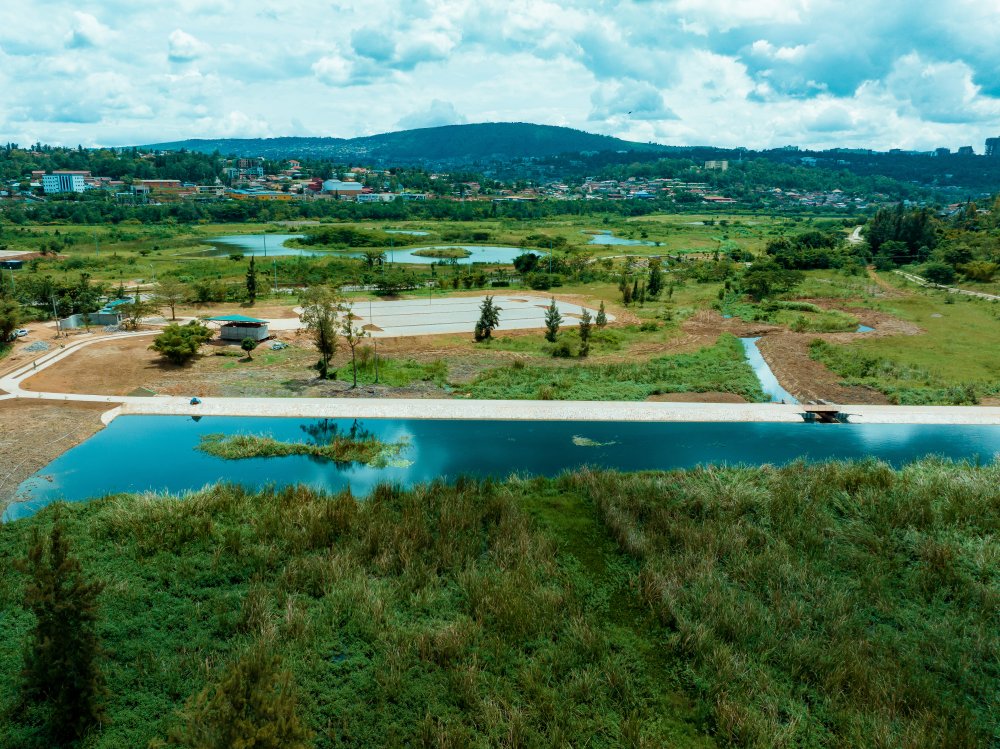
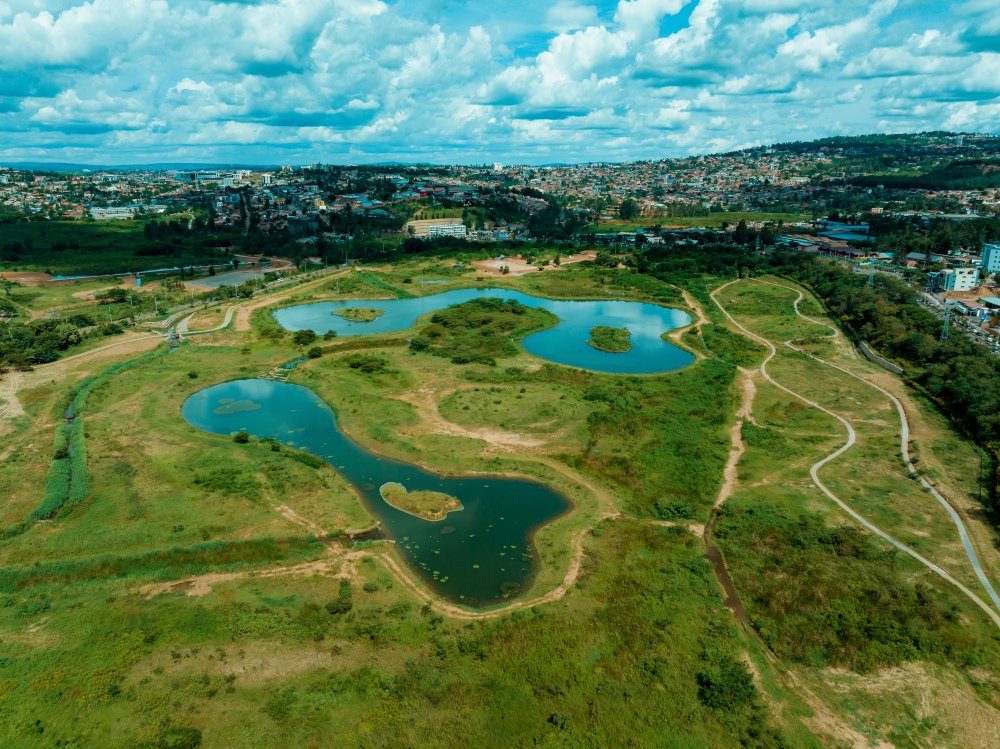
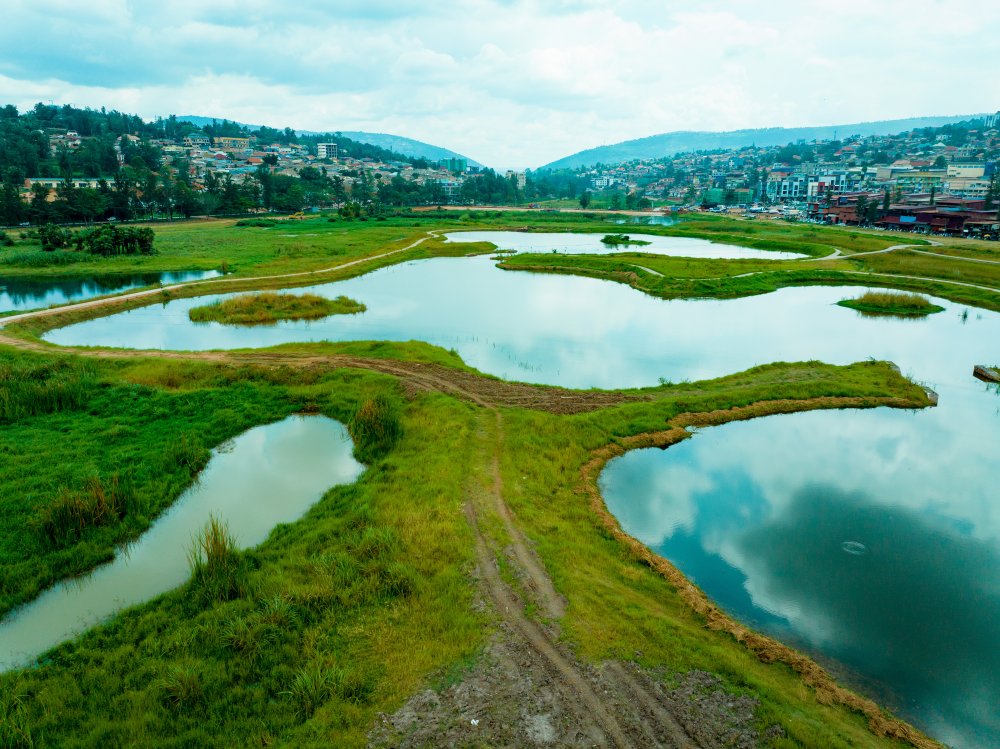
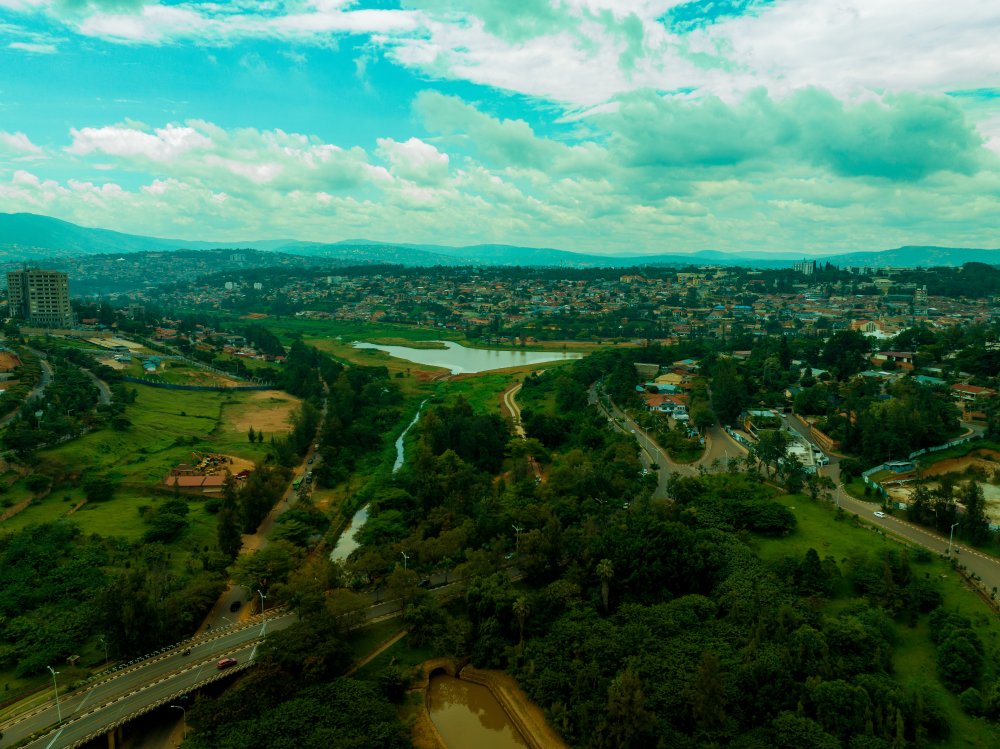
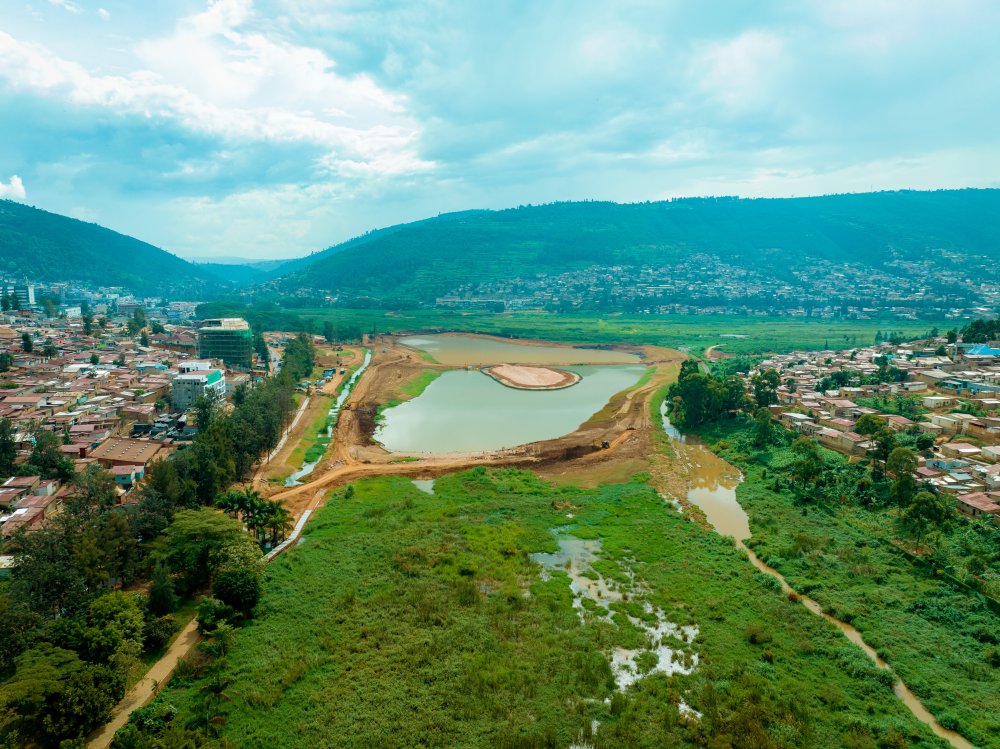
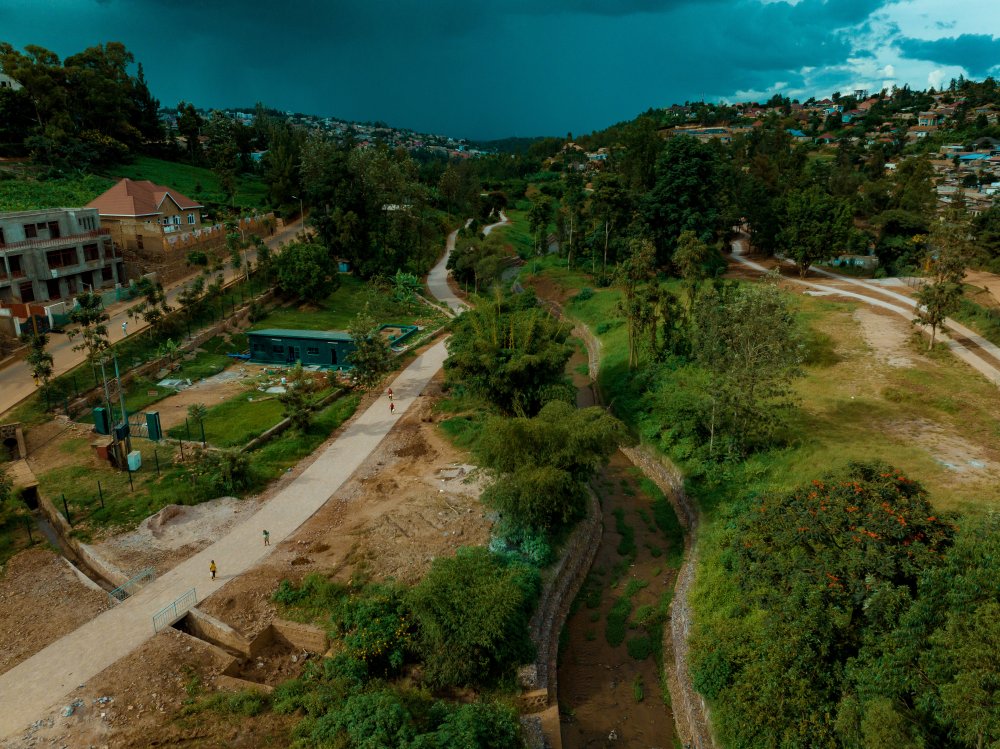
The initiative covers five rehabilitated wetlands in Kigali City: Nyabugogo, Gikondo, Kibumba, Rwampara, and Rugenge-Rwintare, which are being developed as part of the city’s broader environmental restoration and urban development agenda. Interested parties have until July 4, 2026, to submit their applications.
According to RDB, eligible applicants may include private companies, non-governmental organisations, investment firms, or consortia of organisations. Interested parties are required to demonstrate strong technical expertise, financial capacity, and proven management capability to sustainably operate and manage the wetlands.
Applicants must also show the ability to manage infrastructure and staff, provide professional and inclusive security, conserve biodiversity, and deliver visitor services and environmental education. They are further expected to develop sustainable financial models outlining how the wetlands will generate revenue and attract investment.
In addition, the selected partner will be responsible for engaging surrounding communities and stakeholders to raise awareness of wetland conservation and environmental protection. This includes collaboration with local institutions, small financial entities, adjacent landowners, and relevant government agencies.
The management of the wetlands will be overseen by a Kigali City committee responsible for developed wetland parks, which will also provide strategic guidance on conservation and service delivery. The committee brings together representatives from RDB, the Ministry of Infrastructure (MININFRA), REMA, the City of Kigali, the Rwanda Water Resources Board (RWB), and the Ministry of Finance and Economic Planning (MINECOFIN).
The five wetlands cover a combined area of 491 hectares, distributed across Gikondo (162 ha), Nyabugogo (131 ha), Kibumba (68 ha), Rwampara (65 ha), and Rugenge-Rwintare (65 ha). They have been developed in line with Kigali’s Master Plan Vision 2050, which designates 25% of the city for environmental conservation and recreation to improve urban livability and promote tourism.
The project builds on the success of Nyandungu Eco-Park, a restored wetland linking Gasabo and Kicukiro districts that has become a model for urban ecological parks, attracting both local and international visitors. Nyandungu Eco-Park, covering 164.8 hectares, integrates biodiversity conservation, recreation, and urban tourism. In 2025, it received 111,842 visitors and continues to provide daily employment opportunities.
Under the new project, the Kibumba and Gikondo wetlands will feature mixed-use recreational and commercial facilities, including restaurants, retail shops, fitness areas, tea and coffee outlets, event spaces, fish ponds, children’s play areas, sports courts, gardens, and a culinary training school.
Meanwhile, the Nyabugogo Wetland will be developed with a ‘lake-like’ recreational concept, featuring boat rides, relaxation areas, food and beverage outlets, parking facilities, and small retail spaces.
The rehabilitation works for the five wetlands began in March 2024 under the Second Rwanda Urban Development Project (RUDP II). By early June 2026, Phase One of the works had reached 94% completion.
The first phase, which utilized USD 36 million in mobilized funding, focused on essential land development, hydraulic infrastructure, and engineering works. Phase Two, estimated at USD 46 million, is designed to actively attract private capital for the construction of commercial infrastructure, including restaurants, parking areas, libraries, and sports and entertainment facilities.
Gikondo wetland covers an area of 162 hectares.
Kibumba covers 68 hectares.
Rugenge-Rwintare wetland covers an area of 65 hectares.
Nyabugogo Wetland spans 131 hectares.
Rwampara Wetland spans 65 hectares.
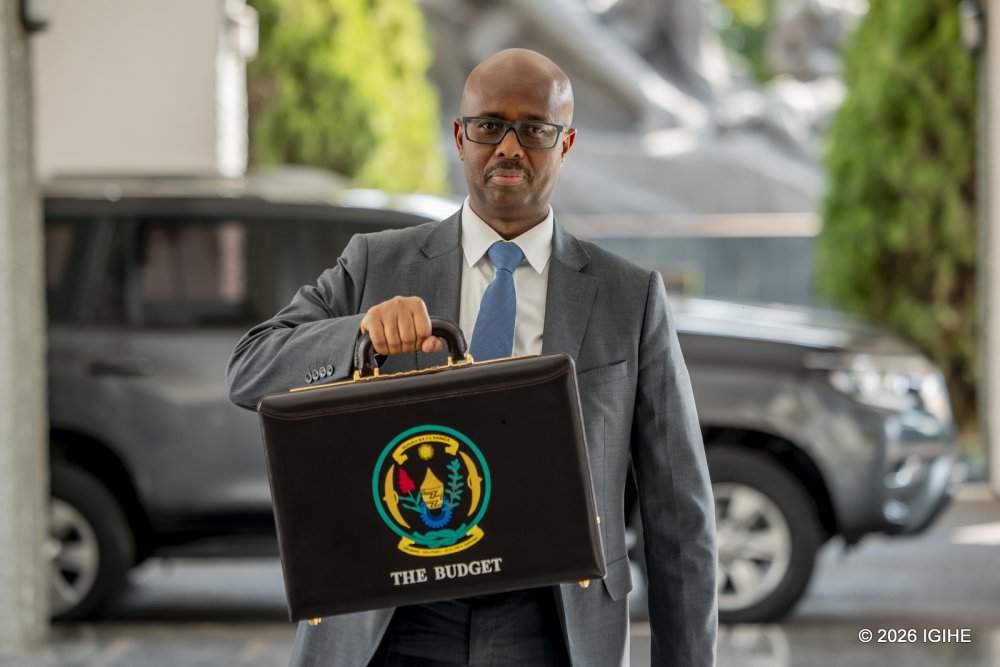
The budget law was passed during a plenary sitting attended by 63 lawmakers on June 24, following the initial presentation by the Minister of Finance and Economic Planning, Yusuf Murangwa.
The approved budget represents a 12% increase from the revised 2025/26 budget approved in February, which stood at Rwf 6,952.1 billion. Total government spending is set to rise by roughly Rwf 844.2 billion to hit the new Rwf 7.796 trillion ceiling.
According to Parliament’s Budget Committee Chairperson, Odette Uwamariya, the financing structure reflects Rwanda’s solid path toward economic self-reliance. Total domestic resources, consisting of tax and non-tax revenues, will cover 64.3% of the entire budget envelope. When combined with domestic borrowing, internal financing funds 67.7% of national expenditure, meaning that roughly 68% of the budget is self-funded, while external loans and grants cover the remaining 32%.
In the finalized financing breakdown, tax revenues will contribute 56.8% of the total budget, while non-tax revenues will account for 7.5%. External borrowing through foreign loans is projected to provide 25.3% of the funding, while foreign grants will cover 7.0%. The remaining 3.4% of the budget will be financed through domestic borrowing.
Unlike earlier draft iterations, the finalized budget prioritizes robust operational and strategic execution across public institutions by dividing expenditure clearly between day-to-day costs and capital investments.
The recurrent budget, which covers operational costs and civil service salaries, has been set at Rwf 4,785.5 billion, representing 61.4% of total expenditure. The development budget, which is dedicated to public and capital infrastructure projects, stands at Rwf 3,010.8 billion, equivalent to 38.6% of the total envelope.
The spending structure closely aligns with the strategic pillars of the Second National Strategy for Transformation. The Economic Transformation Pillar receives the largest share, totaling Rwf 4,900.9 billion, or 63% of the entire budget. Under this pillar, priorities include boosting inclusive growth in agriculture and livestock production, promoting local industrialization, expanding electricity and clean water access, strengthening climate resilience, and creating decent jobs.
The Social Transformation Pillar has been allocated Rwf 1,711.3 billion, representing 22% of the budget. Funding in this segment will focus on improving education quality, upgrading healthcare infrastructure, expanding early childhood development centers to combat malnutrition, and supporting social protection programs to lift vulnerable households out of poverty.
The Transformational Governance Pillar has been allocated Rwf 1,184.0 billion, which accounts for the remaining 15% of the spending. This allocation will prioritize improving public service delivery, strengthening public financial management, promoting justice and the rule of law, and safeguarding national peace and security.
Committee Chairperson Uwamariya noted that while Rwanda’s budget expands annually, public development needs are growing rapidly as the country pursues ambitious socioeconomic targets. Following rigorous institutional consultations, Parliament reallocated approximately Rwf 400 billion from lower-priority operational areas to urgent public programs.
As part of these parliamentary adjustments, agriculture and livestock support received a crucial supplementary boost of Rwf 3.08 billion to finalize its core footprint. A major win in this sector allocation is the substantial expansion of agricultural fertilizer subsidies, which nearly doubled from Rwf 39 billion in the previous fiscal year to Rwf 64 billion to counter rising costs on international markets. Funding for social protection safety nets targeting vulnerable populations was also increased by Rwf 4.3 billion to secure a stronger social support floor.
The transport sector’s immediate development allocation for the 2026/27 fiscal year adjusted to Rwf 305.3 billion. This localized reduction reflects the successful completion of several major infrastructure projects alongside strategic transitions toward new investments. Despite this short-term consolidation, medium-term expenditure projections indicate aggressive growth in infrastructure spending.
Transport networks are slated to scale up with planned increases of Rwf 83.8 billion in the 2027/28 fiscal year and Rwf 92.6 billion in the 2028/29 fiscal year to fund key arterial links, feeder roads, and logistics infrastructure supporting the new Bugesera International Airport.
The budget law was passed during a plenary sitting attended by 63 lawmakers on June 24, following the initial presentation by the Minister of Finance and Economic Planning, Yusuf Murangwa.
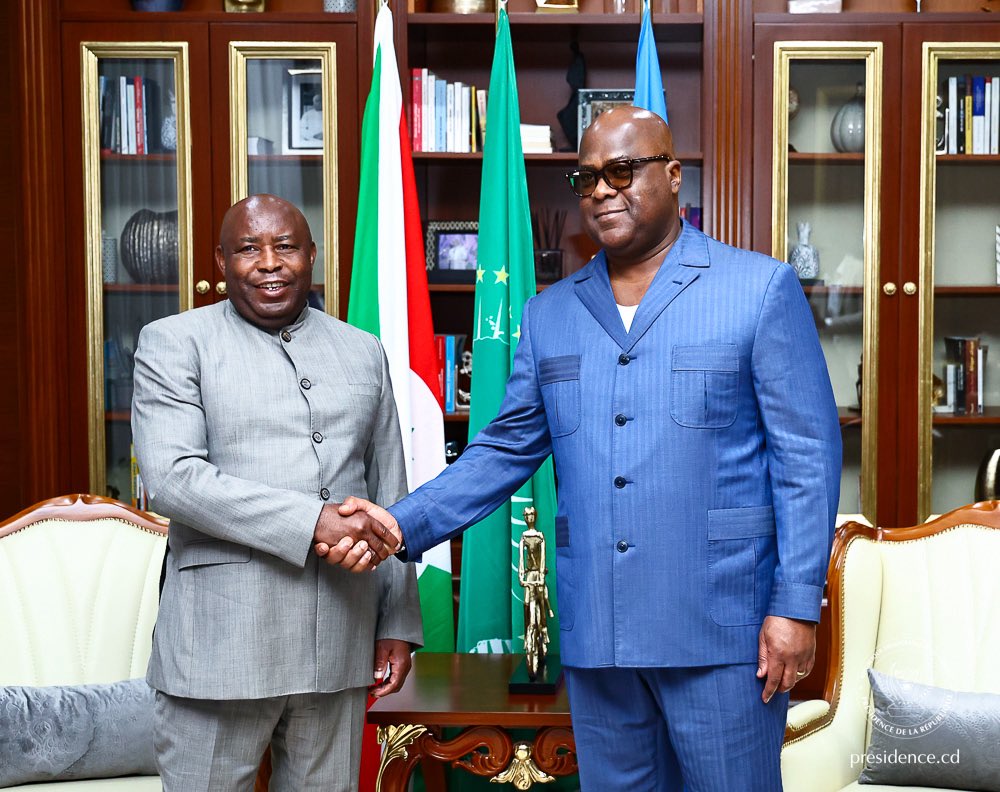
Since tensions between the Democratic Republic of Congo (DRC) and Rwanda escalated in 2022, the two leaders have drawn closer politically and militarily. However, observers note that their cooperation appears to prioritise security and battlefield coordination over development initiatives such as infrastructure or economic integration.
At the centre of this alignment is the war in eastern DRC, where Burundian forces have become one of Kinshasa’s key allies in operations against AFC/M23 and MRDP-Twirwaneho.
It is in this context that President Ndayishimiye arrived in Kinshasa for a two-day official visit beginning June 22, 2026, accompanied by his wife.
Official agenda versus underlying priorities
Publicly, discussions are said to focus on security in eastern DRC, bilateral cooperation, Ebola response, and broader regional issues. However, analysts argue that the real agenda extends far beyond these stated priorities.
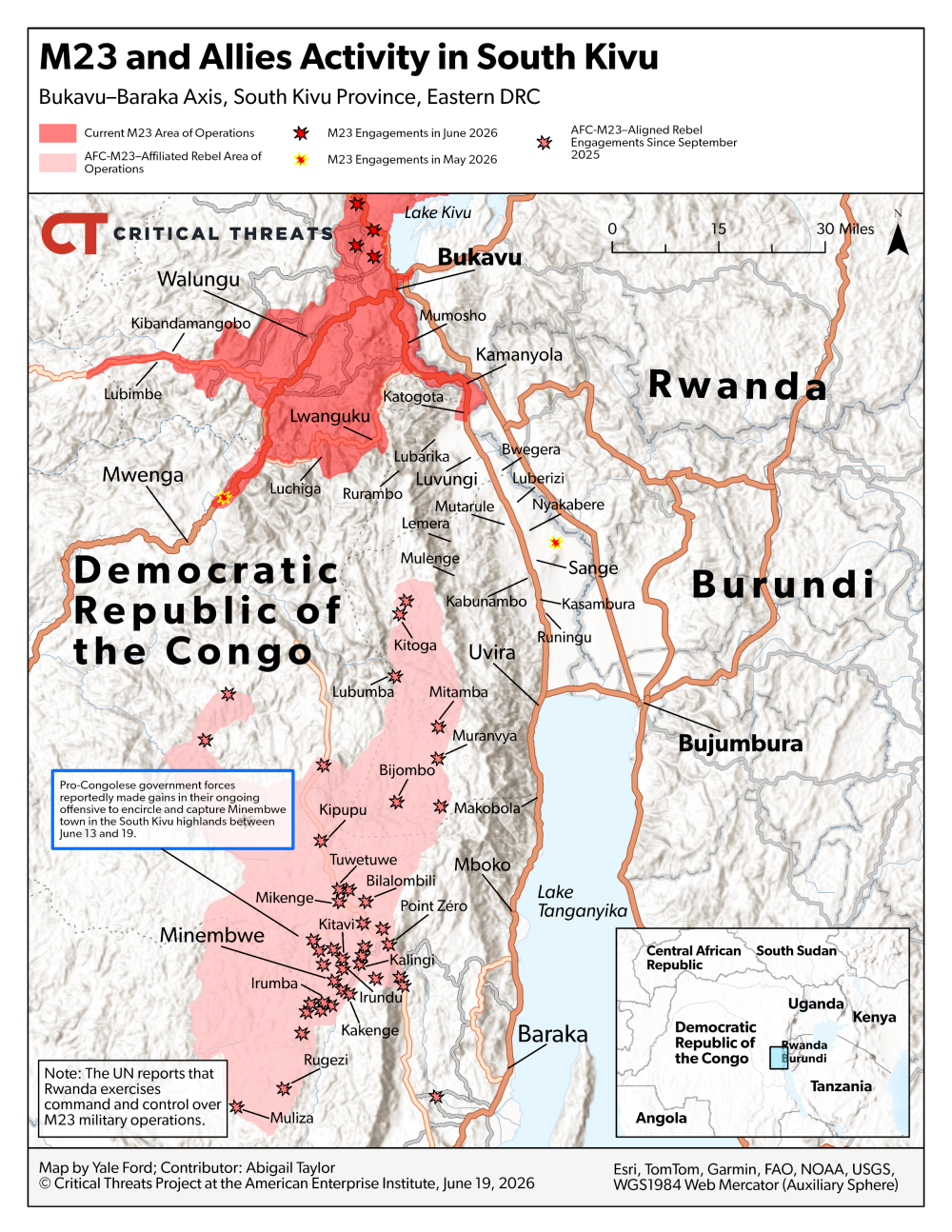
The visit takes place as Burundian troops have remained deployed in the DRC for nearly three years, and as fighting in South Kivu, particularly in the Minembwe highlands, has intensified.
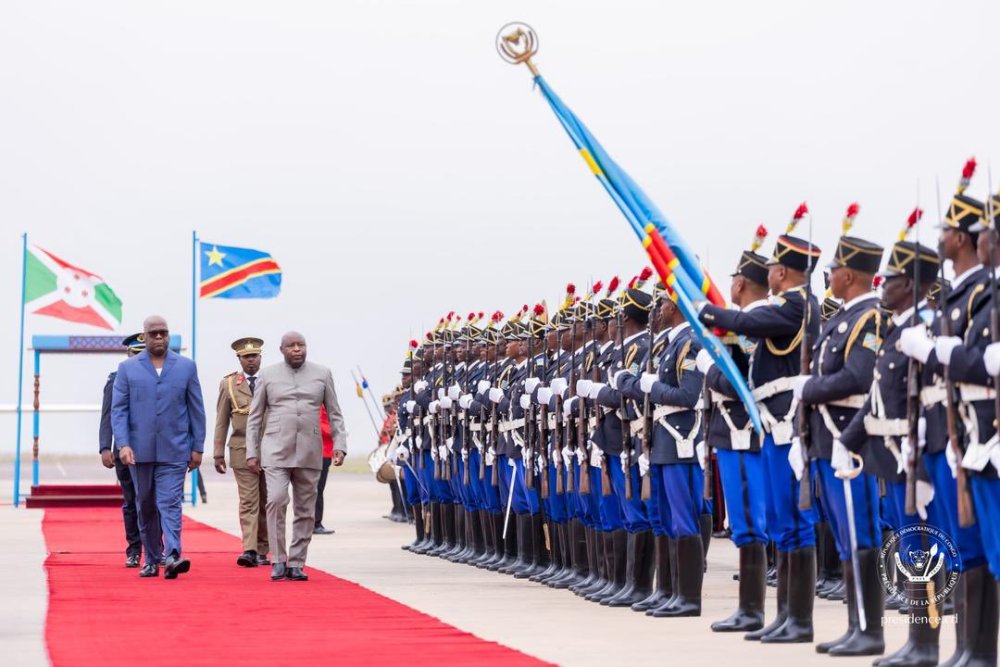
Tshisekedi personally received Ndayishimiye at N’djili International Airport, where the two leaders walked on a red carpet, national anthems were played, and military honours were rendered.
Later, they held closed-door talks at the Cité de l’Union Africaine. The ceremony projected strong bilateral ties, but also underscored deeper strategic alignments behind the scenes.
‘Kinshasa views Bujumbura as its closest partner in both the military campaign and the political confrontation with Kigali. Burundi has effectively become a key operational instrument,’ one analyst noted.
Congolese media similarly reported that the visit reflects coordination between two governments aligned around the objective of defending DRC sovereignty and countering Rwanda and AFC/M23.
A partnership defined by war rather than development
Since 2022, when relations between Rwanda and the DRC sharply deteriorated, high-level exchanges between Tshisekedi and Ndayishimiye have significantly increased.
Ndayishimiye has visited Kinshasa eight times, while Tshisekedi has made five visits to Burundi.
Military cooperation between the Burundian army and the FARDC began in South Kivu in 2022 and later expanded into operations in North Kivu against M23.
This shift followed Kinshasa’s criticism of the East African Community (EAC) regional force, which it accused of failing to take an offensive stance against M23, instead focusing on separation of forces and ceasefire monitoring.
Since then, Tshisekedi has increasingly relied on partners willing to engage directly in combat operations, with Burundi emerging as a central ally.
Visit coincides with intensified fighting in Minembwe
The visit comes amid ongoing and intense fighting in Minembwe, in South Kivu’s highlands. Forces aligned with the DRC government have launched operations aimed at capturing Minembwe, engaging MRDP-Twirwaneho positions.
Between June 6 and 12, government forces reported capturing several villages around Minembwe. On June 13 and 14, reports indicated continued airstrikes on at least four surrounding villages.
Heavy artillery, aircraft, and drones were reportedly used. On June 15, Kinshasa announced that Minembwe had been taken, a claim rejected by MRDP-Twirwaneho.
On June 17, FARDC spokesperson in South Kivu, Lt. Reagan Mbuyi Kalonji, stated that government forces had seized villages including Ilundu, Kitavi, and Bidegu, and were advancing toward Minembwe airport.
Meanwhile, reports indicate that a DRC coalition aircraft, possibly an L-39, had been shot down, indicating escalation to a higher-intensity phase of combat.
Allegations of multi-force alignment in Minembwe
The situation in Minembwe highlights reported coordination among FARDC, Burundian forces, Wazalendo militias, and the FDLR. This reinforces long-standing accusations by Rwanda that the FDLR continues to operate alongside state and allied forces in eastern DRC.
Rwanda maintains that the FDLR, linked to perpetrators of the 1994 Genocide against the Tutsi, poses an ongoing security threat and should not be integrated into any legitimate security framework in the region.
On June 18 and 19, fighting continued. Reports from Kinshasa indicated that government forces carried out drone strikes using Turkish-made TB2 drones targeting Minembwe and surrounding areas.
However, MRDP-Twirwaneho maintained that it still controlled Minembwe, arguing that government forces had failed to secure full control over the strategically located territory linking Uvira, Fizi, and Mwenga.
FARDC recently claimed it had captured Minembwe, but Twirwaneho says this is not true.
Ndayishimiye’s framing of the conflict
In an interview with Jeune Afrique, President Ndayishimiye described the conflict in eastern DRC as a direct security concern for Burundi.
He referred to Uvira, a city close to Bujumbura, that was captured by AFC/M23 on December 10, 2025, shortly after the Washington peace agreement was signed between Tshisekedi and President Paul Kagame.
According to Ndayishimiye, M23’s proximity to Burundi’s border increases the risk of activation of the RED-Tabara rebel group against Burundi.
‘As long as M23 fighters are near our border, it remains a problem, and we must remain vigilant,’ he stated.
The city remained under AFC/M23 control for nearly a month before the group withdrew to allow renewed peace negotiations.
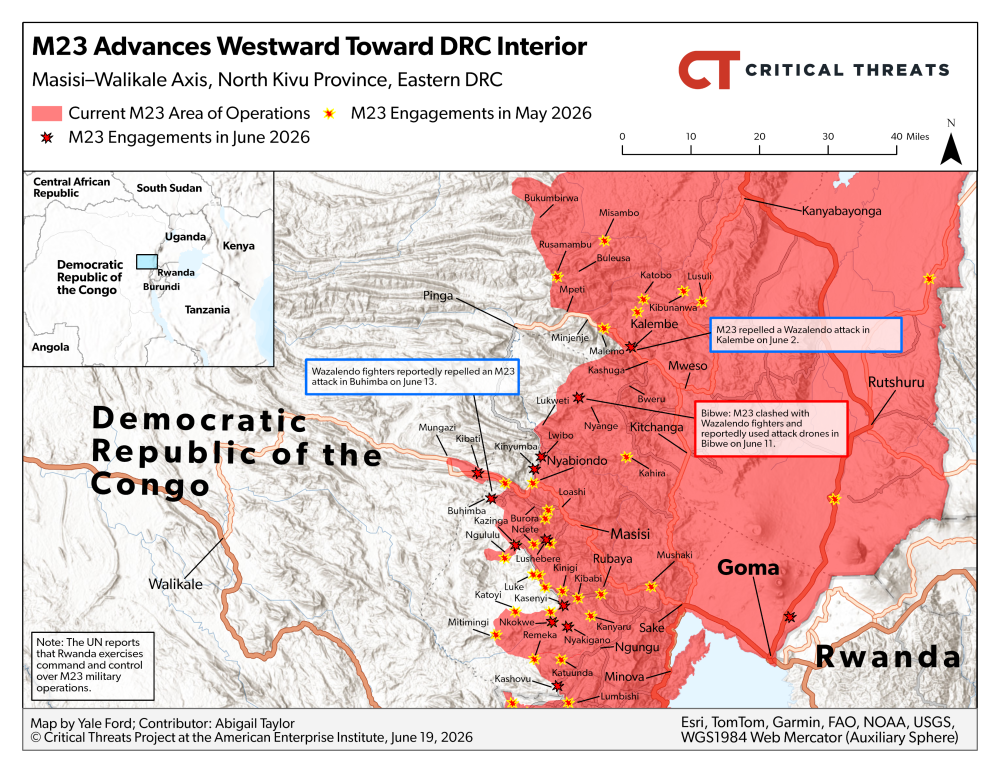
Wazalendo and other armed groups were reported in the areas of Buhimba, Kibati, Lwibo, and other locations.
Burundian forces and questions over operational control
‘We are not in the DRC to protect Burundi; we are there to support the Congolese army in its fight against its enemy,’ Ndayishimiye stated.
He further noted that Burundian troops operate under FARDC command and are deployed according to Congolese military needs. He also emphasised that their withdrawal is solely the decision of the Congolese government.
‘It is the Congolese government that must decide. If it finds their presence no longer useful, Burundi will withdraw its soldiers.’
While military cooperation between states is common, analysts note that the current arrangement raises questions about command structure and operational independence, with some describing it as unusually dependent on the host government’s direction.
FDLR as a persistent regional fault line
Rwanda maintains that sustainable peace in eastern DRC is impossible as long as the FDLR remains active, tolerated, or insufficiently dismantled.
President Paul Kagame has repeatedly argued that Rwanda cannot be portrayed as the central security problem while armed groups hostile to Rwanda remain operational near its borders.
FDLR continues to be cited by Kigali as a key destabilising force in the region and as part of the broader conflict dynamics involving M23.
In broader geopolitical terms, the TshisekediâNdayishimiye partnership increasingly appears anchored in a shared adversarial stance toward Rwanda.
For Kinshasa, the objective has been to build alliances with actors willing to support its military strategy against armed groups it associates with Rwanda. Tshisekedi has publicly signalled such intent since late 2023.
This position was further reinforced during Ndayishimiye’s visit to Kinshasa in January 2024, when he was reported to have expressed support for mobilising Rwandan youth against their government.
‘Every state has the right to choose its partners. The DRC can cooperate with Burundi, just as Burundi can cooperate with the DRC. However, when such cooperation involves armed groups, inflammatory rhetoric, and the neglect of the FDLR issue, it becomes a serious concern,’ a regional analyst told IGIHE.
Ndayishimiye and Tshisekedi have for some time been promoting rhetoric in the region that Rwanda says targets Tutsi communities.
Tshisekedi and Ndayishimiye have long converged on a shared narrative that their main adversary in the region is Rwanda.
Last week, a coalition of the DRC armed forces, Burundian troops, the FDLR group, and Wazalendo militias launched coordinated attacks in the outskirts of Minembwe. The operations were aimed at capturing the area, which has been under the control of the MRDP-Twirwaneho group for nearly a decade.
On June 18, 2026, the spokesperson for the DRC armed forces in South Kivu Province, Lt. Reagan Mbuyi Kalonji, announced that government forces had taken control of Minembwe. However, both the military and civilian leadership of Twirwaneho rejected the claim, saying the area remained under their control.
Dr. Freddy Kaniki, president of MRDP-Twirwaneho and deputy head of AFC/M23 in charge of economy and finance, said the government coalition would not succeed in capturing Minembwe.
According to MRDP-Twirwaneho, its fighters, supported by AFC/M23 forces using combat drones, repelled advancing government troops and regained control of several positions near Minembwe.
AFC/M23 spokesperson Lawrence Kanyuka said that following the reported defeat of government forces in Minembwe, troops carried out attacks against civilians in Bidegu, Gakenke, and Mikenke beginning on the night of June 22, allegedly using drones.
Kanyuka stated that the attacks were widespread and repeated, resulting in civilian deaths, multiple injuries, and the displacement of thousands of residents.
AFC/M23 further stated that it would continue what it described as efforts to protect civilians as long as the attacks persist.
AFC/M23 spokesperson Lawrence Kanyuka said government forces attacked civilians in Bidegu, Gakenke, and Mikenke after a reported defeat in Minembwe, starting June 22, using drones.
Recognised as Europe’s largest speciality coffee event, the exhibition will bring together thousands of industry professionals, including producers, exporters, roasters, importers, buyers, investors, and experts from around the world.
This edition holds particular significance as it will be the first time in the history of World of Coffee that the event is hosted in Belgium. The choice of Brussels is both strategic and symbolic. As the de facto capital of the European Union, the city stands at the crossroads of Europe’s economic, diplomatic, and commercial activities, making it a key gateway to international markets.
The event rotates annually across major European capitals. Last year, it was hosted in Geneva, Switzerland, and this year it moves to Brussels, further reinforcing its status as a truly continental platform for the global coffee industry.
Thanks to its exceptional connectivity, with direct flights to more than 200 destinations worldwide, Brussels is one of the most accessible European cities for delegations from major coffee-producing countries across Africa, Latin America, and Asia.
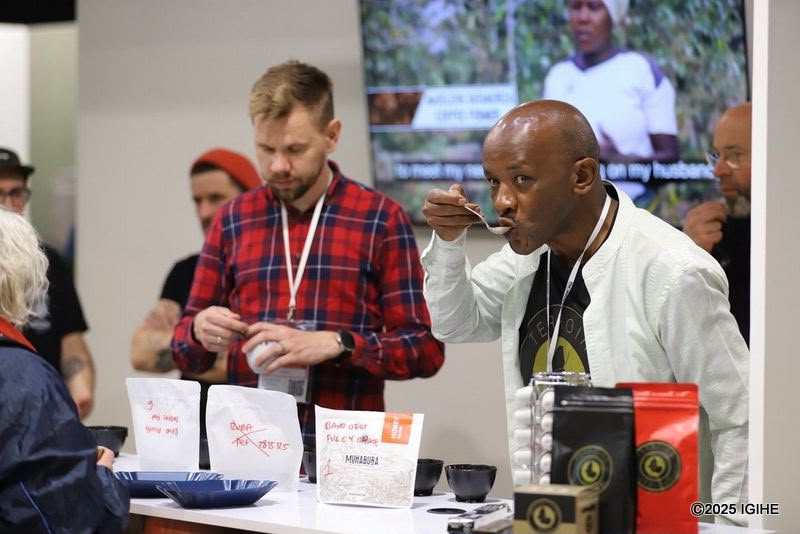
Hosted at Brussels Expo, one of Europe’s most prestigious and modern exhibition venues, the event will feature hundreds of exhibitors and a rich programme of professional activities over three days, including business meetings, conferences, cupping sessions, international competitions, and networking opportunities.
For Rwanda, this participation goes far beyond attending an international trade exhibition. It is part of a broader strategic vision to strengthen the country’s position among the world’s leading specialty coffee origins.
A key driver of this strategy is Europe’s importance as Rwanda’s main coffee market, accounting for around 60% of the country’s coffee exports. This strong trade link makes the Brussels platform particularly relevant, as it provides an opportunity to further consolidate Rwanda’s footprint in its most important destination market while expanding into new premium segments.
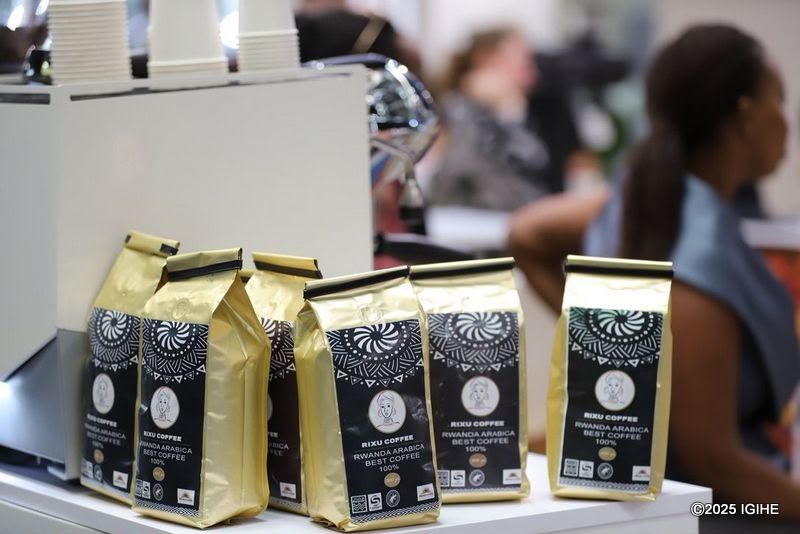
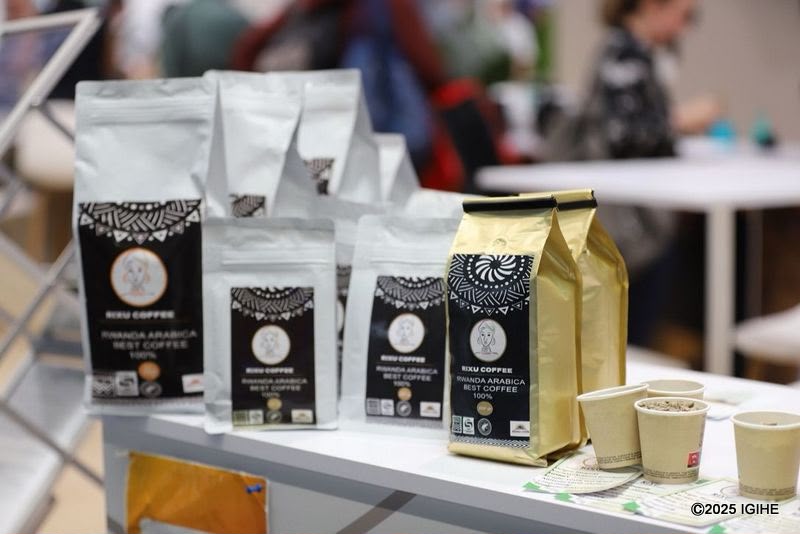
On this occasion, Rwanda will showcase the excellence of its coffee, internationally recognised for its exceptional quality, complex fruity flavour profiles, bright acidity, and high-altitude production.
This push into premium markets comes at a time when Rwanda’s coffee sector is enjoying a historic boom, having generated an all-time high of $148.6 million in export revenues in 2025, a massive 65% surge from the prior year.
Backed by an average export price of $6.20 per kilo, this economic momentum directly flows back to the country’s 400,000 smallholder farm families, who saw minimum farm-gate cherry prices raised to Rwf 750 per kilogram for the 2026 season.
In addition, Rwandan exporters will use the exhibition as a learning and compliance platform, with a strong focus on the European Union Deforestation Regulation (EUDR). A series of conferences, technical sessions, and workshops running alongside the exhibition will help exporters better understand new compliance requirements shaping access to the European market.
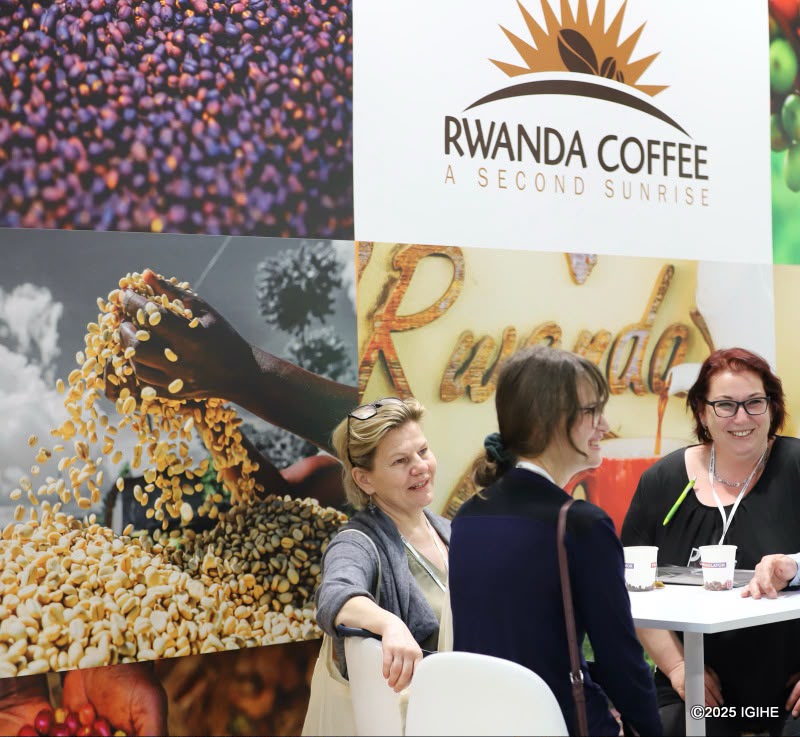
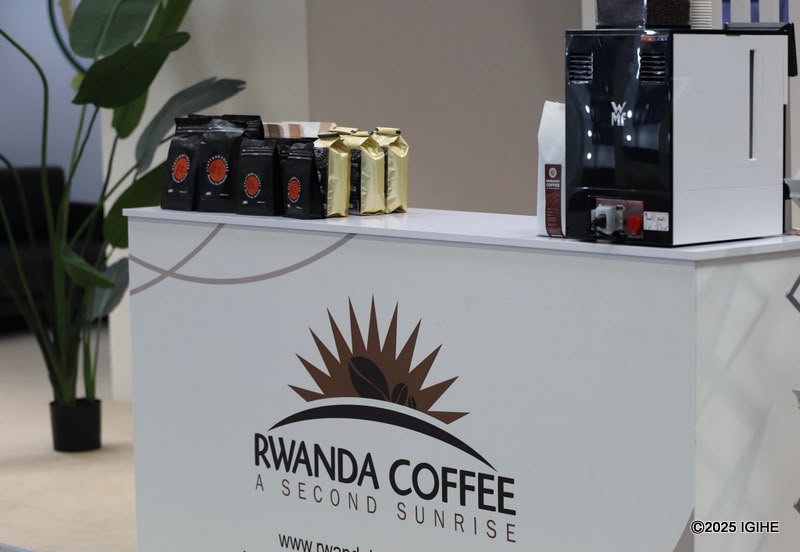
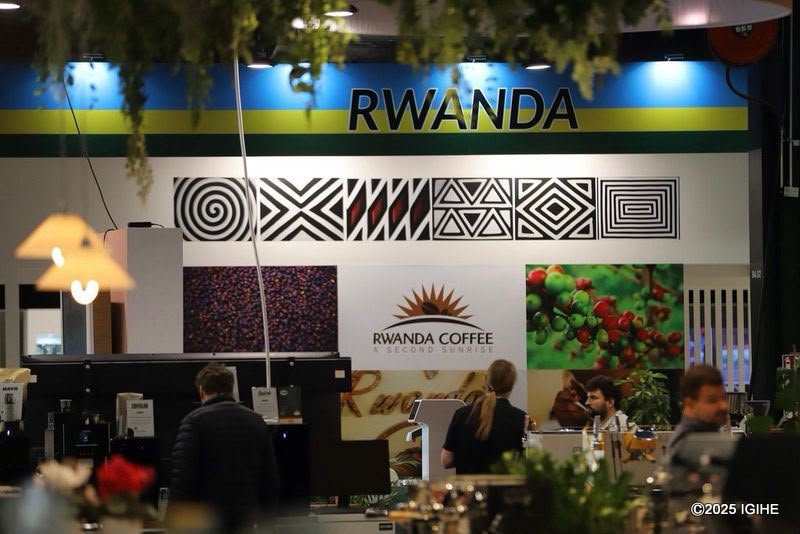
The Rwanda pavilion will also serve as a platform to highlight the expertise of local producers, washing stations, cooperatives, and exporting companies that contribute daily to the development of this key sector of the national economy.
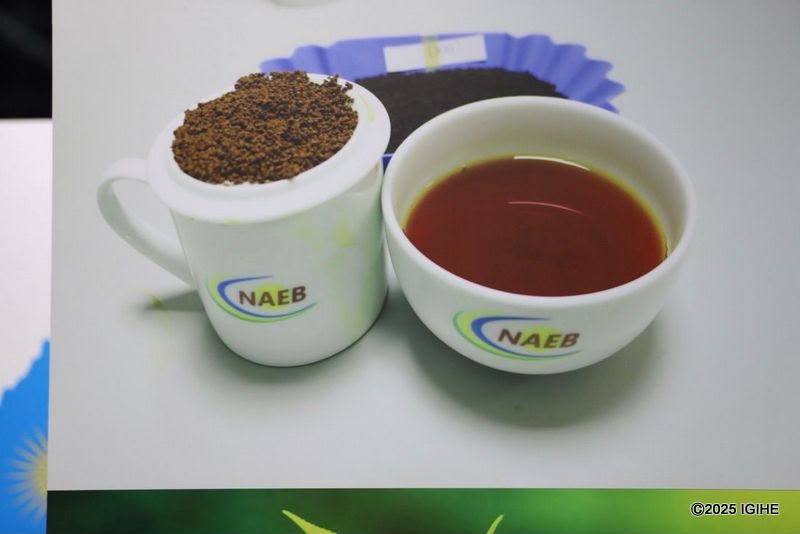
The Rwandan delegation will consist of a representative from National Agricultural Export Development Board, responsible for coordinating Rwanda’s institutional participation, alongside Rwandan coffee exporters representing washing stations, cooperatives, and private export companies.
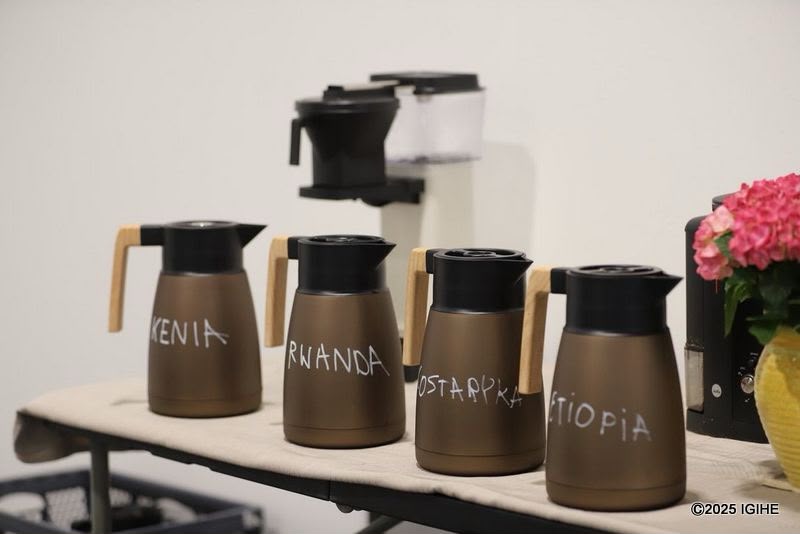
Throughout the event, the delegation will engage in B2B meetings, coffee tasting sessions, and strategic discussions with major players from the global coffee industry.
The objectives are clear: to increase the visibility of Rwandan coffee, build long-term business relationships, expand into new markets, and further strengthen the Rwanda brand internationally.
Through this participation, Rwanda aims to promote its specialty coffee in premium international markets, facilitate direct trade connections between Rwandan exporters and global buyers, and reinforce its position as one of the world’s most promising origins for high-quality specialty coffee.
Under the theme ‘Discover the World of Coffee in the Capital of Europe,’ Brussels will become, for three days, a global meeting point for innovation, knowledge sharing, and the celebration of exceptional coffee.
For Rwanda, this event represents a major opportunity to boost trade and deepen its presence in the European specialty coffee market.
Rwanda, through the National Agricultural Export Development Board (NAEB), will participate in the 2026 edition of the prestigious World of Coffee international exhibition, which will take place from 25 to 27 June 2026 at Brussels Expo in the Belgian capital.
Through this participation, Rwanda aims to promote its specialty coffee in premium international markets, facilitate direct trade connections between Rwandan exporters and global buyers, and reinforce its position as one of the world’s most promising origins for high-quality specialty coffee.
A key driver of this strategy is Europe’s importance as Rwanda’s main coffee market, accounting for around 60% of the country’s coffee exports.
The Rwanda pavilion will also serve as a platform to highlight the expertise of local producers, washing stations, cooperatives, and exporting companies that contribute daily to the development of this key sector of the national economy.
The collaboration marks a major shift in digital retail, transforming conversational AI into a native commerce engine that touches consumer experiences, digital advertising, scientific research, and internal production.
The rollout integrates Maybelline’s Makeup Virtual Try-On, powered by L’Oréal’s ModiFace augmented reality (AR) technology, directly into standard ChatGPT threads.
Instead of switching to an external app, users will be able to upload a photo or use their camera directly within the chat window to view makeup shades mapped onto their own face while chatting about a desired aesthetic or skin tone.
 L’Oréal’s beauty-tech services already see over 120 million global uses annually, but this integration scales exponentially across ChatGPT’s massive ecosystem, which OpenAI reports has reached 900 million weekly active users.
L’Oréal is also pioneering ‘AI-native advertising.’ Its top brands, including Lancôme and Kérastase, are optimizing how they surface during organic product searches in the U.S. Simultaneously, brands like Garnier, CeraVe, and SkinCeuticals are participating in OpenAI’s exclusive ChatGPT global advertising pilot.
This strategy drops highly relevant brand interventions into conversational feeds precisely when users ask for beauty advice, capturing consumers at the peak moment of intent.
Beyond the consumer-facing tech, the partnership reaches into the scientific lab. L’Oréal is deploying GPT-Rosalind, OpenAI’s specialized life sciences model, to map the skin microbiome for its La Roche-Posay brand.
By leveraging AI to decode bacterial and cellular behaviors, L’Oréal intends to drastically accelerate the development of advanced skincare formulas.
Internally, OpenAI’s newest models are feeding into CreAItech, L’Oréal’s secure platform for creative teams. The system generates high-fidelity marketing visuals while protecting unique brand identities.
This builds on a heavy internal tech push: L’Oréal has already upskilled 73,000 employees in generative AI and rolled out internal tools like L’OréalGPT to streamline operations.
Asmita Dubey, L’Oréal’s Chief Digital and Marketing Officer, emphasized that AI now enhances every stage of the company’s value chain, supporting both consumers and employees.
By weaving its beauty ecosystem directly into the world’s most popular AI assistant, L’Oréal is demonstrating exactly how legacy brands can claim the future of AI-native retail.
The rollout integrates Maybelline’s Makeup Virtual Try-On, powered by L’Oréal’s ModiFace augmented reality (AR) technology, directly into standard ChatGPT threads.
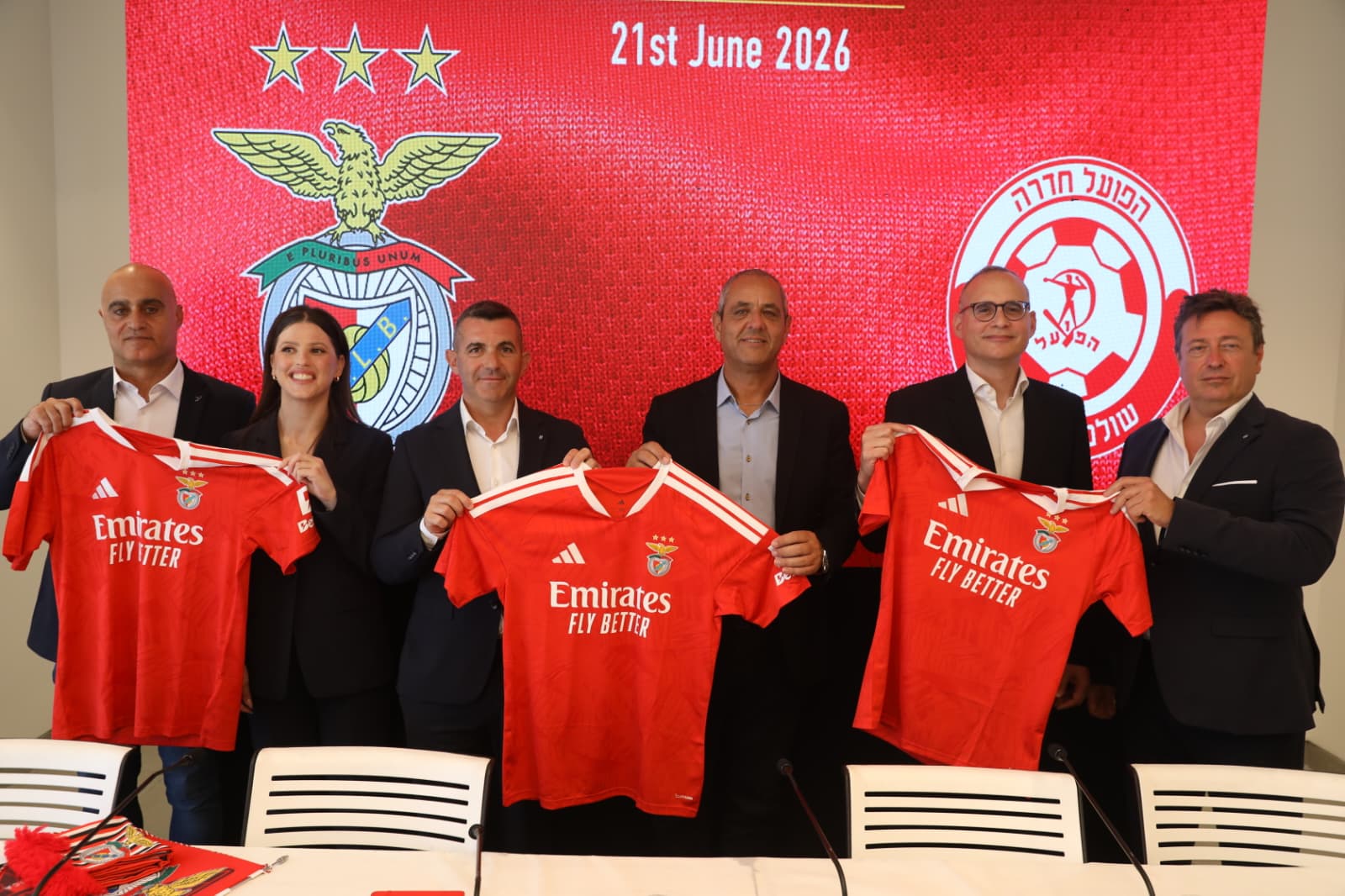
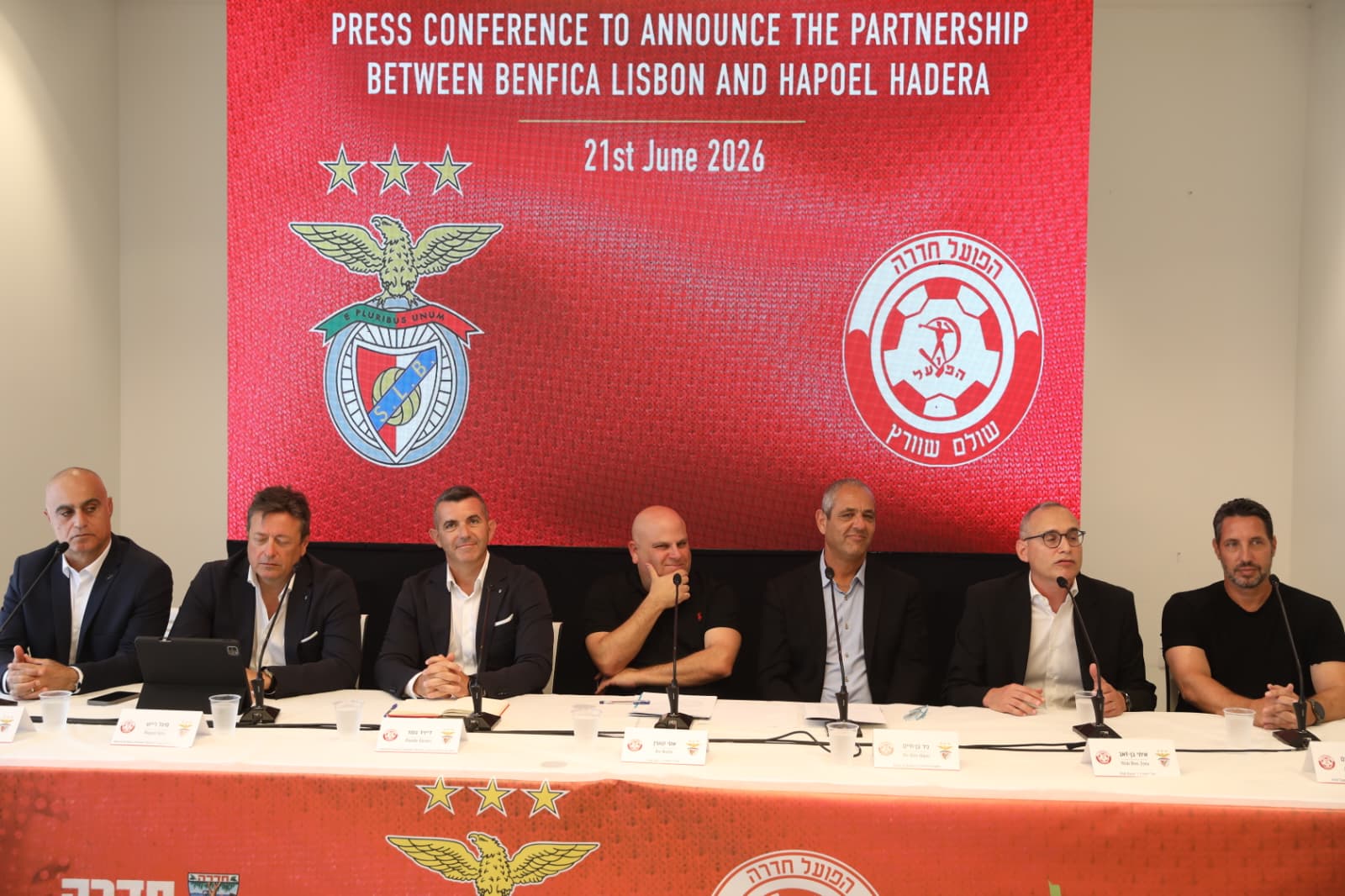
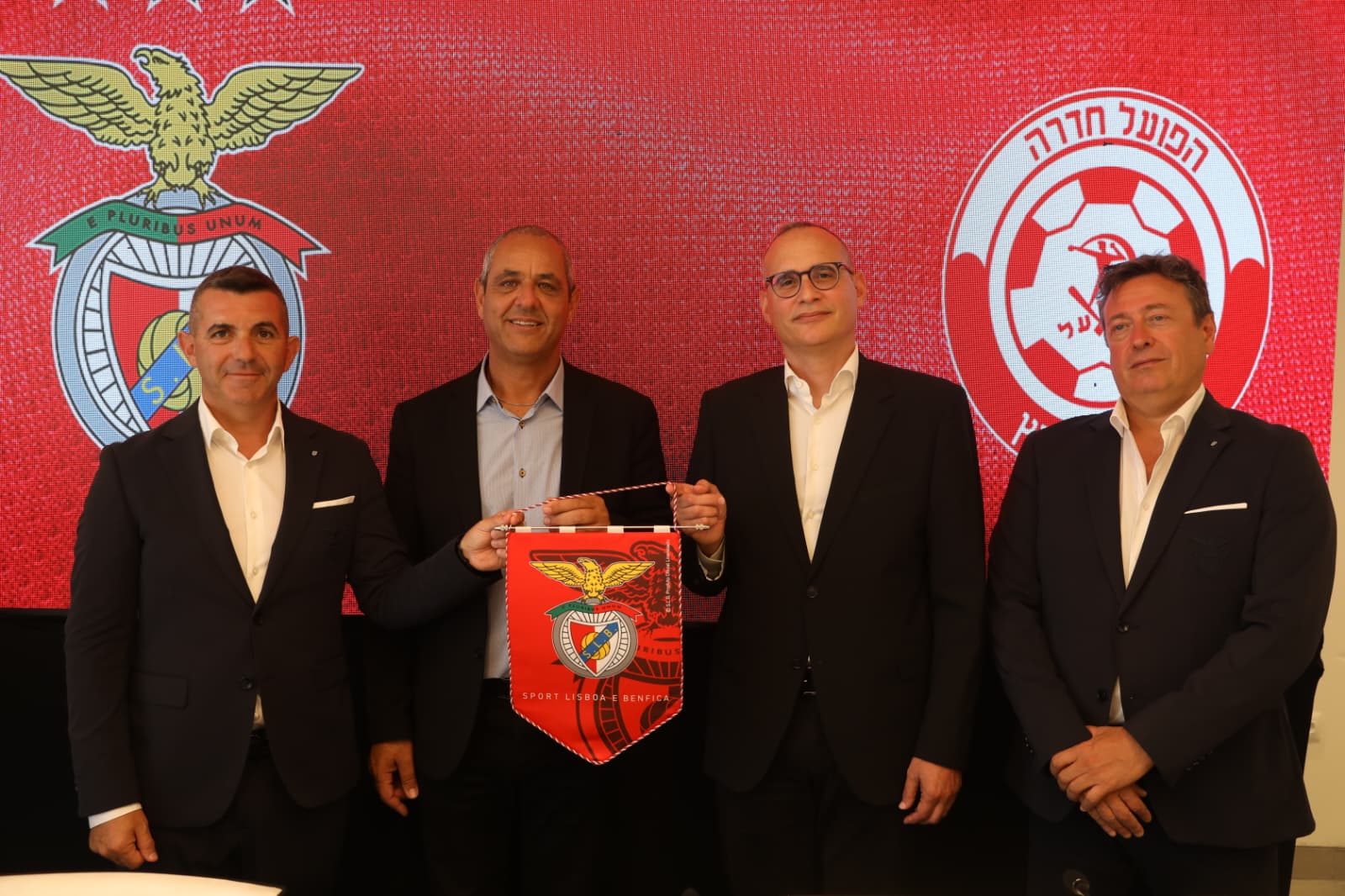
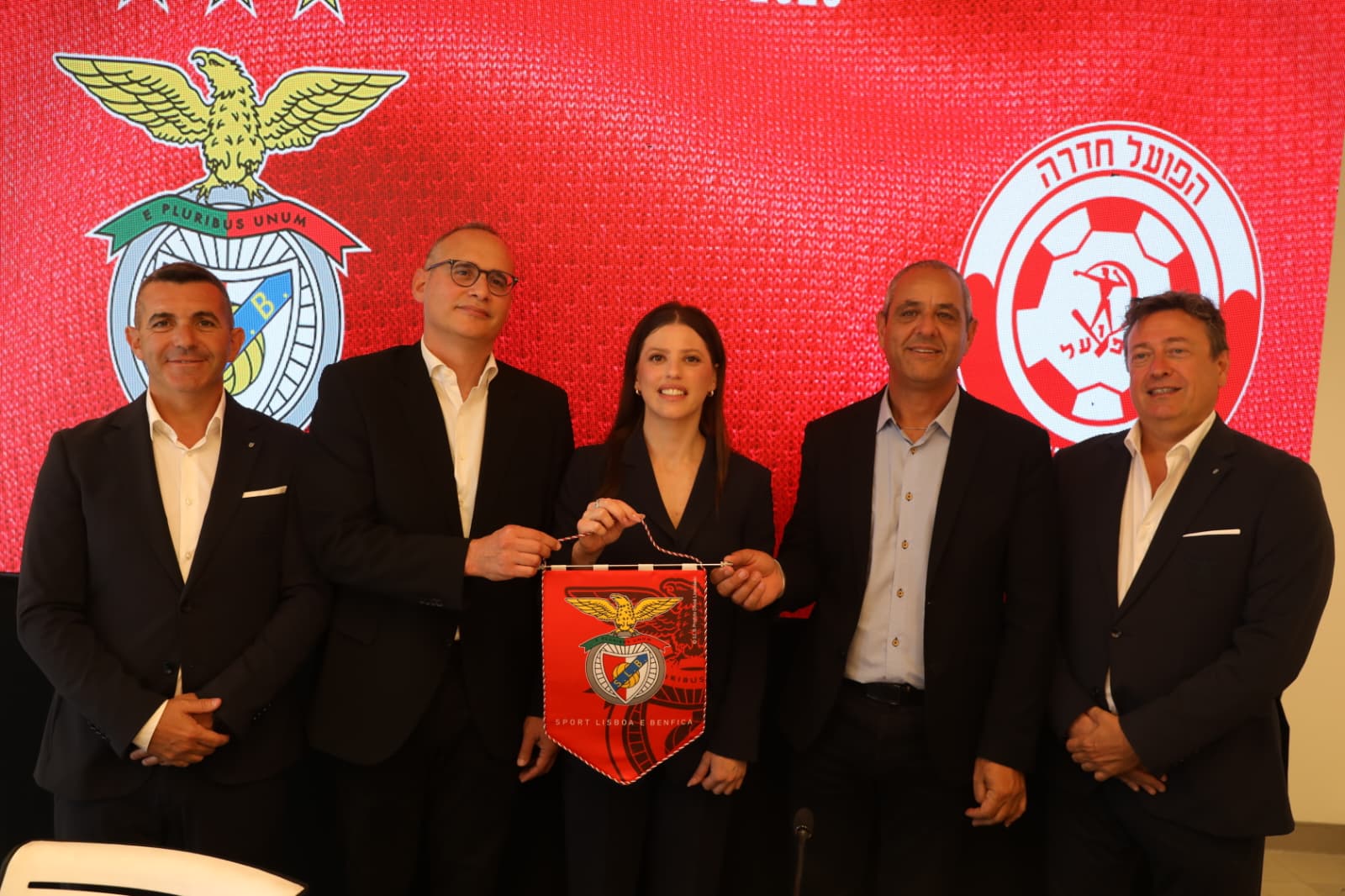
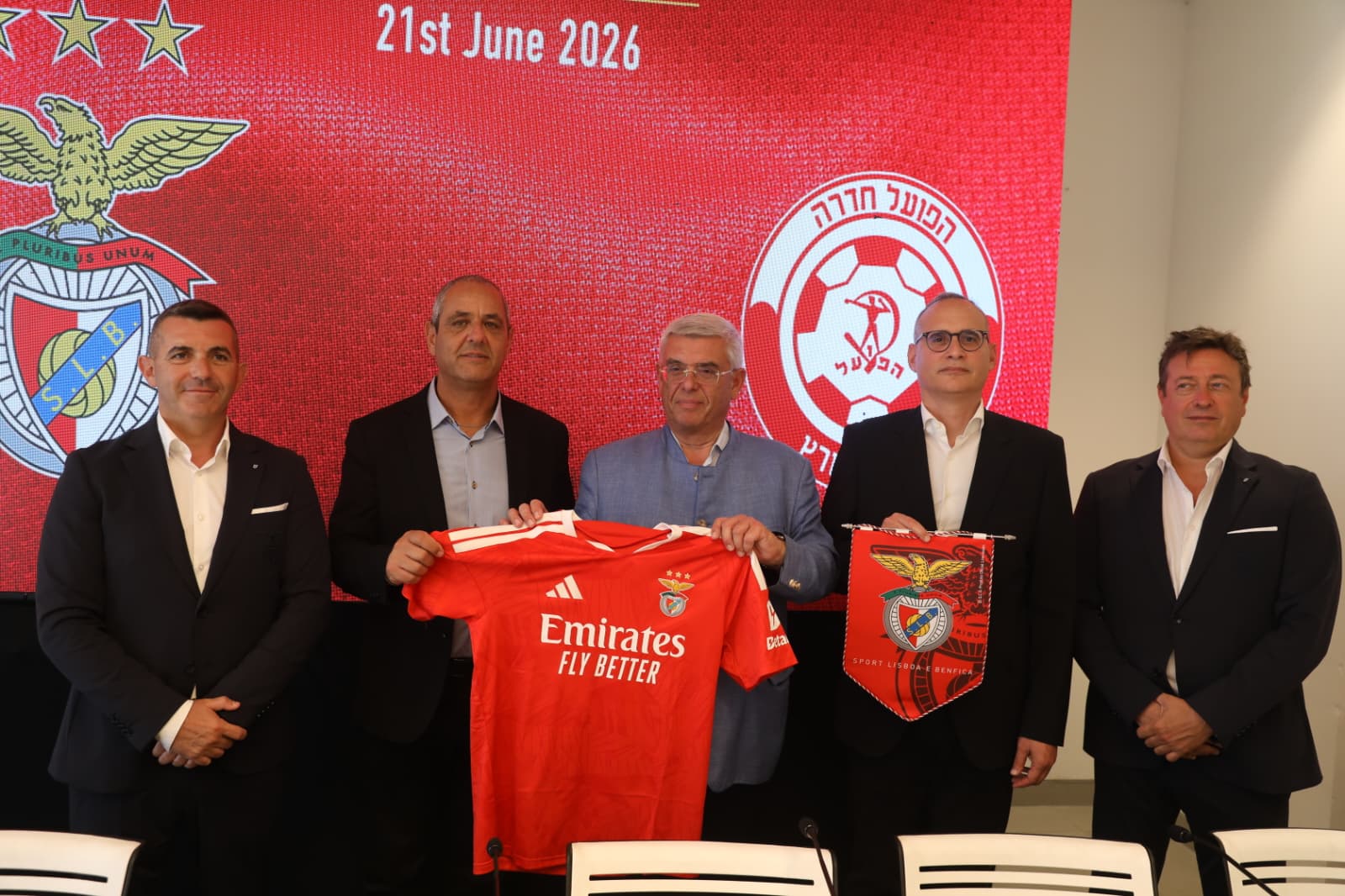
The agreement was formalised on Sunday in Israel, bringing together Hapoel Hadera, Benfica Lisbon and the Tony Rwanda project in a partnership focused on youth development, professional training and creating opportunities for young players.
The signing in Israel also comes at a time when Tony Rwanda and Benfica have been discussing a wider project with the Government of Rwanda.
Sources involved in the talks said Tony Rwanda and Benfica have been in discussions with Rwandan authorities since early last year, following a visit to Portugal by Minister of Sports Nelly Mukazayire, over a broader partnership that would establish a large campus in Rwanda to serve as a regional hub for football talent development.
Some people close to the process say that, as the discussions with Hapoel Hadera have now materialised, Benfica and Tony Rwanda are also holding talks with other African countries over the possibility of establishing the proposed regional hub.
For Rwanda, the Hapoel Hadera and Benfica deal is important because it gives young talents connected to Tony Rwanda a possible pathway into a more competitive football environment outside the country.
In the first phase, a player from Rwanda is expected to join Hapoel Hadera’s youth setup, with the hope that more players could follow if the project succeeds.
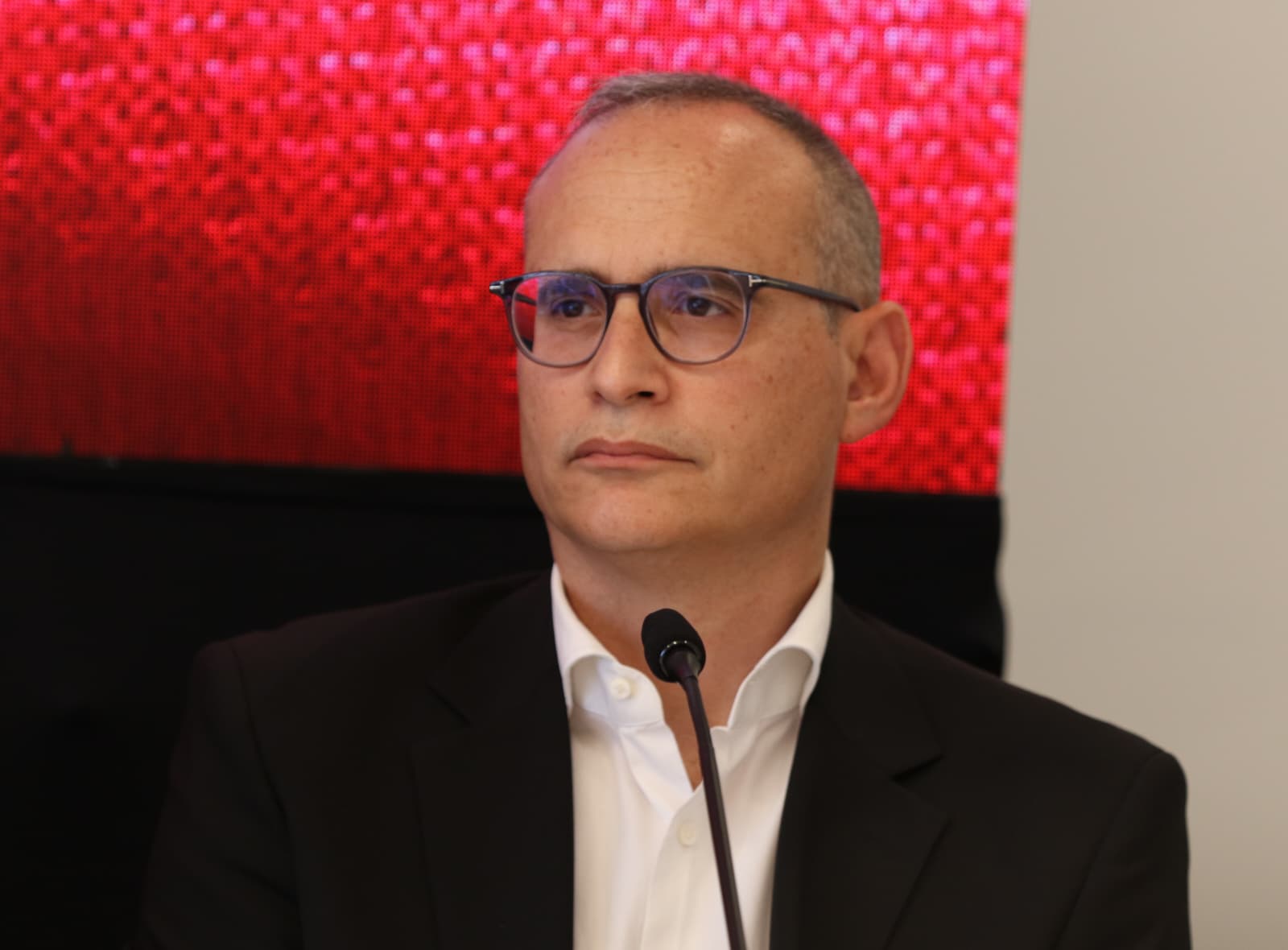
The partnership comes as Hapoel Hadera enters a new phase under the leadership of Itay Ben-Zeev, the CEO of the Israel Stock Exchange, who recently bought the club. Asi Rahamim will serve as the owner’s representative, while continuing his role as sporting director of Tony Rwanda. He will also help strengthen Hapoel Hadera’s professional and operational structure.
Ben-Zeev said the idea was to connect different pieces of the same vision.
‘For the past three years, Benfica Lisbon has been working together with Tony Rwanda,’ he said during the launch. ‘When I spoke with Assi Rahamim and Hapoel Hadera, I said: ‘Why don’t we connect everything?”
He said the project should not only benefit young players in Rwanda, but also create opportunities for children in Israel.
‘Now this project will not only affect youth in Rwanda, but also in Israel, in Hadera,’ he said.
The agreement was formalised on Sunday in Israel, bringing together Hapoel Hadera, Benfica Lisbon and the Tony Rwanda project in a partnership focused on youth development, professional training and creating opportunities for young players.
The signing in Israel also comes at a time when Tony Rwanda and Benfica have been discussing a wider project with the Government of Rwanda.
In the first phase, a player from Rwanda is expected to join Hapoel Hadera’s youth setup, with the hope that more players could follow if the project succeeds.
For Rwanda, the Hapoel Hadera and Benfica deal is important because it gives young talents connected to Tony Rwanda a possible pathway into a more competitive football environment outside the country.
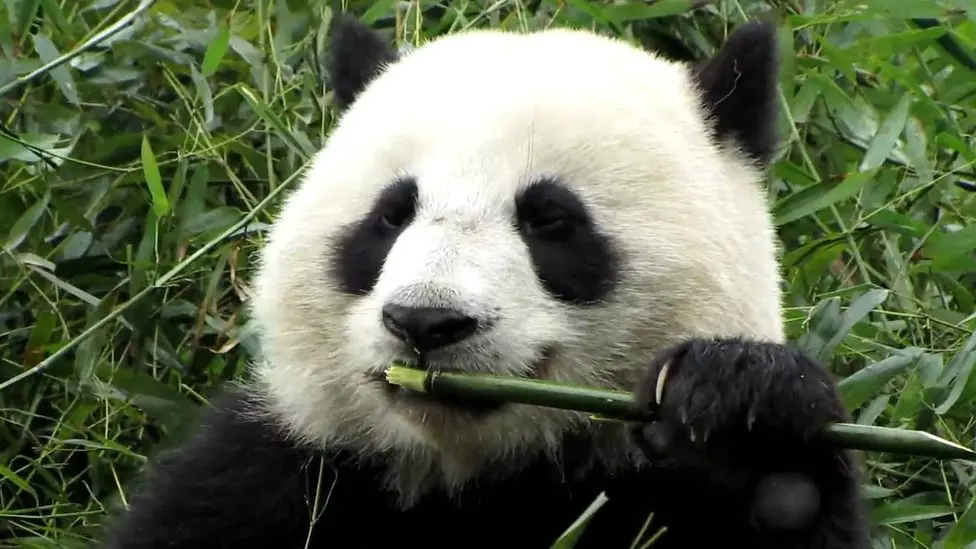
Centuries ago, pandas were widespread across Asia, but climate shifts and human expansion dramatically reduced their habitat. Biologically belonging to the carnivore family, pandas adapted uniquely to a diet made up of 99 percent bamboo. Because bamboo is low in nutrients, they spend up to 14 hours a day consuming 26 to 84 pounds of it, using a specialized ‘pseudo-thumb’ wrist bone to grasp the stalks.
By the late 20th century, deforestation and habitat loss caused the wild panda population to drop to a dangerously low estimate of just 1,100 individuals. This crisis sparked massive conservation programs, including the establishment of the massive Giant Panda National Park. Due to these intense efforts, the giant panda population has achieved an extraordinary recovery.
Today, the total global population of giant pandas has reached approximately 2,708. This includes nearly 1,900 pandas living dynamically in the wild, alongside 808 pandas thriving in dedicated breeding centers and zoos.
Because wild giant pandas exclusively exist in China, the country holds almost the entirety of the global population. Out of all the pandas on Earth, only about 40 to 50 individuals live in overseas zoos across 16 countries under official research loan agreements.
Within China, wild pandas are strictly concentrated in three specific provinces: Sichuan, Shaanxi, and Gansu. Sichuan Province acts as the primary stronghold for the species, containing nearly 65 percent of the world’s entire wild population.
Despite their highly concentrated geography, the giant panda’s cultural footprint is truly international. In 1961, Chi Chi, a panda living at the London Zoo, inspired the founding sketch of the World Wildlife Fund (WWF) logo, cementing the animal as the definitive global face of environmental preservation.
This international fame was further elevated by China’s practice of ‘panda diplomacy,’ where the loaning of these rare animals to foreign capitals routinely captured worldwide media attention, turning them into beloved global ambassadors.
This remarkable ecological turnaround and worldwide adoration prompted international wildlife organizations to officially upgrade the giant panda’s status from Endangered to Vulnerable.
For international travelers making the journey to China, seeing these gentle giants up close is a bucket-list experience. Because wild pandas remain hidden in dense, inaccessible mountains, visitors can see them at several world-renowned conservation and breeding facilities.
The heart of panda tourism is located in Sichuan Province, specifically at the Chengdu Research Base of Giant Panda Breeding, which is highly famous for its nursery rooms filled with panda cubs. Visitors seeking a deeper experience can travel to the Dujiangyan Panda Base, which offers experiential volunteer programs where participants help keepers prepare bamboo.
Additionally, the Wolong National Nature Reserve offers a pristine alpine environment focused on rewilding pandas. Outside of Sichuan, excellent panda pavilions can also be visited at the Beijing Zoo and Hong Kong’s Ocean Park.
Ultimately, the giant panda stands as a powerful reminder that human action can both threaten and protect life on Earth. Its ongoing survival story is not just about a single species, but about hope, responsibility, and the true possibility of restoring balance between people and nature.
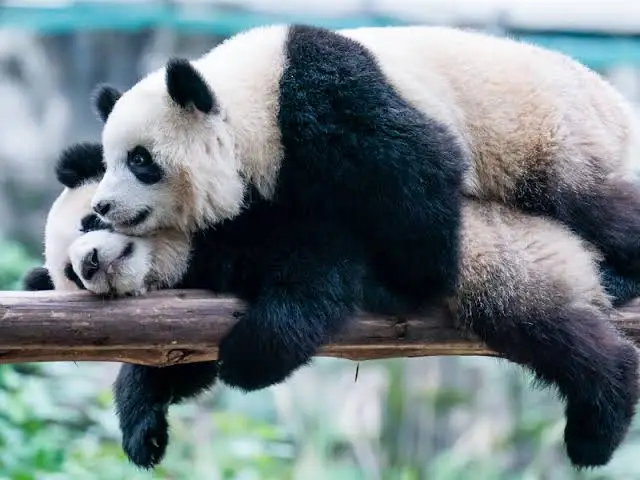
A symbol of peace and friendship, the giant panda holds a special place in Chinese culture.
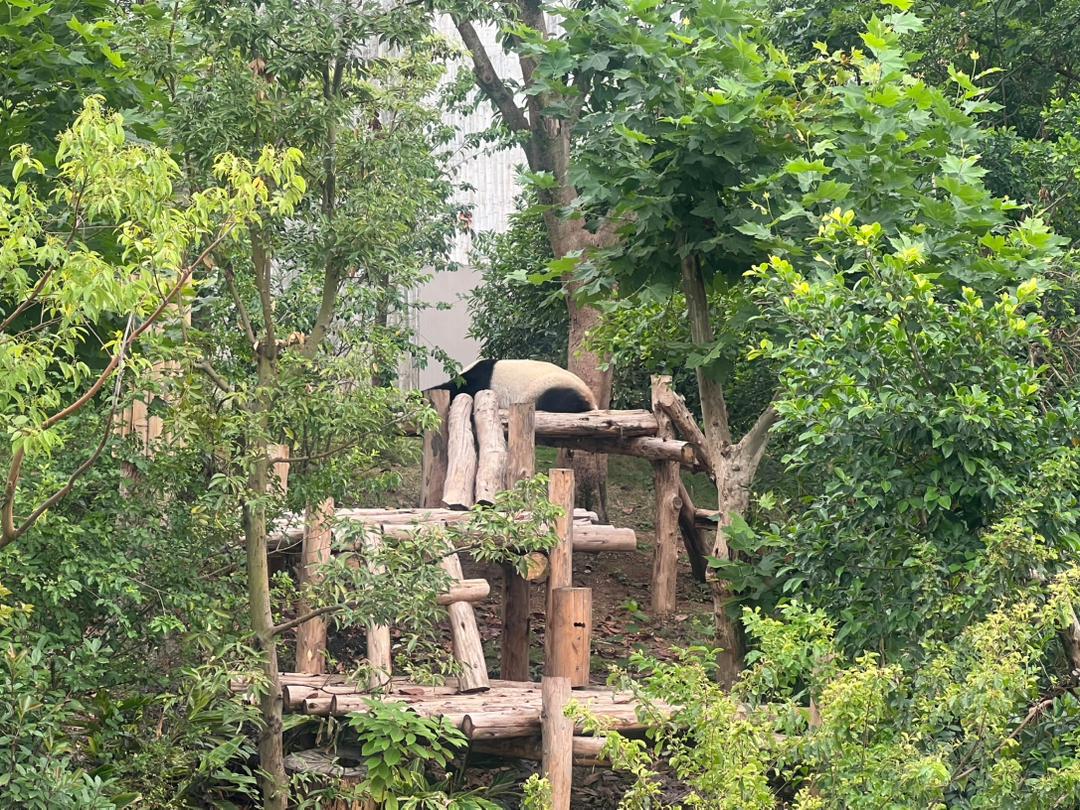
The giant panda rests peacefully in the bamboo forests of southwestern China, its natural habitat.
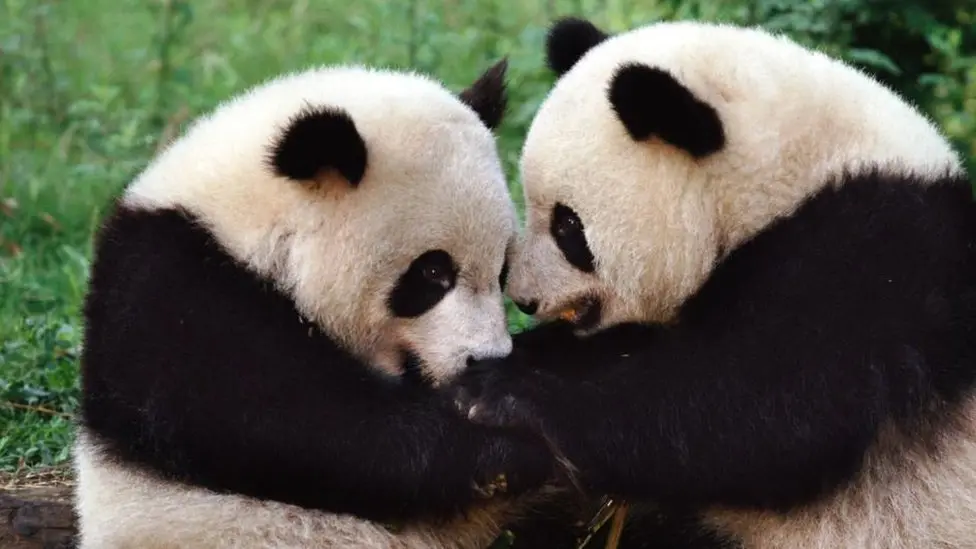
Feeding for hours each day, the panda relies almost entirely on bamboo for survival.
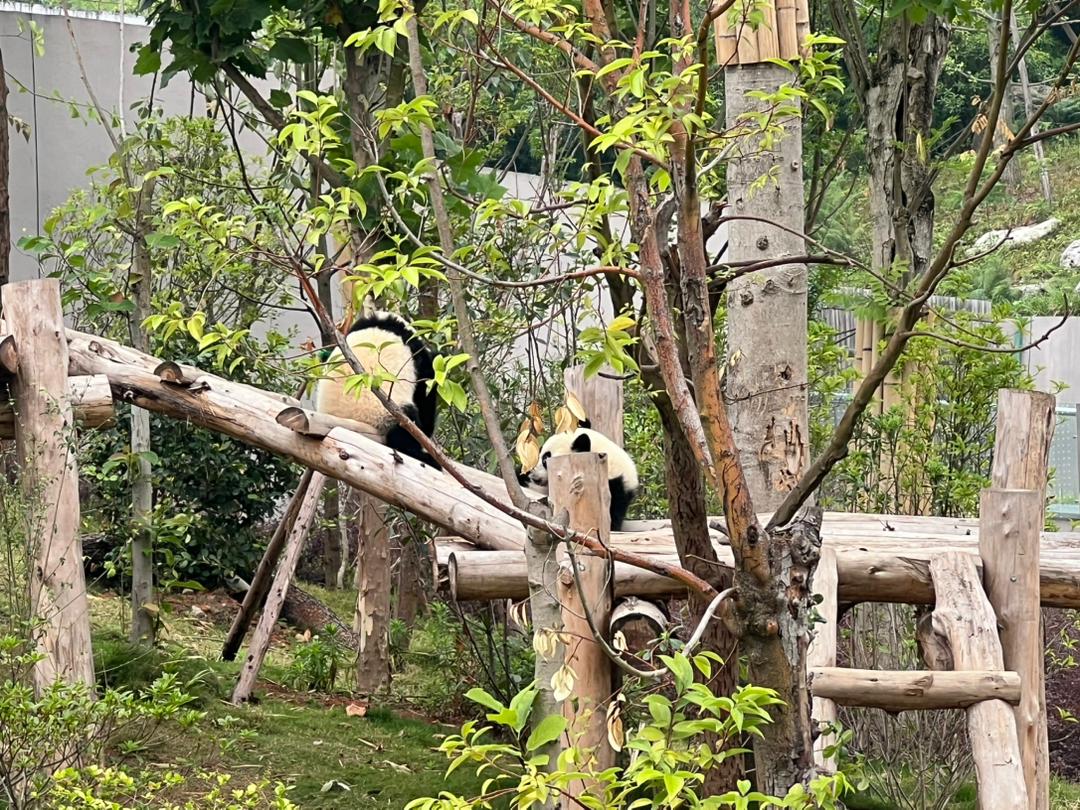
Conservation efforts in China have helped protect the panda from extinction and secure its future.