Category: Uncategorized

  • Moldova heads to the polls for presidential election and EU membership referendum #rwanda #RwOT

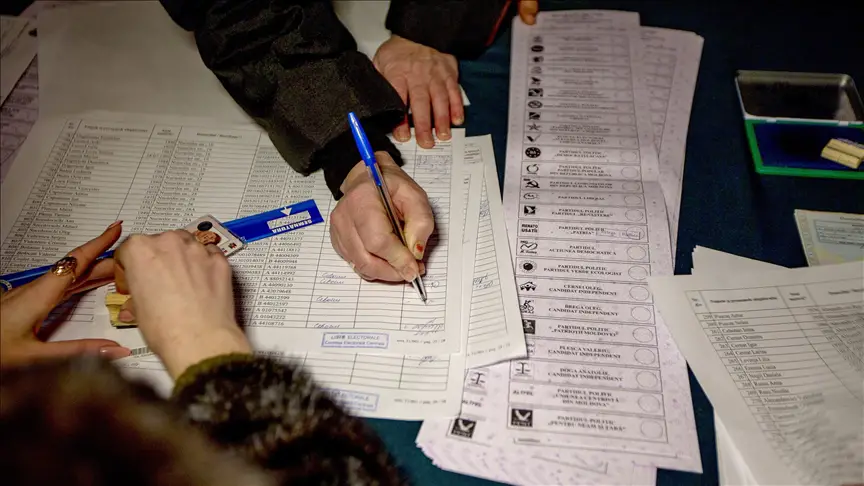
    On Sunday, citizens of Moldova will vote in a crucial presidential election and a referendum that could pave the way for the country's accession to the European Union. The polling stations will open at 7 a.m. local time and close at 7 p.m. (0400-1600 GMT), with over 1,100 local and 280 foreign observers monitoring the proceedings.

    The election is taking place against a backdrop of geopolitical tensions between the West and Russia, as Moldova, a former Soviet state, finds itself at the center of an ongoing power struggle. The outcome of the referendum and the election could significantly impact Moldova's future, determining whether the country leans toward Europe or renews its ties with Russia.

    Referendum on EU Membership

    Voters will be asked to decide on Moldova's future with the question, 'Are you for the accession of the Republic of Moldova to the European Union?' If the majority votes 'YES,' the outcome will amend the Constitution, making EU membership a constitutional goal. For the referendum to be valid, voter turnout must exceed 33%.

    Twelve political parties are campaigning in favor of Moldova's EU accession, while only two are advocating against it. The result of the referendum could set a historic precedent, potentially locking in Moldova's trajectory toward European integration.

    Presidential Election Amidst Economic Challenges

    At the same time, Moldovans will also elect a new president for a four-year term. The current pro-Western President, Maia Sandu, is running for a second term, hoping to win enough support to solidify her agenda of aligning Moldova with the European Union. Sandu's leadership has seen Moldova accelerate its efforts to distance itself from Moscow, especially amid the ongoing conflict between Russia and Ukraine.

    A total of 11 candidates are running for the presidency, including figures like former Baltsi Mayor Renato Usatii, ex-Prime Ministers Vasile Tarlev and Ion Chicu, and several independent candidates like former Interior Minister Andrei Nastase and journalists Natalia Morari and Victoria Furtuna. Among the candidates are two Gagauz Turks, Irina Vlah and Alexandr Stoianoglo, who represent the interests of the Gagauz minority and are more aligned with Russian interests.

    Geopolitical Tensions and the Russian Factor

    The election and referendum have been marked by allegations of external interference. Chisinau has accused Moscow of trying to destabilize Moldova by providing education in Russia to Moldovan citizens and blocking its efforts to integrate with the EU. In response, Russia has claimed that Moldova has taken 'unfriendly' actions against it, including restrictions on the Russian language, urging Moldova to maintain neutrality as required by its Constitution.

    The Russian-backed 'Victory' group has emerged as a vocal opponent of the current pro-EU government, intensifying the already tense political atmosphere.

    Transnistria's Role in the Election

    Voting is also being conducted in the breakaway region of Transnistria, where 30 ballot boxes have been set up. This Moscow-leaning region, which declared unilateral independence from Moldova, remains a point of contention, with around 2,000 Russian soldiers still stationed there. The political dynamics in Transnistria could play a critical role in the final vote tally.

    Likelihood of a Runoff

    According to a survey conducted by the Public Policy Institute in Moldova, President Sandu is expected to secure 29.5% of the vote, with her nearest rival, Renato Usatii, polling at 13.3%. Other significant contenders include Alexandr Stoianoglo with 11.6% and Vasile Tarlev at 6.1%. The results suggest that no candidate is likely to receive more than 50% of the vote, which means a second-round runoff is highly probable.

    Economic Concerns Dominate Campaign

    Economic issues have been a dominant theme in the campaign, with many candidates criticizing Sandu for Moldova's deepening economic crisis, rising inflation, and increased natural gas prices. The economic hardships are partly attributed to the impact of the Russia-Ukraine conflict, which has disrupted natural gas supplies and trade.

    What's at Stake?

    Since gaining independence from the Soviet Union, Moldova has oscillated between pro-Western and pro-Russian influences. Under Sandu's leadership, the country has made significant strides toward European integration, gaining 'candidate country' status and starting membership negotiations with the EU. However, the divide between pro-EU and pro-Russian factions remains a defining feature of Moldova's political landscape.

    As voters head to the polls, the decisions made in this election and referendum will shape Moldova's future for years to come, determining whether it moves closer to Europe or seeks to renew its ties with Moscow. The Moldovan Central Election Commission has announced that no exit polls will be conducted, adding a layer of uncertainty to the election's outcome.
    Moldova heads to the polls for presidential election and EU membership referendum
    Moldova heads to the polls for presidential election and EU membership referendum

    The post Moldova heads to the polls for presidential election and EU membership referendum appeared first on The Custom Reports.
    Source : https://thecustomreports.com/moldova-heads-to-the-polls-for-presidential-election-and-eu-membership-referendum/

  • Israeli strike on Gaza multi-storey residential building reportedly kills dozens #rwanda #RwOT

    An Israeli airstrike that hit several houses and a multi-storey residential building in the town of Beit Lahiya in northern Gaza caused dozens of casualties, doctors and officials said.

    The Hamas media office said at least 73 people had been killed in the strike on Saturday. No official figures were immediately available from the health ministry, however Medway Abbas, a senior health ministry official, said the figures were accurate.

    The Israeli military said it was looking into the incident but that the numbers issued by the Hamas media office were exaggerated. It said the figures did not align with its own information, the precise munitions used or the accuracy of the strike, which it said was directed at a Hamas target.

    Palestinian health officials said rescue operations were being hampered by the cut-off of telecommunication and internet services for a second day.

    Residents and medics on Saturday said Israeli forces had tightened their siege on Jabalia, the largest of the enclave's eight historic camps, which it encircled by also sending tanks to the nearby towns of Beit Hanoun and Beit Lahiya and issuing evacuation orders to residents.

    Israeli officials said evacuation orders were aimed at separating Hamas fighters from civilians and denied there was any systematic plan to clear civilians out of Jabalia or other northern areas.

    It came as Benjamin Netanyahu's house in the seaside town of Caesarea was hit by a drone on Saturday, causing superficial damage and no casualties.

    The Israeli government said that one of the prime minister's three homes was targeted by three drones, two of which were intercepted, and that neither Netanyahu nor his wife, Sara, were home at the time.

    'The attempt by Iran's proxy Hezbollah to assassinate me and my wife today was a grave mistake,' Netanyahu said in a statement, vowing that Iran and its proxies would 'pay a heavy price'.

    In Jabalia, residents said Israeli forces besieged several shelters housing displaced families before they stormed them and detained dozens of men. Footage on social media showed dozens of Palestinian men sitting on the ground next to a tank, while others were led by a soldier to a gathering site.

    Residents and medical officials said Israeli forces were bombing houses and besieging hospitals, preventing medical and food supplies from entering to force them to leave the camp.

    Health officials said they refused orders by the Israeli army to evacuate hospitals or leave the patients, many in critical condition, unattended.

    'Hospitals in northern Gaza suffer from stark shortages of medical supplies and manpower and are overwhelmed by the number of casualties,' said Hussam Abu Safiya, director of Kamal Adwan hospital.

    The United Nations' top aid official said Palestinians were living through 'unspeakable horrors' under siege by Israeli forces in northern Gaza and insisted that 'these atrocities must stop'.

    'In Jabalia, people are trapped under the rubble and first responders are blocked from reaching them,' the UN's acting humanitarian chief Joyce Msuya said on X.

    Earlier on Saturday, Israeli planes dropped leaflets over southern Gaza showing a picture of the dead Hamas chief Yahya Sinwar with the message 'Hamas will no longer rule Gaza', echoing language used by Netanyahu.

    US vice-president Kamala Harris repeated her call for a ceasefire in Israel's war in Gaza and said it was important to seize the opportunity provided by the killing of Sinwar.

    'This creates an opening that I believe we must take full advantage of — to dedicate ourselves to ending this war and bringing the hostages home,' the Democratic presidential candidate said on the campaign trail from Detroit.

    The 7 October attack Sinwar planned on Israeli communities a year ago killed about 1,200 people, with another 253 dragged back to Gaza as hostages, according to Israeli tallies.

    Israel's subsequent war has devastated Gaza, killing more than 42,500 Palestinians, with another 10,000 uncounted dead thought to lie under the rubble, Gaza health authorities say.

    Reuters contributed reporting

    The post Israeli strike on Gaza multi-storey residential building reportedly kills dozens appeared first on The Custom Reports.
    Source : https://thecustomreports.com/israeli-strike-on-gaza-multi-storey-residential-building-reportedly-kills-dozens/

  • 10 projects taking the biggest share of the 2026/27 infrastructure budget #rwanda #RwOT

    The funds will support projects in energy, roads, public transport, housing, health infrastructure and waste management, with the largest allocations going to two energy projects.

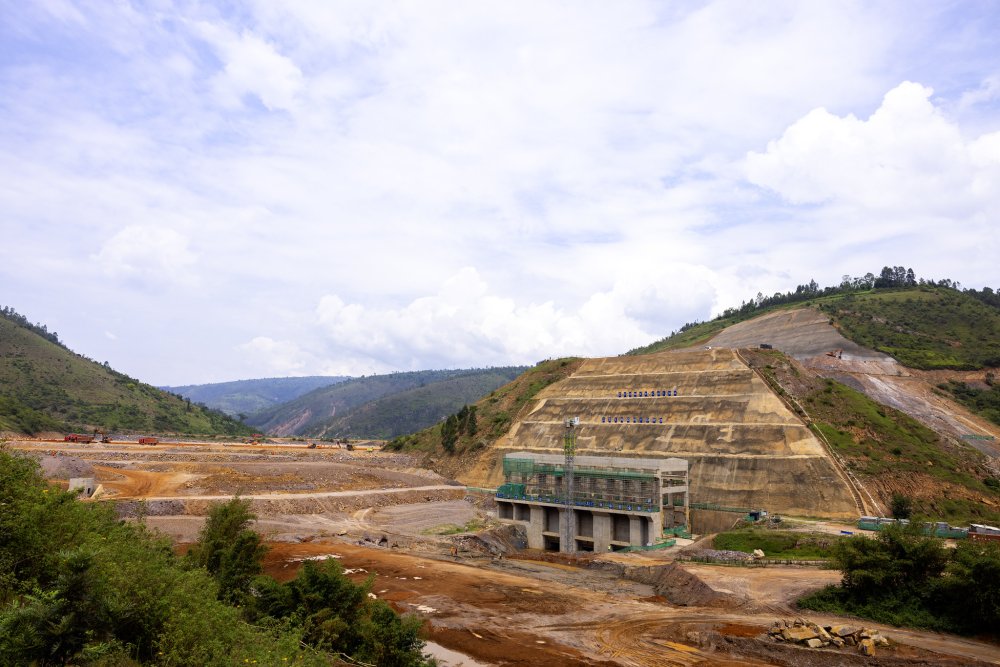
    The Nyabarongo II power plant, which is expected to generate 43.5 megawatts, has the largest allocation at Rwf 149.81 billion, equivalent to about 24.5% of the total infrastructure budget.

    Construction of the power plant is currently 73.82% complete and is expected to reach 75% in the first quarter, 80% in the second, 90% in the third and 95% by the end of the financial year.

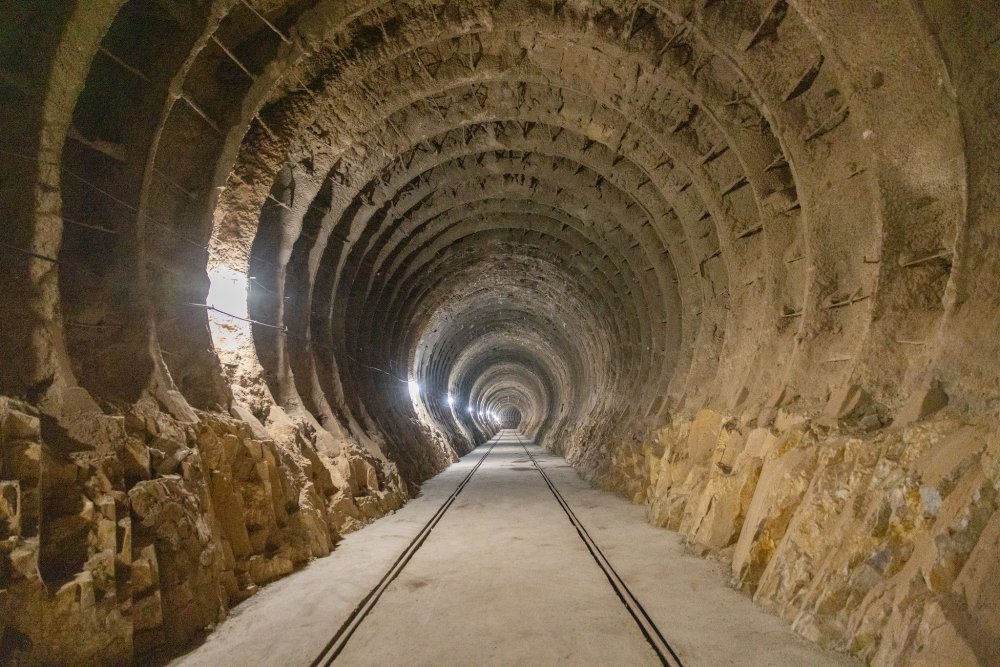
    The planned activities include completing and approving the remaining construction designs for the powerhouse, spillway, switchyard and transmission lines. The project will also involve monitoring construction works, completing the third phase of land acquisition and developing a plan for an early warning system to alert residents in case of a problem.

    The second-largest allocation, Rwf 90.97 billion, will go towards connecting 199,487 new households to electricity. Baseline figures show that 2,348,087 households were already connected to the national grid.

    The Energy Development Corporation Limited (EDCL) plans to connect 40,487 households in the first quarter, 45,000 in the second, 52,000 in the third and 62,000 in the fourth. The work will include preparing surveys and designs, procurement, construction of medium- and low-voltage electricity networks, compensation payments and connecting households.

    Road maintenance in Kigali is the third-largest item, with Rwf 40 billion allocated to the project. The Rwanda Road Maintenance Fund (RMF) will review and approve contracts and invoices related to road maintenance works before payments are made.

    The implementation target is to have 25% of the funds disbursed in the first quarter, 50% in the second, 75% in the third and 100% by the end of the financial year.

    The rehabilitation and development of housing in Nyabisindu will receive Rwf 29.53 billion, making it the fourth-largest project by allocation. The project consists of 2,029 houses and is currently 23.36% complete, with the target of reaching full completion during the financial year.

    The Rwanda Housing Authority (RHA) is responsible for overseeing implementation, while the Rwanda Social Security Board (RSSB) will provide financing. The City of Kigali will work with residents, pay temporary rent for people relocated by the project and determine the beneficiaries of the houses. The Ministry of Defence is responsible for construction works.

    Another Rwf 22.26 billion has been allocated to the rehabilitation of the 10-kilometre Prince House–Giporoso–Masaka road. The works are expected to progress from 5% to 15% during the financial year.

    The project will involve compensation payments, relocating utility networks and other infrastructure along the project route, as well as mobilising construction materials and workers. The Rwanda Transport Development Agency (RTDA), City of Kigali, Ministry of Infrastructure and Ministry of Finance and Economic Planning are involved in its implementation.

    Public transport is also a major area of investment, with Rwf 21.45 billion allocated for the construction of 250 smart bus shelters. The facilities will include systems displaying bus arrival times, lighting, seating and infrastructure designed to make them accessible to people with disabilities.

    The target is to complete 10% of the shelters in the first quarter, 40% in the second, 40% in the third and all 250 by the fourth quarter.

    A further Rwf 21 billion has been allocated for 84 new electric buses. Fifty buses will be provided through the City of Kigali's RUMI project, while 34 will come through RTDA's KUTI project, alongside infrastructure for parking and charging the buses.

    The programme also includes completing the legal and financial arrangements for the wider project involving 300 electric buses and approving the timeline for the first batch of 100 buses to be delivered to Rwanda.

    The rehabilitation of Ruhengeri Referral Hospital has been allocated Rwf 12.5 billion. The project is expected to start from zero and reach 20% in the second quarter, 25% in the third and 30% by the end of the financial year.

    The Ministry of Infrastructure and RHA will procure the contractor and supervising consultant and oversee implementation, while the Rwanda Biomedical Centre (RBC) and Musanze District will have responsibilities related to financing, supervision and implementation.

    The first phase of the Kigali waste management project in Nduba will receive Rwf 12.03 billion. The project is currently 45% complete and is expected to reach 100% during the financial year.

    The Water and Sanitation Corporation (WASAC) is responsible for construction and supervision, while the City of Kigali will support land acquisition and monitor the works.

    The tenth project is the rehabilitation of the Masaka–Kabukuba–Riziyeri and Kabukuba–Nyamata/Gahembe–Kindama roads, which has been allocated Rwf 12 billion.

    The works are currently at 5% and are expected to reach 20% in the first quarter, 30% in the second, 45% in the third and 60% by the fourth quarter. Activities will include compensation for people affected by the project, construction works and meeting requirements for the release of funding from development partners.

    Together, the 10 projects account for Rwf 411.56 billion of the Rwf 610.84 billion infrastructure budget for the 2026/27 financial year, highlighting the concentration of spending on major energy, transport, housing and public infrastructure projects.

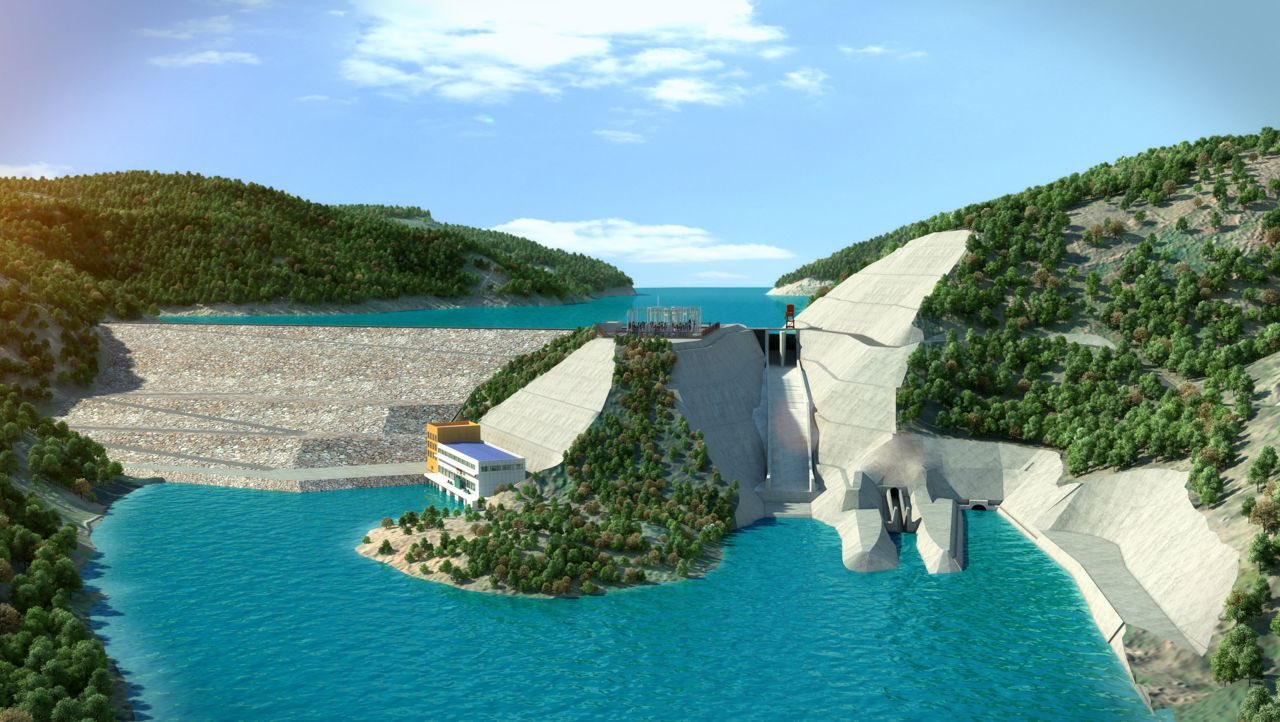
    Nyabarongo Dam is one of the projects allocated the largest amount of funding in this financial year.
    The dam is expected to reach 95% completion by the end of this financial year.
    This photo shows the artistic impression of Nyabarongo dam

    Source : https://new.igihe.com/english/10-projects-taking-the-biggest-share-of-the-2026-27-infrastructure-budget/

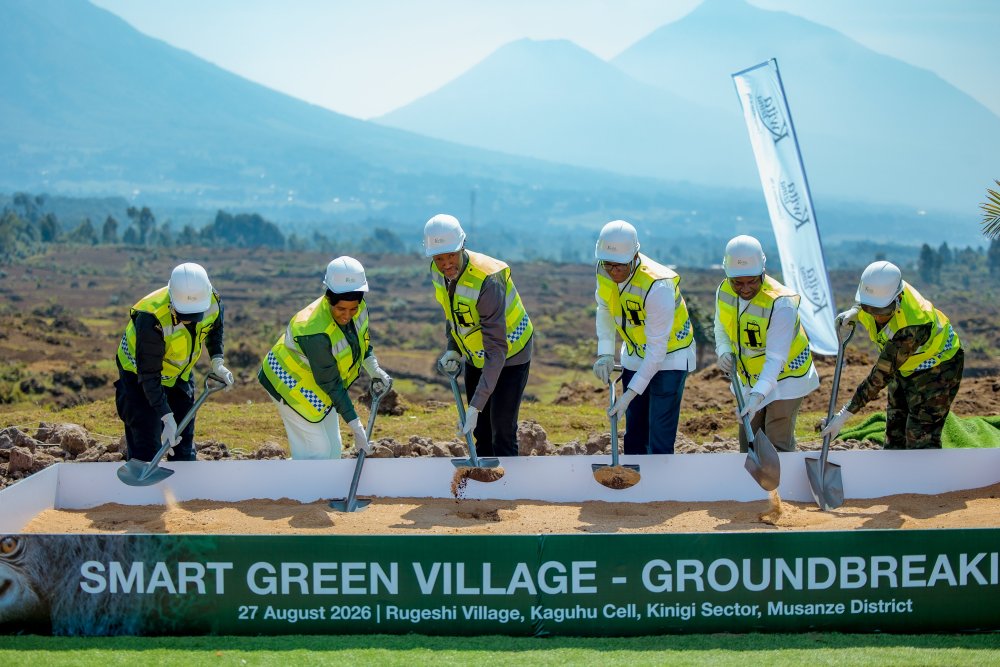
  • Rwanda begins construction of Smart Green Village for families in Volcanoes National Park expansion area #rwanda #RwOT

    The project, valued at more than $49 million, is expected to provide 547 families with modern homes, basic services and opportunities to improve their livelihoods.

    The Smart Green Village will combine climate-smart agriculture, renewable energy and tourism-related economic opportunities.

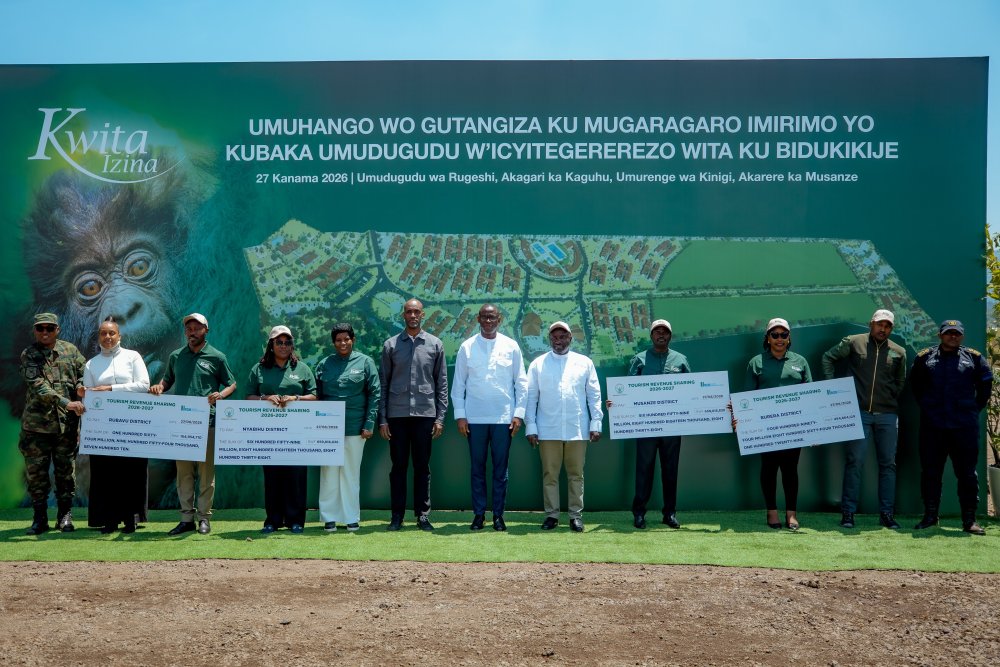
    The launch of the construction works coincided with the announcement of funds to be distributed to districts surrounding Volcanoes National Park under Rwanda's Tourism Revenue Sharing Programme.

    The two initiatives highlight Rwanda's approach of involving communities in environmental conservation and tourism development.

    The activities are part of events leading up to the 21st edition of Kwita Izina, the annual gorilla naming ceremony scheduled for September 4, 2026, under the theme, 'Conservation is Life: Sustaining the Future.'

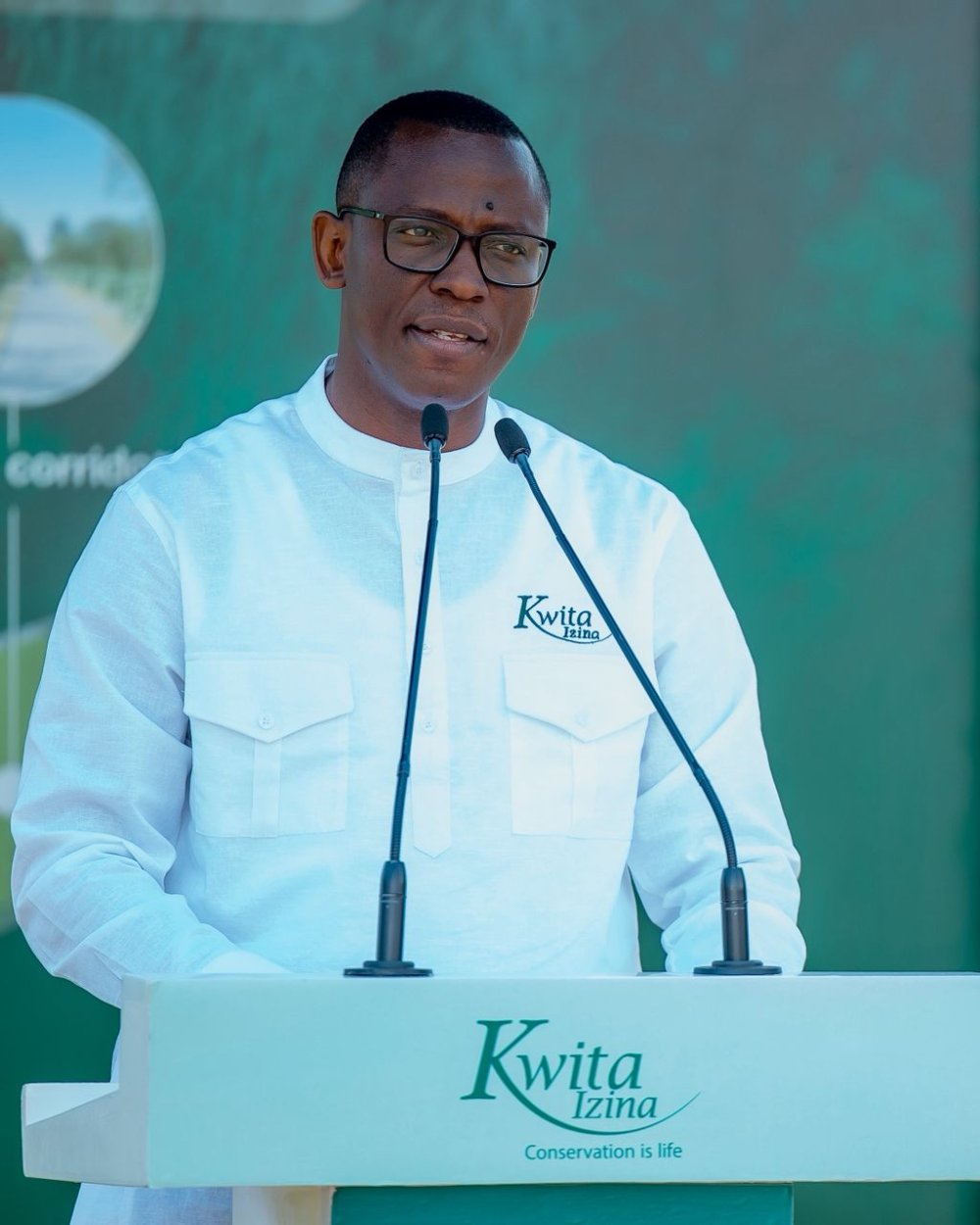
    Minister of Local Government Dominique Habimana said community development should go hand in hand with environmental protection.

    'This project demonstrates Rwanda's commitment to putting citizens at the centre of development, while building communities with good infrastructure, services, welfare, cleanliness and security.

    'The houses and infrastructure being built here belong to the people. I encourage residents to take ownership of them, participate in their development and protect them so that this village continues to be a clean, safe and sustainable place where families can prosper,' he noted.

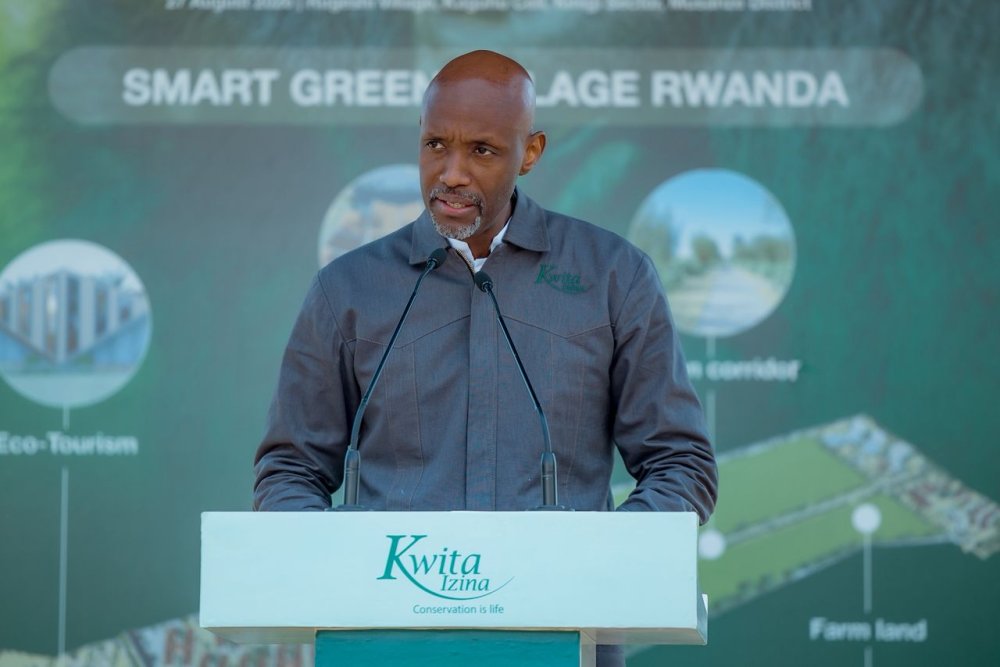
    Rwanda Development Board (RDB) Chief Executive Officer Jean-Guy Afrika said the village demonstrates that environmental conservation and community development should advance together.

    'It will provide families with good houses, modern infrastructure, basic services and economic opportunities, while promoting sustainable agriculture, resilience to climate change and environmental protection.'

    Project linked to Volcanoes National Park expansion

    The Smart Green Village is part of plans to expand Volcanoes National Park by nearly 3,740 hectares and establish a 6,620-hectare buffer zone.

    The wider programme is expected to improve the livelihoods of more than 17,000 people from nearly 3,400 families, increase wildlife habitat, conserve biodiversity, promote tourism and create new economic opportunities for communities living around the park.

    The programme is estimated to cost nearly $300 million and will be implemented over 10 years.

    The first phase covers nearly 450 hectares and will affect 547 families living in the area planned for the park expansion.

    The Government of Rwanda acquired 50 hectares in Rurembo where the Smart Green Village is being built. Compensation for the land has already been paid, while compensation for families living in the area to be incorporated into the park is also being paid.

    The families relocated to the new village are expected to benefit from improved access to basic services, safer living conditions and new opportunities for economic development.

    Esther Mukamakuza, one of the future beneficiaries, said the project had given residents a sense that they could set goals and make decisions that contribute to the development of their families.

    'We learned that this new village will bring positive changes to our lives. We will have schools, health centres, roads and clean cooking methods, which will make things easier for women and families. We are grateful to see a future where our needs are considered and where we can also contribute to the development of our families,' she said.

    Four districts receive nearly Rwf2 billion

    Every year, Rwanda shares part of tourism revenue with communities living around national parks that generate the revenue.

    Under the Tourism Revenue Sharing Programme, 10% of tourism revenue generated from national parks is invested in development projects benefiting surrounding communities.

    The four districts surrounding Volcanoes National Park have been allocated more than Rwf1.98 billion.

    Burera District will receive Rwf495 million, Musanze Rwf659.8 million, Nyabihu Rwf659.8 million and Rubavu Rwf164.95 million.

    RDB said the funds will support community development activities in the four districts, ensuring that tourism revenue continues to reach people living around the park.

    Northern Province Governor Maurice Mugabowagahunde said benefits from Volcanoes National Park reach communities through employment, businesses and tourism revenue sharing.

    'Since this programme started, 838 projects worth Rwf8.6 billion have been supported, demonstrating that the park belongs to the people and contributes to their development.

    'The expansion of Volcanoes National Park and this project will help address the shortage of agricultural land while reducing conflicts between people and wildlife. They will provide people with more space to live and farm safely, while creating better ways of protecting the environment,' he noted.

    Over the past 20 years, more than Rwf23 billion has been invested in communities through the tourism revenue sharing programme, supporting projects in education, healthcare, access to clean water and social welfare.

    Kwita Izina is an annual ceremony that brings together Rwandans and friends of Rwanda to name newborn mountain gorillas, drawing from the longstanding Rwandan cultural tradition of naming children shortly after birth.

    Since 2005, Kwita Izina has grown into an international platform celebrating Rwanda's conservation efforts and recognising the role of communities and partners in protecting mountain gorillas and their habitat.

    The 21st Kwita Izina ceremony, during which 22 baby gorillas will be named, will take place on September 4, 2026, in Kinigi, Musanze District.

    Officials lay the foundation stone at the site where the Smart Green Village will be built.
    The four districts surrounding Volcanoes National Park have been allocated more than Rwf1.98 billion.
    Jean-Guy Afrika, RDB Chief Executive Officer, highlighted the importance of linking environmental conservation with community development.
    Dominique Habimana, Minister of Local Government, urged residents to take ownership of the infrastructure being developed in the Smart Green Village.

    Source : https://new.igihe.com/english/rwanda-begins-construction-of-smart-green-village-for-families-in-volcanoes-national-park-expansion-area/

  • Kagame bids farewell to outgoing World Bank, Canadian envoys #rwanda #RwOT

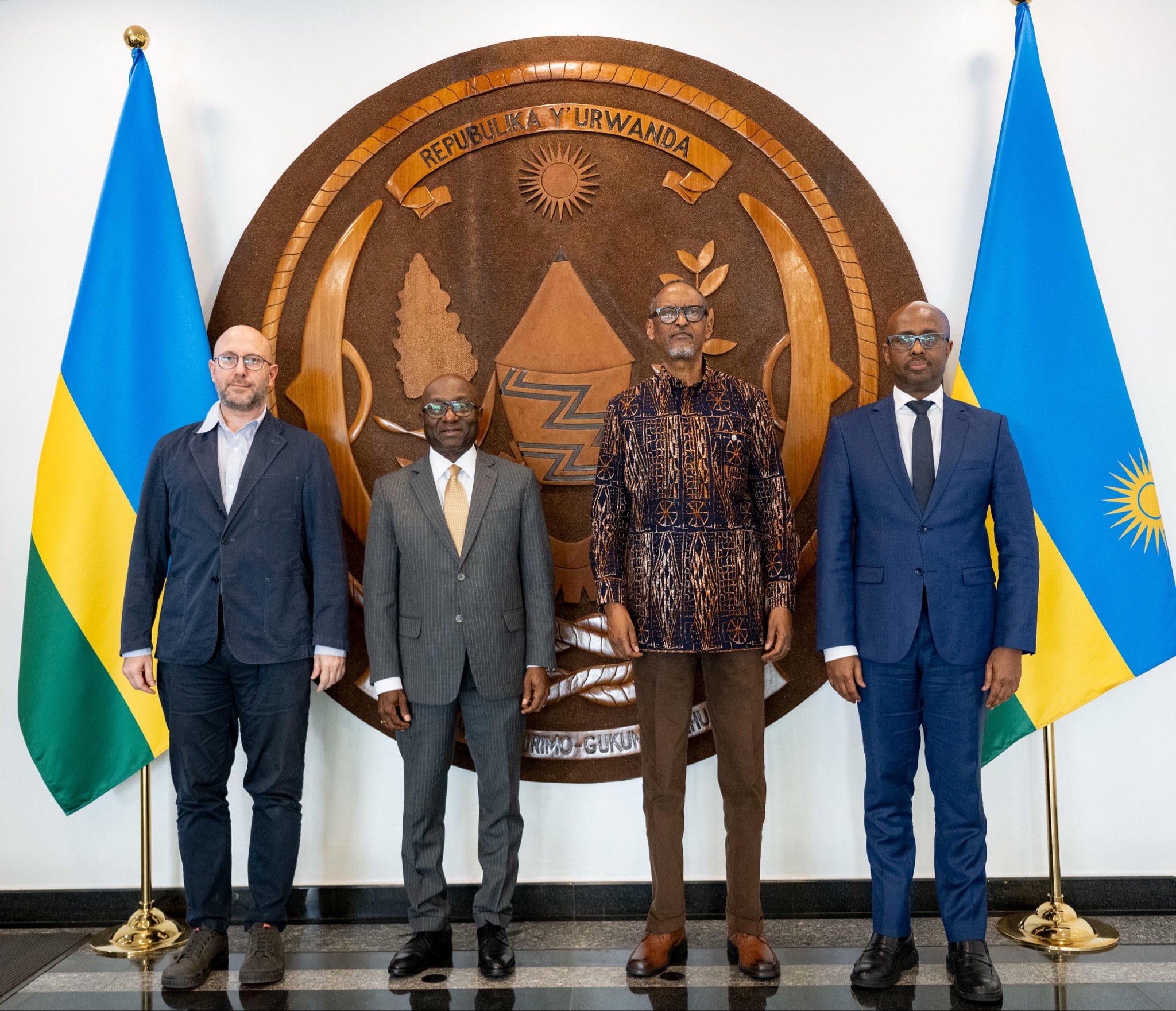
    Kagame first met Sahr Kpundeh, the outgoing World Bank Country Manager for Rwanda, for a farewell meeting.

    Their discussions focused on Rwanda's longstanding partnership with the World Bank and continued collaboration in support of the country's development priorities.

    Kpundeh has served as the World Bank's Country Manager for Rwanda, working with the government on development programmes and initiatives across various sectors.

    Discussions with the outgoing World Bank representative focused on Rwanda's longstanding partnership with the World Bank and continued collaboration in support of the country's development priorities.

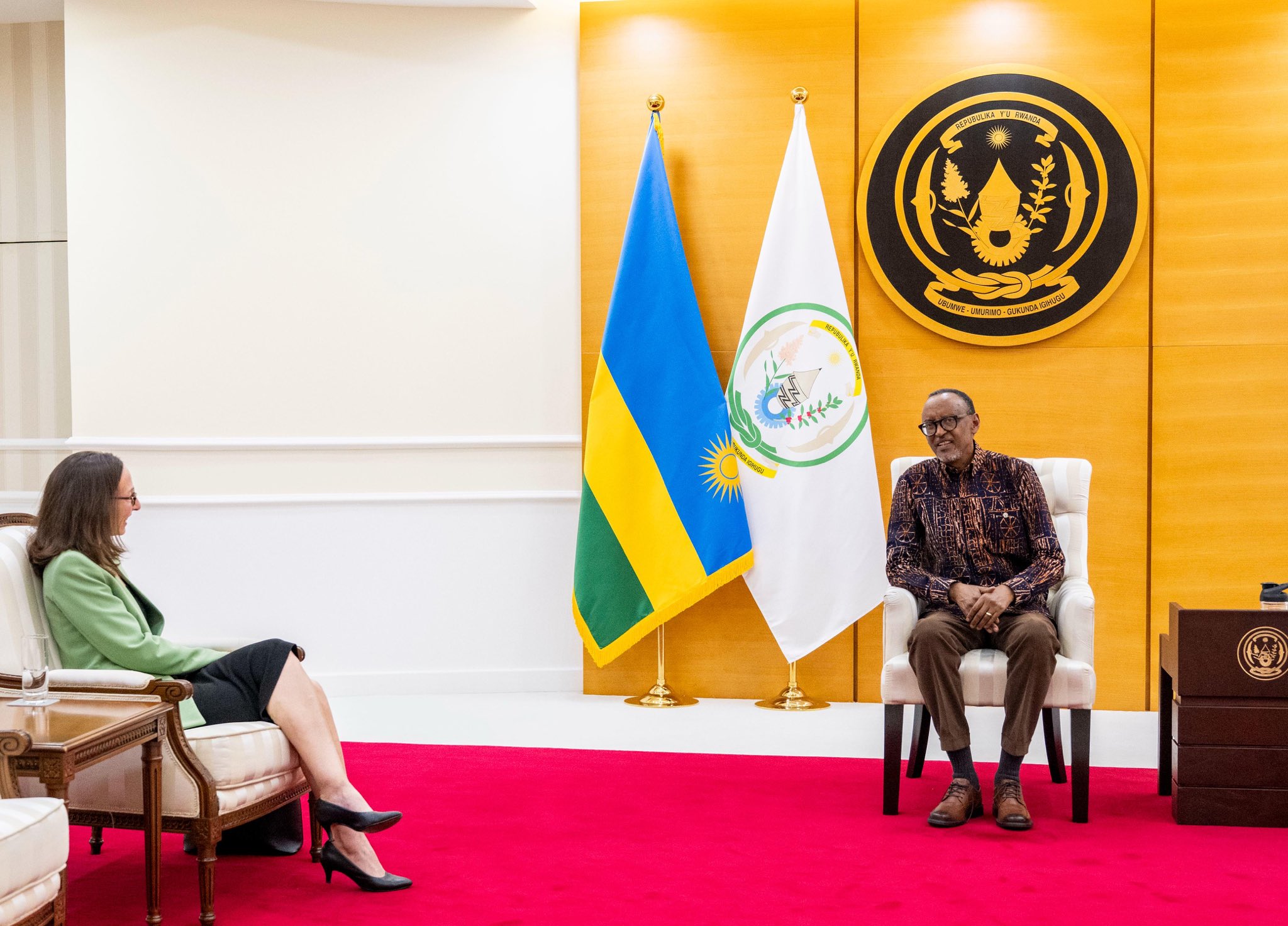
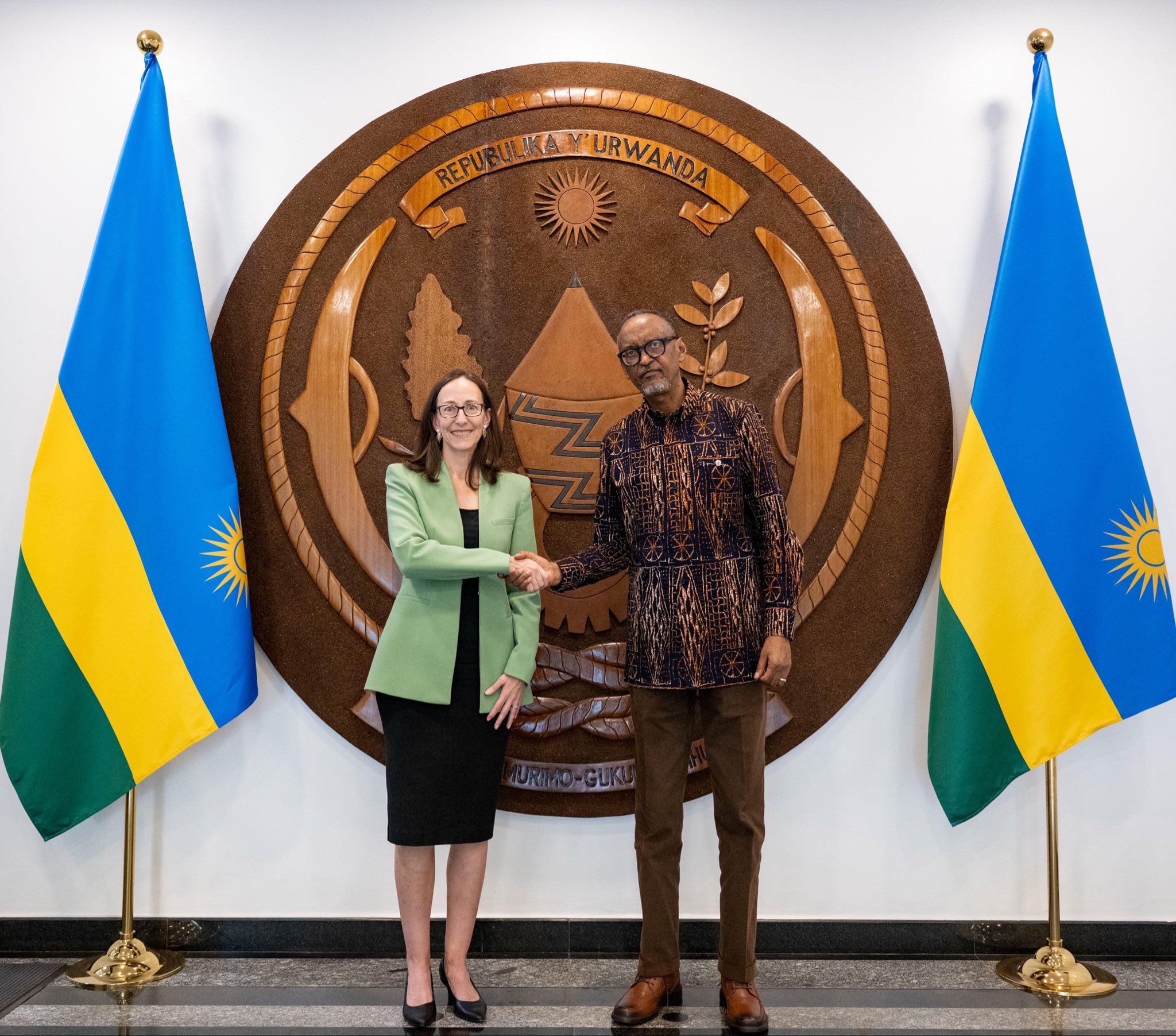
    Later in the afternoon, Kagame received Julie Crowley, the outgoing High Commissioner of Canada to Rwanda, as she concludes her tour of duty.

    The two discussed Rwanda-Canada relations and efforts to further strengthen bilateral cooperation in areas of mutual interest.

    The meetings come as both Kpundeh and Crowley conclude their respective assignments in Rwanda, with Kagame reflecting on the partnerships between Rwanda and the institutions and countries they represented.

    President Kagame also received Julie Crowley, the outgoing High Commissioner of Canada to Rwanda, as she concludes her tour of duty.
    The two discussed Rwanda-Canada relations and efforts to further strengthen bilateral cooperation in areas of mutual interest.

    Source : https://new.igihe.com/english/kagame-bids-farewell-to-outgoing-world-bank-canadian-envoys/

  • China's EV charging infrastructure expands rapidly in first seven months #rwanda #RwOT

    Of this total, public charging facilities numbered 5.099 million, an increase of 21.3 percent from a year earlier.

    Private charging facilities totaled 18.58 million units by the end of last month, surging 48.8 percent year on year.

    The data, sourced from the national charging infrastructure monitoring and service platform, highlights the continued expansion of China's EV support network alongside a surge in EV sales.

    China's new-energy vehicle (NEV) sales in July 2026 accounted for more than 60 percent of monthly new car sales for the first time, industry data showed earlier this month.

    In July alone, NEV output and sales reached over 1.57 million and 1.56 million units, respectively, up a respective 26.8 percent and 23.7 percent year on year, according to data from the China Association of Automobile Manufacturers.

    As NEV sales continue to soar, China has been accelerating the improvement of its charging network to keep pace with growing demand.

    In October 2025, China unveiled a three-year action plan to improve the country's EV charging infrastructure, aiming to establish a nationwide network of 28 million charging facilities, with public charging capacity surpassing 300 million kilowatts by the end of 2027.

    China aims to increase the share of NEVs in its total vehicle fleet to 30 percent by 2030, according to an action plan for carbon peaking during the 15th Five-Year Plan period (2026-2030).

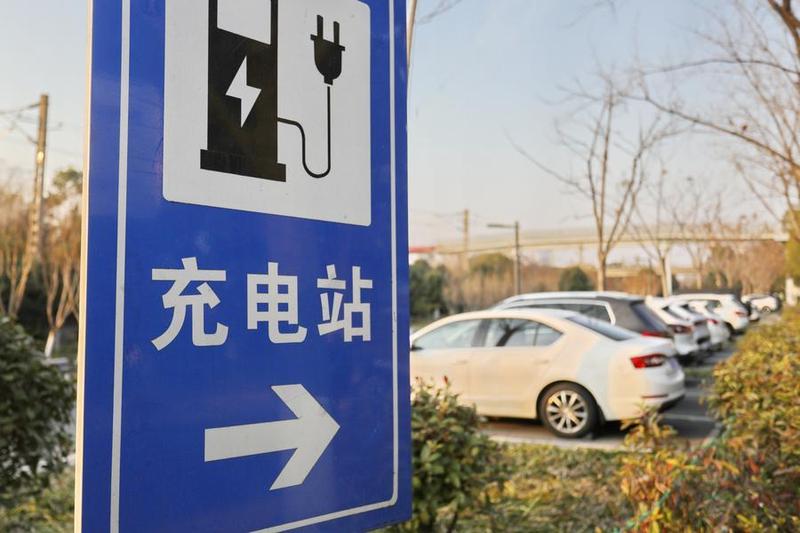
    This photo taken on Jan 21, 2026 shows an electric vehicle charging station in Jiaxing city, East China's Zhejiang province. [Photo/Xinhua]

    Source : https://new.igihe.com/english/chinas-ev-charging-infrastructure-expands-rapidly-in-first-seven-months/

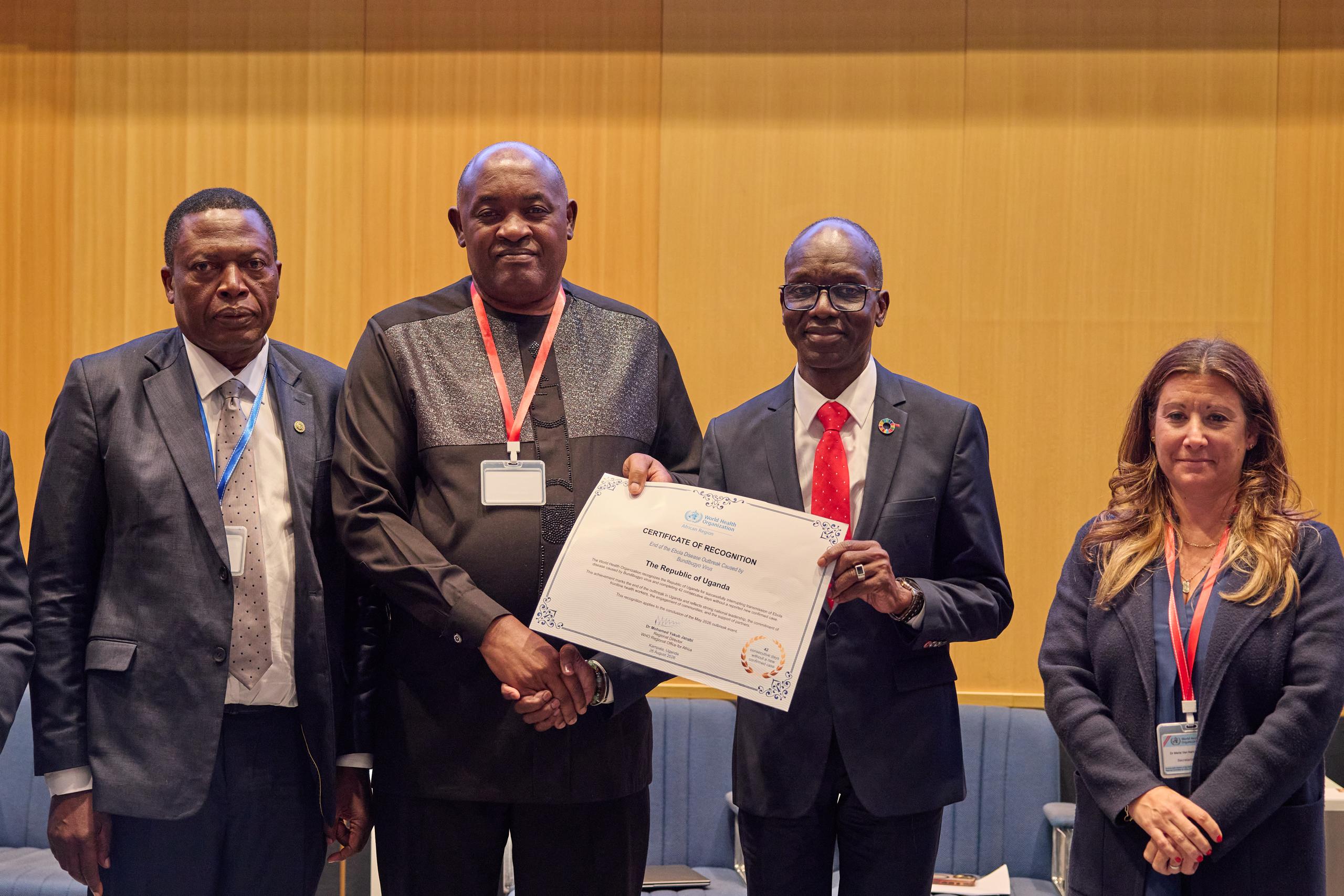
  • WHO, Africa CDC declare end of Uganda's Ebola outbreak #rwanda #RwOT

    The milestone follows the discharge of Uganda's last Ebola patient, an imported case, on July 16, 2026. The 42-day period is equivalent to twice the upper limit of Ebola's incubation period and is the internationally established benchmark for confirming that transmission linked to an outbreak has ended.

    Uganda declared the interruption of local transmission on July 28 after completing the 42-day period without a locally acquired case. Surveillance and other outbreak control measures continued following the discharge of the last patient.

    'Uganda has demonstrated that with decisive action, Ebola outbreaks can be brought under control quickly,' WHO Director-General Dr Tedros Adhanom Ghebreyesus said in a statement released on Thursday.

    Uganda reported 20 confirmed Ebola cases caused by the Bundibugyo virus after declaring the outbreak on May 15. Of these, 15 were imported from the Democratic Republic of the Congo (DRC), while five were locally acquired among contacts and health workers linked to imported cases.

    Uganda reported 20 confirmed Ebola cases caused by the Bundibugyo virus after declaring the outbreak on May 15.

    Eighteen patients recovered while two died. More than 800 contacts were identified and monitored during the outbreak.

    WHO and Africa CDC credited strong government leadership, early case detection, contact tracing, isolation and treatment, infection prevention and control, community engagement and strengthened surveillance at health facilities and points of entry for helping Uganda contain the outbreak.

    Africa CDC Director-General Dr Jean Kaseya said Uganda had demonstrated that Ebola can be stopped when governments act decisively and public health systems respond quickly.

    The declaration comes as the DRC continues to battle an Ebola outbreak, with 5,656 confirmed cases and 2,715 confirmed deaths reported as of August 24, according to the additional data provided.

    WHO warned that Uganda and other neighbouring countries remain at risk of imported cases because of close social and economic ties, cross-border movement and trade.

    The UN health agency said it does not recommend travel or trade restrictions in response to Ebola outbreaks, including suspending flights, closing borders or denying entry to travellers from affected countries.

    Instead, countries are encouraged to maintain travel and trade while strengthening disease surveillance, testing, rapid investigation of alerts, infection prevention and control, community engagement and cross-border coordination.

    'Ending an Ebola outbreak is an important milestone, but the lasting achievement is a stronger ability to protect people from future health threats,' said Dr Mohamed Janabi, WHO Regional Director for Africa.

    WHO and Africa CDC said they will continue supporting Uganda and the DRC under a joint continental preparedness and response plan, with ending Ebola transmission in the DRC remaining a priority for protecting communities across the region.

    The World Health Organization (WHO) and the Africa Centres for Disease Control and Prevention (Africa CDC) have declared the end of Uganda's Ebola outbreak after the country went 42 consecutive days without recording a new confirmed case.
    The World Health Organization (WHO) and the Africa Centres for Disease Control and Prevention (Africa CDC) have declared the end of Uganda's Ebola outbreak after the country went 42 consecutive days without recording a new confirmed case.

    Source : https://new.igihe.com/english/who-africa-cdc-declare-end-of-ugandas-ebola-outbreak/

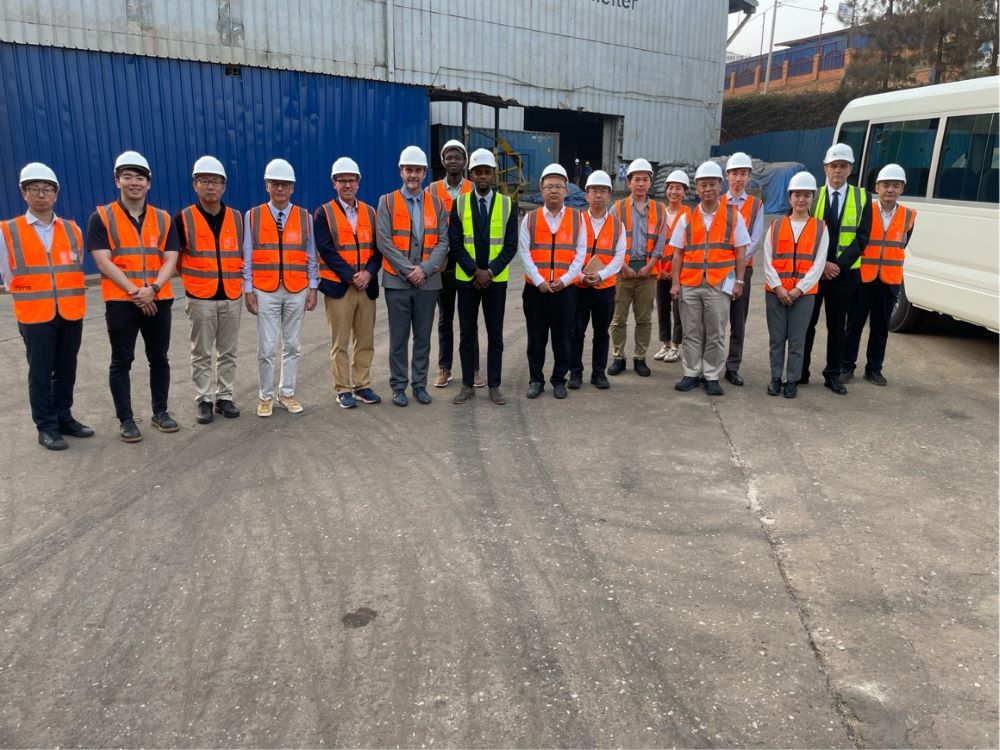
  • Japanese mining delegation explores investment opportunities in Rwanda #rwanda #RwOT

    Hosted by the Embassy of Japan in Rwanda, the mission focused on investment opportunities, mineral processing and value addition, as well as responsible and traceable mineral supply chains.

    During the visit, the delegation met with Rwanda Development Board (RDB) Chief Executive Officer Jean-Guy Afrika and Rwanda Mines, Petroleum and Gas Board (RMB) Chief Geo-Hazard Officer Barbara Akaliza.

    The discussions provided an opportunity to examine Rwanda's mining sector and potential areas for Japanese investment, particularly in mineral processing and value addition.

    The delegation also held discussions with Minister of Trade and Industry Antoine Kajangwe and Virgile Rwanyagatare, Director General for Asia and the Pacific at the Ministry of Foreign Affairs and International Cooperation.

    The meetings focused on strengthening economic relations between Japan and Rwanda and promoting cooperation in the mineral sector.

    Welcoming the delegation, Akaliza said Rwanda was pleased to engage with Japanese partners on opportunities in the mining industry.

    She highlighted Rwanda's investment environment, opportunities in mineral processing and value addition, and its commitment to responsible and traceable mineral supply chains.

    'We look forward to strengthening cooperation with Japanese partners in support of sustainable mineral development and shared economic growth,' she noted.

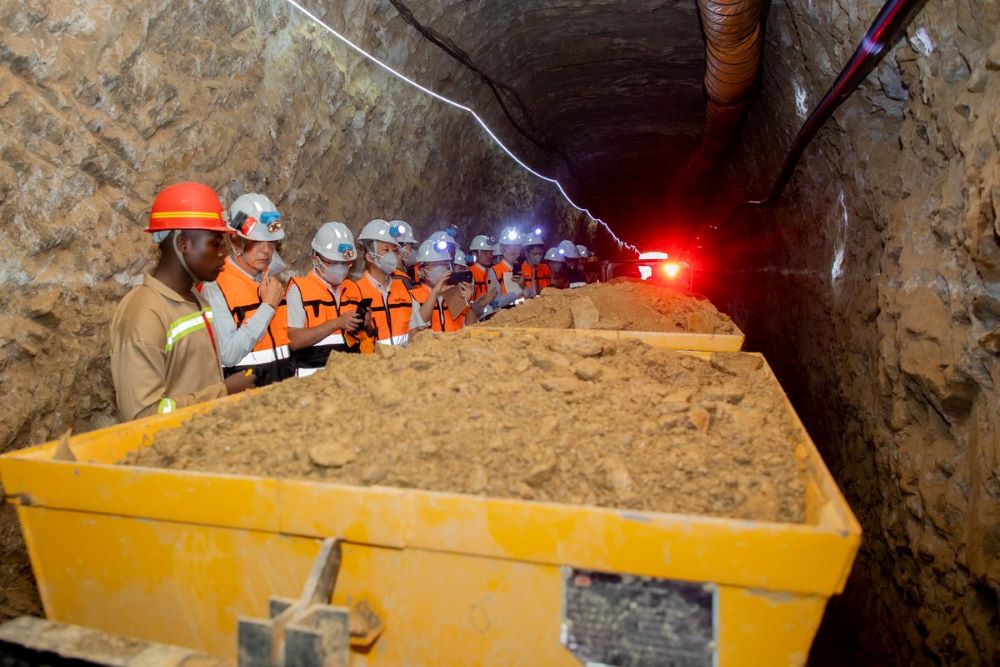
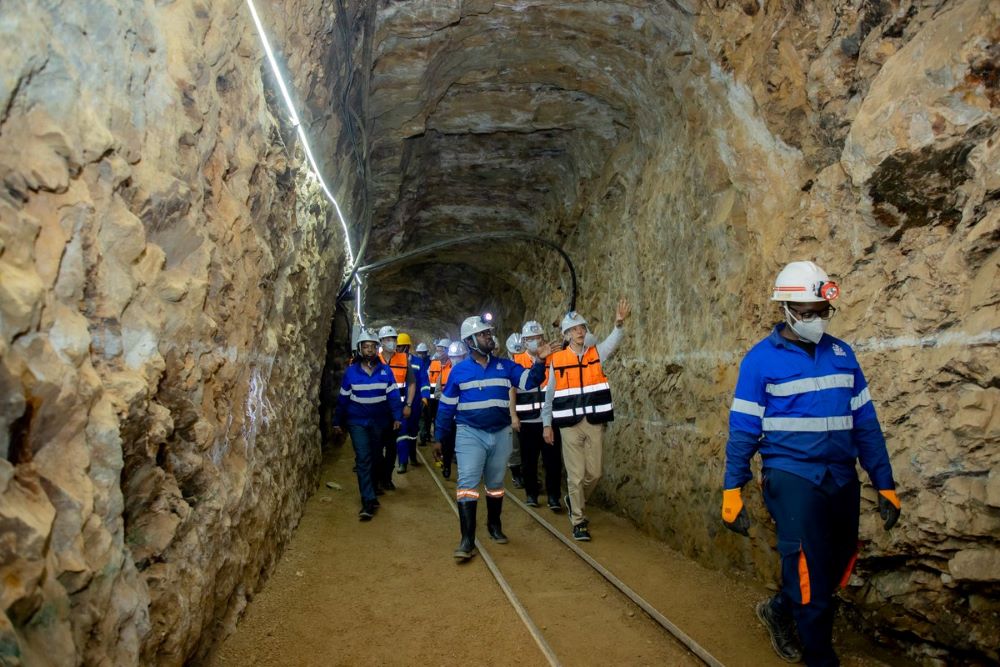
    The delegation also visited several mining companies, mining sites and facilities, gaining first-hand insights into mining operations, mineral processing and the opportunities and challenges facing Rwanda's mining industry.

    The Embassy of Japan said the discussions and site visits allowed the delegation to explore potential areas for future investment and cooperation between Japanese and Rwandan stakeholders.

    The embassy added it will continue supporting dialogue and cooperation between Japan and Rwanda in the mineral sector.

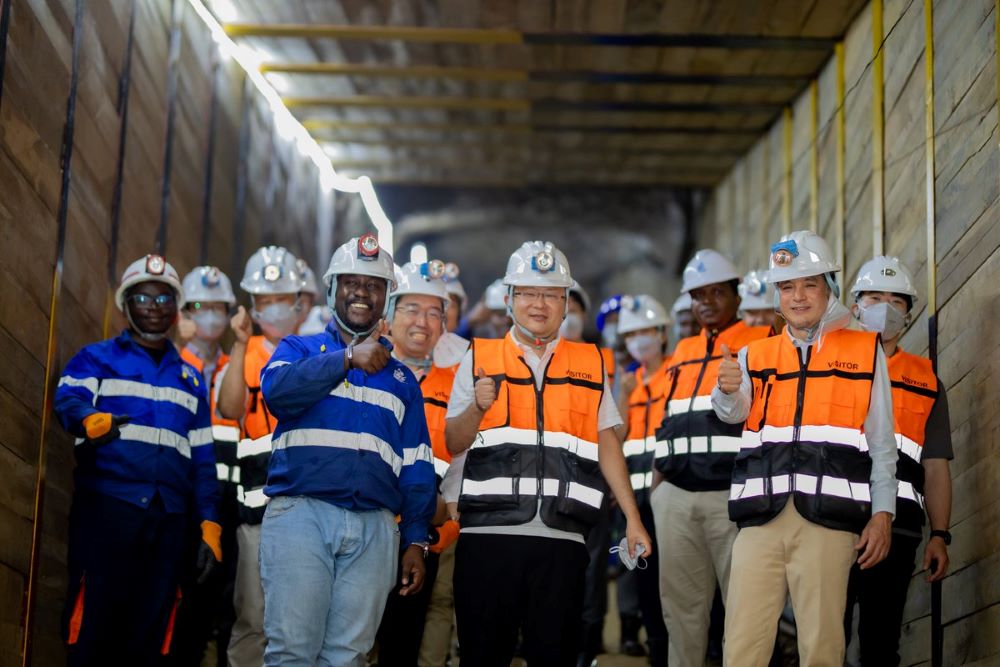
    The Japanese mining delegation held discussions with Rwandan officials on mineral processing, value addition and responsible mineral supply chains.
    Japanese and Rwandan stakeholders explored potential areas for future investment and cooperation during the delegation's three-day visit to Rwanda.
    The delegation visited mining companies and sites in Rwanda to gain first-hand insights into mining operations, mineral processing and the industry's opportunities and challenges.
    Japanese companies and organisations specialising in mining visited Rwanda to explore investment and cooperation opportunities in the mineral sector.

    Source : https://new.igihe.com/english/japanese-mining-delegation-explores-investment-opportunities-in-rwanda/

  • Scientists discover brain mechanism that could help control chronic pain #rwanda #RwOT

    The researchers focused on a small brain region called the locus coeruleus, which plays a role in alertness, stress and pain regulation. Their study found that mu opioid receptors in this region can act as a natural 'brake' that helps control pain signals.

    The findings, published in Current Biology, came from experiments involving mice with nerve injuries.

    Researchers removed mu opioid receptors from specific cells in the locus coeruleus and found that the animals became more sensitive to touch and heat.

    When the receptors were restored, the increased pain sensitivity was reduced.

    Neuropathic pain occurs when nerves are damaged and begin sending abnormal signals to the brain.

    It can cause burning, stabbing or shooting sensations and may result from conditions such as diabetes, infections or nerve compression.

    According to the researchers, understanding how these receptors regulate pain could help scientists develop treatments that work more precisely.

    Current opioid medicines act on receptors across the brain and body, which can lead to side effects, tolerance and addiction risks.

    The research team is now exploring ways to influence the pain-controlling activity of the locus coeruleus without affecting opioid receptors throughout the nervous system.

    Such treatments could eventually offer new options for people suffering from chronic nerve pain while potentially reducing some risks associated with conventional opioids.

    However, the discovery remains at an early stage. Since the research was conducted in mice, further studies are needed to determine whether the same mechanism can be safely and effectively targeted in humans.

    The findings provide new insight into how the brain regulates chronic pain and could open the door to more precise pain-management strategies in the future.

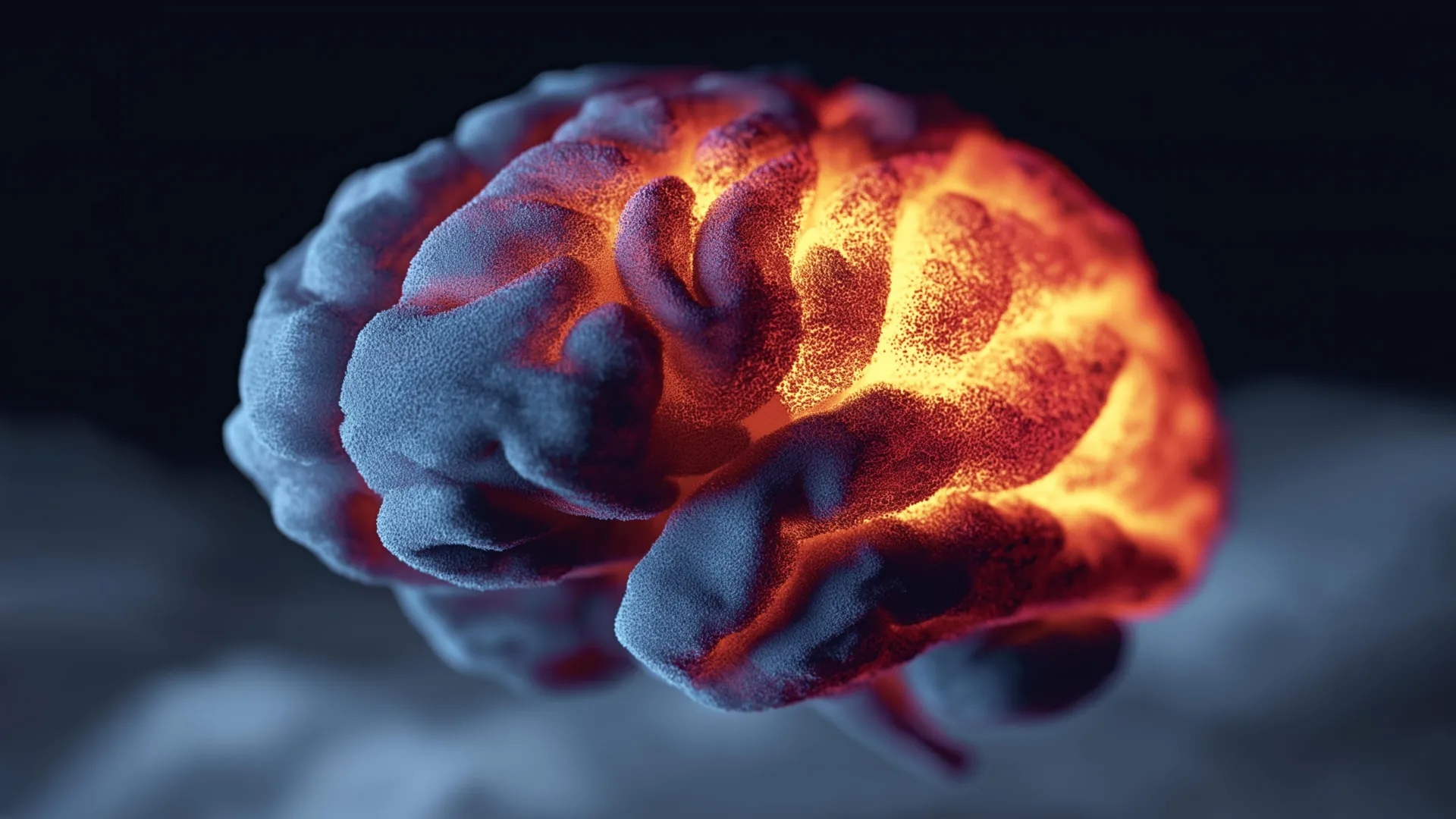
    Scientists have identified a brain mechanism that may help control chronic nerve pain and could lead to more targeted treatments in the future.

    Source : https://new.igihe.com/english/scientists-discover-brain-mechanism-that-could-help-control-chronic-pain/

  • Rwanda overpower Burundi to finish African Volleyball group stage unbeaten #rwanda #RwOT

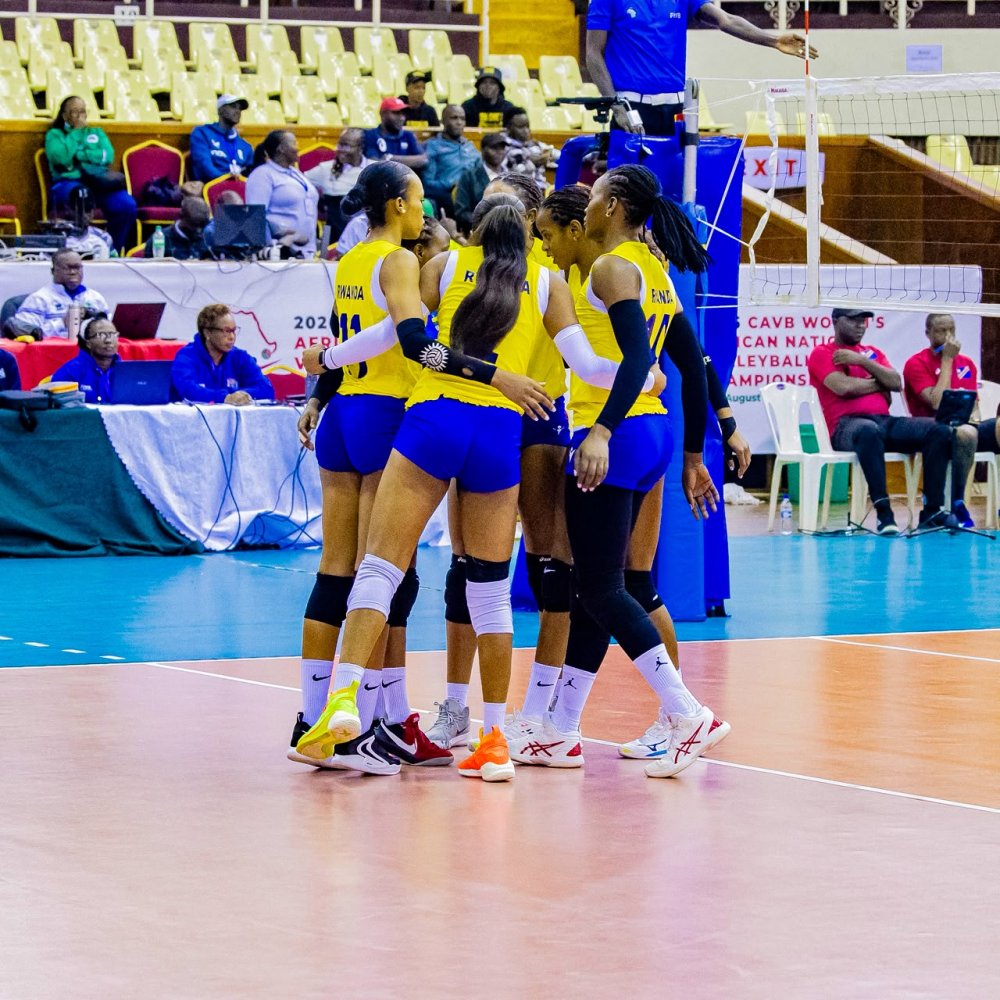
    The match, played at Ulinzi Complex Hall in Nairobi, Kenya, saw Rwanda dominate from the opening set as they secured their third consecutive victory in Group D.

    Rwanda raced to a 25-6 win in the first set before claiming the second 25-11. They completed the sweep with a 25-13 victory in the third set.

    The first set lasted 18 minutes, while the second and third sets took 22 and 18 minutes, respectively.

    The victory gave Rwanda a perfect nine points from three matches and secured their place at the top of Group D.

    Rwanda had earlier defeated Algeria 3-0 before recording another straight-set victory over the Democratic Republic of Congo (DRC).

    Rwanda will face the fourth-placed team from Group B in the round of 16. Senegal and Burkina Faso are among the teams in contention for that position.

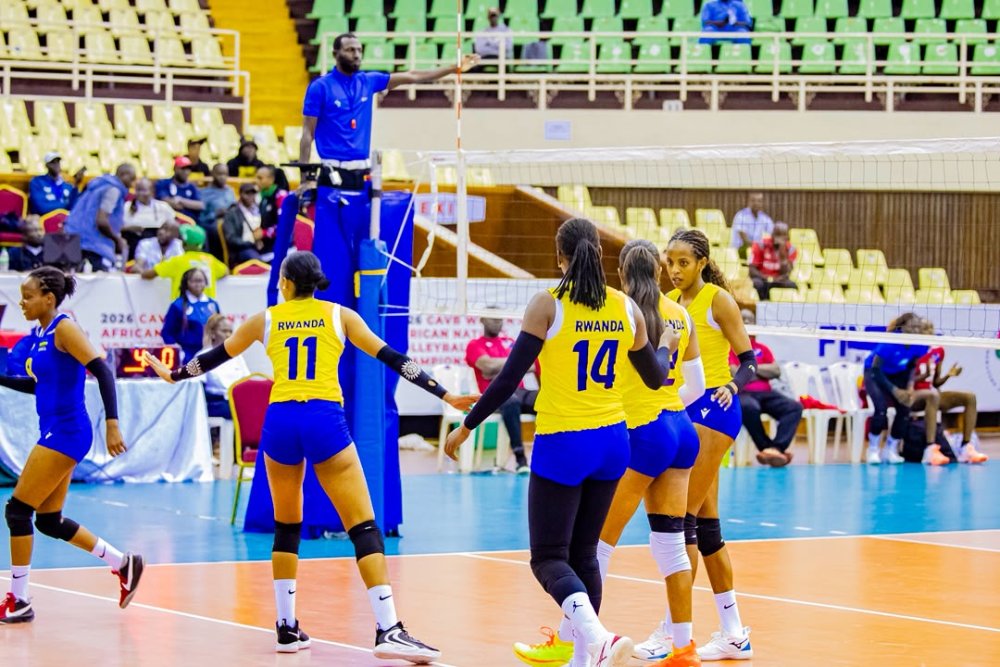
    Rwanda's women's national volleyball team finished the group stage of the 2026 African Volleyball Championship unbeaten after defeating Burundi 3-0 on Thursday.
    The match, played at Ulinzi Complex Hall in Nairobi, Kenya, saw Rwanda dominate from the opening set as they secured their third consecutive victory in Group D.

    Source : https://new.igihe.com/english/rwanda-overpower-burundi-to-finish-african-volleyball-group-stage-unbeaten/