The company made the announcement on August 26, 2026, during a meeting with members of the media.
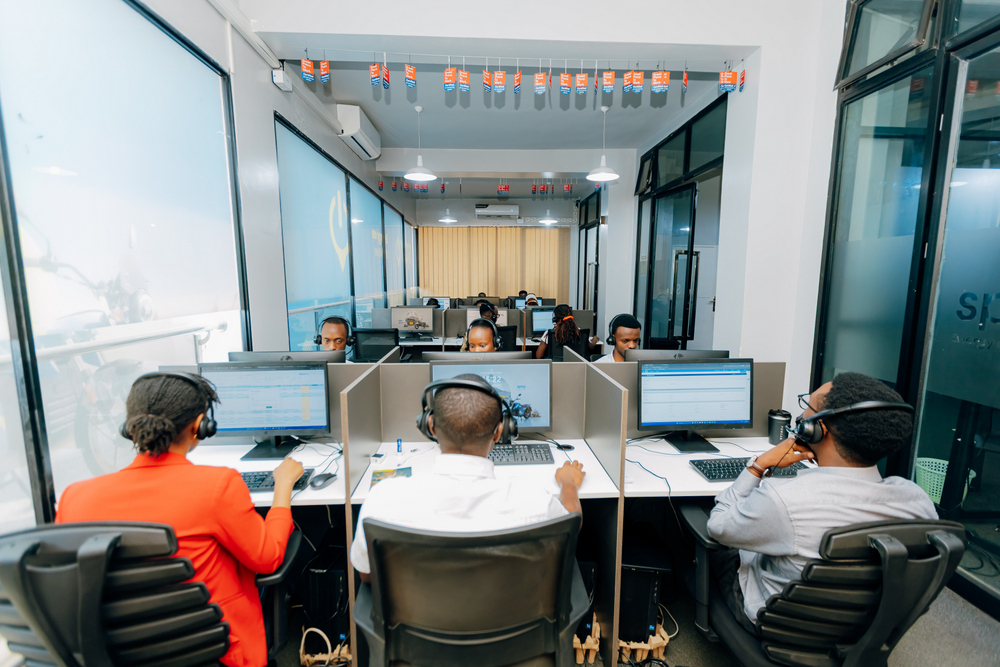
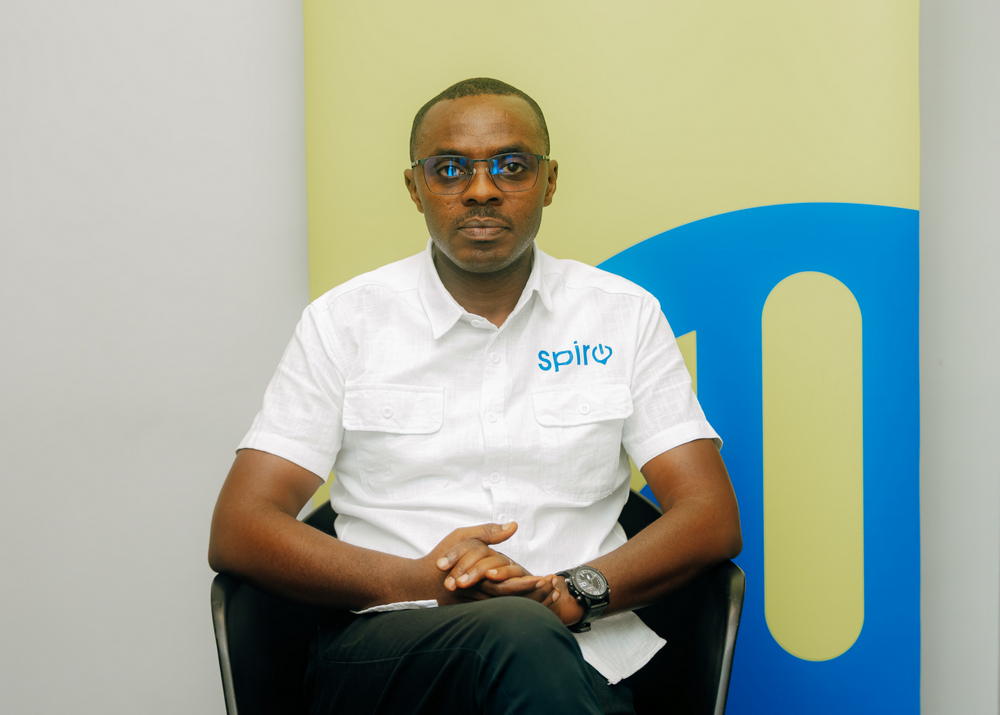
Niyonsenga Alexis, Director of the Customer Support Department, said the Call Center is part of the services provided by Spiro to ensure that customers receive timely assistance.
'We realised that some of our customers did not know that we have a Call Center. That is why we decided to make its existence known to the public, as it has been operating for quite some time.
'We want more customers to be aware of the service so that they can receive assistance easily and efficiently,' Niyonsenga said.
He explained that customers can contact Spiro through several channels, including the company's toll-free telephone line, 3366, as well as its social media platforms, including WhatsApp and Facebook.
Niyonsenga urged Spiro customers to use the company's official communication channels whenever they need assistance, rather than relying on individuals who may provide inaccurate or false information.
According to Spiro management, the Call Center handles between 500 and 600 customer inquiries each day.
The customers seeking assistance fall into two main categories. The first comprises existing motorcycle owners who require support when their motorcycles develop problems, while the second includes customers who are interested in purchasing new motorcycles.
Spiro Rwanda's customer support team helps clients access services and resolve challenges.Spiro Rwanda's Call Center handles between 500 and 600 customer inquiries each day.Niyonsenga Alexis, Director of the Customer Support Department at Spiro Rwanda
The restaurant-service contest, held earlier this week ahead of Saturday's official opening of the second World Humanoid Robot Games, offered a glimpse of a central focus of this year's event: testing robots not only in athletic competitions, but also in workplace tasks.
Running through to Wednesday, the games have attracted 666 teams and 2,056 robots from 16 countries and regions across six continents, with team participation quadrupling from the inaugural edition last year.
The event features 51 competition items, up from 26 last year, while the number of matches has surged from 487 to 1,301.
Among the biggest additions are 21 scenario-based contests, covering settings such as factories, hotels, homes and logistics facilities.
Tasks ranging from industrial assembly and housekeeping to emergency rescue and library book sorting are designed around jobs that can be repetitive, physically demanding, dirty, dangerous or difficult.
At a service contest staged in a realistic hotel setting, more than 10 robot teams were given 30 minutes to tackle three tasks: moving luggage of different sizes, replenishing guest-room supplies and making beds.
'Judges look at how many tasks the robot completes, whether there are collisions and how smoothly it performs,' said an organizer of the contest.
Even routine actions can pose demanding tests of robotic dexterity. In the restaurant contest, for example, robots had to turn a microwave timer to five minutes, with deviations of more than one minute costing points. They could also be penalized if too much liquid was spilled while delivering a prepared drink.
This year's games have also introduced a dedicated dexterous-hand competition, featuring eight high-precision tasks including power-tool assembly, picking up beans with tweezers, weighing powder, prying open bottle caps and connecting flexible cables.
The emphasis reflects an effort to bring competition tasks closer to actual workplace needs.
Liu Weiliang, deputy head of the Beijing Municipal Bureau of Economy and Information Technology, said organizers had surveyed stakeholders in areas that include commercial services, landscaping inspection and emergency rescue, before designing the events.
In one case, competitive tasks reflected worker duties at supermarkets, where employees may spend long hours at night restocking shelves, packing delivery orders and returning misplaced goods — repetitive work that can be time-consuming and physically tiring.
'Every task completed is effectively a trial run in a real-world scenario,' said Liu. 'There is no need to rebuild the same testing environment after the competition. Performance on the field itself provides evidence of commercial viability.'
The bar for autonomy has been raised as well.
Except for the 100-meter and 400-meter hurdles, all track and other competitive events require full autonomy. In scenario-based events, fully autonomous operation carries a scoring coefficient of 1, compared with 0.5 for remote-controlled operation.
Jiang Guangzhi, head of the Beijing Municipal Bureau of Economy and Information Technology, said that many competition rules are expected to evolve into practical technical standards, helping turn technological advances into industrial applications.
'Once robots master these 'last-meter' skills, they can turn medals into orders and move directly from the competition arena to real-world workplaces,' Jiang said.
Xu Xiaolan, chairwoman of the Chinese Institute of Electronics, said at the recently held 2026 World Robot Conference in Beijing that China's humanoid robot industry had entered a critical stage of large-scale commercialization and deployment, with embodied intelligence products moving from small-batch trials toward broader adoption.
Major technical challenges, however, remain.
Wang Xingxing, founder of Unitree Robotics, said limited generalization capability is currently the biggest bottleneck facing the global humanoid robot industry.
In controlled settings, he said, AI models trained on sufficient data can achieve task success rates close to 100 percent. But performance can fall sharply once the object being handled or the surrounding environment changes.
Wang said 'a ChatGPT moment in embodied intelligence' will come when a robot can be placed in an unfamiliar environment and complete about 80 percent of everyday tasks through simple voice or text instructions.
He expects such a breakthrough could come as early as within two to three years, or within five to 10 years at the latest.
For now, the games also serve as a testing ground to assess the technology's progress. Liang Hongjun, an official with Beijing Municipal Bureau of Economy and Information Technology, said the World Humanoid Robot Games were designed to give companies, investors and the public a more tangible view of the development of humanoid robots.
'The industry is moving from telling technology stories to delivering real-world applications, and from pure technology development toward products and services,' Liang said.
That transition, he added, will require companies to focus on technological innovation, while governments and industry organizations work on opening up application scenarios, developing standards and defining safety boundaries.
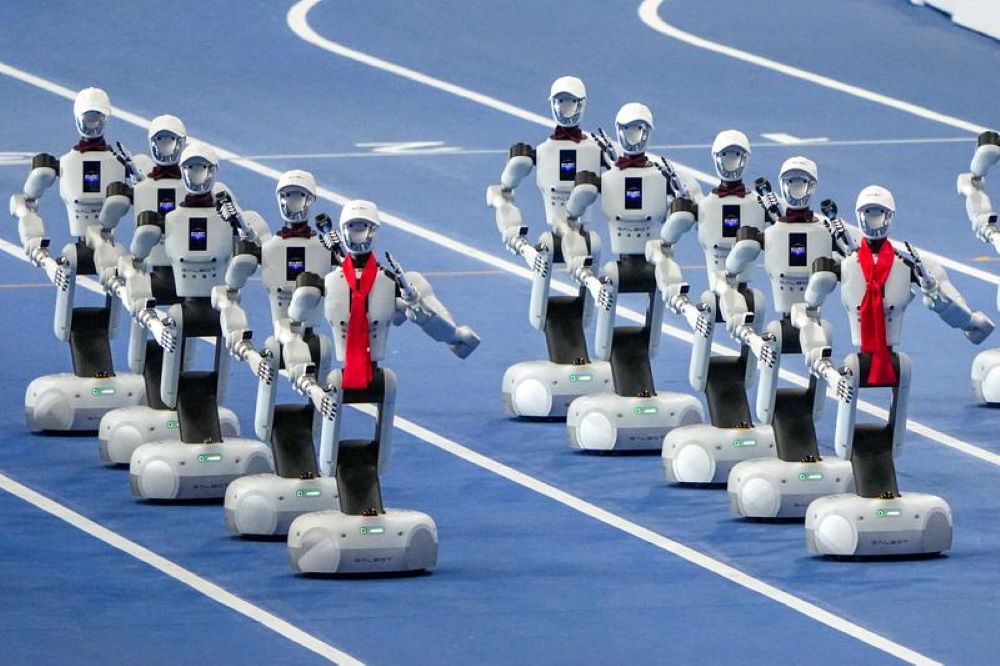
Humanoid robots parade during the opening ceremony of the 2nd World Humanoid Robot Games in Beijing, capital of China, Aug. 22, 2026. (Xinhua/Ju Huanzong)
The plans are part of Kigali's broader efforts to upgrade informal settlements while keeping residents connected to their existing communities.
In a post shared on X, Kigali City spokesperson Ntirenganya Emma Claudine said 793 housing units had already been built at Mpazi, with more than 500 families settled there. Another 44 units are currently under construction.
'Mpazi is not ending there: the project will continue progressively, with about 4,106 housing units planned upon completion,' she wrote in the post on Thursday.
The same approach is being implemented at Nyabisindu-Nyagatovu, where construction is underway to deliver approximately 2,029 housing units.
The city's informal settlement upgrading programme has also reached Kabuhunde Village in Kagugu Cell, Kinyinya Sector, Gasabo District, where 716 residents are expected to benefit from improved housing.
Ntirenganya said 85 households whose properties are required for the Kabuhunde project have already received rental support to ensure they have accommodation as construction progresses.
She noted that households that owned land or houses within the project area will receive and own new housing units once construction is completed, based on the assessed value of their existing properties and applicable expropriation arrangements.
She stressed that the approach is intended to improve living conditions without disconnecting residents from their communities.
'Families can remain close to their jobs and businesses. Children can continue attending familiar schools. Residents can continue using the same markets and maintain their neighbours and social networks,' she said.
The upgrading programme is expected to improve not only housing but also the surrounding infrastructure, including sanitation, roads, drainage, recreational spaces and neighbourhood organisation.
'For low- and middle-income residents, upgrading informal settlements should improve both the home and the life around it, not disconnect one from the other,' Ntirenganya stated.
She added that the approach will be progressively implemented in Kabuhunde, Mpazi, and Nyabisindu-Nyagatovu, as well as other parts of Kigali.
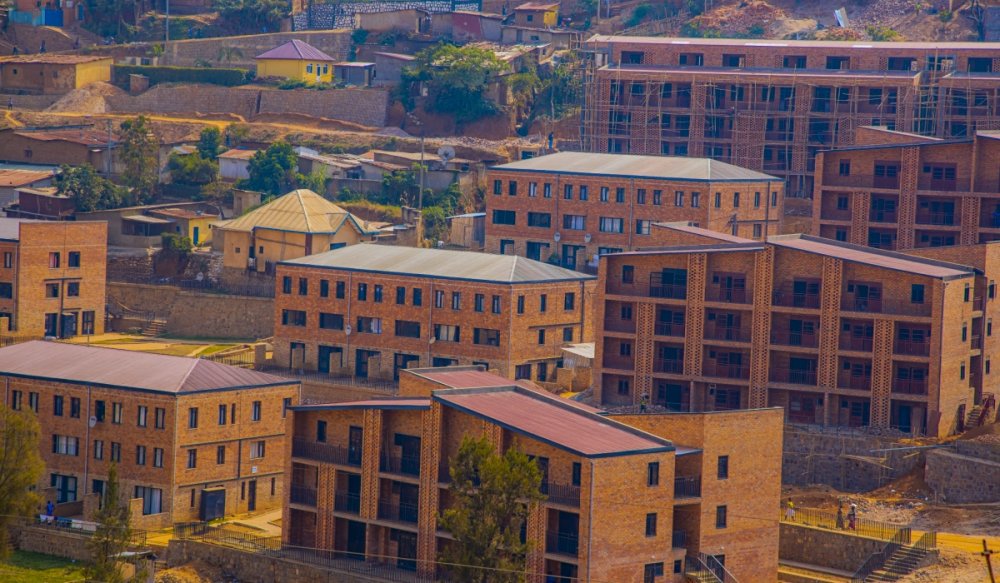
Kigali City plans to progressively expand the Mpazi Model Village housing project in Gitega Sector, Nyarugenge District, to about 4,106 housing units, the city spokesperson has said.
Through Higa, customers can earn up to 7.5% per annum, credited monthly. The account is designed to provide groups with a structured and reliable way to grow their collective savings while reducing the risks associated with informal fund management.
Speaking about the launch, Yves Kayihura, Head of Retail Banking at I&M Bank (Rwanda) Plc said: 'We believe that every saving, no matter its size, is a step towards a stronger financial future. Higa is designed to give savings groups the security of a trusted banking partner while rewarding them for building their savings. By bringing group savings into a structured banking environment, we are helping our customers save with confidence and grow together.'
Higa is available to Ibimina, informal savings groups, cooperatives, associations, clubs, professional groups and collective savings schemes.
The account offers no maintenance fee, monthly interest payouts and the flexibility of a continuing savings account with no maximum holding period.
Opening a Higa account is simple. Customers can visit their nearest I&M Bank branch and complete the standard account opening process. Groups will be required to provide the relevant identification and supporting documentation based on their group structure.
With Higa, I&M Bank continues to expand access to relevant and inclusive financial solutions that respond to the needs of communities and group-based savers.
Incorporated in 1963, I&M Bank (Rwanda) Plc is the oldest Bank in Rwanda. It is today one of the leading players in the industry with a strong footprint across the country.
The bank offers a full range of personal, business, institutional, and corporate banking products throughout its locations. The Bank has been listed on the Rwanda Stock Exchange since March 2017.
The bank is also a subsidiary of I&M Group PLC, a leading regional financial services group in Eastern Africa with a presence in Kenya, Tanzania, and Uganda as well as a joint venture in Mauritius.
I&M Group has a long history in banking and has established a wide network of correspondent banks across the globe and enjoys a strong relationship with leading international Development Financial Institutions.
Incorporated in 1963, I&M Bank (Rwanda) Plc is the oldest Bank in Rwanda.
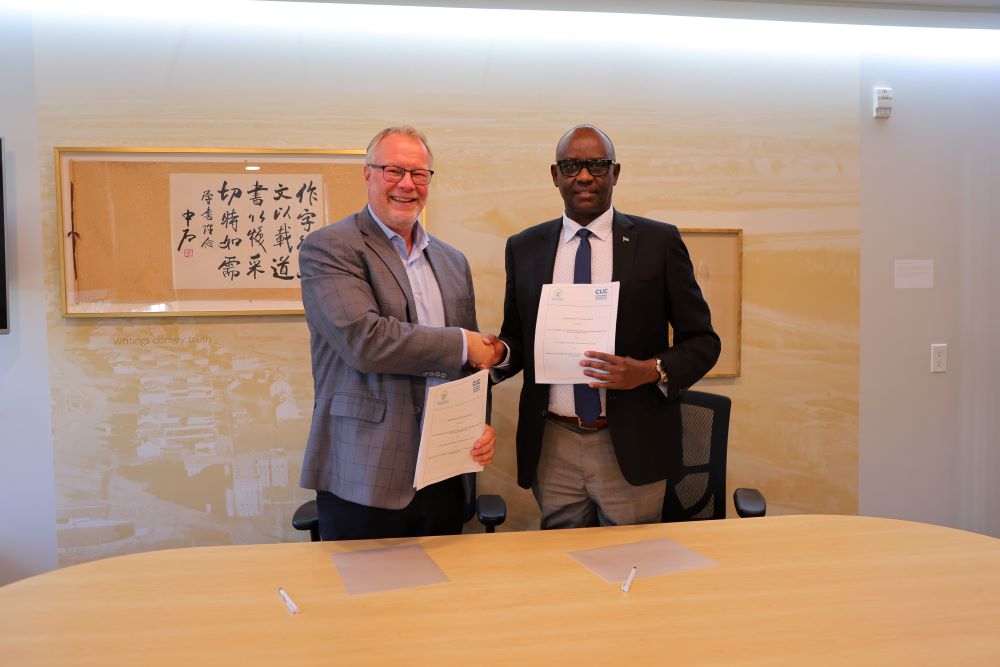
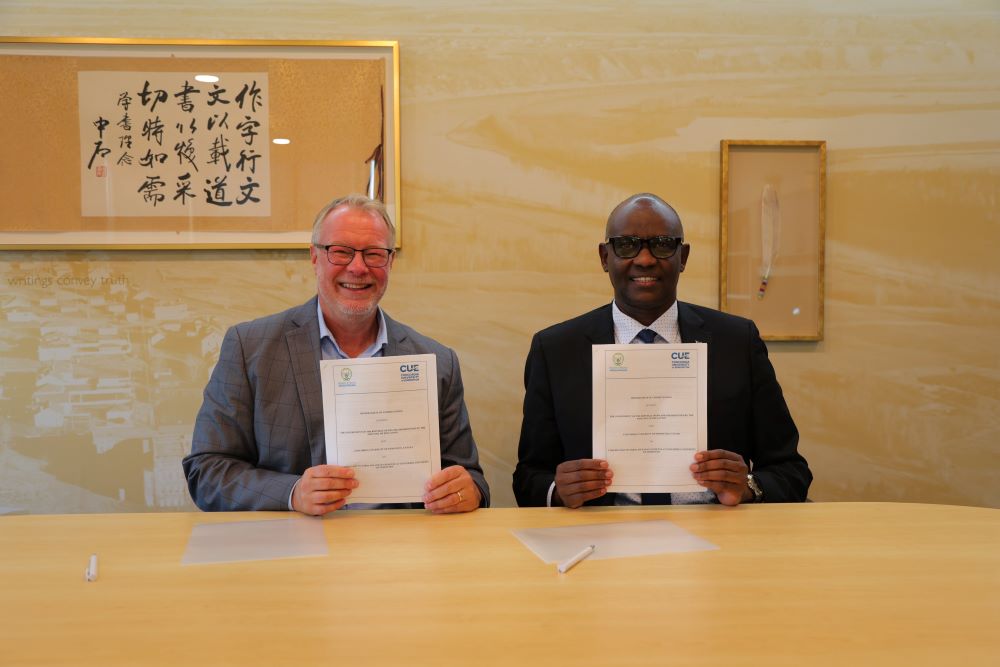
The agreement was signed by Rwanda's High Commissioner to Canada, Prosper Higiro, on behalf of the Government of Rwanda through the Ministry of Education, and Dr. Tim Loreman, President and Vice-Chancellor of Concordia University of Edmonton.
The signing took place during Higiro's visit to Alberta from August 21 to 23, 2026.
Under the agreement, Concordia University of Edmonton will consider applications from qualified Rwandan students seeking to study at the university, subject to its normal admission requirements and institutional capacity.
The two sides will also explore scholarship opportunities, tuition-support mechanisms and other arrangements that could help eligible Rwandan students access education.
The cooperation will also cover executive training programmes for Rwandan government officials, particularly in public policy, innovation and other areas to be agreed upon by both sides.
The MoU further provides opportunities for academic staff and researcher exchanges to strengthen academic collaboration, research, knowledge sharing and institutional links between Concordia University of Edmonton and higher education institutions in Rwanda.
Priority areas for cooperation include Education, Psychology, Management and Cybersecurity, Data and Artificial Intelligence applications, Health Sciences, Environmental Stewardship and Sustainability, Leadership and Innovation, as well as Social Sciences, Economics and Statistics.
The agreement also provides for discussions on broader academic and research collaboration in Rwanda, subject to institutional feasibility, necessary approvals and applicable regulatory requirements.
The signing was among the key engagements during Higiro's visit to Alberta and forms part of efforts to build practical partnerships between Rwanda and institutions in Canada.
The agreement signed by Rwanda and Concordia University of Edmonton will explore opportunities for Rwandan students, academic staff and researchers in areas including education, cybersecurity, artificial intelligence and health sciences.The agreement to expand academic cooperation between Rwanda and the Canadian university was signed between Prosper Higiro, Rwanda's High Commissioner to Canada, and Dr. Tim Loreman, President and Vice-Chancellor of Concordia University of Edmonton.
The British singer took a moment during his 'Together, Together' tour performance to recognize Parton as one of the musicians who had inspired him throughout his career.
'I wanna say a proper 'Thank you' to all the musicians over the years that've inspired me. Dolly, we love you, thank you so much,' Styles told the crowd as fans responded with loud cheers.
Moments later, Parton's 1974 classic 'I Will Always Love You' began playing inside the packed arena.
Rather than performing the song himself, Styles encouraged the audience to join in and enjoy the moment. Fans raised their mobile phone lights, creating an emotional scene across Madison Square Garden as the song played.
Among those in the audience was Styles' fiancée, actress Zoë Kravitz, who joined the crowd during the tribute.
The tribute came during the first night of Styles' 30-show Madison Square Garden residency, which is part of his global 'Together, Together' tour. The residency is sold out and marks his only United States dates on the tour this year.
Parton died on August 25 following a brief battle with cancer. Her death was announced by her nephew, Bryan Seaver, in a video shared through her Instagram account.
Seaver said the announcement was something Parton had asked him to make years earlier, reflecting the singer's awareness of how difficult the moment would be for her family.
Parton leaves behind one of the most influential legacies in music. During a career spanning decades, she became known for songs including 'Jolene,' '9 to 5' and 'I Will Always Love You,' while also establishing herself as an actress, entrepreneur and philanthropist.
'I Will Always Love You,' which Parton wrote and originally recorded in 1974, became an even bigger global hit when Whitney Houston recorded her version for the 1992 film 'The Bodyguard.'
Styles' tribute was part of a wider wave of tributes from artists and public figures following Parton's death. John Mayer also honored the country icon on the same night, performing 'I Will Always Love You' during his SiriusXM show in Amagansett, New York.
For Styles, the Madison Square Garden tribute offered a simple but powerful farewell to an artist whose music had influenced generations.
As the audience sang along to Parton's timeless song, the moment became a celebration of her life and the lasting impact of her music.
Harry Styles (right) has paid tribute to Dolly Parton during his Madison Square Garden show.
The Monetary Policy Committee (MPC), which met on August 26, increased the Central Bank Rate from 8.25 percent, citing persistent inflationary pressures and risks to the outlook.
Inflation rose from 9.1 percent in the first quarter of 2026 to 13.2 percent in the second quarter before reaching 14.5 percent in July, according to the National Bank of Rwanda (NBR). The rate is significantly above the central bank's target range of 2 to 8 percent.
The latest increase follows rate hikes of 50 basis points in February and 100 basis points in May. Since November 2025, the central bank has raised the policy rate by a cumulative 175 basis points.
The NBR Governor Soraya Hakuziyaremye said the latest decision was intended to anchor inflation expectations, limit second-round effects and support the return of inflation to the target range in the second half of 2027.
'Inflation is currently elevated but expected to return to the target range in the second half of 2027,' the central bank boss told journalists during a press conference on Thursday.
Inflation is projected to average 13.1 percent in 2026, slightly lower than the previous forecast of 13.9 percent, before declining to 7.9 percent in 2027.
The central bank, however, warned that inflation could remain under pressure from external and domestic factors.
It identified the onset of the El Niño climate pattern as a key risk, saying droughts and heavy rainfall could affect food supplies and prices for commodities such as rice, cooking oil and sugar.
Continued tensions in the Middle East could also keep global commodity and oil prices elevated, potentially pushing up fuel, transport and import costs.
The NBR said core inflation rose to 12.3 percent in the second quarter from 9.3 percent, driven mainly by higher prices for transport, housing and food. Fresh food inflation increased to 7.3 percent from 5.2 percent, while energy inflation more than doubled to 45.7 percent from 21.1 percent.
Meat prices also came under pressure after supplies were temporarily affected by an outbreak of Rift Valley Fever, although the disease has gradually been contained.
Despite the inflationary pressures, Rwanda's economy maintained strong momentum.
The economy grew by 10 percent year-on-year in the first quarter of 2026, while the Composite Index of Economic Activities increased by 10.9 percent year-on-year in the second quarter, indicating continued expansion despite heightened global uncertainty.
Merchandise exports also performed strongly, increasing by 51 percent in the second quarter, mainly due to higher mineral exports amid favorable international prices.
However, imports rose by 28 percent, driven by demand for essential food products, construction materials, medical equipment and information technology equipment. The trade deficit consequently widened by 13.8 percent to $821.9 million, from $722.3 million in the same period of 2025.
The Rwandan franc meanwhile remained relatively stable. It depreciated by 0.87 percent against the US dollar in the first half of 2026, compared with 2.96 percent during the same period in 2025.
International reserves stood at a level equivalent to 4.2 months of imports at the end of June, above the NBR's four-month benchmark.
The latest rate increase has already been reflected in money market conditions. The interbank rate rose to 7.73 percent in the second quarter, from 6.30 percent in the corresponding period of 2025.
However, retail lending and deposit rates remained broadly stable, suggesting that previous policy rate increases have yet to be fully transmitted to consumers and businesses.
The average lending rate stood at 15.88 percent in the second quarter, compared with 15.96 percent a year earlier, while deposit rates increased marginally to 9.79 percent from 9.75 percent.
The NBR said it would continue monitoring economic conditions and remains prepared to take further measures to safeguard price stability.
Separately, the central bank's Financial Stability Committee said Rwanda's financial sector remained stable and resilient despite global uncertainty.
The sector's total assets grew by 22.7 percent to Rwf17 trillion in the first half of 2026, while outstanding loans from credit institutions increased by 22.6 percent to Rwf6.9 trillion.
Banks accounted for 87 percent of outstanding credit, with lending increasing by 22 percent to Rwf6.1 trillion.
The NBR said banks continued to maintain strong capital and liquidity buffers, although the non-performing loan ratio increased to 3 percent in June 2026 from 2.6 percent a year earlier.
The central bank's latest decision continues a tightening cycle aimed at bringing inflation back within its target range while maintaining economic and financial stability.
'The National Bank of Rwanda remains committed to safeguarding financial stability. The FSC will continue to closely monitor credit growth, liquidity and funding conditions, emerging risks in non-bank financial institutions, investment concentration as well as fraud, cyber risks and other operational vulnerabilities,' Governor Hakuziyaremye noted.
Addressing journalists on Thursday, the NBR Governor Soraya Hakuziyaremye said the latest decision was intended to anchor inflation expectations, limit second-round effects and support the return of inflation to the target range in the second half of 2027.
The acquisition, announced through a statement released on August 27, 2026, follows RSSB's previous ownership of 40% in Inyange Industries and 50% in Ruliba Clays.
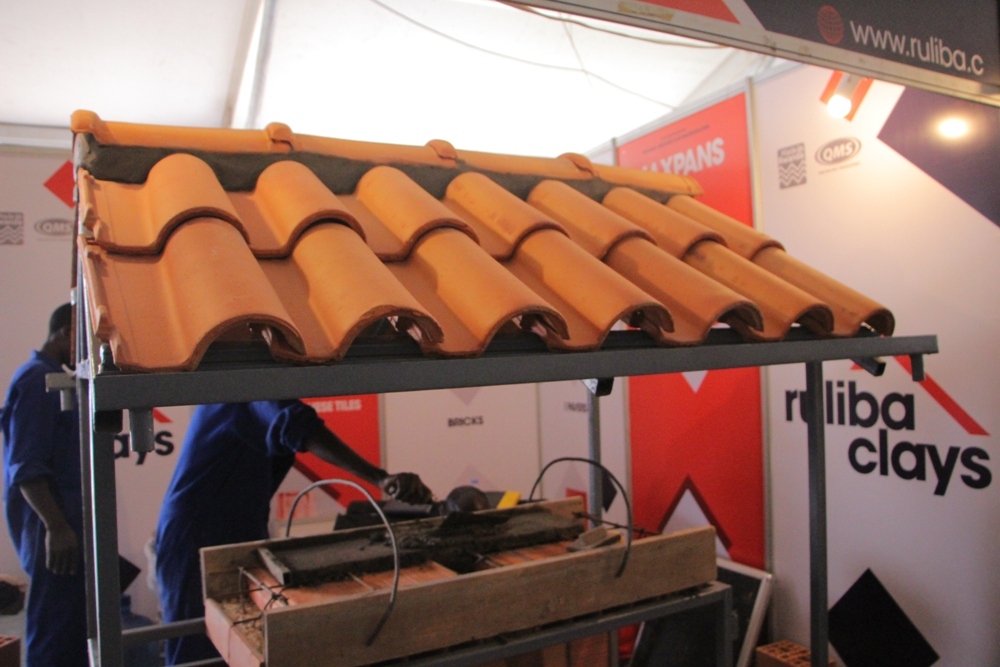
Inyange Industries is one of Rwanda's major food and beverage processing companies, having built a strong reputation in both the local and regional markets. Meanwhile, Ruliba Clays plays an important role in the construction industry, particularly in the production of building materials.
RSSB said the move reflects its confidence in the long-term growth potential of the two companies and is in line with its mandate to protect and grow members' funds through investments that can generate sustainable, risk-adjusted returns.
Inyange Industries has established a strong position in the market and continues to record business growth, according to RSSB.
Ruliba Clays, meanwhile, is entering a new phase of expansion following the completion of its second manufacturing plant, which has doubled its initial production capacity and positioned the company to meet growing demand in Rwanda and the region.
With full ownership, RSSB said it will support the companies' next phase of development, focusing on stronger governance, operational performance, disciplined use of capital, regional expansion and sustainable profitability.
The pension fund also said it will explore strategic partnerships and capital-market opportunities over time, including the possible involvement of institutional investors or public listings where such moves can create long-term value for its members.
RSSB has co-invested with CVL in Inyange Industries since 2014 and in Ruliba Clays since 2009. The transaction is also consistent with CVL's strategy of divesting from mature businesses after they reach an appropriate level of scale and stability.
RSSB Chief Executive Officer Regis Rugemanshuro said the acquisition demonstrates the institution's confidence in the future of the two businesses.
'Moving to full ownership reflects our conviction in the long-term potential of these businesses,' Rugemanshuro said.
He added that RSSB's ambition is to help build stronger, more competitive and profitable companies that can expand beyond their current markets, attract strategic partners and generate sustainable returns for members.
Beyond financial returns, RSSB said the continued growth of the two companies is expected to contribute to Rwanda's industrial development through stronger domestic manufacturing, support for local value chains, job creation and improved competitiveness of Rwandan products in regional markets.
RSSB said it will continue to pursue prudent and active investment management aimed at protecting and growing members' funds while supporting the long-term financial sustainability of the social security schemes it manages.
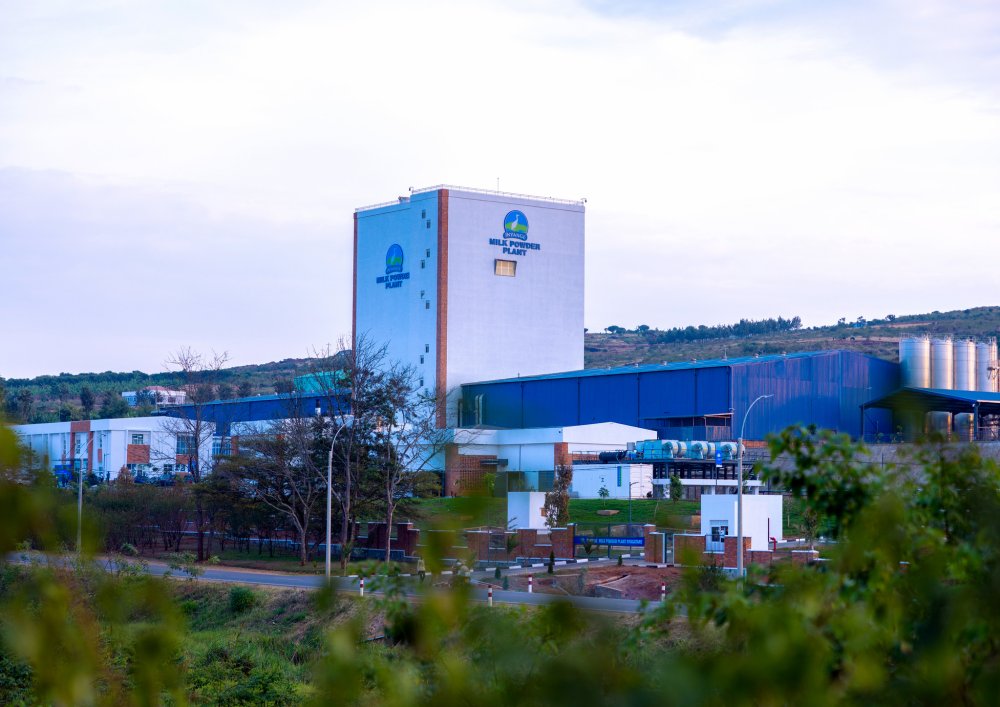
Inyange Industries has established a strong market position and continues to demonstrate robust business performance and growth.Ruliba Clays is entering a new phase of expansion after completing its second manufacturing plant, which has doubled its initial production capacity.RSSB has acquired the remaining shares in Inyange Industries and Ruliba Clays, bringing its ownership of both companies to 100%.
The decisions were reached on Wednesday, August 26, during an emergency meeting of CCM's Central Committee in Dar es Salaam, a day after Nchimbi announced his resignation from the vice presidency and retirement from politics and public service.
Nchimbi's resignation is due to take effect on September 4, 2026, and was accepted by President Samia Suluhu Hassan. The appointment of his successor will now follow the constitutional process.
Speaking to journalists after the party meetings, CCM Secretary-General Asha-Rose Migiro said the Central Committee had considered several issues, including disciplinary and ethical matters concerning Nchimbi, who was also a member of the committee.
'After considering all the available information, it was established that the Constitution of Chama Cha Mapinduzi and its regulations had been violated,' Migiro said.
She said the party's National Executive Committee subsequently resolved unanimously to expel Nchimbi.
'We therefore wish to inform all CCM members and the public that, from this moment, he has been expelled from the party and is no longer a member,' she said.
The expulsion marks a dramatic development in Nchimbi's political career, which has included senior positions within both the government and CCM.
Nchimbi previously served as CCM secretary-general before becoming Samia's running mate in the October 2025 General Election. He was sworn in as Vice President on November 3, 2025.
In his resignation statement on Tuesday, Nchimbi said he had decided to leave office after becoming convinced that President Samia wanted a change of vice president.
'I am satisfied beyond doubt that Her Excellency the President wants change, so I have decided to fulfil my promise,' he said.
Nchimbi said his decision was also in line with a commitment he made to Samia in August 2025 to support her and the country with loyalty and step aside if she felt another person was needed as vice president.
Nchimbi's proposed successor currently serves as Minister for Energy and is also CCM's Member of Parliament for Chamwino. He has previously held several senior government positions.
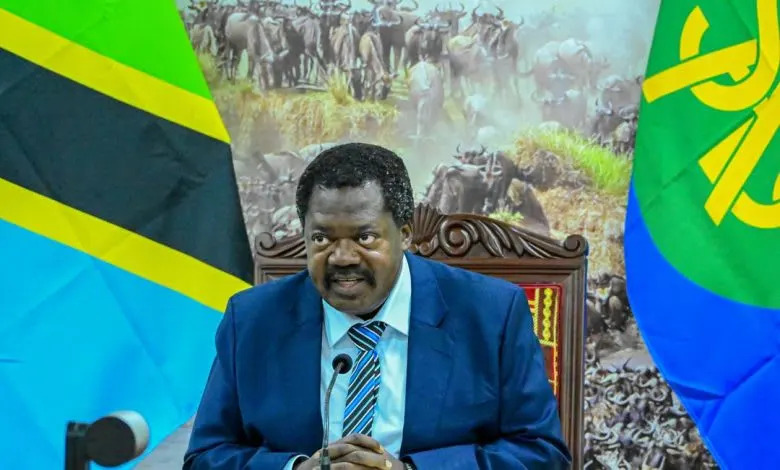
Tanzania's ruling Chama Cha Mapinduzi (CCM) has expelled Vice President Emmanuel Nchimbi from the party and endorsed Energy Minister Deogratius Ndejembi as its nominee to succeed him as Vice President.
AFC/M23 Deputy Permanent Secretary Delion Kimbulungu said that education is a right of students and that no leader should deprive them of this right.
The official said it was regrettable that young people in South Kivu Province, who had previously been deprived of opportunities to study because of insecurity, were now being denied this right at a time when security had returned.
The DRC government said it decided to close universities and higher learning institutions in Goma and Bukavu because of the prevailing security situation.
Kimbulungu said this was an outright lie, arguing that it is known by everyone that areas controlled by AFC/M23 in eastern DRC are more secure than they were before.
AFC/M23 also rejected the DRC government's decision to suspend the salaries of employees of universities and higher learning institutions in Goma and Bukavu, saying the decision had no basis whatsoever.
The coalition said it was difficult to understand why the DRC government continues to take decisions that worsen tensions shortly after representatives of the two sides met for peace talks in Switzerland.
AFC/M23 declared the DRC government's decision to close universities and higher learning institutions in Goma and Bukavu null and void, urging students to continue with their studies and lecturers to continue teaching.
The coalition said it was ready to cover all the costs required to ensure that universities and higher learning institutions in Goma and Bukavu operate properly, including paying their employees.
The DRC government's decision appeared to be a retaliatory measure, as it was strongly angered by AFC/M23's appointment of new administrators to lead these universities and higher learning institutions in the areas it controls.
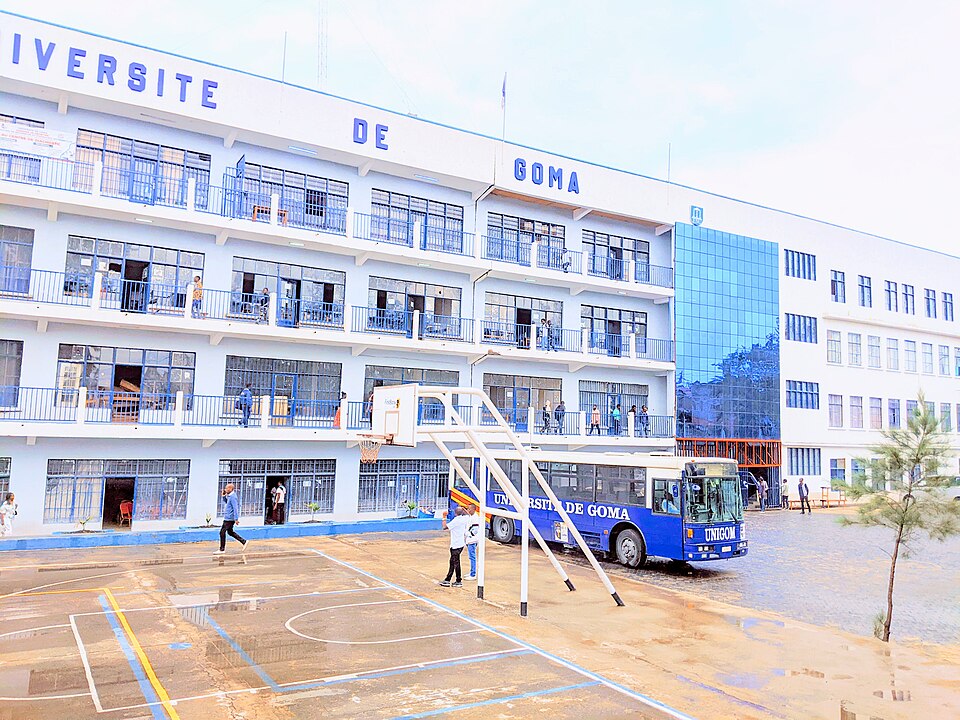
The University of Goma (UNIGOM) is among the institutions closed by the DRC government.