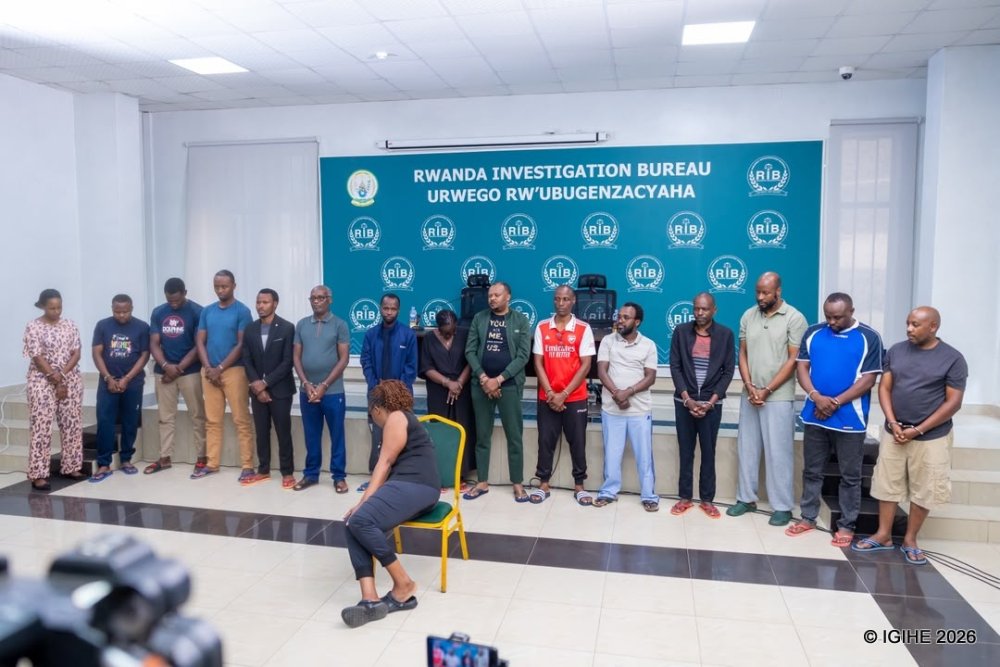
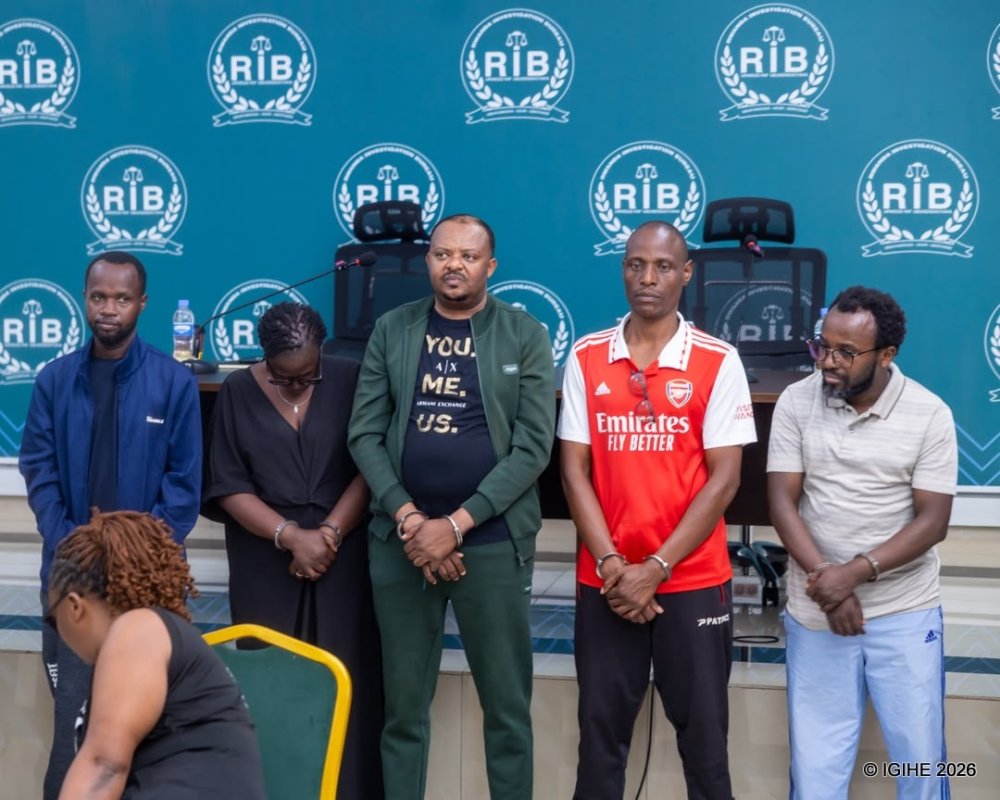
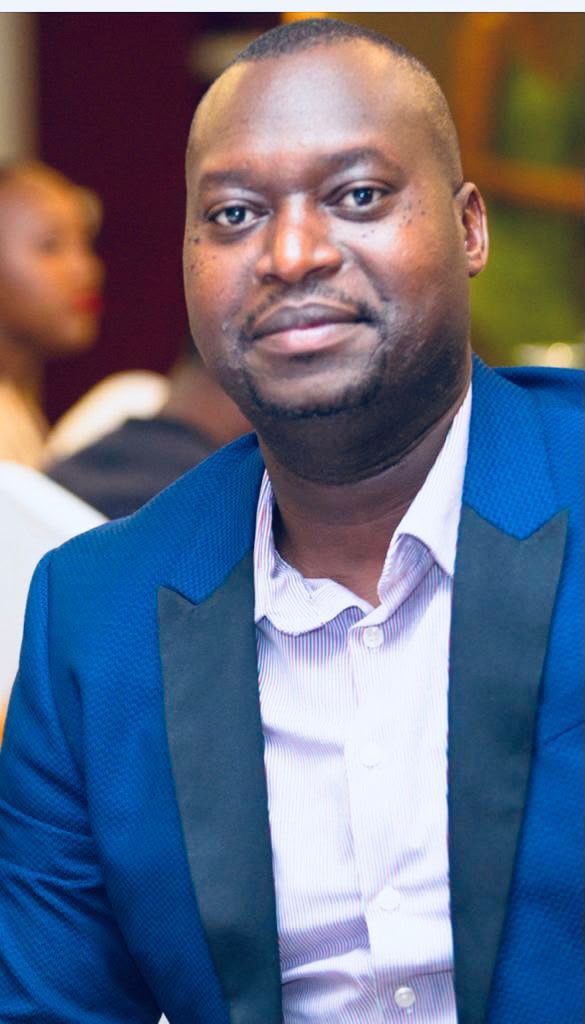
Ntihanabayo Samuel, also known as Kazungu, and 15 other suspects arrested in Kigali were presented by RIB on August 8, 2026. Ntihanabayo was arrested alongside two other employees of Ingufu Gin, including the factory's quality control officer and production manager.
Oluwatosin Ayayi, the operations manager of Kerry Taste and Nutrition Rwanda, was also among those presented after being arrested in Kigali.
Other suspects presented by RIB included individuals linked to Ebeneza Hub, Sakaza Fruit, Entreprise Urwibutso, African Buffalo, Piphany Company and Lotas Medical Group.
Since August 2, the Rwanda Food and Drugs Authority (Rwanda FDA) has closed 148 factories producing alcoholic beverages that failed to meet required quality standards and suspended the production of the beverages manufactured by the affected facilities.
The decision followed inspections that found that some of the factories were using improperly processed ethanol in their alcoholic beverages, posing serious health risks to consumers.
The Government of Rwanda says 50 people have died from consuming substandard alcohol since January 2026, while another 100 people have lost their sight. An estimated 11,000 people across the country have also become addicted to the beverages.
RIB spokesperson Dr. Murangira B. Thierry said those under investigation include government officials responsible for inspections and issuing permits, factory owners, employees of the closed factories, local government officials and people involved in illegal alcohol production.
'They all have one thing in common. They are connected through the chemical substance ethanol. They are facing four charges: giving a person something that can endanger their life, forging or using forged documents, embezzlement and insubordination,' Dr. Murangira said.
He explained that some factory owners and employees involved in producing substandard alcoholic beverages had been using expired materials and unauthorized measurements in pursuit of profit, without considering the consequences for consumers.
'So far, 80 people have been arrested across the country, 16 of whom we have presented here were arrested in Kigali. Investigations are still ongoing. In reality, nothing can be exchanged for human life because everything being done is in the interest of the public,' Dr. Murangira said.
RIB said inspections conducted in collaboration with relevant authorities found that some factories were operating without registration, while others were producing beverages without the required quality certifications.
Authorities also found factories operating in unhygienic conditions, producing alcohol in unauthorized locations and obstructing inspections by officials.
RIB said investigations into the production and distribution of substandard alcoholic beverages are continuing as authorities work to identify all individuals involved and protect the public from products that could endanger their health.
RIB presents some of those arrested over production of substandard alcohol.Ntihanabose Samuel, also known as Kazungu, is among individuals in RIB custody.
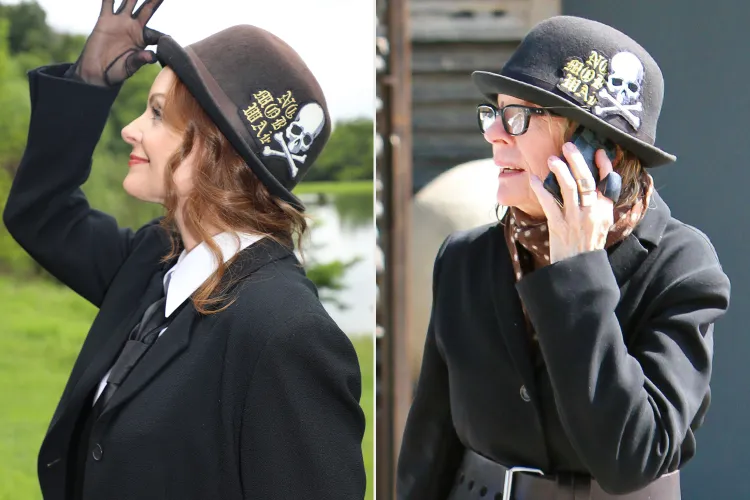
Williams-Paisley, 54, shared photos of herself wearing the items on Instagram on Friday, August 7. She said she was happy to own a piece of Keaton's distinctive style, but an unexpected moment during the photo shoot made the experience even more emotional.
'Recently I bought this hat and gloves from the Diane Keaton auction. I'm so happy to have some of her iconic style with me,' Williams-Paisley wrote.
While Williams-Paisley and her friends were carefully unpacking the items and preparing to photograph them, a large bald eagle suddenly landed in a nearby tree.
According to the actress, the eagle stayed briefly before flying away.
'THIS IS SO RARE!! It definitely felt like Diane's energy was around us!' she wrote.
Williams-Paisley included a video of the bald eagle in the Instagram post, alongside photographs of herself wearing Keaton's hat and gloves. One of the images also showed Keaton wearing the same hat.
The actress revealed that the hat carries the words 'NO MORE WAR,' along with a skull and crossbones design that Keaton had added.
'The hat says, 'NO MORE WAR,' and she'd added a skull and crossbones. So, I'm passing along her message,' Williams-Paisley wrote.
Williams-Paisley and Keaton first worked together on the 1991 film Father of the Bride, in which Williams-Paisley played Annie Banks, the daughter of Keaton's Nina Banks.
They reunited for Father of the Bride Part II in 1995. Their professional relationship eventually developed into a close friendship.
Williams-Paisley has previously spoken about how important Keaton was to her, particularly because she was only 19 when she landed her role in the first film.
She described Keaton as a mother figure who made her feel safe and said she was able to talk to her about anxiety and recurring nightmares.
Williams-Paisley also recalled being nervous about meeting Keaton because she had admired her work in films such as Annie Hall, The Godfather and Baby Boom.
Keaton died on October 11, 2025, at the age of 79.
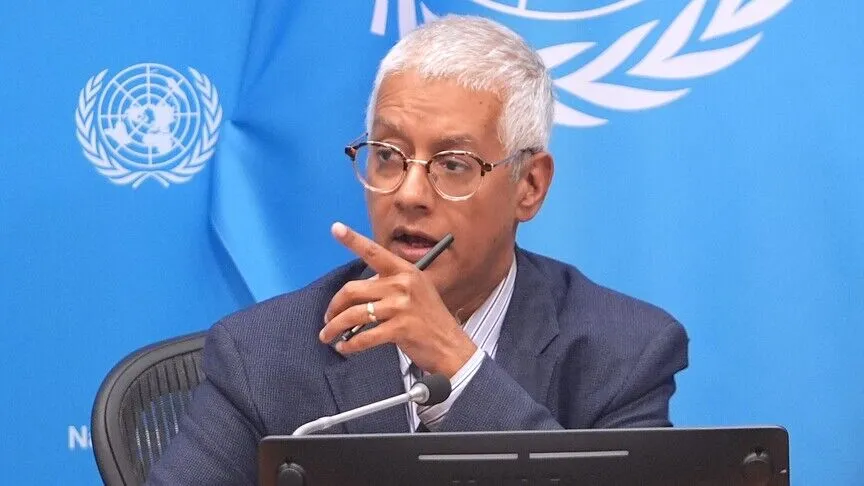
The staffer, identified as Yahav Lichner, is leading UNICEF's office in Washington, D.C.
Lichner has reportedly been placed on administrative leave.
'What I can tell you is that UNICEF is aware of serious allegations concerning an employee and is taking the appropriate action,' said Farhan Haq, deputy spokesman for the UN secretary-general.
'If true, such actions would be inconsistent with staff obligations under the UN Charter, the staff regulations and the standards of conduct for the international civil service, all of which emphasize that the responsibilities of staff are international, not national, and which call for the independence and impartiality of the staff of the UN,' said the spokesman.
According to an investigation by the Drop Site news outlet based on leaked emails obtained by the hacking group Handala, Lichner allegedly provided confidential UN information to Israeli officials when he was serving at the UN Population Fund. The hacked emails upon which the Drop Site investigation is based cover the years 2014 and 2015.
UN deputy spokesman Farhan Haq said Friday that UNICEF is handling allegations against a senior staff member accused of secretly sharing confidential UN information with Israeli diplomats while working for another UN agency.
Speaking on The New Times' Context programme, Nduhungirehe said the agreement does not need to be renegotiated or supplemented with new arrangements, but requires political will from the parties and the mediator to implement its provisions.
'The agreement itself is comprehensive enough. What we need to do is to implement it. We don't need to renegotiate it because we agree with its content,' he said.
The minister said the Washington Accords built on the Concept of Operations (CONOPS) agreed between Rwanda and the DRC for the neutralisation of the FDLR and the lifting of Rwanda's defensive measures.
'The Washington Agreement was actually taking the concept of operations that we had agreed on already in Rwanda for the neutralization of the FDLR, genocidal force, and the lifting of Rwanda's defensive measures,' Amb. Nduhungirehe said.
He rejected a recent protocol announced between the DRC government and the FDLR under which the armed group said it was prepared to disarm and undergo demobilisation and reintegration.
Amb. Nduhungirehe said the FDLR is not a party to the Washington agreement but rather one of the issues the agreement requires to be addressed.
'The FDLR should be neutralized as per the Washington Accords. They are the subject of the Washington Accords. They are not a party to sign protocols,' he said.
He also accused the FDLR of working with the Congolese army and dismissed the recent exchange of communications between the group and the DRC government as a delaying tactic.
'We've seen communication between the FDLR writing to the DRC government and the DRC government responding to the letter by the FDLR leaders. It's just comedy,' he said.
'What we believe is that this is delaying tactics that cannot fool anyone. And it's not the first time.'
Amb. Nduhungirehe cited previous instances in which the DRC announced plans to neutralise the FDLR but, according to him, failed to follow through.
He recalled that in March 2024, then-DRC Foreign Minister Christophe Lutundula announced that Kinshasa would present a plan to neutralise the FDLR. Four days later, Amb. Nduhungirehe said Lutundula questioned whether authorities knew where the FDLR fighters were.
The minister also referred to March 2026, when DRC military authorities announced plans to begin operations against the FDLR.
'Then two days later, on 31st of March, they sent helicopters to Walikale full of rifles, close to 700 rifles, to the bases of the FDLR. Ammunition, money, mortars, and other weapons to the same FDLR,' he alleged.
Amb. Nduhungirehe said the lack of progress under the Washington agreement is primarily a question of political will.
'The process itself and the agreement are fine. And they are actually excellent when we read the document. But the problem we have is the political will to implement that agreement,' he said.
He said Rwanda had also raised concerns about the role of the United States as mediator, accusing it of becoming increasingly biased in the process.
Amb. Nduhungirehe maintained that Rwanda does not need another agreement to resolve the FDLR issue, but rather tangible implementation of the commitments already made.
Minister Olivier Nduhungirehe has discussed the implementation of the Washington peace agreement and the need to address the FDLR issue.
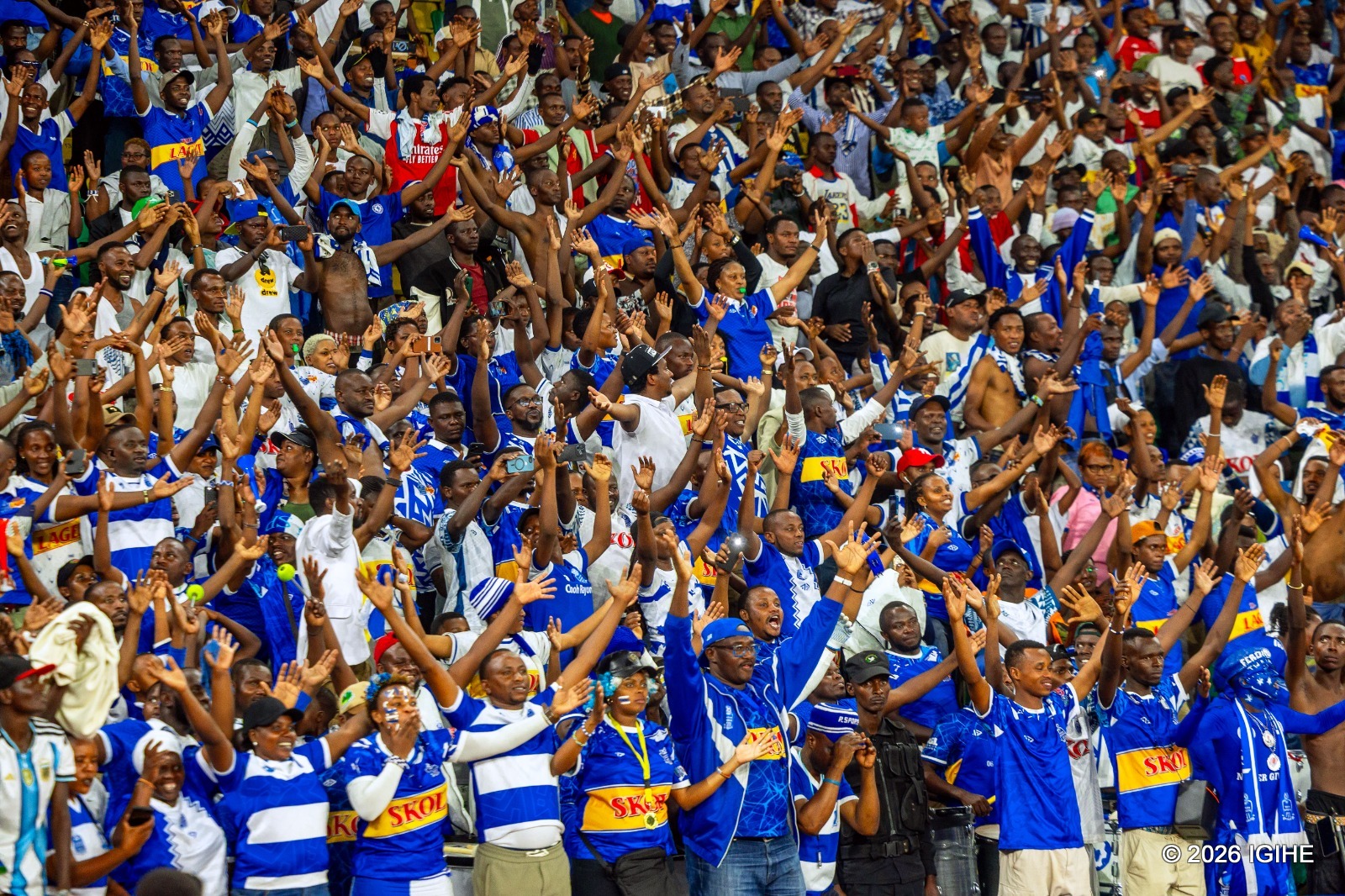
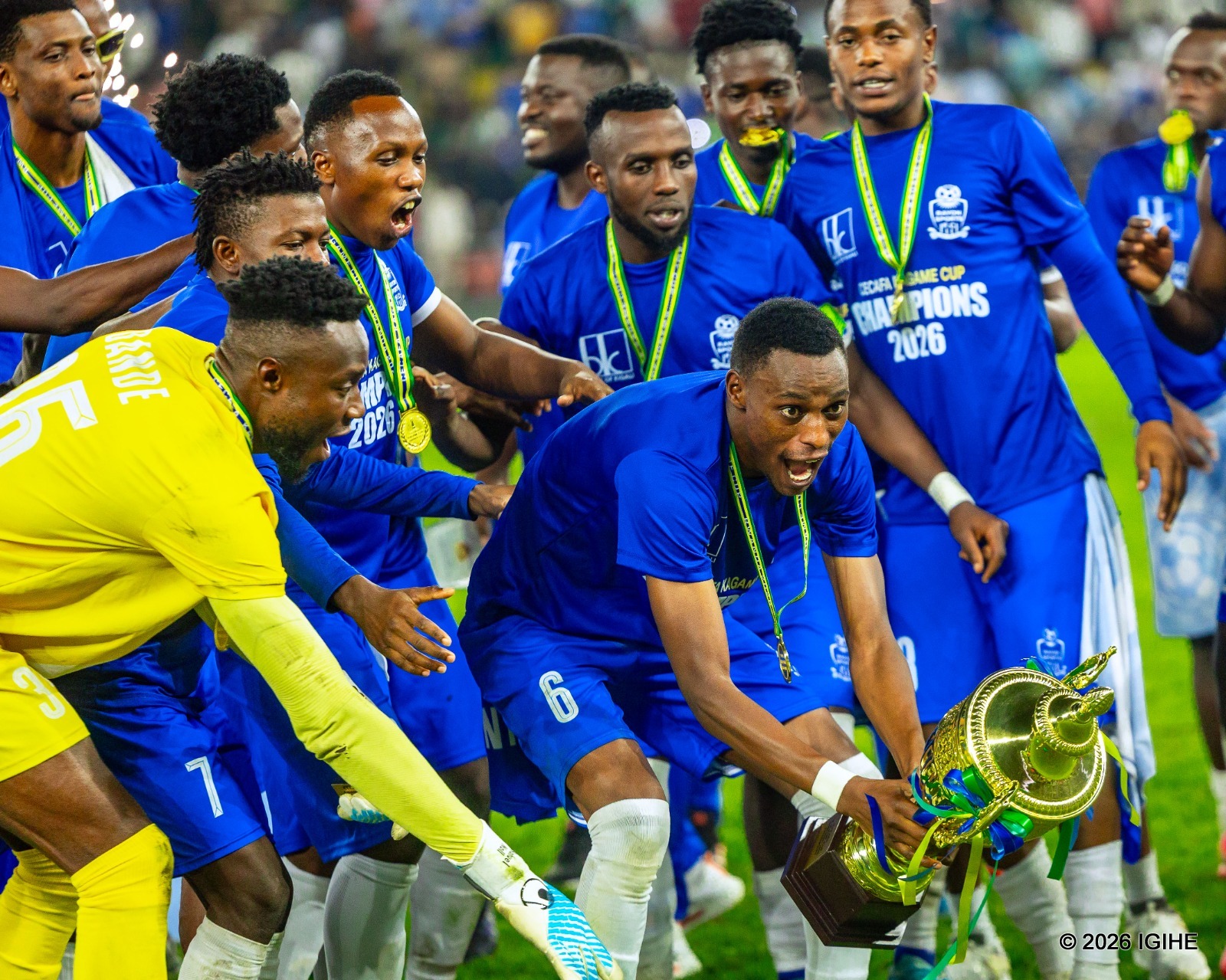
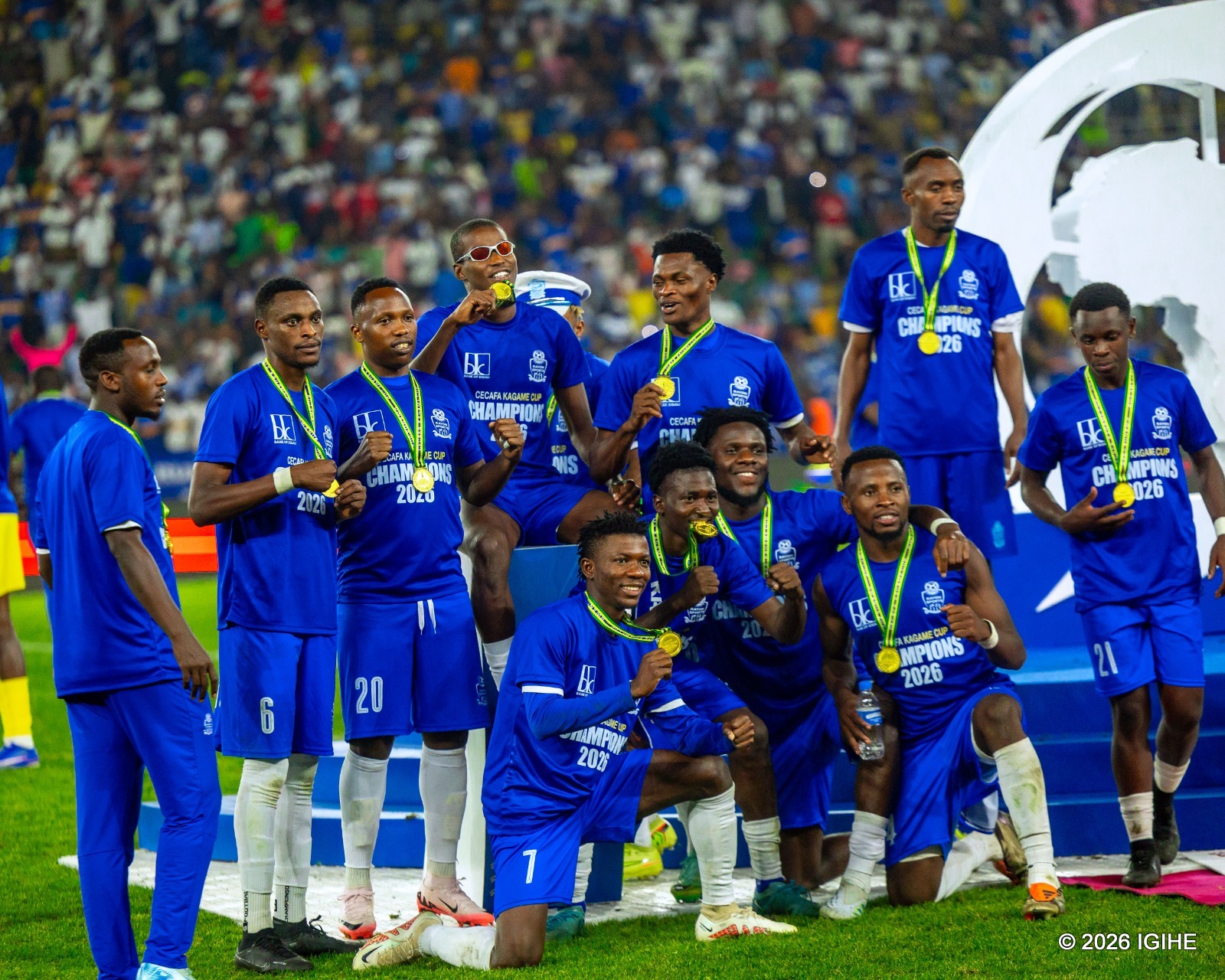
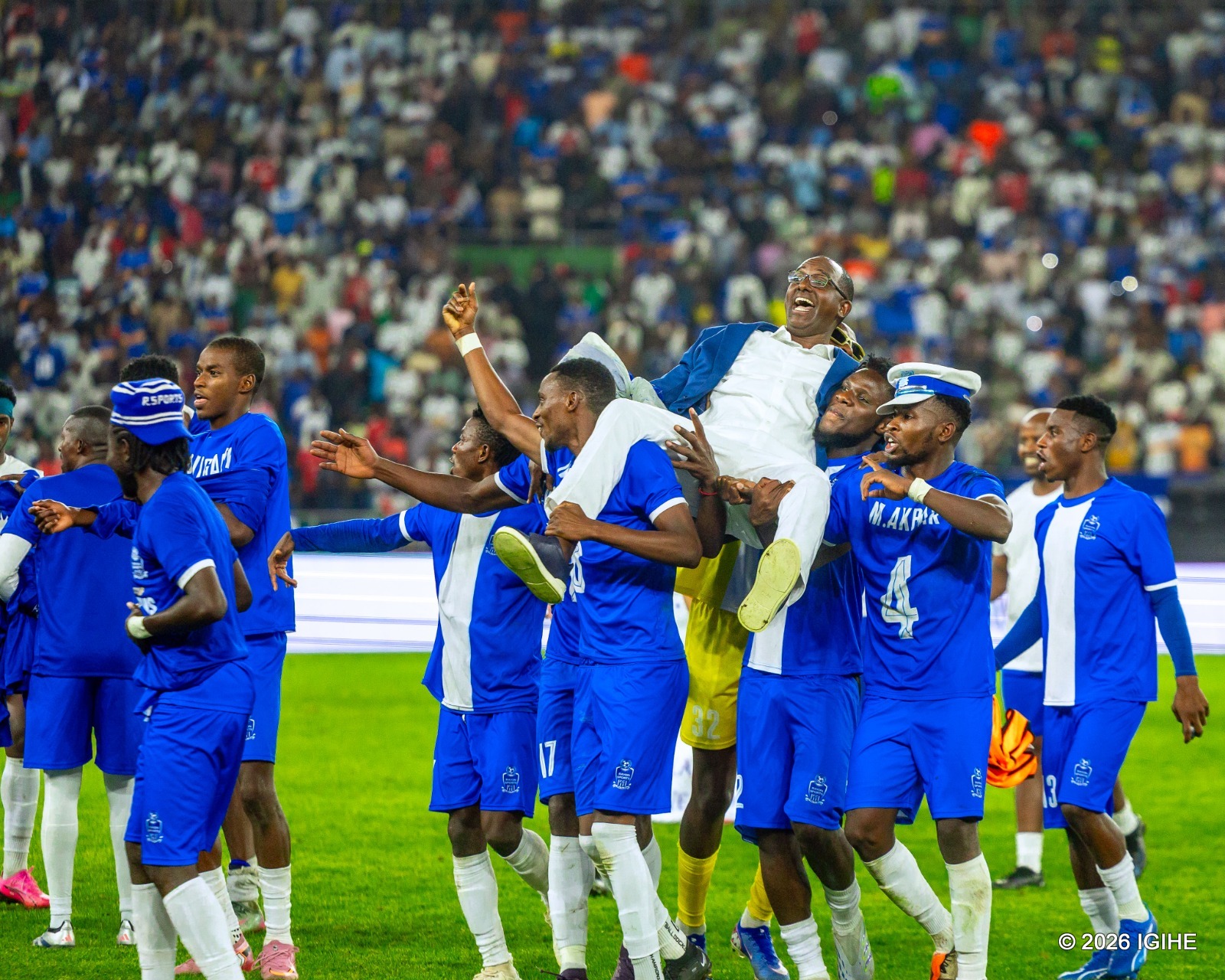
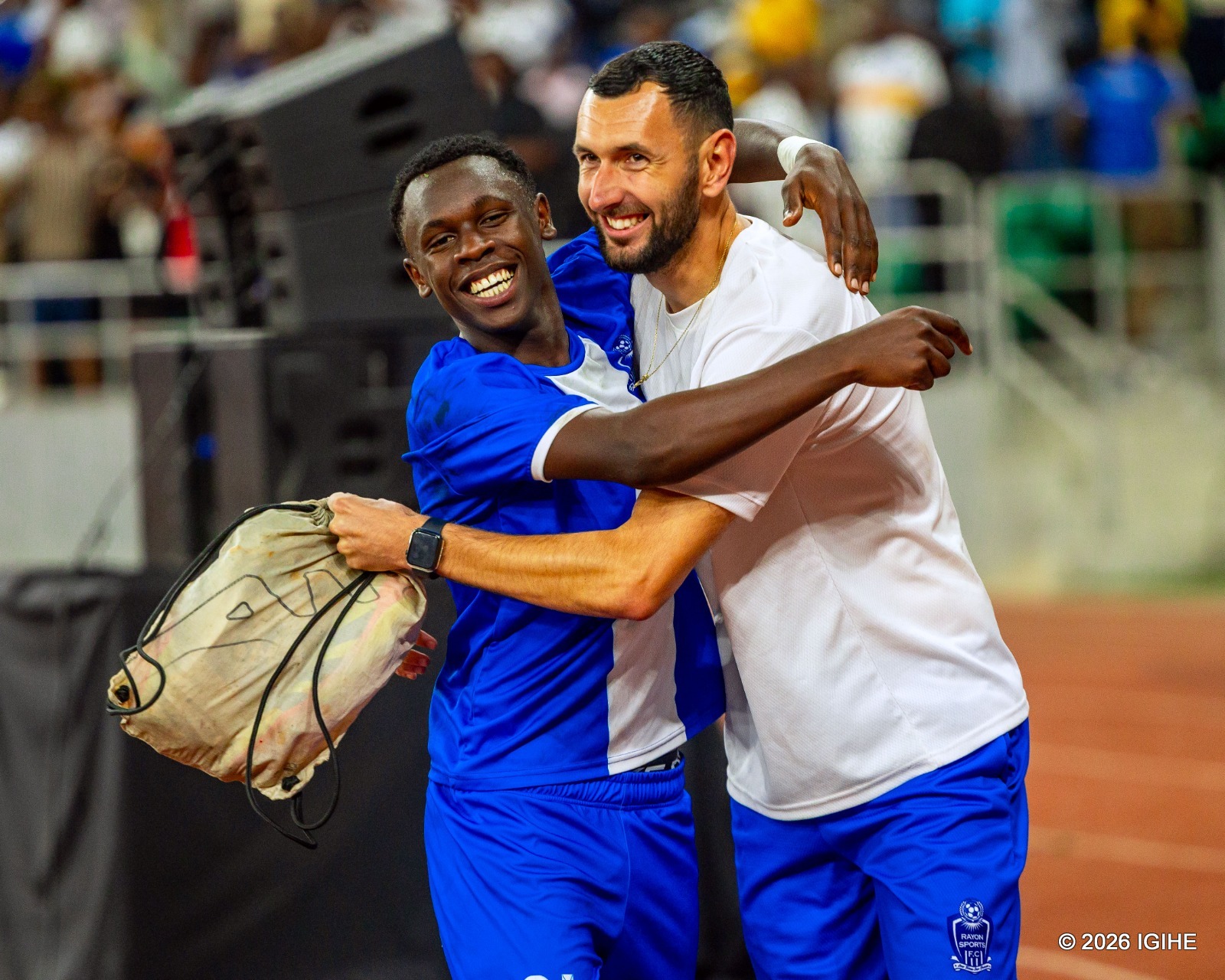
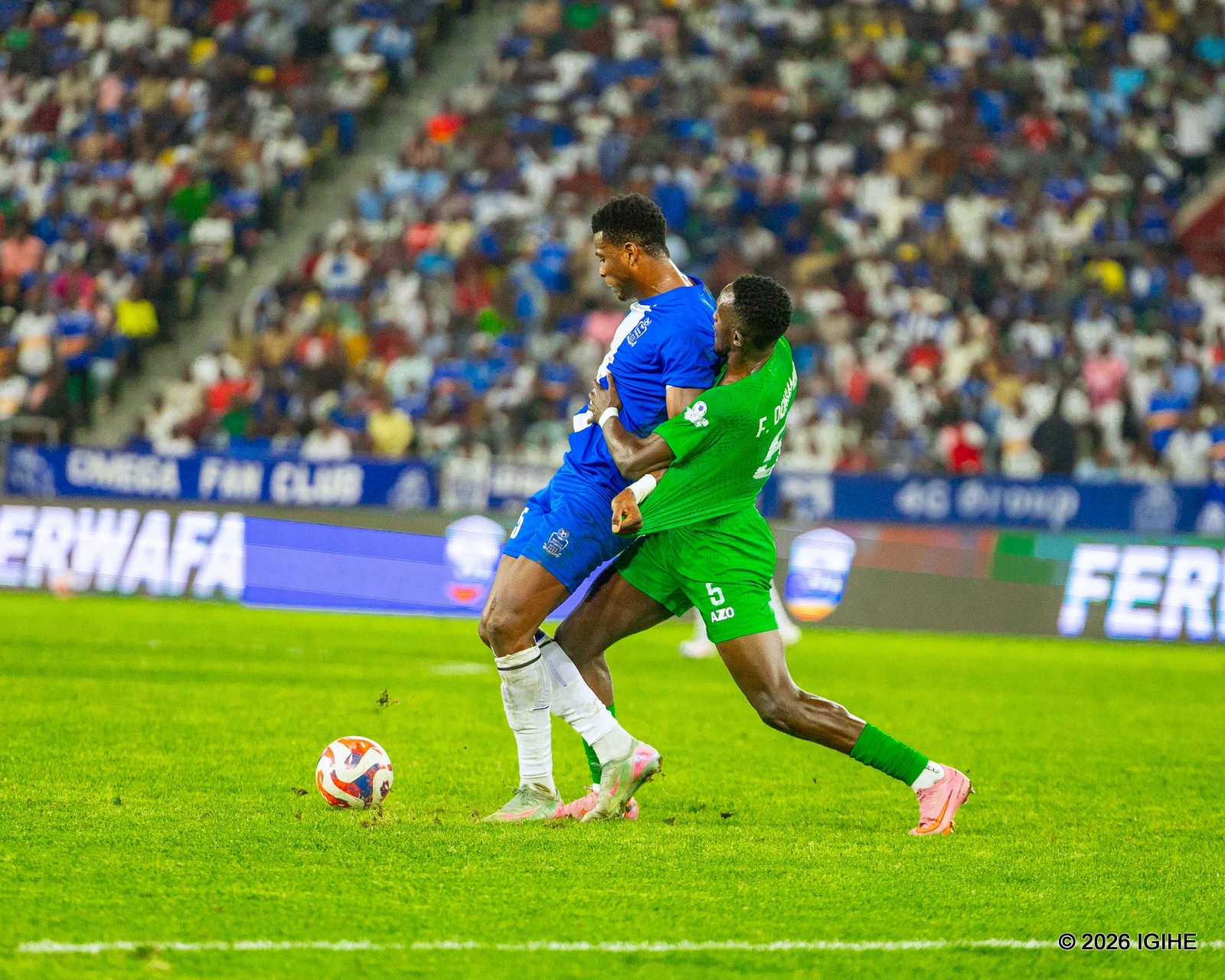
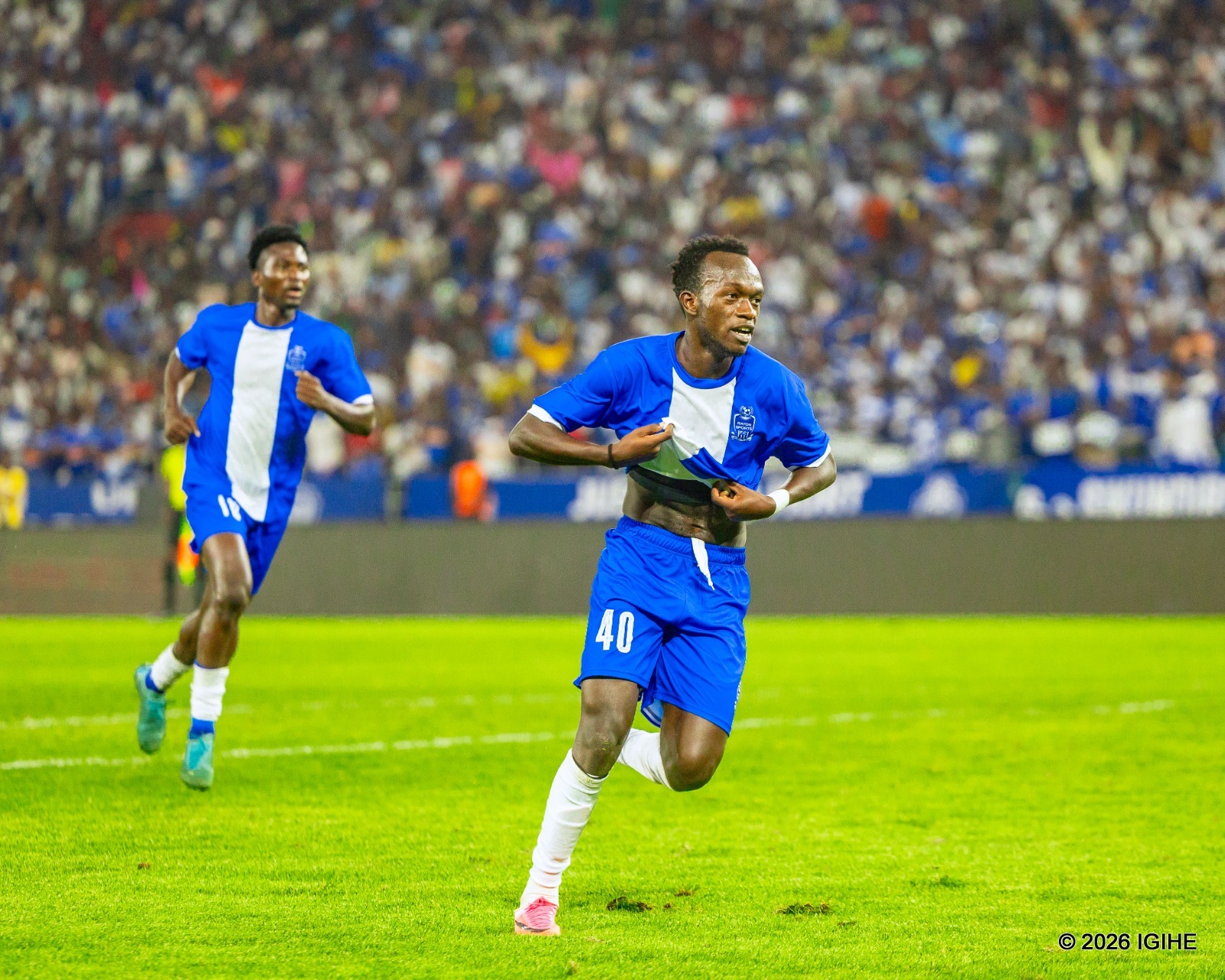
Eighteen-year-old Daniel Muhoza emerged as the hero, scoring a spectacular overhead kick in the 97th minute to hand the Rwandan giants their second regional title, adding to the trophy they won in 1998 against Zanzibar's Mlandege. The victory also capped a flawless campaign in which Rayon Sports won every match and claimed the tournament's $30,000 top prize.
Roared on by a capacity home crowd, Rayon Sports made a bright start and broke the deadlock in the 29th minute. Herman Junior Kameni reacted quickest inside the six-yard box to divert the ball past Gor Mahia goalkeeper Bryne Omondi and give the hosts a deserved lead.
Gor Mahia came back stronger after the break and equalised in the 53rd minute through Musa Sharif Sirengo, setting up a tense finish as both sides searched for a winner.
Neither team could find the breakthrough in the remainder of normal time, sending the final into extra time.
Seven minutes into the additional period, in the 97th minute, Muhoza produced a stunning overhead kick that beat Omondi and proved to be the match-winning goal, sparking wild celebrations among the home supporters.
Rayon Sports were reduced to 10 men after a late red card in extra time but held firm to secure a famous victory on home soil.
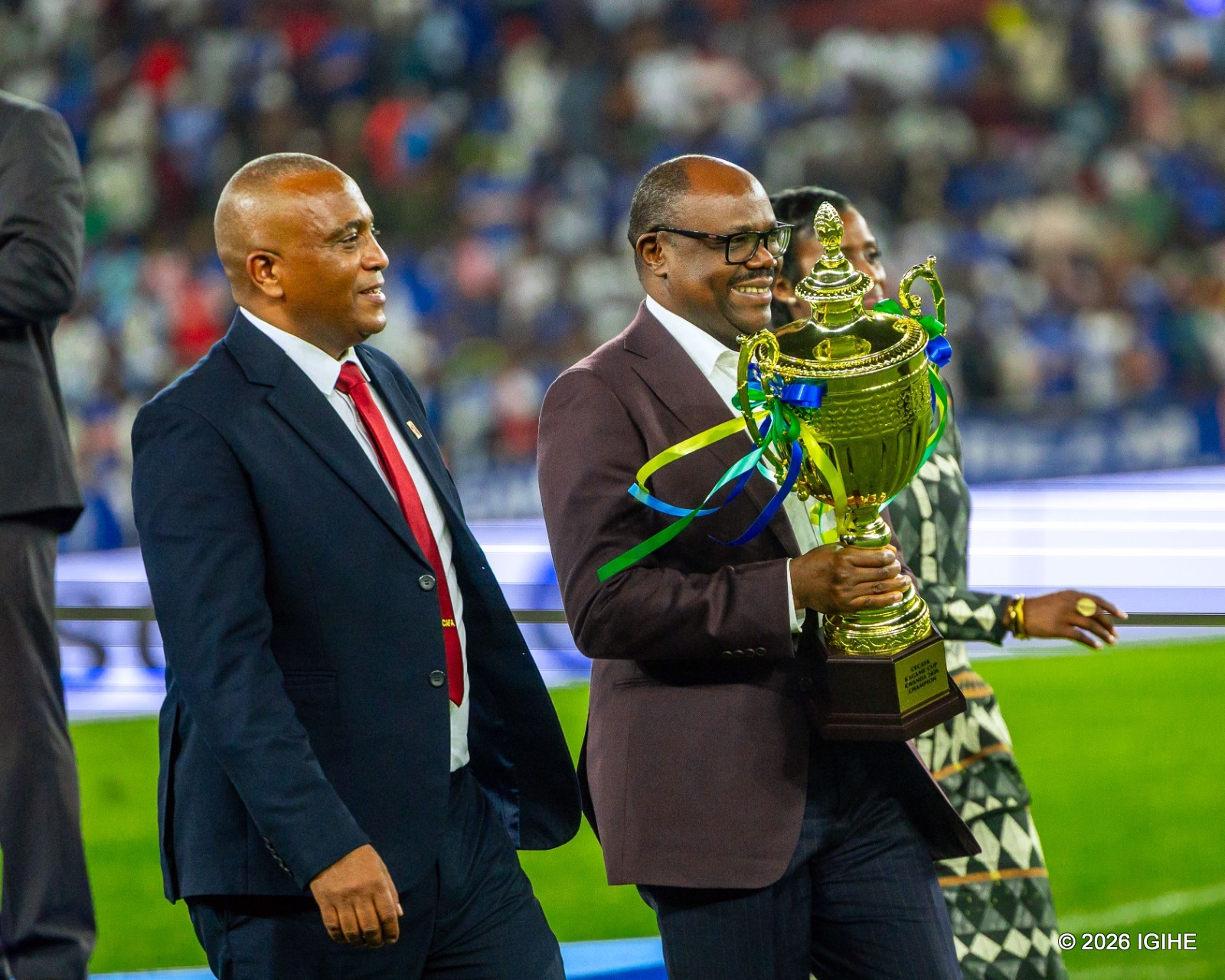
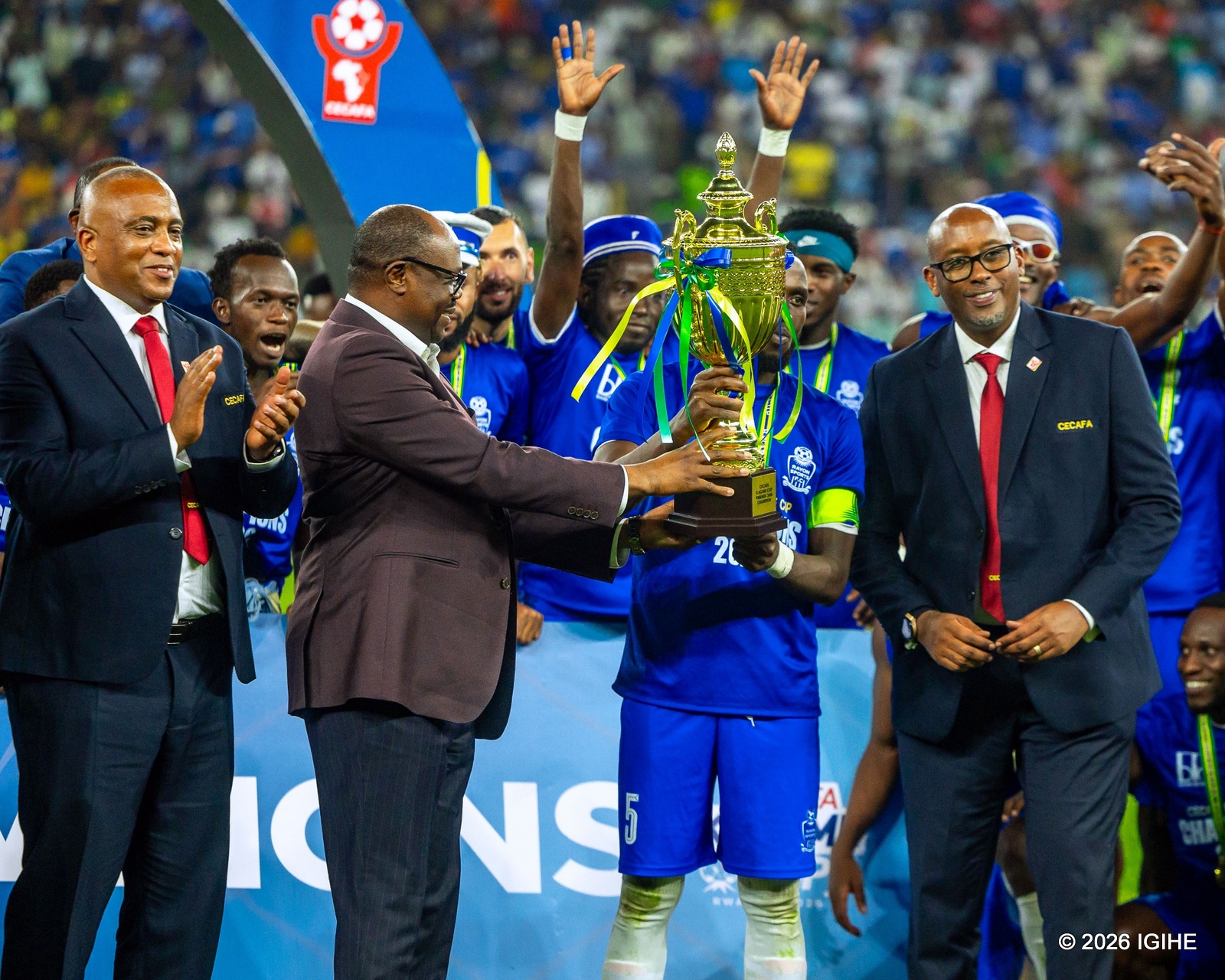
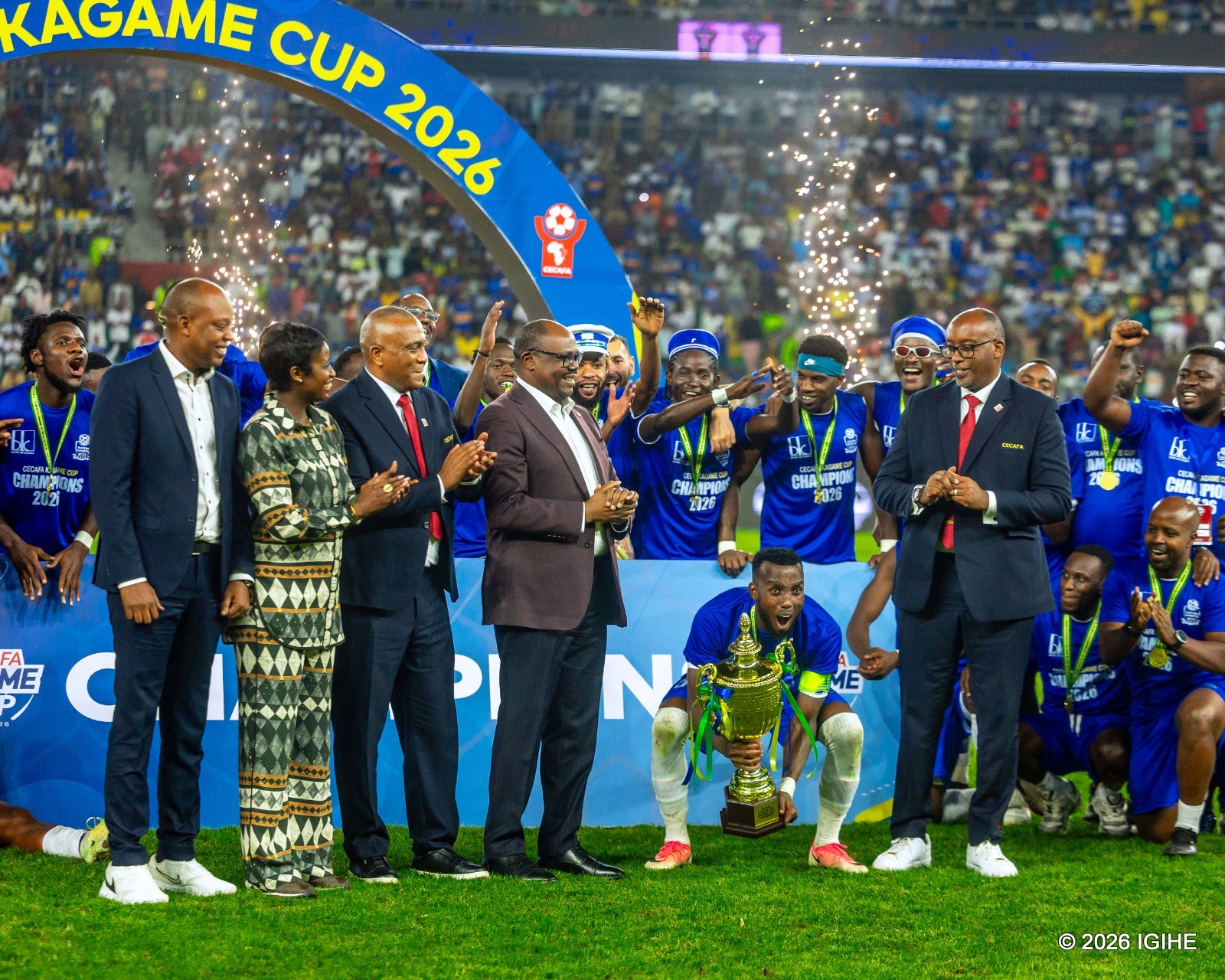
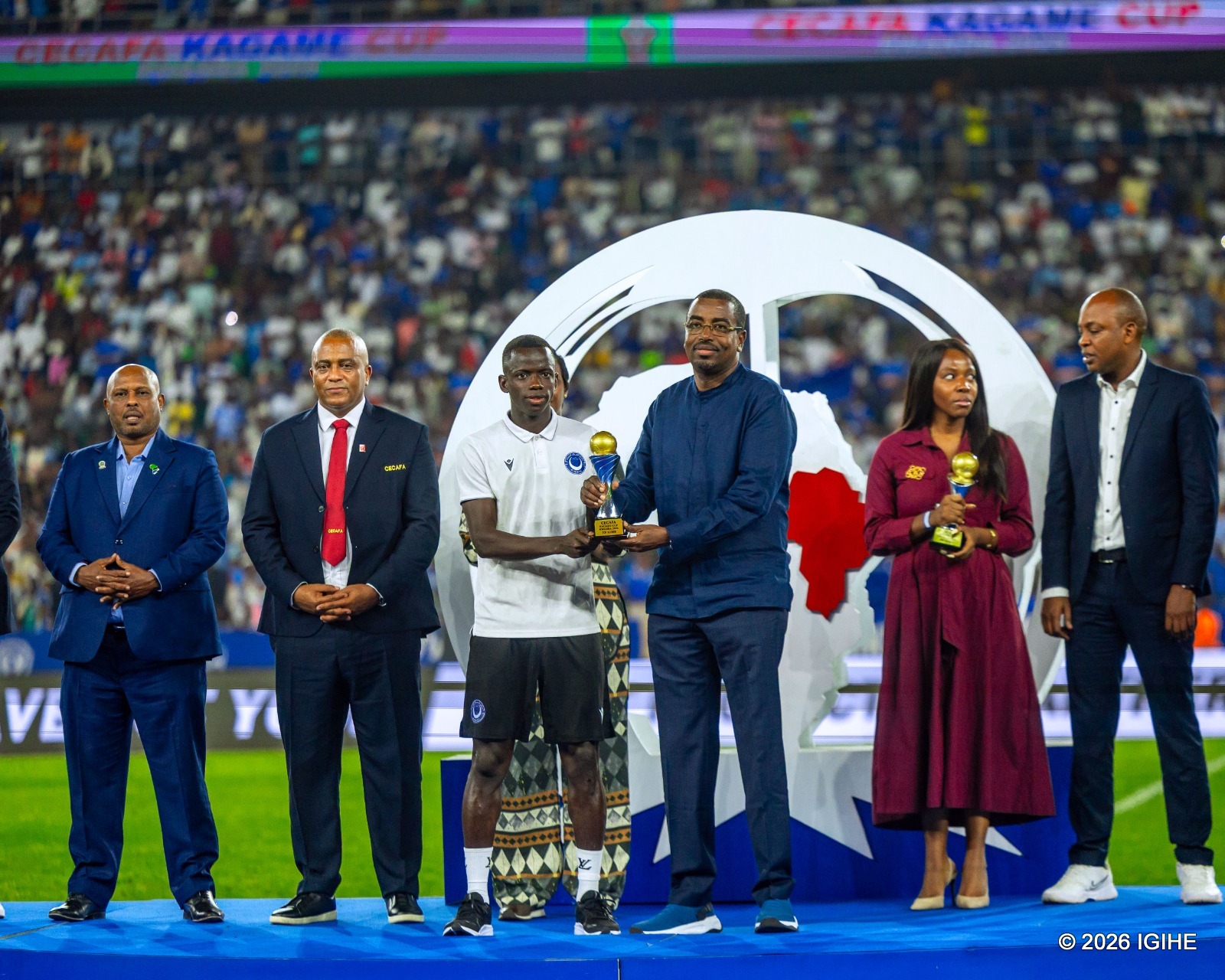
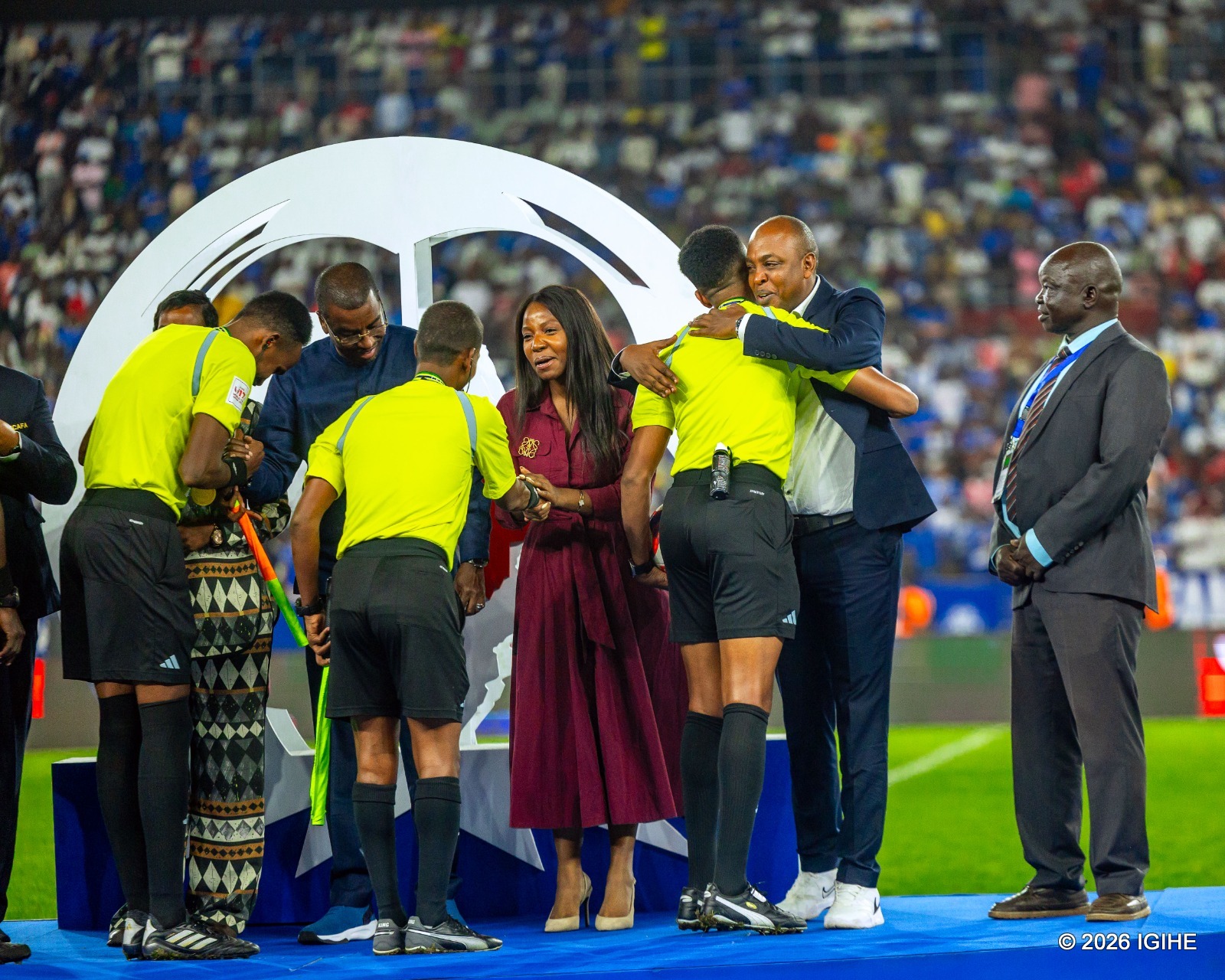
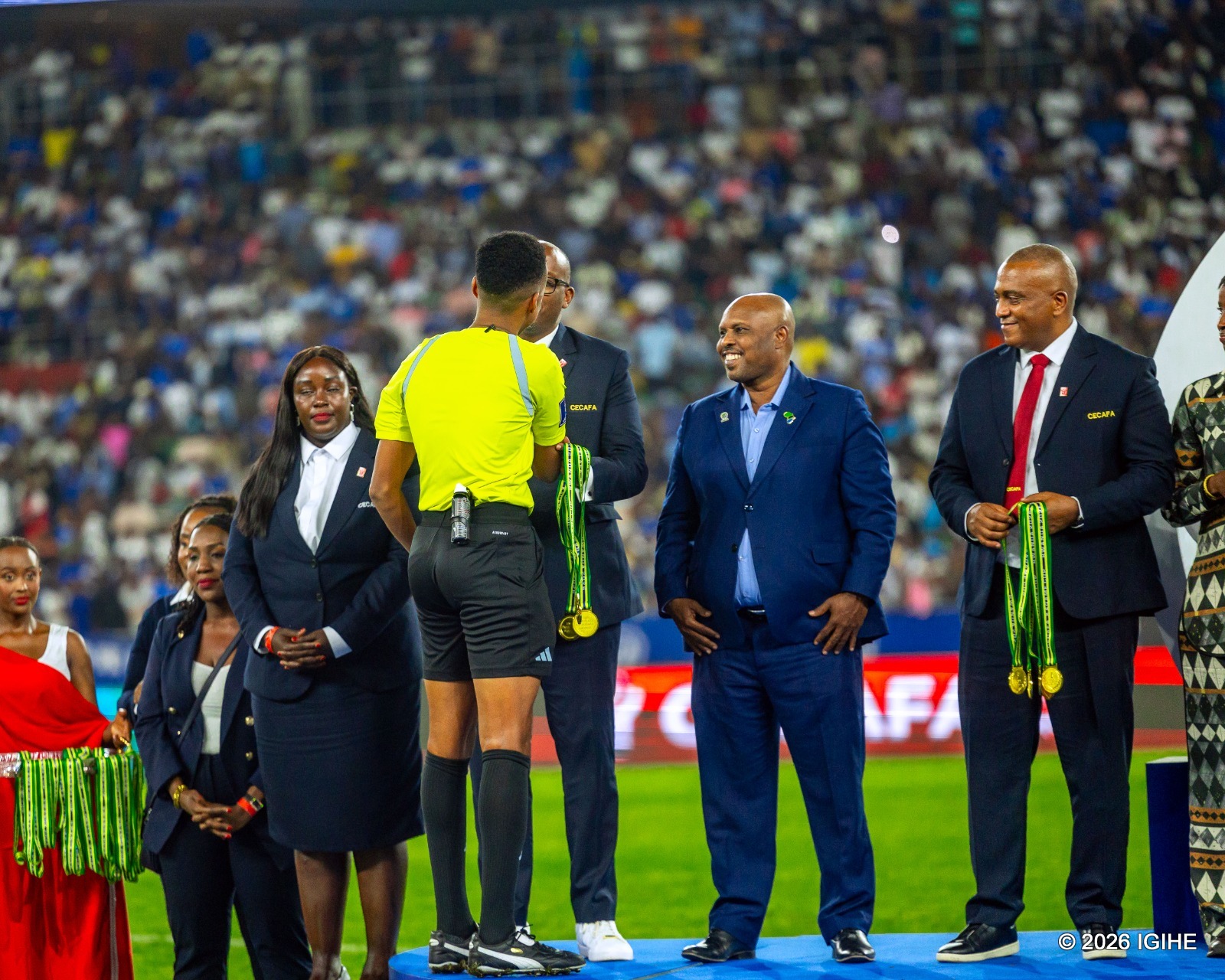
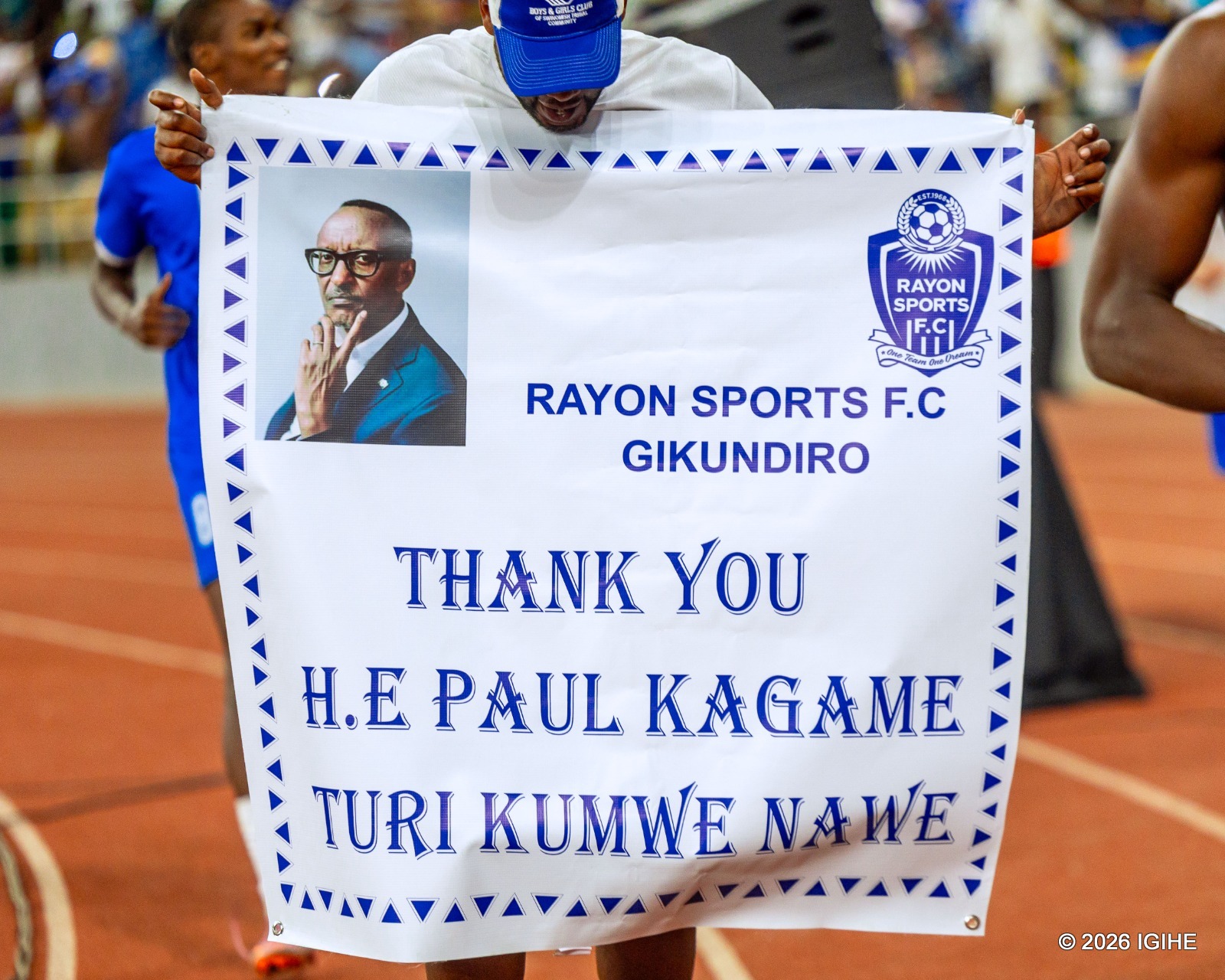
Prime Minister Justin Nsengiyumva presented the CECAFA Kagame Cup trophy to Rayon Sports after the final whistle as the club celebrated its first regional title in 28 years.
The triumph marks only the second CECAFA Kagame Cup title in Rayon Sports' history and completes a remarkable tournament in which the club won every match and conceded just two goals.
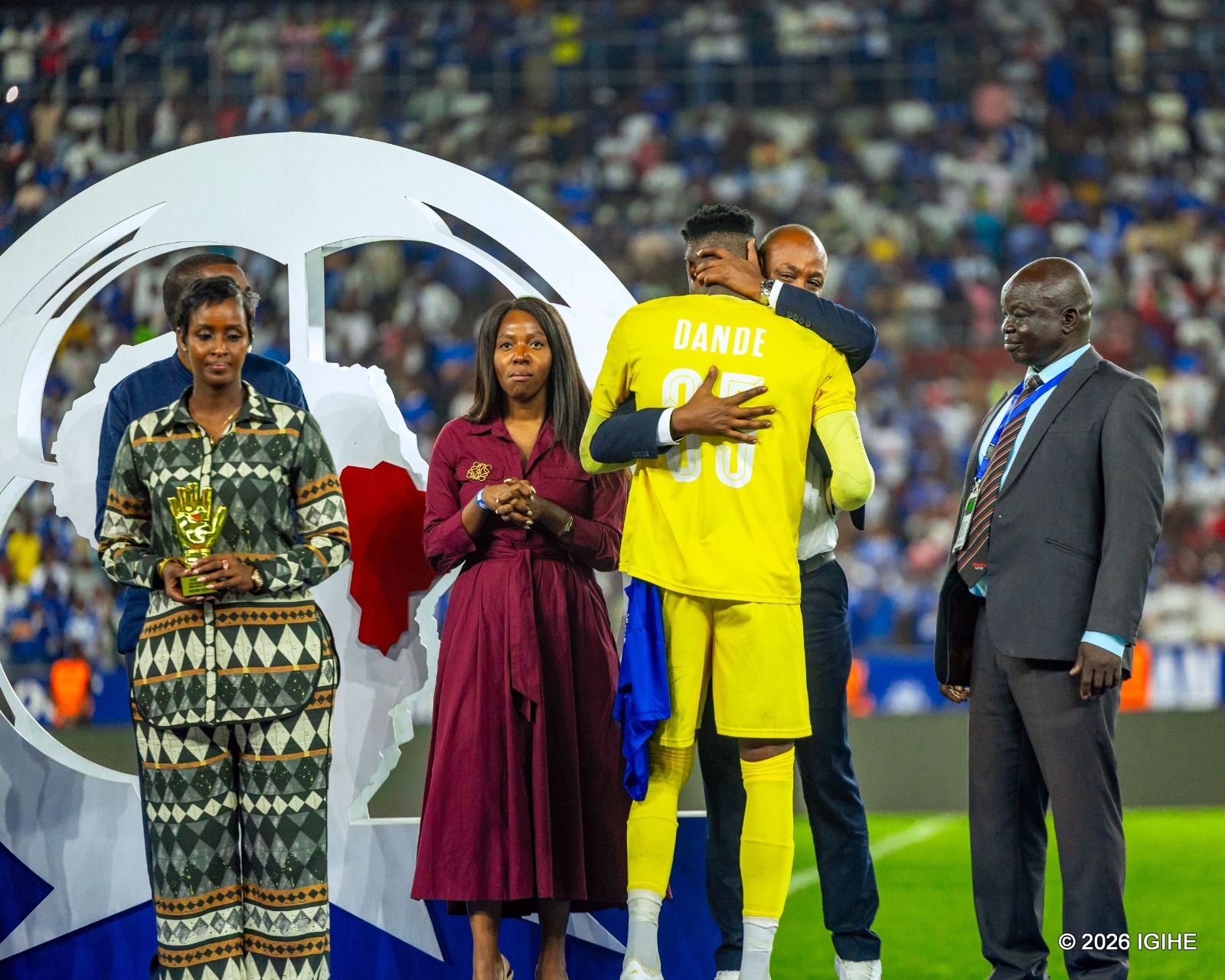
Rayon Sports goalkeeper Junior Dande was named Goalkeeper of the Tournament after an outstanding campaign, while Emmanuel Nshimiyimana received the Most Valuable Player award for his influential performances throughout the competition.
For Gor Mahia, the defeat extends their wait for another regional title. The Kenyan side last lifted the trophy in 1985 and have now lost successive CECAFA Kagame Cup finals after also finishing runners-up in 2015. Despite the defeat, they received $20,000 in prize money as runners-up.
In the third-place playoff, Sudan's Al Hilal defeated South Sudan's Jamus SC 2-1 to claim the bronze medal and the tournament's $10,000 third-place prize.
Rayon Sports ended a 28-year wait for the CECAFA Kagame Cup title after defeating Kenya's Gor Mahia 2-1.Prime Minister Justin Nsengiyumva presented the CECAFA Kagame Cup trophy to Rayon Sports after the final whistle as the club celebrated its first regional title in 28 years. The victory also capped a flawless campaign in which Rayon Sports won every match and claimed the tournament's $30,000 top prize.
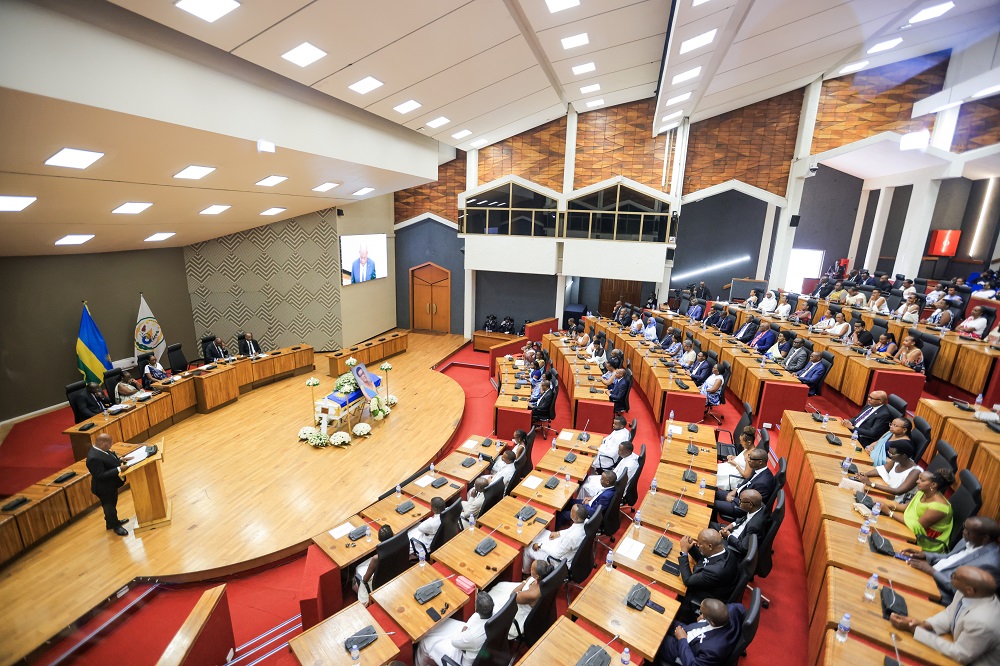
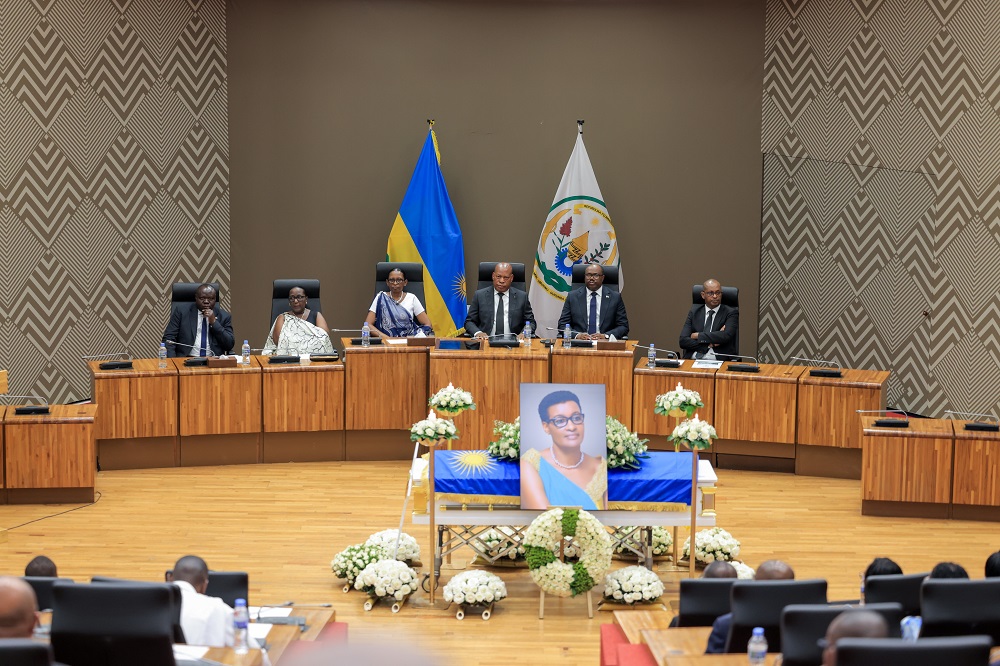
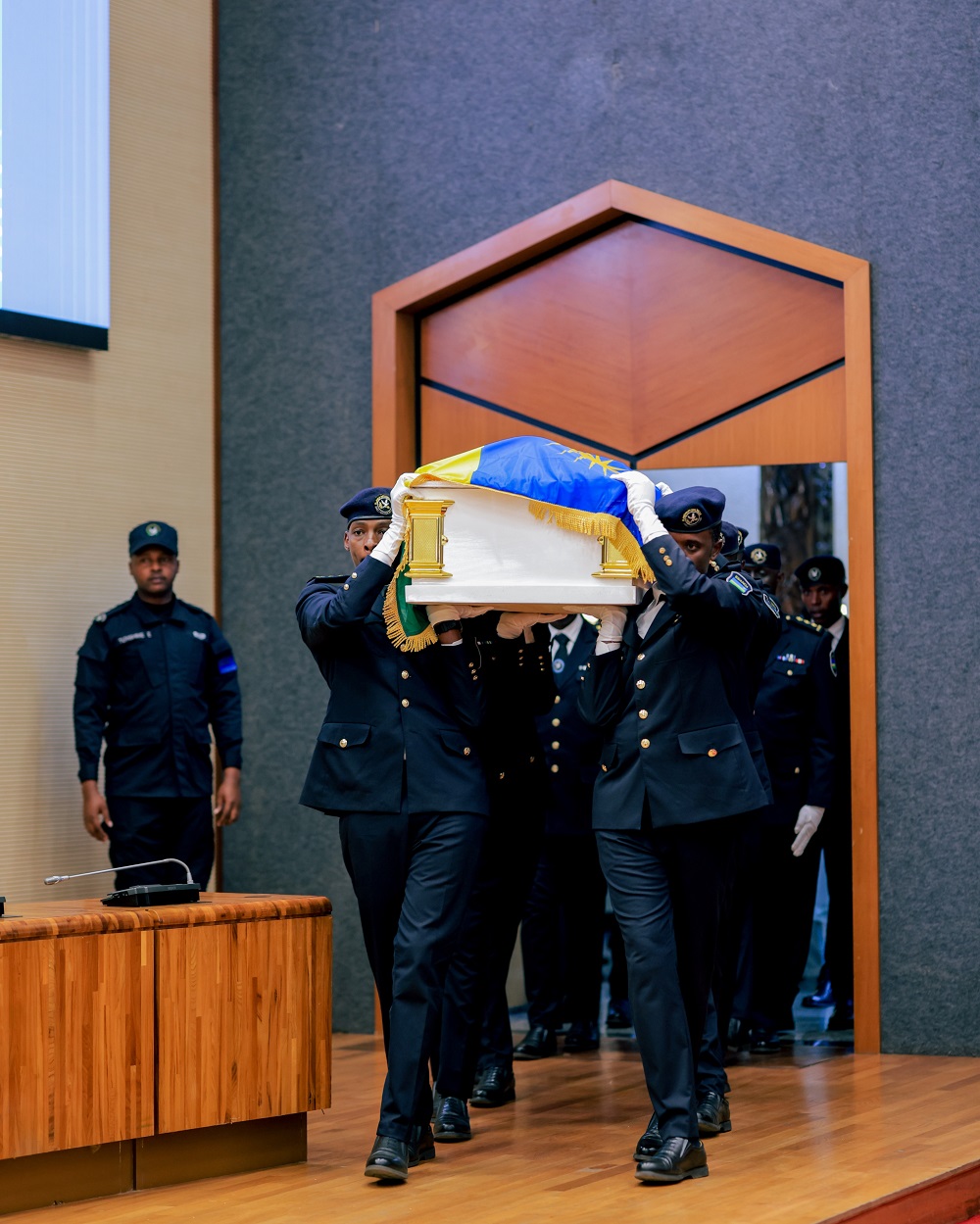
The ceremony, held at the Parliament building on August 7, was attended by senior government officials, members of her family, relatives, friends and colleagues who gathered to honour her life and contribution to the country.
Representing the Liberal Party (PL), MP Munyangeyo Théogène described Mukabalisa as more than just the party's president, saying she was a mother figure, mentor and leader who dedicated herself to strengthening the organisation.
'Within PL, Honourable Mukabalisa Donatille was not only the president of the party; she was a mother to many, a counsellor, an educator and a leader who was always committed to building a party founded on unity, cooperation and a shared long-term vision,' Munyangeyo said.
He added that Mukabalisa leaves behind a legacy of ideas and initiatives that will continue to guide PL's efforts to contribute to Rwanda's development.
Senate President Dr François Xavier Kalinda said Mukabalisa left behind a valuable legacy that will remain a source of inspiration for fellow lawmakers.
'Dear colleague, Honourable Mukabalisa Donatille, your fellow members of Parliament will always remember the great legacy you have left behind, the good work you did for the country, your family and all those who benefited from your service. May these achievements accompany you as you rest in peace,' Kalinda said.
A message of condolence from President Paul Kagame was delivered by the Secretary General of the Rwanda Patriotic Front (RPF-Inkotanyi), Ambassador Christophe Bazivamo.
President Kagame described Mukabalisa as a leader who embodied values that have contributed to Rwanda's progress, including integrity, humility, perseverance and commitment to fulfilling her responsibilities with dedication.
'These qualities came from her deep understanding that serving the country is the greatest responsibility and one of the most valuable duties one can undertake. This spirit of sacrifice and service to others defined her entire life. It earned her respect from those she worked with and the trust she was repeatedly given. The country appreciates her dedication,' President Kagame said.
Mukabalisa was born in Nyamata, Bugesera District, in July 1960. She worked as a law lecturer at the Kigali Independent University (ULK).
She also served with the World Health Organization (WHO) and the United Nations Development Programme (UNDP), where she worked for 16 years.
In October 2003, Mukabalisa was elected as a Member of Parliament, serving in the Chamber of Deputies until 2008. She later served as a Senator from 2011 to 2013.
In 2013, she returned to the Chamber of Deputies, where she was elected Speaker and led the lower house until 2024. She did not seek re-election after completing two terms as an MP.
Mukabalisa returned to the Senate in 2024, where she served until her death. Her career in public service spanned more than two decades, during which she held key leadership positions in Rwanda's legislative institutions.
Senate President Dr François Xavier Kalinda paid tribute to Senator Mukabalisa Donatille, highlighting the legacy she leaves behind.Senior government officials, lawmakers, family members and friends gathered at Parliament to honour the life and service of Senator Mukabalisa Donatille.A farewell ceremony for Senator Mukabalisa was held at the Parliament building.
By the time the dust settled, 224 people were dead, including 12 Americans, and more than 4,500 were wounded. Nairobi accounted for the vast majority of the casualties: 213 killed and roughly 4,000 injured, most of them Kenyan office workers, students and bus commuters who had nothing to do with American diplomacy. Dar es Salaam recorded 11 dead and 85 injured.
What has aged worse than the rubble is how avoidable much of it was. Government investigators, and the ambassador who ran the Nairobi mission that day, later laid out in painstaking detail how a warning that reached Washington months earlier went unheeded, and how the embassy itself sat exposed on one of the city's busiest corners, with no buffer between the public street and the chancery walls.
Nairobi accounted for the vast majority of the casualties: 213 killed and roughly 4,000 injured, most of them Kenyan office workers, students and bus commuters.
Al-Qaeda's justification for the attacks was laid out months earlier. Osama bin Laden had grown increasingly hostile toward Washington over the US military presence in Saudi Arabia and Somalia, and sought to force American personnel out of the region.
In February 1998, he and Ayman al-Zawahiri's Egyptian Islamic Jihad announced a 'World Islamic Front' and issued a fatwa calling on Muslims to kill Americans and their allies 'wherever and whenever they find them'. Prosecutors later called the East Africa bombings his first major attempt to carry that out. Bin Laden was indicted in the US that November.
The Tanzania blast went off nearly simultaneously, to the one in Kenya on August 7, 1998, leaving 11 people dead.
A cable that went unanswered
Prudence Bushnell, then US ambassador to Kenya, had flagged the danger well before the bombing. In a cable to Washington on December 24, 1997, more than seven months before the attack, she laid out reports of terrorist and criminal threats against the mission and stressed that the embassy's lack of standoff distance from the road left it acutely exposed. She asked for backing to build a new, more secure chancery.
The response, in January 1998, was that the post's existing 'medium' threat rating for political violence and terrorism was appropriate, and that the Bureau of Overseas Buildings Operations was not planning a new office building. Washington offered a security assessment team instead, and the exchange ultimately produced a reduction in embassy staff, with some personnel reassigned to Pretoria rather than the building itself being replaced or moved.
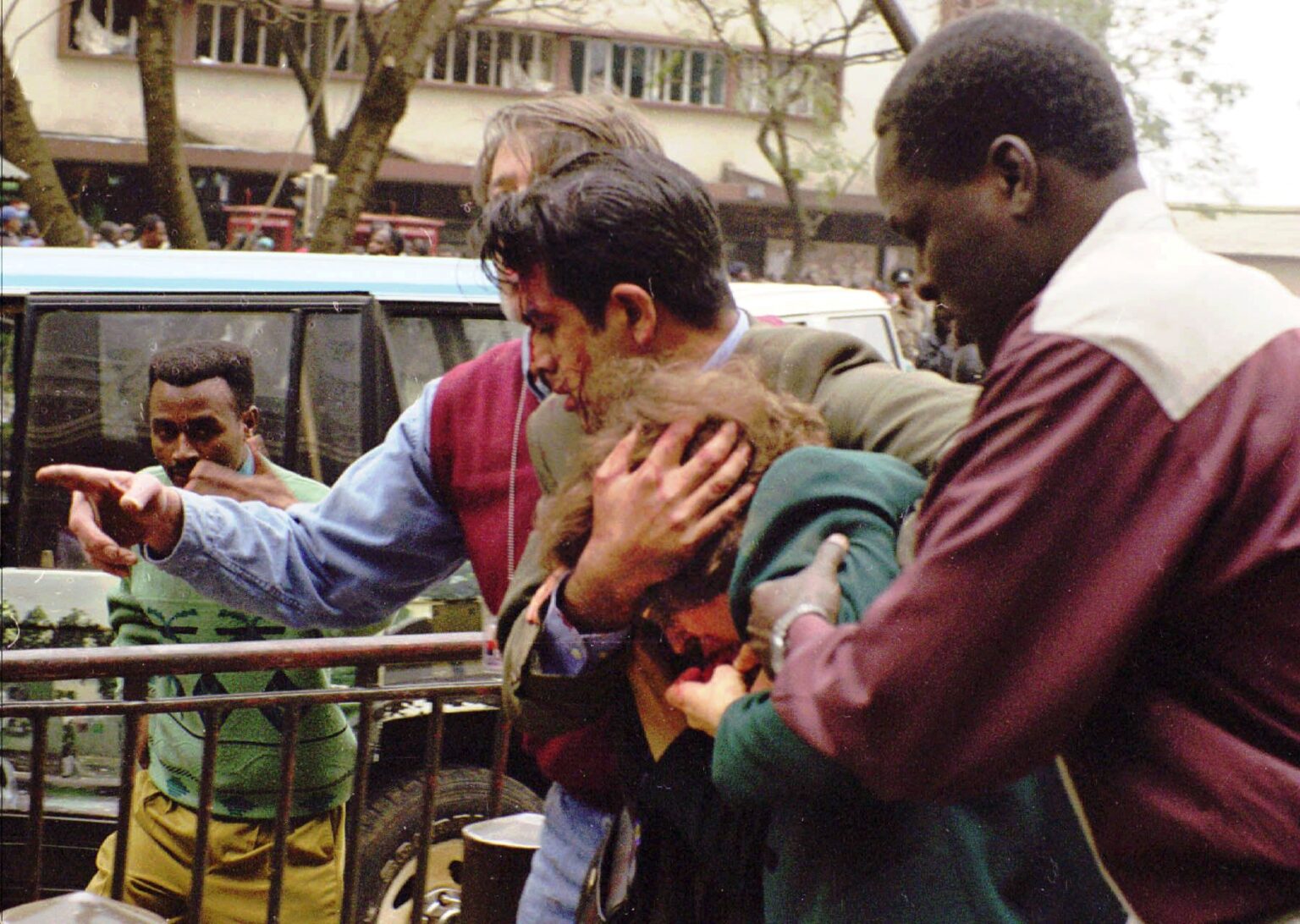
U.S. Ambassador Prudence Bushnell, center, is helped by unidentified men, as she is evacuated from the area of the U.S. Embassy following an explosion in downtown Nairobi, Friday, Aug. 7, 1998.
Bushnell has spent the years since turning that decision into a wider argument about institutional failure. In her 2018 memoir, Terrorism, Betrayal, and Resilience: My Story of the 1998 U.S. Embassy Bombings, she traces how intelligence agencies and policymakers had already been tracking Osama bin Laden's Nairobi cell since 1996, yet the threat assessments and bureaucratic priorities in Washington failed to translate that scrutiny into protection on the ground. She has also noted that no congressional hearings followed the bombings and that the national security establishment conducted no broad after-action review. At the time, Congress was in recess, and Washington's attention that week was consumed by the Clinton-Lewinsky scandal.
What the official inquiry found
The State Department's own investigation, an Accountability Review Board chaired by retired admiral William Crowe, reached a more measured but still damning conclusion in January 1999. It found that security systems at both embassies generally met, and in places exceeded, the standard requirements set for posts rated at medium or low threat, but that those standards had simply never been built to withstand a large vehicle bomb. It also found that both the intelligence community and State Department policymakers had leaned too heavily on narrow, tactical intelligence to gauge the threat level at individual posts, rather than weighing the broader strategic picture building around al-Qaeda.
Despite documenting these systemic gaps, the Board stopped short of finding any individual government employee derelict in their duty, a conclusion that let the officials who turned down Bushnell's request for a new chancery escape personal accountability, even as the report acknowledged the standoff problem directly contributed to the scale of the Nairobi casualties.
In Dar es Salaam, the picture was different. The Marine Security Guard detachment there had run bomb-response drills in the months before the attack and mobilised within minutes once the blast occurred, a response the review board credited for helping contain the chaos. The main operational failure flagged in Tanzania was logistical: Washington's Foreign Emergency Support Team was delayed 24 hours in departing after a late decision to add a second aircraft, though the delay did not end up affecting the immediate crisis response.
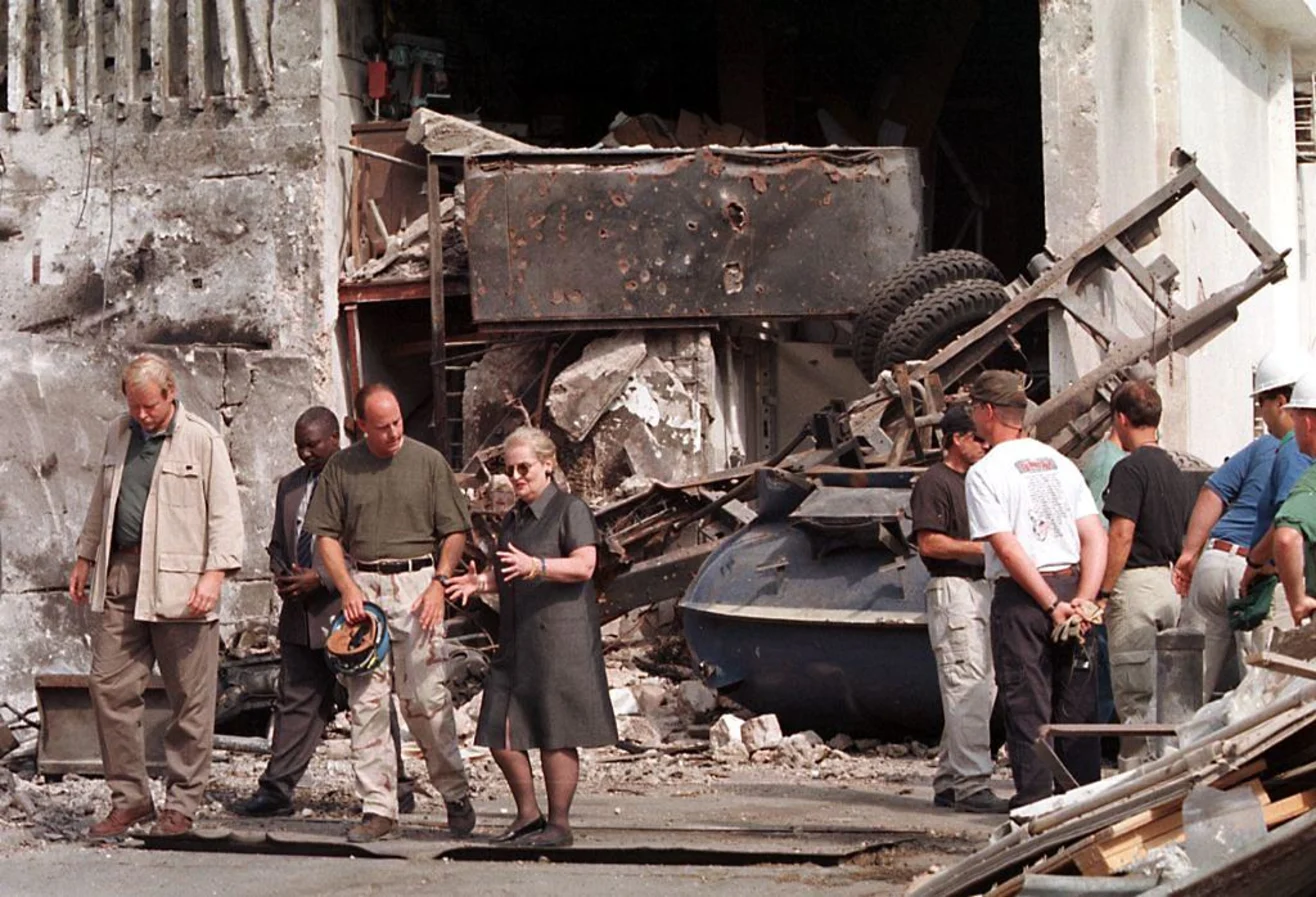
Scene of the Tanzania bomb blast.
The aftermath that reshaped US diplomatic security
The bombings forced a rethink of how American missions abroad are built and guarded. Congress approved roughly $1.4 billion for new, more secure embassy construction, and the Diplomatic Security Service saw a 25 percent increase in staffing in the years that followed. Regional security officers were given new authority, reporting directly to ambassadors rather than through a longer chain of command. The families of victims also pushed for the creation of the State Department's Office of Casualty Assistance in 1999, to support the relatives of Americans killed or injured overseas, an office whose recent closure Congressional leaders have criticised as a disservice to the legacy of the 1998 victims.
But as Bushnell has argued in the years since, much of that institutional memory faded fast. Three years later, the September 11 attacks eclipsed East Africa's bombings in the American public consciousness, turning what should have been a foundational case study in ignored warnings into what she has called 'little more than a historical footnote' in Washington.
Compensation, and the gap that remains
American victims and their families pursued compensation for years through US courts, arguing that Sudan and Iran had provided material support to al-Qaeda before the bombings. Federal judges awarded them billions of dollars in default judgments from 2014 onward, upheld on appeal in 2017, though sovereign immunity protections made actually collecting on those judgments difficult. That changed in 2020, when Sudan's transitional government, seeking removal from Washington's list of state sponsors of terrorism, agreed to pay $335 million to settle claims from the 1998 bombings alongside other attacks, including the USS Cole bombing.
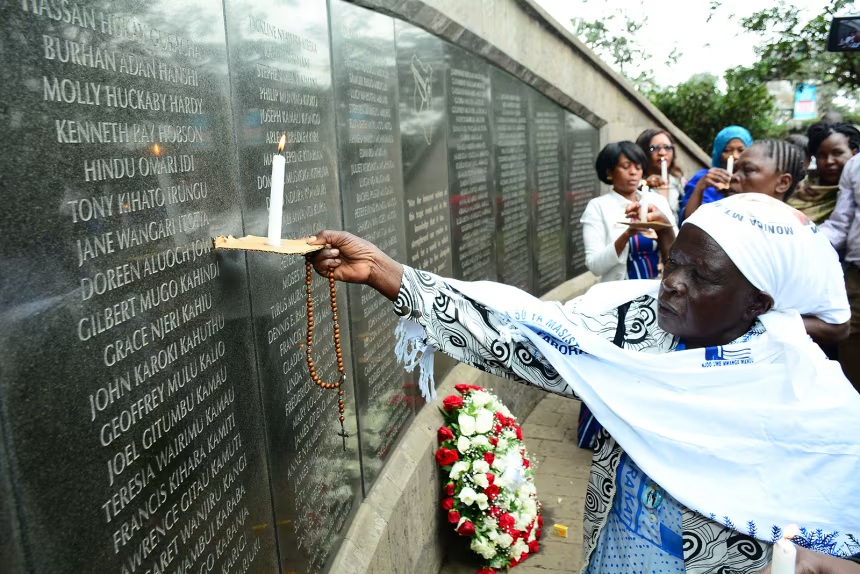
Margaret Achieng, who lost her daughter to the August 7, 1998 bombing of US Embassy in Nairobi seen praying at the August 7th Memorial Park in 2019.
The initial deal drew criticism for paying naturalised US citizens far less than those who held citizenship at the time of the attack, one advocacy estimate put the gap at roughly 8 percent, prompting Congress to pass the Sudan Claims Resolution Act that December, adding $150 million to narrow the disparity. According to a US Government Accountability Office review, the State Department ultimately found 78 people eligible for compensation under the Act, with individual payments ranging from $170,000 to $10 million.
For Kenyan and Tanzanian victims, who made up the overwhelming majority of the dead and wounded, the picture remains far less resolved. Of the 224 people killed, only 12 were American; most of the rest were Kenyans and Tanzanians killed on their own streets or at desks in nearby buildings, with 44 locally hired embassy staff among the dead. US law generally allows lawsuits against state sponsors of terrorism only on behalf of US citizens, government employees or contractors, which excludes most ordinary Kenyan bystanders from the same legal route available to American victims and locally hired embassy staff.
Survivors such as Douglas Sidialo, blinded in the Nairobi blast, have spent years appealing directly to Washington, including during President Barack Obama's 2015 visit to Kenya, for compensation on humanitarian grounds. US officials have said Washington spent tens of millions of dollars assisting victims and families in the years after the bombing, but campaigners describe that assistance as ad hoc rather than a structured scheme comparable to what American victims eventually secured.
Doreen Oport, an American employee of the Nairobi embassy who was badly burned in the blast, put the disparity in blunt terms when the 2020 settlement terms became public:
'It's unfair when they want to make us feel of a lesser value than Americans. It basically sets a value of human lives, both American and Kenyan… when basically, if it was not for Foreign Service Nationals doing the work, then these embassies or consulates would not stand. The work continues. Human lives should not have a value of who gets what and who doesn't get what. We are all the same.'
Twenty-eight years on, that imbalance remains the East Africa bombings' most visible unfinished business, as the legal and compensation framework continues to treat American and Kenyan lives lost in the same attack differently.
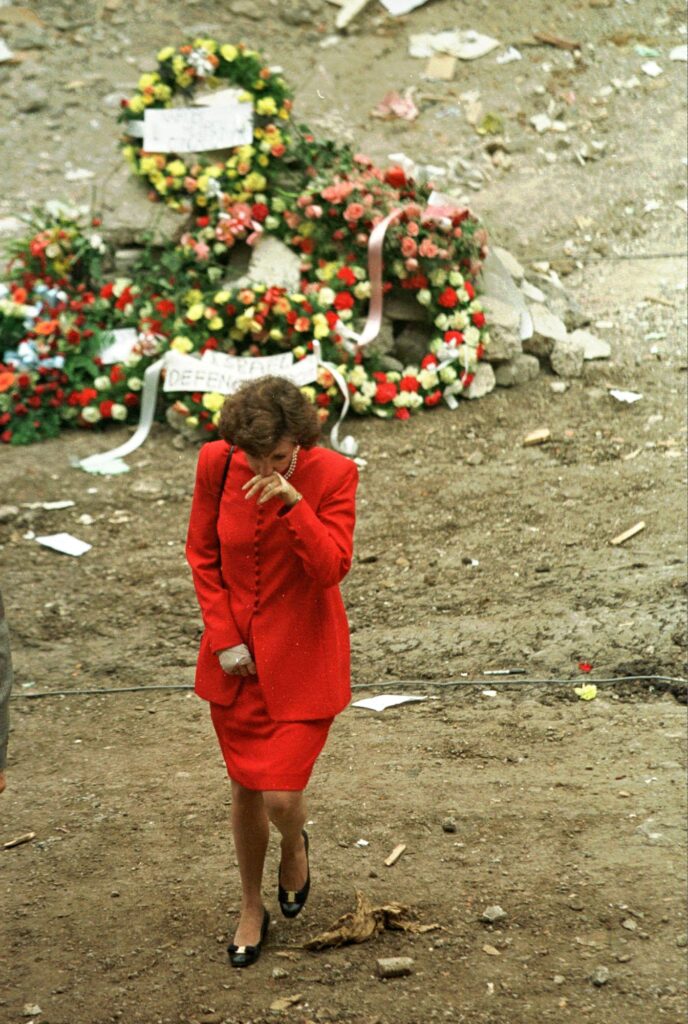
American Ambassador to Kenya Prudence Bushnell is overcome by emotion after laying a wreath at the site of the Nairobi U.S. Embassy bombing Wednesday, Aug. 12, 1998.
Marking the day in Nairobi
In Kenya, the memory has not faded the same way. The site of the old embassy on Haile Selassie Avenue is now the August 7th Memorial Park, opened in 2001, with a wall bearing the names of those who died. Survivors, victims' families and government officials gather there every year to lay wreaths and light candles. Kenya's National Counter Terrorism Centre typically marks the day with a renewed public pledge to prevent future attacks, and current and former US ambassadors have made a practice of attending the commemoration. Then-Secretary of State Antony Blinken laid a wreath at the memorial in 2021, and the US mission has continued the tradition at senior levels since.
For Bushnell, who returned to Kenya for the 20th and 25th anniversaries, the park itself has become part of the story she tells about recovery. Reflecting on the site in 2023, she called it 'a green oasis on a busy street corner,' and the visible result of a Kenyan and American community that rebuilt after the attack and helped each other heal. Twenty-eight years on, the physical wound has become a green space in the middle of the city. The bureaucratic failure that helped cause it remains a cautionary tale in how governments weigh warnings against the cost of acting on them.
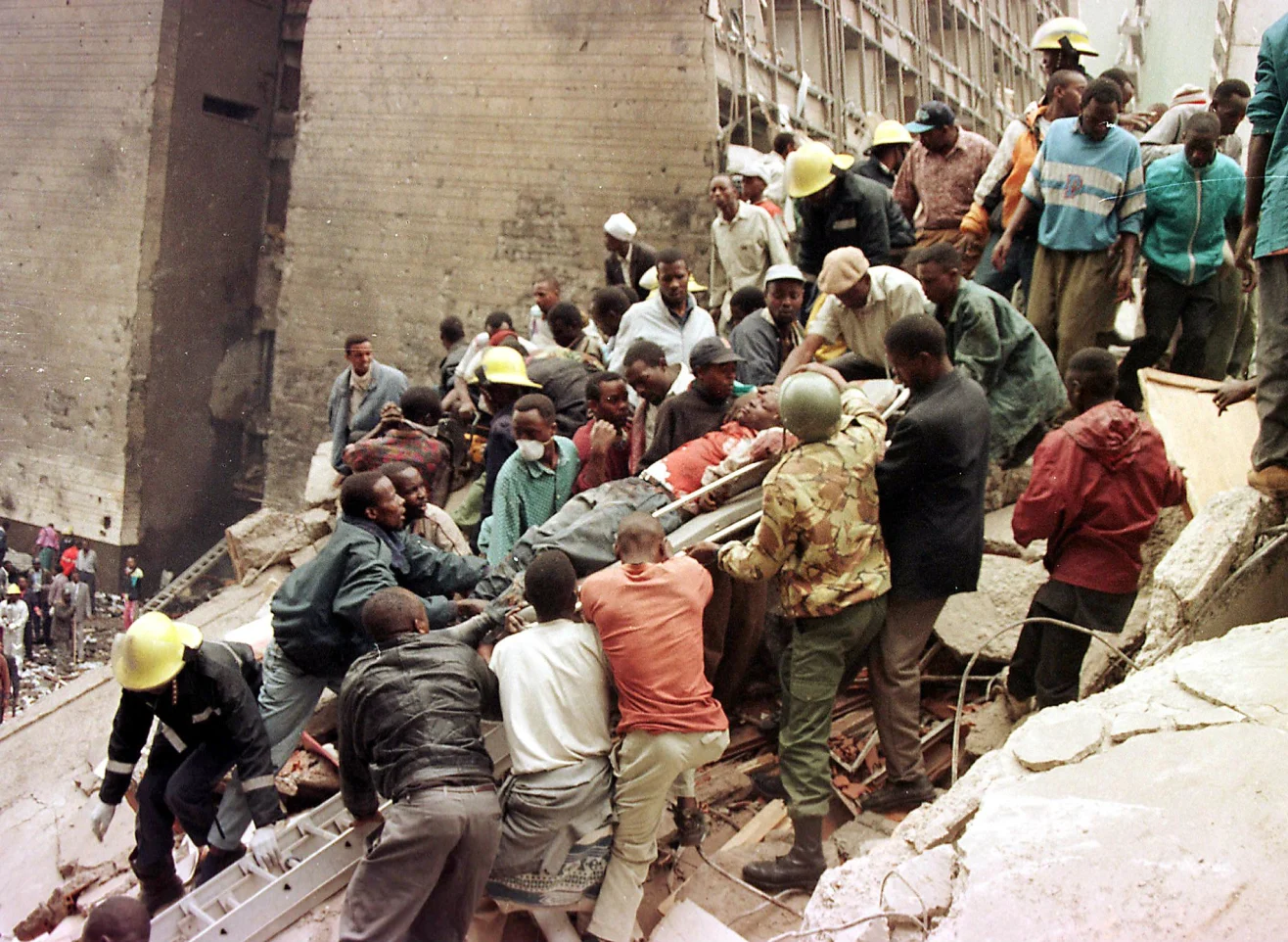
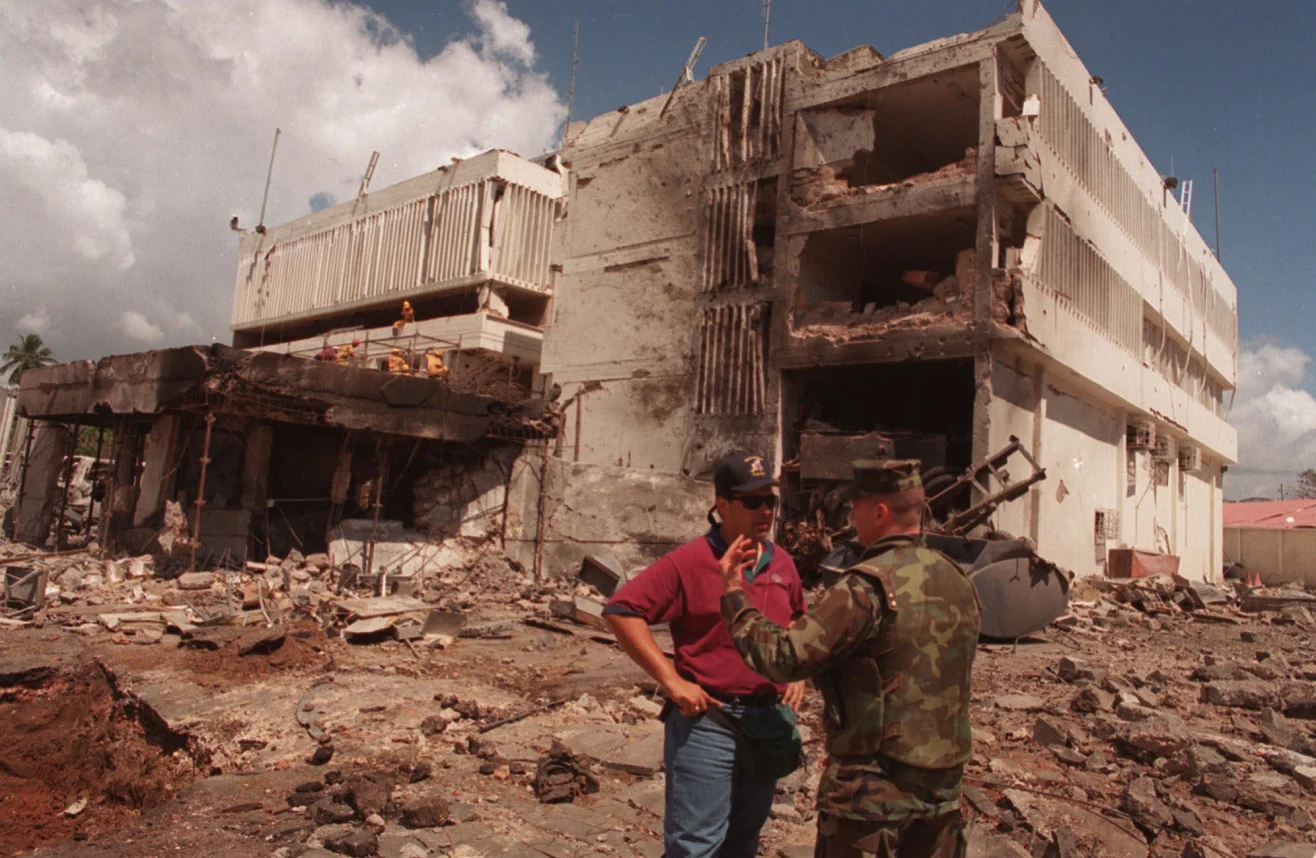
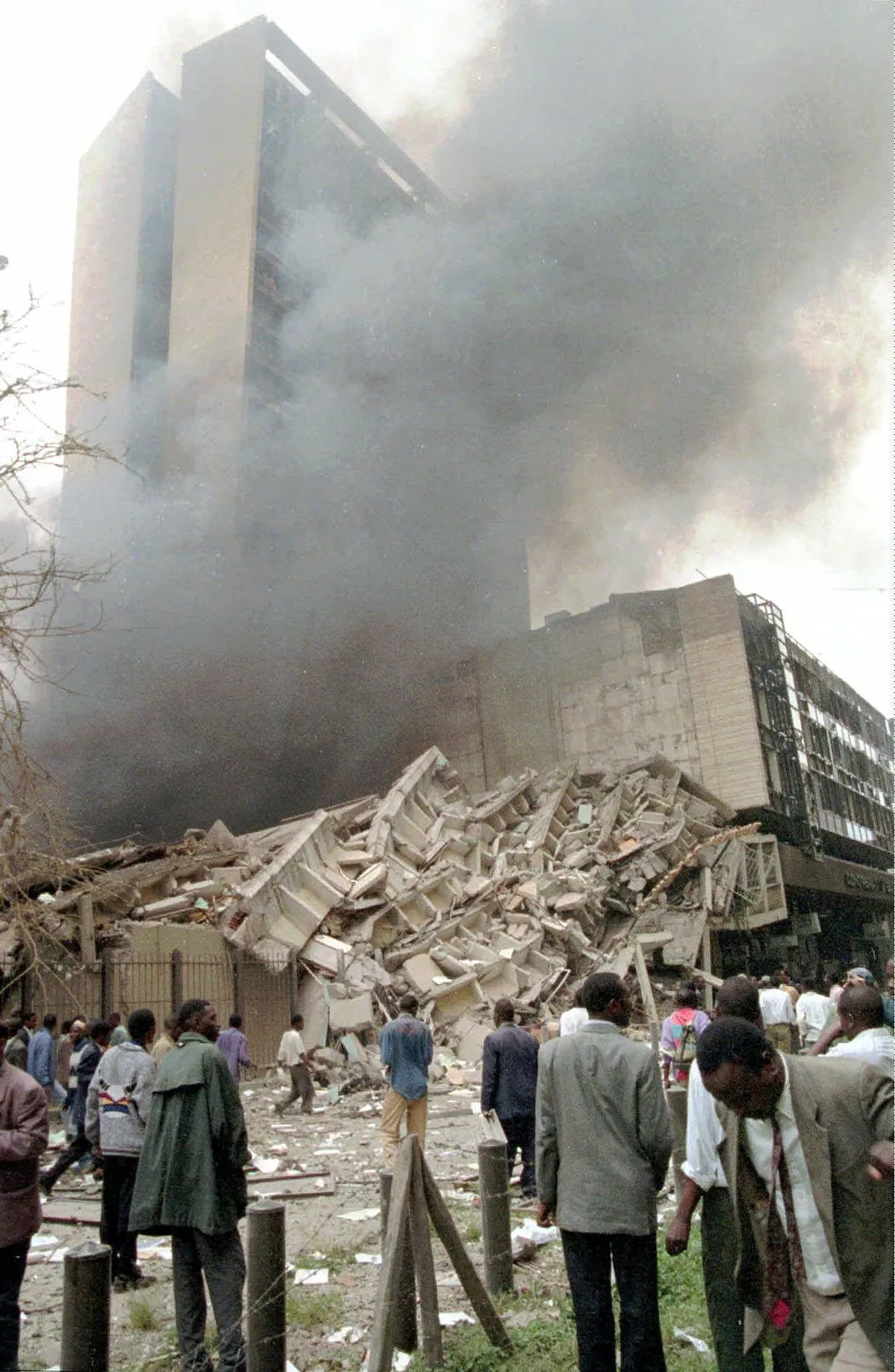
Twenty-eight years ago today, at roughly 10:30 a.m. local time, a truck packed with explosives pulled up behind the US embassy in Nairobi and detonated, collapsing the neighbouring Ufundi Cooperative Building and tearing through the busy intersection of Haile Selassie and Moi Avenues. Almost simultaneously, a second truck bomb went off outside the US embassy in Dar es Salaam, Tanzania. Al-Qaeda claimed both attacks. Kenya, which bore the heavier toll, has come to call August 7 its own September 11.
By the time the dust settled, 224 people were dead, including 12 Americans, and more than 4,500 were wounded. Nairobi accounted for the vast majority of the casualties: 213 killed and roughly 4,000 injured, most of them Kenyan office workers, students and bus commuters who had nothing to do with American diplomacy. Dar es Salaam recorded 11 dead and 85 injured.
What has aged worse than the rubble is how avoidable much of it was. Government investigators, and the woman who ran the Nairobi mission that day, later laid out in painstaking detail how a warning that reached Washington months earlier went unheeded, and how the embassy itself sat exposed on one of the city's busiest corners, with no buffer between the public street and the chancery walls.
A cable that went unanswered
Prudence Bushnell, then US ambassador to Kenya, had flagged the danger well before the bombing. In a cable to Washington on December 24, 1997, more than seven months before the attack, she laid out reports of terrorist and criminal threats against the mission and stressed that the embassy's lack of standoff distance from the road left it acutely exposed. She asked for backing to build a new, more secure chancery.
The response, in January 1998, was that the post's existing 'medium' threat rating for political violence and terrorism was appropriate, and that the Bureau of Overseas Buildings Operations was not planning a new office building. Washington offered a security assessment team instead, and the exchange ultimately produced a reduction in embassy staff, with some personnel reassigned to Pretoria rather than the building itself being replaced or moved.
Bushnell has spent the years since turning that decision into a wider argument about institutional failure. In her 2018 memoir, Terrorism, Betrayal, and Resilience: My Story of the 1998 U.S. Embassy Bombings, she traces how intelligence agencies and policymakers had already been tracking Osama bin Laden's Nairobi cell since 1996, yet the threat assessments and bureaucratic priorities in Washington failed to translate that scrutiny into protection on the ground. She has also noted that no congressional hearings followed the bombings and that the national security establishment conducted no broad after-action review. At the time, Congress was in recess, and Washington's attention that week was consumed by the Clinton-Lewinsky scandal.
The site of the bomb blast on August 7, 1998, in Nairobi, Kenya.
What the official inquiry found
The State Department's own investigation, an Accountability Review Board chaired by retired admiral William Crowe, reached a more measured but still damning conclusion in January 1999. It found that security systems at both embassies generally met, and in places exceeded, the standard requirements set for posts rated at medium or low threat, but that those standards had simply never been built to withstand a large vehicle bomb. It also found that both the intelligence community and State Department policymakers had leaned too heavily on narrow, tactical intelligence to gauge the threat level at individual posts, rather than weighing the broader strategic picture building around al-Qaeda.
Despite documenting these systemic gaps, the Board stopped short of finding any individual government employee derelict in their duty, a conclusion that let the officials who turned down Bushnell's request for a new chancery escape personal accountability, even as the report acknowledged the standoff problem directly contributed to the scale of the Nairobi casualties.
In Dar es Salaam, the picture was different. The Marine Security Guard detachment there had run bomb-response drills in the months before the attack and mobilised within minutes once the blast occurred, a response the review board credited for helping contain the chaos. The main operational failure flagged in Tanzania was logistical: Washington's Foreign Emergency Support Team was delayed 24 hours in departing after a late decision to add a second aircraft, though the delay did not end up affecting the immediate crisis response.
The aftermath that reshaped US diplomatic security
The bombings forced a rethink of how American missions abroad are built and guarded. Congress approved roughly $1.4 billion for new, more secure embassy construction, and the Diplomatic Security Service saw a 25 percent increase in staffing in the years that followed. Regional security officers were given new authority, reporting directly to ambassadors rather than through a longer chain of command. The families of victims also pushed for the creation of the State Department's Office of Casualty Assistance in 1999, to support the relatives of Americans killed or injured overseas, an office whose recent closure Congressional leaders have criticised as a disservice to the legacy of the 1998 victims.
But as Bushnell has argued in the years since, much of that institutional memory faded fast. Three years later, the September 11 attacks eclipsed East Africa's bombings in the American public consciousness, turning what should have been a foundational case study in ignored warnings into what she has called 'little more than a historical footnote' in Washington.
Compensation, and the gap that remains
American victims and their families pursued compensation for years through US courts, arguing that Sudan and Iran had provided material support to al-Qaeda before the bombings. Federal judges awarded them billions of dollars in default judgments from 2014 onward, upheld on appeal in 2017, though sovereign immunity protections made actually collecting on those judgments difficult. That changed in 2020, when Sudan's transitional government, seeking removal from Washington's list of state sponsors of terrorism, agreed to pay $335 million to settle claims from the 1998 bombings alongside other attacks, including the USS Cole bombing.
The initial deal drew criticism for paying naturalised US citizens far less than those who held citizenship at the time of the attack, one advocacy estimate put the gap at roughly 8 percent, prompting Congress to pass the Sudan Claims Resolution Act that December, adding $150 million to narrow the disparity. According to a US Government Accountability Office review, the State Department ultimately found 78 people eligible for compensation under the Act, with individual payments ranging from $170,000 to $10 million.
For Kenyan and Tanzanian victims, who made up the overwhelming majority of the dead and wounded, the picture remains far less resolved. Of the 224 people killed, only 12 were American; most of the rest were Kenyans and Tanzanians killed on their own streets or at desks in nearby buildings, with 44 locally hired embassy staff among the dead. US law generally allows lawsuits against state sponsors of terrorism only on behalf of US citizens, government employees or contractors, which excludes most ordinary Kenyan bystanders from the same legal route available to American victims and locally hired embassy staff.
Survivors such as Douglas Sidialo, blinded in the Nairobi blast, have spent years appealing directly to Washington, including during President Barack Obama's 2015 visit to Kenya, for compensation on humanitarian grounds. US officials have said Washington spent tens of millions of dollars assisting victims and families in the years after the bombing, but campaigners describe that assistance as ad hoc rather than a structured scheme comparable to what American victims eventually secured.
Doreen Oport, an American employee of the Nairobi embassy who was badly burned in the blast, put the disparity in blunt terms when the 2020 settlement terms became public:
'It's unfair when they want to make us feel of a lesser value than Americans. It basically sets a value of human lives, both American and Kenyan… when basically, if it was not for Foreign Service Nationals doing the work, then these embassies or consulates would not stand. The work continues. Human lives should not have a value of who gets what and who doesn't get what. We are all the same.'
Twenty-eight years on, that imbalance remains the East Africa bombings' most visible unfinished business, as the legal and compensation framework continues to treat American and Kenyan lives lost in the same attack differently.
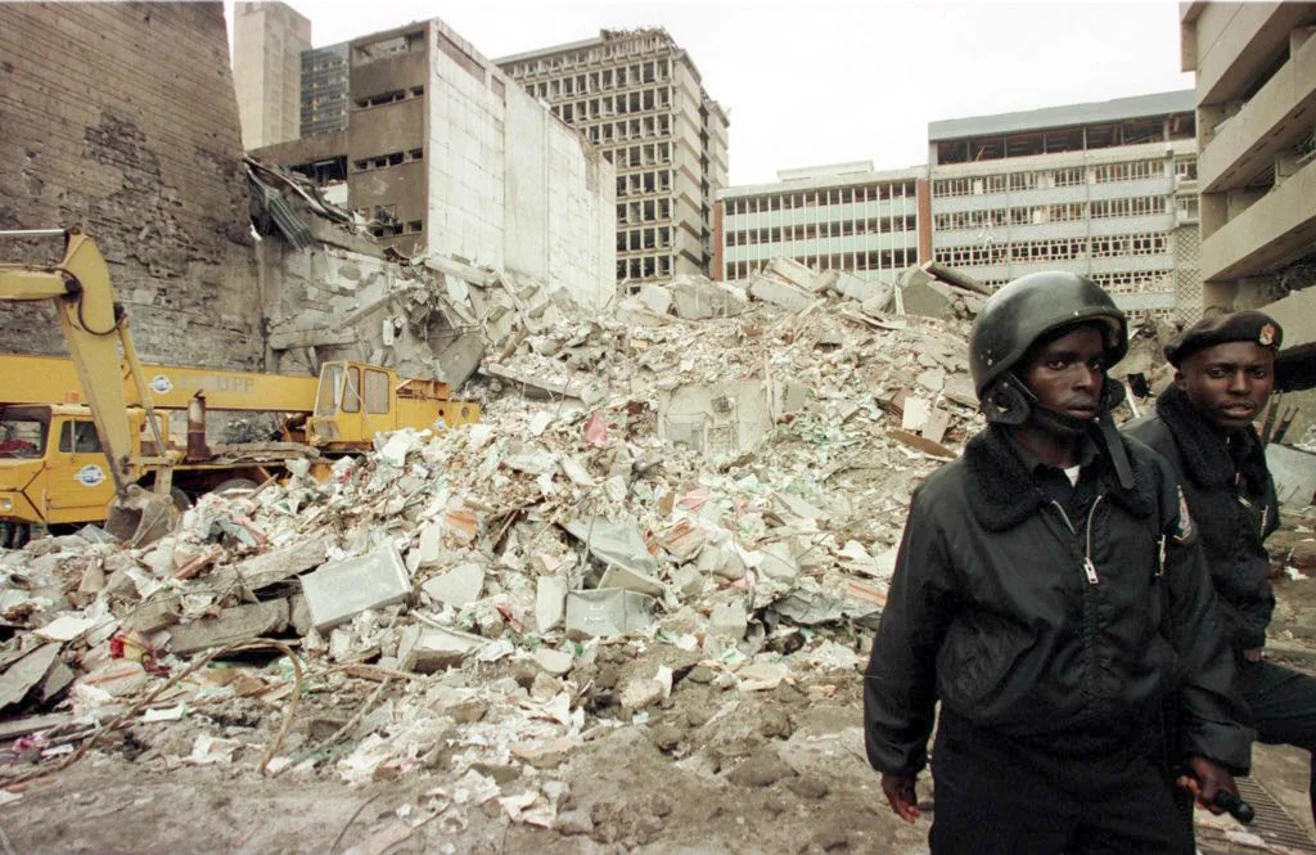
The blast on August 7, 1998 at the U.S. Embassy in Nairobi, Kenya, killed more than 200 people. Kenyan security guards keep watch on August 8, 1998, at the scene of explosion.
Marking the day in Nairobi
In Kenya, the memory has not faded the same way. The site of the old embassy on Haile Selassie Avenue is now the August 7th Memorial Park, opened in 2001, with a wall bearing the names of those who died. Survivors, victims' families and government officials gather there every year to lay wreaths and light candles. Kenya's National Counter Terrorism Centre typically marks the day with a renewed public pledge to prevent future attacks, and current and former US ambassadors have made a practice of attending the commemoration. Then-Secretary of State Antony Blinken laid a wreath at the memorial in 2021, and the US mission has continued the tradition at senior levels since.
For Bushnell, who returned to Kenya for the 20th and 25th anniversaries, the park itself has become part of the story she tells about recovery. Reflecting on the site in 2023, she called it 'a green oasis on a busy street corner,' and the visible result of a Kenyan and American community that rebuilt after the attack and helped each other heal. Twenty-eight years on, the physical wound has become a green space in the middle of the city. The bureaucratic failure that helped cause it remains a cautionary tale in how governments weigh warnings against the cost of acting on them.
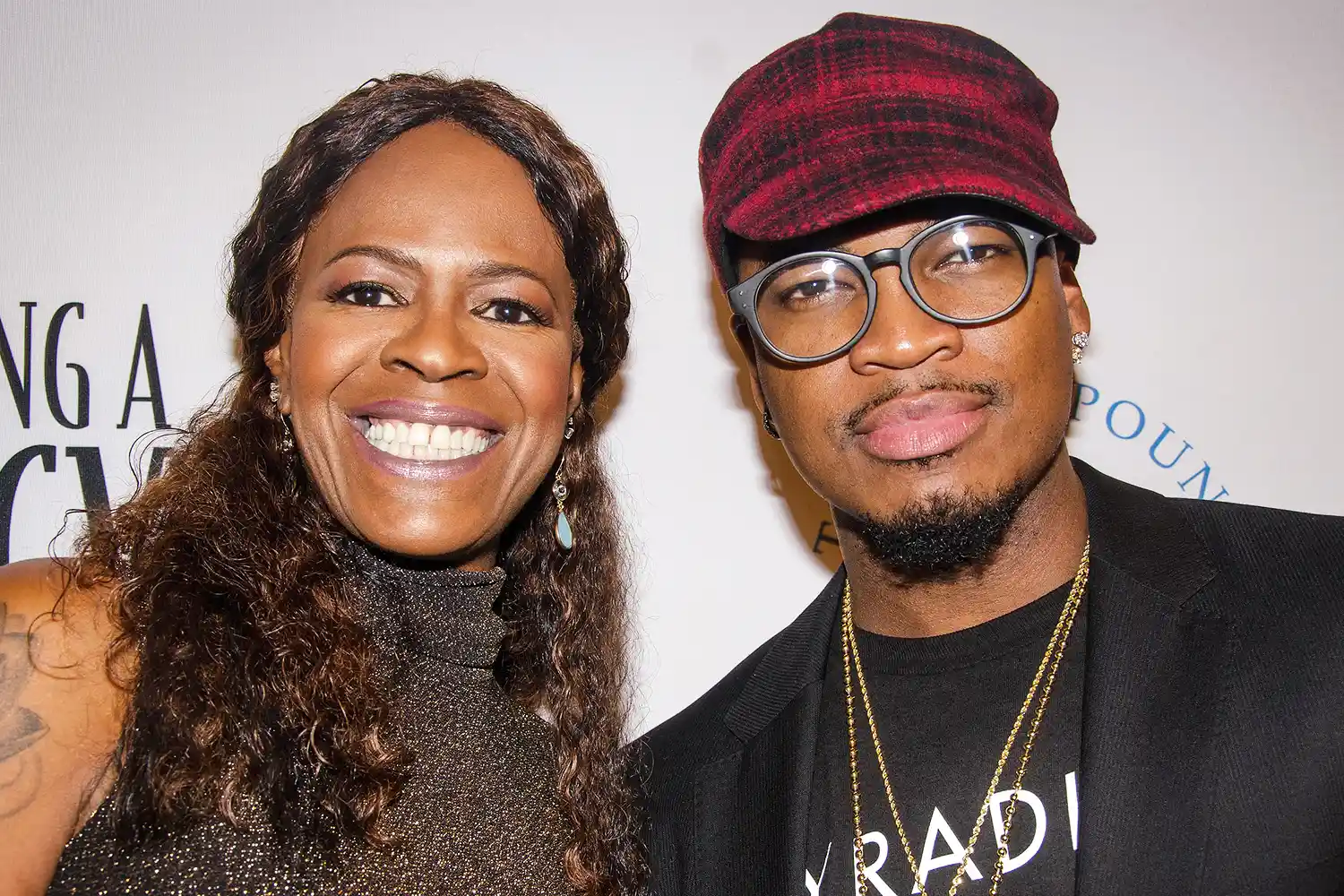
The Grammy-winning artist shared the emotional story during an appearance on the Zach Sang Show, where he reflected on his journey in music and the sacrifices made by his mother, Loraine Smith, while raising him.
Ne-Yo, whose real name is Shaffer Chimere Smith, explained that receiving his first major payment as a songwriter gave him the opportunity to change his mother's life.
He recalled calling his mother while she was at work and telling her to go home because she would never need to return to that workplace again.
The singer described the moment as one of the greatest achievements of his life, saying that being able to provide such support for a parent is a powerful motivation for many children who want to succeed.
Before becoming one of the most recognised names in R&B, Ne-Yo built his career as a songwriter, creating some of the biggest songs in contemporary music.
His work on Mario's 'Let Me Love You' became a major breakthrough and helped establish him as a talented songwriter before he achieved global fame as a performer.
During the interview, Ne-Yo also spoke about another personal song, 'Miss Independent,' revealing that it was inspired by his mother and the strong women he grew up around.
He explained that his childhood was surrounded by women who were hardworking, independent and capable of handling challenges without waiting for anyone to rescue them.
According to the singer, his mother became emotional when she learned the song was written as a tribute to her.
Ne-Yo's story highlights the personal meaning behind his successful music career.
Beyond awards and international recognition, the singer said one of his proudest moments was using his talent to give back to the person who supported him from the beginning.
The artist has continued exploring new musical directions, including his recent move into country-inspired sounds with his album 'Highway 79,' which was released in 2026.
He said his experience entering the country music scene has been more welcoming than he expected, with artists and fans showing interest in his unique blend of R&B and country influences.
For Ne-Yo, the success of his music is not only measured by chart rankings or awards, but also by the lives it has allowed him to touch, especially the life of his mother.
Ne-Yo has shared the powerful story behind the paycheck that gave his mother freedom.
In a statement issued on Friday, the ICRC said the operation took place between August 6 and 7 at the request of the parties and in line with the Doha Mechanism they signed in September 2025.
According to the humanitarian organisation, the 15 individuals voluntarily agreed to take part in the transfer.
They departed Beni in North Kivu on the evening of August 6 and travelled through Uganda, which facilitated their passage, before arriving in Rutshuru Territory on August 7, where they were handed over to AFC/M23.
The ICRC said the operation was conducted in coordination with health authorities and under strict Ebola prevention measures, including the deployment of a Uganda Red Cross ambulance to respond to any medical emergencies.
'We hope that this operation will bring some comfort to families who have been separated from their loved ones for so long and that it will pave the way for further detainee release operations, as agreed by the parties during various negotiations, bringing hope to populations affected by the armed conflicts,' said Stephanie Eller, the ICRC's Head of Operations in Kinshasa.
Under the Doha Process, the ICRC is acting as a neutral intermediary in response to requests from the parties, in particular regarding the safe transport and handover of detainees.
The latest operation follows an earlier humanitarian mission in May 2025, when the ICRC accompanied convoys carrying several hundred disarmed members of the Armed Forces of the Democratic Republic of Congo (FARDC), the Congolese National Police, and their families from Goma to Kinshasa.
According to the World Health Organization (WHO), approximately 1 in 100 children worldwide is diagnosed with autism, while nearly one billion people globally live with a mental health disorder. In Rwanda, mental health remains a major public health concern, with studies estimating that approximately 20–25% of the population experiences mental health challenges during their lifetime.
Rwanda's population is estimated at approximately 14 million people. Based on the WHO global autism estimate of about 1% prevalence, Rwanda could potentially have more than 140,000 people living with Autism Spectrum Disorder, although the actual number remains unknown due to limited national autism screening, diagnosis, and surveillance systems. Establishing reliable autism data collection remains essential for planning appropriate healthcare, education, and support services.
Across Africa, the impact of autism and mental health disorders is intensified by limited awareness, stigma, cultural misconceptions, shortages of specialists, and inadequate access to early intervention services. Many children with autism remain undiagnosed, resulting in barriers to education, healthcare access, social inclusion, and personal development.
Rwanda has achieved remarkable progress in strengthening its healthcare system and expanding community-based mental health services. However, autism and developmental support services require further investment to meet the growing needs of children, families, and communities.
To address this emerging challenge, Rwanda and other African nations should prioritize:
* Routine autism screening and early developmental assessments.
* Integration of mental health services into primary healthcare.
* Training healthcare workers, educators, and community health workers.
* Expansion of inclusive education, speech therapy, occupational therapy, and family support programs.
* Strengthening autism and mental health research, surveillance, and national policies.
The health of a nation is measured not only by economic progress but also by its ability to protect, support, and empower individuals facing health challenges. Autism and mental health disorders are not only medical issues; they are social, educational, economic, and human rights priorities.
Through early intervention, awareness, research, and sustainable investment, Rwanda and Africa can build healthier, more inclusive societies where every individual has the opportunity to thrive.