Category: Uncategorized

  • How Kenyan content creator Anna Njoki found her voice in Kinyarwanda (Video) #rwanda #RwOT

    The Kenyan creator had been experimenting with the language she was learning after moving to Rwanda. When the video drew attention, she decided to keep going, and Kinyarwanda gradually became part of her creative identity.

    Today, Njoki combines Kinyarwanda, humour and storytelling in her videos while working as a communications strategist at Blue Oceans Rwanda.

    Through Unscripted with Njoki, her interview series on Instagram and TikTok, she features personalities from Rwanda's sports and entertainment scene, alongside content about everyday life and her experiences in the country.

    But the journey that brought her to Rwanda was not exactly planned.
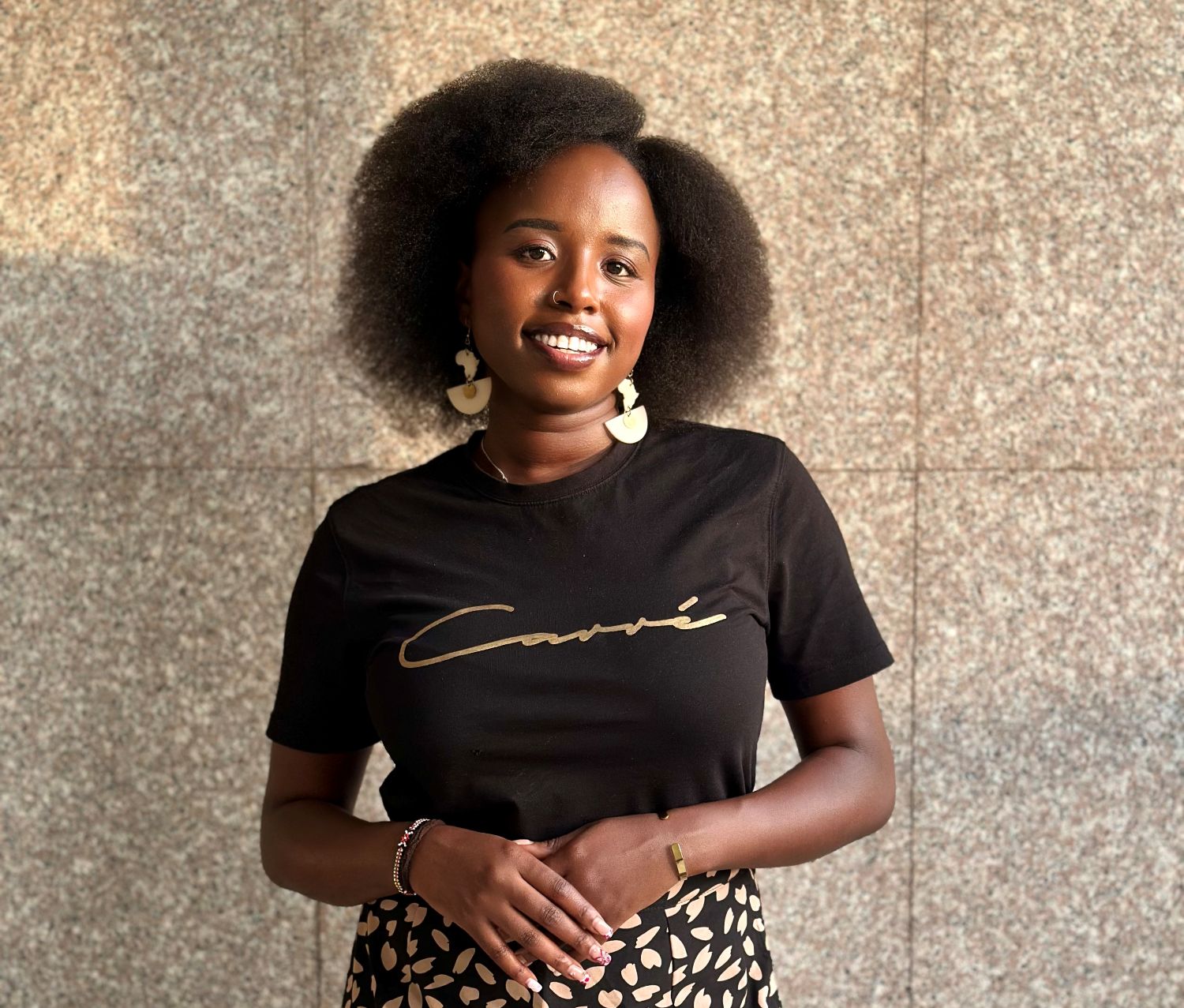
    Njoki combines Kinyarwanda, humour and storytelling in her videos while working as a communications strategist at Blue Oceans Rwanda.

    Njoki came to Rwanda in November 2021 to visit her cousin during her gap year. What began as a short visit eventually led to university and a career.

    She enrolled at East African University Rwanda, where she studied journalism and mass communication and graduated at the top of her class. Nearly five years later, she has established herself professionally while growing her online presence.

    'I love Rwanda. Rwanda is nice. It's been nice. It's been a good ride so far. I'm enjoying myself. I'm putting out content, you know, I'm living life every day, one day at a time,' Njoki remarked during an exclusive interview with IGIHE.

    For Njoki, her Rwanda experience has been about more than work and social media. It has involved learning a new language, navigating a different culture, being away from family and adapting to a different pace of life.

    And somewhere along the way, Kinyarwanda, once one of her biggest challenges, became one of the ways she connected with Rwanda.

    From struggling with Kinyarwanda to going viral

    Learning Kinyarwanda was initially one of Njoki's biggest challenges after moving to Rwanda.

    'Kinyarwanda is not easy. It is not easy. At first, the language was like, 'Yo, I'm so lost. I can't get anything.' But with time, I learned it,' she recalled.

    She picked up much of the language from friends at university and colleagues at work. Her Kikuyu background also helped her recognise similarities between some words in the two Bantu languages.

    Even after years in Rwanda, Njoki says learning Kinyarwanda remains an ongoing process.

    'Sometimes I forget some words. It's a learning process. It never ends,' she explained.

    Her experience with the language eventually became an unexpected source of inspiration.

    After seeing Kenyan content creator Debby Rono do an impression of how Kinyarwanda sounded to her, Njoki decided to try her own version, drawing on the words she had learned.

    'I did that, and the first video got a lot of attention, and I was like, 'Oh, this works. Let me do more,'' she recalled.

    The response encouraged her to keep experimenting, and Kinyarwanda soon became a recurring feature of her videos.

    For Njoki, the language is not simply a way to entertain. It has also become a

    way of engaging with Rwandan culture and sharing her experience as a Kenyan living in the country.
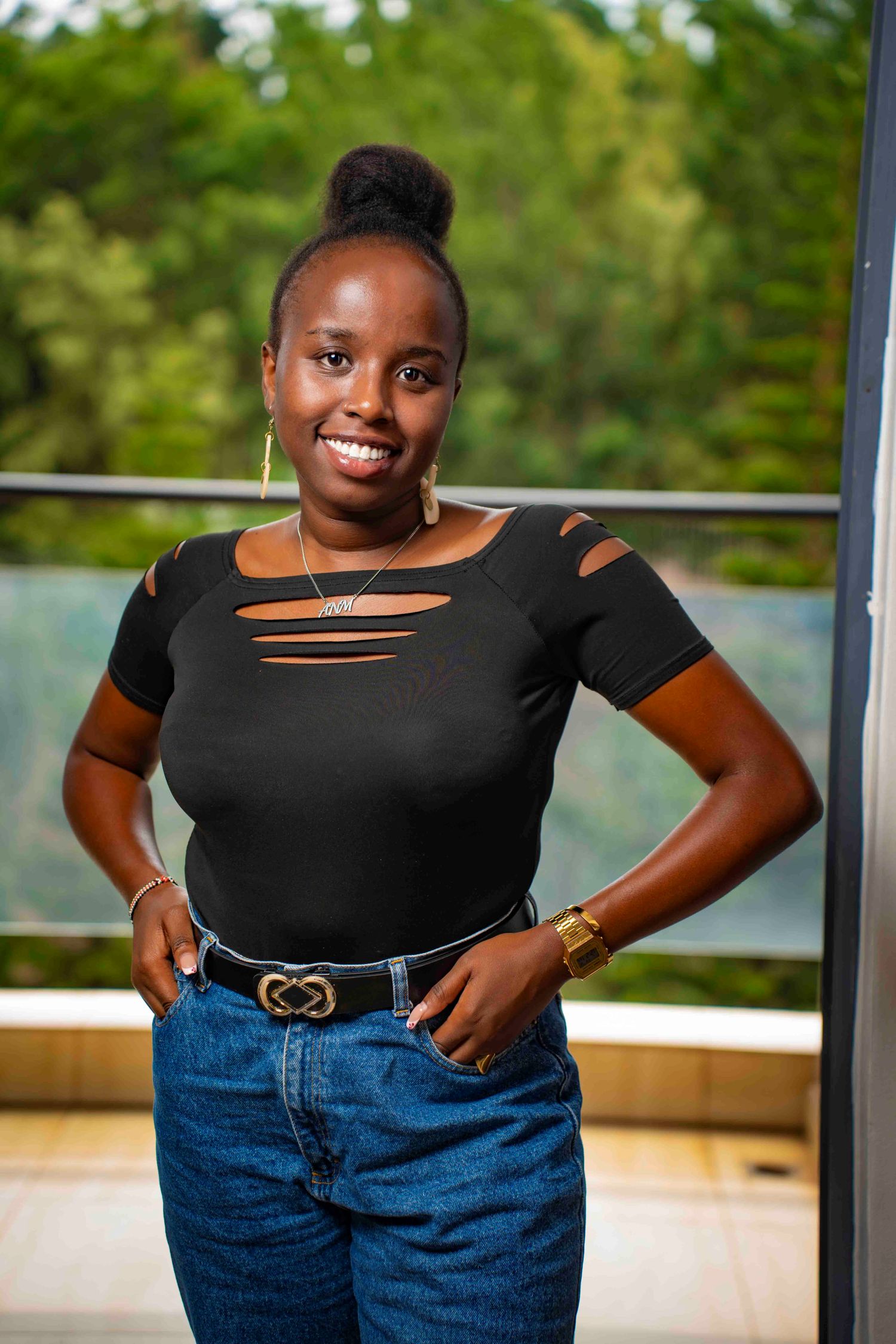
    Njoki came to Rwanda in November 2021 to visit her cousin during her gap year. What began as a short visit eventually led to university and a career.

    Finding a different pace of life

    One of the biggest ways Rwanda has influenced Njoki, she says, is by changing how she approaches everyday life.

    Coming from Kenya, she describes life there as fast-paced and energetic. In Rwanda, she learned to slow down, be more approachable and take things as they come.

    'Rwanda has taught me that you can actually become. You don't have to always be in a rush every time, in like defensive mode every time,' she noted.

    'I feel like since I came to Rwanda, I've learned how to be a bit calmer, and just chill, and take a minute to take in life as it comes.'

    She says the experience has also broadened her perspective and exposed her to different cultures.

    'Rwanda has also taught me to open up my mind and embrace different cultures, the Rwandan culture. And because we have so many foreigners here, you're exposed to a lot,' she added, noting that adjusting to life away from home came with challenges, including learning Kinyarwanda, being separated from her family and adapting to Rwanda's food culture.

    Kenya and Rwanda: Different cultures, familiar people

    Njoki sees clear cultural differences between Kenya and Rwanda.

    She describes Kenyans as generally more outspoken and energetic, while she sees Rwandans as quieter and more reserved.

    'Kenyans are rowdy. There is a lot of chaos, there's a lot of loudness,' she observed.

    Despite those differences, she says the two countries share similarities in areas such as religion, food and aspects of everyday life.

    Ultimately, Njoki says Rwanda gives her a strong feeling of home.

    'When I'm in Rwanda, I feel like I'm at home. People are the same,' she reflected.
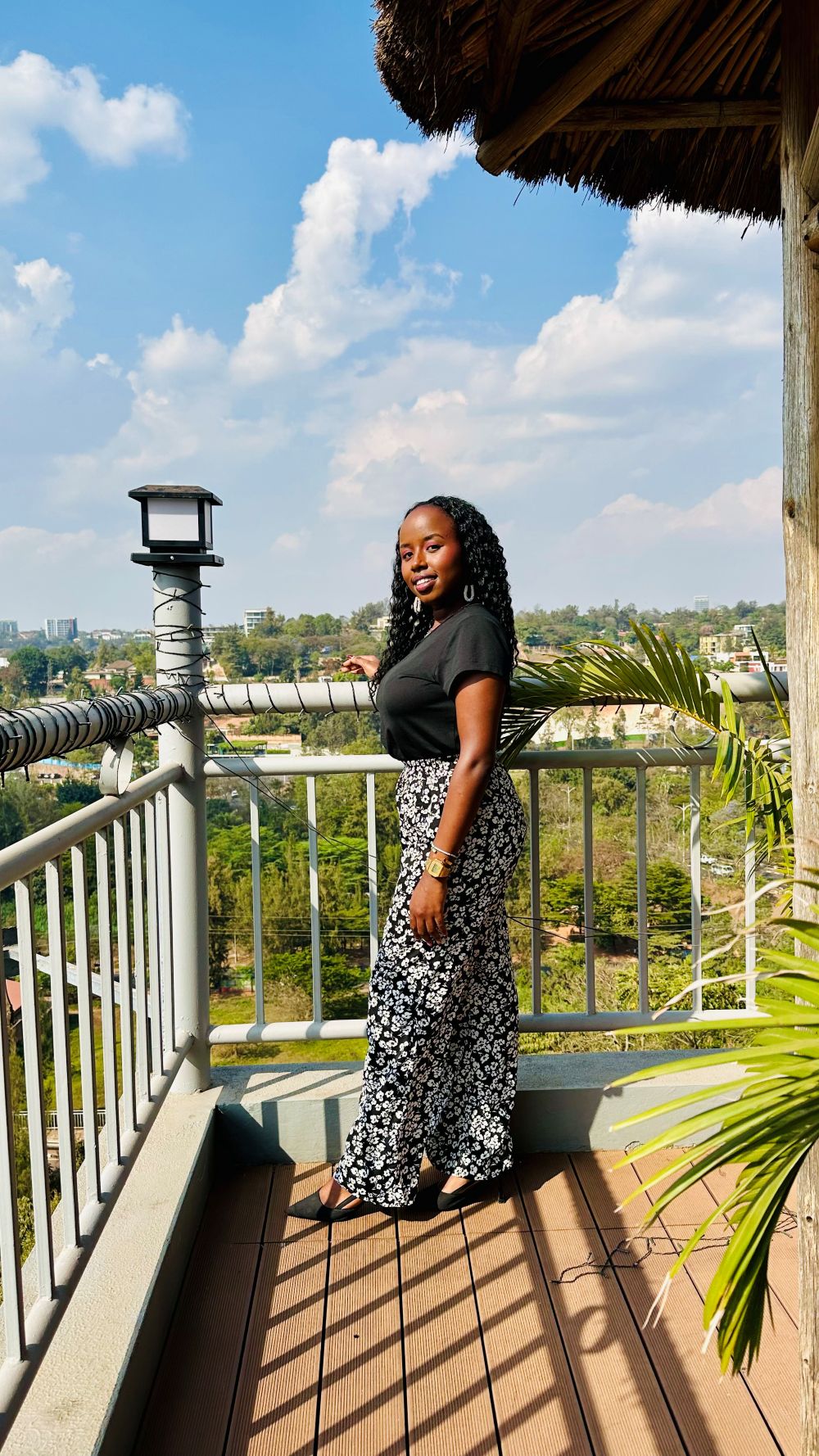
    Even after years in Rwanda, Njoki says learning Kinyarwanda remains an ongoing process.

    What makes Rwanda stand out

    Among the things Njoki admires most about Rwanda is what she sees as the country's deliberate efforts to promote women's participation and empowerment.

    'I love the fact that you guys actually are very intentional when it comes to uplifting women, and the fact that we have so many women in parliament,' she said.

    She praised efforts to ensure women are not left behind, including discussions around workplace equality and pay gaps.

    'They talk about it and they actually do it,' she added.

    Njoki also highlighted Rwanda's security and cleanliness, saying the country's reputation for being clean is reflected in everyday life.

    'I like the fact that people here don't litter. You'll see someone walking with a bottle up to home or up to where you'll see a dustbin,' she noted.

    Bigger ambitions for her career

    Looking ahead, Njoki hopes to take her work to a much bigger stage.

    Over the next five years, she wants to work with brands, secure partnerships, MC events, travel and develop new skills.

    'I want to be doing content on a full scale. I want to work with brands. I want brand deals, to advertise for people, MC for people. I want to travel more,' she stressed.

    She also hopes to use her growing platform to give back to others.

    'Just pick up as many skills as I can, and just be able to give back more to people than I'm taking,' she added.

    'Don't let anyone shame you for trying'

    For young people who are afraid of being judged when pursuing their ideas, Njoki urged them not to let criticism or embarrassment hold them back.

    'Don't let anyone shame you for trying,' she urged.

    She encouraged young people not to abandon their ideas simply because others consider them embarrassing or 'cringe.'

    'You see that thing people are calling cringe? Nah, do it,' she remarked.

    Her advice is to keep trying, take things one day at a time and remember that no one has everything figured out.

    'No one has everything figured out. So, just try and don't let anyone shame you for trying.'

    Watch the full video with Anna Njoki below.

    Source : https://new.igihe.com/english/how-kenyan-content-creator-anna-njoki-found-her-voice-in-kinyarwanda/
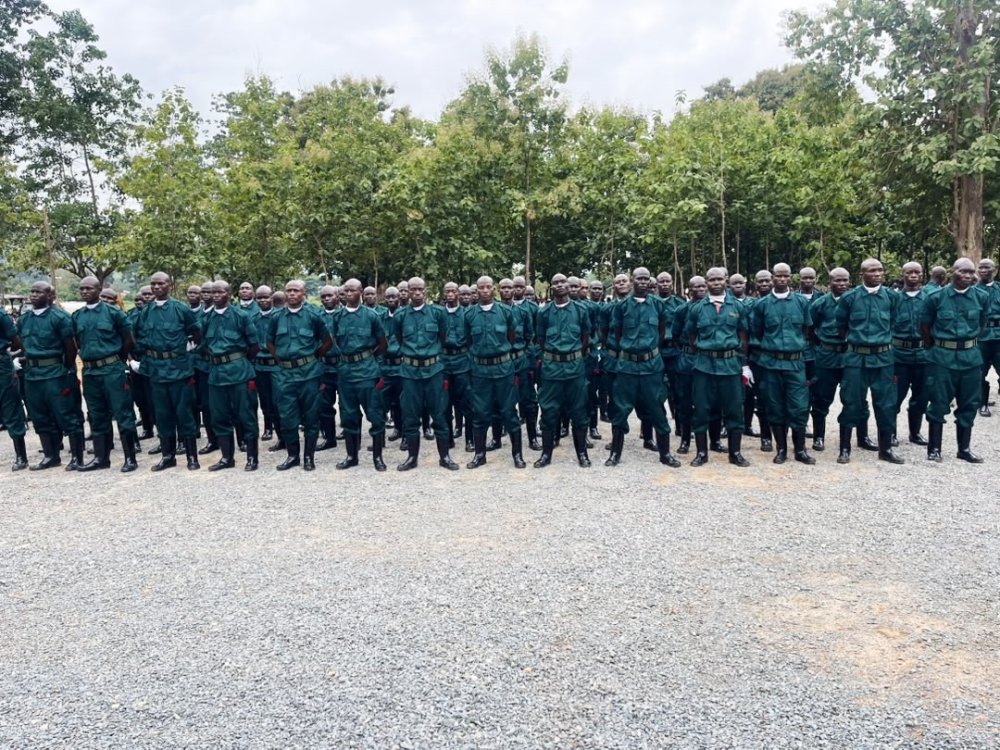
  • CAR troops complete RDF-led military training #rwanda #RwOT

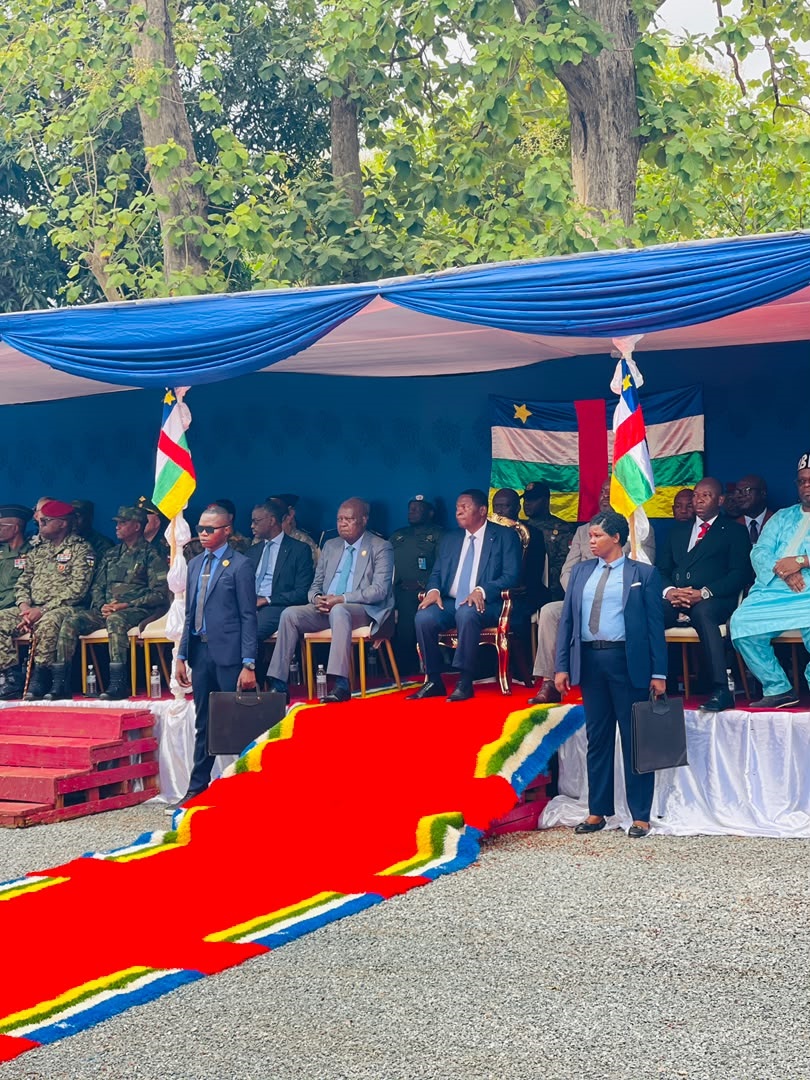
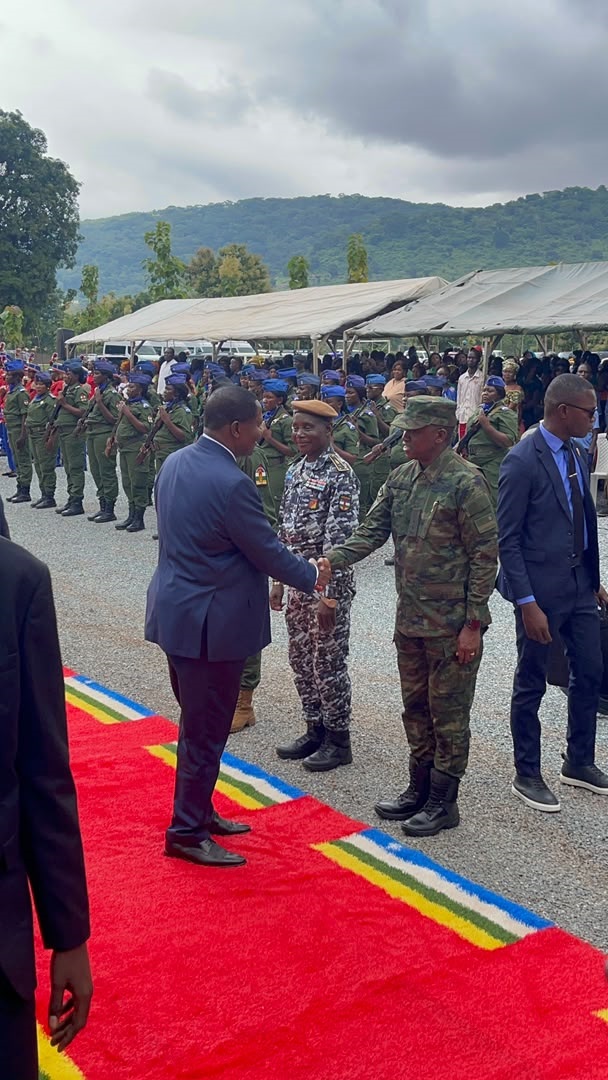
    The graduation ceremony was held in Bangui on August 10, 2026, and was presided over by Central African Republic President and Commander-in-Chief of the armed forces Faustin-Archange Touadéra.

    RDF Army Chief of Staff, Maj Gen Vincent Nyakarundi and Rwanda's Ambassador to the Central African Republic, Olivier Kayumba, attended the ceremony.

    The training equipped the soldiers with skills intended to help them safeguard the country's sovereignty, including weapons handling, hand-to-hand combat and basic medical services.

    Rwanda has maintained troops in the Central African Republic since 2020 under a bilateral agreement to counter insurgent groups and safeguard civilian lives.

    Building on positive results of the cooperation, Rwanda has committed to supporting the Central African Republic in developing its armed forces' capabilities, with the aim of enabling them to fulfil their responsibilities effectively and operate more professionally.

    In November 2025, Rwanda's Ministry of Defence said the RDF had trained 2,409 junior soldiers from the Central African Republic, as well as 300 non-commissioned officers.

    Among those trained by the RDF were 545 soldiers who completed their training on November 29, 2025.

    CAR soldiers join more than 2,400 others trained by the RDF.
    RDF Army Chief of Staff, Maj Gen Vincent Nyakarundi and Rwanda's Ambassador to the Central African Republic, Olivier Kayumba, attended the ceremony.

    Source : https://new.igihe.com/english/car-troops-complete-rdf-led-military-training/

  • Kigali residents join Car Free Day exercise to raise funds for cancer scanner #rwanda #RwOT

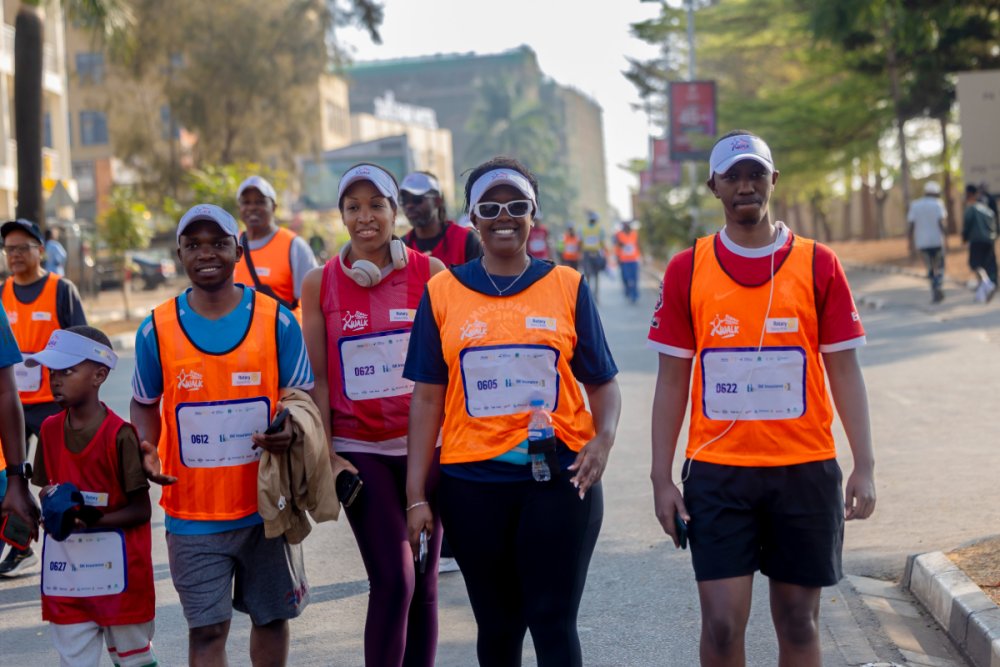
    The event was also aimed at raising awareness about cancer prevention and encouraging people to seek early screening for the disease, which remains a major health concern globally.

    According to GLOBOCAN, an international cancer statistics database, about 7,000 people in Rwanda are diagnosed with cancer every year, with more than half of them dying from the disease.

    Between 2019 and 2023, Rwanda recorded 26,092 new cancer cases, while 8,578 people died from the disease, representing a mortality rate of 32.9%.

    Concerned by the impact of cancer, Rotary Clubs across Rwanda have launched a fundraising campaign to purchase a SPECT scanner, a medical imaging machine used to detect and monitor cancer as well as other serious conditions affecting organs such as the brain and bones.

    The machine is estimated to cost $5 million, equivalent to more than Rwf7 billion.

    The fundraising campaign was launched as part of the Car Free Day activities, with Rotary Clubs and the Ministry of Health using the event to encourage Kigali residents to learn more about cancer, its prevention and the importance of early diagnosis.

    Alex Ndibwami, President of Rotary Club of Kigali Virunga, said the initiative was prompted by the number of people who die from cancer because the disease is often detected late or its spread in the body cannot be properly assessed.

    'Statistics show that many people in Rwanda die from cancer because they do not have the opportunity to get screened early. Some of them could have been treated successfully if the disease had been detected earlier. Even when cancer is diagnosed, it can be difficult to determine whether it has spread to other parts of the body,' Ndibwami said.

    He added that Rwandans who can afford to seek specialised cancer services abroad spend at least $3,000 travelling to countries such as Kenya, Uganda and Tanzania, where the equipment is available.

    Rotary Clubs plan to increase the funds raised more than tenfold through partnerships with various institutions, particularly financial institutions, with a target of raising $500,000 by the end of 2026.

    'We are exploring ways to increase the funds by more than tenfold so that, by the end of 2026, we will have raised at least $500,000 through partnerships with financial institutions, including banks, and other organisations,' Ndibwami said.

    He said the Rotary Clubs also plan to approach Rotary International to seek its support in acquiring the SPECT scanner for Rwanda.

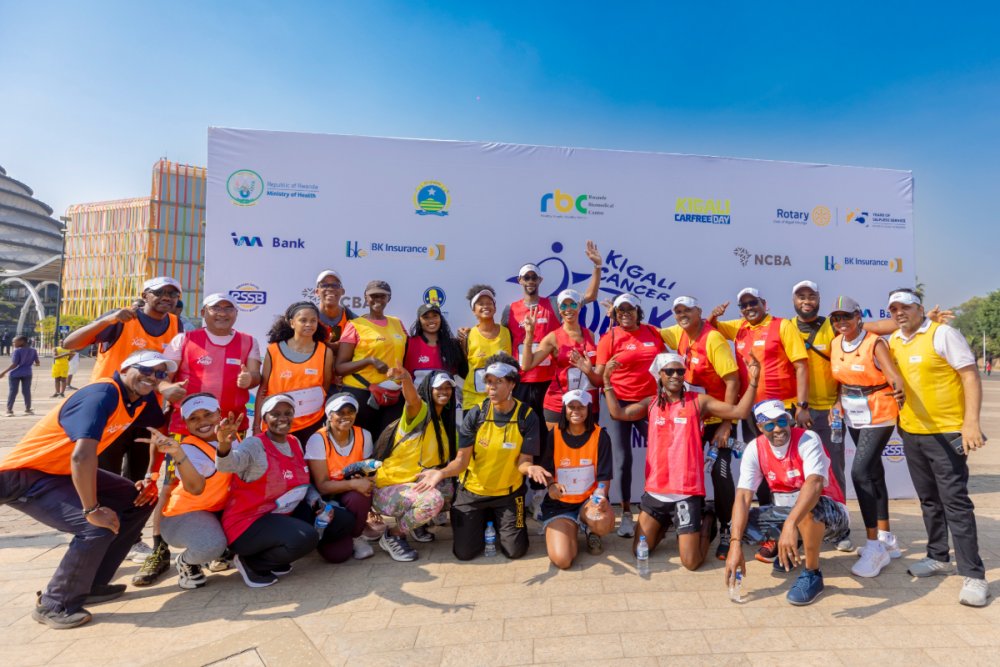
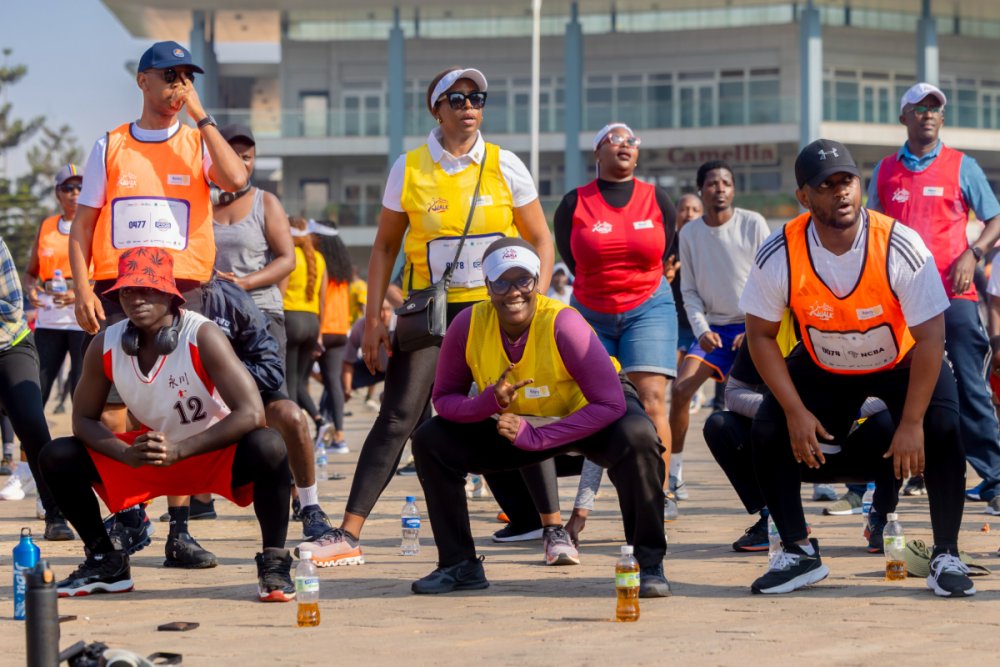
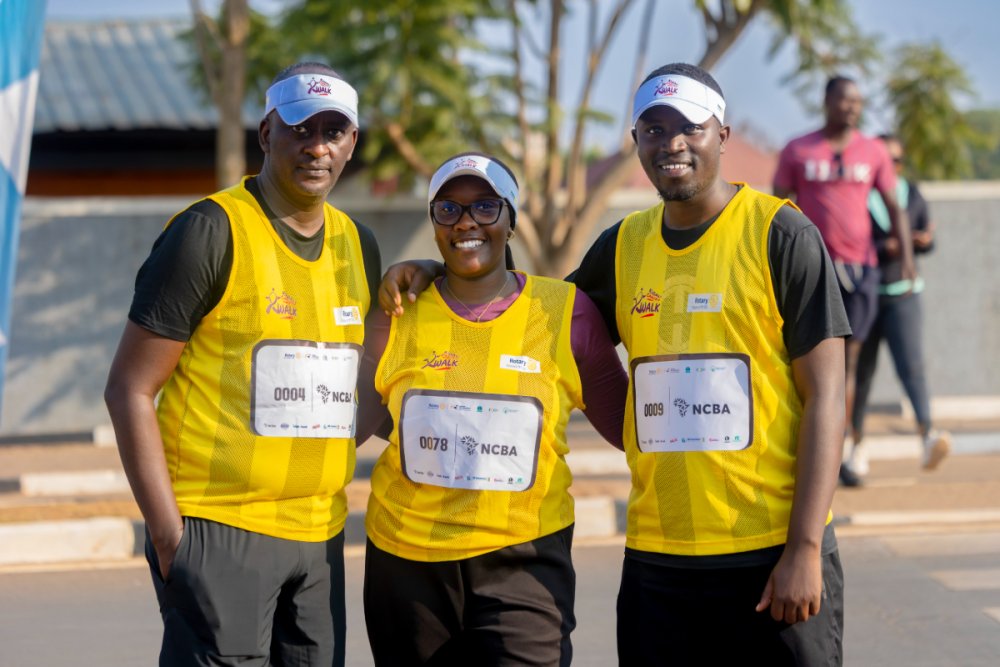
    Members of various Rotary Clubs in Rwanda joined Kigali residents for the public exercise.
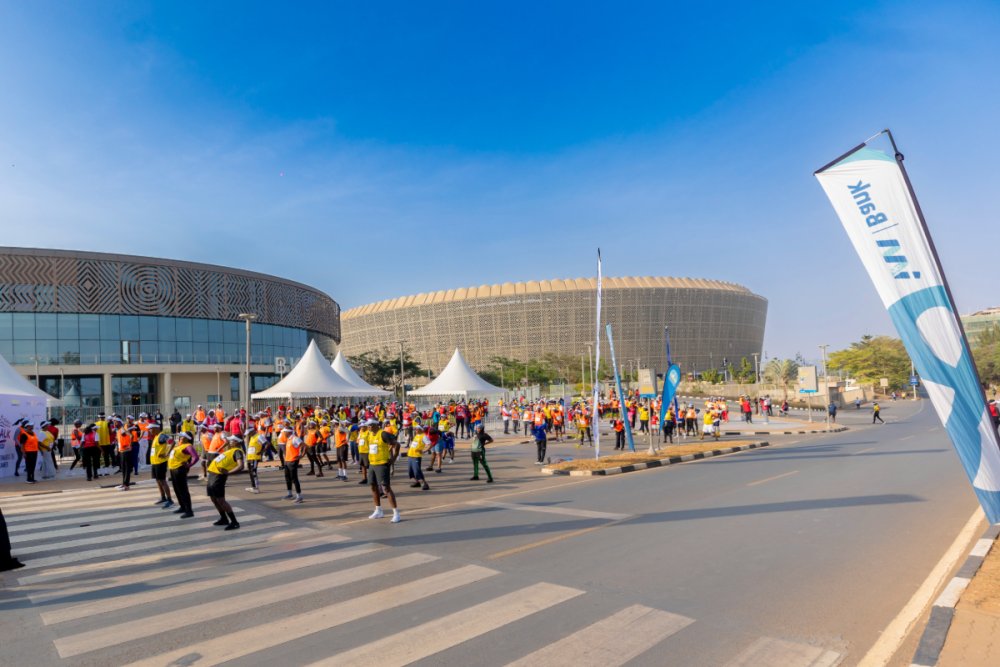
    Kigali residents take part in physical exercise during the Car Free Day activities.
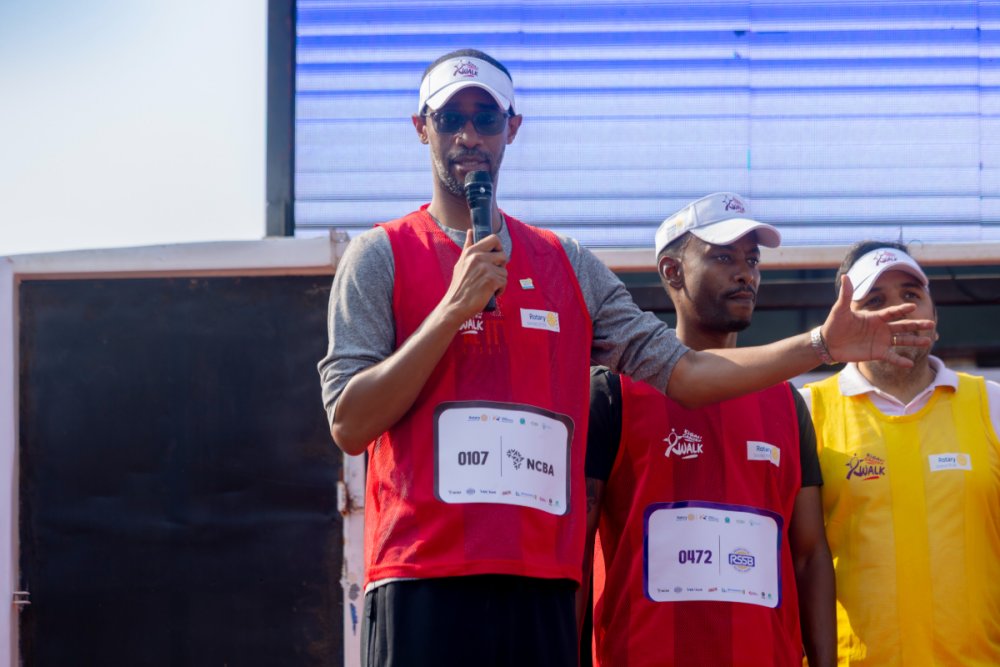
    Rotary Club of Kigali Virunga President Alex Ndibwami said the SPECT scanner fundraising campaign was launched as part of efforts to contribute to the fight against cancer.
    Members of various Rotary Clubs in Rwanda joined Kigali residents for the public exercise.
    The Permanent Secretary in the Ministry of Health Ndayizigiye Jean Marie Vianney also attended the event
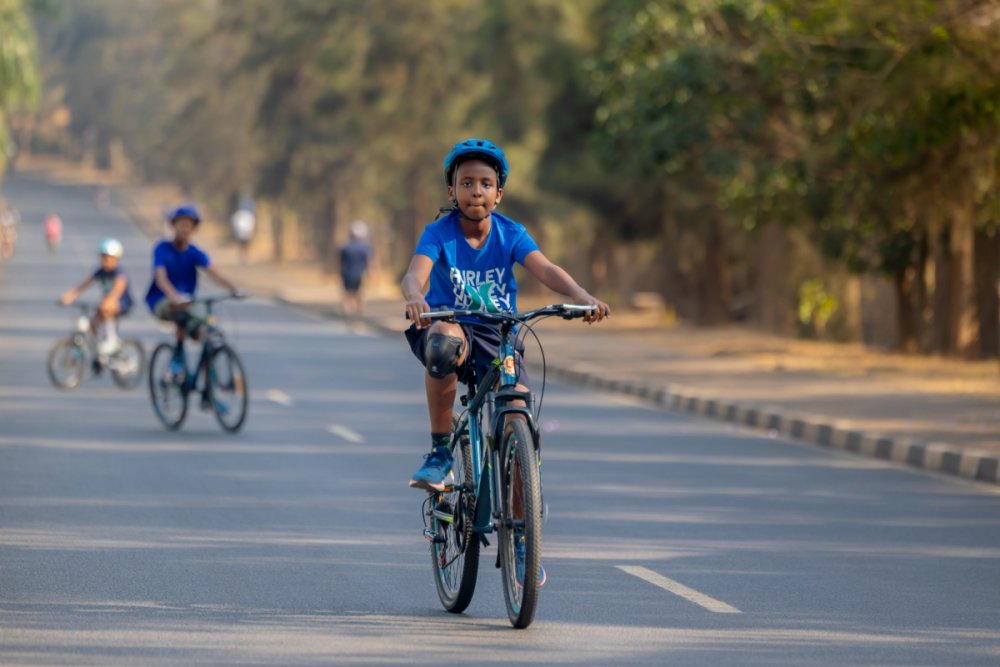
    Young participants were also among those who turned up for the public exercise.
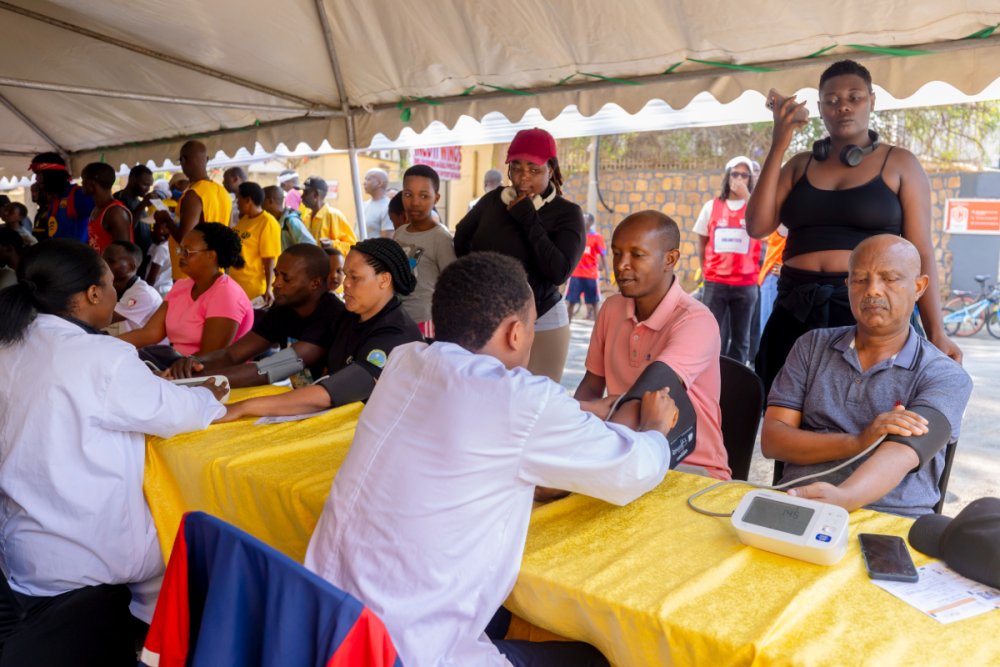
    Non-communicable diseases were screened for during the public exercise that brought Kigali residents together.

    Source : https://new.igihe.com/english/kigali-residents-join-car-free-day-exercise-to-raise-funds-for-cancer-scanner/

  • DRC Ebola outbreak death toll climbs to 1,916 #rwanda #RwOT

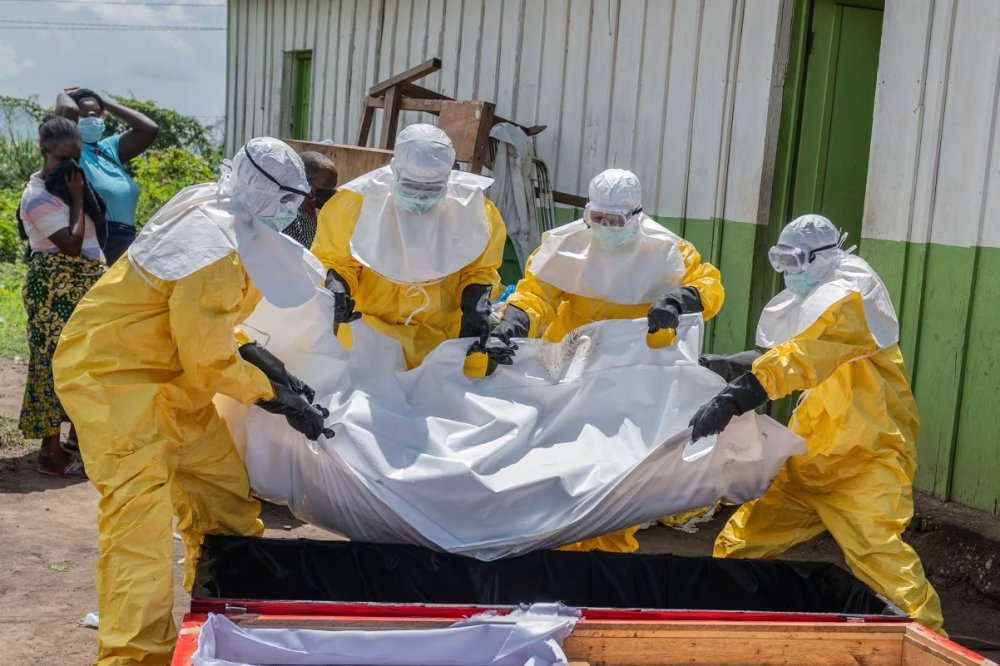
    As of August 7, 2026, a total of 4,209 Ebola cases had been recorded, including 1,916 deaths, according to the latest figures released by INSP.

    The report shows that 828 people had recovered from the disease, while 595 were either in isolation or receiving treatment at designated health facilities. 

    Ituri Province remains the epicentre of the outbreak, accounting for 86.5% of all reported cases. Meanwhile, South Kivu Province has gone 72 days without recording a new Ebola case. 

    The current outbreak is caused by the Bundibugyo ebolavirus. The World Health Organization (WHO) says there is currently no licensed vaccine or specific treatment for this strain, although medical interventions are being tested. 

    The scale of the outbreak makes it one of the most serious Ebola outbreaks recorded in the DRC since the virus was first identified in 1976.

    The WHO reported on July 30 that the number of cases in the current outbreak had already surpassed the total recorded during the 2018–2020 Ebola outbreak.

    The 2018–2020 outbreak recorded 3,481 cases and claimed 2,299 lives. 

    1,916 people have died from Bundibugyo Ebola in DRC

    Source : https://new.igihe.com/english/drc-ebola-outbreak-death-toll-climbs-to-1916/

  • Usher responds to viral claims that he used a lookalike at his concert #rwanda #RwOT

    American singer Usher has responded to a bizarre viral rumor claiming that he hired a lookalike or 'clone' to perform in his place during one of his recent concerts.

    The speculation spread online after footage from Usher's performance at MetLife Stadium in New Jersey on August 7 went viral, with some fans saying the performer did not look like the 47-year-old singer.

    Several social media users questioned whether the person on stage was actually Usher, while others suggested that a body double or even an artificial intelligence generated version of the singer had been used.

    The theory gained significant attention, with one post on X claiming that Usher had tried to fool concertgoers and calling for a refund. The post reportedly attracted more than four million views.

    Other videos shared on TikTok also questioned the singer's appearance during the performance.

    Some users said his face appeared different from what they were accustomed to seeing, while others pointed to the fact that he was wearing a hat and sunglasses, which made it harder to see his face clearly.

    Usher eventually addressed the speculation himself on August 9.

    Rather than responding seriously, the singer appeared to find the claims amusing. In comments shared by the official R&B Tour account, he wrote, 'Y'all are funny… clone? They can't clone this?'

    In another response, Usher questioned how fans had come up with the theory before adding, 'AI ain't that advanced.'

    His comments effectively dismissed the suggestion that he had secretly hired someone to perform for him.

    Usher is currently on the Raymond & Brown Tour with fellow singer Chris Brown.

    The co-headlining tour, whose name refers to both artists' surnames, began in June and is scheduled to continue through December with performances across North America.

    The latest rumor is not the first time social media users have questioned Usher's appearance during a performance.

    Similar speculation emerged during his Past Present Future Tour in 2024, when some online users questioned his appearance and vocals and suggested that a stand-in might have been used. Those claims were also never substantiated.

    The singer has continued to perform despite the latest wave of online speculation, which appears to have been driven largely by differences that fans perceived in short concert videos shared on social media.

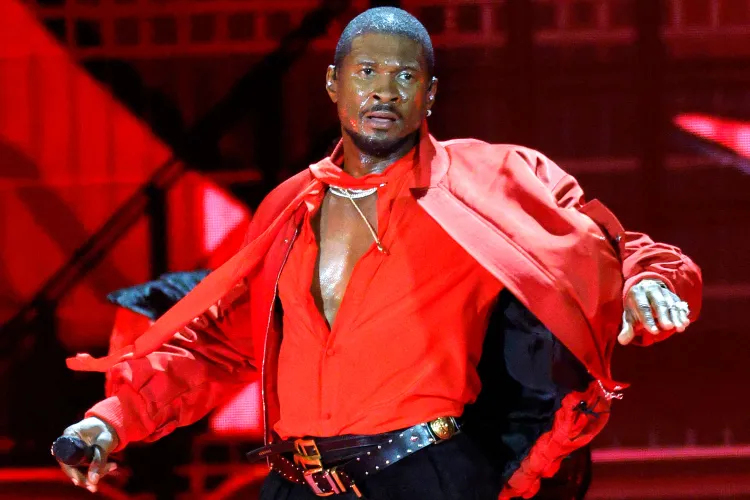
    Usher broke silence on viral rumors about a lookalike performing for him.

    Source : https://new.igihe.com/english/usher-responds-to-viral-claims-that-he-used-a-lookalike-at-his-concert/

  • Rwanda's inflation rises to 14.5% in July #rwanda #RwOT

    The urban index, which serves as the headline measure for monetary policy, rose 0.9 percent on a monthly basis compared to June 2026. The annual average inflation rate between July 2026 and July 2025 stood at 9.9 percent, while the annual average underlying inflation rate was 10 percent.

    Nationally, the overall Rwanda CPI increased by 13.8 percent year-on-year and 0.3 percent month-on-month. Rural inflation rose 13.3 percent annually but eased 0.2 percent from June, pulled down by a 3.6 percent monthly drop in rural housing, water, electricity, gas and other fuel costs.

    Transport and housing costs continue to lead the increase. Urban transport prices jumped 24.2 percent year-on-year, while housing, water, electricity, gas and other fuels rose 21 percent. Transport costs have been under pressure since February, linked to disruptions in oil flows through the Strait of Hormuz amid the Middle East conflict.

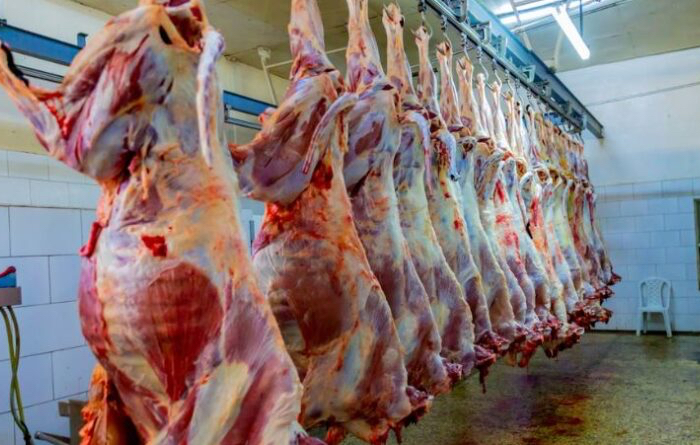
    Meat prices surged 33.8 percent annually and spiked 17.8 percent in a single month, while vegetables were up 19.8 percent year-on-year, though they eased 0.8 percent from June. The sharp monthly rise in meat prices has been linked to strict livestock movement restrictions and quarantine measures imposed to contain Rift Valley Fever, a contagious animal disease that has significantly reduced the number of cattle, goats and sheep reaching Kigali's abattoirs.

    Food and non-alcoholic beverages, the largest component of the urban basket at 27 percent weight, increased 13.1 percent annually and 1.5 percent monthly, making it the biggest driver of July's monthly rise. Restaurants and hotels rose 14.2 percent year-on-year.

    NISR's core index, which strips out fresh food and energy prices to capture underlying price trends, rose 11.4 percent year-on-year and 0.6 percent month-on-month, up from 5.8 percent a year earlier, signalling that price pressures have broadened beyond volatile categories.

    The energy index rose sharply, up 44.5 percent annually, while the local goods index increased 15.8 percent and the imported goods index rose 10.7 percent over the same period.

    NISR's CPI is based on a basket of 1,622 products, with more than 29,482 prices collected each month in urban areas and 10,744 in rural areas. The urban CPI serves as the headline index for monetary policy purposes.

    Meat prices surged 33.8 percent annually and spiked 17.8 percent in a single month. The sharp monthly rise in meat prices has been linked to strict livestock movement restrictions and quarantine measures imposed to contain Rift Valley Fever.

    Source : https://new.igihe.com/english/rwandas-inflation-rises-to-14-5-in-july/

  • Six killed, 13 injured as minibus carrying wedding guests veers off road in Karongi #rwanda #RwOT

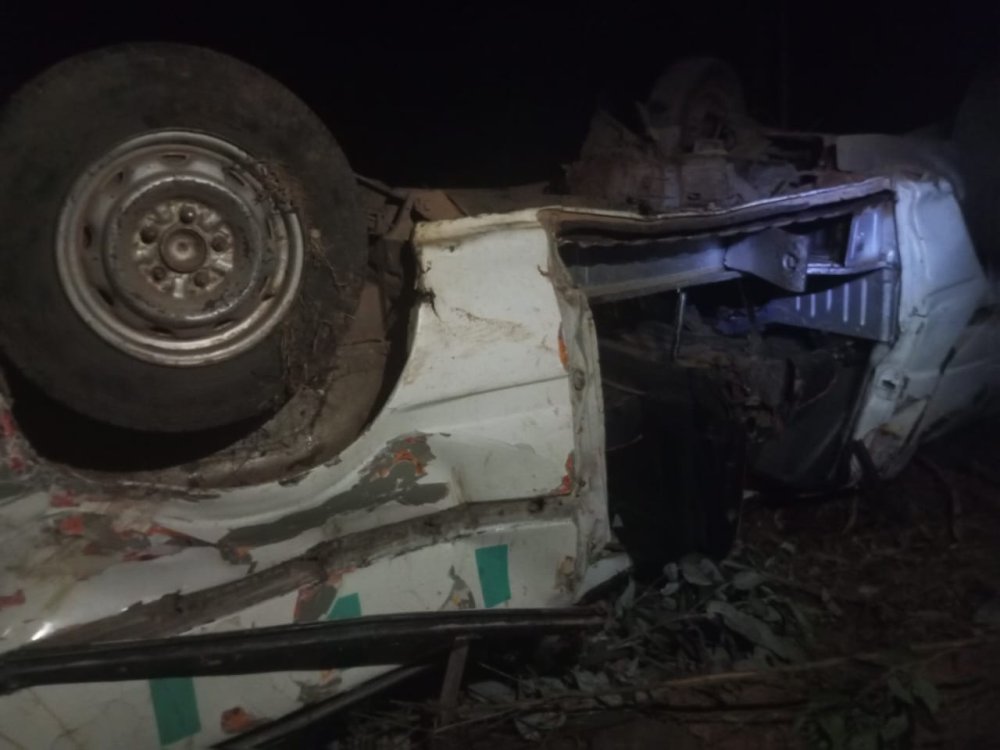
    The accident occurred on Sunday, August 9, 2026, in Kigarama Village, Rwariro Cell, Gitesi Sector, at around 11:30 p.m.

    Sources indicate that the vehicle veered off the road and came to a stop about 20 metres away.

    Speaking to IGIHE, Gitesi Sector Executive Secretary Jean Damascène Ngendahimana,said local authorities and security organs quickly responded to the scene and evacuated the injured to Kibuye Referral Hospital.

    'They are people from Ruganda Sector who were returning from a wedding in Kigali. The vehicle veered off the road, killing six people on the spot. Five sustained serious injuries, while eight others suffered minor injuries,' he said.

    The Rwanda National Police spokesperson for the Western Province, SP Twajamahoro Sylvestre, said preliminary investigations indicate that fatigue and drowsiness may have caused the driver to lose control of the vehicle.

    He urged drivers to avoid driving when tired, maintain appropriate speeds and regularly inspect their vehicles.

    'Drivers should avoid continuing to drive when they feel tired, maintain a safe speed and ensure their vehicles are regularly inspected,' he said.

    Among those killed in the crash was the father of the bride. The driver was among those injured in the accident.

    The accident happened in Karongi District on Sunday, August 9, 2026.

    Source : https://new.igihe.com/english/six-killed-13-injured-as-minibus-carrying-wedding-guests-veers-off-road-in-karongi/

  • PM Nsengiyumva urges 16th Indangamirwa cohort to consolidate Rwanda's gains #rwanda #RwOT

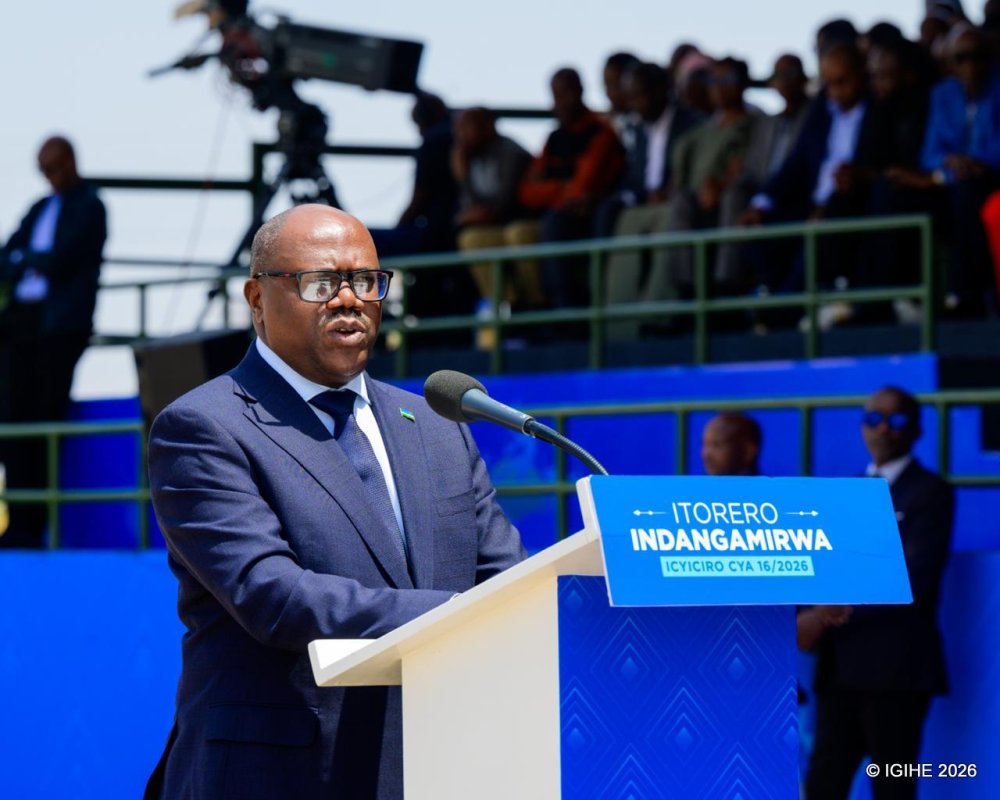
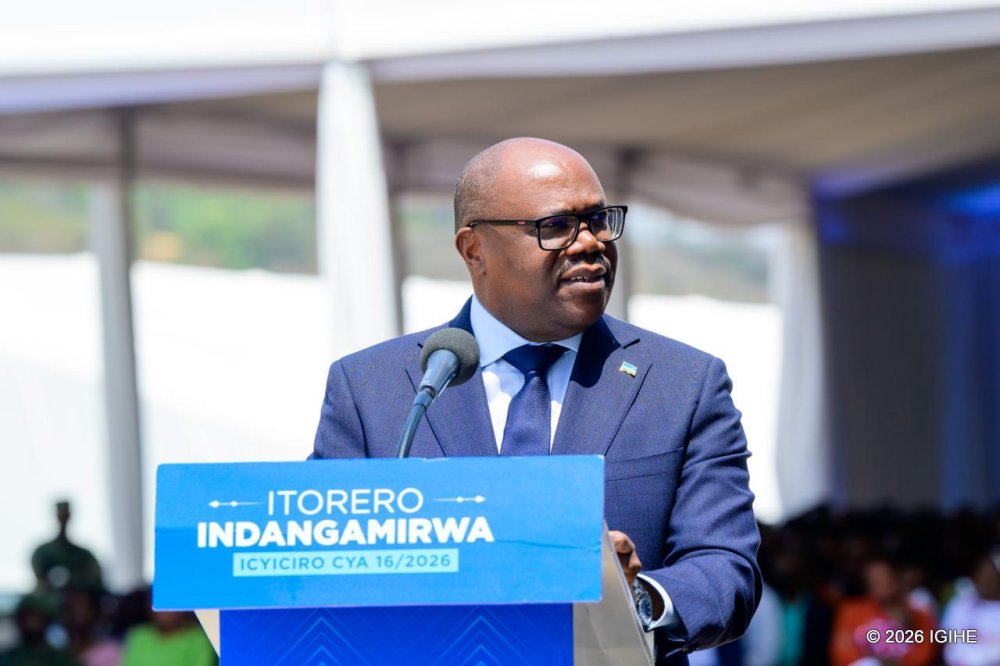
    He made the remarks on August 10, 2026, during the closing ceremony of the 16th edition of Itorero Indangamirwa, held at Gabiro Combat Training Centre (CTC-Gabiro) in Gatsibo District.

    Dr. Nsengiyumva said today's youth are fortunate to have grown up in a Rwanda that offers many opportunities, unlike the generation that lived through the period before 1994.

    'What your country expects from you is different from what was expected of the youth who liberated the country. They found Rwanda devastated by the 1994 Genocide against the Tutsi, but their bravery was demonstrated through rebuilding the country, restoring unity among Rwandans and laying the foundation for the development Rwanda is experiencing today,' he said.

    He urged the graduates to build on the achievements made over the past three decades and contribute to making Rwanda stronger and more prosperous.

    'You grew up in Rwanda that has rebuilt itself, a country with many opportunities and a promising future. Your responsibility, therefore, is to protect what has been achieved and build on it, taking the country far beyond where it is today,' he said.

    'Doing what is right may be difficult'

    The Prime Minister told the youth that they have numerous opportunities to pursue but will also face distractions and temptations that could affect their choices.

    'There are many opportunities available to young people like you to take advantage of, but I also want to remind you that there are many distractions and temptations. Often, you will find that doing what is right seems difficult, but that is where your values and your character as Intore will be demonstrated,' Dr. Nsengiyumva said.

    He encouraged them to remain guided by the values they acquired during the training and to make decisions that contribute to the country's development.
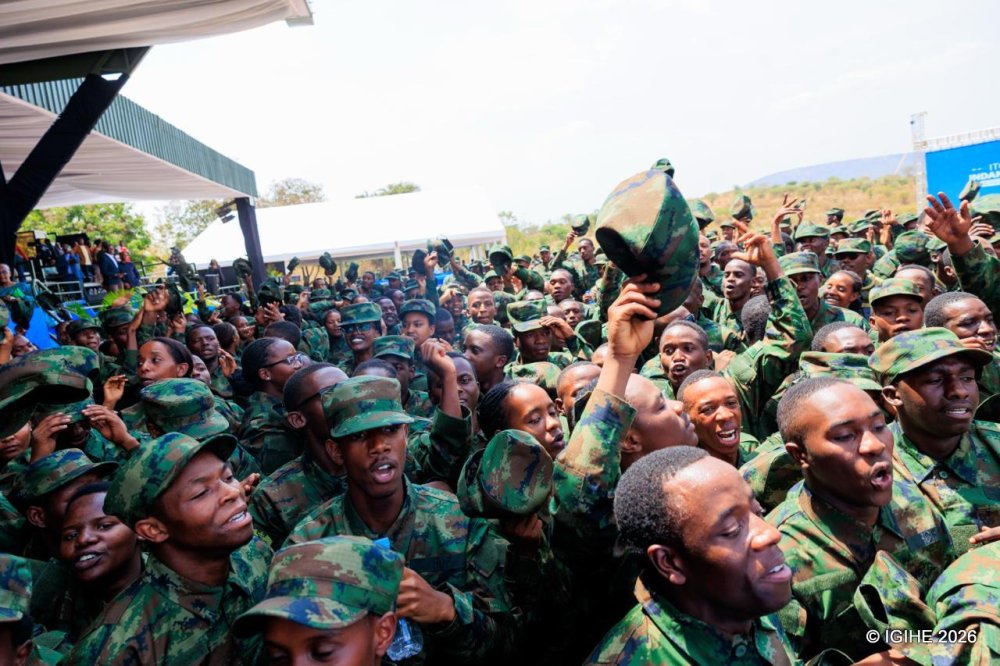
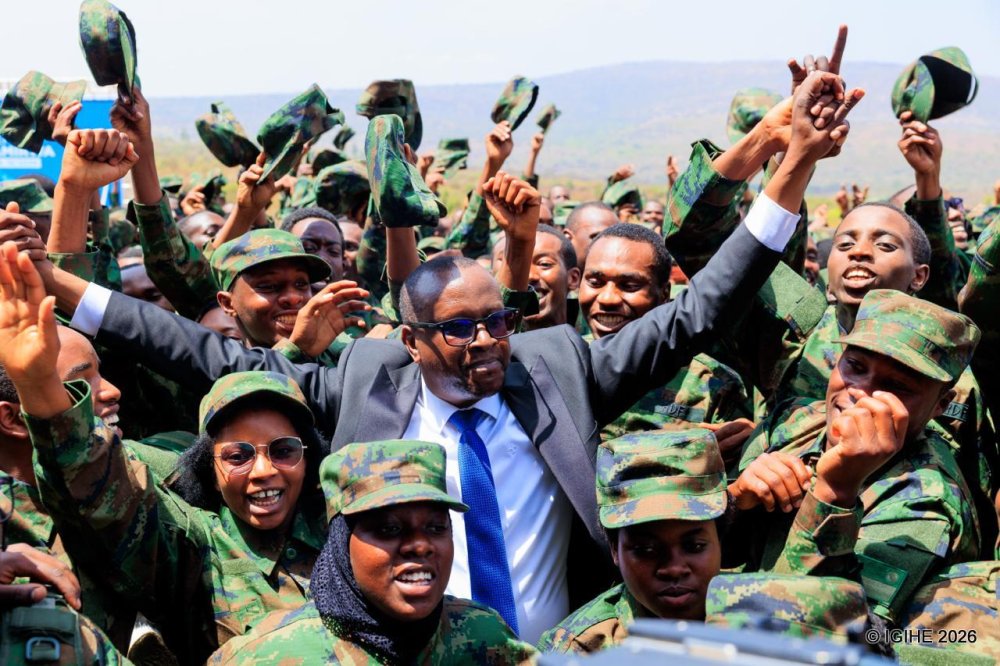
    The 16th edition of Itorero Indangamirwa brought together 769 young people, including 315 girls and 454 boys.

    The participants underwent training at Gabiro Combat Training Centre, covering areas including proficiency in the Kinyarwanda language, Rwandan cultural values and taboos, marksmanship and other basic military skills.

    The participants included Rwandans living or studying abroad, students from international secondary schools, university students and young people who performed well during the 13th edition of Rwanda's national civic education and community service programme known as Urugerero rw'Inkomezabigwi.

    The latest group brings to 5,216 the number of young people who have completed Itorero Indangamirwa training through more than 15 previous editions.

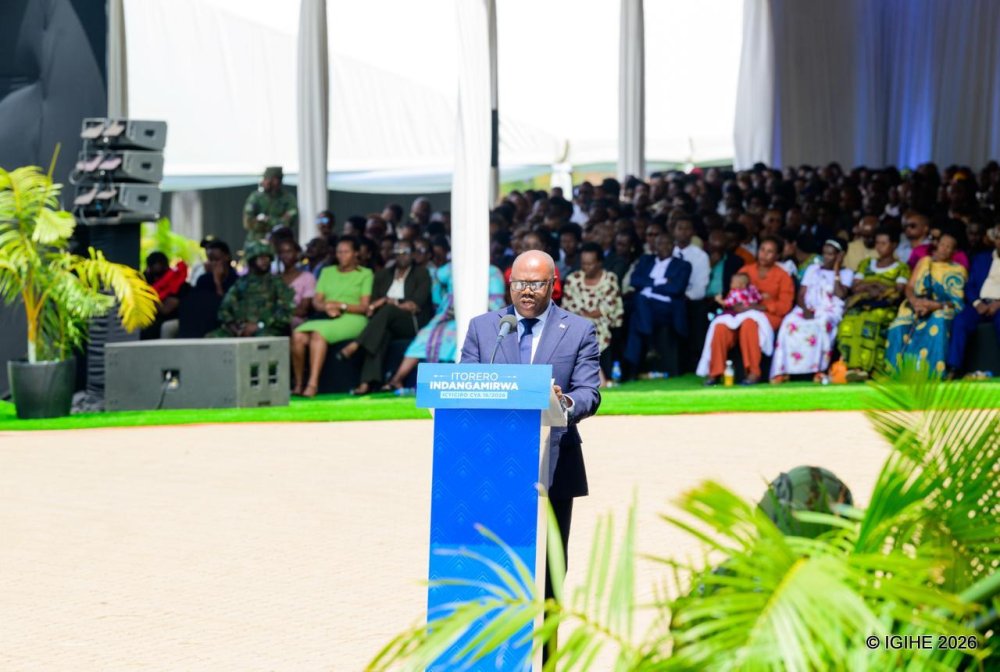
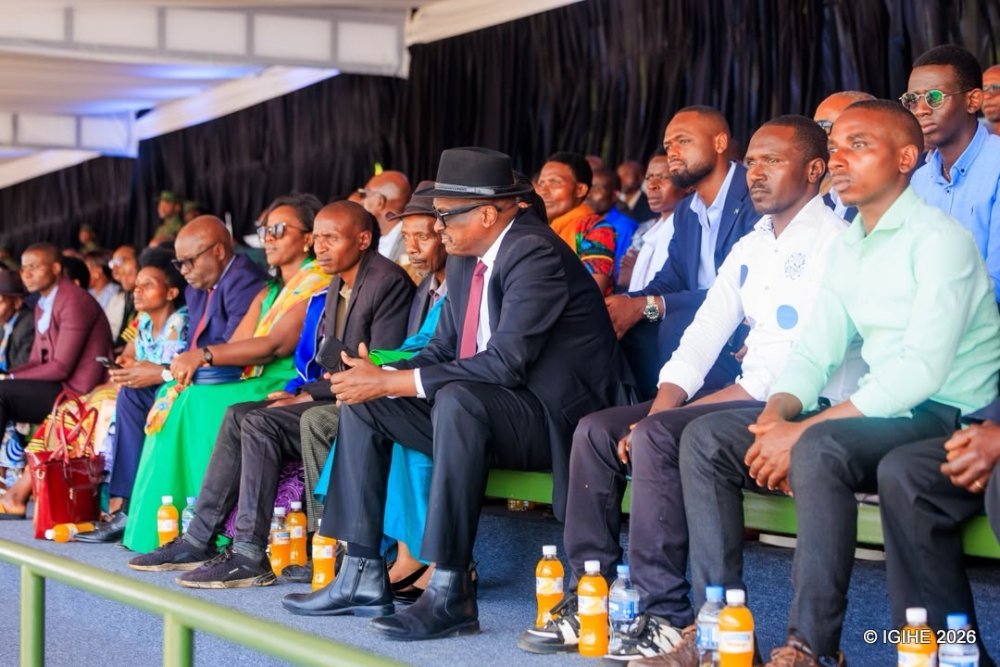
    Prime Minister Dr. Justin Nsengiyumva addresses participants during the closing ceremony of the 16th edition of Itorero Indangamirwa at Gabiro Combat Training Centre in Gatsibo District on August 10, 2026.
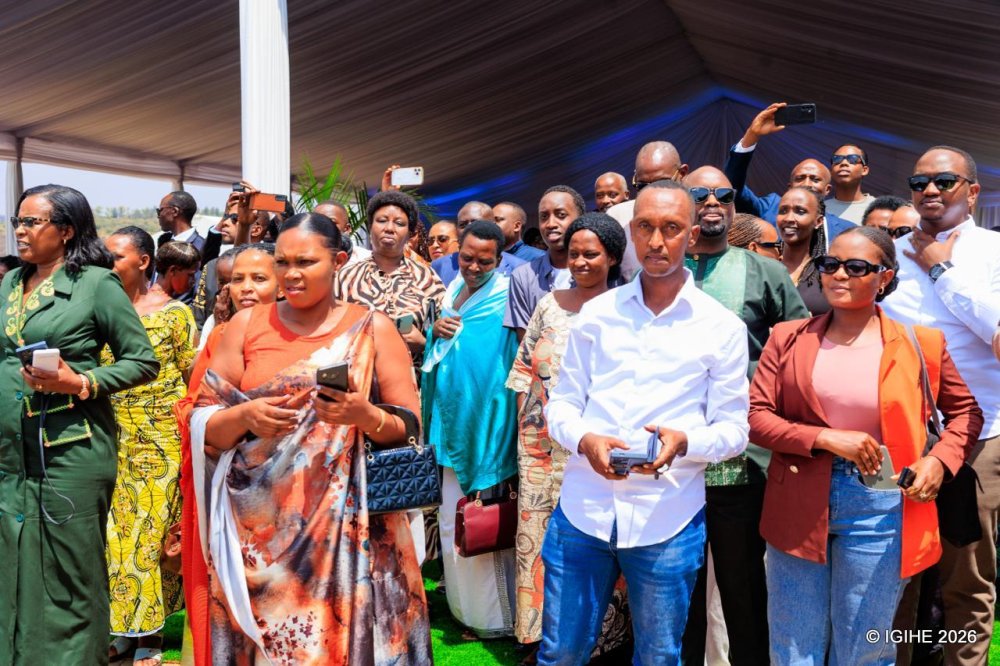
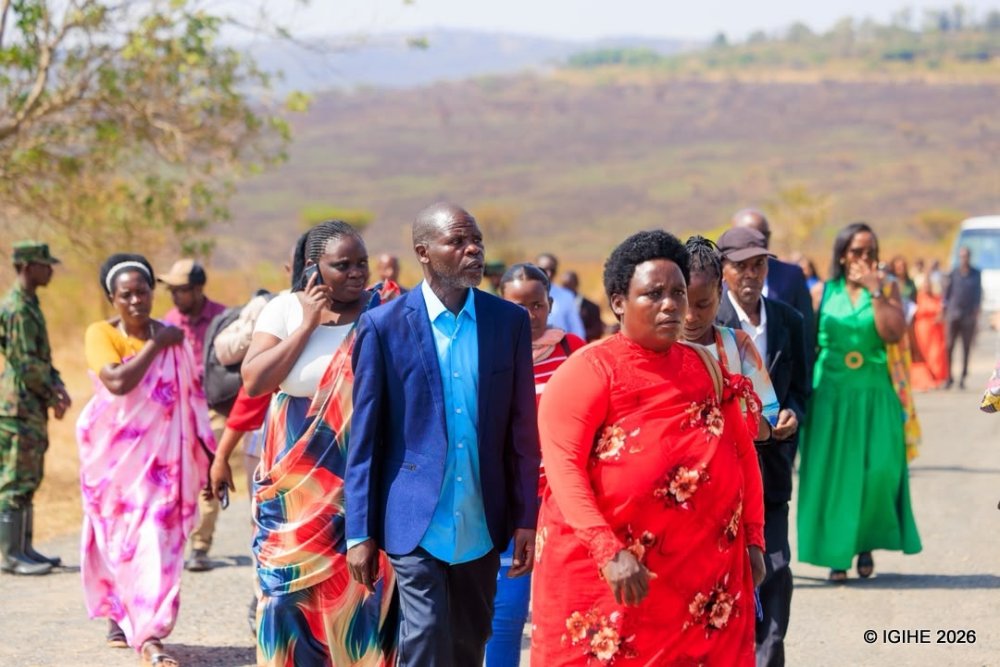
    Relatives also attended the ceremony to show support for graduates.
    Young Rwandans participating in the 16th edition of Itorero Indangamirwa received training on Rwandan cultural values and traditions.
    The 16th edition of Itorero Indangamirwa brought together Rwandans living and studying abroad, international school students, university students and top performers from Urugerero rw'Inkomezabigwi.
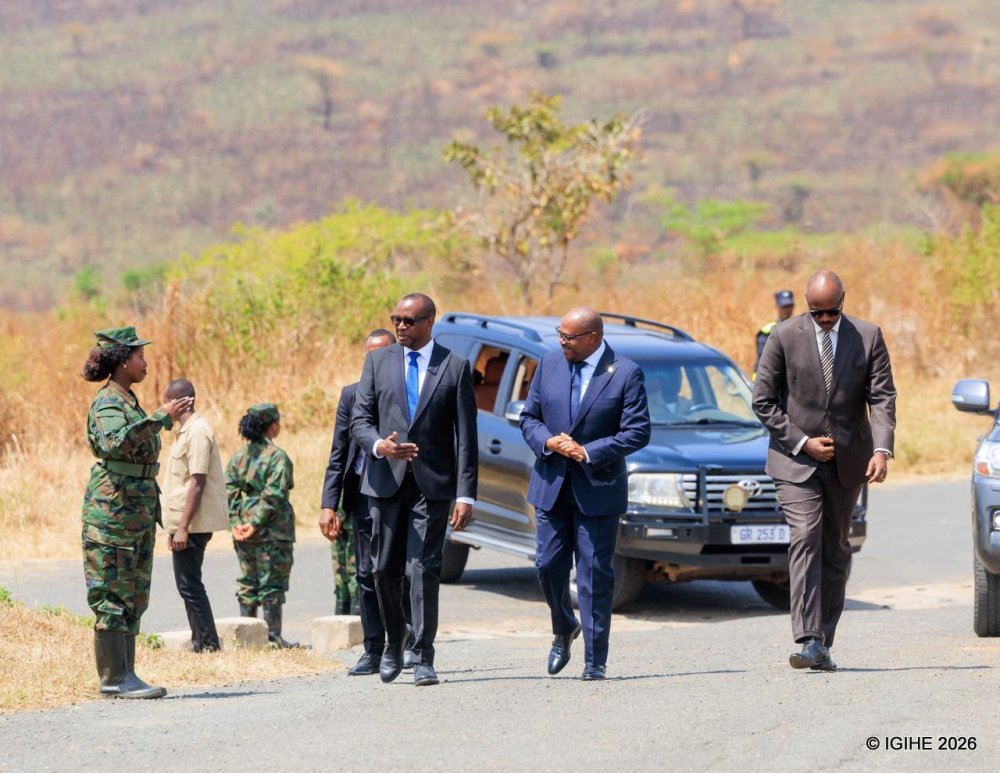
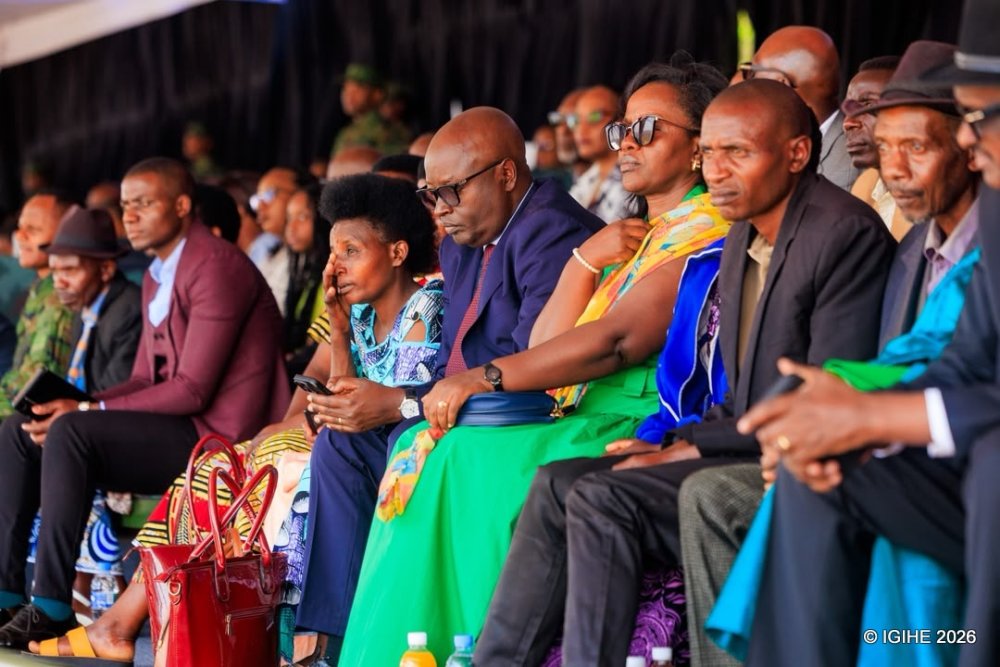
    The event was attended by various dignitaries.

    Source : https://new.igihe.com/english/pm-nsengiyumva-urges-16th-indangamirwa-cohort-to-consolidate-rwandas-gains/

  • Study finds different health risks linked to wine, beer and spirits #rwanda #RwOT

    A large study has found that the relationship between alcohol and health may differ depending on both the amount consumed and the type of alcoholic beverage.

    Researchers examined health and drinking data from 340,924 adults who participated in the UK Biobank study between 2006 and 2022. Participants were followed for more than 13 years on average.

    The findings, presented at the American College of Cardiology's Annual Scientific Session, showed that heavy alcohol consumption was associated with a significantly higher risk of death, regardless of the type of alcohol consumed.

    Compared with people who rarely or never drank, those in the highest alcohol consumption group were 24 percent more likely to die from any cause.

    They were also 36 percent more likely to die from cancer and 14 percent more likely to die from heart disease.

    However, researchers observed a different pattern among people who consumed lower amounts of alcohol.

    At low and moderate levels, beer, cider and spirits were associated with a higher risk of death, while wine consumption was associated with a lower risk.

    The difference was particularly notable when researchers examined cardiovascular deaths. People who consumed wine at moderate levels had a 21 percent lower risk of dying from cardiovascular disease compared with those who rarely or never drank.

    In contrast, even low levels of beer, cider or spirits consumption were associated with a 9 percent higher risk of cardiovascular death.

    Researchers said several factors could help explain the difference. Wine, particularly red wine, contains compounds such as polyphenols and antioxidants that may have cardiovascular effects.

    Wine is also more commonly consumed with meals and is often associated with healthier diets and lifestyle habits.

    However, the researchers stressed that the findings do not prove that wine itself protects against disease or death.

    The study was observational, meaning it examined existing drinking habits rather than assigning people to consume specific types or amounts of alcohol.

    Participants also reported their alcohol intake only when they entered the study, so changes in drinking habits over time were not fully captured.

    The researchers also noted that UK Biobank participants tend to be healthier than the general population, which may limit how widely the findings can be applied.

    Zhangling Chen, senior author of the study, said the findings provide a more detailed picture of how both the amount and type of alcohol may be associated with health outcomes.

    Despite the limitations, the large number of participants and long follow-up period provide substantial data on the relationship between alcohol consumption and mortality.

    The researchers said further high-quality studies are needed to determine whether differences between alcoholic beverages are directly responsible for the health patterns observed.

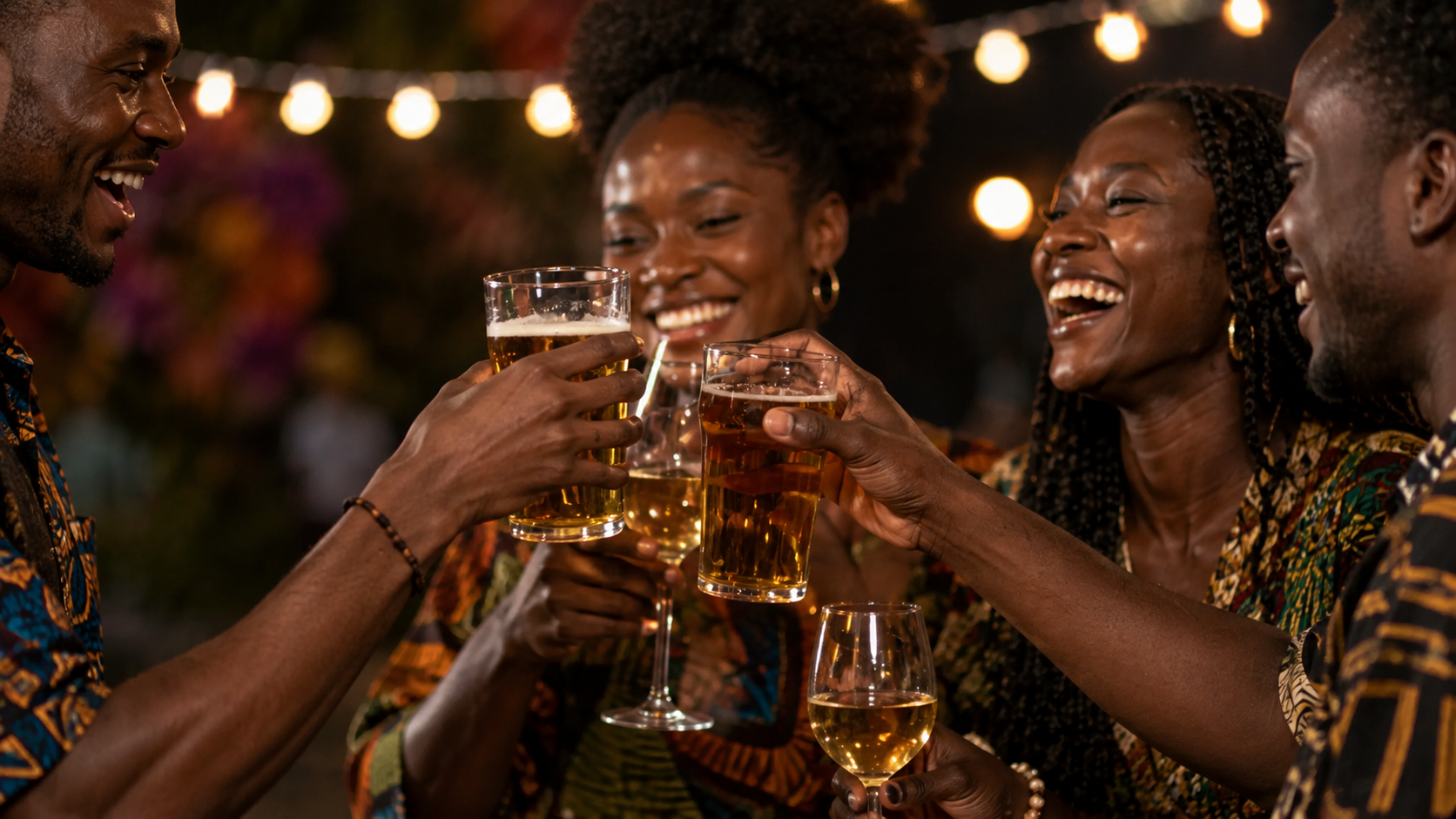
    Researchers found that heavy drinking raised mortality risks, while lower consumption showed different patterns across alcoholic beverages.

    Source : https://new.igihe.com/english/study-finds-different-health-risks-linked-to-wine-beer-and-spirits/

  • 'We did not ask your permission to start the war': Tito Rutaremara recalls clash with French official Paul Dijoud #rwanda #RwOT

    Rutaremara, now Chairperson of Rwanda Elders Advisory Forum (REAF), shared the account in an interview with One Nation Radio, offering fresh details about his first encounter with Dijoud, one of the key architects of France's Rwanda policy in the early 1990s.

    The remarks build on an account President Paul Kagame shared last month about his own tense meeting with Dijoud in Paris in September 1991, when the French official warned that even if the RPF captured Kigali, it would not find the people it sought to rescue because they would have already been killed.

    A meeting that quickly turned confrontational

    Rutaremara said he travelled to Paris ahead of Kagame to prepare for talks that France had requested with the RPF.

    When he arrived at Dijoud's office, he was received by the diplomat's secretary while Dijoud met ministers from Djibouti, the Central African Republic and Chad.

    According to Rutaremara, the secretary deliberately opened the office doors and windows, allowing him to overhear Dijoud reprimanding the ministers.

    'We heard him saying they came asking for their countries' money, squandered it and then returned asking for more,' Rutaremara recalled.

    He believes the secretary intentionally allowed the RPF delegation to hear the exchange.

    When Rutaremara and his colleagues were finally invited into Dijoud's office, he said the French official did not greet them. Instead, he immediately asked whether they were from the RPF, speaking in what Rutaremara described as a dismissive tone.

    Dijoud then urged the RPF to end the war, saying France wanted the movement to halt its military campaign and that he had advised President Juvénal Habyarimana to allocate government positions to the RPF.

    Rutaremara objected to the tone of the meeting, telling Dijoud there was no reason to treat them disrespectfully.

    'He asked me what I meant,' Rutaremara recalled. 'I told him, 'Those ministers you were scolding had come asking for money. We have not come here asking you for money, so why are you treating us this way?’'

    'We did not ask for your permission'

    Rutaremara said Dijoud again insisted that the RPF should stop fighting.

    His response, he said, was unequivocal.

    'I told him, 'When we started the war, we did not ask for your permission. You came to help fight against us, but you will not be the ones to stop this war. We will stop it ourselves when we decide the time is right.’'

    According to Rutaremara, the exchange infuriated Dijoud, who ordered the delegation out of his office and requested that future discussions be held with other senior RPF leaders.

    He said the French side specifically asked that Kagame, then the RPF's vice chairman, attend the next meeting instead of the movement's chairman, Col. Alexis Kanyarengwe.

    Confined to a hotel in Paris

    Rutaremara said that when Kagame later travelled to Paris for the talks, he was instructed to remain at the hotel where he was staying and was not allowed to accompany him to the negotiations.

    He believes the decision was linked to his earlier confrontation with Dijoud.

    'It felt like being imprisoned,' he said. 'I believed they kept me away because of my argument with Dijoud.'

    Rutaremara added that Rwandan contacts later helped him leave the hotel through an alternative exit.

    A lesson for young people

    Reflecting on the RPF's eventual military victory over the then Rwandan government forces and the French troops supporting them, Rutaremara said the outcome should inspire younger generations.

    He argued that despite France's global influence, the RPF prevailed because it remained committed to what it believed was a just cause.

    'Do not be intimidated by those who appear powerful. If you are fighting for a just cause, remain committed to it, and you can achieve your goal,' he said.

    At the RPF Political Bureau meeting on July 17, 2026, President Kagame also recalled his own encounter with Dijoud, saying the French official warned him in September 1991 that if the RPF continued fighting, it would eventually capture Kigali only to find that the people it sought to save had already been killed.

    'He said, 'You must stop fighting, because even if you take Kigali, you will not find your people,’' Kagame recalled.

    'At first, I couldn't understand what it meant. But it actually meant they would be killed,' he added, noting that the warning foreshadowed the 1994 Genocide against the Tutsi.

    As the meeting ended, Kagame said Dijoud made a sarcastic remark in the corridor, telling him he hoped to meet him again 'when you are the commander of the new army of Rwanda.' Kagame said he replied that if that happened, he would do a good job of it.

    President Kagame also recounted how, after the meetings, he and two colleagues, Dr. Emmanuel Ndahiro and Tom Byabagamba, were arrested in the middle of the night by armed plainclothes officers while staying at a hotel in Paris.

    He said they were taken to a detention facility, where they were questioned about the people they had met during the visit.

    Kagame recalled refusing to undergo a polygraph test and rejecting food offered to him while in custody. The three were released later that day before Kagame left France via Brussels.

    Veteran RPF-Inkotanyi official Tito Rutaremara recounted a heated confrontation with Paul Dijoud, then a senior official at the French Foreign Ministry, saying he told the diplomat that the RPF had never sought France's permission to launch its liberation struggle and would decide for itself when to end the war.

    Source : https://new.igihe.com/english/we-did-not-ask-your-permission-to-start-the-war-tito-rutaremara-recalls-clash-with-french-official-paul-dijoud/