Category: Uncategorized

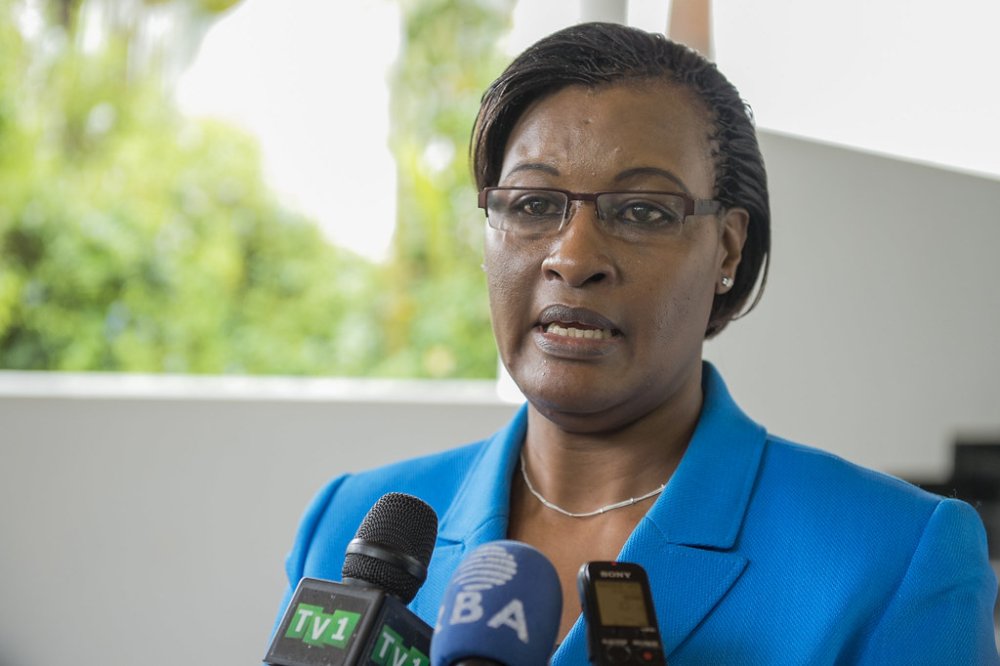
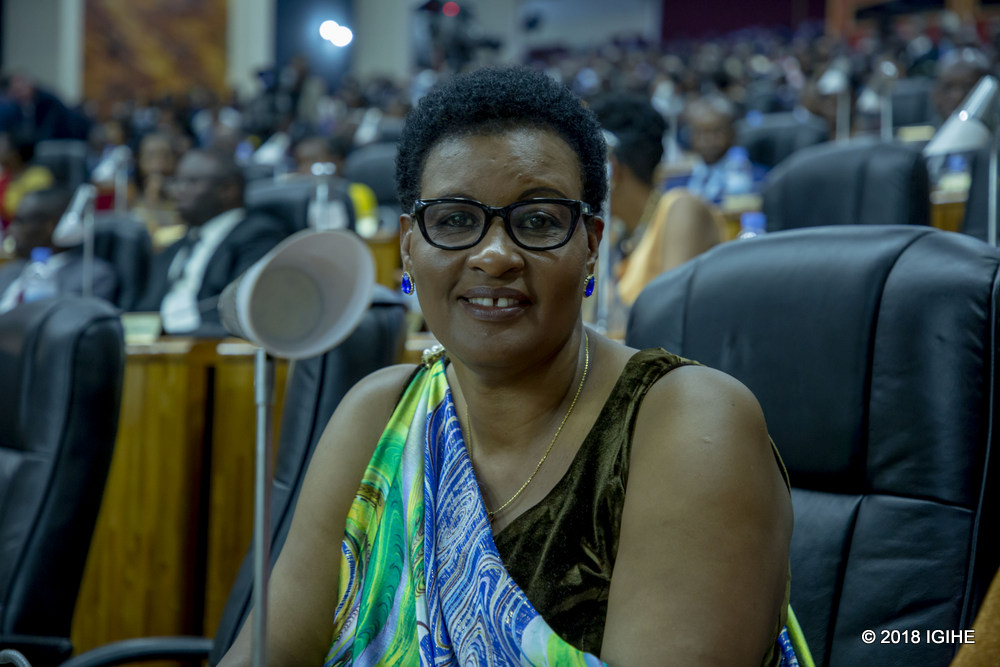
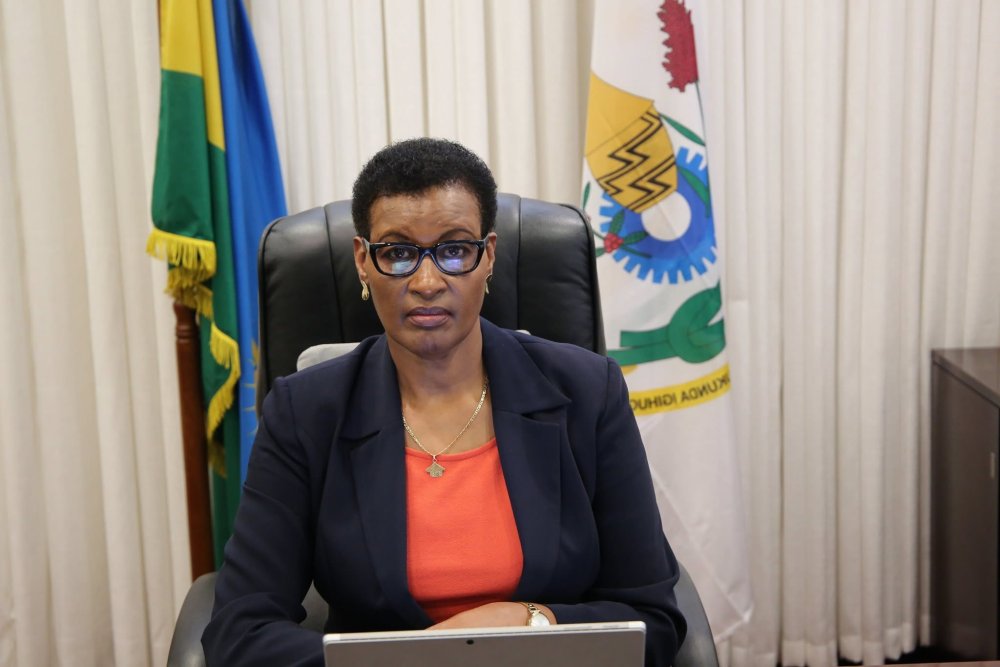
  • 'A mother figure and mentor': Senators and MPs eulogize Mukabalisa #rwanda #RwOT

    Mukabalisa, who previously served as Speaker of the Chamber of Deputies, died on Thursday morning at King Faisal Hospital, where she had been receiving medical treatment.

    Following the announcement of her passing, colleagues who served alongside her in Parliament reflected on her leadership, humility, and commitment to serving the country.

    Parliamentarian Musa Fazil Harerimana, who worked closely with Mukabalisa during her time as Speaker of the Chamber of Deputies while he served as Deputy Speaker, described her as a symbol of effective leadership and gender equality.

    Speaking to IGIHE, Harerimana said Mukabalisa demonstrated that women are equally capable of leading institutions and bringing people together to make important decisions.

    'Many things can be said about her, but one of the first things I would highlight is that she was a true example of gender equality. The way she led people and guided them in making decisions demonstrated that women are fully capable of effective leadership. There was no difference between a man who leads well and a woman who leads well,' he said.

    Harerimana also praised Mukabalisa's patience and ability to unite people with different political views, describing such qualities as essential for effective leadership.

    'She was a very patient person. Leading people with different opinions and political perspectives, bringing them together and helping them find common ground requires patience. That quality was something you could clearly see in her,' he said.

    He added that Mukabalisa was a determined leader who worked tirelessly to achieve goals she believed were beneficial, while respecting the views of others.

    'Whenever she believed something was right, she would do everything possible to achieve it without disregarding anyone. She would explain her ideas clearly and continue engaging with people until they understood and accepted them. This also reflected her love for the country. Despite the painful history Rwanda went through, she deeply loved Rwanda,' Harerimana said.

    He further described her as a humble leader who valued different opinions, listened carefully, and always sought solutions that brought people together.

    Senator Uwera Pelagie also expressed her admiration for Mukabalisa, describing her as an inspiration and a person she greatly respected.

    'Accepting this loss has been very difficult because I loved her. She was a wonderful mother figure, a person of wisdom and intelligence. Her achievements speak for themselves, and I wish her eternal rest,' Uwera said.

    MP Mukabalisa Germaine also described the late senator as a mother figure, saying her passing was a painful loss.

    'To me, she was like a mother,' she said.

    Senator Dr Frank Habineza, leader of the Democratic Green Party of Rwanda and spokesperson of the Political Parties Forum in Rwanda, also paid tribute to Mukabalisa, with whom he worked for six years in the Chamber of Deputies before continuing their collaboration in the Senate.

    Dr Habineza described her as a caring mentor, an adviser, and a leader with exceptional problem-solving abilities.

    'I saw her as a mother figure with whom we could discuss issues and seek advice. What started as seeing her as my leader eventually developed into seeing her as a sister. She was someone who understood how to work with people and carry out her responsibilities effectively,' he said.

    He added that Mukabalisa's leadership experience enabled her to bring together people with different perspectives and find solutions to complex challenges.

    'She had great wisdom and experience. She could lead people with different opinions and find ways to unite them. Challenges that appeared difficult became manageable, and problems found solutions. She was a highly skilled leader and a great adviser. Whenever we discussed issues and followed her guidance, her advice always proved valuable,' he said.

    Dr Habineza worked alongside Mukabalisa on the Senate's Economic Affairs Committee, where they also shared the same office.

    Mukabalisa was born in Nyamata, Bugesera District, in July 1960. Before entering politics, she worked as a law lecturer at the University of Kigali (ULK).

    She also served with the World Health Organization (WHO) and the United Nations Development Programme (UNDP) for 16 years.

    Mukabalisa entered Parliament in October 2003 until 2008. From 2011 to 2013, she served as a Senator.

    In 2013, she returned to the Chamber of Deputies and was elected Speaker, a position she held until 2024 after completing two terms as provided by law.

    On September 19, 2024, Mukabalisa was elected as a Senator representing the coalition of legally recognized political parties in Rwanda.

    She also served as President of the Liberal Party (PL), which was founded on July 14, 1991.
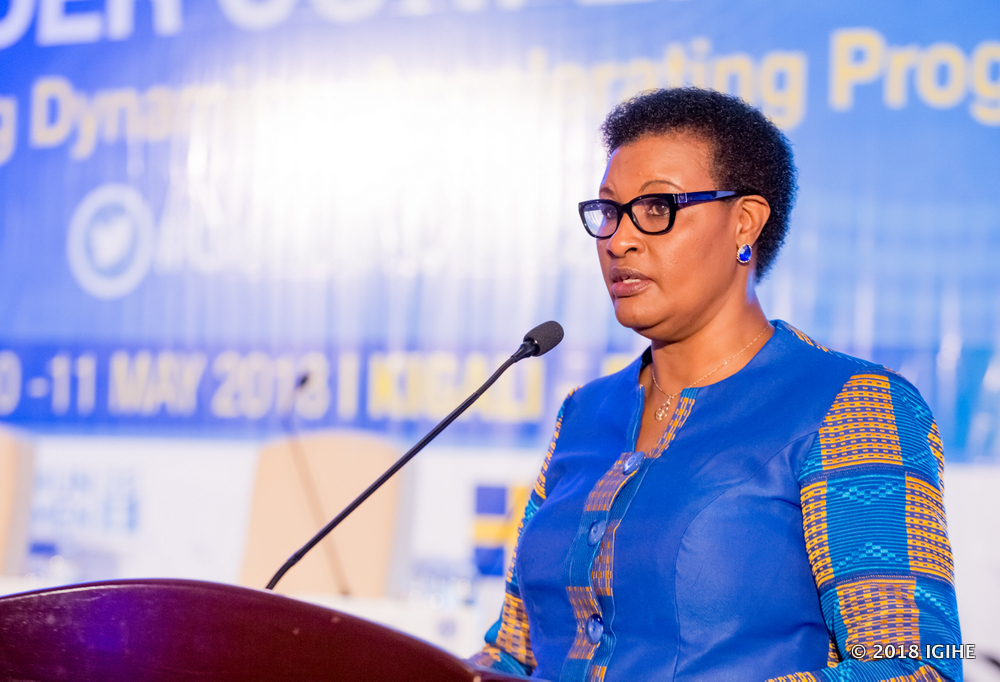
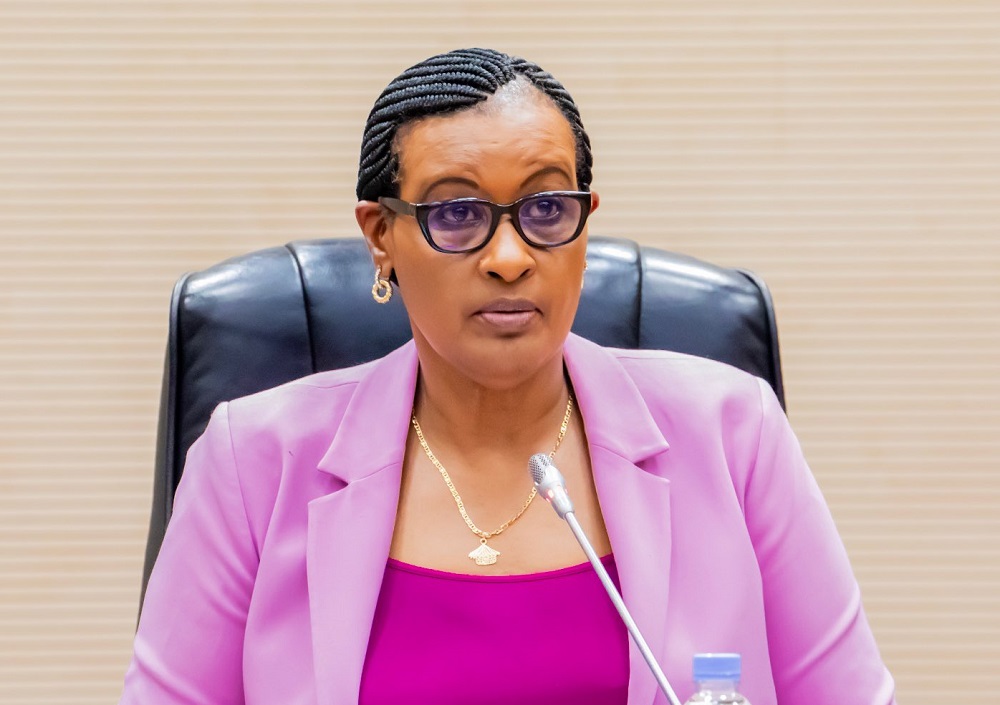
    Mukabalisa Donatille served as Speaker of the Chamber of Deputies for 11 years.
    Mukabalisa Donatille has been eulogized as a mother figure and a trusted adviser to colleagues
    Mukabalisa Donatille has passed away after an illness.
    Senator Mukabalisa Donatille served as Chairperson of the Liberal Party (PL).

    Source : https://new.igihe.com/english/a-mother-figure-and-mentor-senators-and-mps-eulogize-mukabalisa/
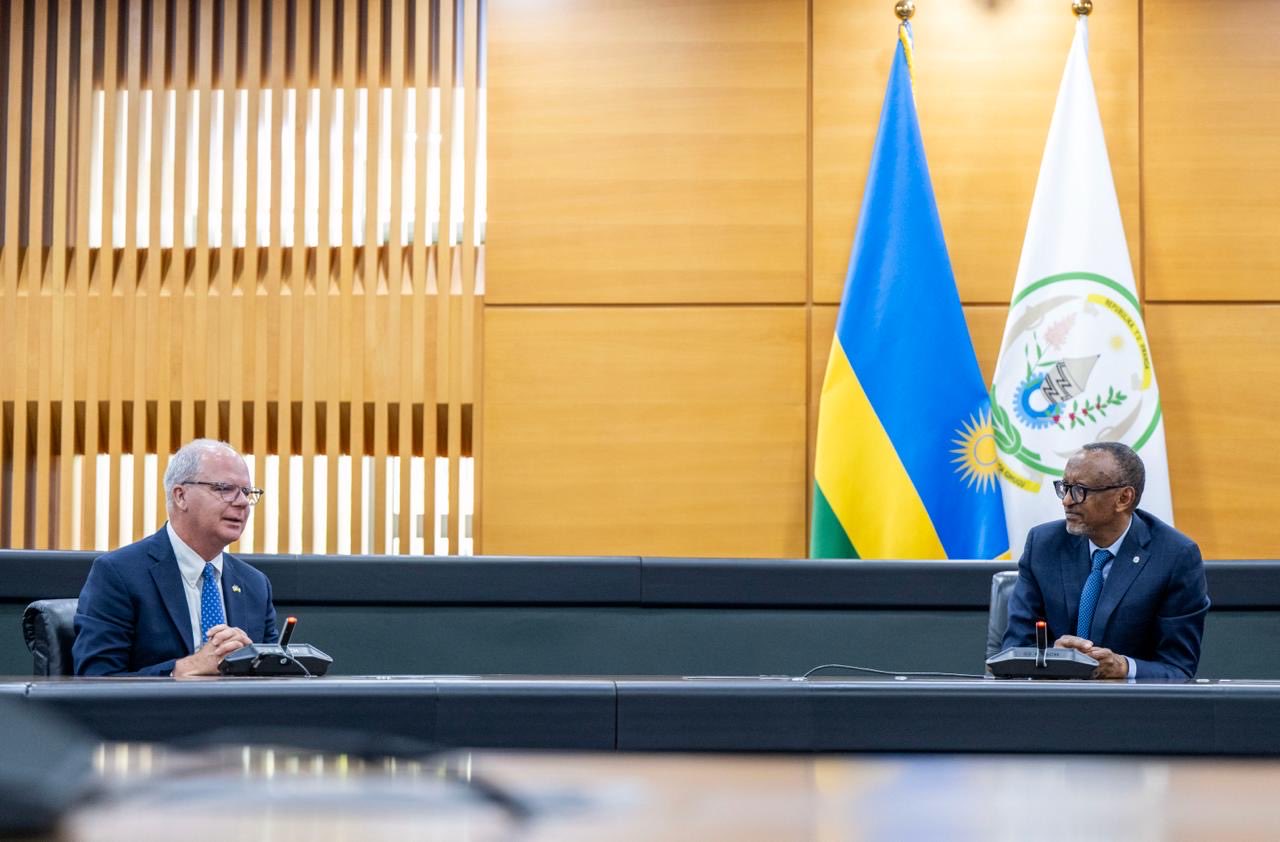
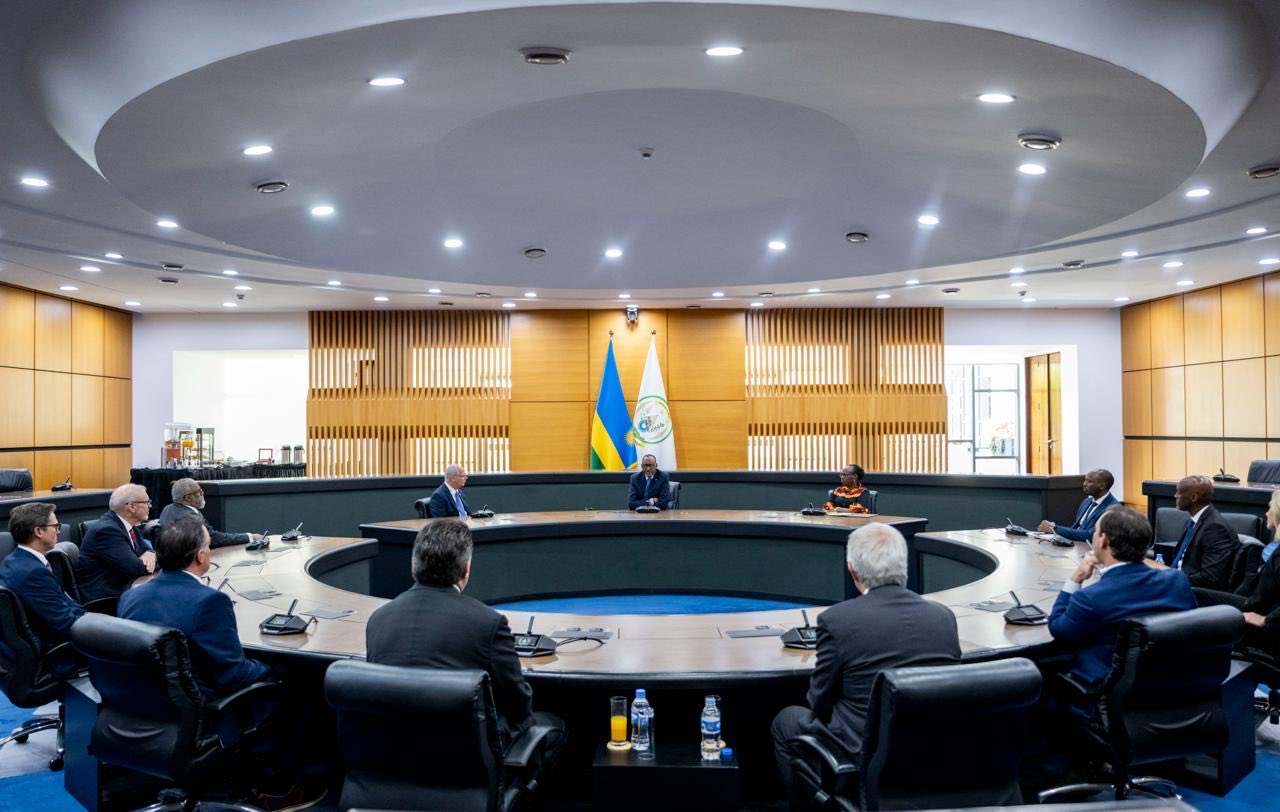
  • President Kagame, US lawmakers discuss expanding cooperation in key sectors #rwanda #RwOT

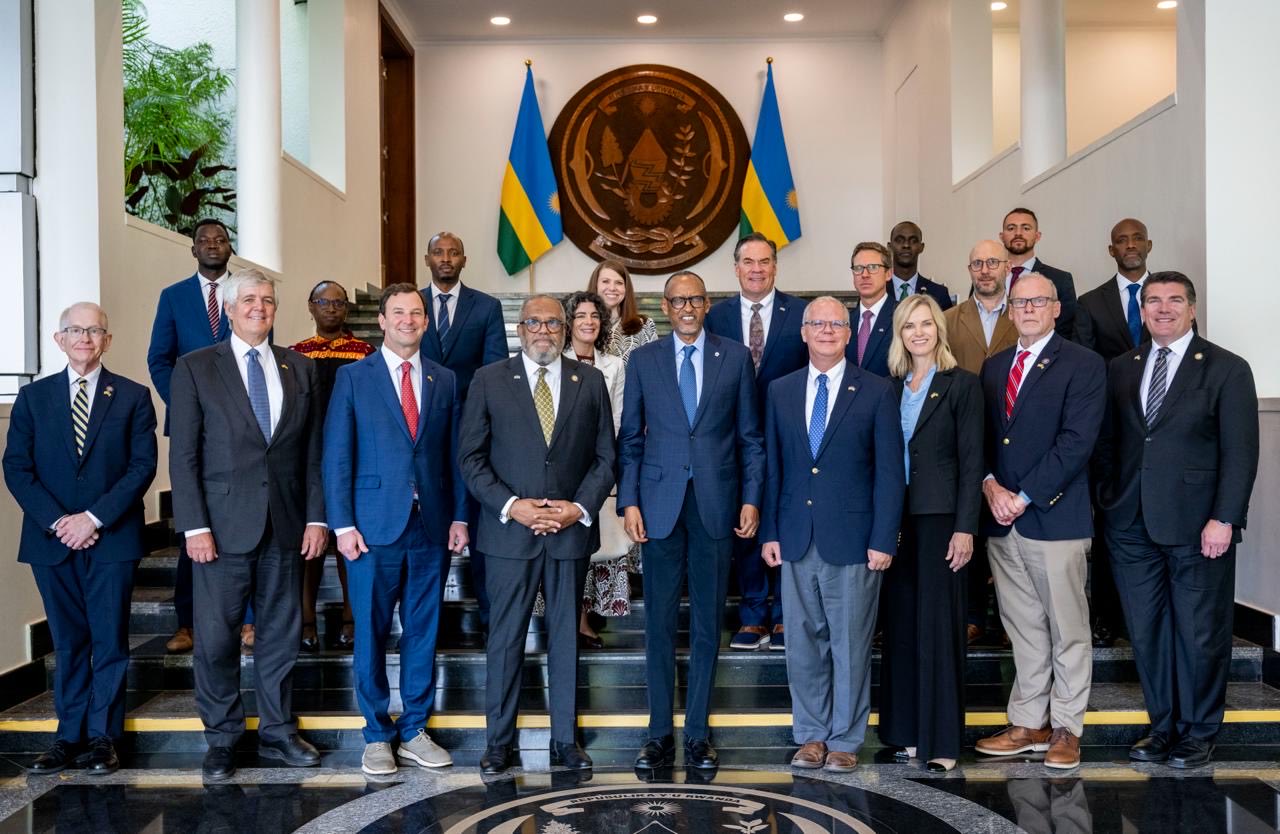
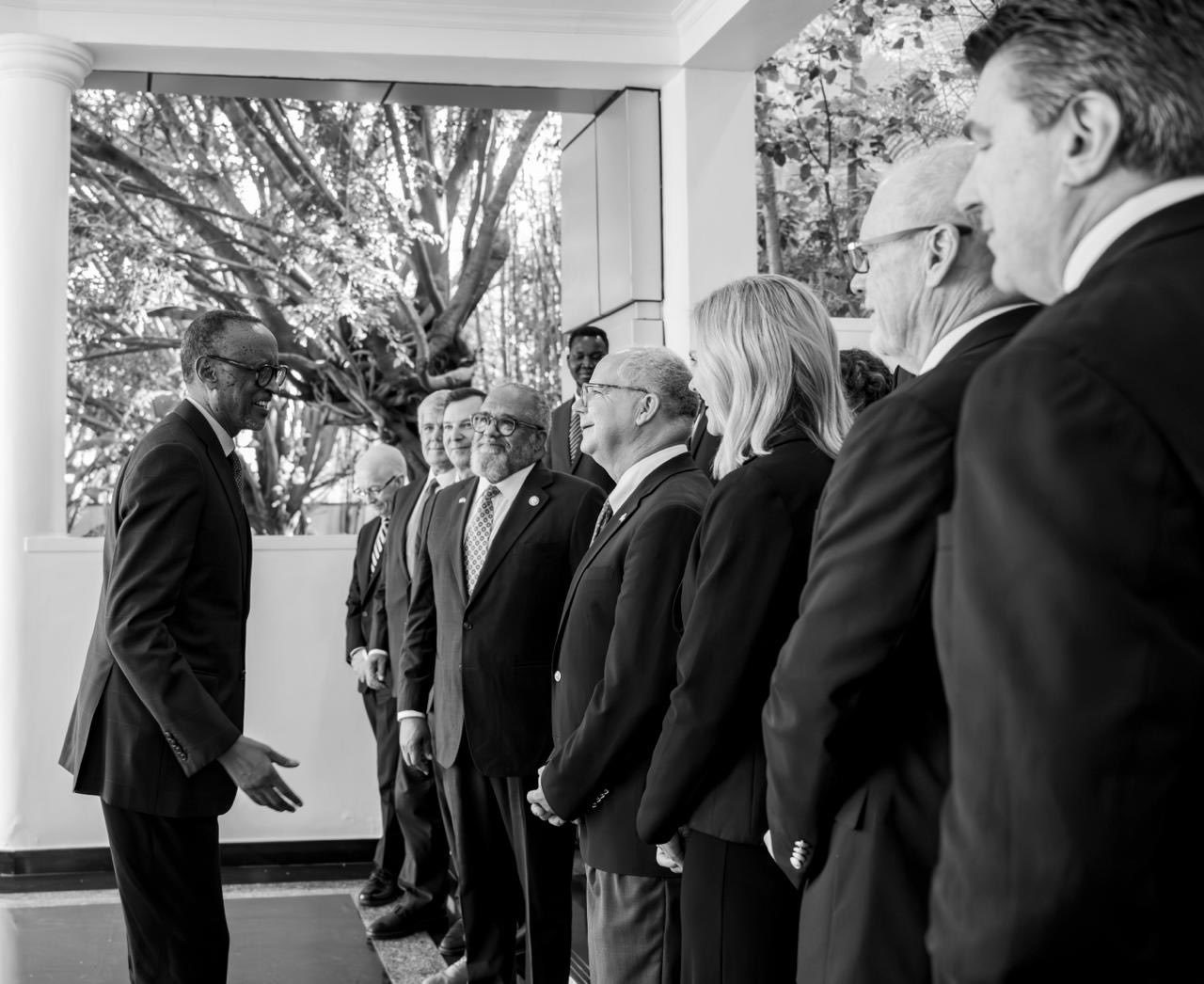
    The delegation was led by Representative Brett Guthrie, Chairman of the House Committee on Energy and Commerce, and included Representatives Troy Carter, Morgan Griffith, Russ Fulcher, Jay Obernolte, Cliff Bentz, Craig Goldman, and Julie Fedorchak.

    According to the Office of the President, discussions centred on Rwanda's transformation journey and ways to deepen cooperation in areas of mutual interest, including health, energy, and investment.

    The meeting reflects the continued engagement between Rwanda and the United States as both countries seek to strengthen ties through partnerships that support economic growth, innovation, and sustainable development.

    The visit builds on high-level exchanges between Rwanda and the United States in recent years. In August 2025, President Kagame hosted another bipartisan U.S. congressional delegation, with discussions focusing on regional security, education, and health, underscoring the broad scope of cooperation between the two countries.

    The delegation was led by Representative Brett Guthrie, Chairman of the House Committee on Energy and Commerce.
    According to the Office of the President, discussions centred on Rwanda's transformation journey and ways to deepen cooperation in areas of mutual interest, including health, energy, and investment.

    Source : https://new.igihe.com/english/president-kagame-us-lawmakers-discuss-expanding-cooperation-in-key-sectors/

  • 15 elephant deaths in Kenya linked to contaminated tomatoes #rwanda #RwOT

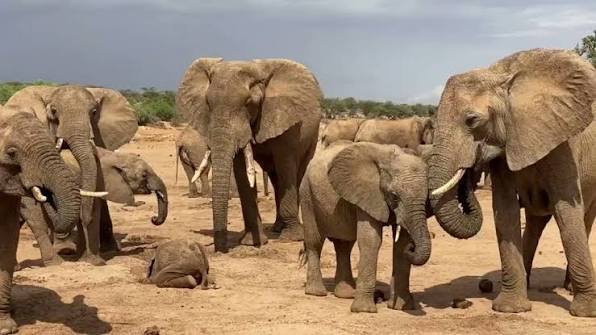
    The elephants were found dead in the Amboseli ecosystem, which includes Amboseli National Park, a renowned wildlife sanctuary that is home to thousands of elephants and attracts visitors from around the world.

    According to the Kenya Wildlife Service (KWS), laboratory tests conducted on samples collected from the dead elephants detected cyanide, a highly toxic chemical. Authorities believe the animals consumed tomatoes that had been contaminated with the poison after venturing onto farmland bordering the protected area.

    The discovery followed weeks of investigations into the deaths, which occurred between late June and late July. Wildlife officials had initially suspected poisoning after several elephants showed unusual symptoms, including partial paralysis, before dying.

    KWS Director General Erustus Kanga said the poisoning is a serious concern because it could affect more than just wildlife.

    'Other than the elephants and the wildlife that may be feeding in those fields, we have the local livestock. We have the goats. We have the cattle that are there. Eventually, if this is truly what is in the system, then we are going to see a bigger impact,' Kanga said.

    Authorities have not yet determined who contaminated the tomatoes or whether the poisoning was deliberate. Investigators are examining the circumstances surrounding the incident as they work to establish whether criminal activity was involved.

    Kenya has previously experienced cases in which elephants were intentionally poisoned after straying onto farms and destroying crops. As agriculture continues to expand near wildlife habitats, conflicts between local communities and elephants have become more frequent.

    Although cyanide is highly poisonous, KWS said there is currently no evidence that the contamination poses an immediate risk to people. However, officials are continuing environmental assessments and monitoring the area to determine whether other animals may have been affected.

    The deaths have sparked concern among conservationists, who warn that the incident highlights the growing pressure facing Kenya's wildlife as human activities increasingly overlap with protected ecosystems.

    The Kenya Wildlife Service said investigations remain ongoing and pledged to continue working with local communities to strengthen wildlife protection while reducing conflicts between people and elephants.

    Cyanide-laced tomatoes have been blamed for deaths of 15 elephants in Kenya

    Source : https://new.igihe.com/english/15-elephant-deaths-in-kenya-linked-to-contaminated-tomatoes/

  • New study reveals how the gut may help shape our memories #rwanda #RwOT

    The findings, published in the journal Nature Communications, indicate that communication between the gut and the brain helps strengthen memories after eating nutritious food, while long-term consumption of unhealthy diets may weaken this process.

    The research was led by scientists at the University of Southern California, who investigated how the vagus nerve, a major communication pathway between the gut and the brain, influences memory formation.

    Using rats in laboratory experiments, the researchers found that nutrient-rich foods triggered the release of acetylcholine, a neurotransmitter that plays a critical role in learning and memory. The increase occurred only when signals from the gut reached the brain through the vagus nerve.

    When researchers blocked the vagus nerve, the animals struggled to remember where they had previously found food, suggesting that gut signals are essential for forming certain types of memories.

    The study also found that the brain responded to the nutritional value of food rather than its taste alone. Rats that consumed foods containing nutrients, such as sugar or fat, showed stronger memory-related brain activity than those given sweet-tasting drinks with little or no nutritional value.

    According to the researchers, this mechanism may have evolved to help animals remember the locations of reliable food sources, improving their chances of survival by encouraging them to return to places where they previously found nutritious meals.

    However, the benefits appeared to diminish with long-term unhealthy eating habits. Rats fed diets high in fat and sugar early in life later showed weaker communication between the gut and the brain, even after returning to healthier diets. They also performed worse in memory tests involving food locations.

    The researchers say the findings could help explain why obesity, poor nutrition and metabolic diseases such as diabetes are often associated with an increased risk of cognitive decline. The study points to disrupted gut-to-brain communication as one possible biological link.

    The discovery may also have implications for neurodegenerative diseases. The researchers noted that reduced acetylcholine activity in the hippocampus is one of the earliest changes observed in Alzheimer's disease, raising the possibility that therapies targeting the vagus nerve could one day help support memory and cognitive function.

    While the experiments were conducted in animals, scientists say more research is needed to determine whether the same process occurs in humans. Even so, the findings provide fresh insight into the close relationship between the gut and the brain and could open new avenues for treating memory disorders in the future.

    A new study has revealed how what we eat can shape the brain's ability to remember.

    Source : https://new.igihe.com/english/new-study-reveals-how-the-gut-may-help-shape-our-memories/

  • Senate extends condolences to the family of Mukabalisa #rwanda #RwOT

    The message of condolence was issued after news of Mukabalisa's death emerged on Thursday morning, July 30, 2026.

    She died at King Faisal Hospital in Kigali, where she had been receiving medical treatment.

    'It is with heavy heart and great sorrow that the Senate of Rwanda announces the passing of Honourable Donatille Mukabalisa who died today , July 30, 2026, at the King Faisal Hospital in Kigali. Our thoughts are with the family of late Senator Donatille Mukabalisa,' reads a statement released by the Senate adding that details regarding the memorial service and funeral will be communicated later.

    Mukabalisa was born in Nyamata, Bugesera District, in July 1960.

    During her political career, she was elected as a Member of Parliament in October 2003, a position she held until 2008. She later served as a Senator from 2011 to 2013.

    In 2013, Mukabalisa returned to the Chamber of Deputies, where she was later elected Speaker, a position she held until 2024 following new parliamentary elections. She did not seek re-election after completing two terms in the lower chamber.

    Mukabalisa also served as the President of the Liberal Party (PL), a political party founded on July 14, 1991.

    Mukabalisa died on Thursday succumbing to natural cause.

    Source : https://new.igihe.com/english/senate-extends-condolences-to-family-of-mukabalisa/

  • From third-term ambitions to FDLR ties: Tshisekedi's controversial agenda #rwanda #RwOT

    However, more questions have emerged over President Félix Tshisekedi's decision to send his Special Envoy on a diplomatic tour across Africa and Europe, with allegations that the mission was used to promote the position of the armed group.

    Between July 13 and July 26, 2026, DRC Minister for Regional Integration and Special Envoy to President Tshisekedi, Floribert Anzuluni, visited eight countries, Togo, Uganda, Burundi, Tanzania, Belgium, France, South Africa and Equatorial Guinea, where he held meetings with heads of state and senior government officials.

    Officials from some of the countries visited said Anzuluni delivered confidential messages from President Tshisekedi. French publication Jeune Afrique reported that, during the meetings, the envoy also presented leaders with a letter reportedly signed by FDLR President Victor Byiringiro outlining the group's proposed roadmap for its future.

    If confirmed, the development would suggest that the FDLR leadership directly communicated with President Tshisekedi, who then tasked his Special Envoy with sharing the group's views with leaders from countries that hold influential positions within regional and international organisations, including the African Union (AU), Southern African Development Community (SADC), East African Community (EAC), European Union (EU) and Economic Community of Central African States (ECCAS).

    The mission was defended during a July 28, 2026 press conference, where Anzuluni and DRC Government Spokesperson Patrick Muyaya said the FDLR letter reflected Kinshasa's commitment to implementing the Washington Peace Agreement signed on December 4, 2025.

    However, critics argue that the agreement does not envisage the FDLR as a stakeholder in the peace process. Instead, they point out that one of its key provisions requires the DRC to dismantle the armed group, after which Rwanda would lift defensive measures.

    Under the agreement, the FDLR is considered part of the security problem that must be addressed rather than an actor whose demands should shape the implementation process.

    The diplomatic tour has also raised questions over why none of the countries visited publicly challenged what critics describe as the involvement of a government institution in promoting the position of a sanctioned armed group.

    The FDLR was formed by remnants of the former Rwandan army and Interahamwe militia members who participated in the 1994 Genocide against the Tutsi in Rwanda. The group remains under sanctions imposed by the United Nations, the United States and the European Union.

    Critics argue that President Tshisekedi's alleged engagement with FDLR leaders contradicts the commitments made under the Washington Peace Agreement, which requires Kinshasa to dismantle the group within 90 days.

    A 2026 report by the United Nations Group of Experts on the DRC stated that senior Congolese military and government officials had provided assurances to the FDLR that they would continue protecting the group and that it should not fear the implementation of the Washington Agreement.

    Following the release of the report in June, allegations also emerged that some FDLR fighters had been absorbed into various Wazalendo militia groups in an effort to conceal their numbers and locations.

    During the July 28 press conference, Muyaya and Anzuluni said that, among the six main areas where the FDLR maintains positions, the Congolese government only has effective control over Walikale, while the remaining five are controlled by the AFC/M23 movement.

    Critics argue that this explanation has become Kinshasa's repeated justification for failing to dismantle the FDLR. They also point to what they describe as inconsistent official positions, noting that some officials have previously denied the group's existence, portraying it as a justification created by Rwanda, while others have dismissed it as too weak or insignificant to pose a security threat.

    President Tshisekedi has sought to present himself as a leader committed to restoring peace while allegedly maintaining links with the FDLR, which critics accuse Kinshasa of supporting with resources and assistance in its fight against AFC/M23.

    The accusations come amid broader political challenges facing Tshisekedi, including insecurity in eastern DRC, economic difficulties and growing opposition to his leadership.

    Opposition parties grouped under the Coalition Article 64 (C64) have intensified pressure on the President, accusing him of seeking to amend the Constitution to extend his stay in power beyond his legally permitted two terms.

    The pressure increased after demonstrations on June 12, 2026, during which opposition leader Martin Fayulu was shot and Delly Sesanga sustained serious injuries. Following the protests, Tshisekedi reportedly requested religious leaders to mediate with C64 and encourage the coalition to suspend nationwide demonstrations planned for July 22 in favour of dialogue.

    The coalition agreed to postpone the protests but gave the President until August 15, 2026, to begin meaningful discussions and clarify whether he would abandon plans to amend the Constitution. It warned that demonstrations would resume if no progress was made.

    Critics accuse Tshisekedi of repeatedly using dialogue initiatives as a way to reduce political pressure while continuing to pursue his objectives.

    On July 28, 2026, the Constitutional Court ruled that a proposed constitutional referendum met legal requirements. The decision came after both chambers of Parliament had already approved the process, clearing what critics describe as the final legal hurdle toward a possible extension of Tshisekedi's rule.

    When Tshisekedi came to power in January 2019, he pledged that restoring peace in eastern DRC would be his main priority. However, critics argue that continued insecurity has instead become a justification for constitutional changes and efforts to remain in office.

    After nearly eight years in power, opponents say Tshisekedi has failed to deliver on key promises made during the 2018 presidential election. They also continue to cite allegations by Martin Fayulu supporters that he was the legitimate winner of that election.

    Political observers argue that Congolese citizens have had sufficient time to evaluate Tshisekedi's leadership and question whether his current priorities are focused on addressing the country's challenges or preserving political power.

    President Félix Tshisekedi has faced growing scrutiny over his political ambitions, security challenges in eastern DRC and the country's handling of the FDLR issue.

    Source : https://new.igihe.com/english/from-third-term-ambitions-to-fdlr-ties-tshisekedis-controversial-agenda/

  • Rwanda signs AU treaty on ending violence against women and girls #rwanda #RwOT

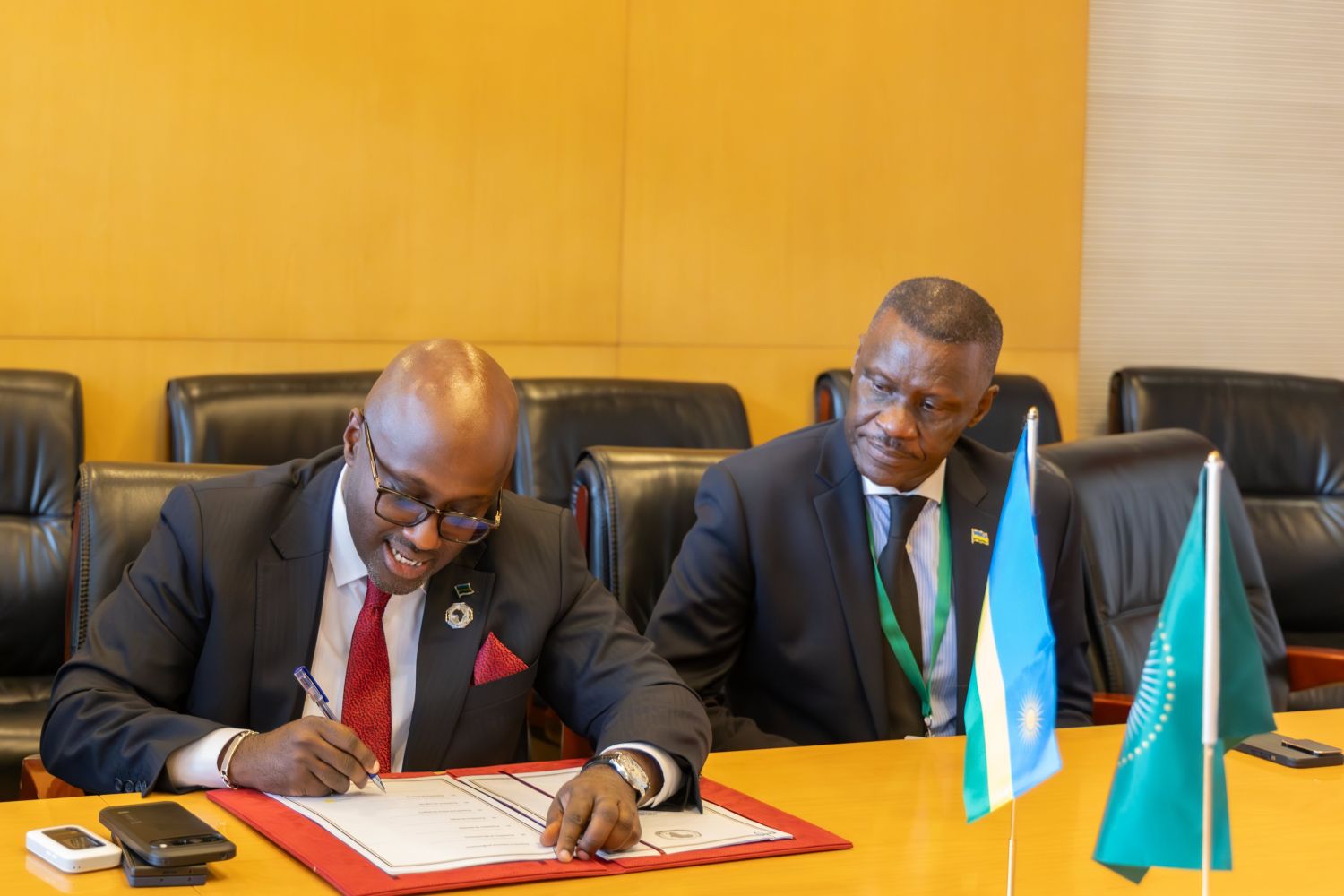
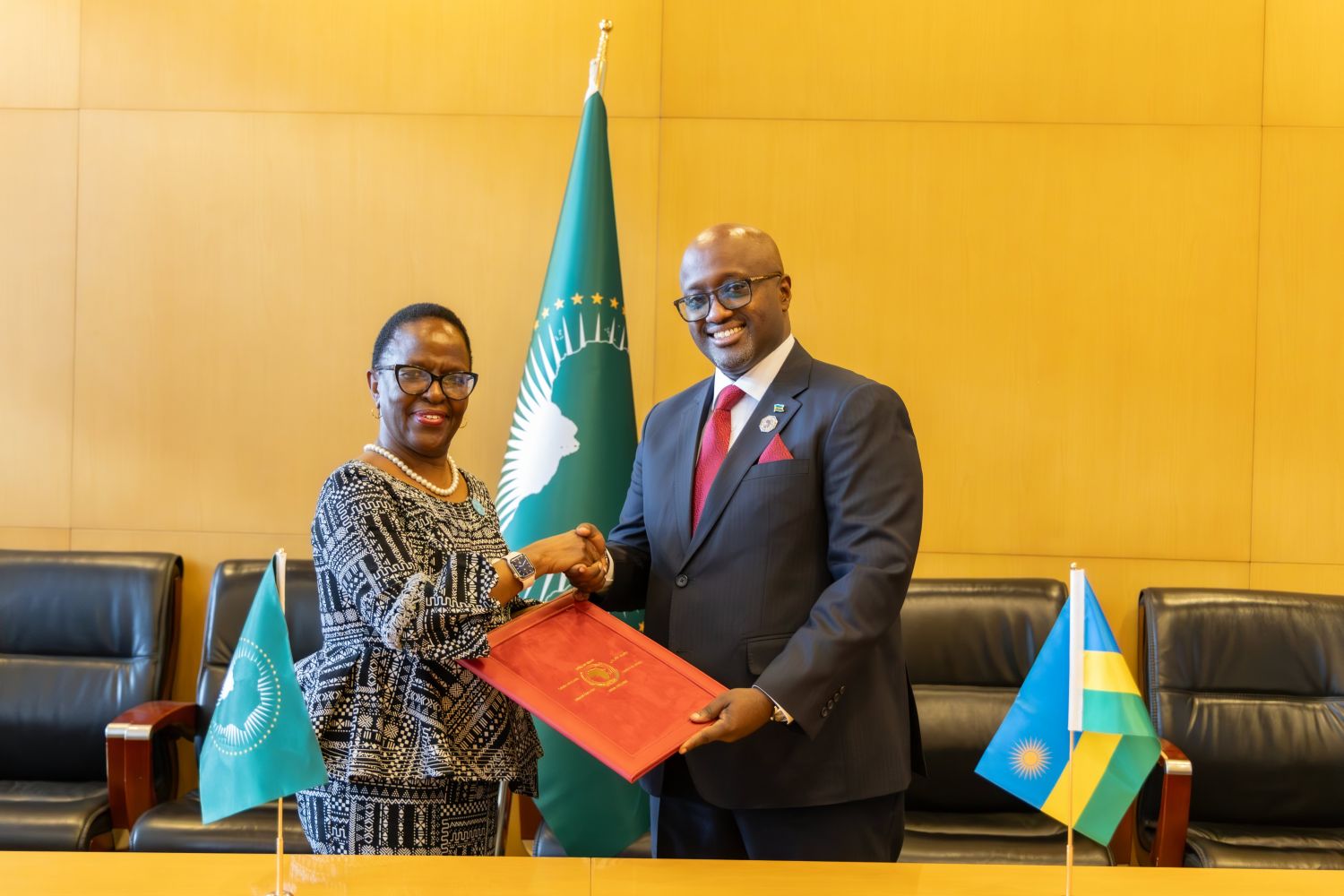
    Rwanda has signed the African Union Convention on Ending Violence Against Women and Girls, becoming the ninth nation to back the continental treaty.

    The convention was signed on Tuesday, July 28, by the Minister of Foreign Affairs and International Cooperation, Olivier Nduhungirehe, during the 49th Ordinary Session of the AU Executive Council in Addis Ababa, Ethiopia.

    Announcing the development, the Ministry of Foreign Affairs and International Cooperation said Rwanda backed the convention because it aligns with the country's vision and national gender policy.

    'The convention provides a comprehensive continental legal framework to prevent and respond to all forms of violence against women and girls. Rwanda supports the convention as it aligns with Rwanda's vision and National Gender Policy,' the ministry said.

    Rwanda becomes the ninth nation to back the continental treaty.

    The African Union Convention on Ending Violence Against Women and Girls is the first legally binding AU treaty dedicated exclusively to addressing violence against women and girls across the continent.

    It establishes common standards for member states to prevent violence, protect survivors, prosecute perpetrators and strengthen national systems for responding to gender-based violence.

    Under the convention, signatory countries commit to adopting or strengthening legislation that criminalises all forms of violence against women and girls, including physical, sexual, psychological and economic abuse, whether committed in public or private settings.

    The treaty also requires member states to improve survivors' access to justice and essential support services, including healthcare, psychosocial care, legal assistance and safe shelters, while enhancing investigations and prosecution of offenders.

    In addition, the convention calls on governments to strengthen data collection and research to inform evidence-based policies, invest in public education and awareness campaigns, tackle harmful social and cultural practices that perpetuate violence, and allocate adequate resources to prevention and response programmes.

    The AU Convention on Ending Violence Against Women and Girls is the first legally binding AU treaty dedicated exclusively to addressing violence against women and girls across the continent.

    For Rwanda, the convention will enter into force after it is ratified through the country's national legal procedures.

    Nduhungirehe signed the treaty while attending the 49th Ordinary Session of the AU Executive Council in Addis Ababa, which brought together foreign ministers from AU member states to discuss key continental priorities and prepare decisions for consideration by the Assembly of Heads of State and Government.

    The two-day session also focused on sustainable water availability and safe sanitation systems as part of the implementation of the African Union's Agenda 2063 development framework.

    Source : https://new.igihe.com/english/rwanda-signs-au-treaty-on-ending-violence-against-women-and-girls/

  • Choosing comedy over engineering and why Kigali won him over: Nigerian funnyman Forever speaks out #rwanda #RwOT

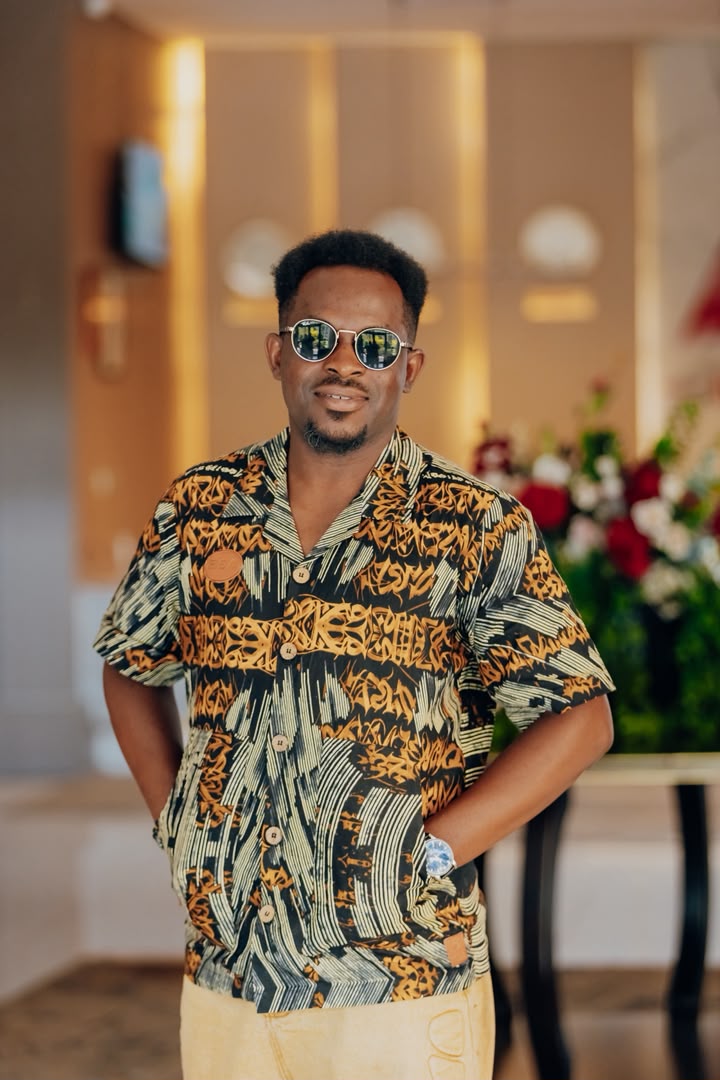
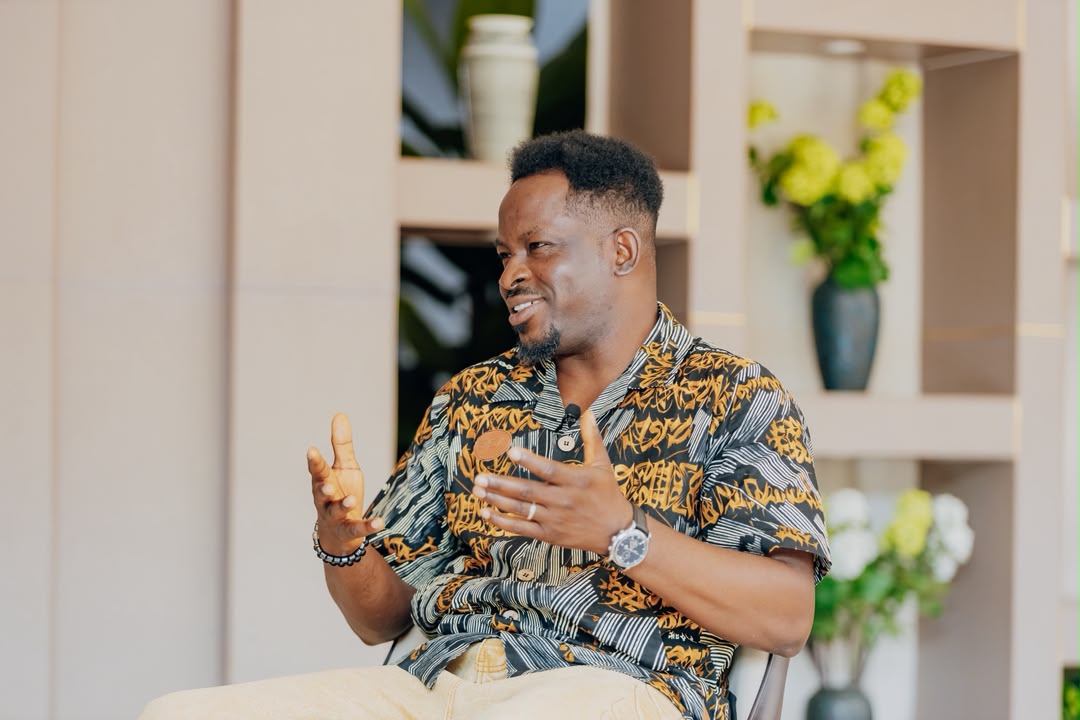
    The comedian, actor, writer and entertainment consultant is in Rwanda to headline Friday's Thank God It's Funny Showcase at Kigali Universe alongside host Babu Joe.

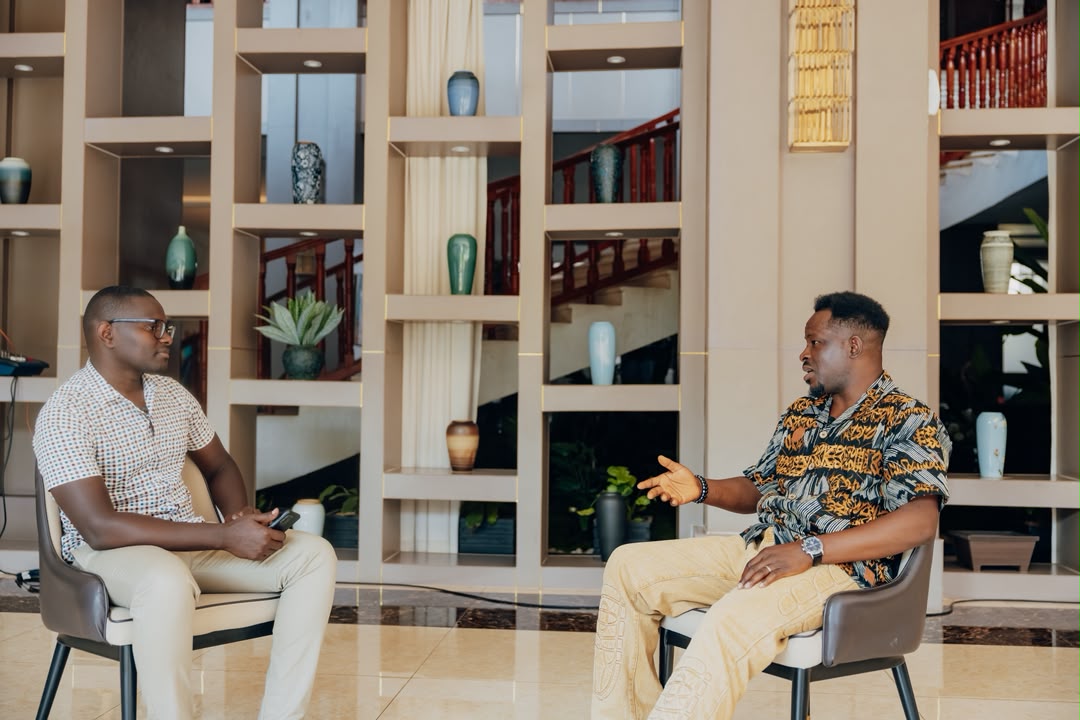
    Speaking in an exclusive interview with IGIHE, Forever reflected on the unconventional career path that has taken him from engineering classrooms in Nigeria to comedy stages across 20 countries.

    Despite graduating as a mechanical engineer and ranking among the best students in his class, Forever said he realised before completing university that his future lay elsewhere.

    'I've always written funny stories and plays since I was a kid,' he said.

    The comedian, actor, writer and entertainment consultant is in Rwanda to headline Friday's Thank God It's Funny Showcase at Kigali Universe alongside host Babu Joe.

    He recalled watching Night of a Thousand Laughs in 2005 and discovering that stand-up comedians were essentially doing what he had always loved: telling funny stories.

    'I tried it, it worked, and I kept going. By my final year, I already knew I wasn't going to practise engineering. I was happier making people laugh.'

    For Forever, the satisfaction of hearing from people whose lives had been brightened by his jokes outweighed the appeal of pursuing a conventional engineering career.

    'People would call me randomly, saying they remembered a joke and were laughing at home. That joy kept me going,' he said.

    Family initially resisted

    Like many African parents who view professions such as engineering, medicine and law as the safest paths to success, Forever's family initially struggled to accept his decision.

    'It wasn't easy, especially with my mum. It took about three to four years for her to accept it,' he revealed.

    'Parents invest so much, and they expect you to follow the doctor-engineer-lawyer path. But when they saw I was making progress and getting results, they became supportive.'

    Today, he says, his family fully embraces his career.

    Like many African parents who view professions such as engineering, medicine and law as the safest paths to success, Forever's family initially struggled to accept his decision.

    Why Kigali stood out

    While in Rwanda primarily for Friday's performance, Forever said Kigali exceeded every expectation he had before arriving.

    He described stepping out of the airport and immediately noticing the calm atmosphere.

    'It was a shock. I came out of the airport, and it was so quiet. In Lagos, the moment you land, there's chaos and activity everywhere. Here it was calm,' he said.

    'The city is easygoing, smooth sailing. It actually reminds me of Abuja — quiet, calm, cool and collected.'

    The comedian also praised Kigali's organisation, cleanliness and sense of security, saying experiencing them firsthand was very different from simply reading about them.

    'I read that Rwanda is Africa's cleanest city with top-notch security, but seeing it is different,' he said.

    'The city is very neat. People are walking freely at 11 p.m. or midnight. Boda bodas are still moving at one or two in the morning. That level of order, cleanliness and security in Africa is impressive.'

    Forever believes Nigerians could learn from Rwanda's coordination and orderliness.

    'Nigerians can learn to mind their business,' he joked.

    'In Rwanda, people mind their business. In Nigeria, minding your business is everybody's business.'

    He added that combining Rwanda's coordination with Nigeria's entrepreneurial spirit would be a powerful combination.

    'What Rwanda can learn from us is our spirit — that always-on-the-move, always-pushing energy.'

    Nigerian comedian Forever during an exclusive interview with IGIHE.

    Lessons from comedy

    Having shared stages with some of Africa's biggest comedians, including Basketmouth, Forever said the greatest lesson he has learned is never to lose the drive to improve.

    'Hunger. The hunger must never die,' he said.

    'Basketmouth has been at the top for almost three decades, and he's still writing new material, still touring, still hungry. That's what keeps you at the top.'

    Although he once joked that 'nobody gets into comedy by passion,' Forever explained that passion developed after discovering his natural talent.

    'I got in because of talent. I was already good at it, and the more I did it, the better I became. Then passion grew.'

    He added that seeing audiences light up when they recognise him remains the biggest reward.

    'When someone sees me on the street, and their face just lights up — that's priceless. I don't want to trade that.'

    Looking beyond Friday's show

    Forever said he is looking forward to meeting more of Rwanda's comedy community and expects Friday's audience to bring as much energy as he plans to deliver.

    'The comedian brings energy but also feeds off the audience. I can't wait,' he said.

    He also revealed that he hopes this will not be his last performance in Rwanda.

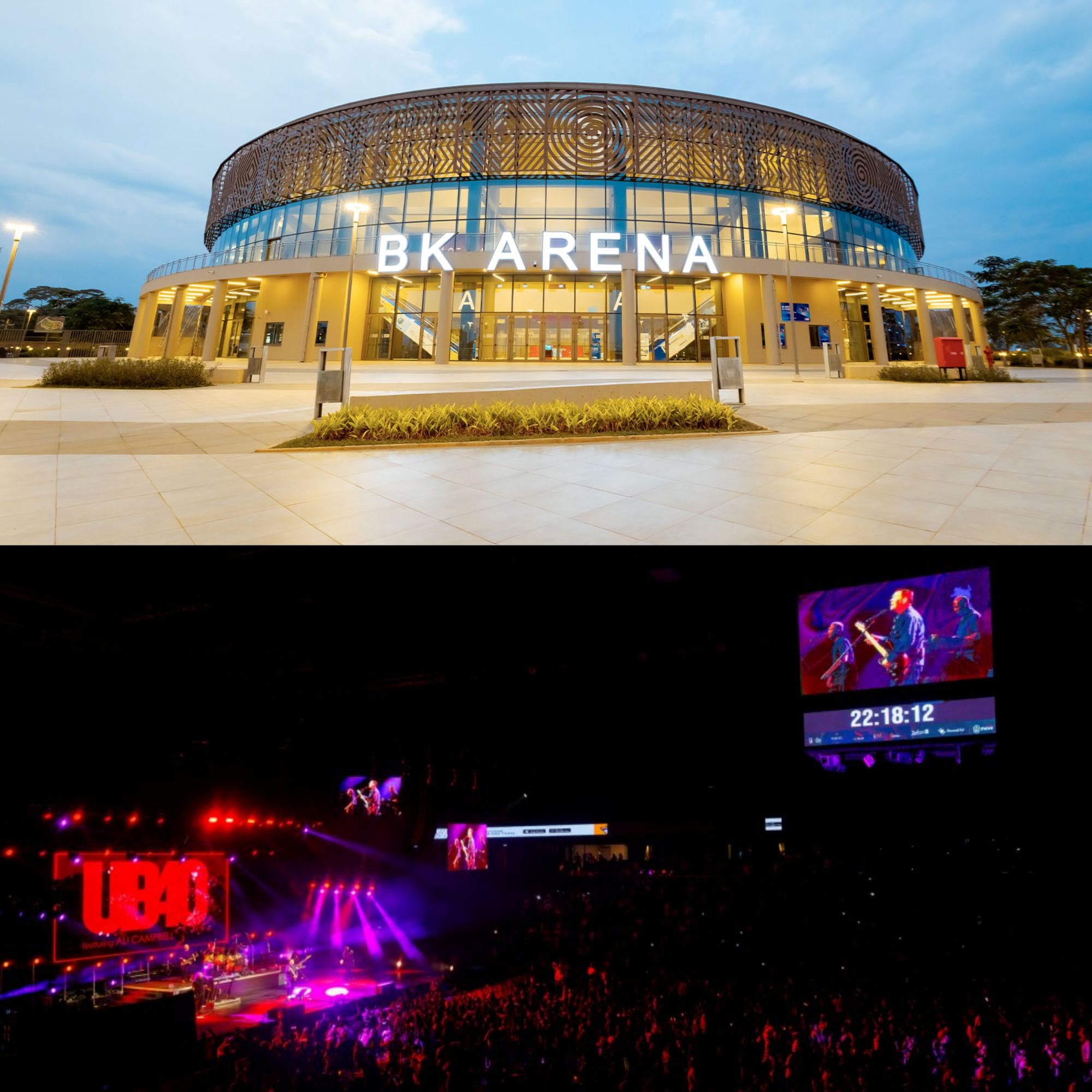
    Forever dreams of one day filling the 10,000-seat BK Arena.

    Calling Kigali 'like my second home,' Forever said he plans to return as part of his African tour and dreams of one day filling the 10,000-seat BK Arena.

    'First impressions matter, and I love it here,' he said.

    'One day Forever will fill BK Arena. I'll be back next year with my African tour. Kigali is like my second home now.'

    Watch the full interview below as Forever reflects on choosing comedy over engineering, his admiration for Kigali, and his plans to return to Rwanda.

    Source : https://new.igihe.com/english/choosing-comedy-over-engineering-and-why-kigali-won-him-over-nigerian-funnyman-forever-speaks-out/

  • Washington Agreement calls for FDLR's neutralisation, not a negotiated protocol – Yolande Makolo #rwanda #RwOT

    Makolo made the remarks on July 30, 2026, in response to comments by the Democratic Republic of the Congo's (DRC) Minister of Communication and Media and Government Spokesperson, Patrick Muyaya.

    Muyaya had announced that, as part of implementing the Washington Agreement, the FDLR had signed an agreement on disarmament, demobilisation, reintegration and relocation to a secure, monitored site.

    In a post on X, Muyaya described the move as a major breakthrough in resolving the FDLR issue, despite the Washington Agreement making no provision for such a process.

    Responding to the remarks, Makolo wrote: 'The Washington Agreement calls for the neutralisation of the FDLR—not a negotiated protocol with a genocidal militia that the DRC government continues to arm and collaborate with.'

    She added that declarations of voluntary disarmament are meaningless while the group remains integrated into the Congolese army and continues to fight on the frontlines.

    'Voluntary 'disarmament' announcements while the FDLR remains embedded in the Congolese army & active on the frontlines change nothing. Implementation means verifiable dismantlement, not theatre.'

    Makolo reiterated that Rwanda remains committed to implementing the agreement.

    'Rwanda remains focused on implementation of the agreement. Our region deserves real security & stability, not paper exercises.'

    On the evening of July 28, 2026, DRC's Minister for Regional Integration, Floribert Anzuluni, accompanied by Patrick Muyaya, announced that the FDLR had agreed to lay down its arms, arguing that the remaining step was for Rwanda to lift its defensive measures.

    The announcement came after Anzuluni had spent several days touring African and European countries, discreetly promoting a proposal prepared by the FDLR and signed by its president, Victor Byiringiro.

    The document, described as the FDLR's 'self-dissolution' plan, was submitted to DRC President Félix Tshisekedi on May 30, 2026.

    Government Spokesperson Yolande Makolo has reiterated that implementing the Washington Agreement requires the FDLR's verifiable dismantlement, not what she describes as 'theatre.'

    Source : https://new.igihe.com/english/washington-agreement-calls-for-fdlrs-neutralisation-not-a-negotiated-protocol-yolande-makolo/

  • Rwanda repatriates 39 Congolese who falsely identified themselves as former FDLR combatants #rwanda #RwOT

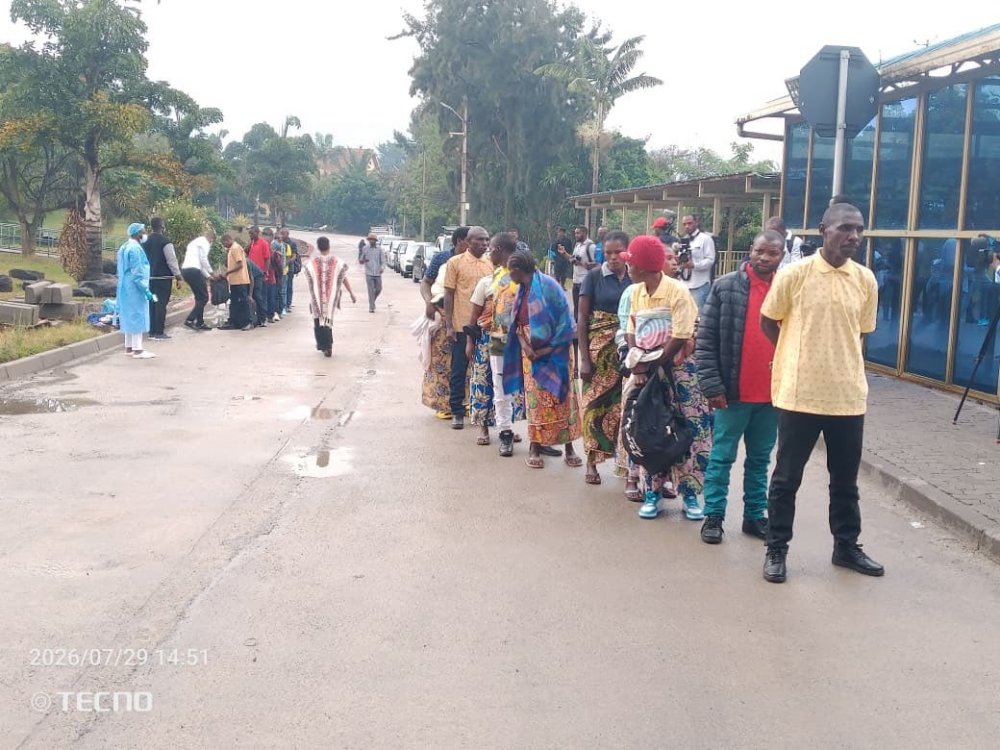
    In a statement issued on July 29, 2026, RDRC said the repatriation 'took place in the presence of media and MONUSCO officials following a comprehensive verification process which established that the individuals did not meet the eligibility requirements for Rwanda's demobilisation and reintegration programme'.

    The commission further reaffirmed its commitment to a rigorous verification process in line with established procedures, regional frameworks, as well as collaboration with regional and international partners to promote accountability, regional cooperation, and lasting peace.

    Also on July 29, 2026, AFC/M23 spokesperson Lawrence Kanyuka alleged that the DRC government is recruiting civilians and encouraging them to falsely present themselves as former FDLR combatants in exchange for money.

    Kanyuka claimed that after being promised payment, the Congolese nationals are enrolled in the Disarmament, Demobilisation and Reintegration (DDR) programme, which is overseen and implemented by the United Nations Organization Stabilization Mission in the DRC (MONUSCO).

    According to AFC/M23, the alleged scheme is intended to conceal the presence of genuine FDLR fighters, a terrorist group that the DRC committed to dismantling under the peace agreement signed with Rwanda last year through mediation by the United States.

    Kanyuka further accused the DRC government of continuing to integrate FDLR members into the country's security institutions, alleging that some have been incorporated into the Armed Forces of the Democratic Republic of the Congo (FARDC) and the Wazalendo militia.

    'Kinshasa uses the FDLR as a central component of its security apparatus. Members of this group have been integrated into FARDC, the Wazalendo militia and other state security institutions,' Kanyuka alleged.

    He further claimed that some FDLR members are serving in the Republican Guard (GR), the elite unit responsible for protecting senior government officials and other high-profile figures.

    AFC/M23 called for an end to what it described as the recruitment of civilians to falsely identify themselves as former FDLR combatants, arguing that the practice is intended to mislead the Congolese public and the international community.

    The Rwanda Demobilisation and Reintegration Commission (RDRC) has repatriated 39 Congolese nationals to the DRC after they falsely claimed to be former FDLR combatants.

    Source : https://new.igihe.com/english/rwanda-repatriates-39-congolese-who-falsely-identified-themselves-as-former-fdlr-combatants/