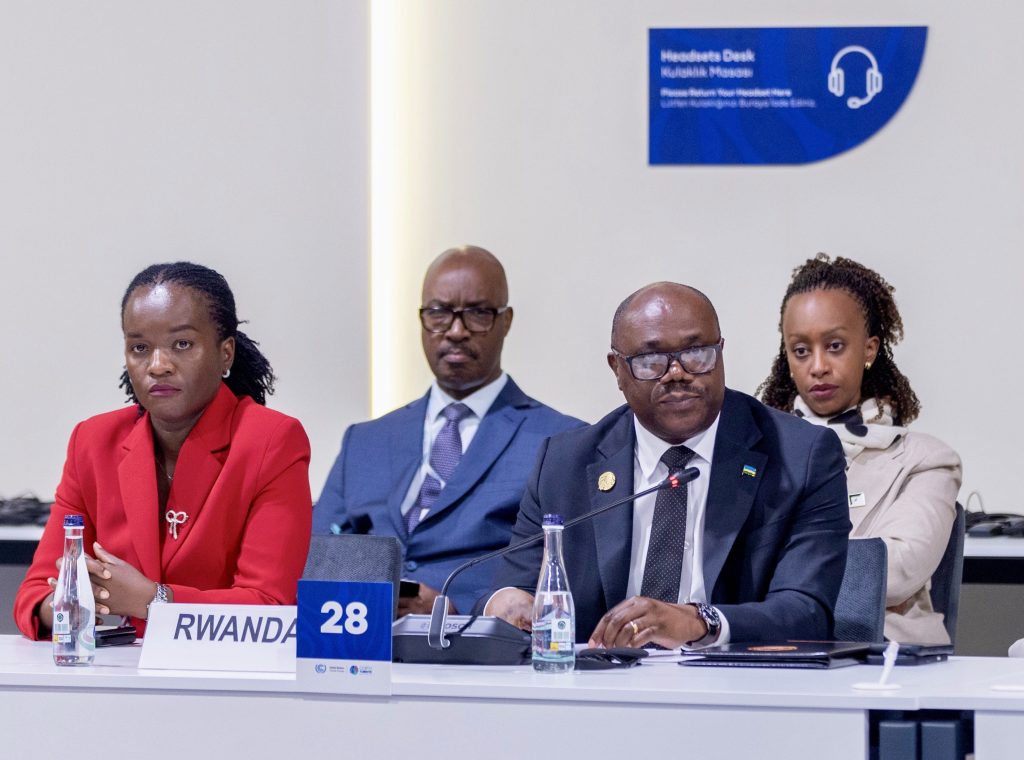
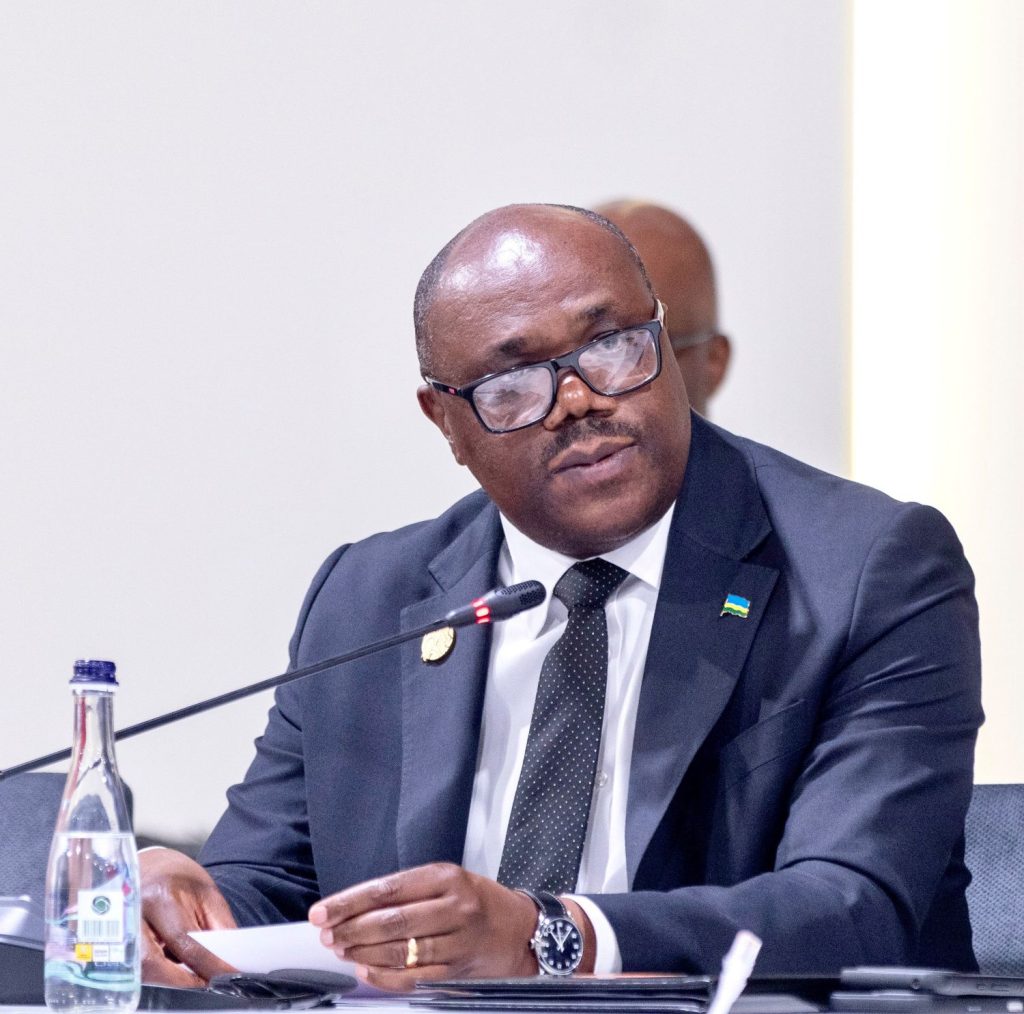
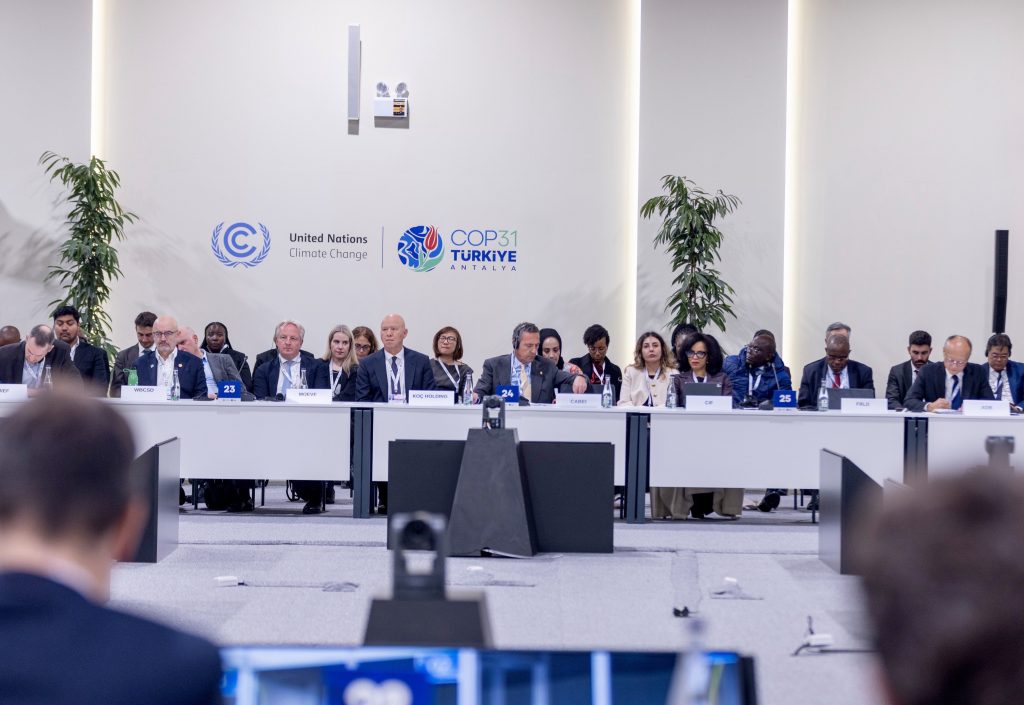
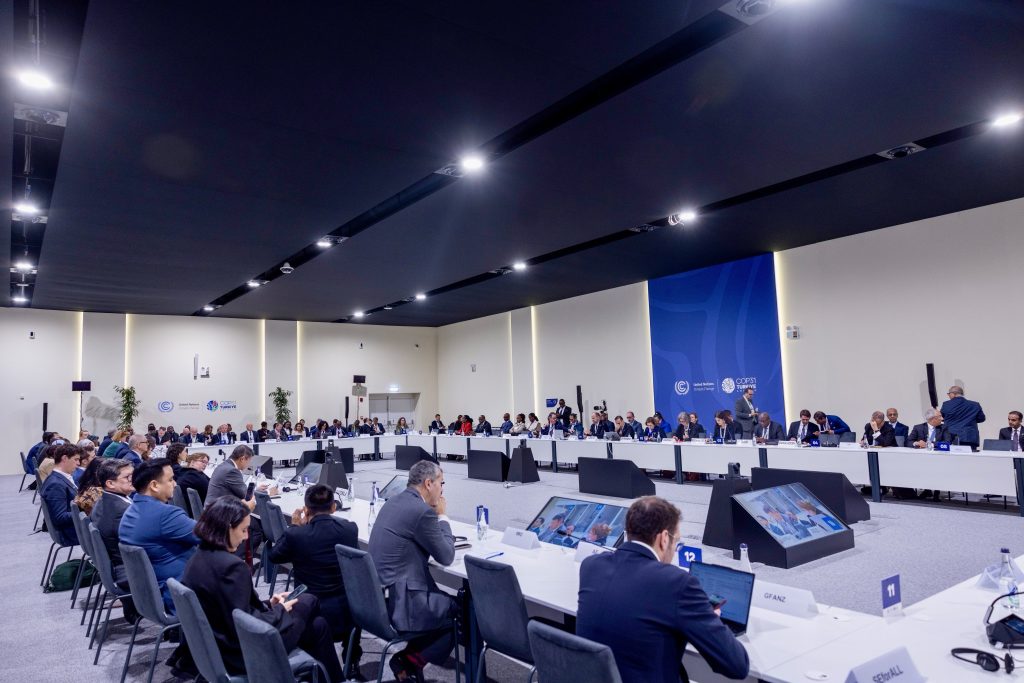
Prime Minister Justin Nsengiyumva, representing President Paul Kagame, shared the figures during a high-level dialogue on green industrialisation at the 31st United Nations Climate Change Conference (COP31) in Antalya, Türkiye, on Wednesday, November 11.
The dialogue, held under the theme 'Seizing the Green Industrial Opportunity: Investment, Jobs and Growth for Every Economy', focused on how countries can use climate-friendly industrial development to attract investment, create jobs and accelerate economic growth.
Nsengiyumva said Rwanda's Resource Efficient and Cleaner Production Programme had helped industries and small and medium-sized enterprises (SMEs) reduce energy consumption by more than 41 million megajoules and cut annual carbon dioxide emissions by over 30,000 tonnes.
The programme generated $6.5 million in net savings from an investment of $5 million, demonstrating how cleaner production can deliver both environmental and financial returns.
'For Rwanda, green industrialisation is both a climate imperative and an opportunity to accelerate economic transformation, attract investment and create decent jobs,' he said.
He noted that Rwanda's green industrialisation agenda is anchored in the Green Growth and Climate Resilience Strategy, Vision 2050 and its third Nationally Determined Contribution (NDC 3.0).
The country sees investment opportunities in renewable energy, clean cooking, electric mobility, sustainable agriculture, the circular economy and sustainable cooling.
Nsengiyumva also highlighted the Kigali Amendment to the Montreal Protocol as an example of how climate action can create opportunities for industrial development.
He said its full implementation could help avoid up to 0.5 degrees Celsius of global warming by 2100 while creating jobs in manufacturing, servicing and cold-chain systems.
Rwanda has developed a National Cooling Strategy, minimum energy-performance standards and financing mechanisms to provide a foundation for investment in the sector.
The Prime Minister called on development partners and financial institutions to help reduce investment risks through blended finance, concessional loans, guarantees and carbon finance.
'To scale up, we need partners to share risk through blended finance, concessional loans, guarantees and carbon finance, so that green industrial projects become bankable,' he stated.
He urged partners to move beyond pledges towards practical partnerships capable of delivering measurable economic, social and environmental benefits.
Rwanda's participation in the dialogue comes as countries explore ways to align industrial development with climate commitments while mobilising investment for sustainable economic growth.
Leave a Reply