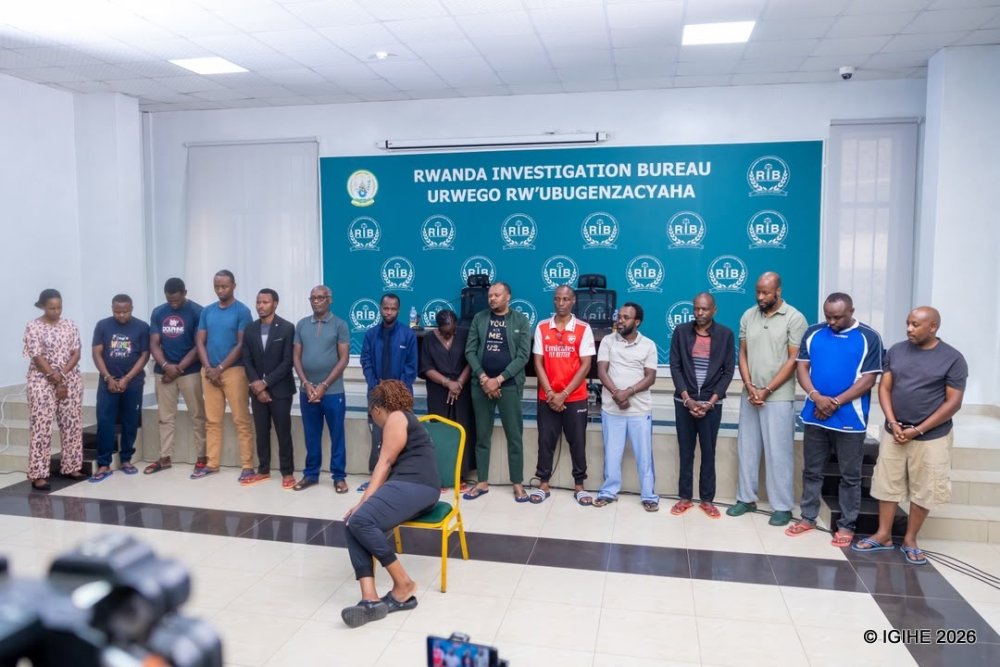
The development was confirmed to IGIHE by Rwanda Investigation Bureau (RIB) spokesperson Dr Murangira B. Thierry, who said the files concerning all 80 suspects were submitted to the prosecution on August 10, 2026.
Ntihanabayo, also known as Kazungu, was among 16 people arrested in Kigali and presented by RIB on August 8. He was arrested alongside two other employees of Ingufu Gin, including a quality control officer and a production officer.
Oluwatosin Ayayi, who is responsible for operations at Kerry Taste and Nutrition Rwanda, was also among those paraded by RIB in Kigali.
Other suspects included employees of various companies and industries, including Ebeneza Hub, Sakaza Fruit, Entreprise Urwibutso, African Buffalo, Piphany Company and Lotas Medical Group.
Since August 2, 2026, the Rwanda Food and Drugs Authority (Rwanda FDA) has closed 148 factories producing substandard alcoholic beverages and suspended production of their drinks.
The action followed inspections that found the factories were using inadequately processed ethanol in their beverages, which could pose health risks to consumers.
The 80 suspects are facing charges including giving another person a substance capable of causing death or serious harm to their health, an offence provided for under Article 115 of Law No. 68/2018 of August 30, 2018, relating to offences and penalties in general.
Under the law, a person who intentionally gives another person, without intending to kill them, a substance capable of causing death or, even if not fatal, capable of seriously damaging their health, commits an offence.
A conviction carries a prison sentence of between two and three years and a fine ranging from Rwf300,000 to Rwf500,000.
Where the substance causes an incurable disease, permanent incapacity to work or the complete loss of the use of a body organ, the law provides for a prison sentence of between 20 and 25 years and a fine ranging from Rwf500,000 to Rwf1 million.
The suspects are also charged with forging, altering or using forged documents, an offence provided for under Article 276 of Law No. 68/2018.
A person convicted of this offence faces between five and seven years in prison and a fine ranging from Rwf3 million to Rwf5 million, or one of these penalties.
They are further accused of resisting authority, an offence provided for under Article 230 of the same law.
A conviction for resisting authority carries a prison sentence of between six months and one year.
The case files of 80 suspects in substandard alcohol case including the owner of Ingufu Gin, have been sent to prosecution. Some of the suspects were paraded before the media on Saturday, August 8, 2026.
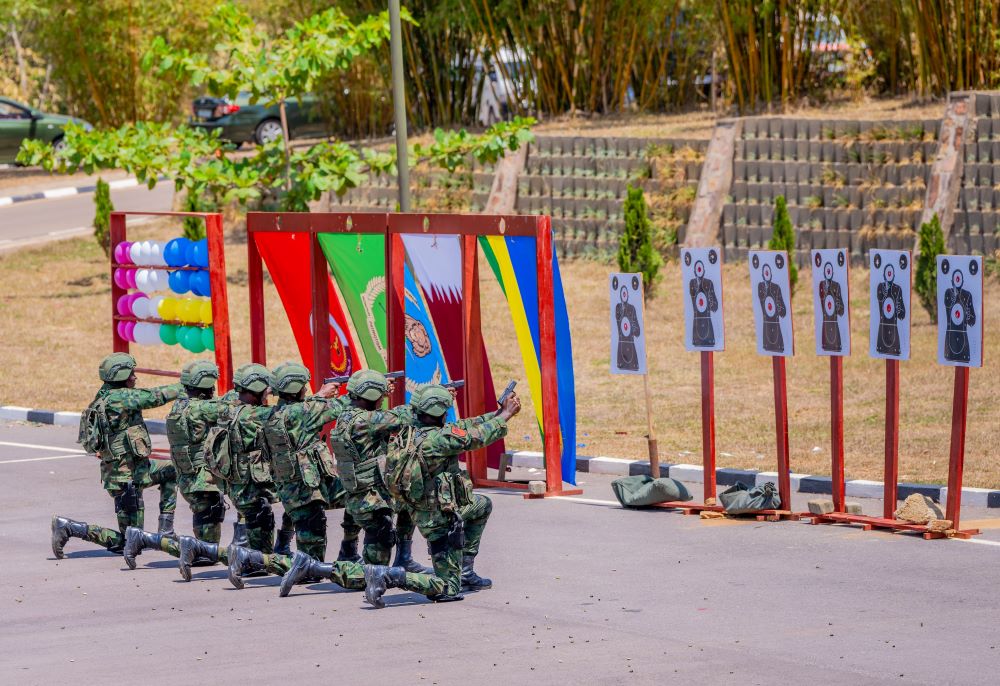
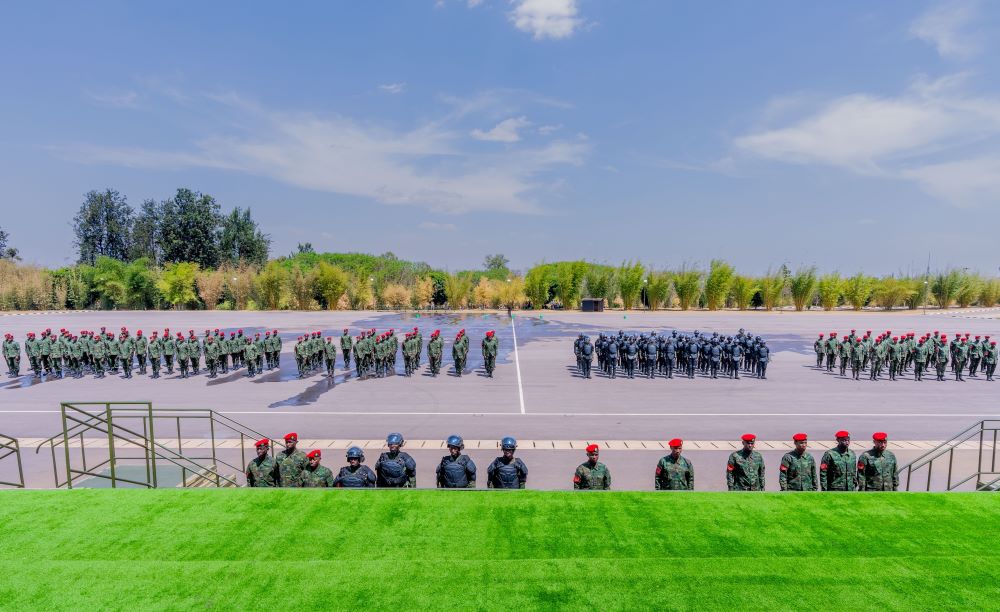
The ceremony was attended by the Ambassador of the State of Qatar to Rwanda, Mansoor Ali Al-Hajri, senior Qatari military officials, as well as RDF Generals and senior officers.
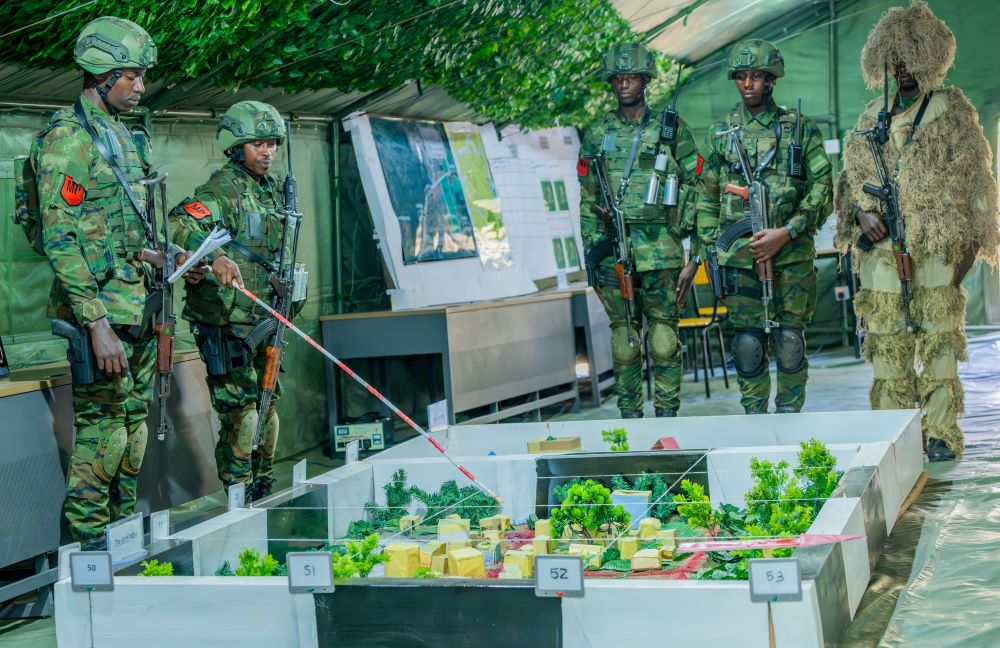
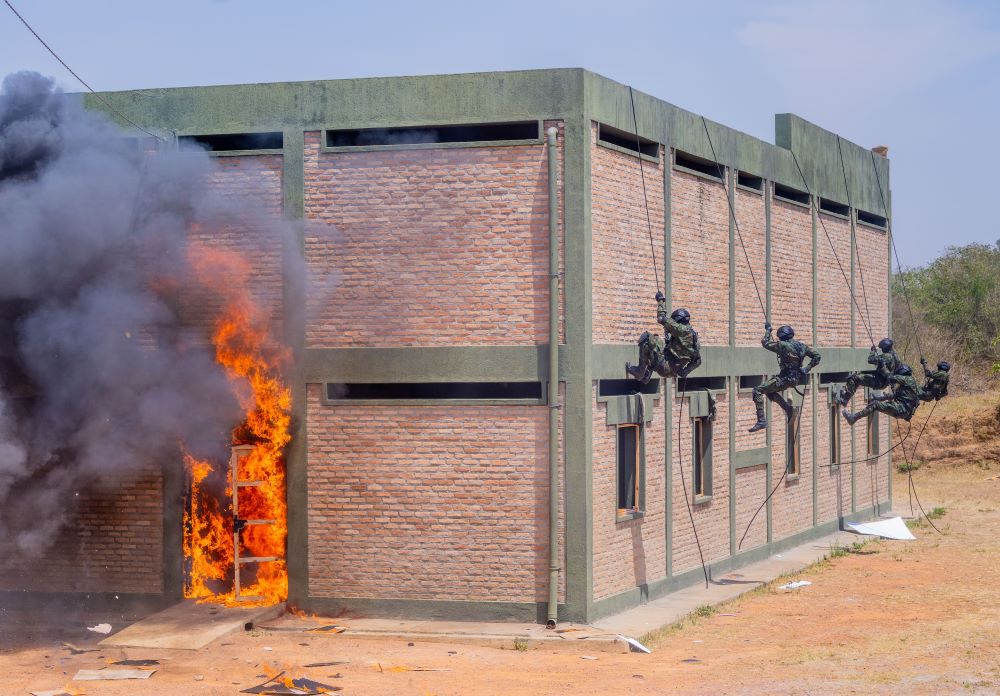
The training covered key areas of Military Police operations, including VIP protection, counter-terrorism, combat in built-up areas, and anti-riot operations.
In a message delivered on behalf of the RDF Commander-in-Chief, the Chief of Defence Staff congratulated the graduates on successfully completing the training, commending their commitment, discipline, and hard work in acquiring the knowledge and skills required to effectively execute their duties.
He noted that the training had contributed to strengthening the professionalism and operational skills of the RDF Military Police. He urged the graduates to apply the knowledge and skills acquired during the courses and to share them with their colleagues in their respective formations.
The CDS also commended the Qatari Armed Forces instructors for their professionalism and their effective delivery of the training. He highlighted the importance of continued cooperation between the two armed forces, noting that the graduation marked another milestone in the growing partnership between the Qatari Armed Forces and the Rwanda Defence Force. He reaffirmed Rwanda's commitment to further strengthening the partnership through military training, professional exchanges, and other areas of mutual interest.
The Qatar Armed Forces Representative, expressed appreciation to the RDF leadership, for their support and facilitation throughout the training and commended the strong cooperation and partnership between the Rwanda Defence Force and the Qatar Armed Forces, which contributed to the successful completion of the courses.
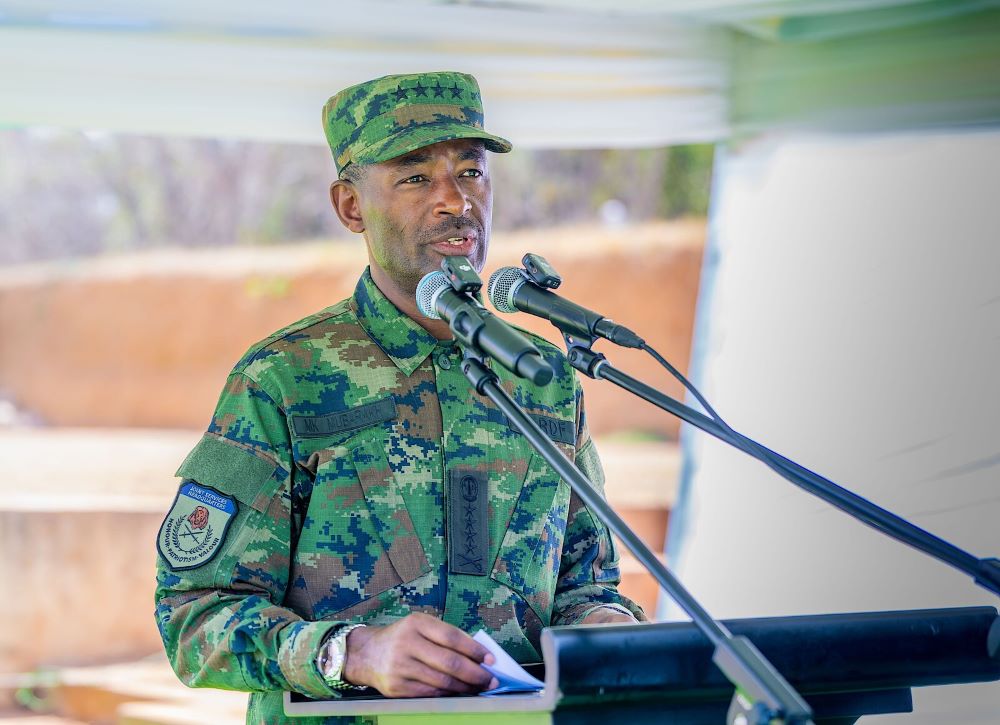
The Rwanda Defence Force (RDF) Chief of Defence Staff, Gen MK MUBARAKH, presided over the graduation ceremony of 146 officers and other ranks who successfully completed 07 weeks of intensive Military Police TrainingThe training covered key areas of Military Police operations, including VIP protection, counter-terrorism, combat in built-up areas, and anti-riot operations. RDF officers and other ranks attended the graduation ceremony at Rwanda Military Academy Gako.
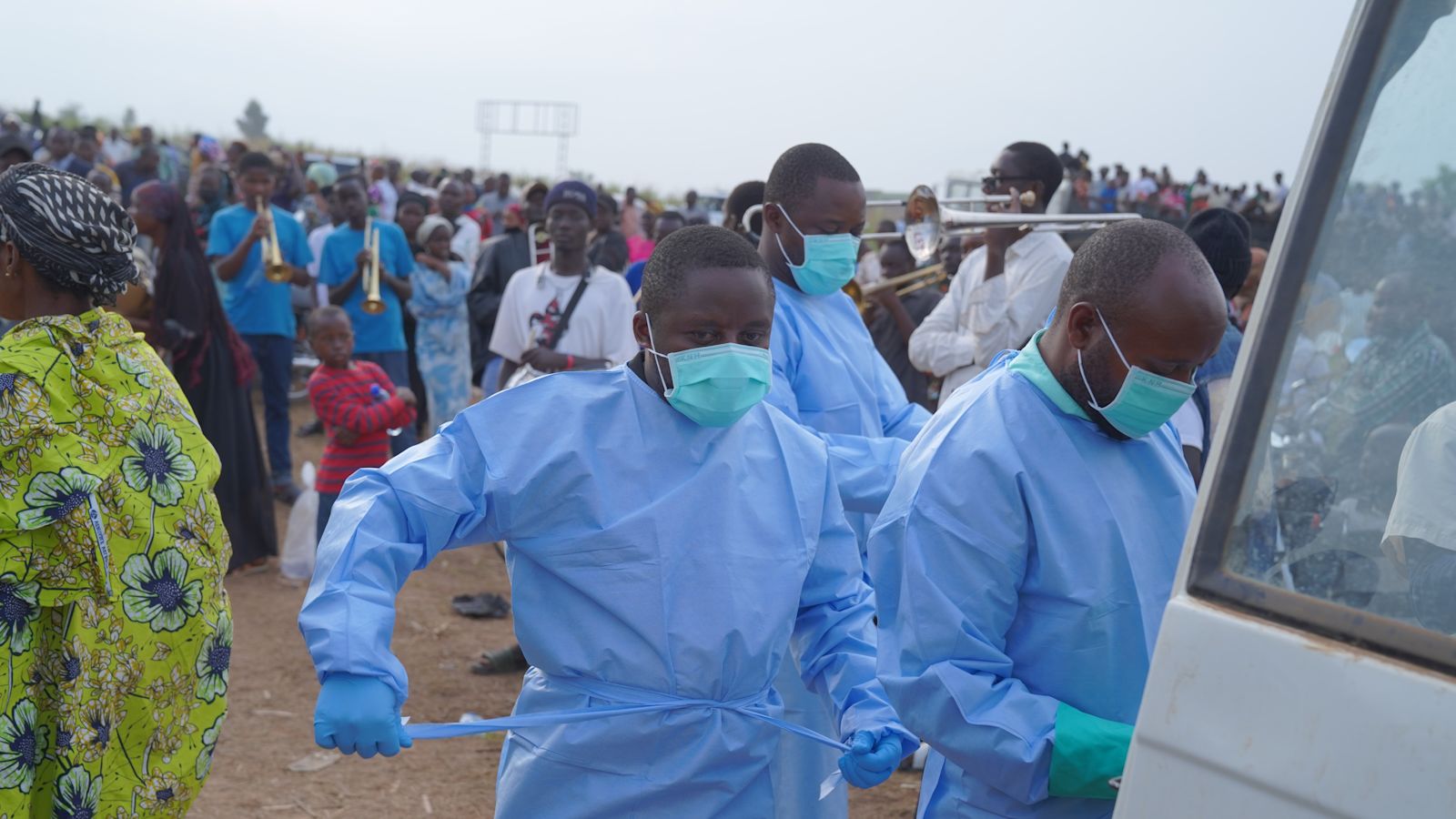
According to data from Congo's public health institute seen by Reuters, 2,011 people have died, while 4,381 confirmed cases have been recorded across five provinces.
The outbreak, Congo's 17th, is caused by the Bundibugyo species of Ebola, for which there are currently no approved vaccines or treatments.
Delayed detection, insecurity and strained health services have complicated efforts to trace contacts, isolate patients and contain transmission.
The World Health Organization has declared the outbreak, which has also spread to neighbouring Uganda, a public health emergency of international concern.
The speed of the outbreak has raised concern among health officials. Deaths doubled from 1,000 to more than 2,000 in less than a month, compared with more than 12 months during Congo's 2018–2020 outbreak.
Community mistrust and resistance have also complicated containment efforts.
A total of 2,011 people have died, while 4,381 confirmed cases have been recorded across five provinces in DRC.
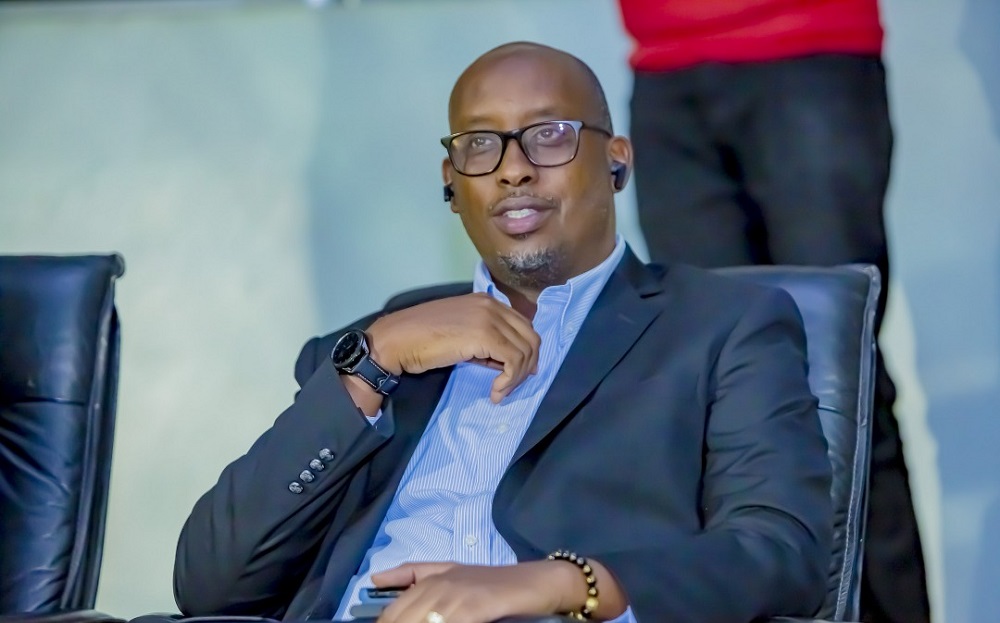
RIB spokesperson Dr. Thierry B. Murangira confirmed to IGIHE that Shema was arrested on Tuesday, August 11, 2026.
He is currently being held at the RIB station in Kicukiro as investigations continue before his case file is submitted to the National Public Prosecution Authority.
Shema was elected FERWAFA president on August 30, 2025, alongside members of his executive committee during the federation's General Assembly. The team campaigned under the slogan 'Dream Team.'
After taking office, the former AS Kigali president unveiled an agenda aimed at reforming Rwandan football, with priorities including the development of women's football, youth football, sports infrastructure, and other areas of the game.
Although he serves as president of FERWAFA, Shema has not been receiving a salary. Instead, he pledged to donate the $200,000 he would have earned over his four-year term to support youth talent development.
Before taking over the leadership of FERWAFA, Shema spent six years as president of AS Kigali, helping guide the club to several major trophies, including the 2019 and 2022 Peace Cup titles and the 2022 Super Cup.
RIB spokesperson Dr. Thierry B. Murangira confirmed to IGIHE that Shema was arrested on Tuesday, August 11, 2026.
The initiative, launched in July 2026 under the LiftHerUp Mentorship Programme, gives women an opportunity to experience a realistic interview environment, receive direct feedback from senior executives and strengthen how they communicate their experience, achievements and career ambitions.
Participants in the first edition came from banking and financial services as well as telecommunications, education, technology, development organisations, communications and other industries.
The initiative is one practical response to evidence emerging from the landmark Women in Financial Services Rwanda 2025 study.
Based on responses from more than 50 financial institutions and over 1,500 professionals, the study found that while Rwanda has made significant progress in women's participation and representation, the leadership pipeline remains constrained.
Women's representation in executive committees and senior management remains below 40 percent, women account for 64 percent of exits at the non-managerial level, and women receive 30 percent fewer promotions overall than men.
The findings reinforce an important message: getting women into organisations is only the beginning. Attention must also be paid to how women progress, gain visibility, prepare for opportunities and move into leadership.
This challenge is not unique to Rwanda or to financial services.
McKinsey's latest Women in the Workplace research similarly points to the first steps into management as a critical point in the leadership pipeline. Its research has highlighted the importance of career development, mentorship, sponsorship, stretch opportunities and access to senior leaders in supporting women's progression.
The Gate Consulting Group-WIFR partnership therefore seeks to turn mentorship into practical experience.
Rather than encountering a high-stakes interview for the first time when an important promotion or career opportunity arises, women participating in the Mock Interview Experience are able to practise beforehand. They respond to questions from experienced executives, receive candid feedback, learn how employers evaluate candidates and reflect on how effectively they communicate their own leadership potential.
The July edition directly supported 31 women, many within their first seven years of professional experience. More than 70 additional women participated as observers, meaning over 100 women benefited from the first edition.
Participants represented organisations including I&M Bank, Development Bank of Rwanda, Bank of Kigali, TransAfrica Communications, Equity Bank, Education First, MTN Rwanda, BRALIRWA, Kepler, Urwego Finance, Irembo and NCBA Bank.
The cross-sector character of the programme was also reflected in its interview panels.
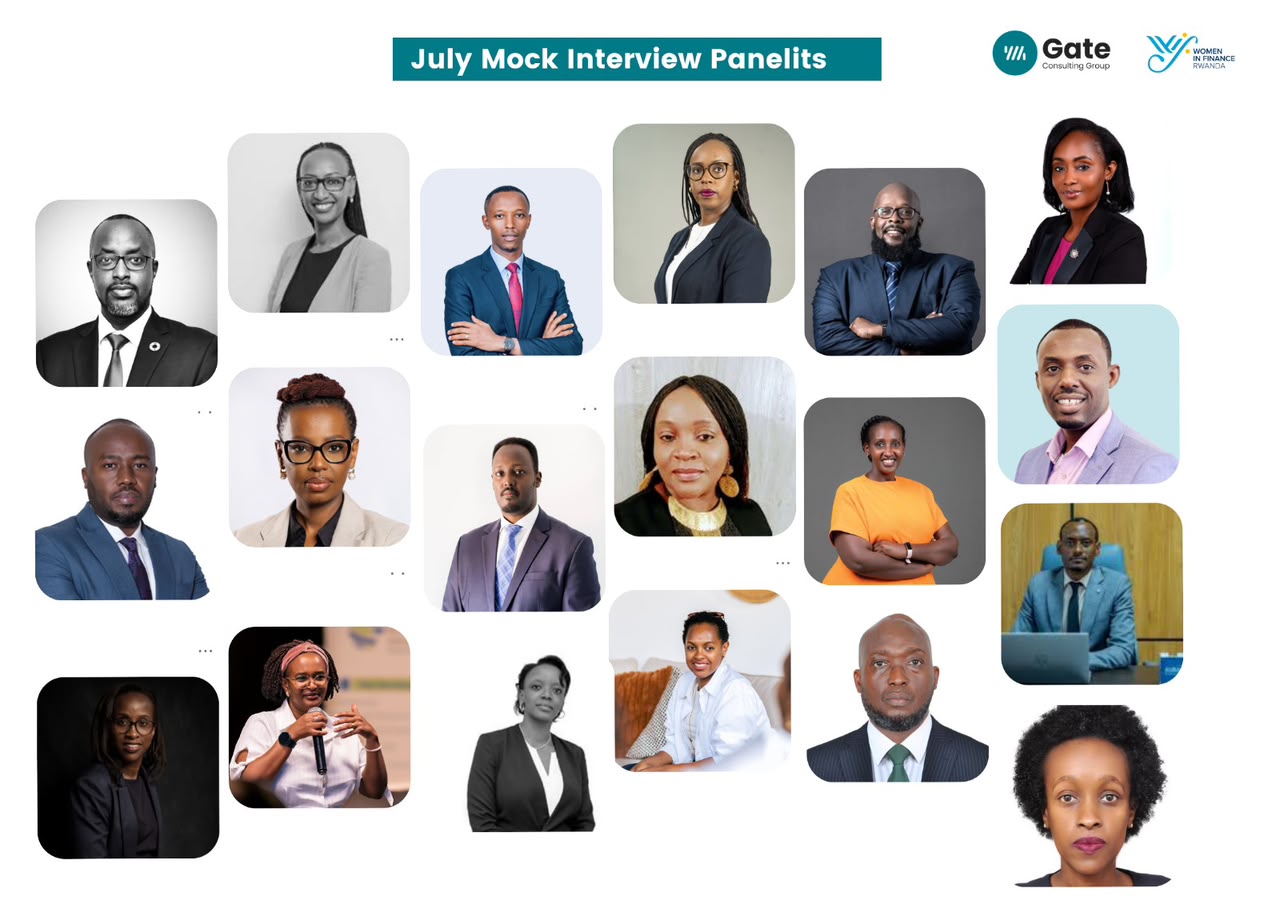
Senior leaders and professionals from One Acre Fund, I&M Bank, Ecobank, Bank of Kigali, MTN Rwanda, Mastercard Foundation, ZEP-RE, Airtel, BPR, GanzAfrica Foundation, Ishara Towers, African Management Institute, Equity Bank, iDebate Rwanda and UNICEF volunteered their time and expertise.
Many of these executives form part of the wider LiftHerUp mentorship community, creating an opportunity for mentorship to move beyond advice into exposure, practice and actionable feedback.
For participants, the experience produced immediate lessons.
Nancy Michaelle Gatete of BRALIRWA said the experience strengthened her confidence and helped her become more concise in communicating her experience. She also learnt to improve her CV by focusing more clearly on meaningful achievements and became more comfortable discussing salary expectations.
Olive Murekatete of Equity Bank said interaction with the panel helped her visualise the pathway towards her longer-term career ambition and encouraged her to set more deliberate goals and take intentional steps towards achieving them.
Professionals and senior leaders who participated in the LiftHerUp Mentorship Programme, supporting women's career growth and leadership development.
For Brenda Uwera Kayinamura of Education First, an important lesson was that identifying a career destination is not enough; women also need to deliberately build the experiences that will enable them to get there. Following the session, she began volunteering for presentations and other initiatives at work to strengthen her confidence, visibility and leadership experience.
Panelists saw a similar opportunity.
Serge Mukiza, Head of Risk Management at Bank of Kigali, observed that participants demonstrated strong technical knowledge and clear career aspirations, while confidence in presenting themselves remained an area where further development could make a significant difference.
Rose Karugu, an HR expert at Ishara Towers Rwanda, saw the intervention as an opportunity to use her HR and leadership experience to help women better understand what employers look for and prepare more effectively for future opportunities.
Leonard Gahonzi, Head of Premier Banking and Affluent Markets at Ecobank, highlighted the importance of giving young women a safe environment in which to practise, receive candid feedback and strengthen their communication skills.
The participation of senior executives from different sectors highlights that developing women leaders is a shared responsibility, where employers, mentors and institutions all have a role in creating opportunities for women to grow and advance.
For WIFR and Gate Consulting Group, the Mock Interview Experience demonstrates the value of partnership by combining mentorship, leadership development, and professional networks to support women across sectors.
The next edition is planned for November 2026, with the partnership aiming to reach more women and engage more senior leaders across Rwanda's economy.
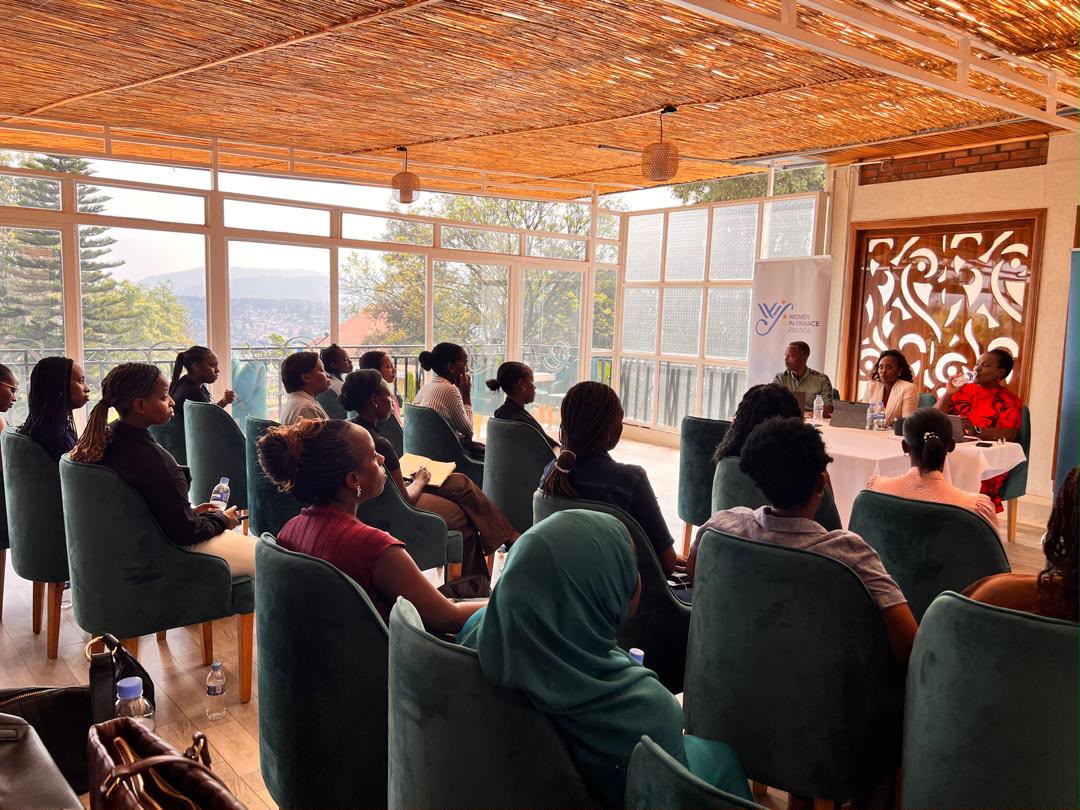
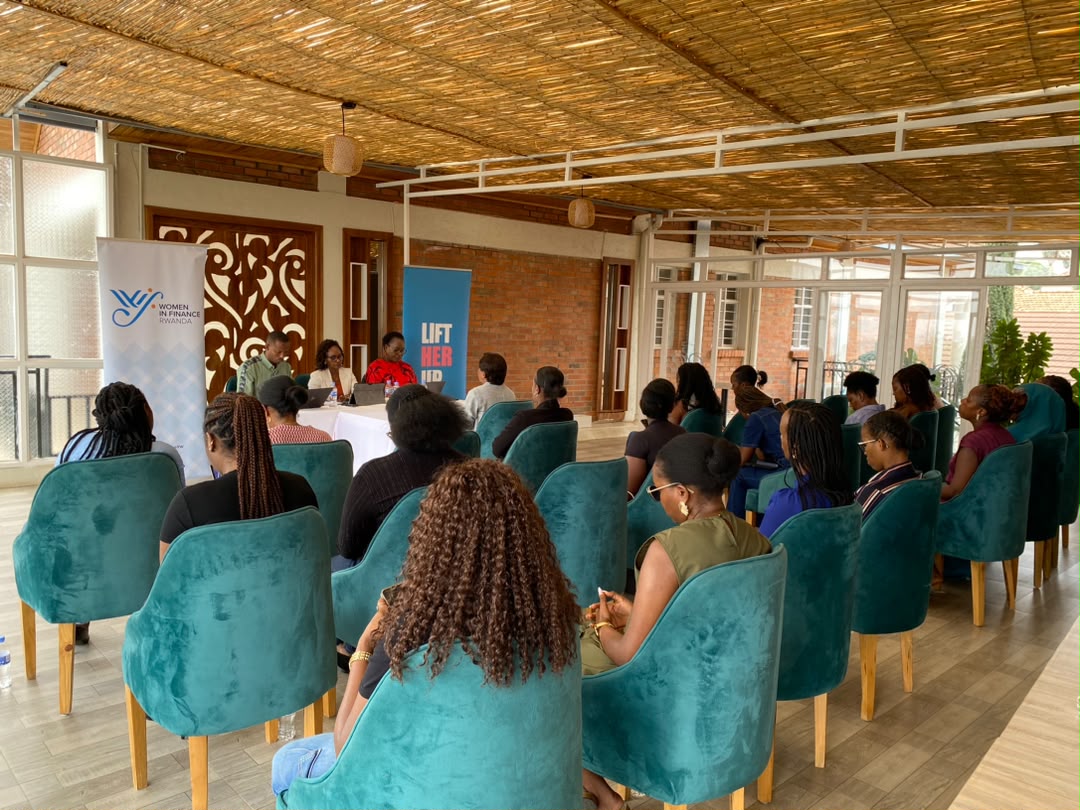
Senior professionals and mentors engage with participants during the LiftHerUp Mock Interview Experience organized by WIFR and Gate Consulting Group.The LiftHerUp Mock Interview Experience brought together women professionals and senior leaders to strengthen confidence, communication and career readiness.
The test, called MethylScan, analyses small pieces of DNA circulating in the bloodstream.
These fragments, known as cell-free DNA, can carry information about the tissues they come from, including changes linked to cancer and other diseases.
Researchers focused on chemical changes in DNA called methylation.
These patterns differ between tissues and can change when cells become diseased or cancerous.
By studying them, MethylScan can look for abnormal signals and potentially identify the tissue where they originated.
The researchers tested the technology using blood samples from 1,061 people, including patients with liver, lung, ovarian and stomach cancers, people with liver diseases, individuals with benign lung nodules and healthy participants.
Using machine learning, the team found that at 98% specificity, MethylScan detected about 63% of cancers across all stages. For cancers at an early stage, it detected around 55% of cases.
The test performed better among people at high risk of liver cancer. Among patients with liver cirrhosis or hepatitis B, it detected nearly 80% of liver cancer cases.
Researchers also found that the test could distinguish between different liver diseases, correctly classifying about 85% of patients with conditions including viral hepatitis and metabolic-associated liver disease.
However, MethylScan is still in the research stage and is not ready to replace existing cancer screening or diagnostic tests.
The researchers say larger studies are needed to determine how accurately the test performs in real-world screening.
If future research confirms the findings, the technology could eventually provide doctors with a simpler and less invasive way to detect cancer and identify where it started.
Scientists have developed a blood test that could help detect multiple types of cancer and identify where the disease began.
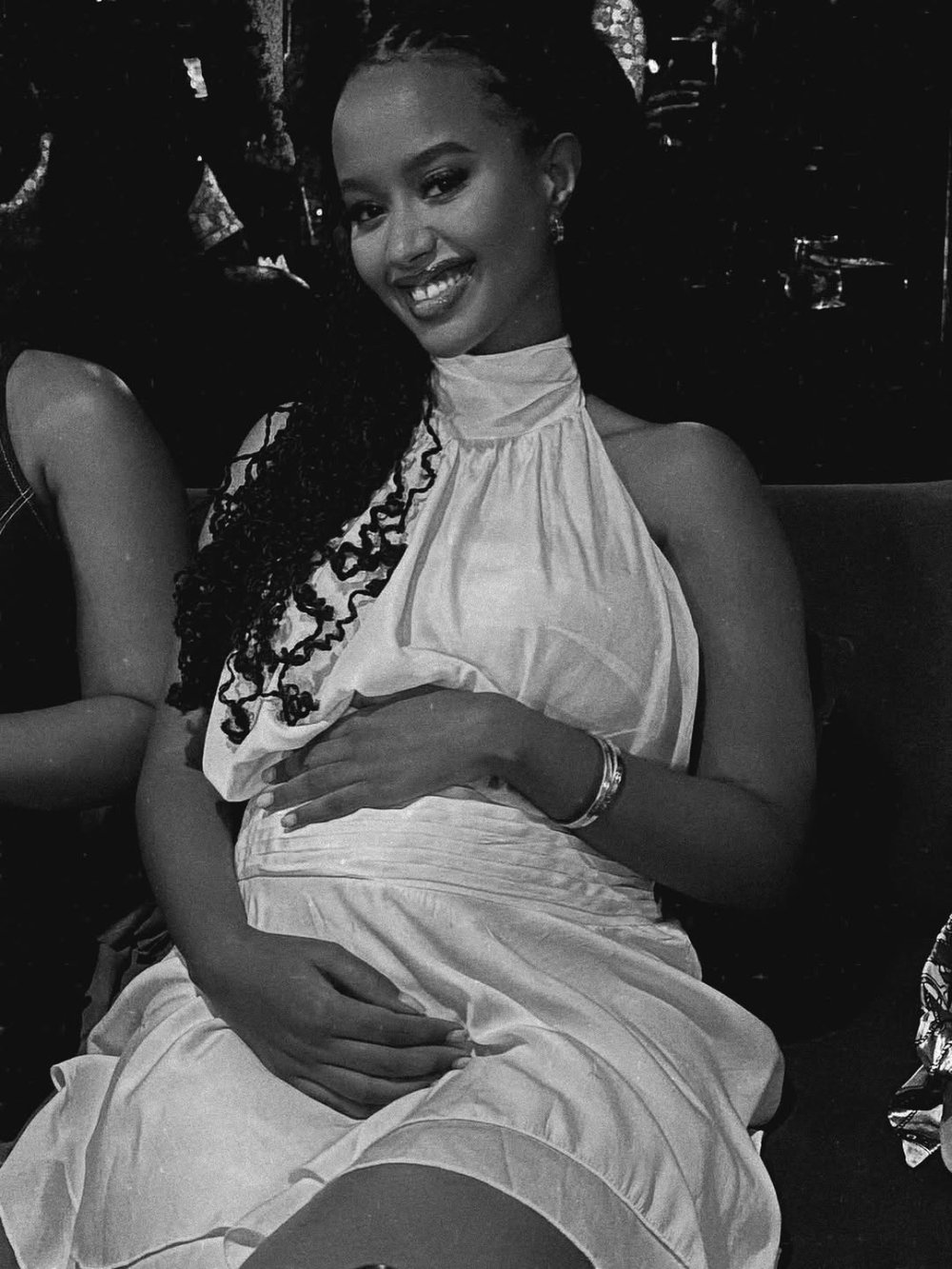
Naomie shared the news in a message posted on her social media accounts, saying she was preparing to welcome her first child in the coming days.
In the post, she wrote: 'My God is Yahweh. Jesus, thank You so much for making us parents. Thank You for keeping Your promise and blessing us with our precious little rainbow, already loved more than words could ever express.'
The message led some people to speculate that Naomie had already given birth. However, speaking to IGIHE, she clarified that she was expressing gratitude to God for blessing them with a child they are preparing to welcome soon.
Miss Naomie and Michael Tesfay officially tied the knot before the law in a civil wedding in Kigali on Friday, December 27, 2024.
Two days later, on Sunday, December 29, 2024, the couple held their traditional introduction ceremony at the Intare Conference Arena followed by a religious wedding at Women Foundation Ministries in Kimihurura.
In December last year, Miss Naomie also released a memoir titled More Than a Crown, which details different stages of her life, including her childhood, her experience in the Miss Rwanda pageant and her life after marriage.
Naomie shared the news in a message posted on her social media accounts, saying she was preparing to welcome her first child in the coming days.Miss Naomie is married to Michael Tesfay.
Once plagued by economic difficulties, the port has undergone a remarkable transformation through cooperation, demonstrating how such efforts can advance shared development — a principle frequently highlighted by Chinese President Xi Jinping in his diplomatic vision and engagements.
During his state visit to Greece in 2019, Xi toured the port and spoke highly of the cooperation project. He said China, in its external exchanges, upholds the right approach to justice and interests, adding that it was encouraging to see the project had helped local people through difficult times.
Greek Prime Minister Kyriakos Mitsotakis told Xi that Greece had gained a deeper understanding of the true meaning of friendship through cooperation on the Piraeus Port project with China.
The Piraeus Port project is one example of Xi's close attention to cooperation projects such as the Jakarta-Bandung High-Speed Railway and Chancay Port in Peru, which bring tangible benefits to local communities.
For Xi, the true value of cooperation is measured not only by economic gains, but also by how it improves people's lives.
During his visit to Tajikistan in September 2014, Xi attended a ceremony marking the commencement of a China-Tajikistan joint thermal power plant in Dushanbe. Seeing the difficulties faced by local people due to shortages of electricity and heating, Xi said he had experienced hardship himself and could empathize with them. Projects truly benefiting local people were the best ones, he added.
As Xi has said, 'Development is real only when all countries develop together. Prosperity and stability cannot be possible in a world where the rich become richer while the poor are made poorer. Every nation aspires for a better life, and modernization is not a privilege reserved for any single country.'
This file aerial photo taken on July 26, 2023 shows a view of Piraeus Port, Greece. (Piraeus Port Authority/Handout via Xinhua)
Xi's vision of common progress is taking root in regions like Africa, where countries are striving for faster development.
In 2013, Xi chose Africa for his first overseas visit after assuming the presidency. During the visit, he put forward the principles of China's Africa policy — sincerity, real results, amity and good faith, and pursuing the greater good and shared interests.
In his keynote address at the opening ceremony of the 2024 Beijing Summit of the Forum on China-Africa Cooperation, Xi said that 'on the path to modernization, no one, and no country, should be left behind.'
Over the years, China-Africa cooperation has expanded beyond economic sectors into areas closely related to people's livelihoods. In Kenya, the Mombasa-Nairobi Standard Gauge Railway has become a major transport link in East Africa, while China-supported water projects have helped millions of African people gain access to safe drinking water.
Cooperation has also extended to the public health sector, with the Africa Centres for Disease Control and Prevention headquarters, built with Chinese support, helping strengthen health capacity across the continent. This May, China further opened its market wider to African countries by fully implementing zero-tariff treatment to all 53 African countries with which it maintains diplomatic relations.
'The greatest good in China-Africa relations is to closely combine Africa's independent and sustainable development with China's own development,' Xi said. 'The ultimate goal is to realize win-win cooperation.'
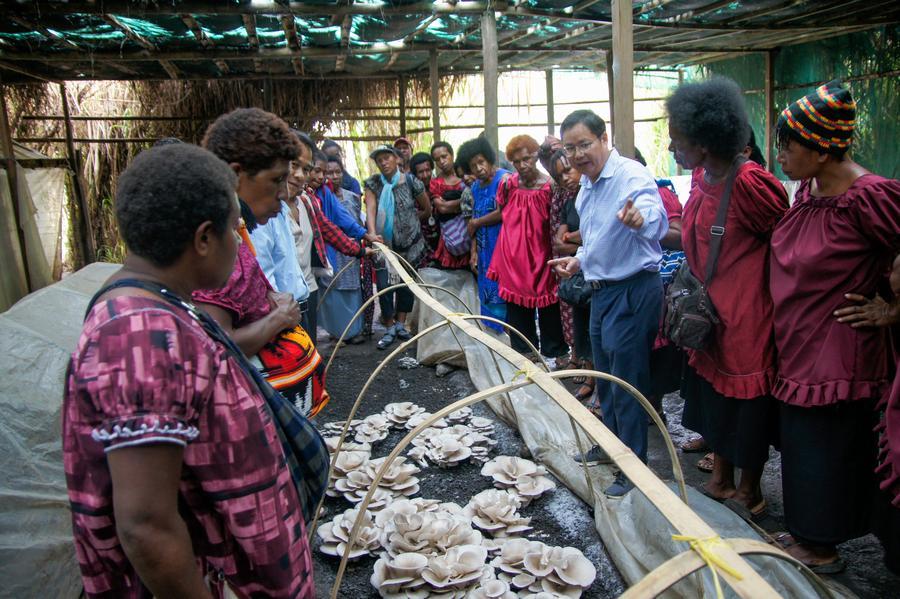
One example is Juncao technology, which Xi promoted while working in east China's Fujian Province more than two decades ago. He later introduced the technology to a visiting official from Papua New Guinea, paving the way for its overseas application.
Juncao technology, which uses a type of grass to cultivate edible mushrooms, feed livestock and prevent soil erosion, has become an effective tool for poverty reduction and sustainable development.
'I did go to Fujian Province. I met my then colleague, Governor Xi Jinping,' said Peti Lafanama, former governor of Papua New Guinea's Eastern Highlands Province. 'I think the President has a heart for the people.'
The vision of building a community with a shared future for humanity is also reflected in Xi's efforts in global climate governance. Xi has repeatedly called for global solidarity to address this pressing challenge, stressing that ecological protection concerns the well-being and future of all countries.
China played 'a decisive role' in the negotiation process of the Paris Agreement in December 2015, said former UN Secretary-General Ban Ki-moon, expressing his gratitude for China's contribution to accelerating the ratification process of the agreement.
'Had not been President Xi Jinping's initiative, we would not have the Paris Agreement on climate change even now,' said Ban.
A specialist (C) from China's Fujian Agriculture and Forestry University introduces a type of special grass, which could be used to cultivate edible and medicinal mushrooms and feed livestock, to local residents in the Eastern Highlands Province of Papua New Guinea, Dec. 19, 2019. (Photo by Hu Yingping/Xinhua)
In 2025, the 10th anniversary of the Paris Agreement, Xi announced China's 2035 Nationally Determined Contributions at the UN Climate Summit, a move that further demonstrated China's commitment and determination to advancing global green development.
'These targets represent China's best efforts based on the requirements of the Paris Agreement,' Xi said in his video remarks to the UN summit.
Through years of active participation in global climate governance and efforts to inspire younger generations to protect the planet, Xi has also called for building a community of all life on Earth in a bid to promote sustainable development for humanity.
'Our people hope to successfully realize national development, but they also hope to see all peoples of the world leading happy and peaceful lives,' Xi has said.
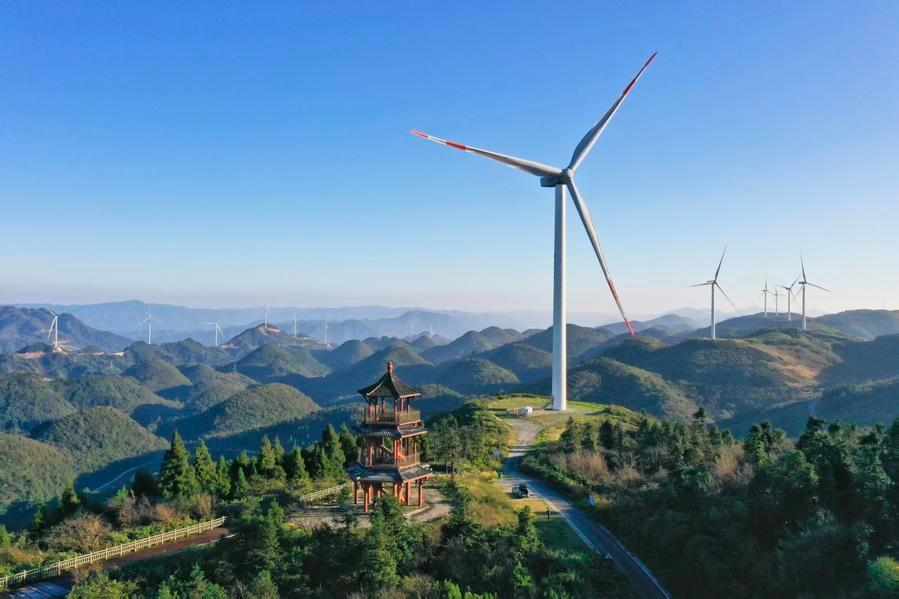
An aerial drone photo taken on Oct. 28, 2025 shows a wind power project in operation in Wolong County, Shizhu Tujia Autonomous County, southwest China's Chongqing. (Photo by Li Xiaofeng/Xinhua)A freight train is pictured at Port Reitz Station along the Mombasa-Nairobi Standard Gauge Railway (SGR) in Mombasa, Kenya, July 9, 2026. (Xinhua/Xie Jianfei)
The vessel was found about 3 miles (5km) off Mazara del Vallo at a depth of around 46 metres (151ft), according to Italian authorities. It measures approximately 21 metres (69ft) long and 6 metres (20ft) wide.
The discovery followed a tip-off from fishermen, prompting Italy's Carabinieri cultural heritage protection squad to send specialist divers to investigate the site using underwater cameras.
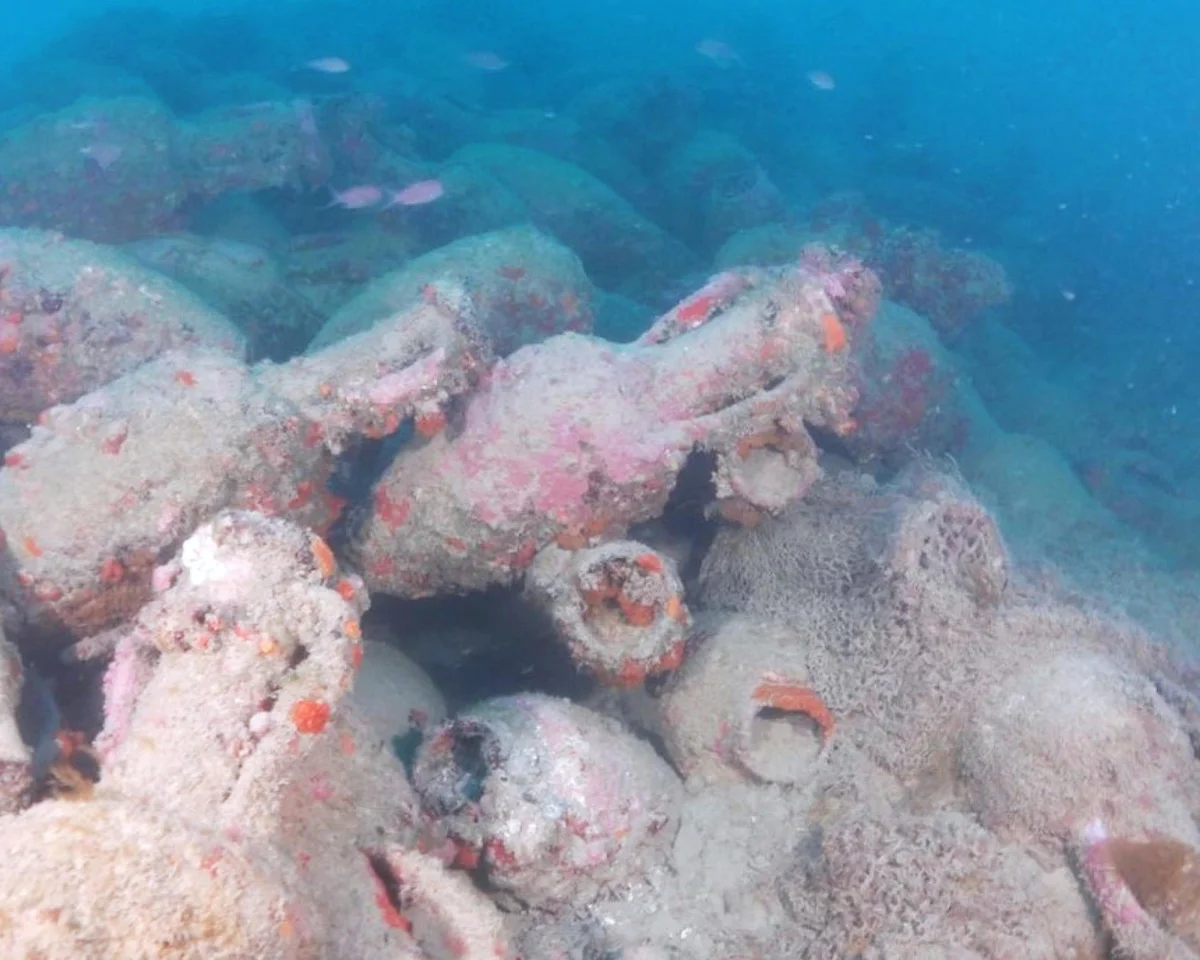
The wreck is believed to date from the second or first century BC and is loaded with hundreds of amphorae, ancient ceramic containers with narrow necks and two handles that were commonly used to transport goods across the Mediterranean.
Most of the cargo consists of Dressel 1A amphorae, which were widely used to transport wine. Archaeologists consider the containers particularly valuable because their distribution can help shed light on the commercial networks connecting Italy with other parts of the Mediterranean more than 2,000 years ago.
Italy's Culture Minister Alessandro Giuli described the discovery as 'one of the most important underwater archaeological discoveries of recent years'.
He said the wreck offered 'precious fragments of our history' and provided further evidence of the trade routes and exchanges that made the Mediterranean a 'crossroads of civilisations'.
Fisherman and free-diver Giacomo De Mola said he discovered the wreck while surveying the seabed near Mazara del Vallo. After noticing what appeared to be a large rock on his scanner, he decided to investigate.
'I get closer. And my heart stops. It wasn't a rock,' De Mola wrote on Instagram, describing the moment he saw a vast area covered with amphorae.
'This is, without a doubt, the most incredible discovery of my life,' he said, adding that it was difficult to describe the feeling of being among the first people in nearly 20 centuries to see the site.
Footage he shared showed eels, snappers and other marine life living around the ancient containers.
Authorities are now preparing further investigations to establish the precise date of the wreck, the origin and destination of its cargo and the condition of the surviving material. Measures will also be introduced to protect the site during the research.
The discovery adds to a growing list of ancient shipwrecks found in Italian waters. A Roman vessel carrying wine amphorae was discovered off Palermo in 2021, while another Roman ship dating from the second century BC was found off the coast of Liguria in 2013.
Sicily's strategic position along ancient maritime routes linking Europe, North Africa and the eastern Mediterranean has made its surrounding waters one of the region's richest areas for underwater archaeology.
A 2,100-year-old Roman shipwreck carrying about 500 ancient amphorae has been discovered off the coast of Sicily, in what Italy's culture minister has described as one of the most significant underwater archaeological finds in recent years.
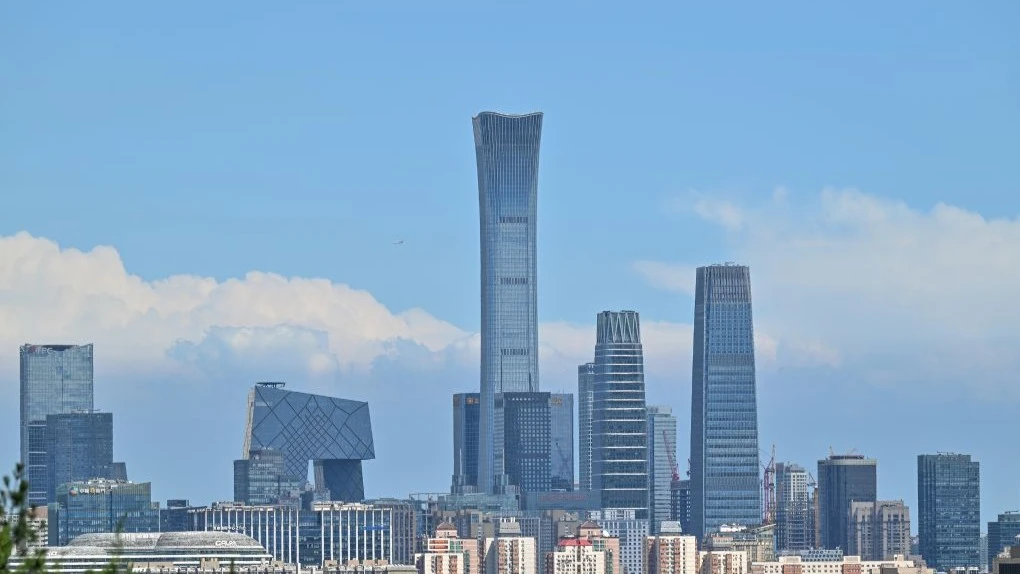
The azure skies of Beijing soon became known as 'APEC blue,' though some viewed the phenomenon as a fleeting moment confined to the summit period.
At the welcoming banquet, Chinese President Xi Jinping directly addressed such doubts, expressing his hope and determination that 'with persistent efforts, the 'APEC blue' will be here to stay.'
More than a decade later, Xi's promise has been fulfilled through concrete action.
The results are visible in the air. Between 2013 and 2025, Beijing's average PM2.5 concentration fell by 69.8 percent. The United Nations Environment Programme has hailed the city's achievements in improving air quality as the 'Beijing Miracle.'
The story of 'APEC blue' reflects a cherished value passed down through generations of the Chinese people: promises must be honored through actions. This philosophy has also guided China's efforts to forge stronger connections with the world. 'He who has credibility connects the world,' Xi once quoted a saying from 'The Guanzi,' a collection of ancient Chinese writings, to underscore the importance of matching words.
Every autumn, the lights of the National Exhibition and Convention Center in Shanghai illuminate a global gathering, where products, technologies and ideas converge in the vibrant metropolis.
At the first China International Import Expo (CIIE) in 2018, Xi made a clear promise: 'The CIIE, which will be held on an annual basis, will feature good performance, fruitful results and continued success in the years to come.'
Eight years on, the CIIE has grown into a premier global platform for trade, investment and cultural exchanges, connecting businesses, innovators and consumers from around the world.
The expo, the world's first import-themed national-level exhibition, stands as a vivid reflection of Xi's commitment to China's high-level opening-up. Beyond the CIIE, this commitment has been put into practice through concrete measures, ranging from the launch of island-wide special customs operations at the Hainan Free Trade Port to the expansion of visa-free transit and entry policies.
In a world facing mounting uncertainty and fragmentation, these actions deliver a clear message: China will continue to open its door wider to the world.
Xi's commitment to delivering on promises is also reflected in long-term partnerships built on shared development.
More than half a century ago, Chinese engineers traveled to East Africa to help build the Tanzania-Zambia railway, a landmark project that stretched across the region.
In March 2013, standing before the cemetery of Chinese experts in Dar es Salaam, Tanzania, Xi paid tribute to those who sacrificed their lives during the construction of the railway, and called on the two countries to cherish the deep-rooted friendship between China and Africa.
Two years later, during talks with then Zambian President Edgar Lungu, Xi reaffirmed that China would collaborate with Zambia and Tanzania in the railway operations to 'promote the development and prosperity of the region along the line.'
In September 2024, Xi, together with Tanzanian President Samia Suluhu Hassan and Zambian President Hakainde Hichilema, witnessed in Beijing the signing of a memorandum of understanding on the railway revitalization project. In November 2025, the groundbreaking ceremony was held in Zambia. Once upgraded, the railway is expected to significantly improve regional connectivity, with annual freight capacity rising to at least 2.4 million tons and shipping times reduced by nearly two-thirds.
'China helped us build the railway in the past and is now helping us make it better and more modern. China has always kept its word,' said 74-year-old Solomon Mwakasanga, who joined the railway service in 1970 as a clerk and retired in 2005 as a senior station foreman.
Across Africa, China's efforts are transforming promises into progress, supporting the continent's modernization drive.
From fully implementing zero-tariff treatment to all 53 African countries that have diplomatic ties with China to advancing 'small but beautiful' livelihood projects such as Luban Workshops and Juncao technology, China's cooperation with Africa is increasingly focused on delivering tangible benefits.
As Paul Frimpong, executive director of the Africa-China Center for Policy and Advisory, a Ghana-based think tank, observed, 'China will always remain Africa's most reliable partner on its path to modernization.'
A promise kept in times of crisis matters greatly. When the COVID-19 pandemic swept across the world, Xi stressed China's firm determination to strengthen international cooperation as a responsible major country.
China was the first country to propose COVID-19 vaccines as a global public good and worked with developing nations to produce vaccines locally, mobilizing resources to help bridge the global 'immunity gap.'
Xi's commitment to honoring promises is also borne out by China's sustained efforts over the years to build a better future for all.
In September 2020, Xi announced that China would strive to peak carbon dioxide emissions before 2030 and achieve carbon neutrality before 2060.
Over the past years, China has taken solid steps to turn this vision into action. It has built the world's largest renewable energy system and developed the most comprehensive clean energy industrial chain, while continuing to improve energy efficiency and accelerate the global green transition.
'China has a reputation of doing what it says it's going to do,' said UN Climate Change Executive Secretary Simon Stiell. The leadership China has shown and the contributions it has made in terms of driving technological advancement and providing support to developing countries within the Global South can push other countries to step up, he added.
As Xi said, 'We Chinese people attach great importance to taking action to keep promises. We will do whatever it takes to honor our commitment.'
This photo taken from Jingshan Hill on Aug. 12, 2024 shows the skyscrapers of the central business district (CBD) on a sunny day in Beijing, capital of China.