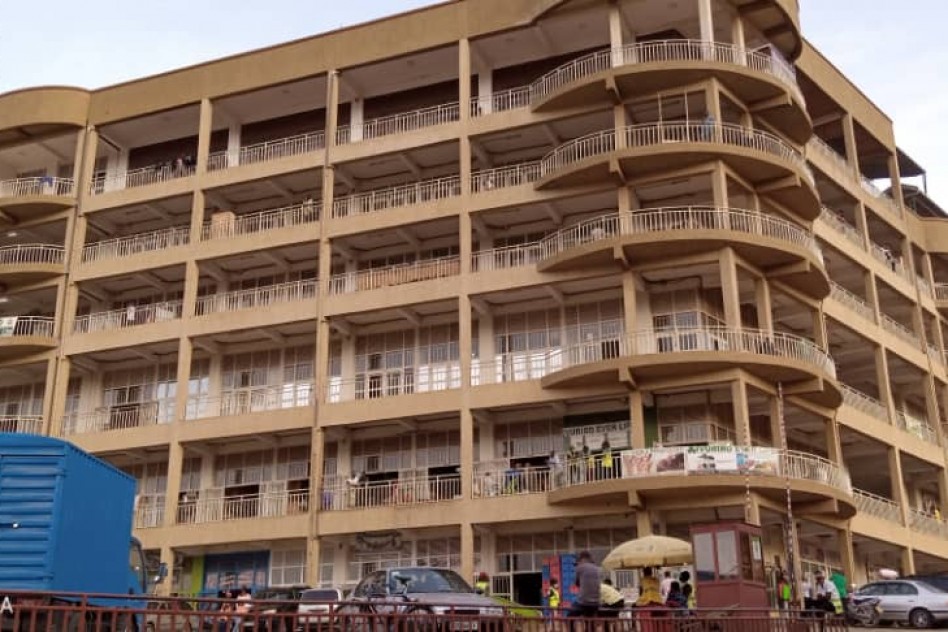
In a public notice issued on Tuesday, August 11, the City said the building had been reopened following the initial implementation of measures required to address sanitation concerns and improve the safety of people working there.
However, the reopening does not mean all corrective measures have been completed. The management of Inkundamahoro Building has been instructed to continue addressing outstanding requirements, including installing an appropriate wastewater treatment system, ensuring the daily collection and proper disposal of solid waste, carrying out necessary repairs and repainting, among other measures.
The reopening comes just days after the City temporarily closed the building over continued failure to comply with safety, sanitation and environmental requirements.
In a notice issued on August 8, the City said it had issued several directives and notices between May and August requiring the management to address deficiencies. Despite the interventions, key concerns remained unresolved, including the discharge of untreated wastewater from toilets directly into a wetland.
The City said the latest incident involving the discharge of untreated wastewater was confirmed on August 7, prompting the temporary closure. The City had warned that the building would remain closed until the required corrective measures were implemented and compliance verified by the relevant authorities.
Following the initial implementation of those measures, the City has now permitted the building to reopen while requiring management to complete the outstanding work.
The City also reminded people working in Inkundamahoro Building of their responsibility to maintain cleanliness and proper sanitation in their workplace.
At the same time, the warning extends beyond Inkundamahoro. The City reminded all building managers, particularly those managing buildings that accommodate large numbers of people, to comply with applicable sanitation, safety and environmental requirements.
'Those who fail to comply with these requirements or to implement corrective measures recommended following inspections will be held accountable,' the City said in its latest notice.
In a public notice issued on Tuesday, August 11, the City of Kigali said Inkundamahoro building had been reopened following the initial implementation of measures required to address sanitation concerns and improve the safety of people working there.
The ceremony will take place in Kinigi, near Volcanoes National Park, and will bring the total number of baby gorillas named since the initiative began in 2005 to 460.
Kwita Izina has become one of Rwanda's flagship conservation and tourism events, highlighting the country's efforts to protect its mountain gorillas and promote sustainable tourism.
Rwanda's tourism sector generated more than $685 million in revenue in 2025, up from $647 million the previous year, according to official figures. More than 1.49 million tourists visited the country during the year.
National parks also remained a major attraction, recording a combined 155,394 visitors in 2025.
The country's meetings and events sector contributed significantly to tourism earnings as well. Rwanda hosted 165 international conferences in 2025, attracting more than 61,000 delegates and generating $94.7 million in revenue.
The 2026 Kwita Izina ceremony is expected to bring together conservationists, tourism stakeholders and other guests to celebrate Rwanda's mountain gorilla conservation efforts.
The programme, led by the Rwanda Space Agency (RSA), is designed to support a wide range of national development activities across the country.
The partnership follows a pilot project implemented in Zanzibar with support from the Tony Blair Institute and the World Bank. It marks Planet's first national-scale satellite data partnership in Africa.
At government level, the programme will make high-resolution satellite imagery available to support policymaking and national planning.
The data will be used to monitor agriculture and food security, track forest health and resilience, improve urban planning and zoning, and support land-use management. It will also help strengthen disaster preparedness, prevention and response, including assessing and repairing damage caused by disasters.
The Rwanda Space Agency is working to make satellite imagery one of the key tools used by government institutions to inform decision-making at different levels.
The programme also includes an education component. Public universities in Rwanda will use Planet's imagery and data for teaching, developing new courses and advancing technology-driven research.
The partnership will also help build local capacity by equipping people with the skills and knowledge needed to analyse and use satellite data effectively.
Selected startups operating in key sectors of national development will also have access to Planet's near-daily data. They will use the information to develop new solutions and services, with the broader goal of promoting inclusive economic growth.
Planet Labs PBC is a U.S.-based Earth observation company founded in 2010 by three former NASA scientists. The company designs, builds and operates a large fleet of Earth-imaging satellites and provides satellite imagery, geospatial data and analytics to governments, businesses and research institutions.
Planet says its fleet of approximately 200 Earth-imaging satellites can capture imagery covering the world's landmass daily, making it possible to monitor changes on the ground at a much higher frequency than traditional satellite imagery.
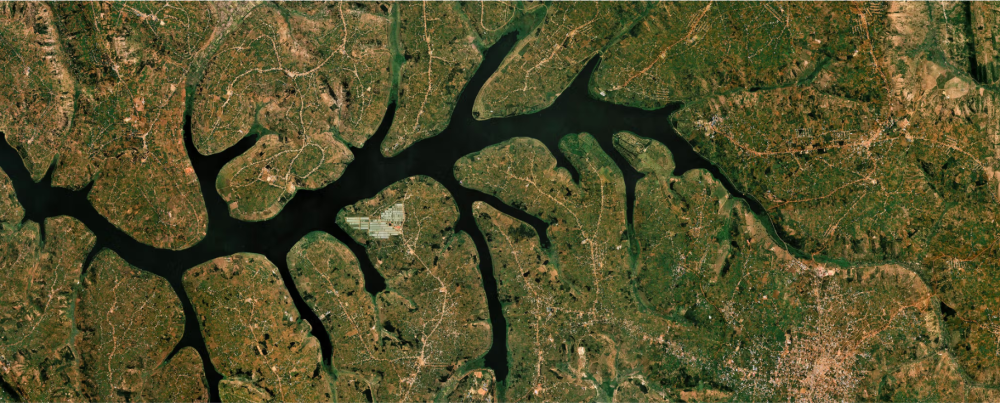
Rwandan institutions are set to start using near-daily satellite imagery and data to support evidence-based decision-making, thanks to a new partnership with Planet.
The Fourth Criminal Court in Damascus also sentenced Assad's younger brother, Maher al-Assad, and his maternal cousin Atef Najib to death in connection with crimes committed during the conflict, which is estimated to have killed about half a million people.
Judge Fakhareddine al-Aryan said during a session broadcast on state television that Bashar al-Assad had used government institutions to carry out war crimes and crimes against humanity.
The verdict marks a significant moment for Syria, where the Assad family ruled for roughly five decades before Bashar al-Assad was ousted in December 2024 following a rapid rebel offensive.
Assad and Maher fled to Russia after the collapse of the government and were granted political asylum. Syria's new authorities have since called on Moscow to hand the two men over, but they remain outside the country and were sentenced in absentia.
Najib, a former Syrian army brigadier general, was present in court. He previously headed the Political Security Branch in Daraa province in southern Syria, where anti-government protests erupted in 2011.
His role in the crackdown on early demonstrations has made him one of the highest-ranking former regime officials to face trial. The unrest began after teenagers were arrested and tortured for writing anti-government graffiti on a school wall in Daraa. The incident helped trigger wider protests against Assad's government.
The demonstrations were met with a government crackdown and eventually developed into a prolonged civil war.
Najib had been sanctioned by the U.S. Treasury Department in April 2011. He was later detained by Syrian authorities and brought before the court.
Maher al-Assad previously commanded the Syrian military's 4th Armored Division. Syrian opposition activists have accused the unit and its leadership of killings, torture, extortion and drug trafficking, as well as operating detention facilities.
The death sentences represent the first such judgments against the former Syrian leadership since the end of Assad family rule.
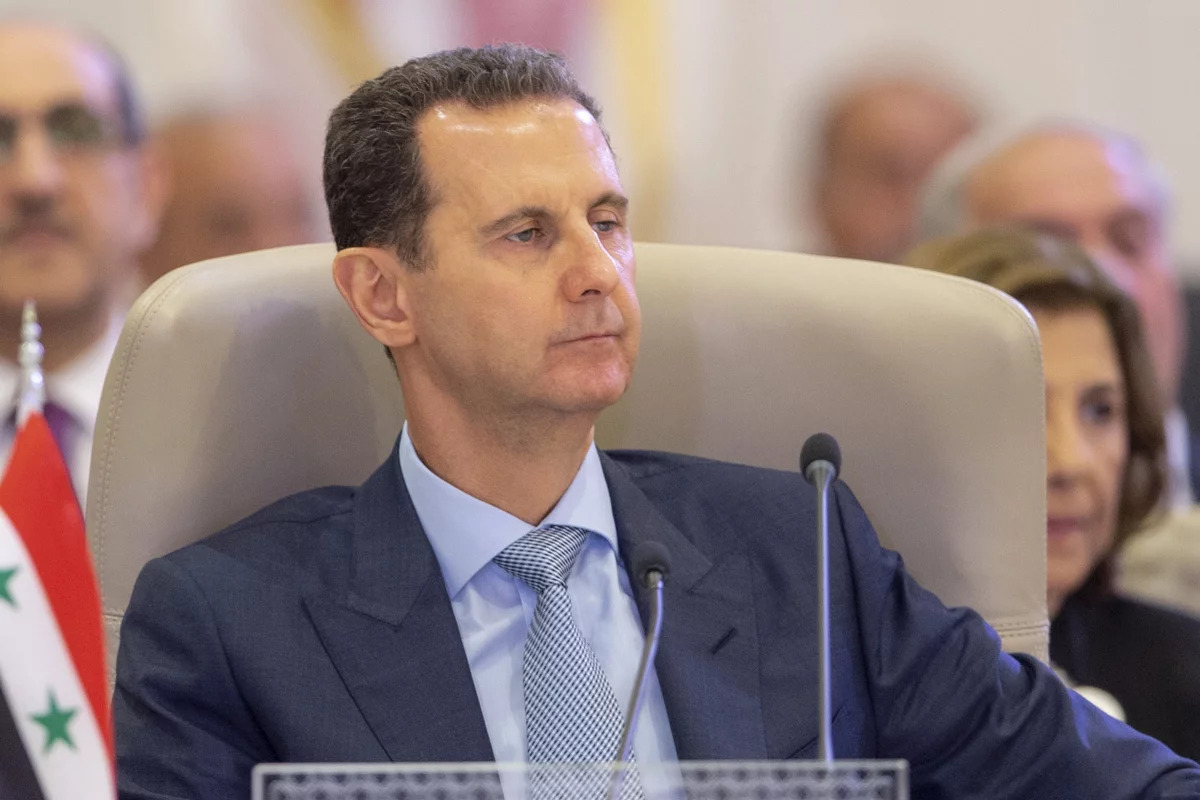
A Syrian court on Tuesday sentenced former President Bashar al-Assad to death in absentia for crimes against humanity and war crimes committed during the country's 14-year conflict, in the first major judicial verdict against the former leader or members of his inner circle since his regime fell.
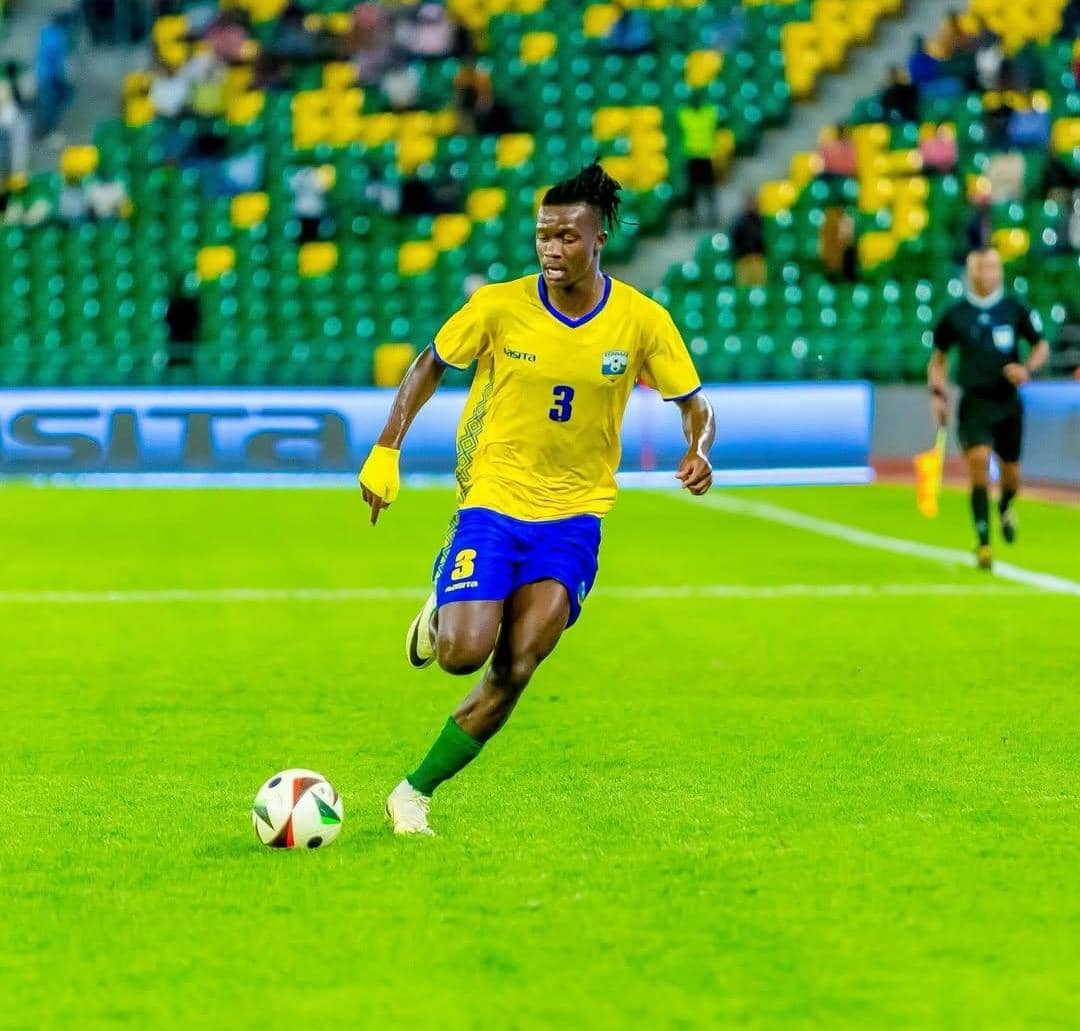
The 31-year-old Amavubi left-back arrives in India after two seasons with Cypriot top-flight club AEL Limassol, where he made 33 league appearances across the 2024-25 and 2025-26 campaigns. His experience and ability to operate in multiple defensive positions are expected to add further depth to Chennaiyin's backline.
Primarily a left-back, Imanishimwe can also play as a left-sided centre-back or wing-back. That versatility could give Chennaiyin head coach Clifford Miranda greater tactical flexibility, particularly when switching between defensive systems during matches.
Imanishimwe, or 'Mangwende' as he is popularly known, began his senior career with Rayon Sports during the 2014-15 season before moving to APR FC in 2016. He went on to spend five seasons with APR, establishing himself as one of Rwanda's prominent defenders while winning four Rwandan Premier League titles and a Peace Cup.
His performances also earned him opportunities in African continental competitions, including the CAF Champions League and CAF Confederation Cup. In 2021, he took the next step in his career by joining Moroccan club AS FAR Rabat.
The move proved successful, with Imanishimwe making more than 70 appearances across competitions during his three-season spell. He featured 24 times in the league during the 2022-23 campaign as AS FAR won the Botola Pro title with 67 points, ending a 15-year wait for the Moroccan championship. He also contributed three assists that season.
Imanishimwe moved to Europe in July 2024, joining AEL Limassol. During the 2025-26 season, he made 20 league appearances and played 1,622 minutes, maintaining a regular role in the Cypriot side's defensive setup.
His move to India now represents another chapter in a career spanning three different footballing environments.
For Chennaiyin, the Rwandan international offers more than defensive cover. His experience of playing in four-man and three-man defensive systems could allow Miranda to deploy him according to the demands of different opponents.
With foreign-player slots an important consideration in ISL squad building, Imanishimwe's ability to cover multiple positions could make his addition particularly valuable as Chennaiyin prepare for the new campaign.
The 31-year-old Amavubi left-back arrives in India after two seasons with Cypriot top-flight club AEL Limassol, where he made 33 league appearances across the 2024-25 and 2025-26 campaigns.
Titled A Great Book with Barack Obama, the series will premiere exclusively on Audible on September 24. It is being produced by Audible in collaboration with Higher Ground, the production company founded by Obama and former first lady Michelle Obama.
Each episode will focus on one of six books chosen by Obama, with the former president discussing the work with a guest. The guests have not yet been announced.
Obama's selections span a range of literary styles and subjects. They include Toni Morrison's Song of Solomon, James Baldwin's The Fire Next Time, Cormac McCarthy's All the Pretty Horses, Marilynne Robinson's Gilead, Robert Penn Warren's All the King's Men and John le Carré's Tinker Tailor Soldier Spy.
'Great books have always helped me figure out who I am and what I believe,' Obama said in announcing the series. He said the six books had remained with him throughout his life and each offered something to teach about the human experience.
The conversations will examine why the books have resonated with Obama, how literature can influence the way people understand themselves and others, and the continuing importance of reading.
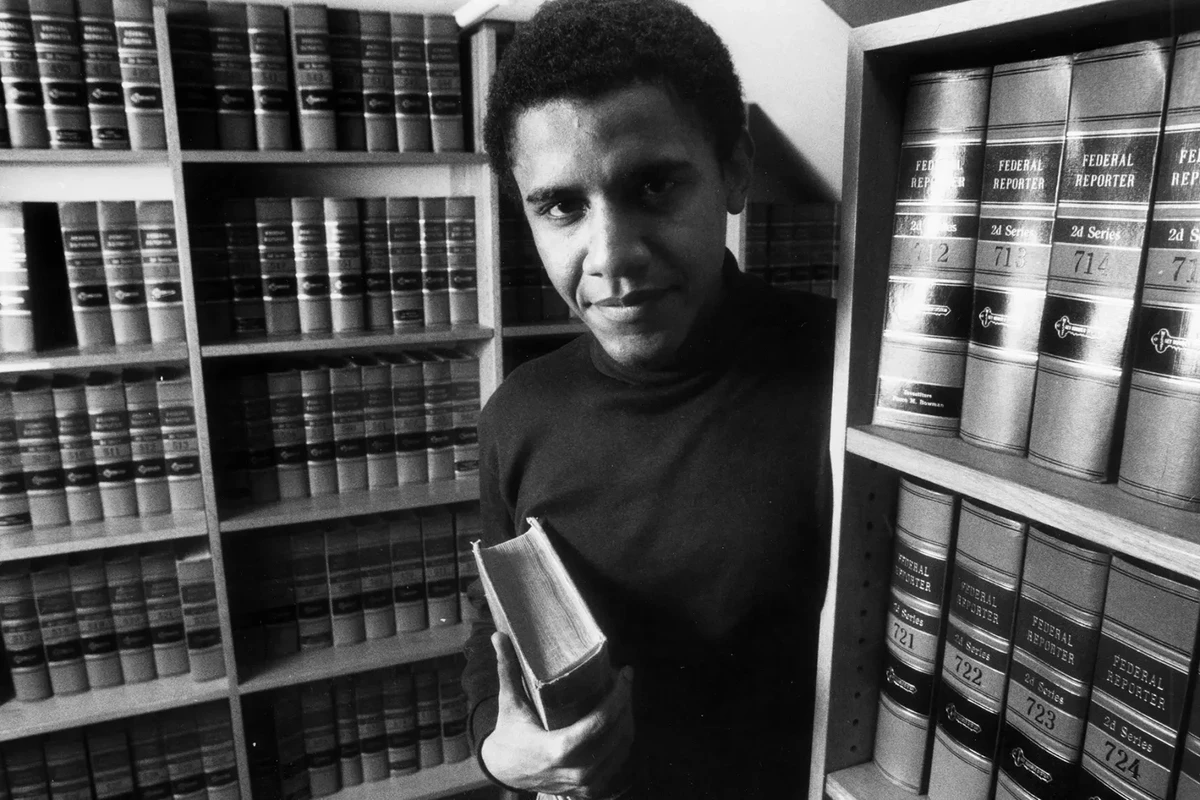
Barack Obama in the office of 'The Harvard Law Review,' on February 5, 1990.
The project is the latest in a series of creative ventures pursued by Obama since leaving the White House. Higher Ground has produced films, documentaries and podcasts, including the 2021 series Renegades: Born in the USA, which Obama co-hosted with musician Bruce Springsteen.
The new podcast also continues Obama's long-standing public interest in literature. He regularly shares reading recommendations, including annual summer and end-of-year book lists. His latest summer selections, published in July, included works by Tayari Jones, George Saunders, Elizabeth Strout, Ben Lerner and Colson Whitehead.
Unlike many of his recent recommendations, the books selected for A Great Book are largely older works. Five were published in the 20th century, while Robinson's Gilead was released in 2004.
The podcast marks the first Audible project in which Obama himself serves as host under Higher Ground's partnership with the platform.
The Kenyan creator had been experimenting with the language she was learning after moving to Rwanda. When the video drew attention, she decided to keep going, and Kinyarwanda gradually became part of her creative identity.
Today, Njoki combines Kinyarwanda, humour and storytelling in her videos while working as a communications strategist at Blue Oceans Rwanda.
Through Unscripted with Njoki, her interview series on Instagram and TikTok, she features personalities from Rwanda's sports and entertainment scene, alongside content about everyday life and her experiences in the country.
But the journey that brought her to Rwanda was not exactly planned.
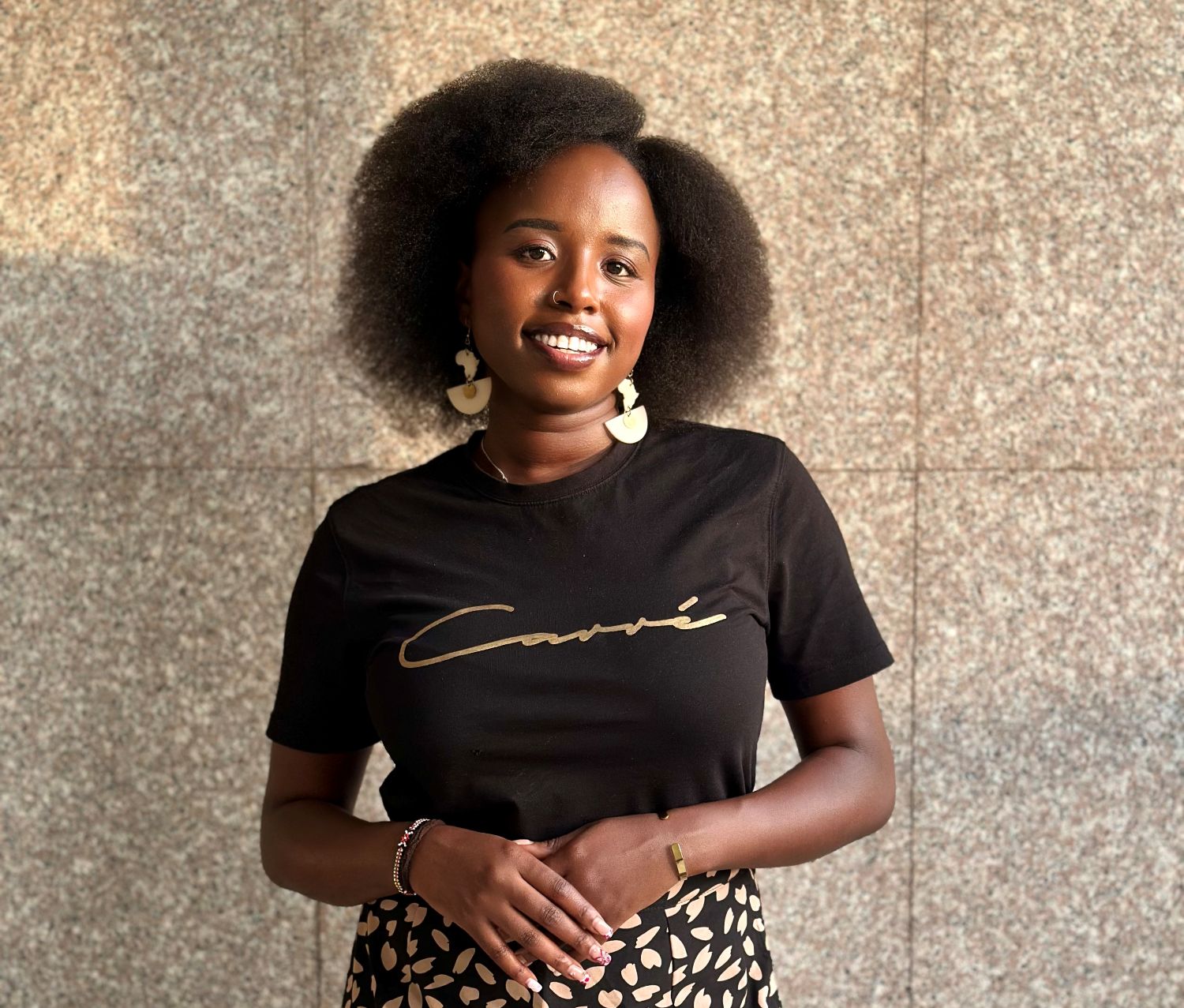
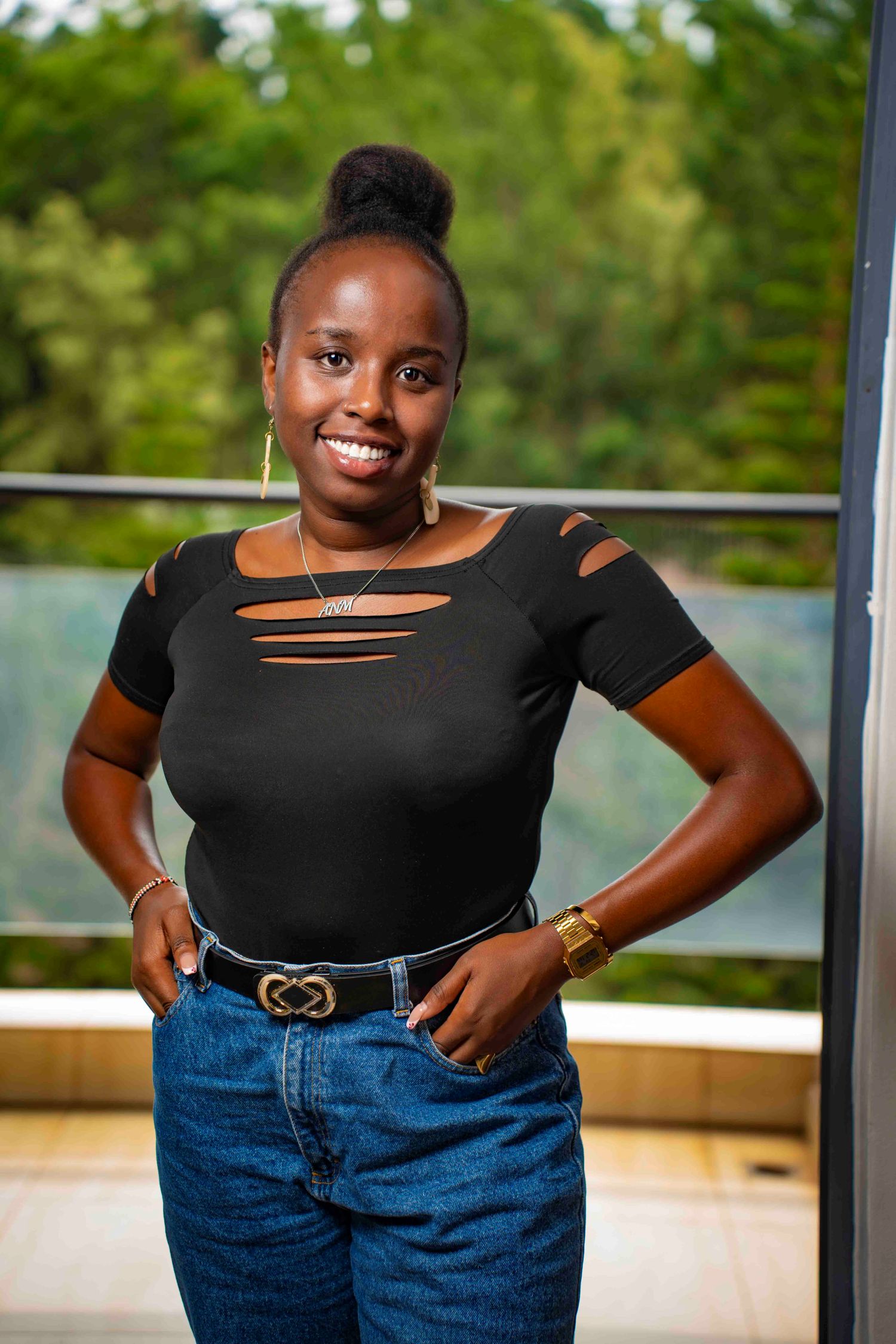
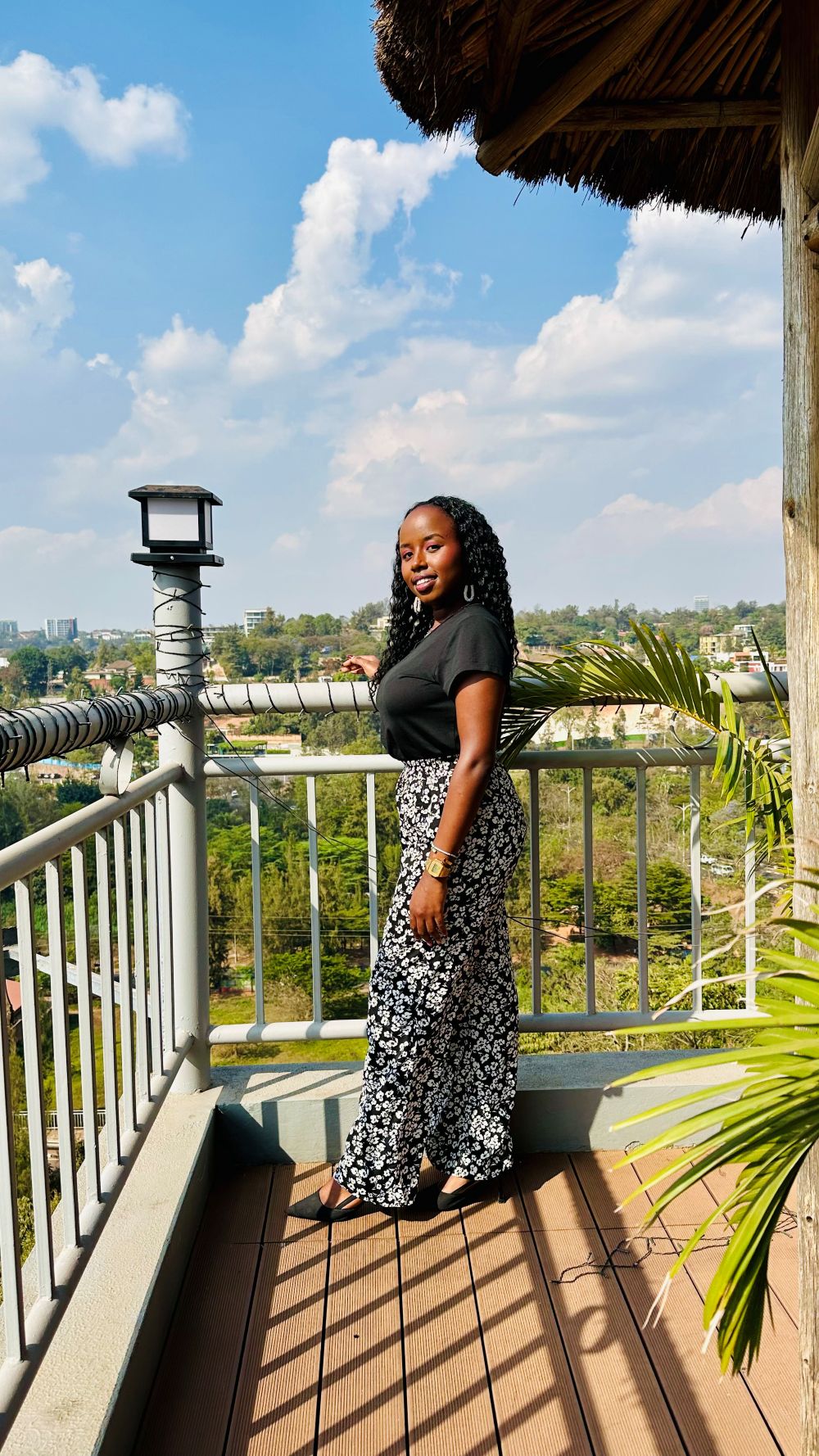
Njoki combines Kinyarwanda, humour and storytelling in her videos while working as a communications strategist at Blue Oceans Rwanda.
Njoki came to Rwanda in November 2021 to visit her cousin during her gap year. What began as a short visit eventually led to university and a career.
She enrolled at East African University Rwanda, where she studied journalism and mass communication and graduated at the top of her class. Nearly five years later, she has established herself professionally while growing her online presence.
'I love Rwanda. Rwanda is nice. It's been nice. It's been a good ride so far. I'm enjoying myself. I'm putting out content, you know, I'm living life every day, one day at a time,' Njoki remarked during an exclusive interview with IGIHE.
For Njoki, her Rwanda experience has been about more than work and social media. It has involved learning a new language, navigating a different culture, being away from family and adapting to a different pace of life.
And somewhere along the way, Kinyarwanda, once one of her biggest challenges, became one of the ways she connected with Rwanda.
From struggling with Kinyarwanda to going viral
Learning Kinyarwanda was initially one of Njoki's biggest challenges after moving to Rwanda.
'Kinyarwanda is not easy. It is not easy. At first, the language was like, 'Yo, I'm so lost. I can't get anything.' But with time, I learned it,' she recalled.
She picked up much of the language from friends at university and colleagues at work. Her Kikuyu background also helped her recognise similarities between some words in the two Bantu languages.
Even after years in Rwanda, Njoki says learning Kinyarwanda remains an ongoing process.
'Sometimes I forget some words. It's a learning process. It never ends,' she explained.
Her experience with the language eventually became an unexpected source of inspiration.
After seeing Kenyan content creator Debby Rono do an impression of how Kinyarwanda sounded to her, Njoki decided to try her own version, drawing on the words she had learned.
'I did that, and the first video got a lot of attention, and I was like, 'Oh, this works. Let me do more,'' she recalled.
The response encouraged her to keep experimenting, and Kinyarwanda soon became a recurring feature of her videos.
For Njoki, the language is not simply a way to entertain. It has also become a
way of engaging with Rwandan culture and sharing her experience as a Kenyan living in the country.
Njoki came to Rwanda in November 2021 to visit her cousin during her gap year. What began as a short visit eventually led to university and a career.
Finding a different pace of life
One of the biggest ways Rwanda has influenced Njoki, she says, is by changing how she approaches everyday life.
Coming from Kenya, she describes life there as fast-paced and energetic. In Rwanda, she learned to slow down, be more approachable and take things as they come.
'Rwanda has taught me that you can actually become. You don't have to always be in a rush every time, in like defensive mode every time,' she noted.
'I feel like since I came to Rwanda, I've learned how to be a bit calmer, and just chill, and take a minute to take in life as it comes.'
She says the experience has also broadened her perspective and exposed her to different cultures.
'Rwanda has also taught me to open up my mind and embrace different cultures, the Rwandan culture. And because we have so many foreigners here, you're exposed to a lot,' she added, noting that adjusting to life away from home came with challenges, including learning Kinyarwanda, being separated from her family and adapting to Rwanda's food culture.
Kenya and Rwanda: Different cultures, familiar people
Njoki sees clear cultural differences between Kenya and Rwanda.
She describes Kenyans as generally more outspoken and energetic, while she sees Rwandans as quieter and more reserved.
'Kenyans are rowdy. There is a lot of chaos, there's a lot of loudness,' she observed.
Despite those differences, she says the two countries share similarities in areas such as religion, food and aspects of everyday life.
Ultimately, Njoki says Rwanda gives her a strong feeling of home.
'When I'm in Rwanda, I feel like I'm at home. People are the same,' she reflected.
Even after years in Rwanda, Njoki says learning Kinyarwanda remains an ongoing process.
What makes Rwanda stand out
Among the things Njoki admires most about Rwanda is what she sees as the country's deliberate efforts to promote women's participation and empowerment.
'I love the fact that you guys actually are very intentional when it comes to uplifting women, and the fact that we have so many women in parliament,' she said.
She praised efforts to ensure women are not left behind, including discussions around workplace equality and pay gaps.
'They talk about it and they actually do it,' she added.
Njoki also highlighted Rwanda's security and cleanliness, saying the country's reputation for being clean is reflected in everyday life.
'I like the fact that people here don't litter. You'll see someone walking with a bottle up to home or up to where you'll see a dustbin,' she noted.
Bigger ambitions for her career
Looking ahead, Njoki hopes to take her work to a much bigger stage.
Over the next five years, she wants to work with brands, secure partnerships, MC events, travel and develop new skills.
'I want to be doing content on a full scale. I want to work with brands. I want brand deals, to advertise for people, MC for people. I want to travel more,' she stressed.
She also hopes to use her growing platform to give back to others.
'Just pick up as many skills as I can, and just be able to give back more to people than I'm taking,' she added.
'Don't let anyone shame you for trying'
For young people who are afraid of being judged when pursuing their ideas, Njoki urged them not to let criticism or embarrassment hold them back.
'Don't let anyone shame you for trying,' she urged.
She encouraged young people not to abandon their ideas simply because others consider them embarrassing or 'cringe.'
'You see that thing people are calling cringe? Nah, do it,' she remarked.
Her advice is to keep trying, take things one day at a time and remember that no one has everything figured out.
'No one has everything figured out. So, just try and don't let anyone shame you for trying.'
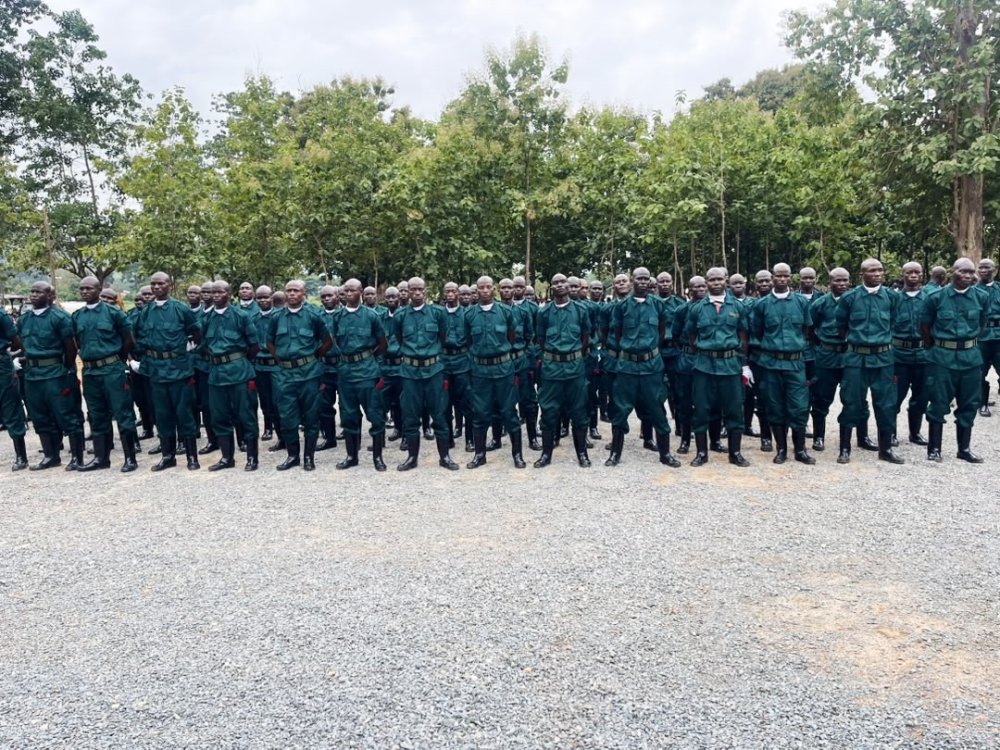
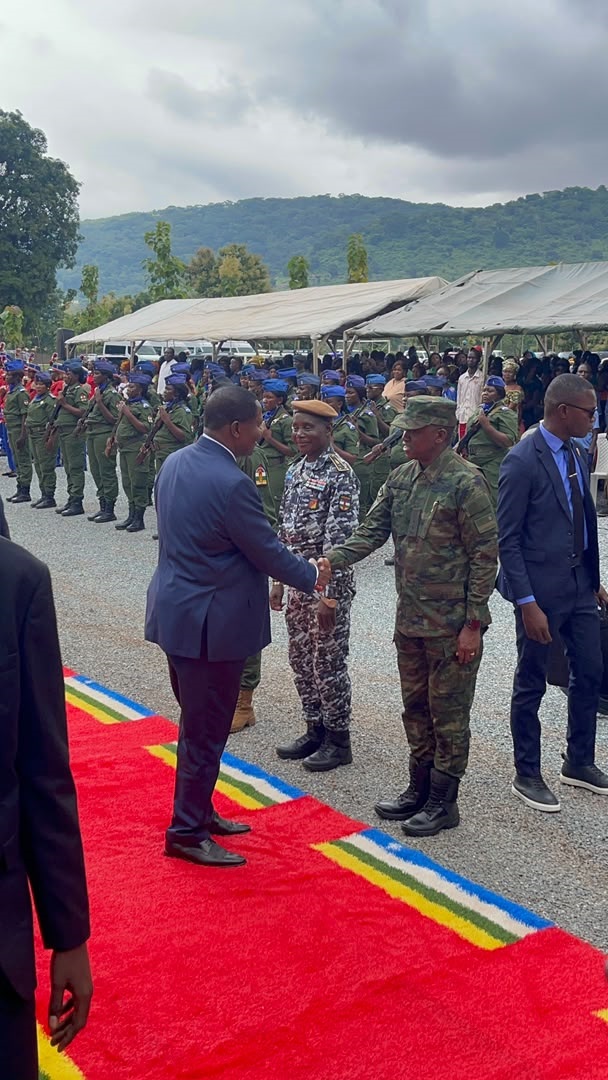
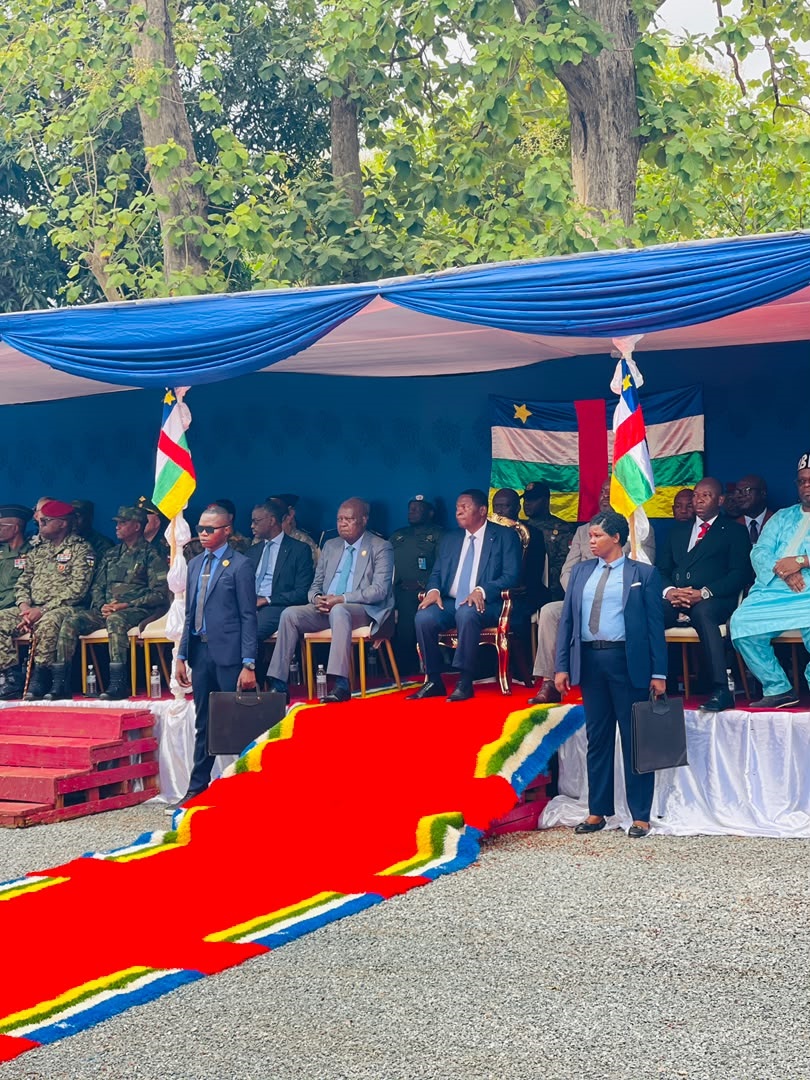
The graduation ceremony was held in Bangui on August 10, 2026, and was presided over by Central African Republic President and Commander-in-Chief of the armed forces Faustin-Archange Touadéra.
RDF Army Chief of Staff, Maj Gen Vincent Nyakarundi and Rwanda's Ambassador to the Central African Republic, Olivier Kayumba, attended the ceremony.
The training equipped the soldiers with skills intended to help them safeguard the country's sovereignty, including weapons handling, hand-to-hand combat and basic medical services.
Rwanda has maintained troops in the Central African Republic since 2020 under a bilateral agreement to counter insurgent groups and safeguard civilian lives.
Building on positive results of the cooperation, Rwanda has committed to supporting the Central African Republic in developing its armed forces' capabilities, with the aim of enabling them to fulfil their responsibilities effectively and operate more professionally.
In November 2025, Rwanda's Ministry of Defence said the RDF had trained 2,409 junior soldiers from the Central African Republic, as well as 300 non-commissioned officers.
Among those trained by the RDF were 545 soldiers who completed their training on November 29, 2025.
CAR soldiers join more than 2,400 others trained by the RDF.RDF Army Chief of Staff, Maj Gen Vincent Nyakarundi and Rwanda's Ambassador to the Central African Republic, Olivier Kayumba, attended the ceremony.
The event was also aimed at raising awareness about cancer prevention and encouraging people to seek early screening for the disease, which remains a major health concern globally.
According to GLOBOCAN, an international cancer statistics database, about 7,000 people in Rwanda are diagnosed with cancer every year, with more than half of them dying from the disease.
Between 2019 and 2023, Rwanda recorded 26,092 new cancer cases, while 8,578 people died from the disease, representing a mortality rate of 32.9%.
Concerned by the impact of cancer, Rotary Clubs across Rwanda have launched a fundraising campaign to purchase a SPECT scanner, a medical imaging machine used to detect and monitor cancer as well as other serious conditions affecting organs such as the brain and bones.
The machine is estimated to cost $5 million, equivalent to more than Rwf7 billion.
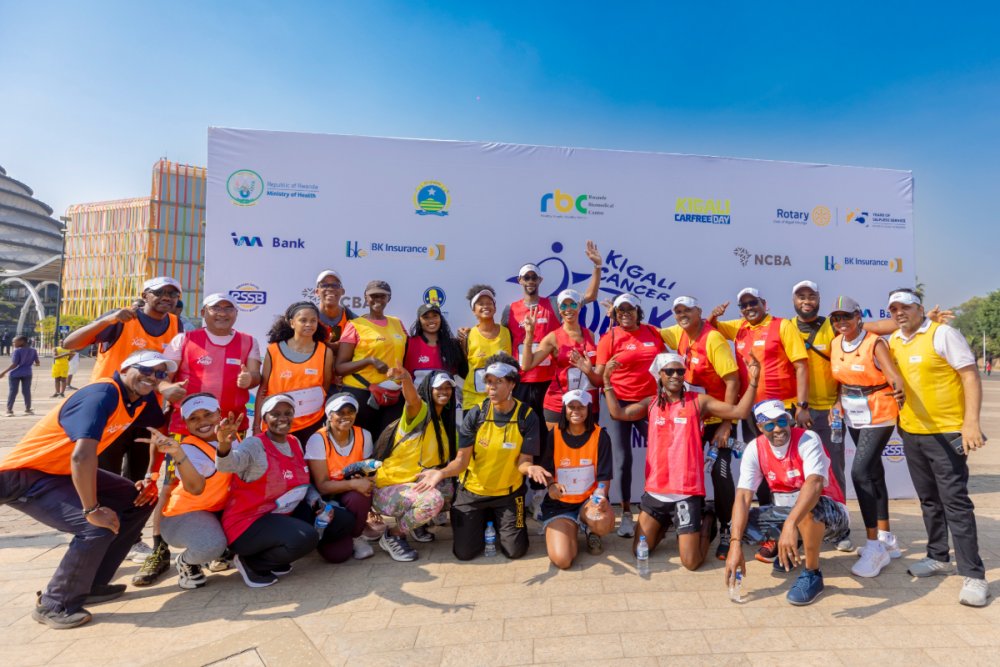
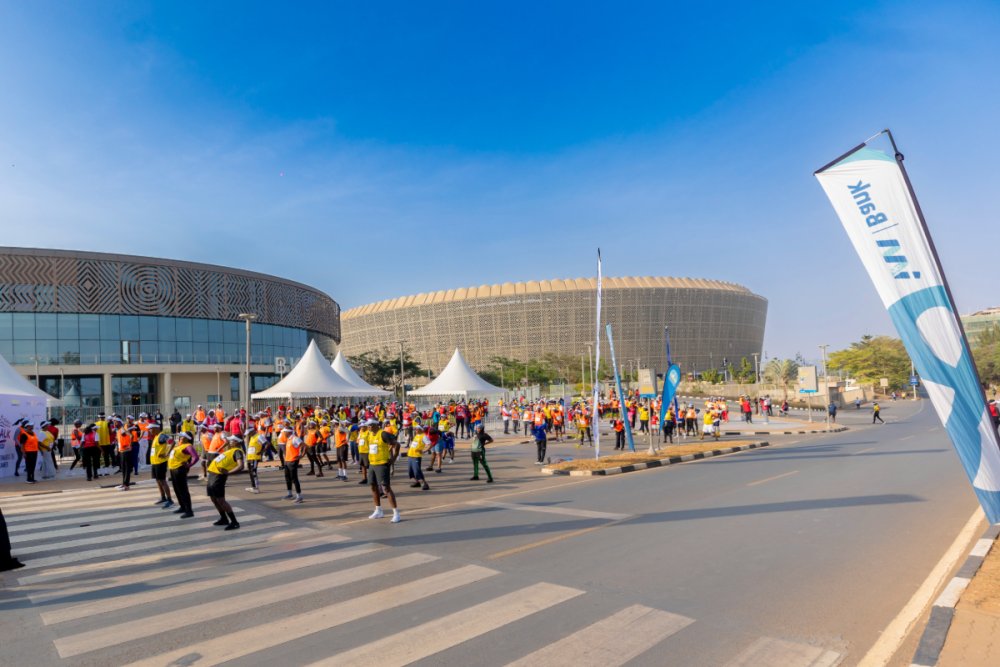
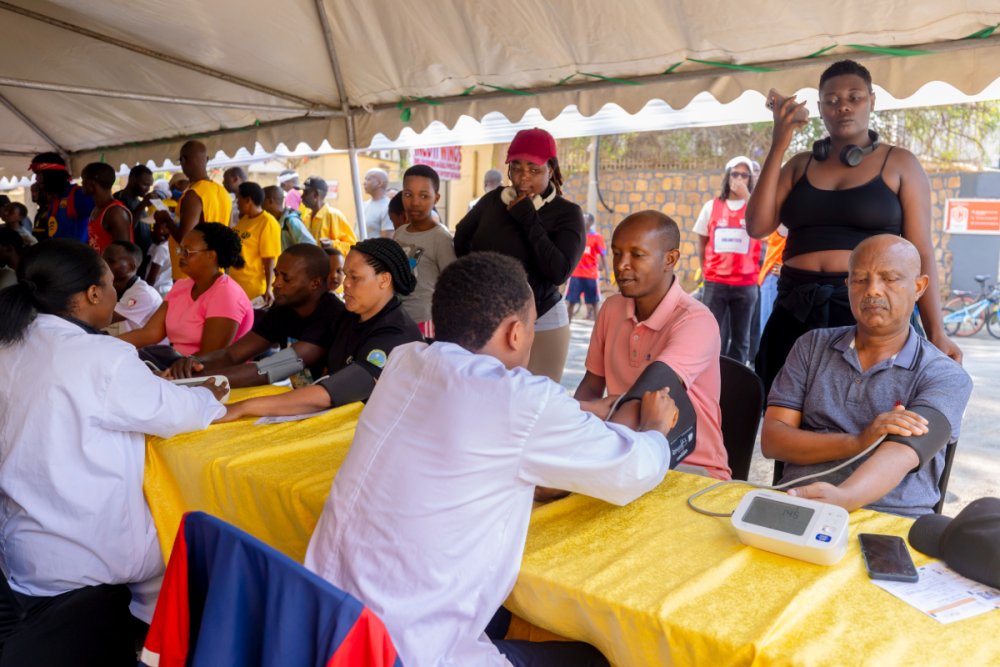
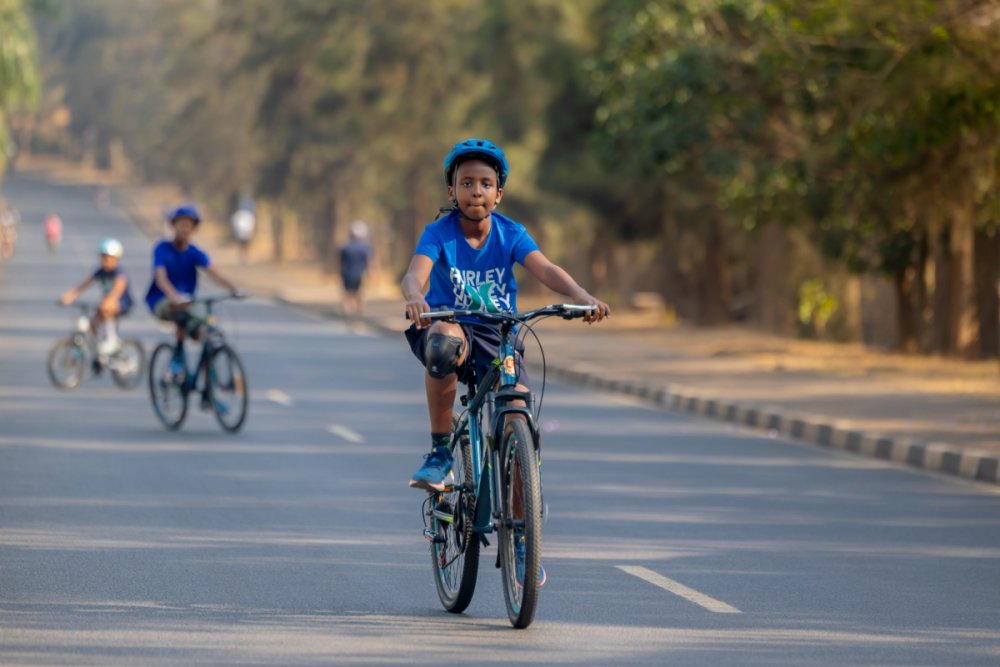
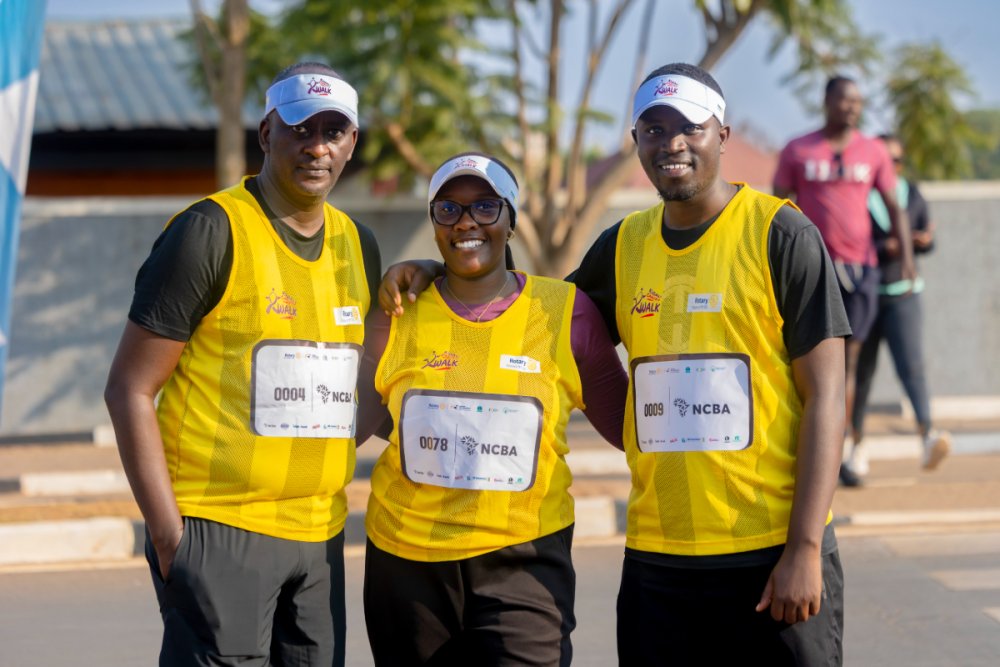
The fundraising campaign was launched as part of the Car Free Day activities, with Rotary Clubs and the Ministry of Health using the event to encourage Kigali residents to learn more about cancer, its prevention and the importance of early diagnosis.
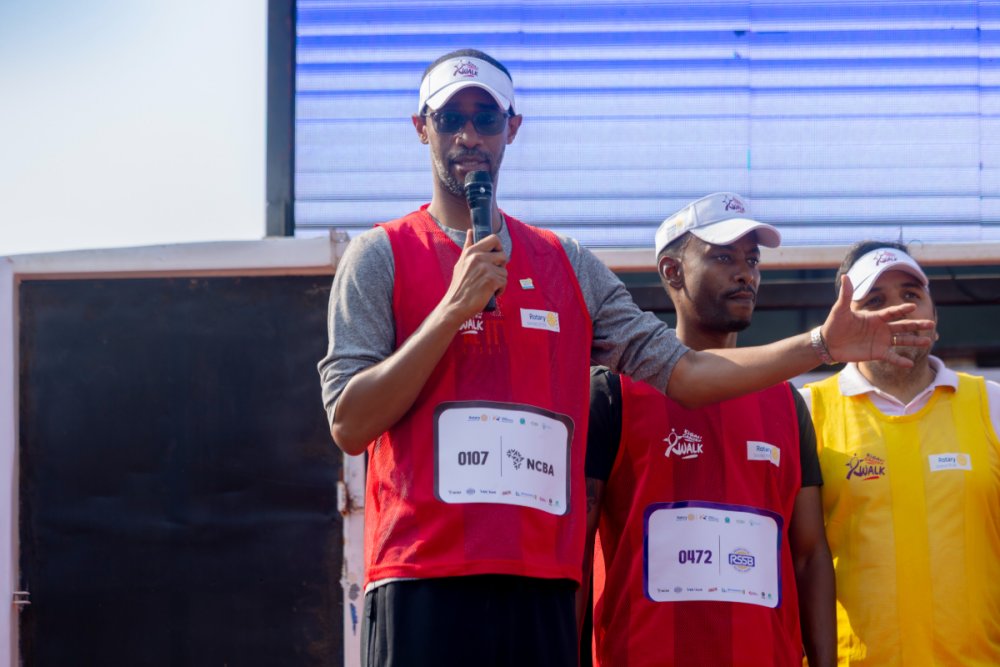
Alex Ndibwami, President of Rotary Club of Kigali Virunga, said the initiative was prompted by the number of people who die from cancer because the disease is often detected late or its spread in the body cannot be properly assessed.
'Statistics show that many people in Rwanda die from cancer because they do not have the opportunity to get screened early. Some of them could have been treated successfully if the disease had been detected earlier. Even when cancer is diagnosed, it can be difficult to determine whether it has spread to other parts of the body,' Ndibwami said.
He added that Rwandans who can afford to seek specialised cancer services abroad spend at least $3,000 travelling to countries such as Kenya, Uganda and Tanzania, where the equipment is available.
Rotary Clubs plan to increase the funds raised more than tenfold through partnerships with various institutions, particularly financial institutions, with a target of raising $500,000 by the end of 2026.
'We are exploring ways to increase the funds by more than tenfold so that, by the end of 2026, we will have raised at least $500,000 through partnerships with financial institutions, including banks, and other organisations,' Ndibwami said.
He said the Rotary Clubs also plan to approach Rotary International to seek its support in acquiring the SPECT scanner for Rwanda.
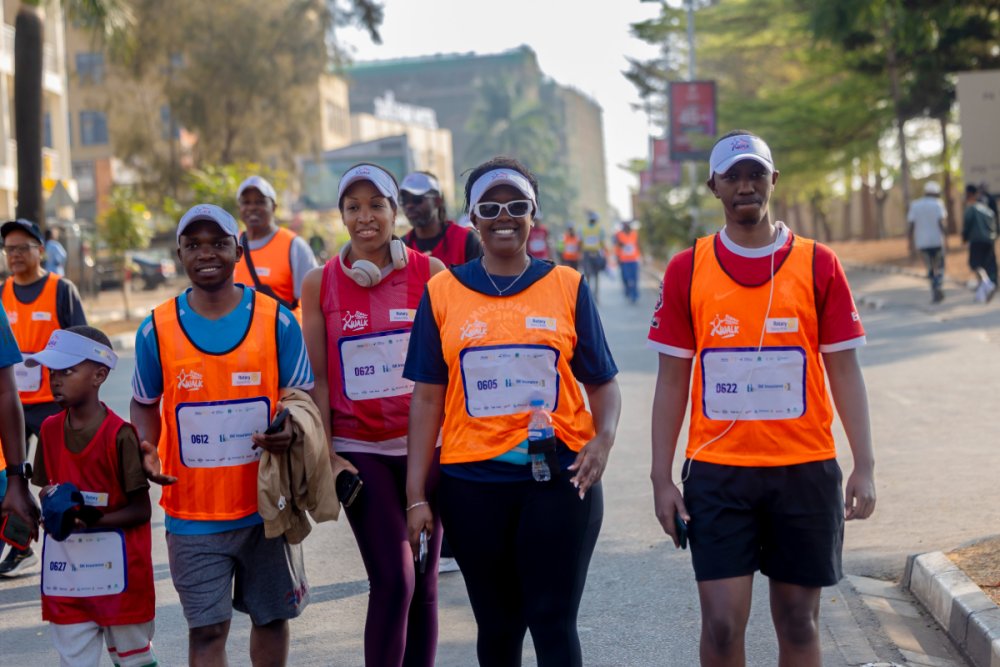
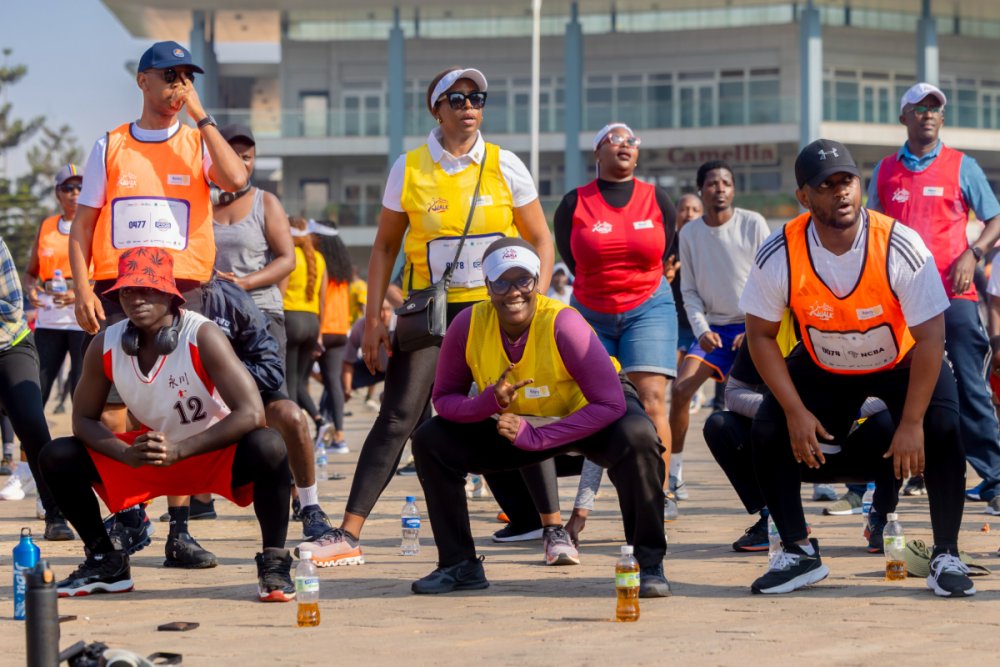
Members of various Rotary Clubs in Rwanda joined Kigali residents for the public exercise.Kigali residents take part in physical exercise during the Car Free Day activities.Rotary Club of Kigali Virunga President Alex Ndibwami said the SPECT scanner fundraising campaign was launched as part of efforts to contribute to the fight against cancer.Members of various Rotary Clubs in Rwanda joined Kigali residents for the public exercise.The Permanent Secretary in the Ministry of Health Ndayizigiye Jean Marie Vianney also attended the eventYoung participants were also among those who turned up for the public exercise.Non-communicable diseases were screened for during the public exercise that brought Kigali residents together.
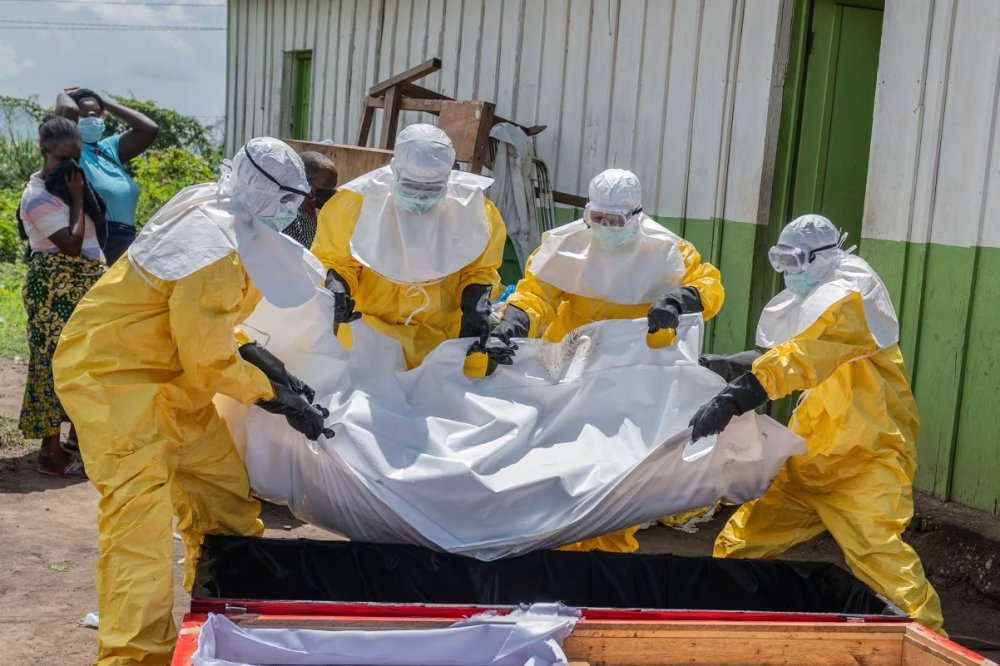
As of August 7, 2026, a total of 4,209 Ebola cases had been recorded, including 1,916 deaths, according to the latest figures released by INSP.
The report shows that 828 people had recovered from the disease, while 595 were either in isolation or receiving treatment at designated health facilities.
Ituri Province remains the epicentre of the outbreak, accounting for 86.5% of all reported cases. Meanwhile, South Kivu Province has gone 72 days without recording a new Ebola case.
The current outbreak is caused by the Bundibugyo ebolavirus. The World Health Organization (WHO) says there is currently no licensed vaccine or specific treatment for this strain, although medical interventions are being tested.
The scale of the outbreak makes it one of the most serious Ebola outbreaks recorded in the DRC since the virus was first identified in 1976.
The WHO reported on July 30 that the number of cases in the current outbreak had already surpassed the total recorded during the 2018–2020 Ebola outbreak.
The 2018–2020 outbreak recorded 3,481 cases and claimed 2,299 lives.
1,916 people have died from Bundibugyo Ebola in DRC