Author: admin

  • VAR controversy overshadows Argentina's dramatic comeback win over Egypt #rwanda #RwOT

    The reigning champions looked destined for a shock exit after falling 2-0 behind before scoring three goals in the final 13 minutes to book a quarterfinal meeting with either Colombia or Switzerland.

    Egypt stunned the holders after 15 minutes when Yasser Ibrahim rose highest to head home Marwan Attia’s inviting cross and silence the crowd at Atlanta Stadium.

    Argentina had an immediate opportunity to respond after Nicolas Tagliafico was fouled inside the penalty area, but Lionel Messi’s tame spot-kick was comfortably saved by goalkeeper Mostafa Shobeir. The save marked Messi’s second penalty miss of the tournament, making him the first player to fail from the spot twice at a single World Cup after also missing against Austria in the group stage.

    Shobeir continued his inspired display by producing a string of outstanding saves, denying Alexis Mac Allister from point-blank range, stretching to keep out Julian Alvarez’s effort and watching Messi strike a free-kick against the post.

    Egypt thought they had doubled their advantage in the 62nd minute when Mostafa Ziko finished off a sweeping move after being set up by Mohamed Salah. The forward celebrated wildly, even taking off his shirt, only for VAR to intervene and rule out the goal after determining Marwan Attia had fouled Lisandro Martinez in the build-up.

    The decision immediately sparked debate, with television commentators questioning whether the incident fell within VAR’s remit. However, under the International Football Association Board’s (IFAB) Laws of the Game, VAR is permitted to review attacking offences, including fouls, handballs and offsides, in the build-up to a goal.

    Ziko was not to be denied for long. Five minutes later, he capped another flowing Egyptian counterattack after Salah released Haissem Hassan down the flank before the winger squared the ball for the forward to make it 2-0.

    With less than a third of the match remaining, Egypt appeared on course for one of the greatest upsets in World Cup history.

    Instead, Argentina mounted a remarkable revival.

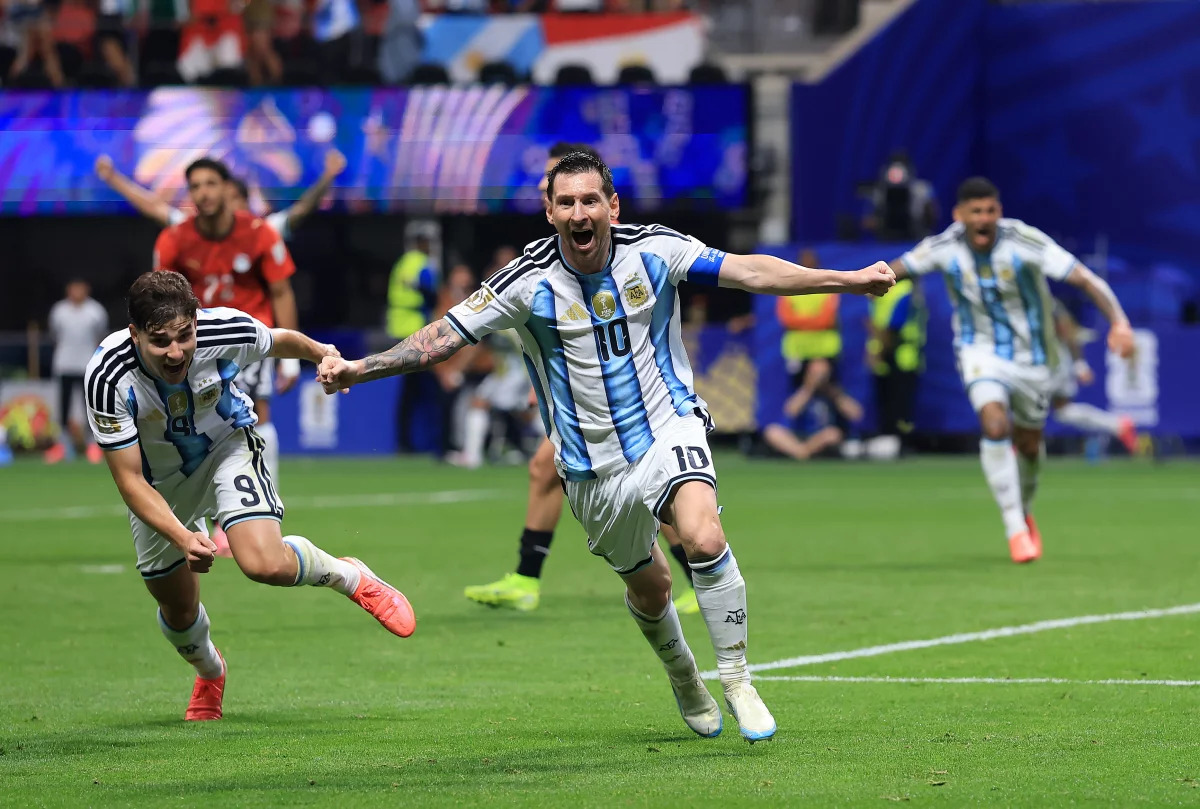
    Cristian Romero headed home Messi’s cross in the 79th minute to halve the deficit before the captain redeemed his earlier penalty miss four minutes later, smashing home the equaliser after Lautaro Martinez and Gonzalo Montiel kept the attack alive.

    Enzo Fernandez then completed the turnaround in the third minute of stoppage time, cushioning a back-post header into the bottom corner from Lautaro Martinez’s cross to seal a dramatic victory for the South Americans.

    The closing moments were engulfed in further controversy.

    Egypt believed they should have been awarded a penalty moments before Argentina launched the counterattack that led to Fernandez’s winner after Julian Alvarez appeared to catch Mohamed Salah inside the box before winning the ball. The Egyptians also felt Alexis Mac Allister had pulled Hamdi Fathy’s shirt in the same passage of play, but neither incident resulted in a VAR review.

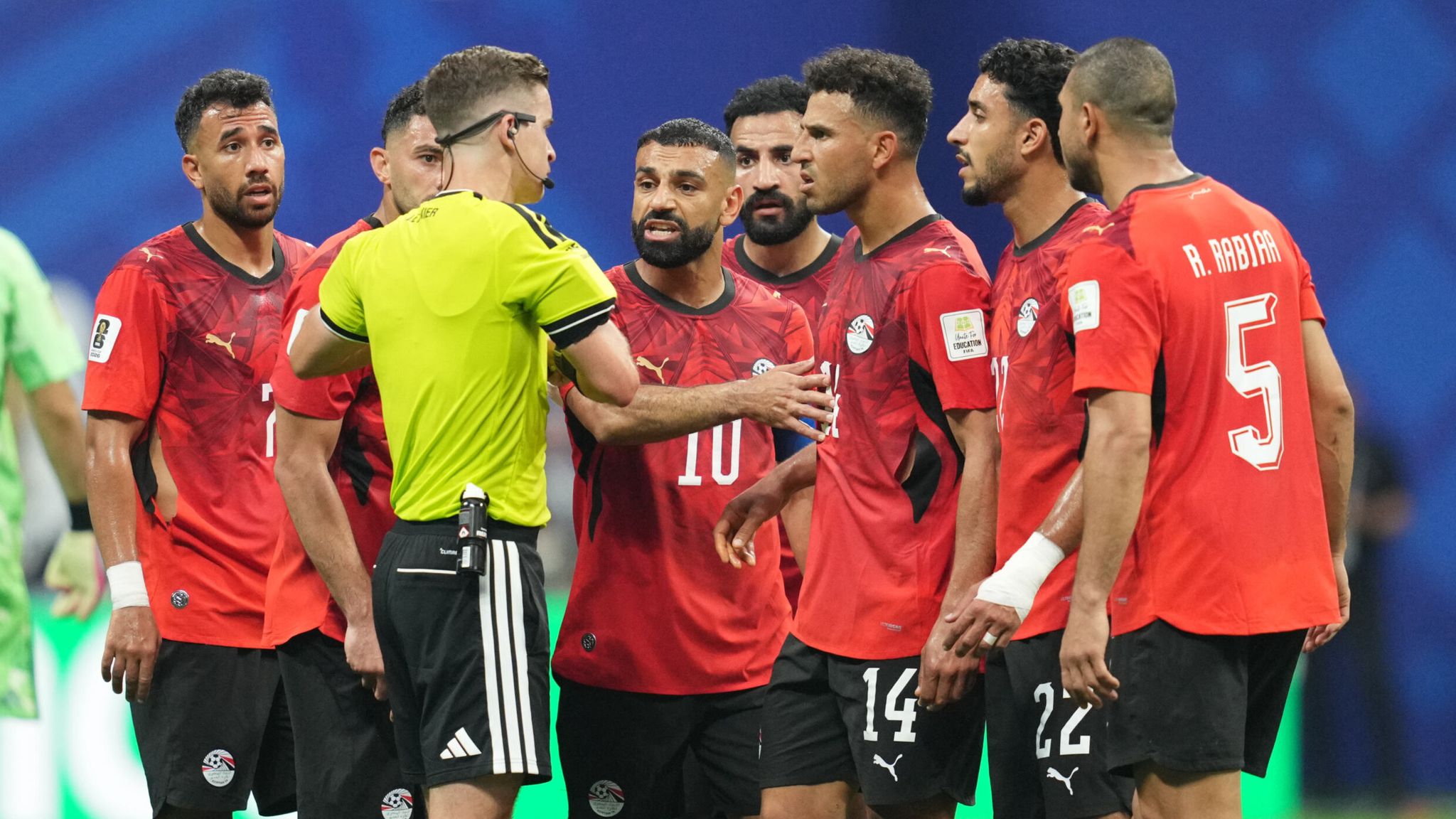
    As tempers flared, goalkeeper Mostafa Shobeir, Hamdi Fathy and Marwan Attia were all shown yellow cards, while Egypt head coach Hossam Hassan was also booked for protesting the referee’s decisions as Salah tried to calm the heated exchanges.

    Following the match, Hassan launched a scathing attack on the officiating, insisting his side had been denied a fair chance to progress.

    ‘Life is unfair. The world is unfair. Okay, but why isn’t there any fairness in sports? I’m not convinced by this outcome and by the way things unfolded in this match,’ Hassan said.

    ‘The referee is unfair. He’s wasting the effort of an entire nation. The cup is directed towards Argentina.’

    The Egypt coach also questioned why his team’s penalty appeals were not reviewed.

    ‘A penalty for us was ruled out, it was not even checked by the VAR and our second goal was, for whatever reason, disallowed,’ he said.

    ‘We have all seen the shirt pulled back and not even a VAR check. There seems to have been pressure on the Argentine side on the referee that has brought about this outcome.’

    The final whistle brought contrasting emotions for the two captains.

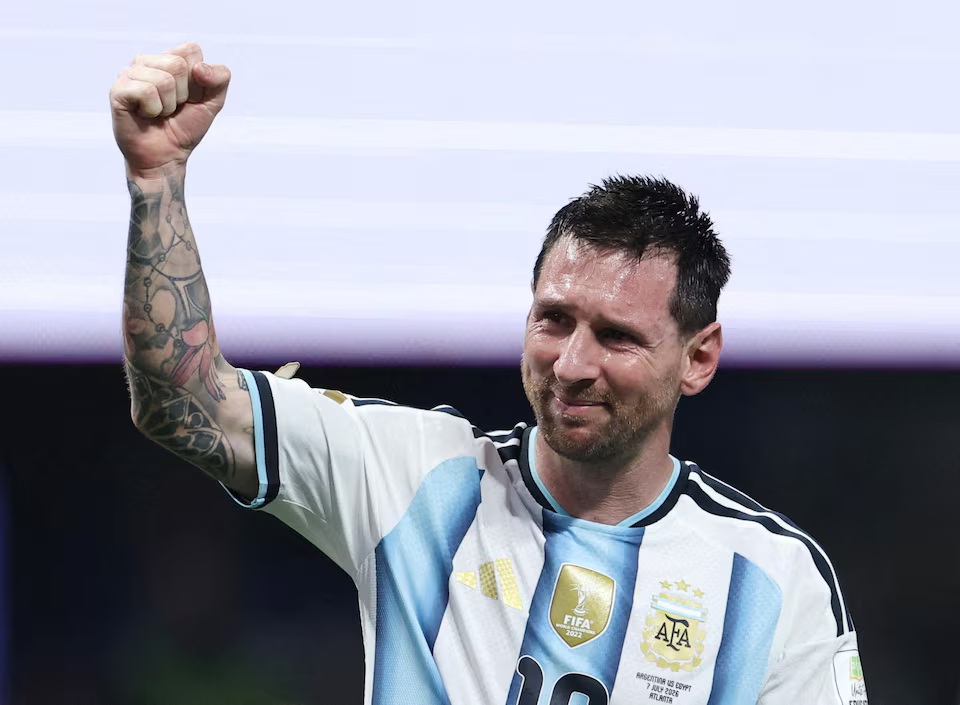
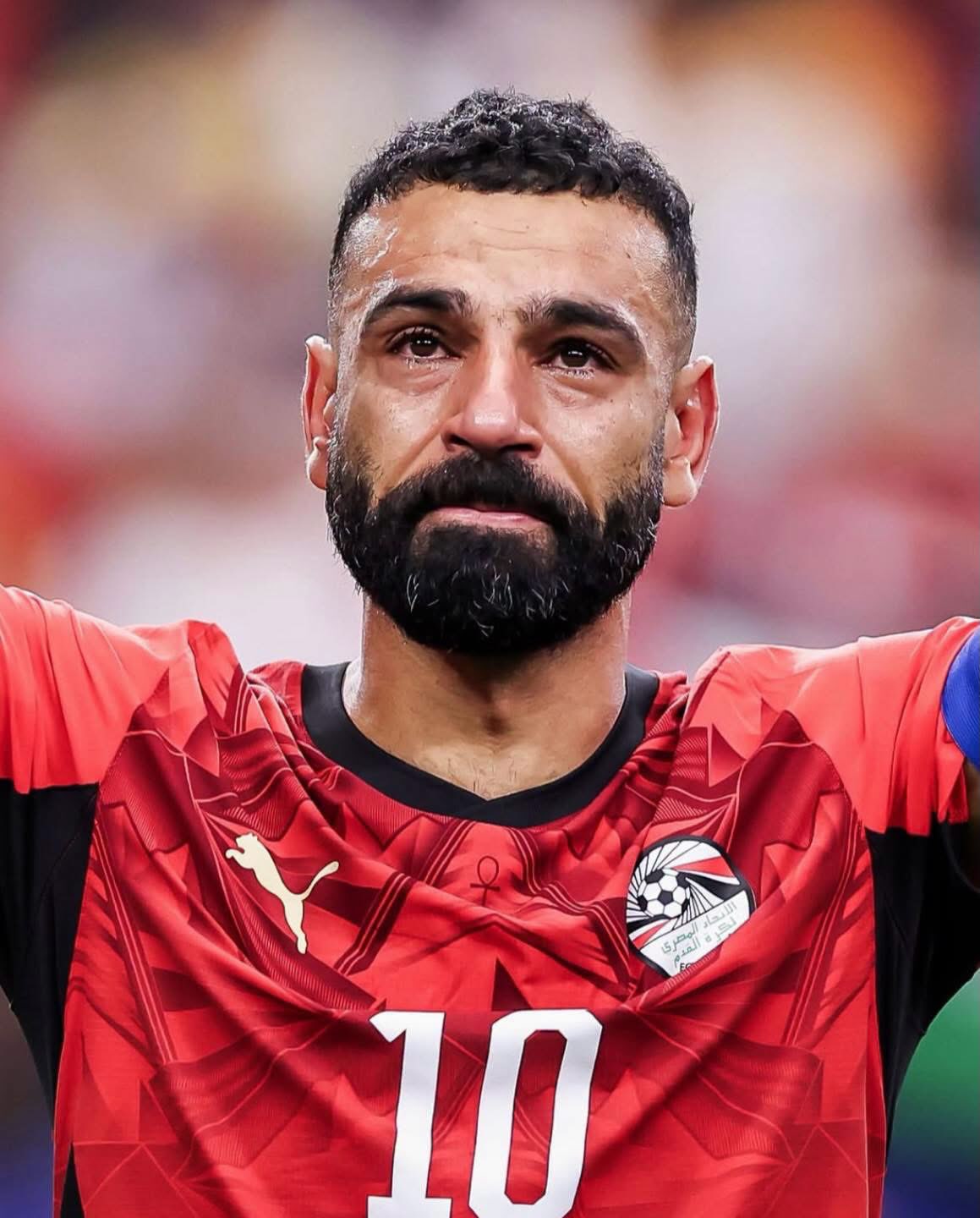
    Messi, who had endured one of the most difficult matches of his tournament before inspiring Argentina’s comeback, was reduced to tears after helping keep his country’s title defence alive.

    At the other end, Salah and his teammates were left devastated after seeing a famous victory slip away. Egypt exited the tournament with widespread admiration for pushing the defending champions to the brink, but also with a lingering sense of injustice over the officiating that overshadowed an unforgettable contest.
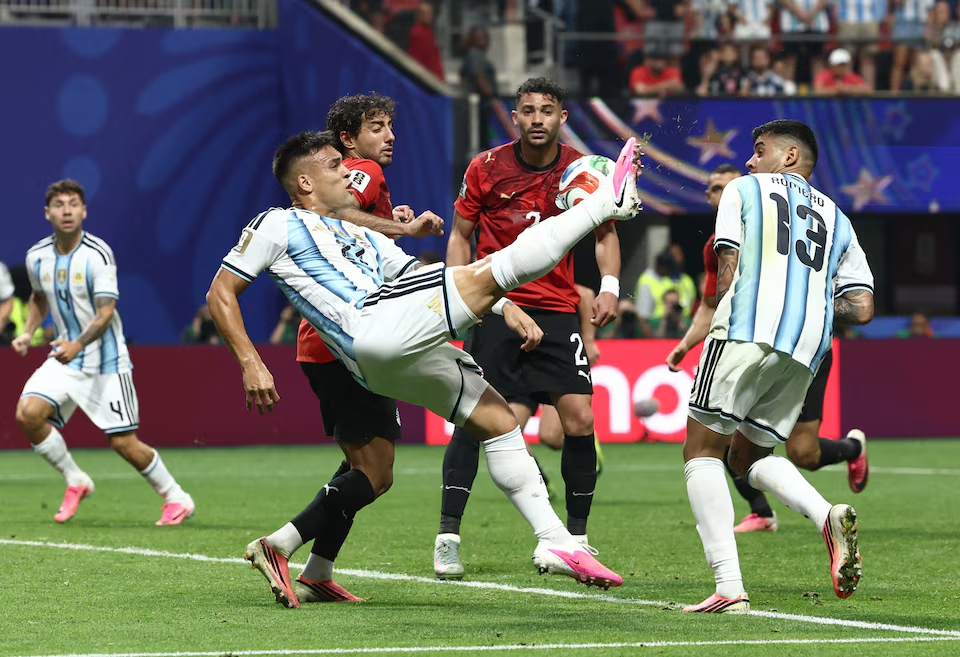
    Argentina’s Lautaro Martinez shoots at goal.
    Argentina’s Enzo Fernandez scores their third goal
    Messi celebrates after scoring an equalising goal against Egypt.
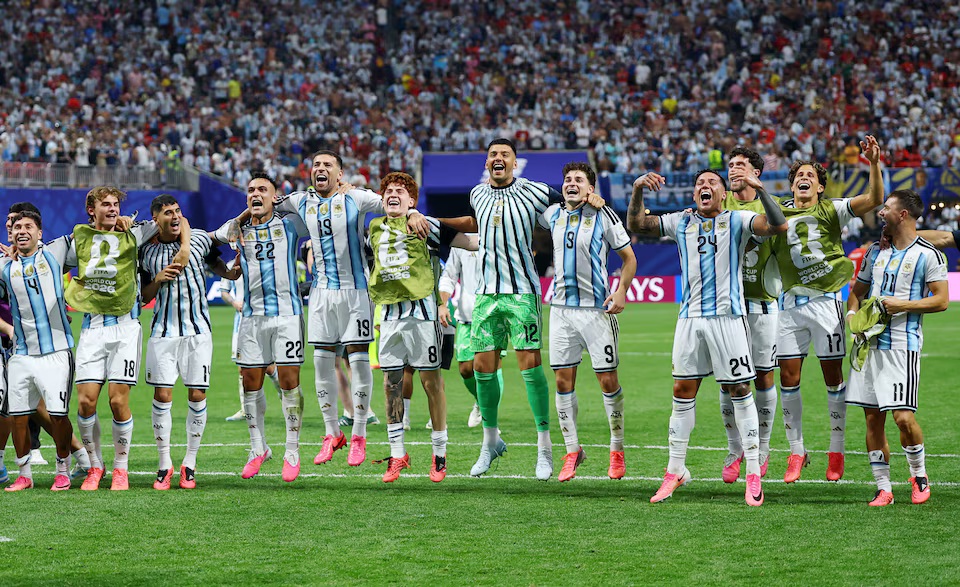
     Argentina players celebrate after victory over Egypt. 
    Messi, who had endured one of the most difficult matches of his tournament before inspiring Argentina’s comeback, was reduced to tears of joy after helping keep his country’s title defence alive.
    Tuesday’s last-16 clash was overshadowed by controversial refereeing decisions that left the Pharaohs feeling aggrieved.
    Salah was among Egypt’s players who deemed the referee’s decisions unfair.

    Source : https://new.igihe.com/english/var-controversy-overshadows-argentinas-dramatic-comeback-win-over-egypt/

  • Rwanda's 32-year transformation celebrated at Liberation Day reception in India #rwanda #RwOT

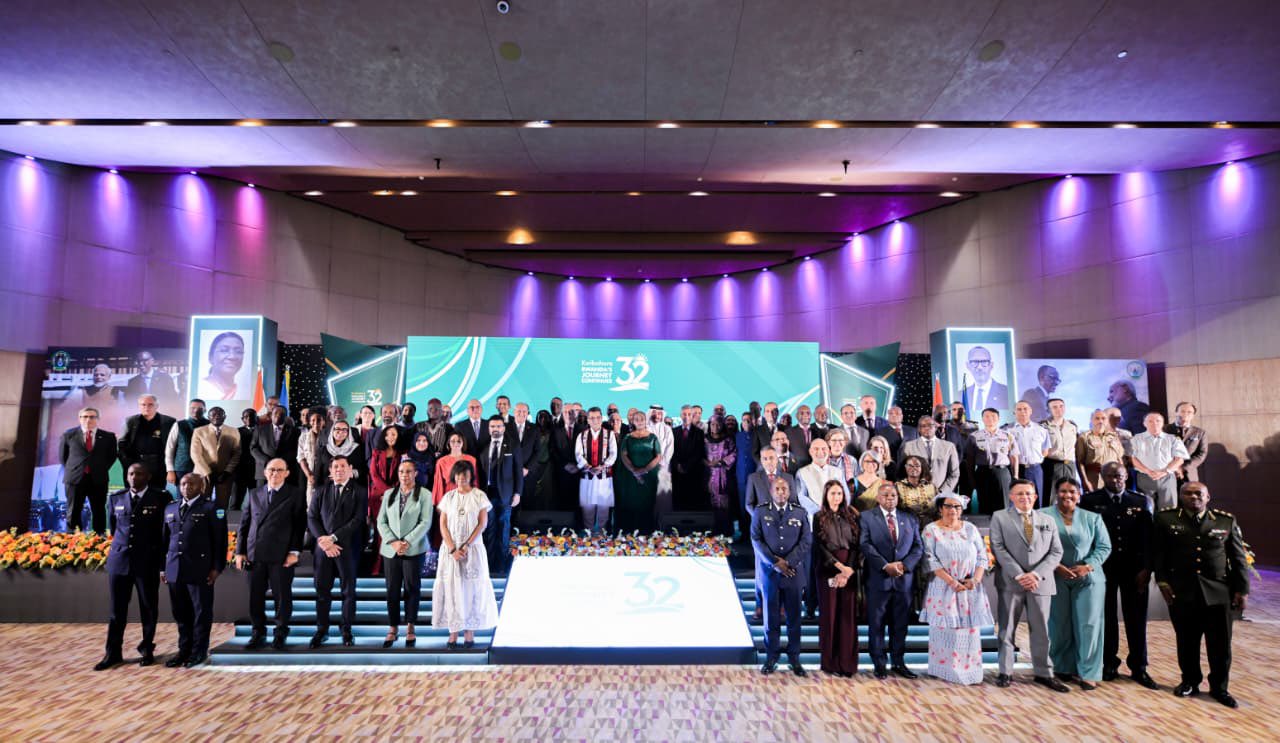
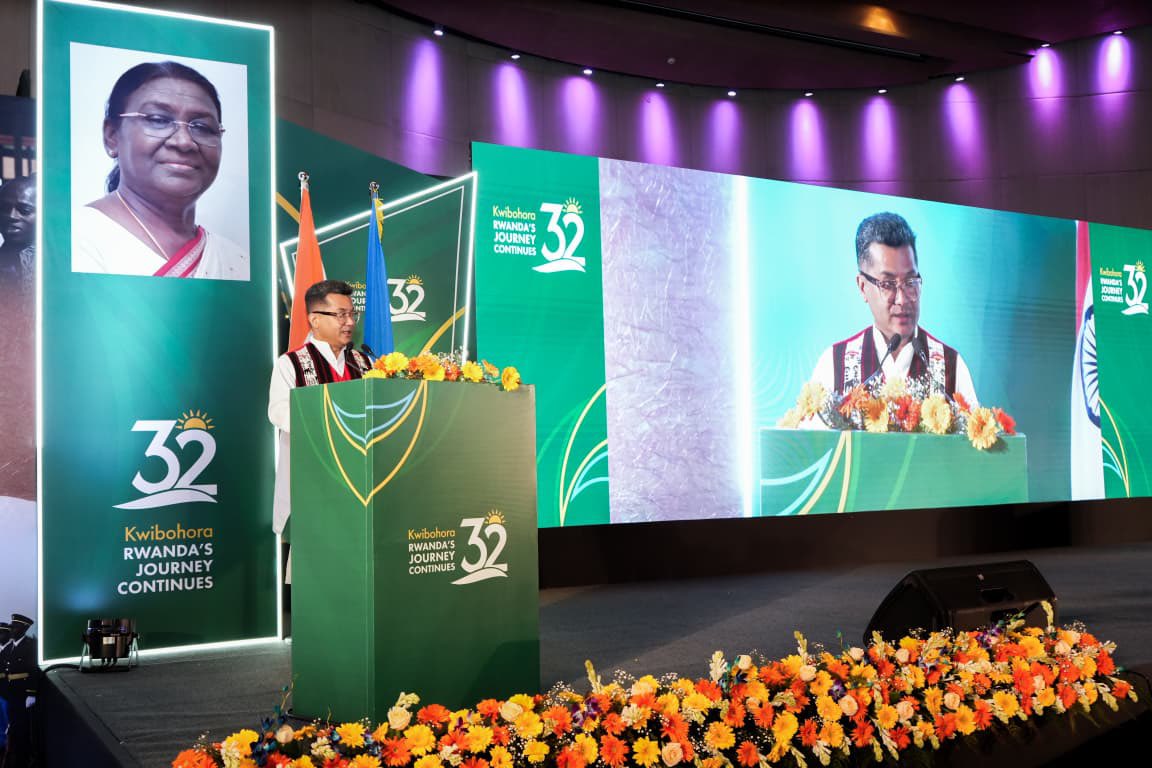
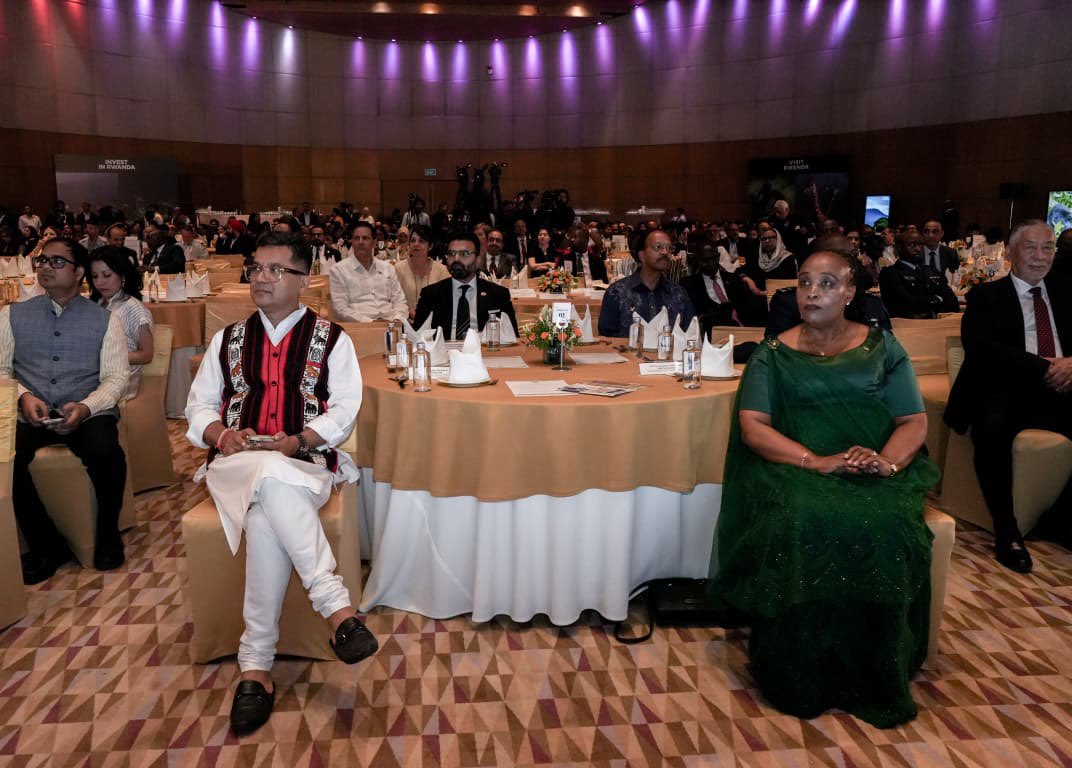
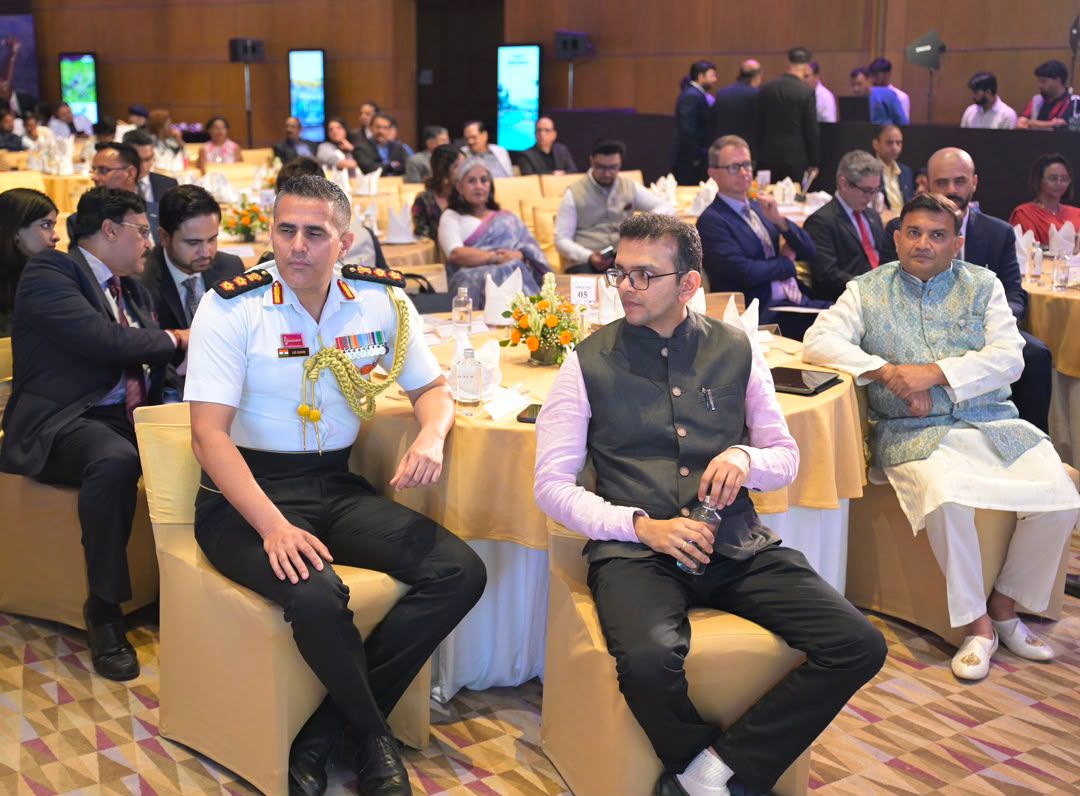
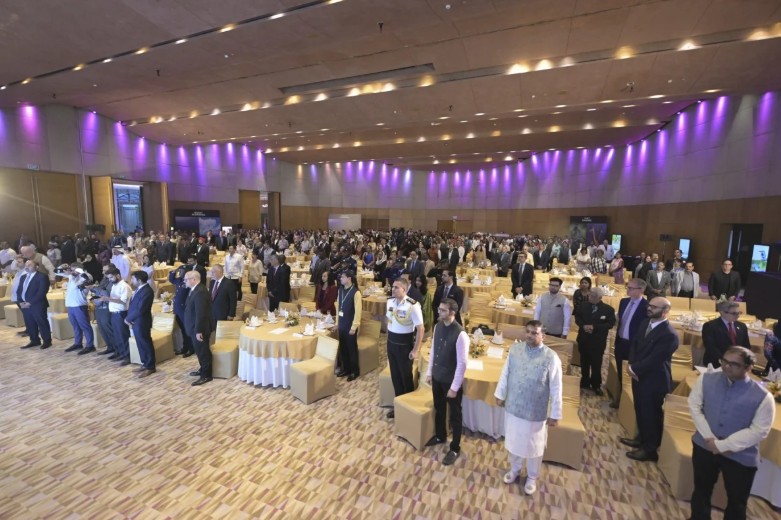
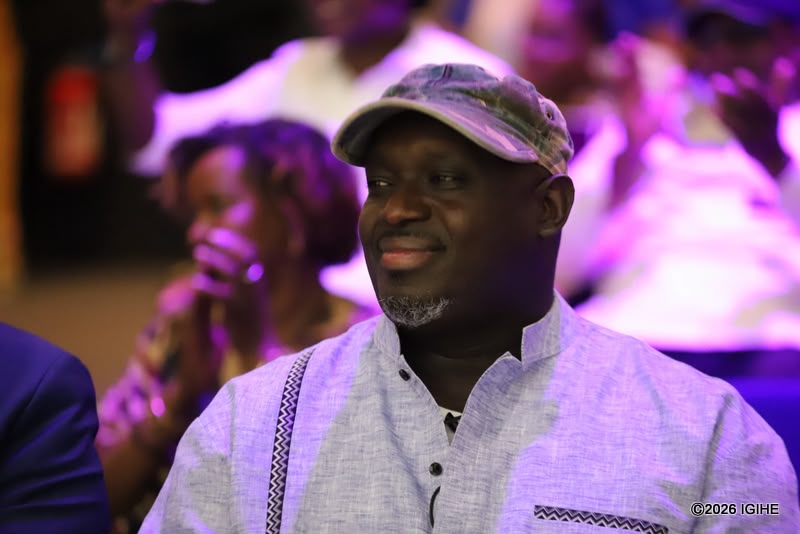
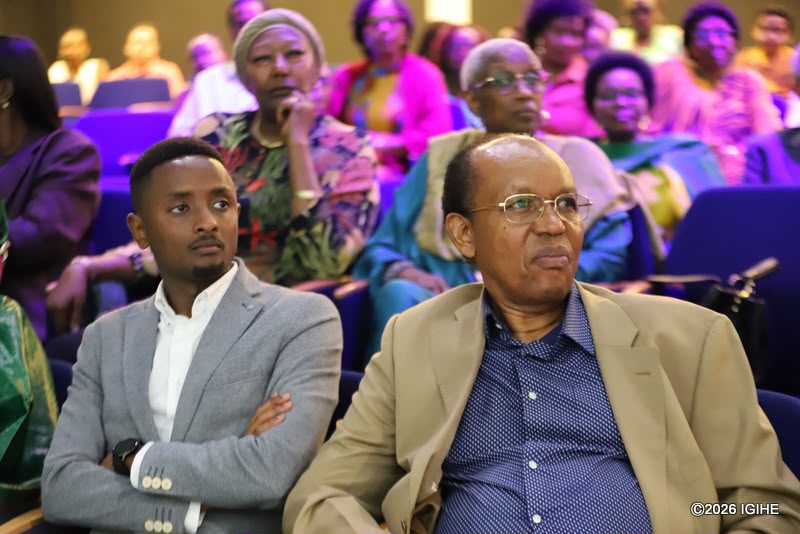
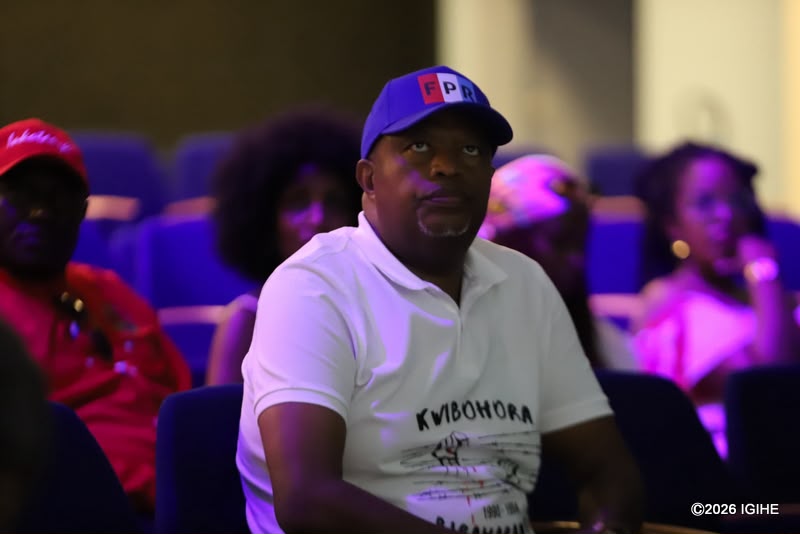
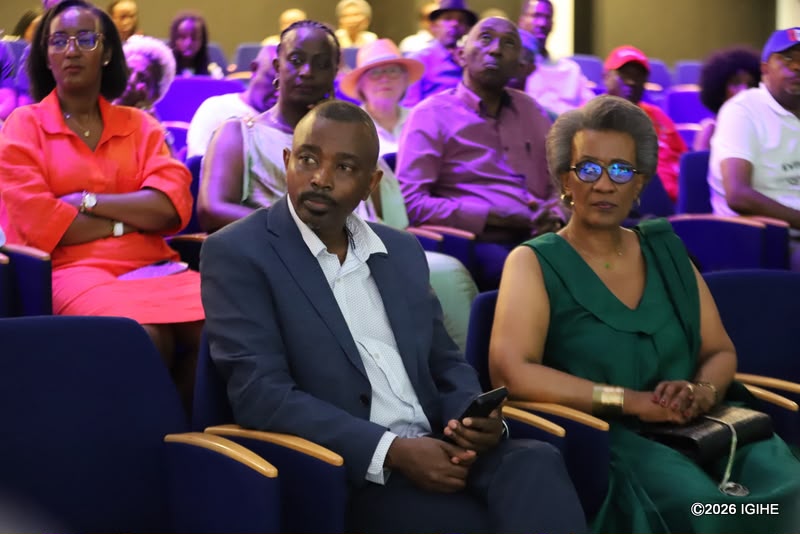
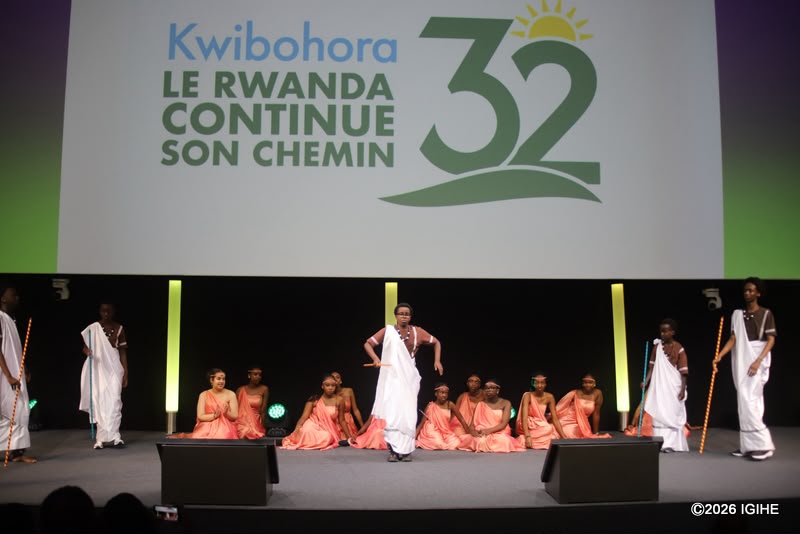
    Held in New Delhi on Monday, July 6, the event brought together nearly 1,000 guests, including Indian government officials, members of the diplomatic corps, business leaders, scholars, media professionals, civil society representatives, friends of Rwanda and members of the Rwandan community in India.

    The celebration highlighted Rwanda’s progress since the 1994 Genocide against the Tutsi, showcasing the country’s achievements in peacebuilding, national reconciliation, economic growth, good governance and sustainable development.

    Kwibohora, celebrated every year on July 4, commemorates Rwanda’s liberation and marks the day the Rwanda Patriotic Army (RPA), led by President Paul Kagame, stopped the 1994 Genocide against the Tutsi. It reflects Rwanda’s journey of rebuilding through unity, resilience and a shared vision for development.

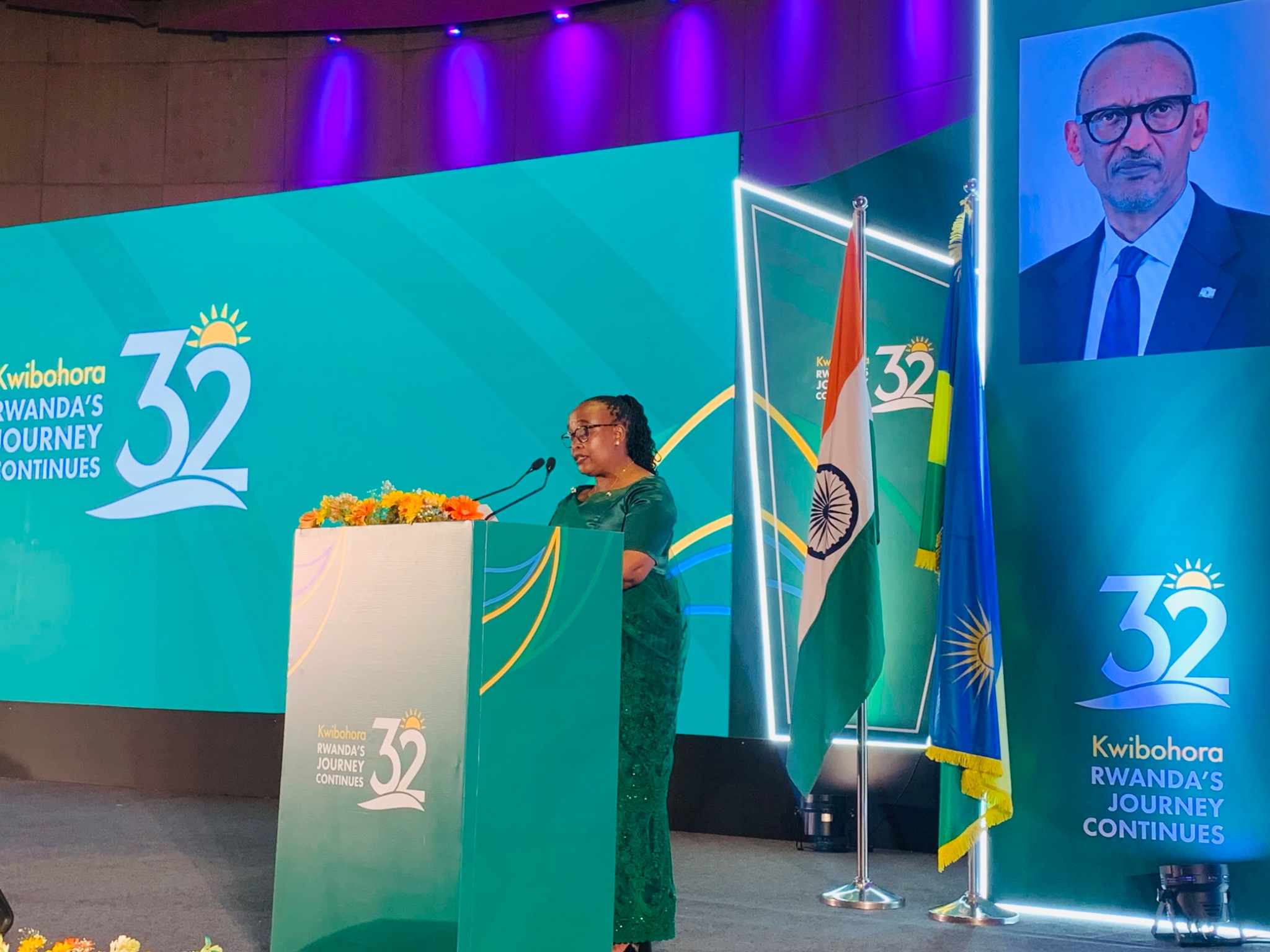
    Addressing guests, Rwanda’s High Commissioner to India, Amb. Jacqueline Mukangira, paid tribute to the men and women of the former RPA whose sacrifices restored peace, unity and national dignity.

    She said the liberation victory marked a defining moment in restoring Rwanda’s sovereignty and laying the foundation for national reconstruction.

    Mukangira reflected on Rwanda’s transformation from a country devastated by genocide to one recognised for stability, economic progress and effective governance.

    She attributed the country’s achievements to the values of unity, resilience, inclusion, innovation and accountable leadership, saying three decades of peace, stability and good governance have created a predictable and investor-friendly environment.

    The High Commissioner called on Indian investors to explore opportunities created by Rwanda’s transformation, highlighting potential areas of cooperation including trade, investment, technology, education, healthcare and capacity building.

    She also expressed appreciation for India’s continued partnership with Rwanda, noting that bilateral relations have expanded in areas such as ICT, trade, investment, education and defence.

    ‘Rwanda remains committed to strengthening partnerships anchored in peace, justice and shared prosperity,’ she said.

    India’s Minister of State for External Affairs and Textiles, Shri Pabitra Margherita, attended the event as the chief guest and congratulated Rwanda on the Liberation Day anniversary.

    He commended Rwanda’s reconciliation efforts following the 1994 Genocide against the Tutsi and praised the growing partnership between the two countries.

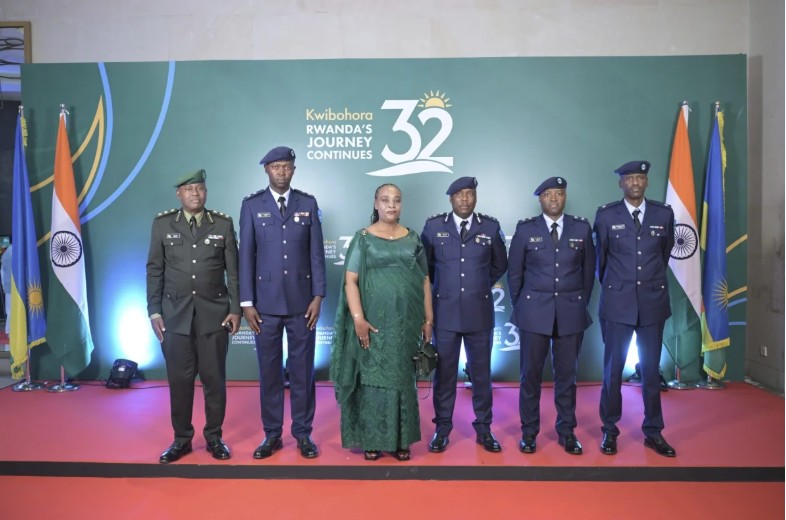
    Also attending the celebration was a delegation from Rwanda’s Ministry of Defence, which was in New Delhi for the second Rwanda-India Joint Defence Cooperation Committee meeting.

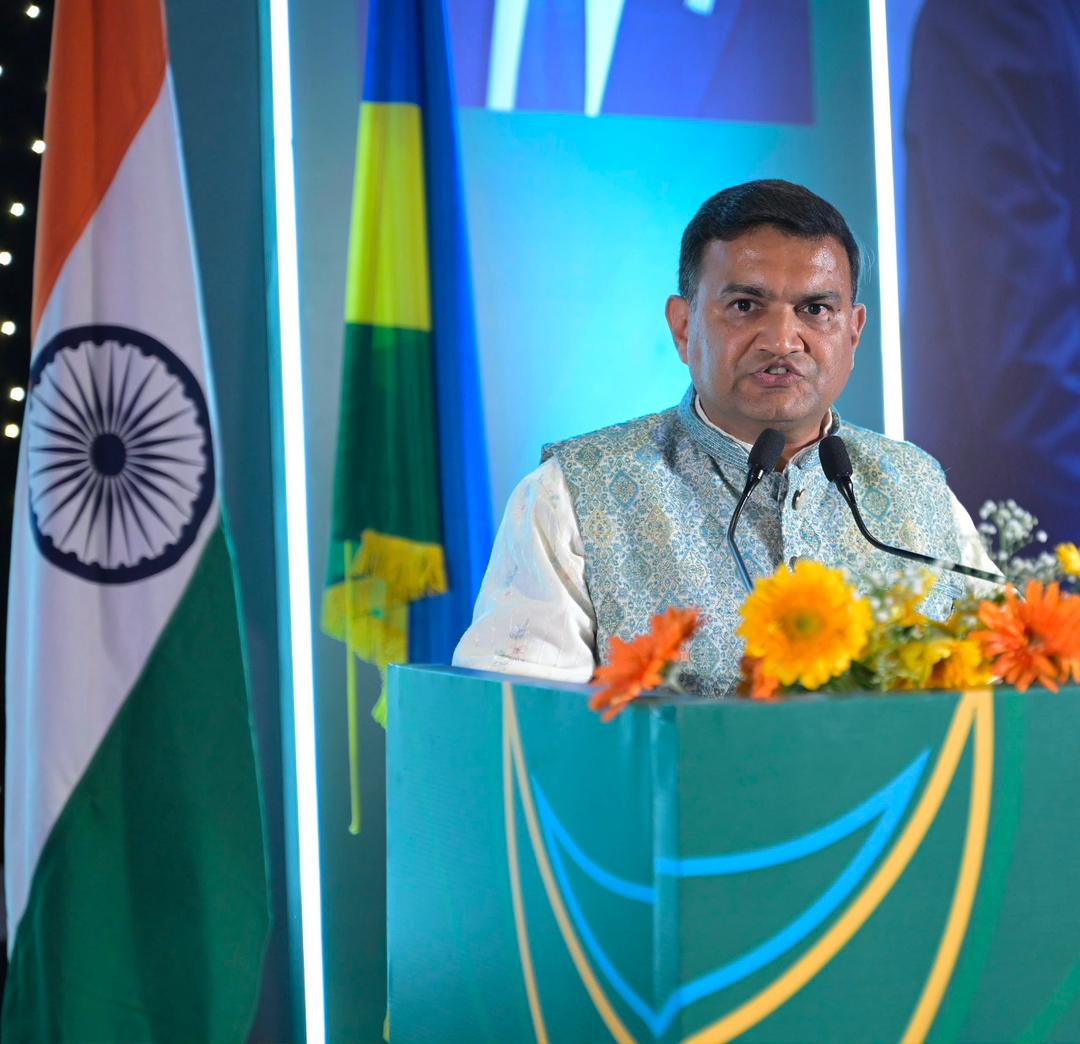
    The event also featured remarks from Indian investors and friends of Rwanda, including Dr Saurabh Singhal, Head of the Rwanda Chapter of The Diplomatic Club, who highlighted Rwanda’s growing appeal as an investment and innovation hub.

    Singhal shared his experience of witnessing Rwanda’s transformation since his first visit in 2005 and praised the country’s safety, governance, digital systems and investor-friendly environment.

    He described Rwanda as ‘not only the Land of a Thousand Hills but also the Land of a Thousand Opportunities,’ encouraging businesses to explore opportunities in the country.

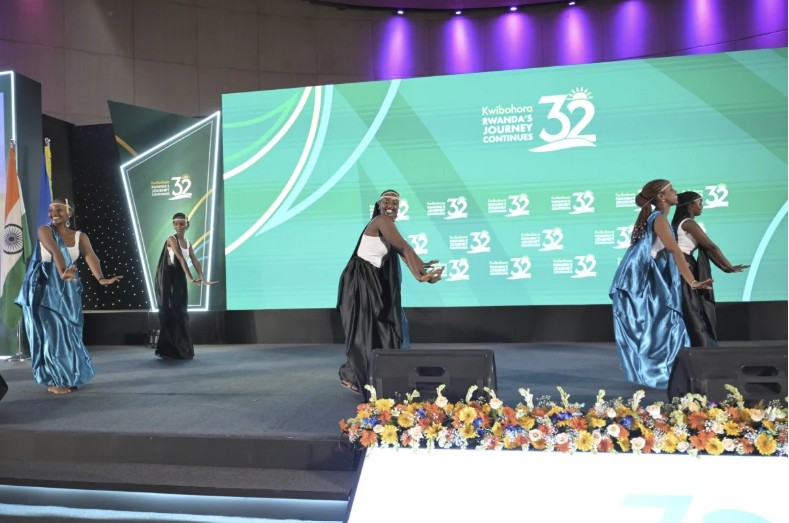
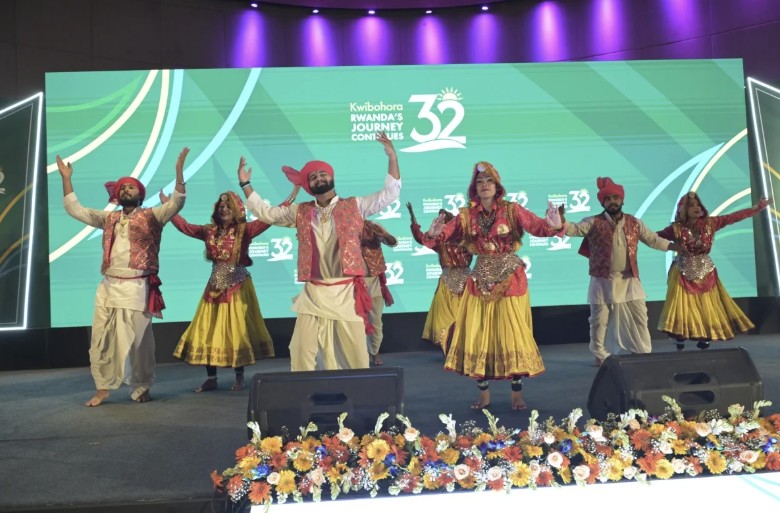
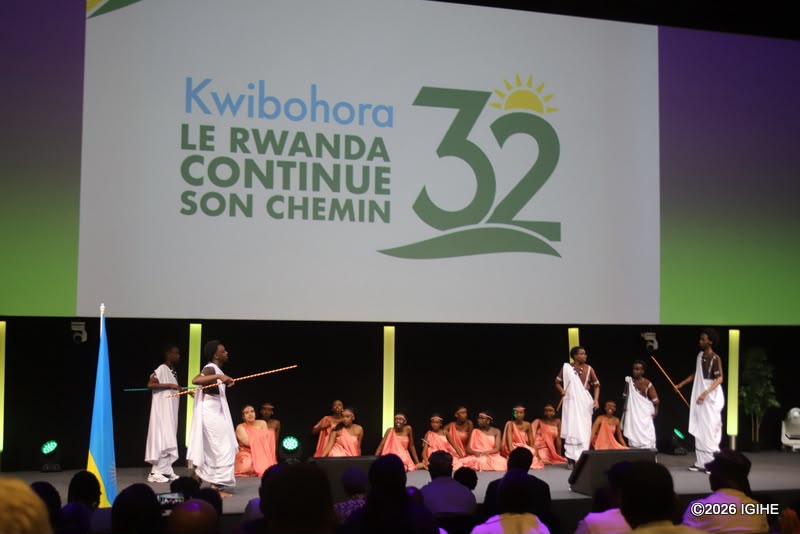
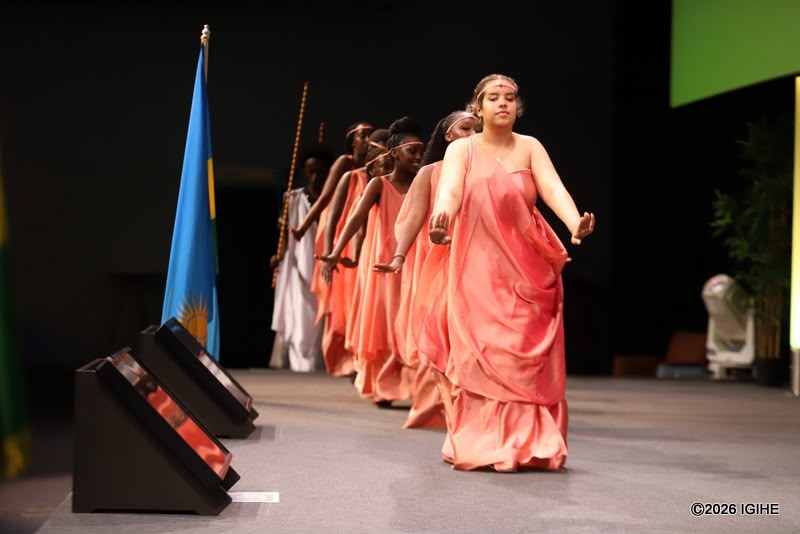
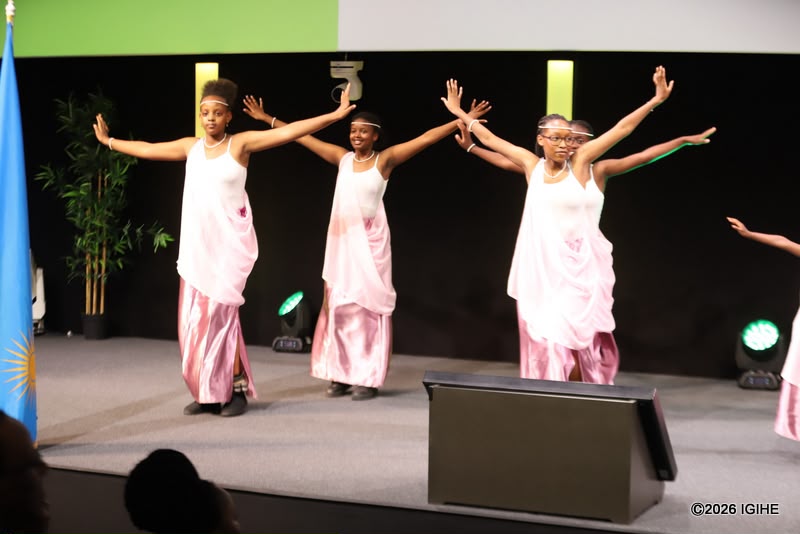
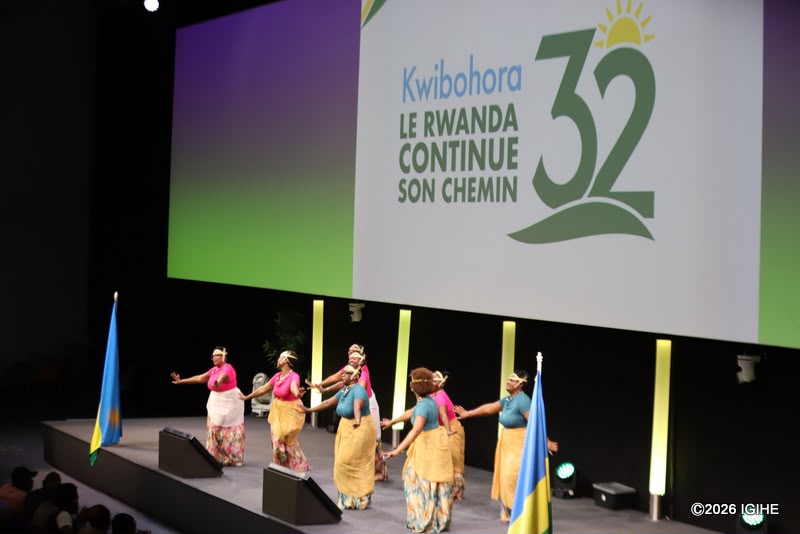
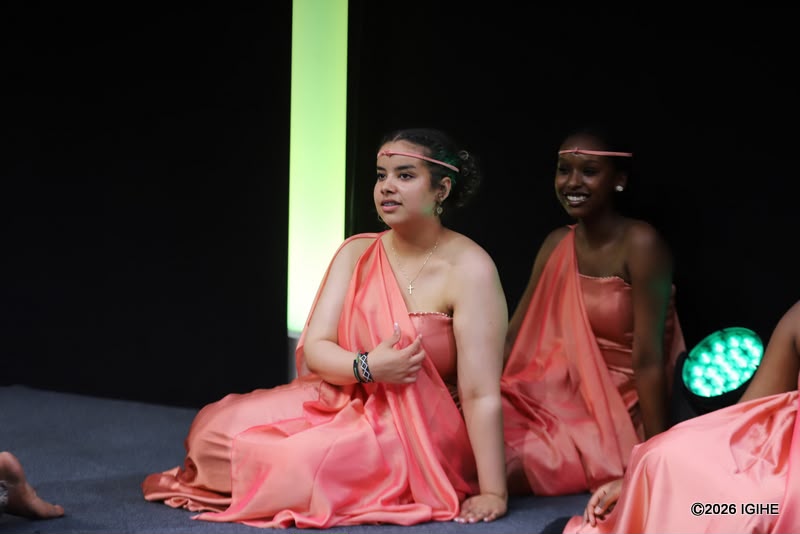
    The evening concluded with cultural performances celebrating Rwanda’s heritage and reaffirming the friendship between Rwanda and India as both countries continue to strengthen cooperation for shared development and prosperity.

    Held in New Delhi on Monday, July 6, the event brought together Indian government officials, members of the diplomatic corps, business leaders, scholars, media professionals, civil society representatives, friends of Rwanda and members of the Rwandan community in India.
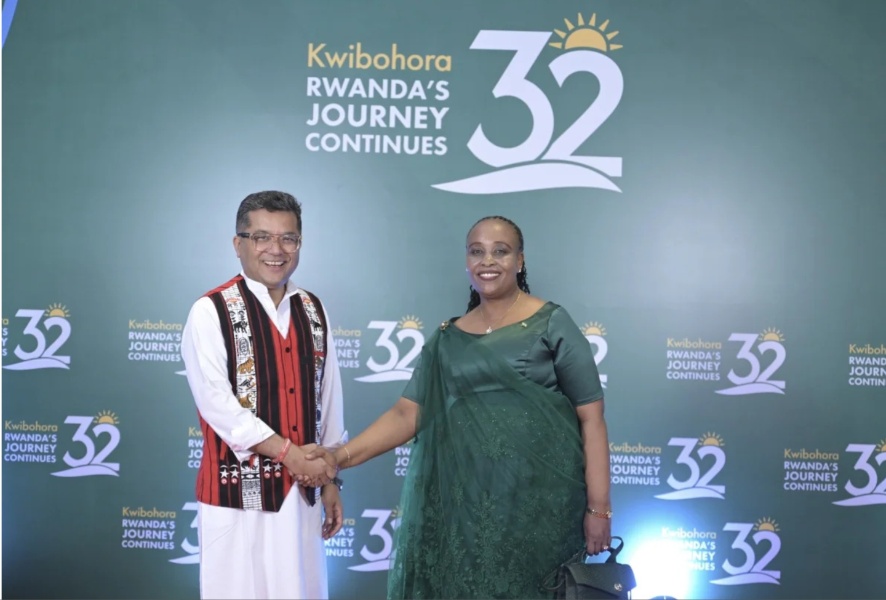
    Amb. Jacqueline Mukangira and India’s Minister of State for External Affairs and Textiles, Shri Pabitra Margherita.
    Rwanda’s High Commissioner to India, Amb. Jacqueline Mukangira, paid tribute to the men and women of the former RPA whose sacrifices restored peace, unity and national dignity.
    India’s Minister of State for External Affairs and Textiles, Shri Pabitra Margherita, commended Rwanda’s reconciliation efforts following the 1994 Genocide against the Tutsi. and praised the growing partnership between the two countries.
    The celebration highlighted Rwanda’s progress since the 1994 Genocide against the Tutsi, showcasing the country’s achievements in peacebuilding, national reconciliation, economic growth, good governance and sustainable development.
    Dr Saurabh Singhal, Head of the Rwanda Chapter of The Diplomatic Club, shared his experience of witnessing Rwanda’s transformation since his first visit to the country in 2005, praising its safety, governance, digital systems and investor-friendly environment.


    The evening concluded with cultural performances celebrating Rwanda’s heritage and reaffirming the friendship between Rwanda and India.

    Source : https://new.igihe.com/english/rwandas-32-year-transformation-celebrated-at-liberation-day-reception-in-india/

  • Rwanda's fuel agreements with Kenya, Tanzania open door to regional petroleum trade – Minister Kajangwe #rwanda #RwOT

    Kajangwe said the agreements will strengthen Rwanda’s access to petroleum infrastructure while creating opportunities for the country to trade fuel products with neighbouring markets.

    Speaking to Rwanda Broadcasting Agency (RBA), the minister highlighted the importance of the agreements signed with companies in Kenya and Tanzania, which allow Rwanda to import petroleum products from international markets through the ports of Mombasa and Tanga.

    On June 29, 2026, Rwanda signed a cooperation agreement with Kenya to facilitate the importation of petroleum products through the Port of Mombasa. The deal provides Rwanda with access to storage facilities, transportation services and petroleum distribution infrastructure in Kenya.

    The agreement establishes a government-to-government framework for fuel imports, a move expected to improve supply security, reduce logistical barriers and make fuel procurement more predictable.

    Petroleum volumes transported to Rwanda through the Northern Corridor are expected to increase more than tenfold, from about 50,000 cubic metres annually to more than 500,000 cubic metres, according to Kenya’s Cabinet Secretary for Energy and Petroleum, Opiyo Wandayi.

    Rwanda later signed a similar agreement with Tanzania on July 3 to import petrol and diesel through the Port of Tanga. The agreement was signed between Rwanda National Energy Company (RNEC) and Gulf Bulk Petroleum Tanzania Limited (GBP).

    The agreements come amid continued volatility in global fuel prices, which has affected markets in Rwanda and other parts of the world.

    Kajangwe said the arrangements could allow Rwanda to leverage its strategic location to serve as a fuel distribution hub for the region.

    ‘We believe this can strengthen regional trade, allowing Rwanda, given its geographical position, to supply petroleum products to neighbouring countries. Our goal is to have sufficient petroleum products that can meet demand in Rwanda and also serve markets in the region,’ he said.

    Rwanda, a landlocked country, imports all its petroleum products through neighbouring countries, mainly using the Port of Dar es Salaam in Tanzania and the Port of Mombasa in Kenya.

    The government has in recent years pursued measures to strengthen fuel security by diversifying import routes and improving access to storage and transport infrastructure.

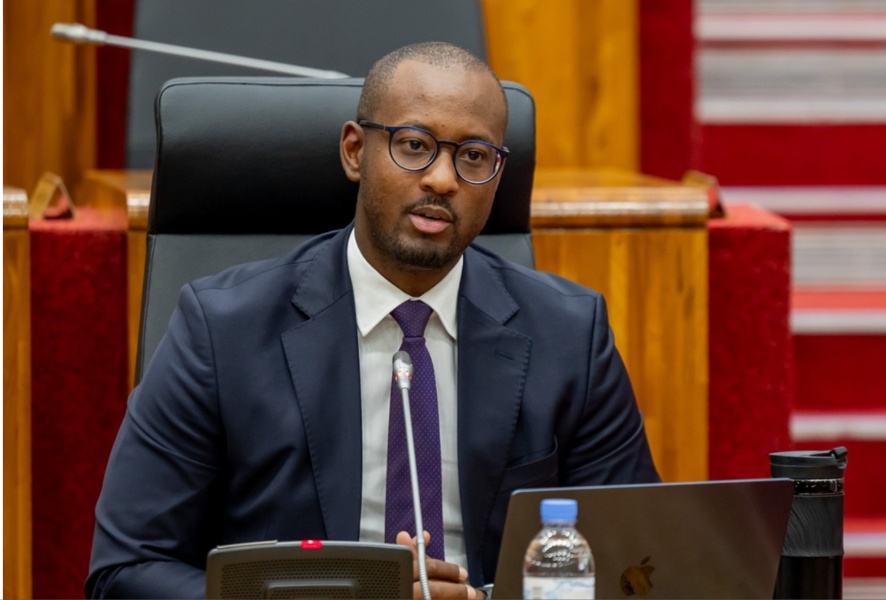
    Minister of Trade and Industry Antoine Marie Kajangwe said the agreements will strengthen Rwanda’s access to petroleum infrastructure while creating opportunities for the country to trade fuel products with neighbouring markets.

    Source : https://new.igihe.com/english/rwandas-fuel-agreements-with-kenya-tanzania-open-door-to-regional-petroleum-trade-minister-kajangwe/

  • A journey through Yucun Village, China's living model of ecological civilization and shared prosperity #rwanda #RwOT

    Yet behind this calm landscape lies one of China’s most remarkable development transformations, often described as a living model of ecological civilisation.

    Yucun is a small village of just over 1,000 residents, covering 4.86 square kilometres, located in Zhejiang Province, one of China’s most dynamic coastal regions.

    Zhejiang itself is an economic powerhouse of the Yangtze River Delta, with a 2025 GDP of about 9.45 trillion yuan ( approximately 1.4 trillion USD), and has become a national leader in ‘high-quality development,’ where growth is measured not only in economic output but also in environmental sustainability and social wellbeing.

    Walking through Yucun today, it is difficult to imagine that this landscape was once shaped by heavy limestone mining and cement production. In the late 1990s, the village’s economy was strong by rural standards, but the environment was under severe strain; dust-filled air, scarred hillsides, and degraded ecosystems.

    The turning point came in the early 2000s, when local leaders and residents made a decisive choice: to close polluting industries and restore the land. It was a moment that reshaped not only the village’s economy, but its identity.

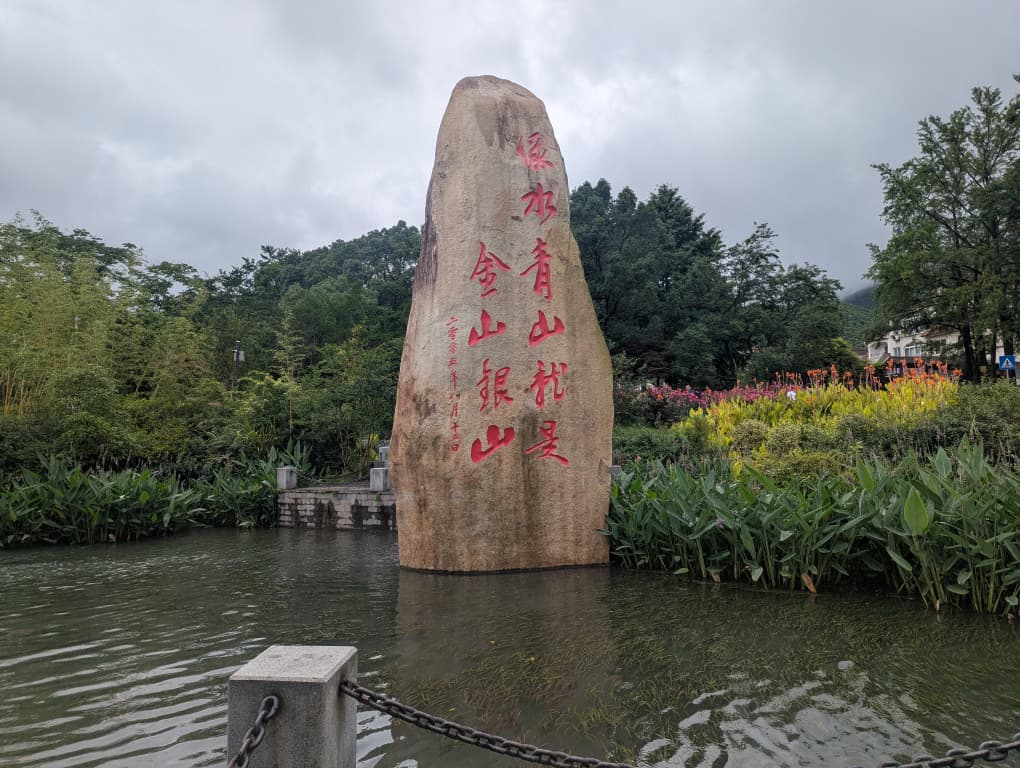
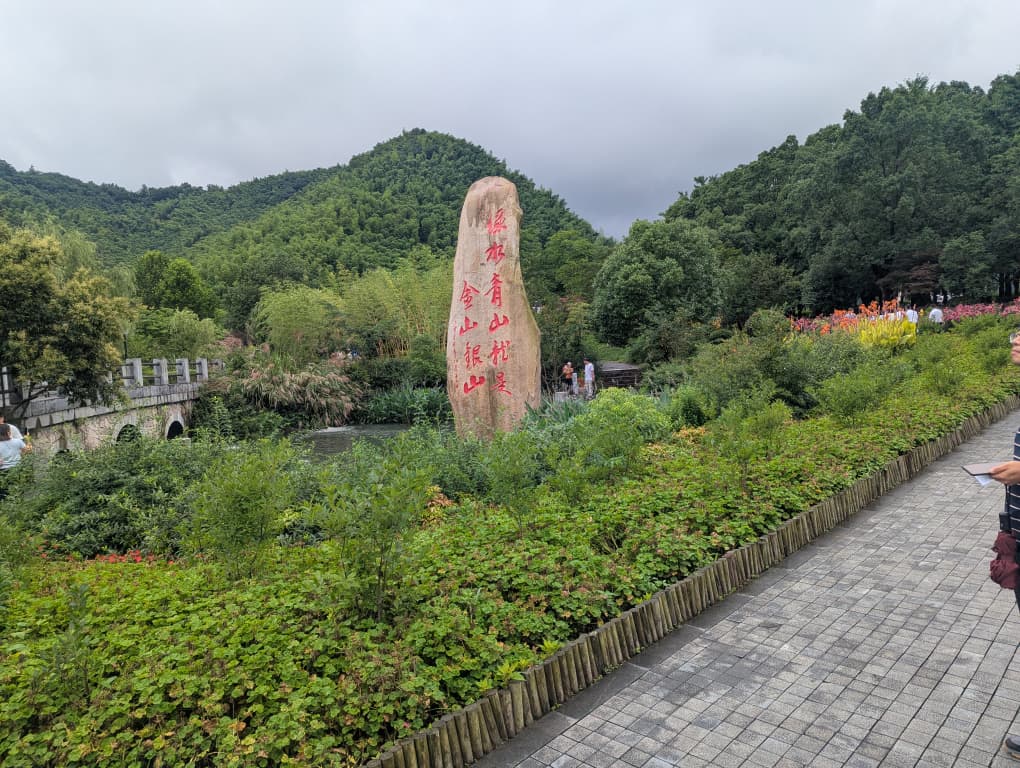
    A defining milestone followed on August 15, 2005, when President Xi Jinping, then Secretary of the Zhejiang Provincial Committee of the Communist Party of China, visited Yucun and for the first time and articulated a phrase that would later gain national significance: ‘lucid waters and lush mountains are invaluable assets.’

    This idea evolved into the ‘Two Mountains’ philosophy, now widely recognised as a foundation of China’s ecological civilisation framework under the Communist Party of China (CPC).

    In Yucun, it is not an abstract theory, it is visible in every restored hillside, every green pathway, and every redesigned public space.

    As the village stepped away from mining, a new journey began. Abandoned industrial sites were rehabilitated, forests were replanted, and traditional rural landscapes were carefully preserved.

    The ‘two mountains’ theory monument is seen at Yucun village

    Today, Yucun attracts over one million visitors annually, drawn by bamboo sea landscapes, ecological trails, and cultural experiences rooted in Jiangnan traditions.

    One of its most striking landmarks is the transformation of a former cement factory into ‘Yucun Impression,’ a zero-carbon cultural complex powered by renewable energy and designed as a symbol of industrial rebirth.

    The ecological recovery is striking. Forest coverage now exceeds 85 percent, the climate remains humid and subtropical, and the village integrates natural terrain with carefully designed infrastructure.

    Ancient ginkgo trees, some believed to be over 1,300 years old, stand alongside modern eco-friendly buildings, an unusual but seamless coexistence of heritage and innovation.

    Over time, Yucun’s economy has shifted from extraction to experience. Agritainment businesses, eco-tourism services, and cultural industries now drive local income.

    Collective village earnings have risen steadily into the tens of millions of yuan, while per capita income has surpassed 60,000 yuan (about 8,837.69 USD).

    In 2024, villagers received direct dividend distributions, reinforcing a model of shared prosperity where development outcomes are visibly returned to the community.

    This transformation has earned Yucun multiple national and international recognitions. It has been designated a National Civilised Village, a National Forest Village, a National Rural Tourism Key Village, and a National Rural Governance Demonstration Village.

    It has also been listed among the United Nations World Tourism Organisation’s Best Tourism Villages, underscoring its global relevance as a rural development model.

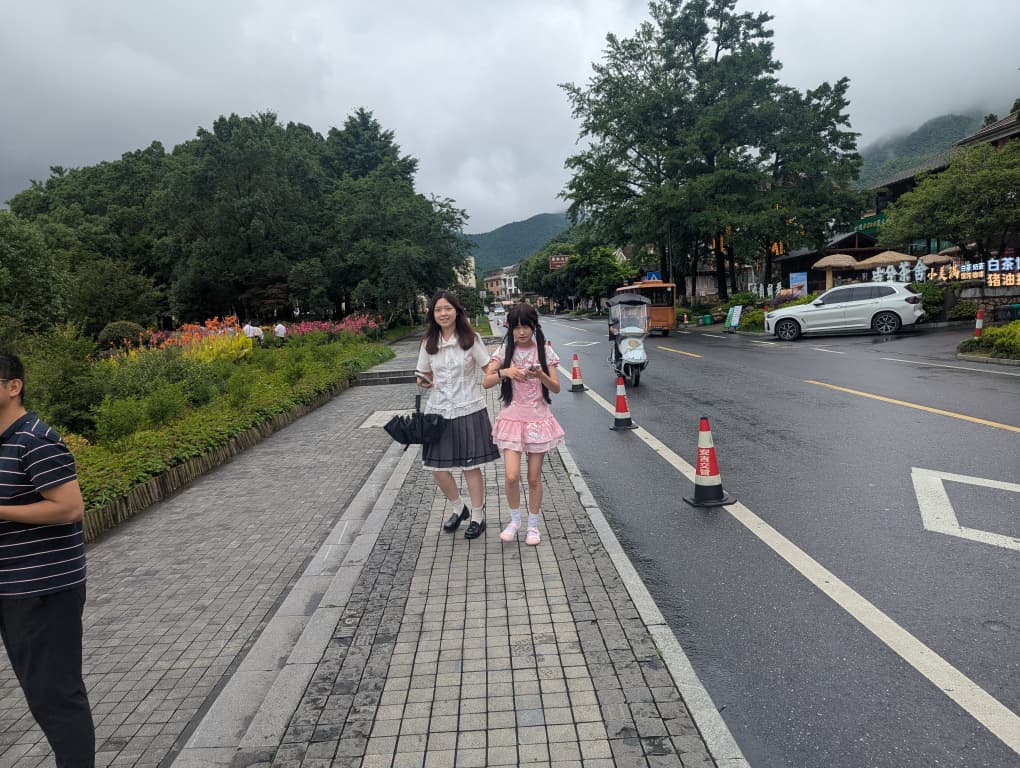
    Eco-friendly pathways wind through Yucun Village, connecting restored hillsides and natural green spaces.

    Beyond its scenic and economic appeal, Yucun is increasingly viewed as a policy reference point. It demonstrates how environmental restoration can become a driver of economic growth rather than a constraint, and how rural governance can align local participation with broader provincial and national strategies.

    Within Zhejiang’s development framework, the village is often cited as a successful case of integrating ecological protection with rural revitalisation.

    Zhejiang Province itself extends this philosophy into global engagement. As a key hub of China-Africa cooperation, the province recorded trade with Africa of 53.9 billion US dollars in 2023, expanding into manufacturing, digital economy, vocational training, and healthcare exchanges.

    Thousands of African professionals have been trained in Zhejiang, while medical teams have supported healthcare services across multiple African countries. These partnerships reflect a broader emphasis on mutual learning and long-term cooperation.

    Seen through this broader lens, Yucun becomes more than a rural destination; it becomes a starting point for understanding a development philosophy that suggests prosperity should not be built against nature, but alongside it.

    Yucun Village showcases a harmonious coexistence between ancient natural heritage and modern sustainable development.
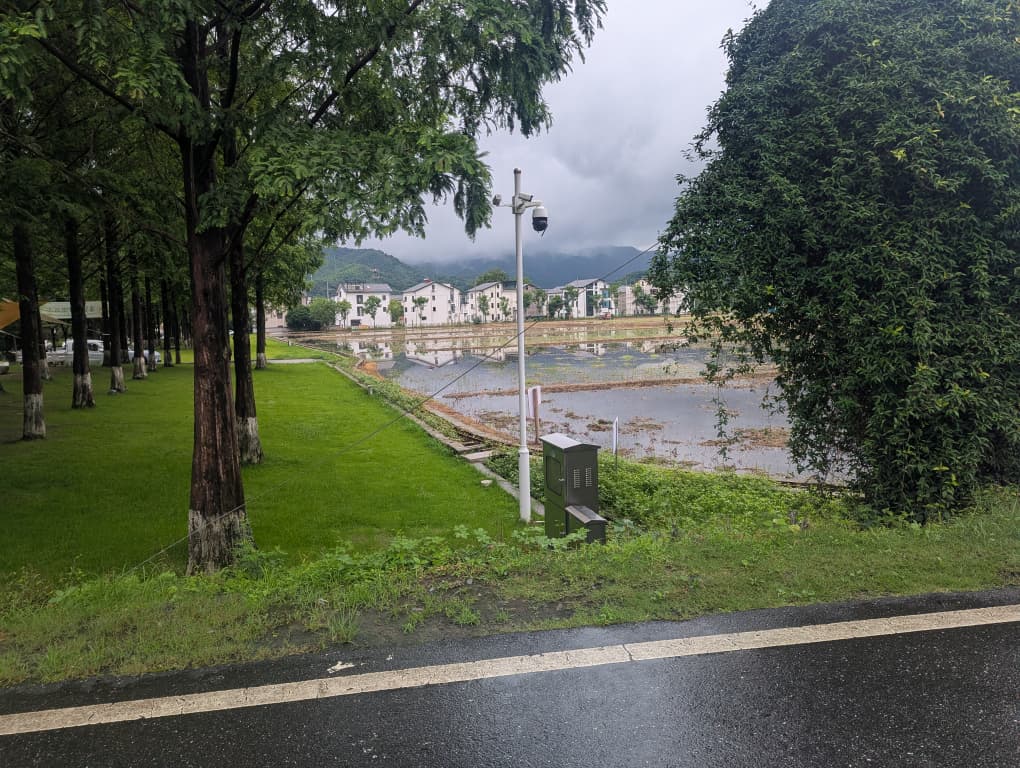
    Yucun Village sits quietly at the northern foothills of the Tianmu Mountains, surrounded by bamboo forests and winding green valleys.
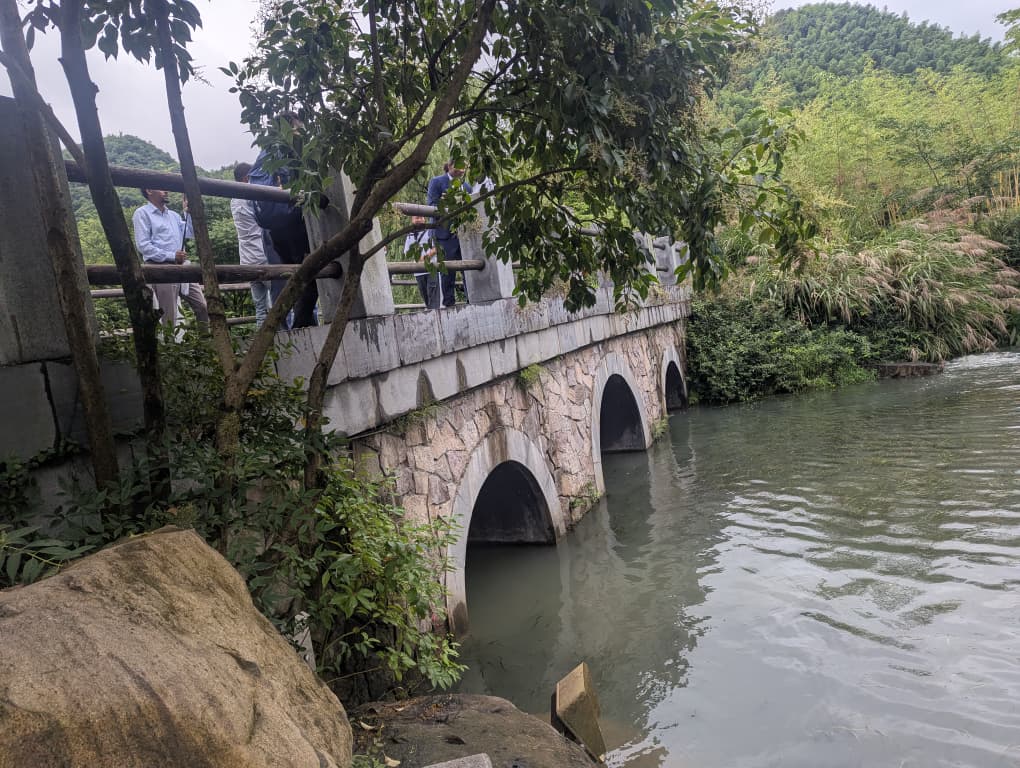
    Streams flow gently through Yucun Village, reflecting its transformation into a model of ecological civilisation.
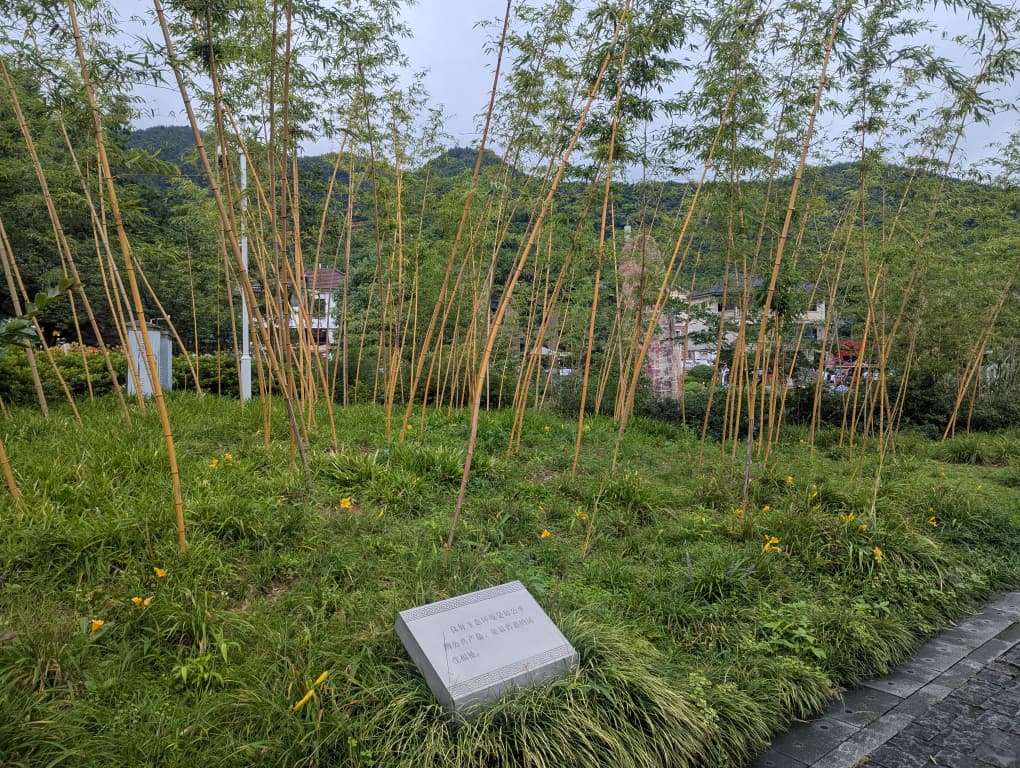
    The scenic bamboo forests surrounding Yucun Village highlight its reputation as a restored natural landscape in Zhejiang Province.
    Tourists regularly explore ecological trails in Yucun Village, which now attracts over one million visitors annually.

    Source : https://new.igihe.com/english/a-journey-through-yucun-village-chinas-living-model-of-ecological-civilization-and-shared-prosperity/

  • Rwandans in Belgium celebrate 32 years of liberation, unity and resilience #rwanda #RwOT

    Despite the current absence of a Rwandan Ambassador or official representative of the Embassy of Rwanda in Belgium, the celebration attracted a large number of members of the Rwandan community who came together to commemorate a historic milestone that symbolizes the end of one of the darkest periods in Rwanda’s history and the beginning of a new era of reconstruction and development.

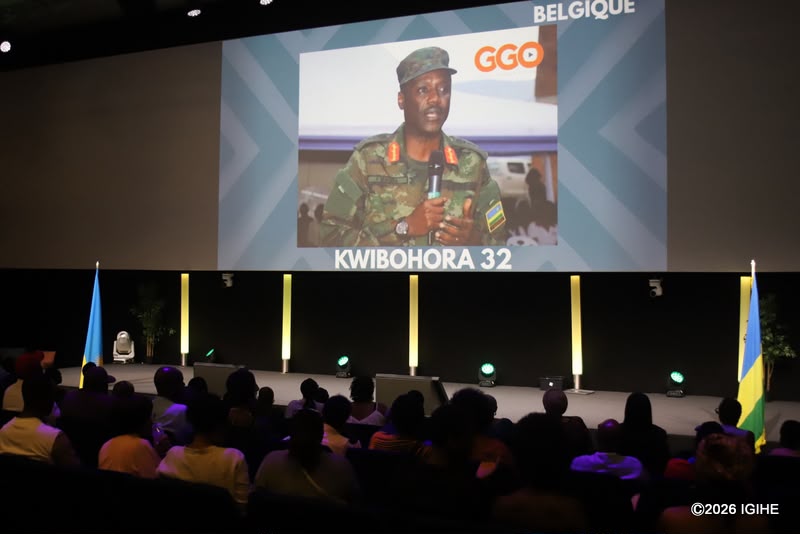
    The event began with the reception of guests, followed by the official opening ceremony. Participants sang the Rwandan National Anthem and observed a moment of silence in honor of the nation’s heroes before watching a documentary highlighting the history of Rwanda’s liberation struggle and the country’s transformation journey.

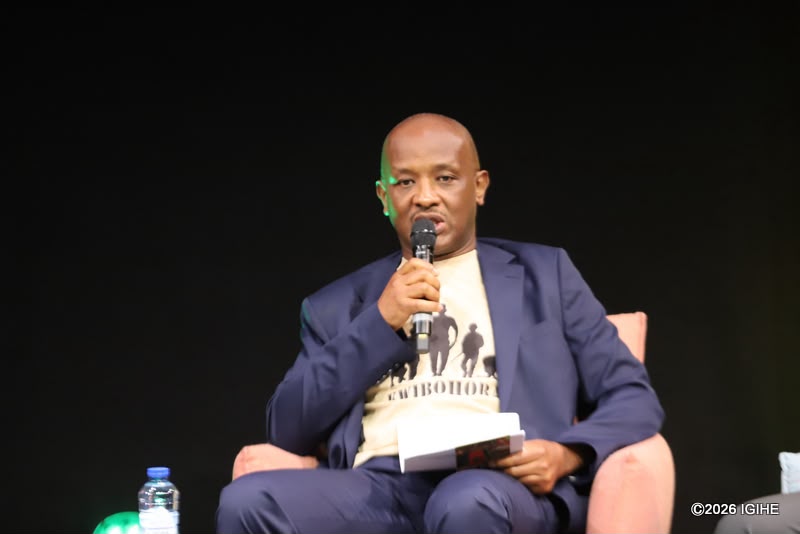
    In his opening remarks, the President of the Rwandan Diaspora in Belgium (DRB-Rugari), Ernest Gakuba, emphasized the significance of Kwibohora in Rwanda’s contemporary history and underscored the important role the diaspora continues to play in the country’s development.

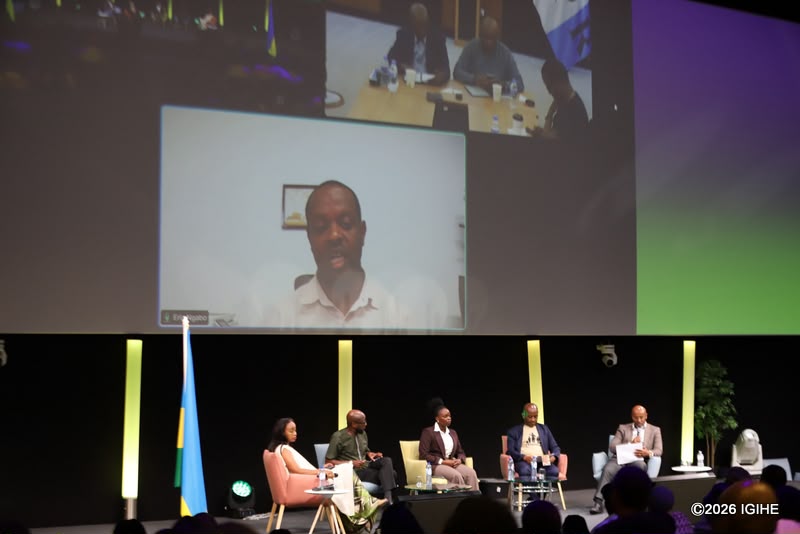
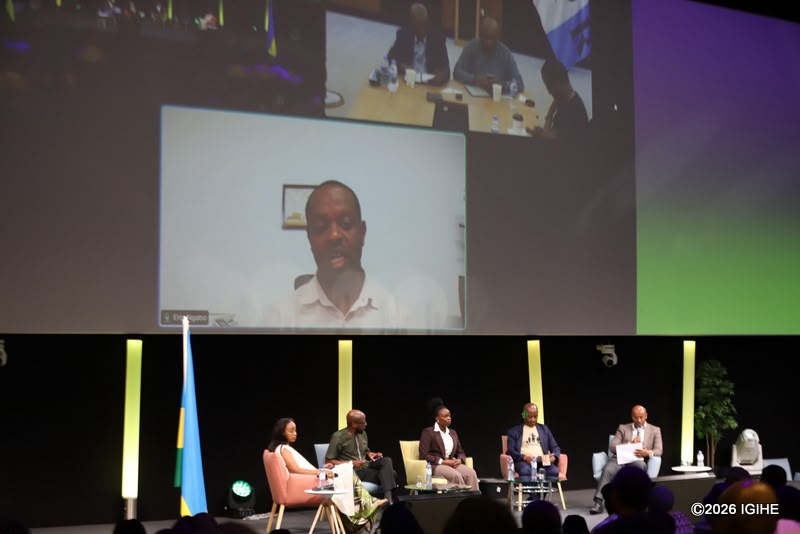
    One of the highlights of the celebration was a panel discussion focusing on the history of Rwanda’s liberation and the country’s remarkable progress over the past 32 years.

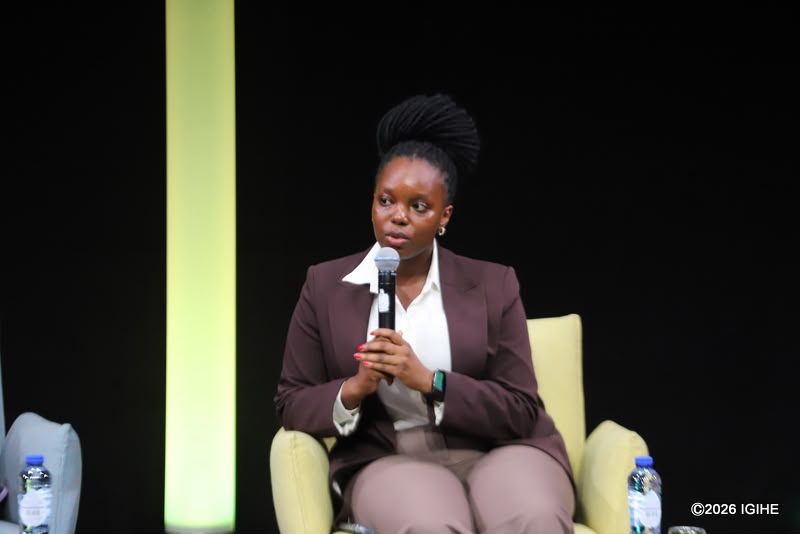
    Faustin Musare reflected on the origins of the liberation struggle and the circumstances that led to its launch. Dr. Assumpta Kayiranga, who joined from Canada, spoke about the 1994 Genocide against the Tutsi, the resilience of survivors, and Rwanda’s journey toward recovery and renewal.

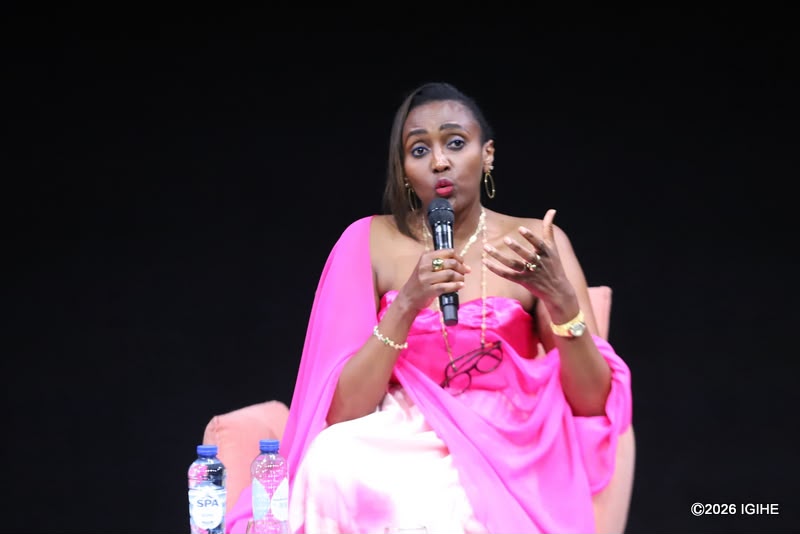
    Meanwhile, Lawyer Richard Gisagara, speaking from France, addressed issues of justice, reconciliation, and national unity, while Aimée Rulinda highlighted the role of Rwandan citizens in driving the country’s transformation.

    The second panel focused on Rwanda’s reconstruction after 1994. Protais Musoni shared insights into rebuilding national institutions and infrastructure, while Eric Ngabo discussed Rwanda’s achievements in technology and innovation. Béatrice Feza highlighted the contribution of women and youth to national development, and Aloys Rubayiza spoke about the importance of investment in fostering economic growth.

    The discussions concluded with an interactive question-and-answer session with participants, followed by remarks from Ernest Gakuba on the contribution of the Rwandan diaspora to Rwanda’s development and international visibility.

    Rwandan culture also featured prominently throughout the celebration. Traditional dance groups Amariza, Itetero, and Umurage showcased Rwanda’s rich cultural heritage through captivating performances.

    Musicians Cyusa Ibrahim and Diana Teta also entertained attendees with performances that added a festive atmosphere to the event.

    The celebration ended with a social gathering that provided participants with an opportunity to reconnect, strengthen community ties, and share experiences.

    Beyond commemorating the victory that ended the Genocide against the Tutsi and liberated Rwanda, Kwibohora32 in Belgium served as an important platform for transmitting history to younger generations, promoting the values of unity and resilience, and reaffirming the commitment of the Rwandan diaspora to Rwanda’s continued development and progress.

    The President of the Rwandan Diaspora in Belgium (DRB-Rugari), Ernest Gakuba, emphasized the significance of Kwibohora in Rwanda’s contemporary history
    Lawyer Richard Gisagara, speaking from France, delivered a presentation on justice, reconciliation, and national unity
    Dr. Assumpta Kayiranga, a specialist in mental health, human relations, governance, and family trauma care, joined the discussion from Canada.
    Béatrice Feza highlighted the vital role of women and youth in Rwanda’s development.
    Dr. Aloys Rubayiza emphasized the importance of investment in driving economic growth and development.
    Aimée Rulinda highlighted the role of Rwandan citizens in driving the country’s transformation.
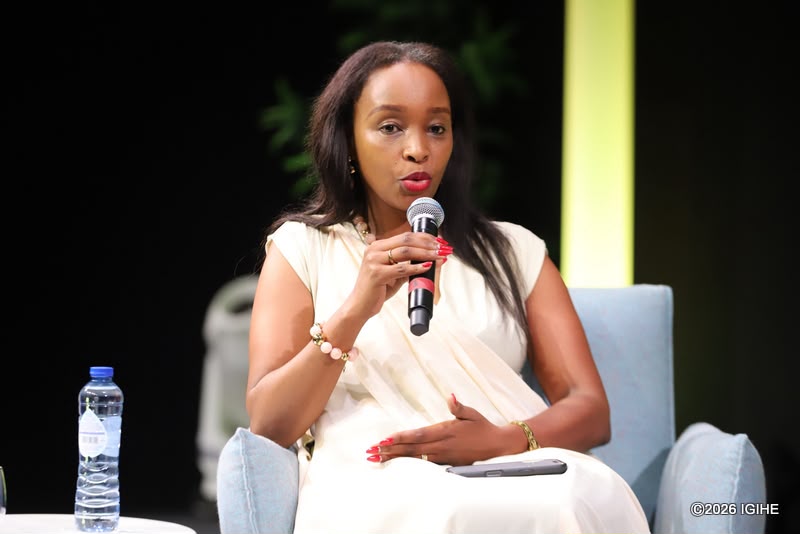
    Claire Kayirangwa, one of the moderators of the discussions.
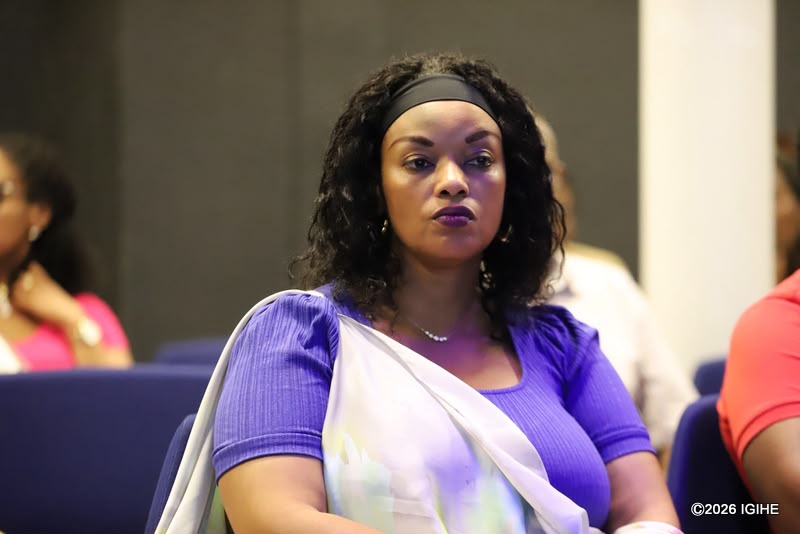
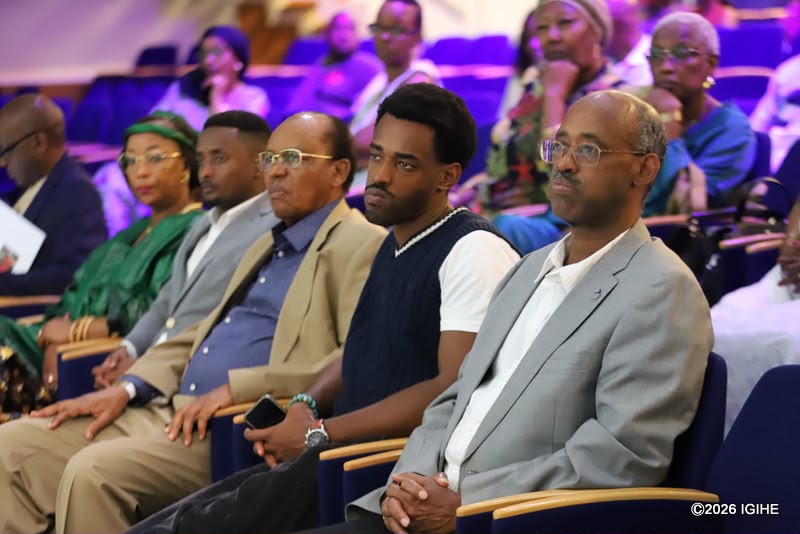
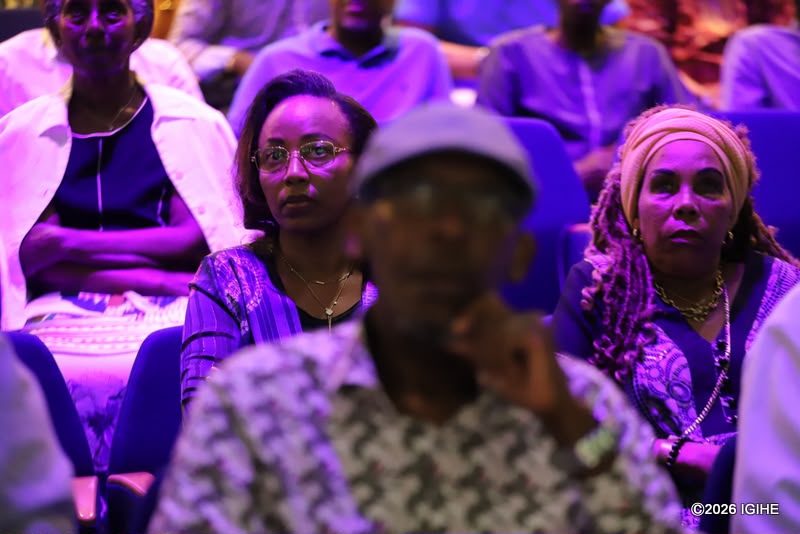
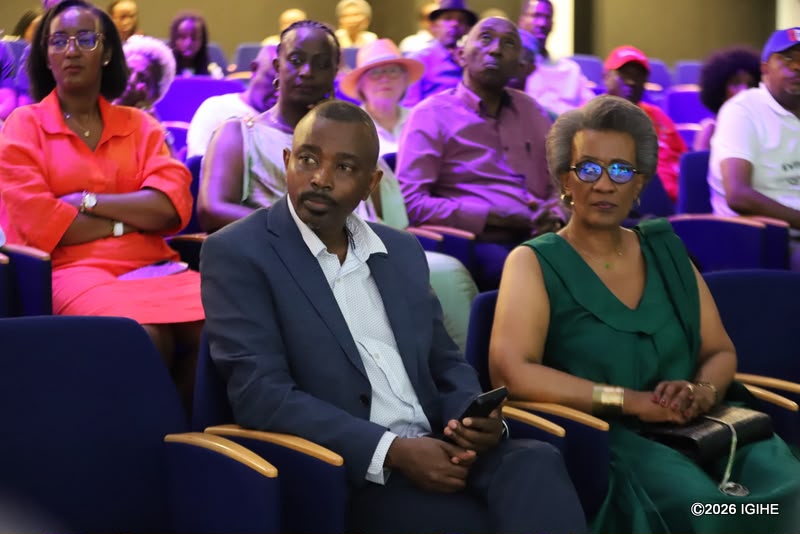
    The photos below show participants watching a documentary on Rwanda’s liberation struggle and the country’s journey of development and transformation


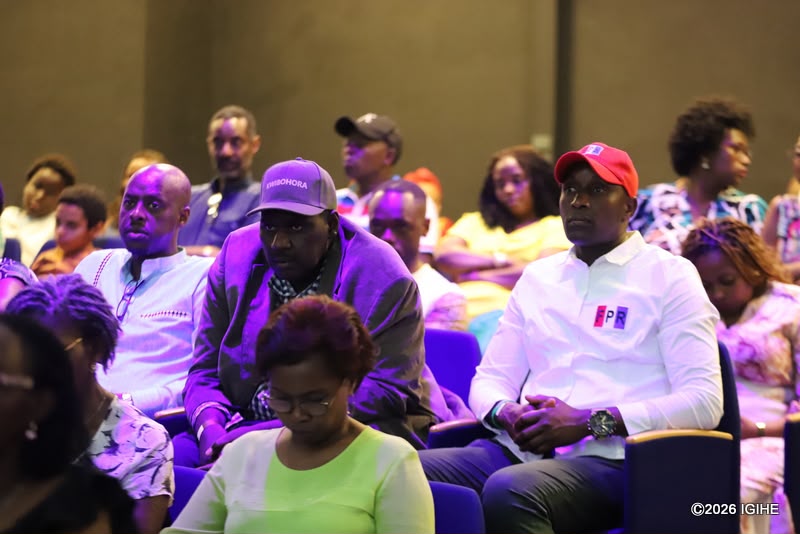
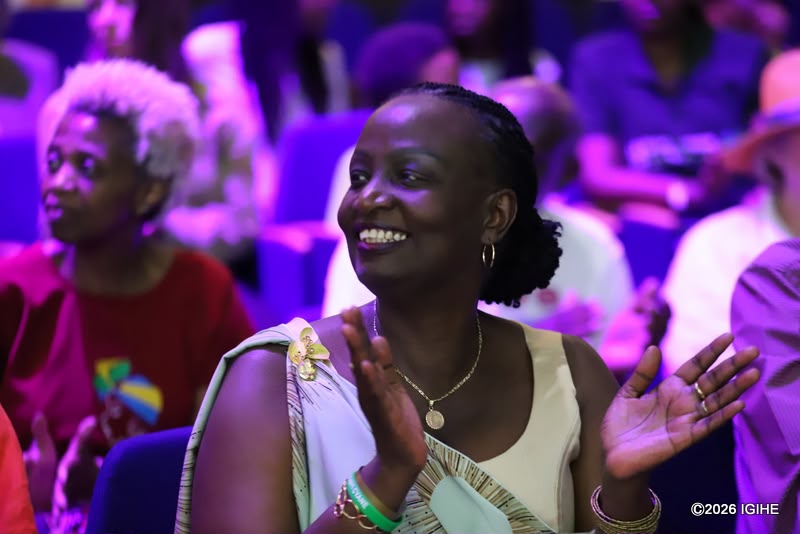
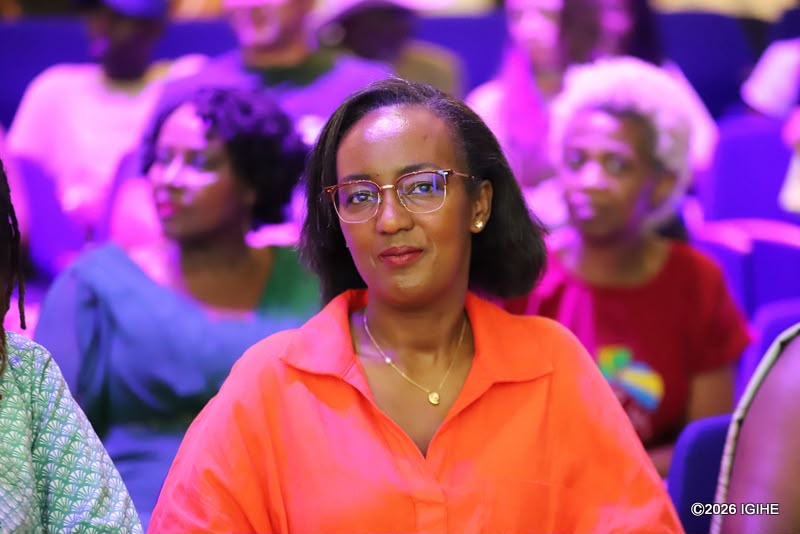
    The photos below capture participants following discussions on the history of Rwanda’s liberation struggle and the progress the country has achieved over the past 32 years


    The event also featured cultural performances by artists Teta Diana and Cyusa Ibrahim, alongside traditional performances by the Amariza, Itetero, and Umurage cultural troupes


    Photos: Emmy Uwimana & Jessica Rutayisire

    [email protected]

    Source : https://new.igihe.com/english/rwandans-in-belgium-celebrate-32-years-of-liberation-unity-and-resilience/

  • What to know about the SIGNIS World Congress coming to Kigali #rwanda #RwOT

    Organisers say preparations are in their final stages, with confidence that the city is fully ready to welcome international delegates.

    Father Professor Walter Chikwendu Ihejirika, President of SIGNIS Africa and Chairperson of the African organising committee, has emphasized that both continental and local teams have been working intensively to ensure a smooth and successful event.

    The congress will be hosted at the Sainte Famille Hotel in central Kigali. The venue is expected to accommodate a wide range of activities, including plenary sessions, workshops, exhibitions, and networking forums designed to strengthen global Catholic communication networks.

    One of the key priorities for organisers is logistics. Dedicated teams are handling airport reception, accommodation, transportation, and guest coordination.

    According to Fr. Ihejirika, the goal is to ensure that participants ‘experience a smooth arrival and leave with warm memories of Rwanda and its hospitality.’

    Registration systems have also been active, and even though official registration closed on 30 June, last-minute participants are still being accommodated through direct contact with the organising committee.

    Health and safety have also been part of the preparations. Concerns had been raised following an Ebola outbreak in neighbouring parts of the Democratic Republic of Congo. However, organisers, working closely with Rwanda’s Ministry of Health and the World Health Organization, have reassured participants that Rwanda remains free of Ebola and that no travel alerts have been issued for the country. Authorities insist that there is no cause for alarm for those traveling to Kigali.

    The 2026 congress is also expected to engage deeply with contemporary global issues. Its theme—’Digital communication for communion, equity, and environmental well-being’—aligns with recent Catholic reflections on technology and human dignity, particularly in the context of artificial intelligence and digital transformation.

    A strong international presence is expected, including senior Vatican officials from Vatican City, cardinals, archbishops, and representatives from major Catholic organisations. These include EWTN, the Conrad N. Hilton Foundation, Catholic Relief Services, and the American Bible Society, among others.

    To ease travel, organisers have also negotiated discounted fares with major African carriers, including RwandAir, Ethiopian Airlines, and Kenya Airways. Delegates using these airlines will benefit from promotional codes offering up to 15% discounts.

    Beyond formal sessions, the congress is expected to serve as a cultural exchange platform, showcasing Rwanda’s identity, hospitality, and diversity. Organisers say participants will not only engage in professional dialogue but also experience African culture beyond global headlines.

    As Kigali prepares for August, the SIGNIS World Congress stands out as both a professional milestone for Catholic communicators and a major international event positioning Rwanda as a hub for global dialogue on media, ethics, and digital transformation.

    The SIGNIS World Congress will take place at the Sainte Famille Hotel, a key venue in central Kigali set to host global Catholic media professionals from August 3–8, 2026.
    Kigali is set to host the SIGNIS World Congress from August 3 to 8, 2026, bringing together Catholic communicators from over 100 countries.
    Located in the heart of Kigali city, the Sainte Famille Hotel has been selected as the main venue for the upcoming SIGNIS World Congress 2026.

    Source : https://new.igihe.com/english/what-to-know-about-the-signis-world-congress-coming-to-kigali/

  • Kwibohora32: Amb. Nzabamwita reaffirms Rwanda's commitment to strengthening cooperation with Russia #rwanda #RwOT

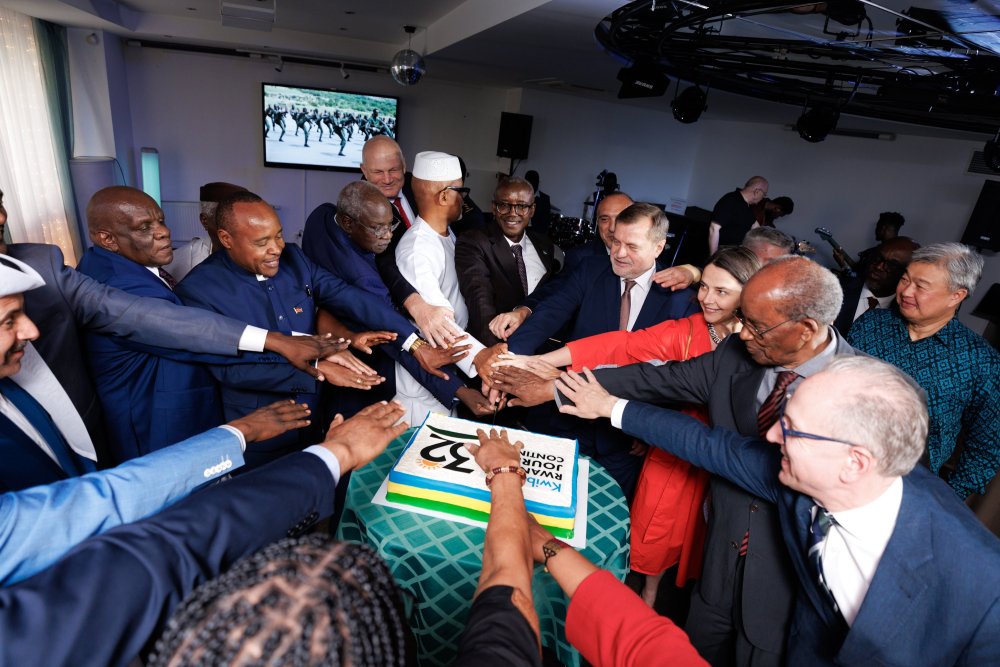
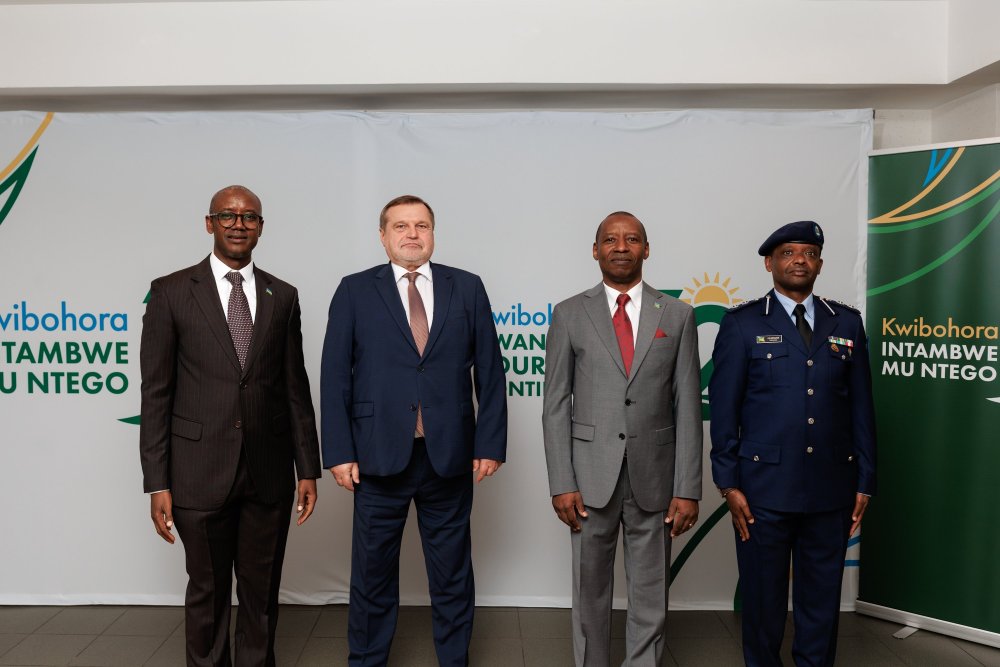
    The event gathered Russian government officials, heads of diplomatic missions, members of the diplomatic corps, development and academic partners, friends of Rwanda, and members of the Rwandan community from across Russia and Belarus. More than 350 guests attended the commemoration, including 51 heads of missions, 17 defence attachés, and 82 diplomats.

    In his address, Rwanda’s Ambassador to the Russian Federation, Maj Gen Joseph Nzabamwita, said Liberation Day honours the men and women who liberated Rwanda under the leadership of President Paul Kagame, ended the 1994 Genocide against the Tutsi, and laid the foundation for the country’s unity, reconciliation, security, and national transformation.

    Marking Kwibohora32 under the theme ‘Rwanda’s journey continues,’ the ambassador reflected on Rwanda’s socio-economic progress over the past three decades, noting that the country’s economy has grown more than tenfold since 1994.

    He also highlighted Vision 2050, through which Rwanda aims to achieve upper-middle-income status by 2035 and high-income status by 2050.

    Ambassador Nzabamwita reaffirmed Rwanda’s commitment to further strengthening its longstanding cooperation with the Russian Federation, noting increasing momentum in bilateral relations across key sectors. These include nuclear energy, healthcare, education, and military-technical cooperation.

    He said both countries remain committed to translating their engagements into practical and mutually beneficial projects that support shared development goals.

    Representing the Russian Ministry of Foreign Affairs, Mr. Anatoli Bashkin, Director of the Department of Sub-Saharan African States, conveyed Russia’s congratulations to the Government and people of Rwanda on the occasion of Liberation Day.

    He commended the resilience of the Rwandan people and the country’s progress in reconciliation, peace, security, and socio-economic transformation over the past 32 years.

    Mr. Bashkin reaffirmed Russia’s support for Rwanda’s sovereign development path, describing Kigali as an important partner on the African continent.

    He further noted that both countries share commitments to international law, peacekeeping cooperation, and engagement on global and regional issues. He also expressed Russia’s readiness to expand cooperation and support the implementation of joint projects in nuclear energy, healthcare, education, and military-technical fields, while welcoming Rwanda’s participation in the upcoming Third Russia-Africa Summit in Moscow.

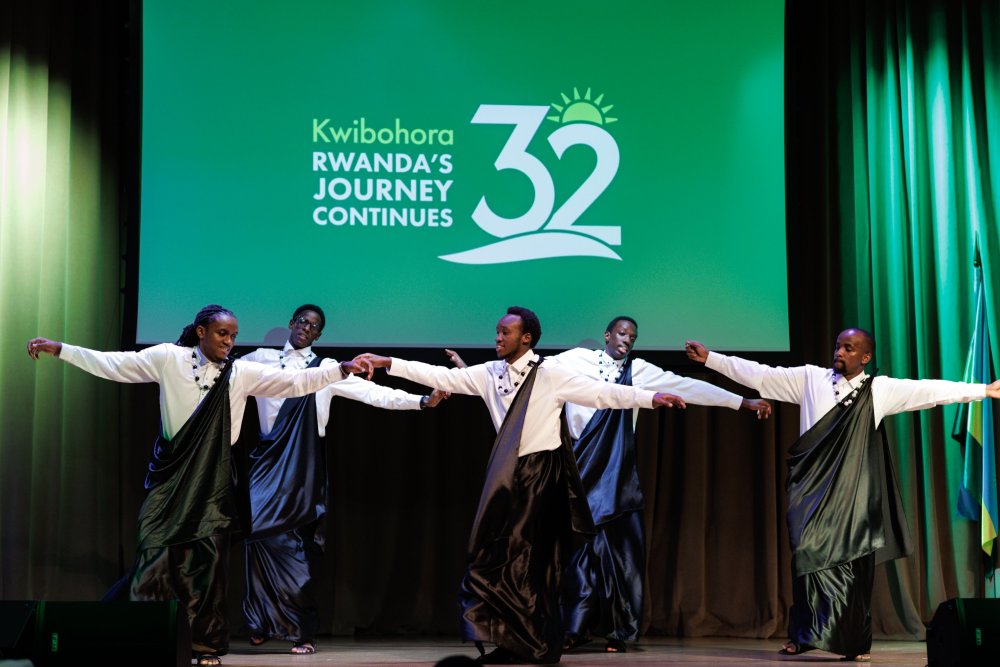
    The official programme featured cultural performances by the traditional dance troupe Imena mu Nganzo and a live band, showcasing Rwanda’s cultural heritage through music, dance, and rhythm.

    Following the ceremony, Ambassador Nzabamwita met with members of the Rwandan community in Russia and Belarus, including newly elected RCA community leaders and 51 students graduating from bachelor’s and master’s programmes.

    He reminded Rwandans abroad that their country values and supports them, noting that education opportunities abroad are meant to equip young Rwandans with skills that contribute to national development.

    He encouraged students to pursue academic excellence and make full use of opportunities in Russia by learning best practices and applying them to Rwanda’s development priorities.

    The ambassador also emphasized that liberation is an ongoing struggle against injustice and all forms of backwardness. He urged students to acquire advanced knowledge and modern skills to address contemporary challenges and contribute to Rwanda’s security and progress, expressing confidence that Rwanda will continue to prosper and once again become a ‘country of milk and honey.’

    He further advised Rwandans living in Russia to take care of their health, adapt to the cold climate, engage in sports and extracurricular activities, and maintain discipline in their daily lives.

    More than 350 guests, including diplomats and partners, joined Rwanda’s Liberation Day commemoration in the Russian Federation.

    Cultural troupe Imena mu Nganzo performs traditional Rwandan dance and music during Kwibohora32 celebrations in Moscow.
    Russian government officials and members of the diplomatic corps attend Rwanda’s Kwibohora32 reception in Moscow.
    High-level guests gathered in Moscow as Rwanda marked the 32nd anniversary of Liberation Day, Kwibohora32, hosted by the Embassy of Rwanda in Russia.
    Defence attachés from various countries also attended the ceremony.

    Source : https://new.igihe.com/english/kwibohora32-amb-nzabamwita-reaffirms-rwandas-commitment-to-strengthening-cooperation-with-russia/

  • Liberation Day at 32: Photos that tell Rwanda's story of liberation #rwanda #RwOT

    For younger generations who did not witness the events of 1994, hearing accounts from elders offers a moment of reflection and a deeper appreciation of the peace they now enjoy and the country they call home.

    For those who directly participated in the liberation struggle, the day is marked by solemn reflection on a difficult journey that shaped the nation’s destiny, a struggle that also came at the cost of many lives.

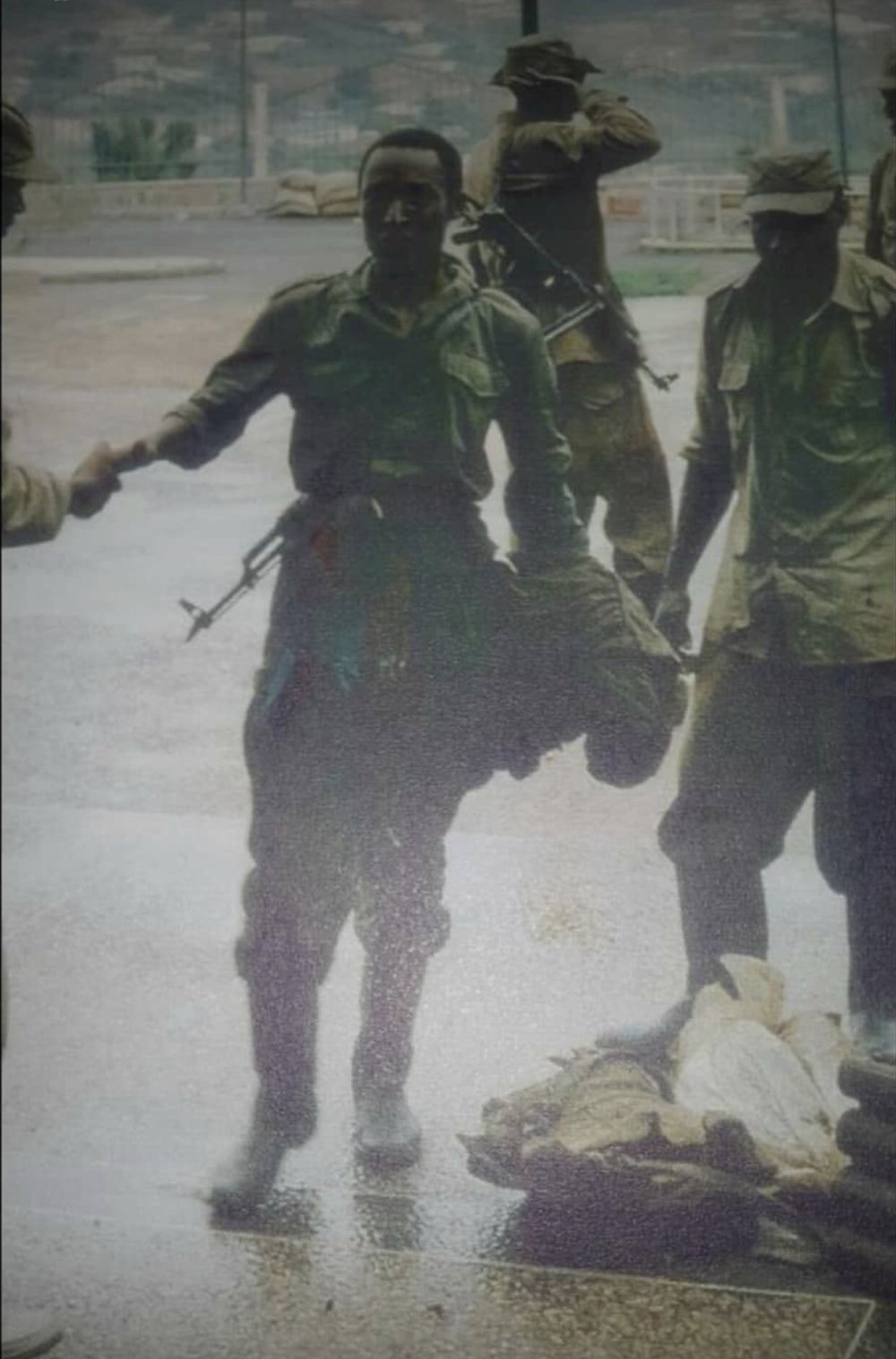
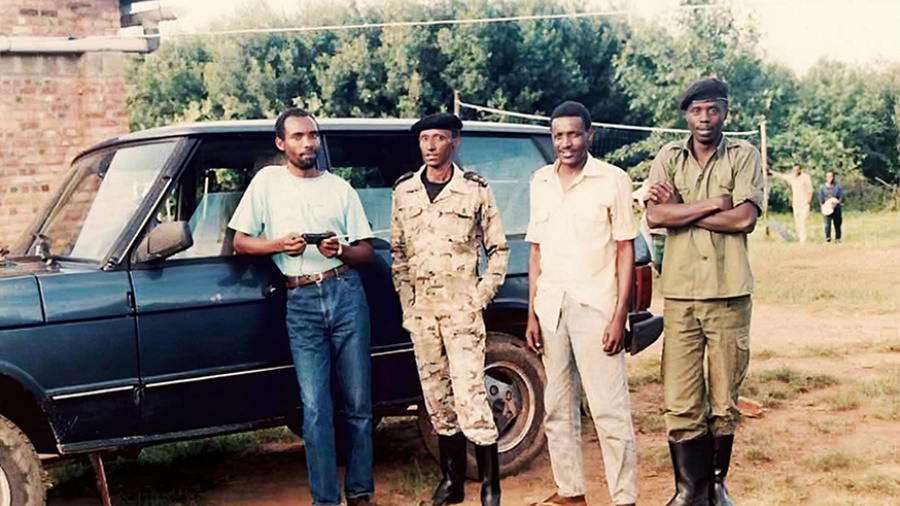
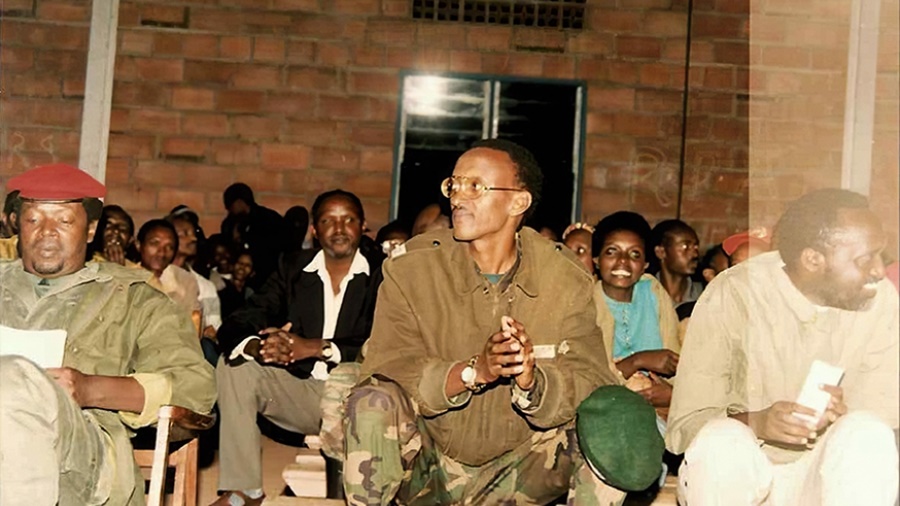
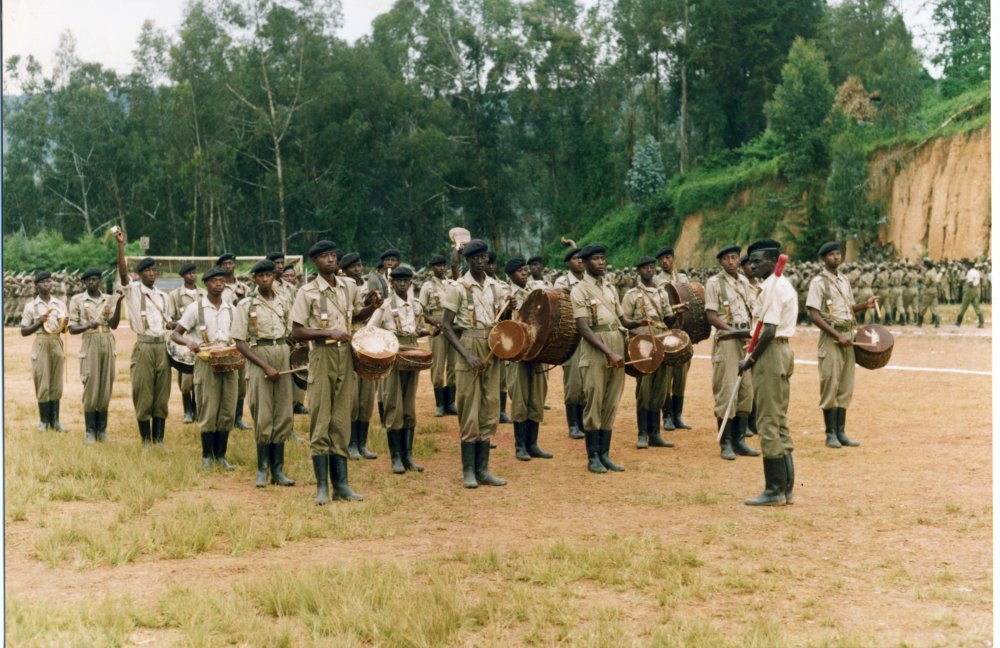
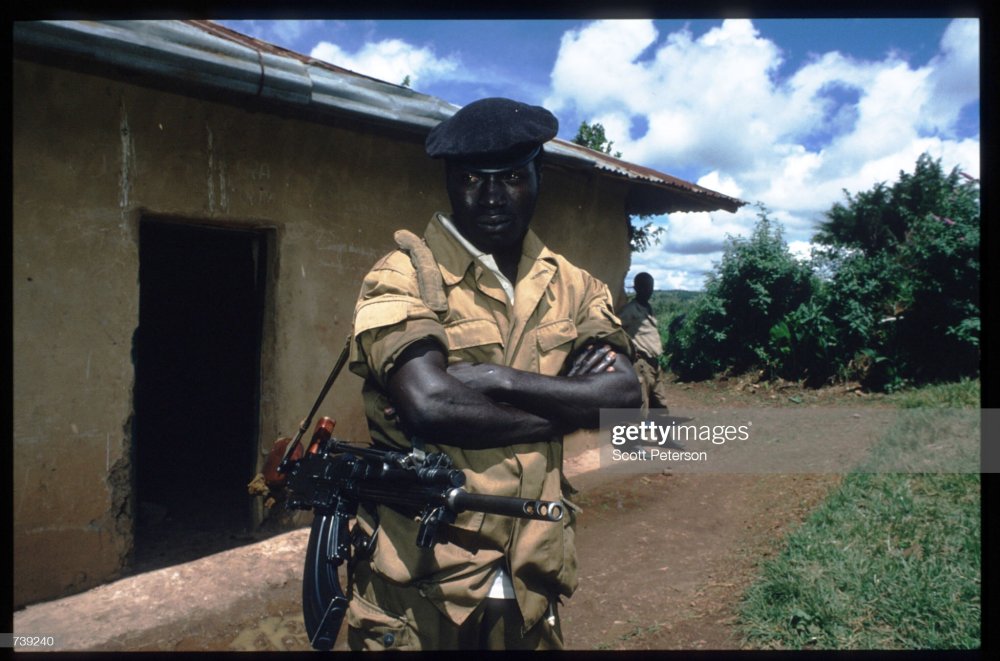
    Each year on this date, Rwandans turn to archival and nostalgic photographs that capture moments from this historic period. These images, drawn from personal collections, public archives, and shared memories, document lived experiences, milestones, and Rwanda’s long journey of liberation.

    Together, they serve as a powerful visual reminder of the liberation struggle led by the Rwandan Patriotic Army (RPA), under the leadership of President Paul Kagame, and its enduring place in the nation’s collective memory.

    Here are the photos:

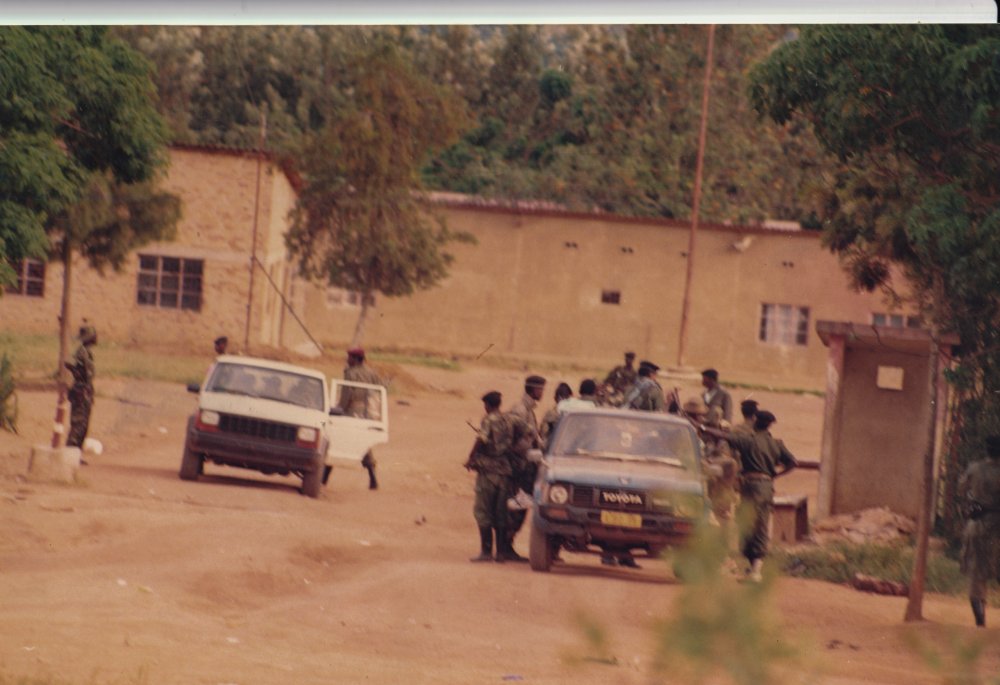
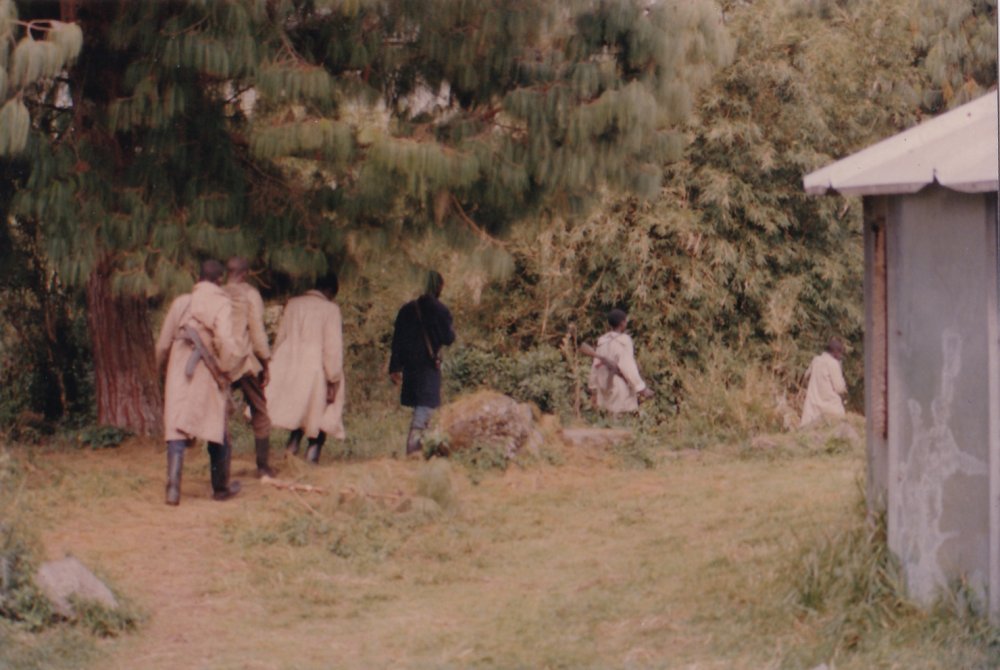
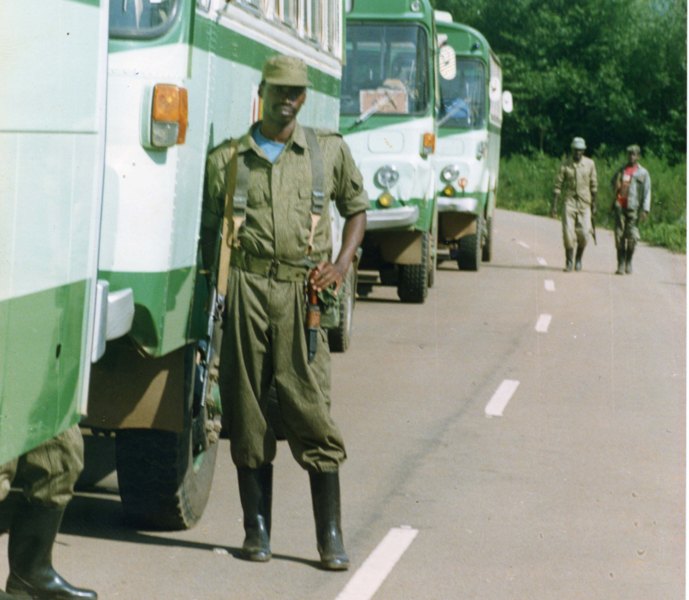
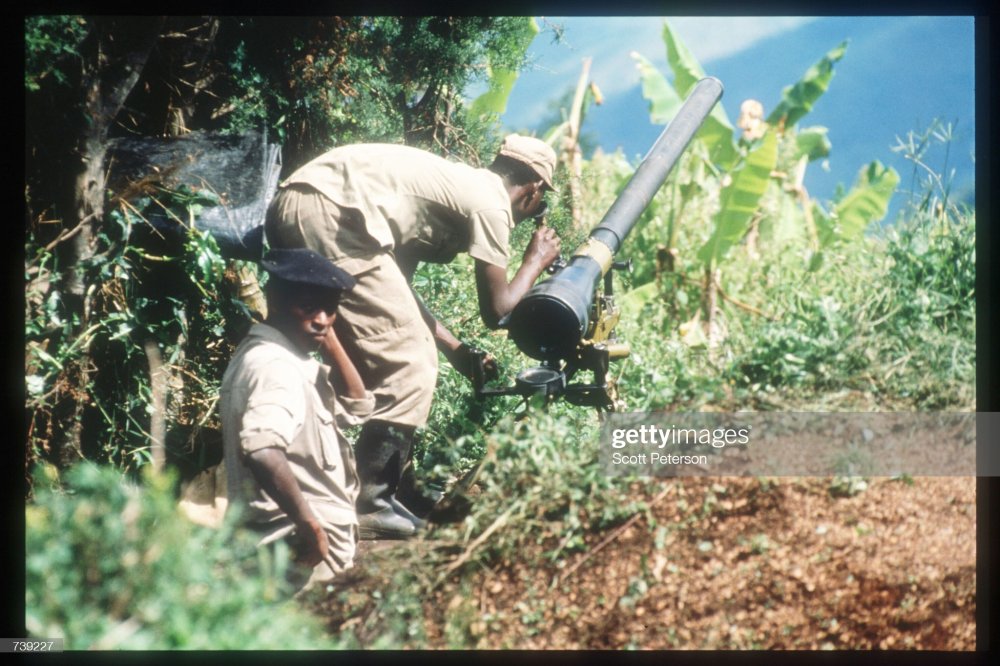
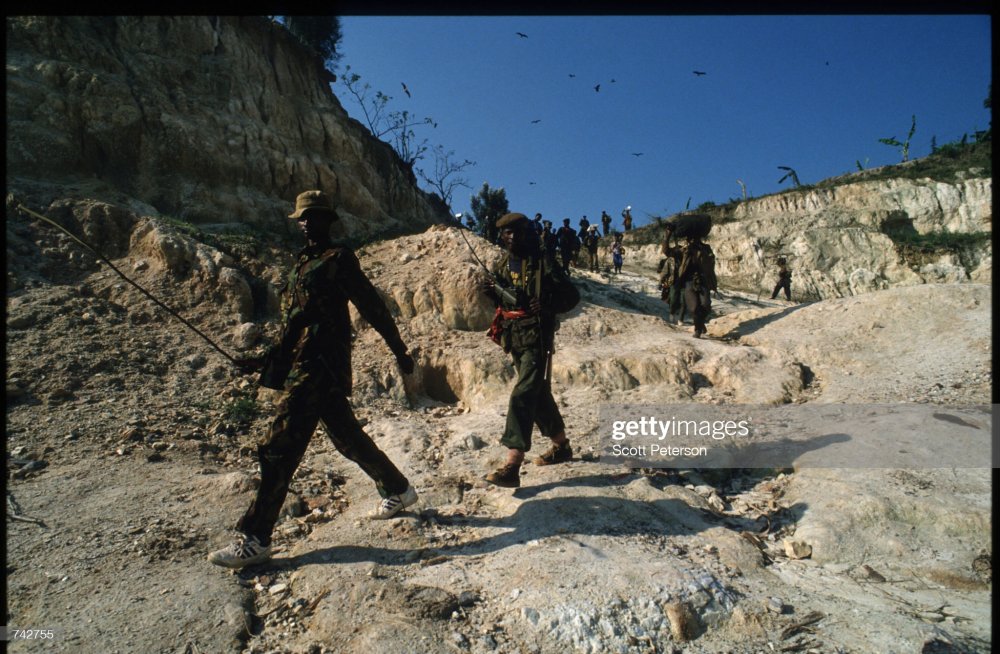
    RPA forces moved into the Virunga Mountains through bushland after withdrawing from Mutara.
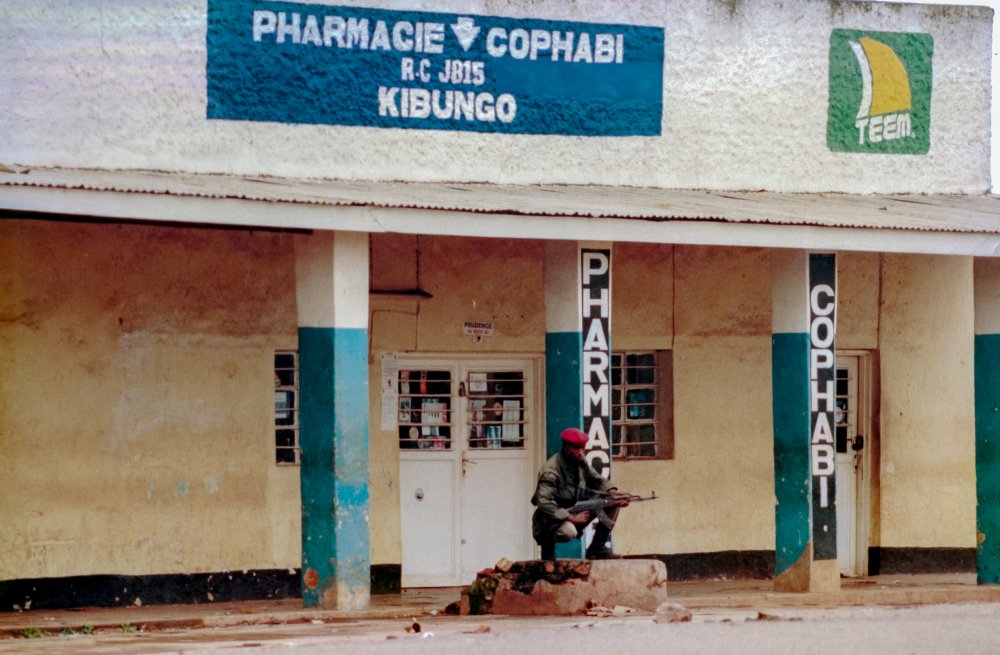
    This photo was taken after the RPA had liberated Kibungo.
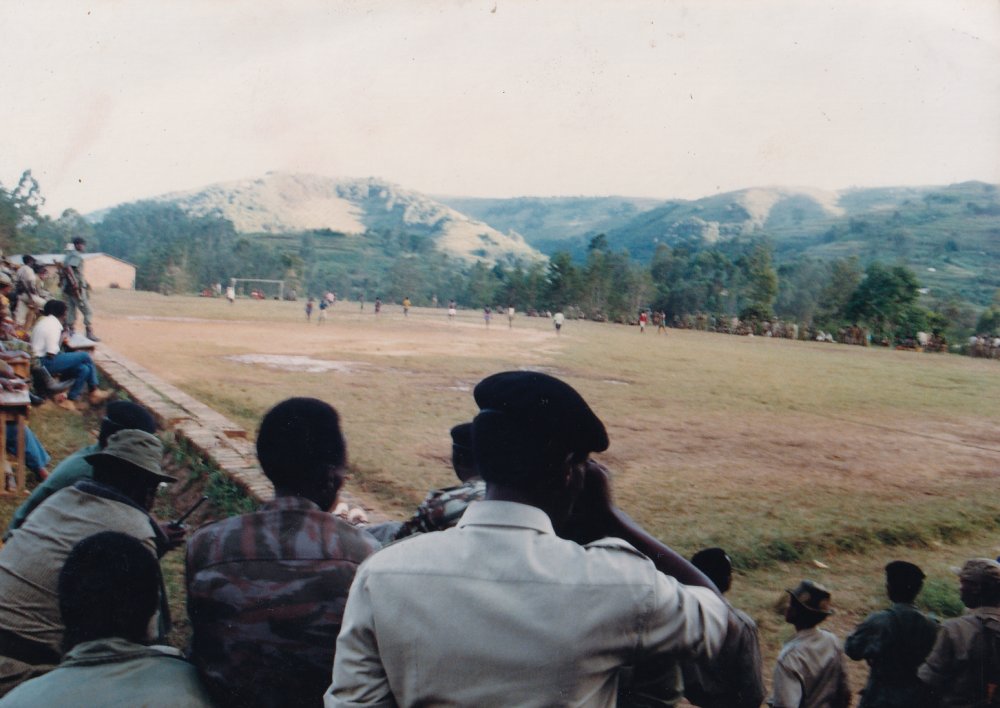
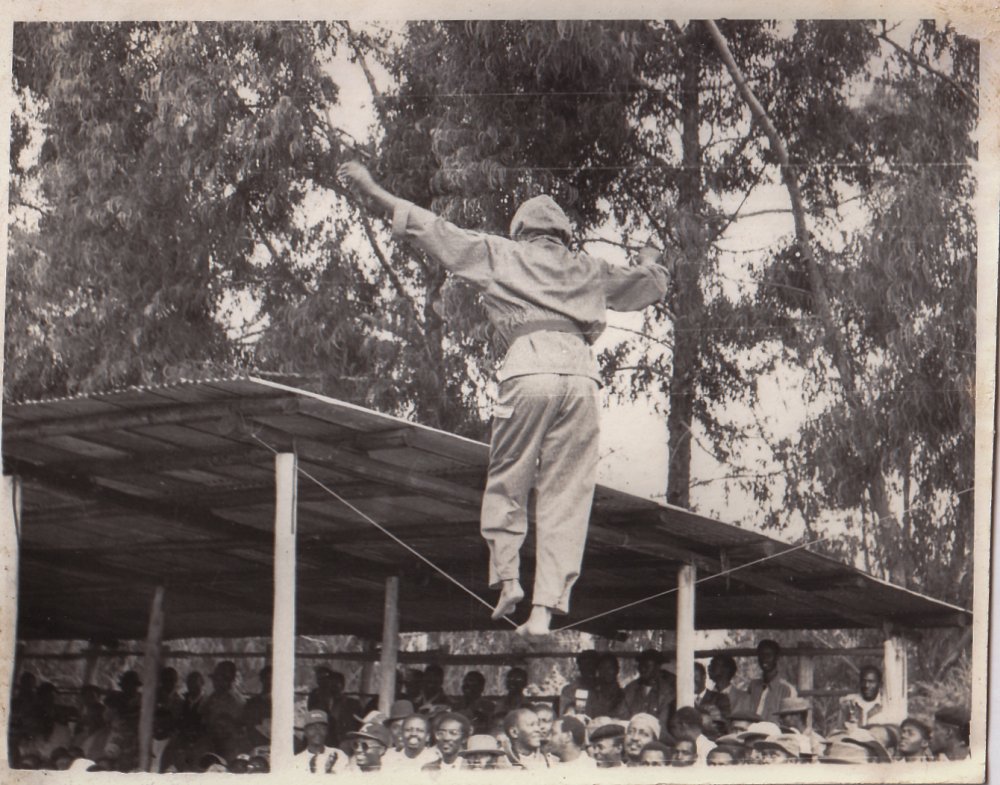
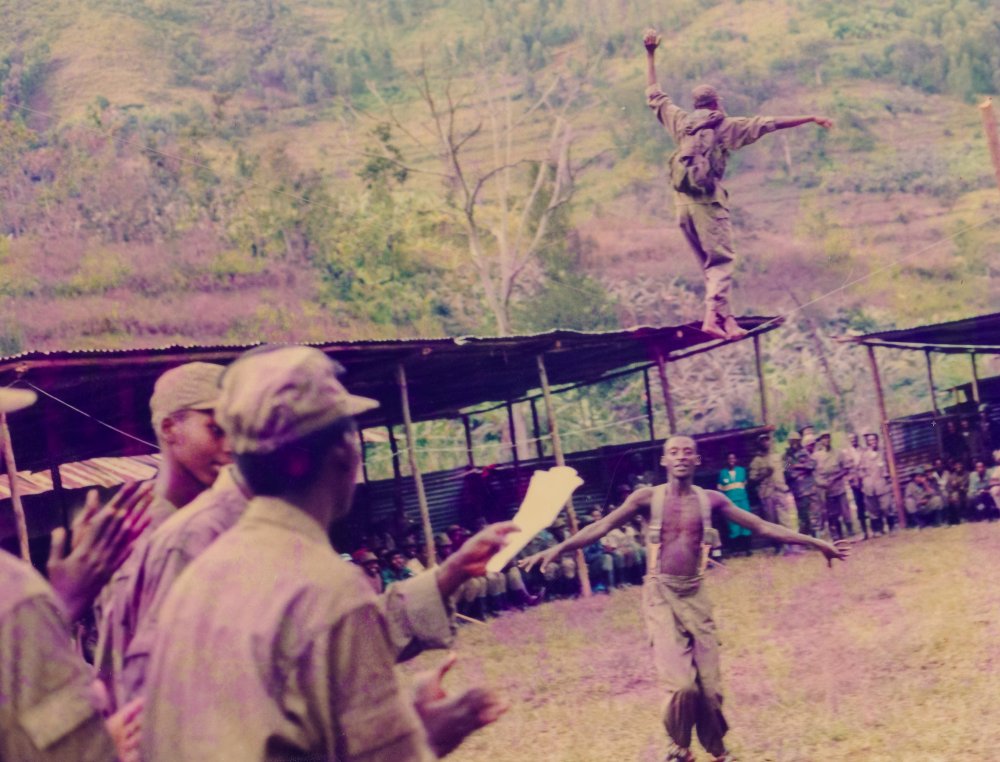
    During the liberation struggle, sports played an important role, as soldiers would take time to relax and engage in recreational activities whenever the opportunity arose.

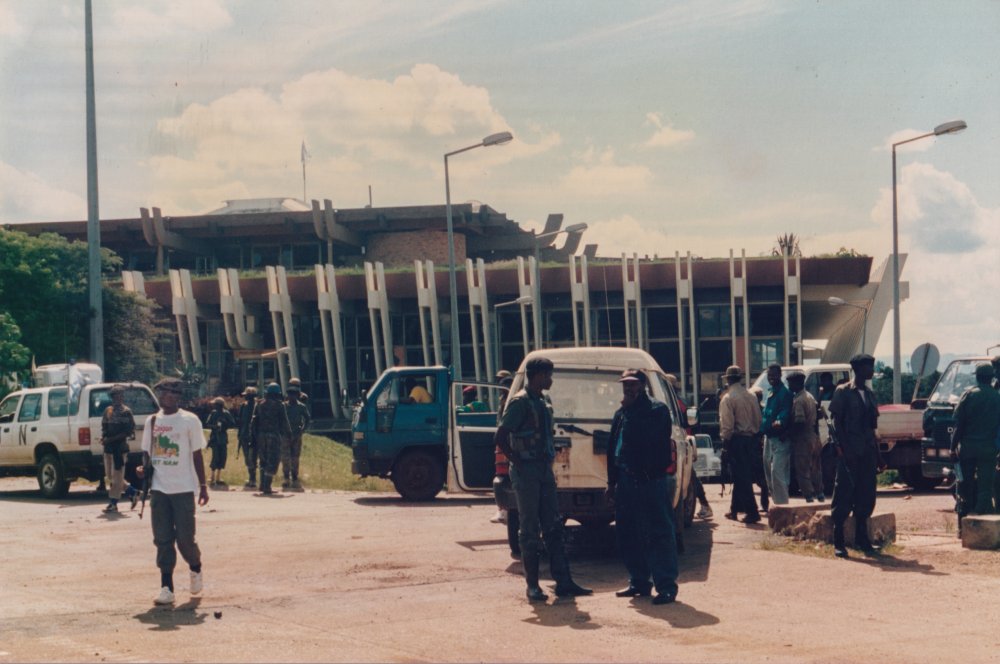
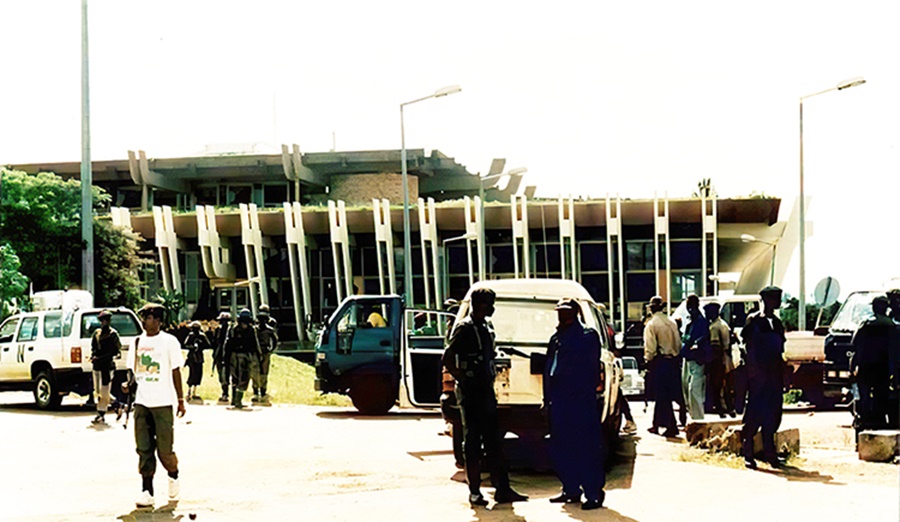
    RPA forces at the Kigali International Airport.
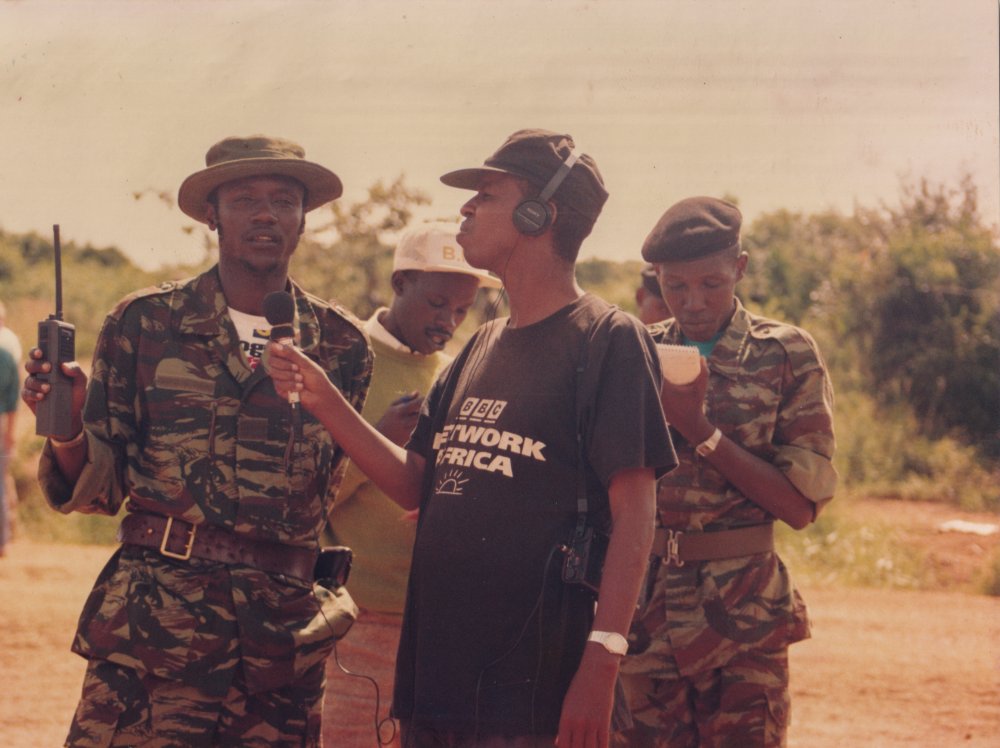
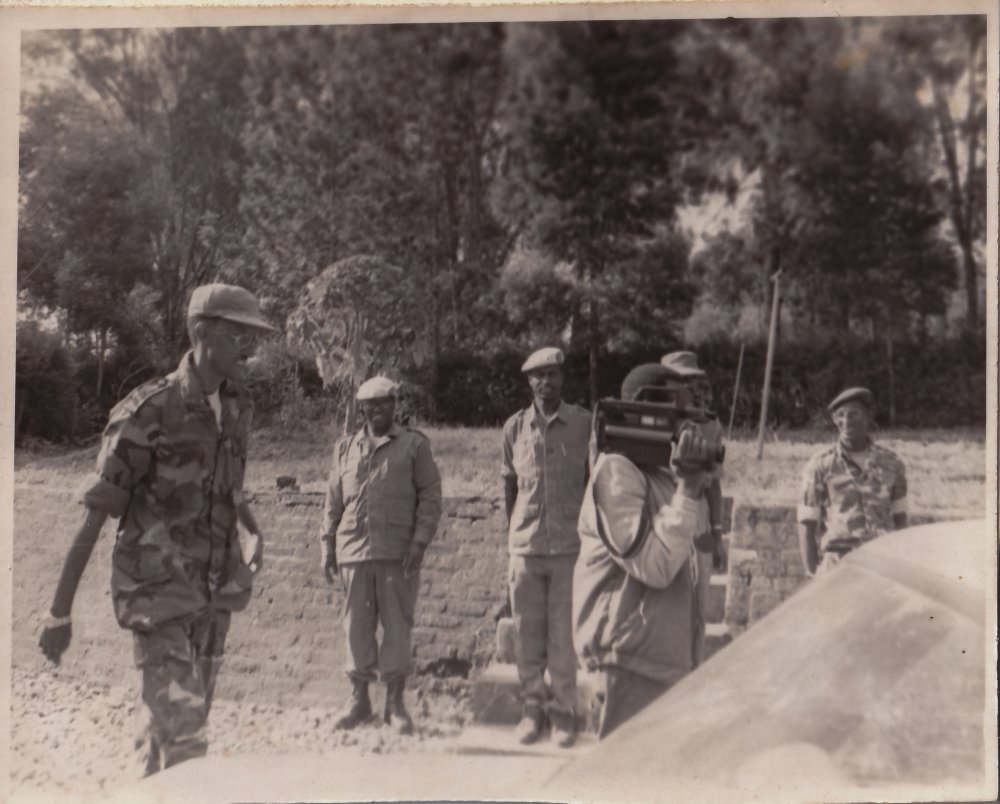
    Fred Ibingira during a conversation with a journalist about the liberation struggle.


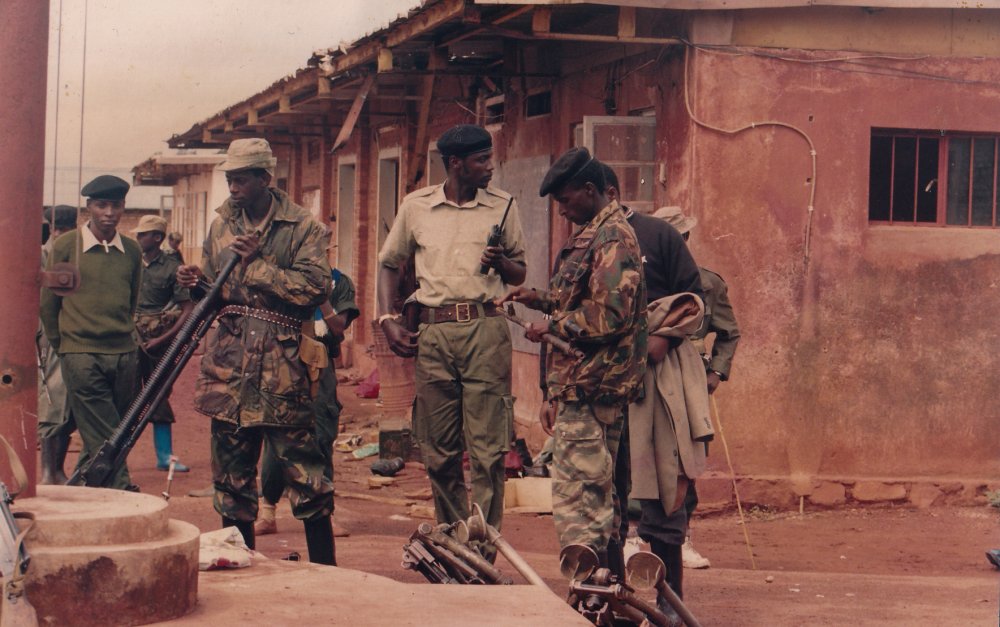
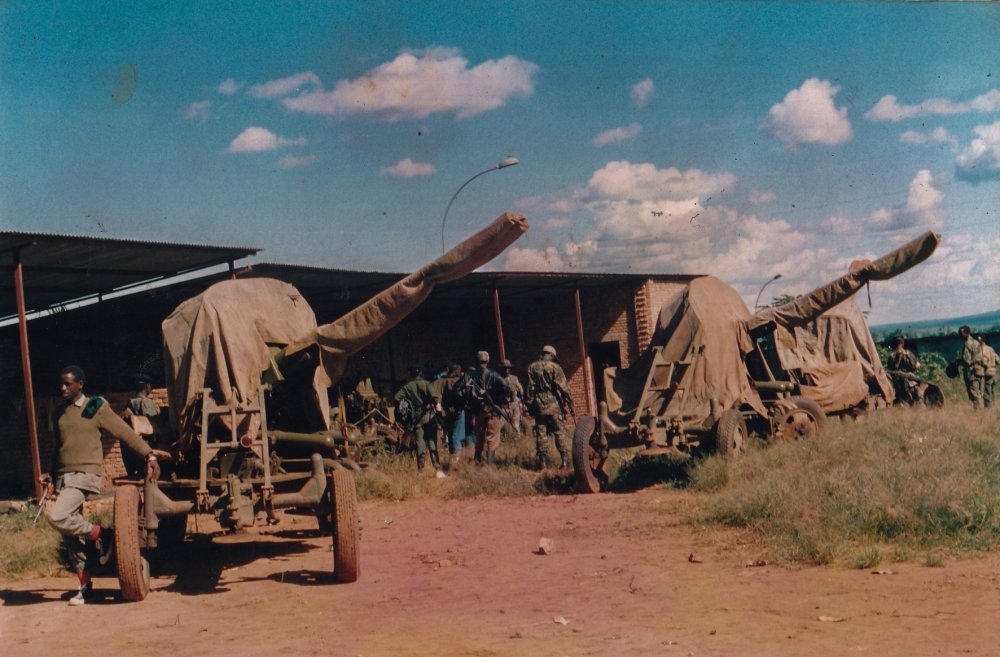
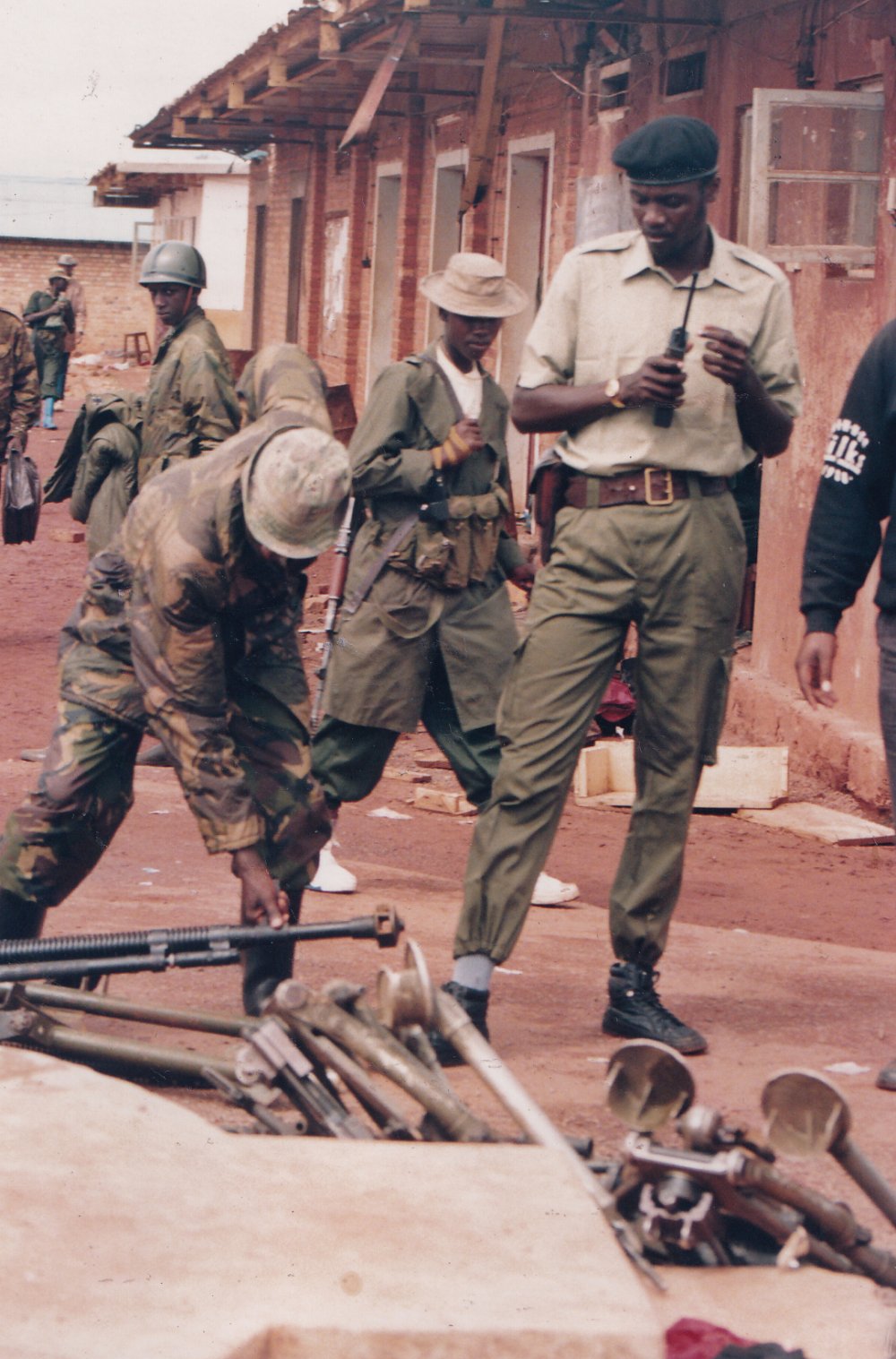
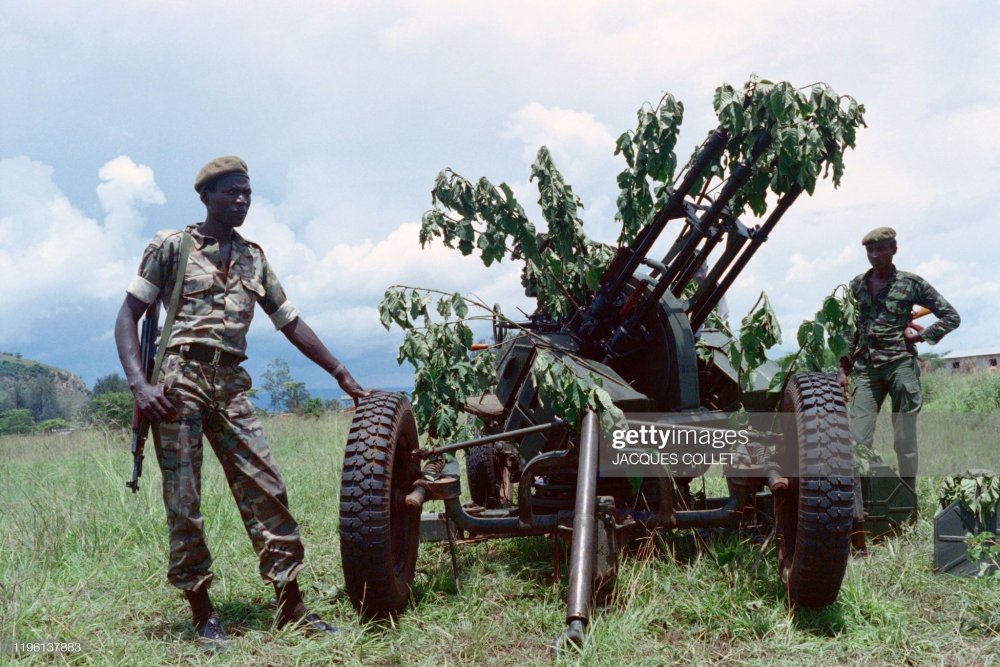
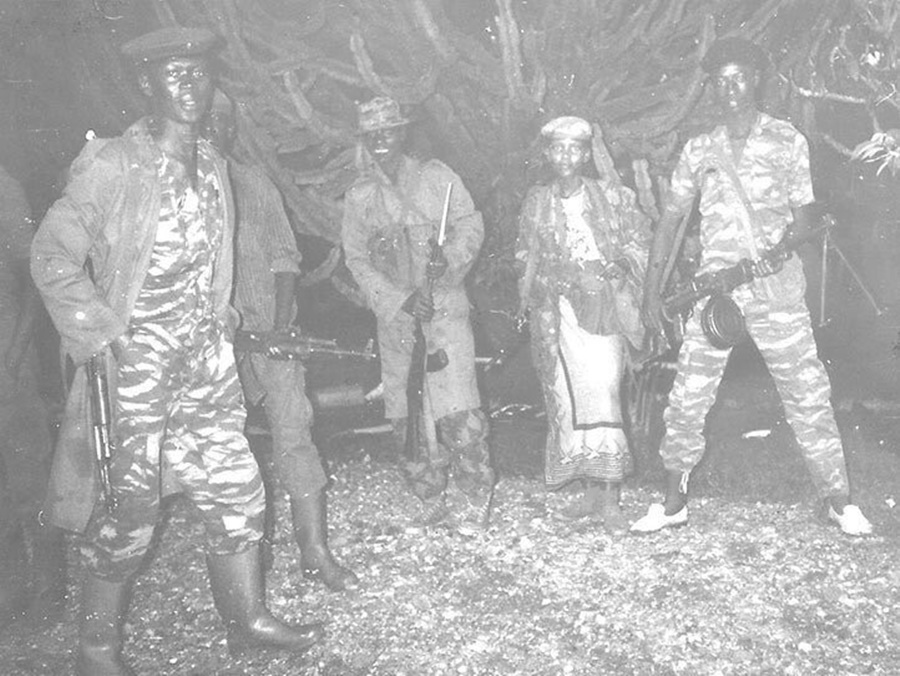
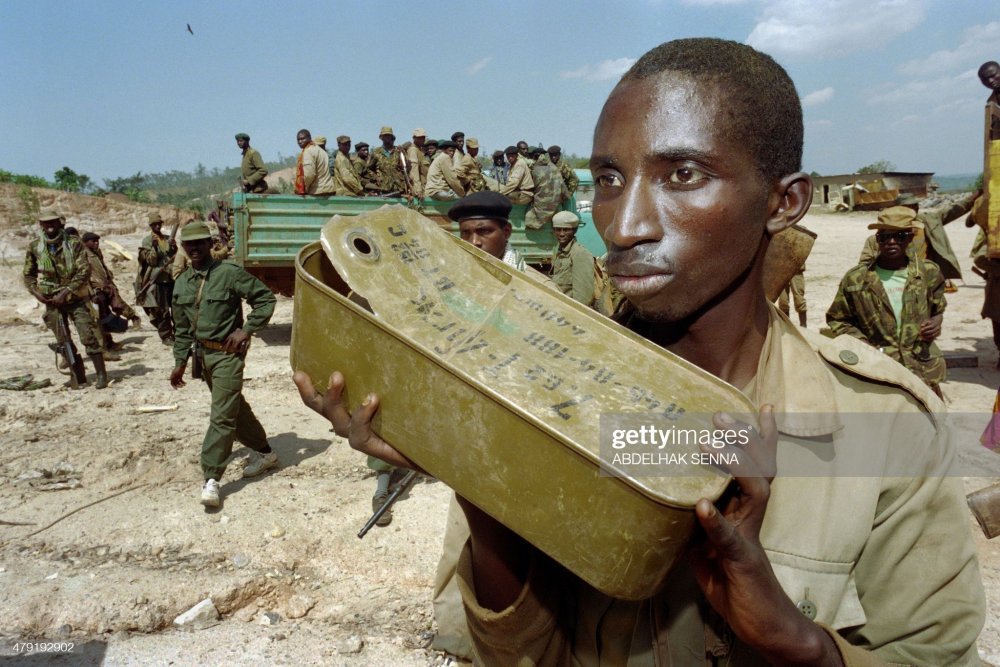
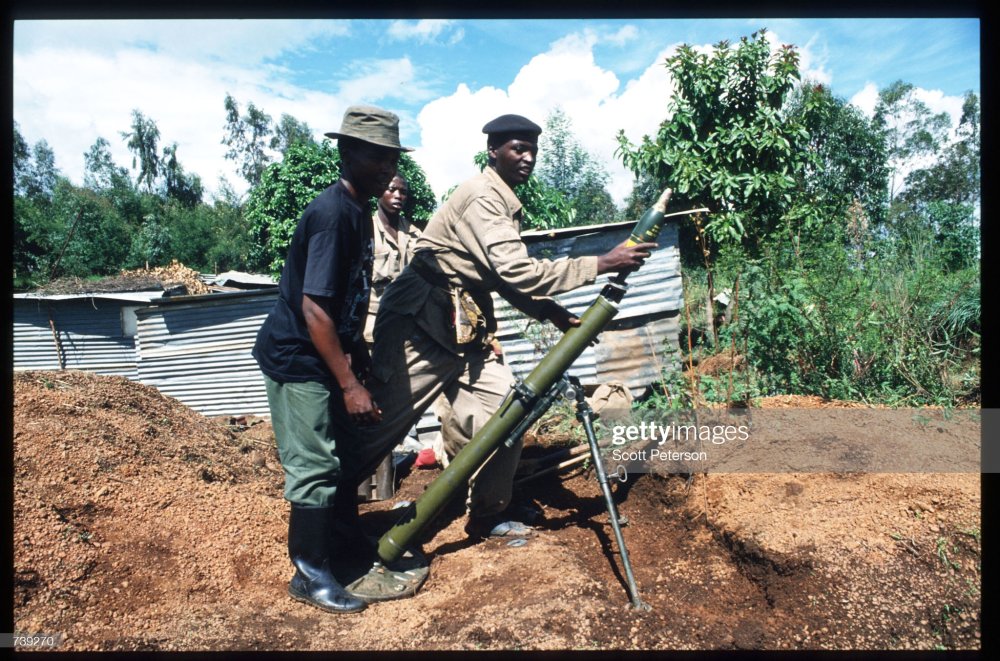
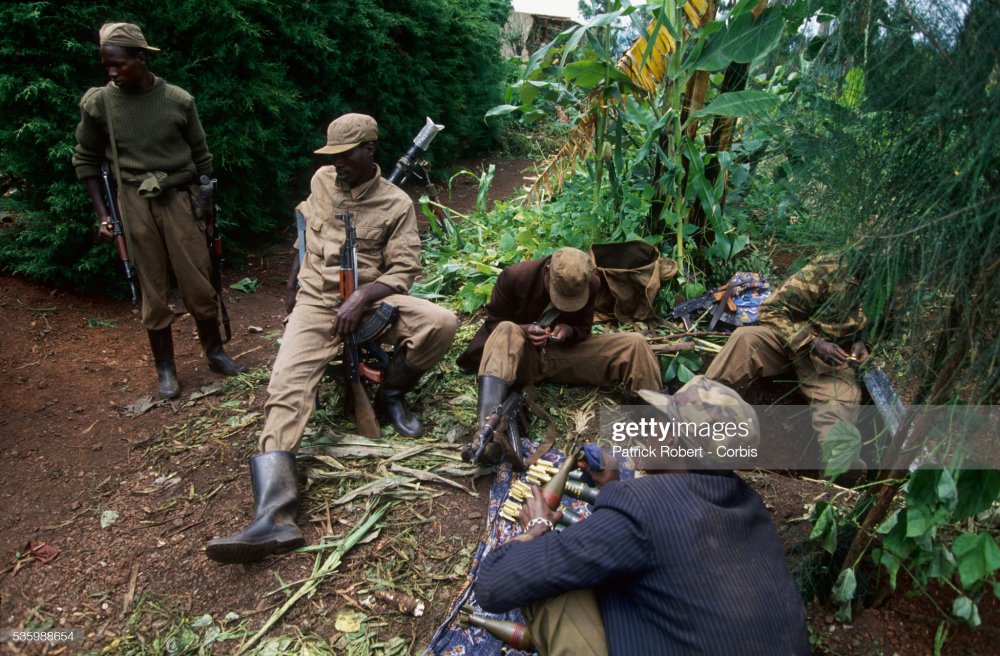
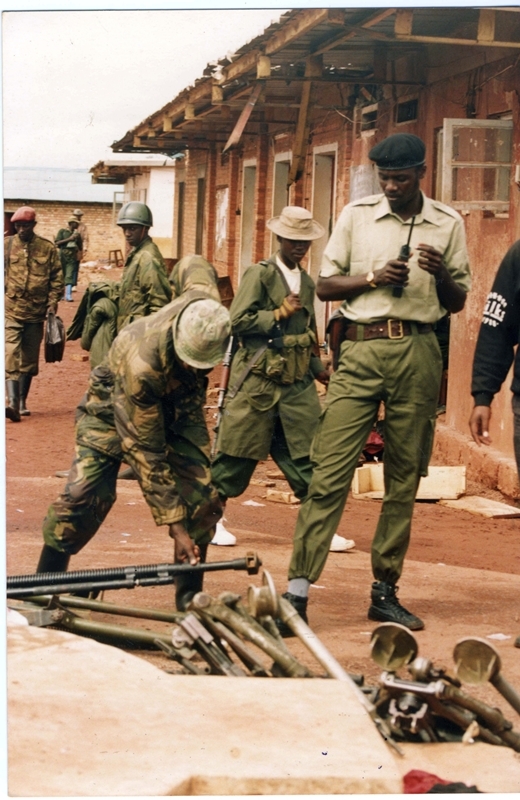
    These are weapons that had been abandoned by FAR troops and were later recovered by RPA forces.


    RPA troops in Kagitumba on October 22, 1990, during the early stages of the liberation struggle to free the country.
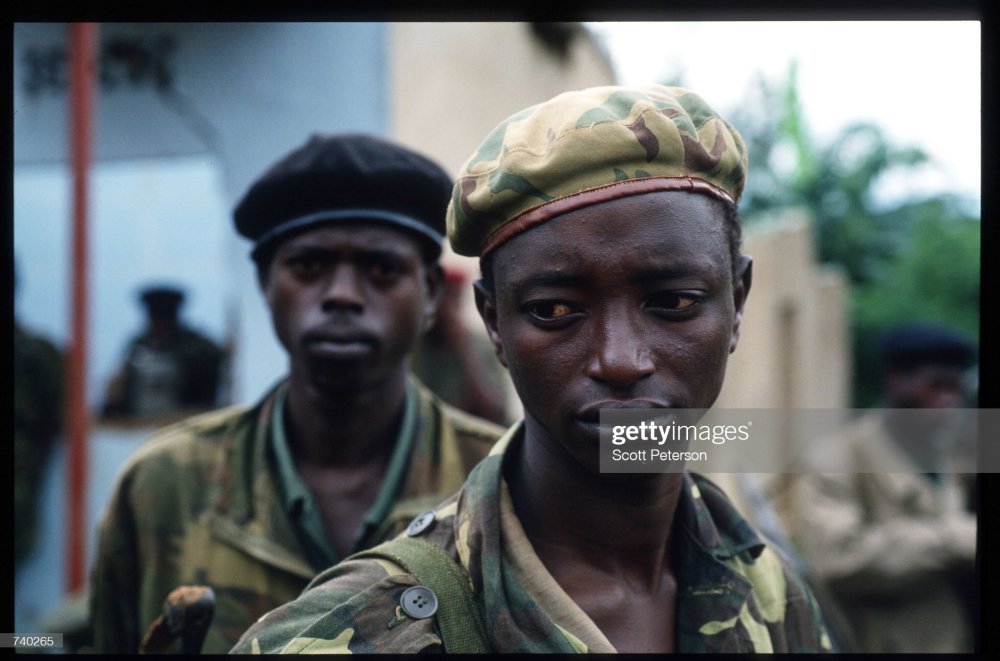
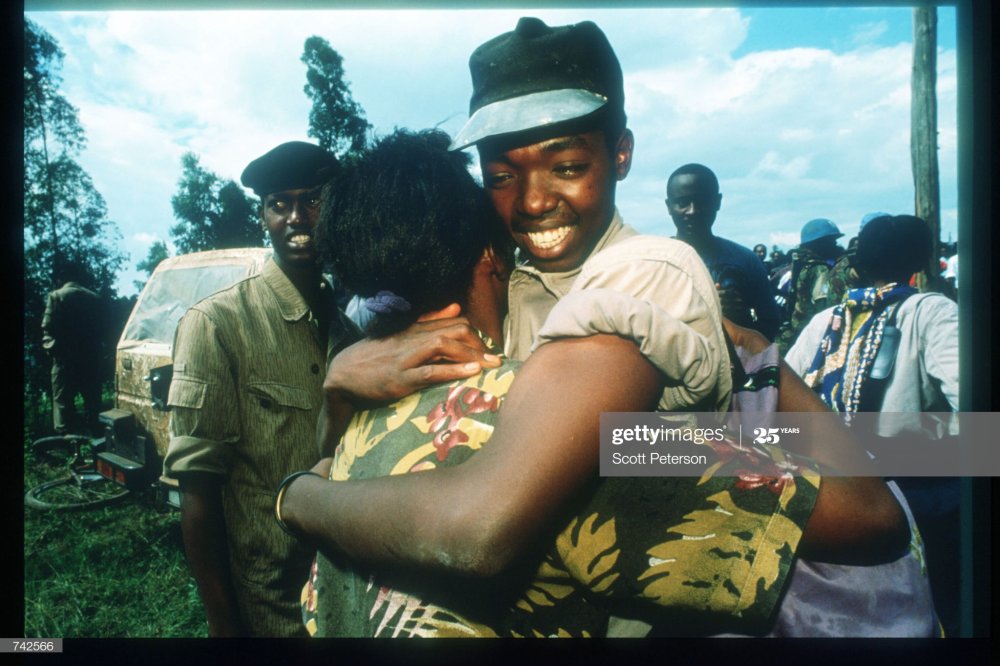
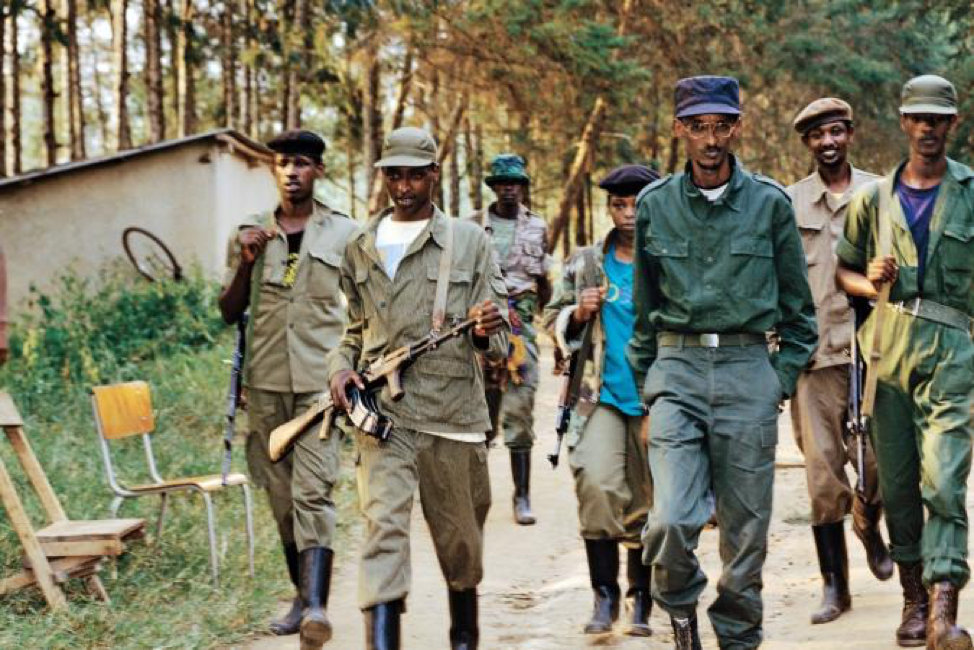
    A large number of RPA soldiers were young. The group shown here was photographed on May 26, 1994, as they advanced toward Kigali City.
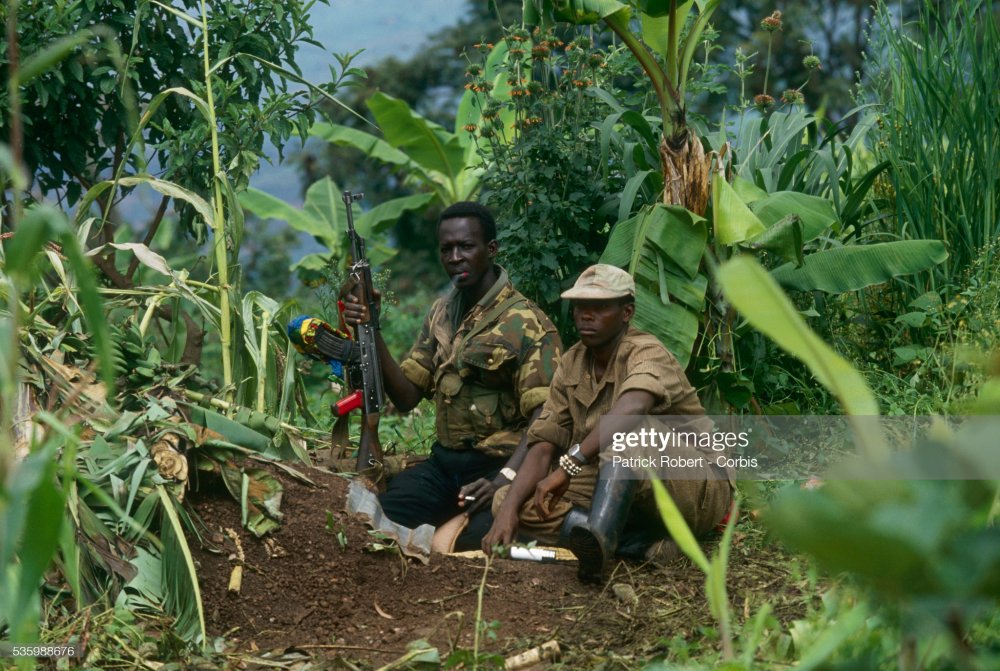
    These RPA soldiers were photographed in a banana plantation within Kigali City during the liberation struggle to liberate the country.

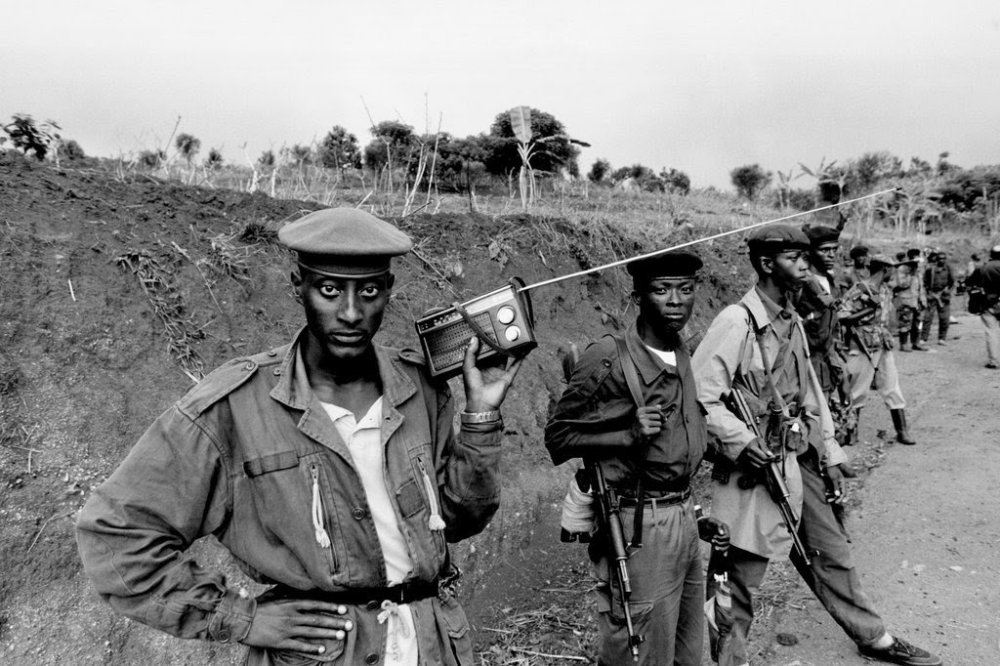
    RPA soldiers in Nyamata during the liberation struggle. At the time, they relied on small radios to receive updates on the progress of the war, and they listened to Radio Muhabura.
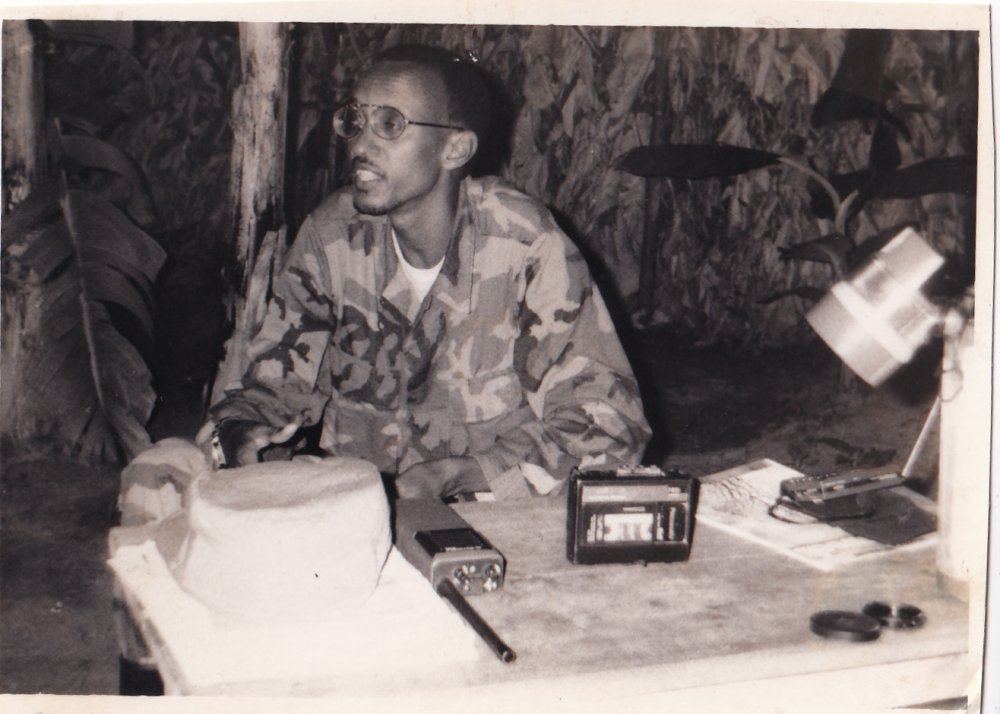
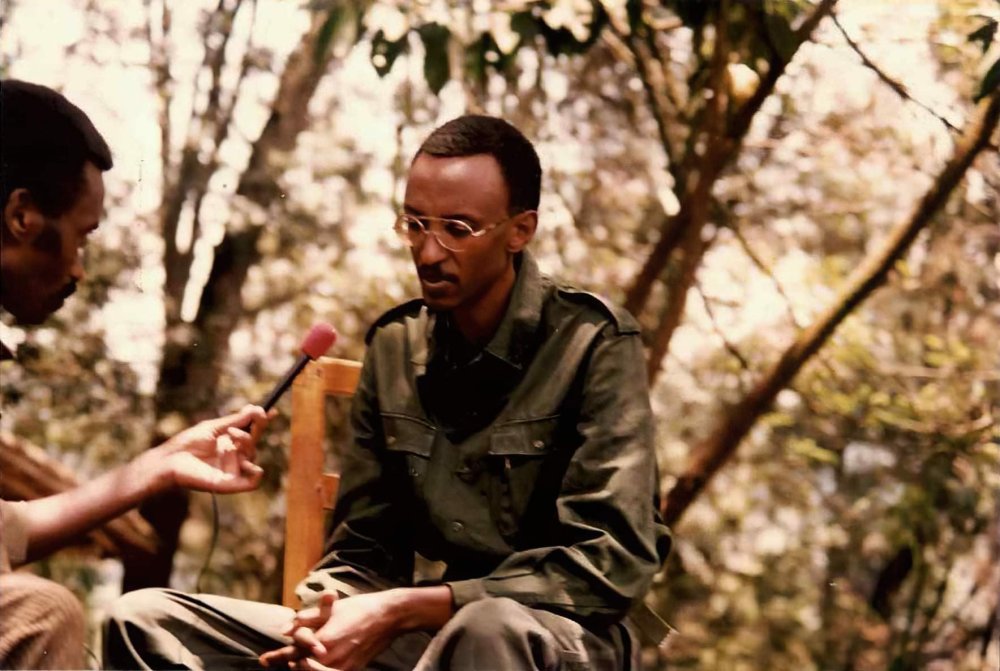
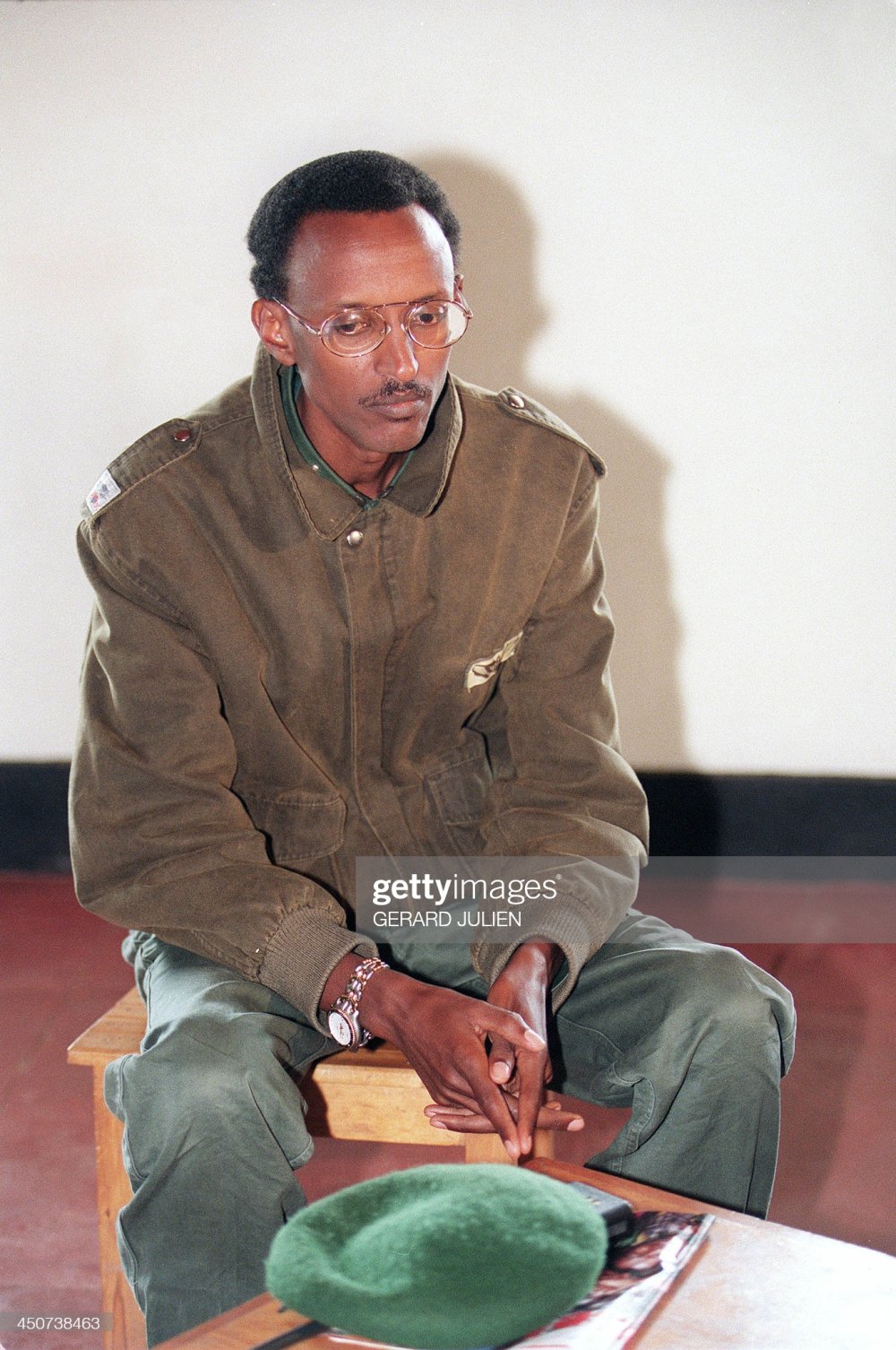
    Gen. Maj. Paul Kagame often engaged with the media, emphasizing that his forces were fighting for the right to their country and to protect Rwandans who had long lived in exile and displacement.
    RPA forces departed from Mulindi and moved towards the CND.
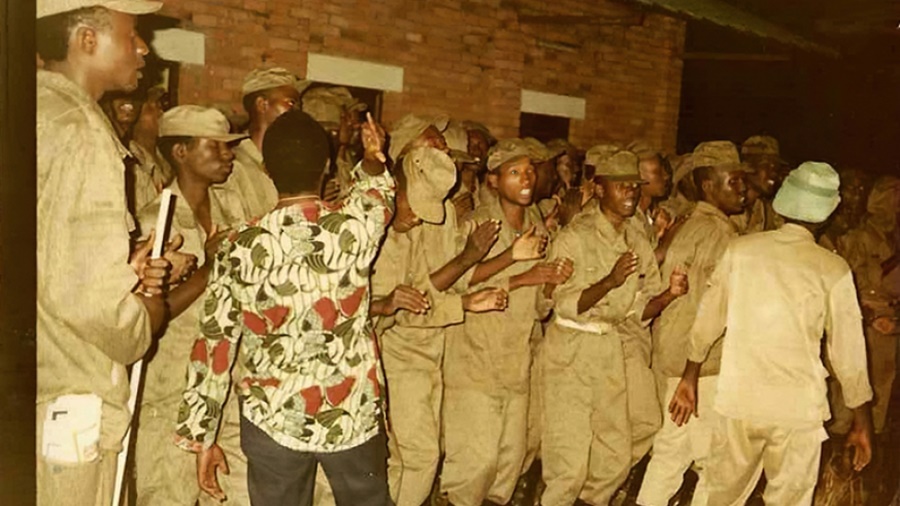
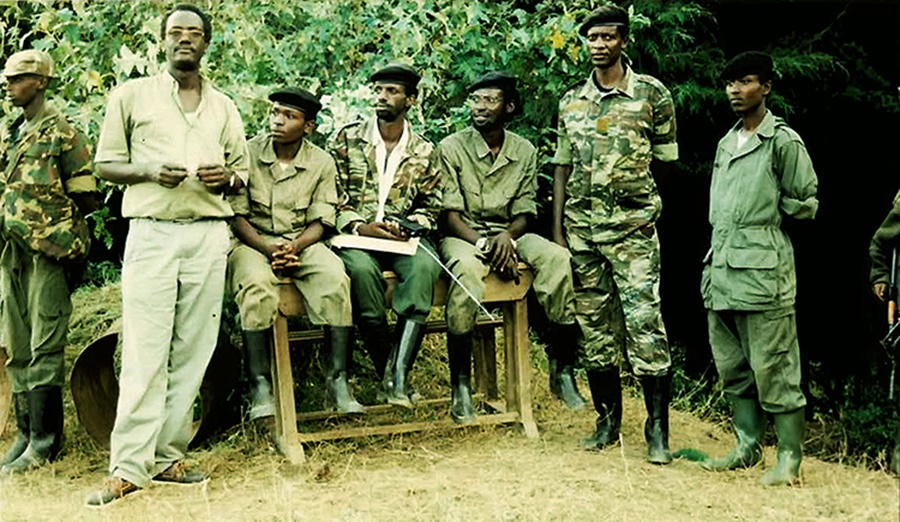
    Nearly all the RPA soldiers who participated in the liberation of Rwanda were young at the time they joined the struggle. They abandoned their education and peaceful lives, choosing instead a difficult path that ultimately led Rwanda toward a better future.
    The RPA began with very limited resources, lacking both equipment and established bases, yet it ultimately achieved victory through determination, resilience, and a commitment to justice.
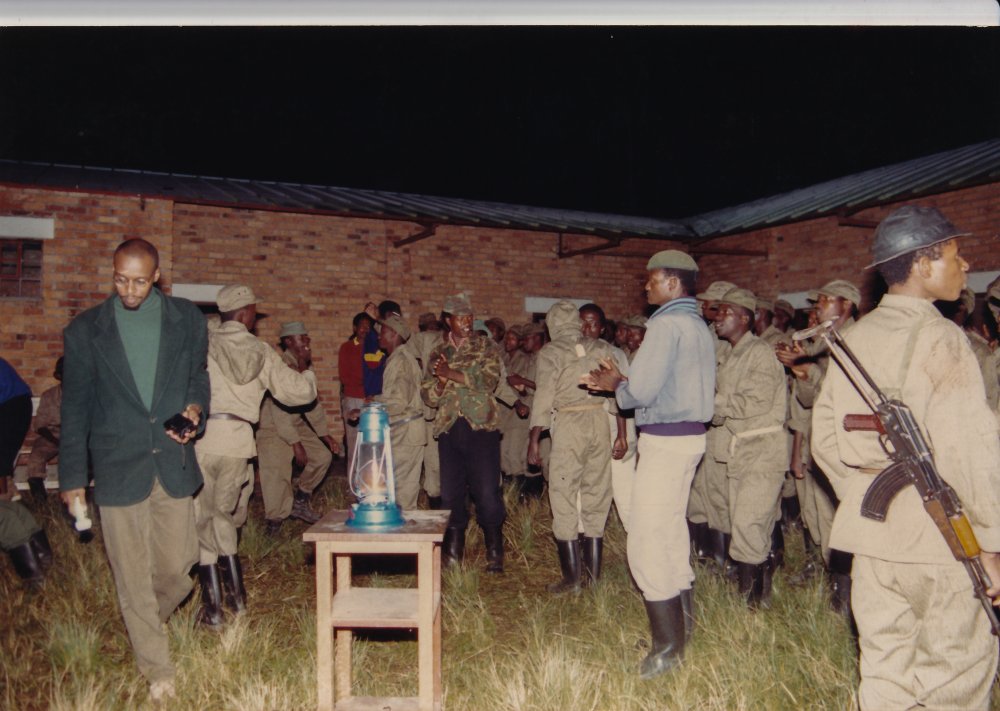
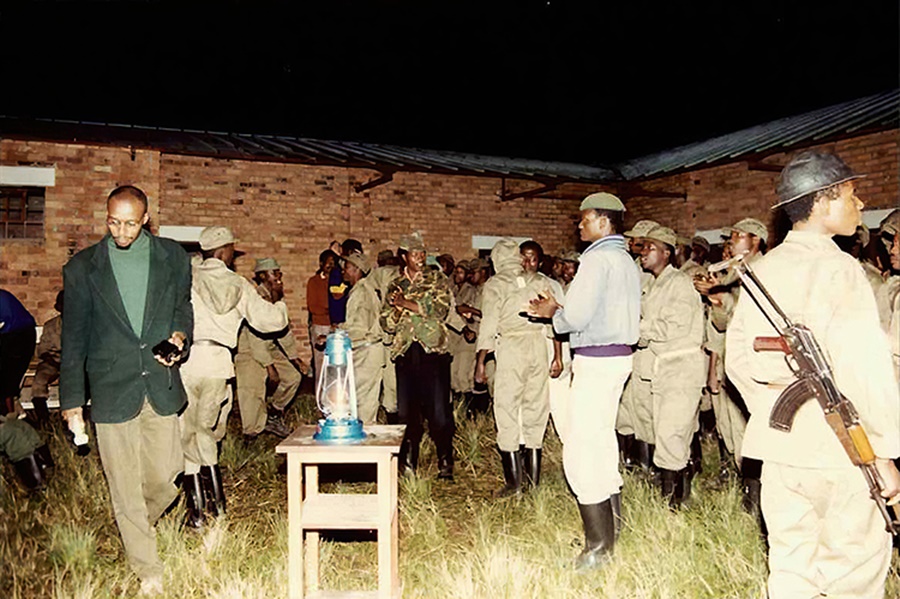
    Wherever they were deployed, RPA soldiers were characterized by strong morale. This image captures one of their night moments, illuminated by a kerosene lamp.

    High morale was one of the key sources of their strength, enabling them to remain focused and determined despite the challenges of the battlefield and the loss of fellow soldiers.

    Gen. Maj. Paul Kagame was compelled to suspend his studies in the United States and return to lead the liberation struggle, a campaign that ultimately resulted in victory.

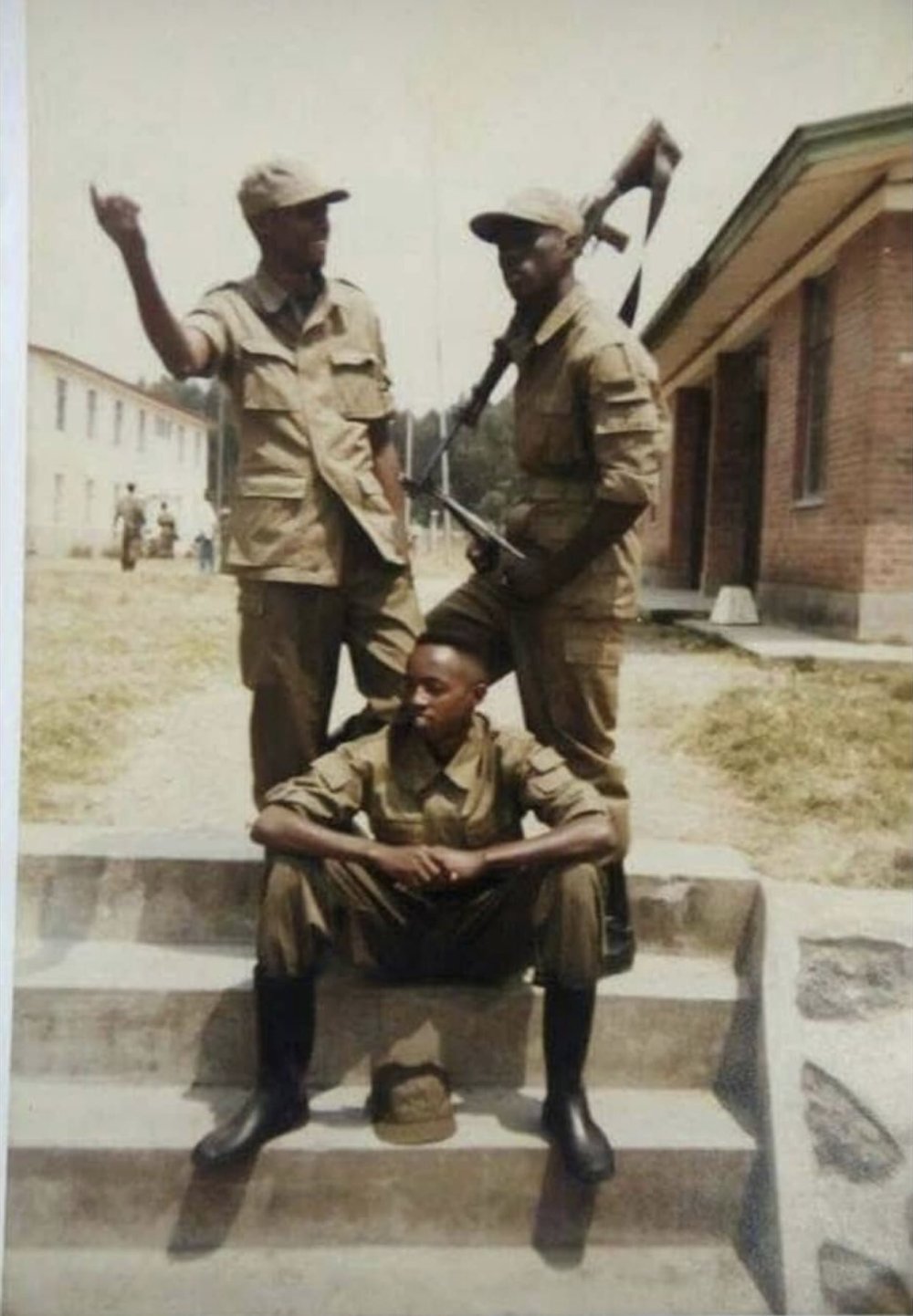
    Among the RPA soldiers who served as bodyguards to Gen. Maj. Paul Kagame were Mugisha Pepekale, Happy Ruvusha, James Kabarebe, Alex Kagame, Charles Kayonga, and John Gasana, who is seen seated.
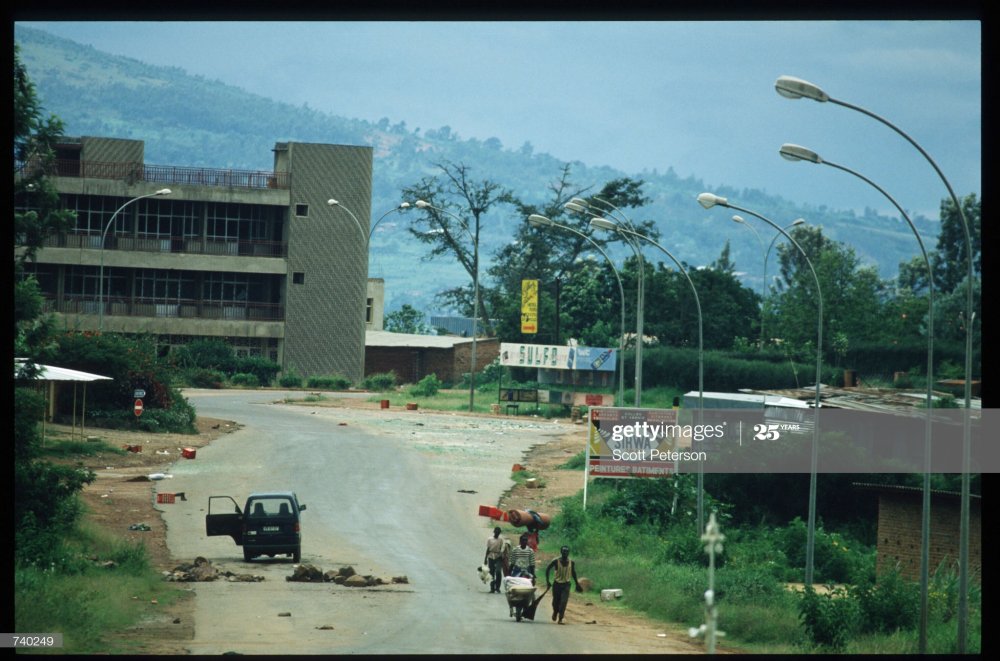
    Following the liberation of the country, a new phase of reconstruction began. The area once known as ‘kwa Lando,’ which previously looked very different, has now been transformed and is filled with modern buildings.
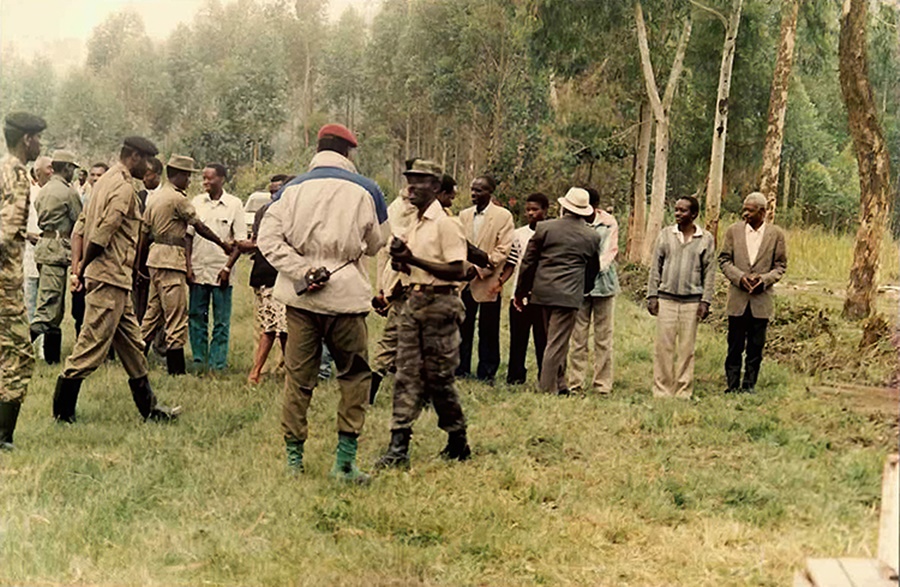
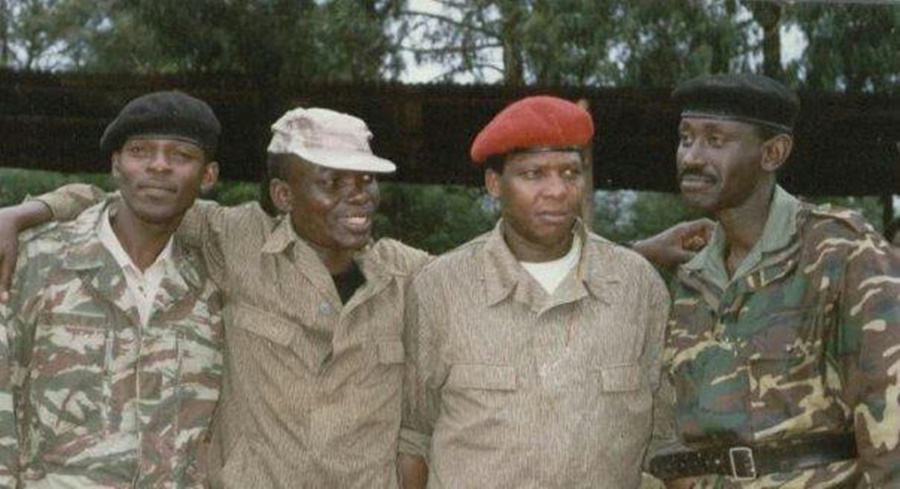
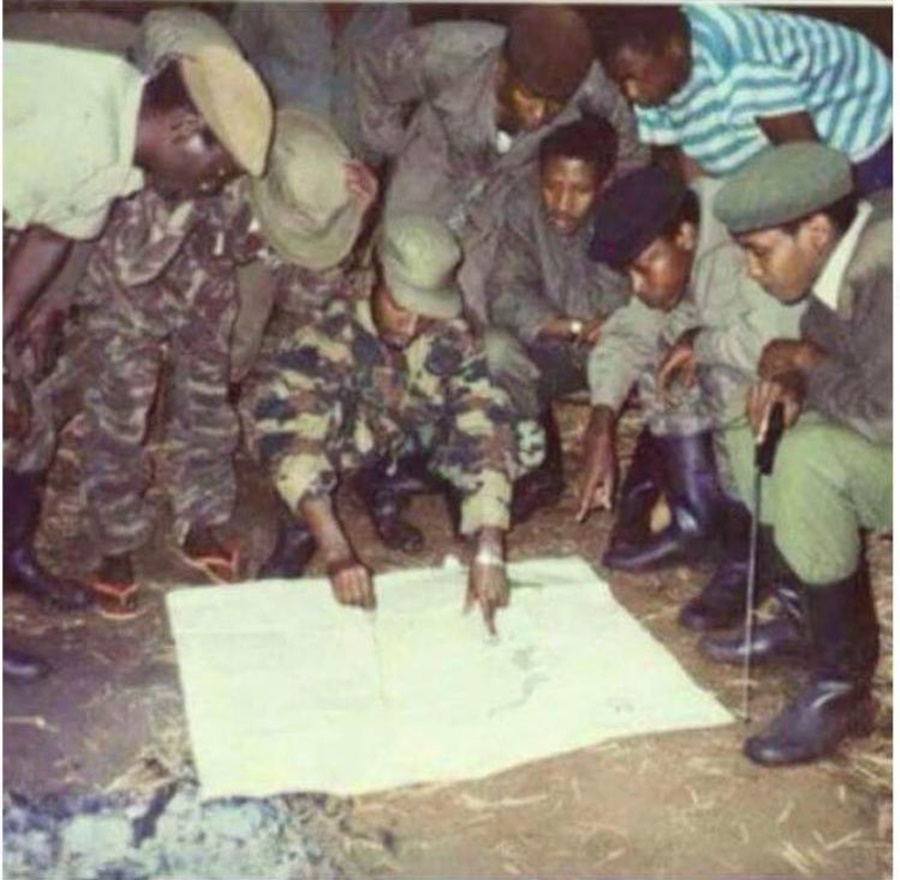
    Rtd Col Ludovic Dodo Twahirwa, seen wearing a red hat, was among those who played a key role in planning and conceptualizing how the military operations should be conducted during the struggle.
    Day and night, RPA forces studied military strategies aimed at winning the war and rescuing Tutsi civilians who were being systematically massacred.
    They gave up their youth and committed themselves to liberating their country.
    RPA forces arrived at the CND in Kimihurura, at the Parliamentary building, where they secured the area and rescued Tutsi civilians as well as RPF political leaders who were inside.
    Lt. Gerald Mbanda, former Head of Media sector Development at the Rwanda Governance Board (RGB), is seen alongside colleagues who worked at Radio Muhabura, the radio station affiliated with the RPA during the liberation struggle.
    Gen. Maj. Paul Kagame is seen alongside other RPF members, including politicians such as Tito Rutaremara, who is positioned on the right.
    Maj. Gen. Paul Kagame being sworn in as Minister of Defence after the country’s liberation.
    Following the liberation war, RPA forces continued their humanitarian efforts by locating survivors, rescuing those who remained in hiding, and ensuring they were provided with necessary care and support.
    The RPA did not abandon or discriminate against the refugees who accompanied them, ensuring they were treated with care and inclusion.
    From the outset, the RPA had a unit dedicated to helping soldiers relax and maintain morale during the struggle.
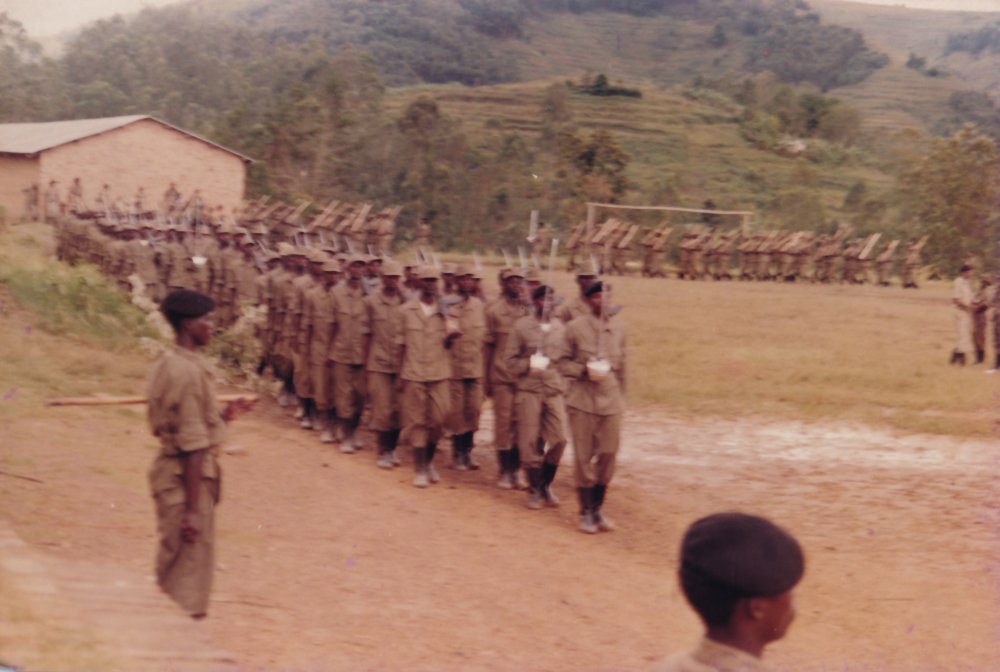
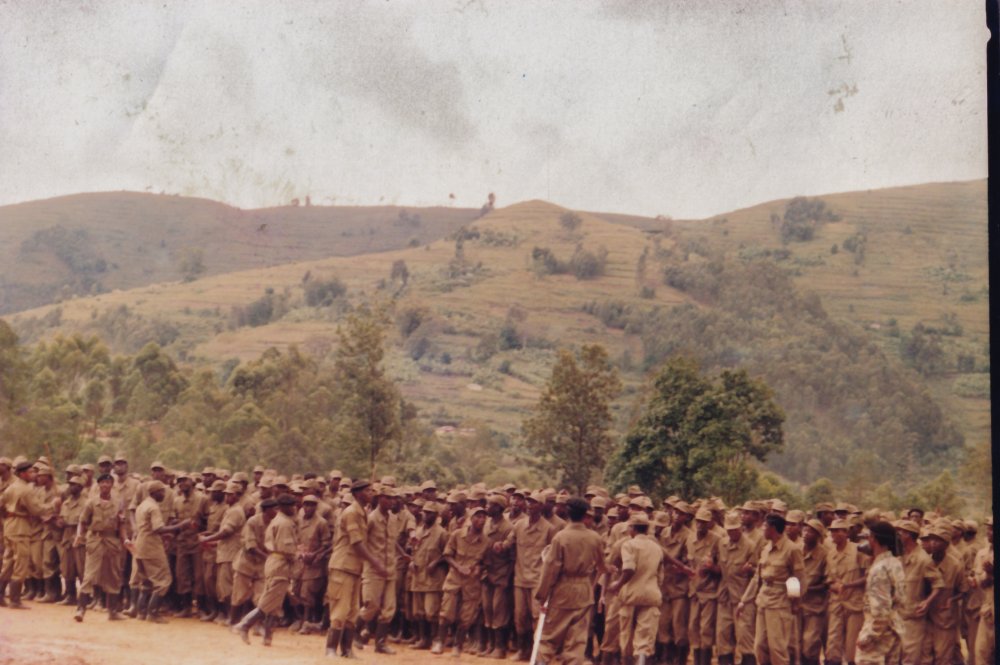
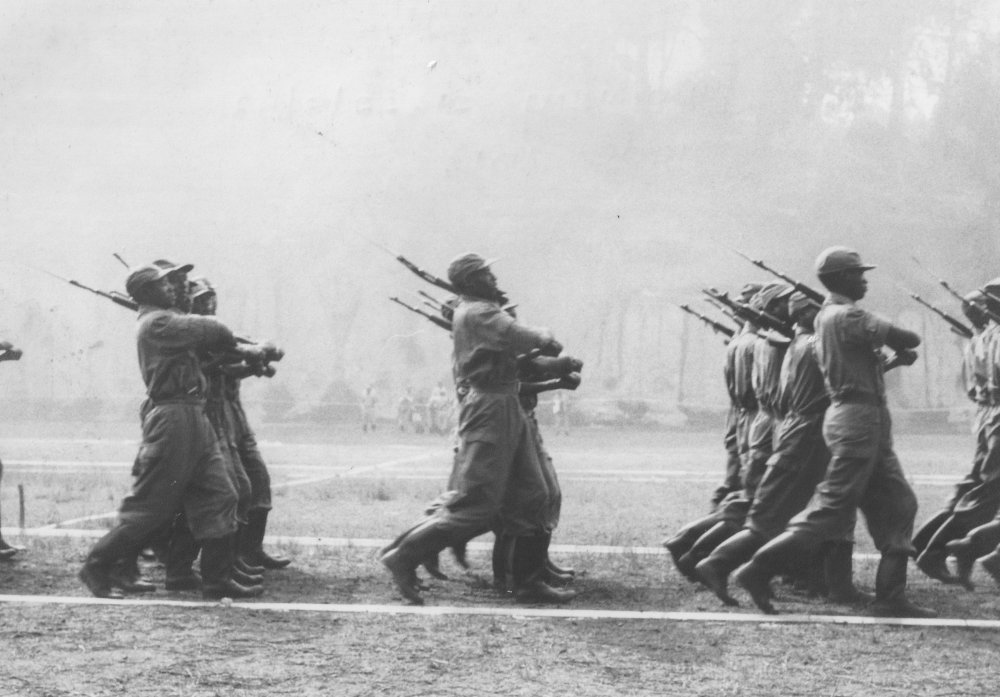
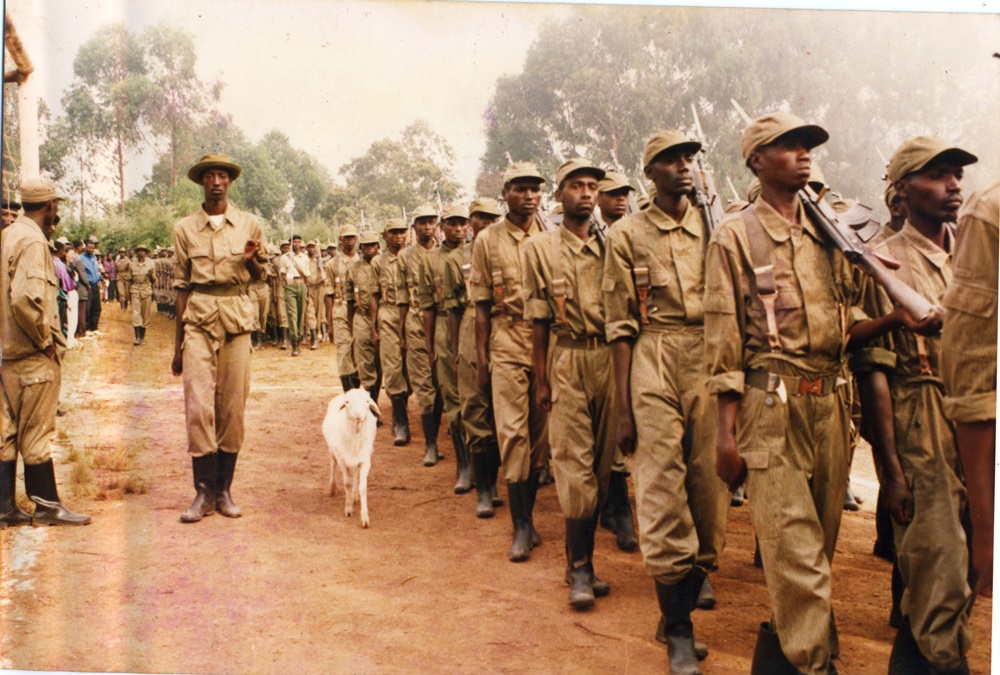
    A white sheep features prominently in this photo, where it was captured during a parade of the 101 Battalion.
    RPA forces after the capture of Kigali International Airport.
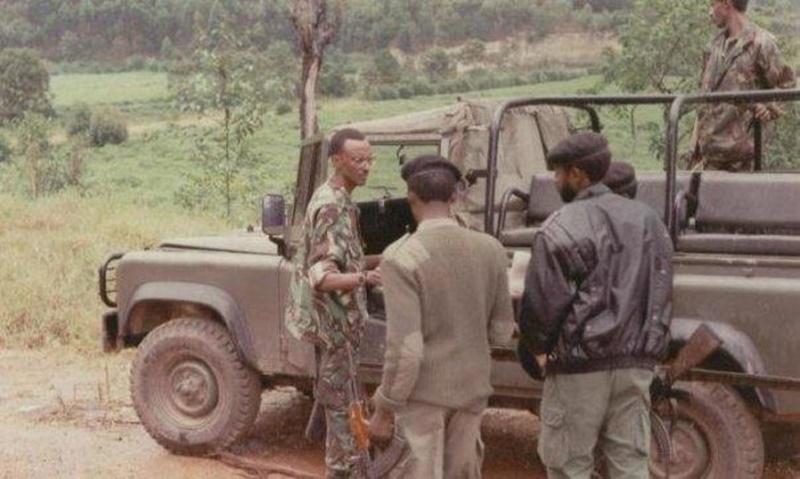
    Gen. Maj. Paul Kagame in Rusumo during the early stages of the liberation struggle to liberate the country.
    The RPA fought the war while simultaneously rescuing persecuted Tutsi civilians, providing safety and relief to those who reached its protection.
    The RPA intensified its military operations until it captured Kigali, marking the declaration of victory.
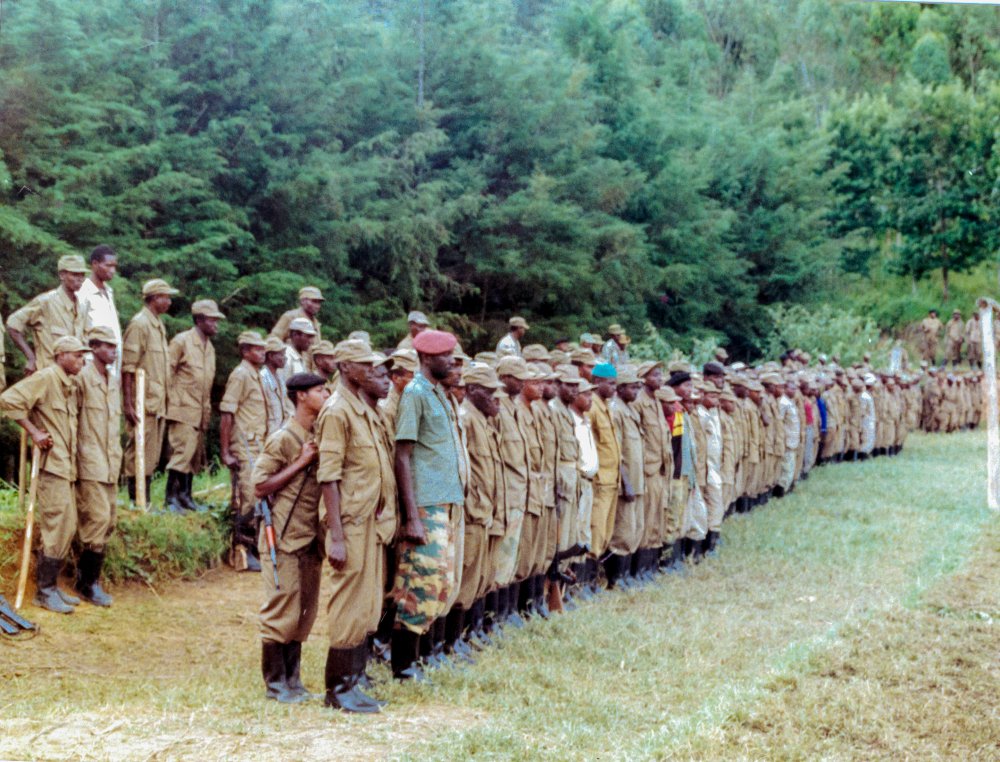
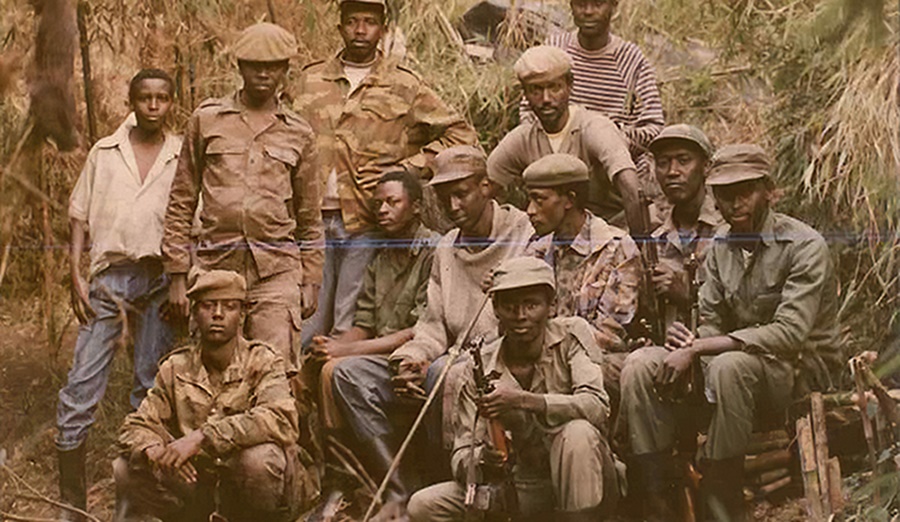
    Some of the RPA soldiers who participated in the liberation struggle to free the country.

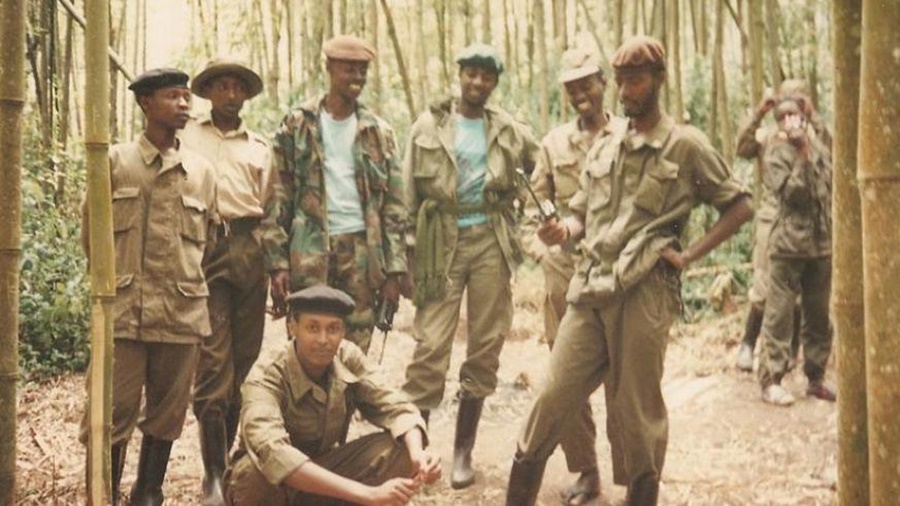
    The bamboo forests of the Virunga Mountains provided RPA forces with a strategic advantage in their operations against FAR troops.
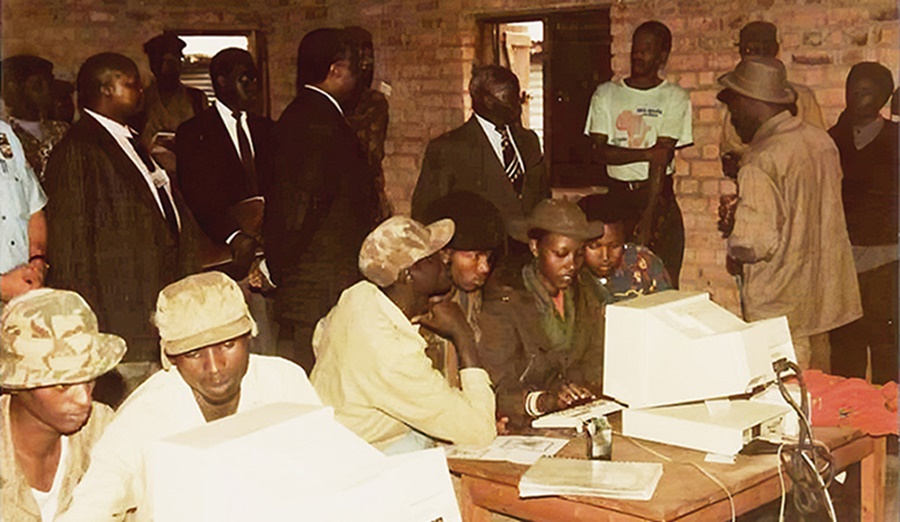
    They had a limited number of computers, which they used for writing and communicating information despite their scarcity.
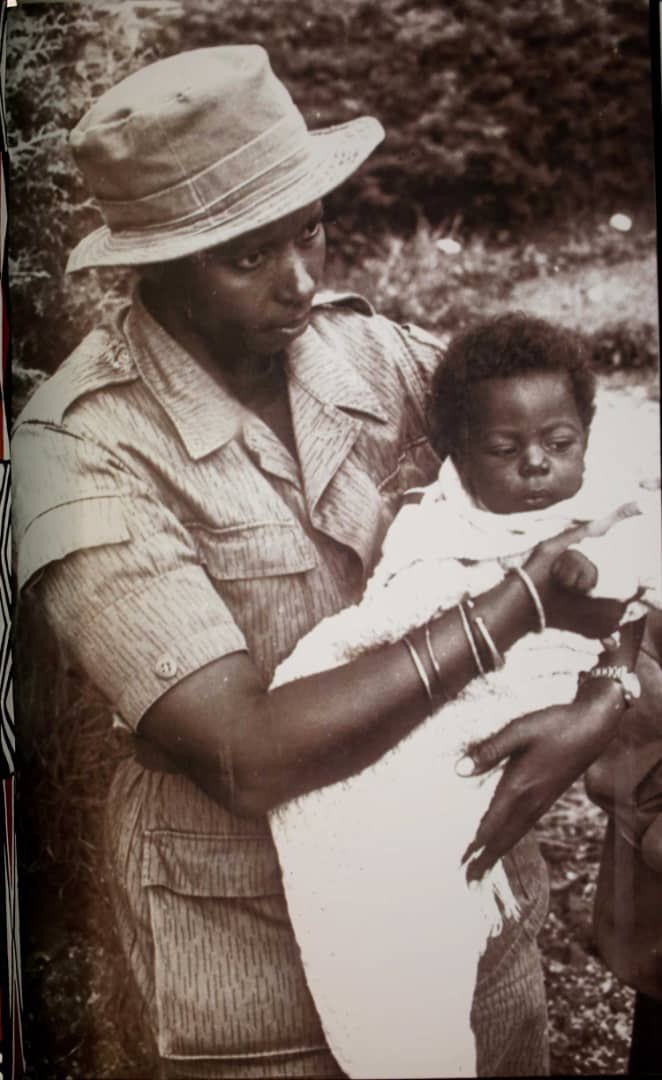
    Rtd Capt. Daphrosa Intaramirwa was among those who took part in the liberation struggle, which was characterized by courage and deep compassion. In this image, she is seen carrying a child who had just been rescued.
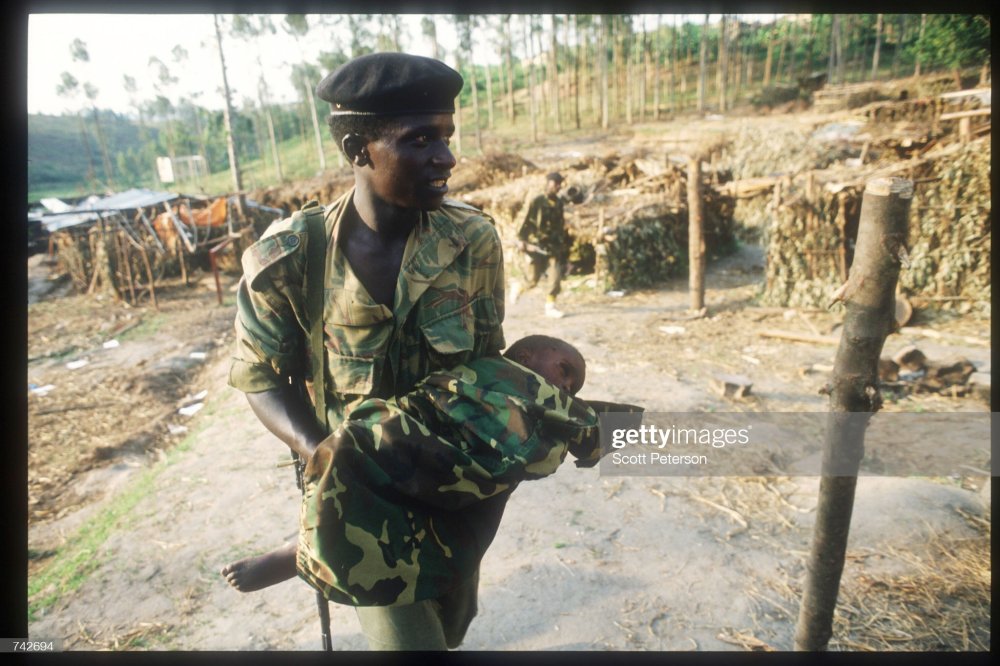
    This soldier is among many who performed acts of bravery, helping to save numerous lives, including those of young children. This image was taken in Kabgayi on May 25, 1994.

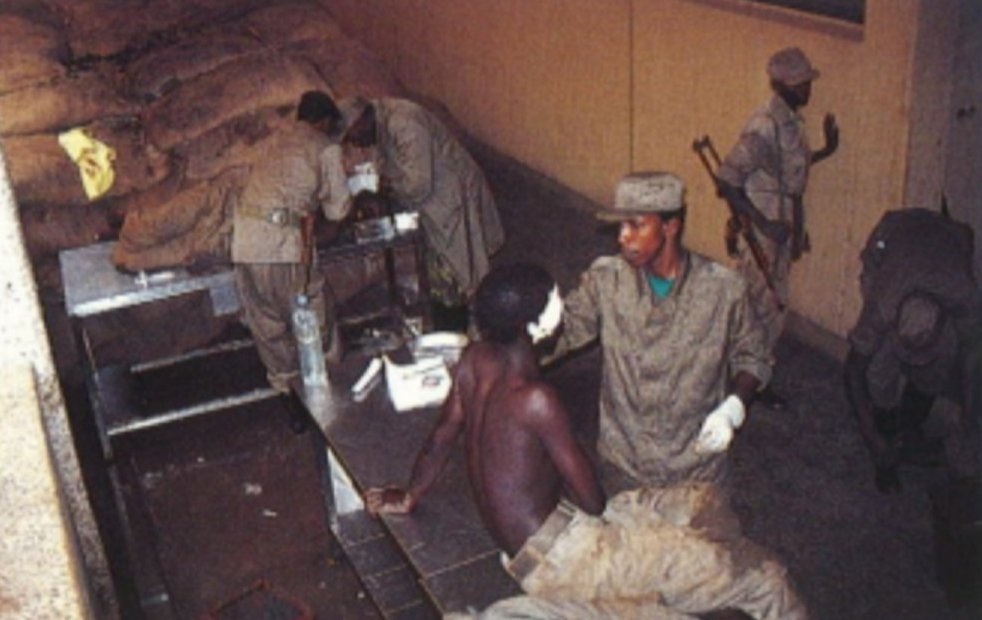
    During the liberation struggle, it was difficult to find proper facilities for treating the wounded. Medical personnel often operated in makeshift conditions in the bush, yet continued to perform their duties with dedication and efficiency.
    Gen. (Rtd) James Kabarebe was among the soldiers who took part in the liberation struggle and has continued to play a role in the country’s development to the present day.
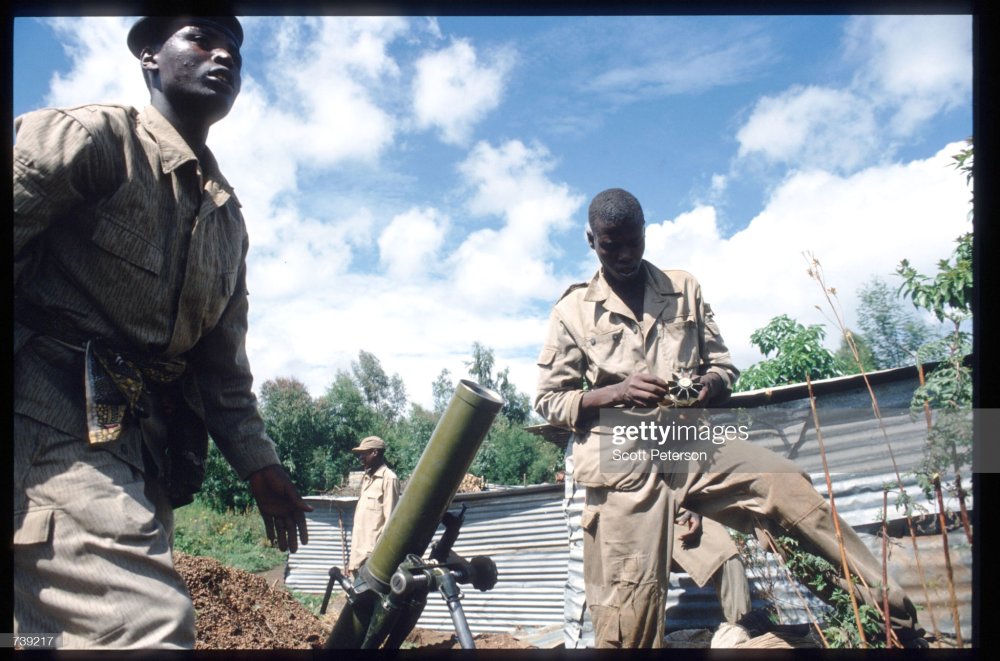
    The RPA lacked adequate military equipment to match its adversaries, but it relied on strong ideas, determination, and strategy that enabled it to achieve significant progress.

    ‘Mukotanyi’ is a uniform considered to be part of Rwanda’s exceptional historical heritage.


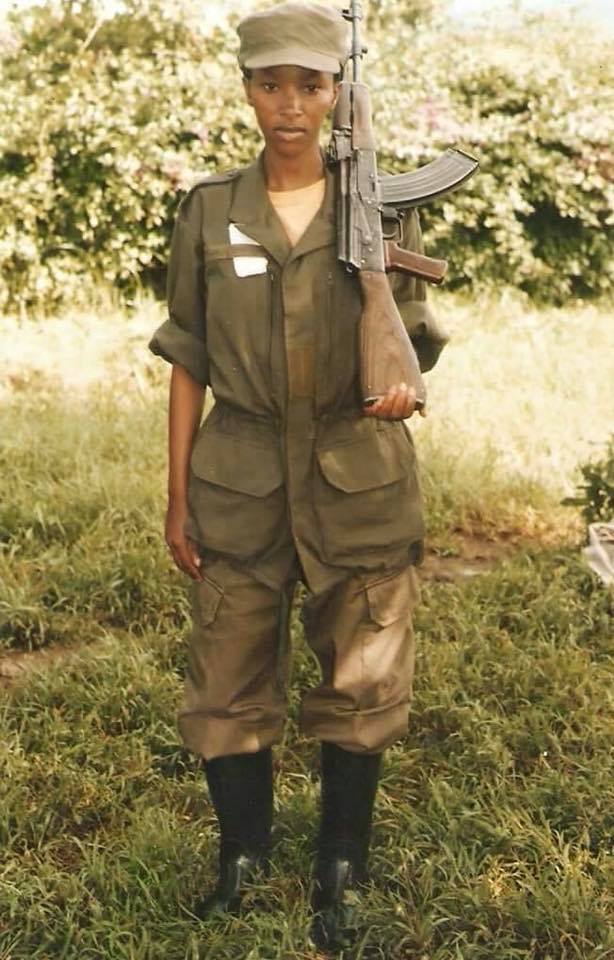
    Young women sacrificed their youth and dedicated themselves to serving and liberating their country.
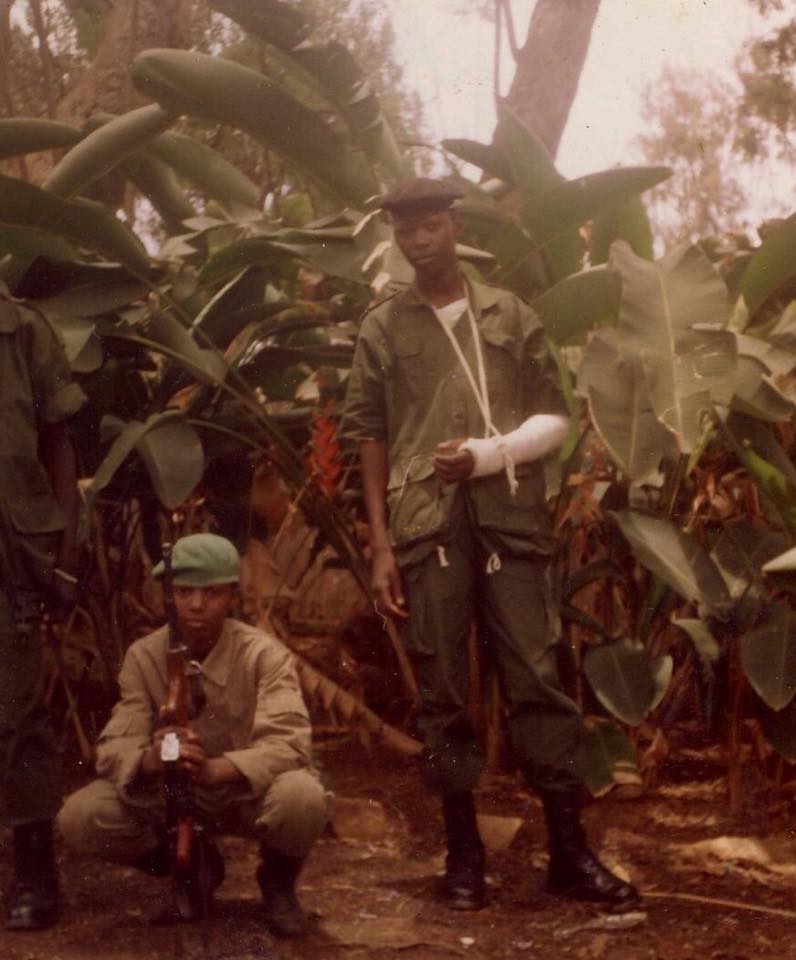
    Even injuries did not prevent them from continuing the struggle.
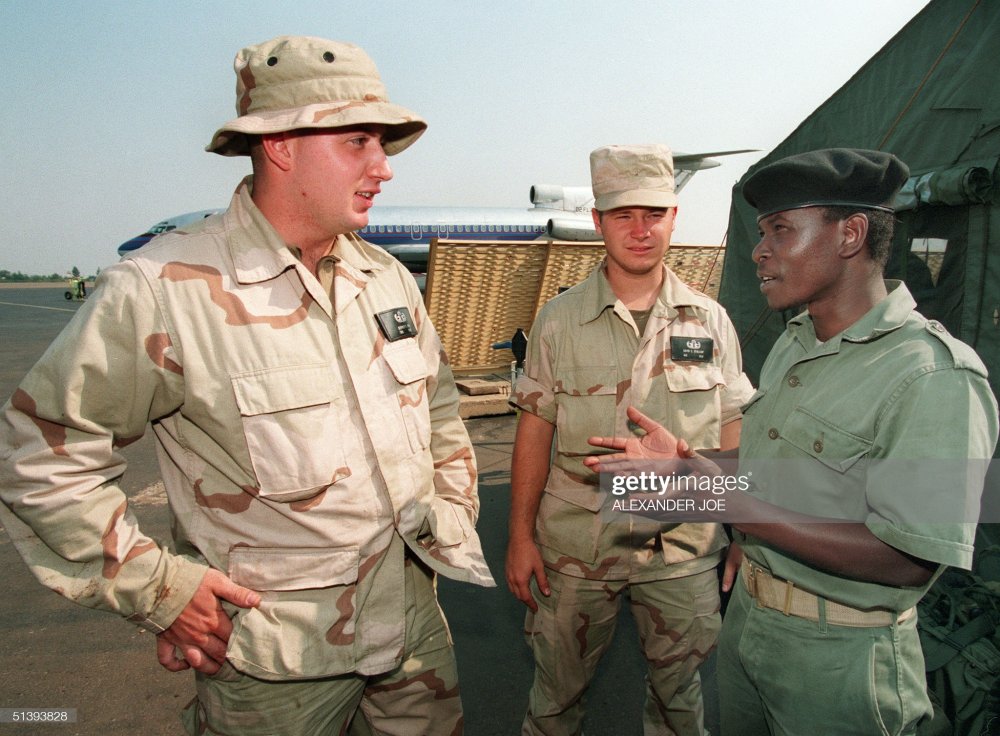
    This photograph was taken shortly after the end of the Genocide against the Tutsi. It shows an RPA soldier in Kanombe in conversation with United States soldiers who were deployed in Rwanda.
    These RPA soldiers were photographed in a banana plantation in Kigali City during the liberation struggle to liberate the country.
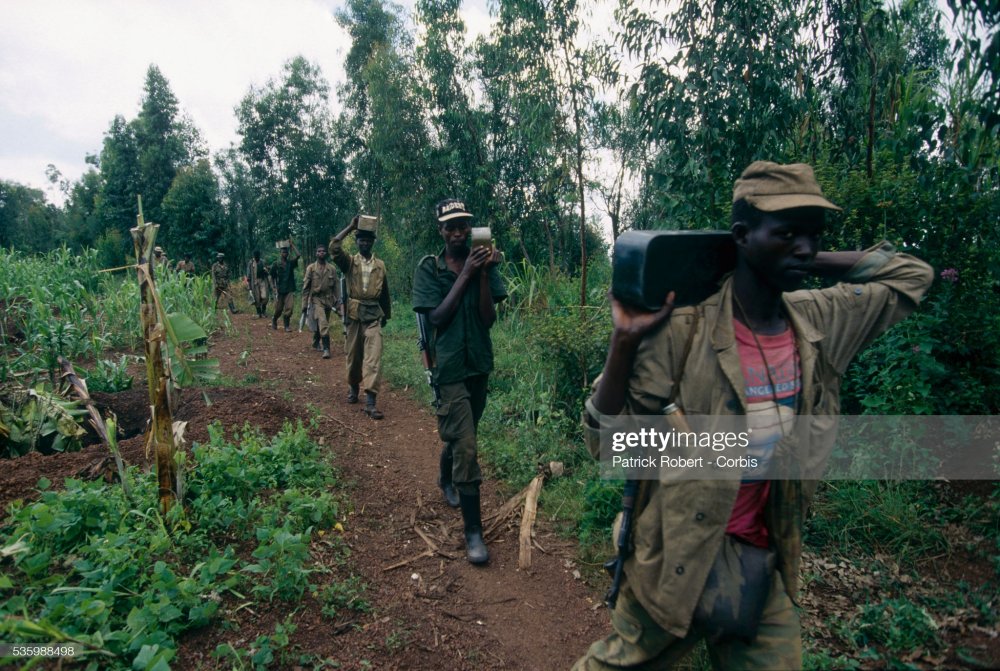
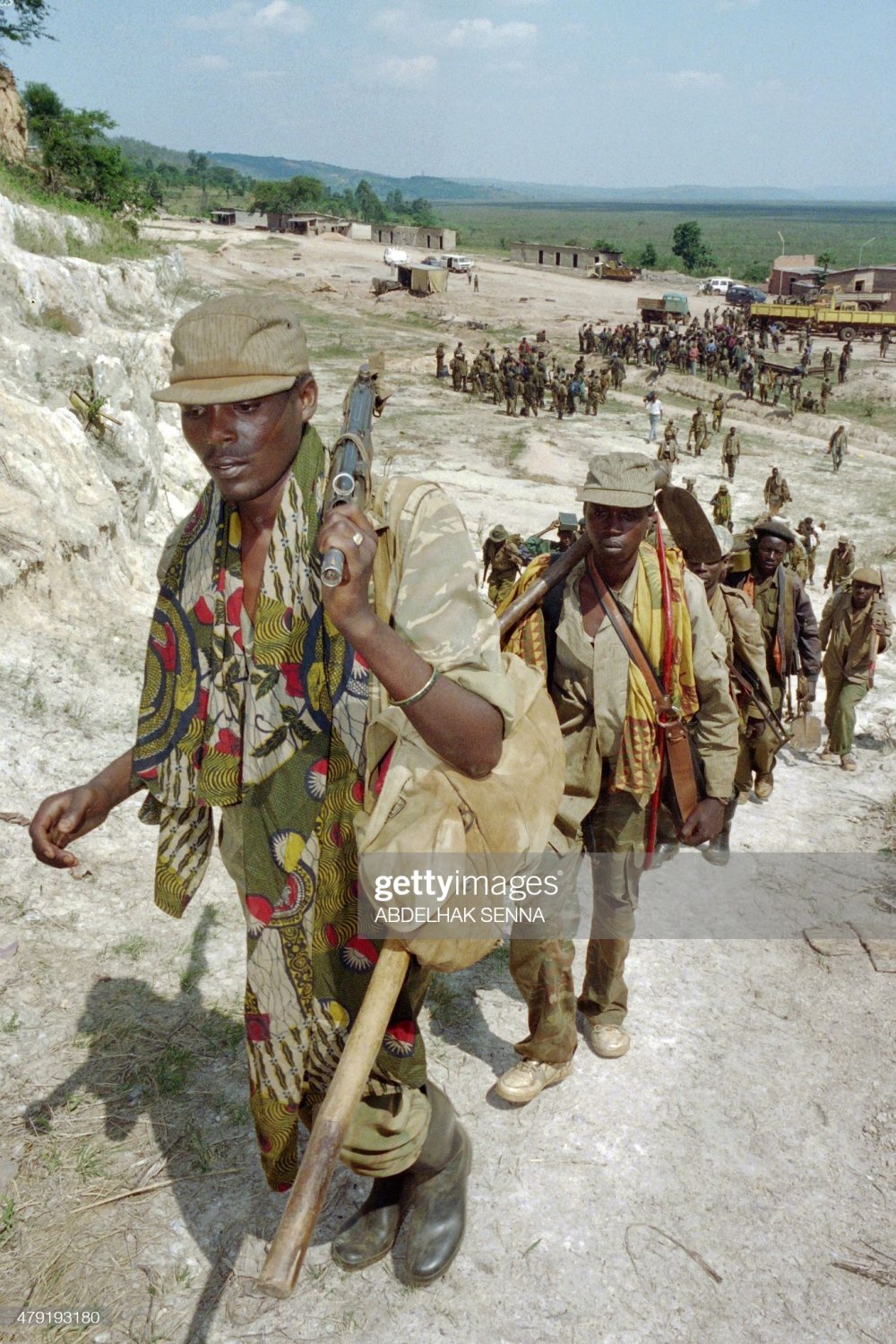
    They had very limited resources and were forced to conduct the entire operation with improvised means. Here, they are seen advancing toward Kigali City, with some carrying ammunition boxes on their backs.
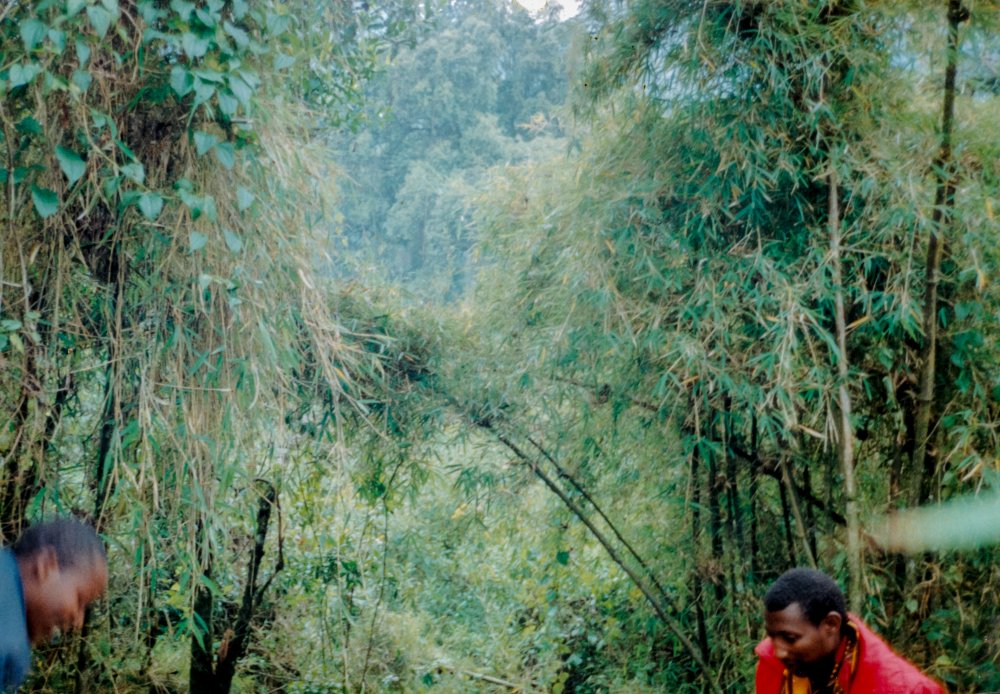
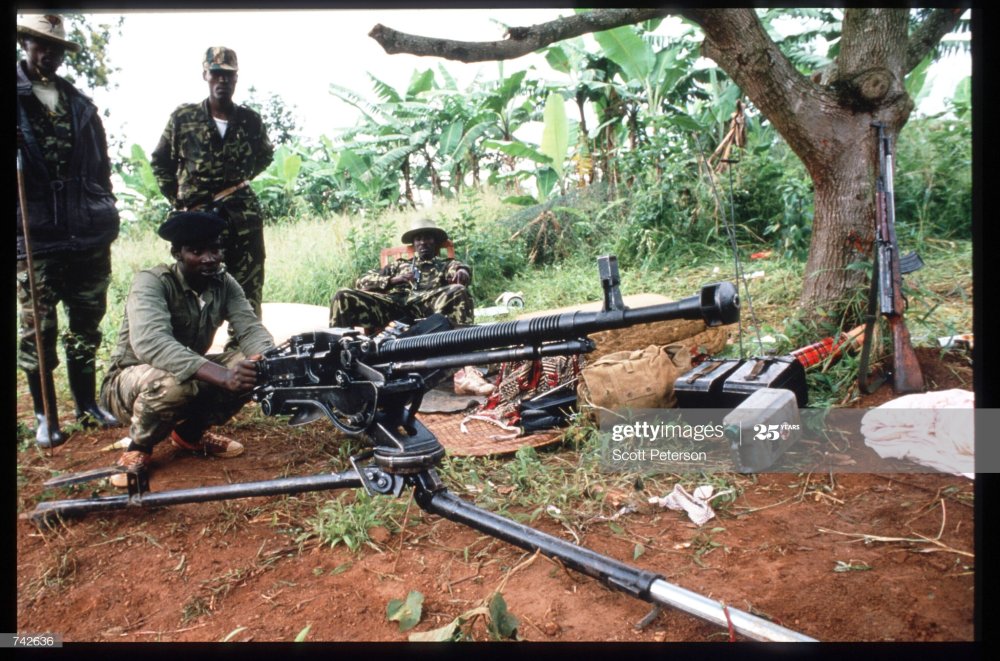
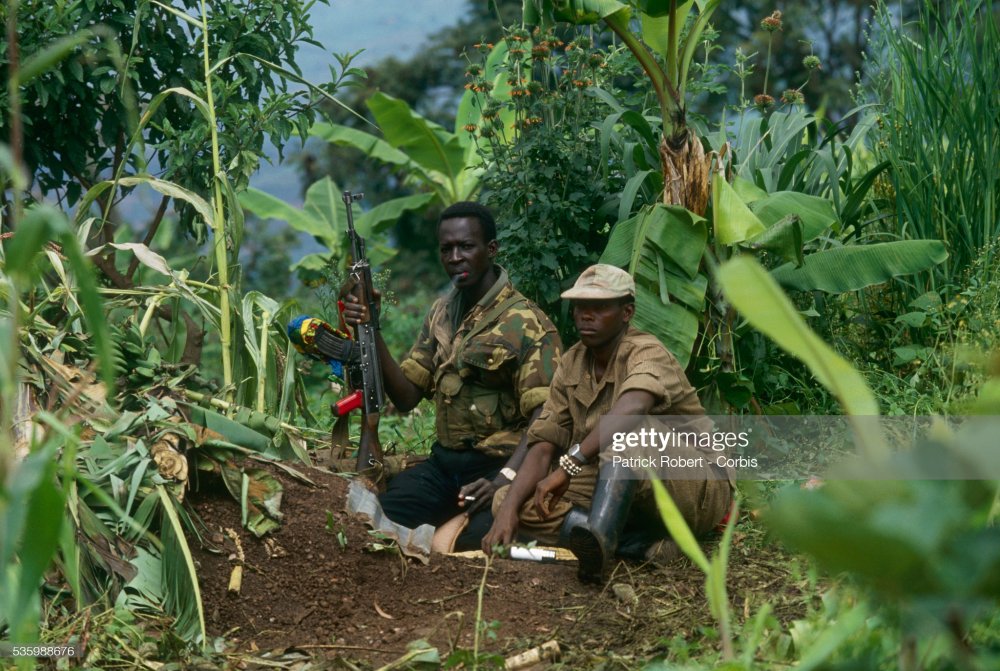
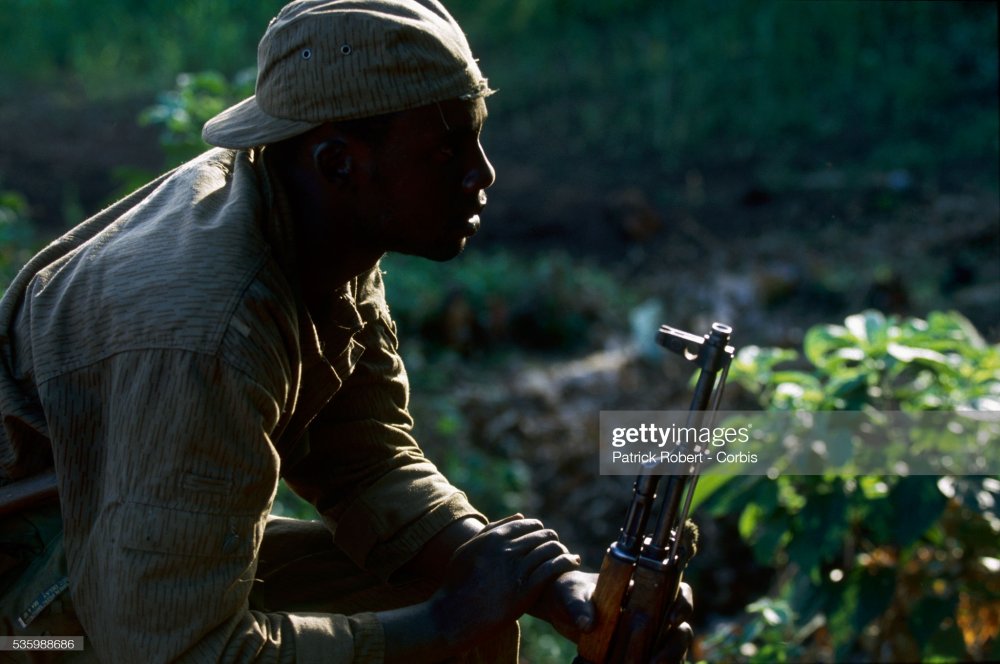
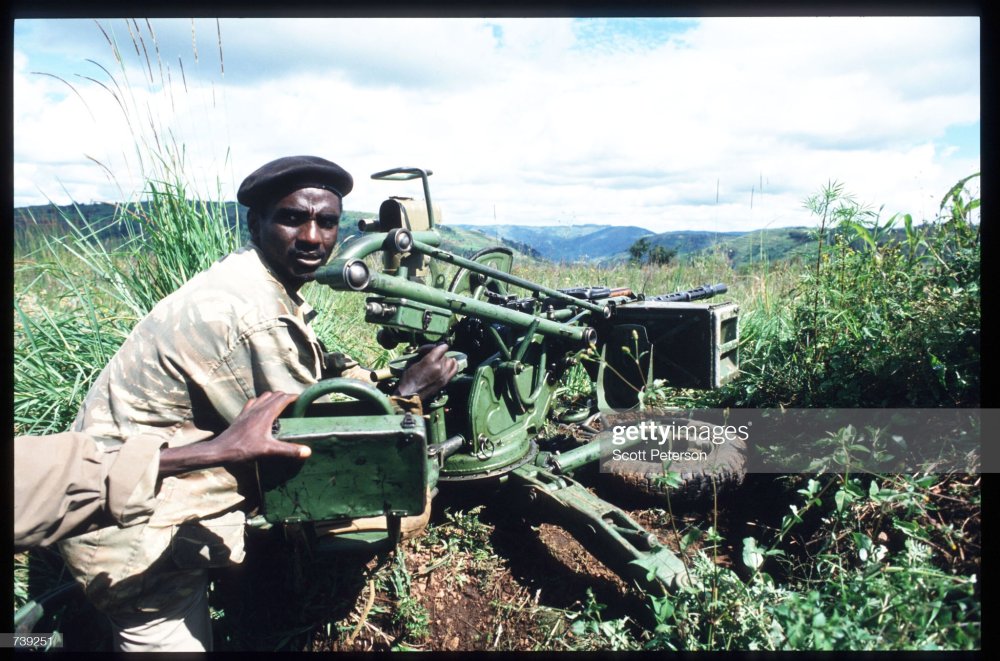
    This photograph shows an RPA soldier in the outskirts of Byumba positioned near a machine gun. It was taken on April 17, 1994.
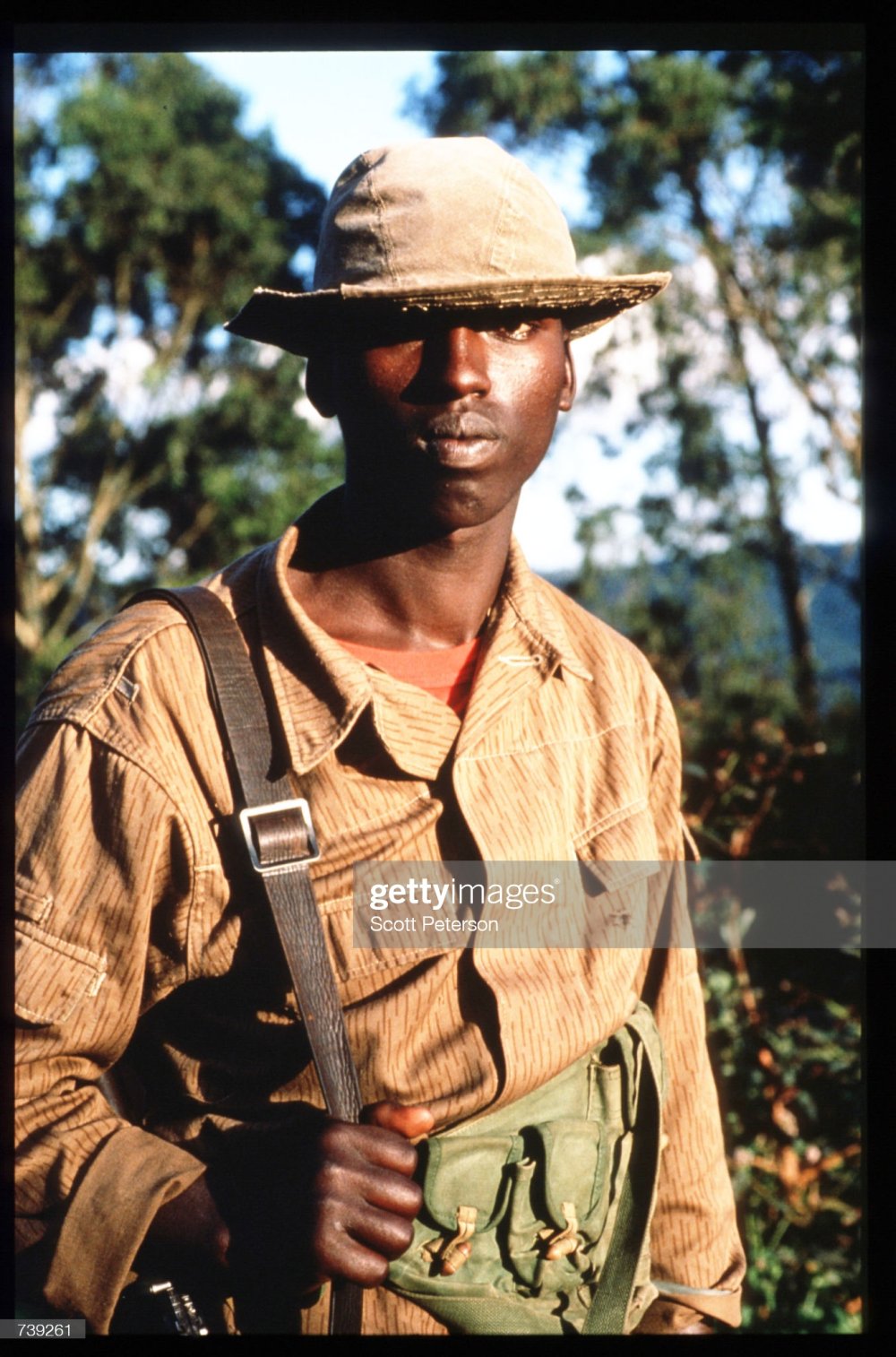
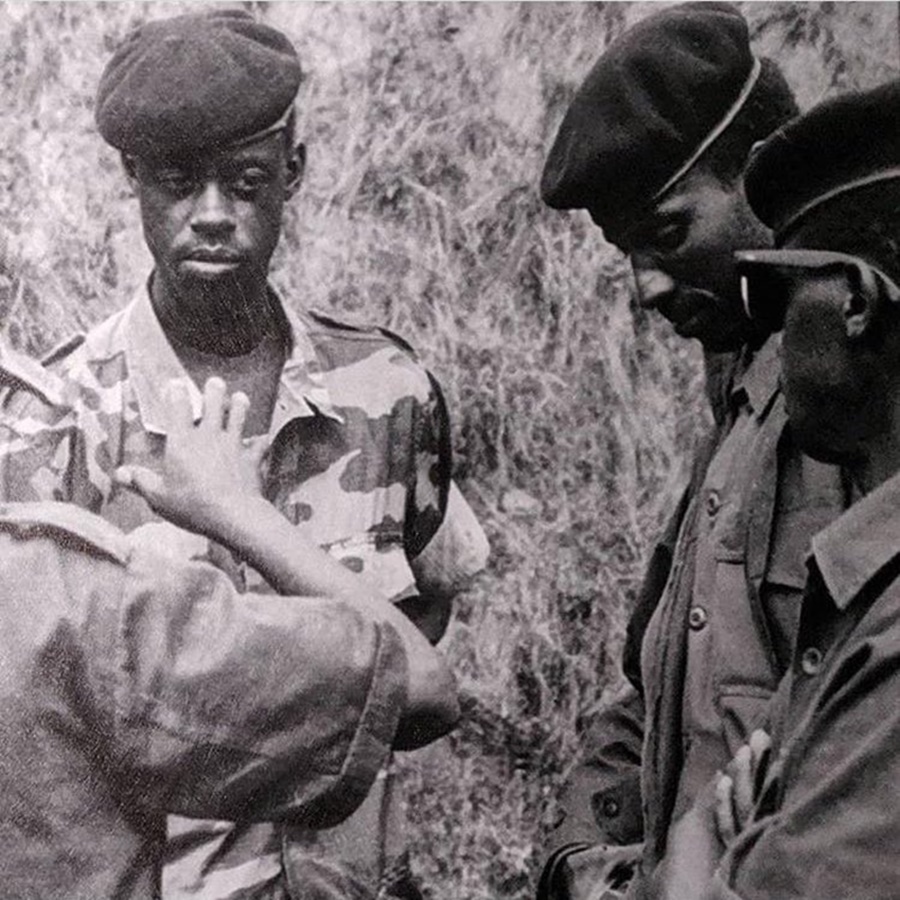
    This young man is among those who sacrificed their youth and chose to dedicate themselves to serving their country. He was photographed in Byumba on April 7, 1994.
    This soldier was photographed near Nyanza in early June, carrying an ammunition box.
    Following the capture of Kigali City by the RPF-Inkotanyi forces, life in the country gradually began to return to normal.
    This photograph of Gen. Maj. Paul Kagame was taken on May 11, 1994, in Byumba, during a meeting with José Ayala Lasso, who was then the United Nations High Commissioner for Human Rights.
    On June 2, 1994, RPA forces were advancing toward Nyanza when they engaged in heavy fighting with FAR troops along the way.


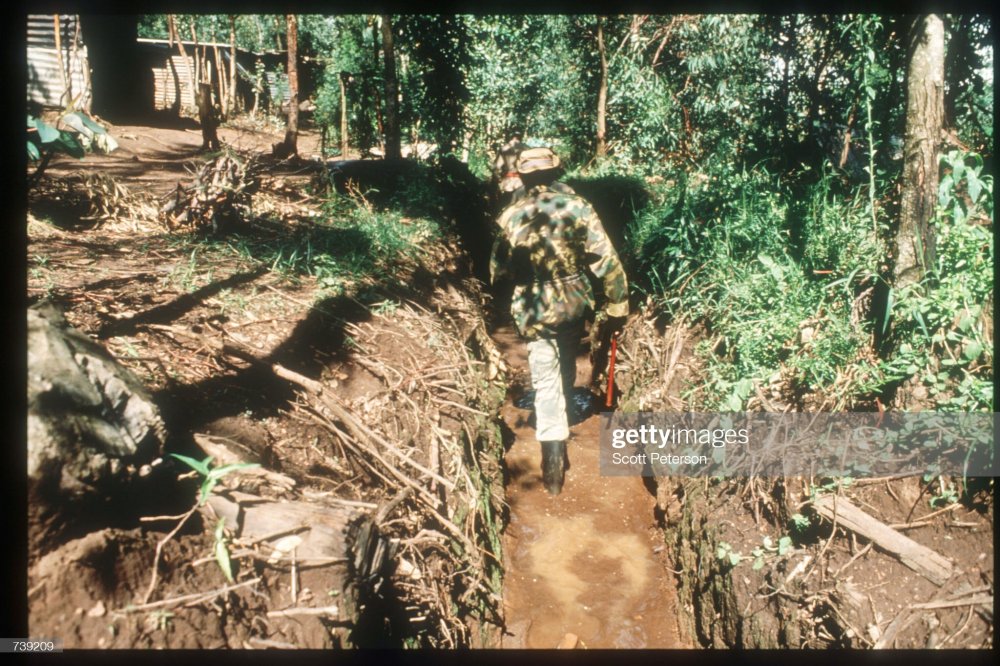
    This RPF soldier was moving through a dug trench that had been used as a passageway. The image was taken in Byumba.

    Despite having very limited equipment, they made use of what was available to carry out acts of bravery that have become part of Rwanda’s history.


    This photograph was taken in southern Rwanda during the RPA’s liberation campaign. In many areas, the forces advanced on foot due to limited logistical capacity and scarce resources.
    Some RPA soldiers were photographed standing on one of the streets of Kigali on May 26, 1994.

    This RPA soldier was photographed in Byumba in the early days of April 1994.
    They fought the war with confidence that they would emerge victorious, and that belief itself gave them inner joy, motivation, and inner strength.

    Day by day, despite the difficult and dangerous conditions, morale remained consistently high.
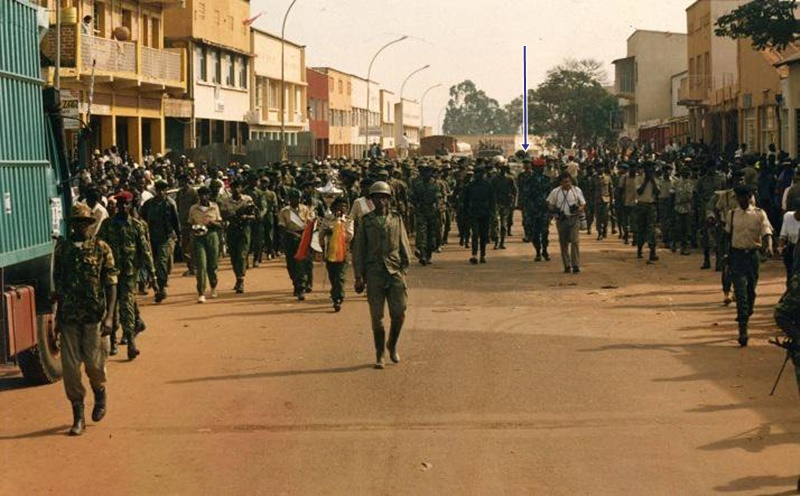
    This photograph taken on July 4, 1994 shows Gen. Maj. Paul Kagame, Commander of the APR forces (indicated by the blue arrow), alongside other soldiers after arriving in central Kigali.

    Source : https://new.igihe.com/english/liberation-day-at-32-photos-that-tell-rwandas-story-of-liberation/

  • Europe heat wave linked to 3,700 deaths, officials say #rwanda #RwOT

    The heat wave, which lasted from around June 20 to June 28, is being described by experts as one of the most intense on record in parts of Europe, with widespread exposure to prolonged extreme temperatures and unusually warm nights.

    Public health experts say most deaths during extreme heat are not caused by heat alone in isolation, but by a combination of physiological stress and pre-existing medical conditions. When the body is exposed to prolonged high temperatures, it struggles to regulate internal heat through sweating and circulation. This can lead to dehydration, heat exhaustion, and in severe cases heatstroke, where core body temperature rises to dangerous levels.

    Heat also places significant strain on the cardiovascular system, forcing the heart to work harder to cool the body. This can trigger or worsen heart attacks, strokes, and respiratory failure, particularly among older adults and people with chronic illnesses such as heart disease or diabetes. Medication effects and reduced ability to stay hydrated can further increase risk.

    France reported 2,025 excess deaths, a 29.1% increase above normal levels. Authorities said deaths rose sharply in private homes, by more than 90% in the week of peak heat, while care homes and healthcare facilities also saw increases. Officials warned that final figures are likely to be higher.

    Belgium recorded 1,222 additional deaths, describing the impact as ‘unprecedented,’ while the Netherlands reported around 480 excess deaths, concentrated in hotter southern and eastern regions.
    Across Europe, more than two-thirds of the population experienced temperatures above 35°C, with record highs and unusually warm nights limiting recovery time. Experts say such ‘night heat’ is especially dangerous because it prevents the body from cooling down after daytime exposure.

    The event has renewed concerns about Europe’s preparedness for extreme heat, particularly as climate change increases both the frequency and severity of heat waves.
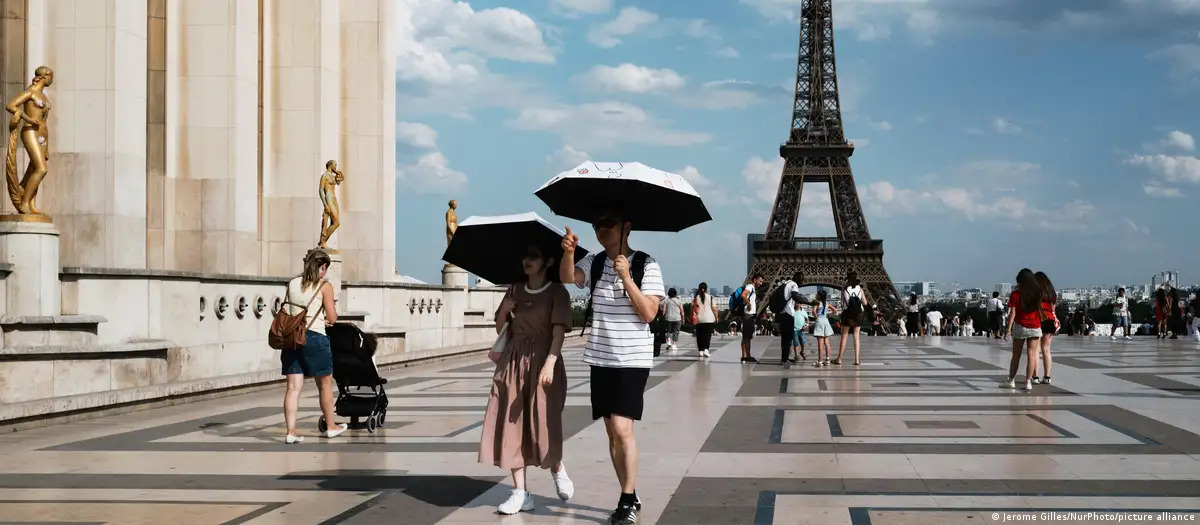
    Paris and other European cities baked in temperature up to and exceeding 40°C last week.
    Source : https://new.igihe.com/english/europe-heat-wave-linked-to-3700-deaths-officials-say/

  • Ndayishimiye intervenes in DRC political tensions as opposition postpones anti-Tshisekedi protest #rwanda #RwOT

    The coalition, which includes prominent opposition figures such as Martin Fayulu, Jean-Marc Kabund, Moïse Katumbi, Augustin Matata, and Delly Sesanga, confirmed that it had received an invitation from Burundi’s President Évariste Ndayishimiye.

    President Ndayishimiye called on opposition leaders to hold urgent consultations to discuss security concerns, political disputes, and challenges affecting state institutions in the DRC.

    Ndayishimiye, a close ally of President Tshisekedi, issued the invitation in his capacity as Chairperson of the African Union (AU).

    Reports from Kinshasa indicate that he had first urged President Tshisekedi to engage in dialogue with the C64 coalition in order to address their grievances, particularly those linked to the government’s proposed constitutional reforms.

    Tensions had escalated after opposition leaders staged a protest outside the National Assembly on June 12, where they were met with police intervention and clashes involving members of the ruling UDPS party’s youth wing, known as Forces du Progrès.

    The C64 coalition had initially planned a major demonstration in front of the presidential palace on July 8, 2026, demanding President Tshisekedi’s resignation, accusing him of violating the constitution through attempts to amend it.

    However, Interior Minister Jacquemain Shabani Lukoo rejected the planned protest, accusing the opposition of undermining national stability and insisting that no one has the authority to call for the resignation of a sitting commander-in-chief in the context of ongoing national security efforts.

    The minister also banned all large public gatherings in Kinshasa, citing the need to prevent the spread of Ebola. He said the decision was a public health measure aimed at containing the virus.

    However, opposition leaders dismissed the justification, arguing that Ebola cases are concentrated in eastern provinces far from the capital and claiming the ban was politically motivated to block their demonstration.

    On July 2, opposition leader Martin Fayulu, head of the ECIDé party, reiterated calls for nationwide protests, insisting that President Tshisekedi must resign. He urged citizens to participate in a major demonstration scheduled for July 8.

    Following an invitation from President Ndayishimiye, C64 leaders held an emergency meeting in Kinshasa on July 3 and agreed to reconsider their strategy, opting to engage in dialogue with the Burundian leader.

    The coalition said it intends to use the talks to present its concerns and advocate for the protection of the DRC constitution.

    They also said they would highlight the suffering of Congolese citizens and what they described as a growing threat to democracy in the country.

    As a result, the coalition announced the postponement of its planned protest, rescheduling it to July 22.

    Opposition leaders called on Congolese citizens, both at home and abroad, to remain mobilized in support of their cause until the government abandons its constitutional reform agenda.

    They emphasized that defending the constitution is a national duty and insisted that their determination remains unchanged.

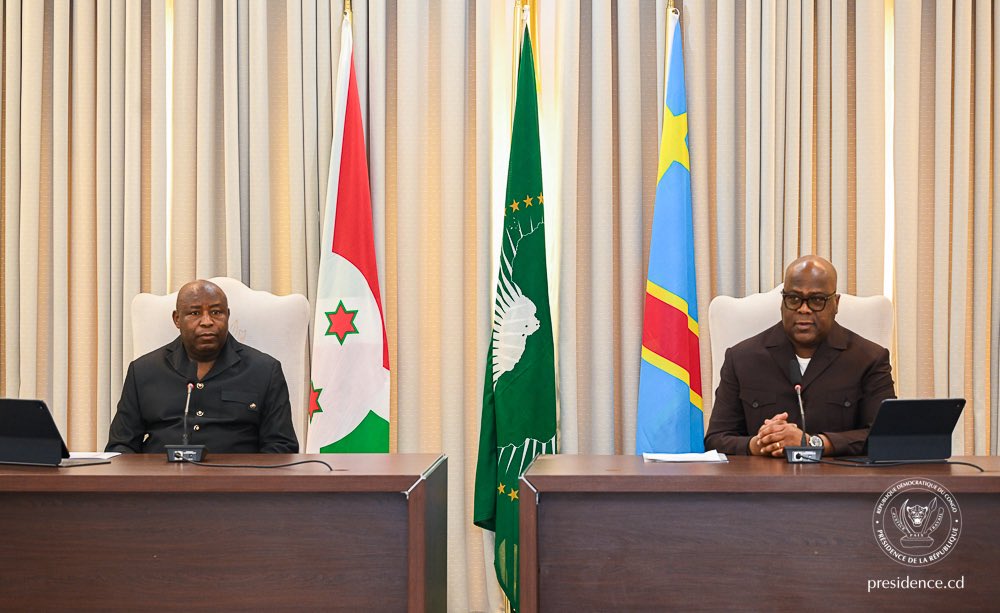
    President Évariste Ndayishimiye called on President Félix Tshisekedi to open dialogue with opposition leaders.
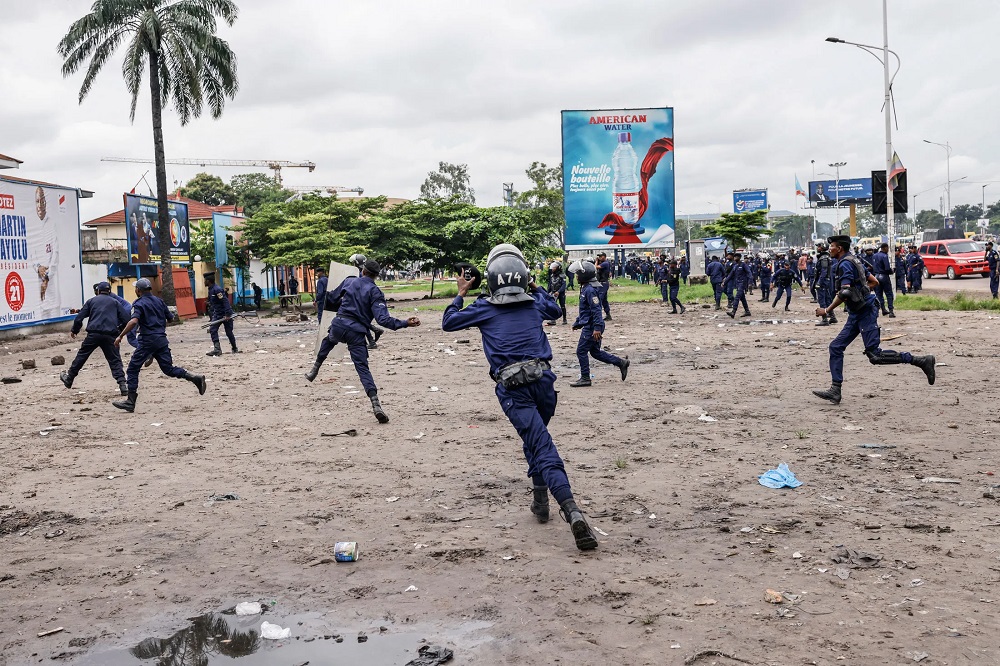
    The protest that took place on June 12, 2026, was marked by incidents of violence involving police officers.

    Source : https://new.igihe.com/english/ndayishimiye-intervenes-in-drc-political-tensions-as-opposition-postpones-anti-tshisekedi-protest/