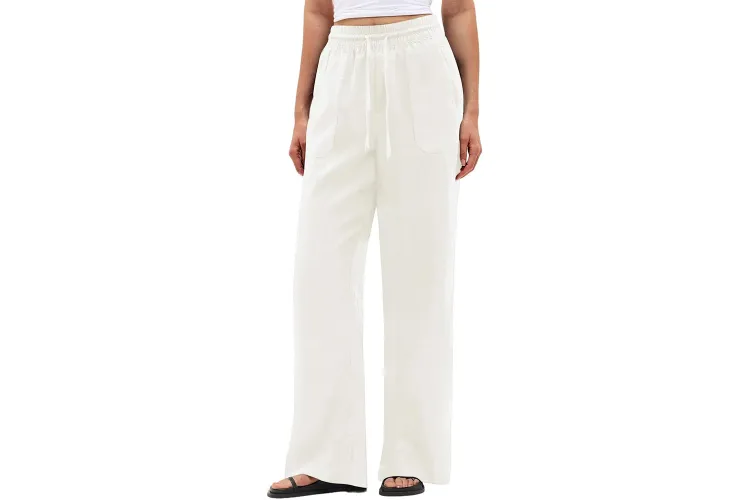
The relaxed wide-leg trousers featured a fold-over waistband and adjustable drawstring, which Madonna paired with a fitted pale pink T-shirt, a red-and-white jacket, white boots, oversized sunglasses and a crossbody phone strap. The look blended comfort with sophistication, making it ideal for warm-weather dressing.
Madonna’s outfit follows a trend that has already been embraced by several other high-profile figures, including Meghan Markle, Mariska Hargitay, Laura Dern and Sharon Stone, all of whom have recently opted for lightweight white or cream-colored drawstring trousers as part of their summer wardrobes.
Fashion experts say the growing popularity of drawstring pants reflects a shift toward clothing that combines comfort with polished styling. Linen-blend fabrics and wide-leg silhouettes have become go-to choices for staying cool during hot weather while maintaining an elegant appearance.
According to People, the trend has also fueled interest in affordable alternatives, with similar linen-blend drawstring pants becoming popular among shoppers looking to recreate the celebrity-inspired look. The versatile trousers can be paired with casual T-shirts, button-down shirts or lightweight jackets, making them suitable for everything from everyday outings to summer vacations.
Madonna’s latest appearance reinforces the enduring appeal of relaxed tailoring, demonstrating that comfortable clothing can remain stylish without sacrificing sophistication. As temperatures continue to rise, breezy drawstring pants are emerging as one of the defining fashion staples of the season.
Madonna embraces relaxed summer fashion with stylish drawstring pants
Madonna showcases effortless street style in trending drawstring pants
Chinese President Xi Jinping on Wednesday hailed the 105-year history of the Communist Party of China (CPC) as the ‘most magnificent epic’ of the Chinese nation and urged the Party to press ahead to build China into a modern socialist country on schedule.
Addressing a gathering marking the CPC’s 105th founding anniversary, Xi, also general secretary of the CPC Central Committee and chairman of the Central Military Commission, called on Party members to remain steadfast in their convictions and work tirelessly to fulfill the Party’s missions in the new era and on the new journey.
Founded in 1921 against the backdrop of a weak China plagued by foreign humiliation and poverty, the CPC has grown from a small group of just over 50 members into the world’s largest governing party with tremendous global influence.
Xi underscored the importance of meeting the goal of fully realizing socialist modernization by the middle of the century.
‘Time stops for no one, and neither does history,’ he said.
The whole Party must adhere to its basic theory, basic line and basic policy to ‘remain undaunted by passing clouds and stay on course through wind and waves,’ Xi said.
Stressing that the Party must rely closely on the people to create new historical feats, Xi urged Party members to ‘further reinvigorate the enterprising spirit for getting things done.’
He also called on the whole Party to actively respond to risks and challenges on the path ahead.
‘China’s development is now in a period where strategic opportunities coexist with risks and challenges, and where uncertain and unpredictable factors are on the rise. We must always be prepared to withstand major tests of high winds and raging waves, and even violent storms,’ he warned.
As profound changes unseen in a century accelerate, the world has entered a new period of turbulence and transformation, with humanity once again standing at a crossroads of choice, Xi said.
‘We must continuously promote the building of a community with a shared future for humanity,’ he said.
Xi also stressed advancing full and rigorous Party self-governance with sustained efforts to win ‘the tough, protracted and all-out battle against corruption.’
‘It is imperative that all of us in the Party never forget our original aspiration and founding mission, that we always stay modest, prudent, and hard-working, and that we have the courage and ability to carry on our fight,’ he added.
According to the latest census, the CPC now has nearly 101.29 million members and over 5.43 million primary-level Party organizations.
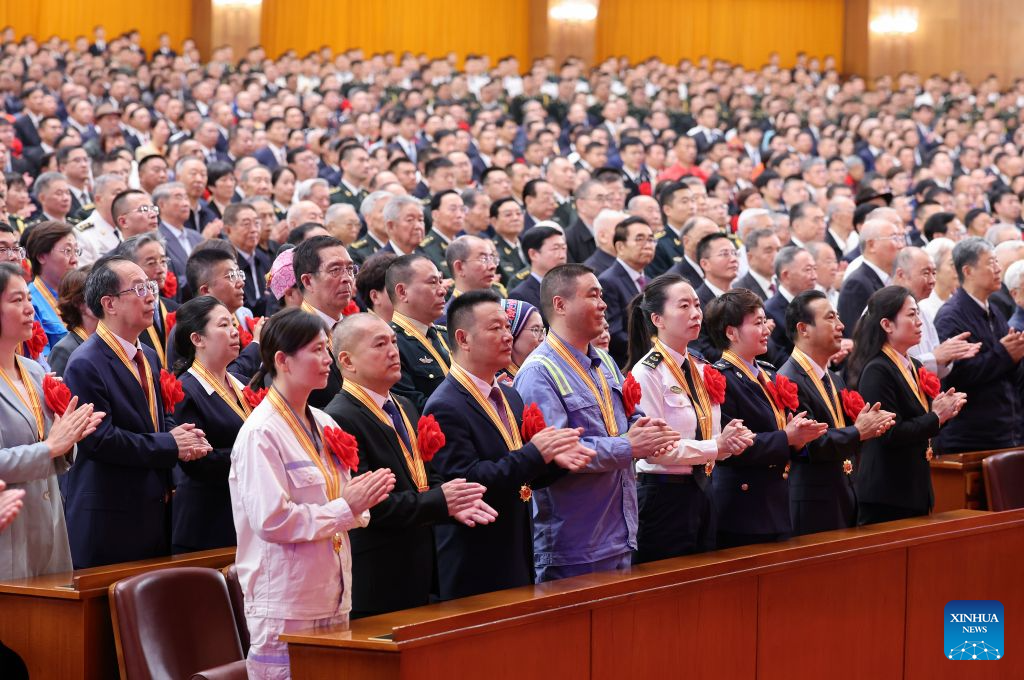
At the gathering, Xi conferred the July 1 Medal, the Party’s highest honor, on model CPC members.
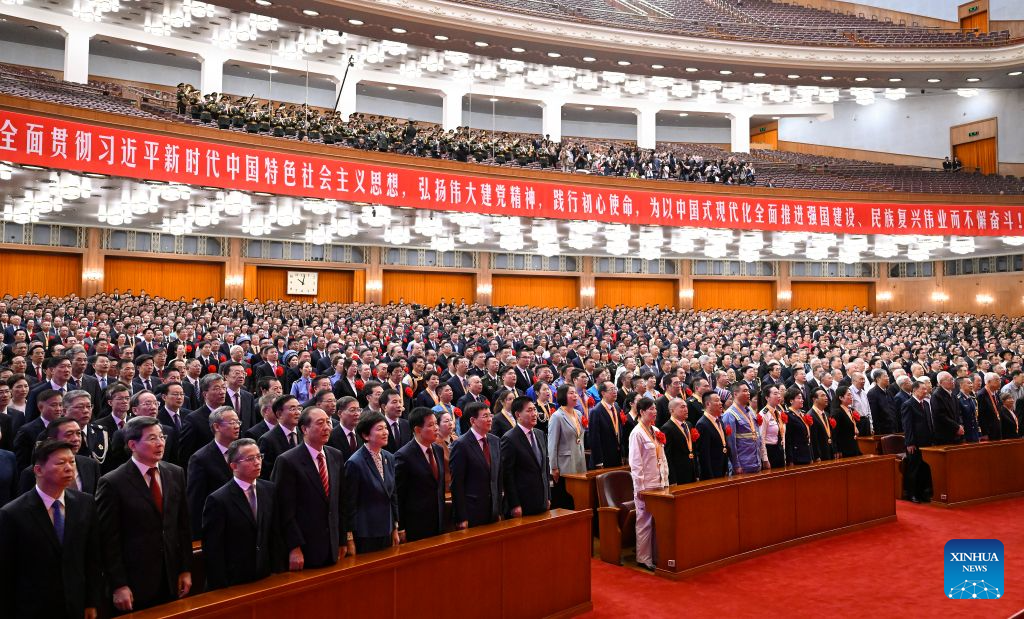
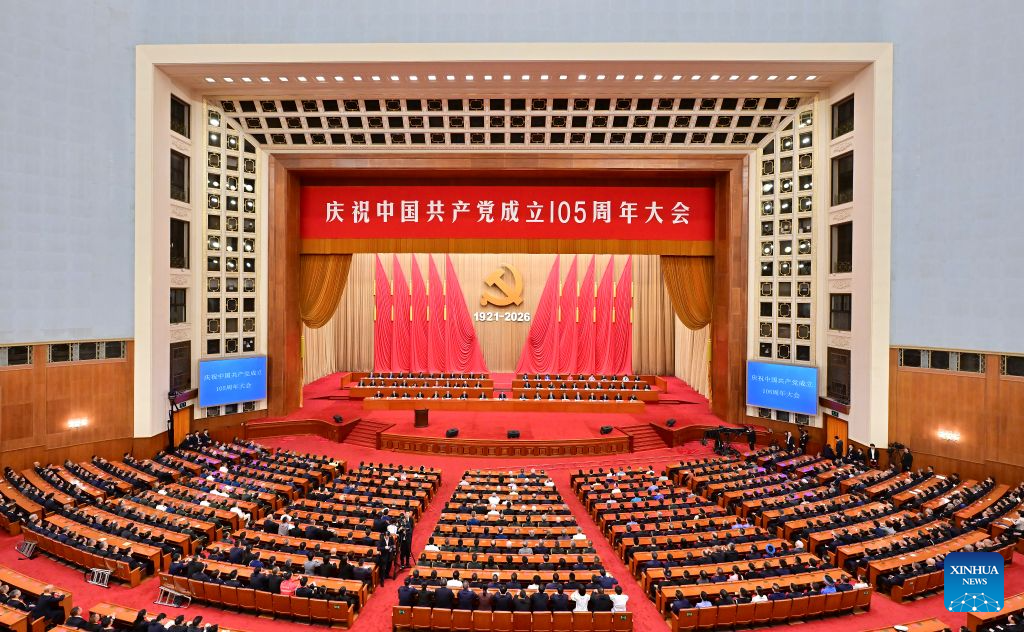
A gathering in celebration of the 105th founding anniversary of the Communist Party of China (CPC) is held at the Great Hall of the People in Beijing, capital of China, July 1, 2026. (Xinhua/Yao Dawei)
A gathering in celebration of the 105th founding anniversary of the Communist Party of China (CPC) is held at the Great Hall of the People in Beijing, capital of China, July 1, 2026. (Xinhua/Shen Hong)
A gathering in celebration of the 105th founding anniversary of the Communist Party of China (CPC) is held at the Great Hall of the People in Beijing, capital of China, July 1, 2026. (Xinhua/Zhai Jianlan)
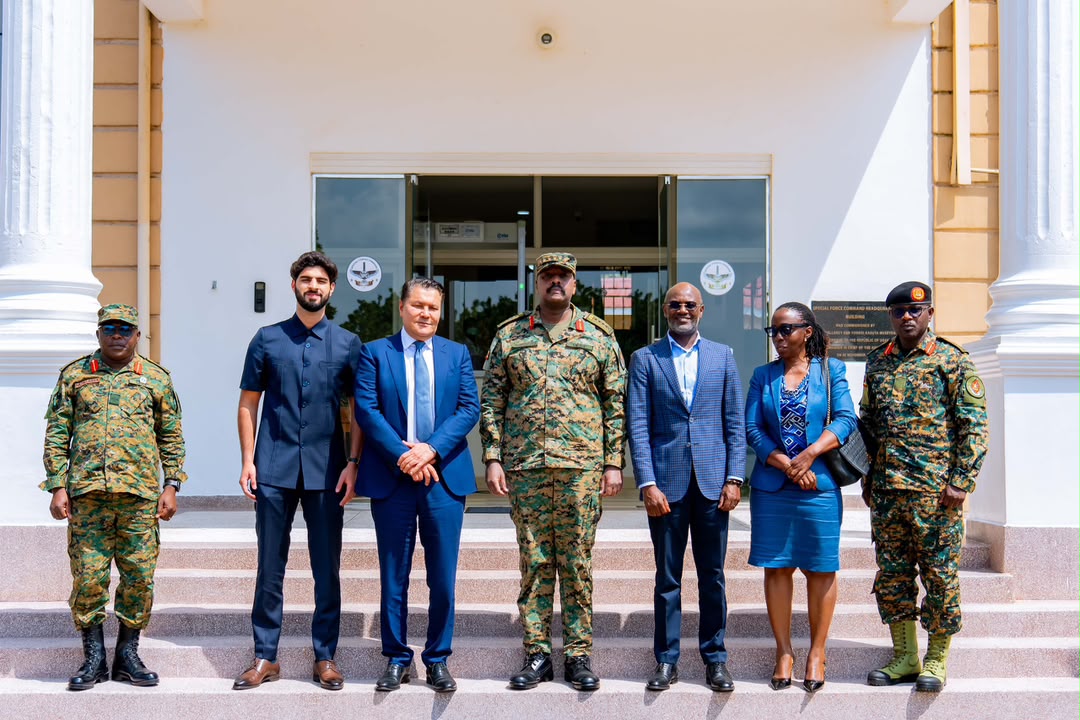
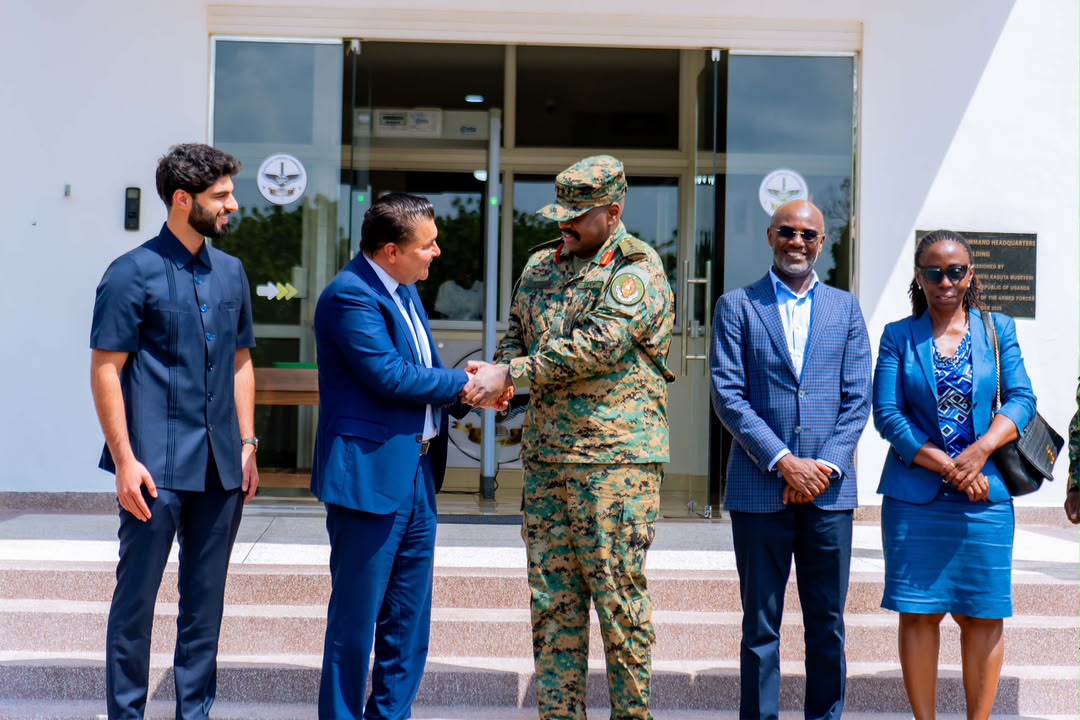
The meeting took place at the Special Forces Command headquarters in Entebbe and brought together NMG owner Rostam Aziz and his son Saam Aziz, alongside Georgia Mutagaywa, the Chief of Staff of Taarifa Limited, the parent organisation of NMG.
Also in attendance were veteran journalist and Patriotic League of Uganda (PLU) leader Andrew Mwenda, as well as the Acting UPDF/Defence Public Information Director, Col. Chris Magezi.
The discussions follow the recent shutdown of NMG Uganda’s operations by security forces, an action ordered by Gen. Muhoozi. The closure came after allegations by the CDF that the media group had engaged in what he described as a sustained blackmail campaign against the government of Uganda and its leadership, while also promoting opposition and foreign interests.
During the meeting, both sides are said to have reviewed reporting that government officials consider biased and malicious, with the media owners expected to adopt a more patriotic, balanced, and objective approach in their reporting.
The meeting forms part of ongoing efforts to resolve the standoff between the media group and the government following the shutdown of its outlets. A final decision on the reopening of the affected media premises is expected to follow a presidential review.
The closure of NTV Uganda, Spark TV and the Daily Monitor earlier this week came after security personnel carried out an overnight operation at NMG offices in Namuwongo, Kampala. The shutdown followed a series of posts by Gen. Muhoozi announcing the suspension of operations of the outlets, citing critical reporting and alleging biased coverage.
In earlier remarks shared online, Gen. Muhoozi said media reporting on Uganda would require clearance from his office and asserted that he had authority to shut down any media house in the country, claims that have drawn widespread attention.
Nation Media Group Uganda operates several outlets, including NTV Uganda, Daily Monitor, The EastAfrican, Dembe FM and Spark TV.
The developments echo previous tensions in 2013, when security agencies temporarily closed the Daily Monitor and affiliated stations following the publication of a controversial letter attributed to former intelligence official Gen. David Sejusa.
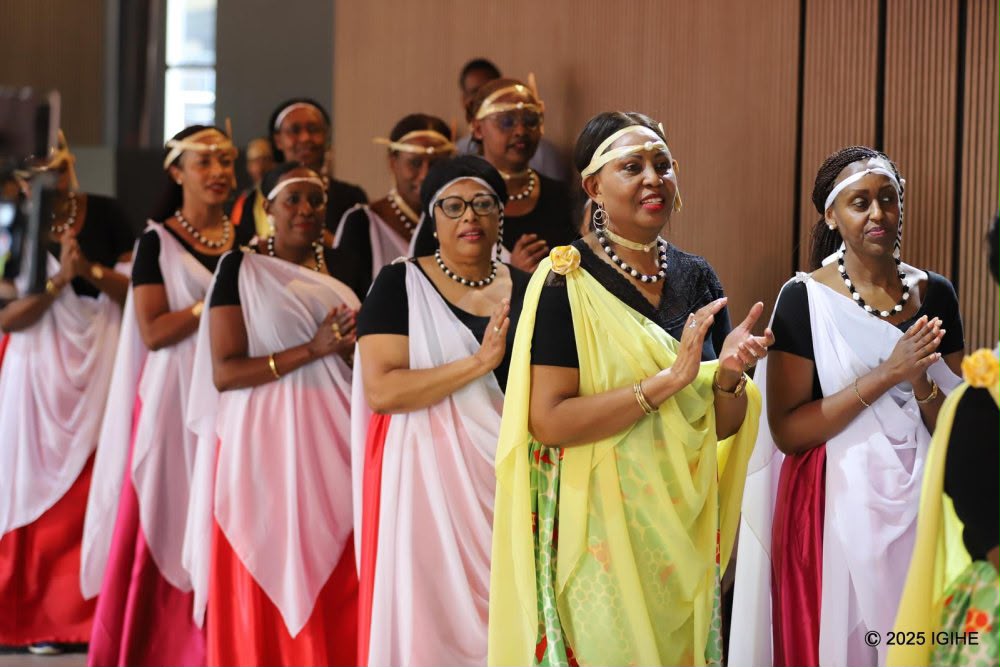
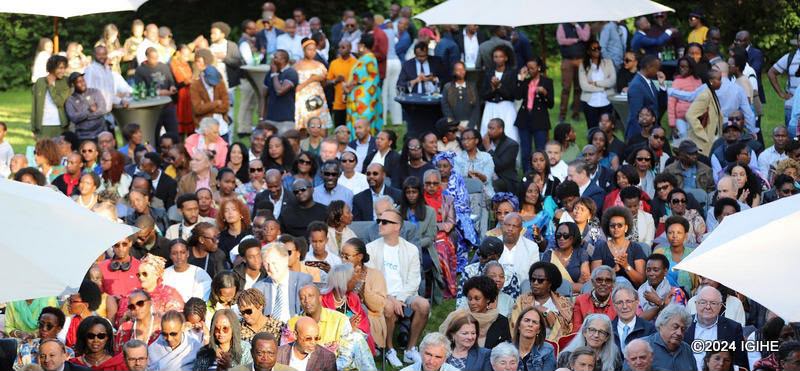
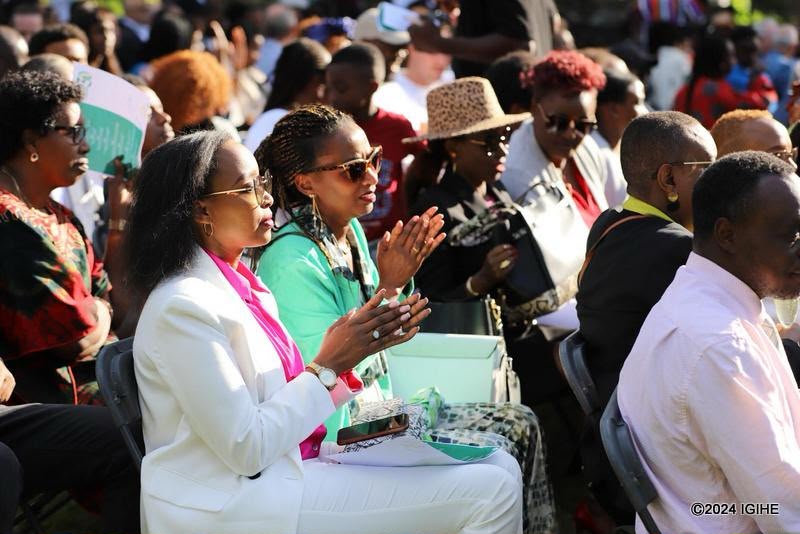
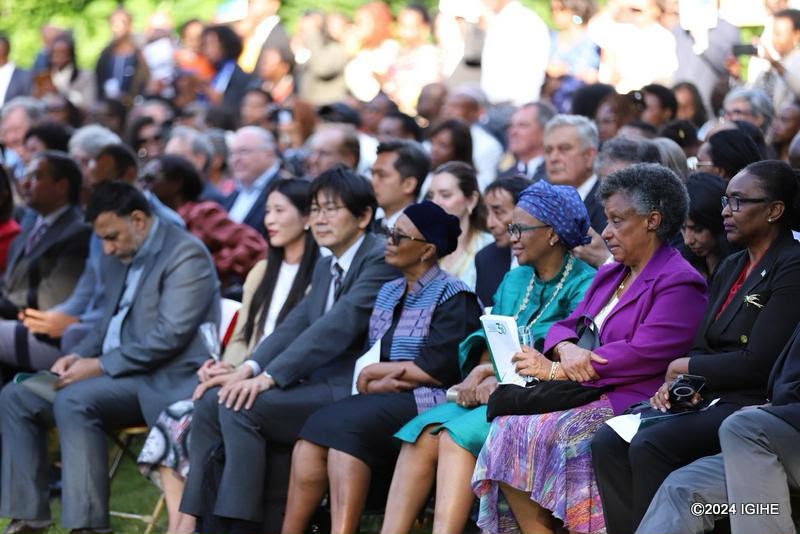
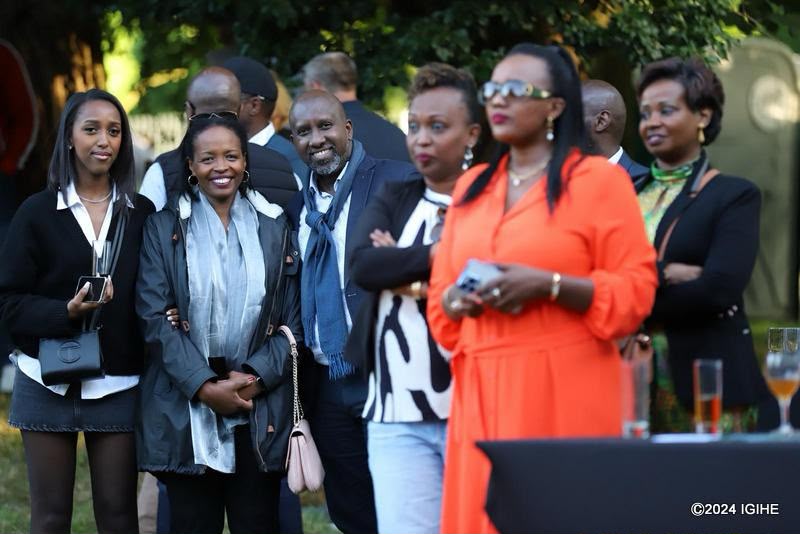
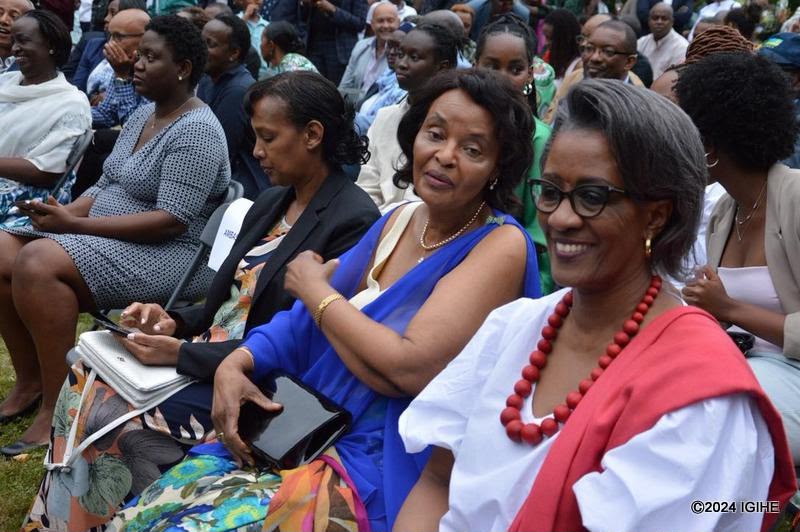
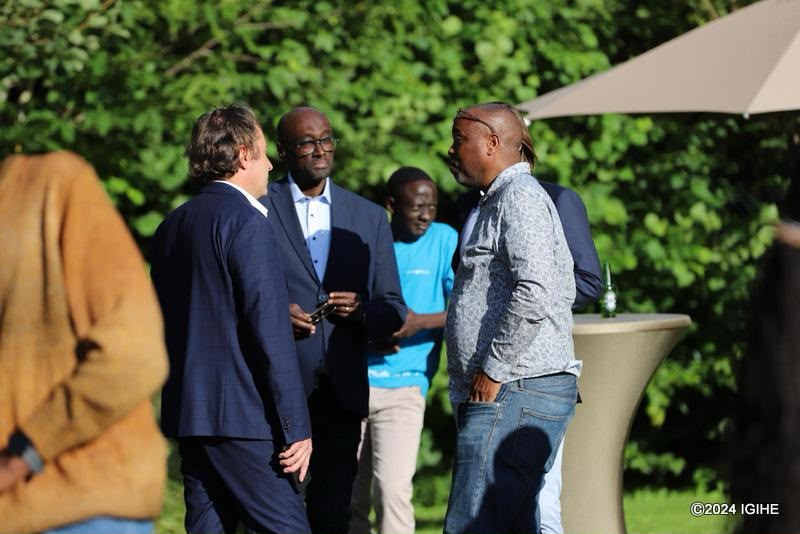
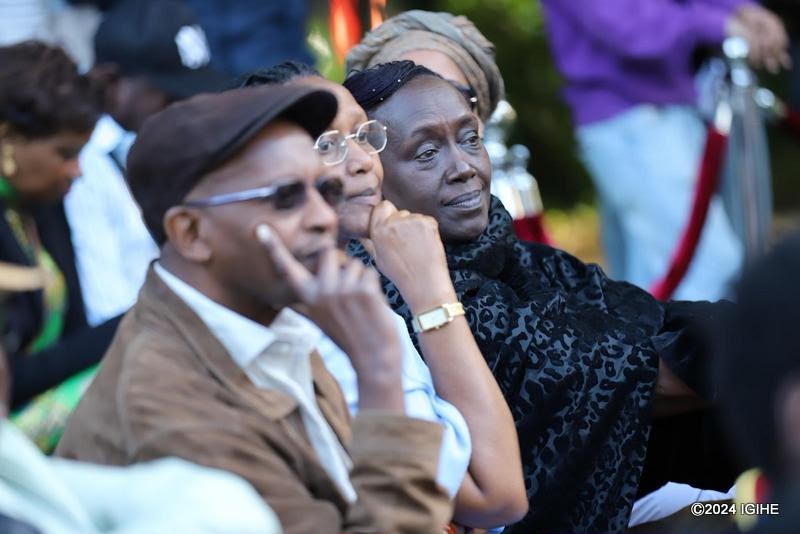
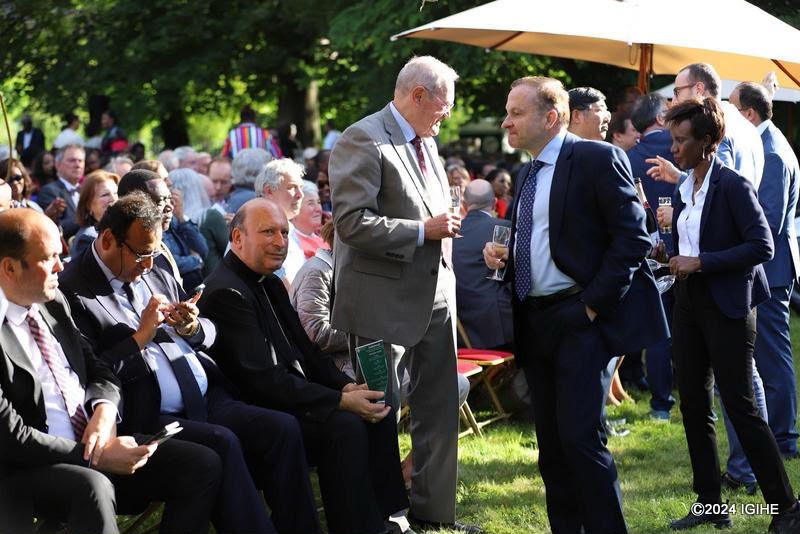
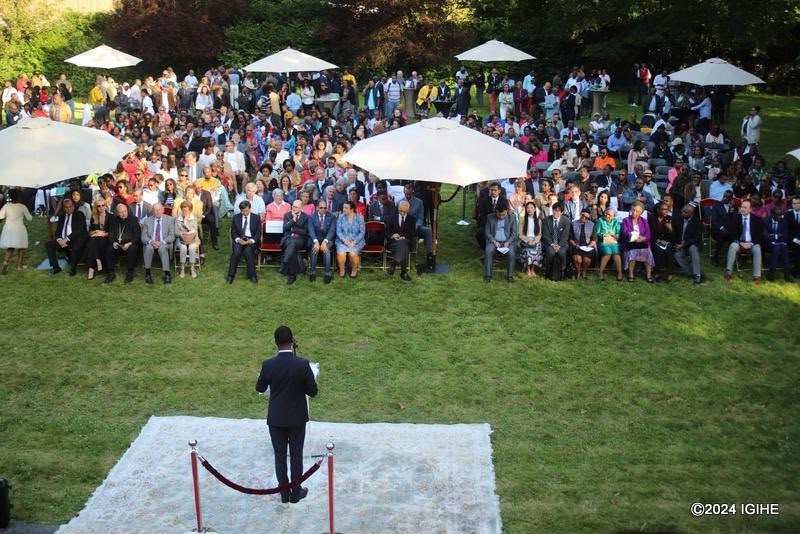
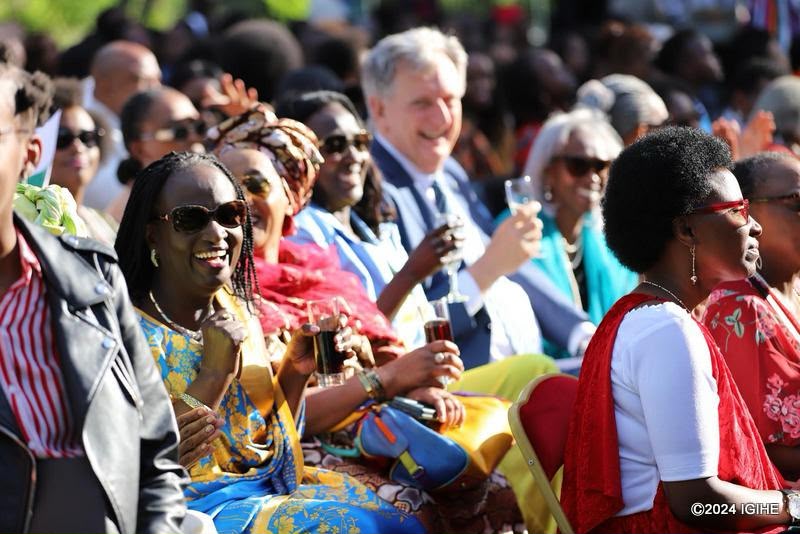
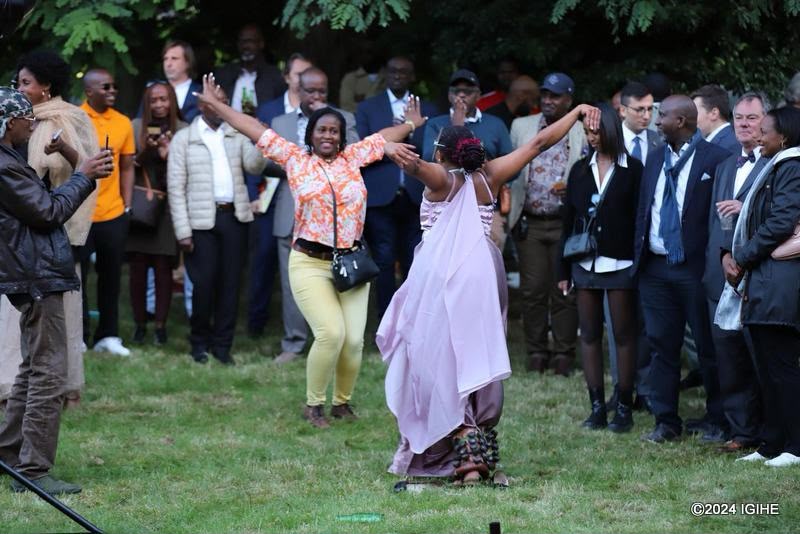
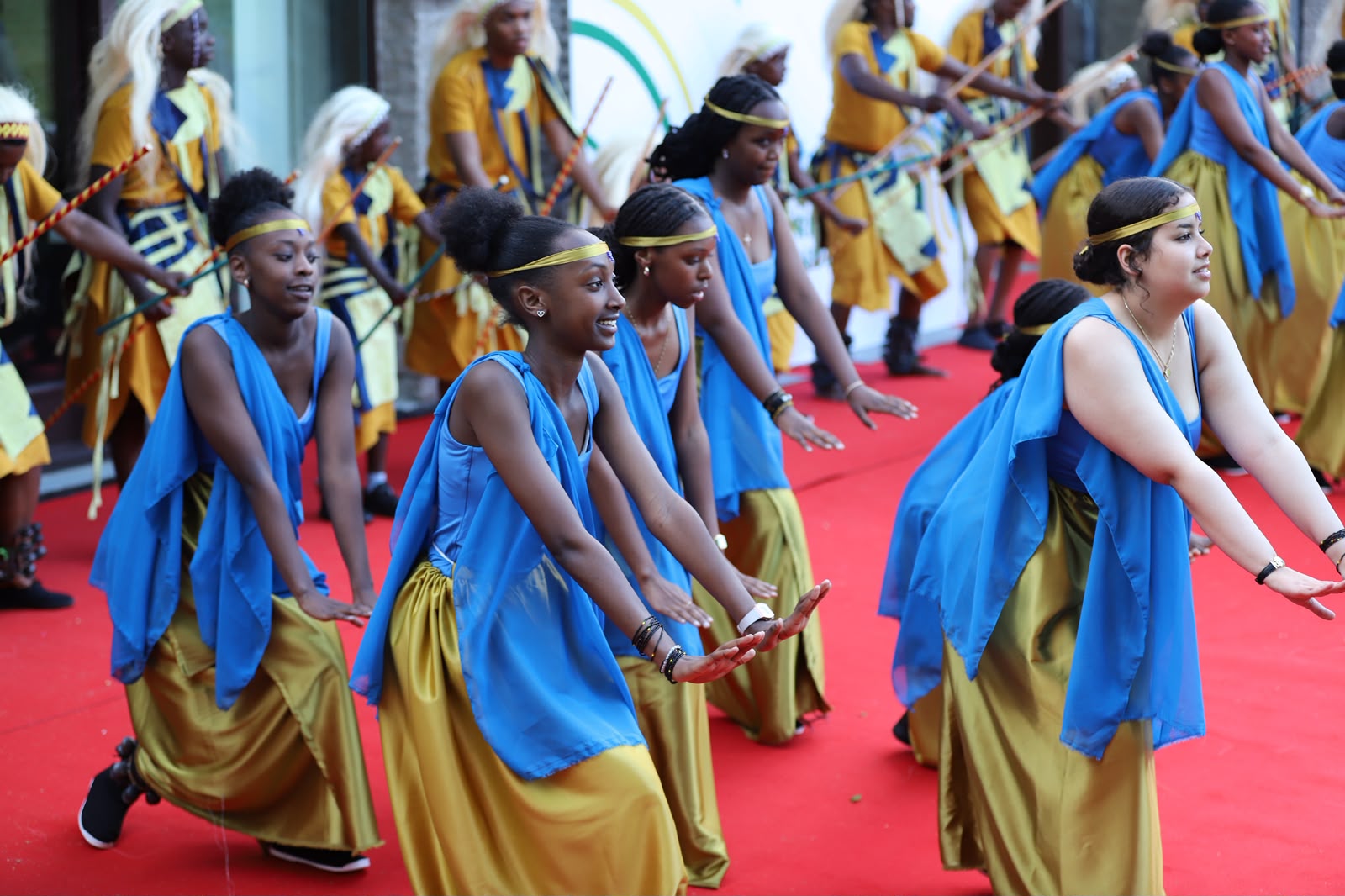
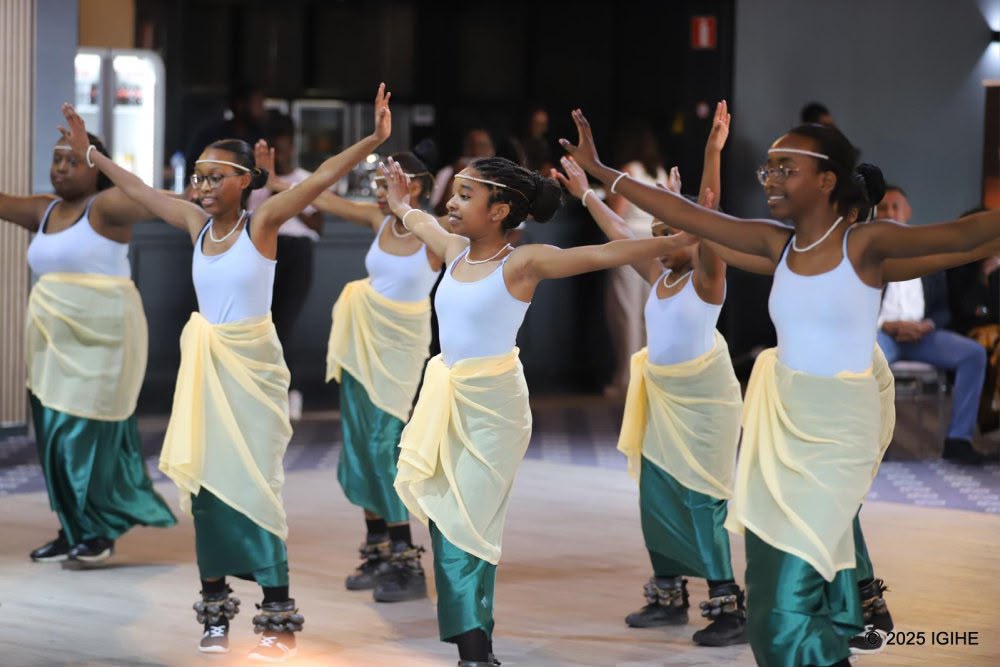
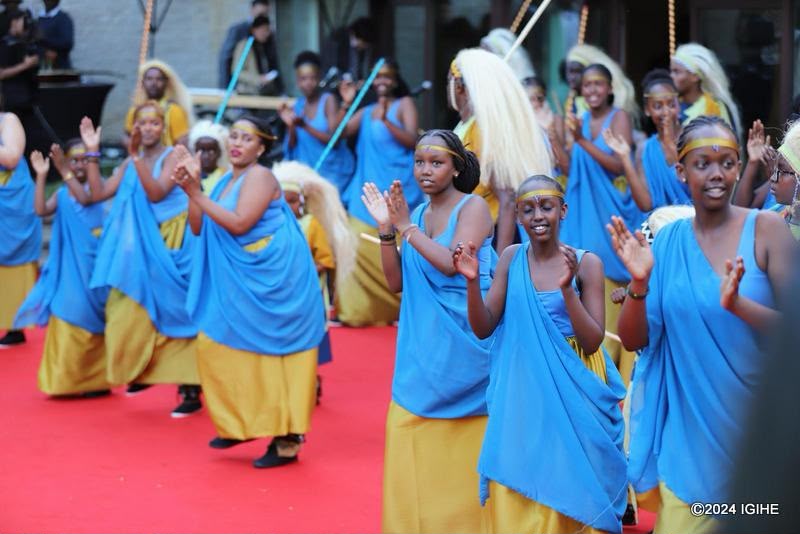
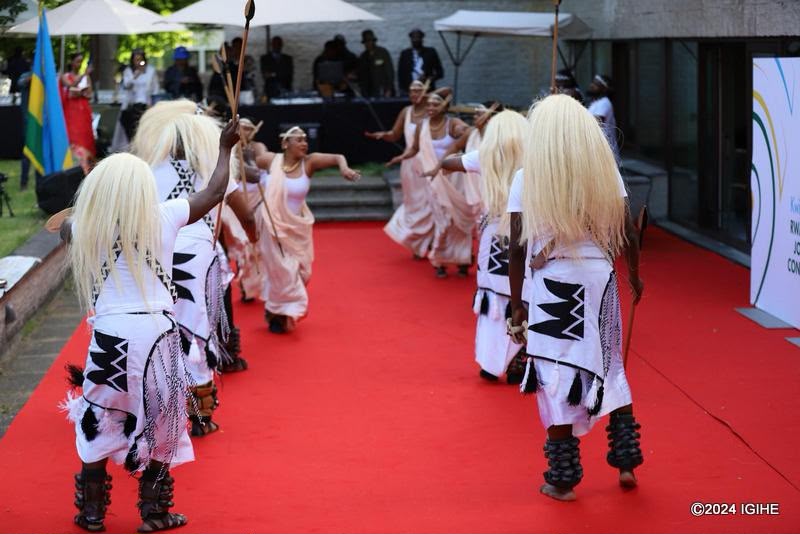
As every year, Rwandans living in Belgium and their friends will come together to commemorate and celebrate this historic day. The 2026 edition will feature two major highlights: a panel discussion and a cultural evening organized as part of the celebrations marking the 32nd anniversary of Rwanda’s Liberation.
The first part of the day will be dedicated to a panel discussion entitled: ‘Rwanda, Kwibohora32: From Liberation to Emergence, Agaciro as the Foundation of Dignity and Integrity.’
The event will bring together experts and speakers from various fields, including history, politics, economics, trade, psychology, governance, and technology. Participants will reflect on Rwanda’s journey from liberation to its current emergence while highlighting the role of Agaciro, a core value of dignity, integrity, and resilience that characterizes the Rwandan people.
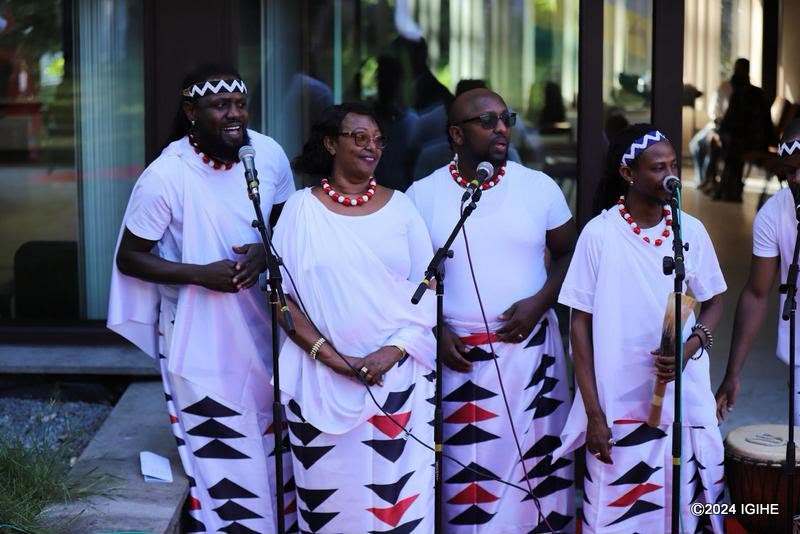
The second part of the day will feature a concert organized in celebration of Kwibohora32, offering Rwandans in Belgium and their friends an opportunity to celebrate, connect, and enjoy a spirit of togetherness. The evening will also serve as a platform to promote Rwandan culture and strengthen ties within the diaspora through traditional and contemporary music.
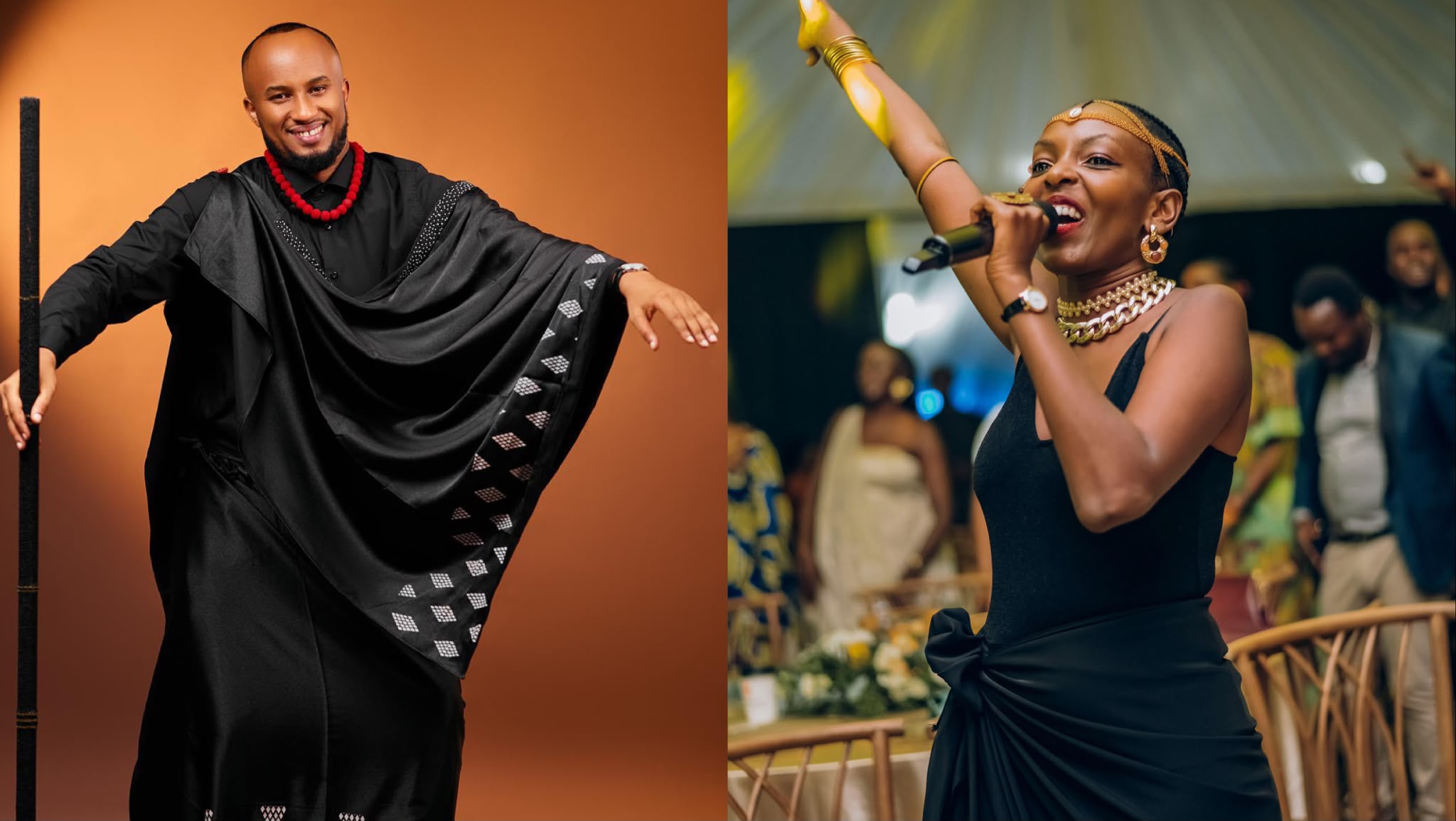
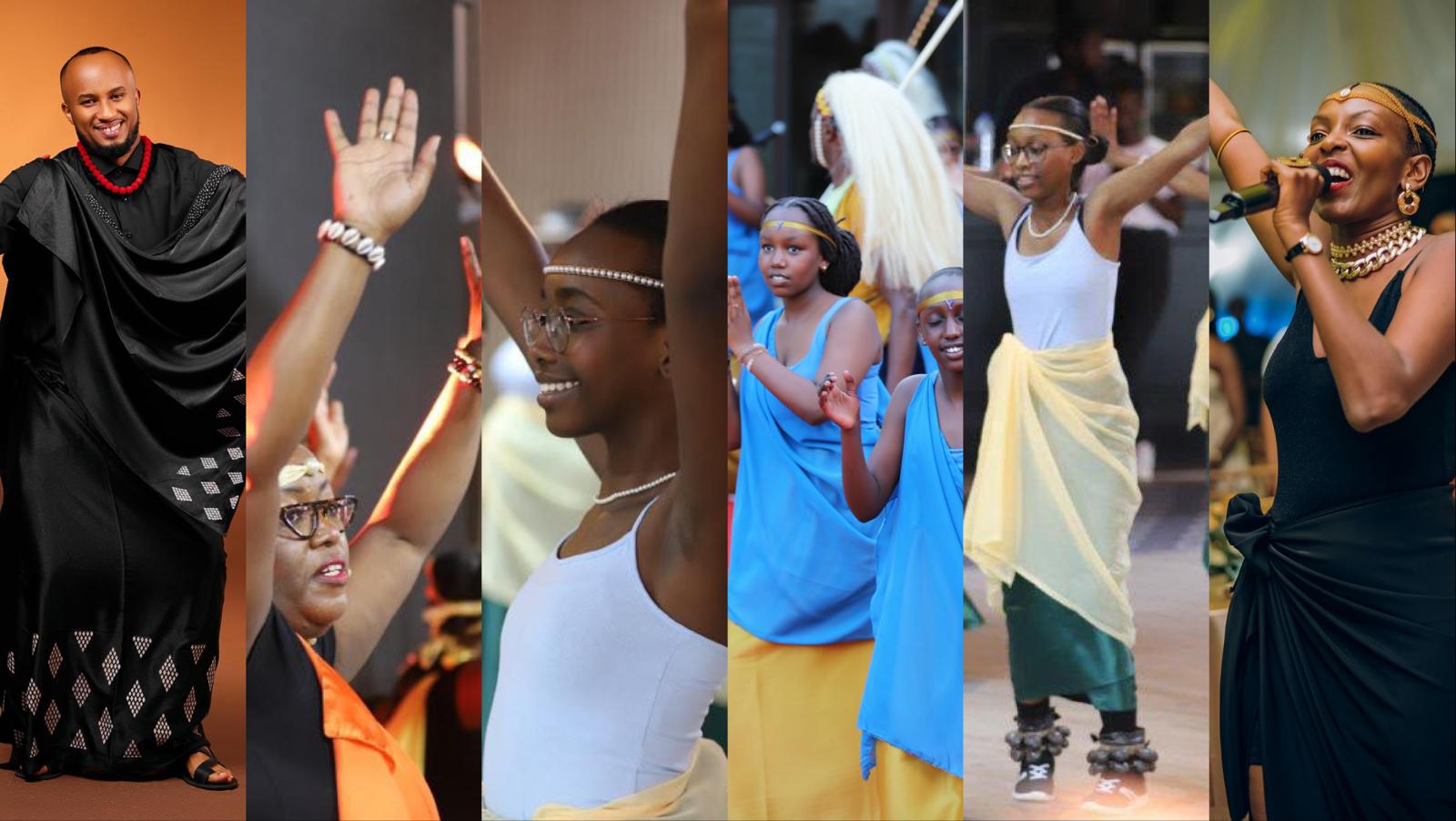
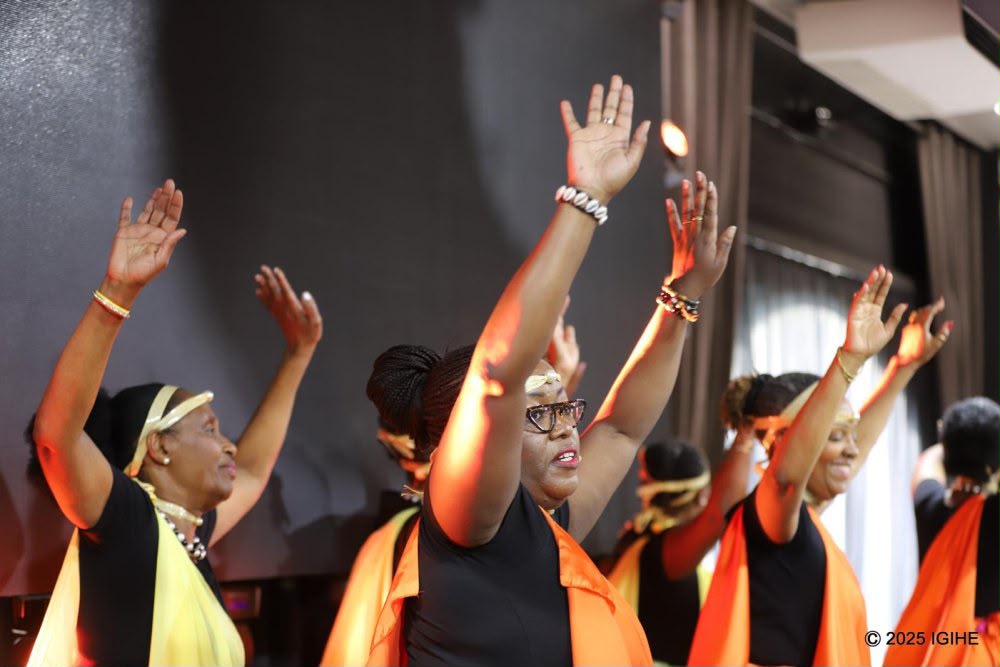
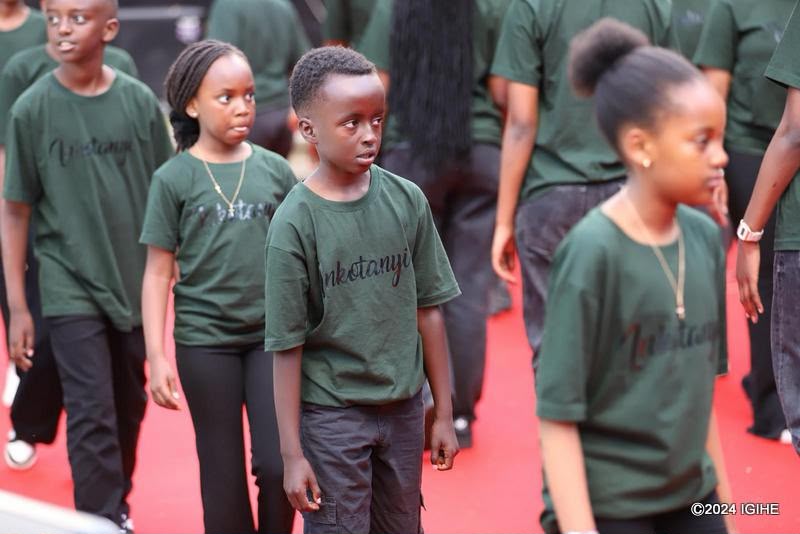
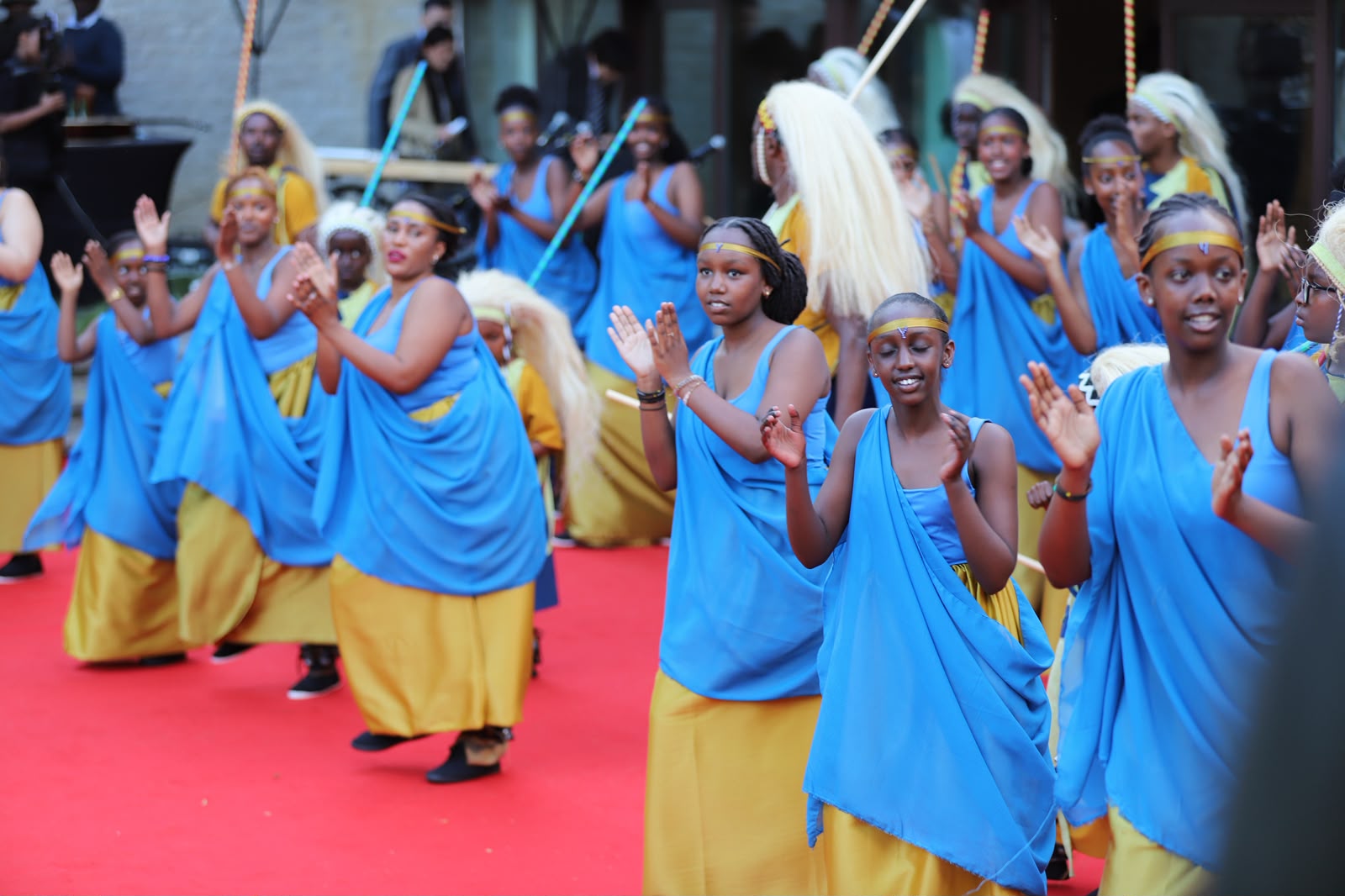
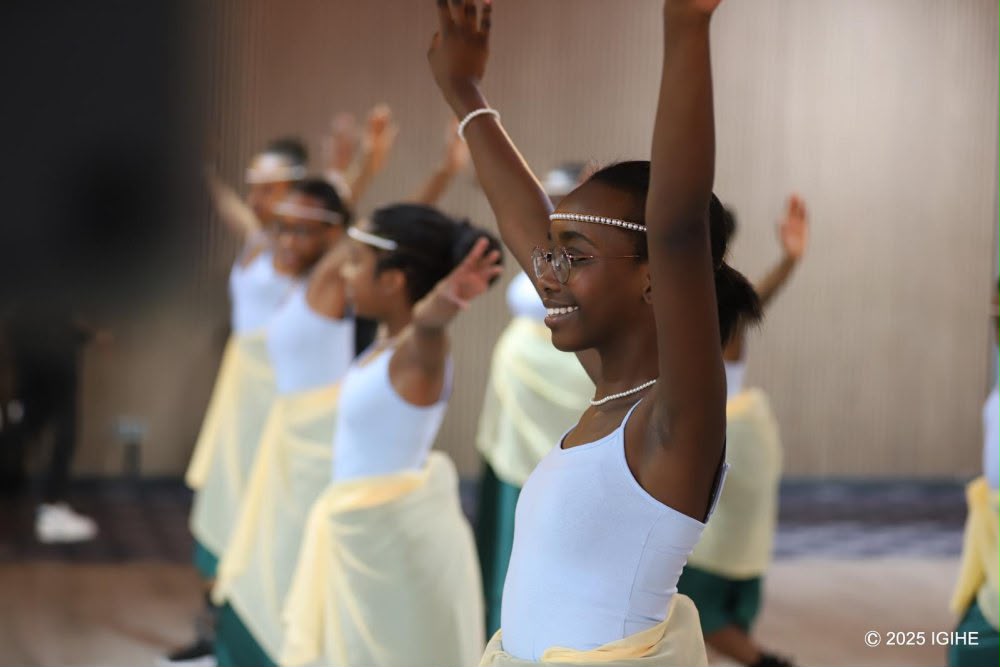
Among the artists expected to perform are Teta Diane and Cyusa Ibrahim, two renowned figures of Rwanda’s music scene. Young people will also take center stage through performances by the Itetero cultural troupe from Brussels and the Amaliza troupe from Charleroi.
Parents will not be left out. Gathered within the cultural troupe Umurage, which means ‘Heritage,’ they will also present performances showcasing Rwandan traditions and cultural heritage.
The activities will begin at 2:00 p.m. with the panel discussion, while the concert will start at 8:00 p.m. and continue late into the evening. The entire program will take place at the Proximus Lounge, located at 51 Rue Stroobants, 1140 Brussels.
Participation is set at â¬35, a contribution intended to support the organization of the event.
In an interview with IGIHE, Kennedy Bizimana, one of the organizers, called on the community to attend:
‘We invite everyone to come in large numbers to discuss our history and share a moment of fraternity. This day should be celebrated so that younger generations understand its importance. It reminds us that after the tragedies Rwanda endured, Rwandans found solutions and rebuilt their country.Â
‘Today’s Rwanda is a testament to the progress achieved through good governance and the vision of President Paul Kagame, who led the liberation struggle that ended the Genocide against the Tutsi and paved the way for the country’s development.’
Artistes Teta Diane and Cyusa Ibrahim arre set to headline Kwibohora32 celebrations in Belgium.
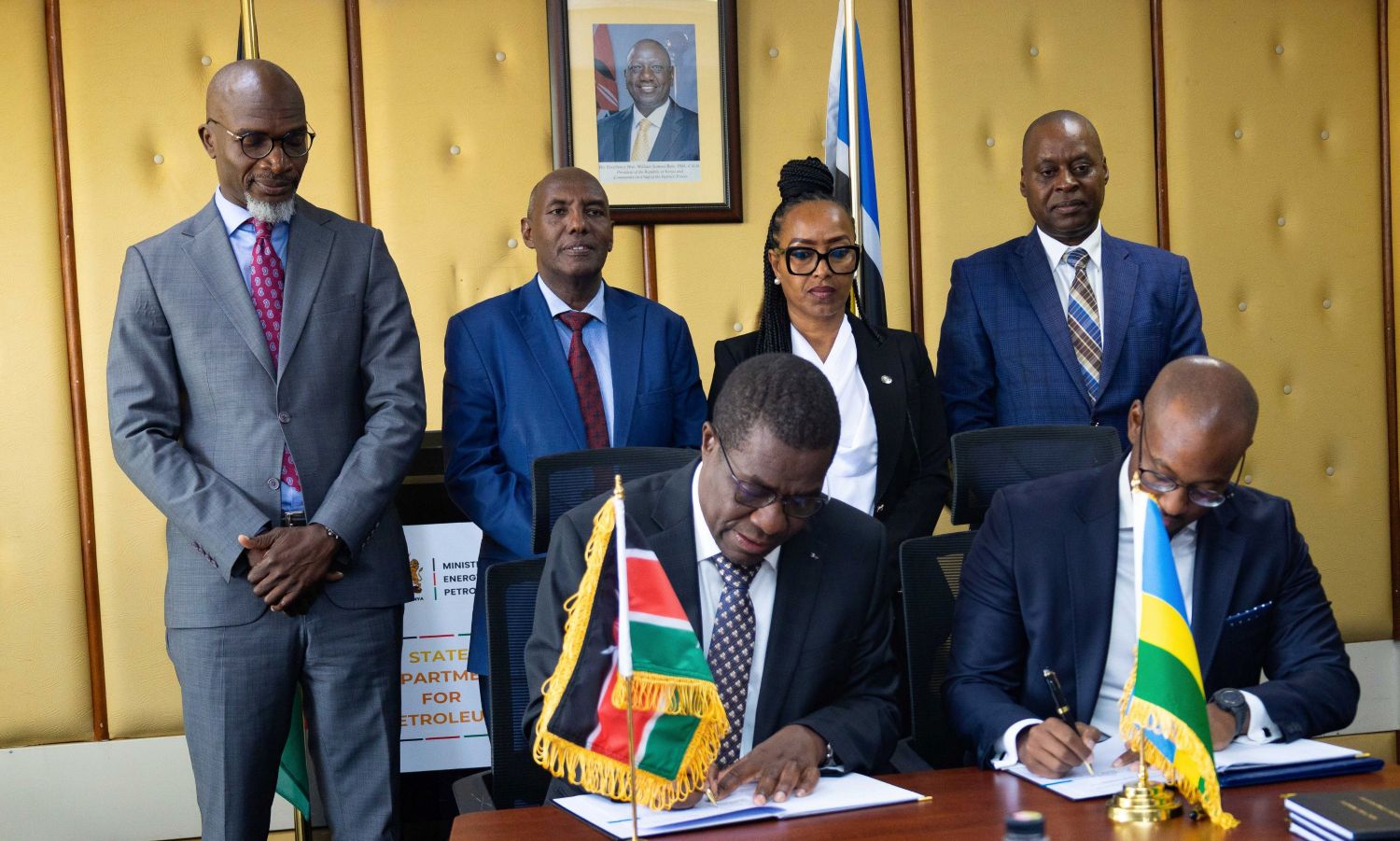
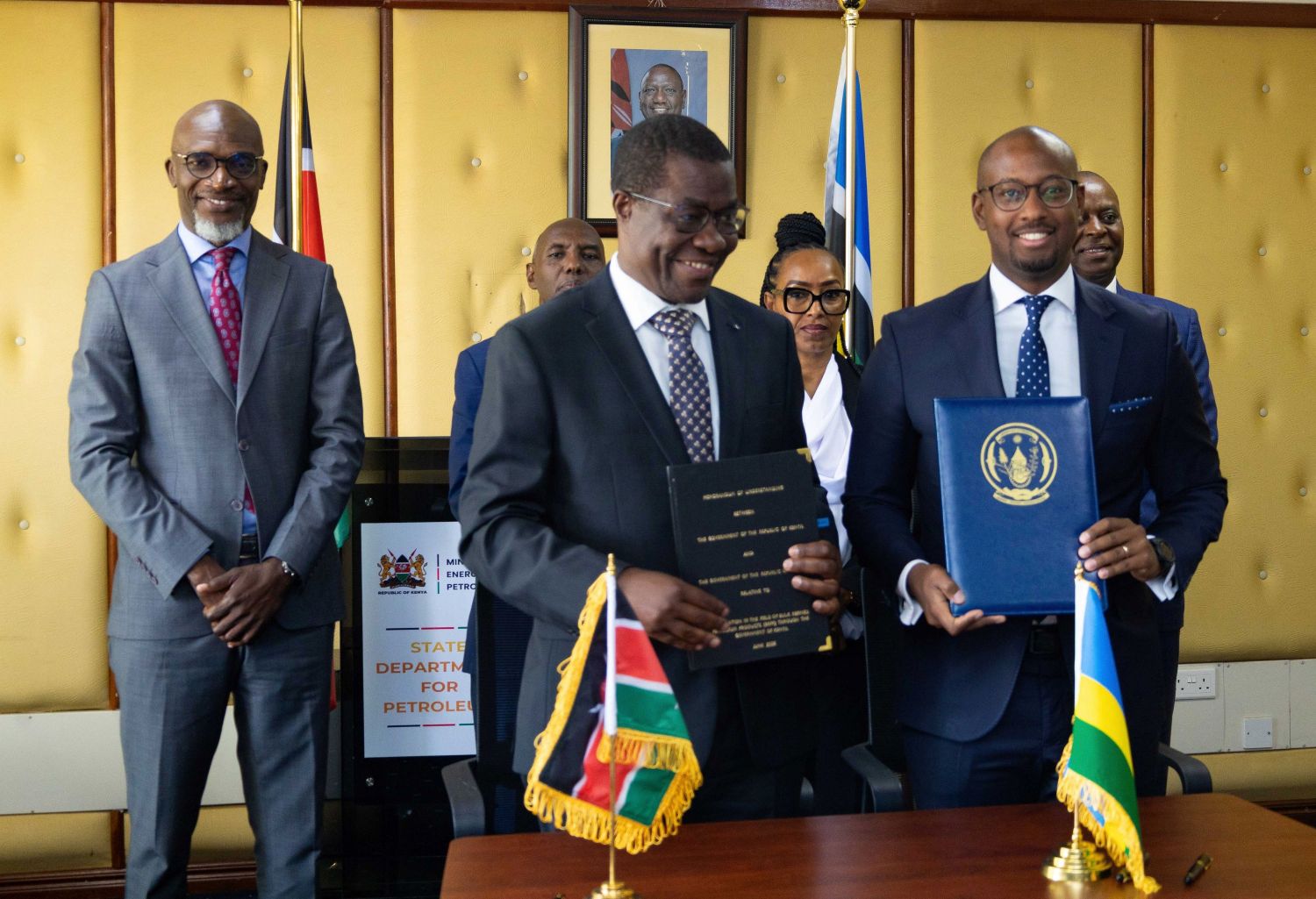
The two countries signed a Memorandum of Understanding (MoU) on Monday, June 29, allowing Rwanda to independently source bulk refined petroleum products while using Kenya’s petroleum infrastructure for transportation, storage and evacuation.
The MoU was accompanied by two implementing agreements: a Tripartite Agreement (TPA) between the governments of Rwanda and Kenya and Rwanda National Energy Company (RNEC), and a Transport and Storage Agreement (TSA) between RNEC and Kenya Pipeline Company (KPC).
The agreements establish a structured framework for importing refined petroleum products through Kenya’s petroleum infrastructure, including the Port of Mombasa, strategic storage facilities and pipeline network.
Under the partnership, Rwanda will gain improved access to Kenya’s petroleum logistics system, enabling better import coordination, strategic storage and pipeline transportation. The arrangement is expected to enhance the efficiency, reliability and resilience of Rwanda’s petroleum supply chain.
According to the two governments, the partnership will enhance the security and continuity of petroleum supplies, reduce logistical bottlenecks, improve the predictability of fuel imports, increase operational efficiency across the supply chain and strengthen regional economic integration.
The agreement also aligns with Rwanda’s strategy of diversifying import routes, strengthening fuel security and ensuring the sustainable availability of petroleum products to support industrialisation and economic growth.
Implementation of the agreements will begin immediately through RNEC and KPC, working alongside relevant government institutions from both countries.
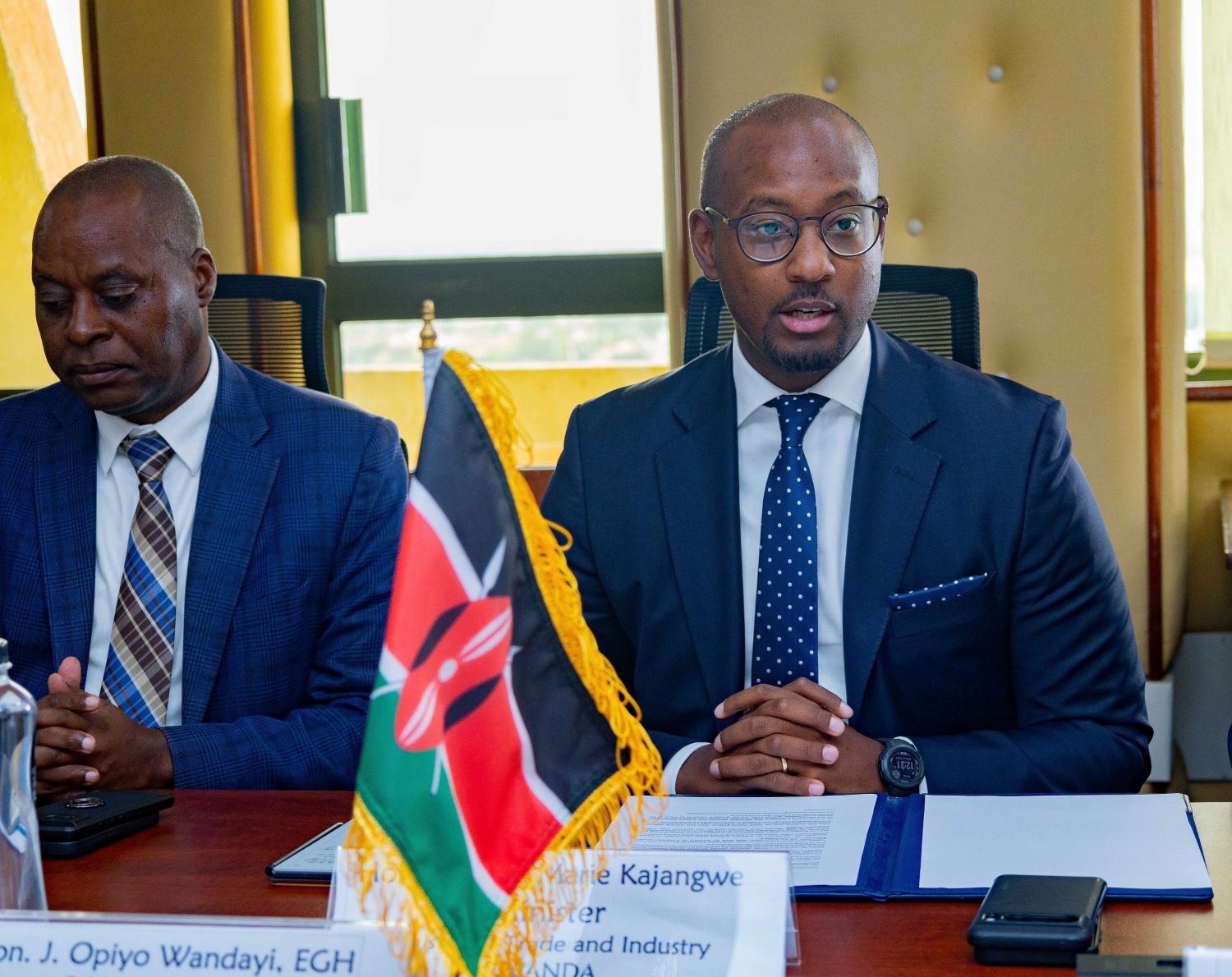
Speaking at the signing ceremony, Rwanda’s Minister of Trade and Industry, Tony Kajangwe, described the agreements as a reflection of the two countries’ shared commitment to strengthening regional trade and energy security.
‘By optimizing the utilization of Kenya’s port and pipeline infrastructure, we are strengthening regional value chains, enhancing supply resilience, improving energy security, and advancing the broader objectives of regional economic integration,’ he stated.
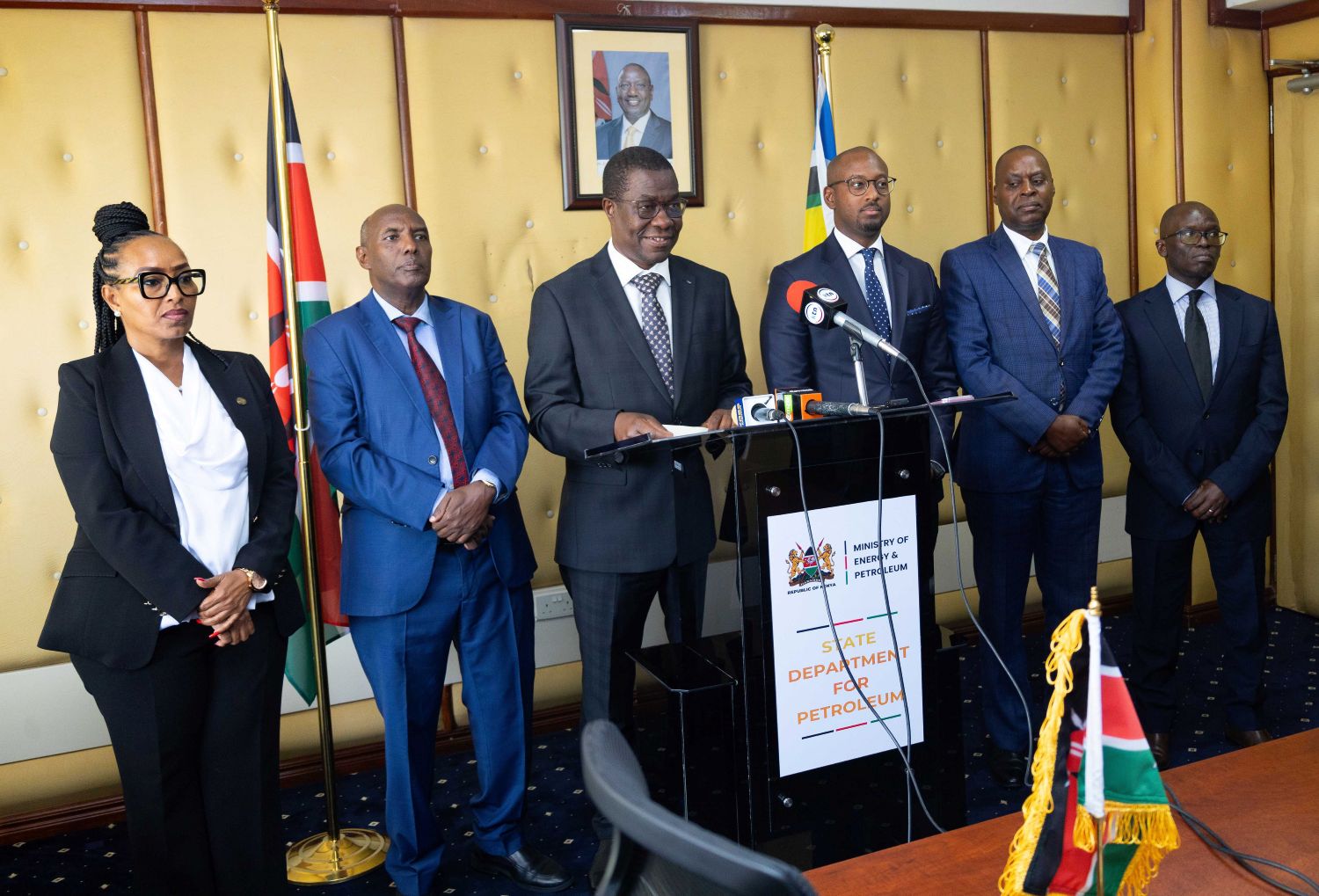
Kenya’s Cabinet Secretary for Energy and Petroleum, Opiyo Wandayi, described the agreements as a major milestone for regional integration, saying they fully open the Northern Corridor to Rwanda for the importation of bulk refined petroleum products under government-to-government arrangements.
‘Kenya is therefore putting its pipeline, its Port of Mombasa and its people at the service of Rwanda’s energy security,’ Wandayi said.
He added that Kenya is committed to providing a reliable transit environment to guarantee the long-term security of petroleum supplies destined for Rwanda.
According to Wandayi, petroleum volumes transported to Rwanda through the Northern Corridor are expected to increase more than tenfold, from about 50,000 cubic metres annually to more than 500,000 cubic metres.
He also announced that Rwanda’s first cargo under the new framework is expected to arrive at the Port of Mombasa in September 2026, marking the first major milestone in implementing the agreements.
The two countries signed a Memorandum of Understanding (MoU) on Monday, June 29, 2026.
The MoU allows Rwanda to independently source bulk refined petroleum products while using Kenya’s petroleum infrastructure for transportation, storage and evacuation.
Rwanda’s Minister of Trade and Industry, Tony Kajangwe, described the agreements as a reflection of the two countries’ shared commitment to strengthening regional trade and energy security.
Kenya’s Cabinet Secretary for Energy and Petroleum, Opiyo Wandayi, described the agreements as a major milestone for regional integration, saying they fully open the Northern Corridor to Rwanda for the importation of bulk refined petroleum products under government-to-government arrangements.
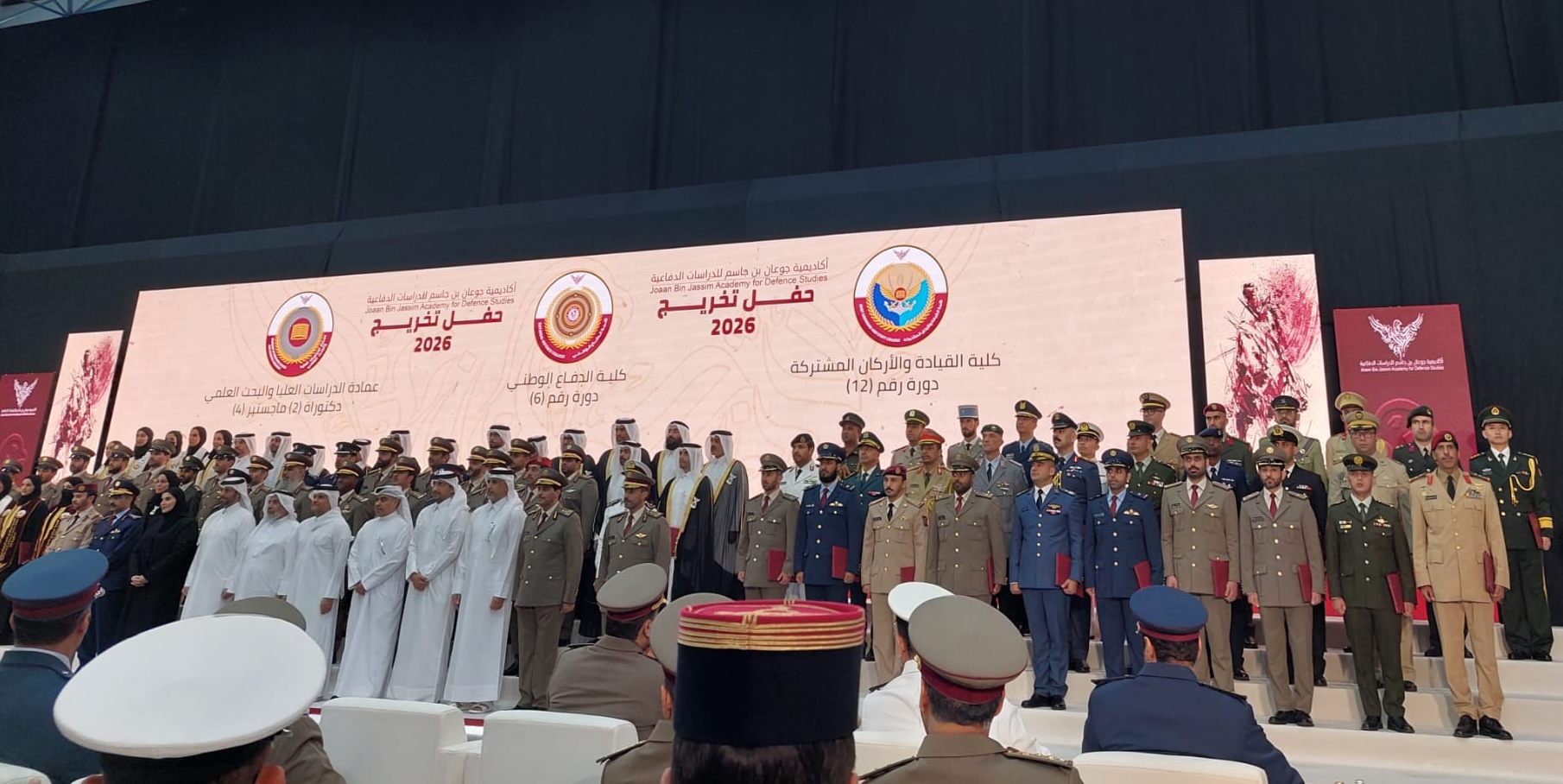
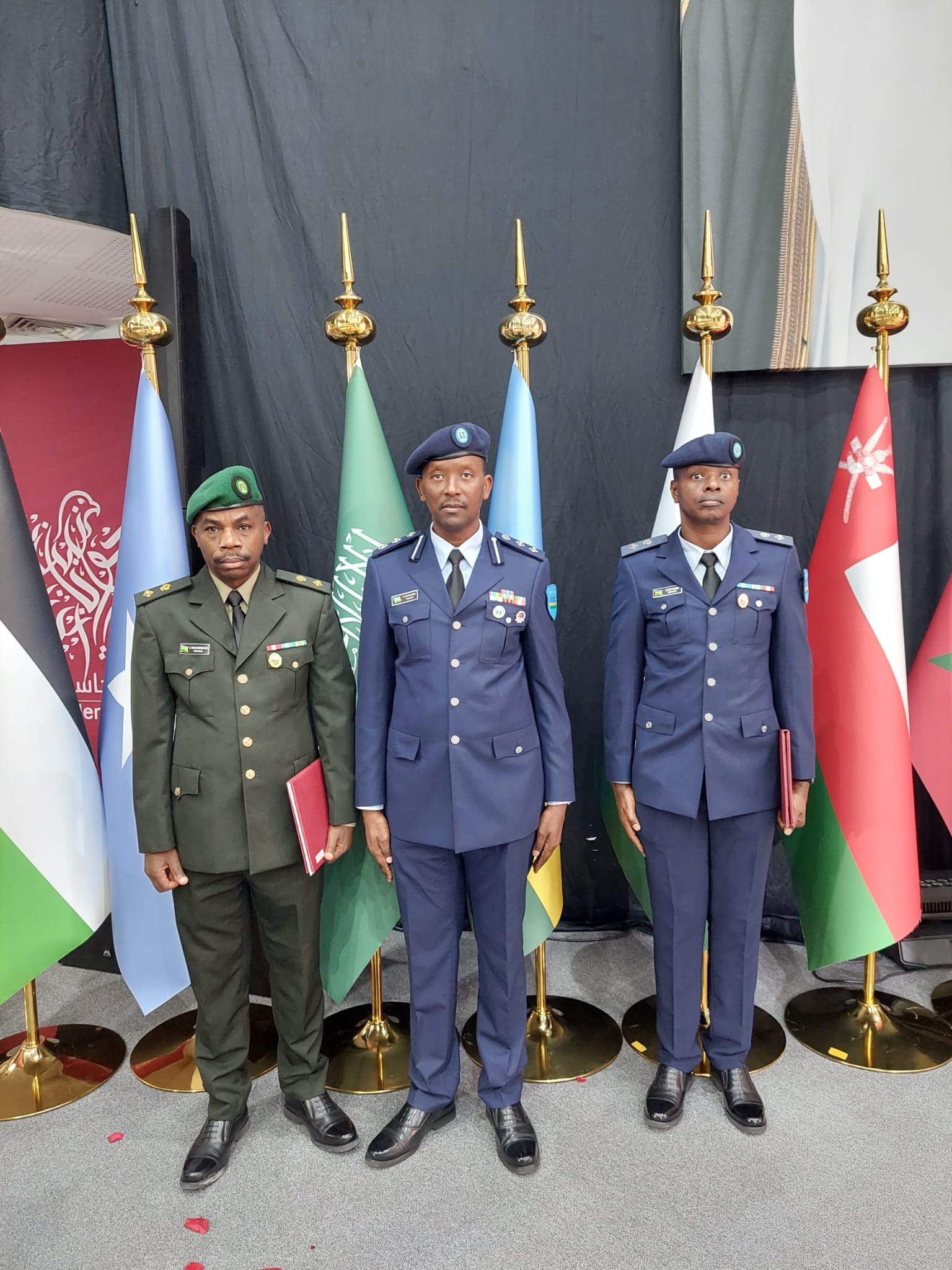
In addition to their military training, the officers also completed Arabic language studies, further strengthening their capacity for international military cooperation.
The graduation ceremony was held under the patronage of Sheikh Saud bin Abdulrahman Al Thani, Deputy Prime Minister and Minister of State for Defence Affairs.
It was attended by senior officials of the Qatar Armed Forces, diplomatic representatives, and other distinguished guests. The Rwanda Defence Force was represented by the Defence Attaché to Qatar, Col. Bernard Niyomugabo.
The latest milestone reflects the continued strengthening of defence relations between Rwanda and Qatar, which have expanded significantly in recent years across military, economic, and strategic sectors.
In January 2025, Rwanda and Qatar signed an agreement focused on training RDF personnel, sharing expertise, and enhancing aviation capacity.
The agreement was signed by Brig Gen Célestin Kanyamahanga, Permanent Secretary in the Ministry of Defence, and Sheikh Jabor Bin Hamad Al Thani, head of Qatar Aviation College.
Beyond military training, cooperation between the two countries has extended to policing and security development.
Rwanda’s Inspector General of Police, CG Felix Namuhoranye, previously led a delegation to Qatar on a working visit that included attendance at a graduation ceremony for junior officers at the Qatar Police Academy in Doha, presided over by the Emir of Qatar, Sheikh Tamim bin Hamad Al Thani.
Rwanda and Qatar also maintain broader partnerships in investment promotion, trade, tourism, and technology.
Qatar has emerged as a key partner in Rwanda’s aviation ambitions, particularly in the development of Bugesera International Airport, where Qatar Airways holds a 60% stake. Discussions have also included potential investment in RwandAir.
High-level visits between the two countries have further reinforced bilateral relations.
These include President Paul Kagame’s visits to Qatar in 2018, 2024, and other engagements, as well as reciprocal visits by the Emir of Qatar, Sheikh Tamim bin Hamad Al Thani, including his participation as guest of honour at the 2022 Commonwealth Heads of Government Meeting in Kigali.
Senior officials of the Qatar Armed Forces attend the graduation ceremony held under the patronage of Sheikh Saud bin Abdulrahman Al Thani.
RDF Defence Attaché to Qatar, Col Bernard Niyomugabo, represented the Rwanda Defence Force at the graduation ceremony in Doha.
The graduation ceremony took place on June 29, 2026.
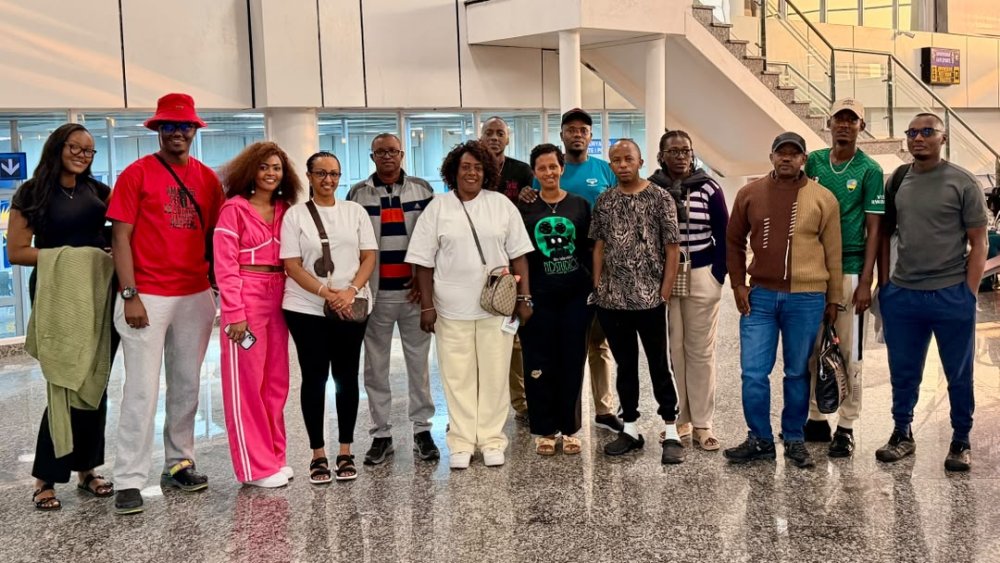
The group travelled to South Korea on June 27, 2026, with the training programme officially kicking off on June 28. It is scheduled to run until July 11, 2026, and is taking place in the city of Busan.
The initiative forms part of the ‘Capacity Building for Film and Video Industry in Rwanda’ programme, which seeks to enhance the competitiveness of Rwanda’s creative sector through international exposure and professional development.
It is being implemented through a partnership between the Busan Metropolitan City, Busan Global City Foundation (BGCF), the Korea International Cooperation Agency (KOICA), and CIAT. The programme focuses on knowledge exchange and supporting the growth of Rwanda’s film industry.
Participants are engaging in practical and theoretical sessions covering film production, directing, modern audiovisual technologies, industry management, and approaches to building international collaborations within the creative sector.
Busan, one of South Korea’s leading cultural hubs, is globally known for hosting the Busan International Film Festival (BIFF), one of Asia’s most influential film events.
The training is expected to contribute to the long-term development of Rwanda’s film industry by equipping practitioners with updated skills, global perspectives, and professional networks.
15 Rwandan film actors, including Clapton Kibonge and Siperansiya, are in South Korea for a professional film training programme
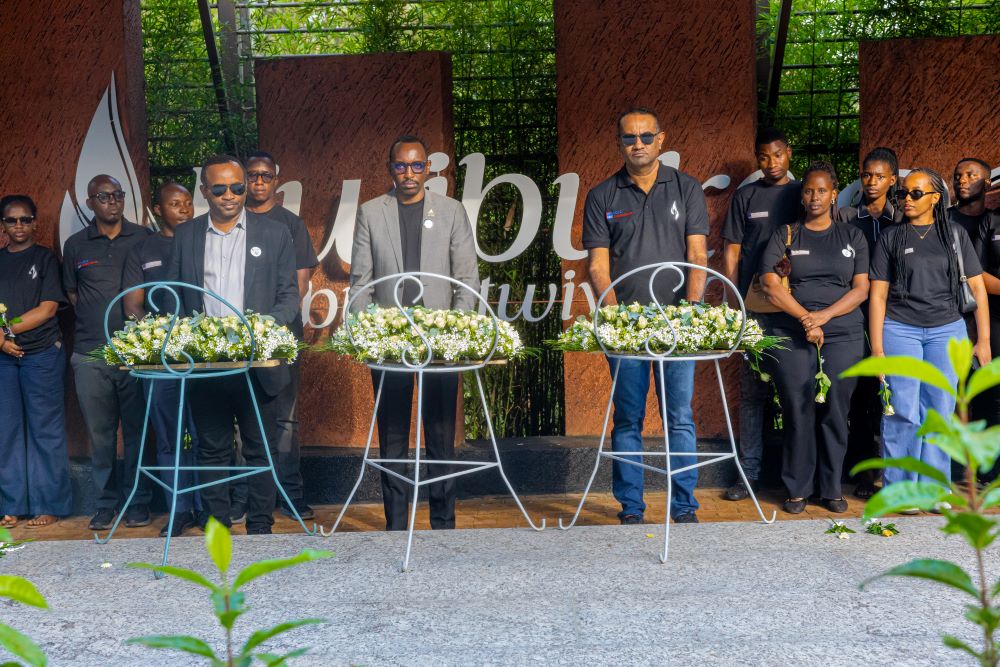
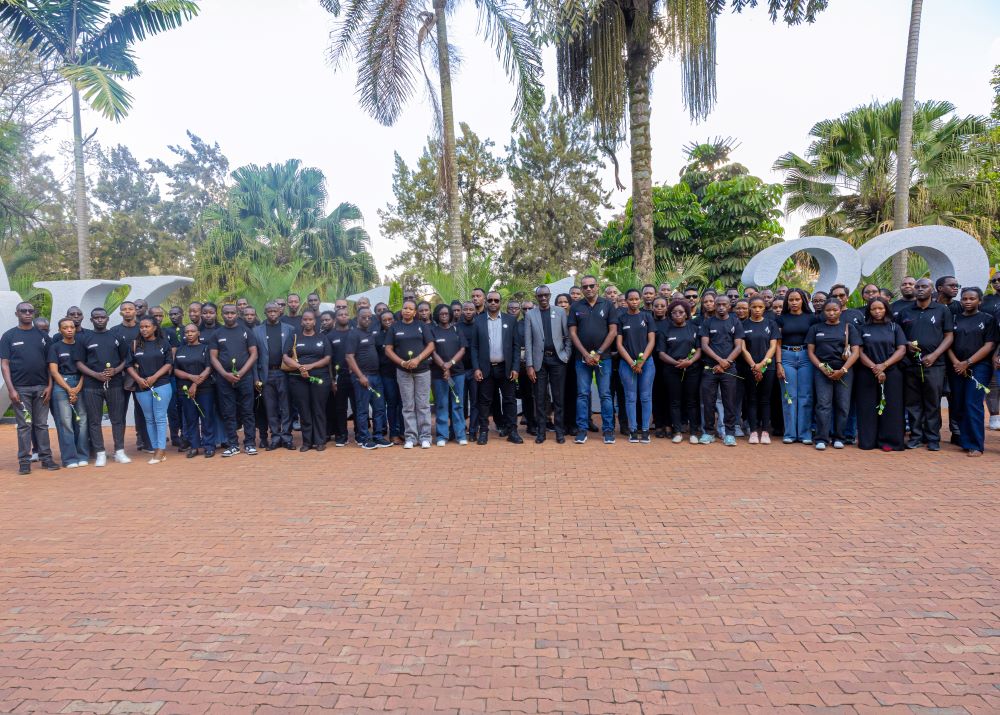
The visit took place on June 26, 2026, where staff members were taken through a detailed account of the 1994 Genocide against the Tutsi, including its historical background, planning, and execution.
After the briefing, the employees paid their respects by laying wreaths at mass graves where more than 250,000 victims of the Genocide against the Tutsi are laid to rest. The delegation also extended financial support to the memorial as part of efforts to contribute to its preservation.
The Genocide against the Tutsi, which claimed over one million lives in 100 days, was halted by the Rwanda Patriotic Army (RPA).
Speaking at the memorial, Serge Rwigamba, a representative of the Aegis Trust Rwanda and staff member at the Kigali Genocide Memorial, outlined how Genocide ideology was rooted in long-standing discrimination, dehumanisation, and divisive governance policies dating back to 1959.
He emphasised the importance of continuously teaching Rwanda’s history and strengthening efforts to combat divisionism and any form of ideology that threatens national cohesion.
The Chairperson of the Board of Directors of LOLC Unguka Finance, Yves Sangano, said the visit was organised to honour victims of the Genocide against the Tutsi and reaffirm commitment to remembrance.
‘We came here to remember and honour the men, women, and children who were killed in the 1994 Genocide against the Tutsi, and to reaffirm that such atrocities must never happen again. Commemoration is a responsibility for every Rwandan and an opportunity to strengthen unity, reconciliation, justice, and development,’ he said.
He added that as a financial institution, LOLC Unguka Finance is committed to improving livelihoods through financial services, noting that sustainable development is only possible in an environment of peace, security, and national unity.
‘That is why we continue to join fellow Rwandans, especially during the 100-day commemoration period, to preserve and honour our national history,’ he added.
Chief Executive Officer Justin Kagishiro noted that understanding Rwanda’s history is a shared responsibility for all citizens, stressing that unity and reconciliation remain central to the wellbeing of Rwandans.
He further observed that commemoration should go beyond a ceremonial exercise, serving instead as an opportunity to deepen understanding of history and ensure it is accurately passed on to future generations.
Formerly known as Unguka Bank, LOLC Unguka Finance PLC is now part of the LOLC Group, headquartered in Sri Lanka. The institution provides a range of financial services, including savings products, loans, money transfers, and related services.
It currently operates 15 branches and two credit centres across Rwanda.
Staff members of LOLC Unguka Finance were urged to stand firm against those spreading Genocide ideology.
, Serge Rwigamba, a representative of the Aegis Trust Rwanda and staff member at the Kigali Genocide Memorial, outlined how Genocide ideology was rooted in long-standing discrimination, dehumanisation, and divisive governance policies dating back to 1959.
The Chairperson of the Board of Directors of LOLC Unguka Finance, Yves Sangano, said the visit was organised to honour victims of the Genocide against the Tutsi and reaffirm commitment to remembrance.
Chief Executive Officer Justin Kagishiro noted that understanding Rwanda’s history is a shared responsibility for all citizens, stressing that unity and reconciliation remain central to the wellbeing of Rwandans.
The staff were briefed on the history of the Genocide against the Tutsi, including its planning and eventual execution.
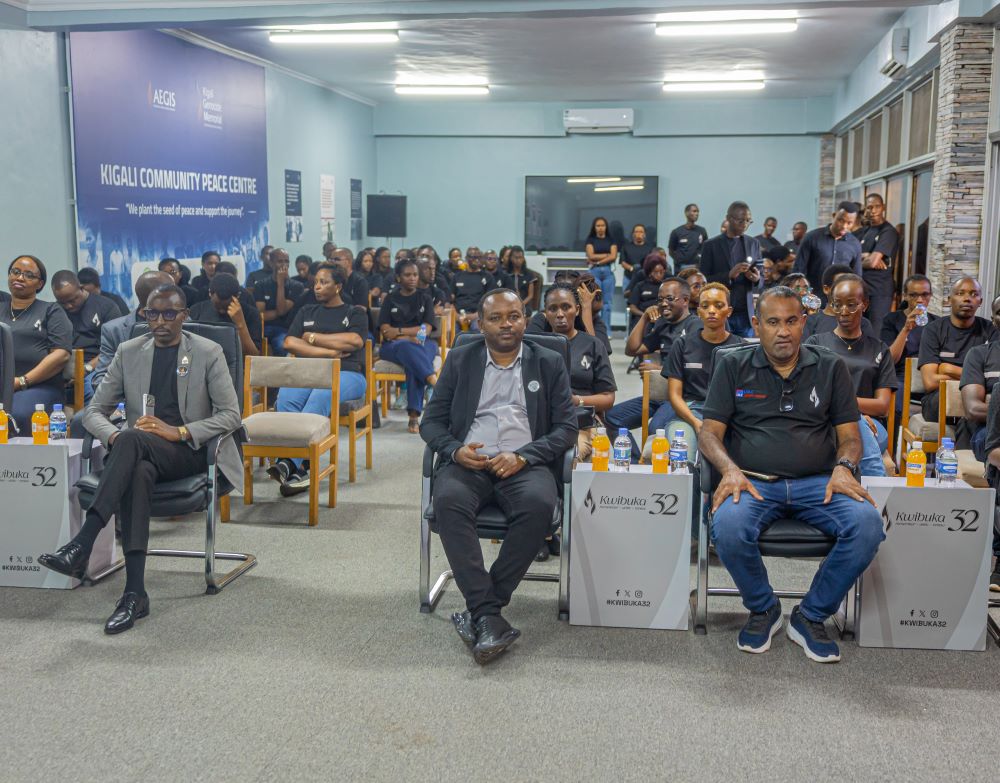
Staff members of LOLC Unguka Finance visited the Kigali Genocide Memorial in Gisozi on June 26, 2026.
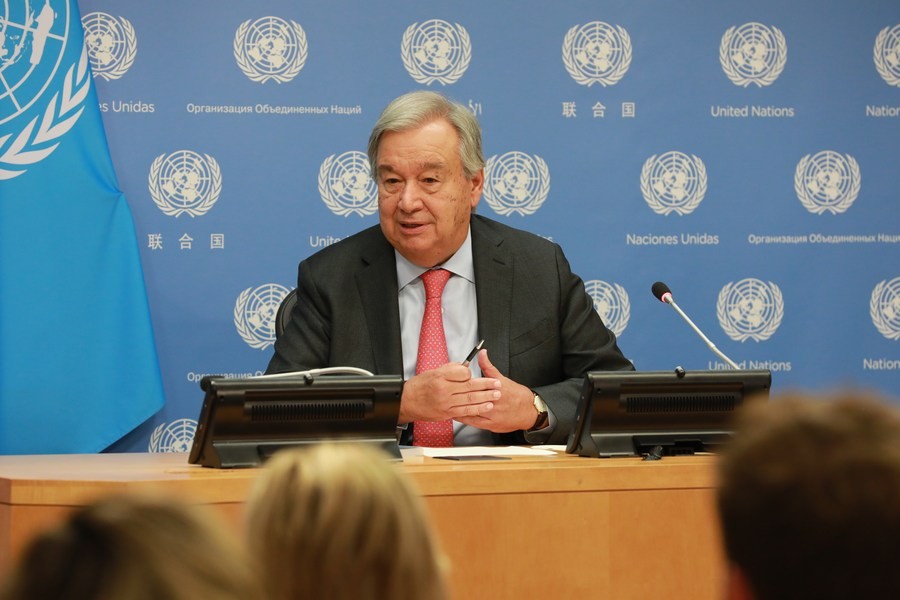
In his message on the International Day against Drug Abuse and Illicit Trafficking, observed annually on June 26, Guterres said illicit drug trafficking is not a victimless crime, ‘it inflicts profound harm on people and communities around the world while fuelling violence, crime and instability.’
The UN chief said the proliferation of synthetic drugs and the growth of online trafficking networks are compounding the crisis, while fragile health systems, persistent treatment gaps and limited access to support are undermining efforts to reduce stigma and address drug use disorders.
Noting this year’s theme challenges the world to forge solutions grounded in foresight, innovation and solidarity, he called on the international community to ‘recommit to the bold, innovative and evidence-based solutions this scourge demands.’
In its World Drug Report 2026 released Friday, the UN Office on Drugs and Crime (UNODC) said drug traffickers are exploiting technologies and global instability to introduce novel drugs, experiment with different trade routes and methods, and aggressively push into new markets.
‘We have seen an unprecedented spike in new types of drugs on the market, and worryingly, some are more potent or dangerous than before,’ said UNODC Executive Director Monica Juma. ‘And, we are already suffering the impact: millions of premature deaths and healthy years of life needlessly lost; drug trafficking networks that are distorting economies; the destruction of lives, communities and livelihoods; and the compounding of insecurity and violence.’
According to the report, an estimated 331 million people used a drug in 2024, which represents 6.2 percent of the global population aged between 15 and 64, compared to 5.2 percent in 2014. Cannabis remained the most widely used drug by far (256 million users) in 2024, followed by opioids (63 million), amphetamines (32 million), cocaine (25 million) and ecstasy (21 million).
The report found that illicit drug manufacturers continue to invent new synthetic drugs in attempts to skirt regulations and avoid detection, with five times more drug types found in seizures in 2024 than before 2000.
The increasing availability of novel synthetic opioids such as fentanyls, nitazenes and orphines on the market suggests that traffickers continue to search for alternatives to heroin, and a turn away from plant-based opiates toward synthetics could cause a permanent shift in the global opioid market, with ramifications on how these drugs are used and the harms therein, the report said.
The report showed that new trafficking routes and the gradual spread of methamphetamine production have created new markets for the drug, notably in the Near and Middle East, Africa and parts of Europe.
Cannabis production, trafficking and use are all evolving, likely in part due to the ongoing changes in perception toward the drug around the time when many jurisdictions, notably in North America, adopted legalization and/or decriminalization policies, according to the report.
Drug use can be associated with acquisitive crime, violence within families and social groups, and victimization of, and by, those who use drugs, the report said. But these outcomes are also influenced by wider factors, such as the context of the drug use and the personal histories of the people involved, including poverty, homelessness, poor mental health and contextual factors in the community such as a potential lack of access to drug treatment and social services, the report noted.
UN chief calls for harnessing technology to stop drug cyber-trafficking.
The meeting took place at Urugwiro Village and brought together Daniel Libeskind, Founder and Principal Architect of Studio Libeskind; Nina Libeskind, Co-founder of Studio Libeskind; Stefan Blach, Partner at Studio Libeskind; and Holm Keller, Chairman of the kENUP Foundation.
The planned monument is expected to transform the Kigali Genocide Memorial in Gisozi, where more than 250,000 victims of the 1994 Genocide against the Tutsi are laid to rest, into a powerful space for remembrance, education, and reflection through cutting-edge technology and a deeply immersive, personal visitor experience.
Daniel Libeskind was born in 1946 in Poland to Jewish parents who survived the Holocaust, the Nazi murder of six million Jewish people during World War II. That history is inseparable from his work. Rather than designing buildings that simply house exhibitions, Libeskind engineers the architecture itself into the emotional experience: walls lean, floors tilt, spaces are left deliberately empty. The building becomes the story.
This is the philosophy coming to Gisozi. Here are 10 projects that show what that means in practice:
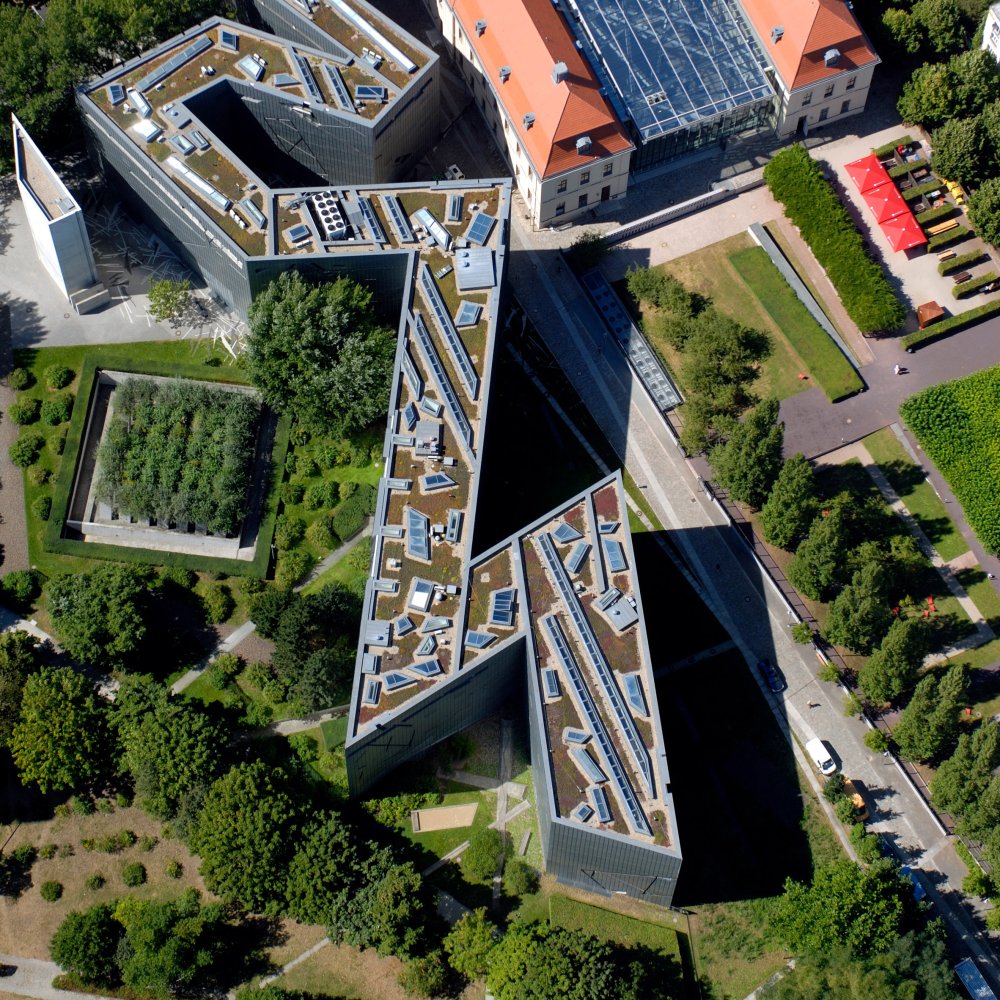
1. Jewish Museum Berlin (Germany)
This is the project that founded Studio Libeskind and established its global reputation. The titanium-zinc-clad building zigzags across its site, its surface cut by narrow, irregular windows that slash the facade like wounds.
Inside, a series of ‘Voids’, tall, unheated concrete chambers, cut through the building from basement to roof. Visitors can peer into them from bridges overhead but cannot enter. They represent the absence left by the six million people killed in the Holocaust: the conversations, children, and contributions that no longer exist. The emptiness is the exhibit.
Completed: 2001
Construction cost:$87 million (approx. â¬60 million)
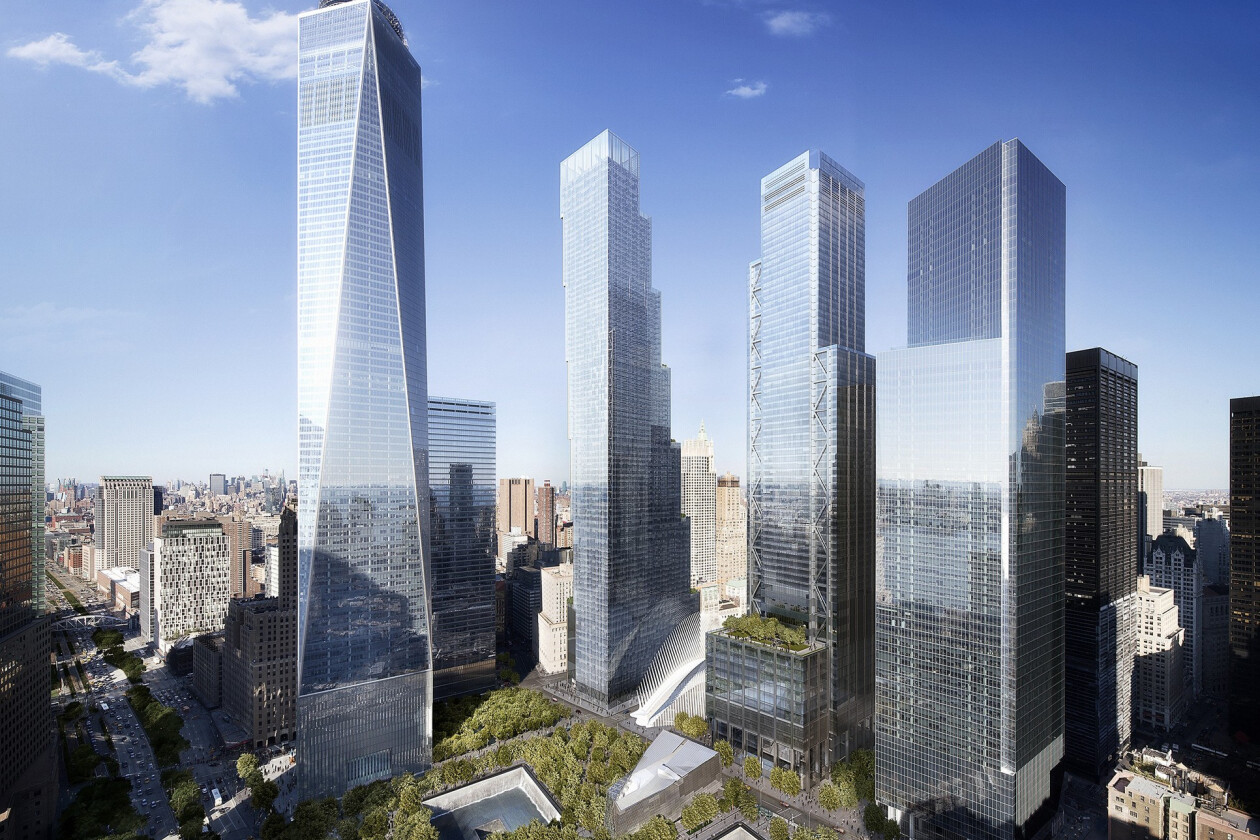
2. World Trade Center Master Plan (New York City, USA)
On 11 September 2001, nearly 3,000 people were killed when terrorist attacks brought down New York’s Twin Towers. The 16-acre site became the most scrutinised piece of land on earth. After an intense international competition, Libeskind’s ‘Memory Foundations’ plan was selected to guide the rebuilding.
Where others proposed filling the ground with new towers immediately, Libeskind kept the towers’ footprints permanently open, the space that became today’s memorial pools. He also fought successfully to preserve a stretch of original underground slurry wall that had survived the collapse, framing it as a symbol of resilience. It remains visible to visitors at the 9/11 Memorial Museum today.
Completed: 2003 (master plan selected); site construction 2006â2016
Construction cost: Total site redevelopment cost over $20 billion. One World Trade Center alone cost $3.9 billion, making it the most expensive skyscraper ever built in the United States at the time.
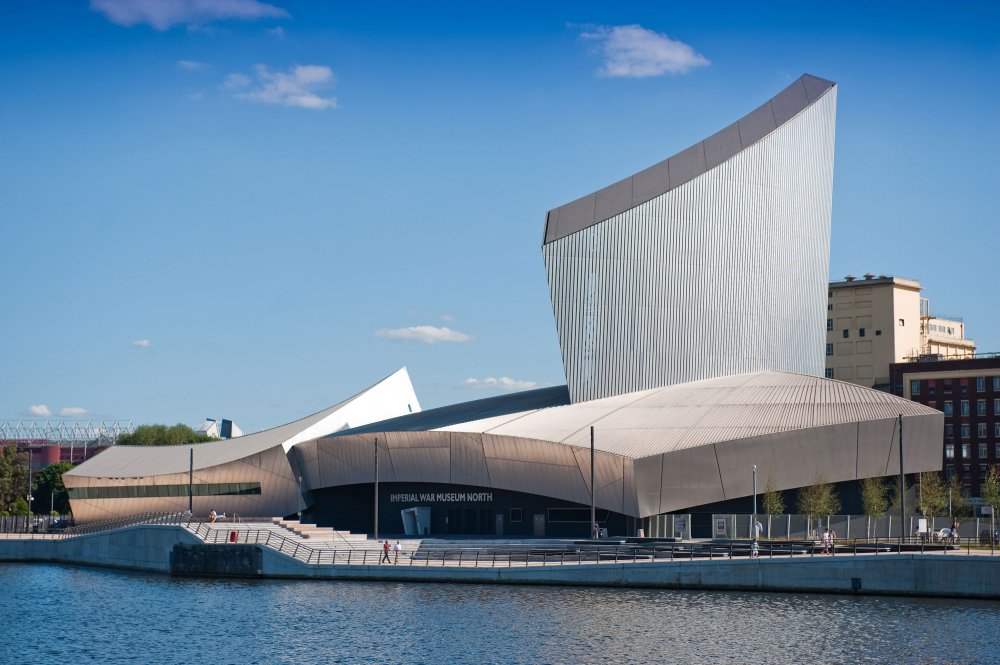
3. Imperial War Museum North (Greater Manchester, UK)
During World War II, the Trafford Park area of Greater Manchester, home to factories producing Lancaster bombers and Rolls-Royce aircraft engines, was targeted in the Manchester Blitz. Over two nights in December 1940, 684 people were killed. The Imperial War Museum’s northern branch was built on that same bombed waterfront.
The building is composed of three interlocking aluminium-clad shards representing war on earth, in the air, and on water, fragments of a globe shattered by conflict. Inside, floors curve subtly underfoot and walls lean at unsettling angles. There are no comfortable right angles. The disorientation is deliberate: Libeskind wanted the building itself to produce the instability of wartime before a single exhibit is read.
Completed: 2002
Construction cost: £28.5 million (approx. $40 million). Originally budgeted at £40 million, the project was completed under budget after funding shortfalls led to design economies including substituting metal for concrete in the shards.
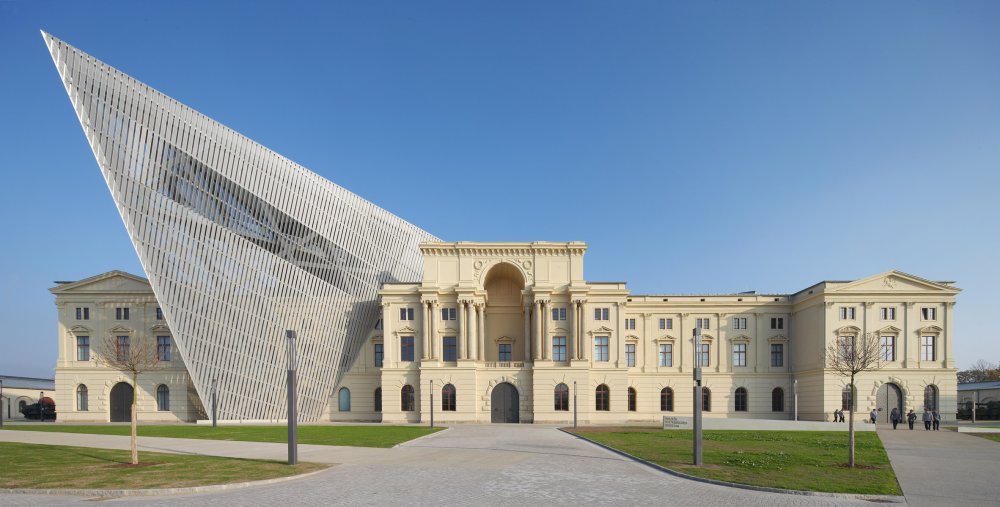
4. Military History Museum of the Bundeswehr (Dresden, Germany)
In February 1945, British and American bombers conducted devastating raids over Dresden, creating a firestorm that killed tens of thousands of civilians. Decades later, Libeskind was asked to transform the city’s neoclassical military arsenal, originally completed in 1876, from a glorification of military power into an honest reckoning with war’s costs.
His response was to drive a massive five-storey steel-and-glass wedge straight through the centre of the old building. The contrast between nineteenth-century stone and sharp modern glass is deliberately violent: authoritarian order cracked open. The tip of the wedge points in the direction from which Allied bombers approached on those February nights, a permanent, silent gesture anchoring the building to the city’s defining wound.
Completed: 2011
Construction cost: â¬48 million (approx. $65 million), funded entirely by the German federal government.
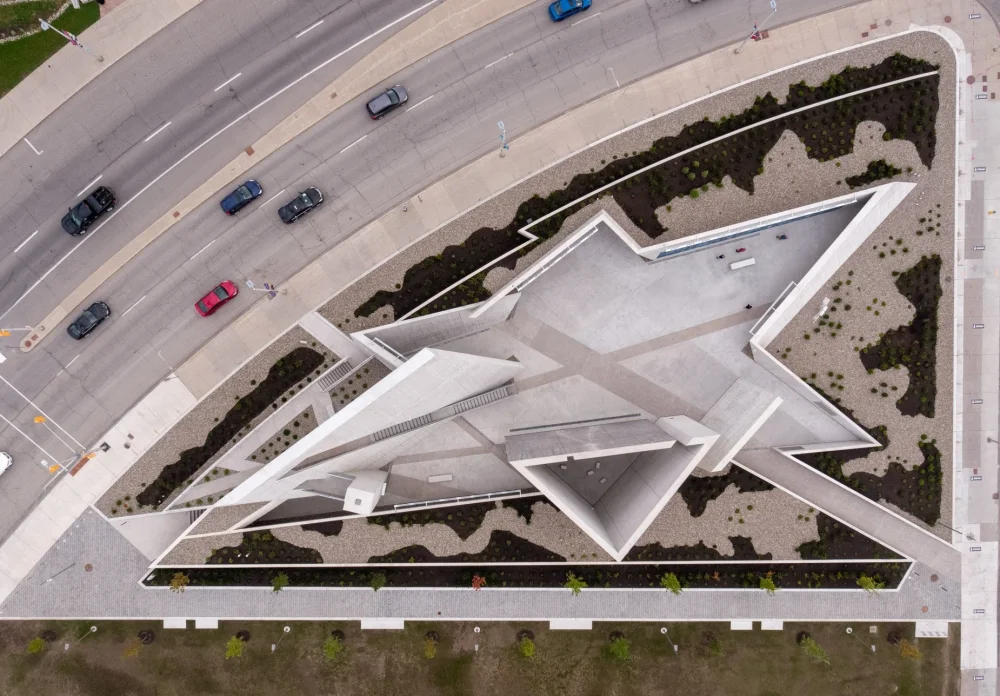
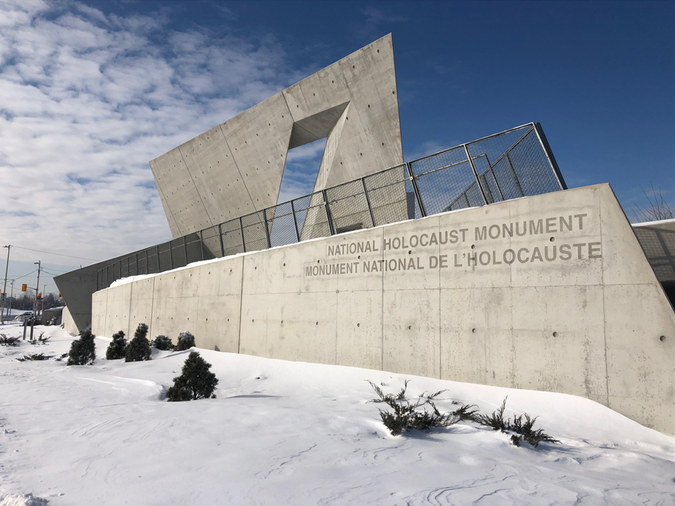
5. National Holocaust Monument (Ottawa, Canada)
Canada’s national Holocaust memorial features six raw concrete volumes that, viewed from above, form a fractured Star of David, the ancient symbol of Jewish identity, broken apart. Visitors move through narrow, oppressive concrete corridors that gradually open upward to the sky: confinement giving way to hope.
The interior walls carry large monochromatic photographs by artist Edward Burtynsky, laser-etched directly into the concrete, haunting wide-angle images of European death camp landscapes. History is not displayed on a panel to be walked past. It is built into the walls themselves.
Completed: 2017
Construction cost:C$7.2 million (approx. $5.6 million USD), split between the Canadian government and private donors.
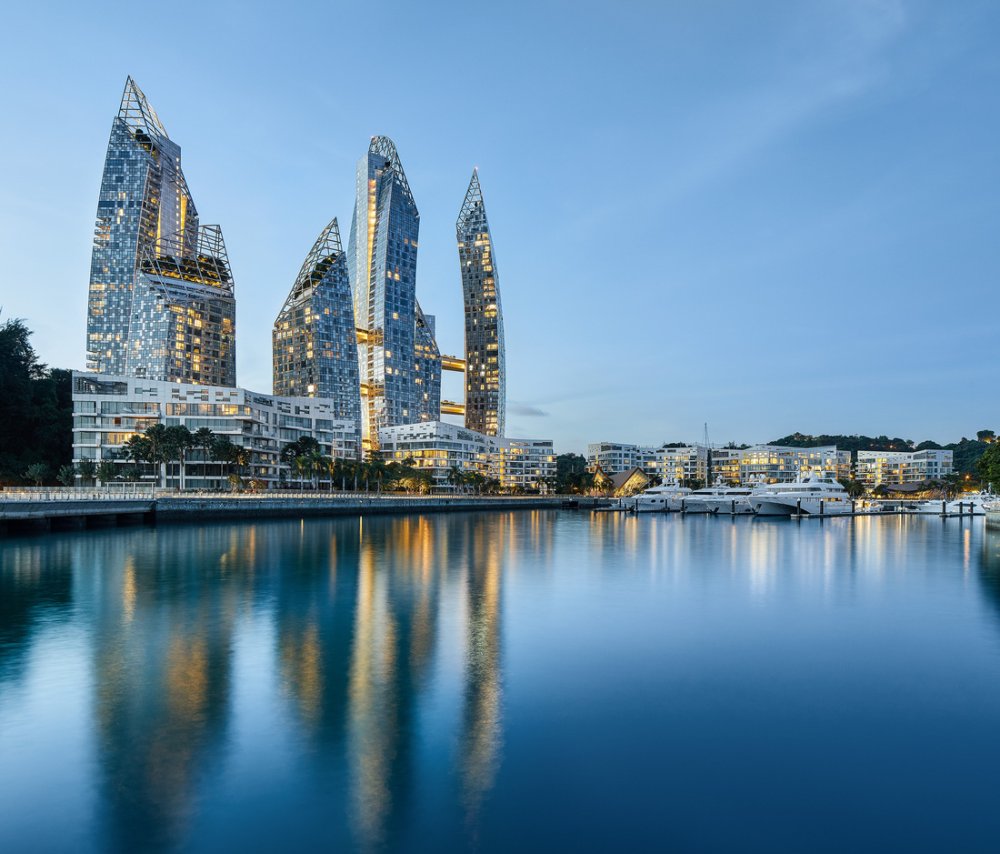
6. Reflections at Keppel Bay (Singapore)
Not every Libeskind project is a memorial. This luxury waterfront developmentâsix curved glass towers between 24 and 41 storeys, demonstrates that the studio’s philosophy translates equally into the architecture of everyday life.
In a city defined by residential uniformity, the development was designed so that no two apartments across the entire complex share the same floor plan or view. Shifting angles, alternating orientations, and changing crown geometry give every home its own character. It is Libeskind’s argument, made in glass and steel, that people deserve to live in spaces shaped for them, not mass-produced around them.
Completed: 2011
Construction cost: Construction cost not publicly disclosed. The development sold 1,129 luxury apartments across a 750-metre waterfront site, with unit prices at the time of sale ranging from SGD $1.5 million to over SGD $10 million.
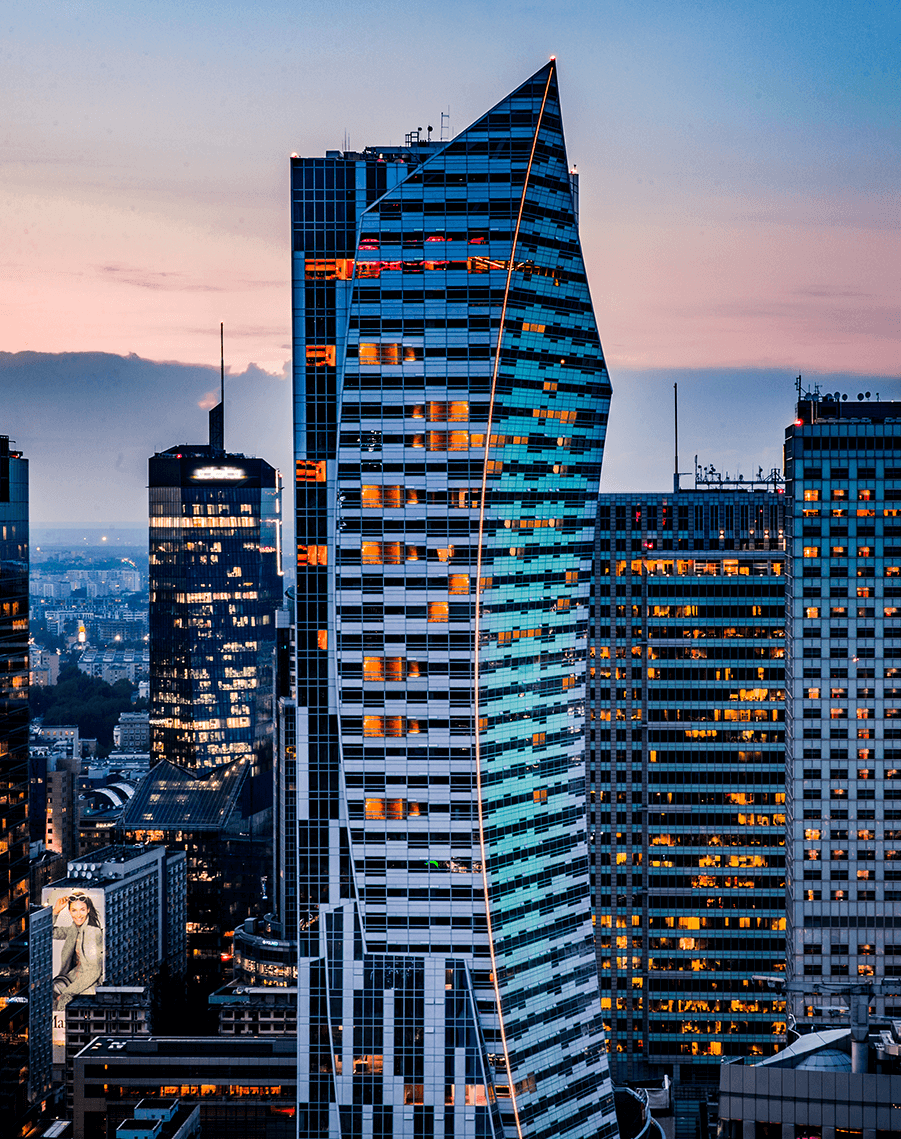
7. Złota 44 (Warsaw, Poland)
Warsaw was systematically destroyed by Nazi Germany during World War II, over 85% of the city razed. That it stands today, rebuilt and thriving, is one of history’s great acts of collective will. It was into this city that Libeskind returned to build his first major project in his birth country.
The 52-storey, 192-metre luxury residential tower’s sweeping glass facade curves upward in the shape of an eagle’s wing, Poland’s national emblem, representing freedom and sovereignty. Across the street, the heavy communist-era Palace of Culture looms. Złota 44 rises in direct contrast: light, fluid, and forward-looking.
Completed: 2016
Construction cost: Estimated â¬163 million (approx. $175 million) construction cost. The project faced severe financial difficulties; the original developer sold it midway through construction for just â¬50 million after significant losses.
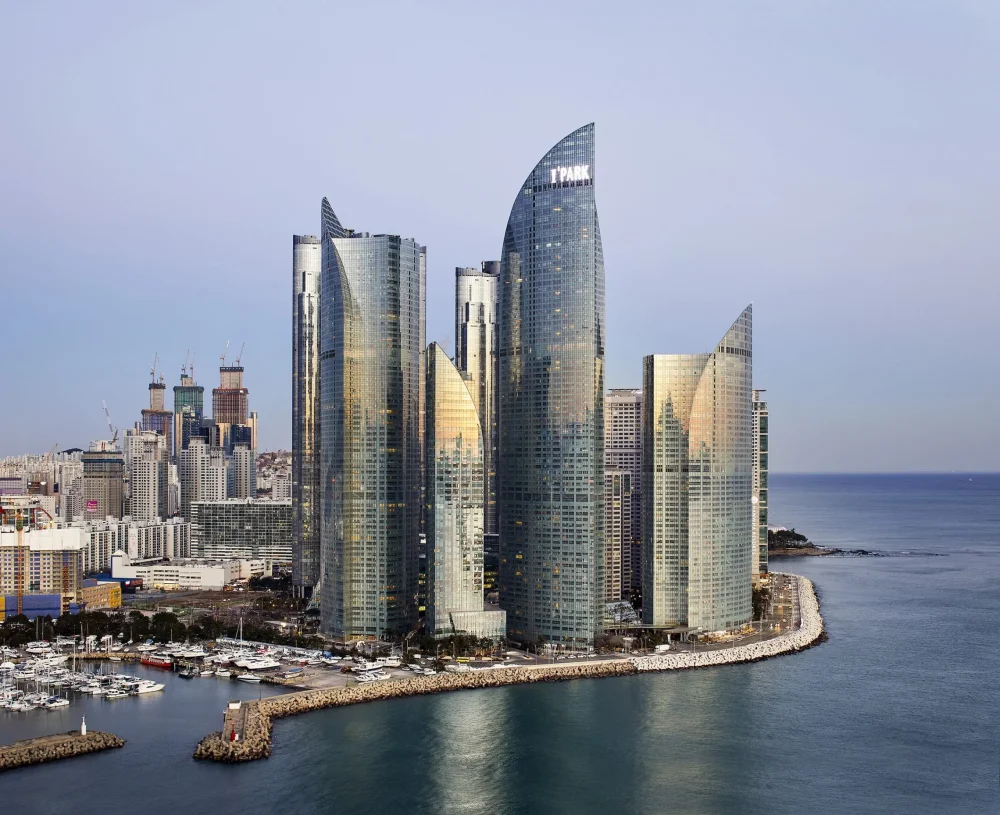
8. Haeundae Udong Hyundai I’Park (Busan, South Korea)
Busan is South Korea’s second largest city and its largest port, a place whose identity is inseparable from the ocean. This waterfront development comprises three residential towers, the tallest reaching 72 storeys, alongside a hotel, offices, and retail.
Each tower was mathematically modelled to present a completely different silhouette depending on the angle of approach, the buildings seem to shift and breathe as you move around them. The curves draw on Korean natural tradition: ocean waves, wind-filled sails. The result is a large-scale modern complex that belongs unmistakably to the coastline it occupies.
Completed: 2011
Construction cost: Construction cost not publicly disclosed. The full 4.5-million-square-foot mixed-use development is one of the largest residential complexes in South Korea.
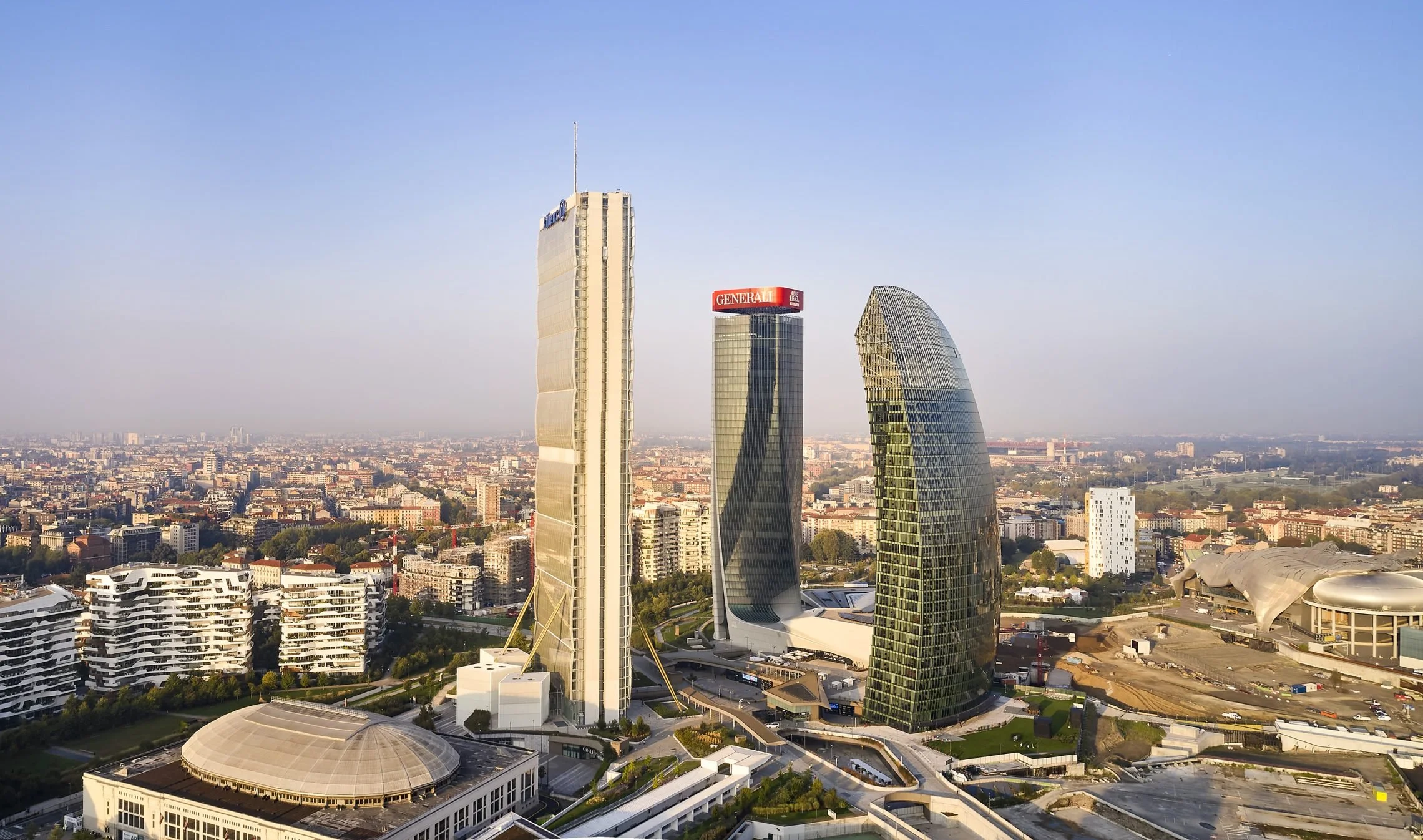
9. PwC Tower / CityLife Master Plan (Milan, Italy)
Part of a major regeneration of Milan’s historic fairgrounds, this 175-metre office tower, known locally as Il Curvo (The Curved One), tilts and arcs in a single clean geometric sweep from base to summit. In a skyline of vertical towers, its curve is immediately legible from across the city.
The design is a contemporary reinterpretation of the arcing forms found throughout Italian architectural history, translated into glass and steel. A building that speaks to where it stands rather than ignoring it.
Completed: 2020
Construction cost: Construction cost not publicly disclosed. The broader CityLife masterplan, encompassing three towers by Libeskind, Zaha Hadid, and Arata Isozaki, plus residential and retail, represents a total investment of over â¬2 billion.
10. Infinity Towers (Shanghai, China)
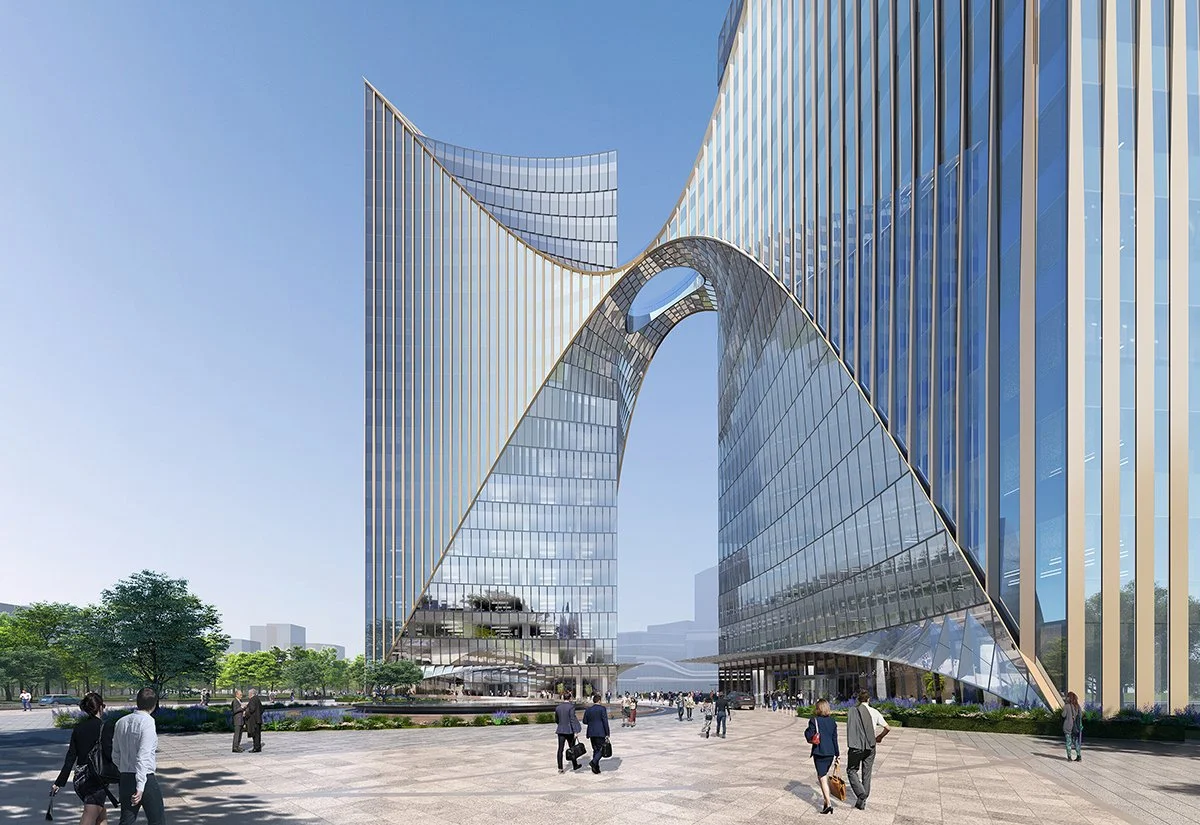
Currently under construction for the Lingang Group, these twin 100-metre commercial towers twist as they rise, their forms designed to evoke two dancing cranes, ancient Chinese symbols of longevity and wisdom, leaning toward each other mid-step.
The towers are connected at the 15th floor by a skybridge whose centre features a circular opening in the floor, looking directly down onto public water plazas below. It is a small gesture but a characteristic one: in a building designed to function, Libeskind finds the moment where structure, nature, and wonder briefly meet.
Completed: Under construction (expected completion not publicly confirmed)
Construction cost: Construction cost not publicly disclosed.
Other Notable Projects
Studio Libeskind has also designed the
Zhang Zhidong Museum (Wuhan, China)
Tikva Jewish Museum (Lisbon, Portugal)
Modern Art Center Vilnius (Lithuania)
Danish Jewish Museum (Denmark)
The Garden of Earthly Worries
The Wheel of Conscience Crystals at CityCenter (United States)
Bord Gáis Energy Theatre (Ireland)
Run Run Shaw Creative Media Centre (Hong Kong)
Ogden Centre at Durham University (United Kingdom)
Memoria e Luce 9/11 Memorial (Padua, Italy)
Albert Einstein Discovery Center (Ulm, Germany)
Together, these projects demonstrate Studio Libeskind’s defining conviction: that architecture is not a container for history, it is a way of making history felt. It is an approach that speaks directly to what Kigali will build at Gisozi.
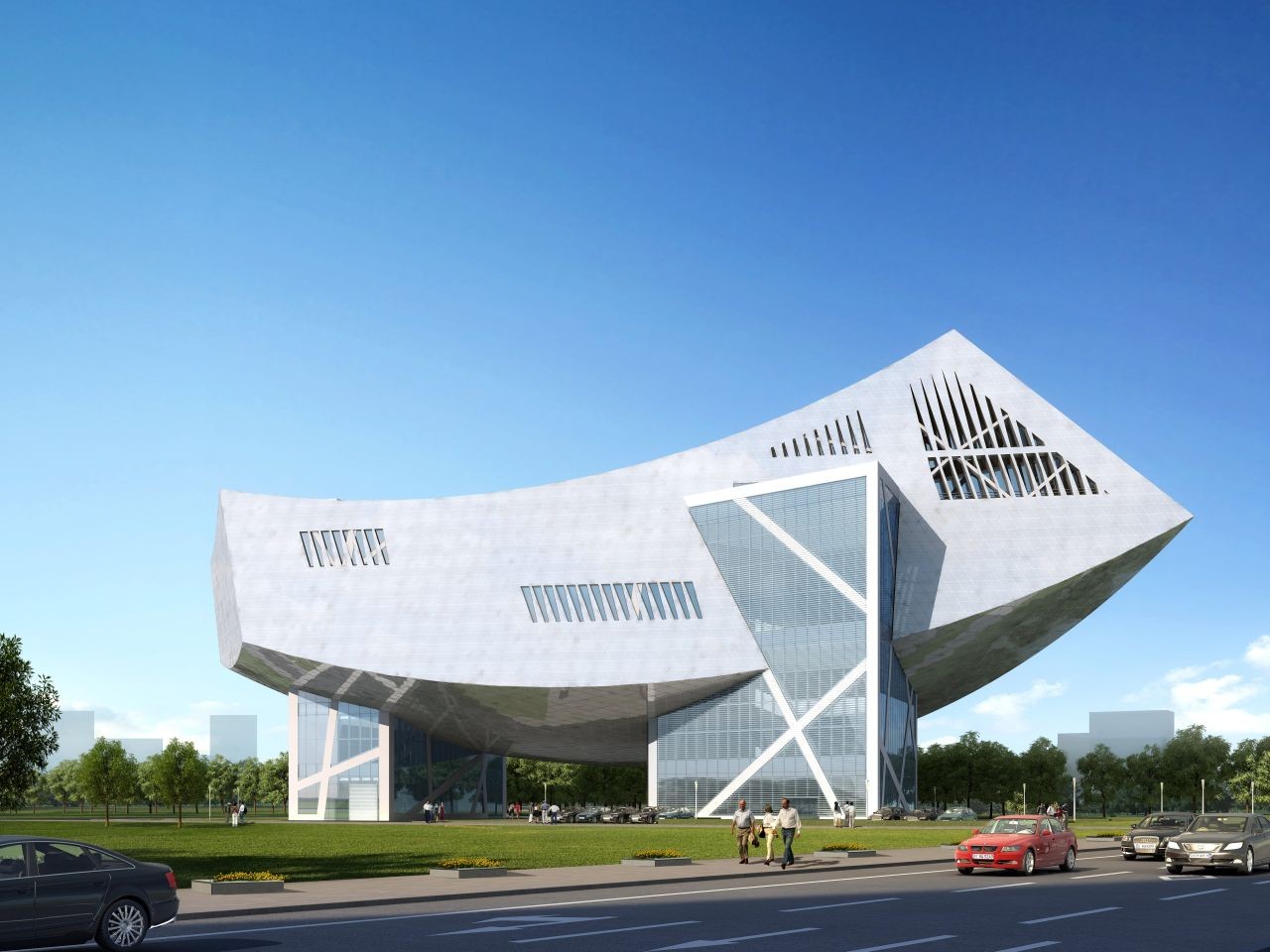
Zhang Zhidong Museum.
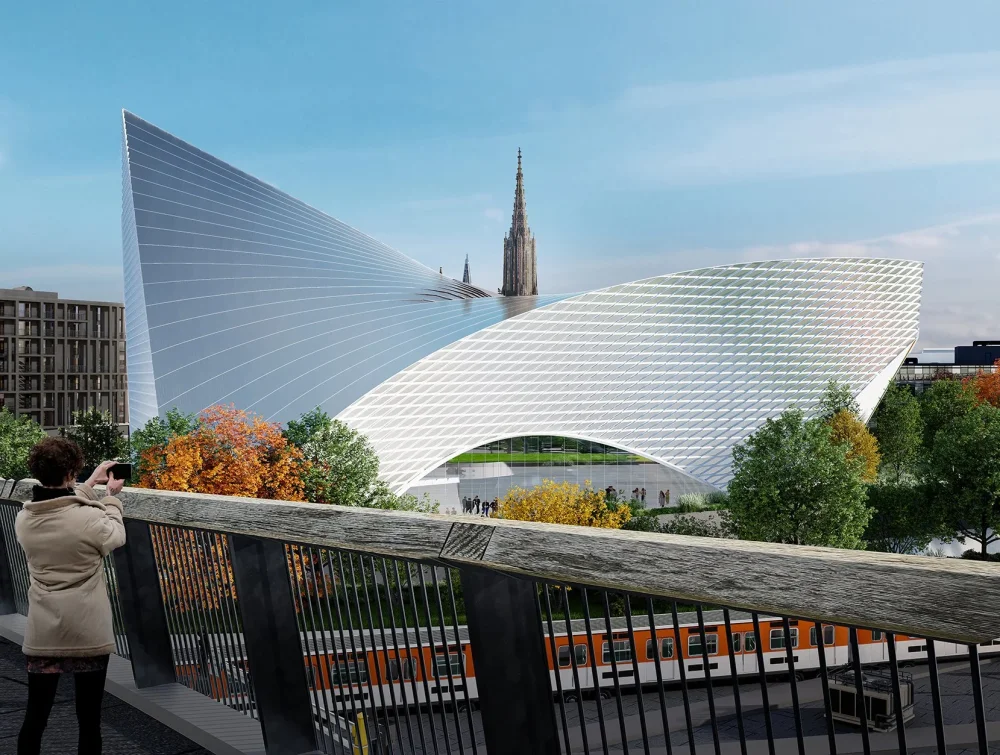
Albert Einstein Discovery Center in Ulm, Germany.