Category: Uncategorized

  • World's largest EV manufacturer Yadea partners with Spiro to accelerate electric mobility across Africa #rwanda #RwOT

    The strategic partnership combines Yadea's global manufacturing and R&D capabilities with Spiro's operational network and battery-swapping ecosystem across seven countries.

    Together, the companies aim to build a scalable, commercially sustainable EV framework serving millions of commercial fleet operators, delivery services, logistics providers, and daily commuters in Africa's fastest-growing mobility markets.

    Under the agreement, Yadea will supply electric two-wheelers and related EV products tailored to Spiro's expanding regional markets, while Spiro will integrate the vehicles into its proprietary battery-swapping and energy infrastructure.

    The companies will also co-develop customized two-wheeler platforms engineered specifically for local road conditions and commercial utility across Africa.

    This partnership deepens the China-Africa connection, pairing Yadea's manufacturing scale with Spiro's battery-swapping network and unique knowledge of African market dynamics to accelerate the continent's transition to affordable electric transport.

    'When we launched Spiro, our mission was to lay the energy and mobility foundation for Africa's green transition. Our strategic partnership with Yadea is a major endorsement of our execution to date and opens fantastic opportunities to jointly pioneer the next era of electric mobility in emerging markets', stated Gagan Gupta, Founder of Spiro and Chairman of Equitane.

    Commenting on the development, Anant Badjatya, CEO of Spiro, said: 'Africa's shift to electric mobility is accelerating and this partnership helps us meet that demand at scale. By bringing together Yadea's manufacturing strength with Spiro's electric mobility ecosystem and operating experience across Africa, we are compressing the timeline to clean transport, helping thousands more riders switch to affordable EVs faster and multiplying our climate impact across the continent.'

    Wang Jiazhong, Senior Vice President of Yadea Technology Group, said Africa represents a major opportunity for zero-emission transport and that the company's mission to reduce carbon emissions had reached a significant milestone through its partnership with Spiro.

    'Together, we are combining global innovation with local infrastructure to deliver scalable and sustainable mobility solutions that serve millions of riders and transform Africa's urban transit,' he noted.

    Founded in China, Yadea is the world's leading manufacturer of electric two-wheelers, with more than 100 million vehicles sold worldwide in over 100 countries and 10 exclusive production facilities globally.

    A strong innovator with more than 2,000 patents registered in electric vehicle technology, Yadea covers a comprehensive range of urban micro-mobility solutions.

    Meanwhile, Spiro is Africa's largest electric mobility company present in seven countries, operating the continent's most extensive and fastest-growing network of battery-swapping for electric two-wheel vehicles.

    The partnership comes as Spiro accelerates its next phase of growth and expansion across Africa following its latest $270 million funding round, which included investment from NewTrails Capital, a Chinese fund.

    The company is building an integrated electric mobility ecosystem combining electric motorcycles with an extensive battery-swapping network, enabling riders to exchange depleted batteries for fully charged ones in minutes.

    With more than 130,000 electric motorcycles, over 2,500 battery swapping stations and more than 50 million battery swaps to date, Spiro has achieved over two billion kilometres of low-carbon travel, transforming mobility and economies by replacing expensive imported fossil fuel-based transportation with affordable, accessible and sustainable solutions.

    The company also has an expanding regional production network, with operational assembly facilities in Uganda, Kenya, Nigeria and Rwanda.
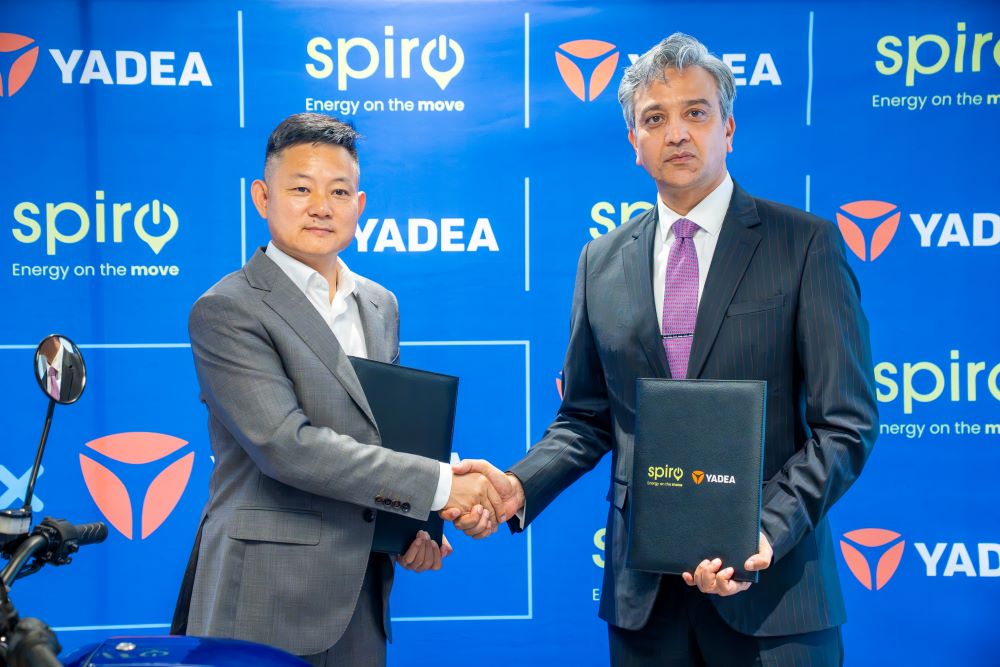

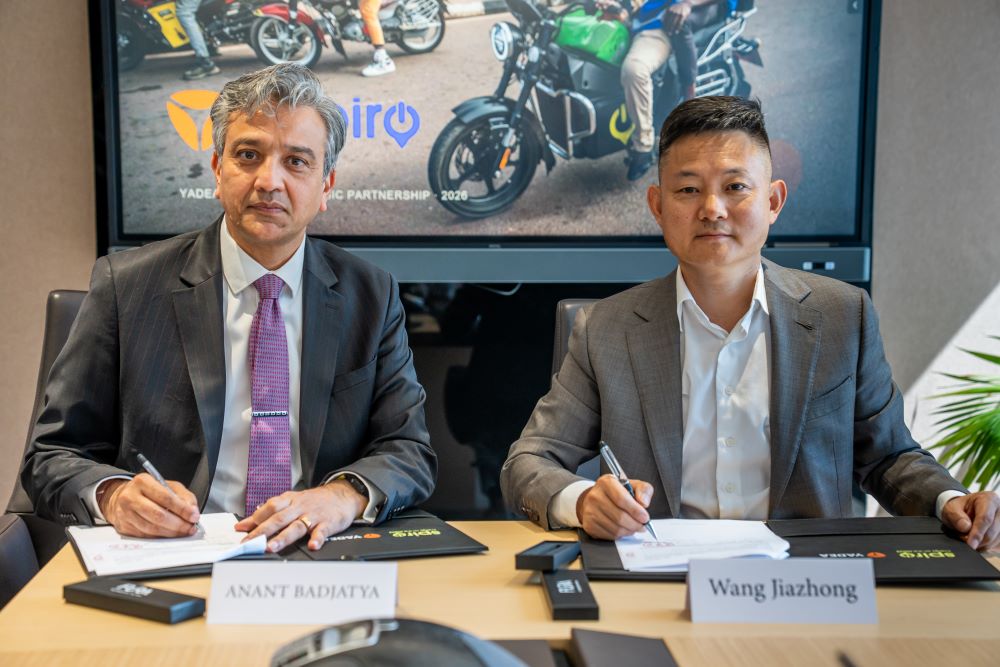
    Yadea and Spiro representatives exchange documents after signing an agreement focused on accelerating the adoption of electric two-wheelers across Africa.
    Yadea and Spiro have partnered to expand electric mobility solutions across Africa, combining Yadea's manufacturing capabilities with Spiro's battery-swapping network.
    The Yadea and Spiro partnership will combine Yadea's electric two-wheeler manufacturing capabilities with Spiro's battery-swapping network and operational experience in Africa.
    Representatives of Yadea and Spiro pose after signing a partnership agreement aimed at expanding affordable and sustainable electric mobility across Africa.

    Source : https://new.igihe.com/english/worlds-largest-ev-manufacturer-yadea-partners-with-spiro-to-accelerate-electric-mobility-across-africa/

  • Snail shells could help reconstruct prehistoric cyclones: study #rwanda #RwOT

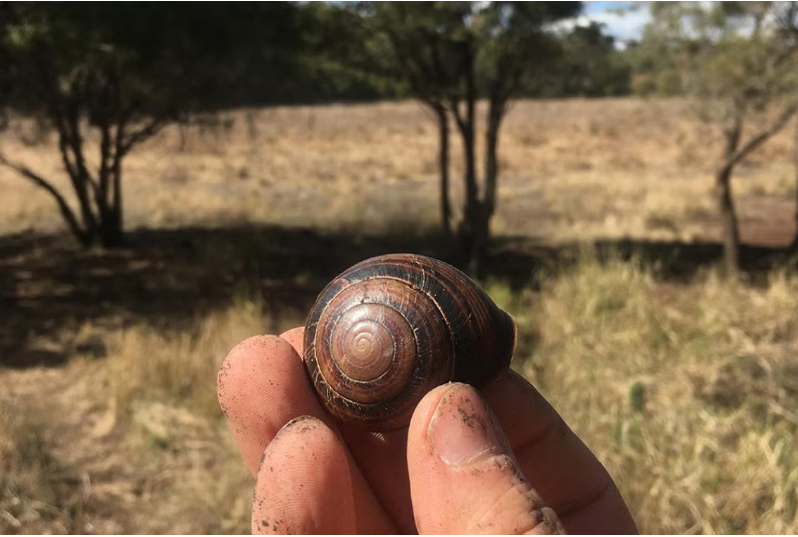
    Researchers examined the rings on the shell of a Biggenden Banded Snail collected from Coalstoun Lakes National Park in Australia's southeast Queensland, linking its bands to weather records, according to a statement released Monday by Australia's University of Queensland (UQ).

    Tiny samples taken from the shell at millimeter intervals were analyzed using high-resolution radiocarbon dating, revealing the age of the snail, when it lived and the weather during its lifetime, said Nicholas Patton, lead author of the study published in The Holocene.

    'It contained elevated levels of radiocarbon from the nuclear tests in Australia in the 1960s, meaning we could date the growth bands and reveal the snail had lived for about 4.5 years,' Patton said, adding that analyzing the oxygen and carbon stable isotopes of the different bands revealed insights into the rainfall the snail experienced.

    Researchers found that the shell did not grow continuously during the snail's life, with periods of rapid growth separated by periods of little or no growth. They initially expected rapid growth to correspond to years of heavier rainfall, making more food available for the snail, but found the snail was responding to extreme rainfall events rather than annual wetness.

    The study showed the growth spurts were linked to periods immediately following cyclones in 2015 and 2017.

    'It shows that snail shells could be used to map extreme weather events for periods before modern meteorological records,' said Honorary Professor Jamie Shulmeister in UQ's School of the Environment.

    'It was surprising and quite exciting that the humble snail could be a tool to reconstruct the paths of past cyclones even in prehistoric times,' he said.

    The researchers' next step is to test the method using shells preserved in different sediment layers and combine the individual shell records to extend this information further back in time.

    Scientists have mapped the composition of a snail shell to weather records.

    Source : https://new.igihe.com/english/snail-shells-could-help-reconstruct-prehistoric-cyclones-study/

  • Pape Thiaw pays tribute to victims of the Genocide against the Tutsi in Kigali #rwanda #RwOT

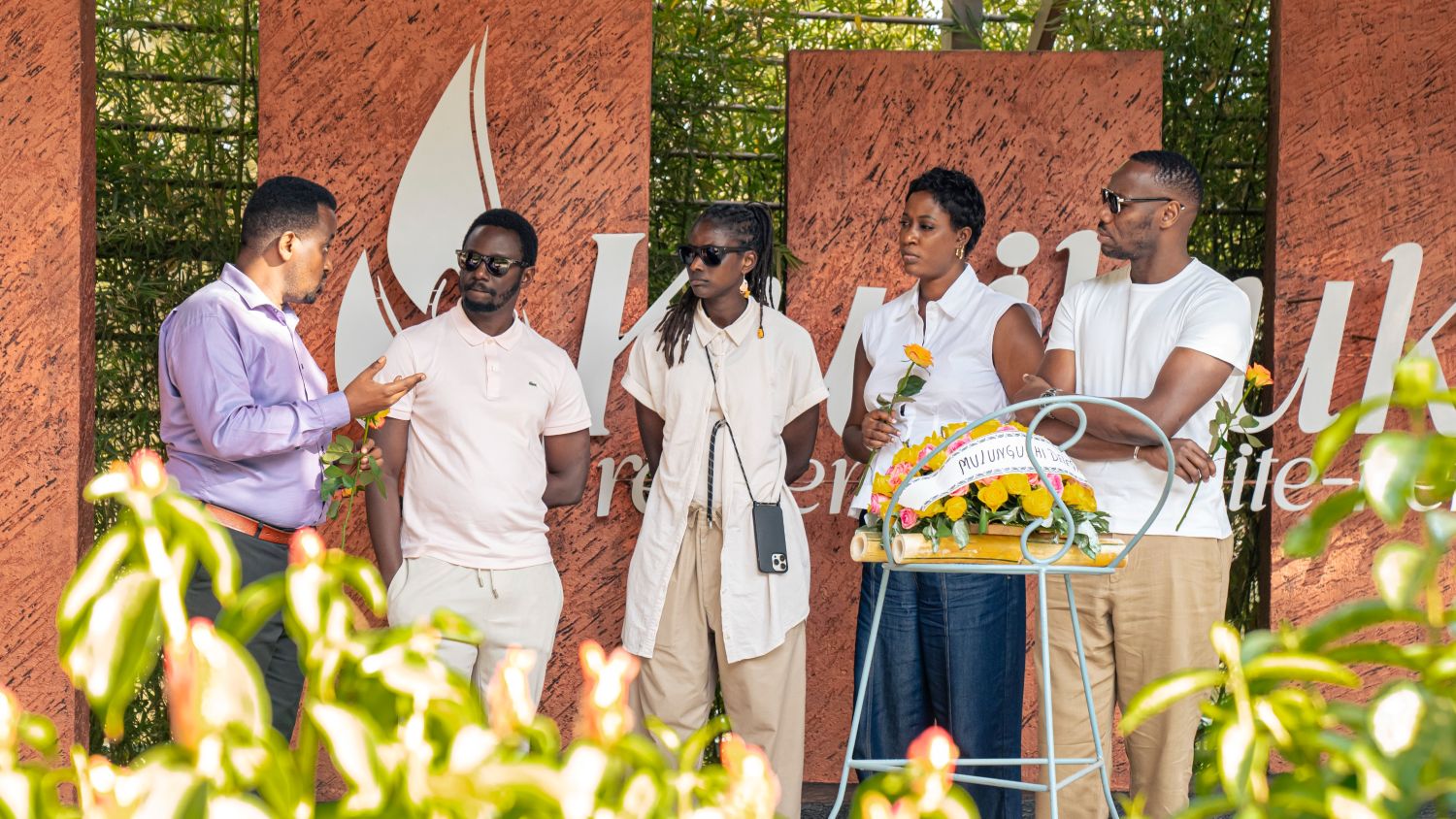
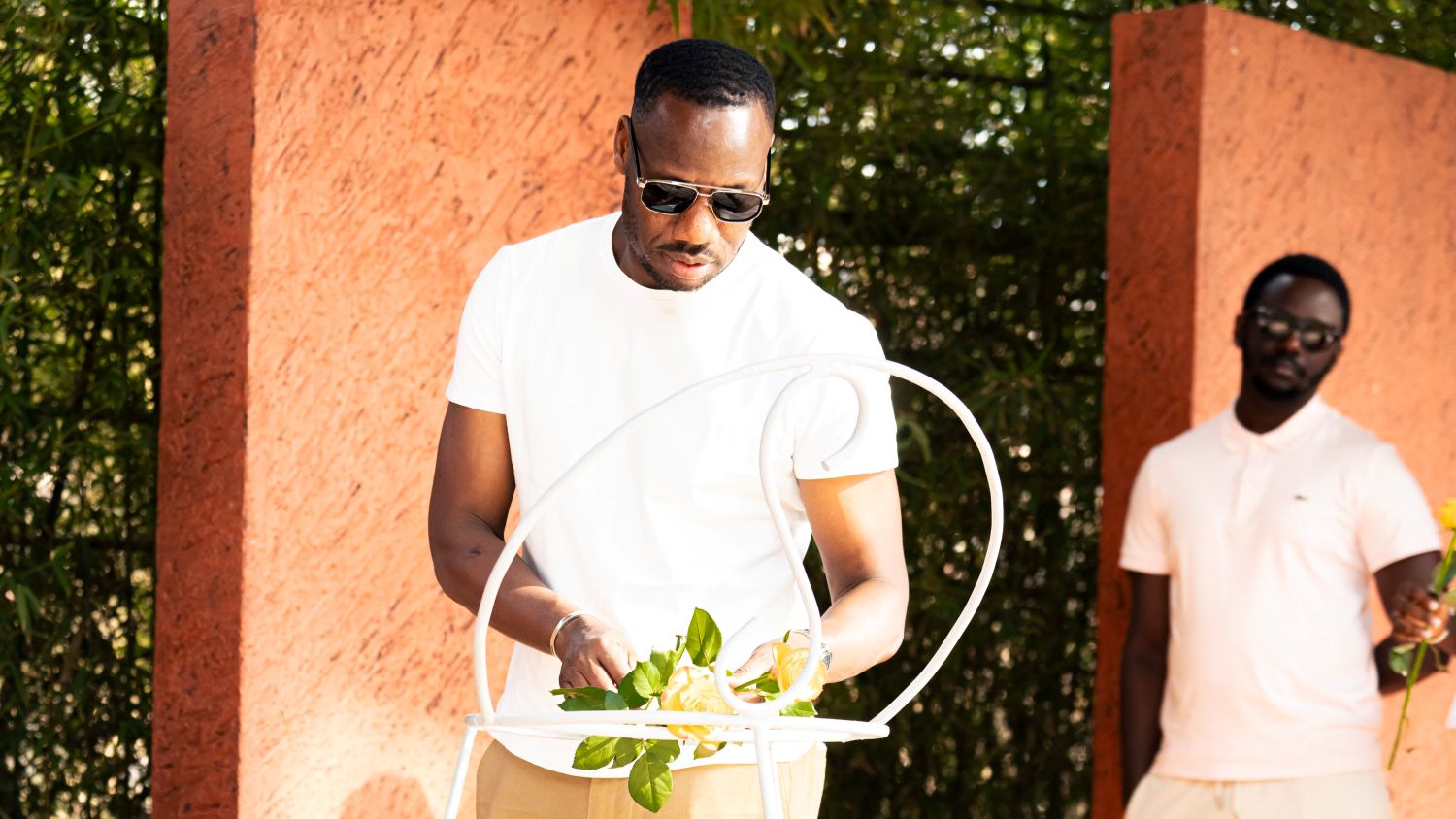
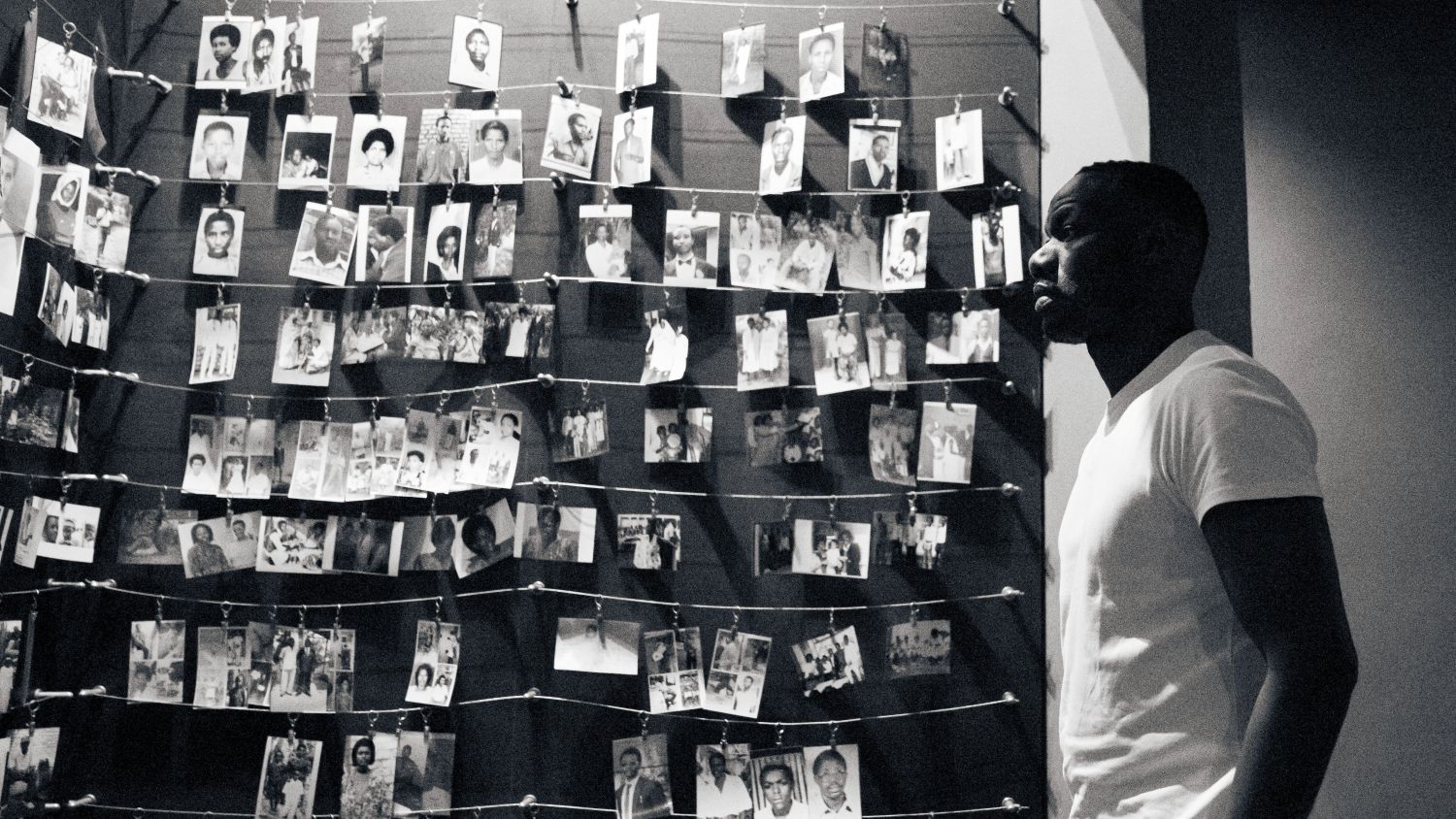
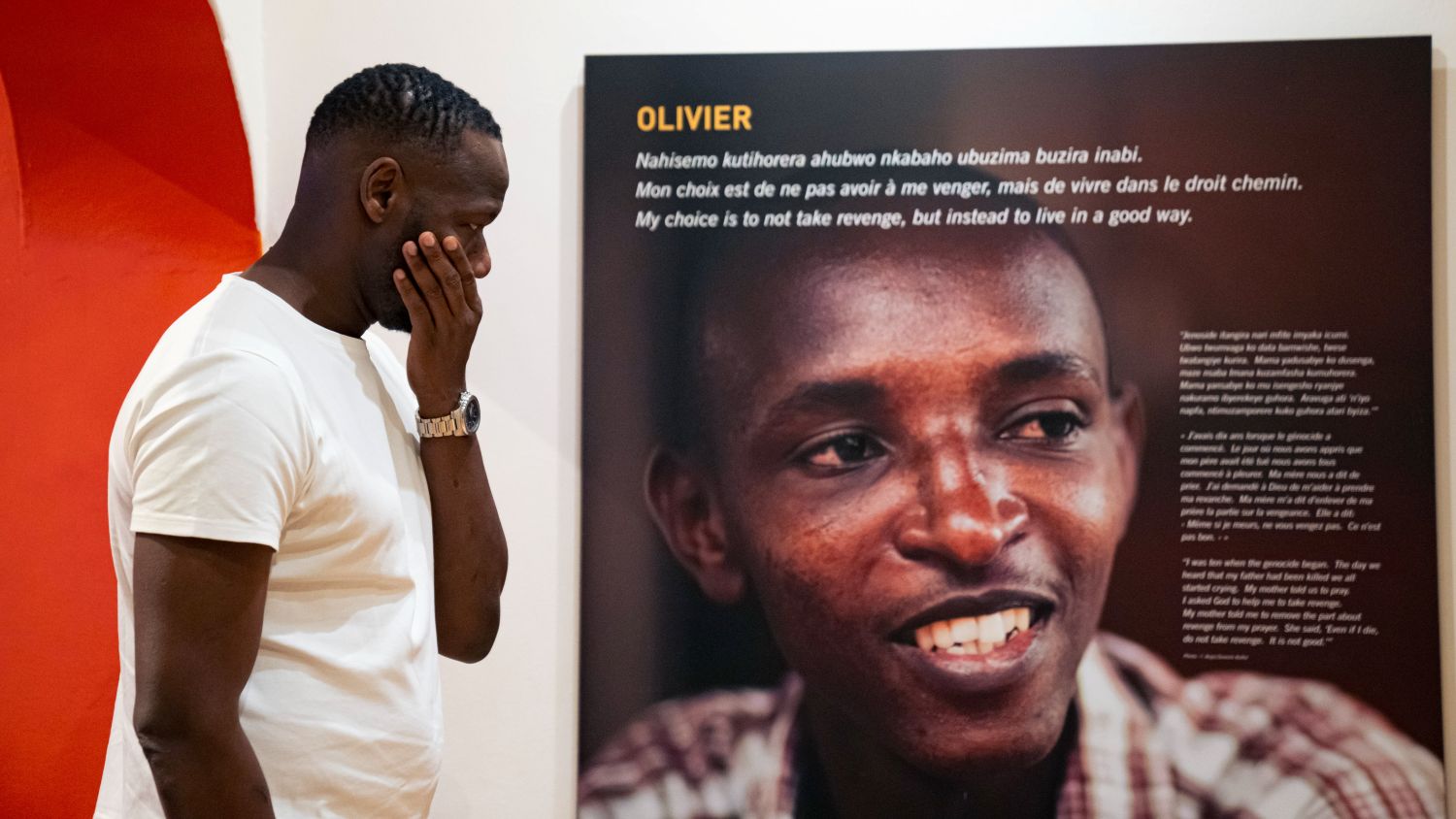
    In a statement on Monday, the Kigali Genocide Memorial said Thiaw honoured the victims and learned more about the history of the Genocide against the Tutsi during a tour of its exhibits.

    Located in Gisozi, Kigali, the memorial is the final resting place of more than 250,000 victims of the Genocide against the Tutsi. It also serves as a centre for remembrance and education, documenting the events of 1994, when more than one million people were killed in just 100 days.

    Thiaw was in Rwanda for the SportsBiz Africa Forum, held at the Kigali Convention Centre on September 10 and 11, 2026, where he joined sports leaders, investors and other stakeholders in discussions on the future of African sport.

    His visit to Kigali came as part of a career that has made him one of the prominent figures in Senegalese football. As a player, Thiaw was part of Senegal's celebrated 2002 generation that reached the quarter-finals of the FIFA World Cup in South Korea and Japan and finished runners-up at the Africa Cup of Nations the same year.

    Thiaw also guided Senegal to a 1–0 victory over Morocco in the 2025 Africa Cup of Nations final in January 2026, although CAF later overturned the result and awarded Morocco a 3–0 victory. Senegal has appealed the decision at the Court of Arbitration for Sport, with a hearing scheduled for October 8, 2026.

    Thiaw also became the first Senegalese footballer to feature in Spain's La Liga. His playing career included spells in France, Switzerland, Russia and Spain, while he earned 16 international caps for Senegal.

    After retiring from playing, he turned to coaching and earned both UEFA A and CAF A coaching licences.

    While in Rwanda, Thiaw met State Minister for Youth and Arts Development Sandrine Umutoni, with their discussions focusing on the role of sports, arts and culture in empowering African youth and expanding economic opportunities.

    They also discussed talent development, entrepreneurship and preparing athletes and young professionals for life beyond their active sporting careers, as well as opportunities for young people to use digital platforms and artificial intelligence to market and showcase their talent internationally.

    Thiaw also met members of the Executive Committee of the Rwanda Football Federation (FERWAFA), led by First Vice-President Me Claudine Gasarabwe, who is serving as acting president. Their discussions focused on Rwanda's efforts to develop and strengthen domestic football structures.

    During his stay, he visited Rwanda's national U-20 team and its technical staff during their training camp, where he shared lessons from his coaching journey and offered mentorship on leadership, resilience and player development.

    At the SportsBiz Africa Forum, Thiaw was among speakers addressing sports leaders, investors and other stakeholders. His discussions focused on leadership and resilience in African sport, the pressures facing coaches, accountability and the need to build sustainable pathways for football development across the continent.

    Located in Gisozi, Kigali, the memorial is the final resting place of more than 250,000 victims of the Genocide against the Tutsi.
    The Kigali Genocide Memorial said Thiaw honoured the victims and learned more about the history of the Genocide against the Tutsi during a tour of its exhibits.

    Source : https://new.igihe.com/english/pape-thiaw-pays-tribute-to-victims-of-the-genocide-against-the-tutsi-in-kigali/

  • Kabila-led coalition accuses Tshisekedi of unilaterally steering proposed dialogue #rwanda #RwOT

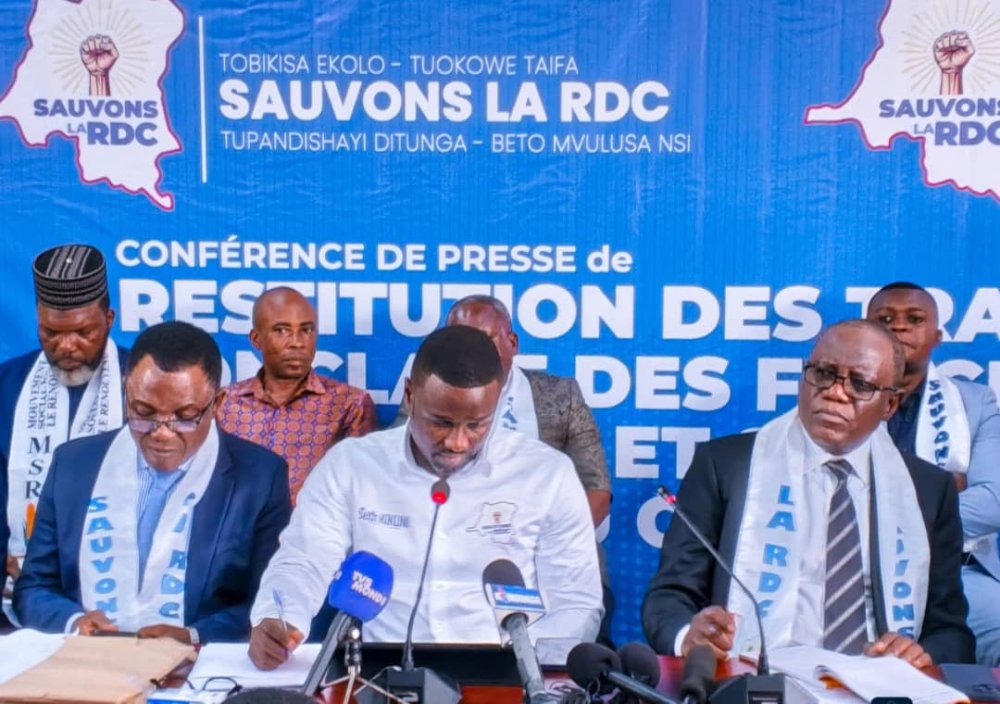
    In a statement issued on September 13, the Sauvons la RDC coalition said a presidential decree establishing the framework for a committee tasked with preparing the dialogue showed that the government wanted to control the process.

    'Based on this decree, Mr Félix Tshisekedi, who has a tendency to grant himself excessive powers, has made himself the Alpha and Omega of the so-called national dialogue,' the coalition said.

    It added that Tshisekedi's influence extended from the selection of members of the organising committee to the conclusions of the dialogue.

    'From the beginning to the end of this dialogue, from the selection of members of the organising committee to the conclusions that will emerge from it, everything, without exception, depends on his will and is based on his power to make decisions as he pleases,' it said.

    The coalition also questioned whether the dialogue would be inclusive, arguing that the president's announcement offered little assurance that different political groups and representatives of Congolese interests would be adequately involved.

    Sauvons la RDC further argued that the dialogue was not primarily aimed at resolving the country's problems but at consolidating the current administration's hold on power and serving Tshisekedi's interests.

    The coalition invoked Article 64 of the DRC Constitution, which provides for citizens to oppose any individual or group that takes power in violation of constitutional principles.

    The coalition has previously made Article 64 central to its political position, particularly in its opposition to any attempt to extend Tshisekedi's stay in power beyond the constitutional framework.

    Tshisekedi announced the national dialogue on August 27, presenting it as an effort to address the country's challenges and strengthen national cohesion. The September 13 presidential decree established the committee responsible for preparing the process.

    The committee is expected to prepare the administrative, material and logistical arrangements for the dialogue and submit a preliminary report to Tshisekedi. A subsequent decree is expected to formally convene the dialogue and set out its principles, stages, representation and mechanisms for monitoring its conclusions.

    Sauvons la RDC has called for independent mediation, the participation of different stakeholders and a credible mechanism to monitor the implementation of any resolutions reached through the dialogue.

    The government has ruled out participation by those fighting against the constitutional order as political components of the dialogue. Discussions involving the AFC/M23 are being handled separately through the Doha process.

    Sauvons la RDC sees little hope in Tshisekedi's proposed national dialogue, accusing the Congolese president of seeking full control.

    Source : https://new.igihe.com/english/kabila-led-coalition-accuses-tshisekedi-of-unilaterally-steering-proposed-dialogue/

  • Indonesia searches for 129 missing after passenger ship capsizes #rwanda #RwOT

    The Virgo Transport 8 was carrying 243 people when it lost contact early Sunday while travelling from Surabaya in East Java to Banjarmasin in South Kalimantan.

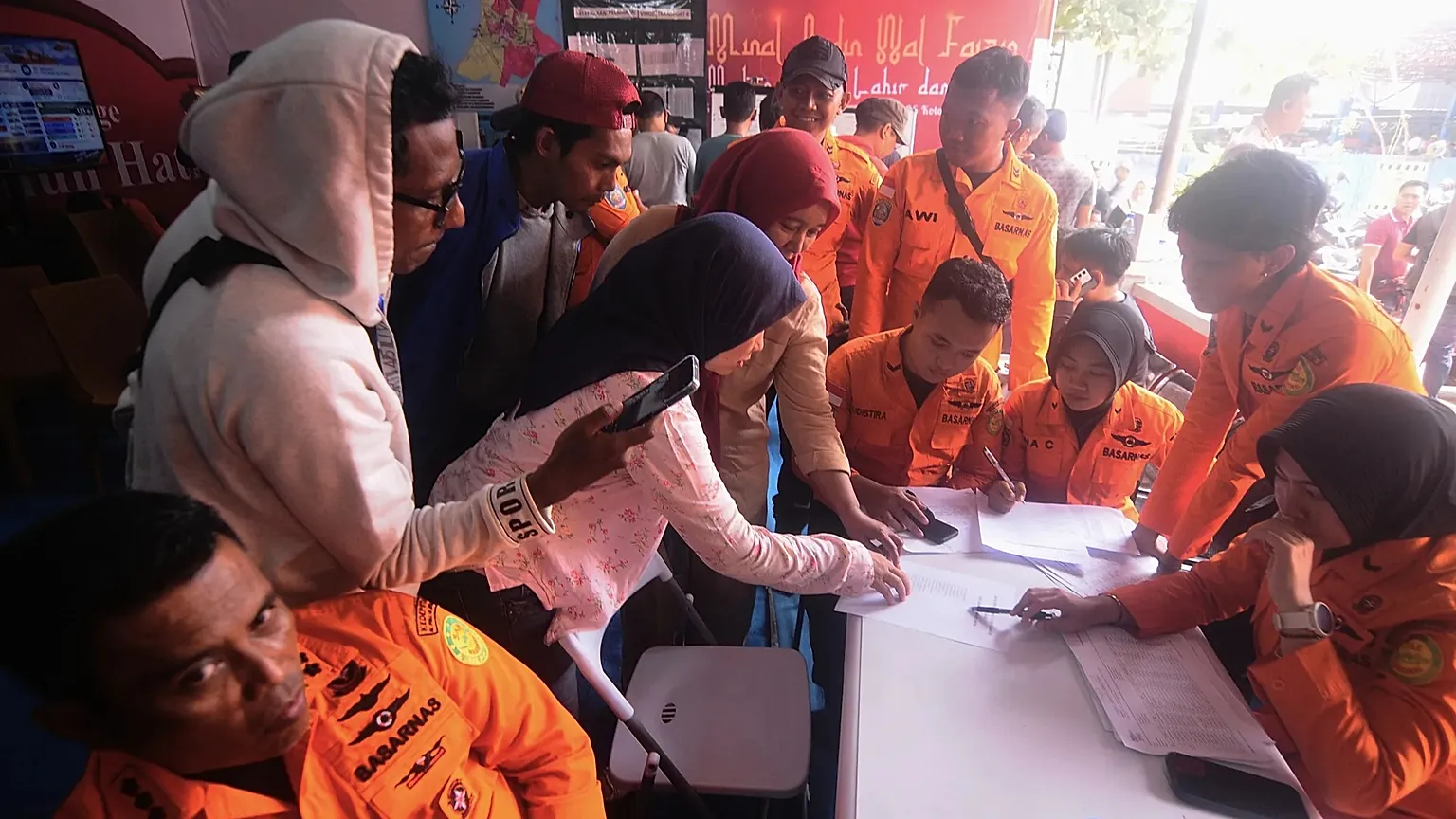
    Authorities have rescued 108 people from the vessel, according to Indonesia's National Search and Rescue Agency.

    Rescue teams, including the coast guard and navy, have been working in difficult conditions as strong winds and high waves make it harder to reach the vessel and search for those still missing.

    The rescue agency said it had deployed at least 622 personnel, 17 ships, five helicopters and aircraft as part of the operation.

    However, turbulent seas have prevented specialist underwater rescue teams from beginning a full search around the partially submerged ship.

    Mohammad Syafii, head of Indonesia's national rescue agency, said the conditions remained challenging and that authorities were identifying additional personnel with specialist skills while waiting for the weather to improve.

    The ship was reportedly struck by waves reaching about three metres during the incident.

    Another rescue official said the vessel leaned heavily to one side after strong waves hit its starboard side.

    The capsized ship is located about 80 nautical miles, or nearly 150 kilometres, from the rescue command centre at Trisakti Port in Banjarmasin.

    Rough weather has also made it difficult for rescue vessels to dock near the stricken ship.

    As of Monday afternoon, none of the 129 missing people had been found, according to officials quoted by Reuters.

    The search was continuing despite the difficult conditions.

    Transport Minister Dudy Purwagandhi said the vessel had a capacity of about 500 passengers, indicating that it was not overloaded.

    The exact cause of the accident remains under investigation.

    The incident has raised renewed concerns about maritime safety in Indonesia, an archipelago of more than 17,000 islands where ferries and passenger ships are an important and affordable means of transportation.

    The Java Sea has previously been the scene of major maritime disasters. In 1981, the Tampomas II sank in the region, killing nearly 600 people according to some estimates.

    For families waiting for news of their relatives, the search remains an anxious race against time as rescuers continue efforts to reach those who may still be alive.

    Indonesian rescuers search for survivors after the Virgo Transport 8 passenger ship capsized in the Java Sea

    Source : https://new.igihe.com/english/indonesia-searches-for-129-missing-after-passenger-ship-capsizes/

  • New research reveals how ageing cells affect the body's immune response #rwanda #RwOT

    Researchers from Sanford Burnham Prebys Medical Discovery Institute, Mayo Clinic and collaborating institutions found that malfunctioning mitochondria in ageing cells can help activate inflammatory genes and keep the immune system in a prolonged state of alert. The findings were published in the journal Nature.

    As people age, some cells enter a state called senescence. These cells stop dividing but remain alive and metabolically active.

    They can release inflammatory molecules through a process known as the senescence-associated secretory phenotype, or SASP.

    This activity has been linked to age-related inflammation and several chronic diseases.

    The researchers found that mitochondria, which produce much of the energy cells need, play an important role in this process.

    In senescent cells, mitochondria produce increased amounts of acetyl-CoA, a molecule involved in metabolism.

    Acetyl-CoA can interact with histones, proteins that help package DNA. This interaction makes some parts of DNA more accessible, including genes involved in the inflammatory SASP response.

    However, researchers found that this metabolic change alone was not enough to fully activate the inflammatory genes.

    A second mitochondrial process was also involved. Damaged mitochondria can release DNA and RNA into parts of the cell where they normally should not be.

    The immune system can interpret this misplaced genetic material as a danger signal, triggering an inflammatory response.

    The researchers found that the two processes work together.

    One makes inflammatory genes easier to access, while the other provides the immune signal needed to activate them.

    To determine whether this process could be interrupted, the team tested a drug called CTPI-2 in mice.

    The drug blocks a transport protein involved in producing acetyl-CoA.

    The treatment reduced inflammation in several tissues and improved tissue function and healthspan in ageing mice.

    Although the immune signals caused by mitochondrial DNA and RNA leakage remained, reducing the metabolic signal made the inflammatory genes less accessible and weakened their effects.

    Peter Adams, a co-corresponding author from Sanford Burnham Prebys, said the findings suggest that targeting metabolic signals that influence DNA accessibility could represent a new approach to addressing age-related inflammation and functional decline.

    However, the findings are still at the research stage. Further studies will be needed to determine whether targeting this pathway can be safely and effectively used to treat age-related inflammation in humans.

    Researchers identified a mitochondrial process that may help explain how ageing cells contribute to chronic inflammation

    Source : https://new.igihe.com/english/new-research-reveals-how-ageing-cells-affect-the-bodys-immune-response/

  • Xi urges BRICS to defend rules-based world, strengthen Global South #rwanda #RwOT

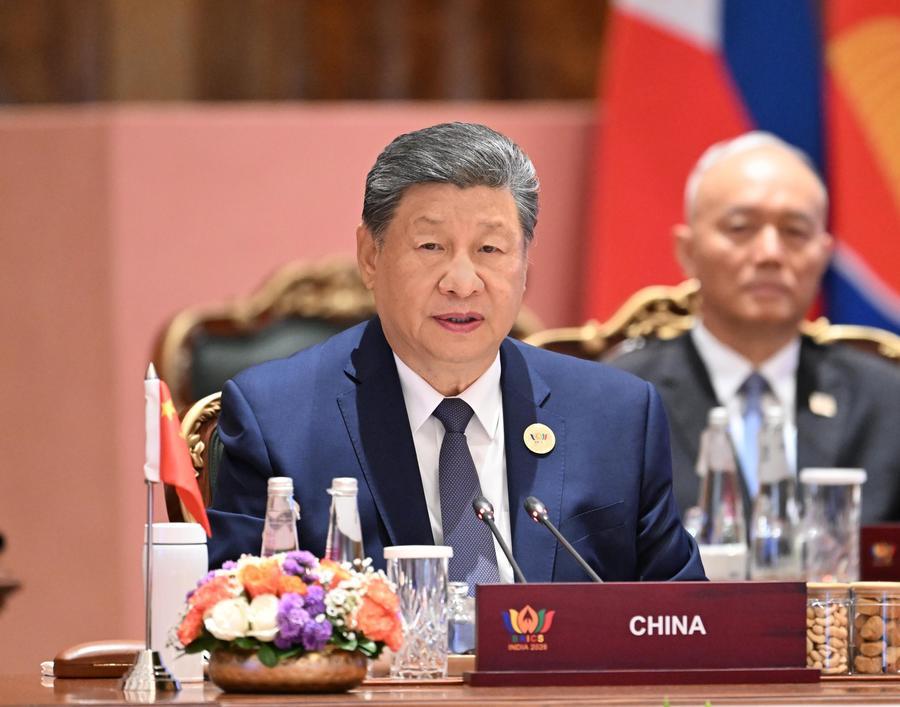
    Xi made the appeal on September 13, 2026, while attending Session II of the 18th BRICS Summit in New Delhi. Chaired by Indian Prime Minister Narendra Modi, the session was titled 'Cementing the Foundation for BRICS Cooperation and Bolstering the Strength of the Global South.'

    'A world without rules is like a crossroads without traffic lights,' Xi said, warning that disorder is almost inevitable when countries do not share common standards.

    He argued that international rules should be written by all countries, rather than imposed by a few powerful states.

    He called on Global South nations to uphold sovereign equality, non-interference in internal affairs, peaceful settlement of disputes and the equal application of international law, without double standards.

    Xi also connected the rules-based order to global institutions. He urged countries to uphold the authority of the United Nations, support reform of multilateral institutions, guide the World Trade Organization in the right direction and preserve principles such as most-favored-nation treatment.

    Chinese President called for stronger support for the New Development Bank and a financial architecture giving developing countries greater representation and a stronger voice.

    BRICS began as an idea before becoming a political cooperation forum. The acronym 'BRIC' was coined in 2001 by Goldman Sachs economist Jim O'Neill in a paper that identified Brazil, Russia, India and China as fast-growing economies likely to reshape the global economy.

    In 2006, the four countries created a formal cooperation framework, and their first leaders' summit was held in Yekaterinburg, Russia, in 2009. South Africa joined in 2010 and became a full member in 2011, changing BRIC into BRICS. The original founding members were therefore Brazil, Russia, India and China.

    The bloc now has 11 full members: Brazil, Russia, India, China, South Africa, Egypt, Ethiopia, Iran, the United Arab Emirates, Saudi Arabia and Indonesia. Egypt, Ethiopia, Iran, Saudi Arabia and the UAE joined in 2024, while Indonesia became the 11th member in 2025.

    BRICS is not a military alliance or a conventional organisation with a binding treaty; it is a consensus-based platform for political, economic, financial and people-to-people cooperation.

    Its economic weight explains why the bloc is seeking a larger role. India's government says the 11 members represent 49.5% of the world's population, 40% of global GDP and 26% of global trade.

    Using IMF April 2026 projections measured at purchasing power parity, the members' economies add up to about $91.3 trillion in international dollars. China accounts for about $44.3 trillion, India $18.9 trillion, Russia $7.5 trillion, Indonesia $5.4 trillion and Brazil $5.2 trillion. Saudi Arabia, Egypt, Iran, South Africa, the UAE and Ethiopia add roughly $9.9 trillion combined.

    Xi cited figures to illustrate China's development cooperation. He said that, since China launched the Global Development Initiative five years ago, it had implemented more than 2,000 projects with partners, trained over 200,000 professionals and benefited people in more than 120 countries.

    He also said China had granted zero-tariff treatment to all 53 African countries that have diplomatic relations with Beijing.

    To strengthen the bloc, Xi proposed five initiatives: an open-source and inclusive artificial-intelligence community; a BRICS special economic-zone partnership and a forum on trade in services; a digital ecosystem cloud platform; cooperation on smart factories and manufacturing standards; and an engineer-training alliance together with youth exchanges in science and technology.

    Xi had attended Session I of the summit on September 12, where he said BRICS had spent two decades responding collectively to financial crises, the COVID-19 pandemic and climate change.

    He urged the group to lead in innovation, peace, cultural exchange and global-governance reform.

    The summit adopted the New Delhi Declaration and agreed that China will chair BRICS and host the 19th summit in 2027.

    Chinese President Xi Jinping delivers a speech when attending the second day of the 18th BRICS Summit in New Delhi, India, Sept. 13, 2026. (Xinhua/Yan Yan)

    Source : https://new.igihe.com/english/xi-urges-brics-to-defend-rules-based-world-strengthen-global-south/

  • Somali piracy resurgence threatens global shipping amid Red Sea crisis #rwanda #RwOT

    Following a string of vessel attacks and seizures since April, the International Maritime Organization (IMO), a specialized agency of the United Nations regulating maritime transport, issued a warning on August 24 highlighting the rise in piracy and confirming that over 90 seafarers remain held hostage by pirate networks.

    Experts emphasize that a persistent lack of economic opportunities, compounded by widespread illegal fishing by foreign vessels, is driving more Somalis toward piracy, viewed by many both as a form of socio-economic protest and a desperate survival strategy.

    Mohamed Husein Gaas, director of the Raad Peace Research Institute, a think tank, noted that the security vacuum created as international naval forces shifted attention to the Red Sea crisis has given Somali pirate networks renewed operational freedom.

    'Somali piracy is back not because the underlying problem disappeared, but because the security architecture that suppressed it has weakened,' Gaas told Xinhua in a recent interview in Mogadishu, the capital of Somalia.

    He noted that while international naval patrols and vessel defense measures previously suppressed piracy, root causes like weak coastal enforcement, poverty, and lack of governance remained unresolved.

    'Piracy was suppressed, not solved,' Gaas said.

    Gaas said that the Houthi conflict has 'changed the equation' by shifting shipping routes and diverting naval resources, creating ripple effects for maritime traffic near Somalia.

    However, he cautioned against treating allegations of direct operational ties between Houthi networks and Somali pirate groups as established fact.

    Meanwhile, commercial consequences are mounting in the region.

    Abdirizak Sabriye, a member of the Somali Chamber of Commerce and Industry, the apex umbrella body for Somalia's private sector, noted that global ocean carrier Maersk has suspended new bookings to and from the Port of Berbera in northern Somalia citing operational scheduling conflicts and broader regional route realignments.

    While Sabriye did not link the decision solely to piracy, he emphasized that it underscores the widespread logistics disruption hitting Horn of Africa trade.

    For Somalia, an import-dependent economy, prolonged maritime disruptions threaten to drive up freight and insurance premiums, tighten domestic supply chains, and trigger consumer price inflation.

    Yusuf Mohamed Mahadale, a prominent capital goods importer known locally as 'Shakirow', said that these cost pressures are already spilling over into local markets.

    'The prices of construction materials, fuel and even cooking gas have risen sharply in recent months,' Shakirow said, linking the price hikes directly to growing risks along shipping routes and the broader regional maritime crisis.

    Because much of Somalia's construction material is imported from China, Shakirow emphasized that the Indian Ocean-Gulf of Aden corridor serves as a vital economic lifeline for Somali businesses.

    'When shipping companies avoid taking such risks, supply becomes tighter while market demand remains high,' Shakirow told Xinhua.

    Analysts have warned that the long-term economic fallout could escalate significantly if piracy evolves from isolated incidents into a sustained, systemic threat to Indian Ocean trade corridors.

    'If piracy becomes sustained, shipping companies could again avoid the Gulf of Aden, raising insurance, freight and fuel costs and ultimately consumer prices,' Gaas said.

    'For Somalia, that would mean higher import costs and weaker maritime investment, while the wider region and global trade would absorb the larger shock,' he cautioned.

    Rising piracy highlights a shift in regional security dynamics as Western naval forces pivot toward broader Middle Eastern conflicts, opening space for Turkey, China, and Gulf nations to expand their influence around the Red Sea.

    To address these vulnerabilities, a Somali government official stated that Mogadishu plans to join the Mecca Joint Defense Agreement with Saudi Arabia, Turkey, and Pakistan.

    Speaking on condition of anonymity, the official noted Somalia will also consult with China to strengthen its naval capabilities and reduce reliance on Western defense coalitions.

    Though Somalia's potential entry into the defense pact remains an unconfirmed diplomatic effort, Mogadishu is expanding domestic counter-piracy operations.

    The foreign ministry reported ongoing land and sea interventions, highlighting the August 29 liberation of the hijacked cargo ship MV Lutuf as a key success.

    'Somalia will not permit its waters to become a haven for maritime crime,' the ministry said.

    The government is calling for international naval support to align with its national security framework and bringing the piracy issue before the UN Security Council, supported by Parliament's recent passage of updated anti-piracy legislation.

    Gaas noted that naval patrols are insufficient on their own, arguing that lasting solutions depend on strong coastal governance, improved enforcement, and genuine economic opportunities for local communities.

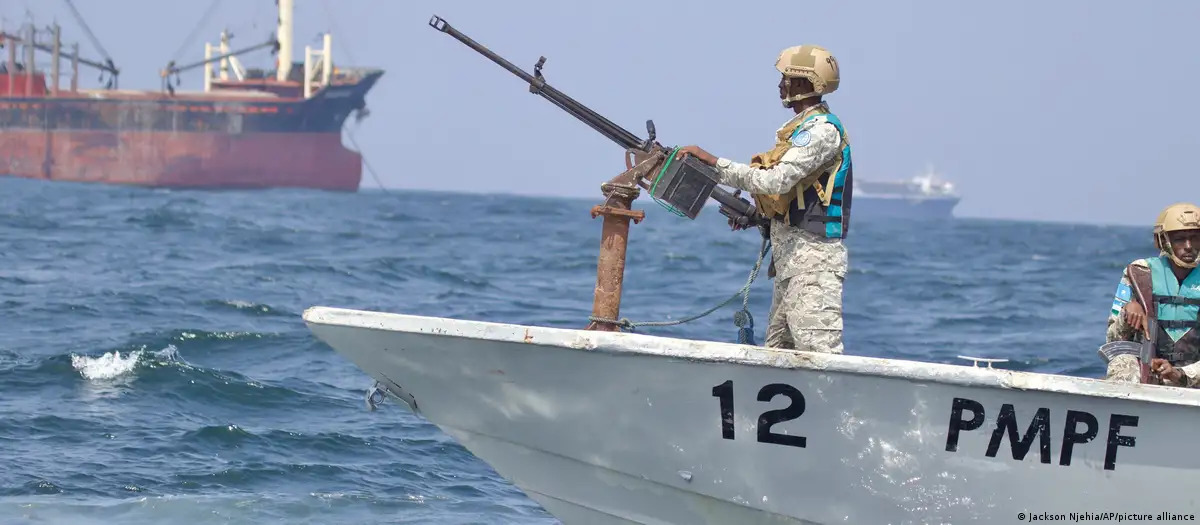
    A resurgence of Somali piracy off the northeastern coast and in the Gulf of Aden is growing amid Red Sea security risks, threatening global shipping costs and commodity prices to push up, analysts warned.

    Source : https://new.igihe.com/english/somali-piracy-resurgence-threatens-global-shipping-amid-red-sea-crisis/

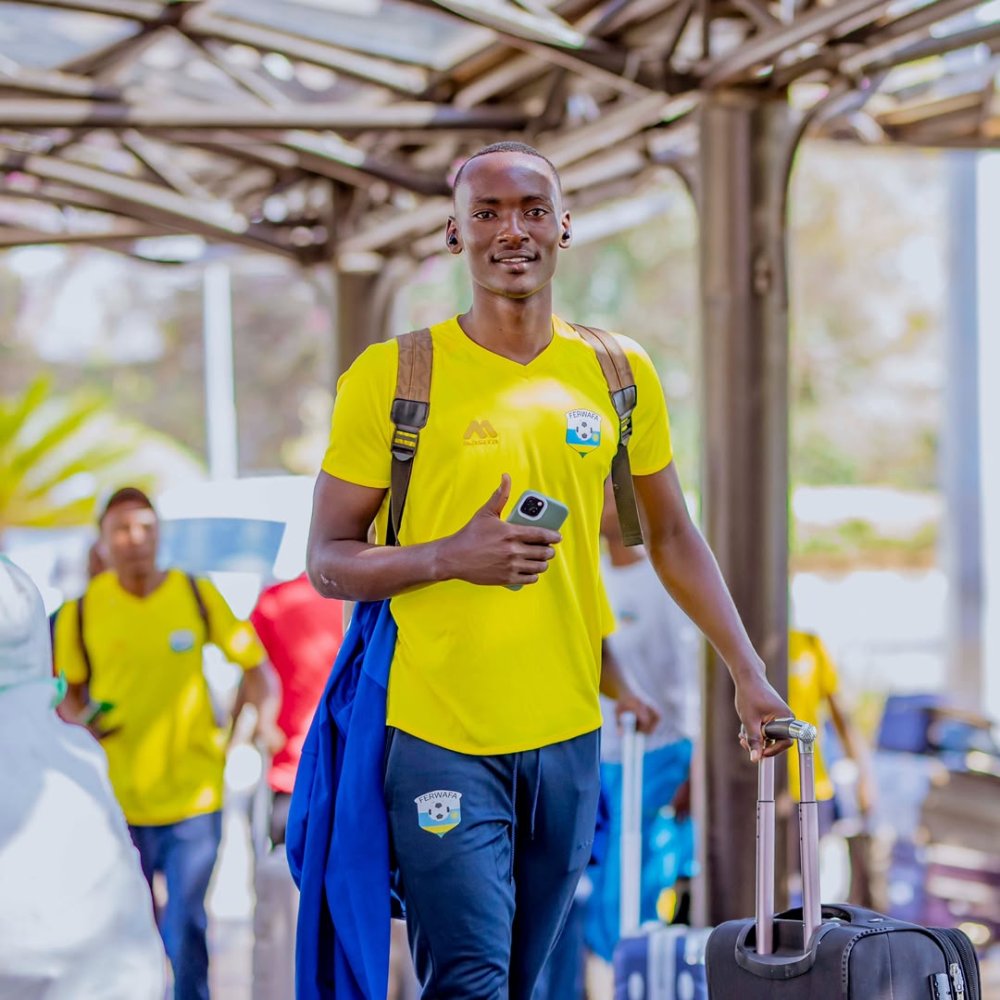
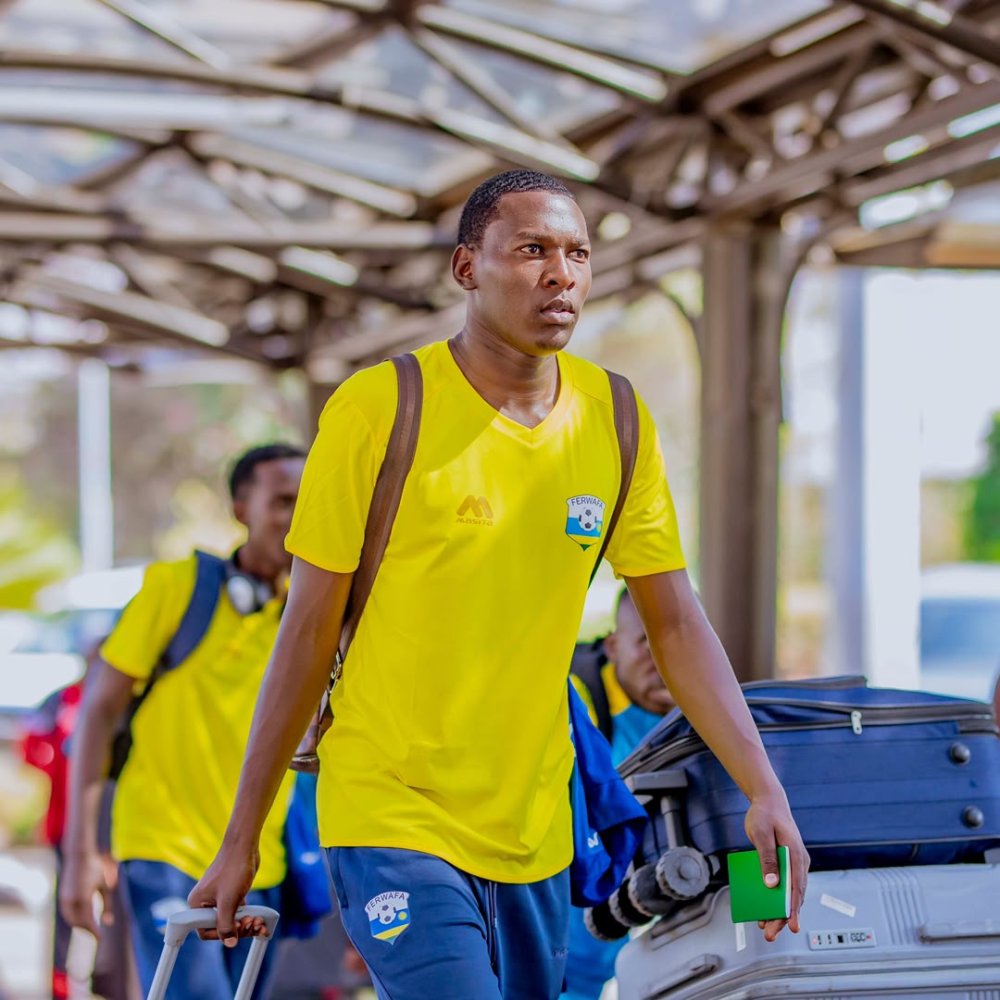
  • Rwanda U-20 team heads to Tanzania for 2027 AFCON qualifiers #rwanda #RwOT

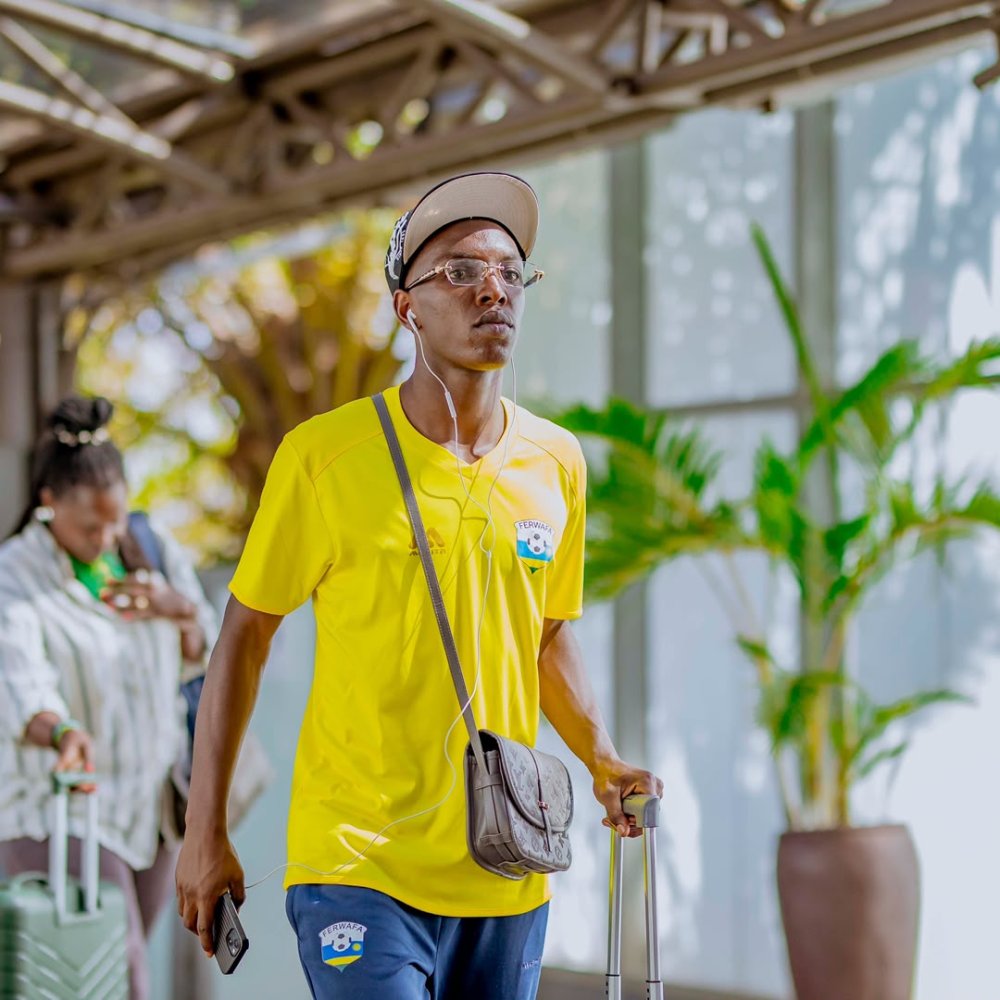
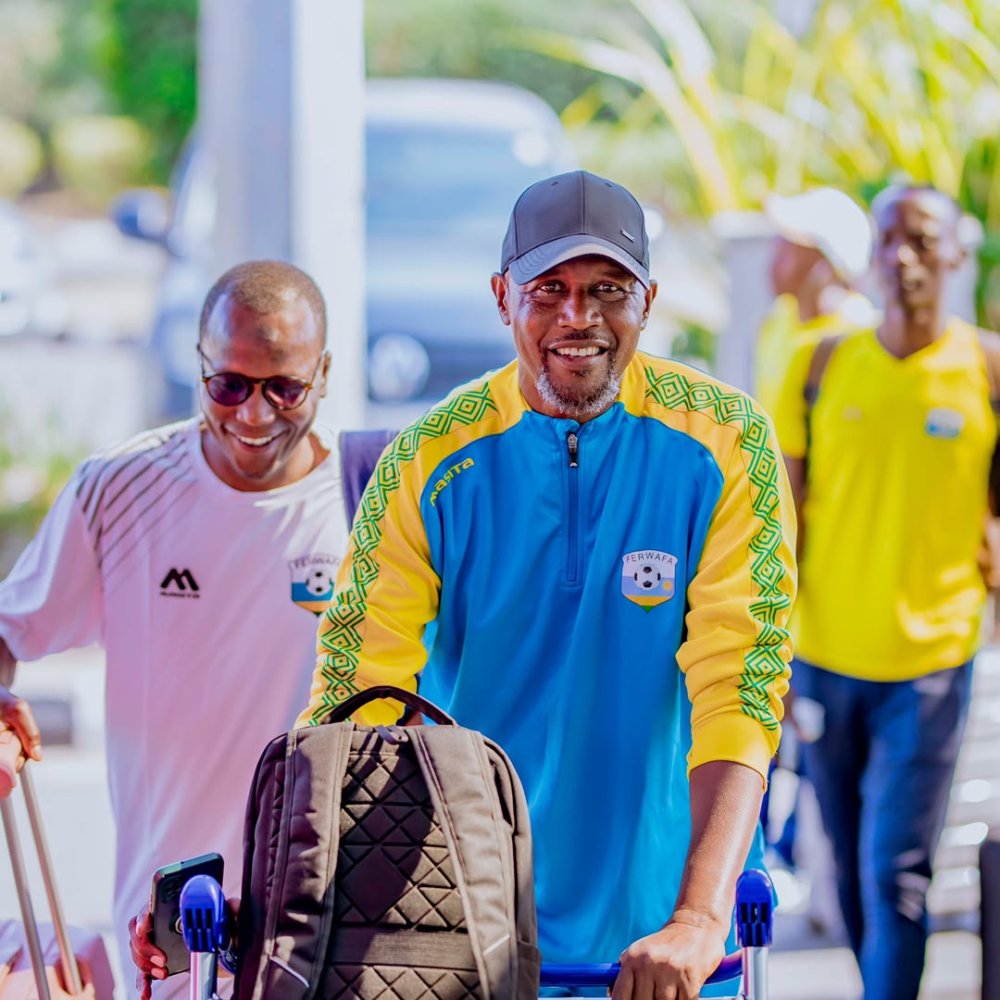
    The team left Kigali International Airport on Sunday, September 13, 2026, ahead of the tournament, which runs from September 15 to 25.

    Head coach Cassa Mbungo André is leading a 25-player squad, assisted by Ntamuhanga Tumaini, physical trainer Peter Otema and goalkeeper coach Ndizeye Aimé Désiré 'Ndanda'.

    Rwanda is in Group A alongside hosts Tanzania and Ethiopia. The matches will be played at Uhuru Stadium in Dar es Salaam, which was renovated ahead of the 2027 Africa Cup of Nations.

    The Rwandan side comes into the tournament after playing two friendly matches against Sudan's U-20 team. The first ended in a 2-2 draw, while the second finished 1-1.

    Group B consists of Uganda, Sudan and Djibouti, while Group C features South Sudan, Burundi and Kenya.

    The three group winners will advance to the semi-finals, alongside the best-performing second-placed team.

    The two finalists will qualify to represent the CECAFA region at the 2027 Africa Cup of Nations, which will be held in Ghana.

    The team left Kigali International Airport on Sunday, September 13, 2026, ahead of the tournament, which runs from September 15 to 25.
    Head coach Cassa Mbungo André is leading a 25-player squad, assisted by Ntamuhanga Tumaini, physical trainer Peter Otema and goalkeeper coach Ndizeye Aimé Désiré 'Ndanda'.
    The players had spent the past week preparing for the tournament.

    Rwanda's 25-player squad heads to Tanzania for the Africa Cup of Nations qualifiers.

    Source : https://new.igihe.com/english/rwanda-u-20-team-heads-to-tanzania-for-2027-afcon-qualifiers/

  • Nduhungirehe calls out Burundi's Bizimana over FDLR remarks, questions his AU leadership #rwanda #RwOT

    Bizimana said in a post on X on Sunday that the FDLR was 'an alibi used to cover real motivations of the war imposed on Congolese people.'

    Nduhungirehe responded by pointing to Bizimana's role within the African Union and its previous resolutions against the FDLR, an armed group formed by individuals involved in the 1994 Genocide against the Tutsi in Rwanda.

    'Let me recall that Édouard Bizimana is not only the Minister of Foreign Affairs of Burundi but also the Chairperson of the AU Executive Council,' Nduhungirehe wrote.

    He said the African Union had adopted multiple resolutions condemning the FDLR and calling for its disarmament and repatriation.

    'If he doesn't read documents of the organisation he chairs, let me remind him that the African Union adopted multiple resolutions condemning the FDLR genocidal force and calling for its disarmament and repatriation,' Nduhungirehe said.

    Nduhungirehe also cited the African Union's support for the Washington peace agreements between Rwanda and the DRC, which include a commitment by Kinshasa to neutralise the FDLR.

    The June 27, 2025 Washington Peace Agreement and the December 4, 2025 Washington Accords for Peace and Prosperity were signed in the presence of Burundi President Évariste Ndayishimiye.

    Nduhungirehe questioned Bizimana's characterisation of the FDLR as an 'alibi', noting that Burundi is not a signatory to the agreements.

    'How then is it possible that Édouard Bizimana, whose country is not signatory to those Accords, comes from nowhere to claim that the FDLR is an 'alibi'?' he wrote.

    He further accused Burundi's army of cooperating with the FDLR in eastern DRC and criticised Bizimana for denying the continued threat posed by the group.

    'It's appalling to note that the Chairperson of the African Union, whose army collaborates with the FDLR in eastern DRC, continues to deny the existence of a genocidal force that was condemned on multiple occasions by the very organisation he chairs,' Nduhungirehe said.

    He concluded by calling on the AU to be more careful in choosing leaders for its institutions.

    'The African Union should be serious and avoid, for the future, to hand over the reins of our precious organisation to people who obviously don't have the capacity to lead it,' he wrote.

    Bizimana has previously argued that the FDLR does not pose a significant threat to Rwanda.

    In an interview broadcast in August, he said the group had never attacked Rwanda, despite repeated references to such attacks in discussions about the conflict in eastern DRC and evidence to the contrary.

    'The FDLR has never attacked Rwanda. They have been talking about it for more than 30 years, but the group has never carried out an attack in Rwanda,' Bizimana said.

    He added that Burundi could not support the FDLR, saying the group 'has no value'.

    Bizimana has also previously described the FDLR as a pretext in discussions about the conflict between Rwanda and the DRC.

    Let me recall that Édouard Bizimana is not only the Minister of Foreign Affairs of Burundi but also the Chairperson of the AU Executive Council.

    If he doesn’t read documents of the organisation he chairs, let me remind him that the African Union adopted multiple resolutions… https://t.co/nea3vHsyTB

    — Olivier J.P. Nduhungirehe (@onduhungirehe) September 13, 2026

    Source : https://new.igihe.com/english/nduhungirehe-calls-out-burundis-bizimana-over-fdlr-remarks-questions-his-au-leadership/