The visit marks the first official visit by a Rwandan president to Oman.
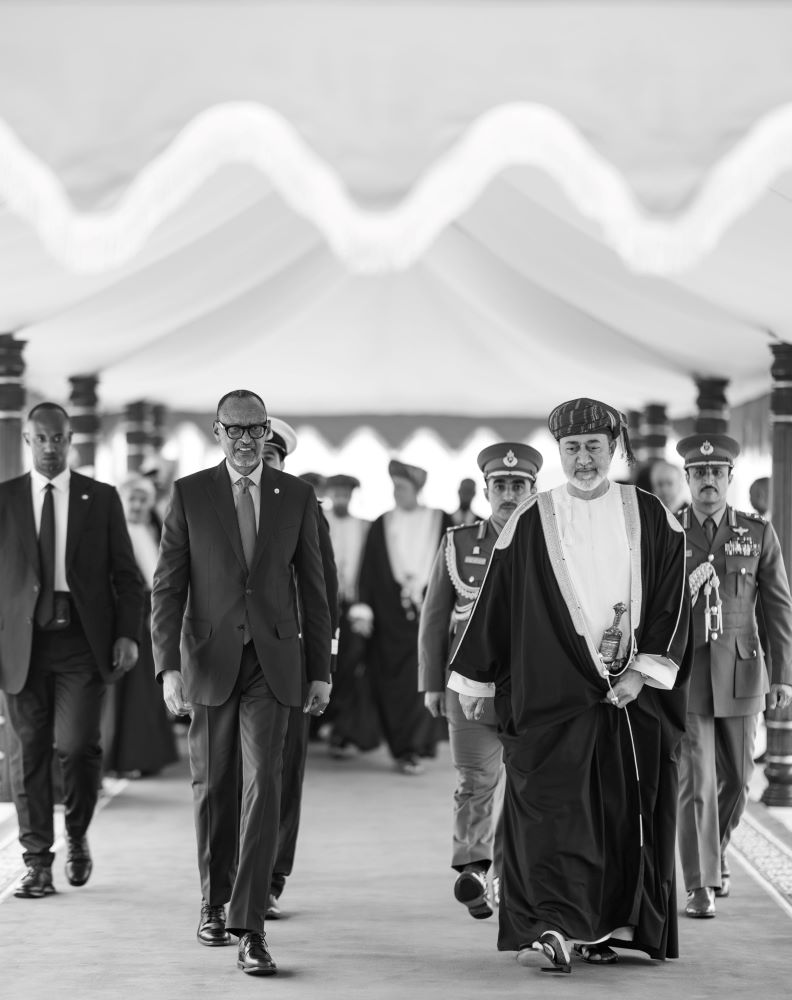
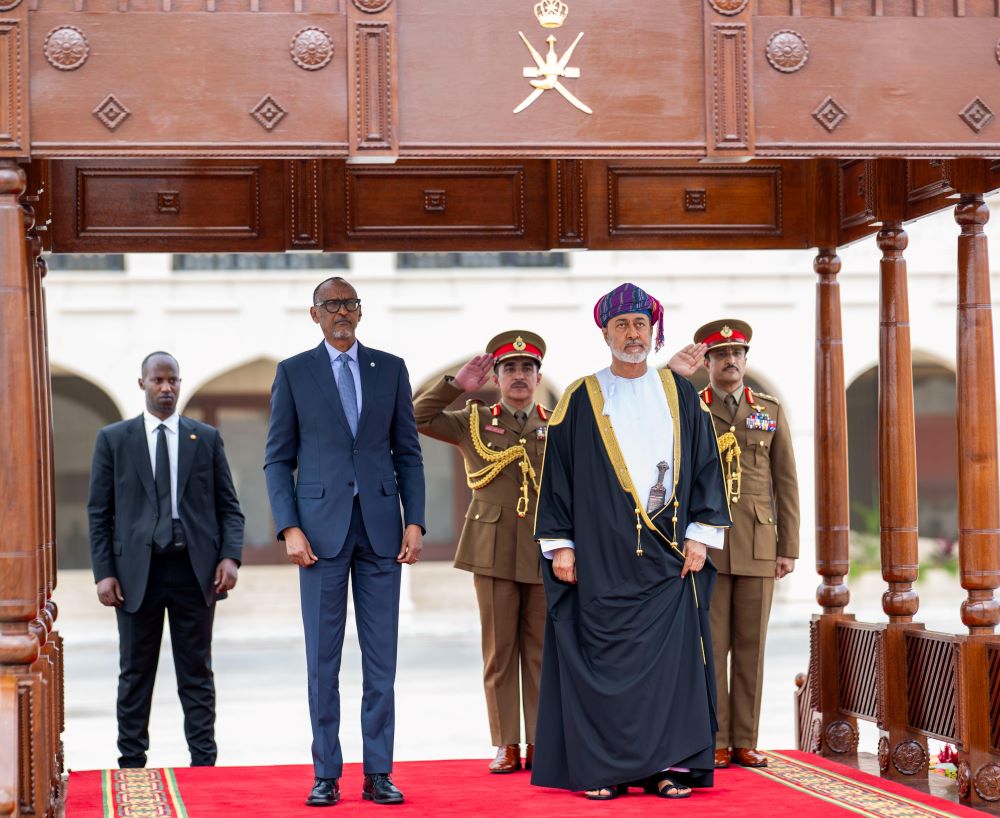
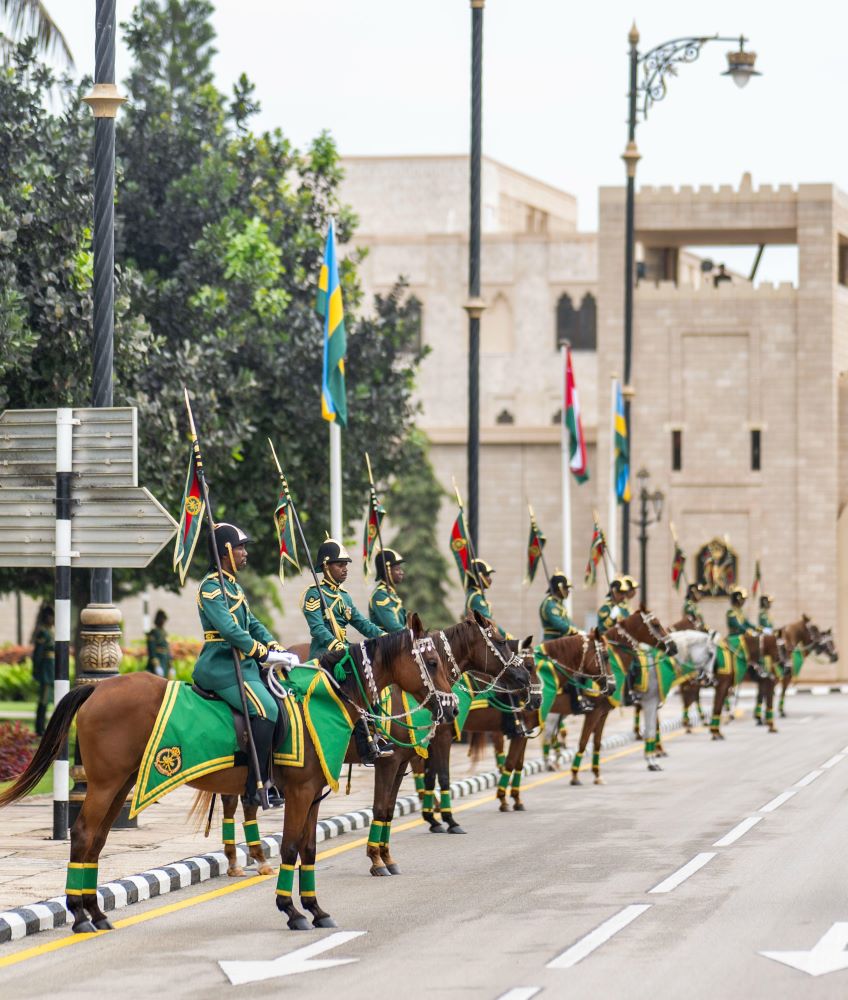
Kagame's visit began with an official welcoming ceremony before he held talks with Sultan Haitham bin Tariq.
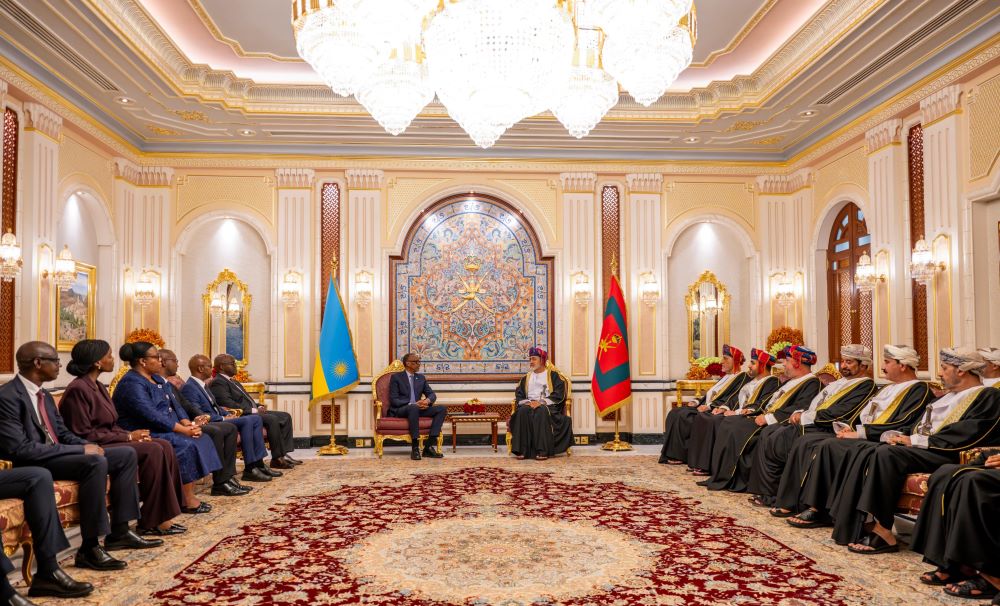
The two leaders were later joined by delegations from both countries for bilateral talks aimed at advancing cooperation in areas of mutual interest.
On the second day of his visit, Kagame is scheduled to tour the Museum of the Frankincense Land, located within the Al Baleed Archaeological Park, a UNESCO World Heritage Site.
The museum has two main sections. The Heritage Hall explores Dhofar's archaeological history, the region's heritage and the role of the frankincense trade in shaping the area's social and economic development. The Maritime Hall presents Oman's history of seafaring and maritime trade.
Kagame will also visit Razat Royal Farm, which covers more than 404 hectares. The facility is among the major agricultural establishments in Dhofar Governorate and is also used for agri-tourism and educational activities.
Sultan Haitham will host Kagame and his delegation at a dinner during the visit.
Rwanda and Oman have longstanding ties. During the visit, the two countries are also expected to sign agreements and memoranda of understanding in various sectors as part of efforts to broaden bilateral cooperation.
Rwanda and Oman are expected to sign agreements and memoranda of understanding aimed at expanding cooperation in various sectors.President Paul Kagame began his first official visit to Oman with a formal welcome ceremony in Salalah.Rwandan and Omani delegations hold bilateral talks during President Kagame's official visit to Oman.
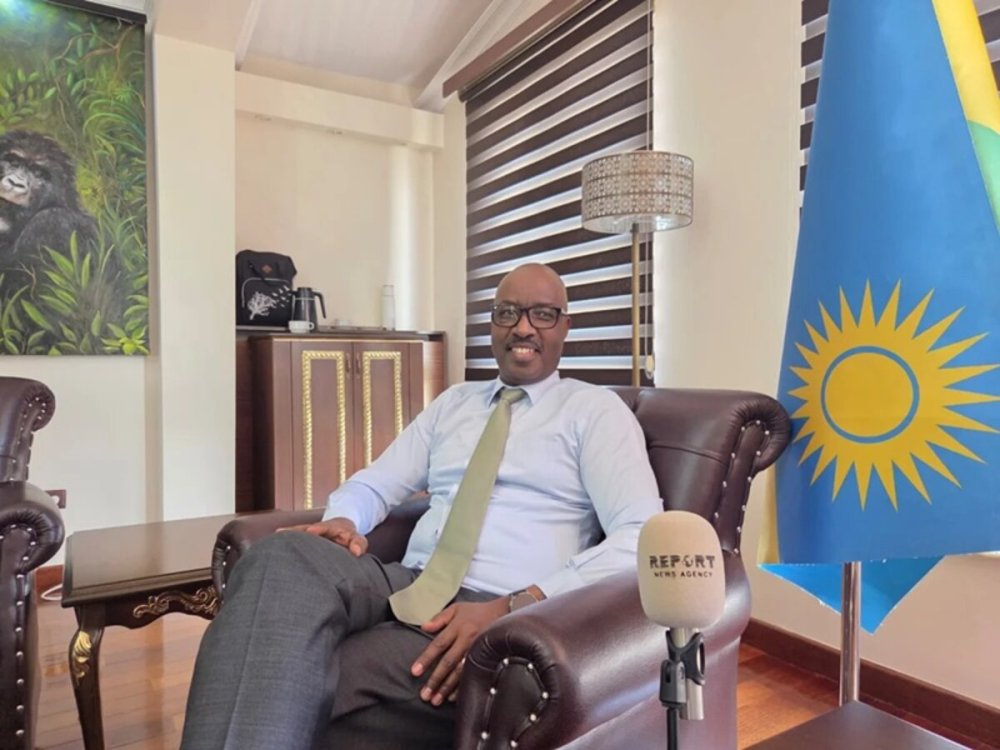
Amb. Kayonga made the remarks in an interview with Report's Türkiye bureau after attending an international conference in Baku organised by the Baku Initiative Group (BIG), which focused on the legacy of Belgian colonialism and calls for reparations.
Asked whether Rwanda plans to establish an embassy in Azerbaijan, Kayonga said the plan was already being considered.
'It will definitely happen in the future, and we are currently planning it. Azerbaijan is a very important country,' he said.
'Azerbaijan is in the South Caucasus, in Eurasia, while Rwanda is in Central Africa. We want Rwanda and Azerbaijan to be brotherly countries,' Amb. Kayonga added.
Amb. Kayonga, who is based in Ankara, has represented Rwanda in Azerbaijan since 2024. He said relations between the two countries have developed significantly, particularly at the political level.
'Our relations with Azerbaijan are very good at the political level,' he said.
Amb. Kayonga noted that President Paul Kagame has visited Azerbaijan twice since he began his diplomatic assignment there — in November 2024 for the COP29 climate summit and in September 2025.
During Kagame's 2025 visit, Rwanda and Azerbaijan signed five agreements to strengthen bilateral cooperation in areas including public service delivery through the ASAN Service model, agriculture, education, trade and air services.
The implementation of the ASAN Service model in Rwanda is currently being studied, while Azerbaijan has allocated 20 scholarships for Rwandan students in military education, Amb. Kayonga said.
He added that the two countries are also discussing cooperation in oil, trade and other sectors.
Beyond political and economic ties, Amb. Kayonga said Rwanda wants to promote its tourism and products among Azerbaijani citizens.
He highlighted the Virunga Mountains, home to mountain gorillas, Nyungwe Forest, which hosts chimpanzees, primates and diverse bird species, and Akagera National Park, where tourists can see the Big Five.
Rwanda also plans to organise a Rwanda Culture Day in Baku next year to showcase the country's culture and deepen people-to-people ties.
'We are planning to organize a Rwanda Culture Day in Baku next year,' Amb. Kayonga said.
Rwanda's Ambassador to Azerbaijan, Gen (Rtd) Charles Kayonga, has said Rwanda plans to open an embassy in Azerbaijan to strengthen bilateral relations.
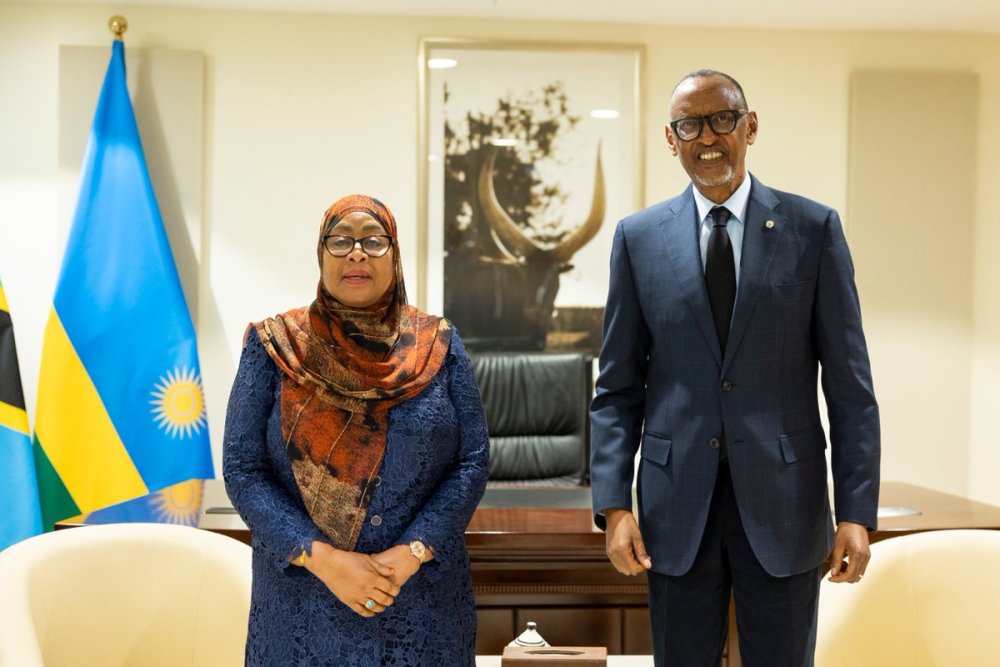
In a message posted on X on Monday, Kagame extended his sympathy to President Samia, her family and the people of Tanzania.
'My sincere condolences to my sister, President Samia Suluhu, her family, and the people of Tanzania on the passing of H.E. Hafidh Ameir Hassan,' Kagame said.
'The Government and people of Rwanda stand in solidarity with President Samia Suluhu and our brothers and sisters in Tanzania as they honour the life and legacy of H.E. Hafidh Ameir Hassan,' he added.
Hafidh Ameir Hassan died on Monday, September 7, at the age of 76 while receiving treatment for a heart condition at Emilio Mzena Memorial Hospital in Zanzibar.
His death was announced by Tanzania's Vice President Deogratius Ndejembi.
He said funeral arrangements were underway in Kizimkazi, Zanzibar, where the family was preparing to honour the late First Gentleman.
Hafidh became Tanzania's First Gentleman in 2021 when Samia assumed the presidency following the death of President John Magufuli. He largely maintained a low public profile and was known as an agriculturalist.
He and President Samia married in 1978 and had four children; three sons and a daughter. Their daughter, Wanu Hafidh Ameir, is a politician who has served in the Zanzibar House of Representatives.
President Paul Kagame has expressed condolences to Tanzanian President Samia Suluhu Hassan following the death of her husband.
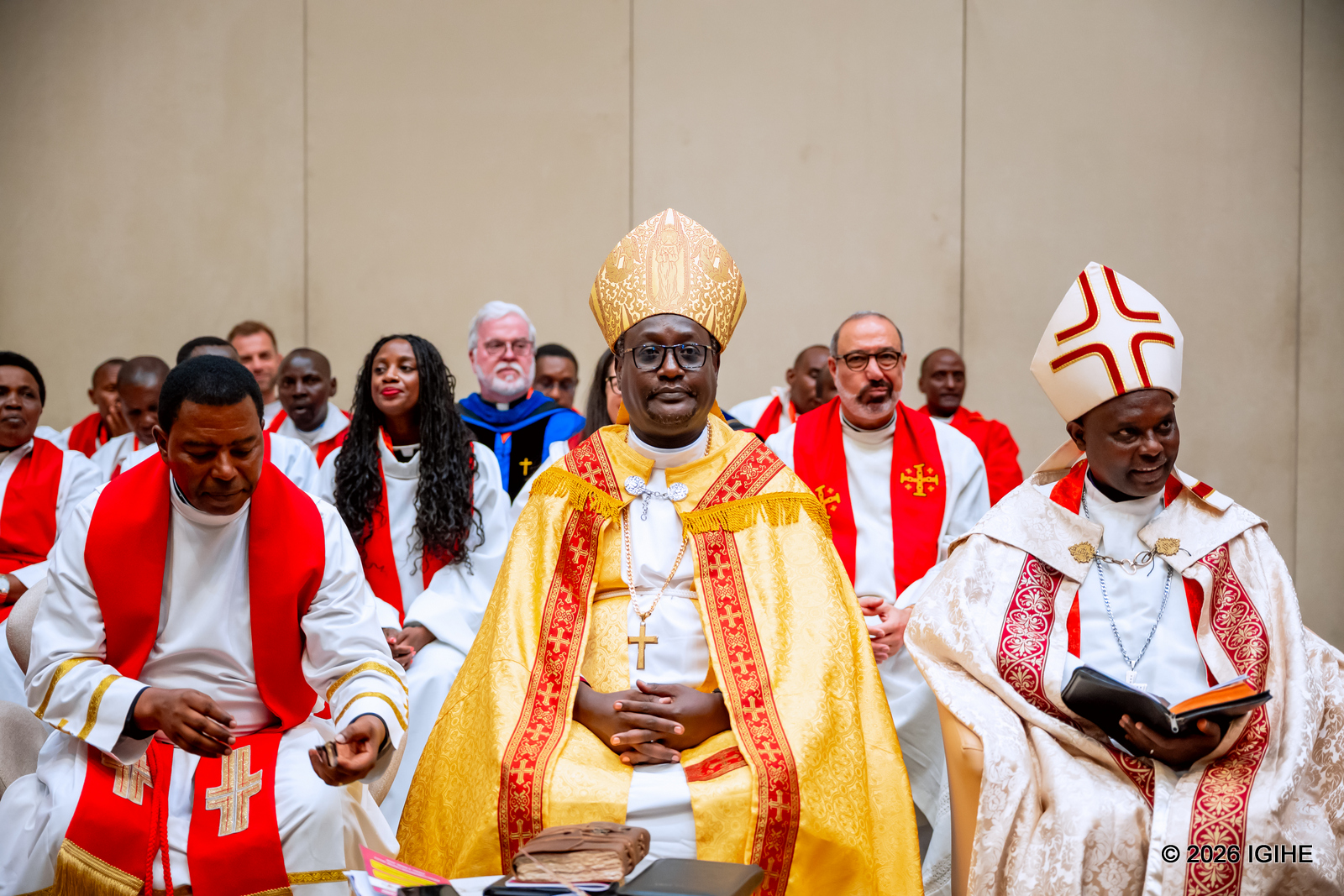
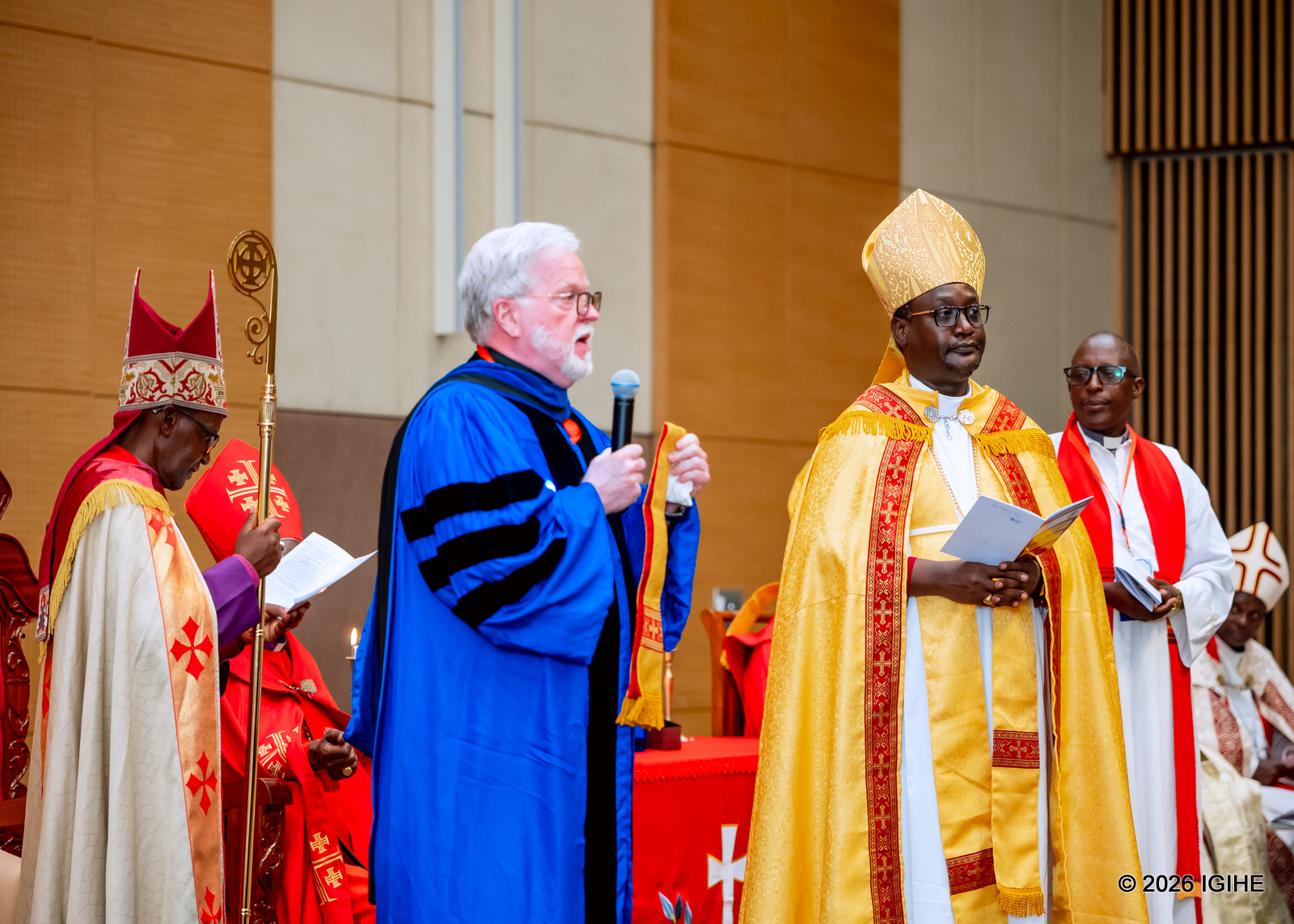
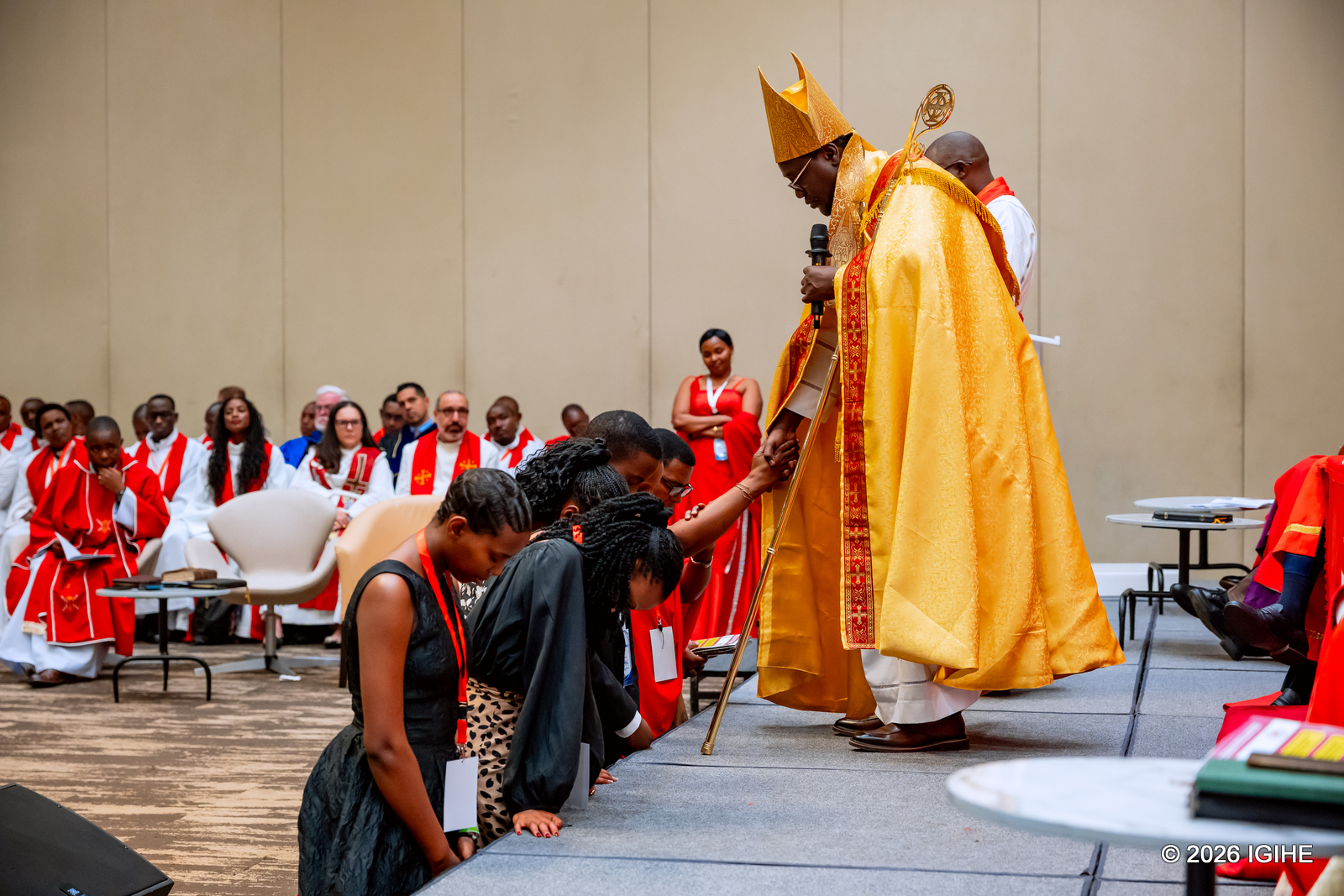
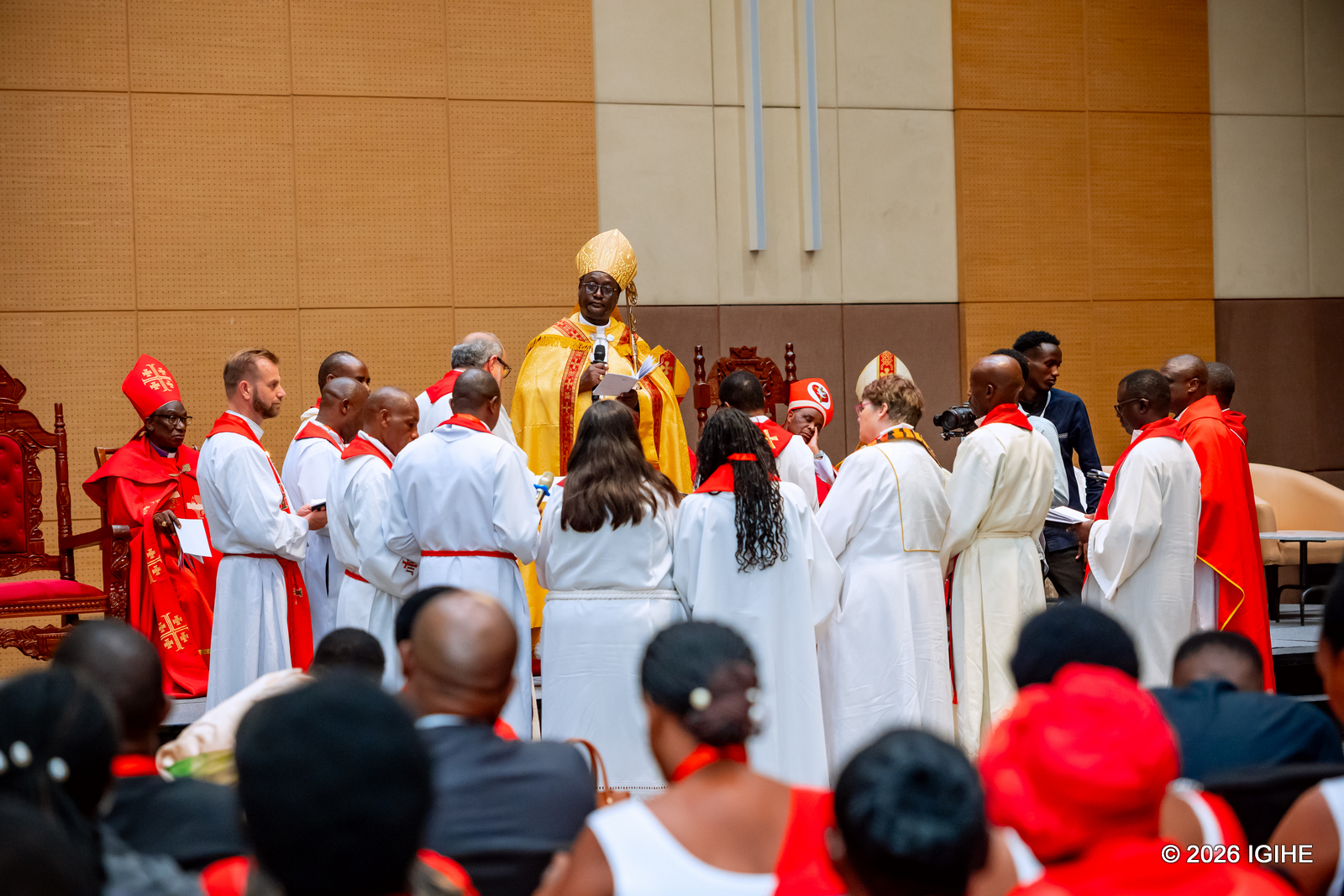
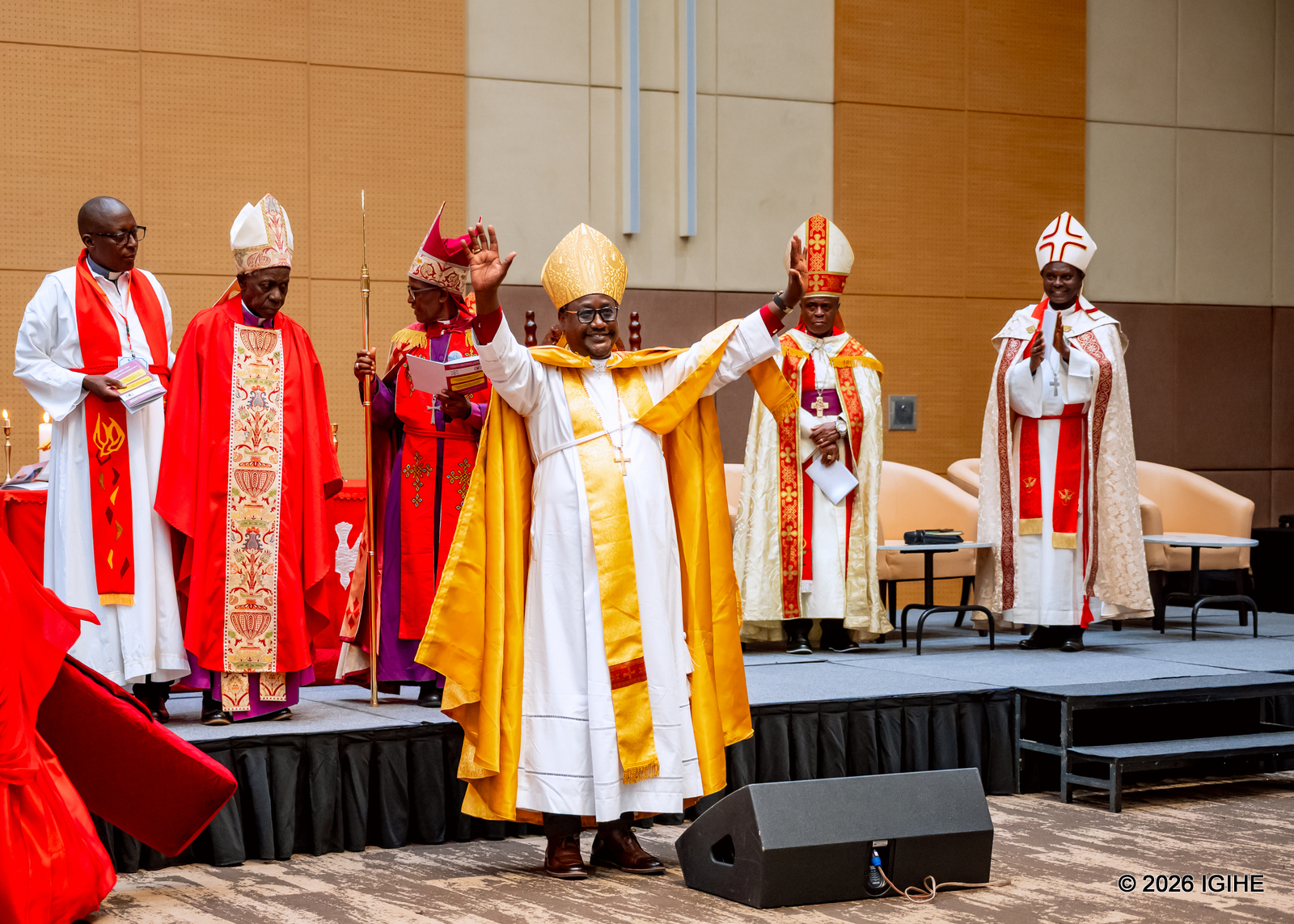
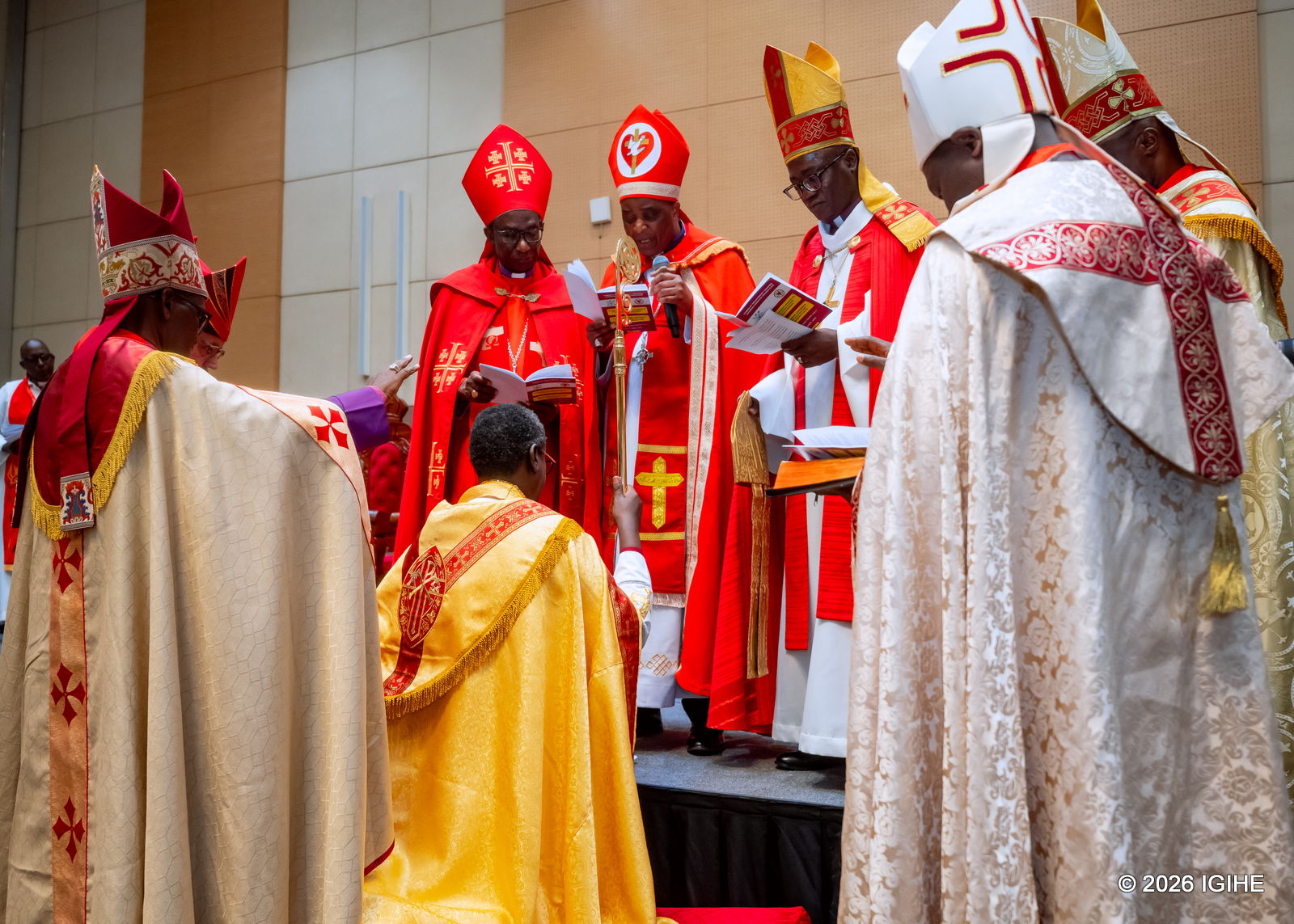
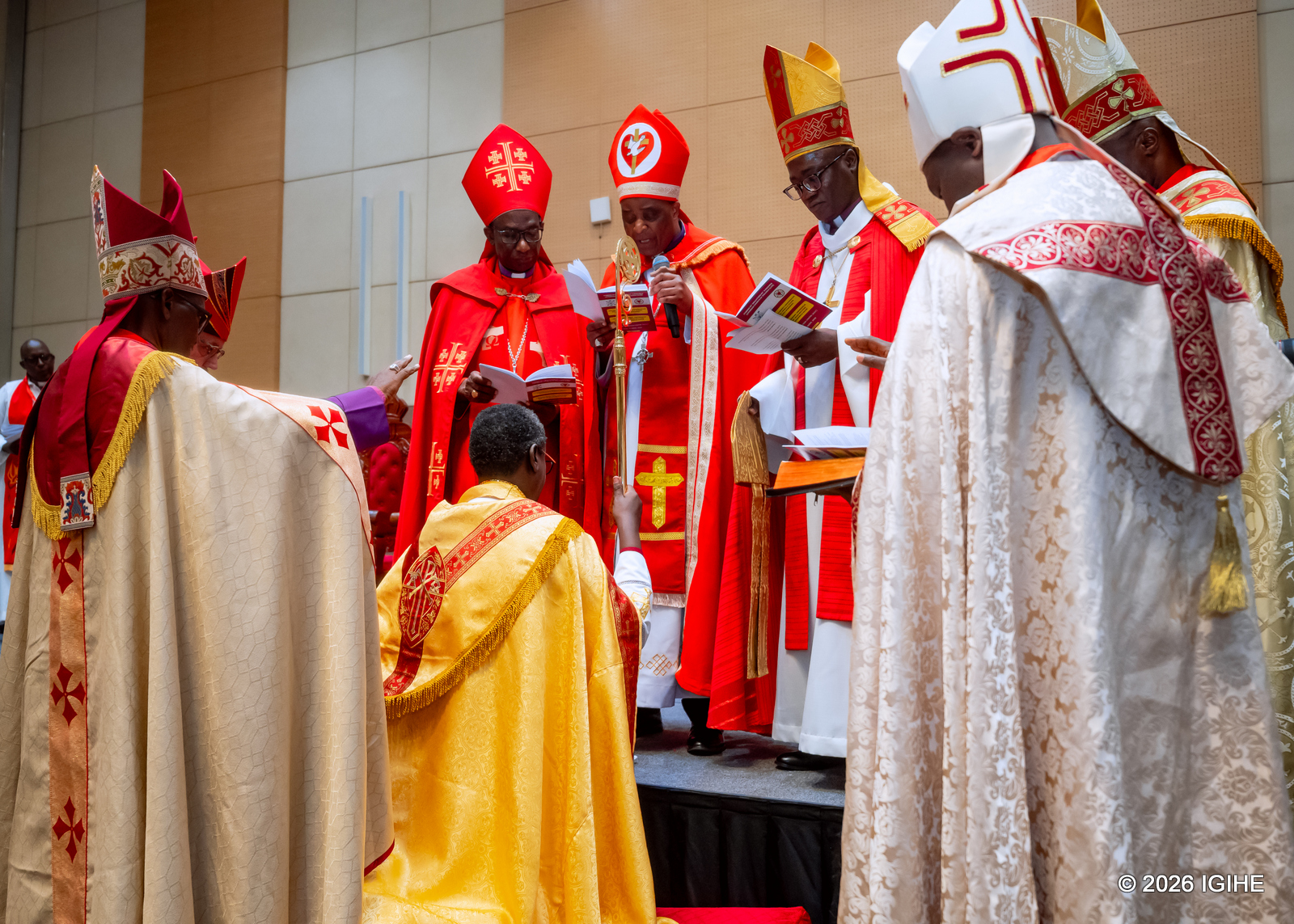
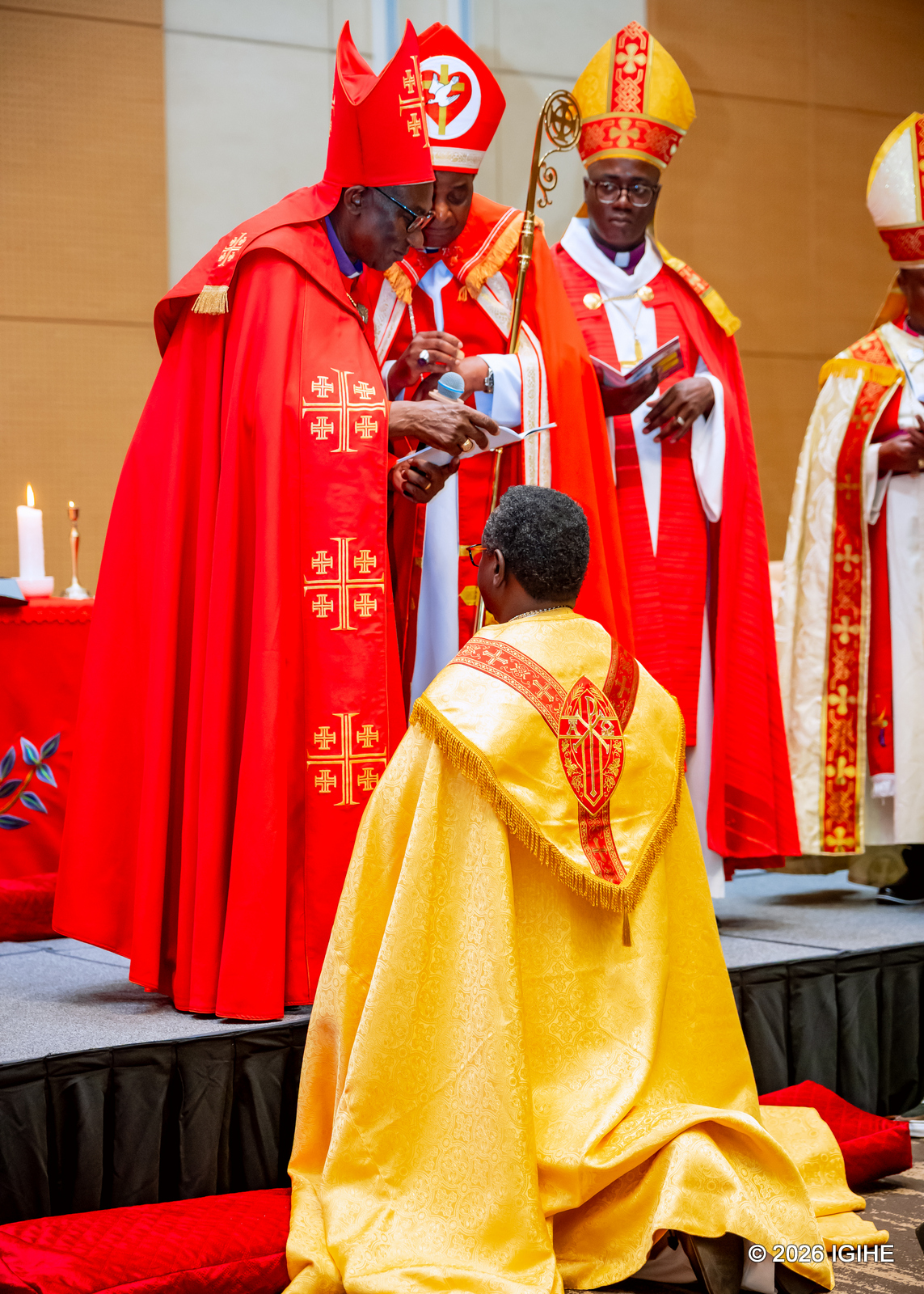
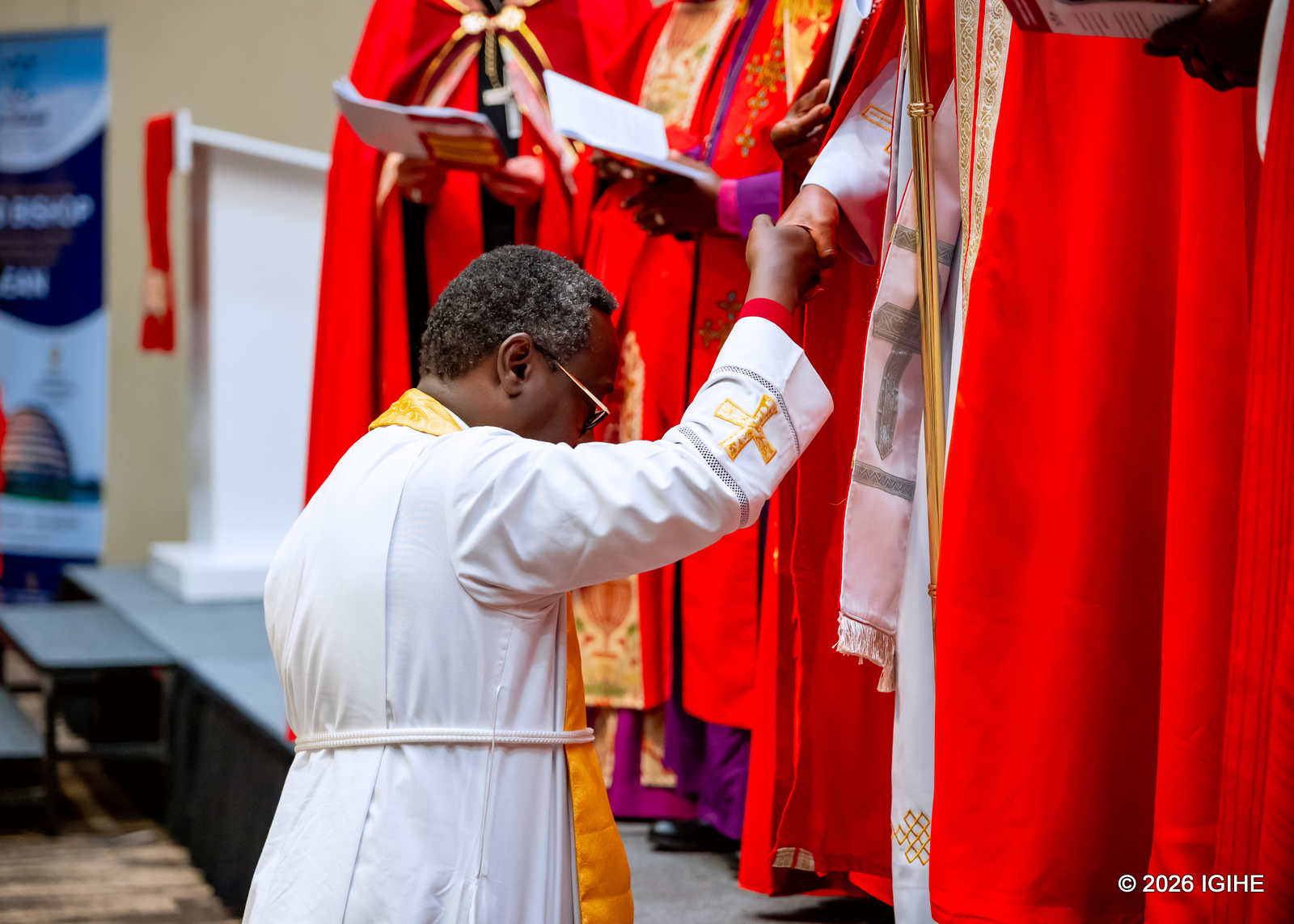
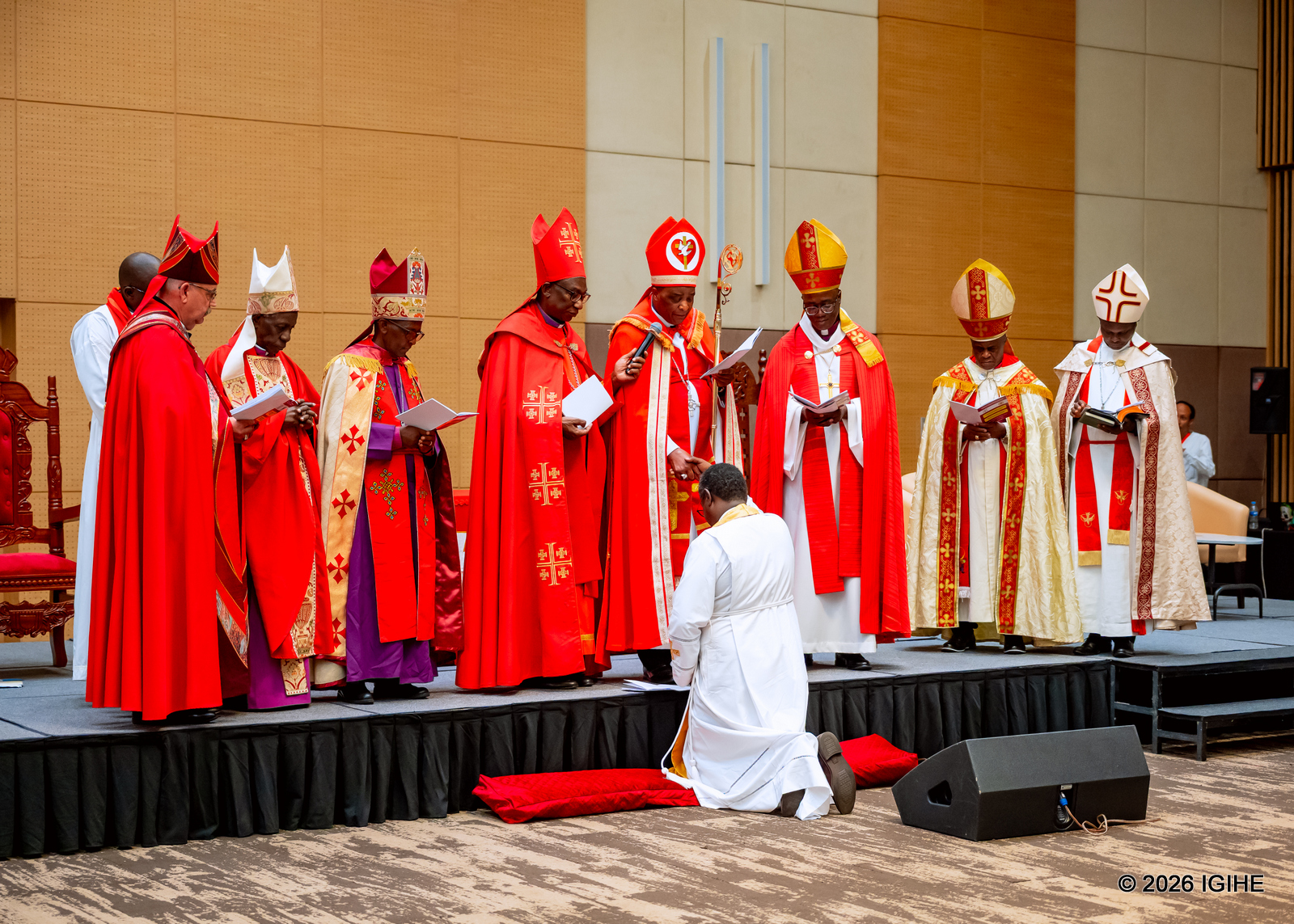
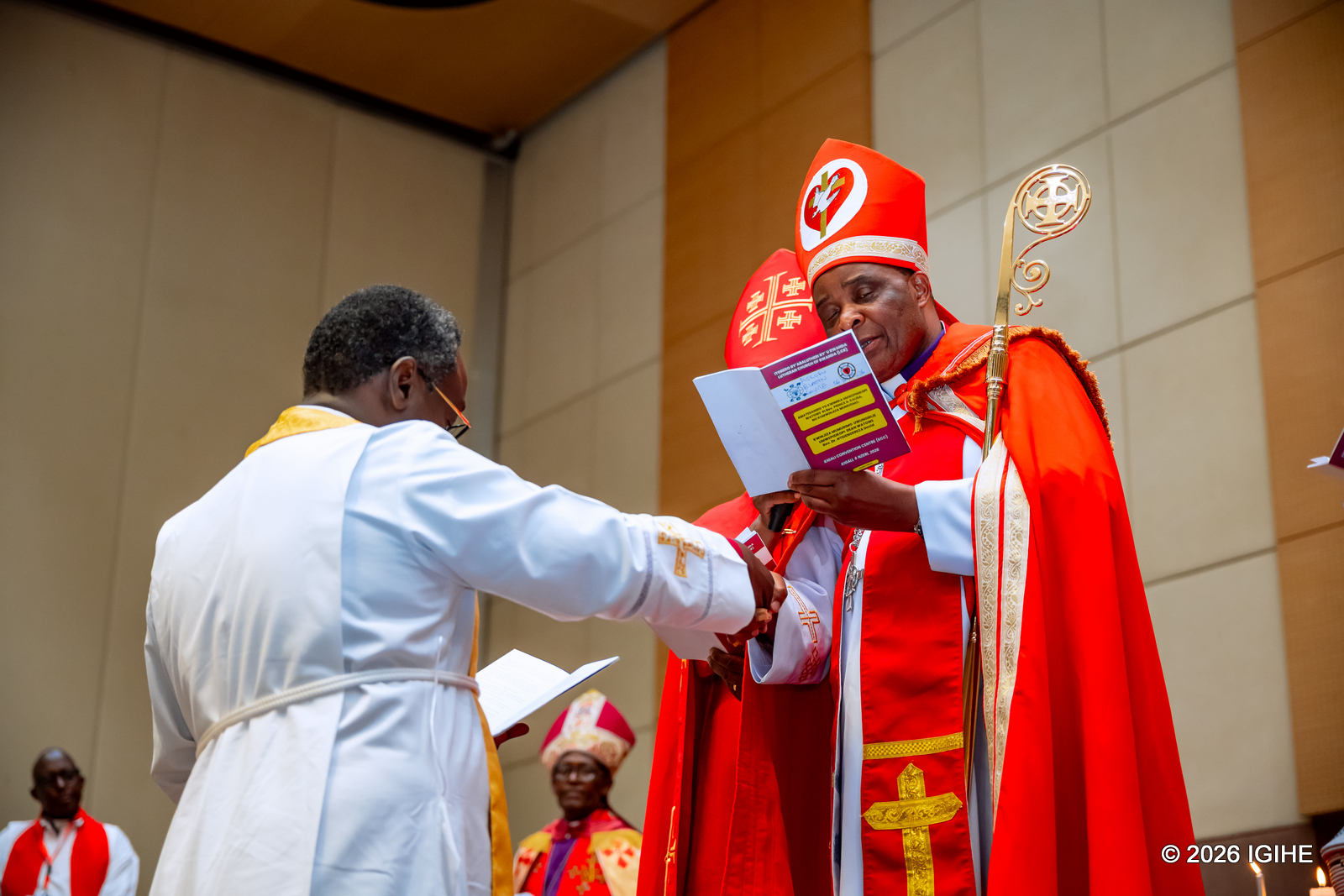
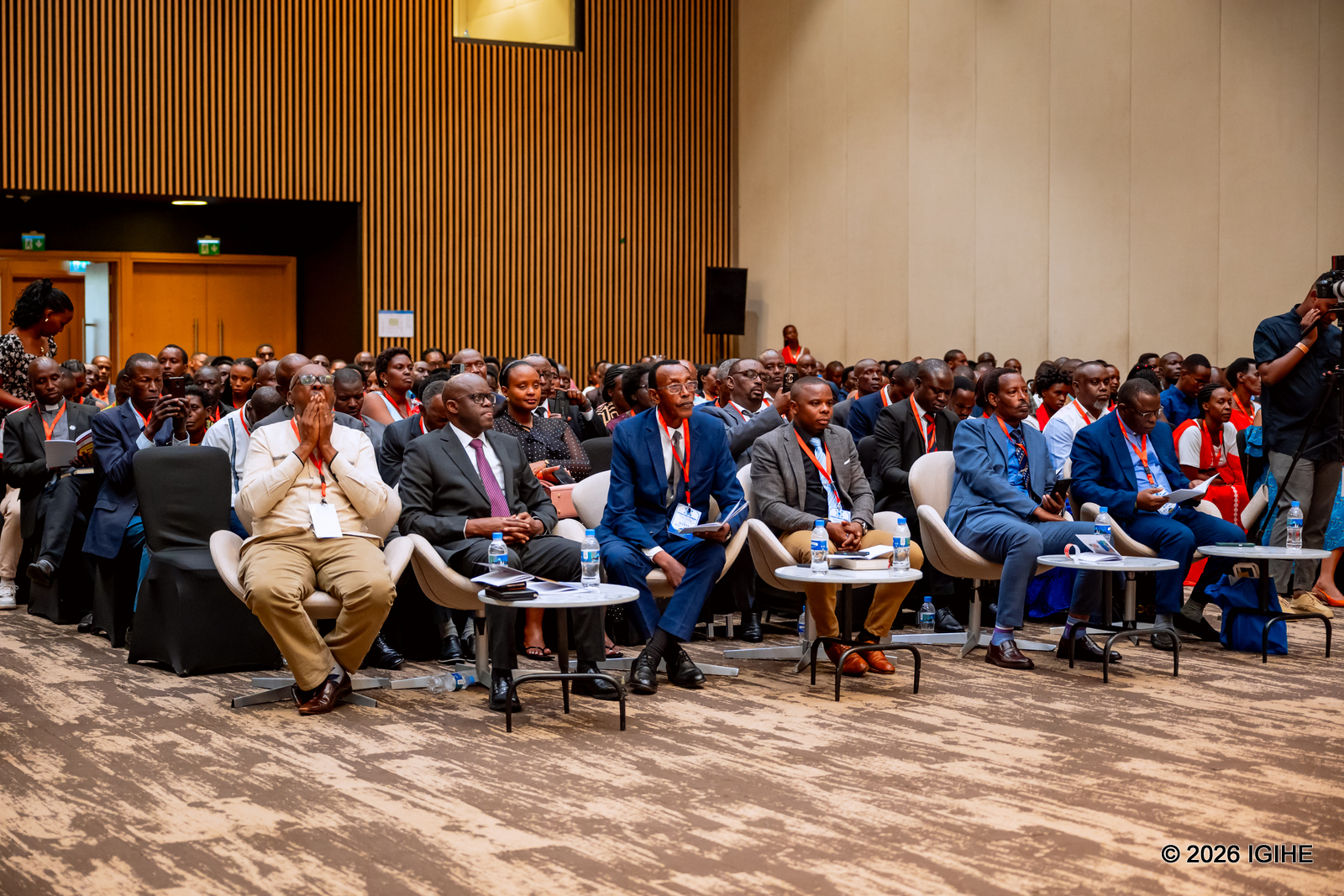
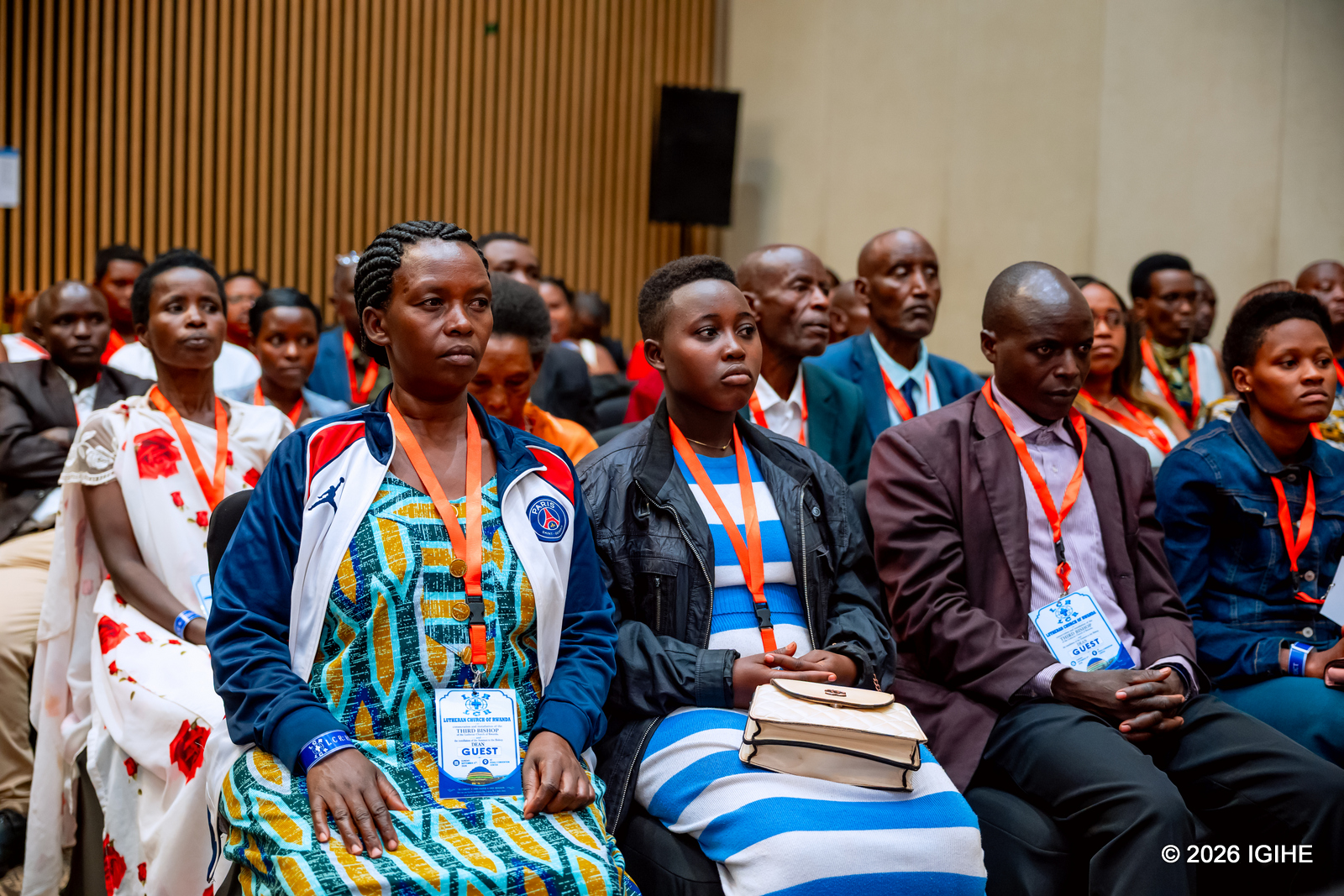
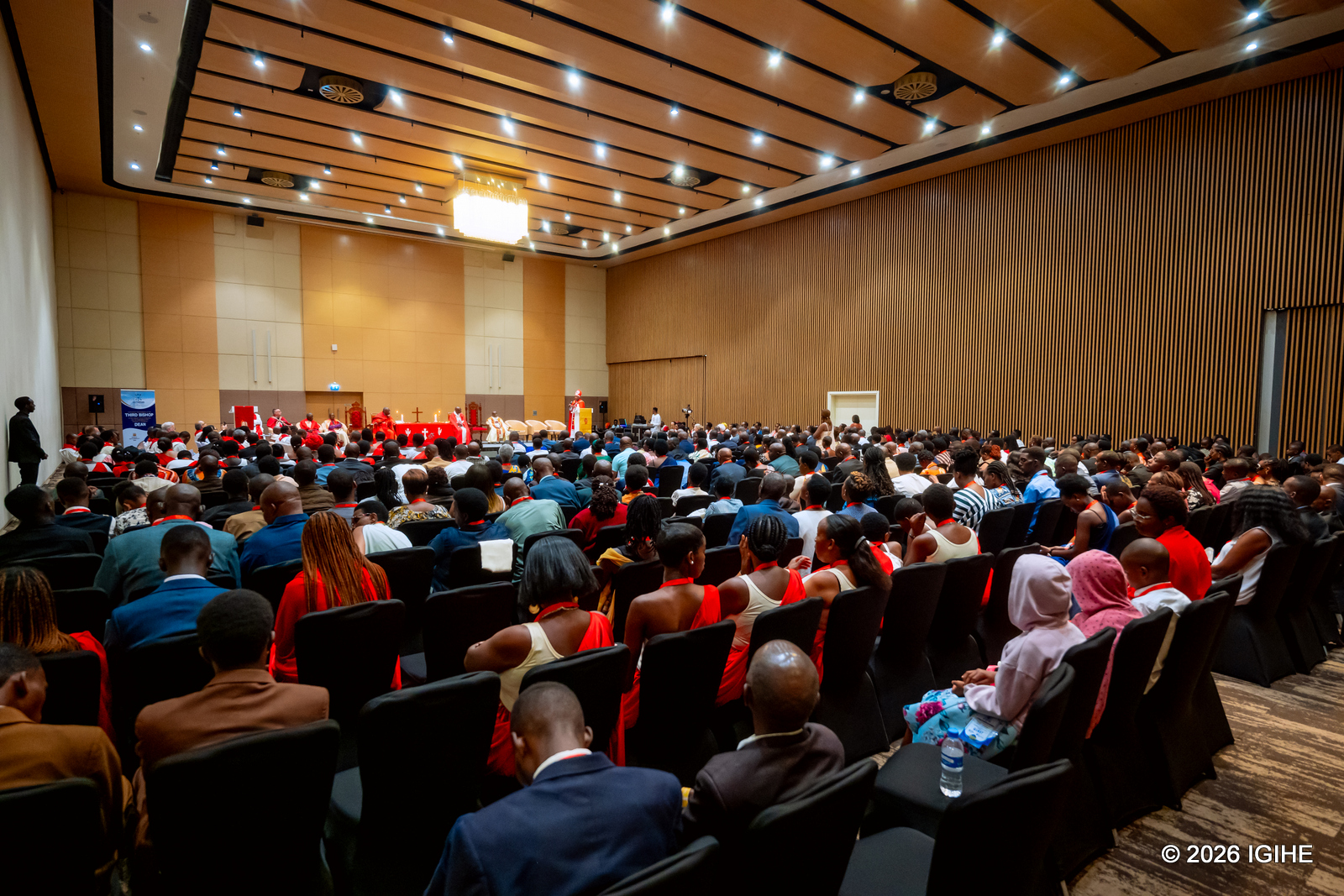
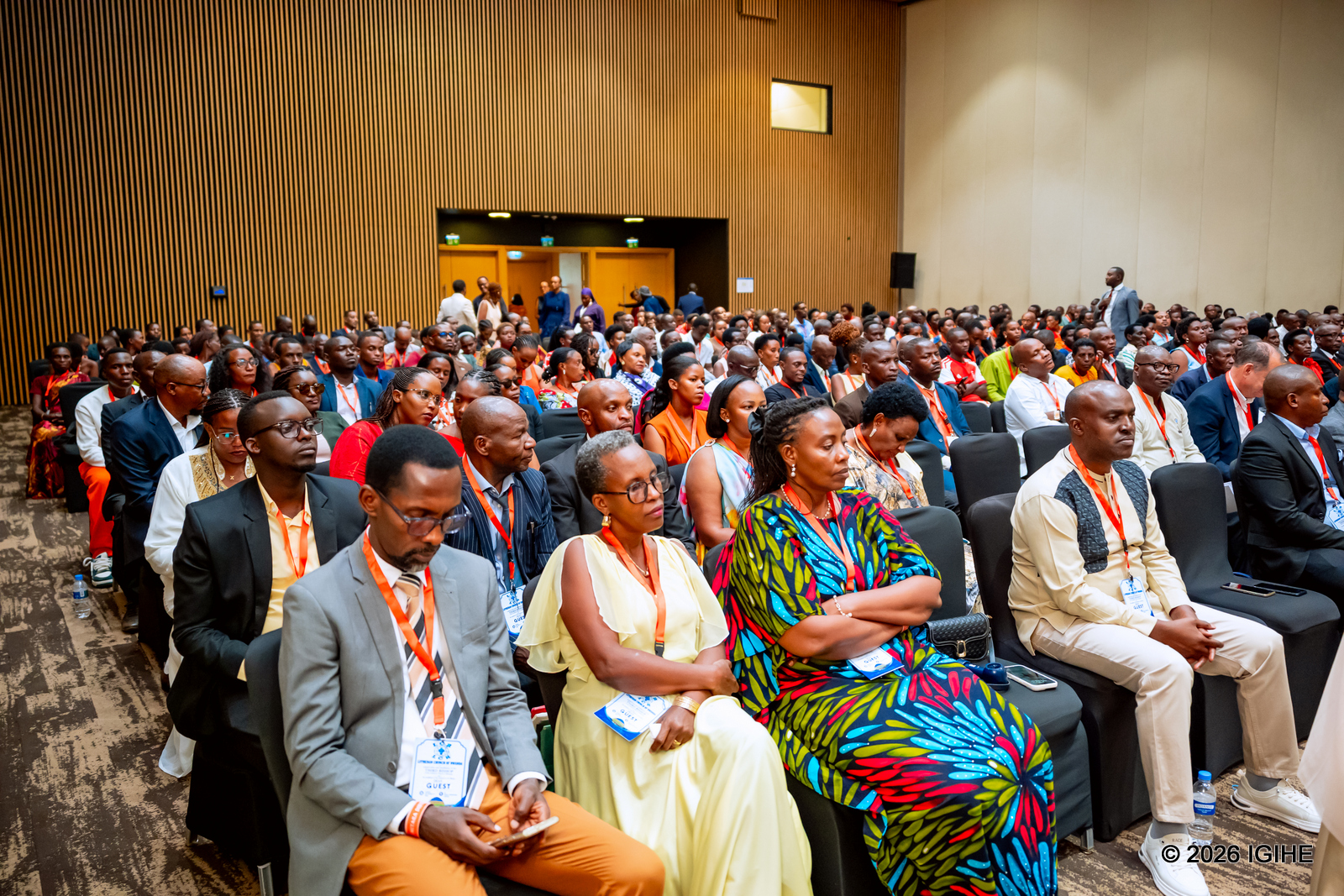
Bishop Kalisa was installed during a ceremony held at the Kigali Convention Centre (KCC), attended by Christians, church leaders and guests from Rwanda and other countries, including Tanzania, Burundi, the Democratic Republic of Congo and the United States.
The ceremony was marked by prayers, praise and worship as Christians gathered to celebrate the beginning of Bishop Kalisa's leadership.
The installation was also attended by church leaders, including Dean Dr. Ntidendereza David.
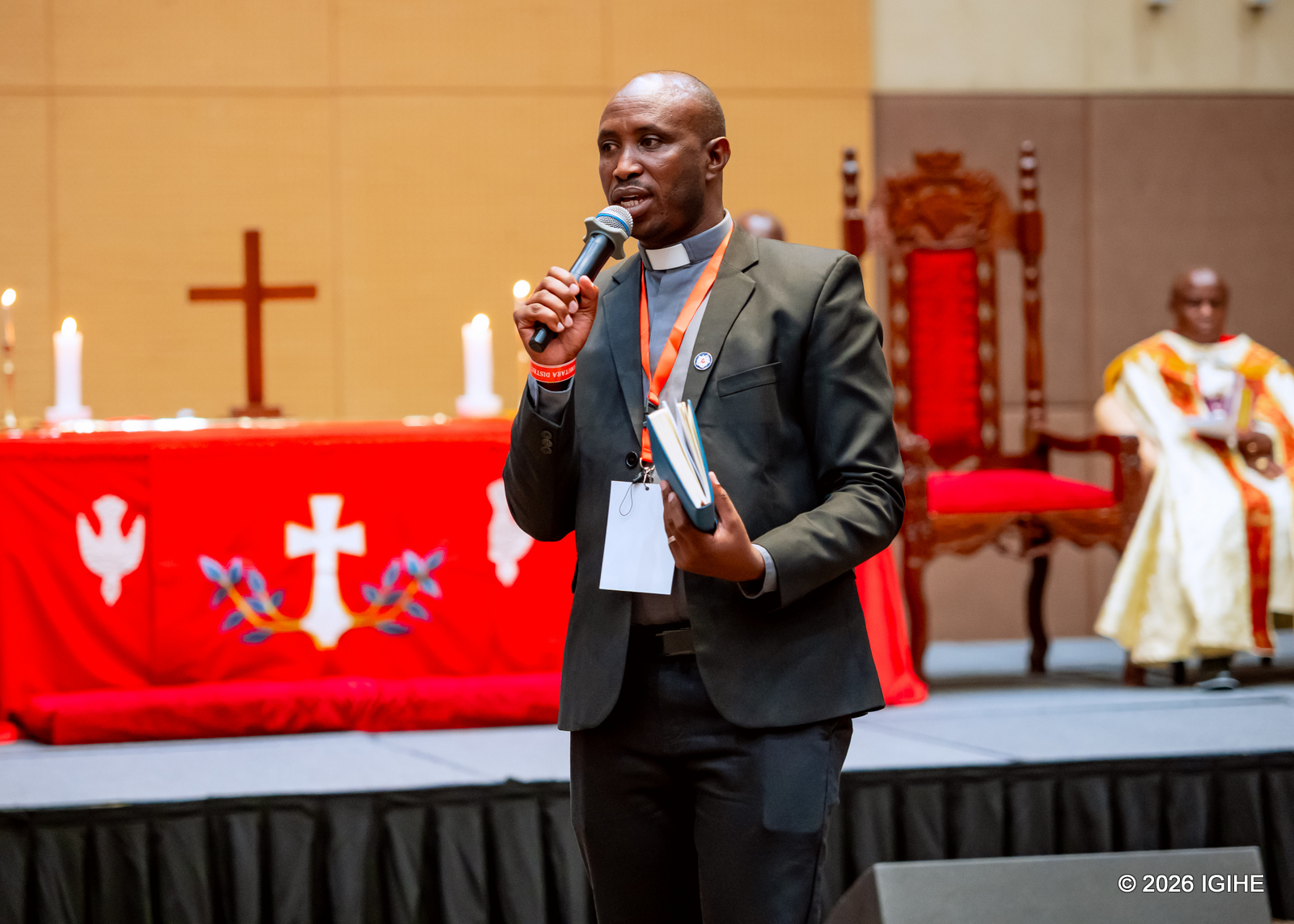
Speaking to IGIHE after the ceremony, Bishop Kalisa said one of his key priorities will be building a church that can sustain itself rather than depending heavily on support from churches in Western countries.
'Our vision is to equip members with education and build infrastructure for the church. We want to be a self-sustaining church,' he said.
He noted that African churches have historically relied on financial and other forms of support from Western churches, but said his leadership would seek to change this approach by empowering church members to contribute to the development of their communities and the church.
Empowering members instead of creating dependency
Bishop Kalisa identified dependency among some church members as one of the major challenges facing churches today.
He explained that some Christians expect the church to provide them with direct financial or material assistance, a situation he believes can create long-term dependency.
'We want to teach them to support themselves,' he said, adding that assistance should focus on giving people the ability to become independent rather than simply providing temporary help.
He compared the approach to teaching people how to fish rather than continually giving them fish.
According to the bishop, the Lutheran Church in Rwanda will therefore seek to support its members in developing skills and opportunities that can help them become self-reliant.
Focus on young people and community development
Bishop Kalisa also highlighted the importance of young people in the future of the Lutheran Church in Rwanda.
He said the church is already implementing programmes that involve youth in areas including gender equality and justice, environmental protection and education.
The church also supports young people who want to pursue education in different fields beyond theology.
'We send young people for, not only for theology, but in different areas. That's how we engage young people,' he said.
He added that young people have representation on the church's executive council, allowing them to contribute their views to decisions affecting the church.
The bishop also said the church is open to young people expressing themselves through music, provided that their artistic choices remain consistent with the Christian faith.
As he began his new responsibility, Bishop Kalisa encouraged Christians and Rwandans to combine prayer with action.
He said faith should be accompanied by practical action and responsibility in addressing challenges facing individuals, communities and the country.
The bishop also expressed appreciation to President Paul Kagame for his leadership and for encouraging churches to improve their infrastructure and ensure that church buildings meet required standards.
He said the Lutheran Church in Rwanda has been renovating its churches to meet those standards, arguing that places of worship should be well maintained and provide an appropriate environment for Christians.
Bishop Kalisa also welcomed recent efforts to address the consumption of illicit alcohol among young people.
He said churches should have been among the first institutions to speak out on the issue, acknowledging that religious institutions had sometimes remained silent when they should have raised their voices.
He pledged that the Lutheran Church in Rwanda would seek to be more active in offering advice and contributing to solutions whenever issues affecting society arise.
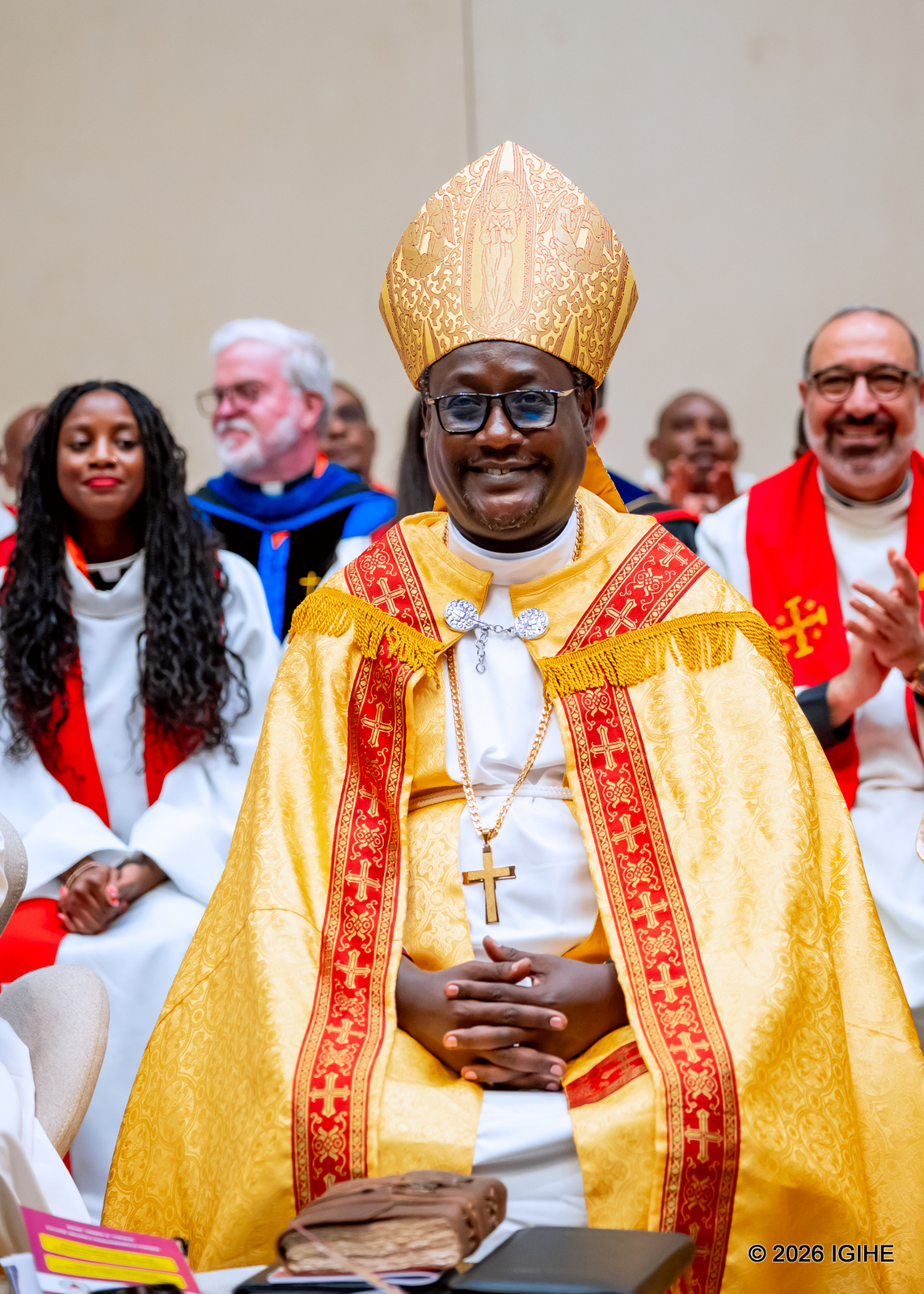
The installation of Bishop Kalisa Atupenda Prince marks a new chapter for the Lutheran Church in Rwanda, with his leadership expected to focus on strengthening the church's capacity, empowering members, engaging young people and increasing its contribution to community development.
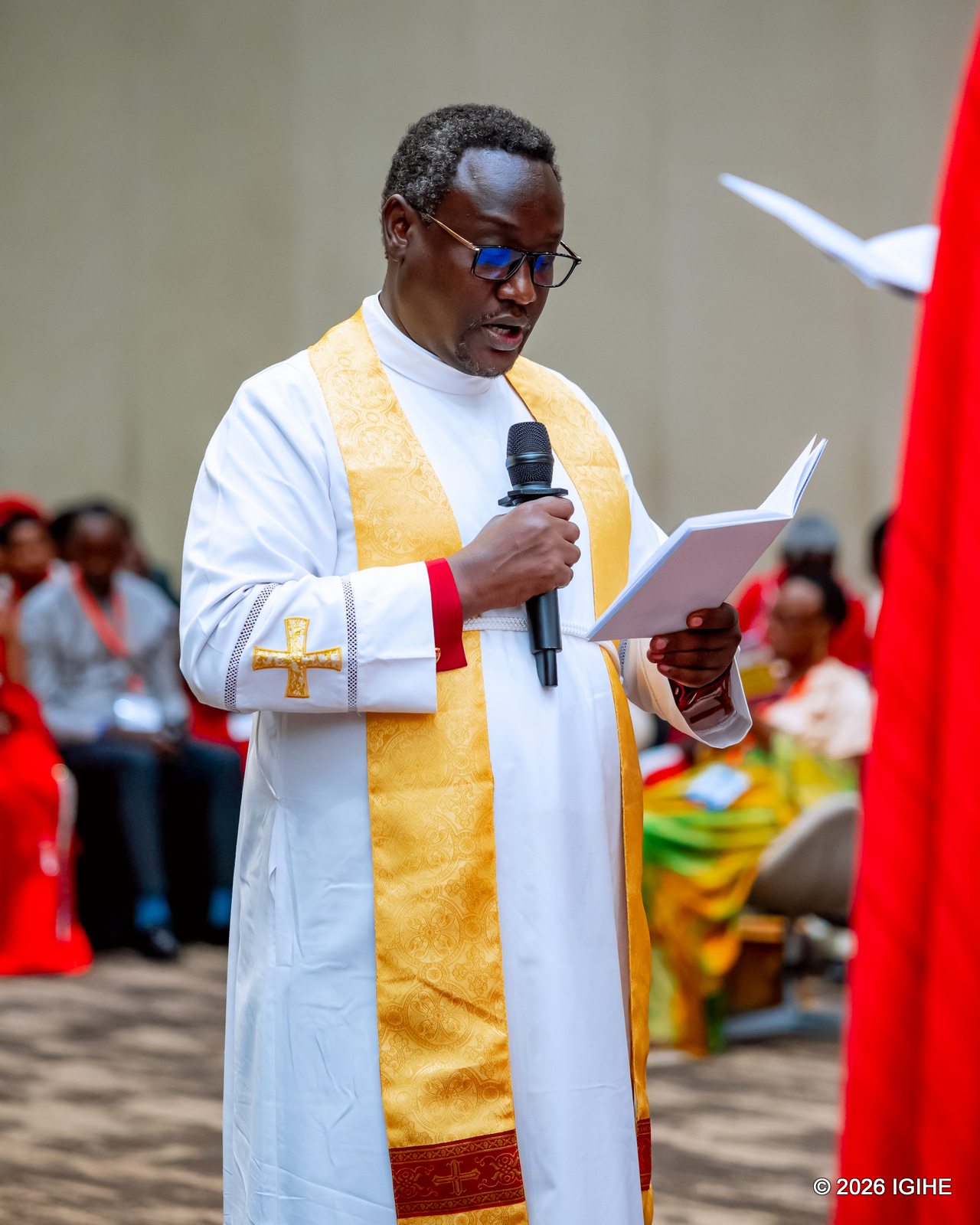
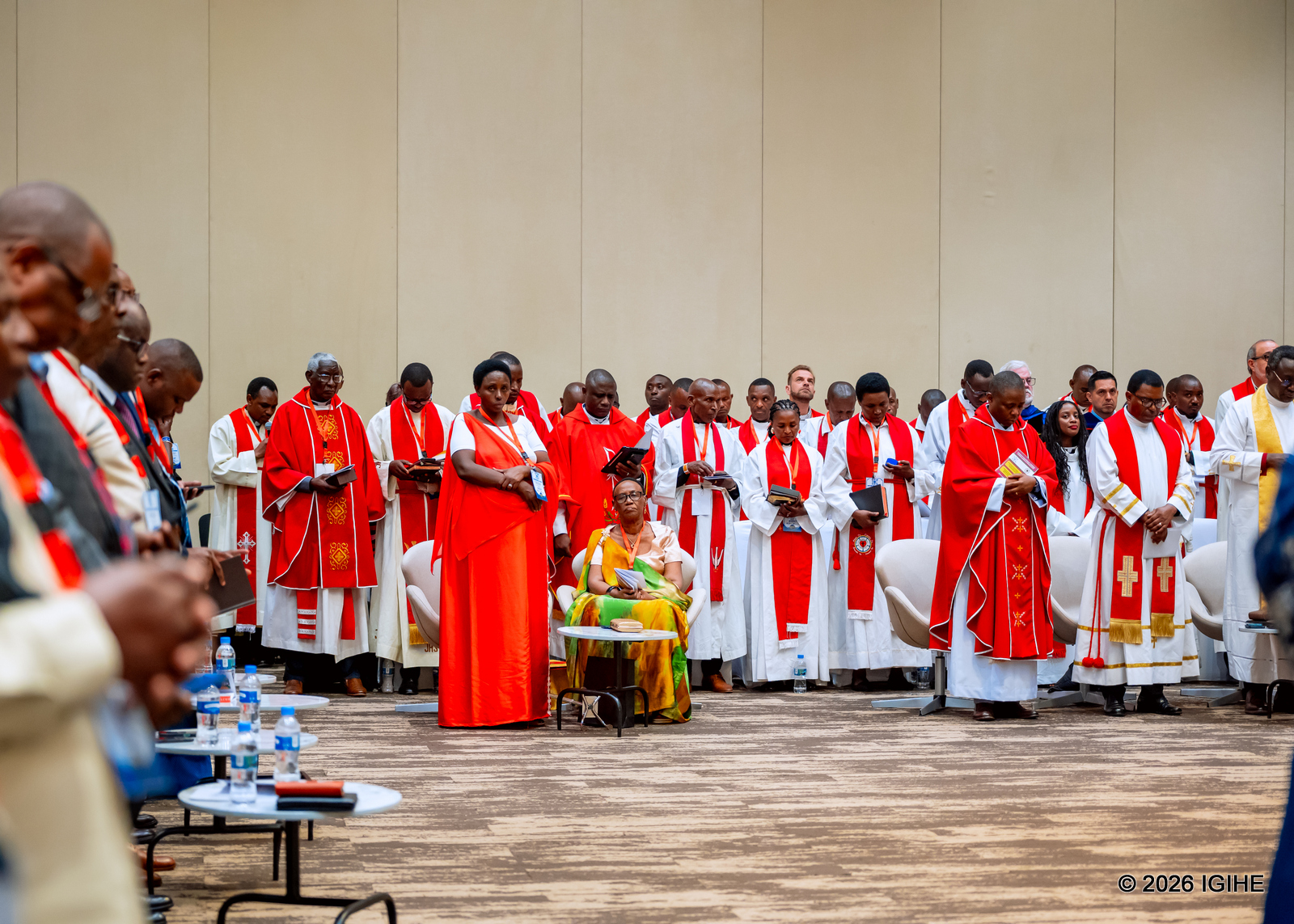
Bishop Kalisa Atupenda Prince was officially installed as a bishop of the Lutheran Church in Rwanda on September 6, 2026.Bishop Kalisa Atupenda Prince speaks to Christians during his installation ceremony at Kigali Convention Centre.Guests from Rwanda and abroad, including the United States, Tanzania, Burundi and the Democratic Republic of Congo, attended the ceremony.Bishop Kalisa Atupenda Prince says empowering church members is key to building a self-sustaining Lutheran Church in Rwanda.Church leaders and guests attend the installation ceremony of Bishop Kalisa Atupenda Prince.
The Burundi government has begun preparations to facilitate the return of its citizens, including sending buses to Kenya and issuing free laissez-passer documents through its embassy in Nairobi.
'Burundi is preparing to send buses to Kenya, and the Embassy of Burundi in Nairobi will issue free laissez-passer documents to facilitate the return to Burundi for those who wish to leave Kenya,' the Ministry of Foreign Affairs, Regional Integration and Cooperation for Development said.
Footage obtained by Kenyan media on Monday, September 7, showed large groups of Burundian nationals with luggage at Nairobi's Machakos Country Bus Station as they sought transport home.
Burundians flock a cybercafé in Kilimani, Nairobi, as they rush to process travel documents amid threats to leave Kenya pic.twitter.com/dMn8pwKhyy
Similar scenes were reported at the Kenya-Uganda border in Malaba, where travellers were scrambling for bus tickets, while others gathered at the Burundi Embassy in Nairobi to obtain travel documents.
The rush follows remarks by Ruto on September 2, when he directed authorities to dismantle small-scale retail and hawking operations run by foreign nationals, effective September 7.
Addressing small-scale traders at State House in Nairobi, Ruto said Kenya remained open to foreign investment but argued that foreign investors should establish businesses that create jobs and expand production rather than compete with Kenyans in small-scale trading.
'It cannot be that a person comes from China or elsewhere to be a hawker or open a small shop,' Ruto said.
Trade Cabinet Secretary Lee Kinyanjui later said most foreign small-scale traders had violated visa or regulatory requirements. Those meeting the relevant immigration requirements, he said, would need an operating licence to resume their businesses.
The directive has particularly unsettled Burundian traders, with their government raising concerns over reports of violence and the loss of property among its citizens, while also fuelling fears of xenophobic attacks similar to those witnessed in South Africa.
The Burundi Foreign Affairs Ministry said several Burundian traders engaged in small-scale businesses had faced dispossession and what it described as unjustified violence.
It also accused Ruto's remarks of worsening tensions.
'The Kenyan government will be held responsible for anything that happens to Burundian citizens, and Burundi reserves the right to take the necessary measures under the framework of reciprocity,' the ministry said.
Burundi, however, said it respected Kenya's right to determine its trade policies, while urging authorities to protect the dignity and safety of its nationals.
The developments have also sparked criticism over the implications of Kenya's crackdown for the East African Community, which promotes the free movement of people and closer economic integration among member states.
Critics argue that targeting foreign nationals engaged in small-scale trade could undermine the spirit of regional integration, particularly as citizens of EAC member states routinely move across borders for work, trade and business.
The issue has also revived concerns about tensions between local traders and migrants from neighbouring countries, with Burundian nationals among those who have faced accusations of competing with Kenyans for jobs and business opportunities.
The EAC comprises eight member states, including Kenya, Burundi, Rwanda, Uganda, Tanzania, South Sudan, the Democratic Republic of Congo and Somalia.
Kenya hosts hundreds of thousands of refugees and migrants, many of whom live and work outside refugee camps. Government figures showed that the country had about 857,000 registered refugees and asylum seekers by the end of June, with nearly 14 percent living in urban areas.
Kenyan law allows refugees to work and operate businesses provided they obtain the required documentation.
Ruto's directive has therefore raised questions over how the crackdown will be implemented and how it will affect foreign nationals who are legally authorised to work or operate businesses in Kenya.
For Burundi, the immediate priority has shifted to facilitating the safe return of citizens who no longer feel secure remaining in Kenya.
Sections of the Burundian community have also appealed to Ruto to reconsider or relax the directive, arguing that the announcement left many traders unprepared for its implementation.
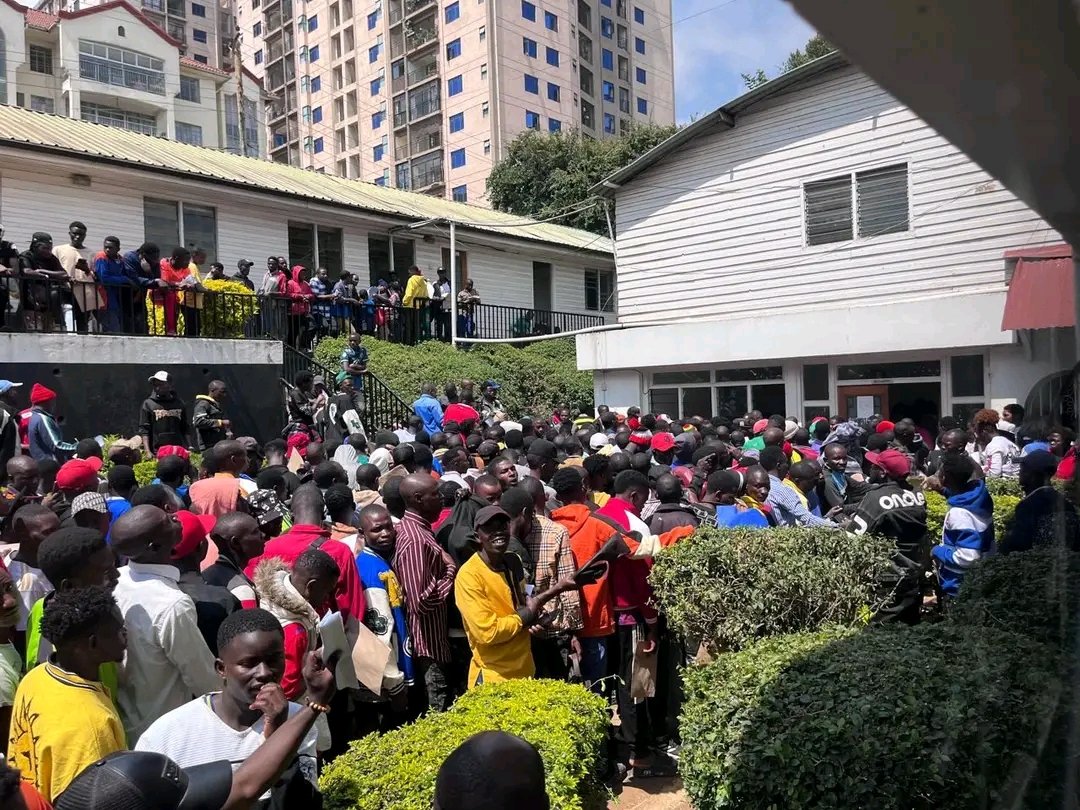
Hundreds of Burundians scramble for emergency travel documents at their embassy in Nairobi as President William Ruto's crackdown on foreign traders sparks panic and a diplomatic row.
Shema, 48, is accused of issuing unfunded cheques and obtaining another person's property through fraud. He denies the charges.
The court ordered his detention on September 2, 2026, citing the ongoing investigation and the fact that the offences he is accused of carry prison sentences of more than two years.
IGIHE has learned that Shema filed his appeal at the Nyarugenge Intermediate Court on September 4. A hearing date has not yet been set.
During the August 26 hearing, prosecutors argued that there were strong grounds linking Shema to the alleged offences and that he could flee if released while investigations were ongoing.
The case relates to an agreement worth more than €1 million between Shema's company, Africa Medical Supplier Plc, and UAE-based ABZL International General Trading LLC. The agreement, signed in January 2024, involved supplying medical equipment under a World Bank-funded contract for the Democratic Republic of Congo.
Prosecutors said Shema's company failed to meet its payment obligations and later issued two cheques worth $400,000 and $200,000 in August 2025. They said the bank confirmed the cheques were not backed by sufficient funds, with the company's account holding only $1,183 during the relevant period.
Shema told the court that the dispute arose from problems with ABZL's bank account and disagreements among its shareholders. He said his company had previously paid $800,000 under the agreement and maintained that he had acted in good faith.
His lawyer, Sangano Yves, argued that the matter was fundamentally a commercial dispute and questioned the evidence surrounding the cheques.
Shema also told the court that he owns assets worth more than Rwf5 billion that could be used as bail security and pledged not to evade justice if released.
Shema Fabrice has appealed a 30-day provisional detention order.
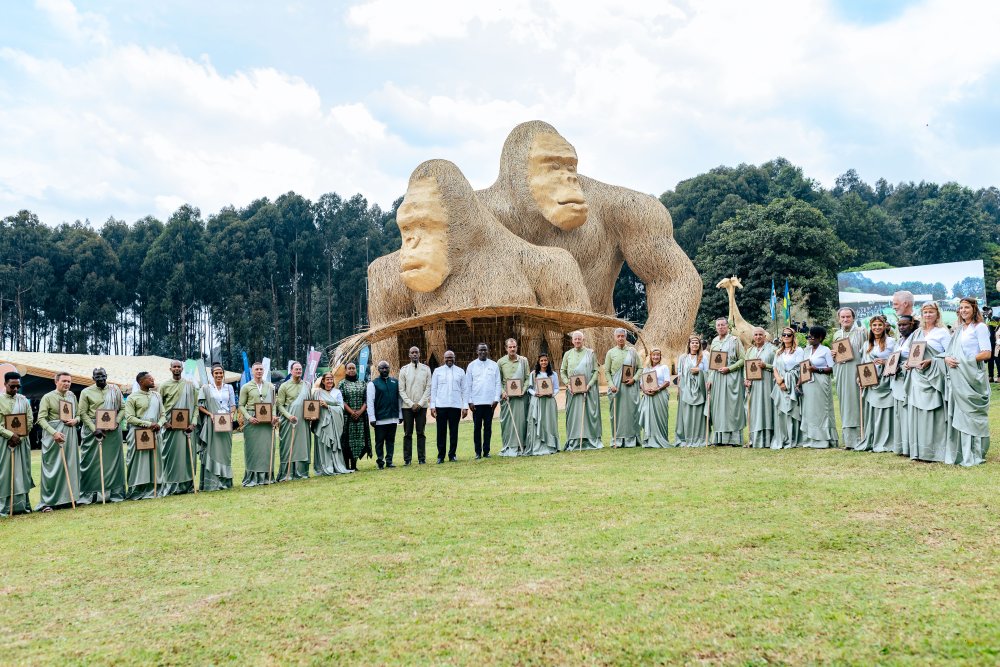
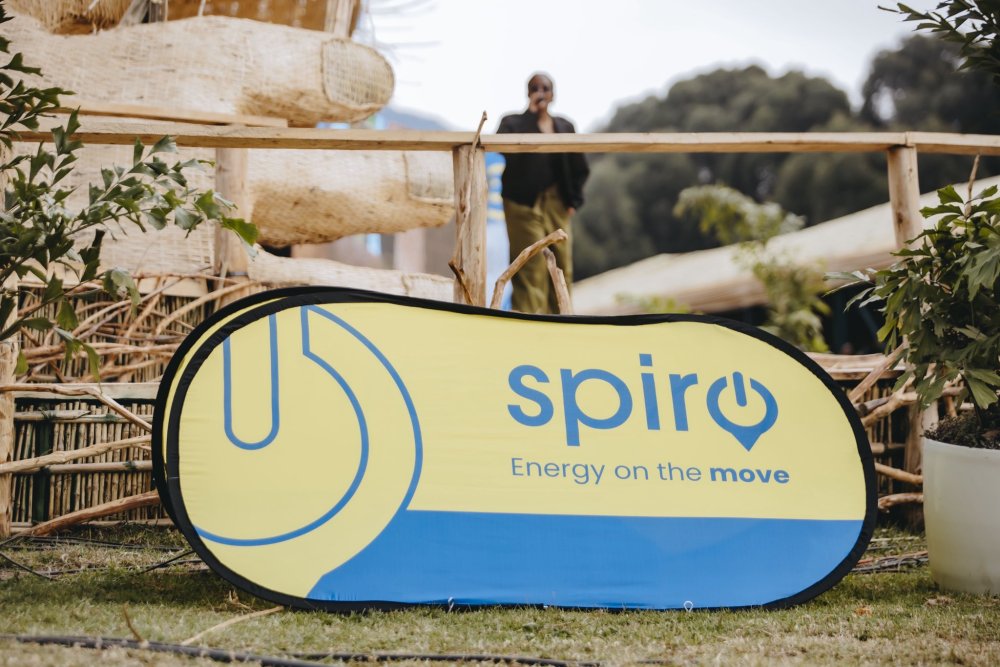
The company was among the sponsors of the 21st edition of Kwita Izina, the annual gorilla naming ceremony held on Friday, September 5, 2026, in Kinigi, Musanze District, where 22 baby mountain gorillas were given names.
Speaking to IGIHE, Spiro Rwanda's Head of Commercial Department, Shanton Ngabire said the company participated in the event because environmental protection is central to its activities.
'The first thing we prioritise as Spiro is environmental conservation, so that we can have a better Rwanda. Every living thing deserves to be protected so that it can live in a clean environment,' she said.
'That is why we came to join everyone else in ensuring that gorillas have a good environment where they can also breathe clean air.'
Ngabire said Spiro is also expanding the availability of electric motorcycles in districts surrounding Volcanoes National Park as part of efforts to reduce pollution from conventional motorcycles.
'In addition to supporting conservation around the Volcanoes, we are working hard to help people switch from fuel powered motorcycles that pollute the environment to electric motorcycles, bringing cleaner transportation closer to them,' she said.
Spiro has expanded its operations in Musanze and other areas near the park. Ngabire said the company currently has 24 battery-swapping stations in Musanze and is continuing to expand towards Rubavu.
'All districts around Volcanoes National Park have branches where Spiro motorcycles are available,' she said.
The company currently has more than 25,000 electric motorcycles operating in Rwanda and more than 350 battery-swapping stations across the country. It plans to continue expanding both its motorcycle fleet and charging infrastructure.
Beyond environmental benefits, Spiro has also become a source of employment in Rwanda. The company currently has 1,650 employees working in various areas of its operations, in addition to the motorcycle riders who use its electric motorcycles.
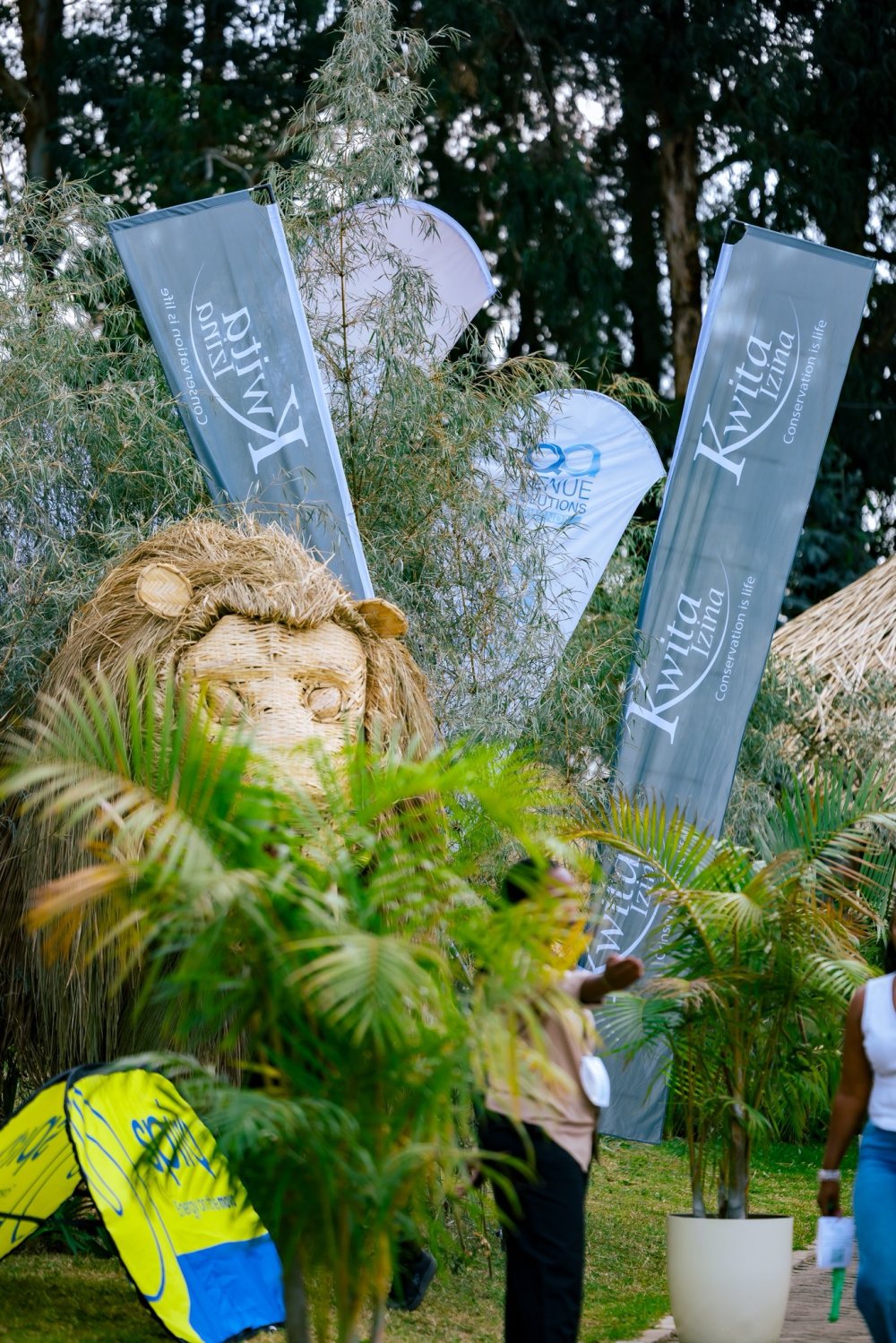
Spiro was among the sponsors of the 21st Kwita Izina ceremony.Twenty-two prominent figures named baby gorillas born over the past year. Spiro showcased its activities in Musanze during Kwita Izina
Hassan died at about 8 a.m. at Emilio Mzena Memorial Hospital, where he had been undergoing treatment, Vice President Deogratius Ndejembi announced.
'With great sadness, I inform you of the death of Mr Hafidh Ameir Hassan, husband of the President of the United Republic of Tanzania, Samia Suluhu Hassan,' Ndejembi said.
He offered condolences to President Samia, her family, relatives and friends, as well as Tanzanians, adding that funeral arrangements had begun in Kizimkazi, Zanzibar.
Tributes followed from across the region, including from Kenyan President William Ruto, who said he received the news with 'great sorrow.'
Ruto described Hassan's death as a personal loss for the Tanzanian president and their family.
'President Samia has lost a lifelong companion, her children a beloved father, and Tanzania a distinguished son,' he said.
'Kenya stands with our Tanzanian brothers and sisters in this moment of grief,' Ruto added, wishing President Samia and her family strength and comfort during the difficult period.
The Africa Centres for Disease Control and Prevention also expressed condolences to the Tanzanian president and her family.
Hassan, a Tanzanian agriculturalist, became Tanzania's First Gentleman after his wife assumed the presidency in 2021. The couple married in 1978 and had four children, three sons and a daughter.
Their daughter, Mwanu Hafidh Ameir, is a politician serving in the Zanzibar House of Representatives.
Hassan maintained a relatively low public profile throughout his wife's political career and was rarely seen alongside her at public events.
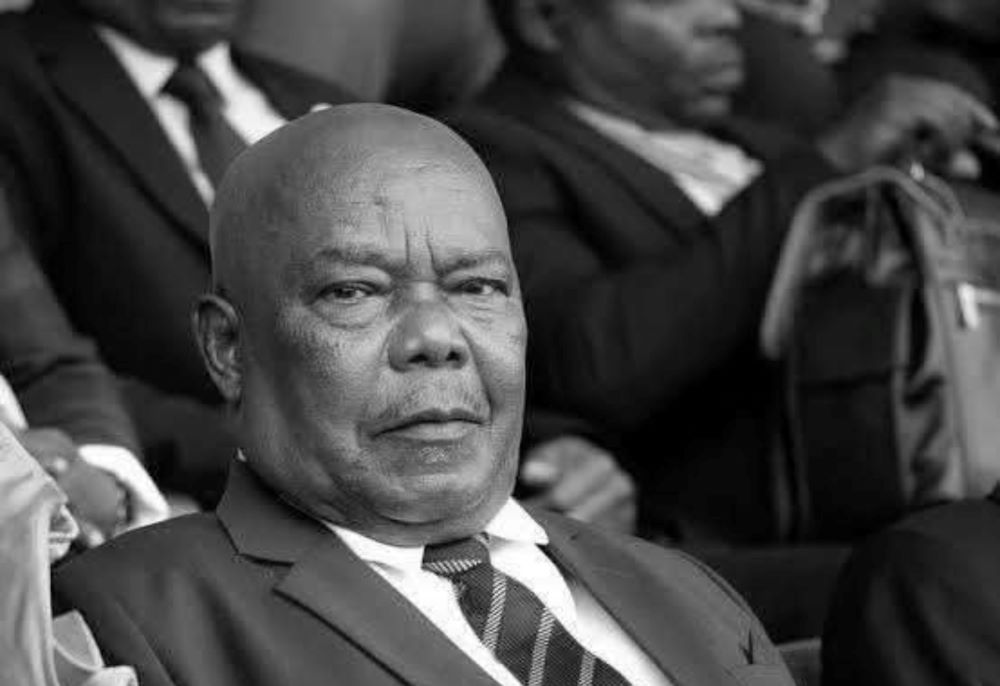
Hafidh Ameir Hassan, husband of Tanzanian President Samia Suluhu Hassan, has died in Zanzibar while receiving treatment for a heart condition.
The Rwandan champions travelled to Lubumbashi on Sunday, September 6, 2026, for the first-leg match at Frédéric Kibassa Maliba Stadium.
The match was played behind closed doors, with no fans allowed into the stadium, as APR FC sought to avoid exposure to the Ebola outbreak reported in the country.
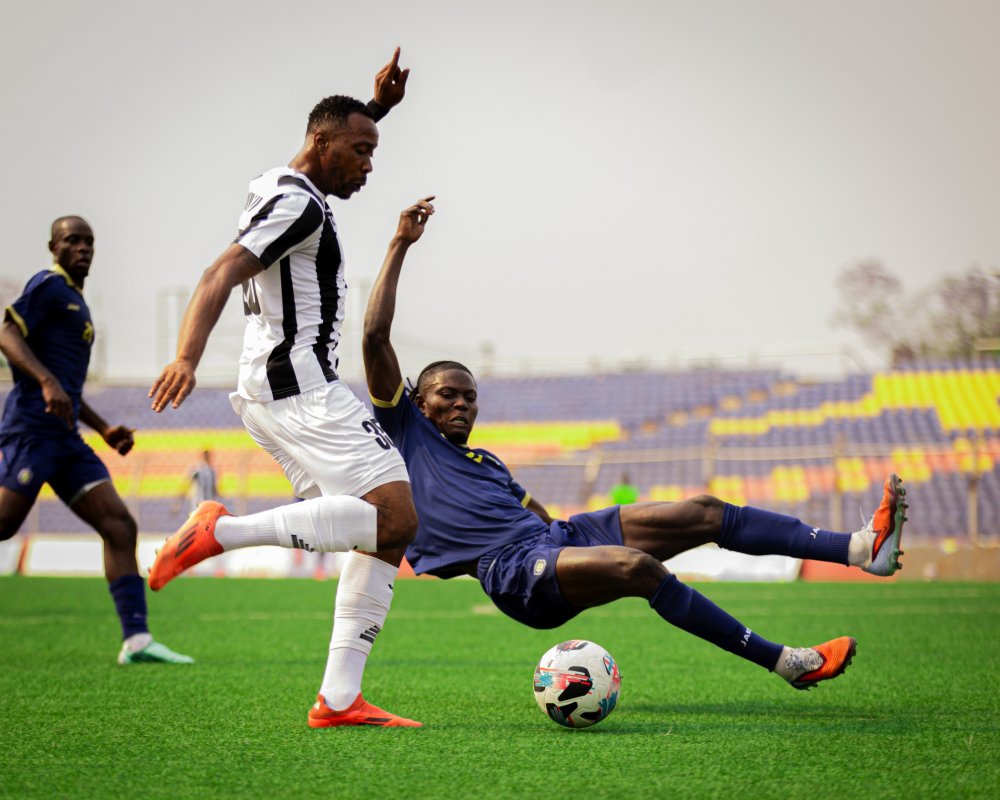
APR FC's trip ended in disappointment after Sozé Zemanga scored the only goal of the match for Les Aigles du Congo in the 45th minute.
The defeat was compounded by the dismissal of Ssekiganda, who was shown a red card after the final whistle following an altercation with the match officials. The midfielder will therefore miss the return leg in Kigali.
APR FC players and officials were expected to return to Rwanda immediately after the match to begin preparations for the decisive second leg.
The return match will be played at Amahoro Stadium in Kigali on Friday, September 11, 2026, at 3 p.m.
APR FC will need to overturn the one-goal deficit to progress and will also have to avoid conceding at home, which would further complicate their qualification hopes.
The winner of the tie between APR FC and Les Aigles du Congo will face either Egypt's Zamalek SC or Djibouti's AS Port in the second preliminary round, scheduled for October 2026.
APR FC's starting lineup.APR FC lost 1-0 to Les Aigles du Congo in the first leg of the CAF Champions League preliminary round.The match was played behind closed doors, with no fans allowed into the stadium, as APR FC sought to avoid exposure to the Ebola outbreak reported in the country.
Covering nearly 10,000 kilometres from Kigali through Addis Ababa to Beijing, the trip was made possible by my media house, IGIHE, which gave me the opportunity to travel, learn and share the experience with readers. Journalism lets us report from a distance, but some realities only make sense firsthand.
Leaving Kigali for the unknown
At Kigali International Airport, everything felt unfamiliar but exciting. Boarding the Ethiopian Airlines flight, I watched the safety demonstration and felt the aircraft accelerate down the runway, small routines to frequent flyers, but unforgettable to me.
As we climbed, Rwanda shrank beneath the clouds. During the roughly four-hour flight to Addis Ababa, meals were served while I sat thousands of metres above the ground, watching the flight map to track our progress across the continent. Around 9:00 PM, the pilot announced our descent into Addis Ababa.
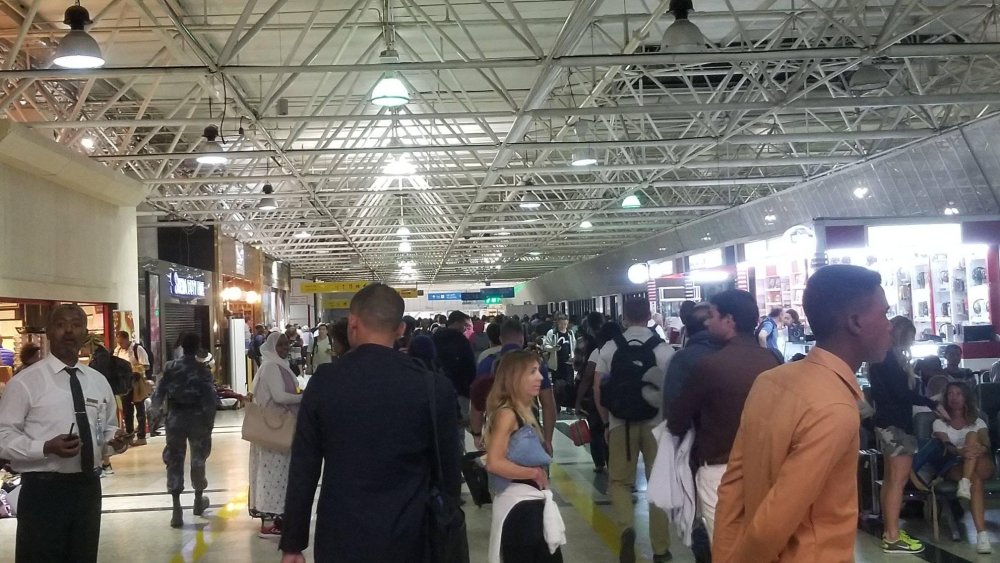
Addis Ababa Bole International Airport revealed the scale of international travel, with passengers from many countries, staff assisting travellers and screens listing destinations across Africa, Asia, Europe and beyond.
Addis Ababa International Airport is always bustling with people.
Finding my connecting flight was difficult in an airport far larger than anything I'd experienced, but I followed signs and asked for help until I found my way. It struck me that airports aren't just transit points, they're where cultures and journeys intersect. Everyone around me was headed somewhere different. Mine was Beijing.
Eleven hours to the other world
The Addis Ababa–Beijing leg, roughly 11 hours on an Airbus A350, a long-haul aircraft that can carry more than 300 passengers, was a different kind of experience altogether. Seeing hundreds of people travelling together inside one machine reminded me how far human innovation has come.
Around me, passengers slept, watched movies or tracked our progress on the map; for me, it was a moment of reflection, leaving Africa by air toward a country of more than 1.4 billion people and one of the world's largest economies. As we approached Beijing, the city slowly revealed itself through the window, with vast roads and buildings stretching further than I had imagined.
Entering China's scale
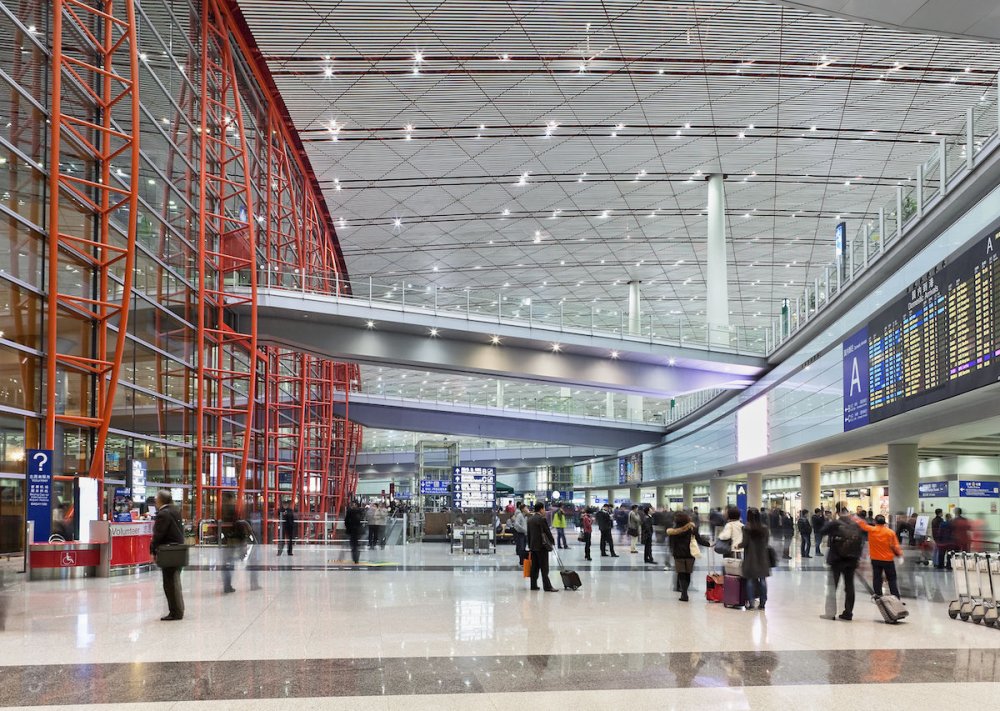
Beijing Capital International Airport felt like a city in itself. My first challenge wasn't its size but finding my way through it. Immigration involved electronic forms, new to me, and demanded patience; guidance beforehand from my friend Liu Qingxia at the Chinese Embassy in Rwanda helped me prepare.
As soon as you arrive at Beijing International Airport, you immediately get a sense of China's sheer scale and grandeur.
Even collecting luggage, on a continuously moving conveyor system, became a small adventure in its own right, one new experience after another.
Discovering China through CIPCC and Renmin University
My journey continued to Renmin University of China, where I joined the 2026 China International Press Communication Centre (CIPCC) program, bringing together 98 journalists from 90 countries across Africa, Asia-Pacific, Europe, Latin America and the Middle East.
Organised by the China Public Diplomacy Association under China's Ministry of Foreign Affairs, the program let journalists learn about China's development and global engagement through direct experience. I'm grateful to CIPCC's leaders and the Chinese government for creating this platform, and to Renmin University, founded in 1937 and renowned in economics, law, social sciences and humanities, for hosting us.
Beijing: A city built around technology
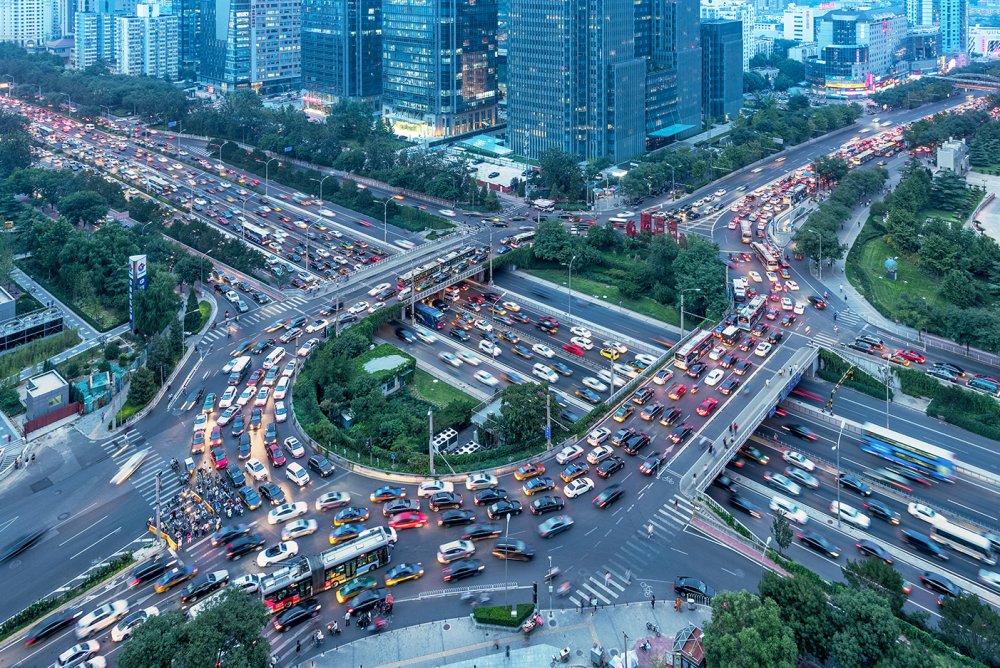
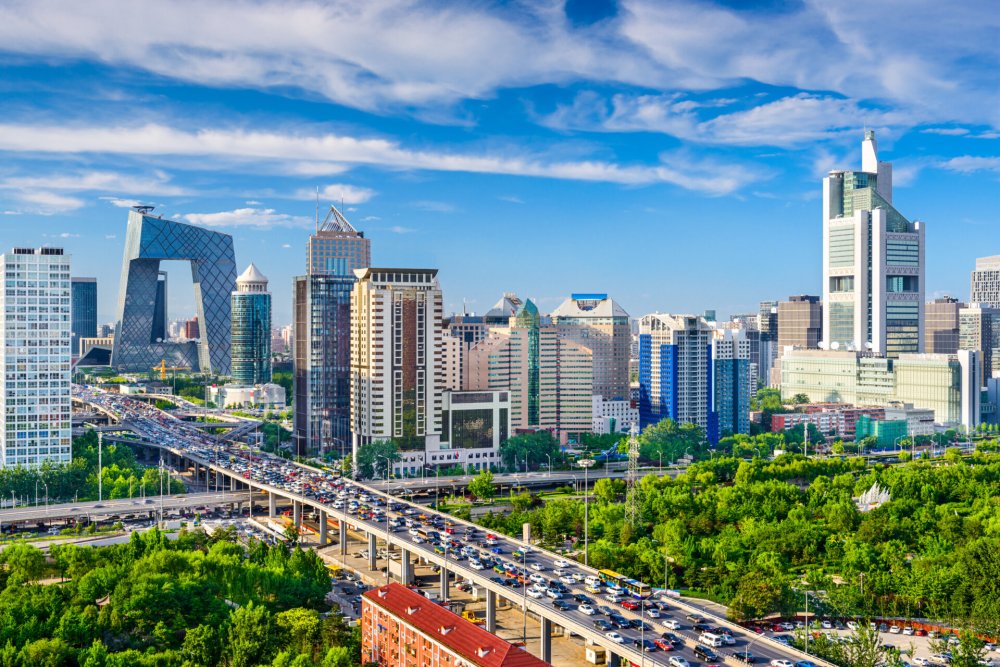
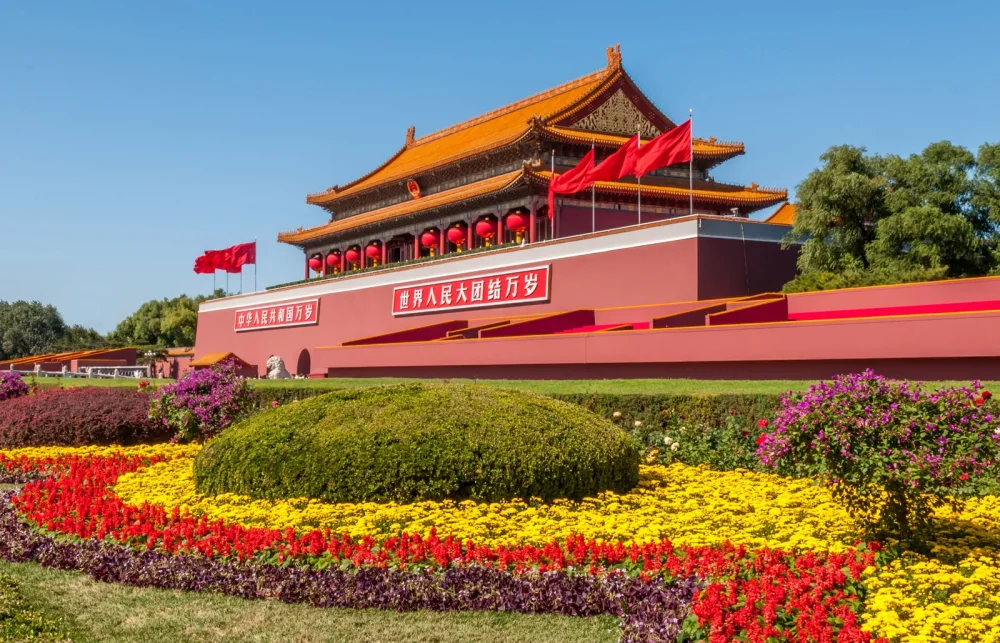
Moving through Beijing's streets gave me my first direct impression of China's development. Beyond being China's political centre, it is a global hub where technology, education and business converge.
The city is home to one of the world's largest subway networks, stretching more than 800 kilometres, while China also has the world's largest high-speed railway network.
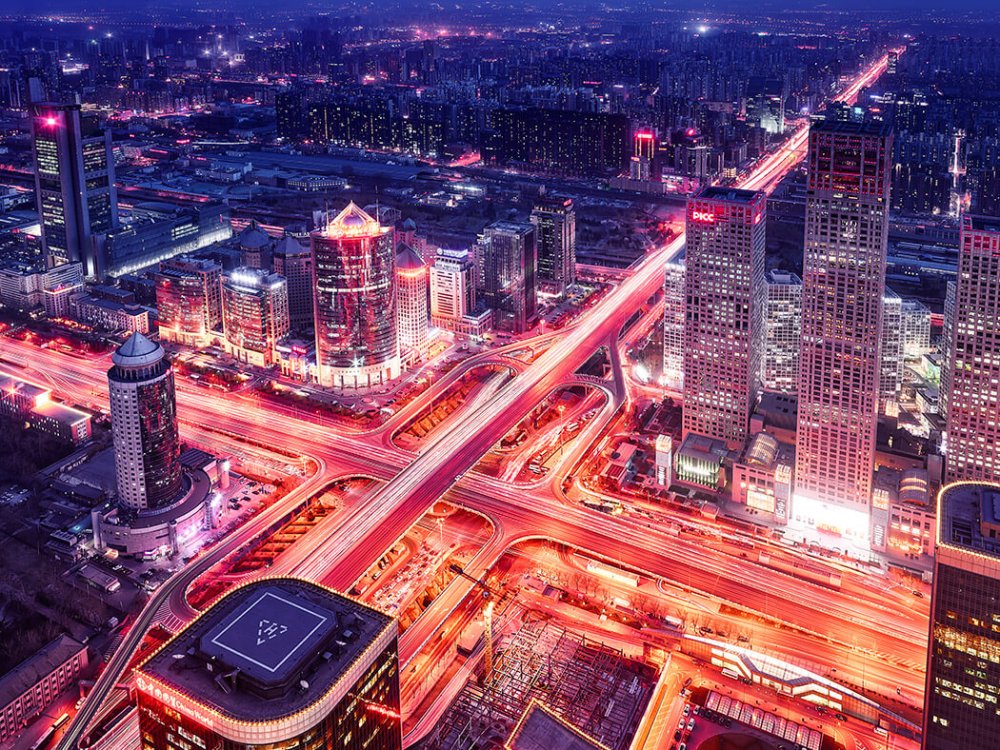
Vehicles are constantly moving through the streets, reflecting the city's fast-paced rhythm.
What struck me most was the balance: despite its huge population, Beijing has parks, green spaces and carefully planned neighbourhoods. Electric buses and vehicles are common, signalling a shift toward cleaner transport.
Technology was the biggest difference I noticed. Digital systems are woven into daily life, from buying food and paying for services to communicating through platforms like Alipay and WeChat Pay.
The idea of a cashless society became real to me. Finding food during my first days required help from colleagues who understood the system better, teaching me that preparation is essential when visiting China. Tools such as WeChat, Alipay, navigation apps and reliable internet access can make the experience much easier.
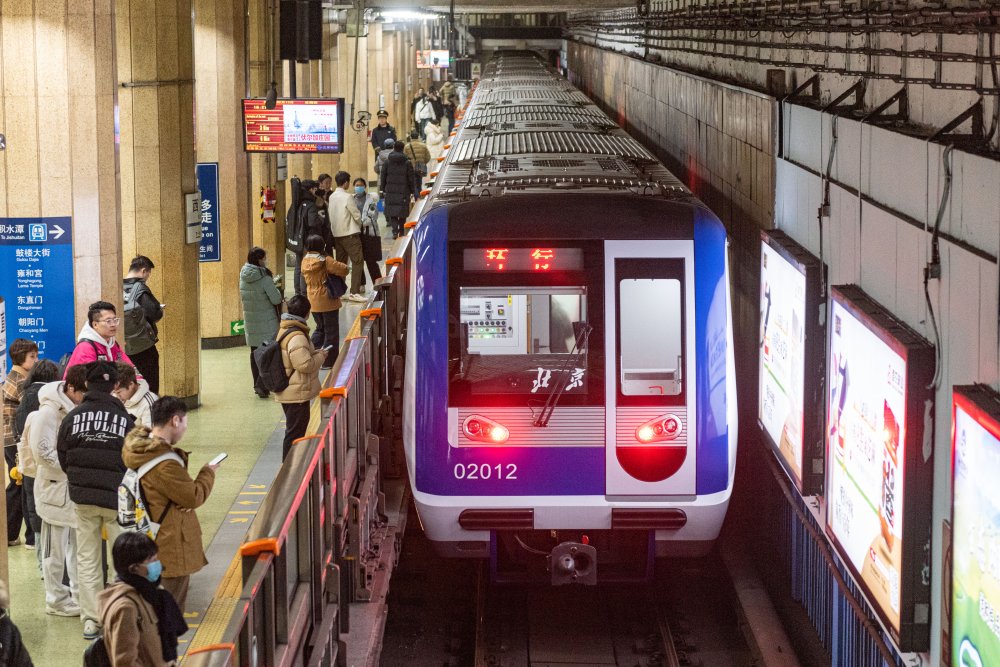
Travelling by subway to Dingfuzhuang in Chaoyang District, about 40 kilometres from Haidian District, showed me how millions of people move efficiently through a massive city. My colleague Mugisha, more experienced in China, helped me adapt faster.
The subway provides another modern and efficient way to travel between different parts of Beijing.
This first journey from Kigali to Beijing changed how I understand the world, teaching me about adaptation, preparation and the value of seeing development firsthand rather than from afar. China is a place where ancient history sits alongside advanced technology, while Beijing is a city where infrastructure reflects long-term planning.
It was not simply a journey from Kigali to Beijing. It was a journey into a different vision of what the future can become.
China has built an extensive and modern infrastructure network. These buildings may look familiar to many people, having appeared in various films.Many see China as a model of what the future may hold.